Category A Bioterrorism Agent Lands in the U.S.

By Alena James

It has been one seriously scary and depressing summer with the multitude of cataclysmic events taking place all around the globe.  Much like the thousands of immigrant children whose futures are still being debated by the U.S. and Mexico, many of these crises have remained outside of U.S. soil. However, one potential crisis has been willingly brought to the U.S.

A few days ago a protocol was established to send medical evacuation planes to Liberia to bring back two missionary American health care workers suffering from the Ebola virus.  The decision to bring the patients back to the U.S. raised great alarm among many Americans that there is a chance of a major outbreak occurring with a disease that the U.S. is not prepared to fight

This past week, the Director of the CDC, Dr. Thomas Frieden, continually claimed that the necessary precautions were being taken to ensure the safety of the public from being exposed to the virus. According to Frieden, the chances of an outbreak taking place in the U.S. are minimal. Ebola is a virus that is not airborne and is not acquired through casual contact with an infected patient. For individuals to be infected they must have direct contact with bodily fluids septic (contaminated) with the virus.

During a CNN interview, Frieden explained that the decision to bring the Americans back to the U.S. was made by Samaritan’s Purse, the organization to which the two infected Americans, Dr. Kent Brantly and Nancy Writebol, belong. The role of the CDC will be to help assist in the transport and supportive care of the patients upon arrival at Emory University Hospital in Atlanta, Georgia.

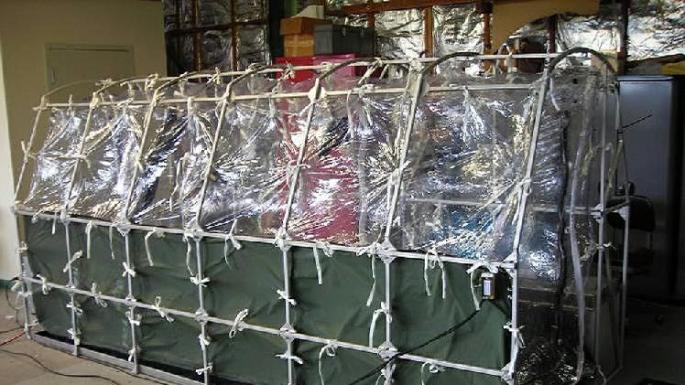
The plane that transported Dr. Kent Brantly on Saturday was fitted with an Aeromedical Biological Containment System. In this system, a tent like structure was set up on board a modified Gulfstream III aircraft and used to isolate Brantly from the rest of the people onboard.

During an aeromedical evacuation, a patient undergoes medical assessment and evaluation before transport. This is to ensure the patient’s survival during the course of the trip. According to a study conducted by the U.S. Army Medical Research Institute of Infectious Diseases in Fort Detrick, Maryland, the physiologic effects of altitude, effect of confinement on patient-care delivery, and psychological effect of confinement within the containment system must be taken into consideration before transport.

Dr. Brantly arrived safely in the United States on Saturday at Dobbins Air Force Base in Marietta, Georgia. He was then transported to Emory University Hospital in Atlanta.

So, why exactly was the decision made to bring back to the Americans infected with a viral agent; which the CDC has classified as a Category A Bioterrorism Agent and to which there is no cure?

In his interview with CNN, Dr. Frieden, gave credit for the medical evacuation operation to Samaritan’s Purse. However, without the assistance of the State Department, the U.S. military, and the CDC it seems likely that the operation would not have come to fruition at all.

The reasoning for this evacuation, made by many advocates, seems to lie with the high level of confidence among those at the CDC and Emory University in their ability to control and contain the infected patients.  Despite the unprecedented nature of an Ebola patient returning to the U.S., infectious disease experts maintain the appropriate precautions are being made and the virus will remain contained.

The medical evacuation operations for Dr. Brantly and Nancy Writebol do not offer only an increased chance of recovery from Ebola and the chance to be reunited with their loved ones—if only through a glass partition. These operations also provide an opportunity for America’s best infectious disease experts and healthcare workers to gain firsthand experience with actual cases of a virus not available for study at clinical levels in the U.S. The medical evacuation operation is also beneficial to emergency response personnel who have been training on how to deal with these types of medical cases for years.

Over the summer, Americans watched intently as the creditability of the CDC took a hit when many of its laboratory staff failed to abide by proper laboratory safety techniques upon dealing with samples of Bacillus anthracis and H5N1.  The CDC and NIH’s credibility took another hit when the CDC discovered more than 200 vials of smallpox in a refrigerator in an NIH lab in Bethesda, Maryland.

Hopefully the fouls ups of the past have provided important lessons for all fields working with infectious diseases to take safety protocols very seriously…especially while working with patients suffering from a virus that has no cure.


Image Credit: Yahoo

Pandora Report 8.2.14

What a mess, right? While we here at the Pandora Report have been watching the Ebola outbreak in West Africa since March, it seems coverage in the news media has reached a fever pitch as the effects of the virus reach further and further.

This week we cover Ebola—a case in Nigeria, the evacuation of Peace Corps, the transfer of patients to the U.S. and treating the disease.

Nigeria Isolates Hospital in Lagos as Obama Briefed on Ebola Outbreak

Early in the week we learned of the first case of Ebola in Nigeria. It is important to note in this case, that the virus was imported from an American man, Patrick Sawyer, who travelled from Liberia. Fears rose over the importation to Africa’s most populous capital city—Lagos—and the hospital he was in was evacuated and is going through the process of decontamination.

Reuters UK—“Authorities were monitoring 59 people who were in contact with Sawyer, including airport contacts, the Lagos state health ministry said, but it said the airline had yet to provide a passenger list for the flights Sawyer used.

Derek Gatherer, a virologist at Britain’s University of Lancaster, said anyone on the plane near Sawyer could be in “pretty serious danger,” but that Nigeria was better placed to tackle the outbreak than its neighbors.”

Peace Corps Evacuates Ebola-Affected Region, With Two Volunteers in Isolation 

On Wednesday, the Peace Corps announced the evacuation of 340 volunteers from Guinea, Liberia, and Sierra Leone. Two volunteers from Liberia, however, were unable to leave. It is reported that the volunteers had contact with an individual who died from Ebola; they have to remain in an isolation ward for 21 days before leaving.

The Peace Corps—“The Peace Corps has enjoyed long partnerships with the government and people of Liberia, Sierra Leone and Guinea and is committed to continuing volunteers’ work there. A determination on when volunteers can return will be made at a later date.”

First Ebola Patient Arrives in U.S.

News came this week that two Americans infected with Ebola would be transferred to the U.S. for treatment at Emory University Hospital in Atlanta, GA.  Dr. Kent Brantly, who had been working at a treatment center in Liberia, was flown on a jet with a special containment area for patients with infectious diseases. He walked into Emory Hospital on Saturday unaided and is the first case of Ebola to arrive in the U.S.

Emory has an isolation unit built 12 years ago to treat patients exposed to highly infectious diseases.

Wall Street Journal—“Bruce Ribner, an infectious-diseases doctor and head of a special isolation unit at Emory University Hospital, said Friday there were good reasons to airlift the two to Emory. “We can deliver a substantially higher level of care, a substantially higher level of support, to optimize the likelihood that those patients will survive this episode,” he said.

Dr. Ribner added that he was “cautiously optimistic” the two have a good chance of recovery once they reach Emory, and that the transfer would be safe.”

Ebola Vaccine Possible, but Many Doubts Persist 

Vaccine development for Ebola has been being worked on for years, but with the increasing severity of this outbreak in West Africa, there has been discussion in the U.S. about fast-tracking vaccine trials for this virus. Even with this option—once approval is received from the FDA—many doubts persist and scientists who study the virus warn that the success is hardly guaranteed. Even if the vaccine proves to be effective in tests, questions remain as to who would receive it and how to figure out optimal dosages.

In short, even the development of vaccine candidates does not ensure success or virus eradication.

The New York Times—“The vaccine to be tested in humans relies on a benign virus that carries two proteins from the surface of the Ebola virus. The proteins help the virus penetrate human cells. If successful, the immune system will be trained to recognize the proteins and to mount a strong response should it encounter the virus.”


Image Credit: Atlanta Better Buildings Challenge

Listeria: Deadly Foodborne Threat to Vulnerable Populations

By Chris Healey

A listeria contamination scare has prompted a fruit packing company to issue a voluntary recall of peaches, nectarines, plums, and pluots shipped to Costco, Trader Joe’s, Kroger, Walmart, Sam’s Club, Ralphs, and Food 4 Less. The company—Wawona Packing Co.—issued the recall after an internal bacterial test found listeria on two nectarines. So far, no one has been sickened from affected fruit.


Listeria monocytogenes, the causative agent of listeriosis, is a common foodborne bacterial pathogen. With the ability to thrive in refrigerated foods, it can quickly multiply and spread on foods which have been properly stored and otherwise deemed safe for consumption. It is unique among foodborne illnesses for its tendency to cause miscarriages and encephalitis in sickened individuals.

Although listeria infection is uncommon, fatality rates reach as high as 30%. Several groups are prone to infection – pregnant women, infants, the elderly, organ transplant recipients, leukemia patients, and those with AIDS. The highest infection rates occur in infants younger than one month and adults older than 60 years.

Once ingested, listeria crosses the mucosal barrier of the intestines to the bloodstream. From there, listeria tends to target neuronal and placental tissue. Defenses associated with those tissues, such as the blood brain barrier of the central nervous system, are not effective because infected host cells can slip by unaffected and release bacteria.

CDC surveillance studies in the 1980s brought listeria to the attention of health professionals in the United States. Those studies determined L. monocytogenes was the causative agent of approximately 1850 cases of food poisoning and 425 deaths annually. Since identification, listeriosis incidence and associated death has decreased. Today, the CDC estimates 1600 cases of listeriosis with 260 fatalities yearly.

In 2002, Listeria was responsible for the largest meat recall in U.S. history. An epidemiologic investigation conducted after a listeriosis outbreak determined 54 case patients had consumed sliced deli-style turkey meat tainted with listeria. As a result, over 30 million pounds of food products were recalled.

The largest listeria outbreak occurred in 2011 due to contaminated cantaloupe from Jensen Farms in Colorado. During that outbreak, 147 people from 28 states became ill. Of those cases, 33 died. The CDC website reports a listeriosis outbreak occurrence every year since 2011.


To prevent listeriosis, the CDC recommends consumers rinse raw produce thoroughly before eating. Full recommendations from the CDC can be accessed here.


(Image Credit: Ximeg)

Abrin: More Deadly and Less Common than Ricin

By Chris Healey

Abrin was among toxins found during an apartment search of a San Francisco man charged with possessing explosive material. An FBI affidavit states the suspect told investigators he acquired abrin to ease the suffering of cancer patients.

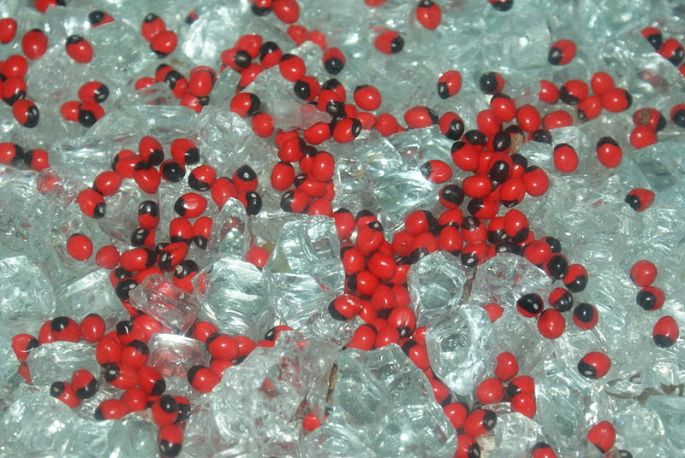
Abrin is a protein-based toxin from the jequirity bean, colloquially known as a rosary bead. The toxin is lethal in minute doses and causes serious symptoms in even smaller amounts. It is almost identical to a better-known toxin—ricin. Abrin is more lethal than ricin. Toxicologists estimate abrin’s lethal dose between .1 and 1 microgram per kilogram. In comparison, ricin is lethal between 5 and 10 micrograms per kilogram.

Both abrin and ricin consist of two proteins, A chain and B chain, linked by a disulfide bond. The proteins work together to enter the cell and disrupt its activity. B chain grants cell entry, while A chain transports to the ribosome and destroys it. Cells die shortly after ribosome destruction.

Abrin’s nonuse despite toxic superiority to ricin is ostensibly due to a matter of availability. As a byproduct of castor oil, an ingredient in soap and mechanical lubricant, ricin is very common. Conversely, rosary beads serve a limited purpose in prayer and are not consumed or destroyed in their role. One set of rosary beads can last for years before replacement is necessary. Their limited and reusable role makes them uncommon.

Availability also contributes to abrin and ricin’s historical precedence. According to a study conducted by the Federation of American Scientists, ricin has been maliciously used 37 times since 1983. Malicious abrin use is almost nonexistent except for several reports in India and Sri Lanka in the early 20th century.

Abrin is released from crushed jequirity beans. Individuals who handle beans whole and unaltered, as in prayer, are not exposed. Even in cases of jequirity bean ingestion, intoxication is dependent on how thoroughly beans are chewed. Symptoms include nausea, vomiting, diarrhea, abdominal pain, and colic. Some less common symptoms include irregular heartbeat, irrationality, hallucinations, and seizures. In fatal cases, cause of death has been traced to gastrointestinal damage.

Abrin is a select agent designated by the Department of Health and Human Services. It is illegal to manufacture or possess any quantity of the toxin. Although jequirity beans contain abrin, they are not illegal. The law is broken when abrin toxin is isolated from a bean.


(Image Credit: Satdeep gill)

Bio-error and Insider Threats: A Two-Pronged Hazard of Biodefense Research

By Chris Healey

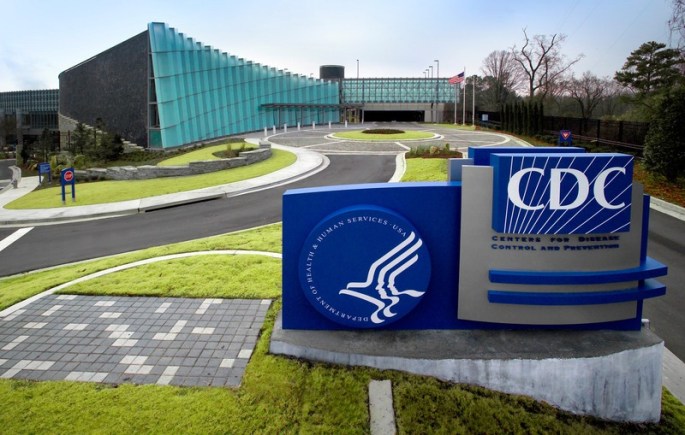
Researchers may have been exposed to live anthrax bacteria during a laboratory procedure at the CDC in Atlanta sometime between June 6 and 13. A CDC statement said established safety practices were not followed in that incident.

A follow-up statement by the CDC said risk assessment evaluations have determined anthrax exposure was unlikely. Most of the CDC employees involved have been advised to stop antibiotic and vaccine administration.

This scare marks the second anthrax mishap in little over a decade. In 2004, Scientists at Southern Research Institute in Frederick, Maryland inadvertently shipped live anthrax to colleagues in California who were expecting dead specimens.

Laboratory mistakes involving pathogens, dubbed “bio-error,” has recently acquired much media attention. To date, there have been no confirmed instances of bio-error causing illness outside the laboratory. However, another laboratory threat has materialized, one which resulted in infection and several deaths outside the laboratory almost 14 years ago.

Insider threats, or the potential for laboratory workers to exploit the dangerous material they work with to harm others, present a precarious laboratory safety problem.

Laboratory insider threats became salient after the FBI’s investigation of Bruce Ivins, a microbiologist with the United States Army Medical Research Institute for Infectious Diseases at Fort Detrick, Maryland, as the suspect of the 2001 Anthrax letter attacks. Ivins worked with the anthrax strain he allegedly mailed across the United States.

Researchers working with select agents must register with the FBI and maintain a security clearance. The same requirement stood when Ivins began his work on live anthrax.

Following Ivins’ implication, a U.S. National Research Council committee and the National Science Advisory Board for Biosecurity reviewed researcher fidelity protocols and determined revision was unnecessary. No changes to the rigor or frequency of character and fitness standards for those who work with select agents were made.

Researchers working on nuclear and radiological material are subjected to more stringent evaluations. In addition to FBI registration and security clearance maintenance, random drug testing, observations of off-duty behavior, video monitoring of laboratory activity, and annual psychological assessments are required.

Those additional fidelity evaluations have contributed to the lack of incidents among nuclear and radiological researchers. There is no known instance of a nuclear or radiological research insider causing public harm.


Image Credit: CDC

Women as Agents of Positive Change in Biosecurity

Kathleen Danskin is a management analyst with GAP Solutions, Inc., supporting the U.S. Department of Health and Human Services, Office of the Assistant Secretary for Preparedness and Response.

Dana Perkins is a senior science advisor with the U.S. Department of Health and Human Services, Office of the Assistant Secretary for Preparedness and Response. She is a former member of the group of experts supporting the UN Security Council 1540 Committee.


By Kathleen Danskin and Dana Perkins 

WEAPONS of mass destruction (WMD) nonproliferation efforts and biosecurity are an important part of preventing conflict and achieving international peace and security. Biological weapons proliferation and the insecurity of biological weapons–related materials constitute a multifaceted problem that requires a multifactorial solution, and gender integration can be one of these factors. Managing biological threats requires a multifaceted, holistic approach to address the full spectrum of human, animal, plant, and environmental health risks (“One Health”1); promote the development of core capacities for disease detection
and response; and strengthen biosafety/biosecurity and the international norms and effective measures against bioterrorism and biological weapons. Bringing a diverse group of people to the table, including women, ensures that a range of different experiences and perspectives are heard.

The United Nations (UN) has recognized that women can play an important role in preventing and resolving conflicts and since 2000 has taken deliberate action to integrate women into the security realm. These efforts have been complemented by national plans, such as the U.S. National Action Plan (NAP) on Women, Peace, and Security. However, while the NAP reiterates the U.S. commitment to amplifying the critical role women can play in conflict prevention and mitigation, currently there is no particular emphasis on promoting the participation of women in the fields of arms control, disarmament, WMD nonproliferation, and biosecurity. In international biosecurity forums such as the Biological and Toxin Weapons Convention (BTWC), statistics do show sustained progress toward gender-balanced participation. However, they also paint a clear picture of just how far there is to go to achieve gender integration. Correcting the current gender imbalance is a worthwhile goal first and foremost because it is a matter of justice. International security and WMD nonproliferation are issues that concern everyone, and the institutions that manage these risks need to be reflective of society as a whole. Moreover, women add important value to biosecurity forums by, for example, leveraging women’s networks and building bridges across divided communities. Until women everywhere have the chance to participate equally in such forums, the international security and WMD nonproliferation fields will be missing an important voice.

The full text of the report is available here.


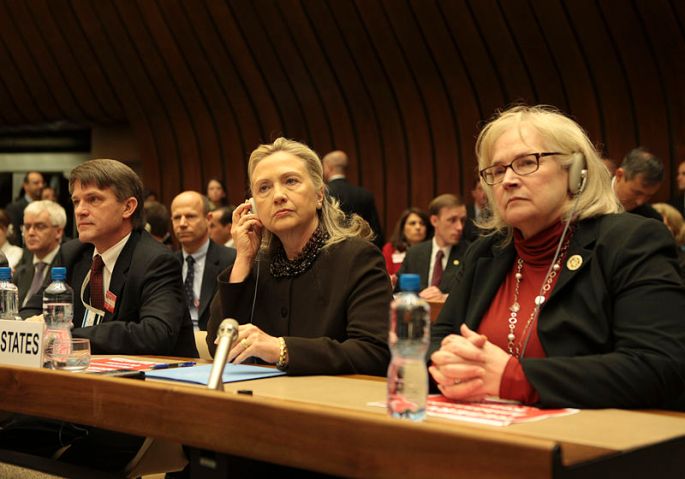
(Image: Secretary of State Hillary Rodham Clinton listens to the discussion at the 7th Review Conference of the Biological and Toxin Weapons Convention. Also at the U.S. Delegation desk are Ambassador Laura E. Kennedy, U.S. Special Representative for Biological and Toxin Weapons Convention Issues and Representative to the Conference on Disarmament and Thomas Countryman, Assistant Secretary of State for International Security and Nonproliferation.)

Hendra Virus: Vaccines Available but Underused

By Chris Healey

Horse owners in Australia are reluctant to vaccinate their horses against an emerging viral illness capable of sickening humans.

Hendra virus, an emerging infectious disease of horses and humans, has been responsible for the death of 4 people and dozens of horses in Australia since its discovery during a 1994 outbreak of an acute respiratory illness among horses and stable workers in Queensland, Australia. Laboratory tests performed during that outbreak confirmed horses and humans became sick from identical viral agents.

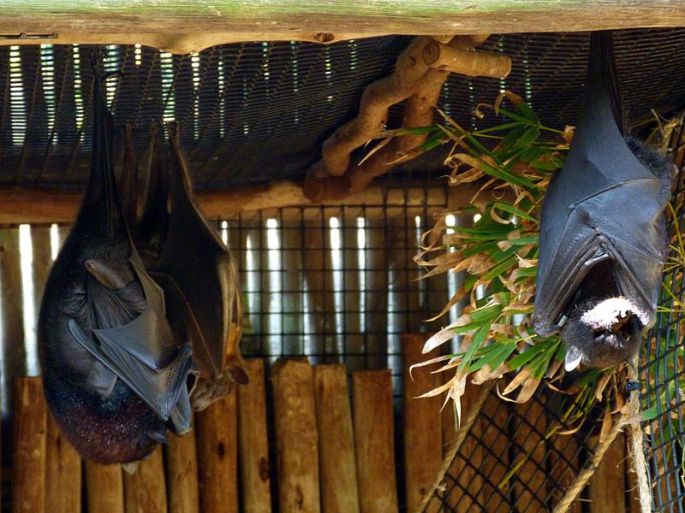
An epidemiologic investigation revealed flying foxes of the Pteropus genus act as Hendra virus reservoirs. Health officials have hypothesized that horses contract the illness through inadvertent consumption of infected bat urine. Hendra virus spreads to humans who come into contact with body fluids, tissues, or excretions of infected horses. Those who work closely with horses, such as equine veterinarians and stable hands, are most at risk of Hendra virus infection.

Early on, researchers discovered Hendra virus glycoproteins could be exploited as an immunization strategy. Following a human Hendra virus death in 2009, and an exposure in 2010, a vaccine for horses was released in 2012 by Zoetis, Inc. As an animal vaccine, developers were spared arduous human pharmaceutical testing protocols and quickly released the product.

The vaccine, called Equivax HeV, is unprecedented in preventative medicine. Not only is it the first vaccine licensed and commercially available to prevent illness from a BSL-4 agent, a pathogen requiring the highest laboratory safety protocols, but it is also the first veterinary vaccine used to transitively prevent illness in humans.

Similar to how smallpox and measles vaccination prevents spread of their respective illnesses, Hendra-vaccinated horses are less likely to transmit Hendra virus to humans by reducing viral shedding. Equivax HeV provides Hendra protection for the horse and the people who interact with it.

Despite vaccine advantages, horse owners say they cannot afford it. A single administration can cost upwards of $200, and booster administration is needed every 6 months for the life of the horse to maintain immunity. Many are unwilling to pay. As a result, only 11% of horses in Australia are estimated to have received the vaccine.

Health authorities are working to approve guidelines recommending yearly booster administrations, cutting immunity maintenance costs in half.  Veterinarians say more horse owners will choose to vaccinate as attitudes toward occupational safety change. Greater awareness of the danger posed to equine veterinarians and stable hands working with unvaccinated horses is expected to place a stigma on non-vaccinating establishments.


(Image Credit: Fainmen)

The Elimination of Syria’s Chemical Weapons: Beginning of the End or End of the Beginning?

Ahmet Üzümcü, Director-General of the OPCW, has announced that the last shipment of chemical warfare agent precursors has been loaded onto the Danish ship Ark Futura at the Syrian port of Latakia. Syria is now officially free of chemical weapons.

The OPCW deserves a lot of credit (and yes, the Nobel Peace Prize) for its Herculean efforts to disarm Syria of its chemical weapons in the middle of a civil war. While this final shipment closes a chapter on the elimination of Syria’s chemical weapons program, it does not mean the story is over. Here are five things to keep in mind before we break out the “Mission Accomplished” banner.

First, Syria should have completed this final shipment over four months ago. The OPCW’s original deadline for removing all chemicals from Syria was February 5, The delay was due to the civil war, Syria’s use of the stockpiles as a bargaining chip, and domestic politics (Syria stopped making shipments during the Syrian presidential election).

Second, the process of actually destroying these chemicals, which is supposed to be completed by June 30, has only just begun. The most dangerous chemicals, including mustard agent and sarin precursors, will be destroyed on board the MV Cape Ray. It is estimated it will take the Cape Ray between 60 and 90 days to complete its mission but since this is an unprecedented at-sea chemical destruction process, the process could take even longer depending on the weather and unforeseen technical issues.

Third, the OPCW has only eliminated Syria’s declared stocks of chemical agents. During April and May 2014, rebels reported over a dozen attacks by government forces with air-dropped barrel bombs filled with chlorine. Although chlorine is not one of the chemicals that Syria was required to declare, the use of any chemical as a weapon is outlawed by the Chemical Weapons Convention. Just last week an OPCW fact-finding mission found that “toxic chemicals, most likely pulmonary irritating agents such as chlorine, have been used in a systematic manner in a number of attacks.”

Fourth, Syria has still not destroyed 12 chemical weapon production facilities located in aircraft hangars and in underground tunnels. Syria was supposed to have destroyed these facilities over three months ago but has been dragging its feet while insisting on the right to disable, instead of demolish, the facilities.

Fifth, serious questions are starting to emerge about “gaps and inconsistencies” in Syria’s declaration of its chemical weapon program to the OPCW. Syria’s repeated delays in removing its chemical stockpile, refusal to destroy chemical weapon production facilities, and continued use of chemical weapons does not inspire confidence that it is in compliance with other aspects of the CWC. Now that the last of the declared chemicals are out of Syria, the OPCW will have more time and energy to devote to verifying the accuracy and completeness of Syria’s declared chemical weapon research, development, testing, production, and storage. Priority should be given to the 200 tons of mustard agent that Syria reportedly destroyed unilaterally before joining the CWC, Syria’s possession of the Volcano rocket which has been implicated in the August 2013 sarin attack, and Syria’s use of chlorine-filled barrel bombs.

To paraphrase Winston Churchill, this is not the beginning of the end of efforts to eliminate Syria’s chemical weapons, but the end of the beginning.

Nipah Virus in Bangladesh: A Cautionary Tale

By Chris Healey

Since December 2013, an estimated 11 people have died from a Nipah virus outbreak in Bangladesh’s capital city, Dhaka, according to information from the Institute of Epidemiology, Disease Control, and Research. That outbreak is part of an almost yearly occurrence of Nipah virus in Bangladesh linked to deforestation and the resulting displacement of indigenous fruit bats.

Nipah virus is a member of the Henipavirus genus within the parmyxoviridae family. The virus shares its genus with the Hendra virus, a similar emerging infectious illness of horses and humans in Australia.

Nipah virus was discovered to be the causative agent of a 1998 outbreak of a respiratory illness with encephalitis in Malaysia. By May 1999, 276 cases of Nipah virus were reported during that outbreak. Approximately 106 of those cases were fatal. Health officials believe the virus was first transmitted from bats to pigs, then from pigs to humans. Nearly 70% of cases during that outbreak were reported in individuals who worked closely with pigs.

An extensive epidemiologic investigation of the 1998 Malaysian outbreak traced Nipah virus to Indian flying foxes, fruit bats indigenous to India and surrounding countries. Nipah has not appeared in Malaysia since 1999 after the culling of over one million pigs in response to that outbreak. However, a more severe form of Nipah has occurred every year in Bangladesh since 2001, with exceptions in 2002 and 2006. The case fatality rates in Bangladesh have ranged from 69% to 92%, compared to 38% in the Malaysian outbreak. There is no evidence of swine involvement; health officials believe bats are transmitting the illness directly to humans.

Nipah virus is a concern to the international health community because of its effective manipulation of the host immune system and broad host range. Its ability to infect pigs, bats, and humans stems from exploitation of a highly-conserved protein receptor common among cells of mammalian species. Nipah virus possesses a glycoprotein on its surface that interacts with those mammalian protein receptors to allow cell entry.

Health officials believe that the Bangladeshi cases of Nipah virus originate from bats displaced by deforestation in the country. The spread of Nipah virus parallels the resurgence of yellow fever in Africa, where deforestation efforts have disturbed mosquitos that typically feed on primates high in treetops where a sylvantic cycle between mosquito and primate is maintained with little human participation. However, destruction of African rainforests brings treetop-feeding mosquitos to the forest floor where they feed on, and transmit yellow fever to, loggers and villagers in nearby communities. Similarly, bats that once remained sequestered in the forests of Bangladesh are being forced into populated areas due to habitat loss.

Nipah virus is an example of human vulnerability to animal illnesses, also known as zoonoses. Animals displaced into human communities carry their illnesses with them. As people alter and populate previously undisturbed parts of the world, we must prepare to encounter those animals and their associated illnesses.


(Image Credit: Rusty Clark)

Smallpox Stockpiles Avoid Chopping Block… Again

By Chris Healey

Last month, World Health Organization officials at the 106th World Health Assembly in Geneva decided not to eliminate the last stockpiles of smallpox. That decision marks the sixth time the assembly has chosen to maintain stockpiles in lieu of destruction.

Some health officials consider smallpox the deadliest disease in human history. Until vaccination eradicated the disease in 1980, smallpox infected people around the world and killed 30% of sickened individuals. The disease no longer exists in nature, but samples of the virus are stockpiled at research facilities in the United States and Russia. Elimination of those stockpiles is the only way to categorically prevent theft or accidental release of smallpox from those facilities.

One source of hesitance to eliminate is international intrigue. In 2008, representatives from Vector, the Russian facility responsible for the country’s stockpile in Novosibirsk, announced researchers had discarded 200 smallpox samples without notice. Elimination of those samples remains unverified.

Another reason to keep stockpiles is research potential. Access to samples in the event of a smallpox resurgence, or another poxvirus outbreak, may be beneficial in efforts to quell illness spread. Most poxviruses have strikingly similar genomes.

Smallpox is part of the orthopox genus. A characteristic of orthopox genomes is conservation of genetic material, meaning viruses in the genus share many identical genetic sequences.

Genetic similarity among viruses in the orthopox genus is exploited to prevent smallpox. Vaccinia virus,the pharmacologic active ingredient in smallpox vaccines, shares enough genetic similarity with variola virus, the causative agent of smallpox, to confer immunity to both viruses. In fact, inoculation with any orthopoxvirus confers immunity to all members of the genus.

Some health officials claim the conserved nature of orthopoxviruses undermines needs to preserve smallpox. Due to similarity among orthopoxviruses, smallpox can be studied through less virulent orthopoxviruses. However, not all health officials believe orthopoxviruses are one in the same.

Authors of an article recently published in The Lancet make an argument for the preservation of smallpox stockpiles. The authors mention the need for better countermeasures against smallpox and other orthopoxviruses. Those countermeasures, when developed, should be tested against authentic smallpox viruses. The authors argue smallpox stockpiles should be maintained to facilitate orthopoxvirus research.

A comprehensive review of the smallpox stockpile elimination debate by biological weapons and arms control expert Jonathan Tucker is available here.