Pandora Report: 6.12.2020

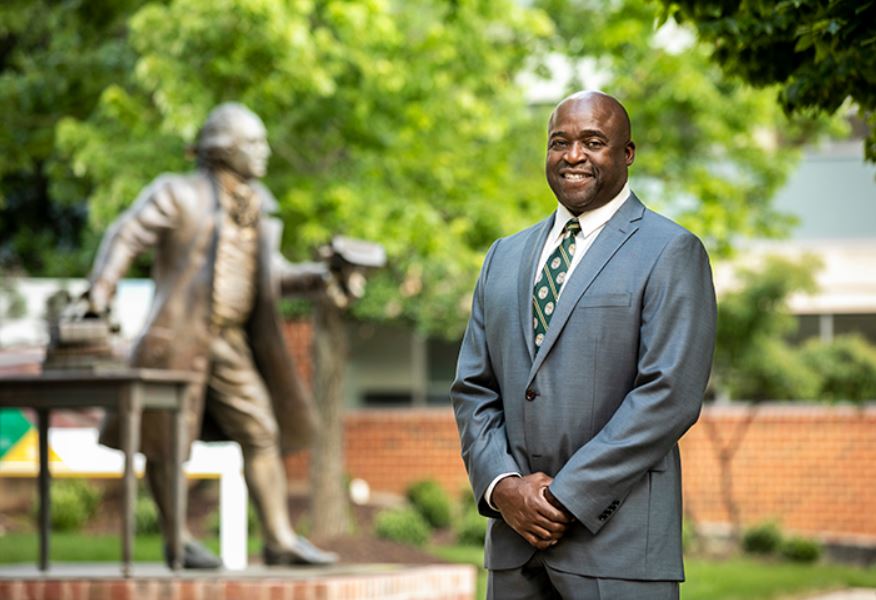
Dr. Andy Kilianski in Operation Warp Speed

Dr. Andy Kilianski, an adjunct professor in the GMU Biodefense Graduate Program, is one of the newly appointed experts leading the Department of Defense’s arm of Operation Warp Speed (OWS). Operation Warp Speed is a public-private partnership created to efficiently facilitate the development, manufacturing, and distribution of COVID-19 countermeasures. Kilianski was appointed as the subject matter expert in “security and assistance” for this fast-moving Manhattan Project-style initiative. According to Gregory Koblentz, director of the Biodefense Graduate Program, “Strengthening cyberbiosecurity is a vital element of our national effort to develop new vaccines and therapeutics against COVID-19. Kilianski’s appointment is a perfect illustration of how the biodefense program tries to bridge the gap between science and policy.” At the start of June, OWS announced five COVID-19 vaccine candidates: Moderna’s mRNA1273, AstraZeneca and Oxford University’s AZD1222, a candidate from Johnson & Johnson, a candidate from Merck, and Pfizer and BioNTech’s BNT162.

New Guidance for Decision Makers on Assessing COVID-19 Data

The newly established Societal Experts Action Network (SEAN) of the National Academies of Sciences, Engineering, and Medicine (NASEM) produced a rapid expert consultation to guide leaders using COVID-19 measurements, such as hospitalizations and number of confirmed cases, to better understand the disease’s spread in their regions. SEAN connects decision makers with researchers in the social, behavioral, and economic sciences to relay evidence-based expert guidance regarding local, state, and federal policies and responses related to COVID-19. This guide was created to facilitate insight into the strengths and weaknesses of COVID-19 data by applying 5 criteria to 7 types of data available to support decision making. The goal is to guide decision-makers toward the data type most appropriate to answer each of their questions, and then to use that data effectively. The 7 data types are the number of confirmed cases, hospitalizations, emergency department visits, reported confirmed COVID-19 deaths, excess deaths, the fraction of viral tests that are positive, and representative prevalence surveys (viral and antibody tests). The 5 criteria are representativeness; bias; uncertainty, and measurement and sampling error; time; and space. Read the full guide here.

The Military and Pandemics: Early Lessons and Future Actions

This week, the Center for Strategic and International Studies (CSIS) hosted an online event to discuss the major steps taken by the US military toward augmenting the civilian medical system while simultaneously sustaining its own operations. This discussion focused on lessons learned, the possibility of restructuring military services to improve future responses to events such as pandemics. Panelists included Lieutenant General David Barno (Ret.) from Johns Hopkins University School of Advanced International Studies, Nora Bensahel from Johns Hopkins University School of Advanced International Studies, and Melanie Marlowe from the CSIS International Security Program.

The overarching theme and point of agreement across the three panelists was the inevitability of major changes in direction, priorities, and budget of the US military. Regarding the budget, the Department of Defense (DoD) should expect a significant drop that likely requires scaling back or eliminating large legacy programs and the shrinking of active duty forces. Barno expects priorities to shift from an external focus on protecting Americans to protecting Americans at home as the cyber and space domains continue to surpass the land, air, and sea domains. The traditional defense barriers placed around the world by the US military are ill-equipped to protect those on US soil, as we are currently experiencing in the COVID-19 pandemic. Additionally, Barno anticipates that the reserve component of the military will play a bigger role now as it is essentially a dual-purpose force that helps provide food and supplies and augments civilian medical efforts in national emergencies along with its more soldierly objectives. Bensahel stressed the fact that the COVID-19 pandemic is the greatest catastrophe to hit the US since World War II; the death toll from COVID-19 now exceeds that of all US military deaths in overseas events since World War II. She also asserts that national security will now be redefined as Americans shift their notion of national security as susceptible to outside threats, like state or non-state actors, to susceptible to intangible threats. Americans will think more of their own personal security. Marlowe maintains that the military should not be the linchpin responder in a national emergency, such as a pandemic, but that the civilian sector should be the primary responder. As a support to the civilian efforts to contain the spread of the virus and treat infected individuals, the US military erected field hospitals, moved important cargo, evacuated US citizens from other nations, and provided hospital ships. In summary, the US military is about to undergo significant changes in its resources and objectives as the pandemic alters the meaning and parameters of national security. View the recording of this event here.

Soviet, Chinese, and North Korean False Allegations of Biological Weapons Use During the Korean War

During the Korean War, the USSR, China, and North Korea accused the US of using biological weapons against enemies. After the construction of the Richard Lugar Center for Public Health Research, the first high containment laboratory in the Republic of Georgia, the Kremlin accused Lugar Center, along with other US-backed laboratories, of producing biological weapons. Throughout the ongoing COVID-19 pandemic, mudslinging accusations that SARS-CoV-2 is a biological weapon are being flung from many China, Iran, Russia, and the United States. China has carried on a disinformation campaign against the US using unfounded claims that the US military introduced the new virus into Wuhan last fall during the Military World Games. Iranian officials have insistently promoted conspiracy theories that COVID-19 is a biological weapon created by the US to target Iran and its pharmaceutical industry. Russia has bolstered the claims of Iran by peddling their conspiracies on social media platforms. US officials have accused China of sabotaging the R&D efforts of Western nations toward developing a COVID-19 vaccine. False allegations of bioweapons use are injurious geopolitical tactics that degrade the legitimacy and authority of the Biological and Toxin Weapons Convention (BTWC). The BTWC is a multilateral arms control treaty signed by 183 countries that bans the development, stockpile, production, and transfer of biological agents and toxins. False claims of BTWC violations weaken the treaty regime by compromising the efficacy of international cooperation and collaboration against tangible threats of bioterrorism.

Coronavirus: Asymptomatic Transmission Still an ‘Open Question’

Along with numerous other uncertainties persisting in the COVID-19 pandemic, the question of the disease’s transmission from asymptomatic patients is the latest to rouse media attention. Dr. Maria Van Kerkhove is an infectious disease epidemiologist who serves as the WHO’s technical lead on the Covid-19 pandemic clarified that the actual rates of asymptomatic transmission are not yet known. Van Kerkhove’s clarification came just a day after her statement in an 8 June Press Conference that asymptomatic transmission is quite rare. At present, the data are not conclusive on the risk of asymptomatic spread. Adding insult to injury, there is confusion regarding the definition of an asymptomatic case. Though some cases of the virus are truly asymptomatic, the term is also applied to patients that have simply not begun to present with symptoms; some patients are in labeled as asymptomatic when they are actually presymptomatic. Asymptomatic cases are those that never present with symptoms, whereas presymptomatic cases are those individuals who test positive when they are symptom-free but later show them. These contradicting statements from the WHO are especially concerning given that research from different entities are finding that asymptomatic patients could be the cause of as much as half of the spread. The Office of National Statistics in the United Kingdom has been routinely testing a sample of its population, finding that of those individuals testing positive for COVID-19, less than one-third report “any evidence of symptoms” at the time of testing. The uncertainty and contradicting statements regarding asymptomatic transmission leave the public and its decision-makers in a pickle: are asymptomatic cases fueling the spread of COVID-19, and, if so, how do we adjust our response efforts?

Coronavirus Vaccine Tracker

The New York Times published a Coronavirus Vaccine Tracker that provides updates on the status of vaccine candidates that have reached human trials as well as a selection of candidates in cell or animal testing. Vaccine candidates must make it through four important stages before regulatory approval: (1) Preclinical Testing in animals, (2) Phase I Safety Trials using a small number of human subjects, (3) Phase II Expanded Trials with hundreds of human subjects, and (4) Phase III Efficacy Trials with thousands of subjects. Normally, the process to approval is quite sluggish; however, under emergent conditions, there are options to accelerate a viable candidate to approval. The Tracker categorizes vaccine candidates as genetic, viral vector, protein-based, and whole-virus. View the Tracker here.

Pandora Report: 6.5.2020

Commentary – Violent Non-State Actors and COVID-19: Challenge or Opportunity?

Stevie Kiesel, a Biodefense PhD Student, attended a Wilson Center webcast discussing the challenges and opportunities for non-state actors around the world during the COVID-19 pandemic. Experts on the panel include the Honorable Jane Harman, Dr. Duncan Wood, Eric Olson, Michael Kugelman, Dr. Louise Shelley, and Marina Ottaway. Read Kiesel’s event summary here.

Commentary – The Future Bioweapons Threat: Lessons from the COVID-19 Pandemic

Yong-Bee Lim, a Biodefense PhD Candidate, attended a webinar about the future threat of bioweapons given the ongoing pandemic, preparedness for the intentional use of bioweapons, and strategies for countering disinformation. Expert panelists include the Honorable Andrew C. Weber, GMU Alumna Dr. Saskia Popescu, Dr. Alexander Titus, and Max Brooks. Read Lim’s event summary here.

Master’s and Certificate Virtual Open House Library

For anyone who missed the virtual open house or would like to revisit the event, the video recordings of the Schar School program directors are available in the Master’s and Certificate Virtual Open House Library! Here, you will also find the application link and additional information about the Schar School and its research. For any questions, contact the Schar School Graduate Admissions Office at schar@gmu.edu.

US “Withdrawal” from WHO

At the end of May, the administration announced its withdrawal from the World Health Organization (WHO) citing the body’s protection of China during the early stages of the COVID-19 pandemic as the final straw. This withdrawal follows the April decision to halt US funding to WHO. This decision has sparked outrage among the public health and biodefense communities. A statement from Ernest J. Moniz and Beth Cameron of the Nuclear Threat Initiative (NTI) warns that termination of the US-WHO relationship will “significantly impair the international response to the COVID-19 pandemic, threaten American and global health, and undermine international security.” Instead, they encourage the administration to assume a leadership role in “strengthening the WHO’s ability to reduce biological risks, detect threats early, and respond rapidly and effectively.” The supposed withdrawal does not consider the gap the US will leave open in the international community, providing an opening for another global powerhouse, like China, to better secure its values and agendas. Additionally, there is uncertainty as to the legality of withdrawal from WHO, because the US is one of the state members of the WHO Constitution. According to Harold Hongju Koh of the Yale Law School, the administration lacks the legal ability to withdraw the US from the WHO and there are actions that can be undertaken by Congress or public health advocates to prevent a withdrawal if a method of legal withdrawal is found.

Point of View: Bioengineering Horizon Scan 2020

Horizon scanning is a type of foresight methodology in which systematic investigation is used to detect early signs of weak signals indicating potential change.  This methodology aims to identify the opportunities and threats associated with technological, regulatory, and social changes. This article posted in Genetics and Genomics reports results of a new horizon scan for bioengineering based on inputs from an international group of 38 participants. The authors identified 20 issues identified in the scan that are likely to realized within the next 5 years, 5-10 years, or 10+ years. These issues span several topics such as the regulation of genomic data, increased philanthropic funding, malicious uses of neurochemicals, crops for changing climates, and agricultural gene drives. Early identification of these issues is important for researchers, policy-makers and the general public.

How to Reopen America

COVID-19 has crippled US businesses, reducing the economy to a condition not seen since the Great Depression nearly a century ago. Since pandemic reached our soil, public health experts have stressed the need to practice social distancing and comply with shelter-in-place orders in order to flatted the infection curve and reduce the number of COVID-19 hospitalizations and fatalities. Despite these directives and mandates, the impacts of the pandemic on public health, the economy, governance, and social wellbeing have been tremendous. The Brookings Institution just released a report analyzing how to reopen America and how to address fundamental issues. The experts who compiled this report present several ideas for protecting for protecting public health, restarting the overall economy, and improving social well-being. Read the full report here.

“The CDC Waited its Entire Existence for this Moment,” What Went Wrong?

A recent article in the New York Times outlines the critical missteps of the Centers for Disease Control and Prevention (CDC) that weakened the US response to the COVID-19 pandemic. The article cites issues outdated technology, a lack of data, slow bureaucratic movement, conflicting guidelines, and a lack of cohesion within the administration as key factors contributing to the hampered response. Now, as the country initiates reopening, the CDC continues to struggle to provide clear and timely guidance relating to COVID-19. Mistrust is growing toward the once exalted health agency, even as the need for their direction and information remains. Read the full article here.

Did the SARS-CoV-2 virus arise from a bat coronavirus research program in a Chinese laboratory? Very possibly.

Milton Leitenberg, the first American recruited to work at the Stockholm International Peace Research Institute (SIPRI), discusses the still unknown origin of the SARS-CoV-2. Leitenberg asserts that there is not enough hard evidence to definitely claim that virus originated as a result of natural evolution or as an escapee of coronavirus bat research; the evidence is circumstantial thus far. There are two virology institutes in Wuhan that have conducted sizable projects on novel bat viruses and other animals have been infected with these viruses for research purposes. Unfortunately, laboratory accidents and the subsequent escape of dangerous pathogens are rather commonplace around the world. Suspiciously, Beijing has worked to obscure the origins of the pandemic with disinformation and withholding information. Given factors such as these, there is a possibility that the virus is the product of some type of laboratory accident. Calls continue for an international commission independent of the WHO to investigate the origins of the virus, whether it be zoonotic spillover or naturally-occurring; however, Leitenberg doubts the realization of such a commission. At present, the data indicate that SARS-CoV-2 is “uniquely adapted” to infect human hosts, but they do not provide any definitive insight into its conception.

The Council of Europe continues working to enhance international co-operation against terrorism, including bioterrorism

As the pandemic continues, the Council of Europe Committee on Counter-Terrorism (CDCT) is continuing its work to improve international cooperation against terrorism, both “traditional” and biological. Though the CDCT does not possess any concrete evidence of an elevated risk of a bioterrorism attack, it pledges to continue its efforts in developing legal standards, facilitating contacts between competent authorities, and organizing a coordinated and strong response to emerging threats. The CDCT encourages coordinated responses to bioterrorism threats, a variety of expert responders, and health and legal monitoring based on common surveillance systems for case detection. More resources from the CDCT regarding response to terrorism threats can be found here.

Pandora Report: 5.29.2020

Exploring the Frontiers of Innovation to Tackle Microbial Threats

The National Academies of Sciences, Engineering, and Medicine (NASEM) released proceedings from a workshop, dubbed Exploring the Frontiers of Innovation to Tackle Microbial Threats, help in December 2019. The workshop occurred, fittingly, in the same month as the birth of SARS-CoV-2, the viral agent of the COVID-19 pandemic the world is currently besieged by. This 1.5-day workshop of the Forum on Microbial Threats examined key developments in scientific, technological, and social innovations against microbial threats: diagnostics, vaccine development, antimicrobial therapies, nonpharmaceutical interventions, and disease surveillance tools. The proceedings outline important lessons learned, particularly regarding spurred innovations, from the poliovirus eradication campaign as well as the the on-the-ground work to quell Ebola virus disease outbreaks in West Africa and the Democratic Republic of the Congo. Dr. Rick Bright, the former director of the Biomedical Advanced Research and Development Authority (BARDA), moderated the panel on incubating R&D through novel ecosystems. The output also includes content from panels regarding systematic approaches to motivate innovations in antimicrobial resistance R&D, barriers to access and use of innovations, and strategies to overcome barriers to innovation uptake. The full report can be found here.

FAS Announces the COVID-19 Rapid Response Task Force

The Federation of American Scientists (FAS) announced the launch of its COVID-19 Rapid Response Task Force, an amalgamation of dozens of scientists and experts from across the United States. The Task Force is being established as a resource for federal and state legislators as well as other policymakers seeking sound scientific information regarding COVID-19 related topics. Such topics span biomedical research needs, diagnostic test development, and contact tracing challenges, all of which are important to reopening while containing the virus. The Task Force provides an open channel of communication to experts in numerous areas of need.

Student Spotlight: Laura Schmidt Denlinger

Schar School Biodefense PhD student Laura Schmidt Denlinger was promoted to the role of Deputy Team Chief for Counterproliferation Programs in the State Department Bureau of International Security and Nonproliferation‘s Office of Cooperative Threat Reduction (ISN/CTR). As such, she coordinates CTR capacity-building programs that strengthen foreign partners’ ability to implement United Nations Security Council Resolutions regarding WMD proliferation by North Korea and Iran, as well as the Chemical Security Program, Partnership for Nuclear Threat Reduction Program, and other lines of effort to counter emerging WMD proliferation threats.

GHSA Chair COVID-19 Statement

Dr. Roland Driece, Chair of the Global Health Security Agenda, recently provided a statement on the ongoing COVID-19 pandemic and the role of the GHSA2024. Emphasizing the role of international coordination and unification of efforts from governments to NGOs, Driece noted that this event should not be seen as an indicator that our efforts to prepare have failed, but rather that “Because of the work of GHSA, we have more information than in any previous outbreak about which countries have the most prepared systems, and where the international community needs to direct assistance. As countries and partners work to respond to spread of COVID-19, national plans supported by the International Health Regulations and Joint External Evaluations are guiding action and providing resources for decision making, prioritisation, and actions.” Through the extraordinary efforts of everyone ranging from lab to information systems, this naturally occurring event coordinated to respond and it will require the continued investment in preparedness to response and prevent future pandemics.

New Evidence on Disease Dynamics

The raging pandemic has spurred a deluge of interesting new and early release articles in Emerging Infectious Diseases, a journal published by the Centers for Disease Control and Prevention (CDC). A study transmission examining a cluster of COVID-19 cases associated with a shopping mall in Wenzhou, China indicated indirect transmission of the causative agent, likely via contaminated objects, virus aerosolization in confined spaces, or spread from close contact with asymptomatic infected persons. Another research team collected information on individual case reports and domestic travel across China to estimate important epidemiological measures, such as the disease’s incubation period and R0. Specifically, they found that in the early days of the outbreak, the doubling time was 2.3-3.3 days and the median R0 could hit 5.7, numbers that support the criticality of surveillance, contact tracing, and social distancing to slow transmission. A third study confirmed asymptomatic and human-to-human transmission via close contacts in family and hospital settings, information useful for practice in clinical diagnosis and treatment. Relatedly, further research found evidence supporting the transmission of SARS-CoV-2 while an infected patient was presymptomatic or asymptomatic. Transmission of the virus from presymptomatic and asymptomatic cases impacts the types of public health interventions needed to contain the virus. An analysis of coronavirus patients from Vietnam indicated that the virus was transmitted from a traveler from China. Additionally, an asymptomatic patient showed viral shedding, more evidence that transmission can occur in the absence of clinical signs and symptoms. An article examining transmission from a presymptomatic attendee at a meeting in Germany found evidence that the disease was further transmitted via handshaking and face-to-face contact. Read all these articles here.

Commentary – Public Policy in the Pandemic Age: How COVID-19 Is Reshaping Our Government, Economy, and Society

Stevie Kiesel, a Biodefense PhD Student, attended a GMU webinar featuring a discussion among a panel of experts regarding public health response strategies, economic impacts of lockdown, and potential longer-term implications of COVID-19. The panel included experts in economics, presidential leadership, emergency management, and disease transmission. Read the full commentary here.


Pandora Report: 5.22.2020

Congrats to GMU Biodefense Graduates and Award Recipients!
While they won’t get to walk across the stage and celebrations are being done virtually, we are so proud of our new Schar School Biodefense graduate students who have completed their studies and are already out on the frontlines working to combat COVID-19. Our new PhD graduates are Ashley Hess, Margaret Midyette, Katherine Paris, and Saskia Popescu. New graduates of the MS program include Daniel Cooper, Edward Cope, Joseph DeFranco, Michael Krug, Alexandra Pugh, Georgia Ray, and Hwa Yun. We’re also excited to announce that Maliheh Bitaraf, Diana Ciricean, and John Kisko have just completed their Biodefense certificates. Congrats! During this graduation, three students are presented with Graduate Student Awards and we’re proud to announce that Michael Krug is the 2020 Outstanding Biodefense MS Student, Saskia Popescu is the Outstanding Biodefense PhD Student, and Yong-Bee Lim has received the Frances Harbour Award. Read more about our recipients here.

‘I Can’t Turn My Brain Off’: PTSD and Burnout Threaten Medical Workers
Though health care workers were already vulnerable to depression and suicide, the additional stress of COVID-19 further threatens their mental health as signs of stress- and trauma-related disorders rise. This New York Times piece by Jan Hoffman highlights how our health care heroes are hurting under the weight and losses from COVID-19. In tandem, a commentary by GMU’s own Madeline Roty describes the criticality of prioritizing the mental health of health care workers in and out of crises. The recent suicides of Dr. Lorna Breen and EMT John Mondello are heart-wrenching wakeup calls about the insufficient resources and support for the mental health of medical workers. Existing resources have experienced a surge in demand since the pandemic started as workers struggle with increased duties ands stress regarding the care of their patients, while being denied sufficient access to PPE and proper training for new policies and protocols. Additionally, workers suffer from the disconnect between themselves and their social networks – families, friends, and physical contact with both. The therapeutic power of a loving hug is no longer an option at the end of a grueling, and likely long, shift. The full article is available here.

The Coronavirus Chronicles
We recently introduced our new series, The Coronavirus Chronicles, which is a collection of stories, based on the personal and professional experiences of the faculty, students, and alumni of the Biodefense Graduate Program, about life during the pandemic. From lab safety to parenting and even healthcare work, The Coronavirus Chronicles have detailed the lives of so many of our students and alumni working in COVID-19 response. We hope these stories help the public better understand the challenges posed by COVID-19 and how current and former members of the Biodefense Graduate Program have responded to these challenges and contributed to the pandemic response at the local, national, and international levels. This week, we’re launching a new story by biodefense graduate student Madeline Roty, who discusses the psychology effects of virus outbreaks. As you read above, this is a very real issue and extends beyond healthcare workers. Roty notes that “Fear of infecting others and time in quarantine or isolation contribute to psychological distress. Some healthcare workers have been forced to quarantine due to exposure to the virus or isolate after becoming infected. Many others are choosing to adhere to a modified quarantine in which they go to work but separate themselves from family, even in the absence of a known exposure.” Read her analysis into mental health and outbreaks here

The Future Bioweapons Threat: Lessons from the COVID-19 Pandemic
Looking for a webinar to discuss lessons learned from COVID-19 and the implications for bioweapons threat analysis? The Council on Strategic Risks (CSR) is thrilled to present its first LIVE webinar on May 28 from 3:00-4:30pm EST, which will examine the future bioweapons threat from the perspective of the COVID-19 pandemic. Panelists include Max Brooks, author of World War Z and Devolution, Nonresident Fellow at The Modern War Institute and Atlantic Council, Honorable Andrew C. “Andy” Weber, Senior Fellow at Council on Strategic Risks, former Assistant Secretary of Defense for Nuclear, Chemical, and Biological Defense Programs at the Pentagon, GMU Biodefense alum Dr. Saskia Popescu, Epidemiologist and Senior Infection Preventionist, HonorHealth, and Dr. Alexander Titus, Chief Strategy Officer, Advanced Regenerative Manufacturing Institute and Senior Fellow at Council on Strategic Risks. Register for event here.

Everyone Wins from Vaccine Cooperation
In a time of increasing finger-pointing, the best chance we have at a SARS-CoV-2 vaccine is likely through international coordination and cooperation. Dr. Kendall Hoyt, friend of GMU Biodefense, worked with Susan Athey and Michael Kremer to discuss the critical need for vaccine cooperation on international levels. Vaccine R&D isn’t easy and frankly, incurs a lot of risk. “The best way to manage these risks is to collaborate. Multilateral investment in a diversified portfolio of vaccine candidates would help to scale up production capacity as soon as a vaccine’s safety and efficacy have been established. Provided that much remains unknown about the novel coronavirus, we estimate that an investment of about $145 billion (.17% of world GDP) would be ideal, but that a program just half that size would yield substantial benefits. Although the United States and China are pursuing individual investment strategies, both could still advance their own national interests through international collaboration, either by way of the ACT Accelerator or via pooled contracts negotiated directly between countries and firms.” As the authors emphasize, global coordination doesn’t just reduce risk through managing supply chain disruptions, but also ensures export controls don’t interfere and ultimately, the benefits can be more broadly distributed.

Planning for a COVID-19 Vaccination Program
A commentary published in the Journal of the American Medical Association (JAMA), a group of medical doctors at Children’s National Hospital urge the public health community to initiate a proactive educational campaign to inoculate both the general public and health care workers against misinformation about the imminent COVID-19 vaccine. More specifically, this campaign should engage via traditional (television, radio, print ads) and social media platforms immediately to monitor, counter, and prevent the dissemination of false beliefs regarding the forthcoming COVID-19 vaccine.  The authors recommend four steps to promote widespread public acceptance of the vaccine: (1) rapid and equitable distribution of a vaccine immediately after confirmation of its efficacy and safety; (2) any plan for mass vaccination should address probable hurdles to vaccine acceptance using “linguistically and culturally competent messaging”; (3) public health leaders should design a robust COVID-19 vaccine educational campaign that incorporates social and traditional media, with foci on countering misinformation and leveraging the popularity of influencers; and (4) front line health care workers should be trained on how to convey strong recommendations for COVID-19 vaccine uptake. The article is available to read for free here.

Dr. Andrew Kilianski: Professor, Scientist, and Security Expert
Dr. Andrew Kilianski, an adjunct professor in the Schar School of Policy and Government’s Biodefense Graduate Program, is among the newly appointed experts leading the Department of Defense’s contribution to Operation Warp Speed, a public-private partnership to accelerate the development, manufacturing, and distribution of vaccines, therapeutics, and diagnostics for use against COVID-19. Specifically, Dr. Kilianski was appointed the subject matter expert leading DOD’s support in the area of Security and Assistance for this new Manhattan Project-style initiative. His role will presumably relate to defending vaccine researchers and pharmaceutical firms against cyberespionage threats. US and British cybersecurity agencies have issued multiple warnings about attempts by countries such as China and Iran to hack universities and private firms in order to steal intellectual property related to research on COVID-19 medical countermeasures. According to Dr. Gregory Koblentz, Director of the Biodefense Graduate Program at the Schar School, “Strengthening cyberbiosecurity is a vital element of our national effort to develop new vaccines and therapeutics against COVID-19. Dr. Kilianski’s appointment is a perfect illustration of how the Biodefense program tries to bridge the gap between science and policy.” Dr. Kilianski has been teaching courses on viral threat agents and biosurveillance for the Biodefense program since 2016. When the COVID-19 pandemic forced George Mason, and universities around the country, to shift to online teaching, Dr. Kilianski was already in the middle of teaching his virology course online. The Biodefense Graduate Program rotates all of its courses between being offered online and in-person, enabling students anywhere in the world to complete the entire Master’s degree online. The flexibility offered by online courses is not only good for students, but also allowed Dr. Kilianski to continue teaching even while he faced increased demands at work for his expertise. When classes resume in the fall, Dr. Koblentz noted, “Dr. Kilianski will be able to bring unique insights back into the classroom. Not everyone gets a professor with that kind of experience.” Since 2019, Dr. Kilianski has served as the Chief Intelligence Officer (CIO) for Chemical, Biological, Nuclear, and Radiological (CBRN) Defense for the Department of Defense. His previous work at DOD encompassed weapons of mass destruction, infectious diseases, and emerging biotechnology. Prior to joining DOD, Dr. Kilianski was a National Academy of Sciences Fellow with the US Army at Edgewood Chemical Biological Center, where he conducted cutting-edge research on integrated biosurveillance and the identification and characterization of novel agents that threaten warfighters. Dr. Kilianski earned his PhD in Microbiology and Immunology from Loyola University Medical Center where he specialized in the study of coronaviruses. His scientific research has been published in an array of notable journals such as PLoS Pathogens, Journal of Virology, and Emerging Infectious Diseases. His research included the discovery of virus-host interactions necessary for coronavirus pathogenesis and research on vaccines and antiviral agents against the Severe Acute Respiratory Syndrome (SARS) and Middle East Respiratory Syndrome (MERS) coronaviruses.

A Healthy Dose of Realism: Stopping COVID-19 Doesn’t Start with the WHO
Dr. Frank Smith III, the director of the Cyber and Innovation Policy Institute (CIPI) at the US Naval War College, encourages a renewed viewpoint on the COVID-19 response and how to make progress. Smith proposes that states, leaders, and organizations abandon their mud-slinging behaviors toward the World Health Organization (WHO) and, instead, focus on leveraging international partnerships and cooperation to combat COVID-19. According to Smith, the WHO is a relatively weak entity that bows to the will of powerful states, thereby echoing the balance of power in the world. Instead of throwing stones at the WHO, focus should shift to power nation-states that can act swiftly and significantly. He encourages concerted action between the United States and China, following the footsteps of the unprecedented collaboration between the US and Russia in the smallpox eradication campaign. The full article is available here.

STGlobal Consortium Seeking Graduate Students for STS/STP Conference
The STGlobal Consortium is now seeking graduate student volunteers to serve on the planning committee for our 2021 STS/STP conference, to be held in April 2021 in Washington, DC.  As you may know, the STGlobal Conference is a student-run and student-focused conference focused on the societal and policy aspects of science and technology, including such related concerns as sustainability, science communication, and science education.  Programming will include opportunities for graduate students to present and receive feedback upon research in a friendly and collaborative environment; workshops for development of research and professional skills; and opportunities to connect with students, professionals, and organizations working in the aforementioned areas. Service on the planning committee offers students a valuable opportunity to gain experience in the organization and facilitation of an academic conference, as well as to communicate and collaborate with other students in their fields from across the United States and the world.  If you know any graduate students who might be interested in serving this year, please pass on this message to them directly; and please feel free to disseminate this communication among your networks.  Students who wish to participate should email contact@stglobal.org for further information.


Pandora Report: 5.15.2020

The Coronavirus Chronicles
We recently introduced our new series,The Coronavirus Chronicles, which is a collection of stories, based on the personal and professional experiences of the faculty, students, and alumni of the Biodefense Graduate Program, about life during the pandemic. From lab safety to parenting and even healthcare work, The Coronavirus Chronicles have detailed the lives of so many of our students and alumni working in COVID-19 response. We hope these stories help the public better understand the challenges posed by COVID-19 and how current and former members of the Biodefense Graduate Program have responded to these challenges and contributed to the pandemic response at the local, national, and international levels. This week, we’re launching a new story by biodefense doctoral alum Jomana Musmar, who shares how she’s responding to COVID-19 with HHS while multitasking as a mother and spouse to an ED physician. Jomana’s experiences provide insight into the challenges we’re facing in terms of pandemic response and lesson we can all take away, noting that “Another important lesson learned is the need for everyone—from households to corporations to governments—to have a Plan B for continuity of operations for every aspect of life. Our reliance on the internet, laptops, and mobile phones has shown how pivotal a role this technology plays in being able to survive.”

COVID-19 Reopening and Recovery: Proposed Plans for the US
GMU biodefense doctoral student and Pandora Report associate editor Rachel-Paige Casey is breaking down the recovery plans to help get the U.S. back from COVID-19. “Throughout April, strategies regarding the reopening of the US economy and its associated public health factors were published by the White House with the Centers for Disease Control and Prevention (CDC), the Center for Health Security at Johns Hopkins University, the Rockefeller Foundation, and the Edmond J Safra Center for Ethics at Harvard University. The four strategies discussed here either outline phases for resuming activity or describe systems to enable and assist safe reopening.” Casey details the four strategies, their phases, and provides a risk assessment in this detailed review of what experts are suggesting for COVID-19 recovery. Read more here.

Schar School Event- Public Policy in the Pandemic Age: How COVID-19 is Reshaping our Government, Economy, and Society
Join the Schar School Faculty, Alumni, Schar Alumni Chapter, and Dean Mark Rozell for an engaging virtual panel on the future of public policy post COVID-19 – COVID-19: How the Pandemic is Reshaping our Government, Economy, and Society. This virtual event will be moderated by Biodefense Graduate Program director Dr. Gregory Koblentz, and will be held from 2-3:30pm EST on Wednesday, May 20, 2020. The COVID-19 pandemic is presenting unprecedented challenges to the United States and the rest of the world. Not since the “Spanish Flu” of 1918 have we experienced a pandemic of this scale and severity. Aside from the steep and growing human toll of the outbreak, virtually every aspect of our personal and professional lives are being affected. The sheer breadth of issues impacted by COVID-19 is overwhelming: public health, medicine, government, the economy, international trade, education, national security, politics, and technology, to name just a few. The effects of the pandemic are also magnified by existing cleavages within our society ranging from hyperpartisanship to racial disparities to socioeconomic inequalities. You can read more about our distinguished panel members and register for the event here.

The Future Bioweapons Threat: Lessons from the COVID-19 Pandemic
Looking for a webinar to discuss lessons learned from COVID-19 and the implications for bioweapons threat analysis? The Council on Strategic Risks (CSR) is thrilled to present its first LIVE webinar on May 28 from 3:00-4:30pm EST, which will examine the future bioweapons threat from the perspective of the COVID-19 pandemic. Panelists include Max Brooks, author of World War Z and Devolution, Nonresident Fellow at The Modern War Institute and Atlantic Council, Honorable Andrew C. “Andy” Weber, Senior Fellow at Council on Strategic Risks, former Assistant Secretary of Defense for Nuclear, Chemical, and Biological Defense Programs at the Pentagon, GMU Biodefense alum Dr. Saskia Popescu, Epidemiologist and Senior Infection Preventionist, HonorHealth, and Dr. Alexander Titus, Chief Strategy Officer, Advanced Regenerative Manufacturing Institute and Senior Fellow at Council on Strategic Risks. Register for event here.

 Social Distancing During Pandemics According to the GAO
The US Government Accountability Office (GAO) released a brief report about the science behind social distancing to curb the spread of COVID-19. Based on historical studies, the Centers for Disease Control and Prevention (CDC) asserts that the area of highest risk is within 3 feet of an infected individual, but a buffer radius of 6 feet is recommended. These recommendations are founded on studies in the fields such as fluid mechanics, epidemiology, and microbiology. Other studies found that infectious droplets can travel beyond 6 feet, but the degree of infectivity of particles that travel relatively long distances is uncertain. The distance that an infectious droplet can travel depends on several factors such droplet size, humidity level, and air currents. For instance, the smaller the droplet, the farther it can potentially travel. The goal of social distancing (keeping a personal bubble with a 6-foot radius) is to reduce the rate of transmission; however, it is not a perfect non-medical countermeasure. The speeds and distances of viral particle travel from coughing or sneezing are difficult to determine with absolute precision. Additional challenges beyond the science and calculations are related to the difficulty in application: the psychological impacts of social distancing and isolation are yet to be fully realized. Read the full two-page here.

DHS S&T Launches Indoor Predictive Modeling Tool for Coronavirus Stability
This week, the Science and Technology Directorate (S&T) of the Department of Homeland Security (DHS) released a predictive modeling tool that estimates the natural decay of SARS-CoV-2 based on temperature within the 70-95°F range and relative humidity between 20-60%. The current iteration of the model is for stainless steel or ABS plastic surface types; nitrile (a compound used in disposable gloves) surface type will be available soon. For example, on a stainless steel or ABS plastic surface with a temperature of 77°F/25°C and relative humidity of 33%, the half-life of the virus is 11.52 hours, or 0.48 days. This model was developed to inform response efforts regarding the persistence of the virus on certain surfaces (fomites) and under specific combinations of conditions. Additional enhancements in the pipeline for this model include droplets in the air vs. on a surface, expanded temperature and humidity ranges, different surfaces. The model can be found here.

Pandemic dispatch: An infection-prevention expert on shortages, misinformation, and health worker strain on the coronavirus front line
GMU Biodefense doctoral alum and infection prevention epidemiologist Saskia Popescu discusses her experiences on the frontlines during the COVID-19 pandemic. “For the past four months, I’ve had a front row seat to the coronavirus pandemic. Working in a major hospital system, I’ve seen first-hand the issues that have come to define the crisis: the concerns about supplies, the torrent of misinformation, and the critical problem of health care worker exposure to COVID-19. Infection preventionists such as myself work in hospitals to stop the spread of infections among patients, staff, and visitors alike. Despite our training, the coronavirus has tested hospital programs like mine, forcing us to drastically change our daily practices.” Read more here.

News of the Weird: Pajama Sales in a Pandemic
Though many industries are struggling to survive as sales have plummeted during the response to COVID-19. Pajamas, however, are in high demand as many of us remain at home; pajama sales have soared by 143%since lockdown. Real pants are optional when working from home.   According to CNN Business, eCommerce sales were up almost 50% in April, because in-person retail shopping is currently limited, if not impossible. Other items with growing demand include beer and liquor and creative audio equipment like sound mixers.

News of the Weird: Cocktail-Friendly Face Masks
Artist Ellen Macomber designed an unconventional face mask that sports a small hole fit for a straw that allows the wearer to enjoy cocktails in Covid-19. Macomber is based in the Big Easy, also called New Orleans, a city known for its round-the-clock party life. These bedazzled and flamboyant face masks run $60 a pop. She does admit that the masks are not the “best form of prevention” given its opening right into the mouth.

Biosecurity Is the Lesson We Need to Learn from the Coronavirus Pandemic
Dr. Daniel Gerstein, graduate of the Biodefense PhD program, and Dr. James Giordano wrote in The National Interest about the biosecurity lessons we need to learn from the coronavirus pandemic. Though there is no scientific evidence that the novel coronavirus was human-made, humans do bear some the blame for this pandemic. Humans disrupt and destroy the environment and its habitats, mix species as bush meat in wet markets, and experiment with dangerous pathogens. The COVID-19 pandemic and the human behavior that encouraged it signal the need to develop a new approach to biosafety and biosecurity that “addresses the full range of biological threats that humankind and the global environment will face in the future.” As humans continue to intrude into natural habitats, the risk of zoonotic disease spillover continues to increase. Over the last thirty years, 30 new human pathogens have been found, most of which originated in animals. Gerstein and Giordano encourage the expansion of biosafety and biosecurity to include consideration of the global biological ecosystem. Read the full article here.

WHO Announces the Launch of New Informational Apps
The World Health Organization (WHO) launched two COVID-19 apps for smartphones. One is for healthcare workers and the other is for the general public. For healthcare workers, the WHO Academy app provides information on COVID-19 resources, guidance, training, and virtual workshops. For the general public, the WHO Info app provides access to the latest COVID-19 news and developments. Both apps can be downloaded for free from the Google Play Store and the Apple App Store.


Pandora Report: 5.8.2020

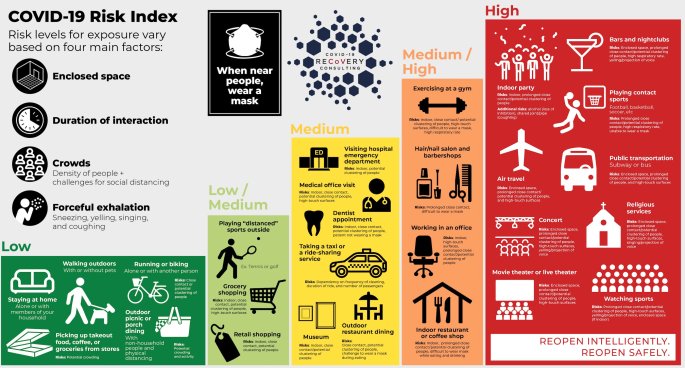
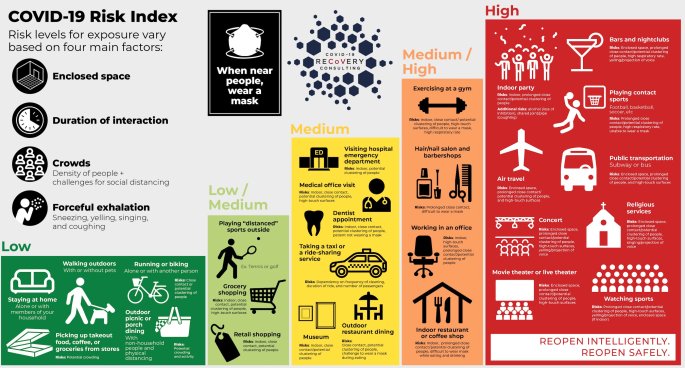
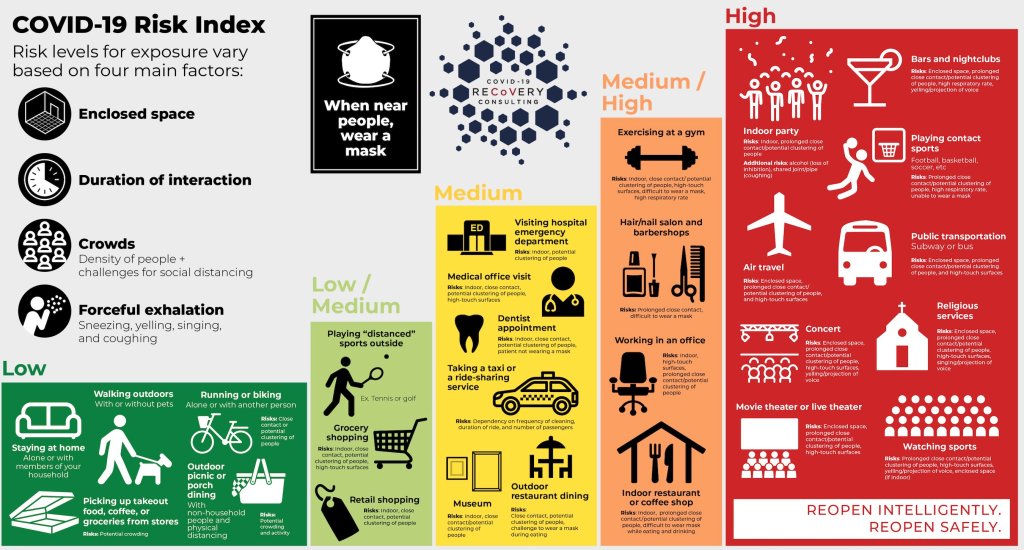
Welcome to your weekly report on all things global health security – have you been wondering if a gym or coffee shop is safer to visit when things re-open? Check out this review here – but don’t forget to wash your hands!

The Coronavirus Chronicles
Last week we introduced our new series,The Coronavirus Chronicles, which is a collection of stories, based on the personal and professional experiences of the faculty, students, and alumni of the Biodefense Graduate Program, about life during the pandemic. We hope these stories help the public better understand the challenges posed by COVID-19 and how current and former members of the Biodefense Graduate Program have responded to these challenges and contributed to the pandemic response at the local, national, and international levels. This week, we’re launching three more stories – doctoral student Janet Marroquin discusses conducting analyses of various chemical, biological, radiological, and nuclear defense capabilities while also starting a PhD and parenting during the pandemic. One feature you’ll see this week is a focus on how labs are working to reopen in the midst of COVID-19. David Grimm noted this recently as “one of the biggest challenges labs face is how to keep their members physically distanced to limit any potential spread of SARS-CoV-2.” Check out our two lab-based stories in this week’s Coronavirus Chronicles for insight into how this unique, but critical work environment is trying to safely reopen. One of our graduate students delves into working in the laboratory setting and the challenges of biosafety and research, followed by Travis Swaggard who is a senior biologist and discusses what it’s like working with SARS-CoV-2 and testing different regions of the SARS-CoV-2 genome from synthetically derived sections of the virus. Read their full stories here in The Coronavirus Chronicles.

Schar School Event- Public Policy in the Pandemic Age: How COVID-19 is Reshaping our Government, Economy, and Society
Join the Schar School Faculty, Alumni, Schar Alumni Chapter, and Dean Mark Rozell for an engaging virtual panel on the future of public policy post COVID-19 – COVID-19: How the Pandemic is Reshaping our Government, Economy, and Society. This virtual event will be moderated by Biodefense Graduate Program director Dr. Gregory Koblentz, and will be held from 2-3:30pm EST on Wednesday, May 20, 2020. The COVID-19 pandemic is presenting unprecedented challenges to the United States and the rest of the world. Not since the “Spanish Flu” of 1918 have we experienced a pandemic of this scale and severity. Aside from the steep and growing human toll of the outbreak, virtually every aspect of our personal and professional lives are being affected. The sheer breadth of issues impacted by COVID-19 is overwhelming: public health, medicine, government, the economy, international trade, education, national security, politics, and technology, to name just a few. The effects of the pandemic are also magnified by existing cleavages within our society ranging from hyperpartisanship to racial disparities to socioeconomic inequalities. You can read more about our distinguished panel members and register for the event here.

Complications and Misinterpretations about COVID-19 Testing
The development and employment of rapid and reliable diagnostic tests for SARS-CoV-2 infection are a hot topic as we continue to combat the COVID-19 pandemic. In the first several weeks of the pandemic, the US failed to launch an adequate testing infrastructure that would enable sufficient testing capacity with reliable and valid testing methods. Molecular diagnostic techniques, such as polymerase chain reaction (PCR) test for COVID-19, are espoused for their sensitivity (true positive rate), specificity (true negative rate), and safety. Molecular diagnostics can be performed on inactivated samples and are capable of detecting microbial DNA and RNA that are heavily diluted. An additional advantage of the molecular tests is their ability to distinguish between strains of the same virus, bacteria, or fungus. Serologic techniques look for the antibodies that are produced by the immune system to fight off a microbe; these types of tests can also detect exposure after an infection has resolved. Serology helps identify cases that occurred with very mild or no symptoms. Within the discussions about the need for diagnostic testing for COVID-19, the focus has recently shifted from molecular to serologic tests. It is important to note that these tests do not guarantee whether an individual has developed immunity to a specific pathogen. As of 5 May, the FDA has issued Emergency Use Authorizations (EUAs) to 60 test kit manufacturers and commercial laboratories producing molecular and serological tests, but only a dozen of these are received approval for serological diagnostics. Most of these EUAs are for diagnostics to be conducted in laboratories certified under the Clinical Laboratory Improvements Amendments of 1988 (CLIA) to perform high complexity tests; some are approved for use in laboratories certified to perform moderate complexity tests. A recent survey of New York City discovered that 1 in 5 residents carried antibodies for the novel coronavirus, which indicates that they were exposed to the virus. This result confirms the fear of many experts that the lack of testing has led to an underestimation of the number of infections; for NYC, the estimated was one-tenth of the true number of infections. The fact that 20% of the NYC population may carry the antibodies does not necessitate that all those individuals developed immunity to COVID-19. Dr. Saskia Popescu, a Biodefense PhD graduate, pointed out that epidemiology for COVID-19 is leaning heavily on these imperfect tests, a dangerous move given that many individuals remain susceptible to infection. Popescu’s concerns echoes the cautions raised by other scientists that the presence of antibodies does not signify immunity, and even those who were infected but asymptomatic may be at risk of a second infection. Additional improved tests are needed to better assess the significance of antibodies in previously infected patients.

GMU Institute for Sustainable Earth – Pandemic Webinars
The disruptions caused by the COVID-19 pandemic reveal both fragilities and resiliencies in our global society. Mason’s Institute for a Sustainable Earth is hosting a webinar series to investigate some of these dimensions of the current health and economic crises through the lens of sustainability science. In moderated discussions with sustainability experts, these webinars will also explore how society could recover to a more resilient and sustainable state. Each week you can attend a new webinar regarding everything from preparedness and social resilience, ecological health, and social inequalities and the disparities of impact. Make sure you catch the Preparedness and Social Resilience event next week on Tuesday, May 12th from 2-3pm, which will include Dr. Gregory Koblentz, Associate Professor of Government and Politics and Director of the Biodefense Graduate Program.

The Conspiracy Continues: Theories Persist that COVID-19 Came from a Lab
Despite a throng of scientists and researchers debunking the theories that COVID-19 was born from a Chinese laboratory, the accusations and fears that the pandemic is the result of a laboratory release linger. On 3 May, Secretary of State Mike Pompeo said that there is “enormous evidence” that the novel coronavirus originated from the Wuhan Institute of Virology (WIV), a claim made despite the assessment of the intelligence community concluding that the virus is neither human-made nor genetically modified. The magnitude of this supposed evidence is repeatedly stated but the specifics of it are not. Actual scientific evidence supports the expectation that SARS-CoV-2 is naturally-occurring and originated from bats before spilling over into the human population. Dr. Greg Koblentz, Director of the GMU Biodefense Graduate Program, further squashed the idea that the novel coronavirus was created in a laboratory based on what is known about the biology of the virus. Koblentz points out that there is little evidence suggesting a cover-up by the Chinese government for a supposed lab breach. The WIV’s transparency regarding genomic sequencing of the virus supports the more reasonable conclusion that they are not the source. Some of these conspiracy theories use the WIV’s extensive research on deadly bat viruses as a foundation for their claims. Such research activities are not hidden and much is event detailed in over 40 published studies and academic papers. Though the source of the virus is quite unlikely to be a villainous origin, its origin may not be isolated to the Huanan Seafood Wholesale Market in Wuhan. Dr. Filippa Lentzos of King’s College London encourages carrying out a credible investigation to unveil a complete picture of the origin of the coronavirus pandemic. Further, though there is minimal hard evidence that the pandemic could have been the result of a laboratory failure, even a remote possibility brings into question the stringency and efficacy of safety in basic scientific research. A study published in March found that only 45% of the first 435 COVID-19 patients had connections to the seafood market in Wuhan, supporting the notion that the virus was present in other settings from the beginning. That said, this evidence does not indicate that the origin is the WIV or another laboratory that developed the novel coronavirus through manipulation. The pathogen is almost certainly a product of nature, but a comprehensive understanding of the factors and conditions that led to this pandemic will provide valuable insight for handling the next outbreak.

Arizona Puts Politics Above Pandemic Response
Earlier this week an infectious disease modeling team from Arizona State University, which had been providing models to the state health department and through publicly-available resources, was quietly release from their duties and told to return the data. Not long after, the rumblings of concern that this was a politically-motivated decision, became increasingly loud. The suspension of the COVID-19 modeling working group was just after President Trump visited Phoenix, AZ (where the group is based) and ultimately, their findings weren’t aligning with Gov. Ducey’s sudden push to re-open the state. In fact, the decision to disband the modeling team was made just hours after Gov. Ducey decided to rapidly accelerate the opening of the state. Originally set for May 15th, it was announced earlier this week that businesses like salons and restaurants would re-open starting on Friday, May 8th. The concerns for this as a politically motivated decision were quickly made by AZPHA in their post here, which noted that “The letter asking them to stop work didn’t provide any reason for the request except that it was at the direction of ADHS’ senior leadership. The only remaining predictive model that the state health department is now using has been developed by FEMA.  Neither that model nor the predictive modeling results from the FEMA model are publicly available. Last night’s action to disband the Arizona COVID-19 Modeling Working Group begs the question of whether the Modeling Working Group was discontinued because they had been producing results that were inconsistent with messaging and decisions being made by the executive branch.” Within a few days, it got national attention and gave rise to concern that the push to prematurely re-open states could be impeding public health efforts. “But experts said Arizona’s dismissal of academics, whose analysis seems at odds with the state’s approach, marked an alarming turn against data-informed decision-making.”

Bright, BARDA, and Whistleblowing
Ripples were sent this week as former director of BARDA, Rick Bright, filed a whistleblower complaint on Tuesday regarding his removal from office and reported pressure from Robert Kadlec, leader of ASPR, to “to buy drugs and medical products for the nation’s stockpile of emergency medical equipment from companies that were linked politically to the administration and that he resisted such efforts.” The 89-page complaint was a searing document that noted Bright’s removal due to his efforts to “prioritize science and safety over political expediency.” As biodefense expert Dr. Gregory Koblentz notes, “Rick Bright’s whisteblower complaint contains a litany of disturbing details about the failures of the Department of Health and Human Services and the White House to respond quickly and forcefully to the COVID-19 pandemic. The complaint shines a bright on the Trump Administration’s poor judgment, bureaucratic in-fighting, politically-driven decision-making, disregard for science, corruption, and incompetence.”

How Will We Know When to Reopen? Looking to South Korea Might Help
The hot topic right now in the United States is – when can we reopen? That’s not an easy question to answer though and people may not like the complicated answer. A phased approach means that people will need to slowly reopen businesses and resume normal practices, but this will rest precariously on the public’s ability to maintain infection control measures, social distancing, and businesses to establish safe processes. GMU Biodefense doctoral student HyunJung Kim discusses this and how South Korea’s reopening plan might be helpful, especially since it’s backed up by data. “The South Korean government’s approach to COVID-19, based on massive diagnostic testing, has successfully employed the so-called 3T practices–testing, tracing and treatment–to help continue decreasing the number of newly reported COVID-19 cases in South Korea. As of May 5, there have been 640,000 tests conducted in the country. Nearly 20,000 people were tested per day in the peak period (early March), and as of early May, 3,000 to 5,000 tests were still being conducted daily, even though the number of daily cases had fallen into single-digit territory.” Read more here about how South Korea is shedding light on some efficacious ways to address a pandemic and reopen society.
The Federal Research Enterprise and COVID-19 – The House Committee on Science, Space and Technology on the “Federal Research Enterprise and COVID-19
On Tuesday, this group virtually met to discuss critical research during this time and GMU Biodefense alum Dr. Daniel Gerstein remarked to the group – “There is much to be done to get through the current crisis, and it is too early to be developing a comprehensive “lessons learned” assessment. However, it is not too early to understand recent shortfalls and examine ways to steer the United States and international community through the current crisis. Even now, there are many unanswered questions about COVID-19. What percentage of the population that is exposed becomes infected? What accounts for the variations in symptoms and the vast differences in outcomes, ranging from asymptomatic infections to death? Can people become reinfected? What role did humans play in the disease spillover into humans? These, as well as many other questions surrounding COVID-19, will need to be addressed. Filling our knowledge gaps will be crucial to dealing with this pandemic and preparing for the next one.” You can read his full written remarks here.

Pandora Report: 5.1.2020

Launching The Coronavirus Chronicles 
It has been three months since the World Health Organization declared that the novel coronavirus now known as SARS-CoV-2 posed a public health emergency of international concern. Not since the “Spanish Flu” of 1918 has the world experienced a pandemic of the scope and severity caused by the SARS-CoV-2 coronavirus. Since SARS-CoV-2 first emerged, the faculty, students, and alumni of the Biodefense Graduate Program at the Schar School of Policy and Government have been working on the front lines, behind the scenes, and on the home front to respond to this unprecedented pandemic. After we heard some amazing stories from Biodefense students and alumni about how the COVID-19 pandemic had presented new personal and professional challenges and how they had been able to contribute, in ways large and small, to the pandemic response, the editors of The Pandora Report decided that these stories needed a wider audience. The Coronavirus Chronicles is a collection of stories, based on the personal and professional experiences of the faculty, students, and alumni of the Biodefense Graduate Program, about life during the pandemic. We hope these stories help the public better understand the challenges posed by COVID-19 and how current and former members of the Biodefense Graduate Program have responded to these challenges and contributed to the pandemic response at the local, national, and international levels. The first installment of The Coronavirus Chronicles features three stories by Biodefense students and alumni. Biodefense PhD alumna Jennifer Osetek explains how she juggles multiple roles from working for the Coast Guard to teaching public health emergency preparedness to being a mom and Saskia Popescu discusses the challenges of infection prevention on the frontlines in hospitals. Finally, master’s student Madeline Roty highlights the importance of protecting your mental health as well as your physical health during the pandemic. New stories will be added to The Coronavirus Chronicles on a regular basis and new installments will be featured in future issues of The Pandora Report. If you are a student or alumni of the Biodefense Graduate Program and would like to contribute a story, please email us at biodefense@gmu.edu.

In Memoriam – Julian Robinson
The CBW world got a bit dimmer with the loss of Julian Perry Robinson on April 22. Julian was an avid researcher and contributor to the world of CBW nonproliferation, inspiring generations to study and work in biodefense. “A chemist and lawyer by training, Julian was a member of the SIPRI research staff during 1968–71 and the focal point of the work on CBW, which included the excellent six-volume series of books The Problem of Chemical and Biological Warfare (1971–76). During this period he was also responsible for groundbreaking reports on CBW issues published by the UN Secretary-General and the World Health Organization.  All of these provided essential inputs into the negotiation of the Biological Weapons Convention which was opened for signature in 1972.”

Health Security Articles by Our Editorial Team
The latest issue of Health Security includes two articles by the Pandora Report’s managing editor Saskia Popescu and associate editor Rachel-Paige Casey. Both articles can be found here. Popescu co-authored the article “Restricted and Uncontained: Health Considerations in the Event of Loss of Containment During the Restricted Earth Return of Extraterrestrial Samples” with Betsy Pugel and Syra Madad. Currently, the scope of a satisfactory public health response to the release of biological material is limited to biological vectors with known pathogenicity and virulence; however, the scope should be expanded to include the release of biological material with unknown pathogenicity and virulence. The recent return of extraterrestrial samples from Mars, a planet which may harbor life, instigates the renewed framing of a public health response, particularly for an accidental release of a such novel and mystifying material. The article poses a set of question relating to the initial public health and healthcare response in the event that extraterrestrial samples are accidentally released from failures in biological containment mechanisms. These questions ask how the public health community prepares for such an event; what can be done to confine, decontaminate, and collect the material; and how will the public be prepared. Casey co-authored the article “Conflict and Cholera: Yemen’s Man-Made Public Health Crisis and the Global Implications of Weaponizing Health” with Christine Crudo Blackburn and Paul E. Lenze, Jr. The 2016-17 cholera epidemic in Yemen was, prior to COVID-19, the largest disease outbreak in modern history. Conservative estimates found that the number of suspected cases exceeded 1 million and, within the first 8 months of the outbreak, there were over 2,000 confirmed deaths. Although cholera is an ancient disease that continues to plague many countries, Yemen’s outbreak had several unique features. The outbreak, which disseminated at an unprecedented pace, was directly linked to the country’s ongoing armed conflict. This article assesses what the cholera outbreak in Yemen reveals about the connection between infectious disease and conflict, the targeting of healthcare infrastructure as a modern warfare tactic, and the implications of a strategy of infrastructure destruction have for global health security.

Spore Wars
The COVID-19 pandemic has increased fears of both another naturally-occurring disease event and a bioweapons attack. The Trump administration released a National Biodefense Strategy in 2018, but it also dismantled directorate of the National Security Council that focused on health security and biodefense, and it proposed budget cuts to the laboratory network that tests for biological threats. between FY2015 and FY2019, funding for civilian biosecurity dropped 27% to a number $1.61 billion lower than the bill for buying Black Hawk helicopters. Dr. Gregory Koblentz, Director of the Biodefense Graduate Program, spoke to how the pandemic has, frighteningly, showcased that the US public health infrastructure is comprehensive broken or overtaxed. In other words, we have now exposed a critical vulnerability that may be provide incentive for a bioterrorist. This vulnerability extends beyond public health and the beyond the US borders; the US and global economy may now have targets on their backs.

The Saga Continues: Disinformation and Conspiracy Theories about the Origins of COVID-19
As the COVID-19 pandemic continues and the nations of the world still struggle to stop the spread and protect their people and economies, the desire for a boogie man persists. Conspiracy theories abound about the suspected surreptitious origins of the SARS-CoV-2 virus that plagues the world. Despite a bevy of experts denying the possibility that the coronavirus is the result of biological warfare and genetic analyses showing that this virus is not human-made, the shoddy hypothesis has a following of believers. In the Washington Post, Dan Kaszeta, a specialist in chemical and biological defense, provides further insight into the illegitimacy of the theories that the pandemic is the product biological warfare. Beyond the lack of evidence of human tampering, the inducement of a pandemic threatens the safety and security of the perpetrator’s own people, thereby disincentivizing the release of a pandemic-inducing bioweapon. There is no therapeutic or vaccine against this coronavirus that would engender protection of one’s own or a friendly population to the releaser. Further, the spread of disinformation relating to the pandemic is now being coined as a concurrent “infodemic.” One of the newest conspiracy theories is that the 5G network either transmits the coronavirus directly or weakens the immune system to imbue susceptibility to the virus. What will be tomorrow’s half-baked coronavirus conspiracy hoax?

Special Issue of Intelligence and National Security
The Journal of Intelligence and National Security released a Special Issue on Global Health Security, introduced with an article by Filippa Lentzos (a friend of GMU Biodefense), Michael Goodman, and James Wilson. Their article provides an overview of the health security threat spectrum: deliberate disease outbreaks, emerging infectious diseases and natural disease outbreaks at the other, and accidental disease events created by the significant scientific advances in the abilities to modify genes and microorganisms. Additionally, it traces how the perceptions about biological and health security threats have changed and expanded with outbreaks of naturally-occurring diseases, recognition of the unintended consequences of research, laboratory accidents, negligence, and emerging technologies. The authors argue that the traditional intelligence community must better engage with non-IS stakeholders and broaden its cadre to include new sources of intelligence in order to strengthen global health security and health intelligence. The Special Issue is an effort to encourage the development of a “multidisciplinary, empirically-informed, and policy-relevant approach to intelligence-academia engagement in global health security that serves both the intelligence community and scholars from a broad range of disciplines.” Read the full article here and all the articles in this Special Issue are open access.

COVID-19 MCM Update
The latest scientific study findings of potential COVID-19 therapeutics are a mixed bag of good news and bad news. Gilead’s remdesivir, an antiviral drug developed to treat hepatitis C and Ebola virus disease, shows no benefit to coronavirus patients according to a clinical trial conducted in China. This finding was accidentally revealed, but additional studies on the effects of remdesivir for coronavirus patients await their own conclusions. Conversely, Dr. Anthony Fauci, the top infectious disease expert for the US government, recently stated that data from another clinical trial is showing a positive effect from remdesivir in cutting a patient’s time to recovery. GEN’s list of front-runners for therapeutics and vaccines against COVID-19 currently includes 19 candidates; remdesivir remains on that list. In encouraging news, the COVID-19 pandemic has underscored the argument for supporting the development of a panviral drug. A panviral drug works broadly within or across viral families to incapacitate them. Such a drug is extraordinarily difficult to design because viruses hijack a host’s cellular machinery to survive and propagate; however, targeting a virus’s functions in a host cell may also negatively impact that cell’s normal function. Fortunately, researchers are starting to discover ways around that problem by refining which processes an antiviral drug targets.

The Trump Effect – International Institutions
From UNESCO to the Human Rights Council, and now the WHO, President Trump isn’t much of a fan of international institutions. “Global institutions are supposed to help facilitate cooperation during crises, but this time they’ve left nations to their own devices. That’s a departure from the past, and many experts suggest that it’s largely driven by the U.S.’s absence. ‘This makes the U.S. weaker, not stronger,‘ said Greg Koblentz, an associate professor at the Schar School of Policy and Government at George Mason University. ‘This will either lead other countries to try and use these crises to push their own agendas, or everyone will be on their own and you’re going to get a zero-sum competition among countries competing for scarce resources and hording supplies and not sharing data, because the mechanisms for facilitating cooperation and burden sharing and information sharing will have fallen apart’.” Since the news of President Trump’s plans to halt U.S. funding to the WHO, many have pointed out that his frustrations with the international institution aren’t excuses for why the U.S. has performed so poorly in responding to COVID-19. Jeremy Konyndyk noted “First off, the decision to pause funding to the organization that is coordinating the global fight against a pandemic in the middle of a pandemic is hugely damaging. If they do move forward with fully cutting off funding, that doesn’t just disrupt COVID response; it disrupts a lot of different things the U.S. government relies on WHO to do, like polio eradication, or cholera in Yemen, or extinguishing the Ebola outbreak in eastern Congo.”

The Right Way to Reopen the Economy According to GMU’s Pearlstein
Steven Pearlstein, a GMU Schar School professor and Pulitzer Prize-winning business and economics columnist, briefly outlined his recommendations on reopening the US economy. The upshot of Gerstein’s article is that getting Americans back to work after the coronavirus lockdown should not be a politicized process, but one that focuses on protecting Americans while restarting the US economy. The sooner we can safely return to normal life, the better. He outlines several general principles for reopening the economy, but points out that decisions and policies should be tailor-made to a region, industry, or institution to maximize success. For instance, regarding special funding programs, workers should be prioritized over investors and low-wage workers should be prioritized over high-wage workers. In general, lenders can afford to wait for their money, whereas workers and suppliers cannot. Given that a large chunk of white-collar workers can work from home but many blue-collar workers lack that luxury, low-wage workers should be the first to receive help as they are more likely to have lost most, if not all, of their income under the social distancing measures. No matter what decisions are made, tradeoffs are inevitable. There is no perfect solution without some hiccups or shortcomings. So, the key question is how do we reopen in a way that minimizes costs and risks to public health?

Preventing CBW Proliferation In the Age of COVID-19
How are the OPCW, BCW, and 1540 committees working to combat biological and chemical weapons during the pandemic? Richard Cupitt, Senior Fellow and Director of the Partnerships in Proliferation Prevention program at Stimson and Adjunct Faculty at GMU Biodefense, has provided a review of how each nonproliferation organization is working during this time. Cupitt notes of the BWC, “Not surprisingly, many national governments have entertained the need to adopt and implement the BWC and contribute to its strengthening.  And the requests for assistance have increased enormously according to several sources (although which requests, if any, that have gone to the BWC is confidential).” He emphasizes that for those like the OPCW, adjustments have been made to work remotely while maintaining a critical presence. Moreover, the economic recession will likely mean cuts to the budgets of many nations, which could impact the financial obligations of States parties to these international organizations.

Opportunity to support CBRN Research: The University of Maryland’s Integrated Discovery of Emerging and Novel Technologies (IDENT) Project Team Invites You to Join 
GMU Biodefense MS alum Alexandra Williams, Junior Researcher at the Unconventional Weapons Technology Division of the National Consortium for the Study of Terrorism and Responses to Terrorism (START) at UMD, is the co-research lead for the IDENT project and is inviting you to join. “This project has allowed me to apply the knowledge and experience I gained at GMU to conduct hands-on biodefense research and support US government CBRN mission space.” The IDENT Project seeks to develop a repeatable and scalable process for the discovery of emerging or disruptive technologies that may impact the Countering Weapons of Mass Destruction (CWMD) mission space. The project is sponsored by the Defense Threat Reduction Agency (DTRA) and is being designed and implemented by an interdisciplinary research team from the University of Maryland, ABS Consulting Group (ABSG), and the University at Albany (State University of New York). The IDENT Project team would like to invite rising and leading experts in the fields of biological and chemical defense to participate in the IDENT Knowledge Hub. The Knowledge Hub, a core component of the IDENT system, is a distributed, collaborative online software platform that includes broad horizon scanning and iterative-structured elicitation functionalities. The platform is also designed to incorporate additional expertise as needed through brief semi-structured probing interviews. If you would like to join the network of experts participating in the Knowledge Hub, refer a colleague, a fellow classmate, or would like more information about this effort, please reach out to Ms. Salma Bouziani at Bouziani@umd.edu and we are happy to provide you with any additional information.

Epic Fail: Why the US Wasn’t Prepared for the Coronavirus Pandemic
Daniel Gerstein, a graduate of the Biodefense PhD program and a senior policy researcher at the RAND Corporation, published an article in the Bulletin of the Atomic Scientists about why the US was not prepared for the coronavirus pandemic. The current administration largely failed to arrange a strong and timely response to COVID-19. The factors in this epic failure include, but are not limited to, inadequate biosurveillance systems, a disjointed emergency response network, and poor management of supply chain disruptions. Gerstein encourages a makeover for the emergency response system that lowers reliance on the federal government for a quick and effective response to outbreaks. In fact, certain state governments are already forming pacts to coordinate their responses to the outbreak and, perhaps, bypass the federal government. The pandemic has exposed the fissures in the national preparedness and response systems, which will require reconfiguring by relearning the lessons of crisis response and emergency management. Read Gerstein’s full article here.

Pandemic Pets?
First it was a sick tiger and now a new study from the CDC has reported that two pet cats living in separate ares of New York State have tested positive for SARS-CoV-2. “In the NY cases announced today, a veterinarian tested the first cat after it showed mild respiratory signs. No individuals in the household were confirmed to be ill with COVID-19. The virus may have been transmitted to this cat by mildly ill or asymptomatic household members or through contact with an infected person outside its home.Samples from the second cat were taken after it showed signs of respiratory illness. The owner of the cat tested positive for COVID-19 prior to the cat showing signs. Another cat in the household has shown no signs of illness.” No word on if hairballs are considered fomites…

News of the Weird
Got chickens? You’re in good shape against COVID-19 according to a Swedish city. The city of Lund is “spreading chicken manure in its central park in an effort to deter crowds gathering for a festival. Tens of thousands of people usually descend on southern city to celebrate Walpurgis Night, which is marked across Scandinavia. But officials want to keep people away because of the coronavirus outbreak. There is no lockdown in Sweden, where data show most people have taken to voluntary social distancing.” For residents of Lund, they have emphasized that with the stench of chicken manure, who would want to sit and have a beer?

Pandora Report: 4.24.2020

Summer Workshop Cancellation
We are so grateful for all the interest in the workshop over the years, but regretfully have decided to cancel the 2020 workshop due to the ongoing COVID-19 pandemic. In the interest of public health, George Mason University has cancelled all on-campus events through mid-August. We hope you and your family stay healthy and safe. If you are working on the response to COVID-19, we would like to thank you for your hard work and dedication to global health security. We are confident that the 2021 workshop will offer critical insights into the causes and consequences of this pandemic and a renewed passion for biodefense efforts. We hope to see you at next summer’s workshop and thanks to all for their interest.

‘Understanding and Surviving a Pandemic’ A Week of Scholarly Webinars
From April 27-May 1, 2020, you can enjoy a daily virtual event with a range of experts on the implications of the COVID-19 pandemic. Each day, a panel of experts from the Schar School of Policy and Government at George Mason University, guest practitioners, and elected officials will examine a different aspect of the coronavirus crisis, from politics to health care to intelligence. Mark J. Rozell, dean of the Schar School, will host the programs. The virtual sessions are open to the public and may be followed by a question and answer period, if time allows. See below for topics, times, and viewing information. Don’t miss the Tuesday event on infection control and surge capacity with Biodefense doctoral alum Saskia Popescu. You can read about the events and register for each webinar here.

Schar School Event- Public Policy in the Pandemic Age: How COVID-19 is Reshaping our Government, Economy, and Society
Join the Schar School Faculty, Alumni, Schar Alumni Chapter, and Dean Mark Rozell for an engaging virtual panel on the future of public policy post COVID-19 – COVID-19: How the Pandemic is Reshaping our Government, Economy, and Society. This virtual event will be held from 2-3:30pm EST on Wednesday, May 20, 2020. The COVID-19 pandemic is presenting unprecedented challenges to the United States and the rest of the world. Not since the “Spanish Flu” of 1918 have we experienced a pandemic of this scale and severity. Aside from the steep and growing human toll of the outbreak, virtually every aspect of our personal and professional lives are being affected. The sheer breadth of issues impacted by COVID-19 is overwhelming: public health, medicine, government, the economy, international trade, education, national security, politics, and technology, to name just a few. The effects of the pandemic are also magnified by existing cleavages within our society ranging from hyperpartisanship to racial disparities to socioeconomic inequalities. You can read more about our distinguished panel members and register for the event here.

Recent Developments in White Supremacist Terrorism
GMU Biodefense doctoral student Stevie Kiesel discusses a security threat that we might be overlooking right now.  Steve notes that while the national focus has correctly shifted to the threat from COVID-19, other national security threats have not gone away. On the contrary, domestic and international terrorist groups view the pandemic as a chance to sow chaos and strike at their vulnerable enemies. The Voice of Hind, a magazine supportive of the Islamic State and published in India, recently called on supporters to “use this opportunity to strike [nonbelievers] with a sword or a knife or even a rope…[and] fill the streets with their blood.” Closer to home, on March 24, Timothy Wilson accelerated his plan to deploy a vehicle-borne improvised explosive device to cause mass casualties. Recognizing an opportunity to use the pandemic as a force multiplier, Wilson was on his way to his target—a crowded Missouri hospital—when he was intercepted by the FBI. Wilson had been the subject of a domestic terrorism investigation for his “violent extremist” ideology that was “motivated by racial, religious, and anti-government animus.” Read more here.

Counting Calories in COVID-19
GMU Biodefense doctoral student Rachel-Paige Casey discusses COVID-19 implications for food shortages, American food culture, and what widespread stay-at-home orders mean for our diets. “To assuage any panic, the outlook for domestic food production – namely in cereals, meat, and dairy – remains sufficient despite reduced production. A recent announcement by Robert Johansson, USDA Chief Economist in Food and Nutrition, confirms that the United States possesses sufficient quantities of food to feed our population and maintain much of its exports. Anxiety averted and assuaged, patience is needed as our food value and supply chains adapt to abrupt changes in demand. Additionally, the agricultural and food processing sectors need time to adjust operations to increase safety measures (for its workers and customers) and to fulfill changes in consumer preferences.” Read more here.

OPCW Confirms Syrian Sarin Chemical Weapon
The Organisation for the Prohibition of Chemical Weapons (OPCW) published its First Report by the Investigation and Identification Team (IIT), which strongly linked the Syrian government to the March 2017 sarin and chlorine attacks on a rebel town. Specifically, in March 2017, three projectiles – two containing sarin and one containing chlorine – were dropped from aircraft of the Syrian Arab Air Force into Ltamenah in northern Syria. According to Dr. Gregory Koblentz, Dirrector of the Biodefense Graduate Program and member of the Scientists Working Group on Chemical and Biological Security, the IIT’s use of multiple methods provided “damning evidence” of that the sarin was developed by the Syrian government. Unfortunately, the IIT does not have the authority to issue sanctions against Syria as punishment. Kenneth D. Ward, US ambassador to the OPCW, assured that the use of chemical weapons will not be tolerated by the United States, which will seek to hold Syria accountable.

COVID-19 and International Security Podcast
Have you heard the latest Power Problems podcast episode? You can listen to Dr. Greg Koblentz of George Mason University as he joins Emma Ashford and Trevor Thrall to talk about the international security implications of the coronavirus pandemic. This is an engaging and insightful podcast that discusses national security in the age of pandemics and how we govern in a crisis, let alone reconsidering biosecurity and a recalibration of our efforts during biological threats. As Koblentz reiterates, “This pandemic should be a wake-up call to the national security community that its time to rethink its priorities. Instead of obsessing about great power competition, we should be more focused on defeating our microscopic enemies. When great powers compete over global health, the only winners are the viruses.”

The “Best People” for Pandemic Response? Vaccine Expert Leaves BARDA While Labradoodle Breeder Leads HHS COVID-19 Efforts
From critical vacancies to questionable personnel choices, this week has been another shaky one for the White House. And no, we’re not referring to comments about injecting disinfectants into the body to prevent COVID-19… On Wednesday, a startling shakeup occurred- Dr. Rick Bright was removed from his position as director of BARDA. Not one to go quietly, Bright released a statement stating that leadership pressured him to look more into hydroxychloroquine despite concerns. “I believe this transfer was in response to my insistence that the government invest the billions of dollars allocated by Congress to address the Covid-19 pandemic into safe and scientifically vetted solutions, and not in drugs, vaccines and other technologies that lack scientific merit,” he said in his statement. “I am speaking out because to combat this deadly virus, science — not politics or cronyism — has to lead the way.” Unfortunately, this wasn’t the only shake-up in how the U.S. is responding to COVID-19. Despite President Trump stating that he only hires the best people, it turns out that the aide of HHS Secretary Alex Azar, was tapped to take over COVID-19 response for the agency despite his lack of experience in public health and a track record for…dog-breeding. “The aide, Brian Harrison, had joined the department after running a dog-breeding business for six years. Five sources say some officials in the White House derisively called him ‘the dog breeder.’ Azar’s optimistic public pronouncement and choice of an inexperienced manager are emblematic of his agency’s oft-troubled response to the crisis. His HHS is a behemoth department, overseeing almost every federal public health agency in the country, with a $1.3 trillion budget that exceeds the gross national product of most countries.” GMU Biodefense graduate program director Dr. Gregory Koblentz emphasized these key personnel vulnerabilities in this 2017 OpEd and the implications for biodefense.

The World vs. COVID-19: Potential Models for Stymying the Spread of COVID-19
Michael Krug, a soon-to be-graduate of the Biodefense MS program, was recently hired on by HHS’s Office of Global Affairs as a Global Health Officer for the Office of Pandemics & Emerging Threats. As a budding biodefense professional, the Pandora Report reached out to Krug for his thoughts on his upcoming career and how the GMU Biodefense Graduate Program helped him land his new role. “The Biodefense Program at GMU helped hone my policy knowledge on several topics significant to my work now, including global health policy, health security, and international norms. The program’s proximity to Washington, DC enabled me to find meaningful work experience, to go along with the robust policy-oriented curriculum. One of the reasons I joined the Office of Global Affairs (OGA) at HHS was to help support the core efforts and expertise that strengthen global health priorities. The OGA promotes coordination and partnership between all levels of governments, international and non-governmental organizations. Together these efforts highlight the importance of global health and raise awareness to the health risks around the world. In this interconnected world, I felt as though the OGA provided me the greatest opportunity to make a resounding impact on the global health field.” Krug recently published an article for GMU’s Center for Security Policy Studies about strategies and countermeasures for stymy the continued spread of COVDI-19, citing South Korea and Washington state as examples. Please read Krug’s latest article here.

Realigning the conventional routes of transmission: an improved model for occupational exposure assessment and infection prevention
GMU Biodefense doctoral alum Chris Brown is addressing the very real challenges of occupational exposure assessments, which couldn’t come at a better time as we learn about more healthcare-related COVID-19 cases. “Current recommendations for standard and transmission-based precautions in place for patients who are suspected or known to be infected or colonized with infectious agents are best suited to prevent the transfer of micro-organisms to other patients – that is, to prevent the acquisition of a healthcare-associated infection, rather than to protect the healthcare worker from self-contamination resulting in a potential occupationally acquired infection. This article reviews current recommended infection prevention and control practices and offers a framework for better protection and controls from an occupational health point of view. We offer a model with two exposure routes – contact and aerosol – resulting from work activities and environments, shifting the focus away from particular pathogenic micro-organisms’ typical methods for spreading to patients or to other non-workers in hospital and community settings.” Read more here.

ASPR’s Activities
The office of the Assistant Secretary for Preparedness and Response (ASPR) is housed in the Department of Health and Human Services (HHS) and was established by the created under the Pandemic and All Hazards Preparedness Act (PAHPA) in 2006. The ASPR manages the Strategic National Stockpile (SNS) of medical supplies, personal protective equipment (PPE), medicines, and devices for life-saving care in an emergency situation. In the COVID-19 response, the SNS has distributed PPE (N95 respirators, surgical and face masks, face shields, gloves, and disposable gowns) in all 50 states to help subdue the transmission of COVID-19; it has also provided ventilators to areas with critical need. The SNS, in conjunction with its federal partners, is coordinating logistics operations to optimize all available resources to support the COVID-19 response. HHS launched the ASPR Technical Resources, Assistance Center, and Information Exchange (TRACIE) to “meet the information and technical assistance needs of regional ASPR staff, healthcare coalitions, healthcare entities, healthcare providers, emergency managers, public health practitioners, and others working in disaster medicine, healthcare system preparedness, and public health emergency preparedness.” TRACIE covers healthcare coalitions, CBRN, health care system partners and medical surge, the Emergency Preparedness Requirements for Medicare and Medicaid Participating Providers and Suppliers (CMS EP Rule), hurricanes, disaster behavioral health, mass violence, infectious diseases, drug shortages and scarce resources, and emergency medical services (EMS). TRACIE’s COVID-19 page highlights the resources developed and identified to aid ongoing response and recovery operations.

COVID-19 Testing: Possibilities, Challenges, and Ensuring Equity (NAS)
This week, the National Academies of Sciences and the American Public Health Association hosted a webinar about COVID-19 testing and its equity issues. The presenters provides an update on the state of testing for COVID-19, explained the types of data that will be provided by different tests under development, discussed how that data can inform plans to ease social distancing, and described the equity issues that must be considered access testing and how we can ensure equal access for all. The panel experts included moderator David Relman, MD, Professor of Microbiology and Immunology at Stanford University; Jill Taylor, PhD, Director of the Wadsworth Center for the New York State Public Health Department; Ashish Jha, MD, MPH, Director of the Harvard Global Health Institute; and Georges C. Benjamin, MD, Executive Director of the American Public Health Association. Notes and slides for this and related events are available here. The panel covered situational awareness of diagnostics and surveillance, FDA-approved and EUA-approved molecular and serology assays for testing, the accuracy and reliability of existing tests, ongoing studies for new diagnostics, and, of course, the inequities of the current testing strategy. Diagnostics, using any type of test, need to provide data and insight about active SARS-CoV-2 infections, stage of infection, symptom level (or asymptomatic), contagiousness, prognosis, clinical needs, and acquired immunity.  Surveillance systems need to provide data and insight about acquired immunity, susceptibility, geographic and temporal factors for infection, and the efficacy of intervention measures. The slow and meager early response efforts of the US were seen in the lack of testing infrastructure, an insufficiency that persists weeks later. The high positive rate (about 20-22%) of US diagnostic testing signals that testing coverage is inadequate as many other nations who have expanded their testing network see positive rates under 10%. There are two camps about the number of tests per day that are needed to achieve reasonable containment of the virus in the US: 500,000/day or 10-30 million/day. The 500,00 tests per day recommendation is probably the only attainable option. Beyond reaching that figure, testing needs to be economically accessible to all subpopulations that are currently struggling to get testing or care. At present, the coronavirus test is covered by the federal government; however, the cost of the appointment and the proceeding care are not, which is a major obstacle for Americans that lack sufficient insurance coverage or a nearby care facility. Dr. Benjamin pointed out that current public health messaging campaigns are focused on television and social media platforms that are not accessible to everyone, but neglects using the radio as a platform for PSAs and information. Additionally, some of the innovations are only applicable certain groups; drive-thru testing sites are a novel option but only for those who own a car. Dr. Benjamin also recommends using locally trusted messengers, such as faith leaders, for public health communication. The aforementioned health inequities are not new occurrences but are of critical concern as we try to combat COVID-19. If we can quickly and adequately enhance our testing strategy to scale up testing and expand accessibility to underrepresented subpopulations, we should finally be able to contain the virus enough to slowly and safely start resuming “normal” life.

Cascading Economic Impacts of the COVID-19 Outbreak in China
The US-China Economic and Security Review Commission released a Staff Research Report on the economic impacts of COVID-19 in China. China’s late response to the originally-localized outbreak in Wuhan province led the Chinese government to unforce lockdowns across the country, crippling economic activity. With respect to the COVID-19 pandemic, the Commission found that China suffered, and continue to grapple with, obstructed demand in energy and retail items, stalled production and exports, supply chain disruptions. The Chinese supply chain disruptions are impacting global supply chains, and the US is seeing the effects. These interruptions in economic activity are also the result of intentional freezes by Chinese policymakers in an attempt to curtail the spread of the virus while maintaining supply-side efforts to support businesses; this attempt is largely considered a failure. The ultimate result of China’s slow yet extreme response measures is a deceleration of international economic activity. The International Monetary Fund (IMF) now forecasts a 3% global GDP contraction in 2020. The IMF estimate is somewhat optimistic as it relies on the assumptions that pandemic subsides and other support will be enacted in most countries during the second quarter of 2020 and economic activity will mostly resume in the latter half of this year. The full report is available here.

OHSS Webinar – Wildlife trade: the social, cultural, and political stakes
The One Health Social Sciences Initiative is hosting a webinar on April 30, 2020 from 11am-12:30pm EST, with two experts in zoonotic epidemics in an inter-disciplinary dialogue about the social, cultural, and political stakes of eliminating the wildlife trade and, in particular, the role of “wet markets”.  Dr. Laura Kahn and Dr. Christos Lynteris will be the speakers of this engaging event. As the potential breeding ground for the current worldwide COVID-19 pandemic, epidemiologists, public health officials, and wildlife conservationists have called for shutting down these markets. However, as a central means of sustenance for many communities around the world, the full impacts of closing the markets and necessary strategies to address them will be addressed. Register for this free event here.

Pandora Report: 4.17.2020

A Strategic Vision for Biological Threat Reduction: The U.S. Department of Defense and Beyond
The Committee on Enhancing Global Health Security through International Biosecurity and Health Engagement Programs of the National Academies of Sciences, Engineering, and Medicine (NAS) published its 5-year strategic vision for international health security programs along with its findings and recommendations regarding how to optimize the impact of the Department of Defense (DOD) Biological Threat Reduction Program (BTRP) in achieving its mission for biosafety and biosecurity. Since BTRP is just one of the many US government programs involved in international health security engagement, coordination across the government and with its international partners is critical to achieving the biosafety and biosecurity mission of improving capacity to detect, diagnose, and respond to dangerous pathogens and other biological threats. Though BTRP is not the only cog in the biodefense wheel, it is a vital one, and, as such, should be granted “as much geographic and programmatic flexibility as possible to understand and address broadly the biosafety and biosecurity needs of its partner nations as the program serves US interests.” The 5-year vision aims to develop a durable interagency mechanism, encompassing BTRP and its DOD partners, that tackles the entire set of biological threats and risks affecting US military forces, foreign interests, and homeland. The proposed interagency mechanism would work to disrupt, mitigate, or eliminate risks as efficiently and effectively as possible by the agency or agencies befitting the needs of the mission. Their seven primary recommendations for BTRP include establishing stronger relationships with the combatant commands, CDC, NIH, and other relevant governmental partners; selecting technical engagement professionals to represent the USG; and acquiring more scientific expertise within its staff to proactively engage with the broader scientific community to improve its understanding of technical and scientific developments in emerging infectious diseases. Read the full consensus study report with its detailed findings and recommendations here.

COVID-19 Updates: From WHO to Healthcare Worker Infections
There have been over 600,000 cases and 24,582 deaths in the United States, while the worldwide case count has surpassed 2 million. This week, the CDC released new research via the Morbidity and Mortality Weekly Report (MMWR) regarding healthcare worker cases of COVID-19, shedding light on data gaps and the need to understand the impact of potential healthcare exposures and PPE challenges. “Of 9,282 U.S. COVID-19 cases reported among HCP, median age was 42 years, and 73% were female, reflecting these distributions among the HCP workforce. HCP patients reported contact with COVID-19 patients in health care, household, and community settings. Most HCP patients were not hospitalized; however, severe outcomes, including death, were reported among all age groups.” Of the 315,000 cases reviewed, data on job role was only available for 16%, and of those with occupational data, 19% were healthcare workers. 55% of those healthcare worker cases reported exposure to a confirmed case in a healthcare setting, while fewer noted community exposures, which is likely due to testing gaps. As GMU Biodefense alum and infection prevention epidemiologist Saskia Popescu noted, “This data is really helpful because it’s giving us those first indicators of health care worker risks and exposures,” says Dr. Saskia Popescu, an epidemiologist at a large health system in Phoenix. “But ultimately we need to be collecting more on this because we have to understand the failures, so we can correct them in the future.” In Washington, D.C., President Trump has worked to shift blame of COVID-19 response to The WHO, noting that the administration would be halting funding for the organization. “In effect, Mr. Trump was accusing the world’s leading health organization of making all of the mistakes that he has made since the virus first emerged in China and then spread rapidly. As of Tuesday, there had been about two million cases of the virus worldwide, and nearly 125,000 deaths. In the United States, there have been over 600,000 cases and 25,000 deaths from the virus.” These announcements come just as more light is shed on the woefully inadequate testing within the U.S.

Faculty Spotlight: VOA (Korean Service)
Earlier this week, Dr. Gregory Koblentz, Director of the Biodefense Graduate Program, was interviewed for and quoted in an article published by the Korean VOA outlet about the latest use of the Defense Production Act (DPA) to produce 39 million N-95 masks in the next 90 days. Koblentz points out that the DPA will do little to overcome the shortage in diagnostic kits because the lack is not the result of underutilized production capacity but the result of the difficulty in producing safe and reliable tests. Koblentz also acknowledges the potential abuse of the president’s powers via the employment of the DPA. Specifically, since the conclusion of the Cold War, the lawful definition of defense has been increasingly broadened to include “matters not directly related to armed conflict.” In fact, President Trump recently commented that he would stop exports of PPE based on the DPA. The full article is available here.

Global Health Security & National Security 
On Wednesday, April 15, 2020, more than 2,494 Americans died of COVID-19 according to Johns Hopkins School of Public Health. That is more deaths than occurred on December 7, 1941. Global health security is national security. Sadly, this pandemic and the U.S. response has showed how many gaps we have in national security. Oona Hathaway of Just Security noted “As devastating as the terrorist attacks of 9/11 were, the death toll of COVID-19 is already higher in New York state alone, where more than 4,000 had reportedly died as of April 5. The overall U.S. death toll from coronavirus is now close to 10,000. Estimates suggest that the final death toll could be well over 100,000. Indeed, President Donald Trump recently suggested that 100,000 American deaths would mean’“we all together have done a very good job’. If one believes, as I do, that the fundamental goal of a national security program should be to protect American lives, then we clearly have our priorities out of place. Just as the 9/11 attacks led to a reorientation of national security policy around a counterterrorism mission, the COVID-19 crisis can and should lead to a reorientation of national security policy.” As GMU professors Dr. Gregory Koblentz and Dr. Michael Hunzeker noted last week, the COVID-19 outbreak on the USS Theodore Roosevelt forced the ship’s commander to temporarily scale back operations and now, the USS Ronald Reagan is reporting positive COVID-19 cases and may have no option but to follow the lead of the Roosevelt. These events are warnings to our national security apparatus that pandemic diseases are clear and present threat to our Nation and her allies and interests. Koblentz and Hunzeker urge the US to recognize this threat and adjust to it with urgency and intensity. For more, Koblentz and Hunzeker’s article is available here.

Internal Savings from the Pentagon
According to DefenseNews, DoD identified $5.7 billion in funding – referred to as “savings found through efficiencies” – based on an internal review of the fourth-estate offices, which comprise all the defense agencies not associated with either a service or a combatant command. This funding will be reallocated to new priorities: nuclear modernization, the new US Space Force, hypersonic weapons, artificial intelligence, missile defense, 5G communications technologies, and response force readiness. Mark Esper, the Secretary of Defense, plans to find more savings by continue the review in FY22. Secretary Esper has empowered Lisa Hershman, the department’s chief management officer, to play the role of service secretary for the fourth estate offices, by overseeing their budget development process. Presently, the so-called savings and associated reallocations do not require any terminations, as retirements will free up some of that money; however, personnel reductions remain an option for FY22. Read the full article here.

Embrace Experimentation in Biosecurity Governance
A recent article in Science Magazine implores the scientific and policy communities to rethink and expand the concept of biosecurity governance with the inclusion of new assumptions about the relationships between biology, security, and society. This rethinking will enable improvements in biosecurity governance and in its implementation. Classical governance of biology concentrates on risk management and dual-use research of concern; however, as we are realizing as a global community, not all threats and risks can be precisely foreseen and, therefore, mitigated. Policy lags behind developing tools, like CRISPR, and the potential dual-use dangers they create, both of which are growing at an accelerating rate over the last decade. In an effort to close this gap, the Potential Pandemic Pathogen Care and Oversight policy was established to assess the circumstances under which such research is ethical, but there are no systematic and consistent reviews of the policy’s implications. The onus of biosecurity is increasingly falling to scientists with little training and information about how to assess safety and security concerns of their research. The authors recommend an experimental approach to biosecurity governance in which assessments of research are systematic, transparent, and flexible. Experimentation along with better data collection and sharing are critical for developing a “robust and adaptive governance system.” The full article can be found here.

Responding to COVID-19 While Reopening A Nation
As America works to “reopen” and loosen restrictions, many have warned that it must not be done too soon or too quickly. On Thursday, Present Trump announced plans to reopen the country – emphasizing criteria for relaxing restrictions in phases that did not include dates and left much to governors. The U.S. is still struggling with widespread access to rapid diagnostics, which many cite as a necessity prior to relaxing national restrictions. Focus has been of late on antibody testing and the potentially for post-infection immunity, which isn’t as easy as people might assume. “The unknowns begin with how much an immune response to SARS-CoV-2—the virus that causes COVID-19—tells us. Early studies suggest the production of IgM and IgG in COVID-19 patients typically occurs between 7 and 11 days after exposure, with IgM antibodies appearing first, followed by IgG antibodies. The presence of these antibodies, which respond to specific antigens on the surface of the SARS-CoV-2 virus, indicate that a person has been exposed and their immune system has reacted. But does that necessarily mean a person is immune to getting re-infected?” As we look to serology and the potential of re-opening efforts, experts have emphasized the incremental relaxation and that there will likely be spikes that occur, requiring contact tracing and isolation efforts. As Ed Yong of The Atlantic asked – when will things go back to normal? “The options are limited. Early inaction left the U.S. with too many new cases, and just one recourse: Press a societal pause button to buy enough time for beleaguered hospitals to steel themselves for a sharp influx in patients. This physical-distancing strategy is working, but at such an economic cost that it can’t be sustained indefinitely. When restrictions relax, as they are set to do on April 30, the coronavirus will likely surge back, as it is now doing in Singapore, China, and other Asian states that had briefly restrained it.” The truth is, and as the White House plan notes, many things need to occur prior to restrictions fully being relaxed and not just better diagnostics, but also a healthcare infrastructure that isn’t overwhelmed and without critical resources, ability to do contact tracing, and continued decline in cases and community transmission.

Good News: Vanquishing the Virus
As some much-needed good news, GEN’s tally of vaccines and treatments under development against COVID-19 has reached 161 candidates and counting. GEN divided the medical countermeasure candidates into four aptly named categories based on current developmental and clinical progress: front runners, definitely maybes, keeping an eye on, and too soon to tell. To date, there are 18 front runners, 17 definitely maybes, 70 candidates they are keeping an eye on, and 56 candidates whose efficacies are too soon to tell. The categorized lists are available here.

Roadblocks to Infection Prevention Efforts in Health Care: SARS-CoV-2/COVID-19 Response
Infection prevention epidemiologist and GMU Biodefense PhD alum Dr. Saskia Popescu discusses challenges to healthcare infection prevention efforts while combatting COVID-19. ” Lessons from the 2003 SARS-CoV outbreak in Toronto and 2015 MERS-CoV outbreak in South Korea have unveiled the critical role that hospitals play in outbreaks, especially of novel coronaviruses. Their ability to amplify the spread of disease can rapidly fuel transmission of the disease, and often those failures in infection prevention and general hospital practices contribute to such events. While efforts to enhance infection prevention measures and hospital readiness are underway in the United States, it is important to understand why these programs were not able to maintain continued, sustainable levels of readiness. History has shown that infection prevention programs are primarily responsible for preparing hospitals and responding to biological events but face understaffing and focused efforts defined by administrators. The current US health care system, though, is built upon a series of priorities that often view biopreparedness as a costly endeavor. Awareness of these competing priorities and the challenges that infection prevention programs face when working to maintain biopreparedness is critical in adequately addressing this critical infrastructure in the face of an international outbreak.” Read more of her article here.

Inventions Birthed by Necessity 
GMU Biodefense PhD alum Dr. Daniel Gerstein is evaluating some of the innovations and invention that the COVID-19 pandemic is stimulating. “If necessity is the mother of invention, the new coronavirus is quickly birthing a lot of innovations. Parts of U.S. society may be forever changed by this pandemic. As of 13 April 2020, the United States had over 550,000 confirmed cases and nearly 22,000 deaths, with emergency preparedness and response agencies preparing for much more to come. Combinations of social distancing, home quarantine, closure of schools and universities, and case isolation are now being extensively practiced. Creativity is being implemented each day to overcome response barriers to those at work and meet the needs of those asked to stay at home.” Read Dr. Gerstein’s article here.

Upcoming Virtual Event: Synthetic Biology and National Security: Risks and Opportunities (Part 2 of 2)
On 21 April 2020 at 1:00 pm, Center for Strategic and International Studies (CSIS) is hosting the second part of its Synthetic Biology: The Ongoing Technology Revolution Series. The series covers several important topics within synthetic biology: present and future potential as a critical emerging technology; economic and societal implications; national security opportunities and risks; and implications for emerging technology policy. This online event features Dr. Megan Palmer, Senior Research Scholar at the Center for International Security and Cooperation at Stanford University; Dr. Alexander Titus, the Chief Strategy Officer of the Advanced Regenerative Manufacturing Institute; and Dr. Rocco Casagrande, the Founder and Managing Director of Gryphon Scientific. The event will be available to view here.

Pandora Report: 4.10.2020

National Security in the Age of Pandemics
This week, Dr. Gregory Koblentz, Director of the Biodefense Program, and Dr. Michael Hunzeker, Associate Director of the Center for Security Policy Studies, published a commentary asserting that pandemic preparedness cannot be improved if it becomes another item on the military’s infinite laundry list of missions and threats. The COVID-19 outbreak on the USS Theodore Roosevelt forced the ship’s commander to temporarily scale back operations it so that its crew could isolate themselves and later resume their duties after subduing the infection. Now, the USS Ronald Reagan is reporting positive COVID-19 cases and may have no option but to follow the lead of the Roosevelt. These events are warnings to our national security apparatus that pandemic diseases are clear and present threat to our Nation and her allies and interests. Koblentz and Hunzeker urge the US to recognize this threat and adjust to it with urgency and intensity. For more, Koblentz and Hunzeker’s article is available here.

Summer Workshop on Pandemics, Bioterrorism, and Global Health Security 
Are you registered for the summer workshop yet? From July 13-16, 2020, GMU Biodefense will be hosting a three and a half-day workshop on all things global health security. Leaders in the field will be discussing hot topics like COVID-19, pandemic preparedness, vaccine development, medical countermeasures, synthetic biology, and healthcare response to COVID-19. This is also a great networking opportunity as past participants come from a range of government agencies, NGOs, universities, think tanks, and foreign countries. Don’t miss out on the early-bird discount for this immersive workshop – you can register here.

Syria’s Chemical Weapons Attacks
The Organisation for the Prohibition of Chemical Weapons (OPCW) published its First Report by the Investigation and Identification Team, which strongly linked the Syrian government to the March 2017 sarin and chlorine attacks on a rebel town. Specifically, in March 2017, three projectiles – two containing sarin and one containing chlorine – were dropped from aircraft of the Syrian Arab Air Force into Ltamenah in northern Syria. In total, these weapons affected at least 106 individuals. The Washington Post reported on these findings and our own Dr. Gregory Koblentz, Director of the Biodefense Program, stated that strong evidence for attribution is the first concrete step toward punishing such violations of international laws and agreements. The OPCW is not a judicial body with the ability to determine and punish criminal acts, so action must be taken by the Executive Council and the Conference of the States Parties to the Chemical Weapons Convention, the United Nations Secretary-General, and the international community. The full report is available here.

Smartphones and Contact Tracing
Contact tracing is a vital piece to not only public health response, but also helping “reopen” the country (keep reading for more insight into this). Unfortunately, it’s quite time and resource intensive and with widespread transmission and not enough public health resources, this can limit our capabilities. Some countries though, are looking to employe technology into contact tracing – “In Singapore, a country that’s turned to cellphone contact tracing, an app called TraceTogether uses Bluetooth to log when a user’s phone encounters another phone that has the app. If someone tests positive for COVID-19, he or she can easily submit a log of all the other people (and their phones) that he or she came in contact with in the last 21 days.” GMU’s HyunJung Kim has recently discussed this approach in South Korea – noting that “The disclosure of epidemic information is very significant for disease prevention and control, because we experienced the failure of disease control and prevention during the MERS of 2015,” HyunJung Kim, a PhD student in biodefense at George Mason University who has written about Korea’s public health system, says. “Information … makes people more comfortable because they can avoid and detour the areas/hospitals where infected people visited.” On the other hand though, such tech has ethical implications. Kelly Hills, Co-Principal of Rogue Bioethics noted that “We really have to keep our guard up against surveillance technologies that could be abused with very little effort, especially since these technologies are almost always going to be used against our most marginalized communities.” Damien P Williams, PhD candidate in the Department of Science, Technology, and Society at Virginia Tech recently noted that “First and foremost, supposedly anonymized tracking data sits alongside facial recognition as technologies which, in the current formulation of Western society, have no non-oppressive, non-exploitable use. Things developed and deployed in times of heightened fear and concern will very likely become every day violations.” Williams further stated that “Such a tool simply reinforces the trend toward surveillance technologies which are both insidiously abusive and also disproportionately leveraged against already-marginalized communities, as it has been the case with technologies and research in this vein, for literally centuries.” Where do you land on the topic?

Small Groups, Big Weapons: The Nexus of Emerging Tech and WMD Terrorism
A paradigm shift in recent years has seen non-state actors enhance their capabilities to utilize WMDs. A new report from the Combating Terrorism Center at West Point, is shedding light on the changes to capital, infrastructure, and intellectual capacity that are aiding this shift. “The commercialization of emerging technologies is reducing the financial, intellectual, and material barriers required for WMD development and employment. This report surveys three emerging technologies—synthetic biology, additive manufacturing (commonly known as 3D printing), and unmanned aerial systems—and examines the nexus of each with nuclear, biological, and chemical weapons agent proliferation. It examines how non-state actors might use these emerging technologies to overcome traditional barriers against the development and employment of WMD.” You can access the report here.

Inadequate PPE Distribution & Hospital Experiences Responding to COVID-19: A U.S. Survey 
Just how well are hospitals managing the current pandemic? Not well. A survey by the HHS Office of the Inspector General (OIG) across U.S. hospitals from March 23-27, revealed some sobering insight into the challenges of COVID-19 response. 323 hospitals across 46 states chatted with the OIG on this (at least the hospital administrators did…). At a glance, the findings aren’t surprising – severe shortages of testing supplies, extended waits for results, widespread shortage of PPE, challenges maintaining adequate staffing and hospital capacity to treat patients, shortages of critical supplies and materials, and changing/sometimes inconsistent guidance. “Hospitals reported that changing and sometimes inconsistent guidance from Federal, State, and local authorities posed challenges and confused hospitals and the public. Hospitals reported that it was sometimes difficult to remain current with Centers for Disease Control and Prevention (CDC) guidance and that they received conflicting guidance from different government and medical authorities, including criteria for testing, determining which elective procedures to delay, use of PPE, and getting supplies from the national stockpile. Hospitals also reported concerns that public misinformation has increased hospital workloads (e.g., patients showing up unnecessarily, hospitals needing to do public education) at a critical time.” This is an insightful and telling report about the current challenges hospitals are facing in the U.S., not only in responding to COVID-19, but also preparing for it. Unfortunately, this isn’t the only report regarding inadequate supplies and distribution of PPE and vital medical supplies across the U.S. to various states. A new document has been released from HHS on the insufficient distribution of these critical pieces to healthcare response. “Only 11.7 million N95 respirator masks have been distributed nationwide—less than 1% of the 3.5 billion masks that the Trump Administration estimated would be necessary in the event of a severe pandemic. Only 7,920 ventilators have been distributed from the stockpile, even though a recent survey of 213 mayors—which did not include New York City, Chicago, or Seattle—identified a total estimated need of 139,000 ventilators.” Moreover, the report notes that the Strategic National Stockpile has made its last shipment of PPE for states as it now has 10% left, which will be reserved for federal workers and not distributed to states.

When Can We “Reopen” the U.S.? 
The U.S. has over 427,000 cases and 14,696 deaths related to COVID-19, but many of us have been wondering, when will we be able to go back out to restaurants and congregate in public? The answer though, isn’t so simple and frankly, contingent upon a lot of factors like rapid testing and the ability to do contact tracing. First– “Number one: any given state that’s considering relaxing social distancing should have a demonstrated downward trend in cases over the two weeks prior. And we need to get better at being able to evaluate trend data across the country. Ultimately it would be good to have more data that would allow decision makers to be able to look at neighboring states and make sure they’re congruent with others in the region.” Beyond this and a sustained reduction in cases, we need widespread availability of PPE for healthcare workers. An adequately supplied healthcare infrastructure is critical and we must support healthcare workers as they face an onslaught of cases across the U.S.

Biodefense and Pandemic Policy
With each week, we learn more about ignored messages, red flags, and exercises that shed light on the very real failures in pandemic preparedness/response we are living right now. From the disbanding of the NSC global health security team to the failures in following the 69-page pandemic playbook, there have been several missteps and delays in the administration’s response. “The playbook was designed ‘so there wasn’t piecemeal thinking when trying to fight the next public health battle,’ said one former official who contributed to the playbook, warning that ‘the fog of war’ can lead to gaps in strategies.” Pandemic preparedness is no easy task, but many are looking at previous presidential responses to biological threats as an indicator that what we’re seeing now isn’t ideal. Within the most recent International Affairs journal, there is a reading list regarding global health crises that shed light on behavior norms and response measures during such events. In this collection, you’ll see GMU Biodefense professor and graduate program director Gregory Koblentz’s review of the Obama administration’s strategy for countering biology threats. “This strategy represents a shift in thinking away from the George W. Bush administration’s focus on biodefence, which emphasized preparing for and responding to biological weapon attacks, to the concept of biosecurity, which includes measures to prevent, prepare for and respond to naturally occurring and man-made biological threats.” The current COVID-19 pandemic will be a pivotal moment in biodefense and biosecurity policy, hopefully guiding future efforts and investments into pandemic preparedness.

Student Spotlight: PREDICT-ing the Next Pandemic?
Michael Krug, a second-year student in the Biodefense MS program, November 2019 article highlights the critical need for comprehensive and quick biosurveillance tools to aid in pandemic preparedness. Last week, the decision was made to end USAID’s PREDICT project. PREDICT was established in 2009 to help develop wide-ranging detection capabilities; it was a component of the early-warning system. the project identified 1,200 viruses – including 160 novel coronaviruses – with the potential to induce a pandemic. Beyond identification, the project trained and supported staff across 60 foreign laboratories, such as the Wuhan Institute of Virology. Krug points out that the dissolution of PREDICT is an unfortunate reversal away from the US goal of slowing the emergence (or reemergence) of infectious diseases. This week, the LA Times reported on the termination of PREDICT, corroborating the echoed Krug’s sentiments and shared the announcement that the PREDICT program was just extended through September so that it can assist in the COVID-19 response.

Why Giving Americans Checks Makes Sense
In response to the March 22 column by Steven Pearlstein stating that providing funds to every American would be a bad idea, you can now read a rebuttal here. Included in this list of respondents is GMU Biodefense professor Sonia Ben Ouagrham-Gormley, who noted that “The plan to send money to every American may not be economically sound in normal circumstances, but it is an appropriate response to the economic hardships caused by this pandemic. And it could help curb the spread of the disease. True, many people will maintain their income, but what about the short-term burden people will face because of the pandemic? What about the employee who already lost her job and needs to care for her children? What about elderly people who have no one to rely on and who cannot stock up on food? These people need cash now to face the additional (temporary) economic burden caused by the epidemic. More important, they need it now to heed the Centers for Disease Control and Prevention’s guidelines: Stay home for a long enough period to break the transmission chain of the disease.”