This week is another mixed bag, covering suspected schoolgirl poisonings in Afghanistan, the introduction of the Disease X Act of 2023 in the US House of Representatives, and growing concern about generic drug safety in the Department of Defense. Several new publications, upcoming events, and announcements are also included.
Suspected Schoolgirl Poisonings in Afghanistan
Multiple poisonings of primary schoolgirls were reported this week in Afghanistan’s Sar-e-Pul province. The Guardianreports that nearly 80 girls were attacked and hospitalized in two separate incidents in the northern province, according to local education officials. According to CBS, “The first incident took place Saturday, when 63 people, including three female teachers, one male teacher, another school staffer and a parent of one student “were poisoned at Kabud Aab school” for girls, according to Mawlavi Sadruddin Adib Faroogi, the Sancharak district education director, who was quoted in the statement released by the governor’s office…In the second incident, which happened Sunday in the same district, the statement said 22 female students and four female teachers were poisoned at Faizabad school.”
This is not the first time Afghan schoolgirls have been deliberately poisoned, with the Taliban previously having been accused of conducting numerous similar attacks. For example, the Taliban was blamed for several attacks in multiple provinces in 2012. However, this is thought to be the first of this kind of attack since the Taliban took power in the country in August 2021.
CBS’ Ahmad Mukhtar explains, “Sodaba Bayani, an Afghan education and women’s rights activist, told CBS News she believed the Taliban authorities were “using chemicals to scare people off, and somehow prevent parents from letting their girls attend school, as this has occurred in Iran so many times.”‘
Disease X Act of 2023Introduced
A bipartisan group of US representatives recently introduced the Disease X Act of 2023, which aims to ensure that the country is able to prepare for and rapidly develop medical countermeasures for future pandemics. This legislation would “Direct BARDA to accelerate and support the advanced research, development, and procurement of countermeasures and products to address Disease X threats,” and “Allow HHS to award contracts, grants, and cooperative agreements, or enter into other transactions, to promote the development of Disease X medical countermeasures for viral families with pandemic potential.”
Rep. Lori Trahan’s office explained in a press release about the bill “In addition to bipartisan support in Congress, the Disease X Act of 2023 is supported by leaders and experts in academia, industry, and think tanks, including Johns Hopkins Center for Health Security, Biotechnology Innovation Organization, Infectious Diseases Society of America, CEPI U.S., Dr. Caroline Schuerger, Research Fellow, Georgetown Center for Security and Emerging Technology, Dr. Steph Batalis, Research Fellow, Georgetown Center for Security and Emerging Technology, Ginkgo Bioworks, Institute for Progress (IFP), Big Cities Health Coalition, FluGen Inc., US Biologic, Inc., Vir Biotechnology, The Gerontological Society of America, Global Health Technologies Coalition, Helix, New Orleans BioInnovation Center, Medical Countermeasures Coalition, 1Day Sooner, and Dr. Gregory D. Koblentz, Director, Biodefense Graduate Program, Schar School of Policy and Government, George Mason University.”
A summary of the bill and relevant background is also available here.
Department of Defense Concerned About Quality of Generic Drugs
Bloomberg News reported this week that the Department of Defense is in talks with Valisure, an independent lab, to test the safety and quality of generic drugs purchased by the Department for servicemembers and their families. Bloomberg explains further: “The move raises questions about the Food and Drug Administration’s ability to adequately police generic medicines. With mounting drug shortages, most of which are caused by quality problems, military officials have gone so far as to call vulnerabilities in the drug supply chain a national security threat.”
“The FDA is responsible for ensuring that America’s drugs are safe, but it’s gotten harder for the agency to police quality because generic drugmakers have shifted operations to India and China where costs are lower and the US has little oversight. The Pentagon’s proposed program isn’t currently targeting the expensive, brand-name drugs advertised on TV, but rather the older copycat drugs that make up more than 9 out of 10 prescription medications that Americans take.”
“Aware of growing quality problems, the White House has convened a task force that’s exploring whether testing could be expanded more broadly in the US. If the Pentagon pilot is successful, it could serve as a model for Medicare or the Department of Veterans Affairs, people familiar with the matter said. But there are tensions in Washington: In conversations with the White House, the FDA has pushed back against additional quality checks, questioning the accuracy of third-party labs like Valisure.”
This comes after years of concerns about the safety and stability of the United States’ drug supply, such as those outlined in the 2018 book, China Rx, by Rosemary Gibson and Janardan Prasad Singh. The US Congress passed the Drug Quality and Security Act in November 2013. At the time, the FDA said of the act “…[it] outlines steps to achieve interoperable, electronic tracing of products at the package level to identify and trace certain prescription drugs as they are distributed in the United States. This will enhance FDA’s ability to help protect consumers from exposure to drugs that may be counterfeit, stolen, contaminated, or otherwise harmful. These requirements will also improve detection and removal of potentially dangerous drugs from the drug supply chain to protect U.S. consumers.”
“Chinese Media Is Wrong, US Funded Lab in Kazakhstan Is to Prevent Bioterrorism”
This piece by Polygraph.info’s Lin Yang tackles ongoing Chinese allegations that the US is creating in Central Asia pathogens for use in bioterrorist attacks. Yang writes in part, “On May 26, China’s state-run Global Times newspaper claimed that the U.S. is investing in building biological weapons in Central Asia:
“Funded by the United States Defense Threat Reduction Agency (DTRA), the Central Reference Laboratory near Almaty, Kazakhstan’s most populous metropolis, is researching lethal pathogens that could be used in bio-terrorist attacks like plague and cholera, according to media reports.”
“That is misleading…This is a recurring conspiracy theory, pushed by Russia and China, about U.S. funding of biological research facilities around the world. While the Central Reference Laboratory in Kazakhstan does conduct research on lethal pathogens, its mission is to prevent these dangerous pathogens from being used as biological weapons or becoming the next pandemic, exactly the opposite of what the Global Times claimed.”
This has coincided with pushback in Chinese state media against the BBC’s late May article-“Covid: Top Chinese scientist says don’t rule out lab leak“-that said the former director of the Chinese Center for Disease Control and Prevention, Dr. George Gao, told the BBC not to rule out the possibility that SARS-CoV-2 leaked from a laboratory. China Daily recently published an article on this, reporting “However, when guancha.cn sought verification from Gao regarding the accuracy of the story, Gao told them that John Sudworth and Simon Maybin, the co-authors of the BBC article, had never interviewed him, and he had not participated in any activities organized by the BBC recently….Gao stated that the BBC’s “outrageous” quotation of his words was taken out of context from an online conversation he had with several scientists at the end of 2022.”
“Preventing Pandemics by (Not) Seizing the Low-Hanging Fruit (Bat)”
This post from Cornell’s College of Veterinary Medicine discusses how faculty members are working with the Wildlife Conservation Society in a partnership with The Lancet Planetary Health to understand “…how such surges in deaths, illness, and suffering – as well as their economic costs – can be prevented in the future. One basic solution, the authors argue, may lie in a global taboo against harming or disturbing bats and their habitats.”
The post explains later that, “Given that most, but not all, of the identified bat-related activities of concern – such as bat hunting, consumption, and trade; bat guano harvesting, use, and trade; cave tourism; and incursions into key bat habitats with livestock, homesteads, mines, and crop agriculture at smallholder and industrial scales – occur in low-income and middle-income countries, the authors recognize the need to try to mitigate any socioeconomic or cultural burdens that voluntary changes in behavior would cause, and call for wealthier countries to provide logical forms of compensation. “Such compensation would undoubtedly be a small price to pay to lessen the risk of future pandemics,” said Osofsky, who believes that preventing pandemics at the source is the most equitable way to benefit all of humanity.”
“The key, the authors say, is not to fear, chase away or cull bats – which may be counterproductive, because dispersing the animals only increases the odds of zoonotic spillover. On the contrary, allowing bats to survive and thrive by letting them exist undisturbed in their habitats can pay other dividends around the world. The ecosystem services bats provide – from control of mosquitos and other harmful insects to crop pollination – are worth many billions of dollars annually.”
“Health Security Intelligence: Intelligence, Biosecurity, and the Bioeconomy”
In this article in International Studies, Gaudys L. Sanclemente and Fredy Rivera-Vélez uses the actor-network theory to better understand the intersection of security, intelligence, health, and cybersecurity. They write in their abstract: “Technology advancements and instruments present a beneficial influence in the bioeconomy at the intersection of security, intelligence, health, and cybersecurity. The actor–network theory inspires theoretical reflections on the importance of key actors interweaving in the information ecosystem, including human and nonhuman actors. Alliances, instruments, and public representation can raise awareness of research and development in the life sciences. The analysis focuses on the bioeconomy where the economy, biological sciences, and Big Data intersect as a source for understanding how boundary objects influence avenues of potential threats. As an emerging sector, the bioeconomy proposes using biological sciences and resources and transforming them into valuable products to enhance economic activity and drive innovation. However, the growth of the bioeconomy may lead to an expansion of security risks and threats. The increasing amount of information, coupled with data sharing and technology advancements in the biosphere, raises security concerns. The research reflects on two emerging fields, biosecurity and cyberbiosecurity, safeguarding the bioeconomy. This contribution highlights the value of knowledge production, preserving security, and awareness of vulnerabilities and risks regarding nefarious activities while not hindering research, development, and innovation in the bioeconomy. As the sector grows, more strategic protection may be necessary for the betterment of sustainable growth and development. The research contributes to the intelligence, security studies, and science and technology studies disciplines and as a source for military experts, security professionals, researchers, and intelligence analysts.”
What We’re Listening To 🎧
Fever: The Hunt for Covid’s Origin
“Cover-ups, coincidences, and conspiracy theories: where did Covid come from?”
“John Sudworth was the BBC’s China correspondent when an unexplained pneumonia started worrying Wuhan doctors in December 2019. Since then, he’s been investigating the origin of the virus that would turn into a devastating global pandemic.”
“From the beginning, there have been claims of certainty. Many scientists say the virus that causes Covid came from nature – probably carried from bats to other animals, and then to humans in a Wuhan market.”
“But an alternative possibility – that it leaked from a laboratory – has refused to go away. And other scientists claim there’s uncertainty. For them, the mystery of Covid’s origin remains unsolved.”
“So, where did Covid come from? For every one of the millions of lives lost, for every long sufferer, for the pain, the isolation, and the incalculable economic cost, the answer matters. It might also help us prevent another – maybe even worse – pandemic.”
“But it’s a debate that’s become politicised, toxic, and a bit crazy.”
“Global health is more than a humanitarian issue — it’s a critical component of foreign policy, international security, and economic stability. The COVID-19 pandemic exposed glaring weaknesses in global healthcare systems and medical supply chains, prompting urgent calls for reform and resilience-building. Meanwhile, shifting demographics have increased the burden of non-communicable diseases that disproportionately impact some of the world’s most impoverished nations. Climate change further complicates the situation, as rising temperatures and extreme weather events impact well-being, and populations flee sea-level rise, drought, and resource scarcity to regions ill-equipped to handle an influx of migrants.”
“In the face of these unprecedented challenges, the global health community acknowledges the need to develop sustainable solutions that can withstand the trials of an ever-changing world. FP’s Global Health Forum is an opportunity to engage with those leading the charge, and to discuss how investments in health can ultimately strengthen resilience and stability around the globe.”
This hybrid event will take place June 13 from 8-11:30 am EST. Learn more and register here.
CSWMD 2023 Annual Symposium: WMD in the Decisive Decade
“The National Defense University’s Center for the Study of Weapons of Mass Destruction (CSWMD) invites you to join us on 14 June 2023 for the virtual Annual CSWMD Symposium, titled WMD in the Decisive Decade.”
“This year’s symposium will explore the cognitive impacts WMD has on strategic decision making and the challenges associated with operating in an environment where WMD has been employed. It will be an opportunity for the WMD community to engage with officials and thought leaders on current WMD challenges at the unclassified level, including keynote addresses by Richard Johnson, Deputy Assistant Secretary of Defense for Nuclear and CWMD Policy and Rebecca Hersman, Director of the Defense Threat Reduction Agency.”
“For more information and to register for this event click here. Please RSVP by 9 JUNE 2023.”
“We look forward to hosting you for the event. For more information about the WMD Center and reference our research, please visit our website at https://wmdcenter.ndu.edu/ and follow us on Twitter and on LinkedIn.”
Intelligent Immunity – Drawing from Innate Immune Mechanisms to Design Pathogen-agnostic Diagnostics for Emerging Threats
From PNNL: “Join us as we welcome Harshini Mukundan, program manager for the chemical and biological technologies at the Office of National Homeland Security (OHNS), and scientist in the biosciences area. Her talk, titled “Intelligent Immunity – Drawing from Innate Immune Mechanisms to Design Pathogen-agnostic Diagnostics for Emerging Threats” will be Thursday, June 15, at noon PT.“
“The human innate immune system is a classic example of a pathogen agnostic diagnostic and therapeutic system. Mimicking innate immunity in the laboratory can allow for the universal identification of emerging threats, increasing our preparedness against future pandemics and biowarfare events. We have been working on understanding core principles guiding host-pathogen interactions and adapting them to design tailored assays for the direct detection of pathogen signatures in complex clinical samples. A snapshot of design to deployment of this approach – including preliminary clinical studies in blinded cohorts will be presented. Finally, we will touch on current work intended to expand the scale of this understanding in order to achieve a machine learning model of innate immunity that is truly agnostic.”
Biorisks, Biosecurity And Biological Disarmament Conference
“Advances in science and technology are taking place at an unprecedented rate, making vital contributions to addressing major societal challenges. Yet, transformative developments in a wide range of fields can also pose risks to society. As such, it has become more important than ever to monitor opportunities and risks posed by advances in science and technology for the biosecurity regime. This cannot be done by any one actor alone, rather it will require collaborative efforts by states and stakeholders from civil society, academia and industry, along with other actors.”
“In order to facilitate multi-stakeholder engagement around biological security and biological disarmament, the United Nations Institute for Disarmament Research (UNIDIR) with the United Nations Office for Disarmament Affairs (UNODA) and the World Health Organization (WHO) are co-organizing a stakeholder conference designed to bring together actors from civil society, academia and industry, along with diplomats, to stimulate the exchange of ideas and thinking around how to build biosecurity and bolster biological disarmament. The event will provide an opportunity to discuss ongoing diplomatic processes and current and upcoming issues in the areas of biorisk, biosecurity and biological disarmament.”
This hybrid event will take place July 4-5. Learn more and register here.
Gordon Research Conference: Cross-Cutting Science Facilitating Collaboration Across the Threat-Science Research Community
“The Nonproliferation, Counterproliferation and Disarmament Science GRC is a premier, international scientific conference focused on advancing the frontiers of science through the presentation of cutting-edge and unpublished research, prioritizing time for discussion after each talk and fostering informal interactions among scientists of all career stages. The conference program includes a diverse range of speakers and discussion leaders from institutions and organizations worldwide, concentrating on the latest developments in the field. The conference is five days long and held in a remote location to increase the sense of camaraderie and create scientific communities, with lasting collaborations and friendships. In addition to premier talks, the conference has designated time for poster sessions from individuals of all career stages, and afternoon free time and communal meals allow for informal networking opportunities with leaders in the field.”
This conference will take place July 9-14 in Ventura, CA. Learn more and register here.
Job Announcement: Director, Office of Biodefense Research and Surety at National Institute of Allergy and Infectious Diseases
“The National Institute of Allergy and Infectious Diseases (NIAID) is seeking an exceptional and visionary leader to serve as director, Office of Biodefense Research and Surety (OBRS) reporting to the Deputy Director for Science Management, NIAID.”
“OBRS serves as the NIAID focal point for coordinating, planning, and implementing the biodefense research supported by NIAID. OBRS disseminates information on the Institute’s biodefense research programs, policies, and funding opportunities and coordinates biodefense and biodefense-related research issues across NIH. A key responsibility of OBRS is oversight of the Chemical Countermeasures Research Program (CCRP), which consists of an annual discovery research and early development budget of approximately $52M and includes the participation of eight NIH institutes and centers. OBRS oversees the NIAID Emergency Preparedness planning and Continuity of Operations planning offices. In addition, OBRS participates in the governance of the high-containment taskforce and serves as the NIAID liaison with the NIH Office of the Director, the Department of Health and Human Services, and other Federal departments and agencies regarding intelligence gathering and analysis which may impact NIH programs and operations.”
“The OBRS director provides overall executive direction and scientific leadership to this complex operation. The director oversees and coordinates both branches of the OBRS: the Biodefense Research Countermeasures Branch and the Surety and Preparedness Coordination Branch. Additionally, the director serves as principal advisor to the Director, NIAID and Deputy Director for Science Management on matters related to biosafety, biocontainment, and surety. The director represents NIAID/NIH on interagency and interdepartmental committees, working groups, and professional meetings, as well as international forums and symposia dealing with biodefense, emerging infections, biosecurity, and biocontainment. The director participates in the governance of the NIH High Containment Taskforce and provides support to the NIH Biodefense Research Coordination Committee, a central resource for trans-NIH communication and planning of biodefense activities.”
Medical Countermeasures- Expanding Delivery and Increasing Uptake Through Public-Private Partnerships: A Workshop Series: Call for Experts
From the National Academies of Sciences, Engineering, and Medicine: “The National Academies of Sciences, Engineering, and Medicine is seeking nominations for experts to participate in a workshop planning committee for the “Medical Countermeasures- Expanding Delivery and Increasing Uptake Through Public-Private Partnerships: A Workshop Series”. This planning committee will plan and conduct a virtual workshop series to examine lessons learned and future opportunities for public-private partnerships to facilitate delivery, monitoring, uptake, and utilization of medical countermeasures (MCM) to the public during a public health emergency.”
“The workshop will build on lessons learned from various models deployed during the COVID-19 response, such as retail pharmacies as points of diagnosis and MCM dispensing, outpatient infusion centers and home health care providers as collaborators in administering monoclonal antibodies, employer-led initiatives, uses of telehealth, and collaborations between telehealth providers and various dispensing options to provide access to MCMs for the public.”
“Judging in iGEM is a fun, rewarding experience and requires commitment! Through the judging process, our judges will evaluate, celebrate, and help guide the next generation of synthetic biologists. Judges help the entire iGEM community celebrate the hard work and achievements of our iGEM teams.”
“We need judges — both experienced and new — who understand and value iGEM. Many of our judges come back year after year, and we gladly welcome new judges to apply as well.”
BARDA Announces New FDA Approval for Medical Countermeasures Supported by BARDA Under Novel-Public Private Partnerships
From BARDA: “BARDA is excited about the recent U.S. Food and Drug Administration (FDA) approval of OPVEE (nalmefene) nasal spray, an emergency opioid overdose reversal treatment, from our partner Indivior (through its wholly owned subsidiary, Opiant Pharmaceuticals, Inc). This drug-device combination product is approved as a fast and long-acting emergency treatment for known or suspected opioid overdoses. This decision marks the newest FDA approval for medical countermeasures supported by BARDA under novel public-private partnerships.”
You read the Pandora Report every week and now it’s time for you to show off what you know! The first person to send the correct answer to biodefense@gmu.edu will get a shout out in the following issue (first name last initial). Our question this week is: Boston opened a smallpox quarantine hospital on which island in 1717?
Our question last week was “In what year did routine smallpox vaccination end for the US public?” The answer is 1972.
COVID-19 has had an enormous negative impact on healthcare systems. The 2022 Preparedness Summit, hosted by the National Association of County and City Health Officials (NACCHO) in Atlanta, Georgia, took place April 4-7 and aimed to cover the entire scope of issues and solutions discussed during these two years. The main purpose of this summit was to collaborate and share information as well as collaboration on what actions have been taken.
This conference covered a variety of topics, including biodefense, biosecurity, public health awareness, and biotechnologies and their role in the response to the COVID-19 pandemic. The conference’s slogan-“Reimagining Preparedness in the Era of COVID-19”- is evidence of that. The conference was organized into several sessions. Track 5, Strengthening Global Health Security, is one that I chose to focus on, specifically biosecurity and public health emergency preparedness and management. One of the key highlights of Track 5: Strengthening Global Health Security was Ryan Houser’s presentation, “The Security Threat of Infectious Disease: Applying a Public Health Emergency Management Approach to Biodefense”. Houser, an emergency preparedness professional and Biodefense PhD student, defines biodefense as “any actions designed to counter biological threats, reduce risks, and prepare for, respond to, and recover from bio incidents.” Houser’s definition of biosecurity is the “strategic and integrated approach to analyzing and managing relevant risks to human, animal, and plant life.” He explained that, in examining the COVID-19 pandemic from a biodefense and biosecurity viewpoint, shortcomings are most obvious in the inadequate amount of funding that the government gives out via routine congressional appropriations.
During the COVID-19 pandemic, FEMA conducted a study in New Jersey that found the pandemic response was successful in providing support and coordination efforts, improving relationships between the urban area security initiative members, and enhancing communications with the public and other stakeholders. However, the success of this 2020 study may have to do with the total amount of funding available to New Jersey, which, in 2020, was $15,144,167. However, this is not the case for all states, which have different amounts of funding.
Funding for each state is calculated by adding a base amount to an amount relative to the state’s population, which is then added to that amount set aside by each state. Chemical laboratory funding is also included if there is a chemical laboratory available within the state. Therefore, money may impact response efforts, but there is not enough evidence to determine if it is the main factor in response success. However, what can be said is that the amount of financial support given towards hospital preparedness as well as public preparedness has increased slightly for each state. It’s more likely that how this money is spent and where it is being distributed within the state impacts the situation even more.
Healthcare Response
The lack of cohesion between government funding and healthcare was a recurring theme at the conference. Healthcare management during the COVID-19 pandemic has tended to fare better in some areas over others. For example, around 95% of hospitals passed a compliance check conducted by the Unified Hospital Data Surveillance System with scores between 90 and 100% that was conducted by the Unified Hospital Data Surveillance System (UHDSS) during its enforcement period in 2020.
However, the COVID-19 pandemic has also created many challenges for healthcare institutions. For example, hospitals can quickly near maximum capacity based on the circumstances in their state and local area. An example of this was when, due to Arizona re-opening early, ICU units in the state’s hospitals rapidly came close to 80% capacity as new cases were admitted in 2020. In some states, circumstances make it difficult for individuals to follow protocols. Again, using Arizona as an example, the state re-opened due to many different factors, including high temperatures motivating individuals to violate regulations and seek indoor shelter, and a general avoidance of hospital environments.
Other issues in the healthcare system include shortages of personal protective equipment (PPE), including the shortage of N95 respirators, surgical/procedure masks, eye protection (including face shields and goggles), single-use gowns, and exam gloves. This could be attributed to a lack of funding, though this may not necessarily be the case.
Lastly, there may have been difficulties regarding the coordination of staff within large hospital systems. In larger systems, changes can become difficult to execute during a short amount of time. Throughout the COVID-19 response, hospital staffing has been inconsistent and limited. For example, at the start of the pandemic, according to ECRI (formerly the Emergency Care Research Institute), a nonprofit patient safety organization, “staffing shortages are the nation’s top safety concern”, especially in 2022. Ways to compensate for this have come in the form of adding staff and bringing more interest to keep medical students within the field.
Highlights
Despite the issues discussed above, there are some examples of successes in the United States’ COVID-19 response. An example of this is the successes of fusion centers in assisting institutions and the public with accessing quality resources during this crisis. Fusion centers, according to the Department of Homeland Security, “are state-owned and operated centers that serve as focal points in states, and major urban areas for the receipt, analysis, gathering, and sharing of threat-related information…”. Individuals can report certain concerns, which then allows the fusion center to connect them to the right resources.
One example of this was offered by Jarad Modaber of the Maryland Coordination and Analysis Center, in which there was a case of counterfeit N95s being stored and distributed from a warehouse. These were seized by the Department of Homeland Security with this news reported on Feb 18, 2021. Later, it was revealed that China was the source of the fake masks with around 6,000 victims of the massive scam. This demonstrates that during the pandemic, attention towards biosecurity measures and reporting them was helpful in the long run. For biosecurity and biodefense, there is a sense of coordination between law enforcement and healthcare backers that exists within the fusion center. Individuals from different backgrounds are grouped to help with calls regarding healthcare and suspicious activity.
For the 2022 Preparedness Summit, biodefense representation and its impact on decisions was only a small part of the entire picture. Funding, hospital management and coordination within organizations also plays a part in response efforts for the COVID-19 pandemic. However, despite its small role, biodefense, and biosecurity play an important role in being part of the solution in improving healthcare funding and communication between organizations. As shown by this summary, every part plays a critical role in successful response.
This week is another mixed bagged, covering updates on several different topics, including the recently acknowledged Enzo Biochem ransomware attack. Several recent publications, write-ups of recent events, and multiple upcoming events are also covered.
Stimson Center Releases The Nonproliferation Cheminformatics Compliance Tool (NCCT) Proof-of-Concept
The Stemson Center recently released this complete proof of concept for a low-cost and accessible tool for front-line customs officers to identify controlled chemicals. The Center explained in this recent post “Frontline officers for border security and trade controls must quickly determine whether chemicals declared for export can be utilized as a chemical warfare agent or precursor. A proposed web-based Nonproliferation Compliance Cheminformatics Tool (NCCT) would digitize and automate this complex and time-consuming task and address vulnerabilities to the CW nonproliferation regime caused by manual cross referencing of chemical export declarations with lists of chemicals of proliferation concern.”
Dr. Gregory Koblentz, Director of George Mason’s Biodefense Graduate Program, serves as a consultant on the project. Learn more about it here.
DHS Completes Construction, Commissioning of National Bio and Agro-Defense Facility
From DHS: “The Department of Homeland Security (DHS) has completed the construction and commissioning of the National Bio and Agro-Defense Facility (NBAF) in Manhattan, Kansas. NBAF is the first U.S. laboratory with biosafety level-4 containment, capable of housing large livestock animals; and one of only a few facilities in the world with these capabilities. With contract administration support from DHS’s Federal Law Enforcement Training Centers (FLETC), the DHS Science and Technology Directorate (S&T) managed and completed the project under the $1.25 billion budget for the construction and commissioning effort, which spanned 17 years from initial planning to completion.”
“DHS is preparing to formally transfer ownership of the NBAF site to USDA in the coming weeks as the final step of a unique phased transition of operations that began in April 2021. Full mission transfer from the PIADC to NBAF is projected to take a couple of years…While the completion of construction and commissioning ends DHS’s responsibility for NBAF, DHS and USDA will maintain a strategic partnership by utilizing this national security asset to successfully execute their joint mission to protect the nation’s food supply, agriculture economy, and public health.”
The US State Department’s Proliferation Security Initiative is celebrating its 20th anniversary this year. “Launched on May 31, 2003, the Proliferation Security Initiative is an enduring global effort that aims to stop trafficking of weapons of mass destruction, their delivery systems, and related materials to and from states and non-state actors of proliferation concern. PSI is a key part of the foundation of the global WMD nonproliferation regime and has maintained strong support as a Presidential priority in each of the U.S. Administrations since its inception.”
ShareAmerica wrote in a recent post, ‘“It’s very important we work together to make sure that the proliferators out there have no safe harbor,” Thomas Zarzecki, director of the U.S. State Department’s Office of Counterproliferation Initiatives, told ShareAmerica.”
The same post explained that “On May 30, the Republic of Korea will host the fourth High-Level Political Meeting of nations that have joined the PSI by endorsing its Statement of Interdiction Principles. Countries that endorse the PSI commit to:
Interdict WMD transfers consistent with their capabilities and national and international authorities.
Develop procedures for quickly sharing information with other countries.
Strengthen laws and policies to combat WMD proliferation.”
2.5 Million Patient’s Data Exposed in Enzo Biochem Ransomware Attack
New York-based biotech company Enzo Biochem announced this week it experienced a ransomware attack that exposed the information from clinical tests of nearly 2.5 million patients. Yahoo News reports that “Enzo, which manufactures and sells DNA-based tests to detect viral and bacterial diseases, including COVID-19 and cancer, confirmed in an SEC filing this week that it experienced a ransomware attack on April 6. While it was able to remain operational by disconnecting its systems from the internet, Enzo said it discovered on April 11 that hackers were able to access and exfiltrate sensitive data from the company’s systems…This includes clinical test information of 2,470,000 individuals and approximately 600,000 Social Security numbers, according to Enzo. The company added that it continues to investigate whether its employees’ information may have also been accessed.”
“Enzo Biochem is the latest in a long line of medical companies to experience a breach of sensitive data in recent months. PharMerica, one of the largest pharmacy service providers in the United States, confirmed in May that hackers had stolen the personal data of 5.8 million current and deceased individuals, including Social Security numbers and medication and health insurance information.”
“Field Research Is Essential to Counter Virological Threats”
In this article in the Journal of Virology, Runstadler et al. argue “The interface between humans and wildlife is changing and, with it, the potential for pathogen introduction into humans has increased. Avian influenza is a prominent example, with an ongoing outbreak showing the unprecedented expansion of both geographic and host ranges. Research in the field is essential to understand this and other zoonotic threats. Only by monitoring dynamic viral populations and defining their biology in situ can we gather the information needed to ensure effective pandemic preparation.”
“Why the World Needs More Transparency on the Origins of Novel Pathogens”
Dr. Marietjie Venter discusses this issue in a commentary piece for Nature. She writes in part “Understanding the origins of novel pathogens that could result in major outbreaks, epidemics or pandemics is essential to prepare for the next emerging disease. In recognition of this, the WHO established the Scientific Advisory Group for the Origins of Novel Pathogens (SAGO) in 2021. The 27 members of our group, from 27 countries, include specialists in epidemiology, virology, human and animal infectious diseases, ecology, genomics, and biosafety and biosecurity…The effectiveness of our ongoing efforts to guide investigations into the origins of high-risk pathogens, however, depends on robust science following key principles of outbreak investigation, as well as collaboration, transparency and trust among all stakeholders. To minimize the risk of further disruptive outbreaks, and their associated mortality and burdens on health and economics, various groups must come together — including scientists, public-health officials, governments and global health agencies.”
“Dangerous Lab Leaks Happen Far More Often Than the Public is Aware”
Allison Young, author of the recently released book, Pandora’s Gamble, recently published this opinion piece with The Guardian. In her introduction she writes, “At biological research facilities across the United States and around the world, hundreds of safety breaches happen every year at labs experimenting with dangerous pathogens. Scientists and other lab workers are bitten by infected animals, stuck by contaminated needles and splashed with infectious fluids. They are put at risk of exposures when their protective gear malfunctions or critical building biosafety systems fail.”
“And, like all humans, the people working in laboratories make mistakes and they sometimes cut corners or ignore safety procedures – even when working with pathogens that have the potential to cause a global pandemic.”
“Yet the public rarely learns about these incidents, which tend to be shrouded in secrecy by labs and the government officials whose agencies often both fund and oversee the research. My new book, Pandora’s Gamble: Lab Leaks, Pandemics, and a World at Risk, reveals how these and other kinds of lab accidents have happened with alarming frequency and how the lack of stringent, mandatory and transparent biosafety oversight and incident reporting is putting all of us at risk.”
“Preparing for Pandemic Preparedness Legislation”
The Institute for Progress submitted a letter to the Senate HELP Committee in late March, offering nine recommendations for improving US biosecurity. The letter’s introduction explains “Over the past few years it has become increasingly clear that strong and agile preparedness and response capabilities for biological threats are crucial for the safety and security of our nation. In response to this pressing need, the reauthorization of the Pandemic and All-Hazards Preparedness Act (PAHPA) presents a timely opportunity to reassess and fortify our national biosecurity apparatus. The evolving nature of biological threats, which now encompass not only known pathogens but also unknown, accidental, engineered, and natural hazards, necessitates a comprehensive and flexible approach to preparedness and response.”
“To address these challenges, we have identified nine core recommendations aimed at enhancing the United States’ ability to prevent, detect, and respond to biological threats. These recommendations focus on broadening the scope of key agencies and initiatives, such as the Biomedical Advanced Research and Development Authority (BARDA) and the Strategic National Stockpile (SNS), as well as increasing transparency in the decision-making processes of the Public Health Emergency Medical Countermeasures Enterprise (PHEMCE). In the face of an ever-changing biothreat landscape, these recommendations seek to ensure that the United States remains at the forefront of pandemic preparedness and innovation.”
“Ignoring Red Lines: Violence Against Health Care in Conflict 2022”
Safeguarding Health in Conflict recently released this report discussing the more than 1,900 documented cases of violence against health care in war or situations of political unrest that occurred in 2022. More than 1,000 of these occurred in Ukraine according to the WHO. The report summary explains “In 2022, the Safeguarding Health in Conflict Coalition (SHCC) documented 1,989 incidents of violence against or obstruction of health care in conflicts across 32 countries and territories. Incidents increased by 45% in 2022 compared to 2021 and marked the highest annual number of incidents that the SHCC has recorded since it began tracking such violence. Violent acts included the deliberate targeting of health facilities with explosive weapons; the burning down and looting of clinics and hospitals; the indiscriminate shelling and bombing of areas where health facilities were located; arrests and kidnapping of and threats against health workers; and the deliberate obstructing of patients’ access to health care. This alarming upsurge occurred at a time when tens of millions of people in conflict-affected countries and territories already suffered war, displacement, and staggering deprivation of food and other basic needs.”
“Paranoia and Poison — the Kremlin Panics Over Exiles”
Andrei Soldatov and Irina Borogan discuss Russia’s targeting of exiles in this piece for CEPA. They explain, “Many Russian political activists, opposition politicians, and journalists in exile are well aware that they are the targets of Putin’s security services. Some emigrants have noticed in recent months that they are being openly followed. The exile network has also become aware of several attempts at penetration by FSB agents sent to infiltrate Russian groups.”
“The reason for that is quite clear — despite multiple mistakes and faux pas throughout 2022 and 2023, Russian political emigration has established itself as an agile and resourceful community. It draws on the millions of Russians who left the country even before the all-out invasion of Ukraine, and has been replenished by the multiple hundreds of thousands or perhaps 1 million who have left since. They are not all political dissidents, but the sheer size of the Russian diaspora is enormous.”
“Long Shot Research Won’t Fix What Ails US Health Care”
John Alic discusses challenges the newly-formed ARPA-H faces in this piece for the Bulletin of the Atomic Scientists. He explains in part “In recent decades, attempts to mimic DARPA’s approach have arisen in intelligence (the Intelligence Advanced Research Projects Activity), energy (ARPA-E, or the Advanced Research Projects Agency-Energy), and now health. Congress gave the Advanced Research Projects Agency for Health (ARPA-H) an initial $1 billion appropriation for fiscal 2022 and in September of that year President Joe Biden appointed the agency’s first director. Congress followed up with $1.5 billion for 2023 and ARPA-H is seeking $2.5 billion for 2024. This is over half of DARPA’s 2024 request and nearly four times that of ARPA-E, both of which are established agencies, while ARPA-H is still in the start-up and planning stages. The size of ARPA-H appropriations underscores the high expectations of Congress and the White House.”
“ARPA-H will find itself in a very different institutional setting than its forbearer DARPA. In the case of latter, its goal is to develop new technologies for incorporation in fielded military systems. In the case of ARPA-H, however, it sits attached to a massive research agency that is removed from the actual business of delivering health care.”
“Big Hairy Armadillos and COVID: A Warning from the Animal Kingdom About Our Pandemic Future”
Dr. Georgios Pappas discusses viral circulation among animals in this piece for the Bulletin of the Atomic Scientists. He writes in part, “All these cases outline how humanity fails to view the whole picture: that the pandemic is an environment-wide event that affects vastly different ecosystems. Presumably zoonotic in origin, SARS-CoV-2 keeps spilling over back outside the human population, finding viral reservoirs or cryptic viral mutational niches. And these new variants emerging in animal species, after they were initially infected by humans, may then go on to infect humans. After all, one of the theories about the origin of the omicron variant, was that it emerged from mice, or other rodents: Human sources (possibly wastewater for example), served as the origin of the animal infection. Although this theory may not be the probable explanation—among other hypotheses, one is that omicron could also have emerged in a chronically infected person—one gets the point: Humans, potentially to their detriment, simply are not aware about the viral circulation, apart from the one among themselves.”
ICYMI
Event Summary: Reauthorizing the Pandemic and All-Hazards Preparedness Act
From CSR: “On May 12th, the Council on Strategic Risks (CSR) hosted an event with former leaders from the Department of Health and Human Services Administration for Strategic Preparedness and Response (ASPR) on reauthorizing the Pandemic and All-Hazards Preparedness Act (PAHPA). The event held in the Rayburn House Office Building gave Congressional staffers the unique opportunity to hear the experienced perspectives brought to the discussion by Dr. Craig Vanderwagen, Dr. Robert Kadlec, Dr. Gerald W. Parker Jr., and Dr. Kevin Yeskey. Panelists discussed opportunities for the nation to enhance preparedness for and prevention of biological events, especially in light of evolving threats the world faces.”
Soft Launch Of The Biological Weapons Convention National Implementation Measures Database
“The Biological Weapons Convention (BWC) National Implementation Measures Database is a searchable, publicly accessible database containing information about the national implementation measures undertaken by BWC States Parties. The database is designed to strengthen the implementation of the BWC, allowing States Parties, Signatories, and other stakeholders to better understand different approaches to national implementation from around the world and identify possible gaps and limitations in BWC implementation.”
“As part of the development of the database, UNIDIR’s Weapons of Mass Destruction Programme and VERTIC’s National Implementation Measures Programme organised an online event to introduce the tool and showcase its structure and functions.”
NEW: Intelligent Immunity – Drawing from Innate Immune Mechanisms to Design Pathogen-agnostic Diagnostics for Emerging Threats
From PNNL: “Join us as we welcome Harshini Mukundan, program manager for the chemical and biological technologies at the Office of National Homeland Security (OHNS), and scientist in the biosciences area. Her talk, titled “Intelligent Immunity – Drawing from Innate Immune Mechanisms to Design Pathogen-agnostic Diagnostics for Emerging Threats” will be Thursday, June 15, at noon PT.“
“The human innate immune system is a classic example of a pathogen agnostic diagnostic and therapeutic system. Mimicking innate immunity in the laboratory can allow for the universal identification of emerging threats, increasing our preparedness against future pandemics and biowarfare events. We have been working on understanding core principles guiding host-pathogen interactions and adapting them to design tailored assays for the direct detection of pathogen signatures in complex clinical samples. A snapshot of design to deployment of this approach – including preliminary clinical studies in blinded cohorts will be presented. Finally, we will touch on current work intended to expand the scale of this understanding in order to achieve a machine learning model of innate immunity that is truly agnostic.”
Fighting Antimicrobial Resistance with Vaccine Innovation: Obstacles & Insights
“The discovery of antibiotics was one of the biggest medical breakthroughs in the 20th century and has since become a key part of modern medicine. However, with the overuse and misuse of antibiotics, officials have cited the threat of antimicrobial resistance (AMR) as a major public health concern. According to recent studies, resistant bacterial infections cause almost 5 million deaths a year, with over 1.2 million deaths being correlated to AMR”
“To address AMR, the biotech industry needs to put more focus on vaccine innovation. Vaccines have the potential to not only prevent infection, but also to reduce the need for antibiotics; a key driver of AMR. Out of the top bacterial pathogens that are most responsible for AMR related deaths, there is only one – pneumococcal disease – that has vaccines available.” “What are some of the challenges being faced in vaccine innovation and development? How can the biotech industry come together to bring innovative AMR-relevant vaccines to the market?”
This event will be moderated by Dr. Jomana Musmar, a Biodefense PhD Program alumna and a senior advisor and DFO and the US Department of Health and Human Services. It will take place on June 7 at 1:45 pm. Learn more and register here.
CSWMD 2023 Annual Symposium: WMD in the Decisive Decade
“The National Defense University’s Center for the Study of Weapons of Mass Destruction (CSWMD) invites you to join us on 14 June 2023 for the virtual Annual CSWMD Symposium, titled WMD in the Decisive Decade.”
“This year’s symposium will explore the cognitive impacts WMD has on strategic decision making and the challenges associated with operating in an environment where WMD has been employed. It will be an opportunity for the WMD community to engage with officials and thought leaders on current WMD challenges at the unclassified level, including keynote addresses by Richard Johnson, Deputy Assistant Secretary of Defense for Nuclear and CWMD Policy and Rebecca Hersman, Director of the Defense Threat Reduction Agency.”
“For more information and to register for this event click here. Please RSVP by 9 JUNE 2023.”
“We look forward to hosting you for the event. For more information about the WMD Center and reference our research, please visit our website at https://wmdcenter.ndu.edu/ and follow us on Twitter and on LinkedIn.”
Biorisks, Biosecurity And Biological Disarmament Conference
“Advances in science and technology are taking place at an unprecedented rate, making vital contributions to addressing major societal challenges. Yet, transformative developments in a wide range of fields can also pose risks to society. As such, it has become more important than ever to monitor opportunities and risks posed by advances in science and technology for the biosecurity regime. This cannot be done by any one actor alone, rather it will require collaborative efforts by states and stakeholders from civil society, academia and industry, along with other actors.”
“In order to facilitate multi-stakeholder engagement around biological security and biological disarmament, the United Nations Institute for Disarmament Research (UNIDIR) with the United Nations Office for Disarmament Affairs (UNODA) and the World Health Organization (WHO) are co-organizing a stakeholder conference designed to bring together actors from civil society, academia and industry, along with diplomats, to stimulate the exchange of ideas and thinking around how to build biosecurity and bolster biological disarmament. The event will provide an opportunity to discuss ongoing diplomatic processes and current and upcoming issues in the areas of biorisk, biosecurity and biological disarmament.”
This hybrid event will take place July 4-5. Learn more and register here.
Gordon Research Conference: Cross-Cutting Science Facilitating Collaboration Across the Threat-Science Research Community
“The Nonproliferation, Counterproliferation and Disarmament Science GRC is a premier, international scientific conference focused on advancing the frontiers of science through the presentation of cutting-edge and unpublished research, prioritizing time for discussion after each talk and fostering informal interactions among scientists of all career stages. The conference program includes a diverse range of speakers and discussion leaders from institutions and organizations worldwide, concentrating on the latest developments in the field. The conference is five days long and held in a remote location to increase the sense of camaraderie and create scientific communities, with lasting collaborations and friendships. In addition to premier talks, the conference has designated time for poster sessions from individuals of all career stages, and afternoon free time and communal meals allow for informal networking opportunities with leaders in the field.”
This conference will take place July 9-14 in Ventura, CA. Learn more and register here.
“The 20 fellows portrayed below were selected through a competitive process after more than 800 applications from over 80 countries were received. We are grateful to the 2023 Youth for Biosecurity Fellowship Jury Panel for supporting the selection process. The Jury Panel was composed of eight experienced young professionals in biosecurity policy.”
“The Fellowship will take the 20talented early-career scientists listed below, who represent 17 countries from the Global South, through a three-month learning journey featuring an online Biosecurity Diplomacy Workshop followed by an in-person visit to Geneva during the meeting of the BWC Working Group on the Strengthening of the Convention in August 2023.”
“Through this programme, UNODA expects to create space for dialogue between young scientists and BWC practitioners. UNODA aims at providing fellows with the knowledge, skills, and network to advance the next generation aspirations for global biosecurity in the margins of BWC official meetings.”
Read more and learn about each of the fellows here.
Weekly Trivia Question
You read the Pandora Report every week and now it’s time for you to show off what you know! The first person to send the correct answer to biodefense@gmu.edu will get a shout out in the following issue (first name last initial). Our question this week is: In what year did routine smallpox vaccination end for the US public?
Our question last week was “In 1968, the so-called “Hong Kong flu” killed an estimated one million people globally. What strain of Influenza A caused this pandemic?” The answer is H3N2.
This week’s edition of the Pandora Report focuses primarily on the recent release of Senator Marco Rubio’s COVID-19 origins report. Updates on the ongoing 76th World Health Assembly, new publications, and upcoming events are also included.Have a safe Memorial Day weekend!
Congratulations Again to Our Biodefense MS Graduates!
We would like to give one more round of congratulations to our incredible Biodefense MS students, who walked the stage last week. Check out some pictures from graduation below!
Senator Marco Rubio’s COVID-19 Origins Report: Circumstantial Evidence or Just a Lack of Context?
Last week, Senator Marco Rubio’s office released a 328-page report titled “A Complex and Grave Situation: A Political Chronology of the SARS-CoV-2 Outbreak.” This write-up aims to address some reoccurring issues in the report as well as broader implications of these problems. The report, which the office self-describes as “groundbreaking,” claims to present “…a mountain of circumstantial evidence that the Covid-19 pandemic came from a lab accident in Wuhan, China.” Furthermore, according to the report’s executive summary, “This study draws on English and Chinese sources to examine the origins of COVID-19. It indicates that a serious biosafety incident occurred at the state-run Wuhan Institute of Virology (WIV) of the Chinese Academy of Sciences (CAS) during the second half of 2019.”
Video produced by Sen. Marco Rubio’s office covering this report
The report’s summary explains that the authors borrowed the legal standard of the preponderance of the evidence in their analysis. This is a type of evidentiary standard that can be used in burden of proof analysis. Under this standard, the burden of proof is met if the party that is burdened convinces the fact finder that there is a greater than 50% chance the claim is true. In other words, the party that has the burden of proof has to convince the court that it is more probable than not that their argument is correct. The utility of this standard in a report that admits it relies on circumstantial evidence and lacks a “smoking gun” is questionable given that the report focuses on a hotly contested question about a virus’s origin, rather than a known and agreed upon event.
The report also quickly runs into factual trouble, such as in its Summary of Findings where it reads in part:
“The inconsistency between Beijing’s urgent and aggressive reaction to the outbreak itself and its lackluster efforts to ascertain the virus’s origin – alas, its policy has been to actively frustrate international efforts to identify the origin and to punish PRC citizens who try to investigate on their own – suggests that Beijing already knows the origin, and fears that public confirmation of the origin could precipitate an existential crisis for the CCP and therefore must be avoided at all costs. The failure of local authorities to regulate the trade of wildlife at wet markets giving rise to the zoonotic spillover of a novel human pathogen is a crisis that the CCP has weathered before. There is no reason to believe that they could not survive it again.“
This last bit appears to reference the 2002-2004 SARS outbreak and outbreaks of H7N9 avian influenza (which were much smaller than those of SARS and COVID-19) in China in the last decade. While China was praised internationally for its response to the latter, its management of the former is a notorious failure that every subsequent Chinese outbreak response has been compared to-including its response to H7N9. Given the Party’s failure to stage good responses to HIV/AIDS in Henan province and SARS in recent decades, this statement implying the Party is good to go on handling something like a zoonotic origin of COVID-19 is nonsensical, let alone the idea that this is good evidence that such an origin is unlikely.
This apparently poor understanding of the gravity of SARS and the impact it had on the field of global health security is demonstrated throughout the piece as the authors appear perplexed at the frequent mention of SARS and SARS-like diseases. However, this is just the start of the report’s problems.
The document also dives into lengthy discussion of China’s background in BW disarmament and increasing strategic interests in biotechnology. This section, which borrows substantially from Elsa B. Kania’s work for the National Defense University and Defense One (in which she does a great job contextualizing what is being said and analyzing what it means in terms of long-term Chinese interests), aims to “…aid the reader in understanding the political, economic, and security backdrop against which the initial outbreak occurred in China.”
While there are sub-sections dedicated to topics like China’s embrace of Military-Civil Fusion, which is relevant in discussing Chinese life sciences research, it also devotes a lot of space to discussing assessments of China’s compliance with international disarmament treaties. To be clear, the State Department has concerns about China engaging in activities with potential BW applications and concerns that China has not eliminated its assessed historical BW program, but what does this have to do with a lab leak at the WIV? This is especially troubling given ongoing problems in the US and globally with BW-related disinformation.
The early portion of the report devotes space to explaining how shengwu anquan (生物安全) is used in Chinese, noting that it is commonly translated to biosecurity and biosafety in English. The authors point to a definition provided to Xinhua by Wu Guizhen of the Chinese Center for Disease Control and Prevention: “Shengwu anquan is classified as non-traditional security. It includes emerging and sudden outbreaks of infectious disease, erroneous use and deliberate misuse of new biotechnology, biosafety in laboratories, and the loss of national important hereditary materials and genetic data, etc.”4
This is worth highlighting now, particularly as the video released by Senator Rubio’s office emphasizes a statement from Gao Hucheng in which he said “…the biosecurity situation in our country is grim.” However, as the report does actually include, this was part of a larger statement that reads:
“At the same time that biotechnology has brought progress and benefits to humanity, it has also brought new biosecurity problems and threats. Currently the biosecurity situation in our country is grim. Bio-warfare and traditional biological threats from major emerging and sudden outbreaks of infectious diseases represented by SARS, Ebola, and African Swine Fever, as well as animal and plant epidemics, are occurring as frequently as ever before. Non-traditional biological threats, [such as] bioterrorist attacks, the erroneous use and deliberate misuse of biotechnology, and laboratories that leak biological agents, are clear and obvious.702“
From the start, this report seems to confuse biosecurity and biosafety in its efforts to present “circumstantial evidence” to prove a pre-determined conclusion.
A Big Ball of Wibbly-Wobbly, Timey-Wimey Stuff(Emphasis on Wibbly-Wobbly)
The big promise of this report is its chronicling of events, actions, statements, etc. “…in the PRC that pertain to biosecurity, biosafety, and public health – both as general matters and specifically in response to the outbreak of SARS-CoV-2.” The authors note they likely missed important events. They also seem to have predicted the criticism that several of their entries are irrelevant to the focus of this report, as they explain:
“Not every entry that follows should be seen as somehow directly related to the outbreak of SARS-CoV-2, because no such implication was intended by its inclusion in the chronology. Some entries beginning in 2019 are clearly related to the outbreak. Others could very well be related, but it is hard to draw a clear conclusion based on the information currently available. Some entries are most likely unrelated, or only tangentially related, but they nevertheless captured the prevailing pressures of the day and preexisting concerns about biosafety and biosecurity that may have influenced the authorities’ response. To be clear, many entries appear simply for the purpose of providing broader context to the reader. The result is a report that is far from concise, and some might even call cumbersome, but there is no glide path to clarity on the origin of this virus. We could only plod patiently through the confusing morass that surrounded the initial outbreak in China in the hope that clues would be gathered along the way”
However, as this is a report published by a US Senator promising to give the American people answers about the origins of this pandemic, this is not a helpful explanation. The political back-and-forth over where this virus came from has harmed public discourse on the troubled state of public health in this country, and Senator Rubio has directly involved himself in this, which is highlighted on his official Senate website and is evident in his repeated efforts to downplay the severity of COVID-19. Sen. Rubio said himself of this report, “After years of censorship, there is growing evidence that some type of lab accident is responsible for the Covid-19 pandemic. This report, which took two years to compile, edit, and refine, is a groundbreaking look at what was happening in China during the years and months leading up to the known outbreak of the pandemic.”
As such, inclusion of events on this timeline either implies to the public that the event is considered relevant to the start of the pandemic, or is admittedly inclusion of irrelevant information (which the general public is still likely to interpret as being relevant to the start of the pandemic). The video released in conjunction with the report also does not make this distinction, though it references several seemingly irrelevant events. An example of this is the dramatically presented response exercise hosted in China in late 2019 that focused on a novel coronavirus which, again, makes sense given the severity of the outbreak of SARS in 2002. The report even mentions an exercise hosted by Johns Hopkins in 2019 that also focused on a novel coronavirus, which only further highlights how important SARS and, later, MERS were/are to the field. The fact is there are implied connections throughout this document and its accompanying materials that warrant substantial criticism, particularly given the flawed information provided in this section.
For example, on page 44, the timeline includes a description for January 2018, titled “U.S. Diplomats Visit WIV and Report Safety Issues to Washington.” The description reads:
“After visiting the WIV and speaking with its researchers, U.S. diplomats conveyed concerns about the training of personnel and biosafety conditions at the newly constructed BSL-4 laboratory complex located on the WIV’s Zhengdian Research Industrial Park campus in Jiangxia District283 in an internal cable transmitted to Foggy Bottom on January 19, according to the Washington Post.284 “During interactions with scientists at the WIV laboratory, they noted the new lab has a serious shortage of appropriately trained technicians and investigators needed to safely operate this high containment laboratory,” the January 19 cable stated, relaying comments from WIV researchers. The cable further cautioned that the WIV’s work with bat coronaviruses potentially posed a risk of new SARS-like pandemic.285“
The Washington Postopinion piece referenced was widely criticized at the time of its release for its misrepresentation of this cable. The Post itself later acknowledged that the piece “…sparked unproven speculation from senior U.S. officials beginning in April that the outbreak occurred as a result of an accident at the Wuhan Institute of Virology.” In short, the cable is talking about how the state-of-the art WIV facility was limited in its productivity because of a “…shortage of the highly trained technicians and investigators required to safely operate a BSL-4 laboratory and a lack of clarity in related Chinese government policies and guidelines.”
The cable later says “Thus, while the BSL-4 lab is ostensibly fully accredited, its utilization is limited by lack of access to specific organisms and by opaque government review and approval processes. As long as this situation continues, Beijing’s commitment to prioritizing infectious disease control – on the regional and international level, especially in relation to highly pathogenic viruses, remains in doubt.”
It continues with, “REDACTED noted that the new lab has a serious shortage of appropriately trained technicians and investigators needed to safely operate this high-containment laboratory. University of Texas Medical Branch in Galveston (UTMB), which has one of several well-established BSL-4 labs in the United States (supported by the National Institute of Allergy and Infectious Diseases (NIAID of NIH)), has scientific collaborations with WIV, which may help alleviate this talent gap over time. Reportedly, researchers from GTMB are helping train technicians who work in the WIV BSL-4 lab. Despite this REDACTED they would welcome more help from U.S. and international organizations as they establish “gold standard” operating procedures and training courses for the first time in China. As China is building more BSL-4 labs, including one in Harbin Veterinary Research Institute subordinated to the Chinese Academy of Agricultural Sciences (CAAS) for veterinary research use REDACTED the training for technicians and investigators working on dangerous pathogens will certainly be in demand.”
While the Rubio report indicates this cable “…further cautioned that the WIV’s work with bat coronaviruses potentially posed a risk of new SARS-like pandemic…”, that kind of warning does not appear in the cable. Rather, the cable positively discusses WIV scientists’ efforts to undertake productive research related to the origin of SARS despite the limitations on the new BSL-4 facility which the researchers were frustrated by and working to address. So, to summarize, the cable was about the WIV opening a state-of-the-art BSL-4 laboratory that it could not fully use because of the Chinese government’s concerns about the need for more trained personnel at the WIV.
There are other points of ambiguity and concern throughout the chronology portion, such as poorly contextualized references to “SARS-like” diseases and more quotes seemingly taken out of context. For example, the Rubio report discusses an event in September 2018 on page 54, stating:
“On September 10 and 14, the WIV held political study sessions at which a number of its strategic goals and challenges were discussed.344 Brief reports of the meetings posted on the WIV’s website brought into clear focus the state-run nature of the WIV, including its obligations to meet goals set by the central CCP authorities in Beijing. It further suggested that the WIV leadership was already aware of problems that could later have implications for biosafety and biosecurity – problems that would be discussed with greater frequency and urgency in 2019.”
“Chen Xinwen, director of the WIV from 2008 to late 2018, was described as having brought attention to unspecified “shortcomings and inadequacies in the current work at the CAS,” 345 and having “highlighted the imperative to tightly grasp the critical [technological] fields and the ‘stranglehold’ problem that affects the overall situation of the nation and its long-term development.”346 The “stranglehold problem” is a recurring theme of concern at the WIV and among other state-run research entities charged with meeting the science and technology goals set by Beijing. It refers to the “direct [deleterious] effects created by cutting off the supply of foreign key and core technologies” to China,347 which means technologies that China “must import because it is unable to produce them domestically in sufficient quality or quantity.”348“
However, the section of the WIV’s post the authors quoted in English as “shortcoming and inadequacies in the current work at the CAS, (“陈新文从中科院当前工作的短板和不足…”)” is part of a much larger paragraph that provides helpful context to what Chen actually said. Chen’s speech, which the post’s author says conveyed the spirit of Xi Jinping’s previous speeches on the matter, began with discussion and praise of the country’s scientific and technological achievements. He then made a statement about improving the work of CAS (from its shortcoming and deficiencies) so that the organization can better support strategic goals and address the stranglehold issues referenced throughout. He then concluded with some goals the WIV should strive towards meeting, such as clarifying its work priorities, strengthening its party building work, and providing a strong political and organizational guarantee for the scientific and technological advancement of the WIV. So, in context, this is a much more general statement of how the WIV should try to continuously improve, rather than some statement about specific problems at the Institute. This makes sense given the public-facing nature of the website.
Another particularly troublesome section begins on page 197, where the report discusses a COVID-19 patent application made in February 2020. The report says:
“On February 24, Zhou Yusen, a virologist at the PLA AMMS Institute of Microbiology and Epidemiology, led a team of 11 researchers that filed a patent application with the PRC National Intellectual Property Administration for a COVID-19 vaccine, becoming the first in China to do so.1262 The application indicated that the patent rights would belong to two organizations, the PLA AMMS Institute of Microbiology and Epidemiology where Zhou worked and a biopharmaceutical firm in Beijing called JOINN Biologics.1263 The vaccine was developed under the auspices of an “emergency project” authorized by the MOST, according to JOINN Biologics.1264“
“Zhou’s filing came only 35 days after the PRC authorities admitted to the public that human-to-human transmission was occurring, only 46 days after they had confirmed that the causative agent of the pneumonia outbreak was a novel coronavirus, and only 55 days since their first public acknowledgment that a pneumonia outbreak had been detected. The genomic sequence used in the patent, which remains unexploited insofar as can be determined through the available literature, may represent the earliest available sequence of SARS-CoV-2.”
“Based on the methodology that Zhou’s team used to develop the vaccine and the three experiments conducted to complete the underlying study, U.S. experts in vaccinology and immunology consulted during this study estimated that a minimum of 12-16 weeks lead time (three to four months) would have been required to conduct the necessary technical and animal experimentation to prepare this patent application for submission by February 24. This estimated timeline places the beginning of Zhou’s research in early November 2019 at the latest, perhaps as early as mid-October.”‘
While the names of the US experts in vaccinology and immunology are not included in the report, the overarching claim in this section is reminiscent of that made in the ProPublica piece last year and the recent report from the Senate HELP Committee. Unfortunately, these arguments about these patent filings’ timelines have still struggled to find acceptance-including among those who are prominent proponents of the lab leak hypothesis.
The myth of Pandora and the theodicy that branched from her story has influenced theologies, stories, and other works for centuries…including a certain global health security newsletter you know and love. The same appears to be true for the WIV, as they referenced Pandora’s mythical box in a November 2019 post on their website. That reference is, again, at the center of the debate over COVID-19’s origin. On pages 115 and 116, the Rubio report references the post dated November 12, 2019, just as ProPublica and Vanity Fair did last year, as evidence that there were significant concerns about the WIV’s day-to-day operations. We discussed the problems with this in our post about the ProPublica piece last year, but we will go over this a bit more now too.
The Rubio report says in this section:
“The second issue of particular significance that featured in this November 12 report was its surprisingly frank description of the routine dangers of the work at the WIV’s BSL-4 lab, including its insinuation that a biosafety incident involving a dangerous pathogen had occurred:”
“Owing to [the fact] that the subject of research at the P4 lab is highly pathogenic microorganisms, inside the laboratory, once you have opened the stored test tubes, it is just as if having opened Pandora’s Box. These viruses come without a shadow and leave without a trace. Although [we have] various preventive and protective measures, it is nevertheless necessary for lab personnel to operate very cautiously to avoid operational errors that give rise to dangers. Every time this has happened, the members of the Zhengdian Lab Party Branch have always run to the frontline, and they have taken real action to mobilize and motivate other research personnel.736“
“Third, this WIV report described a high-pressure work environment and other disadvantageous conditions that could create biosafety risk factors. “In the laboratory, they often need to work for four consecutive hours, even extending to six hours,” the report revealed: “During this time, they cannot eat, drink, or relieve themselves. This is an extreme test of a person’s will and physical endurance. This not only demands that research personnel possess proficient operational skills, but they also…possess the ability to respond to various unexpected situations.”737 U.S. biosafety experts who have managed BSL-4 labs told Senator Rubio’s staff that exceeding two consecutive hours of work in a BSL-4 environment is likely to lead to fatigue, and that they would not recommend going beyond three hours. The report noted that the lab’s political leadership, specifically Tong Xiao, was constantly pushing the researchers at the BSL-4 lab to do more: “Don’t look at your work duties as pressure. Every task is an opportunity and a ladder for continuous self-improvement. Our team’s belief is that suffering losses is good fortune….”738“
“Fourth, the WIV report referenced problems with the construction of the BSL-4 lab, inadequate standards, and a lack of experience with relevant technologies. The party branch reported:”
“From the outset of construction, the Wuhan P4 Lab had been facing a predicament [caused by] the “three nos”: no equipment and technology standards, no design and construction teams, and no experience operating or maintaining [a lab of this caliber]. Through the party members of the Zhengdian Lab Party Branch taking the lead to attack and conquer these difficulties, [and] bravely pressing forward, in the end, [we] brought into reality the “three haves” of a complete system of standards, a superior team that operates and maintains [the lab], and valuable experience with construction.739“
This is also cited in the report’s two-page executive summary, which reads in part:
“In November 2019, the Chinese government documented several cases of COVID-19, but kept the matter hidden. CCP officials at the WIV published a report that said: “Once you have opened the stores test tubes, it is just as if having opened Pandora’s Box. These viruses come without a shadow and leave without a trace.” Seven days later, a Chinese official traveled from Beijing to the WIV to deliver “important oral and written instructions” from Xi Jinping in response to “the complex and grave situation currently facing safety work.”
Viruses slipping out of Pandora’s test tube and vanishing without a trace is pretty scary…until you consider that this was written in a post on the WIV’s general news page as part of a peppy update on the facility’s work. It will likely come as a shock to nobody that it is in fact dangerous to work in a BSL-4 facility. According to the CDC’s very quick and openly accessible Recognizing the Biosafety Levels training, “The microbes in a BSL-4 lab are dangerous and exotic, posing a high risk of aerosol-transmitted infections. Infections caused by these microbes are frequently fatal and without treatment or vaccines. Two examples of microbes worked with in a BSL-4 laboratory include Ebola and Marburg viruses.”
This is helpful context for a news post bragging about the progress the WIV has made and how dedicated its staff is, which is what this “report” actually is. This post talks about how researchers have to wear space suit-like protective gear, work in a physically challenging environment, and go through multiple layers of decontamination, including a chemical shower. The dramatic language of this post makes sense in context. This is the cool kind of cool work that makes for great scenes in Hollywood outbreak movies, so of course a Party-run page would want to brag about it on its public site.
The piece about the “three nos” has also been addressed at length, including by Brendan O’Kane, a career translator, in an interview with James Fallows. O’Kane explained in that interview that his translation of the portion in question would be “At the outset of construction, the Wuhan P4 lab faced the dilemma of the “three ‘nos’”: no equipment or technical standards, no design and construction teams, and no operations or maintenance experience — but with Party members from the Zhengdian Lab [BSL4]’s Party branch leading the charge and bravely pushing forward, [the lab] achieved the ‘Three ‘Yes’es’: a well-developed set of standards, a seasoned operations and maintenance team, and invaluable construction experience.”
More simply, as Fallows explained and O’Kane agreed, “…this would be like a sentence in English saying “we used to be so terrible, but now we’re great.”’ So, rather than discussing an ongoing problem with a lack of equipment, the section about the “three nos” was actually yet another example of Party members bragging about their progress at the facility, something that is, again, expected on a publicly-facing WIV webpage.
As we argued previously, there is a major logical flaw here in relying so heavily on the WIV’s webpage (even if ProPublica, Vanity Fair, and multiple Senate committees want to call them reports, dispatches, etc. or any other cooler sounding term). If the overarching argument is that the CCP is so deeply secretive and worried about the international community knowing the truth about how the pandemic started, why would a state-owned facility (particularly one as high-profile as the WIV) be allowed to post publicly about its supposed biosafety failures? Why would those posts remain up for years after the supposed event at the lab that led to the COVID-19 pandemic?
These are just some of the flaws of this report, which are particularly troubling because the document admittedly relies on circumstantial evidence to lend credence to the lab leak hypothesis. The next sections discuss recent assessments of China’s biosecurity and biosafety, the problems of these kinds of flawed reports on the pandemic’s start, and concluding thoughts.
How Does China Actually Fare in Biosecurity?
Though China, like any country, could stand to improve its regulations and enforcement of biosafety and security rules, the country scores fairly well on measurements of both its biosafety and biosecurity governance. However, this report, in including several examples of concerns and challenges and different Chinese facilities, paints a picture contrary to this.
In this year’s Global BioLabs Report (a report produced by a project led by George Mason’s Dr. Gregory Koblentz, King’s College London’s Dr. Filippa Lentzos, and supported by The Bulletin of the Atomic Scientists), China scored high in both biosafety governance (18/20) and biosecurity governance (15/18), outscoring countries like South Korea and Sweden. When combined with poor use of other materials like the State Department cable obtained by The Washington Post, this report from Sen. Rubio paints a picture of a country completely incompetent in these areas, when it is clear the situation is much more nuanced.
Don’t Throw the Baby Out With the Bathwater
Furthermore, on multiple occasions, this report from Senator Rubio’s office highlights an important issue that is generally agreed upon, but the authors take it in a direction not supported by their sourcing and critical analysis. For example, the report’s summary reads in part:
“Awareness of a laboratory incident seemed to have shaped the CCP leadership’s response to SARS-CoV-2: a response characterized by strict controls of information, obfuscation, misdirection, punishment of whistleblowers, and the destruction of key clinical evidence. A closer look at the early days of the pandemic revealed that even when Beijing shared information with the international community – such as the initial notice of a pneumonia outbreak, the later admission that a novel coronavirus was its causal agent, and the publishing of its genomic sequence – it did so belatedly. In all three cases, Beijing possessed the relevant information for some time before sharing it, and disclosed it only when compelled to do so by circumstances beyond its control.”
The CCP undeniably mounted “…a response characterized by strict controls of information, obfuscation, misdirection, punishment of whistleblowers, and the destruction of key clinical evidence [albeit from unauthorized labs].” However, this doesn’t mean the virus began to spread in Wuhan because of a lab incident, as evidenced by the Party’s historical outbreak response failures that progressed in similar manners following natural origins. Why is more emphasis not placed on doing something about what we do know happened, both in China and at home?
As we explained earlier this year, “…it is important to address the question of to what extent we can know this [how SARS-CoV-2 came to be] and what it would change at this point. China is clearly not going to cooperate on any kind of investigation into COVID-19’s origin. That has been clear since the early days of the pandemic and is part of a pattern of behavior on the part of the CCP. Irrespective of where this virus actually came from, it is clear that China did cover up its initial spread in the population, censoring netizens and healthcare professionals until it was impossible to conceal further. While an in-depth investigation into the start of this pandemic has always been needed, hyper focusing on this runs the risk of diverting attention from other critical issues we have much more information readily available on. China did cover up the initial spread of this virus and has been disingenuous in its reporting and handling of it ever since. The United States failed to adequately respond to this pandemic for a variety of reasons, a fact that does not depend on how the virus initially spread. It is vital to balance desires to find the truth of COVID-19’s origins, something that is indisputably important, with using the information that is available and can reasonably be acquired to address these problems before the next pandemic. This information could inform debates on laboratory safety and oversight, though, as Biodefense Graduate Program Director Dr. Gregory Koblentz demonstrated in his interview with the New York Times…there is a wealth of information available already driving these discussions.”
Concluding Thoughts
Like we said during the publication of the ProPublica piece, Vanity Fair article, and Senate HELP Committee reports, bad faith takes on China, COVID-19, and biosafety hurt us all. This report is correct in that it highlights that scientific analysis alone cannot tell us what all went wrong with China’s response to COVID-19. Political and social analysis is absolutely needed, but that has to be based in linguistic and area expertise in addition to an agnostic approach to the facts. Trying to gather circumstantial evidence, specifically poorly contextualized quotations, to support a pre-determined conclusion is not going to cut it.
The report’s reliance on circumstantial evidence to meet a borrowed legal standard for burden of proof analysis is also flawed. If this were a debate about how an outbreak originated from the WIV, then perhaps that legal standard would be more useful, but this is a debate about how an event with an uncertain timeline began-and one with substantial evidence for a zoonotic origin at that.
This flawed reporting appears to be symptomatic of hawkish attitudes in Washington that employ poor translation and analysis in order to reach a politically convenient conclusion about China. The Chinese Communist Party is not innocent in this matter by any stretch of the imagination, but throwing the same flawed materials at the wall repeatedly in hopes something will stick does nothing but arm the Party with potential propaganda and talking points. At a time where the US-China relationship is on shaky ground and scientific collaborations are suffering as a result, it is vital that US leadership addresses the established issues and helps the nation and world prepare for future global health crises. It is clear that the PRC is not interested in handling outbreaks appropriately, irrespective of where this pandemic started. Acknowledging this and working to address it and prepare for the likelihood it will happen again is a more productive way to move forward than rehashing these same points over and over again.
Seventy-Sixth World Health Assembly Convenes
The 76th World Health Assembly (WHA) is currently being held in Geneva under the theme “WHO at 75: Saving lives, driving health for all.” Livestreams and interpretations are available here in Arabic, Chinese, English, French, Russian, and Spanish. So far, the meeting has seen 80 WHO member states vote to move the Moscow-based European Office for the Prevention and Control of Noncommunicable Diseases to Copenhagen, while also urging Russia to stop attacking hospitals and other healthcare facilities in Ukraine. 52 states abstained while eight, including North Korea, China, and Belarus, voted against the draft decision.
‘“Far from politicising the situation, [the draft decision] focuses specifically on lingering health impacts of the war,” said Ukraine’s delegate, addressing the assembly before Wednesday’s vote.”
‘“The full-scale aggression launched by Russia against Ukraine … has triggered one of the largest health and humanitarian crises,” she said. “More than 1,256 health facilities have been damaged and 177 reduced to rubble leaving about 237 health workers and patients dead or injured.”’
While not part of the WHA meeting, the WHO is also currently working on negotiations for a new pandemic accord. Reuters explains, “A new pact is a priority for WHO chief Tedros Adhanom Ghebreyesus who called it a “generational commitment that we will not go back to the old cycle of panic and neglect” at the U.N. agency’s annual assembly. It seeks to shore up the world’s defences against new pathogens following the COVID-19 pandemic that has killed nearly 7 million people.”
Elaine Ruth Fletcher explains in Health Policy Watch “A new “Zero+” version of a proposed World Health Organization pandemic accord being negotiated by member states has dropped previously strong language that conditioned use of public R&D funds to private sector commitments to price transparency and tech transfer of end products, among other measures.”
“However, the updated draft text, obtained by Health Policy Watch, still contains ‘optional’ language linking developing countries’ sharing of pathogen information to a guaranteed supply of drugs, vaccines and other health tools that they would access a WHO distribution scheme.”
“While not a formal part of this week’s World Health Assembly (WHA) proceedings, the text drafted by the “Bureau” of six member states guiding the talks is being circulated this week as they prepare for another round of negotiations over the new accord, scheduled by the Intergovernmental Negotiating Body (INB) 12-16 June.“
“The latest draft of the “WHO Convention, Agreement or other International Instrument”, dubbed WHO CA+, offers a range of “options” where there are diverging opinions between member states with consensus yet to be reached.”
“Russia Must Stop Its Attacks on Food Security”
This new bulletin from the State Department’s Global Engagement Center covers a wide-range of food security issues stemming from Russia’s invasion of Ukraine, including Kremlin officials’ calls to weaponize hunger. The document explains in part “The Kremlin’s unprovoked and unjustifiable war against Ukraine has severely damaged Ukraine’s economy and exacerbated global food insecurity, especially in developing countries. Ukraine has long been the “breadbasket of Europe,” feeding millions across the globe. It was a top grain supplier to dozens of African and Middle Eastern countries in 2021, but after Russia’s 2022 full-scale invasion, Russia blockaded Ukrainian trade routes through the Black Sea, mined Ukrainian agricultural fields, burned crops, destroyed Ukraine’s food storage supplies, created labor shortages, and attacked merchant shipping vessels and ports. Russia is also stealing Ukraine’s grain for its own profit, according to Ukrainian authorities, mediareports, and the Kremlin’s own proxies in the occupied areas of Ukraine. According to the Food and Agricultural Organization of the United Nations (FAO), the Kremlin’s war against Ukraine has “disrupted agricultural production and trade in the Black Sea region, triggering an unprecedented peak in international food prices in the first half of 2022.”’
New Digital Report Warns That World Not Prepared for the Next Pandemic
A new interactive, digital report from the Nuclear Threat Initiative and Munich Security Conference finds that the world is underprepared for biological catastrophes. The report relies on a table top exercise of an outbreak of AKMV in cattle in the fictional country of Andoriban. The outbreak quickly spills over into the human population, first causing a local epidemic that soon becomes a global pandemic. The scenario incorporates response challenges and flawed intelligence that fails to attribute the attack to the fictional country’s adversary. The exercise ended in 2.2 billion AKMV cases and 120 million deaths in just 20 months. In the end, “Tabletop exercise participants agreed that, despite some improvements following the global response to COVID-19, the international system of pandemic prevention, detection, and response is woefully inadequate to address current and anticipated future biological threats.”
“Biosafety Needs to Redefine Itself as a Science”
In this piece for Issues in Science and Technology, Antony Schwartz, Andrea Vogel, and Mary Brock discuss the growing demand for biosafety workers and issues with the field being viewed more as a compliance problem than a science. They write in part, “Risk assessment is already at the core of most biosafety professionals’ daily work. Some hazards can indeed be mitigated with standardized practices and procedures. However, most circumstances require careful study of the biohazards, the procedures performed, the equipment used, and the mitigation measures available (facilities, containment devices, or personal protective equipment, for instance). Establishing biosafety as an innovative research discipline will enable the field to keep pace with a sector that is going through momentous changes.”
“A Shot of Resilience: A Critical Analysis of Manufacturing Vulnerabilities in Vaccine Production”
Steph Batalis and Anna Puglisi explain in this policy brief for the Center for Security and Emerging Technology, “Vaccines are a key aspect of national security and underpin U.S. strategies for public health, biosecurity, and pandemic preparedness. Routine vaccinations keep the American public healthy, decrease healthcare spending, and increase workforce productivity. In a public health emergency, vaccines are an important line of defense against new and emerging threats…Despite the importance of a secure vaccine supply, our analysis finds two major vulnerabilities in the biomanufacturing landscape for U.S. vaccines: a reliance on foreign manufacturers and a lack of manufacturing redundancy. Together, these two factors limit the country’s ability to respond to emerging health threats.”
“Deaths From Drug-Resistant Infections Set To Skyrocket”
Statista’s Anna Fleck discusses the growing threat of antimicrobial resistance in this analysis. She explains in part, “Deaths from drug-resistant infections are set to skyrocket by 2050, according to the UN 2023 report ‘Bracing for Superbugs: Strengthening environmental action in the One Health response to antimicrobial resistance.’ Unless drastic action is taken to tackle the problem, it could also lead to a GDP shortfall of $3.4 trillion annually in the next decade and push 24 more people into extreme poverty.”
“Although the risks of AMR will impact people worldwide, Low-Income Countries (LICs) and Lower-Middle-Income Countries (LMICs) are expected to see the highest death tolls. By region, Asia is predicted to see the highest number of AMR-related deaths per 10,000 population in 2050 (4,730,000), followed by Africa (4,150,000), Latin America (392,000), Europe (390,000), North America (317,000) and Oceania (22,000).”
“Up To 500,000 Killed by Fake Medicines in Sub-Saharan Africa”
Anna Fleck also recently published this work for Statista covering the challenges of counterfeit medications in sub-Saharan Africa. She explains “Nearly half a million people are estimated to be killed by counterfeit medicines in sub-Saharan Africa every year, according to data from the United Nations Office on Drugs and Crime. Of these, 267,000 deaths are believed to be linked to falsified or substandard antimalarial medicines, while a further 169,271 are linked to falsified or substandard antibiotics for severe pneumonia in children.”
“The World’s Top Chemical-Weapons Detectives Just Opened a Brand-New Lab”
From Nature News: “The international body that banned chemical weapons is due to celebrate its first major milestone sometime this year — the completed destruction of the world’s declared stockpiles of banned substances. But at the organization’s brand-new facility in the Netherlands, scientists from around the world will continue its work to prevent, spot and respond to chemical warfare.”
“On 12 May, the Organisation for the Prohibition of Chemical Weapons (OPCW) officially inaugurated its new Centre for Chemistry and Technology near The Hague, where the international body will bring together its existing laboratories and add new monitoring and training programmes.”
“IARPA Pursuing Breakthrough Biointelligence and Biosecurity Innovations”
From Homeland Security Today: “The Intelligence Advanced Research Projects Activity (IARPA) — the advanced research and development arm of the Office of the Director of National Intelligence — recently launched a program to develop new innovations for tackling threats and advances inherent within the rapidly changing biointelligence and biosecurity landscapes.”
“The Biointelligence and Biosecurity for the Intelligence Community (B24IC) program represents the Intelligence Community’s (IC) latest investment in research that pushes the boundaries of our biointelligence and biosecurity understanding and technologies. The resulting innovations could have far-reaching impacts, with the potential to develop new ways to collect, detect, analyze, and prevent traditional biothreats, while addressing possibilities and dangers associated with biotechnology. To address these challenges, the IC seeks to advance research across multiple biology sub-disciplines.”
“Plan for UK ‘Genomic Transformation’ Aims to Act on Lessons of COVID”
From The Guardian: “Health officials in the UK have drawn up plans for a “genomics transformation” that aims to detect and deal with outbreaks of infectious diseases faster and more effectively in the light of the Covid pandemic.”
“Information gleaned from the genetics of Covid proved crucial as the virus swept around the globe, revealing how the pathogen spread, evolved, and responded to a succession of vaccines and medicines developed to protect people.”
“The UK Health Security Agency (UKHSA) now aims to build on the lessons of the pandemic by embedding genomics into routine public health practice. The move intends to bolster surveillance for outbreaks, drive down cases of infections such as TB, measles, hepatitis C and HIV/Aids, and predict the course of future threats, such as avian flu and diseases borne by mosquitoes and ticks as they gain ground in a warming climate.”
NEW: Fighting Antimicrobial Resistance with Vaccine Innovation: Obstacles & Insights
“The discovery of antibiotics was one of the biggest medical breakthroughs in the 20th century and has since become a key part of modern medicine. However, with the overuse and misuse of antibiotics, officials have cited the threat of antimicrobial resistance (AMR) as a major public health concern. According to recent studies, resistant bacterial infections cause almost 5 million deaths a year, with over 1.2 million deaths being correlated to AMR”
“To address AMR, the biotech industry needs to put more focus on vaccine innovation. Vaccines have the potential to not only prevent infection, but also to reduce the need for antibiotics; a key driver of AMR. Out of the top bacterial pathogens that are most responsible for AMR related deaths, there is only one – pneumococcal disease – that has vaccines available.”
“What are some of the challenges being faced in vaccine innovation and development? How can the biotech industry come together to bring innovative AMR-relevant vaccines to the market?”
This event will be moderated by Dr. Jomana Musmar, a Biodefense PhD Program alumna and a senior advisor and DFO and the US Department of Health and Human Services. It will take place on June 7 at 1:45 pm. Learn more and register here.
NEW: Biorisks, Biosecurity And Biological Disarmament Conference
“Advances in science and technology are taking place at an unprecedented rate, making vital contributions to addressing major societal challenges. Yet, transformative developments in a wide range of fields can also pose risks to society. As such, it has become more important than ever to monitor opportunities and risks posed by advances in science and technology for the biosecurity regime. This cannot be done by any one actor alone, rather it will require collaborative efforts by states and stakeholders from civil society, academia and industry, along with other actors.”
“In order to facilitate multi-stakeholder engagement around biological security and biological disarmament, the United Nations Institute for Disarmament Research (UNIDIR) with the United Nations Office for Disarmament Affairs (UNODA) and the World Health Organization (WHO) are co-organizing a stakeholder conference designed to bring together actors from civil society, academia and industry, along with diplomats, to stimulate the exchange of ideas and thinking around how to build biosecurity and bolster biological disarmament. The event will provide an opportunity to discuss ongoing diplomatic processes and current and upcoming issues in the areas of biorisk, biosecurity and biological disarmament.”
This hybrid event will take place July 4-5. Learn more and register here.
Building Capacity for Dual-Use Oversight in the Life Sciences through the IEGBBR
Join the International Experts Group of Biosafety and Biosecurity Regulators for this virtual event on May 30 at 7 am EDT. This event will discuss “how to identify, assess, and mitigate dual-use concerns in the life sciences – two examples of oversight measures in a national oversight system”. Register here.
Soft Launch of the Biological Weapons Convention Implementation Measures Database
From UNIDIR: “The Biological Weapons Convention (BWC) National Implementation Measures Database is a searchable, publicly accessible database containing information about the national implementation measures undertaken by BWC States Parties. The database is designed to strengthen the implementation of the BWC, allowing States Parties, Signatories, and other stakeholders to better understand different approaches to national implementation from around the world and identify possible gaps and limitations in BWC implementation.”
“As part of the development of the database, UNIDIR’s Weapons of Mass Destruction Programme and VERTIC’s National Implementation Measures Programme are organising an online event to introduce the tool and showcase its structure and functions.”
This event will take place on May 31, at 1 pm CEST. Learn more and register here.
CSWMD 2023 Annual Symposium: WMD in the Decisive Decade
“The National Defense University’s Center for the Study of Weapons of Mass Destruction (CSWMD) invites you to join us on 14 June 2023 for the virtual Annual CSWMD Symposium, titled WMD in the Decisive Decade.”
“This year’s symposium will explore the cognitive impacts WMD has on strategic decision making and the challenges associated with operating in an environment where WMD has been employed. It will be an opportunity for the WMD community to engage with officials and thought leaders on current WMD challenges at the unclassified level, including keynote addresses by Richard Johnson, Deputy Assistant Secretary of Defense for Nuclear and CWMD Policy and Rebecca Hersman, Director of the Defense Threat Reduction Agency.”
“For more information and to register for this event click here. Please RSVP by 9 JUNE 2023.”
“We look forward to hosting you for the event. For more information about the WMD Center and reference our research, please visit our website at https://wmdcenter.ndu.edu/ and follow us on Twitter and on LinkedIn.”
Gordon Research Conference: Cross-Cutting Science Facilitating Collaboration Across the Threat-Science Research Community
“The Nonproliferation, Counterproliferation and Disarmament Science GRC is a premier, international scientific conference focused on advancing the frontiers of science through the presentation of cutting-edge and unpublished research, prioritizing time for discussion after each talk and fostering informal interactions among scientists of all career stages. The conference program includes a diverse range of speakers and discussion leaders from institutions and organizations worldwide, concentrating on the latest developments in the field. The conference is five days long and held in a remote location to increase the sense of camaraderie and create scientific communities, with lasting collaborations and friendships. In addition to premier talks, the conference has designated time for poster sessions from individuals of all career stages, and afternoon free time and communal meals allow for informal networking opportunities with leaders in the field.”
This conference will take place July 9-14 in Ventura, CA. Learn more and register here.
Weekly Trivia Question
You read the Pandora Report every week and now it’s time for you to show off what you know! The first person to send the correct answer to biodefense@gmu.edu will get a shout out in the following issue (first name last initial). Our question this week is: In 1968, the so-called “Hong Kong flu” killed an estimated one million people globally. What strain of Influenza A caused this pandemic?
Our question last week was: “In late 2019, what two nerve agents were added to the CWC’s Schedule 1?” Many on Twitter recognized it was a trick question and did correctly note that two families of nerve agents-Novichoks and carbamates-were added to Schedule 1. You can read more about this in “Updating the CWC,” an article published in Arms Control Today by Drs. Stefano Costanzi and Greg Koblentz.
This week covers the failure to reach consensus at the Chemical Weapons Convention Fifth Review Conference and the recent release of a Senate Republican-led probe into the start of the COVID-19 pandemic. New publications and upcoming events are also discussed, including recent congressional testimony by a Biodefense PhD Program alumnus and a new publication discussing the full economic toll of the pandemic on the United States.
Biodefense PhD Student Wins Boren Fellowship
Biodefense PhD Student Danyale C. Kellogg recently received a David L. Boren Fellowship from the Defense Language and National Security Education Office. Named after former US Senator David L. Boren, the Boren Awards provide students with funding to study languages and cultures deemed critical to national security in exchange for a public service commitment. According to the program, “Through a competitive, national, merit-based annual competition, successful applicants distinguish themselves as highly motivated in their academic and career goals and in their strong commitment to public service. In return for support, award recipients agree to work in qualifying national security positions for at least one year.”
Kellogg will spend one year in Taiwan studying Mandarin at National Taiwan Normal University’s Mandarin Training Center in Taipei. She previously earned a Master of International Affairs concentrated in China Studies and Pandemics and Biosecurity from Texas A&M. Her research is focused on China’s failed outbreak responses, particularly the inner-workings of the Chinese Communist Party and the broader implications of China’s rise for global health security.
To read more about this and other national awards won by Mason students-including several from the Schar School-this cycle, check out this article.
Chemical Weapons Convention Review Conference Held This Week
The Fifth Chemical Weapons Convention Review Conference was held this week in The Hague, a little over a year after the 25th anniversary of the treaty’s entrance into force in 1997. As CBW Events explains, “The Chemical Weapons Convention (CWC) was the second treaty to globally prohibit an entire class of weapons of mass destruction but the first to do so with a system of multilateral verification measures. The CWC was signed in 1993 and entered into force in 1997. Treaties are always shaped by the concerns at the forefront of the minds of the negotiators during the period they were being negotiated, making them creatures of their time. Yet treaties have to operate within constantly evolving contexts – from the scientific and technical to the political – and be able to respond to events. With that in mind, a common feature of treaties dealing with active problems is a review process in order to ensure they stay relevant and up to date in their activities.”
The evolving nature of the security environment and its effect on the CWC was the subject of much discussion leading into this review conference, particularly as this is supposed to be the last of the review conferences to deal with CW stockpile destruction. Issues with non-compliance, such as Syria and Russia’s use of these weapons, were also important points of consideration heading into the week. The review conference also had to address more mundane, administrative tasks regarding the OPCW’s day-to-day functions, particularly as its mission evolves.
However, in a potential sign of the fragility of multilateral disarmament, the week ended in a failure to reach consensus of the conference’s final report. Richard Guthrie recalls this, writing “Immediately after lunch, the CoW was convened behind closed doors in the main meeting room to take the procedural steps to forward the text resulting from the informal group to the plenary. Immediately following this, the plenary received an oral report from the Chair of the CoW who informed delegates that there were still ‘outstanding issues’ on which ‘fundamental divergence of views’ continue to exist and so it had been impossible to reach consensus.”
“The Chair of the Conference announced that the plenary would reconvene on Friday afternoon to adopt the report of the Conference which would reflect that no consensus could be found. The plenary was then adjourned.”
“The atmosphere in the room was one of surprise at the suddenness of the end of the process. Some delegates wandered around the room speculating whether anything could be done to retrieve the situation but it was clear that the challenges were too great.”‘
Summaries of each day’s happenings are available on CBW Net.
Senate Republicans Release Another COVID-19 Origins Report
This week, Senator Marco Rubio released the findings of a probe into the origins of COVID-19 initiated nearly two years ago. Rubio, the vice chair of the Senate Intelligence Committee, led the initial probe and released the report through his office. The report claims that new information discovered by the team involved with this probe lends credibility to the “lab leak theory.” However, the report’s introduction explains plainly “To be clear, it is the aggregate picture that emerges from this report – not any particular piece of information standing as a proverbial “smoking gun” – which matters most when assessing the origin question.”
Later in the introduction, the report also reads “It is not the limits of science that constrain our understanding of the origin of SARSCoV-2. It was the political decision to block scientists from accessing the clinical and genomic data that would have allowed them to methodically reconstruct what happened. For this reason, we approached the origin question as a political puzzle, first and foremost, with a scientific component that is important, but not decisively so. This report borrowed a legal standard – the preponderance of the evidence – to assess what we know at this juncture, using the admittedly incomplete information we have available. Whatever its limitations, we trust that most readers will judge this report to be a useful contribution to the search for answers and accountability.”
In the end of its introduction, the report makes a hefty promise: “Risky research conducted at a state-run laboratory having inadvertently unleashed a novel pathogen, which then set in motion a once-in-a-century pandemic of almost unimaginable devastation, is a decidedly different and unprecedented problem with a path of culpability that leads unquestionably back to Beijing. When one further considers that this state-run laboratory was built to showcase China’s growing scientific prowess, and at least some segment of its research involved state secrets, it is not hard to imagine the extreme embarrassment and sensitivity that such a scenario would elicit in CCP leaders, even if the accident had not precipitated a pandemic. Needless to say, we do not yet know with complete certainty that a biocontainment failure was responsible for the first human infection of SARS-CoV-2, but what we present below is a substantial body of circumstantial evidence that supports the plausibility of such a scenario.“
The 329-page report is available here. An in-depth analysis of this report will be available from the Pandora Report next week. Our discussion of last year’s reporting from the Senate HELP Committee and the corresponding article published by ProPublica and Vanity Fair is also available here.
“Biological Weapons Convention: In the Crosshairs of Geopolitical Tensions, Part 1”
Filippa Lentzos and Tancredi Francese explain in this piece that “The Biological Weapons Convention has become an outlet for geopolitical tensions heightened by the war in Ukraine. This two-part article charts how the diplomatic battle between Moscow and Washington for control of the narrative on treaty compliance and verification is at a precarious point.”
The first portion offers an in-depth recalling of Russia’s efforts last year to bring allegations of BWC non-compliance before the UNSC and into the consultative meeting process. The second discusses the outcome of last year’s BWC review conference with the authors writing “Ultimately, it seems clear that Russia will continue to demand clarifications from the United States, at least as long as the war in Ukraine continues. These allegations and their impacts on the international security community are part of the conflict; they are not a side show but instead a dimension of the clash between two different visions of the world. In terms of biosecurity, imagining reconciliation as long as this clash continues seems difficult, and it risks significantly eroding what remains of the international architecture against the proliferation of biological weapons. If there is a lesson to draw from the events in 2022, particularly the review conference, it is that the BWC still matters for many. Even when interests were far apart, states were still able to negotiate and agree on an ambitious plan for the next several years.”
“Public Health Preparedness: Critical Need to Address Deficiencies in HHS’s Leadership and Coordination of Emergencies”
In this recent report, the Government Accountability Office found “…persistent deficiencies in the Department of Health and Human Services’ (HHS) ability to lead and coordinate the nation’s preparedness for, and response to, public health emergencies. Specifically, HHS has consistently fallen short in five areas of an effective national response…”
These areas are:
“Establish clear roles and responsibilities
Collect and analyze complete and consistent data
Provide clear, consistent communication
Establish transparency and accountability
Understand key partners’ capabilities and limitations”
The report continues, explaining “For example, GAO found that HHS has not
developed clear roles and responsibilities, including exercising them;
developed an interoperable network of systems for near real-time public health situational awareness, as required in statute since 2006;
provided clear, consistent communication about disease outbreaks, including information about COVID-19 testing;
been transparent when disseminating information during an emergency, such as the scientific reasoning for changes to the COVID-19 testing guidelines; and
undertaken key workforce planning to meet its emergency planning and response mission and goals.”
“Sustained leadership and attention from the executive branch and Congress in this area is needed to ensure the systemic issues GAO has identified are sustainably addressed so that the U.S. is adequately prepared for future emergencies. A whole-of-nation multidisciplinary approach to preparedness and response is essential. HHS partnership and engagement with nonfederal entities, including state, local, tribal, and territorial governments, and the private sector are key elements of this approach. GAO will continue to monitor HHS’s efforts in this area.”
“COVID-19’s Total Cost to the Economy in US Will Reach $14 Trillion by End of 2023 – New Research”
In this piece for the Conversation Jakub Hlávka and Adam Rose hash out the economic toll of the COVID-19 pandemic on the United States. Their modeling suggests that, by the end of 2023, that cost will total USD 14 trillion. They discuss this shocking sum, writing in part “The COVID-19 pandemic’s economic consequences are unprecedented for the U.S. by any measure. The toll we estimate that it took on the nation’s gross domestic product is twice the size of that of the Great Recession of 2007-2009. It’s 20 times greater than the economic costs of the 9/11 terrorist attacks and 40 times greater than the toll of any other disaster to befall the U.S. in the 21st century to date.”
“It is now widely recognized that disease pandemics are a threat to national and global security. Yet the field of health security remains under theorized, in particular in its relation to civil and human rights. In War on All Fronts, Nicholas G. Evans provides a novel theory of just health security and its relation to the practice of conventional public health. Using COVID-19 as a jumping-off point to examine wider issues, including how the US thinks about and prepares for pandemics, He asks what ethical principles justify declaring, and taking action during, a public health emergency such as the ongoing COVID-19 pandemic; and arrives at principles that parallel those of the ethics of armed conflict. Just as just war theory properly understood begins with pacifism and a commitment to the right not to be killed and then steps back to ask under what limited conditions it is permissible to kill, Evans argues that in a similar way a just health security must also begin with the idea that public health should hold human rights sacrosanct and then ask under what limited conditions other concerns might prevail. Evans’s overall goal is to formulate a guide to action, particularly as the world deals with the fallout of the COVID-19 pandemic. Turning to the transition from war back to peace in public health, he looks at reparation, rebuilding, and the accountability of actors during the crisis.
“Woke Virology? Ron DeSantis Finds Another Thing to Ban in Florida”
In this piece for the Bulletin of the Atomic Scientists, Matt Field explains “On Thursday, the governor signed a host of bills on hot-button issues-of-the-day among Republican politicians and voters, including one that would prevent research involving potentially pandemic capable viruses that result from “enhancing the transmissibility or virulence of pathogen.” The US Department of Health and Human Services is reviewing recommendations to tighten its requirements for funding such projects, known colloquially as “gain of function” research, but DeSantis has now leapfrogged any federal decision.”
‘“We are the first state in the United States to ban, formally, gain of function research,” DeSantis said to cheers from a Florida audience.”
“According to the law, “any research that is reasonably likely to create an enhanced potential pandemic pathogen or that has been determined by the United States Department of Health and Human Services, another federal agency, or state agency…to create such a pathogen is prohibited in this state.”’
NEW: Soft Launch of the Biological Weapons Convention Implementation Measures Database
From UNIDIR: “The Biological Weapons Convention (BWC) National Implementation Measures Database is a searchable, publicly accessible database containing information about the national implementation measures undertaken by BWC States Parties. The database is designed to strengthen the implementation of the BWC, allowing States Parties, Signatories, and other stakeholders to better understand different approaches to national implementation from around the world and identify possible gaps and limitations in BWC implementation.”
“As part of the development of the database, UNIDIR’s Weapons of Mass Destruction Programme and VERTIC’s National Implementation Measures Programme are organising an online event to introduce the tool and showcase its structure and functions.”
This event will take place on May 31, at 1 pm CEST. Learn more and register here.
ICYMI: Oversight And Investigations Subcommittee Hearing: “Protecting Critical Infrastructure from Cyberattacks: Examining Expertise of Sector Specific Agencies”
The House Energy and Commerce’s Subcommittee on Oversight and Investigations held a hearing this week titled “Protecting Critical Infrastructure from Cyberattacks: Examining Expertise of Sector Specific Agencies.” The hearing’s recording is available here. Among the witnesses was Biodefense PhD Program alumnus and current Schar School adjunct Dr. Brian Mazanec, Deputy Director, Office of Preparedness, Administration for Strategic Preparedness and Response, Department of Health and Human Services. A copy of Mazanec’s testimony is available here.
Nobel Prize Summit-Truth, Trust and Hope
Taking place May 24-26 this year in DC and virtually, this Nobel Prize Summit asks “How can we build trust in truth, facts and scientific evidence so that we can create a hopeful future for all?”
“Misinformation is eroding our trust in science and runs the risk of becoming one of the greatest threats to our society today.”
“Join us at this years’ Nobel Prize Summit which brings together laureates, leading experts and you in a conversation on how we can combat misinformation, restore trust in science and create a hopeful future.”
Building Capacity for Dual-Use Oversight in the Life Sciences through the IEGBBR
Join the International Experts Group of Biosafety and Biosecurity Regulators for this virtual event on May 30 at 7 am EDT. This event will discuss “how to identify, assess, and mitigate dual-use concerns in the life sciences – two examples of oversight measures in a national oversight system”. Register here.
CSWMD 2023 Annual Symposium: WMD in the Decisive Decade
“The National Defense University’s Center for the Study of Weapons of Mass Destruction (CSWMD) invites you to join us on 14 June 2023 for the virtual Annual CSWMD Symposium, titled WMD in the Decisive Decade.”
“This year’s symposium will explore the cognitive impacts WMD has on strategic decision making and the challenges associated with operating in an environment where WMD has been employed. It will be an opportunity for the WMD community to engage with officials and thought leaders on current WMD challenges at the unclassified level, including keynote addresses by Richard Johnson, Deputy Assistant Secretary of Defense for Nuclear and CWMD Policy and Rebecca Hersman, Director of the Defense Threat Reduction Agency.”
“For more information and to register for this event click here. Please RSVP by 9 JUNE 2023.”
“We look forward to hosting you for the event. For more information about the WMD Center and reference our research, please visit our website at https://wmdcenter.ndu.edu/ and follow us on Twitter and on LinkedIn.”
Gordon Research Conference: Cross-Cutting Science Facilitating Collaboration Across the Threat-Science Research Community
“The Nonproliferation, Counterproliferation and Disarmament Science GRC is a premier, international scientific conference focused on advancing the frontiers of science through the presentation of cutting-edge and unpublished research, prioritizing time for discussion after each talk and fostering informal interactions among scientists of all career stages. The conference program includes a diverse range of speakers and discussion leaders from institutions and organizations worldwide, concentrating on the latest developments in the field. The conference is five days long and held in a remote location to increase the sense of camaraderie and create scientific communities, with lasting collaborations and friendships. In addition to premier talks, the conference has designated time for poster sessions from individuals of all career stages, and afternoon free time and communal meals allow for informal networking opportunities with leaders in the field.”
This conference will take place July 9-14 in Ventura, CA. Learn more and register here.
Weekly Trivia Question
You read the Pandora Report every week and now it’s time for you to show off what you know! The first person to send the correct answer to biodefense@gmu.edu will get a shout out in the following issue (first name last initial). Our question this week is: In late 2019, what two nerve agents were added to the CWC’s Schedule 1?
Shout out to Alexander G. for correctly answering last week’s question. Our question was: “On what date did the CWC enter into force?” The answer is April 29, 1997.
Happy Friday! This week we’re covering the end of the US COVID-19 public health emergency, the upcoming CWC Review Conference, and the resumption of the NIH’s funding for the EcoHealth Alliance’s bat coronavirus research. Several new publications and events are also covered, including new books on cyberbiosecurity and infodemics.
Congrats to Our Graduating Biodefense Students
A big congratulations to all of our graduating Biodefense MS students this semester, and a special shout out to Cassidy Bilskie-this year’s Outstanding Masters Student in Biodefense Award recipient! We’re so proud of you all and can’t wait to see what you do next!
Biodefense PhD Student Wins BioRisk Reduction Award
“PhD student Ryan Houser recently won an award from BioRisk Reduction for this work within the organization. Ryan was awarded the Stanley Hall Award which was handed out at the company’s 2022 Awards meeting. Stanley Hall was a dear friend of the CEO and President Ryan McAllister who he came to know through officiating K-12 football during the McAllister’s time in graduate school. The relationships and life skills McAllister possess from this time are as important to his personal and career success as his scientific knowledge and understanding. Early in the COVID-19 pandemic, Stanley was unfortunately taken from us by the illness, despite being a younger athletic individual. Stanley’s name lives on through the annual Stanley Hall award within BioRisk Reduction to the team member who best represents some of Stanley’s best qualities: Role Model to their peers, Loyal to their team, and Amicable.”
“Houser started with Biorisk Reduction in October 2021 as an Associate Team Member. He was promoted to Team Member in June 2022. Houser also serves as a Class III Consultant and a Business Biosafety Committee (BBC) Community Member within Biorisk Reduction. Houser has supported various ongoing projects which include facilitating and translating biosafety-related education and training programs (First Aid and Airborne Pathogen Training), academic journal publications, and a novel Credentialing Program.”
“BioRisk Reduction is a global network of experts in infectious disease who have come together to reduce the stress, time, and cost for clients associated from every day diseases such as COVID-19. Our network is comprised of Scientists, Physicians, Nurses, Public Health Professionals, High Containment Researchers and Engineers, Combat Medics, Legal analysts, Educators, Public Safety Officers, and other professionals. BioRisk Reduction provides communities and businesses direct access to infectious disease experts both virtually or in-person. BioRisk Reduction Business to Business and professional development services include Consulting, Technical Writing, Education and Training, Risk Assessments, and Committee Accreditation. For more information inquire through email at mailto:bioriskreduction@bioriskreduction.com or phone at tel:3072280981. http://www.bioriskreduction.com“
US COVID-19 Public Health Emergency Ends
The United States officially ended the COVID-19 public health emergency yesterday, May 11, over three years after its initial declaration. This came on the heels of the WHO announcing last week that it no longer considers COVID-19 a public health emergency of international concern. The Washington Postexplains that “Starting in early 2020, the emergency declaration, along with subsequent declarations, legislation and administrative actions, gave the federal government flexibility to waive or modify certain rules in the Medicare and Medicaid programs as well as in private health insurance. The goal has been to help the nation fight the worst public health crisis in a century and help some patients get care in a time of shutdowns.”
“As this long emergency period expires, experts say, the biggest impact for consumers will be the end of free coronavirus tests — both at-home tests and those performed by clinicians and analyzed by commercial labs — with broad implications for people’s ability to get timely covid diagnoses, prevent disease transmission and track the virus.”
Importantly, this will also impact COVID-19 data collection tools. With hundreds of people dying from the disease in the US every day, this is especially concerning. In fact, COVID-19 was the fourth leading cause of death in the United States in 2022, down from third place in 2020 and 2021. COVID-19 was superseded only by unintentional injuries (including drug overdoses and car wrecks), heart disease, and cancer. The New York Times writes “The death rate went down by a lot, but we also want to emphasize we’re not out of the woods here,” said Dr. Robert Anderson, the chief of the mortality statistics branch at the National Center for Health Statistics. “There are still a lot of people who died, and we’re still seeing deaths in 2023 as well.”
This comes at a time when the US is seeing a shakeup in public health leadership, with CDC Director Rochelle Walensky announcing her resignation last week and the Biden administration struggling to find a new pandemic czar. Politico quoted GMU Biodefense Assistant Professor Dr. Saskia Popescu on this problem, writing “This is a critical resource to ensuring there is awareness for biopreparedness at the highest level,” said Saskia Popescu, an epidemiologist and assistant professor in George Mason University’s biodefense program, adding that among its chief jobs will be breaking “a cycle of neglect in preparedness efforts.’…Still, the top job is proving a difficult sell amid worries the director will get stuck with a long to-do list and little influence to get it done.”
While these are concerning signs that US public health might struggle even more in the coming years, there is some positive news. It was recently reported that a bipartisan group of senators are attempting to revive efforts to create a national COVID-19 taskforce. This would be modeled after the 9/11 Commission and it would be tasked with investigating the federal government’s response to the pandemic in addition to debates about the virus’s origin.
Check out this Q&A piece from The Conversation about what the end of the COVID-19 national emergencies means in terms of domestic policies and the end of the pandemic.
CWC Review Conference Begins Next Week
The Fifth Review Conference (RC) for the Chemical Weapons Convention (CWC) will be held next week from May 15 through 19 in The Hague. The RC is a special session convened by the Conference of the States Parties every five years to examine the CWC’s operation, evaluate its implementations status, and outline priorities for the OPCW for the next five years. Event schedules, press releases, relevant documents, webcasts, and more can be accessed at: https://www.opcw.org/calendar/rc.
Ahead of the big event, here are some relevant recent works to check out:
“The Future of Chemical Disarmament in an Eroding Global Order”-This conference report and annotated bibliography from Lawrence Livermore National Laboratory’s Center for Global Security Research address questions about how the CWC and OPCW can adapt to technical and political challenges, lessons learned from the treaty’s first 25 years, and what prospects there are for continued progress in chemical disarmament.
“Countering the Future Chemical Weapons Threat”– In this piece for Science, Dr. Tuan Nguyen explains that “After decades of difficult negotiations, the Chemical Weapons Convention (CWC) was adopted in 1993 and entered into force on 29 April 1997, banning the development, production, stockpiling, transfer, and use of chemical weapons (CW). As the CWC celebrates the 25th anniversary of its entry into force, it can document considerable success, much of it attributed to the CWC implementing body—the Organisation for the Prohibition of Chemical Weapons (OPCW). Yet, facing a volatile international security environment and an everchanging chemical industry, the OPCW must transform to meet its mission and remain an exemplar for multilateralism. As the next CWC review conference approaches in 2023, a next-generation OPCW 2.0 can be effective and credible only if it reinforces international norms against CW, anticipates future challenges posed by advancements in science and technology (S&T), incorporates more qualitative elements into the verification and compliance system, and keeps pace with technological change.”
“Report of the Scientific Advisory Board on Development in Science and Technology to the Fifth Special Session of the Conference of the States Parties to Review the Operation of the Chemical Weapons Convention”-This Director General report covers findings from the OPCW’s Scientific Advisory Board, noting issues and concerns in CWC implementation like developments in science and technology such as AI and the convergence of different fields of science. It offers several recommendations, including ones focused on how best to address increasing threats posed by newly scheduled chemicals and CNS-acting chemicals.
“Developing a Plan B for the Chemical Weapons Convention 5th Review Conference”-In this piece for the European Leadership Network, Alexander Ghionis discusses the polarization and lack of consensus in recent years, driven in large part by Syria’s use of CW. He argues “…State Parties should pursue agreements on individual issues likely to command consensus rather than seeking to adopt a watered-down consensus final document with little vision or impetus to shape the future.”
“Two Years On, Syria’s Suspension from the OPCW Was Beneficial”-The Foundation for the Defense of Democracies’ Andrea Stricker tackles efforts led by Russia, China, and Iran to prevent the OPCW from fully functioning, both in holding CWC violators accountable and in conducting routine business. She writes in part “Building such a coalition will require intensive diplomacy. Officials close to the OPCW say that while Damascus’ suspension was “one hundred percent useful” for the OPCW’s functioning, there is no appetite to suspend Russia. Western countries still prefer Moscow inside the system. What they evidently fail to grasp: so long as Russia remains a member in good standing, the Kremlin will undermine serious efforts to eliminate chemical weapons.”
“Ponghwa Chemical Factory: North Korea’s Chemical Facilities: Site Profile 1”-The first of the Royal United Services Institute for Defence and Security Studies’ site profiles, this report covers North Korea’s Ponghwa Chemical Factory in Sinŭiju: “This report on the Ponghwa Chemical Factory is the first in a series exploring different chemical production facilities throughout North Korea. The project seeks to map out the North Korean chemical industry and its potential links to a chemical weapons programme. There is nothing in open sources that suggests this site is involved in producing chemical weapons. However, it is the main oil refinery in North Korea and, as such, would provide the building-block raw materials for the production of organic chemicals. Ponghwa Chemical Factory is therefore a central part of North Korea’s chemical industry, and no networked assessment of the country’s national industrial-chemical capacity, and its potential to produce chemical warfare agents (CWAs) would be complete without analysis of a site producing these basic raw materials.”
“The report covers a brief history of the site from its construction and commissioning in the 1970s through to satellite imagery demonstrating that it is still operational. Individual areas are identified and analysed in relation to their purpose. Finally, local links to the site are explored to give it a wider context within the area.”
“The features and areas of the site are consistent with those expected in a refinery, making it unlikely that it is directly involved in the manufacture of chemical weapons. The site manufactures various fractions from crude oil. These fractions include liquid petroleum gas/refinery gas, petrol/gasoline, kerosene/paraffin, diesel oil, heavy fuel oil and bitumen/tars/coke.”
The NIH has resumed its grant funding to the EcoHealth Alliance, providing the organization with $576,000 annually for the next four years to continue its research on bat-origin coronaviruses. Scienceexplains “The new 4-year grant is a stripped-down version of the original grant to the EcoHealth Alliance, a nonprofit research organization in New York City, providing $576,000 per year. That 2014 award included funding for controversial experiments that mixed parts of different bat viruses related to severe acute respiratory syndrome (SARS), the coronavirus that sparked a global outbreak in 2002–04, and included a subaward to the Wuhan Institute of Virology (WIV). The new award omits those studies, and also imposes extensive new accounting rules on EcoHealth, which drew criticism from government auditors for its bookkeeping practices.”
“But EcoHealth’s embattled director, Peter Daszak, says his group is pleased: “Now we have the ability to finally get back to work,” he says.”‘
Cyberbiosecurity: A New Field to Deal with Emerging Threats
“Biocybersecurity applies cybersecurity research to the field of biology, and, to a lesser degree, applies biological principles to the field of cybersecurity. As biologists increasingly research, collaborate, and conduct research online, biocybersecurity has become crucial to protect against cyber threats. This book provides an overview of biocybersecurity through the lens of researchers in academia, industry professionals, and government, in both biology and cybersecurity fields. The book highlights emerging technologies, and identifies emerging threats connected with these technologies, while also providing a discussion of the legal implications involved.”
“This book takes on a multidisciplinary approach, and appeals to both professionals and researchers in the synthetic biology, bioinformatics, and cybersecurity fields.”
“Benchtop DNA Synthesis Devices: Capabilities, Biosecurity Implications, and Governance”
From NTI: “Synthetic DNA is used by bioscience laboratories globally and plays a fundamental role in bioscience, biotechnology, and biomanufacturing advances applied to a range of areas from agricultural products to pharmaceuticals to advanced fuels. A new generation of benchtop DNA synthesis devices—machines designed to be used on any lab workbench—will soon enable users to print DNA more quickly and easily in their own laboratories. This new technology could disrupt the traditional DNA synthesis market, in which customers order DNA online from a select set of providers, making it harder to safeguard DNA synthesis technology and to prevent bad actors from obtaining the building blocks of dangerous pathogens. A new NTI | bio report released today, Benchtop DNA Synthesis Devices: Capabilities, Biosecurity Implications, and Governance, describes the status of this rapidly advancing technology, explains the risks for biosecurity, and recommends action and oversight by governments, industry, and the scientific community to reduce the risks.”
“We Could Easily Make Risky Virological Research Safer”
New York Times opinion writer David Wallace-Wells recently published this piece discussing biosecurity risks and recent recommendations from the National Science Advisory Board for Biosecurity. He writes in part “Lab accidents happen, and they aren’t especially rare. A 2014 USA Today investigation by Alison Young, whose book “Pandora’s Gamble: Lab Leaks, Pandemics, and a World At Risk” is a shocking accounting of the problem, identified more than a thousand accidents reported to federal regulators from 2008 to 2012. Some were not especially dangerous. But if you’ve read accounts of them at any point over the course of the Covid-19 pandemic as debate continued over its origins, chances are they’ve shaken you a bit. Many of the touchstone examples have been tied to quotidian causes — sloppy procedures and lax oversight. But lately debate has focused on the dangerousness of the experiments themselves, in part because knowing what is risky suggests what extra precautions might be taken and in part because it raises a more bracing fundamental question: What kind of work is worth this risk?”
“In January the National Science Advisory Board for Biosecurity issued a series of draft recommendations for tightening regulation and oversight. The proposed framework would expand the list of pathogens that would require rigorous review and close some loopholes that allowed some researchers to avoid that oversight. But for the moment, the recommendations sit in a kind of regulatory limbo, awaiting a green light from the White House and implementation at the National Institutes of Health.”
“The Rise and Fall of the Raccoon Dog Theory of COVID-19”
In this piece for The Intercept, Jimmy Tobias discusses recent debate about Jesse Bloom’s recent preprint. Tobias explains “Late last month, Jesse Bloom, a computational virologist at the Fred Hutchinson Cancer Center in Seattle released a paper in which he analyzed raw genomic data from hundreds of environmental swabs that Chinese scientists collected from cages, carts, and other surfaces at the Huanan Seafood Wholesale Market in Wuhan, China. The swabs were collected beginning on January 1, 2020, after Chinese authorities abruptly shut down the market amid the worsening Covid-19 outbreak in the city.
“…the raw data from the environmental swabs have long been seen as a possible clue to what happened at the Huanan Seafood Wholesale Market. But the data only became available to the global research community in 2023, after years in which Chinese Center for Disease Control and Prevention and its researchers kept it out of the public domain. The data has since sparked a firestorm of discussion, including numerous stories in mainstream news outlets that have relied on the data to report a link between raccoon dogs and Covid’s origin. Bloom’s new paper helps clarify what has become something of a confused, and confusing, media spectacle.”
“Bloom’s paper, which was published as a preprint on bioRxiv on April 26, found that the data from the swabs provide no evidence one way or another about whether raccoon dogs or other animals at the market were infected with SARS-CoV-2. It also highlights what is perhaps the most significant limitation of the data from the environmental swabs collected by Chinese scientists. The swabs were collected, Bloom writes, “at least a month after the first human infections in Wuhan.”’
Managing Infodemics in the 21st Century
“This open access book on infodemic management reviews the current discussions about this evolving area of public health from a variety of perspectives.”
“Infodemic management is an evidence-based practice underpinned by the science of infodemiology that offers guidance to better manage pandemic and epidemic risks and more quickly tackle new and resurgent health threats. Infodemic management has added much visibility and recognition for the importance of social-behavioural sciences, health communication, participatory and human-centered approaches, and digital health as complementary scientific and practical approaches that also must be strengthened in public health practice through a whole-of-society and whole information ecosystem approach. This volume makes a case that health of the information ecosystem in the digital age has emerged as the fourth ecosystem that public health is challenged by, along with the triad of environment-human-animal health.”
“The book brings together scientists and practitioners across disciplines to offer insights on infodemic management. The tools, methods, analytics, and interventions that they discuss in the context of acute health events also can be applied to other public health areas. Topics covered include:
People’s Experience of Information Overload and Its Impact on Infodemic Harms
Smart Health! Expanding the Need for New Literacies
To Debunk or Not to Debunk? Correcting (Mis)information
Partnering with Communities for Effective Management of Health Emergencies”
“Managing Infodemics in the 21st Century is required reading for public health practitioners in need of an overview of this evolving field of practice that has made major scientific and practical leaps forward since early 2020. Global, regional, and local health authorities are increasingly recognizing the need to expand their capacities for infodemic management in their efforts to better prepare for future health emergencies. This book is the resource they need to build toward a mature infodemic management process. The text also can be used as supplemental reading for graduate programs and courses in public health.”
“Lessons Learned from the COVID-19 Pandemic – May 2023”
From the ECDC: “This document aims to collate and present the lessons identified from the public health stakeholders who responded to the COVID-19 pandemic. It is intended to serve as input for countries revising their pandemic or emergency preparedness plans.”
“A structured review of the response to a public health threat in order to learn lessons for future response should be built into the continuous preparedness cycle of anticipation, response and recovery from an incident. The COVID-19 pandemic presents a unique example of public health response to a severe incident and lessons should be quickly identified and used for the updating of pandemic preparedness plans. After-Action Reviews (AAR) and In-Action Reviews (IAR), for which ECDC has developed guidance, are valuable tools to assist countries in this process.”
“During 2021 and 2022, ECDC carried out a number of activities to identify lessons and collect insights from the response to the COVID-19 pandemic. These activities took the form of an internal exercise with ECDC experts; a review of country lessons reports; discussions with the Member States and two consultation sessions: an expert consultation on the evaluation and implementation of non-pharmaceutical interventions (NPIs), and an expert meeting on lessons learned from the COVID-19 pandemic. Lessons from these activities were collected systematically, initially in nine thematic areas. The information was then further collated into four lesson areas, each one representing a critical component of the response to a health threat:
Lesson Area 1: Investment in the public health workforce
Lesson Area 2: Preparing for the next public health crisis
Lesson Area 3: Risk communication and community engagement
Lesson Area 4: Collection and analysis of data and evidence.”
“This report presents the lessons identified in each of the areas, together with activities and future action where ECDC can contribute. Discussions on the prioritisation of ECDC follow-up actions are ongoing with the countries of the EU/EEA (European Union/European Economic Area) through the ECDC networks and governing bodies.”
“COP 28 Will be the First to Dedicate a Day to Health and Climate”
In this piece for the Bulletin of the Atomic Scientists, Fiona Harvey discusses the upcoming UN Climate Change Conference and the decision to dedicate more time during it to health issues. She writes in part, “The next UN climate summit will be the first to consider health issues in depth, with a meeting of global health ministers to highlight the consequences of the climate crisis for wellbeing.”
“Sultan Al Jaber, the president of Cop28, which will take place in Dubai this November, said on Tuesday: “We will be the first Cop to dedicate a day to health and the first to host a health and climate ministerial. And we need to broaden our definition of adaptation to enable global climate resilience, transform food systems and enhance forestry land use and water management.”’
“Ministers from around the world are gathered in Berlin this week for the Petersberg Climate Dialogue, an annual meeting on climate held by the German government. Al Jaber, addressing the conference, vowed to use Cop28 to fulfill the goals of the 2015 Paris agreement.”
“At Cop28, countries will for the first time formally assess progress since Paris, a process known as the global stocktake. This is likely to show that most countries are falling well short of the cuts in greenhouse gases needed to limit global temperature rises to 1.5C, the more stringent of the two goals in the Paris agreement, in line with scientific advice.”
ICYMI: A Roadmap for Biosecurity
This Milken Institute event was hosted on May 1, and moderated by Biodefense PhD alumnus Dr. Yong-bee Lim. “Many experts refer to climate change as a “threat multiplier” because it can exacerbate such global stressors as poverty, food insecurity, and political instability. Climate change is also linked to an increased risk of infectious diseases, as rising temperatures enable more pathogens to survive and spread. That risk is compounded as we encroach ever more on the natural habitat, creating more opportunities for human-animal interaction, thus increasing the risk for zoonotic spillover. To mitigate these risks, there must be greater coordination across and within government agencies, but the public sector cannot and should not do it alone. In this panel, experts will lay out a path to enable broader multi-sectoral and multi-stakeholder collaboration in responding to the threats to global biosecurity.”
Taking place May 24-26 this year in DC and virtually, this Nobel Prize Summit asks “How can we build trust in truth, facts and scientific evidence so that we can create a hopeful future for all?”
“Misinformation is eroding our trust in science and runs the risk of becoming one of the greatest threats to our society today.”
“Join us at this years’ Nobel Prize Summit which brings together laureates, leading experts and you in a conversation on how we can combat misinformation, restore trust in science and create a hopeful future.”
Building Capacity for Dual-Use Oversight in the Life Sciences through the IEGBBR
Join the International Experts Group of Biosafety and Biosecurity Regulators for this virtual event on May 30 at 7 am EDT. This event will discuss “how to identify, assess, and mitigate dual-use concerns in the life sciences – two examples of oversight measures in a national oversight system”. Register here.
CSWMD 2023 Annual Symposium: WMD in the Decisive Decade
“The National Defense University’s Center for the Study of Weapons of Mass Destruction (CSWMD) invites you to join us on 14 June 2023 for the virtual Annual CSWMD Symposium, titled WMD in the Decisive Decade.”
“This year’s symposium will explore the cognitive impacts WMD has on strategic decision making and the challenges associated with operating in an environment where WMD has been employed. It will be an opportunity for the WMD community to engage with officials and thought leaders on current WMD challenges at the unclassified level, including keynote addresses by Richard Johnson, Deputy Assistant Secretary of Defense for Nuclear and CWMD Policy and Rebecca Hersman, Director of the Defense Threat Reduction Agency.”
“For more information and to register for this event click here. Please RSVP by 9 JUNE 2023.”
“We look forward to hosting you for the event. For more information about the WMD Center and reference our research, please visit our website at https://wmdcenter.ndu.edu/ and follow us on Twitter and on LinkedIn.”
Gordon Research Conference: Cross-Cutting Science Facilitating Collaboration Across the Threat-Science Research Community
“The Nonproliferation, Counterproliferation and Disarmament Science GRC is a premier, international scientific conference focused on advancing the frontiers of science through the presentation of cutting-edge and unpublished research, prioritizing time for discussion after each talk and fostering informal interactions among scientists of all career stages. The conference program includes a diverse range of speakers and discussion leaders from institutions and organizations worldwide, concentrating on the latest developments in the field. The conference is five days long and held in a remote location to increase the sense of camaraderie and create scientific communities, with lasting collaborations and friendships. In addition to premier talks, the conference has designated time for poster sessions from individuals of all career stages, and afternoon free time and communal meals allow for informal networking opportunities with leaders in the field.”
This conference will take place July 9-14 in Ventura, CA. Learn more and register here.
Call for Feedback: Questionnaire on the United States Government’s Definition for Long COVID
The term Long COVID was developed by patients experiencing lingering symptoms of COVID-19. Long COVID is a serious global issue with medical, social, economic, and personal impacts.
Results of this questionnaire and other input being gathered in Spring 2023 will be reviewed by the National Academies committee to understand more about defining Long COVID.
The questionnaire should take approximately 10-15 minutes to complete and will remain open through May 12, 2023. Submit feedback here.
To learn more about the study, please visit the project webpage.
Weekly Trivia Question
You read the Pandora Report every week and now it’s time for you to show off what you know! The first person to send the correct answer to biodefense@gmu.edu will get a shout out in the following issue (first name last initial). Our question this week is: On what date did the CWC enter into force?
Shout out to Detlef M. for correctly answering last week’s question. Our question was: “What nerve agent has the military designation “GB”?” The answer is sarin.
It’s the Revenge of the Fifth! This week we are discussing ongoing poisonings of schoolgirls across Iran, the WHO’s announcement that it is ending the COVID-19 PHEIC declaration, the House Energy and Commerce Committee’s request for a GAO scientific audit, and more. We also have several new publications, including many from Biodefense PhD students and alumni. There are new events as well, including an upcoming event on climate change and national security with the Schar School’s Hayden Center.
Iran Schoolgirl Poisoning Attack Threat Continues
Since November, more than 13,000 schoolgirls in Iran have reportedly been hospitalized due to poisonings in twenty-eight of Iran’s thirty-one provinces. Mahnaz Vahdati discussed this recently for the Atlantic Council, writing in part “Since the first poisoning incident in November 2022, thousands of female students in different regions of the country have reported experiencing severe symptoms, including shortness of breath, dizziness, numbness in limbs, and nausea, after inhaling scents often described as citrus and chloride. In the first few weeks, reports of schoolgirl poisonings were limited to the holy city of Qom. However, the frequency and geographic spread of the incidents quickly escalated, such that many parents across the country refused to send their daughters to school. In the meantime, the Islamic Republic’s response followed a pattern similar to past crises: denial, cover-ups, silencing of protesting students and families, and detention of at least one journalist covering the issue. The Islamic Republic’s inadequate and irresponsible response to the safety of schoolgirls quickly fueled public outrage, prompting parents and teachers in at least twenty cities to gather in front of the Education Ministry buildings, demanding accountability for the perpetrators.”
They continued “From the outset, many individuals and analysts directed blame toward the government. Since the beginning of the Women, Life, Freedom movement in September 2022, young women and girls—particularly those in high schools and universities—have been at the forefront of this movement. Consequently, girls’ schools were repeatedly targeted and attacked by security forces. Some analysts believe that serial attacks against girls’ schools are a means of punishment and revenge by the government against female students. They argue that the government seeks to control and silence one of the main sites of protests by creating fear among female students. This theory suggests that the government, which has failed to indoctrinate the young generation—Generation Z—through ideological education, may also be allowing its extremist supporters to act against schoolgirls. As Nadia Aghtaie, a senior lecturer on Gender and Violence at the University of Bristol, states, “Currently, education in Iran is a mobilizing force for women, and the government’s attempt to Islamize society through education has failed. This is why insiders want to reverse the government’s education policies and force girl students to stay at home.”
An anonymous analyst in Tehran authored a piece about this for the Stimson Center, writing “Originally, it seemed that religious extremists with Taliban-like mentality were responsible, especially given the fact that the attacks began in Qom not long after nationwide protests erupted over the death in police custody of a young woman, Mahsa Amini, for wearing supposedly inadequate hijab. Since then, however, the security forces’ lack of concern; the crackdown on people who raised questions about the attacks; the suppression of students, their families, and medical staff; and a disinformation campaign by the government, the parliament, and the judiciary have only intensified suspicions that the regime is responsible.”
They continued, writing “Mohammad Reza Hashemian, an emergency room doctor at Daneshvari hospital in Tehran, told the Ham-Mihan newspaper that the gas used in the attack “is a complicated combination of several gas agents impossible for ordinary people to access.” He added that the compound “has been cleverly produced” to cause illness but not death. Students have said they smelled rotten fish, rotten oranges, and diesel fuel before experiencing dizziness, headaches, nausea, and partial and mild paralysis.”
“The health ministry, despite weeks of testing, has yet to announce any cause. A ministry statement said tens of its best scientists had tested the samples but have not been able to isolate and identify the gas involved. Worse, the ministry has downplayed the severity of the incidents, saying that “in 95 percent of the cases, symptoms were the result of mental and psychological tensions and not gas attacks.” Yet, the minister contradicted his ministry’s own official statement, saying the symptoms “may have been due to a mild poisoning by an unknown factor.”’
They conclude with “It seems that Khamenei has learned a lot from his mentor, Putin. And like the Russian dictator known for his brutality in Chechnya and now Ukraine, it will be hard for him to escape ultimate blame.”
Amnesty International said in a statement, “The rights to education, health and life of millions of schoolgirls are at risk amid ongoing chemical gas attacks deliberately targeting girls’ schools in Iran. Since November 2022, thousands of schoolgirls have been poisoned and hospitalized. The authorities have failed to adequately investigate and end the attacks and dismissed girls’ symptoms as “stress”, “excitement” and/or “mental contagion”.”
Vahdati urges in their conclusion, “As the primary organization responsible for promoting children’s rights under the UN Convention on the Rights of the Child (UNCRC), UNICEF must immediately start a prompt investigation into these incidents. Furthermore, the World Health Organization (WHO) and Organization for the Prohibition of Chemical Weapons (OPCW) must utilize their technical expertise to discover the nature of these poisonings and deliver their findings to the UN Human Rights Council. Additionally, given that several analyses suggest a potential link between these attacks and the recent protests in Iran, it is within the mandate of the fact-finding mission on Iran, recently established by the UN Human Rights Council, to investigate these poisonings in the context of the government’s response to these protests. Their findings can be the basis for the decision-making process of international courts and the UN Human Rights Council.”
“Through these channels, the international community must take decisive and expeditious measures to ensure accountability and safeguard the human rights of Iranian citizens, especially women and girls. Further passivity by international organizations conveys the message that hardliners and extremists in Iran will not face any consequences on the international stage, regardless of how heinous their actions might be.”
WHO Ends COVID-19 Emergency Designation, US CDC Reportedly to End COVID-19 Community Level Tracking, Walensky Out as CDC Director
The John Hopkins Coronavirus Resource Center’s Beth Blauer, Lauren Gardner, Sheri Lewis and Lainie Rutkow authored an opinion essay in the New York Times this week in which they explain, “The four of us spent the last three years immersed in collecting and reporting data on Covid-19 from every corner of the world, building one of the most trusted sources of information on cases and deaths available anywhere. But we stopped in March, not because the pandemic is over (it isn’t), but because much of the vital public health information we need is no longer available.”
They continue, writing “This is a dangerous turn for public health. The data on cases and deaths is critical for tracking and fighting the coronavirus, which has killed more than 1.1 million people in the United States and nearly 6.9 million worldwide. For the week of April 13 to April 19, 1,160 people were reported to have died from the virus in the United States. This is, in all likelihood, an underestimate…Unfortunately, nearly all states have stopped frequent public reporting of new cases and deaths, making it difficult to enable us to see how the virus is trending. And the widespread use of at-home tests has meant that most positive results almost never get recorded in public health databases, making it virtually impossible to detect and monitor outbreaks in a timely way.”
This comes amid reports the CDC will end its community levels tracking of COVID-19, President Biden’s ending of the pandemic emergencies in the US, and the WHO’s announcement today that it will end its COVID-19 emergency declaration. The WHO said in a statement today, “On 5 May 2023, more than three years into the pandemic, the WHO Emergency Committee on COVID-19 recommended to the Director-General, who accepted the recommendation, that given the disease was by now well-established and ongoing, it no longer fit the definition of a PHEIC [public health emergency of international concern]. This does not mean the pandemic itself is over, but the global emergency it has caused is, for now. A Review Committee to be established will develop long-term, standing recommendations for countries on how to manage COVID-19 on an ongoing basis.”
Regarding the CDC’s decision, the Guardian reports “Instead of using its colour-coded Covid-19 tracking system that focuses on the spread of the virus by counties, the CDC will pivot its tracking focus mostly to hospitalisation rates, CNN first reported on Friday.”
With the US national emergency over, the US public health emergency expiring next week, and the WHO’s announcement today, Dr. Rochelle Walensky submitted her letter of resignation as the Director of CDC to President Biden today. The AP reports “Walensky, 54, has been the agency’s director for a little over two years. In her letter to Biden, she expressed “mixed feelings” about the decision and didn’t say exactly why she was stepping down, but said the nation is at a moment of transition as emergency declarations come to an end.”
So is this the end of the COVID-19 era? Not quite. As many have already pointed out today, the WHO’s announcement won’t change much, particularly as so many countries have already seemingly abandoned all COVID-19 precautions. It does mark a significant point as ending the PHEIC is a move many point to as the closest thing to the definitive end of a pandemic. The first week of April saw 525,841 cases of COVID-19 reported globally, which is a far cry from the 45 million reported weekly at the pandemic’s height, but it’s still far from a small number of cases, particularly as global reporting declines. Furthermore, as Dr. Raed Dweik recently explained for the Cleveland Clinic, the death rate is still pretty high. He explained “While the death rate has dropped significantly from its peak in January 2021 — when more than 102,000 people died in a single week — the numbers still fluctuate. That’s partly because of the virus and partly because reporting procedures differ from country to country. For example, only 260 people officially died of COVID-19 on April 4, 2023; but 2,438 deaths were reported just three days earlier. To put that number in perspective, the worst day on record saw approximately 20,000 COVID-19 deaths reported.”
So where does that leave us? In the end, there have been 765,222,932 confirmed cases of COVID-19 and 6,921,614 deathsthat the WHO knows about. The world is fundamentally different in many ways because of this pandemic, especially because several million of us are no longer here because of it. While these kinds of administrative changes may not mean much to many, the fact is people are still contracting and dying from this disease every day, it remains a highly politicized issue, and it has showed us how vulnerable many of us are. The PHEIC may be over, but the hard work to get ready for the next pandemic has just begun.
House E&C Committee Republicans Ask GAO to Conduct Scientific Audit on Prospecting Unknown Viruses
The House E&C Committee announced this week that “House Energy and Commerce Committee Chair Cathy McMorris Rodgers (R-WA), Subcommittee on Oversight and Investigations Chair Morgan Griffith (R-VA), and Subcommittee on Health Chair Brett Guthrie (R-KY) today asked the Government Accountability Office (GAO) to conduct a scientific audit to analyze whether the dangers of prospecting for unknown viruses outweighs the benefits.” This requested scientific audit would address several questions outlined in the announcement, including “Have any of these activities resulted in the infection of research personnel or the spread of pathogens in a larger geographic area? and “What is known about whether field-based collection of virus samples from wildlife and the environment improves our ability to predict, prevent, and respond to pandemics?”
“Who Will Vaccinate People During the Next Pandemic? The US Public Health Sector is Falling Behind”
In this piece for the Bulletin of the Atomic Scientists, Kimberly Ma discusses the warning signs that US public health remains unprepared for the next pandemic, paying particular attention to the instability of the public health work force. She writes in part, “Despite its critical role in responding to biological threats (and more), public health has always faced difficulty with sufficient investment. Each year, or with each crisis, Congress passes funding for the CDC, which then distributes resources to states. Despite arguably greater needs, the CDC has suffered an overall 2 percent budget decrease over the past decade (after adjusting for inflation). And while Congress may point to one-time pandemic-era funding pots like the Infectious Disease Rapid Response Reserve Fund, these are primarily restricted to COVID-19 response activities; they’re the opposite of the sustained, steady funding needed.”
She writes in her conclusion “The Biden administration will lift the COVID-19 public health emergency declaration on May 11, an official end, of sorts, to the pandemic response in the United States. To ensure US biodefense capabilities are robust and ready, whether for the next variant tomorrow or a bioweapon attack in ten years, every single critical component, public health staff included, cannot just exist, hanging by a thread. Rather, they all need to be well-resourced, diverse, and thriving.”
Kimberly Ma is a Biodefense PhD student and a senior analyst at ASTHO. She is currently a Bulletin Editorial Fellow.
“Can a 50-Year-Old Treaty Still Keep the World Safe From the Changing Threat of Bioweapons?”
Jen Kirby tackles the changing threat landscape for Vox in this piece, quoting several biodefense rockstars, including Drs. Yong-Bee Lim and Saskia Popescu, both alumni of the Biodefense Graduate Program:”Biological weapons are the “poor man’s atom bomb,” said Yong-Bee Lim, the deputy director of the Converging Risks Lab and Biosecurity Projects Manager at the Council on Strategic Risks. They are weapons that can often be built on the cheap, using materials found in nature. Even before the world understood what caused disease, countries used things against their enemies they knew carried contagion: catapulting plague-infested corpses over fortified walls, or giving or selling clothes or blankets from smallpox patients.”
Kirby continues writes later in the piece, “Biological attacks can also be difficult to verify because pathogens are naturally occurring, and even if scientists detect a new one, it’s difficult — if not impossible — to know if it’s something that has been deliberately created or something that emerged accidentally from nature or a lab. And given what Covid-19 demonstrated about the cracks in our defense against biological threats — and how little has been done to fix them over the past few years — a future bioweapon might “prey upon those existing vulnerabilities that haven’t been addressed,” said Saskia Popescu, a biodefense expert at George Mason University.”
Kirby covers a broad spectrum of issues in this piece, including disinformation, writing in their conclusion “In the meantime, the threats to the BWC are accelerating. The world is a more dangerous and tense place. Disinformation around bioweapons is also eroding the taboo against the use. This includes Russia’s playbook of continued accusations about bioweapons in Ukraine and elsewhere. But a top Republican recently claimed, with zero evidence, that the Chinese spy balloon shot down over the Atlantic Ocean in February was equipped with bioweapons.”
“Battling Catastrophic Biological Threats: Cost-Effective Solutions for National Security”
New from the Council on Strategic Risks: “This report begins by outlining biological risks and their evolution, followed by discussions on approaches to addressing these risks and how the landscape is changing. It concludes by demonstrating the cost-effectiveness of pursuing more aggressive investment to mitigate these risks to save lives.”
“The 21st century presents an increasingly challenging and complex risk landscape, with thousands of biological laboratories worldwide and rapid democratization of biology. Countering biological threats is imperative for the US, as every goal of national and strategic importance is jeopardized by these risks. The article suggests investing additional resources in developing pathogen-agnostic defensive measures and other steps to reduce pandemic risks, which could save countless lives in the future.”
This report was edited by Dr. Yong-Bee Lim, an alumnus of the Biodefense MS and PhD programs, Deputy Director, Converging Risks Lab and Biosecurity Projects Manager, Council on Strategic Risks.
“A Road Map for a World Protected from Pandemic Threats”
This new report from Her Excellency Ellen Johnson Sirleaf and the Right Honourable Helen Clark “warns that patchy and limited implementation of recommendations from previous reports reviewing major outbreaks, including Ebola in West Africa in 2014-2016, left gaps and contributed directly to the COVID-19 outbreak becoming a pandemic.” They aim to “provide a global road map that if implemented in full, will contribute to protecting the world’s peoples from the development of another devastating pandemic like COVID-19. The leaders underscore the role of the UNGA to commit to a comprehensive reform agenda that can ensure the multisectoral, multilateral collaboration required, led by Heads of State and Government.”
“The CWC at 25: From Verification of Chemical Weapons Destruction to Attribution of Their Use”
In this recent article in the Nonproliferation Review, Alexander Kelle discusses the changing security environment and its impact on the CWC: “This article analyzes the shifting focus of the Chemical Weapons Convention (CWC) during the first 25 years of its implementation, from the verification of destruction of declared chemical-weapon (CW) stockpiles to the attribution of CW use. The article identifies the repeated use of chemical weapons by Syria and the resultant creation of a new attribution norm under the CWC as a critical juncture in the regime’s evolution. Repeated calls for accountability for the use of so-called Novichok nerve agents for assassination purposes serve as the first manifestation of the new attribution norm. The article further outlines steps CWC states parties should take in the context of the Fifth CWC Review Conference in May 2023 to prepare the CW-prohibition regime for its next 25 years of operation by (1) adapting the implementation of key regime norms following the anticipated completion of CW destruction later in 2023 and (2) incorporating the investigation and attribution work of the Investigation and Identification Team into the programmatic work of the OPCW.”
“Lost in the Gap: Toxin and Bioregulator Weapons”
In this piece for Arms Control Today, Michael Crowley and Malcolm Dando discuss the widening gap between the BWC/CWC and rapidly advancing science. They write in part “Building on the existing capabilities of the chemical, life, and associated sciences and postulating potential research trajectories, it can be imagined how the malign application of future developments, if insufficiently regulated, could enable states to chemically manipulate and subjugate large swaths of their own or foreign populations. Although such repressive capabilities are speculative now, the world’s rapidly increasing knowledge of and ability to manipulate the body’s bioregulatory pathways, coupled with advances in wide-area agent dissemination, mean that such threats are likely to increase in the coming years if not addressed now.”
“The BWC and CWC were primarily intended to prevent and address the development and use of biological and chemical weapons in armed conflict and to facilitate the destruction of all extant weapons production capacity and stockpiles. There are serious questions about whether these conventions and the associated control regimes can respond adequately to the diverse and potentially malign applications of the chemical and life sciences on the battlefield and beyond. The CWC review conference beginning May 15 will be an important indicator about whether that treaty can meet the challenges of today and tomorrow.”
Informing Blueprint 2.0: Know the Enemy
Join the Bipartisan Commission on Biodefense on May 9, at 10:30 am. This meeting will “Provide the Bipartisan Commission on Biodefense with a better understanding of: (1) prevention; (2) deterrence; and (3) attribution of biological threats. This is the fourth Commission meeting to inform our refresh of the National Blueprint for Biodefense.” Learn more and register here.
The Heat is On: Climate Change, the Arctic, and National Security
“Join the Michael V. Hayden Center for Intelligence, Policy, and International Security as we host a discussion on climate change and its intersection with national security and intelligence. In October 2022, the Biden Administration released its National Security Strategy, in which climate change is noted as one of the most significant challenges for all nations. In February 2023, the Office of the Director of National Intelligence followed with its Annual Threat Assessment, in which climate change is mentioned first on the topic of shared global challenges. The growing concerns of climate change have greatly impacted traditional security challenges, and are affecting migration, agriculture-dependent communities, natural resources, illicit activities, violence, and geopolitics. Additionally, it has spurred a dramatic growth in strategic competition over critical minerals, technologies, and economic opportunities in the Arctic.”
This hybrid event will take place on May 10 at 7 pm EST. Register for the in-person event here, and for the livestream here.
Benchtop DNA Synthesis Devices: Capabilities, Biosecurity, Implications, and Governance
From NTI: “Synthetic DNA is used by bioscience laboratories globally and plays a fundamental role in a wide range of science and biotechnology advances. A new generation of benchtop DNA synthesis devices will soon enable users to print DNA more quickly and easily. This advanced technology has the potential to disrupt the DNA synthesis market and its associated biosecurity practices and could allow malicious actors to more easily obtain pathogen or toxin DNA.”
“This new report, Benchtop DNA Synthesis Devices: Capabilities, Biosecurity Implications, and Governance, draws on more than 30 interviews with experts from benchtop DNA synthesis companies, the broader biotechnology industry, the biosecurity and bioscience research communities, and other sectors. The report addresses the anticipated capabilities, biosecurity implications, and governance of benchtop DNA synthesis devices, and it makes recommendations for future oversight.”
“Refreshments will be served from 10:30 am. The event will start promptly at 11:00 am.”
Learn more and register for this May 10 hybrid event here.
Nobel Prize Summit-Truth, Trust and Hope
Taking place May 24-26 this year in DC and virtually, this Nobel Prize Summit asks “How can we build trust in truth, facts and scientific evidence so that we can create a hopeful future for all?”
“Misinformation is eroding our trust in science and runs the risk of becoming one of the greatest threats to our society today.”
“Join us at this years’ Nobel Prize Summit which brings together laureates, leading experts and you in a conversation on how we can combat misinformation, restore trust in science and create a hopeful future.”
Building Capacity for Dual-Use Oversight in the Life Sciences through the IEGBBR
Join the International Experts Group of Biosafety and Biosecurity Regulators for this virtual event on May 30 at 7 am EDT. This event will discuss “how to identify, assess, and mitigate dual-use concerns in the life sciences – two examples of oversight measures in a national oversight system”. Register here.
CSWMD 2023 Annual Symposium: WMD in the Decisive Decade
“The National Defense University’s Center for the Study of Weapons of Mass Destruction (CSWMD) invites you to join us on 14 June 2023 for the virtual Annual CSWMD Symposium, titled WMD in the Decisive Decade.”
“This year’s symposium will explore the cognitive impacts WMD has on strategic decision making and the challenges associated with operating in an environment where WMD has been employed. It will be an opportunity for the WMD community to engage with officials and thought leaders on current WMD challenges at the unclassified level, including keynote addresses by Richard Johnson, Deputy Assistant Secretary of Defense for Nuclear and CWMD Policy and Rebecca Hersman, Director of the Defense Threat Reduction Agency.”
“For more information and to register for this event click here. Please RSVP by 9 JUNE 2023.”
“We look forward to hosting you for the event. For more information about the WMD Center and reference our research, please visit our website at https://wmdcenter.ndu.edu/ and follow us on Twitter and on LinkedIn.”
Gordon Research Conference: Cross-Cutting Science Facilitating Collaboration Across the Threat-Science Research Community
“The Nonproliferation, Counterproliferation and Disarmament Science GRC is a premier, international scientific conference focused on advancing the frontiers of science through the presentation of cutting-edge and unpublished research, prioritizing time for discussion after each talk and fostering informal interactions among scientists of all career stages. The conference program includes a diverse range of speakers and discussion leaders from institutions and organizations worldwide, concentrating on the latest developments in the field. The conference is five days long and held in a remote location to increase the sense of camaraderie and create scientific communities, with lasting collaborations and friendships. In addition to premier talks, the conference has designated time for poster sessions from individuals of all career stages, and afternoon free time and communal meals allow for informal networking opportunities with leaders in the field.”
This conference will take place July 9-14 in Ventura, CA. Learn more and register here.
Weekly Trivia Question
You read the Pandora Report every week and now it’s time for you to show off what you know! The first person to send the correct answer to biodefense@gmu.edu will get a shout out in the following issue (first name last initial). Our question this week is: What nerve agent has the military designation “GB”?
Shout out to Jeffrey L. for correctly answering last week’s question. Our question was: “Before their famous work finding the source of the 1854 cholera outbreak in London’s Soho district, which physician administered chloroform to Queen Victoria during childbirth?” The answer is John Snow.
Happy Arbor Day! 🌳 This week we are covering a recent House hearing on biosafety, the evolving situation in Sudan involving a public health laboratory, and Bavian Nordic’s efforts to improve its production capacity based on its experience with the spread of mpox last year. This week also includes several new publications, upcoming events, and professional development opportunities, including a MOOC from OpenWHO and upcoming events hosted by George Mason’s Schar School of Policy and Government.
Energy and Commerce Subcommittee Holds Hearing on Science Policy and Safety
Yesterday, the House Energy and Commerce Committee’s Oversight and Investigations Subcommittee held a hearing titled “Biosafety and Risky Research: Examining if Science is Outpacing Policy and Safety”. Among the witnesses testifying were Dr. Gregory Koblentz, Director of George Mason’s Biodefense Graduate Program. In his testimony, Dr. Koblentz presented the findings of Global Biolabs Report 2023 from the Global BioLabs initiative.
He explained in part that “Since its inception in May 2021, the Global BioLabs initiative has identified more than 100 BSL-4 and BSL-3+ labs around the world that conduct high consequence biological research, with more planned and under construction. Europe is home to half of these labs while the United States is home to the single largest concentration of such labs. 11 out of the 20 highest containment facilities that are planned or under construction are in Asia…The Global BioLabs Initiative has also identified several trends that raise biosafety and biosecurity concerns given the global boom in construction of these labs, particularly where biorisk management oversight is weak.”
In his conclusion, he told the subcommittee “The biological risk landscape is rapidly evolving and presents significant new challenges to preventing the accidental, reckless, or malicious misuse of biology. At the same time, oversight systems to ensure that life sciences research is conducted safely, securely, and responsibly are falling behind. An urgent overhaul to realign biorisk management with contemporary risks is needed.”
Watch the hearing recording here and access information about other witnesses and their testimonies here.
Fighting in Sudan Threatens National Laboratory
The World Health Organization announced this week that it is assessing threats posed to public health in Sudan after fighters occupied a national public health laboratory. Nima Saeed Abid, the WHO’s representative in the country, told reporters that “There is a huge biological risk associated with the occupation of the central public health lab,” and that this occupation is an “extremely, extremely dangerous” situation. As Politico explains, “A power struggle between Sudan’s military leader Abdel Fattah al-Burhan and the commander of the paramilitary Rapid Support Forces (RSF), Mohamed Hamdan Dagalo, known as “Hemeti,” has plunged Sudan into fierce fighting.” However, the WHO has not specified which side is responsible for the lab seizure.
Olivier le Polain, the WHO’s incident manager for the organization’s Sudan’s response, said Wednesday that the facility holds samples of the causative agents of measles, tuberculosis, cholera, polio, and COVID-19, among other pathogens. “The assessment is ongoing to better understand what the public health threats might be with those, and of course, the risk as well of having untrained personnel or untrained individuals in the lab,” he said.
Politico reports that “Fighters “kicked out all the technicians from the lab … which is completely under the control of one of the fighting parties as a military base,” Abid said, adding that this created an “extremely, extremely dangerous” situation.”
This has, naturally, led many to jump on this opportunity to further ongoing disinformation narratives, with many prominent accounts claiming this Sudanese public health lab is producing biological weapons on behalf of the US government or asserting that Sudan is an odd place to have such a facility. Of course, it is not strange for any country to have a national laboratory focused on public health work, and US support for these kinds of facilities is strictly peaceful as we have discussed at length previously. Furthermore, it seems that the biggest threats posed by this situation are those to the state of public health in the country by threatening the facility, personnel, and the legitimacy of the lab’s work.
Bavarian Nordic Says Mpox Outbreak Was a “Wake Up” Call for Smallpox Preparation
Bavarian Nordic’s CEO Paul Chaplin told CNBC this week that the spread of mpox last year was a wake-up call for his company. CNBC explains that the Danish company is looking to dramatically scale up its production capacity to make larger quantities of its JYNNEOS vaccine. Chaplin said this week “If it wasn’t mpox but it was smallpox, we are completely at the wrong scale…We’re looking at ways we can dramatically change the way we manufacture to increase our scale.”
According to CNBC, “Bavarian Nordic plans to simplify its production process so it can easily partner with other manufacturers and scale up production capacity to hundreds of millions of doses in the event of an emergency.”
WHO Launches Preparedness and Resilience for Emerging Threats Initiative
This week, the World Health Organization released a statement about the launch of its new Preparedness and Resilience for Emerging Threats Initiative, reading in part: “To help countries better prepare for future pandemics, WHO launched a new initiative today that provides guidance on integrated planning for responding to any respiratory pathogen such as influenza or coronaviruses.”
“The new Preparedness and Resilience for Emerging Threats Initiative, or PRET, incorporates the latest tools and approaches for shared learning and collective action established during the COVID-19 pandemic and other recent public health emergencies.”
“Through the initiative, WHO will use a mode of transmission approach to guide countries in pandemic planning, given that many capacities and capabilities are common among groups of pathogens. PRET answers the call for technical guidance and support for promoting and strengthening integrated preparedness and response, as outlined in World Health Assembly resolutions.”
“Improved Understanding of Biorisk for Research Involving Microbial Modification Using Annotated Sequences of Concern”
In this new article in Frontiers in Bioengineering and Biotechnology, Godbold et al. discuss challenges of sequences of concern in biorisk management. Abstract: “Regulation of research on microbes that cause disease in humans has historically been focused on taxonomic lists of ‘bad bugs’. However, given our increased knowledge of these pathogens through inexpensive genome sequencing, 5 decades of research in microbial pathogenesis, and the burgeoning capacity of synthetic biologists, the limitations of this approach are apparent. With heightened scientific and public attention focused on biosafety and biosecurity, and an ongoing review by US authorities of dual-use research oversight, this article proposes the incorporation of sequences of concern (SoCs) into the biorisk management regime governing genetic engineering of pathogens. SoCs enable pathogenesis in all microbes infecting hosts that are ‘of concern’ to human civilization. Here we review the functions of SoCs (FunSoCs) and discuss how they might bring clarity to potentially problematic research outcomes involving infectious agents. We believe that annotation of SoCs with FunSoCs has the potential to improve the likelihood that dual use research of concern is recognized by both scientists and regulators before it occurs.”
This article was co-authored by Dr. Gregory Koblentz, Director of the Biodefense Graduate Program at George Mason University.
“Finding the Origin of a Pandemic Is Difficult. Preventing One Shouldn’t Be.”
In this opinion piece for the New York Times, Dr. W. Ian Lipkin explains “Finding the origin of a viral outbreak can be incredibly difficult, even with full government cooperation and the best available technologies. It’s important to try, because the insights into how a virus emerged may be useful in reducing the risk of future outbreaks. But these efforts and debates over uncertainties cannot come at the expense of action. We cannot wait for answers that may never come before doing what must be done to prevent the next pandemic.”
“There have been several news cycles dedicated to theories about the origin of Covid-19 that focus on the roles of wild animal markets versus research-related incidents. The latest revelations have gotten us no closer to resolution and agreement than when I visited China in January 2020 at the outset of the pandemic to try to investigate the cause and contain it. To the contrary, rancor has increased and the relentless focus on the origins of the virus has obscured the primary objective: preventing future pandemics.”
“Even if scientists could confirm the link of SARS-CoV-2 to a laboratory or to a raccoon dog, that wouldn’t mean that wild animal markets in cities can safely continue or that regulations concerning scientific experimentation with infectious agents are less important. And yet very little has been done in the wake of this pandemic to better either source of risk.”
“Chinese Censorship Is Quietly Rewriting the Covid-19 Story”
In this piece for the New York Times, Mara Hvistendahl and Benjamin Mueller write, “Under government pressure, Chinese scientists have retracted studies and withheld or deleted data. The censorship has stymied efforts to understand the virus.” They explain later in their piece that “That the Chinese government muzzled scientists, hindered international investigations and censored online discussion of the pandemic is well documented. But Beijing’s stranglehold on information goes far deeper than even many pandemic researchers are aware of. Its censorship campaign has targeted international journals and scientific databases, shaking the foundations of shared scientific knowledge, a New York Times investigation found.”
“Under pressure from their government, Chinese scientists have withheld data, withdrawn genetic sequences from public databases and altered crucial details in journal submissions. Western journal editors enabled those efforts by agreeing to those edits or withdrawing papers for murky reasons, a review by The Times of over a dozen retracted papers found.”
“A Memo for the President on Preserving U.S. Leadership in Biotechnology”
Check out this piece from the Special Competitive Studies Project’s (SCSP) Future Technology Platforms team, in which they make “the tech competition case for why we need a National Action Plan for U.S. Leadership in Biotechnology in the style of a Memo to the President of the United States.” SCSP also explains that “Today, April 12, the SCSP’s Platforms Panel released its National Action Plan for U.S. Leadership in Biotechnology, which outlines a series of policy recommendations the United States should take to ensure American leadership in biotechnology through 2030 and beyond. This will be the first of a series of action plans that will be published throughout the year focused on the battleground technologies SCSP identified in last year’s Mid-Decade Challenges to National Competitiveness report.”
“The Call is Coming From Inside the House: U.S. Misinformation Agents Fuel Global Vaccine Opposition”
From Public Good News (PGN): “For six years, PGP’s Monitoring Lab has monitored public media data, collecting insights on the most pressing public health topics, including the opioid epidemic, mental health, sexual and reproductive health, nutrition, school wellness, tobacco products, gun violence, outbreaks and pandemics, and vaccines. But vaccines have special standing. When PGP created North America’s largest vaccine misinformation monitoring program in 2019, it tried to mobilize public health and its allies against what was already a well-funded and highly organized global network of vaccine opponents. In mid-2020, PGP co-founded a United Nations global vaccination demand program that helped Country Offices respond to vaccine misinformation. Running these two programs in parallel granted PGP unique visibility into global vaccine discourse. For four years, PGP’s analysts watched the anti-vaccine movement evolve within the U.S., and for three, they have seen how misinformation and disinformation travel through global social networks. In 2022, PGP launched PGN to partner with trusted local voices and combat the spread of misinformation in communities.”
“Today’s vaccine opposition landscape is unrecognizable compared to the pre-pandemic period. More vaccine misinformation reaches more people at a faster rate than ever before. Recognition of a problem may be the first step toward solving it. Since the pandemic began, the White House’s National Security Strategy referenced misinformation as a driver of polarization, the U.S. surgeon general issued an Advisory on misinformation, and the CDC and FDA tasked multiple media monitoring teams with tackling the problem. Numerous state and local health departments have also taken on “infodemic management,” training professionals in social listening and anti-misinformation tactics. Congress has even attempted to hold social media companies and their executives to account for their misinformation policies. And yet the problem persists.”
“This report is titled “The Call Is Coming From Inside the House,” a line popularized by horror movies meaning the villain already controls the space you thought was safest—your home. The U.S. creates and spreads most of the world’s vaccine misinformation and disinformation. Reporting to date has focused on the smoke but largely missed the fire. The many urgent calls to address the global infodemic skirt around the primary source of the problem: Vaccine misinformation is now a chief export of the U.S., benefiting from decades of unchecked anti-vaccine organizing, the ease with which many Americans can create compelling media, and the unrivaled influence of the U.S. on global media.”
Pandora’s Gamble: Lab Leaks, Pandemics, and a World at Risk
From Kaiser Family Foundation News: “In 2019, federal lab regulators ordered the prestigious U.S. Army Medical Research Institute of Infectious Diseases to halt all work with dangerous pathogens, such as Ebola and anthrax, which can pose a severe threat to public health and safety.”
“Army officials had assured the public there was no safety threat and indicated that no pathogens had leaked outside the laboratory after flooding in 2018. But in a new book released April 25, investigative reporter Alison Young reveals there were repeated and egregious safety breaches and government oversight failures at Fort Detrick, Maryland, that preceded the 2019 shutdown. This article is adapted from “Pandora’s Gamble: Lab Leaks, Pandemics, and a World at Risk.”’
“Science and Tech Spotlight: Synthetic Biology”
This Science and Tech Spotlight from the Government Accountability Office offers a brief overview of synthetic biology and discusses opportunities and challenges it poses to the US. It explains in part “Synthetic biology can modify or create organisms to help address challenges in medicine, agriculture, manufacturing, and the environment. This technology is already being used for commercial products, and recent advances in biotech and computation have broadened its potential benefits. But it also may raise safety, national security, and ethical concerns.”
“2022 Preparedness Profile Study Preview Report”
New from NACCHO: “Since 2016, the National Association of County and City Health Officials (NACCHO) has conducted the Preparedness Profile study every few years to provide a foundation for future public health preparedness initiatives. This nationally representative survey gathers information about preparedness trends and emerging issues at LHDs to inform priorities at the local, state, and national levels. This preview report provides a highlight of key findings from the 2022 Preparedness Profile on a multitude of important topics in local preparedness. A full report will be released in Summer 2023.”
“Lessons Learned From a COVID-19 Dog Screening Pilot in California K-12 Schools”
In this Research Letter for JAMA Pediatrics, Glaser et al. write “The California Department of Public Health sponsors a statewide, school-based COVID-19 antigen testing program. Although effective, this program requires personnel, testing resources, and sample collection and generates medical waste. Scent-trained dogs are a strategy for rapid, noninvasive, low-cost, and environmentally responsible COVID-19 screening. We conducted a dog screening program to complement a school antigen testing program.”
“Dog screening for COVID-19 infection can be completed in a matter of seconds. However, dog screening directly on individuals introduced variables, such as distractions (eg, noises, young children) and environmental factors (eg, wind, smells), that likely contributed to decreased sensitivity and specificity. We considered other options, including a sample collection strategy used by other investigators…however, those options would sacrifice cost and time efficiency. Study limitations included the low prevalence of SARS-CoV-2 during the study period and the consequently low number of COVID-19 infections.”
What We’re Listening To 🎧
SynBioBeta Podcast-From Ideas to Reality: Synthetic Biology Comes of Age – with Jason Kelly
“Today John Cumbers talks with Jason Kelly, Co-founder and CEO of Ginkgo Bioworks. Together they will discuss synthetic biology’s coming of age” and get Jason’s take on several topics, such as the history of programmable biology, Sam Altman, Ai and the role of AI in biology, and the new congressional commission covering national security and emerging biotechnology.” Listen here.
“The Coming of Age of Global Health Podcasts”
Speaking of podcasts…check out this story written by Parth Chandna discussing global health podcasts and how they can further discourse.
Advancing Threat Agnostic Biodefense Webinar: Technologies Accelerating Infectious Disease Research
“PNNL’s invited speaker is Dr. Reed Shabman, program officer in the Office of Genomics and Advanced Technologies at the National Institute of Allergy and Infectious Diseases (NIAID). The systems biology program consists of a community that integrates experimental biology, computational tools and modeling across temporal and spatial scales to develop strategies that predict and alleviate disease severity across multiple human pathogens. Reed will describe the program history and notable accomplishments leveraging “multi-omics” infectious disease data. He will also highlight additional NIAID programs and provide perspectives on potential future applications for “omics” technology in the infectious disease space.” This event will take place on May 3 at 12 pm PT. Register here.
Lessons From the COVID War: An Investigative Report
The independent, nonpartisan Covid Crisis Group has spent two years investigating the causes and consequences of the COVID-19 pandemic. The Schar School of Policy and Government and Biodefense Graduate Program are proud to host two members of the group, Andrew Kilianski and Melissa Harvey, for an in-depth discussion of the group’s long-awaited report on what went wrong—and right—with America’s response to the pandemic: Lessons from the Covid War: An Investigative Report (Public Affairs, 2023).
The Covid Crisis Group is a remarkable group of 34 distinguished practitioners and scholars from a variety of backgrounds who came together determined to learn and share the most valuable lessons from the worst peacetime catastrophe of modern times. Lessons from the Covid War is plain-spoken and clear-sighted. It cuts through the jumble of information to make some sense of it all and answer: What just happened to us, and why? And crucially, how, next time, could we do better? Because there will be a next time.
The NBSB will meet virtually on May 4 at 2 pm EST to discuss lessons from COVID-19 and will present recommendations on several topics, including collection, analysis, and sharing of operational health data, uses of virtual healthcare during disaster response, and disaster response challenges specific to rural and underserved communities. Register here.
Virtual Workshop:Prioritizing Actions for Epidemic and Pandemic Preparedness
From the National Academies: “Please join us May 4 & 18, 2023 from 8 a.m. to 12 p.m. ET for a virtual symposium examining how to strengthen the evidence-based prioritization of epidemic and pandemic preparedness and response capabilities.
The symposium will convene global health planning stakeholders, including those in government and academia, and across health- and non-health sectors to:
Review assessment tools and how, independently and together, they relate to national action planning.
Gain insight into how countries and organizations currently select priorities in funding for epidemic prevention, detection, and response.
Assess evidence for effective prioritization approaches to building disease surveillance and risk communication capabilities.
Identify governance structures that can support robust and reliable systems for epidemic and pandemic preparedness and response investments.
The Heat is On: Climate Change, the Arctic, and National Security
“Join the Michael V. Hayden Center for Intelligence, Policy, and International Security as we host a discussion on climate change and its intersection with national security and intelligence. In October 2022, the Biden Administration released its National Security Strategy, in which climate change is noted as one of the most significant challenges for all nations. In February 2023, the Office of the Director of National Intelligence followed with its Annual Threat Assessment, in which climate change is mentioned first on the topic of shared global challenges. The growing concerns of climate change have greatly impacted traditional security challenges, and are affecting migration, agriculture-dependent communities, natural resources, illicit activities, violence, and geopolitics. Additionally, it has spurred a dramatic growth in strategic competition over critical minerals, technologies, and economic opportunities in the Arctic.”
This hybrid event will take place on May 10 at 7 pm EST. Register for the in-person event here, and for the livestream here.
Benchtop DNA Synthesis Devices: Capabilities, Biosecurity, Implications, and Governance
From NTI: “Synthetic DNA is used by bioscience laboratories globally and plays a fundamental role in a wide range of science and biotechnology advances. A new generation of benchtop DNA synthesis devices will soon enable users to print DNA more quickly and easily. This advanced technology has the potential to disrupt the DNA synthesis market and its associated biosecurity practices and could allow malicious actors to more easily obtain pathogen or toxin DNA.”
“This new report, Benchtop DNA Synthesis Devices: Capabilities, Biosecurity Implications, and Governance, draws on more than 30 interviews with experts from benchtop DNA synthesis companies, the broader biotechnology industry, the biosecurity and bioscience research communities, and other sectors. The report addresses the anticipated capabilities, biosecurity implications, and governance of benchtop DNA synthesis devices, and it makes recommendations for future oversight.”
“Refreshments will be served from 10:30 am. The event will start promptly at 11:00 am.”
Learn more and register for this May 10 hybrid event here.
Nobel Prize Summit-Truth, Trust and Hope
Taking place May 24-26 this year in DC and virtually, this Nobel Prize Summit asks “How can we build trust in truth, facts and scientific evidence so that we can create a hopeful future for all?”
“Misinformation is eroding our trust in science and runs the risk of becoming one of the greatest threats to our society today.”
“Join us at this years’ Nobel Prize Summit which brings together laureates, leading experts and you in a conversation on how we can combat misinformation, restore trust in science and create a hopeful future.”
CSWMD 2023 Annual Symposium: WMD in the Decisive Decade
“The National Defense University’s Center for the Study of Weapons of Mass Destruction (CSWMD) invites you to join us on 14 June 2023 for the virtual Annual CSWMD Symposium, titled WMD in the Decisive Decade.”
“This year’s symposium will explore the cognitive impacts WMD has on strategic decision making and the challenges associated with operating in an environment where WMD has been employed. It will be an opportunity for the WMD community to engage with officials and thought leaders on current WMD challenges at the unclassified level, including keynote addresses by Richard Johnson, Deputy Assistant Secretary of Defense for Nuclear and CWMD Policy and Rebecca Hersman, Director of the Defense Threat Reduction Agency.”
“For more information and to register for this event click here. Please RSVP by 9 JUNE 2023.”
“We look forward to hosting you for the event. For more information about the WMD Center and reference our research, please visit our website at https://wmdcenter.ndu.edu/ and follow us on Twitter and on LinkedIn.”
Gordon Research Conference: Cross-Cutting Science Facilitating Collaboration Across the Threat-Science Research Community
“The Nonproliferation, Counterproliferation and Disarmament Science GRC is a premier, international scientific conference focused on advancing the frontiers of science through the presentation of cutting-edge and unpublished research, prioritizing time for discussion after each talk and fostering informal interactions among scientists of all career stages. The conference program includes a diverse range of speakers and discussion leaders from institutions and organizations worldwide, concentrating on the latest developments in the field. The conference is five days long and held in a remote location to increase the sense of camaraderie and create scientific communities, with lasting collaborations and friendships. In addition to premier talks, the conference has designated time for poster sessions from individuals of all career stages, and afternoon free time and communal meals allow for informal networking opportunities with leaders in the field.”
This conference will take place July 9-14 in Ventura, CA. Learn more and register here.
Request for Proposals: Foresight Process Horizon Scan Exercise for Dual-Use Research in One Health Context
From the UN Global Marketplace: “The purpose of this Request for Proposals (RFP) is to enter into a contractual agreement with a successful bidder and select a suitable contractor to carry out the following work: foresight process, a horizon scan exercise for dual-use research in One Health context.” Learn more and express interest here.
Foresight Approaches in Global Public Health
From OpenWHO: “The course “Foresight Approaches in Global Public Health” provides an overview of various methods and tools that can be used to understand emerging trends and changes with a futuristic lens and to explore their potential impacts on global public health. Foresight creates space for thinking about new opportunities and possibilities, taking a longer-term perspective, and articulating current needs and priority actions that can be taken to shape the preferred future scenario.” Take the course and others from OpenWHO here.
Call for Applications: Early-Career Fellowship for Reducing Nuclear Weapons Risks
The Council on Strategic Risks “is announcing a continuation of its Early-Career Fellowship for Reducing Nuclear Weapons Risks. Through this six-month program, early-career professionals will work with leading experts from CSR’s team and network to develop a better understanding of practical risk reduction concepts and to generate new ideas regarding:
Nuclear strategic stability
Strengthening norms against nuclear weapons threats and use
Avoiding miscalculations and preventing accidents/incidents
Preventing and addressing nuclear proliferation
Responsibilities of nuclear weapons-capable states”
Seeking Subject Matter Expert(s) (SMEs) with Experience Educating Global Audiences on the Importance of Securing Emerging Technologies
“CRDF Global is seeking subject matter expert(s) (SMEs) to engage and educate global audiences. The expert(s) will work on deliverables relating to building a culture of security in the private sector. These deliverables will include the development of an online asynchronous course and four hybrid hackathons, which will take place at local incubator hubs in several countries.”
“The expert(s) will design and develop an asynchronous course to counter misuse and raise awareness of emerging technologies with potential weapons of mass destruction (WMD)-related applications by state and non-state actors. The audience for this course will be individuals in the private sector (particularly in start-ups, innovation hubs, and incubator spaces) in various countries globally. This asynchronous course should train key stakeholders on how to develop and foster a culture of security.”
You read the Pandora Report every week and now it’s time for you to show off what you know! The first person to send the correct answer to biodefense@gmu.edu will get a shout out in the following issue (first name last initial). Our question this week is: “Before their famous work finding the source of the 1854 cholera outbreak in London’s Soho district, which physician administered chloroform to Queen Victoria during childbirth?”
Shout out to Don S. for correctly answering last week’s question. Our question was: “In 1984, what group spread Salmonella enterica at restaurants and shops in Dulles, Oregon in an attempt to influence local elections?” The answer is the Rajneeshee cult.
This week is another mixed bag highlighting recent alumni achievements and program happenings, discussing the release of annual State Department reports on global compliance with the NPT, CWC, and BWC, and Senate Republicans’ latest report on the origins of SARS-CoV-2. Several new publications and upcoming events are included, as well as open calls for experts and fellowship opportunities.
Fairfax County Health Department Recognizes Mason for Pandemic Response
Recently, “George Mason University was recognized by the Fairfax County Health Department (FCHD) for being an outstanding system partner in managing and operationalizing the university’s pandemic planning, response, and recovery. The partnership, which began long before the COVID-19 pandemic, has been vital in enhancing the health and well-being of the shared communities.”
The same piece announcing this interviewed a Biodefense PhD alumna, Julie Zobel, who is currently associate vice president of Safety, Emergency, and Enterprise Risk Management and Mason’s COVID director-“Julie Zobel…expressed her gratitude for the partnership between Mason and FCHD. “We are honored to have worked alongside the Fairfax County Health Department to serve our community during these challenging times,” said Zobel. “The success of our pandemic response would not have been possible without this partnership. We look forward to continuing our collaboration and commitment to public health”’
Pathogens Project Convenes Meeting in Geneva
The initiative on “Creating the Framework for Tomorrow’s Pathogen Research” hosted a public meeting in Geneva, Switzerland this week. This conference included Pathogens Project taskforce members, policy leaders, journalists, scientists, and civic leaders, among others.
The conference featured both private and public (recorded) workshops. Furthermore, according to the Project’s site, “It will produce a final summary report with recommendations, along with individually prepared papers focused on risk assessment and mitigation of high-risk pathogen research. Conference papers will be published in a special edition of the Bulletin of the Atomic Scientists and made available on the Bulletin’s website.”
Biodefense Graduate Program Director Dr. Gregory Koblentz was on a panel at the event, “Empirical studies tracking risks”, alongside Dr. Rocco Casagrande (Founder and Chair of the Board, Gryphon Scientific), Dr. Weiwen Zhang (Distinguished Professor of Synthetic Biology and Biochemical Engineering, Tianjin University of China), and Dr. Sandra López-Vergès (Senior Health Researcher and Chief, Gorgas Memorial Institute of Health Sciences). Koblentz discussed ongoing work from the Global BioLabs project, which he co-leads with Dr. Filippa Lentzos of King’s College London. Global BioLabs offers an interactive map of BSL-4 and BSL-3+ facilities globally and recently released Global BioLabs Report 2023.
Biodfense Graduate Program Director Dr. Gregory Koblentz on the “Empirical studies tracking risks” panelVisit https://www.globalbiolabs.org/ to access this interactive map feature
State Department Releases Arms Control, Nonproliferation, and Disarmament Compliance Reports
The report also notes concerns about lack of transparency in Myanmar’s nuclear work (though evidence does not indicate that the country violated the NPT). The appended report on CWC compliance discusses further concerns with Myanmar and other countries’ compliance with the treaty. The report explains that “Four States Parties – Burma, Iran, Russia, and Syria – are certified in non-compliance with the CWC. Russia and Syria were first certified in non-compliance in April 2018. Iran was first certified in non-compliance in November 2018. Burma was first certified in non-compliance in 2019. Additional information is available in the 2023 classified Condition (10)(C) Reports. The United States also cannot certify the People’s Republic of China’s compliance, which was first reported in 2021.”
Dr. Gregory Koblentz and Madeline Roty (Biodefense MS ’21) authored a piece in the Bulletin of the Atomic Scientists in 2020 discussing Myanmar’s past with CW and US efforts to get the country to reconcile and come into compliance with the CWC. Following the 2021 coup d’état and the ouster of Aung San Suu Kyi, Myanmar is unlikely to meet the requirements needed to be in compliance, despite the progress outlined by Koblentz and Roty.
Senate Republicans Release COVID Origins Report
Senate Republicans have released their reportexploring the origins of the COVID-19 pandemic, building on the short interim report released in October 2022. Two documents titled “Muddy Waters: The Origins of COVID-19” were released; one by the Muddy Waters Group and another prepared by Senator Roger Marshall alongside Dr. Bob Kadlec, Bob Foster, and members of the 117th GOP Health, Education, Labor & Pensions (HELP) Committee’s staff. The report was a product of the work of former Senator Richard Burr of North Carolina, who commissioned the report and oversaw the release of the October HELP committee interim report. Readers may recall the controversy that accompanied the release of that interim report, which coincided with the release of articles by Vanity Fair and ProPublica that were widely criticized for poor quality translations and other inaccuracies we discussed in November.
That troubled trend seems to continue in this new report, with admitted circumstantial evidence used to find that “The preponderance of information affirms the plausibility of a research-related incident that was likely unintentional resulting from failures of biosafety containment during vaccine-related research.”
Axios explains that the report “…argues that scientists haven’t found any naturally occurring viruses with the same composition of the coronavirus, and that there’s evidence the virus was circulating in Wuhan before the first known cases connected to the wet market were reported…It also argues that it appears Chinese researchers began development of at least two COVID vaccines in November 2019, including at the WIV, which “means SARS-CoV-2 would have been present at the WIV before the known outbreak of the pandemic,” and “It also documents numerous instances of lab safety concerns throughout 2019, including around the time when the virus may have first appeared.”
Much of this, however, relies on the same previously disputed points made in the interim report and the accompanying ProPublica and Vanity Fair pieces. Furthermore, as Caitlin Owens highlights in another piece for Axios, the reports rely on circumstantial evidence which means “The absence of evidence pointing, for example, to a precise transmission route from animals to humanswill lead to very different interpretations of the same information.”
Dr. Angela Rasmussen, a virologist who has worked on high-profile studies supporting the idea of a natural origin of SARS-CoV-2 told Owens that the report “…demonstrates, in my view, a political agenda that’s meant to bolster the idea that the lab leak hypothesis is more supported than it is. But also it is so full of just factual errors.” Rasmussen also counters a number of key assertions made in the new report, including those such as the presence of a furin cleavage site on SARS-CoV-2’s spike protein is in itself suspicious and that the Wuhan Institute of Virology was dealing with substantial biosafety problems that Party leadership was concerned about.
All told, this report seems unlikely to change much or anything in this ongoing public debate.
Understanding Cyber-Warfare: Politics, Policy and Strategy
Chris Whyte and Brian Mazanec (a Biodefense PhD alumnus) are pleased to announce the publication of the second edition of their textbook Understanding Cyber-Warfare: Politics, Policy and Strategy (Routledge, 2023). This second edition of their popular textbook offers an accessible introduction to the historical, technical, and strategic context of global cyber conflict. The second edition has been revised and updated throughout, with three new chapters, to include coverage of the role of cyber in the war in Ukraine as well as a discussion of the role of emerging information technologies like artificial intelligence and quantum computing in shaping the dynamics of global cyber conflict. The second edition has recieved positive reviews. For example James R. Clapper, the former Director of National Intelligence, called it “an authoritative tutorial on the arcane complexities of cyber warfare” and said this edition “updates a previous version and makes the book more contemporary. It is a must-read for those who are serious about mastering this unique medium of combat, in all its dimensions.” More details can be found here.
“Artificial Intelligence and Machine Learning for Bioenergy Research: Opportunities and Challenge”
New from the US Department of Energy’s Genomic Science Program: “The integration of artificial intelligence and machine learning (AI/ML) with automated experimentation, genomics, biosystems design, and bioprocessing represents a new data-driven research paradigm poised to revolutionize scientific investigation and, particularly, bioenergy research. To identify the opportunities and challenges in this emerging research area, the U.S. Department of Energy’s (DOE) Biological and Environmental Research program (BER) and Bioenergy Technologies Office (BETO) held a joint virtual workshop on AI/ML for Bioenergy Research (AMBER) on August 23–25, 2022.”
“Approximately 50 scientists with various expertise from academia, industry, and DOE national laboratories met to assess the current and future potential for AI/ML and laboratory automation to advance biological understanding and engineering. They particularly examined how integrating AI/ML tools with laboratory automation could accelerate biosystems design and optimize biomanufacturing for a variety of DOE mission needs in energy and the environment.”
The report describing the workshop findings is now available here.
“The Making of a Biosafety Officer”
David Gillum discusses the roles of biosafety professionals in this piece for Issues in Science and Technology, writing in part “The question of how the biosafety community generates and transmits knowledge is interesting in itself, but it is also an urgent issue. The need for biosafety workers is growing just as current professionals are skewing older: an estimated 54% are over 50 and one of the few surveys of the field suggests there are six times as many biosafety officers over 70 as there are under 30. Preparing more of us—and keeping the public safe as the complexity of biological research, health, and manufacturing projects burgeons—is made more difficult by the importance of tacit knowledge in our education. Methods for understanding, communicating, and mitigating risk are difficult to transfer to others. To enhance public health and safety, people in my line of work should ease this transfer by considering how the profession might be standardized and formalized.”
“Viral Families and Disease X: A Framework for U.S. Pandemic Preparedness Policy”
In this policy brief for the Center for Security and Emerging Technology, Schuerger et al. explain that “Pandemic threats are increasing as globalization, urbanization, and encroachment on animal habitats cause infectious outbreaks to become more frequent and severe. It is imperative that the United States build a pipeline of medical countermeasure development, beginning with basic scientific research and culminating in approved therapies. This report assesses preparedness for families of viral pathogens of pandemic potential and offers recommendations for steps the U.S. government can take to prepare for future pandemics.”
“Integrating Public and Ecosystem Health to Foster Resilience: Proceedings of a Workshop”
“Ecosystems form the foundation upon which society can survive and thrive, providing food, water, air, materials, and recreation. The connections between people and their environments are under stress from human-driven climate change, pollution, resource exploitation, and other actions that may have implications for public health. Existing intellectual frameworks including One Health, Planetary Health, ecosystem services, and nature-based solutions help to connect different elements related to the resilience of public health and ecological health systems. However, because of the breadth of this issue, many implications regarding public health are not well characterized, leading to gaps in understanding the interconnections between public health and ecosystem health systems and how ecosystem resiliency may affect public health.”
“The National Academies of Sciences, Engineering, and Medicine held a workshop in September 2022 focused on the integration of public and ecosystem health to foster resilience. This workshop was designed to inform the development of a research agenda aimed at bridging the knowledge-to-action gap and spur a move from research to policy and practice. Participants included a broad range of interdisciplinary researchers and practitioners from the public health, natural resource management, and environmental protection communities. The workshop provided a forum for the exchange of knowledge, discussion of critical gaps in understanding and practice, and identification of promising research that could support the development of domestic and international policy and practice.”
“The proceedings summarizing the workshop is now available for free download, and a public webinar exploring the workshop topics will take place virtually in early May. Click below to download the proceedings, register for the webinar, and visit the project page to more about this publication.”
“The Right People and the Right Question: Getting Chemical Weapons Out of Syria”
In this recent video story for the Stanley Center for Peace and Security, Tom Countryman discusses his tenure as the Assistant Secretary of State for Non-Proliferation as the Department navigated concerns about Syria’s chemical weapons. He highlights key lessons learned in doing this, including the need to mind the political context one is operating in, the importance of knowing who the right people are and being able to motivate and mobilize them, appropriately identifying goals and what is needed to achieve them, and, finally, not allowing the difficulties of political relationships to overshadow common interests.
“Reducing the Problem: Eliminating Syria’s Chemical Weapons”
Andy Weber discusses elimination of the Syrian CW stockpile in this video story for the Stanley Center. He covers how he came to be the Assistant Secretary of Defense for Nuclear, Chemical, and Biological Defense Programs and more, saying in part “Sometimes, whether it’s Gaddafi in Libya, or Assad in Syria, it’s unsavory characters, who have these horrific weapons. And you have to work with them sometimes, and it’s hard, and it’s challenging, and you have to keep your eyes open. You need to make sure you’re not indirectly helping them in another area. But that’s where good oversight comes in, and you have to think about the objective of all these programs. The objective is to save lives, to prevent mass casualties in any country, anywhere in the world. These are global programs that improve global security.”
“Armed Conflict and Nuclear Security: Implications for Europe” Muhammed Ali Alkiş discusses the efficacy of the traditional approach to nuclear security in this recent publication for SIPRI: “The traditional approach to nuclear security is unlikely to be effective against the full spectrum of current threats, including those posed by state actors. The lessons learned from the Russian occupation of Ukrainian nuclear power plants, the potential radiological consequences of armed attacks against nuclear facilities and the potential increase in the number of nuclear power states in the future underscore the need for a strong international framework to address nuclear security challenges.”
“The European Union (EU) is committed to implementing the highest international standards for nuclear security and may therefore be in a position to lead efforts to address threats of armed attacks against nuclear installations. This paper provides a range of potential policy recommendations and actionable steps that the EU and its member states could take at legal, institutional and operational levels to minimize the nuclear security threats posed by armed conflict in the future. While they may appear politically challenging or even unrealistic at present, the conflict in Ukraine highlights the very real need for the types of actions recommended by this paper.”
Checkout this new report from the Harvard Belfer Center: “Artificial Intelligence (AI), can be defined as the theory and application of machines—especially computer programs—to perform tasks that typically require human intelligence, such as image captioning and generation, speech recognition and synthesis, natural language understanding and production, tool assembly and utilization, as well as various other perception-action based engagements. AI, in its current technological state, is being applied in various industries and domains, such as online advertising, financial trading, healthcare, pharmaceutical, and robotics. The lucrative market opportunities offered by AI applications have attracted investments from tech giants like Alphabet, Apple, Meta, Amazon, and Microsoft, as well as research universities and startups.”
“Machine Learning (ML), commonly categorized as a subfield of AI, is a field of study concerning the automatic discovery of historical patterns in data using statistical algorithms. ML’s driving principle is that historical patterns are likely to reappear in the future. The discovered historical patterns can therefore be leveraged to make accurate predictions on data that has not been seen before. Once an algorithm is trained, it can be applied to new, larger streams of data. ML is already an integral component of many deployed commercial applications, such as content generation (e.g., text, image, audio, video generation), virtual assistants, social media feed ranking, content recommendation systems, financial market prediction, and healthcare screening and diagnostic tools, as well as administrative applications. In addition, ML is foundational in various other emerging technologies, such as autonomous vehicles and next-generation cybersecurity.”
“Currently, United States policy with regards to AI often derives from interpretations of various pre-existing legislations and legal precedents. However, with the increased awareness of AI-related risks (e.g., bias, accountability, misuse, etc.), and the potential size of their impact, over the last decade, the number of proposed bills containing AI provisions significantly increased at both the state and federal levels (i.e., from two bills in 2012 to 131 in 2021), with 2% of them becoming law at the federal level and 20% of them becoming law at the state level. Similarly, policies and regulatory frameworks are being crafted to guide the development and application of AI in other continents too, with Europe and Asia leading the process. Acknowledging the potential impact of this technology on human life and societal dynamics, there is a pressing need for U.S. legislators and policymakers to remain engaged in the ethical and practical development of artificial intelligence.”
Lessons From the COVID War: An Investigative Report
The independent, nonpartisan Covid Crisis Group has spent two years investigating the causes and consequences of the COVID-19 pandemic. The Schar School of Policy and Government and Biodefense Graduate Program are proud to host two members of the group, Andrew Kilianski and Melissa Harvey, for an in-depth discussion of the group’s long-awaited report on what went wrong—and right—with America’s response to the pandemic: Lessons from the Covid War: An Investigative Report (Public Affairs, 2023).
The Covid Crisis Group is a remarkable group of 34 distinguished practitioners and scholars from a variety of backgrounds who came together determined to learn and share the most valuable lessons from the worst peacetime catastrophe of modern times. Lessons from the Covid War is plain-spoken and clear-sighted. It cuts through the jumble of information to make some sense of it all and answer: What just happened to us, and why? And crucially, how, next time, could we do better? Because there will be a next time.
Book Event: Open Source Investigations in the Age of Google
From the Center for Strategic and International Studies: “How did a journalist find out who was responsible for bombing hospitals in Syria without leaving his desk in New York? How can South Sudanese activists safely track and detail the weapons in their communities, and make sure that global audiences take notice? What are policy makers, lawyers, and intelligence agencies doing to keep up with and make use of these activities? A team of authors tackle these questions in their new book “Open Source Investigations in the Age of Google.”‘
“This new interdisciplinary book seeks to answer these questions and more, with contributions by prize-winning practitioners, experts, and rising stars from across the open source investigation community. Painting a comprehensive picture of the digital information space today, it explores the manner and methods in which current open source investigations are conducted, as well as examines the opportunities and challenges they present to salient issues to the information environment such as trust and transparency, accountability, justice, amongst others.”‘
“Please join CSIS virtually on April 24, 1-2 pm EDT for a panel discussion on open-source investigations moderated by Diane Cooke, visiting fellow with the International Security Program. The conversation will include Hans Kristensen, Director of the Nuclear Information Project, Federation of American Scientists; Christiaan Triebert, journalist on the New York Times Visual Investigation Team; and Henrietta Wilson, Senior Analyst for the Strategic Concept for the Removal of Arms and Proliferation, SOAS University of London & King’s College London.”
Online Event:Civil Society at the 5th CWC Review Conference
From the CWC Coalition: “The Fifth Five-Year Review Conference (RC-5) for the 1997 Chemical Weapons Convention will be held in the Hague from May 15-19, 2023.”
“At the CWC RevCon, member states and the broader chemical weapons disarmament community will gather to assess past achievements, treaty implementation and compliance, and discuss plans to strengthen the CWC in the years ahead.”
“You are invited to join a virtual discussion on the upcoming Fifth Five-Year CWC Review Conference (RC-5), major issues to be addressed, and the role of civil society and non-governmental organizations.”
“We will be joined by Elisabeth Waechter, Head of Public Affairs at the OPCW. Paul Walker, the Chair of the CWC Coalition, will moderate.”
This event will take place on April 26 at 10 am EST. Register here.
National Biodefense Science Board Public Meeting
The NBSB will meet virtually on May 4 at 2 pm EST to discuss lessons from COVID-19 and will present recommendations on several topics, including collection, analysis, and sharing of operational health data, uses of virtual healthcare during disaster response, and disaster response challenges specific to rural and underserved communities. Register here.
Virtual Workshop:Prioritizing Actions for Epidemic and Pandemic Preparedness
From the National Academies: “Please join us May 4 & 18, 2023 from 8 a.m. to 12 p.m. ET for a virtual symposium examining how to strengthen the evidence-based prioritization of epidemic and pandemic preparedness and response capabilities.
The symposium will convene global health planning stakeholders, including those in government and academia, and across health- and non-health sectors to:
Review assessment tools and how, independently and together, they relate to national action planning.
Gain insight into how countries and organizations currently select priorities in funding for epidemic prevention, detection, and response.
Assess evidence for effective prioritization approaches to building disease surveillance and risk communication capabilities.
Identify governance structures that can support robust and reliable systems for epidemic and pandemic preparedness and response investments.
Taking place May 24-26 this year in DC and virtually, this Nobel Prize Summit asks “How can we build trust in truth, facts and scientific evidence so that we can create a hopeful future for all?”
“Misinformation is eroding our trust in science and runs the risk of becoming one of the greatest threats to our society today.”
“Join us at this years’ Nobel Prize Summit which brings together laureates, leading experts and you in a conversation on how we can combat misinformation, restore trust in science and create a hopeful future.”
CSWMD 2023 Annual Symposium: WMD in the Decisive Decade
“The National Defense University’s Center for the Study of Weapons of Mass Destruction (CSWMD) invites you to join us on 14 June 2023 for the virtual Annual CSWMD Symposium, titled WMD in the Decisive Decade.”
“This year’s symposium will explore the cognitive impacts WMD has on strategic decision making and the challenges associated with operating in an environment where WMD has been employed. It will be an opportunity for the WMD community to engage with officials and thought leaders on current WMD challenges at the unclassified level, including keynote addresses by Richard Johnson, Deputy Assistant Secretary of Defense for Nuclear and CWMD Policy and Rebecca Hersman, Director of the Defense Threat Reduction Agency.”
“For more information and to register for this event click here. Please RSVP by 9 JUNE 2023.”
“We look forward to hosting you for the event. For more information about the WMD Center and reference our research, please visit our website at https://wmdcenter.ndu.edu/ and follow us on Twitter and on LinkedIn.”
Gordon Research Conference: Cross-Cutting Science Facilitating Collaboration Across the Threat-Science Research Community
“The Nonproliferation, Counterproliferation and Disarmament Science GRC is a premier, international scientific conference focused on advancing the frontiers of science through the presentation of cutting-edge and unpublished research, prioritizing time for discussion after each talk and fostering informal interactions among scientists of all career stages. The conference program includes a diverse range of speakers and discussion leaders from institutions and organizations worldwide, concentrating on the latest developments in the field. The conference is five days long and held in a remote location to increase the sense of camaraderie and create scientific communities, with lasting collaborations and friendships. In addition to premier talks, the conference has designated time for poster sessions from individuals of all career stages, and afternoon free time and communal meals allow for informal networking opportunities with leaders in the field.”
This conference will take place July 9-14 in Ventura, CA. Learn more and register here.
Call for Applications: Early-Career Fellowship for Reducing Nuclear Weapons Risks
The Council on Strategic Risks “is announcing a continuation of its Early-Career Fellowship for Reducing Nuclear Weapons Risks. Through this six-month program, early-career professionals will work with leading experts from CSR’s team and network to develop a better understanding of practical risk reduction concepts and to generate new ideas regarding:
Nuclear strategic stability
Strengthening norms against nuclear weapons threats and use
Avoiding miscalculations and preventing accidents/incidents
Preventing and addressing nuclear proliferation
Responsibilities of nuclear weapons-capable states”
Seeking Subject Matter Expert(s) (SMEs) with Experience Educating Global Audiences on the Importance of Securing Emerging Technologies
“CRDF Global is seeking subject matter expert(s) (SMEs) to engage and educate global audiences. The expert(s) will work on deliverables relating to building a culture of security in the private sector. These deliverables will include the development of an online asynchronous course and four hybrid hackathons, which will take place at local incubator hubs in several countries.”
“The expert(s) will design and develop an asynchronous course to counter misuse and raise awareness of emerging technologies with potential weapons of mass destruction (WMD)-related applications by state and non-state actors. The audience for this course will be individuals in the private sector (particularly in start-ups, innovation hubs, and incubator spaces) in various countries globally. This asynchronous course should train key stakeholders on how to develop and foster a culture of security.”
You read the Pandora Report every week and now it’s time for you to show off what you know! The first person to send the correct answer to biodefense@gmu.edu will get a shout out in the following issue (first name last initial). Our question this week is: “In 1984, what group spread Salmonella enterica at restaurants and shops in Dulles, Oregon in an attempt to influence local elections?”
Last week, our question was: “In the 2011 film Contagion, Dr. Erin Mears (played by Kate Winslet) is an officer in which CDC program?” The answer is the Epidemic Intelligence Service.
This week is a big one! We kick off congratulating Biodefense MS alumna Aurelia Berisha for her work as a Presidential Management Fellow before getting into recent updates on the Biden administration’s pandemic policy, China distancing itself from UN efforts to study wet markets and other high-risk locations in Asia, and more. There are also plenty new publications and upcoming events in this issue, including a book talk hosted by the Schar School covering Lessons From the COVID War: An Investigative Report.
“Aurelia Berisha has always been interested in public service to have an opportunity to make a positive difference in the community and other people’s lives. Now, she has that opportunity in her new role as a Program and Management Analyst at the United States Department of Agriculture (USDA) through the highly competitive Presidential Management Fellowship (PMF) program.”
“Berisha, a native of Chesapeake, Virginia, graduated from George Mason University in 2017 with her bachelor of science degree in biology and worked for a few years as a medical technologist. After the onset of the Covid-19 pandemic, Berisha became interested in strengthening biosafety and biosecurity in the U.S. and enrolled in the Schar School of Policy and Government’s highly ranked Master of Biodefense program, from which she graduated in 2021. While taking classes at Mason Square, Berisha heard about the PMF Program through several professors, including biodefense adjunct professors Ashley Grant and Andrew Kilianski, who encouraged her to apply.”
Read more about Aurelia’s PMF placement and time in the Biodefense MS program here on the Schar School site.
President Biden Signs Bill Ending COVID-19 Emergency
President Biden signed a bill immediately ending the COVID-19 national emergency this week. Previously Biden indicated he planned to extend both the national and public health emergencies until May 11. However, House Republicans soon thereafter pushed bills to end both emergencies immediately. The new law from this week only ended the national emergency despite recent statements from the White House saying these proposals “would be a grave disservice to the American people,” that would “create wide-ranging chaos and uncertainty throughout the health care system.”
Politico explains that “Despite this, Biden told Senate Majority Chuck Schumer last month that he did not plan to veto it — marking the second time in recent weeks that the president has signaled opposition to a Republican-sponsored bill, only to later decline to veto it.”
However, in the last week, 101,437 new cases of COVID-19 were reported in the United States, along with 1,327 new deaths and 1,874 new hospitalizations. With just 16.7% of the American population fully vaccinated with updated boosters, the pandemic is not over and there is a major risk in pulling federal funding for things like these boosters. With the US short about 80,000 public health professionals and the administration dragging its feet on standing up the Congressionally-instructed pandemic response office, it is hard to see the utility in ending these emergencies now.
In better news, the Biden administration is launching a $5 billion+ program aimed at accelerating the development of new coronavirus vaccines and treatments to address future challenges with COVID-19 and other coronaviruses. Dan Diamond writes of the initiative in the Washington Post ““Project Next Gen” — the long-anticipated follow-up to “Operation Warp Speed,” the Trump-era program that sped coronavirus vaccines to patients in 2020 — would take a similar approach to partnering with private-sector companies to expedite development of vaccines and therapies. Scientists, public heath experts and politicians have called for the initiative, warning that existing therapies have steadily lost their effectiveness and that new ones are needed.”
“Officials note that several coronavirus-driven outbreaks in the past two decades, including severe acute respiratory syndrome coronavirus in 2002 and Middle East respiratory syndrome in 2012, have spurred worries about the potential for future health crises related to the viruses. That said, a universal coronavirus vaccine could take years to develop; researchers have sought unsuccessfully for decades to create such a vaccine against influenza.”
China Sits Out On UN Wet Market Survey Project
This week, Reuters reported that the United Nations told the outlet that China will not be participating in a project to survey wet markets and other facilities across Asia considered to be at high risk of spreading infectious diseases. This was despite long-running talks with Beijing about engagement in the project. The article explains “Four Asian countries – China, Thailand, Vietnam and Laos – were initially selected for the survey by the scientific advisory committee of the project, called the Safety across Asia For the global Environment (SAFE), because they host multiple facilities presenting risks of animal-to-human disease transmission, the UN official said.”
While China’s National Forestry and Grasslands Administration initially showed interest and engaged in talks about the project, the organization has since withdrawn and refused to answer media questions about the project. Importantly, “China’s public security organs have handled more than 70,000 criminal cases involving wild animals from 2020-2022, confiscating 1.37 million wild animals in the process, state news agency Xinhua has reported.”
WHO Makes Progress on Draft Pandemic Accord
In a recent press release, the WHO said “Countries of the World Health Organization have mapped out how negotiations on a global accord on pandemic prevention, preparedness and response will move forward with a view to presenting a draft accord for approval by the World Health Assembly in May 2024.”
“Ending Thursday, discussions on the draft pandemic accord took place during the fifth meeting of the Intergovernmental Negotiating Body (INB), which includes WHO’s 194 countries…Countries agreed to keep a window open for additional written proposals until 22 April and that those proposals will be compiled with all others made over recent weeks into a package that will be made available to all drafting group participants.”
“In parallel with the pandemic accord negotiations, governments are also discussing more than 300 amendments to the International Health Regulations (2005) (IHR) in an effort to strengthen those regulations and make the world safer from communicable diseases while ensuring greater equity in the global response to public health emergencies.”
“Governments have been working to ensure consistency and alignment across the INB and IHR processes. The proposed IHR amendments will also be presented to the World Health Assembly in 2024, and would together, with a future pandemic accord, provide a comprehensive, complementary, and synergistic set of global health agreements.”
“Economic Security and the U.S. Department of Homeland Security”
This new RAND Corporation Perspective was co-authored by Dr. Daniel Gerstein, an alumnus of the Biodefense PhD program and current Schar School adjunct professor, and Douglas Ligor. They write in their summary “The U.S. Department of Homeland Security’s (DHS’s) contributions to U.S. economic security and, by extension, the economy itself are often misunderstood and undervalued. The country’s economic prosperity depends increasingly on the flow of goods and services, people and capital, and information and technology across U.S. borders — both visible and invisible.”
“The challenges the United States faces from an interconnected world have never been more significant. As witnessed during the coronavirus disease 2019 (COVID-19) pandemic, the American public has been affected greatly, and many of these challenges are rooted in previously unforeseen vulnerabilities to the U.S. economy. To ensure its economic security now and in the future, the United States should ensure both continued global economic leadership and security of its key economic advantages. To this end, the United States must continue to lead in trade, technology, information systems, innovation, human capital acquisition (through both education and immigration), and travel. These are all areas in which DHS is uniquely postured to support, facilitate, and promote U.S. economic leadership.”
“DHS plays a crucial role in proactively identifying and addressing the harmful influence on U.S. economic actors or sectors that would result in a geopolitical disadvantage to the United States and limit U.S. persons, companies, or entities from prospering in the global economy. This Perspective describes DHS’s role in supporting economic security now and into the future. It begins by describing the evolving strategic environment and concludes by examining DHS’s critical role in economic security.”
“Research with Exotic Viruses Risks a Deadly Outbreak, Scientists Warn”
In this feature for the Washington Post, David Willman and Joby Warrick discuss ongoing fears about the risks posed by seeking out viruses that may one day be able to spread in human populations, starting first with recounting concerns about research in Southeast Asia in the 2010s. They then write “Three years after the start of the coronavirus pandemic, a similar reckoning is underway among a growing number of scientists, biosecurity experts and policymakers. The global struggle with covid-19, caused by the novel coronavirus, has challenged conventional thinking about biosafety and risks, casting a critical light on widely accepted practices such as prospecting for unknown viruses.”
“A Post examination found that a two-decade, global expansion of risky research has outpaced measures to ensure the safety of the work and that the exact number of biocontainment labs handling dangerous pathogens worldwide, while unknown, is believed by experts to bein the thousands.”
They also feature Dr. Gregory Koblentz, Director of the Biodefense Graduate Program at George Mason, and his work with the Global Biolabs project: “Global Biolabs, the advocacy group, found that nearly 1 in 10 BSL-4 labs operating in other countries score poorly in international rankings for lab safety. In some cases, labs were constructed without local regulations or meaningful oversight of the handling of dangerous pathogens, or “even a well-established culture of responsible research,” said Gregory Koblentz, a co-author of the Global Biolabs report and the director of the biodefense graduate program at George Mason University’s Schar School of Policy and Government.”
“Most countries lack the sophisticated controls needed to prevent dangerous viruses or bacteria from being misused or diverted for illicit purposes, he said. “This is a major blind spot in global surveillance for future biological threats,” Koblentz said.”
“Expanding on Future Biological Weapons Convention Verification: An Interview with Dr. Piers Millett”
The Council on Strategic Risks’ Dr. Dan Reagan interviews Dr. Piers Millett, Executive Director, International Biosecurity & Biosafety Initiative for Science, in this piece covering the future of the BWC and its verification. Reagan writes in part “Across the biodefense community, there was a significant sense of uneasiness heading into the Ninth Review Conference of the Biological Weapons Convention (BWC), held in Geneva at the end of 2022. This was largely due to the stalled progress of previous review conferences, coupled with the current state of affairs shaped by Russian disinformation and concerns about non-compliance. Luckily, the result of the conference was generally positive, and there is renewed focus on how verification of compliance with the convention might be pursued in the future. To prepare for the Tenth Review Conference, a working group was established to address seven topics, including “measures on compliance and verification.”’
“The last time the BWC significantly addressed the technical aspects of verification was the 1991-1994 Ad Hoc Group of Governmental Experts to Identify and Examine Potential Verification Measures. The result was the VEREX Report, which offered potential measures for on-site and off-site verification, emphasizing that multiple measures would be needed for an effective review of compliance. Between 1995-2001, the Ad Hoc Group worked on drafting a binding resolution for verification within the BWC, which ultimately was shuttered after rejections in 2001 by the President George W. Bush administration.”
“Along the way, multiple experts have been working to develop ideas for how verification could be pursued. In a recent article, Feasibility of On-Site Verification, experts across academia, private industry, and non-government organizations addressed the modern considerations for a potential BWC verification protocol. In our efforts at the Council on Strategic Risks to raise the profile of such work, I recently spoke with co-author Dr. Piers Millett, who currently serves as the Executive Director of the International Biosecurity & Biosafety Initiative for Science (IBBIS).”
“What’s a Chemical Weapon? A Global Weapons Treaty Could Use Some Clarity”
Lennie Phillips addresses some points of confusion regarding the CWC in this piece for the Bulletin of the Atomic Scientists, writing in part “What is a chemical weapon? The Chemical Weapons Convention (CWC), the international treaty banning chemical weapons, recognizes that chemicals have both beneficial and malign uses and takes a nuanced approach to defining chemical weapons and their use. It is within these nuancesthat, inmanycases, non-governmental groups have claimed use of chemical weapons against them or the people they represent. Are these claims based on ignorance of what is classed as use of chemical weapons? Are they indeed cases where chemical weapons have been used or merely attempts to grab headlines? Conversely, have the alleged perpetrators used chemicals for reasons that wouldn’t violate the treaty, or have they hidden within in the middle of the treaty’s nuances and masked deliberate use of chemical weapons, perhaps on the pretense that there is a gray area?”
“Reconciling Discrepancies in the International Trade of Dual-use Chemicals: The Potential of Blockchain Technology”
This recent issue brief from the Stimson Center discusses how blockchain technology may help address discrepancies in declared quantities of dual-use chemicals transferred internationally: “Under Article VI of the Chemical Weapons Convention, States Parties are required to submit an annual declaration to the Organisation for the Prohibition of Chemical Weapons including the quantities of dual-use chemicals they have imported and exported across national borders. However, the complexities of global chemical trade and uneven national implementation of the Convention, including the lack of harmonization across industry reporting on chemical transfers, has contributed to an increasing number of discrepancies in States Parties’ declarations. The Stimson Center’s MATCH Project explores how blockchain technology can streamline reporting on chemical transfers between industry and national authorities and reduce the risk of discrepancies while improving the ability of national authorities to accurately track the movement of dual-use chemical weapons precursors as they are transferred between countries.”
“Biosecurity Risk Assessment in the Life Sciences: Towards a Toolkit for Individual Practitioners”
Dr. Mirko Himmel recently published this report with the Stockholm International Peace Research Institute: “There are a number of potential risks and unintended consequences associated with research at the intersection of biological sciences and emerging technologies, including the risk of misuse for malicious purposes. While there are established biorisk management approaches to dealing with these dangers, gaps remain. This paper focuses on the role of individual practitioners in contributing to a larger culture of biosafety and biosecurity. It presents a proposed toolkit that involves a risk assessment process and strategies to manage potential risks. The paper outlines ways to motivate practitioners to proactively take responsibility for considering and managing the biorisks associated with their work, aiming to close the knowledge gap by equipping scientists with appropriate tools to implement a comprehensive biorisk mitigation strategy at the practical level. It concludes by deploying the approach using a potential application from nanobiotechnology for demonstration purposes and considers next steps.”
“Preparing for the Next Pandemic in the Era of Antimicrobial Resistance”
The US Presidential Advisory Council on Combating Antibiotic-Resistant Bacteria recently released this report discussing how the United States should prepare for the next pandemic with consideration for AMR in mind. The report summary explains in part “It is with this underlying premise of immediate action that the PACCARB presents this report with a total of 14 recommendations…The PACCARB has identified four major areas in which improvements can strengthen our preparedness for future PHEs and reduce the toll of resistant infections now and during a PHE. In each of these areas, investments in steady-state capabilities and capacities are needed to help address the current rise in AMR infections and to respond to the next PHE quickly and effectively.”
“Antimicrobial Resistance: An Opportunity to Save Millions of Lives and Transform the Field”
This report was recently published by Dr. Akhil Bansal for the AMR Funding Circle with support from Schmidt Futures: “This report, which is the culmination of conversations with over 100 experts in the field and supported by Schmidt Futures, a philanthropic initiative co- founded by Eric and Wendy Schmidt, considers AMR from a bird’s eye perspective and identifies areas that are currently being overlooked and where there are opportunities for outstripped positive impact. The recommendations that this report makes, which are summarised below, have not been conceived of with a specific client in mind, but suggests which stakeholders might be best placed to[.]”
What We’re Listening To 🎧
Interventions to Reduce Risk for Pathogen Spillover and Early Disease Spread to Prevent Outbreaks, Epidemics, and Pandemics
In this CDC Podcast “Dr. Neil Vora, a physician with Conservation International in Arlington, Virginia, and Sarah Gregory discuss pathogen spillover and ways to reduce the risk of spillover events.”
Lessons From the COVID War: An Investigative Report
ASPR TRACIE Roundtable: Lessons Learned in Healthcare Communications
“Healthcare and public health entities have learned many lessons about communicating to their personnel and the public after three years of responding to the COVID-19 pandemic and concurrent emergencies. The U.S. Department of Health and Human Services (HHS) Administration for Strategic Preparedness and Response Technical Resources, Assistance Center, and Information Exchange (ASPR TRACIE) invites you to this webinar where speakers representing a wide range of stakeholders and jurisdiction types (national, large/urban, regional, and rural/tribal) will share their perspectives on how they integrated these lessons into current and future responses. Topics will include channels used for outreach and continued engagement, strategies for reaching different community and cultural groups and countering rumors, and working with partners to create complementary messaging.”
This event will take place virtually on April 20 at 3 pm EST. Register here.
Training Course: Achieving Data Quality and Integrity in Maximum Containment Laboratories
From FDA and UTMB: “This popular course offers a unique opportunity for the regulatory and scientific communities to discuss complex issues in an interactive environment and identify and share best practices for ensuring data quality and integrity in BSL-4 facilities.”
“The week-long, data quality course is designed to help researchers who conduct studies intended to support approval under the Animal Rule, which may be used to grant marketing approval of certain products when human challenge studies would not be ethical or feasible.”
“The course includes expert lectures and hands-on laboratory activities conducted in BSL-2 and BSL-4 training laboratories to emphasize the differences between biosafety levels, and the complexity of conducting laboratory activities in a BSL-4 environment. An online training module on GLP regulations (21 CFR Part 58) is included as a course pre-requisite.”
This course will take place April 24-28 in Bethesda and Frederick, MD OR virtually. Registration ends today (April 14), so act quickly!
Online Event:Civil Society at the 5th CWC Review Conference
From the CWC Coalition: “The Fifth Five-Year Review Conference (RC-5) for the 1997 Chemical Weapons Convention will be held in the Hague from May 15-19, 2023.”
“At the CWC RevCon, member states and the broader chemical weapons disarmament community will gather to assess past achievements, treaty implementation and compliance, and discuss plans to strengthen the CWC in the years ahead.”
“You are invited to join a virtual discussion on the upcoming Fifth Five-Year CWC Review Conference (RC-5), major issues to be addressed, and the role of civil society and non-governmental organizations.”
“We will be joined by Elisabeth Waechter, Head of Public Affairs at the OPCW. Paul Walker, the Chair of the CWC Coalition, will moderate.”
This event will take place on April 26 at 10 am EST. Register here.
National Biodefense Science Board Public Meeting
The NBSB will meet virtually on May 4 at 2 pm EST to discuss lessons from COVID-19 and will present recommendations on several topics, including collection, analysis, and sharing of operational health data, uses of virtual healthcare during disaster response, and disaster response challenges specific to rural and underserved communities. Register here.
Virtual Workshop:Prioritizing Actions for Epidemic and Pandemic Preparedness
From the National Academies: “Please join us May 4 & 18, 2023 from 8 a.m. to 12 p.m. ET for a virtual symposium examining how to strengthen the evidence-based prioritization of epidemic and pandemic preparedness and response capabilities.
The symposium will convene global health planning stakeholders, including those in government and academia, and across health- and non-health sectors to:
Review assessment tools and how, independently and together, they relate to national action planning.
Gain insight into how countries and organizations currently select priorities in funding for epidemic prevention, detection, and response.
Assess evidence for effective prioritization approaches to building disease surveillance and risk communication capabilities.
Identify governance structures that can support robust and reliable systems for epidemic and pandemic preparedness and response investments.
Taking place May 24-26 this year in DC and virtually, this Nobel Prize Summit asks “How can we build trust in truth, facts and scientific evidence so that we can create a hopeful future for all?”
“Misinformation is eroding our trust in science and runs the risk of becoming one of the greatest threats to our society today.”
“Join us at this years’ Nobel Prize Summit which brings together laureates, leading experts and you in a conversation on how we can combat misinformation, restore trust in science and create a hopeful future.”
Gordon Research Conference: Cross-Cutting Science Facilitating Collaboration Across the Threat-Science Research Community
“The Nonproliferation, Counterproliferation and Disarmament Science GRC is a premier, international scientific conference focused on advancing the frontiers of science through the presentation of cutting-edge and unpublished research, prioritizing time for discussion after each talk and fostering informal interactions among scientists of all career stages. The conference program includes a diverse range of speakers and discussion leaders from institutions and organizations worldwide, concentrating on the latest developments in the field. The conference is five days long and held in a remote location to increase the sense of camaraderie and create scientific communities, with lasting collaborations and friendships. In addition to premier talks, the conference has designated time for poster sessions from individuals of all career stages, and afternoon free time and communal meals allow for informal networking opportunities with leaders in the field.”
This conference will take place July 9-14 in Ventura, CA. Learn more and register here.
Disarmament and Non-Proliferation of WMD 2023 Training Programme
“The global non-proliferation norms regarding the use and proliferation of weapons of mass destruction are under pressure. The threat posed by nuclear, chemical and biological weapons has reached levels of urgency not seen since the Cold War. Consequently, there is a growing demand for professionals with the necessary legal, technical and policy expertise to tackle the challenges of today’s non-proliferation and disarmament agenda. Register now for the fourteenth training programme on disarmament and non-proliferation of weapons of mass destruction, co-organised with the Organisation for the Prohibition of Chemical Weapons (OPCW) on 18 to 22 September 2023 in The Hague.”
CDC Laboratory Leadership Service Application Open
The CDC’s Laboratory Leadership Services (LLS) program is currently accepting applications through June 1. Designed as a companion to the Epidemic Intelligence Service, this service was launched in 2015 and aims to train lab-oriented public health professionals. “The LLS fellowship provides a one-of-a-kind training experience for laboratory scientists who are ready to apply their expertise inside and outside of the lab, ultimately preparing them to be the next generation of public health laboratory leaders who work to protect public health. Fellows conduct cutting-edge research, support rapid response to disasters and disease outbreaks, help investigate emerging health threats, and enhance the laboratory systems and practices that are essential for public health. LLS seeks laboratory scientists looking to take their careers to the next level while doing work that delivers real benefits to communities across the country.” Learn more and apply here.
Weekly Trivia Question
You read the Pandora Report every week and now it’s time for you to show off what you know! The first person to send the correct answer to biodefense@gmu.edu will get a shout out in the following issue (first name last initial). Our question this week is: “In the 2011 film Contagion, Dr. Erin Mears (played by Kate Winslet) is an officer in which CDC program?”
Shout out to Sam R. for correctly answering last week’s trivia. Our question was: “The Forced Evolutionary Virus was developed by the the West Tek Corporation’s NBC Division in what popular video game franchise?” The answer is the Falloutfranchise.


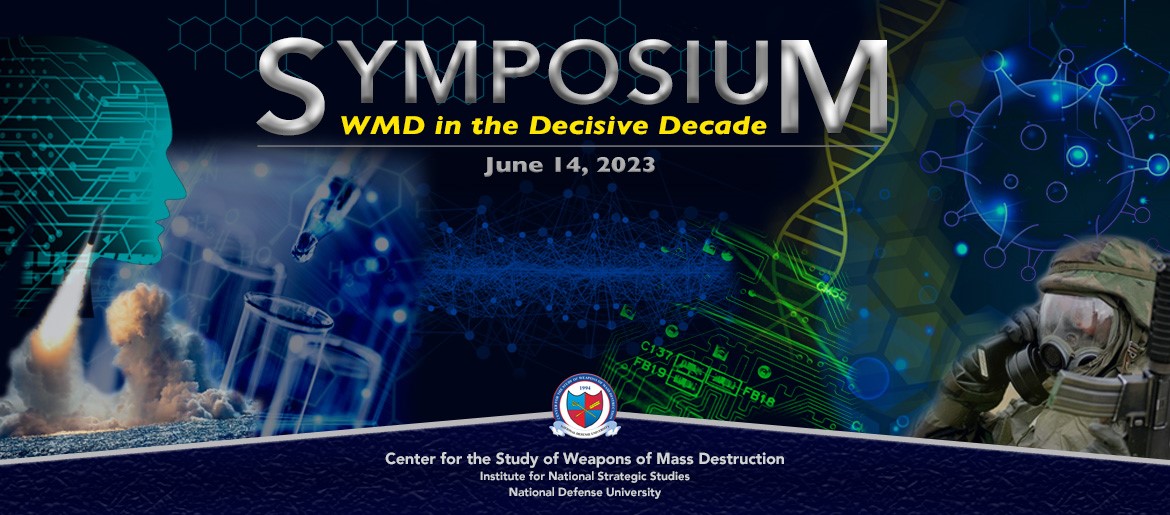

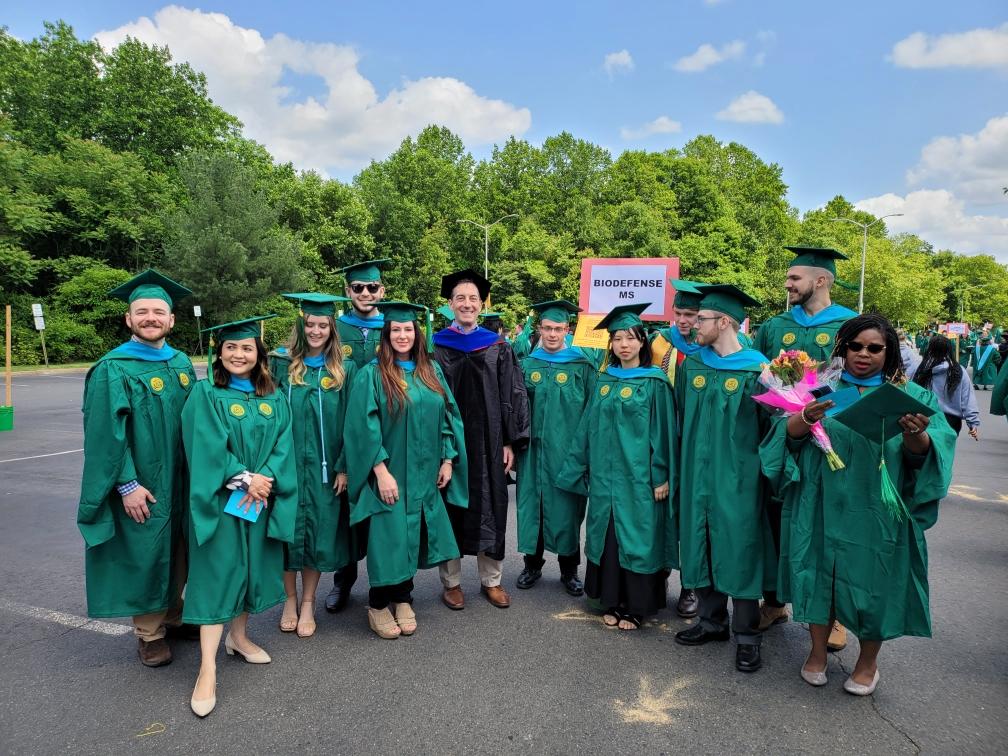
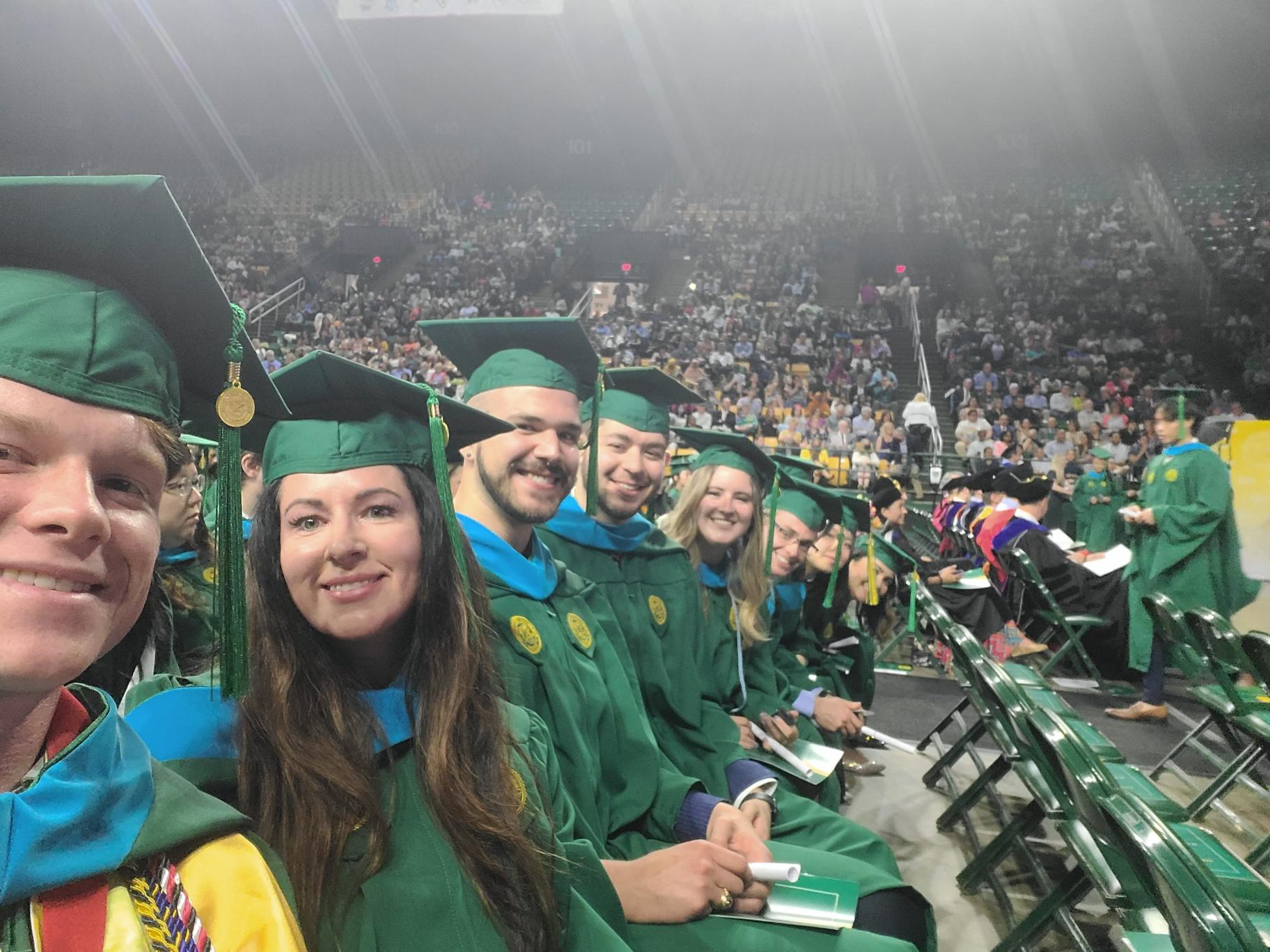
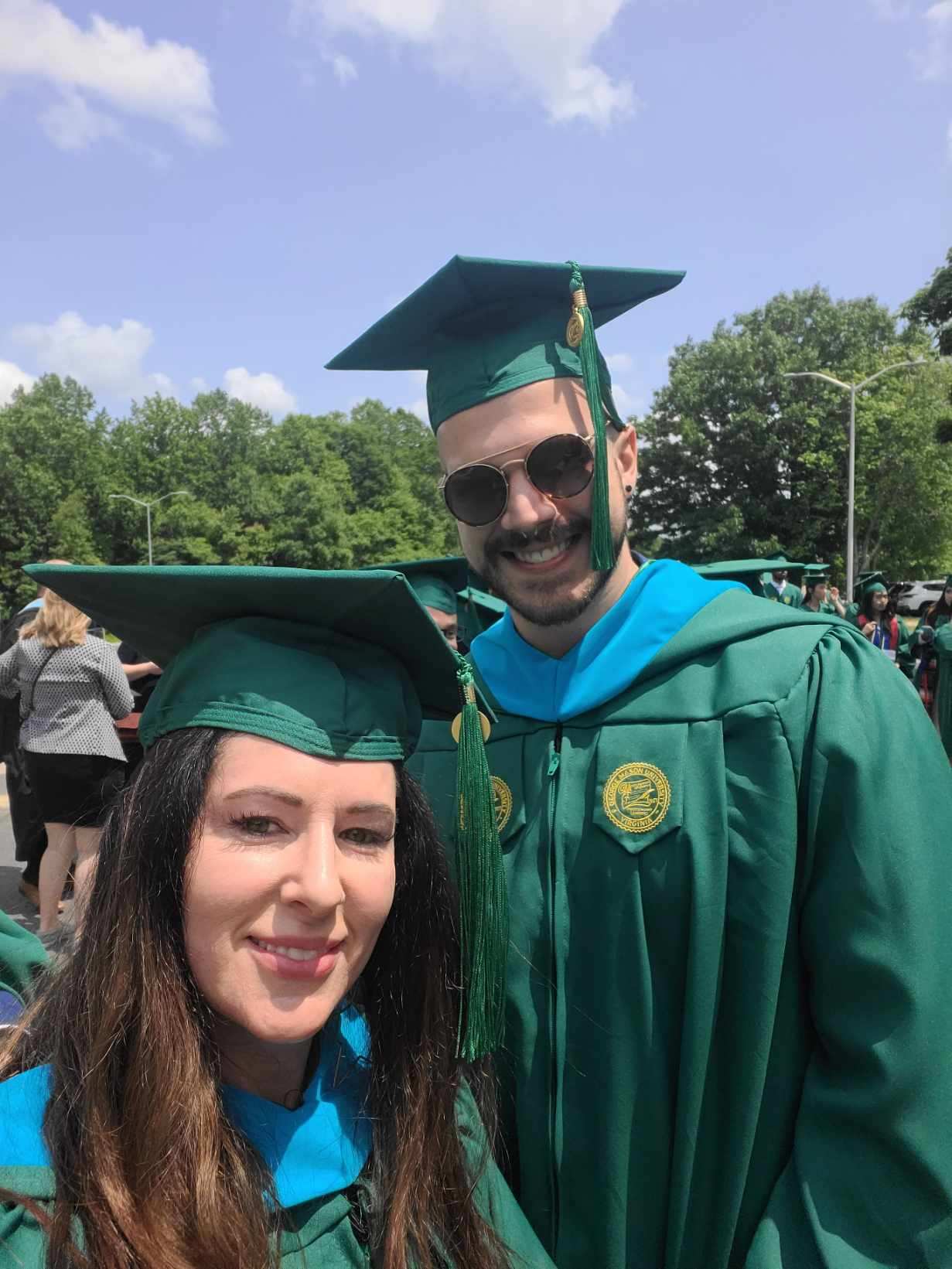
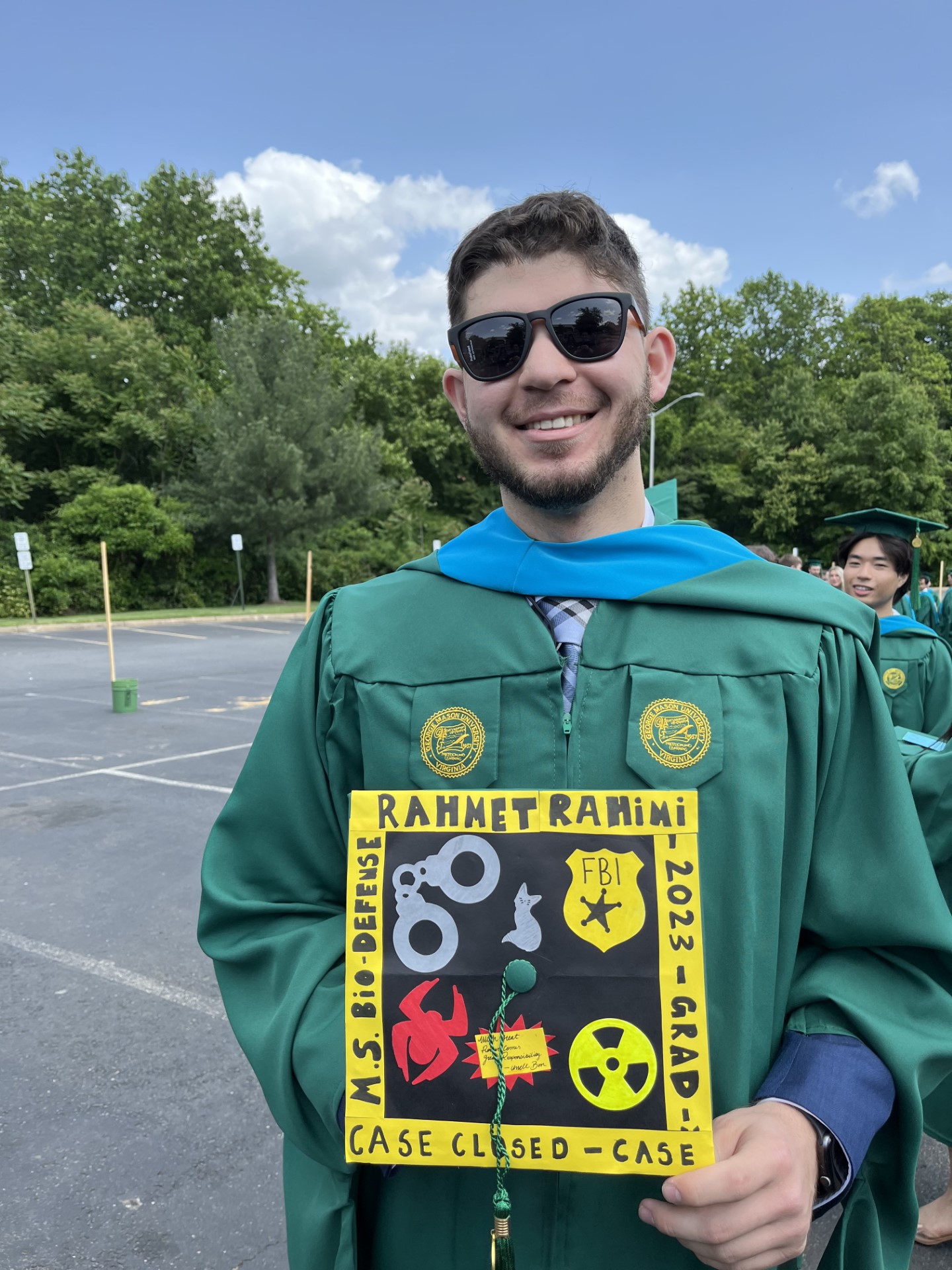


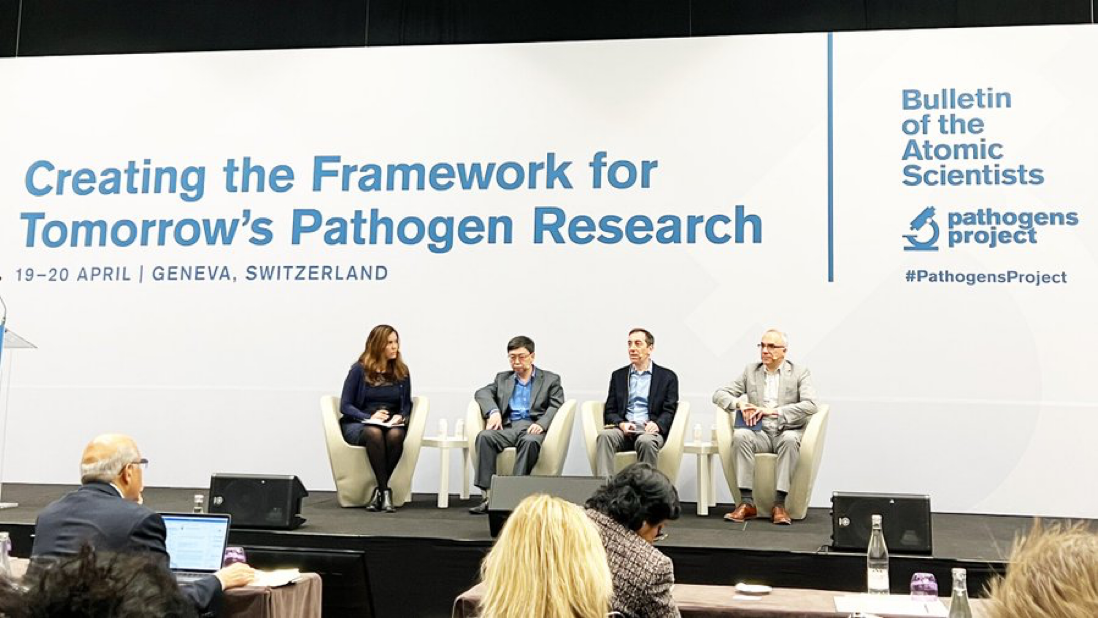
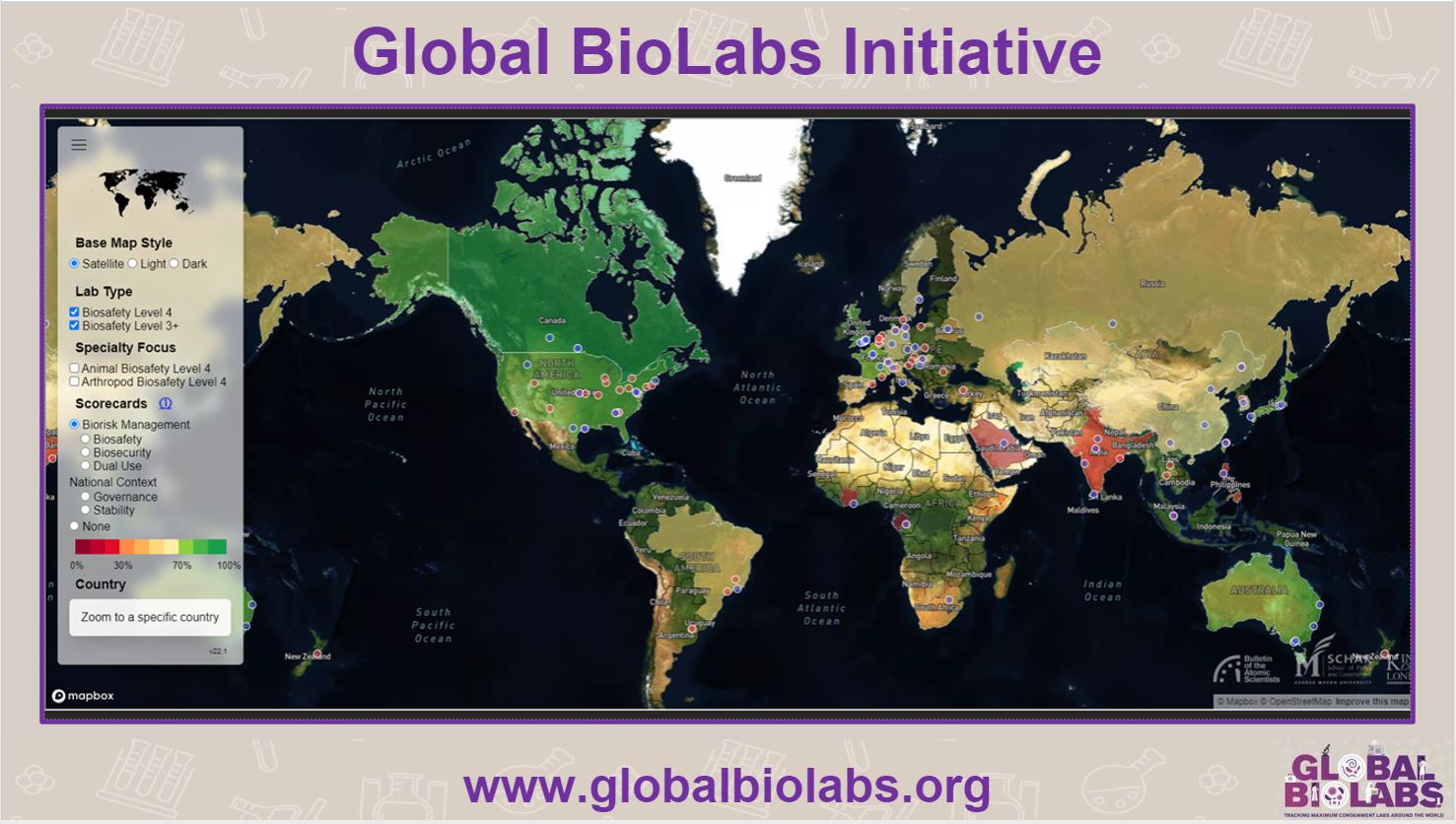
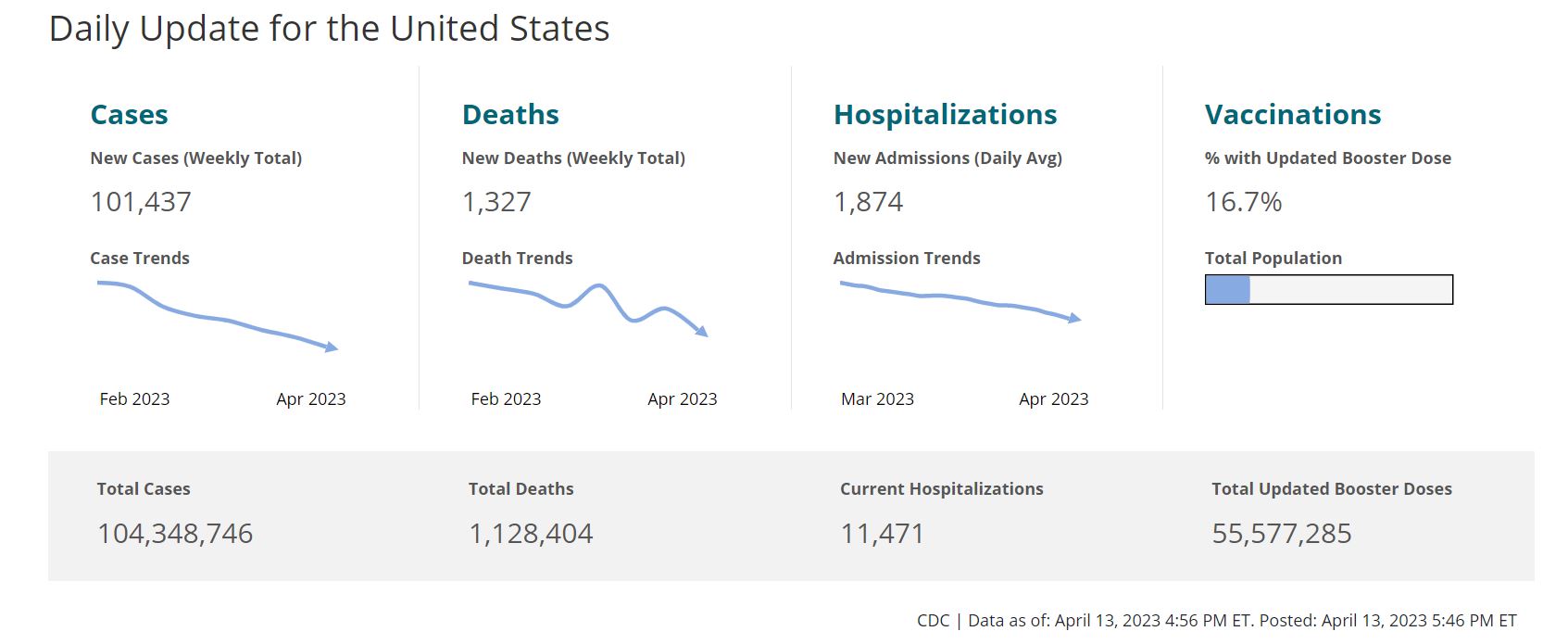
 The Pandora Report