Pandora Report 2.24.2017

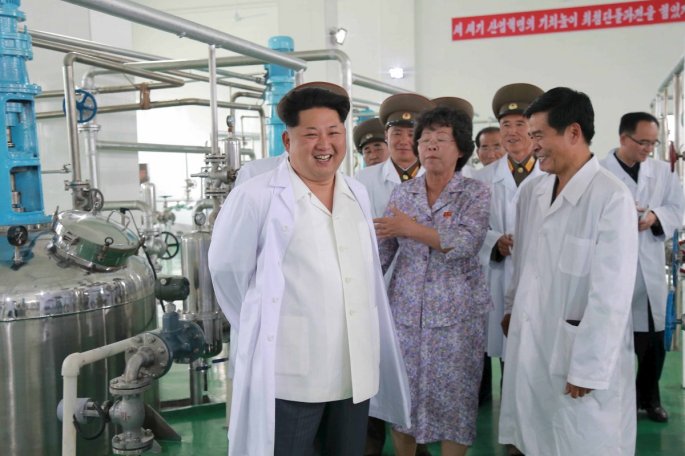
Happy Friday and welcome to your weekly dose of all things biodefense! A preliminary report from the Malaysian police has found that VX nerve agent was most likely used to murder Kim Jong-nam.

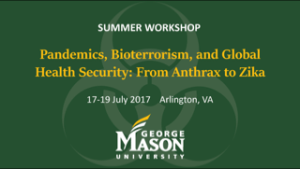
Summer Workshop on Pandemics, Bioterrorism, and Global Health Security: From Anthrax to Zika 
Want to dabble in the world of global health security? Don’t miss out on the GMU Biodefense three-day, non-credit summer workshop on July 17-19, 2017! Participants will look at the challenges facing the world at the intersection of national security, public health, and the life sciences. Instructors for the workshop range from FBI special agents to biodefense professors and USAMRIID commanders. The workshop will look at the spectrum of biological threats – including naturally occurring disease outbreaks such as SARS, Zika, and Ebola, lapses in biosafety, dual-use research of concern, and the threat of bioterrorism. From now until May 1st, you can take advantage of the early bird registration discount!

Progress Report on BARDA & Project Bioshield 
A 10-year report card was recently published for these two efforts to defend the U.S. against biological threats. The report found 80 candidate countermeasures, 21 stockpiled countermeasures, and 6 FDA approvals supported by BARDA and Project Bioshield. “Over a decade has passed since the anthrax attacks of 2001; preparedness has increased substantially since that time, and defense against CBRN threats has become melded into national security. Both BARDA and Project Bioshield are essential elements of national security, and, especially in light of a change in presidential administration, it is important to emphasize the critical role these agencies have had in fortifying the nation against intentional CBRN threats. Larsen and Disbrow note, however, that despite the reauthorization of Project Bioshield in 2013 with annual funding at $2.8 billion (from 2014-2018), that funding is subject to annual congressional appropriations; as such, only a fraction of that funding has been appropriated.”

BWC Newsletter 
If you’re looking to keep tabs on the Biological Weapons Convention, we’ve got just the place for you. The BWC Implementation Support Unit has prepared a newsletter to better support communication among States Parties and encourage involvement in BWC-related issues and events. The first issue discusses the recent Eighth Review Conference and news like the launch of EU projects to support BWC universalization and a Confidence-Building Measures reminder letter (deadline for submission is April 15th!).

screen-shot-2017-02-21-at-2-11-26-pmCDC Lab Closure Due to Safety Concerns
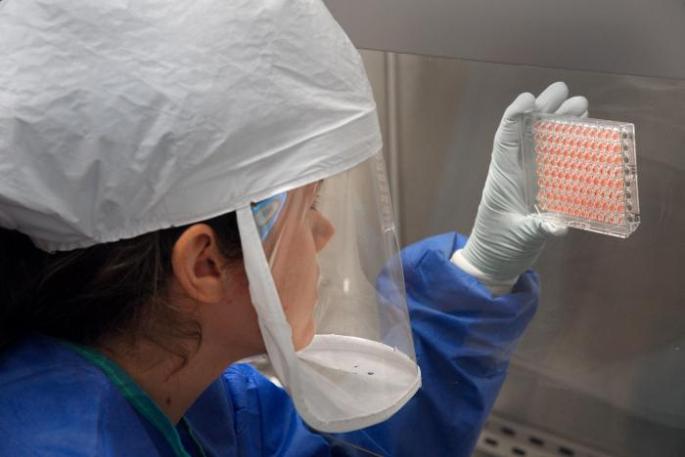
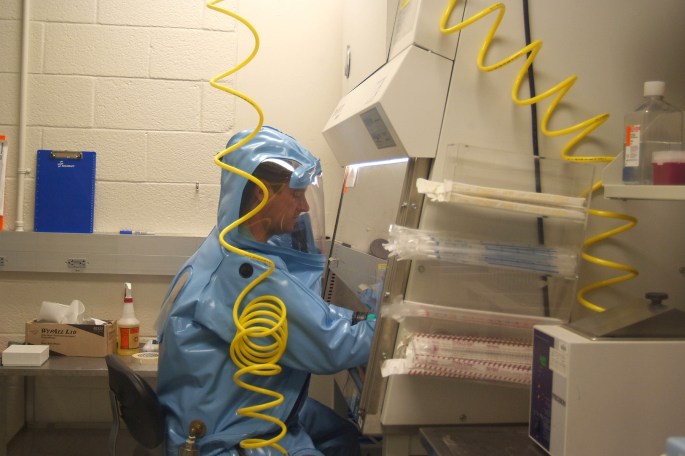
The CDC has temporarily closed down its Biosafety Level-4 laboratories following the finding that their air supply hoses to researchers in protective suits were not approved for use. “‘We have no evidence that anybody has suffered ill health effects from breathing air that came through these hoses,’ Stephan Monroe, associate director for laboratory science and safety at the CDC, told Reuters. Monroe said he was confident scientists were not exposed to pathogens because the air they breathed passed through HEPA filters. The suits they wear also use positive air pressure to prevent pathogens from entering the suit.” Safety tests are currently being performed while employees are being notified and monitored. Interestingly, Monroe’s position is a newly minted one, having been established in 2015 to combat the continuous findings of major lab safety failures involving anthrax, avian influenza, and Ebola in CDC labs.

Why Bill Gates Worries About Biological Threats
Bill Gates recently spoke to Business Insider following his speech for the Munich Security Conference, in which he highlighted his real concerns for global health security. He noted that conflict areas and regions that are struggling to find stability are perhaps the most challenging in terms of outbreak containment. Gates emphasized the vulnerability for genome editing of a virus to make it more contagious, and also the advances in biotechnology that may help prevent the spread of an epidemic. “The point is, we ignore the link between health security and international security at our peril. Whether it occurs by a quirk of nature or at the hand of a terrorist, epidemiologists say a fast-moving airborne pathogen could kill more than 30 million people in less than a year. And they say there is a reasonable probability the world will experience such an outbreak in the next 10-15 years.” Perhaps the most important thing on our “to-do” list is to invest in vaccines, drugs, and diagnostics. We have a tendency to put these priorities lower on the totem pole until a major public health crises occurs however, Gates highlights their relevance. The launch of the new Coalition for Epidemic Preparedness Innovations (CEPI) is one step closer to bridging this gap. “The really big breakthrough potential is in emerging technology platforms that leverage recent advances in genomics to dramatically reduce the time needed to develop vaccines. Basically, they create a delivery vehicle for synthetic genetic material that instructs your cells to make a vaccine inside your own body.” Gates also emphasized the importance of strengthening basic public health systems, especially in vulnerable countries – adding to that age old saying, “an outbreak anywhere is an outbreak everywhere”.

screen-shot-2017-02-23-at-7-48-50-amFinancing Pandemic Preparedness At the National Level = First Line of Defense
Pandemic preparedness funding is one of those common sense investments…right? Unfortunately, many don’t always make it a priority. Ebola alone cost billions, including a $2.27 billion allocation for response by the U.S. government. Dozens of after-action reports and papers on lessons learned have been published since the outbreak. Peter Sands noted that “all these reviews – including the one I chaired  for the US National Academy of Medicine – agreed on three key priorities: strengthening preparedness at a national level; improving coordination and capabilities at a regional and global level; and accelerating R&D in this arena.  Over the last twelve months progress has been made in implementing many of these recommendations, but big gaps and weaknesses remain. As a recent paper in the British Medical Journal put it, there has been ‘ample analysis, inadequate action’.” The highest priority though is preparedness at a national level. The International Working Group on Financing Pandemic Preparedness was created in 2016 as a means to propose ways in which national governments and partners can work to establish sustainable financing to strengthen their pandemic preparedness. Their focus “includes domestic resource mobilization, development assistance and private sector engagement. For many countries, financing preparedness through the domestic public sector budget is the best way to ensure sustained funding and seamless integration with the rest of the health system. This requires ensuring sufficient priority is attached to investing in pandemic preparedness in budget allocations. In some countries, there may also be scope to increase the fiscal envelope through improvements in tax design and collection or even hypothecated taxes.”

Insider Threats 
Get ready to add this new book to your reading list. Matthew Bunn and Scott D Sagan are looking at insider threats like nuclear material theft and Edward Snowden. “Insider Threats offers detailed case studies of insider disasters across a range of different types of institutions, from biological research laboratories, to nuclear power plants, to  the U.S. Army.” Don’t miss the chapter from Jessica Stern and Ronald Schouten, “Lessons Learned from the Anthrax Letters”. Stern and Schouten look at the investigation of the Amerithrax attacks and provide a portrait of Ivins and his troubling behavior. They also address “the combination of regulatory changes, red flags missed by Ivins’s colleagues, and the organizational and cognitive biases that contributed to the failure to identify Ivins as a potential insider”, and the current environment and new regulations.

Stories You May Have Missed:

  • Former Secretary of Defense Outlines the Future of Warfare – “Two years ago, Barack Obama appointed a new Secretary of Defense, Ashton Carter—a technocrat physicist, an arms control veteran, and a professor at Stanford—to help close this divide.” Carter recently sat down with WIRED magazine and discussed the challenges facing the White House. When asked about the impact of autonomy on warfare, Carter notes that it will change it in a fundamental way, but also points biotechnology. “I think if there is going to be something ever that rivals nuclear weapons in terms of the pure fearsomeness of their destructiveness it’s more likely to come from biotechnology than any other technology. Looking back decades from now, I do think the biological revelation could rival the atomic revolution for the fearsomeness of the potential. I think that’s one reason we need to invest in it. And although biotechnology has not been a traditional area for Defense, the new bridges that they build shold not only be to the IT tech community but also to the biotech communities in the Valley.”
  • Did Salmonella Take Down the Aztecs?– History and infectious disease? That’s surely the best way to start a weekend! Researchers recently looked at the DNA of a 500-year-old bacteria to study one of the worst epidemics in history. “In one study, researchers say they have recovered DNA of the stomach bacterium from burials in Mexico linked to a 1540s epidemic that killed up to 80% of the country’s native inhabitants. The team reports its findings in a preprint posted on the bioRxiv server on 8 February. In 1519, when forces led by Spanish conquistador Hernando Cortés arrived in Mexico, the native population was estimated at about 25 million. A century later, after a Spanish victory and a series of epidemics, numbers had plunged to around 1 million.” After extracting and sequencing the DNA from the teeth of 29 buried people buried in the highlands of southern Mexico, all but five were found to be linked to cocoliztli. “Further sequencing of short, damaged DNA fragments from the remains allowed the team to reconstruct two genomes of a Salmonella enterica strain known as Paratyphi C. Today, this bacterium causes enteric fever, a typhus-like illness, that occurs mostly in developing countries. If left untreated, it kills 10–15% of infected people.”

Pandora Report 2.17.2017

screen-shot-2017-02-15-at-10-06-56-amHappy Friday! Since Tuesday was Valentine’s day, it was fitting to have a super romantic story about Ebola super-spreaders and their role in causing most of the cases. Have you ever wondered why killer viruses are on the rise or what some of these infectious disease terms mean?

ASM Biothreats 2017 Highlights 
If you missed this event or weren’t able to make some of the sessions, check out our overview! GMU sent four graduate biodefense students to ASM’s biothreats conference to not only aid in their education, but also to report back for our readers. With their unique backgrounds, we’ve got articles on the FDA’s Animal Rule, international biosecurity efforts, and more. Check out the link above and you’ll find a special edition post with all of our highlights.

A Step Closer Towards Human Embryo Editing
A new report from an international committee put together by the U.S. National Academy of Science and the National Academy of Medicine found that a clinical trial regarding DNA editing of a human embryo “might be permitted, but only following much more research” on risks and benefits, and “only for compelling reasons and under strict oversight.” Consideration would be given to couples who are both afflicted with serious genetic disease and editing is “really the last reasonable option” for them to have a healthy child. While some applaud this as a first step towards a very specific and narrow subset of DNA altering, “others see the report as lowering the bar for such experiments because it does not explicitly say they should be prohibited for now. ‘It changes the tone to an affirmative position in the absence of the broad public debate this report calls for,’ says Edward Lanphier, chairman of the DNA editing company Sangamo Therapeutics in Richmond, California.” You can read the full report here.

The Biotechnological Wild West: the Good, the Bad, and the Underknown of Synthetic Biology
GMU Biodefense PhD student and Predoc at Lawrence Livermore National Laboratory, Yong-Bee Lim, is taking on the 2017 ASM Biothreats conference and the pipette-slinging world of synthetic biology. Lim first focuses on the panel at ASM’s conference, which looked at the current state of synbio and where the future might take us. Like most things in life, there’s also a flip side to that coin – the negative aspects of this new technology. “While the benefits derived from synthetic biology are great, presenters noted that it suffers from the dual-use dilemma: the same information applied to beneficial uses could also be repurposed for nefarious purposes. Dr. Hassell noted that synthetic biology increases biologically-derived risks through three mechanisms. First, synthetic biology can be used to enhance existing microbial threats; synthetic biology allows actors to more easily manipulate the characteristics of microbes, including increasing environmental stability and introducing hypervirulence. Secondly, traditional methods of restricting access to biological select agents and toxins (BSATs) may be less effective in an age where synthetic biology can be used to construct microbes de novo. Finally, synthetic biology can be used to construct novel threats that are meant to subvert countermeasures.” Lastly, one of the most interesting components to this presentation and Lim’s article is the underknown components to synethic biology. The erosion of the knowledge and technical barriers and the rise of the do-it-yourself (DIY) practitioners all give way to a new frontier in terms of benefits and dangers.

Broad Institute Wins CRISPR Patent 
This week, the U.S. Patent Office appeal board ruled that the dispute regarding the discoveries between the University of California, Berkeley and the Broad Institute do not overlap. “The ruling is a win for the Broad Institute, which had asked for the finding of no interference. It will be able to retain its valuable patents, which cover the use of CRISPR in human and animal cells. In a statement, Berkeley said it “respects” the decision but still maintains that Berkeley biochemist Jennifer Doudna and European collaborator Emmanuel Charpentier were the first to invent the CRISPR system.” The CRISPR patent dispute has brought to light the most foundational question of who truly owns the patent rights to CRISPR work in animals and plants. This new development doesn’t mark the end of the CRISPR dispute, as many expect Berkeley to appeal the decision and the Broad Institute’s patent is facing dispute from other researchers, including the Rockefeller University. While the CRISPR patent road may have been smoothed for a bit, it will continue to remain rocky and cause ripples for business developments and the biotech industry.

Defense Civil Support: DoD, HHS, and DHS Should Use Existing Coordination Mechanisms to Improve Their Pandemic Preparedness screen-shot-2017-02-14-at-10-41-11-am
In this Government Accountability Office (GAO) report, they found that the DoD should utilize guidance developed to aid in support of civil authorities (specifically HHS and DHS). “HHS and DHS have plans to guide their response to a pandemic, but their plans do not explain how they would respond in a resource-constrained environment in which capabilities like those provided by DOD are limited. DOD coordinates with the agencies, but existing coordination mechanisms among HHS, DHS, and DOD could be used to improve preparedness. HHS’s Pandemic Influenza Plan is the departmental blueprint for its preparedness and response to an influenza pandemic.” The GAO’s goal was to assess the DoD’s plans and processes to support civil authorities during a pandemic, of which they found that the existing coordination mechanisms should be used to explore opportunities to improve preparedness if their capabilities are limited.

Global Health Security Transparency 
Global health security is a finicky creature as it requires cooperation and transparency from all countries. One weak link in the chain can cause an international public health crisis. No More Epidemics is imploring countries to publish their Joint External Evaluations (JEE) performed by the GHSA (Global Health Security Agenda). As of now, only Ethiopia, Liberia, Peru, Uganda, UK, and the U.S. have openly shared their JEE’s. “Knowledge of baseline data provided by the JEE will result in more effective programming, prevention and detection of infectious disease outbreaks and early response. The JEE and roadmap processes are critical tools for civil society to use in developing appropriate and adequate programming to help countries close health systems gaps and become IHR-compliant. Transparency and accountability are vital in addressing global health threats. No More Epidemics urges all countries carrying out their Joint External Evaluations to make the results publicly available and for these to be made available on the World Health Organization’s Strategic Partnership Portal, the online repository for tracking funding, donor profiles and country level data.” Information sharing is also a mechanism for strengthening partnerships among countries.

Webinar on Ebola’s Aftermath 
Doctors Without Borders (MSF) will be hosting this live webinar on Thursday, February 23rd at 8pm EST. Following the publication of the book, The Politics of Fear: Médecins Sans Frontières and the West African Ebola Epidemic, the MSF webinar will do a deep-dive into the 2014/2015 outbreak and the lessons learned. This event will include a panel of MSF experts, who were directly involved in the MSF response in West Africa.

Fighting Antimicrobial Resistance with Physics
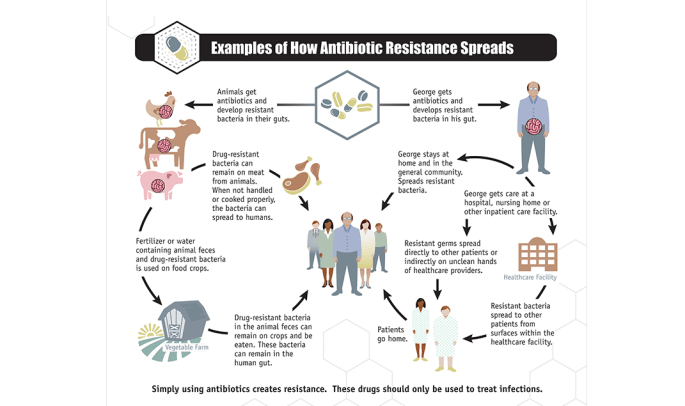
The battle against antimicrobial resistance (AMR) isn’t slowing and the proposed strategies emphasize the need for increased research and development of new antimicrobial agents, which means we’re running out of options. Swinburne University is trying a new tactic though – physics. “Elena Ivanova was studying physical surfaces that could repel bacteria before they even had time to settle. In clinical settings, such as hospitals and dental practices, 80% of infections are caused by bacteria that cling to surfaces in such densities that no antibiotic can remove them. First, she tried making surfaces so smooth that bacteria would, theoretically, simply slide off. Although that was the case for some bacteria, many others—such as the common Staphococcus aureus, or staphstill managed to cling on and multiply.” This is where Greg and Jolanta Watson come in – they have amassed a huge collection of biological samples in their laboratory. Ivanova and the Watsons communicated back and forth regarding natural properties that might make bacteria incapable of sticking to and growing on surfaces. Starting with cicada wings, Ivanova found that it was able to kill one of the two main types of bacteria, which was a partial success. Next, a gecko’s skin was tested, which revealed a wealth of knowledge. “Green had added a sample of the small, rod-shaped bacterium that causes gingivitis, Porphyromonas gingivalis, to the surface. In total, he added around 10 million microbes every day for a week. What’s more, this mass of microbes was given everything that they needed for a good life: a constant temperature of 98.6˚ F, an atmosphere without oxygen, and a daily ration of food. Regardless, after the week, nearly all were punctured and torn, their cellular carcasses strewn over the gecko skin. ‘Bacteria are trying to move and settle on the surface,’ Green says. ‘And they’re just getting spiked and skewered by these long hairs’.” Looking to nature, these researchers have focused on the physics of repelling bacterial growth, which may help broaden the arsenal against resistant germs.

Stories You May Have Missed: 

  • Talking About Bioethics & Policy in the U.S. Under the Trump Administration – Dual-use research of concern, CDC’s new quarantine rule, and the Animal Rule are all topics involving bioethics and Johns Hopkins University is hoping to provide the resources needed to address these complex issues. The new administration brings with it concerns over vaccine skepticism and how they will handle these bioethical dilemmas. How will Trump address the work of biotechnology and public health crises?
  • Breaking Barriers: Women in Science Event: Don’t miss this March 8th event at 6pm at Top of the Town in Arlington, VA. The 3rd annual reception will “bring together scientific, political, and cultural leaders to celebrate the achievements of women in STEM and take a stand for the critical role women play in science and technology communities”.
  • The Cost of Biosecurity – For $1 million a year, you can buy yourself global biosecurity! A recently published list of the unit staff costs from the 2017 BWC Meeting of State Parties, gives an eye-opening revelation into the cost of biodefense. For $1.1 million a year, you can financially support the implementation unit staff of the BWC – quite a bargain, no?
  • Surprise Us, Mr. Trump – A Letter From the Global Health Community – In this editorial article from The Lancet Global Health, the authors point to the role of the U.S. in the WHO Executive Board and the future of WHO leadership. “Two legislative bills introduced in early January in the US House of Representatives and Senate are seeking to withhold funds from the UN and open a way for the USA to leave the global body, and therefore withdraw membership of WHO.” The current political and global health atmosphere is unsettled, which has many concerned about the future of U.S. involvement in global health programs.
  • CRISPR Creates TB-Resistant Cattle – Chinese researchers have created tuberculosis resistance in cattle using CRISPR/Cas9. “As the researchers reported today in Genome Biology, they used somatic nuclear transfer to get the edit into an egg cell, creating 11 cows in vitro with NRAMP1 (nine using Cas9 nickase) and demonstrating that the gene provided increased resistance to tuberculosis.Moreover, they said that while the Cas9 nickase did not completely eliminate off-target edits, it did reduce them, especially when compared to standard Cas9 which creates double-strand breaks and is much more likely to create indel mutations via the non-homologous end-joining DNA repair pathway.”

ASM Biothreats 2017

screen-shot-2017-02-15-at-9-40-26-amGMU Biodefense sent four graduate students to give you a “boots-on-the-ground” viewpoint for the 2017 ASM Biothreats conference. In our special edition post we have a full range of coverage for this three-day conference on biological threats and safety.

Zach Goble is looking at international collaboration against biological threats and the importance of recognizing foreign organizations for their help in aiding research endeavors. Next, he looks to the symposium on national bioterrorism emergency response. Pointing to the work done by different states and the proposed model by David Ladd, he emphasizes that these are definite steps in the right direction, but will need continued work.

Greg Mercer reviews the panel session “Predicting Emergence by Understanding the Past: Methods that Move Us Towards Predictive Biology“. In his overview of this panel on efforts to get ahead of the evolutionary curve, Greg discusses each speaker and their contributions to the field, as well as where they think the future will take us.

Stephen B. Taylor covers Dr. Fauci’s talk on pandemic preparedness and his experience throughout the years. In this overview, Dr. Fauci points to the unique challenges that followed each health crisis and how certain administrations responded. Stephen also takes us through the melioidosis panel regarding this neglected tropical disease. He notes the high cost of treatment and the inability for most endemic countries to support response and prevention efforts.

HyunJung (Henry) Kim– takes us on a journey through the FDA Animal Rule and its path to success. Henry uses this plenary sessions to discuss the PEP, PrEP, and Passive Transfer aspects of animal modeling.

Predicting Emergence by Understanding the Past: Methods that Move Us towards Predictive Biology

By Greg Mercer

I attended ASM BioThreats 2017’s panel “Predicting Emergence by Understanding the Past: Methods that Move Us towards Predictive Biology,” where a panel of researchers presented their recent efforts to get ahead of the evolutionary curve and anticipate new developments in infectious disease.

Marco Vignuzzi, of the Pasteur Institute, described his efforts to monitor, predict, and target RNA virus evolution. RNA viruses mutate constantly; any response to them must into account incremental changes and variations. Vignuzzi described a large population of many low-frequency mutants as a quasi-species or “cloud.” One can sequence the average genetic profile of this cloud, known as the “consensus sequence.” This population exists across a fitness landscape, ranging from well-adapted to poorly-adapted. The natural evolutionary tendency of a fast-mutating RNA virus is to “climb” this landscape to the highest possible fitness—this is the most successful disease. But Vignuzzi suggests that a virus could be artificially altered to undergo exactly the wrong mutations, making it less fit and causing it to die off. Exactly how to do this remains a mystery, but it’s an exciting possibility.

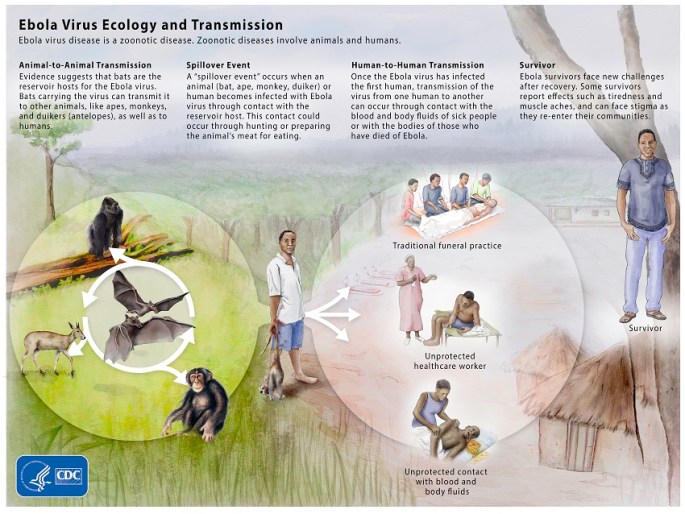
Barbara Han, of the Cary Institute of Ecosystem Studies, presented her research on machine learning for forecasting zoonotic disease. Han takes a macro-ecological approach to disease, focusing on hosts. Factors like biodiversity and population density affect disease rates, so understanding zoonotic diseases means collecting a great deal of information about the animals that carry them. This information tends to be collected based on specific concerns about animal reservoirs; Han noted that since bats are a suspected reservoir for Ebola and other diseases, there’s been a massive surge in surveillance. It turns out, though, that they carry fewer zoonoses than we might expect. Right now, Han is studying bats to try to identify instances where viruses might spill back into bat reservoirs from human populations, making outbreaks harder to stop. She is also working with data about the health of rodent populations, with the hypothesis that lower biodiversity in a particular area will put humans at a higher risk for a spillover.

David O’Connor, from the University of Wisconsin-Madison, is looking at viruses that aren’t on the radar yet, though maybe they should be. O’Connor examines animal species to find traits that make spillover events likely. Specifically, he presented the theory that simian arteriviruses might be to blame for the mysterious simian hemorrhagic fever. There’s not enough information to know for sure without another outbreak, but O’Connor argues that there is enough information at our disposal to begin to make predictions “to the left of the surveillance curve,” and target surveillance at diseases that aren’t yet a top threat, but could emerge as one.

Melioidosis: Uncovering a Neglected Tropical Disease

By Stephen Taylor

The ASM Biothreats Melioidosis Panel on Tuesday, February 7th, shed light on a largely ignored infectious disease that runs rampant in developing Southeast Asian countries. The speakers, Dr. Direk Limmathurotsakul, the Head of Microbiology at Mahidol-Oxford Tropic Medicine Research Unit, and Dr. Frances Daily, of Diagnostic Microbiology Development Programme, brought a wealth of first-hand knowledge and experience diagnosing and treating this disease in Thailand and Cambodia.

Melioidosis is an infection caused by Burkholderia pseudomallei, a bacterium often found in soil and water.  It is known to cause fever, arthritis, and abscesses of vital organs.  Once inoculated with bacteria, carriers typically experience an incubation period between 1 and 21 days before melioidosis symptoms appear.  Humans acquire B. pseudomallei by inhaling contaminated dust, ingesting contaminated water, or coming into contact with contaminated soil.

In the United States, B. pseudomallei is classified by Health and Human Services and the U.S. Department of Agriculture as a Tier 1 Select Agent, meaning it poses a significant threat to human and animal health and safety and presents a great potential for deliberate misuse.  The Soviet Union and the United States are both believed to have studied B. pseudomallei as a potential biological warfare agent in the 1940s.

In his extensive work caring for patients in northeast Thailand, Dr. Limmathurotsakul documents numerous cases of melioidosis on an annual basis, many of them fatal.  Thailand’s Bureau of Epidemiology, however, only documents about 12 melioidosis deaths per year.  Dr. Limmathurotsakul chalks up the disparity to a poor public health surveillance apparatus and cultural barriers in reporting.  Public health laboratories in Thailand are poorly equipped for diagnostics. Furthermore, physicians in Thailand are not well trained to utilize laboratory diagnoses, nor are they well versed in the transmission and symptoms of melioidosis.  When local health professionals do detect outbreaks of the disease, they are hesitant to report them to the Bureau of Epidemiology for fear of being stigmatized as the only locale to have a significant melioidosis outbreak.

Dr. Daily has encountered similar problems working in Cambodia.  Due to climate change, the rainy season in Cambodia lasts longer every year and with it, the number of melioidosis outbreaks detected by her team also grows.  The Cambodian government, however, is unable to respond effectively to these outbreaks due to a lack of diagnostic capability, patient data, and funding.  Treatment for the infection, which averages a cost of 65 USD, is expensive compared to the Cambodian per capita income of just over 1,100 USD.  Many families struggle to pay for treatment, often going into debt or selling property to afford it.

What can be done to improve detection and treatment of melioidosis?  All of the panel members recommended improving the education and training of the public health and medical workforce.  Knowledge of melioidosis needs to be integrated into training for public health workers in laboratory diagnosis.  Protocols for diagnosis and treatment of melioidosis should be incorporated into medical school curricula.  The speakers also expressed hopes that Thailand and Cambodia would be able to build their capacity to detect and report infectious diseases. Combining his limited data on melioidosis with predictive modeling algorithms, Dr. Limmathurotsakul has estimated that there are 165,000 cases of melioidosis worldwide each year, 89,000 of which result in death.  He hopes the estimates will spur melioidosis researchers worldwide to compile confirmed-case data and paint a more accurate picture.  Then national and international policymakers will have better information to support clinicians and public health officials in their local efforts to fight the disease.

Licensure under the FDA Animal Rule: A Path to Success

By HyunJung (Henry) Kim

Michael Merchlinsky, a subject matter expert from BARDA/CBRN, was the first speaker in this ASM Biothreats 2017 plenary session, overviewing history of the Animal Rule in the US. The Animal Rule is well-known as an innovative policy forming the foundation of U.S. biodefense policies. When no alternatives are available, the Animal Rule provides an investigational mechanism for figuring out “predictive” responses from new medical countermeasures (MCMs) relevant to calculating a dose in humans. Under the Animal Rule, licensure is a legal status awarded by FDA that assures the public that studies to demonstrate safety and efficacy have been performed. According to Merchlinsky’s presentation, it is worthy to note that the Animal Rule was born in the basis of national security purposes, increasingly apparent from Gulf War to 9/11. The primary purpose of the Animal Rule is to increase preparedness and provide means to confidently respond to a public health emergency. Based on the national security perspective at the state-level, Michael Merchlinsky reviews the pros and cons of the Animal Rule. He notes that the Animal Rule is the best course of action for assuring ‘safety’ and ‘efficacy’ where no other alternative is available. Moreover, MCMs under the Animal Rule can attain pre-EUA status during developmental path-MCMs saved in the Strategic National Stockpile (SNS). On the other hand, a critical limitation is that the Animal Rule is inherently longer, harder, and less predictive than traditional pathways.

Next, Dr. Mario Skiadopoulos and Christine Hall represented Emergent BioSolutions and spoke to the regulatory pathway for anthrax and botulism medical countermeasures. BioSolutions applies animal models based on the subject of rabbits as well as non-human primate (NHP) to develop vaccines against anthrax and botulism. It was very interesting to know that there are three types of experiments in animal modeling; Post-Exposure Prophylaxis (PEP), Pre-Exposure Prophylaxis (PrEP) and Passive Transfer. The PEP type demonstrates added value of vaccine over antibiotics alone, in post-exposure settings, whereas the PrEP type established correlation between pre-challenge TNA tilter and probability of survival. The Passive Transfer type demonstrates that neutralizing antibody alone is capable of protection. Compared with the speaker from government sector, speakers from the private sector point to more practical challenges that field researchers are facing under the Animal Rule. They argue that there is no regulatory precedent for licensing a vaccine under the Animal Rule. Technically speaking, it is not clear which time points or which kind of animal models can bridge animal-to-human data. For instance, we have never known which animal model is akin to human trials between rabbits and NHP, as well as which time point is appropriate to apply to humans among the 80%, 90% or 100% survival points from the result of animal models. Consequently, the Animal Rule is essential not only in MCMs development and the realm of national security, but also carries with it many challenges both in government and private sectors. Overall, the inclusion of both government and private sector viewpoints presented the full spectrum of the Animal Rule and its complexities regarding MCM development.

Should I Stay or Should I Go? National Bioterror Emergency Response Preparedness

By Zach Goble

The theme of this ASM Biothreats 2017 symposia was perhaps one of the more noteworthy callings for collaboration among groups. With more than 17 years of experience as the director of Hazardous Materials Emergency Response at the Massachusetts Department of Fire, David Ladd emphasized the need for a unified response when encountering any number of hazards. His slogan during his dialog, “what happens on the left coast, then happens on the right coast”, stressed the importance of initiating and maintaining communication with organizations near and far. No one stays unaffected in the world of today and without the exchange of ideas, experiences, and procedures disasters can have an overwhelming effect.

Rich Ozanich, from Pacific Northwest National Laboratory and Christina Egan, from the NY Dept. of Health, both echoed that close collaboration is a key factor in response. While Rich laid out the Department of Homeland Security’s framework for “The Onion”, which is a set of procedures to guide first responders in the event of a biothreat incident. The emphasis here was that to be successful the training for such events needs to be coordinated at a local, state, and national level.  Christina detailed the many training programs tailored to biological threat response within Emergency Management Departments specific to various states such as Minnesota and Wisconsin. The message here was that while many great programs exist at the state level, there is not a unified national response to confront CBRN threats with the United States.

David Ladd concluded the panel by presenting a proposed model for National Bioterrorism Response that was submitted by the Interagency Board in January, 2017. In the absence of a nationally recognized system for protecting the nation against bioterrorism, the need for such a system is certainly justified. This document provides a model for bringing together various organizations and departments to create a network of local bioterrorism response teams ready to deploy when the need arises. Models such as these represent steps in the right direction to achieving a unified response in ensuring the public remains safe from biological threats.

International Collaborations to Defend against Biological Weapons: The UK/US Experience

By Zach Goble

The second day of the ASM Biothreats 2017 conference focused on a range of topics from synthetic biology to host immune response. Perhaps one of the most interesting was the session on international collaborations to defend against biological weapons. Immediately the conversation began with talk of recognizing foreign organizations for their help in aiding research endeavors or providing resources to further science. Stuart Perkins, from the Defense Science and Technology Laboratory (DSTL) in the United Kingdom, highlighted the importance of shared resources and capabilities when responding to emerging infectious diseases. One organization doesn’t hold all the information, and nor should they, because while one strives for consistency in research methods, it is helpful to have differences to cast a wider net against the many research topics out there.

Lloyd Hough, from the United States Department of Homeland Security, talked about how DSTL helped provided support to their department during the most recent Ebola epidemic. Prior to the Ebola outbreak, DSTL in the United Kingdom had conducted research on how Ebola virus thrived on various surfaces and this inspired new ways forward for the U.S. to aid the countries affected in 2015. When worldly public health events occur it is often unified efforts that bring about successful outcomes.

Andrii Pavlenko, from the State of Service in Ukraine, showed how support from the United States Defense Threat Reduction Agency (DTRA) helped provide equipment and laboratory upgrades to several Ukrainian facilities working with biological pathogens. Not only did these upgrades prevent unauthorized access to potentially dangerous pathogens, but also helped to prevent the spread of emerging infectious diseases. African Swine Flu (ASF), a virus with high mortality rates in pigs and prevalent in Eastern Europe region, was on the rise in Ukraine, but the equipped laboratories helped bolster biosecurity detection and thus prevented the spread of the disease.

The message was very clear that alone, organizations could not effectively deal with biological threats that have no borders and target unremittingly. Thankfully, the gears are already in motion towards international collaboration with the organizations in attendance, among others that exist around the world. The panel left the audience with a strong message in which trust of fellow organizations is needed for it is not always action that is needed, sometimes it is the non-action in letting your partner do the work, so you can tackle another issue. While replication is important, redundancy should be left at the wayside to make room for more knowledge as there is no shortage of scientific questions out there.

Pandemic Preparedness: Learning from Experience

By Stephen B. Taylor

On February 7, 2017, Dr. Anthony Fauci, Director of National Institute of Allergy and Infectious Diseases, National Institutes of Health, gave the keynote speech at the ASM Biothreats 2017 conference. Dr. Fauci has spent over 35 years advocating infectious disease preparedness with United States policymakers. In his speech, Dr. Fauci discussed the substantial progress made in this arena since the 1980s when he first entered the field during the Reagan administration. At the time, there was a lack of appreciation in the U.S. about the potential of the newly emergent Human Immunodeficiency Virus (HIV).  Though Fauci tried to publish some disturbing initial findings about the nascent threat, the medical community rebuffed him for being an alarmist.  As the 1980s progressed, HIV/AIDS spread to epidemic proportions in the U.S.

During George H.W. Bush’s presidency, Dr. Fauci began making headway with national health and policy leaders to take seriously the threat of emerging infectious diseases. President Bush visited Dr. Fauci at NIH for a personal tutorial on HIV and took time to visit with HIV/AIDS patients. After President Bush received Dr. Fauci’s expert counsel and made a personal connection with the HIV/AIDS crisis, public health resources directed at the epidemic increased dramatically.

From the Clinton years onward, Dr. Fauci maintained his connection to lawmakers and executive leadership.  When infectious disease emergencies like West Nile Virus and antibiotic resistance came to a head during the Clinton years, politicians had a stronger relationship with the National Institutes of Health and funding came more quickly.

During George W. Bush’s term, the United States experienced the “double whammy” of 9/11 and Amerithrax.  This was a watershed moment for infectious diseases. For the first time since the early 20th century, it became widely apparent that infectious disease outbreaks posed a major threat to U.S. public health and security.  As the U.S government turned its attention and resources toward developing countermeasures against a bioterror attack, Dr. Fauci urged Washington leaders not to lose sight of the threat posed by natural outbreaks. When the H5N1 bird flu hit in the latter half of Bush’s presidency, the Bush administration worked closely with experts in health security to affect a paradigm shift: instead of reacting to outbreaks as they happen, the U.S. should expend more resources on preparing for future ones.

During Barack Obama’s presidency, emerging and re-emerging infectious disease outbreaks came in rapid succession: the H1N1 flu pandemic in 2009, MERS in 2012, Ebola in 2014, and Zika in 2015.  In close conjunction with experts like Dr. Fauci however, policy-makers have learned important lessons about preparedness, surveillance, capacity building, and coordination in preparation for the next major outbreak. Indeed, even before Inauguration Day this year, the Trump transition team invited Dr. Fauci to the White House for a disaster-response exercise.  As the world grows more interconnected and its climate changes, the threat of emerging infectious diseases looms larger.  U.S. leaders should continue to heed the advice of subject matter experts like Dr. Fauci and work closely with health and defense institutions to prepare for the future.


Pandora Report: 2.10.2017

Have you ever wondered what some of the most deadly diseases looked like in person? Check out this video depicting some of these germs and how they’d appear if you sat next to an infected person. Fortunately, this week was full of disease-filled media like this germ history video regarding the golden age of germs and how humans cause pandemics (spillover anyone?)

The Colosseum that is CRISPR Patent Wars
It seems like the ultimate display of gladiator games – researchers from major university (UC-Berkley, Harvard, and MIT) are in the midst of a battle for patent protection. You can check out the timeline here, but it seems that despite it being over two months since proceedings started, we’re not much closer to a conclusion. “A key feature of the U.S. debate is over which research group was the true first inventor of the CRISPR/Cas9 system, especially its use in eukaryotic cells. At the time the first patent applications were filed, the U.S. had a ‘first-to-invent’ system—which means the first person to develop an invention is entitled to have the patent, even if they were not the first to file a patent application (or the first to get a patent granted) for that invention. UCal has started “interference proceedings” against the Broad Institute to determine who was the first to invent the CRISPR/Cas9 system. UCal claims that they were the first to invent the use of the CRISPR/Cas9 system for gene editing, and that their earliest patent application enabled gene editing in eukaryotic cells. In contrast, The Broad Institute are arguing that UCal had not invented the use in eukaryotic cells at the time of filing its first patent application and are therefore claiming that The Broad Institute were the first to invent the use of CRISPR/Cas9 in eukaryotic cells.”

Public Health’s Greatest Threats 
We all have opinions regarding the greatest global threat- especially in terms of public health. Is it obesity? Cancer? Exposure to toxins or new emerging diseases? What about bioterrorism or bioerror? Dr. Larry Brilliant is an epidemiologist who focuses on the worst disease throughout history. He notes that the greatest threats to public health can be divided into biological and socio-political. “In the last 30 years, there have been at least 30 heretofore unknown viruses that have jumped from animals to humans, for worrying reasons Brilliant attributes to modernity and our increase in animal protein consumption. Still, the socio-political threats are the more immediately dangerous. There are centrifugal forces at play that are pushing society to two extreme camps. The domestic and global division caused President Trump’s ‘America First’ mentality and disregard for public health leaves us vulnerable to new viruses that, if they aren’t detected early enough, could be the next pandemic. ‘Right now because of the re-organization and nationalism… and dislike for the United Nations and its agencies, I think we’re in a period of grave vulnerability,’ says Brilliant.” Dr. Brilliant points to the reality that public health threats aren’t just biological, and as we saw with the 2014/2015 ebola outbreak (and Zika), the socio-political response can hinder or help public health efforts. While we’re always vulnerable to new diseases, are we becoming increasingly more susceptible from a socio-political standpoint?

ASM Biothreats 2017
From synthetic biology to national bioterror emergency response, the ASM conference was packed with biodefense goodies. We’ll be providing a detailed overview regarding certain sessions and the conference as a whole, so make sure to keep your eye out next week!

Find Out What New Viruses Are Brewing In your Backyard  screen-shot-2017-02-08-at-7-47-55-am
NPR is looking at what causes pandemics and where new diseases tend to spring up. By reviewing EcoHealth Alliance data, they note that within the past sixty years, the amount of new diseases appearing has quadrupled. Scarier yet, the number of outbreaks occurring each year has more than tripled since 1980. “We’re in a hyperinfectious disease world,” says epidemiologist Michael Osterholm, who directs the Center for Infectious Disease Research and Policy in Minneapolis. While the tools for surveillance and detection have gotten better, it also became apparent to researchers that old diseases are returning from the grave, while emerging diseases are transgressing into new regions. “So the big question is: Why? Why is this era of new diseases happening now? ‘Well, we’ve been boiling the frog for a long time. Eventually, it’s cooked,’ says Toph Allen, a data scientist with EcoHealth Alliance, a nonprofit that is trying to prevent pandemics by looking for diseases in wildlife. Wait. We’re boiling the frog? You mean, humans are responsible? Yes. Many scientists say we, humans, are to blame for this new disease era. That we’re responsible for turning harmless animal viruses into dangerous human viruses.” Unfortunately, it seems that humans have become especially skilled at causing spillover.

Center for Global Security Research Student Internship
Calling all GMU biodefense students! Lawerence Livermore National Laboratory’s Center for Global Security Research is looking for a student intern! The center has “openings for undergraduate and graduate students and recent bachelors or master’s level graduates within one year, to engage in practical research experience to further their educational goals.” The student may conduct “research in the fields of nuclear engineering, computational sciences, materials science and engineering, cyber security, interactive data mining, political science and international relations to support United States (US) policy and decision makers in developing strategies for national and international security. The Center for Global Security Research’s (CGSR) mission is to provide technology, analysis, and expertise to aid the US government in preventing the spread or use of weapons of mass destruction (WMD), and examining the policy implications of proliferation of WMD, as well as deterrence.”

Zika’s New Strategy – Spillback?
With over 5,000 cases in the U.S. alone, the Zika virus outbreak may be slowing, but it’s not gone. We’ve talked about spillover before, but what about spillback? We tend to worry about diseases spilling over from animals into humans, but what about the opposite direction? Researchers are now worried about Zika spillback into monkeys. “In areas where Zika infections are prevalent among humans and mosquitoes are abundant, the virus may be transmitted to wild primates, disease ecologist Barbara Han said February 6 at the American Society for Microbiology Biothreats meeting. If the disease gets established in monkeys or other wild primates, the animals may serve as reservoirs for future human outbreaks.” As scientists work to study this process and establish potential at-risk species, it’s a helpful reminder that infectious diseases like to keep us on our toes. Or should I say, paws?

Stories You May Have Missed:

  • Over 350 Organizations Write Trump About Vaccine Safety – More than 350 organizations have written to President Trump highlighting their “unequivocal support for the safety of vaccines”. Leading medical organizations and healthcare professionals have resorted to this measure since the January meeting Trump had with Robert F. Kennedy regarding a potential commission on autism and vaccines. “Vaccines protect the health of children and adults and save lives,” the letter opens. “Vaccines have been part of the fabric of our society for decades and are one of the most significant medical innovations of our time.” It continues: “Claims that vaccines are unsafe when administered according to expert recommendations have been disproven by a robust body of medical literature.”
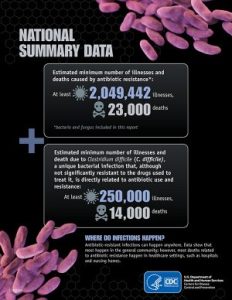
  • Got C-diff? Grab Some Vancomycin!Clostridium difficile is an infection preventionist’s worst nightmare. This spore-forming bug is tough to kill, can cause mortality, and often wreaks havoc on hospitals. A recent study looked at the treatment efficacy of vancomycin versus metronidazole, with the goal of preventing recurrence of the disease. “Analysis of the data showed that there was no difference in risk of recurrence between those treated with vancomycin or metronidazole in any of the severity groups. And in patients with mild-to-moderate disease, there was no significant difference found in the risk of all-cause 30-day mortality. But among the patients with severe infection, patients treated with vancomycin were 4% less likely to die within 30 days of any cause than those treated with metronidazole. Stevens and her colleagues calculated that to prevent one death among patients with severe C difficile infection, 25 would need to be treated with vancomycin.”
  • Fighting Cholera– Cholera has been a scourge throughout history and sadly, we’re still battling it. Researchers have finally developed an effective vaccine and stockpiled it, however efforts are still in progress to get it to the most hard-hit countries, like Bangladesh. “Merely creating that stockpile — even of a few million doses — profoundly improved the way the world fought cholera, Dr. Margaret Chan, secretary general of the W.H.O., said last year. Ready access to the vaccine has made countries less tempted to cover up outbreaks to protect tourism, she said. That has sped up emergency responses and attracted more vaccine makers, lowering costs. ‘More cholera vaccines have been deployed over the last two years than in the previous 15 years combined,’ Dr. Chan said.”