Pandora Report 2.5.2016

Fear of mosquitoes continues to grow as Zika virus joins the list of burdening arbovirus infections. Perhaps the biggest surprise this week wasn’t that imported Zika cases continue to spring up across the US, but rather that the first sexually transmitted case occurred in Dallas, Texas. I’m starting to think Dallas, TX, could use a break from emerging infectious diseases… As influenza season picks up in the US, Avian influenza outbreaks are popping up in Taiwan, South Africa, and Macao. Good news- it’s safe to go back to your favorite burrito bowl! The CDC declared the Chipotle-associated E. coli outbreak over, however, their co-CEO has voiced frustration over delayed reporting. In the interview, he felt that it gave the “mistaken impression that people were still getting sick” and news was “fueled by the sort of unusual and even unorthodox way the CDC has chosen to announce cases.” Before we venture down the biodefense rabbit hole, don’t forget to stay healthy and safe this Super Bowl Sunday. Spikes in cases and flu-related deaths (in those >65 years of age) can jump by 18%  in the home regions of the two teams. Take care to avoid respiratory viruses and food-borne issues while cheering on your favorite team this weekend!

Medical Counter Measures for Children
Having worked in pediatrics, I was thrilled to see the American Academy of Pediatrics publish the updated guidelines. Throughout my work in infection prevention and collaborations with hospital emergency preparedness and local county health departments, it became increasingly evident that in many ways, this is a patient population that is easily forgotten. There is a woefully apparent gap in preparedness methodology to recognize and modify practices to meet the unique needs of children. While many may laugh at the notion that “children aren’t just little adults”, those who have worked in pediatrics can attest to these common misconceptions. Children are not only more susceptible to the devastation of disasters and CBRN attacks, the medical counter measures often do not account for pediatric dosages. The published report discussed their work over the past five years to better address and fill major gaps in preparedness efforts when it comes to medical counter measures (MCM) for children. “Moreover, until recently, there has been a relative lack of pediatric MCM development and procurement; many MCMs were initially developed for use by the military and have been evaluated and tested only in adults.” Some of the recommendations that were made from this report include: “the SNS and other federal, state, and local caches should contain MCMs appropriate for children in quantities at least in proportion to the number of children in he intended population for protection by the cache” and “federal agencies collaborating with industry, academia, and other BARDA partners, should research, develop, and procure pediatric MCMs for all public health emergency, disaster, and terrorism scenarios and report on progress made.” Perhaps one of the most interesting recommendations was that “the federal government should proactively identify anticipated uses of MCMs in children during a public health emergency and, where pediatric FDA-approved indications do not exist, establish a plan to collect sufficient data to support the issuance of a pre-event EUA that includes information such as safety and dosing information and the federal government should use existing entities with pediatric SMEs, such as the PHEMCE, PedsOB IPT, and the DHHS National Advisory Committee on Children and Disasters, and continue to collaborate with private sector partners offering pediatric expertise to provide advice and consultation on pediatric MCMs and MCM distribution planning.” Overall, these recommendations and the push for data collection and clear progress reporting are definitely a step in the right direction.

GMU Open House
Interested in a master’s degree that allows you to focus on bioweapons, global health security, and WMD’s? Check out GMU’s School of Policy, Government, and International Affairs (SPGIA) Open House on Thursday, February 25th at 6:30pm, at our Arlington Campus in Founders Hall, room 126. Representatives from our Biodefense program will be there to answer all your questions. Better yet, check out our Biodefense Course Sampler on Wednesday, March 2nd, at 7pm (Arlington Campus, Founders Hall, room 502). Dr. Gregory Koblentz,  director of the Biodefense graduate program, will be presenting “Biosecurity as a Wicked Problem”. Come check out our curriculum and get a taste of the amazing topics we get to research!

From Anthrax to Zikam6502e1f
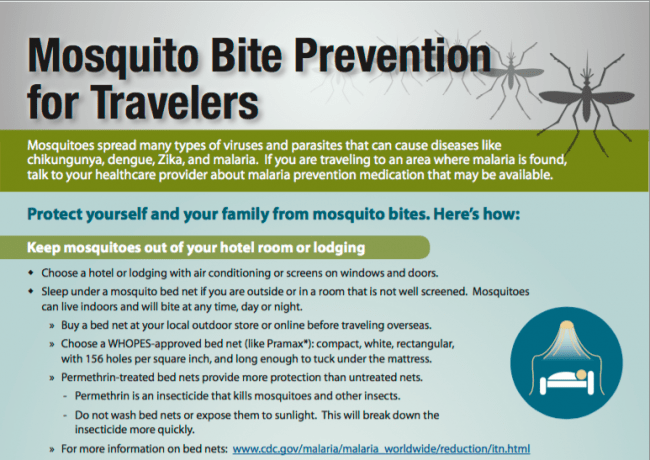
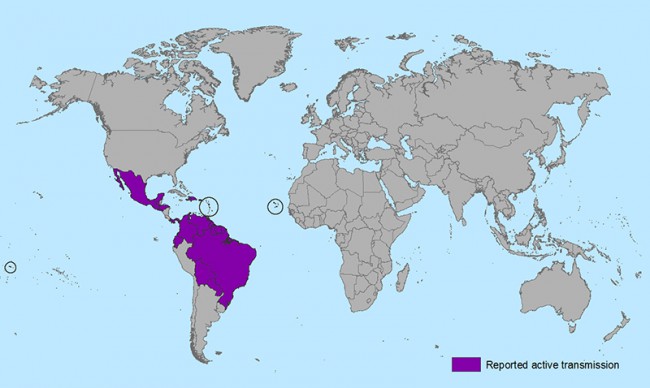
Researchers at the University of Greenwich are finding a potential cancer-fighting strategy using the anthrax toxin. Lead scientist, Dr. Simon Richardson, is working with his team to convert the anthrax toxin into a delivery tool for medications.“This is the first time a disarmed toxin has been used to deliver gene-modulating drugs directly to a specific compartment within the cell. We’ve achieved this without the use of so called helper molecules, such as large positively charged molecules like poly(L-lysine). This is important as while these positively charged molecules, known as polycations, can condense DNA and protect it from attack by enzymes before it reaches the target, they are also known to be toxic, break cell membranes and are sent quickly to the liver to be removed from the body. In this study we demonstrate that using disarmed toxins without a polycation is effective, at a cellular level.” In the world of Zika virus….On Monday, the WHO Zika virus team met and announced that the outbreak should now be considered a public health emergency of international concern. Dr. Margaret Chan, WHO director general, stated, “I am now declaring that the recent cluster of microcephaly and other neurological abnormalities reported in Latin America following a similar cluster in French Polynesia in 2014 constitutes a public health emergency of international concern.” Given the level of uncertainty regarding the disease, many feel this was a justified classification of the outbreak. The first case of sexual transmission within the US also occurred in Dallas, Texas. The patient became sick after having sexual contact with an individual who became symptomatic upon return from Venezuela. Chile and Washington DC have just confirmed their first three cases this week. Mexico’s Health Ministry is trying to downplay the Zika impact on tourism, however as the outbreak unfolds, it will be interesting to see long-term tourism repercussions within the affected countries. The state of Florida is ramping up their mosquito elimination, control, and education efforts to combat the growing epidemic, as it is one of the mosquito-heavy states within the US. Governor Rick Scott recently declared a health emergency in four Florida counties. If you’re on the lookout for educational tools, there are several helpful CDC informational posters regarding mosquito bite prevention.

US Military and the Global Health Security Agenda
In effort to protect military members and support global public health, the DoD (specifically, the Military Health System in coordination with the Defense Health Agency’s Armed Forces Health Surveillance Branch) developed the 2014 Global Health Security Agenda (GHSA). The GHSA established a five-year plan with specific agenda items, targets, and milestones that would incorporate its 31 partner countries. The DoD’s Global Emerging Infections Surveillance and Response System (GEIS) will also support these efforts through their biosurveillance practices in over 70 countries. The international work is as varied as the challenges one might see in global biosurveillance. The Armed Forces Health Surveillance Branch (AFHSB) “leveraged existing febrile and vector-borne infection control efforts in Liberia to support the recent Ebola outbreak response. The Liberian Institute for Biomedical Research served as a central hub for Ebola diagnostic testing with the help of the Naval Medical Research Unit-3 in Cairo, Egypt and two Maryland-based facilities, the Naval Medical Research Center in Silver Spring and the U.S. Army Medical Research Institute of Infectious Diseases in Frederick.” Surveillance efforts will also look at antimicrobial resistance and the development of additional research laboratories to work in coordination with host-nations and certain regional networks. You can also read Cheryl Pellerin’s work on DoD Biosurveillance and the role it plays in maintaining global public health efforts. Pellerin reports on the duties of the GEIS and the US Army Medical Research Institute of Infectious Disease (USAMRIID) in not only global health security, but also protecting US military personnel from infections while abroad.

Norovirus Outbreak in Kansas
There are few things that will make a food-borne disease epidemiologist (or infection preventionist for that matter) as frustrated as a norovirus outbreak. It hits quickly, is highly infectious, and tends to leave you with stories from case-control interviews that will make you either laugh, cry, or need some fresh air. A Kansas City suburb is currently experiencing a 400 person outbreak of gastroenteritis associated with the New Theatre Restaurant. Initial lab reports have confirmed norovirus as the culprit. The Vice President of the restaurant said that three employees have also been confirmed as norovirus cases. To date, the almost 400 people who reported symptoms are said to have eaten at the restaurant between January 15 to present. Norovirus is a pretty unpleasant gastroenteritis (you’ve probably heard it called the “cruise ship bug”) as it has a low infectious dose (estimates put it as low as 18 viral particles, while 5 billion can be shed in each gram of feces during peak shedding). Norovirus outbreaks tend to spring up quickly and infect high volumes of people, making it difficult for public health officials to jump ahead of the outbreak. Perhaps one of the biggest components to stopping the spread of infection is good hand hygiene, environmental cleaning, and staying home when sick.

TB Transmission on Airplanes
We’ve all been there – you’re seated next to someone with a nasty cough or cold and you just know you’re going to get sick. But what happens if you’re on a plane and there’s a person a few rows away that has tuberculosis (TB)? The European Centre for Disease Prevention and Control (ECDC) reviewed evidence of TB transmission on airplanes to update their Risk Assessment Guidelines. Of all the records/studies reviewed, 7/21 showed some evidence for potential in-flight (all flights lasted more than 8 hours) TB transmission, while only one presented evidence for transmission in this environment. The interesting component is that this low transmission risk is considered only for in-flight, as they excluded transmission on the ground since the before and after flight ventilation system is not in full-function mode. The one study that did show transmission risk involved six passengers that were in the same section as the index case, of which, four were seated within two rows. After their review, they found that the risk for TB transmission on airplanes is “very low”. They noted that “the updated ECDC guidelines for TB transmission on aircraft have global implications due to inevitable need for international collaboration in contact tracing and risk assessment.”

Stories You May Have Missed:

  • Resistant HIV – A recent study published in The Lancet discusses drug resistance after virological failure with the first-line HIV medication, tenofovir-containing ART (antiretroviral  therapy). This treatment is used as both a prevention and pre-exposure prophylaxis (PrEP). Researchers found “drug resistance in a high proportion of patients after virological failure on a tenofovir-containing first-line regimen across low-income and middle-income regions”. This study highlights the growing need for surveillance of microbial drug resistance.
  • Active Monitoring of Returning Travelers – Ebola Surveillance – The CDC’s MMWR for the week of January 29, 2016, discussed NYC monitoring of returned travelers from October 2014-April 2015. Monitoring of returned travelers from Ebola-affected countries was one strategy the US employed to prevent imported cases. This report reviews the 2,407 travelers that returned from affected countries, of which no cases were detected. The NYC Department of Health and Mental Hygiene (DOHMH)’s active monitoring system proved successful, however it was very taxing on resources and reinforces the need to minimize duplication and enhanced cooperation. Speaking of Ebola, investigators from the University of Texas Medical Branch at Galveston, Vanderbilt University, the Scripps Research Institutem and Integral Molecular Inc., have performed research to establish that “antibodies in the blood of people who have survived a strain of the Ebola virus can kill various types of Ebola.” Further work will now seek to understand immune response to the virus and how we can modify treatments and potential vaccines to be more effective.
  • DoD BioChem Defense take a glimpse into the global biosurveillance and defense efforts within the DoD Chemical and Biological Defense Program (CBDP). Working within several joint programs and striving to get ahead of outbreaks and attacks with early warning systems, this program faces the challenges of monitoring biochem threats on an international scale.

Enjoying your weekly dose of the Pandora Report? Sign up to receive it every week so the fun never ends! 
Week in DC: Events 2.1-2.5.2016

Monday, February 1st, 2016
Defense Strategy For The Next PresidentBrookings Institution
Time: 10-11:30am
Location: Brookings Institution1775 Massachusetts Ave, NW, Washington, D.C. 20036(map)
As President Obama’s second term winds down and the 2016 presidential election draws ever closer, the United States finds itself involved in two wars and other global hotspots continue to flare. As is often the case, defense and national security will be critical topics for the next president. Questions remain about which defense issues are likely to dominate the campaigns over the coming months and how should the next president handle these issues once in office. In addition, with the defense budget continuing to contract, what does the future hold for U.S. military and national security readiness, and will those constraints cause the next president to alter U.S. strategy overseas?On February 1, the Center for 21st Century Security and Intelligence at Brookings will host an event examining defense and security options for the next president. Panelists will include Mackenzie Eaglen of the American Enterprise Institute, Robert Kagan of Brookings, and James Miller, former undersecretary for policy at the Department of Defense. Brookings Senior Fellow Michael O’Hanlon, author of “The Future of Land Warfare” (Brookings Institution Press, 2015), will moderate the discussion.Panelists will take audience questions, following the discussion.

The Billion Dollar Spy: A True Story Of Cold War Espionage And Betrayal- Woodrow Wilson International Center for Scholars
Time: 4-5:30pm
Location: Woodrow Wilson Center1300 Pennsylvania Ave., NW, Washington, D.C. 20004(map)
From 1979 until 1985, the CIA ran an immensely productive spy in the heart of the Soviet military-industrial complex in Moscow. Author David E. Hoffman will describe this singularly-important operation, based on declassified CIA cables and his new book, The Billion Dollar Spy, and argue that despite the many achievements of technology in espionage, human sources are still vital. David E. Hoffman is a contributing editor at the Washington Post. He was pre­viously foreign editor, bureau chief in Jerusalem and Moscow, and White House correspon­dent. He is the author of The Billion Dollar Spy: A True Story of Cold War Espionage and Beytrayal (2015), The Dead Hand: The Untold Story of the Cold War Arms Race and Its Dangerous Legacy (2009) which won the Pulitzer Prize, and The Oligarchs: Wealth and Power in the New Russia (2002).

Tuesday, February 2nd, 2016
Why Food Security Matters– Johns Hopkins School of Advanced International Studies
Time: 12:30pm
Location: Johns Hopkins SAIS – Rome Building1619 Massachusetts Ave., N.W., Washington, D.C. (map)
Kimberly Flowers is director of the CSIS Global Food Security Project, which examines and highlights the impact of food security on U.S. strategic global interests. The project evaluates current efforts and provides long-term, strategic guidance to policymakers to ensure that U.S. foreign assistance programs are efficient, effective, and sustainable. Prior to joining CSIS in 2015, Ms. Flowers was the communications director for Fintrac, an international development company focusing on hunger eradication and poverty alleviation through agricultural solutions. From 2005 to 2011, she worked for the U.S. Agency for International Development, serving overseas as a development, outreach, and communications officer in Ethiopia and Jamaica, supporting public affairs in Haiti directly after the 2010 earthquake, and leading strategic communications for the U.S. government’s global hunger and nutrition initiative, Feed the Future. Ms. Flowers began her international development career in 1999 as a Peace Corps volunteer in Bulgaria, where she founded a young women’s leadership camp that continues today. She also served as a Peace Corps volunteer in Jamaica where she worked in youth development. She is a magna cum laude graduate of William Jewell College, studied at Oxford University, and is an alumna of the Pryor Center for Leadership Development.
RSVP Here

Australia’s Global Security And Defense Challenges– Heritage Foundation
Time: 11am-noon
Location: Heritage Foundation214 Massachusetts Ave NE, Washington, D.C. 20002(map)
Join us to hear The Honorable Kevin Andrews, former Minister for Defense, discuss Australia’s path forward in an increasingly complex Asia-Pacific security environment.More About the Speakers The Honorable Kevin Andrews, MPFormer Minister for Defense, Australia Continue reading “Week in DC: Events 2.1-2.5.2016”

Pandora Report 1.29.2016

Happy Friday! Now that winter storm Jonas is behind us, we can get back to tackling biodefense updates. Unless you’ve been avoiding the news, you’ve undoubtedly seen the surge in reports on Zika virus. Imported cases are popping up throughout the US, raising concerns about vulnerability and response. We’ll be covering the latest in Zika news, not to mention a pretty amazing disease modeling system, plague history, and how Brazil is prepping for the 2016 Olympics. Fun History Fact Friday: on January 28th, 2000, a US government study finally conceded that the cancer and premature deaths of several workers from a nuclear weapons plant (in service since WWII) were caused by radiation and chemicals and sticking with the nuclear weapon theme, on January 29th, 1964, Dr. Strangelove or: How I Learned to Stop Worrying and Love the Atomic Bomb premiered.

Open Source Disease Modeling: to Combat the Next Pandemic
GMU Biodefense PhD student, Nereyda Sevilla, has teamed up with Global Biodefense to discuss how transportation advances of the 21st century make outbreak preparedness and response extremely difficult. In most cases, health alerts and travel restrictions are reactionary to an outbreak that has already reached epic proportions. In response to this, scientists are working to predict disease spread and potential interventions through disease modeling. Spatiotemporal Epidemiological Modeler (STEM)  is one of these modeling systems that looks at several variables and parameters within the spread of an infectious disease and then models the efficacy of interventions. “The unique nature of STEM is that it is a multi-disciplinary, collaborative modeling platform.  The open-source characteristics of the system allow researchers and programmers to add, compare, refine, and validate different scenarios as well as add denominator data based on specialty.  For example, an infectious disease specialist in dengue working in South America may have unique disease characteristics and population data that could be tailored into STEM.” The best part? STEM is already pre-loaded with country data regarding national borders, transportation networks, air travel, and environmental conditions. Utilizing customized graphs and spatial maps, it can even be used to “create a spatial map of animal pens on a farm and to import that graph into the model to study the spread of a veterinary disease.” STEM can easily be downloaded and even has sample projects that many researchers from around the world have shared, like the 2014 Ebola outbreak, dengue fever, H1N1, etc. STEM is undoubtedly a significant weapon in the global health security arsenal to combat future pandemics.

Zika Virus Outbreak Updates
While 200,000 Brazilian troops are being mobilized to battle mosquitoes in a house-to-house strategy, Zika virus has reached 23 countries. As of January 28th, 2016, the WHO has set up an emergency team to respond to the growing epidemic. Meeting on Monday, the WHO team will decide if the Zika virus outbreak should be treated as a global emergency, as they are predicting “three to four million cases” in the Americas. Fear continues to grow in the US as cases are popping up in Los Angeles Country, CA Virginia, New York, and Arkansas, in a returned travelers. President Obama just called for a speeding up of Zika virus research to battle the growing outbreak. Sydney has also confirmed imported cases. While many worry that returning travelers are bringing the mosquito-borne disease back home, it’s important to note that it’s during the first week of infection that the virus is found in the blood and can be transmitted via mosquitoes.  Vertical transmission (from mother to child) is possible if the maternal infection is near the time of delivery, but there haven’t been cases of Zika virus in breast milk. To date, there has been one case of transmission through blood transfusions and one possibly spread through semen and sexual contact. Researchers are working to piece together the origins of this particular outbreak, but one hypothesis is that it came to Brazil from a major sporting event, specifically the 2014 World Cup. At this point, cases have been seen in 23 countries and the WHO has warned that it’s likely to “spread across nearly all of the Americas”. While no local transmission has occurred in the US, locally acquired cases are occurring in the Commonwealth of Puerto Rico. The CDC has also released interim guidance on the evaluation and testing of infants with possible congenital Zika virus.

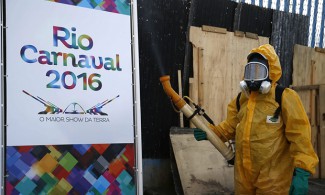
Brazil’s Olympic Woes

Courtesy of The Guardian & EPA

The growing outbreak of Zika virus and subsequent concerns over fetal microcephaly are just another public health issue on the laundry list of concerns for Brazil in their Olympic preparations. Building the infrastructure to support such a massive event is taxing on even the most industrialized country. Despite Brazil’s initial dismissal of water quality issues, there have been flourishing concerns over water safety for Olympians (the linked BBC pictures alone would have me rowing the boat back to land at record speed). 13 of the 40-member US rowing team experienced gastroenteritis after a trial run in a lake. While the exact culprit of the GI illness was never identified, it amplified the already increasing fears regarding water quality. It’s never a good sign when rowers are warned not to splash water or jump in at the end of a race, or when a sailor has to be hospitalized due to a severe MRSA infection after field tests. As we mentioned a few months back, an Associated Press investigation found dangerous viral and bacterial levels in the Olympic and Paralympic water venues. “Extreme water pollution is common in Brazil, where the majority of sewage is not treated. Raw waste runs through open-air ditches to streams and rivers that feed the Olympic water sites. As a result, Olympic athletes are almost certain to come into contact with disease-causing viruses that in some tests measured up to 1.7m times the level of what would be considered hazardous on a Southern California beach.” Water issues aside, vector-borne diseases like Zika virus, dengue, malaria, and even yellow fever, can pose a threat to those attending and participating in the events. The Brazilian health ministry has announced response plans in wake of the growing Zika virus outbreak. These large-scale events also raise security concerns, especially after the Paris attacks. Brazilian officials have promised “to guarantee absolute peace”  during the Olympics.

Congrats to 2015 GMU Biodefense MS alum, Francisco Cruz, on his acceptance as a fellow in UPMC’s 2016 Class of Emerging Leaders in Biosecurity Initiative (ELBI) The UPMC ELBI is a highly selective program that brings together and fosters partnerships within the biosecurity field. Biodefense MS alum, Francisco Cruz, will accompany several other prominent members of the biosecurity community in meetings, conferences, and networking. Congrats Francisco!

DNA Investigations from the Great Plague of Marseille
Always a sucker for a mixture of history and epidemiology, I was excited to come across this archaeological gem. Despite its initial devastation in the fourteenth century, the bubonic plague resurged and hit Europe with another destructive wave, “leading to continued high mortality and social unrest over the next three centuries.” Considered to be the last outbreak of medieval plague in Europe, the Great Plague of Marseille (1720-1722) has provided archaeologists with samples that allowed them to reconstruct the complete pathogen genome. Harnessing DNA from the teeth of victims within the Marseille plague pits, their results point to the disease hiding within the shadows of Europe for hundreds of years. Computational analyst Alexander Herbig notes, “we faced a significant challenge in reconstructing these ancient genomes. To our surprise, the 18th century plague seems to be a form that is no longer circulating, and it descends directly from the disease that entered Europe during the Black Death, several centuries earlier”. While they continue their work on tracing the origins of the disease and its mysterious disappearance, I’m hopeful that archaeogenetics is the new inspiration for future Indiana Jones films…

Stories You May Have Missed: 

  • Listeria Outbreak Associated With Dole Salads- A Dole production plan in Springfield, OH, is being linked to an outbreak of Listeria throughout the US and Canada. Twelve cases were identified in the US and another seven were found across five provinces in Canada. All twelve cases involved hospitalization and there has been one associated death. The CDC is continuing updates here.
  • USDA Updates on Highly Pathogenic Avian Influenza Fall Plan- The USDA has updated their plans to combat the highly pathogenic avian influenza with more details regarding reimbursement on virus elimination activities and additional information on the August 2015 industry survey on preparedness.
  • British Government and Bill & Melinda Gates Foundation Roll Out New Plan to Combat Malaria –  The British government has teamed up with the Bill and Melinda Gates Foundation to pledge three billion pounds to help stop malaria in the next fifteen years. Bill Gates and British Chancellor George Osborne stated, “We both believe that a malaria-free world has to be one of the highest global health priorities.” Britain will invest 500 million pounds a year over the next five years and the Bill and Melinda Gates Foundation have put up $200 million this year and will continue with annual donations.
  • Tales from the Front Lines in the Ebola Fight-  Confusion, disorganization, fear, and communication gaps fill the notes from the ground in this interview with VICE correspondent, Danny Gold, during his time in West Africa during the outbreak.

Enjoying your weekly dose of the Pandora Report? Sign up to receive it every week so the fun never ends! 
Week in DC: Events 1.25-1.29.2016

Monday, January 25, 2016
Is Russia Punching Above Its Weight?Center for Strategic and International Studies
Time: 10-11:30am
Location: Center for Strategic and International Studies1616 Rhode Island Ave NW, Washington, DC 20036(map)
The past year has seen Russia deploying military forces to Syria to bolster the Assad regime, continuing a robust series of exercises on its western borders, and continuing to face accusations of military involvement in East Ukraine. Ruslan Pukhov, Director of the Centre for Analysis of Strategies and Technologies in Moscow, will discuss Russia’s goal and its activities, the extent to which these are commensurate with its real military capabilities, and the technological, economic, and demographic foundations on which those capabilities rest.

Islam, Gender, And Extremism : Muslim Women In The Fight Against ISIS And Beyond– New America Foundation
Time: 12:15-1:45pm
Location: New America740 15th Street NW Suite 900 Washington, DC 20005(map)
ISIS has attracted an unprecedented number of women to jihadist extremism while simultaneously carrying out a brutal campaign of sexual violence against women under its control. Yet much of the discussion of community responses remains the province of men. As calls for counter-narratives to ISIS proliferate and theological arguments against ISIS are mobilized – what role will Muslim women play in contesting ISIS’ interpretation and in shaping today’s Muslim communities more broadly? Asra Nomani is an investigative journalist who worked for fifteen years at the Wall Street Journal and conducted an in-depth investigation into the murder of her friend and colleague Daniel Pearl. She is the author of Standing Alone: An American Woman’s Struggle for the Soul of Islam (2006) and co-founder of the Muslim Reform Movement, an organization that advocates for secular governance, gender parity, and social justice. Nadia Oweidat is a Senior Non-Residential Fellow at New America. She holds a D.Phil. in Oriental Studies from the University of Oxford and teaches Islamic Thought and Extremism at Georgetown University. Prior to her doctoral studies, Dr. Oweidat worked as a Research Associate at the RAND Corporation where she led several research projects. Her expertise spans a wide range of contemporary issues such as the Arab Spring, countering violent extremism, the relationship between Iran and the Arab world, the radicalization of Muslim youth, and Internet trends among Arabic speakers. Ani Zonneveld is the founder and president of Muslims for Progressive Values and, through its #ImamforShe initiative, campaigns to empower Imams and religious leaders across the world to stand up for the rights of women and girls in their community as an inoculation against extremism. A full bio of Ms. Zonneveld can be found here. New America is pleased to welcome Ms. Nomani, Dr. Oweidat, and Ms. Zonneveld for a discussion of gender, Muslim communities, and the fight against ISIS.

Tuesday, January 26, 2016
Navigating Against Cyber Attacks: Nonprofits & Data Security– Forum One
Time: 12:30-2pm
Location: OpenGov Hub1110 Vermont Ave NW #500, Washington, DC 20005(map)
Large Event Room
In 2015 alone, hackers gained access to more than one hundred million personal records stored by organizations from Anthem Health Insurance to the U.S. Office of Personnel Management. With cyber criminals relentlessly targeting organizations of all sizes in the private and public sectors, it is clear that nonprofits are also not safe from the threat of data breaches. While many nonprofits have implemented firewalls and https protocols for sensitive digital information, paper-based forms or processes for encrypting and anonymizing personally-identifiable data remains a huge challenge. In other cases, nonprofits may find themselves altogether ill-prepared, with inadequate data security policies and practices in place to safeguard against digital attacks. Join Forum One on January 26th for a panel discussion with data security experts to share anecdotes, best practices, and approaches to addressing this critical challenge.

Iraqi Youth: Agents Of Change Or Soldiers Of Conflict?– United States Institute of Peace
Time: 1-2:30pm
Location: US Institute of Peace2301 Constitution Avenue NW, Washington, D.C. (map)
Please join USIP and IREX for a webcast event with two Iraqi university leaders who work closely with youth on issues of employment and opportunity. These representatives provide unique insight on the perspectives of young Iraqis and their involvement in civil society, the public sector and attitudes toward violent extremism. The two speakers will be joined by USIP’s Linda Bishai, who works to engage youth in civil society and political dialogue and who will discuss effective options for constructive alternatives to violent extremism. Join the conversation on Twitter, and pose questions for the panel, with #IraqiYouth.

Continue reading “Week in DC: Events 1.25-1.29.2016”

Pandora Report 1.22.2016

In anticipation of the impending snow apocalypse (that may be a tad dramatic, but coming from this Arizona import, this snow business is quite harrowing), we’re serving up a warm cup of global health security news. While you’re staying inside, check out the upcoming book from Sonia ShawPandemic: Tracking Contagions from Cholera to Ebola and Beyond, which travels through time to investigate the impact of emerging diseases. Dreaming of warmer temperatures? You may want to avoid some tropic locations as imported cases of Zika virus are cropping up in the US, and the CDC issued warnings for pregnant women to postpone travel to Mexico, Puerto Rico, and other affected countries. Fun History Fact Friday: as we learned last week, on January 19, 1900 the bubonic plague reached Australia’s shores and on January 20, 1981, the Iran hostage crisis ended.

Dugway Insights Raise New(-ish?) Biosafety Concerns
Dugway Proving Ground is one of the largest Army biodefense labs and while lab biosafety issues are becoming a more prevalent headline, new findings point to the severity of these failures. GMU Biodefense professor and graduate program director (and all around biodefense-guru), Dr. Gregory Koblentz, noted that “the systemic disregard for biosafety at Dugway as revealed by the investigative report is appalling and alarming. Without strong leadership, an organizational culture that prizes safety and security, a well-trained staff, and a robust oversight mechanism, we can expect more such accidents to occur in the future.” Lacking accountability and oversight, Dugway is another in the laundry list of labs that became complacent (or as Dr. Richard Ebright stated, their actions are that of “criminal negligence”). It seems that the time of calling these biosafety failures, “serious mistakes”, has passed and we’re sadly moving more into an era of habitual practice. Dugway is a hotspot (pun intended) for chemical and biological defense work however, findings within the report note improper qualification of certain employees, erroneous environmental sampling of labs, etc. Brigadier General William E. King IV oversaw Dugway from 2009-2011 and was directly called out in the report – “Colonel King repeatedly deflected blame and minimized the severity of incidents – even now, Brigadier General King lacks introspection and fails to recognize the scope and severity of the incidents that occurred during his command at (Dugway).” If you have around 26 minutes to spare, you can also watch the Army media brief on the investigations here.

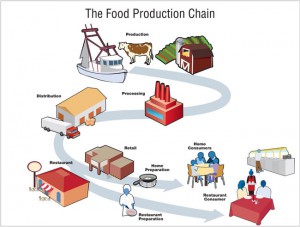
food-production-chain-650pxFarmers Markets and Food Safety
Farmers markets are often a great place to find local, organic vegetables and fruits. Growing in popularity, it’s not surprising that concerns over food-borne illness and safety issues would be raised. Researchers (applied economists in this case) are reporting preliminary data regarding the potential association between farmers markets and food-borne illness. Reviewing data from 2004-2011, they found “a positive relationship between the number of farmers markets per capita on the one hand, and on the other hand, the number of reported outbreaks of food borne-illness, cases of food borne-illness, outbreaks and cases of Campylobacter jejuni. Our estimates indicate that a 1% increase in the number of farmers is associated with a 0.7% (3.9%) increase in the total number of reported outbreaks of food-borne illness (Campylobacter jejuni), and a 3.9% (2.1%) increase in the total number of reported cases of food-borne illness (Campylobacter jejuni) in the average state-year.” While these correlations were found, there wasn’t a statistically significant relationship between farmers markets and reported outbreaks or cases of salmonella, E. coli, or staph. Given the recent Chipotle outbreaks, there has been increasing attention to the concerns over farm-to-table food safety. While some illness can be related to farm safety practices, a lot of food-borne illness is related to improper handling or cooking of food.

Retaking Ramadi and the “Afghan Model”
GMU Biodefense student, Greg Mercer, has mined through the internet to provide some commentary on the recapturing of Ramadi from ISIS control. In his recap, Greg points to works in the New York Times, via authors Phil Ewing and Stephen Biddle, and several other security studies gurus. Greg notes, “many questions remain about the conflict- where it will go, how it will resolve, the political effort it will require from intervening forces, and ultimately what kind of conflict this is.”

Ebola Updates- Quarantines After Sierra Leone Death 
The day after the WHO declared the three hardest-hit countries Ebola free, a death in Sierra Leone hit the panic button for public health officials. As of January 21, 2016, a second case was reported in an individual that cared for this initial case. Over 100 people archive been quarantined after coming into contact with the woman who died of Ebola last week. During the course of her illness, she is reported to have stayed in a house with 22 other people. Five people later helped to wash and prepare her body for burial. Many homes of those high-risk patients under quarantine were attacked, pointing to increasing frustration. Close observation is being maintained on the 100+ people involved in this exposure.

Stories You May Have Missed:

  • The Neglected Dimension of Global Security – The National Academies Press will soon be releasing this hard-copy publication as a Framework to Counter Infectious Disease Crises, but the good news is that you can download it today for free! Authored by the Commission on a Global Health Risk Framework for the Future; National Academy of Medicine, Secretariat, it discusses the Ebola outbreak’s far-reaching consequences that range from human rights to transportation and commerce disruption.
  • CBRN Crimes & The Sordid History of Litvinenko – GMU Biodefense PhD alum, Dr. Daniel Gerstein, discusses the recently released Owen Report and the details surrounding the finding of radioactive polonium-210 in Russian agent, Alexander Litvinenko’s body following his death. The troubling details surrounding the report “highlights the links between Litvinenko and the Russian government, even pointing the finger at President Vladimir Putin himself as likely having approved the alleged murder.” While CBRN weapons are not a new concept, these new details may shine light on the realistic applications and threats they pose.
  • ISIS Tularemia Plans – Recent Turkish intelligence reports revealed that that the group had plans to use biological weapons. Aimed at Turkish water supplies, the report noted that the main bioweapon discussed was Francisella tularensis, which causes tularemia.
  • Lassa Fever Hits Nigeria – 30 confirmed, 140 suspected, and 53 deaths have been reported in the outbreak of Lassa viral hemorrhagic fever hitting 14 states within Nigeria. The case fatality rate is being reported at 37.9%.
  • Online Drama in the CRISPR Universe – a recent perspective article by Eric Lander (president of the Broad Institute) in Cell noted the heroes in CRISPR but failed to account for a potential conflict of interest. Needless to say, the Twitterverse erupted in a scientific outcry with many also calling out Lander’s failure to include several key contributors to the biotechnology.

Enjoying your weekly dose of the Pandora Report? Sign up to receive it every week so the fun never ends! 
Retaking Ramadi and the “Afghan Model”: Stephen Biddle, Air Power, and Maneuver Warfare

By Greg Mercer
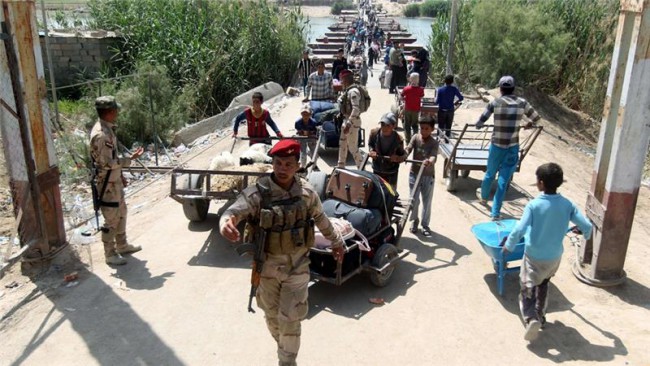
On December 29, 2015, Iraqi forces recaptured the city of Ramadi, which was controlled by ISIS. While there remains resistance (in up to 25% of Ramadi), the victory is being hailed by some as a sign that ISIS is in retreat and losing momentum. An editorial in the New York Times lays out the situation and addresses where the US stands in the fight.

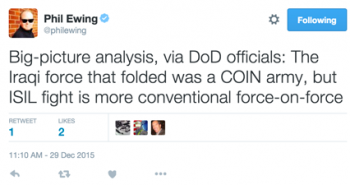
Many questions remain about the conflict- where it will go, how it will resolve, the political effort it will require from intervening forces, and ultimately what kind of conflict this is.

Twitter speculation is prescient, as always:

Screen Shot 2016-01-13 at 9.07.17 PM


That’s NPR’s defense writer Phil Ewing.

To assess this question of COIN-or-conventional, consider the theories of security studies hero and frequent commentator Stephen Biddle.

I have no interest in (mis)representing Biddle’s own opinions on ISIS, which have appeared in the Washington Post’s excellent Monkey Cage blogthe Atlantic, and the Council on Foreign Relations. Instead, I’m interested in two of his works addressing recent US conflicts- his seminal Military Power: Explaining Victory and Defeat in Modern Battle and his paper, Afghanistan and the Future of Warfare: Implications for Army and Defense Policy, wherein he spent a great deal of effort arguing against the idea of a Revolution in Military Affairs (RMA in Pentagonese).[1]

Military Power sees Biddle arguing that war hasn’t really changed all that much since artillery-aided maneuver warfare (Biddle calls this the “Modern System”) emerged in the First World War. This style of combat sees offenses where entrenched enemies are softened up with artillery barrages[2] and then overrun by infantry, using fire-and-maneuver tactics. Biddle supports this claim with a combination of case studies, statistical analysis of conflicts, and computer simulations. It’s something of a methodological cornerstone.

Afghanistan and the Future of Warfare takes on the dueling ideas that early American involvement in Northern Afghanistan, characterized by a Special Forces-Air Power-local allies triumvirate, is either so revolutionary as to herald a new “Afghan Model” of warfare or that it’s a complete topographical fluke unlikely to be repeated elsewhere. Biddle argues it was neither of these, but rather a fairly conventional war between two land forces characterized by its use of Special Forces to target precision guided munitions.

The Afghan Model, if it existed, would allow American air power dominance to “make conquerors” of local allies. Biddle’s test for whether Afghanistan represents a new model (the way some have said that it does) consists of three features:

  • Special Operations Forces and standoff sensors must have been able to find key targets for precision engagement;
  • PGMs must have been able to kill the targets found, at standoff ranges; and,
  • The indigenous allies’ role must have been undemanding.[3]

Basically, the aggregate of these features is a war wherein the US can take care of all of the actual finding and killing of targets with precision munitions targeted from the air, from orbit, or by small Special Forces teams, causing the enemy force structure to collapse, thus allowing local allies to take care of a few remnants and capture the territory. Biddle finds that initial operations in Afghanistan didn’t meet this standard.

These features are also a useful test for the war against ISIS. Again, the best-case-scenario is one where the 630 air strikes conducted by the US and its allies pave the way for local forces (in this case, the Iraqi Army[4]) to retake ISIS-held territory. This has been partially successful, and the Iraqis probably wouldn’t have been nearly as successful if not for friendly skies. But by Biddle’s conditions above, it would be premature to call this a new way of war. The US certainly hasn’t been able to conduct an entirely removed air war, opting to place forces on the ground. Identifying targets hasn’t been easy—ISIS occupies cities and villages populated by the civilians that the US and Iraqis seek to protect. Further complications arise from the proliferation of independent groups and actors on the ground (just look at the debate over what constitutes a Western-friendly moderate worth arming). The role of the allies on the ground has been anything but undemanding. So when we apply Biddle’s reasoning on the 2003 Iraq War and the 2002 Afghanistan War, the war against ISIS begins to look much more like a technologically advanced shade of good old maneuver warfare than a new type of conflict.

The idea of conducting an entire war from the air is compelling, though. What would it take to identify every enemy target and deliver precise munitions? The US already possesses some of the best[5] remote sensing equipment and military hardware out there, but it still requires targeting from allies on the ground or American Special Forces (as we saw in the case of the bombing of the Doctors Without Borders Hospital in Afghanistan, this is not a perfect system). To advance the art of air power to the point where it displaces land war requires near-omniscience and the ability to strike targets anywhere in the world in real time. Technologically or doctrinally, this just doesn’t exist.

Russia is simultaneously conducting airstrikes against ISIS and providing military assistance to allies on the ground. We’ve seen Russian airstrikes kill US-backed rebels and more recently, the leader of an insurgent group resisting Syrian President Bashar al-Assad’s control in Damascus. This begs the question of whether the Russian military sees itself following a conventional model of warfare, an Afghan Model, or some other model entirely. Following this, what happens when two powers try to “make conquerors” of their own local forces?

Finally, what of political solutions? The Times editorial notes that defeating ISIS militarily can’t alone solve the power vacuum and sense of Sunni disenfranchisement in Iraq that ISIS uses to build power. It’s widely understood that this requires a stable political solution, whether from within or without. Carl von Clausewitz tells us that war is an extension of politics, and in this case too we’ll have to see a military resolution and a political one.

[1] More explicitly in the former, but the latter certainly has shades of this.

[2] Biddle says that in WWI, this could mean firepower in the magnitude of nuclear weapons, dispelling the notion of boring-old-conventional-weapons.

[3] Biddle, Afghanistan and the Future of Warfare, 24

[4] And with regards to Ramadi, just the Iraqi Army. The Kurds and Iran-backed Shiites were excluded in favor of US-trained local Sunnis.

[5] Ok, the best.


Week in DC: Events 1.18-1.22.2016

Monday, January 18, 2016
Happy Martin Luther King Jr. Day!

Tuesday, January 19, 2016
Ballistic Missile Defense System Update Center for Strategic and International Studies
Time: 2-3pm
Location: Center for Strategic and International Studies1616 Rhode Island Ave NW, Washington, DC 20036 (map)
Follow @CSIS #CSISLive
Featuring:Vice Admiral James D. SyringDirector, U.S. Missile Defence Agency
Hosted by:Dr. Thomas KarakoSenior Fellow, International Security Program, CSIS
This event is made possible by the generous support of the Boeing Company.

Defense-Industrial Policy Series: Acquisition For Special Operations Forces Atlantic Council
Time: 4:30pm
Location: Atlantic Council1030 15th St NW, Washington, DC 20005 (map)
Room: 12th Floor (West Tower)
Please join the Atlantic Council for an address and conversation with James F. Geurts, the Acquisition Executive for US Special Operations Command.
Mr. Geurts will discuss the challenge of planning and executing acquisitions to equip our forces’ most elite warriors.
Discussion topics will include:
• The unique role of US SOCOM in planning and acquisition management;
• How acquisition for special forces differs from and parallels the military departments; and
• The key technology and system priorities of US SOCOM heading into the FY17 budget and programs. Continue reading “Week in DC: Events 1.18-1.22.2016”

Pandora Report 1.15.2016

Welcome back to the Pandora Report! Miss us? We hope you had a lovely holiday and with so much going on in the world of biodefense, there’s not a moment to waste! Before we venture down the rabbit hole of bioweapons, outbreak response, and Ebola, here is Fun History Fact Friday: on January 12, 1965, scientists conduct a nuclear test, or what they called a “controlled excursion”, in Nevada that produced a radioactive cloud over Los Angeles, CA.

The Civil-Military Response to the 2014 Ebola Outbreak
The University of Sydney recently published the report, “Saving Lives: The Civil-Military Response to the 2014 Ebola outbreak in West Africa”. Co-authored by biodefense professor, Dr. Frank Smith III, the report discusses the international civilian response and eventual deployment of military personnel to fight the outbreak. “Strong leadership from the President and the health sector in Liberia was recognised as key to the country’s effective response, whereas weak leadership and patronage within the health sector was seen to hurt the response in Sierra Leone. Limited trust in government undermined public health, inhibiting behavioral change and social awareness campaigns (particularly in Sierra Leone).” The report includes eight recommendations that range from addressing gaps in national health systems to enhancing civilian and military response training. While many reports have focussed on civilian response, this provides actual statistics for military personnel, funds spent, PPE, military aircraft, international civilian personnel, etc. The University of Sydney summary sheds new light on the civilian and military successes and failures within outbreak response and how the 2014 Ebola outbreak revealed few organizations were truly prepared to handle a public health emergency of this magnitude.

5,300-Year-Old Gut Bacteria
Imagine you’re spending a lovely afternoon hiking and enjoying the great outdoors, when you stumble along a body in a snowfield. That’s exactly what happened to a German couple in 1991 in the Italian Alps. After days spent recovering the 5,300-year-old body (named Ötzi after the area he was found in) and 24 years worth of scientific work, researchers were able to reconstruct the genome of a bacterial species that was found in his stomach. Ötzi is unique in his level of preservation, which made this microbial discovery that much more possible. Interestingly, scientists found Helicobacter pylori (H. pylori) in Ötzi’s stomach. While H. pylori is known for causing stomach ulcers and gastric acid, it was fascinating to find that despite the bacteria being 5,3000 years old, they were “pretty much the same as ones carried by humans today.” Matching H. pylori strains from different points around the world has allowed epigeneticists to understand the introduction and transmission of certain organisms. While Ötzi was a rare find, his gut bacteria is helping researchers understand how certain strains combined and survived throughout history.

IMG_3512The Rocks – Sydney’s First Plague Sighting
During my adventures in the land down under, I couldn’t resist checking out the Rocks. A wonderful historical section of Sydney’s harbor, it’s famous for not only the preservation of buildings, but also it being the location of where the bubonic plague first broke out in Australia. Given the plague’s historical success via nautical enterprises, it’s not surprising that it would first rear its ugly head in this large harbor. Arriving in 1900, the bubonic plague was already anticipated to hit Australia, given the 1894 outbreak in Hong Kong and shipping trade routes. Officials were bracing for the outbreak when it finally reached Australian shores on January 19, 1900 via a 33-year-old delivery man by the name of Arthur Paine.

Since we’re on a history kick (and if you happened to read Greek Fire, Poison Arrows & Scorpion Bombs from our holiday reading list), you may enjoy learning about ancient Roman sanitation. While their latrine and sewage system was highly advanced, researchers have pointed out that they didn’t keep people safe from intestinal parasites and a host of other hygiene-related illnesses.

Project SHAD: Veteran Exposures to CBW Agents
A recently published report discusses the US military testing performed between 1963 and 1969 for Project SHAD (Shipboard Hazard and Defense). Project SHAD addressed naval vulnerabilities to chemical and biological weapons. “Approximately 5,900 military personnel, primarily from the Navy and Marine Corps, are reported to have been included in Project SHAD testing.” Initially disclosed in 2000, the first medical report was then released in 2007 after concerns related to veteran health. The push for further epidemiological studies prompted the 2016 report that reviewed health outcomes of the veterans that were exposed more than 50 years ago. While there are temporal limitations to the studies, they evaluate a range of concerns like frequency of exposure and reported health anomalies. With this new report, there may be future requests for research related to the US bioweapons program and its impact on those involved in field tests.

Solving the Geometrical Problem of Terrorism
GMU Biodefense PhD alum and SPGIA Distinguished Alum award recipient, Dr. Daniel M. Gerstein, discusses the components of terrorist organizations that make US response challenging. Dr. Gerstein points out that no single approach or tactic will ensure American safety, but rather that we need to see “terror organizations as being composed of four elements, organized in concentric circles with the leaders at the center bull’s eye, operational elements in the second ring, supporters in the third and sympathizers in the fourth.” By changing our outlook on terrorist organizations, separate strategies can be developed to address each unique feature and more effectively respond to terrorist threats.

One Step Closer to Ending West Africa’s Ebola Outbreak
On January 14, 2016, WHO declared “the end of the most recent outbreak of Ebola virus disease in Liberia and says all known chains of transmission have been stopped in West Africa.” This isn’t the first time Liberia has been declared free of the disease, however shortly after the country found itself with a new flare-up. Laboratory-confirmed cases soared beyond 15,000 and over 11,300 deaths have been reported in this outbreak, which is the worst since the identification of the disease. All three of the hardest hit countries (Guinea, Liberia, and Sierra Leone) have reported zero cases for two incubation periods (42 days). WHO’s Special Representative for the Ebola Response, Dr. Bruce Aylward, notes that this is the critical point in the epidemic and flare-ups are anticipated but preparedness will determine the scope and brevity of future cases. While airport screening for returned travelers from the affected regions has ceased, many health departments have encouraged hospitals to continue with their screening questions and surveillance. *Update: Sierra Leone has reported a death due to Ebola on 1/15/2016.

Stories You May Have Missed:

  • Zika Virus Outbreak UpdatesReaching Puerto Rico (bringing the total to 14 countries) and with a newly identified case in Texas (not locally acquired, but due to recent travel), the outbreak has caused almost 3,000 cases in Brazil alone. Along with the growing geographical distribution, public health officials worry about the 20-fold increase of microcephaly in infants that may be associated with Zika virus infections.
  • Burkholderia pseudomallei Concerns –Mostly found in Southeast Asian and Australian soil, a recent study predicts that B. pseudomallei could move into southern parts of the US. While not a new concern in the biodefense community, B. pseudomallei worries many as it is highly resistant to antibiotics and may be remarkably underreported.
  • What Else Is Hiding in Laboratory Freezers? Biosecurity issues aren’t new, but what else is lurking in the depths of laboratory freezers? Recent WHO warnings to clear out freezers of Rinderpest virus point to the growing concern that once eradicated diseases may rear their ugly heads via lab safety failures.

Enjoying your weekly dose of the Pandora Report? Sign up to receive it every week so the fun never ends! 

Week in DC: Events 1.11-1.15.2016

Monday, January 11, 2016
Space Weapons And The Risk Of Nuclear ExchangeAtlantic Council
Time: noon-2pm
Location: Atlantic Council1030 15th St NW, Washington, DC 20005 (map), Room: 12th Floor (West Tower)
January 11 marks the ninth anniversary of China’s first anti-satellite (ASAT) test, which made China the third country—after the United States and the former Soviet Union—to test a destructive ASAT capability. The 2007 test galvanized a debate in the United States about America’s increasing vulnerability to counterspace technologies. Many scholars believe that over the last few years, China has invested in counterspace capabilities that challenge the US “command of the commons.” China’s 2007 test also sparked a debate on an arms race in space that could someday trigger an inadvertent nuclear exchange between the United States and China, or between India and China.

On January 11, 2016—building on a 2015 feature published by the Bulletin of the Atomic Scientists in its Development and Disarmament Roundtable series—the South Asia Center along with the Bulletin of the Atomic Scientists will convene a panel of experts to discuss the danger that anti-satellite weapons pose to global security. Panelists will include Dr. Nancy Gallagher, Senior Research Scholar at the University of Maryland’s School of Public Policy; Dr. Joan Freese, Professor of National Security Affairs at the US Naval War College; Dr. Gaurav Kampani, Nonresident Fellow at the Atlantic Council’s South Asia Center. The panel will be moderated by Mr. Lucien Crowder, Senior Editor at the Bulletin of Atomic Scientists. The conversation will be initiated with a special keynote address by Ms. Mallory Stewart, Deputy Assistant Secretary for Emerging Security Challenges and Defense Policy at the US Department of State.

Leaders Speak – Defense Secretaries- National Committee on U.S.-China Relations
Time: 5-6:30pm
Location: Omni Shoreham Hotel2500 Calvert St NW, Washington, DC 20008 (map), Diplomat Ballroom
Our 50th Anniversary celebrations will begin with the first in our Leaders Speak series: Defense Secretaries Harold Brown, William Perry, William S. Cohen, and Chuck Hagel, in conversation with National Committee President Steve Orlins, will reflect on their experiences and lessons learned, as well as their suggestions for the future of the U.S.-China security relationship.

Tuesday, January 12, 2016

Subcommittee Hearing: The U.S. Response To North Korea’s Nuclear ProvocationsU.S. House Committee on Foreign Affairs
Time: 9am-noon
Location: Rayburn House Office Building45 Independence Ave SW, Washington, DC (map)
Speakers: Victor Cha- Ph.D., Mr. Bruce Klingner Continue reading “Week in DC: Events 1.11-1.15.2016”

Pandora Report 12.25.2015

Happy Holidays fellow biodefense gurus! We at the Pandora Report would like to wish you and yours a lovely holiday season, filled with happiness, health, and a side of relaxation. Your favorite weekly dose of biodefense news be taking a few weeks off from reporting while I venture to the land of Oz. Rest assure, should there be a zombie outbreak, I’ll report it first hand! Since we’ll be radio silent for a couple of weeks, we’ve compiled a pretty swanky “I love biodefense and need more of it” reading list to keep you busy. Before you venture down the biodefense rabbit hole, here is fun history fact Friday: on December 24th, 1814, the war of 1812 ended and on December 24, 1936, the first radioactive isotope medicine was administered by Dr. John Lawrence

The Revolving Door of Biosafety7898_lores
GMU Biodefense Master’s student and lab guru, Scott McAlister discusses the importance of biosafety in the changing world of global health. Through his review of the 2009 report by the Trans-Federal Task Force on Optimizing Biosafety and Biocontainment Oversight and a 2015 memorandum released by the White House to enhance biosafety, he discusses the ever changing components of US biosafety. Scott breaks down and compares each report’s recommendations, language, and what these translate to within US laboratories. Moreover, given the recent failures, have US biosecurity practices and recommendations evolved over the past 6 years? Take a look into this review to see where we hope to be and if we’ve progressed since 2009.

National Action Plan for Combating Multidrug-Resistant TB
This week the White House released its national plan for combating the growing threat of multidrug resistant tuberculosis. While US rates of TB cases have dropped, the growing threat of multidrug resistant TB (MDR-TB) and extensively resistant TB (XDR-TB) requires action. This new plan is set to span over 3-5 years and has three goals that will focus on strengthening domestic capacity, improving international capacity and collaboration, and accelerating basic and applied research and development. Extensive collaboration within US agencies and international partners will be necessary to combat the evolving threat of drug resistant tuberculosis.

We’re Not Prepared for a Biological Attack
GMU Biodefense PhD alum, Dr. Daniel M. Gersteindiscusses biopreparedness and where the US stands in his work for US News  & World Report. Throughout his in-depth analysis, Dr. Gerstein emphasizes the importance of US leadership within the Biological Weapons Convention (BWC). Pointing to the disappointing Seventh and Eighth Review Conferences, Dr. Gerstein notes, “biological warfare can no longer be considered the purview of only state actors. And this democratization of biotechnology means that the world is literally one rogue microbiologist away from a potentially devastating biological attack.” Dr. Gerstein emphasizes that authorities often fail to realize that biological weapons may not act like naturally occurring diseases or outbreaks.

Holiday Biodefense Book Club
During the cold winter months it’s always nice to curl up by the fire with a good book and relax. GMU Biodefense Master’s student, Rebecca Earnhardt, and I have picked a handful of books to spark your interest. If we could have a book club with our awesome readers, we would love it, but in the mean time, here are our recommendations for a few literary works that you might enjoy!

  • Phantom Menace or Looming Danger?: A New Framework for Assessing Bioweapons Threats By Kathleen M. Vogel — Johns Hopkins Press, 2012. The military has gathered reconnaissance of a possible biological research facility, evidence of a paper trail indicating procurement of weapons delivery systems, and collection of specialized personnel to manufacture biological agents.  Do all of these pieces point to an imminent biological weapons danger?  Kathleen M. Vogel, in Phantom Menace, argues that there is more to the picture of biological weapons development than the technical and physical aspects of manufacturing.  Through examination of three case studies, Vogel highlights the shortcomings of the dominant biotech revolution frame within biological weapons assessments.  The biotech revolution frame, as described by Vogel, misses the important social and contextual factors that affect biological weapons innovation.  The alternative offered by Vogel is termed the biosocial frame.  Vogel highlights in her biosocial frame how tacit knowledge and hands-on experience is vital to biological weapons assessments.  While Vogel does not particularly focus on political influences, I enjoyed the book because of her explanation of the importance in incorporating sociological aspects into biological weapons assessments.  I think this makes Vogel’s work a key book in the field of biodefense.
  • Innovation, Dual Use, and Security: Managing the Risks of Emerging Biological and Chemical Technologies. Editor: Jonathan B. Tucker — MIT Press, 2012. The hotly debated concept of ‘dual-use’ is explored extensively through this multipart work edited by the late chemical and biological weapons expert, Jonathan B. Tucker.  This book takes on the conceptual nuances of dual-use with four parts focused on emerging technologies within the areas of directed design, acquisition of novel molecular parts, modification of biological systems, and enhanced production and packaging capabilities.  Each section, authored by leading experts in the field of biodefense research, including Filippa Lentzos and Gerald Epstein, applied Tucker’s framework of risk assessment for dual-use potential and governability.  This framework incorporates key aspects of assessing dual-use potential, including technological monitoring, technology assessments, and governability of the technology.  The strength of this framework lies in its applicability to emerging technologies, which may enable policy makers to continuously review a particular technology or an emerging area of research.  In the concluding chapter, Kirk Bansak and Jonathan Tucker redirect attention to the intervening social processes that construct relationships between the technology and its users, and how these social processes may create an environment ripe for misuse.  To me, this book is a highly valuable and informative work on the range of dual-use issues and conceptual applications.  I think this book is an important read not only because it covers a variety of dual-use issues, but also in its wide-ranging review of relatively recent biotechnology and life science innovations.  The variety of case studies makes this book an enjoyable read!
  • Spillover: Animal Infections and the next Human Pandemic by David Quammen. New York: W.W. Norton, 2012. Not only is David Quammen one of my favorites, but his overview of zoonotic diseases and the concept of spillover will both captivate and inform you. Ranging from West Nile Virus to Ebola, Quammen presents several of the zoonotic diseases you may have heard of and others that may cause you to reconsider kissing a horse anytime soon. Each chapter presents a new disease, it’s history, and a new outbreak that should raise our attention to global health security. While he doesn’t touch much on avian influenza or multi-drug resistant organisms, his points on humans infringing upon animal ecosystems and the resulting disease spillovers are harrowing. Quammen’s adventures remind me of a microbial Indiana Jones (hint hint Hollywood, that would make an excellent movie!), even with the cheeky wit. I would recommend Spillover as a gateway to understanding the role of zoonotic diseases and the emphasis we’re seeing on One Health. While his parts on Ebola aren’t as dramatic as Richard Preston, you’ll be sure to enjoy his approach to epidemiology and the impact of spillover on global health. Quammen did extend his sections on Ebola into another book that includes information related to the 2014/2015 outbreak. If you enjoy on-the-ground reporting, you’ll find this within Quammen’s book.
  • Greek Fire, Poison Arrows, and Scorpion Bombs: Biological and Chemical Warfare in the Ancient World by Adrienne Mayor. Woodstock: Overlook Duckworth, 2003. As a lover of all things biodefense and classical, I was excited when I cam across Adrienne Mayor’s book. Combining ancient history and bioweapons? Sold! Mayor’s breakdown throughout the book reveals the mythical and historical accounts of chemical and biological weapons in the ancient world. While a bit dramatic and sometimes repetitive, I found her book to be enjoyable in that few people have combined ancient history and chem/bioweapons to such an extent. Mayor makes sure to include references to mythology that heavily impact these ancient societies. While the lines of chemical and biological weapons were sometimes muddied and some generalizations related to classical history did occur, I would recommend her book to anyone who enjoys history (especially ancient history), mythology, and CBW. Realistically, with such a catchy title, how could you resist?

Stories You May Have Missed: