Pandora Report 6.21.15

Changing things up this week, our lead story is a nuclear photo essay. We’ve also got Russian nuclear posturing and a bunch of other stories you may have missed.

Happy Father’s Day to all the dads out there and enjoy the rest of your weekend!

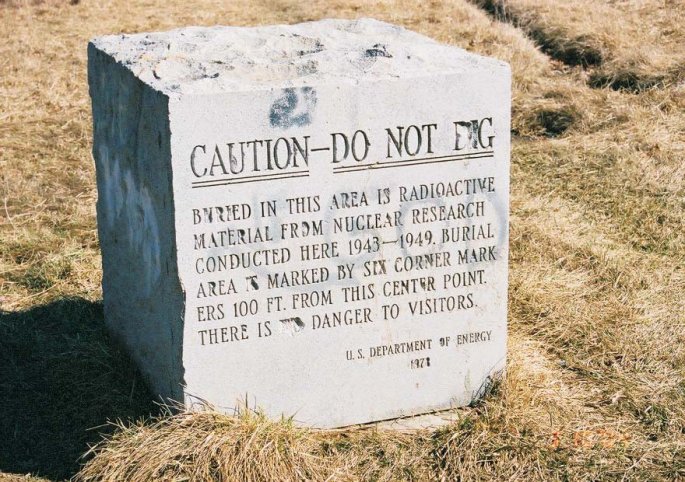
Next Exit, Armageddon: Photos of America’s Nuclear Weapons Legacy

I love a good photo essay, especially those focused on abandoned places—so this is the perfect* combination of that and nuclear history. Many times on the blog I’ve made somewhat flippant comments about visiting nuclear sites on summer vacation. However, evidently there is great public interest in this. As such, the National Park Service and the Department of Energy will establish the Manhattan Project National Historical Park that will include sites as Los Alamos, Oak Ridge and Hanford.

VICE News—“Elsewhere in the US, the ruins of the Manhattan Project and the arms race that followed remain overlooked. In North Dakota, a pyramid-like anti-missile radar that was built to detect an incoming nuclear attack from the Soviet Union pokes through the prairie grass behind an open fence. In Arizona, a satellite calibration target that was used during the Cold War to help American satellites focus their lenses before spying on the Soviet Union sits covered in weeds near a Motel 6 parking lot. And in a suburban Chicago park, where visitors jog and bird watch, nuclear waste from the world’s first reactor — developed by Italian physicist Enrico Fermi for the Manhattan Project in 1942 — sits buried beneath a sign that reads ‘Caution — Do Not Dig.’”

*Check out the photos. They’re truly extraordinary.

Putin: Russia to Boost Nuclear Arsenal with 40 Missiles

Everything old is new again, it seems. This week Vladimir Putin announced that Russia will put more than 40 new intercontinental ballistic missiles into service in 2015. It is said that the new missiles are part of a military modernization program. However, the announcement comes on the heels of a US proposal to increase its own military presence in NATO states in Eastern Europe.

BBC—“Nato Secretary-General Jens Stoltenberg said that the statement from Mr. Putin was “confirming the pattern and behaviour of Russia over a period of time; we have seen Russia is investing more in defence in general and in its nuclear capability in particular”.

He said: “This nuclear sabre-rattling of Russia is unjustified, it’s destabilising and it’s dangerous.” He added that “what Nato now does in the eastern part of the alliance is something that is proportionate, that is defensive and that is fully in line with our international commitments.’”

Stories You May Have Missed

Image Credit: Federal Government of the United States

Trends in Global Health Security (June 17, 2015)

Recent events in Africa, Asia, and the United States have reaffirmed the significant enduring challenges to strengthening global health security.

While Liberia has not reported any Ebola cases since April 2015, Guinea and Sierra Leone continue to report approximately 20-30 new cases a week. Most of these new cases can be traced to previous cases along well-characterized chains of transmission, but a worrying number of them arose from unknown sources of infection and/or were associated with a large number of high-risk contacts. The emergence of Ebola cases of unknown origin in Guinea and Sierra Leone emphasizes the need for stronger surveillance and contact-tracing efforts in those countries and highlights the risk that the outbreak could spread uncontrollably again if containment measures are relaxed. The development of an Ebola vaccine continues apace, with three vaccine candidates entering Phase III clinical trials in West Africa. Vaccine testing hit a setback in Ghana, however, where the parliament suspended a planned trial of two vaccines after local protests.

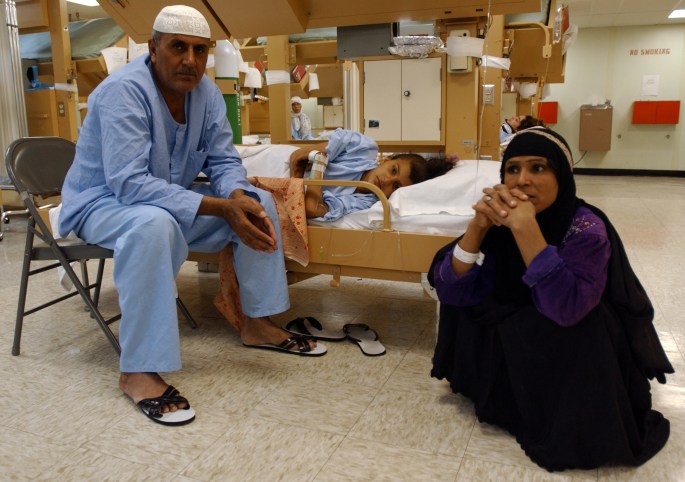
South Korea has become the epicenter for the largest outbreak of MERS-CoV outside of the Middle East. South Korea now reports 161 cases and 19 deaths from the virus. The outbreak has been traced to a single infected traveler who returned to South Korea in May after visiting several Persian Gulf countries, highlighting the vulnerability of all countries in this globalized world to unexpected outbreaks of unusual diseases. According to the World Health Organization (WHO), gene sequencing does not reveal any significant differences between the strain responsible for the outbreak in South Korea and strains circulating in the Middle East. Transmission of the virus in South Korea, as in other hard-hit Middle East countries like Saudi Arabia, has been strongly associated with health care settings. So far, there is no evidence of sustained community transmission. A joint South Korean-WHO inquiry identified several reasons for the severity of the outbreak in South Korea including a lack of awareness among health care workers and the general public about MERS; weak infection prevention and control measures in hospitals; close and prolonged contact of infected MERS patients in crowded emergency rooms and multi-bed rooms in hospitals; the practice of “doctor shopping” (seeking care at multiple hospitals); and the custom of many visitors or family members staying with infected patients in the hospital rooms which facilitated the secondary spread of infections among contacts. An interesting parallel between the Ebola outbreak in West Africa and MERS in South Korea is the role of social practices and customs that amplify disease transmission. On June 17, WHO reaffirmed that the MERS-CoV outbreak, which has caused at least 1,320 infections and 466 deaths since 2012, still does not qualify as a public health emergency of international concern under the 2005 International Health Regulations.

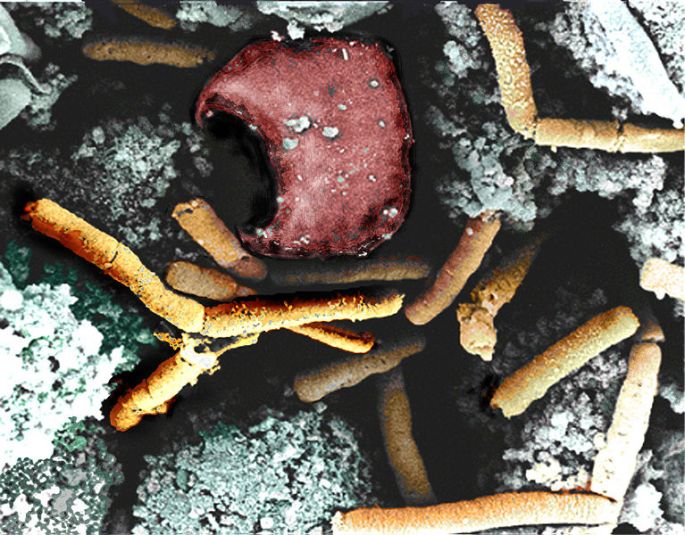
The inadvertent shipping of live anthrax spores by the Department of Defense’s Dugway Proving Ground has expanded to 69 labs in 19 states and the District of Columbia and five foreign countries (Australia, Canada, Japan, South Korea, and the United Kingdom). The list of foreign countries that may have accidentally received samples of live anthrax may grow since the such samples might have been sent to U.S. bases in the Persian Gulf for proficiency testing of biodetection systems deployed in that region. The Pentagon’s inquiry into what human, technical, and/or procedural errors led to this long-standing unsafe handling and shipping of anthrax is due to be completed by early July. The Centers for Disease Control and Prevention (CDC) is conducting its own investigation, but there is no word on when it will be completed. In the meantime, USA Today has reported that Dugway was cited in 2007 for shipping live anthrax spores after using an unproven chemical inactivation method and ignoring results from sterility testing that showed that some of the samples still contained live bacteria. While the current inactivation technique used at Dugway is irradiation, this previous incident might reflect the lack of a strong safety culture at the facility which may have contributed to the current biosafety failure. Dugway’s biosafety problems are also similar to problems encountered by the CDC in 2004 and 2014 when it also failed to improperly inactivate anthrax and inadvertently shipped live samples of the bacteria to other labs. This recurring pattern of anthrax being inactivated improperly and not detected by post-inactivation testing raises serious questions about the scientific and technical foundations for this process.

A common theme throughout these outbreaks and incidents is the need for the scientific, public health, academic, private sector, and policy communities to work together to devise solutions to the most pressing problems in global health security.  Pandemics, Bioterrorism, and International Security is a three-day non-credit course offered by George Mason University that introduces participants to the challenges facing the world at the intersection of national security, the life sciences and public health. This course provides participants with an opportunity to learn about cutting-edge issues in global health security from a Special Agent in the FBI’s Weapons of Mass Destruction Directorate, the former commander of USAMRIID, the lead virologist and Ebola expert at NIH’s BSL-4 laboratory, and internationally recognized biosecurity experts from MIT, Dartmouth, and George Mason University. For more information and to register, please visit http://www.ocpe.gmu.edu/programs/health_public_safety/bioterrorism.php

Week in DC: Events

June 15, 2015

Calculating the Costs of the Israeli-Palestinian Conflict
Date: June 15, 12:00pm
Location: Woodrow Wilson International Center for Scholars, 6th Floor, 1300 Pennsylvania Ave NW, Washington DC

A new report by the RAND Corporation, The Costs of the Israeli-Palestinian Conflict, estimates the net costs and benefits over the next ten years of five alternative trajectories — (1) a two-state solution, (2) coordinated unilateral withdrawal, (3) uncoordinated unilateral withdrawal, (4) nonviolent resistance, and (5) violent uprising — compared with the costs and benefits of a continuing impasse.

This event will explore both the economic and the non economic factors surrounding the conflict that might influence the parties’ decisions and the long-term implications for Israel, the West Bank and Gaza and the international community.

RSVP here.

Global Cooperation Under Threat: Adapting the U.N. for the 21st Century
Date: June 15, 1:30pm
Location: Brookings Institution, 1775 Massachusetts Ave NW, Washington DC

Nearly 70 years after the United Nations charter was signed, the world faces new and rapidly evolving threats—both transnational and geopolitical. New tensions on the U.N. Security Council, however, risk limiting the United Nations capacity to intervene in civil wars and respond to humanitarian crises. At the same time, transnational and sub-state threats have the potential to seriously disrupt regional and international order.

On Monday, June 15, the Foreign Policy program at Brookings will host Susana Malcorra, chief of staff to the United Nations secretary-general for a discussion exploring how the organization is adapting to new geopolitical, transnational, and sub-state challenges.

In her current position at the U.N., Malcorra plays a central role in decision-making at the highest levels of the organization, advising the secretary-general on the full range of global and organizational affairs. Prior to her appointment as chief of staff in March 2012, Malcorra served as the undersecretary-general for field support, directing all support for U.N. peace operations worldwide. Malcorra also served as the chief operating officer and deputy executive director of the World Food Programme. Prior to joining the U.N., she spent 25 years in the private sector.

Watch live online here.

June 16, 2015

Can Afghanistan Stabilize as U.S. Forces Plan Their Exit?
Date: June 16, 10:00am
Location: United States Institute of Peace, 2301 Constitution Ave NW, Washington DC

The United States’ current policy in Afghanistan mandates a “responsible withdrawal” of U.S. forces by January 2017, when President Obama leaves office. With 18 months to go, a sense of crisis is mounting in Afghanistan as the economy sags, Taliban attacks increase, and the eight-month-old unity government remains deadlocked. Afghanistan’s instability has led policy specialists, commentators and other public voices to question whether enough progress can be made to let Afghanistan succeed if the U.S. withdrawal is conducted as planned.

Neither the international community nor Afghanistan’s divided political elites want to see the Afghan government fail. And the government has made some promising—if unfulfilled—initiatives, such as stronger anti-corruption efforts and an attempt to work with Pakistan against insurgents in both countries.

Join USIP’s experts on the region for a discussion on June 16, 2015, on both the perils of the situation and opportunities for improving it that have not been fully grasped.

USIP’s Dr. Andrew Wilder, will moderate the discussion, having just returned from Afghanistan and Pakistan. Former Afghan Minister of the Interior Ali Jalali will address security issues. Dr. William Byrd, former Afghanistan Country Director at the World Bank, will speak to the economic and fiscal issues. Scott Smith will analyze the function and dysfunction of the national unity government, and Moeed Yusuf will look at the prospects of President Ghani’s outreach to Pakistan and his attempt to reach a peace deal with the Taliban.

RSVP here.

Hearing: Advancing United States’ Interests at the United Nations
Date: June 16, 10:00am
Location: U.S. House Committee on Foreign Affairs, 2172 Rayburn House Office Building, Washington DC

Chairman Royce on the hearing: “In the coming months, the United Nations Security Council is likely to consider several key issues, including sanctions on Iran and North Korea, peacekeeping reform, and Middle East security.  It is critical that our mission to the United Nations advance our national interests in an institution that has long been in desperate need of reform and often taken positions against American interests.  This hearing will give members an opportunity to press the U.S. Ambassador to the UN on Congressional concerns and priorities.”

Watch live online here.

Russia and its Northern Neighbors: Young Leaders on the Future of Baltic Security
Date: June 16, 10:00am
Location: Johns Hopkins University—SAIS, Bernstein-Offit Building, Room 500, 1717 Massachusetts Ave NW, Washington DC

Russia’s actions in Ukraine have sparked new concerns about the security of neighboring countries in the Baltic region. Despite being often grouped together as the Baltic States, these countries hold unique perspectives and face widely differing challenges vis à vis their neighbor to the East.

What are the top concerns among the younger generation in the Baltic countries and Finland about their relationship with Russia? How did the war in Ukraine and Russia’s annexation of Crimea affect local attitudes toward Russia, and toward Russian-speaking minorities at home?

Please join CGI and the Center for Transatlantic Relations at Johns Hopkins University SAIS for a panel discussion to address the future of Baltic security through the eyes of young professionals from the region. The panel will also consider how young Russians view the current situation and prospects for the future. Amid the current political environment, this panel will explore ways to ease tensions around the Baltic Sea for the broader goal of European security.

CGI Program Director Konstantin Avramov will give opening remarks. Donald Jensen, resident fellow at the Center for Transatlantic Relations, will moderate the discussion. A lunch reception will follow.

RSVP here.

Perspectives on the State of the TSA: Exploring Possible Reforms to the Transportation Security Administration
Date: June 16, 12:00pm
Location: Heritage Foundation, Lehrman Auditorium, 214 Massachusetts Ave NE, Washington DC

Following breaking news that the Transportation Security Administration (TSA) failed to stop undercover agents in 67 out of 70 recent security probes, various reform initiatives and proposals are being discussed. Should airports opt out of TSA-administered screening and explore signing contracts with private contractors? What can be done to improve airport security assessments? Does the TSA need to adopt more risk-based strategies and programs? Are more fundamental changes needed?

Join us for what should be a lively discussion on which security reforms the TSA should pursue in order to recover from unacceptable lapses in homeland security.

RSVP to attend in person or watch live online here.

Subcommittee Hearing: Reviewing the Administration’s FY 2016 Request for Europe and Eurasia
Date: June 16, 2:00pm
Location: U.S. House Committee on Foreign Affairs, Subcommittee on Europe, Eurasia, and Emerging Threats, 2172 Rayburn House Office Building, Washington DC

Chairman Rohrabacher on the hearing: “This hearing will address how the Obama Administration’s Fiscal Year 2016 budget request will advance US interests and help our friends and allies in Europe and Eurasia. What is our policy and is our aid being used in a manner which promotes that policy? Are we funding efforts that are fiscally sustainable and don’t create a dependence on the part of the host government?  This hearing will provide the chance to put the Administration on the record and continue the Subcommittee’s ongoing oversight efforts.”

Witnesses include: Ms. Alina Romanowski, Coordinator of U.S. Assistance to Europe and Eurasia in the Bureau of European and Eurasian Affairs at the U.S. Department of State, Mr. Daniel Rosenblum, Deputy Assistant Secretary for Central Asia in the Bureau of South and Central Asian Affairs at the U.S. Department of State, The Honorable Jonathan Stivers, Assistant Administrator at the Bureau for Asia in the U.S. Agency for International Development, Ms. Susan Fritz, Acting Assistant Administrator in the Europe and Eurasia Bureau at the U.S. Agency for International Development.

Watch live online here.

Democracy in the Dark: The Seduction of Government Secrecy
Date: June 16, 6:30pm
Location: Politics and Prose at Busboys and Poets Brookland, 625 Monroe St NE, Washington DC

Recent revelations of the extent of NSA citizen surveillance were a shock—and there have been similar surprises in recent years. In his deeply researched study of the role of government secrecy in a democracy, Schwarz, who co-authored Unchecked and Unbalanced and served as chief council to the Church Committee on Intelligence, looks at key moments throughout U.S. history—from the nation’s founding to the Cold War to the War on Terror—to establish a framework for balancing legitimate national security needs with the protection of constitutional rights.

Schwarz will be in conversation with Josh Gerstein, a White House reporter for POLITICO.

June 17, 2015

Making the Case for Peace: 2015 Global Peace Index
Date: June 17, 9:30am
Location: Center for Strategic and International Studies, 1800 K Street NW, Washington DC

Please join us for the release of the ninth annual Global Peace Index and discussion on:   Making the Case for Peace: the 2015 Global Peace Index   What is the state of global peace in 2015? What are the main threats to peace and how can we prevent violence in the future? What are the implications of these trends for foreign policy and aid interventions?

The 2015 Global Peace Index discussion will explore these questions, detailing recent trends in militarization, safety and security, and ongoing conflict, with a focus on analyzing the factors that underpin peaceful societies.

Panel: Moderated by Aubrey Fox, Executive Director, United States, Institute for Economics and Peace Global Peace Index results presented by Daniel Hyslop, Research Manager, Institute for Economics and Peace Panelists: Ambassador Rick Barton Melanie Greenberg Executive Director, Alliance for Peacebuilding Matt Wuerker Editorial Cartoonist and Illustrator, POLITICO.

About the Global Peace Index: The Global Peace Index (GPI) is the first-ever analysis to methodically rank countries on their peacefulness and to identify potential drivers of peace. Comprised of 23 indicators measuring the absence of violence in society, the GPI takes into consideration both internal and external factors, and measures 99% of the world’s population.

Register here.

Hearing: Assad’s Abhorrent Chemical Weapons Attacks
Date: June 17, 10:00am
Location: U.S. House Committee on Foreign Affairs, 2172 Rayburn House Office Building, Washington DC

Chairman Royce on the hearing: “The Assad regime continues its chemical weapon strikes, despite Obama Administration claims to have destroyed its illegal stockpile. Assad denies having any chemical weapons, while his forces brazenly gas men, women, and children.  This hearing will highlight these horrific attacks and what can be done to protect vulnerable Syrian civilians. The Committee will hear chilling accounts, including from brave responders working to save the lives of those targeted by the Assad regime.”

Witnesses include: The Honorable Robert Ford, Senior Fellow at The Middle East Institute, Mohamed Tennari, M.D., Idlib Coordinator at the Syrian-American Medical Society, Mr. Farouq Habib, Syria Program Manager at Mayday Rescue, Annie Sparrow, M.B.B.S., Deputy Director Human Rights Program and Assistant Professor of Global Health at the Icahn School of Medicine at Mount Sinai.

Watch live online here.

Climate Security: the Next ‘Battle Ground’?
Date: June 17, 10:00am
Location: Atlantic Council, 1030 15th Street NW, 12th Floor, West Tower, Washington DC

As the international community heads to COP21 in Paris this December, much of the public discourse focuses on the relationship between climate and the environment.  Equally important, however, are the ways countries address the global security threats that arise from climate change.  From a national security perspective, climate change is viewed as a risk multiplier or conflict aggravator and a source of nontraditional threats that require nontraditional responses.  What local and global actions can be taken to reduce the stresses climate change has on economic, social, and political systems? How can security planners and actors address the threat of climate change on international security? What are the dangers of inaction and could an international climate regime contribute to reducing instability and conflict risks?

In honor of the European Union’s (EU) Climate Diplomacy Day, please join the Atlantic Council and the EU for a discussion exploring the critical dynamic between climate change and global security. An introduction will be delivered by H.E. David O’Sullivan, the Ambassador of the EU to the United States and keynote remarks will be provided by H.E. Gerard Araud, the Ambassador of France to the United States. Panelists include The Hon. Sharon Burke, Senior Adviser to the New America Foundation’s International Security Program, Tom Burke, Founding Director and Chairman of E3G, Third Generation Environmentalism, Major General Munir Muniruzzaman (Ret.), Chairman of the Global Military Advisory Council on Climate Change (GMACCC) and President and CEO of the Bangladesh Institute of Peace and Security Studies (BIPSS), and Dennis Tänzler, Director of International Climate Policy at Adelphi.  The discussion will be moderated by Dan Chiu, Deputy Director of the Brent Scowcroft Center on International Security at the Atlantic Council.  Welcome remarks will be provided by The Hon. Richard Morningstar, Founding Director of the Atlantic Council’s Global Energy Center.

Register here to attend in person or here to watch live online.

Advanced Nuclear Energy and the Battle Against Climate Change
Date: June 17, 12:30pm
Location: Capitol Visitor Center, SVC-203, East Capitol St and First St NE, Washington DC

Nuclear energy was once regarded by many as the answer to our energy needs. That enthusiasm waned in the U.S. after the Three Mile Island accident in 1979. Today, there’s a growing interest in advanced nuclear energy and new reactor designs that are safer and more efficient. As Third Way’s Josh Freed details in his Brookings Essay, “Back to the Future,” a flood of young engineers and private firms are focusing on advanced nuclear energy as the best option for battling climate change. Freed also argues that if the U.S. doesn’t invest in these new technologies, other countries will lead the way in this game-changing field. The good news is that today there’s significant private investment and several dozen companies developing the technology.

On Wednesday, June 17, Brookings will gather four energy experts, including Freed, at the Senate Visitor’s Center to talk about the opportunities for advanced nuclear energy and the challenges posed both in the U.S. and abroad. The conversation will be moderated by Quartz Washington Correspondent Steve LeVine. A light lunch will be provided.

Register here.

Privacy and Security
Date: June 17, 12:30pm
Location: Goethe-Institut, 812 7th Street NW, Washington DC

The AICGS Foreign & Domestic Policy Program; Goethe-Institut Washington; and the Robert H. Smith Center for the Constitution at James Madison’s Montpelier are pleased to invite you to the following seminar:

The Snowden revelations raise pointed questions in the United States and Germany about the future of privacy and security, particularly in light of our thoroughly networked and digitized age. A number of circumstances justify a focus on the American and German perspectives. America’s intelligence activities in Europe—and Germany in particular—have strained vital transatlantic partnerships in recent years. The different reactions to the so-called “NSA-Affäre” on opposite sides of the Atlantic have posed challenges to our assumptions about shared transatlantic values. As two of the most established—and respected—constitutional democracies, the newly-exposed differences regarding privacy in the United States and Germany present a unique opportunity for comparative constitutional reflection.

This lunch-time dialogue will feature David Cole (Hon. George J. Mitchell Professor in Law and Public Policy at the Georgetown University Law Center) and Russell Miller (Professor of Law at Washington & Lee University School of Law). Professor Cole is one of the most prominent American voices in the public and scholarly debates surrounding the on-going “war on terror.” He has commented extensively and published widely on the constitutional law and legislative frameworks relevant to the “NSA-Affäre.” Professor Miller is a leading commentator on and scholar of German constitutional law. He is currently a DAAD Research Fellow at the American Institute for Contemporary German Studies (AICGS) at Johns Hopkins.

Register here.

Russia’s Strategic Interest with the West
Date: June 17, 12:30pm
Location: Atlantic Council, 1030 15th Street NW, 12th Floor, West Tower, Washington DC

As Moscow’s aggression in Ukraine’s east continues to escalate, President Putin is cracking down on opposition leaders and human rights activists at home. The murder of Boris Nemtsov, the alleged poisoning of Vladimir Kara Murza are recent and tragic examples of mounting human rights violence.  Mikhail Khodorkovsky, one of Kremlin’s most prominent critics, has a broad set of experiences in Putin’s Russia and an extraordinary perspective on developments there, which he will share with us.

Prior to his arrest in 2003, Khodorkovsky was the head of Yukos, one of Russia’s largest oil producers, and an increasingly outspoken critic of corruption in Russia. Khodorkovsky was arrested, charged with fraud and tax evasion, and sentenced to nine years in prison, prolonged to eleven after the second trial. Khodorkovsky, who was declared a prisoner of conscience by Amnesty International, was released in December 2013 prior to the Sochi Olympics. In 2014, Khodorkovsky relaunched Open Russia, a nongovernmental organization aiming to unite pro-European Russians to promote a strong civil society.

Register here to attend in person or here to watch live online.

Food Security in the Face of Climate Change
Date: June 17, 2:00pm
Location: World Resources Institute, 10 G Street NE, 6th Floor Board Room, Washington DC

Join World Resources Institute for a discussion featuring the keynote presentation “Agricultural Research on Adaptation to Climate Change” by Dr. François Houllier, the President of INRA (the French National Institute for Agricultural Research).

A discussion on “Food Security in the Face of Climate Change” will follow the presentation.

Speakers include: Dr. François Houllier, President, l’Institut national de la recherche agronomique (INRA), Dr. Rob Bertram, Chief Scientist, Bureau for Food Security, U.S. Agency for International Development, Heather McGray, Director, Vulnerability & Adaptation, World Resources Institute, Dr. Keith Wiebe, Senior Research Fellow, International Food Policy Research Institute (IFPRI), Tim Searchinger, Research Scholar, Princeton University and Senior Fellow, World Resources Institute (moderator).

Register here.

Subcommittee Hearing: China’s Rise: The Strategic Impact of Its Economic and Military Growth
Date: June 17, 2:00pm
Location: U.S. House Committee on Foreign Affairs, Subcommittee on Asia and the Pacific, 2200 Rayburn House Office Building, Washington DC

Chairman Salmon on the hearing: “The People’s Republic of China is at a turning point economically, politically, demographically, and militarily. Though China’s military buildup has been a decades-long affair, recent Chinese military developments under President Xi Jinping have been particularly disconcerting, especially as its advances threaten to diminish the United States’ role in the region. China is also embarking on massive trade, infrastructure, and investment initiatives, which are global in scope and driven by economic shifts at home. At the same time, China’s domestic profile is changing—its workforce is shrinking, its population is disproportionately aging, and the Xi regime restricts more and more personal and political freedoms. The Subcommittee must fully understand China’s current and future changes to fulfil its duty to oversee U.S.-China relations, particularly in light of increasing bilateral tensions, and in preparation for Chinese President Xi ‘s November state visit.”

Witnesses include: Derek M. Scissors, Ph.D., Resident Scholar at the American Enterprise Institute, Alison Kaufman, Ph.D., Senior Research Scientist in the China Studies Division at the CNA Corporation, Mr. Jerome A. Cohen, Adjunct Senior Fellow for Asia Studies at the Council on Foreign Relations, Mr. Han Dongfang, Founder and Director of the China Labour Bulletin.

Watch live online here.

Subcommittee Hearing: The Iran, North Korea, and Syria Non-Proliferation Act: State Department’s Non-Compliance
Date: June 17, 2:00pm
Location: U.S. House Committee on Foreign Affairs, Subcommittee on the Middle East and North Africa, 2172 Rayburn House Office Building, Washington DC

Chairman Ros-Lehtinen on the hearing: “The GAO’s latest report on the State Department’s non-compliance with the Iran, North Korea, and Syria Nonproliferation Act’s (INKSNA) reporting requirements is greatly alarming. INKSNA can be a powerful tool in helping curtail the proliferation of weapons of mass destruction but its effectiveness is diminished when State does not sanction individuals and make timely reports to Congress as required by law. State’s non-compliance calls into question which other sanctions provisions the administration has been blatantly ignoring during these misguided and dangerous nuclear negotiations with Iran and puts our national security at risk by increasing the potential for additional proliferation of weapons of mass destruction. This hearing will provide our Members the opportunity to examine State’s reporting history in regards to INKSNA, the reasons State has delayed reporting, how to improve the process to ensure that reporting requirements are met, and what impact State’s delays have had on the proliferation of weapons of mass destruction.”

Watch live online here.

Cyber Risk Wednesday: Waging Cyber Conflict
Date: June 17, 4:00pm
Location: Atlantic Council, 1030 15th Street NW, 12th Floor, West Tower, Washington DC

We are still early into the age of cyber conflict and do not yet fully understand the dynamics of how nations and nonstate actors fight in cyberspace. Though there is a solid understanding at the tactical and technical levels of what happens between bits and bytes and particular adversary groups, the operational and strategic dynamics are often ignored. Failing to connect cyber conflict to larger strategic considerations leaves many central questions unanswered: How do cyber conflicts arise? How and by whom are they fought? Who wins and who loses? Is a country “winning” in cyberspace if it seizes more digital hilltops or if it wins the hearts and minds of digital natives around the globe?

To shed light on these questions and cyber operations and strategy beyond bits and bytes, this session brings together Jason Healey, the Atlantic Council’s Cyber Statecraft Initiative Senior Fellow and editor of the first-ever cyber history book A Fierce Domain: Conflict in Cyberspace, 1986-2012 (2013); Chris Inglis, US Naval Academy Distinguished Visiting Professor in Cyber Security Studies and former NSA Deputy Director; and Dr. Brandon Valeriano, Senior Lecturer at the University of Glasgow and author of Cyber War versus Cyber Realities: Cyber Conflict in the International System (2015). The panel discussion will be moderated by Dr. Nora Bensahel, Distinguished Scholar in Residence at American University’s School of International Service.

Register here to attend in person or here to watch live online.

June 18, 2015

The Changing Sanctions Landscape: Past, Present, and Future
Date: June 18, 12:00pm
Location: Venable LLP, 575 7th Street NW, Washington DC

Key developments in economic sanctions regimes over the last 18 months – spanning Cuba, Russia/Ukraine, and Iran, to cyber and beyond – have had a wide-ranging impact on businesses, and continue to raise a host of challenges for officials and industry players alike. Venable LLP and the Stimson Center invite you to a conversation about the practical implications of sanctions regimes. Industry experts, regulators, and practitioners will discuss how high policy is translated into concrete implementation measures, and how companies deal with the real-world fallout in their strategic and operational decision-making.

A light lunch will be served.

RSVP here.

Launch Event for the 2015 Fragile States Index
Date: June 18, 2:00pm
Location: United Nations Foundation, 1750 Pennsylvania Ave NW, Washington DC

The Fragile States Index remains a leading tool that highlights current trends in social, economic and political pressures that affect all states, but can strain some beyond their capacity to cope. Apart from the impact on their people, fragile states present the international community with a variety of challenges.

Linking robust social science with modern technology, the Index is unique in its integration of quantitative data with qualitative data produced using content-analysis software to process information from millions of publicly available documents. The result is an empirically-based, comprehensive ranking of the pressures experienced by 178 countries. The Index is used by policy makers, civil society, academics, journalists and businesses around the world.

The event will include a presentation of the key findings of the 2015 Fragile States Index, as well as an expert discussion on fragile and conflict affected societies. The event will also include adequate opportunity for questions and comment.

Dress code is business or business-casual attire.

Register here.

Fighting Terrorism in the Age of ISIS
Date: June 18, 5:00pm
Location: Center for Strategic and International Studies, 1616 Rhode Island Ave NW, Washington DC

Please join the Smart Women, Smart Power initiative for a discussion of “Fighting Terrorism in the Age of ISIS” with Fran Townsend, former Homeland Security and Counterterrorism Adviser to President George W. Bush. The Islamic State, known as ISIS, ISIL or Da’esh, now controls territory in the Middle East that’s nearly the size of Belgium and is pushing into North Africa. It continues to recruit fighters to the cause, including some from Western Europe and a small number from the U.S. Ms. Townsend will offer insights on protecting the homeland and countering the threat.

Register here.

June 19, 2015

President Rousseff’s Visit: Photo-Op or a New Era for the US and Brazil?
Date: June 19, 9:00am
Location: Atlantic Council, 1030 15th Street NW, 12th Floor, West Tower, Washington DC

President Dilma Rousseff’s June 30 visit to the United States comes amid significant transformations in Brazil and in US-Latin American relations overall. Dilma is looking for big wins while the United States sees a moment to jumpstart relations with a hemispheric leader. Will this lay the foundation for moving from working-level collaboration to bold, far-reaching cooperation? How would a significant agreement on an issue like innovation be a catalyst for economic opportunity in both countries?

Join the Atlantic Council’s Adrienne Arsht Latin America Center and the Brazil-US Business Council for a preview of the visit with top decision-makers in the bilateral agenda. The Arsht Center will launch its latest Brazil report, US-Brazil Relations: A New Beginning? How to Strengthen the Bilateral Agenda, in which our senior nonresident Brazil fellow, Ricardo Sennes, proposes specific ways to advance cooperation in investment, trade, education, and technology and innovation.

Register here to attend in person or here to watch live online.

The Next Generation of Korea Experts: The Young and the Brave
Date: June 19, 10:00am
Location: Brookings Institution, Saul/ Zilkha Room, 1775 Massachusetts Ave NW, Washington DC

Young scholars and practitioners have much to contribute to the policy debate about the Korean peninsula. They offer fresh perspectives on how the Koreas are analyzed, and introduce new information that prompts different ways of thinking about the Koreas. Moreover, young experts’ views will become critical to shaping future-oriented policies toward the Koreas.

On June 19, the Center for East Asia Policy Studies at Brookings will host a conference featuring presentations by the youngest generation of Korea specialists. Young scholars and practitioners will gather to discuss the different generational attitudes toward Korea policy, present their perspectives on persistent regional and international policy challenges, and offer new strategies and analyses on peninsular issues through information flows and technology.

Lunch will be provided to conference guests.

Register here.
Pandora Report 6.14.15

I’ve got brunch reservations this morning so the big story about the coming egg shortage is hitting close to home. We’ve also got a story about ISIS’ WMD and a bunch of stories you may have missed.

As a final reminder, the Early Registration Deadline for the Pandemics, Bioterrorism, and International Security is tomorrow, Monday, June 15. For more information and registration, please click here.

Enjoy the rest of your weekend!

Egg Shortage Scrambles U.S. Food Industries

The unprecedented outbreak of avian influenza in the U.S. has meant massive losses in the domestic poultry industry which has left experts warning that U.S. consumers are very likely to see an increase in egg prices. Cases of avian flu have been reported in 15 states, with Iowa and Minnesota being some of the hardest hit. “In Minnesota, the number of lost turkeys represent about 11 percent of our total turkey production…of the chickens we’ve lost that are laying eggs, 32 percent… have been affected by this” In Iowa, about 40 percent of the state’s egg-laying chickens and 11 percent of its turkeys have been affected. All these losses will mean a shortage of whole eggs and other egg-based products.

U.S. News and World Report—“Consumers haven’t felt the pinch too much just yet, but they are unlikely to emerge with their pocketbooks unscathed, [Rick] Brown [Senior VP at Urner Barry, a food commodity research and analysis firm]. He says two-thirds of all eggs produced in the U.S. remain in a shell, many of which are placed in cartons and sold in grocery stores. This stock of eggs has been hit significantly less by the avian flu outbreak than those used in the egg products industry, which Brown says encompasses “everything from mayonnaise to salad dressings to cake mixes to pasta to bread.”

Australian Official Warns of Islamic State Weapons of Mass Destruction

You may have already seen this, since this story was everywhere this week. Julie Bishop, Australia’s Minister for Foreign Affairs, said the Islamic State (ISIS) already has and is already using chemical weapons. Bishop made these comments in an address to the Australia Group—a coalition of 40 countries seeking to limit the spread of biological and chemical weapons. In a follow-up interview, Bishop also said that NATO was concerned about the theft of radioactive material and what that could mean for nuclear weapons proliferation.

The Washington Post—“‘The use of chlorine by Da’ish, and its recruitment of highly technically trained professionals, including from the West, have revealed far more seriou­s efforts in chemical weapons development,” Bishop said, using an alternate name for the Islamic State in a speech reported by the Australian. She did not specify the source of her information.  “… Da’ish is likely to have amongst its tens of thousands of recruits the technical expertise necessary to further refine precursor materials and build chemical weapons.’”

Stories You May Have Missed


Image Credit: Hannahdownes

America’s War on Terror: Democracy is No Panacea

Since the wars in Iraq and Afghanistan began, the scholarly research has burgeoned, enabling a more thorough examination of the Bush Administration’s policy choice to aggressively promote democracy as part of their overall war on terror strategy. Scholars have advanced a number of compelling findings and arguments about the Bush Administration’s policymaking process, as well as why democracy has proved so problematic in both countries.

This is Part 3 of 4 of Erik Goepner‘s paper. In case you missed them, read Part 1 and Part 2.

James Pfiffner suggests President Bush did not employ a systematic decision-making process with respect to Iraq, and that the president preferred substantive discussions with only a small cadre of his closest advisors.[1] This style could easily result in intelligence and research being overlooked, or the close-knit group unwittingly succumbing to groupthink.

Regarding the challenges of democratizing both countries, researchers point to the historic challenges of Muslim-majority states adopting democratic norms, ethnic and / or religious fractionalization, lack of liberal institutions or culture, poor rule of law, and the animus felt towards the democracy promoter (i.e., the U.S.) by many in the Muslim world.[2]

In addition, two lesser-known arguments are germane and will be addressed further. The first focuses on how the Bush Administration promoted democracy and the second looks at who was being democratized. While the idea of America promoting democracy abroad is nothing new, how it has been promoted over time has changed. Jonathan Monten outlines the two predominate ways in which America has historically sought to export democracy.[3] The first, and preferred choice until the 20th century, relied on America’s example, akin to the shining city on a hill. America’s efforts to win other nations to democratic forms of governance primarily took place within America’s borders, such that other nations could see the example and be enticed to emulate it. Monten refers to the second method as “vindicationism.” It includes setting a positive example, but adds active, external measures to promote democracy. President Bush, Monten argues, embraced a version of vindicationism-plus by also adding a coercive element. Monten goes on to say the U.S.’ hegemonic status not only made coercion possible, but in some respects almost unavoidable.[4] Had U.S. power not been such an overmatch for any would-be competitor, the Bush Administration would likely have been less bold. Policymakers believed their use of power was virtuous. As a result, they did not consider that their use of power might be coercive, unwelcome, or self-seeking.[5]

Moreover, the Bush Administration believed democratic success would beget democratic success, such that bandwagoning would result rather than other nations and actors attempting to balance against U.S. power.[6] Assumed bandwagoning also contributed to the expectation that U.S. military power would facilitate a pacific transition to democracy beyond Iraq and Afghanistan. As the President claimed, a “free Iraq can be an example of reform and progress to all the Middle East.”[7]

The second argument looks at who was being democratized. It does not appear that U.S. policymakers gave any consideration to the mental health status of the Afghan or Iraqi populations prior to pursuing a policy of democratization. Specifically, the effects of decades of severe trauma visited upon both populations were ignored—Afghanistan for 20 of the 21 years preceding the U.S. invasion, and Iraq for the preceding 17 years.

Persons who have been heavily traumatized, similar to the Afghans and Iraqis, are more likely to succumb to learned helplessness.[8] This psychological phenomenon manifests over time, as an individual increasingly perceives no connection between their own efforts and the outcomes that result. Self-efficacy gives way to hopelessness. As a result, the individual no longer puts forth effort, instead they surrender to their circumstances.[9] The behavioral and cognitive changes that frequently accompany severe trauma would appear to inhibit the successful initiation of democracy.

The decision to include democracy promotion as a key part of the war on terror did not happen immediately. Rather, it appears to have occurred in response to perceived early successes in Afghanistan. Policymakers apparently missed or ignored much of the research and intelligence available at the time that indicated the numerous challenges to successfully democratizing Afghanistan and Iraq. Additionally, the research since then tends to corroborate the earlier research.

Next week, part 4 will take a final look at democracy promotion as a key part of America’s war on terror strategy. This last examination will focus on the numbers. How effective has the U.S. been in democratizing Afghanistan, Iraq and the broader region? And, more broadly, how have the efforts to democratize affected the overall achievement of U.S. goals in the war on terror? Erik Goepner’s full paper is available here.


[1] James Pfiffner, “Decisionmaking, Intelligence, and the Iraq War,” in Intelligence and National Security Policymaking on Iraq: British and American Perspectives (College Station, TX: Texas A&M University Press, 2008), 217–8.
[2] Zakaria, “The Rise of Illiberal Democracy”; Bernard Lewis, “The Roots of Muslim Rage,” The Atlantic 266, no. 3 (1990): 47–60; Samuel Huntington, “The Lonely Superpower,” Foreign Affairs 78, no. 2 (March 1, 1999): 35–49; Francis Fukuyama, “Why is Democracy Performing So Poorly?” Journal of Democracy 26, no. 1 (January 2015): 13.
[3] Jonathan Monten, “The Roots of the Bush Doctrine: Power, Nationalism, and Democracy Promotion in U.S. Strategy,” International Security 29, no. 4 (April 1, 2005): 112–115.
[4] Monten, “The Roots of the Bush Doctrine,” 116.
[5] Monten, “The Roots of the Bush Doctrine,” 146.
[6] Monten, “The Roots of the Bush Doctrine,” 148–9.
[7] Monten, “The Roots of the Bush Doctrine,” 150.
[8] Steven Maier, “Exposure to the Stressor Environment Prevents the Temporal Dissipation of Behavioral Depression/learned Helplessness,” Biological Psychiatry 49, no. 9 (May 1, 2001): 763; Neta Bargai, Gershon Ben-Shakhar, and Arieh Y. Shalev, “Posttraumatic Stress Disorder and Depression in Battered Women: The Mediating Role of Learned Helplessness,” Journal of Family Violence 22, no. 5 (June 6, 2007): 268, 272, 274.
[9] Lyn Abramson, Martin Seligman, and John Teasdale, “Learned Helplessness in Humans: Critique and Reformulation,” Journal of Abnormal Psychology 87, no. 1 (1978): 50.

Image Credit: U.S. Navy

Week in DC: Events

June 8, 2015

Asan Seminar: “The ROK-US Alliance: Facing Missile and Nuclear Threats on the Korean Peninsula”
Date: June 8, 3:00 pm
Location: The Asan Institute for Policy Studies, 1211 Connecticut Ave NW, 8th Floor, Washington DC

Panelists include Choi Kang, Vice President for Research at the Asan Institute for Policy Studies; Thomas Karako, Senior Fellow, International Security Program
Director, Missile Defense Project at the Center for Strategic and International Studies; and Woo Jung-Yeop, Research Fellow and Director, Washington, D.C. Office of the Asan Institute for Policy Studies.

Register here.

Nigeria in Transition: Prospects and Challenges for the New Government
Date: June 8, 3:00 pm
Location: Brookings Institution, 1775 Massachusetts Ave NW, Washington DC

Nigerian President Muhammadu Buhari was sworn into office on May 29, 2015, following his pivotal victory in the country’s March 2015 elections. Buhari’s electoral success represented a defining moment in Nigerian political history since, for the first time, an opposition party candidate transitioned to power through peaceful, democratic elections. In advance of his inauguration, Buhari established a set of commitments for his first 100 days in office, which include: boosting economic growth and employment, tackling rampant government fraud, and strengthening the country’s security institutions to contend with Boko Haram and other destabilizing threats. However, as Buhari and his government come into power, several factors—such as a growing fiscal crisis, opaque governance systems, and persistent, dynamic security risks—have the potential to undermine his ability to deliver on these promises.

On June 8, the Africa Growth Initiative at Brookings will host a discussion on the opportunities and challenges facing Nigeria’s recently inaugurated President Buhari and his newly elected government. A panel of Nigeria experts will provide an assessment of the historic nature of Nigeria’s latest political transition, as well as the implications of this shift in power for the country’s development, governance, and security priorities. Amadou Sy will have a conversation with Grant Harris and then take questions from the audience. Witney Schneidman will then moderate a panel discussion, after which he will open the discussion to the floor.

Register here.

Public Forum with Dr. Saleem Al-Jubouri, Speaker of Iraq’s Parliament
Date: June 8, 3:15 pm
Location: United States Institute of Peace, 2301 Constitution Ave NW, Washington DC

The address by Dr. al-Jubouri, elected last year to lead Iraq’s Council of Representatives, follows USIP events with Iraq’s Prime Minister Haidar al-Abadi in April and Kurdistan Regional Government President Masoud Barzani in May. After making public remarks, Dr. al-Jubouri will respond to questions in a discussion moderated by USIP’s acting executive vice president, Amb. William Taylor.

Dr. al-Jubouri will be visiting Washington to meet with U.S. officials and members of Congress at a critical time for Iraq and its international partners fighting the extremist forces of ISIS (also known as the Islamic State). ISIS’ capture of the city of Ramadi and its sabotage of the country’s largest oil refinery, at Baiji, underscore the threat the group poses to the Iraqi people and state. Amid the war, the Council of Representatives is considering legislation on topics—such as the National Guard and the federal court system—that are critical to addressing governance and security problems that gave rise to ISIS.

Dr. al-Jubouri has been a member of the 328-seat Council of Representatives since 2005. He was awarded his PhD with distinction in law and was a law professor at Nahrain University in Baghdad.

RSVP here.

June 9, 2015

Conflict Prevention and Resolution Forum: Crisis in Yemen—What Can be Done?
Date: June 9, 9:30 am
Location: Johns Hopkins School of Advanced International Studies, 1740 Massachusetts Ave NW, Washington DC

Yemen is in the midst of a complex emergency, with over 1840 civilians killed and over 500,000 people forced to flee their homes. What should the international community’s strategy be for engagement in Yemen? How do we end this current crisis and pave the way for sustainable peace? What can be done?

Register here.

Prime Minister Modi’s First Year: What Was Accomplished and What Lies Ahead?
Date: June 9, 11:30 am
Location: Heritage Foundation, Lehrman Auditorium, 214 Massachusetts Ave NE, Washington DC

Indian Prime Minister Narendra Modi completed one year in office on May 26. With the economy picking up steam and having logged 19 foreign trips, the Prime Minister has laid the foundation for New Delhi to play a more influential role in global and regional affairs. Join us to hear a distinguished panel of experts evaluate Prime Minister Modi’s first year in office and discuss future trends in India’s domestic and foreign policy.

RSVP here.

Transparency, Governance, and Foreign Policy: Meeting the Challenges in the Americas
Date: June 9, 1:30 pm
Location: Woodrow Wilson International Center for Scholars, 6th Floor, 1300 Pennsylvania Ave NW, Washington DC

Throughout much of Latin America, the “golden years” of economic growth during the last decade’s commodity boom have given way to economic decline or stagnation. At the same time, a mobilized citizenry is demanding better government performance. These two factors have focused unprecedented attention on rule of law deficits and official corruption. Meanwhile, relations among countries of the hemisphere have grown more complex. As much as the region has welcomed the normalization of U.S.-Cuban relations, the options for international insertion now extend far beyond the Western Hemisphere.

RSVP here.

June 10, 2015

Subcommittee Hearing: Iran’s Enduring Ballistic Missile Threat
Date: June 10, 10:00 am
Location: U.S. House Committee on Foreign Affairs, 2172 Rayburn House Office Building, Washington DC

The Subcommittee on the Middle East and North Africa will discuss Iran’s Enduring Ballistic Missile Threat. Witnesses include, Lieutenant General Michael T. Flynn, USA, Retired, Former Director, Defense Intelligence Agency; The Honorable Robert Joseph, Ph.D., Senior Scholar at the National Institute for Public Policy, Former Under Secretary of State for Arms Control and International Security; David A. Cooper, Ph.D., James V. Forrestal Professor and Chair of the Department of National Security Affairs at the U.S. Naval War College; and Anthony H. Cordesman, Ph.D., Arleigh A. Burke Chair in Strategy Center for Strategic and International Studies.

Watch live here.

The Shoulder-Fired Missile Threat in the Middle East
Date: June 10, 10:00 am
Location: The Stimson Center, 1211 Connecticut Ave NW, 8th Floor, Washington DC

Despite a decade-long international campaign to reduce the threat from man-portable air defense systems (MANPADS), terrorists and insurgents continue to acquire and use these highly effective, lightweight missiles. Among the most severely affected regions are the Middle East and North Africa, where armed groups have acquired MANPADS from looted government depots and international trafficking networks. Most notably, these weapons include recent-generation Russian and Chinese systems not previously seen outside of government control. The use of improvised batteries developed by armed groups also gives new life to older missiles. The panelists will provide an overview of illicit proliferation of MANPADS in these regions, the threat that these missiles pose to military and civilian aircraft, and prospects for mitigating this threat.

This event serves as the official release for the new report Missing Missiles: The Proliferation of Man-portable Air Defence Systems in North Africa.

RSVP here.

Defense-Industrial Policy Series: Modernizing the Army’s Acquisition Process
Date: June 10, 10:30 am
Location: Atlantic Council, 1030 15th Street NW, 12th Floor, West Tower, Washington DC

Register here.

Nigeria’s 2015 Elections: What Have We Learned?
Date: June 10, 3:00 pm
Location: Center for Strategic and International Studies, 2nd Floor Conference Room, 1616 Rhode Island Ave NW, Washington DC

Nigeria’s recent national elections are widely considered the best in the country’s history. Despite predictions of mass rigging and violence, the process was largely peaceful and credible and resulted in the first ever democratic transition of power from one party to another. Please join us for a conversation with Professor Attahiru Jega, chairman of Nigeria’s Independent National Electoral Commission, as he shares his perspective on what went right to ensure the integrity and credibility of the polls in a hard-fought and contentious electoral contest. Professor Jega will offer his assessment of the electoral process and share thoughts on lessons learned-both for Nigeria and other African countries entering similarly contentious, high-stakes elections.

Register here.

June 11, 2015

Building Self-Reliance and Prosperity in Afghanistan
Date: June 11, 9:30 am
Location: Atlantic Council, 1030 15th Street NW, 12th Floor, West Tower, Washington DC

Register here.

Russia and the Two Koreas: Old Friends, New Partners?
Date: June 11, 12:00 pm
Location: Korea Economic Institute, 1800 K Street NW, Suite 1010, Washington DC

RSVP here.

Youth and Civil Society: The Missing Powers in Yemen
Date: June 11, 12:00 pm
Location: Woodrow Wilson International Center for Scholars, 6th Floor, 1300 Pennsylvania Ave NW, Washington DC

Youth activist and advocacy trainer, Yemen, and Leaders for Democracy Fellow, Maxwell School of Syracuse University Mohammad Al-Shami will discuss the different stakeholders and positions in Yemen and review what is happening on the ground. He will also draw attention to the struggles and consequences that Yemenis face if the conflict continues without an immediate solution. In addition, Al-Shami will highlight the importance of empowering youth movements and civil society in Yemen in order to mobilize the community to promote peace.

RSVP here.

The Future of Drones
Date: June 11, 6:30 pm
Location: Project for the Study of the 21st Century (PS21), Thomson Reuters Conference Room, 1333 H Street NW, Washington DC

Of all the new developments in warfare in the 21st Century, few have been less contentious than drones. PS21 brings together a uniquely qualified panel to discuss the shifting use of drones in warfare and civilian industry. Have they been a force for good or bad so far this century? And how might they be used next?

RSVP here.

Pandora Report 6.7.15

We’ve got stories this week about MERS spread in South Korea and Ebola drugs that may already be in your medicine cabinet. We’ve also got some stories you may have missed.

As a reminder, the Early Registration Deadline for the Pandemics, Bioterrorism, and International Security professional education course has been extended to June 15. For more information and registration, please click here.

Enjoy the rest of your weekend!

South Korea Grapples to Contain MERS as 1,369 in Quarantine

The big story this week is MERS in South Korea. Last week we reported that there were five cases. As of Friday, the number has jumped to 36 confirmed cases and three deaths. Hundreds of schools have closed in an effort to prevent further spreading of the disease, which arrived in a 68-year old index patient who had traveled in Saudi Arabia, Qatar, the United Arab Emirates, and Bahrain. Many in public health have been surprised by the extent of the outbreak in South Korea because the virus has not been shown to pass easily from human to human and the health care system is “considered to be sophisticated and modern.”

CNN—“‘This is quite unusual. I think this is the only country, apart from those in the Middle East, that has such a number of cases,” said [Dr. Leo] Poon [a virology expert at the School of Public Health at the University of Hong Kong, who worked on the SARS outbreak more than a decade ago]. “It’s not entirely surprising. In the Middle East, people in Saudi Arabia had hospital outbreaks where a few people got infected. It’s a similar situation at the moment.’”

Drugs to Fight Ebola May Already Be in Your Medicine Cabinet, Study Suggests

A team from USAMRIID, the University of Virginia, and Horizon Discovery Inc. have been working to determine if any existing drugs could be used to fight Ebola. Using 2,635 compounds, including FDA-approved drugs, amino acids, food additives, vitamins and minerals they discovered a possible answer could already be in your medicine cabinet—Zoloft and Vascor.

The LA Times—“But Zoloft (also known by the generic name sertraline) and Vascor (generic name bepridil) had more encouraging results. Of the 10 mice that got Zoloft, seven survived for 28 days. Even better, all 10 of the mice treated with Vascor were still alive 28 days after [Ebola] infection. For the sake of comparison, all of the untreated mice that served as controls were dead within nine days.”

Stories You May Have Missed


Image Credit: Shikhlinski

Week in DC: Events

June 1, 2015

“Putin. War:” The Making of the Nemtsov Report
Date: June 1, 5:30 pm
Location: Human Rights Campaign, Equality Forum, 1640 Rhode Island Ave NW, Washington DC

On February 27, 2015, the Russian opposition leader Boris Nemtsov was assassinated in view of the Moscow Kremlin. Two days prior, he had approached his friend Ilya Yashin to ask for his assistance on a sensitive investigation: tracking Russia’s secret military involvement in Ukraine. After the murder of the former deputy prime minister, Yashin led a group of opposition activists and journalists to piece together Nemtsov’s findings and publish the report in Russia and abroad.

How was the information compiled? What pressures did Yashin and his colleagues face when trying to bring the report to publication? And how do they hope the report will change the tide of Russian politics, and Putin’s actions in Ukraine?

Please join CGI and the Free Russia Foundation for an inside look at the creation of “Putin. War” with Ilya Yashin. Following a May 28 English-language release at the Atlantic Council, this discussion will allow the audience to engage in an intimate discussion with the report’s leading organizer through an open Q&A format.

This discussion is on the record and open to the public. A wine reception will follow. RSVP here.

June 2, 2015

Combatting Extremism’s Contagion: Creating a Counter Strategy and Stemming the Tide of Foreign Fighters
Date: June 2, 8:30 am
Location: United States Institute of Peace, 2301 Constitution Ave NW, Washington DC

The U.S Institute of Peace and the FP Group, publisher of Foreign Policy magazine and foreignpolicy.com, invite you to the next installment of PeaceGame on Tuesday, June 2, 2015. The fourth biannual PeaceGame will tackle one of the and most challenging of issues confronted by the U.S. government and stakeholders worldwide: the global rise of radical groups and violent extremism.

This event is now at capacity, but will be live streamed. Journalists requesting credentials should contact Allison Sturma.

Lasers, Railguns, and Unmanned Systems: Navy Secretary Ray Mabus on the Future of the Navy and Marine Corps
Date: June 2, 9:00 am
Location: American Enterprise Institute, 12th Floor, 1150 17th Street NW, Washington DC

The US Navy and Marine Corps serve as the forward edge of American power, influence, and aid by reassuring allies and deterring would-be adversaries. Through the dedication of their sailors and marines, the Navy and Marines have met increased global demand for their services — from disaster relief in the Philippines to presence missions in East Asia to the deterrence of Iranian aggression in the Persian Gulf — but not without cost, including longer deployments and deferred fleet maintenance.

How does the Department of the Navy plan to maintain forward presence and meet requirements as demands rise and resources remain constant? How will new technologies such as unmanned aviation, undersea systems, and directed-energy weapons change the way the Navy and Marines deploy and fight?

Please join us at AEI as Secretary of the Navy Ray Mabus discusses the future of the US Navy and Marines.

RSVP here.

Rethinking Cuba: New Opportunities for Development
Date: June 2, 9:00 am
Location: Brookings Institution, Saul/ Zilkha Rooms, 1775 Massachusetts Ave NW, Washington DC

On December 17, 2014, President Barack Obama and President Raúl Castro announced that the United States and Cuba would seek to reestablish diplomatic relations. Since then, the two countries have engaged in bilateral negotiations in Havana and Washington, the United States has made several unilateral policy changes to facilitate greater trade and travel between the two countries, and bipartisan legislation has been introduced in the U.S. Congress to lift the travel ban. Meanwhile, conversations are ongoing about ending the 50-plus-year embargo and Cuba has continued the process of updating its economic system, including establishing new rules for foreign investment and the emerging private sector.

In light of the significant shifts underway in the U.S.-Cuba relationship, new questions arise about Cuba’s development model, and its economic relations with the region and the world. On Tuesday, June 2, the Latin America Initiative at Brookings will host a series of panel discussions with various experts including economists, lawyers, academics, and practitioners to examine opportunities and challenges facing Cuba in this new context. Panels will examine macroeconomic changes underway in Cuba, how to finance Cuba’s growth, the emerging private sector, and themes related to much-needed foreign investment. Throughout the program, the panelists will take questions from the audience.

Register here.

Iran’s Missile Program
Date: June 2, 10:15 am
Location: Hudson Institute, 1015 15th Street NW, 6th Floor, Washington DC

The Islamic Republic of Iran has the largest and most diverse missile arsenal in the Middle East. Missiles—whether conventional or potentially armed with chemical, biological, or nuclear warheads—enable Iran to pose an asymmetric threat to countries with much more sophisticated militaries. Despite U.N. resolutions forbidding the development and testing of nuclear delivery systems, Iran has continued its missile program unabated. The most recent unclassified government report suggests that Iran, with foreign assistance, could soon flight-test an ICBM capable of reaching the United States.

On June 2nd, Hudson Institute will host a conversation with Representative Ron DeSantis (R-FL), Dr. David Cooper, Michael Eisenstadt, and Dr. Thomas Karako on the extent of Iran’s missile program and its relationship to Iran’s nuclear program. Hudson Adjunct Fellow Rebeccah Heinrichs will moderate the event.

Register here.

June 3, 2015

Korea Going Forward
Date: June 3, 9:00 am
Location: Center for Strategic and International Studies, 2nd Floor Conference Room, 1616 Rhode Island Ave NW, Washington DC

Please join us for an international public conference, co-hosted by CSIS and the Korea Foundation, with senior opinion makers, policy makers, and officials to frame the agenda for U.S.-ROK relations going forward in advance of the visit by President Park Geun-hye to the United States.

The distinguished panels will look at the broadening scope of U.S.-ROK cooperation around the globe as well as the challenges on the peninsula and in the region with an unprecedented gathering of experts.

This conference is by RSVP only and all remarks are on-the-record.

Weighing Concerns and Assurances about a Nuclear Deal with Iran
Date: June 3, 12:00 pm
Location: Woodrow Wilson International Center for Scholars, 6th Floor Conference Room, 1300 Pennsylvania Ave NW, Washington DC

The Iran Project’s new report, Weighing Concerns and Assurances about a Nuclear Deal with Iran, is designed to encourage a balanced bipartisan discussion on emerging arguments for and against a P5+1 deal with Iran on its nuclear program.

Light refreshments will be served at 11:30am. Register here.

What Do Moscow’s Proposed Security Arrangements Mean for Central Asia and the Caucasus?
Date: June 3, 5:00 pm
Location: Johns Hopkins School of Advanced International Studies, Rome Auditorium, 1619 Massachusetts Ave NW, Washington DC

Moscow is aggressively demanding that the West accept a new security architecture that would take account the new “realities on the ground” created by Russia’s de-facto occupation of two Georgian regions, annexation of Crimea, and attempt to create new separatist statelet in Eastern Ukraine.  Our speakers will examine these demands against the death of the Conventional Forces in Europe (CFE) treaty and the dysfunctionality of OSCE and other elements of the security umbrella that were supposed to maintain peace in the Caucasus and Eastern Europe.  Speakers will also consider the West’s possible responses.

Register here.

June 4, 2015

A Conversation with Pakistan’s Foreign Secretary Ambassador Aizaz Ahmad Chaudhry
Date: June 4, 9:30 am
Location: Atlantic Council, 1030 15th Street NW, 12th Floor, West Tower, Washington DC

Since Prime Minister Nawaz Sharif assumed office, Pakistan has embarked on a proactive campaign to reach out to its neighbors as part of a larger vision for a peaceful neighborhood. Today, increased high-level exchanges with its neighbors reflect this important policy shift designed to secure Pakistan internally and externally. Building on this momentum, Pakistan is pursuing a number of regional economic connectivity projects, such as the Turkmenistan-Afghanistan-Pakistan-India gas pipeline, the Iran-Pakistan gas pipeline, the China-Pakistan economic corridor, and the Central Asia and South Asia electricity project. Pakistan’s Foreign Secretary Ambassador Aizaz Ahmad Chaudhry will discuss how Pakistan is positioning itself in its quest for regional peace, security, and enduring development.

Register here.

June 5, 2015

Recent Developments in the US-India Relationship
Date: June 5, 11:00 am
Location: Center for Strategic and International Studies, 2nd Floor Conference Center, 1616 Rhode Island Ave NW, Washington DC

Ambassador Richard Verma, who took charge as U.S. envoy to India in January, will provide a status update on the U.S.-India relationship and focus his remarks on the progress made in key areas over the past year as well as the challenges that remain. This event will be on the record.

Register here.

Pandora Report 5.30.15

It was a slow-ish news week, this week with very few small stories but two huge ones about Chemical Weapons threats against airplanes and an inadvertent shipment of live Anthrax spores. We’ve also got a few stories you may have missed.

As a reminder, the Early Registration Deadline for the Pandemics, Bioterrorism, and International Security professional education course has been extended to June 15. For more information and registration, please click here.

Have a great weekend!!

U.S. Military Says It Mistakenly Shipped Live Anthrax Samples

It was a big story this week when live anthrax spores were inadvertently shipped from Dugway Proving Ground—an army facility in Utah—to 19 military and civilian labs across as many as nine states and an overseas site. The shipments were supposed to contain dead spores. Army and CDC officials have emphasized that these shipments pose no risk to the public and there are no suspected or confirmed cases of anthrax infections among lab workers.

NBC New York—“The Defense Department, acting “out of an abundance of caution,” has halted “the shipment of this material from its labs pending completion of the investigation,” [Pentagon spokesman Col. Steve] Warren said.”

FBI Looking Into Chemical Weapons Threats Against Planes

While many of us had a day off from work on Memorial Day, the FBI was investigating threats made against at least 10 flights claiming that chemical weapons were aboard the planes. These included a Delta Airings flight from London Heathrow, a United Airlines flight from Edinburgh, Scotland, and an Air France flight into New York that was escorted to the ground safely by two F-15 fighter jets.

NBC News—“The threats are not deemed credible, but the information has been passed along to the airlines anyway, out of an abundance of caution.

The male caller made threats against at least 10 flights in a quick series of calls to local police around the country. All but three planes have landed with nothing of concern found.”

Stories You May Have Missed


Image Credit: United States Government

New from the Biodefense Faculty

On this #FacultyFriday, we’ve got a recent publication from Dr. Trevor Thrall and Pandora Report staff writer Erik Goepner on the fall of Ramadi. They say,

Though a city of moderate strategic value considering its proximity to Fallujah and Baghdad, Ramadi does not spell victory for ISIS anymore than Iraq’s retaking of Tikrit from the insurgents spelled defeat for ISIS (despite suggestions to the contrary from the Obama administration). The battle for Iraq will depend on the ability of the Iraqi government to mobilize enough effective fighting power to stop the ISIS expansion. Unfortunately for Iraq, despite over a decade of U.S. investment in training and equipment, Iraq’s military appears incapable of mustering consistent fighting effectiveness to deal a decisive blow to ISIS on the battlefield.

Their entire piece is available on The National Review, here.