Pandora Report: 7.29.2016

Happy Friday! With the Olympics right around the corner, there’s a lot of buzz surrounding the games (not just Aedes mosquitoes) and the athlete living quarters. Make sure to watch the PBS special, “Spillover- Zika, Ebola & Beyond“, on August 3rd at 10/9c. The special will look at the rise of spillover diseases like Nipah and the impact of human behavior on the spread of zoonotic diseases. The Society for Healthcare Epidemiology of America (SHEA) reported a new study that finds three key factors increase the risk for patient-to-patient transmission of the extremely resistant CP-CRE. The Democratic National Convention closed last night and Hilary Clinton made it a point to say, “I believe in science”, which highlights  the stark differences between the candidates on topics like climate change and stem cell research. 

What Damage Could CRISPR Do To The BWC?
Daniel Gerstein points to the approaching Eighth Review Conference of the Biological Weapons Convention and the assessment of new technologies, like CRISPR. Since James R. Clapper, Director of National Intelligence, stated that genome editing is a global danger, many are waiting to see what the convention will say about the future threats of technologies like CRISPR. Gerstein notes that, “if the seven previous review conferences are any indication, the gathering in November will recognize Crispr’s contribution to the biotech field, then enthusiastically declare the convention fit to address any problems it might create. But will that be enough?” The flexible nature of the convention is meant to support the ever-changing world of science and technology, however this also means that any potential bans on experiments are that much more challenging. In his article, Gerstein discusses the assessment of CRISPR as a nonproliferation threat and the risks associated with limiting technological innovation. Despite the challenges of banning certain biotechnologies, there are things that can still be done within the conference. Surveillance and training are imperative, especially in terms of “spotting the development of new pathogens or the modification of existing ones”, and national responsibility needs to be part of this equation. Gerstein’s points on not just national implementation, but also national responsibility emphasizes the transition from a traditional method into an emphasis on people and activities. Practices need to match the pace of biotech development, which means expanding the Implementation Support Unit, strengthening surveillance capabilities, and reinforcing institutional structures. “Those gathering at the review conference in November must seriously consider whether advances in biotechnology have made the existing bioweapons convention obsolete, but they must also ask what more the convention can do, as the reigning body for regulating biological weapons, to ensure that new biotechnologies continue to be used for peaceful purposes only.”

Half of Americans Say Infectious Disease Threats Are Growing  
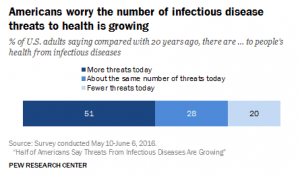
Courtesy of Pew Research Center

The Pew Research Center conducted a recent survey in the wake of the very public Zika virus outbreak. While some may have noted that Americans aren’t as worried about Zika, the survey found that 51% of U.S. adults feel that, compared to 20 years ago, there are more infectious diseases threats to health today. 82% of Americans polled stated that they pay at least some attention to the news regarding infectious disease outbreaks and 58% believe that Zika is a major threat to the health of women who are pregnant. 31% believe that Zika is a major threat to the U.S. population as a whole, while 58% felt it was a minor threat. The poll also found that more people had heard of Ebola at the time of the 2014 outbreak than Zika as a problem right now. Broken down by demographics, those most worried about Zika include older adults, especially women.

Containment: Lessons Learned and Cringe-Worthy Moments2015_0326_Biohazard_Suits
Tuesday nights won’t be the same since Containment ended – what will we do without the asymptomatic super-spreaders like Thomas, the overly gory hemorrhaging, or the suspension of infection prevention practices? Like any science-based show, there are moments of accuracy and moments of pure dramatic exaggeration. Check out our list of the things we enjoyed about the show and some of the more eye-rolling moments. While it’s rare to have a prime-time show involving an outbreak, we’re hoping that the future will hold more scientifically accurate series that will dismantle the hysteria we too often see during public health emergencies.

Australia Utilizes Bioterrorism Algorithm to Predict Flu Outbreaks
Victoria’s health department is currently using a tool, EpiDefend, that can “accurately predict flu outbreaks up to eight weeks in advance.” Combining environmental data, lab results, and more, the tool is funded by the US Department of Defense and designed by the Australian Department of Science and Technology (DST) to aid in Australian disease prediction practices and strengthen global bio-surveillance. ”Our team’s goal is dual-purpose, we want to fulfil our defence charter, protecting our forces against intentionally released biological agents; but disease forecasting will also support the national security and public health areas,” said Tony Lau, defence scientist. EpiDefend incorporates electronic health records (EHR) via the healthcare sector, which means it can be especially powerful, but also requires the presence and reliability of EHR. The system uses an algorithm that is still being refined. “Particle filtering is a technique which helps us close in on the degree of uncertainty by the help of information gathered from particular situation. In other words, it helps the algorithm churn out more precise readings.”

Zika Virus
The Department of Health and Human Services (HHS) has published a webpage on what you need to know about Zika virus. A recent study is estimating that as many as 1.65 million women in Latin American could be infected while pregnant. Researchers, from another study published in the Annals of Internal Medicine, are pointing to a low risk for international Zika spread from the 2016 Olympics in Brazil.  Researchers calculated “the worst-case estimates of travel-associated Zika virus by assuming visitors encounter the same infections exposures as local residents. This is highly unlikely, as visitors would be staying in screened and air-conditioned accommodations, as well as taking personal preventive measures. But under the authors’ pessimistic conditions, they estimate an individual traveler’s probability to acquire infection in Rio de Janeiro is quite low. Specifically, they estimate anywhere from 6 to 80 total infections with between and one and 16 of those infected experiencing any symptoms.” Florida officials announced the investigation of another two potential cases of local-transmission. These new cases have pushed the FDA to curb blood collection in Florida. A new study performed a real-time Zika risk assessment in the U.S, suggesting that 21 Texas counties along the Texas-Mexico border, the Houston Metro area, and throughout the I-35 corridor (San Antonio to Waco) have the greatest risk for sustained transmission. As of July 27th, the CDC has reported 1,658 cases of Zika in the U.S. 

Stories You May Have Missed: 

  • CSIS Curated Conversations on Pandemic Preparedness & the World Bank – The Center for Strategic & International Studies has made its Curated Conversations podcast available on iTunes, which means you can check out the June 3rd episode, “the World Bank President on Preventing the Next Pandemic”. The World Bank Group president, Jim long Kim, discusses funding to help prevent the next pandemic and lessons learned from Ebola.
  • Joint West Africa Biopreparedness Efforts – The DOD is investing in the Joint West Africa Research Group to help improve and sustain biopreparedness within the region. Following the Ebola outbreak, this new program will build upon existing programs and strengthen lab and clinical resources, as well as biosurveillance efforts.
  • Yellow Fever in the Americas? The Pan American Health Organization is currently investigating a case of yellow fever in a man who traveled to Angola. Genetic testing is underway, but there is concern that the virus could ramp up in the Americas during a vaccine shortage.

Pandora Report: 7.15.2016

Happy Friday! Don’t forget to read that Federal Select Agent Program report we revealed last week, as many are shocked to find the 199 lab mishaps that occurred. Check out these One Health researchers who are trying to predict and prevent the next disease that will run rampant like Ebola. You can also listen to Anthony Fauci, the head of the National Institute of Allergy and Infectious Diseases, talk about how superbugs are beating us. Have we reached the end of the Golden Age of antibiotics? 

International Security & Foreign Policy Implications of Overseas Disease Outbreaks Screen Shot 2016-07-12 at 8.40.13 AM
A recent report by the International Security Advisory Board (a Federal  Advisory Committee) has been released regarding the security implications of infectious disease outbreaks and the efforts of the WHO, the Biological and Toxin Weapons Convention (BWC), international academies, etc. Within the report there is a heavy focus on how the Department of State should prepare for such global health challenges and a series of structural solutions, capacity issues, and opportunities that can be taken. The National Bureau of Economic Research recently found that a global pandemic would cost $570 billion per year. “The links between disease and security have become clearer as more disease threats have emerged and global interconnectedness makes a threat anywhere, a threat everywhere. There are few threats to the United States and its global interests that match the potential scale and scope of the threat to life and security and economic interests than those from infectious disease outbreaks, whether naturally occurring or intentionally caused.” Some of the recommendations emphasized the strengthening of U.S. government coordination through the development of plans for responding to such public health emergencies in areas out of control of a central government and/or hostile to U.S. government involvement. Additional recommendations included strengthening by fully integrating public health emergencies and the associated challenges into the national security agenda by “providing resources, developing organizational leadership within the U.S. and internationally, and developing and exercising appropriate plans for preparing for, preventing, and responding to threats.” Whether they are natural, deliberate, or accidental, globalization makes the threat of these outbreaks that much more dangerous.”Public health is now a national security challenge and must be treated as such in terms of planning, resources, and organizational support. It is essential to refocus the U.S. approach to this threat, and to invest in the appropriate level of ‘insurance’ just as we do for traditional defense related needs.”

The National Biodefense Strategy Act of 2016
Introduced in May by Sen. Ron Johnson, the bill amends the Homeland Security Act of 2002 “to require the President to establish a Biodefense Coordination Council to develop a national strategy to help the federal government prevent and respond to major biological incidents.” The bill defines biodefense as “any involvement in mitigating the risks of major biological incidents and public health emergencies to the United States, including with respect to- threat awareness, prevention and protection, surveillance and detection, response and recovery, and attribution of an intentional biological incident.” Within the bill, the President must establish a Biodefense Coordination Council and develop a National Biodefense Strategy in which there must be status updates to Congress every 180 days. The strategy must be updated at least every five years and the bill also requires that an annual report with detailed expenditures and their relevance to the strategy is submitted. The Congressional Budget Office (CBO) recently released its summary on the costs of S. 2967 – “CBO estimates that enacting S. 2967 would cost less than $500,000 annually and about $2 million over the 2017-2021 period; any such spending would be subject to the availability of appropriated funds.”

The Growing Cost of the Next Flu Pandemic
A recent study from researchers at the Society for Risk Analysis (SRA) utilized advanced methodology to calculate the total cost of an influenza outbreak. SRA’s work concluded that if the public used flu vaccines during the pandemic, the U.S. GDP loss would be $34.4 billion. In the event that flu vaccines weren’t used, the cost would rise to $45.3 billion. This particular study is unique in that it addresses public, government, and business responses to an epidemic. Conducted as part of a project by the the Department of Homeland Security’s National Biosurveillance Integration Center (NBIC), the study estimates “the relative prominence of the various economic consequence types,’ as well as complicating factors, many of them not addressed in any prior study. These complicating factors include different types of avoidance behavior, such as the already noted avoidance of public events and facilities.”

A New Case of Super Resistant E. Coli 
A second patient in the U.S. has been found to carry the colistin-resistant E. coli that raised concern in late May when it was also found in Pennsylvanian woman. Colistin resistance means that the antibiotic of last resort, colistin, is no longer effective at killing the organism. The most recent was reported to have had surgery in a New York hospital last year, which begs the question – is this where it was acquired? Were post-operative antibiotics not discontinued properly? The second case is fueling public health fear over the spread of this resistant gene, especially in regards to bacteria that are currently only susceptible to colistin. In the wake of these findings, many are pushing for increased surveillance and focus on antibiotic resistance. “The CDC is planning to establish seven regional laboratories this fall that will have the capacity to do better and faster testing for a broad range of antimicrobial resistance.”

One Health & Antimicrobial Resistance 
On Wednesday, the One Health Commission held a webinar on antimicrobial resistance in the environment. Led by Dr. Laura Kahn, the presentation focussed on the challenges of feeding billions, the growth of antibiotic use in meat, and the reality that antibiotic resistance is an integral part of 21st century challenges. In general, people are eating more meat, with China shouldering a 147% growth in meat consumption, while the U.S. has remained unchanged. Antibiotic usage in meat is not the only concerning source as sewage sludge can easily be a source of antibiotic exposure for animals. Dr. Kahn also discussed that from 2000-2010, global human antibiotic consumption has grown 37% and the top antibiotic consumers are India, China, and the U.S. Interestingly, India and Pakistan have some of the most resistance microbes in the world. A Dutch study looking at archived soil from 1942-2008 found that there were increasing concentrations of resistant genes as time progressed. Expanding human population and demand for animal proteins, rising human and animal waste production, poor sanitation, indiscriminate antibiotic usage, and land/water contamination are all fueling the rise of antibiotic resistance and altering the “global resistome”. So what can be done? Dr. Kahn noted the potential role of bacteriophages as a means of fighting bacteria and the growing threat of microbial resistance. Overall, we need to understand the microbial world better, decrease antimicrobial usage, and tap into the bacteriophage resource.

Weekly Zika News
As more Zika cases are found within the U.S., many are wondering why Congress is holding up funding. Here’s a map of California and where you can expect to find mosquitoes that have the potential to transmit Zika. The CDC has a national map you can also reference with estimated range of the Aedes mosquitoes. Infectious disease and mosquito control expert, Duane Gubler, notes that spraying may not be successful against the Aedes mosquito.  The difficultly lies in that the Aedes mosquitoes tend to live in harder-to-reach areas (garbage, closets, indoors, etc.) and spraying is most effective against mosquitoes living in floodwater. Olympic risk for Zika is considered low following a CDC analysis, which concluded that the visitors expected at the games represent less than 0.25% of the total travel volume to Zika-affected countries. “Estimated travel to the U.S. from Rio for the Games is 0.11% of all 2015 U.S. travel from countries where Zika is now spreading, the CDC said.” You can read the official MMWR release here. Colombia’s low volume of microcephaly and birth defects following Zika infection during pregnancy offer some home that the outbreak may not be as bad as early estimates suggested. A new study published in the Lancet looks to women as possible modes of sexual transmission for Zika. “Our findings raise the threat of a woman potentially becoming a chronic Zika virus carrier, with the female genital tract persistently expressing the virus RNA. Additional studies are underway to answer those essential questions and to assess what would then be the consequences for women of child-bearing age”. CDC Director, Dr. Tom Frieden, writes about the lessons we can learn from the fading Ebola epidemic and how we can apply these to Zika.  Researchers have also recently written that the epidemic in Latin America is “likely to run its course within the next 18 months” – you can read their article in Science here. The CDC has reported 1,306 cases of Zika virus in the U.S as of July 13, 2016. 

Stories You May Have Missed:

  • Malaria and the Duration of Civil War The Journal of Conflict Resolution recently published an article regarding the prolonging of civil war in relation to malaria. Just as geographical factors can impact the duration of civil war, researchers note that malaria can inflict costs and can “indirectly prolong civil war by helping to maintain a socio-geographic environment that is conducive to insurgency”. The rotation of government forces also means they’re likely to have exposures to malaria.
  • The Current State of Our Immunity – Infectious disease physician Dr. Amesh Adalja discusses 21st century immunity to disease. Drawing from points made in Taylor Antrim’s Immunity (set in a post-pandemic world following the 4% loss of global life due to a genetic recombinant of influenza and Lassa Fever), Dr. Adalja relates many of the lessons from his experiences during the West Africa Ebola outbreak and the impact of poverty on resilience. “Today, worldwide extreme poverty — in real terms — is at its lowest. Smallpox has been vanquished with polio and guinea worm about to follow suit. Even Ebola, because of major advances that have occurred in the basic understanding of the clinical illness as well as in vaccine technology since the last outbreak, has been substantially defanged.”
  • The Growing Misuse of Toxic Weapons: Attend the seminar on Monday, July 18th (3:30-5pm) at the James Martin Center for Nonproliferation Studies (1400 K St. NW, Suite 1225, Washington, DC). “We are witnessing today a global threat of toxic chemicals as a means of warfare or terror.  The recent use of chemical weapons and dual-use toxic chemicals in both Syria and Iraq, and possible terrorist attacks against chemical infrastructure, are visible confirmations of a growing threat of misuse of chemicals. This seminar, organized by Green Cross International and the Center for Nonproliferation Studies, will present the results of Chemss2016, an April conference in Poland, including its Summit Declaration which addressed challenges, goals, guidelines, and principles of global cooperation against chemical threats today.”


Pandora Report 5.27.2016

Before you start your holiday weekend, what’re your thoughts on Usain Bolt outrunning a mosquito? The Jamaican sprinter jokingly responded to questions regarding athlete concerns over Zika virus, noting that he’s not worried “because I’m fast – they can’t catch me”. (Hint – it looks like he can outrun a mosquito with his 22 mph capabilities versus the 1.12-3.35 mph of an Aedes mosquito). Sticking with the Olympian theme..bacterial teams? Researchers recently found that two strains of E.coli, resistant to different antibiotics, can protect each other in an environment containing both antibiotics. The phenomenon is called mutualism and researchers at MIT are now looking looking into the range of this practice and the potential for population synchronization. At the 69th World Health Assembly this week, the WHO revealed plans to revamp itself however, many point out that for an agency better at giving advice than taking action, it’s too little too late. In the case of the WHO, critics are calling for acta non verba. 

The World Bank Rolls Out the Pandemic Insurance Plan
Following the Ebola outbreak in West Africa, the World Bank has announced a new program that will enable funds to rapidly be mobilized during outbreaks. In hopes of ensuring a more speedy response to infectious disease disasters, World Bank President Jim Yong Kim stated that “pandemics pose a serious threat to global health and economic security.” The new Pandemic Emergency Financing Facility (PEF) is “a combination of catastrophe insurance and bonds, is a direct reaction to the sluggish donor response to the outbreak of Ebola”. Presented at the G7 meeting for finance advisors, Japan has already committed support with a $50 million contribution. The insurance will cover several classes of infectious disease outbreaks most likely to cause epidemics – ranging from new influenza or coronavirus strains, filoviruses like Marburg and Ebola, and other zoonotic diseases. The initial plan is to have a total of $500 million  and hopefully avoid outbreaks, like Ebola, rapidly growing due to poor financial support and response.

Antibiotic Apocalypse
As much as I’d love to say this title is a dramatic take on the issue of antibiotic resistance, the truth is pretty startling. A report done by the Review on Antimicrobial Resistance  (commissioned by the UK government and reviewed by officials including economist Jim O’Neill), estimated that by 2050, 10 million lives per year and $100 trillion are at risk due to drug-resistant infections. That’s quite a stark estimate, but as many have pointed out “the problem of drug-resistant microbes isn’t just about biology and chemistry; it’s an economic problem at heart, a catastrophic and long-bubbling mismatch between supply and demand. It’s the result of the many incentives for misusing our drugs, and the dearth of incentives for developing new ones.” Can we really tackle this issue though? It still amazes me hearing people in an emergency department or urgent care asking for an antibiotic and the physician having to explain that they have a viral infection or that antibiotics simply aren’t warranted. In many ways, when we are sick enough to go to the doctor, we want to walk away with some “cure” and the notion of bedrest and hydration isn’t all that comforting. So what can we do? The report notes some steps to help prevent this impending reality – massive global public awareness campaigns, improve hygiene, improve global surveillance of drug resistance and antimicrobial consumption in humans and animals, promote development and use of vaccines, promote new, rapid diagnostics to cut out the unnecessary use of antibiotics, better incentives to promote investment for new drugs and improve existing ones, improve the numbers, pay, and recognition of people working in infectious diseases (hear, hear!), etc. Other recommendations include improving sanitation and a global innovation fund for early-stage research. Scientists were recently startled to find for the first time in the U.S., a patient with a bacteria that is resistant to antibiotics that are used as a last resort. While the predictions are daunting, the threat of antibiotic resistance is one we can get ahead of if we make the commitment and start immediately.

The Growing Threat of Spillover Screen Shot 2016-05-23 at 9.38.18 AM
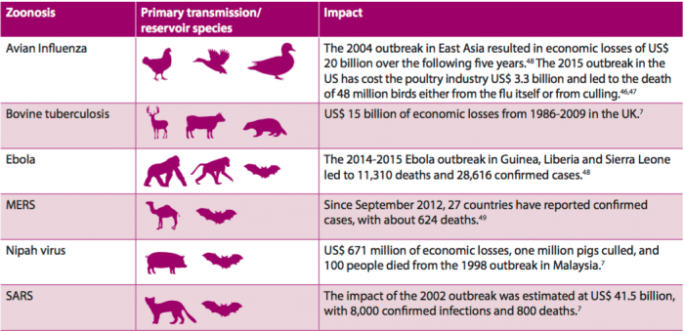
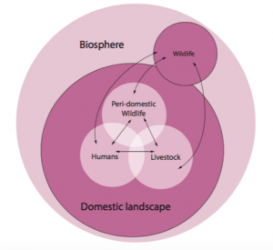
The United Nations Environmental Programme (UNEP) released their 2016 Frontiers Report “Emerging Issues of Environmental Concern”. One of the six major issues was zoonosis. “There is a worldwide increase in disease emergence and epidemics particularly from zoonoses – diseases that can be passed on between animals and humans. The report illustrates how the emergence and re-emergence of zoonotic diseases are closely interlinked with the health of ecosystems. The risk of disease emergence and amplification increases with the intensification of human activities surrounding and encroaching into natural habitats, enabling pathogens in wildlife reservoirs to spill over to livestock and humans.” The report notes that around 60% of all infectious diseases in humans are zoonotic and 75% of emerging infectious diseases are zoonotic. You can also find several great infographics that paint a very surprising picture regarding the emerging zoonotic disease events from 1940-2012 and the top three reported zoonoses for specific continents. The growing Zika epidemic is just another in a long list of spillover cases including those of MERS, SARS, Ebola, and Rift Valley fever.

A Need To Rebalance
GMU Biodefense professor and Program Director, Dr. Gregory Koblentz, is pointing to the need for the U.S. to refocus its nonproliferation efforts on South Asia. Given the region’s high risk for nuclear crisis as a result of territorial disputes, cross-border terrorism, and increasing nuclear arsenals, there is a crucial need to re-allign nonproliferation efforts to include South Asia. “As of 2015, India was estimated to have 120 nuclear warheads while Pakistan was believed to possess 130 weapons. Both countries have also continued to develop, test, and deploy new missiles designed to deliver nuclear warheads. Pakistan has tested seven different types of nuclear-capable ballistic and cruise missiles, including the 2,750-kilometer range Shaheen-3 ballistic missile. Meanwhile, India has tested nine different types of nuclear-capable missiles, including the Agni-V intercontinental ballistic missile with a range of over 5,000 kilometers.” Dr Koblentz points to the impacting introduction of tactical nuclear weapons in South Asia and their ability to be deployed on short-notice – also concerning is India’s planned development of strategic missile submarines, which will likely trigger development from Pakistan. He notes that the international community can help restrain this dangerous competition by encouraging both countries to adopt confidence-building measures (limits on development of tactical nuclear weapons, etc.) and engage in high-level talks with “other nuclear weapon states to discuss measures that could further reduce the risk of nuclear weapons being used deliberately, by accident, or in an unauthorized manner.”

Rebuilding Trust in Biology 
Between the gain-of-function talks and biosecurity failures at major U.S. labs, there’s been a subtle shifting in the trust and support for biological sciences. New regulations could change oversight for sciences within the U.S. and many are wondering how we can restore trust back into this field. While we can all agree that forgotten smallpox vials and an accidental bird flu release translates to a need to revamp practices and facilitate more effective and efficient oversight, there’s been little mention of how we can combat the trust issues. This week the National Science Advisory Board for Biosecurity (NSABB) met to conclude their 18-month deliberation on select pathogen research practices and regulations. Let’s hope that with more effective and efficient practice recommendations, they are also looking into repairing the reputation of science and biology. Dr. Filippa Lentzos and Dr. Nicholas Evans recommend four ways to rebuilt this trust- transparency in process and outcome of experiments and review, life scientists need to play their part in monitoring and preventing deliberate misuse of biology, accountability needs to be built into scientific norms, and decisions on pursuing dangerous experiments need more transparency in regards to their process. “There should also be clear, internationally-recognized red lines about the sorts of experiments—such as attempting to make Ebola virus transmit like the flu, or modifying an extinct virus like smallpox—that simply should not be done.”

Energy & Commerce Subcommittee Looks at U.S. Biological Threat Preparedness
The Energy and Commerce Subcommittee on Health held a hearing regarding H.R. 3299, Strengthening Public Health Response Act, last week to discuss and review legislation that would enable the U.S. to prepare and defend against biological attacks. The act was presented in response to the October 2015 Blue Ribbon Study on Biodefense that highlighted the general lack of preparedness against emerging biological threats. “Thirty-three recommendations to improve the U.S. response to biological threats were made by the Blue Ribbon Study on Biodefense, which was led by former U.S. Sen. Joe Lieberman (I-CT) and former Pennsylvania Gov. Tom Ridge, the first Secretary of Homeland Security. The panel’s report was based on meetings, interviews and research.” Acting Biomedical Advanced Research and Development Authority (BARDA) Director Dr. Richard Hackett noted that “the array of threats for which we must be prepared is vast. Such threats include bioterrorist agents such as anthrax, smallpox and botulism; evolving and emerging threats causing substantial regional disruption such as Ebola and Zika; and highly communicable diseases with pandemic potential such as influenza.” This act would also expand the Priority Review Voucher program within DHS and work to facilitate BARDA’s partnership with the private sector.

Weekly Zika Updates
On Monday, WHO Director-General Dr. Margaret Chan pointed to the failure to maintain mosquito-control efforts and the spread of Zika. “Let me give you a stern warning. What we are seeing now looks more and more like a dramatic resurgence of the threat from emerging and re-emerging infectious diseases. The world is not prepared to cope. Above all, the spread of Zika, the resurgence of dengue, and the emerging threat from chikungunya are the price being paid for a massive policy failure that dropped the ball on mosquito control in the 1970s,”. The European Centre for Disease Control and Prevention (ECDC) released a risk assessment for European travelers to the Olympic Games, finding that they’re most at risk for gastrointestinal illness and vector-borne diseases. Researchers are also considering the association between Zika virus and eye problems in babies that have microcephaly. During your holiday weekend, take a minute to learn about the Scottish professor who discovered Zika virus. Experts are also pointing to the role of misinformation (via social media conspiracy theories) in prevention efforts.  “The researchers behind the study—from Johns Hopkins University, George Washington University, and the University of Georgia—say the misinformation they detected by analyzing thousands of Twitter posts could cause many vulnerable people to refuse future Zika vaccinations.” The CDC has estimated that a fetus infected with Zika virus during the first trimester has a 1-13% risk of developing microcephaly. As of May 25th, the CDC has reported 591 travel-associated and 11 sexually transmitted cases in the U.S.

Stories You May Have Missed:

  • Why Victorian Diseases Are Making a Comeback – Scarlet fever and TB have been on the rise in the UK and many are pointing to the growing threat of antibiotic resistance and poor vaccination compliance. Many of these diseases have been under control for centuries so any uptake can cause a sensational public response, however it’s important to remember the recent plethora of measles outbreaks and just how vital vaccination is. Antibiotic resistance alone could bring back these diseases and take us back to a time where infectious diseases were the major cause of death.
  • The Threat of Agroterrorism and Zoonotic Disease in the U.S. –  Gary Flory, Agricultural Program Manager of the Virginia Department of Environmental Quality, discusses the threat of these diseases for the Non Conventional Threat CBRNe Meeting. “The threat of agroterrorism and naturally occurring disease outbreaks in the United States continues to expand as new diseases emerge and existing diseases become endemic in many parts of the world. The food and agricultural sector is one of the easiest sectors of any nation’s economy to disrupt and its disruption could have catastrophic consequences both nationally and regionally. Both developing and developed countries will be impacted by a disease outbreak or agroterrorism attack.”
  • The Awful Diseases on the Way– check out this overview of Sonia Shah’s book, Pandemic: Tracking Contagions from Cholera to Ebola and Beyond, that also discusses the impact of infectious disease outbreaks from smallpox to Ebola. The review is done by a pediatric physician who has worked with UNICEF and the Global Fund to Fight AIDS across three continents. Aside from the wonderful points on infectious disease outbreaks and the importance of public health, Annie Sparrow gives a delightful segment on the corrupt schemes of outbreak coverups.

Pandora Report 5.20.2016

The biodefense world was pretty busy this week – between Zika funding, cloning, and debates over dual-use technologies, we’ve got a lot to recap! Check out this great infographic on mosquitoes and the diseases they spread. The “State of Innovation” report revealed a decrease in biotech patents in 2015, with many pointing to the correlation between three U.S. Supreme Court decisions that limited patentability of some biotechnologies. If you were wondering how the sale of Plum Island is going, the House has actually temporarily halted any transactions.

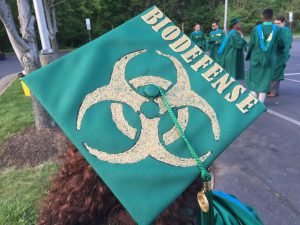
Congrats GMU Biodefense Graduates!IMG_3491
We’re so happy to announce the convocation of some of our phenomenal graduate students. Earning a MS in Biodefense- Julia Homstad (also awarded the Frances Harbour Award for Community Leadership), Brittany Linkous (earning the Outstanding Biodefense MS Student Award), Francisco Cruz, Mary Dougherty, Moneka Jani, Sadaf Khan, Brittany Ferris, Michael Smith, and Robert Smith. Graduating with their PhD’s – Jonathan Gines (also the recipient of the Outstanding Biodefense PhD Student award and his dissertation was: Designing Biorisk Oversight: Applying Design Science Research to Biosafety and Biosecurity, Patricia Kehn (Flu News You Can Use? An Analysis of Flu News Quality 2008-2010), and Mittie Wallace (Emergency Preparedness in Virginia, Maryland and DC: Using Exchange Theory to Identify Government-Nonprofit Incentives and Barriers to Collaboration). Congrats to all our Biodefense graduates in the hard work and dedication they’ve put forth to contribute to such a diverse and exciting field!

Evaluation of DoD Biological Safety & Security Implementation
The Inspector General of the Department of Defense (DoD) has released their report regarding the biosafety and biosecurity policies and practices within DoD laboratories working with select agents. The report also evaluated DoD oversight of these laboratories and compliance with Federal, DoD, and Service Policy, with careful consideration to recent GAO (among others) recommendations. Several findings were reported, which include: “DoD has not maintained biosafety and biosecurity program management, oversight, and inspections of its BSAT laboratories according to applicable Federal regulations. BSAT laboratories in Military Services were inspected according to different guidance, standards, and procedures, risking dangerous lapses in biosafety practices. Lack of coordinated oversight of DoD laboratories led to multiple, missing, and duplicative inspections, and, therefore, an excessive administrative burden that could interfere with scientific research performance.” The report also noted that public health and safety was put at risk due to the poor protection of these agents. Recommendations pushed for better internal and external tracking of inspections, coordination of external technical and scientific peer reviews, standardized training for inspectors, the creation of site-specific laboratory security vulnerability assessments, etc. Overall, the report addresses several key failures within select agent laboratories that have been gaining increasing attention. While these recommendations are a necessary first step, there is definitely an up-hill battle to better secure and work with select agents.

Public Health & Emerging Disease Outbreaks – The Importance of Communication 
Outbreak prevention and response isn’t a new concept…in fact it’s something we’ve been perfecting since John Snow took off the Broad Street pump handle. Sometimes, the fastest spreader isn’t the disease, but rather poor communication and fear. In every after-action report, communication tends to be the biggest failure. Not only do people fail to talk to each other enough, but information dissemination and comprehension tends to be poorly emphasized, when in fact it could save lives. “In particular, healthcare workers may benefit from knowing about newly found transmission risks or disease findings from a novel case under intensive care. Knowledge drives behavioural change that can save lives. We live in a global community. Even if the lives saved are not citizens of our country, withholding information because it is unlikely to benefit our own countrymen, or even delaying dissemination of important information until it is published in a scientific journal is a poor choice.” Dr. Ian Mackay and Katherine Arden point to communication failures regarding the zoonotic transmission of MERS-CoV and the illness of a nurse from the UK who recovered from Ebola and was later hospitalized for meningitis. Both instances involved poor communication, especially to healthcare workers. “Good communicators and reliable communications are vital. Create a dialogue with the public now to build a partnership for later, to reduce distrust when an outbreak, epidemic or pandemic occurs. In this way, communities know which voices to trust and where to turn for their information. Leaving an information void invites others to fill it and more often than not, it is those who delight in titillation, invention, make-believe and fear-mongering.”

Weekly Dose of Zika Virus
H.R. 5243 – Zika Response Appropriations Act of 2016 is the hot topic of discussion this week, as President Obama’s Administration is opposing the act. “While the Administration appreciates that the Congress is finally taking action to address the Zika virus, the funding provided in H.R. 5243 is woefully inadequate to support the response our public health experts say is needed.  Specifically, the Administration’s full request of $1.9 billion is needed to:  reduce the risk of the Zika virus, particularly in pregnant women, by better controlling the mosquitoes that spread Zika; develop new tools, including vaccines and better diagnostics to protect the Nation from the Zika virus; and conduct crucial research projects needed to better understand the impacts of the Zika virus on infants and children.On May 17th, the Senate voted to provide $1.2 billion to fight the growing outbreak. A team from the University of Texas Medical Branch at Galveston has traveled into uncharted territory – they are the first to genetically engineer a clone of the Zika virus strain.  Their work could help speed up vaccine development and research of the virus. As the Zika outbreak rages onwards, many are pointing to the need to understand how and why it mutated from Africa to Asia and then to the Americas.  “‘Like many arboviral agents, given the appropriate environmental and human conditions, new pathogens can be easily moved around the globe,’ Ann Powers said. And that’s what Zika did. The virus began to ripple across the Pacific—and as it traveled, it seemed to change.” The Olympic Games are fast approaching and the debate about the safety of the games has been spreading (see what I did there?). Last week you read about how some are saying the games should be cancelled, while others say it poses a minimal threat. You can also find a snapshot of Zika virus here. The WHO reported that the overall risk of Zika virus moving across the WHO European region is low to moderate during late spring and early summer. Rutgers is taking the lead on an IBM-sponsored project that will utilize supercomputing resources to identify “potential drug candidates to cure the Zika virus.” The Wilson Center is hosting an event, “Zika in the U.S: Can We Manage the Risk?” on Tuesday, May 24th, at 11am. Many are also wondering why humans and not mice are susceptible to the virus. Lastly, as of May 18th, the CDC has reported 544 travel-associated cases and 10 sexually transmitted cases within the U.S.

Governance Structures for Reducing Dual-Use Technology Risks
The American Academy of Arts & Sciences has published an examination of dual-use technology governance and the state of current efforts to control the spread of potentially dangerous technologies. “Governance of Dual-Use Technologies examines the similarities and differences between the strategies used for the control of nuclear technologies and those proposed for biotechnology and information technology. The publication makes clear the challenges concomitant with dual-use governance.” The report looks at the potential objectives of these measures, what they translate to in a technical format, and if these measures are even feasible.

Global Avian Influenza A H5N1 Trends
Researchers recently looked at the epidemiology of human H5N1 cases from 1997-2015. This was the first comprehensive analysis of human cases on a global scale. The number of affected countries rose between 2003 and 2008, traveling from east Asia into west Asia and Africa. “Most cases (67·2%) occurred from December to March, and the overall case-fatality risk was 483 (53·5%) of 903 cases which varied across geographical regions. Although the incidence in Egypt has increased dramatically since November, 2014, compared with the cases beforehand, there were no significant differences in the fatality risk, history of exposure to poultry, history of patient contact, and time from onset to hospital admission in the recent cases.”

Stories You May Have Missed:

  • Health Security Available – The newest volume of Health Security is now available online. The recent issue includes pieces on Zika and microcephaly, preparing for climate disruption, adapting to health impacts of climate change in the DoD, and more!
  • Secret Genome Meeting – Last week saw a meeting hosted by Harvard Medical School’s George Church, to discuss “feasibility and implementation of a project to synthesize entire large genomes in vitro.” Initially the meeting was open to the public and media however, the decision was made to keep it private (from the media) so that researchers, lawyers, entrepreneurs, and government officials could speak freely without fear of being misquoted. “Our ability to understand what to build is so far behind what we can build,” said Jeremy Minshull, chief executive of DNA synthesis company DNA2.0, told The New York Times. “I just don’t think that being able to make more and more and more and cheaper and cheaper and cheaper is going to get us the understanding we need.”
  • Four Countries Fend Off Avian Influenza- Cambodia, Ghana, and Indonesia have been battling H5N1 and Italy has just reported its second H7N7 occurrence this month. Ghana and Cambodia have reported significant bird mortalities, with the virus killing 155 of 505 susceptible birds. “In Ghana, the H5N1 virus turned up in four commercial layer and breeding farms in three of the country’s regions: two in Greater Accra and one each in Eastern and Central regions.”
  • Bavarian Nordic Smallpox Vaccine Contract – the pharmaceutical company announced that BARDA has ordered a bulk supply of their new IMVAMUNE smallpox vaccine. The $100 million supply of the non-replicating vaccine requires Bavarian Nordic to manufacture and store the bulk supply. “The freeze-dried version of IMVAMUNE is expected to reduce the life cycle management costs based on a longer shelf life and will replace the liquid-frozen version that is currently stockpiled in the U.S. Strategic National Stockpile (SNS).”
  • Early Detection Lyme Disease Test Successful – GMU researchers have proven that their early-detection urine test works to rapidly identify Lyme diseases. “The National Institutes of Health funded the research that led to Mason’s patented technology, which traps tell-tale clues (such as the Lyme bacteria protein) that a disease is present. The Mason technology, which is licensed to Ceres, works during the earliest stages of disease and finds the tiniest traces missed by most diagnostic tests.”

Pandora Report 4.22.2016

Happy Friday from your friends at GMU Biodefense! We’ve got some great updates in your weekly dose of global health security. First, check out this wonderful infographic on the hurdles ahead for Zika virus response. France, Myanmar, and Taiwan have all recently reported avian influenza outbreaks. Good news- researchers have found that a new technique of low-energy nuclear reaction imaging is able to detect concealed nuclear materials (weapons-grade uranium and plutonium).

Findings of Investigations into 2014 NIH Smallpox Discovery
Following the recent GAO report on security of U.S. bioresearch labs, the House Energy and Commerce Subcommittee on Oversight and Investigations released its own memo ahead of the hearing on Wednesday, April 20, 2016 (you can watch it here). The hearing addressed the investigations that surrounded the finding of potentially live smallpox in cardboard boxes in cold storage rooms within the NIH.  Some of the issues that were identified and discussed were: failure to account for regulated select agents, failure to conduct comprehensive inventory of all select agent material, and failure to restrict unauthorized access to select agents. “There’s a problem when the government somehow loses track of smallpox and other deadly agents, only to have them turn up in a soggy cardboard box. What’s worse, the urgency that should accompany such a discovery has failed to spur absolutely necessary changes,” said full committee Chairman Fred Upton (R-MI) and Oversight and Investigations Subcommittee Chairman Tim Murphy (R-PA). “Today serves as an important opportunity to ask some of the agencies in question about their next steps to ensure safety for those working in the labs, as well as the general public.”

Re-Wiring the Funding of Pandemic Response 
Jeremy Farrar, head of biomedical research charity, the Wellcome Trust, believes that governments should invest in fighting and defending against pandemics the same way they invest in the military. “We spend gazillions to defend ourselves from military attacks, but from the beginning of the twentieth century far more people have died from infection. We are hugely vulnerable from a public health perspective,”. He emphasizes that public health funding shouldn’t be left to private companies, as they will ultimately make decisions based upon commercial return. Globalization means that a disease can jump from one country to the next through a single flight and we need to be able to respond just as quickly. “We’ve had Ebola for the last two to three years, now Zika. Since 1998 I’ve been involved in about eight major epidemics including SARS and bird flu. This is the new world. These are not rare events,”. If nothing else, it’s important to consider the economics of an outbreak. The financial cost of an epidemic is staggering – cited at $60 billion annually. He notes that now is the time to share information and work towards quicker vaccine and diagnostic interventions.

Neglected Dimensions of Global Security
Researchers are discussing the Global Health Risk Framework Commission’s strategy to defend human and economic security from pandemic threats. Global health threats, like that of SARS and Ebola, have forced leaders to consider not just response, but also preparedness. “In each case, governments and international organizations seemed unable to react quickly and decisively. Health crises have unmasked critical vulnerabilities—weak health systems, failures of leadership, and political overreaction and underreaction.” Global coordination in the event of a health crisis is extremely challenging, as we saw with Ebola, and these authors are pointing to the need for “international norms and well-functioning institutions”. The recommendations also include public accountability for timely reporting and multilateral financing for pandemic preparedness and response resources.

GMU Biodefense Students Earn Prestigious Fellowship
We’re excited to provide an official announcement and interview with GMU Biodefense students, Fracisco Cruz and Siddha Hover, regarding their acceptance into the Emerging Leaders in Biosecurity (ELBI) Fellowship. Francisco earned his MS in 2015 and Siddha is a current PhD student in GMU’s Biodefense program. Check out their comments on both the ELBI Fellowship and their experiences within GMU’s Biodefense graduate programs. “For two George Mason Biodefense students to be selected for this prestigious fellowship is a great recognition of the contribution that our students and alums are already making to biodefense and global health security and the potential they have to play even stronger roles in the future,” said Associate Professor Gregory D. Koblentz, director of the Biodefense program in Mason’s School of Policy, Government, and International Affairs.

Federal Research Database on Genomic Data 
The new GenPort database will allow researchers to access enormous amounts of genomic data from research studies. The benefit of the new system is that it will allow people to review several studies at the same time and track individuals within different trials, creating “synthetic cohorts”. “The Health and Human Services Department is currently looking for small businesses who can help build that hub, so even researchers without informatics or genomics training can make ‘practical use’ of data from cohort studies other scientists have already conducted.” The plan is for GenPort to be open source, transportable, and freely shared via a cloud. Let’s just hope genomic data from certain deadly pathogens doesn’t make its way onto the cloud!

Drug-Resistant Gonorrhea Sparks Concern
While Zika virus and Ebola are quick to grab the headlines, there is another global health security threat we should be worried about. Antibiotic resistance may not have the hype that emerging infectious disease outbreaks do, but the realities of a world without effective antibiotics are pretty terrifying. Consider the re-emergence of diseases we had long eradicated and now have no effective treatment methods. With the rising incidence of multi-drug resistant organisms, the threat of a drug-resistant sexually transmitted infection is pretty terrifying. Public health officials in England are urging the public to practice safe sex with the growing rates of Azithromycin-resistant gonorrhea. Cases initially started in November 2014 however, they have been increasing. The CDC has also issued information about the threats of antibiotic-resistant gonorrhea.

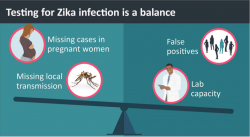
The Fight Against Zika VirusScreen Shot 2016-04-19 at 8.59.38 AM
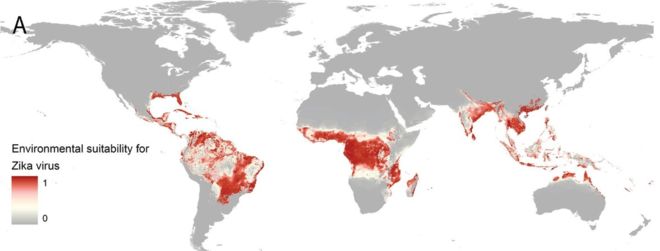
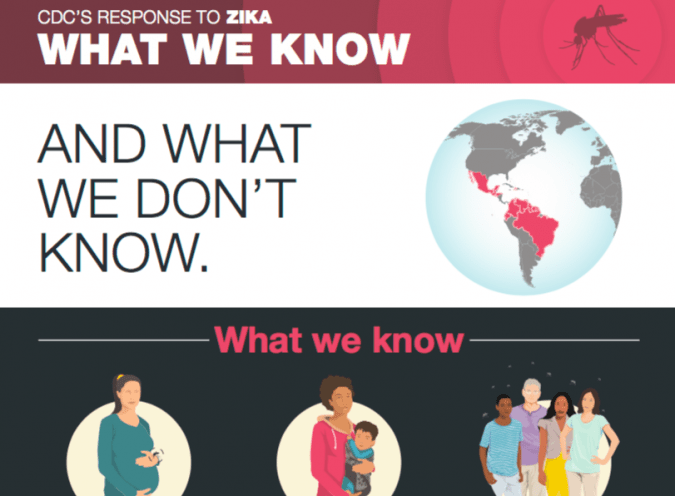
Where are we with Zika? What does the future hold for this ever-changing  outbreak? Some are saying that it is a delayed epidemic. The long-term effects of the disease means we’re all trailing behind it. The lack of a vaccine or commercially available test makes it even more challenging. “Human Zika virus infection appears to have changed in character while expanding its geographical range,” the WHO paper concludes. “The change is from an endemic, mosquito-borne infection causing mild illness across equatorial Africa and Asia, to an infection causing, from 2007 onwards, large outbreaks, and from 2013 onwards, outbreaks linked with neurological disorders.” With Zika, it seems like we’re constantly rushing to catch up. Shifting U.S. funds from Ebola to Zika is just another example of the reactive approach public health tends to take. Why are we constantly rushing from fire to fire? The recent cuts to public health funding are also being highlighted since the Zika outbreak began. Many are pointing to the inability to truly prepare or respond with limited public health resources. In the mean time, many cities, like New Orleans, are organizing preparedness plans as the rainy season approaches. There are also concerns regarding the growing threat of Zika as new maps reveal 2.2 billion people reside in “at risk” areas. The Senate may also be closer to an agreement regarding emergency funding for Zika virus response. 

Americans Want More Biosecurity Preparedness Investment
A survey performed by the Alliance for Biosecurity, the Blue Ribbon Study Panel on Biodefense and Trust for America’s Health, looked at the general public’s perception of preparedness and where they think we should be. Findings noted that eight out of ten Americans are concerned about naturally-occurring diseases like Ebola and Zika, and nine out of ten are concerned about the use of chemical or biological weapons by terrorists against the U.S. The survey found that only half of Americans have confidence that the U.S. government is prepared to address the next biosecurity threat. The survey also found that 88% of Americans support increasing the budget for preventative measures for biological threats.

Stories You May Have Missed:

  • Health Security Special Issue on Climate Change – Check out the special edition of Health Security that includes articles on adapting to health impacts of climate change and the potential for Zika and microcephaly epidemics in post-Ebola West Africa. 
  • Science Perfects the Art of Hand-Sanitizing Techniques – infection prevention researchers at Glasgow Caledonian University recently released a report on the most effective way to use alcohol-based hand sanitizer. Reviewing bacterial count, they published in hopes of reducing the spread of disease in healthcare through better hand hygiene.
  • MERS Contamination – MERS-CoV has caused considerable concern regarding transmission in healthcare settings since the large 2015 outbreak in South Korea. Researchers have found that MERS-CoV contamination occurred in the air and surrounding environment within the MERS outbreak units. MERS-CoV was found in 4/7 air samples from two patient rooms, one patient’s restroom, and one common corridor. “In addition, MERS-CoV was detected in 15 of 68 surface swabs by viral cultures. IFA on the cultures of the air and swab samples revealed the presence of MERS-CoV. EM images also revealed intact particles of MERS-CoV in viral cultures of the air and swab samples.”
  • California Salmonella Outbreak– California continues to investigate a five-month long Salmonella outbreak. Public health officials are considering a Mexican-style soft cheese and are currently testing samples from a woman’s home. These specific samples are being considered as the woman imported cheese from Mexico (via family members) and was selling it online.

Pandora Report 4.15.2016

It’s been a big week in the world of biodefense – today is International Biomedical Laboratory Science Day! Biomedical Laboratory Scientists work hard to ensure procedures and patient care happens in a safe environment and that patient safety comes first! April 10th marked the anniversary of the Biological Weapons Convention opening for signature in London, Moscow, and Washington in 1972. The U.S. Geological Society also just released evidence that Alaska remains a “hot spot” for avian influenza to enter North America.

GMU Participation in UNSCR 1540 Civil Society Forum
IMG_3260This week our GMU Biodefense Professor and Graduate Program Director, Dr. Koblentz, participated in the UN’s 1540 Civil Society Forum – A Dialogue with Academia and Civil Society. Dr. Koblentz presented a paper on the role of academia in implementing and strengthening Resolution 1540, as well as moderating a panel regarding academic outreach. Resolution 1540 (2004) “imposes binding obligations on all States to adopt legislation to prevent the proliferation of nuclear, chemical and biological weapons, and their means of delivery, and  establish appropriate domestic controls over related materials to prevent their illicit trafficking. It also encourages enhanced international cooperation on such efforts.” Dr. Koblentz’s  work with the UNSCR 1540 Civil Society Forum addresses the evolution of WMD proliferation threats related to non-state actors, 1540 obligations that pertain to the academic community, and the importance of academia in these efforts. The forum also focussed on how to enhance review and analysis of 1540 implementation via communication between civil society, national governments, and the 1540 Committee.

Written Testimony for April 14 Senate Committee on Homeland Security & Governmental Affairs Hearing – “The Federal Perspective on the State of Our Nation’s Biodefense”
You can now catch up on the written testimony from this hearing on biodefense within the U.S. Pointing to the evolution of threats to include more emerging infectious diseases and the role of DHS in biodefense, this overview gives insight into the current biodefense situation within the U.S. The hearing addressed the National Biosurveillance Integration Center (NBIC), BioWatch Program, Public Health Emergency Medical Countermeasures Enterprise, and state and local responder engagement. “In the wake of these growing threats, the Department of Homeland Security (DHS) remains fully engaged and proactive in attempting to characterize the threat, providing warning of emerging and imminent threats, and coordinating whole of government response. During the most recent Ebola Virus Disease outbreak in West Africa, DHS provided intelligence analysis to the interagency, state and local governments, and first responders, and it directed research to better characterize the threat and fill gaps in public health and operational responses.” You can read the testimony before the Committee on Homeland Security and Governmental Affairs, “The Nation Faces Multiple Challenges Building and Maintaining Biodefense and Biosurveillance” here.

Preparing for the Next Zika
Kendall Hoyt and Richard Hatchett are tackling the struggle of U.S. preparedness efforts for future infectious disease outbreaks. “The development of new biomedical countermeasures—vaccines, therapies and diagnostic—requires the coordination of a wide number of institutional and industry actors to succeed. We argue here that international efforts to develop countermeasures for emerging infectious diseases should build on lessons learned from US programs to develop closely related biodefense products.” While the WHO declaration of Zika virus as a public health emergency has pushed for the rapid development of a vaccine, Hoyt and Hatchett highlight the empirical delay that comes with vaccine development. Overall, they emphasize that lessons from the U.S. biodefense program should inform international efforts to build and strengthen medical countermeasures for emerging infectious diseases. If you enjoyed their article, you can also hear from the experts, in person, at GMU’s Pandemics, Bioterrorism, and Global Health Security summer program. Dr. Hoyt will be one of the instructors for our professional education course this summer (information will be made available shortly), so don’t miss out on getting to chat with experts in the field about all things biodefense.

GMU SPGIA PhD Information Session
Considering a PhD? Check out GMU’S School of Policy, Government, and International Affairs PhD Informational Session on Thursday, April 21, 7-8:30pm at our Arlington Campus, Founders Hall, Room 126. Dr. Koblentz will be discussing the Biodefense program and available to answer questions!

Lab Safety Tracking Website – Improving Select Agent Lab Oversight
In response to ongoing scrutiny and biosafety failures, federal regulators have launched a new website that will allow them to track their progress “improving oversight of safety and security at facilities working with bioterror pathogens such as anthrax and Ebola.” While still a work in progress, many are pointing to this site being a step in the right direction towards transparency. The CDC released their Federal Select Agent Program (FSAP) report card to look more closely at biosafety and security issues surrounding this work. Unfortunately, some note that the report card still fails to meet the requested details on labs violations and incidents at specific labs. The increased scrutiny and attention to lab safety failures has brought attention from the White House, initiating a push for more transparency regarding the research and incidents in labs working with bioterror agents.

HIV Fights Off CRISPR
Just when you thought CRISPR-Cas9 could do just about anything, HIV brings its A-game. Since its creation, many researchers have attempted to use CRISPR to combat HIV. Unfortunately, the virus has been skilled at fending off these efforts. “The very act of editing—involving snipping at the virus’s genome—may introduce mutations that help it to resist attack.” There are a handful of strategies for using CRISPR gene editing technologies against HIV – editing the T helper cells to avoid the virus from getting in or aiding the T cells with the capabilities to seek out and destroy any HIV that infects them. “When HIV infects a T cell, its genome is inserted into the cell’s DNA and hijacks its DNA-replicating machinery to churn out more copies of the virus. But a T cell equipped with a DNA-shearing enzyme called Cas9, together with customized pieces of RNA that guide the enzyme to a particular sequence in the HIV genome, could find, cut and cripple the invader’s genome.” Sounds like a good plan, right? Unfortunately, a team from McGill University found that the newly equipped T cells were, within two weeks, churning out virus particle copies that had avoided the CRISPR attack. The team performed DNA sequencing to get a closer look at what exactly what going on – they found that the virus had actually “developed mutations near the sequence that the CRISPR-Cas9 enzyme that been programmed to cut.” The team believes that it’s not actually the copying error-caused mutations that helped beat CRISPR, but rather that things went wrong when Cas9 cut the viral DNA. A team at the University of Amsterdam experienced similar results and both groups agree that this problem can be overcome and there is still a possibility for a CRISPR-Cas9-based HIV treatment.

All Things Zika
On 4/13, the CDC formally concluded that Zika virus causes microcephaly and other birth defects. Zika virus may now also be tied to another brain disease. The American Academy of Neurology published a report regarding a study that was released on April 10th, in which “Zika virus may be associated with an autoimmune disorder that attacks the brain’s myelin similar to multiple sclerosis”. While it’s a small study, these findings point to the neurological effects Zika virus is capable of causing and the need for further research. Experts are warning governments in Latin American to “fill a shortfall of investment to prevent further human tragedies” despite economists denying that there will be major impact from the virus. These experts are pointing to the already weakened economies that are plagued with “chronic underinvestment in water and sanitation”, which can aid in the spread of such diseases. On Monday, April 11th, the White House said that the released funds for Zika virus won’t be enough to combat the growing threat. Dr. Fauci of the National Institute of Allergy and Infectious Diseases highlighted that the more information that is gathered on Zika virus, the more worrisome it becomes. “One big problem, Fauci said, is that pharmaceutical companies could be reluctant to work with the federal government if they don’t have confidence that there will be a stable source of money.” A recent study published in PLOS Neglected Tropical Diseases, suggests that the virus may have been brought to Latin America via the 6th World Sprint Championship Canoe Race in August 2014.  USAID has put out a call for problem solvers to share groundbreaking ideas to help combat Zika virus. The Combating Zika and Future Threats Grand Challenge will invest up to $30 million in solutions. As of April 13th, the CDC has reported 358 travel-associated and 7 sexually transmitted cases of Zika in the U.S. You can also get the full WHO Zika situation report here.

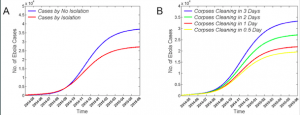
Predicting and Evaluating the Epidemic Trend of Ebola in the 2014/2015 Outbreak and the Effects of Intervention Measures Screen Shot 2016-04-11 at 9.41.51 AM
Researchers developed several transmission models for Ebola to predict epidemic trends and evaluate just how efficient and effective the intervention methods were following the 2014 outbreak. Accounting for effective vaccination rates, a basic reproductive number as an intermediate variable, and fluctuations of diseases transmission based on a SIR model, this study evaluates the effects of control and prevention measures. “Measures that reduced the spread of EVD included: early diagnosis, treatment in isolation, isolating/monitoring close contacts, timely corpse removal, post-recovery condom use, and preventing or quarantining imported cases. EVD may re-emerge within two decades without control and prevention measures.”

Stories You May Have Missed:

  • National Science Advisory Board for Biosecurity (NSAAB) Meeting – Don’t miss out on the NSAAB meeting on May 24, 2016! Agenda items include: (1) Finalization of NSABB findings and recommendations on a conceptual approach to evaluating proposed gain-of-function (GOF) studies; (2) discussion of next steps for U.S. government policy development regarding GOF studies; and (3) other business of the Board. The meeting will also be webcast here at the time of the event!
  • BMBL Virtual Town Hall and Workshop – The National Academies of Science, Engineering, and Medicine presents an opportunity for stakeholders to provide input for a revision of “Biosafety in Microbiological and Biomedical Laboratories”. This is a virtual town hall that is open for comments from April 4-May 13th. There will also be a workshop on May 12th in Washington, DC that you can register for here.
  • DARPA INTERCEPT Program for Biodefense Countermeasures – The Defense Advanced Research Project Agency (DARPA)’s Biological Technologies Office (BTO) is hosting a Proposers Day for the INTERfering and Co-Evolving Prevention and Therapy (INTERCEPT) program. “The goal of the INTERCEPT program is to explore and develop a new therapeutic platform to outpace fast-evolving viral pathogens, based upon virus-based therapeutic particles that interfere with viral infection and co-evolve with viral targets.”
  • Angola Yellow Fever Outbreak – The WHO has reported that as of April 10th, there have been 1,751 suspected cases and 242 deaths associated with the yellow fever outbreak. 582 of the cases were laboratory confirmed, of which 406 were from the Luanda province.

Enjoying your weekly dose of the Pandora Report? Sign up to receive it every week so the fun never ends! 

Pandora Report: 3.4.2016

Dirty bombs, Zika virus, and biosecurity in Iraq? That’s just a taste of the biodefense news we’ve got in store for you this week. While norovirus hits the East Coast (thanks, oysters!) and an additional three cases were confirmed in the seven-month-long Listeria outbreak associated with Dole salads, it’s no wonder there’s been work to build a new US food safety system. Next month the CDC will be working with state and local officials to establish plans in the most hard-hit Zika areas.

Assessing America’s Soft Underbelly and The Threat of Agroterrorism
The House Committee on Homeland Security’s Emergency Preparedness, Response, and Communications Subcommittee held a hearing on Friday in which they discussed and reviewed the risk of agroterrorism or natural agro-disasters. Disruption to the agriculture infrastructure and economy could be devastating to the US. Regardless if it’s private or public sectors, preparedness is vital to reduce calamitous damage. “US food and agriculture accounts for roughly one-fifth of the nation’s economic activity, contributed $835 billion to the US gross domestic product in 2014, and is responsible for one out of every 12 US jobs, according to Subcommittee Chairman Martha McSally (R-AZ).” Consider the impact of bovine spongiform encephalopathy (BSE) or Highly Pathogenic Avian Influenza (HPAI) on their respective sectors and country economies. Some of the highlighted vulnerabilities and challenges were insufficient quantity of Foot and Mouth Disease (FMD) vaccine, gaps in US biosecurity, traceability, gaps in detection, data sharing for regulated disease, and more.

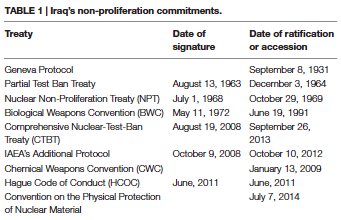
Strengthening Biosecurity in Iraq: Development of a National Biorisk Management SystemScreen Shot 2016-03-04 at 10.02.47 AM
GMU Biodefense director and professor, Dr. Gregory Koblentz, and Mahdi al-Jewari, director of the biology department for the Iraqi National Monitoring Authority in the Iraq Ministry of Science of Technology, have joined together to discuss the furthering of Iraqi biosecurity. Mahdi al-Jewari visited GMU in early 2015 to speak on global biorisk management, hosted by the GMU School of Policy, Government, and International Affairs. In their research, Dr. Koblentz and Mr. al-Jewari discuss Iraq’s implementation of its non-proliferation commitments, highlighting that since 2004 “Iraq has taken a series of practical steps to implement its obligations under international non-proliferation treaties to prevent the proliferation of weapons of mass destruction and their means of delivery to states and non-state actors.” The Iraqi National Monitoring Authority, established in 2012, strives to strengthen their biosecurity program through three primary functions: compliance, monitoring of dual-use materials, and capacity building. The National Biorisk Management System has also highlighted four priorities to “counter biological threats: establishing a national pathogen list, building laboratory capacity, developing the capability to conduct joint law enforcement–public health investigations, and establishing a biorisk management law. The NBMC has established sub-committees charged with developing new policies and programs to achieve these four objectives.” While sustainability will be the most challenging hurdle for Iraq, commitment to investments  in infrastructure, IT, biosecurity, and biosurveillance systems can help them overcome these difficulties.

Just How Far Down the Zika Rabbit Hole Are We So Far?
It seems like every week we’re learning new things about Zika virus and how much work needs to be done. I wonder, how far have we made it down the rabbit hole for Zika and how much more do we have to go? While the Aedes mosquito is the reigning king of Zika virus infections, what about animals? The CDC recently released information regarding the concerns over zoonotic cases. Originally discovered in a monkey in the Zika Forest in 1940’s Uganda , the CDC maintains that “at this time, animals do not appear to be involved in the spread” and that there is no evidence of zoonotic transmission. “Nonhuman primates (apes and monkeys) have shown the ability to become infected with Zika virus; but, only a few naturally and experimentally infected monkeys and apes have had any signs of illness at all, and then it was only a mild, transient fever without any other symptoms.” As international public health teams descend upon the outbreak regions, we will surely be learning more about this outbreak. Perhaps the most challenging issue is the dissemination of information, especially in regions of high transmission. University of Arizona Mel & Enid Zuckerman College of Public Health infectious disease professor, Dr. Kacey Ernst, is one of the top vector-borne researchers and she recently explained: “The Zika virus pandemic, thought to be primarily caused by transmission of the virus through Ae. aegypti requires urgent action to determine the role of the virus in neurological sequalea, including microcephaly as well as the relative transmission potential of Ae. albopictus. Given the important role of communities in preventing the proliferation of the peridomestic, anthropophilic Ae. aegypti, communication between the scientific communities and the public must be heightened to ensure timely dissemination of surveillance information. While much of the United States is currently too cold to allow high densities of the primary vector of Zika virus, Ae. aegypti, the growing evidence surrounding the role of sexual transmission in the spread of Zika could imply that outbreaks of disease are possible even when transmission by the mosquito is not. More research is needed to delineate the two modes of transmission and the role that sexual transmission may be playing in the explosive spread of Zika across Latin America and the Caribbean.” In more Zika updates, blood samples from French Polynesia patients with Guillain-Barré syndrome (GBS) during their Zika virus outbreak are revealing the first look into the reality that Zika may actually cause GBS. The CDC is also urging pregnant women to avoid the summer Olympics in Brazil due to the outbreak. The FDA also just issued their Emergency Use Authorization for a Zika diagnostic tool for qualified countries. As of March 2nd, the CDC has reported 153 travel-associated Zika virus cases within the US.

Education Gaps on Dirty Bombs
David Ropeik from Scientific American discusses the impact that poor education and fear regarding dirty bombs can pose during an emergency. “The prospect of such a bomb seems terrifying, but anyone who knows the basic science of radiation biology knows that it wouldn’t cause much health damage, because the dose of radioactivity to which most people might be exposed would be very low. And experts know, based on the 65 year Life Span Study of the survivors of atomic bomb explosions in Japan, that even at extraordinarily high doses, ionizing radiation only raises lifetime cancer mortality rates a little bit—just two thirds of one percent for survivors who were within three kilometers of ground zero.” Few people know that low doses from a dirty bomb exposure pose little (not zero, but minimal) health risks, but rather people tend to hear “radioactive” or “nuclear radiation” and run screaming to the hills like a zombie hoard is approaching. While Ropeik points out that there will of course be devastation and economic damage, the resulting stress, fear, and public outcry for retaliation can be just as damaging. So what can we do? He points to the US Nuclear Regulatory Commission (NRC) and CDC educational sites, but emphasizes that in the end, a communication campaign to combat fear would “take at least some power of a dirty bomb to terrorize us out of the hands of the terrorists”.

Stories You May Have Missed:

  • Biosurviellance Ecosystem- The DoD and DHS are currently working on a new system that would allow epidemiologists to “scan the planet for anomalies in human and animal disease prevalence, warn of coming pandemics, and protect warfighters and others worldwide.” The Biosurveillance Ecosystem (BSVE) is a brain child that would allow epidemiologists to customize and collaborate – better yet, it’s being developed using open-source software and works “as a dashboard-like service from the cloud, accessible through an Internet browser”.
  • Select Agent Guidance– The Federal Select Agent Program (FSAP) is asking for community members to submit comments regarding the Guidance for Nonviable Select Agents and Nonfunctional Select Toxins. If you’re a member of the regulated community, help the FSAP become more transparent and strengthen biosecurity efforts! Comments will be accepted through March 14, 2016.
  • Giant Virus Secret Weapon: An Immune System – Whether it’s Frankenvirus or one of the other hundreds of giant viruses researchers have been finding, they’re teaching us a lot about secret weapons within the virus arsenal. Researchers working with a few of the giant viruses reported on Monday that some of the genes actually provide an immune system. Even crazier? The immune system “works a lot like the CRISPR system in bacteria that scientists have co-opted as a powerful gene editing tool.”

Pandora Report 2.12.2016

This week we saw a lot of movement on the Zika response front – from increased funding to research teams prepping for field work, the outbreak hype is picking up traction as the horrors of Ebola are still fresh. Natural outbreaks aren’t the only thing drawing concern this week, as James Clapper, Director of US National Intelligence, added gene editing to the list of dangers posed by “weapons of mass destruction and proliferation.” The annual worldwide threat assessment report stated that, “research in genome editing conducted by countries with different regulatory or ethical standards than those of Western countries probably increases the risk of the creation of potentially harmful biological agents or products,”. Good news for hospital preparedness, the US Department of Health and Human Services Office of the Assistant Secretary for Preparedness and Response and the CDC have announced continued funding for the Hospital Preparedness Program (HPP). The HPP supports critical healthcare preparedness efforts in order to reduce the “supplemental state and federal resources during emergencies, and enables rapid recovery.” If you’re trying to work some biodefense into your Valentine’s Day, you’ve got a few options via Jane Austen-inspired zombie adventures in Pride and Prejudice and Zombies or episodes of The Walking Dead. Whichever zombie adventure you choose, just remember to avoid cuddling with any armadillos (read on to find out why). Happy Friday!

Lassa Fever Outbreak Grows
The Lassa fever outbreak that began hitting Nigeria in August 2015 has continued to spread, worrying many health officials. 101 people have already died from the infection and roughly 175 people have become infected. The Nigeria Centre for Disease Control (NCDC) stated, “As of today, 19 [including Abuja] states are currently following up contacts, or have suspected cases with laboratory results pending or laboratory confirmed cases.” Annually, Lassa fever causes 100,000-300,000 infections and 5,000 deaths in west Africa. Nigeria’s neighbor, Benin, is also seeing an increase in cases, in which seventeen have died and fifty have been infected.

Back Down the Zika Rabbit Hole
In response to the growing threat of Zika virus, the Obama administration announced on Monday that it would formally be requesting an emergency funding of $1.8 billion to combat the outbreak. The Department of Health and Human Services (including the CDC) would obtain the majority of the funds ($1.48 billion). CDC efforts will be ramped up as its emergency operations center was moved to a level 1 (the highest level) and teams are being coordinated to study the microcephaly-infection links. You can also check out the White House press release here. The WHO will be working to prioritize and fast-track research and development projects, of which Zika virus will be included. You can also find a great timeline here. According to the CDC, as of February 3, 2016, there were 35 travel-associated cases in the US. The Lancet also just released this piece discussing the labeling of Zika virus as a public health issue of concern.  On February 16, 2016, The National Academies of Sciences, Engineering, and Medicine are holding a workshop on research priorities to inform public health and medical practice for domestic Zika virus cases.

ASM-BiodefenseScreen Shot 2016-02-10 at 11.49.22 PM 
The 2016 American Society for Microbiology Biodefense and Emerging Diseases Research Meeting took place this week in Arlington, VA. For a biodefense fan, this was a pretty amazing three-day experience. Conference attendees were treated to presentations on antimicrobial resistance, applied biodefense, medical countermeasure developments, agroterrorism, and much more. Did I mention the keynote speaker was Dr. Tom Frieden, director of the CDC? I’m not even a little ashamed to admit how great it was to see Dr. Frieden emphasize that “nature is unpredictable but what is predictable is that we can be better prepared.” He also noted that “Zika is a rapidly changing situation” and the CDC would be sending a team within the next week to start a case-control study related to infection and microcephaly. Some highlights included getting to listen to Dr. Raymond Zilinskas discuss Russian biodefense efforts and how CBR training exercises increased in 2015. Dr. Jens Kuhn from the NIH wins the award for most humor during his fascinating presentation on Marburg and Ebola research within the Soviet bioweapons program. The infection preventionist in me greatly appreciated the session on antibiotic resistance and the role of medical tourism as an exposure for patients to CRE, not to mention how travel assists global clonal expansion. The Mayo Clinic’s Dr Tosh pointed out the short term (isolation of patients, hand hygiene, etc.), medium term (new microbial therapeutics, new diagnostics, etc.), and long term (specific pathogen therapy, decolonization, and immunologic therapy) response and control mechanisms for drug resistance. Last but not least, one of the biggest objectives from the applied biodefense presentations was the need for scientists to help inform policymakers about their work to drive the best policies. I would highly encourage anyone interested in the biodefense field to attend future conferences, as it was a wonderful learning experience and the poster/exhibitor sessions were an excellent way to learn about new research and network.

Lessons Learned: Using North Korea’s History to Better Understand Iran’s Nuclear Program
GMU biodefense professors, Dr. Thrall and Dr. Koblentz, discuss the use of North Korean nuclear history as a teaching tool regarding Iran’s nuclear program. By comparing and contrasting these two countries and their propensity for nuclear weapons, they look to similarities like the fact that both countries “are located in historically dangerous neighborhoods and face militarily superior adversaries. In North Korea’s case, South Korea and the United States; in Iran’s case, a Middle East full of Sunni Arabs and a nuclear-armed Israel. From a national security perspective, both countries have obvious reasons for pursuing a nuclear capability.” Given that both countries tend to be immune towards coercion, continued engagement and confrontation is vital. Using North Korea as a model for behavior, vigilant deterrence will be necessary to prevent Iran from cheating on the nuclear deal.

Managing Emerging Health Security Threats Since 9/11: The Role of Intelligence
Dr. Patrick F. Walsh, Associate Professor of Intelligence and Security Studies at Charles Sturt University in Australia, discusses the role of intelligence throughout the evolution of biosecurity since the 9/11 attacks. Dr. Walsh calls attention to the difficulties in defining biosecurity and that “cross-disciplinary focus is both a strength and weakness to understanding biosecurity threats. It is a weakness in that the presence of multiple players in the biosecurity field can result in a more fragmented understanding and operational response to various biosecurity threats. But it is also a strength in that, if intelligence systems are optimal, a multi-disciplinary approach allows a combination of expertise to assess and manage the bio-threat or risk.” Dr. Walsh presents the role of dual-use research, stolen biological agents, and the growing concern among biosecurity regulators and national security intelligence groups regarding the dwindling role of tacit knowledge and availability of equipment and technology. Dr. Walsh points out that the character of intelligence varies depending on the issue and one must account for the role of decision making. Lastly, he reminds us that “to conceptualize the role of intelligence in improving early warning of biosecurity threats is to examine how it can provide warning through various stages of the intelligence cycle, which includes the following stages—direction, collection, analysis, and dissemination.” While the role of intelligence will continue to evolve with biosecurity threats, Dr. Walsh emphasizes that strategic early warning capabilities are dependent upon the efficacy of intelligence framework. Improving these two facets of biodefense will allow critical infrastructure to not only respond to threats of bioterrorism and emerging infectious diseases, but also the growing threats of microbial resistance and dual-use research. You can also find the article here (2016 Walsh Health Security and Intelligence Jan).

Biosecurity in the Age of Big Data: A Conversation with the FBI
Advances in life science and technology can solve many health issues, but they can also pose a threat if used within the wrong context. Dual-use research of concern, CRISPR, and biotechnologies have led to some remarkable revolutionary advances, however, where do these fit within the FBI’s security concerns for bioweapons? Keith Kozminski of Molecular Biology of the Cell met with FBI Supervisory Special Agent (SSA) and head of the Biological Countermeasures Unit at their Washington, DC headquarters, Edward You, to discuss the security implications of Big Data. SSA You detailed his work with the American Association for the Advancement of Science and the United Nations Interregional Crime and Justice Research Institute to identify the security issues associated with Big Data when it comes to biology. Whether collaborating with companies like Amazon and IBM or government agencies like the CDC, SSA You has worked to identify potential vulnerabilities and how they can be addressed without halting innovation. SSA You states that “Over the last two years, we have had the issues with regard to the Centers for Disease Control and Prevention (CDC) and Department of Defense (DoD). A lot of discussion also came when the J. Craig Venter Institute synthesized that bacterial genome. There were a lot of calls and discussions about the scientific community needing more ethics training and the need to develop a greater culture of responsibility. From a law enforcement perspective those are necessary but not sufficient. What has been lacking is the scientific community being provided security awareness—something that augments how they approach the life sciences.” While there are vulnerabilities across the board, SSA You emphasized the need for partnership between biologists and WMD coordinators to not only safeguard science, but reduce threats.

UN- Protecting Humanity from Future Health Crises: Report of the High-level on the Global Response to Health Crises 
The UN has released an advanced copy of their report regarding global health safety. Highlighting the efforts and failures within the Ebola outbreak, this report emphasizes the global burden of communicable diseases and how better response and preparedness is needed. The report points out that only a third of the 196 State Parties have fully implemented the International Health Regulations (IHR, 2005) and there has been little global investment in R&D for emerging infectious diseases. 27 recommendations were made to address issues at the national, regional, and international levels, of which one of the first was for the WHO to build a new Centre for Emergency Preparedness and Response. The report also states that “all countries must meet the full obligations of the IHR” and “appropriate financing is required. Assistance should be provided to countries requiring additional support for IHR compliance, while WHO and the new Centre for Emergency Preparedness and Response must be resourced to meet global needs.” Overall, the use of the 2014 Ebola outbreak as a case study for health security recommendations echoes the sentiment that Dr. Frieden once noted– “a disease outbreak somewhere is a risk anywhere”

Stories You May Have Missed:

  • Vaccines & Therapeutic Conference– Mark your calendars for the 14th annual conference from May 17-19, 2016, in Washington DC, that covers biodefense, antimicrobial resistance, and emerging infectious diseases. Given the recent push for emergency funding for Zika virus research, this conference will be a great resource for up and coming research.
  • Quality Training for BSL-4 Biocontainment Laboratories– Interested in BSL-4 lab training? The FDA and University of Texas Medical Branch, Galveston National Medical Branch, will host training April 25-29, 2016. Held in Bethesda, MD, the course will include faculty and subject matter experts from the FDA, academia, and more.
  • Leprosy Spike in Florida– Florida has seen an increase in leprosy cases this year. Five cases have been reported in 2016 so far and 27 were reported in 2015. The spike in cases is suspected to be a result of armadillo transmission. If you find yourself traveling in Florida, you may want to avoid armadillo cuddling.


Pandora Report 2.5.2016

Fear of mosquitoes continues to grow as Zika virus joins the list of burdening arbovirus infections. Perhaps the biggest surprise this week wasn’t that imported Zika cases continue to spring up across the US, but rather that the first sexually transmitted case occurred in Dallas, Texas. I’m starting to think Dallas, TX, could use a break from emerging infectious diseases… As influenza season picks up in the US, Avian influenza outbreaks are popping up in Taiwan, South Africa, and Macao. Good news- it’s safe to go back to your favorite burrito bowl! The CDC declared the Chipotle-associated E. coli outbreak over, however, their co-CEO has voiced frustration over delayed reporting. In the interview, he felt that it gave the “mistaken impression that people were still getting sick” and news was “fueled by the sort of unusual and even unorthodox way the CDC has chosen to announce cases.” Before we venture down the biodefense rabbit hole, don’t forget to stay healthy and safe this Super Bowl Sunday. Spikes in cases and flu-related deaths (in those >65 years of age) can jump by 18%  in the home regions of the two teams. Take care to avoid respiratory viruses and food-borne issues while cheering on your favorite team this weekend!

Medical Counter Measures for Children
Having worked in pediatrics, I was thrilled to see the American Academy of Pediatrics publish the updated guidelines. Throughout my work in infection prevention and collaborations with hospital emergency preparedness and local county health departments, it became increasingly evident that in many ways, this is a patient population that is easily forgotten. There is a woefully apparent gap in preparedness methodology to recognize and modify practices to meet the unique needs of children. While many may laugh at the notion that “children aren’t just little adults”, those who have worked in pediatrics can attest to these common misconceptions. Children are not only more susceptible to the devastation of disasters and CBRN attacks, the medical counter measures often do not account for pediatric dosages. The published report discussed their work over the past five years to better address and fill major gaps in preparedness efforts when it comes to medical counter measures (MCM) for children. “Moreover, until recently, there has been a relative lack of pediatric MCM development and procurement; many MCMs were initially developed for use by the military and have been evaluated and tested only in adults.” Some of the recommendations that were made from this report include: “the SNS and other federal, state, and local caches should contain MCMs appropriate for children in quantities at least in proportion to the number of children in he intended population for protection by the cache” and “federal agencies collaborating with industry, academia, and other BARDA partners, should research, develop, and procure pediatric MCMs for all public health emergency, disaster, and terrorism scenarios and report on progress made.” Perhaps one of the most interesting recommendations was that “the federal government should proactively identify anticipated uses of MCMs in children during a public health emergency and, where pediatric FDA-approved indications do not exist, establish a plan to collect sufficient data to support the issuance of a pre-event EUA that includes information such as safety and dosing information and the federal government should use existing entities with pediatric SMEs, such as the PHEMCE, PedsOB IPT, and the DHHS National Advisory Committee on Children and Disasters, and continue to collaborate with private sector partners offering pediatric expertise to provide advice and consultation on pediatric MCMs and MCM distribution planning.” Overall, these recommendations and the push for data collection and clear progress reporting are definitely a step in the right direction.

GMU Open House
Interested in a master’s degree that allows you to focus on bioweapons, global health security, and WMD’s? Check out GMU’s School of Policy, Government, and International Affairs (SPGIA) Open House on Thursday, February 25th at 6:30pm, at our Arlington Campus in Founders Hall, room 126. Representatives from our Biodefense program will be there to answer all your questions. Better yet, check out our Biodefense Course Sampler on Wednesday, March 2nd, at 7pm (Arlington Campus, Founders Hall, room 502). Dr. Gregory Koblentz,  director of the Biodefense graduate program, will be presenting “Biosecurity as a Wicked Problem”. Come check out our curriculum and get a taste of the amazing topics we get to research!

From Anthrax to Zikam6502e1f
Researchers at the University of Greenwich are finding a potential cancer-fighting strategy using the anthrax toxin. Lead scientist, Dr. Simon Richardson, is working with his team to convert the anthrax toxin into a delivery tool for medications.“This is the first time a disarmed toxin has been used to deliver gene-modulating drugs directly to a specific compartment within the cell. We’ve achieved this without the use of so called helper molecules, such as large positively charged molecules like poly(L-lysine). This is important as while these positively charged molecules, known as polycations, can condense DNA and protect it from attack by enzymes before it reaches the target, they are also known to be toxic, break cell membranes and are sent quickly to the liver to be removed from the body. In this study we demonstrate that using disarmed toxins without a polycation is effective, at a cellular level.” In the world of Zika virus….On Monday, the WHO Zika virus team met and announced that the outbreak should now be considered a public health emergency of international concern. Dr. Margaret Chan, WHO director general, stated, “I am now declaring that the recent cluster of microcephaly and other neurological abnormalities reported in Latin America following a similar cluster in French Polynesia in 2014 constitutes a public health emergency of international concern.” Given the level of uncertainty regarding the disease, many feel this was a justified classification of the outbreak. The first case of sexual transmission within the US also occurred in Dallas, Texas. The patient became sick after having sexual contact with an individual who became symptomatic upon return from Venezuela. Chile and Washington DC have just confirmed their first three cases this week. Mexico’s Health Ministry is trying to downplay the Zika impact on tourism, however as the outbreak unfolds, it will be interesting to see long-term tourism repercussions within the affected countries. The state of Florida is ramping up their mosquito elimination, control, and education efforts to combat the growing epidemic, as it is one of the mosquito-heavy states within the US. Governor Rick Scott recently declared a health emergency in four Florida counties. If you’re on the lookout for educational tools, there are several helpful CDC informational posters regarding mosquito bite prevention.

US Military and the Global Health Security Agenda
In effort to protect military members and support global public health, the DoD (specifically, the Military Health System in coordination with the Defense Health Agency’s Armed Forces Health Surveillance Branch) developed the 2014 Global Health Security Agenda (GHSA). The GHSA established a five-year plan with specific agenda items, targets, and milestones that would incorporate its 31 partner countries. The DoD’s Global Emerging Infections Surveillance and Response System (GEIS) will also support these efforts through their biosurveillance practices in over 70 countries. The international work is as varied as the challenges one might see in global biosurveillance. The Armed Forces Health Surveillance Branch (AFHSB) “leveraged existing febrile and vector-borne infection control efforts in Liberia to support the recent Ebola outbreak response. The Liberian Institute for Biomedical Research served as a central hub for Ebola diagnostic testing with the help of the Naval Medical Research Unit-3 in Cairo, Egypt and two Maryland-based facilities, the Naval Medical Research Center in Silver Spring and the U.S. Army Medical Research Institute of Infectious Diseases in Frederick.” Surveillance efforts will also look at antimicrobial resistance and the development of additional research laboratories to work in coordination with host-nations and certain regional networks. You can also read Cheryl Pellerin’s work on DoD Biosurveillance and the role it plays in maintaining global public health efforts. Pellerin reports on the duties of the GEIS and the US Army Medical Research Institute of Infectious Disease (USAMRIID) in not only global health security, but also protecting US military personnel from infections while abroad.

Norovirus Outbreak in Kansas
There are few things that will make a food-borne disease epidemiologist (or infection preventionist for that matter) as frustrated as a norovirus outbreak. It hits quickly, is highly infectious, and tends to leave you with stories from case-control interviews that will make you either laugh, cry, or need some fresh air. A Kansas City suburb is currently experiencing a 400 person outbreak of gastroenteritis associated with the New Theatre Restaurant. Initial lab reports have confirmed norovirus as the culprit. The Vice President of the restaurant said that three employees have also been confirmed as norovirus cases. To date, the almost 400 people who reported symptoms are said to have eaten at the restaurant between January 15 to present. Norovirus is a pretty unpleasant gastroenteritis (you’ve probably heard it called the “cruise ship bug”) as it has a low infectious dose (estimates put it as low as 18 viral particles, while 5 billion can be shed in each gram of feces during peak shedding). Norovirus outbreaks tend to spring up quickly and infect high volumes of people, making it difficult for public health officials to jump ahead of the outbreak. Perhaps one of the biggest components to stopping the spread of infection is good hand hygiene, environmental cleaning, and staying home when sick.

TB Transmission on Airplanes
We’ve all been there – you’re seated next to someone with a nasty cough or cold and you just know you’re going to get sick. But what happens if you’re on a plane and there’s a person a few rows away that has tuberculosis (TB)? The European Centre for Disease Prevention and Control (ECDC) reviewed evidence of TB transmission on airplanes to update their Risk Assessment Guidelines. Of all the records/studies reviewed, 7/21 showed some evidence for potential in-flight (all flights lasted more than 8 hours) TB transmission, while only one presented evidence for transmission in this environment. The interesting component is that this low transmission risk is considered only for in-flight, as they excluded transmission on the ground since the before and after flight ventilation system is not in full-function mode. The one study that did show transmission risk involved six passengers that were in the same section as the index case, of which, four were seated within two rows. After their review, they found that the risk for TB transmission on airplanes is “very low”. They noted that “the updated ECDC guidelines for TB transmission on aircraft have global implications due to inevitable need for international collaboration in contact tracing and risk assessment.”

Stories You May Have Missed:

  • Resistant HIV – A recent study published in The Lancet discusses drug resistance after virological failure with the first-line HIV medication, tenofovir-containing ART (antiretroviral  therapy). This treatment is used as both a prevention and pre-exposure prophylaxis (PrEP). Researchers found “drug resistance in a high proportion of patients after virological failure on a tenofovir-containing first-line regimen across low-income and middle-income regions”. This study highlights the growing need for surveillance of microbial drug resistance.
  • Active Monitoring of Returning Travelers – Ebola Surveillance – The CDC’s MMWR for the week of January 29, 2016, discussed NYC monitoring of returned travelers from October 2014-April 2015. Monitoring of returned travelers from Ebola-affected countries was one strategy the US employed to prevent imported cases. This report reviews the 2,407 travelers that returned from affected countries, of which no cases were detected. The NYC Department of Health and Mental Hygiene (DOHMH)’s active monitoring system proved successful, however it was very taxing on resources and reinforces the need to minimize duplication and enhanced cooperation. Speaking of Ebola, investigators from the University of Texas Medical Branch at Galveston, Vanderbilt University, the Scripps Research Institutem and Integral Molecular Inc., have performed research to establish that “antibodies in the blood of people who have survived a strain of the Ebola virus can kill various types of Ebola.” Further work will now seek to understand immune response to the virus and how we can modify treatments and potential vaccines to be more effective.
  • DoD BioChem Defense take a glimpse into the global biosurveillance and defense efforts within the DoD Chemical and Biological Defense Program (CBDP). Working within several joint programs and striving to get ahead of outbreaks and attacks with early warning systems, this program faces the challenges of monitoring biochem threats on an international scale.

Enjoying your weekly dose of the Pandora Report? Sign up to receive it every week so the fun never ends! 

Pandora Report 1.15.2016

Welcome back to the Pandora Report! Miss us? We hope you had a lovely holiday and with so much going on in the world of biodefense, there’s not a moment to waste! Before we venture down the rabbit hole of bioweapons, outbreak response, and Ebola, here is Fun History Fact Friday: on January 12, 1965, scientists conduct a nuclear test, or what they called a “controlled excursion”, in Nevada that produced a radioactive cloud over Los Angeles, CA.

The Civil-Military Response to the 2014 Ebola Outbreak
The University of Sydney recently published the report, “Saving Lives: The Civil-Military Response to the 2014 Ebola outbreak in West Africa”. Co-authored by biodefense professor, Dr. Frank Smith III, the report discusses the international civilian response and eventual deployment of military personnel to fight the outbreak. “Strong leadership from the President and the health sector in Liberia was recognised as key to the country’s effective response, whereas weak leadership and patronage within the health sector was seen to hurt the response in Sierra Leone. Limited trust in government undermined public health, inhibiting behavioral change and social awareness campaigns (particularly in Sierra Leone).” The report includes eight recommendations that range from addressing gaps in national health systems to enhancing civilian and military response training. While many reports have focussed on civilian response, this provides actual statistics for military personnel, funds spent, PPE, military aircraft, international civilian personnel, etc. The University of Sydney summary sheds new light on the civilian and military successes and failures within outbreak response and how the 2014 Ebola outbreak revealed few organizations were truly prepared to handle a public health emergency of this magnitude.

5,300-Year-Old Gut Bacteria
Imagine you’re spending a lovely afternoon hiking and enjoying the great outdoors, when you stumble along a body in a snowfield. That’s exactly what happened to a German couple in 1991 in the Italian Alps. After days spent recovering the 5,300-year-old body (named Ötzi after the area he was found in) and 24 years worth of scientific work, researchers were able to reconstruct the genome of a bacterial species that was found in his stomach. Ötzi is unique in his level of preservation, which made this microbial discovery that much more possible. Interestingly, scientists found Helicobacter pylori (H. pylori) in Ötzi’s stomach. While H. pylori is known for causing stomach ulcers and gastric acid, it was fascinating to find that despite the bacteria being 5,3000 years old, they were “pretty much the same as ones carried by humans today.” Matching H. pylori strains from different points around the world has allowed epigeneticists to understand the introduction and transmission of certain organisms. While Ötzi was a rare find, his gut bacteria is helping researchers understand how certain strains combined and survived throughout history.

IMG_3512The Rocks – Sydney’s First Plague Sighting
During my adventures in the land down under, I couldn’t resist checking out the Rocks. A wonderful historical section of Sydney’s harbor, it’s famous for not only the preservation of buildings, but also it being the location of where the bubonic plague first broke out in Australia. Given the plague’s historical success via nautical enterprises, it’s not surprising that it would first rear its ugly head in this large harbor. Arriving in 1900, the bubonic plague was already anticipated to hit Australia, given the 1894 outbreak in Hong Kong and shipping trade routes. Officials were bracing for the outbreak when it finally reached Australian shores on January 19, 1900 via a 33-year-old delivery man by the name of Arthur Paine.

Since we’re on a history kick (and if you happened to read Greek Fire, Poison Arrows & Scorpion Bombs from our holiday reading list), you may enjoy learning about ancient Roman sanitation. While their latrine and sewage system was highly advanced, researchers have pointed out that they didn’t keep people safe from intestinal parasites and a host of other hygiene-related illnesses.

Project SHAD: Veteran Exposures to CBW Agents
A recently published report discusses the US military testing performed between 1963 and 1969 for Project SHAD (Shipboard Hazard and Defense). Project SHAD addressed naval vulnerabilities to chemical and biological weapons. “Approximately 5,900 military personnel, primarily from the Navy and Marine Corps, are reported to have been included in Project SHAD testing.” Initially disclosed in 2000, the first medical report was then released in 2007 after concerns related to veteran health. The push for further epidemiological studies prompted the 2016 report that reviewed health outcomes of the veterans that were exposed more than 50 years ago. While there are temporal limitations to the studies, they evaluate a range of concerns like frequency of exposure and reported health anomalies. With this new report, there may be future requests for research related to the US bioweapons program and its impact on those involved in field tests.

Solving the Geometrical Problem of Terrorism
GMU Biodefense PhD alum and SPGIA Distinguished Alum award recipient, Dr. Daniel M. Gerstein, discusses the components of terrorist organizations that make US response challenging. Dr. Gerstein points out that no single approach or tactic will ensure American safety, but rather that we need to see “terror organizations as being composed of four elements, organized in concentric circles with the leaders at the center bull’s eye, operational elements in the second ring, supporters in the third and sympathizers in the fourth.” By changing our outlook on terrorist organizations, separate strategies can be developed to address each unique feature and more effectively respond to terrorist threats.

One Step Closer to Ending West Africa’s Ebola Outbreak
On January 14, 2016, WHO declared “the end of the most recent outbreak of Ebola virus disease in Liberia and says all known chains of transmission have been stopped in West Africa.” This isn’t the first time Liberia has been declared free of the disease, however shortly after the country found itself with a new flare-up. Laboratory-confirmed cases soared beyond 15,000 and over 11,300 deaths have been reported in this outbreak, which is the worst since the identification of the disease. All three of the hardest hit countries (Guinea, Liberia, and Sierra Leone) have reported zero cases for two incubation periods (42 days). WHO’s Special Representative for the Ebola Response, Dr. Bruce Aylward, notes that this is the critical point in the epidemic and flare-ups are anticipated but preparedness will determine the scope and brevity of future cases. While airport screening for returned travelers from the affected regions has ceased, many health departments have encouraged hospitals to continue with their screening questions and surveillance. *Update: Sierra Leone has reported a death due to Ebola on 1/15/2016.

Stories You May Have Missed:

  • Zika Virus Outbreak UpdatesReaching Puerto Rico (bringing the total to 14 countries) and with a newly identified case in Texas (not locally acquired, but due to recent travel), the outbreak has caused almost 3,000 cases in Brazil alone. Along with the growing geographical distribution, public health officials worry about the 20-fold increase of microcephaly in infants that may be associated with Zika virus infections.
  • Burkholderia pseudomallei Concerns –Mostly found in Southeast Asian and Australian soil, a recent study predicts that B. pseudomallei could move into southern parts of the US. While not a new concern in the biodefense community, B. pseudomallei worries many as it is highly resistant to antibiotics and may be remarkably underreported.
  • What Else Is Hiding in Laboratory Freezers? Biosecurity issues aren’t new, but what else is lurking in the depths of laboratory freezers? Recent WHO warnings to clear out freezers of Rinderpest virus point to the growing concern that once eradicated diseases may rear their ugly heads via lab safety failures.

Enjoying your weekly dose of the Pandora Report? Sign up to receive it every week so the fun never ends!