Pandora Report 11.8.2024

This week’s Pandora Report discusses one Biodefense MS student’s research on malaria, the UK’s recently-announced sanctions against 56 people and entities linked to Russia, the CDC’s call for more avian influenza testing, and what a second Trump administration likely means for US public health and global health security.

Biodefense MS Student Presents at Malaria Research Symposium

Zachary Berliner, a Biodefense MS student, is presenting a poster at the 10th Annual Future of Malaria Research Symposium in Baltimore, MD, on November 8. This conference, jointly run by the Johns Hopkins Malaria Research Institute and the University of Maryland School of Medicine, provides “a platform for early-career scientists to share their research with peers, emerging leaders, and established investigators.” In 2023, nine cases of locally acquired malaria occurred in the United States, the first such cases in twenty years. Zak’s project, Public Opinions Toward Malaria Control Interventions in the National Capital Region, featured a survey of adults in the National Capital Region about their opinions toward various malaria control interventions. His study serves as an indicator of preliminary opinions among a small group of Americans to better inform politicians. His poster can be found here, and the full paper can be found here. The poster is based on the capstone paper that Zak wrote as a culmination of his experience in the Biodefense program. Zak is graduating with his MS in Biodefense in December and is looking for policy and analysis opportunities focused on biodefense and health security.

United Kingdom Announces Sanctions on 56 People and Entities Linked to Russia

The UK announced its largest sanctions package against Russia since May of last year this week, in a series of actions the government hopes “disrupts the supply of vital equipment for Putin’s war machine and bears down on Russian malign activity globally, exposing the corrupt activities of Russian proxy military groups in Africa.” Those sanctioned include Denis Sergeev (who was charged by the Met Police in the attempted murder of Sergei Skripal), entities in China, Turkey, and Central Asia, Africa Corps and other private mercenary groups linked to the Kremlin, and others. The UK is the first G7 country to directly sanction Africa Corps, which has directly threatened peace and security in Libya, Mali, and the Central African Republic.

CDC Calls for Expanded Bird Flu Testing as California and Washington Report More Cases

Officials at the CDC called for more testing on farms with avian influenza cases after a recent study found some dairy workers have shown signs of infection even though they did not report feeling sick. The study that 7% of the 115 farmworkers whose blood was tested (eight) had antibodies consistent with previous H5N1 infection, pointing to more infections than the 46 identified so far. More cases in farmworkers have also been reported in recent days, including at least four in California and three in Washington. The California Department of Public Health also recently reported one other probable case in a dairy worker who met the case definition, though CDC’s confirmation test was negative.

What Lies Ahead in Trump’s Second Term

President-Elect Trump’s recent victory likely will have severe implications for both domestic health policy and global health security. The first Trump administration largely failed in its response to the COVID-19 pandemic, despite the US ranking very well in pre-pandemic preparedness assessments like the Global Health Security Index and the Trump administration being handed a pandemic playbook by the preceding Obama administration that specifically flagged novel coronaviruses as a potential pandemic threat. The upcoming second Trump administration looks ready to fair just as poorly in terms of not just pandemic preparedness, but in general public health and global health engagement as well.

The president-elect, who has repeatedly and falsely claimed that climate change is a hoax, has promised to rollback federal regulations on the oil and gas industry that are aimed at slowing climate change. Trump pulled the United States out of the 2015 Paris Climate Accord in 2017, and his campaign has indicated it intends to do the same again once he is back in office. Trump is also expected to target the EPA during his second term. Changes like this are especially concerning as the effects of climate change, such as increased extreme weather and easier spread of infectious diseases, pose a growing threat globally.

Trump does plan to involve at least one environmental lawyer in his administration-Robert F. Kennedy Jr., an environmental lawyer who Trump has suggested may play a large role in public health in his administration. Unfortunately, Kennedy has no training in public health or medicine, and he has repeatedly peddled anti-vaccine conspiracy theories over the years. Kennedy also faced backlash for comments suggesting COVID-19 was “ethnically targeted,” saying “COVID-19 is targeted to attack Caucasians and Black people. The people who are most immune are Ashkenazi Jews and Chinese…We don’t know whether it was deliberately targeted or not but there are papers out there that show the racial or ethnic differential and impact.” Kennedy has also voiced criticism of the childhood vaccine schedule and public water fluoridation, claiming the latter is “lowering IQ in our children,” in contrast to what numerous studies over multiple decades show about its safety and efficacy.

Trump has promised to allow Kennedy to “go wild on” health, medicines, and food policy, with Kennedy saying he believes entire departments at the FDA “have to go.” Kennedy has also said he wants an eight-year-long “break” in NIH funding for infectious disease research, and that he would move that money to chronic disease research. Congressional Republicans have targeted the NIH in recent years, including efforts to strip its authority over gain of function research and repeatedly attacking former NIAID Director, Anthony Fauci.

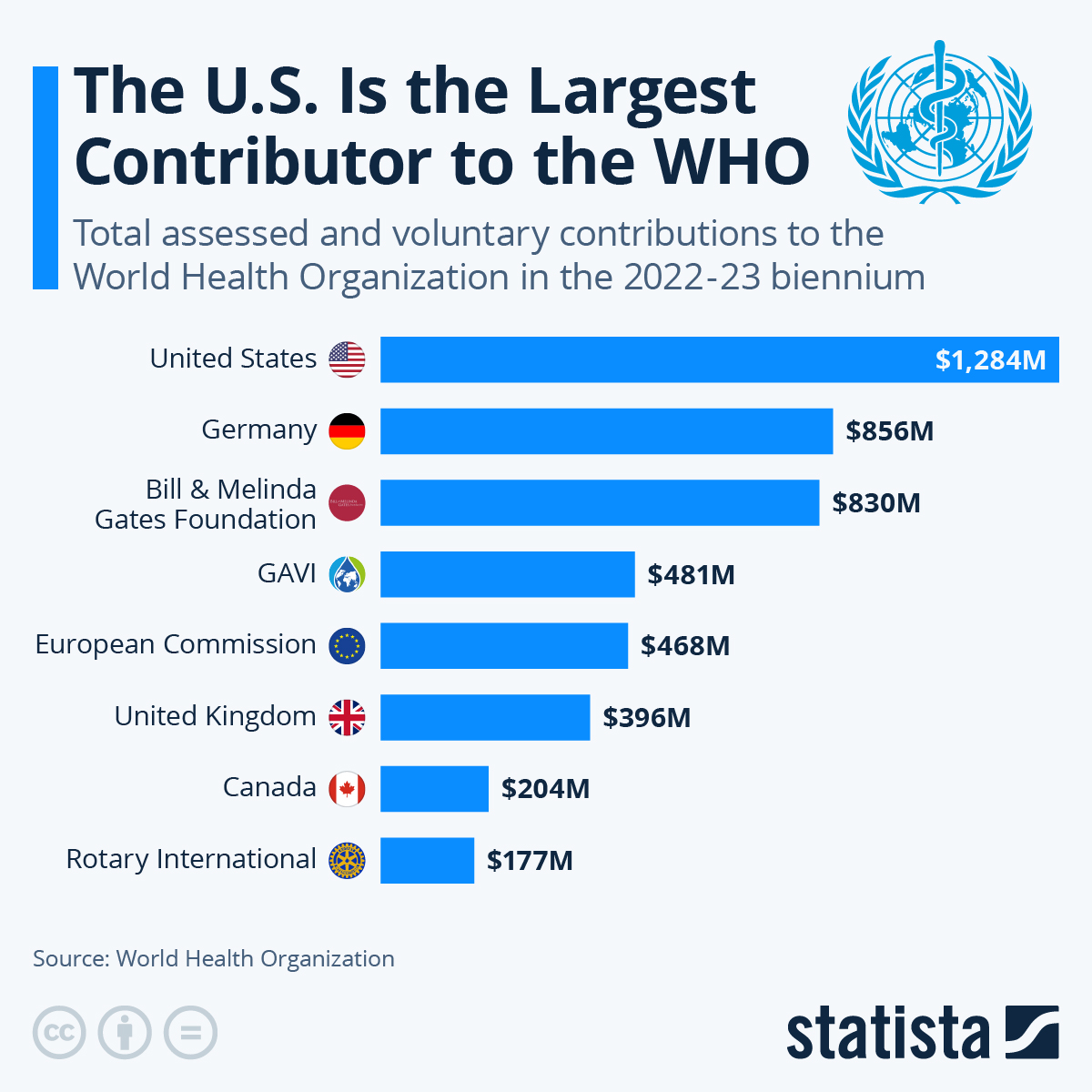
Trump’s second term also may pose threats to global health security more directly. For example, in 2020, the Trump administration formally notified the United Nations that it intended to withdraw the country from the World Health Organization. This move would have cut off one of the largest funding sources to the WHO in the middle of the COVID-19 pandemic. Furthermore, some experts argue the attempt was unlawful, in addition to the threat it posed to domestic and global health and security. While the Trump campaign mentioned few specifics about foreign policy for a second term, the United Nations is bracing itself for this incoming administration.

This week’s election results have many experts deeply concerned about what this administration will bring. Saskia Popescu, an alumna of the Schar School’s Biodefense PhD Program and current adjunct professor at the school made this statement to The Bulletin of the Atomic Scientists about the election result’s implications for public health: Right now, I think you’d be hard-pressed to find many in public health, healthcare, and pandemic preparedness/response, who are not deeply concerned. The recent notion that Robert F. Kennedy Jr. could be in charge of public health for the United States poses a real danger. From his claims that vaccines are harmful or unnecessary to his proposed efforts to remove fluoride from public water systems, Kennedy continuously pushes anti-science rhetoric and dis/misinformation.

History has shown us what might happen under another Trump administration during times of crises, from extreme weather events to a pandemic. We have seen how an administration that pits itself against science and dedicated public service officials reacts. As we face an ongoing H5N1 outbreak, persistent outbreaks of emerging infectious diseases, an erosion of trust in public health, a rise in dis/misinformation, and widening social disparities, we need leadership that will unite rather than divide.

We are at a critical time in forming effective and pragmatic policies to address complex issues such as the ways in which developments in artificial intelligence (AI) will affect biosecurity, the safety and security around critical research of dangerous pathogens, the effects of climate change on infectious diseases, and the need to strengthen global health through equity and partnership.

Developing policies in these areas will require strategies based on collaboration and evidence-based measures–not inflammatory, inaccurate, and harmful rhetoric that furthers partisan divides and enflames social discourse. It’s our responsibility to find a path that ensures the protection of public health and global health security. We’ve got a lot of work to do, and I fear a hard road ahead of us.

Others have voiced concerns about a return to US isolationism in global health, Trump not seeking out quality scientific advice, policies regarding vaccines, and more that can be read in this piece from The Bulletin of the Atomic Scientists.

“HHS’ ASPR Playing ‘Quarterback’ for Cyber Response, Resilience”

Jason Miller discusses ASPR’s cyber efforts with Biodefense PhD Program alumnus, Schar School adjunct professor, and current Deputy Director of ASPR’s Office of Preparedness in this piece for Federal News Network: “Just a little over a year ago, that coordination was occurring, but not as smooth as it needed to be. We took some steps, and actually now have a Public Health Service, captain, or an 06 officer, permanently embedded within the National Cyber Investigative Joint Task Force, that the FBI leads. We have a HHS ASPR person embedded full time with the FBI agents and other law enforcement folks who work in that task force and really are dealing with very sensitive information and responding to cyber incidents in the healthcare sector every day,” said Mazanec on Ask the CIO. “That’s just another example where we’ve really tightened up and continue to mature our partnership with the FBI. We do work with the other health focused entities like the Veterans Affairs Department, the Defense Health Agency, certainly within HHS, with the Indian Health Service  and with the Centers for Medicaid and Medicare Services.”

Read more here.

“GHSD Five-year Strategy 2024-2028 (October 2024)”

The State Department’s Bureau of Global Health Security and Diplomacy recently released its strategic plan for 2024-2028: “The COVID-19 pandemic underscored the importance of preventing, detecting, and responding to health crises to safeguard American lives and the global economy. Building on the successes of the U.S. President’s Emergency Plan for AIDS Relief (PEPFAR), which has saved more than 25 million lives from HIV/AIDS, and to address the growing challenges posed by health threats, the State Department established the Bureau of Global Health Security and Diplomacy in August 2023.”

“Building on decades of leadership on global health within the State Department, the Bureau of Global Health Security and Diplomacy’s mission is to lead U.S. diplomatic engagement, help coordinate foreign assistance, and promote international cooperation against health threats, integrating global health security as a core component of national security and foreign policy. The bureau’s first ever five-year Strategy for 2024-2028 outlines the State Department’s role in ending HIV/AIDS as a public health threat and advancing global health security and pandemic prevention, preparedness, and response efforts for the U.S. government.”

“The goals of the Strategy are to:

  • End HIV/AIDS as a public health threat by 2030
  • Catalyze the political will, financing, and leadership necessary to achieve heath security and address public health threats, including HIV/AIDS
  • Improve global multisectoral preparedness and response through diplomacy to protect against health security threats
  • Empower the diplomatic workforce to prioritize and integrate global health security as a key pillar of U.S. foreign policy.”

Read the strategy here.

“Chemical Weapons Policymakers Must Act to Balance the Prospects and Perils of AI”

Patrick Norén recently published this CBNW article covering a conference organized by the OPCW and Kingdom of Morocco focused on the role of AI in advancing implementation of the CWC. Norén covers general trends in speakers’ comments, the dual use nature of AI, challenges in legislation, regulation, and cooperation, and issues with misinformation and disinformation.

“MATCH 2.0 Enters Demonstration and Live Testing Phase”

From Stimson: “Behind every chemical transfer is a story, and too often, that story includes discrepancies in reported data. The Stimson Center’s MATCH project team has completed development of an updated DLT prototype and is demonstrating to CWC National Authorities and other stakeholders how it traces these narratives and creates a clear, immutable record of each transaction, aligning records of national authorities and industry while maintaining data confidentiality, reducing risks of misreporting, and enhancing nonproliferation by enabling faster reconciliation of discrepancies in the annual reporting of chemicals covered by the Chemical Weapons Convention (CWC).”

Read more here.

“THE NEXUS BETWEEN SCIENCE AND NATIONAL SECURITY IN CANADA: THE CASE OF THE NATIONAL MICROBIOLOGY LABORATORY IN WINNIPEG”

The Canadian House of Commons’ Special Committee on the Canada-People’s Republic of China Relationship recently released this interim report. Among other things, the report reveals that CSIS “issued a direct and unheeded warning to senior health officials in August 2018, raising concerns about “insider threat activities” linked to Dr. Xiangguo Qiu and her husband, Keding Cheng.” The report explains in its conclusion “The events at the Winnipeg NML facility revealed, as outlined in this report, the fundamentally open and collaborative nature of Canadian scientific research as a means of contributing to the common good, on the one hand, and, on the other, the need for a cultural shift within the scientific field in terms of its vigilance over national security risks and the need to reconsider how we collaborate with entities or states that may not share the same interests as Canada. For example, with regard to the PRC, Mr. Vigneault said that “[i]t is sometimes in our own national interest to collaborate with Chinese entities, but we need to do it with our eyes wide open and make sure that we protect our own base.”’

Read Sam Cooper’s coverage of this report in The Bureau here.

NEW: Developing Guardrails for AI Biodesign Tools

From NTI: “Join us for a virtual webinar releasing the findings of NTI | bio’s new report, Developing Guardrails for AI Biodesign Tools, followed by a moderated discussion and Q+A with distinguished guest Claire Quereshi.”

“Artificial intelligence (AI) promises to revolutionize not only aspects of daily life but cutting-edge scientific research and development. Within the life sciences, AI biodesign tools (BDTs) have improved significantly in their ability to design biological molecules and make predictions about living systems, displaying potential for beneficial applications and posing significant potential risks if misused.”

“Authors Sarah R. Carter, Ph.D., Nicole E. Wheeler, Ph.D., Christopher R. Isaac, M.Sc., and Jaime M. Yassif, Ph.D. conducted interviews with experts with deep experience creating bioinformatic tools, developing BDTs, and crafting biosecurity policies. The report outlines several proposed measures that could be deployed to design governance approaches to reduce biological risks without unduly hindering scientific advances.”

This event will take place virtually on November 14 at 11 am ET. Learn more and register here.

NEW: A Year-End Review, Recapping Global AI Governance Efforts

From CSET: “This time last year seemed to herald a landmark period in establishing AI governance regimes around the world. After ChatGPT and other AI tools burst onto the scene, U.S. policymakers issued new executive orders, hosted hearings and high-profile learning sessions, and developed new frameworks and standards to support the safe and secure development of AI. Elsewhere, the European Union worked to finalize its AI Act, and China announced its Global AI Governance Initiative. One year later, where do the promises and commitments to govern AI stand?”

“Join us on November 14, as we look back on the last year of global AI governance efforts and evaluate what progress has been made, what work remains to be done, and what the actions of global partners and competitors alike mean for U.S. strategy going forward. CSET Associate Director of Analysis Owen J. Daniels will moderate a conversation with CSET researchers Mia Hoffmann, Mina Narayanan, and Cole McFaul as we survey governance developments around the world over the past year. The moderated discussion will be followed by audience Q&A.”

This event will take place at 1 pm ET on November 14. Learn more and RSVP here.

NEW: Enhancing the Resilience of Healthcare and Public Health Critical Infrastructure

From NASEM: “Healthcare and public health infrastructure, technology, and operations are rapidly changing and are increasingly interdependent and interconnected. Threats to the nation’s critical social and physical infrastructure systems are also rapidly evolving and highly complex—posing potentially new or growing risks of disruption and challenging the assumptions used to design and protect these systems.”

“The National Academies Forum on Medical and Public Health Preparedness for Disasters and Emergencies will host a hybrid public workshop to explore strategies, policies, and innovative actions to improve the resilience of healthcare and public health (HPH) critical infrastructure to impacts from disasters and other emergencies.”

This event will take place in DC on December 9 and 10. Register here.

NEW: Resilience in the Face of Global Risks

From CSR: “The Council on Strategic Risks (CSR) cordially invites you to our first annual CSR symposium, Resilience in the Face of Global Risks, scheduled for Tuesday, December 10, 2024. This is the first event bringing together all three of CSR’s institutions—the Center for Climate & Security, the Converging Risks Lab, and the Janne E. Nolan Center on Strategic Weapons—to engage with leaders across our mission sets.”

“The United States and its allies face a complex global security landscape where systemic risks like climate and ecological crisis, nuclear proliferation, and biological threats are blending with war, geopolitical competition, and human insecurity in new and profound ways. While there has been tremendous leadership—and meaningful progress—across these overlapping risk areas, they require persistent innovation in community building to meet the modern risk landscape.”

“The symposium will dive into the progress our communities have made—and how our passionate communities can better work together to help shape the future.”

“In addition to a keynote address, guests will hear from panels, take part in breakout sessions showcasing important issues and new ideas, plus engage with thought leaders between sessions. It will be a widely attended gathering, free to attendees.”

“As we enter a new year with an exceptionally dynamic security environment, we hope CSR’s December event will inspire and build a stronger community across professionals dedicated to anticipating and addressing the world’s greatest risks. We appreciate your consideration and hope you will be able to join us on the 10th of December.”

RSVP here.

Preparing for the Next Outbreak: Designing Closer Collaboration between Healthcare and Public Health to Deploy Pathogen-Agnostic Testing as an Early Warning System

From PNNL: “Please join us in welcoming Dr. Adi V. Gundlapalli, Senior Advisor for Data Readiness and Response in the Office of Public Health Data, Surveillance, and Technology at the CDC for his talk titled “Preparing for the Next Outbreak: Designing Closer Collaboration between Healthcare and Public Health to Deploy Pathogen-Agnostic Testing as an Early Warning System”. This webinar will take place Wednesday, November 13th, at noon PT.”

Learn more and register here.

Developing Guardrails for AI Biodesign Tools

From NTI: “Join us for a virtual webinar releasing the findings of NTI | bio’s new report, Developing Guardrails for AI Biodesign Tools, followed by a moderated discussion and Q+A with distinguished guest Claire Quereshi.”

“Artificial intelligence (AI) promises to revolutionize not only aspects of daily life but cutting-edge scientific research and development. Within the life sciences, AI biodesign tools (BDTs) have improved significantly in their ability to design biological molecules and make predictions about living systems, displaying potential for beneficial applications and posing significant potential risks if misused.”

This virtual event will take place on November 14 at 11 am EST. Learn more and register here.

13th Annual Jonathan Tucker Symposium

“The James Martin Center for Nonproliferation Studies cordially invites you to the 13th annual Jonathan Tucker Symposium on chemical and biological weapons issues on November 13th and 14th, 2024.”

Among this year’s speakers are Dr. Yong-Bee Lim, an alumnus of the Biodefense PhD Program and Deputy Director of the Converging Risks Lab and Biosecurity Projects Manager at the Council on Strategic Risks, who will give a talk titled “Technology Democratization and its Implications for CBW Safety and Security: Lessons Learned from Engagement with Non-Traditional Communities.”

Learn more and register here.

One Health and the Politics of COVID-19 Book Launch

The Writer’s Center is hosting a book launch for Dr. Laura Kahn’s new book, One Health and the Politics of COVID-19 (blurb below) on November 23 at 2 pm EST in Bethesda, MD. Learn more and RSVP here.

One Health and the Politics of COVID-19 unpacks the mysteries of COVID-19’s origins to impart important lessons for future outbreaks. The One Health concept recognizes the interconnected links among the health of humans, animals, plants, and the environment. By comparing the history, science, and clinical presentations of three different coronaviruses—SARS-CoV-1, MERS, and SARS-CoV-2 (COVID-19)—Kahn uncovers insights with important repercussions for how to prepare and avoid future pandemics. The One Health approach provides a useful framework for examining the COVID-19 pandemic. Understanding the origins of this zoonotic disease requires investigating the environmental and molecular biological factors that allowed the virus to spread to humans. The book explores the many ways in which the wild animal trade, wet markets, and the camel industry contributed to the spread of the earlier SARS-CoV-1 and MERS coronaviruses. For SARS-CoV-2 (COVID-19), Kahn examines the biosafety, biosecurity, and bioethics implications of gain-of-function research on pandemic potential pathogens. This book is a must read to understand the geopolitics of the COVID-19 pandemic.”

2024 CBD S&T Conference

From DTRA: “The CBD S&T Conference brings together the most innovative and influential chemical and biological defense community members from around the globe to share insights and collaborate on the emerging chem-bio threats of tomorrow.”

“Join the Defense Threat Reduction Agency’s (DTRA) Chemical and Biological Technologies Department in its role as the Joint Science and Technology Office (JSTO) for Chemical and Biological Defense, an integral component of the Chemical and Biological Defense Program, as we Focus Forward to uncover novel concepts and examine groundbreaking discoveries within the chem-bio defense landscape.”

“The 2024 CBD S&T Conference will be held at the Broward County Convention Center, December 2–5, 2024.”

Learn more and register here.

Health Security Intelligence: Managing Threats Risks and Hazards Post-Covid 19
“As  the acute impact of the COVID-19 pandemic recedes, many unaddressed questions remain for Australia about how to better prepare for the next likely health threat, risk or hazard.”

“In addition to how we enhance national public health capacity, what are the important lessons we can learn from the pandemic from national security and biosecurity perspectives?”

“Given the likelihood of another pandemic at some point, an increasingly uncertain geo-political order and the potential exploitation of biotechnology by bad actors how does Australia and its allies better prepare for a future of increasingly complex health security and biological security threats, risks and hazards?”

“This event is for all health security intelligence stakeholders (policy-makers, national security staff, scientists, researchers and clinicians) who work across the one health continuum and national security agencies.”

“It will introduce participants to Charles Sturt’s extensive research agenda across the one health biosecurity, health and biological security and discuss both their national security and scientific implications.  You will hear briefings from key researchers across both STEM and social sciences disciplines working on assessing key health security threats, risks and hazards relevant to your work.”

This event will take place in-person and over livestream on December 4 from 2-4 pm AEDT. Learn more and register here.

US AI Safety Institute Issues RFI on Responsible Development of Chem-Bio Models

From AISI: “The U.S. Artificial Intelligence Safety Institute (U.S. AISI), housed within the U.S. Department of Commerce’s National Institute of Standards and Technology (NIST), released a Request for Information seeking insight from stakeholders regarding the responsible development and use of chemical and biological (chem-bio) AI models.”

“Input from a broad range of experts in this field will help the U.S. AISI to develop well-informed approaches to assess and mitigate the potential risks of chem-bio AI models, while enabling safe and responsible innovation.”

“Respondents are encouraged to provide concrete examples, best practices, case studies, and actionable recommendations where possible. The full RFI can be found here.”

“The comment period is now open and will close on December 3, 2024, at 11:59PM Eastern Time. Comments can be submitted online at www.regulations.gov, under docket no. 240920-0247.”

Pandora Report 11.1.2024

This week’s Pandora Report discusses the WHO’s activation of the Global Health Emergency Corps, updates on H5N1 in the United States, a reported Lassa fever death in Iowa, and USAID’s recently-launched Strengthening Infectious Disease Detection Systems project.

WHO, Partners Activate Global Health Emergency Corps in Response to Mpox Outbreaks

The WHO and partners, in collaboration with Member States, announced this week the activation of the Global Health Emergency Corps (GHEC) for the first time in response to mpox outbreaks in several countries. The GHEC is a group of professionals whose goal is to strengthen response to health emergencies. It also functions as a collaboration platform for countries and emergency health networks. The WHO explained in a press release that, “In collaboration with the International Association of National Public Health Institutes, GHEC is assessing the emergency workforce capacities in 8 countries affected by the mpox outbreak, including the Democratic Republic of the Congo and Burundi, the two most affected countries. The assessment has so far identified 22 areas that need strengthening, including epidemiology and surveillance, laboratory capacities, infection prevention and control, risk communication and community engagement. In the Democratic Republic of the Congo, the Health Cluster partners have joined in strengthening the coordination set up by the Ministry of Health under the leadership of the public health emergency operations centre.”

H5N1 Updates

US Detects H5N1 in Backyard Swine

H5N1 infection in a pig on an Oregon backyard farm was confirmed this week, the US Department of Agriculture announced on Wednesday. The farm does have a mix of poultry and livestock, so the infected pig did share an environment with poultry, including water sources, housing, and equipment. Because the detection was found on a small farm, the USDA says risk to the nation’s pork supply and to the general public is low.

In addition to concerns about impact on farming and the food supply, this is concerning because pigs can be a mixing vessel for zoonotic and human influenza viruses as they are susceptible to avian, swine, and human influenza A viruses (IAV). Notably, the novel IAV that caused the 2009 H1N1 pandemic included two separate segments from the H1N1 swine virus lineage. However, it is unknown whether the animal had a systemic infection or if contamination caused positive nasal swab results.

NIAID: “Bovine H5N1 Influenza from Infected Worker Transmissible and Lethal in Animal Models”

“A highly pathogenic avian influenza (HPAI) H5N1 virus, isolated from the eye of a farm worker who became infected through contact with dairy cows, was lethal in mice and ferrets infected in a high-containment laboratory environment, according to a new study in Nature. The study investigators also found that the virus isolated from the worker, who experienced mild inflammation of the cornea (conjunctivitis), could be transmitted through the air between separated ferrets and might be capable of binding to and replicating in human respiratory tract cells.”

Read more here.

Further Reading:

Lassa Fever Death Reported in Iowa

This week, the Iowa Department of Health and Human Services announced a fatal imported case of Lassa fever. The deceased woman, a middle-aged resident of eastern Iowa, had recently returned from a trip to West Africa, where she is thought to have contracted the disease. There have been just eight travel-associated cases of Lassa fever in the United States in the last 55 years, and about 80% of those that contract this illness will have mild or no symptoms. Cases most often are reported in Nigeria, Liberia, Sierra Leone, Guinea, and Ghana, where there are up to 500,000 cases and 5,000 deaths annually.

USAID Announces Strengthening Infectious Disease Detection Systems Project

The United States Agency for International Development announced this week a new project aimed at strengthening the capacity of the United States’ and partner countries to “prevent, detect, and respond to the increasing occurrence and severity of epidemics, pandemics, and novel infectious disease threats.” The new project, Strengthening Infectious Disease Detection Systems (STRIDES), will allow USAID to work with partner countries to build more reliable, safe, and secure laboratory and disease surveillance systems. It will also help provide more effective data management and reporting platforms. Read more about STRIDES here.

Responding to Radiological Threats

The risks to nuclear power plants in Ukraine posed by Russia’s military actions has raised the salience of radiological threats. In the most recent issue of CBNW, Mary Sproull (Biodefense PhD ’22), a research scientist in the Radiation Oncology Branch of the National Cancer Institute at the National Institutes of Health. explores the potential of biodosimetry as an essential medical countermeasure in the management of radiation injuries. As the initial step in medical management of any exposure is to determine whether radiation exposure has occurred and subsequently differentiate the degree of exposure, particular attention has been focused on research and development of biodosimetry diagnostics, to firstly alleviate the logistical problem of the worried well, and secondly to enable more efficient radiation-specific medical triage.  Her article, “MCMs for Radiation Exposure: The Importance of Biodosimetry Diagnostics,” can be accessed here.

“Schar School’s Mahmut Cengiz: On the Frontlines of Global Security and Terrorism”

Mahmut Cengiz’s first exposure to the brutal realities of transnational organized crime, terrorism, and illicit economies was in films he saw as a young man growing up in Türkiye. But these were not abstract horrors: They were living nightmares, unfolding in real time. The images of suffering and devastation seared themselves into his mind, igniting a fire in him to fight back.”

Read more in The George.

“100 Days to Save Eight Million Lives”

In this piece, CEPI discusses the implications of modelling research recently published in The Lancet Global Health which found that “…a successful 100 Days Mission in response to COVID-19’s emergence would have had by far its greatest impact on the lives and livelihoods of people in the Global South – preventing 800 million COVID-19 infections, averting 15.7 million COVID-19 hospitalisations and saving 4.8 million lives in lower middle-income countries.”

The researchers estimate that the 8.3 million lives saved would represent monetary savings as high as $14.3 trillion. They further estimate that productivity losses due to illness totaling nearly $1.4 trillion and $63 billion in hospitalization costs could have been averted globally. CEPI CEO Dr. Richard Hatchett says the findings should supercharge global commitments to the 100 Days Mission of his organization.

“Animal-to-Human Viral Leap Sparked Deadly Marburg Outbreak”

Max Kozlov breaks down yet-to-be-published research on Rwanda’s Marburg outbreak that indicates it was caused by a single jump of the virus from an animal to humans in this Nature News article, explaining it part “To help inform outbreak control, researchers at the Rwanda Biomedical Centre in Kigali sequenced the Marburg virus genome of several infected people. They found that all samples closely resembled one another, suggesting that the virus spread rapidly in a short period of time and that they shared a common origin. They also found that the virus strain is closely related to one detected in Uganda in 2014 and to one found in bats in 2009, Yvan Butera, Rwanda’s minister of state for health, who co-led the research, tells Nature.”

“Optimizing Federal, State, and Local Responses to Public Health Emergencies: Lessons from COVID, Proceedings of a Workshop–in Brief”

From NASEM: “The COVID-19 pandemic raised challenging legal and policy issues – as reflected in numerous, often inconsistent, health-related decisions made in the United States at the national, state, and local level and in COVID-related judicial opinions issued after the onset of the pandemic. The response to the pandemic provides an opportunity to consider whether federal, state, and local governments had the necessary authority to deal with the crisis, how authority was applied, whether there was sufficient clarity as to responsibility, and what should be changed for the future.”

“On May 30-31, 2024, an ad hoc committee under the auspices of the National Academies of Sciences, Engineering, and Medicine’s Committee on Science, Technology, and Law convened a virtual workshop to examine the allocation of responsibility among levels of government when dealing with a public health crisis; the extent to which federal, state, and local governments have the necessary authority to act; whether there is sufficient clarity as to which levels of government are responsible for particular actions; and lessons that can be learned from the pandemic to inform government responses to pandemics in the future.”

Read the proceedings here.

“Global Catastrophic Risk Assessment”

From the RAND Corporation: “Global catastrophic and existential risks hold the potential to threaten human civilization. Addressing these risks is crucial for ensuring humans’ long-term survival and flourishing. Motivated by the gravity of these risks, Congress passed the Global Catastrophic Risk Management Act in 2022, which requires that the Secretary of Homeland Security and the administrator of the Federal Emergency Management Agency coordinate an assessment of global catastrophic risk related to a set of threats and hazards. The U.S. Department of Homeland Security Science and Technology Directorate and the Federal Emergency Management Agency requested the Homeland Security Operational Analysis Center’s support in meeting this requirement. The authors of this report document findings from the resulting analysis.”

“This report summarizes what is known about the risks associated with six threats and hazards: artificial intelligence; asteroid and comet impacts; sudden and severe changes to Earth’s climate; nuclear war; severe pandemics, whether resulting from naturally occurring events or from synthetic biology; and supervolcanoes.”

“The risk summaries cover the following aspects: where feasible, estimates of the likelihood and potential consequences of each risk; factors causing the risk and associated uncertainties; and whether the risk is likely to change in the next decade.”

“Because the broader goal of the Global Catastrophic Risk Management Act is to reduce risk to human civilization, the authors also identified known and potential mitigation strategies for the six threats and hazards and drew insights from the assessment relevant to managing the risks they pose to society.”

“Global Health Security Lessons from the U.S. Biodefense Response”

Sunny Jha and Robert Carter III discuss USAMRIID’s response to the COVID-19 pandemic and how it demonstrates the important of collaboration between the military, public health, and private-sector during such situations in this Think Global Health piece. They write in part, “One of the most striking aspects of the U.S. Department of Defense’s (DOD) response to COVID-19 was the rapid mobilization of scientific expertise and infrastructure across various military research institutions, including USAMRIID. In early 2020, as the SARS-CoV-2 virus spread globally, DOD laboratories, including USAMRIID, quickly adapted their existing facilities and research protocols to focus on understanding the novel coronavirus. High-containment laboratories, such as Biosafety Level 3 (BSL-3) and Biosafety Level 4 (BSL-4) facilities, were repurposed across the DOD to analyze the structure and behavior of SARS-CoV-2. This rapid pivot was made possible by the combined readiness of military and defense assets, ensuring a coordinated and efficient response to the emerging crisis.”

“Assessing the DoD’s Chemical and Biological Defense Program”

Al Mauroni discusses DOD’s CBD program’s evolution and challenges in this post on his Substack, Nuclear Weapons (and other WMD). He writes in part, “Things have changed radically over the past four years, and the rhetoric about COVID as a “biological threat” was a big factor in that change. The ASD office has increasingly used the claim of “other national security priorities” and “global health security” to move funds from service-validated programs to pet projects that they feel are justified as addressing “chemical and biological threats.” You can see this outlined in the OSD comptroller budget materials. They’re not hiding it at all.”

“Russia’s Upgraded Military Biological Research Facility and the Link to Bioweapons Disinformation in Ukraine”

This policy brief from GP WMD Counter Disinfo discusses recent reporting on Sergiev Posad-6: “Using satellite images from 2022 to the present day, Washington Post journalists recently documented evidence of what appears to be significant upgrades to Russia’s military biological facility at Sergiev Posad-6 near Moscow, with enhancements and enlargements to its high-containment facility, used to work on dangerous pathogens, and the expansion of the linked civilian site where scientists are housed.”

“The construction of this facility appeared to begin in May 2022 and coincided with an increase in biological weapons-related disinformation from Russia focused on Ukraine and its Western Allies, including false narratives around legitimate public health and biological research facilities. This briefing note explores this connection in more detail.”

“That 800-Year-Old Corpse in the Well? Early Biological Warfare”

Franz Lidz discusses the Well Man and how recent research has shed light on how he wound up in the well at Norway’s Sverresborg Castle: “In the dying days of the 12th century, with Norway in the grip of civil wars, the Baglers, a faction aligned with the archbishop, laid siege to Sverresborg, the castle stronghold of King Sverre Sigurdsson. The monarch was away, so the besiegers pillaged the castle, burned down houses and poisoned the water supply by heaving the corpse of one of the king’s men headfirst down the well and filling the shaft with stones.”

“This early biological warfare is recorded in “Sverris Saga,” a contemporaneous biography of the king, who reigned over much of Norway from 1184 to 1202. Scholars have long debated the chronicle’s reliability as a historical document, but a study published Friday in the journal iScience recounts how researchers unearthed the body of the “Well Man” and, with the help of ancient DNA, have provided fresh details about who he was.”

Read more here.

“Was Stone Age Scandinavia Struck by Plague?”

In this New York Times article, Franz Lidz discusses recent genetics research that points to a plague outbreak in Scandinavia more than 5,000 years ago, driving the Neolithic decline. Lidz explains in part, “A new genomic study published in July in the journal Nature makes the case for another candidate, which had been found in people living at the time but was never thought to have been widespread: the plague…Until now, it was unclear how virulent the Neolithic plague was within a human population. “There is a hypothesis that the oldest plague bacterium lacked epidemic potential,” said Dr. Seersholm, the lead author of the paper. “That hypothesis no longer holds.”’

ICYMI-“Lessons from History: A Conversation with Author John M. Barry”

“On Monday, October 28, a public seminar at the Brown University School of Public Health explored the history of pandemics and the lessons that apply to us today. The event featured a discussion with Brown alumnus John M. Barry ’68, author of The Great Influenza: The Story of the Deadliest Pandemic in History, which received the Outstanding Book on Science and Medicine for 2004 by the National Academies of Sciences.”

Read more about this seminar here.

NEW: “Preparing for the Next Outbreak: Designing Closer Collaboration between Healthcare and Public Health to Deploy Pathogen-Agnostic Testing as an Early Warning System”

From PNNL: “Please join us in welcoming Dr. Adi V. Gundlapalli, Senior Advisor for Data Readiness and Response in the Office of Public Health Data, Surveillance, and Technology at the CDC for his talk titled “Preparing for the Next Outbreak: Designing Closer Collaboration between Healthcare and Public Health to Deploy Pathogen-Agnostic Testing as an Early Warning System”. This webinar will take place Wednesday, November 13th, at noon PT.”

Learn more and register here.

NEW: Developing Guardrails for AI Biodesign Tools

From NTI: “Join us for a virtual webinar releasing the findings of NTI | bio’s new report, Developing Guardrails for AI Biodesign Tools, followed by a moderated discussion and Q+A with distinguished guest Claire Quereshi.”

“Artificial intelligence (AI) promises to revolutionize not only aspects of daily life but cutting-edge scientific research and development. Within the life sciences, AI biodesign tools (BDTs) have improved significantly in their ability to design biological molecules and make predictions about living systems, displaying potential for beneficial applications and posing significant potential risks if misused.”

This virtual event will take place on November 14 at 11 am EST. Learn more and register here.

NEW: Health Security Intelligence: Managing Threats Risks and Hazards Post-Covid 19
“As  the acute impact of the COVID-19 pandemic recedes, many unaddressed questions remain for Australia about how to better prepare for the next likely health threat, risk or hazard.”

“In addition to how we enhance national public health capacity, what are the important lessons we can learn from the pandemic from national security and biosecurity perspectives?”

“Given the likelihood of another pandemic at some point, an increasingly uncertain geo-political order and the potential exploitation of biotechnology by bad actors how does Australia and its allies better prepare for a future of increasingly complex health security and biological security threats, risks and hazards?”

“This event is for all health security intelligence stakeholders (policy-makers, national security staff, scientists, researchers and clinicians) who work across the one health continuum and national security agencies.”

“It will introduce participants to Charles Sturt’s extensive research agenda across the one health biosecurity, health and biological security and discuss both their national security and scientific implications.  You will hear briefings from key researchers across both STEM and social sciences disciplines working on assessing key health security threats, risks and hazards relevant to your work.”

This event will take place in-person and over livestream on December 4 from 2-4 pm AEDT. Learn more and register here.

Vision for Health Forum

From Johns Hopkins: We hope you can join us in November for the Vision for Health Forum with collaboration between Johns Hopkins Howard County Medical Center and Johns Hopkins Applied Physics Laboratory. 

Panel Discussion 
Moderator:  
M. Shafeeq Ahmed, M.D., MBA, F.A.C.O.G
President, Johns Hopkins Howard County Medical Center

Topic: Partnership between JHHCMC and APL
Jeanette Nazarian, M.D., Vice President, Medical Affairs and Chief Medical Officer- Johns Hopkins Howard County Medical Center 

Topic: Revolutionizing Health through Science and Engineering
Sheri Lewis, MPH, Deputy Mission Area Executive, Global Health -Johns Hopkins Applied Physics Lab 

Topic: APL-HCMC Partnership for Project Firstline: Safeguarding Our Nation’s Frontline Healthcare Workers
Lucy Carruth, Ph.D, Assistant Program Manager- Johns Hopkins Applied Physics Lab 
Brian Damit, Ph.D, Project Manager- Johns Hopkins Applied Physic Lab 

This event will take place at the Johns Hopkins Applied Physics Laboratory on November 4 at 4:30 pm EST. Learn more here.

13th Annual Jonathan Tucker Symposium

“The James Martin Center for Nonproliferation Studies cordially invites you to the 13th annual Jonathan Tucker Symposium on chemical and biological weapons issues on November 13th and 14th, 2024.”

Among this year’s speakers are Dr. Yong-Bee Lim, an alumnus of the Biodefense PhD Program and Deputy Director of the Converging Risks Lab and Biosecurity Projects Manager at the Council on Strategic Risks, who will give a talk titled “Technology Democratization and its Implications for CBW Safety and Security: Lessons Learned from Engagement with Non-Traditional Communities.”

Learn more and register here.

One Health and the Politics of COVID-19 Book Launch

The Writer’s Center is hosting a book launch for Dr. Laura Kahn’s new book, One Health and the Politics of COVID-19 (blurb below) on November 23 at 2 pm EST in Bethesda, MD. Learn more and RSVP here.

One Health and the Politics of COVID-19 unpacks the mysteries of COVID-19’s origins to impart important lessons for future outbreaks. The One Health concept recognizes the interconnected links among the health of humans, animals, plants, and the environment. By comparing the history, science, and clinical presentations of three different coronaviruses—SARS-CoV-1, MERS, and SARS-CoV-2 (COVID-19)—Kahn uncovers insights with important repercussions for how to prepare and avoid future pandemics. The One Health approach provides a useful framework for examining the COVID-19 pandemic. Understanding the origins of this zoonotic disease requires investigating the environmental and molecular biological factors that allowed the virus to spread to humans. The book explores the many ways in which the wild animal trade, wet markets, and the camel industry contributed to the spread of the earlier SARS-CoV-1 and MERS coronaviruses. For SARS-CoV-2 (COVID-19), Kahn examines the biosafety, biosecurity, and bioethics implications of gain-of-function research on pandemic potential pathogens. This book is a must read to understand the geopolitics of the COVID-19 pandemic.”

2024 CBD S&T Conference

From DTRA: “The CBD S&T Conference brings together the most innovative and influential chemical and biological defense community members from around the globe to share insights and collaborate on the emerging chem-bio threats of tomorrow.”

“Join the Defense Threat Reduction Agency’s (DTRA) Chemical and Biological Technologies Department in its role as the Joint Science and Technology Office (JSTO) for Chemical and Biological Defense, an integral component of the Chemical and Biological Defense Program, as we Focus Forward to uncover novel concepts and examine groundbreaking discoveries within the chem-bio defense landscape.”

“The 2024 CBD S&T Conference will be held at the Broward County Convention Center, December 2–5, 2024.”

Learn more and register here.

US AI Safety Institute Issues RFI on Responsible Development of Chem-Bio Models

From AISI: “The U.S. Artificial Intelligence Safety Institute (U.S. AISI), housed within the U.S. Department of Commerce’s National Institute of Standards and Technology (NIST), released a Request for Information seeking insight from stakeholders regarding the responsible development and use of chemical and biological (chem-bio) AI models.”

“Input from a broad range of experts in this field will help the U.S. AISI to develop well-informed approaches to assess and mitigate the potential risks of chem-bio AI models, while enabling safe and responsible innovation.”

“Respondents are encouraged to provide concrete examples, best practices, case studies, and actionable recommendations where possible. The full RFI can be found here.”

“The comment period is now open and will close on December 3, 2024, at 11:59PM Eastern Time. Comments can be submitted online at www.regulations.gov, under docket no. 240920-0247.”

Pandora Report 10.4.2024

This week’s Pandora Report covers the recently-reported outbreak of Marburg virus disease in Rwanda, the recent discovery of four more Missouri healthcare workers who experienced respiratory symptoms after caring for a patient infected with H5 avian influenza, new human cases of bird flu in California, and more.

Upcoming Virtual Information Sessions on the Biodefense Graduate Program

If you are interested in a career in biodefense or global health security or want to develop the knowledge and skills necessary to work at the nexus of health, science, and security, find out what the Schar School of Policy and Government has to offer. 

A virtual open house for the MS in Biodefense will be held online on Thursday, October 17, 7 to 8 p.m. ET The Biodefense Program offers flexible part-time or full-time options that teach applicable, real-world skills for bridging the gap between science and policy.  The online session will provide an overview of the program, as well as the application process, student experience and graduate outcomes.  Register here.

The Schar School PhD programs will be holding a virtual open house on Wednesday, October 30 from 6-7:30 PM. Please join Dr. Gregory Koblentz, director of the Biodefense Graduate Program, to learn more about the Biodefense PhD program and ask any questions you may have. Register here.

Marburg Outbreak Confirmed in Rwanda

Last week, the Rwanda Ministry of Health announced that it had confirmed cases of Marburg virus disease (MVD) in the country. Blood samples taken from symptomatic people were tested using RT-PCR, and were found to be positive for Marburg virus. So far, there have been 36 confirmed cases and eleven deaths across at least seven of the country’s 30 districts. As of last week, over 70% of cases were in healthcare workers from two locations in Kigali, the nation’s capital. More than 300 contacts have been traced so far.

This is the first time MVD has been reported in the country, and the WHO has emphasized that it is likely the disease will spread to neighboring countries, many of which are currently struggling amid the mpox outbreak. There is currently no available treatment or vaccine for MVD. WHO has assessed the risk of this outbreak to be very high nationally, high regionally, and low globally.

MVD, formerly known as Marburg hemorrhagic fever, is severe, often fatal in humans, and is caused by a virus in the Filoviridae family, which also includes Ebola virus. Egyptian fruit bats are natural hosts of the virus; it is spread from them to people, and it then spreads further via human-to-human transmission. While the average MVD case fatality rate is about 50%, this has varied from 24% to 88% during past outbreaks. Early supportive care improves survival odds.

Experts are concerned as there were already more than two dozen confirmed cases by the time the Rwandan government announced the outbreak. It can take as long as 21 days between exposure and symptom onset with MVD. Furthermore, because Rwanda has never had an outbreak before, healthcare professionals may have not been suspicious of MVD and did not think to test for it. All of these are worrying signs that the disease may have been circulating in the country for a few weeks before the announcement.

The Centers for Disease Control and Prevention issued a Health Alert Network Health Advisory on Thursday to inform clinicians and health departments in the US about the outbreak and advise them to be aware of the potential for imported cases.

Read more:

World Leaders Announce Target of 10% Fewer Superbug Deaths by 2030

World leaders gathered during a meeting at the UN General Assembly announced a new political declaration on antimicrobial resistance (AMR) that was signed by 193 member states. Each year, AMR is linked to 4.7 million deaths, and that number is projected to reach 8.2 million by 2050. The declaration calls for increased action across sectors like farming, pharmaceutical manufacturing, environmental protection, and healthcare to combat AMR. Furthermore, it calls for financial support for poorer countries, who are most affected by this issue, and to commit to scaling up efforts in order to reduce AMR-related deaths by 10% by the end of the decade. The declaration also invites the Quadripartite organizations (WHO, UN Environment Programme, World Organisation for Animal Health, and the Food and Agriculture Organization of the UN) to create an independent panel to provide scientific evidence to support strategies to combat AMR. They will also update a global AMR action plan by 2026.

Avian Influenza Updates

Four More Missouri Healthcare Workers Develop Respiratory Symptoms After Contact with Bird Flu Patient

Four more healthcare workers who came into contact with a hospitalized bird flu patient in August are now confirmed to have later developed mild respiratory symptoms, bring the total to six. The Missouri patient had no contact with infected animals. One worker tested negative on a flu test, while the others’ symptoms were discovered too late to do testing. Missouri is continuing to investigate this situation with CDC’s assistance.

New Human Cases in California

CDC has confirmed two additional human cases of H5 bird flu from specimens submitted by California. Both cases are in people with occupational exposure to infected cattle. While California’s investigation is ongoing, there is no known link or contact between the two cases, which suggests these are two separate instances of animal-to-human spread of the virus. As the identification of H5 in people with exposure to infected animals is expected, CDC has not changed its risk assessment for the general public.

Read more:

ISC Announces Expert Group for the Biological Weapons Convention

The International Science Council (ISC) recently announced the formation of its Expert Group dedicated to enhancing the Biological Weapons Convention (BWC). In May, ISC and the UN Office for Disarmament Affairs were jointly awarded a grant by the Geneva Science Policy Interface to strengthen the BWC. In a statement, ISC said this “…initiative is a significant step toward integrating scientific advancements into the operations of the BWC, addressing the critical need for a structured mechanism to review relevant science and technology developments.”

It further explained that “The ISC project “Science-policy synergies for the Biological Weapons Convention” fosters collaboration between BWC delegates and scientific experts, developing methodologies that build mutual understanding and trust. By facilitating targeted discussions and creating tailored knowledge products, the initiative aims to equip delegates with tools to tackle current and future biological threats, enhancing the BWC’s effectiveness in global biosecurity.”

Learn more here.

“Inside HHS’ ‘One-Stop Shop’ for Health sector Cybersecurity”

Federal News Network’s Justin Doubleday interviews Biodefense PhD Program alumnus and Schar School adjunct professor Brian Mazanec in this article and accompanying Federal Drive episode. Mazanec is currently the deputy director of the Administration for Strategic Preparedness and Response’s Center for Preparedness. He discusses how his organization is responding to recent attacks like the Change Healthcare ransomware attacks and what HHS can offer health organizations recovering from major cyber incidents.

“Anonymous Answers: How Can We Manage Infohazards in Biosecurity?”

Anemone Franz and Tessa Alexanian discuss input from eleven experts on how to best manage infohazards in biosecurity in the third part of this series from 80,000 Hours. Answers focus on helping researchers use information responsibly, limiting secrecy to improve problem solving, considering the effects of withholding information, and more.

“Vanishing Workforce: An Antimicrobial Resistance Threat”

James Anderson, Chair of the AMR Industry Alliance, discusses the decline of the antimicrobial research and development field, its importance to the fight against AMR, and how this decline can be reversed, writing in his conclusion, “Ultimately, to meet the need for new antimicrobials that can stay ahead of the resistant bacteria, both the public and private sectors should invest in the people who are responsible for the discovery of antimicrobials to attract and retain the best scientists into the future.”

“Proceedings of Workshop: Mitigating Arboviral Threat and Strengthening Public Health Preparedness”

From NASEM: “Arboviruses, or viruses carried by arthropods like mosquitoes or ticks, are responsible for hundreds of thousands of deaths worldwide each year. As the climate changes globally, the geographic distribution of these diseases, including Zika, dengue, chikungunya, West Nile, and yellow fever, are steadily expanding. The National Academies Forum on Microbial Threats hosted a public workshop in December 2023 to explore avenues of threat reduction from known and emerging arboviral diseases in the context of public health preparedness and capacity building. The workshop featured talks from experts in entomology, public health, ecology, virology, immunology, disease modeling, and urban planning.”

“This proceedings highlights the presentations and discussions that occurred at the workshop.”

“WHO Technical Advisory Group on the Responsible Use of the Life Sciences and Dual-Use Research: Report of the Meeting, Geneva, Switzerland, 16-18 April 2024”

“The WHO Technical Advisory Group on the Responsible Use of the Life Sciences and Dual-Use Research (TAG-RULS DUR) was established to provide independent advice to WHO on the monitoring and mitigation of biorisks, the advances in the life sciences and related technologies, the governance of dual-use research and the responsible use of the life sciences. The first hybrid meeting of the group took place at WHO headquarters in Geneva, from 16 to 18 April 2024, in order to provide the opportunity for TAG-RULS DUR members to exchange on WHO and related advisory groups activities relevant to their areas of work; to discuss current and upcoming activities related to the implementation of the WHO Global Guidance Framework for the responsible Use of the Life Sciences and to provide technical guidance to WHO.”

Read the meeting report here.

“Exclusive: Sen. Todd Young on biosecurity, National Security Commission on Emerging Biotechnology (NSCEB)”

“Sen. Todd Young (R-IN) was recently named Chair of the National Security Commission on Emerging Biotechnology (NSCEB), established by Congress to recommend policy on biotech and national security. Bio.News spoke to him in an exclusive interview about the work of the commission, the BIOSECURE Act and PASTEUR Act, and more.”

1540 Compass Second Issue

“The second issue of the 1540 Compass explores the critical components of United Nations Security Council resolution 1540 (2004), with a focus on border and export control systems crucial for its full and effective implementation. This edition particularly underscores the significance of clauses in operative paragraph 3, highlighting the global commitment to securing a world where proliferation risks are minimized through robust domestic controls.”

“This issue offers a comprehensive look at the implementation, especially across Africa, examining the varied approaches to managing exports of biological weapons-related materials. It presents a range of contributions and in-depth interviews that delve into national efforts to develop voluntary action plans and regional collaborations.”

“Discussions also extend to the impact of emerging technologies, including artificial intelligence, on the resolution, especially concerning the need for end-user controls in exports. The edition further explores strategic trade controls with best practices from selected countries that have effectively implemented such measures.”

“A significant portion of this issue is dedicated to addressing the challenges of proliferation finance, providing insights into the complexities of this area without an official definition and offering practical recommendations for future approaches.”

“In recognizing the role of civil society in preventing weapons of mass destruction proliferation, the journal includes discussions on how various stakeholders can collaborate with governments and international organizations to ensure compliance with the resolution.”

“This issue also introduces a new Letters-to-the-Editor section, encouraging a thoughtful and nuanced discussion within the dedicated community towards enhancing global security through stringent border and export controls.”

“Reforming the Australia Group to Better Combat Biological Threats”

Kyle Wilgus discusses recent moves by the Department of Commerce’s Bureau of Industry and Security to remove export controls on biological materials and technologies for companies and individuals residing in nations participating in the Australia Group. He argues that this is an important step in strengthening biotechnology and broader technological innovation because it “…incentivized free, unburdened trade in biological materials and technologies among its members and showcased the potential impact of the Australia Group.” He argues that, in the future, the group should build on this progress by “reformulating and expanding to better mitigate the ever-evolving spectrum of biological threats.”

“Healthy Ecosystems, Healthy Humans”

Tomas Weber discusses how biodiversity acts as a barrier against disease as “Flourishing ecosystems safeguard humans from a panoply of zoonotic illnesses,” in this piece from Hopkins Bloomberg Public Health. He covers multiple drivers of biodiversity loss and research work that is being done to help combat these effects.

“‘He Began to Complain of Sharp Pain in the Stomach”: Official Documents Obtained by The Insider Confirm Navalny Was Poisoned in Prison”

Roman Dobrokhotov re-visits Navalny’s death in this piece, writing in part “The Insider has obtained access to hundreds of official documents related to Russian opposition leader Alexei Navalny’s death in the Polar Wolf penal colony in the Russian Far North on Feb. 16, 2024. Officially, Navalny’s death was attributed to natural causes, and Russia’s Investigative Committee stated in July that the case “does not have a criminal nature.” However, the contents of the documents in The Insider’s possession demonstrate that Russian authorities consistently removed references to symptoms Navalny was noted by prison doctors to have been suffering — symptoms that did not fit with the Russian state’s official cause of death. As medical experts confirm, these symptoms clearly indicate that Navalny was poisoned.”

“Chemical Terrorism Threat Perceptions”

 In his latest working paper, Alexander Kelle of the Arms Control and Emerging Technologies program at IFSH Hamburg examines the evolving salience of chemical terrorism within the CWC framework and the contribution of the OPCW. He finds that responses have been linked most often to the international cooperation and assistance norms, and regularly noted the work of the Open-Ended Working Group on Terrorism. Read the working paper here.

ICYMI: NTI|Bio Briefs Capitol Hill on Innovative Solutions to Biotechnology Risks

From NTI: “Against a backdrop of growing risks associated with advances in bioscience and biotechnology, NTI | bio and the Center for Arms Control and Non-Proliferation (CACNP) hosted a September 17 Congressional staff briefing on “Preventing Biological Catastrophe and Protecting the U.S. Bioeconomy.”’

“The event, which explored opportunities for Congress and the White House to mitigate the risks, featured a panel discussion on safeguarding evolving capabilities that arise from the combination of artificial intelligence with biotechnology and providing oversight of dual-use life science research of concern. Participants included:

Dr. Ryan Ritterson, specialist lead, Deloitte.

Mr. Daniel Gastfriend, director for Biodefense and Pandemic Preparedness, National Security Council

Dr. Gregory Koblentz, associate professor and director of the Biodefense Graduate Program, George Mason University”

Read more here.

NEW: Synthesis Screening Workshop 2-Securing Bioproduction Against an Evolving Threat Landscape

From AI for SynBio: “Advances in AI are changing the threat landscape in many fields, including in the field of biology. With AI assisted design tools, the complexity and obfuscation potential of the synthetic biological materials is expected to increase. Conversely, the same AI advances can be deployed to help screen DNA/RNA synthesis requests before they can be used for malicious purposes. This workshop seeks insight on current and future advances that will shape both the threat and countermeasure landscapes and prepare the community for the changing threat landscape. The workshop seeks perspectives from academia, industry, and government….The Fall Workshop will focus on the evolving landscape in the years beyond 2026 with an eye towards 2030.”

This hybrid event will take place on October 9. Learn more and register here.

NEW: Airfinity Avian Influenza Webinar

“Join Airfinity and its expert panelists in a discussion of the current avian influenza outbreak. Key topics will include the evolution of the virus, the potential of a recombination event and the current state of pandemic preparedness.”

This event will take place on October 10 at 10 am ET. Learn more and join here.

NEW: Potential Research Priorities to Inform Readiness and Response to Highly Pathogenic Avian Influenza A (H5N1)

“The National Academies will host a 2-day virtual public workshop, October 22-23, to explore research priorities for the ongoing H5N1 outbreak in the U.S. Recognizing the interconnection between people, animals, and their shared environment, this workshop will take a One Health approach to bring together federal government agencies, the academic community, and the private sector, as well as other relevant stakeholders across the health, agriculture, and food safety sectors.”

“Workshop discussions will focus on basic science and research areas of concern and may help inform future research that could provide local, national, and global communities with information about virus transmission, mitigation of risks, and appropriate measures to prevent the spread of disease.”

Learn more and register here.

NEW: One Health and the Politics of COVID-19 Book Launch

The Writer’s Center is hosting a book launch for Dr. Laura Kahn’s new book, One Health and the Politics of COVID-19 (blurb below) on November 23 at 2 pm EST in Bethesda, MD. Learn more and RSVP here.

One Health and the Politics of COVID-19 unpacks the mysteries of COVID-19’s origins to impart important lessons for future outbreaks. The One Health concept recognizes the interconnected links among the health of humans, animals, plants, and the environment. By comparing the history, science, and clinical presentations of three different coronaviruses—SARS-CoV-1, MERS, and SARS-CoV-2 (COVID-19)—Kahn uncovers insights with important repercussions for how to prepare and avoid future pandemics. The One Health approach provides a useful framework for examining the COVID-19 pandemic. Understanding the origins of this zoonotic disease requires investigating the environmental and molecular biological factors that allowed the virus to spread to humans. The book explores the many ways in which the wild animal trade, wet markets, and the camel industry contributed to the spread of the earlier SARS-CoV-1 and MERS coronaviruses. For SARS-CoV-2 (COVID-19), Kahn examines the biosafety, biosecurity, and bioethics implications of gain-of-function research on pandemic potential pathogens. This book is a must read to understand the geopolitics of the COVID-19 pandemic.”

Responsible AI: Design, Development, and Use

Join the Mason Autonomy and Robotics Center (MARC) for this 3-day in-person course on Responsible AI: Design, Development, and Use!  As AI becomes increasingly pervasive across various domains, it is essential that we prioritize responsible principles, policies, and practices. Learn from top AI scholars and industry experts about ethical and safe AI deployment. You’ll also gain the critical skills to navigate the complexities of AI in business, healthcare, transportation and more.
Course Dates: October 15-17, 2024
Registration Deadline: October 8, 2024

FLUency: True Expertise and Effectiveness in the Battle Against Influenza

“This Commission meeting, FLUency: True Expertise and Effectiveness in the Battle Against Influenza, will be held on Tuesday, October 8th, in Washington, DC. The focus of this meeting will be to provide the Bipartisan Commission on Biodefense with a better understanding of: (1) national leadership to defend food and agriculture against influenza; (2) federal operational requirements for preparedness, coordination, and response; (3) biosurveillance, forecasting, and the need for diagnostic tests; and (4) front-line needs and partnerships in the fight against influenza.”

This event will take place in-person on October 8 from 9:20 am to 2 pm EST. Learn more and register here.

Register now: https://bit.ly/3zMvZOR

Bio and Beer (October 10)

From the Northern Virginia BioHub: Join us for a panel discussion with local investors as they share their funding priorities, insights on what’s ahead, and tips for meaningful engagement. Also, connect with our dynamic community of professionals from industry, academia, healthcare, investment, and government for a fun evening of networking!

Our panelists include:

  • Deborah Hemingway, Managing Partner, Ecphora Capital
  • Bibhash Mukhopadhyay, Managing Partner, Sound Bioventures
  • Kevin O’Connell, Senior Vice President, In-Q-Tel

Register to attend for free at: https://ibi.gmu.edu/event/october-2024-bio-beer/

Location: JLL Tysons Office, 1800 Tysons Boulevard, McLean, Virginia 22102

Hosted by: The Northern Virginia BioHub

Signature Sponsor: JLL

Additional Sponsors: Virginia Bio, the Prince William County Department of Economic Development, and George Mason University’s Institute for Biohealth Innovation

External Review of Ethical, Legal, Environmental, Safety, Security, and Societal Issues of Engineering Biology Research and Development

From NASEM: “Engineering biology holds significant potential to transform the U.S. and global economy, with promise to deliver innovative solutions in health, climate, energy, food and agriculture, and more. As research and development in engineering biology and other areas of the bioeconomy advance, addressing the societal issues related to these technologies is imperative. As requested by the CHIPS and Science Act, this study will conduct an evaluation of the ethical, legal, environmental, safety, security, and other societal issues related to engineering biology, and make recommendations on research needs related to these issues and means to effectively incorporate their consideration into research practice.”

“The National Academies of Sciences, Engineering, and Medicine (NASEM) will appoint an ad hoc committee to review and make recommendations on the ethical, legal, environmental, safety, security, and other appropriate societal issues related to engineering biology research and development. The committee will address the scholarship and practice of addressing these issues, focusing specifically on:

(1) An assessment of the current knowledge and practice on assessing and mitigating various societal issues including ethical, legal, environmental, safety, and security issues.
(2) A description of the gaps and needs relating to such issues, focusing on approaches for co-generation of assessment approaches and design of products, technologies, and services with users of engineering biology research and development
(3) Actionable recommendations on how the National Engineering Biology Research and Development Initiative, established by the CHIPS and Science Act, can address the identified gaps and needs.
(4) Actionable recommendations on how researchers across the range of disciplines engaged in engineering biology can best incorporate considerations of such societal issues into the development of research proposals and the conduct of research.”

“NASEM will produce a consensus report presenting the results of its work and offering its findings, conclusions, and recommendations.”

“We invite you to submit suggestions for experts to participate in this activity. The call for experts closes on October 16, 2024 at 11:59 (ET).”

Recommend an expert here.

DARPA Invites Proposals for AI Biotechnology Pitch Days Dec. 5-6

“DARPA funds the research and development of technologies with the potential for transformational impact, central to delivering on the agency’s mission to create and prevent strategic surprise for national security. The agency’s Biological Technologies Office focuses on the natural world to derive revolutionary capabilities centered on:

  • Foundational technologies that promote simulation and prediction of biological systems and outcomes, like simulation, foundational models, and data generation,
  • Warfighter readiness, health, and recovery, such as medical countermeasures, diagnostics, health IT and medical devices, and
  • Operational support of U.S. forces to enable their execution of missions across the spectrum, ranging from fibers for garments to distributed, point-of-need manufacturing.”

“To capitalize on these new opportunities and further accelerate the pace of scientific and technological discovery and development, DARPA looks to include targeted and limited-scope investments via an AI BTO solicitation seeking proposals on technologies focused at the intersection of artificial intelligence and biotechnology.”

‘“AI BTO seeks to fund proposals that catalyze the formation of future research projects by clarifying the opportunity space and de-risking technical barriers to achieving high impact,” said BTO Director Dr. Michael Koeris. “To this end, the office is providing $4.5 million to support up to 45 revolutionary catalyst projects and will be finalizing research agreements day of. We look forward to reviewing the novel biotechnology approaches to further our national security mission.”’

“BTO leadership is interested in engaging first-time or non-traditional proposers and seeks revolutionary approaches to emerging or anticipated Department of Defense challenges. During these events, BTO will introduce five new overarching topics that align with AI/ML applications:

  • Prediction and Health
  • Autonomous Science
  • Biomanufacturing/Synthetic Biology
  • Challenges with Scale
  • Exciting Frontiers”

Pitch Days

“DARPA will host AI BTO Pitch Days on December 5-6, 2024, in the Washington, DC, region to select and award AI BTO catalyst projects. To be considered for AI BTO Pitch Day participation, offerors must submit a short white paper consisting of a technical description of the proposer’s idea in response to one of the focus areas listed above.”

“DARPA will notify offerors if they are selected for further evaluation via an in-person Pitch Day presentation to a panel of BTO program managers at the AI BTO Pitch Day event.”

“If selected for award at Pitch Day, DARPA may issue a Research Other Transactions award for one of three award scenarios – $100,000, $200,000, or $300,000. The maximum amount of government funding given to any single proposer will be $300,000.”

“To submit a white paper, register at https://usg.valideval.com/teams/aibto_2024/signup. The deadline is Friday, October 9, 2024 by 4:00PM EDT. Late applications will not be accepted.”

“Additional information is available on SAM.gov.”

Call for Experts: Health-Security Interface Technical Advisory Group (HSI-TAG)

“The World Health Organization (WHO) is seeking two experts to serve as new members of the Health-Security Interface Technical Advisory Group (HSI-TAG). This “Call for experts” provides information about the advisory group in question, the expert profiles being sought, the process to express interest, and the process of selection.”

“The concept of Health-Security Interface (HSI) applies to those public health activities whose performance involves to some extent the security sector broadly understood (e.g. international and non-governmental organizations, civil defense, military health personnel, law enforcement and armed forces, defense-related research programmes), certain international organizations and other entities with a security relevant mandate. These activities may include protection of health from traditional and emerging infectious disease threats; deliberate events and investigation of alleged use of chemical and biological agents including non-permissive environments and conflict zones; and any health activities performed in collaboration with security actors.”

“The HSI-TAG is multidisciplinary, with members who have a range of technical knowledge, skills and experience relevant to the Health-Security Interface.”

“Considering the recent developments and global trends, the Secretariat realized that there was a need to strengthen the following areas of expertise/experience, hence welcomes expressions of interest from:

  • Bioterrorism experts (knowledge on pathogens of security concern, their microbiological characterization and application/modification for weaponization, diagnostics, countermeasures and containment measures),
  • Decision/policy makers with hands-on experience dealing with significant deliberate event(s) (biological/chemical) response at the local, regional, or national level.”

“For the improved geographical and gender representation of the HSI-TAG members, the WHO Secretariat encourages applications from the WHO African, Western Pacific, European, Eastern Mediterranean and Pan American Health Organization/Americas regions and female or non-male gender identities.”

Learn more about the HSI and express interest by October 7 here.

Pandora Report 6.14.2024

This week’s edition of the Pandora Report covers updates on avian influenza, a recent interim Congressional report on the NIH’s handling of mpox research, a recent report alleging the Department of Defense created an anti-vax misinformation campaign aimed at undermining China’s vaccine diplomacy in the Philippines, and more.

Avian Influenza Updates

USDA: Twenty-Four Companies Are Working to Create Avian Flu Vaccine for Cattle

Secretary of Agriculture Tom Vilsack told Reuters this week that twenty-four companies are currently working to develop an avian flu vaccine for cattle among continued spread among US dairy herds. Furthermore, Vilsack explained that the USDA is also conducting its own preliminary vaccine research at its laboratory in Ames, Iowa. In addition to looking for a vaccine candidate to test for efficacy, the Department is also researching potential respiratory spread of the virus between cows and working to provide support to farmers to improve biosecurity in their facilities.

Vilsack also promised that a pilot program for bulk milk testing will be rolled out “in the very near future.” The program will hopefully expand testing for H5N1 while enabling healthy herds to move across state lines without needing negative tests from every animal. Vilsack says Michigan and Idaho are among the states that have expressed interest in the program.

First Fatal Human Case of H5N2 Confirmed in Mexico

The WHO confirmed last week that a 59-year-old Mexican man died in April a week after developing fever, shortness of breath, and diarrhea. The Mexican Ministry of Health reports that the man had several comorbidities, including chronic kidney disease, type 2 diabetes, and long-standing systemic arterial hypertension. While the National Institute of Respiratory Diseases in Ciudad de México initially said they found a non-subtypeable influenza A virus in respiratory samples from the patient, the Mexico National Influenza Centre confirmed on May 22 that its subtype was H5N2. While Mexico did report an H5N2 outbreak on a backyard poultry farm in the state bordering the man’s state (Michoacan), it is not yet clear how he contracted the virus.

While this case is unrelated to the ongoing spread of H5N1 in the United States, this is the first case of H5N2 confirmed in a human. Furthermore, H5N2 was the primary culprit in a wave of US outbreaks on poultry farms in the mid-2010s. This was just one decade after an outbreak in Texas in 2004 in a chicken flock in Texas marked the first time in two decades that a dangerous-to-poultry avian flu appeared in the United States.

“Highly Pathogenic Avian Influenza H5N1 Genotype B3.13 in Dairy Cattle: National Epidemiologic Brief”

The USDA recently published this national epidemiologic brief: “On March 25, 2024, USDA announced unpasteurized, clinical samples of milk from sick cattle collected from two dairy farms in Kansas and one in Texas, as well as an oropharyngeal swab from another dairy in Texas, have tested positive for highly pathogenic avian influenza (HPAI). USDA’s National Veterinary Services Laboratories confirmed the detection as HPAI H5N1 clade 2.3.4.4b, genotype B3.13. Phylogenetic analysis and epidemiology support a single introduction into this novel host followed by onward transmission.”

“This report provides field epidemiologic summaries using data collected from epidemiologic questionnaires for H5N1 affected dairy herds.”

Further Reading

CDC: “CDC Reports A(H5N1) Ferret Study Results”

Amy Maxmen and Arthur Allen: “Bird Flu Tests Are Hard To Get. So How Will We Know When To Sound the Pandemic Alarm?” KFF Health News

Samuel V. Scarpino: “Timeline: H5N1 Bird Flu Outbreak in the U.S.,” Think Global Health

Maggie Fox: “H5N1 Bird Flu Isn’t a Human Pandemic–Yet. American Contrariness Could Turn It into One,” Scientific American

Helen Branswell: “In Dribs and Drabs, USDA Reports Suggest Containing Bird Flu Outbreak in Dairy Cows Will Be Challenging,” STAT

BlueDot: ILI Pulse: A(H5N1) Outbreaks in the USA

Katherine J. Wu: “How Much Worse Would a Bird-Flu Pandemic Be?” The Atlantic

Brenda Goodman: “Bird Flu is Rampant in Animals. Humans Ignore it at Our Own Peril,” CNN

Congressional Republicans Target NIH Mpox Research in New Report

Republicans on the House Energy and Commerce Committee released this week a report titled “Interim Staff Report on Investigation into Risky MPXV Experiment at the National Institute of Allergy and Infectious Diseases.” In it, members accuse the NIH of obstructing the investigation of proposed research on MPXV at the National Institute of Allergy and Infectious Diseases (NIAID), in addition to failing to properly regulate this controversial work. The report explains that, “The primary conclusion drawn at this point in the investigation is that NIAID cannot be trusted to oversee its own research of pathogens responsibly. It cannot be trusted to determine whether an experiment on a potential pandemic pathogen or enhanced potential pandemic pathogen poses unacceptable biosafety risk or a serious public health threat. Lastly, NIAID cannot be trusted to honestly communicate with Congress and the public about controversial GOFROC experiments.”

Science reports that “A spokesperson for the Department of Health and Human Services (HHS), NIH’s parent agency, dismissed the report’s conclusions. “The committee is looking for an issue where there isn’t one. HHS and its divisions, including NIH, follow strict biosafety measures as our scientists work to better understand and protect the public from infectious diseases—like mpox,” the spokesperson said.”

The investigation is one of many Congressional efforts to probe concerns about biosafety in laboratories and other concerns raised by the pandemic. This investigation was launched in late 2022 after Bernard Moss, a well-known poxvirus researcher at NIAID, described research he was planning to conduct in a Science news article.

Science explains that “Moss was trying to understand the difference between the virulent clade I monkeypox virus strain causing outbreaks mostly in the Democratic Republic of the Congo and the milder clade II virus, which spread from West Africa around the world in 2022. In a first effort, Moss said he had inserted genes from milder clade II into a clade I virus, without seeing it become less dangerous in mice. He told Science he was next planning to explore the reverse transfer: whether inserting genes from clade I into clade II viruses made these usually milder viruses more lethal to mice.”

“Some researchers raised the alarm, worried the study qualified as risky GOF research because the resulting virus could be much more dangerous and even touch off a pandemic. Committee members say that when they sought more information from NIH and NIAID on the experiments, they were initially told the transfer of genes from clade I to clade II was never approved…Then in March, NIAID revealed that its biosafety committee had signed off on a project that included such gene transfers in 2015, but that researchers never followed through; they only moved genes from clade II to clade I. The HHS spokesperson says, “The experiment referenced by the committee was never conducted, which the committee knows.”’

“This is a colorized transmission electron microscopic image of mpox virus particles (red), found within an infected cell (blue), that had been cultured in the laboratory. The image was captured and color-enhanced at the National Institute of Allergy and Infectious Diseases (NIAID), Integrated Research Facility (IRF), located in Fort Detrick, Maryland.”| Credit: CDC PHIL

The Committee’s press release explains that “For nearly a year and a half, the Department of Health and Human Services (HHS), the NIH, and NIAID misrepresented and deceived the Committee by repeatedly denying that the potentially dangerous experiment was proposed and approved. However, after being pressed repeatedly by Committee Leaders, HHS ultimately admitted Dr. Moss’s research team had been granted approval to conduct a bidirectional MPVX gene-transfer experiment (i.e., inserting the more lethal strain into the more transmissible strain and vice versa). Documents made available for review to Committee staff confirmed the 2015 approval of the experiment and raised additional concerns.”

It continues with “HHS, the NIH, and NIAID still maintain the riskier research project was never conducted. However, no documentation or any other evidence has been produced to substantiate the claim. NIAID has also failed to offer any explanation of the circumstances and rationale that supposedly led the Moss research team to drop the bidirectional mpox gene-transfer experiment after receiving approval for the project. “

The report also raises concerns about existing federal rules covering gain-of-function research, suggesting that they currently do not do enough because they allow researchers, their institutions, and NIAID to decide which projects fit the definition of GOF work. The report argues this is an “inescapable conflict of interest,” and that screening should be conducted by a panel at HHS or a new “wholly independent” entity.

The Committee also expressed disagreement with how GOF is defined in the new federal rules and made several more conclusions, including “NIAID has a culture of secrecy and obfuscation regarding experiments involving pandemic and potential pandemic pathogens. HHS and the NIH are complicit in enabling NIAID’s culture of secrecy and obfuscation. This is incompatible with accountable, democratic governance and further erodes the public’s trust in government health agencies,” and “: Principal investigators, research institutes, and funding agencies are poorly positioned to, and perhaps incapable of, conducting adequate risk/benefit analysis and oversight of experiments that—by virtue of having proposed them and approved their funding—they want to see conducted. This is an inescapable conflict of interest and misalignment of incentives that results in experiments being approved and conducted without sufficient scrutiny or ongoing oversight.”

Report Alleges US Department of Defense Ran “Secret Anti-Vax Campaign to Undermine China During Pandemic”

A recent report from Reuters claims that, “At the height of the COVID-19 pandemic, the U.S. military launched a secret campaign to counter what it perceived as China’s growing influence in the Philippines, a nation hit especially hard by the deadly virus.”

The report’s authors, Chris Bing and Joel Schectman, continue, writing “The clandestine operation has not been previously reported. It aimed to sow doubt about the safety and efficacy of vaccines and other life-saving aid that was being supplied by China, a Reuters investigation found. Through phony internet accounts meant to impersonate Filipinos, the military’s propaganda efforts morphed into an anti-vax campaign. Social media posts decried the quality of face masks, test kits and the first vaccine that would become available in the Philippines – China’s Sinovac inoculation.”

The report later explains that “The U.S. military’s anti-vax effort began in the spring of 2020 and expanded beyond Southeast Asia before it was terminated in mid-2021, Reuters determined. Tailoring the propaganda campaign to local audiences across Central Asia and the Middle East, the Pentagon used a combination of fake social media accounts on multiple platforms to spread fear of China’s vaccines among Muslims at a time when the virus was killing tens of thousands of people each day. A key part of the strategy: amplify the disputed contention that, because vaccines sometimes contain pork gelatin, China’s shots could be considered forbidden under Islamic law.”

“The military program started under former President Donald Trump and continued months into Joe Biden’s presidency, Reuters found – even after alarmed social media executives warned the new administration that the Pentagon had been trafficking in COVID misinformation. The Biden White House issued an edict in spring 2021 banning the anti-vax effort, which also disparaged vaccines produced by other rivals, and the Pentagon initiated an internal review, Reuters found.”

Read more here.

OPCW Fact-Finding Mission Concludes Latest Investigations into Reports in Syria

The Organisation for the Prohibition of Chemical Weapons recently announced its Fact-Finding Mission (FFM) in Syria concluded “…that the information obtained and analysed is not sufficient to provide reasonable grounds to determine that toxic chemicals were used as a weapon in the reported incidents that occurred on 9 August 2017 in Qalib al-Thawr and 8 November 2017 al-Balil, Hama Governorate, the Syrian Arab Republic.”

Read more about the FFM, these two reports from the Syrian Arab Republic, and the FFM’s conclusions here.

“Russia Spreads Disinformation to Cover Up Its Use of Chemical Weapons in Ukraine”

The Department of State’s Global Engagement Center recently published this report in several languages discussing Russia’s use of chemical weapons and its efforts to conceal that use in Ukraine. It explains in part, “Russia’s use of such chemicals is not an isolated incident, and is probably driven by Russian forces’ desire to dislodge Ukrainian forces from fortified positions and drive them into the line of fire, the exact reason the CWC prohibits the use of RCA as method of warfare, and achieve tactical gains on the battlefield. Russia retains an undeclared chemical weapons program and has used chemical weapons, such as the Novichok nerve agents, at least twice in recent years in assassination attempts.”

“Catalyzing Crisis: A Primer on Artificial Intelligence, Catastrophes, and National Security”

Bill Drexel and Caleb Withers authored this report for CNAS: “The arrival of ChatGPT in November 2022 initiated both great excitement and fear around the world about the potential and risks of artificial intelligence (AI). In response, several AI labs, national governments, and international bodies have launched new research and policy efforts to mitigate large-scale AI risks. However, growing efforts to mitigate these risks have also produced a divisive and often confusing debate about how to define, distinguish, and prioritize severe AI hazards. This categorical confusion could complicate policymakers’ efforts to discern the unique features and national security implications of the threats AI poses—and hinder efforts to address them. Specifically, emerging catastrophic risks with weighty national security implications are often overlooked between the two dominant discussions about AI concern in public discourse: present-day systemic harms from AI related to bias and discrimination on the one hand, and cantankerous, future-oriented debates about existential risks from AI on the other.”

“This report aims to: Demonstrate the growing importance of mitigating AI’s catastrophic risks for national security practitioners, Clarify what AI’s catastrophic risks are (and are not), Introduce the dimensions of AI safety that will most shape catastrophic risks.”

“Driving AIxBio Innovation Through Data and Standardization”

The National Security Commission on Emerging Biotechnology recently published this paper: “If the United States wants to remain a leader in artificial intelligence (AI) and biotechnology (AIxBio), it must treat biological data as a strategic asset to support the next phase of AIxBio models. These models will rely on biological data sets of unprecedented scale, likely generated through high-throughput lab automation and new experimental methods. Biological data enable the use of AIxBio models, but advances in AIxBio are limited by the availability of appropriate and usable data.1 Additionally, data standardization would enable the United States to combine data from across its robust and diverse life science ecosystem to further advance AIxBio and maximize its potential benefits. This white paper describes considerations for generating and standardizing biological data to support continued AIxBio research, development, and application.”

“APP3 Statement on the Importance of Biosafety and Biosecurity in the Age of Artificial Intelligence and Emerging Technologies”

This statement was recently released by the  GHSA Action Package Prevent-3 on Biosafety and Biosecurity, Emerging Biological Risks Working Group: “As advances in AI and emerging technologies continue to increase worldwide quickly, there are growing concerns that AI tools and other emerging technologies could act synergistically with synthetic biotechnologies to cause significant harm. The APP3 believes it is imperative to understand further and mitigate the biological risks of AI and emerging biotechnologies, reduce the risk of technology misuse, and protect economic and global health security. Efforts to raise awareness within the GHSA community, cultivate responsible scientific work, strengthen biosecurity controls, and mitigate biological risks associated with new technologies globally are critical.”

Read more here.

“Why the Global Bioeconomy Urgently Needs Technical Standards and Metrics”

Paul Freemont, India Hook-Barnard, and Matthew Chang published this piece with the World Economic Forum, in which they write “The global bioeconomy is estimated to be worth about $4 trillion, and more than 50 nations now have published bioeconomy strategies or have policies steering towards a sustainable bioeconomy. With the development of new technologies in engineering and synthetic biology, the bioeconomy is growing rapidly…Growth of the sector will bring increased commercialization, scale-up and distributed manufacturing, and promote manufacturing resilience by diversifying production streams beyond traditional chemical manufacturing.”

“However, the current lack of standards and metrics that apply directly to such a large global industry could result in chaos, with failed interoperability and an inability to share data or allow for technology transfer internationally…The International Organization for Standardization (ISO) has published only 35 standards directly related to biotechnology; in comparison, there are 79 published standards relating specifically to dental instruments…As such, there is a call from industry representatives and academics alike to develop technical standards and metrics that can be applied across the innovation pipeline to support the growth of the bioeconomy.”

“The Viral Most Wanted: The Orthomyxoviruses”

Kate Kelland continues CEPI’s “The Viral Most Wanted” with this latest installment: “It’s considered the most deadly single contagious disease event in all of human history and infected 500 million people worldwide—a third of the planet’s population.”

“It struck in three merciless waves—the first, relatively mild, in March 1918; the second, more brutal, in August 1918; and the third and deadliest of all in late 1918, running through the first few months of 1919.”

“It is estimated to have killed almost five times as many people as were killed during World War One.”

“More than half of the people it killed were fit, strong, healthy young adults in the prime of life—including millions of World War One soldiers.”

“Its victims often died within hours or days of developing symptoms. Their skin would turn blue and their lungs would fill with fluid, causing them to suffocate from within.” 

“This was the Spanish Flu—the Great Influenza pandemic of 1918-1919—caused by a virus called influenza type A subtype H1N1. It and its many life-threatening relatives are part of the Orthomyxovirus family—one of The Viral Most Wanted.”

“Countering Disinformation and Misinformation in Animal Health Emergencies”

The World Organisation for Animal Health and INTERPOL recently released this set of guidelines: “To orient Veterinary Services, Aquatic Animal Health Services and Law Enforcement to these issues and introduce some key strategies to manage disinformation and misinformation, these guidelines have been prepared by the World Organisation for Animal Health (WOAH) and the International Criminal Police Organisation (INTERPOL). They draw from a June 2022 virtual workshop convened as part of the WOAH, Food and Agriculture Organization of the United Nations and INTERPOL Project on ‘building resilience against agro-crime and agro-terrorism’, which was funded by Global Affairs Canada’s Weapons Threat Reduction Program [1].”

“The guidelines provide a starting point for these services and agencies, as well as organisations working in animal health emergencies, to prepare for, detect and respond to disinformation and misinformation. Since this is a fast-moving area with much information and guidance already available, this document includes links to further resources that offer more detail on specific strategies and actions.”

“WHO Bacterial Priority Pathogens List, 2024: Bacterial Pathogens of Public Health Importance to Guide Research, Development and Strategies to Prevent and Control Antimicrobial Resistance”

From WHO: “The 2024 WHO Bacterial Priority Pathogens List (WHO BPPL) is an important tool in the global fight against antimicrobial resistance. Building on the 2017 edition, the 2024 WHO BPPL updates and refines the prioritization of antibiotic-resistant bacterial pathogens to address the evolving challenges of antibiotic resistance. The list categorizes these pathogens into critical, high, and medium priority groups to inform research and development (R&D) and public health interventions.”

“The 2024 WHO BPPL covers 24 pathogens, spanning 15 families of antibiotic-resistant bacterial pathogens. Notable among these are Gram-negative bacteria resistant to last-resort antibiotics, drug-resistant mycobacterium tuberculosis, and other high-burden resistant pathogens such as SalmonellaShigellaNeisseria gonorrhoeaePseudomonas aeruginosa, and Staphylococcus aureus. The inclusion of these pathogens in the list underscores their global impact in terms of burden, as well as issues related to transmissibility, treatability, and prevention options. It also reflects the R&D pipeline of new treatments and emerging resistance trends.”

“The WHO BPPL acts as a guide for prioritizing R&D and investments in AMR, emphasizing the need for regionally tailored strategies to effectively combat resistance. It targets developers of antibacterial medicines, academic and public research institutions, research funders, and public–private partnerships investing in AMR R&D, as well as policy-makers responsible for developing and implementing AMR policies and programs.”

“Further details on the rationale behind the list, the methodologies used to develop the list and the key findings, can be found in the accompanying report.”

“A Long COVID Definition: A Chronic, Systemic Disease State with Profound Consequences”

From NASEM: “The lack of a clear and consistent definition for Long COVID presents challenges for policymakers, researchers, public health professionals, clinicians, support services, and patients. As such, the Administration for Strategic Preparedness and Response and the Office of the Assistant Secretary for Health asked the National Academies to assemble a committee of experts to produce a consensus definition for Long COVID. The resulting report, A Long COVID Definition: A Chronic, Systemic Disease State with Profound Consequences, presents the 2024 NASEM Long COVID Definition, developed based on findings reported in existing literature, as well as stakeholder and patient input.”

Read here.

“Pentagon Playing Catch Up After Years Neglecting Nuclear Protection”

Stew Magnuson recently published this piece in National Defense discussing the Army’s recent report, “An Independent Assessment of the Army’s Ability to Fight and Win on a Nuclear Battlefield.” He writes in part, “The Army Science Board in September completed work on a report, “An Independent Assessment of the Army’s Ability to Fight and Win on a Nuclear Battlefield.”

“Its conclusions were not revealed to the public and are available to read only on classified networks. But listening to a handful of government experts at a recent presentation who did have access to the report, its overall conclusions must be alarming.”

What We’re Listening to 🎧

Voices from DARPA Podcast Episode 79: Integrating ELSI
“In this episode, we’ll be taking a deeper dive into ELSI – ethical, legal, and societal implications of new technologies and capabilities – and specific examples of how DARPA programs have incorporated those considerations into their structure.”

“We’re highlighting three examples of how DARPA integrated ELSI throughout the program lifecycle via the counsel of experts from the medical, scientific, legal, and ethics communities to assist program managers and performers in identifying and mitigating any potential issues.”

“The first program, out of our Biological Technologies Office, is Safe Genes, which supported force protection and military health and readiness by developing tools and methodologies to control, counter, and even reverse the effects of genome editing—including gene drives—in biological systems across scales.”

“The second program, Urban Reconnaissance through Supervised Autonomy (URSA) from our Tactical Technology Office (TTO) aimed to enable improved techniques for rapidly discriminating hostile intent and filtering out threats in complex urban environments.”

“And, finally, the current In the Moment program in our Information Innovation Office (I2O) seeks to identify key attributes underlying trusted human decision-making in dynamic settings and computationally representing those attributes, to generate a quantitative alignment framework for a trusted human decision-maker and an algorithm.”

Listen here.

NEW: Upcoming Hearing on COVID-19 Origins

“Biodefense Program Director, Dr. Gregory Koblentz, will be testifying at the upcoming Senate Homeland Security and Government Affairs hearing on “Origins of COVID-19: An Examination of Available Evidence,” which will be held on Tuesday, June 19 at 10 AM. Also testifying will be Dr. Robert Garry from Tulane University, Dr. Stephen C. Quay from Atossa Therapeutics, and Dr. Richard H. Ebright from Rutgers University.”

NEW: Why Isn’t the World Ready for the Next Pandemic? How Can It Be?

From the Independent Panel for Pandemic Preparedness and Response: “The Right Honourable Helen Clark and Her Excellency Ellen Johnson Sirleaf explore these questions and provide answers in their new report: No Time to Gamble: Leaders Must Unite to Prevent Pandemics.”

This virtual event will take place on June 18 at 1 pm CET. Learn more and register here.

NEW: IRF Book Launch: Essentials of Biological Security: A Global Perspective

The Interdisciplinary Research Forum is hosting this book launch for Essentials of Biological Security: A Global Perspective by Lijun Shang, Weiwen Zhang, and Malcolm Dando: “Improving biosecurity education appears to be a key means to address the need for awareness raising and education about the dangers of the dual use research for life scientists within a culture of responsible research under BTWC or CBW. Although it has been advocated for a long time, it still presents a challenging task for all stakeholders, especially for life science communities.”

“In this launching workshop, the leading editor Professor Lijun Shang will explain the background of initiation of this book, including the purpose and strategy plan of using the book to implement biosecurity education. Professor Malcolm Dando will give an overview of the book with brief introduction of each chapter, and Professor Weiwen Zhang will talk about our promotion plan for this book, including translation, workshops, and future publication plans.”

“We will also have chapter authors to briefly introduce their individual chapters either in person or through a video recording. Finally, we will have Iris Magne to talk about our plans of using this book as a first stepping stone in the current project of Building up An International Security Education Network to include the book.”

This event will take place on June 14 at 2 pm BST. Learn more and register here.

NEW: DARPA B-SAFE Industry Day

From DARPA: “The rapidly evolving field of advanced genome editing tools has enabled the ability to modify genetic material in a manner that is precise, rapid, cost-effective, and broadly accessible. Clustered Regularly Interspaced Short Palindromic Repeats (CRISPR) and CRISPR-associated protein (Cas) or CRISPR-Cas technologies represent one of the most widely adopted tools in the genome engineering toolkit, and its advancement has revolutionized the field of biotechnology and genetic engineering. However, concerns regarding the precision, specificity, and control of CRISPR-Cas systems remain. The DARPA Broad-Spectrum Antagonists For Editors, or B-SAFE, program aims to develop platform technologies for highly potent inhibitors for multiple classes, types, and species of editors with enhanced activity, utility, and breadth of coverage. The B-SAFE program will also address the challenge of inhibitor molecules keeping pace with the discovery of novel editing systems by developing a platform for rapid discovery and development of inhibitors of novel, emergent gene editor technologies. The B-SAFE program will produce tools capable of complete inhibition of CRISPR-Cas systems with minimal off-target effects. Platforms must be capable of inhibiting DNA editors (Cas9 and Cas12 species) but approaches that also include RNA editors, other DNA editors, and emerging technologies are encouraged. The ideal solution would be capable of inhibiting all Cas9 and Cas12 species.”

This event will take place virtually and in-person on June 28. Learn more and register here.

The Advancing Threat Agnostic Biodefense Webinar Series-Computational and Systems Biology Advances to Enable Bioagent Agnostic Signatures

From PNNL: “Join us as we welcome Andy Lin, Computational Biologist at Pacific Northwest National Laboratory. His talk, titled “Computational and Systems Biology Advances to Enable Bioagent Agnostic Signatures” will be Tuesday, June 18, at noon PT.”

“Enumerated threat agent lists have long driven biodefense priorities. The global SARS-CoV-2 pandemic demonstrated the limitations of searching for known threat agents as compared to a more agnostic approach. Recent technological advances are enabling agent-agnostic biodefense, especially through the integration of multi-modal observations of host-pathogen interactions directed by a human immunological model.”

“Although well-developed technical assays exist for many aspects of human-pathogen interaction, the analytic methods and pipelines to combine and holistically interpret the results of such assays are immature and require further investments to exploit new technologies.”

“In this talk, we discuss potential immunologically based bioagent-agnostic approaches and the computational tool gaps the community should prioritize filling.”

Register here.

Registration for GHS 2024 Now Open

Registration is now open for the Global Health Security 2024 conference in Sydney, Australia. This iteration will take place 18-21 June, 2024. The call for abstracts is also still open. “The mission of the Global Health Security conference is to provide a forum where leaders, researchers, policy-makers, and representatives from government, international organisations, civil society, and private industry from around the world can engage with each other, review the latest research and policy innovations, and agree solutions for making the world safer and healthier. To that end, our mission is to help foster a genuinely multidisciplinary community of practice that is committed to working collaboratively to enhance global health security and eliminate disease, irrespective of its origin or source.”

SBA.3 International Synthetic Biology, and Biosecurity Conference in Africa

“Join us for the SBA.3 International Synthetic Biology and Biosecurity Conference in Africa, a groundbreaking event that brings together experts, researchers, and enthusiasts in the field of synthetic biology. This in-person conference will take place at the Laico Regency Hotel from Wed, Jul 17, 2024 to Friday, Jul 19, 2024.”

“Get ready to dive into the exciting world of synthetic biology and explore its potential applications in Africa. From cutting-edge research to innovative solutions, this conference offers a unique opportunity to learn, network, and collaborate with like-minded individuals.”

“Discover the latest advancements, trends, and challenges in synthetic biology through engaging keynote speeches, interactive workshops, and thought-provoking panel discussions. Immerse yourself in a vibrant atmosphere where ideas flow freely and new connections are made.”

“Whether you’re a seasoned professional or just starting your journey in synthetic biology, this conference provides a platform to expand your knowledge, exchange ideas, and contribute to the growth of the field in Africa.”

“Don’t miss out on this extraordinary event that promises to shape the future of synthetic biology and biosecurity in Africa. Mark your calendars and join us at the SBA.3 International Synthetic Biology and Biosecurity Conference in Africa!”

Learn more and register here.

Jobs Postings: Detailee (Current Federal Employee), Policy Analyst, Policy Advisor

The National Security Commission on Emerging Biotechnology (NSCEB) currently has multiple job openings for those who are current federal employees or those who already hold a TS clearance with TS/SCI preferred. Learn more and apply here.

Job Posting: Research Associate (Global Health Law & Governance)

The National University of Singapore is currently hiring a research associate focused on global health law and governance: “The Global Health Law and Governance Program at the NUS Centre for international Law is recruiting a one-year Research Associate position. The Program focuses on the international legal, regulatory and governance aspects of pandemic prevention and response, as well as international public health emergencies. Topics of interest include the World Health Organization’s negotiations on a new pandemic accord, the revision of the International Health Regulations, improving fair and equitable access to medicines, access and benefit sharing of pathogen samples/genetic sequencing data, intellectual property and technology transfer, global health innovation and technologies, and more. The program conducts research, offers education and training, and organizes events. The Research Associate will support the work of the Program and will also undertake a personal research project.”

Learn more and apply here.

Pandora Report 5.31.2024

This week’s edition of the Pandora Report focuses on stalled negotiations on amendments to the 2005 International Health Regulations and a new pandemic accord ahead of this week’s World Health Assembly, ARPA-H’s new investments in automated healthcare cybersecurity, BioNTech’s new $145 million in funding from CEPI, and updates on the scheme at the University of Florida to illegally purchase biochemical samples and certain drugs and then ship them illicitly to China.

Pandemic Accord Negotiations Stall Ahead of World Health Assembly

Negotiations on amendments to the 2005 International Health Regulations (IHR) and a pandemic accord set to be adopted at the World Health Assembly stalled earlier this week as member states struggled to reach consensus in both processes. This was despite member states’ agreements on much of the amendment and treaty draft texts. WHO Director-General Tedros Adhanom Ghebreyesus said in a statement that negotiators simply ran out of time and that “My wish is that we will come out of the Health Assembly re-energized and inspired, because the world still needs a pandemic treaty and the world needs to be prepared…This is not a failure.”

However, some disagree as negotiators may not come to an agreement on the pandemic accord for another year or more as delegates have indicated extensive further negotiations will be necessary. Key disagreements center on financing, how much of their products pharmaceutical companies ought to be required to specifically set aside for the countries most in need, and intellectual property rights and sanctions. In particular, as noted by The Guardian, is the question of what level of access to things like vaccines and therapeutics developing countries can expect in return for their efforts in things like monitoring and sharing information about pathogens spreading in their countries.

The pandemic accord has also become the subject of mis- and disinformation, with some claiming falsely that the treaty is actually a WHO power grab that will allow the organization to impose lockdowns on countries. A large blue bus was even spotted driving around near the Palais des Nations in Geneva where negotiations and the WHA are taking place, urging people to say “NO to the Pandemic Treaty” and to “STOP the UN Power Grab”.

Ultimately, member states agreed to end the negotiations and submit their outcomes for consideration at the WHA. The outcomes of the pandemic accord negotiations and the findings from the Working Group on the IHR are being presented at the World Health Assembly this week.

ARPA-H Announces Cybersecurity Automation Program for Healthcare Facilities

Recently, the Advanced Health Research Projects Agency for Health (ARPA-H) announced the launch of the Universal PatchinG and Remediation for Autonomous DEfense (UPGRADE) program, “a cybersecurity effort that will invest more than $50 million to create tools for information technology (IT) teams to better defend the hospital environments they are tasked with securing.”

In its statement, the agency explained “Cyberattacks that hamper hospital operations can impact patient care while critical systems are down and can even lead to facility closure. A major hurdle in advancing cybersecurity tools in the health sector is the number and variety of internet-connected devices unique to each facility. While consumer products are patched regularly and rapidly, taking a critical piece of hospital infrastructure offline for updates can be very disruptive. Delayed development and deployment of software fixes can leave actively supported devices vulnerable for over a year and unsupported legacy devices vulnerable far longer.”

“Filling this gap in digital health security will take expertise from IT staff, medical device manufacturers and vendors, health care providers, human factors engineers, and cybersecurity experts to create a tailored and scalable software suite for hospital cyber-resilience. The UPGRADE platform will enable proactive evaluation of potential vulnerabilities by probing models of digital hospital environments for weaknesses in software. Once a threat is detected, a remediation (e.g., patch) can be automatically procured or developed, tested in the model environment, and deployed with minimum interruption to the devices in use in a hospital.”

“Addressing vulnerabilities in health care and data security is a challenge that ARPA-H is uniquely positioned to address. ARPA-H’s Digital Health Security Initiative, DIGIHEALS, launched last summer and is focused on securing individual applications and devices. The agency has also recently partnered with Defense Advanced Research Projects Agency for the Artificial Intelligence Cyber Challenge, or AIxCC, a prize competition to secure open-source software used in critical infrastructure. UPGRADE aims to secure whole systems and networks of medical devices to ensure solutions can be employed at scale.”

“Through a forthcoming solicitation, UPGRADE seeks performer teams to submit proposals on four technical areas: creating a vulnerability mitigation software platform, developing high-fidelity digital twins of hospital equipment, auto-detecting vulnerabilities, and auto-developing custom defenses.”

“Multiple awards under this solicitation are anticipated. To learn more about UPGRADE, including information about the draft solicitation, virtual Proposers’ Day registration, and how to state interest in forming an applicant team, visit the UPGRADE program page.”

“For more information on HHS’ Cybersecurity Performance Goals and HHS’ cybersecurity work, visit HHS Cybersecurity Gateway.”

BioNTech Secures $145 Million in Funding from CEPI for Vaccine Plants in Africa

In a joint statement this week, BioNTech and the Coalition for Epidemic Preparedness Innovations (CEPI) announced that CEPI will provide BioNTech with an additional $145 million to help the company “enhance local R&D, clinical and commercial-scale manufacturing capacities to develop potential mRNA vaccines in Africa, for Africa,” at the company’s facility in Kigali, Rwanda. According to the company, “BioNTech’s commercial-scale manufacturing facility in Kigali was first announced in 2021 and inaugurated in December 2023. The facility is based on the Company’s high-tech, digitally enabled modular manufacturing units called BioNTainers, designed to manufacture a range of mRNA-based vaccines. BioNTech’s Kigali manufacturing facility could become the first commercial mRNA facility in Africa, intended to support the African Union’s and Africa CDC’s goal of producing 60 percent of total vaccine doses required on the continent by 2040.”

This funding is in addition to the $90 million CEPI provided the company with in September to support the development of vaccine candidates targeting mpox. Reuters reports that “CEPI CEO Richard Hatchett told Reuters that in a health emergency up to half of the Kigali plant’s annual capacity of around 50 million vaccines could be dedicated to making vaccines to respond to the emergency, as part of the funding deal…He said the money was for speeding up the development of the factory and to add on the capacity to produce material for research and clinical trials for third parties, not for specific vaccine development.”

University of Florida Employee and Students Implicated in Plot to Ship Biochemical Samples, Drugs to China

A research employee and several students from the University of Florida have been implicated in a scheme to illegally purchase thousands of drugs and biochemical samples and then illicitly ship the samples to China over the next seven years, according to reporting from NPR. It is not clear yet if the researcher and students (who were identified as co-conspirators) have been charged and arrested.

According to NPR, “The materials smuggled to China included what the government described as purified, non-contagious proteins of the cholera toxin and pertussis toxin, which causes whooping cough. Cholera is a generally non-fatal intestinal infection that can cause severe dehydration. Whooping cough is a highly contagious bacterial infection that can lead to violent coughing, vomiting and even respiratory distress – but is preventable with a vaccine…Other materials smuggled to China in the scheme included small amounts of highly purified drugs – known as analytical samples – of fentanyl, morphine, MDMA, cocaine, ketamine, codeine, methamphetamine, amphetamine, acetylmorphine and methadone, court records showed. Such small samples would generally be used for calibrating scientific or medical devices.”

Adding further intrigue to the matter, one of the students listed in the court document is Nongnong “Leticia” Zheng, who was also president of UF’s Chinese Students and Scholars Association-a PRC embassy-approved student organization that was allegedly targeted by the scheme’s organizers for recruitment of Chinese students. The organization protested last year the enactment of a law in Florida that “limits universities from recruiting students and faculty from China – and bans employing such students from working in academic labs without special permission.”

Prosecutors allege that Zheng, a marketing major, agreed to change her UF email signature to falsely claim that she was a biomedical engineering student in order to purchase the samples without raising suspicions. According to NPR, “Zheng, who said she lived most of her life in China, said in a tearful interview Friday at her apartment complex she was deceived and victimized by the scheme’s organizers, who she said solicited help finding paid interns from the Chinese student organization. Foreign students on educational visas are limited in how or whether they can work for pay.”

Furthermore, “The scheme’s organizers also paid UF students other than Zheng to allow use of their UF email addresses to order the substances, prosecutors said. Organizers paid the UF research employee with Home Depot gift cards worth hundreds of dollars and paid for trips and loans, court records showed. Prosecutors said organizers also used the email addresses of two UF researchers who had already left the university by 2015. They were not described as co-conspirators.”

The scheme, which lasted from 2016 to 2023, finally came undone when the company the UF researcher was ordering from, MilliporeSigma, became suspicious and reported the issue to the US government. The company, a subsidiary of Merck KGaA in Darmstadt, said in a recent statement that it has fired the employee involved with the scheme and is cooperating with investigators to avoid prosecution. According to the Department of Justice, this is the first time new rules allowing companies who self-report export violations and cooperate with investigators to avoid prosecution are being applied.

Deputy Attorney General Lisa Monaco said in a statement about the case, “Because of MilliporeSigma’s timely disclosure and exceptional cooperation, a rogue company insider and his accomplice pled guilty to fraudulently diverting millions of dollars worth of biochemicals to China, and the company will not be prosecuted…As national security and corporate crime increasingly intersect, companies that step up and own up under the department’s voluntary self-disclosure programs can help themselves and our nation.”

“Revisiting Health Security Governance: The Korean Biosurveillance Regime from Biopolitics to Biocitizenship”

HyunJung “Henry” Kim, Biodefense PhD alum, Research Fellow at the Institute for National Security Strategy (INSS), and Arms Control Negotiation Academy (ACONA) Fellow, recently published “Revisiting Health Security Governance: The Korean Biosurveillance Regime from Biopolitics to Biocitizenship,” in Asian Perspective. In the article, Kim assesses South Korea’s response to the COVID-19 pandemic using the biopolitics framework developed by the French philosopher Michael Foucault. According to the article’s abstract, “The South Korean COVID-19 pandemic response implemented a new biosurveillance regime actively utilizing new information and communication technology (ICT) and digital tools, centered on the testing, tracing, and treating (3T) strategy. Critics argue that Korea’s 3T strategy may violate individuals’ privacy and human rights. According to Foucauldian perspectives, implementing a strict regime of this nature would bolster the government’s social surveillance capabilities and enable population control, effectively establishing a “digital big brother” in the age of cyberspace. However, Western media highlights the citizen’s voluntary participation in biosurveillance practices as well as the successful national election during the pandemic, praising it as a new pandemic response model for democratic countries. Closer scrutiny reveals that Korea’s digital-based biosurveillance system for pandemic response has evolved since the experience with the 2015 Middle East Respiratory Syndrome (MERS) outbreak, by citizens’ requests and self-help behaviors. The biocitizenship framework’s bottom-up approach offers a more robust explanation for the emergence of new biosurveillance in Korea in the context of health security, as opposed to the top-down approach of biopolitics. This article’s case study illustrates how the post-MERS digital biosurveillance in Korea serves as a new model of biocitizenship establishing governmental discipline by social compromise.

“False Russian Claims Hijacked the Biological Weapons Treaty. Here’s How to Reclaim It”

Eva Siegmann discusses Russia’s false information regarding the United States’ Cooperative Threat Reduction program and its work in Ukraine in this piece for The Bulletin of the Atomic Scientists in addition to how to prevent future efforts to misuse the processes outlined under the BWC. She writes in part, “Russia misused the consultation procedure to spread its unfounded allegations and continued to do so after the procedure’s conclusion, which undermined the consultation mechanism and hampered progress on other issues. This misuse highlighted a need to reassess the Article V procedure and its capacity to safeguard the functioning of the treaty, which is crucial in today’s evolving biothreat landscape. To prevent future misuse from happening and hampering treaty proceedings, treaty members need to agree on a pragmatic redefinition of the consultative process.”

“Regulation of Toxins and Bioregulators Under the Chemical Weapons Convention and the Biological and Toxins Weapons Convention”

Michael Crowley and Malcolm Dando recently published this article in the Journal of Biosafety and Biosecurity: “In this paper we highlight how the apparent double coverage of toxins and bioregulators by both the Biological and Toxin Weapons Convention (BTWC) and the Chemical Weapons Convention (CWC) in fact masks a regulatory gap that has left such potentially dangerous agents neglected by both the control regimes during a period of rapid advances in relevant chemical, life and associated sciences and technologies. We first review what toxins, bioregulators and other mid-spectrum agents are and why they are of such concern and then examine how they are regulated under the BTWC and CWC. This paper then examines an illustrative range of contemporary chemical and life science research and associated activities of concern drawn from case study research on China, India, Iran, Russia, Syria and the United States, and assesses how the CWC and BTWC States Parties have inadequately addressed these threats. We then examine how both the CWC and BTWC Review Conferences failed to address these long-term challenges, and we end by providing a series of recommendations for how both regimes can be strengthened in this area.”

“Chloropicrin and Its Alleged Use in the Ukrainian War (Part 2)”

JP Zanders continues his discussion of Russia’s alleged use of chloropicrin against Ukrainian forces in this post on The Trench: “The first of three parts in this blog series reviewed the allegations of Russian chemical weapon (CW) use in the Ukrainian war from its start in 2014 until today. The Ukrainian delegate reported 1,060 incidents since the Russian invasion in February 2022 at the meeting of the Executive Council of the Organisation for the Prohibition of Chemical Weapons (OPCW) in March 2024…This second instalment looks into the specific allegation of chloropicrin use. Despite the US assertion, only three such claims from Ukrainian sources are public, but concrete evidence of when, where and how the chloropicrin was used is lacking. Notwithstanding, the allegation cannot be entirely dismissed. In April 1989, Soviet troops violently broke up demonstrations in the Georgian capital Tbilisi. The three RCAs they used? CS, CN and chloropicrin.”

“Scientists Weigh in on the Challenges and Opportunities of High-Risk Pathogens Research Around the World”

The Bulletin of the Atomic Scientists recently published this commentary package that focuses on gain of function research and countries’ recent changes and debates regarding policies governing such research. This series includes three commentaries: “The Risks of Underdeveloped Biorisk Management Policies in Pandemic Hotspots,” by Shahid Jameel, “TB Studies Illustrate the Importance of Properly Assessing the Risks of Pathogen Research,” by Anurag Agrawal, and “To Protect Global Health Security, Africa Needs More Pathogen Research Labs,” by Tom Kariuki and Denis Chopera.

“Canadian Laboratory Incidents with Human Pathogens and Toxins: An Overview of Reports, 2016-2022”

Balbontion et al. recently published this article in the Canada Communicable Disease Report: “Background: When the Public Health Agency of Canada’s Human Pathogens and Toxins Act and Human Pathogens and Toxins Regulations came into force, the reporting of laboratory incidents to the Laboratory Incident Notification Canada (LINC) surveillance system became mandatory. This report summarizes the laboratory exposure and non-exposure data reported from 2016 to 2022, with a particular focus on factors that are not typically presented in LINC’s annual report.”

“Methods: Reported laboratory incidents from 2016 to 2022 were analyzed. Exposures were analyzed by severity, occurrence and root cause, and affected individuals were analyzed by disease outcome, role and applied interventions. Non-exposures were analyzed by incident type. Exposure and non-exposure incident rates were calculated.”

“Results: Events reported to LINC totalled 928. Of those, 355 were confirmed non-exposures, 361 were confirmed exposures, and 111 were other events. Both exposure and non-exposure incident rates per 100 active licences peaked in 2018 (9.44 and 7.11, respectively). Most exposures were rated as minor or negligible severity. The most cited exposure occurrence types were sharps-related and procedure-related (23% each), and standard operating procedure-related root causes were most cited (24%). While 781 individuals were affected in the exposure incidents, most did not develop a laboratory-acquired infection (n=753; 96%) and received at least one form of treatment post-exposure (n=717; 92%). Inadvertent possession/production cases were the most common non-exposure incidents reported.”

“Conclusion: Exposure and non-exposure incident rates have decreased since 2018. Among exposure incidents, sharps-related and procedure-related occurrences were the most common, and the root cause was usually a standard operating procedure. Non-exposure incidents were mostly inadvertent possession/production cases. Exposure and illness outcome severity was mostly minor.”

“Cities Are the Canaries in the Public Health Coal Mines”

Ashwin Vasan, the 44th Health Commissioner of New York City, recently authored this piece for Foreign Policy, in which he explains “That’s because the sentinel cases for brooding public health threats, whether infectious or not, are often in cities. Cities are the canaries in the public health coal mine, for everything from mental health and homelessness, climate change to forced migration, substance use to sex trafficking. The way these challenges play out across our cities should not only drive national policy, but also serve as an important corollary for how to respond in less dense, less diverse, more rural areas. Yet when we consider the multilateral institutions where decisions are made and policymaking happens, cities rarely have any role in governance.”

“High H5N1 Influenza Levels Found in Mice Given Raw Milk from Infected Dairy Cows”

From NIH: “Mice administered raw milk samples from dairy cows infected with H5N1 influenza experienced high virus levels in their respiratory organs and lower virus levels in other vital organs, according to findings published in the New England Journal of Medicine. The results suggest that consumption of raw milk by animals poses a risk for H5N1 infection and raises questions about its potential risk in humans.”

Read more in this NIH media advisory.

“How Foes Can Defeat a Common Enemy: U.S.-China Collaboration to Combat Ebola”

Gayle Smith tackles questions of how the US and China can overcome their differences to address a common global health threat in this CSIS Brief: “As intense geostrategic rivalry becomes an enduring feature of the U.S.-China relationship, CSIS and the Brookings Institution have launched a joint project, Advancing Collaboration in an Era of Strategic Competition, to explore and expand the space for U.S.-China collaboration on matters of shared concern. In this essay, Gayle Smith, CEO of the ONE Campaign and former administrator of the U.S. Agency for International Development (USAID), discusses the threatening appearance of the Ebola virus in the mid-2010s and how the United States and China came together to address the crisis. Drawing on her first-hand experience, she identifies key lessons that should inform future collaborative efforts, including separating the key problem area and bilateral relations into two separate tracks, keeping focus on the right adversary, rooting discourse and communication in facts, and leaving the talking points on the table.”

NEW: Long-Term Health Effects of COVID-19: Disability and Function Following SARS-CoV-2 Infection

From NASEM: “Since the onset of the coronavirus disease 2019 (COVID-19) pandemic in early 2020, many individuals infected with the virus that causes COVID-19, severe acute respiratory syndrome coronavirus 2 (SARS-CoV-2), have continued to experience lingering symptoms for months or even years following infection. Some symptoms can affect a person’s ability to work or attend school for an extended period of time.”

“An ad hoc committee of the National Academies of Sciences, Engineering, and Medicine drafted a detailed report on the current status of diagnosis, treatment, and prognosis of long-term health effects related to Long COVID. In a public release webinar, members of the committee will provide an overview of key conclusions and answer audience questions.”

This webinar will take place on June 5 at 11 am ET. Learn more and register here.

NEW: The Advancing Threat Agnostic Biodefense Webinar Series-Computational and Systems Biology Advances to Enable Bioagent Agnostic Signatures

From PNNL: “Join us as we welcome Andy Lin, Computational Biologist at Pacific Northwest National Laboratory. His talk, titled “Computational and Systems Biology Advances to Enable Bioagent Agnostic Signatures” will be Tuesday, June 18, at noon PT.”

“Enumerated threat agent lists have long driven biodefense priorities. The global SARS-CoV-2 pandemic demonstrated the limitations of searching for known threat agents as compared to a more agnostic approach. Recent technological advances are enabling agent-agnostic biodefense, especially through the integration of multi-modal observations of host-pathogen interactions directed by a human immunological model.”

“Although well-developed technical assays exist for many aspects of human-pathogen interaction, the analytic methods and pipelines to combine and holistically interpret the results of such assays are immature and require further investments to exploit new technologies.”

“In this talk, we discuss potential immunologically based bioagent-agnostic approaches and the computational tool gaps the community should prioritize filling.”

Register here.

2024 ChABSA Annual Scientific Symposium

The Chesapeake Area Biological Safety Association (ChABSA) is hosting its 2024 Annual Scientific Symposium in-person in Rockville, MD, and virtually on June 5. This year’s keynote presentation will be delivered by Lisa Hensley, Zoonotic and Emerging Disease Research Unit USDA, National Bio and Agro-Defense Facility. Learn more and register here.

American Democracy and Health Security Initiative: Lighting a Path Amid Pandemic Polarization

“Please join the Brown University School of Public Health Pandemic Center, the COVID Collaborative, and the CSIS Bipartisan Alliance for Global Health Security for the launch of the American Democracy and Health Security Initiative.”

“The story of how America fared under the Covid-19 pandemic is actually two stories. While the more well-known story is one of failure, confusion, and polarization, the other story is one of American ingenuity amidst profound uncertainty. State and local leaders were at the center of this untold story—in serving their communities they innovated, bridged divides, and illuminated America’s path during the Covid-19 pandemic’s darkest days. The American Democracy and Health Security Initiative spotlights these lamplighters and harvests their hard-won lessons, to ensure the most successful strategies can be sustained or replicated in future crises.”

“On June 5, the American Democracy and Health Security Initiative will publish its findings on what actionable steps are needed to advance our health security for the future. The event will feature leaders from across the country from Governors, advisors, and health leaders to community organizations, educators, businesses, and crisis managers. We will discuss urgent opportunities to make the country more resilient against future threats to our health security and to our democracy and identify national and local innovations that must be retained and playbooks that are needed to reinvigorate leadership, bipartisanship, and equitable access in the face of the next health emergency in America.”

This event will take place on June 5 at 2 pm ET. Register here.

Security and Emerging Technology Series: Assessing the AIxBio Policy Landscapes

From CSET: “We are pleased to invite you to the next session of our Security and Emerging Technology Seminar Series on June 6 at 12PM ET, which will feature a discussion of the policy challenges at the intersection of AI and biotechnology.”

“The Biden Administration’s Executive Order on AI included several provisions relevant to AI, biology, and the intersection of the two. For example, the EO calls for a study on the biosecurity risks presented by novel AI tools and directs the creation of a DNA synthesis screening mechanism.”

“Now that we’ve passed the 180 day milestone since the EO’s signing, where do things stand? Join us on June 6 for a discussion on what’s been accomplished, what we have learned, and what challenges remain. CSET Research Analyst Vikram Venkatram will moderate a discussion with CSET Research Fellow Dr. Steph Batalis, National Security Commission on Emerging Biotechnology Fellow Matthew E. Walsh, and Science Policy Consulting Principal Dr. Sarah Carter. Their discussion will be followed by audience Q&A.”

Learn more and register here.

Advancing Data Sharing to Strengthen One Health Effectiveness: A Webinar Series

From the National Academies: “Data sharing is critical for evidence-based decision making for health security and resilience. The One Health approach, which is founded on the interconnectedness of human, plant, animal, and environmental health, demonstrates the need for cross-disciplinary data sharing and interoperability. The National Academies Forum on Microbial Threats will host the first event in a quarterly webinar series that explores how a One Health approach can inform more robust data sharing.”

“The series will present a call to action, identify barriers and success stories, and highlight potential future actions to advance data sharing through a One Health lens. The five webinars will provide an overview of data sharing and One Health and will demonstrate how data sharing is critical for addressing climate change, building resilient data systems, and developing trust among diverse stakeholders in order to address pressing global health issues.”

This event will take place on June 11 at 12 pm ET. Learn more and RSVP here.

Registration for GHS 2024 Now Open

Registration is now open for the Global Health Security 2024 conference in Sydney, Australia. This iteration will take place 18-21 June, 2024. The call for abstracts is also still open. “The mission of the Global Health Security conference is to provide a forum where leaders, researchers, policy-makers, and representatives from government, international organisations, civil society, and private industry from around the world can engage with each other, review the latest research and policy innovations, and agree solutions for making the world safer and healthier. To that end, our mission is to help foster a genuinely multidisciplinary community of practice that is committed to working collaboratively to enhance global health security and eliminate disease, irrespective of its origin or source.”

SBA.3 International Synthetic Biology, and Biosecurity Conference in Africa

“Join us for the SBA.3 International Synthetic Biology and Biosecurity Conference in Africa, a groundbreaking event that brings together experts, researchers, and enthusiasts in the field of synthetic biology. This in-person conference will take place at the Laico Regency Hotel from Wed, Jul 17, 2024 to Friday, Jul 19, 2024.”

“Get ready to dive into the exciting world of synthetic biology and explore its potential applications in Africa. From cutting-edge research to innovative solutions, this conference offers a unique opportunity to learn, network, and collaborate with like-minded individuals.”

“Discover the latest advancements, trends, and challenges in synthetic biology through engaging keynote speeches, interactive workshops, and thought-provoking panel discussions. Immerse yourself in a vibrant atmosphere where ideas flow freely and new connections are made.”

“Whether you’re a seasoned professional or just starting your journey in synthetic biology, this conference provides a platform to expand your knowledge, exchange ideas, and contribute to the growth of the field in Africa.”

“Don’t miss out on this extraordinary event that promises to shape the future of synthetic biology and biosecurity in Africa. Mark your calendars and join us at the SBA.3 International Synthetic Biology and Biosecurity Conference in Africa!”

Learn more and register here.

“Safely Inhibiting Gene Editors”

From DARPA: “The rapidly evolving field of advanced genome editing tools has enabled the ability to modify genetic material in a manner that is precise, rapid, cost-effective, and broadly accessible. Clustered Regularly Interspaced Short Palindromic Repeats (CRISPR) and CRISPR-associated protein (Cas) or CRISPR-Cas technologies represent one of the most widely adopted tools in the genome engineering toolkit, and its advancement has revolutionized the field of biotechnology and genetic engineering. However, concerns regarding the precision, specificity, and control of CRISPR-Cas systems remain.”

“One promising avenue to enhance safety, efficacy, and utility is the discovery or design of novel inhibitors which have the potential to obstruct and tune regulation of CRISPR-mediated and other genome editing tools by limiting unintended, off-target effects and enabling control of activity in time and space. The DARPA Broad-Spectrum Antagonists For Editors, or B-SAFE, program aims to develop platform technologies for highly potent inhibitors for multiple classes, types, and species of editors with enhanced activity, utility, and breadth of coverage. By harnessing advanced computational discovery capabilities such as deep learning, the program also seeks to develop a platform for rapid discovery and development of inhibitors of novel, emergent gene editor technologies.”

‘“Previous DARPA investments in the Safe Genes program demonstrated discovery of potent inhibitors for a wide array1 of CRISPR-Cas technologies, and developed platforms for discovery of inhibitors of these systems2,3,” said Dr. Shannon Greene, B-SAFE program manager. “The B-SAFE program seeks to leverage these and other efforts to develop tools for discovery, optimization, and validation of broad-spectrum inhibitors for gene editing technologies.”’

“If the 30-month B-SAFE program is successful, performers will demonstrate broad-spectrum, potent and durable solutions as outlined in the broad agency announcement. Speed – both from novel editor to candidate inhibitor discovery, and from novel editor to in vitro model – is also critical, as is inhibitor functionality for novel editors.”

“DARPA will assess novel inhibitor activity in vitro over the course of the program and a subset of top performing molecules will be selected for scale up at quantities sufficient for testing and evaluation by Department of Defense stakeholders. Performers will also engage with appropriate regulatory authorities to meet or exceed safety regulations. Teams may be required to meet with ethical, legal, and societal implications experts and ensure the research addresses any related concerns.”

‘“In concert, DARPA is interested in exploring methods to rapidly discover inhibitor molecules for novel gene editing technologies beyond CRISPR-Cas systems to keep pace with the rapidly advancing field while promoting safe use and minimizing off-target effects.” added Greene.”

“A special notice is now available on SAM.gov.”

Pandora Report 5.24.2024

Happy Friday! This week’s Pandora Report includes updates on H5N1 following the report of another human case in the United States, the Department of Health and Huaman Services’ announcement of actions against EcoHealth Alliance leader Peter Daszak, discussion of recently-introduced agricultural bills, and more.

H5N1 Updates

United States Reports Another Human Case

Earlier this week, the United States reported a third human case of highly pathogenic avian influenza (HPAI) A(H5) in Michigan. This is the second human case associated with the current multistate outbreak of A(H5N1) in dairy cows. According to the CDC, “As with the case in Texas, the individual is a worker on a dairy farm where H5N1 virus has been identified in cows. While a nasal swab from the person tested negative for influenza in Michigan, an eye swab from the patient was shipped to CDC and tested positive for influenza A(H5) virus, indicating an eye infection. Similar to the Texas case, the patient only reported eye symptoms. CDC has been watching influenza surveillance systems closely, particularly in affected states, and there has been no sign of unusual influenza activity in people, including in syndromic surveillance.”

However, based on information currently available, CDC says that the risk to the general public remains low. People with exposure to potentially infected animals are urged to take recommended precautions. People with close or prolonged, unprotected exposures to infected birds and other animals-or to environments contaminated by them-are at a greater risk of infection. The CDC has issued interim recommendations for prevention, monitoring, and public health investigations of H5N1 cases in people as well as updated recommendations for worker protection and use of personal protective equipment.

Source: USDA

Putting the Vacca Back in Vaccination

Earlier this month, the USDA issued a request for information to US companies about their abilities to produce H5N1 vaccines for cows. However, Science explains that market uncertainties and concerns about safety rules and export standards could be major roadblocks to developing and using such vaccines widely. The same article also explains that “The outbreak of avian influenza in U.S. dairy herds raises an obvious question: Why not adopt the strategy many countries use to protect poultry and vaccinate the cows? An H5N1 vaccine might not only protect cattle from infection and the concomitant drop in milk production, but also reduce the risk of the virus sickening farm workers. And it could limit opportunities for the virus to mutate and further adapt to mammals, which in theory could trigger a pandemic.”

Early Warnings in Texas

Multiple articles published recently have discussed the early warning signs of H5N1’s spread in Texas, including this piece from KFF Health News, which explains “In early February, dairy farmers in the Texas Panhandle began to notice sick cattle. The buzz soon reached Darren Turley, executive director of the Texas Association of Dairymen: “They said there is something moving from herd to herd.”’

“Nearly 60 days passed before veterinarians identified the culprit: a highly pathogenic strain of the bird flu virus, H5N1. Had it been detected sooner, the outbreak might have been swiftly contained. Now it has spread to at least eight other states, and it will be hard to eliminate.”

A CNN article discusses the run-up to Texas’ announcement that H5N1 was spreading amongst dairy cattle in the state for the first time. It discusses how, in early March, scientists at the Texas Epidemic Public Health Institute, Baylor College of Medicine, and UTHealth Houston were aware of the spread of the virus because of wastewater surveillance.

As the KFF article explains, “Why did it take so long to recognize the virus on high-tech farms in the world’s richest country? Because even though H5N1 has circulated for nearly three decades, its arrival in dairy cattle was most unexpected. “People tend to think that an outbreak starts at Monday at 9 a.m. with a sign saying, ‘Outbreak has started,’” said Jeremy Farrar, chief scientist at the World Health Organization. “It’s rarely like that.”’

Biden Administration Suspends Peter Daszak’s Funding

This week, the Department of Health and Human Services (HHS) sent a letter to Peter Daszak announcing actions similar to those taken against his organization, the EcoHealth Alliance (EHA), less than a week prior. The administration has “…suspended from all federal funding programs the scientist at the heart of the lab leak theory of the origins of the coronavirus, and proposed blocking him from receiving federal funding in the future.”

The letter explains that HHS aims to hold Daszak accountable for EHA’s “failure to adequately monitor the activities of the Wuhan Institute of Virology and then subsequently failing to report on the lab’s high-risk virus studies.” It further stated, “The alleged conduct of EHA is imputed to you, because during all or part of the time relevant, you participated in, knew of, or had reason to know of EHA’s improper conduct, through your role as the President of EHA.”

Read more about this letter and the circumstances leading to it here.

National Security Commission on Emerging Biotechnology Announces Introduction of Agriculture Bills

The National Security Commission on Emerging Biotechnology (NSCEB) announced this week that its Congressional Commissioners-Senators Padilla and Young and Representatives Bice and Khanna-have introduced multiple agriculture bills that incorporate recommendations from NSCEB’s first report. NSCEB explains that “Recognizing that food security and agricultural supply chains are key elements of national security, the Commission developed its first three legislative proposals: the Agriculture and National Security Act, the Agricultural Biotechnology Coordination Act, and the Biotechnology Oversight Coordination Act. These bills direct the U.S. Department of Agriculture (USDA) and other agencies to consider emerging technology in multiple ways. Each bill makes structural improvements that strengthen the government’s abilities at the intersection of national security and emerging biotechnology.”

Furthermore, in addition to the bills (the Agriculture and National Security Act, Agricultural Biotechnology Coordination Act, and Biotechnology Oversight Coordination Act), “…the Senate package includes the Synthetic Biology Advancement Act (originally sponsored by Commissioner Senator Young and endorsed by the Commission). This would create a Synthetic Biology Center under USDA with a focus on the application of synthetic biology to food security and agriculture. Endorsing legislation is another mechanism that the NSCEB can use to promote good policy options.”

Learn more about these bills and their potential impact here.

CORRECTION: Last week in our announcement about graduating Biodefense MS students, we erroneously announced the winner of this year’s Frances Harbour Award as Olivia Parker. The winner of this year’s Frances Harbour Award is Sophia Hirshfield in recognition of her community leadership in the Biodefense Program. Congratulations to Sophia!

“Lessons Learned From the Kyrgyz Republic’s Public Health Response to COVID-19”

Biodefense MS Program alumnus Lewis Grant recently published this commentary piece in Health Security. He explains in part, “Throughout the pandemic, the Kyrgyz Republic also experienced border clashes over water resources with its neighbor, the Republic of Tajikistan. On April 28, 2021, tensions between Kyrgyz residents of Batken Province and Tajik residents of Sughd Province escalated into armed conflict, resulting in over 40,000 Kyrgyz people evacuated, 36 deaths, and 173 injuries.7 The COVID-19 pandemic was described as a major challenge to care provision in the final report from the International Federation of Red Cross and Red Crescent Societies.7 The report states that social distancing was difficult for Red Crescent Society of Kyrgyzstan workers while assisting Kyrgyz citizens affected by the violence. The report also states that infection prevention measures were difficult to promote among the emotionally distressed population.”

“New Biotech Platforms Offer Better Paths to Biosecurity”

Ryan Morhard recently published this piece with Think Global Health, writing in part, “The emergence of improved cybersecurity across information technologies can point the way how to secure another technological domain undergoing revolutionary change—biotechnology. The tools of biotechnology continue to improve rapidly, and governments, including that of the United States, are rightfully prioritizing biotechnology in their economic and security strategies. Now is a good time to consider how lessons from securing digital tech can guide efforts to safeguard the potential of the bioeconomy.”

“Safeguarding the Pandemic Agreement from Disinformation”

Alexandra Finch, Kevin A. Klock, Lawrence O. Gostin, Sam F. Halabi, and Sarah Wetter recently published this piece in Think Global Health that discusses a “sustained disinformation campaign worldwide that is “undermining the highly anticipated pandemic agreement.” They write in part of their introduction, “Complicating matters has been a sustained disinformation campaign worldwide to undermine the agreement by making and amplifying spurious assertions about what it intends to accomplish and how it will do so. Central to the disinformation campaign are erroneous claims about national sovereignty and forcible takings of pandemic countermeasures. Further, legitimate and unfounded unease concern weakened intellectual property (IP) and speech rights…Having followed the negotiations and provided technical assistance to the World Health Organization’s (WHO’s) leadership over the last three years, our team is here to set the record straight.”

“Loyce Pace: U.S. Priorities at the 77th World Health Assembly”

Brian Simpson interviews Loyce Pace, the Assistant Secretary for Global Affairs at the US Department of Health and Human Services and part of the US delegation to the upcoming World Health Assembly, about the United States’ priorities at this meeting. When asked about the United States’ big priorities, Pace explained “Broadly speaking, we want to make sure that we continue to have the important conversations around global health security, and not just around response or emergency mode. Preparedness or prevention is just as important.”

“Also, we need to get back to basics when it comes to global health access overall, and explicitly equity across global health services and other issues.”

“A third priority for the U.S. is to make sure we have a sound WHO. We talked about WHO reform for a number of years—and WHO resources. The [WHO] is going to be unveiling their draft program of work, which is their strategy for the next several years. And that, notably, is going to lift up some areas that are increasingly important for global health and for global health institutions to prioritize.”

Read more here.

“Fatal Attacks on Health-Care Workers Doubled in 2023”

Allison Krugman recently authored this piece for Think Global Health discussing the findings of a new report from the Safeguarding Health in Conflict Coalition that indicates 2023 was the deadliest year for attacks against healthcare workers since the coalition began its reporting a decade ago. She explains, “SHCC documented 480 health worker killings last year, almost double the figure from 2022. The report draws on conflicts across 30 countries, the greatest number of killings taking place in Myanmar, Palestinian territories (including Gaza), Sudan, and Ukraine…Doctors, nurses, ambulance drivers, and pharmacists were among those targeted or caught in crossfire. In Gaza, the number of health workers killed in 2023 was the highest of any conflict documented by the SHCC since its reporting began in 2016.”

“Dstl Helps Develop National Microbial Forensics Capability”

From the UK’s Defence Science and Technology Laboratory, this post discusses a recent workshop focused on the United Kingdom Microbial Forensics Consortium (UKMFC). The post explains in part, “The attendees of the workshop considered the strategic aims of the UKMFC and examined what existing computational tools and approaches could help meet this requirement. They also considered what analytical tools the UKMFC would need in the future to address new and emerging areas of concern…This is the first time bioinformaticians from government genomics laboratories have come together to consider the microbial forensics question. The connections have already led to new cross government collaborations in human, animal and plant pathogen genomics.”

“Body Lice May Be Bigger Plague Spreaders Than Previously Thought”

This Science Daily piece summarizes a recent PLOS study on body lice and Y. pestis transmission: “A new laboratory study suggests that human body lice are more efficient at transmitting Yersinia pestis, the bacterium that causes plague, than previously thought, supporting the possibility that they may have contributed to past pandemics. David Bland and colleagues at the United States’ National Institute of Allergy and Infectious Diseases present these findings in the open-access journal PLOS Biology on May 21.”

“Will Destruction Of Smallpox Virus Get Postponed Again?”

Mark Kortepeter discusses the elimination of variola virus in this piece for Forbes, writing in part, “Is it finally time to eliminate the remaining stocks of variola (smallpox) virus for good? The World Health Assembly will discuss the current status on May 27. The World Health Assembly in 1996 set a date for virus destruction, but in subsequent resolutions the destruction of the virus has been postponed repeatedly to provide opportunities for research on the deadly virus to develop new countermeasures. There has been a decades-long debate on whether to eliminate the virus.”

“Meeting China’s Nuclear and WMD Buildup: Regional Threat Perceptions and Responses”

“This NBR Special Report presents case studies of how six regional countries (Australia, India, Japan, the Philippines, Taiwan, and Vietnam) view China’s development of its nuclear weapons and other WMD capabilities. The case studies are preceded by an introduction from editor Bates Gill that discusses key findings and policy implications.”

Nuclear Facilities in Times of Crisis

From the Nuclear Threat Initiative: “As increasingly frequent and intense global crises pose new threats to civilian nuclear facilities, NTI has released a new paper, Nuclear Facilities in Times of Crisis, that evaluates existing strategies for reducing risks and recommends additional steps that governments, industry, and other stakeholders can take to build resiliency.”

“The NTI Paper examines two types of crises: armed conflict and natural disasters. Russia’s invasion of Ukraine and seizure of the Zaporizhzhia Nuclear Power Plant is a stark example of the type of armed conflict that nuclear facilities were not designed for, but now find themselves facing. At the same time, over 90% of the world’s nuclear energy plants are in locations that face high or extremely high risks of wildfire, drought, or flooding. The risks associated with these crises are particularly important to prepare for now, as a growing number of countries embark on nuclear energy programs in an effort to reduce their reliance on fossil fuels, bolster energy security, and improve grid reliability.”

“The paper’s recommendations fall into four categories:

  1. Plugging gaps and planning for the future by developing an international code of conduct for dealing with armed conflict near nuclear facilities.
  2. Preventing attacks on nuclear facilities by establishing and strengthening political and legal commitments for protecting facilities during armed conflict
  3. Building resiliency at nuclear facilities and improving response and contingency planning
  4. Containing crises that may erupt at a nuclear facility by keeping the most dangerous weapons-usable nuclear materials out of the fuel cycle”

“Burning Skin, Teary Eyes: Ukraine’s Troops Say Russia Is Using a Banned Toxic Gas”

Jane Lytvynenko recently authored this piece for the Wall Street Journal, writing in its introduction, “The Ukrainian soldiers were hunkered down last month in a front-line dugout and under siege from Russian drones dropping grenades. They were relieved at first when bomblets landed that didn’t explode. Then a strong smell of chlorine filled the air: The grenades were seeping poisonous gas.”

“The Ukrainians felt their skin sting, eyes water and lungs fill with smoke, provoking a hard cough. They rushed to wet rags with water and place them over their faces as the heavy gas filled the air around them. One of the fighters left the protection of the dugout to distract the enemy drones, allowing his compatriots to escape.”

“Oleksiy Bozhko, a volunteer medic whose team examined the men near the eastern city of Avdiivka, identified the gas as chloropicrin, a banned chemical irritant, based on the men’s symptoms and description of the smell. U.S. and Ukrainian officials, as well as medics, soldiers and international researchers say Russian use of toxic gases on the battlefield is increasing as Moscow ramps up an offensive designed to seize more of Ukraine’s territory than the roughly 20% it already occupies.”

Read more here.

“International Scientific Report on the Safety of Advanced AI”

From the UK Department for Science, Innovation and Technology and the AI Safety Institute: “The International Scientific Report on the Safety of Advanced AI interim report sets out an up-to-date, science-based understanding of the safety of advanced AI systems. The independent, international, and inclusive report is a landmark moment of international collaboration. It marks the first time the international community has come together to support efforts to build a shared scientific and evidence-based understanding of frontier AI risks.”

“The interim report restricts its focus to a summary of the evidence on general-purpose AI, which have advanced rapidly in recent years. The report synthesises the evidence base on the capabilities of, and risks from, general-purpose AI and evaluates technical methods for assessing and mitigating them.”

“The report underlines the need for continuing collaborative international efforts to research and share knowledge about these rapidly evolving technologies. The approach taken was deliberately inclusive of different views and perspectives, and areas of uncertainty, consensus or dissent are highlighted, promoting transparency.”

ICYMI-Death Dust: Why the World Should Still Worry about Radiological Weapons – A Geneva Security Debate

From the Middlebury Institute: “Should the world still worry about state-level radiological weapons—a category of nonconventional weapons often referred to as “dirty bombs” and usually associated with non-state actors? What factors account for the initial pursuit of radiological weapons in the United States, the Soviet Union, the United Kingdom, Egypt, and Iraq, and what explains their eventual abandonment? Looking forward, what are the prospects for the proliferation and use of radiological weapons and what can be done to curb their spread?”

“Two distinguished arms control experts will discuss lessons from prior radiological weapons programs and past efforts at the Conference on Disarmament to prohibit this category of nonconventional weapons. They also will examine a new US-led initiative to revive negotiations on a legally binding prohibition of radiological weapons production and use.”

“This seminar focuses on the findings of the new book “Death Dust: The Rise, Decline and Future of Radiological Weapons Programs” co-authored by William Potter, Sarah Bidgood, Samuel Meyer, and Hanna Notte (Stanford University Press, 2023).”

Watch the recording here.

ICYMI-Today’s Threats, Tomorrow’s Health: A Discussion with CDC Leaders

From CSIS: “The Centers for Disease Control and Prevention’s (CDC) overseas mission is an integral part of its mandate to respond to outbreaks at their source, protect the health of all Americans, and strengthen global health security. But this global programming has long remained underpowered, under resourced, and unrecognized for the critical contributions it secures for both national security and the stability of the broader world. This oversight threatens the sustainability of these vital programs, which are essential not only globally but also for maintaining health security within the United States.”

A full recording of this event is available here.

ICYMI-Strengthening US Defense Capabilities Against Deliberate Biological Threats: What Congress Needs to Know

From Johns Hopkins Center for Health Security: The panel discussion, moderated by Dr. Tom Inglesby, discussed how the US government views and prepares for deliberate biological threats. Panelists shared how each of their agencies contributes to US biodefense and how they work across government to advance this mission.”

Watch the event recording here.

NEW: Security and Emerging Technology Series: Assessing the AIxBio Policy Landscapes

From CSET: “We are pleased to invite you to the next session of our Security and Emerging Technology Seminar Series on June 6 at 12PM ET, which will feature a discussion of the policy challenges at the intersection of AI and biotechnology.”

“The Biden Administration’s Executive Order on AI included several provisions relevant to AI, biology, and the intersection of the two. For example, the EO calls for a study on the biosecurity risks presented by novel AI tools and directs the creation of a DNA synthesis screening mechanism.”

“Now that we’ve passed the 180 day milestone since the EO’s signing, where do things stand? Join us on June 6 for a discussion on what’s been accomplished, what we have learned, and what challenges remain. CSET Research Analyst Vikram Venkatram will moderate a discussion with CSET Research Fellow Dr. Steph Batalis, National Security Commission on Emerging Biotechnology Fellow Matthew E. Walsh, and Science Policy Consulting Principal Dr. Sarah Carter. Their discussion will be followed by audience Q&A.”

Learn more and register here.

NEW: Advancing Data Sharing to Strengthen One Health Effectiveness: A Webinar Series

From the National Academies: “Data sharing is critical for evidence-based decision making for health security and resilience. The One Health approach, which is founded on the interconnectedness of human, plant, animal, and environmental health, demonstrates the need for cross-disciplinary data sharing and interoperability. The National Academies Forum on Microbial Threats will host the first event in a quarterly webinar series that explores how a One Health approach can inform more robust data sharing.”

“The series will present a call to action, identify barriers and success stories, and highlight potential future actions to advance data sharing through a One Health lens. The five webinars will provide an overview of data sharing and One Health and will demonstrate how data sharing is critical for addressing climate change, building resilient data systems, and developing trust among diverse stakeholders in order to address pressing global health issues.”

This event will take place on June 11 at 12 pm ET. Learn more and RSVP here.

NEW: 2024 ChABSA Annual Scientific Symposium

The Chesapeake Area Biological Safety Association (ChABSA) is hosting its 2024 Annual Scientific Symposium in-person in Rockville, MD, and virtually on June 5. This year’s keynote presentation will be delivered by Lisa Hensley, Zoonotic and Emerging Disease Research Unit USDA, National Bio and Agro-Defense Facility. Learn more and register here.

Ready or Not 2024: Protecting the Public’s Health from Diseases, Disasters, and Bioterrorism

From TFAH: “Please join Trust for America’s Health (TFAH) for a virtual Congressional briefing and national webinar on our recent report, Ready or Not 2024: Protecting the Public’s Health from Diseases, Disasters, and Bioterrorism.”

“The report identifies gaps in national and state preparedness to protect residents’ health during emergencies and makes recommendations to strengthen the nation’s public health system and improve emergency readiness. As the nation experiences an increasing number of infectious disease outbreaks and extreme weather events, the report found that while emergency preparedness has improved in some areas, policymakers not heeding the lessons of past emergencies, funding cuts, and health misinformation are all putting decades of progress at risk.”

“A panel of subject matter experts will discuss the nation’s readiness for public health emergencies, examine the findings of the report, and discuss key recommendations for policymakers. The briefing will include time for Q&A from the audience.”

This event will take place on May 29 and 2 pm EST. Learn more and register here.

Optimizing Federal, State, and Local Response to Public Health Emergencies

From NASEM: “The National Academies of Sciences, Engineering, and Medicine’s Committee on Science, Technology, and Law cordially invites you to attend a virtual workshop to examine how legal authorities affected the ability of public health agencies and federal, state, and local governments to respond to the COVID-19 pandemic and explore approaches to ensure a more effective response to future public health crises. The allocation of legal authority has become an issue of immediate relevance as the United States confronts an H5N1 avian influenza outbreak in dairy cattle.”

“The workshop, which will highlight ideas for optimizing the response to future public health emergencies, will be held on Thursday, May 30, 2024 from 12:00 to 5:30 pm U.S. Eastern and Friday, May 31, 2024 from 12:00 to 4:30 pm U.S. Eastern. It will include the following sessions:

1) Optimizing Federal, State, and Local Public Health Preparedness  
2) The COVID-19 Pandemic: What happened? What went right? What went wrong?  
3) Public Health Emergency Authorities: What we know about them and how did we experience them before, during, and after the COVID-19 pandemic? 

  • Case Study I: Pandemic Orders and Religious Liberty
  • Case Study II: New York City Vaccine Mandates: Who Has the Authority?
  • Case Study III: The Experience with Public Health Emergency Authorities Before, During, and After COVID-19
  • Case Study IV: The Future of Public Health Authority at the Federal, State, and Local Level

4) Exploring Routes and Barriers to Effective Public Health Response Efforts During the COVID-19 Pandemic
5) Looking to the Future: Where do we go from here? 
6) Concluding Thoughts from Workshop Planning Committee”

Learn more and register here.

American Democracy and Health Security Initiative: Lighting a Path Amid Pandemic Polarization

“Please join the Brown University School of Public Health Pandemic Center, the COVID Collaborative, and the CSIS Bipartisan Alliance for Global Health Security for the launch of the American Democracy and Health Security Initiative.”

“The story of how America fared under the Covid-19 pandemic is actually two stories. While the more well-known story is one of failure, confusion, and polarization, the other story is one of American ingenuity amidst profound uncertainty. State and local leaders were at the center of this untold story—in serving their communities they innovated, bridged divides, and illuminated America’s path during the Covid-19 pandemic’s darkest days. The American Democracy and Health Security Initiative spotlights these lamplighters and harvests their hard-won lessons, to ensure the most successful strategies can be sustained or replicated in future crises.”

“On June 5, the American Democracy and Health Security Initiative will publish its findings on what actionable steps are needed to advance our health security for the future. The event will feature leaders from across the country from Governors, advisors, and health leaders to community organizations, educators, businesses, and crisis managers. We will discuss urgent opportunities to make the country more resilient against future threats to our health security and to our democracy and identify national and local innovations that must be retained and playbooks that are needed to reinvigorate leadership, bipartisanship, and equitable access in the face of the next health emergency in America.”

This event will take place on June 5 at 2 pm ET. Register here.

Addressing the Challenges Posed by Chemical and Biological Weapons: Intensive Online Introductory Course for Students of Technical Disciplines

“SIPRI and the European Union Non-Proliferation and Disarmament Consortium (EUNPDC) invite graduate and postgraduate students of the technical or natural science disciplines to apply for an intensive online introductory course on chemical and biological weapons—their proliferation, the efforts to eliminate them, the various mechanisms used to control their spread—and endeavours underway to reduce the risk of chemical or biological agents in terrorist attacks. The course will take place online, during four half-days on 2831 May 2024, 14:00 to 18:00 Central European Summer Time (CEST).”

“The course will cover the fundamentals of chemical and biological weapons as well as of missiles and other means of delivery; the history of chemical and biological warfare; the evolution of international norms against these weapons; the threats associated with potential terrorist uses of chemical and biological material; bioweapons and other related scientific advances; the current challenges posed by chemical weapons; arms control treaties; and mechanisms to curb the spread of dangerous substances, including export controls.”

“The course will also discuss the role of the EU institutions and industry to address the challenges mentioned above. The course will be instructed by renowned experts on non-proliferation, arms control, disarmament, export controls, verification and related subjects from SIPRI, other European research centres, think tanks and international organizations.”

Learn more and apply here.

Registration for GHS 2024 Now Open

Registration is now open for the Global Health Security 2024 conference in Sydney, Australia. This iteration will take place 18-21 June, 2024. The call for abstracts is also still open. “The mission of the Global Health Security conference is to provide a forum where leaders, researchers, policy-makers, and representatives from government, international organisations, civil society, and private industry from around the world can engage with each other, review the latest research and policy innovations, and agree solutions for making the world safer and healthier. To that end, our mission is to help foster a genuinely multidisciplinary community of practice that is committed to working collaboratively to enhance global health security and eliminate disease, irrespective of its origin or source.”

SBA.3 International Synthetic Biology, and Biosecurity Conference in Africa

“Join us for the SBA.3 International Synthetic Biology and Biosecurity Conference in Africa, a groundbreaking event that brings together experts, researchers, and enthusiasts in the field of synthetic biology. This in-person conference will take place at the Laico Regency Hotel from Wed, Jul 17, 2024 to Friday, Jul 19, 2024.”

“Get ready to dive into the exciting world of synthetic biology and explore its potential applications in Africa. From cutting-edge research to innovative solutions, this conference offers a unique opportunity to learn, network, and collaborate with like-minded individuals.”

“Discover the latest advancements, trends, and challenges in synthetic biology through engaging keynote speeches, interactive workshops, and thought-provoking panel discussions. Immerse yourself in a vibrant atmosphere where ideas flow freely and new connections are made.”

“Whether you’re a seasoned professional or just starting your journey in synthetic biology, this conference provides a platform to expand your knowledge, exchange ideas, and contribute to the growth of the field in Africa.”

“Don’t miss out on this extraordinary event that promises to shape the future of synthetic biology and biosecurity in Africa. Mark your calendars and join us at the SBA.3 International Synthetic Biology and Biosecurity Conference in Africa!”

Learn more and register here.

IFBA Launches “BIORISK ADVENTURE” Online Risk Assessment Game

From the International Federation of Biosafety Association: “The IFBA is pleased to announce the launch of BIORISK ADVENTURE, an online game-based learning tool, illustrating the concepts of the risk-based approach for managing biological risks as outlined in the WHO 4th Edition Laboratory Biosafety Manual and its supporting monographs. Through real-life scenarios set in several geographical locations and incorporating the core requirements and options for heightened control measures, players use their judgment in selecting available risk mitigation measures depending on the nature of the pathogen and laboratory activities, local geographic conditions, and available resources.”

“Biological risk assessment forms the foundation of sustainable and impactful biosafety and biosecurity solutions. By playing this game, you will learn how to apply knowledge and make sound judgments in the selection of appropriate risk-control measures that are achievable using the local resources available, that are not overly restrictive, and that enable the work to proceed safely and securely.”

“Click here to create and account and start playing, earn achievement badges and see your name at the top of the leaderboard! http://ifbabioriskadventure.org/

“On July 1st, after the first month of play, the highest-ranking individual on the leaderboard will be awarded a voucher towards a free online IFBA professional certification exam.”

AdvancingBiosecurity Tianjin Biosecurity Roleplay Challenge

AdvancingBiosecurity now offers this roleplaying challenge which allows users to “…take on the role of different stakeholders in the biosecurity realm, that face different dilemmas in their everyday lives.” It is designed to help better understand the Tianjin Biosecurity Guidelines for Codes of Conduct for Scientists. The page also includes several brief videos explaining different facets of the guidelines. Learn more and play here.

Pandora Report 5.3.2024

This edition of the Pandora Report covers the United States’ accusations against the Russian Federation regarding the use of chloropicrin and riot control agents “as a method of warfare” in Ukraine, the Biden administration’s new framework for nucleic acid synthesis screening, DHS’ new guidelines on preventing AI threats to critical infrastructure and CBRN weapons design, and more.

United States Accuses Russia of Violating Chemical Weapons Convention, Announces Further Sanctions

On Wednesday, the US officially accused Russia of violating the CWC by deploying chloropicrin weapons against Ukrainian forces and using riot control agents “as a method of warfare” in Ukraine. Chloropicrin (PS), a choking agent, was first used during World War I, and it is explicitly banned under the CWC, as is the use of RCAs not included in the CWC’s schedules when used as a method of warfare. In a statement, the US Department of State said “The use of such chemicals is not an isolated incident, and is probably driven by Russian forces’ desire to dislodge Ukrainian forces from fortified positions and achieve tactical gains on the battlefield. Russia’s ongoing disregard for its obligations to the CWC comes from the same playbook as its operations to poison Aleksey Navalny and Sergei and Yulia Skripal with Novichok nerve agents.”

Credit: National Museum of Health and Medicine

The State Department and the Department of the Treasury have announced sanctions against more than 280 individuals and entities, including more than 80 known to be engaged in sanction evasion or that are related to Russia’s CBW and defense industrial base. In its statement, the Treasury said “Treasury is also targeting three Russia-based entities and two individuals involved in procuring items for military institutes involved in Russia’s chemical and biological weapons programs. In coordination, the Department of State is separately designating three Russian government entities associated with Russia’s chemical and biological weapons programs and four Russian companies contributing to such entities. These actions are being taken concurrent with the Department of State’s imposition of Chemical and Biological Weapons Control and Warfare Elimination Act of 1991 (the CBW Act) sanctions on Russia over its use of the chemical weapon chloropicrin against Ukrainian troops.”

White House Releases Framework for Nucleic Acid Synthesis Screening

On Monday, the White House Office of Science and Technology Policy (OSTP) announced the release of its Framework on Nucleic Acid Synthesis Screening, as directed by President Biden’s Executive Order on the Safe, Secure, and Trustworthy Development of Artificial Intelligence. The framework aims to help manage AI risks so that its benefits can be used in synthetic biology by encouraging “providers of synthetic nucleic acids to implement comprehensive, scalable, and verifiable screening mechanisms.”

In its statement, OSTP said “Through the AI executive order, President Biden has directed action on AI across the economy, including AI applied to biotechnology and synthetic biology. Nucleic acids serve as the critical building blocks for life science research and development (R&D) —including the development of new biomedical products, novel strategies for recycling and energy production, and the creation of new classes of materials. It is essential that nucleic acid synthesis technologies are appropriately managed to promote positive outcomes and prevent nefarious uses. Nucleic acid synthesis screening is an effective, targeted measure to mitigate the potential for misuse of AI-enabled biotechnologies.”

“This framework recommends that providers of synthetic nucleic acids screen purchases to prevent misuse, building on recent guidance from the Department of Health and Human Services. The National Institute of Standards and Technology will further support implementation of this framework by engaging with industry to develop technical standards for screening, as directed by the Executive Order.”

“As directed by the Executive Order, within 180 days of the release of this framework, federal research funding agencies will require recipients of federal R&D funds to procure synthetic nucleic acids only from providers that implement these best practices. While this framework establishes requirements for federally funded research, it is anticipated that these requirements may be adopted more broadly by other research funders.”

DHS Warns AI Could Be Used to Design WMD

This week, the Department of Homeland Security released a new report discussing potential ways that artificial intelligence could be used to help design chemical, biological, radiological, and nuclear weapons as well as guidelines addressing this threat. DHS also released guidelines on securing critical infrastructure in light of advancements in AI, as required by President Biden’s Executive Order (EO) 14110, “Safe, Secure, and Trustworthy Development and Use of Artificial Intelligence (AI)”.

The report on CBRN weapons and AI risks, which was submitted to President Biden, “…identifies trends within the growing AI field along with distinct types of AI and machine learning models that might enable or exacerbate biological or chemical threats to the U.S. It also includes national security threat mitigation techniques through oversight of the training, deployment, publication and use of AI models and the data used to create them — particularly regarding how safety evaluations and guardrails can be leveraged in these instances.”

Meanwhile, the guidance on protecting critical infrastructure focuses its attention on water treatment facilities and supplies, telecom operations, and power grids in light of recent cyber attacks targeting these kinds of facilities. “AI can present transformative solutions for U.S. critical infrastructure, and it also carries the risk of making those systems vulnerable in new ways to critical failures, physical attacks, and cyber attacks. Our Department is taking steps to identify and mitigate those threats,” said Secretary of Homeland Security Alejandro Mayorkas in a press release

Asia Centre for Health Security Opens in Singapore

Recently, the Asia Centre for Health Security (ACHS) opened its doors at the National University of Singapore’s Saw Swee Hock School of Public Health, marking an important development for health security research in the region. In a statement about ACHS, the Centre’s Director and Vice Dean of Saw Swee Hock SPH, Hsu Li Yang, told The Straits Times “The focus includes all manner of catastrophic biological threats, rather than just zoonoses. So laboratory biosafety and deliberately released or man-made biological agents are also a part of our work…Rather than hardcore biomedical science and technology, we work on health systems, global health law and regulations, and global relations where it pertains to health security issues.”

Joyce Teo explains in the same piece that “Established with the help of generous philanthropic funding, ACHS is steered by a multidisciplinary team with expertise in areas from public health and clinical practice to global health law and policymaking. It will work closely with the S. Rajaratnam School of International Studies at Nanyang Technological University in areas such as research and training.”

“National Intelligence Estimate: Dynamics Shaping Global Health Security In the Next Decade”

The Office of the Director of National Intelligence recently approved for release this December 2023 National Intelligence Estimate (NIE) from the National Intelligence Council. The estimate’s key takeaway is that “During the next decade, the global health security landscape will be stressed by climate and societal changes, strained health infrastructure and capacity, and eroding global health governance. Regardless of the severity and scope, global health emergencies are likely to continue to strain national health systems, particularly disadvantaging poorer countries, as well as encourage and result in responses that are constrained by major power competition. Nonetheless, promising health initiatives utilized during the COVID-19 pandemic, coupled with burgeoning technological advances, are likely to help fill some shortfalls, but will require overcoming competitive approaches and geopolitical rivalry.”

“Public Health Preparedness: HHS Should Address Strategic National Stockpile Coordination Challenges”

From the Government Accountability Office: “The federal government coordinates with states, localities, territories, and Tribes to distribute life-saving medicines and supplies from the Strategic National Stockpile during public health emergencies…But during recent public health responses, such as COVID-19 and mpox, jurisdictions weren’t clear on how and from whom to request supplies, causing confusion and delays. Additionally, some Tribal officials cited challenges with having the facilities needed to receive and store delivered supplies…Our recommendations address this and other issues we found.”

“Who Could Catch Bird Flu First? These Experts Have an Idea, and a Way to Help.”

Erin M. Sorrell, Monica Schoch-Spana and Meghan F. Davis recently published this opinion piece in The New York Times discussing the need to improve protections for those working in the farming industry. They write in part “So far, bird flu testing of this cohort has been woefully inadequate. Testing is usually under the purview of state authorities following federal Centers for Disease Control and Prevention guidelines. Tests are recommended for symptomatic workers. The exact number of dairy workers and other people who have so far been tested for H5N1 is not publicly available at the federal level. There is no excuse to continue only limited testing of this vulnerable population. Any serious surveillance efforts of H5N1 demand that the country do better to ensure proper testing and health care is provided to these workers now, lest we risk being caught flat-footed by a new pandemic so soon after Covid.”

“WHO Overturns Dogma on Airborne Disease Spread. The CDC Might Not Act on It.”

Amy Maxmen discusses the CDC’s potential response to recent changes in how the WHO defines airborne disease spread in this piece for KFF Health News: “However, the WHO report stops short of prescribing actions that governments, hospitals, and the public should take in response. It remains to be seen how the Centers for Disease Control and Prevention will act on this information in its own guidance for infection control in health care settings.”

“A Pandemic Agreement Is Within Reach”

Anita Cicero and Alexandra Phelan recently authored this editorial piece for Science, explaining their introduction “At the end of May, 194 member states of the World Health Organization (WHO) will meet for the World Health Assembly. Negotiations underway now will determine whether they vote then to adopt a pandemic agreement. For the past 2 years, discussions have focused on articulating essential components of a robust and equitable architecture for pandemic preparedness and response. Despite this, talks have failed to produce sufficient consensus on a detailed draft, prompting the intergovernmental negotiating body to propose a “streamlined” version. The new text, released on 16 April, consolidates provisions for research and development, technology transfer, pathogen access and benefit sharing (including pandemic products such as medicines and vaccines), with many particulars deferred to future procedures. Ultimately, success of the agreement will depend on these details and implementation. Nevertheless, member states shouldn’t bypass the consensus reached to date, but continue progress to adopt this agreement.”

CARB-X 2023 Annual Report

Boston University’s Combating Antibiotic-Resistant Bacteria Biopharmaceutical Accelerator (CARB-X) recently released its 2023 Annual Report, which identifies several trends, including:

  • “Rapid diagnostics expanded during the COVID-19 pandemic, leaving product developers poised to capitalize on their investments by embracing new sample types and pathogens;
  • More than half of therapeutics applicants were in the hit-to-lead stage, reinforcing the evident dearth of oral therapeutics in the clinical and preclinical pipelines; and 
  • CARB-X received expressions of interest from the vaccine community in response to the lack of vaccines in development for K. pneumoniae, ExPEC, S. aureus, A baumannii, and N. gonorrhoeae.

“Ralph Baric, Whose Virology Techniques Were Used in Wuhan, Testified That Lab Leak Was Possible”

Katherine Eban, co-author of the widely criticized Vanity Fair and ProPublica article discussing the possibility of a lab leak origin of the COVID-19 pandemic at the Wuhan Insitute of Virology, recently published this Vanity Fair piece, writing “The UNC coronavirologist who has collaborated on gain-of-function research with the Wuhan Institute of Virology’s Shi Zhengli, told congressional investigators that he has long worried about biosafety protocols inside China. Though he thinks it’s far more likely COVID-19 originated in nature, he said of a possible laboratory escape, “You can’t rule that out.”’

“A Virus Hunter’s Struggle for Respect in Post-COVID China”

In this piece for Think Global Health, Yanzhong Huang discusses how Zhang Yongzhen, the scientist who first published the genome sequence of SARS-CoV-2, has struggled with his employer-the Shanghai Public Health Clinical Center-as China moves on from COVID-19: “In a shocking turn of events, Zhang Yongzhen, PhD, the internationally renowned scientist credited with first publishing the genome sequence of the SARS-CoV-2 coronavirus, staged a sit-in protest outside his laboratory at the Shanghai Public Health Clinical Center (SPHCC). In a country that values stability and obedience, this dramatic action quickly captured the attention of both Chinese and international media. As Edward Holmes, a leading virologist at the University of Sydney, remarked in Nature, “it is unfathomable to me to have a scientist of that caliber sleeping outside his lab.”‘

“China Has a Controversial Plan for Brain-Computer Interfaces”

Emily Mullin discusses Chinese aspirations of cognitive enhancement in this Wired piece, explaining in part ‘“China is not the least bit shy about this,” he says, referring to ethical guidelines released by the Communist Party in February 2024 that include cognitive enhancement of healthy people as a goal of Chinese BCI research. A translation of the guidelines by CSET says, “Nonmedical purposes such as attention modulation, sleep regulation, memory regulation, and exoskeletons for augmentative BCI technologies should be explored and developed to a certain extent, provided there is strict regulation and clear benefit.”’

“The translated Chinese guidelines go on to say that BCI technology should avoid replacing or weakening human decisionmaking capabilities “before it is proven to surpass human levels and gains societal consensus, and avoid research that significantly interferes with or blurs human autonomy and self-awareness.”’

“The Czech Illegals: Husband and Wife Outed as GRU Spies Aiding Bombings and Poisonings Across Europe”

Michael Weiss, Roman Dobrokhotov, and Christo Grozev recently published this investigative piece in The Insider covering the work of Elena and Nikolai Šapošnikov’s support of GRU Unit 29155, explaining in part “While both Šapošnikov spouses engaged in espionage for Russia assisted GRU’s sabotage operations, the wife, Šapošnikova, 62, appears to have been directly integrated with Unit 29155, as evidenced both by findings by the Czech investigators and by The Insider’s independent discovery of documentary evidence. As such, Czech investigators have concluded, she likely directed and supervised her husband’s – and possibly their son’s – activities in support of Russian state interests. The family’s clandestine duties ranged from intelligence-gathering to logistical facilitation, providing safe havens, recruitment efforts, and even aiding in securing physical access for GRU operatives conducting sabotage missions.”

“UNSCR 1540 at 20 Years”

Christina McAllister and Annie Trentham recently published this commentary piece with the Stimson Center covering the first two decades since UNSCR 1540 was passed. They explain in their introduction, “United Nations (UN) Security Council Resolution 1540 marked a round birthday of 20 years on April 28, approaching its age of majority in a very different world to the one into which it was born two decades ago. Obligating all UN member states to implement measures preventing the proliferation of weapons of mass destruction (WMD), delivery systems, and related materials, particularly to non-state actors, its passage in 2004 was a historic achievement by an international community shaken by the 2001 terror attacks on the United States as well as the exposure of A.Q. Khan’s nuclear proliferation activities. It is hard to imagine such unified action today, amid the geopolitical tensions that consume so much valuable multilateral energy and resources. Yet while the international context has changed significantly since 2004, the need for Resolution 1540 has only grown, even while implementation challenges remain.”

First Issue of the UNSCR 1540 Compass

The UN Interregional Crime and Justice Research Institute (UNICRI) recently released the first edition of the UNSCR 1540 Compass. In a statement about the new publication, UNICRI Acting Director Leif Villadsen said “This new e-journal comprises one of the ways in which the Institute is committed to advancing the objectives of UNSCR 1540 and bolstering the global non-proliferation framework. The publication aims to shed light on the impact, challenges and INTRO 9 opportunities of UNSCR 1540, as well as the work of the 1540 Committee. It also seeks to establish a dynamic platform for international dialogue and knowledge exchange among Member States, experts, practitioners, and organizations involved in implementing UNSCR 1540. Moreover, it will enable us to stay abreast of emerging trends, threats and risks. I trust that it will generate informed discussions and actionable insights that can help us forge better collective understanding of the field of non-proliferation as it stands today.”

Read the first issue here.

NEW-H5N1 What Do We Know So Far?

From Boston University Center on Emerging Infectious Diseases: “Cases of the H5N1 strain of avian flu have been reported in US dairy cattle since March 2024. As we have seen avian influenza (or “bird flu”) has the ability to be transmitted from birds to mammals such as cows and humans. We know that this strain of avian flu is transmittable to humans; in April 2024 a case was reported in a dairy farm worker who had been in contact with infected cattle.”

“This begs the question, how concerned should we be about future spread of H5N1 from animals to humans? And how does the risk of infection vary for farmers compared to the general population? Based on experience with other strains of avian flu, how do experts foresee this strain potentially evolving?”

“Join Boston University’s Center on Emerging Infectious Diseases for a discussion with experts in epidemiology, infectious diseases, and veterinary medicine as we unpack these questions and more.”

This virtual event will take place on May 9 at 10 am EST. Learn more and register here.

NEW-Biosafety and the Origin of the COVID-19 Pandemic: Evidence and Policy Implications

From Brookings: “The world just lived through the COVID-19 pandemic, with more than 7 million reported direct deaths globally, more than 775 million reported cases, more than 14 million indirect excess deaths, and likely millions more unreported deaths. Despite the devastating effects on people and economies around the world, we still do not know with certainty how the pandemic originated, with the two most likely hypotheses either a natural spillover from an animal host or a research lab leak. Finding an answer to this question is not just a matter of doing justice to the millions of victims of COVID-19—it will have significant ramifications for policy implementation to help prevent the next pandemic.”

“Importantly, the catastrophic impact of the COVID-19 disease has shown us that preventing the next pandemic and biosafety in general should be top of mind for researchers, regulators, policymakers and public health officials, and it will likely require an array of measures by private, public, and nongovernmental organizations. This includes reconsidering our early warning systems for emergent diseases from the natural world, and taking a closer look at research with dangerous pathogens in biolabs. Identifying the origins of the recent pandemic can help target those efforts.”

“On May 14, the Brookings Center on Regulation and Markets will address these complex questions. First, Alina Chan, scientific advisor at the Broad Institute, and Alison Young, Curtis B. Hurley chair in public affairs reporting at the University of Missouri School of Journalism, will explain why the origin of the SARS-CoV-2 virus matters for public policy. Then, a balanced expert panel will debate the two most likely origins: natural spillover or a leak from a lab. A final panel of biosafety experts will discuss what measures would be best suited to improve biosafety and reduce the risks for research-related lab incidents as well as future pandemics. This event is a part of the CRM series on Reimagining Modern-day Markets and Regulations.”

This online event will take place on May 14 at 1:30 pm EDT. Learn more and access the event here.

3rd International Biosecurity Virtual Symposium

From ABSA: “The Symposium will bring together biosecurity professionals from a wide range of disciplines with varying expertise to share their experiences and knowledge on diverse biosecurity topics. The Symposium will offer attendees an opportunity to learn the latest in biosecurity and have thought-provoking conversations about real-world biosecurity issues, concerns, and scenarios.”

This symposium will take place May 7-8. Learn more and register here.

Addressing the Challenges Posed by Chemical and Biological Weapons: Intensive Online Introductory Course for Students of Technical Disciplines

“SIPRI and the European Union Non-Proliferation and Disarmament Consortium (EUNPDC) invite graduate and postgraduate students of the technical or natural science disciplines to apply for an intensive online introductory course on chemical and biological weapons—their proliferation, the efforts to eliminate them, the various mechanisms used to control their spread—and endeavours underway to reduce the risk of chemical or biological agents in terrorist attacks. The course will take place online, during four half-days on 2831 May 2024, 14:00 to 18:00 Central European Summer Time (CEST).”

“The course will cover the fundamentals of chemical and biological weapons as well as of missiles and other means of delivery; the history of chemical and biological warfare; the evolution of international norms against these weapons; the threats associated with potential terrorist uses of chemical and biological material; bioweapons and other related scientific advances; the current challenges posed by chemical weapons; arms control treaties; and mechanisms to curb the spread of dangerous substances, including export controls.”

“The course will also discuss the role of the EU institutions and industry to address the challenges mentioned above. The course will be instructed by renowned experts on non-proliferation, arms control, disarmament, export controls, verification and related subjects from SIPRI, other European research centres, think tanks and international organizations.”

Learn more and apply here.

Registration for GHS 2024 Now Open

Registration is now open for the Global Health Security 2024 conference in Sydney, Australia. This iteration will take place 18-21 June, 2024. The call for abstracts is also still open. “The mission of the Global Health Security conference is to provide a forum where leaders, researchers, policy-makers, and representatives from government, international organisations, civil society, and private industry from around the world can engage with each other, review the latest research and policy innovations, and agree solutions for making the world safer and healthier. To that end, our mission is to help foster a genuinely multidisciplinary community of practice that is committed to working collaboratively to enhance global health security and eliminate disease, irrespective of its origin or source.”

SBA.3 International Synthetic Biology, and Biosecurity Conference in Africa

“Join us for the SBA.3 International Synthetic Biology and Biosecurity Conference in Africa, a groundbreaking event that brings together experts, researchers, and enthusiasts in the field of synthetic biology. This in-person conference will take place at the Laico Regency Hotel from Wed, Jul 17, 2024 to Friday, Jul 19, 2024.”

“Get ready to dive into the exciting world of synthetic biology and explore its potential applications in Africa. From cutting-edge research to innovative solutions, this conference offers a unique opportunity to learn, network, and collaborate with like-minded individuals.”

“Discover the latest advancements, trends, and challenges in synthetic biology through engaging keynote speeches, interactive workshops, and thought-provoking panel discussions. Immerse yourself in a vibrant atmosphere where ideas flow freely and new connections are made.”

“Whether you’re a seasoned professional or just starting your journey in synthetic biology, this conference provides a platform to expand your knowledge, exchange ideas, and contribute to the growth of the field in Africa.”

“Don’t miss out on this extraordinary event that promises to shape the future of synthetic biology and biosecurity in Africa. Mark your calendars and join us at the SBA.3 International Synthetic Biology and Biosecurity Conference in Africa!”

Learn more and register here.

Pandora Report 4.26.2024

Happy Friday! This week’s edition of the Pandora Report covers Volodymyr Zelenskyy’s warning about Russia’s continued occupation of Zaporizhzhia Nuclear Power Plant on the 38th anniversary of the fateful explosion at Chernobyl Nuclear Power Plant, updates on the federal government’s sluggish response amid continued spread of H5N1 in the United States, and more.

On Chornobyl Disaster Anniversary, Zelensky Warns Russian Seizure of Zaporizhzhia Nuclear Power Plant Could Lead to Similar Disaster

Today, on International Chernobyl Disaster Remembrance Day and the 38th anniversary of the explosion at Chernobyl Nuclear Power Plant, Ukrainian President Volodymyr Zelenskyy highlighted the ongoing risk posed by Russia’s occupation of the Zaporizhzhia Nuclear Power Plant. Russia has occupied the plant since March 2022, and it briefly held the site in Chornobyl earlier in its invasion. Both incidents have sparked concern due to unsafe practices at both locations.

In his statement, Zelenskyy said “Radiation sees no borders or national flags. The Chornobyl disaster demonstrated how rapidly deadly threats can emerge. Tens of thousands of people mitigated the Chornobyl disaster at the cost of their own health and lives, eliminating its terrible consequences in 1986 and the years after…For 785 days now, Russian terrorists have held hostage the Zaporizhzhia NPP. And it is the entire world’s responsibility to put pressure on Russia to ensure that ZNPP is liberated and returned to full Ukrainian control, as well as that all Ukrainian nuclear facilities are protected from Russian strikes. This is the only way to prevent new radiation disasters, which the Russian occupiers’ presence at ZNPP constantly threatens.”

As of March this year, “The International Atomic Energy Agency (IAEA) board of governors resolution notes that the six-unit Zaporizhzhia nuclear power plant (ZNPP) has been under Russian military control for more than two years and “expresses serious concern about the unstable state of nuclear safety and security at the ZNPP, especially the lack of adequately qualified personnel at the site, gaps in planning and prevention work, the lack of reliable supply chains, the vulnerable state of water and electricity supply outside the site, as well as the installation of anti-personnel mines in the buffer zone between the internal and external perimeter of the installation”.” (World Nuclear News)

Another Game of Infectious Disease Chicken? Federal Government Under Scrutiny for Slow H5N1 Response

Veterinarians and other professionals in the United States and abroad are increasingly criticizing the federal government for what they describe as a delayed effort to share data on viral changes, spread, and milk safety as H5N1 continues to spread in several states. So far, 33 dairy cattle herds in eight states have tested positive. Following the announcement of a human case in Texas recently, concern among scientists and the general public has continued to grow, though authorities continue to emphasize the US milk supply is safe and the risk to the general public is low.

Source: USDA

However, 1 in 5 retail milk samples in the country now test positive for H5N1 fragments according to the FDA, leaving some even more weary. This comes as the Department of Agriculture recently announced that there is growing evidence the virus is spreading among cows, in addition to continued spread from birds to cows. Furthermore, officials in North Carolina have reported a herd tested positive while remaining asymptomatic, though USDA has yet to discuss this publicly. The USDA is currently not requiring farms to test their herds for infection, though it did announce it will begin reimbursing farms for testing cows that are not symptomatic in addition to those that are visibly ill.

As STAT News explains, “Three and a half weeks after first announcing the startling news that cows from a milking herd in Texas had tested positive for H5N1, the government agencies involved in the investigations have not yet revealed what research shows about whether pasteurization of milk kills this specific virus. And until Thursday, U.S. officials had not disclosed whether the now 29 affected herds in eight states form a single linked outbreak fueled by the movement of cattle from the Texas panhandle, where the first outbreak was discovered. At present, STAT was told, that does not appear to be the case.”

The same article continues: “Other countries are trying to determine whether this event is a strange one-off, or proof that the wily virus has evolved to be able to infect cattle more easily, and what risk their own herds — and potentially people — could face if the latter is true. But they are operating largely in the dark because the United States has released such sparse information, said Marion Koopmans, head of the department of viroscience at Erasmus Medical Center in the Dutch city of Rotterdam.”

As this all points to the outbreak being larger than previously thought, the USDA has implemented a rule requiring the testing of all lactating cows before they can be moved across state lines, though experts think this is probably not going to do much to contain transmission at this point. There have also yet to be cases in pigs, which is good because pigs have human and avian receptors, making them especially dangerous in the context of H5N1 spread. However, the US government’s slow reaction and hesitancy to share information is deeply concerning for several key reasons.

A lack of transparency now holds the potential to be incredibly damaging if H5N1 spreads much further, particularly if it does begin spreading in pigs or person-to-person. While the US government does have stockpiled antivirals and vaccines that should be effective against this virus, depending on these measures and continuing to act as if everything is fine is a very dangerous game. Public trust in relevant institutions and these tools is at a dangerous low, and the public is likely to be more susceptible to mis- and disinformation if the federal government continues to drag its feet on sharing information now. This is a major threat to global health, and action needs to be taken now to give everyone, not just the US, the best chance to respond appropriately if this problem does escalate.

Donna E. Shalala Named Co-Chair of Bipartisan Commission on Biodefense

Former Secretary of Health and Human Services Donna E. Shalala was named Co-Chair of the Bipartisan Commission on Biodefense this week following the passing of former Senator Joe Lieberman, a founding Co-Chair of the Commission, last month. She will serve alongside former Pennsylvania Governor and DHS Secretary Tom Ridge. The Commission’s announcement explains that “Dr. Shalala is Trustee Professor of Political Science and Health Policy at the University of Miami, where she served as president from 2001-2015. She served in the U.S. House of Representatives from 2018-2020, representing Florida’s 27th Congressional District. In 1993, President Clinton nominated her as Secretary for Health and Human Services, where she served for eight years. Most recently, Dr. Shalala was named interim president of The New School in New York City.”

‘“This issue of biodefense, of keeping us safe from biological weapons and pandemic-causing diseases, was of great importance to Joe as it is to each of us who continue this work,” said Dr. Shalala. “I thank Gov. Ridge for his steadfast leadership, and for welcoming me as his co-chair.”’

Michael Koeris Appointed Director of DARPA’s Biotechnologies Office

Michael Koeris, Professor of Bioprocessing and a member of the Amgen Bioprocessing Center at the Keck Graduate Institute, was recently tapped to lead the Defense Advanced Research Agency (DARPA) Biotechnology Office (BTO). Koeris has been influential in the field of synthetic biology for years, having recently led the NIH’s RADx initiative as a portfolio executive and serving as Senior Bio Advisor & Venture Partner to The Venture Collective. In this new role, Koeris will oversee DARPA’s efforts to prioritize advancements in synthetic biology, particularly as it relates to areas like AI and space.

Read more about Koeris’ background and path to DARPA’s BTO here.

“Reinforcing Global Biodefense: The Case for Amending the Biological Weapons Convention to Enhance International Law and Legitimacy”

Biodefense PhD Student Ryan Houser recently published this article in the Rutgers Law Record, explaining in his introduction “The BWC is the cornerstone of the biological weapons disarmament regime, but the treaty is having difficulty keeping up with changing threats due to its decision-making process and geopolitics. Fundamentally flawed, the BWC is “crippled by key compromises made by the great powers in pursuit of various self interested security objectives in the context of the Cold War.”5 In November 2022, over two years after the widescale emergence of COVID-19, the international community met to review the BWC for the ninth time. In early 2022, the prospects for strengthening the BWC were the best they had been in years as China, Russia, and the United States had articulated individual plans that reflected enough common ground to craft a workable compromise.6 This cautious optimism around the BWC’s improvement prospects were spoiled by Russia’s invasion of Ukraine in February of 2022. The illegal aggression of Russia undermined the rules-based international order that the BWC is intertwined with. As part of the invasion, Russia also deliberately fabricated allegations levied against Ukraine, the United States, and other partners7 which “stigmatizes and politicizes biosafety, biosecurity, and cooperative public health and life sciences research to the detriment of not just Ukraine, but global health security overall.”8 Efforts to misrepresent or undermine legitimate biosafety and biosecurity research and capacity building weaken the BWC and undermine international cooperation for peaceful purposes.”

“Bringing New Technologies to Bear for Biosurveillance”

Biodefense PhD program alumnus and Schar School adjunct faculty member Daniel M. Gerstein recently coauthored this piece for Food Safety Magazine, which explains in its introduction “Public health, agriculture, the environment, and the food supply could be severely affected by the presence of infectious agents that occur naturally, are the result of accidents, or are intentionally introduced. Yet today, the capability to detect these biological pathogens effectively and rapidly is lacking. This shortfall continues, despite recent key technological advances that could alter the biosurveillance landscape…The foundations of biosurveillance lie in the One Health concept, which the World Health Organization defines as “an integrated, unifying approach that aims to sustainably balance and optimize the health of people, animals, and ecosystems.”1 This approach acknowledges the direct relationship between the health outcomes of people, animals, and ecosystems. What affects one, affects all.”

“Teetering on the Edge: Retaliatory Strikes Between Iran and Israel”

Schar School faculty member Mahmut Cengiz recently published this article with Homeland Security Today, writing in his introduction “Once again, tensions are rising in the Middle East, and the continuous cycle of retaliatory strikes between Iran and Israel could lead to unintended consequences and jeopardize security in the region. The Hamas terrorist attacks on October 7, 2023, marked a significant turning point in the history of terrorism and its impact on regional dynamics in the Middle East. These attacks resulted in the deaths of more than 1,300 Israelis, prompting severe retaliatory measures from Israeli forces. However, Israel’s counterterrorism efforts have faced strong criticism due to the casualties of over 33,000 Palestinians and the destruction of thousands of buildings in Gaza. The disproportionate number of civilian casualties, particularly women and children, has sparked debate regarding the legitimacy of terrorist operations in the region. The Tehran regime has promptly engaged in the conflict to pursue regional and global opportunities.”

“Statement of the G7 Non-Proliferation Directors Group, G7 Italy 2024”

The G7 Non-Proliferation Directors Group recently released their statement ahead of the G7 meeting in Italy this June. Their statement covers numerous areas, including nuclear safeguards, conventional weapons, AI and emerging technologies, and more. On biological and chemical weapons, they explain in part “The G7 reaffirms its strongest commitment to effective multilateral actions against the proliferation of all weapons of mass destruction and their means of delivery. As such, we continue to stress the centrality of the Chemical Weapons Convention (CWC) and the Biological and Toxin Weapons Convention (BTWC), and the importance of ensuring their full and effective implementation and universalization.”

Read the entire statement here.

“Strengthening Global Biosecurity and Biosafety Efforts: The Role of the BWC National Implementation Database in Informing and Guiding National Policies”

Jaroslav Krasny recently authored this blog post for the National University of Singapore’s Centre for International Law, explaining in part “The Biological Weapons Convention National Implementation Database (“BWC Database”), developed collaboratively by the United Nations Institute for Disarmament Research (UNIDIR) and the Verification Research, Training and Information Centre or VERTIC, serves as a resource for understanding and supporting the implementation of the Biological Weapons Convention (BWC). This new database compiles information on how State Parties meet their obligations under the BWC. It is designed to assist a wide range of stakeholders, such as government officials, legal professionals, researchers, non-governmental organizations, international bodies, and the private sector, by providing access to detailed information on national implementation practices. The objective is to support compliance with the BWC and contribute to global efforts in biosecurity and biosafety by making relevant information accessible to all interested parties.”

“NTI Convenes the First International AI-bio Forum”

From the Nuclear Threat Initiative: “NTI | bio convened more than 25 high-level biosecurity professionals, AI experts, and policymakers for the inaugural meeting of the International AI-Bio Forum. Participants included representatives from industry, such as Anthropic and Google DeepMind, experts from China, India, Nigeria, the U.K., the U.S., and representatives from multilateral institutions. The virtual meeting was held on April 10-11 and focused on defining the scope, institutional structure, and initial priorities of the International AI-Bio Forum to position it for success in reducing risks associated with rapidly advancing AI-enabled capabilities to engineering living systems.”

Read more here.

“Fighting ‘Smart’ Pandemics: Mitigating Risks and Harnessing the Potential of AI for Biosecurity”

This report was produced by Foreign Policy Analytics with support from the Coalition for Epidemic Preparedness Innovations (CEPI): “Each year, FP Analytics (FPA) invites practitioners, experts, and thought leaders to participate in interactive, scenario-based simulations that foster dialogue and seek innovative solutions to pressing global issues. In February 2024, FPA partnered with the Coalition for Epidemic Preparedness Innovations (CEPI) and the Munich Security Conference (MSC) to produce a simulation, “Fighting ‘Smart’ Pandemics.” The simulation built upon a multistakeholder roundtable discussion that FPA and CEPI co-hosted on the sidelines of the 2023 UN General Assembly, which highlighted the intersection of AI and biosecurity as a key priority area warranting deeper and sustained engagement from global leaders. CEPI, alongside the International Pandemic Preparedness Secretariat, has led a “100 Days Mission” to enable the design, testing, and development of pandemic countermeasures within 100 days of an epidemic or pandemic threat’s emergence, a goal supported by the G7 but not yet realized.”

“A National Security Insider Does the Math on the Dangers of AI”

This Wired piece covers an interview with Jason Matheny, CEO of the RAND Corporation, and his thoughts on AI advancement making it easier to create biological and other weapons. In it, he explains his transition from working in public health to focusing on national security and how this has shaped his thinking, saying in part “When I first started getting interested in biosecurity in 2002, it cost many millions of dollars to construct a poliovirus, a very, very small virus. It would’ve cost close to $1 billion to synthesize a pox virus, a very large virus. Today, the cost is less than $100,000, so it’s a 10,000-fold decrease over that period. Meanwhile, vaccines have actually tripled in cost over that period. The defense-offense asymmetry is moving in the wrong direction.”

“Strengthening Biosecurity in Southeast Asia”

DTRA’s Andrea Chaney recently authored this piece that covers the recently-concluded Southeast Asia Strategic Biosecurity Dialogue. She explains in part, “In the context of Southeast Asia’s increasingly complex biosecurity landscape, dialogue participants engaged in several roundtable discussions covering a range of biosafety and biosecurity topics. Participants brought a broad scope of expertise, including health, defense and law enforcement, biology and biotechnology, international relations, and non-proliferation. The discussions encompassed Southeast Asia’s regional biosecurity priorities; building resilience to future threats; laboratory biosecurity and biosafety; the convergence of biology and emerging technologies; medical countermeasures development, production, and stockpiling strategies; and the role of the military in biosecurity.”

“Emerging Biotechnology Capacity and Emerging Biosecurity Threats in Colombia and Chile”

Steve S. Sin recently published this section in a report from the Army War College, “Emerging Technologies and Terrorism: An American Perspective”: “With the onset of the COVID-19 pandemic, countries around the world came to recognize the importance of maintaining a national stockpile of biologics (for example, vaccines) and, if possible, possessing domestic capabilities to produce the biologics required to fight the spread of communicable diseases. In South America, Colombia and Chile at one point possessed robust vaccine production capabilities but abandoned them decades ago.1 Although some within these countries called for a renewal of their vaccine production capabilities, the calls went unheard—that is, until the COVID-19 pandemic. As the world weathered the pandemic and countries scrambled to secure the vaccines needed to combat it, Colombia and Chile decided they would return to producing biologics domestically as well as double down on their already-active biotechnology policies that had been designed to encourage public-private partnerships and attract foreign investments.”

“Biotech Matters: Public-Private Coordination of Biotechnology”

Richard Danzig recently authored this piece for CNAS, writing in part “The U.S. successes and failings during the COVID-19 pandemic, combined with perceptions that China vigorously coordinates its public and private sectors, generated calls for an American industrial policy that would further orchestrate biotechnology work in the United States. In this context, the natural tendency is to regard improved coordination as straightforwardly achievable through improved processes and enlightened leadership…The nation would be well advised, however, to recognize that the difficulties are more deeply rooted than simply failures of will, imagination, or efficiency. Three deep-seated problems impede progress.”

APIC Emerging Infectious Diseases HPAI Playbook

The Association for Professionals in Infection Control and Epidemiology regularly publishes playbooks for specific diseases, including a new one for Highly Pathogenic Avian Influenza: “To help infection preventionists quickly activate Highly Pathogenic Avian Influenza (HPAI) prevention efforts, APIC’s Emerging Infectious Diseases Task Force has created an HPAI Playbook that IPs can download and customize for use in their facilities. The Playbook is a concise workflow document that is designed to be user-friendly and operational for busy IPs.”

“The Viral Most Wanted: The Hantaviruses”

CEPI’s Kate Kelland recently authored this latest entry in CEPI’s Viral Most Wanted focused on the hantaviruses, writing in the work’s introduction: “The Albuquerque Journal, a newspaper in the U.S. state of New Mexico, ran an alarming headline in its May 27th edition in 1993: “MYSTERY FLU KILLS 6 IN TRIBAL AREA”. The article told a story that had first come to light two weeks earlier, when a 19-year-old man was rushed to the emergency department of the Indian Medical Centre in Gallup.”

“The man, a Native American from the Navajo tribe, had been travelling with his family to his fiancée’s funeral when he began struggling to breathe in the car’s back seat. The family veered off the road to call for an ambulance. Both the first responders and, later, the emergency room doctors tried to revive the victim with cardiopulmonary resuscitation, but their efforts were in vain. The young man’s lungs were flooded with fluid. He had effectively drowned.”

“The ER doctors were shocked, not only at the speed and dramatic nature of the man’s death, but by the similarity of the case to that of a young woman a few weeks earlier who had suffered the same symptoms and also died.” 

“Over the next few weeks, more than a dozen more people in the area contracted the deadly disease, many of them young Navajos.”  

“During the same period, doctors and public health officials tried desperately to identify what was causing the outbreak. On June 11th, 1993, the weekly Morbidity And Mortality report from the U.S. Centers for Disease Prevention and Control (CDC) revealed that the mystery pathogen was “a previously unrecognized Hantavirus”.” 

“The novel viral villain belonged to the Hantavirus family—a group of viruses normally carried by rats, mice and other rodents and known to cause severe disease in people. The Hantavirus family is one of The Viral Most Wanted.

“Public Health Preparedness: Mpox Response Highlights Need for HHS to Address Recurring Challenges”

The Government Accountability Office recently published this report on HHS’ response to the mpox outbreak in the United States: “Health and Human Services was initially charged with coordinating the federal response to a 2022 global outbreak of mpox—a smallpox-related virus.”

“State and local jurisdictions cited challenges in the federal response such as difficulty accessing and using vaccines and tests, which may have led to unnecessary suffering. We added HHS’s leadership and coordination of public health emergencies to our High Risk List earlier in 2022 due to similar issues in past responses.”

“We recommended that HHS adopt a coordinated, department-wide program that incorporates input from external stakeholders to identify and resolve challenges.”

“Deadly Diseases and Inflatable Suits: How I Found My Niche in Virology Research”

Nikki Forrester recently authored this spotlight piece for Nature covering the career of  Hulda Jónsdóttir: “Virologist Hulda Jónsdóttir studies some of the world’s most pathogenic viruses at the Spiez Laboratory in Spiez, Switzerland. For her, highly pathogenic viruses are more often a source of curiosity than of concern. Jónsdóttir, who runs a research group at the Spiez Laboratory, regularly dons a giant, inflatable protective suit to research disinfectants and antiviral compounds to combat several lethal viruses, including Ebola virus and Lassa virus. Jónsdóttir spoke to Nature about carving her own path in virology research and why she chose to pursue a career in Switzerland and at the Spiez Laboratory, which is owned and funded by the Swiss government.”

What We’re Watching 🍿

IR Thinker, Chemical and Biological Weapons – Brett Edwards | 2024 Episode 7

“In this enlightening interview, Dr. Brett Edwards, an expert in chemical and biological weapons, describes the history, current capabilities, and future challenges associated with these formidable weapons systems. Dr. Edwards discusses the evolution of chemical and biological warfare, the verification processes for weapon destruction, and how these weapons integrate into national military strategies. He also addresses the ethical debates surrounding their use, international efforts to control such weapons, and the specific challenges posed by conflicts like the ongoing war in Ukraine.”

Watch here.

ICYMI-Oppenheimer: The Rest of the Story

Middlebury’s James Martin Center for Nonproliferation Studies recently hosted this event with Siegfried Hecker: “Christopher Nolan’s biopic Oppenheimer has captured the interest of nearly 100 million people around the world. Dr. Hecker will provide the back story to some key elements of the film and share his views on the legacy of Oppenheimer and the Manhattan Project, based on his more than five-decades associated with the laboratory Oppenheimer led.”

The event recording is available here.

3rd International Biosecurity Virtual Symposium

From ABSA: “The Symposium will bring together biosecurity professionals from a wide range of disciplines with varying expertise to share their experiences and knowledge on diverse biosecurity topics. The Symposium will offer attendees an opportunity to learn the latest in biosecurity and have thought-provoking conversations about real-world biosecurity issues, concerns, and scenarios.”

This symposium will take place May 7-8. Learn more and register here.

Addressing the Challenges Posed by Chemical and Biological Weapons: Intensive Online Introductory Course for Students of Technical Disciplines

“SIPRI and the European Union Non-Proliferation and Disarmament Consortium (EUNPDC) invite graduate and postgraduate students of the technical or natural science disciplines to apply for an intensive online introductory course on chemical and biological weapons—their proliferation, the efforts to eliminate them, the various mechanisms used to control their spread—and endeavours underway to reduce the risk of chemical or biological agents in terrorist attacks. The course will take place online, during four half-days on 2831 May 2024, 14:00 to 18:00 Central European Summer Time (CEST).”

“The course will cover the fundamentals of chemical and biological weapons as well as of missiles and other means of delivery; the history of chemical and biological warfare; the evolution of international norms against these weapons; the threats associated with potential terrorist uses of chemical and biological material; bioweapons and other related scientific advances; the current challenges posed by chemical weapons; arms control treaties; and mechanisms to curb the spread of dangerous substances, including export controls.”

“The course will also discuss the role of the EU institutions and industry to address the challenges mentioned above. The course will be instructed by renowned experts on non-proliferation, arms control, disarmament, export controls, verification and related subjects from SIPRI, other European research centres, think tanks and international organizations.”

Learn more and apply here.

Registration for GHS 2024 Now Open

Registration is now open for the Global Health Security 2024 conference in Sydney, Australia. This iteration will take place 18-21 June, 2024. The call for abstracts is also still open. “The mission of the Global Health Security conference is to provide a forum where leaders, researchers, policy-makers, and representatives from government, international organisations, civil society, and private industry from around the world can engage with each other, review the latest research and policy innovations, and agree solutions for making the world safer and healthier. To that end, our mission is to help foster a genuinely multidisciplinary community of practice that is committed to working collaboratively to enhance global health security and eliminate disease, irrespective of its origin or source.”

SBA.3 International Synthetic Biology, and Biosecurity Conference in Africa

“Join us for the SBA.3 International Synthetic Biology and Biosecurity Conference in Africa, a groundbreaking event that brings together experts, researchers, and enthusiasts in the field of synthetic biology. This in-person conference will take place at the Laico Regency Hotel from Wed, Jul 17, 2024 to Friday, Jul 19, 2024.”

“Get ready to dive into the exciting world of synthetic biology and explore its potential applications in Africa. From cutting-edge research to innovative solutions, this conference offers a unique opportunity to learn, network, and collaborate with like-minded individuals.”

“Discover the latest advancements, trends, and challenges in synthetic biology through engaging keynote speeches, interactive workshops, and thought-provoking panel discussions. Immerse yourself in a vibrant atmosphere where ideas flow freely and new connections are made.”

“Whether you’re a seasoned professional or just starting your journey in synthetic biology, this conference provides a platform to expand your knowledge, exchange ideas, and contribute to the growth of the field in Africa.”

“Don’t miss out on this extraordinary event that promises to shape the future of synthetic biology and biosecurity in Africa. Mark your calendars and join us at the SBA.3 International Synthetic Biology and Biosecurity Conference in Africa!”

Learn more and register here.

Applied Biosafety Call for Papers, Special Issue: Biosafety and Biosecurity for Potential Pandemic Pathogens and Dual Use Research of Concern

“The fields of biosafety and biosecurity are crucial to managing risks associated with Potential Pandemic Pathogens (PPPs) and Dual Use Research of Concern (DURC), particularly as novel and reemerging pathogens increasingly impact global health. The Editors of Applied Biosafety are pleased to announce a forthcoming Special Issue focused on the myriad of risks associated with handling, transporting, and researching PPPs and DURC, as well as the measures needed to mitigate these risks effectively. This special issue aims to review and scrutinize existing and forthcoming government policies and regulations to identify gaps in addressing these concerns. It will also explore the integral role played by biosafety and biosecurity professionals in shaping policy and guidance.”

Learn more here.

Job Openings at the Institute for Progress

Senior Biotechnology Fellow

“Our biotechnology portfolio explores how we can advance policies that improve U.S. state capacity to accelerate and shape promising innovations in biotechnology and biotechnology governance. Innovations in biology may finally deliver cures to HIVmalariainfluenza, and some cancers. New AI models are unfolding the secrets of the molecular world before our eyes. Spurred by the urgency of the pandemic, we are now closer than ever before to developing technologies to prevent future such outbreaks.”

“Biotechnology fellows are expected to have a keen interest in these issues. Under the guidance of the IFP team, they will explore and become experts in specific biotechnology topics, both from a technology and policy perspective. Fellows will interact with policymakers, write articles and white-papers, and more. We encourage fellows to pursue creative routes that they think might have significant counterfactual policy impact.”

Biotechnology Fellow

“Biotechnology fellows are expected to have a keen interest in these issues and the ways the U.S. government supports and oversees them. Under the guidance of the IFP team, they will explore and become experts in specific biotechnology topics, both from a technical and policy perspective. Fellows will interact with policymakers, write articles and white papers, and more – we encourage fellows to pursue creative routes that they think might have significant counterfactual policy impact.”

Learn more and apply to these positions here.

Job Opening at Blueprint Biosecurity

“Blueprint Biosecurity is seeking a full-time Program Director to build and lead our portfolio of work on personal protective equipment (PPE). We are seeking a proactive leader who thrives in a dynamic and evolving environment. You will have a high degree of autonomy to design and steer a pioneering program that aims to advance the state of PPE for pandemic prevention. This effort will build on the roadmap for Pandemic Proof PPE, developing goals and objectives to translate our ambitious vision into tangible outcomes. A successful candidate will be excited about building an effort from the ground up and willing to pivot and iterate to find ways to succeed.”

“In this role, you will be working collaboratively with other teams within and external to Blueprint Biosecurity. The ideal candidate will have excellent interpersonal abilities and strong skills in project management, strategic prioritization, research, and analysis.”

Learn more and apply here.

Pandora Report 4.19.2024

This week’s edition of the Pandora Report covers GMU’s opening of the Mason Autonomy and Robotics Center, the United States’ latest Global Health Security Strategy, WHO’s new definitions for airborne pathogens, and more. New publications, upcoming events, and job openings are also included.

GMU College of Engineering and Computing Opens Mason Autonomy and Robotics Center

George Mason University’s College of Engineering and Computing formally opened the Mason Autonomy and Robotics Center (MARC) this week at an event on the University’s campus in Fairfax, VA. In his remarks at the event, Dean Ken Ball told the crowd “MARC is the focal point for our research in autonomy, robotics, and AI. Mason truly is a pace-setter in these areas.”

Both Ball and University President Gregory Washington noted that in addition to being a leader in AI, the university is focusing on responsible AI, with a graduate certificate in that field launching in fall 2024.

Learn more about MARC and GMU’s focus on responsible AI and other technologies here.

White House Releases Latest Global Health Security Strategy

This week, the Biden administration launched the new U.S. Global Health Security Strategy (GHSS), which broadly calls for a whole-of-government, science-based approach to strengthening global health security. In a statement, the White House said “Building on progress achieved since 2019 and incorporating lessons from the COVID-19 pandemic, the Global Health Security Strategy lays out a path to deliver on the goals in the 2022 National Biodefense Strategy and Implementation Plan and the bipartisan Global Health Security and International Pandemic Prevention, Preparedness and Response Act of 2022, which was enacted as part of the James M. Inhofe National Defense Authorization Act for Fiscal Year 2023. ­It places county-driven action, equity, and inclusion at its core to ensure the world is better prepared to prevent and respond to health emergencies, including pandemics. The Strategy also envisions using United States leadership to drive global action toward shared goals, including stronger investment and commitment by other countries.”

The GHSS sets three main goals to guide the country’s global health security agenda:

  1. “Strengthen global health security capacities through bilateral partnerships”
  2. “Catalyze political commitment, financing, and leadership to achieve health security,” and
  3. “Increase linkages between health security and complementary programs to maximize impact”

Read the summary of these goals and the overall strategy here.

WHO Updates Terminology for Pathogens That Transmit Through the Air

The WHO announced changes to how it defines airborne transmission and other related terms this week. In a statement, the Organization said “Following consultation with public health agencies and experts, the World Health Organization (WHO) publishes a global technical consultation report introducing updated terminology for pathogens that transmit through the air. The pathogens covered include those that cause respiratory infections, e.g. COVID-19, influenza, measles, Middle East respiratory syndrome (MERS), severe acute respiratory syndrome (SARS), and tuberculosis, among others.”

“The publication, entitled “Global technical consultation report on proposed terminology for pathogens that transmit through the air”, is the result of an extensive, multi-year, collaborative effort and reflects shared agreement on terminology between WHO, experts and four major public health agencies: Africa Centres for Disease Control and Prevention; Chinese Center for Disease Control and Prevention; European Centre for Disease Prevention and Control; and United States Centers for Disease Control and Prevention. This agreement underlines the collective commitment of public health agencies to move forward together on this matter.”

This document, among other things, explains that the term “through the air” may be used in reference to infectious diseases “where the main type of transmission involves the pathogen travelling through the air or being suspended in the air, in line with other terms such as “waterborne” diseases, which are understood across disciplines and by the public.”

As Reuters explains, “Agencies have historically required high levels of proof before calling diseases airborne, which required very stringent containment measures; the new definition says the risk of exposure and severity of disease should also be considered. Past disagreements also centred around whether infectious particles were “droplets” or “aerosols” based on size, which the new definition moves away from.”

NIH Revises Guidelines for Research Involving Recombinant or Synthetic Nucleic Acid Molecules

The NIH recently published revisions to NIH Guidelines to outline biosafety practices for research involving gene drive modified organisms (GDMOs) in contained research settings. The revisions include:

  • “Specifying the minimum containment requirement for research involving GDMOs;
  • Articulating considerations for risk assessment and additional responsibilities for Institutional Biosafety Committees (IBCs) and Biosafety Officers”.

The revised version is now available here.

“Opinion: The Next Pandemic Threat Demands Action Now”

Jaime M. Yassif recently published this piece with CNN, writing in her introduction “The headlines are concerning: “Highly pathogenic avian influenza found in Texas, Kansas dairy cattle.” “Bird flu detected in dairy worker.” “First human case of avian flu in Texas raises alarm.” Could this be how the next pandemic begins? Well, so far US officials are saying they believe there is minimal risk to the public from the latest iteration of bird flu.”

“But with growing evidence of potential mammal-to-mammal spread just weeks after the new bird flu was detected in cows, many of us in the biosecurity and pandemic preparedness community believe that leaders in capitals around the globe should be working to get ahead of this new public health threat in case the H5N1 flu virus gains the ability to spread among humans.”

“H5N1 Bird Flu in U.S. Cattle: A Wake-Up Call to Action”

Luciana Borio and Phil Krause recently published this opinion piece with STAT News, in which they explain “Comparisons to seasonal flu management underestimate the unique challenges posed by H5N1. Unlike its seasonal counterparts, vaccines produced and stockpiled to tackle bird flu were not designed to match this particular strain and are available in such limited quantities that they could not make a dent in averting or mitigating a pandemic, even if deployed in the early stages to dairy workers. The FDA-approved H5N1 vaccines — licensed in 2013, 2017, and 2020 — do not elicit a protective immune response after just one dose. Even after two doses, it is unknown whether the elicited immune response is sufficient to protect against infection or severe disease, as these vaccines were licensed based on their ability to generate an immune response thought to be helpful in preventing the flu.”

The Outbreak Atlas

Rebecca Katz and Mackenzie S. Moore recently published this book: “Designed for the general public, this book provides an overview of outbreak activities alongside more than 100 engaging case studies and visuals to guide readers through the complexity involved in outbreak preparedness, response, and recovery and the many fields involved.”

“Outbreak Atlas lifts the curtain on the rationale and interconnectedness of outbreak responses across different fields and at various levels, presenting accessible information that ensures a shared understanding of the essential activities to control an outbreak.”

Learn more and purchase here.

“WHO Technical Advisory Group on the Responsible Use of the Life Sciences and Dual-Use Research (‎TAG-RULS DUR)‎:  Report of the Inaugural Meeting, 24 January 2024”

From WHO: “The Technical Advisory Group on the Responsible Use of the Life Sciences and Dual-Use Research (TAG-RULS DUR) was established in November 2023 to provide independent advice to WHO including on technical and strategic advice relevant to the monitoring and mitigation of biorisks, advances in the life sciences and related technologies, the governance of dual-use research and the responsible use of the life sciences.”

“On 24 January 2024, eighteen members of the TAG-RULS DUR virtually met to introduce TAG-RULS DUR members; to discuss current and future activities related to the responsible use of the life sciences and dual-use research; and to share the members’ perspectives and visions on the work ahead.”

Read the report here.

“Global Partnership Against the Spread of Weapons and Materials of Mass Destruction, Newsletter Issue No. 15, April 2024”

The Global Partnership Against the Spread of Weapons and Materials of Mass Destruction’s latest newsletter has several items of interest, including discussion of the recent creation of the Countering WMD Disinformation Initiative and the new home of the Global Partnership 1540 Assistance Support Initiative Database. Give the newsletter a read and subscribe here.

“The State of Compliance with Weapons of Mass Destruction-Related Treaties”

Shannon Green and Christine Parthemore recently authored this piece for the Council on Strategic Risks, explaining in their introduction “Every year, the US Department of State is mandated to provide an update to Congress on compliance with core treaties that focus on addressing weapons of mass destruction (WMD) risks: the Chemical Weapons Convention (CWC), the Biological Weapons Convention (BWC), and a host of agreements pertaining to nuclear weapons, including the New START Treaty, Nuclear Non-Proliferation Treaty, Threshold Test Ban Treaty, and nuclear testing moratoria. This post highlights a few key updates from these compliance reports, and examples of the many things the US government is pursuing to address these threats, with the greatest emphasis on the treaties banning chemical and biological weapons. On the whole, the reports show that most nations abide by these treaties, though the nations certified in non-compliance and those for which there is insufficient information to make a compliance determination, demonstrate increasingly troublesome developments such as the pursuit of dual-use programs.”

“NATO Releases First International Strategy on Biotechnology and Human Enhancement Technologies”

“NATO Allies broke new ground by adopting the first international strategy to govern the responsible development and use of biotechnologies and human enhancement technologies at a meeting of Allied Defence Ministers in February. On Friday (12 April 2024), NATO released a public version of the strategy.”

Read more here.

“Technological Risks Are Not the End of the World”

Jack Stilgoe, a sociologist, recently published this piece in Science discussing the risk AI and other technologies pose to humanity, writing in part “Sociologists have found that, when it comes to science and innovation, distance normally lends enchantment. Those on the fringes of innovation may see technology as magical, but the people who see it up close understand the messy reality. With AI, even the people nearest the technology seem in thrall to it. Hinton explained to me his surprise at the giant leaps made by the large language models that his research has helped enable: “it’s very exciting. It’s very nice to see all this work coming to fruition. But it’s also scary.” He, like other AI researchers, cannot fully explain how the machines do what they do and is troubled by the implications. Last year, Hinton stepped down from his role at Google and chose to speak out about what he saw as the existential dangers of AI.”

‘Astrobiodefense:’ Thinktank Calls for Defending Earth From Space Bugs”

In this piece for Space Insider, Leonard David discusses recent work done by members of the Bipartisan Commission on Biodefense focused on potential biodefense threats posed by space exploration. He writes in part “While many debate the possibility of advanced, intelligent life elsewhere, few consider the probability of non-intelligent alien microorganisms. These life forms could exist on other planets or moons, hitchhike on spacecraft, or move through the universe in the asteroids they inhabit.”

“They [there] could also be Earth microbes that mutate or evolve in response to the stress of spaceflight, becoming more virulent, resistant, or invasive. Either would seriously threaten the public health, safety, and security of humans, animals, and plants operating in space or living on Earth,” they noted.”

NEW-BWC: Scientific and Technological Advisory Mechanism

From UNIDIR: “The Friends of the Chair, together with UNIDIR and UNODA, are organizing an informal webinar on a BWC scientific and technological advisory mechanism. This webinar is intended to support ongoing activities of the BWC Working Group and stimulating thinking and discussion around a mechanism during the intersessional period. The event will consist of an expert panel followed by a moderated question-and-answer session with the audience.”

This online event will take place on April 25, 13:15-14:45 CEST. Learn more and RSVP here.

ICYMI: Capitol Hill Steering Committee on Pandemic Preparedness and Health Security, Preventing and Preparing for the Next Pandemic: A Focus on Funding Priorities

From the Johns Hopkins Center for Health Security: “The panel discussion, moderated by Anita Cicero, discussed highlights from the finalized FY 2024 funding bills and looked ahead to appropriations for FY 2025 and beyond. It considered the priorities laid out in the recently released President’s Budget Request and discussed how sustainable investments in preparedness can lead to tangible improvements in our nation’s health security.”

Watch here.

Industry Summit 2024: Partners for a Resilient Future

From ASPR’s Office of Industrial Base Management and Supply Chain (IBMSC): “Join industry and government partners in exploring federal opportunities for industry engagement aligned with ASPR’s strategic vision and organizational priorities for industrial base management and the public health and health care supply chain.”

This in-person event will take place on April 22, in Washington, DC. Learn more and register here.

3rd International Biosecurity Virtual Symposium

From ABSA: “The Symposium will bring together biosecurity professionals from a wide range of disciplines with varying expertise to share their experiences and knowledge on diverse biosecurity topics. The Symposium will offer attendees an opportunity to learn the latest in biosecurity and have thought-provoking conversations about real-world biosecurity issues, concerns, and scenarios.”

This symposium will take place May 7-8. Learn more and register here.

Addressing the Challenges Posed by Chemical and Biological Weapons: Intensive Online Introductory Course for Students of Technical Disciplines

“SIPRI and the European Union Non-Proliferation and Disarmament Consortium (EUNPDC) invite graduate and postgraduate students of the technical or natural science disciplines to apply for an intensive online introductory course on chemical and biological weapons—their proliferation, the efforts to eliminate them, the various mechanisms used to control their spread—and endeavours underway to reduce the risk of chemical or biological agents in terrorist attacks. The course will take place online, during four half-days on 2831 May 2024, 14:00 to 18:00 Central European Summer Time (CEST).”

“The course will cover the fundamentals of chemical and biological weapons as well as of missiles and other means of delivery; the history of chemical and biological warfare; the evolution of international norms against these weapons; the threats associated with potential terrorist uses of chemical and biological material; bioweapons and other related scientific advances; the current challenges posed by chemical weapons; arms control treaties; and mechanisms to curb the spread of dangerous substances, including export controls.”

“The course will also discuss the role of the EU institutions and industry to address the challenges mentioned above. The course will be instructed by renowned experts on non-proliferation, arms control, disarmament, export controls, verification and related subjects from SIPRI, other European research centres, think tanks and international organizations.”

Learn more and apply here.

Registration for GHS 2024 Now Open

Registration is now open for the Global Health Security 2024 conference in Sydney, Australia. This iteration will take place 18-21 June, 2024. The call for abstracts is also still open. “The mission of the Global Health Security conference is to provide a forum where leaders, researchers, policy-makers, and representatives from government, international organisations, civil society, and private industry from around the world can engage with each other, review the latest research and policy innovations, and agree solutions for making the world safer and healthier. To that end, our mission is to help foster a genuinely multidisciplinary community of practice that is committed to working collaboratively to enhance global health security and eliminate disease, irrespective of its origin or source.”

SBA.3 International Synthetic Biology, and Biosecurity Conference in Africa

“Join us for the SBA.3 International Synthetic Biology and Biosecurity Conference in Africa, a groundbreaking event that brings together experts, researchers, and enthusiasts in the field of synthetic biology. This in-person conference will take place at the Laico Regency Hotel from Wed, Jul 17, 2024 to Friday, Jul 19, 2024.”

“Get ready to dive into the exciting world of synthetic biology and explore its potential applications in Africa. From cutting-edge research to innovative solutions, this conference offers a unique opportunity to learn, network, and collaborate with like-minded individuals.”

“Discover the latest advancements, trends, and challenges in synthetic biology through engaging keynote speeches, interactive workshops, and thought-provoking panel discussions. Immerse yourself in a vibrant atmosphere where ideas flow freely and new connections are made.”

“Whether you’re a seasoned professional or just starting your journey in synthetic biology, this conference provides a platform to expand your knowledge, exchange ideas, and contribute to the growth of the field in Africa.”

“Don’t miss out on this extraordinary event that promises to shape the future of synthetic biology and biosecurity in Africa. Mark your calendars and join us at the SBA.3 International Synthetic Biology and Biosecurity Conference in Africa!”

Learn more and register here.

Job Openings at the Institute for Progress

Senior Biotechnology Fellow

“Our biotechnology portfolio explores how we can advance policies that improve U.S. state capacity to accelerate and shape promising innovations in biotechnology and biotechnology governance. Innovations in biology may finally deliver cures to HIVmalariainfluenza, and some cancers. New AI models are unfolding the secrets of the molecular world before our eyes. Spurred by the urgency of the pandemic, we are now closer than ever before to developing technologies to prevent future such outbreaks.”

“Biotechnology fellows are expected to have a keen interest in these issues. Under the guidance of the IFP team, they will explore and become experts in specific biotechnology topics, both from a technology and policy perspective. Fellows will interact with policymakers, write articles and white-papers, and more. We encourage fellows to pursue creative routes that they think might have significant counterfactual policy impact.”

Biotechnology Fellow

“Biotechnology fellows are expected to have a keen interest in these issues and the ways the U.S. government supports and oversees them. Under the guidance of the IFP team, they will explore and become experts in specific biotechnology topics, both from a technical and policy perspective. Fellows will interact with policymakers, write articles and white papers, and more – we encourage fellows to pursue creative routes that they think might have significant counterfactual policy impact.”

Learn more and apply to these positions here.

Job Opening at Blueprint Biosecurity

“Blueprint Biosecurity is seeking a full-time Program Director to build and lead our portfolio of work on personal protective equipment (PPE). We are seeking a proactive leader who thrives in a dynamic and evolving environment. You will have a high degree of autonomy to design and steer a pioneering program that aims to advance the state of PPE for pandemic prevention. This effort will build on the roadmap for Pandemic Proof PPE, developing goals and objectives to translate our ambitious vision into tangible outcomes. A successful candidate will be excited about building an effort from the ground up and willing to pivot and iterate to find ways to succeed.”

“In this role, you will be working collaboratively with other teams within and external to Blueprint Biosecurity. The ideal candidate will have excellent interpersonal abilities and strong skills in project management, strategic prioritization, research, and analysis.”

Learn more and apply here.

Job Openings at NTI

(NTI | bio), Focus: Biosecurity Dialogue

“NTI is seeking a Senior Program Officer or Director (title to be determined based on candidate experience) to join the Global Biological Policy and Programs team. The selected candidate will help lead NTI | bio efforts to bolster biosecurity in countries around the world, among other areas of focus. This position reports to the NTI Vice President for Global Biological Policy and Programs. This is a full-time hybrid position, working a minimum of three days a week in our Washington, DC office.”

Senior Program Officer/Director, Global Biological Policy and Programs (NTI | bio), Focus: Biotech Governance

“NTI is seeking a Senior Program Officer or Director (title to be determined based on candidate experience) to join the Global Biological Policy and Programs team. This position reports to the NTI Vice President for Global Biological Policy and Programs. The selected candidate will help lead NTI | bio efforts to strengthen biotechnology governance. This is a full-time hybrid position, working a minimum of three days a week in our Washington, DC office.”

Learn more and apply to these positions here.

Pandora Report 4.12.2024

This week’s Pandora Report covers the Schar School’s recent performance in the US News and World Report rankings, updates on H5N1 and its spread in the United States, and discussion of recent Congressional action focused on the risk posed by synthetic nucleic acids. New publications, events, and professional opportunities are also included.

George Mason’s Schar School Ranked 4th Nationally for Graduate Programs in Homeland Security

For the seventh year in a row, George Mason’s Schar School of Policy and Government has been ranked in the top 10 graduate programs nationwide for homeland security, according to U.S. News and World Report. The Schar School also ranks 39th nationally and 26th overall among public universities for public affairs; 13th nationally and 10th among public universities in nonprofit management; 33rd nationally and 24th among publics for public management and leadership; and 31st nationally and 17th among publics for public policy analysis.

“These rankings are affirmation of the strong quality of the Schar School’s academic programs and cutting-edge research,” said Schar School Dean Mark Rozell. “The continued growth in the rankings aligns to the value proposition that Schar provides to students and career-seekers located in the Washington, D.C., region, offering direct access to leaders, news makers, policy advocates, and amazing faculty expertise.”

In addition to programs in political science, international security, and other disciplines, the Schar School is home to the Biodefense Graduate Program, which offers various certificates, an online and in-person MS in Biodefense, and a PhD in Biodefense.

H5N1 Continues to Spread in the US Amid Growing Concern About Threat to Public

Highly pathogenic avian influenza (HPAI) A(H5) viruses continue to spread across the United States, with nearly 86 million birds affected in 1,118 reported outbreaks across 48 states as of April 10. The CDC issued a health advisory last week informing clinicians, state health departments, and the public of a confirmed case of H5N1 in a human patient in Texas. As just two humans-both of who worked closely with livestock-have been infected with H5N1 in the United States ever (one in Colorado in 2022 and the recent case in Texas), public health authorities continue to emphasize that the risk to the general public remains low, despite worrying trends in the spread of this virus amongst birds and mammals in the US and Canada.

However, not everyone is convinced. Luciana Borio and Phil Krause discuss this in their article for STAT News that was published today, writing “The recent detection of H5N1 bird flu in U.S. cattle, coupled with reports of a dairy worker contracting the virus, demands a departure from the usual reassurances offered by federal health officials. While they emphasize there’s no cause for alarm and assert diligent monitoring, it’s imperative we break from this familiar script.”

STAT’s Helen Branswell covered the same topic in a piece last week, writing in part “To put these developments in perspective, STAT turned to Dutch virologist Ron Fouchier, a leading expert on H5N1, for his assessment of these latest twists in the H5 saga. Fouchier, who studies avian influenza at the Erasmus Medical Center in Rotterdam, was at the center of a controversy about H5N1 in 2012, when a U.S. scientific advisory group moved to restrict publication of research he and a team at the University of Wisconsin-Madison had done — separately — to see what mutations would be needed for the virus to be able to spread efficiently among people, so-called gain of function research.”

“Fouchier takes little solace from the fact that current versions of H5N1 seem to infect people less frequently, and to cause mostly mild illness when they do. The global range of H5 viruses — the sheer volume of the virus in nature — and the numbers of mammals H5 has shown itself capable of sickening is unprecedented, he said, making anticipating its future path harder than ever to gauge.”

Regardless of the official risk to the public, the last few weeks have brought several worrying developments as cows were once thought to be unlikely victims of H5N1, and frequent human contact with livestock gives the virus more opportunity to spread to people. Because of this, as Nature news explains, “Scientists are scrambling to assess how well candidate vaccines and antiviral drugs will work against the circulating strain and to update diagnostic kits for identifying infections in people quickly. They are also trying to understand whether the cows were infected by birds or another source, and are on alert for any changes in the situation that could raise the risk for people.”

Related Reading: Vietnam Reports First Human Infection with Avian Influenza Avian Influenza H9N2 Virus, CDC

Members of Congress Call On OSTP to Take Action on Risk of Misuse of Synthetic Nucleic Acids

This week, members of Congress, including Representatives Julia Brownley (D-CA), Dan Crenshaw (R-TX), Neal P. Dunn, MD (R-FL), Bill Foster (D-IL), Andy Harris, MD (R-MD), Sara Jacobs (D-CA), Rich McCormick (R-GA), August Pfluger (R-TX), Haley M. Stevens (D-MI), and Senator Edward J. Markey (D-MA), announced an action urging the US Office of Science, Technology, and Policy to “issue strong guidance that mitigates risk and misuse of synthetic nucleic acids, a vital bio-material.”

While synthetic nucleic acids have been instrumental in important innovations like new drugs and therapies, concerns regarding the increasing ease of synthesizing them and their general availability have grown in recent years. As a recent piece from NIST highlights, this is especially true given rising concerns about synthetic biology and the potential for its misuse in conjunction with advances in artificial intelligence.

Congresswoman Brownley said in a statement about the letter, “Given advances in biotechnology, common-sense oversight of synthetic nucleic acids has never been more necessary. There is the real possibility that things could go really wrong if a bad actor were to use these new biotechnologies to create a viable pathogen or other biological hazards. Certain common-sense regulations, like screening customers before they can acquire synthetic nucleic acids, should be commonplace and can be fully implemented while supporting scientific and commercial research.” 

Regarding the letter to OSTP, Jaime Yassif, Vice President for Global Biological Policy and Programs at the Nuclear Threat Institute, said “DNA synthesis is a powerful, fundamental tool for basic and applied bioscience research. Because DNA synthesis technology provides tremendous benefits but also could pose significant risks if misused, it will be critically important for the U.S. Government to play a leadership role in setting global standards for safeguarding this technology.”

Meanwhile, Jassi Pannu, Senior Biotechnology Fellow at the Institute for Progress, said “This bipartisan letter on the need for common-sense screening of synthetic nucleic acid orders and customers addresses a key check-point in providing oversight of emerging artificial intelligence and biotechnology risks without bottlenecking innovation.”

“What Will Australia’s Approach to Net Assessment Be?”

Peter Dortmans and Dan Gerstein, an alumnus of the Biodefense PhD Program and a Schar School adjunct faculty member, recently co-authored this piece for the Australian Strategic Policy Institute. In it, they discuss the recommendations of the 2023 Defense Strategic Review and its specific identification of net assessment as an important tool for overhauling the way Australia plans for and acquires defense capabilities. They explain that “To date, net assessment has been the tool of major powers—the US and USSR/Russia—and more recently NATO and the UK. The net assessment that Australia employs must be adapted to Australia’s middle-power status and its strategic location, as those are critical in establishing in what form and under what circumstances Australia can realise its strategic goal of deterrence by denial.”

“Charting Strategies: Analyzing Taliban and Regional Resolve in Combating ISIS-K”

Mahmut Cengiz, Schar School Associate Professor and Research Faculty with the Terrorism, Transnational Crime and Corruption Center, recently published this article in the Small Wars Journal discussing the implications of recent attacks by ISIS-Khorasan (ISIS-K). He explains that “The attacks carried out by ISIS-K in Iran on 4 January 2024, resulting in 84 fatalities, and in Russia on 22 March 2024, resulting in 140 fatalities, significantly raised the organization’s prominence in 2024. Despite ISIS-K claiming responsibility for both attacks, discrepancies arose regarding the details. In Iran, ISIS-K’s claim of two suicide bombers and over 300 casualties contradicted Iranian officials’ reports of remotely detonated explosives and 84 deaths. Similarly, uncertainties surrounded the identities and plans of militants involved in the attack in Russia. Both the Iranian and Russian governments pointed fingers at state actors, blaming the US, UK, and Ukraine for the Russia attack and the US and Israel for the Iran attack. The reluctance of both countries to transparently investigate and share information has resulted in unresolved queries and persistent uncertainties. There is a likelihood of governmental involvement in these attacks, albeit shrouded in mystery, underscoring concerns about the susceptibility of jihadist organizations to infiltration by intelligence services.”

“Recent Changes in Patterns of Mammal Infection with Highly Pathogenic Avian Influenza A(H5N1) Virus Worldwide”

Pablo I. Plaza, Víctor Gamarra-Toledo, Juan Rodríguez Euguí, and Sergio A. Lambertucci recently published this Synopsis in Emerging Infectious Diseases: “We reviewed information about mammals naturally infected by highly pathogenic avian influenza A virus subtype H5N1 during 2 periods: the current panzootic (2020–2023) and previous waves of infection (2003–2019). In the current panzootic, 26 countries have reported >48 mammal species infected by H5N1 virus; in some cases, the virus has affected thousands of individual animals. The geographic area and the number of species affected by the current event are considerably larger than in previous waves of infection. The most plausible source of mammal infection in both periods appears to be close contact with infected birds, including their ingestion. Some studies, especially in the current panzootic, suggest that mammal-to-mammal transmission might be responsible for some infections; some mutations found could help this avian pathogen replicate in mammals. H5N1 virus may be changing and adapting to infect mammals. Continuous surveillance is essential to mitigate the risk for a global pandemic.”

“The Poxviruses”

In this latest installment of CEPI’s The Viral Most Wanted, Kate Kelland tackles the poxviruses, writing in the piece’s introduction: “With no cases to remind us, it’s easy to forget the scale and ferocity of Smallpox. It was – is – a truly horrific disease.”  

“The infection is caused by the Variola Virus, which is most often breathed in by its victims. Typically, it starts with a high fever, muscle aches, headaches and vomiting. A few days later, a rash begins to appear on the tongue, mouth and throat in the form of red spots and sores.”

“Within a day or so, the rash spreads in little bumps to the skin of the face, and then on to the arms, legs, torso and all over the body, including the palms of the hands and the soles of the feet. Only then do the disease’s signature pus-filled pustules feature, gradually bursting and scabbing up over the following days.” 

“Those who died of Smallpox usually did so within one to two weeks. In the 20th Century alone, the disease is estimated to have killed between 300 million and 500 million people. Among those it didn’t kill, it left many either blind or horribly disfigured, or both.”

“Today Smallpox is known as much for what it can no longer do. It no longer infects, disfigures or kills people in their millions. Thanks to a global vaccination campaign first made possible by the English physician and scientist Edward Jenner more than 200 years ago, Smallpox is the first and – so far – the only human disease ever to have been eradicated.”

“Unfortunately, however, the Poxvirus family behind the Variola Virus that causes Smallpox has plenty of other menacing members – making this family one of The Viral Most Wanted.”

Applied Biosafety Special Issue on Biosafety and Biosecurity for Synthetic Genomics

Applied Biosafety recently published a special edition focused on biosafety and biosecurity for synthetic genomics. Articles in this edition include “Enhancing Gene Synthesis Security: An Updated Framework for Synthetic Nucleic Acid Screening and the Responsible Use of Synthetic Biological Materials”, “Safeguarding Mail-Order DNA Synthesis in the Age of Artificial Intelligence”, “A Methodology for the Assessment and Prioritization of Genetic Biocontainment Technologies for Engineered Microbes”, and more.

“How to Avoid Human-Made Pandemics”

Filippa Lentzos and Jens H. Kuhn recently published this piece with The Bulletin of the Atomic Scientists, writing in their introduction “How do you pitch a news story about people agreeing rigorously with each other?”

“That question was raised by a journalist during a report presentation at the UN by the Bulletin of the Atomic Scientists’ Independent Task Force on Research with Pandemic Risks. This 28-member task force, consisting of ourselves and other experts in biosafety, biosecurity, microbiology, epidemiology, and ethics from around the world, was taking questions about its new report, which tackles the highly challenging topic of recommending constructive ways to improve safety and security for research with known and potentially pandemic pathogens. The report was especially noteworthy because the diverse task force—some of whom publicly and vehemently disagree on which activities are risky and should be better monitored—was able to find common ground, and a lot of it.”

“Bold Goals Require Bold Funding Levels. The FY25 Requests For The U.S. Bioeconomy Fall Short”

Nazish Jeffery recently authored this article for the Federation of American Scientists in which they highlight funding decreases and shortfalls in the FY25 budget request as it pertains to the US bioeconomy. They write in part, “Despite this need for funding for the U.S. bioeconomy, the recently-completed FY2024 (FY24) appropriations were modest for some science agencies but abysmal for others, with decreases seen across many different scientific endeavors across agencies. The DOC, and specifically the National Institute of Standards and Technology (NIST), saw massive cuts in funding base program funding, with earmarks swamping core activities in some accounts.” 

“There remains some hope that the FY2025 (FY25) budget will alleviate some of the cuts that have been seen to science endeavors, and in turn, to programs related to the bioeconomy. But the strictures of the Fiscal Responsibility Act, which contributed to the difficult outcomes in FY24, remain in place for FY25 as well.”

“NTI and CACDA Co-Convene Track II Biosecurity Dialogue”

From NTI: “On April 2, 2024, the China Arms Control and Disarmament Association (CACDA) and the Nuclear Threat Initiative (NTI) jointly convened a virtual Track II Dialogue, a forum to promote mutual understanding among Chinese and U.S. experts about urgent and emerging biosafety and biosecurity risks.”

“Mr. Dai Huaicheng, Secretary General of CACDA and Dr. Jaime Yassif, NTI Vice President for Global Biological Policy and Programs, addressed U.S. and Chinese experts, emphasizing the importance of working together to safeguard bioscience and biotechnology so society can enjoy their benefits while reducing the risk of accidental or deliberate misuse. Experts had in-depth discussions that focused on defining key terms, sharing practical approaches to governing dual-use bioscience research and development, and exploring potential areas for U.S.-China collaboration. NTI and CACDA aim to continue this dialogue to advance joint efforts to reduce emerging biological risks associated with advances in technology.”

“More than 20 U.S. and Chinese experts and scholars from academia, industry, and non-governmental organizations participated in the dialogue.”

Read more here.

“WHO Technical Advisory Group on Biosafety (TAG-B) Report of the Annual Meeting, 26-27 September 2023, Istanbul, Türkiye”

From WHO: “The TAG-B held its annual in-person meeting in Istanbul, Türkiye on 26-27 September 2023. This meeting was convened to 1) Advance the work of the TAG-B by reviewing the progress of current projects and to facilitate in-depth and extensive discussions on these initiatives; 2) Meet with TAG-B Secretariat from WHO Headquarters, staff of Regional Offices and representatives of WHO Collaborating Centres to discuss perspectives and priorities, and identify Member States’ needs related to laboratory biosafety and biosecurity; 3) Discuss and reach consensus on the strategy for the remainder of 2023 and priority actions for the TAG-B; and 4) Review, discuss and provide advice for laboratory biosafety/laboratory biosecurity strategies, priority projects and deliverables for the next biennium (2024–2025). The report available here covers the presentations and discussions surrounding these objectives, as well as the agenda and list of participants for the meeting.”

“Biosecurity: Where Science and Diplomacy Combine”

From The World Academy of Sciences: “From virus detection to preventing biological weapon development—biosecurity is an arena in which science and diplomacy must ultimately combine, said the participants at the latest science diplomacy course co-organized by TWAS.”

“The event brought 18 early-career researchers from low- and middle-income countries to Trieste, all life scientists for whom science diplomacy was new, to teach them about the field, as well as research responsibility. The event also taught them ways to provide policy advice, contribute to international agreements, and build on the UN Sustainable Development Goals (SDGs). After two days of the course on science diplomacy, the participants relocated to International Centre for Genetic Engineering and Biotechnology (ICGEB) headquarters in Trieste for three days of hands-on biotechnology training in the laboratory.”

“Partnering with TWAS in organizing the event were the Biological and Toxin Weapons Convention (BWC) Implementation Support Unit, ICGEB and the InterAcademy Partnership (IAP).”

Read more here.

“How to Kill a Pandemic Treaty”

Rory O’Neill discusses the failure of countries to reach a deal for a pandemic treaty with just two months to go until the World Health Assembly in this piece for Politico. O’Neill discusses how the “specters of imperialism and Covid betrayal hang heavy over talks,” writing in part “The idea wasn’t just to hammer out details of a diplomatic text, but to talk through the frustrations and grievances that have hampered progress towards drawing up the world’s first pandemic treaty — a noble but ill-fated attempt to deal with the next pandemic quicker, better, and more equitably than happened with Covid-19…It was the third such retreat for diplomats since last year, taking place in the middle weekend of the latest round of negotiations. And judging by the state of the talks, this group therapy — courtesy of the International Peace Institute headed by Prince Zeid Ra’ad Al Hussein of Jordan — was much needed.”

“The Australia Group and the Prevention of the Re-Emergence of Chemical and Biological Weapons”

JP Zanders recently published this piece on his page, The Trench, covering the European Union Non-Proliferation and Disarmament Consortium’s 11th Consultative Meeting (hosted in 2022) and a resulting publication “The Australia Group and the Prevention of the Re-Emergence of Chemical and Biological Weapons – Ongoing Challenges“. Zanders explains a bit about the publication (which he edited), writing “The present publication by the Fondation pour la recherche stratégique is the direct result of this breakout session. The different angles to the analysis of the Australia Group with reference to the BTWC and the CWC revealed interesting viewpoints about how an informal arrangement relates to formal and quasi-universal treaties comprehensively banning two discrete weapon categories. Other export control arrangements are either standalone initiatives (e.g. the Missile Technology Control Regime or the Wassenaar Arrangement) or, in the case of the Nuclear Suppliers Group, linked to a non-proliferation rather than disarmament treaty. One of the central questions that came to the fore was whether to try and achieve greater integration and coordination among the four export control arrangements. If so, how might this intent affect the Australia Group that had adjusted its mission to support both global disarmament treaties? The BTWC and the CWC each have an article on international cooperation, development and scientific and technology exchanges for peaceful purposes. During the 1990s and 2000s, many developing countries came to view the Australia Group’s activities as incompatible with the disarmament objectives.”

“Project Sapphire: Harbinger of Kazakhstan’s Contribution to Global Security”

Aida Haidar discusses Project Sapphire and Kazakhstan’s choice to renounce the WMD it inherited from the USSR with Andy Weber in this piece for The Astana Times, explaining in part “Weber personally witnessed Kazakhstan’s initial steps towards a future without nuclear arms. He recalled a top-secret operation known as Project Sapphire that took place in 1994 and involved safeguarding 600 kilograms of highly enriched uranium (HEU) in the eastern part of Kazakhstan to prevent any misuse by terrorist or criminal organizations. There was no established protocol for experts to handle such a large amount of HEU capable of producing more than twenty Hiroshima-sized bombs. Weber, who served as the first secretary at the newly established U.S. Embassy in Almaty, played a key role in that operation.”

“Attacks on Ukrainian Nuclear Facilities ‘Must Cease Immediately’: UN Atomic Watchdog”

From UN News: “Rafael Grossi, Director General of the International Atomic Energy Agency (IAEA), said the targeting marked a “major escalation” in the level of danger facing the power plant.”

“It was the first time since Russia’s full-scale invasion of Ukraine in February 2022 that the ZNPP – Europe’s largest nuclear power plant – has been directly targeted. It has been occupied by Russian forces since the early weeks of the fighting.”

“As of Sunday, while there were “no indications” of damage to critical nuclear safety or security systems, the strikes were “another stark reminder” of the threats to the power plant and other nuclear facilities during the ongoing war, IAEA said.”

‘“Although the damage at unit 6 has not compromised nuclear safety, this was a serious incident that had the potential to undermine the integrity of the reactor’s containment system,” Director General Grossi said.”

Read more here.

“Stories from Georgia’s Nuclear Odyssey: Adventures in Nuclear Risk Reduction”

From the Stanley Center for Peace and Security and Shorena Lortkipanidze, a co-founder and board member of the Civil Council on Defense and Security: “A good story doesn’t just help you understand something, it makes you feel something. As a Georgian, when I hear stories from Georgian professionals who worked on risk reduction in the post-Soviet years, I feel helpless, insecure, and deeply proud.”

“Last year, my colleagues and I partnered with the Stanley Center to bring forward stories from Georgian former officials and practitioners and elevate them for discussion at a workshop in Tbilisi.”

“The stories include ones from heroic individuals who chased orphan radioactive sources in an almost failed, newly independent state. They include stories from individuals who traced the cracks of the Soviet nuclear research legacy. They also show stories from individuals who had to act, often without the resources or mature institutions with which to manage these challenges. Such stories tell of how a small state survived the turbulent path to independence and aligned itself with international principles and standards.”

“Though the stories are unique, the lessons are broad. Georgian stories give a clear understanding of the existential importance of international support and partnership in preventing nuclear and radiological risks. They highlight how small countries are related to arms control issues, as such measures often have direct consequences on small states and their security.”

“I invite you to watch, listen to, and read the stories below. They are the latest in the series of stories on Adventures in Nuclear Risk Reduction.”

“By telling our stories and learning from them, we will be better prepared for challenges that the future may hold. Because the past never ends. Though its lessons can be forgotten if we do not share and reflect on our stories.”

What We’re Listening To 🎧

The BWC Global Forum: Biotech Biosecurity & Beyond, Episode #12: Fermentation Science

“In this episode, we discuss the convergence of fermentation, perhaps the world’s oldest biotechnology, with modern advancements in molecular biology to produce non-animal proteins as a sustainable food source. The exponential growth of the human population and our continued reliance on traditional processes for growing crops and raising animals for food risk widespread food security challenges, as we approach the limit of Earth’s arable land. Cutting-edge biotechnology tools and novel applications of ancient fermentation processes allow us to modify bacteria, fungi, and other organisms, so we can leverage their unique properties to produce sustainable and nutritious—and tasty!—alternatives to animal-based proteins.”

Poisons and Pestilence, 25 Movie Review Special: The Rock with Steve Johnson

“The second of our movie review specials. This one looking at The Rock (1996). With Steve Johnson https://x.com/CBRNEsteve?t=_sSXmOA7t4xGzvcW8TUYPA&s=09″

The Advancing Threat Agnostic Biodefense Webinar Series

From PNNL: “Join us as we welcome Patrick Chain, scientist at Los Alamos National Laboratory (LANL). His talk, titled “Toward Pathogen-Agnostic Detection: Advances and Challenges in Shotgun Sequencing-Based Biosurveillance” will be Tuesday, April 16, at noon PT.”

“Patrick Chain leads the Metagenomics Applications, Bioinformatics, and Analytics Teams in the Bioscience Division at LANL, while also co-managing the Division’s Genomics Program. His team pioneers innovative algorithms and methods in bioinformatics and metagenomics, applying them to various research areas such as organism detection, sample characterization, and fundamental research across different ‘biomes’. With a background including a B.Sc. and M.Sc. from McMaster University and a Ph.D. from Michigan State University, Chain brings a wealth of expertise to the field.”

“The Advancing Threat Agnostic Biodefense Webinar Series brings together like-minded science and policy members of the biodefense community to discuss relevant research activities as well as barriers and enablers of a threat agnostic approach. The webinar series is hosted by the Nuclear, Chemical, and Biological Technology Division.”

Register here.

Learn more and register here.

Industry Summit 2024: Partners for a Resilient Future

From ASPR’s Office of Industrial Base Management and Supply Chain (IBMSC): “Join industry and government partners in exploring federal opportunities for industry engagement aligned with ASPR’s strategic vision and organizational priorities for industrial base management and the public health and health care supply chain.”

This in-person event will take place on April 22, in Washington, DC. Learn more and register here.

3rd International Biosecurity Virtual Symposium

From ABSA: “The Symposium will bring together biosecurity professionals from a wide range of disciplines with varying expertise to share their experiences and knowledge on diverse biosecurity topics. The Symposium will offer attendees an opportunity to learn the latest in biosecurity and have thought-provoking conversations about real-world biosecurity issues, concerns, and scenarios.”

This symposium will take place May 7-8. Learn more and register here.

Addressing the Challenges Posed by Chemical and Biological Weapons: Intensive Online Introductory Course for Students of Technical Disciplines

“SIPRI and the European Union Non-Proliferation and Disarmament Consortium (EUNPDC) invite graduate and postgraduate students of the technical or natural science disciplines to apply for an intensive online introductory course on chemical and biological weapons—their proliferation, the efforts to eliminate them, the various mechanisms used to control their spread—and endeavours underway to reduce the risk of chemical or biological agents in terrorist attacks. The course will take place online, during four half-days on 2831 May 2024, 14:00 to 18:00 Central European Summer Time (CEST).”

“The course will cover the fundamentals of chemical and biological weapons as well as of missiles and other means of delivery; the history of chemical and biological warfare; the evolution of international norms against these weapons; the threats associated with potential terrorist uses of chemical and biological material; bioweapons and other related scientific advances; the current challenges posed by chemical weapons; arms control treaties; and mechanisms to curb the spread of dangerous substances, including export controls.”

“The course will also discuss the role of the EU institutions and industry to address the challenges mentioned above. The course will be instructed by renowned experts on non-proliferation, arms control, disarmament, export controls, verification and related subjects from SIPRI, other European research centres, think tanks and international organizations.”

Learn more and apply here.

Registration for GHS 2024 Now Open

Registration is now open for the Global Health Security 2024 conference in Sydney, Australia. This iteration will take place 18-21 June, 2024. The call for abstracts is also still open. “The mission of the Global Health Security conference is to provide a forum where leaders, researchers, policy-makers, and representatives from government, international organisations, civil society, and private industry from around the world can engage with each other, review the latest research and policy innovations, and agree solutions for making the world safer and healthier. To that end, our mission is to help foster a genuinely multidisciplinary community of practice that is committed to working collaboratively to enhance global health security and eliminate disease, irrespective of its origin or source.”

SBA.3 International Synthetic Biology, and Biosecurity Conference in Africa

“Join us for the SBA.3 International Synthetic Biology and Biosecurity Conference in Africa, a groundbreaking event that brings together experts, researchers, and enthusiasts in the field of synthetic biology. This in-person conference will take place at the Laico Regency Hotel from Wed, Jul 17, 2024 to Friday, Jul 19, 2024.”

“Get ready to dive into the exciting world of synthetic biology and explore its potential applications in Africa. From cutting-edge research to innovative solutions, this conference offers a unique opportunity to learn, network, and collaborate with like-minded individuals.”

“Discover the latest advancements, trends, and challenges in synthetic biology through engaging keynote speeches, interactive workshops, and thought-provoking panel discussions. Immerse yourself in a vibrant atmosphere where ideas flow freely and new connections are made.”

“Whether you’re a seasoned professional or just starting your journey in synthetic biology, this conference provides a platform to expand your knowledge, exchange ideas, and contribute to the growth of the field in Africa.”

“Don’t miss out on this extraordinary event that promises to shape the future of synthetic biology and biosecurity in Africa. Mark your calendars and join us at the SBA.3 International Synthetic Biology and Biosecurity Conference in Africa!”

Learn more and register here.

Job Announcements at NTI

(NTI | bio), Focus: Biosecurity Dialogue

“NTI is seeking a Senior Program Officer or Director (title to be determined based on candidate experience) to join the Global Biological Policy and Programs team. The selected candidate will help lead NTI | bio efforts to bolster biosecurity in countries around the world, among other areas of focus. This position reports to the NTI Vice President for Global Biological Policy and Programs. This is a full-time hybrid position, working a minimum of three days a week in our Washington, DC office.”

Senior Program Officer/Director, Global Biological Policy and Programs (NTI | bio), Focus: Biotech Governance

“NTI is seeking a Senior Program Officer or Director (title to be determined based on candidate experience) to join the Global Biological Policy and Programs team. This position reports to the NTI Vice President for Global Biological Policy and Programs. The selected candidate will help lead NTI | bio efforts to strengthen biotechnology governance. This is a full-time hybrid position, working a minimum of three days a week in our Washington, DC office.”

Learn more and apply to these positions here.