Pandora Report 4.21.2017

If you missed the Infectious Disease Mapping Challenge webinar last week, you can catch the recording here! Ongoing reports are highlighting that the Trump administration is unprepared for a global pandemic.

How Prepared Is The U.S. For Disease Threats?
Scientific American sat down with former CDC director Tom Frieden to discuss his experiences and what he worries may be on the horizon for public health threats. When asked about immediate health issues facing the current administration, Frieden highlights the ongoing Zika outbreak, antibiotic resistance, emerging infections, and the ever-present risk of influenza. In terms of CDC preparedness, Frieden says that, “It’s a big problem that when there is an emerging threat, we are not able to surge or work as rapidly as we should, as a result of a lack of additional funding and legislative authority. When there is an earthquake, the Federal Emergency Management Agency doesn’t have to go to Congress and say, ‘Will you give us money for this?’ But the CDC does. We have made a really good start working with 70 countries to strengthen lab systems, rapid-response and field-monitoring systems, but it is going to take a while before countries around the world are adequately prepared. A blind spot anywhere puts any of us at risk.”

Bill Gates Warns of Increased Bioterrorism Threat
The entrepreneur and philanthropist has been drawing increasing attention to the threat of infectious diseases, especially in regards to bioterrorism. Speaking at the Royal United Services Institute in London (RUSI), Gates stated that, “bioterrorism is a much larger risk than a pandemic.” “All these advances in biology have made it far easier for a terrorist to recreate smallpox, which is a highly fatal pathogen, where there is essentially no immunity remaining at this point.” He goes further to point out the unique aspects of infectious disease threats that make them more deadly than nuclear bombs. “When you are thinking about things that could cause in excess of 10 million deaths, even something tragic like a nuclear weapons incident wouldn’t get to that level. So the greatest risk is from a natural epidemic or an intentionally caused infection bioterrorism events. Whether the next epidemic is unleashed by a quirk of nature or the hand of terrorist, scientists say a fast-moving airborne pathogen could kill more than 30 million people in less than a year. So the world does need to think about this.” Gates pointed to the insufficient public health response in countries that are likely to experience emerging infections and the importance of foreign aid. Moreover, he highlights two major advancements since the 1918 pandemic – globalization and genetic editing. The DIY biohacker and potential for a single infectious person to travel around the globe in a day are all making the threat of a pandemic that much more real. Lastly, Gates emphasizes that the stability of a country and that of its health systems are vital in that an outbreak is more likely to become an epidemic in a country where both qualities are poor.

Biopreparedness – Developing Vaccines For An Eradicated Disease
Speaking of smallpox and the risk of bioterrorism…Filippa Lentzos is pointing to the smallpox vial discovery at the NIH and that despite the eradication of the disease, a biotech company, Bavarian Nordic, is still working to develop a vaccine. She notes that “possible avenues for the re-emergence of smallpox, including the impact of developments in synthetic biology, and it gives an inside view on the biodefence industry and its unusual business model.” Lentzos is an expert in the field of biodefense and focuses her work on the governance of emerging technologies like synthetic biology.
A Scope, A Resistant Germ, and Missing Data Walk into a Bar
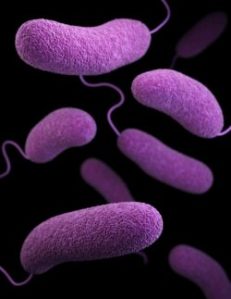
GMU Biodefense PhD student Saskia Popescu is looking into the rise of the resistant bug and how medical equipment can pose increased risks for such infections. In 2015 several outbreaks occurred in patients following a procedure with a type of duodenoscopes made by Olympus. These scopes are “flexible medical devices that look like thin tubes and are inserted through the mouth, throat, and stomach into the small intestine—are reusable $40,000 medical devices that contain many working parts, including a camera, and are used for more than half a million procedures a year. The successful dynamics of the device also make it challenging to clean and disinfect. Just over two years ago, cases of drug-resistant infections started popping up in patients who had recently had the procedure that commonly uses duodenoscopes (endoscopic retrograde cholangiopancreatography or ERCP).” Following an outbreak of the highly resistant carbapenem-resistant Enterobacteriaceae (CRE) at UCLA Medical Center, the scopes were recalled and interim cleaning guidance was provided by the CDC. Unfortunately, there is growing concern that the issues with the scope weren’t fully remedied. “In fact, Sen. Murray highlighted a recent outbreak in Europe (location not disclosed within the US Food and Drug Administration report) tied to the modified scopes. Although, modifications made by Olympus were done in response to the previous outbreaks and meant to reduce the risk of bacteria getting into the device’s channels and preventing proper cleaning and disinfection, Sen. Murray is now questioning Olympus regarding the devices and the role they played in this most recent outbreak. The senator is specifically asking for data proving that the repaired scopes could be properly disinfected between patient use.” As the threat of antibiotic resistance rises, the role of medical devices and manufacturer accountability will become increasingly relevant.

CRISPR Breakthrough Gives Hope for Disease Diagnostics 
CRISPR technology news often comes with a bit of controversy, but research recently published in Science is pointing to exciting new diagnostic capabilities. Feng Zhang and eighteen colleagues “turned this system into an inexpensive, reliable diagnostic tool for detecting nucleic acids — molecules present in an organism’s genetic code — from disease-causing pathogens. The new tool could be widely applied to detect not only viral and bacterial diseases but also potentially for finding cancer-causing mutations.” If you’re a fan of 221b Baker Street, you’ll be pleased to hear that the new tool is named SHERLOCK – Specific High Sensitivity Enzymatic Reporter UnLOCKing. The SHERLOCK tool utilizes the viral-recognition within CRISPR to detect genetic pathogen markers in some one’s urine, blood, saliva, or other body fluids. “They report that their technique is highly portable and could cost as little as 61 cents per test in the field. Such a process would be extremely useful in remote places without reliable electricity or easy access to a modern diagnostic laboratory.” This new finding has amazing potential for public health and rapid disease detection in rural areas to improve time to treatment, isolation, and prevention efforts.

National Science Advisory Board for Biosecurity May 2017 Meeting
Don’t miss this May 11th meeting (2-4:30pm EST)! Items include presentations and discussions regarding: (1) the Blue Ribbon Panel draft report on the 2014 variola virus incident on the NIH Bethesda campus; (2) stakeholder engagement on implementation of the U.S. Government Policy for Institutional Oversight of Life Sciences Dual Use Research of Concern (DURC); and (3) other business of the Board.  A detailed agenda and other meeting material will be posted on this website as they become available. This meeting will be a conference call only; there will be no in-person meeting. To join the call as a member of the public, please use the dial-in information below. The toll-free teleconference line will be open to the public at1:30 P.M. to allow time for operator-assisted check-in.  Members of the public planning to participate in the teleconference may also pre-register online via the link provided below or by calling Palladian Partners, Inc. (Contact: Carly Sullivan at 301-318-0841).  Pre-registration will close at 12:00 p.m. Eastern on May 8, 2017. Make sure to check the website for the public conference line and passcode.
Synthetic Bioterrorism – US Developing Medical Response 
Preparedness efforts against biological threats are now expanding to include synthetic biological threats. “Dr. Arthur T. Hopkins, acting assistant secretary for Nuclear, Chemical, and Biological Defense Programs at the U.S. Department of Defense (DOD), testified that…’emerging infectious diseases, synthetic biology and engineered diseases…[is] an area where we are focusing and we have to continue to focus.’ To counter such current and emerging threats, DOD’s Chemical and Biological Defense Program is developing new strategies to more rapidly respond, especially in the area of medical countermeasures, Hopkins said.” He noted that the DoD has commissioned the National Academy of Science to lead a study on the potential for such an event and its impact on national security.

Chemical Reaction: North Korea’s Chemical Weapons Are A Big Threat- And China Needs to Help Deal With Them
GMU Biodefense PhD alum Daniel M. Gerstein is looking at the “role that China could play with respect to North Korea, in particular dissuading the use of chemical weapons. While tensions are high, the use of chemical weapons could be the “spark that could bring the region to war.” Gerstein notes that while the focus in Syria is internal, if Kim Jong Un used chemical weapons it would most likely be external- against South Korea or Japan (or even the U.S.). It is vital that there be a clear-cut response to the use of chemical weapons and action from China may just be the clear message that’s needed. “To prevent the unthinkable from occurring, the North Koreans must be dissuaded from using chemical weapons. They must be convinced that the use of chemical weapons is a red line that cannot be crossed. China should consider being the messenger for this message. China also should consider taking an active, forward-looking approach to prevent the use of chemical weapons by North Korea. When Syria deployed chemical weapons, there was speculation that Russia may have been complicit or at least aware of plans to conduct the attack.” Or perhaps some friendly games of volleyball are in order?

Wildlife Disease Biologists – An Unstoppable Force 
Neither rain nor sleet could keep APHIS wildlife disease biologists out of the field collecting samples. Animal diseases are a major source for infections coming down the pipeline for humans (i.e. spillover events) and these researchers are on the front lines trying to make sure we have a heads up. APHIS’ Wildlife Services (WS) program includes 36 wildlife disease biologists who work diligently to collect samples from wild birds for avian influenza testing (among other things). “‘By monitoring the avian influenza strains circulating in wild birds, WS and its partners are able to provide an early warning system to America’s poultry producers,’ states Dr. Tom DeLiberto, Assistant Director of WS’ National Wildlife Research Center. ‘Our experts focus their sampling on waterfowl species and locations where we are most likely to detect avian influenza. This ensures our efforts are as efficient and informative as possible’.” I think we can all appreciate the brave few who venture into frigid waters to help trap and test wild birds to help detect the spread of infectious diseases.

Stories You May Have Missed: 

  • Trends in Apocalyptic and Post-Apocalyptic Fiction – Writers frequently use an apocalyptic or post-apocalyptic backdrop for fictional stories. The Doomsday Clock is a visual representation of the general mood and often represents the fear and unease in the environment. Whether it be an environmental event or a killer virus, the end of humanity has been a frequent topic for many writers. “Often it is a fear of a naturally-evolving virus, as in Max Brooks’s World War Z: An Oral History of the Zombie War (2006) or Emily St. John Mandel’s Station Eleven (2014). Yet, with the advent of new biotechnologies, authors also considered the impact a malignant engineered virus would have on humanity, as seen in Margaret Atwood’s Maddadam trilogy (2003 onwards) and Justin Cronin’s The Passage trilogy (2010 onwards).”
  • Ebola Theme Issue – The Royal Society – Philosophical Transactions of the Royal Society B is focusing their latest biological sciences journal on the 2013-2016 Ebola outbreak in West Africa. In this edition, you can find opinion pieces discussing the contribution of engineering and social sciences, old lessons on new epidemics, and a wealth of information on outbreak evaluation and notes from the field.

Pandora Report 4.7.2017

Don’t forget to tune in to CNN’s Unseen Enemy tonight at 7pm ET/PT to hear about the next potential pandemic from some of the world’s top disease experts!

Chemical Attack in Syria
On Tuesday, a chemical weapons attack killed dozens in northern Syria. While the Organization for the Prohibition of Chemical Weapons is working to collect data to determine the perpetrator, most are pointing to the Assad regime as the attacks appear to be consistent with a military-grade nerve agent. On Thursday it was announced that the autopsies performed on victims show they were subject to chemical weapons that were likely sarin nerve gas. Later last night, President Trump ordered a targeted missile strike on the Syrian Al Shayrat airfield via 59 Tomahawk cruise missiles. Some are saying the death toll from the chemical attack is between 70 and 100 and the volume of injured reported to be high. Russia is denying involvement in the latest attack that is said to have killed many children. Dr. Greg Koblentz notes that this has the implications of a sarin nerve attack, and if proven to be done by the Syrian regime, it’s one of the largest attacks. He emphasized that the U.S. will need to work to put pressure on Syria and on the Russian and Iranian allies who shouldn’t be immune to suffering the consequences from backing a regime who performs such attacks. Dr. Koblentz also recently spoke to the BBC regarding resolutions and international response towards the chemical attack, highlighting the importance of helping the victims and bringing the perpetrators to justice.

Can Bill Gates Rescue the Bioweapons Convention?
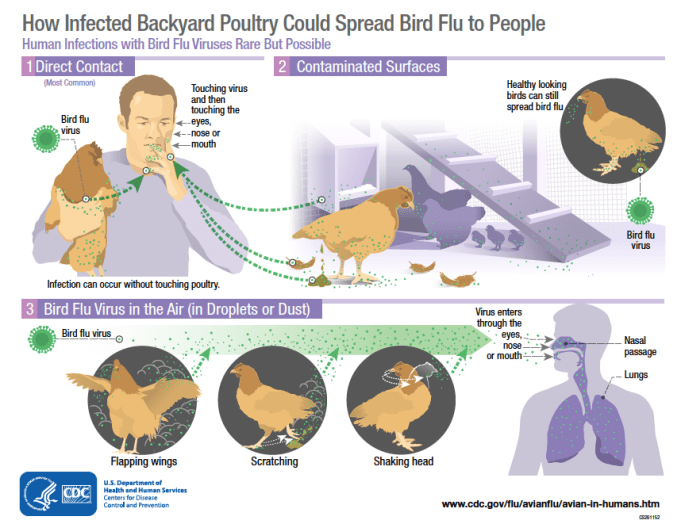
Who can save the Biological Weapons Convention? GMU biodefense graduate program director and professor Dr. Gregory Koblentz highlights the growing monetary deficits within the BWC. Dependent upon international cooperation and funding, many treaty members have been inconsistent at paying their budgetary share, which puts the implementation services unit and future meetings in jeopardy. Pointing to the challenges of acquiring funds, Koblentz draws attention to an individual who is both extremely wealthy, philanthropic, and interested in public health – Bill Gates. “Gates, ever the businessman, pointed out that this dire outcome could be avoided by spending an estimated $3.4 billion a year on pandemic preparedness. To his great credit, Gates and his foundation have already contributed vast sums to global health. Most recently, the Bill and Melinda Gates Foundation provided $100 million to help launch a public-private initiative called the Coalition for Epidemic Preparedness Innovations, with the goal of accelerating the development of new vaccines.” His recent comments at the Munich Security Conference regarding the realities of biological threats shine a harsh light the devastation a biological weapon could cause. Koblentz looks outside the box in this article, highlighting that dire times may call for unusual actions to save the BWC. “The global health community has achieved great gains over the decades, but a single bioweapon attack could reverse all that. Now more than ever, an ounce of prevention is worth a pound of cure.”

Safeguarding the Bioeconomy – Securing Life Sciences Data
Check out the latest meeting recap from the NAS workshop, which worked to assist the FBI WMD Directorate “in understanding the applications and potential security implications of emerging technologies at the interface of the life sciences and information sciences.” This workshop brought together experts from a wide range of fields to help solve the challenges of encouraging a strong bioeconomy, while preventing nefarious use and considering the implications of such data. “Advances in the life sciences are increasingly integrated with fields such as materials science, information technology, and nanotechnology to impact the global economy. Although not traditionally viewed as part of bio-technology, information technology and data science have become major components of the biological sciences as researchers move toward –omics experimental approaches.” “There is currently no government agency charged with holistically assessing the security of the bioeconomy, and the emerging importance of data (and data security) within it. These concerns will continue to grow as the world becomes more digitized and interconnected. There are a number of different types of data that can be aggregated and analyzed as part of the bioeconomy, and the collection, sharing and use of these different types of data may pose different potential concerns.” Within the workshop summary, you’ll see the division of bioconomy economy into clinical and nonclinical data, the biosecurity perspective from academia, technological advances that will further data access, data sovereignty issues, and much more.

Novel Antimicrobials – The Quest For The Grail?
The new CARB-X partnership is trying to combat the growing threat of antimicrobial resistance through innovation and supporting new research. “The CARB-X board thoroughly vetted 168 proposals and selected 11 projects that represent truly exciting early stage research. Three of them could become the first in new classes of antibiotics, and four are innovative non-traditional products. Some of the projects also take new approaches, known as mechanisms of action, to target and kill bacteria. All of the potential new medicines target Gram-negative bacteria prioritized by the U.S. Centers for Disease Control and Prevention and the World Health Organization.” BARDA is also in the race for halting the rise of the resistance bug – they’ve got a clinical-stage antibacterial program which has 13 products that are looking promising. The threat of antimicrobial resistance means that partnerships in even the most unlikely places are unfolding to help develop anything from new drugs to diagnostic tests that can determine if a lung infection is bacterial or viral. The truth is that the looming antibiotic apocalypse truly requires all hands on deck, so what’s the hold-up? At least we may have a potential cure in maple syrup

Pandemics, Personnel, and Politics: How the Trump Administration is Leaving Us Vulnerable to the Next Outbreak
GMU Biodefense graduate program director and professor, Dr. Gregory Koblentz, and MS student Nathaniel M. Morra are looking at the increase in infectious disease outbreaks in recent years (Ebola, Zika, SARS, MERS-CoV) and how the new administration is prioritizing public health. “Despite this heightened risk of a global pandemic, the Trump Administration has dragged its feet in appointing senior officials to key Federal agencies responsible for preparing and responding to a pandemic or bioterrorist attack. These agencies are also subject to steep budget cuts under Trump’s budget for Fiscal Year 2018. The delays in installing senior leaders at these agencies and pending budget cuts puts U.S. and global health security at risk.” Interim directors, a lack of Assistant Secretary for Preparedness and Response within HHS, and a planned cut in funds are already creating vulnerabilities within U.S. health security. “If a major influenza pandemic were to occur, no wall would be high enough to stop the virus from entering the United States. The best defense against pandemics and other disease threats are Federal, state, and local health agencies and international partners with strong leadership and the necessary resources to fund vital surveillance, preparedness, response, and research activities. Mother Nature doesn’t play politics; Trump shouldn’t play politics with global health security.”

Pandemics, Bioterrorism, and Global Health Security LinkedIn Group
If you’re not already already a member, make sure to check out this LinkedIn group “dedicated to the analysis of the challenges facing the world at the nexus of health, science, and security. The group’s purpose is to serve as a unique forum for discussion and debate on critical issues in global health security.” We’re happy to announce that the group just reached 3,000 members thanks to Arthur Seward-El and Veena R. Kumar! If you’re looking for a LinkedIn group dedicated to global health security and includes members from all over the world, don’t miss out!

Center for Health Security Emerging Leaders Take on The Eight Ball
I’m a biodefense nerd – always have been and always will be, so you can imagine my excitement when part of the ELBI class of 2017 fellowship workshop involved getting to visit the Eight Ball near USAMRIID. The Eight Ball is from the days of America’s active bioweapons program and despite its history, is now a rather interesting sight stuck between two buildings and surrounded by trash dumpsters. Dr. Koblentz has provided some great trivia regarding the Eight Ball – it cost $715,468 (in 1950 dollars), is four stories high and weights 131 tons, was used to test animals ranging from mice to horses, and held its first human tests in 1955 as part of Operation Whitecoat. “This one million liter metal sphere is currently tucked away behind a service building, but at one point it was the epicenter of Operation Whitecoat, the US Cold War biodefense program. From the 1950s through the ‘70s, researchers developing treatments for biological agents released small amounts of these selected agents into the eight ball, allowed them to disperse, and then exposed volunteers to this contaminated air via specially rigged gas masks. By treating the volunteers (who signed consent forms) with their newly developed vaccines and therapies, scientists were able to develop effective methods to respond to biological warfare. Whitecoat volunteers were exposed to agents that cause diseases such as rabbit fever (tularemia), Q fever, yellow fever, and plague.”

Digital Surveillance of Emerging Infectious Disease and Outbreaks: A One Health Approach 
Don’t miss out on this Next Generation Global Health Security Network Webinar on April 7th, at 1pm EST. You can check out the webinar here to learn from Maja Carrion, Assistant Director of ProMED, about digital health surveillance in human and animal sectors.

Investing In Public Health Keeps America Great
Simply put, a nation cannot be great if it lacks health. The proposed budgetary measure that drastically cut funding for HHS point to what public health has been battling for decades – a necessary force that receives too little funding amid too many expectations. Investing in public health is the most obvious thing one could do to make a country strong and capable of growth. Whether it be extending life, eradicating disease, or even a thriving workforce, public health is a force that simply can’t be ignored. “Instead of making deep investments in public health, and thus public safety, we allocate pennies. Americans spend more per capita on health care than any other country in the world, but less than 3 percent of all health spending goes to public health. The CDC’s budget has declined slightly over the past decade, and funding cuts at the state and local levels have been ‘drastic,’ says Trust for America’s Health.” At the end of the day, we have to ask ourselves – at what price do we value our own health and that of those around us?

Dynamic Challenges & Opportunities for Global Health Security Talk
All GMU biodefense students and alum are welcome to attend Dr. Gene Olinger’s talk during Professor Nuzzo’s BIOD 710 class on Tuesday, April 11th, from 6:15-7:10pm! Dr. Olinger serves as principal science advisor for MRIGlobal Biosurveillance and Global Health Division and will be talking about global health security as a subject matter expert for multiple federal panels related to biodefense and emerging viral pathogens.

Stories You May Have Missed:

  • Two Very Different Views of Terrorism and What To Do About Them – GMU biodefense PhD alum Daniel M. Gerstein is looking at the reaction to two major events – the aviation electronics ban and the London terrorist attack. He emphasizes that risk perception and personal inconvenience plays a big role in the limitations people are willing to accept in the name of safety. “Risk perception will undoubtedly continue to be an important determinant in the types of security policies and measures that will be acceptable to governments and the public. Clear and precise communications on the various threats faced, the vulnerability to particular attacks and the potential consequences of such attacks, could help reduce inflated perceptions of risk while at the same time making people more accepting of security enhancing initiatives.”
  • Measles Takes Hold in Eastern Europe– Europe is seeing a large outbreak of measles currently as over 500 cases were reported just in January 2017. 474 cases were reported in endemic countries (France, Germany, Italy, Poland, Romania, Switzerland, and Ukraine). “The largest current measles outbreaks in Europe are taking place in Romania and Italy. Romania has reported over 3400 cases and 17 deaths since January 2016 (as of 10 March 2017). The majority of cases are concentrated in areas where immunization coverage is especially low. According to reported data, the 3 measles genotypes circulating in Romania since January 2016 were not spreading in the country before, but were reported in several other European countries and elsewhere in 2015. Comprehensive laboratory and epidemiological data are needed before the origin of infection and routes of transmission can be concluded.”
  • 10 Saudi MERS Hospital-Associated Cases– Infection prevention goes well beyond the normal hand hygiene and healthcare-associated infections. MERS-CoV is a prime example of a disease that takes advantage of poor infection prevention efforts in healthcare. “A MERS-CoV outbreak linked to a dialysis unit at a hospital in Wadi Aldwaser has sickened 10 people, 2 of them with asymptomatic infections, the World Health Organization (WHO) said yesterday in an update covering 18 recent cases in Saudi Arabia.” Two of those infected are healthcare workers.

Pandora Report 3.31.2017

Welcome to your weekly dose of all things biodefense! If you take heartburn medication, you may want to check out the latest research that ties it to a higher risk of recurrent Clostridium difficile infections.

Inferno
Dr. Steve Hatch is taking readers through the harrowing journey of Ebola via the eyes of an ETU physician. He traces the origins of the outbreak, the complexities of the disease, and what it was like working as a physician during this deadly outbreak in Liberia. “There, he served as a physician (and at times a nurse’s aide, a surrogate parent and even a masseur) to the droves of patients arriving in makeshift ambulances. Inferno is Hatch’s exploration of Ebola’s origins and spread throughout Africa and beyond, coupled with his personal experience caring for those infected.”

The Real Threat to National Security: Deadly Disease
As more attention is focused on Trump’s proposed budget and the impact to public health (i.e. massive drops to NIH and CDC funding, a 28% drop in the United States Agency for International Development, etc.), the glaring reality of disease vulnerability is following suit. “Those cuts will not protect American citizens. They will diminish research and vaccine development and our ability to respond to the growing threats of antibiotic resistance and new infectious diseases. Those agencies are already falling short, as we saw last year, when they couldn’t effectively respond to the Zika threat. What will they do when we face a real pandemic? With 7.4 billion people, 20 billion chickens and 400 million pigs now sharing the earth, we have created the ideal scenario for creating and spreading dangerous microbes.” Disease is a mixed bag of tricks – antibiotic resistance, vector diseases like yellow-fever, emerging infectious diseases, zoonotic bugs like Nipah, and those that we can’t even begin to imagine. That’s just touching on the natural kind, lest we forget the threat of bioweapons or potential for biosecurity/biosafety failures in labs performing dangerous or dual-use research. The truth is that public health efforts are already strained as it is. Despite the untold benefits of prevention, it’s never been as flashy to invest in public health as in military. Unfortunately, in this day and age of globalization and interconnectedness, the poor investment we make in public health is coming back to bite us. Ebola preparedness cost U.S. hospitals $360 million…mostly because they weren’t prepared to handle these kinds of things from the beginning. Imagine if we had the funds to train healthcare workers how to handle more challenging diseases from the beginning. Regrettably, these kinds of things can’t happen if we continue to cut funds to necessary public health agencies and decide that prevention isn’t worth the investment. The stark realities of global health security aren’t things that will go away, but rather will continue to grow if we ignore prevention efforts and decide that public health isn’t worth the expenditure. Ex-CDC director, Tom Frieden, recently wrote an article for TIME magazine about the historical dangers of underfunded health programs.  If you still aren’t convinced, check out the Center for Health Security’s Infectious Disease Cost Calculator here or this article on the economic disruption of infectious disease.

Antibiotic Resistance Crisis
The American Society for Microbiology (ASM) established a new initiative to support existing efforts against antimicrobial resistance (AMR) and research developments. “This new ASM initiative is a multi-stakeholder mechanism that shares information on the current state of AMR, and identifies relevant opportunities to address AMR challenges across the microbial sciences. The initiative’s subject matter experts have identified potential approaches to maximize the impact on public, animal, and environmental health, expand surveillance, promote rapid diagnostics, and implement stewardship across settings. ‘The Steering Committee is well positioned to advise the Society on interdisciplinary One Health approaches and opportunities to address critical data gaps and human resource needs to confront this multifaceted, urgent domestic and global challenge,’ said Steering Committee co-chair James Tiedje, University Distinguished Professor and director of the NSF Center for Microbial Ecology at Michigan State University.” ASM is not new to the AMR game and has been organizing and participating in working groups since the 1990’s. The hopes for this new initiative is to really hone in on the clinical and environmental issues that facilitate AMR growth. They are also looking at surveillance and how to expand these efforts to ensure we’re getting the full scope of the issue and can truly address it with the most accurate information.

Safety First with Gene Editing
The technology and developments are quickly outpacing regulatory and oversight efforts in the world of genome editing, so the question is now becoming “should we restrict their use in the face of uncertain threats, or embrace the potential they offer and hope that appropriate responses can be rallied if experiments bring serious risks to the fore?” Many would have hoped that safety mechanisms would’ve been built into the editing systems or that we weren’t racing to catch up in terms of safety. DARPA’s Safe Genes program is one such effort that anticipates starting this summer. “Safe Genes aims to accelerate the collection of data currently missing from the debate on how to apply genome editors. The initiative also aims to strengthen the scientific foundation upon which formal safety standards for genome editing applications may someday be developed and adopted.” DARPA’s new program focuses on genome editing for many reasons – the real national security implications, the rapid pace of development and DIY potential, the dramatically declining costs for genome editing toolkits, etc. Aside from the dangers of mishandled or nefarious usage, it’s important to remember there is the potential of using genome editing for a host of beneficial things like fighting diseases, etc.

Lassa Fever Outbreak in West Africa 
Lassa fever has now seared through five West African countries in the latest outbreak. Nigeria and Sierra Leone were the first countries to see cases in December 2016. Nigeria has a total of 283 cases and 56 deaths while Sierra Leone has seen 24 cases. Of the twenty-four cases in Sierra Leone, only four were laboratory confirmed, all of whom died. While the disease is endemic in West Africa and yearly peaks occur between December and February, public health officials are working to slow the spread of the disease. Benin, Togo, and Burkina Faso are also affected by the outbreak.

GHSA Roundtable With FAO Chief Veterinary Officer Dr. Juan Lubroth
Don’t miss this event on April 4th, from 10:30-11:30am (EDT)! The FAO Liaison Office for North America cordially invites members of the Global Health Security Agenda Consortium, Private Sector Roundtable, and Next Generation Network to an informal roundtable discussion with FAO Chief Veterinary Officer, Dr. Juan Lubroth on Tuesday, April 4, from 10:30 – 11:30 a.m. Dr. Lubroth has played an important role in shaping FAO’s involvement in the Global Health Security Agenda (GHSA) since its inception in February 2014 and remains a forceful and effective advocate for the GHSA’s multisectoral and One Health approach to global capacity-building to prevent, detect, and respond to infectious disease threats. Dr. Lubroth looks forward to sharing his thoughts on the GHSA from an international organization perspective and learning more about the role of non-governmental stakeholders in this important initiative. Please confirm your attendance to Mr. Gabriel Laizer, at FAOLOW-RSVP@fao.org

Meeting On The Trump Administration, Congress, and The Future of Global Health
Don’t miss this roundtable discussion on April 6th, from 5-6:30pm, hosted by the Center for Strategic & International Studies (CSIS) Global Health Policy Center. This discussion will feature Jennifer Yates (Vice President and Director of Global Health & HIV Policy Kaiser Family Foundation), Liz Schrayer (President & CEO U.S. Global Leadership Coalition), and Chris Beyrer (Director of Center for Public Health and Human Rights John Hopkins, Bloomberg School of Public Health).

Fostering an International Culture of Biosafety, Biosecurity, and Responsible Conduct in the Life Sciences
Second-year, GMU biodefense PhD candidate, and intern for the Department of Health and Human Services, Assistant Secretary for Preparedness and Response within the Office of Policy and Planning, Elise Rowe, is taking on the international role of biosafety! As part of the student internship program, all interns are required to work on an independent project and present to ASPR staff upon its completion. Elise will be presenting her project, titled “Fostering an International Culture of Biosafety, Biosecurity, and Responsible Conduct in the Life Sciences,” on Wednesday, April 5th at the Thomas P. O’Neil Jr. Federal Building from 2-3:30 pm. You can read the abstract here.

Stories You May Have Missed:

  • Beth Cameron Joins NTI To Lead Global Biological Policy and Programs– Dr. Beth Cameron is now the senior director for global biological policy and programs at the Nuclear Threat Initiative (NTI). “Among other duties, Dr. Cameron will oversee the development of a Global Health Security Index, as well as work related to national security risks associated with emerging biotechnologies. This initiative was announced by NTI earlier this month in partnership with the Open Philanthropy Project, the Robertson Foundation and the Johns Hopkins Center for Health Security. Dr. Cameron most recently served as the Senior Director for Global Health Security and Biodefense on the White House National Security Council staff, where she was instrumental in developing, launching, and implementing the Global Health Security Agenda.”
  • Georgia Reports Low-Pathogenic H7 in Commercial Breeding Flock – Agriculture officials in Georgia (GDA) reported the low-path H7 presence in a breeding operation in Chattooga Country, Georgia. “The GDA said as a precaution, the affected flock has been depopulated and officials are testing and monitoring other flocks within the surveillance area. So far no poultry at other facilities have tested positive and none has shown any clinical symptoms. Gary Black, Georgia’s agriculture commissioner, said in the statement that poultry is the top sector in agriculture, the state’s number one industry, and officials are committed to protecting the livelihoods of farm families. ‘In order to successfully do that, it is imperative that we continue our efforts of extensive biosecurity’.”
  • Hazardous Materials Research Center Live-Agent Test – Battelle will be hosting this workshop on April 17-21st for manufacturers and developers of PPE against CBRNE threats to test their PPE against live chemical agents. “Permeation test data will help accelerate research and development to enable developers to meet critical government test and evaluation requirements or be prepared for certification, ensuring materials can provide chemical agent protection against mission specific scenarios.” Have some PPE you want tested against a chemical threat? Check it out!

Pandora Report 3.17.2017

Happy Friday! In honor of  John Snow‘s birthday (the father of epidemiology), our featured image is the Broad Street pump map he used to combat cholera in the 19th century. Don’t miss out on the early registration discount for our biodefense summer workshop!

NAS Calls for Increased Federal Regulatory Agency Preparation for Growing Biotechnology Products 
The National Academies of Science (NAS) recent press release is emphasizing the need for federal regulatory agencies to prepare for greater quantities and ranges of biotechnology products. As the biotech world constantly evolves, regulatory agencies have struggled to keep up and this latest report states that in the next five to ten years, the pace will outmatch the U.S. regulatory system. According to the report, biotechnology, like CRISPR, has a rapidly growing scale and scope, which already stresses existing staff, expertise, and resources available at agencies like the EPA, FDA, and USDA. “To respond to the expected increase and diversity of products, the agencies should develop risk-analysis approaches tailored to the familiarity of products and the complexity of their uses, the report says. For biotechnology products that are similar to products already in use, established risk-analysis methods can be applied or modified, and a more expedited process could be used. For products that have less-familiar characteristics or more complex risk pathways, new risk-analysis methods may need to be developed.  Regulatory agencies should build their capacity to rapidly determine the type of risk-analysis approaches most appropriate for new products entering the regulatory system.” Within the report, NAS notes that the federal government needs to develop a strategy to combat the current issues and strengthen their ability to scan for future biotechnology products to better prioritize.

GMU Schar School Master’s Open House 
Have you ever wanted to study topics like CRISPR, bioterrorism, global health security, and pathogens of biological weapons? Good news – we’ve got just the program for you! Come check out GMU’s biodefense MS program at our Open House on Wednesday, March 22nd at our Arlington Campus, Founders Hall (Room 126) at 6:30pm. You can talk to some of our biodefense faculty and learn about our program. Whether you’re looking to take classes in person or earn a degree online, the biodefense MS is the best for the intersection of science and policy.

DARPA Works Towards “Soldier Cell” To Fight Bioweapons 
A bio-control system to fight off invading pathogens? Sounds like something out of a science fiction movie! Well, researchers at Johns Hopkins University just received funding from DARPA to develop the capacity to “deploy single-cell fighters” that would target and eliminate the lethality of certain pathogens. “‘Once you set up this bio-control system inside a cell, it has to do its job autonomously, sort of like a self-driving car,’ said Pablo A. Iglesias, principal investigator on the project. Iglesias, a professor of electrical and computer engineering in the Whiting School, shifted his research focus from man-made to biological control systems about 15 years ago. ‘Think about how the cruise control in your car senses your speed and accelerates or slows down to stay at the pace you’ve requested,’ Iglesias said. ‘In a similar way, the bio-control systems we’re developing must be able to sense where the pathogens are, move their cells toward the bacterial targets, and then engulf them to prevent infections among people who might otherwise be exposed to the harmful microbes’.” This angle, which is being focused on bacteria outside of the body, is just one potential tool in the biodefense arsenal.

Yellow Fever Outbreak in Brazil 
Since December of 2016, Brazilian health officials have reported an ongoing outbreak of yellow fever. The CDC has moved the alert to a  Level 2 – Practice Enhanced Precautions. A report recently published in the New England Journal of Medicine looks at the outbreak and the potential for cases in U.S. territories. In Brazil, there were 234 cases and 80 deaths reported between December and February. “Although it is highly unlikely that we will see yellow fever outbreaks in the continental United States, where mosquito density is low and risk of exposure is limited, it is possible that travel-related cases of yellow fever could occur, with brief periods of local transmission in warmer regions such as the Gulf Coast states, where A. aegypti mosquitoes are prevalent.”

GMU Biodefense Represented At Biothreats Conference
If you missed out on our coverage of ASM’s 2017 Biothreats conference, here’s a spotlight on GMU biodefense students attending this captivating three-day event. GMU’s biodefense program sent four graduate students to experience and report on the conference, which addressed biothreat research, policy, and response. “The program was exciting, according to the George Mason students in attendance. Mercer and Goble recall that the conference engaged topics of specific interest to them, their degree, and their futures. ‘I attended a panel that was very closely related to disease forecasting, my graduate thesis topic,’ Mercer said. ‘I was able to hear some of the cutting-edge research in that field, which was really helpful’. ‘I didn’t really have a part I didn’t like,’ Goble said. ‘I enjoyed the niche topics that were presented in both panel discussions and poster  sessions, from emergency operations to the FDA. All of these specific topics were extremely interesting to hear about and to know they are being researched’.”

Just How Well Did the 2009 Pandemic Flu Vaccine Strategy Work?
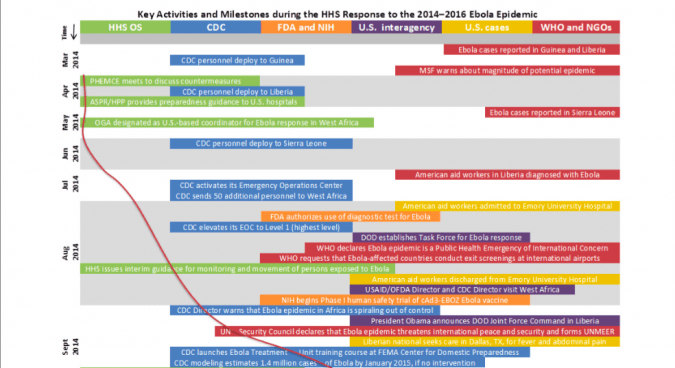
Researchers from the University of Nottingham recently looked at the success of vaccines in terms of preventing pandemic flu and reducing hospitalizations. Their work looked at the 2009 WHO-declared pandemic of the novel A(H1N1) virus, which infected around 61 million people around the world. Vaccines against the virus were rolled out globally between September and December of 2009, with the majority being inactivated A(H1N1)pdm09 influenza virus. Their work involved reviewing 38 studies between June 2011 and April 2016 regarding the effectiveness of the inactivated vaccine, which covered around 7.6 million people. “We found that the vaccines produced against the swine flu pandemic in 2009 were very effective in both preventing influenza infection and reducing the chances of hospital admission due to flu. This is all very encouraging in case we encounter a future pandemic, perhaps one that is more severe,” noted Professor Van Tam said. “Of course, we recognize that it took five to six months for pandemic vaccines to be ready in large quantities; this was a separate problem. However, if we can speed up vaccine production times, we would have a very effective strategy to reduce the impact of a future flu pandemic.” The 2009 pandemic A(H1N1) vaccine was 73% effective against laboratory confirmed cases and 61% against preventing hospitalizations. Interestingly, when looking at the vaccines’ effectiveness in different age groups, “they were shown to be less effective in adults over 18 years than in children, and effectiveness was lowest in adults over 50 years of age. Adjuvanted vaccines were found to be particularly more effective in children than in adults against laboratory confirmed illness (88 per cent in children versus 40 per cent in adults) and hospitalization (86 per cent in children versus 48 per cent in adults).”

Deadly Fungal Infection Arrives in U.S. 
While many are asking if surveillance methods for tracking the deadly CRE bacteria are adequate, a new issue is emerging in U.S. hospitals. Despite WHO’s recent plea for increased R&D surrounding certain resistant pathogens, it seems that more and more organisms of concern are springing up in U.S. hospitals. Since last summer, roughly three dozen people have been diagnosed with a highly resistant Candida auris infection. The fungal infection has caused worry ever since it was identified in 2009 due to its capacity as an emerging and resistant organism. Candida yeast infections are pretty common and known to cause urinary tract infections however, this strain is especially concerning because it easily causes bloodstream infections, has a stronger capacity for transmission between people, and is much more hardy in terms of living on skin and environmental surfaces. “Of the first seven cases that were reported to the CDC last fall, four patients had bloodstream infections and died during the weeks to months after the pathogen was identified. Officials said they couldn’t be sure whether the deaths were caused by the infection because all the individuals had other serious medical conditions. Five patients had the fungus initially isolated from blood, one from urine, and one from the ear.”

CDC Director Warns Loss of DHHS Funds Could Weaken Infectious Disease Prevention
Acting CDC director, Anne Schuchat, recently testified before Congress to make the case for for increased funding for several programs (one being the DHHS’s Prevention and Public Health Fund). Among other things, the Prevention and Public Health Fund is responsible for 12% of the CDC’s budget. Dr. Schucat’s testimony emphasized the previous usage of these funds in terms of vaccine delivery, disease surveillance, monitoring of water supplies, and tracking hospital-acquired infections. The growth of antibiotic resistance made her testimony and plea to Congress that much more relevant and urgent. “The CDC and other government agencies have in recent years cited the numerous public health threats posed by infectious diseases in general, and have lobbied officials for increased funding for research and development of novel vaccines and treatments as well as programs to effectively distribute interventions as needed. In 2016, for example, the CDC, DHHS, and National Institutes of Health requested federal funding to combat Zika, a request that was not approved until late in the year.”

Stories You May Have Missed:

  • Science on Screen – Don’t miss this great event hosted by Lawrence Livermore National Laboratory! On March 18th, you can watch the second installment of the Science on Screen series, featuring “Lawrence Livermore scientists Monica Borucki and Jonathan Allen, who will present ‘Reconstructing a Rabies Epidemic: Byte by Byte.’ This informative and entertaining lecture will explain how biologists and computer scientists used cutting-edge, ultra-deep sequencing technology to study the dynamics of a 2009 rabies outbreak. This case study, based on a dramatic increase (more than 350 percent) in the gray fox population infected with a rabies variant for which striped skunks serve as the reservoir hosts, will be used to help illustrate the changes in the viral genome during cross-species viral transmission. This lecture is appropriately paired with the feature-length film, “Contagion” (PG-13).”
  • Clorox Gets Spot on EPA A-Team – Clorox just earned its varsity spot on the team against hospitality-acquired infections. The EPA approved two of the company’s products in killing clostridium difficile spores. C-diff is a constant battle in healthcare facilities, so having the new tool in the infection prevention and environmental disinfection toolkit, is a huge advantage for many. “In addition, the cleaners and wipes recently become EPA-registered to disinfect against other bacterial infections, such as those caused by Staphylococcus epidermidis, Candida glabrata, and Enterococcus hirae. Moreover, the products are also effective against several viral pathogens, such as Middle East Respiratory Syndrome (MERS), and Severe Acute Respiratory Syndrome (SARS), measles, and Influenza A and B, among others.”


Pandora Report 7.8.2016

We hope you had a lovely Fourth of July holiday and are ready to get your feet wet with the latest news in global health security! Global health advocates are pointing to the impending reality of blurring between national security interests and global health agendas. Researchers in Belgium have discovered E. coli samples from cows and pigs that contain a novel gene, MCR-2, that is colistin-resistant. Colistin-resistant bacteria are particularly concerning as colistin is the antibiotic of last resort. This week has been busy with three major reports on lessons learned from the 2014 Ebola outbreak.

Panel Urges Reform After HHS Ebola Response Failures 
The plain and simple truth of the 2014/2015 West Africa Ebola outbreak is that the U.S. was not prepared to handle it – we struggled internationally and seriously failed domestically. In the wake of this sobering reality, an independent review of the Department of Health and Human Services (HHS) efforts found serious flaws within their response to the outbreak. You can read the report here, which stresses that the lessons from HHS’s response to Ebola can be applied to future outbreaks, including Zika virus. There were thirteen findings from the panel ranging from “lack of strong leadership and response coordination from WHO hindering HHS and international response efforts” to “HHS did not apply existing pandemic plans and coordination mechanisms during the Ebola response” and “HHS is not configured or funded to respond to a prolonged public health or medical emergency overseas or at home”. Key recommendations focussed on coordination with the National Security Council and federal partners to finalize a government framework for multi-agency response, clarification on strategy for communicating risk-related information to the public, Congress, and other key stakeholders during public health crises, etc. Communication and consistent messaging was definitely a huge issue during this outbreak and just from my experience in healthcare during the outbreak, the dissemination of information was muddy at best and only served to add fuel to an already chaotic fire. “Four thousand HHS personnel were unable to travel to West Africa, the panel said, because of untested regulations outlined in the Affordable Care Act (ACA). Additionally, US government workers who wanted to work more than 30 days overseas had to complete a training course before traveling to an outbreak country. The course had only limited availability, making it difficult to deploy staff quickly”. The report is definitely worth the read and includes some great explanations for each finding and excellent timelines throughout the outbreak.

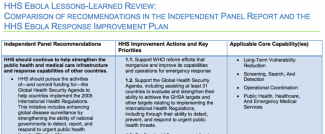
U.S. Department of Health and Human Services Ebola Response Improvement PlanScreen Shot 2016-07-05 at 6.53.46 PM
Following the aforementioned report and lessons learned, HHS released their Ebola Response Improvement Plan. The plan breaks down priorities and actions into six main categories: global health security and coordination with international partners, incident management and operation coordination, public health and healthcare response, risk communication, medical countermeasures, and response funding. Aside from supporting the Global Health Security Agenda (GHSA), the improvement plan discusses codifying infectious disease emergency management under the National Response Framework (NRF) via the Biological Incident Annex and better defining roles during such events. I found the healthcare side particularly interesting as plans included the pre-identifiction of healthcare facilities that can be used for quarantine, isolation, and treatment, strengthening waste management interagency concept of operations, refining personal protective equipment (PPE) guidance and developing a mechanism to coordinate the purchase of PPE by federal partners, etc. Regarding risk communication, HHS will “Identify and train a cadre of personnel from across HHS that have public health expertise and a thorough understanding of, and fluency in, health crisis and risk communications to serve as spokespersons during domestic or international public health and medical emergencies. This training can draw upon a body of work developed since the 9/11 terrorist attacks”. Overall, the report addresses several key categories, vulnerabilities, and makes correlations to the independent panel report.

Safeguarding Deadly Pathogens and Poisons and U.S. Progress on Global Health Security Screen Shot 2016-07-05 at 7.07.37 PM
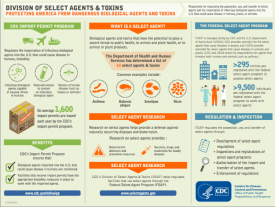
The term “select agents” gets thrown around a lot, but what really does it mean and why is it so important? The CDC recently published two new segments in their “Public Health Matters Blog” that gives the basics on select agents, why work involving them is so important, and how the U.S. is doing in terms of global health security. “While it might be easier to avoid handling deadly pathogens and poisons in the first place, scientists have to work with them in order to better understand how to protect people from their effects. Research leads to discoveries that save lives – for example, when we create vaccines to protect from exposure to smallpox or when we’re able to track mutations of killer diseases like Ebola.” The blog discusses the role of the Federal Select Agent Program and lab safety, specifically the response practices in the event of a “whoops” moment. They also reference the findings from the recently published 2015 Annual Report of the Federal Select Agent Program and the continuous commitment to both safety and increased transparency. While this may seem like the tourist’s brochure to select agents and concerns over lab safety, it’s a nice strategy to better educate the public on the work surrounding these agents and the safety mechanisms in place. They also have a pretty fantastic infographic accompanying the post. The next Public Health Matters blog talks about how the U.S. is handling global health security. Centering around a photo that includes colleagues from the HHS and USDA, the blog discusses the Joint External Evaluation Team. The team, which is part of GHSA, works to assess how well the U.S. is prepared to prevent, detect, and respond to major public health threats. The best part about this team is that its work is independent and unbiased. The group spent five days in May assessing federal response capabilities, the CDC’s work and technical practices, etc. Aside from finding excellent reporting mechanisms within the CDC and other federal agencies, they also found that we could improve in a few areas: “communicating risks quickly and consistently with communities across the country, combining and utilizing data from multiple surveillance systems, including systems that monitor human, animal, environmental, and plant heart, and conducting triage and long-term medical follow-up during major radiological disasters”.

Drug Resistant Bacteria in Rio Waters
Jaws made you wonder if it was safe to go back into the water, but multi-drug resistant organisms (MDRO’s) are the growing threat for aquatic events at the approaching Rio de Janeiro Olympic Games. Researcher Renata Picao believes that the resistant bacteria made their way into the waters from sewage that local hospitals have been dumping. The research team tested water samples from 2013 to 2014 for MDRO’s and found carbapenem-resistant Enterobacteriaceae, or CRE. Sadly, the team doesn’t believe these levels have changed and with reports of athlete infections and irritations due to water contact, that’s likely an accurate prognosis. CRE is easily one of the nastiest MDRO’s and is extremely difficult to treat, with a report citing 50% mortality rates. The concerns over Zika and drug-resistant organisms are just two in a laundry list of trouble that has followed Brazil’s Olympic bid – athlete mugging, financial issues, and unfinished buildings. While the acting governor of Rio has expressed concerns, he says that the city will be ready for the games, but also encouraged visitors to moderate their expectations. While some athletes have quit the games due to concerns over Zika, it’s interesting that the concern for drug resistant organisms in the water haven’t raised the same fears.

Is the Biological Weapons Convention Falling Behind?
While the Eighth Review Conference of the Biological Weapons Convention (BWC) won’t be until November, the Preparatory Committee for the Review Conference is next month. One can only imagine the scientific and technological advancements since the BWC was initiated in 1972. Despite some countries struggling to develop effective national biosecurity programs, the growing capabilities of CRISPR and other biotech breakthroughs have moved full-steam ahead. Many are pointing to the U.S. challenges to merely agree on an oversight system for gain of function research. “The discussions of science at the experts’ meetings should be split off into a separate dedicated parallel track. This is the best way to create the necessary time. Even then, it will be impractical to cover all relevant ground across the sciences, so each year a specific topic — CRISPR editing, say — should be considered. Researchers and scientific bodies should present the facts, and then discuss the implications with government officials at the experts’ meeting.” Between dual-use technologies of concern and CRISPR-Cas9, the BWC must adapt to the rapid pace of the biotech industry and the growth of biosecurity developments.

What Direction is the Zika Storm Blowing?
The ECDC has released their sixth Zika update, which discusses several uncertainties that prove difficult when developing response options. Some of these uncertainties include: “all the currently reported sexual transmission events are linked to symptomatic index cases. There is no evidence of transmission by asymptomatic sexual partners” and “there is growing evidence that Zika virus infection during the first and second trimester is associated with increased risk for central nervous system malformation of the foetus. The risk associated with infection during the third trimester is unknown. Therefore, Zika virus infection should be considered as a risk throughout the entire duration of pregnancy.” Fort Benning is trapping and freezing mosquitoes in effort to help the military combat the virus and quickly identify any positive Aedes mosquitos. National Institute of Health supported researchers will be monitoring Zika virus exposure in a group of U.S. athletes, coaches, and Olympic Committee staff attending the games in Brazil. A recent news poll found that most Americans aren’t worried about Zika, in fact they were more worried about Ebola than they currently are about Zika. When asked what they’re doing to limit exposure to Zika, 67% of respondents said they’re waiting to see if it is necessary. The CDC has reported 1,133 cases of Zika virus in the U.S. as of July 6th, 2016. You can also find the full transcript of President Obama’s remarks on Zika on July 1st, following an update from his public health team.

Zika Funding – The Disease Slush Fund
GMU Biodefense MS student Greg Mercer talks about the funding issues related to Zika virus in this week’s commentary. Greg’s overview of the funding struggles reveals a deeper issue when it comes to public health funding and emergency outbreaks. While the U.S. likes to paint itself as a global force for epidemic response, the truth is that we’ve struggled to combat government dysfunction and partisanship. “Government agencies might be funded by the fiscal year, but there’s no telling what the CDC, NIH, and others will have to fight next, not how big that fight will be.”

National Biosafety Systems – Case Studies 
Researchers from the UPMC Center for Health Security released their report on case studies to analyze current biosafety approaches and regulations for Brazil, China, India, Israel, Pakistan, Kenya, Russia, Singapore, the United Kingdom, and the U.S. “In previous research, we found that there is a lack of international norms governing biosafety precautions for dangerous or especially contagious; by describing a variety of biosafety governance approaches in these nations, we hoped to find areas of commonality which could be further developed into international norms.” Five trends were identified during comparison of the ten nations – biosafety regulation exists in all ten nations, information availability was extremely variable, making comparisons difficult, the incentives behind biosafety regulation are varied, ranging from agricultural development to infectious disease control to biotechnology investments, advanced or synthetic biology is not consistently addressed by national-level biosafety policy, and funding information for biosafety was generally available. Aside from evaluating each nation, the case studies will aid in future evaluations by establishing nation-level biosafety norms.

Stories You May Have Missed:


Pandora Report 5.13.2016

Nothing like a little biodefense news to get your Friday the 13th started off on an auspicious note! If you happened to be in Grand Central terminal in New York City on Monday, you may have witnessed a bioweapon simulation drill. A harmless, odorless gas was released on a subway platform to test air movement and the potential contamination range for a biological weapon within the subway system. The perfluorocarbon tracer gases allowed officials to observe particle dispersal and settlement. Last but not least, hundreds of passengers on a UK-to-US cruise are victims of a suspected norovirus outbreak. Health officials are working with the cruise line to determine the source of the outbreak and reduce transmission.

Evaluation and Oversight Recommendations for Gain-of-Function Research
The National Science Advisory Board for Biosecurity (NSABB) Working Group has released a draft of their evaluations and subsequent recommendations regarding the risks and benefits associated with gain-of-function (GOF) research. The report highlights the existing Federal policies in place to ensure the safety of current work with biological organisms and the recent biosafety failures at several Federal facilities. The NSAAB working group established seven major findings and seven recommendations. Findings include focus on the specific types of GOF research as only a small subset of GOF research (GOF research of concern – GOFROC) which may entail risks that are significant enough to warrant oversight, need for an adaptive policy approach, limited scope and applicability of oversight policies, etc. Recommendations include an external advisory body that is built upon transparency and public engagement, adaptive policy approaches to ensure oversight remains “commensurate with the risks associated with the GOF research of concerns”, etc. The recommendations also emphasized the need for strengthening of U.S. laboratory biosafety and biosecurity. The report provides a substantial overview of the GOF debate and existing concerns related to GOF studies with influenza, SARS, and MERS.

GMU Biodefense MS Application Deadline – June 1st!
Learn about the complex world of global health security from your living room or at one of our amazing campuses! GMU’s Biodefense MS program provides you with the knowledge and skills to understand and operate within the unique field of biodefense – where science and policy meet. Fall application deadlines have been extended to June 1st, which means you still have time to apply! Our MS program is offered in person or online, which allows students to balance work or family responsibilities while still earning a graduate degree in this exciting field.

Military & CDC Lab Biosafety Failures 
A few weeks ago, we wrote on the GAO office report on the laboratory failures and biosafety issues in relation to the investigations surrounding the 2014 National Institute of Health (NIH) smallpox discovery. The GAO report also points to laboratory safety/security failures that include shipping live anthrax and the poor dissemination of information to NIH staff after the smallpox discovery. This article, like many, emphasizes the lackluster Department of Defense (DoD) efforts regarding safety and security within their labs that handle select agents. Despite reports highlighting the poor education and training of laboratory personnel, infrequent lab inspection, and gaps in reporting, some are pointing to the eventual regression back to poor habits. Despite the GAO report, ‘the program is going to continue as before, with a new layer of managerial review that will not change matters, and with no accountability,’ says Richard Ebright, a molecular biologist and professor of chemistry and chemical biology at Rutgers University who has been critical of the operations of high-containment labs. ‘The report makes it clear that DOD considers the matter concluded, and any impetus for change is going to have to come from outside DOD,’ Ebright says.” A recent report also noted that the CDC is among several other facilities to have their permits suspended in recent years for serious lab safety and security violations.  “The CDC’s own labs also have been referred for additional secret federal enforcement actions six times because of serious or repeated violations in how they’ve handled certain viruses, bacteria and toxins that are heavily regulated because of their potential use as bioweapons, the CDC admitted for the first time on Tuesday.” The CDC has stated that the suspensions involved a specific lead scientist and those labs associated with his/her work, which focused on Japanese encephalitis virus.

Is Dole the Food Safety Canary in the Coal Mine?
Food safety has long been considered America’s soft underbelly. Food-borne illness outbreaks are relatively common but are some a canary in the coal mine for diminishing industry standards? Executives at Dole are now involved in a criminal investigation related to their knowledge of the Listeria outbreak at their Springfield, Ohio plant. Executives were aware of the Listeria issues for over a year prior to shutting down the production plant. The company is now under investigation, highlighting a growing concern related to food safety standards within the U.S. This particular outbreak involved 33 people in the U.S. and Canada, of which four died. Rep. Rosa DeLauro, D-CT, the senior Democrat on the U.S. House Committee that oversees FDA funding, wrote a letter to the FDA regarding the lag between company knowledge and action. DeLauro wrote: “Given that consumers have been severely sickened, and even killed, by salads produced at this facility, I urge you to immediately shut down the Dole Springfield plant. Their blatant disregard for the health and safety of American families shows that Dole executives put company profits first, at the expense of consumers, and this type of behavior should not be tolerated. The fact that Dole officials were aware of a food borne illness contamination in their facility, yet continued to ship out the product, is absolutely unconscionable. People have died, and rightfully the Department of Justice has opened an investigation into Dole’s Springfield plant. However, it is more than just foodborne pathogens that the FDA inspection reports point to. FDA reports dating back to March 2014 cite at least sixteen problems that could contribute to food safety issues in the facility. It is an outrage that people had to die in order for Dole to temporarily close this plant for four months during the January Listeria outbreak. … Dole must be held accountable”. Dole isn’t the only company heavily scrutinizing their processes. In light of recent outbreaks associated with their restaurants, Chipotle has hired two former food safety critics and consultants to help improve food safety. 

A Dash of Zika Goes a Long Way ZikaFunding
The 2016 Rio de Janeiro Olympics are fast approaching and the “wait and see” trepidation is starting to evolve into more heated debates about the safety of the games. With Brazil being the epicenter of this particular Zika virus outbreak, many are calling for action before the international games. “Simply put, Zika infection is more dangerous, and Brazil’s outbreak more extensive, than scientists reckoned a short time ago.  Which leads to a bitter truth: the 2016 Olympic and Paralympic Games must be postponed, moved, or both, as a precautionary concession.  There are five reasons.” These reasons include the heavy hit Rio took by Zika, the current Zika strain is considered much more dangerous, the games will surely speed up the transmission of the virus on an international level and when this does happen, the role of technological response will become more challenging. Lastly, “proceeding with the Games violates what the Olympics stand for.  The International Olympic Committee writes that ‘Olympism seeks to create … social responsibility and respect for universal fundamental ethical principles’.  But how socially responsible or ethical is it to spread disease? ” The CDC updated diagnostic testing guidelines this week, noting that higher levels of the virus can be found in the urine rather than blood. The White House is calling for emergency funding to help combat the spread of the disease and speed the development of a vaccine. What impact will Zika have in the future? The unique aspect of a virus that impacts developing brains earns it a special place in the history books and as this outbreak unfolds, the long-term impacts of infectious diseases will become all the more evident. As of May 11th, the CDC has reported 503 travel-associated cases in the the U.S. 

Stories You May Have Missed:

  • Challenges of Emerging Infections and Global Health Safety – you can now access the Indo-U.S. workshop summary regarding the collaborations between people, businesses, and governments. “The Indo-U.S. Workshop on Challenges of Emerging Infections and Global Health Safety, held in November 2014, encouraged scientists from both countries to examine global issues related to emerging and existing infections and global health safety, to share experience and approaches, and to identify opportunities for cooperation to improve practice and research in these areas. This report summarizes the presentations and discussions from the workshop.”
  • The Internet of Things and Infectious Diseases – “The Internet of Things (IoT) is all about devices that are programmed to sense, report on and react to certain behaviours or conditions, providing a new level of efficiency, evidence-based data and automation.” So how can we use this for infectious diseases? Validation of outcomes, analysis of behaviors, and collaboration may just help us use the Internet of Things in healthcare to reduce infection and even perform syndromic surveillance. Outcomes and objective behavior analysis may help us increase hand hygiene or reduce hospital-acquired infections.
  • Anthrax Outbreak in Kenya– 16 people were sickened and hospitalized in Kenya after consuming tainted cows. Joseph Mbai, Murang’a County health chief officer said, “The four cows that were slaughtered were sickly and the owner decided to sell the meat to neighbors and share with others”. Those hospitalized (ten children, five men, and a woman) have been treated and discharged.

Pandora Report 2.12.2016

This week we saw a lot of movement on the Zika response front – from increased funding to research teams prepping for field work, the outbreak hype is picking up traction as the horrors of Ebola are still fresh. Natural outbreaks aren’t the only thing drawing concern this week, as James Clapper, Director of US National Intelligence, added gene editing to the list of dangers posed by “weapons of mass destruction and proliferation.” The annual worldwide threat assessment report stated that, “research in genome editing conducted by countries with different regulatory or ethical standards than those of Western countries probably increases the risk of the creation of potentially harmful biological agents or products,”. Good news for hospital preparedness, the US Department of Health and Human Services Office of the Assistant Secretary for Preparedness and Response and the CDC have announced continued funding for the Hospital Preparedness Program (HPP). The HPP supports critical healthcare preparedness efforts in order to reduce the “supplemental state and federal resources during emergencies, and enables rapid recovery.” If you’re trying to work some biodefense into your Valentine’s Day, you’ve got a few options via Jane Austen-inspired zombie adventures in Pride and Prejudice and Zombies or episodes of The Walking Dead. Whichever zombie adventure you choose, just remember to avoid cuddling with any armadillos (read on to find out why). Happy Friday!

Lassa Fever Outbreak Grows
The Lassa fever outbreak that began hitting Nigeria in August 2015 has continued to spread, worrying many health officials. 101 people have already died from the infection and roughly 175 people have become infected. The Nigeria Centre for Disease Control (NCDC) stated, “As of today, 19 [including Abuja] states are currently following up contacts, or have suspected cases with laboratory results pending or laboratory confirmed cases.” Annually, Lassa fever causes 100,000-300,000 infections and 5,000 deaths in west Africa. Nigeria’s neighbor, Benin, is also seeing an increase in cases, in which seventeen have died and fifty have been infected.

Back Down the Zika Rabbit Hole
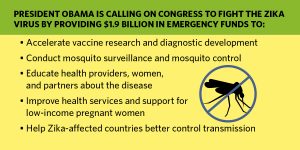
In response to the growing threat of Zika virus, the Obama administration announced on Monday that it would formally be requesting an emergency funding of $1.8 billion to combat the outbreak. The Department of Health and Human Services (including the CDC) would obtain the majority of the funds ($1.48 billion). CDC efforts will be ramped up as its emergency operations center was moved to a level 1 (the highest level) and teams are being coordinated to study the microcephaly-infection links. You can also check out the White House press release here. The WHO will be working to prioritize and fast-track research and development projects, of which Zika virus will be included. You can also find a great timeline here. According to the CDC, as of February 3, 2016, there were 35 travel-associated cases in the US. The Lancet also just released this piece discussing the labeling of Zika virus as a public health issue of concern.  On February 16, 2016, The National Academies of Sciences, Engineering, and Medicine are holding a workshop on research priorities to inform public health and medical practice for domestic Zika virus cases.

ASM-BiodefenseScreen Shot 2016-02-10 at 11.49.22 PM 
The 2016 American Society for Microbiology Biodefense and Emerging Diseases Research Meeting took place this week in Arlington, VA. For a biodefense fan, this was a pretty amazing three-day experience. Conference attendees were treated to presentations on antimicrobial resistance, applied biodefense, medical countermeasure developments, agroterrorism, and much more. Did I mention the keynote speaker was Dr. Tom Frieden, director of the CDC? I’m not even a little ashamed to admit how great it was to see Dr. Frieden emphasize that “nature is unpredictable but what is predictable is that we can be better prepared.” He also noted that “Zika is a rapidly changing situation” and the CDC would be sending a team within the next week to start a case-control study related to infection and microcephaly. Some highlights included getting to listen to Dr. Raymond Zilinskas discuss Russian biodefense efforts and how CBR training exercises increased in 2015. Dr. Jens Kuhn from the NIH wins the award for most humor during his fascinating presentation on Marburg and Ebola research within the Soviet bioweapons program. The infection preventionist in me greatly appreciated the session on antibiotic resistance and the role of medical tourism as an exposure for patients to CRE, not to mention how travel assists global clonal expansion. The Mayo Clinic’s Dr Tosh pointed out the short term (isolation of patients, hand hygiene, etc.), medium term (new microbial therapeutics, new diagnostics, etc.), and long term (specific pathogen therapy, decolonization, and immunologic therapy) response and control mechanisms for drug resistance. Last but not least, one of the biggest objectives from the applied biodefense presentations was the need for scientists to help inform policymakers about their work to drive the best policies. I would highly encourage anyone interested in the biodefense field to attend future conferences, as it was a wonderful learning experience and the poster/exhibitor sessions were an excellent way to learn about new research and network.

Lessons Learned: Using North Korea’s History to Better Understand Iran’s Nuclear Program
GMU biodefense professors, Dr. Thrall and Dr. Koblentz, discuss the use of North Korean nuclear history as a teaching tool regarding Iran’s nuclear program. By comparing and contrasting these two countries and their propensity for nuclear weapons, they look to similarities like the fact that both countries “are located in historically dangerous neighborhoods and face militarily superior adversaries. In North Korea’s case, South Korea and the United States; in Iran’s case, a Middle East full of Sunni Arabs and a nuclear-armed Israel. From a national security perspective, both countries have obvious reasons for pursuing a nuclear capability.” Given that both countries tend to be immune towards coercion, continued engagement and confrontation is vital. Using North Korea as a model for behavior, vigilant deterrence will be necessary to prevent Iran from cheating on the nuclear deal.

Managing Emerging Health Security Threats Since 9/11: The Role of Intelligence
Dr. Patrick F. Walsh, Associate Professor of Intelligence and Security Studies at Charles Sturt University in Australia, discusses the role of intelligence throughout the evolution of biosecurity since the 9/11 attacks. Dr. Walsh calls attention to the difficulties in defining biosecurity and that “cross-disciplinary focus is both a strength and weakness to understanding biosecurity threats. It is a weakness in that the presence of multiple players in the biosecurity field can result in a more fragmented understanding and operational response to various biosecurity threats. But it is also a strength in that, if intelligence systems are optimal, a multi-disciplinary approach allows a combination of expertise to assess and manage the bio-threat or risk.” Dr. Walsh presents the role of dual-use research, stolen biological agents, and the growing concern among biosecurity regulators and national security intelligence groups regarding the dwindling role of tacit knowledge and availability of equipment and technology. Dr. Walsh points out that the character of intelligence varies depending on the issue and one must account for the role of decision making. Lastly, he reminds us that “to conceptualize the role of intelligence in improving early warning of biosecurity threats is to examine how it can provide warning through various stages of the intelligence cycle, which includes the following stages—direction, collection, analysis, and dissemination.” While the role of intelligence will continue to evolve with biosecurity threats, Dr. Walsh emphasizes that strategic early warning capabilities are dependent upon the efficacy of intelligence framework. Improving these two facets of biodefense will allow critical infrastructure to not only respond to threats of bioterrorism and emerging infectious diseases, but also the growing threats of microbial resistance and dual-use research. You can also find the article here (2016 Walsh Health Security and Intelligence Jan).

Biosecurity in the Age of Big Data: A Conversation with the FBI
Advances in life science and technology can solve many health issues, but they can also pose a threat if used within the wrong context. Dual-use research of concern, CRISPR, and biotechnologies have led to some remarkable revolutionary advances, however, where do these fit within the FBI’s security concerns for bioweapons? Keith Kozminski of Molecular Biology of the Cell met with FBI Supervisory Special Agent (SSA) and head of the Biological Countermeasures Unit at their Washington, DC headquarters, Edward You, to discuss the security implications of Big Data. SSA You detailed his work with the American Association for the Advancement of Science and the United Nations Interregional Crime and Justice Research Institute to identify the security issues associated with Big Data when it comes to biology. Whether collaborating with companies like Amazon and IBM or government agencies like the CDC, SSA You has worked to identify potential vulnerabilities and how they can be addressed without halting innovation. SSA You states that “Over the last two years, we have had the issues with regard to the Centers for Disease Control and Prevention (CDC) and Department of Defense (DoD). A lot of discussion also came when the J. Craig Venter Institute synthesized that bacterial genome. There were a lot of calls and discussions about the scientific community needing more ethics training and the need to develop a greater culture of responsibility. From a law enforcement perspective those are necessary but not sufficient. What has been lacking is the scientific community being provided security awareness—something that augments how they approach the life sciences.” While there are vulnerabilities across the board, SSA You emphasized the need for partnership between biologists and WMD coordinators to not only safeguard science, but reduce threats.

UN- Protecting Humanity from Future Health Crises: Report of the High-level on the Global Response to Health Crises 
The UN has released an advanced copy of their report regarding global health safety. Highlighting the efforts and failures within the Ebola outbreak, this report emphasizes the global burden of communicable diseases and how better response and preparedness is needed. The report points out that only a third of the 196 State Parties have fully implemented the International Health Regulations (IHR, 2005) and there has been little global investment in R&D for emerging infectious diseases. 27 recommendations were made to address issues at the national, regional, and international levels, of which one of the first was for the WHO to build a new Centre for Emergency Preparedness and Response. The report also states that “all countries must meet the full obligations of the IHR” and “appropriate financing is required. Assistance should be provided to countries requiring additional support for IHR compliance, while WHO and the new Centre for Emergency Preparedness and Response must be resourced to meet global needs.” Overall, the use of the 2014 Ebola outbreak as a case study for health security recommendations echoes the sentiment that Dr. Frieden once noted– “a disease outbreak somewhere is a risk anywhere”

Stories You May Have Missed:

  • Vaccines & Therapeutic Conference– Mark your calendars for the 14th annual conference from May 17-19, 2016, in Washington DC, that covers biodefense, antimicrobial resistance, and emerging infectious diseases. Given the recent push for emergency funding for Zika virus research, this conference will be a great resource for up and coming research.
  • Quality Training for BSL-4 Biocontainment Laboratories– Interested in BSL-4 lab training? The FDA and University of Texas Medical Branch, Galveston National Medical Branch, will host training April 25-29, 2016. Held in Bethesda, MD, the course will include faculty and subject matter experts from the FDA, academia, and more.
  • Leprosy Spike in Florida– Florida has seen an increase in leprosy cases this year. Five cases have been reported in 2016 so far and 27 were reported in 2015. The spike in cases is suspected to be a result of armadillo transmission. If you find yourself traveling in Florida, you may want to avoid armadillo cuddling.


Pandora Report 11.6.2015

Happy Friday! The world of biodefense and global health security has been busy this week – between a growing outbreak of E. coli associated with Chipotle restaurants, to a review of Select Agent lab practices, and a recap of the Ebola outbreak in West Africa, there’s more than enough to keep you busy! Fun history fact Friday (it’s our version of “flashback Friday”), did you know that on November 6, 1971, the US Atomic Energy Commission tested the largest US underground hydrogen bomb (code name Cannikin) on Amchitka Island?

CDC/Select Agent List- 90 Day Internal Review
We’ve seen a lot of news lately regarding lab safety and biodefense reform/recommendations. With so much scrutiny regarding biosafety practices, it’s not surprising the CDC would do a deep dive into “how the agency inspects select agent labs” with a 90 day review. The review notes that while it didn’t duplicate the recommendations from Presidential Order 13546, it did find several areas for improvement, leading to nine observations and ten actionable recommendations. The categories for recommendations are inspections, incident reporting, and transparency. The findings point to several areas for improvement, ranging from the standardization of risk assessments to identify high risk activities, to the sharing of inspection data to better encourage public understanding of the work practices performed with these agents. The report highlights several areas for improvement that will hopefully lead to more stable biosecurity and public understanding of how we handle select agents. You can also check out the Federal Select Agent Program for a list of the agents and regulations involved.

2016 Presidential Candidates on Nonproliferation
GMU’s Greg Mercer is at it again with round three of his review on 2016 presidential candidates and their comments on nonproliferation. As of now, he’s reviewed the Republican candidates, but now he’s delving into the Democratic candidates. Greg reviews Hillary Clinton, Bernie Sanders, and Martin O’Malley, noting that ” in contrast to Republicans, most Democrats support the Iran deal, and generally tend to favor international arms control regimes.” With the race only heating up, stay tuned  for more of Greg’s candidate-by-candidate reviews on nonproliferation in the 2016 election.

GMU Master’s Open House and Application Deadlines!
Considering a master’s degree? Come check out the GMU School of Policy, Government, and International Affairs (SGPIA) Open House on Wednesday, November 18th, 6:30pm at our Arlington Campus in Founders Hall (Room 126). There’s even a pre-session for veterans and active duty military at 5:45pm! The Open House is a great way to learn about our different Master’s programs (Biodefense, International Security, Political Science, etc.) and ask real-time questions with faculty. Our Biodefense Program Director, Dr. Koblentz, will be there to discuss global health security and tell you about the pretty amazing things we get to do at GMU! If you’ve already attended or are planning to apply, just a friendly reminder that PhD program applications are due December 1st, and Biodefense Master’s Spring applications are due December 1st as well.

Zika Virus Outbreak in Colombia
Nine new cases have been identified in Sincelejo, Colombia, with an additional three being investigated in Barranquilla. Zika virus is a vectorborne disease that is transmitted through Aedes mosquitos. The CDC notes that vertical transmission (from mother to child) can occur if the mother is infected near her delivery and Zika can be spread through blood transfusion (although no cases have occurred this way) and sexual contact (one case of sexually transmitted Zika virus has occurred to date). Common signs and symptoms are fever, rash, joint pain, and red eyes that last several days to a week. In the past, transmission has occurred in tropical Africa, Southeast Asia, and the Pacific Islands, however, there have been cases in 2015 in Brazil and Colombia. We’ll keep you updated if transmission continues in South America!

There have also been cases of Chikungunya springing up throughout the Caribbean and Americas. The Pan American Health Organization (PAHO) initially reported just over 2,400 cases a few weeks ago, however a new report is showing 13,476 new cases. Initially starting in December 2013, this epidemic began with a single locally acquired case on St. Martin island, and is now totaling 1, 760,798 cases.

Chipotle E.coli Outbreak 
Just when you thought it was safe to go back to Chipotle (we reported that Minnesota  Chipotle customers experienced a Salmonella outbreak in August), an E. coli outbreak is making headlines in Washington and Oregon. Public health officials updated the case total to 41 people as of 11/4, with 6 patients requiring hospitalization. The source of the outbreak hasn’t been identified yet but as a precautionary measure, they’ve closed 14 restaurants. So far, the identified cases have been tied to five restaurants across six counties.

10759_lores

Stories you May Have Missed

  • CRISPR-Cas9 Utility Broadens – researchers at Massachusetts General Hospital have improved on the utility of CRISPR-Cas9 through application via bacterial sources. The team “reports evolving a variant of SaCas9 – the Cas9 enzyme from Streptococcus aureus bacteria – that recognizes a broader range of nucleotide sequences, allowing targeting of the genomic sites previously inaccessible to CRISPR-Cas9 technology.” The new application allows a more precise targeting within the genomic sequence, which may translate to therapeutic applications. CRISPR-Cas9 has been a hot topic within the science and biodefense community in relation to its potential labeling as dual use research of concern (DURC) and certain ethical debates.
  • Unvaccinated Babies Refused By Some Physicians– Vaccination status is something I’ve grappled with working in pediatrics and is one of the rare things that can turn a calm physician (or infection preventionist for that matter) red-faced and needing a breather. The Boston Globe reported on a recent survey from the American Academy of Pediatrics that touched on pediatricians dismissing families that refused vaccines. The study found that all pediatricians surveyed had encountered at least one parent refusing vaccination for their child and 20% of pediatricians “often” or “always” dismissed families who refuse one or more vaccine. Interestingly, researchers found that “doctors in private practice, those located in the South, and those in states without philosophical exemption laws were the most likely to dismiss families refusing to vaccinate their infant”.
  • Guinea Ebola Tranmission – Guinea continues to experience new cases. As we mentioned last week, the cluster of four patients from the Kondeyah village is being monitored by public health officials. An infected newborn, whose mother died from Ebola recently, is also under observation and care. The infant’s mother was a confirmed case prior to her delivery and died after giving birth. The WHO is currently monitoring 382 contacts in Guinea during this time.

Enjoying your weekly dose of the Pandora Report? Sign up to receive it every week so the fun never ends! 

Pandora Report 10.23.2015

Happy Infection Prevention Week! Make sure to give any infection preventionists you know a big hug or at least a hearty handshake (only clean hands though!). Not only do we get to celebrate National Infection Prevention week, but it’s also National Biosafety Stewardship Month, so get your party hand sanitizer ready to go and let the frivolity begin! Foodborne illness is the name of the game this week and we’ll be discussing outbreaks. Friendly reminder – the influenza vaccine is available in most offices/clinics now, so get your flu shot as there have already been cases springing up across the US. Fun fact – did you know that a report published this week identified Yersinia pestis in the tooth of a Bronze Age individual, which means there were plague infected humans 3,300 years earlier than we thought!

National Biosafety Stewardship Month – October is National Biosafety Stewardship Month (thanks NIH!) to celebrate and encourage people to focus on biosafety policies, practices, and procedures. Given the lab biosafety issues we’ve seen recently, I think we can all safely (or should I say, “biosafely”?) agree that a little extra attention to these issues and the promotion of better practices is a great thing. Institutions are encouraged to use more of a just culture approach to incident reporting and to promote public transparency. Happy National Biosafety Stewardship Month!

Water Quality for the Olympic Games in Rio De Janeiro, 2016
The 2016 Summer Olympics are fast approaching and with any large event, health issues become a main concern. The WHO is providing technical advice to the Brazilian national authorities regarding public health concerns, as well as to the International Olympic Committee and the Local Organizing Committee. Clean drinking water, sewage pollution, and a host of other health issues can become a nightmare during such a large-scale event. While there aren’t recommendations for specific viral testing of the water, the WHO does encourage additional testing in the event of an outbreak. Sanitary inspections and other preventative procedures are being recommended to avoid outbreaks and public health issues. As we get closer to the 2016 Olympics, it is very likely concerns over vector-borne diseases will be addressed through vector control and public health education.

CDC Launches Redesigned FOOD Tool for Foodborne Outbreaks 

Courtesy of CDC FOOD Tool

The CDC has updated their online foodborne illness outbreak investigation tool! The Foodborne Outbreak Online Database Tool (FOOD Tool) allows the user to search the outbreak database by state, food, ingredient, year, location of food preparation, and organism. The FOOD Tool also provides the case information related to the outbreak, so users can see the number of affected persons, hospitalizations, deaths and laboratory-confirmed organisms. This database pulls from CDC’s Foodborne Disease Outbreak Surveillance System (FDOSS) and allows users to not only look at data and trends over time, but also compare their cases to other outbreaks.

Syrian Refugee Resettlement and Why We Should Be Letting Them All In 
Dr. Trevor Thrall, one of our amazing GMU Biodefense professors, has written a piece for The Atlantic on the importance and benefits of taking in all Syrian refugees. Dr. Thrall discusses the limitations of addressing the root cause of the Syrian conflict and how the US and its European allies should take in refugees. Discussing the military alternatives to the Syrian crisis, he states, “going in militarily is not the answer, then. Instead, those civilians under threat should get out. Refugees typically receive support in the countries to which they flee, but the vast numbers involved in this case threaten to overwhelm Turkey, Jordan, and Lebanon, which have so far accommodated the vast majority of the outflow.” Dr. Thrall points out that while resettlement would cost a substantial amount of money, it would cost far less than military intervention and you simply can not ignore the moral superiority in aiding refugees.

Chipotle’s Bad Tomatoes Came From Nation’s Largest Field Producer
To our readers in Minnesota, did you happen to eat at a Chipotle in August? If so, we hope you weren’t one of the affected individuals that contracted Salmonella Newport as a result of contaminated tomatoes. The Minnesota Department of Health investigated the 64 cases resulting from this outbreak, however it was just released that the contaminated tomatoes were actually supplied by Six L’s Packing Co (doing business as Lipman Produce), which is actually one of the largest tomato suppliers in the US. Packing 15 million boxes of tomatoes this past year, Lipman was later dropped as a supplier by Chipotle after learning of the source of contaminated produce. The tomatoes were removed but it’s estimated that during the window of exposure, roughly 560,000 people consumed Chipotle. The good news is that we’re out of the incubation period, so if you happened to eat at a Minnesota Chipotle, you’re in the clear.

Stories You May Have Missed:

  • 80 Illnesses Linked to Shigella Outbreak; CA Seafood Restaurant Closed –  Mariscos San Juan in San Jose, CA is currently closed after the Santa Clara County Health Department connected a recent outbreak of Shigella to their food. While the exact source hasn’t been identified, over 93 people were sickened in relation to contaminated food at the restaurant.
  • Subway to Phase Out Poultry Products Raised With Antibiotics–  On Tuesday, Subway Restaurants announced that they will be transitioning to only serve poultry products that have been raised without antibiotics by early next year. Other chain restaurants, like Chick-fil-A and Chipotle, are jumping on the train to phase out chicken and turkey products that were raised with antibiotics.
  • Scottish Nurse and Ebola Complications – Pauline Cafferkey continues to battle post-Ebola complications. Reports last week noted neurological issues and it was recently reported that she has meningitis after the virus persisted in her brain and CSF after her initial recovery. Ongoing research is looking into the long-term effects of the disease as the West African outbreak was the largest in history and researchers have never had the opportunity to look at chronic issues associated with disease recovery.

Pandora Report 10.2

All this rain and grey weather (at least in DC) makes us want to curl up with a good book and luckily, we’ve got just the reading list! This week we’re sharing some top-notch work by our phenomenal faculty and alumni for you to enjoy. Earlier this week, straight out of a James Bond movie, Elon Musk presented Tesla’s Model X and its Bioweapon Defense Mode. Google had its 2015 Science Fair and a pretty amazing high school student took home top honors for her work on Ebola. Did I mention Kansas is prepping for the zombie apocalypse? Needless to say, there was a lot going on this week in the world of biodefense, so let’s venture down the rabbit hole….

 Zombie Preparedness Month Starts for Kansas 
I’m thinking we may need to take a class trip to Kansas since Governor, Sam Brownback, will be signing a proclamation to officially designate October as “Zombie Preparedness Month”! Brownback’s rationale is to emphasize preparedness in any form, stating, “If you’re prepared for zombies, you’re prepared for anything. Although an actual zombie apocalypse will never happen, the preparation for such an event is the same as for any disaster: make a disaster kit, have a plan, and practice it.” During Zombie Preparedness Month, state emergency management services will have activities and information for residents to help get their preparedness on. They’ll also be using social media to engage people people on these topics. The one thing we’ve learned in biodefense, Gov. Brownback, is to never say never!

Connecticut Teen Wins Google Science Award By Developing Affordable Ebola Test
High school junior, Olivia Hallisey, just took home the Google Science Fair top prize for developing an affordable and easy Ebola test in her project, “Ebola Assay Card”, which quickly (we’re talking 30 minutes quick!) detects the virus and doesn’t require refrigeration. Each test only costs $25 and picks up antigens on photo paper. Hallisey summarizes, “In this new device, that is stable and stored at room temperature, 30µl drops of water were used to dissolve silk-embedded reagents, initiating a timed-flow towards a center detection zone, where a positive (colored) result confirmed the presence of 500pg/ml Ebola(+)control antigens in 30min, at a cost of $25,” Hallisey hopes this project will encourage other girls to pursue their passions in science. Hallisey is truly an inspiration and we tip our hats to her passion for solving world problems while encouraging her peers!

Let’s Talk Dual-Use!
Come listen and chat with Dr. David R. Franz, former commander of USAMRIID, about balancing research and regulations when it comes to dual-use!
Date & Time: Monday, October 5, 2015, 4:30-6pm
Location: Hanover Hall, L-003 George Mason University, Fairfax, VA, see map

​Dr. Franz was the Chief Inspector on three United Nations Special Commission biological warfare inspection missions to Iraq and served as technical advisor on long-term monitoring.  He also served as a member of the first two US-UK teams that visited Russia in support of the Trilateral Joint Statement on Biological Weapons and as a member of the Trilateral Experts’ Committee for biological weapons negotiations.  He previously served as member of the National Science Advisory Board for Biosecurity (NSABB). Dr. Franz currently serves on several committees including the National Academy of Sciences Committee on International Security and Arms Control and the National Research Council Board on Life Sciences. Dr. Franz is a leader in the areas of cooperative threat reduction and health security and an expert in the development of U.S. regulations for biological threat reduction and biological security.  Dr. Franz will discuss the history and current debates related to U.S. and international regulations for select agents, dual use research of concern, and gain-of-function experiments.

1977 H1N1 Influenza Reemergence Reveals Gain-of-Function Hazards
Dr. Martin Furmanski discusses the gain-of-function (GoF) research hazards in relation to the 1977 H1N1 strain and it’s laboratory origins. Highlighting a previous article on the GoF debate, Dr. Furmanski notes that “separating the risks of vaccine development from those of basic GoF research is inappropriate, because GoF research seeks to discover antigenic and genomic changes that facilitate human-to-human transmission and/or augment virulence, with the aim of preemptively producing vaccines.” He also notes that while the 1977 H1N1 epidemic originated in a lab and it’s release was unintentional, the culprit laboratory matters little in the GoF debate.

Define Acceptable Cyberspace Behavior
GMU Biodefense alum, Dr. Daniel M. Gerstein, discusses the US-China cybersecurity agreement and the Friday announcement between Chinese Premier Xi Jinping and President Barack Obama. The agreement highlights the mutual desire to prevent cybertheft of business secrets. Dr. Gerstein emphasizes that while this agreement is a step in the right direction, it points to larger preparedness and response capability gaps. He notes, “So while a U.S.-China agreement is a welcome step, it also underscores the greater issues facing the United States, and indeed the international community, in this largely ungoverned space.” Dr. Gerstein highlights the necessity to define cyberspace boundaries, especially as there are delays in DHS security system deployments while US vulnerabilities continue to develop.

Implementation for the US Government Policy for Institutional Oversight of Life Sciences Dual Use Research of Concern
As of September 24, 2015, all institutions and USG funded agencies are now required to comply with the policies. Agencies now must have “a mechanisms in place to evaluate research that is potentially Dual Use Research of Concern (DURC).” Institutions must also organize an Institutional Review Entity (IRE) to review and manage compliance with these requirements.

Dr. Sonia Ben Ouagrham-Gormley’s  new book, Barriers to Bioweapons, received glowing reviews in the latest issue of Perspective on Politics. Her work, which is a staple for biodefense courses, and particularly this text, focusses on the perception of risk and lethality of bioweapons while addressing the realities of these assumptions. Ouagrham-Gormley discusses the key role of tacit versus explicit knowledge in the development and dissemination barriers for bioweapons. “The author identifies important factors internal to a weapons-development program- talented individuals and cohesive groups, corporate culture, communities of practice, organization structure- as critical nodes or ‘reservoirs’ of knowledge that must be configured to optimize the sharing of ideas and information.” The case studies of Iraqi and South African programs, as well as Aum Shinrikyo, lay the foundation for her points on the role of internal and external variables that can hinder or help a bioweapons program. Whether you’re reading  it for class (GMU Biodefense folks, I’m looking at you!) or you’re looking to brush up on nonproliferation, this book is a well-written and captivating necessity to understand bioweapon development. Did I mention how awesome the cover is?
Our very own GMU Biodefense PhD alum, Dr. Denise N. Baken, has a wonderful new book being released – let’s check it out! Al Qaeda : The Transformation of Terrorism in the Middle East and North Africa examines violence and the way it is marketed by the global terrorism industry.  Authors Denise Baken and Ioannis Mantzikos frame the violence discussion through the prism of its use by Al Qaeda, Al Qaeda in the Arabian Peninsula (AQAP) and Islamic State of Iraq and Syria (ISIS).Baken and Mantzikos look at the business parameters of violence –its cost, return on investment, efficiency, and effectiveness; They propose a new approach to that violence. One that looks at violence as a controlled commodity that evolved from Al Qaeda’s initial presentation of future possibilities, AQAP exploited those possibilities and ISIS pushed the boundaries of usability.
Stories You May Have Missed: