This week we have several exciting announcements, a leadership change at Africa CDC, and more to cover. We also have plenty new publications, including multiple from our own students and faculty. This edition rounds out with new upcoming events, an AMR resource from the CDC, and, as always, a trivia question so you can show off what you know.
Biodefense Alumna, Faculty Member Named to PLOS Global Public Health Editorial Board
Biodefense faculty (and alum) Dr. Saskia Popescu is now a member of the PLOS Global Public Health Editorial Board. PLOS Global Public Health is an open access global forum for public health research that reaches across disciplines and regional boundaries to address the biggest health challenges and inequities facing our society today. PLOS Global Public Health addresses deeply entrenched global inequities in public health and makes impactful research visible and accessible to health professionals, policy-makers, and local communities without barriers. The journal amplifies the voices of underrepresented and historically excluded communities and prioritize equity, diversity, and inclusion at all levels – editors, editorial boards, peer reviewers and authors – to broaden the range and diversity of perspectives at the forefront of public health and advance the health of all humankind.
Dr. Jean Kaseya Becomes Head of Africa Centres for Disease Control and Prevention
Dr. Jean Kaseya, a Congolese physician with more than twenty years of experience working in public health both in the DRC government and in international institutions, has become the first Director General of the Africa Centres for Disease Control and Prevention. Kaseya’s candidacy was approved by the African Union this past weekend, and he joins the agency amid a transition designed to allow it to operate with more authority and flexibility. Whereas his predecessors were directors of the Africa CDC (which functioned as a technical institute), Kaseya is director general of Africa CDC that functions now as a public health agency, which will grant him more powers and less expectations of dealing with African Union bureaucratic issues.
Kaseya has indicated one of his main priorities is healing the relationship between Africa CDC and the WHO. Health Policy Watch noted “Today, after the confirmation, my first call was with Dr [Mashidiso] Moeti, Regional Director, WHO/AFRO region to reiterate my commitment to work closely with WHO to address health issues in Africa,” he stated, putting aside the rift that opened between the Africa CDC and WHO last summer over the degree of autonomy that Africa CDC should have in declaring regional public health emergencies.”
While Africa CDC grew its prominence through its COVID-19 response, Kaseya now must manage maintaining that level of prominence as the AU shifts to managing other challenges. The same Health Policy Watch article continues with “But COVID-19 is no longer the priority that it used to be, Guzman noted. Instead, many countries are now preoccupied with a burgeoning fiscal and debt crisis, as well as multiple other competing priorities. These include accelerating the African Continental Free Trade Area, the main agenda item at the 36th AU Assembly, as well as confronting the growing effects of climate change and the war in Ukraine on food security, and beyond. “
South Sudan Assents to Accession to Biological Weapons Convention
On February 15, the United States notified the BWC Implementation Support Unit that South Sudan deposited its instrument of accession to the Biological Weapons Convention in Washington DC. This makes South Sudan the 185th State Party to the Biological Weapons Convention. South Sudan joins the majority of other countries as a State Party, including Namibia, which acceded to the BWC less than a year ago on February 25, 2022. Learn more about the Convention and the ISU’s work here.
“How the James Webb Space Telescope Can Inform Health Security”
Biodefense PhD student Ryan Houser recently published this article in Disaster Medicine and Public Health Preparedness. He writes in part, “In a moment when life on Earth has felt increasingly tragic and troubling based on what has become the background noise of the continued impacts of the COVID-19 pandemic, dangerous climate change impacts, and other international affairs challenges, NASA and its partners released images of the early universe from a historical space telescope. The launch of the James Webb Space Telescope in December, 2021 was the result of decades of innovation and challenges, but the images just beginning to be released are awe-inspiring. Not since the release of ‘Earthrise’ from the Apollo 8 mission has images from space highlighted how Earth is both grand and delicate. Against the vastness of the universe, the fragile nature of the Earth is overshadowed by the endless possibilities that exist within the galaxies around us. The images from the Webb telescope are an inspiration for scientific progress and for the next generation of scientists who will lead us into the future. The story of the James Webb Space Telescope and its creators serves as an important and informative lesson for the future of global health security which is still reeling from the continued threat of COVID-19 and the newly emerging Monkeypox threat. The necessary advancements in global health security will be a formulation of great failures such as the overall COVID-19 response, the result of never-ending commitment to progress from practitioners and policy makers, an effort of global collaboration, and one of increasing complexity that requires a diversity of thought to find innovative solutions; all themes which line the story of the James Webb Telescope and serve as an analogy for the mission towards the next great frontier in global health security, one free of global catastrophic biological risks.”
“Biology Is Dangerously Outpacing Policy”
Dr. Gregory Koblentz, Director of the Biodefense Graduate Program, and Dr. Rocco Casagrande recently published this opinion piece in The New York Times. In it they discuss concerns about dual-use research and the National Science Advisory Board for Biosecurity’s recent recommendation to majorly overhaul government oversight such research. They explain the core problem this recommendation aims to address, writing “Historically, the United States has taken a reactive and haphazard approach to preventing lab accidents and the misuse of high-risk science. A patchwork of regulations, guidance and policies exists based on the specific pathogen being researched, the type of research being conducted and the source of funding. But some research doesn’t fall under any agency, leaving an oversight vacuum.”
They continue, explaining “This fragmented system has not kept pace with the evolving risk landscape. There are now more powerful tools for genetic engineering, and these tools are easier to use and more widely available than ever before. There are also more researchers interested in conducting research with engineered pathogens for scientific and medical purposes. According to the Global Biolabs Initiative, of which Dr. Koblentz is a co-director, there are more than 100 high and maximum containment labs around the world conducting high-risk research, with more planned. The United States has more such labs than any other country. Failure to update bio-risk-management policies is too great a concern.”
They later offer a proposal to create a government agency specifically tasked with managing this oversight: “The United States also needs to establish an independent government agency that has the authority and resources to regulate this research. This agency would serve a similar purpose as the National Transportation Safety Board or the Nuclear Regulatory Commission, and be dedicated to understanding the cause of accidents and mitigating risk anywhere in the United States. This would provide a central place for scientists to receive guidance about their work or to raise concerns. Such an agency could develop and promote policies so that all institutions doing this work would be held to the same standards.”
“Some researchers argue that these recommendations are too far-reaching and will inhibit science. But many of these measures would align the regulatory environment of the United States with those of its peers, such as Canada, Switzerland, the Netherlands, the United Kingdom and Germany. Fears that more oversight will have a chilling effect on research are belied by the robust research programs found in each of these countries. Still, the implementation of these recommendations will require a careful balancing act: fostering innovation in the life sciences while minimizing the safety and security risks.”
“Blind Spots in Biodefense”
In this editorial for Science, Ann Linder and Dale Jamieson discuss the Biden administration’s National Biodefense Strategy and critical areas it fails to address. They write in part “In October, the Biden administration released its National Biodefense Strategy (NBS-22), the first update since the COVID-19 pandemic began. Although the document notes that one of the lessons of the pandemic is that threats originating anywhere are threats everywhere, it frames threats as largely external to the United States. NBS-22 focuses primarily on bioterrorism and laboratory accidents, neglecting threats posed by routine practices of animal use and production inside the United States. NBS-22 references zoonotic disease but assures readers that no new legal authorities or institutional innovations are needed. Although the US is not alone in failing to confront these risks, its failure to comprehensively address them echoes across the globe.”
“More zoonotic diseases originated in the United States than in any other country during the second half of the 20th century. In 2022, the US processed more than 10 billion livestock, the largest number ever recorded and an increase of 204 million over 2021. Risks occur across the supply chain, from facilities where animals are born to homes where they are consumed. The ongoing H5N1 avian influenza outbreak has left 58 million animals dead in backyard chicken coops and industrial farms. It has infected animals in one of the dozens of live poultry markets in New York City (elsewhere called “wet markets”). Of the many agencies that govern food animal production, the US Department of Agriculture is the most important, but even it has no authority to regulate on-farm animal production.”
“Interventions to Reduce Risk for Pathogen Spillover and Early Disease Spread to Prevent Outbreaks, Epidemics, and Pandemics”
This online report by Vora et al. was recently published in Emerging Infectious Diseases. Abstract: “The pathogens that cause most emerging infectious diseases in humans originate in animals, particularly wildlife, and then spill over into humans. The accelerating frequency with which humans and domestic animals encounter wildlife because of activities such as land-use change, animal husbandry, and markets and trade in live wildlife has created growing opportunities for pathogen spillover. The risk of pathogen spillover and early disease spread among domestic animals and humans, however, can be reduced by stopping the clearing and degradation of tropical and subtropical forests, improving health and economic security of communities living in emerging infectious disease hotspots, enhancing biosecurity in animal husbandry, shutting down or strictly regulating wildlife markets and trade, and expanding pathogen surveillance. We summarize expert opinions on how to implement these goals to prevent outbreaks, epidemics, and pandemics.”
“Hundreds of Incidents of Lost Nuclear and Radioactive Material Logged in Latest CNS Trafficking Database”
From the Nuclear Threat Initiative: “The latest edition of the Global Incidents and Trafficking Database, produced by the James Martin Center for Nonproliferation Studies (CNS) exclusively for NTI, documents 352 incidents of nuclear and radiological material outside of regulatory control between 2020-2021. The Global Incidents and Trafficking Database is the only publicly available account of incidents involving nuclear and other radioactive materials. It aims to give researchers and policymakers a comprehensive picture of the amount and types of incidents that occur, from which they can develop data-driven policy solutions. CNS has logged more than 1,500 global incidents since the database was launched in 2013, emphasizing that the security of nuclear and radioactive materials remains a persistent global safety and security concern.”
“The latest dataset, available as a downloadable spreadsheet, is published with an accompanying analytical report and interactive map to illustrate where incidents have taken place. Delays and disruptions in national reporting due to the COVID-19 pandemic led to the publication of a two-year aggregate report of 2020 and 2021 incidents. The dataset illustrates several alarming trends, including more incidents occurring because of failure of individuals to abide by appropriate procedures and attempts by right-wing extremist groups to acquire nuclear and other radioactive materials. Furthermore, the deteriorating relationship between Russia and the United States, even before the 2022 Russian invasion of Ukraine, has stymied progress on nuclear and other radioactive materials security issues on the international stage and the threat of radiological crime and terrorism remains high, particularly in unstable regions.”
“Disinformation in the Kremlin’s Toolkit of Influence: Training Guidance for Scoping the Threat to the Norms and Institutions of Weapons of Mass Destruction Nonproliferation”
The Center for the Study of Democracy recently published this report: “Russia’s hybrid warfare operations utilize a combination of tactics and tools. Disinformation – the deliberate spread of inaccurate, incomplete, or fabricated information – remains one of the core instruments through which the Kremlin seeks to assert its political authority domestically and exercise influence abroad. During the ongoing invasion of Ukraine, Russia has stepped up its disinformation campaigns focusing in particular on technically specific and malign narratives around chemical, biological, and nuclear weapons – collectively referred to as weapons of mass destruction (WMD). This training guidance focuses on hybrid threats that involve the use of materials associated with the development of chemical, biological, and nuclear weapons. It seeks to illustrate 1) how the use of WMD materials fits within the Kremlin’s toolbox of influence and 2) how disinformation activities regarding WMD-enabled attacks can impact the existing WMD nonproliferation norms and institutions. The guidance contains indicative scenarios which are intended to facilitate consideration of the possible manifestations of disinformation activities and the types of approaches and strategies that can be implemented to counter foreign malign activities in the media sector.”
What We’re Listening To 🎧
This Podcast Will Kill You, Special Episode: David Quammen & Breathless
Latest episode of TPWKY: “What do you get when you combine a love of reading with an interest in biology/public health/medical history and a background in podcasting? The TPWKY book club, of course! This season’s miniseries of bonus episodes features interviews with authors of popular science books, covering topics ranging from why sweat matters to the history of food safety, from the menstrual cycle to the persistence of race science and so much more. So dust off that library card, crack open that e-reader, fire up those earbuds, do whatever it takes to get yourself ready for the nerdiest book club yet.”
“We’re starting off this book club strong with a discussion of Breathless: The Scientific Race to Defeat a Deadly Virus, the latest book by award-winning science writer David Quammen (@DavidQuammen). Breathless recounts the fascinating – and sometimes frightening – story of how scientists sought to uncover the secrets of SARS-CoV-2, the virus that causes COVID. In this interview, Quammen, whose 2012 book Spillover explores the increasing pathogen exchange occurring among humans, wildlife, and domestic animals, shares with us how he decided to write Breathless and why this story of discovery needs to be told. Our conversation takes us into musings over why we saw this pandemic coming yet could not keep it from happening, the controversy over the origins of SARS-CoV-2, and the question of whether future pandemics are preventable or inevitable. Through this discussion, we find that the global response to future pandemics depends just as much on locating the gaps in our knowledge about this virus as it does on applying what we have learned so far. Tune in for all this and more.”
“In “Masks, Memories, & Middle Ground,” Dr. Osterholm and Chris Dall discuss the state of the pandemic in the US and around the world, the newly released CIDRAP Coronavirus Vaccine R&D Roadmap, and the rise of vaccine misinformation and disinformation.” Find this episode on CIDRAP’s website.
Personal Protective Equipment and Personal Protective Technology Product Standardization for a Resilient Public Health Supply Chain
“The National Academies will convene a public workshop, March 1-2, to examine standards gaps related to personal protective equipment (PPE) and personal protective technology (PPT). The event will explore innovative approaches and technologies needed to update and streamline the U.S. standardization system for PPE and PPT in support of supply chain resiliency. Policymakers, manufacturers, users, and relevant technical contributors will discuss ways to improve the effectiveness, safety, supply stability, and accessibility of PPE and PPT in health care settings and increase usage by critical infrastructure workers and the general public.” Learn more and register here.
The Biden Administration’s New Strategy for Countering Weapons of Mass Destruction Terrorism
From the Nuclear Threat Initiative: “Join us as White House Assistant to the President for Homeland Security Dr. Elizabeth Sherwood-Randall and other senior U.S. officials discuss the Biden administration’s new strategy to counter weapons of mass destruction terrorism and advance nuclear and radiological security.” This event will be held on March 2 at 11 am EST. Register here.
Report LaunchPreparing for Success at the Fifth Review Conference of the CWC: A Guide to the Issues
“The United Nations Institute for Disarmament Research (UNIDIR) is pleased to invite you to the in-person launch of a new report on Preparing for Success at the Fifth Review Conference of the Chemical Weapons Convention: A Guide to the Issues. This is the first in a series of events the Institute is hosting in preparation for the Fifth CWC Review Conference, which is scheduled to take place from 15 to 19 May 2023.” One version will be hosted in The Hague on Monday, March 6 from 12:30-14:30 CET and another in Brussels on Tuesday, March 7 from 12:30-14:30 CET. Both will also be broadcast via Zoom.
From CDC: “Antimicrobial resistance (AR), when germs do not respond to the drugs designed to kill them, threatens to return us to the time when simple infections were often fatal. CDC is committed to protecting people and the future of the healthcare, veterinary, and agriculture industries from the threat of antimicrobial resistance.
The AR Investment Map showcases CDC’s critical activities in the U.S. and abroad to combat antimicrobial resistance with investments in laboratory and epidemiological expertise and public health innovation. CDC supports most of these activities through its AR Solutions Initiative, while also leveraging investments from successful programs across the agency for maximum efficiency.
The map also includes projects related to combating antimicrobial resistance that are funded by supplemental appropriations provided to CDC to respond to the COVID-19 pandemic, such as the American Rescue Plan Act or the CARES Act. These activities are also highlighted in a fact sheet.
Sustainable Diagnostic Containment Laboratories – Request for Expressions of Interest
“This Expression of Interest (RFEI) is seeking bold ideas that will reinvent the diagnostic laboratory, making it fit-for-purpose in resource-limited contexts globally. These innovative solutions are expected to reimagine the physical laboratory in order to reduce ongoing operational and maintenance costs and allow sustainable presence of safe and secure handling of high-consequence pathogenic materials, whilst maintaining and/or optimizing core functions of a diagnostic laboratory in low- and middle- income countries.”
“This RFEI represents Phase I of a dual-phase approach to development of a Grand Challenge for Sustainable Diagnostic Laboratories. The pool of Expressions of Interest received will be used to inform the scope of a full Grand Challenge program in Phase II, under which Grand Challenges Canada will award funding. Submission of an Expression of Interest does not constitute an application for funding; however, Expressions of Interest will receive feedback from an external review process designed to improve the quality of full proposals submitted for an open call for funding applications in Phase II. Most promising Expressions of Interest may also be shortlisted for direct invitations to submit full proposals for funding in Phase II.”
You read the Pandora Report every week and now it’s time for you to show off what you know! The first person to send the correct answer to biodefense@gmu.edu will get a shout out in the following issue (first name last initial). For this week, our question is: What is the first multilateral disarmament treaty that banned an entire category of WMD?
The correct answer to last week’s question, “This viral disease is primarily spread by Aedes aegypti mosquitoes and was first detected in humans through a serological survey conducted in Uganda in 1952. What is its name?,” is Zika.
The three day weekend is almost here and we have enough content to keep you busy the whole time! This week we cover updates on the Biden administration’s response to the growing Ebola outbreak in Uganda, continued concerns about polio in New York, and international containment efforts. We also discuss a ton of new publications, including multiple new books and articles from our own program alumni. As always, upcoming events and announcements round us out for the week.
Ebola in Uganda, US on Alert
The Biden administration announced this week that all travelers entering the United States from Uganda will be redirected to airports where they can be screened for Ebola virus disease (EVD). Physicians were also warned to be on the lookout for potential cases entering the country. According to The New York Times, “The director of the Centers for Disease Control and Prevention ordered the airport screenings, and the State Department issued an alert saying the measures would apply to all passengers, including U.S. citizens… Screenings were expected to begin on Thursday for some passengers, but the travel restrictions will not go into effect until next week, according to an official familiar with the plan, who stressed that both the restrictions and the alert to doctors were issued as precautions.”
Passengers entering the US from Uganda will be redirected to New York City’s John F. Kennedy International Airport, New Jersey’s Newark Liberty International Airport, Chicago’s O’Hare International Airport, Hartsfield-Jackson Atlanta International Airport, and Dulles International Airport near Washington, D.C. According to the administration, 62% of passengers entering the country from Uganda already arrive through these airports. They will undergo temperature checks and complete questionnaires before continuing to their final destinations.
According to the advisory, “On September 20, 2022, the Ministry of Health of Uganda officially declared an outbreak of EVD due to Sudan virus (species Sudan ebolavirus)in Mubende District, Central Uganda.”
“The first confirmed case of EVD was a 25-year-old man who lived in Mubende District and quickly identified as a suspect case of viral hemorrhagic fever (VHF) and isolated in the Mubende Regional Referral Hospital. Blood collected from this patient tested positive for Sudan virus by real-time reverse transcription polymerase chain reaction (rRT-PCR) on September 19, 2022, at the Uganda Virus Research Institute (UVRI). The patient died the same day, and a supervised burial was performed by trained staff wearing proper personal protective equipment (PPE). Further investigation into this case revealed a cluster of unexplained deaths occurring in the community during the previous month. As of October 6, 2022, a total of 44 confirmed cases, 10 confirmed deaths, and 20 probable deaths of EVD have been identified in Uganda.”
Much of this is reminiscent of the 2014-2016 outbreak, during which the US reported the first case outside Africa in a Liberian national who traveled to Dallas through four different airports without being stopped. At the time, NPR explained that “Ebola symptoms can lay dormant for two to 21 days, and during that time, the disease wouldn’t show up on a blood test, let alone a thermometer. There was no way to know that this particular passenger was at risk. The good news, says Thomas Frieden, director of the CDC: “Ebola doesn’t spread before someone gets sick, and he didn’t get sick till four days after he got off the airplane. So we do not believe there is any risk to anyone who was on the flight at that time.” Fever is one of the first symptoms to appear, so for now, thermometers remain a good way of catching infected travelers.”
The Liberian patient, Thomas Eric Duncan, died on the morning of October 8 at Texas Health Presbyterian Hospital in Dallas, a little over two weeks after he arrived in the US from West Africa. Two nurses who treated him, Nina Pham and Amber Vinson, were infected too, though they both later recovered. The hospital was later criticized in an independent report detailing miscommunication, poor information handling, and a lack of focus on patient safety that contributed to Duncan’s initial misdiagnosis and the nurses’ exposure. Later in October 2014, a medical aid worker who had volunteered in Guinea was hospitalized in New York City with suspected EVD, which was later confirmed by CDC. This patient also later recovered. An additional seven others were treated in the US after they were exposed and became ill while in West Africa, the majority of whom were medical workers. They were transported to the US on chartered aircraft. All but one recovered.
According to CDC, “The 2014-2016 Ebola epidemic was the first and largest epidemic of its kind, with widespread urban transmission and a massive death count of more than 11,300 people in Guinea, Liberia, and Sierra Leone. The epidemic took a devastating toll on the people of West Africa. Ending it took an extraordinary international effort in which the U.S. government played a major role.”
However, unlike this and other recent outbreaks, the cases in Uganda are of the Ebola Sudan strain. The WHO explains of this strain that “According to the International Classification of Disease for filoviruses (ICD-11) released in May 2019, Ebola disease is now sub-categorized depending on the causative virus. Outbreaks of Ebola disease caused by Sudan virus are named Sudan Virus Disease (SVD) outbreaks. Prior to May 2019 all viruses causing Ebola disease were grouped together. Based on the results of laboratory tests, this outbreak is caused by Sudan virus.”
“Sudan virus disease is a severe, often fatal illness affecting humans. Sudan virus was first reported in southern Sudan in June 1976, since then the virus has emerged periodically and up to now, seven outbreaks caused by SUDV have been reported, four in Uganda and three in Sudan. The estimated case fatality ratios of SVD have varied from 41% to 100% in past outbreaks.”
The WHO also explains that “The diagnosis of SVD can be difficult, as early nonspecific manifestation of the disease may mimic other infectious diseases such as malaria, typhoid fever and meningitis. Confirmation is made using numerous diagnostic methods including RT-PCR. Supportive care – rehydration with oral or intravenous fluids – and treatment of specific symptoms improve survival.”
Importantly, in contrast to the Zaire strain, there are no licensed vaccines or therapeutics for this strain of Ebola. The CDC’s HAN advisory explains that “This is the fifth outbreak of EVD caused by Sudan virus in Uganda since 2000. The current outbreak is in the same area as Uganda’s most recent EVD outbreak caused by Sudan virus, which occurred in 2012. During the 2012 outbreak, limited secondary transmission was reported, and the outbreak was effectively contained.”
“This image depicted Quarantine Public Health Officer, Máire Kirley, awaiting the arrival of an aircraft during a Live Full-Scale Ebola exercise at Minneapolis-St. Paul International Airport, in April 2017. This Department of State-led exercise tested our nation’s ability to repatriate Americans exposed to, or sick from Ebola while in foreign countries, upon their return to the United States, and transfer them to appropriate care. Partners from local, state, federal, healthcare, EMS, and non-governmental organizations (NGOs) collaborated and participated in this exercise.” Source: Arnold Vang, CDC Public Health Image Library
Marco…Polio (Again)
In 1921, FDR contracted poliomyelitis at 39 years old, becoming seriously ill before eventually recovering, though he remained paralyze from the waist down for the rest of his life. He was by no means unique-the early 20th century saw thousands upon thousands of Americans infected with the virus. The disease left an average of 35,000 Americans disabled annually throughout the 1940s. In just 1952 alone, 60,000 American children were infected; thousands were left paralyzed while over 3,000 died. Late summer was commonly known as “polio season” back then. However, as the years went on, the United States began vaccinating for this disease widely, ridding the country of wild cases by 1979. In the last 50 years, polio has increasingly come to feel for many in the US like a thing of the past and a problem only for far away countries where it is endemic.
Today, however, New York is grappling with its first polio case since 1990 (you know…as it also tries to juggle monkeypox, COVID-19, and the threat of imported Ebola cases). In July this year, a young man reported to an ER in a New York City suburb with weakness in his lower legs, having experienced a fever, stiff neck, and other symptoms for several days prior. This person is unvaccinated for polio, and it is believed his samples appear related to those from countries that use oral polio vaccine. While one case of vaccine-derived polio would be shocking enough in the US today, it gets worse. Wastewater surveillance in New York State has detected the virus in Rockland County (where the case was diagnosed this summer), Orange and Sullivan Counties, and, as of late last month, Nassau County on Long Island. It has also been detected in New York City itself. The AP explains of the detection in Nassau County that “The sample is genetically linked to the polio case from Rockland and provides further evidence of expanding community spread, state health officials said.”
“On polio, we simply cannot roll the dice,” state Health Commissioner Dr. Mary T. Bassett said in a prepared statement. “If you or your child are unvaccinated or not up to date with vaccinations, the risk of paralytic disease is real. I urge New Yorkers to not accept any risk at all.”
While New York Governor Kathy Hochul has declared a disaster to increase resources allocated to her state’s effort to contain polio, this is likely part of a much larger problem. While 92.5% of children in the US have received three or more doses of the polio vaccine by the age of two, overall rates are declining nationally. For example, in Rockland County, NY, just 60% of residents were vaccinated for polio by August 1 of this year. CDC’s data shows that the national childhood vaccination rate for US kindergarteners declined 1% between 2019 and 2021, from 95% to 94%. While 1% may seem small, this means that about 211,000 kindergarteners in the US did not have all required vaccines in 2021, up from about 201,000 in 2019. This was even with enrollment in 2021 down 10% total. It is no small matter.
The pandemic has contributed to declining vaccination rates, particularly earlier on as people shied away from visiting their doctors for routine and preventative care. WHO announced earlier this year that about 25 million infants missed lifesaving vaccines in 2021 primarily because of disruptions caused by COVID-19. However, experts also worry that vaccine hesitancy is driving this and that it may lead to a future resurgence of previously controlled diseases like polio, pertussis, and measles. In the case of polio, large numbers of paralytic cases are unlikely, even if large numbers of unvaccinated people catch the disease. However, this is a very much vaccine preventable disease, making this problem particularly frustrating.
While this issue in the US is a concerning set-back, global eradication and containment efforts continue. Today, two of three strains of wild poliovirus have been eradicated globally. As a result, WHO is working with members states to help reduce the number of countries holding samples of polioviruses to a minimum and helping destroy unnecessary stocks. The WHO’s Global Polio Eradication Initiative recently released an update on Canada’s efforts to improve safeguards for work with poliovirus, explaining “As one of 25 countries retaining the eradicated type 2 poliovirus strain, Canada is putting in place the necessary safeguards to minimize this risk. In fact, the country is the first to have one of its facilities move to the second stage of WHO’s Containment Certification Scheme, through receiving an ‘Interim Certificate of Containment’, or ICC.”
“There are three stages of containment certification and ICC is the second,” said Liliane Boualam, WHO containment technical officer and co-chair of the GPEI’s Containment Management Group. “Effectively, this means the facility in question has been audited against WHO containment guidance by its National Authority for Containment, and has met a certain threshold of containment requirements. The validity of the ICC is limited to three years and the facility has two options: to either address any non-conformities identified through the audit, so as to be compliant with WHO containment guidance (GAP), or to decommission the facility and destroy or transfer virus materials to another (facility) undergoing certification within those three years,” she added. “WHO and GPEI commend Canada and its facility for being the first to achieve ICC status, and we look forward to their next steps, and progress by other countries retaining (polio)virus,” she said.”
“We are very pleased to have this Canadian facility advance to the next step in the containment certification process,” said Andréanne Bonhomme, Director, Biosafety and Biocontainment Operations at the Public Health Agency of Canada, and National Authority for Containment chair. “Canada appreciates the responsibility that comes with the ongoing handling and storage of poliovirus, and is committed to ensuring safe and secure containment of these viruses as essential functions continue,” she added.”
The piece continued by explaining hurdles in sticking to the international schedule: “Containment of type 2 poliovirus came into effect in 2016, following the declaration of its eradication in 2015. In 2018, WHO Member States recognizing the importance of the work, committed to acceleration of containment action globally. Significant advances have been made however many countries are behind on implementation timelines*. In part, the pandemic complicated matters, diverting resources away from containment and slowing implementation.”
“COVID-19 certainly hindered poliovirus containment efforts,” said Professor David Salisbury, chair of the Global Commission for the Certification of Eradication of Poliomyelitis and final signatory for containment certification certificates. “Encouragingly, we have seen improvements since individual country situations have stabilized, but progress is considerably behind schedule and we need to reprioritize this important work,” he added. “The goal is to have all facilities retaining polioviruses to have achieved full containment certification by 2026 and this means a great amount of work, and indeed much catching-up, needs to take place now,” he added.
Tech Wars: Transforming U.S. Technology Development
Dr. Daniel Gerstein (a GMU Biodefense PhD alumni) recently published his latest book, Tech Wars. “Tech Wars offers a narrative to describe the technology competition being waged throughout the world today and offers some thoughts on how the U.S. must adapt to be successful in this rapidly evolving, technology rich environment. Early in the book, the question of whether we will characterize this as a competition, conflict, or war was considered. In the end, I have chosen to depict it as a tech war to signify the magnitude and urgency of the issue at hand.” “Today, the U.S. is not prepared for waging this war. Absent fundamental changes, our current science and technology advantages will continue to erode. To respond to this urgency, new strategies, organizational changes and resource allocations to our research and development (R&D) enterprise will be required to better posture us to take advantage of the opportunities and respond to the challenges that are on the horizon. Tech Wars provides recommendations for focused approaches to research, development, and innovation to promote U.S. economic prosperity and national security well into the latter decades of the 21st century.” You can order a copy here.
Understanding Cyber-Warfare: Politics, Policy and Strategy
Drs. Christ Whyte (GMU Political Science PhD, 2017) and Brian Mazanec (GMU Biodefense PhD, 2014) have updated their popular textbook on cyber conflict, Understanding Cyber-Warfare: Politics, Policy and Strategy; Routledge will be publishing the second edition in early 2023. As with the first edition, the textbook offers an accessible introduction to the historical, technical, and strategic context of global cyber conflict. The 2nd edition has been revised and updated throughout, with three new chapters. Whyte and Mazanec’s book has received praise from senior leaders, with General Michael V. Hayden, former Director of the Central Intelligence Agency and National Security Agency, saying “‘This book is a great contribution to the cyber canon and offers a comprehensive reference for both students and policymakers. The authors cover down on the many dynamic facets of cyber conflict, providing a strong foundation for anyone interested in this critical aspect of international relations.” James R. Clapper, former Director of National Intelligence also offered praise, calling the book “An authoritative tutorial on the arcane complexities of cyber warfare. This edition updates a previous version and makes the book more contemporary. It is a must-read for those who are serious about mastering this unique medium of combat, in all its dimensions.” You can preorder a copy here.
“The New Science that Could Help Spot the Next Pandemic Before It Begins”
Dr. Yong-bee Lim (yet another Biodefense PhD alumni!) recently published his latest article as an Editorial Fellow with The Bulletin of the Atomic Scientists. In it he discusses new and developing ways to monitor emerging infectious disease risks and the benefits of threat-agnostic biodefense. He writes, “As the world continues to face biological event after biological event, significant action must be taken to curtail the worst potential outcomes. New and evolving technologies leveraged towards pathogen-agnostic approaches to biodefense and public health may offer new ways to detect, characterize, and mitigate the risks associated with the emergence of novel pathogens in a wide variety of settings, from farm fields and cities to overseas military bases and hospitals. Some useful technologies and ideas—like pathogen agnostic biodefense–are still in their infancy, others, like whole-genome sequencing remain costly and out of reach, especially in poorer countries.”
“What’s Old Is New Again: Cold War Lessons for Countering Disinformation”
In this article for the Texas National Security Review, Calder Walton discusses how modern strategies to combat disinformation can be informed by history, focusing on the KGB’s targeting of race relations at the 1984 Olympics in Los Angeles and KGB claims that the US engineered the human immunodeficiency virus. He writes “This paper makes three principal arguments. First, applied history is a valuable field of public policy research, as demonstrated by the history of intelligence, disinformation, and international security. Second, the history of Soviet disinformation targeting U.S. domestic racial protests and Washington’s use of bioweapons to cause pandemics shows how and why hostile foreign states use disinformation to attack liberal democracies. Contrary to past and present claims about foreign malign “hidden hands” in U.S. domestic affairs, in fact the Soviet Union’s disinformation strategy, and its impact, were limited: It targeted and amplified existing divisions within American society, doing nothing more than magnifying them. Third, the U.S. government devised policies for countering Soviet disinformation about race and pandemics that are still applicable, even in today’s digital information landscape, where cyber interconnectivity and the prevalence of social media mean that citizens and policymakers drink from a daily firehouse of information. Although the digital revolution has offered unprecedented capabilities through which states can disseminate disinformation, the history of what came before is still relevant and applicable. In fact, it is impossible to understand contemporary foreign state disinformation strategies without appreciating their past. This will become an increasingly important subject as societies become more interconnected this century. The digitized 21st century will witness “infodemic” events, producing so much information that it will be difficult, if not impossible, for audiences to distinguish facts from state-sponsored lies.”
“Fear and Loathing in Moscow: The Russian Biological Weapons Program in 2022”
In this piece for the Bulletin of the Atomic Scientists, Dr. Robert Petersen, an analyst at Denmark’s Centre for Biosecurity and Biopreparedness, offers a comprehensive overview of the history of the Soviet and Russian BW threat, modern Russian biodefense concerns, and the probable state of Russian BW research and development today. He writes, “The Russian accusations and the fears they evoked raise an important question: What is the status of Russia’s own biological weapons program? The Russian government inherited a substantial part of the Soviet biological weapons program following the collapse of the Soviet Union, and what happened to this large program is a mystery. According to the US State Department, the Russian government continues to have a biological weapons program, and the US government did impose sanctions on several Russian military-biological facilities in 2021.”
He continues with, “Although Russia is highly secretive with regard to its biological research enterprise, and there is no definitive proof of an extant bioweapons program, the public record strongly suggests that Russia has maintained and modernized the surviving parts of the Soviet biological weapons program. For instance, the Russian government repeatedly admitted and then, in subsequent years, repeatedly denied inheriting a large part of the Soviet biological weapons program. Also, there are public signs of continuing research into biological weapons (including non-lethal biological weapons) at several locations in Russia. Meanwhile, discussion and policy decisions regarding so-called genetic weapons demonstrate the Russian leadership’s obsession with the idea of a new generation of advanced bioweapons.”
Breathless: The Scientific Race to Defeat a Deadly Virus
David Quammen is back in his latest book, Breathless, which covers the emergence of COVID-19. Erin Garcia de Jesús explains in her review that “The book is a portrait of the virus — SARS-CoV-2’s early days in China, how decades of science helped researchers craft effective vaccines within a year, the arrival of highly mutated variants. It’s not about the societal upheaval or the public health failures (and successes). While Quammen acknowledges the importance of those aspects of the pandemic, he chooses to focus on the “firehose” of scientific studies — both good and bad — that drove our understanding of COVID-19.”
“Protecting U.S. Technological Advantage”
The National Academies recently released this free eBook discussing the importance of technology innovation and leadership for US national security-“U.S. leadership in technology innovation is central to our nation’s interests, including its security, economic prosperity, and quality of life. Our nation has created a science and technology ecosystem that fosters innovation, risk taking, and the discovery of new ideas that lead to new technologies through robust collaborations across and within academia, industry, and government, and our research and development enterprise has attracted the best and brightest scientists, engineers, and entrepreneurs from around the world. The quality and openness of our research enterprise have been the basis of our global leadership in technological innovation, which has brought enormous advantages to our national interests.”
“In today’s rapidly changing landscapes of technology and competition, however, the assumption that the United States will continue to hold a dominant competitive position by depending primarily on its historical approach of identifying specific and narrow technology areas requiring controls or restrictions is not valid. Further challenging that approach is the proliferation of highly integrated and globally shared platforms that power and enable most modern technology applications.”
“To review the protection of technologies that have strategic importance for national security in an era of openness and competition, Protecting U.S. Technological Advantage considers policies and practices related to the production and commercialization of research in domains critical to national security. This report makes recommendations for changes to technology protection policies and practices that reflect the current realities of how technologies are developed and incorporated into new products and processes.”
“Visualizing Potential Pathogen Early Warning for Force Health Protection and Biothreat Response”
“A layered biosurveillance strategy is an essential component of a biodefense strategy for detecting and deterring infectious disease cases and other biological threats. The Council on Strategic Risks has detailed key elements of a biosurveillance network and their interoperability in providing force health protection on a military installation. Additionally, we explore the workflow of an infectious disease outbreak and how the biosurveillance network would be put into practice across the U.S. government.”
“Dr. Natasha Bajema of the Converging Risks Lab and Brian G. Payne of aTON created these illustrations as a unique visual tool for understanding the scope of equipment, strategy, and people necessary for a successful biosurveillance network.” Learn more and access the illustrations here.
This abbreviated proceedings of a workshop is available from the National Academies. It explains that “The Intelligence Community Studies Board of the National Academies of Sciences, Engineering, and Medicine convened a 1- day classified workshop on March 2, 2022, to discuss the Defense Threat Reduction Agency’s (DTRA’s) methodologies and rare event anticipatory models and share insights from the unclassified Workshop on Anticipating Rare Events of Major Significance held on December 17 and 21, 2021. A major goal of both workshops was to examine the methodologies and experiences of other disciplines in dealing with significant rare events with a view to aiding DTRA in examining and further developing its own methodologies to address rare events of particular concern to that agency. In accordance with procedures established by the National Academies for classified activities, this abbreviated version is an unclassified summary of a classified Proceedings of a Workshop—in Brief.”
“Long-Term Impacts of COVID-19 on the Future Academic Careers of Women in STEM”
The National Academies also recently released this proceedings of a workshop-“On March 23-24, 2022, the National Academies of Sciences, Engineering, and Medicine held a virtual workshop to explore the long-term impact of COVID-19 on the future careers of women in STEM. Workshop participants represented multiple sectors (i.e., higher education, government, and non-profit) as well as various career paths and stages (e.g., assistant, associate, and full professors; graduate students; program officers; directors; and policy advisors). The two-day workshop convened experts and leaders to outline a national research agenda that ensures academic institutions and federal agencies are able to monitor and mitigate the long-term negative impacts of the pandemic on the career trajectories, job stability, and leadership roles of women – especially women of color — in STEM. This publication highlights the presentation and discussion of the workshop.”
“The Influenza Imperative: An Urgent Need to Leverage Lessons from COVID-19 to Prepare for a Global Response to Seasonal and Pandemic Influenza”
The National Academy of Medicine recently released this paper discussing the findings of the Advancing Pandemic and Seasonal Influenza Vaccine Preparedness and Response in 2020 initiative’s workshop. The authors explain the aims of it, writing “The National Academy of Medicine convened an initiative on Advancing Pandemic and Seasonal Influenza Vaccine Preparedness and Response in 2020 to collect, understand, and leverage lessons learned from COVID-19 to ensure more robust and nimble preparedness for pandemic and seasonal influenza in the future (NAM, n.d.). By the end of 2021, the Initiative convened a three-day global workshop; and produced a workshop summary and four consensus studies focused on vaccine research and development, globally resilient supply chains, public health interventions, and global coordination and financing (NAM, 2022; NASEM and NAM, 2022a; NASEM and NAM, 2022b; NASEM and NAM, 2022c; NASEM and NAM, 2022d; NAM 2021). This manuscript aims to briefly summarize the four consensus studies, identify areas of focus among the 96 recommendations presented in the studies, and prioritize a small number of these recommendations for immediate action. This manuscript is authored by members of the Initiative’s international committee, which oversaw all of the activities outlined above.”
“Hazardous and Toxic Chemicals on the Move: Under-regulated, Vulnerable, and Dangerous”
Cupitt et al. recently authored an explainer for the Stimson Center discussing security challenges posed by the growing global chemical trade and the threat of chemical terrorism. They explain that “Whether they are fatal events, ecological disasters, or “normal accidents”, the mishandling of hazardous substances during the transport stage poses a serious and perpetual risk to the international community. This is especially true when considering the danger of intentional misuse rather than accidental mishandling.” They offer seven recommendations for states to strengthen transportation security and supply chain verification as well.
“Biological Weapon Monitoring in Iraq”
This new issue of “Historical Notes” is authored by Dr. Gabriele Kraatz-Wadsack, a former weapons inspector with the UN Special Commission (UNSCOM) in Iraq and later Chief of the Weapons of Mass Destruction Branch – UN Office for Disarmament Affairs. In it, “she describes the only instance of international monitoring in the biological weapons (BW) area. It draws on her first-hand experience to launch and manage biological ongoing monitoring in Iraq from 1995 through 1998 both within the country and from UNSCOM Headquarters.” She explains that “The monitoring and verification experience in Iraq illustrates that in-country verification, especially through on-site inspections could generate more timely and more accurate information than from any other source and could also serve as the strongest deterrent to proscribed activities. Unannounced on-site inspections by knowledgeable inspectors were the most powerful tool that was greatly reinforced by the deployment of resident teams inside Iraq. Such inspections credibly increased the probability of timely detection of proscribed activities at any site in Iraq. The success was ultimately due to the commitment, knowledge, skills and dedication of the people who carried out inspection and monitoring activities.”
“Dual-Use Research Needs International Oversight”
In this Nature Correspondence piece, Whitby et al. discuss current challenges and opportunities to better address DURC oversight. They write, “An international system of oversight for dual-use research could usefully be introduced. It could be incorporated, for instance, into the Tianjin Biosecurity Guidelines for Codes of Conduct for Scientists, to be considered at the upcoming Ninth Review Conference of the Biological Weapons Convention (see L. Wang et al. J. Biosaf. Biosecurity3, 82–83; 2021). The post-pandemic period offers a timely opportunity to raise awareness of dual-use research and for training personnel in ethical reviewing.”
“Needed: Stricter Screening of Gene Synthesis Orders, Customers”
Dr. Gigi Gronvall discusses in this opinion piece for STAT News California’s new law requiring California State University to “…develop systemwide guidance for buying gene synthesis products from companies that screen their orders to minimize the risk of misuse, and requests that the entire University of California system do the same.” She explains that “This will create a competitive advantage for companies that take biosecurity seriously. Widespread screening will make it more difficult for potential nefarious actors to access genetic material that could be used to construct pathogenic viruses, including smallpox, Ebola, or influenza, so this is an important step for biosecurity.” She concludes “The U.S. government and other governments must quickly adopt similar common-sense regulations to normalize the screening process and prevent gene synthesis products from falling into the wrong hands.”
“The Next Pandemic is Right Around the Corner: Let’s Keep It There”
In this opinion piece, Drs. Andre M. Goffinet, Helen E. Mundler, Sebastien Viret, and Roland Wiesendanger propose the creation of a United Nations International Pandemic Pathogens Agency. They write “It is our collective responsibility to ensure that technology is applied for the common good. To cite the most celebrated case, research in nuclear physics led to the discovery of nuclear fission and the development of nuclear reactors, but also to nuclear weapons. Nuclear technology is burdened with deep and obvious moral and ethical issues that led the United Nations to create the International Atomic Energy Agency.”
“The hugely disruptive Covid19 pandemic should trigger an analogous response addressing the risks inherent to research on enhanced pathogens with pandemic potential—hereinafter ePPP.”
“We propose the creation by the UN of an International Pandemic Pathogen Agency, the IPPA…”
“Navigating the Paradox of the Silent Pandemic”
Dr. Alexander Ghionis, a Research Fellow in Chemical and Biological Security at the University of Sussex’s Science Policy Research Unit, recently authored this opinion piece discussing the AMR’s growing threat and the need to improve antibiotic research in addition to stewardship culture. He writes, “Antimicrobial drugs, including antibiotics, are the backbone of modern medicine. They are a primary treatment for a spectrum of ailments, from infected wounds to chest infections, sexually transmitted infections to pneumonia. They underpin treatments for people with compromised immune systems, for example those living with HIV or undergoing cancer treatments. Antibiotics have captured the public’s imagination as a fix-all drug.”
“Primate Hemorrhagic Fever-Causing Arteriviruses are Poised for Spillover to Humans”
In this new Cell article, Warren et al. discuss how SHFV replication in human cells suggests potential for zoonotic transmission. Their summary explains that “Simian arteriviruses are endemic in some African primates and can cause fatal hemorrhagic fevers when they cross into primate hosts of new species. We find that CD163 acts as an intracellular receptor for simian hemorrhagic fever virus (SHFV; a simian arterivirus), a rare mode of virus entry that is shared with other hemorrhagic fever-causing viruses (e.g., Ebola and Lassa viruses). Further, SHFV enters and replicates in human monocytes, indicating full functionality of all of the human cellular proteins required for viral replication. Thus, simian arteriviruses in nature may not require major adaptations to the human host. Given that at least three distinct simian arteriviruses have caused fatal infections in captive macaques after host-switching, and that humans are immunologically naive to this family of viruses, development of serology tests for human surveillance should be a priority.”
“An Updated Review of the Scientific Literature on the Origin of SARS-CoV-2”
Dr. Jose Domingo’s updated lit review on the origin of SARS-CoV-2 is now available as a free PMC article here. Its abstract reads “More than two and a half years have already passed since the first case of COVID-19 was officially reported (December 2019), as well as more than two years since the WHO declared the current pandemic (March 2020). During these months, the advances on the knowledge of the COVID-19 and SARS-CoV-2, the coronavirus responsible of the infection, have been very significant. However, there are still some weak points on that knowledge, being the origin of SARS-CoV-2 one of the most notorious. One year ago, I published a review focused on what we knew and what we need to know about the origin of that coronavirus, a key point for the prevention of potential future pandemics of a similar nature. The analysis of the available publications until July 2021 did not allow drawing definitive conclusions on the origin of SARS-CoV-2. Given the great importance of that issue, the present review was aimed at updating the scientific information on that origin. Unfortunately, there have not been significant advances on that topic, remaining basically the same two hypotheses on it. One of them is the zoonotic origin of SARS-CoV-2, while the second one is the possible leak of this coronavirus from a laboratory. Most recent papers do not include observational or experimental studies, being discussions and positions on these two main hypotheses. Based on the information here reviewed, there is not yet a definitive and well demonstrated conclusion on the origin of SARS-CoV-2.”
What We’re Listening To 🎧
Public Health On Call-#527: The White House’s National Action Plan On Long COVID
From Johns Hopkins: “The Biden administration’s action plan for responding to long COVID is a good start, but much more is required to truly address the impacts of this “mass disabling event” on health, safety, and the economy. Journalist Ryan Prior and inaugural White House Director for Disability Policy Kim Knackstedt talk with Stephanie Desmon about what is included in the nation’s long COVID plan, what was left out, and how the plan could pave the way for responding to other chronic illnesses.” Listen here.
The John Batchelor Show-#Ukraine: The Other Kinds of #WMD. Andrea Stricker, FDD
Listen to John Batchelor discuss WMD threats and Russia’s war in Ukraine with the Foundation for the Defense of Democracies’ Andrea Stricker, research fellow and deputy director of the nonproliferation and biodefense program at FDD. Stricker also recently authored a policy brief, “U.S. Must Show Russia There is No Impunity for Chemical Weapons Use,” alongside FDD’s Anthony Ruggiero.
Interested in Studying Biodefense? Come to Our Information Session!
Are you a Pandora Report reader who just can’t get enough? Consider applying to the Schar School’s Biodefense Program, which offers several graduate certificates, an MS in Biodefense (both in-person and online), and a PhD in Biodefense if you’re really into this. On October 11 at 12 pm ET you can join us virtually to learn more about admissions for the MS and graduate certificates, including info on the application process, student experiences, and graduate outcomes. Register here.
Competing Equities: Biorisk and Global Health
Join TEXGHS for their free October lecture featuring Dr. Taylor Winkelman-Cagle on October 11 at 1 pm CDT. “Biological events have far-reaching impacts that extend beyond borders and defy human efforts at containment. Whether a biological event is a spillover from land use change or an accidental release from a lab, every nation on Earth has equities in the bio-related activities of everyone else. How do we balance these? How do we set the table, so to speak?”
“The focus of this talk will be the intersection of international politics and global health, with an eye to practical, pragmatic solutions and an honest evaluation of the obstacles and barriers that exist (and why some need to remain).” Learn more and register here.
Disinformation: An Emerging War Weapon
“Hosted by the National Defense University Foundation and Moderated by President and CEO, James Schmeling, join us for this interactive virtual discussion. Brief Talk Description: Explore how Russia, China and other entities use misinformation, disinformation, and malinformation as weapons of war and their impact on global security and American democracy.” This online webinar will be hosted on October 20 at 12 pm EST. Register here.
Reflections on Science Communication & Human Rights Amid Public Health Emergencies
“On October 20 (10:30-11:30 am ET), join Dr. Bina Venkataraman, Editor-at-Large for The Boston Globe, and Dr. Chris Beyrer, Director of Duke University’s Global Health Institute, for a virtual discussion of science communication during public health emergencies, the role of public health researchers and journalists in advancing human rights, and emerging lessons from the COVID-19 pandemic.”
“The conversation will be moderated by Prof. Helle Porsdam, Professor of Law and Humanities and UNESCO Chair in Cultural Rights, Centre for Interdisciplinary Studies of Law, Faculty of Law, University of Copenhagen.” Register here.
Third International Summit on Human Genome Editing
The Third International Summit on Human Genome Editing will take place March 6-8, 2023, at the Francis Crick Institute, London, UK. “Building on previous events held in Washington, DC (2015) and Hong Kong (2018), this Summit will continue the important dialogue around human genome editing. It will facilitate a global discussion on somatic and germline genome editing, including developments in clinical trials and genome editing tools such as CRISPR/Cas9. Earlier this year a three-part series of online events Looking Ahead to the Third Human Genome Editing Summit discussed some of the key topics of the meeting. The three-day summit is being organised by the Royal Society, the UK Academy of Medical Sciences, the US National Academies of Sciences and Medicine and The World Academy of Sciences.”
Dr. Leonard Cole, famous for pioneering terror medicine and chronicling an Army biological weapons program from the 50s and 60s, died on September 18 in Ridgewood, NJ. He was 89 years old.
“NTI Announces Dr. Piers Millett as Inaugural Executive Director of New International Biosecurity Organization, IBBIS”
From the Nuclear Threat Initiative: “NTI is pleased to announce the appointment of Dr. Piers Millett as the founding executive director of the International Biosecurity and Biosafety Initiative for Science (IBBIS), a new organization that will work collaboratively with global partners to strengthen biosecurity norms and develop innovative tools to uphold them…“Our vision for IBBIS is to build a world in which bioscience can flourish safely and responsibly,” said NTI Co-Chair and CEO Ernest J. Moniz. “Piers brings tremendous credibility and expertise to help stand up this vitally important new organization at a time when biological risks are growing.” Read more here.
“Engineering Biology for Climate and Sustainability: A Research Roadmap for a Cleaner Future” Goes Live
The Engineering Biology Research Consortium recently launched its latest roadmap, “Engineering Biology for Climate and Sustainability: A Research Roadmap for a Cleaner Future.” They explain “Engineering Biology for Climate & Sustainability: A Research Roadmap for a Cleaner Future is a critical assessment of opportunities for engineering biology to contribute to tackling the climate crisis and long-term sustainability of products and solutions for health and well-being of Earth and its inhabitants. This roadmap identifies novel approaches, objectives, and aims for engineering biology research in climate change mitigation and adaptation that can help to lower greenhouse gases, reduce and remove pollution, and promote biodiversity and ecosystem conservation. This roadmap also identifies opportunities for engineering biology-enabled, sustainable replacements and alternatives in the food and agriculture sector, transportation and energy sectors, and for materials and industrial processes. The roadmap’s opportunities and objectives are laid out as short-, medium-, and long-term milestones, to address the challenges of climate change and sustainability with both urgency and persistent ambition and vision for the development and translation of engineering biology tools to technologies and products for the current and next-generation bioeconomy.”
Bioterrorism Preparedness & Response Position Paper
The InterAgency Board (IAB) has released their proposed model for bioterrorism response: initial operations and characterizations. “Under this model, responder organizations that meet eligibility requirements can apply to operate through contracts as approved bioterrorism response organizations within their own jurisdictions. These teams would be trained and equipped to meet a set of national standards and would work collaboratively with the Federal Bureau of Investigation (FBI) and the Centers for Disease Control and Prevention (CDC) Laboratory Response Network (LRN) in bioterrorism incident responses.” Within the report, you can find training standards and procedures for sampling and field biodetection devices. There is also a substantial section on funding that emphasizing the necessity of implementing and sustaining the bioterrorism response model via funding. The funding plan involves “three types of expenses: annual national program costs for WMD-CST and LRN participation of $22,237,824; participating response organizations start-up costs (per team) of $353,660—developed using a notional community;27 and annual participating response organizations costs of $66,332. This model does not address costs for validating field detection equipment performance, which could be significant.” This particular section breaks down costs that range from equipment maintenance to depreciation.
GMU Biodefense Master’s Open House
Looking to study about everything from anthrax to zika while advancing your education? Check out our biodefense master’s open houses – Thursday, February 16th and Wednesday, March 22nd at 6:15pm at our Arlington Campus. These open houses are a great opportunity to learn more about the GMU biodefense program, speak to a professor, and mingle with other biodefense gurus!
2017 ASM Biothreats Conference
The meeting on biothreat research, response, and policy is just around the corner and the Pandora Report is your source for this wonderful event! Registration is still open and we’ll be having four on-the-ground biodefense graduate student reporters giving us all the great updates from this three-day event. We’ll be live tweeting during the meeting and providing a substantial overview regarding certain sessions and more.
GMU Biodefense Director Talks Growing Threats and Lack of Action
Take a venture down the biodefense rabbit hole with Dr. Gregory Koblentz! A member of the Scientist Working Group on Chemical and Biological Weapons at the Center for Arms Control and Non-Proliferation, you could say that Dr. Koblentz eats, sleeps, and breathes biodefense. His most recent work has looked at the role of responsible science in biodefense programs, dual-use research of concern, and the the growing concern of biosecurity/biosafety. In a recent report, “Koblentz indicates two factors that caused a concerning increase in the number of biodefense programs worldwide. The first was the global fear of the bioterrorist threat in the aftermath of 9/11, especially after the 2001 anthrax attacks. Also, since 2003, there have been several infectious disease outbreaks with global impact that caught people by surprise: SARS, H5N1, H1N1, Ebola and Zika. ‘There’s been a growth in the number of biosafety laboratories that are safe enough to do this work on these kinds of pathogens both because they’re caused by natural causes and also because of the fear of terrorists getting a hold of them.’ The growth in the number of programs poses additional risks themselves. Even though the biodefense programs are created as a means of stopping threats, the increased number of programs means that there are more chances for something bad to happen.” Dr. Koblentz points to the changing nature of biological threats – from state bioweapon programs to non-state actors and even naturally occurring outbreaks. The most recent BWC Review Conference is also a topic of concern for Dr. Koblentz, as he notes that it was “huge missed opportunity, and will setback efforts to reduce the risks posed by biological weapons and bioterrorism. At the outset of the conference [it] looked good. But in the final days of the conference, Iran sabotaged the proceedings and blocked the consensus needed to adopt any of these measures”
U.S. Biotech Rule – A Mixed Bag of Promises and Perils
Regulations and policies have been struggling to keep up with the trajectory of genetic engineering. Reviewing these regulations falls on the FDA, EPA, and USDA, which means that they’re responsible for maintaining as modern and relevant practices as possible. Gene editing tools like CRISPR challenge these often slow efforts, however a new proposal was recently released, focusing on the path to market. This pathway, while built with good intentions, is often plagued with cracks. “Earlier this month, the White House released an update to the overarching system of biotech regulation, known as the Coordinated Framework for Regulation of Biotechnology. But it’s still up to individual agencies to clarify how they intend to classify and evaluate various GE products. In an apparent effort to get plans on the table before a change of administration, USDA and FDA put out draft proposals on 18 January addressing several categories of GE products”. As we reported a few weeks back, efforts to use genetically modified mosquitos to combat Zika, were met with residential resistance, which makes these regulations all the more sensitive. The FDA is responsible for overseeing “technologies for sterilizing and controlling animal populations, but giving it responsibility for gauging the environmental impact of a mosquito raised eyebrows on both sides of the debate”. Many have noted that the FDA truly doesn’t have the capacity to review such work in a timely manner. What about genetically engineered plants? Well, the USDA’s APHIS has specific definitions for what defines GE plants, however this definition previously focused on the production process and not the end product. “The proposed rule exempts certain products from the definition of GE, including plants containing inserted DNA from a sexually compatible species, and plants with DNA changes that could also be achieved through older chemical or radiation-based methods.” While many say that this change is good, others worry that the regulations tend to focus on projects that larger companies employ, while smaller companies lack the capacity for such controversial work, meaning that these regulations could inhibit their work.
The Cost of Cooperation in Global Health
A recent publication in The Lancet looks to the financial backing for global health cooperation via the WHO, the World Bank, the Global Fund to Fight HIV/AIDS, TB, and Malaria, and Gavi, the Vaccine Alliance. Researchers found that the current financial flow allows donors to provide funds and assistance while maintaining closer control and monitoring throughout the entire project. “We highlight three major trends in global health governance more broadly that relate to this development: towards more discretionary funding and away from core or longer-term funding; towards defined multi-stakeholder governance and away from traditional government-centred representation and decision-making; and towards narrower mandates or problem-focused vertical initiatives and away from broader systemic goals.”
Stories You May Have Missed:
Federal Hiring Freeze Disrupts USDA’s Food Safety Testing – The transition of the new administration and federal hiring freeze seems to be having some concerning food safety implications. While the FDA has noted that the federal freeze won’t impact the Food Safety Modernization Act, the USDA has highlighted that it is causing issues with the Food Safety Inspection Service (FSIS). “In an internal message sent to FSIS employees on Jan. 18 and obtained by Food Safety News warned that delays in lab tests are expected through at least March 3. The FSIS is responsible for ensuring the safety of meat, poultry, processed egg products and catfish. ‘Effective Jan. 18, 2017, due to a temporary decrease in staffing, results on pathology samples submitted to the FSIS laboratory system will be delayed,’ according to the email sent to all FSIS employees. ‘AMR-01 and rush cases will be given priority status; however turnaround times are expected to be delayed by at least 24 hours on these samples. This is expected to be rectified by March 3, 2017, but is dependent on staffing key vacancies. The Pathology Branch apologies for the inconvenience these delays will cause’.”
Is Trump Causing a Brain Drain? – Last week’s immigration executive order has many in the science community either unable to travel/return to the U.S. or considering relocation. “The Trump White House’s decision to clamp down on communication from various federal agencies, including the Environmental Protection Agency, has left researchers frightened over political influence seeping into their work. And his executive order has left students and scientists in limbo, removed from their classrooms and work. Advocates are warning that the inhospitable environment will lead, quite quickly, to a brain drain. A young generation of thinkers, academics and researchers might simply look to other countries to conduct their work.”
The Rise of MCR-1 and the Importance of Understanding the DURC Debate-This week, yours truly is talking to Contagion Live in regards to two very important topics- the rise of antimicrobial resistance and why everyone should understand the DURC debate. It’s easy to get tunnel vision when it comes to science and policy, however so many of these topics are becoming increasingly relevant and in the end, global health security impacts us all.
We’ve got lots of biodefense goodies for you this week, so grab your PPE and let’s get rolling!
Billion-Dollar Vaccine and Epidemic Preparedness Project
The Coalition for Epidemic Preparedness Innovations (CEPI) launched this week at the World Economic Forum with an initial $460 million backing from Norway, Germany, Japan, the Welcome Trust, and the Bill & Melinda Gates Foundation. CEPI expects to raise the rest of the needed $1 billion by the end of the year. Their focus is on pre-emptively developing and stockpiling vaccines to better prevent and respond to outbreaks. CEPI marks the largest vaccine development initiative and their plan is to start with vaccines against Nipah virus, MERS-CoV, and Lassa fever. While this is wonderful news, it may just be one step closer to marginalizing the WHO, which has been struggling to stay both relevant and effective. The WHO response to Ebola started drawing more recent attention to the organization’s struggles which were only fueled by slow vaccine procurement/development. These issues culminated with their recommendations to dilute the yellow fever vaccines during last year’s outbreak in Africa due to poor planning. Vaccine development and stockpiling is truly vital to outbreak response. “The CEPI intends to support research at every stage, from basic lab work to vaccine discovery and clinical trials. It also made its first call for research proposals on 18 January, and teams have until 8 March to submit preliminary proposals for grants. ‘For too long, we have separated out the academic work from the next step of taking it into all that is actually required to make a vaccine,’ says Farrar. There is also no market for vaccines against ‘potential’ epidemic threats, he notes, which explains why there is no commercial incentive to take research leads out of the lab and into clinical development’.”
ABSA DURC Roundtable
Don’t miss the Dual Use Research of Concern (DURC) Roundtable Discussion offered by ABSA International on March 15th! This distance learning opportunity will be offered from 12-2pm (CDT), and will aid the user in finding resources and guidance on the U.S. government DURC policies, developing a network of biosafety professionals, and more! “One size does not fit all when it comes to solutions to comply with research policy. The goal of this webinar is to provide best practices, provide insight on how several different institutions are meeting the DURC policy requirements, and help participants troubleshoot issues surrounding DURC that they may have at their institutions. Participants will have the opportunity to submit questions regarding DURC prior to the start of the webinar as well as during the live webinar.”
GMU Trains First Responders Against Infectious Disease
GMU’s Office of Safety, Emergency, and Enterprise Rise Management is now providing local and national first responders with infectious disease training so that they’re better able to protect themselves during outbreaks. The program was made available through a three-year grant from the National Institute of Environmental Health Sciences. “This training is a natural extension of a program Mason’s Biomedical Research Lab biosafety manager Diann Stedman has offered to regional emergency response personnel since the 2010 opening of the lab on the Science and Technology Campus. Stedman is leading the training with Julie Zobel, assistant vice president of safety, emergency and enterprise risk management, and David Farris, executive director of safety and emergency management. Collectively, the three have more than 30 years of experience in the health and safety field, much of it focused on biological safety.”
Completing the Development of Ebola Vaccines
CIDRAP and Welcome Trust have just released their report – Completing the Development of Ebola Vaccines: Current Status, Remaining Challenges, and Recommendations. “This is the third major report from the Wellcome Trust–CIDRAP Ebola Vaccine Team B. The first report, Recommendations for Accelerating the Development of Ebola Vaccines: Report and Analysis, was released in February 2015, and the second, Plotting the Course of Ebola Vaccines: Challenges and Unanswered Questions, was released in March 2016. In this report, similar to our previous efforts, we have three primary objectives. The first is to track progress toward ensuring that safe, effective, and durable multivalent Ebola vaccines are readily available and can be rapidly deployed when the next outbreak occurs. The second is to identify challenges and barriers where additional efforts are needed, although some of the remaining issues are complex and will require substantial resources to resolve. Our third objective is to provide a set of high-level recommendations that we believe, if implemented, will facilitate the goal of having a robust Ebola virus disease (EVD) prevention program in place that allows prophylactic vaccination of high-risk frontline workers and provides well- maintained vaccine stockpiles to facilitate rapid control of Ebola outbreaks.” The report highlights current clinical evaluations of Ebola vaccine candidates, funding, and regulatory activities. Some of the recommendations include reassessing the leadership structure for Ebola vaccine preparedness, developing strategies for mitigating the financial uncertainties and risks for manufacturers, etc. This report has left many experts pointing to the reality that we’re just not ready for another Ebola outbreak.
Center for Health Security Joins Johns Hopkins Bloomberg School The Center for Health Security has a new home in Johns Hopkins Bloomberg School of Public Health! Previously affiliated with the University of Pittsburgh Medical Center, the CHS will now have significant new opportunities for research and work in national and international public health policy. Originally founded in 1998 by the late D.A. Henderson at Johns Hopkins, the center has been affiliated with UPMC since 2003. “The mission of our center is a perfect fit with the Johns Hopkins Bloomberg School of Public Health because we share a commitment to improving global health and to protecting lives through large-scale change,” says Tom Inglesby, director and CEO of the Center for Health Security. “Moving to the Bloomberg School will expand the reach of the center and help us collaborate with and tap into the universe of great talent at Johns Hopkins. We look forward to joining our expertise on health security and preparedness policy to Johns Hopkins’ internationally recognized community of scientists and public health scholars.” We’re looking forward to seeing all the great work that will be done as the center returns to Johns Hopkins!
CDC Director’s Departing Words- As CDC director, Dr. Tom Frieden, prepares to leave office after 8 years, he’s offering some words of wisdom. Dr. Frieden has been tested by major health events like Ebola, Zika, MERS, 2009’s H1N1, and a growing domestic overdose issue. “Fundamentally, Americans are healthier and safer because of the work CDC has done over the last eight years. Americans are safer because we have better capacities in place, better infrastructure in place in this country and around the world to find threats early, stop them quickly and prevent them wherever possible. We’ve done that through laboratory work that looks at microbial genomics so we can stop outbreaks sooner. We’ve done that by training the next generation of public health specialists — more than 1,000 of them, fresh out of college and graduate school — deployed out to state and local governments. These people will be protecting Americans for decades to come.”
Proposed Presidential Autism-Vaccine Panel Could Help Spread Disease– The potential panel is drawing increasing attention as Robert F. Kennedy Jr. is poised to be the leader. The environmental lawyer has been vocal in his vaccine skepticism, which has led many to worry in terms of federal support for vaccine programs. “Although the autism–vaccine claim has been studied and debunked, the president-elect has also suggested a connection. His team later hedged about the panel, saying that nothing had been decided. (Kennedy’s office declined an interview request.) Nevertheless, public health experts and autism advocates are deeply worried that an effort with presidential backing could undermine public confidence in vaccines and trigger epidemics of all-but-eradicated diseases.”
Assad Linked to Syrian Chemical Attacks – The Syrian President has officially been linked to a series of chlorine bomb attacks in 2014/2015. “International investigators have said for the first time that they suspect President Bashar al-Assad and his brother are responsible for the use of chemical weapons in the Syrian conflict, according to a document seen by Reuters. A joint inquiry for the United Nations and global watchdog the Organisation for the Prohibition of Chemical Weapons (OPCW) had previously identified only military units and did not name any commanders or officials.”
Recommended Policy Guidance for Potential Pandemic Pathogen Care & Oversight
On Monday, the White House Office of Science and Technology Policy (OSTP) released their report “Recommended Policy Guidance for Departmental Development of Review Mechanisms for Potential Pandemic Pathogen Care and Oversight (P3CO).” It would seem that P3CO is the new term for GoF research of concern (or GoFROC). Although, as Megan Palmer of Stanford noted, it’s going to be a challenge not calling it the C3PO policy. Adoption of these recommendations will satisfy the requirements for lifting the current moratorium on certain life sciences research that could enhance a pathogen’s virulence and transmissibility to produce a potential pandemic pathogen (an enhanced PPP). This policy follows the 2016 NSABB Gain of Function (GoF) research oversight recommendations, which emphasizes the importance of domestic and international stakeholder input, tracking of lab incidents, etc. One of the suggestions was to refer to the GoF research (meeting the specific criteria) as GoFROC as to avoid lumping all GoF research within the same category of concern. Per the press release, “First, HHS will ask the NSABB to continue to provide advice on the oversight of the creation, transport, or use of enhanced PPP. After HHS has reviewed its paused projects and made decisions about whether and how those projects will proceed, NSABB will review the process employed by HHS and provide advice, if necessary. Continued NSABB input will be essential to ensuring robust oversight of these projects. Further, discussing the department-level review process with NSABB will promote transparency and provide valuable forums for continued public dialogue. Second, given that studies involving enhanced PPP are often described as ‘dual use’ research, HHS is currently conducting a review of the implementation of policies for the oversight of dual use research of concern (DURC). HHS has asked NSABB to host a series of regional stakeholder meetings to gather information about the implementation of the DURC policies, and it will also solicit feedback more broadly related to their implementation.” Some of the proposed suggestions include risk mitigation and project oversight comments like “modifying the design or conduct of the project” or “if the risks posed by the project cannot be adequately mitigated with these measures, agencies should determine whether it is appropriate to: request voluntary redaction of publications or communications resulting from the project.” The plan will help U.S. agencies decide if they want to fund projects that will enhance the virulence and transmission capacity of dangerous organisms, which will hopefully end a two-year moratorium on GoF work regarding MERS, SARS, and H5N1.
Thinking About Bioterrorism with Schelling’s ‘Thinking About Nuclear Terrorism”
GMU Biodefense MS student, Greg Mercer is looking at bioweapons through the lens of Thomas Schelling. Professor Schelling, who passed away in December, was an economist and Nobel laureate famous for his work on nuclear strategy and coercive diplomacy. Mercer uses Schelling’s 1982 article, Thinking About Nuclear Terrorism, to consider how he might have addressed the threat of biological weapons in the hands of terrorists. “As with nuclear weapons, it is immensely difficult to acquire and weaponize pathogens. Using them to coerce might be even harder. There are a very few distinct examples of bioterrorism. The Aum Shinrikyo cult, in addition to their sarin gas attacks on the Tokyo subway, pursued biological weapons. This was never viable, thanks to a number of mistakes, including using the wrong strain of anthrax.”
Whole Genome Sequencing in Developing Countries
The WHO/Pan-American Health Organization are working towards utilizing Whole Genome Sequencing (WGS) as a surveillance tool in developing countries. Experts will be meeting this week in DC to discuss the applications and practical advice needed by the recipient countries of such mechanisms. “WGS has the potential to change the way we detect, assess, investigate, manage, and monitor microbiological hazards and to improve the treatment of people suffering from infectious diseases. It allows for the identification and characterization of microorganisms with a level of specificity not previously possible. The technology provides significant cross-sector potential, enabling uniform typing systems across animal, food and human sectors.” This will be a new roadmap for WGS in developing countries, as its history has been primarily research based. While many agree that there are several roadblocks ahead, the potential for application is promising however, it needs the correct leadership to maintain efficacy.
Pandemics, Bioterrorism, and Global Health Security on LinkedIn
Looking for a LinkedIn group that is dedicated to analyzing the challenges facing the world at the nexus of health, science, and security? We’ve got just the one – Pandemics, Bioterrorism, and Global Health Security. The group’s purpose is to serve as a unique forum for discussions and debate on the critical issues on global health security. Nearing 3,000 members, you’ll find a diverse and engaged group of people who are looking to tackle the challenges that are posed by biological threats, regardless of source. This group is devoted to bridging the gaps between science and policy and between health and security to develop new strategies for reducing the risks posed by transnational threats to global health security. It is hoped that this group can serve as a means of keeping scientists informed about the latest policy developments in the global health security domain as well as to educate practitioners about the policy implications of emerging infectious diseases and advances in the life sciences and biotechnology.
Let’s start with a bit of a good news – for the first time, federal injury reports will include healthcare-associated antibiotic resistance bacteria infections in attempts to set penalties for healthcare facilities. The fourth installment in Reuter’s investigational series regarding antimicrobial resistance is out and it brings the issue full circle. Focusing on the costs of AMR, the lack of new antibiotics, and personal accounts, this series is everything we need to paint the full picture of the antibiotic abyss. The fourth installment, Deadly Silence, is particularly fascinating as it looks at the problem from a healthcare reporting perspective. Coming from this infection preventionist, it isn’t surprising to see the lack of required AMR reporting across the U.S. however, it is shocking to see the general indifference towards changing it. Focusing on long-term care facilities (like nursing homes or rehab centers), it becomes increasingly apparent that they’re uniquely vulnerable to outbreaks and have little incentive or responsibility to report cases or events. “As Reuters reported in September, the Centers for Disease Control and Prevention, the national public health monitor, lacks regulatory power to track superbug deaths. It also lacks the authority to enforce outbreak reporting. Instead, it sometimes assists states with their outbreak investigations, a spokesman said, but each state decides which diseases must be reported.” The reporting issues are especially important because it’s not just that we have a problem with lack of new antibiotics or a growing number of antimicrobial resistance, or even a growing usage of antibiotics among humans and animals, but also that we lack the oversight and enforcement to ensure healthcare facilities monitor the problem and do something about it. This gap means that we have little true understanding for not only the depth of the issue, but also the breadth of it. Simply put, we need a new game plan for combating the growing threat of antibiotic resistance.
PHEMCE Strategy & Implementation Plan
HHS recently released their 2016 Public Health Emergency Medical Countermeasures (PHEMCE) Strategy and Implementation Plan (SIP). The report provides updates and a blueprint regarding their plans to enhance national health security via medical countermeasures (MCM). Within the PHEMCE SIP, you can find a summary of their major accomplishments, activities currently being pursued, recap of the advanced research and development and procurement awards, and more. “In FY 2015, BARDA continued to work closely with NIH and DoD to monitor the progress of programs supported under research and development and transition promising candidates. In FY 2015, BARDA re-issued the three BAAs to support advanced development of CBRN and Influenza MCMs and the BAA for Innovations. They were modified to align with the 2015 PHEMCE SIP and to address remaining gaps in preparedness as well as address new initiatives such as CARB and EID.”
FDA Drops Plan to Release GMO Mosquitoes – Initial FDA plans to drop millions of genetically engineered mosquitoes in Key Haven, Florida, were halted after local residents voted against it. The plan “was designed to help fight the Zika virus with mosquitoes that had been genetically altered. It would have been the first such initiative executed in the United States. However, attorneys for Key Haven and concerned citizens noted that the FDA did not complete adequate testing on the potential impact the release would have on people, the local environment, nor area species concerned threatened and endangered. Local residents were presented with the issue via voting ballot in November 2016, in which voters unanimously shot down the release. The Florida Keys Mosquito Control Division met after the Nov. 8, 2016, public referendum and voted against the trial run in Monroe County in Florida, according to http://www.flkeysnews.com.”
The Woes of Camel Vaccination Plans – In efforts to test an experimental vaccine against MERS, researchers are trying to slow the spread via camel vaccination. We often forget the battles that make up public health and vaccine development, but camel vaccination is definitely a new one. “Camels are not a very, let’s say, cooperative kind of animal from this point of view,’’ Segalés told STAT. “To get them out from the truck was not that easy. To get them into the facility was not that easy. And to get them into the box (holding pen) was not that easy. Trying to push them in was quite difficult sometimes. And the worst-case scenario was trying to take them out.”
Trump Picks Vaccine-Skeptic to Lead Vaccine Safety Commission– “Robert F. Kennedy Jr., a proponent of a widely discredited theory that vaccines cause autism, said Tuesday that President-elect Donald Trump asked him to chair a new commission on vaccines. Hours later, however, a spokeswoman for Trump’s transition said that while Trump would like to create a commission on autism, no final decision had been made.”
Welcome to 2017 and a whole new year of biodefense news! While you’re heading back to work, make sure to wash your hands and stay safe – the CDC has reported increasing flu activity.
The Best of Bio and Chem Weapons Coverage in 2016
The Bulletin of the Atomic Scientists has put together their “five best articles” for bio-chem weapons in 2016 and we were happy to see two familiar faces – GMU PhD alum Daniel M. Gerstein and GMU Biodefense professor, Sonia Ben Ouagrham-Gormley. Daniel Gerstein’s article, How genetic editing became a national security threat, discusses the threatening components of gene drive, like low cost and growing availability. “Armed with the proper genetic sequences, states or bioterrorists could employ genome editing to create highly virulent pathogens for use in such attacks. They could, for example, change a less dangerous, non-pathogenic strain of anthrax into a highly virulent form by altering the genome, or recreate pathogens such as the deadly smallpox virus, which was eradicated in the wild in 1980.” Sonia Ben Ouagrham-Gormley teamed up with Kathleen Vogel to discuss the good, bad, and the hype of gene drive. They emphasize the importance of understanding gene drive to really discern the benefits and risks of the technological process. Looking at all angles, their article gives a wholistic approach to better appreciate the complexities of gene drive for biodefense. “Without a clear and detailed understanding of the range of social and technical factors that cause scientists to succeed or fail in their gene-drive endeavors, threat estimates can only rely on speculation and fantasy rather than fact.”
GMU Biodefense Students – Win Registration for 2017 ASM Biothreats Conference!
Calling all GMU Biodefense students – the program will be offering free registration to four lucky students to attend this premier biodefense event at the Marriott Wardman Park in Washington, DC on February 6-8th. This year, the meeting incorporates three major tracks, “Research, Response, and Policy” to cover relevant topics in basic and applied research; public health, emergency response and preparedness; and biosecurity, government, and policy responses. The exchange between these multidisciplinary communities will shape the future of this very important field. The keynote session on February 6 will be given by Thomas M. Countryman, Acting Under Secretary for Arms Control and International Security and Assistant Secretary to the Bureau of International Security and Nonproliferation at the Department of State. Anthony S. Fauci, M.D., Director of NIAID Director at the National Institutes of Health, will be presenting at a special session on February 7. You can find the rest of the agenda here. As an attendant for the 2016 conference, I can tell you that it’s a great experience for not only learning, but also networking. Please check your GMU email for the information Dr. Koblentz sent out. To apply: students are required to submit a 250-word essay about how attending the conference will benefit your education/professional aspirations by 5pm today (Friday, January 6th) to Dr. Koblentz. Winners will be announced the following Monday and those selected will be asked to write up summaries of at least two panels for publication in the Pandora Report.
USGS Disease Maps Love maps and diseases? Or do you simply like knowing what kinds of vectored diseases are transmitted around you? Check out the USGS disease maps that also allow you to interact with them. Utilizing data from CDC’s ArboNET, you can look at transmission among humans, mosquitoes, birds, sentinel animals, and veterinary transmission. The observable diseases include West Nile Virus, St. Louis Encephalitis, Eastern Equine Encephalitis, Western Equine Encephalitis, La Crosse Encephalitis, Powassan Virus, Dengue fever (locally acquired and imported), and Chikungunya (locally acquired and imported). The USGS disease maps allow us to not only have a better understanding of vectored disease transmission, but also landscape epidemiology.
CRISPR Off-Switch CRISPR is going to be a hot story in 2017 and here are the seven things to look for. The burgeoning concerns regarding CRISPR technology involve the rapid pace of development and lagging DURC policies, not to mention the inability to predict future outcomes. The interest and unease over this new form of genome editing has left many searching for an “off button”, but thankfully, researchers are believed to have found one. While the new “off switch” isn’t capable of reversing changes that were already made, it can stop the system from making additional edits. “The switch is a series of ‘anti-CRISPR’ proteins that were discovered inside viruses that attack bacteria, where they’re used to disable the gene editing tool and sneak into the bacterial DNA. ‘Just as CRISPR technology was developed from the natural anti-viral defence systems in bacteria, we can also take advantage of the anti-CRISPR proteins that viruses have sculpted to get around those bacterial defences,’ said lead researcher Benjamin Rauch. The team isolated these anti-CRISPR proteins from Listeria bacteria that had been infected by viruses. The team isolated the proteins that appeared to be involved and tested whether any of them could stop CRISPR editing from taking place in human cells. They found that two of these proteins, AcrIIA2 and AcrIIA4, worked together to inhibit the CRISPR systems commonly used by scientists.”
CDC Concludes CDP Ricin Exposure Inspection
The CDC just finished their inspection of the lab that sold the ricin toxin that was used by the Centers for Domestic Preparedness (CDP) training facility. The ongoing debate between the CDP and lab regarding the mishandling or misunderstanding points to bigger, systemic issues in regards to select agents. CDP states that the lab is to blame, noting that they ordered a less toxic version of ricin, while the lab rebutted by pointing out that the ricin was always properly labeled as the toxic version and they, in fact, never offered the less toxic version. The site visit and inspection findings are under review as the CDC determines if the lab is responsible and violated federal regulations. The conclusion of the inspection also comes at a challenging time for the CDC as the agency is taking heat for blacking out many details in reports recently released via the Freedom of Information Act. The released laboratory reports were requested by USA TODAY and only fuel the attention to lab incidents and poor biosafety practices.
NAS DURC Committee Meeting
This week the National Academies held the Committee on Dual Use Research of Concern (DURC): Option For Future Management. You can get not only the webcast recording (check out 2:42:00 in and you’ll see GMU Biodefense director and professor, Gregory Koblentz, talk about the zero sum game in terms of regulating DURC research – to regulate or not to regulate, that is the question!), but also the full presentations. Since the 2011 H5N1 controversies, “it remains unclear as to whether there are practical mechanisms or approaches for managing such dual use research of concern (DURC) and, specifically, how to deal with situations where there is a pressing need, for public health reasons, to publish research findings while limiting, due to national security concerns, the dissemination of certain details that ordinarily would be published. This is especially true in cases where an initial assessment of proposed research does not anticipate results that would warrant such consideration.”
Zika Outbreak Updates Scientists are currently unveiling the key proteins in the virus that made it so deadly. The first comprehensive description of the Zika genome has identified seven key proteins that are helping researchers understand the devastation the virus does to the human body. “To test the virus, Dr. Zhao used fission yeast, a species that in recent years has become a relatively common way to test how pathogens affect cells. Fission yeast was originally used to make beer, particularly in Africa, where it originated. (Its species name is Schizosaccharomyces pombe; pombe means beer in Swahili.) Over decades, fission yeast has been used by many scientists to find out mechanisms and behavior of cells. For the experiment, Dr. Zhao and his colleagues separated each of the virus’s 14 proteins and small peptides from the overall virus. He then exposed yeast cells to each of the 14 proteins, to see how the cells responded. Seven of the 14 proteins harmed or damaged the yeast cells in some way, inhibiting their growth, damaging them or killing them.” The Entomological Society of America has noted that socioeconomic factors provide protection against a large scale Zika outbreak in the U.S., but that small outbreaks are an ongoing concern. As of January 4th, the CDC reported 4,618 cases of Zika in the U.S., of which 216 were locally-acquired.
Does the CDC’s New Quarantine Rule Violate Civil Liberties?
With a new vaccine and hopeful approach to emerging infectious diseases, have we buried Ebola? Back in August, the CDC proposed a new rule regarding its powers to respond to potential outbreaks via screening, testing, and quarantining people traveling into or within the U.S. You can read the new rule here, but it focuses on “non-invasive public health prevention measures” and reporting requirements for commercial passenger flights of death or illness to CDC, etc. While this may seem pretty reasonable given health emergencies like Ebola and SARS, many ” epidemiologists, lawyers, and health organizations say that the rule, in its current form poses a serious threat to civil liberties, allowing authorities to detain and examine people with little heed to due process and informed consent.” Attempted in 2005, this rule was initially met with criticism, however the recent Ebola outbreak has changed the way we approach travel during times of infectious disease outbreaks. Public health emergencies are defined as ‘communicable disease events’ that the director believes could be high risk for death or serious illness. “It is already authorized to detain people suspected of carrying diseases like plague, Ebola, and (somewhat improbably) smallpox. But the new rule does away with a formal list. It extends the same powers to any “quarantinable communicable disease,” and uses wider range of symptoms (from a list that federal agents can update as the need arises) for defining ‘ill’ people.” While the CDC can detain travelers prior to decision to quarantine, it notes that this shouldn’t last longer than 72 hours and fails to make provisions for a lawyer if the person can’t afford one. “The rule also gives the CDC ultimate authority to carry out medical tests and treatments, stating that ‘the individual’s consent shall not be considered as a prerequisite to the exercise of any authority’.” What are your thoughts? We’d love to hear from our readership – please email or tweet @PandoraReport to give us your thoughts!
USDA ARS 4th International Biosafety & Biocontainment Symposium Registration Deadline
Don’t miss the January 13th registration deadline for this event in Baltimore, Maryland! From February 6-9, the focus of the symposium will be Global Biorisk Challenges-Agriculture and Beyond. Seven presymposium courses will address topics including unique biocontainment challenges, decontamination and inactivation, and institutional governance. Topics include biorisk management challenges in a One Health World, arthropods, HPAI, risk assessments, and more!
Stories You May Have Missed:
85 People Suspected to Have Contracted Rabies– Like something out of a zombie movie, 85 people are suspected of having contracted wild rabies after being bitten by bats in Peru. “Regional director of Health of Cusco, Julio César Espinosa La Torre said that among the group of victims with a bat bite are the 15 soldiers transferred to Lima, of this group, two cases were confirmed, of which one is deceased. Espinoza la Torre said that to date, more than 912 civilians and 680 soldiers have been vaccinated in Alto and Bajo Urubamba, in the district of Megantoni, who must receive up to four doses, every 7 and 14 days.”
Anticipating Epidemics Using Computational Models – the White House recently released a report to strengthen the capacity for outbreak prediction. Spearheaded by the National Science and Technology Council, Toward Epidemic Prediction: Federal Efforts and Opportunities in Outbreak Modeling, looks to predictive modeling and data utilization to better understand the “processes that drive disease emergence and transmission could help to predict and prevent large-scale outbreaks. These programs range from foundational research into disease emergence and spillover, to predictive modeling contests, to the development of decision-support technologies for public health responders.”



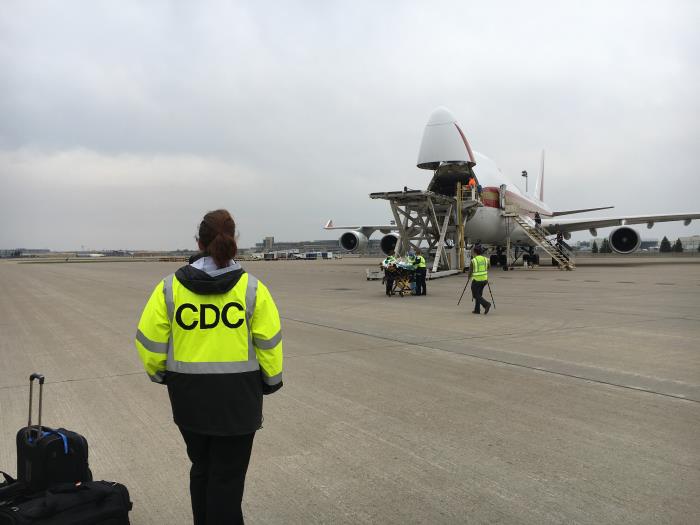
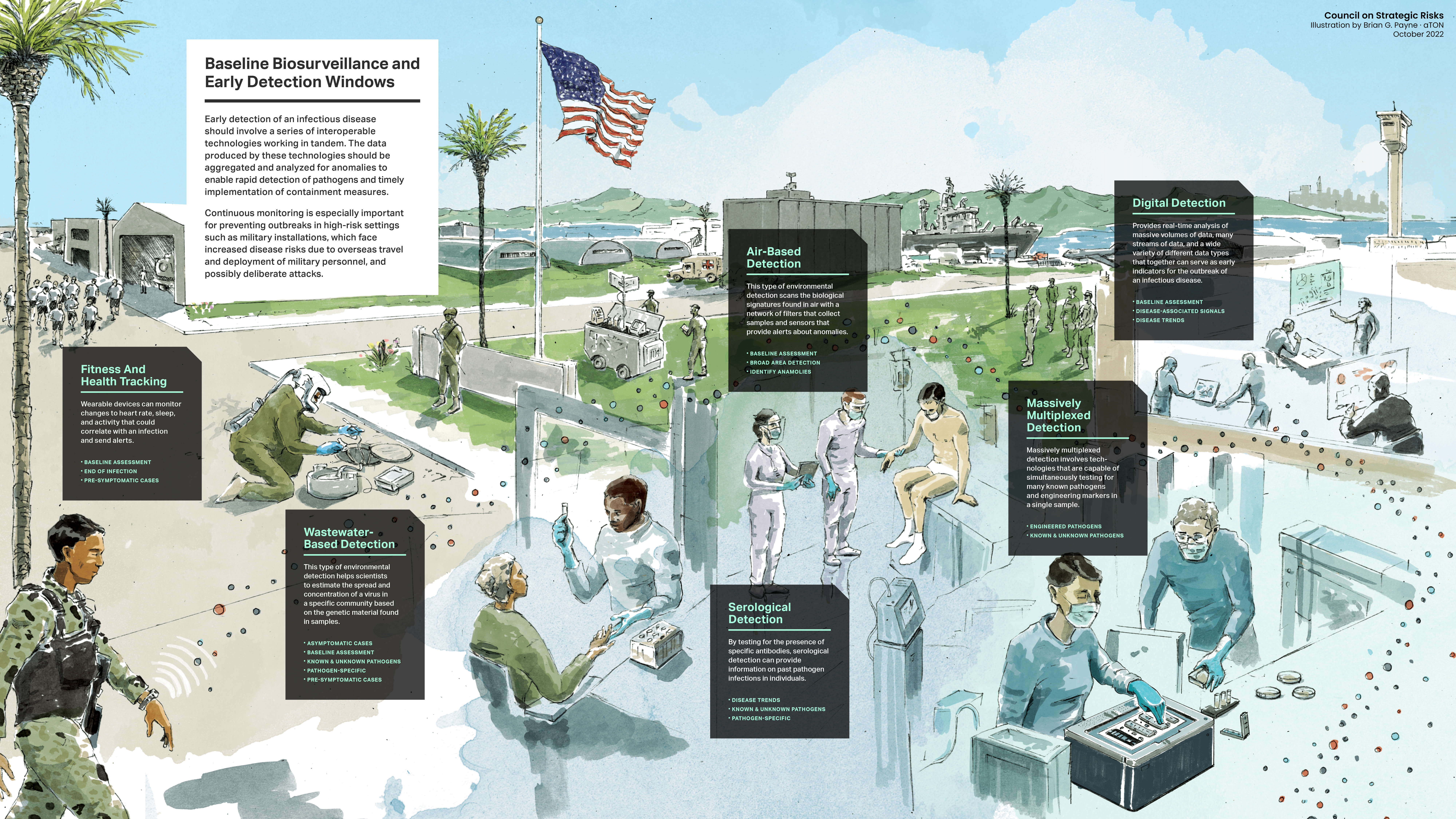
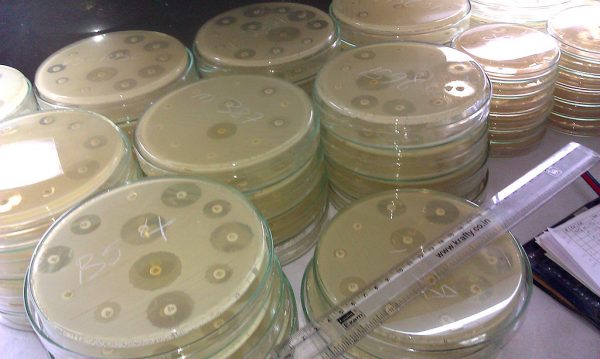
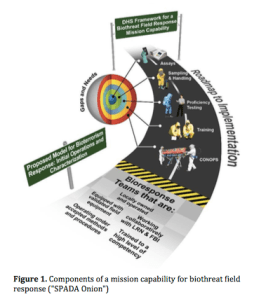
 GMU Biodefense Director Talks Growing Threats and Lack of Action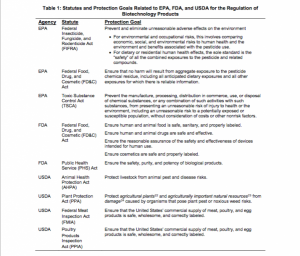
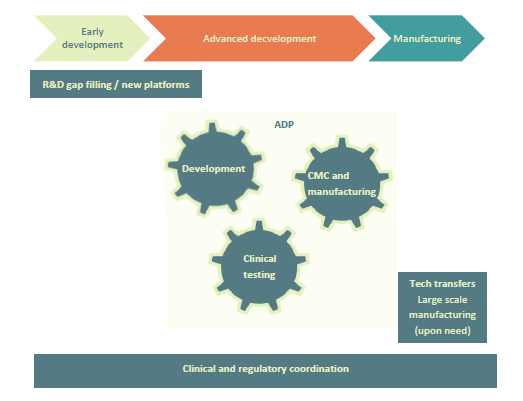

 CDC Director’s Departing Word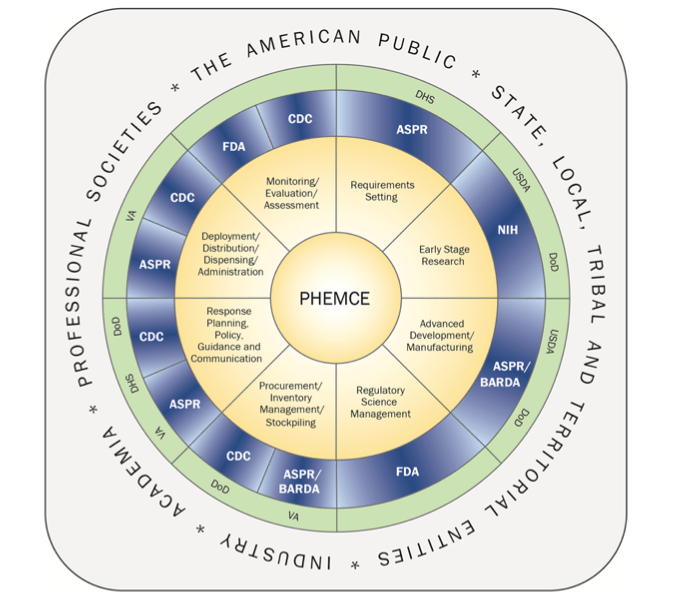
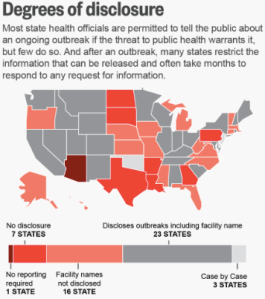
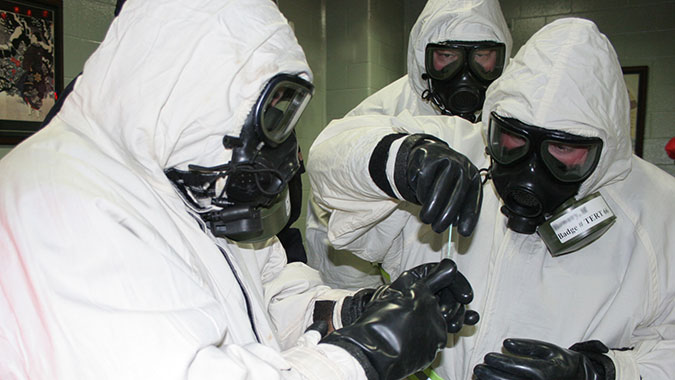
 Love maps and diseases? Or do you simply like knowing what kinds of vectored diseases are transmitted around you? Check out the USGS disease maps that also allow you to interact with them. Utilizing data from CDC’s ArboNET, you can look at transmission among humans, mosquitoes, birds, sentinel animals, and veterinary transmission. The observable diseases include West Nile Virus, St. Louis Encephalitis, Eastern Equine Encephalitis, Western Equine Encephalitis, La Crosse Encephalitis, Powassan Virus, Dengue fever (locally acquired and imported), and Chikungunya (locally acquired and imported). The USGS disease maps allow us to not only have a better understanding of vectored disease transmission, but also landscape epidemiology.
 The Pandora Report