Pandora Report 8.22.14

Did you see that the destruction of Syria’s most lethal chemicals is now complete? Well, it is! Its good news among so many biodefense stories covering Ebola. I have no interest in making the Pandora Report the “All Ebola, All the Time” newsletter. As such, we will look at one Ebola story as well as stories covering new discoveries in tuberculosis and influenza.

Have a fabulous weekend, and students, enjoy your last one before classes start on Monday!

Tuberculosis is Newer Than Thought, Study Says

A recent study published in Nature reports that tuberculosis originated less than 6,000 years ago and was carried to the new world by seals. Seals! This new research contradicts original timeline and species genesis and some scientists think this study provides more questions than answers.

The New York Times—“In the new paper, the team proposes that humans acquired tuberculosis in Africa around 5,000 years ago. The disease spread to people across the Old World along trade routes. Meanwhile, Africans also spread the disease to animals such as cows and goats. Seals that hauled out onto African beaches to raise their pups became infected. The bacteria then spread through seal populations until reaching South America. Ancient hunters there became infected when they handled contaminated meat.”

Enzyme Holds the Door for Influenza

As the fall season and semester approach, the flu season travels with it. I was delighted to read that Walgreens, in addition to CVS, will now offer seasonal flu shots in their stores. More interesting news about flu came out of Vanderbilt University, too. Researches have investigated enzyme phospholipase D (PLD) and it ability to help the influenza virus escape immune response. Blocking PLD could assist in preventing the flu.

Bioscience Technology Online—“Normally the virus slips into its host cell in the epithelial lining of the lungs through internalized membrane compartments called endosomes. By delaying this process, the researchers propose, PLD2 inhibitors may give the cell’s innate immune response more time to destroy it.”

Patient Checked for Ebola Virus in Sacramento

Internationally, the good news is that quarantines have been set up in Liberia, in attempt to contain the spread of Ebola. The bad news is that they have become fairly violent. Stateside, this week Dr. Kent Brantly and Nancy Writebol were released from Emory University Hospital after recovering from Ebola infections acquired in West Africa.

There was news of a possible case in Northern California. With few details provided as to the patient and transmission route, we learned that there is a patient being tested for Ebola in Sacramento. California Department of Health reported that the cases is low risk but that testing is being done out of “abundance of caution.”

San Francisco Chronicle—“‘In order to protect our patients, staff and physicians, even though infection with the virus is unconfirmed, we are taking the actions recommended by the CDC as a precaution, just as we do for other patients with a suspected infectious disease,” said Dr. Stephen Parodi, an infectious disease specialist at Kaiser Permanente North California. “This includes isolation of the patient in a specially equipped negative pressure room and the use of personal protective equipment by trained staff, coordinated with infectious disease specialists.’”
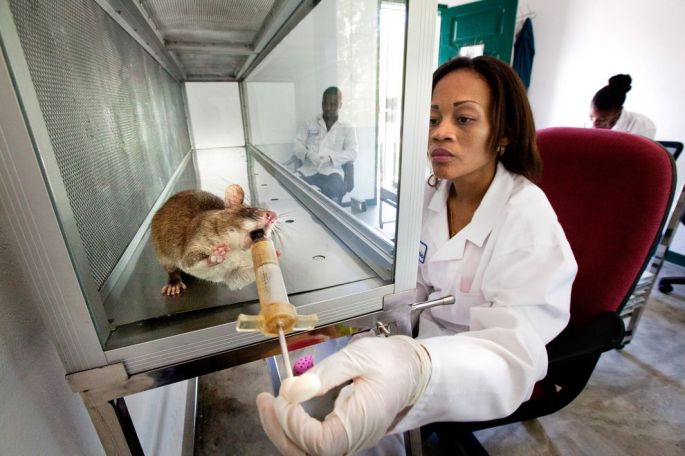
 

Image Credit

Pandora Report 8.17.14

Another 12 hours at Dulles Airport on Friday and, fortunately, no new travel alerts. This week we look at TB detecting rats, an experimental Chikungunya vaccine, and the latest from West Africa.

Giant Rats Trained to Sniff Out Tuberculosis in Africa

APOPO, the Belgian nonprofit organization known for using rats to sniff out land mines, has been training the African giant pouched rat to detect tuberculosis since 2008 in Tanzania and 2013 in Mozambique. The trained rats are used in medical centers in Dar es Salaam and Maputo to double check potential TB samples. The rats are unable to differentiate between standard and drug-resistant strains of the disease however, the cost of training and maintenance of the rats is significantly cheaper than the new GeneXpert rapid diagnostic tests.

National Geographic—“‘What the rats are trained to do is associate the smell of TB with a reward, so it’s what they call operative conditioning,’ [Emilio] Valverde [manager of the APOPO Mozambique TM Program] said.

It is the same principle applied to detecting land mines, only the rats are trained to recognize the scent of specific molecules that reflect the presence of the tuberculosis germ—not the explosive vapor associated with land mines.”

Experimental Chikungunya Vaccine Shows Promise

Chikungunya, of course, is one of the diseases included in the CDC’s travel alerts, and this week we learned of a promising vaccine for the disease that causes fever and intensely painful and severe arthritis. After the vaccine’s first human trials, the next step is to test in more people and more age groups, including populations where the virus is endemic. The trial leader said that it could be more than five years before a finished vaccine could be offered to the public.

CBS News—“‘This vaccine was safe and well-tolerated, and we believe that this vaccine makes a type of antibody that is effective against chikungunya,’ said trial leader Dr. Julie Ledgerwood, chief of the clinical trials program at the U.S. National Institute of Allergy and Infectious Diseases.”

WHO: Ebola Outbreak Vastly Underestimated

The news from West Africa seems to be getting worse and worse. Earlier in the week there was good news when a new quarantine center opened in Liberia. Then two days later, that same center was destroyed and looted. All of this comes, too, when the World Health Organization has said there is evidence that numbers of cases and deaths are far lower than the actual numbers and MSF has said that the outbreak will take at least six months to get under control.

Al Jazeera—“‘Staff at the outbreak sites see evidence that the numbers of reported cases and deaths vastly underestimate the magnitude of the outbreak,’ the organization said.

‘WHO is coordinating a massive scaling up of the international response, marshaling support from individual countries, disease control agencies, agencies within the United Nations system, and others.’”

Image Credit: James Pursey, APOPO

Ebola’s “Top-Secret” Serum: What Is It? Why Would It Be Kept Secret?

By Chris Healey

The deadliest and most pervasive Ebola outbreak in history is underway in Africa. As of August 8, the World Health Organization reported 1134 confirmed cases of Ebola in Guinea, Liberia, Nigeria, and Sierra Leone with 622 confirmed deaths.

Two Americans, Kent Brantly and Nancy Writebol, contracted Ebola while helping contain the epidemic in Africa. Both were flown to isolation units in Atlanta’s Emory University Hospital after receiving an experimental treatment called ZMapp. Brantly and Writebol’s condition is reportedly improving because of the drug.

ZMapp is the experimental brainchild of several pharmaceutical companies and their collaboration with the U.S. and Canadian governments. It is a combination of three antibodies determined to be the best components of two experimental Ebola treatments: MB-003 and ZMAb.

MB-003 is composed of a monoclonal antibody and an immune system stimulant. The monoclonal antibody binds to Ebola virus surface proteins to form a structure easily recognized as a threat by the host’s immune system. Mimicry allows the immune system stimulant to produce an inflammation-like response without causing tissue damage, serving to amplify immune response without damaging the host.

ZMAb, a combination of mouse-derived antibodies, inactivates Ebola virus surface proteins necessary for host cell entry. If Ebola virus cannot enter a host cell, it cannot cause illness. For higher efficacy, ZMAb antibodies target different parts of the surface proteins, making viral adaptation to the antibodies difficult.

ZMapp attracted much attention because it was used without being tested. Mapp Biopharmaceutical was preparing to enter Phase 1 clinical trials prior to the Ebola outbreak. Use of ZMapp in lieu of clinical trials is permitted by FDA regulations allowing drugs currently, or not at all, involved in clinical trials to be used in extenuating circumstances where no other pharmaceutical is appropriate.

ZMapp is not the first untested pharmaceutical to be used against Ebola in humans. In 2009, a researcher in Germany accidently exposed herself to Ebola virus when she pricked herself with an ebola-contaminated needle during a laboratory experiment. Within 48 hours, she was given an experimental Ebola vaccine never before used in humans. After 21 days, physicians prepared to discharge her from a Hamburg, Germany hospital because she had not developed any symptoms.

It is unclear if the vaccine prevented illness, or if the needle stick simply didn’t infect her with Ebola. Regardless, she produced Ebola virus antibodies after vaccine administration, indicating the vaccine produced an immune response.

When use of ZMapp was first reported, it was hailed in stories circulated by CNN as a “secret” and “top-secret” serum. However, current versions of the story now portray the serum as an “experimental drug.” It is unclear if the original reports of the serum’s secrecy were in error.

However, development of secret therapeutics is not farfetched. Classified treatments could conceivably serve national security interests.

State-sponsored bioweapon programs, for example, could use knowledge of existing therapeutics, such as those kept in the strategic national stockpile, to engineer biological agents resistant to available therapeutics. Such a tactic would cripple U.S. public health response to any weaponized agent. If ZMapp truly was classified, the U.S. may have been protecting the drug’s therapeutic mechanisms from those who would seek to overcome them.

Although withholding treatments would benefit the U.S., it raises ethical concerns. Some could argue treatment sequestration provides little benefit outside the U.S. A novel, effective treatment withheld in preparation for an attack –that may never occur– could be used in the present to treat the sick.

The merits of transparency must be weighed against interests of national security. For ZMapp, if it was classified, two American candidates for the drug were enough to bring it into the public domain.


Image Credit: International Business Times

Category A Bioterrorism Agent Lands in the U.S.

By Alena James

It has been one seriously scary and depressing summer with the multitude of cataclysmic events taking place all around the globe.  Much like the thousands of immigrant children whose futures are still being debated by the U.S. and Mexico, many of these crises have remained outside of U.S. soil. However, one potential crisis has been willingly brought to the U.S.

A few days ago a protocol was established to send medical evacuation planes to Liberia to bring back two missionary American health care workers suffering from the Ebola virus.  The decision to bring the patients back to the U.S. raised great alarm among many Americans that there is a chance of a major outbreak occurring with a disease that the U.S. is not prepared to fight

This past week, the Director of the CDC, Dr. Thomas Frieden, continually claimed that the necessary precautions were being taken to ensure the safety of the public from being exposed to the virus. According to Frieden, the chances of an outbreak taking place in the U.S. are minimal. Ebola is a virus that is not airborne and is not acquired through casual contact with an infected patient. For individuals to be infected they must have direct contact with bodily fluids septic (contaminated) with the virus.

During a CNN interview, Frieden explained that the decision to bring the Americans back to the U.S. was made by Samaritan’s Purse, the organization to which the two infected Americans, Dr. Kent Brantly and Nancy Writebol, belong. The role of the CDC will be to help assist in the transport and supportive care of the patients upon arrival at Emory University Hospital in Atlanta, Georgia.

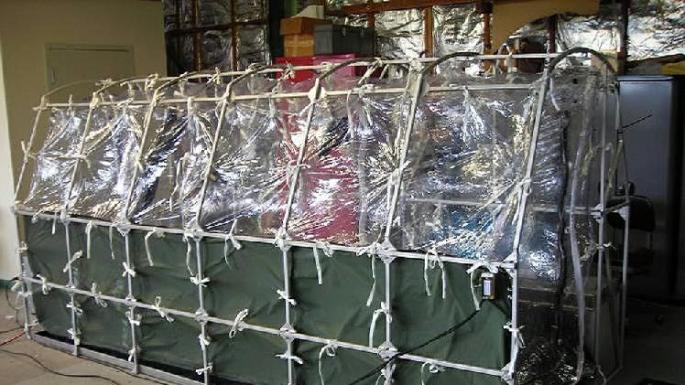
The plane that transported Dr. Kent Brantly on Saturday was fitted with an Aeromedical Biological Containment System. In this system, a tent like structure was set up on board a modified Gulfstream III aircraft and used to isolate Brantly from the rest of the people onboard.

During an aeromedical evacuation, a patient undergoes medical assessment and evaluation before transport. This is to ensure the patient’s survival during the course of the trip. According to a study conducted by the U.S. Army Medical Research Institute of Infectious Diseases in Fort Detrick, Maryland, the physiologic effects of altitude, effect of confinement on patient-care delivery, and psychological effect of confinement within the containment system must be taken into consideration before transport.

Dr. Brantly arrived safely in the United States on Saturday at Dobbins Air Force Base in Marietta, Georgia. He was then transported to Emory University Hospital in Atlanta.

So, why exactly was the decision made to bring back to the Americans infected with a viral agent; which the CDC has classified as a Category A Bioterrorism Agent and to which there is no cure?

In his interview with CNN, Dr. Frieden, gave credit for the medical evacuation operation to Samaritan’s Purse. However, without the assistance of the State Department, the U.S. military, and the CDC it seems likely that the operation would not have come to fruition at all.

The reasoning for this evacuation, made by many advocates, seems to lie with the high level of confidence among those at the CDC and Emory University in their ability to control and contain the infected patients.  Despite the unprecedented nature of an Ebola patient returning to the U.S., infectious disease experts maintain the appropriate precautions are being made and the virus will remain contained.

The medical evacuation operations for Dr. Brantly and Nancy Writebol do not offer only an increased chance of recovery from Ebola and the chance to be reunited with their loved ones—if only through a glass partition. These operations also provide an opportunity for America’s best infectious disease experts and healthcare workers to gain firsthand experience with actual cases of a virus not available for study at clinical levels in the U.S. The medical evacuation operation is also beneficial to emergency response personnel who have been training on how to deal with these types of medical cases for years.

Over the summer, Americans watched intently as the creditability of the CDC took a hit when many of its laboratory staff failed to abide by proper laboratory safety techniques upon dealing with samples of Bacillus anthracis and H5N1.  The CDC and NIH’s credibility took another hit when the CDC discovered more than 200 vials of smallpox in a refrigerator in an NIH lab in Bethesda, Maryland.

Hopefully the fouls ups of the past have provided important lessons for all fields working with infectious diseases to take safety protocols very seriously…especially while working with patients suffering from a virus that has no cure.


Image Credit: Yahoo

Pandora Report 8.2.14

What a mess, right? While we here at the Pandora Report have been watching the Ebola outbreak in West Africa since March, it seems coverage in the news media has reached a fever pitch as the effects of the virus reach further and further.

This week we cover Ebola—a case in Nigeria, the evacuation of Peace Corps, the transfer of patients to the U.S. and treating the disease.

Nigeria Isolates Hospital in Lagos as Obama Briefed on Ebola Outbreak

Early in the week we learned of the first case of Ebola in Nigeria. It is important to note in this case, that the virus was imported from an American man, Patrick Sawyer, who travelled from Liberia. Fears rose over the importation to Africa’s most populous capital city—Lagos—and the hospital he was in was evacuated and is going through the process of decontamination.

Reuters UK—“Authorities were monitoring 59 people who were in contact with Sawyer, including airport contacts, the Lagos state health ministry said, but it said the airline had yet to provide a passenger list for the flights Sawyer used.

Derek Gatherer, a virologist at Britain’s University of Lancaster, said anyone on the plane near Sawyer could be in “pretty serious danger,” but that Nigeria was better placed to tackle the outbreak than its neighbors.”

Peace Corps Evacuates Ebola-Affected Region, With Two Volunteers in Isolation 

On Wednesday, the Peace Corps announced the evacuation of 340 volunteers from Guinea, Liberia, and Sierra Leone. Two volunteers from Liberia, however, were unable to leave. It is reported that the volunteers had contact with an individual who died from Ebola; they have to remain in an isolation ward for 21 days before leaving.

The Peace Corps—“The Peace Corps has enjoyed long partnerships with the government and people of Liberia, Sierra Leone and Guinea and is committed to continuing volunteers’ work there. A determination on when volunteers can return will be made at a later date.”

First Ebola Patient Arrives in U.S.

News came this week that two Americans infected with Ebola would be transferred to the U.S. for treatment at Emory University Hospital in Atlanta, GA.  Dr. Kent Brantly, who had been working at a treatment center in Liberia, was flown on a jet with a special containment area for patients with infectious diseases. He walked into Emory Hospital on Saturday unaided and is the first case of Ebola to arrive in the U.S.

Emory has an isolation unit built 12 years ago to treat patients exposed to highly infectious diseases.

Wall Street Journal—“Bruce Ribner, an infectious-diseases doctor and head of a special isolation unit at Emory University Hospital, said Friday there were good reasons to airlift the two to Emory. “We can deliver a substantially higher level of care, a substantially higher level of support, to optimize the likelihood that those patients will survive this episode,” he said.

Dr. Ribner added that he was “cautiously optimistic” the two have a good chance of recovery once they reach Emory, and that the transfer would be safe.”

Ebola Vaccine Possible, but Many Doubts Persist 

Vaccine development for Ebola has been being worked on for years, but with the increasing severity of this outbreak in West Africa, there has been discussion in the U.S. about fast-tracking vaccine trials for this virus. Even with this option—once approval is received from the FDA—many doubts persist and scientists who study the virus warn that the success is hardly guaranteed. Even if the vaccine proves to be effective in tests, questions remain as to who would receive it and how to figure out optimal dosages.

In short, even the development of vaccine candidates does not ensure success or virus eradication.

The New York Times—“The vaccine to be tested in humans relies on a benign virus that carries two proteins from the surface of the Ebola virus. The proteins help the virus penetrate human cells. If successful, the immune system will be trained to recognize the proteins and to mount a strong response should it encounter the virus.”


Image Credit: Atlanta Better Buildings Challenge

Pandora Report 7.20.14

I feel like its been a bad week, right? Between the crash—or shoot down—of MH 17 (with nearly 100 WHO HIV/AIDS researchers aboard) and events in Gaza with Israel, it sort of seems like it couldn’t get much worse. Well, turns out, it could. This week we have the first cases of Chikungunya in the U.S. and Ebola still raging. However, no one, in the biodefense world, had a worse week than the CDC.


First Chikungunya Case Acquired in the U.S. Reported in Florida

So far, in 2014, there have been 243 travel-associated cases of Chikungunya reported in 31 American states and two territories. This week, the infection numbers grew. The difference in this case, was that the man in Florida who was diagnosed, had not travelled outside the U.S. recently. This makes it the first case of the disease that had been acquired domestically.

WALB—“The Centers for Disease Control and Prevention is working closely with the Florida Department of Health to investigate how the patient contracted the virus; the CDC said they will also monitor for additional locally acquired U.S. cases in the coming weeks and months.

“The arrival of Chikungunya virus, first in the tropical Americas and now in the United States, underscores the risks posed by this and other exotic pathogens,” said Roger Nasci, Ph.D., chief of CDC’s Arboviral Diseases Branch.”


WHO Can’t Fully Deal with Ebola Outbreak, Health Official Warns

With the death toll from the ebola outbreak in West Africa at 603 (at least), more bad news emerged this week when we learned that budget cuts to the WHO make it for difficult for the organization to respond to the ongoing medical emergency. Beyond funding issues, efforts to stem the outbreak have been hindered by some countries failure to implement the WHO’s International Health Regulations which outline methods of reporting disease outbreaks.

The LA Times—“‘The situation in West Africa should be a wake-up call to recognize that this weakening of this institution on which we all depend is not in anybody’s interest,” Scott Dowell, director of disease detection and emergency response at the U.S. Centers for Disease Control and Prevention, said during a briefing in Washington. “In my view, there’s no way that WHO can respond in a way that we need it to.’”


Update on the Found Vials: There Weren’t 6; There Were 327.

In last week’s Pandora Report we learned about unsecured vials of smallpox that were found in an FDA cold storage room in a Maryland lab. This week we learned that it wasn’t just smallpox and it wasn’t just six vials—it was 327. Some of these vials contained select agents other than smallpox, like dengue, influenza, Q fever and rickettsia. Whoops!

Wired—“Here’ is the gist of the FDA’s external announcement, “…this collection was most likely assembled between 1946 and 1964 when standards for work with and storage of biological specimens were very different from those used today. All of the items labeled as infectious agents found in the collection of samples were stored in glass, heat-sealed vials that were well-packed, intact, and free of any leakage, and there is no evidence that anyone was exposed to these agents.”


Image Credit: Eduardo

Pandora Report 7.4.14

I have to offer my apologies and my thanks. Please let me apologize for the lack of Pandora Report and the light coverage on the blog over these past two weeks. The month of June was absolutely insane between work and summer courses. Fortunately, all that craziness is finally over, so let me thank you most sincerely for your patience and understanding. With this special July 4th edition of Pandora Report, please consider things around here back to normal.

Now, onto the news!  Highlights include Syrian chemical weapon disarmament, the arrival of Chikungunya to the U.S., an anthrax incident at the CDC, an Etihad Airlines based polio campaign, and Ebola devastation in West Africa.


Syrian Chemical Weapons Transfer Complete

Earlier this week, the Pentagon reported that the transfer of Syrian chemical weapons, from a Danish cargo ship to the U.S. vessel that will neutralize and destroy the weapons, is complete. The weapons and associated materials were transferred to the Cape Ray, which will travel from Italy into international waters where the weapons will be dismantled and neutralized. The Pentagon press secretary Rear Admiral John Kirby reported that the process should take several weeks to complete.

Al Arabiya News—“The disposal process marks the culmination of a program to rid Syria of its chemical weapons stockpile after the outcry that followed chemical attacks by the Bashar al-Assad regime in the suburbs of Damascus on August 23 last year, that may have killed as many as 1,400 people.”

Polio Awareness Videos to be Shown on Flights to Pakistan

Much of my month of June was spent at Dulles airport, so I might be more excited about this story than your average person, but get ready for the coolest news story you have likely ever read about an airline! United Arab Emirates based Etihad Airlines, in response to the polio epidemic in Pakistan, will show a short in-flight movie on all their flights to Pakistan. Etihad said that the goal of the movie, titled “Leap of Faith,” is to raise awareness about “this crippling and potentially fatal disease among thousands of Pakistani workers returning home to visit their families.”

Business Standard—“‘By showing this engaging story on board our flights, Etihad Airways is supporting the efforts of the UAE in helping to eradicate polio in Pakistan,” said James Hogan, President and Chief Executive Officer of Etihad Airways.

Asif Durrani, Pakistan Ambassador to the UAE, said, “With approximately 1.25 million expatriate Pakistanis in the UAE, this is a perfect opportunity to educate our people during their journey home and ultimately help in the overall eradication of this terrible disease in our country.’”

CDC Reassigns Director of Lab Behind Anthrax Blunder 

According to the Centers for Disease Control and Prevention, sometime between June 6 and 13, up to 84 lab employees at the headquarters in Altanta, were possibly exposed to anthrax. The possible exposure, which was caused by technicians not following laboratory protocol, resulted not only in employees taking powerful antibiotics as prophylactics but also in the reassignment of the head of the Bioterror Rapid Response and Advanced Technology Laboratory, Michael Farrell, while the incident is investigated.

Reuters—“CDC spokesman Skinner on Sunday said the bioterror lab sent the anthrax bacteria to other labs in closed tubes. The recipients agitated the tubes and then removed the lids, raising concerns that live anthrax could have been released into the air.”

Mosquitos Carry Painful Chikungunya Virus to Americas

Chikungunya, a viral disease spread by the same mosquitos that spread Dengue fever, has made its way to the Americas. Fortunately, the type of mosquito that spreads the viruse, the Aedes aegypti, is not native to the United States. However, its close breed “cousin” Aedes albo, lives as far north as Chicago and is believed to be able to spread Chikungunya.

National Geographic—“There is no vaccine or medication that can change the course of the disease, though patients are given painkillers and told to drink a lot of fluids….To avoid getting chikungunya while staying in affected areas, take the usual precautions against mosquitoes: Wear long sleeves, use repellents, and keep outside areas free of standing water where mosquitoes can breed.”

West Africa Ebola Epidemic is ‘Out of Control’

With a current death count of 467, the Ebola outbreak affecting Guinea, Sierra Leone, and Liberia has become dire. Doctors without Borders’ (MSF) Director of Operations said “the epidemic is out of control.” He continued, “we have reached our limits. Despite the human resources and equipment deployed by MSF in the three affected countries, we are no longer able to send teams to the new outbreak sites.”

The Huffington Post—“The outbreak of the deadly disease is already the largest and deadliest ever, according to the WHO, which previously put the death toll at 399 as of June 23, out of 635 cases. The 17 percent rise in deaths and 20 percent jump in cases in the space of a week will add urgency to an emergency meeting of 11 West African health ministers in Accra, Ghana on Wednesday and Thursday, which aims to coordinate a regional response.”


Image Credit: Wikimedia Commons


From the Pandora Report and all of us at the George Mason Biodefense program, we wish you a happy and safe Independence Day!!

Pandora Report 4.18.14

I think I was coming down with something yesterday. It manifested as a pretty debilitating headache, so I am pretty sure it wasn’t Ebola, but I also had no desire to drink water, so it might have been rabies. Either way, I’m feeling much better today, and am excited to bring you a Saturday issue of Pandora Report. In fact, I’m pretty sure there is nothing that is more fun on the weekend…so let’s get into it!


Highlights include Bird Flu in North Korea, a TB drug that may be the answer to drug resistance, a new strain of Ebola, MERS CoV’s spread to Asia, and Tamiflu’s real utility. Have a great weekend and see you here next Friday!

Highly Pathogenic Avian Influenza (HPAI) outbreak in North Korea

On April 16, the North Korean veterinary authority sent a notice to the World Organization for Animal Health (OIE) alerting them to two H5N1 outbreaks among poultry in the isolated nation. This is a surprisingly transparent move. The first outbreak occurred at the Hadang chicken factory in Hyongjesan starting on March 21. All 46,217 birds died. A second outbreak occurred on March 27 in the same region at the Sopo chicken factory where an unreported number of birds died in the same cage. The source of the infection remains unknown.

The Poultry Site—“Usual control measures have been put in place to control the spread of infection: quarantine, movement control inside the country, screening and disinfection of infected premises/establishment(s). There is no vaccination and no treatment of affected birds.”

Could a new TB drug be the answer to resistance?

A research study at the University of Illinois shows that a new drug under clinical trials for tuberculosis treatment—SQ109—may be the basis for an entirely new class of drugs that could act against bacterial, fungal, and parasite infection and yet evade resistance. Lead researcher, chemistry professor Eric Oldfield, believes that multiple-target drugs like SQ109 and its analogs hold the key to new antibiotic development in the era of drug resistance and “the rise of so-called ‘superbugs’.” His claim is bolstered by experiments with SQ109 and TB where no instances of resistance have been reported.

Science Codex—“’Drug resistance is a major public health threat,” Oldfield said. “We have to make new antibiotics, and we have to find ways to get around the resistance problem. And one way to do that is with multi-target drugs. Resistance in many cases arises because there’s a specific mutation in the target protein so the drug will no longer bind. Thus, one possible route to attacking the drug resistance problem will be to devise drugs that don’t have just one target, but two or three targets.’”

Outbreak in West Africa is caused by a new strain of Ebola virus

As the death toll from the Ebola outbreak in West Africa climbs above 120, scientists are reporting that the virus is not the same strain that has killed in other African nations.  While the source of the virus is still unknown, blood samples from Guinea victims has confirmed that it is not imported strains of Ebola Zaire—the original strain of the virus discovered in Democratic Republic of Congo (formerly known as Zaire.)

The Huffington Post—“‘It is not coming from the Democratic Republic of Congo. It has not been imported to Guinea” from that country or from Gabon, where Ebola also has occurred, [Dr. Stephan] Gunther [of the Bernhard Nocht Institute for Tropical Medicine in Hamburg, Germany] said.

Researchers think the Guinea and other strains evolved in parallel from a recent ancestor virus. The Guinea outbreak likely began last December or earlier and might have been smoldering for some time unrecognized. The investigation continues to try to identify “the presumed animal source.’”

MERS CoV leaves the Middle East and travels to Asia

Though the method of transmission of Middle East Respiratory Syndrome (MERS) remains unknown—a report last week from the CDC finds the virus can stay alive in Camel milk—and thankfully, transmission from human to human has been rare, the disease has now spread beyond the Middle East to Asia via an infection emerging in Malaysia. A Malaysian man returning from Mecca, in Saudi Arabia, tested positive for, and died from, MERS on April 13. So far, a reported 33 people who have travelled to the Middle East for the Haj have tested negative for presence of the virus in neighboring Singapore.

Today Online—“There is currently no advisory against travel to countries of the Arabian Peninsula, or to countries reporting imported cases of MERS-CoV (including Malaysia).

Frequent travellers to the Middle East and Umrah/Haj pilgrims have been advised to take precautions, such as being vaccinated against influenza and meningitis. Those aged 65 years and above or with chronic medical conditions should also get vaccinated against pneumococcal infections before travelling. Pilgrims with pre-existing chronic medical conditions like diabetes, chronic heart and lung conditions should consult a doctor before traveling, to assess whether they should make the pilgrimage.”

A closer look at Tamiflu

With seasonal flu season behind us in the U.S., maybe it is time to look at better treatment options. A study published last week in the British Medical Journal, calls into question the effectiveness of Oseltamivir—brand name, Tamiflu. The international team of researchers found that while Tamiflu can shorten flu symptoms it does not reduce hospital admissions or medical complications. The study also demonstrated that Tamiflu can also cause nausea and vomiting and increases the risk of headaches and renal and psychiatric symptoms.

Global Biodefense—“‘The trade-off between benefits and harms should be borne in mind when making decisions to use oseltamivir for treatment, prophylaxis, or stockpiling,” concludes the study authors from The Cochrane Collaboration, an independent global healthcare research network. “There is no credible way these drugs could prevent a pandemic,” Carl Heneghan, one of the lead investigators of the review and a professor at Oxford University, told reporters. “Remember, the idea of a drug is that the benefits should exceed the harms. So if you can’t find any benefits, that accentuates the harms.’”

(Image credit: Robert Sharp/Flickr)