Three New Cases of MERS, 1 Fatality


A 73-year-old Saudi man is the most recent MERS fatality, bringing the total in Saudi Arabia up to 56. To date, there have been 136 cases of the virus globally. Saudi Arabia also reported three new cases of the virus, including two foreign health workers, and a 53-year-old Saudi man.

The Pandora Report 12.20.13

Highlights include more pneumonic plague in Madagascar, H1N1  in Texas, Chikungunya in the Caribbean, H7N9 in Hong Kong, and MERS in Saudi Arabia. Happy Friday, and a very happy holiday season to everyone.

Pneumonic Plague Cases Up in Madagascar
The latest numbers in the plague outbreak in Madagascar suggest as many as  17 of 43 cases may be pneumonic plague – the highly virulent, highly infectious, transmissible person-to-person form of the traditional bacteria. As we’ve mentioned before, the case fatality rate for pneumonic plague is 100% unless antibiotics are prescribed in the first 24 hours following infection. However, as the disease’s incubation period can be up to three days, and as it often presents initially with flu-like symptoms, timely detection can be very challenging. We’ll keep you posted.

Madagascar-Tribune (originally in French) – ” 43 suspected cases of pneumonic plague and bubonic plague were detected Mandritsara since 20 November until 5 December 2013. 17 suspected cases of pneumonic plague were detected Analanjirofo. 15 cases of bubonic plague have been recorded in the district of Ikongo. In the district of Tsiroanomandidy, 3 cases of bubonic plague have been suspected.”

Montgomery County, Texas: Mystery Illness Likely H1N1 Virus
A regional hospital in Texas has reported eight cases of an as yet diagnosed illness – of the eight, four patients have subsequently died. One of the remaining four patients has subsequently been diagnosed with H1N1The CDC is working with local health authorities to determine the pathogen in play.

Houston Chronicle – “Recent mystery deaths in Montgomery County could be attributed to the H1N1 virus. Conroe Regional Hospital this month reported eight cases of a mystery illness to the county’s public health department. Two of the patients tested negative for all flu viruses. Nichols-Contella said the 2013 influenza vaccine protects against the H1N1 virus. None of the patients who died had received a flu shot, the release said.”

Chikungunya Outbreak Grows In Caribbean
Chikungunya has struck the sunny Caribbean, with two cases reported to the WHO last week. Since the initial outbreak, a further 10 cases have emerged. Chikungunya is an Alphavirus, and is spread through arthropods, primarily mosquitoes. The outbreak on St. Martin signifies the first time the virus has appeared in the Western hemisphere. There was no international travel in the case histories of the patients involved. Fortunately, very few people understand better than epidemiologists the tendency of infectious diseases to spread with vigor, so surveillance systems are already in place.

NPR – “Except for a small number of imported cases each year, chikungunya has stayed out of the Americas until now. But U.S. health officials have been on the lookout for its arrival. The chikunguyna virus was discovered in 1955 by two scientists in Tanzania. ‘Microbes know no boundaries, and the appearance of chikungunya virus in the Western Hemisphere represents another threat to health security,’ CDC director Dr. Tom Frieden wrote in statement Wednesday. ‘CDC experts have predicted and prepared for its arrival for several years, and there are surveillance systems in place to help us track it.’ With about 9 million Americans traveling to the Caribbean each year, the CDC anticipates chikungunya will be a more frequent visitor to the U.S. in the next few years. One of the mosquitoes that carries the virus — the Asian tiger mosquito — is already a familiar pest in many parts of the U.S. during the summer.”

Two more H7N9 bird flu cases linked to Shenzhen’s Longgang district
Two individuals who lived or worked near the wet markets which tested positive for H7N9 last week have subsequently contracted the virus themselves. The two have been hospitalized and are in critical condition.  Again, the reemergence of the virus is consistent with expected seasonal patterns.

South China Morning Post – “Three patients who have contracted the H7N9 strain of bird flu had visited the Longgang district of Shenzhen, including the latest case announced yesterday, mainland health authorities said. A 38-year-old Shenzhen man was in critical condition after being diagnosed with the deadly strain of the flu, Shenzhen’s centre for disease control and prevention said. The patient is a migrant worker who lives and works in Nanwan Street, in Longgang district, near one of the infected markets where authorities found the H7N9 virus on December 11. A second patient, a 39-year-old man from Dongguan, commuted to the district. The pair follow Tri Mawarti, a domestic helper who was the first person in Hong Kong diagnosed with the virus. She is believed to have handled a live chicken at a flat in Nanwan Street before falling ill.”

WHO: Middle East respiratory syndrome coronavirus (MERS-CoV) – update
A further two cases of MERS-CoV have been confirmed in Saudi Arabia. The two patients are both female, aged 51 and 26 respectively. The former has no know exposure to the virus, whereas the latter had previously been exposed to an infected patient. Globally, there have been 165 cases to date, with 71 deaths.

WHO – “The first case is a 51 year-old female from Saudi Arabia, living in Jawf province with onset of symptoms on 20 November 2013. She has underlying chronic disease and was transferred to Riyadh for treatment in an intensive care unit. She had no reported contact with animals. The epidemiological investigation is ongoing. The second case is a 26 year-old female who is a non-Saudi healthcare worker in Riyadh. She is asymptomatic. She had reported contact with a 37 year-old male laboratory confirmed case that was reported to WHO on 21 November 2013.”

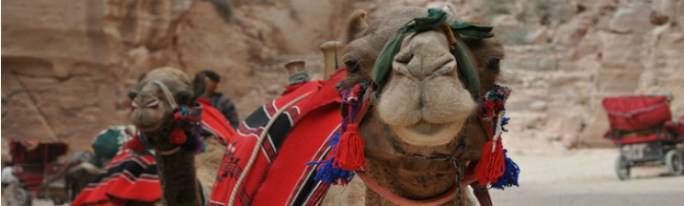
(image: Clavius66/Wikimedia)

Scientists Prove MERS in Camels

Scientists have finally been able to prove that the MERS-CoV also infects camels. Gene sequencing of the virus proved the existence of same strains in humans and three dromedary camels in Qatar.

Chicago Times – “The study, published in the Lancet Infectious Diseases journal on Tuesday, confirms preliminary findings released by Qatari health officials last month. Camels are used in the region for meat, milk, transport and racing. But the researchers cautioned it is too early to say whether the camels were definitely the source of the two human cases – in a 61-year-old man and then in a 23-year-old male employee of the farm – and more research is needed. ‘This is definitive proof that camels can be infected with MERS-CoV, but based on the current data we cannot conclude whether the humans on the farm were infected by the camels or vice versa,’ said Bart Haagmans of Rotterdam’s Erasmus Medical Centre, who led the study with other Dutch and Qatari scientists.”

Read more here.

The Pandora Report 12.6.13

Highlights this week include the second case of H7N9 in Hong Kong, WHO ramping up calls for increased surveillance for MERS, EEE in Vermont, why that one friend never gets sick, and the Philippines ramping up its biosecurity. Happy Friday!

Hong Kong sees second case of H7N9 bird flu in a week

Hong Kong has seen its second case of H7N9 in the last week. An 80-year old man with diabetes sought medical attention after experiencing minor heart failure, and within a couple days of hospitalization developed symptoms consistent with the flu virus strain. He has subsequently been isolated for further treatment – it remains unclear if he came into contact with poultry prior to his hospitalization. However, don’t freak out yet –  the two cases are consistent with expected resurgent flu numbers following the onset of winter. According to all literature and available case evidence,  the virus still cannot effectively transmit person-to-person.

South China Morning Post – “It was unclear whether the man had come into contact with birds and live poultry and which district in Shenzhen he lived in. The three family members coming with him to the city had been back in Shenzhen and the city had contacted the Shenzhen health authority for subsequent medical monitoring…Border checks have been stepped up after the first confirmed case, and three people, who stayed in the same ward as the helper but had had no symptoms, are being isolated at the Lady MacLehose Holiday Village in Sai Kung.”

WHO calls for action on Mers following death in Abu Dhabi

Earlier this week, a Jordanian woman infected with MERS died from the virus shortly after giving birth to her second child. Her eight-year old son and husband are both also infected, and are still under surveillance in Jordan. It is unclear if the newborn is also infected with the  virus. None of the family had any travel history, any prior contact with animals, or any contact with infected persons, further confounding public health officials trying to determine the virus’ vector. In response to the mother’s death, the WHO has strongly encouraged countries to ramp up their surveillance and monitoring efforts. To date, there have been 163 cases of the virus worldwide, with a case fatality rate of approximately 42% causing 70 deaths.

The National – “More must be done to stop the spread of the deadly Mers coronavirus, the World Health Organisation has warned. Countries must strengthen their surveillance, increase awareness and try to find out how people are infected, the WHO’s emergency committee said on Wednesday…But Mers-CoV is not yet considered an international public health emergency. ‘After discussion and deliberation on the information provided, the committee concluded that it saw no reason to change its previous advice to the director general,’ the WHO said. The 15-member committee, which includes the deputy health minister of Saudi Arabia, Ziad Memish, said the situation continued to be of concern, in view of new cases and of information about the presence of the virus in camels in Qatar last month. It called for more support for countries that are particularly vulnerable, such as Saudi Arabia – where most of the cases have been confirmed – and urged for more studies to investigate exactly how people become infected with Mers-CoV.”

Vt. testing deer samples to test for EEE virus

Biologists in Vermont have begun testing over 700 blood samples collected from local moose and deer in order to track the spread of Eastern Equine Encephalitis (EEE). The virus was first introduced to Vermont in 2011, following the importation of an emu flock. EEE is a zoonotic alphavirus virus which primarily affects horses. The virus’ natural reservoir is wading birds, and it is spread, like so many horrible diseases, by mosquitoes. Although in the US there are usually less than 15 human cases of EEE, the virus’ fatality rate can approach 60%. As an encephalitic virus, symptoms are typically nasty – first fever, splitting headaches, photophobia (aversion to light),  then irritability, coma, and death. Among those lucky enough to survive, the virus often causes permanent sequelae, including severe brain damage.

Seattle PI – “Biologists say that mapping where the virus is found will help broaden the state’s understanding of the spread of the virus — which killed two people in Vermont in 2012 and two horses this year. EEE antibodies detected in deer and moose have been found in every Vermont country. Biologists hope that by looking for antibodies in the deer and moose, they’ll be able to determine if infected animals are more commonly found near certain bodies of water or wetlands.”

A genetic defect protects mice from infection with Influenza viruses

Everyone has that one friend/relative/colleague who not only never gets sick, but also thinks the best time to discuss their fabulous immune system is when you’re knee deep in tissues and throat lozenges. It turns out there may be a genetic reason for their immunological smugness. According to a new study from researchers at the Helmholtz Centre for Infection Research (HZI) in Braunschweig, mice who possess a mutation in the gene which encodes for the Tmprss2 protease (a catalytic enzyme) are resistant to infection from the H1 influenza A viruses. While the virus still infects the mice, it is unable to produce mature, infectious virus particles, and the infection is quickly cleared from their symptoms. This opens up a potential new field for drug development, and by targeting the host system rather than the virus, concerns over drug-resistance fade.

Medical Express – “The virus uses haemagglutinin as a key to enter the host cell which is then captured to build new virus particles. To reach its final shape, the coating protein has to be cleaved by a molecular scissor. This is done by an enzyme of the infected host. Otherwise, the protein is not functional and the virus particles are not infectious. A variety of host enzymes, so-called proteases, that process the haemagglutinin have been identified using cell cultures. Scientists from the HZI have now been able to show how important those enzymes are for the progression of the infection. Mice with a mutation in the gene for the protease Tmprss2 do not become infected by flu viruses containing haemagglutinin type H1. They are resistant against H1N1, the pathogen responsible for seasonal influenza epidemics, the ‘swine flu’ and the ‘Spanish flu’, which caused an epidemic in 1918. ‘These mice do not lose weight and their lungs are almost not impacted,’ says Professor Klaus Schughart, head of the Department ‘Infection Genetics’ at the HZI.”

Philippine airports on alert for bird flu

The Philippines is on high alert for the H7N9 strain of avian influenza found in Hong Kong for the first time last week. Manilla has  banned the import of all Chinese poultry products, and  airports across the island nation already screen inbound travelers to prevent the virus’ spread. This is an interesting form of biosecurity, which is something we don’t often talk about on the PR, mostly because it’s not as much of a concern for us as our colleagues in say, Australia.In this instance, the human body itself is seen as the vector for pathogen movement, rather than a kiwi or tomato plant.

Xinhua – “The Philippine government has alerted airport authorities to ensure that the deadly bird flu H7N9 could not enter the country following the recent discovery of first case in Hong Kong, the Philippines’ Department of Health ( DOH) said Wednesday. To date there are 141 cases of bird flu and 47 deaths worldwide. Deaths were due to severe pneumonia with multi-organ failure. So far, two-thirds of bird flu H7N9 cases were males and two-thirds were more than 50 years old.”

(image via Hagerty Ryan, U.S. Fish and Wildlife Service)

The Pandora Report 11.29.13

Highlights include a new Q-fever vaccine, MERS in Qatari camels, revised 2009 H1N1 deaths, black silicon the bacteria slayer, and the new, FDA-approved, H5N1 vaccine. Happy Friday!

Eyeing Terrorist Potential, Pentagon Seeks Vaccine Against Cold War-Era Bioweapon

The Pentagon is pushing forward with plans to develop a vaccine against Q-fever, the disease caused by the bacterial agent Coxiella burnetii. While the majority of Q-fever cases are asymptomatic, C.burnetti is a spore former, and is therefore both hardy and stable. However, as the primary reservoirs of the disease are sheep, goats and cattle, the disease tends to be confined within slaughterhouse workers. The acute form of the disease has a fatality rate of less than one percent, while the chronic form ranges from five to 25%.

National Journal – “The United States investigated the agent’s warfare potential and the Soviet Union fully weaponized it decades ago, long before both countries formally denounced biological arms in the 1970s. The disease also occurs in nature and has affected hundreds of U.S. troops deployed overseas. It can produce fever, pneumonia, and numerous other symptoms associated with a variety of pathogens. Certain antibiotics are considered effective against the bacteria, but no vaccine is presently sold in the United States, according to the Federation of American Scientists. An existing vaccination available abroad reportedly can cause side effects such as abscesses and swollen joints.”

MERS virus found in camels in Qatar, linked to human spread

The Middle Eastern Respiratory virus has been detected in three Qatari camels, according to an unpublished study. While the press release does not detail whether live virus or antibodies to the virus were detected, there have been two confirmed cases of human infection related to the barn housing the infected camels. Although camels and bats are the leading candidates for potential reservoirs of the virus, there still exists too little conclusive evidence supporting either.

Reuters – “British researchers who conducted some of the very first genetic analyses on MERS last September said the virus, which is from the same family as Severe Acute Respiratory Syndrome, or SARS, was also related to a virus found in bats…Ab Osterhaus, a professor of virology at the Erasmus Medical Centre in The Netherlands that worked on the camel study, told Reuters the results were confirmed by a range of tests including sequencing and antibody testing. Dutch scientists said in August they had found strong evidence that the MERS virus is widespread among one-humped dromedary camels in the Middle East – suggesting people who become infected may be catching it from camels used for meat, milk, transport and racing.”

W.H.O. Estimate of Swine Flu Deaths in 2009 Rises Sharply

The WHO has significantly revised its fatality estimates for the 2009 outbreak of H1N1, which are estimated be ten times too low. It’s original numbers were just over 18,000 – according to a study published this week, the number of fatalities from the virus alone was actually closer to 203,000. When fatalities resulting from secondary conditions because of the virus are counted, the number approaches 400,000. There are a couple of  important reasons for revising fatality counts, the first of which is it remedies accusations of sensationalizing the potential threat to sell vaccines.

New York Times  – “The estimated death toll closely matches that of a study published in June 2012 by the Centers for Disease Control and Prevention. That study, based on early data, estimated that 201,000 people died of flu and respiratory causes and another 83,000 died of related cardiac problems. Both counts were many more than the 18,449 laboratory-confirmed cases that the W.H.O. stood by as its official count in 2009 because agency officials were reluctant to guess at fatality rates. Some politicians, particularly in Europe, used the low official W.H.O. death rate to argue that fear of the pandemic had been overblown. They accused vaccine companies of fanning the public’s fears to sell more of their product.”

Bactericidal activity of black silicon

From dragonfly’s wings to black silicon? In a recent study originating from Australia, scientists discovered that dragonfly wings were absolute shredders of bacteria. The structure of the wings destroys bacterial cell walls of both gram positive and gram negative bacteria upon contact. Now, shown that black silicon has similar bactericidal properties as well. While black silicon is not readily mass produced, there are several substances with similar nano features which can be. Our first thoughts here are hospitals and doorknobs.

Nature – “Both surfaces are highly bactericidal against all tested Gram-negative and Gram-positive bacteria, and endospores, and exhibit estimated average killing rates of up to ~450,000 cells min−1 cm−2. This represents the first reported physical bactericidal activity of black silicon or indeed for any hydrophilic surface. This biomimetic analogue represents an excellent prospect for the development of a new generation of mechano-responsive, antibacterial nanomaterials.”

FDA approves H5N1 bird flu vaccine

The FDA has approved the first adjuvanted H5N1 vaccine, designed primarily for those who have frequent interactions with poultry. As the vaccine is adjuvanted, less antigen is required to stimulate an immune response. The vaccine, which is administered in two doses three weeks apart, is designed to support existing vaccine supplies in the national stockpile.

Disaster News – “The vaccine, manufactured by GlaxoSmithKline, was developed in partnership with the Biomedical Advanced Research and Development Authority, which is under the Office of the Assistant Secretary for Preparedness and Response of the U.S. Department of Health and Human Services.’This vaccine could be used in the event that the H5N1 avian influenza develops the capability to spread efficiently from human to human, resulting in the rapid spread of disease across the glove.’ Dr. Karen Midthun, director of the FDA’s Center for Biologics Evaluation and Research, said in the news release. Among people who have become infected with H5N1, mortality is about 60%, according to WHO. Health officials have determined the H5N1 strain of influenza has ‘pandemic potential’ because it continues to affect wild birds and poultry populations, and most humans have no immunity to it.”

(image: Bahman Farzad/Flickr)

WHO: MERS update

The World Health Organization released an update on MERS cases today. According to this most recent report, a further three cases of MERS have been detected in Saudi Arabia in the last week. Of the three patients, aged 73, 65, and 37 respectively, two had underlying medical conditions, and two have subsequently died, each within two weeks of becoming symptomatic. None of the three cases had prior, documented exposure to animals.

These most recent cases bring the global count up to 160 laboratory-confirmed cases, with 68 deaths.

For the full update, visit the WHO website here.

Slideshow: MERS

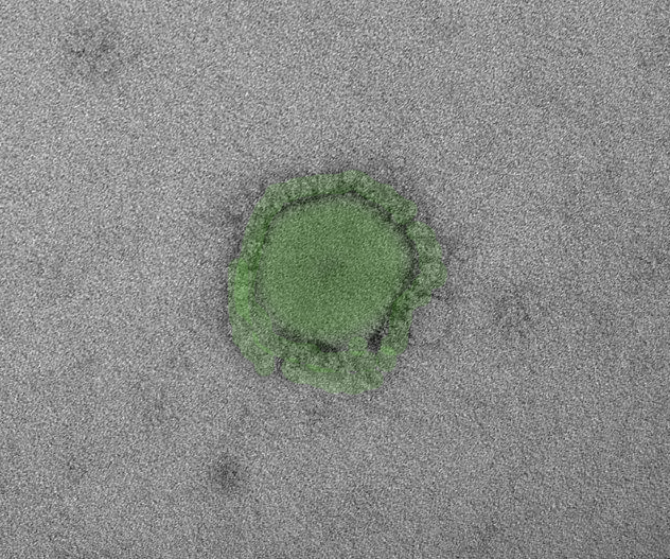
In light of the recent discovery of live MERS in a Saudi Arabian camel, we thought we’d revisit the emergent pathogen. For this week’s image gallery then, the Middle Eastern Respiratory Syndrome virus, in false color.

This slideshow requires JavaScript.

MERS Confirmed in Camel

For the first time since the virus’ emergence earlier this year, the Middle East Respiratory Syndrome (MERS) has been confirmed in an animal host. The virus itself, rather than the antibodies against it, has been found in a camel belonging to a man also infected with MERS. Tests are currently underway to isolate the virus strains in the man and camel respectively. The Saudi Health Ministry is quoted as saying that if the strains are identical,  it “would be a first scientific discovery worldwide, and a door to identify the source of the virus.”  In three prior outbreak clusters, the first patient to become ill had prior contact with camels.

The presence of the virus in camels seems to support the most popular theory of the virus’ transmission, involving bats as the primary reservoir and camels as the main vector. However, it is still unclear what contributes to the virus’ selective infection within camels, as previous studies sampling the animals have returned negative for presence of the virus or its antibodies.

According to the most recent WHO numbers, there have been 153 laboratory-confirmed cases of MERS, including 64 deaths. The virus most commonly causes symptoms associated with severe respiratory illness (fever, cough, shortness of breath), but can also cause diarrhea, renal failure, and shock.

The Pandora Report 11.8.13

Highlights include MERS in Spain and Abu Dhabi, a possible H1N1 fatality in Alaska, polio potentially spreading to Europe, and differing containment strategies for H5N1 outbreaks in Cambodia and Vietnam. Be sure to check out this week’s “Delving Deeper”, in which GMU Biodefense’s Yong-Bee Lim explores the threats and challenges of synthetic biology. Happy Friday!

MERS in Spain; Abu Dhabi

Both Spain and Abu Dhabi have identified their first cases of the Middle Eastern Respiratory Virus (MERS). The Spanish case involved a Moroccan citizen who lives in Spain and recently returned from hajj-related travel to Saudi Arabia. Health officials with Spain and the WHO are attempting to determine if the patient was treated in Saudi Arabia, whether she had contact with animals, and whether she flew commercially or by private plane (hopefully the latter). In Abu Dhabi, a 75-year-old Omani man has contracted the virus – it remains unclear where or how he became infected. In both cases, concerns over infection stemming from contact during the Muslim pilgrimage of hajj remain. If the two cases do involve hajj-related transmission, we may start to see similar cases popping up in regions with no prior incidence of the virus (North America, anyone?)

Spain reports its first MERS case; woman travelled to Saudi Arabia for Hajj

Vancouver Sun – “In its press release, the ministry said it is following up with people who were in contact with [the patient] to determine if others have contracted the sickness. That will likely involve tracking people who travelled on the same plane or planes with the ill woman, who journeyed back to Spain shortly before being hospitalized. The woman was already sick before she left the Kingdom of Saudi Arabia, a World Health Organization expert said Wednesday. ‘She became symptomatic while she was in KSA,’ said Dr. Anthony Mounts, the WHO’s point person for the new virus, a cousin of the coronavirus that caused the 2003 SARS outbreak.

Mers coronavirus diagnosed in patient in Abu Dhabi hospital

The National (UAE) – “The victim, who was visiting the UAE, began to suffer from respiratory symptoms last month and is now in intensive care. The diagnosis of Middle East respiratory syndrome was revealed by the Health Authority Abu Dhabi today, reported the state news agency Wam. The health authority is coordinating with the Ministry of Health and other organisations as it treats the patient. The authority said it had taken the necessary precautionary measures in line with international standards and recommendations set out by the World Health Organisation (WHO).”

H1N1 Fatality in Alaska?

A young adult patient in Anchorage has died from what is thought to be the 2009 strain of H1N1. According to Alaskan health officials, it is still too early to tell if H1N1 will be the dominant strain for their flu season – however, the majority of flu cases reported to health officials in the area involved the H1N1 strain. People, even sometimes young, healthy people, die of flu – get vaccinated.

Alaska Dispatch – “The hospital sent out an email Wednesday informing employees of the death of a young adult who had tested positive for what in-depth results could reveal as H1N1. The email also noted that some of the patients admitted to the medical center during the past week who tested positive for flu are ‘seriously ill’…It’s the time of year when flu cases increase, although flu is difficult to predict, said Donna Fearey, a nurse epidemiologist in the infectious disease program with the state of Alaska. There’s no way to know how severe the flu will be or how long it will last, she said.”

Polio emergence in Syria and Israel endangers Europe

In an article published in the Lancet today, two German scientists argue that the outbreak of wildtype poliovirus 1 (WPV1) in Syria, as well as the discovery of the virus in Israeli sewage, may pose a serious threat to nearby Europe. The vast majority of polio infections are asymptomatic – only one in 200 cases results in acute flaccid paralysis. Therefore, the flood of refugees streaming out of Syria and seeking asylum in European countries may serve as a large pool of asymptomatic carriers, resulting in the virus’ silent spread. Following polio’s eradication in Europe in 2002, many states limited their vaccination campaigns, resulting in large, unprotected populations, and a recipe for reintroduction of the crippling disease. This is why we should all care about eliminating polio from Afghanistan, Pakistan, and Nigeria – because the one thing an asymptomatic virus can do well is spread

The Lancet – “It might take more than 30 generations of 10 days (5) —nearly 1 year of silent transmission—before one acute flaccid paralysis case is identified and an outbreak is detected, although hundreds of individuals would carry the infection. Vaccinating only Syrian refugees—as has been recommended by the European Centre for Disease Prevention and Control (6)—must be judged as insufficient; more comprehensive measures should be taken into consideration. Oral polio vaccination provides high protection against acquisition and spreading of the infection, but this vaccine was discontinued in Europe because of rare cases of vaccination-related acute flaccid paralysis. Only some of the European Union member states still allow its use and none has a stockpile of oral polio vaccines.2 Routine screening of sewage for poliovirus has not been done in most European countries, (2) but this intensified surveillance measure should be considered for settlements with large numbers of Syrian refugees.”

H5N1 Epidemics in Cambodia; Vietnam

Both Cambodia and Vietnam are experiencing small outbreaks of H5N1, with the Cambodian outbreak infecting over 23 humans and the Vietnamese outbreak concentrated mainly within farm animals in two regions. To date, twelve of the 23 Cambodian cases have resulted in fatalities, compared with just two cases of human H5N1 in Vietnam. Vietnamese containment of the virus is attributed to the prevalence of larger, commercial farms, in which culling can occur quickly and effectively. This is unfortunately not the case in Cambodia, in which farming is largely sustenance-driven.  The differing methods of spread and containment in two otherwise similar countries help shed light on what practices can be undertaken to limit the virus’ reach.

Cambodia Daily – “But managing [the virus] in backyards, we are dealing with free-range poultry who run around villages and transmit it from one poultry to another,” he said, adding that 80 percent of Cambodian poultry are kept in people’s backyards. In all 23 avian influenza cases reported this year, the victims had contact with dead or sick animals. The Cambodian government also does not provide compensation for farmers whose poultry needs to be killed, which many experts say provides a disincentive to report sick birds.”

Tuoitre News (Vietnam) -“The southern Tien Giang Province People’s Committee on Wednesday declared an epidemic of the H5N1 avian flu in two communes, where the disease spread widely with most of the 557 affected ducks having died. The declaration was issued by deputy chairwoman of the Committee, Tran Thi Kim Mai, who asked the local Veterinary Sub-Department and other concerned agencies to take measures to control and drive back the epidemic in accordance with the Ordinance on Veterinary. All concerned agencies are required to tighten control over poultry-related activities and absolutely ban transporting of poultry into or out of epidemic areas, the authorities said.”

In case you missed it:
Delving Deeper: Synthetic Biology and National Security Policy
Fourth Case of H7N9 in China

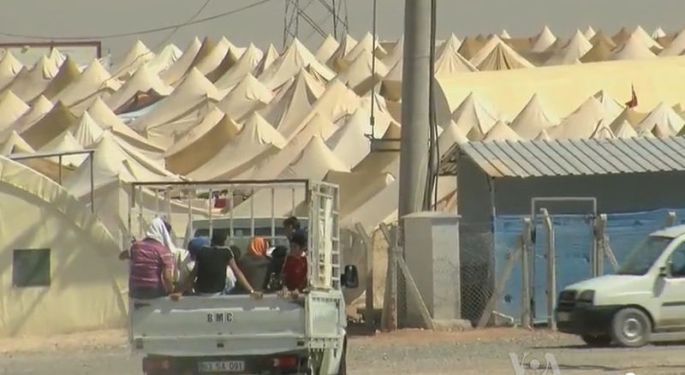
(Image: Syrian refugees on the Turkish border, via Henry Ridgwell/VOA/Wikimedia Commons)

The Pandora Report 11.1.13

Highlights include polio in Syria (really not a highlight), bats and SARS (surprise, bats carry everything!), rabies in a French kitten, MERS in Oman, and cholera in Mexico. Happy Friday!

Polio outbreak in Syria threatens whole region, WHO says
For the first time since 1999, a polio outbreak has occurred in Northern Syria. This is not a spontaneous re-emergence of the otherwise eradicated disease. This is the same strain found in the recent Iraqi outbreak, as well as that found in sewage in Egypt, Israel, the West Bank, and Gaza, a strain which originates in Pakistan. Pakistan is one of just three countries globally in which polio remains endemic. Pakistan is also a country in which the Taliban has banned administration of the vaccine, and routinely kills the poor, often women, workers who administer the vaccine anyway. As a result of this tremendous bit of stupidity, polio is re-emerging in Syria, a country in the middle of a civil war, and therefore a ripe breeding ground for the crippling virus’ spread.

Reuters – “‘This virus has come over land which means the virus is not just in that corner of Syria but in a broad area,’ Bruce Aylward, WHO assistant director-general for polio, emergencies and country collaboration, told Reuters in an interview.’We know a polio virus from Pakistan was found in the sewage of Cairo in December. The same virus was found in Israel in April, also in the West Bank and Gaza. It… is putting the whole Middle East at risk quite frankly,’ he said by telephone from Oman.”

Bat virus clues to origins of SARS
Researchers at the Commonwealth Scientific and Industrial Research Organisation have discovered two viruses closely related to SARS in the Chinese horseshoe bats. The viruses both bind to the same receptor in humans as SARS does, the ACE2 receptor, which is primarily expressed in endothelial cells of the kidney and heart. The use of the same receptor in both species suggests that coronaviruses may be able to jump directly from bats to humans without a vector species. Our first thought here is MERS?

BBC – “According to Gary Crameri, virologist at CSIRO and an author on the paper, this research ‘is the key to resolving the continued speculation around bats as the origin of the Sars outbreaks’. This Sars-like coronavirus is around 95% genetically similar to the Sars virus in humans, the research shows. And they say it could be used to develop new vaccines and drugs to combat the pathogen.

WHO: Middle East respiratory syndrome Coronavirus (MERS-CoV) – update

The WHO has confirmed another four cases of the Middle Eastern Respiratory Virus, including the first case in Oman. The three other cases, including one fatality, were all located in Saudi Arabia. While none of the three had recent contact with animals, one of the Saudi cases had been in recent contact with an infected patient. All three however were immunocompromised. The Omani case had no recent contact with animals or travel to Saudi Arabia.

WHO – “The patient in Oman is a 68-year-old man from Al Dahkliya region who became ill on 26 October 2013 and was hospitalized on 28 October 2013…Globally, from September 2012 to date, WHO has been informed of a total of 149 laboratory-confirmed cases of infection with MERS-CoV, including 63 deaths. Based on the current situation and available information, WHO encourages all Member States to continue their surveillance for severe acute respiratory infections (SARI) and to carefully review any unusual patterns.”

France issues rabies warning after kitten’s death
It is no secret that rabies is scary. We’ve all joked at one point or the other about what a zombie apocalypse would look like, which is all fun and games until someone mentions rabies.  While our vaccine is very good, in order for it to be effective, you have to know you’ve caught rabies. The virus itself usually has an incubation period of a few weeks, although cases have occurred in which the virus lay dormant for years.  At that point it’s of course too late. So we definitely understand Paris health authorities preemptively vaccinating five people, setting up a public hotline, and imploring anyone who may have handled or come near the kitten to contact authorities to be vaccinated.

BBC – “France was first declared a rabies-free zone for non-flying terrestrial mammals 12 years ago following the elimination of fox rabies. The 2008 canine rabies outbreak led to that status being suspended for two years. The BBC’s Christian Fraser in Paris said that the urgent appeal seeking anyone who came into contact with the infected animal is likely to be fuelled by fears of a repeat of the 2008 outbreak. The rabies virus is present in the saliva of an infected animal and is usually transmitted to humans by a bite.”

Haitian Cholera in Mexico
The cholera strain introduced to Haiti three years ago has spread to Mexico, which has seen 171 cases of the disease since September 9th of this year. The Haitian epidemic has infected as many as 600,000 people and caused nearly 8,500 deaths in Haiti, before spreading to the Dominican Republic and causing a further 31,000 cases there.

IBT – “Mexico has reported 171 cases of the disease, which has been identified as the same strain that arrived in Haiti, Dominican Republic and Cuba and one that is different from the strain that circulated in Mexico during a 1991-2001 epidemic. The Pan American Health Organization (PAHO) is warning that the illness could spread worldwide. Mexican health authorities reported the 171 cases in Mexico City and in the states of Mexico, Hidalgo, Veracruz and San Luis Potosí between Sept. 9 and Oct. 18. According to the Mexican Ministry of Health, there has been only one fatality, while 39 other cases have required hospitalization. The recent devastation caused by hurricanes Ingrid and Manuel contributed to the spread of the disease, which had not been reported in Mexico since the previous epidemic.”

(image: CDC Global Health/Flickr)