Pandora Report 9.6.2024

Happy September! This week’s edition of the Pandora Report discusses promising outcomes from early studies of Moderna’s mpox vaccine candidate, H5N1 in Californian dairy cows, Pathoplexus’ launch, Google DeepMind’s AlphaProteo, and more.

Biodefense Program Virtual Information Sessions

If you are interested in a career in biodefense or global health security or want to develop the knowledge and skills necessary to work at the nexus of health, science, and security, find out what the MS and PhD Biodefense degrees at the Schar School of Policy and Government have to offer. The MS in Biodefense offers the option of completing the degree entirely online. The virtual information session for the MS in Biodefense will be held on September 11 at 1 PM ET. This information session will provide an overview of the program, as well as the application process, student experience and graduate outcomes. Register here.

The PhD in Biodefense virtual open house will be held on September 18 from 5:30-7:30 PM ET. Register here.

Moderna’s Mpox Vaccine Bests Bavarian Nordic’s In Early Testing

Amid the sprint to develop new and improved mpox vaccines, Moderna, the biotech company probably best known for its SPIKEVAX COVID-19 vaccine, has found early success with its mRNA vaccine candidate targeted at mpox. The candidate-mRNA-1769-recently outperformed the dominant JYNNEOS vaccine from Bavarian Nordic, showing itself to be better at preventing severe disease and reducing viral loads in monkeys. In an article from Fierce Biotech, Jean Nachega, an epidemiologist at the University of Pittsburgh, was quoted saying, “The mRNA-1769 vaccine appears promising. The vaccine’s ability to elicit a strong immune response, combining neutralizing and functional antibodies, suggests its potential as an effective tool against mpox.”

California Dairy Cows Test Positive for H5N1

Animals at three dairy farms in California have tested positive for bird flu, the California Department of Food and Agriculture reported late last week. This marks the 14th US state to report cases of H5N1 in dairy cattle, this time in the top milk-producing state in the country. More than 190 herds have been infected across the country since March, in addition to 13 workers from dairy and poultry farms. The jump from birds to cows and human infections are worrying because they mean the virus may have the opportunity to mutate and spread from person-to-person, though risk to the general public remains low.

Pathoplexus Promises to be Simple to Use, Transparent

A group of scientists, in response to difficulties faced during the COVID-19 pandemic in using the primary database for sharing SARS-CoV-2 sequences, has created an open-source database focused on some of the world’s deadliest viruses. A ScienceAdivser article explains further: “Called Pathoplexus, the database launched this week at first will focus on the Sudan and Zaire strains of Ebola virus, as well as Crimean-Congo hemorrhagic fever virus and West Nile virus. Like similar databases, it hopes to help communities derail outbreaks before they grow, and, if that fails, better respond to epidemics and pandemics. “We believe that building trust through transparency is essential for encouraging broader participation in data sharing,” says Pathoplexus co-founder Anderson Fernandes de Brito, a computational biologist at the All for Health Institute.”

“But Pathoplexus aims to stand apart in other ways—especially compared with the Global Initiative on Sharing All Influenza Data (GISAID) database, which has become a central repository of sequences for the viruses that cause COVID-19, influenza, mpox, pneumonia, chikungunya, dengue, and Zika. GISAID has been harshly criticized for concealing its finances and governance, and several scientists have complained about its founder, erstwhile businessman Peter Bogner, and his representatives reprimanding them for how they use the database and even cutting off access during disputes.”

Read more here.

Google DeepMind Creates AI System That Generates Proteins That Binds to Target Molecules

Google DeepMind recently introduced AlphaProteo, the company’s “…first AI system for designing novel, high-strength binders to serve as building blocks for biological and health research.” They explain in their press release that, “Protein design is a fast-evolving technology that holds lots of potential for advancing science in everything from understanding the factors that cause disease, to accelerating diagnostic test development for virus outbreaks, supporting more sustainable manufacturing processes, and even cleaning contaminants from the environment.”

“To account for potential risks in biosecurity, building on our long-standing approach to responsibility and safety, we’re working with leading external experts to inform our phased approach to sharing this work, and feeding into community efforts to develop best practices, including the NTI’s (Nuclear Threat Initiative) new AI Bio Forum.”

“Going forward, we’ll be working with the scientific community to leverage AlphaProteo on impactful biology problems and understand its limitations. We’ve also been exploring its drug design applications at Isomorphic Labs, and are excited for what the future holds.”

“At the same time, we’re continuing to improve the success rate and affinity of AlphaProteo’s algorithms, expanding the range of design problems it can tackle, and working with researchers in machine learning, structural biology, biochemistry and other disciplines to develop a responsible and more comprehensive protein design offering for the community.”

Read the accompanying white paper, “De novo design of high-affinity protein binders with AlphaProteo,” here.

Center for Health Security at Johns Hopkins Launches Gene Synthesis Screening Information Hub

The Center for Health Security at Johns Hopkins University announced this week the launch of the Gene Synthesis Screening Information Hub, “…a new online platform dedicated to helping nucleic acid synthesis providers, manufacturers, and customers adhere to a new federal Framework aimed at preventing intentional misuse of synthetic nucleic acids and supporting safe scientific research practices in the United States.”

Learn more about the hub here and new US policies on nucleic acid synthesis screening here.

Members of Congress Introduce HR 9194, Nucleic Acid Standards in Biosecurity Act

Congresswoman Yadira Caraveo (D-CO) and Congressman Rich McCormick (R-GA) recently announced the introduction of HR 9194, Nucleic Acid Standards in Biosecurity Act. Caraveo’s press release on the bill explained, “Biotechnology companies routinely produce custom-ordered nucleic acids, such as DNA, for university, industry, nonprofit, and government researchers. Given the increases in production, there must be larger actions taken to establish and develop industry standards for best practices or standards for identifying, flagging, and screening nucleic acid sequences of concern. Given the use of nucleic acid synthesis in downstream biologic activities, such as developing diagnostic tests or engineering antibodies to treat diseases, the development of screening best practices and standards requires careful deliberation by stakeholders.”

“These best practices must minimize risks while also supporting stakeholders to use nucleic acids for research and development to drive major societal benefits as well as contributions to economic and national security. This challenge will only grow as Artificial Intelligence (AI) systems improve in their capabilities to design complex sequences consisting of natural or engineered properties that might go unnoticed by traditional detection methods.”

“The Nucleic Acid Standards for Biosecurity Act would authorize consortium activities at the National Institute of Standards and Technology (NIST) to support the development and improvement of best practices and technical standards for biosecurity measures related to nucleic acid synthesis. Specifically, it would:

  • Mitigate potential risks without compromising biotechnology innovation and American biotechnology leadership. This bill gives industry the tools to evaluate the performance of their screening systems, which are critically important as technical capabilities in engineering biology, artificial intelligence, and other areas grow.
  • Authorize a consortium that includes representatives from industry, institutions of higher education, nonprofit organizations, and customers to develop consensus best practices and standards.
  • Provide technical guidance useful for practitioners by authorizing the development of voluntary, consensus-based technical standards and operational guidance useful for both industry and customers.”
“Preventing a Pandemic: Koblentz Promotes New Federal Agency at U.S. Senate Hearing”

This news post from the Schar School discusses Biodefense Graduate Program Director Gregory Koblentz’s recent testimony before the US Senate Committee on Homeland Security and Government Affairs: “At a U.S. Senate Committee hearing on the origins of COVID-19 in June, Schar School associate professor Gregory Koblentz advocated for the creation of a new federal agency to manage the oversight of biological and pandemic risks. Koblentz, director of the Schar School’s biodefense program, emphasized that instead of trying to uncover the definitive origin of COVID-19 we should instead learn lessons from that mystery.”

“Russian Foreign Policy on Global Health: A Mini-Series Exploring Russian Foreign Policy on Global Health”

This mini-series from Think Global Health includes three articles: “A New Era for Russian Foreign Policy on Global Health” by Nataliya Shok, “Russian Cooperation with Venezuela Integrates Health” by Julio S. Castro Méndez and Victoria E. Castro Trujillo, and “Russia’s Growing Footprint on the African Health Landscape” by Aloysius Ssennyonjo and Eric Ssegujja.

“Farmed Fur Animals Harbour Viruses with Zoonotic Spillover Potential”

Zhao et al. recently published this article in Nature: “Animals such as raccoon dogs, mink and muskrats are farmed for fur and are sometimes used as food or medicinal products1,2, yet they are also potential reservoirs of emerging pathogens3. Here we performed single-sample metatranscriptomic sequencing of internal tissues from 461 individual fur animals that were found dead due to disease. We characterized 125 virus species, including 36 that were novel and 39 at potentially high risk of cross-species transmission, including zoonotic spillover. Notably, we identified seven species of coronaviruses, expanding their known host range, and documented the cross-species transmission of a novel canine respiratory coronavirus to raccoon dogs and of bat HKU5-like coronaviruses to mink, present at a high abundance in lung tissues. Three subtypes of influenza A virus—H1N2, H5N6 and H6N2—were detected in the lungs of guinea pig, mink and muskrat, respectively. Multiple known zoonotic viruses, such as Japanese encephalitis virus and mammalian orthoreovirus4,5, were detected in guinea pigs. Raccoon dogs and mink carried the highest number of potentially high-risk viruses, while viruses from the CoronaviridaeParamyxoviridae and Sedoreoviridae families commonly infected multiple hosts. These data also reveal potential virus transmission between farmed animals and wild animals, and from humans to farmed animals, indicating that fur farming represents an important transmission hub for viral zoonoses.”

Read a summary and discussion of the implications of this study from Jon Cohen for ScienceAdviser here.

“WHO Global Framework to Define and Guide Studies Into the Origins of Emerging and Re-emerging Pathogens with Epidemic and Pandemic Potential”

This new technical document is from the WHO Scientific Advisory Group for the Origins of Novel Pathogens: “The WHO global framework to define and guide studies into the origins of emerging and re-emerging pathogens with epidemic and pandemic potential, developed by the Scientific Advisory Group for the Origins of Novel Pathogens (SAGO) has been designed as a resource for Member States. It provides, for the first time, comprehensive guidance on the studies that are needed to investigate the origins of emerging and reemerging pathogens.”

“Timely investigations into pathogens’ origins are critical for preventing and containing global health crises. Their findings provide the basis for stopping outbreaks before they begin, halting transmission chains and reducing the risk of pathogen spillover from animals to humans. They can also confirm or exclude the possibility of an unintentional breach in laboratory biosafety and biosecurity.” 

“The framework also offers recommendations on the capacities needed to conduct these studies and the critical importance of sharing all findings as soon as possible to guide next steps.”

“A Biomanufacturing Plan to Confront Future Biological Threats: Expert Panel Policy Review and Near-Term Recommendations”

The Council on Strategic Risks’ Nolan Center recently released this report. Its executive summary explains in part “The rising incidence of infectious disease outbreaks, re-emerging pathogens, and antimicrobial resistance, as well as the rising risk of future pandemics, highlight the urgent need for a close examination of our medical countermeasure production and response strategy, and implementation of changes where they are most needed. Some progress was made in response to the COVID-19 pandemic, with extensive investment and interest in the development of broad-based diagnostics and medical countermeasures that can be advanced rapidly to address current and emerging biological threats. However, in an urgent event, the ability of such new technology to bring diagnostic kits, therapeutics, vaccines, and personal protective equipment to those in need is limited by how long it takes to scale up and produce these items at the needed quantities. Being responsive and meeting threat-driven emergent government requirements necessitates a manufacturing system that is agile, adaptable, and able to rapidly produce large quantities in a distributed manner.”

“One promising way to do this is through biomanufacturing.”

“Biomanufacturing, the process of using biological compounds or biological systems to manufacture products, lends itself to all of the above requirements and provides an industrial process that can improve US preparedness.1 It has significant potential to increase the resilience of our healthcare systems and economy, spur economic growth, and minimize dependence on foreign manufacturing for pharmaceuticals.”

“Two key US government documents have begun to envision aspects of a national biomanufacturing approach: Executive Order 14081 on Advancing Biotechnology and Biomanufacturing Innovation for a Sustainable, Safe, and Secure American Bioeconomy (issued in September 2022) and the National Biodefense Strategy and Implementation Plan for Countering Biological Threats, Enhancing Pandemic Preparedness, and Achieving Global Health Security (released in October 2022).2 However, meeting these goals and requirements will require a whole-of-government approach along with public-private partnering efforts. Existing government capabilities and knowledge need to be leveraged, the private sector needs incentives and de-risking, the workforce needs to be trained and expanded, information and forecasting from pathogen early warning systems need to be fully distributed and rapidly shared, and pandemic response exercises using biomanufacturing need to be periodically conducted.”

Read more here.

“Eight Former CDC Directors: Hollowing Out the CDC Is a Prescription for Disaster”

William Foege, William Roper, Jeffrey Koplan, Julie Gerberding, Tom Frieden, Brenda Fitzgerald, Robert Redfield, and Rochelle Walensky, all former directors of the Centers for Disease Control and Prevention, recently authored this article for STAT News. They write in part, “As former directors of the Centers for Disease Control and Prevention, we are deeply concerned that recent recommendations to pare back the CDC would cost lives and damage the economy…One misguided narrative is that the CDC should focus only on a “core mission” of combatting infectious diseases. In fact, the core mission of the CDC is to save lives and protect Americans from all health threats — not only infectious diseases but also cancer, environmental risks, injuries, and the conditions that are the leading causes of death among Americans.”

“Boom, Now Bust: Budget Cuts and Layoffs Take Hold in Public Health”

Jazmin Orozco Rodriguez discusses the currently-unfolding consequences of public health’s boom-and-bust funding cycle in this piece for KFF Health News: “Even as federal aid poured into state budgets in response to the covid-19 pandemic, public health leaders warned of a boom-and-bust funding cycle on the horizon as the emergency ended and federal grants sunsetted. Now, that drought has become reality and state governments are slashing budgets that feed local health departments.”

“Identifying Pathogens in the Field with F-FAST”

Parker Martin discusses the Army’s Far-Forward Advanced Sequencing Technology (F-FAST) and its ability to identify biothreats in far-forward environments: “Future battlefields require an on-the-go approach to the identification of whatever biological threat our warfighters may come across. One such approach — Far-Forward Advanced Sequencing Technology, or F-FAST – uses rapid DNA and RNA sequencing systems for biothreat identification in far-forward environments.”

“While these types of tests normally require a degree of scientific know-how, researchers at the U.S. Army Combat Capabilities Development Command Chemical Biological Center (DEVCOM CBC) are working to make F-FAST’s rapid testing methods quicker and simpler than ever to address all potential biothreats – including those that are emerging and genetically modified.”

Journal of Strategic Trade Control Special Issue: Training Programs to Counter Current and Emerging Biological and Chemical Proliferation Risks: Themes, Practices, and Lessons Learnt

This special issue of the Journal of Strategic Trade Control includes articles like “The Nun Who Broke America’s Nuclear Sanctum: The Use of Case Studies in CBRN Nonproliferation Training,” “Training to Embrace Uncertainties? The ‘Pathway Evolution Process’ Serious Game for Assessing Toxic Waste Program,” “Addressing the Biological Security Educational Gap,” and more.

NEW: Schar School Master’s and Certificate Virtual Open House

Prospective students are invited to join the Schar School of Policy and Government at George Mason University for our Master’s and Certificate Virtual Open House! The Schar School offers flexible part-time or full-time options for graduate certificate and master’s degree programs that teach applicable, real-world skills for in-demand careers.

This virtual event is the perfect opportunity to:
•    Explore our top-ranked master’s degree and graduate certificate programs;
•    Meet the graduate admissions team and program faculty;
•    Learn about your program of interest in depth, including the curriculum, admissions requirements, and career opportunities; and
•    Ask admissions team members specific questions about the application process.

WHEN: Monday, September 30, 7-8 p.m. Eastern

Learn more and register here.

NEW: The Role of AI in Advancing Public Health

From ICF: “For health departments that a short time ago were struggling to move from faxing to online reporting, the leap into the world of artificial intelligence (AI) may seem like a bridge too far. Even those with well-resourced data systems might find it challenging to grasp AI’s impact. However, AI has the potential to revolutionize how work gets done in local, state, tribal and territorial public health departments, improving day-to-day operations and unlocking new ways to advance health outcomes.”

“In this webinar, leading public health experts explore how AI can optimize operations at local, state, and national levels—from transforming data collection, analytics, and forecasting to customizing communication messages, responding to misinformation, and targeting resources to better promote equity.”

This event will take place at 12 pm EST on September 12. Learn more and register here

NEW: Pandemics, Climate, Health, Conflict: Preventing Future Shocks

From the Pandemic Action Network (PAN): “How can this year’s UN Summit of the Future (Sept. 22-23) serve as a springboard for action in the year ahead?”

“Join PAN, the Independent Panel for Pandemic Preparedness and Response, and RANA for Pandemics, Climate, Conflict: Preventing Future Shocks on Sept. 24. This event will include former Heads of State and government, senior policymakers, and non-governmental leaders sharing their perspectives on the current political state of play, opportunities, and actions necessary to ensure we are prepared to respond to, and prevent, future global shocks.”

“Please register to indicate interest. Confirmation, full program, and location details to follow. In-person space is limited for this event.”

NEW: FLUency: True Expertise and Effectiveness in the Battle Against Influenza

“This Commission meeting, FLUency: True Expertise and Effectiveness in the Battle Against Influenza, will be held on Tuesday, October 8th, in Washington, DC. The focus of this meeting will be to provide the Bipartisan Commission on Biodefense with a better understanding of: (1) national leadership to defend food and agriculture against influenza; (2) federal operational requirements for preparedness, coordination, and response; (3) biosurveillance, forecasting, and the need for diagnostic tests; and (4) front-line needs and partnerships in the fight against influenza.”

This event will take place in-person on October 8 from 9:20 am to 2 pm EST. Learn more and register here.

NEW: Responsible AI: Design, Development, and Use

Join the Mason Autonomy and Robotics Center (MARC) for this 3-day in-person course on Responsible AI: Design, Development, and Use!  As AI becomes increasingly pervasive across various domains, it is essential that we prioritize responsible principles, policies, and practices. Learn from top AI scholars and industry experts about ethical and safe AI deployment. You’ll also gain the critical skills to navigate the complexities of AI in business, healthcare, transportation and more.
Course Dates: October 15-17, 2024
Registration Deadline: October 8, 2024

Register now: https://bit.ly/3zMvZOR

BSL4ZNet International Conference

“The Biosafety Level 4 Zoonotic Laboratory Network (BSL4ZNet) is an international group of federal institutions in Australia, Germany, United Kingdom, United States and Canada responsible for high-containment laboratories that allows countries to work together to respond to dangerous zoonotic diseases that spread between animals and people.”

“The 2024 BSL4ZNet International Conference is taking place in September 2024. This year’s theme is “Emerging disease meets innovative science. The working language of the BSL4ZNet is English. The 2024 BSL4ZNet International Conference will be presented in English only.”

“The 2024 BSL4ZNet International Conference includes 4 sessions:

  • Wednesday, September 4: Threats and challenges – Delving into topics such as Highly Pathogenic Avian Influenza (HPAI), Climate-Related Risks, and the nuanced landscape of Science Communication amidst Misinformation/Disinformation Challenges.
  • Wednesday, September 11: Innovation and emerging technologies – Innovation and Emerging Technologies: Exploring the latest advancements and breakthroughs in the realm of emerging technologies shaping our response to infectious diseases.
  • Wednesday, September 18: Biosecurity and biosafety – Addressing critical issues surrounding biosecurity and biosafety measures, crucial pillars in combating zoonotic diseases
  • Wednesday, September 25: Innovation for BSL4 activities and challenges – Featuring an enlightening panel discussion focusing on innovative approaches to address challenges inherent to BSL4 activities.”

Associate Professor (Health Security) – Practice Track Saw Swee Hock School of Public Health, National University of Singapore 

“The Saw Swee Hock School of Public Health, National University of Singapore, is seeking an exceptional and motivated early to mid-career academic to join our faculty as an Assistant or Associate Professor in Health Security. This position is designed for candidates with expertise in health security, biosecurity or related fields, with a strong public health background, and who are passionate about research, teaching, and contributing to global health initiatives. The successful candidate will play a pivotal role in advancing the school’s Asia Centre for Health Security in improving health security across Asia and beyond. Details on the position can be found here.”

“The Asia Centre for Health Security (Asia CHS, https://asia-chs.org/) is a new research and policy centre in Singapore focused on preventing high-consequence biological risks of any origin. Asia CHS was established at the NUS Saw See Hock School of Public Health, in collaboration with the NTU’s Rajaratnam School of International Studies and the Singapore National Centre for Infectious Diseases. The centre was founded with philanthropic gifts from several Asian and European donors totaling more than $7M for the Centre’s first three years of operations.”

Call for Experts – Technical Advisory Group on Laboratory Services, Systems and Diagnostics in Health Emergencies

“The World Health Organization (WHO) is seeking experts to serve as members of the WHO Technical Advisory Group on Laboratory Services, Systems and Diagnostics in Health Emergencies (TAG-LAB). This “Call for experts” provides information about the advisory group in question, the expert profiles being sought, the process to express interest, and the process of selection.”

“Well-functioning and sustainable laboratory services, systems and diagnostics, operating according to international principles of equity, quality and safety, are essential to implement the International Health Regulations (2005)1 and achieve global health security. The World Health Organization (WHO) recently published the health emergency prevention, preparedness, response and resilience (HEPR) framework, describing the critical role of the laboratory to implement Collaborative Surveillance.”

“Laboratories also provide essential data to guide clinical care and inform coordination operations, as well as public health and social measures, in a range of emergency situations including outbreaks of pandemic and epidemic prone pathogens and humanitarian settings involving conflict, protracted crises and natural or man-made disasters. Considering this, a global strategy focused on laboratory services, systems and diagnostics for health emergencies is needed to address all of these contexts.” 

“This strategy will connect global efforts and advance implementation of the laboratory components of the HEPR framework and World Health Assembly (WHA) Resolution 74.7 on strengthening WHO preparedness for and response to health emergencies that called for countries to “strengthen laboratory-based detection capacities”.”

“In this context, WHO is establishing a Technical advisory group on laboratory, services, systems and diagnostics for health emergencies (“TAG-LAB”). The TAG-LAB will act as an advisory body to WHO in this field.”

“The TAG-LAB is multidisciplinary, with members who have a range of technical knowledge, skills and experience relevant to virus evolution. Up to 25 Members may be selected. WHO welcomes expressions of interest from experts in laboratory services, systems or diagnostics, clinical scientists, academic researchers, healthcare professionals, or others with expertise in one or more of the following areas:

  • Laboratory Systems
  • Laboratory Services
  • Diagnostics
  • National and International Policy, Regulation and Guidance
  • Biosafety
  • Biosecurity
  • Bioinformatics
  • Clinical Management
  • Outbreak Preparedness, Response and Resilience
  • Emergency response in humanitarian settings involving conflict, protracted crises and natural or man-made disasters
  • Academic Research
  • Public Health
  • Virology, Microbiology, Mycology, and Emerging or Re-emerging diseases”

Learn more and submit and expression of interest here by September 30.

Call for Experts: Health-Security Interface Technical Advisory Group (HSI-TAG)

“The World Health Organization (WHO) is seeking two experts to serve as new members of the Health-Security Interface Technical Advisory Group (HSI-TAG). This “Call for experts” provides information about the advisory group in question, the expert profiles being sought, the process to express interest, and the process of selection.”

“The concept of Health-Security Interface (HSI) applies to those public health activities whose performance involves to some extent the security sector broadly understood (e.g. international and non-governmental organizations, civil defense, military health personnel, law enforcement and armed forces, defense-related research programmes), certain international organizations and other entities with a security relevant mandate. These activities may include protection of health from traditional and emerging infectious disease threats; deliberate events and investigation of alleged use of chemical and biological agents including non-permissive environments and conflict zones; and any health activities performed in collaboration with security actors.”

“The HSI-TAG is multidisciplinary, with members who have a range of technical knowledge, skills and experience relevant to the Health-Security Interface.”

“Considering the recent developments and global trends, the Secretariat realized that there was a need to strengthen the following areas of expertise/experience, hence welcomes expressions of interest from:

  • Bioterrorism experts (knowledge on pathogens of security concern, their microbiological characterization and application/modification for weaponization, diagnostics, countermeasures and containment measures),
  • Decision/policy makers with hands-on experience dealing with significant deliberate event(s) (biological/chemical) response at the local, regional, or national level.”

“For the improved geographical and gender representation of the HSI-TAG members, the WHO Secretariat encourages applications from the WHO African, Western Pacific, European, Eastern Mediterranean and Pan American Health Organization/Americas regions and female or non-male gender identities.”

Learn more about the HSI and express interest by October 7 here.

The Nonproliferation Review Special Issue on Understanding the Nexus Between AI and WMD

“The emergence of artificial intelligence (AI) presents significant opportunities and challenges for WMD nonproliferation. On the one hand, AI introduces new risks in which state and non-state actors could employ these new technologies to enable weapons development and use. AI could introduce other existential risks, some of which we may not have imagined previously. However, AI also has the potential to be a powerful tool for detecting and analyzing proliferation risks, supporting arms-control verification and treaty negotiation, and gaining new insights into the decision calculus of proliferators. Even the benefits of AI come with major risks when applied to WMD nonproliferation. To harness these benefits, policy makers must also contend with a new set of risks, including cyber-vulnerabilities that are relatively new to WMD nonproliferation but inherent to AI systems that rely upon software, hardware, and penetrable networks. The breathtaking pace of progress in the development of AI demands urgent action from the WMD-nonproliferation community to get ahead of this curve. Policy makers confront a closing window to steer outcomes toward the positive and need new insights to help them navigate these challenges.”

“This special issue will examine specific risks and opportunities at the nexus of WMD and AI while highlighting some of the general implications of AI for the WMD-nonproliferation field. Authors will be expected to conduct interviews with subject-matter experts and/or engage in other original empirical research to ensure the paper makes an original contribution and provides a technical perspective to the ongoing discussion among scholars and policy makers (see journal guidelines for more information). We welcome submissions from both academic and policy angles, but we are targeting policy makers working at the nexus of AI and WMD as the primary audience for this issue.”

Learn more here.

Pandora Report 8.30.2024

This week’s Pandora Report covers updates on mpox, COVID-19 misinformation, the US Government’s plan to re-launch its no-cost COVID-19 testing kit program, and more.

Mpox Updates

WHO Launches Global Strategic Preparedness and Response Plan

The WHO announced this week the launch of its global Strategic Preparedness and Response Plan that is designed to stop outbreaks of human-to-human transmission of mpox. According to the organization, “The plan covers the six-month period of September 2024-February 2025, envisioning a US$135 million funding need for the response by WHO, Member States, partners including Africa Centres for Disease Control and Prevention (Africa CDC), communities, and researchers, among others,” and it aims to coordinate this through global, regional, and national efforts.

Furthermore, “The plan, which builds on the temporary recommendations and standing recommendations issued by the WHO Director-General, focuses on implementing comprehensive surveillance, prevention, readiness and response strategies; advancing research and equitable access to medical countermeasures like diagnostic tests and vaccines; minimizing animal-to-human transmission; and empowering communities to actively participate in outbreak prevention and control.”

The same statement also says that WHO Regional Office for Africa (AFRO) will collaboratively spearhead the effort to respond to mpox in the WHO Africa Region with Africa CDC. It explains that “WHO AFRO and Africa CDC have agreed on a one-plan, one-budget approach as part of the Africa Continental Mpox Strategic Preparedness and Response Plan, currently under preparation.”

However, not everyone is convinced the WHO will find success in its approach. In a recent article for The Bulletin of the Atomic Scientists titled “A new mpox variant is taking off in Africa. The WHO plan for stopping it isn’t realistic,” Georgios Pappas writes, “In the mpox-affected areas of the Democratic Republic of the Congo and the Central African Republic, local health care systems may lack in capabilities to deal with threats like mpox.  At the same time, political instability can be a barrier to improving health care facilities. Furthermore, malnutrition in the region predisposes children to unfavorable mpox outcomes. The WHO’s declaration of Public Health Emergency of International Concern (PHEIC), the designation the body gives to the most threatening crises, should have served as a chance to support this lacking health infrastructure. But the proposals so far to address the crisis don’t appear to be rising to the occasion.”

DRC Struggles Without Adequate Access to Vaccines, Tests, and Treatments

Officials in the Democratic Republic of Congo (DRC), the epicenter of the current mpox outbreak, say they are without the necessary resources to contain the outbreak and treat those who are infected. NYT‘s Stephanie Nolen explains in a recent piece that the country has limited ability to diagnose mpox cases, a particularly concerning fact as the transmission and presentation of the disease change. She also writes “There is no effective antiviral treatment for mpox in Congo. The country is also short on the medications necessary to treat people with painful mpox lesions. Its fragile public health system is struggling to provide those infected with basic care, which has been shown to improve survival rates even in the absence of antiviral drugs.”

The DRC also continues to want for mpox vaccines, despite the country requesting them two years ago and manufacturers saying they have the supplies. This is in large part because of the WHO’s regulatory process. In the years since the last worldwide mpox outbreak, the WHO has still yet to approve the vaccines nor issue an emergency use license for them. This prevents UNICEF and Gavi from helping to facilitate immunizations in developing countries as they require one of these forms of authorization.

As Nolen explains in another piece, many low- and middle-income countries depend on the WHO to make these judgments about vaccines and other pharmaceuticals, in contrast to high-income countries that rely on their own regulators. This is a problem as “…the organization is painfully risk-averse, concerned with a need to protect its trustworthiness and ill-prepared to act swiftly in emergencies,” according to Blair Hanewall, a global health consultant who “managed the W.H.O. approvals portfolio as a deputy director of the Bill & Melinda Gates Foundation, a key funder, for more than a decade.”

Despite these roadblocks, the WHO announced today that mpox vaccines are set to arrive in the DRC over the next few days. 230,000 doses, which were donated by the European Commission and Bavarian Nordic, are immediately available to be dispatched.

Read More-“Mpox Vaccine Tracker: Millions Pledged, Millions Still Yet to Be Delivered,” Chloe Searchinger and Allison Krugman, Think Global Health

WHO Urges Diagnostic Test Rapid Access and Invites Manufacturers to Emergency Review

This week, the WHO also asked manufacturers of in vitro diagnostics (IVDs) for mpox to submit expressions of interest for Emergency Use Listing (EUL). This comes after discussions with these manufacturers about the need for IVDs, especially in low-income settings. WHO explained in its statement on the action that “With as many as 1000 suspected cases reported in the Democratic Republic of the Congo alone this week, the demand for diagnostic tests is on the rise. In this heavily affected country, WHO has worked with partners to scale up diagnostic capacity to respond to the upsurge of cases. Since May 2024, six additional labs have been equipped to diagnose mpox, enabling a decentralization of testing capacity from major cities to affected provinces. Two of these labs are in South Kivu, selected to respond to the outbreak of the new viral strain, called Ib. Thanks to these efforts, testing rates have dramatically improved in the country, with four times as many samples tested in 2024 so far as compared to 2023.”

US Government to Resume Offering COVID-19 Tests Through Mail at No Cost Again

Early this week, the US government announced it will again offer COVID-19 test kits to American households at no cost. Households will be able to order up to four COVID-19 nasal swab tests upon the program’s reopening. This announcement comes alongside urging people to seek out updated COVID-19 boosters before the fall and winter come. While many Americans do have some immunity to COVID-19 because of previous infections or immunizations, less than 25% of adults in the US got an updated COVID-19 vaccination last fall.

More Americans Believe COVID-19 Vaccine Misinformation

Research from the University of Pennsylvania’s Annenberg Public Policy Center found that 28% of respondents incorrectly believe that COVID-19 vaccines are responsible for thousands of deaths. This is in contrast to 22% in June of 2021. Furthermore, the percentage of respondents who say this is false declined from 66% to 55% during the same time period. 22% believe it is safer to be infected rather than get the vaccine, in contrast to 10% in April of 2021. The belief that COVID-19 vaccines change patients’ DNA rose from 8% in April 2021 to 15% now. Finally, while about two-thirds of respondents said the benefits of COVID-19 vaccines outweigh the potential risks, this number is lower than those who believe the same for mpox, RSV, and MMR vaccines.

As Axios’ Adriel Bettelheim explains, “Previous polling has shown sizable numbers of Americans who believe COVID vaccine misinformation know they’re at odds with scientists and medical experts, suggesting that educating people on the science behind vaccines won’t change many minds.”

These trends are especially concerning given the United States’ renewed struggles with COVID-19 this summer and the push to prepare the public for the upcoming fall and winter respiratory virus season.

“International Talent Programs in the Changing Global Environment”

From the National Academies: “The U.S. science, technology, engineering, and mathematics (STEM) workforce plays a vital role in fostering and sustaining innovation, economic competitiveness, and national security. This workforce currently depends, and for the foreseeable future will depend, on both international and domestic talent. Foreign STEM talent contributes to domestic innovation, economic growth, and U.S. leadership in science and technology and also expands perspectives and networks essential to future scientific collaborations and discoveries.”

“At the request of the U.S. Department of Defense, this report reviews foreign and domestic talent or incentive programs and their corresponding scientific, economic, and national security benefits. International Talent Programs in the Changing Global Environment makes recommendations to improve the effectiveness of U.S. mechanisms for attracting and retaining international students and scholars relative to the programs and incentives other nations use to support national research capabilities, especially in national security and defense-related fields.”

Sonia Ben Ouagrham-Gormley, an associate professor with George Mason’s Biodefense Graduate Program, provided the study committee with insight into China’s Thousand Talent Program.

“We Need a Global Framework for Promoting Safe Handling of High Consequence Pathogens”

Karlsson et al. authored this opinion piece for the BMJ, writing in their introduction “The covid-19 pandemic has highlighted ongoing concerns regarding biosafety and biosecurity procedures in global pathogen research. This includes questions about any possible role of field and laboratory research into the emergence of the SARS-COV-2 virus.1 The $125m Discovery and Exploration of Emerging Pathogens-Viral Zoonoses programme, funded by the US Agency for International Development, researching new zoonotic viruses was recently cancelled partly because of these concerns.2 This has raised broader discussion about the risks and benefits of viral surveillance and research. Limiting funds for pathogen surveillance and research compromises long term preparedness for pandemics and leaves pathogen spillover threats unmonitored. Rather than restrict scientific surveillance and research, a global safety governance framework that spans the entire pathogen value chain must be urgently developed. This must cover the life cycle of pathogen research, including collection, transportation, and laboratory handling.”

“Biotechs Bolster Biosecurity to Safeguard the Future of Nucleic Acid Sequencing”

Danielle Gerhard discusses expert calls for stricter security measures regarding synthetic DNA in this piece for The Scientist: “Since then, industry consortia and government bodies have stepped up to fill this gap and provide guidance on how DNA providers can help prevent biosecurity risks through enhanced screening frameworks. However, to keep pace with the evolving landscape of rapid technology advancements and requests for guidance from industry, the government has updated its framework for providers of these services, but some experts in the field call for end-users, including institutions, to take on more responsibility when it comes to minimizing the biosecurity risks associated with these technologies.”

“Can Operation Warp Speed Serve as a Model for Accelerating Innovations Beyond COVID Vaccines?”

Arielle D’Souza, Kendall Hoyt, Christopher M. Snyder, and Alec Stapp’s work on a framework for applying mission approaches and economic principles from Operation Warp Speed to other innovations was recently made available by the National Bureau of Economic Research: “Operation Warp Speed (OWS) was a U.S. government-led program to accelerate the development, production, and administration of COVID-19 vaccines. The program cut the typical ten-year timeline needed to develop a new vaccine down to ten months and began vaccinating vulnerable populations within a year after launch. OWS’s success has led to calls for a similar mission model to accelerate innovations addressing other pressing social needs, including a cure for Alzheimer’s disease or atmospheric-carbon removal to combat global warming. We provide a framework to understand which innovations call for a mission approach and apply economic principles to identify key design features that contributed to the success of OWS.”

“2022-2024 NBAF Science Accomplishments Report”

The US Department of Agriculture recently released this report on scientific accomplishments at the National Bio and Agro-Defense Facility in Manhattan, KS. The report covers NBAF’s mission and capabilities as well as accomplishments made by the ARS Foreign Animal Disease Research Unit, ARS Foreign Arthropod-Borne Animal Disease Research Unit, ARS Zoonotic and Emerging Disease Research Unit, Biologics Development Module, and APHIS Foreign Animal Disease Diagnostic Laboratory.

“Behind the Smoke: How Disinformation Surrounding Syria’s Chemical Attacks Undermines Public Health”

Salma Daoudi recently authored this article for the Tahrir Institute for Middle East Policy that “…explores the strategic use of disinformation to manipulate public perceptions around the Assad regime’s chemical attacks and its ramifications for the public health sector.”

“Worldwide Trends in COVID-19-Related Attacks Against Healthcare: A Review of the Safeguarding Health in Conflict Coalition Database”

Duffhues et al. recently published this article in Health Security: “During the COVID-19 pandemic, violence targeting healthcare reportedly increased. Attacks against healthcare can severely hamper the public health response during a pandemic. Descriptive data analysis of these attacks may be helpful to develop prevention and mitigation strategies. This study aimed to investigate trends regarding COVID-19-related attacks against healthcare from January 2020 until January 2023. COVID-19-related incidents occurring between January 2020 and January 2023 were extracted from the Safeguarding Health in Conflict Coalition database and screened for eligibility. Included incidents were linked to COVID-19 health measures or were attacks directly interfering with COVID-19 healthcare, including conflict-related attacks. Data collected per incident included temporal factors; country; setting; attack and weapon type; perpetrator; motive; number of healthcare workers (HCWs) killed, injured, or kidnapped; and health facility damage. The study identified 255 COVID-19-related attacks against healthcare, with 18 HCWs killed, 147 HCWs injured, and 86 facilities damaged. The highest attack frequency was reported during the beginning of the pandemic and predominantly concerned stigma-related attacks against healthcare. Reported incidents in 2021 included attacks targeting vaccination campaigns, as well as conflict-related attacks interfering with COVID-19 healthcare. COVID-19-related attacks against healthcare occurred in heterogeneous contexts throughout the pandemic. Due to underreporting, the data presented are a minimum estimate of the actual magnitude of violence. The findings of this study emphasize the importance of public education campaigns, improved coordination between healthcare organizations and law enforcement, and the possible need to bolster the security of medical facilities and health workers.”

Asimov Press Pandemic Prevention Mini-Issue

Asimov Press recently published a handful of essays as part of its Pandemic Prevention Mini-Issue, including “Is That DNA Dangerous?” by Tessa Alexanian and Max Langenkamp, “Day Zero Antivirals for Future Pandemics” by Brian Wang, “Measuring the Black Death” by Saloni Dattani, and “Defense-Forward Biosecurity” by Allison Berke.

“Unmasking the Threat”

Goran Georgiev recently published this blog post focused on WMD information manipulation in Bulgaria and Romania with the Center for the Study of Democracy, writing in part “The analysis underscores a stark contrast between Bulgaria and Romania in the spread and impact of misleading content about biological laboratories, reflecting broader cultural differences in how Russia is perceived publicly. Romania does not share many of the cultural pull factors or cognitive capture that make citizens in majority Slav countries vulnerable to pro-Kremlin information interference, particularly the shared linguistic, ethnic, and historical heritage. Differences in geopolitical public perceptions have been evident in numerous comparative surveys, with Romanians being over eight times less likely (at 3%) to see Russia as a strategic ally after the invasion compared to Bulgarians (at 26%) or Slovaks (25%). These differences appear to be reflected in the level of engagement with pro-Kremlin narratives related to WMD.”

“Transoceanic Pathogen Transfer in the Age of Sail and Steam”

Elizabeth N. Blackmore and James O. Lloyd-Smith authored this article in PNAS: “In the centuries following Christopher Columbus’s 1492 voyage to the Americas, transoceanic travel opened unprecedented pathways in global pathogen circulation. Yet no biological transfer is a single, discrete event. We use mathematical modeling to quantify historical risk of shipborne pathogen introduction, exploring the respective contributions of journey time, ship size, population susceptibility, transmission intensity, density dependence, and pathogen biology. We contextualize our results using port arrivals data from San Francisco, 1850 to 1852, and from a selection of historically significant voyages, 1492 to 1918. We offer numerical estimates of introduction risk across historically realistic ranges of journey time and ship population size, and show that both steam travel and shipping regimes that involved frequent, large-scale movement of people substantially increased risk of transoceanic pathogen circulation.”

What We’re Listening to 🎧

Technologically Speaking Podcast: Season 4, Episode 3

“The Technologically Speaking Podcast sits down with Lindsay Gabbert, a microbiologist at the S&T Plum Island Animal Disease Center (PIADC). Lindsay and her colleagues at PIADC are on the front lines keeping dangerous animal diseases at bay and away from our farms. She talks about what the greatest threats are and what S&T and PIADC are doing to thwart them. She also shares anecdotes about her time working at PIADC, one of the most interesting and unique labs in the United States, nestled on a small and historic island in the Long Island Sound.”

BSL4ZNet International Conference

“The Biosafety Level 4 Zoonotic Laboratory Network (BSL4ZNet) is an international group of federal institutions in Australia, Germany, United Kingdom, United States and Canada responsible for high-containment laboratories that allows countries to work together to respond to dangerous zoonotic diseases that spread between animals and people.”

“The 2024 BSL4ZNet International Conference is taking place in September 2024. This year’s theme is “Emerging disease meets innovative science. The working language of the BSL4ZNet is English. The 2024 BSL4ZNet International Conference will be presented in English only.”

“The 2024 BSL4ZNet International Conference includes 4 sessions:

  • Wednesday, September 4: Threats and challenges – Delving into topics such as Highly Pathogenic Avian Influenza (HPAI), Climate-Related Risks, and the nuanced landscape of Science Communication amidst Misinformation/Disinformation Challenges.
  • Wednesday, September 11: Innovation and emerging technologies – Innovation and Emerging Technologies: Exploring the latest advancements and breakthroughs in the realm of emerging technologies shaping our response to infectious diseases.
  • Wednesday, September 18: Biosecurity and biosafety – Addressing critical issues surrounding biosecurity and biosafety measures, crucial pillars in combating zoonotic diseases
  • Wednesday, September 25: Innovation for BSL4 activities and challenges – Featuring an enlightening panel discussion focusing on innovative approaches to address challenges inherent to BSL4 activities.”

Safeguarding the Food Supply: Integrating Diverse Risks, Connecting with Consumers, and Protecting Vulnerable Populations – A Workshop

From the National Academies: “On September 4-5, the Food Forum will host a workshop that explores the state of the science around hazard- and risk-based approaches to safeguarding both domestic and global food systems. Workshop presenters will examine nutrition, economic, and equity implications in food safety decision-making, and considerations and strategies for communicating hazard and risk across sectors. The workshop will also include national and international perspectives on risk assessment and tools to mitigate risk, as well as opportunities for the future of risk management and assessment, food safety, and public health.”

Learn more and register for this virtual event here.

Pandora Report 8.16.2024

This week’s Pandora Report discusses the recent mpox PHEIC declaration, updates on H5N1, and more.

World Health Organization Declares Mpox PHEIC

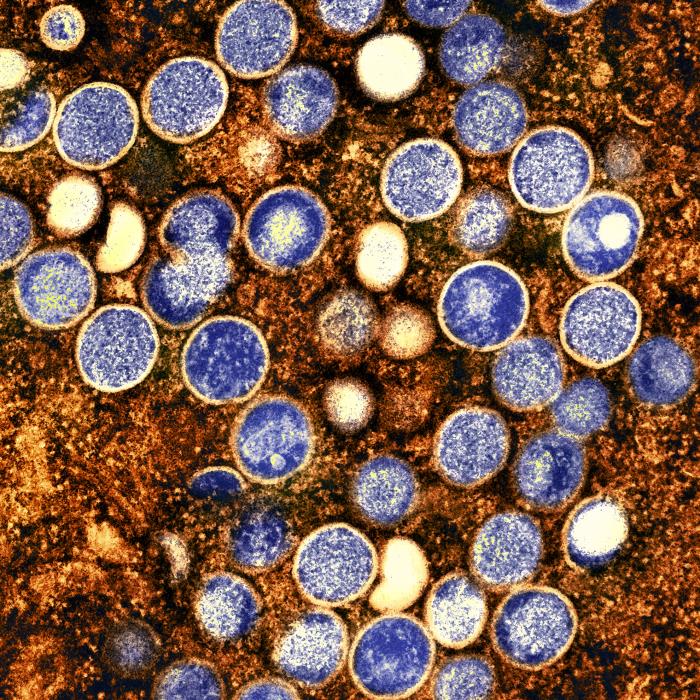
Mpox (formerly known as monkeypox) is a viral illness caused by the monkeypox virus, which is part of the genus Orthopoxvirus. Two clades exist (clade I and clade II). Clade IIb caused a global outbreak of mpox in 2022-23 that also resulted in a PHEIC (public health emergency of international concern) declaration. Now, the WHO has declared an outbreak of clade I mpox a PHEIC as case counts in the Democratic Republic of the Congo (DRC) and neighboring countries swell. 548 people have been killed by the disease in 2024, according to the DRC government.

WHO Director-General Tedros Adhanom Ghebreyesus made the declaration “on the advice of an IHR Emergency Committee of independent experts who met earlier in the day to review data presented by experts from WHO and affected countries. The Committee informed the Director-General that it considers the upsurge of mpox to be a PHEIC, with potential to spread further across countries in Africa and possibly outside the continent.”

Tedros said in a statement, “The emergence of a new clade of mpox, its rapid spread in eastern DRC, and the reporting of cases in several neighbouring countries are very worrying. On top of outbreaks of other mpox clades in DRC and other countries in Africa, it’s clear that a coordinated international response is needed to stop these outbreaks and save lives.”

According to WHO “The monkeypox virus was discovered in Denmark (1958) in monkeys kept for research and the first reported human case of mpox was a nine-month-old boy in the Democratic Republic of the Congo (DRC, 1970). Mpox can spread from person to person or occasionally from animals to people. Following eradication of smallpox in 1980 and the end of smallpox vaccination worldwide, mpox steadily emerged in central, east and west Africa.”

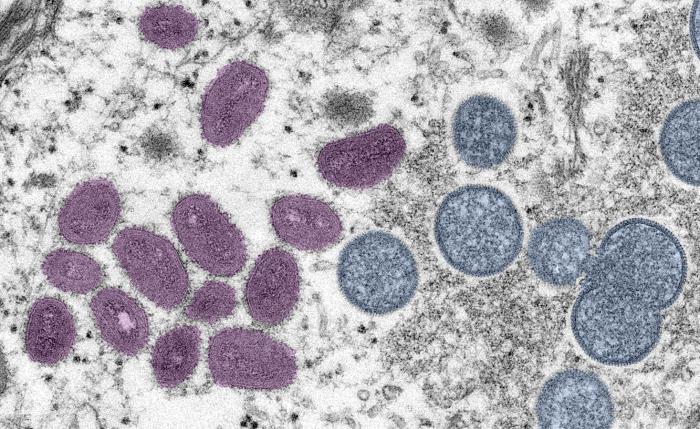
Image Credit: CDC PHIL| “This is a colorized transmission electron microscopic image of mpox virus particles (purple), which were found within an infected cell (brown), having been cultured in the laboratory. The image was captured and color-enhanced at the National Institute of Allergy and Infectious Diseases (NIAID), Integrated Research Facility (IRF), located in Fort Detrick, Maryland.”

Sweden Reports First Clade I Case Outside Africa, ECDC Raises Risk Alert Level

The Public Health Agency of Sweden reported on Thursday that the country has recorded the first case of mpox caused by clade I outside of Africa. Health and Social Affairs Minister Jakob Forssmed said in a news conference, “We have now also during the afternoon had confirmation that we have one case in Sweden of the more grave type of mpox, the one called clade 1.” State Epidemiologist Masnus Gisslen said in an official statement that the patient was infected while visiting “the part of Africa where there is a major outbreak of mpox clade 1.”

Following Sweden’s announcement, the European Centre for Disease Prevention and Control (ECDC) raised its risk level for mpox from ‘low’ to ‘moderate,’ for sporadic cases appearing in the EU. The agency also asked countries to maintain high levels of awareness regarding those traveling from affected areas. The ECDC says the overall risk to the EU population has gone up from “very low” to “low” and that it expects there will be more imported cases in the coming weeks.

United States Announces Further $424 Million in Assistance for the DRC

This week the US, through the United States Agency for International Development, announced “…nearly $424 million in humanitarian and health assistance to address the ongoing catastrophe in the Democratic Republic of the Congo (DRC). This includes $414 million in humanitarian assistance to support people experiencing persistent humanitarian needs resulting from conflict and displacement. This announcement, made in Kinshasa by the U.S. Ambassador to the DRC Lucy Tamlyn and U.S. Representative to the United Nations Agencies for Food and Agriculture Jeffrey Prescott, also includes an additional $10 million in health assistance to respond to the current mpox outbreak in the DRC and in other affected countries in the region. USAID is also donating 50,000 mpox vaccines to the DRC, which is the country most impacted by this outbreak.”

The statement later explained that “The United States is the largest provider of humanitarian assistance to the DRC and the largest bilateral donor to DRC’s health sector. This Fiscal Year, the U.S. provided more than $256 million in health assistance through bilateral programs including the President’s Emergency Plan for AIDS Relief (PEPFAR), the President’s Malaria Initiative (PMI), and the Global Health Security program, which enabled more than seven million people to receive lifesaving treatment for diseases including TB, HIV, and malaria.”

European Commission Coordinates Procurement and Donation of 215,000 Bavarian Nordic Doses to Africa CDC

The European Commission’s Health Emergency Preparedness and Respons Authority (HERA) announced on Wednesday that it “will procure and donate 175,420 doses of the MVA-BN® vaccine, the only FDA and EMA-approved mpox vaccine, as an immediate response to the mpox outbreak in Africa. In addition, the pharmaceutical company Bavarian Nordic will donate 40,000 doses to HERA. The Africa CDC will distribute the vaccines according to regional needs.”

The announcement came in response to Africa CDC’s call for the international community to assist in mobilizing two million vaccines to stop this outbreak. The Commission said in its statement that “Through the Africa CDC, these vaccines will be distributed to affected countries. Furthermore, HERA is in collaboration with the Africa CDC with the aim to expand access to mpox diagnostics and sequencing in the region, with a €3.5 million grant foreseen for early autumn.”

Bavarian Nordic Wins $157 Million Contract to Replenish US JYNNEOS Vaccine Supply

The Biomedical Advanced Research and Development Authority (BARDA) has reached an agreement with the Danish company Bavarian Nordic to “partly replenish” its stockpile of JYNNEOS vaccine following the 2022 mpox outbreak. This $156.8 million deal follows a similar one made last year by the US government totaling $120 million.

Further Reading

H5N1 Threat Persists but Remains Low

Despite the renewed focus on mpox, concern still remains about the spread of avian influenza globally, particularly H5N1, which has infected thirteen farmworkers in the United States so far this year. Despite the relatively low risk, Seqirus has begun producing and storing doses of its new vaccine targeting H5N1 in its facility outside of Raleigh, NC. In total, the company has agreed to produce 4.8 million doses in exchange for $22 million from the federal government. The government has also given Moderna $176 million to develop mRNA vaccines for influenza, including H5N1.

The CDC explained in a recent summary about its Influenza Risk Assessment Tool that “The current overall individual and population health risk to the general public posed by the avian influenza A(H5N1) virus presently spreading in cows, poultry, and other mammals remains low. Systematic comparisons of data related to this avian influenza A(H5N1) virus using the Influenza Risk Assessment Tool (IRAT) to data from other influenza A viruses has scored this virus’s future pandemic potential as “moderate risk” based on information through June 26, 2024. This is similar to previous assessments of earlier avian influenza A(H5N1) viruses.”

Furthermore, the WHO released an updated assessment on recent H5N1 events in collaboration with the Food and Agriculture Organization of the United Nations and the World Organisation for Animal Health. The assessment found that “At the present time, based on available information, FAO-WHO-WOAH assess the global public health risk of influenza A(H5N1) viruses to be low, while the risk of infection for occupationally exposed persons is low to moderate depending on the risk mitigation measures in place. Transmission between animals continues to occur and, to date, a limited number of human infections have been reported. Although additional human infections associated with exposure to infected animals or contaminated environments are likely to continue to occur, the overall public health impact of such infections at a global level is minor.”

DOD, NNSA Inaugurate New Supercomputing System Dedicated to Biological Defense

Earlier this month, the Department of Defense (DOD) and the National Nuclear Security Administration (NNSA) announced a new supercomputing system that is dedicated to biological defense at Lawrence Livermore National Laboratory. According to DOD, the Department “…is working with NNSA to significantly increase the computing capability available to our national biodefense programs. The collaboration has enabled expanding systems of the same system architecture as LLNL’s upcoming exascale supercomputer, El Capitan, which is projected to be the world’s most powerful supercomputer when it becomes operational later this year.”

“The biodefense-focused system will provide unique capabilities for large-scale simulation and AI-based modeling for a variety of defensive activities, including bio surveillance, threat characterization, advanced materials development, and accelerated medical countermeasures. DoD and NNSA intend to allow the U.S. Government interagency, International Allies and partners, and academia and industry to access the supercomputing capability.”

Learn more here.

Schumer Pledges to Block Any Senate Effort to Significantly Cut CDC Budget

Senate Majority Leader Chuck Schumer (D-NY) told The Associated Press this week that he would block any legislation from passing the Senate that proposes significant cuts to the budget of the Centers for Disease Control and Prevention (CDC). Schumer further said that such cuts “would wreak havoc and chaos on food safety funding mechanisms and tracking operations at a core level.” As the AP explains, “Democrats said the proposal in a House bill includes a reduction of the CDC’s proposed budget by $1.8 billion, or about 22%, that would harm public health. The Republican-led effort also would mean a major cut in programs designed to address firearm injuries and opioid overdose prevention.”

The House Appropriations Committee passed the measure on a party-line vote last month.

“AIxBio: Opportunities to Strengthen Health Security”

Aurelia Attal-Juncqua, Anita Cicero, Alex Zhu, and Thomas Inglesby recently authored this published this preprint on SSRN: “Artificial Intelligence (AI) has the potential to revolutionize biosecurity, health security, biodefense, and pandemic preparedness by offering groundbreaking solutions for managing biological threats. This landscape review explores recent advancements in AI across these fields, drawing from both grey literature and peer-reviewed studies published between January 2019 and February 2024. AI has demonstrated potential in predicting viral mutations, which could enable earlier detection of outbreaks, and streamlining resource allocation by analyzing diverse data sources. It could also play a crucial role in accelerating the development and deployment of medical countermeasures, such as vaccines and therapeutics. Additionally, use of AI may enhance laboratory automation, reducing human error and increasing biosafety. Despite these promising advancements, significant challenges and risks related to the potential misuse of AI, data security, and privacy concerns necessitate careful implementation and robust governance. This paper highlights the rapid progress and vast potential of AI in biosecurity, and provides key recommendations for U.S. policymakers to effectively harness AI’s capabilities while ensuring safety and security. These recommendations include expanding access to advanced computing resources, fostering collaboration across sectors, and establishing clear regulatory frameworks to support the safe and ethical deployment of AI technologies.”

“Emerging Biosecurity Threats in the Age of AI”

Suryesh K Namdeo and Pawan Dhar recently published this piece with IndiaBioscience: “As artificial intelligence (AI) enables the transformation of biology into an engineering discipline, an effective governance model that uses threat forecasting, real-time evaluation, and response strategies is urgently needed to address accidental or deliberate misuse. This article talks about the risks at the interface of AI and biosecurity and what could India do to better prepare for potential AI-biorisks.”

“2023 Biorisks, Biosecurity and Biological Disarmament Conference Report”

From UNIDIR: “To facilitate multi-stakeholder engagement around biological risks, biological security and biological disarmament, the United Nations Institute for Disarmament Research (UNIDIR), the United Nations Office for Disarmament Affairs (UNODA) and the World Health Organization (WHO) co-organized a stakeholder conference designed to bring together actors from civil society, academia and industry, as well as diplomats, to stimulate the exchange of ideas and thinking around how to build biosecurity and bolster biological disarmament.”

“The Biorisks, Biosecurity and Biological Disarmament Conference took place in Geneva, Switzerland, on 4–5 July 2023. The event provided an opportunity to discuss ongoing diplomatic processes and current and upcoming issues in the areas of biorisk, biosecurity and biological disarmament.”

“More than 80 individuals from 30 countries, representing 60 institutions, participated in the discussion in person, and a further 334 individuals joined the discussion virtually from around the world. The participants included diplomats, public health professionals, security experts and scientists from a wide range of organizations.”

“The Conference consisted of seven substantive panels, which explored a range of topics, centred on advances in science and technology and their related risks and benefits, biosecurity implementation, dual-use governance, disease response, international cooperation, and verification technologies. The discussions that took place during all seven panels are summarized in this conference report.”

“Launching the Global Biosecurity Accelerator at the Helsinki Biosecurity Dialogue”

Christopher East covers the launch of the Global Biosecurity Accelerator in this post from the Council on Strategic Risks, writing in part “This is a core driver of why CSR launched the Global Biosecurity Accelerator, of which the Helsinki Biosecurity Dialogue was the first multinational convening. The Global Biosecurity Accelerator’s mission is to accelerate global resilience to the full spectrum of biological threats— natural, accidental, or deliberate. In addition to promoting strong biosecurity strategies across nations, Accelerator events will raise insights from the range of actions that nations take—from enhancing biodefense, to embedding biosecurity in a whole-of-society approach, to One Health initiatives. Designed with interoperability and depth of defense in mind, CSR aims for the Global Biosecurity Accelerator to help jumpstart a ‘whole-of-globe’ approach to resilience against biological threats.”

“Russian Influence in Eastern Europe is Aggravating HIV Epidemic, Say Experts”

The Guardian‘s Kat Lay discusses the role of Russian propaganda in deterring people in eastern Europe from accessing necessary healthcare as AIDS deaths are up 34% compared to 2010. Lay writes in part, “Efforts to improve treatment and prevent infections are being hampered by Russian-linked propaganda against targets including opioid replacement therapy services, which reduce the risk of HIV infection among people using drugs, and the LGBTQ+ community…Meanwhile, “foreign agent” laws in a number of countries, following a pattern established in Russia, require charities and organisations receiving overseas funding to register and impose onerous reporting requirements. This has forced some charities to withdraw, a media briefing at the 25th international Aids conference was told.”

“Ebola: Ten Years Later – Lessons Learned and Future Pandemic Preparedness”

Krutika Kuppalli recently authored this post for PLOS Global Public Health‘s Speaking of Medicine and Health blog, writing in part “In early December 2013, a 2-year-old boy in the remote village of Meliandou, Guinea fell ill with a mysterious disease and succumbed to the illness a few days later.1 The disease spread rapidly, resulting in 49 cases and 29 deaths before being identified as the Zaire strain of the Ebola virus and officially declared an outbreak on March 23, 2014.2 Over the ensuing months, the outbreak spread to neighboring Liberia and Sierra Leone, with cases also emerging in Senegal, Nigeria, Mali, the United States and Europe.3 On August 8, 2014, the World Health Organization (WHO) Director-General declared the outbreak a Public Health Emergency of International Concern (PHEIC), the highest global health alert, signifying the outbreak posed a public health risk to other Member States and necessitated a coordinated international response.4 Despite global efforts to control the outbreak, it lasted for over two years, resulting in over 28,000 cases and more than 11,000 deaths by the time it was declared over on June 9, 2016.3 This crisis exposed significant weaknesses in global health systems, prompting a re-evaluation of pandemic preparedness and response strategies. A decade later, it is essential to reflect on the lessons learned from the West Africa Ebola crisis and their impact on current and future pandemic preparedness efforts. These lessons are outlined using the Health Emergency Preparedness and Response (HEPR) architecture developed by WHO, focusing on strengthening five core health emergency components: collaborative surveillance, safe and scalable care, community protection, access to countermeasures, and emergency coordination.”

“Déjà Vu All Over Again — Refusing to Learn the Lessons of Covid-19”

Michael S. Sinha, Wendy E. Parmet, and Gregg S. Gonsalves recently published this perspective piece in the New England Journal of Medicine, in which they explain “The spread of H5N1 avian influenza among cattle and other farm animals as well as to agricultural workers in the United States has raised concerns about the potential for an influenza pandemic. Although the threat of pandemic H5N1 doesn’t appear to be imminent — this variant has yet to show the potential to be transmitted from human to human — the federal government’s initial response suggests that, rather than heeding the lessons from Covid-19, elected officials and other key decision makers may be relying on a dangerous type of revisionism that could lead to more deaths, should H5N1 cause a pandemic.”

“The World Is Not Ready for the Next Pandemic”

Michael Osterholm and Mark Olshaker call for greater government investment in new and better vaccines in this Foreign Affairs article: “It is impossible to know when a new pandemic will arise, or which specific pathogen will be its cause. H5N1 is just one of the viruses that could mutate into something that will start a pandemic. But eventually, one will happen. It is therefore time to move away from vague recommendations and best practices to a far larger-scale program aimed at producing new and better vaccines, antiviral drugs and other countermeasures, and building the infrastructure at the scale needed to protect entire populations. Although such efforts will be costly, failing to take these steps could be catastrophic.”

NEW: AI and the Evolution of Biological National Security Risks

“In the wake of a global pandemic and rapidly advancing AI technologies, scientists and government leaders from around the world have sounded alarms about a changing biothreat landscape. Between dire warnings of more widely accessible bioterrorism capabilities, novel superviruses, and next generation bioweapons, how should policymakers and weigh the impacts of AI on biosecurity? Where are risks really changing, and where have they been overblown? What actions need to be taken now, and what emerging capabilities need to be monitored for future threats?”

“Please join the Center for a New American Security on Wednesday, August 21, from 10:30–11:30 a.m. ET for a panel discussion on these questions and more. Bill Drexel, Fellow in CNAS’s Technology and National Security Team, will be joined by leading biosecurity experts inside and outside government grappling with the nexus of AI and emerging biotechnologies.”

“This panel is part of CNAS’s AI Safety and Stability project, which aims to better understand AI risks and identify specific steps to improve AI safety and stability in national security applications. The event will build upon the project’s new report, AI and the Evolution of Biological National Security Risks: Capabilities, Thresholds, and Interventions in which Bill Drexel and Caleb Withers provide a clear-eyed overview of the emerging effects of AI on the biothreat landscape and propose actionable solutions to avoid the worst outcomes.”

This panel will feature Sonia Ben Ouagrham-Gormley, Associate Professor and Deputy Director of George Mason’s Biodefense Graduate Program, who reviewed and provided interviews to the report’s authors.

NEW-Safeguarding the Food Supply: Integrating Diverse Risks, Connecting with Consumers, and Protecting Vulnerable Populations – A Workshop

From the National Academies: “On September 4-5, the Food Forum will host a workshop that explores the state of the science around hazard- and risk-based approaches to safeguarding both domestic and global food systems. Workshop presenters will examine nutrition, economic, and equity implications in food safety decision-making, and considerations and strategies for communicating hazard and risk across sectors. The workshop will also include national and international perspectives on risk assessment and tools to mitigate risk, as well as opportunities for the future of risk management and assessment, food safety, and public health.”

Learn more and register for this virtual event here.

Assessing and Navigating Biosecurity Concerns and Benefits of Artificial Intelligence Use in the Life Sciences – August Information Gathering Meeting
From the National Academies: “This is the first in-person meeting of the consensus study, Assessing and Navigating Biosecurity Concerns and Benefits of Artificial Intelligence Use in the Life Sciences. The open session of this information gathering meeting will include initial briefings containing information relevant to study issues. The committee will also meet in closed session for project planning and review of topics and speakers for remaining meetings.”

This event will take place on August 13 and 14. Learn more and register here.

Call for Experts-Enhancing the Resilience of Healthcare and Public Health Critical Infrastructure

From the National Academies: The National Academies Forum on Medical and Public Health Preparedness for Disasters and Emergencies is seeking experts to participate in an upcoming workshop that will examine strategies, policies, and innovative actions to improve the resilience of health care and public health critical infrastructure to impacts from disasters and other emergencies.

Approximately 8-10 volunteer experts are needed to serve on the workshop planning committee. Expertise in the following areas is desired:

  • Healthcare operations and management
  • Public health, emergency management, and environmental health
  • IT, data science, and cybersecurity
  • Infrastructure systems, engineering, and supply chain
  • Risk assessment and mitigation
  • Insurances, cost management, and health economics
  • Community resilience and lived experience
  • Public policy

We are also collecting information for potential speakers, participants, and peer reviewers for any publications resulting from the activity.

Please submit nominations by August 23, 2024. For any additional questions regarding the workshop, please view the project page or email Shalini Singaravelu at SSingaravelu@nas.edu.

Learn more and submit nominations here.

Call for Experts-Potential Research Priorities to Inform Readiness and Response to Highly Pathogenic Avian Influenza A (H5N1): A Workshop

From the National Academies: The National Academies is seeking suggestions for experts to participate in a new workshop exploring research priorities to inform readiness and response to the ongoing Highly Pathogenic Avian Influenza (HPAI) A (H5N1) outbreak in the United States. Recognizing the interconnection between people, animals, and their shared environment, the workshop will take a One Health approach to bring together federal government agencies, the academic community, and the private sector, as well as other relevant stakeholders across the health, agriculture, and food safety sectors and will focus primarily on basic science and research questions of specific concern. 

Approximately 8-10 volunteer experts are needed to build a committee for a future workshop and any publications resulting from this activity. Expertise in the following areas is desired:

  • One Health and emerging infectious diseases
  • National, state, and/or local public health and medical readiness and response
  • Epidemiology and surveillance
  • Medical countermeasures (diagnostics, vaccines, therapeutics)
  • Agricultural and veterinary health and sciences
  • Food safety
  • Social sciences, risk communication, and community engagement
  • Modeling, risk assessment, and strategic foresight
  • Regulatory issues

Please submit nominations by August 30, 2024. For any additional questions regarding the forum, please view the project page or email Shalini Singaravelu at SSingaravelu@nas.edu.

Learn more and submit nominations here.

Pandora Report: 9.2.2022

Happy Labor Day Weekend! This week we cover the Biden administration’s first annual report on the progress of the American Pandemic Preparedness Plan, German officials’ searches of several companies suspected to be exporting restricted chemicals to Russian companies, and more. We also discuss several new publications, including a RAND Corporation ebook discussing North Korea’s chemical and biological weapons programs, and several upcoming events–the most exciting of which are the Biodefense Program’s upcoming open houses for prospective graduate students!

United States Announces First Death of Monkeypox Patient

The Texas Department of State Health Services (DSHS) announced the first death of someone diagnosed with monkeypox this week, though Healio reports officials have not determined if the disease was the person’s cause of death or not. “The adult, who died on Aug. 28 at a hospital in Harris County, had “various severe illnesses [and] was also presumptive positive for monkeypox,” according to Harris County Public Health. DSHS stated that the patient was severely immunocompromised and that autopsy results should be available in the coming days. “Monkeypox is a serious disease, particularly for those with weakened immune systems,” said Dr. John Hellerstedt, DSHS Commissioner. “We continue to urge people to seek treatment if they have been exposed to monkeypox or have symptoms consistent with the disease.”

White House Releases Annual Report on American Pandemic Preparedness Plan

Yesterday, the White House Office of Science and Technology Policy released the first Annual Report on Progress Towards Implementation of the American Pandemic Preparedness Plan, detailing matters like investment priorities and areas needing the most attention in the coming years. The report documents progresses made in implementing transformational capabilities in the areas of: transforming our medical defenses, ensuring situational awareness, strengthening public health systems, building core capabilities, and managing the mission. It also identifies “utilizing current infectious disease health challenges to “exercise” pandemic preparedness” and “achieving a ‘portfolio view’ of U.S. government pandemic preparedness investment to ensure readiness and maximize impact” as key goals. To achieve these goals, the document identifies numerous smaller goals, ranging in everything from developing flexible vaccine administration techniques to developing standard efficacy testing methods for air treatment technologies.

FDA Authorizes Moderna, Pfizer-BioNTech Bivalent COVID-19 Vaccines

The FDA announced this week that the emergency use authorizations in place for the Moderna and Pfizer-BioNTech COVID-19 vaccines were amended to authorize bivalent versions for use as a single booster dose at least two months after primary or booster vaccination. This comes as we near fall, during which it is predicted that the BA.4 and BA.5 lineages of the omicron variant, which are currently causing most US COVID-19 cases, will circulate heavily. FDA explained in a press release “The bivalent vaccines, which we will also refer to as “updated boosters,” contain two messenger RNA (mRNA) components of SARS-CoV-2 virus, one of the original strain of SARS-CoV-2 and the other one in common between the BA.4 and BA.5 lineages of the omicron variant of SARS-CoV-2.” Moderna’s bivalent offering is authorized for use in those 18 and older, while Pfizer’s is authorized for those over 12.

‘“The COVID-19 vaccines, including boosters, continue to save countless lives and prevent the most serious outcomes (hospitalization and death) of COVID-19,”’ said FDA Commissioner, Dr. Robert M. Califf. ‘“As we head into fall and begin to spend more time indoors, we strongly encourage anyone who is eligible to consider receiving a booster dose with a bivalent COVID-19 vaccine to provide better protection against currently circulating variants.”’

Science published answers to FAQs regarding these vaccines, explaining the authorization process, the data the companies collected in creating these boosters, and the benefits they offer.

German Officials Conduct Raids on Companies Exporting Dual-Use Chemicals to Russia

Earlier this week, German customs officials conducted searches of multiple company facilities across the country on suspicion that the companies have been sending export-restricted materials, including a precursor of Novichok, to Russian companies known to work with the Russian military and intelligence services.

The core company in the network, Riol Chemie GmbH, completed more than 30 shipments of different chemicals and lab equipment to Russia-based Chimmed Group over the course of the last few years without proper export permits. According to the Organized Crime and Corruption Reporting Project, “Chimmed is a wholesaler of such goods, and Russian media have reported that its customers include the military and intelligence services.”

Tagesschau explained further that “In the course of the attack on Navalny, the company Riol Chemie GmbH was already in the focus of Western intelligence services. After the assassination, the United States imposed sanctions on Russian state officials and issued export restrictions for a dozen companies. The list, which was not adopted by the EU, also includes Riol Chemie, which has now been searched. The Russian chemical wholesaler Khmmed [Chimmed], which Riol Chemie apparently supplied according to the investigation, also ended up on the list.”

Multiple Countries Issue Joint Statement on “the Contribution of Cooperative Threat Reduction Partnerships to Global Health Security”

The Governments of the United States of America, Armenia, Georgia, Iraq, Jordan, Liberia, Philippines, Sierra Leone, Uganda, and Ukraine released this statement this week in light of the opening of the consultative meeting requested by Russia to discuss its false claims that the US is running a network of BW facilities in Ukraine. The statement reads, “The COVID-19 pandemic has underscored the importance of strong national capacities for infectious disease surveillance, diagnosis, and response. International cooperation and assistance play a critical role in building these capacities. Our governments have partnered openly and transparently through the Biological Threat Reduction Program, which is a part of the U.S. Department of Defense Cooperative Threat Reduction Program. These partnerships are devoted exclusively to peaceful purposes; they have nothing to do with weapons. These partnerships protect the health of humans and animals in our countries, including in the prevention, detection, and control of infectious disease outbreaks, and in enhancing laboratory biosafety and biosecurity. As partners in this program, we each have firsthand knowledge of its relevance to our shared goal of cooperating to strengthen global health security and reduce the impacts of infectious diseases on our societies. Our governments strongly affirm the common view that such cooperation should not be undermined, but rather promoted and reinforced. Pursuant to Article X, we encourage all Biological Weapons Convention States Parties to work together, including at the forthcoming Review Conference, in support of this goal.”

Statement of the G7 Non-Proliferation Directors’ Group on Nuclear Safety and Security at the Zaporizhzhya Nuclear Power Plant

The G7 Non-Proliferation Directors Group issued a statement this week reiterating the G7 Foreign Ministers August 10 statement in “support of the IAEA’s efforts to promote nuclear safety and security at the Zaporizhzhya Nuclear Power Plant in Ukraine.” The statement explains, “The G7 Non-Proliferation Directors Group remains profoundly concerned by the serious threat the continued control of Ukrainian nuclear facilities by Russian armed forces pose to the safety and security of these facilities. These actions significantly raise the risk of a nuclear accident or incident and endanger the population of Ukraine, neighbouring states, and the international community. The Russian Federation must immediately withdraw its troops from within Ukraine’s internationally recognized borders and respect Ukraine’s territory and sovereignty. We reaffirm that the Zaporizhzhya Nuclear Power Plant and the electricity that it produces rightly belong to Ukraine and stress that attempts by Russia to disconnect the plant from the Ukrainian power grid would be unacceptable. We underline that Zaporizhzhya Nuclear Power Plant should not be used for military activities or the storage of military material.”

The statement also reads, “As founders of the G7-led Global Partnership, we have worked together with Ukraine for more than 20 years to increase the safety and security of its nuclear facilities. We therefore have a particular responsibility to support international efforts aimed at sustaining these facilities and assisting Ukraine in countering the serious risks Russia’s war of aggression poses to the safety and security of Ukrainian nuclear installations.”

It concludes with “We deeply regret that Russia blocked consensus at the Nuclear Non-Proliferation Treaty (NPT) Review Conference because it refused to accept responsibility for the grave situation around the safeguards, safety and security of Ukraine’s nuclear facilities. This cannot be seen as an act of good faith. Every other NPT state supported the draft outcome. Even though it was not adopted, it provides a solid blueprint for progress on all three NPT pillars.”

“Characterizing the Risks of North Korean Chemical and Biological Weapons, Electromagnetic Pulse, and Cyber Threats”

The RAND Corporation recently published this free ebook discussing the DPRK’s WMD capabilities. “The authors present a theory of deterrence and suggest how the ROK-U.S. alliance could rein in North Korean efforts to augment or enhance its WMD and cyber capabilities and deter the North from attacking the ROK and beyond. Throughout, the authors acknowledge the uncertainties involved and argue that any effective action on the part of the ROK-U.S. alliance will require recognizing and managing those uncertainties.”

“Learning, Relearning, and Not Learning the Lessons of COVID-19”

Dr. Daniel M. Gerstein, an alumnus of the Biodefense Program, recently published this OpEd in The Hill. In it, he “…makes the case that to date, there has been no coherent national discussion on the COVID-19 gaps and shortfalls we experienced in our national pandemic preparedness and response systems. These concerns cut across federal departments and agencies; state and local governments; and the private sector, and therefore need to be considered and coordinated across all of these stakeholders.” He further explains, “However, at lower levels changes—policy, organizational and resource decisions—are being implemented piecemeal. Furthermore, despite two and a half years of living through COVID-19, as the money pox outbreak demonstrates we continue to flounder, often repeating the same mistakes. In short, we are “learning, relearning and not learning the lessons of COVID-19.”

“Controlling Chemical Weapons in the New International Order”

National Defense University’s Center for the Study of Weapons of Mass Destruction (CSWMD) recently published this edition of CSWMD Proceedings. In it, “Mr. John Caves, CSWMD Distinguished Fellow, and Dr. Seth Carus, NDU Emeritus Distinguished Professor of National Security Policy examine the breakdown in consensus decision-making at the Organization for the Prohibition of Chemical Weapons (OPCW) and place this development in the context of Russia, China, and Iran’s larger challenge to a rules-based international order. The article further considers how this dynamic may play out in the OPCW in the coming years and discusses how the United States can continue to use the Chemical Weapons Convention and OPCW to defend the international norm against chemical weapons while better protecting itself and its allies and partners from a greater chemical weapons threat.”

“Optimizing and Unifying Infection Control Precautions for Respiratory Viral Infections”

The Journal of Infectious Diseases recently published this piece by Klompas and Rhee discussing current guidelines on respiratory precautions for healthcare workers. In it, they argue “…it is high time to modify infection control guidelines for respiratory viruses to recognize that that their transmission is more alike than different and that most transmission is attributable to aerosol inhalation. We recommend switching from the current confusing and non-evidence-based mosaic of different precautions for different viruses to one universal set of respiratory viral precautions that includes wearing gowns, gloves, eye protection, and fitted respirators in well-ventilated spaces.”

“Latest from the WHO Hub for Pandemic and Epidemic Intelligence, Issue 3: Summer 2022”

The WHO Hub for Pandemic and Epidemic Intelligence recently released the latest edition of its newsletter recently. This one introduces a new section by the Assistant Director-General for Health Emergency Intelligence, Dr. Chikwe Ihekweazu, and a new collaboration with the Hasso Plattner Institute. It also provides updates on the WHO’s monkeypox response and upcoming events sponsored by the Hub.

“Three Solutions for Public Health—And One Dangerous Idea”

Dr. Tom Frieden, who directed the CDC during the Obama administration, recently published an opinion piece in the Atlantic discussing the way forward for his former agency. In it, he writes, “But even if the CDC’s proposed reforms succeed, much of what’s broken is outside of the agency’s control. The United States suffers from chronic underfunding of local, city, and state public-health departments; a health-care system that is not structured to provide consistent care to patients; lack of standardization across states for collecting and reporting anonymized data for disease detection and response; and a broad increase in political polarization that shrinks the space for nonpartisan action and organizations. White House actions under both Republican and Democratic administrations have undermined the CDC’s credibility, its freedom to speak directly to the media and public, and the public’s perception of its scientific independence.”

What We’re Listening To 🎧

The Lawfare Podcast: Sean Ekins and Filippa Lentzos on a Teachable Moment for Dual-Use

“Back in March, a team of researchers published an article in Nature Machine Intelligence showing that a drug discovery company’s AI-powered molecule generator could have a dangerous dual use: The model could design thousands of new biochemical weapons in a matter of hours that were equally as toxic as, if not more toxic than, the nerve agent VX.

Lawfare associate editor Tia Sewell sat down with two of the paper’s authors: Dr. Filippa Lentzos, senior lecturer in science & international security at the Department of War Studies at King’s College London, and Dr. Sean Ekins, CEO of Collaborations Pharmaceuticals. They discussed the story of their discovery and their reaction to it, as well as how we should think about dual-use artificial intelligence threats more broadly as new technologies expand the potential for malicious use. They also got into why governments need to work more proactively to address the challenges of regulating machine learning software.” Find this episode here.

Technologically Speaking Episode 7: Speed Up the Cleanup

DHS S&T’s podcast “Technologically Speaking has a sobering and important conversation about preparing for chemical and biological contamination. Whether it’s intentional or unintentional, the impact of such an event would be staggering. S&T exists, in part, to research and test tools for complex cleanup scenarios that require acting quickly, efficiently and with confidence that hazardous material, like anthrax, is decontaminated. Guest Dr. Don Bansleben, a program manager at S&T specializing in chemical and biological threat detection, talks about the current work S&T is doing with U.S. government partners to prepare for these scenarios.” Find this episode and others here.

Public Health On Call Episode 512: FDA Commissioner Dr. Robert Califf on Bivalent COVID-19 Vaccines, Combatting Misinformation, and Building Trust

From Johns Hopkins University, Bloomberg School of Public Health-“Throughout COVID-19, the FDA has been among many government agencies charged with communicating lifesaving information. Commissioner Dr. Robert Califf talks with Dr. Josh Sharfstein about how the politicization of the pandemic raised the stakes for the FDA and how the agency is learning to adapt in an age of rampant misinformation. They also discuss the FDA’s consideration of bivalent vaccines for authorization and what’s next for the pandemic response.” Check it out here.

Interested in Studying Biodefense? Come to Our Information Sessions!

Are you a Pandora Report reader who just can’t get enough? Consider applying to the Schar School’s Biodefense Program, which offers several graduate certificates, an MS in Biodefense (both in-person and online), and a PhD in Biodefense if you’re really into this. On September 15 at 7 pm ET AND October 11 at 12 pm ET, you can join us virtually to learn more about admissions for the MS and graduate certificates, including info on the application process, student experiences, and graduate outcomes. On September 13 at 7 pm ET, prospective PhD students are invited to the Schar School PhD Virtual Open House to learn about the school’s different doctoral programs and hear from faculty members.

Public Meeting-Presidential Advisory Council on Combating Antibiotic-Resistant Bacteria

The 21st PACCARB public meeting is tentatively being planned as an in-person event on September 12 and 13 from 9-5 pm ET each day. The meeting will focus on pandemic preparedness and AMR policy. This meeting is open to the public. Members of the public can choose to attend in-person (attendance will be limited) or view the meeting via webcast. The meeting will be held at the Tysons Corner Marriott, 8028 Leesburg Pike, Tysons Corner, Virginia, 22182. Learn more and register here.

Protecting Genetic Information Against Cyber Threats

Join CRDF Global for this event on September 13 at 10 am ET. “Our current lack of genetic information security is more than just an issue for privacy. Our adversaries’ access to our genetic data can be used to find and exploit weaknesses. Genetic data would be required for a bioweapon to be developed against a specific ethnic group or an individual. For tracking a pandemic or potential bioweapon, genetic data from a pathogen must be generated. This pathogen’s genetic data could then be used to recreate and/or enhance its potential. To protect against these threats, we need a genetic information system that protects human and pathogen information from exfiltration. Our current lab environment lacks appropriate cybersecurity, and enhancing lab cybersecurity is no simple task. Join us as will discuss these threats and what can be done to mitigate them.” Learn more and register here.

Monkeypox: Have We Learned Anything from COVID-19?

The Scowcroft Institute of International Affairs at Texas A&M University will be hosting an event on monkeypox later this month. “Dr. Gerald Parker will moderate a panel of experts, including Drs. Robert Carpenter, Syra Madad, Jennifer A. Shuford, and Robert Kadlec, as they explore the Monkeypox phenomenon. Recently declared a public health crisis by the federal government, Monkeypox is the thing on everyone’s mind. The panel will answer questions such as: Are we making the same mistakes with Monkeypox as we did with COVID-19? How can we do better with this and future pandemic threats? Is this something we need to be concerned about? And more.” This event will take place on September 19 at 5:30 pm CT. Register for the virtual event at tx.ag/dgxNOXU.

Global Patterns of COVID-19-related Violence Against Health Workers

“In many countries, the pandemic has increased violence against physicians, nurses, and other health care providers, partly due to widespread fear and mis/disinformation. The National Academies of Sciences, Engineering, and Medicine’s Committee on Human Rights will gather experts from the global health community for a virtual session examining this worrying development, along with strategies being taken to protect and safeguard the rights of health personnel. The session will include discussion of a recent report by the International Council of Nurses, International Committee of the Red Cross, International Hospital Federation, and World Medical Association on current practices to prevent, reduce, or mitigate violence against health care.” This event will take place on September 21 at 10 am ET. Register here.

Complexity of Pandemics No 2-Exploring Insights from the Social Sciences for Collaborative Intelligence

Join Prof. Michael Bang Petersen (Professor of Political Science at Aarhus University, Denmark and Founder of the HOPE project), Dr. Julienne Ngoundoung Anoko (Focal Point for Social Science / Risk Communication and Community Engagement at the WHO Health Emergencies Programme’s Regional Office for Africa in Dakar, Senegal), Prof. Ilona Kickbusch (Founder and Chair of the International Advisory Board of the Global Health Centre at the Graduate Institute Geneva, Switzerland), and Dr. Chikwe Ihekweazu (WHO Assistant Director-General for the Division of Health Emergency Intelligence and Surveillance Systems) for a session “devoted to highlighting the importance of integrating insights from the social sciences into public health surveillance approaches to better avert and manage epidemic and pandemic risks.” This event will be livestreamed on the WHO’s YouTube channel on September 22 at 12:30 pm ET.

2022 BSL4ZNet International Conference

The Biosafety Level 4 Zoonotic Laboratory Network is hosting its international conference virtually this year from September 8 through October 13. The conference will convene under the overarching theme of Forging ahead stronger: Strengthening zoonotic disease preparedness. The conference aims to enhance knowledge and best practices, and promote collaboration and cooperation with participants from around the world. Session 4 on October 13 will feature a panel on “The Future of Global Biorisk Management” featuring our own Dr. Greg Koblentz alongside King’s College London’s Dr. Filippa Lentzos and Mayra Ameneiros, Dr. Rocco Casagrande of Gryphon Scientific, and Dr. Loren Matheson of Defence Research and Development Canada. Learn more and register for the conference here.

Biodefense PhD Student Named Druckman Fellow

Danyale Kellogg, a PhD student in the Biodefense Program, was recently named the Schar School’s latest Druckman Fellow. This fellowship is awarded to support a student’s research that falls into areas like global governance, non-military responses to threats to national and international security, and the study of conflict. Kellogg’s research focuses on the Chinese Communist Party’s (CCP) role in infectious disease outbreak responses, paying particular attention to the PRC’s failures to notify the WHO of outbreaks in accordance with the IHR and threats such issues pose to international security.

The Bulletin of the Atomic Scientists Editorial Fellowships Application Now Open

The Bulletin is now accepting application for its editorial fellows through September 15. “The Bulletin of the Atomic Scientists will appoint editorial fellows this fall in two coverage areas: climate change and biosecurity. Editorial fellows will have one-year terms, during which time they will be expected to write four (4) articles or columns (i.e., about one article or column per quarter). The fellows will be paid a $750 honorarium per article or column, for a potential total of $3,000. These will be non-resident appointments, i.e. fellows can write for the Bulletin from anywhere. Fellows will not be employees of the Bulletin. These one-year fellowships are renewable, upon excellent performance. Because the Bulletin is an international publication, fellows need not live in the United States.” Learn more and apply here.

Pandora Report: 8.26.2022

Happy Friday, Pandora Report readers! We are back with a big line up this week. We start off with some updates on monkeypox, COVID-19, CDC and DHS re-organizations, concerns about protecting genomic information, the situation at the Zaporizhzhia Nuclear Power Station, and more. We also discuss a number of new popular and academic publications and a couple new podcast episodes we are listening to. This week also brings a number of upcoming events to look forward to and announcements, including updates to our disinfo page and a fellowship opportunity.

First, Some Good News from OSTP

This week, the White House Office of Science and Technology Policy (OSTP) released guidance that will make federally funded research freely available without delay. The White House issued a press release on Thursday reading, “Today, the White House Office of Science and Technology Policy (OSTP) updated U.S. policy guidance to make the results of taxpayer-supported research immediately available to the American public at no cost. In a memorandum to federal departments and agencies, Dr. Alondra Nelson, the head of OSTP, delivered guidance for agencies to update their public access policies as soon as possible to make publications and research funded by taxpayers publicly accessible, without an embargo or cost. All agencies will fully implement updated policies, including ending the optional 12-month embargo, no later than December 31, 2025.” This change was made in an effort to further the administration’s goal to “…broaden the potential of the American innovation ecosystem by leveling the playing field for all American innovators, which can help ensure that the U.S. remains a leader in science and technology…” by blocking the current embargo option publishers have to require a subscription to view taxpayer-funded research for a year after publication.

Monkeypox

What’s in a name?

Are monkeys spreading monkeypox to humans? What do we mean by MSMs? Is monkeypox only spreading in the LGBTQ community? Amid violence against monkeys, concerns about public health messaging, and a flurry of anti-LGBTQ rhetoric, the discussion of how we name and talk about infectious diseases is once again attracting attention. Andrew Jacobs explains in The New York Times that, “In the three months since the first cases of monkeypox were reported in Europe and the United States, public health experts have been urging the World Health Organization to come up with new nomenclature that might help to clear up any confusion and reduce the shame and stigmatization associated with a disease that has been spreading largely among men who have sex with men.” He also details an open letter from scientists from several countries urging the WHO to move quickly on finding new nomenclature, spearheaded by Dr. Tulio de Oliveira, a bioinformatician at Stellenbosch University in South Africa. “Names matter, and so does scientific accuracy, especially for pathogens and epidemics that we are trying to control,” said Dr. de Oliveira.

The letter also condemned media coverage of the outbreak, “noting that some Western outlets had been using photos of lesion-pocked Africans to illustrate an outbreak that was almost entirely affecting white men. Many articles have also been wrongly describing the virus as “endemic” to Africa, they wrote. In fact, before the current global outbreak, human-to-human transmission in Africa was relatively uncommon, with most infections occurring in rural areas among people who had direct contact with wild animals. “In the context of the current global outbreak, continued reference to, and nomenclature of this virus being African is not only inaccurate but is also discriminatory and stigmatizing,” the authors wrote.”

Déjà Vu x 2

In addition to historical parallels to the early days of the HIV/AIDS crisis in the US, concerns that the US is repeating its COVID-19 mistakes are abounding. Dr. Saskia Popescu, an infectious disease epidemiologist and assistant professor in the Biodefense Program, was recently interviewed by PBS on this topic, cautioning that “We’re seeing a lot of Groundhog Day,” she said. “The lessons we thought we’d learned with COVID haven’t made as much of a difference as we would have liked.” The article explains further that “Health secretaries declared both viruses to be public health emergencies, inviting greater coordination, pushing for more urgent action and freeing up more funding and resources at the federal, state, local and tribal levels. But despite all that, the U.S. response to the monkeypox virus (or MPXV) has been criticized in ways that are hauntingly familiar, said Dr. Saskia Popescu…”

The administration has also been broadly criticized for its strategy to vaccinate more people for monkeypox, with critics highlighting that the plan to stretch the vaccine is actually resulting in fewer vaccinations overall as doses are moved around the country. Politico reported this week that “health officials in half a dozen states told POLITICO that they are routinely able to extract only three or four doses per vial, meaning they were able to vaccinate fewer people last week than if the federal government had made no changes at all because of the drastically reduced allocations,” as opposed to the five they are supposed to be taking from each vial under the administration’s new guidance.

The same article continues to further explains the issue-“In Washington, D.C., which has more monkeypox cases per capita than anywhere in the U.S., health officials anticipated the new dosing strategy — where a smaller amount of vaccine is injected into the outer layer of the skin — would allow them to stretch the 12,000 vials they had been promised to 60,000 doses; instead, they received 2,400 vials, a fifth of the original number. And when the latest vaccine allocation came early this week, they were allotted about 4,000 vials.” With US cases sitting at nearly 17,000 as of August 22, concerns are continuing to grow that time is running out to contain this virus, a concern all too familiar by now.

You Get a Re-Org, You Get a Re-Org, Everyone Gets a Re-Org

The Centers for Disease Control and Prevention Director Calls for Re-Organization

The CDC, a 75-year-old organization long respected as the nation’s premier public health agency, is at a crossroads. Following a review initiated in April, the findings of which have yet to be released to the public, the agency announced it will go under a re-organization process. As Brenda Goodman explained last week, “CDC director Dr. Rochelle Walensky met with senior leadership at the agency this morning to lay out her plans for overhauling how the agency works. She plans to remake the culture to help the agency move faster when it responds to a public health crisis. She also wants to make it easier for other parts of the government to work with the CDC, and wants to simplify and streamline the website to get rid of overlapping and contradictory public health guidance.”

The New York Times quoted Walensky’s statement to the agency’s almost 11,000 employees, in which she said “To be frank, we are responsible for some pretty dramatic, pretty public mistakes, from testing to data to communications.” The same article continued, explaining that the CDC “has been criticized for years as being too academic and insular. The coronavirus pandemic brought those failings into public view, with even some of the agency’s staunchest defenders criticizing its response as inept.” The Times also quoted Dr. Jennifer Nuzzo, an epidemiologist and director of the Pandemic Center at Brown University School of Public Health, writing ““Can she do it? I don’t know. Does it absolutely need to be done? Yes. Is it just a reorganization that is required? I don’t think so.”

Department of Homeland Security Announces New Office of Health Security

DHS announced recently that it instituted an overhaul that moved the chief medical officer and many other health-focused staff out of the Countering Weapons of Mass Destruction Office and into the newly formed Office of Health Security. “Over the past several years, Americans have faced a series of unprecedented challenges impacting their health security, from the pandemic to natural disasters and more,” saidSecretary of Homeland Security Alejandro N. Mayorkas. “Our Department must be prepared to adapt to an ever-expanding, dynamic, and complex public health threat landscape. The Office of Health Security will lead our efforts to meet that charge.” 

The Office of Health Security, under the direction of DHS’s Chief Medical Officer Pritesh Gandhi, is part of an effort to address disjointed health crisis response policies. The Office will be responsible to “keep the Department of Homeland Security’s workforce healthy, ensure care for thousands of desperate migrants at the border, prepare for the next pandemic,” and even direct veterinary care for the Department’s horses and dogs, according to Bloomberg Government. This comes after a GAO report and concerns that “DHS health policy was getting lost inside the weapons office’s broader mandate to help detect catastrophic threats to the US.”

COVID-19 Updates- Because It’s Definitely Still a Thing

With US roll-out of bivalent COVID-19 vaccines specifically targeting the BA.4 and BA.5 subvariants likely on the horizon and cases still averaging over 100,000 per day, it’s clear as ever that we are still in the middle of a pandemic. In case you were starting to get bored with the whole thing, however, we have some new updates from around the world.

China’s Rush to “Prove” COVID-19 Didn’t Start in Its Borders

Nearly three years into the pandemic, the PRC is still working hard to spin the origin story of COVID-19. This time, the Chinese are trying to publish large sums of research that makes it seem impossible that the pandemic started in Wuhan. For example, a pre print hosted on ResearchSquare, “A comprehensive survey of bat sarbecoviruses across China for the origin tracing of SARS-CoV and SARSCoV-2,” claimed to have found zero viruses related to SARS-CoV-2 in tests done in over 17,000 bats across China. While the authors acknowledge this is a surprising result, they claimed that relatives of this virus are “extremely rare” in the country, a conclusion contested by experts in Hong Kong and Australia.

Jon Cohen wrote in Science‘s coverage of this latest pandemic origin disinfo push, “Yet Chinese researchers have published a flurry of papers supporting their government’s “anywhere-but-here” position. Multiple studies report finding no signs of SARS-CoV-2–related viruses or antibodies in bats and other wild and captive animals in China. Others offer clues that the virus hitched a ride to China on imported food or its packaging. On the flip side, Chinese researchers are not pursuing—or at least not publishing—obvious efforts to trace the sources of the mammals sold at the Huanan market, which could yield clues to the virus’ origins.”

He also discusses the idea that spillover likely occurred at the Huanan Seafood Wholesale Market, which was recently substantially supported by two publications in Science, writing “Beijing was open to the idea at first. But today it points to myriad ways SARS-CoV-2 could have arrived in Wuhan from abroad, borne by contaminated frozen food or infected foreigners—perhaps at the Military World Games in Wuhan, in October 2019—or released accidentally by a U.S. military lab located more than 12,000 kilometers from Wuhan. Its goal is to avoid being blamed for the pandemic in any way, says Filippa Lentzos, a sociologist at King’s College London who studies biological threats and health security. “China just doesn’t want to look bad,” she says. “They need to maintain an image of control and competence. And that is what goes through everything they do.”

Brazilian Federal Police Call for Jair Bolsonaro to be Charged for False COVID-19 Claims

Brazil’s president, Jair Bolsonaro, may face charges in regards to spreading false information about COVID-19, which has killed over 680,000 Brazilians to date, reports The Guardian. Tom Phillips explains that, “On Wednesday night a senior federal police investigator was reported to have written to the supreme court asking for Bolsonaro to be questioned and charged with the crime of incitement, when someone encourages another person to commit an offense.” The federal police were ordered to conduct an inquiry into the president’s alleged crimes last December at the end of a congressional inquiry into his handling of the pandemic.

The police report focuses on an October 2021 broadcast since removed by YouTube and Facebook, Bolsonaro claimed that face masks were responsible for many deaths during the 1918 flu pandemic. “[The president] in a direct, spontaneous and conscious manner disseminated the disinformation that victims of the Spanish flu had in fact died as a result of bacterial pneumonia caused by the use of masks, instilling in viewers’ minds a veritable disincentive to their use in the fight against Covid at a time when the use of masks was compulsory,” the police report said.” Bolsonaro has also promoted “cures” like hydroxychloroquine despite mounting evidence against its use for treating COVID-19 and claimed that studies in the UK found links between COVID-19 vaccinations and people developing HIV/AIDS “much faster than expected,” a claim British officials have summarily rejected.

UK Biobank and China’s Access to Foreign Genetic Information

UK Biobank, a long-term biobank study in the United Kingdom “investigating the respective contributions of genetic predisposition and environmental exposure (including nutrition, lifestyle, medications etc.) to the development of disease,” was recently urged to reconsider how it handles information transfers for medical research. The Guardian reports, “Rising political and security tensions between Beijing and the west have prompted calls for a review of the transfer of genetic data to China from a biomedical database containing the DNA of half a million UK citizens. The UK Biobank said it had about 300 projects under which researchers in China were accessing “detailed genetic information” or other health data on volunteers. The anonymised data is shared under an open-access policy for use in studies into diseases from cancer to depression. There is no suggestion it has been misused or participants’ privacy compromised.”

Commenting on this issue, KCL’s Professor Jonathan Adams said there are “huge potential returns from having a good, positive, open relationship” with China but that current relationships relied “far too much on things like formal agreements, which we believe will protect things in a way they would if we were working with conventional partners”. “China is different. It’s transformed into a public research culture over a very short period, and the norms we expect are not necessarily universally adopted. My concern is that what gets published in English would be the bit above water that you can see.”

This case and others like it echo last year’s warnings from the US National Counterintelligence and Security Center cautioning Americans to “Understand that all entities in the PRC, including commercial, research, and scientific, are required by law to share information with the PRC state security apparatus,” and that “Genomic technology used to design disease therapies tailored to an individual also can be used to identify genetic vulnerabilities in a population.” Similar concerns were raised over BGI Group (formerly Beijing Genomics Institute) and their NIFTY prenatal test. Kirsty Needham and Clare Baldwin explain that “U.S. government advisors warned in March that a vast bank of genomic data that the company, BGI Group, is amassing and analyzing with artificial intelligence could give China a path to economic and military advantage. As science pinpoints new links between genes and human traits, access to the biggest, most diverse set of human genomes is a strategic edge. The technology could propel China to dominate global pharmaceuticals, and also potentially lead to genetically enhanced soldiers, or engineered pathogens to target the U.S. population or food supply, the advisors said.”

Ninth Anniversary of Ghouta Chemical Attack

Mohamad Katoub recently wrote in Syria Direct that, “Sunday marked the ninth anniversary of the Ghouta chemical massacre on August 21, 2013. The attack claimed the lives of at least 1,347 people in the East and West Ghouta suburbs of Damascus, and injured more than 10,626 others, more than two-thirds of whom were children and women. Every year, Syrians keep its memory alive, bringing the events and pain of that day back to the forefront.” In recognition of this anniversary, the Syrian Network for Human Rights recently released its report (“The Ninth Anniversary of the Largest Chemical Weapons Attack by the Syrian Regime against Syrian Citizens in the Two Ghoutas of Damascus”) discussing the chemical weapons attack on the Two Ghoutas, al-Assad and others’ responsibility for the attack, and current efforts to bring the regime back into the Arab League. This and other attacks are further documented on Don’t Suffocate Truth’s website, which features an interactive page on the attacks and translations of witnesses’ testimonies.

Infographic source: https://donotsuffocatetruth.com/en/infographics/17#infographic

Zaporizhzhia Nuclear Power Station

This week, Russian shelling near the Zaporizhzhia NPP sparked fires in ash pits of a coal power station nearby, disconnecting the nuclear facility from the power grid, sparking concerns about the facility. As of this morning, the Zaporizhzhia NPP is still reported to be disconnected from the country’s power grid, having previously been disconnected for the first time just one day prior. “The station’s own needs for power supply are currently provided through a repaired line from the energy system of Ukraine,” Energoatom, the National Nuclear Energy Generating Company of Ukraine, said today. Ukrainian President Volodymyr Zelensky reported that the plant’s backup diesel generators were “immediately activated” avoiding “the consequences of a radiation accident.” He also stated, “The world must understand what a threat this is: If the diesel generators hadn’t turned on, if the automation and our staff of the plant had not reacted after the blackout, then we would already be forced to overcome the consequences of the radiation accident,” during his nightly address.

“Almost every day there is a new incident at or near the Zaporizhzhya nuclear power plant. We can’t afford to lose any more time. I’m determined to personally lead an IAEA mission to the plant in the next few days to help stabilize the nuclear safety and security situation there,” IAEA Director General Rafael Grossi said in a statement.

In response to this situation, a bipartisan group of nonproliferation experts signed a letter to President Biden urging the administration to “prioritize responding to Russia’s illegal seizure and mistreatment of Ukraine’s Zaporizhzhya Nuclear Power Plant (ZNPP) and its staff.” The letter reads in part, “We urge you to work closely with Ukrainian President Volodymyr Zelenskyy, UN Secretary-General Guterres, and IAEA Director General Grossi to secure an IAEA visit based on the agency’s long record of impartiality and neutrality. We agree with your ambassador to the IAEA, Laura S.H. Holgate, that such a visit should “occur in a manner that fully respects Ukrainian sovereignty and legitimate Ukrainian authorities, and the IAEA must not lend any legitimacy to Russia’s actions or control of the site.” The experts who signed the letter include GMU Biodefense Program Director Dr. Gregory Koblentz and several others across government, academia, NGOs and IGOs, and the private sector.

“Her Discovery Changed the World. How Does She Think We Should Use It?”

Jennifer Doudna, an American biochemist, won the 2020 Nobel Prize in Chemistry alongside Emmanuelle Charpentier for their work on CRISPR gene editing technology. But, as David Marchese explains in The New York Times Magazine, “Since 2012, when Doudna and her colleagues shared the findings of work they did on editing bacterial genes, the 58-year-old has become a leading voice in the conversation about how we might use CRISPR — uses that could, and probably will, include tweaking crops to become more drought resistant, curing genetically inheritable medical disorders and, most controversial, editing human embryos. “It’s a little scary, quite honestly,” Doudna says about the possibilities of our CRISPR future. “But it’s also quite exciting.” Marchese’s article includes the text of an interview with Dr. Doudna discussing ethical concerns about this technology and what it means for the future.

For more on security concerns surrounding CRISPR, check out GMU’s own Dr. Sonia Ben Ouagrham-Gormley‘s award-winning paper, “From CRISPR babies to super soldiers: challenges and security threats posed by CRISPR“.

“Is Your Government Ready for Another Pandemic?”

Statista’s Anna Fleck recently covered a 2021 OECD survey that found just how greatly perceptions of government preparedness for health crises vary globally. She writes, “According to the report, public trust in government rise and fell throughout the pandemic, with a show of support for governments at the start, versus later when the death count started to rise. The authors note that the survey’s results likely correspond to the intensity of the pandemic at the time, in November 2021. They add: “It is also worth noting that – in spite of the many challenges governments faced in effectively responding to the economic and health exigencies of the pandemic – this finding suggests that people see governments as having learned from the information gained during this experience.””

“FDA’s Work to Combat the COVID-19 Pandemic”

The FDA released this report last month discussing its work during the COVID-19 pandemic, covering vaccines, pharmaceutical, devices (including tests and PPE), resilient supply chains, advanced manufacturing and innovation, inspections, investigations, import, and fraud, and crosscutting research. The report includes details of the massive undertakings of the administration during this crisis while also paying attention to how it is preparing for future health emergencies.

“A “Knife Fight” with the FDA: The Trump White House’s Relentless Attacks on FDA’s Coronavirus Response”

Speaking of the FDA, the Select Committee on the Coronavirus Crisis recently published this staff report discussing key findings of their investigation into the federal government’s response to the COVID-19 pandemic. This report is divided into three sections-“Trump White House officials orchestrated coordinated pressure campaigns to reauthorize hydroxychloroquine and expand its use after it was shown to be ineffective and potentially dangerous,” “The Trump administration’s push to authorize convalescent plasma on the eve of the Republican National Convection,” and “The Trump White House attempted to derail FDA’s vaccine guidance ahead of the presidential election and pressed Commissioner Hahn on vaccine authorization.” Major findings include:

  1. “Senior Trump White House Adviser Peter Navarro Exerted Inappropriate Pressure on FDA to Reauthorize Hydroxychloroquine as a Coronavirus Treatment After It Was Shown to Be Ineffective and Potentially Dangerous”
  2. “Trump White House Officials Covertly Worked with Outside Groups to Attempt to Reauthorize Hydroxychloroquine and to Fund Clinical Trials to Justify Its Use”
  3. “Mr. Navarro and Dr. Hatfill Forged Close Alliances and Coordinated Secretively with Outside Allies—Including Known Conspiracy Theorists—to Amplify External Pressure on FDA to Reauthorize Hydroxychloroquine”
  4. “Mr. Navarro and Dr. Hatfill Took Steps to Conceal the White House’s Involvement in Mobilizing External Support for Hydroxychloroquine––Including Conducting Official Business with Private Email Accounts”
  5. “Mr. Navarro and Dr. Hatfill Aggressively Attacked Dr. Fauci, Dr. Hahn, and Other Public Health Officials Who Refused to Support Hydroxychloroquine—and Pushed for Them to Be Federally Investigated”
  6. “In the Days Leading Up to the Republican National Convention, President Trump Expressed “Dismay” About Perceived Delays in an EUA for Convalescent Plasma, While the White House Hastily Convened a Press Conference that Grossly Misstated the Data,” and
  7. “Trump Administration Political Appointees Blocked FDA Coronavirus Vaccine EUA Guidance Due to “Objections” Over How It Would Impact the Authorization Timeline Ahead of the Presidential Election”

“Public Health Preparedness: COIVD-19 Medical Surge Experiences and Related HHS Efforts”

The Government Accountability Office recently released this report on the Department of Health and Human Services’ support to health care coalitions designed to help manage medical surges. The report finds that: “The COVID-19 pandemic has highlighted the importance of hospitals’ abilities to evaluate and care for an increased volume of patients exceeding normal operating capacity, known as medical surge. All eight hospitals in GAO’s review reported multiple challenges related to staff, supplies, space, or information. These are critical components for an effective medical surge response, according to the Department of Health and Human Services (HHS). All eight hospitals reported staffing challenges, such as a lack of staff to care for the increase in sick patients or staff becoming ill and unable to work, affecting hospital services. Hospitals took steps to address these challenges, such as supplementing staffing levels where possible or training staff on proper personal protective equipment use to prevent infection. Health care coalitions—groups of health care and response organizations in a defined geographic location supported by HHS funding—aided hospitals. For example, they helped coordinate patient transfers to balance hospital loads, obtain and distribute needed medical supplies, and communicate hospital needs to their states.”

The findings continued, explaining that “HHS has programs and activities underway intended to support medical surge readiness for hospitals and other health care organizations, but it is too soon to know the effectiveness of these efforts. For example, HHS implemented a new medical surge exercise for coalitions in 2021 to test readiness, and plans to establish targets to measure performance. It is also considering how to use the findings and lessons learned from its 2021 assessment of coalitions during the pandemic to improve its support of coalitions and their communities. HHS is also funding the development of a regional disaster health response system, which aims to develop effective approaches to medical surge response across multiple states. This includes improving data sharing on resource and capacity issues, and developing specialized teams that can respond to a range of hazards. HHS is considering its next steps regarding the expansion of this regional system. Further, HHS is developing regional guidelines for hospitals and other facilities related to treating patients and increasing medical surge capacity during public health emergencies as required by statute. Officials did not provide a date for when the guidelines would be made publicly available.”

“Mapping Biosafety Level-3 Laboratories by Publications”

Researchers at Georgetown University’s Center for Security and Emerging Technology recently published this report, explaining “Biosafety Level-3 laboratories (BSL-3) are an essential part of research infrastructure and are used to develop vaccines and therapies. The research conducted in them provides insights into host-pathogen interactions that may help prevent future pandemics. However, these facilities also potentially pose a risk to society through lab accidents or misuse. Despite their importance, there is no comprehensive list of BSL-3 facilities, or the institutions in which they are housed. By systematically assessing PubMed articles published in English from 2006-2021, this paper maps institutions that host BSL-3 labs by their locations, augmenting current knowledge of where high-containment research is conducted globally.”

“Prototype Pathogen Approach for Vaccine and Monoclonal Antibody Development: A Critical Component of the NIAID Plan for Pandemic Preparedness”

The Journal of Infectious Diseases recently published this article from Cassetti et al. discussing the National Institute of Allergy and Infectious Diseases’ emphasis on priority pathogens, technology platforms, and prototype pathogens in its pandemic preparedness plan. Their abstract reads: “Severe acute respiratory syndrome coronavirus 1 (SARS-CoV-1) emerged 20 years ago, presaging a series of subsequent infectious disease epidemics of international concern. The recent emergence of SARS-CoV-2 has underscored the importance of targeted preparedness research to enable rapid countermeasure development during a crisis. In December 2021 the National Institute of Allergy and Infectious Diseases (NIAID), building upon the successful strategies developed during the SARS-CoV-2 response and to prepare for future pandemics, published a pandemic preparedness plan that outlined a research strategy focused on priority pathogens, technology platforms, and prototype pathogens. To accelerate the discovery, development, and evaluation of medical countermeasures against new or previously unknown pathogens of pandemic potential, we present here a strategy of research directed at select prototype pathogens. In this manner, leveraging a prototype pathogen approach may serve as a powerful cornerstone in biomedical research preparedness to protect public health from newly emerging and reemerging infectious diseases.”

What We’re Listening To 🎧

The Retort Episode 1: A History of Chemical and Biological Disarmament

Brett Edwards has done it again! When he’s not cranking out new episodes of the Poisons and Pestilence Podcast, he’s doing other fascinating work, including this first episode of the Retort focused on the BWC and CWC. In anticipation of BWC RevCon later this year, this episode covers the history of these two disarmament treaties. This work is done in conjunction with the Biological Security Research Centre at London Metropolitan University as well.

Public Health on Call 509 – The Threat of Polio

Following the first case of paralytic polio in New York in decades, Johns Hopkins Bloomberg School of Public Health’s “Olakunle Alonge, an associate professor of international health at Johns Hopkins, who’s worked on polio eradication efforts around the world, speaks to John Sharfstein about what’s behind the rise in cases and how the world can defeat polio–forever,” in this latest podcast episode.

2022 BSL4ZNet International Conference

The Biosafety Level 4 Zoonotic Laboratory Network is hosting its international conference virtually this year from September 8 through October 13. The conference will convene under the overarching theme of Forging ahead stronger: Strengthening zoonotic disease preparedness. The conference aims to enhance knowledge and best practices, and promote collaboration and cooperation with participants from around the world. Session 4 on October 13 will feature a panel on “The Future of Global Biorisk Management” featuring our own Dr. Greg Koblentz alongside King’s College London’s Dr. Filippa Lentzos and Mayra Ameneiros, Dr. Rocco Casagrande of Gryphon Scientific, and Dr. Loren Matheson of Defence Research and Development Canada. Learn more and register for the conference here.

Accelerating the Development & Uptake of Rapid Diagnostics to Address Antibiotic Resistance

This upcoming workshop, convened by the National Academies’ Forum on Drug Discovery, Development, and Translation; the Forum on Medical and Public Health Preparedness for Disasters and Emergencies; and the Forum on Microbial Threats will provide a venue for stakeholders to discuss the current landscape of rapid diagnostics to address antibiotic resistance, consider challenges and opportunities for spurring innovation, and discuss practical next steps for accelerating the development of new diagnostic tools. The workshop will be held October 13-14. Learn more and register here.

A Fireside Chat with Dr. Rochelle Walensky, Director of the Centers for Disease Control and Prevention

Join the CSIS Commission on Strengthening America’s Health Security on Tuesday, August 30, at 4 pm ET, for a fireside chat with Rochelle Walensky, Director of the U.S. Centers for Disease Control and Prevention. Tom Inglesby, Director of the Johns Hopkins Center for Health Security and Julie Gerberding, CEO of the Foundation for the National Institutes of Health (FNIH) and co-chair of the CSIS Commission on Strengthening America’s Health Security, will host and moderate a discussion reflecting on the CDC’s critical role in pandemic preparedness and response, at home and abroad. As part of that, Dr. Walensky will offer details on recently announced plans for major internal reforms to strengthen CDC’s future performance. Watch and register here.

Event Recording-Monkeypox: The State of the Science

Get insights into the state of the science of monkeypox, the disease’s epidemiology, prevention options and more in this August 18 webinar recording from the American Public Health Association and the National Academy of Medicine. Available here.

The Bulletin of the Atomic Scientists Editorial Fellowships Application Now Open

The Bulletin is now accepting application for its editorial fellows through September 15. “The Bulletin of the Atomic Scientists will appoint editorial fellows this fall in two coverage areas: climate change and biosecurity. Editorial fellows will have one-year terms, during which time they will be expected to write four (4) articles or columns (i.e., about one article or column per quarter). The fellows will be paid a $750 honorarium per article or column, for a potential total of $3,000. These will be non-resident appointments, i.e. fellows can write for the Bulletin from anywhere. Fellows will not be employees of the Bulletin. These one-year fellowships are renewable, upon excellent performance. Because the Bulletin is an international publication, fellows need not live in the United States.” Learn more and apply here.

Russian WMD Disinformation Resources

We are currently working on creating a searchable collection of resources on Russian WMD disinformation on the Pandora Report site. The page is a work in progress, and currently just lists resources we have highlighted in the past. In the meantime, here are some recent updates and works on the topic:

Polygraph.info- “Putin’s Patently Bogus Claim About the Zaporizhzhia Nuclear Plant”

Leonid Martynyuk discusses the misleading nature of Putin’s statement that “The regular strikes on the Zaporizhzhia Nuclear Power Plant by the Ukrainian military create the danger of a major nuclear disaster that could lead to radiation contamination of vast territories,” in this latest work on Polygraph.info.

Foreign Policy– “Kremlin Claims Monkeypox Could Be a Secret U.S. Bioweapon”

Ivana Stradner discusses Russia’s latest claims in its disinfo-war, writing “The Kremlin has been spinning this coincidence to build an elaborate monkeypox disinformation campaign. The head of the Russian defense ministry’s radiation, chemical, and biological defense troops, Igor Kirillov, implied that monkeypox could have originated in a U.S.-funded Nigerian biolab. Russian media also reported that, according to Kirillov, “Ukraine’s biological laboratories were connected to the Pentagon’s infection system”—whatever that means. Russian media have claimed that a “hasty withdrawal” of U.S. personnel from Ukrainian labs could have led to workers contracting the disease. There is no causal evidence for any of this, but the combination of these bits and pieces on a timeline, then widely disseminated by various media, has the effect of burying the truth under a heap of disinformation.”

Pandora Report: 8.12.2022

Happy Friday! In yet another interesting week, Kim Jong Un declared victory over COVID-19 while Bavarian Nordic’s CEO expressed concerns over the United States’ plans to split JYNNEOS doses into fifths. We also have new publications to discuss, including a new GAO report that found the Nuclear Regulatory Commission’s ability to regulate the sale and procurement of dangerous materials is sub-par and new work on biological threat mis- and disinformation.

North Korea Declares “Brilliant Victory” Over COVID-19

Kim Jong Un spoke at the DPRK’s National Meeting of Reviewing Emergency Anti-Epidemic Work this week, declaring victory in the “maximum emergency anti-epidemic campaign to exterminate the novel coronavirus that had made in-roads into our territory and in protecting the lives and health of the people.” He also announced that public health efforts would return to “ordinary levels,” though he stressed avoiding complacency.

However, as the country lacks vaccine access, this claim is viewed with heavy skepticism. The New York Times writes, “​Outside experts have cast doubt on the North’s ​Covid-related claims, including its past assertions that it had no cases. The figures it has released since May have also been viewed with skepticism, in part because the isolated, impoverished country does not have enough testing kits or laboratories to accurately track a major outbreak.​” NYT also highlights that, “According to the Thursday report, Mr. Kim said all the Covid patients identified by his government had been diagnosed with ​the Omicron subvariant BA.2. Though North Korea has reported 4.7 million cases of people developing a high fever during the outbreak,​ it has never said how many were confirmed Covid-19 infections.”

Source: Rodong Sinmun; Kim Jong Un speaking at the National Meeting of Reviewing Emergency Anti-Epidemic Work this week

Furthermore, in another odd attempt to present Kim Jong Un as having suffered alongside his people, his sister, Kim Yo Jong, gave a speech in which she said her brother had a “high fever” over the course of the outbreak, implying he caught COVID-19. She also claimed that even though her brother was supposedly seriously ill, he “could not lie down for a moment because of the people he had to take care of,” as those in the audience cried politely.

She also blamed South Korea for the virus’s arrival in the North, building upon prior DPRK claims that the South is using “alien things” and leaflets to bring COVID-19 to the North. She also stated that this represents a human rights violation on the part of the ROK. Rodong Sinmun summarized her speech, which reads in part, “It is an undeniable fact that a single person or a single object infected with the highly contagious virus may infect many other people in a moment and cause a grave health crisis. From this scientific view, we come to draw a conclusion that we can no longer overlook the uninterrupted influx of rubbish from south Korea,” “What matters is the fact that the south Korean puppets are still thrusting leaflets and dirty objects into our territory. We must counter it toughly,” and “The south Korean puppets are, indeed, the invariable principal enemy of us and the fundamental factor that determines victory and failure of the revolutionary struggle is class consciousness.”

United States Announces Plan to Split JYNNEOS Doses

On Tuesday, the Department of Health and Human Services announced its plan to allow intradermal injections of the JYNNEOS vaccine, allowing clinicians to use one-fifth of the normal amount of vaccine per patient to help conserve national supply. “This is a game changer in our response and our ability to get ahead of the virus, we encourage jurisdictions to use the dosing as soon as possible,” said Bob Fenton, head of the national monkeypox response team. Fenton explained that the Centers for Disease Control and Prevention (CDC) will begin sending educational materials to clinicians today explaining how to administer intradermal vaccines. The administration is similar to that of a tuberculosis test,” writes CIDRAP. This plan will allow the remaining 441,000 doses the US has to become nearly 2 million doses.

However, Paul Chaplin, the CEO of Bavarian Nordic, voiced concerns about the United States’ plan to split his company’s vaccine. The Washington Post reported shortly after the HHS announcement that, “The manufacturer of the only vaccine approved by the Food and Drug Administration to protect against monkeypox privately warned senior Biden health officials about their plan to split doses and change how the shots are delivered. “We do have some reservations … due to the very limited safety data available,” Bavarian Nordic CEO Paul Chaplin wrote to Health and Human Services Secretary Xavier Becerra, and Food and Drug Administration Commissioner Robert M. Califf in a letter sent Tuesday and obtained by The Washington Post.”

“Addressing Inaccurate and Misleading Information About Biological Threats Through Scientific Collaboration and Communication in Southeast Asia”

This new report, co-authored by Biodefense Program faculty member Dr. Sonia Ben Ouagrham-Gormley, was recently released by the National Academies. The authors write, “Misinformation about outbreaks, epidemics, and pandemics is a decades-old problem that has been exacerbated by the rise of the internet and the widespread use of social media. Some false claims may be addressed through sound scientific analysis, suggesting that scientists can help counter misinformation by providing evidence-based, scientifically defensible information that may discredit or refute these claims. This report explains how scientists can work collaboratively across scientific disciplines and sectors to identify and address inaccuracies that could fuel mis- and disinformation. Although the study focused on a scientific network primarily in Southeast Asia, it is relevant to scientists in other parts of the world. A companion “how-to-guide”, available in print and in digital form, outlines practical steps that scientists can take to assess mis- or disinformation, determine whether and how they should address it, and effectively communicate the corrective information they develop.”

“Molecular, Ecological and Behavioral Drivers of the Bat-Virus Relationship”

iScience recently published this in-depth review of what is known currently about the relationship between bats and viruses. Gonzalez and Banerjee write, “Bats perform important ecological roles in our ecosystem. However, recent studies have demonstrated that bats are reservoirs of emerging viruses that have spilled over into humans and agricultural animals to cause severe diseases. These viruses include Hendra and Nipah paramyxoviruses, Ebola and Marburg filoviruses, and coronaviruses that are closely related to severe acute respiratory syndrome coronavirus (SARS-CoV), Middle East respiratory syndrome coronavirus (MERS-CoV), and the recently emerged SARS-CoV-2. Intriguingly, bats that are naturally or experimentally infected with these viruses do not show clinical signs of disease. Here we have reviewed ecological, behavioral, and molecular factors that may influence the ability of bats to harbor viruses. We have summarized known zoonotic potential of bat-borne viruses and stress on the need for further studies to better understand the evolutionary relationship between bats and their viruses, along with discovering the intrinsic and external factors that facilitate the successful spillover of viruses from bats.”

“Preventing a Dirty Bomb: Vulnerabilities Persist in NRC’s Controls for Purchases of High-Risk Radioactive Materials”

Bryant Harris writes in DefenseNews, “Late last year, government employees forged a copy of a license to buy hazardous, radioactive material. They created shell companies, then placed orders, generated invoices and paid two U.S.-based vendors. The scheme worked. The employees successfully had the material shipped, complete with radioactive stickers on the side, then confirmed delivery. But the workers were actually investigators from the Government Accountability Office, the congressional watchdog, and they were testing the Nuclear Regulatory Commission’s ability to regulate the sale and procurement of dangerous materials.”

That GAO report, “Preventing a Dirty Bomb: Vulnerabilities Persist in NRC’s Controls for Purchases of High-Risk Radioactive Materials”, is attracting congressional attention and calls for overhauls at NRC. GAO’s report finds that: “The Nuclear Regulatory Commission’s (NRC) current system for verifying licenses does not adequately protect against the purchase of high-risk radioactive materials using a fraudulent license. Licenses control the type and quantity of radioactive material allowed to be possessed. Quantities of radioactive materials are defined as category 1 through 5, with 1 being the most dangerous. Using shell companies with fraudulent licenses, GAO successfully purchased a category 3 quantity of radioactive material of concern from two different vendors in the U.S. Specifically, GAO provided a copy of a license that GAO forged to two vendors, subsequently obtained invoices, and paid the vendors. GAO refused to accept shipment at the point of delivery, ensuring that the material was safely and securely returned to the sender.


As GAO has previously reported, a category 3 quantity of radioactive material can, on its own, result in billions of dollars of socioeconomic costs if dispersed using a dirty bomb. By purchasing more than one shipment of a category 3 quantity of radioactive material, GAO also demonstrated that a bad actor might be able to obtain a category 2 quantity by purchasing and aggregating more than one category 3 quantity from multiple vendors. NRC officials told GAO that NRC plans to proceed with existing initiatives to implement new verification regulations by late 2023 but does not plan to take immediate corrective actions to address the issues that GAO found.”

Regional Perspectives on Strengthening the Nuclear Non-Proliferation Treaty: Lessons from the Nuclear Threat Initiative’s Global Enterprise Project

The Nuclear Threat Initiative (NTI), with the support of the Norwegian Ministry of Foreign Affairs, is pleased to present a side event at the 10th Nuclear Non-Proliferation Treaty (NPT) Review Conference (RevCon) focused on sharing regional perspectives on strengthening the NPT. The session will present insights from NTI’s Global Enterprise project, which has convened officials and experts for a series of discussions in recent years aimed at developing concrete measures to advance the goals of the NPT. The project has also held three meetings – one in Brazil in 2019, one in Ghana in 2020, and one in Indonesia in 2022 – dedicated to understanding how different regions view the NPT and considering regional challenges and priorities for nonproliferation, nuclear risk reduction, and disarmament, as well as opportunities for cooperation. The side event will feature an overview of the Global Enterprise project and a  moderated discussion with a panel comprised of one participant from each of the three regional meetings.

The event will take place on August 15, 2022 from 1:15 p.m. to 2:30 PM in CR-4 and will also be available via livestream on UN Web TV. Sign up to receive the livestream link here.

RSS Feed

For those of you who have asked, the Pandora Report does have an RSS feed: https://pandorareport.org/feed. This should work in any RSS feed reader!

Pandora Report: 8.5.2022

This week we cover monkeypox updates, the WHO’s reporting on healthcare in Ukraine, and the planned BWC consultative meeting following Russia’s invocation of Article V of the convention. We also cover new publications, upcoming events, monkeypox debunkings, and our RSS feed. Have a safe weekend!

Monkeypox- US Declares Public Health Emergency Amid Lagging Response

This week, US Department of Health and Human Services Secretary Xavier Becerra declared monkeypox a public health emergency, seeking to improve response efforts as the outbreak passes 7,100 cases in the US alone. President Biden also selected a White House monkeypox coordinator-Robert Fenton, who is currently a regional administrator with FEMA and has twice served as the acting FEMA administrator. However, many view this as too little too late as concerns about vaccine access continue to rage.

The New York Times writes this week, “The shortage of vaccines to combat a fast-growing monkeypox outbreak was caused in part because the Department of Health and Human Services failed early on to ask that bulk stocks of the vaccine it already owned be bottled for distribution, according to multiple administration officials familiar with the matter. By the time the federal government placed its orders, the vaccine’s Denmark-based manufacturer, Bavarian Nordic, had booked other clients and was unable to do the work for months, officials said — even though the federal government had invested well over $1 billion in the vaccine’s development.”

The same article goes on to explain that the US government is now distributing about 1.1 million doses, despite estimates that 3.5 million are needed to contain the outbreak. It also does not expect the next delivery of 500,000 doses until October, and the other 5.5 million the US has ordered will not be delivered until next year as Bavarian Nordic nears the planned closure of its European production plant for part of this year. As the US has invested nearly $2 billion in this vaccine, this is a major point of concern for critics. The US also has ACAM2000 in its stockpile, a vaccine licensed for smallpox that, like JYNNEOS, can also be used for monkeypox, however additional paperwork and criteria are required, and its side effects can be severe for those who are immunocompromised or have certain conditions.

Worse yet, particularly with this manufacturing plant closure, many countries will be dependent on high-income countries donating vaccines to help them contain the spread of monkeypox. However, the surprise of this outbreak has in large part been defined by the silencing of those who have experience with monkeypox from working in places where it is endemic, helping cast serious doubt that any serious improvements in vaccine equity will have been made in the last few years. For example, NPR recently published an article on Dr. Dimie Ogoina’s experience with the disease in late 2017 in Nigeria, and that outbreak’s role in the current crisis.

Source: CDC Public Health Image Library. This digitally-colorized electron microscopic (EM) image depicted monkeypox virus particles, obtained from a clinical sample associated with the 2003 prairie dog outbreak. It was a thin section image from of a human skin sample. On the left were mature, oval-shaped virus particles, and on the right were the crescents, and spherical particles of immature virions.

WHO’s Response to Russia’s War in Ukraine

The WHO recently released an interim report on the organization’s response to Russia’s offensive in Ukraine, discussing core objectives, refugee management, planning, and funding and partnerships. This comes as the WHO’s Ukraine emergency coordinator, Heather Papowitz, was quoted earlier this week explaining that healthcare teams in Ukraine are likely used to working with shellings going on outside their facilities, offering a stark reminder that this horror is far from over. In fact, of the 615 attacks on healthcare facilities tracked by the Surveillance System for Attacks on Health Care this year, 434 of those have occurred in Ukraine. WHO’s most recent situation report on the matter also confirms there have been 9.9 million border crossings, 6.1 million refugees recorded across Europe, 6.3 million internally displaced, 12,272 civilian casualties, and 5,237 civilian deaths since Russia’s invasion earlier this year.

WHO also reports that, “WHO has supported the health response in Ukraine by providing, among other things: training on COVID-19, chemical preparedness and response and mass casualty management; technical expertise on the national immunization strategy; trauma and burn kits, and support for medical evacuation (medevac) after the attacks on Vinnytsya; technical expertise on environmental health issues, including water-related preparedness and response measures, in view of a potential cholera outbreak”

Russia Requests BWC Consultative Meeting, SCO Issues Joint Statement on the BWC

In related UN news, the UN Office for Disarmament Affairs released a statement and document regarding Russia’s June 29 request for the convening of a formal consultative meeting under Article V of the BWC and the Final Declarations of the Convention’s Second and Third Review Conferences. In a July 28 letter from Ambassador Aidan Liddle of the United Kingdom of Great Britain and Northern Ireland, it is determined that the meeting will be opened on August 26 for a brief procedural meeting before resuming on September 5 for four days. Ambassador Gyorgy Molnar of Hungary will chair the consultative meeting. Russia’s invocation of Article V is the first time this has been done since the Cubans accused the US of spraying Thrips palmi on its crops in 1997, a fact that is discussed alongside analysis of Russia’s lead-up to using this rare diplomatic procedure by Filippa Lentzos and Jez Littlewood in The Bulletin of the Atomic Scientists.

On July 29, the PRC Ministry of Foreign Affairs (MFA) announced that the Shanghai Cooperation Organization (SCO) issued a joint statement on the BWC. The SCO is comprised of China, India, Kazakhstan, Kyrgyzstan, Pakistan, Russia, Tajikistan, and Uzbekistan, in addition to several observers and dialog partners. However, India was not part of the joint statement. Zhao Lijian, a spokesperson for the PRC MFA stated the PRC’s position on the SCO’s statement, saying “The joint statement affirms the significance of the BWC for international security, emphasizes the need to comply with and strengthen the Convention, calls for resuming negotiations on a verification protocol, and expresses concern over the absence of a verification mechanism under the BWC framework. The statement expresses support for a balance between security and development and upholding all countries’ lawful rights to the peaceful use of biotechnology. It also notes the initiatives proposed by various parties to enhance global biosecurity governance, including the call by Russia and China to include information on the overseas military biological activities by the BWC States Parties in the reporting form, the Tianjin Biosecurity Guidelines for Codes of Conduct for Scientists put forward by China, and the creation of an International Agency for Biological Safety proposed by Kazakhstan. This joint statement fully demonstrates the parties’ sense of responsibility and firm resolve to practice true multilateralism and strengthen global biosecurity governance.

Biosecurity bears on the security and development interests of all countries. When putting forward the Global Security Initiative, President Xi Jinping stressed that we need to jointly maintain world peace and security and work together on global challenges such as biosecurity. The BWC Ninth Review Conference will be held at the end of this year. The international community should work in concert for a substantive conference to strengthen the BWC mechanisms and ensure universal compliance. We stand ready to work together with all parties to further advance dialogue and cooperation on biosecurity under the SCO framework, strengthen the BWC mechanisms, and improve the global biosecurity governance system.”

“As Bioweapons Negotiators Prepare to Meet Amid a Pandemic and Torrents of Disinformation, Can They Accomplish Anything?”

Biodefense PhD Program alumnus Yong-Bee Lim recently authored this piece for The Bulletin of the Atomic Scientists discussing the current state of the BWC, main challenges, and potential outcomes at the BWC Review Conference later this year. He writes in part, “On the other hand, the meeting could end with tangible progress on major priorities. Treaty members could agree to form working groups to discuss thorny issues like assuring compliance with the treaty or even sanction negotiations around these issues. The United States, Russia, and China have each suggested interest in strengthening compliance mechanisms within the treaty, after negotiations around a verification protocol fell apart in 2001. “The three countries have different visions, but share the idea of having specialized working groups explore how to strengthen and revitalize the treaty.” Littlewood and biosecurity expert Filippa Lentzos wrote in the Bulletin in March.”

“Adrienne Mayor on Greek Fire, Poison Arrows, and Scorpion Bombs”

Check out this work form Princeton University Press with Adrienne Mayor answering questions about her book, Greek Fire, Poison Arrows, and Scorpion Bombs, including her motivations for writing about CBW in the ancient world and what to expect from the new revised edition.

“A Better Way to Detect the Origins of a Pandemic”

Angela Kane and Jaime Yassif tackle pandemic origin debates during times of international conflict and uncertainty in their new piece for Arms Control Today. They write, “To meet this need, it will be important to bolster the capabilities of the United Nations to investigate the origins of high-consequence biological events. This includes strengthening and investing significantly more resources in existing capabilities such as the UN Secretary-General’s Mechanism for Investigation of Alleged Use of Chemical and Biological Weapons, which has the authority to investigate allegations of deliberate biological weapons use.”

Regional Perspectives on Strengthening the Nuclear Non-Proliferation Treaty: Lessons from the Nuclear Threat Initiative’s Global Enterprise Project

The Nuclear Threat Initiative (NTI), with the support of the Norwegian Ministry of Foreign Affairs, is pleased to present a side event at the 10th Nuclear Non-Proliferation Treaty (NPT) Review Conference (RevCon) focused on sharing regional perspectives on strengthening the NPT. The session will present insights from NTI’s Global Enterprise project, which has convened officials and experts for a series of discussions in recent years aimed at developing concrete measures to advance the goals of the NPT. The project has also held three meetings – one in Brazil in 2019, one in Ghana in 2020, and one in Indonesia in 2022 – dedicated to understanding how different regions view the NPT and considering regional challenges and priorities for nonproliferation, nuclear risk reduction, and disarmament, as well as opportunities for cooperation. The side event will feature an overview of the Global Enterprise project and a  moderated discussion with a panel comprised of one participant from each of the three regional meetings.

The event will take place on August 15, 2022 from 1:15 p.m. to 2:30 PM in CR-4 and will also be available via livestream on UN Web TV. Sign up to receive the livestream link here.

RSS Feed

For those of you who have asked, the Pandora Report does have an RSS feed: https://pandorareport.org/feed. This should work in any RSS feed reader!

Disinformation Resources-Monkeypox Edition!

It’s the gift that keeps on giving, even when you desperately wish it would stop! We have now added a monkeypox section to our running list of disinformation resources, so you can find updates here on the site or at the end of the weekly issue.

Polygraph.info- “There is No Evidence Monkeypox is a Bioweapon”

William Echols tackles online claims, including those of Dr. Meryl Nass and Children’s Health Defense, that the current monkeypox outbreak is the result of a biological weapon in this piece. Echols also discusses USG’s approving of JYNNEOS in 2019 and current claims that this is evidence the current outbreak is the result of an intentional release.

Pandora Report: 7.29.2022

This week we bring more updates on monkeypox and discuss two new publications in Science that indicate SARS-CoV-2 very likely originated in the Huanan Seafood Wholesale Market in Wuhan. We also cover other new publications, upcoming events, and the launch of ASPR TRACIE’s new DASH tool.

Monkeypox Updates

WHO Declares Monkeypox PHEIC, US Cities Declare Local Health Emergencies

The global monkeypox case count has now reached 21,148 cases, with 20,804 of those in countries that have not historically reported monkeypox. In total, 78 countries are reporting cases, with only seven of them having historically done so. This weekend, the World Health Organization officially declared monkeypox a public health emergency of international concern (PHEIC), in an effort to heighten global alarm and improve response efforts. Max Kozlov explains in Nature, “In an unprecedented move, WHO director-general Tedros Adhanom Ghebreyesus declared the PHEIC on 23 July, after a panel of advisers failed to come to a consensus. Although the panel doesn’t formally vote, six members were in favour of declaring a PHEIC, while nine were against, Tedros said at a press conference announcing his decision. The panel had previously met in late June, but at that time only three members were for declaring a PHEIC and 11 were opposed, so Tedros decided against sounding the alarm at the time.”

As of July 28, the US is tracking 4,906 monkeypox cases, making it the highest case count in a non-endemic country, surpassing Spain and the United Kingdom. According to CIDRAP, “Almost all US patients (99%) have experienced a rash, while 70% have reported malaise, 64% fever, and 63% swollen lymph nodes.” In absence of a federal emergency declaration, US cities are considering declaring their own health emergencies. For example, San Francisco declared a local health emergency that will go into effect on Monday. It is a legal action that will ideally help city departments to mobilize against monkeypox more effectively. The State of New York’s Health Commissioner, Dr. Mary T. Bassett, declared an imminent threat to public health recently, citing the rapid spread of the virus. “This declaration means that local health departments engaged in response and prevention activities will be able to access additional State reimbursement, after other Federal and State funding sources are maximized, to protect all New Yorkers and ultimately limit the spread of monkeypox in our communities,” she said in a statement.

Vaccine and Testing Access Remain Limited

These declarations come as the Biden administration is under fire for what many view as a sluggish response to monkeypox and concerns that the window of opportunity to contain the virus is rapidly closing. Specifically, nearly 800,000 doses of vaccine were held as the FDA completed a review of them and, earlier, as the virus spread in New York and other communities, 300,000 doses owned by the US sat in a facility in Denmark waiting to be shipped. Though US federal agencies helped develop the JYNNEOS vaccine, the Strategic National Stockpile held just a few thousand doses initially. As this vaccine is produced by a small company in Denmark, Bavarian Nordic, access to this specific vaccine has been constrained.

The US had a much larger supply of another smallpox vaccine that can be used for monkeypox under an Expanded Access Investigational New Drug application-ACAM2000. However, ACAM2000 shouldn’t be used in people who have things like different immunodeficiency diseases, certain skin conditions, or who are currently pregnant. The immune response takes about 14 days from the second dose of JYNNEOS (taken four weeks after the first dose), as opposed to the four weeks it takes after ACAM2000 (which is just one dose). JYNNEOS in an attenuated live virus vaccine and is replication-deficient, whereas ACAM2000 is replication-competent and uses the vaccinia virus, which can cause serious complications for some, especially those who are immunocompromised.

“We believe we have done everything we can at the federal level to work with our state and local partners and communities affected to make sure we can stay ahead of this and end this outbreak,” Xavier Becerra, head of the Department of Health and Human Services, told reporters on a call. NPR writes that he also “added that local health officials “must do their part. … We don’t have the authority to tell them what to do.””

Some at the local and state level argue that HHS does not understand the full breadth or severity of this crisis. New York, San Francisco, and Washington DC have now stopped scheduling appointments for second Jynneos doses, citing limited supplies and a desire to get first doses into more people. CIDRAP writes, “The CDC maintains that two doses of Jynneos should be administered 28 days apart, with full protection achieved 14 days after the second dose. But some local health officials are changing protocols. In Washington DC, health officials are postponing some second doses of monkeypox vaccine in a strategy to give first doses to more people.”

Social Stigmas Harming the Monkeypox Response

To make matters worse, public discourse on the monkeypox crisis is riddled with blatant homophobia and there continues to be a lack of access to resources in non-western countries currently experiencing outbreaks. NPR explains that, “In fact, the WHO emergency committee that had previously considered whether to issue such a declaration was unable to reach a consensus in part because of concerns about the risk of stigma, marginalization and discrimination against the communities hit hardest by the virus.”

As the US and other countries continue to mostly see cases in those who identify as men who have sex with men, it is important to both acknowledge what risks this poses while also understanding that, “While we may be seeing clusters primarily in certain groups of people, viruses do not discriminate by race, by religion, or by sexual orientation,” as Dr. Boghuma Titanji told NPR. The WHO has asked those in this community to limit their number of sexual partners or reconsider having sex with new partners.

From CDC PHIL: This 1997 image was created during an investigation into an outbreak of monkeypox, which took place in the Democratic Republic of the Congo (DRC), formerly Zaire, and depicts the dorsal surfaces of the hands of a monkeypox case patient, who was displaying the appearance of the characteristic rash during its recuperative stage. Even in its stages of healing, note how similar this rash appears to be when compared to the recuperative rash of smallpox, also an Orthopoxvirus.

“The Molecular Epidemiology of Multiple Zoonotic Origins of SARS-CoV-2” and “The Huanan Seafood Wholesale Market in Wuhan was the Early Epicenter of the COVID-19 Pandemic”

Two studies we previously discussed as preprints were recently published in Science, one determining that it is unlikely that SARS-CoV-2 was circulating widely in humans prior to November 2019 and that it likely resulted from multiple zoonotic events, and the other finding that the Huanan Seafood Wholesale Market in Wuhan was the cite of its emergence thanks to live wildlife trade. These help put to rest claims that SARS-CoV-2 originated in laboratory facilities, including the Wuhan Institute of Virology. Dr. Angela Rasmussen, one of the scientists who co-authored these papers, discussed their findings in this video with PBS News Hour:

“Regenerate: Biotechnology and U.S. Industrial Policy”

Ryan Fedasiuk of the Center for New American Security and Georgetown’s Center for Security and Emerging Technology recently authored this report, writing “A revolution in biotechnology is dawning at the precise moment the world needs it most. Amid an ongoing climate crisis, fast-paced technological maturation, and a global pandemic, humans must find new ways to reduce greenhouse gas emissions, improve food security, develop new vaccines and therapeutics, recycle waste, synthesize new materials, and adapt to a changing world. But incentive structures in the U.S. private sector are generally biased against risk, and therefore constrain development in ways that do not have the same effect on firms in China and other U.S. competitors. This puts the United States at a relative disadvantage and risks ceding American leadership over one of the most powerful and transformative fields of technology in recent memory.

The United States needs some form of industrial policy to promote its bioeconomy—one that is enshrined in democratic values and focused on improving access to four key drivers of bioeconomic growth: equipment, personnel, information, and capital. This report attempts to measure the health and outlook of the U.S. synthetic biology industry and broader bioeconomy by examining U.S. access to each of these four resources. It concludes that the United States still possesses an advantage in each of these fields—but that, absent a proactive strategy to ensure resource access, and without a significant infusion of capital, the U.S. bioeconomy risks languishing behind competitors such as China in the decades ahead.”

Revisiting Gain of Function Research: What the Pandemic Taught Us and Where Do We Go From Here

The US Senate Committee on Homeland Security and Governmental Affairs’ Subcommittee on Emerging Threats and Spending Oversight will hold this hearing on August 3 at 2:30 pm ET. More information, including the video conference link, will become available here.

Evaluating COVID-19-Related Surveillance Measures for Decision Making

The National Academies are hosting a webinar with the Societal Experts Action Network highlighting new and updated COVID-19-related data measures and surveillance strategies that have emerged. Throughout the COVID-19 pandemic, decision makers have made critical decisions in rapidly changing circumstances, with limited information and uncertainty about the best available data or evidence. As the pandemic has continued to evolve, the types of data available have changed with the identification of new variants, the availability of COVID-19 vaccines, the introduction of new COVID-19 therapeutics, the reopening of the economy, and the relaxing of mitigation measures. In addition to analyzing positive COVID-19 cases, hospitalization data, and vaccination rates, as was common earlier in the pandemic, decision makers may take into consideration surveillance strategies like wastewater surveillance and genome sequence testing and surveillance. This webinar is on August 3 at 3:30 pm ET. Register here.

Disaster Available Supplies in Hospitals (DASH) Tool Launched

ASPR TRACIE’s new tool, DASH, is now available at dashtool.org. Hospital emergency planners and supply chain staff can use DASH to estimate supplies categorized in four modules (pharmaceutical, burn, trauma, and PPE) that may need to be immediately available during various mass casualty incidents and infectious disease emergencies based on hospital characteristics. Each module also incorporates pediatric sizes and specific medication needs as appropriate. TRACIE is offering a webinar on the tool August 15 at 11:30 am ET. Register here.

Pandora Report: 7.22.2022

Happy Friday and the end to a sweltering week across the world! This week we discuss monkeypox as the WHO reconsiders a PHEIC declaration, a case of polio in New York, and BA.5’s spread in our third summer dealing with the pandemic. We also feature a Biodefense MS student’s recent work that is available on the Terrorism, Transnational Crime and Corruption Center’s website, the launch of One Health Workforce Academies, and new resources and discussion of how Canada is handling Russian disinformation. Stay cool and safe this weekend and we will see you next week!

Monkeypox Cases Break 15,000, WHO Reconsiders PHEIC Declaration

The growing monkeypox threat has started to hit much closer to home for many of us, as the global case count surpasses 15,000. Cases are still primarily in men who have sex with men, which WHO Director-General Tedros Adhanom Ghebreyesus explains offers both an opportunity and great cause for concern. “There is a very real concern that men who have sex with men could be stigmatised or blamed for the outbreak, making the outbreak much harder to track, and to stop,” said Tedros. “This transmission pattern represents both an opportunity to implement targeted public health interventions, and a challenge because in some countries, the communities affected face life-threatening discrimination.” With cases climbing, the WHO is meeting once again to determine if monkeypox is now a public health emergency of international concern, having opted not to do so last month.

In Europe, the epicenter of the global outbreak, a Dutch child was found to have the disease despite having no known exposure, according to a report in Eurosurveillance. The boy traveled to Turkey for a week in June and, upon returning home, developed facial lesions that later spread across his body. The authors explain that, “Indirect transmission routes have been described, such as respiratory transmission through droplets or contaminated materials such as bedding and towels, ” the authors explained. “Therefore, it is possible that the child was in close contact with an infectious person or contaminated object that was not recognised as such.” CIDRAP also notes, “Upon further investigation, the child was also diagnosed as having an immunoglobulin A (IgA) deficiency, which would make him more vulnerable to respiratory infections.”

US Announces Polio Case in New York

New York State Health Department officials announced this week that an unvaccinated man was diagnosed with polio, the first US case in nearly a decade. The man is reported to have developed paralysis, with his symptoms starting nearly a month ago despite not traveling outside the country. AP reports, “It appears the patient had a vaccine-derived strain of the virus, perhaps from someone who got live vaccine — available in other countries, but not the U.S. — and spread it, officials said. The person is no longer deemed contagious, but investigators are trying to figure out how the infection occurred and whether other people were exposed to the virus.” Polio primarily affects children under the age of five and, while there is not a cure, it is vaccine preventable with the CDC reporting that people who are vaccinated “are most likely protected for many years after a complete series of [vaccines]”.

The Hot(test) COVID Summer Yet?

Amid record-breaking temperatures and swelling case counts, many are turning their attention again to issues in masking and the uneasy “peace” there currently is with COVID-19, even as public fears about frequent reinfection with BA.5 loom. President Biden also tested positive this week, another in a long string of world leaders who have caught the disease over the last couple of years. However, as debates continue to rage about masking, it is important to remember the serious risks the extreme heat poses. Biodefense Program faculty member, Dr. Saskia Popescu, posted this reminder on Twitter:

“Illicit Trade and Biological Risk”

Biodefense MS student, Michelle Grundahl, recently was featured on the Schar School’s Terrorism, Transnational Crime and Corruption Center’s website along with her paper discussing the often overlooked global health and BW proliferation risks illicit trade carries. Her paper covers biosecurity risks, illicit or unregulated animal trade, deliberately-made biological risks, and policy solutions, concluding “Holistic approaches are required for the prevention and control of emerging and resurging diseases. The complex (and sometimes illicit) interconnections among humans, domestic animals, and wildlife can share threats of disease – to individuals, food supplies, economies, and the functioning ecosystems that support all the species on Earth.”

This Podcast Will Kill You: “Episode 100 Monkeypox: Here We Go Again?”

Need a one-stop shop for information and context about monkeypox? The Erins are back, discussing the history, biology, and epidemiology of this disease in their latest episode of This Podcast Will Kill You.

Virtual Course: Combating Transnational Organized Crime and Illicit Trade: A Focus on the Americas

The Schar School’s Terrorism, Transnational Crime and Corruption Center is partnering with UPEACE to offer this week-long course. The course aims to improve students’ comprehension of the dynamics of transnational organized crime, focusing on money laundering, corruption, illicit trade, security, free trade zones, state fragility, and the UN Sustainable Development Goals (Agenda 2030).

The main objective of the course is to identify how different types of crime impact the capacity of the state to manage and mitigate internal and external threats. The course will also push participants to think about organized crime from a more nuanced perspective, specifically as an aspect of social conflict, emphasizing that the challenges for promoting peace are embedded in local, regional, and global contexts.

The 1-week innovative certificate course will take place virtually from the 22nd to the 26th of August 2022 and has a fee of $200 USD. Learn more and register here.

International One Health Conference- A Systemic Approach to Managing Urban and Natural Resources

The University of Catania is hosting this conference on September 27-28, 2022. The conference will be held in hybrid form, with 1/2 days to share and debate on experiences of systemic approaches to One Health and visions for a better systemic approach to managing urban and natural resources. “The conference aims to activate synergic dialogues among disciplinary research fields and action domains among researchers, experts and students. The One Health conceptual framework and the possible contribution from the One Health approach in the urban resilience capacities enhancement will be the core of the congress dialogues.” Learn more and register here.

One Health Workforce Academies Launches

One Health Workforce Academies (OHWA), a program backed by USAID, UC Berkeley, Eco Health Alliance, and more recently launched its website that will soon offer online training in a number of topics and even One Health certification. It will also soon offer a career board and a number of pages for students looking to become involved in the movement.

Biointelligence and Biosecurity for the Intelligence Community Seedling Research Topic – Broad Agency Announcement

ODNI’s Intelligence Advanced Research Projects Activity (IARPA) recently announced Naval Information Warfare Center, Pacific, on behalf of IARPA, is soliciting proposals under a broad agency announcement for the Biointelligence and Biosecurity for the Intelligence Community (B24IC) program’s Seedling Research Topic. The B24IC program “…seeks to develop new capabilities, matching the wider synthetic biology and biotechnology fields, ensuring the Intelligence Community’s (IC’s) capability to meet the biointelligence and biosecurity threats of the 21st century.” Learn more about the solicitation on SAM.gov.

Russian WMD Disinformation Resources

We are currently working on creating a searchable collection of resources on Russian WMD disinformation on the Pandora Report site. The page is a work in progress, and currently just lists resources we have highlighted in the past. In the meantime, here are some recent updates and works on the topic:

“Canada’s Efforts to Counter Disinformation – Russian Invasion of Ukraine”

Our neighbor to the north is cracking down on Russian disinformation, having recently launched their own government website debunking and outlining Russian attempts to influence narratives abroad in recent years in the wake of Foreign Affairs Minister Mélanie Joly’s announcement of a new round of sanctions against the Kremlin. It is also increasingly clear that right-wing Canadians are also struggling with Russian disinformation, as discussed by a team of scholars from Toronto Metropolitan University recently in The Conversation. Their article, “Russian Propaganda is Making Inroads with Right-Wing Canadians,” reads in part, “Slightly over half of Canadians (51 per cent) reported encountering at least one persistent, false claim about the Russia-Ukraine war on social media pushed by the Kremlin and pro-Kremlin accounts.”

“Fact Sheet on WMD Threat Reduction Efforts with Ukraine, Russia and Other Former Soviet Union Countries”

The Department of Defense recently released this fact sheet covering the history and accomplishments of US collaboration with the international community to reduce WMD threats in Ukraine, Russia, and other countries who were formerly part of the USSR. It provides a comprehensive yet concise timeline of efforts, including the Nunn-Lugar CTR program, and discusses efforts by Russia and China to undermine these immense accomplishments today to further their agendas.

Pandora Report: 7.15.2022

It’s Friday and we are bringing you updates on new recommendations to improve US Government DURC and ePPPs oversight, a recent GAO report on CDC’s data system’s faults, ISIS plans to use chemical weapons in Europe, and new US legislation that could ban NIH and CDC funds from being used to support Chinese researchers. We also have the usual slate of new publications and upcoming events in addition to announcements and updates to our running list of information on Russia’s WMD disinformation campaign.

Experts Propose Strengthening US Government’s Enhanced Potential Pandemic Pathogen Framework and Dual Use Research of Concern Policies

A group of scientists and experts in public health and policy have submitted recommendations “…intended to strengthen the oversight of research involving enhanced potential pandemic pathogens (ePPPs) and life sciences dual-use research of concern to the White House National Security Council and Office of Science and Technology Policy, the US National Institutes of Health (NIH), and the National Science Advisory Board on Biosecurity (NSABB). The US government is currently reviewing its policies that provide governance and guidance for this realm of research.” Their recommendations include actions like “Modify and expand the scope of pathogens to be governed by the ePPP Framework,” “Clarify and restructure processes of review, communication, biosafety and biosecurity, and transparency,” and “Revise the USG DURC Policy to expand its scope and clarify requirements.” Dr. Gregory Koblentz endorsed the recommendations. Read more about them here.

Audit Finds the CDC is Unprepared to Quickly Respond to Disease Threats Posed by International Travel

A new Report to Congressional Addressees from the Government Accountability Office, “Contact Tracing for Air Travel: CDC’s Data System Needs Substantial Improvement,” found that “…limitations in how CDC collects and manages air passengers’ contact information—including CDC’s use of an outdated data management system— hinder the agency’s ability to monitor public health risks and facilitate contact
tracing.” It continues on to explain that, “The data management system—developed in the mid-2000s—was not designed for rapid assessment or aggregation of public health data across individual cases. For example, CDC is unable to quickly and accurately identify the number of passengers exposed to a specific infected passenger on a flight. Nor does the system contain the necessary data fields to assess the quality of air passenger information CDC receives, such as a field to determine the timeliness of airlines’ responses to CDC’s request. Consequently, CDC is not positioned to efficiently analyze and disseminate data to inform public health policies and respond to disease threats. Nor is it positioned to evaluate its performance in collecting and sharing quality passenger information.”

ISIS Planned Chemical Weapons Attacks in Europe

Joby Warrick, author of Black Flags, writes in The Washington Post about the results of a UN investigation into the terrorist group’s plans to use chemical weapons in Europe, writing “New insights also are emerging from a U.N. investigation that is combing through millions of pages of Islamic State records as it seeks evidence of the group’s war crimes. In addition, several current and former U.S. officials in interviews with The Post spoke for the first time in detail about an urgently planned military operation, conducted in 2015 by U.S. Special Operations forces with assistance from Kurdish Peshmerga operatives, to kill Sabawi and crush the weapons program before it reached maturity.” Salih al-Sabawi, an Iraqi CW expert later known in ISIS as Abu Malik, had the intention to “create a large stockpile consisting of multiple types of chemical and biological agents to be used in military campaigns as well as in terrorist attacks against the major cities of Europe,” according to US officials.

Dr. Gregory Koblentz was quoted in the article as well, saying: “If Abu Malik had survived, his experience working for Saddam’s program would have made the threat of the Islamic State’s chemical weapons much higher,” said Gregory Koblentz, an expert on chemical and biological weapons and director of the Biodefense Graduate Program at the Schar School of Policy and Government at George Mason University. “It is pretty horrifying to think of what could have happened if the Islamic State had used a chemical weapon, instead of guns and bombs, to conduct one of their attacks in a major European city.”

Bill Proposes Ban on NIH and CDC Funding for Chinese Research Laboratories

The debate over US support for Chinese research facilities continues as lawmakers consider a ban that would bar funds from the CDC and NIH from being used to support institutions in certain countries. The ban is part of a 2023 spending bill that passed the House of Representatives Committee on Appropriations in late June that grew out of suspicions about the Wuhan Institute of Virology, according to Science. Jocelyn Kaiser writes, “Specifically, the measure would bar the Department of Health and Human Services (the parent agency of NIH and CDC) from funding WIV or “any other laboratory” in China, Russia, or any country the U.S. government has designated a foreign adversary, a list that currently includes Iran and North Korea.” She continues, explaining “Some scientific organizations are concerned by the proposal’s expansive scope. “It seems a bit extreme,” says Eva Maciejewski, spokesperson for the Foundation for Biomedical Research, which advocates for animal research. “In theory it’s good to have oversight over biosafety and animal welfare, but in practice there may be better ways than blocking all NIH funding to foreign countries.”

There are also concerns for how this could impact patient recruitment and international research teams, Maciejewski explains. “Projects that do not involve laboratory work—such as a long-running NIH-funded survey on health and retirement in China—could be spared. But many others would likely be vulnerable, including three projects headed by Chinese investigators studying influenza and the mosquito-borne diseases dengue and malaria, and dozens of subawards to Chinese groups participating in clinical trials of drugs, studies of the health effects of heavy metals, and neuroscience research. The U.S. leader of one clinical trial in Shanghai—who asked for anonymity—said his Chinese partner is a former trainee and “close collaborator,” and it would not be possible to recruit enough patients at a single site in the United States.”

CDC Special Report-“COVID-19 U.S. Impact on Antimicrobial Resistance”

CDC’s new report discusses changes in healthcare settings and other consequences of the pandemic that have worsened antimicrobial resistance in the US. The report focuses on COVID-19’s impacts on tracking and data, preventing infections, antibiotic use, environment and sanitation, and vaccines, diagnostics, and therapeutics. It finds that there was an increase of at least 15% from 2019 to 2020 in resistant infections starting during hospitalization, also noting that “Because of pandemic impacts, 2020 data are delayed or unavailable for 9 of the 18 antimicrobial resistance threats.” It also provides an outlook and recommendations for the future of building public health capacity for antimicrobial resistance.

“Germany Prioritizes Biosecurity for Global Partnership”

Kelsey Davenport writes in the latest edition of Arms Control Today that, “Germany plans to prioritize biological security during its year-long presidency of the Global Partnership Against the Proliferation of Weapons of Mass Destruction.” Her article explains recent presidents’ efforts and priorities while leading the Global Partnership and how Rüdiger Bohn, the German deputy commissioner for arms control and disarmament, plans to tackle major challenges moving forward.

CBRNe World June Issue

The latest edition of CBRNe World includes a number of interesting articles, including “Lies, Damned Lies and Russia Statistics: Robert Petersen on the Disinformation Campaign,” “Crimes Against History: Historical CW Crimes in Soviet Russia,” “The Monkeypox Prophecy: Zoe Rutherford on the Current Epidemic,” and “Quality of Life: Dr Faraidoun Moradi on Life After Sarin.” A free basic subscription to the magazine is available on its website.

“Strengthening the Global Bioeconomy to Sidestep the Next Pandemic”

Wilmot James and Lewis Rubin-Thomspon write in BusinessDay about what it will take to overhaul the bioeconomy and improve pandemic preparedness, writing “In a world that feels increasingly post-pandemic, the reality is that another pathogen more deadly and infectious than Sars-CoV-2 could arise at any time. To break a historic cycle of “panic-and-neglect” in health security, the time to bolster our ability to detect and respond to such biological threats is now.” They argue that the results of a poorly functioning global bioeconomy were on display early in the pandemic as countries failed to use or lacked existing laboratory and healthcare infrastructure, and that “…decades of progress in biotechnology and the streamlining of R&D processes helped compensate for early shortcomings of the global response, demonstrating the importance of investment in preventive infrastructure.”

Virtual Course: Combating Transnational Organized Crime and Illicit Trade: A Focus on the Americas

The Schar School’s Terrorism, Transnational Crime and Corruption Center is partnering with UPEACE to offer this week-long course. The course aims to improve students’ comprehension of the dynamics of transnational organized crime, focusing on money laundering, corruption, illicit trade, security, free trade zones, state fragility, and the UN Sustainable Development Goals (Agenda 2030).

The main objective of the course is to identify how different types of crime impact the capacity of the state to manage and mitigate internal and external threats. The course will also push participants to think about organized crime from a more nuanced perspective, specifically as an aspect of social conflict, emphasizing that the challenges for promoting peace are embedded in local, regional, and global contexts.

The 1-week innovative certificate course will take place virtually from the 22nd to the 26th of August 2022 and has a fee of $200 USD. Learn more and register here.

International One Health Conference- A Systemic Approach to Managing Urban and Natural Resources

The University of Catania is hosting this conference on September 27-28, 2022. The conference will be held in hybrid form, with 1/2 days to share and debate on experiences of systemic approaches to One Health and visions for a better systemic approach to managing urban and natural resources. “The conference aims to activate synergic dialogues among disciplinary research fields and action domains among researchers, experts and students. The One Health conceptual framework and the possible contribution from the One Health approach in the urban resilience capacities enhancement will be the core of the congress dialogues.” Learn more and register here.

Strengthening Private Public Partnerships in Pandemic Preparedness for National Security and Economic Competitiveness

Join the Capitol Hill Steering Committee on Pandemic Preparedness and Health Security for a webinar, Strengthening Private Public Partnerships in Pandemic Preparedness for National Security and Economic Competitiveness, on Wednesday, July 20, at 12pm (ET). Register here.

The country’s response to the COVID-19 pandemic led to new public-private partnerships (PPPs) that drove the development of new medical countermeasures and bolstered domestic manufacturing capacity for medical products. This session will highlight the key components of what is necessary to incentivize, facilitate, and sustain effective PPPs for innovation to bolster pandemic prevention, preparedness, and response; what Congress can do to support and leverage such partnerships, the role of the appropriations process; and how the US can be better positioned in the global economy through increased investments in PPPs in the areas of health security and advanced life science.

The Mold That Changed the World– Popular UK Play Comes to the US Fall 2022

The Mould That Changed the World, a UK show that tells the story of the discovery of antibiotics and the risks of antibiotic use, is headed to Washington DC and Atlanta this fall, appropriately re-titled “The Mold That Changed the World” for us Americans. Learn more, buy tickets, and even audition here.

Biointelligence and Biosecurity for the Intelligence Community Seedling Research Topic – Broad Agency Announcement

ODNI’s Intelligence Advanced Research Projects Activity (IARPA) recently announced Naval Information Warfare Center, Pacific, on behalf of IARPA, is soliciting proposals under a broad agency announcement for the Biointelligence and Biosecurity for the Intelligence Community (B24IC) program’s Seedling Research Topic. The B24IC program “…seeks to develop new capabilities, matching the wider synthetic biology and biotechnology fields, ensuring the Intelligence Community’s (IC’s) capability to meet the biointelligence and biosecurity threats of the 21st century.” Learn more about the solicitation on SAM.gov.

Russian WMD Disinformation Resources

We are currently working on creating a searchable collection of resources on Russian WMD disinformation on the Pandora Report site. The page is a work in progress, and currently just lists resources we have highlighted in the past. In the meantime, here are some recent updates and works on the topic:

Russia Finds Another Stage for the Ukraine “Biolabs” Disinformation Show”

Dr. Filippa Lentzos and Jez Littlewood discuss Russia’s triggering of Article V of the BWC, forcing the 184 member states to hold a special summer session to hear Russia’s claims about illegal US “biolabs” and the United States’ response. Read more on the Bulletin of the Atomic Scientists.

“Lies, Damned Lies and Russian Statistics”

Robert Petersen, an analyst at Denmark’s Centre for Biosecurity and Biopreparedness, authored this piece for CBRNe World comparing and discussing Russia’s historical and current disinformation campaigns, arguing that the current effort has utterly failed “to sow discord among US allies, prevent support to Ukraine and legitimise the Russian invasion.” However, he also writes, “On the other hand, the campaign has managed to persuade a quarter of the American public that the US military has been developing biological weapons across Ukraine”

“Fact Sheet on WMD Threat Reduction Efforts with Ukraine, Russia and Other Former Soviet Union Countries”

The Department of Defense recently released this fact sheet covering the history and accomplishments of US collaboration with the international community to reduce WMD threats in Ukraine, Russia, and other countries who were formerly part of the USSR. It provides a comprehensive yet concise timeline of efforts, including the Nunn-Lugar CTR program, and discusses efforts by Russia and China to undermine these immense accomplishments today to further their agendas.

Schar School Applications Open- Deadline July 15

The Biodefense program is accepting Fall 2022 applications for our MS and graduate certificate program through July 15. Learn more about our admissions process and apply here.