Pandora Report: 4.1.2022

This week we discuss ongoing Russian attacks on Ukrainian healthcare facilities and global response to the threat of WMD use in Ukraine. We also cover the Biden administration’s budget requests for science in the coming fiscal year, the WHO’s new strategy for genomic surveillance, and the United States’ new special representative to the BWC. We round out with a myriad of new publications, including one on hypoallergenic CRISPR kitties, and updates to our collection of resources on Russian WMD disinformation.

Sign of the Times? Gruinard Island Is On Fire

Continuing with this decade’s general trend, an uninhabited Scottish island once used for germ warfare experiments in the early half of the 20th century caught fire this week. The island, 1 km off the mainland’s shore at its closest point, has long since been uninhabited. However, rumors of its secrets spread to the mainland over the decades as sheep, cows, and horses mysteriously died following anthrax tests on livestock during WWII, as revealed by a declassified film from the British Ministry of Defence. It even took the Ministry 24 years after the tests to mention the anthrax risk on the island’s warning signs, according to the BBC. The Ministry finally declared the island anthrax-free in 1990, further indicating these is little risk in this situation, but the internet was quick to point out how characteristic of the 2020s headlines about the “Anthrax Island” catching fire are. Check out the BBC’s documentary on the Dark Harvest Commando’s trip to the island in 1981 here.

Russia Continues Attacks On Ukrainian Healthcare Facilities

According to the World Health Organization, there have been more than 70 attacks targeting hospitals, ambulances, and providers in Ukraine. That number, the organization states, continues to increase on a daily basis. As of this morning, the Surveillance System for Attacks on Health Care put this number at 82 since the start of February, with most of the recent attacks being classified as either violence with heavy weapons or removal of healthcare assets. A number of videos of attacks on Ukrainian facilities continue to circulate online, including footage corroborated by the BBC and other outlets of the shelling of the newly refurbished hospital in Izyum on March 8. At the time, the hospital was treating “children, pregnant women and three newborn babies as well as soldiers and civilians injured in fierce fighting in the region, according to the Ukrainian authorities.” While many of these attacks have focused on damaging hospitals, transports, and supplies, the WHO has recorded the “”probable” abduction or detention of healthcare staff and patients.” Civilian hospitals are protected under Article 18 of the 1949 Geneva Convention (IV) relative to the Protection of Civilian Persons in Time of War. Exceptions to this come only under circumstances such as when civilian healthcare facilities are being used to shield healthy combatants or if they are placed near legitimate military targets. Violations of this rule can be investigated by the International Criminal Court, allowing individual perpetrators to be prosecuted and punished if found guilty of war crimes.

WMD and CBRN Concerns in the War Persist

Science also reported this week that, although the power was restored on 14 March to the Chornobyl Nuclear Power Plant, according to Anatolii Nosovskyi (Director of the Institute for Safety Problems of Nuclear Power Plants (ISPNPP) in Kyiv), looters made off radioactive isotopes used to calibrate instruments and pieces of radioactive waste. Concerns over these stem from the fact these materials could be used to help create a dirty bomb when mixed with conventional explosives. Chornobyl is not the only nuclear facility at risk, as facilities like Zaporizhzhya Nuclear Power Plant and the Kharkiv Institute of Physics and Technology have also been attacked, in what Nosovskyi describes as “state-sponsored nuclear terrorism.” International Atomic Energy Agency (IAEA) Director General Rafael Grossi called the Zaporizhzhya shelling a “close call” as the projectiles, thankfully, missed the facility’s reactor halls. The Science article explains the unique concerns about Chornobyl, writing, “But Chornobyl has a unique set of radioactive hazards. On 11 March, wildfires ignited in the nearby radioactive forests, which harbor radioisotopes that were disgorged in the accident and taken up by plants and fungi. Russian military activities have prevented firefighters from entering the exclusion zone, Nosovskyi says.” This comes amid continued international concerns the Russians could use weapons of mass destruction in Ukraine.

This prompted the G7 Global Partnership Against the Spread of Weapons and Materials of Mass Destruction to release a statement this week decrying Russia’s invasion and ongoing war in Ukraine and the subsequent concerns of WMD use, writing “We are outraged that the threat of use of weapons of mass destruction has been evoked in the course of this conflict and that military action is creating serious CBRN risks for the population and the environment, with the potential for catastrophic results.” The statement continues, “Ukraine is a long-standing, constructive and committed member of the Global Partnership with an exemplary non-proliferation record, as demonstrated by its renouncing of nuclear weapons inherited from the former Soviet Union in 1994. For more than two decades, Global Partnership members have worked together with Ukraine to increase the safety and security of facilities dealing with sensitive nuclear, biological or chemical materials for exclusively peaceful purposes and to support and enhance protective capabilities against the abuse of such materials.” This has also prompted renewed discussion of nuclear responsibility, including this piece by Ariel Levite (former Principal Deputy Director General for Policy at the Israeli Atomic Energy Commission) and Toby Dalton from the Carnegie Endowment for International Peace discussing the risks of a nuclear power accident and Russian use of nuclear weapons in Ukraine.

Biden White House Aims High in Science Budget Requests (Again)

President Biden submitted to Congress a 2023 budget request that calls for a 9.5% increase in domestic discretionary spending. Science reports “Biden is asking for a 19% increase at the National Science Foundation (NSF), a 9.6% boost for the National Institutes of Health (NIH), 4.5% more for the Department of Energy’s (DOE’s) Office of Science, and a 5% hike for NASA’s science missions. Once again, fighting climate change and boosting sustainable energy technologies also rank high among Biden’s research priorities.” However, last year, even with the Democrats in control, Biden’s first budget requests for science funding were seriously downsized in Congress’s final 2022 spending bill. Science explains, “For example, legislators shrank Biden’s proposed budget for a new Advanced Research Projects Agency for Health (ARPA-H) from $6.5 billion to $1 billion, instead giving NIH’s existing institutes a boost of 5%. But ARPA-H remains a presidential favorite, with Biden requesting a total of $5 billion for it in 2023.” In an effort to garner bipartisan support, Biden requested to increase defense spending by 4% this year and has focused this request on addressing the federal deficit by reducing overall spending (though he still proposed to raise taxes on the super wealthy). The US budget deficit hit a record $1.7 trillion in the first half of the fiscal year, amid huge spending for pandemic relief including the $1.9 trillion economic rescue package passed last March. The budget request does push for increased funding for agencies like HHS and local public health funding, but some, including Secretary of HHS Xavier Becerra, seem worried this will not be enough to “finish the job” on COVID-19.

Kenneth D. Ward Named US Special Representative to the Biological Weapons Convention

The US Department of State and Undersecretary of State for Arms Control and International Security Bonnie D. Jenkins announced this week that Kenneth Ward is the Biden administration’s new pick to represent the US at the BWC. Ward boasts a 30-year career in arms control and nonproliferation with the US Department of State and the former US Arms Control and Disarmament Agency, having previously served as the US Ambassador to the Organization for the Prohibition of Chemical Weapons in The Hague, Netherlands, with previous assignments as the Director of the Office of Chemical and Biological Weapons Affairs in State’s Bureau of Arms Control, Verification, and Compliance, and the Deputy Negotiator during the 2004-2007 WMD elimination effort in Libya. This is a critical time for the BWC, especially with its ninth review conference set to be held later this year, so strong US representation is a must.

WHO- One in Three Countries Do Not Have Genomic Surveillance Capacity

The WHO released its new 10-year strategy to improve genomic surveillance of pathogens globally. While few countries historically have been able to do genomic surveillance routinely in-country (largely because of how complicated and expensive the process is), COVID-19 has helped change this. WHO explains “Data collected by WHO show that in March 2021, 54% of countries had this capacity. By January 2022, thanks to the major investments made during the COVID-19 pandemic, the number had increased to 68%. Even greater gains were made in the public sharing of sequence data: in January 2022, 43% more countries published their sequence data compared to a year before.” Importantly, the new “Global Genomic Surveillance Strategy for Pathogens with Pandemic and Epidemic Potential 2022-2032″ is not pathogen- or disease threat-specific. Rather, it aims to provide a high-level framework to “…leverage existing capacities, address barriers and strengthen the use of genomic surveillance worldwide.” It tries specifically to address the potential for the gaps and increased inequity the greater use of this technology might lead to as well, particularly in assessing workforce training and needs. Genomic surveillance proved critical in this pandemic in identifying the novel coronavirus and creating diagnostic tests and vaccines for it, so it is critical to continue investing in this technology and global capacity.
Is It Time For a National Biorisk Management Agency?

A new article in Health Security by Ritterson et al. discusses the merits of creating a new, centralized federal entity that would act as mission control for biorisk oversight in the United States. They explain the current patchwork system of biorisk management in the US federal government that is highly dependent on the pathogens researchers are using, where their funding comes from, and the location of the lab in question. As an example of this, they point to the fact that the CDC and USDA are able to regulate labs that possess agents on the select agent lists, but they have very little control over labs that are researching other transmissible agents. While they applaud the Biden administration for recognizing these risks, they write that the current plan of action doesn’t address major gaps, writing “Currently, the US government does not know the location of laboratories working with pathogens, what pathogens are being studied within these laboratories, or the conditions under which these laboratories are operating—something the US Government Accountability Office itself has repeatedly recognized as a serious issue.” Furthermore, they explain the challenges of oversight in privately funded institutions, who can technically do research on pathogens like H2N2 influenza, including trying to make it more transmissible, with no federal, state, or local entity having much power to do anything about it. While there is robust debate on the merits of such research, the authors of this piece conclude that a new federal entity with better oversight and enforcement mechanisms is needed to help address the conflicts of interest situations like this can create, as well as broader biorisk management issues in the US.

Addressing Inaccurate Information on Biological Threats Through Scientific Collaboration

The National Academies Press has released this new report, Addressing Inaccurate and Misleading Information About Biological Threats Through Scientific Collaboration and Communication in Southeast Asia, which discusses how scientists can work collaboratively across scientific disciplines and sectors to identify and address inaccuracies that could fuel mis- and disinformation. The authors explain that, “Some false claims may be addressed through sound scientific analysis, suggesting that scientists can help counter misinformation by providing evidence-based, scientifically defensible information that may discredit or refute these claims,” and continue by writing, ” Although the study focused on a scientific network primarily in Southeast Asia, it is relevant to scientists in other parts of the world.” Biodefense faculty member Dr. Sonia Ben Ouagrham-Gormley contributed to this report.

The Devil Never Sleeps: Learning to Live in an Age of Disasters

Juliette Kayyem, former Assistant Secretary of Homeland Security for Intergovernmental Affairs, recently released this book discussing the realities of living in a time “…of constant, consistent catastrophe, where things more often go wrong than they go right.” In The Devil Never Sleeps, Juliette Kayyem lays the groundwork for a new approach to dealing with disasters. Presenting the basic themes of crisis management, Kayyem amends the principles we rely on far too easily. Instead, she offers us a new framework to anticipate the “devil’s” inevitable return, highlighting the leadership deficiencies we need to overcome and the forward thinking we need to harness. It’s no longer about preventing a disaster from occurring, but learning how to use the tools at our disposal to minimize the consequences when it does. Kayyem also recently discussed disaster management with Jen Patja Howell on the Lawfare Podcast.

“Here CRISPR Kitty?”

In great news for all of us who just can’t seem to help petting cats even though we know we will suffer shortly afterward- Researchers at InBio, formerly known as Indoor Biotechnologies, reported in a new article published in The CRISPR Journal that they have made progress in treating people with cat allergies, though there is still the goal of creating a hypoallergenic cat. The journal explains, “About 15 percent of the population suffer allergies to domestic cats, which researchers have previously shown is largely attributable to what the Atlantic called “a pernicious little protein” — an allergen called Fel d 1 that is shed by all cats. In the new study, Nicole Brackett and colleagues at InBio performed a bioinformatics analysis of the Fel d 1 gene from 50 domestic cats to pinpoint conserved coding regions suitable for CRISPR editing. Further comparisons to genes in eight exotic felid species revealed a high degree of variation, suggesting that Fel d 1 is nonessential for cats. The researchers used CRISPR-Cas9 to disrupt Fel d 1 with high efficiency.” The authors claim Fel d 1, based on their data, is a viable candidate for gene deletion to help cat allergy sufferers by removing the relevant major allergen at the source. The journal also writes, “The study paves the way for further experiments exploring the use of CRISPR as a potential genetic therapy to muzzle the release of cat allergens.”

Categorizing Sequences of Concern by Function To Better Assess Mechanisms of Microbial Pathogenesis

Godbold et al.’s new minireview in Infection and Immunity tackles the question of how best to regularize descriptions of microbial pathogenesis. In other words, how should we describe what makes “bag bugs” bad? This review assesses adequacy of annotations of sequences with a role in microbial pathogenesis using existing controlled vocabularies and sequence databases. According to the article, “We relate the categorization of more than 2,750 sequences of pathogenic microbes through a controlled vocabulary called Functions of Sequences of Concern (FunSoCs). These allow for an ease of description by both humans and machines. We provide a subset of 220 fully annotated sequences in the supplemental material as examples. The use of this compact (∼30 terms), controlled vocabulary has potential benefits for research in microbial genomics, public health, biosecurity, biosurveillance, and the characterization of new and emerging pathogens.”

Fifth Annual Global Health 50/50 Report Released

Global Health 50/50 has just released their fifth annual report, “Boards for all?”, which presents the organization’s first-ever analysis of the gender and geography of who governs public health. According to Global Health 50/50, the field of global health is not living up to its name. The organization writes, “The report further presents its annual review of the equality- and gender-related policies and practices of 200 global organisations. Building on five years of evidence, it finds signs of rapid progress in building more equitable and gender-responsive global health organisations, while also revealing stagnating progress among a large subset of global health organisations. For the first time, the Index categorises all organisations by performance and presents dedicated pages for each organisation to explore and compare findings.” The report calls for global representation and equitable global health governance.

National Advisory Committee on Individuals with Disabilities and Disasters Meeting

The next public meeting of the National Advisory Committee on Individuals with Disabilities and Disasters (NACIDD) will take place on Friday, April 1 from 11:30 a.m. to 2:00 p.m. ET. Registration for this event is required and can be accessed along with additional meeting information through the online event page. Join federal leaders, NACIDD members, distinguished guests, and other experts as we discuss topics on the challenges, opportunities, and priorities related to addressing the needs of people with disabilities.  Hear from Amy Nicholas, Senior Attorney Advisor, for the National Council on Disability, sharing “Lessons Learned on the Efficacy of Federal Programs and Policies for People with Disabilities Before, During, and After Disasters”.  The meeting will also be joined by Sachin Dev Pavithran, Ph.D., Executive Director, with the US Access Board, discussing, “Providing Temporary Aide and Accessible, Transportable Housing During Disaster Events”.

Russian WMD Disinformation Resources

The mountain of debunkings and academic commentary on the Russian disinformation campaign targeting DTRA’s Biological Threat Reduction Program-supported labs in Ukraine continues to grow. Below are some highlights from the last couple of weeks, with the updates since last week in red:

Russia’s Lies About Bioweapons in Ukraine Make the World Less Safe

Wired released this article late this week discussing the importance of Ukraine’s labs to global public health and how Russian lies about them risk public health in Ukraine, in the region, and around the world.

Ukraine: Is a Chemical or Biological Attack Likely?

Chatham House released this explainer this week discussing the historical context of Russian CBW and disinformation as well as assessing the likelihood of such attacks in the current conflict, which the authors determine are unlikely but still concerning.

Have You Been Lied to About Ukrainian Biolabs? 

Drs. Filippa Lentzos and Gregory Koblentz recently hosed this even on Twitter Space discussing the ongoing bioweapon claims targeting labs in Ukraine. A recording of the event is available here and the transcript can be found here.

Defense Threat Reduction Agency

DTRA has released this fact sheet discussing its support for Ukrainian labs and other key facts, including details of Russia’s illegal and dangerous takeover of multiple Ukrainian-owned labs. They have also released a YouTube video discussing the program and the beneficial work it has done and continues to do in disarmament and public health.

Peace Research Institute Frankfurt

The PRIF Blog published this piece explaining and refuting Russia’s BW claims while also addressing concerns that these claims could be used as a pretext for a chemical weapons attack against Ukraine. Read more here.

Council on Strategic Risks

Francesco Femia and Caitlin Werrell at CSR authored a piece, “The Deeply Dangerous Spread of Russian Disinformation on Biological Weapons,” discussing the implications of Russia’s debunked claims. Of the idea that Russia might use WMDs in this war, they quote Andrew Weber, former Assistant Secretary of Defense for Nuclear, Chemical, and Biological Defense Programs, writing “If Russia does commit such atrocities, “There would be a very strong and united international response to any use of chemical or biological weapons, both of which are banned by the chemical and biological weapons conventions,” Andy Weber emphasized.”

Nuclear Threat Initiative

Hayley Severance and Jacob H. Heckles with NTI’s Global Biological Policy and Programs team explained some of the dangers of this Russian propaganda, focusing on the division and confusion it sows and the potential for this to later allow Russia to be viewed as justified in their invasion and war against Ukraine. Check out the piece, “Russian Propaganda Established a Dangerous, Permissive Environment,” here.

Congressional Research Service

CRS, the public policy research institute of the United States Congress, released a CRS Insight addressing members’ of Congress questions and concerns regarding these laboratories. It discusses the dangers combat operations pose to these facilities and potential courses of action Congress might consider taking as a result of these issues.

CBW Events Ukraine FAQ Page

CBW Events has created a one-stop-shop for all your questions on this issue here. CBW Events is “a project to create a record of events to enable and encourage understanding of how policies on the issues relating to chemical and biological warfare and its prevention are developed.”

Dr. Gregory Koblentz Was Recently Quoted in Numerous Outlets Discussing These Claims

Dr. Koblentz has been working overtime taking interviews to help combat this disinformation. Below are some of the quotes he provided within the last couple of weeks across various news outlets and debunking sites.

Deutschlandfunk– “Hält sich Russland an die Biowaffenkonvention?” (German: “Does Russia Comply With the Biological Weapons Convention?”)

  • Audio recording features segments of an interview with Dr. Koblentz discussing Russia’s past with WMD claims and its interaction with the BWC

Bulletin of the Atomic Scientists– “Amid False Russian Allegation of US “Biolabs” in Ukraine, It’s Worth Asking: What Is a Bioweapon?”

  • This article features Dr. Koblentz extensively, discussing in-depth factors like what characteristics would make for the ideal bioweapon, including considerations for blowback and potentially starting another pandemic

El Periodico– “El Ruido Sables Nucleares De Putin” (Spanish: “Putin’s Nuclear Saber Rattling”)

Daily Mail– “The 46 US Labs in Ukraine and the $200 Pentagon Program That Sparked a Propaganda War: How Ex-Soviet Facilities Adopted by America That House Pathogens Prompted Kremlin Bioweapons Claims in Putin’s Back Yard”

  • “‘These are all public health and veterinary labs,’ said Gregory Koblentz, director of the Biodefense Graduate Program at George Mason University, according to Poynter. ‘None of them have been involved in biological warfare’.” 

The Washington Post– “A Legacy of ‘Secrecy and Deception’: Why Russia Clings to an Outlawed Chemical Arsenal”

  • “Novichok’s distinctive chemical formula differed from that of other known nerve agents, and because of this, Novichok was initially omitted from the Chemical Weapons Convention’s list of banned substances. Russia could thus continue to tinker with the new weapon without technically violating their treaty obligations, said Gregory Koblentz, a biological and chemical weapons expert and director of the Biodefense Graduate Program at George Mason University’s Schar School of Policy and Government.”
  • ““Russia didn’t just inherit the Soviet chemical weapons arsenal; they also inherited the secrecy and deception that surrounded the program,” Koblentz said.”

Axios Science “Why Allegations of Chemical Weapons Use Are Hard to Investigate”

“What to watch: Gregory Koblentz, director of the Biodefense Graduate Program at George Mason University, says that, rather than use a chemical or biological weapon for an attack in Ukraine, there is a risk “Russia will invent or stage an event, claim it as an atrocity and use it domestically for escalating their commitment to the conflict.”

  • “Even if the U.S. and Ukrainians could expose this was staged or a hoax, on some level, the disinformation would be out there, and some would throw up their hands and say they don’t know and are going to sit it out,” he says.
  • Another concern for Koblentz is that unsubstantiated claims that bioweapons are being developed in Ukrainian labs that study and surveil pathogens like Crimean hemorrhagic fever could damage international cooperation on biosecurity and pathogen surveillance among labs around the world.

What’s next: The BCW is scheduled to meet in August to discuss how its mechanisms for resolving concerns about biological weapons compliance could be strengthened.

  • There had been signs over the past few years that parties may be willing to agree to measures that would facilitate verifying whether parties are complying. But “now there is no way it will be a constructive diplomatic event,” Koblentz says. “It’s been sacrificed for geopolitics.””

Bloomberg Quicktake– “Ukraine: Is Russia Planning to Use Weapons of Mass Destruction?”

iNews– “How Russia’s Fake Claims About Ukraine Bioweapons Spread From Telegram Anti-Vaxxers to Fox News”

  • ““It goes back to the 1980s, when the KGB started a rumour that the United States occurred the HIV virus,” said Dr Greg Koblentz, Deputy Director of the Biodefense Graduate Program at George Mason University.”

CNN What Matters– “Russia and Chemical Weapons: What You Need to Know”

  • Dr. Koblentz featured heavily in this article through a long interview discussing many facets of Russian CBW, including the difference between BW and CW, Russia’s obligations under international law, the potential for Russia to use such weapons against Ukraine, and more

Open– “No! Quelli in Ucraina Non Sono Laboratori Militari Per La Guerra Biologica” (Italian: “No! The Labs in Ukraine Are Not Biowarfare Labs”)

  • “Associate professor and director of the Biodefense Graduate Program at Mason University’s Schar School of Policy and Government , Gregory Koblentz, explains to Open why the Russian narrative of biological weapons laboratories in Ukraine could be the first phase of a maneuver aimed at attributing to the A completely invented biological threat was born.”
  • “These laboratories are used to diagnose and conduct research on endemic diseases in Ukraine – explains Koblentz -, they are not designed or intended for use to conduct research on biological weapons. The concern is not whether Russia will take them over and use them to develop biological weapons. Moscow already has three large military microbiology facilities which it uses to conduct research and development on biological weapons. Instead, the concern is that Russia is leaking “evidence” fabricated in those labs and claiming to have uncovered a secret US-Ukraine program to develop biological weapons. Of course, such a statement would be nonsense.”
  • “The only way these laboratories could pose a danger would be if they were bombed, looted or occupied and unsuspecting individuals accidentally became infected with a leftover pathogen sample – continues the expert -, which was on site but no longer properly stored. . The WHO has told Ukraine to destroy the samples of high-risk pathogens in their laboratories for this reason ”.
  • “The United States and Ukraine have been transparent about the type of public health research conducted in these laboratories – concludes Koblentz -, as you can see on the US embassy website . The Defense Department has just released a new fact sheet explaining its assistance to Ukraine in this area. The BTRP strengthens biological health and safety in laboratories around the world and develops the capacity of these laboratories to diagnose and study diseases that pose a threat to public health in those countries. Since the onset of COVID-19, the program has also helped these countries respond to the pandemic by providing diagnostic kits, etc. “

EFE Verifica– “Nada Prueba Que Haya Laboratorios de Armas Biológicas en Ucrania, Como Afirma Rusia” (Spanish: “Nothing Prove That There Are Biological Weapons Laboratories in Ukraine, As Russia Claims”)

  • “For his part, Gregory Koblentz, director of the Biodefense Graduate Program at George Mason University’s Schar School of Politics and Government, recalls that in 1980 the Soviets spread the rumor that the US had “invented” the HIV virus and was being “used” as a biological weapon.”
  • “Since then, this type of disinformation campaign has been “quite aggressive” and has targeted not only the US, but also Georgia and Ukraine, stresses Koblentz, for whom these accusations are part “of a pattern” in propaganda Russian.”

Pandora Report: 3.25.2022

We’re back! We kick off this issue with a very special update from the Bulletin of the Atomic Scientists before getting into the Bipartisan Commission on Biodefense’s recent meeting discussing the future of biodefense and biosecurity, more updates, and a number of great new publications and events to attend. We also included a brief update on why we were away last week, featuring plenty of photos of animals to brighten everyone’s day. A list of resources, updates, and faculty media features regarding Russia’s WMD disinformation is also at the end of this issue following our normal announcement section.

Has the Bulletin of the Atomic Scientists Gone Rogue?

According to the Onion, America’s Finest News Source, our friends at the Bulletin of the Atomic Scientists are demanding a whopping $10 trillion in unmarked bills, otherwise they will set their Doomsday Clock to midnight, destroying the Earth. Dr. Rachel Bronson, President and CEO of the Bulletin, was definitely quoted saying, “Citizens of Earth, we have long served as stewards of your puny globe, safeguarding it from destruction with our Doomsday Clock, and today we demand you recognize our sacrifice with a simple monetary donation—say, $10 trillion?” in a message to all UN member states. She continued with, “Since time immemorial, we overseers at the Bulletin have been responsible for averting countless catastrophes with this all-powerful timekeeping instrument, and now we ask: Will you be the generation that allows humanity to be extinguished for a measly few trillion dollars? You have heard our demands. My finger is already on the minute hand. Now what shall you do?” The Onion also reported in 2016 that the Bulletin moved the clock to 60 seconds to midnight, the closest it has ever been to global catastrophe, following Arby’s threats to create a three-cheese jalapeno beef’n bacon melt. The clock currently sits at 100 seconds to midnight because of factors like “negative trends in nuclear and biological weapons, climate change, and a variety of disruptive technologies—all exacerbated by a corrupted information ecosphere that undermines rational decision making,” so they really took the beef’n bacon melt to heart.

North Korea Conducts First ICBM Test Since 2017

Japan’s Defense Ministry announced yesterday that a new type of intercontinental ballistic missile (ICBM) from the DPRK (Democratic People’s Republic of Korea) landed in Japan’s exclusive economic zone. North Korea has not conducted such a test since 2017, during the “fire and fury” days of the Trump administration. Japanese State Minister of Defense Makoto Oniki told the press the missile likely was in the air for approximately 71 minutes before landing about 150 km west of the Oshima Peninsula off Hokkaido, Japan’s northernmost major island. The missile was later confirmed to be a Hwasong-17, which is thought to be 82 feet long and is estimated to be the largest road-mobile ballistic missile system in the world. North Korea revealed the Hwasong-17 at a military parade in October 2020, with this week’s test launch from an airport near Pyongyang being its first full-range test, according to ABC News. Kyodo News cited an unnamed source in the Japanese government who claimed this might be the closest a DPRK missile has ever come to the Japanese mainland. Prime Minister Fumio Kishida, currently attending a meeting with G7 leaders in Brussels, strongly condemned the launch and stated he would seek to work with G7 members in formulating a response to the test that violates UN Security Council resolutions. While Kim Jong Un declared a moratorium on testing nuclear weapons and ICBMs in 2018, he appeared to rescind it last January in instructing officials to “rapidly examine the issue on resuming” such testing, according to NK News. A likely new ICBM base was discovered earlier this year in Hwapyong-gun, just 25 km from the Chinese border in the north of the country, further indicating the moratorium was likely terminated. DPRK state media released propaganda videos dramatizing the massive missile’s launch, one of which quickly drew attention online for its over-the-top style (at 1:08 in the linked video). Korean Central News Agency (the state agency of the DPRK) announced this test was guided by Kim Jong Un in pursuit of a “powerful tool for nuclear attack” aimed to “contain” the United States.

Biodefense Students Conduct Vector Surveillance in Kenya for Spring Break

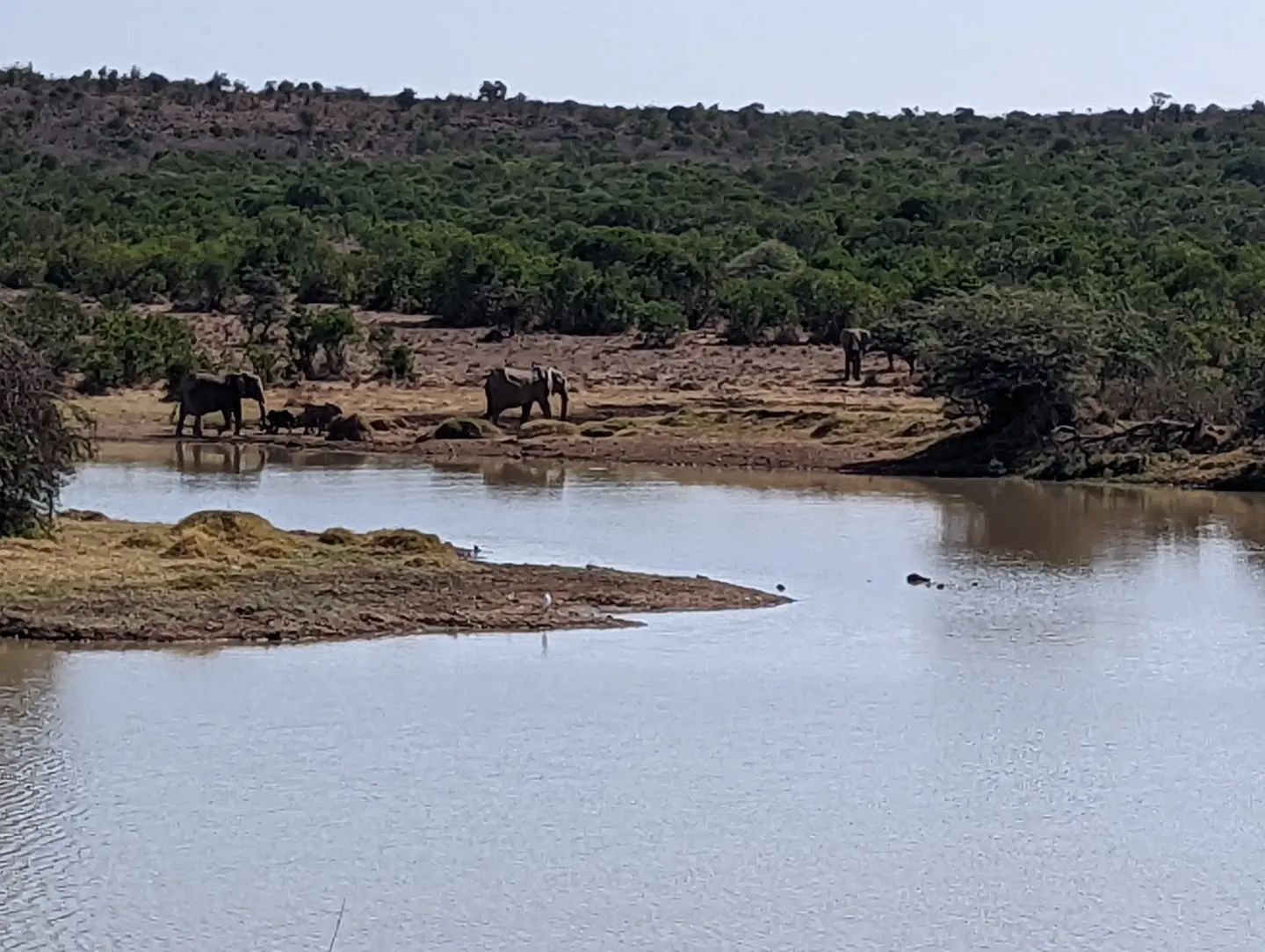
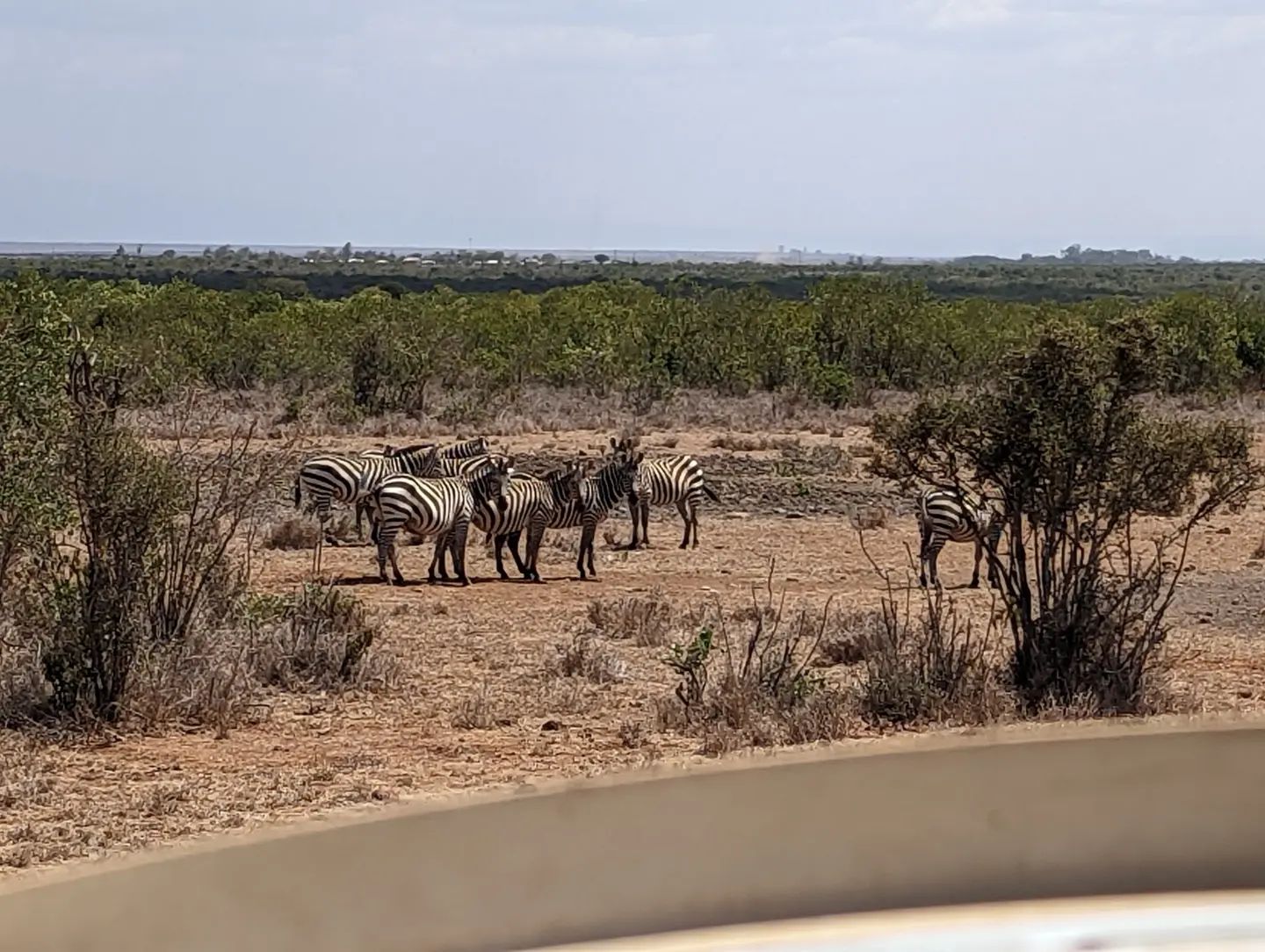
Biodefense Program students Michelle Grundahl (MS Student) and Danyale C. Kellogg (PhD Student and Managing Editor of the Pandora Report) recently returned from a trip to the Mpala Research Centre outside of Nanyuki, Kenya. On this trip, they assisted researchers working on grants under the Department of Defense’s Congressionally Directed Medical Research Program (CDMRP) and the Remote Emerging Disease Intelligence Network (REDI-NET). Grundahl explained some details of the trip, saying “Our focus was to support Mason professor, Dr. Von Fricken. His work in Kenya involves surveillance of vector-borne diseases using a One Health approach. Starting on day one, we had the opportunity to collect water and soil samples, leeches, and ticks…The 10 students on this trip were intensely involved in setting up laboratory equipment and working through protocols to support the REDI-NET surveillance program.” The pair were joined by a number of Kenyan scientists who are also involved with the project through the Smithsonian’s Global Health Program. Grundahl and Kellogg previously attended the Medical Management of Chemical and Biological Casualties course, offered by USAMRIID and USAMRICD, together in the fall of 2021.

Meeting of the Bipartisan Commission on Biodefense- The Biological Threat Expanse: Current and Future Challenges to National Biodefense

The Bipartisan Commission on Biodefense met on Tuesday to discuss the expanding landscape of current and future biological threats, the roles and responsibilities of the federal government in assessing and preparing for various biological threats, and biological weapons, bioterrorism, and biological arms races with the public. The Commission explains, “In its 2015 bipartisan report, A National Blueprint for Biodefense: Leadership and Major Reform Needed to Optimize Efforts, the Commission described biological threats to the Nation and made 33 recommendations to optimize U.S. efforts to prevent, deter, prepare for, detect, respond to, attribute, recover from, and mitigate intentionally introduced, accidentally released, and naturally occurring biological events. Seven years later, the U.S. experience with COVID-19 continues to validate our original findings and the need for an Apollo Program for Biodefense as biological threats to the Nation continue to expand and increase.”

Biodefense Program Director, Dr. Gregory Koblentz, also testified during this event, providing insight on the future of biodefense (time stamp- 3:47:22). On the risks posed by dual use research of concern and effective biosafety and biosecurity risk management, Koblentz concluded: “Whether or not the current pandemic was caused by a laboratory accident, it does not mean the next pandemic won’t be. Indeed, efforts to prevent and prepare for the next pandemic, ironically, include a range of activities that serve to increase the risk posed by an accident. Given that existing national and international systems to ensure that such research is conducted safely, securely, and responsibly are already inadequate, we need a new global architecture for biorisk management that can address the growing challenges we face in this domain.” The event recording is available here.

Omicron Subvariant BA.2 Updates

The BA.2 subvariant, AKA “stealth Omicron,” of COVID-19, which spreads up to 80% faster than the original Omicron variant, was found to have doubled in the US over the last two weeks, making it the dominant subvariant in the country right now, according the CNBC. Dr. Anthony Fauci told ABC News this week that BA.2, which was already dominant in some European countries, is 50% to 60% more transmissible than Omicron. The University of Minnesota’s CIDRAP noted that, “Currently BA.2 makes up roughly one third of COVID-19 cases in the United States but will likely overtake Omicron this spring,” in an article from March 21. “When you look at the cases, they do not appear to be any more severe and they do not appear to evade immune responses either from vaccines or prior infection,” Fauci said. The WHO announced too that BA.2 has taken over as the dominant strain circulating globally. The Food and Drug Administration also announced on March 21 that the Vaccines and Related Biological Products Advisory Committee will meet on April 6 to discuss boosters in light of Pfizer and Moderna’s submissions for EUAs for fourth doses of their COVID-19 vaccines.

Armed Services Committees’ Leadership Announces Selections for National Security Commission on Emerging Biotechnology

The leadership of the of the House and Senate Armed Services Committees announced their appointments to the National Security Commission on Emerging Biotechnology, which was established by Sec. 1091 of the National Defense Authorization Act (NDAA) for Fiscal Year 2022 (FY22). The National Security Commission on Emerging Biotechnology will conduct a thorough review of how advances in emerging biotechnology and related technologies will shape current and future activities of the Department of Defense, provide an interim report to the President of the United States and the Armed Services Committees within one year, and submit a final unclassified report within two years to the President and the committees, including recommendations for action by Congress and the federal government. Twelve appointed members will make up the Commission.

The leaders of the Armed Services Committees named the following appointees: Senator Alex Padilla, the Honorable Dov S. Zakheim (Senior Advisor at CSIS and former Undersecretary of Defense), Congressman Ro Khanna, Paul Arcangeli (current Staff Director of the House Armed Services Committee, set to retire on April 1), Senator Todd Young, Dr. Alexander Titus (former  Assistant Director for Biotechnology within the Office of the Under Secretary of Defense for Research & Engineering), Congresswoman Stephanie Bice, and Dr. Jason Kelly (co-founder and CEO of Gingko Bioworks).

SARS-CoV-2: International Investigation Under the WHO or BWC

Drs. Mirko Himmel and Stefan Frey recently published their policy brief article in Frontiers in Public Health discussing current debates about the origin of SARS-CoV-2 and the complexities of the political and biological elements of this debate. They offer recommendations for potential courses of action under the World Health Organization’s umbrella and in respect to the Biological Weapons Convention. They provide insight to how a number of complex issues might be resolved, particularly as China continues to delay the investigation into the start of the COVID-19 pandemic by withholding evidence.

UNIDIR- Potential Outcomes of the Ninth BWC Review Conference

The UN Institute for Disarmament Research’s recently released this report authored by Dr. Jez Littlewood. It aims to provide “a forthright assessment of the risks, benefits, and financial implications of four different potential Review Conference outcomes,” including very limited, status quo, forward-looking, and negotiation outcomes. It was released in preparation for the Ninth Biological Weapons Review Conference, currently scheduled for August of this year, where States parties will have the opportunity to advance biological disarmament and determine the future course of this treaty. The UN Office for Disarmament Affairs recently released this primer on the BWC too, covering the history of negotiations of the treaty, its current state, and the importance of this treaty in the modern world.

“Insidious Insights: Implications of Viral Vector Engineering for Pathogen Enhancement”

Biodefense Graduate Program Director, Dr. Gregory Koblentz, and co-authors recently published this article in Gene Therapy. In it they discuss the dangers of optimizing viral vectors and their properties, despite the benefits this would provide to clinical gene therapy. They write, “High potential for misuse is associated with (1) the development of universal genetic elements for immune modulation, (2) specific insights on capsid engineering for antibody evasion applicable to viruses with pandemic potential, and (3) the development of computational methods to inform capsid engineering.” They ultimately recommend that “…computational vector engineering and the publication of associated code and data be limited to AAV [(adeno-associated viruses)] until a technical solution for preventing malicious access to viral engineering tools has been established.”

CSIS Global Health Policy Center Coronavirus Crisis Update

The Center for Strategic and International Studies’ Global Health Policy Center recently released a new episode of its podcast, Live From Munich: Dr. Richard Hatchett “Pandemic Preparedness Needs to Be Viewed as a Security Challenge”. Dr. Hatchett reminds listeners that having just had a pandemic does not prevent outbreak of another, and that pandemic preparedness needs to be “viewed as a security challenge, not as a health challenge, not as a development challenge”. He points to lessons in vaccine manufacturing and financing arrangements that incentivize disease surveillance that can better prepare us for the next pandemic. “Many of the high-income countries see the value from a geopolitical and security perspective in making these investments. The challenge for the long term, obviously, will be whether these facilities can be successful, sustainable, and be sustained.”

WHO- “Emerging Trends and Technologies: A Horizon Scan for Global Public Health”

The World Health Organization released this report earlier this month identifying 15 new and emerging technologies and scientific advances that could have major impacts on global health in the coming decades. To do so, it “presents the findings of a global horizon scan, conducted by a group of international experts, on emerging technologies and trends relevant to global public health conducted in 2020 and 2021.” Identified issues include vaccine distribution, apps for disease screening, addressing dis- and misinformation, and machine learning for antibiotic discovery. Dr. Filippa Lentzos of King’s College London recently co-authored an article addressing issues similar to the latter in Nature Machine Learning discussing the dangers of using AI in drug development.

Curious Coincidence: A Journey To the Origins of COVID-19

MIT Technology Review released a new episode of their podcast discussing challenges in determining the origins of the pandemic, this time focusing on what is known about the disease’s emergence in Wuhan in late 2019. Hosted by investigative reporter Antonio Regalado, Curious Coincidence dives into the mysterious origins of COVID-19 by examining China’s trade in wild animals, the labs doing sensitive research on dangerous pathogens, and questions of whether a lab accident may have touched off a global pandemic. Dr. Laura H. Kahn also recently discussed these issues in her piece in the Bulletin of the Atomic Scientists.

Building Public Trust in Public Health Emergency Preparedness and Response (PHEPR) Science: A Workshop

From the ongoing COVID-19 pandemic to wildfires and floods, public health emergencies are becoming increasingly common and complex. Public trust in public health emergency preparedness and response (PHEPR) science is key to a quick and effective response. Join the National Academies of Sciences, Engineering, and Medicine for a two-day public workshop on March 29th and 30th to examine issues of building public knowledge of and trust in PHEPR science enterprise–the institutions, the research process, and the researchers and practitioners. Learn more and register here.

Inaugural Public Meeting of the National Advisory Committee on Seniors and Disasters and National Advisory Committee on Individuals with Disabilities and Disasters

Join Assistant Secretary for Preparedness and Response Dawn O’Connell along with Assistant Secretary for Aging and Acting Administrator for Community Living Alison Barkoff, Wednesday, March 30 from 1:00 p.m. to 3:30 p.m. ET for the inaugural meeting of the National Advisory Committee on Seniors and Disasters (NACSD) and National Advisory Committee on Individuals with Disabilities and Disasters (NACIDD). Advanced registration for this meeting is required and can be accessed, along with additional meeting information, through the online event page. During this joint meeting, committee members will be sworn into service and begin a national discussion with federal subject matter experts on the challenges, opportunities, and priorities in meeting the unique health needs of older adult populations and people with disabilities during and after disasters and public health emergencies.

WHO Outreach and Engagement Consultant Job Opening Announcement

The purpose of this consultancy is to provide technical  input related to the projects of the emerging technologies, research prioritization and support (EPS) unit on dual-use research of concern as part of the “Reducing Biological Proliferation Risks Posed by Dual Use Research of Concern – (DURC)” and end to end research process optimization as part of the project “Strengthening WHO processes to accelerate timelines linking R&D with access”. The work will advance the implementation of the corresponding work plans of the two projects. Due to the COVID restrictions, the consultant will perform the work remotely from his/her home location. The consultant will need to be available during Geneva office hours (9h00-18h00 CET). Learn more and apply here.

Russian WMD Disinformation Resources

The mountain of debunkings and academic commentary on the Russian disinformation campaign targeting DTRA’s Biological Threat Reduction Program-supported labs in Ukraine continues to grow. Below are some highlights from the last couple of weeks:

Have You Been Lied to About Ukrainian Biolabs? 

Drs. Filippa Lentzos and Gregory Koblentz recently hosed this even on Twitter Space discussing the ongoing bioweapon claims targeting labs in Ukraine. A recording of the event is available here and the transcript can be found here.

Defense Threat Reduction Agency

DTRA has released this fact sheet discussing its support for Ukrainian labs and other key facts, including details of Russia’s illegal and dangerous takeover of multiple Ukrainian-owned labs. They have also released a YouTube video discussing the program and the beneficial work it has done and continues to do in disarmament and public health.

Peace Research Institute Frankfurt

The PRIF Blog published this piece explaining and refuting Russia’s BW claims while also addressing concerns that these claims could be used as a pretext for a chemical weapons attack against Ukraine. Read more here.

Council on Strategic Risks

Francesco Femia and Caitlin Werrell at CSR authored a piece, “The Deeply Dangerous Spread of Russian Disinformation on Biological Weapons,” discussing the implications of Russia’s debunked claims. Of the idea that Russia might use WMDs in this war, they quote Andrew Weber, former Assistant Secretary of Defense for Nuclear, Chemical, and Biological Defense Programs, writing “If Russia does commit such atrocities, “There would be a very strong and united international response to any use of chemical or biological weapons, both of which are banned by the chemical and biological weapons conventions,” Andy Weber emphasized.”

Nuclear Threat Initiative

Hayley Severance and Jacob H. Heckles with NTI’s Global Biological Policy and Programs team explained some of the dangers of this Russian propaganda, focusing on the division and confusion it sows and the potential for this to later allow Russia to be viewed as justified in their invasion and war against Ukraine. Check out the piece, “Russian Propaganda Established a Dangerous, Permissive Environment,” here.

Congressional Research Service

CRS, the public policy research institute of the United States Congress, released a CRS Insight addressing members’ of Congress questions and concerns regarding these laboratories. It discusses the dangers combat operations pose to these facilities and potential courses of action Congress might consider taking as a result of these issues.

CBW Events Ukraine FAQ Page

CBW Events has created a one-stop-shop for all your questions on this issue here. CBW Events is “a project to create a record of events to enable and encourage understanding of how policies on the issues relating to chemical and biological warfare and its prevention are developed.”

Dr. Gregory Koblentz Was Recently Quoted in Numerous Outlets Discussing These Claims

Dr. Koblentz has been working overtime taking interviews to help combat this disinformation. Below are some of the quotes he provided within the last couple of weeks across various news outlets and debunking sites.

Daily Mail– “The 46 US Labs in Ukraine and the $200 Pentagon Program That Sparked a Propaganda War: How Ex-Soviet Facilities Adopted by America That House Pathogens Prompted Kremlin Bioweapons Claims in Putin’s Back Yard”

  • “‘These are all public health and veterinary labs,’ said Gregory Koblentz, director of the Biodefense Graduate Program at George Mason University, according to Poynter. ‘None of them have been involved in biological warfare’.” 

The Washington Post– “A Legacy of ‘Secrecy and Deception’: Why Russia Clings to an Outlawed Chemical Arsenal”

  • “Novichok’s distinctive chemical formula differed from that of other known nerve agents, and because of this, Novichok was initially omitted from the Chemical Weapons Convention’s list of banned substances. Russia could thus continue to tinker with the new weapon without technically violating their treaty obligations, said Gregory Koblentz, a biological and chemical weapons expert and director of the Biodefense Graduate Program at George Mason University’s Schar School of Policy and Government.”
  • ““Russia didn’t just inherit the Soviet chemical weapons arsenal; they also inherited the secrecy and deception that surrounded the program,” Koblentz said.”

Axios Science “Why Allegations of Chemical Weapons Use Are Hard to Investigate”

“What to watch: Gregory Koblentz, director of the Biodefense Graduate Program at George Mason University, says that, rather than use a chemical or biological weapon for an attack in Ukraine, there is a risk “Russia will invent or stage an event, claim it as an atrocity and use it domestically for escalating their commitment to the conflict.”

  • “Even if the U.S. and Ukrainians could expose this was staged or a hoax, on some level, the disinformation would be out there, and some would throw up their hands and say they don’t know and are going to sit it out,” he says.
  • Another concern for Koblentz is that unsubstantiated claims that bioweapons are being developed in Ukrainian labs that study and surveil pathogens like Crimean hemorrhagic fever could damage international cooperation on biosecurity and pathogen surveillance among labs around the world.

What’s next: The BCW is scheduled to meet in August to discuss how its mechanisms for resolving concerns about biological weapons compliance could be strengthened.

  • There had been signs over the past few years that parties may be willing to agree to measures that would facilitate verifying whether parties are complying. But “now there is no way it will be a constructive diplomatic event,” Koblentz says. “It’s been sacrificed for geopolitics.””

Bloomberg Quicktake– “Ukraine: Is Russia Planning to Use Weapons of Mass Destruction?”

iNews– “How Russia’s Fake Claims About Ukraine Bioweapons Spread From Telegram Anti-Vaxxers to Fox News”

  • ““It goes back to the 1980s, when the KGB started a rumour that the United States occurred the HIV virus,” said Dr Greg Koblentz, Deputy Director of the Biodefense Graduate Program at George Mason University.”

CNN What Matters– “Russia and Chemical Weapons: What You Need to Know”

  • Dr. Koblentz featured heavily in this article through a long interview discussing many facets of Russian CBW, including the difference between BW and CW, Russia’s obligations under international law, the potential for Russia to use such weapons against Ukraine, and more

Open– “No! Quelli in Ucraina Non Sono Laboratori Militari Per La Guerra Biologica” (Italian: “No! The Labs in Ukraine Are Not Biowarfare Labs”)

  • “Associate professor and director of the Biodefense Graduate Program at Mason University’s Schar School of Policy and Government , Gregory Koblentz, explains to Open why the Russian narrative of biological weapons laboratories in Ukraine could be the first phase of a maneuver aimed at attributing to the A completely invented biological threat was born.”
  • “These laboratories are used to diagnose and conduct research on endemic diseases in Ukraine – explains Koblentz -, they are not designed or intended for use to conduct research on biological weapons. The concern is not whether Russia will take them over and use them to develop biological weapons. Moscow already has three large military microbiology facilities which it uses to conduct research and development on biological weapons. Instead, the concern is that Russia is leaking “evidence” fabricated in those labs and claiming to have uncovered a secret US-Ukraine program to develop biological weapons. Of course, such a statement would be nonsense.”
  • “The only way these laboratories could pose a danger would be if they were bombed, looted or occupied and unsuspecting individuals accidentally became infected with a leftover pathogen sample – continues the expert -, which was on site but no longer properly stored. . The WHO has told Ukraine to destroy the samples of high-risk pathogens in their laboratories for this reason ”.
  • “The United States and Ukraine have been transparent about the type of public health research conducted in these laboratories – concludes Koblentz -, as you can see on the US embassy website . The Defense Department has just released a new fact sheet explaining its assistance to Ukraine in this area. The BTRP strengthens biological health and safety in laboratories around the world and develops the capacity of these laboratories to diagnose and study diseases that pose a threat to public health in those countries. Since the onset of COVID-19, the program has also helped these countries respond to the pandemic by providing diagnostic kits, etc. “

EFE Verifica– “Nada Prueba Que Haya Laboratorios de Armas Biológicas en Ucrania, Como Afirma Rusia” (Spanish: “Nothing Prove That There Are Biological Weapons Laboratories in Ukraine, As Russia Claims”)

  • “For his part, Gregory Koblentz, director of the Biodefense Graduate Program at George Mason University’s Schar School of Politics and Government, recalls that in 1980 the Soviets spread the rumor that the US had “invented” the HIV virus and was being “used” as a biological weapon.”
  • “Since then, this type of disinformation campaign has been “quite aggressive” and has targeted not only the US, but also Georgia and Ukraine, stresses Koblentz, for whom these accusations are part “of a pattern” in propaganda Russian.”

Pandora Report: 3.11.2022

Our major focus this week is on Russia’s continued claims that the US is supporting WMD development in Ukraine, ranging from claims lodged at DTRA CTR labs to assertions the US is helping the Ukrainians make a dirty bomb and chemical weapons. Multiple organs of the US government have indicated the Kremlin may use chemical or biological weapons or create a false flag operation to justify their claims about CTR and their invasion of Ukraine. We also discuss the ODNI’s release of the Intelligence Community’s Annual Threat Assessment, which includes a dedicated health security section this year. We have also included a number of fascinating new publications, including reports on the Namhung Youth Chemical Complex in North Korea, China’s global health leadership ambitions, and a report discussing balancing protecting patients from infections and pandemic response in a hospital setting. Finally, we discuss updates on the pandemic as it remains far from over, death counts continue to soar in places like Hong Kong, and it presents an issue for Ukrainians fleeing to other countries.

Admin note: There will be no Pandora Report next week (3/18). The weekly report will resume on 3/25.

Russia Continues Its WMD Disinformation With Help As Concerns Grow About False Flag Operations

Russia’s Ministry of Foreign Affairs (MFA) and Ministry of Defense (MOD) continued their barrage of claims alleging the US is helping the Ukrainians make WMDs, this time asserting the Russian military found evidence the Ukrainians staged an emergency clean-up to eradicate “…traces of the military-biological programme, in Ukraine, financed by the [US Department of Defense].” Major General Igor Konashenkov delivered this latest claim, which was quickly parroted by state media. He claimed pathogens such as the causative agents of plague, anthrax, and cholera were being made into bioweapons in US-funded laboratories throughout Ukraine. The MFA also claimed on March 6 that the Security Service of Ukraine and Azov Battalion “mined a reactor at an experimental nuclear facility at the Kharkov Institute of Physics and Technology” in order to “accuse Russia of creating an ecological catastrophe.” The Atlantic Council noted that this claim was based on a supposed alert from the Russian MOD and was supplemented by quotes from the state-owned outlet, Sputnik.

Russian Ministry of Foreign Affair’s Tweet further alleging DTRA CTR-sponsored labs are bioweapons development facilities.

The Sino-Russian Relationship Isn’t Complicated Enough To Keep China Away From These Conspiracy Theories Apparently

Various Chinese outlets have already been sharing Russia’s narrative, however the Chinese Ministry of Foreign Affairs has more formally begun doing so as well. PRC MFA spokesperson, Zhao Lijian, made several comments at a press briefing this week accusing the US of violating the BWC at its labs in Ukraine. He accused the US of preventing multilateral verifications of these facilities from taking place before saying, “What is the real intention of the United States? What exactly has it done? These have always been the source of misgivings for the international community.” A description of DTRA’s CTR program’s accomplishments in its first 25 years is available here.

This is also not China’s first time making such claims. Throughout and following the Korean War, North Korea, the Soviet Union, and China claimed the United States used biological weapons on large scale in both China and North Korea. Though Soviet Central Committee documents indicating these claims were known to be false were declassified in 1998, both North Korea and China have continued to make these claims over the decades. As we previously covered, China has a number of nonsense claims they have made recently too, including assertions that the US engineered COVID-19 at the US Army Medical Research Institute of Infectious Diseases, that the US military introduced SARS-CoV-2 to Wuhan at the World Military Games in 2019, and even that the Omicron variant entered the country on a piece of mail from Canada.

This comes at a time when many are questioning the strength of the Sino-Russian relationship, as Xi Jinping tries to balance supporting Putin while shielding his country from the economic hardship and isolation the world has levied on Russia. It also remains unclear how much Chinese officials actually knew about Russia’s plans to invade Ukraine, though it is thought they had at least some level of advance knowledge and asked Putin to wait until after the Beijing Olympics. The two countries issued a joint statement last month, titled “Joint Statement of the Russian Federation and the People’s Republic of China on the International Relations Entering a New Era and the Global Sustainable Development”. It included a section on the BWC and claims the US is not fulfilling its obligations under the treaty, stating “The sides emphasize that domestic and foreign bioweapons activities by the United States and its allies raise serious concerns and questions for the international community regarding their compliance with the BWC.” It later stated, “The sides call on the U.S. and its allies to act in an open, transparent, and responsible manner by properly reporting on their military biological activities conducted overseas and on their national territory, and by supporting the resumption of negotiations on a legally binding BWC Protocol with an effective verification mechanism.”

Russian Outlets’ Lazy Attempts at Disinfo Somehow Still Have the Desired Effect

This all somehow managed to grow worse late this week as the US Undersecretary of State for Political Affairs, Victoria Nuland, testified before the Senate Foreign Relations Committee. Over the course of the hearing, she stated “Ukraine has biological research facilities which, in fact, we are now quite concerned Russian troops…Russian forces may be seeking to gain control of. So we are working with the Ukrainians on how they can prevent any of those research materials from falling into the hands of Russian forces should they approach.” She later stated that, should there be any of use of CBW in Ukraine, the Russians would be behind it. Russian outlets like RT and Sputnik were quick to re-share the unedited clip, which their followers concluded meant Nuland was confirming the US has biological weapons facilities in Ukraine. This was echoed by the likes of American conservative commentators Tucker Carlson and Candace Owens on their respective platforms. RT did not have to do any work to splice the clips of Nuland, create confusion about the context, or anything to get this clip spread around, viewed millions of times, and touted as proof the US was lying about having BW facilities in Ukraine. They simply played an accurate statement from the undersecretary and let their audiences do the rest. This has been a rapid progression from the situation a couple weeks ago, with Foreign Policy’s Justin Ling writing, “In less than two weeks, a conspiracy theory about Ukrainian biolabs has gone from a fringe QAnon Twitter account to becoming a major rallying cry for both Russian President Vladimir Putin’s regime and the U.S. far-right.”

In case it somehow is not clear enough already- the terms “biological research facilities” and “biolabs” do not mean the same thing as “biological weapons facilities”. A biological research facility just describes an institution or building where research is being conducted in some area of biology. Different types of hospital research labs, labs at zoos, numerous university labs, and all sorts of institutions can accurately be described as “biological research facilities”. As a result of the threat Russian forces pose to these facilities in Ukraine, the WHO advised Ukraine on Thursday to destroy high-threat pathogens from their public health labs to prevent “any potential spills” that could cause disease in the population.

Birds of Mass Destruction?

On Thursday, the Russian MOD released a video discussing the supposed results of their report about documents from “military biological activities of the USA in Ukraine”. The MOD included screenshots of various Power Point slides and materials from DTRA throughout the presentation, including an unclassified slide discussing the risk of emerging infections in insectivorous bats in Ukraine and Georgia and the need for interagency efforts to stem the threat to public health this poses. The video then makes a number of wild claims that make even some of the most ardent conspiracy theorists look comparatively poised and logically sound. Such claims include that the US wants to release migrating birds carrying highly pathogenic H5N1 influenza. Another claim is that a Project R-781 is focused on US efforts to use bats as carriers for biological weapons. This is simply non-sensical. The US does not conduct bioweapons R&D, it certainly would not need to do so in Ukraine if it wanted to, and releasing birds, bats, and insects carrying highly infectious diseases would likely harm the US as well as any intended target. It is highly unlikely the Russians believe any of this to be true and they are just using this as an attempt to keep up the pressure in their disinformation firehose and create frustrations and tensions where possible.

A Note On Biosafety Levels

Some of those re-sharing these posts from Russian outlets have also focused their attention on the biosafety levels (BSL) of the CTR labs in Ukraine, claiming they must be making bioweapons because they have certain BSL designations. Those making these claims seem to either focus on the Wuhan Institute of Virology’s BSL-4 designation, somehow concluding this means the Ukrainian labs must also be at this level and, by extension, they are making bioweapons. Others focus on the term “high containment lab”, either assuming or purposefully deceitfully claiming that term means the labs are BSL-4 labs by definition. First, Ukraine does not have a BSL-4 facility. Second, the term “high containment lab” refers to both BSL-3 and BSL-4 facilities. Third, many of these claims are based on an out-of-context clip of a chapter of a National Academies Press publication– “Biosecurity Challenges of the Global Expansion of High-Containment Biological Laboratories: Summary of a Workshop”. This specific chapter discusses local resources and regulations for high containment labs in Ukraine in which the authors discuss the differences in how Ukrainian labs are rated (lab designation in Ukraine is inverted, so 1 is the highest risk and 4 is the lowest) and why this makes it especially important to consider what specific permits Ukrainian labs have that allow them to handle certain pathogens. Furthermore, the biosafety level of a lab is not an indicator of what that facility is doing. Rather, BSLs are sets of biocontainment precautions required to work with biological agents in laboratories. They are sometimes called pathogen, protection, or containment levels, the latter of which uses the designations P1-P4 instead.

For context, BSL-4 is the highest level of precautions and is used for work with agents that can easily be transmitted as aerosols in the lab, cause severe to fatal disease in humans, and for which there are no available vaccines or treatments. Some BSL-4 agents include Ebola, Marburg, Lassa, and Nipah viruses. The other levels can vary in terms of which pathogens are handled in them depending on the conditions and the work being conducted, such as if there were a high chance an agent would become aerosolized while being worked with, which would necessitate a higher BSL. Common BSL-3 agents include SARS classic, SARS-CoV-2, MERS-CoV, Rift Valley Fever virus, and even Yersinia pestis, the bacterium that causes plague. Some examples of potential BSL-2 agents include pathogenic strains of E. coli, Hepatitits A, B, and C viruses, HIV, and even prions, which transmit diseases like Creutzfeldt–Jakob disease (the human version of Mad Cow Disease). Things like non-pathogenic strains of E. coli and different types of Staphylococcus are frequently handled in BSL-1, including in labs at secondary education institutions.

While abiding by federal law and research guidelines, different institutions in the US place different agents at different BSL levels based on their facility’s capabilities, what they plan to do with an agent, and what risks may come of such work. You can see Stanford University’s list and guidelines here, for example. The Biosafety in Microbiological and Biomedical Laboratories, the document that helps labs make protocol-driven risk assessments and determine what BSL they should work in is also freely available online

Furthermore, a BSL-4 designation does not imply the lab is government-run, and certainly does not mean it is necessarily doing offensive research. Using the US as an example, of the 13 BSL-4 labs in the US, three are housed at universities – Boston University’s National Emerging Infectious Diseases Laboratories, Georgia State University’s High Containment Core, and the University of Texas Medical Branch’s Galveston National Laboratory. Kansas State University also has its BSL-4 National Bio and Agro-Defense Facility under construction. Fewer than 1/5 of BSL-4 facilities globally are actually defense laboratories and two are even privately-owned, according to Global Bio Labs. USA Today also found a few years ago that there are around 200 BSL-3 labs (at least) in the US, meaning many Americans live near one. Meanwhile, the labs in Ukraine are below BSL-4 and they are well-established centers providing important public health research and services. In fact, the closest BSL-4s to Ukraine are the Republican Research and Practical Center for Epidemiology and Microbiology in Minsk, Belarus and two facilities in Hungary. Furthermore, the US has been open from the beginning about the purpose and scope of the Lugar-Nunn Cooperative Threat Reduction program as well. And while just one-quarter of countries with BSL-4 labs score well on best practice indicators for biosafety and biosecurity, the Lugar-Nunn program has helped ensure partner countries do meet these requirements consistently, limiting the chances of accidents.

Is This All a Set Up For a False Flag Operation? The US Government Weighs In

White House Press Secretary Jen Psaki commented on this ongoing issue on Twitter earlier in the week, stating, “We took note of Russia’s false claims about alleged U.S. biological weapons labs and chemical weapons development in Ukraine. We’ve also seen Chinese officials echo these conspiracy theories.” She re-iterated that this is something Russia and China have done repeatedly, adding that the US is in full-compliance with its obligations under the BWC and CWC. She also stated, “It’s Russia that has a long and well-documented track record of using chemical weapons, including in attempted assassinations and poisoning of Putin’s political enemies like Alexey Navalny.” She concluded with a warning that Russia might look to use chemical or biological weapons to create a false flag operation, writing, “Now that Russia has made these false claims, and China has seemingly endorsed this propaganda, we should all be on the lookout for Russia to possibly use chemical or biological weapons in Ukraine, or to create a false flag operation using them. It’s a clear pattern.”

White House Press Secretary Jen Psaki’s tweets concerning Russian allegations the US is supporting chemical and biological weapons development in Ukraine.

Finally, the US State Department also released an official statement on the Kremlin’s claims. State Department Spokesperson Ned Price’s delivered the following statement:

The Kremlin is intentionally spreading outright lies that the United States and Ukraine are conducting chemical and biological weapons activities in Ukraine.  We have also seen PRC officials echo these conspiracy theories.  This Russian disinformation is total nonsense and not the first time Russia has invented such false claims against another country.  Also, these claims have been debunked conclusively and repeatedly over many years.

As we have said all along, Russia is inventing false pretexts in an attempt to justify its own horrific actions in Ukraine. The United States does not own or operate any chemical or biological laboratories in Ukraine, it is in full compliance with its obligations under the Chemical Weapons Convention and Biological Weapons Convention, and it does not develop or possess such weapons anywhere. It is Russia that has active chemical and biological weapons programs and is in violation of the Chemical Weapons Convention and Biological Weapons Convention.

Finally, Russia has a track record of accusing the West of the very crimes that Russia itself is perpetrating. These tactics are an obvious ploy by Russia to try to justify further premeditated, unprovoked, and unjustified attacks on Ukraine. We fully expect Russia to continue to double down on these sorts of claims with further unfounded allegations.

While it remains unclear if the Russians are interested in using CBW or trying to stage a false flag operation, there are still inherent dangers to these types of weapons that dissuade actors from their use, though some still certainly do use these kinds of weapons. Furthermore, as Dr. Filippa Lentzos and Jez Littlewood pointed out in the Bulletin of the Atomic Scientists this week, this could also end up damaging the Biological Weapons Convention, set for its five-year review later this year. They also rightfully point out that the US identified a number of countries as BW threats, including the DPRK, Iran, Libya, Syria, Sudan, and Iraq, the latter of which is arguably the most infamous intelligence failure of the US this century. Few could forget the images of Secretary of State Colin Powell holding up a model vial of anthrax spores during a meeting of the UNSC on Iraq’s alleged WMD program in 2003. While this assessment was not just based on US intelligence alone, this was later something he described as a “blot” on his career, stating “I’m the one who presented it on behalf of the United States to the world, and [it] will always be a part of my record. It was painful. It’s painful now.” While the US has not been perfect, the labs under DTRA’s CTR program have demonstrated time and time again that they are legitimately conducting peaceful research and that they provide benefits to the public health of the region.

Other Helpful Resources On This Topic:

  • EUvsDisinfo released this week’s Disinfo Review, Weapons of Mass Delusion covering these efforts, finding that a quarter of Russia’s disinformation tropes pertain to the lie that the US has secret labs encircling the country.
  • Here is the page on the Biological Threat Reduction Program on the US Embassy in Ukraine’s website. Many conspiracy theorists, right-wing American pundits, and Russian outlets claim this page was taken down, yet it is still live and has all the PDFs discussing the diagnostic labs in Lviv, Kharkiv, Luhansk, Dnipro, and Vinnytsia that some insist are gone from the site.
  • Here is PolitiFact’s fact check of the first few claims in this new series lodged by Russia.

US Surgeon General Releases RFI on COVID-19 Disinformation

On a related note, to help combat the effects of disinformation in the United States, the US Surgeon General, VADM Vivek Murthy (USPHS), has issued a formal request for information to major tech companies, asking them to send data and information on the prevalence of COVID-19 mis-/disinformation on their platforms. This is part of the Biden administration’s National COVID-19 Preparedness Plan and companies will have until May 2 to comply with the RFI. Dr. Murthy also has asked healthcare professionals to submit their testimonies about how COVID-19 mis- and disinformation have impacted their patients and communities. This comes as a physician group, No License for Disinformation, and their calls for state medical board to take disciplinary action against physicians who deliberately spread misinformation about the COVID-19 pandemic gain more traction.

WHO Issues Situation Report on the Russo-Ukrainian War

As the news has been filled with reports of Russian attacks on civilians and healthcare institutions, including the bombing of a maternity ward and children’s hospital in Mariupol, the WHO has released its first situation report on Ukraine since Russia launched its invasion. The report indicates over 18 million of Ukraine’s population have been affected, including 1.2 million refugees, 160,000 internally displaced person, at least 553 civilian injuries, and 249 civilian deaths. It notes that conflict related trauma and injuries are currently exacerbated by a lack of access to healthcare facilities as well as a lack of medicine and supplies. Importantly, it also explains there is an excess of morbidity and death from common illnesses such as noncommunicable diseases (such as cardiovascular disease, diabetes, cancer, etc.) and acute maternal, newborn, and child illnesses. The spread of infectious diseases is on the rise in Ukraine as well, including COVID-19, measles, polio, TB, HIV and diarrheal diseases. This is due to widespread destruction of water and sanitation infrastructure, inadequate vaccination coverage, lack of access to medicines and medical care, safe water, adequate sanitation and hygiene as well as population movements and crowding. Ukraine faced a polio outbreak and was just pulling out of weeks of record high COVID-19 case counts when Russia invaded on 24 February. Ukraine has a relatively low vaccination rate and the government was struggling with vaccine hesitancy prior to the invasion. The WHO is continuing to monitor the situation and trying to help the Ukrainian Ministry of Health in coordinating the health response.

World Surpasses 6 Million COVID-19 Deaths As the Pandemic Drags On

The pandemic is very much not over, with the world surpassing 6.03 million official COVID-19 deaths Thursday. Worse yet, these are only confirmed deaths, with the true count likely being much higher. This horror is inescapable in places like Hong Kong right now, where the death count is continuing to soar as officials race to test all 7.5 million Hong Kongers three times this month to try and maintain the mainland’s zero-COVID strategy. Death rates also remain high in Poland, Hungary, Romania, and other Eastern European countries, which does not bode well with over 1 million Ukrainian refugees flooding in to these places. Despite this, a 136-page report written by two dozen experts, many of whom advised President Biden, was released this week entitled, “Getting to and Sustaining the Next Normal: A Roadmap to Living with Covid.” This report argues the US pandemic response should shift from being focused only on COVID-19 to focusing on a system where prevention, mitigation, and treatment efforts are focused on a number of respiratory illnesses, including influenza and COVID-19. They do stress this “next normal” will not be like 2019, but that this is how to best deal with pandemic fatigue and more diverse health threats as case counts in the US decline.

US Intelligence Community Releases Annual Threat Assessment

The Office of the Director of National Intelligence (ODNI) has released its unclassified 2022 Annual Threat Assessment of the US Intelligence Community (IC). This year’s assessment includes an entire section dedicated to health security, covering infectious diseases and the impact of the COVID-19 pandemic, biological weapons, and anomalous health incidents (AHIs). Key assessments include that the COVID-19 pandemic is likely to continue to strain health systems, possibly aiding the spread of other diseases; that countries around the world remain vulnerable to the emergence of a new novel pathogen that could cause a worse pandemic; that economic fallout from the pandemic will continue to challenge governments and hinder human development, particularly in the developing world; and that shortcomings in pandemic response may inspire adversaries to consider developing or using biological weapons.

The brief sub-section on biological weapons assesses, “Global shortcomings in preparedness for the pandemic and questions surrounding the origins of the COVID-19
virus and biosecurity may inspire some adversaries to consider options related to biological weapons developments.” It states that advances in dual-use technology like bioinformatics, synthetic biology, and genomic editing, could help enable the development of new bioweapons that are able to complicate detection, attribution, and treatment. It also addresses ongoing efforts by China, Iran, and Russia to tout their individual and collaborative efforts to improve biosecurity while also making false claims about US laboratories pertaining to the origin of COVID-19, biosafety breaches, vaccines, and bioweapons. It concludes that this messaging will likely be amplified ahead of the Review Conference of the Biological and Toxin Weapons Convention, which is held every five years and is schedule to convene in mid-2022.

The sub-section on AHIs states that, “IC agencies assess with varying levels of confidence that most reported health incidents can be explained by medical conditions, or environmental or technical factors and that it is unlikely that a foreign actor—including Russia—is conducting a sustained, worldwide campaign involving hundreds of incidents without detection.” This is in reference to reports of Havana Syndrome, a condition first reported in 2016 by US and Canadian diplomats serving in Cuba with symptoms including ringing in the ears, vertigo and nausea, and cognitive difficulties. There are a number of speculations about what caused this, including theories that the Russians are using electromagnetic energy and ultrasound to target US and Canadian personnel.

This section of the threat assessment also summarizes some of the findings of 2021’s Updated Assessment on COVID-19 Origins, indicating that four IC elements assess with low confidence that SARS-CoV-2 was a result of zoonotic spillover while one assesses with moderate confidence that it was the result of a laboratory-associated incident. The same assessment also addressed concerns the virus was a bioweapons or genetically engineered, writing “We judge the virus was not developed as a biological weapon. Most agencies also assess with low confidence that SARS-CoV-2 probably was not genetically engineered; however, two agencies believe there was not sufficient evidence to make an assessment either way. Finally, the IC assesses China’s officials did not have foreknowledge of the virus before the initial outbreak of COVID-19 emerged.”

Three reports that Nature announced in February 2022 discussing SARS-CoV-2 origins have caused quite a stir recently as well. Two of the reports traced the original outbreak of COVID-19 back to the Huanan Seafood Wholesale Market, which sold live animals, in Wuhan, Hubei Province. A third report suggests that SARS-CoV-2 did spill over from animals- potentially those at the Huanan Market- to humans at least twice in November and December 2019. These reports include genetic analyses of samples collected from the market and infected people in December 2019 and January 2020 in addition to geolocation analyses connecting many of the samples to a specific portion of the market where live animals were sold. Important to note, however, is that these are still preprints and have not yet been published in peer-reviewed journals, though some argue they do add more weight to the idea that the pandemic started at the Huanan Market despite not being definitive.

GAO’s Chris P. Currie Testifies Before Senate Committee on Opportunities to Improve National Biodefense Strategy and Implementation

The Director of Homeland Security and Justice at the Government Accountability Office, Chris Currie, testified before the Senate Committee on Homeland Security and Governmental Affairs on Opportunities to Address National Strategy and Programmatic Challenges pertaining to biodefense. His testimony addressed GAO studies in this area from December 2009 through August 2021, focused on efforts to implement the National Biodefense Strategy and strengthen biodefense preparedness, as well as ongoing challenges to DHS’s biosurveillance and biodetection efforts. Currie stated that GAO determined the US lacks “a set of defined capabilities for responding to nationally significant biological incidents, an interagency process for assessing and communicating exercise priorities, an interagency process for agencies to consistently report on the
capabilities exercised in after-action reviews, and routine monitoring at the interagency level of exercises and real-world incidents in order to evaluate lessons learned across the government, identify patterns and possible root causes for systemic challenges, and make recommendations to address these challenges.” He also discussed pathways to changing the National Biosurveillance Integration Center’s charge, DHS’s struggles to justify updating detection systems rendering it over-focused on aerosolized attacks, and how DHS can mitigate risk in Biological Detection for the 21st Century (BD21) acquisition. Read his statement and the GAO recommendations here.

Global Pandemic Preparedness Summit Sees CEPI Secure $1.5 Billion in Funding

The Coalition for Epidemic Preparedness Innovations (CEPI) secured $1.535 billion in funding over the course of the UK’s Global Pandemic Preparedness Summit this week. This is in support of CEPI’s goal of being able to produce a new vaccine for newly detected COVID-19 variants within 100 days of detection. This 100 day goal relies on accelerating global genomic surveillance to quickly identify new pandemic threats. The UK pledged $211 million, Indonesia (current G20 President) gave $5 million, and the US pledged $150 million, among other donations from other top donors including the governments of Japan, Norway, Germany, and Australia, the Bill & Melinda Gates Foundation, and Wellcome. This did not fully cover CEPI’s goal of $3.5 billion over the next five years, though it certainly puts them well on their way. According to CEPI’s statement, “CEPI’s plan will reduce the risk posed by epidemics and pandemics by developing vaccines for known disease threats (such as Lassa fever, MERS and Nipah virus), and build on the scientific advances made during COVID-19 to prepare in advance for ‘Disease X’- the threat of an unknown pathogen with pandemic potential.” Read USAID Administrator Samantha Power’s statement on the funding and push to deploy new vaccines for new COVID-19 variants within 100 days of detection here.

RUSI Occasional Paper- Remote Assessment of North Korea’s Chemical Weapons, Feasible or Not?

The Royal United Services Institute has released a new report, “Remote Assessment of North Korea’s Chemical Weapons, Feasible or Not?” discussing how open source research and remote sensing technologies might be used to assess North Korea’s CW capability. To do this, the authors use a case study approach focusing on the Namhung Youth Chemical Complex in South Pyongan Province. Their research process included gathering data and information to build a case study that could be used to test this approach, analysis and assessment of the chemical activities and determination of whether those activities have relevance for CW production, and analysis of the overlap between the signatures of chemical activity and CW specifics at the Namhung Complex, followed by examination of how remote sensing might be able to support further assessment of CW capability. They conclude that the Namhung Complex is not a site used purely for CW production, but that it does likely retain activities relevant for CW. They determine for an open-source approach to be of the most value, the method would have to be replicated across the DPRK’s chemical industry. Furthermore, they state analyses should consider CW production as a network instead of focusing too much on individual sites. They conclude that, “…while remote sensing tools will not be a silver bullet in assessing the status, scope and scale of North Korea’s CW programme, they can be used to refine hypotheses about North Korea’s CW capability.”

APIC Releases New Recommendations for Balancing Patient Safety and Pandemic Response

The Association for Professionals in Infection Control and Epidemiology (APIC) has released its new call to action, “Between a Rock and a Hard Place: Recommendations for Balancing Patient Safety and Pandemic Response, a Call to Action on Improving our National Strategy for Pandemic Preparedness and Patient Safety”. It outlines a number of recommendations and steps to implement them including: developing next-generation universal personal protective equipment; normalizing the use of masks by the general public during times of increased infectious disease threats; addressing supply chain failures, including personnel with IPC expertise on healthcare system incident command and emergency response teams; putting properly trained personnel in long-term care, nursing homes, and other high-risk settings; building and implementing infection prevention and control surge capacity; increasing capacity for testing and contact tracing; ensuring rapid data sharing and interoperability around infection surveillance data; establishing strategies and actions to build disease confidence; and funding pandemic preparedness workforce capacity training.

Biodefense PhD program alumna and current Term Assistant Professor at the Schar School, Dr. Saskia Popescu, co-authored a portion of this report, “Managing Communications During a Pandemic”.

CFR- The COVID-19 Pandemic and China’s Global Health Leadership

Dr. Yanzhong Huang, Senior Fellow for Global Health at the Council on Foreign Relations, has released this new CFR report discussing China’s attempts to gain prominence in global health leadership and opportunities for the United States to re-assert itself in this area. In it he discusses China’s earlier attempts to turn its comparative success in managing COVID-19 into taking center stage in global leadership. However, he explains that its initial mishandling of the outbreak undermined the country’s international reputation, harming its ability to project soft power and strengthen its international image. Recent developments with highly transmissible variants have also challenged China’s draconian outbreak response measures and called into questions the efficacy of Chinese vaccines. He cautions the country is also heading towards a wider immunity gap between its population and the rest of the world, writing “The zero-COVID strategy will be extremely costly and highly dangerous: a small omicron outbreak in China could quickly develop into multiple larger outbreaks across the country, sending shock waves through society and the economy and intensifying the disruption of global supply chains and inflation pressures worldwide.” He concludes with a number of recommendations for the Biden administration, urging that the US should cooperate with Beijing in this area when it is helpful (such as in disease surveillance, response capacity-building, and vaccine distribution) while also scaling up US health diplomacy efforts and forming a bloc with allies to increase the WHO’s authority. This report is available here from CFR.

Insidious Insights: Implications of Viral Vector Engineering for Pathogen Enhancement

Biodefense Graduate Program Director, Dr. Gregory Koblentz, has co-authored this new article in Gene Therapy. In it, the authors discuss how viral vector engineering offers enormous benefits, but brings a dual use risk pertaining to pathogen enhancement. They explain that optimizing viral vectors and their properties will prove important for improving the effectiveness and safety of clinical gene therapy, but there are particular risks in which reliable and generalizable methods of immune evasion could increase viral fitness, potentially causing a new pandemic. They write, “High potential for misuse is associated with (1) the development of universal genetic elements for immune modulation, (2) specific insights on capsid engineering for antibody evasion applicable to viruses with pandemic potential, and (3) the development of computational methods to inform capsid engineering.” They explain a number of ways this could be mitigated, including prioritizing non-viral delivery systems, before concluding with recommendations about how this data should be published until a technical solution for preventing malicious access to these viral engineering tools is established.  

Commemoration of the 34th Anniversary of the Chemical Weapons Attack on Halabja

March 16th, 2022 marks the 34th anniversary of the chemical attack on Halabjah. On this occasion, this event aims at commemorating all victims of chemical weapons and raising awareness about chemical weapons and chemical weapons disarmament. It is organized by Rotary Peace Fellows Alumni Association and World Beyond War. It is open to all interested individuals. Speakers are prominent activists, including Dr. Paul Walker (Coordinator of the CWC), who have worked in CW-related fields for years. Their presentations will be followed by Q&A and one minute of silence. This virtual event is on March 12 at 4:00 pm BMT. Register here.

Building Public Trust in Public Health Emergency Preparedness and Response (PHEPR) Science: A Workshop

The National Academies of Sciences, Engineering, and Medicine is hosting a two-day public workshop on March 29th and 30th to examine issues of building public knowledge of and trust in the public health emergency preparedness and response (PHEPR) science enterprise. Workshop discussants and participants will specifically:

  • Examine why the topic of public trust (and trustworthiness, credibility, confidence in, among others) is important in PHEPR science and develop a shared understanding of its importance and its relationship to other factors that contribute to social cohesion in public health emergencies.
  • Explore key elements of PHEPR science communication and generate actionable communications strategies based on recent experiences.
  • Generate actionable strategies and approaches for building/maintaining trust, communicating PHEPR science and the scientific process in the face of uncertainty and in response to the recent decline in perceived credibility of federal, state, and local agencies.
  • Examine the ways in which diverse demographic groups experience PHEPR science differently and generate strategies and approaches for building trust in PHEPR science and the scientific process that is tailored to these varied experiences.

Find more information and register here.

Open Source Technology Tools For United Nations Security Council Resolution 1540 Implementation

The Strategic Trade Research Institute (STRI) is hosting the webinar “Open Source Technology Tools for United Nations Security Council 1540 Implementation,” sponsored by the United Nations Office for Disarmament Affairs (UNODA) through voluntary contributions received from the Government of the Republic of Korea. The event will feature an expert panel discussion and demonstration of open source tools and resources available to all UN Member States that can help strategic trade stakeholders gather information, assess risks, make policy and authorization decisions, and take effective enforcement measures. Before the event, registered participants will receive links to the resources and publications that will be discussed by the event panelists. The event’s focus is on tools that are publicly accessible. The objective of the webinar is to compile use cases for these tools as well as demonstrate to Member States and their stakeholders the availability, accessibility, and value of open source instruments for strengthening UNSCR 1540. This event will be useful for both public and private sector decision-makers who play a role in  UNSCR 1540 implementation measures.

Panelists include Jason Arterburn (Program Director for State-Sponsored Threats at C4ADS), Dr. Richard T. Cupitt (Senior Fellow and Director of the Partnerships in Proliferation Prevention program at the Henry L. Stimson Center), and Peter Heine (Senior Advisor in Global Security Technology and Policy at Pacific Northwest National Laboratory). This event will occur March 23 at 10:00 AM EST. RSVP here.

From ASPR: Comments Requested on 2023-2026 National Health Security Strategy

Through a Federal Register Notice (FRN) published by ASPR on February 14, 2022, the Office of the Assistant Secretary for Preparedness and Response is soliciting public comments to provide information regarding threats and challenges to national health security, and promising practices to address the same. The information provided will be used to inform the development of the 2023-2026 National Health Security Strategy (NHSS). The NHSS is a four-year strategy that establishes a strategic approach to strengthening the country’s ability to prevent, detect, assess, prepare for, mitigate, respond to, and recover from disasters and emergencies. The upcoming iteration of the NHSS (2023-2026) presents a unique opportunity to reflect on lessons learned from the COVID-19 pandemic and focus the nation’s priorities to address evolving public health challenges and be better prepared for future health security threats. For more information, please view the full FRN posted to the Federal Register. Comments will be accepted March 25, 2022, electronically to nhss@hhs.gov with “2023-2026 NHSS Comments” in the subject line. Comments may be placed in the body of the email or in an attachment to the email using a standard document format.

Pandora Report 9.2.2016

Welcome to September! Let’s start the month off with a yellow fever timeline and the history of this misunderstood disease. If a gin and tonic is your go-to drink, you’ll be pleased to hear it was actually born to combat malaria. Many are questioning if Syria has retained a stockpile of chemical weapons, pointing to continued contradictions and discrepancies regarding inventories and more. While the topic of sanctions is being debated, findings from recent international reports determined that both the Syrian government and ISIS were responsible for chemical attacks in 2014 and 2015.  On Tuesday, the French ambassador to the UN pushed for unified action at the Security Council, emphasizing that within the report, the Assad regime and the Daesh terrorist group have been responsible for several attacks.

Next Gen Global Health Security Agenda (GHSA) Happy Hour
Please join the newly elected Coordinator, Jamechia Hoyle, for a happy hour and networking event. Come engage with a network of talented Global Health Security professionals. Share ideas, connect, and learn how to join the world of global health security! You can RSVP to nextgenghsa@gmail.com by September 5th – the event is Friday, September 9th, from 5-7pm, at District Commons DC, 2200 Pennsylvania Avenue Northwest, Washington, DC 20037.

Is Accessible Synthetic Biology Making DIY Bioweapons More Likely?
The biotech industrial revolution and advances with CRISPR-Cas9 have raised many red flags about the risk for do-it-yourself (DIY) bioweapons. Dr. Koblentz and several others discussed the role of gene-editing technologies in the UN Security Council meeting last week, with General-Secretary Ban noting that these advances have made the production and application of WMD’s easier. These advances have the potential to move the playing field away from solely state-sponsored or university-level programs, to lower levels of necessary tacit knowledge. The dilemma surrounding dual-use technologies of concern and biosafety failures compound these concerns – are we becoming more and more vulnerable to intentional or accidental events? Antibiotic resistance is also a growing dilemma, and not just what we’re facing now, but also the risk that synthetic biotechnology could make the development of a highly resistant organism possible for malicious persons. The tricky part is combating the risk for mis-use while not stifling innovation – any takers? The growing threat potential of synthetic biology has many commenting that “Zika is just the first front in the 21st century biowar”. We so easily think nuclear or cyber warfare when it comes to large-scale threats, but the truth is that biological threats have been looming in front of us for years. James Stavridis notes that there three key components to preparing for the biological revolution. “First, we need an international approach that seeks to limit the proliferation of highly dangerous technologies (much as we try to accomplish with nuclear weapons) and fosters cooperation in the case of contagion or a transnational biological threat.” Second, U.S. government interagency practices need to strengthen their capacity to address both scientific advances and security threats from the biological research sector. Lastly, there must be private-public cooperation. He points to the need for a stronger marriage between government and academia, but in such a manner that doesn’t deter innovation. In the end, there is a imperative need for more frequent and frank discussions about the impending realities of biological threats.

GMU Biodefense Graduate Program Open Houses! Screen Shot 2016-04-21 at 1.28.57 PM
If you enjoyed reading about Dr. Koblentz and his work in biodefense, consider joining GMU’s Biodefense graduate program as a MS or PhD student! We’ve got some great Open Houses coming up- there is a PhD Information Session next Wednesday, September 7th at 7pm at our Arlington Campus in Founders Hall in room 134. If you’re interested in a MS in Biodefense (we offer both online and in-person!), come to our next Open House on Thursday, September 15th, at 6:30pm in our Arlington Campus Founder’s Hall, Room 126. Dr. Koblentz will be leading the information sessions, which will give you both some insight into the program, but also the range of student research and careers.

Disease Detection and the Outbreak Hunters
Venturing through the caves of South Africa, virus hunting researchers take us through the journey that is zoonotic disease tracking. The CDC has ten global disease detection centers and programs, like PREDICT, are all working to study the early signs of outbreaks and how we can prevent them from happening. “We were tracking almost 300 infectious disease outbreaks of concern in 145 countries,” says Dr. Jordan Tappero, director of the Global Health Protection Center at CDC. This was during a 2-year period. “Only about 30% of countries even self-report [and] are able to prevent, detect, and respond to infectious disease outbreaks,” Tappero says. “We are working around the world to try and improve capacity so that we have partners everywhere to respond quickly.” Bats are one of the primary animals studied, as they tend to be a reservoir for many diseases. Much of the research looks to test animals to identify what diseases are circulating within them, which acts as an early warning system for potential outbreaks. Outbreaks like MERS-CoV and Ebola have taught us the importance of early warning systems within the germ world. Cheers to those brave researchers who are crawling through caves and bat guano – we applaud and thank you!

The Growing Vaccine Refusal in Pediatrics Usmap
After the measles outbreak in California and Arizona related to Disneyland in 2015, there was a surge of national attention to pediatric vaccination exemptions. While California is taking strides to reduce non-medically indicated exemptions, many doctors are still reporting that parents are refusing to vaccinate their children. A recent study was published using data from the American Academy of Pediatrics Periodic Surveys from 2006 and 2013, looking at parental noncompliance and the frequency of requests for vaccine delays and refusals. Researchers also looked at the impact on US pediatrician behavior as a result of parental refusal or requests to delay. The study found that the proportion of pediatricians reporting parental vaccine refusal increased from 74.5% in 2006 to 87.0% in 2013. “Pediatricians perceive that parents are increasingly refusing vaccinations because parents believe they are unnecessary (63.4% in 2006 vs 73.1% in 2013; P = .002). A total of 75.0% of pediatricians reported that parents delay vaccines because of concern about discomfort, and 72.5% indicated that they delay because of concern for immune system burden. In 2006, 6.1% of pediatricians reported “always” dismissing patients for continued vaccine refusal, and by 2013 that percentage increased to 11.7% (P = .004).” Sadly, these findings indicate that pediatricians are reporting more vaccine-refusing parents and while they provide vaccine education, they’re dismissing patients at a higher rate.

Get the Scoop on Zika Virus
The FDA has announced that all U.S. blood banks will test blood, regardless of the presence of Zika in the state, for the virus. Here’s a guide to help pregnant women reduce their Zika risk. A new report found that Zika was linked to congenital hearing loss in infants with microcephaly. This week, CDC Director, Dr. Tom Frieden, commented that the agency is almost out of funds for Zika. “Basically, we are out of money and we need Congress to act,” Frieden told reporters. “The cupboard is bare.”  Florida may be the perfect place for Zika transmission, but where else should we consider within the U.S.? Singapore is quickly becoming a Zika hot spot, with it being the only Asian country to have active transmission. The growing volume of cases is signaling that Singapore could easily be a new epicenter for Zika, triggering surrounding countries to ramp up their preparedness efforts. Many are wondering if Zika is a sleeping giant in Haiti. The country has all the ingredients for rapid and sustained transmission but hasn’t seen many cases yet, leaving many to wonder if it’ll hit. The CDC has reported, as of August 31st, 2,722 cases of Zika virus in the U.S. Yesterday, the Florida Department of Agriculture and Consumer Services officially announced that, for the first time, mosquitoes trapped in the continental U.S. were positive for Zika virus.

Event: The Elimination of Weapons of Mass Destruction: Lessons Learned from the Recent Past 
Attend the Nonproliferation Review’s Monday, September 12th event to discuss nonproliferation! The event will be held at the James Martin Center for Nonproliferation Studies CNS Washington office at 1400 K Street, NW, Suite 1225, on Monday, 9/12,  from 1-3 pm. Speakers include Rebecca Hersman, director of the Project on Nuclear Issues at the Center for Strategic and International Studies; Robert Peters, senior research fellow at the Center for the Study of Weapons of Mass Destruction at National Defense University; and Dr. Philipp Bleek, assistant professor at the Middlebury Institute for International Studies at Monterey and a fellow at CNS. Dr. Chen Kane, director of CNS’s Middle East nonproliferation program, will chair the event, with NPR Editor Joshua H. Pollack providing welcoming remarks.

Stories You May Have Missed:

  • ABSA Risk Group Database App! Biosecurity – there’s an app for it! The American Biological Safety Association has created an app for the ABSA Risk Group Database. You can find it in Apple or Android app stores under “Risk Group Database app” and it’ll allow you to access the database on your mobile devise. “The ABSA Risk Group Database consists of international risk group classifications for Bacteria, Viruses, Fungi, and Parasites. In many countries, including the United States, infectious agents are categorized in risk groups based on their relative risk. Depending on the country and/or organization, this classification system might take the following factors into consideration: pathogenicity of the organism; mode of transmission and host range; availability of effective preventive measures (e.g., vaccines); availability of effective treatment (e.g., antibiotics); and other factors.”
  • Possible Transmission of mcr-1–Harboring Escherichia coli between Companion Animals and Human– The growing reports of colistin-resistant E. coli findings have been raising the stakes in the fight against antibiotic resistance. A recent report found mcr-1 (the gene harboring the colistin-resistant mechanism) E. coli isolates in three separate patients admitting to a urology ward in China. One of the patients was found to work in a pet shop, so researchers collected fecal samples from 39 dogs and 14 cats where he worked. Six were positive for the mcr-1 gene by PCR (4 from dogs and 2 from cats). “These findings suggest that mcr-1–producing E. coli can colonize companion animals and be transferred between companion animals and humans. The findings also suggest that, in addition to food animals and humans, companion animals can serve as a reservoir of colistin-resistant E. coli, adding another layer of complexity to the rapidly evolving epidemiology of plasmid-mediated colistin resistance in the community.”
  • Frozen Strawberry & Hepatitis A Outbreak – Virginia is currently experiencing a Hepatitis A outbreak related to frozen strawberries used in Tropical Smoothie Cafe locations. There have been 40 reported cases, of which 55% have been hospitalized. “There are more than 500 of the smoothie franchises across the country, and Virginia is not the only state affected. All the potentially contaminated Egyptian-sourced berries were pulled from the 96 Tropical Smoothie Cafe locations in Virginia no later than Aug. 8 or Aug. 9.”
  • Foreign Policy Classroom – U.S. Efforts to Combat Zika – Catch the series featuring Gwen Tobert, Foreign Affairs Officer, Office of International Health and Biodefense. You must be a student enrolled in a U.S. academic institution or faculty to attend the September 8th (2-3pm) event at the U.S. Department of State.

Pandora Report 8.26.2016

A new report by the Organization for the Prohibition of Chemical Weapons (OPCW) is pointing to a harsh reality that despite incomplete and inaccurate Syrian disclosures, there are traces of nerve agents in their laboratories. While they promised to destroy their entire arsenal, there is a growing concern that Damascus has not followed through on commitments to destroy all of its armaments.   Feel like a biodefense arts and crafts project?  You can learn to make a plague doctor’s mask here. Chem-Bio warfare suits may be getting a fashionable upgrade as companies like Lululemon and Under Armor are competing to revolutionize the protective equipment. 

UN Security Council – Calls for Eradicating WMD’s  689139
On Tuesday, GMU Biodefense Graduate Program Director and Professor, Dr. Gregory Koblentz, briefed the UN Security Council on how terrorists could exploit advances in science and technology to acquire weapons of mass destruction. He delivered the briefing as part of a Security Council open debate on WMD nonproliferation that is part of the comprehensive review currently being conducted of Resolution 1540. You can read the summary of the meeting here, but the focus was on the evolving threat of WMD’s falling into the hands of non-state terrorists and actors. Emphasizing the threat of biological weapons, Secretary-General Ban Ki-Moon “questioned the international community’s ability to prevent or respond to a biological attack.  He also suggested giving a closer look at the nexus between emerging technologies — such as information and communication technologies, artificial intelligence, 3-D printing and synthetic biology — and weapons of mass destruction.” Dr. Koblentz (27 minutes into the broadcast of the meeting here) pointed to the Fourth Industrial Revolution as a source for huge gains in both productivity and prosperity, but also a darker potential for mis-use by non-state actors. Within his talk, Dr. Koblentz noted the five advances in science and technology that “increase the risk of CBRN weapons proliferation to non-state actors”. The advances include unmanned aerial vehicles (UAVs), 3D printing, accessibility of illicit items on the Dark Web, malicious software and cyber attacks, and genetic engineering tools like CRISPR-Cas9. While these advances reveal the diverse technology, there are also seven deadly traits within these emerging technologies – dual-use, disruptive, diffusion, reliance on a digital component, decentralization, deskilling, and the DIY (do-it-yourself) movement. Simply put, these seven characteristics make emerging technologies that much more challenging to prevent mis-use. “The international community faces a continuous challenge of encouraging innovation and maximizing the benefits of such innovation with the need to mitigate the security risks posed by these new technologies. I hope the Security Council will take advantage of the Comprehensive Review of Resolution 1540, which this open debate is an important contribution to, to update the resolution to take into account the impact of scientific discoveries and technological breakthroughs on the proliferation of weapons of mass destruction to non-state actors.” There was substantial discussion regarding the strengthening of Resolution 1540, especially to consider the implications of a biological attack in light of recent outbreaks like Ebola, MERS, and SARS.  During her remarks, Ambassador Michele J. Sison, U.S. Deputy Representative to the United Nations, described Dr. Koblentz’s briefing as, “a very interesting, but also very sobering intervention.” Hopefully, with the focus on these evolving threats, the current review of Resolution 1540 can be further strengthened and focused to reduce the risk of terrorists acquiring WMD’s.

A Tribute to D.A. Henderson
There are few times in the history of public health that we can say we’ve eradicated a disease. D.A. Henderson, smallpox guru and disease detective, led such efforts within the WHO and his absence has been felt throughout the health community. A legend among public health and biodefense students, his dedication to the field inspired generations. As an epidemiologist, his work in both infectious diseases and bioterrorism gave me hope that such a career was not only possible, but also filled with the kind of adventure that many only dreamed about. Having just read Scourge (and I would highly encourage you to read it), the dedication to the smallpox eradication efforts is still an inspiration. After conquering what many considered impossible, Henderson worked as Dean of the Johns Hopkins School of Public Health, founding director of the Johns Hopkins Center for Civilian Biodefense Strategies (now UPMC Center for Health Security), and following 9/11, led the Office of Public Health Preparedness. Described as a “Sherman tank of a human being- he simply rolled over bureaucrats who got in his way”, Henderson’s death is truly felt throughout the international community. In the wake of his death, we take a moment to truly applaud and appreciate all he’s given and inspired within global health security.

How Far Will the U.S. Luck Run?
With the anticipation and preparations for Zika having started months before it reached U.S. soil, many are wondering if our luck with infectious disease is running out. We were lucky with Ebola- a handful of cases and once we hit the panic button, we were able to overcome the crisis. Despite insufficient funds and battling diseases we had little to no experience in handling, U.S. efforts have been fortunate in their successes. Zika may be a different kind of ball game though – mosquito control efforts are flawed at best and with a disease that is often asymptomatic, we may have finally hit a wall. Did we really learn from Ebola? Have we strengthened our surveillance and response practices? Dr. Johnathan Fielding notes that “HHS must play a greater role in coordinating the global public health response through implementation of the Global Health Security Agenda, a cooperative arrangement launched in 2014 by over 50 nations, nongovernmental organizations and other stakeholders; better coordination with other government agencies, and state, local and private sector partners; and clear delineation of roles and responsibilities within and among HHS offices.” We need both the monetary and personnel support to properly address the failures from Ebola, but also implement the recommendations that so many have made following the crisis. The contingency funding that has been pushed recently is an indication of our potentially faltering luck – have we reached such an impasse in which our politics will override our disease response capacity or capabilities?

A Lot of Zika Goes a Long Ways 
Palm Beach is seeing its second case of Zika virus, with active transmission continuing in Florida. Florida Governor, Rick Scott, has expressed frustration that the promised federal support of antibody tests and lab support has not been delivered. “In a teleconference on Wednesday, Scott made a plea for more support in fighting Zika, complaining that ‘Congress and the White House have not been good partners.’ Scott said he asked the U.S. Centers for Disease Control and Prevention for 5,000 Zika antibody tests last week, but so far had only received less than 1,200.” Johns Hopkins is opening the first multidisciplinary Zika center, the Johns Hopkins Wilmer Zika Center, which is dedicated to caring for affected patients. As of August 24, the CDC has reported 2,517 cases of Zika virus in the U.S. The CDC has also awarded $6.8 million to partners to help support Zika response. “This funding will help enhance surge capacity for Zika case identification and mosquito surveillance. It will also help improve communications to key populations, by developing focused educational materials, sharing mosquito control guidance, and refining community public awareness campaigns.”

Human Mobility and Epidemics
Tracking infectious disease cases is never an easy task – whether it be an asymptomatic patient, mosquito-spread disease, or global travel, epidemiology and case tracking is not for the faint of heart. An increasingly mobile population is only adding to this difficulty. The first few days of an infection with Dengue or Zika are often so mild that many don’t even seek medical care. How many times have you had a fever and it didn’t stop you from traveling or going about your day? Disease ecologists are now looking at the impact of a fever on human mobility and the shock this may have during an outbreak of a vector-borne disease. “We’ve found that people with a fever visit 30 percent fewer locations on average than those who do not have a fever, and that they spend more time closer to home. It may sound like stating the obvious, but such data have practical applications to understand how human behavior shapes epidemics,” says Gonzalo Vazquez-Prokopec, an assistant professor in Emory University’s Department of Environmental Sciences, and senior author of the study. “No one had previously quantified how a symptom such as fever changes mobility patterns, individually and across a population, in a tropical urban setting like Iquitos.” Not surprisingly, human mobility is a huge driver for spreading these diseases in urban settings. With the ongoing spread of Zika, researchers are continuing to learn about the impact of human behavior and mobility on the spread of these mosquito-spread diseases.

Stories You May Have Missed: 

  • Global Reaches of Antibiotic Resistance – Check out my latest comments on the global implications of antibiotic resistance for first responders and security personnel. It’s a topic we’ve so frequently cited as an international health emergency, and yet it gets so little attention. In this article, I point to the obvious implications, but also the worries that dual-use technologies of concern and genetic modification could allow for increased resistance for a more sinister reason.
  • South Sudan Crisis Calls for Additional WHO Surveillance  – the continued chaos and violence in South Sudan has translated into the WHO ramping up disease surveillance efforts. More than 1.6 million internally displaced persons (IDP) have been caught in the conflict, leaving the region more susceptible to malaria and diarrheal illnesses. “The conflict has exacerbated existing challenges with the health system and disease surveillance,” Dr Usman says. “With so many health workers and partners moving to safety, data is more difficult to collect and challenges have emerged as humanitarian access remains limited.” The WHO is coordinating with the Ministry of Health to strengthen surveillance efforts to help detect and respond to outbreaks.
  • FBI WMD Directorate Marks 10 Years – A program we’d rather have and not need than need and not have, the WMD Directorate within the FBI has been imagining worst-case scenarios for over a decade to better prepare and protect the U.S. “The Directorate has three sections: countermeasures, investigations and operations, and intelligence. In its first five years, the Directorate established itself as a central hub for WMD subject-matter expertise.” Assistant Director, John Perren, notes that while they’re intelligence driven, the things that keep him up at night aren’t what he knows, but what he doesn’t know.

Biodefense Policy Seminar Wrap Up: Part 1

All Biodefense Policy Seminar events for Fall 2014 have concluded. Please enjoy a summary of the October 2014 event and join us for our Spring 2015 series. 

Carus and Caves

On Wednesday, October 22, Dr. W. Seth Carus and John P. Caves, both of the National Defense University, were speakers at the George Mason University Biodefense Policy Seminar on the topic of “The Future of Weapon of Mass Destruction in 2030.” Based on their 2014 paper of the same name, Carus and Caves investigate the possible nature and roles that WMD may play sixteen years from now.

In 2030, Carus and Caves argue, nuclear weapons may play an even larger role than they currently do. They anticipate that more states—for example, Japan and South Korea—could develop a nuclear arsenal in order to safeguard their own security. Proliferation isn’t the only threat that nuclear weapon pose, however. Carus and Caves also highlighted the potential for governments to lose physical control over existing weapons.

Furthermore, they said that the absence of current WMD terrorism is caused more by a lack of intent rather than lack of ability. Regarding chemical and biological weapons, Carus and Caves argue that these weapons could be more attractive in 2030 if the weapons have perceived military value, though they offer very little deterrent value.

In terms of U.S. policy, the speakers said that the United States should respond strongly to violations of WMD norms to deter proliferation. They also warned that if U.S. allies doubt the security guarantees of the United States, they may see developing their own weapons as the only surefire way to protect themselves in a multipolar world. Therefore, the United States needs to reinforce the strength of its security guarantees to prevent weapons proliferation among its allies.

So, should we be worried? Carus and Caves said that there will be a greater scope for WMD terrorism in 2030 thanks to new dual-use technologies that could make it easier to assemble, acquire, and deploy chemical or biological weapons. Moreover, the definition of WMD could change by 2030, beyond the traditional CBRN group, to include nanotechnology or cyber warfare. Overall, the speakers said that WMD in 2030 is likely to present a high consequence, low probability threat, but the danger of wider proliferation and increased use is still very real.

Pandora Report 8.31.14

Fall classes at George Mason have already started and this Labor Day weekend marks the official end of summer. This week, we have stories covering a wide range of topics—an Ebola update (of course), a fascinating article on vaccinia infections acquired through shaving, Haj precautions, and the ISIS “laptop of doom.”

Best wishes for a safe and enjoyable holiday!

Ebola Virus Outbreak Could Hit 20,000 Within Nine Months, Warns WHO

There were many stories this week covering the continuing Ebola outbreak in West Africa. Senegal saw its first (imported) case of the virus this week and has banned flights to and from the affected countries while shutting its land border with Guinea and Nigeria saw its first death outside of the capital city of Lagos. In the Democratic Republic of Congo, where Ebola first emerged in 1976, there have been reported cases of a hemorrhagic gastroenteritis similar to Ebola. I read conflicting accounts this week of the “patient zero” for the Ebola outbreak—a young boy or an older traditional healer. There were reports of some U.S. universities screening students from West Africa for Ebola. There was coverage of a Toronto medical isolation unit ready for patients and information about GlaxoSmithKline’s experimental ebola vaccine which would be tested on humans in the next few weeks.

All of this news came among World Health Organization estimates that this West African outbreak could affect 20,000 people over the next nine months and that half a billion dollars would be needed to stop the spread of the disease.

The Wall Street Journal—“The WHO program will likely cost around $490 million and require contributions from national governments, some U.N. and non-governmental agencies, as well as humanitarian organizations, it said.”

First Reported Spread of Vaccinia Virus Through Shaving After Contact Transmission

This week, reports in the August issue of Medical Surveillance Monthly Report from the Armed Forces Health Surveillance Center covered vaccinia virus infection—the virus used for smallpox vaccinations—within the U.S. Air Force. The infections in the report occurred in June 2014, and affected four individuals.

Infection Control Today—“Over the past decade, most cases of contact vaccinia (i.e., spread of the virus from a vaccinated person to an unvaccinated person) have been traced to U.S. service members, who comprise the largest segment of the population vaccinated against smallpox. Most involve women or children who live in the same household and/or share a bed with a vaccinee or with a vaccinee’s contact. Of adult female cases, most are described as spouses or intimate partners of vaccinees or secondary contacts. Of adult male cases, most involve some type of recreational activity with physical contact, such as wrestling, grappling, sparring, football, or basketball. Household interactions (e.g., sharing towels or clothing) and “unspecified contact” are also implicated.”

Government to Keep Haj Infection-Free 

This week, the Saudi Arabian Ministry of Health announced mandatory measures for Haj and Umrah pilgrims coming from countries with active outbreaks or high rates of infectious diseases. The Health Ministry sent information to embassies outlining health requirements for those seeking pilgrim visas.

Arab News—“‘Although we do not issue Haj visas for pilgrims coming from endemic countries, we will still be monitoring pilgrims coming from other African countries for Ebola symptoms,’ said [Sami] Badawood [Jeddah Health Affairs director.]

He said the ministry would also focus on diseases such as yellow fever, meningitis, seasonal influenza, polio and food poisoning.”

Is the ISIS Laptop of Doom an Operational Threat?

Discovery of a laptop, which has been linked to ISIS, raises new questions about the organization’s plans relating to use of WMD—specifically chemical or biological weapons. Over 35,000 files on the laptop are being examined and has offered new insight into ISIS and their WMD aspirations.

Foreign Policy—“Most troubling is a document that discusses how to weaponize bubonic plague. But turning that knowledge into a working weapon requires particular expertise, and it’s not clear that the Islamic State has it.”


Image Credit: Wikimedia Commons