This week’s Pandora Report covers the rush to find the former Assad regime’s hidden chemical weapons, a recent study on H5N1’s potential to become an efficient human pathogen, Nobel laureates’ call for the Senate to block RFK Jr. from becoming HHS Secretary, and more.
Assad Regime Falls
On Sunday, Syrian rebels continued their advance, taking the capital city of Damascus and forcing the country’s long-time leader, President Bashar al-Assad, to flee to Moscow. This ended the country’s 13-year-long civil war and toppled a brutal dictatorship known to have, among other things, used chemical weapons against its own civilians. Now, the country is strapped for cash and being led by opposition forces with limited experience in governance.
Adding to the chaos is the mad dash to locate the former Assad regime’s chemical weapons it hid from inspectors. Among the list of missing weapons are more than 360 tons of mustard gas that the Assad regime admitted to making, but never fully accounted for. There are also five missing tons of precursors for sarin that the Assad regime claimed were “Lost during transportation, due to traffic accidents.”
The OPCW said it is monitoring the situation, reaffirming its commitment to “clarifying gaps, discrepancies, and inconsistencies in Syrian chemical weapons declaration amidst political transition.” Rebels in the south of the country have reached out to the OPCW for support in safely disposing of a cache of CW they found. One US official told the press the US is working with other countries in the Middle East to prevent these weapons from falling into the wrong hands. Meanwhile, Israel reported that it has destroyed CW and other weapons caches while seizing areas along its shared border with the country it claims are part of a demilitarized buffer zone.
New Study Finds Single Mutation in Bovine Influenza H5N1 Hemagglutinin Switches Specificity to Human Receptors
A recent study in Science found that a single glutamine to leucine mutation in clade 2.3.4.4b-an H5N1 virus widespread in US dairy cattle that has caused a few mild human cases-at residue 226 of the virus hemagglutinin “was sufficient to enact the change from avian to human specificity.” This means that this virus that currently cannot infect humans very easily could be just one mutation away from being able to do so much more effectively. This finding alone does not mean that this mutation in nature would be guaranteed to make this virus an efficient human pathogen, but it might mean that this version of the virus has a higher zoonotic potential than other H5N1 viruses.
Investigation Launched into Queensland Lab Incident
An investigation has been launched by Australian authorities into the “major breach” of biosafety protocols that occurred at a state-run laboratory in Queensland in 2021. It was revealed that 323 virus samples-nearly 100 of which were live samples of Hendra virus-were missing. According to Health Minister Tim Nicholls, the incident was only discovered in August of 2023, and the lab is unable to confirm whether the materials were removed or destroyed, though there is no suggestion that they were taken or stolen from the lab.
Top Wuhan Virologist Says WIV Holds No Close Relatives to SARS-CoV-2
Shi Zhengli, the virologist leading coronavirus research at the Wuhan Institute of Virology (WIV) when the COVID-19 pandemic began, presented data on dozens of new coronaviruses collected from bats in southern China at a conference in Japan last week. Shi has said repeatedly that SARS-CoV-2 was never seen nor studied in her lab, but some have continued to insist that one of the bat coronaviruses collected by her team was closely related to it. As a result, Shi promised to sequence the genomes of the viruses stored in her freezers and release the resulting data.
The analysis presented at the conference has not been peer reviewed and includes data from the whole genomes of 56 new betacoronaviruses in addition to some partial sequences. All of these viruses were collected between 2004 and 2021. Shi explained at the conference that none of the viruses she has sequenced are the most recent ancestors of SARS-CoV-2 and that “We didn’t find any new sequences which are more closely related to SARS-CoV-1 and SARS-CoV-2.”
The known viruses that are closest to SARS-CoV-2 were found in bats in Laos and southern China. However, years (or decades) have passed since these viruses split from their common ancestor with SARS-CoV-2. Shi has long since collaborated with EcoHealth Alliance, which previously received US federal funding that was suspended because of inadequate oversight of research activities at the WIV. This collaboration has produced a larger analysis of more than 230 sequences that EcoHealth Alliance’s Peter Daszak says will be submitted for peer review and publication in the coming weeks.
75+ Nobel Laureates Urge Senate Not to Confirm RFK Jr.
77 winners of the Nobel Prize in Medicine, Chemistry, Physics, and Economics have signed a letter (below) urging the Senate not to confirm President-Elect Trump’s pick to lead HHS-Robert F. Kennedy Jr.. This is a rare example of Nobel laureates coming together against a US Cabinet choice, according to Sir Richard Roberts, winner of the 1993 Nobel Prize in Medicine and a drafter of the letter. The letter criticizes Kennedy’s lack of experience in public health in addition to his widely criticized opinions on topics like drinking water fluoridation and vaccines for measles and polio. The letter reads in part, “In view of his record, placing Mr. Kennedy in charge of DHHS would put the public’s health in jeopardy and undermine America’s global leadership in the health sciences, in both the public and commercial sectors…We strongly urge you to vote against the confirmation of his appointment as Secretary of the DHHS.”
Biodefense MS Student Lena Kropke discusses her experience at the 67th Annual Biosafety and Biosecurity Conference in this Pandora Report event summary, writing in part “Attending this conference not only reaffirmed that biosafety and biosecurity are vital components of international security, but also showcased the incredible dedication of professionals who work tirelessly toward this mission. Moreover, it offered an introduction to an amazing network of biosafety and security professionals.”
Read more about Lena’s time attending the conference in Phoenix here.
“Disincentivizing Bioweapons: Theory and Policy Approaches”
This NTI essay collection is “…designed to encourage the exploration and identification of potential solutions to disincentivize states from developing or using biological weapons,” and aims to “bridge theory and practical policy-relevant approaches to develop new approaches to invigorate international efforts to reduce biological threats.” Its fifth essay, “Two Competing Bioweapons Nonproliferation Policies: Deterrence by Denial and Discussion,” was authored by Sonia Ben Ouagrham-Gormley, Associate Professor at the Schar School.
Mitigating Arboviral Threat and Strengthening Public Health Preparedness: Proceedings of a Workshop
From NASEM: “Arboviruses, or viruses carried by arthropods like mosquitoes or ticks, are responsible for hundreds of thousands of deaths worldwide each year. As the climate changes globally, the geographic distribution of these diseases, including Zika, dengue, chikungunya, West Nile, and yellow fever, are steadily expanding. The National Academies Forum on Microbial Threats hosted a public workshop in December 2023 to explore avenues of threat reduction from known and emerging arboviral diseases in the context of public health preparedness and capacity building. The workshop featured talks from experts in entomology, public health, ecology, virology, immunology, disease modeling, and urban planning.”
Read this Proceedings of a Workshop for free here.
“The Current Pathogenicity and Potential Risk Assessment of Nipah Virus as Potential Cause of “Disease X”: A Narrative Review”
Mehnaz et al. recently published this article in Health Science Reports: “Background and Aims…The World Health Organization (WHO) recognized the potential for a severe international epidemic and introduced the term “Disease X” to classify pathogens that not yet identified. The Nipah virus (NiV) is highly dangerous due to its zoonotic nature, high mortality rate, and ability to cause severe clinical symptoms in humans. In this review, we gather the latest information on the NiV and its potential to become a significant candidate for Disease X.”
“Methods…We performed a thorough review of articles published in PubMed, Scopus, and Google Scholar using appropriate MeSH terms and keywords. Studies reported NiV infection were considered for this review.”
“Results…The NiV exhibits different epidemiological patterns in different countries that calls for customized prevention and control strategies. Genetic analysis highlights NiV’s ability to mutate that alters possible treatment options. Transmission typically involves bats as the primary reservoir, with humans becoming infected either through intermediate hosts or food. This shows NiV’s complex nature, including its ability to reach the central nervous system through the olfactory nerve. Promising treatment options, such as monoclonal antibodies, antivirals, and ongoing vaccine research, provide hope. However, the virus’s adaptability, human-to-human transmission, and the lack of specific antiviral therapy raise concerns about its potential to cause a global pandemic. The interconnection between animals, humans, and the environment stresses the need for a One Health approach to tackle emerging infectious disease by NiV.”
“Conclusion…Global collaboration, surveillance, and research investments are imperative for the preparation of future pandemics. The ongoing COVID-19 challenges underscoring the critical need for sustained scientific endeavors, global leadership, and recognition of the prominence of NiV as a candidate for the potential Disease X.”
“Engineering Biology Public Trust Survey Findings”
From the UK’s Department for Science, Innovation and Technology, these findings are the result of a survey on public perceptions of engineering biology in relation to five application areas: health, agriculture and food, low carbon fuels, chemicals and materials, and waste and environment. Key findings from this survey include “The majority of respondents felt comfortable with using new and emerging technologies on a day-to-day basis, but relatively few could explain what engineering biology is,” “There was a strong belief amongst respondents that applications of engineering biology could be useful. Similarly, the majority were comfortable with each of the specific applications and believe that they will be positive for society,” “There was broad agreement that the government is well placed to make decisions about the use of engineering biology but the public should also be involved in decision making,” and more.
“CSR Biodefense Scorecard: Winter 2024 Update”
From the Council on Strategic Risks: “In the fall of 2023, we kicked off our Biodefense Scorecard series to help inform the public on the progress and implementation status of past CSR recommendations on reducing biological risks. This update captures several areas of sustained positive action across pathogen early warning, diplomacy, and biomanufacturing.”
“Ignoring the Real Biowarfare Threat”
David Heslop and Joel Keep discuss the potential implications of recent renovations at Sergiev Posad-6 in this piece from the Lowy Institute, writing in part “While much attention has been paid to nuclear arms, Washington and Moscow must also address biological weapons, which both nations claimed to renounce many years ago. The fate of such programs is not only a matter for Russia and the United States, but for global health security at large.”
“Instrumentalising Biological Weapons-Related Allegations: Russia’s Compliance Politics and the Norms Against Biological Weapons”
Una Jakob recently published this working paper with CBWNet discussing Russia’s use of BWC compliance procedures and their effect on norms against BW. Jakob explains in part of the paper’s executive summary, “Seen in this light, the Russian activities may counterintuitively have contributed to strengthening the norms against biological weapons at the discursive level, as no actor has called them into question and as their validity has been reaffirmed repeatedly in the process, including by Russia itself. This stands in contrast, however, to Russia’s policy which may contest biological weapons norms at the action level. This discrepancy between the discursive and practical level and its implications for norm strength merit further theoretical attention. On a policy level, it will be important to increase transparency, counter disinformation, and strengthen the means to demonstrate, verify and enhance confidence in compliance with the BWC. This would also strengthen the possibilities to address biological weapons-related allegations, including those made in bad faith, and help sustain the norms against biological weapons comprehensively and in the long term.”
“Workshop on S&T Developments with Relevance for the CWC and BWC”
Anna Krin and Gunnar Jeremias edited this CBWNet working paper detailing a workshop hosted in June at Hamburg University focused on challenges and opportunities facing biological and chemical arms control. Jeremias explains in the introduction, “Throughout the workshop, four panels delved into key topics: the general concept and application of scientific and technological advice in arms control in general and particularly in chemical and biological arms control; current developments in science and technology that may necessitate attention; potential frameworks for organizing verification under the CWC and the prospects for institution building for S&T advice and verification within the BWC; and the technologies and governance methods that could be employed to enhance the efficacy of arms control measures…The insights gathered during these discussions aim to contribute to the ongoing discourse on arms control, ensuring that both the BWC and CWC remain vital in a landscape marked by rapid scientific change. This compendium encapsulates the collaborative efforts and perspectives of workshop participants, reflecting a shared commitment to advancing arms control in an increasingly complex world.”
“High-Impact, Low-Probability: NATO-EUROPOL Cooperation in Countering the CBRN Terrorist Threat to Europe”
This JCBRN Defence COE report by Mathias Katsuya “…draws on secondary-source research and insights provided by JCBRN Defence COE personnel as well as Europol’s CBRN-E Team Leader. An initial threat assessment is followed by a review of Europol’s CBRN capabilities, centring on the role of its European Counter-Terrorism Centre and inhouse CBRN-E Team as key nodes in law enforcement information-sharing, capacity-building, and operational coordination. Having identified key doctrinal and capability overlaps with NATO in addition to a stated commitment by Europol’s CBRN-E Team to enhance its civil-military relations, the report outlines a three-pillar approach to deepening connections between NATO and Europol: short-term measures to foster staff-level contacts in both organisations, a formalised relationship between Europol’s CBRN-E Team and NATO’s JCBRN Defence COE, and deeper institutional linkages to effectively confront current and emerging CBRN threats.”
“Hybrid Threats in the CBRN Environment: Challenges and Implications”
This JCBRN Defence COE paper by Paulina Frederike Gogacz discusses hybrid CBRN threats and their use by actors like Russia. Gogacz explains in the paper’s summary that “An analysis of the six strategic enablers outlined in NATO’s Chemical, Biological, Radiological and Nuclear (CBRN) Defence Policy (2022) indicates important steps to ameliorate current defences and prepare NATO and its member states for future hybrid CBRN threats, thereby increasing overall resilience. They include important aspects: robust intelligence-sharing mechanisms to ensure timely and accurate threat information; comprehensive exercises to simulate and prepare for various CBRN scenarios; strong partnerships both within the alliance and with external entities to foster cooperation and resource sharing; effective strategic communication to manage information and public perception; collaborative scientific research to advance technological capabilities and countermeasures; and the resilience of medical infrastructure to ensure a rapid and effective response to CBRN incidents. These steps collectively aim to bolster NATO’s preparedness and adaptability in the face of evolving hybrid CBRN threats.”
“Securing a Strategic Advantage in Biosecurity for NATO”
Max Breet and Lauren Ross recently authored this commentary for RUSI, writing in their summary “NATO should recognise the importance of biosecurity by understanding it as a new domain. This would allow the Alliance to more effectively leverage existing structures to defend itself against hybrid biological threats.”
“The Rise of Mpox in a Post-Smallpox World”
McQuiston et al. recently published this article in Emerging Infectious Diseases: “Reports of mpox are rising in Africa where the disease is endemic and in new countries where the disease has not been previously seen. The 2022 global outbreak of clade II mpox and an ongoing outbreak of the more lethal clade I mpox highlight the pandemic potential for monkeypox virus. Waning population immunity after the cessation of routine immunization for smallpox plays a key role in the changing epidemiologic patterns of mpox. Sustained human-to-human transmission of mpox is occurring widely in the context of insufficient population immunity, fueling genetic mutations that affect the accuracy of some diagnostic tests and that could lead to changing virulence. Additional research should address complex challenges for control of mpox, including improved diagnostics and medical countermeasures. The availability of vaccines should be expanded not only for outbreak response but also for broader routine use for persons in mpox-endemic countries.”
“Confronting Risks of Mirror Life”
Adamala et al. recently published this Science Policy Forum piece, writing in part, “All known life is homochiral. DNA and RNA are made from “right-handed” nucleotides, and proteins are made from “left-handed” amino acids. Driven by curiosity and plausible applications, some researchers had begun work toward creating lifeforms composed entirely of mirror-image biological molecules. Such mirror organisms would constitute a radical departure from known life, and their creation warrants careful consideration. The capability to create mirror life is likely at least a decade away and would require large investments and major technical advances; we thus have an opportunity to consider and preempt risks before they are realized. Here, we draw on an in-depth analysis of current technical barriers, how they might be eroded by technological progress, and what we deem to be unprecedented and largely overlooked risks (1). We call for broader discussion among the global research community, policy-makers, research funders, industry, civil society, and the public to chart an appropriate path forward.”
Bonus: Read Carl Zimmer’s discussion of this warning in The New York Times here.
NEW: OneLab Network Webinar
“Clinical laboratories must be alert for unusual and potentially infectious agents and immediately notify their Laboratory Response Network (LRN) reference laboratory if routine diagnostic testing results in the potential identification of rare and unusual infectious agents that may be used in a bioterrorist attack or other bio-agent incident. This webinar will describe the LRN and highlight the clinical laboratory’s role and responsibilities in initiating contact with their LRN. Join us as we share an example of a response, new tools, and valuable resources to aid in the clinical laboratory’s response.”
This event will take place on December 17 at 12 pm ET. Register for this event here.
NEW:Understanding the Introduction of Pathogens into Humans- Preventing Patient Zero: A Workshop
“The past few decades have seen the emergence of several diseases with drastic public health and economic consequences. Understanding routes of pathogen emergence and transmission is critical to preventing and mitigating disease spillover and amplification. The National Academies Forum on Microbial Threats will host a hybrid public workshop to address gaps in understanding of disease emergence, with a focus on human-animal interaction and laboratory biosafety. The workshop will explore how applications of existing policy structures, emerging technologies, and actionable research can improve biosecurity measures and prevention of future disease emergence.”
This event will take place on January 15 and 16. Learn more and register here.
NEW: Rise of the Zombie Bugs: The Surprising Science of Parasitic Mind-Control
Johns Hopkins APL’s colloquium will feature Mindy Weisberger, author of the upcoming book Rise of the Zombie Bugs: The Surprising Science of Parasitic Mind-Control: “Zombies are all around us—insect zombies, that is. In Rise of the Zombie Bugs, Mindy Weisberger explores the eerie yet fascinating phenomenon of real-life zombification in the insect class and among other invertebrates. Zombifying parasites reproduce by rewriting their victims’ neurochemistry, transforming them into the “walking dead”: armies of cicadas, spiders, and other hosts that helplessly follow a zombifier’s commands, living only to serve the parasite’s needs until death’s sweet release (and often beyond).”
From the Asia Centre for Health Security: “Studying viruses that could potentially cause outbreaks is one of the most effective ways to reduce the risk of pandemics. However, this type of research—especially when it involves collecting samples from the field and manipulating pathogens—can unintentionally lead to a pandemic if not managed carefully. Dr Lentzos will discuss her findings from the Pathogen Project, which brought together an international taskforce of scientists, biosecurity and public health experts, ethicists, and civil society leaders to seek consensus on this question: Can we agree on ways to manage research that carries pandemic risk as safely, securely and responsibly as possible?”
This event will take place on January 23 at 8 pm (GMT +8:00) via Zoom. RSVP here.
Preparedness in Rural Communities: National and State/Local Perspectives and Plans
From Penn State: “The COVID-19 pandemic and recent hurricanes have thrust the preparedness of rural communities into the national spotlight. At the federal level, the Administration for Strategic Preparedness and Response and the Centers for Disease Control and Prevention have recently released national goals and plans for preparedness of rural communities. The overall objective of this virtual, 2-day mini-symposium is to identify opportunities in public health and agricultural preparedness and response in rural communities. The mini-symposium will focus upon national perspectives on Thursday, January 30 and the state/local perspectives on Friday, January 31. Speakers include representatives of the Administration for Strategic Preparedness and Response, the Department of Homeland Security, US Department of Agriculture, the USA Center for Rural Public Health Preparedness, and state/local leaders.”
This event will take place on January 30 and 31, from 11 am to 2 pm ET each day. Learn more and register here.
Cyberbiosecurity Summit
From Johns Hopkins APL and Bio-ISAC: “Advancements in biomanufacturing and biotechnology drive the science we need to thrive, everything from apples to vaccines. The Cyberbiosecurity Summit 2025 convenes leading experts in biotechnology, biosecurity, and cybersecurity to explore the intersection of these fields and discuss the strategies to create a safe, secure future for us all.” This event will take place February 25-26 in Laurel, MD. Register here and review the call for sessions here (closes 12/12).
NEW: The Independent Panel Solicits Views and Insights on Pandemic Prevention, and Response Efforts
“The Independent Panel for Pandemic Preparedness and Response, co-chaired by HE Ellen Johnson Sirleaf and RH Helen Clark, welcomes you to share your insights and expertise on the status of international and regional pandemic-related reform processes and initiatives, and how progress can be continued and accelerated in the months and years ahead.”
Learn more about this survey and submit by December 20here.
This week’s Pandora Report covers a new interim staff report from the House Select Subcommittee on the Coronavirus Pandemic, the new United States Government Policy for Oversight of Dual Use Research of Concern and Pathogens with Enhanced Pandemic Potential, the OPCW’s statement on Russia’s alleged use of toxic chemicals as weapons in Ukraine, and more.
GMU Biodefense Students Visit National Museum of Health and Medicine
“The 150-year-old museum is known for its collections that depict the human anatomy and everything that can befall it, in sometimes stark and gory detail. What else would you expect from a museum with a pathology guide with listings for “bilateral nephrolithiasis (kidney stones),” “liver, hydatid cyst from tape worm,” and an all-time-favorite, “trichobezoar (human hairball from stomach).”’
Read more about this visit here on the Schar School’s website.
GMU Biodefense students at the National Museum of Health and Medicine
Select Subcommittee on the Coronavirus Pandemic Interim Staff Report Calls for Daszak, EcoHealth Alliance Debarment
Earlier this month, the House Select Subcommittee on the Coronavirus Pandemic’s chairman, Rep. Brad Wenstrup (R-OH), released an interim staff report-“An Evaluation of the Evidence Surrounding EcoHealth Alliance, Inc.’s Research Activities”. The press release explains in part, “This report details the Select Subcommittee’s comprehensive investigation into the U.S. government’s funding and lack of oversight of gain-of-function research, EcoHealth Alliance (EcoHealth), and the Wuhan Institute of Virology (WIV). The report reveals serious, systemic weaknesses in the National Institute of Allergy and Infectious Diseases (NIAID) and National Institutes of Health’s (NIH) grant procedures and examines how these failures enabled EcoHealth President Dr. Peter Daszak to fund dangerous gain-of-function research in Wuhan, China without sufficient oversight.”
The select subcommittee’s recommendations include:
“The Select Subcommittee on the Coronavirus Pandemic recommends that EcoHealth Alliance and Dr. Peter Daszak are formally debarred and cut off from receiving any future U.S. taxpayer funding.”
“The Select Subcommittee also recommends that the U.S. Department of Justice conduct a formal investigation into Dr. Daszak.”
“Further, the Select Subcommittee recommends eight improvements to NIAID and NIH procedures that will improve grant compliance, increase biosafety and biosecurity of high-risk research, and advance transparency and accountability in America’s federal health agencies.”
Daszak testified before the select subcommittee on the day the report was released, which was covered by Matt Field in The Bulletin of the Atomic Scientists. Field explains in his coverage that Daszak was grilled by members of both major political parties during the subcommittee’s hearing on May 1, writing “On Wednesday, however, members of both US political parties came armed with blistering criticism for Peter Daszak, the head of the nonprofit EcoHealth Alliance, questioning his honesty in dealing with federal agencies and skewering his alleged conflicts of interests as he attempted to assume the role of a leading scientific voice on the pandemic’s origins. Beginning in 2014, EcoHealth ran a US-funded, multimillion-dollar project to identify hotspots where patterns of interaction between humans and animals could spark disease outbreaks.”
He later writes, “They hammered away on one of the plot points in the origins debate, EcoHealth’s transparency in reporting on its studies to the National Institutes of Health (NIH). Over the course of one five-year grant, EcoHealth was supposed to submit annual reports. One of those, covering 2018-2019, came two years late. Daszak claimed that EcoHealth had tried to submit the report, but the NIH had a problem with its computerized reporting platform. According to a report by the subcommittee’s Democrats, however, a forensic audit found no evidence for this assertion.”
Chairman Wenstrup said in a statement, ““EcoHealth Alliance President Dr. Peter Daszak is not a good steward of U.S. taxpayer dollars and should never again receive funding from the U.S. taxpayer. Dr. Daszak and his organization conducted dangerous gain-of-function research at the WIV, willfully violated the terms of a multi-million-dollar NIH grant, and placed U.S. national security at risk. This blatant contempt for the American people is reprehensible. It is imperative to establish higher standards of oversight at the NIH. The Select Subcommittee’s detailed and comprehensive report today holds Dr. Daszak and EcoHealth Alliance accountable and sheds light on severe shortcomings in our public health systems.”
US Agencies Set to Tighten Gain-of-Function Research Oversight
This White House announced this week the new United States Government Policy for Oversight of Dual Use Research of Concern and Pathogens with Enhanced Pandemic Potential and accompanying implementation guidance, following years of public debate and recommendations made by the National Science Advisory Board for Biosecurity. As the New York Times explains, “The new policy, which applies to research funded by the federal government, strengthens the government’s oversight by replacing a short list of dangerous pathogens with broad categories into which more pathogens might fall. The policy pays attention not only to human pathogens, but also those that could threaten crops and livestock. And it provides more details about the kinds of experiments that would draw the attention of government regulators.”
Read Max Kozlov’s summary and discussion of this new policy in Nature.
Emergent BioSolutions, the Gaithersburg-based company best known for producing Narcan, has announced it is shuttering its Maryland manufacturing facilities and laying off about 300 employees. This includes its Baltimore-Bayview Drug Substance manufacturing facility and its Rockville Drug Product facility, according to The Baltimore Banner. The company has also said it will eliminate 85 currently vacant positions. This is all on top of the more than 230 Maryland employees Emergent laid off last year.
Emergent drew national attention in the summer of 2021 after the company, which had secured a government contract to produce COVID-19 vaccines on behalf of Johnson & Johnson and AstraZeneca, came under Congressional scrutiny for potentially contaminating at least 75 million vaccine doses. Furthermore, as The New York Timeshighlighted at the time, “With its stock price cut in half, Emergent faces several shareholder lawsuits accusing it of securities fraud, and a pension fund filed a complaint last Tuesday claiming that some executives and board members — including several former federal officials — had engaged in insider trading by unloading more than $20 million worth of stock over the past 15 months.”
An investigation found that Emergent was forced to destroy or discard up to 400 million doses’ worth of ingredients for COVID-19 vaccines. ABC News explained in a piece about the report that “Congressional investigators probing the Maryland-based biotech company found that Emergent executives had privately raised urgent quality-control concerns even before the company began manufacturing the vaccines’ key ingredient — despite publicly expressing confidence in their ability to deliver on their multimillion-dollar government contract.”
‘”Despite major red flags at its vaccine manufacturing facility, Emergent’s executives swept these problems under the rug and continued to rake in taxpayer dollars,” House Oversight and Reform Committee Chairwoman Carolyn Maloney, D-N.Y., said of the report, which determined that the company’s “manufacturing failures and deceptive tactics” led to the large-scale waste of ingredients that could have helped make millions of vaccine doses.”
Emergent’s stock price did jump following the announcement of the layoffs, finishing yesterday at $4.37 up from $1.93 on May 1, a far cry from the $130 its shares were traded for in August 2020. According to The Baltimore Banner, “The company estimated that the restructuring will cost up to $21 million this year and save the company about $80 million annually. In a filing with the U.S. Securities and Exchange Commission, Emergent said most of those initial costs will be related to severance and benefits.”
OPCW Releases Statement on Ukraine
The OPCW released this week a statement about Russia’s alleged use of toxic chemicals as weapons in Ukraine. It reads in part “The Secretariat of the Organisation for the Prohibition of Chemical Weapons (OPCW) has been monitoring the situation on the territory of Ukraine since the start of the war in February 2022 in relation to allegations of use of toxic chemicals as weapons…The information provided to the Organisation so far by both sides, together with the information available to the Secretariat, is insufficiently substantiated.”
Mason Biodefense Graduate Program Director Discusses AI, Biological Weapons Risks with CNN
Biodefense Graduate Program Director Gregory Koblentz was recently interviewed in this May 5 CNN Newsroom segment covering AI and biological weapons proliferation risks. It was filmed ahead of the release of an episode of CNN’s “How It Really Happened” focused on the 2001 Amerithrax attacks.
“2024 U.S. Department of State Report on North Korea’s ‘Genetic Scissors’ Technology and Capabilities and Its National Security Implications”
This report from the Institute for National Security Strategy was co-authored by Biodefense PhD Program alumnus Hyun Jung Kim: “The recent U.S. State Department’s report, titled “2024 Adherence to and Compliance with Arms Control, Nonproliferation, and Disarmament Agreements and Commitments,” articulates that North Korea has acquired the capability to genetically engineer biological products utilizing CRISPR. This report raises alarms over the potential transformation of this genetic engineering technology into an offensive biological weapons program. CRISPR, often referred to as ‘genetic scissor’ technology, renowned for its ability to precisely cut and replace sections of the genome, holds promise for groundbreaking developments in medicine, agriculture, and energy sectors. However, this technology also faces several challenges, including ethical and institutional issues and safety concerns. The national security threats posed by the advancement of North Korea’s genetic engineering technology include unconventional warfare tactics such as terrorism and targeted assassinations, the potential leakage of genetically modified bioagents due to laboratory accidents, and the proliferation of weapons of mass destruction. Furthermore, the same report notes the development of ‘dual-use marine toxins’ by the Chinese People’s Liberation Army, which may imply possible strategic cooperation and coordination between China and North Korea in the development of biological toxins, posing a significant challenge to the international security landscape.”
“China, Biotechnology, and BGI: How China’s Hybrid Economy Skews Competition”
Anna Puglisiand Chryssa Rask recently published this issue brief with Georgetown’s Center for Security and Emerging Technology: “As the U.S. government considers banning genomics companies from China, it opens a broader question about how the United States and other market economies should deal with China’s “national champions.” This paper provides an overview of one such company—BGI—and how China’s industrial policy impacts technology development in China and around the world.”
“The National Blueprint for Biodefense: Immediate Action Needed to Defend Against Biological Threats”
This latest report from the Bipartisan Commission on Biodefense urges policymakers to adopt several measures to help sustain and grow US biodefense, including establishing a congressional working group focused on biodefense at the start of each Congress, making amendments to the Public Health Service Act in order to “produce a research and development plan for reducing pathogen transmission in built environments,” and replacing BioWatch.
In addition to the report linked above, Axios’ Alison Snyder has summarized the report and provided context to its recommendations here.
“Twenty Years of Preparedness: Reflecting on the Legacy of the Project BioShield Act of 2004”
Adey Pierce-Watkins and Tanima Sinha recently published this report for BDO: “This July 2, 2024, marks the 20th anniversary of The Project BioShield Act of 2004 (P.L. 108-276); legislation enacted in response to the anthrax attacks of September 2001, which revealed the need for development and acquisition of medical countermeasures (vaccines, therapeutics, and diagnostics) to protect the U.S. population from chemical, biological, radiological, and nuclear (CBRN) threats. This Act, and associated Congressional Appropriations, established a Special Reserve Fund (SRF) of $5.593B advanced funding available over a 10-year period for the advanced development and procurement of medical countermeasures with the intent of initiating a new posture of national preparedness.1 Simultaneously, this legislation created new market incentives for pharmaceutical and biotech companies to engage in the development of CBRN medical countermeasures and transformed the partnership between the federal government and industry into a shared responsibility for increasing preparedness against CBRN threats. As a result, this legislation and the SRF created a “guaranteed market” for pharmaceutical companies to produce CBRN medical countermeasures for which there previously was no commercial demand…In recognition of the 20th Anniversary of The Project BioShield Act, it is fitting to highlight the impact and milestones of this legislation based on its intended purpose and outcomes to date.”
“It Shouldn’t Be Easy to Buy Synthetic DNA Fragments to Recreate the 1918 Flu Virus”
Kevin M. Esvelt recently authored this piece for STAT News, writing in part “It should be hard — exceedingly hard — to obtain the synthetic DNA needed to recreate the virus that caused the deadly 1918 influenza pandemic without authorization. But my lab found that it’s surprisingly easy, even when ordering gene fragments from companies that check customers’ orders to detect hazardous sequences…Our experiment demonstrates that the immense potential benefits of biotechnology are profoundly vulnerable to misuse. A pandemic caused by a virus made from synthetic DNA — or even a lesser instance of synthetic bioterrorism — would not only generate a public health crisis but also trigger crippling restrictions on research.”
Applied Biosafety Special Issues on Biosafety and Biosecurity for Synthetic Genomics
Applied Biosafety‘s first and second special issues focused on biosafety and biosecurity for synthetic genomics is now available online. Articles include “Enhancing Gene Synthesis Security: An Updated Framework for Synthetic Nucleic Acid Screening and the Responsible Use of Synthetic Biological Materials,” “Developing a Common Global Baseline for Nucleic Acid Synthesis Screening,” Biosecurity Risk Assessment for the Use of Artificial Intelligence in Synthetic Biology,” “Biosecurity Assessments for Emerging Transdisciplinary Biotechnologies: Revisiting Biodefense in an Age of Synthetic Biology,” and more.
“Supporting Follow-Up Screening for Flagged Nucleic Acid Synthesis Orders”
Tessa Alexanian and Sella Nevo recently published this briefer with CSR’s Nolan Center, writing in part “Medical diagnostics, biomanufacturing, and many other parts of the bioeconomy rely on synthetic DNA and RNA purchases, which are ordered from commercial providers and shipped to laboratories around the globe. In addition to enabling beneficial biotechnology, affordable and accessible nucleic acid synthesis raises biosecurity concerns: some sequences can be used to reconstruct pathogen genomes or engineer dangerous biological agents, and it’s necessary to ensure those sequences are not misused by actors seeking to cause harm.”
“Most commercial synthesis providers screen the orders they receive to identify sequences of concern that could facilitate the construction of dangerous biological agents. When sequences in an order are flagged, follow-up screening determines whether the order is fulfilled. This screening centers on the customer: do they have a legitimate, peaceful purpose for obtaining the flagged sequences of concern?”
“This follow-up screening is the subject of this briefer. Between July and August 2023, we interviewed industry contacts and other policy and biosecurity experts. In the subsequent months, we conducted independent research and solicited expert feedback on report drafts. This process made clear that today, the follow-up screening process is ad-hoc. The customer service representatives, bioinformaticians, and security experts conducting follow-up screening often lack support for handling ambiguous cases, and there is little infrastructure to support information-sharing with other synthesis providers or law enforcement…”
“Developing a Customer Screening Framework for the Life Sciences”
A new report from Blueprint Biosecurity: “Since the 1970’s and the advent of recombinant DNA, biology has consistently become easier to engineer, and the pace of these advances is increasing. Many tools and capabilities for engineering biology are becoming more powerful, more affordable, and more widely available. These capabilities are critical for basic scientific research as well as advances in health, agriculture, and a wide range of applications in the burgeoning bioeconomy. However, access to these tools also raises the possibility that they could be accidentally or deliberately misused to cause harm by enabling development of toxins, pathogens, or other dangerous biological agents, including some not found in nature. Potential biological harms include high-consequence events such as the development and release of an engineered pathogen that causes a global catastrophe as well as a wide range of lower-consequence, higher-likelihood events. To prevent this type of misuse, policy experts have recommended expanding customer screening practices and policy frameworks to include a broad range of life sciences products, services, and infrastructure (Carter and DiEuliis, 2019a). Recent advances in artificial intelligence (AI) have increased this type of risk and have intensified these calls for action (Carter, et al., 2023; Helena, 2023).”
“To Combat Cow Flu Outbreak, Scientists Plan to Infect Cattle with Influenza in High-Security Labs”
Science’s Kai Kupferschmidt discusses current efforts to better understand H5N1 in this piece, writing in part “The avian influenza virus that has been infecting dairy cows and spreading alarm in the United States was expected to reach Germany this week. But that’s actually good news. A shipment of samples of the H5N1 virus from Cornell University virologist Diego Diel is destined for the Federal Research Institute for Animal Health in Riems, which has one of the rare high-security labs worldwide that are equipped to handle such dangerous pathogens in cattle and other large animals. There, veterinarian Martin Beer will use the samples to infect dairy cows, in search of a fuller picture of the threat the virus poses, to both cattle and people, than researchers have been able to glean from spotty data collected in the field.”
“Biodiversity Loss is Biggest Driver of Infectious Disease Outbreaks, Says Study”
This piece from The Guardian discusses the findings of a recent Naturemeta-analysis: “New infectious diseases are on the rise and they often originate in wildlife. In meta-analysis published in the journal Nature, researchers found that of all the “global change drivers” that are destroying ecosystems, loss of species was the greatest in increasing the risk of outbreaks. Biodiversity loss was followed by climate change and introduction of non-native species.”
“Washington Accuses Russia of Chemical Weapons Attacks in Ukraine”
Andrea Stricker and Anthony Ruggiero recently authored this piece for the Foundation for Defense of Democracies that summarizes the United States’ claim that Russia has used CW in Ukraine, writing in part “The United States last week accused Russia of using chemical weapons against Ukrainian troops and sanctioned 12 Russian entities and individuals associated with Vladimir Putin’s ongoing chemical weapons program. The finding points to yet another instance of Moscow’s violation of international norms and conventions through the continued possession, stockpiling, and use of chemical weapons.”
“The Alleged Use of Chemical Weapons in Ukraine: How the International Community Can Investigate”
Ahmet Üzümcü recently authored this commentary piece for the European Leadership Network, explaining in part “I have summarised above the different mechanisms employed in the recent past to investigate allegations of the use of chemical weapons. I believe that one of them might be activated to investigate reported incidents in Ukraine. Whichever is selected may not enjoy the support of the whole membership; however, if one of the options is chosen, it needs to be practical and produce concrete results despite the challenges associated with the ongoing conflict. One of the strengths of the OPCW’s robust verification and compliance regime has always been its level of expertise and objectivity in the area of chemical weapons. The international community could leverage these strengths to test the veracity of the allegations that have been levelled against Russia about chemical weapons use during the armed conflict in Ukraine. The States Parties to the Chemical Weapons Convention should support such an initiative for two reasons: first, to provide a deterrent effect against further alleged uses of chemical weapons, and second, to uphold the integrity and credibility of the Chemical Weapons Convention, which is one of the pillars of the rules-based international order.”
ICYMI: Biological Weapons Convention Scientific and Technological Advisory Mechanism
From the UN Institute for Disarmament Research: “The Friends of the Chair, together with UNIDIR and @unitednations_disarmament, organized this informal webinar on a BWC scientific and technological advisory mechanism. This webinar was designed to support ongoing activities of the BWC Working Group and to stimulate thinking and discussion around a mechanism during the intersessional period. The event consisted of an expert panel followed by a moderated question-and-answer session with the audience.”
NEW-Slaves to the Bomb: The Role & Fate of N. Korea’s Nuclear Scientists
“The Committee for Human Rights in North Korea (HRNK) is delighted to invite you to the rollout of its latest report, Slaves to the Bomb: The Role & Fate of North Korea’s Nuclear Scientists by Robert Collins. The event will be open to the press and on the record. The report will be published on HRNK’s website on the day of the report rollout.”
This event will take place on May 17, at 3 pm EST. Learn more and RSVP here.
NEW-Getting Ahead of Avian Influenza: Why Organizations Need to Prepare Today
From Bluedot: “Highly Pathogenic Avian Influenza A(H5N1), commonly referred to as bird flu, has been making headlines around the world, as the virus rapidly spreads to new animal species. Already the cause of a panzootic (global animal pandemic), last month a human H5N1 case was reported in the U.S. after likely contracting it from infected dairy cattle. The virus has now been detected in dairy herds across multiple states, with evidence to suggest it has been spreading more widely than previously thought — begging the question: Are we at risk for an avian influenza-instigated pandemic?”
“Join us for a deep dive into avian influenza as we explore why and how organizations should prepare to safeguard against bird flu. Together, through collaborative efforts and informed decision-making, we can mitigate the risk of increased transmission to humans. BlueDot’s experts have been closely monitoring the situation and potential risks, issuing multiple alerts on H5N1 — and other avian influenzas — over the past 15 months.”
This event will take place on May 23, at 11 am ET. Learn more and register here.
Biosafety and the Origin of the COVID-19 Pandemic: Evidence and Policy Implications
From Brookings: “The world just lived through the COVID-19 pandemic, with more than 7 million reported direct deaths globally, more than 775 million reported cases, more than 14 million indirect excess deaths, and likely millions more unreported deaths. Despite the devastating effects on people and economies around the world, we still do not know with certainty how the pandemic originated, with the two most likely hypotheses either a natural spillover from an animal host or a research lab leak. Finding an answer to this question is not just a matter of doing justice to the millions of victims of COVID-19—it will have significant ramifications for policy implementation to help prevent the next pandemic.”
“Importantly, the catastrophic impact of the COVID-19 disease has shown us that preventing the next pandemic and biosafety in general should be top of mind for researchers, regulators, policymakers and public health officials, and it will likely require an array of measures by private, public, and nongovernmental organizations. This includes reconsidering our early warning systems for emergent diseases from the natural world, and taking a closer look at research with dangerous pathogens in biolabs. Identifying the origins of the recent pandemic can help target those efforts.”
“On May 14, the Brookings Center on Regulation and Markets will address these complex questions. First, Alina Chan, scientific advisor at the Broad Institute, and Alison Young, Curtis B. Hurley chair in public affairs reporting at the University of Missouri School of Journalism, will explain why the origin of the SARS-CoV-2 virus matters for public policy. Then, a balanced expert panel will debate the two most likely origins: natural spillover or a leak from a lab. A final panel of biosafety experts will discuss what measures would be best suited to improve biosafety and reduce the risks for research-related lab incidents as well as future pandemics. This event is a part of the CRM series on Reimagining Modern-day Markets and Regulations.”
This online event will take place on May 14 at 1:30 pm EDT. Learn more and access the event here.
Addressing the Challenges Posed by Chemical and Biological Weapons: Intensive Online Introductory Course for Students of Technical Disciplines
“SIPRI and the European Union Non-Proliferation and Disarmament Consortium (EUNPDC) invite graduate and postgraduate students of the technical or natural science disciplines to apply for an intensive online introductory course on chemical and biological weapons—their proliferation, the efforts to eliminate them, the various mechanisms used to control their spread—and endeavours underway to reduce the risk of chemical or biological agents in terrorist attacks. The course will take place online, during four half-days on 28–31 May 2024, 14:00 to 18:00 Central European Summer Time (CEST).”
“The course will cover the fundamentals of chemical and biological weapons as well as of missiles and other means of delivery; the history of chemical and biological warfare; the evolution of international norms against these weapons; the threats associated with potential terrorist uses of chemical and biological material; bioweapons and other related scientific advances; the current challenges posed by chemical weapons; arms control treaties; and mechanisms to curb the spread of dangerous substances, including export controls.”
“The course will also discuss the role of the EU institutions and industry to address the challenges mentioned above. The course will be instructed by renowned experts on non-proliferation, arms control, disarmament, export controls, verification and related subjects from SIPRI, other European research centres, think tanks and international organizations.”
Registration is now open for the Global Health Security 2024 conference in Sydney, Australia. This iteration will take place 18-21 June, 2024. The call for abstracts is also still open. “The mission of the Global Health Security conference is to provide a forum where leaders, researchers, policy-makers, and representatives from government, international organisations, civil society, and private industry from around the world can engage with each other, review the latest research and policy innovations, and agree solutions for making the world safer and healthier. To that end, our mission is to help foster a genuinely multidisciplinary community of practice that is committed to working collaboratively to enhance global health security and eliminate disease, irrespective of its origin or source.”
SBA.3 International Synthetic Biology, and Biosecurity Conference in Africa
“Join us for the SBA.3 International Synthetic Biology and Biosecurity Conference in Africa, a groundbreaking event that brings together experts, researchers, and enthusiasts in the field of synthetic biology. This in-person conference will take place at the Laico Regency Hotel from Wed, Jul 17, 2024 to Friday, Jul 19, 2024.”
“Get ready to dive into the exciting world of synthetic biology and explore its potential applications in Africa. From cutting-edge research to innovative solutions, this conference offers a unique opportunity to learn, network, and collaborate with like-minded individuals.”
“Discover the latest advancements, trends, and challenges in synthetic biology through engaging keynote speeches, interactive workshops, and thought-provoking panel discussions. Immerse yourself in a vibrant atmosphere where ideas flow freely and new connections are made.”
“Whether you’re a seasoned professional or just starting your journey in synthetic biology, this conference provides a platform to expand your knowledge, exchange ideas, and contribute to the growth of the field in Africa.”
“Don’t miss out on this extraordinary event that promises to shape the future of synthetic biology and biosecurity in Africa. Mark your calendars and join us at the SBA.3 International Synthetic Biology and Biosecurity Conference in Africa!”
The International Biosecurity and Biosafety Initiative for Science (IBBIS) recently launched The Common Mechanism, “An open-source, globally available tool for DNA synthesis screening.” The organization explains on its website that “The Common Mechanism helps providers of synthetic DNA and RNA to effectively screen orders to prevent synthesis technology from being exploited. We provide free, distributed, open-source, automated software for screening sequences of nucleic acids (including DNA and RNA) as well as resources to facilitate customer screening.”
This week’s edition of the Pandora Report focuses primarily on the recent release of Senator Marco Rubio’s COVID-19 origins report. Updates on the ongoing 76th World Health Assembly, new publications, and upcoming events are also included.Have a safe Memorial Day weekend!
Congratulations Again to Our Biodefense MS Graduates!
We would like to give one more round of congratulations to our incredible Biodefense MS students, who walked the stage last week. Check out some pictures from graduation below!
Senator Marco Rubio’s COVID-19 Origins Report: Circumstantial Evidence or Just a Lack of Context?
Last week, Senator Marco Rubio’s office released a 328-page report titled “A Complex and Grave Situation: A Political Chronology of the SARS-CoV-2 Outbreak.” This write-up aims to address some reoccurring issues in the report as well as broader implications of these problems. The report, which the office self-describes as “groundbreaking,” claims to present “…a mountain of circumstantial evidence that the Covid-19 pandemic came from a lab accident in Wuhan, China.” Furthermore, according to the report’s executive summary, “This study draws on English and Chinese sources to examine the origins of COVID-19. It indicates that a serious biosafety incident occurred at the state-run Wuhan Institute of Virology (WIV) of the Chinese Academy of Sciences (CAS) during the second half of 2019.”
Video produced by Sen. Marco Rubio’s office covering this report
The report’s summary explains that the authors borrowed the legal standard of the preponderance of the evidence in their analysis. This is a type of evidentiary standard that can be used in burden of proof analysis. Under this standard, the burden of proof is met if the party that is burdened convinces the fact finder that there is a greater than 50% chance the claim is true. In other words, the party that has the burden of proof has to convince the court that it is more probable than not that their argument is correct. The utility of this standard in a report that admits it relies on circumstantial evidence and lacks a “smoking gun” is questionable given that the report focuses on a hotly contested question about a virus’s origin, rather than a known and agreed upon event.
The report also quickly runs into factual trouble, such as in its Summary of Findings where it reads in part:
“The inconsistency between Beijing’s urgent and aggressive reaction to the outbreak itself and its lackluster efforts to ascertain the virus’s origin – alas, its policy has been to actively frustrate international efforts to identify the origin and to punish PRC citizens who try to investigate on their own – suggests that Beijing already knows the origin, and fears that public confirmation of the origin could precipitate an existential crisis for the CCP and therefore must be avoided at all costs. The failure of local authorities to regulate the trade of wildlife at wet markets giving rise to the zoonotic spillover of a novel human pathogen is a crisis that the CCP has weathered before. There is no reason to believe that they could not survive it again.“
This last bit appears to reference the 2002-2004 SARS outbreak and outbreaks of H7N9 avian influenza (which were much smaller than those of SARS and COVID-19) in China in the last decade. While China was praised internationally for its response to the latter, its management of the former is a notorious failure that every subsequent Chinese outbreak response has been compared to-including its response to H7N9. Given the Party’s failure to stage good responses to HIV/AIDS in Henan province and SARS in recent decades, this statement implying the Party is good to go on handling something like a zoonotic origin of COVID-19 is nonsensical, let alone the idea that this is good evidence that such an origin is unlikely.
This apparently poor understanding of the gravity of SARS and the impact it had on the field of global health security is demonstrated throughout the piece as the authors appear perplexed at the frequent mention of SARS and SARS-like diseases. However, this is just the start of the report’s problems.
The document also dives into lengthy discussion of China’s background in BW disarmament and increasing strategic interests in biotechnology. This section, which borrows substantially from Elsa B. Kania’s work for the National Defense University and Defense One (in which she does a great job contextualizing what is being said and analyzing what it means in terms of long-term Chinese interests), aims to “…aid the reader in understanding the political, economic, and security backdrop against which the initial outbreak occurred in China.”
While there are sub-sections dedicated to topics like China’s embrace of Military-Civil Fusion, which is relevant in discussing Chinese life sciences research, it also devotes a lot of space to discussing assessments of China’s compliance with international disarmament treaties. To be clear, the State Department has concerns about China engaging in activities with potential BW applications and concerns that China has not eliminated its assessed historical BW program, but what does this have to do with a lab leak at the WIV? This is especially troubling given ongoing problems in the US and globally with BW-related disinformation.
The early portion of the report devotes space to explaining how shengwu anquan (生物安全) is used in Chinese, noting that it is commonly translated to biosecurity and biosafety in English. The authors point to a definition provided to Xinhua by Wu Guizhen of the Chinese Center for Disease Control and Prevention: “Shengwu anquan is classified as non-traditional security. It includes emerging and sudden outbreaks of infectious disease, erroneous use and deliberate misuse of new biotechnology, biosafety in laboratories, and the loss of national important hereditary materials and genetic data, etc.”4
This is worth highlighting now, particularly as the video released by Senator Rubio’s office emphasizes a statement from Gao Hucheng in which he said “…the biosecurity situation in our country is grim.” However, as the report does actually include, this was part of a larger statement that reads:
“At the same time that biotechnology has brought progress and benefits to humanity, it has also brought new biosecurity problems and threats. Currently the biosecurity situation in our country is grim. Bio-warfare and traditional biological threats from major emerging and sudden outbreaks of infectious diseases represented by SARS, Ebola, and African Swine Fever, as well as animal and plant epidemics, are occurring as frequently as ever before. Non-traditional biological threats, [such as] bioterrorist attacks, the erroneous use and deliberate misuse of biotechnology, and laboratories that leak biological agents, are clear and obvious.702“
From the start, this report seems to confuse biosecurity and biosafety in its efforts to present “circumstantial evidence” to prove a pre-determined conclusion.
A Big Ball of Wibbly-Wobbly, Timey-Wimey Stuff(Emphasis on Wibbly-Wobbly)
The big promise of this report is its chronicling of events, actions, statements, etc. “…in the PRC that pertain to biosecurity, biosafety, and public health – both as general matters and specifically in response to the outbreak of SARS-CoV-2.” The authors note they likely missed important events. They also seem to have predicted the criticism that several of their entries are irrelevant to the focus of this report, as they explain:
“Not every entry that follows should be seen as somehow directly related to the outbreak of SARS-CoV-2, because no such implication was intended by its inclusion in the chronology. Some entries beginning in 2019 are clearly related to the outbreak. Others could very well be related, but it is hard to draw a clear conclusion based on the information currently available. Some entries are most likely unrelated, or only tangentially related, but they nevertheless captured the prevailing pressures of the day and preexisting concerns about biosafety and biosecurity that may have influenced the authorities’ response. To be clear, many entries appear simply for the purpose of providing broader context to the reader. The result is a report that is far from concise, and some might even call cumbersome, but there is no glide path to clarity on the origin of this virus. We could only plod patiently through the confusing morass that surrounded the initial outbreak in China in the hope that clues would be gathered along the way”
However, as this is a report published by a US Senator promising to give the American people answers about the origins of this pandemic, this is not a helpful explanation. The political back-and-forth over where this virus came from has harmed public discourse on the troubled state of public health in this country, and Senator Rubio has directly involved himself in this, which is highlighted on his official Senate website and is evident in his repeated efforts to downplay the severity of COVID-19. Sen. Rubio said himself of this report, “After years of censorship, there is growing evidence that some type of lab accident is responsible for the Covid-19 pandemic. This report, which took two years to compile, edit, and refine, is a groundbreaking look at what was happening in China during the years and months leading up to the known outbreak of the pandemic.”
As such, inclusion of events on this timeline either implies to the public that the event is considered relevant to the start of the pandemic, or is admittedly inclusion of irrelevant information (which the general public is still likely to interpret as being relevant to the start of the pandemic). The video released in conjunction with the report also does not make this distinction, though it references several seemingly irrelevant events. An example of this is the dramatically presented response exercise hosted in China in late 2019 that focused on a novel coronavirus which, again, makes sense given the severity of the outbreak of SARS in 2002. The report even mentions an exercise hosted by Johns Hopkins in 2019 that also focused on a novel coronavirus, which only further highlights how important SARS and, later, MERS were/are to the field. The fact is there are implied connections throughout this document and its accompanying materials that warrant substantial criticism, particularly given the flawed information provided in this section.
For example, on page 44, the timeline includes a description for January 2018, titled “U.S. Diplomats Visit WIV and Report Safety Issues to Washington.” The description reads:
“After visiting the WIV and speaking with its researchers, U.S. diplomats conveyed concerns about the training of personnel and biosafety conditions at the newly constructed BSL-4 laboratory complex located on the WIV’s Zhengdian Research Industrial Park campus in Jiangxia District283 in an internal cable transmitted to Foggy Bottom on January 19, according to the Washington Post.284 “During interactions with scientists at the WIV laboratory, they noted the new lab has a serious shortage of appropriately trained technicians and investigators needed to safely operate this high containment laboratory,” the January 19 cable stated, relaying comments from WIV researchers. The cable further cautioned that the WIV’s work with bat coronaviruses potentially posed a risk of new SARS-like pandemic.285“
The Washington Postopinion piece referenced was widely criticized at the time of its release for its misrepresentation of this cable. The Post itself later acknowledged that the piece “…sparked unproven speculation from senior U.S. officials beginning in April that the outbreak occurred as a result of an accident at the Wuhan Institute of Virology.” In short, the cable is talking about how the state-of-the art WIV facility was limited in its productivity because of a “…shortage of the highly trained technicians and investigators required to safely operate a BSL-4 laboratory and a lack of clarity in related Chinese government policies and guidelines.”
The cable later says “Thus, while the BSL-4 lab is ostensibly fully accredited, its utilization is limited by lack of access to specific organisms and by opaque government review and approval processes. As long as this situation continues, Beijing’s commitment to prioritizing infectious disease control – on the regional and international level, especially in relation to highly pathogenic viruses, remains in doubt.”
It continues with, “REDACTED noted that the new lab has a serious shortage of appropriately trained technicians and investigators needed to safely operate this high-containment laboratory. University of Texas Medical Branch in Galveston (UTMB), which has one of several well-established BSL-4 labs in the United States (supported by the National Institute of Allergy and Infectious Diseases (NIAID of NIH)), has scientific collaborations with WIV, which may help alleviate this talent gap over time. Reportedly, researchers from GTMB are helping train technicians who work in the WIV BSL-4 lab. Despite this REDACTED they would welcome more help from U.S. and international organizations as they establish “gold standard” operating procedures and training courses for the first time in China. As China is building more BSL-4 labs, including one in Harbin Veterinary Research Institute subordinated to the Chinese Academy of Agricultural Sciences (CAAS) for veterinary research use REDACTED the training for technicians and investigators working on dangerous pathogens will certainly be in demand.”
While the Rubio report indicates this cable “…further cautioned that the WIV’s work with bat coronaviruses potentially posed a risk of new SARS-like pandemic…”, that kind of warning does not appear in the cable. Rather, the cable positively discusses WIV scientists’ efforts to undertake productive research related to the origin of SARS despite the limitations on the new BSL-4 facility which the researchers were frustrated by and working to address. So, to summarize, the cable was about the WIV opening a state-of-the-art BSL-4 laboratory that it could not fully use because of the Chinese government’s concerns about the need for more trained personnel at the WIV.
There are other points of ambiguity and concern throughout the chronology portion, such as poorly contextualized references to “SARS-like” diseases and more quotes seemingly taken out of context. For example, the Rubio report discusses an event in September 2018 on page 54, stating:
“On September 10 and 14, the WIV held political study sessions at which a number of its strategic goals and challenges were discussed.344 Brief reports of the meetings posted on the WIV’s website brought into clear focus the state-run nature of the WIV, including its obligations to meet goals set by the central CCP authorities in Beijing. It further suggested that the WIV leadership was already aware of problems that could later have implications for biosafety and biosecurity – problems that would be discussed with greater frequency and urgency in 2019.”
“Chen Xinwen, director of the WIV from 2008 to late 2018, was described as having brought attention to unspecified “shortcomings and inadequacies in the current work at the CAS,” 345 and having “highlighted the imperative to tightly grasp the critical [technological] fields and the ‘stranglehold’ problem that affects the overall situation of the nation and its long-term development.”346 The “stranglehold problem” is a recurring theme of concern at the WIV and among other state-run research entities charged with meeting the science and technology goals set by Beijing. It refers to the “direct [deleterious] effects created by cutting off the supply of foreign key and core technologies” to China,347 which means technologies that China “must import because it is unable to produce them domestically in sufficient quality or quantity.”348“
However, the section of the WIV’s post the authors quoted in English as “shortcoming and inadequacies in the current work at the CAS, (“陈新文从中科院当前工作的短板和不足…”)” is part of a much larger paragraph that provides helpful context to what Chen actually said. Chen’s speech, which the post’s author says conveyed the spirit of Xi Jinping’s previous speeches on the matter, began with discussion and praise of the country’s scientific and technological achievements. He then made a statement about improving the work of CAS (from its shortcoming and deficiencies) so that the organization can better support strategic goals and address the stranglehold issues referenced throughout. He then concluded with some goals the WIV should strive towards meeting, such as clarifying its work priorities, strengthening its party building work, and providing a strong political and organizational guarantee for the scientific and technological advancement of the WIV. So, in context, this is a much more general statement of how the WIV should try to continuously improve, rather than some statement about specific problems at the Institute. This makes sense given the public-facing nature of the website.
Another particularly troublesome section begins on page 197, where the report discusses a COVID-19 patent application made in February 2020. The report says:
“On February 24, Zhou Yusen, a virologist at the PLA AMMS Institute of Microbiology and Epidemiology, led a team of 11 researchers that filed a patent application with the PRC National Intellectual Property Administration for a COVID-19 vaccine, becoming the first in China to do so.1262 The application indicated that the patent rights would belong to two organizations, the PLA AMMS Institute of Microbiology and Epidemiology where Zhou worked and a biopharmaceutical firm in Beijing called JOINN Biologics.1263 The vaccine was developed under the auspices of an “emergency project” authorized by the MOST, according to JOINN Biologics.1264“
“Zhou’s filing came only 35 days after the PRC authorities admitted to the public that human-to-human transmission was occurring, only 46 days after they had confirmed that the causative agent of the pneumonia outbreak was a novel coronavirus, and only 55 days since their first public acknowledgment that a pneumonia outbreak had been detected. The genomic sequence used in the patent, which remains unexploited insofar as can be determined through the available literature, may represent the earliest available sequence of SARS-CoV-2.”
“Based on the methodology that Zhou’s team used to develop the vaccine and the three experiments conducted to complete the underlying study, U.S. experts in vaccinology and immunology consulted during this study estimated that a minimum of 12-16 weeks lead time (three to four months) would have been required to conduct the necessary technical and animal experimentation to prepare this patent application for submission by February 24. This estimated timeline places the beginning of Zhou’s research in early November 2019 at the latest, perhaps as early as mid-October.”‘
While the names of the US experts in vaccinology and immunology are not included in the report, the overarching claim in this section is reminiscent of that made in the ProPublica piece last year and the recent report from the Senate HELP Committee. Unfortunately, these arguments about these patent filings’ timelines have still struggled to find acceptance-including among those who are prominent proponents of the lab leak hypothesis.
The myth of Pandora and the theodicy that branched from her story has influenced theologies, stories, and other works for centuries…including a certain global health security newsletter you know and love. The same appears to be true for the WIV, as they referenced Pandora’s mythical box in a November 2019 post on their website. That reference is, again, at the center of the debate over COVID-19’s origin. On pages 115 and 116, the Rubio report references the post dated November 12, 2019, just as ProPublica and Vanity Fair did last year, as evidence that there were significant concerns about the WIV’s day-to-day operations. We discussed the problems with this in our post about the ProPublica piece last year, but we will go over this a bit more now too.
The Rubio report says in this section:
“The second issue of particular significance that featured in this November 12 report was its surprisingly frank description of the routine dangers of the work at the WIV’s BSL-4 lab, including its insinuation that a biosafety incident involving a dangerous pathogen had occurred:”
“Owing to [the fact] that the subject of research at the P4 lab is highly pathogenic microorganisms, inside the laboratory, once you have opened the stored test tubes, it is just as if having opened Pandora’s Box. These viruses come without a shadow and leave without a trace. Although [we have] various preventive and protective measures, it is nevertheless necessary for lab personnel to operate very cautiously to avoid operational errors that give rise to dangers. Every time this has happened, the members of the Zhengdian Lab Party Branch have always run to the frontline, and they have taken real action to mobilize and motivate other research personnel.736“
“Third, this WIV report described a high-pressure work environment and other disadvantageous conditions that could create biosafety risk factors. “In the laboratory, they often need to work for four consecutive hours, even extending to six hours,” the report revealed: “During this time, they cannot eat, drink, or relieve themselves. This is an extreme test of a person’s will and physical endurance. This not only demands that research personnel possess proficient operational skills, but they also…possess the ability to respond to various unexpected situations.”737 U.S. biosafety experts who have managed BSL-4 labs told Senator Rubio’s staff that exceeding two consecutive hours of work in a BSL-4 environment is likely to lead to fatigue, and that they would not recommend going beyond three hours. The report noted that the lab’s political leadership, specifically Tong Xiao, was constantly pushing the researchers at the BSL-4 lab to do more: “Don’t look at your work duties as pressure. Every task is an opportunity and a ladder for continuous self-improvement. Our team’s belief is that suffering losses is good fortune….”738“
“Fourth, the WIV report referenced problems with the construction of the BSL-4 lab, inadequate standards, and a lack of experience with relevant technologies. The party branch reported:”
“From the outset of construction, the Wuhan P4 Lab had been facing a predicament [caused by] the “three nos”: no equipment and technology standards, no design and construction teams, and no experience operating or maintaining [a lab of this caliber]. Through the party members of the Zhengdian Lab Party Branch taking the lead to attack and conquer these difficulties, [and] bravely pressing forward, in the end, [we] brought into reality the “three haves” of a complete system of standards, a superior team that operates and maintains [the lab], and valuable experience with construction.739“
This is also cited in the report’s two-page executive summary, which reads in part:
“In November 2019, the Chinese government documented several cases of COVID-19, but kept the matter hidden. CCP officials at the WIV published a report that said: “Once you have opened the stores test tubes, it is just as if having opened Pandora’s Box. These viruses come without a shadow and leave without a trace.” Seven days later, a Chinese official traveled from Beijing to the WIV to deliver “important oral and written instructions” from Xi Jinping in response to “the complex and grave situation currently facing safety work.”
Viruses slipping out of Pandora’s test tube and vanishing without a trace is pretty scary…until you consider that this was written in a post on the WIV’s general news page as part of a peppy update on the facility’s work. It will likely come as a shock to nobody that it is in fact dangerous to work in a BSL-4 facility. According to the CDC’s very quick and openly accessible Recognizing the Biosafety Levels training, “The microbes in a BSL-4 lab are dangerous and exotic, posing a high risk of aerosol-transmitted infections. Infections caused by these microbes are frequently fatal and without treatment or vaccines. Two examples of microbes worked with in a BSL-4 laboratory include Ebola and Marburg viruses.”
This is helpful context for a news post bragging about the progress the WIV has made and how dedicated its staff is, which is what this “report” actually is. This post talks about how researchers have to wear space suit-like protective gear, work in a physically challenging environment, and go through multiple layers of decontamination, including a chemical shower. The dramatic language of this post makes sense in context. This is the cool kind of cool work that makes for great scenes in Hollywood outbreak movies, so of course a Party-run page would want to brag about it on its public site.
The piece about the “three nos” has also been addressed at length, including by Brendan O’Kane, a career translator, in an interview with James Fallows. O’Kane explained in that interview that his translation of the portion in question would be “At the outset of construction, the Wuhan P4 lab faced the dilemma of the “three ‘nos’”: no equipment or technical standards, no design and construction teams, and no operations or maintenance experience — but with Party members from the Zhengdian Lab [BSL4]’s Party branch leading the charge and bravely pushing forward, [the lab] achieved the ‘Three ‘Yes’es’: a well-developed set of standards, a seasoned operations and maintenance team, and invaluable construction experience.”
More simply, as Fallows explained and O’Kane agreed, “…this would be like a sentence in English saying “we used to be so terrible, but now we’re great.”’ So, rather than discussing an ongoing problem with a lack of equipment, the section about the “three nos” was actually yet another example of Party members bragging about their progress at the facility, something that is, again, expected on a publicly-facing WIV webpage.
As we argued previously, there is a major logical flaw here in relying so heavily on the WIV’s webpage (even if ProPublica, Vanity Fair, and multiple Senate committees want to call them reports, dispatches, etc. or any other cooler sounding term). If the overarching argument is that the CCP is so deeply secretive and worried about the international community knowing the truth about how the pandemic started, why would a state-owned facility (particularly one as high-profile as the WIV) be allowed to post publicly about its supposed biosafety failures? Why would those posts remain up for years after the supposed event at the lab that led to the COVID-19 pandemic?
These are just some of the flaws of this report, which are particularly troubling because the document admittedly relies on circumstantial evidence to lend credence to the lab leak hypothesis. The next sections discuss recent assessments of China’s biosecurity and biosafety, the problems of these kinds of flawed reports on the pandemic’s start, and concluding thoughts.
How Does China Actually Fare in Biosecurity?
Though China, like any country, could stand to improve its regulations and enforcement of biosafety and security rules, the country scores fairly well on measurements of both its biosafety and biosecurity governance. However, this report, in including several examples of concerns and challenges and different Chinese facilities, paints a picture contrary to this.
In this year’s Global BioLabs Report (a report produced by a project led by George Mason’s Dr. Gregory Koblentz, King’s College London’s Dr. Filippa Lentzos, and supported by The Bulletin of the Atomic Scientists), China scored high in both biosafety governance (18/20) and biosecurity governance (15/18), outscoring countries like South Korea and Sweden. When combined with poor use of other materials like the State Department cable obtained by The Washington Post, this report from Sen. Rubio paints a picture of a country completely incompetent in these areas, when it is clear the situation is much more nuanced.
Don’t Throw the Baby Out With the Bathwater
Furthermore, on multiple occasions, this report from Senator Rubio’s office highlights an important issue that is generally agreed upon, but the authors take it in a direction not supported by their sourcing and critical analysis. For example, the report’s summary reads in part:
“Awareness of a laboratory incident seemed to have shaped the CCP leadership’s response to SARS-CoV-2: a response characterized by strict controls of information, obfuscation, misdirection, punishment of whistleblowers, and the destruction of key clinical evidence. A closer look at the early days of the pandemic revealed that even when Beijing shared information with the international community – such as the initial notice of a pneumonia outbreak, the later admission that a novel coronavirus was its causal agent, and the publishing of its genomic sequence – it did so belatedly. In all three cases, Beijing possessed the relevant information for some time before sharing it, and disclosed it only when compelled to do so by circumstances beyond its control.”
The CCP undeniably mounted “…a response characterized by strict controls of information, obfuscation, misdirection, punishment of whistleblowers, and the destruction of key clinical evidence [albeit from unauthorized labs].” However, this doesn’t mean the virus began to spread in Wuhan because of a lab incident, as evidenced by the Party’s historical outbreak response failures that progressed in similar manners following natural origins. Why is more emphasis not placed on doing something about what we do know happened, both in China and at home?
As we explained earlier this year, “…it is important to address the question of to what extent we can know this [how SARS-CoV-2 came to be] and what it would change at this point. China is clearly not going to cooperate on any kind of investigation into COVID-19’s origin. That has been clear since the early days of the pandemic and is part of a pattern of behavior on the part of the CCP. Irrespective of where this virus actually came from, it is clear that China did cover up its initial spread in the population, censoring netizens and healthcare professionals until it was impossible to conceal further. While an in-depth investigation into the start of this pandemic has always been needed, hyper focusing on this runs the risk of diverting attention from other critical issues we have much more information readily available on. China did cover up the initial spread of this virus and has been disingenuous in its reporting and handling of it ever since. The United States failed to adequately respond to this pandemic for a variety of reasons, a fact that does not depend on how the virus initially spread. It is vital to balance desires to find the truth of COVID-19’s origins, something that is indisputably important, with using the information that is available and can reasonably be acquired to address these problems before the next pandemic. This information could inform debates on laboratory safety and oversight, though, as Biodefense Graduate Program Director Dr. Gregory Koblentz demonstrated in his interview with the New York Times…there is a wealth of information available already driving these discussions.”
Concluding Thoughts
Like we said during the publication of the ProPublica piece, Vanity Fair article, and Senate HELP Committee reports, bad faith takes on China, COVID-19, and biosafety hurt us all. This report is correct in that it highlights that scientific analysis alone cannot tell us what all went wrong with China’s response to COVID-19. Political and social analysis is absolutely needed, but that has to be based in linguistic and area expertise in addition to an agnostic approach to the facts. Trying to gather circumstantial evidence, specifically poorly contextualized quotations, to support a pre-determined conclusion is not going to cut it.
The report’s reliance on circumstantial evidence to meet a borrowed legal standard for burden of proof analysis is also flawed. If this were a debate about how an outbreak originated from the WIV, then perhaps that legal standard would be more useful, but this is a debate about how an event with an uncertain timeline began-and one with substantial evidence for a zoonotic origin at that.
This flawed reporting appears to be symptomatic of hawkish attitudes in Washington that employ poor translation and analysis in order to reach a politically convenient conclusion about China. The Chinese Communist Party is not innocent in this matter by any stretch of the imagination, but throwing the same flawed materials at the wall repeatedly in hopes something will stick does nothing but arm the Party with potential propaganda and talking points. At a time where the US-China relationship is on shaky ground and scientific collaborations are suffering as a result, it is vital that US leadership addresses the established issues and helps the nation and world prepare for future global health crises. It is clear that the PRC is not interested in handling outbreaks appropriately, irrespective of where this pandemic started. Acknowledging this and working to address it and prepare for the likelihood it will happen again is a more productive way to move forward than rehashing these same points over and over again.
Seventy-Sixth World Health Assembly Convenes
The 76th World Health Assembly (WHA) is currently being held in Geneva under the theme “WHO at 75: Saving lives, driving health for all.” Livestreams and interpretations are available here in Arabic, Chinese, English, French, Russian, and Spanish. So far, the meeting has seen 80 WHO member states vote to move the Moscow-based European Office for the Prevention and Control of Noncommunicable Diseases to Copenhagen, while also urging Russia to stop attacking hospitals and other healthcare facilities in Ukraine. 52 states abstained while eight, including North Korea, China, and Belarus, voted against the draft decision.
‘“Far from politicising the situation, [the draft decision] focuses specifically on lingering health impacts of the war,” said Ukraine’s delegate, addressing the assembly before Wednesday’s vote.”
‘“The full-scale aggression launched by Russia against Ukraine … has triggered one of the largest health and humanitarian crises,” she said. “More than 1,256 health facilities have been damaged and 177 reduced to rubble leaving about 237 health workers and patients dead or injured.”’
While not part of the WHA meeting, the WHO is also currently working on negotiations for a new pandemic accord. Reuters explains, “A new pact is a priority for WHO chief Tedros Adhanom Ghebreyesus who called it a “generational commitment that we will not go back to the old cycle of panic and neglect” at the U.N. agency’s annual assembly. It seeks to shore up the world’s defences against new pathogens following the COVID-19 pandemic that has killed nearly 7 million people.”
Elaine Ruth Fletcher explains in Health Policy Watch “A new “Zero+” version of a proposed World Health Organization pandemic accord being negotiated by member states has dropped previously strong language that conditioned use of public R&D funds to private sector commitments to price transparency and tech transfer of end products, among other measures.”
“However, the updated draft text, obtained by Health Policy Watch, still contains ‘optional’ language linking developing countries’ sharing of pathogen information to a guaranteed supply of drugs, vaccines and other health tools that they would access a WHO distribution scheme.”
“While not a formal part of this week’s World Health Assembly (WHA) proceedings, the text drafted by the “Bureau” of six member states guiding the talks is being circulated this week as they prepare for another round of negotiations over the new accord, scheduled by the Intergovernmental Negotiating Body (INB) 12-16 June.“
“The latest draft of the “WHO Convention, Agreement or other International Instrument”, dubbed WHO CA+, offers a range of “options” where there are diverging opinions between member states with consensus yet to be reached.”
“Russia Must Stop Its Attacks on Food Security”
This new bulletin from the State Department’s Global Engagement Center covers a wide-range of food security issues stemming from Russia’s invasion of Ukraine, including Kremlin officials’ calls to weaponize hunger. The document explains in part “The Kremlin’s unprovoked and unjustifiable war against Ukraine has severely damaged Ukraine’s economy and exacerbated global food insecurity, especially in developing countries. Ukraine has long been the “breadbasket of Europe,” feeding millions across the globe. It was a top grain supplier to dozens of African and Middle Eastern countries in 2021, but after Russia’s 2022 full-scale invasion, Russia blockaded Ukrainian trade routes through the Black Sea, mined Ukrainian agricultural fields, burned crops, destroyed Ukraine’s food storage supplies, created labor shortages, and attacked merchant shipping vessels and ports. Russia is also stealing Ukraine’s grain for its own profit, according to Ukrainian authorities, mediareports, and the Kremlin’s own proxies in the occupied areas of Ukraine. According to the Food and Agricultural Organization of the United Nations (FAO), the Kremlin’s war against Ukraine has “disrupted agricultural production and trade in the Black Sea region, triggering an unprecedented peak in international food prices in the first half of 2022.”’
New Digital Report Warns That World Not Prepared for the Next Pandemic
A new interactive, digital report from the Nuclear Threat Initiative and Munich Security Conference finds that the world is underprepared for biological catastrophes. The report relies on a table top exercise of an outbreak of AKMV in cattle in the fictional country of Andoriban. The outbreak quickly spills over into the human population, first causing a local epidemic that soon becomes a global pandemic. The scenario incorporates response challenges and flawed intelligence that fails to attribute the attack to the fictional country’s adversary. The exercise ended in 2.2 billion AKMV cases and 120 million deaths in just 20 months. In the end, “Tabletop exercise participants agreed that, despite some improvements following the global response to COVID-19, the international system of pandemic prevention, detection, and response is woefully inadequate to address current and anticipated future biological threats.”
“Biosafety Needs to Redefine Itself as a Science”
In this piece for Issues in Science and Technology, Antony Schwartz, Andrea Vogel, and Mary Brock discuss the growing demand for biosafety workers and issues with the field being viewed more as a compliance problem than a science. They write in part, “Risk assessment is already at the core of most biosafety professionals’ daily work. Some hazards can indeed be mitigated with standardized practices and procedures. However, most circumstances require careful study of the biohazards, the procedures performed, the equipment used, and the mitigation measures available (facilities, containment devices, or personal protective equipment, for instance). Establishing biosafety as an innovative research discipline will enable the field to keep pace with a sector that is going through momentous changes.”
“A Shot of Resilience: A Critical Analysis of Manufacturing Vulnerabilities in Vaccine Production”
Steph Batalis and Anna Puglisi explain in this policy brief for the Center for Security and Emerging Technology, “Vaccines are a key aspect of national security and underpin U.S. strategies for public health, biosecurity, and pandemic preparedness. Routine vaccinations keep the American public healthy, decrease healthcare spending, and increase workforce productivity. In a public health emergency, vaccines are an important line of defense against new and emerging threats…Despite the importance of a secure vaccine supply, our analysis finds two major vulnerabilities in the biomanufacturing landscape for U.S. vaccines: a reliance on foreign manufacturers and a lack of manufacturing redundancy. Together, these two factors limit the country’s ability to respond to emerging health threats.”
“Deaths From Drug-Resistant Infections Set To Skyrocket”
Statista’s Anna Fleck discusses the growing threat of antimicrobial resistance in this analysis. She explains in part, “Deaths from drug-resistant infections are set to skyrocket by 2050, according to the UN 2023 report ‘Bracing for Superbugs: Strengthening environmental action in the One Health response to antimicrobial resistance.’ Unless drastic action is taken to tackle the problem, it could also lead to a GDP shortfall of $3.4 trillion annually in the next decade and push 24 more people into extreme poverty.”
“Although the risks of AMR will impact people worldwide, Low-Income Countries (LICs) and Lower-Middle-Income Countries (LMICs) are expected to see the highest death tolls. By region, Asia is predicted to see the highest number of AMR-related deaths per 10,000 population in 2050 (4,730,000), followed by Africa (4,150,000), Latin America (392,000), Europe (390,000), North America (317,000) and Oceania (22,000).”
“Up To 500,000 Killed by Fake Medicines in Sub-Saharan Africa”
Anna Fleck also recently published this work for Statista covering the challenges of counterfeit medications in sub-Saharan Africa. She explains “Nearly half a million people are estimated to be killed by counterfeit medicines in sub-Saharan Africa every year, according to data from the United Nations Office on Drugs and Crime. Of these, 267,000 deaths are believed to be linked to falsified or substandard antimalarial medicines, while a further 169,271 are linked to falsified or substandard antibiotics for severe pneumonia in children.”
“The World’s Top Chemical-Weapons Detectives Just Opened a Brand-New Lab”
From Nature News: “The international body that banned chemical weapons is due to celebrate its first major milestone sometime this year — the completed destruction of the world’s declared stockpiles of banned substances. But at the organization’s brand-new facility in the Netherlands, scientists from around the world will continue its work to prevent, spot and respond to chemical warfare.”
“On 12 May, the Organisation for the Prohibition of Chemical Weapons (OPCW) officially inaugurated its new Centre for Chemistry and Technology near The Hague, where the international body will bring together its existing laboratories and add new monitoring and training programmes.”
“IARPA Pursuing Breakthrough Biointelligence and Biosecurity Innovations”
From Homeland Security Today: “The Intelligence Advanced Research Projects Activity (IARPA) — the advanced research and development arm of the Office of the Director of National Intelligence — recently launched a program to develop new innovations for tackling threats and advances inherent within the rapidly changing biointelligence and biosecurity landscapes.”
“The Biointelligence and Biosecurity for the Intelligence Community (B24IC) program represents the Intelligence Community’s (IC) latest investment in research that pushes the boundaries of our biointelligence and biosecurity understanding and technologies. The resulting innovations could have far-reaching impacts, with the potential to develop new ways to collect, detect, analyze, and prevent traditional biothreats, while addressing possibilities and dangers associated with biotechnology. To address these challenges, the IC seeks to advance research across multiple biology sub-disciplines.”
“Plan for UK ‘Genomic Transformation’ Aims to Act on Lessons of COVID”
From The Guardian: “Health officials in the UK have drawn up plans for a “genomics transformation” that aims to detect and deal with outbreaks of infectious diseases faster and more effectively in the light of the Covid pandemic.”
“Information gleaned from the genetics of Covid proved crucial as the virus swept around the globe, revealing how the pathogen spread, evolved, and responded to a succession of vaccines and medicines developed to protect people.”
“The UK Health Security Agency (UKHSA) now aims to build on the lessons of the pandemic by embedding genomics into routine public health practice. The move intends to bolster surveillance for outbreaks, drive down cases of infections such as TB, measles, hepatitis C and HIV/Aids, and predict the course of future threats, such as avian flu and diseases borne by mosquitoes and ticks as they gain ground in a warming climate.”
NEW: Fighting Antimicrobial Resistance with Vaccine Innovation: Obstacles & Insights
“The discovery of antibiotics was one of the biggest medical breakthroughs in the 20th century and has since become a key part of modern medicine. However, with the overuse and misuse of antibiotics, officials have cited the threat of antimicrobial resistance (AMR) as a major public health concern. According to recent studies, resistant bacterial infections cause almost 5 million deaths a year, with over 1.2 million deaths being correlated to AMR”
“To address AMR, the biotech industry needs to put more focus on vaccine innovation. Vaccines have the potential to not only prevent infection, but also to reduce the need for antibiotics; a key driver of AMR. Out of the top bacterial pathogens that are most responsible for AMR related deaths, there is only one – pneumococcal disease – that has vaccines available.”
“What are some of the challenges being faced in vaccine innovation and development? How can the biotech industry come together to bring innovative AMR-relevant vaccines to the market?”
This event will be moderated by Dr. Jomana Musmar, a Biodefense PhD Program alumna and a senior advisor and DFO and the US Department of Health and Human Services. It will take place on June 7 at 1:45 pm. Learn more and register here.
NEW: Biorisks, Biosecurity And Biological Disarmament Conference
“Advances in science and technology are taking place at an unprecedented rate, making vital contributions to addressing major societal challenges. Yet, transformative developments in a wide range of fields can also pose risks to society. As such, it has become more important than ever to monitor opportunities and risks posed by advances in science and technology for the biosecurity regime. This cannot be done by any one actor alone, rather it will require collaborative efforts by states and stakeholders from civil society, academia and industry, along with other actors.”
“In order to facilitate multi-stakeholder engagement around biological security and biological disarmament, the United Nations Institute for Disarmament Research (UNIDIR) with the United Nations Office for Disarmament Affairs (UNODA) and the World Health Organization (WHO) are co-organizing a stakeholder conference designed to bring together actors from civil society, academia and industry, along with diplomats, to stimulate the exchange of ideas and thinking around how to build biosecurity and bolster biological disarmament. The event will provide an opportunity to discuss ongoing diplomatic processes and current and upcoming issues in the areas of biorisk, biosecurity and biological disarmament.”
This hybrid event will take place July 4-5. Learn more and register here.
Building Capacity for Dual-Use Oversight in the Life Sciences through the IEGBBR
Join the International Experts Group of Biosafety and Biosecurity Regulators for this virtual event on May 30 at 7 am EDT. This event will discuss “how to identify, assess, and mitigate dual-use concerns in the life sciences – two examples of oversight measures in a national oversight system”. Register here.
Soft Launch of the Biological Weapons Convention Implementation Measures Database
From UNIDIR: “The Biological Weapons Convention (BWC) National Implementation Measures Database is a searchable, publicly accessible database containing information about the national implementation measures undertaken by BWC States Parties. The database is designed to strengthen the implementation of the BWC, allowing States Parties, Signatories, and other stakeholders to better understand different approaches to national implementation from around the world and identify possible gaps and limitations in BWC implementation.”
“As part of the development of the database, UNIDIR’s Weapons of Mass Destruction Programme and VERTIC’s National Implementation Measures Programme are organising an online event to introduce the tool and showcase its structure and functions.”
This event will take place on May 31, at 1 pm CEST. Learn more and register here.
CSWMD 2023 Annual Symposium: WMD in the Decisive Decade
“The National Defense University’s Center for the Study of Weapons of Mass Destruction (CSWMD) invites you to join us on 14 June 2023 for the virtual Annual CSWMD Symposium, titled WMD in the Decisive Decade.”
“This year’s symposium will explore the cognitive impacts WMD has on strategic decision making and the challenges associated with operating in an environment where WMD has been employed. It will be an opportunity for the WMD community to engage with officials and thought leaders on current WMD challenges at the unclassified level, including keynote addresses by Richard Johnson, Deputy Assistant Secretary of Defense for Nuclear and CWMD Policy and Rebecca Hersman, Director of the Defense Threat Reduction Agency.”
“For more information and to register for this event click here. Please RSVP by 9 JUNE 2023.”
“We look forward to hosting you for the event. For more information about the WMD Center and reference our research, please visit our website at https://wmdcenter.ndu.edu/ and follow us on Twitter and on LinkedIn.”
Gordon Research Conference: Cross-Cutting Science Facilitating Collaboration Across the Threat-Science Research Community
“The Nonproliferation, Counterproliferation and Disarmament Science GRC is a premier, international scientific conference focused on advancing the frontiers of science through the presentation of cutting-edge and unpublished research, prioritizing time for discussion after each talk and fostering informal interactions among scientists of all career stages. The conference program includes a diverse range of speakers and discussion leaders from institutions and organizations worldwide, concentrating on the latest developments in the field. The conference is five days long and held in a remote location to increase the sense of camaraderie and create scientific communities, with lasting collaborations and friendships. In addition to premier talks, the conference has designated time for poster sessions from individuals of all career stages, and afternoon free time and communal meals allow for informal networking opportunities with leaders in the field.”
This conference will take place July 9-14 in Ventura, CA. Learn more and register here.
Weekly Trivia Question
You read the Pandora Report every week and now it’s time for you to show off what you know! The first person to send the correct answer to biodefense@gmu.edu will get a shout out in the following issue (first name last initial). Our question this week is: In 1968, the so-called “Hong Kong flu” killed an estimated one million people globally. What strain of Influenza A caused this pandemic?
Our question last week was: “In late 2019, what two nerve agents were added to the CWC’s Schedule 1?” Many on Twitter recognized it was a trick question and did correctly note that two families of nerve agents-Novichoks and carbamates-were added to Schedule 1. You can read more about this in “Updating the CWC,” an article published in Arms Control Today by Drs. Stefano Costanzi and Greg Koblentz.
This week we tackle the addition of three subsidiaries of BGI Group (formerly the Beijing Genomics Institute) to the US Entity List, the ongoing discussion regarding DOE’s recent COVID-19 origins assessment, congressional hearings on the same subject, and updates on the suspected poisonings of school girls in Iran. This issue also has several new publications and upcoming events, including one discussing the outcome of Germany’s intervention in a suspected IS-inspired plot using ricin and an upcoming book talk with Dr. Katherine Paris, an alumna of the Biodefense PhD program.
US Department of Commerce Adds Three BGI Subsidiaries to Entity List
Effective March 2, 2023, the US Department of Commerce officially added three subsidiaries of BGI Group, formerly the Beijing Genomics Institute, to the Entity List. The Entity List is published by the Department of Commerce’s Bureau of Industry and Security (BIS) and requires foreign persons, entities, and governments to meet US licensing requirements for export and transfer of certain items. Placement on the list does not prohibit companies and persons in the US from purchasing from or doing business with these entities. About 600 Chinese entities are on the list, including many known to have aided the PLA in creating artificial islands throughout the South China Sea. The Biden administration has added over 110 Chinese entities to the list, in large part because of the PRC’s military-civil fusion policies and the two-way transfers they have facilitated between companies, research institutions, universities, and the People’s Liberation Army (PLA).
The BIS announcement read in part: “The ERC [End-User Review Committee] determined to add BGI Research; BGI Tech Solutions (Hongkong) Co., Ltd.; and Forensic Genomics International, to the Entity List, under the destination of China, pursuant to § 744.11 of the EAR. The addition of these entities is based upon information that indicates their collection and analysis of genetic data poses a significant risk of contributing to monitoring and surveillance by the government of China, which has been utilized in the repression of ethnic minorities in China. Information also indicates that the actions of these entities concerning the collection and analysis of genetic data present a significant risk of diversion to China’s military programs. These entities are added with a license requirement for all items subject to the EAR.”
BGI released a statement in response to the announcement, saying “We believe the BIS’s decision may have been impacted by misinformation and we are willing and able to clarify. BGI Group’s work strictly abides by local, regional, and global moral and ethical standards, and adheres to all required laws and regulations. BGI Group does not condone and would never be involved in any human-rights abuses. None of BGI Group is state-owned or state-controlled, and all of BGI Group’s services and research are provided for civilian and scientific purposes.”
As we discussed early last year, BGI is known to have used its NIFTY test, a prenatal test used globally, to collect data in collaboration with the PLA. Furthermore, early in the pandemic, as the US struggled to build testing capacity and states could not run their own tests in their state labs, BGI Group targeted US state governments with cheap tests that promised to rapidly increase their capacity. The company also worked with the PLA on projects aiming to make ethnic Han Chinese people less susceptible to altitude sickness, though BGI Group claims this work was purely academic in nature. The all adds to growing concerns that foreign entities are using seemingly harmless products, such as at-home DNA tests like 23andMe or AncestryDNA, can be exploited by adversaries.
Predictably, discussion of last week’s announcement that the Department of Energy assesses with low confidence that SARS-CoV-2 very likely originated in a laboratory has continued with much fervor this week. This section covers some recent publications discussing this as well as the recent congressional hearing focused on the matter.
Updates on Discussion of DOE and FBI’s Assessments
As we discussed last week, there has been a lot of online discussion of the updated intelligence assessment from DOE that inadequately explains what the Department actually found and what it means. Cheryl Rofer explains in her recent Scientific Americanpiece that 90 day intelligence estimates are not the end-all and be-all, especially in a situation like this. She writes that “An intelligence assessment isn’t a scientific conclusion. They are different beasts. The summary itself observes that different agencies weigh intelligence reporting and scientific publications differently. The important factor for intelligence assessments is the veracity of sources, whereas scientific conclusions depend on data and the coherence of the argument the data support. However, data from a scientist who has proved unreliable in the past will weigh less heavily in scientific conclusions, and intelligence analysts will regard fanciful stories from an otherwise reliable informant skeptically. The scientific data are available to the public, unlike the reporting that underlies the intelligence assessments.”
Rofer also explains how the intelligence divisions of national laboratories work, writing “Cutting-edge science is the expertise of the Department of Energy, however, which runs 17 national laboratories, several studying SARS-CoV-2 and its origins. Intelligence professionals in the national laboratories work with scientists to develop assessments. Because they are embedded in the laboratories, they can develop working relationships to explore puzzles of science and intelligence. Because I was responsible for a similar environmental cleanup site at Los Alamos National Laboratory, a question that I was involved in during the 1990s was whether the Soviets had done hydrodynamic tests at the Semipalatinsk Nuclear Test Site, scattering metallic plutonium chunks. Members of the intelligence division came to me and other chemists, and our physicist colleagues, to learn how and why such tests would have been performed, and what clues they would leave behind for analysts to spot. Eventually, we found that indeed tests were run in this way. A joint program with Russia and Kazakhstan recovered 100 kilograms of plutonium that might have gone to scavengers, as a result of this detective work.”
Furthermore, as Drs. Angela Rasmussen and Saskia Popescu (assistant professor in the Schar School Biodefense Program) explain in their piece for the Washington Post, “No new evidence is available for public scrutiny. It is impossible to evaluate the Energy Department’s claims. Yet they have been repeated in many quarters as if they were proof of a lab origin — a belief that fuels demands to curtail work on dangerous infectious agents…This circus makes the United States and the world less prepared, not more, to defend itself against emerging pathogens that could lead to pandemics, including the alarming influenza strain H5N1 spreading globally in animals or the deadly Marburg virus outbreakin Equatorial Guinea.”
In their piece, Rasmussen and Popescu highlight the critical oversight of the risk that cities where people and animals live in close contact pose. They write “Only in a city with a large, mobile, interactive population of people and animals could the virus establish sustained onward transmission from person to person. This pandemic could have just as easily begun in Beijing, Shanghai or Guangzhou — where SARS-CoV-1 emerged in 2002, also as a direct result of the sale of live animals at “wet markets.”
Promised Congressional Hearings Kick-Offwith House Oversight Select Subcommittee on the Coronavirus Pandemic Hearing
Rasmussen and Popescu summarize much of the problems and concerns with the congressional hearing in their piece mentioned previously, writing “Deepening partisanship on covid-19 hinders progress at home and abroad. None of the witnesses called so far by the House Select Subcommittee on the Coronavirus Pandemic for its first hearing this week has technical expertise on SARS-CoV-2 origins science. Few have experience within the covid-19 response effort. All have promoted pro-lab leak opinions without providing any evidence to support their claims. It is easier to place blame than to address systemic issues that led to more than a million covid deaths in the United States.”
The majority’s witnesses included Dr. Jamie Metzl, a historian of Southeast Asia whose career has largely centered on humanitarian policy; Nicholas Wade, a former science editor at the New York Times who drew criticism for his 2014 book that asked, in reference to economic issues in many African countries, whether “variations in their nature, such as their time preference, work ethic and propensity to violence, have some bearing on the economic decisions they make.”; and Dr. Robert Redfield, a physician who was the CDC director during the Trump administration and has ample clinical research experience, largely focused on HIV/AIDS. The minority witness was Dr. Paul Auwaerter, an infectious disease physician whose researcher includes work on Lyme Disease and EBV.
As Jon Cohen explains in Science Insider-“Some scientists and legislators might have hoped this morning’s U.S. congressional hearing on the origin of the COVID-19 pandemic would move beyond partisan politics and seriously investigate what has become a deeply divisive debate. But members of the House of Representatives’ Select Subcommittee on the Coronavirus Pandemic mostly hammered home long-standing Republican or Democratic talking points, shedding no new light on the central question: Did SARS-CoV-2 naturally jump from animals to humans or did the virus somehow leak from a laboratory in Wuhan, China?”
Of course, much of the witness statements and questions focused on the EcoHealth Alliance and its role in projects with the Wuhan Institute of Virology. In response to several of the statements, the EcoHealth Alliance issues these corrections to assertions made at the hearing. Of particular interest is the status of the DEFUSE proposal that was submitted to DARPA, a frequent talking point in online lab-leak discussions. Of this, the Alliance writes plainly “…the proposal was not funded and the work was never done, therefore it cannot have played a role in the origin of COVID-19.”
Bloomberg also published a piece discussing how this drawn out, unproductive discourse obscures the rise globally of high-security biolabs, which features the work of Biodefense Graduate Program Director Dr. Gregory Koblentz and Dr. Filippa Lentzos of King’s College London. Of the politicization this has brought, Dr. Koblentz was quoted saying “Nobody wants lab accidents…Unfortunately this issue has become politicized and polarized. That’s because the people with the loudest voices have had the microphone.”
IranPoisonings
According to NBC, at least 2,000 people in Iran have reported symptoms since concerns about deliberate poisonings of schoolgirls in the country first emerged, though some members of parliament estimate that number could be as high as 5,000. This comes as videos circulate of young girls coughing profusely as they are escorted out of school, with others showing girls slumped over and struggling to breathe in hospitals. So far, 30 schools in at least 10 provinces have reported cases of girls mysteriously falling ill. This has led to mounting protests in Tehran, which is particularly troubling in light of recent protests over the death of Mahsa (Jina) Amini, a young Kurdish woman, in police custody after she was arrested by the Islamic religious police for allegedly violating modesty standards.
President Ebrahim Raisi spoke out this week about the issue, ordering investigations and telling the cabinet that these incidents are “an inhumane crime” aimed “at intimidating the students, our dear children, and their parents,” according to state media. The supreme leader, Ayatollah Ali Khamene, also said that, if these allegations are confirmed, that they constitute a “great and unforgivable crime” and that “the culprits must face the toughest of punishments.”
“Can a 1975 Bioweapons Ban Handle Today’s Biothreats?”
In this piece for the Bulletin of the Atomic Scientists, Matt Field writes “Rapid advances in biotechnology and the lack of an enforcement mechanism are challenging the Biological Weapons Convention. Amid swirling allegations that countries are violating the treaty, are slow-moving attempts to update it enough to prevent biological doom?” In it, he discusses challenges in adapting the treaty to current issues, quoting Biodefense Graduate Program Director Dr. Gregory Koblentz, writing “It is worrisome that states parties can’t agree on relatively simple propositions that would ensure that the Article 1 prohibition on developing biological weapons includes biological agents produced or modified via emerging technologies such as genome editing,” Koblentz, the George Mason University biosecurity expert, said.”
“Model Law for National Implementation of the 1972 Biological and Toxin Weapons Convention and Related Requirements of UN Security Council Resolution 1540”
New from VERTIC: “This Model Law was developed to assist countries in drafting legislation to implement the 1972 Biological and Toxin Weapons Convention and the biological weapons-related provisions of UN Security Council Resolution 1540.”
“It can be used to identify all the relevant measures that should be included in national legislation to give effect to the BWC and related provisions of UNSCR 1540. It can further be used during the legislative drafting process. As there is no “one size fits all” approach for the drafting of national implementing legislation, each state should determine the type of implementing measures it requires in accordance with its constitutional processes, legal tradition, existing legal framework, activities in the field of bioscience and other national circumstances. The Model Law is therefore intended to provide a useful basis to draft BWC implementing legislation and can be used to draft new legislation, or amend existing laws and/or regulations.”
“Ricin’s Round Two: Germany Prevents Another Islamic State-Motivated Bioterrorism Attack”
Herbet Maack’s piece in the Terrorism Monitor discusses the outcomes of Germany’s January intervention in a suspected IS-inspired attack. Maack writes in his conclusion, “The disrupted plot of Monir J. and Jalal L. shows the continued threat from loosely IS-connected and IS-inspired individuals. It also underscores the continued interest of Islamist-motivated perpetrators in bioterrorism and their desire to inflict significant losses of life. For Germany, the disrupted plot was already the second one involving ricin. While US-German counterterrorism intelligence cooperation seems to be functioning well, the potentially catastrophic consequences for any failure should cause Berlin to consider strengthening its own domestic counter-terrorism intelligence gathering capabilities.”
“Diverse Voices in International Security: NTI’s Gabby Essix on Promoting Diversity, Equity, and Inclusion in the Biosecurity Field”
This interview with Grabby Essix, a Bio Program Officer at the Nuclear Threat Initiative, discusses DEI efforts in the biosecurity field: “NTI is committed to highlighting and supporting diversity, equity, and inclusion (DEI) in the peace and security field. During February, Black History Month, NTI Deputy Vice President for Communications Rachel Staley Grant sat down with NTI | bio Program Officer Gabrielle (Gabby) Essix to discuss DEI efforts in the biosecurity field. Essix supports NTI’s efforts to increase global action on biological and health security through the Global Biosecurity Dialogue and the Global Health Security Index and she leads NTI’s annual Next Generation for Biosecurity Competition. Since 2017, this competition has fostered professional development for rising global leaders in the field of biosecurity and biosafety, and it promotes DEI within the global health security community.”
“Toxic Inheritance: Assessing North Korea’s Chemical Weapons Capability”
This essay from Royal United Services Institute discusses ongoing work using open source research and remote sensing technologies to assess the DPRK’s CW capabilities and production capacity. This essay provides a review of historical documents related to the program and identifies 33 sites of interest in the country, with the promise of creating a map of more sites at a later date with alleged links to CW production.
“Verification of Exposure to Chemical Warfare Agents Through Analysis of Persistent Biomarkers in Plants”
De Bruin-Hoegée et al. discuss the possibility of using plant biomarkers in forensic reconstructions of chemical warfare attacks in their article in Analytical Methods. Abstract: “The continuing threats of military conflicts and terrorism may involve the misuse of chemical weapons. The present study aims to use environmental samples to find evidence of the release of such agents at an incident scene. A novel approach was developed for identifying protein adducts in plants. Basil (Ocimum basilicum), bay laurel leaf (Laurus nobilis) and stinging nettle (Urtica dioica) were exposed to 2.5 to 150 mg m−3 sulfur mustard, 2.5 to 250 mg m−3 sarin, and 0.5 to 25 g m−3 chlorine gas. The vapors of the selected chemicals were generated under controlled conditions in a dedicated set-up. After sample preparation and digestion, the samples were analyzed by liquid chromatography tandem mass spectrometry (LC-MS/MS) and liquid chromatography high resolution tandem mass spectrometry (LC-HRMS/MS), respectively. In the case of chlorine exposure, it was found that 3-chloro- and 3,5-dichlorotyrosine adducts were formed. As a result of sarin exposure, the o-isopropyl methylphosphonic acid adduct to tyrosine could be analyzed, and after sulfur mustard exposure the N1- and N3-HETE-histidine adducts were identified. The lowest vapor exposure levels for which these plant adducts could be detected, were 2.5 mg m−3 for sarin, 50 mg m−3 for chlorine and 12.5 mg m−3 for sulfur mustard. Additionally, protein adducts following a liquid exposure of only 2 nmol Novichock A-234, 0.4 nmol sarin and 0.2 nmol sulfur mustard could still be observed. For both vapor and liquid exposure, the amount of adduct formed increased with the level of exposure. In all cases synthetic reference standards were used for unambiguous identification. The window of opportunity for investigation of agent exposure through the analysis of plant material was found to be remarkably long. Even three months after the actual exposure, the biomarkers could still be detected in the living plants, as well as in dried leaves. An important benefit of the current method is that a relatively simple and generic sample work-up procedure can be applied for all agents studied. In conclusion, the presented work clearly demonstrates the possibility of analyzing chemical warfare agent biomarkers in plants, which is useful for forensic reconstructions, including the investigation into alleged use in conflict areas.”
“Twenty Years Ago in Iraq, Ignoring the Expert Weapons Inspectors Proved To Be a Fatal Mistake”
In this essay for the Stockholm International Peace Research Institute, Robert E. Kelley discusses the US invasion of Iraq in 2003 and faulty claims about Iraqi WMD programs that drove the decision to invade. He writes in part, “I was in Iraq in those final months before the 2003 invasion as Deputy for Analysis of the International Atomic Energy Agency (IAEA) Action Team tasked with the nuclear side of the weapons inspections, while the UN Monitoring, Verification and Inspection Commission (UNMOVIC) worked in parallel, looking for biological and chemical weapons, as well as illicit missile programmes. We studied a few outstanding questions regarding the Iraqi nuclear weapons programme that had been discovered and dismantled in the early 1990s; we looked for new evidence and investigated leads and suspicions passed on to us by national governments; we inspected many sites and interviewed Iraqi scientists and officials in person; and we analysed the data. By early 2003 we knew at a very high level of confidence that there was no nuclear weapons effort of any kind in Iraq, and we were regularly passing this information back to the UN Security Council. We were not wrong.”
“ChatGPT: Opportunities and Challenges for the Nuclear Agenda”
In this work published by the James Martin Center for Nonproliferation Studies, Yanliang Pan discusses the potential for misuse of ChatGPT in academia, politics, and cybersecurity, focusing on the nuclear agenda. He writes in part, “However, just as AI instruments can be used to advance the nuclear agenda, they also present risks that cannot be ignored. For instance, ChatGPT’s potential to enhance the capabilities of malign cyber actors represents a serious danger to nuclear security. With the digitalization of instrumentation and control systems, nuclear facilities are increasingly vulnerable to cyber threats, including malware and phishing attacks that ChatGPT is most proficient in assisting. Testing shows, for example, that the AI model has no qualms about writing fake emails to nuclear facility employees asking for access credentials – in different languages and styles of writing as requested…Indeed, it has no way of knowing whether the email is fake at all as it lacks the ability to check the user’s credentials. Upon the user’s request, the AI model will also identify common vulnerabilities in specific systems of a nuclear facility and list the malware that has been used in the past to target those systems…”
“Now AI Can Be Used to Design New Proteins”
In this piece for TheScientist, Dr. Kamal Nahas explains advancements in AI, writing “Artificial intelligence algorithms have had a meteoric impact on protein structure, such as when DeepMind’s AlphaFold2 predicted the structures of 200 million proteins. Now, David Baker and his team of biochemists at the University of Washington have taken protein-folding AI a step further. In a Nature publication from February 22, they outlined how they used AI to design tailor-made, functional proteins that they could synthesize and produce in live cells, creating new opportunities for protein engineering. Ali Madani, founder and CEO of Profluent, a company that uses other AI technology to design proteins, says this study “went the distance” in protein design and remarks that we’re now witnessing “the burgeoning of a new field.”
“Trust In US Federal, State, And Local Public Health Agencies During COVID-19: Responses And Policy Implications”
From Health Affairs: “Public health agencies’ ability to protect health in the wake of COVID-19 largely depends on public trust. In February 2022 we conducted a first-of-its-kind nationally representative survey of 4,208 US adults to learn the public’s reported reasons for trust in federal, state, and local public health agencies. Among respondents who expressed a “great deal” of trust, that trust was not related primarily to agencies’ ability to control the spread of COVID-19 but, rather, to beliefs that those agencies made clear, science-based recommendations and provided protective resources. Scientific expertise was a more commonly reported reason for “a great deal” of trust at the federal level, whereas perceptions of hard work, compassionate policy, and direct services were emphasized more at the state and local levels. Although trust in public health agencies was not especially high, few respondents indicated that they had no trust. Lower trust was related primarily to respondents’ beliefs that health recommendations were politically influenced and inconsistent. The least trusting respondents also endorsed concerns about private-sector influence and excessive restrictions and had low trust in government overall. Our findings suggest the need to support a robust federal, state, and local public health communications infrastructure; ensure agencies’ authority to make science-based recommendations; and develop strategies for engaging different segments of the public.”
Global BioLabs 2023 Launch- “High Consequence Bio Labs: Growing Risks and Lagging Governance”
“The Global Biolabs Initiative is proud to announce the launch of its new report, Global BioLabs 2023, and an updated interactive map of BSL4 and BSL3+ labs. With the global expansion of BSL4 and BSL3+ labs, gaps in biosecurity and biosafety governance are widening. Since its inception in 2021, the Global Biolabs Initiative has tracked the proliferation of the highest containment labs, identified several key trends in their construction and operation, developed biorisk management scorecards to measure how well countries are governing biosafety, biosecurity, and dual-use research, and mapped the global biorisk management architecture. The pace of BSL4/BSL3+ labs expansion is outpacing current biosafety and biosecurity regulations, and coordinated international action is needed to address increasing biorisks.”
“Dr Filippa Lentzos, King’s College London, and Dr Gregory Koblentz, George Mason University, will present the Global BioLabs 2023 report, describe key trends, and discuss recommendations for strengthening global biorisk management. The event will also feature a demonstration of the interactive map: globalbiolabs.org.”
This event will take place March 16, 2023, 1 pm GMT. Register for the Zoom webinar here and access Global Biolabs tools and resources at globalbiolabs.org.
Penetrate, Exploit, Disrupt, Destroy – with Dr. Craig J. Wiener
From the Alperovitch Institute: “Join us on Wednesday, March 15th at 5pm at the SAIS Hopkins Kenney Auditorium. Dr. Craig J. Wiener is recognized as an expert in major foreign adversary espionage, sabotage and strategic capabilities that pose threats to the U.S. Government (USG) and North Atlantic Treaty Organization. Dr. Wiener’s previous position was as the Senior Technical Analyst for the Department of Energy’s (DOE) Office of Intelligence and Counterintelligence where he fulfilled a role as DOE’s lead all source cyber threat analyst, the Department’s representative to the National Security Council for Cyber Operations, a key member of National Intelligence Council Special Analytic Groups, and a government briefer and/or advisor for Defense Science Board studies on Cyber as a Strategic Capability, Homeland Defense, Strategic Surprise and the future of US Military Superiority among other topics. Additionally, Dr. Wiener initiated and led studies for special nuclear weapons related threat and vulnerability analyses and advanced technical security threats to USG equities by foreign adversaries and engaged in the development, planning and operationalization of counter-adversary strategies across multiple domains of operations. Dr. Wiener joined the MITRE Corporation as a Technical Fellow in early-2020, where he supports key U.S. Government (USG) national security initiatives. He was recently appointed by the Secretary of Energy to the Electricity Advisory Committee to advise DOE on current and future electric grid reliability, resilience, security, sector interdependence, and policy issues.”
Dr. Wiener is an alumnus of the Biodefense PhD Program! Learn more and register for this event here.
Online Event: Discussion with Amb. van der Kwast About What to Expect at the 5th CWC Review Conference
“The Fifth Five-Year Review Conference (RC-5) for the 1997 Chemical Weapons Convention will be held in the Hague from May 15-19, 2023.”
“At the conference, member states and the broader chemical weapons disarmament community will gather to assess past achievements, treaty implementation, and compliance, and discuss plans to strengthen the CWC in the years ahead.”
“You are invited to join a virtual discussion with Ambassador Henk Cor van der Kwast, the chair-designate for the Review Conference, who will share his hopes and expectations for the conference’s outcomes.”
“Paul Walker, the Chair of the CWC Coalition, will moderate. Amb. van der Kwast’s remarks will be followed by a Q&A session.”
“This discussion will be on the record.”
“This special event will be open to all members of the CWC Coalition, and other interested members of the public, journalists, and diplomats.”
This webinar will take place on March 21 at 11 am EST. Register here.
Book Talk with Dr. Katherine Paris on “Genome Editing and Biological Weapons: Assessing the Risk of Misuse”
“Dr. Katherine Paris, an alumnus of the Mason Biodefense PhD program, recently released her new book “Genome Editing and Biological Weapons: Assessing the Risk of Misuse.” Join the NextGen Global Health Security Network for a conversation with Dr. Paris to learn about her research!” This event will take place on Wednesday, March 22, from 7-8 PM. Register for the Zoom here: https://cglink.me/2d7/r2064992
Intelligence Studies Consortium
“On March 24, 2023, the Intelligence Studies Consortium is convening its third symposium, entitled New Perspectives in Intelligence Studies. This year, George Mason’s Schar School of Policy and Government is hosting. The symposium will be from 8 AM to 4 PM in Rooms 125-126 Van Metre Hall, 3351 Fairfax Drive, Arlington, VA. The closest Metro is Virginia Square/GMU on the Orange and Silver lines.
The symposium will feature student presentations in four panels:
Russia and China
Violent Non-State Actors
Emerging Technologies
Transnational Challenges
There will be an 8:30 AM keynote address from the Assistant Secretary of the Treasury, Shannon Corless, and a lunchtime conversation with General Michael V. Hayden.
We encourage students to attend in person. We have also provided a livestream option for those not in the Washington DC area.”
You read the Pandora Report every week and now it’s time for you to show off what you know! The first person to send the correct answer to biodefense@gmu.edu will get a shout out in the following issue (first name last initial). Our question this week is: In 1978, Georgi Markov, a Bulgarian dissident, was poisoned with what agent?
Shout out to Scott H. for winning last week’s trivia! The correct answer to last week’s question, “This chemical agent features in Roald Dahl’s famous short story, The Landlady, in which the main character is given a tea that tastes of bitter almonds. What is the name of this agent?” is potassium cyanide.






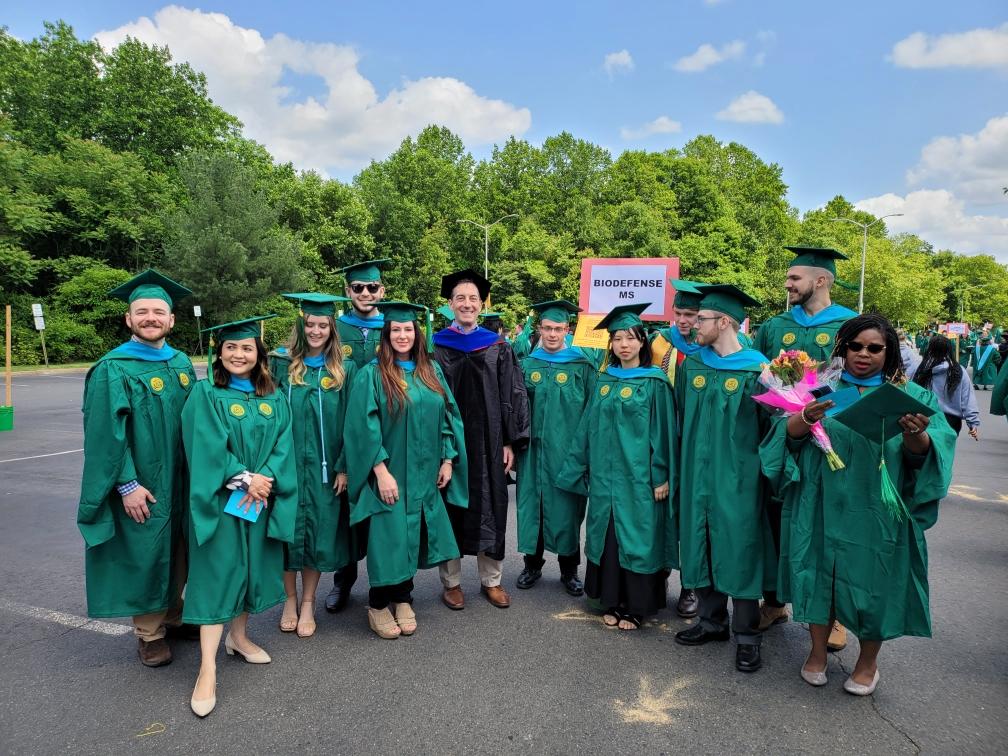
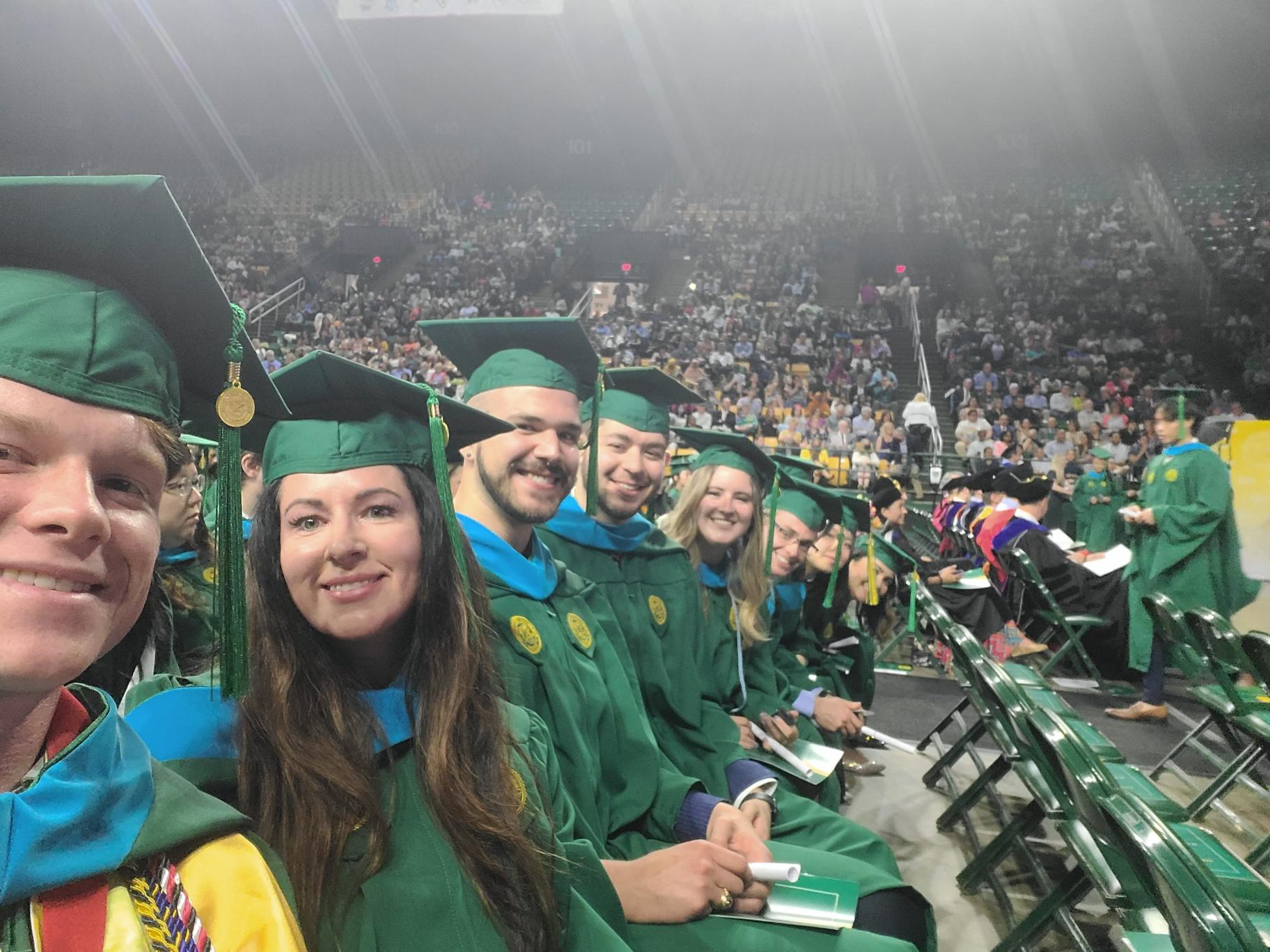
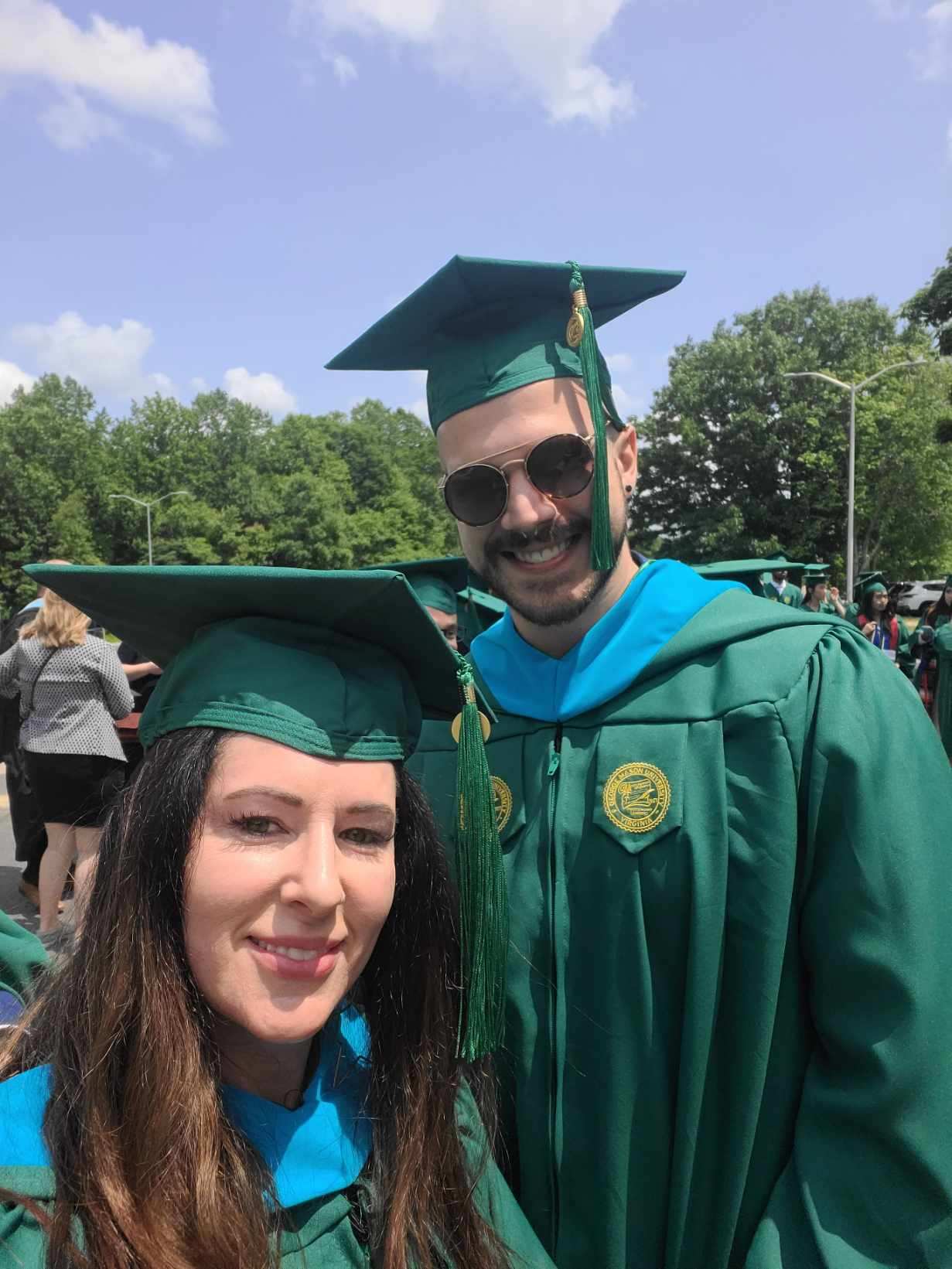
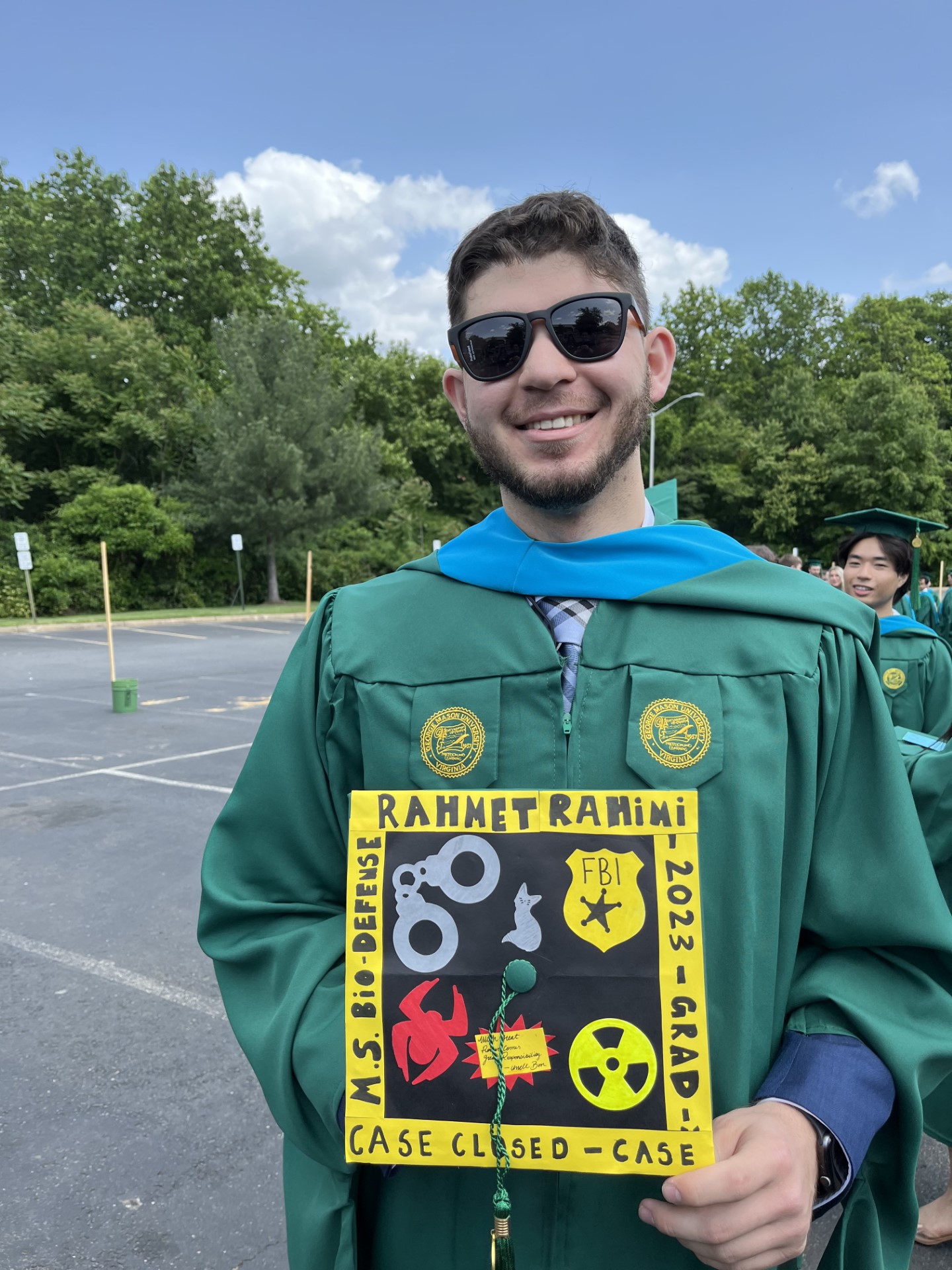



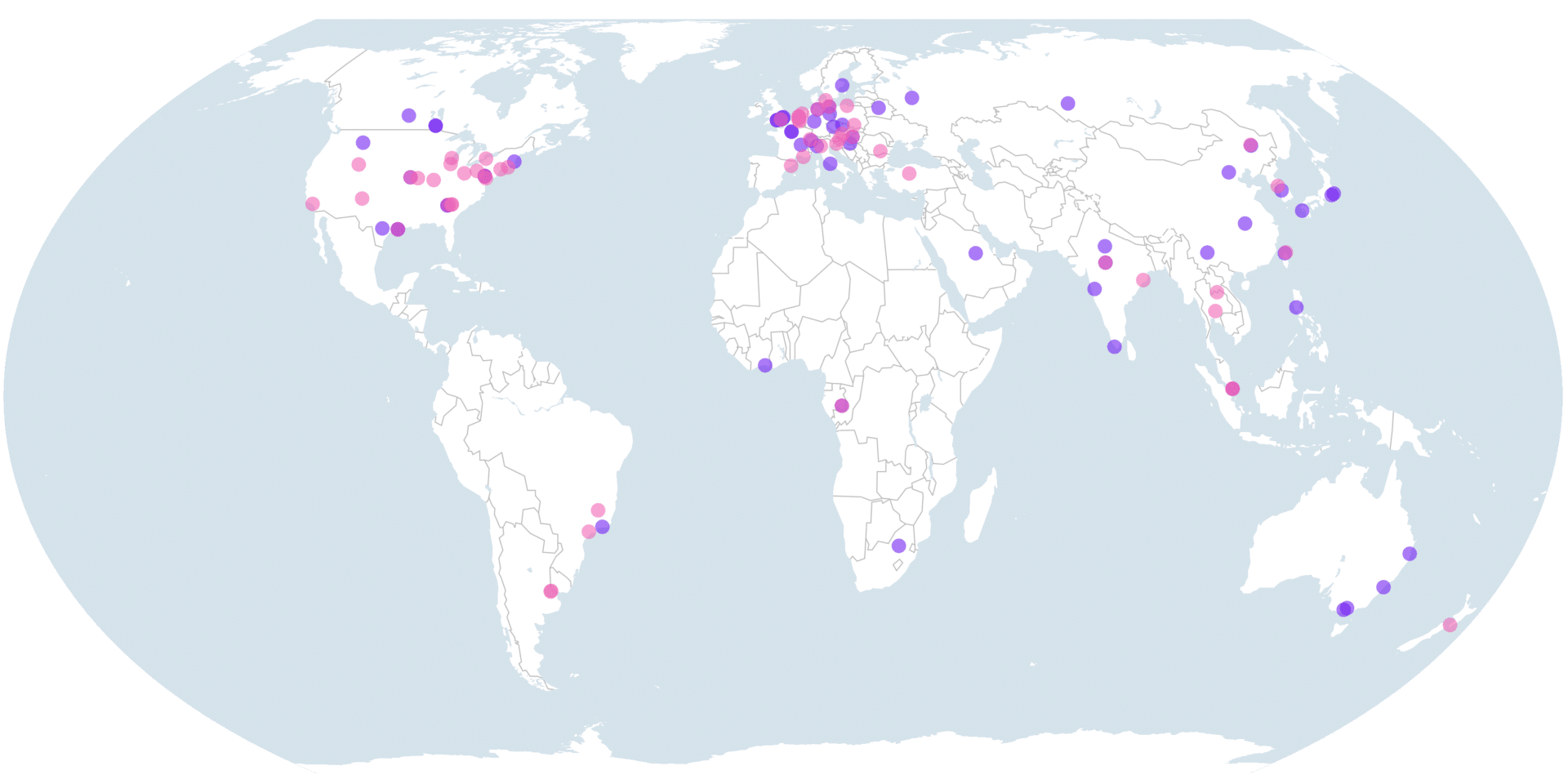
 The Pandora Report