Week in DC: Events

July 27, 2015

Chemical Safety and Security: TSCA Legislation and Terrorist Attacks
Date: July 27, 2:00 pm
Location: Center for Strategic and International Studies, Room 212 B, 1616 Rhode Island Ave NW, Washington DC

Chemical safety and security is one of the fundamental pillars of the Chemical Weapons Convention (CWC), but the recent and ongoing use of dual-use chemicals such as chlorine in the Syrian conflict, several recent chemical accidents in the US, and congressional updating of the Toxic Substances Control Act (TSCA) have all raised these goals to a much higher level. This seminar will address three related safety and security issues: (1) new TSCA legislation in the House and Senate; (2) the Chemical Facility Anti-Terrorism Standards (CFATS); and (3) Global Partnership efforts to improve chemical safety and security of industry and transportation.

The Proliferation Prevention Program will co-host this event with Green Cross International and International Center for Chemical Safety and Security (ICCSS).

Register here.

July 28, 2015

Hearing: Iran Nuclear Agreement: The Administration’s Case
Date: July 28, 10:00 am
Location: U.S. House Committee on Foreign Affairs, 2172 Rayburn House Office Building, Washington DC 20515

Chairman Ed Royce (R-CA) on the hearing:  “This Iran deal is one of the most important in decades.  It reverses decades of bipartisan nonproliferation and regional policy, has several shortcomings, and demands the closest scrutiny.  Secretary Kerry and the other Administration officials will face tough questions before the Committee, as we continue our comprehensive review of the Iran deal and the Administration’s overall regional policy.”

Ranking Member Eliot Engel (D-NY) on the hearing:  “I look forward to hearing from Secretaries Kerry, Lew, and Moniz to discuss the Iran agreement. I have serious questions and concerns about this deal, and input from the Administration will be critical as Congress reviews the proposal.”

Watch live online here.

Developing an Approval Pathway for Limited-Population Antibacterial Drugs
Date: July 28, 10:30 am
Location: Dirksen Senate Office Building, Constitution Ave and 1st Street NE, Washington DC

Please join us on July 28th for a briefing with a panel of antibacterial drug experts and stakeholders, including Center for Drug Evaluation and Research Director Janet Woodcock, MD, to discuss the development of a limited-population antibacterial drug (LPAD) approval pathway.  Bipartisan legislation has been approved by the House of Representatives and introduced in the Senate–the Promise for Antibiotics and Therapeutics for Health (PATH) Act, S. 185.

The LPAD pathway would provide for the approval of new antibiotics that target serious or life-threatening drug-resistant infections in patients who have few or no suitable treatment options. The pathway could help bring critical new drugs to such patients, while maintaining standards of safety and efficacy, limiting use to targeted populations, and requiring post-market surveillance.

You are invited to hear presentations, discussion, and participate in an interactive question and answer session with a panel featuring:

  • Janet Woodcock, MD, Director, FDA’s Center for Drug Evaluation and Research
  • Helen Boucher, MD, Associate Professor, Tufts University School of Medicine; Member, IDSA Antimicrobial Resistance Committee
  • Prabhavathi Fernandes, PhD, President and Chief Executive Officer, Cempra Pharmaceuticals
  • Allan Coukell, Senior Director for Health Programs, the Pew Charitable Trusts (moderator)

Register here.

Can the P5+1’s Vienna Deal Prevent an Iranian Nuclear Breakout?
Date: July 28, 11:45 am
Location: Hudson Institute, 1015 15th Street NW, 6th Floor, Washington DC

The Joint Comprehensive Plan of Action (JCPOA) signed earlier this month in Vienna is the culmination of a longstanding Obama administration effort to resolve the international community’s nuclear standoff with Iran through diplomatic means. A host of serious questions surround the agreement, including the complexities of international law and politics necessary to enact its provisions, and the strategic calculations that Iran’s regional rivals will make in its aftermath. But the key question remains the most practical one: Will theJCPOA, advanced by its proponents as a far-reaching and robust arms agreement, actually prevent Iran from acquiring a nuclear weapon?

Can the JCPOA’s inspection and verification regime, which allows Iran a 24-day window to prepare – or “sanitize”—any suspected site for on-site review, provide an effective guarantee against violations? What will it mean when the JCPOA expires in 15 years under the “sunset clause” and Iran becomes a “normal” nuclear power? And how, in the meantime, will the deal’s removal of existing sanctions against currently designated terrorists and terror-connected entities – like the Iranian Revolutionary Guard Corps (IRGC) and Qassem Suleimani, commander of IRGC’s expeditionary unit, the Quds Force – complicate efforts to constrain Sunni Arab states from pursuing nuclear arms programs of their own?

Please join us on July 28 for a timely conversation with Senator Tom Cotton and a panel of leading experts including William Tobey of Harvard University’s Belfer Center for Science and International Affairs and Hudson Senior Fellows Michael Doran, Hillel Fradkin, and Lee Smith.

Register here.

Joint Subcommittee Hearing: The Iran-North Korea Strategic Alliance
Date: July 28, 3:00 pm
Location: U.S. House Committee on Foreign Affairs, 2172 Rayburn House Office Building, Washington DC

The Subcommittee on Asia and the Pacific, the Subcommittee on Terrorism, Nonproliferation, and Trade, and the Subcommittee on the Middle East and North Africa will meet to discuss the Iran-North Korea Strategic Alliance. Witnesses include Mr. Ilan Berman, Vice President at the American Foreign Policy Council; Ms. Claudia Rosett, Journalist-in-Residence at the Foundation for Defense of Democracies; Larry Niksch, Ph.D., Senior Associate at the Center for Strategic and International Studies; and Jim Walsh, Ph.D., Research Associate in the Security Studies Program at the Massachusetts Institute of Technology.

Watch live online here.

July 29, 2015 

Hearing: Women Under ISIS Rule: From Brutality to Recruitment
Date: July 29, 10:00 am
Location: U.S. House Committee on Foreign Affairs, 2172 Rayburn House Office Building, Washington DC

The Committee on Foreign Affairs, Edward R. Royce (R-CA), Chairman, will hold an open hearing to discuss women under ISIS rule. Witnesses include Ms. Sasha Havlicek, Chief Executive Officer at the Institute for Strategic Dialogue; Ariel Ahram, Ph.D., Assistant Professor at the Virginia Tech School of Public and International Affairs; Mr. Edward Watts, Director and Producer of Escaping ISIS; and Kathleen Kuehnast, Ph.D., Director of Gender and Peacebuilding Center for Governance, Law and Society at the United States Institute of Peace.

Watch live online here.

Examining Regional Implications of the Iran Deal
Date: July 29, 11:00 am
Location: The Stimson Center, 1211 Connecticut Ave NW, 8th Floor, Washington DC

After more than 20 months of careful negotiations, the United States and its international partners have reached a landmark nuclear deal with Iran, designed to prevent Iran from becoming a nuclear weapons-capable state. The deal has implications that extend beyond Iran’s borders and could affect the already turbulent Middle East. Some critics of the deal claim that Iran will use the influx of capital it will receive once sanctions are lifted to fund destabilizing groups such as Hezbollah and the Assad regime. Others worry that countries such as Saudi Arabia will see Iran’s successful posturing and be emboldened to begin pursing a non-peaceful nuclear program themselves. The Stimson Center invites you to join us for an in-depth discussion of the regional implications of the Iran deal.

RSVP here.

Panel: Scorecard for the Final Deal with Iran
Date: July 29, 12:00 pm
Location: JINSA, 1307 New York Ave NW, Washington DC

JINSA’s Gemunder Center for Defense and Strategy invites you to an exclusive lunch panel briefing to release our new Iran Task Force report:

In Vienna on July 14, the P5+1 and Iran agreed on a final deal, formally known as the Joint Comprehensive Plan of Action (JCPA). This report will analyze whether the JCPA addresses the Task Force’s questions and concerns about the framework agreement. Overall, the JCPA rolls back Iran’s breakout time and allows for broader verification, but only in exchange for key restrictions being removed in 8-15 years, R&D on advanced centrifuges, front-loaded sanctions relief – including up to $150 billion in unfrozen assets – with no automatic “snapback” mechanism, an end to the U.N. arms embargo against Iran and no anytime, anywhere inspections.

Register here.

Cyber Risk Wednesday: Rethinking Commercial Espionage
Date: July 29, 4:00 pm
Location: Atlantic Council, 1030 15th Street NW, 12th Floor West Tower, Washington DC

The United States is nearly alone in professing that states should not spy for the private sector’s commercial benefit. As Gen. Michael Hayden (Ret.), former Director of National Security Agency and the Central Intelligence Agency, puts it: “I’ve conducted espionage. I went after state secrets and I actually think we’re pretty good at it. Where I object is where you have state power being used against private enterprise for commercial purposes.” Instead, the United States has strongly promoted innovation and intellectual property, publicly berating or punishing countries that engage in the systematic theft of technology, trade secrets, and proprietary information.

However, as indictments and advances in cyber defense have proven insufficient to secure commercial secrets, it is now time to consider alternative policy options to defend the private sector. Perhaps to save the principles behind banning commercial espionage, we must first embrace it. Could the United States reach better economic and national security outcomes if it joined its adversaries in spying for profit? Could like-minded nations create bilateral no-spy agreements, slowly expanding these into a global institution? Or would experimenting with economic espionage erode the West’s credibility and moral high-ground, leaving us worse off than before?

The panelists will debate whether the United States should continue to abstain from economic espionage, or whether these challenges demand innovative, even radical solutions.

Register here to attend in person or here to watch live online.

From Ocean of War to Ocean of Prosperity
Date: July 29, 4:15 pm
Location: Carnegie Endowment for International Peace, 1779 Massachusetts Ave NW, Washington DC

Over the past two hundred years, the Western Pacific has been the stage for war, peace, development, modernization, and prosperity. Its rich resources and vital shipping lanes are essential to the well-being of all countries within its bounds. Admiral Tomohisa Takei, chief of staff for the Japan Maritime Self-Defense Force, will discuss the development of the U.S.-Japan relationship, Japan’s role in the region, and the future of a rules-based international order in the Indo-Pacific. Carnegie’s vice president for studies, Thomas Carothers, will moderate.

Register here.

July 30, 2015 

Threat of ISIS in Iraq: Views from the Ground
Date: July 30, 10:30 am
Location: The Stimson Center, 1211 Connecticut Ave, 8th Floor, Washington DC

From enflaming sectarian tensions to undermining governance and economic development, the expansion of ISIS continues to pose grave risks to Iraq and the broader Middle East. Stimson and the American University of Iraq, Sulaimani (AUIS) invite you to join us for a discussion featuring views and perspectives from AUIS scholars and students examining the nature of the ISIS threat, and the related territorial, demographic and socio-economic consequences. Students from Kurdistan and other parts of Iraq will join us through video links.

Register here.

Pandora Report 7.26.15

Mason students are working through their summer courses and I’m happy to say mine is OVER! Let the summer begin (two months late)! This week we’ve got great news about Polio in Nigeria and a somber anniversary in Japan. We’ve also got other stories you may have missed.

Enjoy the rest of your weekend and have a great week!

A-Bomb Victims Remembered in Potsdam, Where Truman Ordered Nuclear Strikes

Coming up on the 70th anniversary of the atomic bombs being dropped on Hiroshima and Nagasaki, German and Japanese citizens in the city of Potsdam held a remembrance ceremony for both the victims that died in the blast and the future. Japan has become, according to the former President of the International Court of Justice, the world’s conscience against nuclear weapons and power. Why? Japan is “the only country in the world to have been the victim of both military and civilian nuclear energy, having experienced the crazy danger of the atom, both in its military applications, destruction of life and its beneficial civilian use, which has now turned into a nightmare with the serious incidents of Fukushima.”

Japan Times—“The Potsdam Conference was held between July 17 and Aug. 2 in 1945. The United States dropped an atomic bomb on Hiroshima on Aug. 6 and another bomb on Nagasaki three days later. On Aug. 15 that year, Emperor Hirohito announced to the nation that Japan had accepted the Potsdam Declaration, in which the United States, Britain and China demanded the nation’s unconditional surrender.”

Nigeria Beats Polio

Very, very, very exciting news: Nigeria has not had a case of polio in a year. A year! This makes Nigeria polio free and the last country in Africa to eliminate the disease. The achievement was possible with contributions from the Nigerian government (where elimination of the disease was a point of “national pride”), UNICEF, the WHO, the CDC, the Bill and Melinda Gates Foundation, Rotary International, and other organizations. With Nigeria’s accomplishment, there are only two other countries in the world where polio still exists—Afghanistan and Pakistan.

Voice of America—“Carol Pandek heads Rotary International’s polio program. She told VOA via Skype that a year being polio-free is a milestone for Nigeria, but noted that it is not over. “Now they need to continue to do high quality immunization campaigns for the next several years,” she said, as well as have a strong surveillance system so, should there be any new cases, they can be identified as soon as possible.”

Stories You May Have Missed


Image Credit: Fg2

Week in DC: Events

July 20, 2015

Global Digital Policy: Views from the United States and South Korea
Date: July 20, 2:00 pm
Location: Brookings Institution, Falk Auditorium, 1775 Massachusetts Ave NW, Washington Dc

With more than 193 member countries, the International Telecommunication Union (ITU) is a U.N. specialized agency for information and communication technologies (ICTs) whose goal is to connect people through modern communication technology. Hosted last year in Busan, South Korea, the ITU’s Plenipotentiary Conference 2014 helped propel South Korea as a central player in the dialogue on Internet policy. Crucial policy topics included Internet governance, the Internet of Things, and ICTs being used for development purposes. This event will examine global digital policy with views from the U.S. and South Korea.

On July 20, the Center for Technology Innovation at Brookings will host a panel to discuss the increasing challenges and opportunities to providing Internet access to a globalized, shifting, and high-demand population. Speakers will discuss the importance of spurring creativity, ingenuity, and innovation in economies around the world. What are the economic and social benefits of the Internet economy, and what are the possible avenues for future U.S.- Korea bilateral engagement on ICT? Participants will reflect upon the international landscape and what lies ahead in the wake of the 2014 ITU conference in Korea with a view towards the United Nation’s upcoming WSIS +10 High Level Meeting, which will take place in December 2015.

After the session, panelists will take audience questions. Register here to attend.

Preparing for Disaster: U.S. Disaster Response Policy and Areas for Reform
Date: July 20, 2:00 pm
Location: Heritage Foundation, Lehrman Auditorium, 214 Massachusetts Ave NE, Washington DC

As summer drags on and we move through hurricane season, concerns about the inevitable severe tropical storm grow. Together with other disasters, the federal government should be evaluating how well prepared the U.S. is to respond to a national disaster.

Have we implemented the lessons learned from the government’s response to natural disasters like Hurricanes Katrina and Sandy and from pandemics like the 2013-2014 Ebola outbreak? What is the state of the federal government’s emergency preparedness systems and response plans? What role does the military play and how can they best support civil authorities? How could the Federal Emergency Management Agency (FEMA) be improved to strengthen U.S. disaster response capabilities?

Join us for a discussion regarding the state of disaster preparedness in the United States, as we host a panel of experts who will examine current U.S. disaster policy and potential areas for reform.

Register here to attend in person or watch live online.

July 21, 2015

China’s Transition at Home and Abroad
Date: July 21, 9:00 am
Location: Brookings Institution, Falk Auditorium, 1775 Massachusetts Ave NW, Washington DC

As China transitions from an economy driven by exports to an economy driven by consumption, the effects are being felt worldwide. In spite of this economic “new normal,” China has also become increasingly active in seeking a role in global governance as exemplified by the recent establishment of the Asian Infrastructure Investment Bank and the “one belt, one road” development strategy. On the other side of the globe, the state of the U.S. economy remains uncertain, breeding serious concern regarding future U.S. economic policies.

On July 21, The John L. Thornton China Center at the Brookings Institution will bring together key insiders from the policymaking communities in China and the United States to explore the issues raised by China’s rise and economic transition.

Questions will be taken from the audience following the discussions. Register here.

Iran and the Future of the Regional Security and Economic Landscape
Date: July 21, 9:00 am
Location: Center for a New American Security, NYU Washington DC, 1307 L Street NW, Washington DC

The international community is negotiating a deal with Iran on its nuclear program ahead of a June 30 deadline. Under a potential deal, Iran would put significant limitations on its nuclear program in exchange for sanctions relief from the international community. But the details and effects of any potential agreement are far from simple. Iran’s regional rivals, who are core U.S. partners in the Middle East, are deeply concerned about how a deal will change regional power dynamics. There are also questions about economic competition, particularly in energy markets, in the aftermath of a nuclear deal. And there are many questions about how the United States and the European Union would be able re-impose their punishing economic sanctions in the event that Iran does not adhere to a deal. To address these questions, the Center for a New American Security and the Center on Law and Security at the New York University School of Law will convene a high level forum of Middle East and sanctions experts to discuss Iran and the future of regional security and economics.

Register here.

Islamic Extremism, Reformism, and the War on Terror
Date: July 21, 10:00 am
Location: American Enterprise Institute, 12th Floor, 1150 17th Street NW, Washington DC

President Barack Obama has said that the Islamic State (ISIS, ISIL, Daesh) and other extremist groups do not represent true Islam. The extremists, however, dispute this. This leads to a basic question: What role, if any, does Islam play in fomenting terrorism?

As extremist forces increasingly sow destruction, how should policymakers respond? How prevalent are moderates, and how serious are regional calls for a “reformation” within Islam? What role, if any, can the US play to encourage reform? How do anti-Islamic polemics undercut reform?

Please join us at AEI for a two-panel discussion on the religious basis of Islamist terrorism and how or whether it should factor into a comprehensive US strategy to defeat extremists.

We welcome you to follow the speech and comment on Twitter with #TalkingIslam. RSVP to attend.


Negotiating the Gulf: How a Nuclear Deal Would Redefine GCC-Iran Relations
Date: July 21, 12:00 pm
Location: The Arab Gulf States Institute, 1050 Connecticut Ave NW, Suite 1060, Washington DC

With an agreement now struck between Iran and the P5+1 on the country’s nuclear program, few in the international community have more at stake than Iran’s Arab neighbors across the Gulf.

Will the agreement usher in a new era of detente in the Middle East? Will Iran emerge as a more responsible partner, not just to the West but also to regional powers? Can Iran and the GCC states begin to identify areas of cooperation to bring about more stability and security to the region? Will the agreement truly prevent Iran from developing nuclear weapons, or does the Middle East stand on the brink of another, particularly dangerous, arms race?

This AGSIW special event will examine these and other key issues from multiple perspectives, providing a timely guide to understanding the complex implications of the Vienna agreement.

RSVP here.

Russian Expansion—A Reality or Fiction: A Conversation with Elmar Brok
Date: July 21, 12:30 pm
Location: German Marshall Fund, 1744 R Street NW, Washington DC

With the Minsk II ceasefire in eastern Ukraine looking increasingly shaky, Europe risks a frozen conflict for years to come. However, is Russian President Vladimir Putin finished in Ukraine? Can the United States and Europe expect more aggression from the Kremlin or is consolidation Russia’s strategy now? What do the future of Russian relations with the European Union and Germany look like and what role do sanctions play in this calculation? Elmar Brok, chairman of the European Parliament’s Committee on Foreign Affairs, will answer these questions and provide analysis of U.S.-European views toward Ukraine and Russia. GMF, the Konrad Adenauer Foundation, and the European Parliament Liaison Office are pleased to jointly host this conversation.

Register here.

From Sea to Denial to Nuclear Deterrence: India’s Quest for a Nuclear Submarine
Date: July 21, 1:00 pm
Location: Nuclear Proliferation International History Project, 6th Floor, 1300 Pennsylvania Ave NW, Washington DC

In July 2009, Prime Minister Manmohan Singh unveiled India’s first nuclear submarine, INS Arihant, catapulting India into a select group of countries possessing naval nuclear prolusion technology. Contemporary commentaries and popular historical narratives often assign the desire for a nuclear deterrent to the entire history of India’s submarine program. Instead, scholar Yogesh Joshi argues that theArihant’s historical trajectory contradicts any such retrospective reasoning—the program appears evolutionary and the rationale, shifting.

India’s quest for a nuclear submarine began with an interest in nuclear propulsion as a “technology of future” in late 1960s, but the strategic rationale soon shifted to “sea denial” against extra-regional powers operating in the Indian Ocean. Joshi will argue that until the end of the 1970s, there is no evidence available that India was planning to develop its submarine program into a platform for its nuclear weapons. While India’s submarine program gained speed during the 1980s with help from the Soviet Union, the program was configured around the Soviet Charlie-II class submarine, an attack submarine. Moreover, the collapse of the USSR meant that the promise of Soviet technological assistance never materialized in full.

Joshi will argue that the program’s shift towards ballistic missile submarines began after the nuclear tests of 1998, but his research also suggest that the strategic inertia of “sea denial” continued to have heavy influence on the program, as seen through India’s official pronouncements and internal documents. Using declassified materials from the British, Indian, US, and Russian archives, interviews with key decision-makers, and open sources, this seminar will explore the process through which “sea based nuclear deterrence” became a part of India’s strategic calculus.
RSVP here.

Rebuilding Afghanistan: Transparency & Accountability in America’s Longest War
Date: July 21, 6:30 pm
Location: PS21, Thomson Reuters Conference Room, 1333 H Street NW, Washington DC

As the longest running and one of the most expensive wars in U.S. history winds down, PS21 asks: just where did the money go? We are delighted to present a discussion with the man looking into that very question, Special Inspector General for Afghanistan Reconstruction John F. Sopko, and Just Security.

Register here.

July 22, 2015

Drones and Aerial Observation: New Technologies for Property Rights, Human Rights, and Global Development
Date: July 22, 8:00 am
Location: New America Foundation, 1899 L Street NW, Washington DC

Clear and secure rights to property—land, natural resources, and other goods and assets—are crucial to human prosperity. Most of the world’s population lack such rights. That lack is in part a consequence of political and social breakdowns, and in part driven by informational deficits. Unmanned Aerial Vehicles (UAVs), also known as drones, by virtue of their aerial perspective, are able to gather large amounts of information cheaply and efficiently, as can unpowered aerial platforms like kites and balloons.

That information, in the form of images, maps, and other environmental data, can be used by communities to improve the quality and character of their property rights. These same tools are also useful in other, related aspects of global development. Drone surveillance can help conservationists to protect endangered wildlife and aid scientists in understanding the changing climate; drone imagery can be used by advocates and analysts to document and deter human rights violations; UAVs can be used by first responders to search for lost people or to evaluate the extent of damage after natural disasters like earthquakes or hurricanes.

Earlier this year, New America launched a website, drones.newamerica.org, which comprises a database of such uses of drones, as well as the first comprehensive compilation of global drone regulations. In conjunction with this July 22nd Symposium, New America is publishing a primer that discusses the capabilities and limitations of unmanned aerial vehicles in advancing property rights, human rights and development more broadly. The primer contains both nuts-and-bolts advice to drone operators and policy guidance. Though drones have substantial potential—in particular they are capable of making new maps cheaply, in a decentralized fashion—they are also a technology with pitfalls.

Please join Anne-Marie Slaughter, New America’s president and CEO, for a half-day discussion of these important issues. Breakfast and lunch will be served.

RSVP here.

U.S.-China Relations in Trans-Atlantic Context
Date: July 22, 10:00 am
Location: Woodrow Wilson International Center for Scholars, 5th Floor, 1300 Pennsylvania Ave NW, Washington DC

Conflicting responses to Chinese leadership of the Asian Infrastructure Investment Bank and the prospects of the renminbi as a reserve currency make clear that the U.S. and its traditional European partners do not always see China’s growing influence in the same light. Differences may be exacerbated by Eurasian projects like China’s One Belt, One Road and Western groupings like the Transatlantic Trade and Investment Partnership. U.S.-China-EU relations are of growing importance, but the trans-Atlantic implications of U.S.-China relations are not as well understood as the Japanese, Russian, or Southeast Asian contexts.

The Wilson Center is pleased to partner with the Carnegie-Tsinghua Center for Global Policy in hosting this discussion of U.S.-Chinese-EU relations.

Register here.

The Future of Energy Markets: The Other Middle East Revolution
Date: July 22, 10:30 am
Location: Atlantic Council, 1030 15th Street NW, 12th Floor, West Tower, Washington DC

Please join us for a discussion with Majid Jafar, Chief Executive Officer of Crescent Petroleum, as part of the Global Energy Center’s CEO Series. Mr. Jafar will discuss how conflict and security issues in the Middle East coupled with the low oil price environment have impacted hydrocarbon producing countries in the region.  He will also address the steps that countries like Iraq should take in improving energy infrastructure, tackling subsidies, and reforming oil laws and regulations to improve investment in the oil and gas sector and bolster domestic stability.

Register here to attend in person or here to watch live online.

Terror Gone Viral: The Rise of Radicalism and America’s Response
Date: July 22, 10:30 am
Location: Heritage Foundation, Lehrman Auditorium, 214 Massachusetts Ave NW, Washington DC

America faces the most serious terror threat environment since 9/11. The Islamic State of Iraq and Syria (ISIS) has now been linked to dozens of plots or attacks against the West, including at least nine inside the United States since January. This surge in Islamist terror activity includes a rise in extremism here at home, as terrorists seek to radicalize and recruit operatives from our own communities. This year alone, the FBI has arrested more than 40 U.S.-based ISIS supporters and is investigating homegrown violent extremists in every state.

Join us for an in-depth discussion as our expert panel offers insights on the state of homeland security, counterterrorism, and U.S. strategy in the war against violent Islamist extremists.

Register here.

On Knife’s Edge: The International Criminal Tribunal for the former Yugoslavia’s Impact on Violence Against Civilians
Date: July 22, 12:00 pm
Location: Woodrow Wilson International Center for Scholars, 5th Floor Conference Room, Washington DC

The post-Cold War era has witnessed horrific violence against non-combatants. In the Bosnian War alone, tens of thousands of civilians died. The founders of the International Criminal Tribunal for the former Yugoslavia (ICTY)—and then of the permanent International Criminal Court (ICC)—hoped these courts might curb such atrocities.  However, we still know very little about their actual impact.  This talk will draw on the ICTY’s experience as the first wartime international criminal tribunal to provide insight into how and when these institutions might affect violence against civilians.

RSVP here.

The Chinese Cyberthreat: Challenges and Solutions
Date: July 22, 12:15 pm
Location: American Enterprise Institute, 1150 17th Street NW, 12th Floor, Washington DC

US investigators are blaming China for the Office of Personnel Management cyberattack that stole more than 21.5 million US federal employees’ personal information. The attackers appear to be the same Chinese hackers who targeted Anthem this past February, stealing the data of as many as 80 million customers. Yet China’s cyber victims are not limited to government workers and consumers, as Chinese actors are probing American firms, military, and critical infrastructure.

In the absence of international norms guiding the use and deterrence of cyberattacks, what can the United States do to counter Chinese cyberespionage? Join AEI for a conversation with Chairman Cory Gardner (R-CO), followed by an expert panel on how to defend US economic and security interests from China’s growing cyber capabilities.

If you are unable to attend, we welcome you to watch the event live on this page. Full video will be posted within 24 hours. RSVP here to attend in person.

The Cost of Wars: Overseas Contingency Operations and Future Defense Spending
Date: July 22, 3:30 pm
Location: The Stimson Center, 1211 Connecticut Ave NW, 8th Floor, Washington DC

While the number of troops deployed overseas has decreased significantly, the cost per troop has increased markedly since the imposition of the 2011 Budget Control Act caps as the Obama administration and Congress have turned to Overseas Contingency Operations to fund increasingly unrelated programs. In his Fiscal Year 2016 request, President Obama requested a 6.8% increase above the 2015 level for base budget Pentagon spending, arguing for the third year that budget caps put in place by the 2011 Budget Control Act are not sustainable for either defense or non-defense spending. President Obama proposed instead to raise revenues and adopt alternate savings. Congress has again ignored the administration’s proposed alternative, choosing instead this year to use Overseas Contingency Operations as a loophole that allows the Pentagon to increase funding for base budget activities without regard to the constraints of the caps. Without better controls on Overseas Contingency Operations spending, the Pentagon is likely to continue to avoid making choices about how to accommodate the modernization and readiness increases that it wants with the freeze in defense spending mandated by the Budget Control Act. The Stimson Center invites you to join us for a discussion of Overseas Contingency Operations and future defense spending priorities.

RSVP here.

July 23, 2015

The National Idea in Russia and China
Date: July 23, 11:00 am
Location: Woodrow Wilson International Center For Scholars, 6th Floor Conference Room, 1300 Pennsylvania Ave NW, Washington DC

Challenges in U.S. relations with great powers such as China and Russia derive not only from divergent national interests, but from distinct conceptions of nationhood, sovereignty, and modernity. Americans must therefore consider not only what the United States would like Russia and China to do, but how Chinese and Russians see themselves, one another, and the wider world, including the United States.

China and Russia: On Their Own Terms is a joint project of the Wilson Center’s Kennan and Kissinger Institutes. The goal of the series is to offer U.S. policymakers, analysts, and the broader public a primary source perspective on how China and Russia see their evolving international roles in light of their histories, cultural narratives, and national myths.

RSVP here.

Pandora Report 7.19.15

An out of town visitor and a newly rescued pet have kept me very busy this week. Luckily, the news was very straightforward—the nuclear deal with Iran and ISIS with their chemical weapons. We’ve even got a few stories you may have missed.

Have a great week!

A Historic Deal to Prevent Iran from Acquiring a Nuclear Weapon

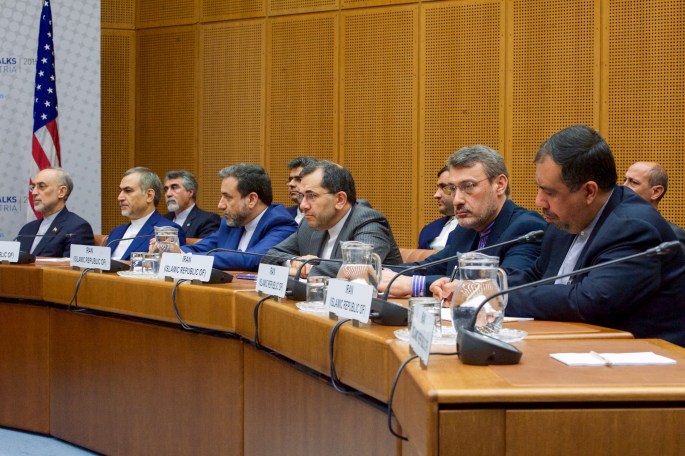
After two years in the making, the P5+1 settled negotiations to reach a comprehensive, long-term nuclear deal with Iran this week. Despite satisfaction with the outcome, many say that the deal will not end Iran’s nuclear weapons ambitions and will not change Iranian policy towards the USDick Cheney responded that the deal makes use of nuclear weapons use more likely and former Senator Jim Webb said the deal weighs in Iran’s favor. Nevertheless, the Obama administration seems pleased with the deal and will work on its passage.

DipNote—“President Obama said “I am confident that this deal will meet the national security interests of the United States and our allies. So I will veto any legislation that prevents the successful implementation of this deal. We do not have to accept an inevitable spiral into conflict. And we certainly shouldn’t seek it.’”

ISIS Has Fired Chemical Mortar Shells, Evidence Indicates

It seems like déjà vu all over again as reports this week said that the Islamic State appears to have manufactured rudimentary chemical weapons and attacked Kurdish positions in Iraq and Syria, evidently multiple times in multiple weeks. Investigators reported that the incidents seemed to involve toxic industrial or agricultural chemicals repurposed as weapons. This could signal “a potential escalation of the group’s capabilities” though, is not without precedent.

The New York Times—“In the clearest recent incident, a 120-millimeter chemical mortar shell struck sandbag fortifications at a Kurdish military position near Mosul Dam on June 21 or 22, the investigators said, and caused several Kurdish fighters near where it landed to become ill.”

Stories You May Have Missed

 Image Credit: U.S. Department of State

Pandora Report 7.11.15

Sorry for the late update here at Pandora Report. We’ve got how the plague turned so deadly, an Ebola update, and of course other stories you may have missed.

Have a great week!

These Two Mutations Turned Not-so-Deadly Bacteria Into the Plague

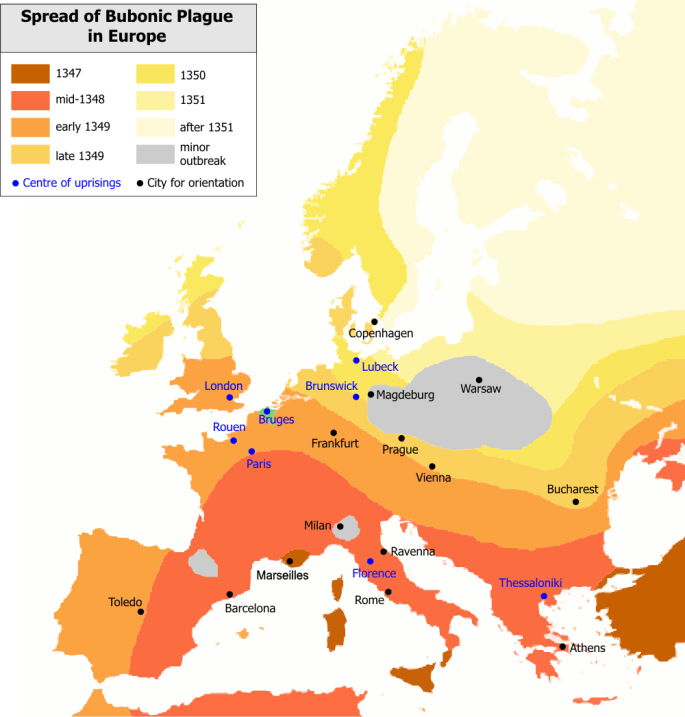
Researchers at Northwestern University have been investigating how Yersinia pestis—the bacteria that causes bubonic, pneumonic, and septicemic plague—became the infective cause of the Black Death. They discovered two mutations that help to explain the bacteria’s lethality.

Smithsonian.com—“The first mutation gave the bacteria the ability to make a protein called Pla. Without Pla, Y. pestis couldn’t infect the lungs. The second mutation allowed the bacteria to enter deeper into the bodies, say through a bite, to infect blood and the lymphatic system. In other words, first the plague grew deadly, then it found a way to leap more easily from infected fleas or rodents to humans.

Ebola Strain Found on Teen in Liberia Genetically Similar to Viruses in Same Area Months Ago

I’m sure you’ve heard that there were three new cases of Ebola in Liberia—a country that was declared free of the disease on May 9. According to the World Health Organization, samples taken from a teenager who died from Ebola two weeks prior indicate that the disease is genetically similar to strains that infected people in the same area over six months ago—while the outbreak was still ongoing.

US News and World Report—“That finding by genetic sequencing suggests it is unlikely the virus was caught from travel to infected areas of Guinea or Sierra Leone, the group said. “It also makes it unlikely that this has been caused by a new emergence from a natural reservoir, such as a bat or other animal,” it said.”

Stories You May Have Missed

Image Credit: en.wikipedia

NASA’s Unique Place in American Science and Security

By Greg Mercer

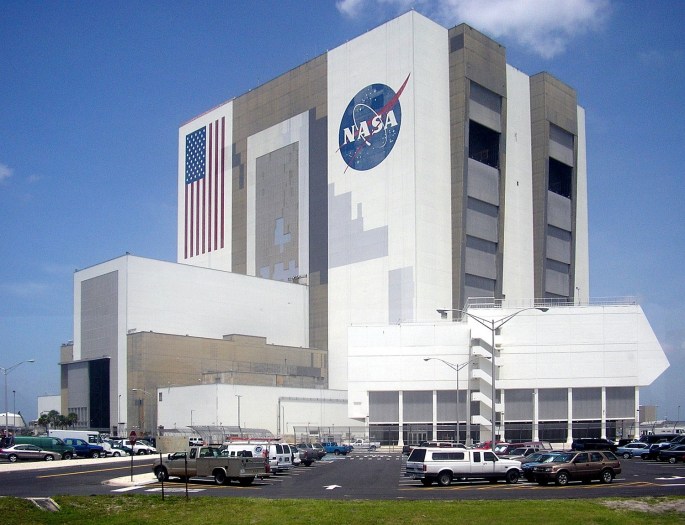
We talk a lot here about the intersection of science, technology, and security studies, and NASA has sat squarely in the center of that relationship since it was called the National Advisory Committee for Aeronautics. The Hill reports that GOP legislation is threatening NASA’s plan to develop its own launch vehicles to carry astronauts to the International Space Station. Currently, the US relies on Russia for this capability. Defunding domestic launch capabilities would result in continued reliance on Russian launch capacity, which has cost $1.2 billion since late 2011. The House and Senate spending measures undercut the $1.24 billion needed for the Commercial Crew Program—which would pay for Boeing and SpaceX to develop manned spacecraft by 2017—by up to $300 million.

Relying on Russia for launch capacity creates an interesting contradiction. First, NASA is not a military organization, and its activities are largely in the spirit of international cooperation, especially when it comes to Russia. However, defense hawks tend to oppose Russia’s ongoing incursions into Ukraine, sometimes loudly. This generally means supporting increased sanctions and avoiding cooperation, so it wouldn’t seem to follow that while scolding Russia for their military actions towards their neighbor, the US should also continue to rely on them for launch capacity. This isn’t the first time this sort of relationship has been framed this way. Foreign oil dependence has been a buzzword for decades, and it’s an issue that combines two different issues- energy and defense- into one. The argument goes that relying on potentially unstable partners for oil is a threat to national security, since the collapse of an oil-exporting partner could require military action to protect American energy interests. Regardless of this argument’s veracity, it has persuaded lawmakers on both sides of the aisle to pursue energy production means other than oil imports. A similar argument follows for Russia: if the US wants to economically punish Russia’s aggression and remain the forefront player in the space industry, why would it pay Russia to transport its astronauts?

I support NASA’s budget pretty vehemently, but for somewhat more optimistic reasons. I’m a strong proponent of space exploration of a national goal and a human endeavor, but I’m not adverse to a simple economic argument. Take a look at the list of NASA spin-off technologies. NASA has developed a huge range of technologies that undeniably benefit technology investors, the US, and the world at large.

For the first time since the shuttle program, NASA’s Orion program is providing the agency with long-term goals for manned spaceflight. And if you want to talk about a real security threat, no organization is better suited to detect and potentially avert objects that pose a threat to Earth. NASA pays science and security dividends in spades. Hopefully the hawks and the doves can come together to support it.

Image Credit: MrMiscellanious

Week in DC: Events

July 7, 2015

The New Containment: Changing America’s Approach to Middle East Security
Date: July 7, 12:00 pm
Location: Atlantic Council, 1030 15th Street NW, 12th Floor, West Tower, Washington DC

Securing the Middle East after an Iran nuclear deal is the region and the world’s next big challenge. The United States and its allies have engaged in tireless diplomacy with Iran over the past few years to produce an agreement that would limit Tehran’s nuclear program for the next decade and a half. A final deal is expected to be reached by the June 30 deadline. But the hard work does not stop here, and in fact, it may have just begun.

To protect the deal and take full advantage of its potential benefits – which include the drastic reduction of the risk of nuclear weapons proliferating in the region – the United States needs a comprehensive strategy for regional security in the Middle East. After all, the ultimate prize and broader objective is and has always been to secure and stabilize the region, and a nuclear deal with Iran – as strategically significant as it is – is only one piece of the Middle East security puzzle.

Please join the Atlantic Council for a launch of a report by Brent Scowcroft Center Senior Fellow for Middle East Security Bilal Saab entitled The New Containment: Changing America’s Approach to Middle East Security and a debate on the future role of the United States in the Middle East following a nuclear deal with Iran.

Register here.

Two Unforseen Wars: A Military Analysis of the Conflict in Ukraine and the Campaign Against ISIS
Date: July 7, 2:00 pm
Location: International Institute for Strategic Studies, 2121 K Street NW, Suite 801, Washington DC

The unexpected Russian occupation of Crimea, the subsequent insurgency in eastern Ukraine and the rapid conquest of much of northern and western Iraq by ISIS were all strategic shocks. But there is now enough reporting on the conflicts to allow a preliminary analysis of their military contours, including the similarities and differences between the two wars.

Brigadier Ben Barry will present the military dynamics of both the Ukrainian conflict and the ISIS insurgency, while examining the emerging military lessons of the conflicts and the military challenges that the pose for the US, NATO and their allies.

Register here.

July 8, 2015

India’s Evolving Nuclear Force and Doctrine
Date: July 8, 9:30 am
Location: Carnegie Endowment for International Peace, 1779 Massachusetts Ave NW, Washington DC

India stands at a new juncture in its nuclear development. New Delhi is unveiling ballistic missiles of ever-greater range, while its nuclear-armed submarine fleet is finally taking operational form with the launch of the Arihant. Despite these developments, India’s nuclear doctrine has not been officially updated since 2003. What is the future direction of India’s doctrine? Will India continue to adhere to a force posture informed by credible minimum deterrence? What are the potential implications for India’s relationships with the United States, Pakistan, China, and the global nonproliferation regime?

Frank O’Donnell and Yogesh Joshi will discuss current Indian perspectives on these questions and more. Carnegie’s George Perkovich will moderate.

Register here.

Sen. Lindsey Graham on “America’s Role in the World”
Date: July 8, 10:00 am
Location: Atlantic Council, 1030 15th Street NW, 12th Floor, West Tower, Washington DC

Please join us at the Atlantic Council as we launch a new series on “America’s Role in the World” that will offer a platform for all US presidential candidates to speak on foreign policy and national security.  As part of this series, the Council is pleased to welcome Senator Lindsey Graham (R-SC).

This is Senator Graham’s first major foreign policy speech as a 2016 presidential candidate. He will discuss why strong US leadership and comprehensive strategies, which include military and diplomatic options, are needed to tackle security challenges such as a nuclear Iran and radical extremist ambitions in the Middle East, and a wide range of other threats.

This series is part of the Atlantic Council’s Strategy Initiative led by the Brent Scowcroft Center on International Security. This Strategy Initiative seeks to encourage and support a more constructive and substantive public dialogue on US strategy in a complex and dynamic global context.

Senator Graham’s remarks will be followed by a moderated discussion and an audience Q&A session. We look forward to having you at the Atlantic Council for what is sure to be an exciting event.

Register here.

The Iran Negotiations: Is this Really the End Game?
Date: July 8, 11:00 am
Location: Woodrow Wilson International Center for Scholars, 6th Floor Conference Room, 1300 Pennsylvania Ave NW, Washington DC

Despite the uncertainties, the United States and Iran seem to be in the final stages of what promises to be a comprehensive accord on the nuclear issue.

Join us as four analysts and observers of Iran, Middle Eastern politics, and U.S. foreign policy assess the state of the current negotiations, the implications of an accord and the consequences for the region without one.

RSVP here.

Statesmen’s Forum: DHS Secretary Jeh Johnson
Date: July 8, 1:00 pm
Location: Center for Strategic and International Studies, 1616 Rhode Island Ave NW, 2nd Floor Conference Center, Washington DC

Secretary Jeh Johnson will speak at CSIS on the role of DHS in cybersecurity.

Register here.

Joint Subcommittee Hearing: Reviewing the U.S.-China Civil Nuclear Cooperation Agreement
Date: July 8, 2:00 pm
Location: U.S. House Committee on Foreign Affairs, 2172 Rayburn House Office Building, Washington DC

Chairman Salmon on the hearing: “The Obama Administration recently submitted a new 30-year peaceful nuclear cooperation agreement with the People’s Republic of China for congressional review. While the current “China 123” agreement is set to expire at the end of the year, proliferation sanctions on Chinese companies and individuals remain in place and China continues to expand its own nuclear arsenal.  Congress, especially this subcommittee, has the responsibility to examine the specifics of this agreement and to determine if China is fulfilling its nonproliferation commitments.  This vital hearing will allow for a much-needed discussion on the benefits of continuing the agreement as well as the concerns we have over sharing access to dual use technologies.”

Chairman Poe on the hearing: “There has been a big debate over the renewal of the current Section 123 agreement with China, which is set to expire in December. This hearing will give Members of the Committee the opportunity to hear from knowledgeable government officials and policy experts so we can gain a better understanding of the details of this agreement and the ramifications of its renewal or expiration.”

Watch live online here.

July 9, 2015

Hearing: Implications of a Nuclear Agreement with Iran
Date: July 9, 10:00 am
Location: U.S. House Committee on Foreign Affairs, 2173 Rayburn House Office Building, Washington DC

Chairman Royce on the hearing: “As we anticipate a congressional review of the Administration’s possible nuclear agreement with Iran, we’ll be looking to see how the Administration has done on Congress’ red lines.  Did we get anywhere, anytime inspections?  Full Iranian transparency regarding its past nuclear activities? No large-scale, immediate sanctions relief; but guaranteed, workable sanctions snap-backs? Meaningful restraints on Iran’s nuclear program that last decades?  This hearing will be the first in a series the Committee will hold should the Administration strike what might be one of the most significant agreements in decades.  As I have said, no deal is far better than a bad deal.”

Watch live here.

Surface Warfare in a Complex World
Date: July 9, 1:00 pm
Location: Center for Strategic and International Studies, 1616 Rhode Island Ave NW, Washington DC

The Maritime Security Dialogue brings together CSIS and U.S. Naval Institute, two of the nation’s most respected non-partisan institutions. The series is intended to highlight the particular challenges facing the Navy, Marine Corps, and Coast Guard, from national level maritime policy to naval concept development and program design. Given budgetary challenges, technological opportunities, and ongoing strategic adjustments, the nature and employment of U.S. maritime forces are likely to undergo significant change over the next ten to fifteen years. The Maritime Security Dialogue provides an unmatched forum for discussion of these issues with the nation’s maritime leaders.

This series is made possible with support from the Lockheed Martin Corporation.

Register here.

The Iran Deal and its Consequences
Date: July 9, 2:00 pm
Location: Atlantic Council, 1030 15th Street NW, 12th Floor, West Tower, Washington DC

Iran and the five permanent members of the United Nations Security Council plus Germany (P5+1) are expected to reach a ground-breaking comprehensive nuclear agreement by the end of June or shortly thereafter. The panelists will analyze the agreement in terms of its impact on nonproliferation, regional dynamics, US-Iran relations, and trade and investment in Iran. They will also discuss the potential obstacles to implementation both in Iran and in the United States.

The Iran Task Force, chaired by Ambassador Stuart E. Eizenstat, seeks to perform a comprehensive analysis of Iran’s internal political landscape, its role in the region and globally, and any basis for an improved relationship with the West. It is supported generously by the Ploughshares Fund.

Register here.

July 10, 2015

A View from the Frontlines of Islamist Insurgency: Perspectives on Terrorism in the Middle East and South Africa
Date: July 10, 12:00 pm
Location: Heritage Foundation, Lehrman Auditorium, 214 Massachusetts Ave NE, Washington DC

What do ISIS’s rise in Iraq and Syria and Iran’s new-found power and growing sphere of influence in the region portend for the broader Middle East? What is being done to counter Islamist extremist forces in the region and what is the current state of play? How do the current regional dynamics impact the threat from al-Qaeda, especially in Afghanistan and Pakistan? Join us at The Heritage Foundation as a panel of experts discuss the evolving regional dynamics and trends pertaining to the threat of Islamist extremism and share with us various perspectives on the struggle against the threat.

Register here to attend in person or here to watch live online.

America’s War on Terror: Democracy is No Panacea

Nine days after the attacks of September 11, the President declared America’s war on terror had begun. After the Bush Administration perceived early successes in Afghanistan, spreading democracy became one of the key policies supporting America’s strategy for the war on terror. Over time, the President came to view the promotion of democracy as a positive and transformational change agent for the Middle East and Muslim-majority countries. Empirical analysis, however, suggests democracy promotion did not help America achieve its broad objectives in the war on terror, though democracy indicators did marginally improve.          

This is Part 4 of 4 of Erik Goepner‘s paper. In case you missed them, read Part 1, Part 2, and Part 3; the full paper is available here.

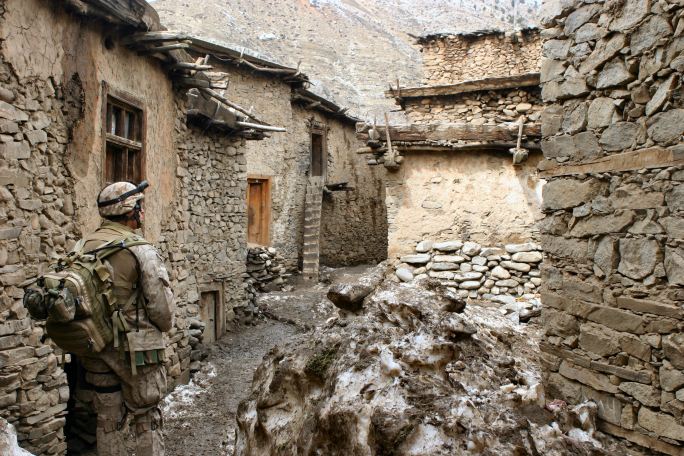
America’s efforts in the war on terror have not achieved the desired objectives. Whether measuring the number of global terror attacks, number of attacks against the U.S. homeland, fatalities caused by terrorists, number of Islamist-inspired terror groups or the amount of fighters aligned with Islamist-inspired terror groups, the data suggests U.S. efforts in the war on terror have achieved disappointing results. During the 12 years prior to 9/11, terrorists committed an average of just over 3,200 attacks annually. In 2001, that number dropped to under 1,900 attacks. Since the U.S. initiated its war on terror, however, the average number of attacks has climbed to almost 4,300 per year.[1] Regarding the U.S. homeland, the attacks of 9/11 were a statistical outlier, making it difficult to determine if other similarly sized attacks might have followed. In the 13 years before 2001, there were five Islamist-inspired terror attacks in America. That compares to four attacks in the 13 years since.[2] Another 63 Islamist-inspired terror attacks against the homeland have been thwarted in the past 13 years, as well.[3]

Similar to the rise in worldwide terror attacks, the number of fatalities have likewise climbed, but at a faster rate. Nearly 6,500 people were killed worldwide per year in terror attacks for the decade-plus before 9/11. In 2001, more than 7,700 were killed. Then, in the 12 years since, the annual average has risen to just under 9,500. The before and after numbers for U.S. citizens killed by acts of terrorism are similarly discomforting, with 45 killed per year before 9/11 and 64 each year since.[4]

A final macro measurement for the war on terror examines the number of Islamist-inspired groups identified by the Department of State (DoS) as foreign terrorist organizations and how many fighters comprise those groups. Since 2000, the overall number of foreign terrorist organizations (FTOs) increased by 86 percent, from 29 to 54. The subset comprised of Islamist-inspired FTOs, though, grew by 185 percent, from 13 to 37 groups.[5] Moreover, the number of fighters within those groups has dramatically increased from an estimated 32,200 in 2000 to more than 110,000 in 2013.[6]

Unlike the overall measures of performance for the war on terror which have all worsened since 2001, governance and democracy measures are not as clear-cut. Freedom House’s indicators show a marginal, though statistically insignificant, improvement for the 47 Muslim-majority countries since 2001. The average political rights and civil liberties’ scores for all Muslim-majority states were essentially identical in the years prior to, and including, 2001. Since that time, they have improved by nearly 6 percent (Freedom House scores range from 1 “most free” to 7 “least free”).[7] However, a chi-square statistical analysis indicates the difference in pre- and post-9/11 scores were not statistically significant (X2=7.819, p=0.729). Though insignificant, the modest improvement occurred as average freedom scores declined worldwide for the past nine years.[8]

Afghanistan and Iraq had the lowest possible Freedom House scores for the years prior to 9/11 (i.e., 7). Scores for both countries have improved since, though neither has yet been listed among the 125 countries currently meeting the definition of an “electoral democracy.” The Polity IV Project from the Center for Systemic Peace provides another governance measurement. Their assessment of Afghanistan is unchanged from 2001. Throughout the past 13 years, they have assessed the country as “moderately fragmented,” meaning 10 to 25 percent of Afghanistan is ruled by authorities unconnected to the central government.[9] The assessment of Iraq, though, has changed rather dramatically. In the decade prior to the U.S. invasion, they assessed Iraq as extremely autocratic. Beginning in 2003 and holding for the next six years, they assessed Iraq as seriously fragmented, with between 25 and 50 percent of the country being ruled by authorities that were not connected to the central government. Then, beginning in 2010, Iraq was listed as slightly democratic and that assessment remained through 2013, which was the last year recorded. [10] No assessment has been made since the Islamic State seized sizeable portions of the country, so it is quite likely that the next report will list Iraq as moderately or seriously fragmented.

In conclusion, the decision to include democracy promotion as a key part of the war on terror did not happen immediately. Rather, it appears to have occurred in response to perceived early successes in Afghanistan. Policymakers apparently missed or ignored much of the research and intelligence available at the time that highlighted the numerous challenges to successfully democratizing Afghanistan and Iraq. Additionally, the research since 9/11 largely corroborates the earlier research. Finally, the quantitative analysis indicates democracy promotion did not help achieve the desired outcomes in the war on terror, though modest gains in democracy measures were observed.

Image Credit: Cpl. James L. Yarboro


[1] Data from the Global Terrorism Database, available at http://www.start.umd.edu/gtd/.
[2] National Consortium for the Study of Terrorism and Responses to Terrorism (START). (2013). Global Terrorism Database [globalterrorismdb_0814dist-1.xlsx]. Retrieved from http://www.start.umd.edu/gtd.
[3] David Inserra and James Phillips, “67 Islamist Terrorist Plots Since 9/11: Spike in Plots Inspired by Terrorist Groups, Unrest in Middle East,” The Heritage Foundation, April 22, 2015, http://www.heritage.org/research/reports/2015/04/67-islamist-terrorist-plots-since-911-spike-in-plots-inspired-by-terrorist-groups-unrest-in-middle-east.
[4] Data from the National Consortium for the Study of Terrorism and Responses to Terrorism (START). (2013). Global Terrorism Database [globalterrorismdb_0814dist-1.xlsx]. Retrieved from http://www.start.umd.edu/gtd.
[5] Bureau of Public Affairs Department Of State. The Office of Website Management, “2000 (Patterns of Global Terrorism),” March 23, 2006, http://www.state.gov/j/ct/rls/crt/ 2000/; Bureau of Public Affairs Department Of State. The Office of Website Management, “Country Reports on Terrorism 2013,” U.S. Department of State, April 30, 2014, http:// http://www.state.gov/j/ct/rls/crt/2013/index.htm; Martha Crenshaw, “Mapping Militant Organizations,” Stanford University, accessed March 27, 2015, http://web.stanford.edu /group/mappingmilitants/cgi-bin/groups.
[6] Martha Crenshaw, “Mapping Militant Organizations,” Stanford University, accessed March 27, 2015, http://web.stanford.edu/group/mappingmilitants/cgi-bin/groups. See also Department of State Country Reports and Patterns of Global Terrorism at http://www. state.gov/j/ct/rls/crt/.
[7] Data from https://freedomhouse.org/report-types/freedom-world#.VTwGJBd422k.
[8] Arch Puddington, “Discarding Democracy: A Return to the Iron Fist,” Freedom House, 2015, https://freedomhouse.org/report/freedom-world-2015/discarding-democracy-return-iron-fist#.VRIay2Z422k.
[9] Monty Marhsall, Ted Gurr, and Keith Jaggers, Political Regime Characteristics and Transitions, 1800-2013: Dataset Users’ Manual (Vienna, VA: Center for Systemic Peace, 2014), 13.
[10] Monty Marshall, Ted Gurr, and Keith Jaggers. 2014. Polity IV Project: Political Regime Characteristics and Transitions, 1800-2013. [p4v2013-2.xls]. Retrieved from http://www.systemicpeace.org/inscrdata.html.