Pandora Report 8.23.15

We’re starting this update with some big blog news, are you sitting down? This will actually be the last weekend update…at least for a while. We’re in discussion with how to proceed with the blog and social media for GMU Biodefense. Please check back at pandorareport.org and on twitter @PandoraReport for updates as they happen.

Looking back, there have been times since I’ve started as managing editor that the news has been sad, or, frankly, downright depressing. So, for this edition, lets focus on some of the good in the world. The first story comes from (probably the nicest human on the face of the Earth) Jimmy Carter. We’ve also got good news about Polio. Then, of course, we’ve got stories you may have missed.

Thank you for reading… and don’t forget to wash your hands!

Jimmy Carter Wants to See the Last Guinea Worm Die Before He Does

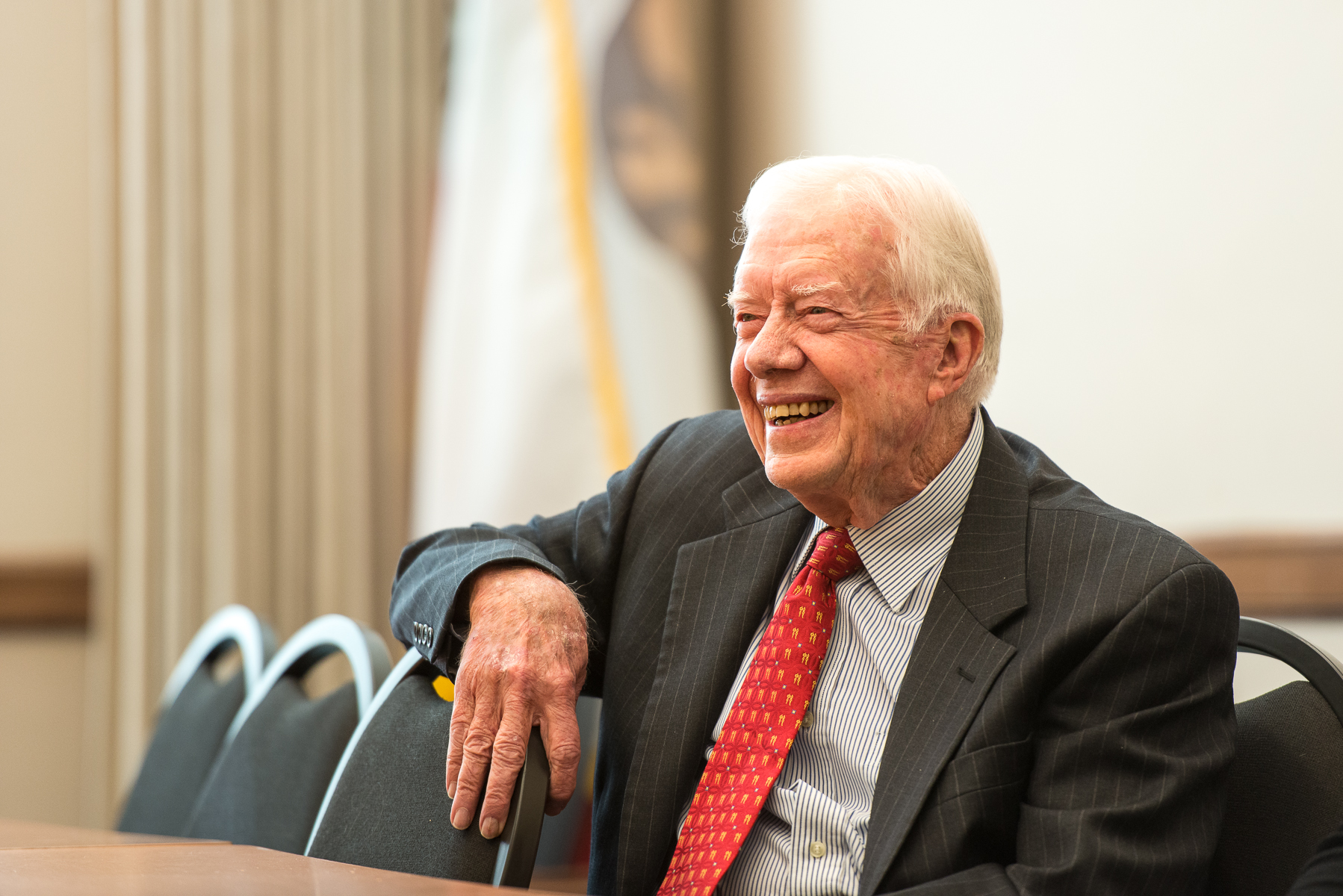
This week, former President Jimmy Carter announced that his cancer had spread to his brain. Though many members of his immediate family died from cancer, Carter said “I’m perfectly at ease with whatever comes.” Rather than fear or sadness over his diagnosis, Carter instead focused on meeting one of the long-term goals of his nonprofit organization—the Carter Center—the eradication of Guinea worm. In 1986 when the Carter Center began its work there were 3.5 million cases of across 21 countries. In 2014 there were 126 cases; today, there are 11.

The Huffington Post—“When Guinea worm has been eradicated, it will be only the second time in human history that a disease has been totally wiped out. The first, smallpox, was eradicated in 1977, according to the World Health Organization. Experts from the Centers for Disease Control and Prevention estimate that Guinea worm will meet the same fate — a final piece in Carter’s legacy.”

WHO Declares Africa Free of ‘Wild’ Cases of Polio

According to the World Health Organization, Africa has been free of wild cases of Polio since July. This doesn’t mean that there are no cases on the continent; there is still ongoing work in Somalia, Kenya, and Ethiopia, but transmission of the illness has been interrupted. The director of the Polio Global Eradication Initiative has said that even though Africa is now free of wild cases, there are still challenges when it comes to eradication, for example, surveillance of the disease.

io9—“The goal of the Initiative has been to interrupt the natural transmission (wild cases) of the virus, which seems to be the case so far. The next step, according to WHO, will be to continue to monitor the region for additional cases. If none appear in the next two years, the continent will be certified Polio-Free.”

Stories You May Have Missed


Image Credit: Commonwealth Club

The Ebola Vaccine and the Ethics of Drug Trials

By Greg Mercer

The World Health Organization recently announced that a trial of the VSV-EBOV Ebola virus vaccine in Guinea has been “highly effective,” and that randomization in the trial would be stopped to allow for expansion of the range of subjects and protection of more people against the virus.  The trial began in March, and until recently, randomized subjects so that some received the vaccine immediately, while others received it later, after the virus’ gestation period.

A paper published in The Lancet details the study, and finds that the vaccine is highly effective and likely safe to use in the affected population.  The “recombinant, replication-competent vesicular stomatitis virus-based” vaccine is administered in a single dose via the deltoid muscle.  4,123 people received the vaccination immediately, while 3,528 people received the delayed vaccination (more on the study methodology in a moment). The researchers found that no subjects developed a case of Ebola after receiving the immediate or delayed vaccination, meaning that the vaccine proved 100% effective (with p=0.0036 at 95% CI).  These findings are excellent news for researchers, government officials, and those in the affected counties, and are fascinating from a scientific standpoint.

At The New Republic, Timothy Lahey, of Dartmouth, argues that these results, while promising, aren’t necessarily confirmed.  He notes that the lack of a placebo (because of the study’s particular methodology) makes it difficult to determine effectiveness, the vaccine could have failed to protect subjects from infection in a way that the study didn’t detect, and that a statistical aberration could mean that while the vaccine is not actually 100 % effective.  Regardless of whether these potential pitfalls affected the study or not, Lahey raises an important issue in drug testing for a disease like Ebola.  He is concerned that a lower standard for vaccines could mean that lower-income countries might not receive drugs of the same quality as rich countries, and points to past failed vaccines to illustrate the fallacy of believing that all vaccines work as intended.

The ethical dilemmas of drug testing have been front and center in the Ebola crisis.  Back in November, 2014, Nature reported on public health officials weighing the question of whether to use control groups when testing treatments for a disease with 70% mortality.  At the time, some advocated for applying experimental treatments (like the ZMapp antiviral cocktail, which had been used in patients but whose effectiveness was not entirely determined) to all patients, while others argued that these treatments might not be more effective than standard care, and that randomized trials guard against harmful side effects and provide a clearer picture of a drug’s effectiveness.

The VSV-EBOV vaccine was tested in the “ring” method that was previously used in the eradication of Smallpox.  This method eschews the double-blind placebo treatments commonly associated with drug trials.  Instead, this method creates a “ring” around new cases.  Contacts and contacts of contacts were identified by Guinea’s tracking system, and eligible adults were entered into randomization blocks, and received either the immediate or delayed vaccination.  This way, all of the subjects received the treatment, but in varying circumstances to establish effectiveness.  The full study is available via The Lancet.

Ethical drug testing is a crucial consideration, and has an imperfect past.  The National Institutes of Health’s own ethics guide cites a study that led to the United States’ ethics rules: a study that withheld syphilis treatment from 400 African-American men.  And for many, there’s good reason to be concerned about the actions of international organizations and multinational corporations.  In 1996, Pfizer conducted a study of an experimental drug on children with meningitis in Nigeria. While Pfizer maintained that the study was philanthropic, allegations arose from Nigerians and international organizations that children and parents were not informed that they were part of a study, and that Pfizer withheld treatment without consent or administered dangerous drugs.  The incident spawned a series of lawsuits and a panel of Nigerian medial experts condemned Pfizer’s actions in 2006, as reported by The Washington Post.

Epidemics and drug testing present a multitude of practical and ethical concerns, but careful consideration of the issues and sound methodology can, as they did in Guinea, produce exciting scientific and humanitarian results.

Image Credit: Psychonaught

Pandora Report 8.16.15

It looks like the blog isn’t the only place with a lull during the summer. This week was oddly slow for news; maybe it’s an August thing? For our top stories we’ve got ISIS with chemical weapons and, from our neighbor to the north, a disease diagnosing fabric. We’ve even got a few stories you may have missed.

Have a great week!

U.S. Investigating ‘Credible’ Reports that ISIS Used Chemical Weapons

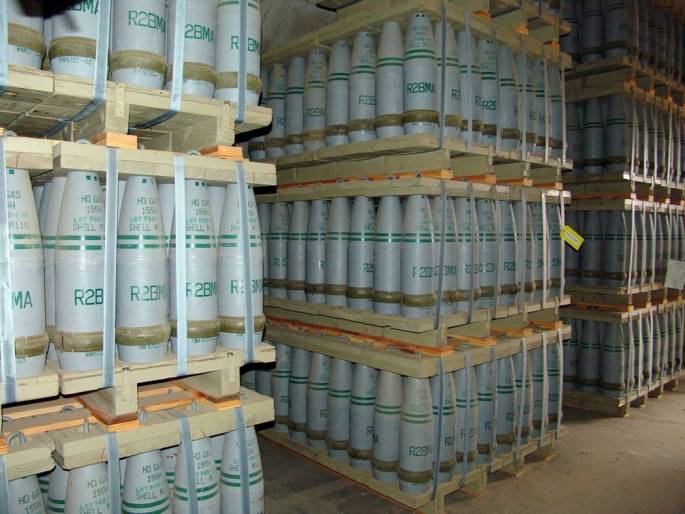
The U.S. is investigating what it believes are credible reports that ISIS fighters used mustard agent against Kurdish Peshmerga fighters in Makhmour in Northern Iraq. ISIS posted about the attack on social media, but American officials have stated they have independent information that left them believing that a chemical weapon was used. A German Ministry of Defense spokesman echoed that they cannot confirm or rule out that a chemical weapons attack occurred. The major question for U.S. officials is to determine if it was mustard gas, and if so, how ISIS came to possess it.

CNN—“Blake Narenda, a spokesperson for the State Department’s Arms Control, Verification and Compliance Bureau, said, “We continue to take these and all allegations of chemical weapons use very seriously. As in previous instances of alleged ISIL use of chemicals as weapons, we are aware of the reports and are seeking additional information. We continue to monitor these reports closely, and would further stress that use of any chemicals or biological material as a weapon is completely inconsistent with international standards and norms regarding such capabilities.”

CNN has previously reported claims from monitoring groups that ISIS used chlorine weapons against Kurdish forces.”

Halifax Scientist Develops High-Tech Fabric that Helps Diagnose Diseases

Yes, you read that right. Christa Brosseau, an analytical chemist at Saint Mary’s University in Halifax, Nova Scotia, is working on the development of a chemical sensor which can be built into fabric and can detect diseases like tuberculosis, malaria, and HIV/AIDS.  How is this even possible? First the scientists make Nanoparticles, then aggregate those particles which ends up as a silver Nanoparticle paste. That paste can be placed on a fabric chip and it then ready to use. The fabric chip interacts with bodily fluids like sweat, saliva, or urine, and is then scanned for information.

CTV—“The technology picks up disease biomarkers and the scientists are able to get results in approximately 30 seconds, by using hand held units, the size of a TV remote control, to scan the samples. The size of the units makes them convenient for working in the field.

Eventually, the scientists hope to see the technology deployed in exercise headbands, or cloth inserts in infant diapers, to better monitor the state of health.”

Stories You May Have Missed

Image Credit: U.S. Army

Week in DC: Events

August 12, 2015

Naval Aviation
Date: August 12, 9:00 am
Location: Center for Strategic and International Studies, 1616 Rhode Island Ave NW, Washington DC

Please join CSIS and USNI for a discussion with Lieutenant General Jon Davis, Deputy Commandant for Aviation and Vice Admiral Mike Shoemaker, Commander, Naval Air Forces moderated by Admiral Joseph Pureher, USN, Ret. The discussion will focus on the state of the current fleet in terms of personnel and equipment as well as what the future holds for the Naval Aviation community.

Register here.

August 13, 2015

Assessing the Iran Nuclear Agreement: Placing Sanctions in Context
Date: August 13, 2:00 pm
Location: Heritage Foundation, Lehrman Auditorium, 214 Massachusetts Ave NE, Washington DC

Sanctions are what convinced Iran to begin negotiations with the United States. However, the mechanics behind lifting sanctions and the differences among international, U.S. and European Union sanctions are complicated. All beg the question of how effective the Iran deal really is. This program will explore the role of sanctions in the Iran Deal. Our panelists will examine the structure of the sanctions regime, debate its various implications, and explore what we can do about it. Among the questions to be addressed are: What sanctions are currently in place on Iran? What is the difference between multi-lateral oil sanctions and unilateral sanctions imposed by the United States on Iran? Is it really possible for the sanctions to be “snapped back” if Iran violates the agreement? Would the sanctions regime really disband if there was no agreement?

Join us as our panel discusses Iran’s new sanctions regime and what it means for the future.

RSVP here.

2018 FIFA World Cup Russia: Political, Economic, and Social Implications
Date: August 13, 10:00 am
Location: George Washington University, Lindner Commons, Room 602, 1957 E Street NW, Washington DC

Please join the Center on Global Interests and the Institute for European, Russian, and Eurasian Studies (IERES) at George Washington University for a discussion on the political, economic, and social implications of Russia hosting the 2018 FIFA World Cup. This event marks the beginning of a joint CGI-Futbolgrad project on the World Cup that will continue this discussion through various panels, publications, and digital journalism leading up to the event.

Register here.

The Iran Deal: Key Issues and Controversies
Date: August 13, 2:00 pm
Location: Center for Strategic and International Studies, 2nd Floor Conference Center, 1616 Rhode Island Ave NW, Washington DC

Please join us for a discussion with Dr. Colin Kahl and other members of the administration on key elements of the Iran nuclear deal and its specific implications for the international community.

Register here.

Pandora Report 8.9.15

My apologies for lack of update last weekend…but that means a SUPER UPDATE this weekend! This week marked the 70th anniversary of atomic bombs being dropped in Japan. Rather than find an insufficient story that attempted to address the gravity of that event, we’re focusing on a successful Ebola vaccine trial, UN consensus on Syrian chemical weapons, and airplane bathrooms (because I can’t help myself when I see a story like that!) We’ve also got stories you may have missed.

Have a great week!

Vaccine Success Holds Hope for End to Deadly Scourge of Ebola

Some great news from West Africa: an Ebola vaccine trial in Guinea has returned results that are 100% effective. 4,000 people who had been in close contact with a confirmed Ebola case showed complete protection after ten days. A ring vaccination strategy—where those who have close contact with an infected person—was used, and after success was demonstrated, the vaccine is now being extended to 13-17 year olds, and possibly 6-12 year old children.

Reuters—“The success of the Guinea trial is a big relief for researchers, many of whom feared a sharp decline in cases this year would scupper their hopes of proving a vaccine could work. Another major trial in Liberia, which had aimed to recruit some 28,000 subjects, had to stop enrolling after only reaching its mid-stage target of 1,500 participants. Plans for testing in Sierra Leone were also scaled back. That left the study in Guinea, where Ebola is still infecting new victims, as the only real hope for demonstrating the efficacy of a vaccine.”

U.N. Approves Resolution on Syria Chemical Weapons

The UN Security Council unanimously—yes, even Russia—adopted a resolution aimed at identifying those responsible for the use of chemical weapons in Syria over the past two years. The resolution established an investigative body that would assign blame for the attacks “so that the perpetrators can be brought to justice.”

Salt Lake Tribune—“‘Pointing a finger matters,” U.S. Ambassador Samantha Power told the council. “This sends a clear and powerful message to all those involved in chemical weapons attacks in Syria that the [new investigative body] will identify you if you gas people.” But she added that prosecuting perpetrators will take time because there is still no tribunal to investigate alleged crimes during the war in Syria, which has killed at least 250,000 people since it began in March 2011, according to the U.N.”

Airplane Toilets Can Help Researchers Find Disease Outbreaks

A recent study in Scientific Reports finds that researchers can tell what continent you’re from and give early indication of disease outbreaks, all from the poop left in airplanes. (I think this is the first time I’ve been able to say “poop” here on the blog.) The researchers gathered samples from 18 airplanes that departed from nine cities and landed in Copenhagen and were able to identify continental trends. Microbes from Southeast Asia had higher incidence of antibiotic resistance; food transmitted microbes were also more frequent in the Southeast Asian samples; and C. diff was much more common in the North American samples.

Popular Science—“These findings led the researchers to believe that they could start to create a typical microbiome for each continent. And any big shifts that happen in their makeup—say, the concentration of C. diff rises dramatically in samples from Southeast Asia—could indicate a growing public health issue. If it’s caught early enough, public health officials could take preventative action.”

Stories You May Have Missed


Image Credit: CDC Global