This Week in DC: Events

April 7, 2014

Afghan Elections: What’s at Stake?
Date: April 7, 10:00 – 11:00 am
Location: Woodrow Wilson International Center for Scholars

On April 5, Afghans head to the polls as the country attempts its first-ever peaceful and democratic transfer of power. The election comes at a critical time for Afghanistan, which is struggling to fight a Taliban insurgency amid the withdrawal of international military forces. The Taliban has repeatedly threatened to disrupt the election process, and in recent days has launched a series of attacks on election facilities and foreign nationals, including the deaths of 2 Western journalists. Many international election monitors have left the country, and Afghan officials have announced that nearly 750 polling centers will be closed on election day. Yet many Afghans have vowed to defy the threats and vote anyway.

Join this conversation by phone, while scholars and professionals discuss the election results—to the extent that they are known—and their implications with three on-the-ground experts.

Toll-Free Conference Line: 888-947-9018
Conference Line: 1-517-308-9006
Passcode: 13304

April 8, 2014

National Security and Foreign Policy Priorities in the FY 2015 International Affairs Budget
Date: April 8, 10:00am
Location: U.S. Senate Committee on Foreign Relations, Dirksen Senate Office Building 419, Washington DC 20515

Witness, the Honorable John F. Kerry, the U.S. Secretary of State, will present testimony at this committee meeting chaired by Sen. Menendez.

Financing Global Health in an Era of Austerity
Date: April 8, 12:00pm
Location: Center for Strategic and International Studies, 1616 Rhode Island Ave NW, Washington DC 20036

Please join us for the launch of the University of Washington’s Institute for Health Metrics and Evaluation (IHME)’s Financing Global Health 2013 report, to be held on Tuesday April 8, 12:00-2:00 PM at CSIS (1616 Rhode Island Ave NW).

Dr. Christopher Murray, Director of the Institute for Health Metrics and Evaluation (IHME), will lead off with a presentation of findings from IHME’s newest report, Financing Global Health 2013: Transition in an Age of Austerity and a new journal article on health financing in Health Affairs. Dr. Murray will highlight how some donors have scaled back their funding while others have been increasingly generous. Using data from the latest Global Burden of Disease study, he will also compare current funding allocations to disease patterns around the world.

Following Dr. Murray’s presentation, there will be a roundtable discussion, moderated by Dr. J. Stephen Morrison, Senior Vice President and Director of the Global Health Policy Center at CSIS that will feature Dr. Christopher Murray and Dr. Ariel Pablos-Mendez, Assistant Administrator for Global Health at USAID. The roundtable discussion will be focused on the policy implications of IHME’s report.

Lunch will be served from 12:00-12:30pm. Register here.

Subcommittee Hearing: Is al-Qaeda Winning? Grading the Administration’s Counterterrorism Policy

Date: April 8, 10:00am
Location: U.S. House Committee on Foreign Affairs, 2172 Rayburn House Office Building Washington, DC 20515

The following witnesses will testify on the subject of al-Qaeda and the administration’s policy on counterterrorism:

Panel I:

The Honorable Joseph Lieberman, Former United States Senator

The Honorable Jane Harman, Director, President, and Chief Executive Officer, The Woodrow Wilson International Center for Scholars, Former Member of Congress

Panel II:

Seth Jones, Ph.D., Associate Director, International Security and Defense Policy Center, RAND Corporation

Frederick W. Kagan, Ph.D., Christopher DeMuth Chair and Director, Critical Threats Project, American Enterprise Institute for Public Policy Research

Mr. Benjamin Wittes, Senior Fellow, Governance Studies, The Brookings Institution

China’s Hypersonic Weapons Development

Date: April 8, 12:30- 2:00pm
Location: Carnegie Endowment for International Peace, 1779 Massachusetts Ave NW, Washington DC 20036

China tested a hypersonic gliding weapon for the first time on January 9. Although details of the test are murky, it confirms a long-suspected Chinese interest in developing hypersonic weapons. The United States is interested in similar technologies and conducted its first successful boost-glide test in November 2011. What are the implications of the Chinese test for U.S. security? How should the United States respond? Could a new arms race in hypersonic technology emerge? And, if so, can anything be done to prevent it? James M. Acton, Michael D. Swaine, Phillip C. Saunders, and Lora Saalman will discuss these questions. Michael McDevitt will moderate.

Register here.

April 9, 2014

New Avian Influenzas in East Asia: Global Health Security and Policy
Date: April 9, 8:30 – 11:30am
Location: Georgetown University, ICC Auditorium, Washington DC 220057

The SFS Asian Studies Program, as part of its Public Health in Asia Initiative, is teaming up with the Georgetown Medical Center’s Department of Microbiology and Immunology to host a panel discussion with regional, policy, and health experts on the new avian influenzas in East Asia and their global health policy implications.

Full event schedule and registration information available here.

April 10, 2014

International Humanitarian Action: Changing Responses to Conflict and Crisis
Date: April 10, 10:00 – 11:00am
Location: Woodrow Wilson International Center for Scholars

From South Sudan to Syria, armed conflict throughout the globe has led to massive humanitarian needs. During a crisis, food relief, critical medical care, and access to safe water and basic sanitation facilities all require a humanitarian as well as a diplomatic response. No one is better placed to help us understand these complex shifts than Peter Maurer, President of the International Committee of the Red Cross.

Please join us as he talks with Jane Harman, President of the Wilson Center to give a first-hand update on the key challenges the ICRC faces.

RSVP here.

Pandora Report 4.4.14

It’s been a busy week in the biodefense world, between the continuing outbreak of Ebola in Western Africa and the realization that the Black Death may actually have been pneumonic plague rather than bubonic plague, so let’s take a moment this Friday to slow things down.


Highlights include Ebola travel restrictions, a possible source for the Ebola outbreak, and how to protect yourself during the most serious pandemic of all—the zombie pandemic. Have a great weekend!

When planning your vacation to Guinea, keep this in mind…

As of April 1, the number of suspect Ebola cases in Guinea has risen to 127 with 83 deaths (for a case fatality rate of 65%) according to the WHO. Liberia now has eight suspected cases with five deaths. Sierra Leone has had only two deaths after two bodies were repatriated after dying from Ebola. In neighboring Mali, the government has instituted thermal scans for those travelling to Mali as well as restricting movement within the capital city of Bamako. Meanwhile, Senegal has closed their border with Guinea and Saudi Arabia has suspended visas for Muslim pilgrims coming from Guinea and Liberia. Despite all of this, the WHO does not recommend travel restrictions.

Philippine Daily Inquirer—“The international health agency said there was not enough reason to push for the imposition of travel restrictions in response to the Ebola outbreak. “WHO does not recommend that any travel or trade restrictions be applied with respect to this event,” it said in a statement.”

And while on vacation, here are some foods to avoid…

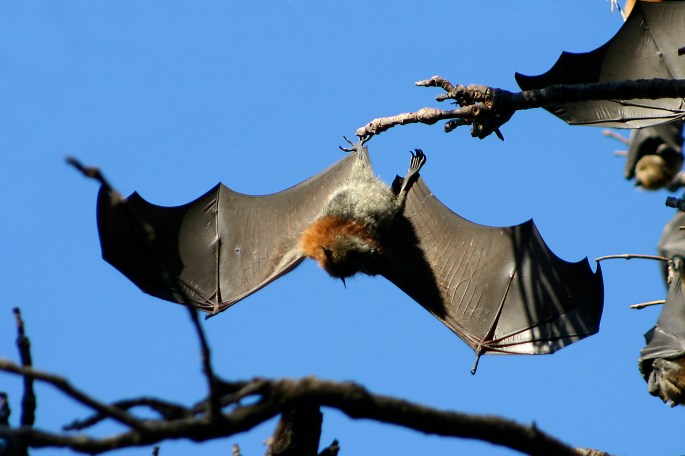
In another response to the Ebola outbreak in Guinea, officials have taken an unusual step of banning the consumption of bats as food—including grilled bat, bat soup and “other local delicacies.” It has long been suspected that bats are somehow instrumental in the spread of Ebola either as a vector or a reservoir for the disease.

CBS News—“‘We discovered the vector [infectious] agent of the Ebola virus is the bat,” Remy Lamah, the country’s [Guinea] health minister, told Bloomberg News. “We sent messages everywhere to announce the ban. People must even avoid consumption of rats and monkeys. They are very dangerous animals.’”

The good news is, in the event of a serious pandemic, you may have new protection!

Just in time for the Walking Dead finale last weekend, the American Chemical Society released new research related to the chemistry of death, and how that chemistry can shield us from the flesh and brain eating horde of zombies.

Science is a serious subject and pandemic possibilities are crises in the making…but that doesn’t mean science can’t be fun for a general audience!

Zombie Apocalypse Survival Chemistry: Death Cologne

Dana Perkins @ George Mason University


On Monday, March 31, 2014, Dana Perkins was the featured speaker at the George Mason University Biodefense Policy Seminar.

Ms. Perkins’ full biography is available here.

Ebola: a pandemic of misconception

By Chris Healey

An  Ebola hemorrhagic fever outbreak in the Republic of Guinea has raised concerns about the illness and its spread to countries outside Africa.

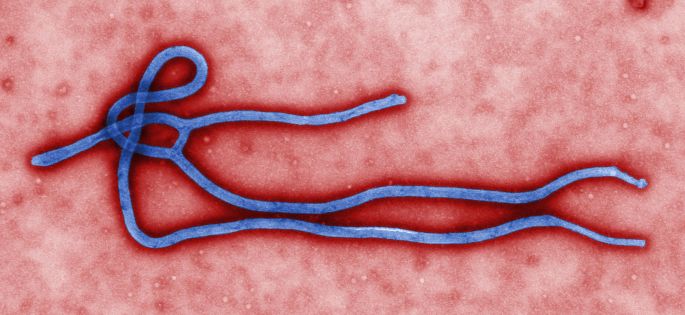
Ebola is a virus in the filoviridae family. Of the five Ebola species, only Zaire, Sudan and Bundibugyo species have caused outbreaks in humans.

Ebola appears to be an incidental host of humans from a natural cycle involving bats and nonhuman primates. Humans enter the cycle after contact with blood and tissue from nonhuman primates, often after instances of butchering and animal cruelty. Transmission routes from bats to humans are possible but currently unknown.

The first confirmed outbreak of Ebola occurred in 1976 in Nzara, a small town in southern Sudan. Workers from a local cotton factory spread the disease to their relatives and others in the community. The outbreak lasted several months. Of the 284 cases in that outbreak, 151 died.

Ebola causes Ebola hemorrhagic fever, a severely debilitating illness affecting multiple organ systems. Ironically, hemorrhage is an uncommon symptom reported in fewer than half of all cases. Death typically occurs due to shock from fluid loss and organ failure.

Mortality rate is species dependent. Bundibugyo has a 36% fatality rate, Sudan 55%, and Zaire 90%. There is no cure, but administration of an experimental vaccine that targeted a viral protein used for attachment and entry to the host cell was attributed to the survival of an accidentally-exposed laboratory researcher in Germany.

Ebola has been the inspiration for fictional literature and film. The Hot Zone by Richard Preston provides an overview of Ebola and other filoviruses before focusing on the discovery of Reston Ebola, a species known to only sicken nonhuman primates, in Reston, Virginia. The 1995 movie Outbreak featured an Ebola-like virus as the primary plot device.

Both works exaggerate Ebola hemorrhagic fever’s morbidity and hemorrhagic symptoms to inflate pathogenicity and pandemic potential. While there is no denying the severity of Ebola hemorrhagic fever illness, it is an ineffective cause of pandemics.

Perhaps the most misunderstood characteristic of Ebola is its method of transmission. Direct physical contact with infected persons or their bodily fluids is required to transmit the illness. There is no evidence of airborne transmission among Ebola species known to affect humans. Ebola rapidly becomes nonviable outside the host when aerosolized in uncontrolled, non-laboratory settings.

Ebola has an incubation period of 4 to 10 days. Rapid onset allows healthcare providers to quickly identify affected individuals. Only symptomatic individuals can spread the disease. In other words, the disease cannot be transmitted during incubation or through non-symptomatic cases. A short, non-communicable incubation period limits Ebola’s pandemic potential.

Limitations of direct person-to-person spread can assist public health response efforts in the event of an Ebola hemorrhagic fever outbreak. Quarantine procedures are effective in restricting the illness shortly after detection. Due to the lack of airborne transmission, direct contacts with sickened individuals can be traced and contained, arresting illness progression. Ebola hemorrhagic fever rarely escalates past a localized outbreak if adequate public health infrastructure is present.

Media consumers should be wary of fictional or exaggerated portrayals of illness. The media’s tendency to misuse and dramatize information can breed undue fear in the event of a public health crisis.

Image of the Week: Zombie Intubation!

Image of the Week: Zombie Intubation

As if the zombie apocalypse wasn’t enough, during Season 4 of AMC‘s the Walking Dead (which had it’s finale on Sunday) the survivors had to deal with an unspecified, likely zoonotic, disease outbreak in the prison.

In this photo, one of the survivors who had to be intubated died and thus, we have zombie intubation!

Image Credit: AMC

Bubonic Plague: An Airborne Toxic Event

by Alena M. James

Yersinia pestisis a gram negative, bacillus shaped bacteria that prefers to reside in an environment lacking oxygen (anaerobic). It is typically an organism that uses the process of fermentation to break down complex organic molecules to metabolize.  However, the organism is commonly referred to as being a facultative anaerobe, because it can live in the presence of oxygen and undergo respiration to generate energy for its cell. Its facultative capability is one reasons the organism can induce infection in highly oxygenated lung tissue.

This organism, primarily a zoonotic pathogen, has been held responsible for causing the bubonic form of plague responsible for the Black Death, the 14th century event that lead to the death of millions of Europeans. For years, the cause of the Black Death Plague pandemic has been linked to fleas. In much of Europe at this time, unsanitary living conditions provided the perfect breeding grounds for flea infested rats to flourish; while the fleas served as the perfect arthropod vector for Y. pestis to flourish.

The route of transmission of Y.pestis, from fleas to humans, was thought to occur via the urban cycle—when an urban rat becomes infected with fleas from a wild animal. Crowding in cities, poor hygiene, and unsanitary living conditions attracts large rat populations to the area. When a flea carrying Y.pestis bites a rat, the rat becomes sick and dies. No longer able to parasitize the rat, the flea moves from the rat to a new host. In crowded cities, the fleas from the dead rat will jump to humans to feed. When the flea bites the human it releases Y. pestis into the human’s cardiovascular system. Once in the cardiovascular system, the bacterial organism makes its way to the lymph nodes.  There it replicates and spreads throughout the body causing septicemia. As Y. pestis proliferates within the lymph nodes it also forms hemorrhagic necrosis throughout the body.  Painful swelling arises and the definitive painful symptom, the bubo,appears.  After infection, a patient develops a high fever and the organism can target specific organs of the body like the lungs, liver, and spleen. Without treatment, a patient has a 75% mortality rate.


Last week, British scientists performed comparative DNA analysis on bacterial samples collected from 25 excavated skeletons found in the Clerkenwell area of London. These remains dating back to the 14th century contained samples of Yersinia pestis, the bacteria responsible for the Black Death. In an attempt to evaluate the virulent nature of the pathogen, the Y. pestis DNA collected from these remains were compared to DNA from the Y. pestis responsible for the deaths of more than 30 people in Madagascar back in December 2013. Researchers concluded that the DNA of both organisms revealed a high percentage of similarity and that the pathogenic nature of the 14th century Y. pestis is no more powerful than the Y.pestsis responsible for the Madagascar killings.

After considering this information and examining the plausible death of the skeletons, scientists believe that the fast-acting killing capabilities of Y.pestis are only likely to take place through airborne transmission. This conclusion undermines the urban cycle transmission method and suggests that the Black Death was mostly caused by pneumonic plague and not bubonic. British scientists are determined to examine more modern cases to confirm this new hypothesis. If confirmed, we may see pneumonic plague identified as the causative agent for the 14th century plague pandemic thus altering our historical account of the Black Death.

For British scientists, the transmission of Y. pestsis through respiratory droplets is a much more likely scenario for achieving rapid kills versus the urban cycle transmission method. Bubonic plague is not infectious and there is no human to human transmission from the buboes that form.  However, pneumonic plague can be caused by bubonic plague if the Y. pestis pathogen makes its way via the lymph nodes to the lungs inducing infection. While in the lungs, the organisms are caught in respiratory droplets and are then disseminated into the air when an infected person sneezes or coughs. This quickly makes the host very infectious and a threat to those not yet infected.  The mortality rate for patients suffering from pneumonic plaque without treatment is 100%.


Image Credit: crossrail.co.uk

This Week in DC: Events

Monday, March 31

Celebrating Women in Cyber Security
Date: March 31, 9:30 – 11:30am
Location: The George Washington University, Marvin Center, 3rd Floor Ampitheater, 800 21st Street NW, Washington DC 20052

On March 31, 2014 join the George Washington University Cybersecurity Initiative and an outstanding panel of women leaders in the cybersecurity field. These panelists will reflect on their experiences, discuss the future of cybersecurity, and address the need for women to join the field in greater numbers.

This discussion will be followed by a networking opportunity for all participants. This event is also sponsored by GWU Global Women’s Institute.

Register here.

International Drug Policy Debate
Date: March 31, 10:00 – 11:30am
Location: Center for Strategic and International Studies, 1616 Rhode Island Ave NW, Washington DC

Ambassador William R. Brownfield, Assistant Secretary of State for International Narcotics and Law Enforcement Affairs, will lead off with remarks on U.S. and international drug policies, drawing from his participation in the recent meeting of the UN Commission on Narcotic Drugs (CND), held on March 13-14 in Vienna, Austria. As the premier drug control policy making body within the UN system, the CND addressed countering illicit drugs and the power of criminal cartels, strengthening public health approaches, and recent legal changes and the challenges of judicial coordination. The CND is also one of several bodies contributing to debates in the lead-up to the 2016 UN Special Session on Drugs. Following Ambassador Brownfield’s address, there will be a roundtable conversation, moderated by J. Stephen Morrison, Senior Vice President and Director of the CSIS Global Health Policy Center, that will feature  Ambassador Brownfield, Kevin Sabet, former Senior Advisor to Director Kerlikowske at the White House Office of National Drug Control Policy and currently Director of the Drug Policy Institute at the University of Florida, Michel Kazaktchine andRuth Dreifuss, two members of the Global Commission on Drug Policy launched in 2011 by 22 international leaders with a special focus on harm reduction and related public health approaches. Michel Kazatchkine is also the former Executive Director of the Global Fund to Fight AIDS, Tuberculosis, and Malaria and currently the UNSG’s Special Envoy on HIV/AIDS for Eastern Europe and Central Asia. Ruth Dreifuss is the former Minister of Health and President of the Swiss Confederation.

RSVP here.

Iran Nuclear Negotiations: Requirements for a Final Deal
Date: March 31, 10:00 – 11:30am
Location: Brookings Institution, Saul/ Zilkha Rooms, 1775 Massachusetts Ave NW, Washington DC 20036

The Joint Plan of Action adopted by Iran and the P5+1 partners in Geneva on November 24 was an important first step in the effort to ensure that Iran does not acquire nuclear weapons. Iran and the P5+1 nations appear to be fulfilling their commitments under the six-month interim agreement – but reaching a final deal will be challenging, as the sides remain far apart on key issues.

In his Brookings Arms Control and Non-Proliferation Series paper, “Preventing a Nuclear-Armed Iran: Requirements for a Comprehensive Nuclear Agreement,” Robert Einhorn explores the difficult issues facing negotiators as they prepare for their next round of talks, scheduled for the week of April 7. In addition to analyzing Iran’s intentions toward nuclear weapons and discussing the principal issues in the negotiations, he outlines the key requirements for an acceptable comprehensive agreement that would prevent Iran from having a rapid nuclear breakout capability and deter a future Iranian decision to build nuclear weapons.

On March 31, the Brookings Institution will host a panel to discuss the Iran nuclear negotiations, especially to consider the elements of a final deal and the policies supplementing it that would be required to prevent a nuclear-armed Iran and serve the security interests of the United States and its security partners in the Middle East. Brookings Senior Fellow Tamara Cofman Wittes, director of the Saban Center for Middle East Policy, will serve as moderator. Panelists include Brookings Senior Fellow Robert Einhorn, former special advisor to Secretary of State Hillary Clinton; Dennis Ross, counselor and William Davidson Distinguished Fellow at The Washington Institute for Near East Policy; and Frank N. von Hippel, professor of public and international affairs, Woodrow Wilson School, Princeton University.

Register here.

Global Health Law: A Book Event
Date: March 31, 5:00 – 8:00pm
Location: Georgetown University Law School, Gweirz 12th, 600 New Jersey Ave NW, Washington DC 20001

A panel discussion celebrating the publication of Global Health Law, by Lawrence O. Gostin, University Professor and Founding Linda D. and Timothy J. O’Neill Professor of Global Health Law at Georgetown University Law Center. Gostin also directs the O’Neill Institute for National and Global Health Law. Discussion topics will range from AIDS, pandemic influenza and MERS to obesity and biosecurity.

Biodefense Policy Seminar
Date: March 31, 5:00pm
Location: George Mason University, Mason Hall D003, 4400 University Drive, Fairfax VA 22030

Our March Biodefense Policy Seminar features Dana Perkins, Senior Science Advisor, DHHS — member of the 1540 Committee Group of Experts. Dr. Perkins earned a Master’s Degree in Biochemistry from the University of Bucharest, Romania. She also earned a PhD in Pharmacology and Experimental Therapeutics in 2002 from the University of Maryland, Baltimore, where she specialized in Microbiology/Neurovirology. In 2012-2013, Dana Perkins served in a US Government-seconded position as a member of the Group of Experts supporting a subsidiary body of the United Nations Security Council, the 1540 Committee. The 1540 Committee was established pursuant to resolution 1540 (2004) to monitor the implementation of this resolution worldwide. In her prior position with the US Department of Health and Human Services (HHS), she led the Biological Weapons Nonproliferation and Counterterrorism Branch in the Office of Policy and Planning, Office of the Assistant Secretary for Preparedness and Response (ASPR). At HHS/ASPR, some of her responsibilities and duties included providing subject matter expertise, inter-agency coordination, and senior level policy advice on the scientific (biodefense and biosecurity) and public health aspects of national and international emergency preparedness and response; directing and coordinating national and international progress on issues related to biodefense and biosecurity; developing and reviewing policies on biosecurity, biological weapons nonproliferation, and health security; and performing expert analysis and preparing implementation plans to support the US Government biodefense and biosecurity policy.

Tuesday, April 1

Big Data, Life Sciences, and National Security
Date: April 1, 8:15am – 6:00pm
Location: Renaissance Washington DC Downtown, 999 9th Street NW, Washington DC 20001

The American Association for the Advancement of Science (AAAS) Center for Science, Technology, and Security Policy (CSTSP) and the Biological Countermeasures Unit of the WMD Directorate of the Federal Bureau of Investigation (FBI) present a public event on the implications of big data and analytics to national and international biological security.

Big data and analytics are increasingly becoming vital components in the pursuit of advanced applications for scientific knowledge development, health care analyses, and global health security. Big data and analytics in the biological sciences might also present risks and unique challenges to national and international security. In preparation for our event, CSTSP have conducted a series of interview investigating the subject with Daniela Witten, Assistant Professor of Biostatistics at the University of Washington, Subha Madhavan, Director of the Innovation Center for Biomedical Informatics at the Georgetown University Medical Center, and Angel Hsu, Director of the Environmental Performance Index, a joint project between the Yale Center for Environmental Law & Policy and the Center for International Earth Science Information Network at Columbia University.

This event will bring together scientists across a range of disciplines, security professionals, and science and security policy experts to explore ways to leverage the beneficial applications and identify potential risks of big data and analytics to biological security.

The event will be broadcast live via an interactive webcast which can be accessed here. RSVP here.

Senator Mark Warner: Budgets and the Future of America’s Defense Industry
Date: April 1, 8:30am
Location: Atlantic Council, 1030 15th Street NW, 12th floor, Washington DC

For the past several years, the Department of Defense has struggled with continuing resolutions and budget uncertainty. With the passage of the 2013 Bipartisan Budget Act and an omnibus fiscal year 2014 spending bill, the Pentagon now has certainty on its budget levels but must adjust to accommodate flat-lining defense spending for the foreseeable future. Some investment and equipment modernization accounts are certain to face cuts this year and in the future, necessitating that the defense industrial base adapt to a “new normal” of reduced spending.

Our featured speaker, Senator Mark Warner, sat on the Budget Conference Committee panel that drafted the Bipartisan Budget Act and is the senior senator of Virginia, a state with a significant concentration of defense industry facilities. His remarks will address what budget reductions may mean for the future of the defense industrial base.

Can’t attend? Watch the event online here. Register here.

Battle on the Final Frontier: A Discussion of National Security and Space
Date: April 1, 12:30 – 1:30pm
Location: 1100 New York Ave NW, 7th Floor, West Tower, Washington DC

The last time that the mass media looked at national security and space, we were in a very different time.  The United States was embroiled in the Cold War and the danger of nuclear annihilation was at the forefront of most people’s minds.  Although we have advanced from that point, technological developments in space beg the question: how is our current space technology tied to our national security needs? How is our reliance on Russian technology made us vulnerable? How can we enhance our national security and support American research and investment?

Join ASP as Lieutenant General Norman Seip, 12th Air Force Commander and Adjunct Fellow, August Cole discuss the relationship between these two important policy areas of the 21st century.  The conversation will be on the record.

RSVP here by March 31.

The Collapse of Russian State Institutions: How the Kremlin’s Energy Dependence Undermines Foreign Policy Decision
Date: April 1, 12:30pm
Location: Center on Global Interests, 1050 Connecticut Ave NW, Washington DC 20035

In the last 15 years, Russia has become increasingly reliant on oil and gas wealth to sustain its economy. As a result, the major players in Russia’s resource industries have acquired a disproportionate influence over Russian politics. This has undermined the authority of Russia’s foreign policy institutions by allowing a small group of decision-makers, who rarely consult with Russia’s professional foreign policy bureaucracy, to set the domestic and foreign policy agenda.

How should Western officials respond to Russia’s insular policy-making, and how might Western sanctions—including energy sanctions—influence key decision-makers in Russia? Using the Second Chechen War and the 2008 Georgian War as case studies, Emma Ashford will examine the extent to which Russian foreign policy institutions function in an informational vacuum and provide recommendations for how U.S. policymakers can mitigate this problem, particularly with regard to the Ukraine crisis.

Register here.

Wednesday, April 2

U.S. – Taiwan Security Relations
Date: April 2, 10:30am – 12:30pm
Location: J.W. Marriott Hotel, Salon G, 1331 Pennsylvania Ave NW, Washington, DC, 20004

The Taiwan Relations Act (TRA), which provides the legal basis for U.S. relations with Taiwan, was enacted 35 years ago. Since then, the U.S.-Taiwan relationship has weathered changes in the security environment, but remains strong today. However, as the United States rebalances to the Asia-Pacific, the time is ripe to examine how the regional environment has evolved since 1979 – particularly with the economic and military rise of China – and how those changes affect the U.S.-Taiwan relationship.

Taiwan’s Deputy Minister of National Defense, Andrew Hsia, will make a keynote speech, followed by a panel discussion with American experts. The Honorable Patrick M. Cronin, Senior Advisor and Senior Director of the CNAS Asia-Pacific Security Program, will moderate the panel with remarks by Alan Romberg, Distinguished Fellow and Director of the East Asia Program at the Stimson Center and Abraham Denmark, Vice President for Political and Security Affairs at the National Bureau of Asian Research.

Space is limited. RSVP here.

Drug Supply Chain Security: US References to China
Date: April 2, 1:30pm
Location: Georgetown University Law Center, McDonough Hall 437, 600 New Jersey Ave NW, Washington DC 20001

Gaotong “Otto” Zhang works in the regulatory department at the China Food and Drug Administration (CFDA) as a deputy consultant. In this capacity, Zhang drafts and revises proposed laws and regulations, as well as CFDA rules and provisions related to drug and medical devices. Zhang holds a Bachelors degree in Law from Lanzhou University and a Masters in Law from China University of Political Science and Law. Currently, he is a Humphrey Fellow at American University Washington College of Law, and is conducting a comparative research on drug supply chain management at O’Neill Institute for National and Global Health Law at Georgetown University Law Center. He hopes to learn from U.S. Food and Drug Law as a reference for China’s ongoing regulatory reform in the food and drug law area.

Thursday, April 3

SAIS Asia Conference: Development and Security in Asia
Date: April 3, 8:45am – 4:15pm
Location: Johns Hopkins School of Advanced International Studies, Rome Auditorium, 1619 Massachusetts Ave NW, Washington DC 20036

Various speakers will participate in the conference. Stephen Bosworth, former U.S. ambassador to South Korea, will deliver morning remarks, and John Negroponte, former U.S. deputy secretary of state and former director of national intelligence, will deliver afternoon remarks. For a complete agenda and RSVP information, visit: http://asiaconference.org/.

Security Policy Forum: Ending the War in Afghanistan
Date: April 3, 6:00pm
Location: Elliott School of International Affairs, Lindner Family Commons, Room 602,  1957 E Street NW, Washington DC

Stephen Biddle, Professor of Political Science and International Affairs, GW in a talk moderated by Michael E. Brown, Dean, Elliott School of International Affairs, GW

Stephen Biddle is a professor of political science and international affairs at the George Washington University. Professor Biddle has presented testimony before congressional committees on the wars in Iraq and Afghanistan, force planning, net assessment, and European arms control. He served on General David Petraeus’ Joint Strategic Assessment Team in Baghdad in 2007, on General Stanley McChrystal’s Initial Strategic Assessment Team in Kabul in 2009, and as a senior advisor to General Petraeus’ Central Command Assessment Team in Washington in 2008-09.

RSVP here.

Friday, April 4

Escaping the Crisis Trap: New Options for Haiti
Date: April 4, 12:00 – 2:00pm
Location: Woodrow Wilson International Center for Scholars

In collaboration with the Institute for State Effectiveness (ISE) and the Legatum Institute, the Wilson Center invites you to join a discussion on Haiti’s potential for growth, development and stable governance on April 4th, 12-2pm.

Looking back at lessons from past efforts to support Haiti’s development and recovery, and forward to Haiti’s great assets and real potential, a new study argues that there’s an opportunity for Haitians and their partners to set a different agenda for the future. What lessons must we learn for future aid responses? What would it take for citizens to build a consensus on an agenda for creating an accountable Haitian state and an inclusive economy? Please join us for a discussion of ‘Escaping the Crisis Trap: New Options for Haiti’, authored by Clare Lockhart, co-founder and director of The Institute for State Effectiveness (ISE) and Johanna Mendelson Forman, non-resident Senior Associate for the Program on Crisis, Conflict, and Cooperation (C3) at the Center for Strategic and International Studies (CSIS).

RSVP here.

Pandora Report 3.28.14

It’s been a busy week between Ebola and Ricin! Friday highlights include a Polio-free India, tuberculosis transmission from cat to human, and mandatory vaccines in Croatia. Have a great weekend!

India is Polio-Free after 3 years of no new cases

On March 27, 2014, India was declared Polio-Free by the World Health Organization after three years of no new cases. The last case of polio in India was Rukhsar Khatoon, a 4 year old girl who became ill as a baby when her parents forgot to vaccinate her.

The Huffington Post—“Being declared polio-free once was considered all but impossible in a nation hobbled by corruption, poor sanitation and profound poverty. Although the disease could return, eradicating it is a landmark public health achievement.

This is “a day that we have dreamt about,” said Poonam Khetrpal Singh, a WHO official at a ceremony in New Delhi to declare the entire Southeast Asian region free of the disease. Singh described it as ‘a day that all countries fought hard for, and a day when all stakeholders come together to celebrate the victory of mankind over a dreaded disease.’”

Pet cats infect two people with TB

Two people in England have contracted tuberculosis from a house cat infected with Mycobacterium bovis—a form of tuberculosis normally found in cattle. Nine cats in the Berkshire and Hampshire areas have tested positive for M.bovis which is extremely uncommon in cats and usually affects livestock.

BBC—“‘These are the first documented cases of cat-to-human transmission, and so although PHE has assessed the risk of people catching this infection from infected cats as being very low, we are recommending that household and close contacts of cats with confirmed M. bovis infection should be assessed and receive public health advice’ said Dr. Dilys Morgan, head of gastrointestinal, emerging and zoonotic diseases department at Public Health England.”

Thank You, Croatia: All Hail Mandatory Vaccinations

This week, the Constitutional Court of Croatia passed a law that mandates all children must receive childhood vaccinations for diphtheria, pertussis, measles, polio and others. This decision comes at a time when lively debate rages, in the U.S. and abroad, about vaccination and its importance or harm. This step by Croatia, in the words of the court, is a victory for children’s health over parents (wrong) choices.

The Daily Beast—“… public health imperatives and individual rights are often at odds: a country like the U.S. that values the rights of the individual always has trouble with laws that remind us that not everything is a choice. Kids must go to school. People must pay taxes. Children must be vaccinated. It is called living in modern society.”


Image Credit: Dwight Sipler/ Wikimedia Commons

Reemergence of smallpox: A greater threat now than ever before

By Chris Healey

In the event of a resurgence of smallpox, treatment and containment would be exacerbated by illnesses and medical practices not present when the virus was eliminated.

Smallpox was one of the most significant diseases in human history. Although it was first distinguished from measles in China around 340 AD, evidence of the disease has been found on the remains of Egyptian mummies entombed over a thousand years earlier.

Smallpox is caused by Variola major, a virus in the Orthopoxvirus genus. The illness is known for causing characteristic pustules, severe symptoms and debilitating morbidity. Mortality rates exceeding 30% have been reported. The disease is almost always fatal in immunocompromised individuals.

Efforts to confer immunity against smallpox have been practiced for centuries. A technique called variolation, which involved inoculation with material from smallpox pustules, was used as far back as 1000 AD.

Due to the conserved nature of Orthopoxvirus, immunity to a wide range of viruses within the genus can be conferred after infection with a virus within the same genus. In 1796, Edward Jenner discovered inoculation with cowpox conferred immunity to smallpox. He called the technique vaccination, from the Latin vacca for cow. Vaccination results in less adverse effects and fatalities than variolation, making it the preferred method of conferring smallpox immunity.

Today, vaccinia virus is used in lieu of cowpox virus to confer immunity. Vaccinia virus creates a localized lesion that disappears over time in most individuals.

Persistent vaccination practices lead to the elimination of smallpox from most industrialized countries by the 1950s. In 1966, the World Health Assembly voted to fund an aggressive worldwide vaccination campaign to whittle away remaining pockets of the illness. After a successful campaign, the World Health Organization declared smallpox eradicated on December 9, 1979. The organization issued a recommendation for the cessation of smallpox vaccination in 1980.

Although smallpox is not a public health threat, it still exists. Stockpiles of the virus are maintained at the headquarters of the Centers for Disease Control in Atlanta and at a biotechnology institute in Novosibirsk, Russia.


Reintroduction of smallpox to the population would be devastating. Several immunologically-naïve generations are present. Other than those who received smallpox vaccines through military or specialized research positions, the entire population is almost completely unprotected.

Immunocompromised individuals who receive a vaccine utilizing a virus capable of self-replication, also known as a replication-competent vaccine, have a risk of developing a condition called progressive vaccinia. It is an extremely debilitating condition with no cure and a 90% fatality rate.

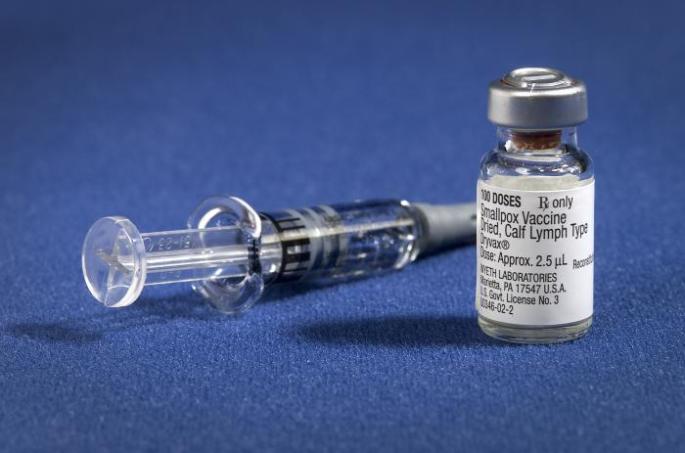
Dryvax, the vaccine used to eliminate smallpox, was replication-competent. Progressive vaccinia was reported as a rare adverse reaction when smallpox vaccines were administered during eradication efforts. Although Dryvax is no longer used, another replication-competent vaccine, ACAM2000, has taken its place. If ACAM2000 is administered to the general population today, far more cases of progressive vaccinia are expected to occur.

HIV and immunosuppression drugs are two modern factors contributing to decreased immune function. The World Health Organization estimates 35.3 million people in the world are living with HIV—1.1 million of those in the United States. Immune suppression associated with the illness would make smallpox vaccination undesirable, and smallpox infection fatal. HIV was not a factor during eradication efforts. Individuals with HIV would be at great risk in the event of smallpox reemergence.

Many modern drugs dampen the immune system to alleviate a range of conditions and symptoms, from hay fever and asthma to anti-rejection drugs for transplant recipients. Immunosuppression drugs have become commonplace. Those drugs did not play a significant role during eradication efforts because they were very expensive and uncommon. In the event of a re-emergence, smallpox would likely exploit those taking immunosuppression drugs. Furthermore, immunosuppression drugs dramatically increase the chance of developing progressive vaccinia following smallpox vaccine administration.

There is, however, a vaccine alternative for immunocompromised individuals. Imvamune is a replication-incompetent vaccine produced by Bavarian Nordic. Replication-incompetent vaccines deliver a virus incapable of replication, meaning it cannot cause progressive vaccinia. Unfortunately, there is no way to test the vaccine’s ability to confer smallpox immunity. Replication-incompetent vaccines are generally considered by health experts to be less effective at conferring immunity than replication-competent alternatives.

It is for these reasons that the re-emergence of smallpox would deal a catastrophic blow to the wellbeing of individuals around the world and therefore every effort must be made to prevent the return of smallpox.

Image of the Week: Salmonella typhimurium!

Salmonella typhimurium


From the CDC: “This photograph depicts the colonial growth pattern displayed by Salmonella typhimurium bacteria cultured on a Hektoen enteric (HE) agar medium; S. typhimurium colonies grown on HE agar are blue-green in color, for this organism is a lactose non-fermenter, but it does produce hydrogen sulfide, (H2S), therefore there can be black-colored deposits present.

HE agar is the medium designed for the isolation and recovery of fecal bacteria belonging to the family, EnterbacteriaceaeS. typhimurium causes 25% of the 1.4 million Salmonellosis infections a year in the United States. Most persons infected with Salmonella sp. develop diarrhea, fever, and abdominal cramps 12 – 72 hours after infection. The illness usually lasts 4 – 7 days, and most people recover without treatment. However, in some cases, the diarrhea may be so severe that the patient needs to be hospitalized.”

Image Credit: CDC