Week in DC: Events

March 16, 2015

Global Arms Trade, Recent Trends & Looking Ahead
Date: March 16, 10:00am
Location: The Stimson Center, 1211 Connecticut Ave NW, 8th Floor, Washington DC

The global arms trade impacts countries and societies in conflict and at peace. Internal security challenges as well as regional and international instability all drive demand for weapons, sometimes with unanticipated consequences. Today’s complex global conflicts and shifting security partnerships underscore the need for examining recent trends in the global arms market.

Each year, the Stockholm International Peace Research Institute (SIPRI) publishes a report on recent trends in international arms transfers. Drawn from the world’s most detailed public database on global arms transfers, these reports identify top exporters and importers of major conventional weapons as well as shifts in the international and regional arms trade. Please join us on March 16, 2015 for the U.S. launch of SIPRI’s most recent report. This event will present major findings from the report, and highlight key trends in global arms transfers from 2010 – 2014.

This event is co-hosted by the Forum on the Arms Trade and the Stimson Center.

RSVP here.

Rebels, Radicals, and the Regime: Finding a Way Forward in Syria
Date: March 16, 12:00pm
Location: Middle East Institute, 1779 Massachusetts Ave NW, Washington DC

On the fourth anniversary of the devastating Syria conflict, The Middle East Institute is pleased to welcome Michael Eisenstadt (The Washington Institute for Near East Policy), Robert Ford (The Middle East Institute, Former U.S. Ambassador to Syria), Mohammed Ghanem (Syrian American Council), and Dafna Rand (Center for a New American Security) for a discussion about how to break the stalemate in Syria and move the country toward a peaceful political transition.

Following the recent collapse of the main U.S.-backed rebel group, Harakat al Hazm, how should the U.S. re-think its strategy toward Syria’s moderate opposition? How might its recently launched train-and-equip program in Turkey affect dynamics inside Syria? How likely is the UN-proposed freeze in Aleppo to succeed, and how viable is Moscow’s renewed push for peace between the regime and its opponents?

The panelists will analyze these questions and assess the likelihood of finding a way forward in Syria in a discussion moderated by Paul Salem (The Middle East Institute).

Register here.

The Pentagon Budget: Prospects for Reform
Date: March 16, 12:00pm
Location: Cato Institute, 1000 Massachusetts Ave NW, Washington DC

During the Cold War, annual Pentagon spending averaged about $458 billion in today’s prices; over the next decade, its projected budget will average over half a trillion dollars per year. Yet, while our spending is consistent with Cold War levels, that money pays for fewer troops; supports less base capacity; and buys fewer ships, aircraft, and tanks. In short, we are getting less bang for our buck. And the situation is only getting worse as personnel costs continue to demand an ever-increasing share of the Pentagon’s budget.

There is broad agreement that reforms are needed. But what reforms? And are they possible? Our panel of experts will seek to answer these questions, highlighting the changes they believe are necessary to cure the Pentagon’s spending ills, and debating whether such reforms are politically viable. Please join us for this important discussion.

Featuring Dov S. Zakheim, Senior Advisor, Center for Strategic and International Studies; Mackenzie Eaglen, Resident Fellow at the Marilyn Ware Center for Security Studies, American Enterprise Institute; Todd Harrison, Senior Fellow, Defense Budget Studies, Center for Strategic and Budgetary Assessments; and Christopher A. Preble, Vice President for Defense and Foreign Policy Studies, Cato Institute; moderated by Kate Brannen, Senior Reporter, Foreign Policy.

Register here.

A Nuclear Deal, Iran’s Regional Role and U.S. Relations with the Gulf
Date: March 16, 2:00pm
Location: Atlantic Council, 1030 15th Street NW, 12th Floor, West Tower, Washington DC

The Arab nations across the Gulf from Iran are watching with some trepidation as nuclear talks between Iran and the five permanent members of the UN Security Council plus Germany appear to be nearing a conclusion. Speakers will address the validity of these concerns and how they might be addressed by the Obama Administration to reduce sectarian tensions and bolster nuclear non-proliferation.

The Iran Task Force, chaired by Ambassador Stuart E. Eizenstat, seeks to perform a comprehensive analysis of Iran’s internal political landscape, its role in the region and globally, and any basis for an improved relationship with the West. It is supported generously by the Ploughshares Fund.

Register here.

Understanding the Role of Libya’s Religious Actors in Confronting Violent Extremism
Date: March 16, 3:00pm
Location: United States Institute of Peace, 2301 Constitution Ave NW, Washington DC

While the international community hopes to reverse Libya’s rising violence and extremism, it has failed to engage a critical constituency—the country’s religious leaders and activists. Zahra’ Langhi of the Libyan Women’s Platform for Peace (LWPP), in collaboration with the U.S. Institute of Peace, has spent recent months researching and mapping this religious sector. Join us on Monday, March 16 as Langhi offers insights on how international actors can build peacemaking strategies with Libyan religious figures. She will focus on types of religious discourse as can be used towards and against peace and justice, along with efforts to combat violent extremism.

Langhi co-founded LWPP in 2011 amid the uprising that followed the overthrow of Muammar Qaddafi. The U.S. Institute of Peace partnered with her in the current project after the Institute found separately, in a 2013 assessment conducted between USIP and the State Department, that governments and international organizations had been unwilling or unable to work effectively with Libyan religious actors. The new research that Langhi will discuss in the March 16 event—from 3:00pm to 4:30pm—is built around 200 interviews that partner researchers have conducted with religious leaders, civil society activists, youth and political leaders from across Libya.

RSVP here.

Back Channel to Cuba: The Hidden History of Negotiations Between Washington and Havana
Date: March 16, 4:00pm
Location: Woodrow Wilson International Center for Scholars, 1300 Pennsylvania Ave NW, 5th Floor, Washington DC

Authors William M. LeoGrande and Peter Kornbluh will talk about their new book chronicling the untold history of attempts at reconciliation between the United States and Cuba. From John F. Kennedy’s offering of an olive branch to Fidel Castro after the missile crisis, to Henry Kissinger’s top secret quest for normalization, to Barack Obama’s promise of a “new approach,” LeoGrande and Kornbluh reveal a fifty-year record of dialogue and negotiations, both open and furtive.

Dr. William M. LeoGrande is Professor of Government and Dean Emeritus of the School of Public Affairs at American University in Washington, D.C. He holds a Ph.D. in Political Science from Syracuse University. In the 1980s, he served on staff in the United States Senate and House of Representatives. He is the author of Our Own Backyard: The United States in Central America, 1977-1992 (1998) and co-author ofBack Channel to Cuba: The Hidden History of Negotiations between Washington and Havana (2014), among other books. His articles have appeared in Foreign Affairs, the New York TimesWashington PostMiami HeraldLeMonde Diplomatique, among others.

Peter Kornbluh, is a senior analyst at the National Security Archive where he directs the Archive’s Cuba Documentation Projects. From 1990-1999, he taught at Columbia University, as an adjunct assistant professor of international and public affairs. He is the author and editor of a number of National Security Archive books, including Archive document readers, “The Cuban Missile Crisis, 1962,” “The Iran-Contra Scandal: The Declassified History,” and “Bay of Pigs Declassified: The Secret CIA Report on the Invasion of Cuba.” His most recent book is Back Channel to Cuba: The Hidden History of Negotiations between Washington and Havana (UNC Press, 2014), co-authored with William M. LeoGrande, which Foreign Affairs named a “best book of 2014.”

RSVP here.

Managing and Reducing 21st Century Nuclear Security Threats
Date: March 16, 7:00pm
Location: Georgetown University, Bunn ICC, 37th St NW, Washington DC

The Center for Security Studies and the Georgetown International Relations Club invite you to a special event focused on emerging and evolving nuclear security threats facing the United States and its global allies in the 21st century.

We welcome to our campus an unprecedented panel of nuclear security experts, US government and international leaders to discuss these imminent global security challenges.

Opening Remarks:
Dr. Keir Lieber, Associate Professor, Georgetown University School of Foreign Service Security Studies Program

Moderator Remarks:
Ms. Duyeon Kim, Associate in Nuclear Policy Program and Asia Program, Carnegie Endowment for International Peace

Panelists:
Senator Sam Nunn, Former Senator (GA), Co-Chairman and CEO, Nuclear Security Initiative
Senator Richard Lugar, Former Senator (IN), President, The Lugar Center
The Right Honorable Desmond Browne, Former United Kingdom Defense Minister and Vice Chairman, Nuclear Threat Initiative
Congressman Jeff Fortenberry, US Representative (NE), Co-Chair Congressional Nuclear Security Caucus

A reception from 6:00 PM – 7:00 PM will precede the Panel Discussion beginning at 7:00 PM.  All attendees are invited to join us for this reception in the Intercultural Center Galleria. RSVP here.

March 17, 2015

Redefining the American National Security Team: New Players, Defenses, and Strategies
Date: March 17, 9:15am
Location: Brookings Institution, Falk Auditorium, 1775 Massachusetts Ave NW, Washington DC

The sixth annual military and federal fellow research symposium, hosted by the Center for 21st Century Security and Intelligence at Brookings, will feature the independent research produced by members of the military services and federal agencies who have spent the last year serving at think tanks and universities across the nation. Organized by the fellows themselves, it is intended to provide a platform for building greater awareness of the cutting-edge work that America’s military and governmental leaders are producing on key policy issues.

This year’s symposium will focus on “Redefining the American National Security Team,” taking into account a host of changes occurring in the defense and intelligence environments. Not only will this include American policymakers and other actors—both adversarial and allied—but also the tools they employ and how they engage with the world. Bruce Jones, deputy director of Foreign Policy at Brookings, and Paula G. Thornhill, senior political scientist at RAND, will open proceedings with a discussion of leadership and the future threat environment. Lieutenant General David L. Goldfein, director of the Joint Staff, will deliver keynote remarks on “Providing the ‘best military advice’ as a joint leader.”

After each panel, participants will take audience questions. Dress is business attire or working uniform. Lunch will be provided. Register here to attend.

Cyber Leaders: A Conversation with Chairman Michael McCaul
Date: March 17, 10:00am
Location: Center for Strategic and International Studies, 1616 Rhode Island Ave NW, Washington DC

The Honorable Michael McCaul, Chairman of the House Homeland Security Committee, will speak on his legislative priorities for cybersecurity and homeland security in the new Congress.

Cyber Leaders intends to provide a public platform for policymakers and leaders in the field to provide their views on progress, challenges, and policies for cybersecurity.

Please RSVP here.

The FY 2016 Budget Request: Assessing U.S. Foreign Assistance Effectiveness
Date: March 17, 10:00am
Location: U.S. House Committee on Foreign Affairs, 2172 Rayburn House Office Building, Washington DC

Chairman Royce on the hearing:  “We are facing increasing radicalism in the Middle East and North Africa, grave humanitarian crises in Syria, Iraq, South Sudan and the Central African Republic, Russian aggression in Europe, and growing repression of democratic voices across Africa and Latin America.  There are also opportunities to increase our prosperity that we can bolster.  Of course, in today’s environment, resources are limited.  The bar for justifying U.S. foreign assistance must be high.  It is more important than ever that U.S. foreign assistance is efficient, effective, and supports our national security.  This hearing will give Members an opportunity to examine the President’s budget request for the U.S. Agency for International Development and the Millennium Challenge Corporation – the agencies charged with promoting democratic values and reducing poverty through economic growth.”

Under Threat: Egypt’s Systematic Campaign Against NGOs
Date: March 17, 12:00pm
Location: The Conference Center at the Carnegie Endowment for International Peace, 1779 Massachusetts Ave NW, Washington DC

Despite the repressive environment that existed for Egyptian civil society and NGOs in the Mubarak era, pre-2011 Egypt nonetheless had one of the most vibrant civil societies in the region, which included a variety of professional and respected human rights organizations.  Following Egypt’s 2011 revolution, many hoped to see a more democratic Egypt emerge, with greater political openness and space for civil society to operate.  Unfortunately, the reverse has been true, and Egypt’s civil society in particular has faced an increasingly repressive and hostile environment since 2011.

POMED is pleased to invite you to attend a public panel discussion in conjunction with the release of a new publication, Under Threat: Egypt’s Systematic Campaign against NGOs. This discussion will focus on several key questions: What threats does Egyptian civil society currently face? What are the options for Egypt’s embattled NGO community? What forces have led this ongoing campaign against NGOs? What impact does the ongoing campaign against civil society have on Egypt’s broader political trajectory? And what role may the international community be able to play in supporting Egypt’s threatened civil society?

Join us for a discussion with: Michele Dunne, Senior Associate, Middle East Program, Carnegie Endowment for International Peace; Bahey Eldin Hassan, General Director, Cairo Institute for Human Rights Studies; Kristen McGeeney, Senior Legal Advisor, Middle East and North Africa, International Center for Not-for-Profit Law (ICNL); Todd Ruffner, Advocacy Associate, Project on Middle East Democracy (POMED).

RSVP here.

MDAA Congressional Roundtable: Missile Defense Sensors
Date: March 17, 12:30am
Location: Missile Defense Advocacy Alliance, Capitol Visitor Center, SVC 201, Washington DC

MDAA invites you to an open, roundtable discussion on U.S. Missile Defense Sensors. Sensors in space, air, on land and at sea play the vital role in the tracking, discrimination and providing the firing solutions for our missile defense systems. The sensors provide the essential information that exponentially boosts the confidence and reliability of our nation’s missile defenses.

This event will provide the opportunity to speak directly with recently retired military commanders with expertise on this important but often overlooked topic. These leaders have experience in variety of regions and commands, including U.S. NORAD/NORTHCOM, U.S. STRATCOM, and the Joint Chiefs of Staff. With decades of direct experience in missile defense, they offer a candid, unbiased, and non-partisan view on the requirements for missile defense sensors.

RSVP here.

How the Next Great War Begins
Date: March 17, 3:30pm
Location: Atlantic Council, 1030 15th Street NW, 12th Floor, West Tower, Washington DC

Just over 100 years since the outbreak of World War I, where and when might a 21st Century’s ‘Great Power’ war begin? Who will fight, and why? What will be the decisive technologies of a great power war? What will be the role of narrative both before and during such a conflict?

Answering these questions will be ADM James Stavridis, USN (Ret.), Dean of the Fletcher School at Tufts University and former Supreme Allied Commander Europe; Ryan Evans, Editor-in-Chief at War On The Rocks; Nikolas Katsimpras, a former Hellenic Navy officer and lecturer at Columbia University who won the project’s first short story contest; and Siobhan Gorman, former intelligence reporter with The Wall Street Journal and a Director at Brunswick Group. As well, Katsimpras will read from his contest-winning story, “Coffee, Wi-Fi, And The Moon.”

The Art of Future Warfare project’s core mission is to cultivate a community of interest in works and ideas arising from the intersection of creativity and expectations about how emerging antagonists, disruptive technologies, and novel warfighting concepts may animate tomorrow’s armed and social conflicts.

Register here to attend in person or watch live online here.

Dealing with Ukraine’s Critical Financial and Economic Challenges
Date: March 17, 4:00pm
Location: Brookings Institution, Saul/Zilkha Rooms, 1775 Massachusetts Ave NW, Washington DC

Most attention on Ukraine over the past six months has focused on the conflict that the Ukrainian military has fought with separatists and Russian forces in the eastern part of the country.  But Kyiv faces other equally critical problems:  managing a financial crunch and moving forward with badly needed economic reforms.  The Ukrainian government received good news on March 11, when the International Monetary Fund approved a $17.5 billion extended fund facility.  But Kyiv still faces tough financial and economic challenges.

On March 17, the Center on the United States and Europe at Brookings will host a talk by Natalie Jaresko, Minister of Finance of Ukraine, on how Kyiv intends to meet these challenges.  Acting Vice President and Director of Foreign Policy Bruce Jones will introduce the minister. Following her opening remarks, Steven Pifer, a senior fellow in Foreign Policy, will moderate a discussion with questions from the audience.

Register here to attend.

March 18, 2015

Cyber Risk Wednesday: The Healthcare Internet of Things: Rewards and Risks
Date: March 18, 9:30am
Location: Atlantic Council, 1030 15th Street NW, 12th Floor, West Tower, Washington DC

Connecting personal medical devices or hospital machines to the larger Internet offers incredible benefits, not least better care for patients and more control over their care, but also possibly lower healthcare costs. One study has estimated savings of over $60 billion over fifteen years.

Yet these benefits come with risks as the networked medical devices will be at least as open to misuse as any other technology.  The security and healthcare industries will have to focus on technologies that are “secure-by-design” to avoid the worst from accidental failures, privacy breaches, and intentional or even widespread disruption.

The report, launched at the event, is a collaboration between Intel Security and the Atlantic Council’s Cyber Statecraft Initiative. It explores these issues with practical recommendations for governments and the health care and security industries.

Register here to attend or watch live online here.

Libya in Turmoil: A TNT Terrorism Roundtable Discussion
Date: March 18, 9:30am
Location: Center for Strategic and International Studies, 1616 Rhode Island Ave NW, Concourse Level, Room 114, Washington DC

Libya is experiencing extreme levels of insecurity and is contributing to instability and violence from the African Sahel to the battlefield in Syria. A once promising country is now deeply chaotic, with its own future and integrity in doubt. Political confrontation, countless militias, and the emergence of local ISIS activity are some of the key challenges for Libya. Please join Hunter Keith, Najla Mangoush, and Tom Sanderson for an engaging and critical discussion on Libya’s internal conflicts and its impact on Africa and the Middle East.

Joint Subcommittee Hearing: Iran and Hezbollah in the Western Hemisphere
Date: March 18, 10:15am
Location: U.S. House Committee on Foreign Affairs, 2172 Rayburn House Office Building, Washington DC

Chairman Duncan on the hearing: “Given the impending deadline for nuclear negotiations over Iran’s illicit nuclear weapons program, I believe it is critical for the U.S. to re-examine Iran and Hezbollah’s activities in our own neighborhood. Congress has conducted sustained, rigorous oversight on this issue with multiple Committee hearings, classified briefings, and the passage of legislation I authored, the Countering Iran in the Western Hemisphere Act, into law in 2012. Unfortunately, the Obama Administration continues to ignore this threat even while Iran and Hezbollah expand their reach. Following a September 2014 Government Accountability Office report that found the State Department failed to follow this law, the Administration has taken no concrete action to address these problems. This hearing will consider the implications of continued inaction by the U.S. and regional governments even while Iran has been implicated in recent attempted terrorist attacks in Peru (2014) and Uruguay (2015) and embroiled in a controversy with Argentina concerning allegations of a political cover-up and the mysterious death of Alberto Nisman. I look forward to hearing the regional perspectives the witnesses will share.”

Chairman Ros-Lehtinen on the hearing: “Iran and Hezbollah’s history of involvement in the Western Hemisphere has long been a source of concern for the United States. Given the nature of transnational criminal networks existing in Latin America and the rise of terrorism ideology being exported worldwide from Middle East, it is disturbing that the State Department has failed to fully allocate necessary resources and attention to properly address this potential threat to our nation. It is well known that Iran poses a security threat to regional affairs and has expanded its ties in countries such as Cuba, Venezuela, Nicaragua, Argentina, Bolivia, Brazil, and Ecuador. The United States needs a comprehensive understanding of Tehran’s efforts in Latin America in order to thwart any potential risk to our allies and U.S. national security.”

Dialogues on American Strategy and Statesmanship: Sen. Tom Cotton and Walter Russell Mead
Date: March 18, 11:30am
Location: Hudson Institute, 1015 15th Street NW, 6th Floor, Washington DC

Walter Russell Mead, Hudson Institute Distinguished Scholar in American Strategy and Statesmanship, hosts Senator Tom Cotton of Arkansas for a one-on-one discussion of U.S. national security challenges. Mead will explore Senator Cotton’s perspective on America’s role in the world and recommendations for handling global hot spots, including the rapid rise of the Islamic State, the U.S.-Iran nuclear talks, Russian aggression against Ukraine, and other challenges facing American policymakers today and in the years ahead.

Senator Cotton, who serves on the Banking, Intelligence and Armed Services committees, is a prominent voice in Washington on national security and international affairs. Cotton served two combat tours, one in Iraq with the 101st Airborne and the other in Afghanistan with a Provincial Reconstruction Team. His military decorations include the Bronze Star, Combat Infantry Badge, and Ranger Tab.

With this event, Hudson Institute is pleased to inaugurate its Dialogues on American Strategy and Statesmanship, a major new initiative moderated by Distinguished Scholar Walter Russell Mead, one of America’s leading analysts of international affairs.

These dialogues are guided by the belief that global prosperity, the defense of human rights, and the establishment of a secure and peaceful world order require a new foreign policy, one that places a robust America at the heart of a broad and vigorous network of allies. This series will feature leading American and global policymakers and opinion leaders in candid conversation on timely questions of international affairs, national security, economics, and civil society.

Register here.

Cartoons in the Times of Authoritarianism
Date: March 18, 12:00pm
Location: Freedom House, Mark Palmer Conference Room, 1850 M Street NW, Suite 1100, Washington DC

Freedom of expression is under threat in Ecuador and Venezuela. In Ecuador, President Rafael Correa has used restrictive laws, defamation lawsuits, and politicized institutions to silence his media critics and punish those who publish opinions with which he disagrees. In Venezuela, previously independent news outlets have faced government restrictions and been bought up by government cronies, greatly limiting coverage of government repression of street protests and all but eliminating traditional independent media.

In the face of these challenging circumstances, many journalists have continued their work, often at significant personal and professional risk. Ecuadorian cartoonist Bonil has come under attack from the authorities for his satirical depictions of President Rafael Correa and other government leaders, most recently being accused of “socioeconomic discrimination” for a cartoon published in August 2014. Bonil has repeatedly indicated that he has many more cartoons up his sleeve.

Rayma, who published cartoons for the newspaper El Universal for nearly 20 years, was fired in September 2014 for a cartoon satirizing the Venezuelan health care system, which included the signature of the late President Hugo Chavez. She, too, has insisted that she will continue to share her political critiques freely.

Following the Charlie Hebdo assassinations, there is increased attention to cartoonists and freedom of expression. Please join us for a discussion with Bonil and Rayma on their creative methods for challenging growing restrictions on political speech, and using humor to contest power and the status quo.
Click here to register.

Communicating the Strategic Value of Technology Transfer
Date: March 18, 12:00pm
Location: Technology Transfer Society DC Chapter, 1307 New York Ave NW, Washington DC

With a new Congress in place and continuing fiscal constraints, federal R&D agencies and research universities face increasing uncertainty. Technology transfer and commercialization support activities will be among the many functions required to justify their continuation and demonstrate that they advance the goals for their respective institutions. By traditional measures of “return on investment,” technology transfer often takes many years to generate a payoff, and many of its benefits are intangible in nature. Given this situation, how can technology transfer professionals better explain the value of their activities to top executives and elected officials, and capture how these activities contribute to the strategic mission of research organizations? A panel of representatives from industry and academia will address this topic, exploring approaches to communicating the value of technology to senior leadership and making the business case for supporting research commercialization.

Register here.

Searching for a Strategy in the Ukraine Crisis
Date: March 18, 12:00pm
Location: American Institute for Contemporary German Studies, 1755 Massachusetts Ave NW, Suite 700, Washington DC

The West faces a dilemma in the Ukraine crisis. On the one hand, Russian president Vladimir Putin is known to react to political pressure with counter pressure, so a tough policy on Russia is likely to escalate. On the other hand, an appeasement policy entails the risk of ongoing Russian aggressions, too. The previous Western step-by-step approach has not yet been successful in solving the conflict.

This seminar seeks to explore elements of a coherent strategy to deal with Russian aggressions in the Ukraine conflict. Dr. Mehlhausen will juxtapose the competing approaches of Germany and Poland, which have until this point shaped the EU’s Eastern policy. Subsequently, he proposes three principles on which Western responses to the Ukraine crisis should be based. The discussion after the presentation will be moderated by Dr. Gale Mattox, Director of the AICGS Foreign & Domestic Policy Program.

Register here.

March 19, 2015

The War in Ukraine: The Roots of Russian Conduct
Date: March 19, 10:00am
Location: Woodrow Wilson International Center for Scholars, 1300 Pennsylvania Ave NW, 5th Floor, Washington DC

A year after the annexation of Crimea and the start of hostilities in Eastern Ukraine, the sequence of events leading up to the crisis are well established. Yet these events find their origins in Russia’s recent and distant past, as well as the EU’s image of a modern, post-WWII Europe. Join us for a panel discussion of the origins of war in Ukraine.

RSVP here.

The Impact of the Crimean and Ukrainian Crises on the Central Eurasian Islamic World with Charles Weller
Date: March 19, 12:30pm
Location: Georgetown University, ACMCU, ICC #270, 3700 O Street NW, Washington DC

Dr. Weller’s talk will focus on four main, interrelated dimensions of the impact of the Crimean and Ukrainian Crises on the Central Eurasian Islamic World: (1) The response of the Crimean Tatar community and impact on Russo-Tatar relations within the Crimea religiously, socially, and politically; (2) Responses among related Turkic Muslim groups of Central Eurasia, particularly the Turks of Turkey, the Volga Tatars within the Russian Federation, and the Kazakh Muslims of Kazakhstan, with related reflections upon the impact of the crises upon Russo-Turkish relations politically, Russo-Volga Tatar relations socially and politically within Tatarstan, and Russo-Kazakh relations socially and politically within Kazakhstan; (3) the (potential) impact upon Russo-Chinese relations politically in connection with the Uighur independence movement; and (4) Responses from across the broader Muslim world, particularly the Middle Eastern and Western worlds. The presentation will argue that the Crimean and Ukrainian crises have provoked and, if maintained, will continue to provoke a predominantly negative reaction against not only Russia and Russian expatriates living in Central Eurasian states which are significantly populated by Muslims, but will serve to reinforce Muslim views of ‘The (Christian) West’ as imperialist and exploitative world powers, in spite of condemnation of the action by a large number of Western powers internationally, since Western condemnation is concerned primarily with safeguarding Ukraine as a pro-Westernizing force (and not the Crimean Tatar cause). This study will draw primarily from scholarly works on historical and historiographical issues pertaining to Ukraine and the Crimea as well as published newspaper, magazine, and journal articles in Turkish, Tatar, Kazakh, and English which have appeared in response/relation to the issue.

Register here.

The Modern Mercenary Book Launch and Reception
Date: March 19, 6:00pm
Location: The Center for Security Studies, Mortara Center for International Studies, 36th Street NW, Washington DC

You are invited to join us for a special event featuring our distinguished adjunct professor, Dr. Sean McFate, in celebration of his latest book The Modern Mercenary: Private Armies and What They Mean For World Order (Oxford University Press).It was 2004, and Sean McFate had a mission in Burundi: to keep the president alive and prevent the country from spiraling into genocide, without anyone knowing that the United States was involved. The United States was, of course, involved, but only through McFate’s employer, the military contractor DynCorp International. Throughout the world, similar scenarios are playing out daily. The United States can no longer go to war without contractors. Yet we don’t know much about the industry’s structure, its operations, or where it’s heading. Even the U.S. government – the entity that actually pays them – knows relatively little.

In The Modern Mercenary, Sean McFate combines a broad-ranging theory of the phenomenon with an insider’s understanding of what the opaque world of the private military industry is actually like, explaining its economic structure and showing in detail how firms operate on the ground. McFate provides an unparalleled perspective into the nuts and bolts of the industry, as well as a sobering prognosis for the future of war.

Please RSVP by Tuesday, March 17.   Reception begins at 6:00 PM, with moderated remarks from Dr. McFate to follow.  This event is open to the public and to the press. The Georgetown University Bookstore will be selling copies of The Modern Mercenary for purchase.
Pandora Report 3.15.15

For those of us at Mason, Spring Break is nearing its end. For the rest of us, however, it’s business as usual. This week we’ve got stories about engineering nuclear worries in South Africa, the eradication of guinea worm, the lasting health impacts of Ebola, and other stories you may have missed.

Have a great week, enjoy the longer daylight hours, and we’ll see you back here next weekend!

U.S. Unease about Nuclear-Weapons Fuel Takes Aim at a South African Vault

Located in a former silver vault at a nuclear research center near Pretoria, South Africa, is enough nuclear weapons explosive to fuel half a dozen bombs. Roughly 485 pounds of highly enriched uranium exist as remnants of the apartheid regime’s nuclear weapons program. U.S. officials worry that not only does this stockpile give South Africa the theoretical ability to regain its status as a nuclear-weapons state, but the stockpile’s vulnerability makes it a target for terrorist thieves. This isn’t a far-fetched concept, because in November 2007 two teams of raiders breached the fences at the nuclear center, entered the site, and broke into the central alarm station. Obama has urged President Jacob Zuma to transform the nuclear explosives into benign reactor fuel—with U.S. assistance—to no avail.

The Washington Post—“‘The bottom line is that South Africa has a crime problem,” [arms control expert Jon] Wolfsthal said. “They have a facility that is holding onto material that they don’t need and a political chip on their shoulder about giving up that material. That has rightly concerned the United States, which is trying to get rid of any cache of HEU [highly enriched uranium] that is still out there.’”

Tug of War: On the Verge of the Greatest Public Health Triumph of the 21st Century

As people work around the world to eradicate Polio, another public health enemy is about to be eliminated first—guinea worm. This parasite, found in rivers and streams, enters the body in larval form through contaminated drinking water. The larvae mature inside the body and move towards the skin’s surface in the form of a burning blister. When the infected human puts water on the blister, the worm bursts out into water, continuing the source infection cycle. However, the number of cases of guinea worm is way down—from 3.5 million cases in 1986 to 126 cases in 2014—thanks to a simple nylon filter attached to a drinking straw. The weave on the nylon is tight enough to filter out the larvae from drinking water.

Slate—“Vanquishing guinea worm would be arguably the first great public health triumph of the 21st century. It would also give new life to the human disease eradication movement, which suffered through 35 mostly frustrating years following the conquest of smallpox in 1980. The victory would prove to governments and private foundations that we can still accomplish eradication.”

Ebola Could Cause Thousands More Deaths—By Ushering in Measles

As Liberia removed their Ebola crematorium—with the declaration that the outbreak is contained—new cases of the disease are still popping up in Sierra Leone and Guinea and have resulted in nearly a dozen American volunteers returning to U.S. facilities for treatment.  And this week, in Science, researchers from NIH and four universities have warned that Ebola’s interruption in other health services—like immunization campaigns—could result in epidemics of preventable diseases with larger fatality numbers than Ebola. Specifically, they warn that up to 100,000 cases of measles could result in 16,000 additional deaths.

Wired—“Measles is already present in West Africa, so the team is not arguing that Ebola will revive an eradicated disease — although, poignantly, hard work in the three countries had recently forced measles incidence way down. “Between 1994 and 2003, the countries reported — and this is just how many they reported, not necessarily how many occurred — about 100,000 cases of measles,” Lessler said. “Whereas in the last decade, they’ve only reported 7,000. So they’ve done an excellent job of controlling the virus compared to the previous (decade).’”

Stories You May Have Missed


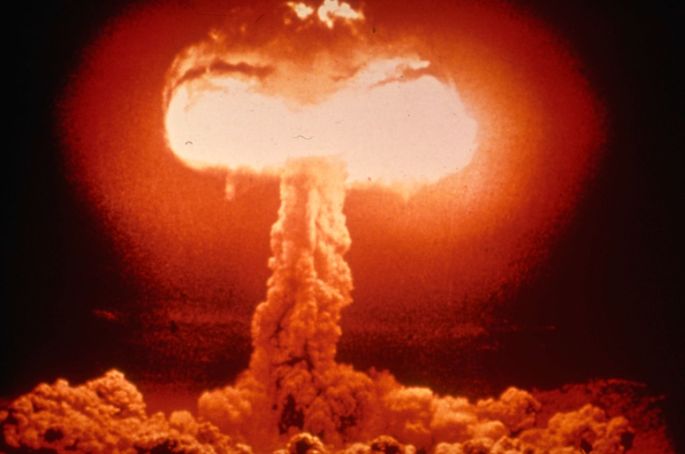
Image Credit: FEMA

Better Resolution in Microscopy

By Jonathon Marioneaux

For centuries, light microscopes have helped biologists understand the inner workings of the cell by using the unique properties light and how it bends when traversing through different mediums.  The first light microscope led to the discovery of cells and ushered in a new era of biology: microbiology. Since that time, new technological advances have helped push the boundaries of cell anatomy to ever smaller structures and better resolution of those structures.  Several types of microscopes include the scanning electron microscope, transmission electron microscope, florescent microscope, bright field microscope, laser capture micro-dissection microscope, multifocal plane microscope, and x-ray microscope; each one with its unique capabilities.

Traditional optical or light microscopes take advantage of a light source to illuminate a specimen from behind allowing the viewer to see the object. However, the greatest limitation is the resolution of a microscope itself.  The resolution is the ability to differentiate between two objects in a viewing plane and is directly dependent on the wavelength used for viewing.  For example, a light microscope can only view objects to a resolution of 1250 times (theoretical limit 0.250 micrometers) whereas the scanning electron microscope has a limit of 1 nanometer.  As mentioned, this difference is based on the type of wavelength used for viewing, and in the optical microscope this is directly dependent on the type of light used; ultraviolet light achieves a better resolution than infrared.  Another problem with light microscopes is the material must be transparent to the wavelength, the best medium is dependent on the sample, however, oil or water are the most common.

Fei Chen and colleagues have shown that light microscopes can now achieve a higher resolution then previously thought due to a new technique called Expansion Microscopy.  This technique takes advantage of polyelectrolyte gels hydrolyzing in the presence of water homogenized throughout a specimen.  In their work, the researchers showed that a fixed permeabilized brain tissue can be infused with polyelectrolyte gel triggered by an ammonium persulfate accelerator, tetramethylethylenediamine accelerator and digested with tissue-polymer composite protease and can swell 4.5 times without distortion. As the polyelectrolyte gel is mostly water optical microscopes can resolve cellular structures.  The researchers showed that structures such as microtubules, dendrites, and mossy fiber boutons in the dentate were observable in high resolution.

To further increase the resolution of the new technique, the researchers attached fluorescently labeled proteins to the gel matrix and infused the cell before hydrolyzing it.  As the radical hydrolyzing occurred the florescent tags were bound in the matrix and allowed specific regions of the cell to be analyzed in more detail and higher resolution then without the tags.  The tags were created using a specific oligonucleotide sequence on a protein corresponding to an antibody which was then bound to either green florescent protein or yellow florescent protein.  The florescent antibodies also allow for macrostructures to be seen in more refined structural detail then previously possible.

This new technique is still in its infancy and will take advantage of further advancements in both the physical expansion of polyelectrolyte gel and diffraction-limited microscopes.  However, this new technology will allow light microscopes to see smaller cellular structures in finer detail then previously possible in fixed cell microscopy.  Microscope technology continues to advance far beyond the simple refraction lens used to discover the cell.

Image Credit: Erwin94


Chen, F., Tillberg, P., & Boyden, E. (2015). Expansion Microscopy. Science, 347(6221), 543-548.

CIA Purchase of Iraqi CW: Background and Context

By Greg Mercer

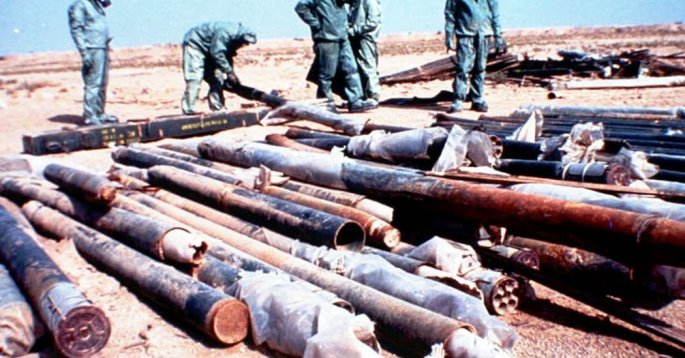
Recently, a CIA program to buy and destroy chemical weapons in Iraq has come to light.   The New York Times reports that from 2005 to 2006, Operation Avarice saw the purchase and destruction of 400 chemical weapon rockets originally developed by the Hussein regime in the 1980s.  Reports vary on the contents of the rockets, which may have contained either degraded chemical components or still-active sarin.  The Times article states that, in cooperation with the Army 203rd Military Intelligence Battalion, the CIA station in Baghdad made the purchase from a single Iraqi seller and destroyed the weapons.

These events notably fall outside of the findings of the Iraq Survey Group (ISG), the 2003 Department of Defense-led fact finding mission.  The ISG released a final report in 2004 detailing Iraqi WMD-related activities from 1991 to 2003. However, ongoing conflict in Iraq has led to further encounters with remnants of Hussein’s WMD programs.

An October 2014 article detailed claims made by veterans that military personnel had been exposed to sulfur mustard during the destruction of seized Iraqi chemical weapons near Taji.  The Times’ CJ Chivers places the number of service members exposed to chemical weapons at no fewer than 17, and asserts that they received inadequate healthcare.  His investigation led to the Pentagon acknowledging that hundreds of service members had been exposed to chemical weapons and had received insufficient treatment.

A May 2004 Fox News article reported that a 155mm artillery shell used as part of a roadside bomb in Iraq was found to have contained sarin, and two service members were treated for mild symptoms of exposure.  While the shell contained three liters of sarin, it was a binary system, where separate chemical compounds are mixed to form the weapon agent.  Due to its use as an improvised explosive and failure to combine, the agent was not potent enough to be lethal.  The article notes that a different shell containing mustard gas was found in a similar setup.  However, this shell also did not detonate, and the chemical agent was found by the ISG to be inactive due to improper storage.

In July 2004 the Washington Post reported that warheads found in Iraq by Polish forces, originally believed to be chemical weapons dating back to the Iran-Iraq war (which saw the use of chemical weapons by both sides), did not, in fact, contain chemical agents.  The warheads were reportedly purchased, not confiscated, rockets, though this point was disputed by an unnamed senior intelligence official, who said that the U.S. had been told that the rockets were found alongside other conventional weapons.  Chemical weapons or not, the episode demonstrates the severity with which international forces in Iraq treated claims of insurgents and terrorists possessing or seeking unsecured Hussein-era weapons.

It’s important to note that these brushes with chemical weapons involved agents dating to before 1991.

Chemical weapons were not the only illicit goods seized in Iraq.  In 2005, the Associated Press reported that 550 metric tons of yellowcake uranium had been sold to Canadian uranium producer Cameco Corp. for use as nuclear fuel.  The U.S. conducted a top-secret airlift operation of 37 flights to move the uranium from Baghdad to Montreal.  The uranium was a remnant of Hussein’s nascent nuclear weapons program.  Yellowcake uranium is an intermediate product of uranium processing, not weapons-grade material.  It can either be smelted into fuel rods for use in nuclear reactors for power production, or enriched into U-235 via gas centrifuge.  Low-enriched uranium (up to 20% U-235) is also used in nuclear reactors, but highly-enriched uranium (90%) is used in nuclear weapons.


Image Credit: The New York Times

March 2015 Biodefense Policy Seminar–New Location

The Biodefense Policy Seminars are monthly talks focused on biodefense and biosecurity broadly conceived. Free and open to the public, they feature leading figures within the academic, security, industry, and policy fields.

March 2015 Biodefense Policy Seminar

Seminar: Combating Weapons of Mass Destruction – An Integrated Layered Approach
Speaker: Dr. David Christian Hassell, Deputy Assistant Secretary of Defense for Chemical and Biological Defense, Department of Defense
Date: Thursday, March 26, 2015
Time: 6:00 – 7:30pm; complimentary food will be served at 5:30pm
Location: The Hub Meeting Room 5, George Mason University, Fairfax, VA

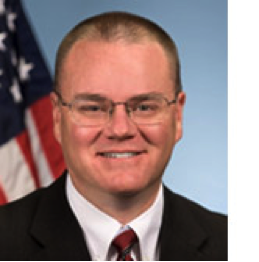
Dr. David Christian “Chris” Hassell was appointed DHasselleputy Assistant Secretary of Defense for Chemical and Biological Defense in the Department of Defense in 2014. From 2008 until 2014, he served as an Assistant Director of the Federal Bureau of Investigation (FBI) and Director of the FBI Laboratory. During his tenure, he led major efforts to expand the Laboratory’s role in national security and intelligence, including the Terrorist Explosive Device Analytical Center (TEDAC) and other technical areas related to weapons of mass destruction. In addition, he strengthened and streamlined FBI programs in traditional forensics, particularly in such rapidly evolving areas as DNA, chemistry and the use of instrumentation to augment pattern-based forensic techniques (e.g., fingerprints, firearms, and documents). He also led many engagements with international counterparts, with focus on enhancing counterterrorism interactions with “Five-Eyes” partners, as well as new technical collaborations in Asia, Latin America and with such key multilateral groups as the International Atomic Energy Agency (IAEA) and INTERPOL.

Dr. Hassell joined the Bureau from the Oklahoma State University Multispectral Laboratories, where he led Research, Development, Testing and Evaluation. He previously served as Assistant Vice President for Science and Technology at Applied Marine Technologies Incorporated. Prior to that position, Dr. Hassell led programs in analytical chemistry, instrumentation development, and nuclear weapons forensics at Los Alamos National Laboratory. During this time, he also served as a subject matter expert for chemical and biological weapons with the Iraq Survey Group in Baghdad. Earlier in his career, Dr. Hassell was a Senior Research Chemist at DuPont, developing online analytical instrumentation for chemical and bioprocess facilities for both research and manufacturing.

Dr. Hassell received his PhD in analytical chemistry from the University of Texas at Austin. He is a Fellow of the Society for Applied Spectroscopy and a member of the American Chemical Society and the International Association of Chiefs of Police.

Week in DC: Events

March 9, 2015

Ukraine: Public Opinion Amid War
Date: March 9, 11:00am
Location: United States Institute of Peace, 2301 Constitution Ave NW, Washington DC

The survey of 2,000 Ukrainians, led by political psychologist Dr. Steven Kull at the University of Maryland and administered by the Kyiv International Institute of Sociology, was conducted Feb. 13-22, beginning one day after the latest ceasefire was to take effect and spanning the fall of Dabaltseve to Russian-backed separatists.  Conducted primarily through face-to-face interviews (telephone was used in some of the conflict areas), the poll also queries Ukrainians on how they think the United States, Russia, Germany, France and the EU are handling the crisis.

Kull is director of the University-affiliated Program for Public Consultation, which develops methods for enhancing the capacity of governments to consult their publics on policy decisions. He also is Senior Research Scholar at the University’s Center for International and Security Studies at Maryland (CISSM). Dr. Kull plays a central role in the BBC World Service global poll, and regularly briefs members of the U.S. Congress as well as officials of the State Department, the United Nations, and the European Commission.

RSVP here.

The Ukraine Crisis and Japan’s Russia Challenge
Date: March 9, 12:30pm
Location: East-West Center, Sixth Floor Conference Room, 1819 L Street NW, Washington DC

The crisis in Ukraine – Russia’s annexation of the Crimea and its intervention in Eastern Ukraine – has had global implications. Resisting any attempt to change the status quo by force or coercion used to be a challenge mainly in East Asia. However, in the wake of the Ukraine crisis, Europe and Japan (and Asia as a whole) are now facing in common the same challenge. Still, the question of how to manage the relationship with Russia remains tricky for Tokyo, particularly in the context of the territorial dispute and peace treaty negotiations between the two countries and the rise of China. The Shinzo Abe government invested a lot in cultivating relations with Moscow – or with Putin personally. It is, therefore, not surprising that Japan has often been seen as among the most reluctant of G7 members along with Germany regarding economic sanctions on Russia, while firmly committed to the process of G7 coordination. Japan, in short, faces its own Russia challenge in the wake of the Ukraine crisis.

Dr. Michito Tsuruoka will discuss what considerations and calculations have been at work behind Japan’s response to the crisis in Ukraine. It is much more than just about the bilateral relationship between Japan and Russia. He will also examine (alleged) extended deterrence implications as well as concerns about “hybrid warfare.”

RSVP here.

A Conversation on the Middle East with Stephen Hadley
Date: March 9, 1:00pm
Location: Johns Hopkins School of Advanced International Studies, Nitze Building, Kenney Herter Auditorium, 1740 Massachusetts Ave NW, Washington DC

Stephen Hadley served as the National Security Advisor to President George W. Bush from 2005 to 2009. From 2001 to 2005, Mr. Hadley served as Deputy National Security Advisor. In addition to covering the full range of national security issues, he had special responsibilities in several areas including a U.S./Russia political dialogue, the Israeli disengagement from Gaza, and developing a strategic relationship with India.

From 1993 to 2001, Mr. Hadley was both a principal in The Scowcroft Group (a strategic consulting firm headed by former National Security Advisor Brent Scowcroft) and partner in the Washington D.C. law firm of Shea & Gardner (now part of Goodwin Proctor). In his consulting practice, he represented U.S. corporate clients investing and doing business overseas, including in China, the United Arab Emirates, and Western and Eastern Europe. At Shea & Gardner, he represented U.S. corporate clients in transactional and international matters—including export controls, foreign investment in U.S. national security companies, and the national security responsibilities of U.S. information technology companies. From 1989 to 1993, Mr. Hadley served as Assistant Secretary of Defense for International Security Policy for President George H.W. Bush, and from 1974 to 1977 he served on the National Security Council staff of President Gerald R. Ford.

Mr. Hadley remains engaged on U.S. national security policy, currently serving on the State Department’s Foreign Affairs Policy Board. He is also a Director of the Atlantic Council, serving on its Executive Committee and is a member of the Board of Managers of the Johns Hopkins University’s Applied Physics Laboratory, Chairman of RAND’s Center for Middle East Public Policy Advisory Board, and a member of Yale University’s Kissinger Papers Advisory Board. He previously held positions as co-chair of the 2010 Quadrennial Defense Review Independent Panel, a member of the Department of Defense Policy Board, and a trustee of the Carnegie Endowment for International Peace.

Mr. Hadley also serves as Senior Advisor on International Affairs to the United States Institute of Peace (USIP). In this capacity, Mr. Hadley has co-chaired a series of senior bipartisan working groups on topics ranging from Arab-Israeli peace to U.S. political strategy in Afghanistan and Pakistan to U.S./Turkey relations. He also contributes to the Institute’s programs in the Middle East and Asia.

Register here.

America’s Strategic Dilemma: A Revisionist Russia in a Complex World
Date: March 9, 2:15pm
Location: Center for Strategic and International Studies, 2nd Floor Conference Center, 1616 Rhode Island Ave NW, Washington DC

The Brzezinski Institute on Geostrategy is pleased to invite you to a conversation with Senator Robert Menendez (D-NJ), Ranking Member of the Senate Foreign Relations Committee, and Dr. Zbigniew Brzezinski, former National Security Adviser and current CSIS counselor and trustee. On March 18th, 2014, Russian President Vladimir Putin gave an historic speech to the Russian Assembly which formally annexed Crimea and ushered in a new Russian chauvinistic policy of protecting ethnic Russians beyond Russia’s borders.  As a result, Russia’s relations with its European neighbors and American counterparts have descended to their lowest level since the Cold War. As the one year anniversary of this historic speech nears and as the conflict in the Donbass region of Ukraine continues to spread claiming thousands of Ukrainian lives, it is time for the U.S. to re-think its reactive policy response to Russian actions and formulate a more durable and multidimensional policy approach which addresses the Kremlin’s hybrid and comprehensive toolkit of information, economic, political, energy, and military tools.  How significant is the threat Russia poses to the interests of the United States and its allies?  What are the key elements of a new American  policy?  Are the American people prepared for a long-term crisis with Russia?

Register here.

Of Marines, the Universal Declaration of Human Rights, Guantanamo, and Beyond
Date: March 9, 4:30pm
Location: Institute of World Politics, 1521 16th Street NW, Washington DC

This event is sponsored by The Center for Human Rights and International Affairs, a project of Good of All and The Institute of World Politics.

David Iglesias’ 30 year legal career has been exceptionally diverse and global; United States Attorney, U.S. Navy JAG Officer, White House Fellow, college professor, political economy think tank director, state prosecutor, military war crimes/terrorism prosecutor and spokesman, rule of law instructor in Latin America, Africa, Eastern Europe and Asia; civil rights defense attorney, state-wide political candidate, and criminal defense attorney (represented legendary Navy SEAL Team Commanding Officer Dick Marcinko). He also defended a Marine in Guantanamo Bay, Cuba that partially inspired the hit movie “A Few Good Men”, was named to Esquire Magazine’s 2009 “Best and Brightest” list and authored the book “In Justice”. He is the son of missionaries and was raised tri-cultural and tri-lingual in Panama and New Mexico. Retired Navy JAG Captain Iglesias is a graduate of a public high school in Santa Fe, Wheaton College and the University of New Mexico School of Law.

RSVP here.

March 10, 2015

The Future of U.N. Peace Operations
Date: March 10, 9:00am
Location: United States Institute of Peace, 2301 Constitution Ave NW, Washington DC

U.N. Secretary-General Ban Ki-moon created the High-level Independent Panel on U.N. Peace Operations on October 31, 2014, to undertake a comprehensive review of peace operations. Join the U.S. Institute of Peace on March 10 for a discussion with a delegation from the U.N. panel co-hosted with the U.S. Department of State’s Bureau of International Organization Affairs and the Better World Campaign.

The independent panel is charged with reviewing the broad range of issues, including the changing nature of peacekeeping environments, evolving mandates, good offices and peacebuilding challenges, managerial and administrative reforms, planning, partnerships, human rights, and protection of civilians.

Speakers will include:

  • Mr. Anthony Blinken, Keynote Address
    Deputy Secretary of State
  • Mr. Jose Ramos-Horta, Remarks
    Former President of Timor-Leste
  • Ambassador William Taylor, Welcoming Remarks
    Acting Executive Vice President, USIP
  • Ambassador George Moose, Panel Introductory Remarks
    Vice Chair, USIP Board of Directors
  • Ms. Sheba Crocker, Introductory Remarks
    Assistant Secretary of State
  • Mr. Peter Yeo, Closing Remarks
    Vice President of Public Policy, U.N. Foundation
    President of the Better World Campaign

Other members of the High Panel will participate in the Q&A session. Complete agenda. Register here.

Conflict in Ukraine: The Unwinding of the Post-Cold War Order
Date: March 10, 12:00pm
Location: Heritage Foundation, Lehrman Auditorium, 214 Massachusetts Ave NE, Washington DC

The current conflict in Ukraine has spawned the most serious crisis between Russia and the West since the end of the Cold War. It has undermined European security, raised questions about NATO’s future, and put an end to one of the most ambitious projects of U.S. foreign policy – building a partnership with Russia. It also threatens to undermine U.S. diplomatic efforts on issues ranging from terrorism to nuclear proliferation.

This book puts the conflict in historical perspective by examining the evolution of the crisis and assessing its implications both for the Crimean peninsula and for Russia’s relations with the West more generally. Experts in the international relations of post-Soviet states, political scientists Rajan Menon and Eugene Rumer clearly show what is at stake in Ukraine, explaining the key economic, political, and security challenges and prospects for overcoming them. They also discuss historical precedents, sketch likely outcomes, and propose policies for safeguarding U.S.-Russia relations in the future. In doing so, they provide a comprehensive and accessible study of a conflict whose consequences will be felt for many years to come.

RSVP here.

Sharing Secrets: Obstacles and Solutions to International Intelligence Sharing
Date: March 10, 12:00pm
Location: New America Foundation, 1899 L Street NW, Suite 400, Washington DC

Newly recruited intelligence officers are taught that there are no friendly intelligence agencies, only intelligence agencies of friendly countries. This old adage still rings true, yet intelligence sharing between these unfriendly agencies is more important and more developed today than ever. Whether it’s about fighting terrorism or WMD proliferation, intelligence agencies are sharing information and cooperating to an unprecedented degree. How effective is this cooperation? What can promote it and increase it? Where does it stop?

New America is pleased to welcome our keynote speaker Gen. (ret.) Michael Hayden, former Director of the Central Intelligence Agency and of the National Security Agency; as well as Dr. David Gioe, a former FBI and CIA officer now Assistant Professor at West Point and an expert on the special intelligence relationship between the US and the UK; and Dr. James Walsh, Professor of Political Science at the University of North Carolina and author ofThe International Politics of Intelligence Sharing.

RSVP here.

Combatting Terrorism: Looking Over the Horizon
Date: March 10, 12:30pm
Location: Johns Hopkins School of Advanced International Studies, Rome Auditorium, 1740 Massachusetts Ave NW, Washington DC

Recognizing that a military approach alone is insufficient for eradicating terrorism, Under Secretary of State for Civilian Security, Democracy, and Human Rights Sarah Sewall will outline the United States government’s broad-based strategy to address violent extremism. Her remarks will explain why non-military foreign policy tools, such as development, stabilization efforts, humanitarian assistance, and peacebuilding are essential to current counterterrorism efforts and to prevent the rise of future threats. Under Secretary Sewall will also discuss the successful White House Summit to Counter Violent Extremism, convened by President Obama in February 2015, and the vision for a multi-institutional approach – inclusive of governments, civil society, and the private sector – to operationalize the prevention strategy.

RSVP here.

Japan’s Global Diplomacy: Views from the Next Generation
Date: March 10, 2:00pm
Location: The Stimson Center, 1211 Connecticut Ave NW, 8th Floor, Washington DC

The Stimson Center’s latest publication Japan’s Global Diplomacy offers a collection of policy briefs identifying key relationships that have emerged under Prime Minister Abe’s “diplomacy that takes a panoramic view of the world map” (chikyuugi wo fukan suru gaiko) initiative. The briefs have been written by Japanese leading experts, who have each examined Japan’s relations with India, Russia, Australia, and Europe while addressing Japan’s national interests and policy goals, the background and context of each relationship, the challenges and obstacles to Japan’s policy goals, prospects for US-Japan engagement and policy recommendations for issue areas.

RSVP here.

March 11, 2015

The Islamic State’s Ideology & Propaganda
Date: March 11, 10:00am
Location: Brookings Institution, Falk Auditorium, 1775 Massachusetts Ave NW, Washington DC

While the Islamic State dominates headlines through its brutal tactics and online propaganda, questions persist about its ideology and recruitment techniques. Two new Brookings papers break down ISIS’ ideology and social media methods to trace how the group rose from a “paper state” of little influence to a global jihadi movement.

Drawing from private correspondence, speeches, and Islamic theology, Cole Bunzel analyzes the Islamic State’s doctrines and development since 2002 in “From Paper State to Caliphate: The Ideology of the Islamic State.” In “The ISIS Twitter Census,” J.M. Berger and Jonathon Morgan answer fundamental questions about how many Twitter users support ISIS, who and where they are, and how they participate in its highly organized online activities.

On March 11, the Project on U.S. Relations with the Islamic World will convene a panel of the papers’ authors and experts on the Islamic State’s propaganda to discuss what the group wants and how to counter it. After the discussion, the panelists will take audience questions.

This event will be webcast here or register here to attend in person.

Update on Security in Nigeria and the Campaign Against Boko Haram
Date: March 11, 10:00am
Location: Atlantic Council, 1030 15th Street NW, 12th Floor, West Tower, Washington DC

After the Independent National Electoral Commission announced a six-week delay in the scheduled presidential election, the Nigerian military launched a major offensive against Islamist terrorist group Boko Haram with military support from neighboring countries, including Chad, Niger, Cameroon, and Benin.

Please join the Africa Center on Wednesday, March 11, for a discussion with Air Chief Marshal Alex Badeh, Chief of the Defence Staff of the Federal Republic of Nigeria. Badeh will provide an update on the offensive against Boko Haram and assess the current security situation throughout Nigeria in view of the upcoming elections. The Chief of the Defence Staff will be joined by Professor Chidi Odinkalu, Chairman of the Governing Council of the National Human Commission of the Federal Republic of Nigeria, who will address the issue of internally displaced persons in the country.

Register here.

Putin’s Third Term: Assessments Amid Crisis
Date: March 11, 11:00am
Location: Center on Global Interests, Lindner Commons, 1957 E Street NW, Room 602, Washington DC

Russia’s turbulent year has prompted numerous questions on the country’s long-term trajectory under the leadership of President Vladimir Putin. Can Russia rebound from its current economic crisis? What, if any, vestiges of cooperation with the West exist for 2015 and beyond? What is the Kremlin’s domestic policy and how is it adjusting to the rapidly evolving world around it?

The Center on Global Interests and The Institute for European, Russian, and Eurasian Studies at The George Washington University are pleased to invite you to a lunch discussion with Mark Galeotti, Harley D. Balzer, and Robert Orttung on assessing Russia’s challenges and prospects at the mid-point of President Putin’s third term. The event will mark the release of CGI’s latest report, Putin’s Third Term: Assessments Amid Crisis, coauthored by Harley D. Balzer, Mark Galeotti, and Richard Sakwa of the University of Kent. CGI Program Director Konstantin Avramov will moderate the discussion.

Lunch will be served. Space is limited: please RSVP here.

Confronting National Security Threats in the Technology Age
Date: March 11, 1:30pm
Location: Brookings Institution, Saul/ Zilkha Rooms, 1775 Massachusetts Ave NW, Washington DC

Cutting-edge technology has led to medical breakthroughs, the information age, and space exploration, among many other innovations. The growing ubiquity of advanced technology, however, means that almost anyone can harness its power to threaten national, international, and individual security. In their new book, The Future of Violence: Robots and Germs, Hackers and Drones—Confronting a New Age of Threat (Basic Books, 2015), Benjamin Wittes and Gabriella Blum explore the potential dangers of modern technology when acquired by hostile groups or individuals.

On March 11, Governance Studies at Brookings will host a book event to discuss the new threats to national security and the developing framework for confronting the technology-enabled threats of the 21st century. In order to manage the challenges and risks associated with advanced technology, governments, organizations, and citizens must reconsider the intersection of security, privacy, and liberty. What does this mean for domestic and international surveillance? How will the government protect its citizens in an age of technology proliferation?

After the program, panelists will take audience questions.

Register here.

Creating Kosovo: International Oversight and the Making of Ethical Institutions
Date: March 11, 3:00pm
Location: Woodrow Wilson International Center for Scholars, 1300 Pennsylvania Ave NW, 6th Floor, Washington DC

In shaping the institutions of a new country, what interventions from international actors lead to success and failure? Elton Skendaj’s investigation into Kosovo based on national survey data, interviews, and focus groups conducted over ten months of fieldwork, leads to some surprising answers. Dr. Skendaj will discuss his book, Creating Kosovo: International Oversight and the Making of Ethical Institutions, which highlights efforts to build the police force, the central government, courts, and a customs service.

RSVP here.

March 12, 2015

A New Approach to the Nuclear Fuel Cycle: Best Practices for Security, Nonproliferation, and Sustainable Nuclear Energy
Date: March 12, 9:00am
Location: Center for Strategic and International Studies, 1616 Rhode Island Ave NW, Washington DC

Every generation or so, experts debate whether we need to do more to control the technologies that can be used to make fissile material for nuclear weapons or for peaceful nuclear energy. Most recently, concerns about capabilities in Iran and North Korea have raised the question: Is the current approach on the fuel cycle – leaving uranium enrichment and spent fuel reprocessing capabilities in the hands of national governments – too risky on proliferation and security grounds?

In early 2011, the Nuclear Threat Initiative and the CSIS Proliferation Prevention Program launched the New Approaches to the Fuel Cycle (NAFC) project to develop an integrated approach to nuclear supply and demand that would improve the robustness of the nonproliferation regime without dampening the sustainability of nuclear energy. Drawing from industry, government, and NGO community expertise in the United States and abroad, the NAFC project is the first comprehensive approach to managing nuclear energy that would address “future Irans,” seeking to close gaps in the system that allow the spread of sensitive fuel cycle technologies and enable states to produce weapons-usable nuclear material.

Register here.

Between the Milestones: The Status of Iraq’s Minorities Since the Fall of Mosul
Date: March 12, 9:00am
Location: Carnegie Endowment for International Peace, Conference Center, 1799 Massachusetts Ave NW, Washington DC

We are pleased to invite you to attend a public panel in conjunction with the release of a new report, Between the Millstones: The State of Iraq’s Minorities Since the Fall of Mosul. This report, jointly produced by the Institute for International Law and Human Rights, Minority Rights Group International, No Peace Without Justice, and the Unrepresented Nations and Peoples Organization, offers a detailed account of the humanitarian crises and abuses suffered by Iraq’s ethnic and religious minorities, women, and children since June 2014. It also provides an analysis of these atrocities within an international legal framework, as well as recommendations to various communities and stakeholders.

This discussion will focus on several key questions: What abuses have been committed in Iraq since June 2014, and what is the current status of affected minorities? What international conventions are applicable to human rights abuses committed in Iraq, and how can they be used to bring justice to perpetrators of violence in Iraq? What actions can international human rights and humanitarian organizations take to ameliorate the conditions in which Iraq’s minorities currently find themselves? And how can the international community work to prevent future abuses in Iraq?

RSVP here.

Crypto Wars 2.0: How Should the U.S. Balance Privacy and National Security?
Date: March 12, 9:00am
Location: Information Technology and Innovation Foundation, 1101 K Street NW, 610 A, Washington DC

President Barak Obama, British Prime Minister David Cameron, and Chinese President Xi Jinping, among other world leaders, have suggested that companies should not create IT products and services so secure that governments cannot gain access. FBI Director James Comey has gone so far as to criticize companies that build consumer devices designed without back doors for law enforcement, and one Justice Department official has labeled devices with strong encryption a “zone of lawlessness.” These statements reflect a deep disconnect between ongoing efforts, including within the federal government, to build ever more secure systems for data and attempts by the intelligence community and law enforcement to circumvent them. The tension also reflects a significant threat to the future economic success of the U.S. tech industry, since foreign competitors are likely to offer more secure alternatives in the global market.

While the Crypto Wars of the 1990’s may be over, there are clearly more battles ahead. Join ITIF for a panel to discuss how these proposed policies will affect consumers’ privacy and security, the implications for the U.S. tech sector, and alternative policy options that might strike a better balance the needs of law enforcement and robust security practices.

Passcode, the privacy and cybersecurity vertical of the Christian Science Monitor, will serve as the events exclusive media sponsor.

Register here.

Israel’s Periphery Doctrine and Search for Middle East Allies
Date: March 12, 2:00pm
Location: Brookings Institution, Saul/ Zilkha Rooms, 1775 Massachusetts Ave NW, Washington DC

Israel’s objectives of national security and stability amidst a complex geopolitical environment led it to pursue, shortly after the founding of the nation in 1948, an overarching foreign policy strategy known as the “periphery doctrine.”

Author Yossi Alpher outlines this doctrine in his new book, Periphery: Israel’s Search for Middle East Allies (Rowman & Littlefield, 2015). The strategy sought to develop and maintain relations with non-Arab and non-Muslim countries and minorities in the Middle East, as a means of fortifying Israel from adversarial Arab nationalist elements. Greater recognition of Israel achieved through the Sadat Initiative, the 1991 Madrid Conference, and the 1993 Oslo Accords led to a decrease in periphery strategy thinking and implementation. However, the rise of Islamist movements in the Middle East following Arab revolutions, coupled with the threats that Israel perceives from Iran and Turkey, has generated discussion of a possible new periphery strategy and alternative foreign alliances within Israel’s strategic policy community.

On March 12, The Intelligence Project at Brookings will host Alpher, a former Israeli intelligence officer, for a discussion of the components, successes, and failures of the periphery doctrine; the strategy’s recent revitalization; and how the doctrine should be adapted to meet new global challenges. Brookings Senior Fellow Bruce Riedel, director of The Intelligence Project, will provide introductory remarks and moderate the discussion. Following Alpher’s remarks, he and Riedel will take questions from the audience.

Register here.

Intelligence in Flux: From the Cold War to the Present
Date: March 12, 4:30pm
Location: Institute of World Politics, 1521 16th Street NW, Washington DC

About the lecture: Mr. Hunt will discuss select operations from his experiences during six field tours to illustrate the cases faced during the Cold War, including a major 30 year program directed against the United States and American businesses. He will also discuss the motivations that operations officers contend with: greed, deception, revenge, resentment, courage, and risk taking. Finally, he will discuss current issues including a profession in flux, the impact of intelligence leaks, and the growing complexity of technological and cyber capabilities. He will take questions on any aspect of intelligence.

About the speaker: David P. Hunt retired in 1995 as a senior officer from the Central Intelligence Agency, where he served for 32 years, primarily in the Directorate of Operations. His tours included Italy, Vietnam, Somalia, Norway, France, and New York City. He served twice as Deputy Chief of Station (Norway and France) and twice as Chief of Station (Somalia and New York City). Mr. Hunt is an expert in Soviet operations, European affairs, and counterintelligence. Mr. Hunt holds the Donovan Award for Excellence, as well as the CIA’s Distinguished Intelligence Medal, its highest award. Mr. Hunt is a graduate of St. Paul’s School and holds a B.A. in History/Government from Colby College in Maine. He served in the U.S. Army Counterintelligence Corps and spent a year in Korea. He now resides in New York City. Mr. Hunt is currently Chairman of both Charles Pratt & Co., LLC in New York City and the Dosoris Trust Company. He serves on the boards of the Adirondack Chapter of the Nature Conservancy, the Carnegie Council for Ethics in International Affairs, and the Sustainable Development Institute in Washington, D.C.

Register here.

Crackdown in the New Russia: LGBT Rights in Russia and Crimea
Date: March 12, 7:00pm
Location: Newsuem, Knight Conference Center, 555 Pennsylvania Ave NW, Washington DC

The Religious Freedom Center of the Newseum Institute, in collaboration with the Pulitzer Center and the Arcus Foundation, presents “Crackdown in the New Russia: LGBT rights in Russia and Crimea” with grantees Nora FitzGerald and Misha Friedman, and special guest Dmitry Chizhevsky, a Russian who was a victim of anti-LGBT violence in St. Petersburg. The program is the second in the series “Faith, Freedom, Sexuality & Silence.”

Journalist Nora FitzGerald discusses her reporting on Russia’s government crackdown on the LGBT community and how it fuels an increase in the AIDS epidemic in Russia. Photojournalist Misha Friedman shares images from “Crimea: The Human Toll” and “Official Homophobia in Russia”, projects documenting the impact on the LGBT community in Crimea of the homophobic rhetoric now legitimized by federal law after Russia’s military annexation of the Crimean Peninsula from Ukraine.

Dmitry Chizhevsky, 26, now lives in Washington, D.C., and is seeking political asylum. In November 2013, Dmitry was the victim of a hate crime in Saint Petersburg. He was at a community party at the local LGBT center when assailants burst in shouting anti-gay epithets and shooting people randomly with a pellet gun. As a result, he lost the sight in one eye.

Misha Friedman photographed Dmitry in the hospital in Saint Petersburg. There was no arrest at the time of the attack and a rather lackluster investigation, as often happens in Russia with these crimes. The violent attack reflects a disturbing trend of harassment and intimidation of the LGBT community, a trend that has worsened with the government crackdown of the past few years.

RSVP here or watch live online here.

March 13, 2015

Japan-Korea Relations at 50: The Weakest Link in Asia
Date: March 13, 9:00am
Location: American Enterprise Institute, 1150 17th Street NW, Twelfth Floor, Washington DC

This year marks the 50th anniversary of normalized diplomatic relations between Japan and South Korea. Unfortunately, the relationship between these two wealthy democracies remains hamstrung by historical resentment and territorial disputes. Although the United States needs to foster cooperation among its Asian partners in the face of growing Chinese aggression, Seoul and Tokyo are incapable of working together on basic issues. What political factors have contributed to current tensions, and what does the future hold for Japan–South Korea relations?

Please join us for a panel discussion on the state of Japan–South Korea affairs and America’s role in fostering cooperation between two of its most important Asian allies.

RSVP here.

“Empire” and “Invitations”: Gier Lundestad’s Impact on Cold War Scholarship in Perspective
Date: March 13, 3:00pm
Location: Woodrow Wilson International Center for Scholars, 1300 Pennsylvania Ave NW, 5th Floor, Washington DC

Geir Lundestad has been the Director of the Norwegian Nobel Institute in Oslo and Secretary of the Norwegian Nobel Committee since 1990, retiring at the end of 2014 as director of the Norwegian Nobel Institute. Geir has made an enormous scholarly contribution to the field of history and supported many scholarly endeavors in the social sciences through the Nobel Institute fellowship and symposia program inaugurated under his leadership.

Born in 1945 in Sulitjelma, a mining community in Northern Norway, Lundestand received his MA (Cand. philol.) in history from the University of Oslo in 1970 and a PhD from the University of Tromsø¸ in 1976. He held various positions at the University of Tromsø¸ from 1974-1990, including Associate Professor of History, Professor of American Civilization, and Professor of History. He has also been a research fellow at Harvard University (1978-79, 1983) and at the Woodrow Wilson Center in Washington, D.C. (1988-89). Concurrent to his position as Director of the Nobel Institute, Lundestad is also Adjunct Professor of International History at the University of Oslo. Lundestad is the author of numerous books and articles in English and Norwegian; covering a broad range of topics including Norwegian history, the European community, the Cold War, and American foreign policy. He is a frequent commentator on Norwegian television and radio.

Please join us for a symposium honoring Professor Geir Lundestad at the Woodrow Wilson Center.

RSVP here.

Pandora Report 3.8.15

This whole “spring forward” thing is the worst, right? We won’t get that hour of sleep back until November! No matter, we must press on. This week we’ve stories about engineering TB-resistant Cows, McDonald’s chicken, Ebola vaccine strategy, and loads of other stories you may have missed.

Have a great week, enjoy the warm weather, and we’ll see you back here next weekend!

Tuberculosis-Resistant Cows Engineered in China

We often talk of tuberculosis as a problem for humans, but the bacterial disease also affects animals—from circus elephants, to badgers, and cows. This week, scientists in China announced production of a heard of genetically modified cattle capable of resisting bovine tuberculosis. This was done through the insertion of a TB resistant mouse gene, into the cow’s genetic makeup. Though the work is still in the early stages, a genetically modified cow could have massive benefits for farmers who could minimize the overuse of antibiotics within their herds.

Popular Science—“Many countries have tried unsuccessfully to get rid of the disease, often slaughtering thousands of cattle per year to try to stem the disease’s spread. The United Kingdom in particular is waging a war against the disease. In 2013, the government announced that it would wipe the disease out of the country in 25 years. But even a timeline of a quarter century a tricky proposition, as cattle aren’t the only host for the disease. Bovine TB can also thrive in wildlife like badgers, elk, and even deer, which can pass the disease to cattle and vice versa.”

Your McNuggets: Soon Without a Side of Antibiotics

First Chipotle, then Chick fil-A, now McDonalds. The fast food giant announced this week that within two years the company will stop buying chicken raised with certain antibiotics for its U.S. stores. This move doesn’t stop the overuse of antibiotics on farms, however, McDonald’s is the largest food-service buyer of chicken in America, so the decision could affect other restaurants and the production of other meats.

Wired—“The reason this announcement is so important is that, for decades, researchers have been linking the use of antibiotics in livestock-raising (and to a lesser extent in fish farming and fruit production) to the rise of antibiotic-resistant infections in humans. Multiple pieces of research show that low-dose antibiotic use on farms — use that doesn’t cure animal illness, but promotes growth and prevents infections — creates resistant bacteria that move off farm properties in water, dust and the meat that animals become. Those bacteria infect humans directly — via meat or because the bacteria contaminate a home or restaurant cooking surface — and they pass their resistance DNA to other bacteria as well.”

Guinea Ebola Vaccine Trial Uses Smallpox Strategy

Two different vaccines are being tested in the three West African countries affected by the recent Ebola outbreak. As the last Ebola patient in Liberia heads home, and the Vice President of Sierra Leone has put himself in voluntary quarantine after the death of one of his security personnel, Guinea looks to the successful eradication of smallpox as their model for their Ebola vaccination plan, which began on March 7. This, of course, was the use of “ring vaccination” in the 1970s.

NBC News—“Ring vaccination involves finding all the direct contacts of new Ebola cases and vaccinating them, creating a “ring” of immunity around patients.

“An effective vaccine to control current flare-ups could be the game-changer to finally end this epidemic and an insurance policy for any future ones,” said WHO assistant Director-General Marie-Paule Kieny.”

Stories You May Have Missed

Image Credit: Christopher Michel

Readings on the Islamic State

By Erik Goepner

What ISIS Really Wants” by Graeme Wood, The Atlantic

A provocative and interesting article, Wood suggests that while much of what the Islamic State does makes no sense to a Western mind, their actions are, largely, sensible “in light of a sincere, carefully considered commitment to returning civilization to a seventh-century legal environment, and ultimately to bringing about the apocalypse.”

Wood goes on to assert that the Islamic State is, as they claim, Islamic. He yields the point that IS has attracted some psychopaths, but that the preaching of IS results from “coherent and even learned interpretations of Islam.”

Of particular interest to policy makers, Wood argues that ignoring IS’ “intellectual genealogy” will promote U.S. responses that inadvertently strengthen the group. Similarly, he cautions against assuming that if religious ideology does not matter much in Washington, it must not matter in Iraq and Syria.

What is the State of Islamic Extremism: Key Trends, Challenges and Implications for U.S. Policy?

Testimony before the House Armed Services Committee, 13 February, by Lt Gen (ret) Flynn, Dr. Lynch, professor at George Washington, and William Braniff, Executive Director National Consortium for the Study of Terrorism and Responses to Terrorism.

Of note, Mr. Braniff referenced scholarly research that suggests one of the critical predictors of increased terrorist group lethality is competition among terrorist groups. Each group attempts to “outbid” the others in terms of attacks.

Image Credit: Mo Riza

Week in DC: Events

March 2, 2015

Can the U.S. Have Normal Diplomatic Relations with Cuba?
Date: March 2, 10:00am
Location: Woodrow Wilson International Center for Scholars

The United States and Cuba will meet for a second round of talks today. The promise of normalized relations between the two countries has given way to the tough diplomatic work of agreeing on the parameters for a new bilateral relationship. While both sides are committed to the process of negotiation, both countries are being asked to sort out age old disagreements and overcome distrust. The size of future diplomatic missions, whether diplomats will be allowed open travel, and if and how Cuba is removed from the State Department’s list of “State Sponsors of Terror” are just a few of the issues that are being discussed.

Join us BY PHONE as three experts in the U.S. and Cuba discuss the results of these crucial talks and what might be done to put relations on a better path.

RSVP here.

Relooking Europe: The Role of Land Forces
Date: March 2, 10:00am
Location: Center for Strategic and International Studies, 1616 Rhode Island Ave NW, Washington DC

Please join us for a discussion with COL Foster about the future of land forces in Europe and the role of the 173rd Airborne Brigade going forward. The discussion will cover a range of issues and current events facing USAREUR, the 173rd Airborne Brigade’s mission as part of OPERATION ATLANTIC RESOLVE, joint exercises with European allies, and the brigade’s upcoming training mission in Ukraine.

Register here.

Islam Belongs to Germany?!
Date: March 2, 12:00pm
Location: Georgetown University, Edward B. Bunn, S.J. Intercultural Center, 462, 37th and O Street NW, Washington DC

Dr. Heinrich Kreft is a career diplomat and currently Deputy Chief of Mission of the German Embassy in Madrid. Prior to this he was Ambassador and Director General for International Academic and Educational Relations and Dialogue among Civilizations in the German Foreign Ministry. Prior to this assignment he served as Senior Foreign and Security Policy Advisor in the German Bundestag (2006-2010). As diplomat he was stationed in La Paz (1988-91), in Tokyo (1991- 94) and Washington D.C. (2002-04). In the Foreign Ministry he was a member of the Policy Planning Staff (in charge of the Americas, Asia and Economic Issues 1996-2001); Visiting Fellow at The Henry L Stimson Center (July-December 2001), at the Heritage Foundation (January – March 2002) and the Woodrow Wilson Center (April – June 2002) in Washington, D.C.; Senior Strategic Analyst and Deputy Head of the Policy Planning Staff of the German Foreign Ministry in Berlin (2004-06); Lecturer on International Politics. Numerous publications on major power political and economic relations; International Security; the Arab World; European, American and Asian political and economic affairs. Most recent publications on the Arab Awakening; Islam and German Foreign Policy; Geopolitics and Culture and on German and European Foreign Policy. Dr. Kreft is currently a fellow at the Transatlantic Academy in Washington, D.C.

Register here.

The Israeli Elections and a Future Peace Process in the Light of Past Negotiations
Date: March 2, 12:00pm
Location: Woodrow Wilson International Center for Scholars, 5th Floor Conference Room, 1300 Pennsylvania Ave NW, Washington DC

The Joseph and Alma Gildenhorn Middle East Forum of the Middle East Program at the Woodrow Wilson Center presents The Israeli Elections and a Future Peace Process in the Light of Past Negotiations with Galia Golan, Former Fellow, Woodrow Wilson Center, and Professor of Government and Chair of the Program on Diplomacy and Conflict Studies at the School of Government, Diplomacy and Strategy at the Interdisciplinary Center Herzliya.

Galia Golan will discuss the upcoming March 17 Israeli elections and reflect on her latest book Israeli Peacemaking Since 1967: Factors Behind the Breakthroughs and Failures. Examining the Israeli-Arab conflict as an “intractable conflict,” the book seeks to determine just which factors, or combination of factors, impacted on Israel’s position in past peace-making efforts, possibly accounting for breakthroughs or failures to reach agreement.

RSVP here.

The Future of the Fight Against ISIL
Date: March 2, 6:30pm
Location: Atlantic Council, 1030 15th Street NW, 12th Floor, West Tower, Washington DC

Please join the Atlantic Council’s Brent Scowcroft Center on International Security for a special event with General John Allen, USMC (Ret.), the Special Presidential Envoy for the Global Coalition to Counter ISIL, to discuss what may lie ahead in the US-led fight against the Islamist group that straddles Iraqi and Syrian territory.

Ever since General Allen’s appointment in September, he has sought to “help build and sustain the coalition so it can operate across multiple lines of effort in order to degrade and ultimately destroy ISIL.” The coalition of over sixty countries currently contributes in “various capacities…in Iraq, the region, and beyond,” to achieve the stated strategy. How will the Coalition sustain the fight against the terrorist group? What role will the United States play as the Coalition broadens and deepens its efforts? Can the fight be ultimately won? And if so, how does the Coalition define success? To answer these and other questions, General Allen will join Atlantic Council President and CEO Fred Kempe on stage. This event will be on the record and open to press.

General John Allen is the Special Presidential Envoy for the Global Coalition to Counter ISIL. He was appointed September 16, 2014 by President Barack Obama. Allen is a retired US Marine four-star General and former Commander of the NATO International Security Assistance Force and US Forces in Afghanistan from July 2011 to February 2013. Upon his retirement from the US Marine Corps, he was appointed as the Senior Adviser to the Secretary of Defense on Middle East Security.

Watch live online here.

March 3, 2015

The Future of Religion and Diplomacy
Date: March 3, 9:30am
Location: Newseum, Knight Conference Center, 555 Pennsylvania Ave NW, Washington DC

Recognizing the centrality of religion to the nation’s diplomacy and development objectives, in July 2013, the White House issued the National Strategy on Integrating Religious Leader and Faith Community Engagement into U.S. Foreign Policy. That same month, in order to strengthen the State Department’s capacity to execute on this strategy, Secretary of State John Kerry created the Office of Religion and Global Affairs.

Former Secretary of State Madeleine Albright will join experts from the Office of Religion and Global Affairs to discuss the ways the State Department is engaging religious actors and institutions to: 1) promote sustainable development and more effective humanitarian assistance; 2) advance pluralism and human rights; and 3) prevent, mitigate, and resolve violent conflict and contribute to local and regional stability and security.

Charles C. Haynes, director of the Religious Freedom Center, will moderate the panel.

Watch live online here.

Future Trends in the Gulf
Date: March 3, 12:00pm
Location: Carnegie Endowment for International Peace, 1779 Massachusetts Ave NW, Washington DC

Amid a region beset by civil wars and terrorism, the Arab states of the Gulf Cooperation Council are facing growing challenges from an increasingly youthful population, aging rulers, economic pressures, and a new information environment. How well are Gulf regimes responding to these challenges? A panel of Gulf experts will explore the region’s shifting landscape and the imperatives for sustainable political and economic reforms.

Register here.

New Voices from Japan: Changing Economy, Rivalry with China, and Nuclear Policy
Date: March 3, 12:30pm
Location: East-West Center, 1819 L Street NW, 6th Floor Conference Room, Washington DC

Open communication and the exchange of ideas is a key component of both US-Japan relationship and the New Voices of Japan Program. Three participants in this SPF-sponsored initiative, designed to provide opportunities for international dialogue to a new generation, will present their research on contemporary Japanese policy.

In his presentation on A Change of Japanese Industry Structure and Objectives of the Japan Association of New Economy (JANE), Dr. Jun Makita will discuss how the Japanese Association of the New Economy (JANE) is aiding representatives of Japan’s new, largely IT service-based economy with forming new business regulation policies to put before the Japanese government. However, JANE must navigate a business climate dominated by the Keidanren, Japan’s biggest economic organization, with which it has certain different characteristics.

Discussing Competition or a Strategic Choice: International Politics over China-led New Investment Bank, Dr. Aki Sakabe-Mori will address the following questions: (1) Why China seeks support from the developed countries for the Asian Infrastructure Investment Bank (AIIB); (2) Reactions from the US, Japan, Australia and South Korea; and (3) Current discussion in the Japanese government with regard to the AIIB. She will argue that key members of the existing financial institutions will more easily exercise leverage if they participate in the AIIB. Participation will lead to better governance, transparency, and economic sustainability of the AIIB.

Dr. Shin Tomotsugu’s talk, entitled From Hiroshima to Fukushima: The Evolution of Japan’s Nuclear Policy, will focus on the history and current situation of Japan’s policy on nuclear energy, and the impact of the severe accident at Fukushima on nuclear non-proliferation policy.

RSVP here.

The Use of Long-Range Armed Drones: Fact v. Myth
Date: March 3, 1:00pm
Location: Rayburn House Office Building, B-339, Washington DC

On February 17, the Obama administration announced a new policy setting standards for exporting and using armed drones which will allow for the wider export of armed drones to allied nations.

Join us on March 3rd at 1:00 p.m. when a panel of RAND experts will seek to dispel some of the myths that have arisen with respect to the use of long-range armed drones:

Register here.

Tackling Corruption in the Midst of War: Can Ukraine Change the Equation
Date: March 3, 2:00pm
Location: United States Institute of Peace, 2301 Constitution Ave NW, Washington DC

The Ukrainian government has pledged to undertake a major campaign to root out corruption. But a year after the departure of former President Yanukovych, the pace of reform continues to drag.  USIP invites you to join a panel discussion on Tuesday, March 3, that will evaluate the prospects for reducing corruption in Ukraine and how change could be accelerated.

Panelists will examine prospects for reform of the energy, judicial and regulatory sectors, among others, while conflict rages in the country’s East. The discussion will gauge the political will of the Ukrainian leadership and the risks of a public backlash, and explore the role of the media and civil society in the reform effort. The panel also will examine the assistance required from international financial institutions and donors.

This event is part of a larger USIP effort to analyze the impact of the Ukraine conflict for the broader region.

RSVP here.

The Modern Mercenary: Private Armies and What They Mean for World Order
Date: March 3, 3:30pm
Location: Atlantic Council, 1030 15th Street NW, 12th Floor, Washington DC

Contractors are indispensable to modern war, and yet, little is known about the industry’s structure, operations, and future. Typically led by ex-military men, contractor firms are by their very nature secretive; even the US government—the entity that usually pays them—knows relatively little.

In The Modern Mercenary, Africa Center Senior Fellow Sean McFate lays bare this opaque world, explaining the economic structure of the industry and showing in detail how firms operate on the ground. A former US Army paratrooper and private military contractor, McFate provides perspective into the nuts and bolts of the industry.

McFate’s book looks back to the European Middle Ages, when mercenaries were common and contract warfare the norm. He concludes that international relations in the twenty-first century may have more in common with the twelfth century than the twentieth. This “back to the future” situation, which he calls “neomedievalism,” is not necessarily a negative condition, but it will produce a global system that contains rather than solves problems.

In its review of the book, the Economist called The Modern Mercenary “fascinating and disturbing… The worrying trends [McFate] describes makes this book a powerful call to arms to those who do not want a world awash with mercenaries.” ADM James Stavridis, USN (Ret.), former Supreme Allied Commander at NATO, added that “McFate helps us understand this complex world beyond the cartoon criticisms and film-inspired lore to see both the obvious dangers and the potential benefits provided by a shadowy industry.”

Please join the Atlantic Council on Tuesday, March 3 for a discussion of this new security landscape, its historical origins, and what it means for the future of war.

Register here.

The Impact of Organized Crime on Governance, Development, and Fragility in Africa
Date: March 3, 5:00pm
Location: Terrorism, Transnational Crime, and Corruption Center, Room 113, Founders Hall, 3351 Fairfax Drive, Arlington, VA

TraCCC welcomes the Global Initiative Against Transnational Organized Crime, in Washington for its 2015 advisory board meeting. The speakers, top specialists on Africa’s organized crime and the crime-terror relationship, will highlight the need to reconceptualize organized crime as an evolving threat to development, and will address the complexities of transnational crime in all  regions of sub-Saharan Africa. Residing in Mali, Kenya and South Africa, the speakers have great personal knowledge and insight of Southern, East, and West Africa.  They will address the complexity and diversity of organized crime, the money flows, and government response. They will address organized crime as an evolving threat and development challenge. They will address conflict in West Africa, wildlife trafficking in Southern Africa, and corruption in East Africa.

Join TraCCC for a lively discussion with these distinguished guests.

The panel will feature experts from throughout Africa:

  • Mark Shaw, Director of the Global Initiative
  • Gladwell Otieno, Director of AfriCog
  • Camino Kavanagh, Independent Expert
  • Peter Gastrow, Senior Advisor, Global Initiative
  • Tuesday Reitano, Head of Secretariat, Global Initiative

RSVP here.

America and Europe: A Conversation with Derek Chollet
Date: March 3, 6:00pm
Location: Johns Hopkins School of Advanced International Studies, 1619 Massachusetts Ave NW, Room 806, Washington DC

Join the SAIS European and Eurasian Studies Program as we kick off our Spring 2015 lecture series, hosted by author James Mann. Our first talk will feature Derek Chollet, counselor and senior advisor for security and defense policy at the German Marshall Fund of the United States, speaking about the relationship between Europe and the United States.

Derek Chollet joined GMF in February 2015. Previously, he was the U.S. Assistant Secretary of Defense for International Security Affairs, where he oversaw international security strategy and defense policy issues related to the nations and international organizations of Europe (including NATO), the Middle East, Africa, and the Western Hemisphere.

Register here.

Schooling in a Crisis: The Case of Syrian Refugees in Turkey
Date: March 3, 6:00pm
Location: Elliott School of International Affairs, 1957 E Street NW, Washington DC

Dr. Selin Nielsen will provide insight into the challenges of educating Syrian children living in the refugee camps of Turkey, the conditions in which they live, and the domestic and multilateral policies which shape refugee response in Turkey. Dr. Nielsen will focus on the relationship between education and language learning and the hostilities and mistrust between Syrian refugees and Turkish nationals. ; Through academic research and extensive fieldwork, Dr. Nielsen offers an intimate look into the lives of the individuals living within refugee camps and their struggle to overcome adversity through education.

RSVP here.

March 4, 2015

European and International Security: Countering Violent Extremism and Foreign Policy Aggression
Date: March 4, 9:00am
Location: Center for Strategic and International Studies, 2nd Floor Conference Room, 1616 Rhode Island Ave NW, Washington DC

The Brzezinski Institute on Geostrategy is pleased to invite you to a Statesman Laureate Lecture by Felipe González, the longest-serving Prime Minister of Spain and chairman of the European Union’s independent Reflection Group, which was established to help the Union anticipate and meet long-term challenges. Mr. González will address the future of Europe in the context of the crisis in Ukraine, the threat of violent extremism, and evolving global power dynamics.

Register here.

Arab Public Opinion on Terrorism: A Ground View from Iraq, Syria, Jordan, Yemen, and Libya
Date: March 4, 10:00am
Location: Center for Strategic and International Studies, 1st Floor Conference Room, 1616 Rhode Island Ave NW, Washington DC

Join Dr. Munqith Dagher who will present findings from a major public opinion project on Arab public opinions towards terrorism and terrorist organizations conducted throughout Iraq, Syria, Jordan, Yemen, and Libya.

Hosted by Burke Chair in Strategy Anthony Cordesman, the conversation will explore the sudden rise of ISIS, Arab attitudes towards ISIS and other terror groups, shifting public opinion towards terror groups in the region, and support for ongoing counter-terrorist efforts. 

Register here.

New Security Challenges in Georgia and the Caucasus
Date: March 4, 10:00am
Location: Atlantic Council, 1030 15th Street NW, 12th Floor, West Tower, Washington DC

Georgia has produced quite a bit of history since independence. There were the hectic but lasting reforms of the Rose Revolution; the Kremlin’s war of 2008 to change the borders of Georgia; and the landmark elections in 2012 that marked the country’s first constitutional transfer of power.

From Georgia, Moscow has moved on to conducting a hybrid war in Ukraine’s East. Yet in Tbilisi, Georgia’s leadership continues to deal with consequences of the 2008 war as they seek to establish a clear and successful course for the country’s future.

In Georgia’s democracy, Chairman Usupashvili and the Georgian Parliament will play a critical role in implementing that vision. Mr. Usupashvili has chaired the Parliament of Georgia since October 2012 and is the Deputy Chairman of the ruling Georgian Dream coalition.

He will offer his insights into the security challenges facing Georgia and the Caucasus as well as a strategy for pursuing Georgia’s Euro-Atlantic aspirations.

Register here to attend in person or here to watch live online.

Russia/ Eurasia Forum: “Public Opinion in Russia and Ukraine About the Russian Invasion: with Harley D. Balzer
Date: March 4, 12:30pm
Location: Johns Hopkins School of Advanced International Studies, 1619 Massachusetts Ave NW, Room 535-The Rome Building, Washington DC

Join the European and Eurasian Studies Program as we host Georgetown Professor Harley D. Balzer as he discusses his newest article on Russian and Ukranian public opinion on current events in Ukraine.

RSVP here.

Defector Empowerment in South Korea: Implications for North Korea’s Future
Date: March 4, 6:00pm
Location: Johns Hopkins School of Advanced International Studies, Rome Auditorium1619 Massachusetts Ave NW, Washington DC

The U.S.-Korea institute at SAIS, North Korea Strategy Center, and the Sejong Society of Washington, D.C. are pleased to present “Defector empowerment in South Korea: Implications for North Korea’s future.”   Please join us for a discussion with North Korean defectors and activists Kang Cheol Hwan, Se Jun Park and Eunju Kim to talk about some of the programs and projects the defector community has undertaken, and how they hope to affect the future of the DPRK.

Register here.

March 5, 2015

Back to the Future? Battlefield Nuclear Weapons in South Asia
Date: March 5, 9:30am
Location: Institute of World Politics, 1521 16th Street NW, Washington DC

Dr. Jeff McCausland is the Founder and CEO of Diamond6 Leadership and Strategy, which provides executive leadership development for both public and private organizations.  For the past several years this has included a particular effort with large urban school districts.  He is the former Distinguished Visiting Professor of Research and Minerva Chair at the United States Army War College and is currently a Visiting Professor of International Security at Dickinson College in Carlisle, Pennsylvania.  In addition, he serves as a Senior Fellow at the Stockdale Center for Ethical Leadership at the United States Naval Academy and the Carnegie Council for Ethics in International Affairs in New York.  Prior to these appointments he was a Visiting Professor of International Law and Diplomacy at the Penn State Dickinson School of Law and Graduate School of International Affairs.

Dr. McCausland is a retired Colonel from the US Army and completed his active duty service in the United States Army in 2002 culminating his career as Dean of Academics, United States Army War College. During his military career Dr. McCausland served in a variety of command and staff positions both in the United States and Europe.  This included Director for Defense Policy and Arms Control on the National Security Council Staff during the Kosovo crisis.  He also worked on the Treaty on Conventional Armed Forces in Europe (CFE) as a member of the Office of the Deputy Chief of Staff for Operations, US Army Staff, the Pentagon.  Following this assignment he assumed command of a field artillery battalion stationed in Europe and deployed his unit to Saudi Arabia for Operations Desert Shield and Storm in 1990 and 1991. Dr. McCausland has both published and lectured broadly on military affairs, European security issues, the Gulf War, and leadership throughout the United States and over twenty-five countries.

Register here.

A New Defense Technology Frontier in the U.S.-Japan Alliance
Date: March 5, 11:00am
Location: Carnegie Endowment for International Peace, 1779 Massachusetts Ave NW, Washington DC

In a series of bold steps that could open a new avenue of U.S.-Japan security cooperation, Japan’s government is overhauling the way it develops, procures, and exports defense equipment and technology. This effort coincides with a recent U.S. initiative to address concerns that America’s qualitative advantage in defense technology is eroding. How Japan’s entry into the global arms market will impact the security situation in East Asia depends on how Tokyo implements its new policies, as well as the allies’ ability to capitalize on this opportunity to cooperate.

Carnegie’s James L. Schoff has closely followed Japan’s new defense equipment policies and convened a study group of representatives from the private and public sectors to review the first year of their implementation. At this event, Schoff will explain his findings and moderate a discussion on the potential impact of this new frontier of alliance cooperation.

Register here.

After the Paris and Copenhagen Attacks: Muslim Minorities and the Future of Democracy in Europe
Date: March 5, 4:00pm
Location: Berkley Center for Religion, Peace, & World Affairs, Georgetown University, Copley Hall, 37th and O Street NW, Washington DC

The recent terrorist attacks in France and Denmark continue to reverberate. What have we learned about the mix of religious and ideological beliefs that motivated the perpetrators? How will the political response to terrorist attacks affect Muslim minorities and the future of democracy in Europe? Does the United States provide a positive model for Europeans grappling with challenges of religious pluralism and social and political integration? The Berkley Center’s Tom Banchoff and several leading scholars will address these questions.

RSVP here.

Human Rights Abuses in Russian Occupied Crimea
Date: March 5, 4:30pm
Location: Atlantic Council, 1030 15th Street NW, 12th Floor, West Tower, Washington DC

Last March, Russian forces illegally annexed the Ukrainian territory of Crimea. As the one year anniversary of Crimean annexation approaches, please join the Atlantic Council’s Dinu Patriciu Eurasia Center and Freedom House for a presentation of a monograph Crimea: Human Rights Under Russian Occupation and discussion with the author, Andrii Klymenko.

Since Russian occupation, human rights abuses in Crimea have not received wide media attention. But grave and ordinary abuses of basic political, civil, and human rights are part and parcel of daily life on the peninsula.  The report chronicles how the Russian authorities suppress opposition voices to create an “information ghetto” in Crimea. Today, those perceived as disloyal by the Kremlin run the risk of physical harassment, deportation, or imprisonment. By revealing the mechanisms of repression, Mr. Klymenko, an independent journalist and civil rights crusader, makes an important contribution to our understanding of what has happened in Crimea in the year of Russian occupation.

Please join the Atlantic Council’s Dinu Patriciu Eurasia Center for a panel discussion moderated by Ambassador John Herbst, and featuring Mark Lagon, President of the Freedom House, and David Kramer, Senior Director for Human Rights and Human Freedom at McCain.

Register here to attend in person or here to watch live online.

March 6, 2015

The Other Saudis: Shiism, Dissent, and Sectarianism—A Conversation with Toby Matthiesen
Date: March 6, 12:00pm
Location: Elliott School of International Affairs, Lindner Family Commons, Room 602, 1957 E Street NW, Washington DC

Toby Matthiesen is a research fellow in Islamic and Middle Eastern Studies at Pembroke College, University of Cambridge. He is the author of  Sectarian Gulf: Bahrain, Saudi Arabia, and the Arab Spring That Wasn’t (Stanford University Press, 2013). POMEPS hosted Matthiesen in 2013 to discuss Sectarian Gulf in POMEPS Conversations 28. On March 6 will discuss his recent release The Other Saudis: Shiism, Dissent and Sectarianism (Cambridge University Press, 2014). Kristin Smith Diwan will offer comments. Diwan is an assistant professor at American University and a visiting scholar at the George Washington University’s Institute for Middle East Studies.

RSVP here.

Pandora Report 3.1.15

My apologies for no update last week, I had to make an unexpected, emergency, work-related trip to Dulles Airport, my old stomping grounds. But everything is under control and we’re back at it, covering stories from the past two weeks. Fittingly, we start off with airport screening, and also cover the Black Death, chemical weapons in Libya, Ebola, and other stories you may have missed.

Have a great week and stay safe in the weather out there!

Airport Screening for Viruses Misses Half of Infected Travelers

A team led by UCLA researchers has found that airport screening—for viruses like H1N1 and Ebola—misses at least half of infected travelers. The team found that no more than 25% of passengers answered honestly about their exposure to influenza in 2009 and that some may have been able to hide symptoms by taking over-the-counter drugs like acetaminophen. Timing of the screening may impact detection ability, too.

Science 2.0—“‘We found that for diseases with a long incubation period, such as Marburg and Ebola, taking passenger’s temperature to test for fever is particularly ineffective at the start of the epidemic but does pick up more cases as the epidemic stabilizes,” said Katelyn Gostic, a lead author of the study and a UCLA doctoral student in the laboratory of Professor James Lloyd-Smith. “With diseases such as swine flu, which take a shorter time to incubate, fever screening is the most effective method throughout an epidemic.’”

Plague Pandemic May Have Been Driven by Climate, Not Rats

Rats may have been incorrectly receiving centuries of blame for European plague, or Black Death. According to Nils Stenseth, of the University of Oslo, the introduction, and re-introduction, of the disease to Europe may have been caused by Asian climate events. Additionally, black rats where rare in Northern Europe, so the likely rodent culprit may have actually been gerbils. Moreover, the plague is not naturally found in Europe, but it is endemic in Asia in the rodents that live there. However, when the climate becomes warmer and wetter, rodent numbers drop and the fleas seek out alternative hosts, like domestic animals and humans.

Smithsonian—“The scientists will need more data to prove that Asian climate was responsible for all the reintroductions of plague to Europe. For instance, analysis of plague DNA from European victims who died at different time periods could strengthen the link between climate and outbreaks. “If our theory of climate-driven successive reintroductions is correct, we would expect to find great genetic bacterial variation between plague victims across time,” Stenseth explains. If the bacteria had instead come from a single introduction, there would be less genetic variation in the pathogen’s DNA, even when taken from victims from different times and locations.”

ISIS Chemical Weapons Libya: Military Warns Islamic State Might Have Mustard Gas, Sarin

Islamic State fighters in Libya have allegedly seized large amounts of chemical weapons including mustard gas and Sarin that reportedly belonged to the regime of Moammar Gadhafi. Last year, though, Libyan officials said they destroyed the last known stockpile from Gadhafi’s regime.

International Business Times—“The weapons are likely 10 years old and in a degraded state, but remain dangerous, former British Army officer Hamish de Bretton-Gordon told The Daily Mail Sunday. “While we don’t know how much IS has acquired, and though the Libyan Sarin dates back to the Gadhafi era, it would still have a toxicity and pose a danger,” he said. “Libya is virtually Europe and so the fear factor from a European perspective is huge. I should think the security forces will be watching this situation very closely.’”

This Week in Ebola

It’s been awhile since an Ebola update, but there was some good news worthy of coverage as schools re-opened in Liberia on February 16, as a sign that life is starting to return to normal. Countries are still keeping an eye out for the virus, including, inexplicably, North Korea, who has banned foreign runners from their April marathon (yes, that is actually a thing!) A piece appeared in the Journal of the American Society of Microbiology that indicated it is “very likely that at least some degree of Ebola virus transmission currently occurs via infectious aerosols generated from the gastrointestinal tract, the respiratory tract, or medical procedures.” However, there is some good news including a new product, similar to hand sanitizer, that can kill bacteria and viruses within 15 second of application and can work for up to six hours and a rapid diagnostic test for both Ebola and Dengue. Lastly, it wouldn’t be an Ebola update without a questionable article—this one is about a Baltimore wedding gown designer who went to New York Fashion with an Ebola suit. Sigh.

Stories You May Have Missed


Image Credit: Micah Sittig