
Pandora Report 5.2.14

Highlights this week include Smallpox Redux, Antibiotic Resistance, and MERS in America. Check us out @PandoraReport for additional stories about the 1918 flu, Obstacle races and their health impact, the deadliest creature on earth, and Stephen Colbert vs. Anti-Vaxxers. Have a great weekend!

A Smallpox like virus found in the Republic of Georgia

This week, doctors from the Centers for Disease Control and Prevention reported that two herdsmen in the Republic of Georgia have been infected with a new virus that is very similar to smallpox. The news comes in addition to a lot of smallpox talk this week. After unearthing a corpse in Queens, NY, the issue of the virus spreading from dead bodies was raised again. Meanwhile, this month The World Health Assembly (WHA) will meet to discuss destruction of remaining smallpox virus being held in Russia and the U.S. Though the smallpox virus has been eradicated, this new virus in the same family raises concerns about protection from bioterrorists using agents we have no immunity or vaccinations for.

NPR—“Last year the U.S. government spent about $460 million on a relatively new smallpox medicine, in case the virus was deliberately released in a bioterrorism attack. That stockpile could treat about 2 million people.”

MERS Arrives in the U.S. 

An American man returning from Saudi Arabia has been diagnosed with MERS CoV. The man was hospitalized in Indiana and authorities say he poses very little risk to the public.  At least 400 people have been diagnosed with Middle East Respiratory Syndrome and it has killed over 100. Though the disease has not transferred human to human at this point, the high lethality is a concern to health officials.

The Associated Press—“Experts said it was just a matter of time before MERS showed up in the U.S., as it has in Europe and Asia. “Given the   interconnectedness of our world, there’s no such thing as ‘it stays over there and it can’t come here,'” said Dr. W. Ian Lipkin, a Columbia University MERS expert.”

Antibiotic Resistance Threatens Everyone, Warns UN

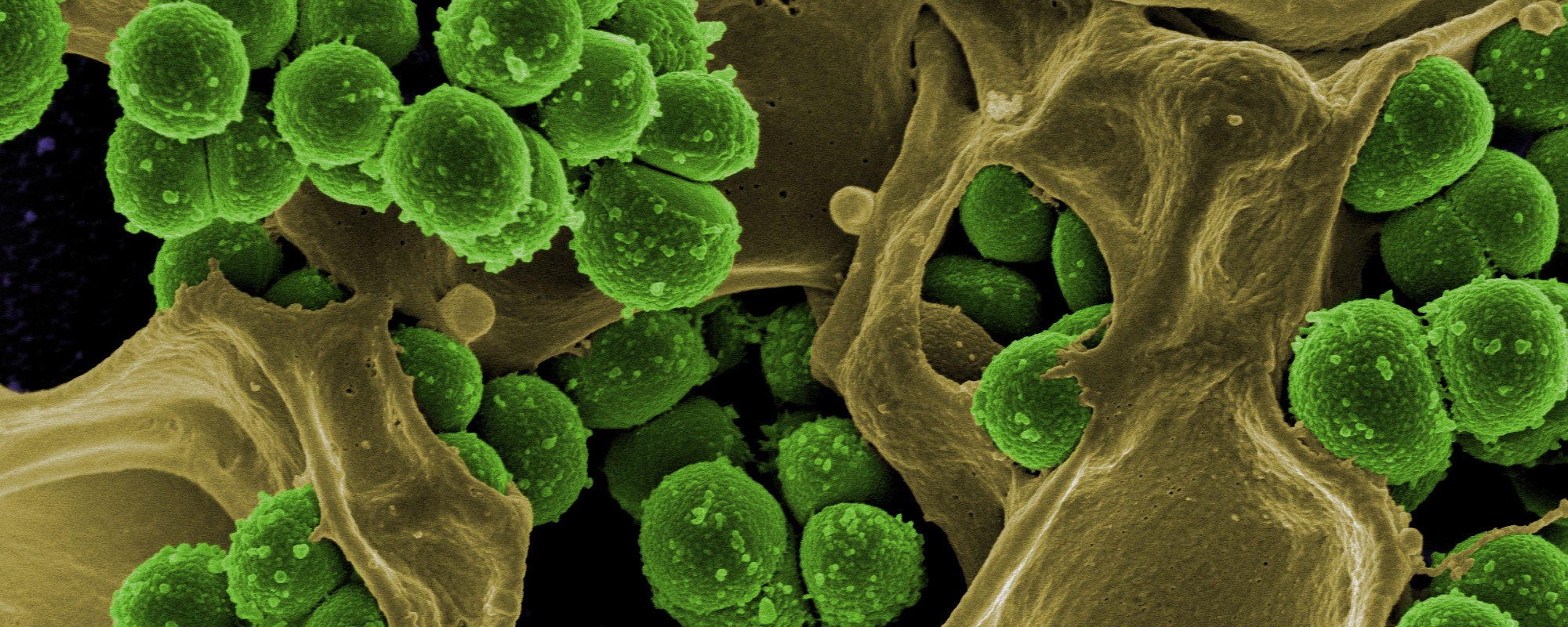
A United Nations report, released on Wednesday, outlined that antibiotic resistance is now prevalent in all parts of the world and that for up to half of patients antibiotics may not be effective. Many doctors in Canada are encouraging their colleagues to be careful about over-prescribing antibiotics as a “cure all.” If doctors around the world cannot do that, we may be looking at a post-antibiotic future.

CBC-“‘What it means, is that all of us, our family members, all of the persons in this room, our friends, when we are most vulnerable and in need of these medicines, there is a chance that they are simply not going to be available and we are not going to be able to have access to effective medical care in a number of instances,’ Dr. Keiji Fukuda, one of the agency’s assistant directors-general, told reporters.”


(image courtesy of Wikimedia Commons/ Arias,F.J)

No Rabies Treatment After All: Failure of the Milwaukee Protocol

By Chris Healey

Doctors are abandoning the only treatment for rabies.

The Milwaukee protocol, a procedure reported to prevent death after the onset of rabies symptoms, has been performed over 26 times since its inception in 2004 but has only saved one life. Overwhelming failure has lead health officials to label the protocol a red herring.

Rabies is caused by the rabies virus, an RNA-based virus in the genus Lyssavirus. Transmission typically occurs when virus-laden saliva from a rabid animal enters a wound or mucous membrane. Infection typically occurs from a rabid animal bite. The virus travels along peripheral nerves until it reaches the brain and salivary glands. A characteristic rabies symptom is aversive behavior toward water or water consumption called hydrophobia. Individuals demonstrating hydrophobia will generally avoid water and resist drinking it. Other symptoms include anxiety, nerve pain, itching, impaired sensation of touch, convulsions, paralysis, and coma. Cases among unvaccinated individuals almost always result in death.


The Milwaukee protocol was conceived in 2004 by a team of medical professionals, led by Dr. Rodney Willoughby, after a 15-year-old girl was admitted to a Milwaukee hospital after a rabies diagnosis.

After consulting with researchers at the Centers for Disease Control and Prevention in Atlanta, the team formulated and implemented a novel procedure. The patient was placed in a drug-induced coma and given an antiviral cocktail composed of ketamine, ribavirin, and amantadine. Considering the theory that rabies pathology stems from central nervous system neurotransmitter dysfunction, doctors hypothesized suppressed brain activity would minimize damage while the patient’s immune system developed an adequate response.

The patient was discharged from the hospital 76 days after admission. She demonstrated speech impediment and difficulty walking during a clinic visit 131 days after discharge. It is unclear how long those conditions persisted. In subsequent years, the patient attended college. She remains the only Milwaukee protocol success.


There has been confusion regarding the efficacy of the Milwaukee protocol. A 2009 report published by Dr. Willoughby in the journal Future Virology described the efficacy and promise of the procedure. In that article, Dr. Willoughby cited two new instances of rabies patient survival following Milwaukee protocol implementation. Those two cases brought the total number of rabies patients saved by Milwaukee protocol procedure to three. However, those survivor reports were rebuked by a 2013 article published in the journal Antiviral Research. That article explicitly states Dr. Willoughby’s claims in Future Virology are misleading because the two patients mentioned actually succumbed to rabies.

Overwhelming Milwaukee protocol failure has been attributed to anomaly in the initial patient. For example, she was bitten by a bat, but that bat was not recovered. Without the bat, it is impossible to test the causative rabies agent to rule out a less virulent variant. A mild version could be fought off more easily and could help explain her survival. Additionally, researchers cannot rule out the possibility the patient possessed extraordinary physiology that somehow impaired the rabies progression.

Health officials claim Milwaukee protocol repetition impedes efforts to find new treatments. Instead of exploring new techniques, doctors fall back on the Milwaukee protocol because it was once successful. Crushing failure has prompted the health community to place a taboo on the protocol, encouraging experimentation that may lead to different treatment options.


Image Credit: CDC

C. botulinium’s Deadliest Toxin: To Share or Not To Share?

By Alena M. James

Two years ago, Dr. Stephen Arnon and Dr. Jason Barash discovered a new strain of Clostridium botulinum. Typical C. botulinum strains are known to express any of the seven different botulinum neuron toxins, Botulinum Toxin Types A-G.  The new strain discovered by Arnon and Barash, after studying infant botulism at the California Department of Public Health in Sacramento, was found to express neurological toxins, Botulinium Toxin Type B and a new Botulinum Toxin Type H.   Dr. Arnon and Dr. Barash published their findings of the new toxin in the Journal of Infectious Diseases in 2013, but elected to withhold from the public and the rest of the scientific community any genetic sequencing information regarding the new strain. The withholding of this information has remained a point of contention between the researchers and individuals representing various organizations wishing to study the bacteria.

After publishing a story on the case last Monday, NPR revealed that Dr. Arnon had not been engaging in scientific information sharing practices regarding the new toxin with other professionals also studying botulinum toxins. According to NPR’s coverage, Dr. Arnon remained reluctant to disseminate information on the newly discovered neurotoxin, Type H, with other scientists or with federal officials. In an article published by New Scientist, the editors of the Journal of Infectious Diseases announced that Arnon and Barash held consultations with several representatives from different federal agencies before deciding against publishing genetic sequencing information on the new stain in their scientific article.

From NPR’s coverage of this case, federal officials claim they were not responsible for the researcher’s decision to not make the genetic sequences available and never said not to publish the information. Given the lack of an antitoxin antidote available to stop the dangerous effects of the Type H toxin, many individuals desire to perform research on the strain of C. botulinum that can produce the Type H toxin. Several scientists and federal institutions have tried to request the sequences and/or live strains of Arnon’s new strain of C. botulinum. However, Arnon remains steadfast in not sharing the bacteria.

The case raises an unresolved issue that persists in the sciences. That issue is defining the parameter by which we are able to distinguish dual use research.  Dual use research in the biological sciences is research that can be performed to benefit humans, but can also be performed to harm humans. In this particular case, the Type H Toxin has been declared the most deadly toxin and has great potential to be deployed as a biological weapon.  The absence of an available antitoxin that can be administered to infected patients raises great cause for concern that the bacteria producing the toxin could be mass-produced to harm innocent people. From NPR’s story, it seems that this sentiment is shared with Type H’s discover Arnon.

Upon Arnon’s discovery of Type H, the CDC, US Army Laboratories, and DHS all expressed interest in acquiring the strain that produces this new neurotoxin. These federal institutions’ interest in studying the toxin in order to develop a cure is the same goal as numerous other scientists who want to perform research on the strain. So how does one build biodefense against a pathogen one cannot gain access?  Maybe from Dr. Arnon’s perspective, keeping Pandora’s Box closed maybe the best weapon of defense for the US against the botulinum Type H neurotoxin.


You can listen to NPR’s initial report of this story here.

Image Credit

US Drones: Strategic Freedom Fighters or Human Rights Violators?

By Alena M James    

Last Wednesday, news sources unveiled an alarming video released by al Qaeda highlighting the largest meeting of the terrorist organization in years. Arriving in white Toyota pickup trucks, nearly 100 members appeared to congregate in a remote location somewhere in Yemen.  The group was joined by the head of al Qaeda in the Arabian Peninsula (AQAP), Nasir al-Wuhayshi.  According to news reports, Wuhayshi gave a speech which echoed the usual ‘down with America’ sentiments.  The video spurred terrorism analysts to deconstruct the film and analyze every frame for possible clues to pinpoint a future terrorist attack.

From a cinematic view, the video, entitled “The Beginning of the Rain,” is well constructed, filmed, and edited.  The opening credits date the video to March 2014. Even if one does not understand the dialect of the film, the film demonstrates al Qaeda’s sophisticated broadcasting capabilities. The powerful cinematic nature of the film appears to promote the idea of a large scale terrorist attack taking place within the near future.  At the release of the video, many media sources were quick to criticize the US for its inability to disrupt the largest al Qaeda meeting to occur in years. Several sources speculated that the US intelligence was unaware of the meeting and caught off guard when the video surfaced on jihadi websites. The US has not provided any statements on the matter.  However, it clearly took action to prevent any chance of a grand scale terrorist attack from taking place, and it did so using one of the most controversial technologies of war to date…drones.


Over the weekend, and within days of the release of the AQAP video, nearly 55 al Qaeda militants were killed by drones in Yemen. Through collaborative counterterrorism efforts with the Yemeni government, the US helped launch drone airstrikes against al Qaeda convoys and on al Qaeda training camps in Yemen. While White House Press Secretary Jay Carney recognized the US’s involvement in counterterrorism initiatives against AQAP, the role of the US in the drone attacks was not made publicly clear by government officials. It has also not been made public yet if the airstrikes were in response to the AQAP video released last week.

Drones are unmanned aerial vehicles (UAV) that have been integrated into military operations as instruments for surveillance and, more specifically, for killing targeted terrorists since 2004.  A drone is comprised of cameras and weaponry—just like any manned reconnaissance aircraft. The primary difference between the two aerial vehicles is the absence of a pilot flying the plane from inside the cockpit.  Once a terrorist suspect has been detected by the drone, cameras affixed to it will display images to a UAV analyst. It is the job of the UAV analyst to make the call as to whether or not the drone will deploy a hellfire missile to destroy the suspected target. This process of selecting targets has been the subject of major scrutiny of the US drone program, because it begs the question, “How are you sure it wasn’t a civilian?”

In his May 2013 speech on drone policy, President Obama announced that drones are important tools in the US’ counterterrorism strategy in the war against al Qaeda, the Taliban, and their affiliates.  The use of drones in the war against these terrorist organizations has helped the US target militants residing in remote locations of Afghanistan, Pakistan, and Yemen. According to Obama, drones are much more precise in hitting targets and minimizing civilian casualties than traditional aerial airstrikes carried out by bomber aircrafts. The drone technologies have eliminated dozens of highly trained terrorists, as observed by the number of militants killed in Yemen over the weekend.

The US is not the only country to utilize drone technologies. There are 11 other countries known to deploy or share a vested interest in launching drones for military operations.  However, the US has carried the torch in their use of drones to thwart terrorist operations and the use of these technologies by the US remains under heavy criticism.  President Obama argues that the use of drones to target terrorists has legal basis considering the aftermath of 9/11. The legal basis is also laid out on the grounds that the US remains at war with an organization dedicated to killing Americans.

Groups such as Amnesty International have a different opinion on the US’ use of drones. The group argues that the US drone program appears to allow extrajudicial executions and violates human rights. The organization accuses the US of conducting unlawful killings in Pakistan and conducted a study entitled, “Will I be next?” US drone strikes in Pakistan.”  The study raises the notion that the covert nature of the program provides the US with a license to kill without due process of law.  The study highlights stories of civilians accidently killed by drones. For Amnesty International, civilians killed for being in the wrong place at the wrong time is unacceptable. Also unacceptable is the government’s inability to provide US citizens with justifications for killing targets.  In 2011 a US citizen, Anwar al-Awlaki, was killed in a drone strike in Yemen. Al-Awlaki was a cleric thought to have participated in several terrorist attacks after joining Qaeda’s Yemen affiliate group. This week a federal appeals court ordered the US to provide the memorandum containing the justification for Al-Awalki as being a target kill.

Alongside accidental civilian casualties and the lack of knowledge on justifications of the drone program target selections, peace talks with terrorist organizations have also been impacted by the use of these technologies in a combative nature. As the Pakistani government undertakes great efforts to negotiate peace talks with the Pakistani Taliban, these talks have been stymied by US drone activities. Back in November, a US drone strike on a Pakistani Taliban leader took place days before peace talks. This placed a halt on peace negotiations with the organization.  As a result, Pakistan requested the US stop the use of drone strikes against Al-Qaeda and the Taliban; which the Obama Administration agreed to do to allow the peace talks to unfold.  At the conclusion of peace talks in February 2014, the Taliban agreed to a one month cease fire. The use of drones in Pakistani has also increased tensions between the US and Pakistani governments.

The US has an arsenal of drones it relies on to collect sensitive information on terrorists and to conduct combat missions against individuals that threaten Americans. Among their arsenal is the General Atomics produced MQ-9 Predator B developed in 2004. According to the manufacturer, the UAV (also known as the MQ-9 Reaper) provides the US Air Force with a weapons platform with instant action and precise engagement capabilities. The Reaper is armed with anti-tank Hellfire missiles and Joint Direct Attack Munition (JDAM) bombs. It performs real-time reconnaissance by providing visual imagery using IR sensor cameras, intensified TV, and daylight TV. Laser designators are used to mark targets and a joystick control is used to maneuver the aircraft. The remote control operator airmen flies and steadies the drone from an undisclosed location far from the site of the attack. General Atomics has plans to supersede the Reaper with a larger jet powered aircraft called the Stealthy Avenger.

The predecessor of both the Reaper and the soon to come Stealthy Avenger was the RQ/MQ-1Predator A; whose first flight took place in July 1994.  Predator A flew operations in Albania as a replacement aircraft to General Atomics GNAT-750, a surveillance aircraft that performed reconnaissance missions over Albania in 1994. Predator A was used to fly missions over Iraq in 1999 during Operation Southern Watch. Hellfire missiles were added to the aircraft in 2001 and have deployed these missiles in Iraq, Yemen, Afghanistan, and Pakistan.


(Image Credit)

Ebola Infection: Same Disease, New Name

If you have been reading about the latest emergence of Ebola virus infection in Africa that has so far claimed over 140 lives you might have noticed something unusual. I’m not talking about the fact that the outbreak is occurring in Western Africa, a region that has not previously seen human cases of this disease. And I’m not talking about the fact that at least 50 cases have occurred in Conakry, the densely populated capital of Guinea.

The current outbreak in Western Africa marks the public debut of a “new” name for one of mankind’s most dreaded diseases. Goodbye, Ebola hemorrhagic fever. Hello, Ebola virus disease. For those of you with fond memories of Richard Preston books or Dustin Hoffman movies featuring horrific scenes of Ebola victims “bleeding out,” dropping hemorrhagic from the name of this virus may seem blasphemous.

In all seriousness, this change was a long time in coming. The media-fueled perception that Ebola virus infection invariably causes massive internal bleeding is inaccurate. Indeed, the entire class of viral hemorrhagic fevers, which have dramatically different epidemiological profiles and fatality rates and include everything from Ebola to Rift Valley fever to Lassa fever, makes little medical or scientific sense. For several years, the World Health Organization (WHO)’s International Classification of Diseases 10 (ICD-10), the international standard diagnostic tool for epidemiology, public health, and clinical purposes, has listed the disease caused by Ebola as Ebola virus disease. In a post on ProMED, virologist Dr. Jens Kuhn, author of Filoviruses: A Compendium of 40 Years of Epidemiological, Clinical, and Laboratory Studies (or as I like to call it Everything You Ever Wanted to Know About Ebola and Marburg But Were Afraid to Ask) wrote, “EHF [Ebola hemorrhagic fever] is certainly used a lot in the literature but mainly by people who do not get in touch with patients and simply don’t know any better (i.e. do not have to classify diseases according to existing legal frameworks and therefore don’t know that ICD-10 exists or how important it is). Also, the term “hemorrhagic fever” is always problematic, as its definition has not been updated since the 1960s and early 1970s (Gajdusek, Smorodintsev). Everybody seems to know what a viral hemorrhagic fever is, until you ask them and push for an answer.”

Despite having written the book on how to diagnose diseases, as late as 2012 WHO publicly referred to outbreaks of Ebola virus infections in Uganda as causing Ebola hemorrhagic fever. The current outbreak of Ebola virus in West Africa, which began in March 2014, is the first time that WHO has publicly referred to the disease as Ebola virus disease (EVD). While this name change unfortunately does not leave us any closer to a cure or treatment of this disease perhaps it marks one small step in controlling the fear and anxiety that seems to spread faster than the virus itself.

Airborne Bird Flu Transmission: Balancing Scientific Recourse and National Security

By Chris Healey

Articles recently published in the scientific journal Cell mark the end of a long battle for one researcher in his endeavor to publish research that raises security concerns.

Ron Fouchier, a virologist with Erasmus University Medical Center in the Netherlands, published an article in Cell explaining how H5N1, the causative agent of bird flu, can be genetically modified for airborne transmission between mammals. Dr. Fouchier says his research can help prevent bird flu pandemics. However, others in the scientific community believe Dr. Fouchier will cause what he seeks to prevent.

David Relman, a researcher at Stanford University, says Dr. Fouchier is essentially giving would-be terrorists instructions on how create a deadly contagion.


The controversy began in December 2011 when the  National Science Advisory Board for Biosecurity (NSABB), a federal advisory committee composed of twenty-five members who provide expertise in areas such as molecular biology and infectious diseases, advised all scientific journals to refrain from publishing Dr. Fouchier’s H5N1 airborne transmission research.

In February of 2012, the World Health Organization released its own evaluation of the research. The WHO stated Dr. Fochier’s work had scientific value and should be shared in its entirety. Shortly after the WHO’s report, the NSABB reevaluated the research findings. In March 2012, it retracted its recommendation to refrain from publishing. The complete study, along with all its findings, was finally published in Cell on April 10, 2014.

By its nature, science is a cumulative process. Communication among professionals is essential to promote progress and mutual understanding. Experts agree scientific advancement progresses best when least inhibited by authority. Government intervention generally pushes great minds away from heavily-scrutinized areas into those less regulated.

However, national security remains a priority and precedent exists for controlling scientific literature. The Atomic Energy Act of 1946 was passed to control and restrict nuclear weapons research conducted in the United States during WWII. No similar legislation exists to prevent communication of biological findings. However, the government can take steps to restrict research with dual use findings.

Government information classification, colloquially known as identifying information as top secret, secret, or confidential, is useful for keeping government-owned information away from the public. However, research the government had no part in creating, either through federal funding or conducted by government employees cannot be given a sensitivity label.

A common practice in government funding of scientific research is the requirement of funding to be contingent upon acceptance of sensitive but unclassified contract provisions. Those provisions allow the government to have authority on whether research findings can be published.

Dr. Fouchier’s research was precarious because it was conducted in a foreign university but supported by U.S federal funds. Outside the United States, the federal government has less control over research conducted under its auspices. It is unclear if Dr. Fouchier’s research was subject to a sensitive but unclassified contract provision.

With the power of the purse, the federal government can influence research and publication decisions through threat of funding withdrawal. While federal money funds much scientific research, simply pulling funding is not a fool-proof censorship method. Private benefactors can step in for lack of government support. The government can wield no financial influence on those sources receiving no government funding, including research funded by foreign governments.

Outside of financial influence, the government can best stop publication of sensitive material through NSABB recommendation. The committee has many ties to scholarly publications and is generally well respected. Initial recommendations not to publish Dr. Fouchier’s research were very influential; it was not published until well after committee approval.

There is no straight-forward answer to questions concerning science and security dissidence. Benefits of sharing scientific research must be weighed with harm that could arise from that research.


Image Credit: James Jin/Flickr

Dirty Bombs: An Enigma of Identity and Non-use

By Chris Healey

Radioisotopes can be used to construct radiological weapons. The United Nations reported 140 cases of missing or illegally-used radioisotopes in 2013. Each instance represents a potential threat to safety and security.

Radiological dispersal devices, or dirty bombs, are mundane. They do not deserve the mystique commonly associated with the term. Dirty bombs require little technical expertise to assemble and detonate. Radioisotopes, the defining component in dirty bombs, are abundant. A radioisotope is any unstable element that releases matter or energy. They can be found in common occupational tools such as well-logging and medical diagnostic equipment, and in household items such as smoke detectors.

Components required to create dirty bombs consist of conventional explosives, detonation apparatuses, and radioactive isotopes. Design simplicity makes dirty bombs accessible to those with little or no technical knowledge. In contrast, biological and chemical agents require expertise to create viable weapons. Complexity serves to complicate production processes, thereby limiting creation success rates.

Simple construction and abundant components make dirty bombs an attractive attack method. Surprisingly, they are rare. According to data from the Radiological and Nuclear Non-State Adversaries Database, dirty bombs, and other radiological weapons, have only been used 19 times by non-state actors.

Radiological and nuclear weapons are often conflated. Nuclear weapons employ physical processes of fusion or fission to release massive amounts of energy. Fission is the process of splitting an atom. That process yields smaller atoms, neutrons, and energy. Fusion is the process of combining two atoms to create one, yielding energy. Both processes require extraordinary and precise conditions for realization. Fusion and fission expel devastating amounts of energy, tantamount to the detonation of thousands to millions of tons of TNT. Furthermore, both fission and fusion require rare radioactive isotopes, profound scientific expertise, and expensive equipment. The cost and technical nature associated with fusion or fission make device creation insurmountably difficult. Conditions to create fusion and fission contrast sharply with dirty bomb detonation requirements.

Conventional explosives spread radioisotopes upon detonation.  Radioisotopes retain radioactivity after blasts, contaminating surrounding areas with radiation. Conventional explosives are incapable of producing fusion and fission reactions. Nuclear weapons and dirty bombs share only the ability to spread radioactive material. However, destructive abilities of the two weapons cannot be compared; dirty bombs are exceedingly insignificant in comparison to nuclear weapons.

Other than the conventional explosive blast, inhalation of dispersed radioactive debris is the greatest health threat of dirty bombs. In almost all cases, radiation dispelled by dirty bombs will be stochastic instead of deterministic. Stochastic radiation damage does not immediately harm the individual, but may lead to carcinogenesis months to years later. In other words, the health effects of dirty bomb debris will manifest long after an attack. Deterministic damage, often associated with nuclear weapons, causes harm hours to weeks after radiation exposure. It is associated with deterioration of radiation-damaged organ tissue, not cancer.

Dirty bomb non-use cannot be explained. However, every effort must be made to improve radioisotope accountability. Restricting unauthorized radioisotope access will decrease radiological attack opportunities.


Image Credit

Microbes: The 21st Century Astronauts

By Alena M. James

The Third Commercial Resupply (CRS-3) mission was scheduled for launch on Monday, April 14, 2014. Taking off from the Cape Canaveral Air Force Station in Florida, the CRS-3 mission was to head to the International Space Station (ISS) at 4:58pm. However due to a helium leak on the launch vehicle, the launch has been postponed for Friday, April 18 at 3:25 p.m.

If the repairs are made by Friday, the space pioneering company, Space X will be given the opportunity to test its Falcon 9 rocket and its unmanned Dragon cargo capsule in transporting materials and supplies to the ISS.  The Falcon 9 rocket is not the only equipment requiring repairs. A critical computer onboard the ISS also failed to activate last Friday.  Although NASA confirms that the ISS Crew was not any danger with the broken computer, a spacewalk to repair the system has been scheduled for April 22, 2014.

The mission cancelled on Monday will transport materials astronauts can use to repair the computer system, as well as 5,000 pounds of additional supplies. Among these supplies are materials used by astronauts to execute more than 150 scientific investigations. Such investigations include laser optics tests to explore information exchange from space to Earth and National Institutes of Health funded immune system research projects.

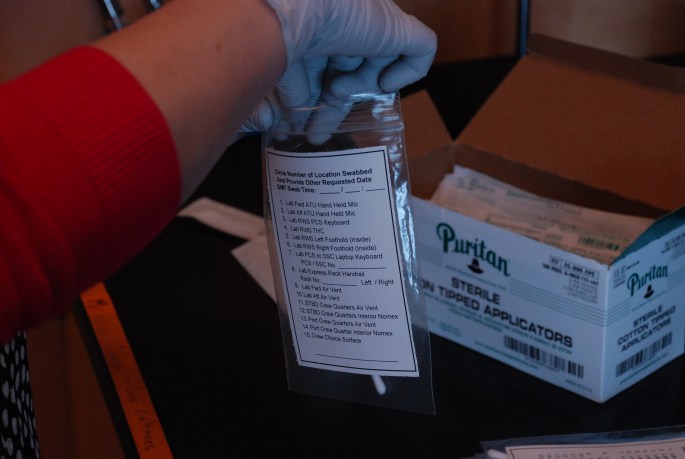
Also onboard the unmanned mission will be more than 48 different types of bacterial strands sponsored by Project MERCCURI, which stands for Microbial Ecology Research Combining Citizen and University Researchers on the International Space Station.  Under the project, microbial samples were collected from stadiums, monuments, museums, retired space crafts, and other public sources throughout the United States. The purpose of sending the different types of microbes into space is to determine how the bacteria will grow in the absence of gravity.  In addition to determining the effects of the absence of gravity on microbial growth, Astronauts on board the ISS will collect their own bacterial samples residing on fomites board the station. This study will help to establish the microbial flora of the ISS by identifying the different types of bacteria present.

The study of microbes at zero gravity conditions is nothing new. The National Aeronautics and Space Administration (NASA) has conducted previous studies primarily investigating the virulent nature of pathogenic organisms in space. A study carried out in 2006 revealed Salmonellato express a higher degree of virulence when grown in a zero gravity environment.  According to the study 167 genes and 73 proteins were found to have been altered in structure—the likely cause for the higher degree of virulency. Salmonella strains grown in space were brought back to Earth and their effects tested on mice. The studies showed that mice from the experimental groups were subject to illness at a faster rate than the control groups.  NASA has also completed studies evaluating the effects of antigravity conditions on the human immune system. Their investigations show that the absence of gravity has an adverse effect on the human body and weakens the immune system. In essence, pathogens become stronger in the absence of gravity; while the human immune system becomes weaker. This finding may have grave implications for individuals hoping to travel to space or to be a part of the MarsOne human settlement scheduled for 2024.

Contrary to NASA’s pathogenicity studies, Project MERCCURI’s research focuses on non-pathogenic bacteria and examination of their microbial growth properties. Findings of the study are likely to provide greater insight into the ubiquitous nature of bacteria and make actors in space exploration more cognizant about the bacterial environment around them.

If repairs to the Falcon 9 rocket are successful and the launch continues as planned for Friday, the Dragon space craft is expected to dock at the station for four weeks. After four weeks it will return to Earth bringing with it supplies and experiments performed on the ISS.


MERCCURI is a project made possible by the collaborative efforts of microBEnet/UC Davis with the Science Cheerleaders, Space Florida, NanoracksJPL-NASA, and SciStarter.com.

Bioscavengers: The Ultimate Defense Against Nerve Agents

By Chris Healey

Bioscavengers are naturally-occurring proteins capable of effective nerve agent elimination. They are currently theoretical or in the early stages of clinical trials. However, they have the potential to revolutionize the prevention of nerve agent poisoning.

Discovered by German chemists researching insecticides in the 1930s, nerve agents were quickly recognized as a potential weapon. Nerve agents were produced and stockpiled by the Germans during World War II but were never used. Their first use during wartime occurred during the Iraq-Iran conflict in the 1980s. Iraq reportedly released nerve agents against Iranian troops and later against members of its Kurdish population.Nerve agents were recently used during Aum Shinrikyo’s Tokyo subway attack in 1995, and again in 2013 by the Assad regime during the Syrian Civil War.

The nervous system controls muscle contraction through release of neurotransmitters into neuromuscular junctions, which are media between neurons and muscle fibers. Acetylcholine is the primary neurotransmitter involved in muscle contraction.

Nerve agents bind and inactivate acetylcholinesterase, a regulatory protein of acetylcholine within neuromuscular junctions, thus preventing acetylcholine dismissal. Acetylcholine accumulation leads to salivation, sweating, abdominal cramps, muscle twitching, and flaccid paralysis. Death occurs from inadequate respiratory function as a result of neuromuscular junction disruption in the diaphragm.

Distinguishing prophylaxis from pretreatment is important in nerve agent countermeasure discussion. Pretreatment is any therapy administered before poisoning so that treatment after poisoning can be more effective. Prophylaxis is pretreatment that does not require additional intervention. In other words, prophylaxis eliminates the need for treatment after poison exposure.

The necessity of pretreatment limits the efficacy of conventional nerve agent treatments. Nerve agents rapidly cause irreversible damage within neuromuscular junctions. The presence of a pretreatment such as pyridostigmine, an acetylcholinesterase inhibitor, helps minimize damage before post-exposure treatment can be administered.

Atropine and oximes—post-exposure treatments for nerve agents—have limited efficacy. They are toxic if administered in the absence of nerve agents. Furthermore, they must be administered very shortly after nerve agent exposure to have any therapeutic effect. If administered following a pretreatment, and in a timely manner after nerve agent exposure, atropine and oximes can prevent death. Incapacitation, convulsions, and long-term neurologic damage, however, are unavoidable despite treatment.

Bioscavengers function as a prophylaxis. Damage to neuromuscular junctions only occur in the presence of nerve agents. In other words, bioscavengers eliminate the need for atropine and oximes, while nullifying any chance of long-term neurologic damage.

Although everyone possesses trace amounts of bioscavengers in their bloodstream, innate levels are too minute to ward off physiologically-significant nerve agent quantities. Bioscavengers must be extracted from enormous amounts of human plasma and administered in a concentrated regimen to counter nerve agent exposure. Harvesting bioscavengers from plasma is costly, inefficient, and impractical as a means of production. More efficient production methods, such as harvesting molecules from the milk of transgenic goats, are currently under investigation.

Current bioscavengers are considered stoichiometric, meaning each bioscavenger molecule can only eliminate one nerve agent molecule. To be effective, there must be enough stoichiometric bioscavengers in the bloodstream to eliminate the amount of nerve agent concurrently present.

The prophylactic nature of bioscavengers, compounded with the rapid effect of nerve agents, render them useless if administered after nerve agent exposure. Strict use as a prophylaxis limits therapeutic utility. For example, it would be impossible to administer bioscavengers to victims of a terrorist attack involving nerve agents prior to the event. However, bioscavengers would be extremely valuable to first responders as they potentially expose themselves to nerve agents in that situation. Furthermore, soldiers and others in war zones anticipating a nerve agent attack could administer bioscavengers to proactively neutralize that threat.

A catalytic bioscavenger is a theoretical concept that improves upon stoichiometric limitations by exploiting enzymatic behavior. Instead of a one-to-one ratio, whereby a bioscavenger eliminates itself by binding to a nerve agent, catalytic bioscavengers would be capable of eliminating many nerve agents over time. In other words, catalytic bioscavengers would not only be able to eliminate large amounts of nerve agent during a single exposure, but would also maintain functionality through multiple exposures. Catalytic bioscavengers would eliminate therapeutic re-administration for continued nerve agent protection following initial exposure. While enzymatic utility may be frivolous for use in first responders, that function would be advantageous to those in situations involving multiple nerve agent attacks.

Methods to create catalytic bioscavengers are under investigation. Researchers are studying the protein structure of stoichiometric bioscavengers to see how it can be altered to form an enzyme. Once appropriate alterations to its chemical composition have been identified, genetic instructions can be created to produce desired results in a transgenic organism.

Increasing Refugees, Increased Risk of Communicable Diseases

by Alena M. James

Since the start of the Syrian crisis three years ago, refugees have fled to camps in Jordan, Iraq, Turkey, Egypt, and Lebanon. Last week the United Nations High Commissioner for Refugees (UNHCR) reported the number of refugees from Syria to Lebanon has passed one million.  According to the report, this influx has stretched Lebanon’s social and economic infrastructure thin in public services such as electricity, water, sanitation services, education, and the public health sector. Tourism, trade, and investment within the country has also decreased significantly. The increase in the population has led to decreased wages among competing workers.  Lebanese residents find themselves struggling financially; while the refugees find themselves struggling to build better lives.

The competition for depleting resources is not the only concern facing both residents and refugees.  A high influx of refugees into any state can lay the ground for increases risk of communicable diseases or outbreaks of emerging infectious diseases. With small Lebanese communities overwhelmed by the drastic increase in the population, public health services struggle to provide adequate health care, antibiotic treatments, immunizations, and other medical aid to those in need. Not only are critical public health services overextended, but the high volume of individuals seeking services creates the ideal transmission grounds for microbial organisms and viral agents.

In overcrowded populations with limited health resources, the risk of spreading diseases is incredibly high and transmission can occur in a variety of mediums. Direct or indirect contact, the release of respiratory droplets, ingestion of contaminated food and water sources, contact with mechanical  or biological vectors are all various modes by which pathogenic agents spread from person to person.

Direct contact occurs from direct exposure to the pathogenic source, for example, when a patient is bit by a rabid dog and develops rabies. Indirect contact occurs via exposure to septic fomites, for example, when an unsterilized syringe is used to dispense a treatment or drug intravenously into a patient.  Respiratory droplets allow illnesses like the common cold, influenza, and measles to spread at a rapid pace through sneezing or coughing on and around others. Ingestion of contaminated water and foods lead to major gastrointestinal complications and other illnesses. Mechanical vectors, like insect bodies, indirectly spread diseases. For example, flies feeding on fecal material can pick up and spread pathogens, via their feet, after landing on a patient’s untreated injury or open wound. Biological vectors like mosquitos transmit viral, bacterial, and other parasitic organisms to patients. The chances of these transmission modes being employed by pathogens remain high among densely packed populations lacking in substantial health care resources.

According to the U.S. Centers for Disease Control, there are several diseases that migrants to Lebanon are susceptible to if the proper vaccinations are not sought. Such diseases include Hepatitis A and B, Typhoid, Polio, and Rabies. Refugees from Syria also pose a dangerous risk of transmitting communicable diseases if they have not received proper immunizations before fleeing from their country. Malnourished refugees deprived of food and clean water are at risk of developing weakened immune systems which makes them even more susceptible to virulent pathogens.

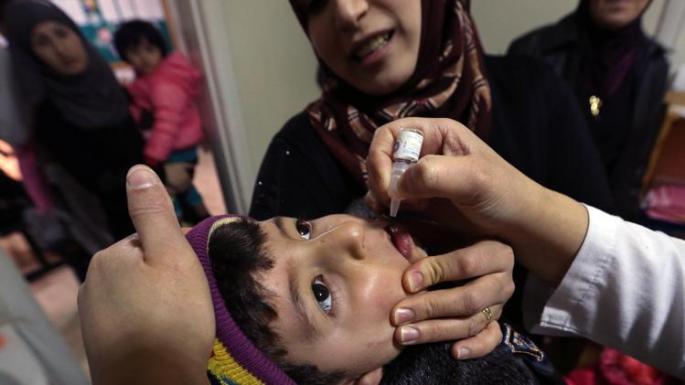
Despite the three-year Syrian conflict, many humanitarian workers continue to immunize children against preventable diseases. UNICEF in particular is actively working towards the vaccination of more than 20 million children against Poliomyelitis. Last October, the WHO confirmed at least 10 cases of children infected with Polio in Syria. This past weekend UNICEF re-launched its campaign to help control the spread of this virus among other states impacted by Syrian refugees.  Iraq, Turkey, Jordan also pledged to join the campaign due to the threat of incidences of the virus occurring in their countries.  So far Iraq has reported one case of the disease while the UN has reported 27 cases among Lebanese children.

Approximately 500,000 Syrian refugees to Lebanon have been children–who are at the greatest risk of acquiring polio if no vaccination has been administered. The war in Syria and the displacement of refugees has made it difficult for medical personal to provide vaccinations needed to control the spread of this and other communicable diseases.  The continued fighting in Syria is likely to lead to more bloodshed, the displacement of more refugees, the depletion of public service resources in several states, and the spread of more communicable diseases if efforts to resolve the conflict are not soon reached.


Image Credit: AP Photo/Bilal Hussein