Pandora Report 4.4.14

It’s been a busy week in the biodefense world, between the continuing outbreak of Ebola in Western Africa and the realization that the Black Death may actually have been pneumonic plague rather than bubonic plague, so let’s take a moment this Friday to slow things down.


Highlights include Ebola travel restrictions, a possible source for the Ebola outbreak, and how to protect yourself during the most serious pandemic of all—the zombie pandemic. Have a great weekend!

When planning your vacation to Guinea, keep this in mind…

As of April 1, the number of suspect Ebola cases in Guinea has risen to 127 with 83 deaths (for a case fatality rate of 65%) according to the WHO. Liberia now has eight suspected cases with five deaths. Sierra Leone has had only two deaths after two bodies were repatriated after dying from Ebola. In neighboring Mali, the government has instituted thermal scans for those travelling to Mali as well as restricting movement within the capital city of Bamako. Meanwhile, Senegal has closed their border with Guinea and Saudi Arabia has suspended visas for Muslim pilgrims coming from Guinea and Liberia. Despite all of this, the WHO does not recommend travel restrictions.

Philippine Daily Inquirer—“The international health agency said there was not enough reason to push for the imposition of travel restrictions in response to the Ebola outbreak. “WHO does not recommend that any travel or trade restrictions be applied with respect to this event,” it said in a statement.”

And while on vacation, here are some foods to avoid…

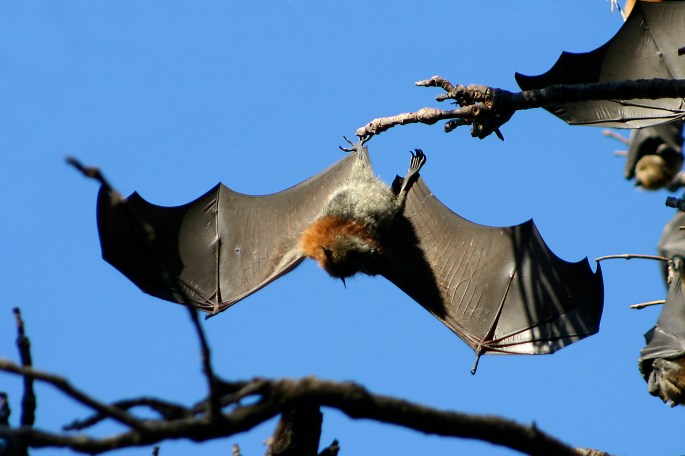
In another response to the Ebola outbreak in Guinea, officials have taken an unusual step of banning the consumption of bats as food—including grilled bat, bat soup and “other local delicacies.” It has long been suspected that bats are somehow instrumental in the spread of Ebola either as a vector or a reservoir for the disease.

CBS News—“‘We discovered the vector [infectious] agent of the Ebola virus is the bat,” Remy Lamah, the country’s [Guinea] health minister, told Bloomberg News. “We sent messages everywhere to announce the ban. People must even avoid consumption of rats and monkeys. They are very dangerous animals.’”

The good news is, in the event of a serious pandemic, you may have new protection!

Just in time for the Walking Dead finale last weekend, the American Chemical Society released new research related to the chemistry of death, and how that chemistry can shield us from the flesh and brain eating horde of zombies.

Science is a serious subject and pandemic possibilities are crises in the making…but that doesn’t mean science can’t be fun for a general audience!

Zombie Apocalypse Survival Chemistry: Death Cologne

Ebola: a pandemic of misconception

By Chris Healey

An  Ebola hemorrhagic fever outbreak in the Republic of Guinea has raised concerns about the illness and its spread to countries outside Africa.

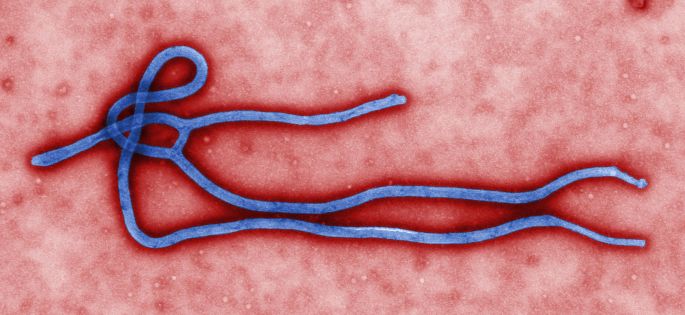
Ebola is a virus in the filoviridae family. Of the five Ebola species, only Zaire, Sudan and Bundibugyo species have caused outbreaks in humans.

Ebola appears to be an incidental host of humans from a natural cycle involving bats and nonhuman primates. Humans enter the cycle after contact with blood and tissue from nonhuman primates, often after instances of butchering and animal cruelty. Transmission routes from bats to humans are possible but currently unknown.

The first confirmed outbreak of Ebola occurred in 1976 in Nzara, a small town in southern Sudan. Workers from a local cotton factory spread the disease to their relatives and others in the community. The outbreak lasted several months. Of the 284 cases in that outbreak, 151 died.

Ebola causes Ebola hemorrhagic fever, a severely debilitating illness affecting multiple organ systems. Ironically, hemorrhage is an uncommon symptom reported in fewer than half of all cases. Death typically occurs due to shock from fluid loss and organ failure.

Mortality rate is species dependent. Bundibugyo has a 36% fatality rate, Sudan 55%, and Zaire 90%. There is no cure, but administration of an experimental vaccine that targeted a viral protein used for attachment and entry to the host cell was attributed to the survival of an accidentally-exposed laboratory researcher in Germany.

Ebola has been the inspiration for fictional literature and film. The Hot Zone by Richard Preston provides an overview of Ebola and other filoviruses before focusing on the discovery of Reston Ebola, a species known to only sicken nonhuman primates, in Reston, Virginia. The 1995 movie Outbreak featured an Ebola-like virus as the primary plot device.

Both works exaggerate Ebola hemorrhagic fever’s morbidity and hemorrhagic symptoms to inflate pathogenicity and pandemic potential. While there is no denying the severity of Ebola hemorrhagic fever illness, it is an ineffective cause of pandemics.

Perhaps the most misunderstood characteristic of Ebola is its method of transmission. Direct physical contact with infected persons or their bodily fluids is required to transmit the illness. There is no evidence of airborne transmission among Ebola species known to affect humans. Ebola rapidly becomes nonviable outside the host when aerosolized in uncontrolled, non-laboratory settings.

Ebola has an incubation period of 4 to 10 days. Rapid onset allows healthcare providers to quickly identify affected individuals. Only symptomatic individuals can spread the disease. In other words, the disease cannot be transmitted during incubation or through non-symptomatic cases. A short, non-communicable incubation period limits Ebola’s pandemic potential.

Limitations of direct person-to-person spread can assist public health response efforts in the event of an Ebola hemorrhagic fever outbreak. Quarantine procedures are effective in restricting the illness shortly after detection. Due to the lack of airborne transmission, direct contacts with sickened individuals can be traced and contained, arresting illness progression. Ebola hemorrhagic fever rarely escalates past a localized outbreak if adequate public health infrastructure is present.

Media consumers should be wary of fictional or exaggerated portrayals of illness. The media’s tendency to misuse and dramatize information can breed undue fear in the event of a public health crisis.

Bubonic Plague: An Airborne Toxic Event

by Alena M. James

Yersinia pestisis a gram negative, bacillus shaped bacteria that prefers to reside in an environment lacking oxygen (anaerobic). It is typically an organism that uses the process of fermentation to break down complex organic molecules to metabolize.  However, the organism is commonly referred to as being a facultative anaerobe, because it can live in the presence of oxygen and undergo respiration to generate energy for its cell. Its facultative capability is one reasons the organism can induce infection in highly oxygenated lung tissue.

This organism, primarily a zoonotic pathogen, has been held responsible for causing the bubonic form of plague responsible for the Black Death, the 14th century event that lead to the death of millions of Europeans. For years, the cause of the Black Death Plague pandemic has been linked to fleas. In much of Europe at this time, unsanitary living conditions provided the perfect breeding grounds for flea infested rats to flourish; while the fleas served as the perfect arthropod vector for Y. pestis to flourish.

The route of transmission of Y.pestis, from fleas to humans, was thought to occur via the urban cycle—when an urban rat becomes infected with fleas from a wild animal. Crowding in cities, poor hygiene, and unsanitary living conditions attracts large rat populations to the area. When a flea carrying Y.pestis bites a rat, the rat becomes sick and dies. No longer able to parasitize the rat, the flea moves from the rat to a new host. In crowded cities, the fleas from the dead rat will jump to humans to feed. When the flea bites the human it releases Y. pestis into the human’s cardiovascular system. Once in the cardiovascular system, the bacterial organism makes its way to the lymph nodes.  There it replicates and spreads throughout the body causing septicemia. As Y. pestis proliferates within the lymph nodes it also forms hemorrhagic necrosis throughout the body.  Painful swelling arises and the definitive painful symptom, the bubo,appears.  After infection, a patient develops a high fever and the organism can target specific organs of the body like the lungs, liver, and spleen. Without treatment, a patient has a 75% mortality rate.


Last week, British scientists performed comparative DNA analysis on bacterial samples collected from 25 excavated skeletons found in the Clerkenwell area of London. These remains dating back to the 14th century contained samples of Yersinia pestis, the bacteria responsible for the Black Death. In an attempt to evaluate the virulent nature of the pathogen, the Y. pestis DNA collected from these remains were compared to DNA from the Y. pestis responsible for the deaths of more than 30 people in Madagascar back in December 2013. Researchers concluded that the DNA of both organisms revealed a high percentage of similarity and that the pathogenic nature of the 14th century Y. pestis is no more powerful than the Y.pestsis responsible for the Madagascar killings.

After considering this information and examining the plausible death of the skeletons, scientists believe that the fast-acting killing capabilities of Y.pestis are only likely to take place through airborne transmission. This conclusion undermines the urban cycle transmission method and suggests that the Black Death was mostly caused by pneumonic plague and not bubonic. British scientists are determined to examine more modern cases to confirm this new hypothesis. If confirmed, we may see pneumonic plague identified as the causative agent for the 14th century plague pandemic thus altering our historical account of the Black Death.

For British scientists, the transmission of Y. pestsis through respiratory droplets is a much more likely scenario for achieving rapid kills versus the urban cycle transmission method. Bubonic plague is not infectious and there is no human to human transmission from the buboes that form.  However, pneumonic plague can be caused by bubonic plague if the Y. pestis pathogen makes its way via the lymph nodes to the lungs inducing infection. While in the lungs, the organisms are caught in respiratory droplets and are then disseminated into the air when an infected person sneezes or coughs. This quickly makes the host very infectious and a threat to those not yet infected.  The mortality rate for patients suffering from pneumonic plaque without treatment is 100%.


Image Credit: crossrail.co.uk

Pandora Report 3.28.14

It’s been a busy week between Ebola and Ricin! Friday highlights include a Polio-free India, tuberculosis transmission from cat to human, and mandatory vaccines in Croatia. Have a great weekend!

India is Polio-Free after 3 years of no new cases

On March 27, 2014, India was declared Polio-Free by the World Health Organization after three years of no new cases. The last case of polio in India was Rukhsar Khatoon, a 4 year old girl who became ill as a baby when her parents forgot to vaccinate her.

The Huffington Post—“Being declared polio-free once was considered all but impossible in a nation hobbled by corruption, poor sanitation and profound poverty. Although the disease could return, eradicating it is a landmark public health achievement.

This is “a day that we have dreamt about,” said Poonam Khetrpal Singh, a WHO official at a ceremony in New Delhi to declare the entire Southeast Asian region free of the disease. Singh described it as ‘a day that all countries fought hard for, and a day when all stakeholders come together to celebrate the victory of mankind over a dreaded disease.’”

Pet cats infect two people with TB

Two people in England have contracted tuberculosis from a house cat infected with Mycobacterium bovis—a form of tuberculosis normally found in cattle. Nine cats in the Berkshire and Hampshire areas have tested positive for M.bovis which is extremely uncommon in cats and usually affects livestock.

BBC—“‘These are the first documented cases of cat-to-human transmission, and so although PHE has assessed the risk of people catching this infection from infected cats as being very low, we are recommending that household and close contacts of cats with confirmed M. bovis infection should be assessed and receive public health advice’ said Dr. Dilys Morgan, head of gastrointestinal, emerging and zoonotic diseases department at Public Health England.”

Thank You, Croatia: All Hail Mandatory Vaccinations

This week, the Constitutional Court of Croatia passed a law that mandates all children must receive childhood vaccinations for diphtheria, pertussis, measles, polio and others. This decision comes at a time when lively debate rages, in the U.S. and abroad, about vaccination and its importance or harm. This step by Croatia, in the words of the court, is a victory for children’s health over parents (wrong) choices.

The Daily Beast—“… public health imperatives and individual rights are often at odds: a country like the U.S. that values the rights of the individual always has trouble with laws that remind us that not everything is a choice. Kids must go to school. People must pay taxes. Children must be vaccinated. It is called living in modern society.”


Image Credit: Dwight Sipler/ Wikimedia Commons

Reemergence of smallpox: A greater threat now than ever before

By Chris Healey

In the event of a resurgence of smallpox, treatment and containment would be exacerbated by illnesses and medical practices not present when the virus was eliminated.

Smallpox was one of the most significant diseases in human history. Although it was first distinguished from measles in China around 340 AD, evidence of the disease has been found on the remains of Egyptian mummies entombed over a thousand years earlier.

Smallpox is caused by Variola major, a virus in the Orthopoxvirus genus. The illness is known for causing characteristic pustules, severe symptoms and debilitating morbidity. Mortality rates exceeding 30% have been reported. The disease is almost always fatal in immunocompromised individuals.

Efforts to confer immunity against smallpox have been practiced for centuries. A technique called variolation, which involved inoculation with material from smallpox pustules, was used as far back as 1000 AD.

Due to the conserved nature of Orthopoxvirus, immunity to a wide range of viruses within the genus can be conferred after infection with a virus within the same genus. In 1796, Edward Jenner discovered inoculation with cowpox conferred immunity to smallpox. He called the technique vaccination, from the Latin vacca for cow. Vaccination results in less adverse effects and fatalities than variolation, making it the preferred method of conferring smallpox immunity.

Today, vaccinia virus is used in lieu of cowpox virus to confer immunity. Vaccinia virus creates a localized lesion that disappears over time in most individuals.

Persistent vaccination practices lead to the elimination of smallpox from most industrialized countries by the 1950s. In 1966, the World Health Assembly voted to fund an aggressive worldwide vaccination campaign to whittle away remaining pockets of the illness. After a successful campaign, the World Health Organization declared smallpox eradicated on December 9, 1979. The organization issued a recommendation for the cessation of smallpox vaccination in 1980.

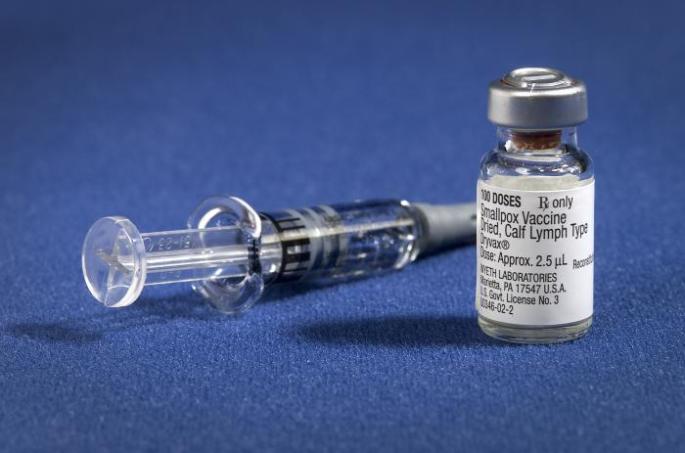
Although smallpox is not a public health threat, it still exists. Stockpiles of the virus are maintained at the headquarters of the Centers for Disease Control in Atlanta and at a biotechnology institute in Novosibirsk, Russia.


Reintroduction of smallpox to the population would be devastating. Several immunologically-naïve generations are present. Other than those who received smallpox vaccines through military or specialized research positions, the entire population is almost completely unprotected.

Immunocompromised individuals who receive a vaccine utilizing a virus capable of self-replication, also known as a replication-competent vaccine, have a risk of developing a condition called progressive vaccinia. It is an extremely debilitating condition with no cure and a 90% fatality rate.

Dryvax, the vaccine used to eliminate smallpox, was replication-competent. Progressive vaccinia was reported as a rare adverse reaction when smallpox vaccines were administered during eradication efforts. Although Dryvax is no longer used, another replication-competent vaccine, ACAM2000, has taken its place. If ACAM2000 is administered to the general population today, far more cases of progressive vaccinia are expected to occur.

HIV and immunosuppression drugs are two modern factors contributing to decreased immune function. The World Health Organization estimates 35.3 million people in the world are living with HIV—1.1 million of those in the United States. Immune suppression associated with the illness would make smallpox vaccination undesirable, and smallpox infection fatal. HIV was not a factor during eradication efforts. Individuals with HIV would be at great risk in the event of smallpox reemergence.

Many modern drugs dampen the immune system to alleviate a range of conditions and symptoms, from hay fever and asthma to anti-rejection drugs for transplant recipients. Immunosuppression drugs have become commonplace. Those drugs did not play a significant role during eradication efforts because they were very expensive and uncommon. In the event of a re-emergence, smallpox would likely exploit those taking immunosuppression drugs. Furthermore, immunosuppression drugs dramatically increase the chance of developing progressive vaccinia following smallpox vaccine administration.

There is, however, a vaccine alternative for immunocompromised individuals. Imvamune is a replication-incompetent vaccine produced by Bavarian Nordic. Replication-incompetent vaccines deliver a virus incapable of replication, meaning it cannot cause progressive vaccinia. Unfortunately, there is no way to test the vaccine’s ability to confer smallpox immunity. Replication-incompetent vaccines are generally considered by health experts to be less effective at conferring immunity than replication-competent alternatives.

It is for these reasons that the re-emergence of smallpox would deal a catastrophic blow to the wellbeing of individuals around the world and therefore every effort must be made to prevent the return of smallpox.

U.S. should move cautiously in isolating nuclear Russia

By Chris Brown

A vote on March 24, 2014, by leaders from the U.S. and six other nations to remove Russia from the G8 may well serve to isolate Vladimir Putin’s administration from a key economic and political forum. But Western allies should be careful in just how far away they aim to push Putin.

With what may be about half of the world’s nuclear weapons under Putin’s control, according to estimates from the Federation of American Scientists[1], it is arguably in the West’s best interest to keep Russia within diplomatic reach. Ties between security initiatives in the U.S. and Russia, particularly the Cooperative Threat Reduction (CTR) program created by the 1992 Nunn-Lugar law, contribute significantly to reducing the likelihood of nuclear mishaps by securing and dismantling weapons of mass destruction.

In addition to securing nuclear warheads through CTR programs, nuclear stability in Russia—like in other nuclear countries—also depends in part on positive control mechanisms operated by rationally behaving states. In best-case scenarios, those controls should be under the purview of civilian authorities. Keeping a watchful eye on Russia is especially important, then, given its increased show of military might. Aggressively annexing Crimea from Ukraine may suggest that the Russian government is growing less risk-averse and more militarily focused. More importantly, it could also be a marker of organizational behavior that could lead to an accidental or deliberate war. All of this echoes theorist Scott Sagan’s important concerns over nuclear weapons proliferation.[2]

If the world hopes to continue moving toward net reduction of nuclear weapons, it is crucial to maintain open dialogue between countries with nuclear capabilities. Four G8 members—the U.S., United Kingdom, France and, until today, Russia—are among the nine nuclear-weapon states and collectively hold more than 95 percent of all nuclear fire power. It is within this group of nations that measures aimed at confidence-building and mutual weapons cache reductions must flourish if they are to succeed at all. Though the international community needs to send a strong message to Putin over illegal land grabbing, any consequences Western powers impose in response must consider the world’s ability to calculate correctly Russian nuclear weapons activities and facilitate continued nuclear stability.


Image Credit: Yahoo.com


[1] “Status of World Nuclear Forces,” Federation of American Scientists (FAS), accessed March 24, 2014, https://www.fas.org/programs/ssp/nukes/nuclearweapons/nukestatus.html/.

[2]Scott D. Sagan and Kenneth N. Waltz, The Spread of Nuclear Weapons: A Debate Renewed (New York: W.W. Norton & Company New York, 2003).


Chris Brown is a PhD candidate in biodefense at George Mason University. He holds a Master of Public Health in biostatistics and epidemiology from the University of Nebraska Medical Center, and received his undergraduate degree in biology with a minor in Spanish from the University of Louisville. Contact him at mcbrown12@gmu.edu or on Twitter @ckbrow07.

Destroying Chemical Weapons: A Highly Political and Technological Process

By Alena M. James

With tensions escalating between the western powers and Russia, the crisis in Ukraine has absorbed much of the international community’s attention these past few weeks. In doing so, the civil war in Syria and its efforts in cleaning up its chemical weapon’s arsenal have been placed on the backburner.  In a report titled, Russia-U.S. Tensions Could Stall Syrian Chemical Weapons Removal, NPR discussed the significance of the joint efforts of the US and Russia to get Bashar Al-Assad on board with committing to the Chemical Weapons Convention and destroying Syria’s chemical weapons stock piles.  Now that the diplomatic relations between the western powers and Russia have soured, many worry about a delay in Syria’s commitment to eradicating its chemical weapons. The possibility of such an event taking place highlights the importance of the political aspect involved in ensuring chemical weapons cleanup.

Recently, the Organization for the Prohibition of Chemical Weapons announced that approximately half of the Syrian chemical weapons stock piles have been removed in the past few months—an accomplishment that has taken the US decades to move towards. The OPCW also announced that it intends to destroy all of Syria’s chemical weapons by June 30, 2014.  Such a goal appears incredibly ambitious and critics remain skeptical of this goal being achieved in the allotted amount of time due to the stressful international relations surrounding Syria and Russia.

Over the weekend, Turkey shot down a Syrian fighter jet after accusing Syria of violating its airspace, an act which is likely to further increase heightened tensions in the region and distract from the weapons cleanup process. Prior to the Ukrainian Crisis and Russia’s annexation of Crimea, the US and Russia had played significant roles in the physical removal of the chemical weapons from the civil war torn state.  Russia provided security measures and the US provided transportation and decontamination equipment to help destroy the stockpiles.  The cleanup process was already a little behind schedule before relations between Russia and the US spiraled downward. Now with sanctions from the US and Europe against Russia, many fear that Russia will no longer provide the political support needed to influence Syria to continue removing the remaining stock of chemical weapons.

Presently, the western powers have already criticized Syria for its inability to meet earlier deadlines of chemical weapons removal.  While the delay can be linked with the current toxic political climate, lessons learned from the US’ chemical cleanup efforts suggest that years and even decades are necessary to safely cleanse a state of its chemical weapons arsenal leaving other factors to be considered as to why the cleanup process may not reach the June 30th deadline.

In a recently published article, “Deadly chemical weapons, buried and lost, lurk under U.S. soil,” The Los Angeles Timesreports on the US’ failure to destroy its own chemical weapons stockpiles dating back to World War II and acknowledges the existence of hundreds of chemical weapons still needing to be processed. According to the report, the US has more than 200 burial sites which include chemical agents such as mustard agents, blister agents, and nerve agents, like tabun produced by Nazi Germany.

Following the end of WWII, the US became the Goodwill Collection Center for the German, Japanese, and British chemical weapons stockpiles.  While some of the stockpiles were burned, the majority of the weapons were buried at the different sites around the country.  Sites located in Alabama and in Washington, DC received hundreds of chemical agents that were to be disposed of without any consideration of the possible environmental impact. Disposal methods also failed to consider the necessity of maintaining complete inventories of site locations, types of agents buried, or the amount of materials buried. In essence, the US does not know where all of the sites are until a civilian reports the presence of an odd looking canister of weapons ammunitions floating up on shore or sticking out of a garden in someone’s backyard in Northwest Washington. The lack of foresight regarding the destruction of chemical weapons at the end of WWII, has left future generations to deal with these issues; which presents a major challenge for cleanup efforts.

Director of Green Cross International’s Environmental Security and Sustainability program, Paul Walker, acknowledges several other challenges involved in the chemical weapons cleanup process.  According to Walker, the technology selected to destroy chemical stockpiles must be politically acceptable by the community where the stockpile is being destroyed. The disposal technologies and strategies employed must ensure minimal impact on public and environmental health. The communities must be a part of the dialogue when planning for the development of decontamination facilities. Alternative methods to incineration must be sought. State investments in poor communities where multibillion dollar chemical cleanup operations are taking place need to continue, and open dialogue to build consensus, address issues, and obtain proper environmental permits also needs to take place.

Dr. Duane Linder, Director of Sandia National Laboratories, also acknowledges the importance of seeking new decontamination strategies due to environmental impacts. The primary methods of chemical disposal used to be “burn it, bury it, or dump it.” Now the approaches used to disengage these weapons and the materials used to fabricate the weapons focus on the use of a process called hydrolysis, a method where hot water is added to alter the molecular arrangement of the agent. While this process helps to neutralize the agent, hazmat chemical waste is still generated but is not as toxic as the original agent. The Field Deployable Hydrolysis System, is a US built chemical destruction system that operates using the hydrolysis process.  The unit has been an incredible instrument involved in destroying Syria’s chemical weapons.

Although still facing numerous challenges, Syria seems to possess the technologies needed to reach OPCW’s June 30th cleanup deadline. However, only time will tell if the international political dichotomy between the West and Russia will impede the process.


Image Credit: Todd Lopez, defenseimagery.mil

Breaking News

The news never stops, not even on the weekend.

We’re covering two breaking stories about two extremely serious biological threat agents: ricin and ebola.


Ebola in West Africa

In early February 2014, health agents began tracking a case of viral hemorrhagic fever in Guinea, in Western Africa.  On March 21, Drs. Sylvain Baize and Delphine Pannetier from the National Reference Center for Viral Hemorrhagic Fevers at the Pasteur Institue in Lyon, France were able to identify the Ebola virus, subtype Zaire, in 6 of 7 clinical case samples from the outbreak. Since February 9, there have been 59 deaths from 80 reported cases of Ebola Zaire virus.

Over this weekend there has been growing concern that the virus may have crossed over into neighboring Sierra Leone. “Sierra Leone’s Chief Medical Officer Dr. Brima Kargbo said authorities were investigating the case of a 14-year-old boy who died in the town of Buedu in the eastern Kailahun District. The boy had travelled to Guinea to attend the funeral of one of the outbreak’s earlier victims.”

Ricin in Pennsylvania

A 19 year old Pennsylvania man was arrested last week and charged with attempted murder and risking catastrophe for allegedly sending a scratch-and-sniff birthday card laced with ricin to a man now dating his ex-girlfriend. Bucks County District Attorney David Heckler stressed that the toxin was extremely potent.

When the suspect was initially questioned about the card in early March, he told police he had coated the card with sodium hydroxide because it resembles Anthrax toxin. It was during lab testing that the card tested positive for ricin toxin. The man is being held without bail in Bucks County, PA.

For more on Ricin, check out Dr. Alexander Garza’s backgrounder.

Experts Pre-Game before the 2014 Nuclear Security Summit

By Alena M. James

On March 12, 2014, the “Future of Global Nuclear Security Policy Summit” was held at the Knight Broadcast Studio at the Newseum in Washington DC.  The summit was hosted by National Journal in preparation for the 2014 Nuclear Security being held in The Hague, Netherlands.  Participating in the event was White House Coordinator for Defense Policy, Countering Weapons of Mass Destruction, and Arms Control, Dr. Elizabeth Sherwood-Randall.  Contributing editor of the National Journal, James Kittfield, moderated the event posing questions to Dr. Sherwood-Randall and to a 7 member panel of nuclear security experts.

The experts participating in the summit included Norwegian Ambassador to the US, Kåre R. Aas; Renée Jones-Bos Secretary General, Ministry of Foreign Affairs of the Netherlands; Harvard University’s John F. Kennedy School of Government Professor,  Matthew Bunn;  Congressman, Jeff Fortenberry; President and Chief Executive Officer of the Woodrow Wilson International Center for Scholars, Jane Harman; former US Senator, co-chairman and Chief Executive Officer of the Nuclear Threat Initiative, Sam Nunn; and William Tobey, Senior Fellow at Harvard University’s Belfer Center for Science and International Affairs.

The Summit opened with a welcome message from the Senior Vice President of  the National Journal Group Editor, Poppy MacDonald, and was followed by opening remarks from Senator Nunn; who outlined four primary principles that leaders attending the Hague summit should focus on to continue to secure nuclear materials around the globe.

“At the top of my list are four principles.

  1. Nuclear materials security is both a sovereign responsibility and a shared obligation.  Each nation’s security—as well as global security—is only as strong as the weakest link in the chain, and no single nation can present this threat alone.
  2. Accountability and assurances are essential.  It’s not sufficient to just declare, “Trust me.”
  3. Standards and best practices must be implemented by all states, and must cover all weapons-usable nuclear materials, including non-civilian.
  4. Our leaders must get serious about sustaining this focus and this effort, even if the Nuclear Summit process ends after 2016. If the IAEA is given this responsibility, it must be given the clear mandate and the resources to carry it out.”

Dr. Sherwood-Randall kicked off the summit discussion by providing keynote remarks in a moderated interview with Kittfield shortly after. During her interview, Dr. Sherwood-Randall made it clear that the purpose of the upcoming Nuclear Policy Summit would be to focus on the securing of nuclear materials and not on disarmament; where she believes there are other places for that topic to be discussed. Sherwood-Randall also acknowledged that NGOs play a critical role in providing intellectual capital and that there will be a Nuclear Knowledge Summit taking place in Amsterdam as a side event to the Nuclear Security Summit. This particular summit will be used as place to bring NGOs and nuclear security experts together. When asked about her thoughts on the role of Russia in nuclear security talks, Sherwood Randall said that she did not believe that the heightened tensions over the Ukrainian crisis would affect any of the arms control agreements held with Russia. She further noted that the US views Russia as “contributors” to the upcoming summit and is expecting “a constructive summit.”

According to Sherwood-Randall and to the members of the panel, The Nuclear Security Summit will include a variety of events to ensure the summit is constructive. These events include plenary sessions, prerecorded video speeches from leaders outlining their state’s goals, lively policy based discussions, and real-time crisis simulation. Jones-Bos and her fellow panelists believe the implementation of these events will help to actively engage all participants, more so than simply listening to long, boring speeches.

A video recording of the summit can be found here.

Photo by Alena M. James/ Caption: Nuclear Experts Panel (right to left): James Kittfield (moderator), Renée Jones-Bos, William Tobey, Ambassador Kåre R. Aas, Matthew Bunn, Representative Jeff Fortenberry, Sam Nunn, and Jane Harman.

Bacteria that cause Legionnaires’ disease are not uncommon

By Chris Healey

Legionellosis is on the rise in the United States.

A recent study published in Environmental Science & Technology described the presence of Legionella pneumophila in nearly half of the 272 water samples collected across the United States. The presence of L. pneumophila in well water is alarming because it can infect humans if the water becomes aerosolized.

Widespread detection of L. pneumophila in well water coincides with increasing cases of the illness. Health departments across the U.S. have reported rising rates of legionellosis.

L. pneumophila causes Legionellosis—an overarching term given to two clinically and epidemiologically distinct illnesses. Legionnaires’ disease is characterized by fever, myalgia, cough, and clinical or radiographic pneumonia. Pontiac fever is characterized by milder versions of same symptoms of Legionnaires’ disease with no pneumonia. Infection occurs after inhalation of bacteria or bacterial antigen aerosolize in a mist or spray. The disease is noncommunicable; it cannot be spread from person to person.

Symptoms of Legionnaire’s disease begin 2 to 10 days after exposure, but symptoms often appear in 5 to 6 days. Most cases of Legionnaires’ disease can be treated with antibiotics, specifically fluoroquinolones or macrolides. Hospitalization is often required, with a case fatality rate as high as 15%. Most individuals exposed to Legionella will show no symptoms of infection, or only experience a mild illness.

Those at greatest risk of developing symptoms include the elderly, current or former smokers, those with chronic lung disease, immunocompromised individuals, and those taking immunosuppression drugs.

Pontiac fever is a self-limited, non-lethal febrile illness that does not progress to pneumonia. Symptoms of appear 5 to 72, but most often 24 to 48, hours after antigen exposure and usually lasts 2 to 5 days. Antibiotics do nothing to alleviate Pontiac fever. Patients recover spontaneously without treatment.

According to the CDC, L. pneumophila colonizes the lungs and is difficult to diagnose. Bacterial isolation, direct fluorescent antibody testing, urine antigen, and serology can all be used to test for infection.

L. pneumophila gets its name from its manner of discovery. The bacterium was isolated and identified among members of the Pennsylvania American Legion who were attending a conference in Philadelphia in 1976. Of the 182 members who developed acute illness, 29 died.

Although it was discovered and named in 1976, the bacterium was isolated about 25 years earlier. L. pneumophila has been confirmed as the causative agent of outbreaks dating back to 1959.

Since there is no vaccine for legionellosis, prevention stems from maintaining warm water sources. Commercial cooling towers should be drained and scale and sediment removed when not in use. Hot water tanks should be maintained at a temperature greater than 122 degrees Fahrenheit. Hot tub and whirlpool maintenance should follow manufacturer recommendations. Hot tubs, for example, should have bromide levels between 4 and 6 parts per million, while pH should be kept slightly basic – between 7.2 and 7.8.

The natural presence of L. pneumophila also poses a security concern. Soviet scientists working on the Soviet bioweapons program reported they had genetically modified L. pneumophila to be more lethal. The possibility exists that modern state or non-state actors could modify the bacteria in a similar way for malicious purposes.


Image Credit: Wikimedia Commons/ JJ Harrison