Meet Your 2014 Summer Program Faculty: Charles Blair

In preparation for the GMU Summer Program in International Security, this week we will highlight the course directors. Remember, EARLY BIRD REGISTRATION ENDS MAY 15! Register by May 15 to save $300 on a three-day course and $200 on a two-day course. Use the links below for more details including registration.  Questions? Comment to this post or email spis@gmu.edu.


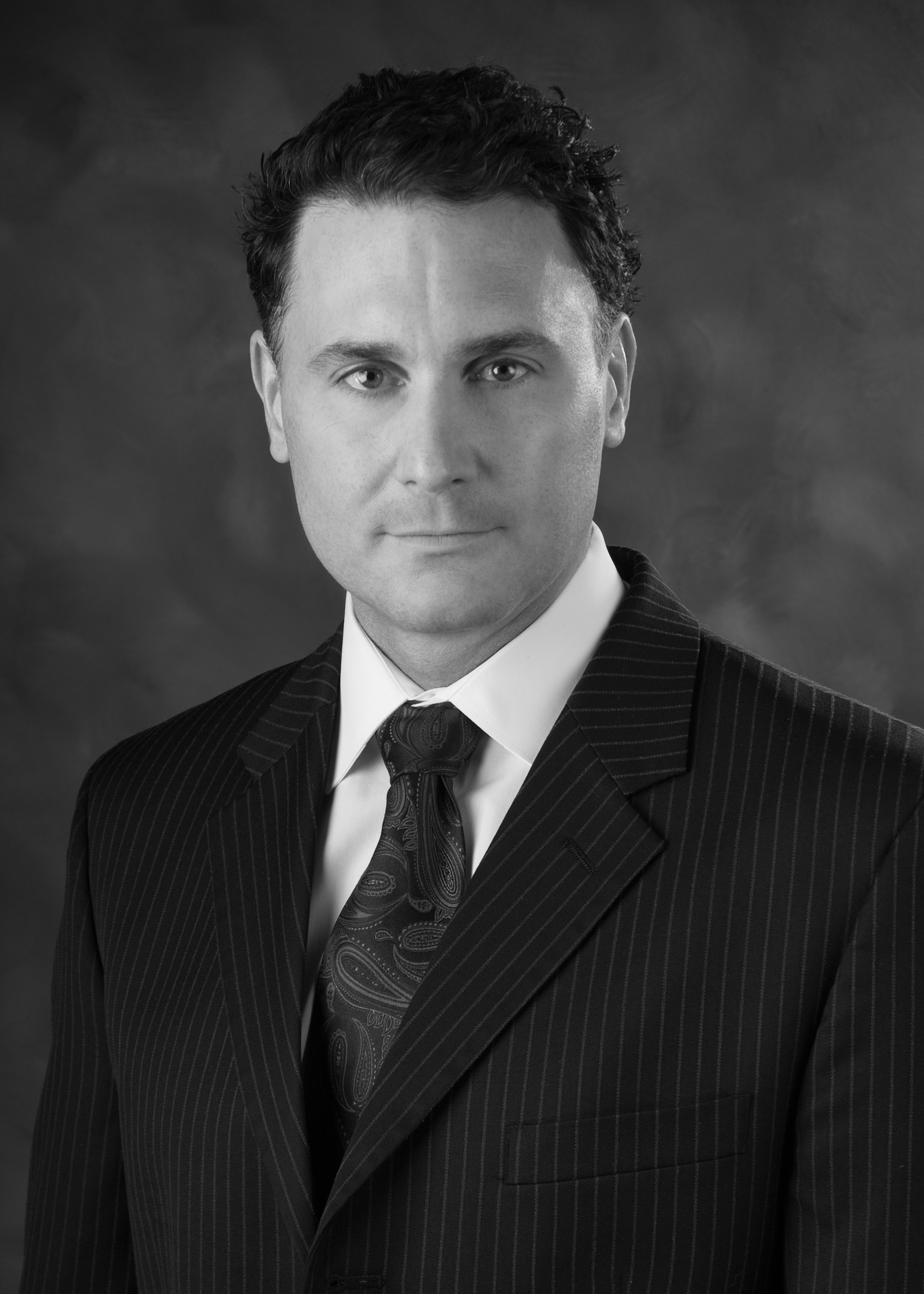
Headshot_BlairCharles P. Blair is a Washington, D.C.-based university instructor, researcher, writer, and thinker specializing in terrorism and the history, technical underpinnings, and potential futures of Weapons of Mass Destruction. He is the director for two courses in the Summer Program in International Security: 21st Century Terrorism: Emerging Trends and Evolving Tactics which runs July 14-16 and Terrorism Analysis: Quantitative and Qualitative Research Methodologies and Tools which runs July 17-18.

Since visiting Moscow as a student in 1985, Blair has worked on issues relating to globalization and the diffusion and diversification of WMD in the context of the rise of mass casualty terrorism incidents. He teaches graduate-level classes on terrorism and the technology of WMD at Johns Hopkins University and George Mason University and is a columnist for the Bulletin of the Atomic Scientists.

Recent works include: “Terrorist Nuclear Command and Control,” which was completed under the auspices of the Department of Homeland Security; a two-year DHS-backed study which investigated the U.S. extreme right-wing and radiological and nuclear terrorism; “Target Sochi: The threat from the Caucasus Emirate,”; and  “Barely Lethal: Terrorists and Ricin.”

Mr. Blair is a Senior Fellow on State and Non-State Threats at the Federation of American Scientists. Before joining FAS, he has worked at the National Consortium for the Study of Terrorism and Responses to Terrorism (START), the James Martin Center for Nonproliferation Studies, the National Nuclear Security Administration, the Anti-Defamation League, and the Center for Terrorism and Intelligence Studies.

Click here to register for 21st Century Terrorism: Emerging Trends and Evolving Tactics.

Click here to register for Terrorism Analysis: Quantitative and Qualitative Research Methodologies and Tools

Meet Your 2014 Summer Program Faculty: Charles Ferguson

In preparation for the GMU Summer Program in International Security, this week we will highlight the course directors. Remember, EARLY BIRD REGISTRATION ENDS MAY 15! Register by May 15 to save $300 on a three-day course and $200 on a two-day course. Use the links below for more details including registration.  Questions? Comment to this post or email spis@gmu.edu.


ferguson

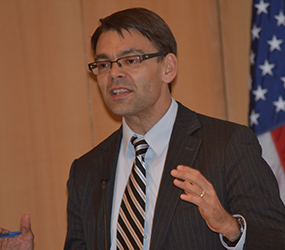
Dr. Charles D. Ferguson, President of the Federation of American Scientists (FAS), is the course director for this summer’s CBRN Weapons: Science & Policy in the Summer Program in International Security. This course will run July 7-9.

With more than twenty years’ experience in policy and national security, Dr. Ferguson has researched and written extensively on energy policy, nuclear nonproliferation, missile defense, and prevention of nuclear and radiological terrorism. His publications include 2011’s Nuclear Energy: What Everyone Needs to Know, The Four Faces of Nuclear Terrorism (with William Potter) in 2005, and the report Commercial Radioactive Sources: Surveying the Security Risks, which was the first in-depth, post-9/11 study of the “dirty bomb” threat. This report won the 2003 Robert S. Landauer Lecture Award from the Health Physics Society.

Dr. Ferguson has worked as the Philip D. Reed senior fellow for science and technology at the Council on Foreign Relations (CFR), consulted with Sandia National Laboratories and the National Nuclear Security Administration on improving the security of radioactive sources, and as a physical scientist in the Office of the Senior Coordinator for Nuclear Safety at the U.S. Department of State. He graduated with distinction from the United States Naval Academy, served in the U.S. Navy as a nuclear engineering officer, and earned a PhD in physics from Boston University. He has previously taught as an adjunct professor at Georgetown University and the Johns Hopkins University.

Click here to register for CBRN Weapons: Science & Policy.

This Week in DC: Events

May 7, 2014

The Future of the Syrian Revolution
Date: May 7, 11:00 am
Location: U.S. Institute of Peace, 2301 Constitution Ave NW, Washington DC 20037

The U.S. Institute of Peace invites you to join us for “The Future of the Syrian Revolution,” a conversation with President Ahmad Jarba, head of the National Coalition for Syrian Revolutionary and Opposition Forces. The event will be President Jarba’s first public address in Washington, DC.

The collapse of the Geneva talks in January has stalled efforts to negotiate a peaceful solution to the conflict. The future of the revolution itself appears increasingly cloudy as the situation on the ground grows more chaotic. The Syrian government’s announcement that it will hold presidential elections in June – elections that President Bashar Assad is widely expected to win – limits chances for a political resolution to the crisis. Many, including the Syrian opposition, have called the elections a democratic charade.

Syrian Opposition Coalition leader Jarba will discuss these dynamics and the role the inte community might play, and assess the delivery of humanitarian assistance as outlined by UN Security Council Resolution 2139. Join the conversation on Twitter with #USIPJarba.

RSVP here.

The Gulf Rising: Defense Industrialization in Saudi Arabia and the UAE
Date: May 7, 12:00 pm
Location: Atlantic Council, 1030 15th Street NW, 12th Floor, Washington DC

Dramatic changes in the world of defense, coupled with increasing political, financial, and fiscal pressures in the transatlantic community, have forced some of the most advanced US industrial allies and partners to make tough choices regarding their national defense programs, leaving them either more dependent on the United States or with capability shortages.

Facing even more stringent circumstances, Saudi Arabia and the United Arab Emirates (UAE)—two modernizing US partners in the Gulf —confront a challenging path to domestic military industrialization. But with carefully articulated goals, modest expectations, smart strategies, effective financial management, and cooperation with Washington, Riyadh and Abu Dhabi can navigate some of the complexities of defense industrialization and overcome some of its key challenges.

This event will launch a report by Bilal Y. Saab entitled The Gulf Rising: Defense Industrialization in Saudi Arabia and the UAE. In it, Saab provides new analysis of and key policy insights on military industrialization in Saudi Arabia and the UAE and adds an important, though often overlooked, dimension to the US policy debate on the US-Gulf partnership.

Register here.

Governing Uranium: Security in the Front-End of the Fuel Cycle
Date: May 7, 1:30 pm
Location: Center for Strategic and International Studies, 1616 Rhode Island Ave NW, Washington DC 20036

The path from ‘ore to bomb’ is long, challenging, and requires sophisticated technologies, but natural uranium is where it starts.  Most attention in nuclear security and nonproliferation has focused on restricting the highest risk material, but recent shifts in the market for natural uranium will introduce new challenges for export controls, transport security, physical protection and tracking of materials.  For example, long-standing uranium consumers such as Japan and Germany are scaling back their reliance on nuclear power, but the ambitious nuclear energy programs of India and China may soon increase global demand for natural uranium.  Meanwhile, new uranium suppliers such as Malawi, Tanzania, and Greenland are entering the global marketplace.  CSIS has partnered with the Danish Institute for International Studies (DIIS) and other international think-tanks in the on-going “Governing Uranium” project to explore the dimensions of security of natural uranium in a changing global market.

Please join us for a discussion with Dr. Cindy Vestergaard, director of the Governing Uranium project and senior researcher at the Danish Institute for International Studies, on the results of the ‘Governing Uranium’ project thus far. Sharon Squassoni, senior fellow and director of the Proliferation Prevention Program at CSIS, will moderate the discussion.

Register here.

Subcommittee Hearing: Assessing the Biological Weapons Threat: Russia and Beyond
Date: May 7, 2:00 pm
Location: U.S. House Committee on Foreign Affairs, 2200 Rayburn House Office Building, Washington DC 20515

Witnesses Amy Smithson, Ph.D, Senior Fellow at the James Martin Center for Nonprolferation Studies, and David R. Franz, Ph.D., Former Commander, U.S. Army Medical Research Institute of Infectious Diseases, discuss this topic on the Subcommittee on Europe, Eurasia, and Emerging Threats.

Watch here.

May 8, 2014

Hearing: Russia’s Destabilization of Ukraine
Date: May 8, 10:00 am
Location: U.S. House Committee on Foreign Affairs, 2172 Rayburn House Office Building, Washington DC 20515

Witnesses Victoria Nuland, Assistant Secretary of the Bureau of European and Eurasian Affairs at the U.S. Department of State, and Daniel Glaser, Assistant Secretary at the Office of Terrorism and Financial Intelligence of the U.S. Department of the Treasury discuss in the Foreign Affairs Committee.

Asymmetric Threats and Space: China, Russia, Non-State Actors, and the Need for Quick Launch Capabilities
Date: May 8, 12:30 pm
Location: American Security Project, 1100 New York Ave NW, 7th Floor-West Tower, Washington DC 20005

In the 21st century, an increasing number of critical national security and intelligence systems are dependent upon technology orbiting our planet.  These technologies may be as covert as imaging systems over enemy territories, or as ubiquitous as the global positioning systems in the average person’s car.  Regardless of the specific type of technology, the threats to it remain consistent.  In order to properly prepare for the attack or destruction of key space infrastructure systems, the United Sates must support domestic suppliers and businesses on the forefront of the sector.

Join ASP Adjunct Fellow, August Cole, along with President of NexGen Space and former NASA advisor, Charles Miller, and Peter Wegner, Director of Advanced Concepts at Space Dynamics Laboratory for a discussion regarding the threats we currently face in space.

Register here.


Pandora Report 5.2.14

Highlights this week include Smallpox Redux, Antibiotic Resistance, and MERS in America. Check us out @PandoraReport for additional stories about the 1918 flu, Obstacle races and their health impact, the deadliest creature on earth, and Stephen Colbert vs. Anti-Vaxxers. Have a great weekend!

A Smallpox like virus found in the Republic of Georgia

This week, doctors from the Centers for Disease Control and Prevention reported that two herdsmen in the Republic of Georgia have been infected with a new virus that is very similar to smallpox. The news comes in addition to a lot of smallpox talk this week. After unearthing a corpse in Queens, NY, the issue of the virus spreading from dead bodies was raised again. Meanwhile, this month The World Health Assembly (WHA) will meet to discuss destruction of remaining smallpox virus being held in Russia and the U.S. Though the smallpox virus has been eradicated, this new virus in the same family raises concerns about protection from bioterrorists using agents we have no immunity or vaccinations for.

NPR—“Last year the U.S. government spent about $460 million on a relatively new smallpox medicine, in case the virus was deliberately released in a bioterrorism attack. That stockpile could treat about 2 million people.”

MERS Arrives in the U.S. 

An American man returning from Saudi Arabia has been diagnosed with MERS CoV. The man was hospitalized in Indiana and authorities say he poses very little risk to the public.  At least 400 people have been diagnosed with Middle East Respiratory Syndrome and it has killed over 100. Though the disease has not transferred human to human at this point, the high lethality is a concern to health officials.

The Associated Press—“Experts said it was just a matter of time before MERS showed up in the U.S., as it has in Europe and Asia. “Given the   interconnectedness of our world, there’s no such thing as ‘it stays over there and it can’t come here,'” said Dr. W. Ian Lipkin, a Columbia University MERS expert.”

Antibiotic Resistance Threatens Everyone, Warns UN

A United Nations report, released on Wednesday, outlined that antibiotic resistance is now prevalent in all parts of the world and that for up to half of patients antibiotics may not be effective. Many doctors in Canada are encouraging their colleagues to be careful about over-prescribing antibiotics as a “cure all.” If doctors around the world cannot do that, we may be looking at a post-antibiotic future.

CBC-“‘What it means, is that all of us, our family members, all of the persons in this room, our friends, when we are most vulnerable and in need of these medicines, there is a chance that they are simply not going to be available and we are not going to be able to have access to effective medical care in a number of instances,’ Dr. Keiji Fukuda, one of the agency’s assistant directors-general, told reporters.”


(image courtesy of Wikimedia Commons/ Arias,F.J)

No Rabies Treatment After All: Failure of the Milwaukee Protocol

By Chris Healey

Doctors are abandoning the only treatment for rabies.

The Milwaukee protocol, a procedure reported to prevent death after the onset of rabies symptoms, has been performed over 26 times since its inception in 2004 but has only saved one life. Overwhelming failure has lead health officials to label the protocol a red herring.

Rabies is caused by the rabies virus, an RNA-based virus in the genus Lyssavirus. Transmission typically occurs when virus-laden saliva from a rabid animal enters a wound or mucous membrane. Infection typically occurs from a rabid animal bite. The virus travels along peripheral nerves until it reaches the brain and salivary glands. A characteristic rabies symptom is aversive behavior toward water or water consumption called hydrophobia. Individuals demonstrating hydrophobia will generally avoid water and resist drinking it. Other symptoms include anxiety, nerve pain, itching, impaired sensation of touch, convulsions, paralysis, and coma. Cases among unvaccinated individuals almost always result in death.


The Milwaukee protocol was conceived in 2004 by a team of medical professionals, led by Dr. Rodney Willoughby, after a 15-year-old girl was admitted to a Milwaukee hospital after a rabies diagnosis.

After consulting with researchers at the Centers for Disease Control and Prevention in Atlanta, the team formulated and implemented a novel procedure. The patient was placed in a drug-induced coma and given an antiviral cocktail composed of ketamine, ribavirin, and amantadine. Considering the theory that rabies pathology stems from central nervous system neurotransmitter dysfunction, doctors hypothesized suppressed brain activity would minimize damage while the patient’s immune system developed an adequate response.

The patient was discharged from the hospital 76 days after admission. She demonstrated speech impediment and difficulty walking during a clinic visit 131 days after discharge. It is unclear how long those conditions persisted. In subsequent years, the patient attended college. She remains the only Milwaukee protocol success.


There has been confusion regarding the efficacy of the Milwaukee protocol. A 2009 report published by Dr. Willoughby in the journal Future Virology described the efficacy and promise of the procedure. In that article, Dr. Willoughby cited two new instances of rabies patient survival following Milwaukee protocol implementation. Those two cases brought the total number of rabies patients saved by Milwaukee protocol procedure to three. However, those survivor reports were rebuked by a 2013 article published in the journal Antiviral Research. That article explicitly states Dr. Willoughby’s claims in Future Virology are misleading because the two patients mentioned actually succumbed to rabies.

Overwhelming Milwaukee protocol failure has been attributed to anomaly in the initial patient. For example, she was bitten by a bat, but that bat was not recovered. Without the bat, it is impossible to test the causative rabies agent to rule out a less virulent variant. A mild version could be fought off more easily and could help explain her survival. Additionally, researchers cannot rule out the possibility the patient possessed extraordinary physiology that somehow impaired the rabies progression.

Health officials claim Milwaukee protocol repetition impedes efforts to find new treatments. Instead of exploring new techniques, doctors fall back on the Milwaukee protocol because it was once successful. Crushing failure has prompted the health community to place a taboo on the protocol, encouraging experimentation that may lead to different treatment options.


Image Credit: CDC

C. botulinium’s Deadliest Toxin: To Share or Not To Share?

By Alena M. James

Two years ago, Dr. Stephen Arnon and Dr. Jason Barash discovered a new strain of Clostridium botulinum. Typical C. botulinum strains are known to express any of the seven different botulinum neuron toxins, Botulinum Toxin Types A-G.  The new strain discovered by Arnon and Barash, after studying infant botulism at the California Department of Public Health in Sacramento, was found to express neurological toxins, Botulinium Toxin Type B and a new Botulinum Toxin Type H.   Dr. Arnon and Dr. Barash published their findings of the new toxin in the Journal of Infectious Diseases in 2013, but elected to withhold from the public and the rest of the scientific community any genetic sequencing information regarding the new strain. The withholding of this information has remained a point of contention between the researchers and individuals representing various organizations wishing to study the bacteria.

After publishing a story on the case last Monday, NPR revealed that Dr. Arnon had not been engaging in scientific information sharing practices regarding the new toxin with other professionals also studying botulinum toxins. According to NPR’s coverage, Dr. Arnon remained reluctant to disseminate information on the newly discovered neurotoxin, Type H, with other scientists or with federal officials. In an article published by New Scientist, the editors of the Journal of Infectious Diseases announced that Arnon and Barash held consultations with several representatives from different federal agencies before deciding against publishing genetic sequencing information on the new stain in their scientific article.

From NPR’s coverage of this case, federal officials claim they were not responsible for the researcher’s decision to not make the genetic sequences available and never said not to publish the information. Given the lack of an antitoxin antidote available to stop the dangerous effects of the Type H toxin, many individuals desire to perform research on the strain of C. botulinum that can produce the Type H toxin. Several scientists and federal institutions have tried to request the sequences and/or live strains of Arnon’s new strain of C. botulinum. However, Arnon remains steadfast in not sharing the bacteria.

The case raises an unresolved issue that persists in the sciences. That issue is defining the parameter by which we are able to distinguish dual use research.  Dual use research in the biological sciences is research that can be performed to benefit humans, but can also be performed to harm humans. In this particular case, the Type H Toxin has been declared the most deadly toxin and has great potential to be deployed as a biological weapon.  The absence of an available antitoxin that can be administered to infected patients raises great cause for concern that the bacteria producing the toxin could be mass-produced to harm innocent people. From NPR’s story, it seems that this sentiment is shared with Type H’s discover Arnon.

Upon Arnon’s discovery of Type H, the CDC, US Army Laboratories, and DHS all expressed interest in acquiring the strain that produces this new neurotoxin. These federal institutions’ interest in studying the toxin in order to develop a cure is the same goal as numerous other scientists who want to perform research on the strain. So how does one build biodefense against a pathogen one cannot gain access?  Maybe from Dr. Arnon’s perspective, keeping Pandora’s Box closed maybe the best weapon of defense for the US against the botulinum Type H neurotoxin.


You can listen to NPR’s initial report of this story here.

Image Credit

THIS WEEK IN DC: EVENTS

April 28, 2014

A Time to Attack: The Looming Iranian Nuclear Threat
Date: April 28, 3:30 – 5:00pm
Location: Georgetown University, Mortara Building, 3600 N Street NW, Washington DC

Join us for a talk moderated by Colin Kahl on Professor Matthew Kroenig’s  soon-to-be-released book “A Time to Attack.”

Iran’s advanced nuclear program may be the world’s most important emerging international security challenge. In his new book, Professor Matt Kroenig argues that if not stopped, a nuclear-capable Iran will mean an even more crisis-prone Middle East, a potential nuclear-arms race in the region and around the world, and an increased risk of nuclear war against Israel and the United States, among many other imminent global threats.

To address these challenges, Professor Kroenig provocatively argues that military action against Iran may be the US’s best strategy. A Time to Attack surveys the history of Iran’s nuclear program and the international community’s attempts to stop it. Kroenig assesses the options available to policymakers, and reflects on what the resolution of the Iranian nuclear challenge will mean for the future of international order.  Former high ranking US policymaker Professor Colin Kahl will moderate the event and provide an alternative view that stresses the value of diplomatic, rather than military, solutions.

Register here.

Triumph of Improvisation: Gorbachev’s Adaptation, Reagan’s Engagement and the End of the Cold War
Date: April 28, 4:00 – 5:30pm
Location: Woodrow Wilson Center for International Scholars, 5th Floor Conference Room, 1300 Pennsylvania Ave NW, Washington, DC 20004

In the Triumph of Improvisation, James Graham Wilson takes a long view of the end of the Cold War, from the Soviet invasion of Afghanistan to Operation Desert Storm. Wilson argues that adaptation, improvisation, and engagement by individuals in positions of power ended the specter of a nuclear holocaust. Eschewing the notion of a coherent grand strategy to end the Cold War, Wilson illuminates how leaders made choices and reacted to events they did not foresee.

James Graham Wilson received his Ph.D. in diplomatic history from the University of Virginia in 2011 and his B.A. from Vassar College in 2003. He currently works on Soviet and National Security Policy volumes for the Foreign Relations of the United States (FRUS) series in the Office of the Historian at the Department of State.

Seating is limited, RSVP at WHS@wilsoncenter.org.

The Maidan, Crimea, and the East: Evolving Human Rights Challenges in Ukraine
Date: April 28, 4:00 – 5:30pm
Location: Open Society Foundations, 1730 Pennsylvania Ave NW, 7th Floor, Washington DC 20006

Four civil society activists with firsthand knowledge of human rights concerns related to the Maidan, Crimea, and the situation in eastern Ukraine discuss the evolving human rights challenges facing Ukraine.

Volodymyr Shcherbachenko, a Luhansk native, shares his knowledge of the situation on the ground, providing insight into the current struggles over the eastern regions. The Euromaidan activists also offer Ukrainian civic groups’ evaluation of the situation throughout the country, the range of work they are undertaking in response, and their recommendations for the West.

Speakers include: Maksym Butkevych has worked in the media since 1999 as an international correspondent for Ukrainian TV channels “STB,” 1+1, and “Inter”; Alexandra Delemenchuk is one of the co-coordinators of Euromaidan-SOS; Oleksandra Matviichuk is board chair of the Center for Civil Liberties, a nongovernmental organization promoting democratic development and human rights; Volodymyr Shcherbachenko is head of the board of the East-Ukrainian Center for Civic Initiatives; Jeff Goldstein (moderator) is the senior policy analyst for Eurasia at the Open Society Foundations.

RSVP here.

The United States and Iran: Can Diplomacy Prevent an Iranian Bomb?
Date: April 28, 6:00 – 7:15pm
Location: AU School of International Service, Abramson Family Founders Room, New Mexico and Nebraska Ave NW, Washington DC 20016

Iran and the P5 plus 1 completed an interim agreement on the Iranian nuclear issue. Negotiators began meeting in Vienna in February to take on the challenge of a comprehensive accord. What are the chances of success, and what are the implications of failure — for the United States, Iran, and the region at large?

Join us for this University Conversation as three veteran observers of U.S. policy, Iran, and the region take on these important questions.

Introduction:
Dr. James Goldgeier, Dean, SIS
The Honorable Jane Harman, Director, President and CEO, The Wilson Center

Panelists:
Ambassador Thomas Pickering, Retired U.S. Career Ambassador; served as U.S. Ambassador to Israel, Jordan, India and the UN
Dr. Michael Doran, Senior Fellow, Saban Center for Middle East Policy, The Brookings Institution
Dr. Shaul Bakhash, Robinson Professor of History, George Mason University

Moderator:
Dr. Aaron David Miller, Vice President for New Initiatives, The Wilson Center

RSVP here.


April 29, 2014

Israel vs. Al-Qaeda: Emerging Challenges on Two Fronts
Date: April 29, 12:30pm
Location: Washington Institute for Near East Policy, 1828 L Street NW, Suite 1050, Washington DC 20036

For Israel, the major battlefields of the post-9/11 “global war on terror” were long confined to faraway countries such as Afghanistan, Yemen, and Mali. Yet with the emergence of potent al-Qaeda affiliates in Syria and Egypt’s Sinai Peninsula, Israel now faces the prospect of being a frontline state, as jihadist threats on its northern and southern borders compound the longstanding challenge from the Iran-Syria-Hezbollah axis.

To discuss these issues, The Washington Institute is pleased to host a Policy Forum with Ehud Yaari and Michael Morell. Ehud Yaari, Israel’s leading interpreter of Arab politics, is a Middle East correspondent for Channel Two television and a Lafer International Fellow with The Washington Institute. Michael Morell, a thirty-three-year veteran of the CIA, retired last year after serving since 2010 as deputy director of central intelligence, with two stints as acting director. He is currently the senior security correspondent for CBS News.

Webcast here.

Joint Subcommittee Hearing: U.S. – Russia Nuclear Arms Negotiations: Ukraine and Beyond
Date: April 29, 1:30pm
Location: U.S. House Committee on Foreign Affairs, 2172 Rayburn House Office Building, Washington DC 20515

Witnesses include Ms. Anita E. Friedt, Principal Deputy Assistant Secretary for Nuclear and Strategic Policy, Bureau of Arms Control, Verification, and Compliance, U.S. Department of State; Mr. Brent Hartley, Deputy Assistant Secretary, Bureau of European and Eurasian Affairs, U.S. Department of State.

Webcast here.

The Army Moving Forward: A Discussion with General David G. Perkins
Date: April 29, 1:30 – 2:30pm
Location: Center for Strategic and International Studies , 1616 Rhode Island Ave NW, Washington DC 20036

Please join us for a discussion with General David G. Perkins, Commmanding General, US Army Training and Doctrine Command moderated by Dr. Maren Leed, Senior Adviser, Harold Brown Chair in Defense Policy Studies. General Perkins will speak on how the Army will continue to promote innovation through experimentation and develop the next generation of Army leaders under fiscal constraints.

Register here.

The Future of the Russian-American Security Dialogue after the Ukrainian Crisis
Date: April 29, 4:00 – 5:00pm
Location: Woodrow Wilson Center for International Scholars, 5th Floor, 1300 Pennsylvania Ave NW, Washington, DC 20004

Power politics seem to be back in Europe, pulling the U.S.-Russian relationship back into a standoff reminiscent of the Cold War. Despite renewed confrontation over Ukraine, the US and Russia still have fundamentally compatible views on threats such as transnational crime, terrorism, proliferation of WMD and sensitive technologies, man-made disasters, piracy, illegal cyber activity, drug trafficking, and climate change. What is in store for U.S.-Russian cooperation on these challenges in the wake of the Ukraine crisis? Is a common security agenda vis-à-vis these threats still possible?

Dr. Feodor Voitolovsky is the head of section and senior research fellow at the Institute of World Economy and International Relations of Russian Academy of Sciences (IMEMO RAN) – the biggest and oldest Russian think tank whose roots go back to 1956). He is a Next Generation Hurford Fellow with the Carnegie Endowment’s Euro-Atlantic Security Initiative. His research interests include U.S. foreign and security policy, transatlantic relations, Russia-NATO relations, and wider political and security issues in the context of international institutions. He is the author of a 2008 monograph Unity and Division of the West as well as numerous articles and book chapters.

This event is co-sponsored by the Carnegie Endowment for International Peace. RVSP here.


April 30, 2014

Point of Attack: Preventive War, International Law, and Global Warfare
Date: April 30, 2:00 – 3:30pm
Location: American Enterprise Institute, 1150 17th Street NW, Washington DC 20036

The world is overwhelmed by wars between and within nations — wars that have dominated American politics for decades. In his latest book, “Point of Attack: Preventive War, International Law, and Global Welfare” (Oxford University Press, 2014), John Yoo argues that the current system of international law has had little effect on competition between the great powers and has impeded intervention to prevent the internal collapse of states, terrorist groups, the spread of weapons of mass destruction, and destabilizing regional powers.

During this event, Yoo and a panel of experts will debate the current challenges posed by Russia’s invasion of Ukraine, the ongoing Syrian civil war, North Korea, and Iran.

Transatlantic Challenges of Preventing Further Destabilization in Ukraine
Date: April 30, 3:00 – 4:30 pm
Location: Johns Hopkins School of Advanced International Studies, Center for Transatlantic Relations, 1619 Massachusetts Ave NW, Washington DC 20036

Should Ukraine´s neighbors also feel vulnerable in the current turmoil and a possible full scaled Russian invasion of eastern Ukraine? When will the reverse gas flow to Ukraine from Slovakia be ready?  Have the US and the EU been effective so far in their response to illegitimate Russian moves? And is the Ukraine on the way to become a free, functional and viable state?

Peter Burian, First Deputy Foreign Minister of Slovakia, earned his degree in Oriental Studies at St. Petersburg State University. He continued his diplomatic and international studies at the University of Cairo, Comenius University in Bratislava and the Diplomatic Academy in Moscow.  He held the post of Head of Slovakia´s Mission to NATO in Brussels from 1999 to 2003 and was the Permanent Representative of the Slovak Republic to the United Nations in New York from 2004 to 2008 when Slovakia held one of the non-permanent seats on the United Nations Security Council. From 2008 to 2012 he served as Ambassador of Slovakia to the United States. In his capacity as First Deputy Minister, Mr. Burian is responsible for areas of security policy, economic diplomacy, development assistance, international organizations and the territories of the EU Eastern Partnership, Africa, Asia and Pacific, and Americas.

Register here.


May 1, 2014

Sustaining Strong Defense Posture in the Era of Austere Budgets
Date: May 1, 8:30 – 10:00am
Location:2255 Rayburn House Office Building, Washington DC

U.S. military planners today face a daunting task of sustaining a robust defense posture against a growing array of threats with declining budgets. Fortunately, opportunities exist to improve our military posture by, among other things, reducing the high rate of growth in the Pentagon’s personnel accounts, closing excess bases, and retiring weapon systems that are past their useful service lives or of marginal value in addressing existing and emerging security challenges. Such actions, while strategically sound, have proven politically difficult to undertake. Yet failure to make tough political choices like these regarding our defense budget priorities risks fielding a military that is improperly calibrated for achieving strategic objectives.

Please join us on Thursday, May 1, 2014 at 8:30 am for a congressional event with Rep. Adam Smith, the Ranking Member of the House Armed Services Committee and Todd Harrison, Senior Fellow and Director of Defense Budget Studies at the Center for Strategic and Budgetary Assessments (CSBA) as they offer a roadmap for prioritizing the Pentagon’s budget.  CSBA President Andrew Krepinevich will moderate the discussion.

Space is limited and RSVPs are required. RSVP here.

Escalating Tensions: Is Northeast Asia Headed Toward War on the High Seas?
Date: May 1, 2:00pm
Location: American Enterprise Institute, 1150 17th Street NW, 12th Floor, Washington DC 20036

Over the past few months, escalating tensions between China and Japan have generated predictions of military conflict in the East China Sea. While US Secretary of Defense Chuck Hagel recently locked horns with his Chinese counterpart over the Senkaku Islands, the commander of US Marine Corps Forces Japan claimed that if the Chinese invaded the islands, the US Navy and Marines could recapture them.

Is an acute crisis likely? What further actions may China undertake to protect its interests? At what point might the US choose to intervene militarily in a dispute?

Join us at AEI as a panel of experts convene to discuss the future of disputed territories in the East China Sea, if these disputes can be resolved through judicial settlement, and what increased conflict would mean for US interests in the region.

Vying for Allah’s Vote: Understanding Islamic Parties, Political Violence, and Extremism in Pakistan
Date: May 1, 3:00 – 4:30pm
Location: Heritage Foundation, 214 Massachusetts Ave NE, Lehrman Auditorium, Washington DC

In this book, Haroon K. Ullah analyzes the origins, ideologies, bases of support, and electoral successes of the largest and most influential Islamic parties in Pakistan. Based on his extensive field work in Pakistan, he develops a new typology for understanding and comparing the discourses put forth by these parties in order to assess what drives them and what separates the moderate from the extreme. A better understanding of the range of parties is critical for knowing how the United States and other Western nations can engage states where Islamic political parties hold both political and moral authority. Pakistan’s current democratic transition will hinge on how well Islamic parties contribute to civilian rule, shun violence, and mobilize support for political reform.

Haroon K. Ullah is a scholar, U.S. diplomat, and field researcher specializing in South Asia and the Middle East. He currently serves on Secretary Kerry’s Policy Planning Staff at the U.S. Department of State, where he focuses on public diplomacy and countering violent extremism. He grew up in a farming community in Washington State and was trained at Harvard University’s John F. Kennedy School of Government, where he served as a senior Belfer Fellow and completed his MPA. He has a Ph.D. from the University of Michigan and was a William J. Fulbright Fellow, a Harvard University Presidential Scholar, a National Security Education Program Fellow and a Woodrow Wilson Public Service Fellow. Dr. Haroon Ullah is the author of Vying for Allah’s Vote (Georgetown University Press, 2013) and Bargain from the Bazaar (Public Affairs Books, 2014).

RVSP here.

No Good Men Among the Living: America, the Taliban, and the War through Afghan Eyes
Date: May 1, 5:30 – 7:00pm
Location: New America Foundation, 1899 L Street NW, Suite 400, Washington DC 20036

How did the conflict dubbed “the good war” go so disastrously wrong? It’s a question that haunted many following the American-led efforts in Afghanistan in the years after the 9/11 attacks— and one that by 2008 drove Anand Gopal to drop his studies in New York and set out, as a journalist, to answer to himself.

What followed was an expedition across Afghanistan documenting lives caught at the heart of the war: the U.S.-backed warlord who uses the American military to gain personal power and wealth; the Taliban commander who abandoned the movement after the invasion, only to be provoked by corruption and civilian killings to join again; and the village housewife who discovers the devastating cost of neutrality. In following their journeys, he also found an answer to his question. The prevailing assumption of pundits and policymakers — that the U.S. did not commit enough resources and focus to the war — was wrong. Instead, it’s a more agonizing story of mistakes and misdeeds just like those that played out in the lives of the ordinary Afghans he followed.

Did the U.S. come startlingly close to defeating the Taliban only to resurrect them? Could the war have played out differently? And, as America continues to wind down its presence in Afghanistan, what legacy are we leaving behind?

Join New America for a conversation with Anand Gopal, author of the new book No Good Men Among the Living: America, the Taliban, and the War through Afghan Eyes, as he challenges the popular narratives about what went wrong in this “graveyard of empires.”

RSVP here.


May 2, 2014

Who Owns Haiti? Sovereignty in a Fragile State: 2004-2014
Date: May 2, 8:00am – 6:30pm
Location: Elliot School of International Affairs, 1957 E Street NW, Linder Commons Room 602, Washington DC 20052

A day long symposium at The George Washington University Elliott School of International Affairs in Washington DC that will address the issue of Haitian sovereignty through lenses of: governance, economic and human development, cultural heritage, and politics and the international community.

RSVP here.


Pandora Report 4.25.14

While Ebola Viral Disease still rages in West Africa and MERS continues to spread, let’s take this Friday to look at some other stories.

Highlights include Polio eradication in Southeast Asia, Manure and Antibiotic Resistance, Chemical weapons in Syria (yes, again), and the 28th anniversary of Chernobyl. Have a great weekend!


80% of the World Polio Free

If you’re anything like me, you hang on every word Dr. Tom Frieden, Director of the CDC and active tweeter, says. This week he lauds polio eradication in the 11 countries of Southeast Asia as a “remarkable achievement.” The countries include Bangladesh, Bhutan, South Korea, India, Indonesia, Maldives, Myanmar, Nepal, Sri Lanka, Thailand, and Timor-Leste and are home to 1.8 billion people.  While he applauds the work that has already been done, he highlights Afghanistan, Pakistan, and Nigeria as countries where there is still work to be done.

Huffington Post—“The lessons of Southeast Asia are being applied in these last three countries — improving immunization activities, outreach to underserved populations, special approaches in security-compromised areas, outbreak response, improved routine immunization and disease tracking — so the world can get to the finish line in the fight against polio.”


Cow Manure May Lead to Antibiotic Resistance

Using five stool samples collected from four cows at a dairy farm in Connecticut, scientists at Yale University found 80 unique antibiotic resistance genes, approximately three quarters of which were unfamiliar. Genetic sequencing showed that the AR genes were only distantly related to those already known to science. When applied to a lab strain of E. coli, the genes made the bacteria resistant to certain well-known antibiotics, including penicillin and tetracycline.

The New Zealand Herald—“Further study is needed to probe whether cow manure may harbour a major reservoir of antibiotic resistance genes that could move into humans.

“This is just the first in a sequence of studies – starting in the barn, moving to the soil and food on the table and then ending up in the clinic – to find out whether these genes have the potential to move in that direction,” Jo Handelsman, senior study author and microbiologist at Yale said.”


As Syria Closes in on Chemical Weapons Disarmament, New Concerns Arise

Like Russia, it seems Syria cannot stay out of the news lately. While Reuters reported this week on an apparent chemical attack in the province of Idlib (which followed a chemical attack in Hama earlier in April), news outlets are cheering Syria’s commitment to meeting their deadlines for disarmament of their chemical weapons stockpiles. Reports estimate that 85-90% of the Syrian stockpile has been shipped for dismantlement and destruction.

Los Angeles Times—“Under a revised plan, Syria has promised to remove all of its chemical weapons material by April 27. In the last two weeks, Syria has shipped out six batches, “marking a significant acceleration in the pace of deliveries,” the OPCW said. Russia provided armored vehicles and other equipment to assist the chemical convoys, which sometimes traversed roads near contested zones where rebels were present.

The U.N. set June 30 as a deadline for destruction of the chemicals.”


28th Anniversary of Chernobyl Nuclear Disaster

What is there to say, as we approach the 28th anniversary of the Chernobyl Nuclear Disaster? This event remains one of the most catastrophic nuclear disasters in the history of mankind. The ongoing after effects have harmed the environment, people, and there are consequences still yet unknown.

As the media looks back on this event, there are many good stories that cover the effects of this meltdown that happened in the early hours of April 26. Some focus on the lasting impact on the environment.

Birds Adapt to Long-Term Radiation Exposure

What’s Wrong With Chernobyl’s Trees?

Radiological Damage Still Poses ‘Catastrophic’ Threat to Ukraine

Some focus on the risks of nuclear power and call for greater awareness.

Ban marks Chernobyl anniversary with call for greater support for recovery efforts

Some focus on the ongoing Russia-Ukraine conflict and its effect on Chernobyl.

Chernobyl Radiation Shield Under Threat Amid Ukraine Crisis

But the one of the most interesting remembrances of this event was from the 10th anniversary of the meltdown in 1996. It is the tale of the Swedish scientist who alerted the world to the uptick in radiation…since the Soviet Union did not.

Chernobyl haunts engineer who alerted world


(Image Credit: Wikimedia Commons Firef7y)

US Drones: Strategic Freedom Fighters or Human Rights Violators?

By Alena M James    

Last Wednesday, news sources unveiled an alarming video released by al Qaeda highlighting the largest meeting of the terrorist organization in years. Arriving in white Toyota pickup trucks, nearly 100 members appeared to congregate in a remote location somewhere in Yemen.  The group was joined by the head of al Qaeda in the Arabian Peninsula (AQAP), Nasir al-Wuhayshi.  According to news reports, Wuhayshi gave a speech which echoed the usual ‘down with America’ sentiments.  The video spurred terrorism analysts to deconstruct the film and analyze every frame for possible clues to pinpoint a future terrorist attack.

From a cinematic view, the video, entitled “The Beginning of the Rain,” is well constructed, filmed, and edited.  The opening credits date the video to March 2014. Even if one does not understand the dialect of the film, the film demonstrates al Qaeda’s sophisticated broadcasting capabilities. The powerful cinematic nature of the film appears to promote the idea of a large scale terrorist attack taking place within the near future.  At the release of the video, many media sources were quick to criticize the US for its inability to disrupt the largest al Qaeda meeting to occur in years. Several sources speculated that the US intelligence was unaware of the meeting and caught off guard when the video surfaced on jihadi websites. The US has not provided any statements on the matter.  However, it clearly took action to prevent any chance of a grand scale terrorist attack from taking place, and it did so using one of the most controversial technologies of war to date…drones.


Over the weekend, and within days of the release of the AQAP video, nearly 55 al Qaeda militants were killed by drones in Yemen. Through collaborative counterterrorism efforts with the Yemeni government, the US helped launch drone airstrikes against al Qaeda convoys and on al Qaeda training camps in Yemen. While White House Press Secretary Jay Carney recognized the US’s involvement in counterterrorism initiatives against AQAP, the role of the US in the drone attacks was not made publicly clear by government officials. It has also not been made public yet if the airstrikes were in response to the AQAP video released last week.

Drones are unmanned aerial vehicles (UAV) that have been integrated into military operations as instruments for surveillance and, more specifically, for killing targeted terrorists since 2004.  A drone is comprised of cameras and weaponry—just like any manned reconnaissance aircraft. The primary difference between the two aerial vehicles is the absence of a pilot flying the plane from inside the cockpit.  Once a terrorist suspect has been detected by the drone, cameras affixed to it will display images to a UAV analyst. It is the job of the UAV analyst to make the call as to whether or not the drone will deploy a hellfire missile to destroy the suspected target. This process of selecting targets has been the subject of major scrutiny of the US drone program, because it begs the question, “How are you sure it wasn’t a civilian?”

In his May 2013 speech on drone policy, President Obama announced that drones are important tools in the US’ counterterrorism strategy in the war against al Qaeda, the Taliban, and their affiliates.  The use of drones in the war against these terrorist organizations has helped the US target militants residing in remote locations of Afghanistan, Pakistan, and Yemen. According to Obama, drones are much more precise in hitting targets and minimizing civilian casualties than traditional aerial airstrikes carried out by bomber aircrafts. The drone technologies have eliminated dozens of highly trained terrorists, as observed by the number of militants killed in Yemen over the weekend.

The US is not the only country to utilize drone technologies. There are 11 other countries known to deploy or share a vested interest in launching drones for military operations.  However, the US has carried the torch in their use of drones to thwart terrorist operations and the use of these technologies by the US remains under heavy criticism.  President Obama argues that the use of drones to target terrorists has legal basis considering the aftermath of 9/11. The legal basis is also laid out on the grounds that the US remains at war with an organization dedicated to killing Americans.

Groups such as Amnesty International have a different opinion on the US’ use of drones. The group argues that the US drone program appears to allow extrajudicial executions and violates human rights. The organization accuses the US of conducting unlawful killings in Pakistan and conducted a study entitled, “Will I be next?” US drone strikes in Pakistan.”  The study raises the notion that the covert nature of the program provides the US with a license to kill without due process of law.  The study highlights stories of civilians accidently killed by drones. For Amnesty International, civilians killed for being in the wrong place at the wrong time is unacceptable. Also unacceptable is the government’s inability to provide US citizens with justifications for killing targets.  In 2011 a US citizen, Anwar al-Awlaki, was killed in a drone strike in Yemen. Al-Awlaki was a cleric thought to have participated in several terrorist attacks after joining Qaeda’s Yemen affiliate group. This week a federal appeals court ordered the US to provide the memorandum containing the justification for Al-Awalki as being a target kill.

Alongside accidental civilian casualties and the lack of knowledge on justifications of the drone program target selections, peace talks with terrorist organizations have also been impacted by the use of these technologies in a combative nature. As the Pakistani government undertakes great efforts to negotiate peace talks with the Pakistani Taliban, these talks have been stymied by US drone activities. Back in November, a US drone strike on a Pakistani Taliban leader took place days before peace talks. This placed a halt on peace negotiations with the organization.  As a result, Pakistan requested the US stop the use of drone strikes against Al-Qaeda and the Taliban; which the Obama Administration agreed to do to allow the peace talks to unfold.  At the conclusion of peace talks in February 2014, the Taliban agreed to a one month cease fire. The use of drones in Pakistani has also increased tensions between the US and Pakistani governments.

The US has an arsenal of drones it relies on to collect sensitive information on terrorists and to conduct combat missions against individuals that threaten Americans. Among their arsenal is the General Atomics produced MQ-9 Predator B developed in 2004. According to the manufacturer, the UAV (also known as the MQ-9 Reaper) provides the US Air Force with a weapons platform with instant action and precise engagement capabilities. The Reaper is armed with anti-tank Hellfire missiles and Joint Direct Attack Munition (JDAM) bombs. It performs real-time reconnaissance by providing visual imagery using IR sensor cameras, intensified TV, and daylight TV. Laser designators are used to mark targets and a joystick control is used to maneuver the aircraft. The remote control operator airmen flies and steadies the drone from an undisclosed location far from the site of the attack. General Atomics has plans to supersede the Reaper with a larger jet powered aircraft called the Stealthy Avenger.

The predecessor of both the Reaper and the soon to come Stealthy Avenger was the RQ/MQ-1Predator A; whose first flight took place in July 1994.  Predator A flew operations in Albania as a replacement aircraft to General Atomics GNAT-750, a surveillance aircraft that performed reconnaissance missions over Albania in 1994. Predator A was used to fly missions over Iraq in 1999 during Operation Southern Watch. Hellfire missiles were added to the aircraft in 2001 and have deployed these missiles in Iraq, Yemen, Afghanistan, and Pakistan.


(Image Credit)

Ebola Infection: Same Disease, New Name

If you have been reading about the latest emergence of Ebola virus infection in Africa that has so far claimed over 140 lives you might have noticed something unusual. I’m not talking about the fact that the outbreak is occurring in Western Africa, a region that has not previously seen human cases of this disease. And I’m not talking about the fact that at least 50 cases have occurred in Conakry, the densely populated capital of Guinea.

The current outbreak in Western Africa marks the public debut of a “new” name for one of mankind’s most dreaded diseases. Goodbye, Ebola hemorrhagic fever. Hello, Ebola virus disease. For those of you with fond memories of Richard Preston books or Dustin Hoffman movies featuring horrific scenes of Ebola victims “bleeding out,” dropping hemorrhagic from the name of this virus may seem blasphemous.

In all seriousness, this change was a long time in coming. The media-fueled perception that Ebola virus infection invariably causes massive internal bleeding is inaccurate. Indeed, the entire class of viral hemorrhagic fevers, which have dramatically different epidemiological profiles and fatality rates and include everything from Ebola to Rift Valley fever to Lassa fever, makes little medical or scientific sense. For several years, the World Health Organization (WHO)’s International Classification of Diseases 10 (ICD-10), the international standard diagnostic tool for epidemiology, public health, and clinical purposes, has listed the disease caused by Ebola as Ebola virus disease. In a post on ProMED, virologist Dr. Jens Kuhn, author of Filoviruses: A Compendium of 40 Years of Epidemiological, Clinical, and Laboratory Studies (or as I like to call it Everything You Ever Wanted to Know About Ebola and Marburg But Were Afraid to Ask) wrote, “EHF [Ebola hemorrhagic fever] is certainly used a lot in the literature but mainly by people who do not get in touch with patients and simply don’t know any better (i.e. do not have to classify diseases according to existing legal frameworks and therefore don’t know that ICD-10 exists or how important it is). Also, the term “hemorrhagic fever” is always problematic, as its definition has not been updated since the 1960s and early 1970s (Gajdusek, Smorodintsev). Everybody seems to know what a viral hemorrhagic fever is, until you ask them and push for an answer.”

Despite having written the book on how to diagnose diseases, as late as 2012 WHO publicly referred to outbreaks of Ebola virus infections in Uganda as causing Ebola hemorrhagic fever. The current outbreak of Ebola virus in West Africa, which began in March 2014, is the first time that WHO has publicly referred to the disease as Ebola virus disease (EVD). While this name change unfortunately does not leave us any closer to a cure or treatment of this disease perhaps it marks one small step in controlling the fear and anxiety that seems to spread faster than the virus itself.