Pandora Report 12.16.2016

Sick to your stomach? Make sure to tweet about it! Seriously – the UK Food Standards Agency is using social media to track stomach bugs like norovirus. Before we venture down the biodefense rabbit hole, have you ever wondered what would happen if college students tried to hack a gene drive?

GMU Biodefense PhD Writes ‘Groundbreaking’ Thesis on Cyber Warfare– GMU Biodefense PhD graduate, Craig Wiener, is talking about his PhD experience and the amazing work he did on his dissertation. Craig’s story is pretty unique – between the commute from his position at the Department of Energy’s National Nuclear Security Administration, to his background in biodefense and research in synthetic biology, he’s a prime example of the diverse and passionate students we see in the GMU biodefense program. “Wiener’s PhD dissertation, ‘Penetrate, Exploit, Disrupt, Destroy: The Rise of Computer Network Operations as a Major Military Innovation,’ is groundbreaking, said Gregory Koblentz, director of Mason’s biodefense graduate program, and it has nothing to do with biodefense. Wiener connected some rather complicated dots in determining the origins of computer network exploitation and computer network attacks in the U.S. intelligence community. ‘I’ve established that computer network operations are a major military innovation, and it was developed by the U.S. intelligence community…. It’s the first time the intelligence community has developed a weapon system,’ said Wiener.” A labor of love, his work will significantly contribute to the history of cyber warfare and is a prime example of what makes GMU such a wonderful university to study.

FDA Review of 2014 Variola NIH Incident

screen-shot-2016-12-14-at-7-57-52-amThe newly released report, “FDA Review of the 2014 Discovery of Vials Labeled ‘Variola’ and Other Vials Discovered in an FDA-Occupied Building on the NIH Campus”, details the findings and corrective actions following the FDA’s internal investigation of the 2014 incident. The compilation includes several interviews, findings from reports and site visits, and a timeline of events leading to the discovery of the 327 vials on July 1, 2014. Some of the findings include: “There was no single individual responsible for the entire contents and operation of the shared cold storage area. FDA did not follow the CDC Select Agent Guidelines for the packaging and transfer of samples to a high containment facility for securing the materials.” There were six findings in the report, which included corrective actions, future actions, and compliance mechanisms. The report also includes the table regarding the disposition of the 327 vials. “It was noted that an internal, inward-looking investigation by the FDA had not formally started at the time of the hearing because both the CDC and FBI were in the midst of their own investigations of the incident.  However, FDA informally started an internal review and audit of the incident to understand the failure points to implement best policies and practices to prevent such incidents from happening in the future.”

Global Virome Project – You may remember reading  this summer about finding the next patient zero via a speaking engagement from USAID Director for Global Health Security and Development Unit, Dr. Dennis Carroll. The truth is that outbreaks like Zika and Ebola have shown us that countermeasures are invariably weak and viruses like to hide out in nature. This formidable reality has led to the development of the Global Virome Project, which looks to catalogue viruses from all over the world as a means of identifying the threats before they can identify us. “The idea has been around for a while and is supported by individual scientists and organizations including the US Agency for International Development, the nonprofit EcoHealth Alliance, HealthMap, ProMED, and the epidemic risk firm Metabiota. Now support for a global push may be picking up momentum, as scientists and health organizations find themselves repeatedly called upon whenever new threats arise.” An extension of the vision that brought about the PREDICT project, the Global Virome Project looks to make the process more efficient and effective by utilizing new methodology. While knowing the existence of a disease does not equate to preparedness, the understanding of how it interacts with humans and where it hides can help us determine risk and vaccine development. “For instance, knowing that the risk of contracting viruses carried in a species of bats is highest when their offspring are young might push ecotourism operators to avoid caves at those times. And Carroll said filling in more of the picture of the viral world will simply help scientists understand its patterns and interactions better. Right now, predictions are based on the behaviors of a few hundred known viruses, he said.”

2017-2022 Health Care Preparedness and Response Capabilities – The Office of the Assistant Secretary for Preparedness and Response has released their report outlining “the high-level objectives that the nation’s health care delivery system, including HCCs [health care coalitions] and individual health care organizations, should undertake to prepare for, respond to, and recover from emergencies.” The report further breaks down the capabilities into four sections that will, when combined and fully followed, enable full readiness. The four sections are Foundation for Health Care and Medical Readiness, Health Care and Medical Response Coordination, Continuity of Health Care Service Delivery, and Medical Surge. The report is extremely detailed and includes a wide variety of methods for identifying and coordinating resource needs during an emergency, setting up a health care EOC, implementing out-of-hospital medical surge response, and much more.

Blue Ribbon Study Panel Report on Biodefense Indicators– I remember the excitement during the Blue Ribbon Study Panel presentation on their recommendations since the Ebola outbreak. The room was packed with so many contributors to biodefense and there was a sense of fervor regarding the possibilities that could come from their 87 recommendations. Sadly, it seems that enthusiasm isn’t enough to get the work completed. It seems that an overwhelming majority haven’t been completed, according to the latest report. In fact, Tom Ridge and Joseph Lieberman have taken to TIME magazine as a means to implore the incoming administration to help protect the U.S. from bioterrorism and infectious disease threats.

Nanotherapeutics Opens Plant Near Progress Park – Nanotherapeutics opened their new $138 million 183,000-square-foot plant near Progress Park in Alachua, which was built to fulfill a DoD grant that could be worth up to $359 million. “The purpose and the capability of this facility is really fundamentally to avoid a surprise and be better prepared,” said Chris Hassell, deputy assistant secretary of defense for chemical and biological defense. “Sixty years after Pearl Harbor we were surprised again with the anthrax mailings and other events of 9/11, so this whole issue of surprise is a common area of discussion, what can we do to avoid surprise, to defend it, to respond to it more effectively and to that end this facility is very important to our capability to do that.” The DoD maintains several contracts for vaccine and treatment manufacturing, however Nanotherapeutics has tackled several of the struggles with efficiency that have plagued several other efforts. Utilizing disposable bags within stainless steel equipment allows for less clean-up and quicker transitions to help make the process more efficient and successful. The new plant follows strict NIH and military guidelines regarding waste and handling of hazardous materials, not to mention a pretty hefty security system.

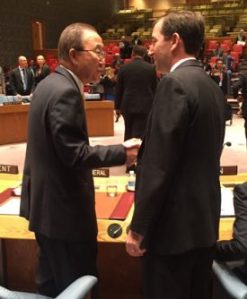
czqg73pwiaacplk-png-largeUNSC 1540 Resolution – The United Nations Security Council unanimously voted on Resolution 1540 this week, which is especially prudent given the devastation in Syria and use of chemical weapons. The overwhelming adoption of the 1540 review resolution furthered the fight to keep WMD’s out of non-state actor hands. Resolution 1540 was adopted in 2004 and extended periodically through 2012 as a means of imposing binding obligations on all states to adopt legislation to prevent the proliferation of nuclear, chemical, and biological weapons. The open debate, “Preventing Catastrophe: A Global Agenda for Stopping the Proliferation of Weapons of Mass Destruction to Non-State Actors” took place on December 15th, ending the second review of 1540 implementation. “The Council is expected to adopt a resolution endorsing the review and noting the findings and recommendations contained in its report, which was agreed by the 1540 Committee last Friday”. The comprehensive review process has been somewhat challenging lately due to differences in Council member priorities and ambitions. “Russia and China made clear that they did not see the need for radical changes in the functioning or mandate of the Committee, whereas Spain, as the chair of the Committee, and other Council members, such as the UK and the US, were pushing for more substantive measures and new approaches. As a result, the discussions in the 1540 Committee on the report of the review were quite contentious, in particular with regard to its conclusions and recommendations. It took more than two months of intense negotiations after the Committee considered the first draft of the report on 27 September to reach agreement on the final document. The whole review process has taken almost two years.” We’ll make sure to keep you posted as news is released!

Avian Influenza and Global Trade Conditions– A series of avian influenza outbreaks are challenging the positive 2017 outlook for the global poultry industry. These events are especially distressing for the poultry industry as the global pork and beef production is rising. “The return of avian influenza is now shaking up global trade conditions and is especially affecting the outlook for Asia, Europe and Africa,” the report said. “It will also be a test for the U.S. industry after last year’s multiple AI outbreaks. As many European and Asian countries are exporters of meat and breeding stock, this will certainly impact the outlook for the industry and could shake up meat and breeder trade again.” The increasing protectionism and disease-related traded restrictions have caused some slowing within the poultry trade. This report comes at an auspicious time as the WHO warns of a H7N9 pandemic.

Zika Virus Updates- The most recent Florida Department of Health daily updates can be found here, which found six new travel-related cases on 12/14 and no new locally acquired cases. The CDC has issued a travel advisory for Brownsville, TX due to Zika virus. A new study has estimated the prevalence of Zika by the time a microcephaly case is detected. Saad-Roy, et al. (2016) explain, “this model gives us the probability distribution of time until detection of the first microcephaly case. Based on current field observations, our results also indicate that the percentage of infected pregnant women that results in fetal abnormalities is more likely to be on the smaller end of the 1% to 30% spectrum that is currently hypothesized. Our model predicts that for import regions with at least 250,000 people, on average 1,000 to 12,000 will have been infected by the time of the first detection of microcephaly, and on average 200 to 1,500 will be infectious at this time. Larger population sizes do not significantly change our predictions.” The CDC has reported, as of December 14th, 4,617 cases in the U.S.

Stories You May Have Missed: 

  • Biological Security Threats Situation Report – In this report from the Danish Centre for Biosecurity and Biopreparedness, you can find an assessment of current biological threats and risks. The authors note that “the overall likelihood of a major biological terrorist attack must be viewed as relatively low at the moment, but a successful attack could have grave consequences for societies.” Focusing on the capacity to respond to intentional attacks through biosecurity and biopreparedness is vital. The report looks at the risks from state, non-state terrorists, and criminals in its assessment.
  • DHS Backs Development of Livestock Disease Outbreak Readiness Program – America has a soft underbelly and it’s livestock and agriculture. The new funding for the National Agricultural Biosecurity Center (NABC) project to develop the readiness program is just over $330,000 and “will provide a clearinghouse for planning, training and knowledge products to help state, local, tribal and territorial entities prepare for transboundary livestock disease outbreaks.he program also entails extensive collaboration of academia, private industry and state governments. Faculty and staff in the Beef Cattle Institute and the College of Veterinary Medicine will provide subject matter expertise and assistance building the website, and student workers will be employed to assist with the project.”
  • ABSA International  – Don’t miss the USDA and the Agricultural Research Service’s 4th International Biosafety and Biocontainment Symposium- Gobal Biorisk challenges: Agriculture and Beyond. This symposium will take place from February 6-9th at Baltimore Convention Center. Topics will range from biorisk management challenges in one health world, arthropod containment in plant research, and much more!

Week in DC: Events 12.12-12.16.2016

Monday, December 12th, 2016
Getting Ahead Of The Curve: The Evolving Threat Of Violent Extremism– United States Institute of Peace
Time: 9am-noon
Location: US Institute of Peace
2301 Constitution Avenue NW, Washington, D.C. (map)
Movements, leaders, targets, tactics and arenas of operation have all proliferated in ways unimagined in 2001. The growing challenges have spurred new interest in broader strategies – to defuse current crises, stem proliferation of extremist ideologies and avoid future shocks. The obstacles in crafting a viable and sustainable policy are many: Limited resources, poor coordination, competing political interests and complex strategic factors. This forum will highlight the analysis of three separate reports:

  • “The Jihadi Threat: ISIS, Al Qaeda and Beyond,” led by USIP and the Wilson Center.
  • ‘Turning Point,” from the Center for Strategic and International Studies’ Commission on Countering Violent Extremism.
  • “Communities First: A Blueprint for Organizing and Sustaining a Global Movement Against Violent Extremism,” from The Prevention Project.

Tuesday, December 13th, 2016
The 2016 Cato Surveillance Conference– Cato Institute
Time: 9am-5:30pm
Location: Cato Institute
1000 Massachusetts Avenue, N.W., Washington, D.C. 20001 (map)
Eight years ago, Barack Obama arrived in Washington pledging to reverse the dramatic expansion of state surveillance his predecessor had presided over in the name of fighting terrorism. Instead, the Obama administration saw the Bush era’s “collect it all” approach to surveillance become still more firmly entrenched. Meanwhile, the advanced spying technologies once limited to intelligence agencies have been gradually trickling down to local police departments. From the high-profile tussle between Apple and the FBI over smartphone encryption to debates over how to detect “lone wolf” terrorists before they strike, hard questions about modern privacy have figured prominently in the 2016 presidential race. Moreover, as WikiLeaks’ sensational release of hacked Democratic Party e-mails demonstrated, surveillance isn’t just a campaign issue: It’s a campaign tactic too. As the nation braces itself for a new presidential administration, the Cato Institute will gather technologists, legislators, activists, and intelligence officials to survey the privacy landscape, look ahead to the issues Americans will be debating over the next eight years — from government hacking to predictive “big data” to the “Internet of things” — and examine how and whether Americans can still live at least occasionally free from prying eyes. Continue reading “Week in DC: Events 12.12-12.16.2016”

Pandora Report 12.9.2016

Happy Friday and welcome to your weekly source for all things biodefense! Can you guess the 37 viral species that may have epidemic potential? Like something out of a horror movie, a team of researchers found the oldest  known smallpox virus sample in a naturally mummified child in Lithuania.

Learning From Ebola – Workshop Proceedings from NAS & Laboratory Battles
17649_phil_who_on_site_ebola_outbreak_2014This week was rich with information from the 2014/2015 Ebola outbreak and the lessons we’re still extracting from it. The National Academies of Science released their 136 pages proceedings from a workshop on the Ebola epidemic in West Africa. This is an extremely in-depth review of the situation, the failures, and what we’re doing to prevent it from happening again. If you don’t have time to read the full 136 page (too bad they don’t have it as a book on tape, right?), they’ve broken it down into sections- the outbreak, global preparedness and response, current and future research, etc. The actual body of the paper is about 65 pages but there are some gems in the appendixes – EVD preparedness in Germany, the view from the national institute of allergy and infectious diseases, and more. I found the outbreak section particularly interesting as it discussed the differences with previous outbreaks. This section noted the weakening of the affected countries through ongoing civil unrest and relative inexperience when dealing with ebola. Another great resource this week comes from the African Journal of Laboratory Medicine. They’ve just released a special edition that focuses on global health security during the Ebola outbreak. You can find articles on building laboratory capacity to combat diseases in Africa, the lab health system and its response to the EVD outbreak in Liberia, Sierra Leone’s lab system now and in the future, etc. The article on building lab capacity points to issues with Ebola, but also notes the challenge that several countries have in meeting the GHSA as their national disease programs are fragmented and have not yet joined the national lab networks, surveillance systems, and health research institutes. Interestingly, the focus then turns to antibiotic resistance and emphasizes the critical role of labs in detection and containment of AMR’s, which is a serious deficiency in Africa.

Since we’re already talking about Ebola, the CDC just released an article in their Emerging Infectious Diseases journal, regarding media messages and the perception of risk for ebola in the U.S. I think many of us can appreciate the significance of this article as media representation and messaging of risk during this outbreak was just another in a long list of mis-information and avoidable hysteria. The researchers reviewed U.S.-focused news about Ebola from July1-November 30, 2014 and found an abundance of risk-elevating messages. “Overall, 96% of print and television news stories that covered EVD in the context of the United States included >1 risk-elevating messages, 55% of stories contained >1 risk-minimizing messages, and 53% contained both message types. The most common risk-elevating messages (72%) concerned foreigners or travelers bringing Ebola virus to the United States. The most frequent risk-minimizing messages (32%) described scientific knowledge about EVD (Table).” When it comes to responding to ebola and other emerging infectious diseases, aside from the change in media habits, there’s a lot we still need to learn. Some of the more high-priority recommendations DHHS is trying to focus on include the role of the U.S. in aiding countries with limited surveillance and response capabilities (GHSA!), forming a pot of discretionary funds, capacity to call on the necessary public health experts, and clear guidelines for when the U.S. will send medical personnel to other countries.

antimcrresukreview2Farm Animals Are Now Resistant to Antibiotic of Last Resort
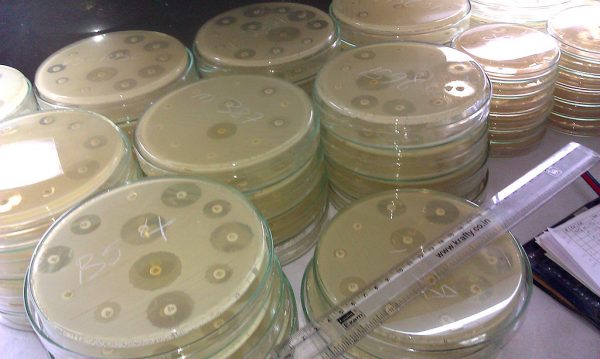
Is this the start of the antibiotic apocalypse? A recent study found the presence of carbapenem-resistant (carbapenems are antibiotics that are last-line drugs for severe bacterial infections) bacteria in agricultural settings. Firstly, it’s important to note that because there is concern over this issue, carbapenems are not supposed to be used in agriculture. The samples that revealed the presence of the resistant microbes were taken during a study of a pig farm over the course of five months, and were collected from the floors, walls, fecal samples etc. The good news – none of the resistant bacteria were found in pigs, however it was found in sows and piglets. Dr. Wittum, chair of veterinary preventive medicine at Ohio State University, noted that “farms do not use carbapenem antibiotics not only because doing so is illegal, but that it’s also very expensive. ‘How the [resistant bacteria] got onto the farm we really don’t know,’ said Wittum in an email exchange with TIME. ‘But probably it was introduced from the outside from movements of wildlife, people, equipment, etc.’ He says it’s possible that other legal antibiotics used on the farm could be contributing to the maintenance and spread of the bacteria, but more research needs to be done.”

CRISPR Mortal Combat 
Before we get into the battle that is the CRISPR patent world, Cold Spring Harbor Laboratory (CSHL) just announced the creation of a new molecular tool to change the genomes of plants that will strengthen harvest yields and expand their geographical range. CSHL researchers established a process to make two kinds of tomato plants flower and produce ripe fruit two weeks faster than what is currently possible. “The impact of this discovery cannot be overstated, as the potential impact could mean more plantings per growing season and thus higher yield. Moreover, it also means that the plant can be grown in latitudes more northerly than currently possible. Attributes that are extremely important as the earth’s climate warms and population continue to burgeon.” On to the battle of CRISPR patents! Things have been getting nasty in these hearings and Tuesday morning saw the first and only oral arguments over a patent. “The nasty dispute pits the University of California against the Broad Institute of Harvard and MIT for rights to key patents on CRISPR genome-editing. Since April 2014, the Broad has received 13 CRISPR patents, based on work led by its bioengineer Feng Zhang, but UC believes it deserves some of the most foundational ones, reflecting earlier work by its biochemist Jennifer Doudna and her collaborator Emmanuelle Charpentier.” STAT highlighted three very crucial questions that are being asked by so many as we sit in the audience of this gladiator-like spectacle- should we even be here, what are we arguing about, and why hasn’t there been a settlement? While there are potentially billions of dollars at stake, this could also change the nature of the exclusive and non-exclusive licenses to CRISPR technology. The patent dispute also comes at an interesting time for patent laws. “On March 16, 2013, the U.S. patent system switched the way patents are awarded: Previously, a patent was granted to the very first party to invent something; now, a patent simply goes to whoever files a patent application for an invention first. As it happened, Berkeley filed its initial patent just one day before the March 16 switchover. So here we are trying to figure out who invented CRISPR first.”

Enhancing BioWatch Capabilities Through Tech & Collaboration
The latest National Academies of Science publication looks to BioWatch and how we can improve it. In response to the 2015 Government Accountability Office (GAO) report Biosurveillance: DHS Should Not Pursue BioWatch Upgrades or Enhancements Until System Capabilities Are Establisheda NAS workshop was requested by DHS to further explore the findings and impact they may have on the future of BioWatch. The report reviews the recommendations from GAO and the DHS response, and then discusses the BioWatch collaborative planning process. One particularly interesting section focused on future opportunities for state and local collaboration. Several participants noted their state and local health departments deemed homeland security as a top issue and were open to participate on special projects but often met barriers when working with security and the Secret Service. The publication is definitely worth the read in terms of the issues encountered with BioWatch and what future goals might be. It’s also a breath of fresh air to hear accounts from local public health sources regarding their experiences.

Spanish Minister of Foreign Affairs Chairs High Level Security Council WMD Debate 
On December 15th, the Spanish Minister for Foreign Affairs, H.E. Mr. Alfonso Dastis, will be chairing a high level open debate of the Security Council on the topic of “Preventing catastrophe: A global agenda for stopping the proliferation of weapons of mass destruction by non-state actors”.  The debate will focus on the process to strengthen a preventative system to avoid humanitarian, political, and economic catastrophe that the use of WMD’s by non-state actors would entail. “The debate will take into account the conclusions of the report of the Comprehensive Review of Resolution 1540 (2004), which will be sent to the Security Council by end November and sets the basis of a global agenda to achieve full implementation of resolution 1540 (2004) by 2021, when the current institutional arrangements adopted by the Security Council in this field will expire. Particularly, the debate aims at reflecting on the practical measures that the Security Council and the UN System, Members States, international organisations and relevant sectors of civil society can adopt to prevent non-State from accessing or using WMD. The debate will have a practical and action-oriented approach that connects the discussion with real life, thus creating momentum for an improvement of the effectiveness of the preventive system in the fight against the proliferation of WMD, perhaps the biggest threat the world faces presently. Participants in the open debate are also encouraged to announce specific commitments for implementing the main recommendations of the Comprehensive Review, including financial support for those with the capacity to do it, to push forward the global non-proliferation agenda and directly contribute to a safer world.” The best part? The debate will be open to the public and broadcast over the internet!

Zika Virus Updates
The CDC has reported 4,575 case in the U.S. as of December 7th. The daily Florida Department of Health counts can be found here, in which you’ll see three new travel-associated cases and five new locally acquired cases reported on December 8th. The CDC has released a new article in their EID journal regarding the characteristics of US travelers to Zika-virus affected countries in the Americas from March 2015-October 2016.  They found that 3/4 of the travelers were men or women of reproductive age. The New York City department of health just announced that a 5th baby has been born with Zika-linked brain developmental issues. This makes five babies since July to be born with neurological development symptoms, like microcephaly, related to maternal infection. Arthur Caplan is talking to Forbes about how the Zika outbreak foretold Trump’s win.

Stories You May Have Missed:

  • Big Data & Analytics for Infectious Disease Research, Operations, and Policy – You can now download this NAS workshop document for free! Get the latest news on how big data is a tipping point for global health and surveillance systems. The book includes information on utilizing big data, combating antimicrobial resistance with it, and some great case studies. It points to the range of opportunities for use, however there are several challenges to really access the full potential – like usage, access, interoperability, analysis, validation, liability, security, etc.
  • Responding To The Next Ebola – Will Your Smartphone Play A Role?– Just when you thought we were done talking about Ebola…one of the greatest strengths technology has given us is speed. Coincidentally, that’s something we desperately need when fighting an infectious disease in an area with constantly moving people. Researchers tested this out by logging the number of calls from individual cell towers and then mapping the movement of people throughout the country. “Already, we’re getting immensely valuable insights about what happens during epidemics, and where we need to target our treatment efforts. For example, mobile mapping has confirmed that, in the wake of an epidemic or natural disaster, people head home to their families. So if you’re planning for worst-case scenarios, you can make a surprisingly good forecast by loading up migration data from national holidays such as Chinese New Year, Christmas or Diwali.”
  • Re-emergence of Syphilis Traced to Pandemic Strain Cluster– the past few decades have seen a growth in syphilis cases globally. Researchers led by the University of Zurich analyzed low levels of DNA to delve into the history of syphilis strains. They found that all strains from modern patients share a common ancestor from the 1700s. In fact, the dominating strains of today originated from a pandemic cluster following the 1950s. The concerning aspect of these strains is their ability to fight off the second-line antibiotic, azithromycin.


Week in DC: Events 12.5-9.2016

Monday, December 5th, 2016
Cyber-securing The Nation: A Whole Of Nation Approach- New America Foundation
Time: 9:30am-noon
Location: New America 740 15th St NW #900 Washington, D.C. 20005, Washington, D.C. (map)
On December 1, President Obama’s Commission on Enhancing National Cybersecurity will deliver a report to the president with recommendations on bolstering the nation’s cybersecurity. While many of the likely recommendations will require federal government action, intentionally or not, the report will also underline the fact that enhancing national cybersecurity requires as much, if not more, action at the state and local levels. While the President considers the report, we’ll explore what more our states and cities can and should do to achieve these goals. Follow the conversation online with @NewAmCyber and #WONCyber.

Tuesday, December 6th, 2016
The Search For Cuba’s Food Security- Johns Hopkins School of Advanced International Studies
Time: noon-2:30pm
Location: Johns Hopkins SAIS – Rome Building
1619 Massachusetts Ave., N.W., Washington, D.C. (map)
Room: Rome Auditorium
Pedro Sanchez is Research Professor of Tropical Soils at the University of Florida Soil & Water Sciences Department and core faculty of the Institute for Sustainable Food Systems. At UF, he leads the development of a collaborative programs on food and agriculture in Cuba and incorporate faculty and students in the long-standing food security programs he continues to be involved in tropical Africa. Sanchez was formally Director of the Agriculture and Food Security Center and Senior Research Scholar at Columbia University’s Earth Institute. He served as Director General of the World Agroforestry Center (ICRAF), co-chair of the United Nations Millennium Project Hunger Task Force, and director of the Millennium Villages Project. Sanchez has supervised research programs in over 25 countries of Latin America, Southeast Asia, and Africa. Sanchez has written groundbreaking books on tropical soil science and hunger, and has received honorary Doctor of Science degrees from the Catholic University of Leuven (Belgium), Guelph University (Canada), Ohio State University and North Carolina State University. He is the 2002 World Food Prize laureate, a 2004 MacArthur Fellow, and was elected to the US National Academy of Sciences in 2012. Lunch will be provided. RSVP is required. Continue reading “Week in DC: Events 12.5-9.2016”

Pandora Report 12.2.2016

Welcome to December! We hope you had a lovely Thanksgiving holiday. If you’re still craving poultry and happen to be in Sweden, you may want to keep in mind that the first H5N8 case was just detected. Want an overview on genome editing? Check out the Parliamentary Office of Science & Technology’s note on it here.

Army Reprimands General Over Anthrax Debacle
Biosafety failures have been an increasing concern over the last few years. Within the last few years, the Pentagon was involved in mistakenly shipping live anthrax to nine U.S. laboratories and an airbase in South Korea after failing to inactive the bacteria. The Army has now reprimanded Brig. Gen. William King, the highest-ranking officer implicated in the events. “A reprimand prevents an officer from receiving another assignment, effectively ending his career, according to a Defense official familiar with King’s case but not authorized to speak publicly about it. ‘Brig. Gen. King was reprimanded for failing to take appropriate action to respond to and mitigate lapses in safety and protocol while serving as commander of Dugway Proving Ground,’ Lt. Col. Jennifer Johnson, an Army spokeswoman, said in a statement.” Nine civilians were also demoted and another soldier was disciplined in this attempt to clean up the biosafety mess that has plagued military labs. Investigators at Dugway found several failures – a biosafety officer who lacked training and education needed for the job, failure to conduct routine environmental tests to ensure there was no breach in containment, and staff who “regularly manipulated data” certifying pathogens were safe to for use without PPE and shipment.

The Failure That Was the 8th RevCon epic-failure-thumbnail1-1
The 8th Review Conference of the BWC has closed and with it, the hope of reaching an agreement on a work plan for the next five years to strengthen the intersessional process. You can read the UN Office at Geneva statement here, in which they note that during the RevCon, a Final Document was adopted (including a Final Declaration on the articles of the Convention), renewal of the mandate of the Implementation Support Unit, and this RevCon had higher attendance than previous BWC meetings. If you’d like detailed overviews of each day’s proceedings, you can find them here – in the last day, you can see the frustrations and disappointment voiced by several countries.. The 8th RevCon did decide that States Parties will hold annual meetings in the process up to the next RevCon (2021), with hopes of reaching consensus regarding the intersessional process. You can also read the statement by U.S. State Department’s spokesperson, John Kirby, here, in which he points to the failures of the group to find consensus on a work plan (a plan that was highly supported by the U.S. and would involve much more intensive expert work to make decisions more frequently than every 5 years) to infuse decision-making and expert work into the intersessional process. Kirby’s statement notes that “While the United States does not support the need to negotiate a supplementary treaty, during the review conference, U.S. negotiators were supportive of creating a space in the post-RevCon work-plan for discussion of the full range of proposals to strengthen the Convention, which would have allowed proponents of a protocol to make their case. Although the United States is disappointed that negotiators did not take this opportunity to strengthen the intersessional process, the lack of consensus on a program of work does not damage the international nonproliferation regime.” While many of the official documents note “disappointment”, the realities of those in attendance were marked with frustration at the utter failure that was the 8th RevCon. Some of the noted frustrations including the halting of summer meeting of experts (MX), failure to increase ISU staff, and again, inability to agree on an intersessional process that would facilitate more real-time decision making with the necessary experts. “In their final declarations many countries, especially from the Non-Aligned Movement (NAM), put the blame squarely on Iran (without naming the country). This country’s obsession with returning to a negotiation format like the Ad Hoc Group to achieve the higher goal of a legally binding instrument—possibly with the sole goal of antagonising the USA—led it to exploit to the fullest to principle of consensus decision-making to torpedo any effort at compromise. Many NAM countries—often developing nations—lost out on concrete opportunities for international cooperation and assistance.” You can read the advanced version of the final report here. While this floundering don’t mean the end of the BWC, the lackluster outcome may indicate a gradual slip in overall confidence.

U.S. Military Preps for Gene Drive Woes genetic_manipulation
The new advances in genome editing and biotech point to a bright horizon for innovation, however the safety components to these advances are in need of response measures. DARPA is now working on a new program to respond to potentially harmful or devastating ecosystem outcomes that may come from engineered genes. Safe Genes will be a means of responding to a situation in which the gene-drive systems produce an outcome throughout generations that may be negatively impacting to the ecosystem. This may make genome editing systems, like CRISPR, sound nefarious, but there are growing hopes that this technology could alter insects or pests that carry diseases like malaria, dengue, etc. The gene-drive systems mean that within 20 generations, the newly altered genes could be passed through an entire population of insects (i.e. within 20 generations, a certain species of mosquito could be unable to carry malaria). The Bill and Melinda Gates Foundation has doubled its spending on gene drive tech and even DARPA has been one of the largest funders of synthetic biology research. While the the rewards may be high, so are the risks. “Kevin Esvelt, head of the Sculpting Evolution lab at MIT Media Lab, which is applying for Safe Genes funding in collaboration with eight other research groups, predicts that eventually, perhaps around 15 years from now, an accident will allow a drive with potential to spread globally to escape laboratory controls. ‘It’s not going to be bioterror,’ he says, ‘it’s going to be ‘bioerror.'” Several research teams, including those at the DARPA program, are looking to remove, replace, or inhibit the unwanted genetic changes that are made in order to best respond to a negative outcome. Getting rid of the engineered genes from a species or habitat is one focus area for DARPA’s new program – the second encourages teams (who received funding from Safe Genes) to create systems for controlling/reversing gene editing tools, and the last focal point is on developing small molecules or antibodies that allow organisms to fight off genome editors at the molecular level. “Evolutionary geneticist Austin Burt, who leads Target Malaria’s research at Imperial College London and has no affiliation with Safe Genes, concurs. The prospect of remediation, he says, ‘shouldn’t give us a cavalier attitude.’ Instead, the goal should be to do the incremental work to anticipate and prevent problems. ‘We have the precedent of biological control,” he says, “where if you have an invasive pest that is destroying your crop, you can release a parasitoid wasp,’ which kills its host. ‘They do a very careful assessment. They don’t have something in their back pocket,’ to delete errors.”

FBI Utilizes Student Bioengineers 
With the growing importance and challenges of biotechnology and genome editing, it’s not surprising the FBI is sponsoring the International Genetically Engineering Machine (iGEM) Competition. iGEM is a way for the FBI to collaborate with the biotech community to better understand the challenges, concerns, and help create a culture of trust and transparency. Stanford senior research scholar, Megan Palmer, highlights this growing relationship and its importance in bioterrorism prevention. Science plays a vital role and to better understand this, why not start with those looking to make a difference in the field? “Bioterror incidents are extremely difficult to predict. In the past governments have built the deadliest biological weapons programs, but one worry is that now small groups may also be able to do serious damage, Palmer says”. The biotech world is constantly evolving and it’s important that law enforcement understand the how’s and why’s of the field so that investigations can be more effective and efficient. In fact, GMU biodefense graduate program director and professor, Gregory Koblentz, is working with Dr. Palmer on a CRISPR project for this very reason. The Departments of Defense and State are even getting in on this approach – create transparency and trust with the biohacker community to better prevent and respond to future threats. Like FBI supervisory special agent, Edward You, Megan is looking to strengthen this relationship prior to “trigger events” (an event in which biologists are suspected to be behind it) to ensure the foundation of communication and trust can combat challenging situations. “But there’s a natural tension between biohackers embedded in fringe communities and government agencies that are traditionally secretive. To Palmer, the key to the collaboration is open communication. So far, it’s going well—Palmer says she has been asking the FBI questions about its involvement, what it sees in the field, and why the agency is spending so much time and effort to be involved, and so far she says they have ‘been willing to have more of those conversations.’”

The Diseases That Worry Public Health Officials 
CDC Director, Thomas Friden, and Susan Desmond-Hellman, Chief Executive of the Bill and Melinda Gates Foundation, sat down to discuss the infectious diseases outbreaks that keep them up at night. Frieden noted that every year we identify a new pathogen and every day the CDC starts a new investigation to find a new pathogen. Frieden admits that his biggest worry is pandemic influenza. “Even the 1957 influenza pandemic, which most people haven’t heard of, cost 3% of the world’s gross domestic product. Even SARS, a relatively small outbreak, cost about $30 billion. We don’t know when the next one will come, where it will come from or what it will be. But we’re certain there will be a next one.” Dr. Desmond-Hellmann noted that, “What we learned from Ebola is that there are a couple things that are underutilized and not ready. One is governance. Who makes the call when things happen? The second thing is having the right tools, which is why global health research-and-development is a big focus of our foundation.” Both emphasized the importance of faster and more effective prevention and the role of country accountability in global health security. Truly, Dr. Frieden notes, there is no way to know if a country is ready to handle a health emergency, which is where the GHSA’s Joint External Evaluation has come in as a means of objective, third party, accountability and readiness assessments.

Advances in Radiation Biodosimetry for Mass Casualty Events Involving Radiation Exposure 
GMU biodefense PhD student, Mary Sproull, is looking at the modeling and development of new medical countermeasures for CBRN events. “To respond to large-scale population exposures from a nuclear event or radiation dispersal device (RDD), new methods for determining received dose using biological modeling became necessary. The field of biodosimetry has advanced significantly beyond this original initiative, with expansion into the fields of genomics, proteomics, metabolomics and transcriptomics.” Cytogenetic assessment methods are also being utilized with ramping up laboratory surge capacity. In this assessment, Sproull looks to the progress being made regarding field-deployment readiness in the event of radiation exposure. She notes that the most promising and immediately useful mechanisms for biodosimetry are pointing towards cytogenetic assessment using surge capacity lab networks, proteomics, and genomics-based technologies. “Greater collaboration within each field of biodosimetry would benefit the development of a standardized panel of biological markers for dosimetry assessment. Assessing the application of radiation biodosimetry in special populations, and development of a rapid assay for assessment of partial-body exposures is needed. Critical organ-specific markers of radiation toxicity also need to be identified and validated.”

Zika News 
Shortly after the WHO declared that Zika is no longer a global health emergency, the first case of locally acquired Zika sprung up in Texas. While investigations are ongoing, the latest news points to the importance of maintaining vigilance towards vector control and continued education. The UK has reportedly found its first case of sexually transmitted Zika. You can find the latest updates from the Florida Department of Health here, which reveal two new travel-related cases and four new locally acquired cases on November 30th. A recent study found microcephaly in older babies who were exposed to Zika in the womb. “A study published in the U.S. journal Morbidity and Mortality Weekly Reportinvolved 13 babies in two Brazilian states born with small heads, but not small enough to be diagnosed with microcephaly. The babies tested positive for Zika. Imaging scans of the babies’ heads soon after birth showed brain abnormalities. Researchers then followed the infants. Around the time of their first birthday, 11 of the 13 babies were diagnosed with microcephaly. Their heads and brains had not developed in proportion to their growth and size.” Some are saying that the WHO’s move of declaring Zika no longer a public health emergency was a mistake. The CDC has reported 4,496 cases of Zika in the U.S. as of November 30th,

Stories You May Have Missed:

  • Trump Picks HHS Lead – President elect Trump, has selected Republican congressman, Dr. Tom Price, as the US Health Secretary to oversee CDC, NIH, etc. This selection has been met with a mixture of concern while many worry about the challenges to public health under the new administration.
  • New Viral Discoveries– a international research team has found the jackpot of viral discoveries – 1,500 new viruses! Looking for infection in invertebrates (think insects and spiders), the expansion of the catalogue of viruses will help us better understand viral diversity. Genetic sequencing helped these researcher delve deep into the world of viruses – the virosphere. “Next generation sequencing allows researchers to quickly determine the sequence of these letters. And if you work out the order of the letters on any chain of RNA, you can determine if it belongs to a virus and whether or not the virus is new. Its potential for virus discovery is huge.”
  • Traces of MDRO’s Found in Polluted City Air- recent research from Sweden’s University of Gothenburg looked at hundreds of environmental samples worldwide. The results revealed that the samples taken from Beijing, had high levels of antibiotic resistant genes. “‘We studied only a small number of air samples, so to generalize, we need to examine the air from more places,’ explains lead researcher Joakim Larsson. ‘But the air samples we did analyze showed a wide mix of different resistance genes.’ The research doesn’t show whether the bacteria in Beijing’s smog is actually alive – which would significantly increase the threat – but Larsson says it’s ‘reasonable to believe that there is a mixture of live and dead bacteria, based on experience from other studies of air’.”


Pandora Report 11.18.2016

 Welcome to World Antibiotic Awareness Week! We all have a part in reducing microbial resistance, including companies like McDonalds, KFC, and large chain restaurants. A recent report from Clinical Microbiology is reanalyzing the threat of bioterrorism. The EU has released their action plan for combatting antimicrobial resistance and you can read the roadmap here. Leishmaniasis infections are on the rise in the U.S. due to ecotourism and military campaigns in Iraq and Afghanistan. CRISPR gene-editing was just tested in a person for the first time. The Chinese research group delivered modified cells into a patient with aggressive lung cancer as part of a clinical trial. The cells were modified to disable a gene that codes for protein PD-1 (this normally would restrict immune response and is frequently manipulated by cancer) and the hope is that without the PD-1, the edited cells will be able to overcome the cancer. Did you know that your birth year can help predict how likely you are to get extremely sick from an outbreak of an animal-origin influenza virus? Don’t miss the Next Generation Global Health Security Network Info Session – today at 11a EST!

ISIS Forces Fired Toxic Chemicals in Iraq
Three chemical attacks were launched by ISIS against the Iraqi town of Qayyarah in September and October. The use of chemical weapons was in retaliation after Iraqi government forces retook the town in late August. “ISIS attacks using toxic chemicals show a brutal disregard for human life and the laws of war,” said Lama Fakih, deputy Middle East director. “As ISIS fighters flee, they have been repeatedly attacking and endangering the civilians they left behind, increasing concerns for residents of Mosul and other contested areas.” Victims of the attacks experienced painful symptoms of blister agents, or “vesicants”. The use of chemical weapons is in direct violation of the 1993 Chemical Weapons Convention. The use of these weapons would be classified, under the Rome Statue, as a war crime.

What Will Be the Next Pandemic?
Researchers at the recent International Meeting on Emerging Diseases and Surveillance discussed what the next SARS or Zika-like disease will be. Kevin Olival of EcoHealth used a predictive formula and pointed to flaviviruses that we normally don’t hear about – Usutu, Ilheus, and Louping. “All three have on rare occasions infected people, but they also infect a number of other animal species, which suggests they may have what it takes to jump species. Virologists sometimes call viruses that can do this ‘promiscuous.’ That means ‘it’s more flexible in its ability to infect across hosts, including mammals,’ Olival said.” While the scarcity of human cases proves difficult for gaining funding, emerging diseases tend to hit us by surprise, pointing to the need to expand the scope of surveillance and preparedness.

PCAST Letter to the President to Protect Against Biological Attacks
In a letter to the President, the President’s Council of Advisors on Science and Technology (PCAST) points to the to the unique challenge of bioterrorism threats in that they could be exacerbated by the rapid pace of biological science and technology developments. PCAST emphasizes the need for a renewed effort since Federal leadership can help state and local infrastructure share data and identify patterns during such an event. “Continuing scientific, technical, and regulatory developments allow the medical community to respond to new outbreaks faster than ever before. Developing medical countermeasures to naturally occurring outbreaks today lays the groundwork for responding to potential engineered biological threats in the future. PCAST supports extending this progress into the foreseeable future, setting the ambitious ten-year goal that, for infectious organisms for which effective approaches to creating vaccines exist, the United States should have the ability to accomplish, within a six-month period, the complete development, manufacture, clinical testing, and licensure of a vaccine. ”

Comic Book Explores a World Without Antibiotics  screen-shot-2016-11-15-at-8-40-41-am
A new, dystopian comic book is transporting us to 2036 London. The world is a bleak place where antibiotics have run out. Surgeon X looks at a time where simple infections and hospitalization means certain death, while the government cracks down to maintain selective control over the few drugs that are available via  a”Productivity Contribution Index”, which determines who gets access to medication. Readers follow a surgeon, Rosa, through her work at a secret clinic and the internal dialogue that comes with a repressive government, Hippocratic oath, and constant threat of infectious disease. Sara Kenney, the author of Surgeon X, notes that her own experiences with two premature children frame much of her comments on microbial resistance. Kenney noted that “it was only when she started building for herself what she calls the ‘story world’ that she realized antibiotic resistance is such a threat to medicine that it needed to be in her narrative as the obstacle the protagonist must overcome. ‘I realized the antibiotics crisis we’re facing is probably one of the most extreme obstacles you could throw at a surgeon,’. She found the complexities of the problem—resistance is believed to kill 700,000 people around the world each year—to be staggering.”

WHO Global Action Plan on Antimicrobial Resistance cxt8sslxgaajprd-jpg-large
The WHO has just released their action plan to fight antimicrobial resistance. Countries have committed to having a national action plan by May of 2017 to better support the radical shift that is needed to combat antibiotic resistance. Antimicrobial resistance (AMR) threatens the foundation of modern medicine and public health capacity. There have been little advancements in the world of antibiotics, however we continue to see a growth of AMR. The WHO global action plan has five objectives: to improve awareness and understanding of antimicrobial resistance through effective communication, education and training; to strengthen the knowledge and evidence base through surveillance and research; to reduce the incidence of infection through effective sanitation, hygiene and infection prevention measures; to optimize the use of antimicrobial medicines in human and animal health; and to develop the economic case for sustainable investment that takes account of the needs of all countries and to increase investment in new medicines, diagnostic tools, vaccines and other interventions.

BWC RevCon 
While the 8th Review Conference is underway, there have been some reports from attendants that civil society/NGO’s were asked to leave the room, which goes against precedent for the last two RevCon’s. Some have noted that Iran was seeking to deny NGO’s access to Committee of Whole by using rules of procedure but there has not been consensus yet. While these comments have been coming in from attendants’ Twitter accounts, as of Tuesday afternoon, it appears that the issue has been resolved – as news continues to trickle in, we’ll keep you posted. You can get daily updates on RevCon here, with the most recent one covering the cross-cutting plenaries that are focusing on implementation, article III, solemn declaration and more. These daily reports are the best way to get detailed play-by-play information as to how RevCon is going.

Zika Updates
A recent study found that women are at greater risk for Zika infections due to suppressed vaginal immune response. “Scientists at the Gladstone Institutes discovered that the vaginal immune system is suppressed in response to RNA viruses, such as Zika. The delayed antiviral immune response allows the virus to remain undetected in the vagina, which can increase the risk of fetal infection during pregnancy.” The Brazilian state of Parana has banned aerial spraying of pesticides in urban areas. Florida’s Department of Healthy has their daily Zika updates here, which shows three new locally acquired cases as of 11/16. The CDC has reported 4,255 cases in the U.S. as of November 16, 2016.

Stories You May Have Missed:

  • How NY Hunts for Early Hints of an Outbreak– the New York City Department of Health and Mental Hygiene has a secret weapon in the war against infectious disease outbreaks – a computer program called SaTScan.  This program utilizes big data to help detect and model infectious diseases. It monitors, maps, and detects disease outbreaks throughout the state by utilizing the data that is reported to the health department daily. “It is just not possible to effectively monitor every communicable disease in real time with human eyes alone,” Sharon Greene said. “To be able to quickly and effectively and precisely detect an outbreak, to kick off an outbreak investigation process — the earlier that you can begin this it helps to limit sickness, it helps to limit death, and it makes it more likely that you will successfully solve the outbreak.”
  • Exposure Patterns in 2014 Ebola Transmission – Researchers are presenting new information regarding the largest Ebola outbreak in history by looking at the drivers of transmission and where control efforts could be strengthened. They reviewed data from over 19,000 cases across Guinea, Liberia, and Sierra Leone. “We found a positive correlation (r = 0.35, p < 0.001) between this proportion in a given district for a given month and the within-district transmission intensity, quantified by the estimated reproduction number (R). We also found a negative correlation (r = −0.37, p < 0.001) between R and the district proportion of hospitalised cases admitted within ≤4 days of symptom onset. These two proportions were not correlated, suggesting that reduced funeral attendance and faster hospitalisation independently influenced local transmission intensity. We were able to identify 14% of potential source contacts as cases in the case line-list. Linking cases to the contacts who potentially infected them provided information on the transmission network. This revealed a high degree of heterogeneity in inferred transmissions, with only 20% of cases accounting for at least 73% of new infections, a phenomenon often called super-spreading.” Future Ebola outbreak response will need to consider super spreaders, safe funeral practices, and rapid hospitalization.
  • Rick Bright Selected as New BARDA Director – DHHS recently announced that Dr. Rick Bright will be the new Deputy Assistant Secretary for Preparedness and Response and Director of BARDA. Dr. Bright has been with BARDA since 2010 and served in their Influenza and Emerging Infectious Diseases division.


Week in DC: Events 11.14-18.2016

Monday, November 14th, 2016
Global Security: Russia, China, Europe And Latin America– Center for Economic and Policy Research
Time: 9-10am
Location: Hyatt Regency Washington on Capitol Hill400 New Jersey Ave NW, Washington, DC 20001, USA(map)
Following one of the most unusual presidential and congressional elections in US history, a panel of senior specialists will present ideas for improving prospects for peace, and growth with fairness for all Americans. The topic of the panel, part of the Economists for Peace and Security Symposium: Policy Challenges for the New US President, is “Global Security: Russia, China, Europe and Latin America.”

Tuesday, November 15th, 2016 Spillover: Zika, Ebola, And Beyond Film Screening And Discussion- National Museum of Natural History
Time: 6:30-8:30pm
Location: National Museum of Natural History10th Street & Constitution Ave, NW Washington D.C(map)
Room: Baird Auditorium (Ground Floor)
Over the last half century, a number of diseases have spilled over from animals to humans with increasing frequency. What’s behind the rise in spillover diseases? What can we do to stop them? PBS documentary Spillover, produced by Tangled Bank Studios, is a harrowing documentary that follows scientists into the world’s hot zones in a search for answers. And it does so while providing much needed scientific context for the most recent Ebola and Zika outbreaks. The film extends to the new frontiers of disease detection, prevention, and containment, and travels the world with virus hunters who are tracking old enemies while vigilantly looking out for new foes. A discussion after the screening will focus on Zika and how scientists have tracked the disease globally and locally, how the disease affects people, and what we need to know to help manage and prevent an outbreak in DC and beyond. Continue reading “Week in DC: Events 11.14-18.2016”

Pandora Report 11.11.2016

The U.S. Election has concluded and whether your candidate is now our presidential elect or you’re just glad it’s all over, here’s something to celebrate – President Obama signed an executive order last week, cementing the GHSA as a national, presidential-level priority. Commitment to GHSA and fighting outbreaks on a global scale is a huge step forward to combating the health crises we’ve seen and will continue to battle in the future. Since researchers recently debunked the myth of Gaëtan Dugas as a primary source for HIV/AIDS in the U.S., check out more stories regarding the misunderstood “patient zero”.  World leaders are starting to realize that the antibiotic clock is ticking away.

Trump and the Issues Within Science
Donald Trump is the new president elect, but where does he stand on issues like Zika? Here’s a compilation of sources that cover his comments and plans for some of the top issues in science. NPR is looking at his comments on global health and humanitarian aid, while some are trying to figure out what Trump’s administration will mean for them and the need for a transition team tutorial. STAT is asking five questions regarding what the Trump administration will mean for science. Sources close to the Trump campaign have stated that two of the “best-known climate skeptics will lead his U.S. EPA transition team“.

It’s Time to Modernize the BWC 
GMU Biodefense graduate program director and professor, Gregory Koblentz teamed up with Filippa Lentzos to discuss why it’s so important for the BWC to modernize. They tackle the reality that while the convention isn’t failing, it’s definitely not flourishing. Despite its dedication to ban a whole class of weapons, the BWC is a somewhat toothless dog. “It lacks a dedicated forum to assess treaty implications of scientific advances, a robust institutional capacity, organized means of helping member nations meet their obligations, provisions for verifying compliance, and an operational role to respond in cases of a serious violations. The upcoming review conference provides a welcome opportunity to begin rectifying some of these shortcomings.” Koblentz and Lentzos point to the consistent challenges of science and technology reviews. Despite a rapidly evolving industry, the BWC hasn’t been able to keep up and maintain an international forum for the debates that are needed. Lagging behind the biotech times means the BWC is running the risk of irrelevance, not to mention the slow shift from the convention towards UNSCR 1540. In this climate, it doesn’t help that there is an even greater need for transparency. Biodefense programs have surged the last two decades, which means that transparency is increasingly important to ensure these programs aren’t biosecurity risks or being perceived as threats and becoming justifications for initiated offensive programs. The reform process is pivotal and this includes organizing a review of relevant S&T developments more systematically, renewing the mandate of an implementation unit, and setting up an Open-Ended Working Group on Providing Reassurance to encourage transparency and engagement in peer review exercises. “The Eighth Review Conference provides an opportunity to revitalize the bioweapons treaty by taking concrete actions to expand its relevance, enhance its capacity to review developments in science and technology, and strengthen the confidence of nations in the peaceful intentions of their fellow treaty members.”

RevCon began this week in Geneva and you can catch the U.S. opening statements by Thomas Countryman, Acting Under Secretary for Arms Control and International Security. You can also read Mr. Kim Won-soo’s remarks as High Representative for Disarmament Affairs. The International Committee of the Red Cross (ICRC) vice president, Christine Beerli, has also commented, noting that “States Parties should not become complacent; it remains their collective and individual responsibility to ensure that the treaty is implemented effectively. Over the past five years of annual meetings, a great deal of information has been shared and many proposals have been made on how to implement the treaty and improve its effectiveness. Disappointingly, however, there has been little collective agreement.” RevCon experts will also be focusing on new threats that may arise from technology. Guinea just became the 178th State Party to the BWC!

armas-biologicas-2NSABB Meeting on DURC and Other Hot Topics
On Friday, the National Science Advisory Board for Biosecurity (NSABB) hosted a call to review policy updates, new activities, updates from the working group on institutional oversight of the life sciences DURC policy stakeholder engagement, and updates from the Blue Ribbon panel that is currently reviewing the 2014 NIH variola incident. The conference call was fast-paced but covered substantial ground – most of it you can find on the Power Point slides. The policy updates focused on initiatives to strengthen biosafety/biosecurity stewardship. The 2016 NSABB report recommended additional, multidisciplinary evaluation prior to funding decisions and appropriate, ongoing oversight if funding were given to projects. It was noted that this is a particularly exciting time for science as we’re seeing so many advancements in human health, however the applications of these technologies are testing the oversight and policies we currently have in place to ensure science is performed safely (and securely). While they may or may not all be under the purview of the NSABB, the emergence of CRISPR and evolution of genomic sequences and gene drive techs, and abilities to create next gen of chimeras – are all examples of biotech that are evolving very rapidly and we may need to rethink how they fit our current policy and framework. NSAAB has been a part of the DURC conversation with policy focus on research responsibilities and institutional approaches. NSABB is also working on how to increase and approach stakeholder engagement in DURC polices. There were several listed strategies and topics, ranging from regional meetings at universities or panel sessions at conferences like ASM and ASV. The biggest focus was on getting dialogue and metrics across institutions, not to mention the need for feedback to evolve an objective oversight system. The Blue Ribbon panel is working on the review of the NIH variola incident but they did note that the event was handled very well and while there were obvious gaps, they were all addressed and that the interagency work between the FBI, NIH, and CDC went very smoothly.

Sverdlovsk, Three Mile Island, and Government Oversight of Biological Safety
Greg Witt is talking to us about government oversight of biological research and the lessons learned from the Three Mile Island nuclear accident (did I mention that Greg is a nuclear systems engineer?). Pointing to the biosafety failures that have happened recently (remember that time a Pasteur Institute employee improperly took MERS samples on a commercial airline???), Greg pulls together the pieces to paint a bigger mosaic of systemic failure to properly control biological agents. Pointing to similarities between these events (they even happened days apart) he notes that “both were caused, in large part, by errors in maintenance: at Sverdlovsk, technicians neglected to replace an exhaust system filter, while at TMI, staff had isolated an auxiliary feedwater pump during routine maintenance in violation of US Nuclear Regulatory Commission (NRC) rules.”

The Glamor of Bad Science02-ebola-w529-h352
Yours truly is talking about the disparaging addiction we have to dramatic science. I’m a fan of any movie that involves an outbreak, but the truth is that an overwhelming majority of these films depict infectious disease outbreaks so outrageously and dramatically, they have become anti-science. After watching the latest, Inferno, it became increasingly apparent that we’ve created a false threshold for science, specifically infectious diseases, in film. By painting the picture of diseases and outbreak response like that of Outbreak, I Am Legend, and more, we’re creating an increasingly de-sensitized culture. The result of this de-sensitization means that it takes a lot more for people to take infectious disease outbreaks seriously in real life. It’s not a genetically engineered airborne organism that will make flesh rot? Meh – not that big of a deal. Our love of bad infectious disease science in film and television could easily create a culture of poor public health support.

Ebola Was Just the Beginning…Are We Ready?
Peter Piot, Director of the London School of Hygiene and Tropical Medicine, is highlighting the realities that we simply aren’t ready for the next big virus epidemic. Piot discusses his work during the early days of Ebola in the 1970s, pointing to the challenges of attempting to figure out a novel virus while trying to put out the fires of an outbreak. Describing the 2014 outbreak as a perfect storm, he notes that the WHO response was too slow to act. The globalization of our interconnected world has made the capabilities of an outbreak much greater than 50 years ago. “Piot also believes there will be a ‘Big One’, a big influenza, similar to the likes of the Spanish Flu in World War One and we’re not quite ready for it. Yet. ‘Are we ready?’ Piot asked. ‘A little bit better than a few years ago but we’re not yet up to the job. We can’t afford to wait but we have a plan, and that’s the good news. The world has learnt from the problems of mobilisation around Ebola and we are now in a better situation; there is better technology to allow for more rapid diagnosis’.” Piot stresses the importance of investment in infrastructure, stronger global governance, and vaccine development incentives.

All Things Zika
The Florida Health Department has released their Zika updates here. PAHO has recommended that Bolivian women delay pregnancy to avoid Zika. “Fernando Leanes, PAHO representative in Bolivia, said at a press conference that it was one of several advised measures to avoid the proliferation of microcephaly cases. ‘The epidemic of Zika, from what we have seen in other countries, will have a rise and fall in Bolivia. Therefore, there are options such as delaying the decision to get pregnant in areas where Zika is spreading. This will avoid the dreaded microcephaly and the complications it represents,’ explained Leanes.” An $18 million plan was just announced to release Zika-resistant mosquitoes into urban areas of Colombia and Brazil.  “A swarm of Aedes Aegypti mosquitoes–the species that transmits dengue, yellow fever, chikungunya and Zika, have been modified to carry a bacterium called Wolbachia pipientis, which inhibits their ability to spread the viruses. Scientist released these ‘good mosquitoes’ in Brazil as part of a successful international program called ‘Eliminate Dengue’.” Many researchers are wondering why Colombia has had such few Zika-associated birth defects. They are the second largest outbreak in the world, yet have much fewer cases of microcephaly than Brazil. Researchers have noted that adult women in Puerto Rico were significantly more likely to develop Zika than men. The CDC has reported 4,175 cases of Zika in the U.S. as of November 9th, 2016.

Stories You May Have Missed:

  • How Trauma Explains Civil War– Don’t miss this event today at GMU’s Arlington campus, Founders Hall, Room 602. Eric Goepner will be discussing his research as to why “hurt people hurt people” and hypothesizing that a population’s prior traumatization predicts future civil war onset.
  • Searching for Ebola’s Hideout – The recent ebola outbreak is over, but this doesn’t mean the disease is gone. In fact, ebola is known for hiding out..so where has it gone? Leigh Cowart and other researchers are looking to stop future Ebola outbreaks by finding its hiding spot. “Such a long-term host, the quiet refuge of a pathogen, is known as a reservoir species. If a reservoir species is Ebola’s safe house, we are its luxury retirement property, a place for it to live out its last days with a bang. The trouble is that we aren’t sure where the safe house is. If we are going to be vigilant against Ebola’s re-emergence, we need to find it.”
  • The UK Forms Special Outbreak Response Team– with a five-year £20m funding, the UK is setting up a specialist team of health experts who will be able to respond to outbreaks around the world within 48 hours. “Public Health England will run the project with the London School of Hygiene and Tropical Medicine. Duncan Selbie, chief executive of Public Health England, said: ‘Speed is key in tackling infectious disease and with this new capability we can now deploy specialists anywhere in the world within 48 hours, saving and protecting lives where an outbreak starts and helping to keep the UK safe at home.'”


Sverdlovsk, Three Mile Island, and Government Oversight of Biological Safety

To those of us who follow the world of biodefense, it seems as though every week brings news of a high-profile lapse in biosafety. In just the past month, we’ve seen an employee from the Pasteur Institute Korea transport samples of the coronavirus that causes Middle East respiratory syndrome (MERS) on a commercial airliner and reports that the Centers for Disease Control and Prevention (CDC) shipped chikungunya virus without first performing tests to ensure that the specimens had been completely inactivated. These come on top of such disturbing stories as the US Army’s Dugway Proving Ground accidentally shipping live anthrax to almost 200 facilities and slip-ups at the CDC involving ebolavirus and avian influenza.

While each of these incidents would be alarming in its own right, collectively they imply a systemic failure to properly control biological agents. Determining the extent and severity of the problem is made even more difficult because consistent rules for reporting these types of biosafety events do not exist under the government’s Select Agent Program (SAP). For example, a review this year by the Government Accountability Office found that the number of incidents of incomplete inactivation between 2003 and 2015, similar to what occurred with the Dugway anthrax samples, was at least twice as high as initially reported. Clearly, a more comprehensive and thorough accounting is needed.

The corrosive impact that a lack of oversight can have on biosafety is apparent in the admittedly extreme case of the Sverdlovsk anthrax leak in 1979, in which a Soviet biological weapons facility near present-day Yekaterinburg, Russia unintentionally infected the city with a cloud of anthrax spores. Coincidentally, the incident occurred only five days after the Three Mile Island (TMI) nuclear accident in Pennsylvania, and the two events actually contain a number of similarities. Both were caused, in large part, by errors in maintenance: at Sverdlovsk, technicians neglected to replace an exhaust system filter, while at TMI, staff had isolated an auxiliary feedwater pump during routine maintenance in violation of US Nuclear Regulatory Commission (NRC) rules. Both resulted in the release of toxic materials into the environment: about a gram of anthrax at Sverdlovsk and 370 PBq of (biologically-inert) radionuclides from TMI. The consequences of both were severe as well: casualty estimates from the anthrax release range from 60 to over 100, and while no direct health effects from the Three Mile Island accident have been conclusively documented, the economic cost may have been in excess of $1 billion, in addition to the permanent damage done to the US nuclear industry’s public image.

If the events themselves bear similarities, the official responses to them could not have been more different. The Soviet government responded to the Sverdlovsk incident in its typical manner with a campaign of disinformation, blaming the anthrax cases on contaminated meat and destroying associated hospital records. Biopreparat, the Soviet biological weapons program, added yet more layers of secrecy to hide its involvement, making it even less accountable to the government of the Soviet Union, let alone its people. By the time the Soviet Union collapsed, the government had almost entirely lost operational control over the bioweapons program.

In stark contrast, the Three Mile Island accident prompted the NRC to make significant changes to how US nuclear power plants are regulated and operated. The agency instituted a number of policies such as tracking significant events and safety system actuations to determine which initiating events that might result in a radiological release were most common and issuing guidance to operating plants to reduce their frequency. In the years since TMI, accident precursors, reactor trips, and occupational radiation exposures at nuclear plants have decreased precipitously, in some cases by an order of magnitude. The NRC has also taken steps to increase transparency in its findings, such as publishing safety and performance assessments for all operating plants. This allows for public scrutiny and an informed conversation regarding the risks associated with civilian nuclear power.

What lessons can we take away from Sverdlovsk and Three Mile Island? The most obvious insight is that operational safety can be greatly enhanced by effective oversight, and effective oversight requires a well-informed regulator. A consistent and uniform mechanism for tracking biological safety incidents, perhaps through the SAP, would provide regulatory agencies with a better idea of the nature of the problem and allow them to spot trends. By publishing data on laboratory failures, organizations could be held accountable for poor performance and best practices could be more easily identified. The real lesson from Three Mile Island and the Nuclear Regulatory Commission’s response is that with enhanced scrutiny, the likelihood and severity of an accidental release drops and biological research can become safer and more secure. And in the end, isn’t that what biodefense is all about?

Week in DC: Events 11.7-11.11.2016

Monday, November 7th, 2016
Enhancing U.S.-Georgia Security Cooperation: The Way Forward– Heritage Foundation
Time: 10:30-11:30am
Location: Heritage Foundation214 Massachusetts Ave NE, Washington, D.C. 20002 (map)
Located in the South Caucasus, Georgia sits at a crucial geographical and cultural crossroads and has proven to be strategically important for military and economic reasons for centuries. Today, Georgia’s strategic location is also important to the United States. In 2008 Georgia was promised eventual membership at the NATO summit in Bucharest. Since then few countries in the Euro-Atlantic region express as much enthusiasm for NATO as Georgia – even though it is not yet inside NATO. After the Russian invasion in 2008 and the subsequent Russian occupation of 20 percent of Georgia’s territory, Georgia has transformed its military and has contributed thousands of troops to overseas military operations – all in the hopes of speeding up its application to join NATO. What is Georgia’s prospect of joining the Alliance? How will the new Georgian government and the next U.S. president handle the issue of NATO membership? Join us as we address these issues and more.

Tuesday, November 8th, 2016
U.S. Election – Go Vote! 
Wednesday, November 9th, 2016
Biodefense Master’s Open Houses
We invite you to attend an open house to learn more about the Schar School of Policy and Government. The session will provide an overview of our master’s degree programs, an introduction to our world-class faculty and research, and highlights of the many ways we position our students for success in the classroom and beyond. Our admissions and student services staff will be on hand to answer your questions.

  • Thursday, November 10: 6:30pm-8:30pm—Master’s Open House, Founders Hall, Room 126

Continue reading “Week in DC: Events 11.7-11.11.2016”