GMU Biodefense Fall 2016 Graduate Information Sessions

Biodefense Master’s Open Houses
We invite you to attend an open house to learn more about the Schar School of Policy and Government. The session will provide an overview of our master’s degree programs, an introduction to our world-class faculty and research, and highlights of the many ways we position our students for success in the classroom and beyond. Our admissions and student services staff will be on hand to answer your questions.

  • Thursday, September 15: 6:30pm-8:30pm—Master’s Open House, Founders Hall, Room 126
  • Wednesday, October 19: 6:30pm-8:30pm—Master’s Open House, Founders Hall, Room 126
  • Thursday, November 10: 6:30pm-8:30pm—Master’s Open House, Founders Hall, Room 126

PhD Information Sessions 
Drawing on world-class original research and high-level practical experience, our faculty prepare students to be creative and effective participants in policy-making and political discourse.  By working closely with these faculty to conduct research that influences decisions at the local, national and international levels, our PhD graduates emerge prepared for high-powered careers in the public, private, and nonprofit sectors.

  • Wednesday, September 7, 2016: 7:00pm-8:30pm – Arlington Campus, Founders Hall, Room 134
  • Wednesday, October 12, 2016: 7:00pm-8:30pm – Fairfax Campus, Johnson Center, Room 334


Pandora Report 9.2.2016

Welcome to September! Let’s start the month off with a yellow fever timeline and the history of this misunderstood disease. If a gin and tonic is your go-to drink, you’ll be pleased to hear it was actually born to combat malaria. Many are questioning if Syria has retained a stockpile of chemical weapons, pointing to continued contradictions and discrepancies regarding inventories and more. While the topic of sanctions is being debated, findings from recent international reports determined that both the Syrian government and ISIS were responsible for chemical attacks in 2014 and 2015.  On Tuesday, the French ambassador to the UN pushed for unified action at the Security Council, emphasizing that within the report, the Assad regime and the Daesh terrorist group have been responsible for several attacks.

Next Gen Global Health Security Agenda (GHSA) Happy Hour
Please join the newly elected Coordinator, Jamechia Hoyle, for a happy hour and networking event. Come engage with a network of talented Global Health Security professionals. Share ideas, connect, and learn how to join the world of global health security! You can RSVP to nextgenghsa@gmail.com by September 5th – the event is Friday, September 9th, from 5-7pm, at District Commons DC, 2200 Pennsylvania Avenue Northwest, Washington, DC 20037.

Is Accessible Synthetic Biology Making DIY Bioweapons More Likely?
The biotech industrial revolution and advances with CRISPR-Cas9 have raised many red flags about the risk for do-it-yourself (DIY) bioweapons. Dr. Koblentz and several others discussed the role of gene-editing technologies in the UN Security Council meeting last week, with General-Secretary Ban noting that these advances have made the production and application of WMD’s easier. These advances have the potential to move the playing field away from solely state-sponsored or university-level programs, to lower levels of necessary tacit knowledge. The dilemma surrounding dual-use technologies of concern and biosafety failures compound these concerns – are we becoming more and more vulnerable to intentional or accidental events? Antibiotic resistance is also a growing dilemma, and not just what we’re facing now, but also the risk that synthetic biotechnology could make the development of a highly resistant organism possible for malicious persons. The tricky part is combating the risk for mis-use while not stifling innovation – any takers? The growing threat potential of synthetic biology has many commenting that “Zika is just the first front in the 21st century biowar”. We so easily think nuclear or cyber warfare when it comes to large-scale threats, but the truth is that biological threats have been looming in front of us for years. James Stavridis notes that there three key components to preparing for the biological revolution. “First, we need an international approach that seeks to limit the proliferation of highly dangerous technologies (much as we try to accomplish with nuclear weapons) and fosters cooperation in the case of contagion or a transnational biological threat.” Second, U.S. government interagency practices need to strengthen their capacity to address both scientific advances and security threats from the biological research sector. Lastly, there must be private-public cooperation. He points to the need for a stronger marriage between government and academia, but in such a manner that doesn’t deter innovation. In the end, there is a imperative need for more frequent and frank discussions about the impending realities of biological threats.

GMU Biodefense Graduate Program Open Houses! Screen Shot 2016-04-21 at 1.28.57 PM
If you enjoyed reading about Dr. Koblentz and his work in biodefense, consider joining GMU’s Biodefense graduate program as a MS or PhD student! We’ve got some great Open Houses coming up- there is a PhD Information Session next Wednesday, September 7th at 7pm at our Arlington Campus in Founders Hall in room 134. If you’re interested in a MS in Biodefense (we offer both online and in-person!), come to our next Open House on Thursday, September 15th, at 6:30pm in our Arlington Campus Founder’s Hall, Room 126. Dr. Koblentz will be leading the information sessions, which will give you both some insight into the program, but also the range of student research and careers.

Disease Detection and the Outbreak Hunters
Venturing through the caves of South Africa, virus hunting researchers take us through the journey that is zoonotic disease tracking. The CDC has ten global disease detection centers and programs, like PREDICT, are all working to study the early signs of outbreaks and how we can prevent them from happening. “We were tracking almost 300 infectious disease outbreaks of concern in 145 countries,” says Dr. Jordan Tappero, director of the Global Health Protection Center at CDC. This was during a 2-year period. “Only about 30% of countries even self-report [and] are able to prevent, detect, and respond to infectious disease outbreaks,” Tappero says. “We are working around the world to try and improve capacity so that we have partners everywhere to respond quickly.” Bats are one of the primary animals studied, as they tend to be a reservoir for many diseases. Much of the research looks to test animals to identify what diseases are circulating within them, which acts as an early warning system for potential outbreaks. Outbreaks like MERS-CoV and Ebola have taught us the importance of early warning systems within the germ world. Cheers to those brave researchers who are crawling through caves and bat guano – we applaud and thank you!

The Growing Vaccine Refusal in Pediatrics Usmap
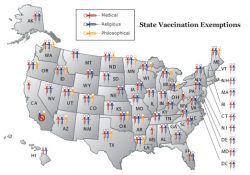
After the measles outbreak in California and Arizona related to Disneyland in 2015, there was a surge of national attention to pediatric vaccination exemptions. While California is taking strides to reduce non-medically indicated exemptions, many doctors are still reporting that parents are refusing to vaccinate their children. A recent study was published using data from the American Academy of Pediatrics Periodic Surveys from 2006 and 2013, looking at parental noncompliance and the frequency of requests for vaccine delays and refusals. Researchers also looked at the impact on US pediatrician behavior as a result of parental refusal or requests to delay. The study found that the proportion of pediatricians reporting parental vaccine refusal increased from 74.5% in 2006 to 87.0% in 2013. “Pediatricians perceive that parents are increasingly refusing vaccinations because parents believe they are unnecessary (63.4% in 2006 vs 73.1% in 2013; P = .002). A total of 75.0% of pediatricians reported that parents delay vaccines because of concern about discomfort, and 72.5% indicated that they delay because of concern for immune system burden. In 2006, 6.1% of pediatricians reported “always” dismissing patients for continued vaccine refusal, and by 2013 that percentage increased to 11.7% (P = .004).” Sadly, these findings indicate that pediatricians are reporting more vaccine-refusing parents and while they provide vaccine education, they’re dismissing patients at a higher rate.

Get the Scoop on Zika Virus
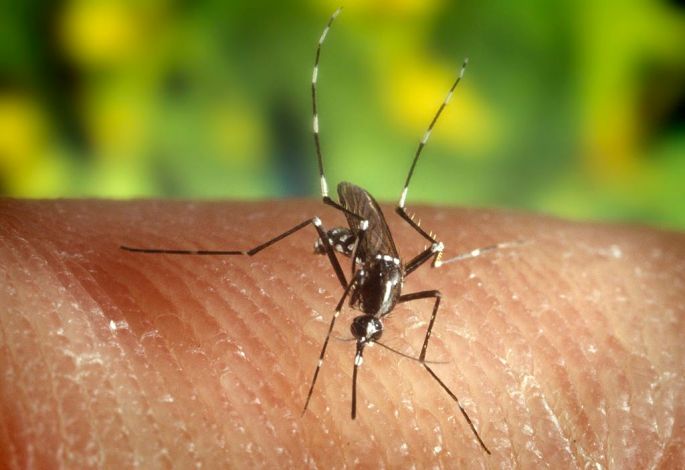
The FDA has announced that all U.S. blood banks will test blood, regardless of the presence of Zika in the state, for the virus. Here’s a guide to help pregnant women reduce their Zika risk. A new report found that Zika was linked to congenital hearing loss in infants with microcephaly. This week, CDC Director, Dr. Tom Frieden, commented that the agency is almost out of funds for Zika. “Basically, we are out of money and we need Congress to act,” Frieden told reporters. “The cupboard is bare.”  Florida may be the perfect place for Zika transmission, but where else should we consider within the U.S.? Singapore is quickly becoming a Zika hot spot, with it being the only Asian country to have active transmission. The growing volume of cases is signaling that Singapore could easily be a new epicenter for Zika, triggering surrounding countries to ramp up their preparedness efforts. Many are wondering if Zika is a sleeping giant in Haiti. The country has all the ingredients for rapid and sustained transmission but hasn’t seen many cases yet, leaving many to wonder if it’ll hit. The CDC has reported, as of August 31st, 2,722 cases of Zika virus in the U.S. Yesterday, the Florida Department of Agriculture and Consumer Services officially announced that, for the first time, mosquitoes trapped in the continental U.S. were positive for Zika virus.

Event: The Elimination of Weapons of Mass Destruction: Lessons Learned from the Recent Past 
Attend the Nonproliferation Review’s Monday, September 12th event to discuss nonproliferation! The event will be held at the James Martin Center for Nonproliferation Studies CNS Washington office at 1400 K Street, NW, Suite 1225, on Monday, 9/12,  from 1-3 pm. Speakers include Rebecca Hersman, director of the Project on Nuclear Issues at the Center for Strategic and International Studies; Robert Peters, senior research fellow at the Center for the Study of Weapons of Mass Destruction at National Defense University; and Dr. Philipp Bleek, assistant professor at the Middlebury Institute for International Studies at Monterey and a fellow at CNS. Dr. Chen Kane, director of CNS’s Middle East nonproliferation program, will chair the event, with NPR Editor Joshua H. Pollack providing welcoming remarks.

Stories You May Have Missed:

  • ABSA Risk Group Database App! Biosecurity – there’s an app for it! The American Biological Safety Association has created an app for the ABSA Risk Group Database. You can find it in Apple or Android app stores under “Risk Group Database app” and it’ll allow you to access the database on your mobile devise. “The ABSA Risk Group Database consists of international risk group classifications for Bacteria, Viruses, Fungi, and Parasites. In many countries, including the United States, infectious agents are categorized in risk groups based on their relative risk. Depending on the country and/or organization, this classification system might take the following factors into consideration: pathogenicity of the organism; mode of transmission and host range; availability of effective preventive measures (e.g., vaccines); availability of effective treatment (e.g., antibiotics); and other factors.”
  • Possible Transmission of mcr-1–Harboring Escherichia coli between Companion Animals and Human– The growing reports of colistin-resistant E. coli findings have been raising the stakes in the fight against antibiotic resistance. A recent report found mcr-1 (the gene harboring the colistin-resistant mechanism) E. coli isolates in three separate patients admitting to a urology ward in China. One of the patients was found to work in a pet shop, so researchers collected fecal samples from 39 dogs and 14 cats where he worked. Six were positive for the mcr-1 gene by PCR (4 from dogs and 2 from cats). “These findings suggest that mcr-1–producing E. coli can colonize companion animals and be transferred between companion animals and humans. The findings also suggest that, in addition to food animals and humans, companion animals can serve as a reservoir of colistin-resistant E. coli, adding another layer of complexity to the rapidly evolving epidemiology of plasmid-mediated colistin resistance in the community.”
  • Frozen Strawberry & Hepatitis A Outbreak – Virginia is currently experiencing a Hepatitis A outbreak related to frozen strawberries used in Tropical Smoothie Cafe locations. There have been 40 reported cases, of which 55% have been hospitalized. “There are more than 500 of the smoothie franchises across the country, and Virginia is not the only state affected. All the potentially contaminated Egyptian-sourced berries were pulled from the 96 Tropical Smoothie Cafe locations in Virginia no later than Aug. 8 or Aug. 9.”
  • Foreign Policy Classroom – U.S. Efforts to Combat Zika – Catch the series featuring Gwen Tobert, Foreign Affairs Officer, Office of International Health and Biodefense. You must be a student enrolled in a U.S. academic institution or faculty to attend the September 8th (2-3pm) event at the U.S. Department of State.

Pandora Report 8.26.2016

A new report by the Organization for the Prohibition of Chemical Weapons (OPCW) is pointing to a harsh reality that despite incomplete and inaccurate Syrian disclosures, there are traces of nerve agents in their laboratories. While they promised to destroy their entire arsenal, there is a growing concern that Damascus has not followed through on commitments to destroy all of its armaments.   Feel like a biodefense arts and crafts project?  You can learn to make a plague doctor’s mask here. Chem-Bio warfare suits may be getting a fashionable upgrade as companies like Lululemon and Under Armor are competing to revolutionize the protective equipment. 

UN Security Council – Calls for Eradicating WMD’s  689139
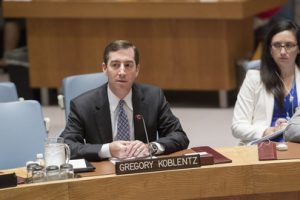
On Tuesday, GMU Biodefense Graduate Program Director and Professor, Dr. Gregory Koblentz, briefed the UN Security Council on how terrorists could exploit advances in science and technology to acquire weapons of mass destruction. He delivered the briefing as part of a Security Council open debate on WMD nonproliferation that is part of the comprehensive review currently being conducted of Resolution 1540. You can read the summary of the meeting here, but the focus was on the evolving threat of WMD’s falling into the hands of non-state terrorists and actors. Emphasizing the threat of biological weapons, Secretary-General Ban Ki-Moon “questioned the international community’s ability to prevent or respond to a biological attack.  He also suggested giving a closer look at the nexus between emerging technologies — such as information and communication technologies, artificial intelligence, 3-D printing and synthetic biology — and weapons of mass destruction.” Dr. Koblentz (27 minutes into the broadcast of the meeting here) pointed to the Fourth Industrial Revolution as a source for huge gains in both productivity and prosperity, but also a darker potential for mis-use by non-state actors. Within his talk, Dr. Koblentz noted the five advances in science and technology that “increase the risk of CBRN weapons proliferation to non-state actors”. The advances include unmanned aerial vehicles (UAVs), 3D printing, accessibility of illicit items on the Dark Web, malicious software and cyber attacks, and genetic engineering tools like CRISPR-Cas9. While these advances reveal the diverse technology, there are also seven deadly traits within these emerging technologies – dual-use, disruptive, diffusion, reliance on a digital component, decentralization, deskilling, and the DIY (do-it-yourself) movement. Simply put, these seven characteristics make emerging technologies that much more challenging to prevent mis-use. “The international community faces a continuous challenge of encouraging innovation and maximizing the benefits of such innovation with the need to mitigate the security risks posed by these new technologies. I hope the Security Council will take advantage of the Comprehensive Review of Resolution 1540, which this open debate is an important contribution to, to update the resolution to take into account the impact of scientific discoveries and technological breakthroughs on the proliferation of weapons of mass destruction to non-state actors.” There was substantial discussion regarding the strengthening of Resolution 1540, especially to consider the implications of a biological attack in light of recent outbreaks like Ebola, MERS, and SARS.  During her remarks, Ambassador Michele J. Sison, U.S. Deputy Representative to the United Nations, described Dr. Koblentz’s briefing as, “a very interesting, but also very sobering intervention.” Hopefully, with the focus on these evolving threats, the current review of Resolution 1540 can be further strengthened and focused to reduce the risk of terrorists acquiring WMD’s.

A Tribute to D.A. Henderson
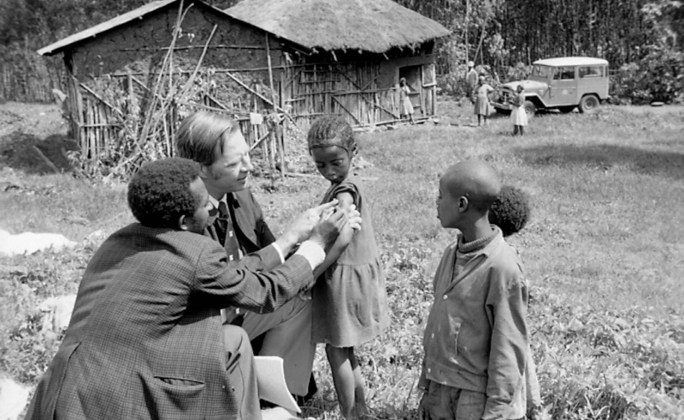
There are few times in the history of public health that we can say we’ve eradicated a disease. D.A. Henderson, smallpox guru and disease detective, led such efforts within the WHO and his absence has been felt throughout the health community. A legend among public health and biodefense students, his dedication to the field inspired generations. As an epidemiologist, his work in both infectious diseases and bioterrorism gave me hope that such a career was not only possible, but also filled with the kind of adventure that many only dreamed about. Having just read Scourge (and I would highly encourage you to read it), the dedication to the smallpox eradication efforts is still an inspiration. After conquering what many considered impossible, Henderson worked as Dean of the Johns Hopkins School of Public Health, founding director of the Johns Hopkins Center for Civilian Biodefense Strategies (now UPMC Center for Health Security), and following 9/11, led the Office of Public Health Preparedness. Described as a “Sherman tank of a human being- he simply rolled over bureaucrats who got in his way”, Henderson’s death is truly felt throughout the international community. In the wake of his death, we take a moment to truly applaud and appreciate all he’s given and inspired within global health security.

How Far Will the U.S. Luck Run?
With the anticipation and preparations for Zika having started months before it reached U.S. soil, many are wondering if our luck with infectious disease is running out. We were lucky with Ebola- a handful of cases and once we hit the panic button, we were able to overcome the crisis. Despite insufficient funds and battling diseases we had little to no experience in handling, U.S. efforts have been fortunate in their successes. Zika may be a different kind of ball game though – mosquito control efforts are flawed at best and with a disease that is often asymptomatic, we may have finally hit a wall. Did we really learn from Ebola? Have we strengthened our surveillance and response practices? Dr. Johnathan Fielding notes that “HHS must play a greater role in coordinating the global public health response through implementation of the Global Health Security Agenda, a cooperative arrangement launched in 2014 by over 50 nations, nongovernmental organizations and other stakeholders; better coordination with other government agencies, and state, local and private sector partners; and clear delineation of roles and responsibilities within and among HHS offices.” We need both the monetary and personnel support to properly address the failures from Ebola, but also implement the recommendations that so many have made following the crisis. The contingency funding that has been pushed recently is an indication of our potentially faltering luck – have we reached such an impasse in which our politics will override our disease response capacity or capabilities?

A Lot of Zika Goes a Long Ways 
Palm Beach is seeing its second case of Zika virus, with active transmission continuing in Florida. Florida Governor, Rick Scott, has expressed frustration that the promised federal support of antibody tests and lab support has not been delivered. “In a teleconference on Wednesday, Scott made a plea for more support in fighting Zika, complaining that ‘Congress and the White House have not been good partners.’ Scott said he asked the U.S. Centers for Disease Control and Prevention for 5,000 Zika antibody tests last week, but so far had only received less than 1,200.” Johns Hopkins is opening the first multidisciplinary Zika center, the Johns Hopkins Wilmer Zika Center, which is dedicated to caring for affected patients. As of August 24, the CDC has reported 2,517 cases of Zika virus in the U.S. The CDC has also awarded $6.8 million to partners to help support Zika response. “This funding will help enhance surge capacity for Zika case identification and mosquito surveillance. It will also help improve communications to key populations, by developing focused educational materials, sharing mosquito control guidance, and refining community public awareness campaigns.”

Human Mobility and Epidemics
Tracking infectious disease cases is never an easy task – whether it be an asymptomatic patient, mosquito-spread disease, or global travel, epidemiology and case tracking is not for the faint of heart. An increasingly mobile population is only adding to this difficulty. The first few days of an infection with Dengue or Zika are often so mild that many don’t even seek medical care. How many times have you had a fever and it didn’t stop you from traveling or going about your day? Disease ecologists are now looking at the impact of a fever on human mobility and the shock this may have during an outbreak of a vector-borne disease. “We’ve found that people with a fever visit 30 percent fewer locations on average than those who do not have a fever, and that they spend more time closer to home. It may sound like stating the obvious, but such data have practical applications to understand how human behavior shapes epidemics,” says Gonzalo Vazquez-Prokopec, an assistant professor in Emory University’s Department of Environmental Sciences, and senior author of the study. “No one had previously quantified how a symptom such as fever changes mobility patterns, individually and across a population, in a tropical urban setting like Iquitos.” Not surprisingly, human mobility is a huge driver for spreading these diseases in urban settings. With the ongoing spread of Zika, researchers are continuing to learn about the impact of human behavior and mobility on the spread of these mosquito-spread diseases.

Stories You May Have Missed: 

  • Global Reaches of Antibiotic Resistance – Check out my latest comments on the global implications of antibiotic resistance for first responders and security personnel. It’s a topic we’ve so frequently cited as an international health emergency, and yet it gets so little attention. In this article, I point to the obvious implications, but also the worries that dual-use technologies of concern and genetic modification could allow for increased resistance for a more sinister reason.
  • South Sudan Crisis Calls for Additional WHO Surveillance  – the continued chaos and violence in South Sudan has translated into the WHO ramping up disease surveillance efforts. More than 1.6 million internally displaced persons (IDP) have been caught in the conflict, leaving the region more susceptible to malaria and diarrheal illnesses. “The conflict has exacerbated existing challenges with the health system and disease surveillance,” Dr Usman says. “With so many health workers and partners moving to safety, data is more difficult to collect and challenges have emerged as humanitarian access remains limited.” The WHO is coordinating with the Ministry of Health to strengthen surveillance efforts to help detect and respond to outbreaks.
  • FBI WMD Directorate Marks 10 Years – A program we’d rather have and not need than need and not have, the WMD Directorate within the FBI has been imagining worst-case scenarios for over a decade to better prepare and protect the U.S. “The Directorate has three sections: countermeasures, investigations and operations, and intelligence. In its first five years, the Directorate established itself as a central hub for WMD subject-matter expertise.” Assistant Director, John Perren, notes that while they’re intelligence driven, the things that keep him up at night aren’t what he knows, but what he doesn’t know.

Week in DC 8.22-8.26.2016

Monday, August 22, 2016
The Challenges Of Addressing New Immigration Flows In Costa Rica– Woodrow Wilson International Center for Scholars
Time: 3:30-5pm
Location: Woodrow Wilson Center1300 Pennsylvania Ave., NW, Washington, D.C. 20004 (map)
As a nation of relative prosperity, safety and stability in Central America, Costa Rica has long attracted large numbers of migrants from the region. In recent years, it has drawn a growing influx from several Caribbean countries as well as from Africa and Asia, including some 22,000 Cubans seeking a route to the United States in 2015. The more than 400,000 immigrants residing in Costa Rica make up nearly ten percent of the country’s population. It should not be surprising that immigration issues are taking on increasing political and economic importance and posing new foreign policy challenges for Costa Rica within Central America and with the United States, Mexico, Cuba, and other nations. Join us for a wide-ranging discussion with President Solis on the multiple immigration challenges confronting Costa Rica, their impact on the country’s politics, economy, and international relations, and how the current administration is proposing to deal with them.

Tuesday, August 23, 2016
American Umpire– Cato Institute
Time: 4-6pm
Location: Cato Institute1000 Massachusetts Avenue, N.W., Washington, D.C. 20001 (map)
Since the end of World War II, the United States has played a unique role in the world. It defended war-ravaged nations, enabling them to rebuild, and led a global coalition during the Cold War. Today it continues to provide security for other nations against a number of threats, from a rising China to non-state actors such as ISIS and al Qaeda. Washington also tries to adjudicate disputes, much as a baseball umpire ensures that the players obey the rules of the game. The United States and the rest of the world have benefited, but it has come at a cost. The wars in Iraq and Afghanistan have caused millions of Americans to question the nation’s global role. A new documentary, American Umpire, explores how the United States assumed these responsibilities in the first place. Then, through a series of interviews with prominent policymakers, scholars, military leaders, and journalists, it considers possible options for the future. Writer and producer Elizabeth Cobbs will join us for a special screening of the film, followed by a discussion, with a distinguished panel of experts, of its implications for U.S. foreign policy. Please join us. Continue reading “Week in DC 8.22-8.26.2016”

Pandora Report 8.19.2016

The Olympics are winding down and now many are waiting with bated breath to see if those attending the games will bring back more than just memories to their home countries. A recent study revealed that people infected with Ebola were 20% more likely to survive if they were co-infected with malaria-causing Plasmodium parasites.  Yellow fever continues to burn through the DRC and many are wondering if it could become the next pandemic as it’s on the brink of spreading to Europe and the Americas.  The UN has finally acknowledged the role it played in the cholera epidemic that hit Haiti following the devastating earthquake six years ago. The UN acknowledgement comes after years of cited reports and public outrage regarding the importation of the disease as a result of UN peacekeepers. China has reported several cases of human infection with avian influenza (H7N9). While human-to-human transmission has not occurred, it can’t be ruled out.

From Anthrax to Zika – We’ve Got You Covered 

We’re always on the lookout for new pieces written on biowarfare and this week brought some gems to the table. Get the scoop on Russia’s old anthrax bioweapons program and how genomic sequencing revealed more details into both the program and the “biological Chernobyl” that was Sverdlovsk. Researchers like Paul Keim, Matthew Meselson, and Jeanne Guillemin, have been looking to unravel the outbreak in Sverdlovsk and that it wasn’t “unreasonable to suspect that the Soviets would have tried to create a superstrain” of the disease. Interestingly, “the team didn’t see any evidence that Soviet engineers had tried to grow a strain that was resistant to drugs or vaccines, or that they had genetically engineered the bacteria in any way” and there were actually few changes within the genome. You can read more about the genome sequence from the Sverdlovsk 1976 autopsy specimens here.  The good news is that through Keim’s work, it is possible to review anthrax genome sequences from any future outbreaks and determine if it is some leftover Soviet weapon strain or another source. The CDC recently published an overview of biological warfare in the 17th century within the Emerging Infectious Diseases journal. You can venture through time to look at the siege of Candia during the Venetian-Ottoman War of the 17th century. “Plague was first detected in Reval on August 10, 1710, while the army from Russia was still approaching the city. Reval was not besieged, and the Russians merely camped outside the city while attempting to isolate it. The army dumped corpses into a stream that flowed into Reval, but evidence does not show that the dead were plague victims, nor does evidence exist that clarifies whether the intent was contamination of the water supply or disposal of bodies. Original accounts provide no evidence to suggest that Russians hurled bodies into the city, much less plague-infected bodies.”

ISIS’ Chemical Weapon Use: A Serious Threat On The Rise

Senior DoD consultant, Zamawang Almemar is discussing the rising threat of chemical weapons and why the “international community must respond aggressively to this threat and prevent ISIS’ ability to access chemical raw materials and transform them into weapons.” The recent chemical attacks on Kurdish civilians aren’t the first and probably won’t be the last. From President Saddam Hussein to ISIS, the threat of chemical weapons and use of mustard gas (sulfur mustard) has been a consistent tool in warfare. Almemar points to the psychological impact of chemical weapons use against the Peshmerga and that ISIS also employs these tactics to benefit from the lack of protective gear and preparedness within the Kurdish military and civilians. “The Kurdish Peshmerga forces undoubtedly continue to win the war against ISIS with conventional weapons on the battlefield and with help from the U.S. and coalition forces. However, when it comes to unconventional weapons, such as chemical weapons, they are lacking even the most basic protective equipment”. Given the consistent use of these weapons, now is the time for the international community to help supply basic protective gear for both Peshmerga forces and Kurdish civilians, to help prepare and defend against ISIS chemical weapons attacks.

Does the U.S. Need a Rapid-Response Fund for Infectious Diseases?

Greg Mercer talked about this a few weeks back, but I think we can all safely say the answer to this question is a rather enthusiastic “YES”. The Congressional standoff with Zika funds has brought the role of federal emergency funds into the limelight. The good news is that it sounds like lawmakers have learned from this situation and it’s sounding more and more like the next health spending bill will emphasize the creation of a reserve fund for the CDC to use in the next public health crisis. “The House version of the bill, which would fund the federal health agencies for the fiscal year that starts in October, has a $300 million “rapid response reserve fund” for infectious diseases. It’s a smaller version of an idea that Democratic lawmakers and current and former Obama administration officials have been promoting for months, ever since it became clear that Congress was incapable of anything close to a rapid response to Zika.” While there’s no guarantee and it will require the spending bill to be completed before President Obama leaves office, it’s a step in the right direction. The question now becomes, is this enough? Many are pointing out that while this is a great start, $300 million is simply not enough and the fund needs to be labeled as an emergency fund, not a rapid response reserve. CDC Director Tom Friden as been fighting the funding battle for over six months now, pointing to the rising case counts and growing presence of local transmission. “If you were going to do something like create a vaccine, $300 million would be entirely used up by that,” Frieden said. “If you were going to do something like a rapid response while you kind of assessed the disaster … that obviously is enough to get started. It’s not going to provide all of the funding, but it would allow you not to be so stuck.”

Report Details DoD Chem/Bio Defense Programs 

The DoD 2016 report to Congress was released recently, describing the research and development practices that have used to combat chemical and biological threats. In fact, the DoD’s Chemical and Biological Defense Program (CBDP) has provided funding for the new plague drug that was recently approved as a medical countermeasure. “The DoD faces CB threats that are complex, diverse, and pose enduring risks to the Joint Force and Homeland,” the new report said. The variety, origin, and severity of these threats continues to grow while resources shrink. DoD said it performed basic research in genetic engineering and nanoelectromechanical systems related to defense against CB threats, and supported the response to the Ebola outbreak in West Africa, among other initiatives.” Despite their work and progress, there are still challenges when it comes to biosafety, which were noted in regards to the shipping of live anthrax spores from a DoD lab. Budget reductions are expected to translate into a decrease in ChemBio defense research funding, which makes the job of combatting an increasingly complex threat that much more difficult. As the report notes, “this environment translates into increasingly complex program management decisions with no margins for error due to a lack of sufficient and predictable resources.” As Almemar previously noted, the recent use of chlorine gas by Syrian government forces and the ongoing use of chemical weapons by ISIS all point to the imperative need for continued support and funding for chemical weapon defense.

BARDA Medical Counter Measures Industry Day

The Biomedical Advanced Research and Development Authority (BARDA) and the Office of Acquisitions Management Contracts and Grants (AMCG) will be hosting their annual conference to provide a better understanding about federal medical countermeasure requirements. The October 18-20th event in Washington, DC, will allow participants to interact with BARDA and AMCG staff, and network with private sector colleagues. During the conference, participants will also learn about BARDA’s strategies and goals for FY2017 and beyond, challenges of dealing with emergency, as well as current, infectious diseases, new initiatives, and roles and responsibilities of BARDA, AMCG, and private sector partners.

Zika Virus – Emergency State of Affairs

The CDC has declared a public state of emergency in Puerto Rico over Zika virus. Last week saw over 1,900 new cases reported in Puerto Rico, which brings the total case count to over 10,690. Concerns are growing after the massive flooding in Louisiana and the potential risk for increased Zika virus transmission. While flood water may wash away eggs, the risk for containers and abandoned housing as a breeding ground for mosquitoes may support further transmission. Forbes has posted the winners and losers of $81 million in Zika funding hereWhat are the legal implications of employee-related Zika virus infections? Legal teams around the U.S. are starting to gear up for the potential legal ramifications and how employers and/or employees will respond to infections. Check out this personal account of a patient infected with Zika, who experienced the challenges of getting medical care in the U.S.  As of August 17th, the CDC has reported 2,260 cases within the U.S. You can find a timeline of the spread of Zika here.

Stories You May Have Missed:

  • The Women Protecting Us From the Next Pandemic– If you caught the PBS special, Spillover, you saw Dr. Jonna Mazet talk about the powers of the global surveillance system, PREDICT. Having detected over 800 viruses that have pandemic potential, her work looks to the relationships between humans, animals, and nature to predict the next pandemic. “The entire world is vulnerable. … It’s proven to us every single year when influenza comes around. [Viruses occur] as people search for new occupations, as more [development] pushes into wildlands, as there’s more contact between people and wildlife, which are the natural hosts. We’re seeing increases in these spillover events and diseases. …”
  • Smallpox Rising From the Grave? 
    Courtesy of UK DailyMail
    Courtesy of UK DailyMail

    Following Russia’s frozen anthrax problem, many are worried that something much more sinister, like smallpox, could be found in the permafrost. Siberia, like the rest of the world, dealt with smallpox outbreaks in the 19th century. One particular outbreak was in a town that saw 40% of the population die and resulted in the rapid burial under the permafrost soil. With the eroding river banks and disappearing permafrost, time will tell if there are more zombie microbes awaiting their rise from the permafrost grave.

  • Michigan Pigs & H3N2 – The pigs in Michigan are battling H3N2 influenza. Two more county fairs have reported cases within their pigs, with the first testing positive on August 9th. Twenty pigs have tested positive at the Cass County fair, where over 300 pages were displayed. While humans can acquire H3N2 from close contact with infected pigs, the illness is considered mild in humans.

Pandora Report: 8.12.2016

In the event you find a skunk with an ice cream cup stuck on its head, you can use Ebola PPE like this Southern Ontario paramedic. The yellow fever outbreak is surging and yet again, the WHO is being called out for poor leadership and outbreak response. “An internal draft document sent from WHO’s Africa office to its Geneva headquarters in June cited a lack of senior leadership at WHO. It said the emergency outbreak response manager and team in Angola ‘are unable to lead or positively influence the operational direction and scale of containment efforts.” Science and technology issues truly impact voters, so are 20 questions many science organizations feel Presidential candidates should have to answer.

Medical Countermeasures Dispensing Summit: National Capitol Region
On-site attendance is full, but you can still enjoy the August 16-17 summit virtually. Organized by the U.S. Department of Health and Human Services Assistant Secretary for Preparedness and Response, the regional summit allows people “direct access to local best practices and MCM subject matter experts, as well as to create collaborative environments to address nationally identified target areas and hear directly from stakeholders at all levels of response planning.” The Washington, DC summit will have a dual-track agenda and allow each attendant to base their participation on topics they find most relevant.

Are Exotic Pets a New Biothreat?
Dr. Laura Kahn is making us second guess exotic pets and invasive species in the biodefense paradigm. While not the normal “go-to” when thinking of bioweapons, she notes that a handful of security experts are raising concerns over their ability to impact ecosystems and the agriculture sector. Pointing to a recent paper in Biosafety, Kahn draws attention to the potential biological attack using non-native species to infiltrate, impact natural resources, injure soldiers, transmit disease, etc. While this threat may seem unlikely, the truth is much more startling – we’re already under attack by non-native wild animals via the exotic animal market. “Invasive species—which can take the form of anything from microscopic organisms to plants, fish, and mammals—are those inhabiting a region where they are not native, and where they are causing harm. They displace native species by either eating them or eating their food. In part because they often have no natural predators in their new location, they can disrupt ecosystems, delicate webs of plants and animals that evolved to exist in balanced harmony. This can wreak havoc on environmental, animal, and human health.” A prime example would be Australia in the 18th century, which endured a rabbit invasion by way of European settlers. As a result of these furry invaders, Australia is reported to lose more than $87 USD per year. Delicate ecosystems and dangerous animals have a role in this compounding threat and it’s not just related to the illegal trade of animals. Dr. Khan notes that the legal importation of animals is a substantial source for risk – between 2005 and 2008, the U.S. imported more than one billion live animals. The regulatory agencies involved in oversight of these processes are spread across the Department of Agriculture’s Animal and Plant Health Inspection Service, the Department of the Interior’s Fish and Wildlife Service, the Department of Health and Human Services’ Centers for Disease Control and Prevention (CDC), and the Department of Homeland Security’s Customs and Border Protection. Aside from the obvious challenges of legal importation, wildlife trafficking still occurs and when coupled with the exotic pet market, the volume of threats is far greater than we might consider. “It appears that exotic pets fall through the regulatory cracks much to the peril of our nation’s ecosystems and agriculture. In fact, they should be considered potential biological threats, and the regulation loopholes allowing their unfettered importation should be closed.”

Colistin-Resistance, Where Is It Now?
The Olympics may have taken over Brazil, but colistin-resistant bacteria are the latest arrival in the South American country. Making its debut, the MCR-1 gene that allows bacteria like E. coli to become resistant to the antibiotic of last resort (colistin), was found in the infected foot wound of a diabetic patient. “In earlier research, these investigators showed that E. coli harboring the mcr-1 gene had been present in food-producing livestock in Brazil since at least 2012. ‘In spite of this, we had previously recovered no isolates from humans that were positive for mcr-1,’ said coauthor Nilton Lincopan, PhD, Assistant Professor in the Department of Microbiology, Institute of Biomedical Sciences, Universidade de São Paulo, Brazil.” This news comes at an especially relevant time as the concerns over water quality and aquatic events are being voiced daily. The growing reports of MCR-1 genes are pushing for more global surveillance on antibiotic resistance. In the U.S., Minnesota is making strides to combat the rise of antibiotic resistance. Utilizing a One Health approach to antibiotic stewardship, their 5-year plan will incorporate “Minnesota’s departments of health and agriculture, along with the Board of Animal Health and the Minnesota Pollution Control Agency (MPCA), to work together to promote the judicious use of antibiotics in humans and animals and get a better sense of how antibiotic use is affecting environmental health.”

Aerosol Stability of Ebola Strains
Do you ever find yourself pondering the aerosol transmission capability of certain Ebola strains? Researchers are doing just that in the latest Journal of Infectious Diseases. During the 2014/2015 outbreak, there was a lot of concern over the potential for aerosol transmission, especially in the healthcare environment (invasive procedures, suctioning, etc.). Despite there being little epidemiological evidence to support this transmission route, there were substantial reports and media speculation to push researchers to go back to the drawing board regarding Ebola transmission. Looking at two Ebola strains (1976 and 2014 strains), researchers found that there was “no difference in virus stability between the 2 strains and that viable virus can be recovered from an aerosol 180 minutes after it is generated.”

The Latest on Zika
Screen Shot 2016-08-11 at 4.24.44 PM
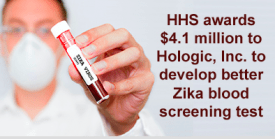
The U.S. Department of Health and Human Services has awarded $4.1 million to Hologic, Inc. for the advancement of a Zika blood screening test. To aid in the fight against the growing outbreak, federal employees are deploying to help stop the outbreak. With Congress and the White House at an impasse, hundreds of employees from DHHS, the Defense Department, and the State Department are all deploying to help combat the outbreak. Florida has reported more infections, bringing their total local transmission cases to 25, while a Texas newborn has died from Zika complications. Texas has reported 99 cases, including two infants. You can read about the investigations into the local transmission cases hereUSAID has announced their investment of over $15 million to accelerate development and deployment of 21 innovations to combat Zika. “The award nominees range from deployment of mosquitoes infected with Wolbachia, a naturally-occurring bacteria that prevents the spread of disease to humans; to low-cost, insecticide-treated sandals; to a cell phone app that measures wing-beat frequency to not only distinguish different types of mosquitoes but potentially identify whether they are carrying disease.” In a letter to Congress, DHHS Secretary Sylvia Burwell pointed to the lack of federal support, resulting in $81 million having to be transferred to Zika from other programs. As of August 10th, the CDC has reported 1,962 cases of Zika in the U.S.
Stories You May Have Missed:

  • Impaired Growth & Campylobacter Infections – a recent study reviewed the impact of Campylobacter infections in children in eight low-resource settings. Addressing the role of enteropathogen infections on enteric dysfunction and impaired growth in children, researchers performed a multi-site cohort to look at Campylobacter infections in the first two years of life. Following their analysis, they found a high prevalence of the infection within the first year and that a high burden of Campylobacter was associated with a lower length-for-age Z (LAZ) score. Campylobacter infections were also found to bear an “association with increased intestinal permeability and intestinal and systemic inflammation.”
  • High School Student Awarded For Work on Ebola Proteins in Bats-While many of us were attending sporting events or getting into trouble with friends, Rachel Neff was contacting pathology professors and working on a project that would later translate to several awards. Neff’s project focuses “on a protein called VP35 that is found in both the Ebola virus and the bat genome. The Ebola version of VP35 suppresses the immune response in infected animals, allowing the virus to multiply. Bats are thought to carry the Ebola virus — and transmit it to humans — but are not sickened by it themselves. Scientists are exploring whether VP35 in bats may interfere with Ebola VP35, protecting the bats from disease.”


Pandora Report 8.5.2016

August is here and so are the Zika cases…it does seems rather ominous that the Rio Olympics are starting a week after the confirmation of locally-acquired U.S. cases of Zika virus. Despite the outbreak and the concerns over water safety, the games must go on?

Syria Chemical Weapons Attack
Two chemical attacks were reported earlier this week in northern Syria. The first attack occurred in the city of Saraqeb, where chlorine gas-filled cylinders were dropped in a residential area. Russia has already begun denying any role in the attack and while officials haven’t formally called the Saraqeb incident a “chemical attack”, the evidence is mounting. “Evidence points to the Assad regime because the attack came from the sky and the opposition doesn’t have any aircraft, the source added. In the second alleged incident, the Syrian government claimed that ‘terrorist groups’ carried out a gas attack that killed five people in the old town of the besieged city of Aleppo on Tuesday afternoon, according to the state-run news agency SANA.” The second attack caused the death of five individuals and is considered a counteroffensive from Syrian regime forces and Russian allies. A physician tending to victims injured in Saraqeb noted that their symptoms are consistent with those of chlorine poisoning. On Wednesday, the Russian military informed the U.S. that “rebel forces were responsible” for the attacks.

Russia’s Frozen Anthrax Problem
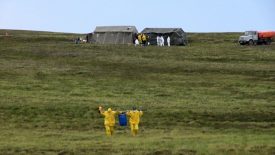
Over ninety people are currently under healthcare observation and surveillance in the Yamalo-Nenets region of Siberia, related to an outbreak of anthrax. Eight cases have been confirmed and a young boy died on Monday from the outbreak that is believed to be associated with an infected reindeer carcass. While anthrax is a  naturally occurring bacteria in the soil and can be endemic in certain regions, the heatwave in Siberia is believed to have caused a decades-old reindeer carcass to become exposed. As a result of the exposure, thousands of reindeer have also been infected and officials are investigating the release of the anthrax spores into the environment from the carcass that was found in the 75-year-old permafrost. Siberia’s Governor, Dmitry Kobylkin, has declared a state of emergency and specialists from the Russian Chemical, Radioactive, and Biological Protection Corps have been called into assist with outbreak control and disposal of infected animals. A mass veterinary vaccination program is also underway to protect animals in northern Russia.

Spillover Special & Human Economic Activity
Wednesday night saw the premiere of the PBS documentary, Spillover, which focused on the impact and rise of zoonotic diseases. Given the recent Ebola outbreak and news of locally-acquired Zika virus cases, this documentary comes at an precarious time. Aside from a few dramatic moments, the documentary was both informative and visually captivating. It was refreshing to see the One Health approach to outbreaks within a documentary. The filmmakers appeared to have taken great care to present the complexity of the spillover process and the importance of global surveillance and the shock humans have on the environment. Between the documentary and Sonia Shah’s new article, the impact of human activity on microbes is becoming a much more prevalent and unavoidable topic. Shah points to an increasingly globalized economy and the glaring reality that sick people do in fact get on airplanes and spread their germs, These are the obvious points in the transmission chain though and she notes that we tend to forget the role of foreclosed homes, imported tires, and decorative bamboo as factors in disease transmission. “Today, abandoned properties and deteriorating infrastructure, brought on by housing crises and climate change, similarly threaten us with epidemics of mosquito-borne pathogens such as Zika.” Shah also points to the need to assess the public health implications of our “built environment the way we assess the environmental impact- before construction begins.” While we consider our carbon footprint, are we considering our epidemic one too?

UK’s HIV Gamechange with PrEP
A recent high court ruling that NHS England can pay for PrEP (pre-exposure prophylaxis) is being marked as a victory for HIV/AIDS campaigners in the UK. PrEP is a medication that can be taken daily to help people, who are at a very high risk of contracting HIV, lower their chances of infection. According to the CDC, “A combination of two HIV medicines (tenofovir and emtricitabine), sold under the name Truvada, is approved for daily use as PrEP to help prevent an HIV-negative person from getting HIV from a sexual or injection-drug-using partner who’s positive. Studies have shown that PrEP is highly effective for preventing HIV if it is used as prescribed. PrEP is much less effective when it is not taken consistently.” The court ruling is especially important as it will not only put pressure on pharmaceutical companies to lower the cost of the drug, but will now be available through the National Health Services (NHS), meaning that it will be widely available and accessible to a far wider range of people. “Condoms are cheap, but among some high-risk populations they are not used consistently. About 4,000 more people acquire HIV in the UK every year. The average cost of a lifetime of treating each one is put at about £360,000. The National Aids Trust brought the high court case following anger and consternation among campaigners after NHS England said it would not fund PrEP because it did not have the power to do so. It argued that it was the role of local authorities, which have been given control of public health measures including reducing smoking and family planning, as well as HIV prevention. Local authorities said they did not have the money to pay.” Accessible HIV prophylaxis is a huge step in prevention and despite the plans of NHS to appeal the decision, they are still putting aside funds for the cost of the medication.

Biodefense in Gaming Courtesy of Pandemic Inc game
Since we’re still reeling from the loss of prime-time contagion drama, nuclear systems engineer and aspiring biodefense wonk, Greg Witt, is helping us through this dark time via the enjoyable but inaccurate world of biodefense in gaming. Greg’s review of several popular video and board games will give you some great options for your next gaming adventure. “With pathogens like Zika, Ebola, and West Nile now household names, biodefense has rarely been more culturally relevant. Depictions of biodefense topics in popular culture are not limited to traditional media, though; numerous video games and board games have been released in the past few years in which biodefense plays an important role.” Discussing video games like Tom Clancy’s The Division and its underlying premise that is almost identical to Operation Dark Winter, to two of my personal favorites – Plague Inc. and Pandemic, Greg gives a tour through the minefield of biodefense gaming. Rest assured though, he points to the scientific failures and epidemiological snafus that plague these games, but do not ultimately deter our enjoyment while bringing biodefense to the general public.

Zika Updates 
Following last week’s news regarding a growing number of locally acquired cases in Florida, it was also reported that 41 U.S. military members have contracted Zika. “All cases were transmitted while abroad and one of the military service members is a pregnant female. Under Pentagon health policies, female service members are permitted to move out of countries where Zika exists.” Here’s a helpful little field guide for identifying the mosquitoes that are known to transmit Zika. A new model used by researchers from Northeastern University is pointing to a vastly underestimated amount of Zika in the U.S. They note that there is probably “way more Zika in the U.S. than has been counted”. Case counts are especially challenging in a disease that leaves many asymptomatic and unlikely to be tested. In response to the growing number of locally-acquired cases (currently at 14 cases) in Miami-Dade County, there will be aerial spraying for mosquito control.  The CDC has reported 1,825 total Zika infections in the U.S. as of August 3rd and has issued a travel warning for the Miami area. President Obama also pleaded with Congress to “do its job” and approve funding to fight the growing outbreak. Donald Trump was also recently asked about how he would handle the outbreak, noting that Florida Governor, Rick Scott, “seems to have it under control”. 

Stories You May Have Missed:

  • In Memoriam of Dr. Roger Gerrard Breeze– Dr. Breeze, a preeminent veterinary research scientist and biosecurity expert passed away in late June in Washington, D.C. We are grateful to have had Dr. Breeze as a professor for GMU’s agroterrorism courses and his contribution to the field of genetic engineering and molecular biology. “Dr. Breeze was a Member of the UK Royal College of Veterinary Surgeons and a member of the U.S. National Academies – Institute of Medicine’s Forum on Microbial Threats and National Academies – Committee on Biodefense Analysis and Countermeasures. For the past decade, Roger served as an advisor on biosecurity and biological/chemical weapons nonproliferation issues to the Defense Threat Reduction Agency (DTRA) and the Lawrence Livermore National Laboratory.”
  • GMU Biodefense PhD Awarded FAA Graduate Research Grant– Biodefense PhD student, Nereyda Sevilla, was recently awarded a grant from the FAA for her dissertation; Germs on a Plane: The Transmission and Risks of Airplane-Borne Diseases. The Graduate Research Award Program on Public-Sector Aviation Issues is a joint sponsorship from the Federal Aviation Administration of the U.S. Department of Transportation and administered by the Airport Cooperative Research Program (ACRP) of the Transportation Research Board/National Academies. You can read more about Nereyda’s work with the surveillance tool, Spatiotemporal Epidemiological Modeler (STEM), here.


Biodefense in Gaming: Enjoyable but Inaccurate

By Greg Witt

With pathogens like Zika, Ebola, and West Nile now household names, biodefense has rarely been more culturally relevant. One needs look no further for proof than the sudden proliferation of TV shows and movies taking on these themes, including The Last Ship, Containment, and Helix. Depictions of biodefense topics in popular culture are not limited to traditional media, though; numerous video games and board games have been released in the past few years in which biodefense plays an important role. Here are a few of the more notable games:

Dead Island: This 2011 video game involves a genetically-modified version of kuru that is transmissible by blood and turns people into zombies. The disease is released by a shadowy corporation as a biological weapons test on some fictional islands off the coast of Papua New Guinea. With respect to scientific accuracy, the developers make a number of major errors; for example, they repeatedly refer to kuru as a virus when it is actually a neurodegenerative condition caused by a prion. Such creative liberties are understandable considering that a disease with an incubation period of 10+ years would make for a rather boring game. In the end, these epidemiological details are merely window dressing intended to give the game a pseudoscientific backstory in the name of narrative expediency and exciting gameplay.

Tom Clancy’s The Division: In the world of biodefense, few pathogens are as feared as variola, and rightly so. Playing on this concern, The Division follows government agents attempting to restore order in New York City as society collapses in the aftermath of a smallpox attack in the heart of Manhattan. While the specifics of the disease and the outbreak are largely glossed over, the game’s depiction of the aftermath of such an epidemic is eerily plausible, including misdiagnosis of the initial infections, exponential spread of the virus, and the collapse of the public health system under the unprecedented strain of massive casualties. The premise for the story is almost identical to Operation Dark Winter, a simulation conducted in 2001 to analyze US government preparedness for a hypothetical smallpox attack. Ultimately, the variola outbreak is just a plot device to set the stage for a post-apocalyptic shooter, but the game does succeed in bringing some long-overdue attention to the potential threats posed by biological terrorism and the genetic engineering of pathogens.

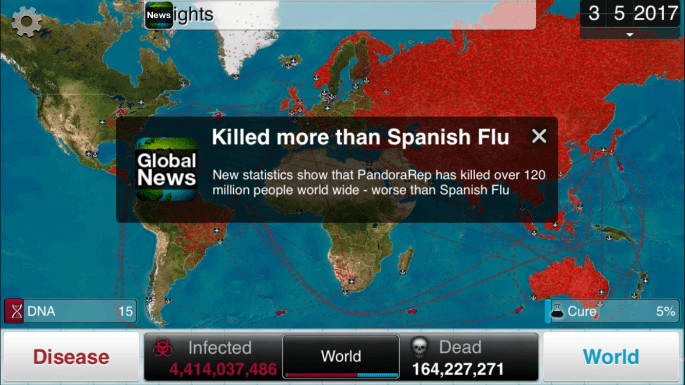
Plague Inc.: This strategy game presents a twist on biodefense, as players take on the role of a pathogen, starting as a bacteria, virus, or parasite, and attempt to eliminate humanity. As time passes and more people are infected, the disease can be upgraded by adding new symptoms (such as coughing, pulmonary edema, or kidney failure) and modes of transmission (such as airborne or vector-borne). Humanity does not go gentle into that good night, however, and fights back by trying to develop a cure and by taking interim measures like the closure of land borders and airports. For a free smartphone app, it actually provides a surprisingly accurate and comprehensive simulation of a pandemic. For example, players must balance transmissibility, infectivity, and lethality in order to maximize the spread of their pathogen.

Pandemic: If you prefer saving the world to destroying it, the cooperative board game Pandemic offers you and 1 to 3 companions the chance to work together to save the human race from not one, but four different virulent and highly contagious pathogens. The game starts at the Centers for Disease Control and Prevention headquarters in Atlanta as biodefense experts and medical personnel scramble around the world in an attempt to contain major outbreaks and ultimately discover and disseminate a cure for each illness. Taking on such roles as “Quarantine Specialist” and “Epidemiologist”, players must contend with scarce resources and the frustration of always having to play catch-up to a constantly morphing and unpredictable threat, a feeling that real biodefense experts know all too well. While never delving too deeply into the specifics of the pathogens or the actual science behind epidemic response, Pandemic provides invaluable insight into the world of those working every day to keep our society safe from biological threats.

When judging the accuracy of these games, a noticeable pattern begins to emerge. Action and shooting games tend to gloss over the epidemiological details and use biological agents and epidemics as merely a plot device or a token justification for the setting. Since these titles are usually focused on fast-paced action and interpersonal relationships, it is understandable that the developers would take poetic license with their depictions of pathogens and epidemics. Strategy games, on the other hand, tend to explore the complexities of pandemic response and provide the player with much better insight into the worlds of epidemiology and biodefense. Other than biological inaccuracies, the most glaring flaw in the depiction of epidemics in gaming is the assumption that some omnipotent intergovernmental organization can take all steps necessary to contain and cure the outbreak. In reality, it could be argued that the greatest challenge is presented not by the contagion itself, but by the inability of different stakeholders to cooperate, in addition to the obviously extreme differences in response infrastructure.

One crucial commonality between all four games is the depiction of virulent and contagious pathogens as existential threats that must be confronted sooner rather than later. So while the actual science and politics on display can often be questionable, these games are an invaluable tool for bringing biodefense to the attention of the general public. And of course it doesn’t hurt if we get to play some enjoyable games along the way!


Week in DC: Events 8.1-8.5.2016

Monday, August 1, 2016
The World According To Star Wars– Cato Institute
Time: noon-1:30pm
Location: Cato Institute1000 Massachusetts Avenue, N.W., Washington, D.C. 20001 (map)
Featuring the author Cass R. Sunstein, Robert Walmsley University Professor, Harvard Law School; with comments by Ilya Somin, Professor, George Mason University Law School; and Michael F. Cannon Director of Health Policy Studies, Cato Institute; moderated by Aaron Ross Powell, Editor, Libertarianism.org and Research Fellow, Cato Institute.
The mythology at the heart of the Star Wars motion pictures has become a powerful common language for talking about not just good versus evil, fathers and sons, and destiny and choice, but also foundational political ideas like the role of government, the nature of power, the decay of institutions, and the need for and permissibility of rebellion and revolution. In The World According to Star Wars, legal scholar Cass R. Sunstein offers insights on theses topics and more, showing how and why Star Wars resonates so deeply with so many and what it has to teach us about the most important questions we face today. If you can’t make it to the event, you can watch it live online at www.cato.org/live and join the conversation on Twitter using #CatoEvents. Follow @CatoEvents on Twitter to get future event updates, live streams, and videos from the Cato Institute. Online registration for this event is now closed. If you are interested in registering for this event, please email events [at] cato.org.

Tuesday , August 2, 2016
Environmental Open House– Johns Hopkins School of Advanced International Studies
Time: 4-6pm
Location: John Hopkins1740 Massachusetts Ave., N.W. Washington, D.C. 20036 (map)
Room: Kenney-Herter Auditorium – The Nitze Building
The Energy, Resources and Environment (ERE) Program at Johns Hopkins SAIS is hosting an environmental recruting event on August 2 to present ERE program information to prospective students and environmental employers and interns. Continue reading “Week in DC: Events 8.1-8.5.2016”

Pandora Report: 7.29.2016

Happy Friday! With the Olympics right around the corner, there’s a lot of buzz surrounding the games (not just Aedes mosquitoes) and the athlete living quarters. Make sure to watch the PBS special, “Spillover- Zika, Ebola & Beyond“, on August 3rd at 10/9c. The special will look at the rise of spillover diseases like Nipah and the impact of human behavior on the spread of zoonotic diseases. The Society for Healthcare Epidemiology of America (SHEA) reported a new study that finds three key factors increase the risk for patient-to-patient transmission of the extremely resistant CP-CRE. The Democratic National Convention closed last night and Hilary Clinton made it a point to say, “I believe in science”, which highlights  the stark differences between the candidates on topics like climate change and stem cell research. 

What Damage Could CRISPR Do To The BWC?
Daniel Gerstein points to the approaching Eighth Review Conference of the Biological Weapons Convention and the assessment of new technologies, like CRISPR. Since James R. Clapper, Director of National Intelligence, stated that genome editing is a global danger, many are waiting to see what the convention will say about the future threats of technologies like CRISPR. Gerstein notes that, “if the seven previous review conferences are any indication, the gathering in November will recognize Crispr’s contribution to the biotech field, then enthusiastically declare the convention fit to address any problems it might create. But will that be enough?” The flexible nature of the convention is meant to support the ever-changing world of science and technology, however this also means that any potential bans on experiments are that much more challenging. In his article, Gerstein discusses the assessment of CRISPR as a nonproliferation threat and the risks associated with limiting technological innovation. Despite the challenges of banning certain biotechnologies, there are things that can still be done within the conference. Surveillance and training are imperative, especially in terms of “spotting the development of new pathogens or the modification of existing ones”, and national responsibility needs to be part of this equation. Gerstein’s points on not just national implementation, but also national responsibility emphasizes the transition from a traditional method into an emphasis on people and activities. Practices need to match the pace of biotech development, which means expanding the Implementation Support Unit, strengthening surveillance capabilities, and reinforcing institutional structures. “Those gathering at the review conference in November must seriously consider whether advances in biotechnology have made the existing bioweapons convention obsolete, but they must also ask what more the convention can do, as the reigning body for regulating biological weapons, to ensure that new biotechnologies continue to be used for peaceful purposes only.”

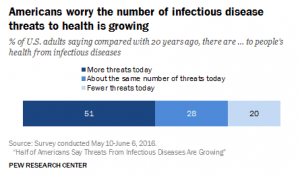
Half of Americans Say Infectious Disease Threats Are Growing  

Courtesy of Pew Research Center

The Pew Research Center conducted a recent survey in the wake of the very public Zika virus outbreak. While some may have noted that Americans aren’t as worried about Zika, the survey found that 51% of U.S. adults feel that, compared to 20 years ago, there are more infectious diseases threats to health today. 82% of Americans polled stated that they pay at least some attention to the news regarding infectious disease outbreaks and 58% believe that Zika is a major threat to the health of women who are pregnant. 31% believe that Zika is a major threat to the U.S. population as a whole, while 58% felt it was a minor threat. The poll also found that more people had heard of Ebola at the time of the 2014 outbreak than Zika as a problem right now. Broken down by demographics, those most worried about Zika include older adults, especially women.

Containment: Lessons Learned and Cringe-Worthy Moments2015_0326_Biohazard_Suits
Tuesday nights won’t be the same since Containment ended – what will we do without the asymptomatic super-spreaders like Thomas, the overly gory hemorrhaging, or the suspension of infection prevention practices? Like any science-based show, there are moments of accuracy and moments of pure dramatic exaggeration. Check out our list of the things we enjoyed about the show and some of the more eye-rolling moments. While it’s rare to have a prime-time show involving an outbreak, we’re hoping that the future will hold more scientifically accurate series that will dismantle the hysteria we too often see during public health emergencies.

Australia Utilizes Bioterrorism Algorithm to Predict Flu Outbreaks
Victoria’s health department is currently using a tool, EpiDefend, that can “accurately predict flu outbreaks up to eight weeks in advance.” Combining environmental data, lab results, and more, the tool is funded by the US Department of Defense and designed by the Australian Department of Science and Technology (DST) to aid in Australian disease prediction practices and strengthen global bio-surveillance. ”Our team’s goal is dual-purpose, we want to fulfil our defence charter, protecting our forces against intentionally released biological agents; but disease forecasting will also support the national security and public health areas,” said Tony Lau, defence scientist. EpiDefend incorporates electronic health records (EHR) via the healthcare sector, which means it can be especially powerful, but also requires the presence and reliability of EHR. The system uses an algorithm that is still being refined. “Particle filtering is a technique which helps us close in on the degree of uncertainty by the help of information gathered from particular situation. In other words, it helps the algorithm churn out more precise readings.”

Zika Virus
The Department of Health and Human Services (HHS) has published a webpage on what you need to know about Zika virus. A recent study is estimating that as many as 1.65 million women in Latin American could be infected while pregnant. Researchers, from another study published in the Annals of Internal Medicine, are pointing to a low risk for international Zika spread from the 2016 Olympics in Brazil.  Researchers calculated “the worst-case estimates of travel-associated Zika virus by assuming visitors encounter the same infections exposures as local residents. This is highly unlikely, as visitors would be staying in screened and air-conditioned accommodations, as well as taking personal preventive measures. But under the authors’ pessimistic conditions, they estimate an individual traveler’s probability to acquire infection in Rio de Janeiro is quite low. Specifically, they estimate anywhere from 6 to 80 total infections with between and one and 16 of those infected experiencing any symptoms.” Florida officials announced the investigation of another two potential cases of local-transmission. These new cases have pushed the FDA to curb blood collection in Florida. A new study performed a real-time Zika risk assessment in the U.S, suggesting that 21 Texas counties along the Texas-Mexico border, the Houston Metro area, and throughout the I-35 corridor (San Antonio to Waco) have the greatest risk for sustained transmission. As of July 27th, the CDC has reported 1,658 cases of Zika in the U.S. 

Stories You May Have Missed: 

  • CSIS Curated Conversations on Pandemic Preparedness & the World Bank – The Center for Strategic & International Studies has made its Curated Conversations podcast available on iTunes, which means you can check out the June 3rd episode, “the World Bank President on Preventing the Next Pandemic”. The World Bank Group president, Jim long Kim, discusses funding to help prevent the next pandemic and lessons learned from Ebola.
  • Joint West Africa Biopreparedness Efforts – The DOD is investing in the Joint West Africa Research Group to help improve and sustain biopreparedness within the region. Following the Ebola outbreak, this new program will build upon existing programs and strengthen lab and clinical resources, as well as biosurveillance efforts.
  • Yellow Fever in the Americas? The Pan American Health Organization is currently investigating a case of yellow fever in a man who traveled to Angola. Genetic testing is underway, but there is concern that the virus could ramp up in the Americas during a vaccine shortage.