Image of the Week: Cholera 1974

PHIL_2456_loresThis photograph was taken during a 1974 cholera research and nutrition survey amidst floodwaters around Bangladesh.

Cholera is caused by the Vibrio cholerae bacterium that lives among zooplankton in brackish waters, and in estuaries where rivers meet the sea. It infects humans through ingestion of such contaminated water.


Image and Caption Credit: CDC

This Week in DC: Events

July 22, 2014

The 9/11 Commission Report: Ten Years Later
Date: July 22, 9:00am – 2:30pm
Location: Newseum, Knight Conference Center, Eighth Flood, 555 Pennsylvania Ave NW, Washington DC 20001

Join the Bipartisan Policy Center (BPC), the Annenberg Public Policy Center of the University of Pennsylvania, former 9/11 Commission Chairman Tom Kean, former Vice Chairman Lee Hamilton and other commission members on the 10th anniversary of the release of the 9/11 Commission report to examine the threat to the nation; current homeland security challenges, successes and innovations; and the difficult questions and oversight obstacles presently facing policy makers.

Register here.

The Impact of Ukraine in the Neighborhood
Date: July 22, 10:00am
Location: Woodrow Wilson International Center for Scholars, 6th Floor, 1300 Pennsylvania Ave NW, Washington DC 20004

Russia’s annexation of Crimea and support of separatists in eastern Ukraine is having ripple effects throughout Eurasia.  But what has been the impact in the immediate neighborhood, the South Caucasus, Moldova, and Belarus as well as Ukraine itself? This distinguished panel will examine recent developments and prospects in each focusing first on the situation on the ground in Ukraine, the performance of the Poroshenko government, and the latest Russian moves. Georgia and Moldova, as well as Ukraine have now signed their partnership agreements with the EU; how has Russia reacted? How have internal politics in these countries been affected by Ukraine? What accounts for the nuanced approach taken by Belarus and the release of a prominent political prisoner? And what are the implications for US foreign policy?  Please join us for this special program which will be followed later this year by programs specifically on the South Caucasus and Central Asia.

RSVP here.

A Roadmap for Ukraine
Date: July 22, 12:00pm
Location: Atlantic Council, 1030 15th Street NW, 12th Floor, West Tower, Washington DC

The situation in Ukraine is extremely fragile as the Kremlin continues its relentless push against the sovereignty and territorial integrity of the country. Following his victory in the first round of Ukraine’s presidential elections, Petro Poroshenko has galvanized the country’s security forces for a thus far successful campaign to restore orderthroughout the East. In response, however, the Kremlin has increased the inflow of military equipment and fighters into the Donbass.

An Atlantic Council delegation recently visited Ukraine. After an introduction by Paula Dobriansky, Damon Wilson and John Herbst will report on their recent trip to Kyiv. The Council will also present its latest papers on key issues facing Ukraine, including policy recommendations, which were presented to the US government.

Register here or watch online.

NPC Luncheon with Dr. Tom Frieden, Director, Centers for Disease Control
Date: July 22, 12:30pm
Location: National Press Club, 529 14th Street NW, Washington DC 20045

Dr. Tom Frieden, director of the Centers for Disease Control, will address concerns about the MERS (Middle East Respiratory Syndrome) virus and other key health issues at a National Press Club luncheon on Tuesday, July 22.

Dr. Frieden will also discuss the sharp rise in U.S. measles cases and the growing number of antibiotic-resistant diseases, at the luncheon. Dr. Frieden, who has led the CDC since 2009, is a physician trained in internal medicine, infectious diseases, public health and epidemiology.

Lunch will be served at 12:30 pm, with remarks beginning at 1 p.m., followed by a question-and-answer session ending at 2 p.m. Tickets cost $22 for Press Club members. NPC members may purchase two tickets at the member rate. The price for all other non-member tickets is $36 each. Price for students is $21.

For questions, please email reservations@press.org or call (202) 662-7501. Tickets must be paid for at the time of purchase. Tickets are available for purchase here.

July 23, 2014 

National Security Space Launch and the Industrial Base: Issues and Opportunities
Date: July 23, 9:00am
Location: The Army & Navy Club, 901 17th Street NW, Washington DC 

In light of the deterioration in U.S.-Russian relations over the past several months, and the subsequent proposed Russian ban on the export to the U.S. of the RD-180 rocket engine, what are the space launch propulsion options for the United States in the coming years? In order to assess this question, the Air Force convened an independent advisory panel of experts, chaired by Major General Howard J. ‘Mitch’ Mitchell, USAF (ret.), to examine the impact of a Russian ban on the export of the RD-180 engine.

The independent advisory panel’s final report – now known as the Mitchell study – is classified, but in recent weeks enough has come out to build a worrying picture of U.S. options. A Russian ban of the export of the RD-180 will have a serious impact on the ability of the U.S. to use the Atlas V launch vehicle and the launch manifests assigned to it through 2020. Many of these manifests could be transferred to the Delta IV launch vehicle, but not with out significant delay and cost, and certainly not without the need for a new engine. A replacement for the RD-180 will take many years to develop, and will cost anywhere between $1.5-3 billion. That, at least, is the speculation reported by the media.

On July 23, the Marshall Institute will host a discussion of these issues, featuring:

Mr. Josh Hartman, CEO of Horizon Strategies Group, and a member of the Air Force’s independent advisory panel chaired by Maj. Gen. Mitchell; and

Professor Scott Pace, Director of the Space Policy Institute at the George Washington University, Washington, DC

To reserve a place, call 571-970-3180 or email info@marshall.org

Hearing: Terrorist March in Iraq: The U.S. Response
Date: July 23, 10:00am – 1:00pm
Location: 2172 Rayburn House Office Building, Washington DC 20515

U.S. House Committee on Foreign Affairs Chairman Ed Royce, on the hearing: “The terrorist expansion in Iraq is not a surprise.  It has developed steadily over the past two years.  In the past year, the Iraqis have urgently requested additional U.S. counterterrorism assistance in the form of drone or air strikes against terrorist camps, and the Obama Administration declined.  Now this al-Qaeda offshoot has overrun a large part of Iraq, as well as Syria, and threatens to kill and capture even more people than it already has.  Stronger than ever, this terrorist group is also plotting against the U.S. homeland.  This hearing will examine the reasons behind the Administration’s decision not to adequately address this problem months ago and what it plans to do going forward.”

Alliance Challenges in Northeast Asia: Perspectives on U.S.-Japan-South Korea Relations
Date: July 23, 11:00am
Location: Heritage Foundation, Lehrman Auditorium, 214 Massachusetts Ave NE, Washington DC

Given the current strategic challenges in Northeast Asia – North Korea, East China Sea and other disputes with China, and the implementation of the U.S. pivot to Asia – it is more important than ever that the triangle of U.S.-Japan-South Korea relations remain strong. Yet Tokyo-Seoul relations are strained due to a difficult legacy of historical problems. What does this mean for the overall conduct of relations and improving trilateral security cooperation? Please join us for an expert discussion on Japan-Korea relations, and what it means from a U.S. perspective.

Register to attend in person or watch online.

Resisting Extremism through Media: Claiming a Space for Political Cartoons in Pakistan
Date: July 23, 3:00 – 4:30pm
Location: National Endowment for Democracy, 1025 F Street NW, Suite 800, Washington DC 20004

In some schools of Islam, the artistic portrayal of people and animals is often perceived as idolatrous, or at the very least offensive or sacrilegious. Following the 2001 destruction of the Buddhas of Bamiyan by the Taliban and the 2005 Danish Jyllands-PostenMuhammad cartoon controversy, Pakistan is experiencing a new wave of restrictions on the production of visual arts. This trend is part of a broader agenda by intolerant and extremist elements in Pakistan to limit freedom of expression and curtail cultural activities, including dance, music, and theater, that they believe offend Islam. Moreover, recent attacks on journalists by extremists not only serve to silence moderate voices but reinforce and propel a conservative ideology. The challenge now is to reclaim the power of images and to assert cartoons as a medium through which artists can convey messages across cultural and linguistic divides.

In his presentation, Sabir Nazar will use his widely-acclaimed political cartoons to discuss challenges faced by the media, the struggle for democracy, and the resistance to the rise of religious extremism in Pakistan. He will further expand on ways that visual artists can contribute through different media to reclaim the cultural space that is being lost to religious extremists. His presentation will be followed by comments by Brian Joseph.

Watch the livestream of this event here.

July 24, 2014

Confronting the Islamic State in Iraq and Syria: Challenges and Options
Date: July 24, 12:00pm
Location: Johns Hopkins School of Advanced International Studies, Rome Auditorium, 1619 Massachusetts Ave NW, Washington DC 20036

The Middle East Institute and the Conflict Management Program at SAIS are pleased to a host a discussion about combating the rising influence of the Islamic State in Iraq and Syria. Middle East Institute scholars Richard A. Clarke,Omar Al-Nidawi, Steven Simon, and Randa Slimwill examine the current status of the organization and its support network, focusing on the steps that Iraqi political actors and the U.S. administration can take to address the spread of its influence. Daniel Serwer (SAIS, The Middle East Institute) will moderate the event.

Register here.

The Congressional Role in U.S. Military Innovation: Preparing the Pentagon for the Warfighting Regimes of Tomorrow
Date: July 24, 12:00pm
Location: Carnegie Endowment for International Peace, Root Room, 1779 Massachusetts Ave NW, Washington DC 20036

While the conventional wisdom holds that the United States Congress can be a hindrance to U.S. military planning and budgeting, history tells a different story. From the acquisition of aircraft carriers and submarines in the 1930s to unmanned vehicles in the 2000s, Congress has played a vital advocacy role in America’s defense innovation process.

Today, in a time of constrained budgets and amidst a refocus to the Asia-Pacific region, many questions remain about the proper force structure and defense strategy for the U.S. military, including:

  • How should the Pentagon prepare for the future under the budget burden of sequestration?
  • What technologies and future warfighting strategies will the United States need to adopt to dominate the battlefields of tomorrow?
  • What opportunities exist for Congress to help prepare the Pentagon for these new warfighting regimes?

On July 24, the Center for 21st Century Security and Intelligence at Brookings will host a conversation with Reps. J. Randy Forbes and Jim Langevin. Rep. Forbes is the chairman of the House Armed Services Subcommittee on Seapower and Projection Forces, where he is responsible for the sustainment of Navy and Marine Corps programs as well as the Air Force bomber and tanker fleets. Rep. Langevin is the ranking member of the House Armed Services Subcommittee on Intelligence, Emerging Threats and Capabilities and is widely seen as a leader on national security and cybersecurity issues. Michael O’Hanlon, senior fellow and director of research for Foreign Policy at Brookings, will moderate the discussion.

Following discussion on stage, the congressmen will take audience questions. Register here. 

July 25, 2014

The Future of Surface Warfare Lethality
Date: July 25, 11:30am
Location: Capitol Visitor Center—HVC 201, East Capitol Street NE and First Street SE, Washington DC 20004

As the U.S. turns its attention westward with the pivot to Asia, there is growing concern about whether the U.S. Navy’s surface fleet possesses sufficient lethality to meet the range of threats posed by a rising China. Representative Randy Forbes (R-VA), chairman of the House Armed Services Committee’s Seapower and Projection Forces Subcommittee, has openly questioned whether the U.S. Navy is “out-sticked” by Chinese counterparts who field anti-ship missiles with ranges far in excess of those on U.S. ships. The purchase of littoral combat ships, truncated at 32 ships due in part to the Secretary of Defense’s concern about sufficient lethality, demonstrates the increasing attention to surface warfare capacity.

On Friday, July 25th, Hudson Institute’s Center for American Seapower will host a panel on the state of U.S. Surface Force lethality across several warfighting domains and panelists will reflect on the direction of Surface Force lethality as demonstrated in the Navy’s FY15 budget submission.

Seth Cropsey, former Deputy Undersecretary of the Navy, will discuss land attack. Bryan Clark, former Special Assistant to the Chief of Naval Operations, will speak on anti-submarine warfare and anti-surface warfare. Bryan McGrath, a national security consultant and retired Naval Officer, will comment on integrated air and missile defense.

Lunch will be provided.

Please note that this event will be held at the Capitol Visitor Center in room HVC 201. Register by Tuesday, July 22nd at noon to attend this event.

Pandora Report 7.20.14

I feel like its been a bad week, right? Between the crash—or shoot down—of MH 17 (with nearly 100 WHO HIV/AIDS researchers aboard) and events in Gaza with Israel, it sort of seems like it couldn’t get much worse. Well, turns out, it could. This week we have the first cases of Chikungunya in the U.S. and Ebola still raging. However, no one, in the biodefense world, had a worse week than the CDC.


First Chikungunya Case Acquired in the U.S. Reported in Florida

So far, in 2014, there have been 243 travel-associated cases of Chikungunya reported in 31 American states and two territories. This week, the infection numbers grew. The difference in this case, was that the man in Florida who was diagnosed, had not travelled outside the U.S. recently. This makes it the first case of the disease that had been acquired domestically.

WALB—“The Centers for Disease Control and Prevention is working closely with the Florida Department of Health to investigate how the patient contracted the virus; the CDC said they will also monitor for additional locally acquired U.S. cases in the coming weeks and months.

“The arrival of Chikungunya virus, first in the tropical Americas and now in the United States, underscores the risks posed by this and other exotic pathogens,” said Roger Nasci, Ph.D., chief of CDC’s Arboviral Diseases Branch.”


WHO Can’t Fully Deal with Ebola Outbreak, Health Official Warns

With the death toll from the ebola outbreak in West Africa at 603 (at least), more bad news emerged this week when we learned that budget cuts to the WHO make it for difficult for the organization to respond to the ongoing medical emergency. Beyond funding issues, efforts to stem the outbreak have been hindered by some countries failure to implement the WHO’s International Health Regulations which outline methods of reporting disease outbreaks.

The LA Times—“‘The situation in West Africa should be a wake-up call to recognize that this weakening of this institution on which we all depend is not in anybody’s interest,” Scott Dowell, director of disease detection and emergency response at the U.S. Centers for Disease Control and Prevention, said during a briefing in Washington. “In my view, there’s no way that WHO can respond in a way that we need it to.’”


Update on the Found Vials: There Weren’t 6; There Were 327.

In last week’s Pandora Report we learned about unsecured vials of smallpox that were found in an FDA cold storage room in a Maryland lab. This week we learned that it wasn’t just smallpox and it wasn’t just six vials—it was 327. Some of these vials contained select agents other than smallpox, like dengue, influenza, Q fever and rickettsia. Whoops!

Wired—“Here’ is the gist of the FDA’s external announcement, “…this collection was most likely assembled between 1946 and 1964 when standards for work with and storage of biological specimens were very different from those used today. All of the items labeled as infectious agents found in the collection of samples were stored in glass, heat-sealed vials that were well-packed, intact, and free of any leakage, and there is no evidence that anyone was exposed to these agents.”


Image Credit: Eduardo

Abrin: More Deadly and Less Common than Ricin

By Chris Healey

Abrin was among toxins found during an apartment search of a San Francisco man charged with possessing explosive material. An FBI affidavit states the suspect told investigators he acquired abrin to ease the suffering of cancer patients.

Abrin is a protein-based toxin from the jequirity bean, colloquially known as a rosary bead. The toxin is lethal in minute doses and causes serious symptoms in even smaller amounts. It is almost identical to a better-known toxin—ricin. Abrin is more lethal than ricin. Toxicologists estimate abrin’s lethal dose between .1 and 1 microgram per kilogram. In comparison, ricin is lethal between 5 and 10 micrograms per kilogram.

Both abrin and ricin consist of two proteins, A chain and B chain, linked by a disulfide bond. The proteins work together to enter the cell and disrupt its activity. B chain grants cell entry, while A chain transports to the ribosome and destroys it. Cells die shortly after ribosome destruction.

Abrin’s nonuse despite toxic superiority to ricin is ostensibly due to a matter of availability. As a byproduct of castor oil, an ingredient in soap and mechanical lubricant, ricin is very common. Conversely, rosary beads serve a limited purpose in prayer and are not consumed or destroyed in their role. One set of rosary beads can last for years before replacement is necessary. Their limited and reusable role makes them uncommon.

Availability also contributes to abrin and ricin’s historical precedence. According to a study conducted by the Federation of American Scientists, ricin has been maliciously used 37 times since 1983. Malicious abrin use is almost nonexistent except for several reports in India and Sri Lanka in the early 20th century.

Abrin is released from crushed jequirity beans. Individuals who handle beans whole and unaltered, as in prayer, are not exposed. Even in cases of jequirity bean ingestion, intoxication is dependent on how thoroughly beans are chewed. Symptoms include nausea, vomiting, diarrhea, abdominal pain, and colic. Some less common symptoms include irregular heartbeat, irrationality, hallucinations, and seizures. In fatal cases, cause of death has been traced to gastrointestinal damage.

Abrin is a select agent designated by the Department of Health and Human Services. It is illegal to manufacture or possess any quantity of the toxin. Although jequirity beans contain abrin, they are not illegal. The law is broken when abrin toxin is isolated from a bean.


(Image Credit: Satdeep gill)

Is the NSABB Still Relevant to Today’s Biosecurity Challenges?

The National Science Advisory Board for Biosecurity (NSABB), the independent advisory group for biosecurity and dual-use research, is changing but not for the better. Science magazine is reporting that half of the group’s members are being replaced. Despite continuing uncertainty about the wisdom of certain types of “gain of function” research with influenza that generates novel strains of the virus, the board is set to lose some of its most experienced members.

Not that it really matters. The NSABB was effectively sidelined following the 2012 controversy over experiments that enabled H5N1 to be transmitted between mammals. Although the group’s charter calls for it to meet twice a year, it hasn’t met since November 2012. The National Institutes of Health (NIH), which runs NSABB, is now scheduling a one-day meeting for the fall. Since part of that meeting will be devoted to honoring the service of the members rotating off the board, don’t expect it to delve into substantive issues such as how well the dual-use research guidelines that NIH published in March 2012 are working, how much “gain of function” research with influenza is occurring in the US and abroad, or how developments in desktop gene synthesis will affect biosecurity.

Even if the NSABB did have regular meetings, it has been stripped of its ability to review dual-use research of concern like the H5N1 transmission experiments. In a little-noticed maneuver, NIH removed a key provision from the NSABB’s charter in April 2012 after its review of the H5N1 research had landed the NIH in hot water (NIH had funded the research without recognizing its dual-use implications) . Prior to 2012, the NSABB’s list of responsibilities included “Review and provide guidance on specific experiments insofar as they exemplify a significant or particularly complex permutation of an existing category of dual use research, or represent a novel category of dual use research that requires additional guidance from the NSABB.” After the H5N1 controversy highlighted the bureaucratic and political risks of having independent experts review dual-use research of concern, NIH got rid of NSABB’s ability to exercise this oversight function.

As the CDC’s mishandling of anthrax and H5N1 and the discovery of live smallpox in an old FDA lab on the NIH campus in Bethesda demonstrate, scientists are human too: they make mistakes. But when these mistakes have the potential to cause outbreaks or even pandemics, there need to be safeguards to ensure that the appropriate biosafety and biosecurity measures are in place. NSABB is not a silver bullet solution to these problems but without oversight of the kind provided by NSABB, the risks posed by bioerrors will only grow.

Week in DC: Events

July 14, 2014

Security and Nigeria’s National Elections
Date: July 14, 9:00am – 2:00pm
Location: Center for Strategic and International Studies, 1616 Rhode Island Ave NW, 2nd Floor Conference Room, Washington DC 20036

Please join us for a discussion of the major security challenges facing Nigeria as its 2015 national elections approach. Panelists will examine the security situation at the national level and highlight innovative strategies being employed on the ground in violence-prone communities to anticipate, prevent, and militate against conflict. This conference is the third installment of an ongoing series, supported by the Ford Foundation, that brings Nigerian officials, civil society activists, and opinion leaders to Washington, D.C. to engage with U.S. policymakers and Africa experts on how best to ensure that Nigeria’s 2015 elections are free, fair, and peaceful. Lunch will be served.

Register here.

When if Foreign Internal Defense (FID) a Smart Policy Tool for Washington?
Date: July 14, 11:00am
Location: Cato Institute, 1000 Massachusetts Ave NW, Washington DC 20001

Featuring David S. Maxwell, Associate Director, Center for Security Studies & Security Studies Program, Edmund A. Walsh School of Foreign Service, Georgetown University; Sean McFate, Senior Fellow, Atlantic Council; Vanda Felbab-Brown, Senior Fellow, Foreign Policy, The Brookings Institution; and James B. Story, Director, Office of Western Hemisphere Programs, Bureau of International Narcotics and Law Enforcement Affairs, U.S. Department of State; moderated by Jennifer Keister, Visiting Research Fellow, Cato Institute.

In an era of fiscal constraints and concerns about direct military involvement abroad, helping others defend themselves is an attractive option to address America’s global security concerns. Efforts to train, equip, and advise partner nations are elements of foreign internal defense (FID) policies. But when is FID a smart tool? Does FID produce more effective and self-sufficient partners, at lower political and financial costs to Americans? Or, does FID pull the United States into local fights, and risk outsourcing U.S. security interests to partners with limited capabilities and whose political interests may not align with ours? Please join us as the panelists discuss these and other questions.

Email to attend.

The Muslim Brotherhood: Between the Path of Ennahda and the Threat of ISIS
Date: July 14, 12:00pm
Location: The Carnegie Endowment, 1779 Massachusetts Ave NW, Washington DC 20036

The Middle East Institute is pleased to host a discussion about the Muslim Brotherhood in the face of significant challenges to its status and future. Muslim Brotherhood experts Alison Pargeter (author,The Muslim Brotherhood: From Opposition to Power, Saqi Press, 2010), Hassan Mneimneh (The German Marshall Fund of the United States), and Eric Trager (Washington Institute for Near East Policy) will examine regional developments and trends affecting the Brotherhood from Tunisia to Syria, one year after the ouster of Mohamed Morsi and in light of growing competition from jihadi movements for dominance within Islamist circles. Kate Seelye (The Middle East Institute) will moderate the event.

Register here.


July 15, 2014

American Attitudes On Nuclear Negotiations with Iran
Date: July 15, 10:00am
Location: Carnegie Endowment for International Peace, 1779 Massachusetts Ave NW, Choate Room, 1st Floor, Washington DC 20036

Our friends at the Program for Public Consultation, in association with the Center for International & Security Studies at Maryland (CISSM), are releasing the results of a very interesting study on American attitudes regarding the negotiations over Iran’s nuclear enrichment program. This study was conducted using the same policymaking simulation method developed for Voice Of the People’s Citizen Cabinet Project.You are cordially invited to join us at this special event.

As the United States and Iran approach the July 20th deadline for making a deal on Iran’s nuclear program, debate has intensified about what the U.S. should be willing to do. A new innovative survey of American public attitudes on this question will be released this Tuesday, July 15.

Register here.

The Madrid 3/11 Bombings, Jihadist Networks in Spain, and the Evolution of Terrorism in Western Europe
Date: July 15, 2:00pm
Location: Carnegie Endowment for International Peace, 1779 Massachusetts Ave NW, Choate Room, 1st Floor, Washington DC 20036

On the morning of March 11, 2004, Islamic militants detonated a series of explosives placed on four commuter trains in Madrid, Spain, killing 191 individuals and injuring an additional 1,800. It was the worst terrorist attack in modern European history.

Ten years later, Professor Fernando Reinares, a senior analyst within Elcano Royal Institute, has now published a definitive account of the attacks, entitled,¡Matadlos! Quién Estuvo Detrás del 11-M y Por Qué Se Atentó en España (Kill Them! Who Was Behind 3/11 and Why Spain Was Targeted). Reinares provides evidence showing that the decision to attack Spain was made in December 2001 in Pakistan by Moroccan Amer Azizi – previously a charismatic member of Al Qaeda’s Spanish Abu Dahdah cell – and that the Madrid bombing network began its formation in March 2002, more than one year before the start of the Iraq war. Al Qaeda’s senior leadership then approved the 3/11 plan by mid-October 2003, Reinares reveals. Today Spain battles the challenge of jihadist radicalization and recruitment networks that are sending fighters to join the wars in Syria and elsewhere.

On July 15, the Intelligence Project at Brookings will host Professor Reinares for a discussion on his book’s revelations, the empirical data on the evolution of jihadism in Spain and the future of terrorism in Western Europe. Brookings Senior Fellow and Intelligence Project Director Bruce Riedel will provide introductory remarks and moderate the discussion. Following their remarks, Riedel and Reinares will take questions from the audience.

Register here.

Joint Subcommittee Hearing: The Rise of ISIL: Iraq and Beyond
Date: July 15, 2:00pm
Location: U.S. House Committee on Foreign Affairs, 2172 Rayburn House Office Building, Washington DC 20515

The Subcommittee on Terrorism, Nonproliferation, and Trade and the Subcommittee on the Middle East and North Africa hear testimony on the rise of ISIL in Iraq and beyond. Witnesses include The Honorable James Jeffrey, Philip Solondz Distinguished Visiting Fellow at The Washington Institute for Near East Policy and Former U.S. Ambassador to Iraq; General Jack Keane, USA, Retired, Chairman of the Board at the Institute for the Study of War; Mr. Doug Bandow, Senior Fellow at the Cato Institute; Mr. Michael Eisenstadt, Senior Fellow and Director of the Military and Security Studies Program at the Washington Institute for Near East Policy.

Forgotten, but Not Gone: The Continuing Threat of Boko Haram
Date: July 15, 2:00pm
Location: International Institute for Strategic Studies, 2121 K Street NW, Suite 801, Washington DC 20037

When in April 2014 more than 270 girls were abducted from a school in northeastern Nigeria, unprecedented international attention turned to the perpetrators, Boko Haram, an Islamist group. Many activists and observers around the world were outraged by limited government actions to rescue the victims – most of whom remain in captivity today – and foreign governments, including the US government, have offered support in locating the young women.

The furor of the #BringBackOurGirls movement has faded rapidly and Boko Haram’s insurgency, now in its fourth year, has again been largely forgotten by the international media, despite the fact that violence has continued in the form of mass killings, attacks in the capital, Abuja, and new abductions.

Virginia Comolli will be discussing the implications of Boko Haram’s insurgency for Nigeria, repercussions for other West African countries and the role of non-African partners (and the US in particular) in dealing with the security challenges the group presents.

Register here.


July 16, 2014

Hearing: Iran’s Destabilizing Role in the Middle East
Date: July 16, 10:00am
Location: U.S. House Committee on Foreign Affairs, 2172 Rayburn House Office Building, Washington DC 20515

The U.S. House Committee on Foreign Affairs will discuss Iran’s destabilizing role in the Middle East. Witnesses include: Mr. Scott Modell, Senior Associate and Burke Chair in Strategy at the Center for Strategic and International Studies; Mr. Ray Takeyh, Senior Fellow for Middle Eastern Studies on the Middle East Program at the Council on Foreign Relations; and Natan B. Sachs, Ph.D., Fellow at the Saban Center for Middle East Policy at the Brookings Institution.

The Resurgence of the Taliban
Date: July 16, 10:30am
Location: Carnegie Endowment for International Peace, 1779 Massachusetts Ave NW, Washington DC 20036

In autumn 2001, U.S. and NATO troops were deployed to Afghanistan to unseat the Taliban rulers. Yet, despite a more than decade-long attempt to eradicate them, the Taliban has endured—regrouping and reestablishing themselves as a significant insurgent movement. Hassan Abbas, author of The Taliban Revival: Violence and Extremism on the Pakistan-Afghanistan Frontier, will examine how the Taliban not only survived but adapted to regain power and political advantage. Carnegie’s Frederic Grare will moderate.

Register here.

Sustaining Strong Defense in the Era of Austere Budgets
Date: July 16, 12:00pm
Location: Center for Strategic and Budgetary Assessments

The debate on how to sustain a strong defense in the era of evolving threats and shrinking budgets has been stymied by the political impasse on Capitol Hill and the series of foreign policy crises that have preoccupied the defense officials and legislators.

Yet, the sum of small and big decisions made at the White House, in the Pentagon and on Capitol Hill in the past few months (and more importantly, the decisions that have not been made) are already shaping the military the United States would have to live with for decades to come.

  • What are the implications of the latest congressional actions on the DoD budget request?
  • What do programmatic and budget decisions mean for the future of the U.S. defense posture and capabilities?
  • And what are the areas of opportunities for DoD in this constrained budget environment?

Watch the live webcast of this discussion, as Rep. Randy Forbes, Chairman of the House Armed Services Subcommittee on Seapower and Projection Forces and Todd Harrison, Senior Fellow and Director of Defense Budget Studies at the Center for Strategic and Budgetary Assessments (CSBA) answer these questions at a congressional luncheon. CSBA Board Chairman Nelson Ford moderates the discussion.

Inflammatory Rhetoric in Iran: Legal Responses and Other Remedies
Date: July 16, 5:30pm
Location: Jones Day, 300 New Jersey Ave NW, Washington DC

Recent statements by Iran’s new president apparently rejecting Holocaust denial have led some to hope that the Iranian regime’s anti-Israel and antisemitic rhetoric ceased with the departure of President Ahmadinejad. The former president was not the sole purveyor of such rhetoric, however. In November 2013, Iran’s supreme leader, Ayatollah Ali Khamenei, called Israel “an illegitimate and bastard regime” and said its leaders “cannot be called human.” Does such language presage violence? What are the remedies for such speech, legal or otherwise? Join us for a discussion about the range of approaches for addressing Iranian leaders’ inflammatory rhetoric.

Featured Speakers include Irwin Cotler, Member of Parliament and Former Minister of Justice and Attorney General of Canada; Edwin Fountain, Partner, Jones Day and Special Counsel, Center for the Prevention of Genocide; Ray Takeyh, Council on Foreign Relations; Elizabeth White, Research Director, Center for the Prevention of Genocide. The Moderator will be Michael Abramowitz, Director, National Institute for Holocaust Education.

Register here.

Crisis in Iraq: What’s Next for Them and Us
Date: July 16, 6:00pm
Location: Embassy of Slovenia, 2410 California Street NW, Washington DC

Robin Wright, an author, journalist, and foreign policy analyst, has covered the Middle East for four decades. Wright has reported from 140 countries for The Washington Post, The New Yorker, TIME, The New York Times magazine, The Wall Street Journal, The Atlantic, Los Angeles Times, and CBS News. Currently a joint fellow at United States Institute of Peace and the Woodrow Wilson International Center for Scholars, Wright has been a fellow at Yale, Duke, Stanford, Dartmouth, Brookings and the Carnegie Endowment for International Peace.

An accomplished author and editor, her recent books include Rock the Casbah: Rage and Rebellion Across the Islamic World (2011), for which she received the Overseas Press Club’s award for best book on international affairs. Her other books include Dreams and Shadows: The Future of the Middle East (2008), The Iran Primer: Power, Politics and US Policy (2010), The Last Great Revolution: Turmoil and Transformation in Iran (2000), Sacred Rage: The Wrath of Militant Islam (2001), and The Islamists Are Coming: Who They Really Are (2012).

Space for this event is limited. WFPG members pay $25, non-members pay $40. Register here.


July 17, 2014

High Standards and High Stakes: Defining Terms of an Acceptable Iran Nuclear Deal
Date: July 17, 12:00pm
Location: Hart Senate Office Building, Room 902, Washington DC

As the P5+1 approaches the July 20th deadline for a final Iran nuclear deal, what standards should Congress seek in an acceptable agreement? And what are the stakes for the United States and its allies? Join BPC, the Foreign Policy Initiative, and the Foundation for Defense of Democracies for a public forum on these and other questions featuring Members of Congress and experts.

View the full agenda and register here.


July 18, 2014

Nuclear Centers of Excellence in Asia: Next Steps
Date: July 18, 9:00am
Location: Center for Strategic and International Studies, 1616 Rhode Island Ave NW, 212-A/B Conference room, Washington DC 20036

During the 2010 Nuclear Security Summit, Japan, China, and South Korea committed to establishing Centers of Excellence (COEs) aimed at training professionals in nuclear security and improving physical protection of nuclear materials.  With growing demand for nuclear energy in Asia, these COEs have an increased stake in improving national nuclear governance and potentially providing venues for regional collaboration in nuclear security.

The CSIS Proliferation Prevention Program invites you to join us for a day-long workshop that will cover: the accomplishments of the three COEs, the perspectives of officials in these countries on the progress and goals for their facilities, and discussion among government officials and experts on the future of cooperation in these areas.  A light lunch will be provided.

This event is cosponsored by CSIS, the U.S. Department of Energy/National Nuclear Security Administration, and the Japan Atomic Energy Agency.

Statements at this event may be off the record. Please RSVP to Robert Kim at rkim@csis.org or call: 202-741-3921.


Mark Your Calendars for July 22, 2014!

NPC Luncheon with Dr. Tom Frieden, Director, Centers for Disease Control
Date: July 22, 12:30pm
Location: National Press Club, 529 14th Street NW, Washington DC 20045

Dr. Tom Frieden, director of the Centers for Disease Control, will address concerns about the MERS (Middle East Respiratory Syndrome) virus and other key health issues at a National Press Club luncheon on Tuesday, July 22.

Dr. Frieden will also discuss the sharp rise in U.S. measles cases and the growing number of antibiotic-resistant diseases, at the luncheon. Dr. Frieden, who has led the CDC since 2009, is a physician trained in internal medicine, infectious diseases, public health and epidemiology.


Lunch will be served at 12:30 pm, with remarks beginning at 1 p.m., followed by a question-and-answer session ending at 2 p.m. Tickets cost $22 for Press Club members. NPC members may purchase two tickets at the member rate. The price for all other non-member tickets is $36 each. Price for students is $21.

For questions, please email reservations@press.org or call (202) 662-7501. Tickets must be paid for at the time of purchase. Tickets are available for purchase here.


Pandora Report 7.11.14

Highlights from this week include, vaccines, plague, ISIS, and smallpox. Oh my!

The Price of Prevention: Vaccine Costs are Soaring

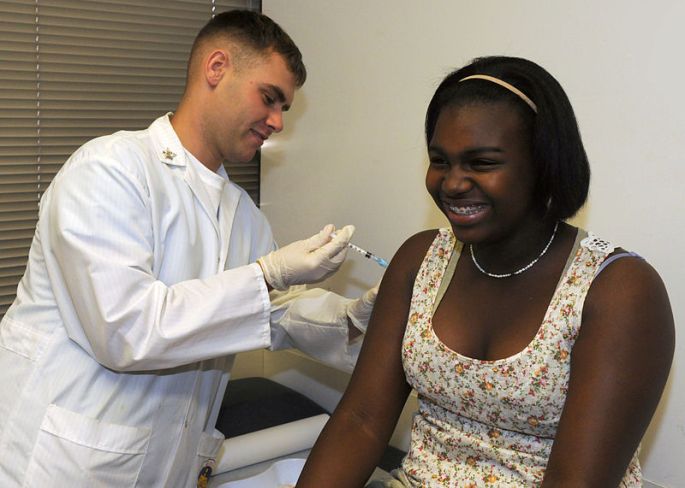
For all the talk around here about anti-vaxxers, there might be a larger threat to vaccine preventable diseases in the United States…lack of vaccines or vaccines that are no longer affordable. In this insightful piece, the complicated story of vaccine necessity, vaccine scarcity, and vaccine cost is told through the doctors at the front lines. States require students to be vaccinated to attend school but the vaccines are hard to find. For doctors, keeping vaccines that may not be used or may not be reimbursed has become a grave financial burden.

The New York Times—“Old vaccines have been reformulated with higher costs. New ones have entered the market at once-unthinkable prices. Together, since 1986, they have pushed up the average cost to fully vaccinate a child with private insurance to the age of 18 to $2,192 from $100, according to data from the Centers for Disease Control and Prevention.”


Deadliest, Rarest Form of Plague Contracted Near Denver

It’s baaaaack. In the state’s first reported case since 2004, a Colorado man has been diagnosed with pneumonic plague. Pneumonic plague is the airborne version of the disease that can be transmitted through droplets from coughing or sneezing. In this case, the man has been treated with antibiotics while investigation of the source of the outbreak continues. Authorities think the man may have contracted it from his dog that had suddenly died and had been found to carry the disease. Many cases of plague in the U.S. come from contact with mammals and small rodents such as prairie dogs.

Bloomberg—“Plague in all of its forms infects only about seven people yearly in the U.S. The disease occurs when a bacteria named Yersinia pestis infects the body, according to the U.S. Centers for Disease Control and Prevention. The difference between the pneumonic and bubonic varieties is that the bacteria takes hold in the lungs in the first case, rather than underneath the skin through insect bites. Both types are treated with antibiotics.”


ISIS Seizes Former Chemical Weapons Plant in Iraq

As the Islamic State of Iraq and Syria (ISIS) tears through Iraq taking over cities, they have taken over some other things, too. These include a science lab at Mosul University, where they took 88 pounds of uranium components, and a former chemical weapons facility north-west of Baghdad. According to Iraq, in a letter circulated at the United Nations, the Muthanna facility held 2,500 degraded chemical rockets that were filled with sarin nerve agent or their remnants. The U.S. government has not expressed fear that these materials could be used to create a viable chemical or dirty bomb.

The Guardian—“A U.S. State Department spokeswoman, Jen Psaki, expressed concern on 20 June about Isis seizing the complex, but played down the importance of the two bunkers with “degraded chemical remnants”, saying the material dates back to the 1980s and was stored after being dismantled by UN inspectors in the 1990s.

She said the remnants “don’t include intact chemical weapons … and would be very difficult, if not impossible, to safely use this for military purposes or, frankly, to move it”.”


Smallpox Virus Found in Unsecured Government Lab

On the heels of accidental anthrax exposure at the CDC, reports this week highlight a concerning trend of lack of lab precautions when it comes to dangerous biological agents. Vials of smallpox, one of the most deadly viruses known to man, were discovered in an unused storage portion of a lab in Bethesda, MD.

Time—“The vials, which date from the 1950s, were discovered by National Institutes of Health workers on July 1, CDC said in a statement. The lab […] had been neither equipped nor authorized to store the pathogen, which was eradicated in 1978. Upon discovery, the vials were secured in a containment laboratory before being transported to another lab in Atlanta on July 7, where workers confirmed they contained DNA for the smallpox virus. There is no evidence the vials were breached, CDC said, and experts have not identified any danger to the public.”


Image Credit: U.S. Navy


Bio-error and Insider Threats: A Two-Pronged Hazard of Biodefense Research

By Chris Healey

Researchers may have been exposed to live anthrax bacteria during a laboratory procedure at the CDC in Atlanta sometime between June 6 and 13. A CDC statement said established safety practices were not followed in that incident.

A follow-up statement by the CDC said risk assessment evaluations have determined anthrax exposure was unlikely. Most of the CDC employees involved have been advised to stop antibiotic and vaccine administration.

This scare marks the second anthrax mishap in little over a decade. In 2004, Scientists at Southern Research Institute in Frederick, Maryland inadvertently shipped live anthrax to colleagues in California who were expecting dead specimens.

Laboratory mistakes involving pathogens, dubbed “bio-error,” has recently acquired much media attention. To date, there have been no confirmed instances of bio-error causing illness outside the laboratory. However, another laboratory threat has materialized, one which resulted in infection and several deaths outside the laboratory almost 14 years ago.

Insider threats, or the potential for laboratory workers to exploit the dangerous material they work with to harm others, present a precarious laboratory safety problem.

Laboratory insider threats became salient after the FBI’s investigation of Bruce Ivins, a microbiologist with the United States Army Medical Research Institute for Infectious Diseases at Fort Detrick, Maryland, as the suspect of the 2001 Anthrax letter attacks. Ivins worked with the anthrax strain he allegedly mailed across the United States.

Researchers working with select agents must register with the FBI and maintain a security clearance. The same requirement stood when Ivins began his work on live anthrax.

Following Ivins’ implication, a U.S. National Research Council committee and the National Science Advisory Board for Biosecurity reviewed researcher fidelity protocols and determined revision was unnecessary. No changes to the rigor or frequency of character and fitness standards for those who work with select agents were made.

Researchers working on nuclear and radiological material are subjected to more stringent evaluations. In addition to FBI registration and security clearance maintenance, random drug testing, observations of off-duty behavior, video monitoring of laboratory activity, and annual psychological assessments are required.

Those additional fidelity evaluations have contributed to the lack of incidents among nuclear and radiological researchers. There is no known instance of a nuclear or radiological research insider causing public harm.


Image Credit: CDC

This Week in DC: Events

July 7, 2014

National Insecurity Agency: How the NSA’s Surveillance Programs Undermine Internet Security
Date: July 7, 4:00pm
Location: New American Foundation, 1899 L Street NW, Suite 400, Washington DC 20036

Join us for a wide-ranging afternoon panel discussion between technologists, policy experts and Internet industry representatives, to discuss how the NSA’s actions threaten Internet security and the Internet economy that relies on it, and how we can address that threat on both a personal and a policy level.  With introductory comments by Representatives Lofgren and Grayson and appearances by experts such as Internet security luminary Bruce Schneier and Google’s top privacy lawyer in DC, we’ll dig deep into the policy and the technology of the NSA programs that have been most overlooked.  We’ll also preview the upcoming new research paper from New America’s Open Technology Institute, “Surveillance Costs: How NSA Spying Undermines the Economy, Cybersecurity, and Internet Freedom.”

Sign up here.

July 8, 2014

Facing a Revisionist Russia: Discussion with Carl Bildt
Date: July 8, 9:00am
Location: Atlantic Council, 1030 15th Street NW, 12th Floor, West Tower, Washington DC

Europe must find a way of dealing with this new, revisionist Russia, even as it faces the growth of political forces with ties to Moscow and seeks to lessen its own energy dependence. Europe will inevitably continue to have strong economic interests in Russia, as well as a need to cooperate on key strategic issues, such as Iran.  The United States, too, must figure out how to deal with Russia while remaining engaged on strategic matters. Sweden’s Foreign Minister Carl Bildt has long been at the center of European efforts to develop a coherent EU foreign policy, including towards Russia.  One of the initiators of the EU’s Eastern Partnership, he has been keenly involved in EU relations with Ukraine, Georgia, and Moldova.  At the Atlantic Council, he will discuss his views on European Union and transatlantic relations with Russia, as well as recent developments within the EU and the impact on EU foreign policy.

Carl Bildt has been foreign minister of Sweden since 2006.  He previously served as Sweden’s prime minister from 1991 to 1994. Bildt was one of the original architects of the European Union’s Eastern Partnership, and is also noted for his prominent role as co-chairman of the Dayton Peace Conference in 1995. He was High Representative for Bosnia and Herzegovina from December 1995 to June 1997, and from 1999 to 2001 served as the United Nation Secretary-General’s special envoy for the Balkans.

Register here.

Iran Sanctions: What the U.S. Cedes in a Nuclear Deal
Date: July 8, 9:30am
Location: U.S. Institute of Peace, 2301 Constitution Ave NW, Washington DC

Since 2006, the United States has imposed more sanctions on Iran than any other country, so it may have to cede the most ground to get a nuclear deal in 2014. Over the years, Republican and Democratic administrations have issued 16 executive orders, and Congress has passed nine acts imposing punitive sanctions. What does Tehran want? What are the six major powers considering as incentives to cooperate? What isn’t on the table? The White House and Congress have imposed their own types of sanctions. What would either need to do to lift them? What difference would the various sanctions relief packages make to Iran?

On July 8, four panelists will address the complex questions and challenges of sanctions in the Iran nuclear talks. It’s the last of three discussions hosted by an unprecedented coalition of eight Washington think tanks and organizations to coincide with the last three rounds of negotiations. A rundown of the second event is available on USIP’s The Iran Primer with a video, and on USIP’s blog The Olive Branch. The coalition includes the U.S. Institute of Peace, RAND, the Woodrow Wilson International Center for Scholars, the Arms Control Association, the Center for a New American Security, the Stimson Center, Partnership for a Secure America, and the Ploughshares Fund.

RSVP here.

Countering Violent Extremism: A Peacebuilding Lens
Date: July 8, 9:30am
Location: John Hopkins University—SAIS, 1740 Massachusetts Ave NW, Washington DC

Violent extremism is one of the leading threats of the twenty-first century, threatening world stability, and prompting state and international-level interventions. Faced with this growing threat, many governments and international organizations have created strategies based on the immediate priority of maintaining state security and the long-term goal of addressing the core causes that contribute to violent extremism, which involve an array of socio-economic and structural factors, individual experiences, as well as emotional and psychological drivers.

Over the past decade, the understanding of how and why individuals engage in violent extremism and terrorism has evolved and become more nuanced, as have the tools to prevent these threats. Countering violent extremism (CVE) refers to the policies, programs, and interventions designed to prevent individuals from engaging in violence associated with radical political, social, cultural, and religious ideologies and groups. Peacebuilders, through their broader agenda of conflict prevention, also focus on countering extremist violence. Violent extremism is a driver of conflict, and violent extremists are often spoilers in peacebuilding efforts. Peacebuilding and CVE work increasingly intersect, though approaches and practice in the two domains often differ.

Register here.

The Globalization of the Defense Industry
Date: July 8, 11:30am
Location: Atlantic Council, 1030 15th Street NW, 12th Floor, West Tower, Washington DC

Autonomous vehicles, renewable energy, nanotechnology, and 3-D printing comprise some of the astounding advances in technology. These and other marvels of the twenty-first century are refreshing the technology base of defense and security, providing new opportunities for and capabilities to our military. At the same time, independent research and development spending among US defense contractors is declining compared to these investments at leading global commercial firms. Reflecting these trends is the fact that more than one-third of all procurement dollars the United States recently has spent to buy platforms are flowing to commercial and international companies.

How will the US military maintain technology leadership on the battlefield in an era when the locus of game-changing technology now lies outside the defense sector? William J. Lynn III, the CEO of Finmeccanica North America and DRS Technologies, will share his perspective on how next-generation technologies from the commercial sphere and international markets can drive change in a restructured defense-industrial base and in the Pentagon’s defense-industrial strategies.

The Atlantic Council Captains of Industry Series is a platform for senior defense industry executives to address the public interests their companies serve and the public policies that shape their markets. By engaging the perspective of business leaders about issues at the interface of defense ministries and industries, the series will cultivate a constituency for practical solutions to these problems.

Register here.

Beyond the Afghan Elections: The Immediate Challenges
Date: July 8, 1:30pm
Location: Atlantic Council, 1030 15ht Street NW, 12th Floor, West Tower, Washington DC

As the Afghan people and the international community await final results of the 2014 Afghanistan elections, there are renewed concerns about the future stability of the country. Major fraud allegations surfacing immediately after the June 14th run-off challenge the legitimacy of the entire process, and threaten the next government’s ability to unite the country against mounting concerns. The next president faces the daunting task of simultaneously coalescing ethnic and political groups, reducing security threats, and reviving Afghanistan’s weak economy. Given the current stalemate, will Afghans see a peaceful transfer of power and a government ready to face these challenges? How will the US and coalition partners assist in easing Afghanistan’s difficult transition given President Obama’s withdrawal timetable? Zalmay Khalilzad and David Sedney will provide firsthand insight into the current electoral imbroglio and the shape of the Afghan political scene.

Register here.

You’re Gonna Need a Warrant for That: The Path to Digital Privacy Reform
Date: July 8, 4:00pm
Location: Cato Institute, 1000 Massachusetts Ave NW, Washington DC

A unanimous Supreme Court recently declared that that our networked mobile devices merit the highest level of Fourth Amendment protection against government searches, since these devices often contain more sensitive information than even “the most exhaustive search of a house” would reveal. Yet increasingly, the vast troves of personal data they contain are synched to “the cloud,” where the outdated Electronic Communications Privacy Act of 1986 allows many types of information to be accessed without a warrant.  The need to bring the law up to date has been recognized not only by privacy advocates, but major technology companies, more than half of the House of Representatives, and even federal law enforcement officials. Join us for a lively discussion of how and why to drag federal privacy law into the 21st century, with keynote remarks by Rep. Ted Poe (R-TX) and a panel discussion featuring both policy experts and representatives of the tech firms we increasingly entrust with our most private data.

Register here.

July 9, 2014

Afghanistan’s Future: Politics, Prosperity, and Security Under New Leadership
Date: July 9, 2:00pm
Location: Asia Society, 1526 New Hampshire Ave, NW, Washington DC 20036

Across the country, millions of Afghans have cast their ballots to select the next President of Afghanistan. The second round of elections was held on Saturday, June 14, 2014, with two candidates, Abdullah Abdullah and Ashraf Ghani, seeking to succeed President Hamid Karzai.

While Afghans await the results of the election, the Asia Society Policy Institute (ASPI) is pleased to invite you to an exciting discussion of the next era in Afghan politics, economics and security. Our panel of distinguished experts will explore from different perspectives what Afghans and Americans can expect in each of these areas in the new Afghan administration and with the U.S. military drawdown.

Register for this event by emailing AsiaDC@asiasociety.org.

July 10, 2014

China-Iran Relations and the Implications for U.S. Foreign Policy
Date: July 10, 2:00pm
Location: Partnership for a Secure America, 1775 K Street NW, Suite 400, Washington DC

CRS Analysts Shirley Kan (Asia-Pacific expert) and Kenneth Katzman (Middle East expert) will speak at a briefing on China-Iran relations. These two important nations pose significant challenges to U.S. interests in a variety of ways, and yet their bilateral relationship is one that is not given significant attention. This panel will explore the China-Iran relationship, where their interests converge and diverge, and the implications of this relationship for U.S. foreign policy.

Building a “New Model of Major Country Relations”
Date: July 10, 4:00pm
Location: Center for Strategic and International Studies, First Floor Conference Room, 1616 Rhode Island Ave, NW, Washington DC 20036

In an era when U.S.-China relations have become increasingly strained but harbor greater implications for regional and global security, the Xi and Obama administrations seek to build a framework that encourages win-win cooperation in order to avoid conflict and confrontation. Please join the Freeman Chair in China Studies for a discussion with a distinguished panel from China’s Ministry of Foreign Affairs on the challenges and expectations associated with building a “new type of major country relations” between a rising China and the United States. The panel will also place the “new type of major country relations” in the context of China’s emerging foreign policy at large and explore the implications of this framework on China’s relations with major powers and with the developing world as well.

July 11, 2014

Keeping our Friends Close and our Frenemies Closer?
Date: July 11, 9:30am
Location: Foundation for Defense of Democracies

A growing number of countries have adopted policies that make them allies, adversaries and enemies of the United States– simultaneously. Complex alliances are nothing new, but American alliances in the Muslim world have recently become far more complex than in years past. Why has the “AAE phenomenon” arisen, and what should be the implications for U.S. foreign and national security policy?

Please join FDD for a conversation to discuss these questions with Jonathan Schanzer, Daveed Gartenstein-Ross, and Brian Katulis. RSVP here.

The Many Faces of Tyranny: Why Democracy isn’t Always Possible
Date: July 11, 12:00pm
Location: Heritage Foundation, Lehrman Auditorium, 214 Massachusetts Ave NE, Washington DC

History has not ended. Across the world today, we are witnessing both a heroic struggle for democracy and reform and the disturbing strength of tyrannical regimes and movements. Whether it be the Arab Spring, the Syrian civil war, the aggressiveness of Putin’s Russia or the increasing bellicosity of China, the forces of democracy and the forces of tyranny are in a dead heat.

How should the West respond? How should we make the difficult choice between better and worse kinds of non-democratic authority when overthrowing today’s dictatorship may only bring about a much worse totalitarian alternative tomorrow?

Waller R. Newell is Professor of Political Science and Philosophy at Carleton University in Ottawa, Canada. As a scholar and commentator he has written on a wide range of topics, ranging from classical political philosophy and modern European literature to manliness. He is the author of several books, including his latest, Tyranny: A New Interpretation and The Code of Man: Love, Courage, Pride, Family, Country. In the words of Harvard’s Harvey Mansfield: “Anyone who wants to understand modern politics will profit from Waller Newell’s eye-opening analysis.”

Register here.

Mark Your Calendars for July 22, 2014!

NPC Luncheon with Dr. Tom Frieden, Director, Centers for Disease Control
Date: July 22, 12:30pm
Location: National Press Club, 529 14th Street NW, Washington DC 20045

Dr. Tom Frieden, director of the Centers for Disease Control, will address concerns about the MERS (Middle East Respiratory Syndrome) virus and other key health issues at a National Press Club luncheon on Tuesday, July 22.

Dr. Frieden will also discuss the sharp rise in U.S. measles cases and the growing number of antibiotic-resistant diseases, at the luncheon. Dr. Frieden, who has led the CDC since 2009, is a physician trained in internal medicine, infectious diseases, public health and epidemiology.

Lunch will be served at 12:30 pm, with remarks beginning at 1 p.m., followed by a question-and-answer session ending at 2 p.m. Tickets cost $22 for Press Club members. NPC members may purchase two tickets at the member rate. The price for all other non-member tickets is $36 each. Price for students is $21.

For questions, please email reservations@press.org or call (202) 662-7501. Tickets must be paid for at the time of purchase. Tickets are available for purchase here.

Pandora Report 7.4.14

I have to offer my apologies and my thanks. Please let me apologize for the lack of Pandora Report and the light coverage on the blog over these past two weeks. The month of June was absolutely insane between work and summer courses. Fortunately, all that craziness is finally over, so let me thank you most sincerely for your patience and understanding. With this special July 4th edition of Pandora Report, please consider things around here back to normal.

Now, onto the news!  Highlights include Syrian chemical weapon disarmament, the arrival of Chikungunya to the U.S., an anthrax incident at the CDC, an Etihad Airlines based polio campaign, and Ebola devastation in West Africa.


Syrian Chemical Weapons Transfer Complete

Earlier this week, the Pentagon reported that the transfer of Syrian chemical weapons, from a Danish cargo ship to the U.S. vessel that will neutralize and destroy the weapons, is complete. The weapons and associated materials were transferred to the Cape Ray, which will travel from Italy into international waters where the weapons will be dismantled and neutralized. The Pentagon press secretary Rear Admiral John Kirby reported that the process should take several weeks to complete.

Al Arabiya News—“The disposal process marks the culmination of a program to rid Syria of its chemical weapons stockpile after the outcry that followed chemical attacks by the Bashar al-Assad regime in the suburbs of Damascus on August 23 last year, that may have killed as many as 1,400 people.”

Polio Awareness Videos to be Shown on Flights to Pakistan

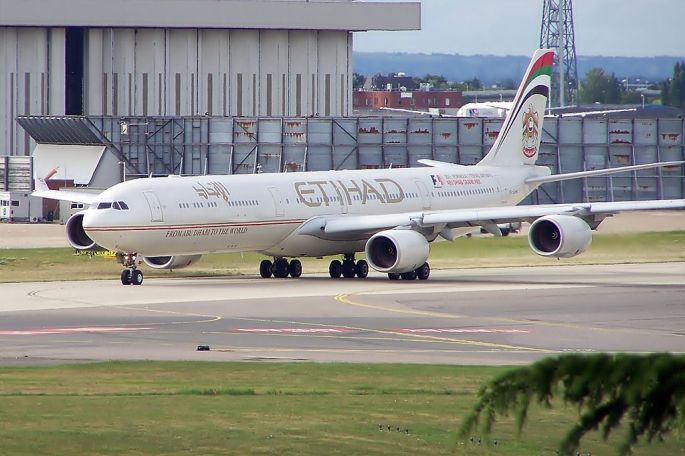
Much of my month of June was spent at Dulles airport, so I might be more excited about this story than your average person, but get ready for the coolest news story you have likely ever read about an airline! United Arab Emirates based Etihad Airlines, in response to the polio epidemic in Pakistan, will show a short in-flight movie on all their flights to Pakistan. Etihad said that the goal of the movie, titled “Leap of Faith,” is to raise awareness about “this crippling and potentially fatal disease among thousands of Pakistani workers returning home to visit their families.”

Business Standard—“‘By showing this engaging story on board our flights, Etihad Airways is supporting the efforts of the UAE in helping to eradicate polio in Pakistan,” said James Hogan, President and Chief Executive Officer of Etihad Airways.

Asif Durrani, Pakistan Ambassador to the UAE, said, “With approximately 1.25 million expatriate Pakistanis in the UAE, this is a perfect opportunity to educate our people during their journey home and ultimately help in the overall eradication of this terrible disease in our country.’”

CDC Reassigns Director of Lab Behind Anthrax Blunder 

According to the Centers for Disease Control and Prevention, sometime between June 6 and 13, up to 84 lab employees at the headquarters in Altanta, were possibly exposed to anthrax. The possible exposure, which was caused by technicians not following laboratory protocol, resulted not only in employees taking powerful antibiotics as prophylactics but also in the reassignment of the head of the Bioterror Rapid Response and Advanced Technology Laboratory, Michael Farrell, while the incident is investigated.

Reuters—“CDC spokesman Skinner on Sunday said the bioterror lab sent the anthrax bacteria to other labs in closed tubes. The recipients agitated the tubes and then removed the lids, raising concerns that live anthrax could have been released into the air.”

Mosquitos Carry Painful Chikungunya Virus to Americas

Chikungunya, a viral disease spread by the same mosquitos that spread Dengue fever, has made its way to the Americas. Fortunately, the type of mosquito that spreads the viruse, the Aedes aegypti, is not native to the United States. However, its close breed “cousin” Aedes albo, lives as far north as Chicago and is believed to be able to spread Chikungunya.

National Geographic—“There is no vaccine or medication that can change the course of the disease, though patients are given painkillers and told to drink a lot of fluids….To avoid getting chikungunya while staying in affected areas, take the usual precautions against mosquitoes: Wear long sleeves, use repellents, and keep outside areas free of standing water where mosquitoes can breed.”

West Africa Ebola Epidemic is ‘Out of Control’

With a current death count of 467, the Ebola outbreak affecting Guinea, Sierra Leone, and Liberia has become dire. Doctors without Borders’ (MSF) Director of Operations said “the epidemic is out of control.” He continued, “we have reached our limits. Despite the human resources and equipment deployed by MSF in the three affected countries, we are no longer able to send teams to the new outbreak sites.”

The Huffington Post—“The outbreak of the deadly disease is already the largest and deadliest ever, according to the WHO, which previously put the death toll at 399 as of June 23, out of 635 cases. The 17 percent rise in deaths and 20 percent jump in cases in the space of a week will add urgency to an emergency meeting of 11 West African health ministers in Accra, Ghana on Wednesday and Thursday, which aims to coordinate a regional response.”


Image Credit: Wikimedia Commons


From the Pandora Report and all of us at the George Mason Biodefense program, we wish you a happy and safe Independence Day!!