This Week in DC: Events

 August 19, 2014

History Impeded Future Progress in Northeast Asia
Date: August 19, 2:00 – 5:30pm
Location: Heritage Foundation, Lehrman Auditorium, 214 Massachusetts Ave NE, Washington DC 20002

The United States and its allies face growing security threats in Asia from North Korea and China. Given these challenges, it is critical that trilateral U.S.-Japan-South Korea relations remain strong. Yet Tokyo-Seoul relations are strained due to a difficult legacy of historical problems. What are the challenges to reconciliation and what steps can Japan and South Korea take? What role should Washington play to redirect attention toward common allied objectives? Join us for an expert discussion on Japan-Korea relations, and what it means from a U.S. perspective.

RSVP here.

August 20, 2014

Preempting Environmental and Human Security Crises in Africa: Science-Based Planning for Climate Variability Threats
Date: August 20, 10:00am
Location: Woodrow Wilson International Center for Scholars, 6th Floor, 1300 Pennsylvania Ave NW, Washington DC

According to the Intergovernmental Panel on Climate Change, devastating impacts of climate variability are already being observed in Africa through increased wildfires, shrinking rivers, reduced crop yields, increased water and vector-borne diseases, and other forms. In coming decades, these climatic changes are predicted to impact human and state security via increased resource conflict, radicalization, economic crises, and humanitarian disasters. These threats all have global implications and require urgent rethinking of African and international security strategy. To this end, the Wilson Center’s Africa Program and Environmental Change and Security Program, in partnership with the Africa Center for Strategic Studies, will host a dialogue aiming to more effectively link science-based analysis of climate variability with security planning.

This dialogue will build on the findings of the Water, Energy and Security in Africa Conference at the Stellenbosch Institute for Advanced Study, which explored innovative and sustainable strategies for minimizing negative impacts of climate variability on human security across Africa, with specific focus on case studies from Lake Chad, Lake Victoria, and the Nile and Congo River basins. The dialogue will entail a moderated discussion with African water security experts and policymakers aiming to identify lessons learned from mitigation and adaptation interventions to date as well as strategies for future collaboration.

RSVP here.

The Ukraine Crisis and Russia’s Place in the International Order
Date: August 20, 2:00pm
Location: Carnegie Endowment for International Peace, 1779 Massachusetts Ave NW, Washington DC

For over two decades, the United States and Europe have been trying to integrate Russia into the international order. This post-Cold War strategy yielded some success, but has now come crashing down over following Russia’s aggressive turn and the ensuing crisis over Ukraine. The United States is seeking to isolate President Putin while Russia is trying to distance itself from what it sees as a Western-dominated order. President Obama says this is not the beginning of a new Cold War, but a new era seems all but inevitable, with potentially severe consequences for the global economy, counter-terrorism, the non-proliferation regime and climate change.

On August 20, 2014, the Foreign Policy program at Brookings will host a discussion on what Russia’s foreign policy turn means for the international order and for U.S. foreign policy. Thomas Wright, fellow with the Project on International Order and Strategy (IOS), will moderate a conversation with Brookings President Strobe Talbott, Senior Fellow Clifford Gaddy of Brookings’ Center on the United States and Europe (CUSE) and Susan Glasser, editor at Politico Magazine.

Following the discussion, the panelists will take questions from the audience. Register here.

Scientific Statecraft: What is it, who does it, and why it’s important
Date: August 20, 4:30pm
Location: Institute of World Politics, 1521 16th Street NW, Washington DC 20036

Prof. Billauer will give an overview of all the areas in which science can impact policy, and discuss the work of several scientists who left their mark on world policy.

Barbara Billauer, Research Professor of Scientific Statecraft at The Institute of World Politics, is also the founder of the Foundation for Law and Science Centers (FLASC Inc.), a non-profit educational organization dedicated to teaching judges and policy-makers the principles of the scientific method, where she designed a patent-pending method of teaching science to lay-decision makers. Formerly an active trial lawyer who handled complex medical malpractice, pharmaceutical, toxic tort, and environmental cases, she currently serves on a UNESCO Bioethics Expert Advisory Committee where she is working on a judicial education project.

Prof. Billauer is a graduate of Cornell University (Hons.) and holds a J.D. degree from Hofstra University, a Master’s Degree in Occupational Health and Safety from New York University, has done advanced work in Bioethics, and holds a certificate in Risk Management Sciences from John Hopkins University where she completed doctoral studies in public health. She has served on numerous Boards, has published extensively and lectured nationally on various science-policy issues including national security. She has also written the entry on Benjamin Franklin for the John Wiley Encyclopedia of Political Thought, forthcoming this October.

Register here.
Pandora Report 8.17.14

Another 12 hours at Dulles Airport on Friday and, fortunately, no new travel alerts. This week we look at TB detecting rats, an experimental Chikungunya vaccine, and the latest from West Africa.

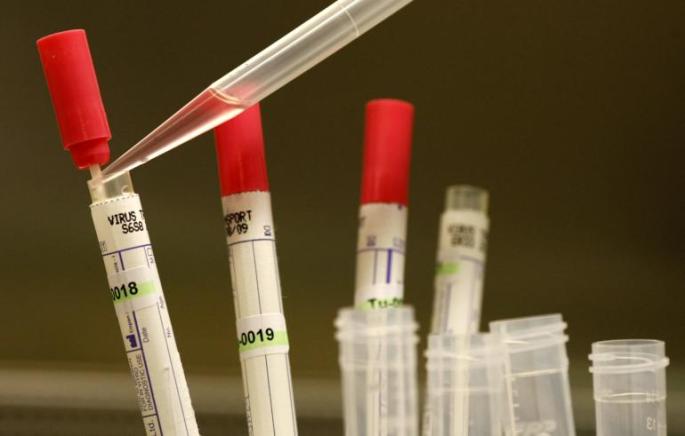
Giant Rats Trained to Sniff Out Tuberculosis in Africa

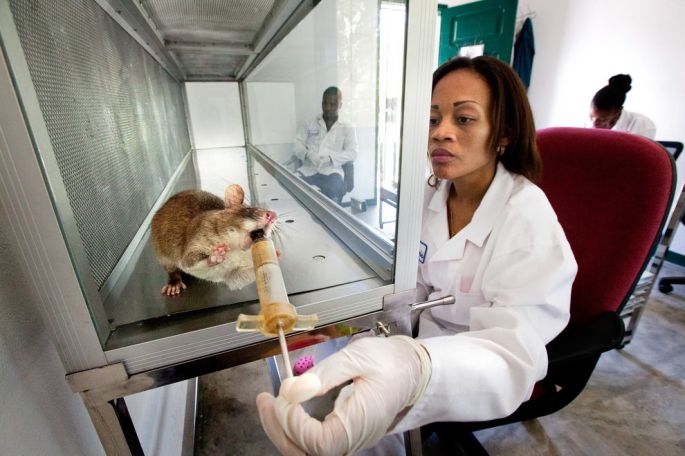
APOPO, the Belgian nonprofit organization known for using rats to sniff out land mines, has been training the African giant pouched rat to detect tuberculosis since 2008 in Tanzania and 2013 in Mozambique. The trained rats are used in medical centers in Dar es Salaam and Maputo to double check potential TB samples. The rats are unable to differentiate between standard and drug-resistant strains of the disease however, the cost of training and maintenance of the rats is significantly cheaper than the new GeneXpert rapid diagnostic tests.

National Geographic—“‘What the rats are trained to do is associate the smell of TB with a reward, so it’s what they call operative conditioning,’ [Emilio] Valverde [manager of the APOPO Mozambique TM Program] said.

It is the same principle applied to detecting land mines, only the rats are trained to recognize the scent of specific molecules that reflect the presence of the tuberculosis germ—not the explosive vapor associated with land mines.”

Experimental Chikungunya Vaccine Shows Promise

Chikungunya, of course, is one of the diseases included in the CDC’s travel alerts, and this week we learned of a promising vaccine for the disease that causes fever and intensely painful and severe arthritis. After the vaccine’s first human trials, the next step is to test in more people and more age groups, including populations where the virus is endemic. The trial leader said that it could be more than five years before a finished vaccine could be offered to the public.

CBS News—“‘This vaccine was safe and well-tolerated, and we believe that this vaccine makes a type of antibody that is effective against chikungunya,’ said trial leader Dr. Julie Ledgerwood, chief of the clinical trials program at the U.S. National Institute of Allergy and Infectious Diseases.”

WHO: Ebola Outbreak Vastly Underestimated

The news from West Africa seems to be getting worse and worse. Earlier in the week there was good news when a new quarantine center opened in Liberia. Then two days later, that same center was destroyed and looted. All of this comes, too, when the World Health Organization has said there is evidence that numbers of cases and deaths are far lower than the actual numbers and MSF has said that the outbreak will take at least six months to get under control.

Al Jazeera—“‘Staff at the outbreak sites see evidence that the numbers of reported cases and deaths vastly underestimate the magnitude of the outbreak,’ the organization said.

‘WHO is coordinating a massive scaling up of the international response, marshaling support from individual countries, disease control agencies, agencies within the United Nations system, and others.’”

Image Credit: James Pursey, APOPO

Mason Researchers Looking for Fresh Answers in a Medieval Disease

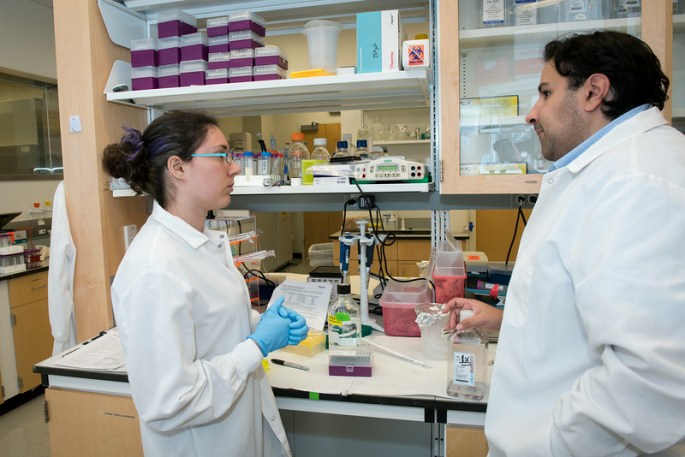
George Mason University’s National Center for Biodefense and Infectious Diseases has been researching the causative agent of plague–Yersinia pestis.


George Mason University professor Ramin M. Hakami is searching for new ways to treat modern ailments by studying bacterial and viral biodefense agents, including the medieval disease notoriously known as the Black Death.

Along the way, he’s also coaching the next generation of researchers. The two endeavors are equally critical, says Hakami, who knows firsthand how crucial mentoring can be to young researchers from when he himself was a student earning his doctorate in biochemistry in the laboratory of the Nobel Laureate Professor Har Gobind Khorana at the Massachusetts Institute of Technology (MIT).

Read the full article here.


Image credit: George Mason University

Ebola’s “Top-Secret” Serum: What Is It? Why Would It Be Kept Secret?

By Chris Healey

The deadliest and most pervasive Ebola outbreak in history is underway in Africa. As of August 8, the World Health Organization reported 1134 confirmed cases of Ebola in Guinea, Liberia, Nigeria, and Sierra Leone with 622 confirmed deaths.

Two Americans, Kent Brantly and Nancy Writebol, contracted Ebola while helping contain the epidemic in Africa. Both were flown to isolation units in Atlanta’s Emory University Hospital after receiving an experimental treatment called ZMapp. Brantly and Writebol’s condition is reportedly improving because of the drug.

ZMapp is the experimental brainchild of several pharmaceutical companies and their collaboration with the U.S. and Canadian governments. It is a combination of three antibodies determined to be the best components of two experimental Ebola treatments: MB-003 and ZMAb.

MB-003 is composed of a monoclonal antibody and an immune system stimulant. The monoclonal antibody binds to Ebola virus surface proteins to form a structure easily recognized as a threat by the host’s immune system. Mimicry allows the immune system stimulant to produce an inflammation-like response without causing tissue damage, serving to amplify immune response without damaging the host.

ZMAb, a combination of mouse-derived antibodies, inactivates Ebola virus surface proteins necessary for host cell entry. If Ebola virus cannot enter a host cell, it cannot cause illness. For higher efficacy, ZMAb antibodies target different parts of the surface proteins, making viral adaptation to the antibodies difficult.

ZMapp attracted much attention because it was used without being tested. Mapp Biopharmaceutical was preparing to enter Phase 1 clinical trials prior to the Ebola outbreak. Use of ZMapp in lieu of clinical trials is permitted by FDA regulations allowing drugs currently, or not at all, involved in clinical trials to be used in extenuating circumstances where no other pharmaceutical is appropriate.

ZMapp is not the first untested pharmaceutical to be used against Ebola in humans. In 2009, a researcher in Germany accidently exposed herself to Ebola virus when she pricked herself with an ebola-contaminated needle during a laboratory experiment. Within 48 hours, she was given an experimental Ebola vaccine never before used in humans. After 21 days, physicians prepared to discharge her from a Hamburg, Germany hospital because she had not developed any symptoms.

It is unclear if the vaccine prevented illness, or if the needle stick simply didn’t infect her with Ebola. Regardless, she produced Ebola virus antibodies after vaccine administration, indicating the vaccine produced an immune response.

When use of ZMapp was first reported, it was hailed in stories circulated by CNN as a “secret” and “top-secret” serum. However, current versions of the story now portray the serum as an “experimental drug.” It is unclear if the original reports of the serum’s secrecy were in error.

However, development of secret therapeutics is not farfetched. Classified treatments could conceivably serve national security interests.

State-sponsored bioweapon programs, for example, could use knowledge of existing therapeutics, such as those kept in the strategic national stockpile, to engineer biological agents resistant to available therapeutics. Such a tactic would cripple U.S. public health response to any weaponized agent. If ZMapp truly was classified, the U.S. may have been protecting the drug’s therapeutic mechanisms from those who would seek to overcome them.

Although withholding treatments would benefit the U.S., it raises ethical concerns. Some could argue treatment sequestration provides little benefit outside the U.S. A novel, effective treatment withheld in preparation for an attack –that may never occur– could be used in the present to treat the sick.

The merits of transparency must be weighed against interests of national security. For ZMapp, if it was classified, two American candidates for the drug were enough to bring it into the public domain.


Image Credit: International Business Times

Image of the Week: Influenza!

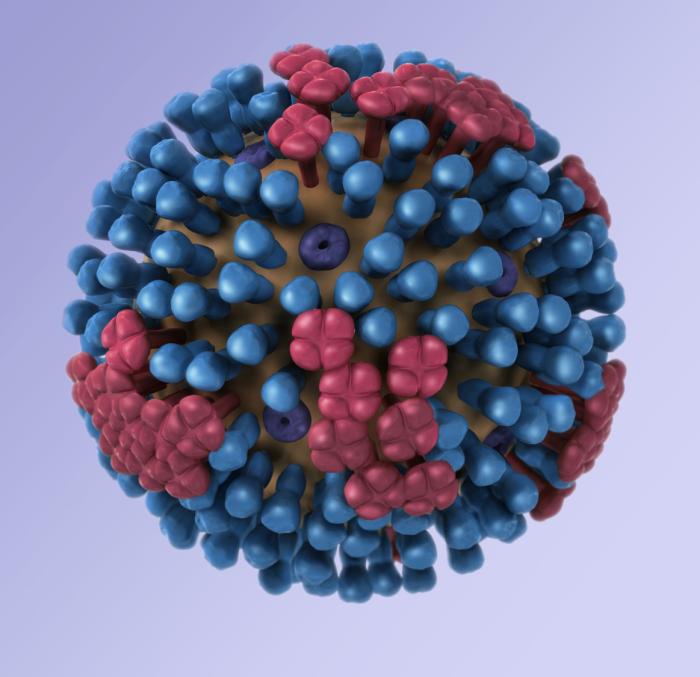
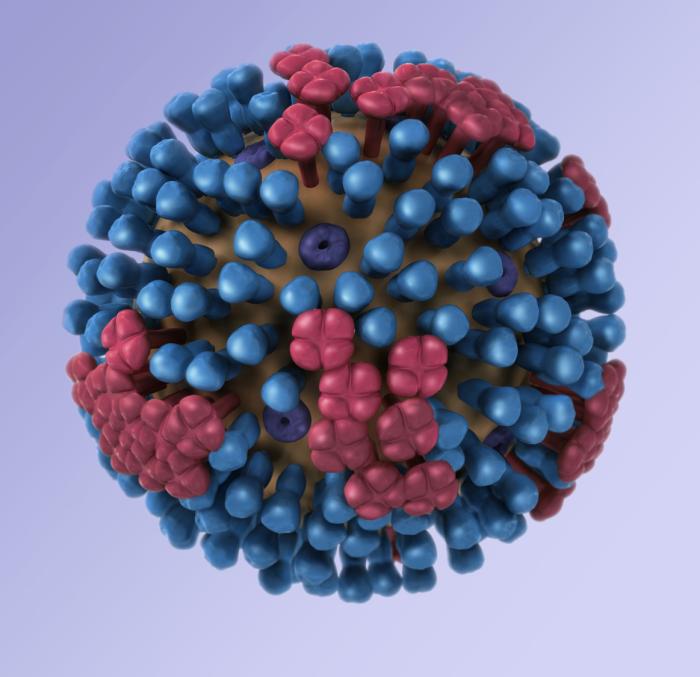
11825_loresThis illustration provides a 3D graphical representation of a generic influenza virion’s ultrastructure, and is not specific to a seasonal, avian or 2009 H1N1 virus. 

There are three types of influenza viruses: A, B and C. Human influenza A and B viruses cause seasonal epidemics of disease almost every winter in the United States. The emergence of a new and very different influenza virus to infect people can cause an influenza pandemic. Influenza type C infections cause a mild respiratory illness and are not thought to cause epidemics.

Influenza A viruses are divided into subtypes based on two proteins on the surface of the virus: the hemagglutinin (H), and the neuraminidase (N). There are 16 different hemagglutinin subtypes and 9 different neuraminidase subtypes. Influenza A viruses can be further broken down into different strains. Current subtypes of influenza A viruses found in people are influenza A (H1N1) and influenza A (H3N2) viruses. In the spring of 2009, a new influenza A (H1N1) virus emerged to cause illness in people. This virus was very different from regular human influenza A (H1N1) viruses and the new virus has caused an influenza pandemic.

Influenza B viruses are not divided into subtypes, however, influenza B viruses also can be further broken down into different strains.


Image and Caption Credit: CDC

Dual-use research as a wicked problem

Biodefense Professor Dr. Gregory Koblentz, of the George Mason School of Policy, Government and International Affairs, has published an article which appears in a special edition of Frontiers in Public Health. An excerpt of the article is available below with a link to the full article.

The challenge of dual-use research in the life sciences emerged vividly in 2011 as scientists and policy-makers debated what to do about article manuscripts that described how to modify the H5N1 avian influenza virus so that it could spread between mammals (1, 2). Since H5N1 emerged in Southeast Asia in 2003, it has sickened 667 people and caused 393 human deaths, as well as the deaths of millions of domestic and wild birds (3). The virus has not, however, demonstrated the ability to engage in sustained human-to-human transmission. If a new strain of H5N1 emerged with that capability, and it retained a high level of virulence, it could cause a global pandemic. The experiments by Yoshihiro Kawaoka from the University of Wisconsin-Madison and Ron Fouchier from Erasmus Medical Center in the Netherlands not only demonstrated that mammalian transmission of the virus was possible but also provided information on how to construct such a virus.

Read the entire article here.

This Week in DC: Events

August 11, 2014

Teleconference: Gaza Conflict Resumes After Ceasefire Ends
Date: August 11, 10:00am
Location: Woodrow Wilson International Center for Scholars

The breakdown in the 72-hour Egyptian-brokered ceasefire and the resumption of the conflict between Israel and Hamas threatens to take the Gaza crisis to a new level. What are the prospects for escalation and/or for negotiations to de-escalate the situation? Can the requirements of the parties somehow be reconciled? What is the role of the Palestinian Authority and Egypt going forward? And what is the American role?

Join us BY PHONE as two veteran analysts of Israeli-Palestinian politics and security strategy discuss these and other issues.

Toll-Free Conference Line: 888-947-9018
Conference Line: 517-308-9006
Passcode: 13304

August 14, 2014

Preventing Violence in the Name of God: The Role of Religion in Diplomacy
Date: August 14, 10:00am
Location: Carnegie Endowment for International Peace, 1779 Massachusetts Ave NW, Washington DC 20036

In his remarks at the launch of the State Department’s Office of Faith-Based Community Initiatives, Secretary of State John Kerry admonished, “We ignore the global impact of religion…at our peril,” and told Foreign Service officers “to go out and engage religious leaders and faith-based communities in our day-to-day work.” At a time when religious violence inflames much of the Middle East, the question of how diplomacy and religion can interact takes on high operational importance. What is the Department of State doing to fulfill Secretary Kerry’s instructions? What are the scope and limits of cooperation?

These are among the questions to be addressed in presentations by Jerry White (Conflict and Stability Operations, Department of State) and Arsalan Suleman (Organization for the Islamic Conference, Department of State), followed by comments from Ambassador Thomas R. Pickering (former Undersecretary of State). MEI Scholar and retired Foreign Service officer Allen Keiswetter will moderate the panel.

Register here.

Which Poses the Bigger Threat to U.S. National Security—Iran or Non-State Sunni Extremism?
Date: August 14, 12:00pm
Location: Hudson Institute, 1015 15th Street NW, 6th Floor, Washington DC 20005

With the belief that Iran’s nuclear weapons program constituted the greatest threat to U.S. interests in the Middle East, Barack Obama entered the White House hoping to achieve a historic reconciliation with the Islamic Republic. But the administration’s current policies throughout the region suggest that the White House no longer sees Iran as the key problem. Rather, it views the clerical regime as a potential partner, particularly when it comes to combating Sunni extremists like al Qaeda and ISIS. As Obama has explained in several interviews, the Iranian regime, while problematic, represents a real nation-state and rational actor that looks out for its interests and responds to incentives—which is not the case for non-state actors.

The White House has re-prioritized American strategy in the Middle East. Its policies in Syria and Iraq demonstrate that it now sees groups like al Qaeda and ISIS—rather than Iran—as the key threat to American interests. The question is whether the Obama administration has got it right. And if it’s wrong, what are the likely consequences?

On August 14th, Hudson Institute Senior Fellow Lee Smith will moderate an expert panel featuring Michael Doran, Hillel Fradkin, and Brian Katulis to discuss whether non-state Sunni extremism or Iran constitutes the major strategic threat to American interests in the region.

Register here.

Pandora Report 08.09.14

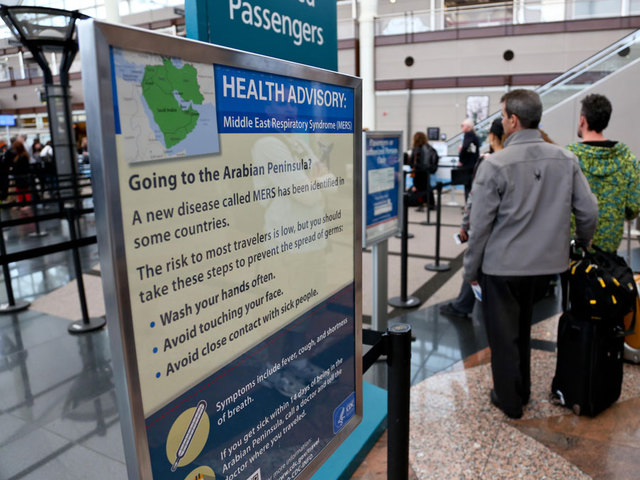
I spent about 12 hours at Dulles Airport yesterday. I didn’t fly anywhere, but I was ensuring that 120 international students were able to get from Washington DC to their host families all over the country. You may have noticed that in the security areas of Dulles Airport they have televisions that go over proper security screening procedures. On these same screens, they also show CDC travel alerts.

In June (when I was ensuring that 450 students were able to get back to their home countries), the alerts were for MERS and mosquito borne diseases like dengue and Chikungunya. Yesterday, Ebola was on alert for travelers to West Africa.

Last week we looked at the fever pitch of Ebola, today, lets look at the diseases designated by the CDCs travel alerts at Dulles.


Zika Virus: Another Threat from the Asian Tiger Mosquito

Travel alerts from the CDC often include Chickungunya and Dengue fever, but another disease from the same vector—the tiger mosquit0—is receiving alerts as well. Zika Fever, was isolated in humans in the 1970s, but has relatively few documented cases. In 2007, the virus demonstrated epidemic capacity with 5,000 cases in Micronesia. In 2013 there were 55,000 cases in Polynesia. Today the CDC has issued Watch Level 1 alerts for Zika in Easter Island, French Polynesia, and the Cook Islands and urges travelers to practice usual precautions.

Entomology Today—“Originally from Asia, the tiger mosquito was introduced to Africa in 1991 and detected in Gabon in 2007, where its arrival undoubtedly contributed to the emergence of dengue, chikungunya, and as shown by this new study, zika. The rapid geographic expansion of this invasive species in Africa, Europe, and America allows for a risk of propagation of zika fever around the world.”


Ramadan pilgrimage season in Saudi Arabia mostly free from MERS

Saudi Arabia reported only ten new cases of MERS from June 28- July 28 during the month of Ramadan. In April and May of 2014, hundreds of people were infected by MERS, which raised concerns about infection rates during Ramadan and during the Hajj, which will take place in October, when millions of pilgrims will travel to Mecca. Since 2012, Saudi Arabia has confirmed over 700 cases of infection resulting in nearly 300 deaths. The CDC designates the Hajj as an Alert Level 2, and urges U.S. residents to practice enhanced precautions.

Al Arabiya—“Saudi Arabia and the World Health Organization have said they are imposing no travel or other restrictions due to MERS during the Hajj, but have encouraged very young or old pilgrims, and those suffering from chronic disease, not to come this year.”


WHO: Ebola ‘an international emergency’

This week, the World Health Organization declared that the spread of Ebola in West Africa is an international health emergency. They urged coordinated response in order to keep the spread of the virus under control. Though no travel or trade bans have been enacted, the WHO recommends that Ebola cases or contacts should not travel internationally. This comes at a time when states of emergency have been declared in Liberia, Guinea, and Sierra Leone and the number of total cases has reached nearly 1,800 with over 950 deaths. The CDC designates outbreaks in these countries as a Warning Level 3, and urges U.S. residents to avoid non-essential travel.

BBC—“WHO director-general Dr. Margaret Chan appealed for help for the countries hit by the ‘most complex outbreak in the four decades of this disease.’

The decision by the WHO to declare Ebola a public health emergency is, by its own definition, an ‘extraordinary event’ which marks ‘a public health risk to other states through the international spread of disease’.”


Image Credit: The Denver Channel

Biocrime: Lessons Learned Contribute to Future Cases

By Chris Healey

Three individuals associated with Peanut Corp. of America are going to court over charges  related to intentionally shipping tainted peanuts. Those charges come after nine people died and 714 people were infected with Salmonella typhimurium after consuming peanut products shipped from the company.

Most cases of food contamination are not prosecuted, but the Justice Department alleges the individuals involved knew the peanuts were tainted and shipped their product anyway to avoid lost revenue.

Their case is considered a biocrime, a distinct offense unrelated to a more common term – bioterrorism. Biocrime involves the use of a biological agent to kill or sicken one or more individuals for revenge or monetary gain. Bioterrorism, however, is the use of biological agents to create casualties, terror, societal disruption, or economic loss inspired by ideological, religious or political beliefs. Biocrime is personal; bioterrorism is theater.


A notable, unsolved biocrime took place October 1996 at a large medical center in Texas. 12 laboratory workers became ill after eating muffins and doughnuts tainted with Shigella dysenteriae, which has been anonymously left in a break room between the night and morning shift. All 12 had consumed muffins, and stool isolates from nine of the victims were identical to Shigella dysenteriae retrieved from an uneaten muffin in the break room. Bacterial isolates from stool samples and the uneaten muffin were identical to a partially-missing laboratory stockpile of the same pathogen.

Biocrime is an attractive avenue for criminals with biological agent knowhow. Toxins and pathogens are indirect and stealthy. Pathogens must pass an incubation period—the time between introduction of the pathogen into the body and the onset of symptoms. During that time, criminals can escape and distance themselves from victims to avoid discovery.

Determining if an infection is the result of biocrime is extremely difficult. Many agents which can be used criminally, can also occur naturally. Biocrime identification depends on astute epidemiologic investigation and successful communication between scientific and law enforcement officials.

The advent of molecular biology in the late 20th century birthed the field of microbial forensics—assisting criminal investigations involving microbial organisms. However, it wasn’t until the anthrax letter attacks of 2001 that investigative short comings, such as inadequate methods of identifying agent sources based on genetic mutations, were addressed.

The anthrax letter attack investigation was a turning point in microbial forensics. It served as a proverbial rough draft that established a template for future biocrime and bioterrorism investigations. The justice system demonstrated it could wield biological science as an investigative tool and apply that knowledge toward identifying and prosecuting perpetrators.


Image Credit: Bhaskaranaidu

Category A Bioterrorism Agent Lands in the U.S.

By Alena James

It has been one seriously scary and depressing summer with the multitude of cataclysmic events taking place all around the globe.  Much like the thousands of immigrant children whose futures are still being debated by the U.S. and Mexico, many of these crises have remained outside of U.S. soil. However, one potential crisis has been willingly brought to the U.S.

A few days ago a protocol was established to send medical evacuation planes to Liberia to bring back two missionary American health care workers suffering from the Ebola virus.  The decision to bring the patients back to the U.S. raised great alarm among many Americans that there is a chance of a major outbreak occurring with a disease that the U.S. is not prepared to fight

This past week, the Director of the CDC, Dr. Thomas Frieden, continually claimed that the necessary precautions were being taken to ensure the safety of the public from being exposed to the virus. According to Frieden, the chances of an outbreak taking place in the U.S. are minimal. Ebola is a virus that is not airborne and is not acquired through casual contact with an infected patient. For individuals to be infected they must have direct contact with bodily fluids septic (contaminated) with the virus.

During a CNN interview, Frieden explained that the decision to bring the Americans back to the U.S. was made by Samaritan’s Purse, the organization to which the two infected Americans, Dr. Kent Brantly and Nancy Writebol, belong. The role of the CDC will be to help assist in the transport and supportive care of the patients upon arrival at Emory University Hospital in Atlanta, Georgia.

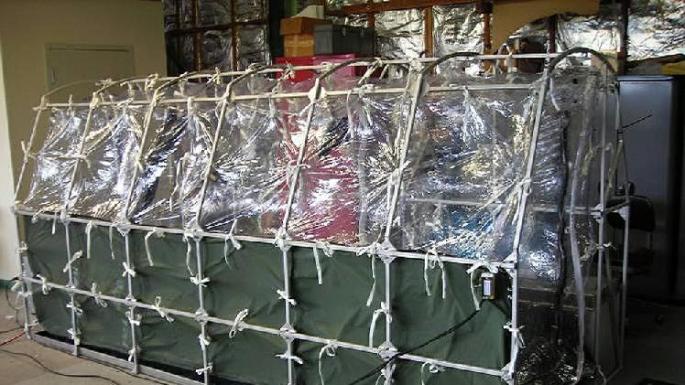
The plane that transported Dr. Kent Brantly on Saturday was fitted with an Aeromedical Biological Containment System. In this system, a tent like structure was set up on board a modified Gulfstream III aircraft and used to isolate Brantly from the rest of the people onboard.

During an aeromedical evacuation, a patient undergoes medical assessment and evaluation before transport. This is to ensure the patient’s survival during the course of the trip. According to a study conducted by the U.S. Army Medical Research Institute of Infectious Diseases in Fort Detrick, Maryland, the physiologic effects of altitude, effect of confinement on patient-care delivery, and psychological effect of confinement within the containment system must be taken into consideration before transport.

Dr. Brantly arrived safely in the United States on Saturday at Dobbins Air Force Base in Marietta, Georgia. He was then transported to Emory University Hospital in Atlanta.

So, why exactly was the decision made to bring back to the Americans infected with a viral agent; which the CDC has classified as a Category A Bioterrorism Agent and to which there is no cure?

In his interview with CNN, Dr. Frieden, gave credit for the medical evacuation operation to Samaritan’s Purse. However, without the assistance of the State Department, the U.S. military, and the CDC it seems likely that the operation would not have come to fruition at all.

The reasoning for this evacuation, made by many advocates, seems to lie with the high level of confidence among those at the CDC and Emory University in their ability to control and contain the infected patients.  Despite the unprecedented nature of an Ebola patient returning to the U.S., infectious disease experts maintain the appropriate precautions are being made and the virus will remain contained.

The medical evacuation operations for Dr. Brantly and Nancy Writebol do not offer only an increased chance of recovery from Ebola and the chance to be reunited with their loved ones—if only through a glass partition. These operations also provide an opportunity for America’s best infectious disease experts and healthcare workers to gain firsthand experience with actual cases of a virus not available for study at clinical levels in the U.S. The medical evacuation operation is also beneficial to emergency response personnel who have been training on how to deal with these types of medical cases for years.

Over the summer, Americans watched intently as the creditability of the CDC took a hit when many of its laboratory staff failed to abide by proper laboratory safety techniques upon dealing with samples of Bacillus anthracis and H5N1.  The CDC and NIH’s credibility took another hit when the CDC discovered more than 200 vials of smallpox in a refrigerator in an NIH lab in Bethesda, Maryland.

Hopefully the fouls ups of the past have provided important lessons for all fields working with infectious diseases to take safety protocols very seriously…especially while working with patients suffering from a virus that has no cure.


Image Credit: Yahoo