Pandora Report 10.21.2016

TGIF! It looks like biodefense and genetic engineering are the new hot topics in Hollywood. Inferno will be opening in theaters next week, but it was also reported that Jennifer Lopez will be starring in a new bioterror TV drama, “C.R.I.S.P.R.“, that takes on topics like genetic assassination. That’s right, JLo will be a CDC scientist exploring “the next generation of terror”. You can get an epidemiological update on the cholera situation in the Americas here. A new Ebola vaccine will be tested by researchers in Canada next month.

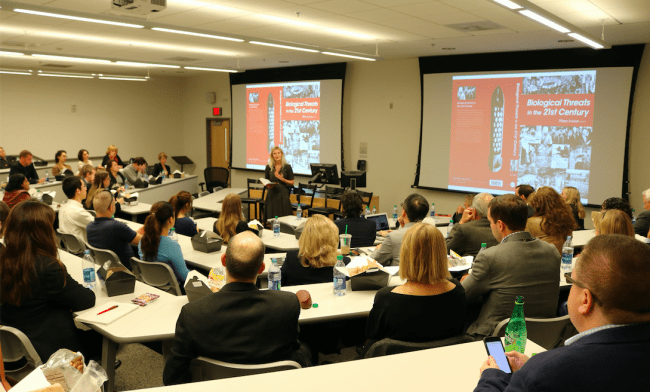
Biological Threats in the 21st Century Book Launchimg_0359
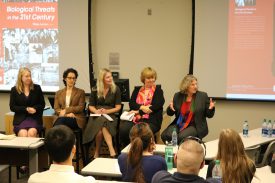
Last Friday we celebrated the book launch of Biological Threats in the 21st Century. For those who attended, thank you and we hope you enjoyed it as much as we did! For those unable to attend, don’t fret – we’ll have the recording up ASAP, but in the meant time, here’s a brief recap… We were fortunate to have Dr. Koblentz MC’ing the event, with Andrew C. Weber discussing the threats we face in the 21st century and that the topic is really the orphan of the bunch as nuclear weapons tend to get all the bandwidth. Weber noted that we learned the wrong lesson from Amerithrax and need to remember that one person did it all by himself and despite a very primitive delivery mechanism, it took us eight years to find him. He emphasized the lessons learned from 9/11 and the use of imagination in regards to potential attacks, specifically that we should all challenge ourselves to think about these things and be imaginative. Filippa Lentzos, the editor of the book, took us through her journey to bring together the politics, people, and science of biological warfare. Her goal was to create a one-stop shop for issues regarding bioweapons and socio-politics. Incorporating narratives from people that are both advocates and negotiators of biological disarmament, she highlighted the importance of scientists in building the agenda and biological risk management. Perhaps one of the highlights of the event was the expert panel comprised of Jo Husbands, GMU’s Sonia Ben Ougrham-Gormley, GiGi Gronvall, and Nancy Connell. The panel took questions from the audience and each expert discussed a range of topics – the role of scientists in DURC, GoF experiments and governance efforts, talking to US and Soviet bioweapons specialists from the days of offensive programs, and the efforts to engage scientists and make them part of the solution. Overall, the event was a wonderful mixture of experts, students, and industry people who are all passionate about the world of biodefense.

How Do You Know Your Flu Shot is Working?
GMU Biodefense MS student Greg Mercer is tackling the topic of flu shot performance. Despite the challenges of antigenic drift and forecasting, there has to be a way to check how well the vaccine is performing..right? “The Centers for Disease Control and Prevention (CDC) offers a guide to how they assess flu vaccine effectiveness and efficacy in the United States. These are two slightly different measurements. Efficacy is measured with randomized controlled trials. This is a classic, high rigorous scientific setup designed to eliminate research biases. Effectiveness is measured with observational studies. These are more reflective of real world conditions, since they rely on self-identifying subjects seeking care.”

On Patrol with a Bioterror Cop
For biodefense students, Edward You is pretty much our crime-fighting role model. Supervisory special agent in the WMD directorate in the FBI’s DC headquarters, You monitors the growth of lab tech to help prevent bioterrorism. Trying to find the gaps within the detection chain is no easy feat, but You helps to improve FBI and interagency efforts to identify, assess, and respond to biological threats. What makes his approach so unique is that prior to the FBI, he worked for six years in graduate research focusing on retrovirology and human gene therapy at USC. Simply put, You knows the science, tech, and culture that make biocrimes and emerging biotechnologies worrisome. You’s background and perspective has helped shift FBI credibility within the science community after incidents like the detainment of Buffalo bio-artist, Steve Kurtz. The FBI is now helping to sponsor events like the International Genetically Engineered Machine Competition, and is helping build a network where scientists share concerns. “You is often the first to hear about scientists’ darkest worries. Lately some of these have been connected to the gene-editing method CRISPR, which can be used to create self-spreading gene alterations in insects or DNA-slashing viruses.” You notes that “a threat implies intent, and we haven’t seen that yet,” he says. “But as things become more widely available, more widely distributed, the bar gets lower, and the possibility of an incident gets higher.”

Infection Prevention & Control Week  screen-shot-2016-10-18-at-10-32-54-am
Hand hygiene, PPE, and vaccines, oh my! Infection prevention doesn’t take breaks, so this week we’re celebrating the importance of reducing the spread of infections, specifically in healthcare. The Ebola outbreak lifted back the curtain as to just how impacting minor breaches in infection control can be, but as the threat of antibiotic resistance grows, we need to invest more into this field. Here are a few things you can do to help fight the battle of the bug in healthcare – need to wear PPE? Make sure you’re donning and doffing correctly. Wash your hands! Know about infection preventionists, follow rules of isolation if visiting a sick friend (or you’re sick!), get your annual flu shot and stay up to date on vaccines, make sure to follow directions and finish antibiotics appropriately if you’re taking them, and keep your work environment clean.

Public Health: Biosecurity and the GHSA Distance Learning Opportunity 
Don’t miss out on this great opportunity for a 2-hour webinar session on Wednesday, December 7th, 2016 at 11am CST. The U.S. has taken the lead on a global campaign to fortify both public health and international security. The Public Health: Biosecurity and the Global Health Security Agenda webinar will review the nexus between public health and biosecurity, through the context of the developing Global Health Security Agenda (GHSA). We will learn how modern threat management concepts can be efficiently employed by the GHSA to augment both public health response and preparedness in the event of a natural outbreak, or from the perspective of an intentional attack. The webinar will be presented by Ryan N. Burnette, PhD, Director, International Biosecurity & Biosafety Programs, At Risk International. Upon completion of this webinar, participants will be able to:

  • Define the methods and goals of the GHSA
  • Paraphrase how threat management techniques can be applied at a macro level to augment global security in the context of epidemics and bioterrorism
  • Describe how biosecurity plays a vital role in public and global health

Gene Drives – the Good, the Bad, and the Hype
GMU Biodefense professor, Sonia Ben Ouagrham-Gormley, and Kathleen Vogel are discussing the advances in life sciences and what these new gene-editing techniques could mean for biodefense. “The absence of clear safety guidelines, coupled with ambiguous government regulations, has nurtured fears of an accidental or voluntary release of a gene drive in nature that could cause irreparable damage. On the security front, the presumed simplicity and accessibility of Crispr raise the possibility that states, terrorists, or rogue scientists might use the technology to modify genomes to develop malicious gene drives and create novel bioweapons that could spread more quickly, cheaply, and globally than traditional bioweapons agents.” Caution is always a good strategy, but Ouagrham-Gormley and Vogel emphasize the importance of approaching these new technologies with a realistic approach grounded in empirical findings, rather than the hype of a shiny new toy. Understanding gene drive and the capabilities of CRISPR are necessary to not only proceed with advancements, but also fully assess the risks versus rewards. Gene drive does have some potential benefits, especially in terms of vectors and pest-control, in trying to impact the population of disease-transmitting mosquitoes and invasive mouse species that wreak agricultural havoc. There is also potential for gene drives to aid in endangered species and environmental conservation work as “gene-drive rodent control on islands can mitigate the environmental impact of invasive species, which disrupt island ecosystems by bringing in invasive plants, or eating plants and insects essential for other species’ survival.” Like anything, there is a potential for mis-use or neglect. In the wake of any new exciting innovation, the spread of CRISPR and gene drive technology has amplified concerns over lab safety and establishing a fundamentally better understanding of the technology before such rapid innovative leaps. Concerns over adverse effects on target species and damage to non-target species is crucial and regulators are racing to keep up with this constantly evolving technology. “These two cases show that Crispr-induced alterations have outpaced and continue to defy current regulations, leaving governments around the world to play catch-up. In this context, fears that an altered organism might escape the laboratory to potentially eradicate a whole species, or unexpectedly jump into another population and cause unpredictable economic and environmental damage, do not seem far-fetched.” Lastly, from the viewpoint of a bioweapons threat, the authors note that the perceived low cost, easy availability, and self-propagating nature of gene drives make it appealing to would-be bioterrorists. There are significant technical challenges that do form substantial roadblocks, not to mention that gene drives only work with organisms that produce sexually (in other words, they’re unable to alter a virus or bacteria). “However, to accurately evaluate their potential misuse, one needs to rigorously assess the state of the technology and consider its limitations. Current fears (and hopes) related to gene drives are based on projections of what gene drives could in theory do if they spread in nature. At the moment, these are still anecdotal, speculative claims and are not based on in-depth empirical research and analysis. One needs to keep in mind that the techniques under debate are still in their infancy, and in spite of their apparent progress, they may not prove to be as dangerous or promising as expected.” In the end, it is important to identify the risks when it comes to a lack of Cas enzyme control, capabilities of potentially a state-level gene-editing technology based bioweapons program, and slow regulatory catch-up. Threat estimates are speculative and the authors point to problematic historical security assessments of emerging biotech. Overall, it’s important to have a better understating of the complex and unique factors that push state and non-state actors to develop biological weapons and in the wake of this uncertainty, the authors “are engaged in a project that aims to understand the social and technical factors for how Crispr scientists around the world actually work in the lab.”

A Threat to the U.S. Food System
Food safety is often a forgotten component of biodefense when Anthrax and Ebola tend to steal the spotlight. Sadly, this is America’s soft underbelly as a threat to U.S. food production and security could have devastating economic ramifications. While the Blue Ribbon Study Panel on Biodefense report in 2015 did mention the vulnerability of the agriculture system, it’s easy to forget just how damaging such an event could be. “The agriculture sector in the U.S. is a $1 trillion business and employs approximately 9.2 percent of American workers. In 2012, domestic animal agriculture – livestock and poultry production – generated approximately 1.8 million jobs, $346 billion in total economic output and $60 billion in household income.” Consider even a disease that impacts crops – wheat and rice account for 39% of the world’s total calorie consumption. It’s important to consider the devastation that crop or livestock attacks could have on not only the U.S. system, but also on an international level.

Zika Virus Weekly Updates
Venezuela is struggling to respond to and support cases of Zika-related microcephaly as the government refuses to acknowledge a single case. “Some doctors accuse Venezuela’s unpopular government of hiding the Zika problem amid a deep recession that has everything from flour and rice to antibiotics and chemotherapy medicines running short and spurred fierce criticism of Maduro. They also say government inaction means kids are missing out on targeted state-sponsored therapy programs that would help to stimulate them”. HHS recently announced how the Zika funds will be allocated among players.  “According to Caitlyn Miller, director of the division of discretionary programs for HHS, $394 million will go to the Centers for Disease Control and Prevention (CDC), $152 million to the National Institutes of Health (NIH), and $387 million toward the public health and social services emergency fund. Within that $387 million, $75 million will be used to reimburse healthcare providers who treat uninsured Zika patients, $40 million will be used to expand Zika resources in US territories, and $20 million will go to regional and national projects, such as creating microcephaly registries.” Public health officials have created a color-coded map of Zika zones in Florida. As of October 19th, the CDC has reported 5,016 cases of Zika in the U.S.

Stories You May Have Missed

  • EU Reports Animal Antibiotic Use Is Up– Despite a drop in overall sales, a recent report from the European Medicines Agency (EMA) has revealed the worrisome reality that there has been an increase in the use of medically important antibiotics. While there was a 2.4% drop from 2011-2014 in sales of veterinary antibiotics, there was a sharp increase in “critically important” antibiotic usage. The usage of “fluoroquinolones, macrolides, and polymyxins sold for use in food-producing animals rose significantly—14%, 13%, and 19%, respectively.” The report does note that responsible-use campaigns in some countries could be effective in countering antibiotic resistance, however the increase in usage is raising many red flags.
  • Global Civil Society Coalition for the Biological Weapons Convention – last week Kathryn Millet, on behalf of the Global Civil Society Coalition for Biological Weapons, delivered a statement to the UN General Assembly First Committee. The statement points to the importance of the BWC but also the challenges and necessity of avoiding complacency. The coalition statement emphasizes the importance of recognizing the evolving threat posed by malign use of the life sciences since the last Review Conference and the need for more systematic advice for BWC State Parties on S&T. Further recommendations include the need for States to ensure that the interval between Review Conferences is used more effectively, reexamination and improvement on dealing with compliance with the BWC, and the application of more resources to support work that is necessary to fulfill the BWC’s objectives.

Pandora Report 9.23.2016

Welcome to the first few days of Fall 2016! We need to really ramp up our investment in vaccines – an ounce of prevention is worth a pound of cure. Doctors in Saskatchewan are imploring the province to declare a medical state of emergency over a surge of HIV/AIDS cases. Johns Hopkins University is currently working on a study to assess why healthcare workers catch the flu – what’re your thoughts? Poor PPE use, isolation precautions, and/or hand hygiene is my guess. New research from the World Bank shows that antibiotic resistance is likely to increase poverty and by 2050, could cause global economic damage on par with the 2008 financial crisis. The Blue Ribbon Study Panel on Biodefense has received a $1.3 million grant to continue work on assessing American biodefense systems, informing policymakers, etc. Before we start with the latest in global health security, you can now access (for free!) the Global Health Impacts of Vector-Borne Diseases workshop summary here.

The Uncertain Future of Plum Island 
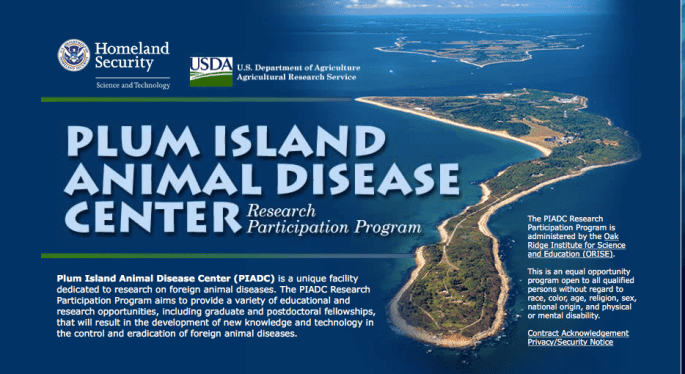
Established in 1945, Plum Island Animal Disease Center (PIADC) (Orient Point, NY), “has served as the nation’s premier defense against accidental or intentional introduction of transboundary animal diseases (a.k.a. foreign animal diseases) including foot-and-mouth disease (FMD). PIADC is the only laboratory in the nation that can work on live FMD virus (FMDV). The lab and its staff of nearly 400 employees provide a host of high-impact, indispensable preparedness and response capabilities, including vaccine R&D, diagnostics, training, and bioforensics among others.” Not immune to controversy or a theme in horror movies, Plum Island is a research facility that hosts BSL-2, BSL-3 Enhanced, and Animal Biosafety Level 3 and Biosafety Level 3 Agriculture laboratories and animal research facilities that maintain highly restricted access and trained security professionals. The nostalgia of Plum Island is fast approaching as the research center is set to be closed within the next decade. The research campus will move to Kansas and the 840-acre island is up for sale. “Located 100 miles east of New York City, with sweeping water views, the island has already drawn unsurprising interest from local real estate agents and developers, including, yes, Donald J. Trump. Many people in the area, however, want the island preserved as a nature sanctuary or perhaps a park. In July, a coalition of environmental groups and activists filed a federal lawsuit to stop the sale, and there is a similar legislative push in Congress.” Since its inception and through its new ownership in 2003, (when DHS took it over) the biggest concern of Plum Island has always been containment as the infectious livestock samples and animals could introduce diseases, like food-and-mouth disease, to a susceptible population. The facility takes great care to mitigate any risk through “stringent security clearances and background checks, the boiling of all water discarded from the lab and the requirement that anyone who works within the biocontainment lab must shower twice before leaving. As for the cattle, pigs and other animals used for vaccine and other kinds of testing, they are kept in indoor, secured living quarters, said Dr. Luis L. Rodriguez, who leads research at the center’s laboratories.” In the event a deer should swim onto the island, it’s killed and immolated. Aside from the “Island of Dr. Moreau” vibe that is often felt when discussing the island, it has water views and sandy beaches that are met with a green terrain. While the future of the island is up in the air, the zoning stipulates that it must be reconstructed for similar use (i.e. research). Any takers?

Don’t Miss the Biological Threats in the 21st Century Book Launch!
screen-shot-2016-09-12-at-8-00-42-pm
On October 14th, join us in celebrating the book launch of Biological Threats in the 21st Century! Biological Threats in the 21st Century introduces readers to the politics, people, science and historical roots of contemporary biological threats through rigorous and accessible chapters written by leading scholars and supplemented by expert point-of-view contributions and interviews. The book launch will feature a panel discussion on the threat of biological weapons and the role of scientists in bioweapons non-proliferation and disarmament. The event is free and open to the public. Lunch will be available beginning at 11:45 AM so please RSVP. Attendants will also be able to pick up the book at a 15% discount.

Screen Shot 2016-04-21 at 1.28.57 PMGMU Biodefense Graduate Program Informational Videos
Curious about a graduate degree in biodefense but unable to attend an information session? We’re happy to show off our new informational videos on both our MS and PhD biodefense programs at GMU. Check out what students are saying about our MS programs (we have both an online and an in-person tract) and our PhD program. You’ll also get to hear from biodefense guru and graduate program director, Dr. Koblentz, throughout the videos!

Bioresearch Labs and Inactivation of Dangerous Pathogens Hearing                                   

The Committee on Energy and Commerce, Subcommittee on Oversight and Investigations will be holding a hearing today at 9am regarding bioresearch labs and the inactivation of dangerous pathogens. While witnesses are by invitation only, the hearing webcast will be available here – don’t miss it! You can also read a recent GAO report on high-containment laboratories: improved oversight of dangerous pathogens needed to mitigate risk. 

The Global Implications of Antibiotic Resistance
I love a good zombie movie like the next person, but where are the horror movies about antibiotic resistance? Show me a film that depicts the global threat of losing all effective antibiotics – that is a real horror movie. The UN General Assembly held a high level meeting on Wednesday about the growing threat of antimicrobial resistance (AMR). Despite increasing surveillance and high-level attention to the rise of the resistant bugs, it will take more than the efforts of a few countries. We’ve passed the golden age of antibiotic development and the “pipeline of new antibiotics has been running dry”. Colistin-resistant bacteria continue to sporadically pop up, highlighting that once again, germs know no borders and are skilled in the art of travel. Hopefully, with the recent UN General Assembly meeting, it will send a clear message that the threat of antibiotic resistance is being taken seriously and for more world leaders to really hone in their efforts for surveillance and prevention through the GHSA. Sadly, a recent study found that antibiotic usage hasn’t changed in hospitals, despite the growing threat of AMR. Researchers looked at patient discharge records in over 300 US hospitals between 2006 and 2012 and “found that 55.1% of patients discharged received at least one antibiotic during their stay, with little change in that proportion between 2006 and 2012. The overall rate of antibiotic use for all study years was 755 days of therapy per 1,000 patient-days, a rate that also saw little change over the period of the study. But the study also showed significant increases in the use of carbapenem antibiotics, third- and fourth-generation cephalosporins, beta-lactam/beta-lactamase inhibitor combination antibiotics, tetracyclines, and vancomycin.”

Next Generation Global Health Security Network Webinar – Our Antimicrobial Anthropocene: UNiting against Pan-Epidemic AMR
As you know, a key component of responding to (and preparing for) outbreaks is the ability to treat them. But how can we make sure that the drugs we have to treat diseases will work? How can we combat the growing trend of antimicrobial resistance? In line with the recent high-level meetings by the Presidential Advisory Committee (see here) and the UN, the Next Generation Global Health Security Network is pleased to present the first of an ongoing series of webinars, this one focused on Antimicrobial Resistance (AMR). These webinars are intended to provide unique learning opportunities for global health security professionals through educational sessions about important GHS topics and situate emerging issues for a global health audience.  Please join the event on Tuesday, September 27 from 6:00-7:00pm EST as the Next Generation Global Health Security Leaders Network and CRDF Global host a webinar by Dr. Dan Lucey titled “Our Antimicrobial Anthropocene: UNiting against Pan-Epidemic AMR”.  There will also be limited in-person space for those in the DC metro area who wish to attend.  If you wish to attend in person, please RSVP by email (nextgenghsa@gmail.com)

Your Weekly Dose of Zika News
The Zika virus outbreak has pointed out several international challenges when it comes to infectious disease outbreaks – funding, vector control, long-term health effects, and international events. Sandro Galea points to the poet John Keats as a potential role model for how we should approach such events. Trained as a surgeon, Keats had a solid background in the scientific method, however the quality he “emphasized was not the scientist’s finely tuned analytic instrument, but the ability to exist comfortably amidst uncertainty and doubt.” Galea notes that the Zika outbreak is a prime example of how scientists should start thinking more like poets, living in the space of inevitable ambiguity and the new norm of the grey area. Here is the ECDC’s epidemiological update on Zika. The CDC is ramping up testing support in Florida to aid in rapid diagnostics. A recent study published in the Lancet points to a low risk of sexual transmission and questions the sustainability of Zika transmission without the presence of a vector. The CDC is reporting 3,358 cases of Zika virus in the US as of September 21st. Of these cases, 43 are locally acquired related to mosquitoes.

Stories You May Have Missed:

  • Are We Prepared For Another Ebola Outbreak? In response to last week’s Ebola and Zika: Cautionary Tales article, John LaMattina is digging into the realities of R&D. “Actually, a check of clinicaltrials.gov lists 71 studies ongoing in Ebola, the majority of which involve studying novel vaccines or drugs in humans. Furthest along appears to be Merck with planned regulatory filings for its vaccine in 2017.” He notes that while Ebola may not be making headlines, that shouldn’t be translated into a total lack of preparedness for another outbreak. You can also read the latest article in NaturePublic Health: Beating Ebola.
  • Glory in the Guts- If you’re a fan of Mary Roach’s books (Stiff, Spook, etc.), you’ll love hearing what GMU Biodefense MS student, Greg Mercer, thinks of her latest book, Grunt. Roach’s latest book looks at the life of soldiers and how the military keeps them alive. “The only gun that interests her is the one that fires chicken carcasses at military aircraft to test their birdstrike resilience. Roach isn’t squeamish, though. She participated in a training simulation as a victim of smoke inhalation burns, experienced a live-fire demonstration of the importance of hearing protection, and endured a treadmill trip in the 104-degree “cook box” to witness just how easy it is to become dehydrated while lugging 80 pounds of gear.”
  • Global Capacity for EID Detection – In the most recent CDC Emerging Infectious Disease online report, researchers are evaluating the global improvements of disease detection and communication during 1996-2014. “Improvement since 1996 was greatest in the Eastern Mediterranean and Western Pacific regions and in countries in the middle HDI quartiles. However, little progress has occurred since 2010. Further improvements in surveillance will likely require additional international collaboration with a focus on regions of low or unstable HDI.”

Pandora Report 9.2.2016

Welcome to September! Let’s start the month off with a yellow fever timeline and the history of this misunderstood disease. If a gin and tonic is your go-to drink, you’ll be pleased to hear it was actually born to combat malaria. Many are questioning if Syria has retained a stockpile of chemical weapons, pointing to continued contradictions and discrepancies regarding inventories and more. While the topic of sanctions is being debated, findings from recent international reports determined that both the Syrian government and ISIS were responsible for chemical attacks in 2014 and 2015.  On Tuesday, the French ambassador to the UN pushed for unified action at the Security Council, emphasizing that within the report, the Assad regime and the Daesh terrorist group have been responsible for several attacks.

Next Gen Global Health Security Agenda (GHSA) Happy Hour
Please join the newly elected Coordinator, Jamechia Hoyle, for a happy hour and networking event. Come engage with a network of talented Global Health Security professionals. Share ideas, connect, and learn how to join the world of global health security! You can RSVP to nextgenghsa@gmail.com by September 5th – the event is Friday, September 9th, from 5-7pm, at District Commons DC, 2200 Pennsylvania Avenue Northwest, Washington, DC 20037.

Is Accessible Synthetic Biology Making DIY Bioweapons More Likely?
The biotech industrial revolution and advances with CRISPR-Cas9 have raised many red flags about the risk for do-it-yourself (DIY) bioweapons. Dr. Koblentz and several others discussed the role of gene-editing technologies in the UN Security Council meeting last week, with General-Secretary Ban noting that these advances have made the production and application of WMD’s easier. These advances have the potential to move the playing field away from solely state-sponsored or university-level programs, to lower levels of necessary tacit knowledge. The dilemma surrounding dual-use technologies of concern and biosafety failures compound these concerns – are we becoming more and more vulnerable to intentional or accidental events? Antibiotic resistance is also a growing dilemma, and not just what we’re facing now, but also the risk that synthetic biotechnology could make the development of a highly resistant organism possible for malicious persons. The tricky part is combating the risk for mis-use while not stifling innovation – any takers? The growing threat potential of synthetic biology has many commenting that “Zika is just the first front in the 21st century biowar”. We so easily think nuclear or cyber warfare when it comes to large-scale threats, but the truth is that biological threats have been looming in front of us for years. James Stavridis notes that there three key components to preparing for the biological revolution. “First, we need an international approach that seeks to limit the proliferation of highly dangerous technologies (much as we try to accomplish with nuclear weapons) and fosters cooperation in the case of contagion or a transnational biological threat.” Second, U.S. government interagency practices need to strengthen their capacity to address both scientific advances and security threats from the biological research sector. Lastly, there must be private-public cooperation. He points to the need for a stronger marriage between government and academia, but in such a manner that doesn’t deter innovation. In the end, there is a imperative need for more frequent and frank discussions about the impending realities of biological threats.

GMU Biodefense Graduate Program Open Houses! Screen Shot 2016-04-21 at 1.28.57 PM
If you enjoyed reading about Dr. Koblentz and his work in biodefense, consider joining GMU’s Biodefense graduate program as a MS or PhD student! We’ve got some great Open Houses coming up- there is a PhD Information Session next Wednesday, September 7th at 7pm at our Arlington Campus in Founders Hall in room 134. If you’re interested in a MS in Biodefense (we offer both online and in-person!), come to our next Open House on Thursday, September 15th, at 6:30pm in our Arlington Campus Founder’s Hall, Room 126. Dr. Koblentz will be leading the information sessions, which will give you both some insight into the program, but also the range of student research and careers.

Disease Detection and the Outbreak Hunters
Venturing through the caves of South Africa, virus hunting researchers take us through the journey that is zoonotic disease tracking. The CDC has ten global disease detection centers and programs, like PREDICT, are all working to study the early signs of outbreaks and how we can prevent them from happening. “We were tracking almost 300 infectious disease outbreaks of concern in 145 countries,” says Dr. Jordan Tappero, director of the Global Health Protection Center at CDC. This was during a 2-year period. “Only about 30% of countries even self-report [and] are able to prevent, detect, and respond to infectious disease outbreaks,” Tappero says. “We are working around the world to try and improve capacity so that we have partners everywhere to respond quickly.” Bats are one of the primary animals studied, as they tend to be a reservoir for many diseases. Much of the research looks to test animals to identify what diseases are circulating within them, which acts as an early warning system for potential outbreaks. Outbreaks like MERS-CoV and Ebola have taught us the importance of early warning systems within the germ world. Cheers to those brave researchers who are crawling through caves and bat guano – we applaud and thank you!

The Growing Vaccine Refusal in Pediatrics Usmap
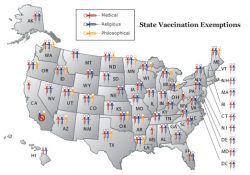
After the measles outbreak in California and Arizona related to Disneyland in 2015, there was a surge of national attention to pediatric vaccination exemptions. While California is taking strides to reduce non-medically indicated exemptions, many doctors are still reporting that parents are refusing to vaccinate their children. A recent study was published using data from the American Academy of Pediatrics Periodic Surveys from 2006 and 2013, looking at parental noncompliance and the frequency of requests for vaccine delays and refusals. Researchers also looked at the impact on US pediatrician behavior as a result of parental refusal or requests to delay. The study found that the proportion of pediatricians reporting parental vaccine refusal increased from 74.5% in 2006 to 87.0% in 2013. “Pediatricians perceive that parents are increasingly refusing vaccinations because parents believe they are unnecessary (63.4% in 2006 vs 73.1% in 2013; P = .002). A total of 75.0% of pediatricians reported that parents delay vaccines because of concern about discomfort, and 72.5% indicated that they delay because of concern for immune system burden. In 2006, 6.1% of pediatricians reported “always” dismissing patients for continued vaccine refusal, and by 2013 that percentage increased to 11.7% (P = .004).” Sadly, these findings indicate that pediatricians are reporting more vaccine-refusing parents and while they provide vaccine education, they’re dismissing patients at a higher rate.

Get the Scoop on Zika Virus
The FDA has announced that all U.S. blood banks will test blood, regardless of the presence of Zika in the state, for the virus. Here’s a guide to help pregnant women reduce their Zika risk. A new report found that Zika was linked to congenital hearing loss in infants with microcephaly. This week, CDC Director, Dr. Tom Frieden, commented that the agency is almost out of funds for Zika. “Basically, we are out of money and we need Congress to act,” Frieden told reporters. “The cupboard is bare.”  Florida may be the perfect place for Zika transmission, but where else should we consider within the U.S.? Singapore is quickly becoming a Zika hot spot, with it being the only Asian country to have active transmission. The growing volume of cases is signaling that Singapore could easily be a new epicenter for Zika, triggering surrounding countries to ramp up their preparedness efforts. Many are wondering if Zika is a sleeping giant in Haiti. The country has all the ingredients for rapid and sustained transmission but hasn’t seen many cases yet, leaving many to wonder if it’ll hit. The CDC has reported, as of August 31st, 2,722 cases of Zika virus in the U.S. Yesterday, the Florida Department of Agriculture and Consumer Services officially announced that, for the first time, mosquitoes trapped in the continental U.S. were positive for Zika virus.

Event: The Elimination of Weapons of Mass Destruction: Lessons Learned from the Recent Past 
Attend the Nonproliferation Review’s Monday, September 12th event to discuss nonproliferation! The event will be held at the James Martin Center for Nonproliferation Studies CNS Washington office at 1400 K Street, NW, Suite 1225, on Monday, 9/12,  from 1-3 pm. Speakers include Rebecca Hersman, director of the Project on Nuclear Issues at the Center for Strategic and International Studies; Robert Peters, senior research fellow at the Center for the Study of Weapons of Mass Destruction at National Defense University; and Dr. Philipp Bleek, assistant professor at the Middlebury Institute for International Studies at Monterey and a fellow at CNS. Dr. Chen Kane, director of CNS’s Middle East nonproliferation program, will chair the event, with NPR Editor Joshua H. Pollack providing welcoming remarks.

Stories You May Have Missed:

  • ABSA Risk Group Database App! Biosecurity – there’s an app for it! The American Biological Safety Association has created an app for the ABSA Risk Group Database. You can find it in Apple or Android app stores under “Risk Group Database app” and it’ll allow you to access the database on your mobile devise. “The ABSA Risk Group Database consists of international risk group classifications for Bacteria, Viruses, Fungi, and Parasites. In many countries, including the United States, infectious agents are categorized in risk groups based on their relative risk. Depending on the country and/or organization, this classification system might take the following factors into consideration: pathogenicity of the organism; mode of transmission and host range; availability of effective preventive measures (e.g., vaccines); availability of effective treatment (e.g., antibiotics); and other factors.”
  • Possible Transmission of mcr-1–Harboring Escherichia coli between Companion Animals and Human– The growing reports of colistin-resistant E. coli findings have been raising the stakes in the fight against antibiotic resistance. A recent report found mcr-1 (the gene harboring the colistin-resistant mechanism) E. coli isolates in three separate patients admitting to a urology ward in China. One of the patients was found to work in a pet shop, so researchers collected fecal samples from 39 dogs and 14 cats where he worked. Six were positive for the mcr-1 gene by PCR (4 from dogs and 2 from cats). “These findings suggest that mcr-1–producing E. coli can colonize companion animals and be transferred between companion animals and humans. The findings also suggest that, in addition to food animals and humans, companion animals can serve as a reservoir of colistin-resistant E. coli, adding another layer of complexity to the rapidly evolving epidemiology of plasmid-mediated colistin resistance in the community.”
  • Frozen Strawberry & Hepatitis A Outbreak – Virginia is currently experiencing a Hepatitis A outbreak related to frozen strawberries used in Tropical Smoothie Cafe locations. There have been 40 reported cases, of which 55% have been hospitalized. “There are more than 500 of the smoothie franchises across the country, and Virginia is not the only state affected. All the potentially contaminated Egyptian-sourced berries were pulled from the 96 Tropical Smoothie Cafe locations in Virginia no later than Aug. 8 or Aug. 9.”
  • Foreign Policy Classroom – U.S. Efforts to Combat Zika – Catch the series featuring Gwen Tobert, Foreign Affairs Officer, Office of International Health and Biodefense. You must be a student enrolled in a U.S. academic institution or faculty to attend the September 8th (2-3pm) event at the U.S. Department of State.

Pandora Report 8.19.2016

The Olympics are winding down and now many are waiting with bated breath to see if those attending the games will bring back more than just memories to their home countries. A recent study revealed that people infected with Ebola were 20% more likely to survive if they were co-infected with malaria-causing Plasmodium parasites.  Yellow fever continues to burn through the DRC and many are wondering if it could become the next pandemic as it’s on the brink of spreading to Europe and the Americas.  The UN has finally acknowledged the role it played in the cholera epidemic that hit Haiti following the devastating earthquake six years ago. The UN acknowledgement comes after years of cited reports and public outrage regarding the importation of the disease as a result of UN peacekeepers. China has reported several cases of human infection with avian influenza (H7N9). While human-to-human transmission has not occurred, it can’t be ruled out.

From Anthrax to Zika – We’ve Got You Covered 

We’re always on the lookout for new pieces written on biowarfare and this week brought some gems to the table. Get the scoop on Russia’s old anthrax bioweapons program and how genomic sequencing revealed more details into both the program and the “biological Chernobyl” that was Sverdlovsk. Researchers like Paul Keim, Matthew Meselson, and Jeanne Guillemin, have been looking to unravel the outbreak in Sverdlovsk and that it wasn’t “unreasonable to suspect that the Soviets would have tried to create a superstrain” of the disease. Interestingly, “the team didn’t see any evidence that Soviet engineers had tried to grow a strain that was resistant to drugs or vaccines, or that they had genetically engineered the bacteria in any way” and there were actually few changes within the genome. You can read more about the genome sequence from the Sverdlovsk 1976 autopsy specimens here.  The good news is that through Keim’s work, it is possible to review anthrax genome sequences from any future outbreaks and determine if it is some leftover Soviet weapon strain or another source. The CDC recently published an overview of biological warfare in the 17th century within the Emerging Infectious Diseases journal. You can venture through time to look at the siege of Candia during the Venetian-Ottoman War of the 17th century. “Plague was first detected in Reval on August 10, 1710, while the army from Russia was still approaching the city. Reval was not besieged, and the Russians merely camped outside the city while attempting to isolate it. The army dumped corpses into a stream that flowed into Reval, but evidence does not show that the dead were plague victims, nor does evidence exist that clarifies whether the intent was contamination of the water supply or disposal of bodies. Original accounts provide no evidence to suggest that Russians hurled bodies into the city, much less plague-infected bodies.”

ISIS’ Chemical Weapon Use: A Serious Threat On The Rise

Senior DoD consultant, Zamawang Almemar is discussing the rising threat of chemical weapons and why the “international community must respond aggressively to this threat and prevent ISIS’ ability to access chemical raw materials and transform them into weapons.” The recent chemical attacks on Kurdish civilians aren’t the first and probably won’t be the last. From President Saddam Hussein to ISIS, the threat of chemical weapons and use of mustard gas (sulfur mustard) has been a consistent tool in warfare. Almemar points to the psychological impact of chemical weapons use against the Peshmerga and that ISIS also employs these tactics to benefit from the lack of protective gear and preparedness within the Kurdish military and civilians. “The Kurdish Peshmerga forces undoubtedly continue to win the war against ISIS with conventional weapons on the battlefield and with help from the U.S. and coalition forces. However, when it comes to unconventional weapons, such as chemical weapons, they are lacking even the most basic protective equipment”. Given the consistent use of these weapons, now is the time for the international community to help supply basic protective gear for both Peshmerga forces and Kurdish civilians, to help prepare and defend against ISIS chemical weapons attacks.

Does the U.S. Need a Rapid-Response Fund for Infectious Diseases?

Greg Mercer talked about this a few weeks back, but I think we can all safely say the answer to this question is a rather enthusiastic “YES”. The Congressional standoff with Zika funds has brought the role of federal emergency funds into the limelight. The good news is that it sounds like lawmakers have learned from this situation and it’s sounding more and more like the next health spending bill will emphasize the creation of a reserve fund for the CDC to use in the next public health crisis. “The House version of the bill, which would fund the federal health agencies for the fiscal year that starts in October, has a $300 million “rapid response reserve fund” for infectious diseases. It’s a smaller version of an idea that Democratic lawmakers and current and former Obama administration officials have been promoting for months, ever since it became clear that Congress was incapable of anything close to a rapid response to Zika.” While there’s no guarantee and it will require the spending bill to be completed before President Obama leaves office, it’s a step in the right direction. The question now becomes, is this enough? Many are pointing out that while this is a great start, $300 million is simply not enough and the fund needs to be labeled as an emergency fund, not a rapid response reserve. CDC Director Tom Friden as been fighting the funding battle for over six months now, pointing to the rising case counts and growing presence of local transmission. “If you were going to do something like create a vaccine, $300 million would be entirely used up by that,” Frieden said. “If you were going to do something like a rapid response while you kind of assessed the disaster … that obviously is enough to get started. It’s not going to provide all of the funding, but it would allow you not to be so stuck.”

Report Details DoD Chem/Bio Defense Programs 

The DoD 2016 report to Congress was released recently, describing the research and development practices that have used to combat chemical and biological threats. In fact, the DoD’s Chemical and Biological Defense Program (CBDP) has provided funding for the new plague drug that was recently approved as a medical countermeasure. “The DoD faces CB threats that are complex, diverse, and pose enduring risks to the Joint Force and Homeland,” the new report said. The variety, origin, and severity of these threats continues to grow while resources shrink. DoD said it performed basic research in genetic engineering and nanoelectromechanical systems related to defense against CB threats, and supported the response to the Ebola outbreak in West Africa, among other initiatives.” Despite their work and progress, there are still challenges when it comes to biosafety, which were noted in regards to the shipping of live anthrax spores from a DoD lab. Budget reductions are expected to translate into a decrease in ChemBio defense research funding, which makes the job of combatting an increasingly complex threat that much more difficult. As the report notes, “this environment translates into increasingly complex program management decisions with no margins for error due to a lack of sufficient and predictable resources.” As Almemar previously noted, the recent use of chlorine gas by Syrian government forces and the ongoing use of chemical weapons by ISIS all point to the imperative need for continued support and funding for chemical weapon defense.

BARDA Medical Counter Measures Industry Day

The Biomedical Advanced Research and Development Authority (BARDA) and the Office of Acquisitions Management Contracts and Grants (AMCG) will be hosting their annual conference to provide a better understanding about federal medical countermeasure requirements. The October 18-20th event in Washington, DC, will allow participants to interact with BARDA and AMCG staff, and network with private sector colleagues. During the conference, participants will also learn about BARDA’s strategies and goals for FY2017 and beyond, challenges of dealing with emergency, as well as current, infectious diseases, new initiatives, and roles and responsibilities of BARDA, AMCG, and private sector partners.

Zika Virus – Emergency State of Affairs

The CDC has declared a public state of emergency in Puerto Rico over Zika virus. Last week saw over 1,900 new cases reported in Puerto Rico, which brings the total case count to over 10,690. Concerns are growing after the massive flooding in Louisiana and the potential risk for increased Zika virus transmission. While flood water may wash away eggs, the risk for containers and abandoned housing as a breeding ground for mosquitoes may support further transmission. Forbes has posted the winners and losers of $81 million in Zika funding hereWhat are the legal implications of employee-related Zika virus infections? Legal teams around the U.S. are starting to gear up for the potential legal ramifications and how employers and/or employees will respond to infections. Check out this personal account of a patient infected with Zika, who experienced the challenges of getting medical care in the U.S.  As of August 17th, the CDC has reported 2,260 cases within the U.S. You can find a timeline of the spread of Zika here.

Stories You May Have Missed:

  • The Women Protecting Us From the Next Pandemic– If you caught the PBS special, Spillover, you saw Dr. Jonna Mazet talk about the powers of the global surveillance system, PREDICT. Having detected over 800 viruses that have pandemic potential, her work looks to the relationships between humans, animals, and nature to predict the next pandemic. “The entire world is vulnerable. … It’s proven to us every single year when influenza comes around. [Viruses occur] as people search for new occupations, as more [development] pushes into wildlands, as there’s more contact between people and wildlife, which are the natural hosts. We’re seeing increases in these spillover events and diseases. …”
  • Smallpox Rising From the Grave? 
    Courtesy of UK DailyMail
    Courtesy of UK DailyMail

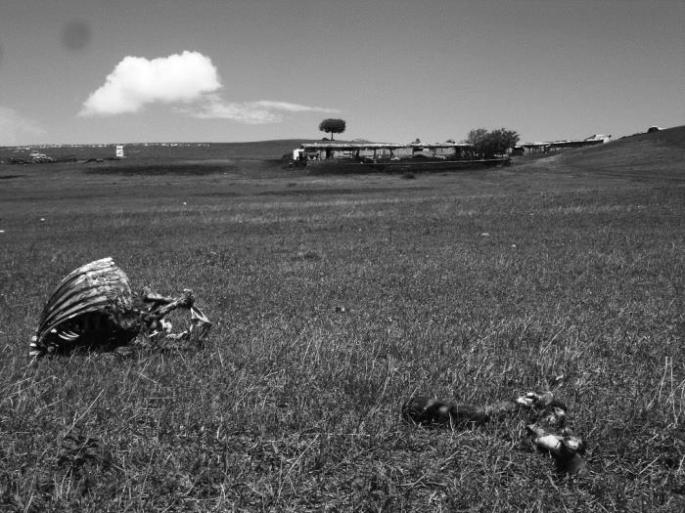
    Following Russia’s frozen anthrax problem, many are worried that something much more sinister, like smallpox, could be found in the permafrost. Siberia, like the rest of the world, dealt with smallpox outbreaks in the 19th century. One particular outbreak was in a town that saw 40% of the population die and resulted in the rapid burial under the permafrost soil. With the eroding river banks and disappearing permafrost, time will tell if there are more zombie microbes awaiting their rise from the permafrost grave.

  • Michigan Pigs & H3N2 – The pigs in Michigan are battling H3N2 influenza. Two more county fairs have reported cases within their pigs, with the first testing positive on August 9th. Twenty pigs have tested positive at the Cass County fair, where over 300 pages were displayed. While humans can acquire H3N2 from close contact with infected pigs, the illness is considered mild in humans.

Pandora Report 8.5.2016

August is here and so are the Zika cases…it does seems rather ominous that the Rio Olympics are starting a week after the confirmation of locally-acquired U.S. cases of Zika virus. Despite the outbreak and the concerns over water safety, the games must go on?

Syria Chemical Weapons Attack
Two chemical attacks were reported earlier this week in northern Syria. The first attack occurred in the city of Saraqeb, where chlorine gas-filled cylinders were dropped in a residential area. Russia has already begun denying any role in the attack and while officials haven’t formally called the Saraqeb incident a “chemical attack”, the evidence is mounting. “Evidence points to the Assad regime because the attack came from the sky and the opposition doesn’t have any aircraft, the source added. In the second alleged incident, the Syrian government claimed that ‘terrorist groups’ carried out a gas attack that killed five people in the old town of the besieged city of Aleppo on Tuesday afternoon, according to the state-run news agency SANA.” The second attack caused the death of five individuals and is considered a counteroffensive from Syrian regime forces and Russian allies. A physician tending to victims injured in Saraqeb noted that their symptoms are consistent with those of chlorine poisoning. On Wednesday, the Russian military informed the U.S. that “rebel forces were responsible” for the attacks.

Russia’s Frozen Anthrax Problem
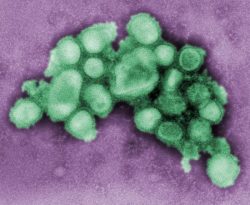
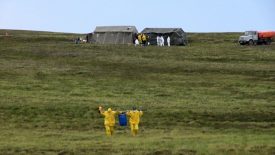
Over ninety people are currently under healthcare observation and surveillance in the Yamalo-Nenets region of Siberia, related to an outbreak of anthrax. Eight cases have been confirmed and a young boy died on Monday from the outbreak that is believed to be associated with an infected reindeer carcass. While anthrax is a  naturally occurring bacteria in the soil and can be endemic in certain regions, the heatwave in Siberia is believed to have caused a decades-old reindeer carcass to become exposed. As a result of the exposure, thousands of reindeer have also been infected and officials are investigating the release of the anthrax spores into the environment from the carcass that was found in the 75-year-old permafrost. Siberia’s Governor, Dmitry Kobylkin, has declared a state of emergency and specialists from the Russian Chemical, Radioactive, and Biological Protection Corps have been called into assist with outbreak control and disposal of infected animals. A mass veterinary vaccination program is also underway to protect animals in northern Russia.

Spillover Special & Human Economic Activity
Wednesday night saw the premiere of the PBS documentary, Spillover, which focused on the impact and rise of zoonotic diseases. Given the recent Ebola outbreak and news of locally-acquired Zika virus cases, this documentary comes at an precarious time. Aside from a few dramatic moments, the documentary was both informative and visually captivating. It was refreshing to see the One Health approach to outbreaks within a documentary. The filmmakers appeared to have taken great care to present the complexity of the spillover process and the importance of global surveillance and the shock humans have on the environment. Between the documentary and Sonia Shah’s new article, the impact of human activity on microbes is becoming a much more prevalent and unavoidable topic. Shah points to an increasingly globalized economy and the glaring reality that sick people do in fact get on airplanes and spread their germs, These are the obvious points in the transmission chain though and she notes that we tend to forget the role of foreclosed homes, imported tires, and decorative bamboo as factors in disease transmission. “Today, abandoned properties and deteriorating infrastructure, brought on by housing crises and climate change, similarly threaten us with epidemics of mosquito-borne pathogens such as Zika.” Shah also points to the need to assess the public health implications of our “built environment the way we assess the environmental impact- before construction begins.” While we consider our carbon footprint, are we considering our epidemic one too?

UK’s HIV Gamechange with PrEP
A recent high court ruling that NHS England can pay for PrEP (pre-exposure prophylaxis) is being marked as a victory for HIV/AIDS campaigners in the UK. PrEP is a medication that can be taken daily to help people, who are at a very high risk of contracting HIV, lower their chances of infection. According to the CDC, “A combination of two HIV medicines (tenofovir and emtricitabine), sold under the name Truvada, is approved for daily use as PrEP to help prevent an HIV-negative person from getting HIV from a sexual or injection-drug-using partner who’s positive. Studies have shown that PrEP is highly effective for preventing HIV if it is used as prescribed. PrEP is much less effective when it is not taken consistently.” The court ruling is especially important as it will not only put pressure on pharmaceutical companies to lower the cost of the drug, but will now be available through the National Health Services (NHS), meaning that it will be widely available and accessible to a far wider range of people. “Condoms are cheap, but among some high-risk populations they are not used consistently. About 4,000 more people acquire HIV in the UK every year. The average cost of a lifetime of treating each one is put at about £360,000. The National Aids Trust brought the high court case following anger and consternation among campaigners after NHS England said it would not fund PrEP because it did not have the power to do so. It argued that it was the role of local authorities, which have been given control of public health measures including reducing smoking and family planning, as well as HIV prevention. Local authorities said they did not have the money to pay.” Accessible HIV prophylaxis is a huge step in prevention and despite the plans of NHS to appeal the decision, they are still putting aside funds for the cost of the medication.

Biodefense in Gaming Courtesy of Pandemic Inc game
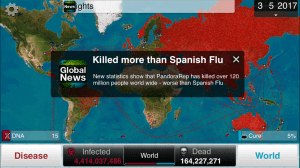
Since we’re still reeling from the loss of prime-time contagion drama, nuclear systems engineer and aspiring biodefense wonk, Greg Witt, is helping us through this dark time via the enjoyable but inaccurate world of biodefense in gaming. Greg’s review of several popular video and board games will give you some great options for your next gaming adventure. “With pathogens like Zika, Ebola, and West Nile now household names, biodefense has rarely been more culturally relevant. Depictions of biodefense topics in popular culture are not limited to traditional media, though; numerous video games and board games have been released in the past few years in which biodefense plays an important role.” Discussing video games like Tom Clancy’s The Division and its underlying premise that is almost identical to Operation Dark Winter, to two of my personal favorites – Plague Inc. and Pandemic, Greg gives a tour through the minefield of biodefense gaming. Rest assured though, he points to the scientific failures and epidemiological snafus that plague these games, but do not ultimately deter our enjoyment while bringing biodefense to the general public.

Zika Updates 
Following last week’s news regarding a growing number of locally acquired cases in Florida, it was also reported that 41 U.S. military members have contracted Zika. “All cases were transmitted while abroad and one of the military service members is a pregnant female. Under Pentagon health policies, female service members are permitted to move out of countries where Zika exists.” Here’s a helpful little field guide for identifying the mosquitoes that are known to transmit Zika. A new model used by researchers from Northeastern University is pointing to a vastly underestimated amount of Zika in the U.S. They note that there is probably “way more Zika in the U.S. than has been counted”. Case counts are especially challenging in a disease that leaves many asymptomatic and unlikely to be tested. In response to the growing number of locally-acquired cases (currently at 14 cases) in Miami-Dade County, there will be aerial spraying for mosquito control.  The CDC has reported 1,825 total Zika infections in the U.S. as of August 3rd and has issued a travel warning for the Miami area. President Obama also pleaded with Congress to “do its job” and approve funding to fight the growing outbreak. Donald Trump was also recently asked about how he would handle the outbreak, noting that Florida Governor, Rick Scott, “seems to have it under control”. 

Stories You May Have Missed:

  • In Memoriam of Dr. Roger Gerrard Breeze– Dr. Breeze, a preeminent veterinary research scientist and biosecurity expert passed away in late June in Washington, D.C. We are grateful to have had Dr. Breeze as a professor for GMU’s agroterrorism courses and his contribution to the field of genetic engineering and molecular biology. “Dr. Breeze was a Member of the UK Royal College of Veterinary Surgeons and a member of the U.S. National Academies – Institute of Medicine’s Forum on Microbial Threats and National Academies – Committee on Biodefense Analysis and Countermeasures. For the past decade, Roger served as an advisor on biosecurity and biological/chemical weapons nonproliferation issues to the Defense Threat Reduction Agency (DTRA) and the Lawrence Livermore National Laboratory.”
  • GMU Biodefense PhD Awarded FAA Graduate Research Grant– Biodefense PhD student, Nereyda Sevilla, was recently awarded a grant from the FAA for her dissertation; Germs on a Plane: The Transmission and Risks of Airplane-Borne Diseases. The Graduate Research Award Program on Public-Sector Aviation Issues is a joint sponsorship from the Federal Aviation Administration of the U.S. Department of Transportation and administered by the Airport Cooperative Research Program (ACRP) of the Transportation Research Board/National Academies. You can read more about Nereyda’s work with the surveillance tool, Spatiotemporal Epidemiological Modeler (STEM), here.


Pandora Report: 7.29.2016

Happy Friday! With the Olympics right around the corner, there’s a lot of buzz surrounding the games (not just Aedes mosquitoes) and the athlete living quarters. Make sure to watch the PBS special, “Spillover- Zika, Ebola & Beyond“, on August 3rd at 10/9c. The special will look at the rise of spillover diseases like Nipah and the impact of human behavior on the spread of zoonotic diseases. The Society for Healthcare Epidemiology of America (SHEA) reported a new study that finds three key factors increase the risk for patient-to-patient transmission of the extremely resistant CP-CRE. The Democratic National Convention closed last night and Hilary Clinton made it a point to say, “I believe in science”, which highlights  the stark differences between the candidates on topics like climate change and stem cell research. 

What Damage Could CRISPR Do To The BWC?
Daniel Gerstein points to the approaching Eighth Review Conference of the Biological Weapons Convention and the assessment of new technologies, like CRISPR. Since James R. Clapper, Director of National Intelligence, stated that genome editing is a global danger, many are waiting to see what the convention will say about the future threats of technologies like CRISPR. Gerstein notes that, “if the seven previous review conferences are any indication, the gathering in November will recognize Crispr’s contribution to the biotech field, then enthusiastically declare the convention fit to address any problems it might create. But will that be enough?” The flexible nature of the convention is meant to support the ever-changing world of science and technology, however this also means that any potential bans on experiments are that much more challenging. In his article, Gerstein discusses the assessment of CRISPR as a nonproliferation threat and the risks associated with limiting technological innovation. Despite the challenges of banning certain biotechnologies, there are things that can still be done within the conference. Surveillance and training are imperative, especially in terms of “spotting the development of new pathogens or the modification of existing ones”, and national responsibility needs to be part of this equation. Gerstein’s points on not just national implementation, but also national responsibility emphasizes the transition from a traditional method into an emphasis on people and activities. Practices need to match the pace of biotech development, which means expanding the Implementation Support Unit, strengthening surveillance capabilities, and reinforcing institutional structures. “Those gathering at the review conference in November must seriously consider whether advances in biotechnology have made the existing bioweapons convention obsolete, but they must also ask what more the convention can do, as the reigning body for regulating biological weapons, to ensure that new biotechnologies continue to be used for peaceful purposes only.”

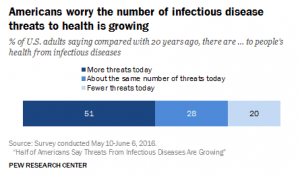
Half of Americans Say Infectious Disease Threats Are Growing  

Courtesy of Pew Research Center

The Pew Research Center conducted a recent survey in the wake of the very public Zika virus outbreak. While some may have noted that Americans aren’t as worried about Zika, the survey found that 51% of U.S. adults feel that, compared to 20 years ago, there are more infectious diseases threats to health today. 82% of Americans polled stated that they pay at least some attention to the news regarding infectious disease outbreaks and 58% believe that Zika is a major threat to the health of women who are pregnant. 31% believe that Zika is a major threat to the U.S. population as a whole, while 58% felt it was a minor threat. The poll also found that more people had heard of Ebola at the time of the 2014 outbreak than Zika as a problem right now. Broken down by demographics, those most worried about Zika include older adults, especially women.

Containment: Lessons Learned and Cringe-Worthy Moments2015_0326_Biohazard_Suits
Tuesday nights won’t be the same since Containment ended – what will we do without the asymptomatic super-spreaders like Thomas, the overly gory hemorrhaging, or the suspension of infection prevention practices? Like any science-based show, there are moments of accuracy and moments of pure dramatic exaggeration. Check out our list of the things we enjoyed about the show and some of the more eye-rolling moments. While it’s rare to have a prime-time show involving an outbreak, we’re hoping that the future will hold more scientifically accurate series that will dismantle the hysteria we too often see during public health emergencies.

Australia Utilizes Bioterrorism Algorithm to Predict Flu Outbreaks
Victoria’s health department is currently using a tool, EpiDefend, that can “accurately predict flu outbreaks up to eight weeks in advance.” Combining environmental data, lab results, and more, the tool is funded by the US Department of Defense and designed by the Australian Department of Science and Technology (DST) to aid in Australian disease prediction practices and strengthen global bio-surveillance. ”Our team’s goal is dual-purpose, we want to fulfil our defence charter, protecting our forces against intentionally released biological agents; but disease forecasting will also support the national security and public health areas,” said Tony Lau, defence scientist. EpiDefend incorporates electronic health records (EHR) via the healthcare sector, which means it can be especially powerful, but also requires the presence and reliability of EHR. The system uses an algorithm that is still being refined. “Particle filtering is a technique which helps us close in on the degree of uncertainty by the help of information gathered from particular situation. In other words, it helps the algorithm churn out more precise readings.”

Zika Virus
The Department of Health and Human Services (HHS) has published a webpage on what you need to know about Zika virus. A recent study is estimating that as many as 1.65 million women in Latin American could be infected while pregnant. Researchers, from another study published in the Annals of Internal Medicine, are pointing to a low risk for international Zika spread from the 2016 Olympics in Brazil.  Researchers calculated “the worst-case estimates of travel-associated Zika virus by assuming visitors encounter the same infections exposures as local residents. This is highly unlikely, as visitors would be staying in screened and air-conditioned accommodations, as well as taking personal preventive measures. But under the authors’ pessimistic conditions, they estimate an individual traveler’s probability to acquire infection in Rio de Janeiro is quite low. Specifically, they estimate anywhere from 6 to 80 total infections with between and one and 16 of those infected experiencing any symptoms.” Florida officials announced the investigation of another two potential cases of local-transmission. These new cases have pushed the FDA to curb blood collection in Florida. A new study performed a real-time Zika risk assessment in the U.S, suggesting that 21 Texas counties along the Texas-Mexico border, the Houston Metro area, and throughout the I-35 corridor (San Antonio to Waco) have the greatest risk for sustained transmission. As of July 27th, the CDC has reported 1,658 cases of Zika in the U.S. 

Stories You May Have Missed: 

  • CSIS Curated Conversations on Pandemic Preparedness & the World Bank – The Center for Strategic & International Studies has made its Curated Conversations podcast available on iTunes, which means you can check out the June 3rd episode, “the World Bank President on Preventing the Next Pandemic”. The World Bank Group president, Jim long Kim, discusses funding to help prevent the next pandemic and lessons learned from Ebola.
  • Joint West Africa Biopreparedness Efforts – The DOD is investing in the Joint West Africa Research Group to help improve and sustain biopreparedness within the region. Following the Ebola outbreak, this new program will build upon existing programs and strengthen lab and clinical resources, as well as biosurveillance efforts.
  • Yellow Fever in the Americas? The Pan American Health Organization is currently investigating a case of yellow fever in a man who traveled to Angola. Genetic testing is underway, but there is concern that the virus could ramp up in the Americas during a vaccine shortage.

Pandora Report: 7.1.2016

Happy Friday from your favorite source for all things global health security – from Anthrax to Zika, we’ve got you covered…like germs on a kitchen sink! If you’re hoping to catch the Washington D.C. fireworks over the holiday, check out this article regarding the state of D.C.’s preparedness for anything from traffic issues to lone-wolf terrorism. You can also get some insight into the Strategic National Stockpile via an interview with the director of the program, Greg Burel. Ever wonder the economic impact of a pandemic influenza outbreak? A recent study analyzed the consequences of such a health emergency.

Behind the Scenes at Porton Down
BBC will be airing a new documentary on the work that takes place within the secretive site of Porton Down. Located in Wiltshire, England, this government military science park falls under the Defense Science and Technology Laboratory (also known as Dstl). Dstl is an Executive Agency within the Ministry of Defense. Dstl’s website states that it “ensures that innovative science and technology contribute to the defense and security of the UK” however the facility has a long and controversial history. Considered to be one of the sites for research regarding biological and chemical weapons, the work within the 7,000 acres is extremely sensitive and secretive. “Inside Porton Down will also take viewers inside some of the site’s most secure biological research labs, where scientists have been tasked to find out how Ebola – potentially one of the biggest public threats facing us today – has the power to spread.”

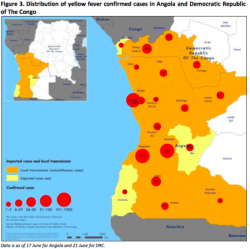
Why We Need to Start Worrying About Yellow Fever Screen Shot 2016-06-30 at 6.26.37 AM
It’s been a few months since we started reporting on the yellow fever outbreak in Angola and as much as we’d like to reveal that this outbreak was quickly put out….a more sinister accelerant was added to the epidemic – a vaccine shortage. The outbreak has spilled over into surrounding countries, with 1,000 suspected cases in the DRC. There are only four major manufacturers of the yellow fever vaccine…that’s right, four. These four manufacturers don’t have the capacity to make vaccine at the rate it would take should the outbreak jump to Asia, which is the growing concern as Chinese workers visit the affected areas. The WHO maintains a stockpile of 6 million doses however, this outbreak is already burning through them and the factories that can make the vaccines are only capable of 2.4 million doses per month. Simply put, the vaccine manufacturing capacity will not be effective if this outbreak spreads much further. This particular detail is why we should be worrying about yellow fever. While it may not be as deadly as Ebola or as contagious as influenza, it’s preventable through vaccination….and yet we’re running out of vaccines. Even scarier is the presence of fake vaccination certificates. Coupled with globalization, yellow fever could easily make its way back to the U.S. and remind us of a history we’d rather not relive. “A yellow fever epidemic might seem anachronistic to people in the United States and Europe, where the disease no longer poses a threat. But some of the most devastating urban outbreaks of yellow fever have occurred in America. In the 18th century, the disease was called the ‘American plague.'”

Who Isn’t Equipped For A Pandemic or Bioterror Attack?
Annie Sparrow of the Bulletin of the Atomic Scientists asks this question and points to the sad reality that the WHO is the front runner for this unfortunate title. Pointing to the origins of the WHO in the days of the early cholera epidemics, Sparrow notes that despite WHO claiming they were a catalyst for multilateral cooperation, the reality is much less prestigious. “But in fact, the first six International Sanitary Conferences were entirely unproductive due to conflicting interests: government fears about losing profits from trans-Atlantic trade took priority over the need to reduce the international death toll. Consensus was achieved only at the seventh conference in 1892, after the opening of the Suez Canal for use by all countries made standardized quarantine regulations necessary.” The slow WHO responses to Ebola and then Zika brought attention to the discrepancies between the WHO’s role as a front-line defense for pandemics (and bioterrorism) and what was actually happening. Many have called for a reform of the WHO and the necessity to address systemic and deep-rooted problems within the organization. Sparrow hits on several key obstacles the WHO needs to overcome if it’s going to truly serve its purpose – “increase its financial resources, eliminate the undue influence of donors and member states, and redress its subservient relationship with governments who are themselves responsible for health crises.” The WHO must also address its practices when dealing with health issues in conflict zones or transitioning states. Lastly, Sparrow highlights the suggestions that transferring global health programs to the UN would not be beneficial, but rather there needs to be a push for rehabbing the WHO. In the end, the world aspect of the WHO needs to provide some muscle behind this work, especially in times of political assertion of sovereignty.

The Up-Hill Battle of Antibiotic Resistance in the World of Infection Prevention
The recent findings of a Pennsylvanian woman with colistin-resistant E. coli in her urine sent title waves throughout the health community. It was the exact moment an organism that was so resistant we have no effective antibiotics to treat it, had reached U.S. soil. In truth, the presence of multi-drug resistant organisms (MDRO’s) isn’t new…they just aren’t as flashy as bugs like Zika or Ebola. In this article, I talk about the framing of MDRO’s and the infection preventionist perspective. “Public framing and hysteria brought Ebola to the forefront. But where is this sense of urgency for organisms so resistant that we have no means of treating them? The case in Pennsylvania received fleeting public attention but it has long been the concern and fear of those working in healthcare and biology. IPs have been working for years on MDRO surveillance and isolation. ”

WHO Appoints Emergency Unit Leader 
While we’re on the subject of WHO emergency response, it was recently announced that Peter Salama was appointed as the leader for the health emergencies unit. The Australian epidemiologist is currently with UNICEF in the Middle East and North Africa, but will lead the new team that was established following criticism of the WHO’s response during the West African Ebola outbreak. The new unit was set into place to provide rapid (not rabid…but there’s some infectious disease humor for you), support to a country or community experiencing a “health emergency arising from disease, natural or man-made disasters or conflict”. The WHO website has more information here, regarding the Health Emergencies Programme.

Brexit and Public Health
Unless you’ve been vacationing in a remote part of the globe, the Brexit referendum has been taking over the news. The British vote to leave the European Union (EU) has set into motion a global wave of economic uncertainty. While many are discussing the financial, trade, and labor force implications of the Brexit, there are also far-reaching public health outcomes. Just prior to the vote, an article was published in the Journal of Public Health regarding the impact of the EU laws on public health. Aside from environmental issues ranging from water quality to emissions, the EU has also focussed on tobacco cessation. The EU has developed strong skills for information exchange to better support a healthy public. “The EU has provided continued bold and effective action on public health policy and designed an excellent funding framework for collaborative health research. The loss of the UK’s strong participation and policy voice in the EU would, as Lord Hague, the former Conservative Foreign Secretary, recently quipped ‘not be a very clever day’s work’.” While globalization makes the spread of disease easier, it would make the new British isolation extremely impacting. The isolation via Brexit could create issues regarding cross-border information sharing, which becomes especially vital during outbreaks or in cases of public health emergencies.

The Scoop on Zika
I was recently gifted (as a joke) this amazing device to fend off the Zika-carrying mosquitos…what could possibly go wrong with an electric zapping racket? University of Michigan researchers performed an analysis looking at the political response to Ebola and how that may bubble over to Zika management. Reviewing the U.S. response to Ebola they looked at the “fragmented system with no clear leadership and considerable ‘strategic politicization’ due to the outbreak’s arrival during a midterm election year.” Scott Greer of the U-M School of Public Health noted that “Republicans are going to continue not to give Obama the federal dollars he seeks to combat Zika. They don’t trust him. But when the virus starts to affect people anywhere south of Indianapolis there will be an elaborate game of blaming the administration for not doing it right.” Good news- Cuba recently announced that they have had no Zika transmission since March and Dengue is all but eliminated due to their wide-spread, military supported fumigation efforts. New studies are looking to the efficacy of Zika transmission via urine and saliva as a research team from Brazil’s Fiocruz Institute isolated live virus from such samples. U.S. Zika funding is still in limbo as Senate Democrats derailed the $1.1 billion bill on Tuesday over “objections to attached measures such as birth control restrictions.” Florida health officials reported microcephaly in a baby born to a woman from Haiti. Researchers are also finding that microcephaly may be just the tip of the iceberg, as findings suggest other developmental delays in babies born without microcephaly. There is also concern for the impact of the Zika on fetal brain tissue, causing cell death.  Despite the hold-up on Zika funding, the U.S. National Institute of Allergy and Infectious Diseases has started work on a research study regarding the mechanisms that allow Zika to be sexually transmitted.  As of June 29, 2016, the CDC has reported 935 Zika cases within the U.S.

Stories You May Have Missed:

  • Stopping Lab-Created Global Disasters One Scientist at a Time – Biotechnologist Kevin Esvelt talks about the shaky future of genetic engineering technologies like CRISPR. Esvelt notes, “We are walking forwards blind. We are opening boxes without thinking about consequences. We are going to fall off the tightrope and lose the trust of public. Lots of people are going to die.” Since he and his colleagues first suggested, two years ago, that CRISPR could create gene drive, he has been working hard to warn how dangerous the technology is.
  • One Health and the Politics of Antibiotic Resistance– Check out this webinar on July 7, 2016 from 11am-noon EDT. Dr. Laura Kahn will discuss the rise of certain MDRO’s, the different policy approaches in Europe and the U.S., and the history behind low-dose antibiotic use in agriculture.
  • Healthcare Worker Gloves and Disease Transmission– Researchers recently revealed results from a study reviewing “cross-transmission rates between contained gloves of healthcare workers and hospital surfaces.” Not surprisingly, results showed that contaminated gloves increased the likelihood of transmission among healthcare workers and in the environment.


Pandora Report 5.27.2016

Before you start your holiday weekend, what’re your thoughts on Usain Bolt outrunning a mosquito? The Jamaican sprinter jokingly responded to questions regarding athlete concerns over Zika virus, noting that he’s not worried “because I’m fast – they can’t catch me”. (Hint – it looks like he can outrun a mosquito with his 22 mph capabilities versus the 1.12-3.35 mph of an Aedes mosquito). Sticking with the Olympian theme..bacterial teams? Researchers recently found that two strains of E.coli, resistant to different antibiotics, can protect each other in an environment containing both antibiotics. The phenomenon is called mutualism and researchers at MIT are now looking looking into the range of this practice and the potential for population synchronization. At the 69th World Health Assembly this week, the WHO revealed plans to revamp itself however, many point out that for an agency better at giving advice than taking action, it’s too little too late. In the case of the WHO, critics are calling for acta non verba. 

The World Bank Rolls Out the Pandemic Insurance Plan
Following the Ebola outbreak in West Africa, the World Bank has announced a new program that will enable funds to rapidly be mobilized during outbreaks. In hopes of ensuring a more speedy response to infectious disease disasters, World Bank President Jim Yong Kim stated that “pandemics pose a serious threat to global health and economic security.” The new Pandemic Emergency Financing Facility (PEF) is “a combination of catastrophe insurance and bonds, is a direct reaction to the sluggish donor response to the outbreak of Ebola”. Presented at the G7 meeting for finance advisors, Japan has already committed support with a $50 million contribution. The insurance will cover several classes of infectious disease outbreaks most likely to cause epidemics – ranging from new influenza or coronavirus strains, filoviruses like Marburg and Ebola, and other zoonotic diseases. The initial plan is to have a total of $500 million  and hopefully avoid outbreaks, like Ebola, rapidly growing due to poor financial support and response.

Antibiotic Apocalypse
As much as I’d love to say this title is a dramatic take on the issue of antibiotic resistance, the truth is pretty startling. A report done by the Review on Antimicrobial Resistance  (commissioned by the UK government and reviewed by officials including economist Jim O’Neill), estimated that by 2050, 10 million lives per year and $100 trillion are at risk due to drug-resistant infections. That’s quite a stark estimate, but as many have pointed out “the problem of drug-resistant microbes isn’t just about biology and chemistry; it’s an economic problem at heart, a catastrophic and long-bubbling mismatch between supply and demand. It’s the result of the many incentives for misusing our drugs, and the dearth of incentives for developing new ones.” Can we really tackle this issue though? It still amazes me hearing people in an emergency department or urgent care asking for an antibiotic and the physician having to explain that they have a viral infection or that antibiotics simply aren’t warranted. In many ways, when we are sick enough to go to the doctor, we want to walk away with some “cure” and the notion of bedrest and hydration isn’t all that comforting. So what can we do? The report notes some steps to help prevent this impending reality – massive global public awareness campaigns, improve hygiene, improve global surveillance of drug resistance and antimicrobial consumption in humans and animals, promote development and use of vaccines, promote new, rapid diagnostics to cut out the unnecessary use of antibiotics, better incentives to promote investment for new drugs and improve existing ones, improve the numbers, pay, and recognition of people working in infectious diseases (hear, hear!), etc. Other recommendations include improving sanitation and a global innovation fund for early-stage research. Scientists were recently startled to find for the first time in the U.S., a patient with a bacteria that is resistant to antibiotics that are used as a last resort. While the predictions are daunting, the threat of antibiotic resistance is one we can get ahead of if we make the commitment and start immediately.

The Growing Threat of Spillover Screen Shot 2016-05-23 at 9.38.18 AM
The United Nations Environmental Programme (UNEP) released their 2016 Frontiers Report “Emerging Issues of Environmental Concern”. One of the six major issues was zoonosis. “There is a worldwide increase in disease emergence and epidemics particularly from zoonoses – diseases that can be passed on between animals and humans. The report illustrates how the emergence and re-emergence of zoonotic diseases are closely interlinked with the health of ecosystems. The risk of disease emergence and amplification increases with the intensification of human activities surrounding and encroaching into natural habitats, enabling pathogens in wildlife reservoirs to spill over to livestock and humans.” The report notes that around 60% of all infectious diseases in humans are zoonotic and 75% of emerging infectious diseases are zoonotic. You can also find several great infographics that paint a very surprising picture regarding the emerging zoonotic disease events from 1940-2012 and the top three reported zoonoses for specific continents. The growing Zika epidemic is just another in a long list of spillover cases including those of MERS, SARS, Ebola, and Rift Valley fever.

A Need To Rebalance
GMU Biodefense professor and Program Director, Dr. Gregory Koblentz, is pointing to the need for the U.S. to refocus its nonproliferation efforts on South Asia. Given the region’s high risk for nuclear crisis as a result of territorial disputes, cross-border terrorism, and increasing nuclear arsenals, there is a crucial need to re-allign nonproliferation efforts to include South Asia. “As of 2015, India was estimated to have 120 nuclear warheads while Pakistan was believed to possess 130 weapons. Both countries have also continued to develop, test, and deploy new missiles designed to deliver nuclear warheads. Pakistan has tested seven different types of nuclear-capable ballistic and cruise missiles, including the 2,750-kilometer range Shaheen-3 ballistic missile. Meanwhile, India has tested nine different types of nuclear-capable missiles, including the Agni-V intercontinental ballistic missile with a range of over 5,000 kilometers.” Dr Koblentz points to the impacting introduction of tactical nuclear weapons in South Asia and their ability to be deployed on short-notice – also concerning is India’s planned development of strategic missile submarines, which will likely trigger development from Pakistan. He notes that the international community can help restrain this dangerous competition by encouraging both countries to adopt confidence-building measures (limits on development of tactical nuclear weapons, etc.) and engage in high-level talks with “other nuclear weapon states to discuss measures that could further reduce the risk of nuclear weapons being used deliberately, by accident, or in an unauthorized manner.”

Rebuilding Trust in Biology 
Between the gain-of-function talks and biosecurity failures at major U.S. labs, there’s been a subtle shifting in the trust and support for biological sciences. New regulations could change oversight for sciences within the U.S. and many are wondering how we can restore trust back into this field. While we can all agree that forgotten smallpox vials and an accidental bird flu release translates to a need to revamp practices and facilitate more effective and efficient oversight, there’s been little mention of how we can combat the trust issues. This week the National Science Advisory Board for Biosecurity (NSABB) met to conclude their 18-month deliberation on select pathogen research practices and regulations. Let’s hope that with more effective and efficient practice recommendations, they are also looking into repairing the reputation of science and biology. Dr. Filippa Lentzos and Dr. Nicholas Evans recommend four ways to rebuilt this trust- transparency in process and outcome of experiments and review, life scientists need to play their part in monitoring and preventing deliberate misuse of biology, accountability needs to be built into scientific norms, and decisions on pursuing dangerous experiments need more transparency in regards to their process. “There should also be clear, internationally-recognized red lines about the sorts of experiments—such as attempting to make Ebola virus transmit like the flu, or modifying an extinct virus like smallpox—that simply should not be done.”

Energy & Commerce Subcommittee Looks at U.S. Biological Threat Preparedness
The Energy and Commerce Subcommittee on Health held a hearing regarding H.R. 3299, Strengthening Public Health Response Act, last week to discuss and review legislation that would enable the U.S. to prepare and defend against biological attacks. The act was presented in response to the October 2015 Blue Ribbon Study on Biodefense that highlighted the general lack of preparedness against emerging biological threats. “Thirty-three recommendations to improve the U.S. response to biological threats were made by the Blue Ribbon Study on Biodefense, which was led by former U.S. Sen. Joe Lieberman (I-CT) and former Pennsylvania Gov. Tom Ridge, the first Secretary of Homeland Security. The panel’s report was based on meetings, interviews and research.” Acting Biomedical Advanced Research and Development Authority (BARDA) Director Dr. Richard Hackett noted that “the array of threats for which we must be prepared is vast. Such threats include bioterrorist agents such as anthrax, smallpox and botulism; evolving and emerging threats causing substantial regional disruption such as Ebola and Zika; and highly communicable diseases with pandemic potential such as influenza.” This act would also expand the Priority Review Voucher program within DHS and work to facilitate BARDA’s partnership with the private sector.

Weekly Zika Updates
On Monday, WHO Director-General Dr. Margaret Chan pointed to the failure to maintain mosquito-control efforts and the spread of Zika. “Let me give you a stern warning. What we are seeing now looks more and more like a dramatic resurgence of the threat from emerging and re-emerging infectious diseases. The world is not prepared to cope. Above all, the spread of Zika, the resurgence of dengue, and the emerging threat from chikungunya are the price being paid for a massive policy failure that dropped the ball on mosquito control in the 1970s,”. The European Centre for Disease Control and Prevention (ECDC) released a risk assessment for European travelers to the Olympic Games, finding that they’re most at risk for gastrointestinal illness and vector-borne diseases. Researchers are also considering the association between Zika virus and eye problems in babies that have microcephaly. During your holiday weekend, take a minute to learn about the Scottish professor who discovered Zika virus. Experts are also pointing to the role of misinformation (via social media conspiracy theories) in prevention efforts.  “The researchers behind the study—from Johns Hopkins University, George Washington University, and the University of Georgia—say the misinformation they detected by analyzing thousands of Twitter posts could cause many vulnerable people to refuse future Zika vaccinations.” The CDC has estimated that a fetus infected with Zika virus during the first trimester has a 1-13% risk of developing microcephaly. As of May 25th, the CDC has reported 591 travel-associated and 11 sexually transmitted cases in the U.S.

Stories You May Have Missed:

  • Why Victorian Diseases Are Making a Comeback – Scarlet fever and TB have been on the rise in the UK and many are pointing to the growing threat of antibiotic resistance and poor vaccination compliance. Many of these diseases have been under control for centuries so any uptake can cause a sensational public response, however it’s important to remember the recent plethora of measles outbreaks and just how vital vaccination is. Antibiotic resistance alone could bring back these diseases and take us back to a time where infectious diseases were the major cause of death.
  • The Threat of Agroterrorism and Zoonotic Disease in the U.S. –  Gary Flory, Agricultural Program Manager of the Virginia Department of Environmental Quality, discusses the threat of these diseases for the Non Conventional Threat CBRNe Meeting. “The threat of agroterrorism and naturally occurring disease outbreaks in the United States continues to expand as new diseases emerge and existing diseases become endemic in many parts of the world. The food and agricultural sector is one of the easiest sectors of any nation’s economy to disrupt and its disruption could have catastrophic consequences both nationally and regionally. Both developing and developed countries will be impacted by a disease outbreak or agroterrorism attack.”
  • The Awful Diseases on the Way– check out this overview of Sonia Shah’s book, Pandemic: Tracking Contagions from Cholera to Ebola and Beyond, that also discusses the impact of infectious disease outbreaks from smallpox to Ebola. The review is done by a pediatric physician who has worked with UNICEF and the Global Fund to Fight AIDS across three continents. Aside from the wonderful points on infectious disease outbreaks and the importance of public health, Annie Sparrow gives a delightful segment on the corrupt schemes of outbreak coverups.

Pandora Report 4.29.2016

TGIF- We’ve got your weekly dose of biodefense and much more in this edition of the Pandora Report! Kurdish Peshmerga soldiers are saying that recent ISIS attacks have involved chemical weapons. Heads up- you may want to avoid a spiced herbal tea commonly sold at CVS due to a potential contamination with Salmonella. Check out a new study on biodiversity in swine flu and the potential for spillover.  Monday, April 25, 2016 was World Malaria Day! Lastly, here’s a chuckle to help start your weekend.

2016 Survey on U.S. Role in Global Health
A recent survey of Americans performed by the Kaiser Family Foundation addressed the public perception, knowledge, and attitude regarding the role of the U.S. in global health. The survey addressed topics like American awareness of Zika virus and the health issues that are most urgently facing developing countries. The survey found that a “majority of the public wants the U.S. to take either the leading role or a major role in trying to solve international problems generally, as well as in improving health for people in developing countries specifically.” Interestingly, the importance of improving health for developing countries was not ranked as a top priority like protecting human rights, etc. “Seven in ten Americans believe that the current level of U.S. spending on health in developing countries is too little or about right, yet the public is somewhat skeptical about the ability of more spending to lead to progress, with more than half saying that spending more money will not lead to meaningful progress. Republicans and independents are more skeptical than Democrats, and these partisan differences have increased over time. Another notable trend is the decreasing visibility of U.S. efforts to improve health in developing countries; just over a third of the public says they have heard “a lot” or “some” about these efforts in the past 12 months, a decrease of 21 percentage points since 2010.” The survey also found that while Americans believe the U.S. should help women in Zika-affected countries, there was a divide regarding involvement in their family planning and preventative health measures.

GMU Biodefense Alum Awarded Mirzayan Science & Technology Fellowship
Congrats to GMU Biodefense alum, Dr. David Bolduc, on being named a Christine Mirzayan Science and Technology Policy Graduate Fellow! David graduated from GMU with a PhD in Biodefense in 2011 and doctoral work focused on the threats and mechanisms of chemical, biological, radiological and nuclear (CBRN) agents and CBRN proliferation issues such as treaties, histories and the managing of related mass casualty incidences. David is currently a Principal Investigator at the Armed Forces Radiobiology Research Institute. The Mirzayan Fellowship is a very prestigious award – as a program of the National Academies, it is designed to provide mentorship and professional development opportunities to early-career leaders in the field of science and technology policymaking.

Global Health & Military Expenditure 2013_numbers_subregions_2
Last week we discussed the financing of global health versus military.  There was a recent publication by Sipri (Stockholm International Peace Research Institute) that looked at global military expenditure versus health expenditure (in 2015, it was $1676 billion or about 2.3% of the world’s Gross Domestic Product). They utilized the WHO’s recent estimates of government health expenditure as a share of GDP. They reviewed 2013 data and found that “governments worldwide spent just over two and a half times as much on health than on the military in 2013: 5.9% of global GDP went to public health spending, compared with 2.3% for the military.” Here’s the interesting part – it varied regionally. While the U.S. spends a lot on military, healthcare expenditure is still very high. Western and Central Europe spent 7.8% of their GDP on health and 1.5% on military. The Middle East spent 4.6% of their GDP on military versus 3.0% on health expenditures. The study also looks at reallocation of military spending and what that may translate to regarding the UN’s Sustainable Development Goals (SDGs). “Reallocating only around 10% of world military spending would thus be enough to achieve major progress on some key SDGs, supposing that such funds could be effectively channelled towards these goals and that major obstacles, such as corruption and conflict, could be overcome.”

Did Newcastle Disease Virus Sneak Out of the Lab?
Newcastle disease virus (NDV) is a highly infectious disease that impacts domestic poultry and other birds. Virulent NDV strains have been endemic in poultry throughout Asia, Africa, and some countries within South America. Current outbreaks continue to cause food safety and agricultural issue. In the 1940s, the first NDV panzootic occurred, specifically genotypes II, III, and IV. Other genotypes have continued to circulate and cause outbreaks. A recent study performed a complete genomic sequence of contemporary isolates from China, Egypt, and India. Researchers performed genetic analysis to distinguish historical isolates (the outbreak from the 1940s) from currently circulating genotypes (V, VI, VII, and XII through XVIII). Through their work, they found that isolates of genotypes II and IX (which are not normally circulating viruses in the environment) were found to be identical to the historical viruses that were isolated in the 1940s. “The low rates of change for these virulent viruses (7.05 × 10⁻⁵ and 2.05 × 10⁻⁵ per year, respectively) and the minimal genetic distances existing between these and historical viruses (0.3 to 1.2%) of the same genotypes indicate an unnatural origin.” The virulent strains isolated during the 1940s have been used in labs and research studies. Researchers noted that it is highly unlikely these viruses remained viable in the environment for over sixty years, which means its very possible (and scary…) that the source of these viral samples, taken from poultry and wild birds, may in fact be from a laboratory. So now we have to wonder…how did these specific virulent viral isolates find their way out of laboratories and into nature?

Is Open Science the Secret Weapon Against Zika and Future Pandemics?
Gene editing tools like CRISPR-Cas9 have the potential to combat diseases like HIV and malaria, but there’s also a potential dual-use for these technologies that is much more sinister. The price of laboratory equipment for some synthetic biology experiments is dwindling and many are becoming concerned about potential for misuse. Should science be left open and researchers ultimately allowed to make the call about potential dual-use or should scientific work/publications be regulated to avoid publications of research that could be used to build a biological weapon? Some are saying that the best way to combat global issues is through global cooperation and communication and thus, open-source information. Should Zika be the first in the test subjects of open science and its application in the global health security toolbox? Many have argued that if a research project is receiving public funding, it should be open sourced (including the data). Would this have helped the Ebola outbreak? “When Ebola was raging through West Africa in the summer of 2014, a group at the Broad Institute in Cambridge, Mass. published open repository sequence data for 99 Ebola genomes taken from patients in Sierra Leone’s Kenema government hospital. This open sourcing of critical scientific data was the second instance in the outbreak. A team of international researchers had initially published three genomes from patients in Guinea in April. For the next three months, no more genomic data was released to the public data repositories that had become the go-to source for scientists studying Ebola. The silence puzzled many prominent scientists. A formidable array of genomic sequencing technology was aimed squarely at the virus. Yet the data was not shared.” Since this outbreak, many have pushed more for open science, especially in the wake of a global outbreak like Zika.

The Other Side of the Spectrum – How Genetic Editing Became a National Security Threat
You may recall in February, Director of National Intelligence, James R. Clapper, stated in his World Wide Threat Assessment testimony that gene editing had become a global danger and should be considered a weapon of mass destruction. The history of genetic research has seen a burst of developments since the discovery of the double helix in 1953. CRISPR-Cas9 is the newest in the genetic engineering arsenal…and at at a fraction of the historical price. If it were only so simple as to do away with malaria by genetically modifying mosquitoes to avoid carrying the parasite. Alas, the realities are a bit darker. The truth is that genome editing of wildlife can alter entire ecosystems, not to mention the risk for accidents and negligence, which is a very real possibility. Those concerns aren’t even touching on the frightening potential for biological weapons. “Gene editing techniques could produce forms of diseases that barely resemble their naturally occurring counterparts. Such engineered pathogens could sicken or even kill hundreds of thousands of people. Armed with the proper genetic sequences, states or bioterrorists could employ genome editing to create highly virulent pathogens for use in such attacks. They could, for example, change a less dangerous, non-pathogenic strain of anthrax into a highly virulent form by altering the genome, or recreate pathogens such as the deadly smallpox virus, which was eradicated in the wild in 1980. Or they could develop specific weapons that target either individuals or even entire races: With the right manipulations, a pathogen could be made to have greater invasiveness or virulence in a target population.” So where do we go from here? With no governance of do-it-yourself facilitates, no training for the at-home gene editing experimenters, and endless debate about the dangers of gain-of-function research, what is being done? Many are saying UN Resolution 1540 should be strengthened to consider this technology and the Dual-Use Research of Concern (DURC) policy shouldn’t just apply to research funded by the government, but also small labs and individuals. With the notion of open science and DURC still up for debate, the stakes will only get higher as global outbreaks, like Zika, continue to burn through countries.

Why We Should Be Afraid of Yellow Fever
Angola is getting hit hard by yellow fever and the vaccine shortages only amplified the outbreak. With all eyes on Zika and a century since Rio saw its last case of yellow fever, where’s the link? Global supplies of yellow fever vaccines are pretty much depleted and BioManguinhos/FioCruz in Rio (one of four…yes four… yellow fever vaccine producers in the world) is having production problems. All available vaccines are being rushed to Angola and cases are spilling over into the DRC, Mauritania, and Kenya. Here’s more – “What most people don’t know is that there are a lot of Angolans coming every year to Brazil, and the more who arrive here unvaccinated, but have been exposed to yellow fever in Africa and may be carrying the virus, the greater the risk that they will infect Rio mosquitoes, allowing them to transmit yellow fever to residents and tourists.” Brazil is already waging a massive war against Zika. Add in yellow fever and it’ll be like adding a gallon of gasoline to a house fire. Mosquito control is imperative and now we’re paying the costs of historically lackadaisical efforts.

Zika Updates
The WHO announced that the number of Zika virus cases is dropping in Brazil. A recent study reports that dengue virus antibodies enhance Zika virus infection. Researchers suggest that pre-existing dengue immunity will enhance a Zika infection in vivo and can increase the severity of disease. Many are calling for more research to be done regarding the relationships between Zika and dengue infections. You can also find a timeline of Zika virus here. There are growing concerns regarding blood donations as Zika spreads internationally. The Canadian Blood service noted that new rules to protect against Zika transmission are putting stress on the blood supply. A new study looks at the impact of Zika and the challenges we many face due to the increasing frequency of viral outbreaks. As of April 27, 2016, there were 426 travel-associated cases in the U.S.

Rewiring Outbreak Preparedness and Response
Let’s take more of a deep-dive into why we should apply U.S. biodefense practices to managing and preparing for outbreaks. Hoyt and Hatchett emphasized why we should learn from American biodefense strategies to better fight infectious disease outbreak. “SARS was responsible for 800 deaths but cost $40 billion globally and Ebola has cost West African economies $6 billion plus an additional $4.3 billion in international contributions. Now, consider the cost of developing a vaccine. Hoyt and Hatchett point out that at the most expensive point, it can cost $1.8 billion to develop a vaccine (others argue that is it much closer to $500 million).”

Stories You May Have Missed:

  • Neurological Problems in Ebola Survivors – a recent NIH study found that nearly all Liberian Ebola survivors reported neurological symptoms following their recovery. Symptoms were noted to have persisted for over a year, including headaches, difficulty walking, overall muscle weakness, loss of memory, and depression. Hallucinations during treatment in Ebola treatment units was prevalent in 25% of patients, with 4% having persistent hallucinations at follow up.
  • Ebola in America: Epidemic of Fear – The Center for Strategic & International Studies has put together a video on the fear and U.S. response to Ebola cases in the U.S. and in West Africa. The video discusses stigma and how Ebola was experienced in the Fall of 2014.
  • Biodefense World Summit – The 2016 event will be hosted in Baltimore, MD on June 27-30, 2016. The Knowledge Foundation’s Second Annual Biodefense World Summit brings together leaders from government, academia, and industry for compelling discussions and comprehensive coverage on pathogen detection, sample prep technologies, point-of-care, and biosurveillance. Across the four-track event, attendees can expect exceptional networking opportunities in the exhibit hall, across panel discussions, and shared case studies with members of the biodefense community from technology providers to policy makers


Pandora Report 4.15.2016

It’s been a big week in the world of biodefense – today is International Biomedical Laboratory Science Day! Biomedical Laboratory Scientists work hard to ensure procedures and patient care happens in a safe environment and that patient safety comes first! April 10th marked the anniversary of the Biological Weapons Convention opening for signature in London, Moscow, and Washington in 1972. The U.S. Geological Society also just released evidence that Alaska remains a “hot spot” for avian influenza to enter North America.

GMU Participation in UNSCR 1540 Civil Society Forum
IMG_3260This week our GMU Biodefense Professor and Graduate Program Director, Dr. Koblentz, participated in the UN’s 1540 Civil Society Forum – A Dialogue with Academia and Civil Society. Dr. Koblentz presented a paper on the role of academia in implementing and strengthening Resolution 1540, as well as moderating a panel regarding academic outreach. Resolution 1540 (2004) “imposes binding obligations on all States to adopt legislation to prevent the proliferation of nuclear, chemical and biological weapons, and their means of delivery, and  establish appropriate domestic controls over related materials to prevent their illicit trafficking. It also encourages enhanced international cooperation on such efforts.” Dr. Koblentz’s  work with the UNSCR 1540 Civil Society Forum addresses the evolution of WMD proliferation threats related to non-state actors, 1540 obligations that pertain to the academic community, and the importance of academia in these efforts. The forum also focussed on how to enhance review and analysis of 1540 implementation via communication between civil society, national governments, and the 1540 Committee.

Written Testimony for April 14 Senate Committee on Homeland Security & Governmental Affairs Hearing – “The Federal Perspective on the State of Our Nation’s Biodefense”
You can now catch up on the written testimony from this hearing on biodefense within the U.S. Pointing to the evolution of threats to include more emerging infectious diseases and the role of DHS in biodefense, this overview gives insight into the current biodefense situation within the U.S. The hearing addressed the National Biosurveillance Integration Center (NBIC), BioWatch Program, Public Health Emergency Medical Countermeasures Enterprise, and state and local responder engagement. “In the wake of these growing threats, the Department of Homeland Security (DHS) remains fully engaged and proactive in attempting to characterize the threat, providing warning of emerging and imminent threats, and coordinating whole of government response. During the most recent Ebola Virus Disease outbreak in West Africa, DHS provided intelligence analysis to the interagency, state and local governments, and first responders, and it directed research to better characterize the threat and fill gaps in public health and operational responses.” You can read the testimony before the Committee on Homeland Security and Governmental Affairs, “The Nation Faces Multiple Challenges Building and Maintaining Biodefense and Biosurveillance” here.

Preparing for the Next Zika
Kendall Hoyt and Richard Hatchett are tackling the struggle of U.S. preparedness efforts for future infectious disease outbreaks. “The development of new biomedical countermeasures—vaccines, therapies and diagnostic—requires the coordination of a wide number of institutional and industry actors to succeed. We argue here that international efforts to develop countermeasures for emerging infectious diseases should build on lessons learned from US programs to develop closely related biodefense products.” While the WHO declaration of Zika virus as a public health emergency has pushed for the rapid development of a vaccine, Hoyt and Hatchett highlight the empirical delay that comes with vaccine development. Overall, they emphasize that lessons from the U.S. biodefense program should inform international efforts to build and strengthen medical countermeasures for emerging infectious diseases. If you enjoyed their article, you can also hear from the experts, in person, at GMU’s Pandemics, Bioterrorism, and Global Health Security summer program. Dr. Hoyt will be one of the instructors for our professional education course this summer (information will be made available shortly), so don’t miss out on getting to chat with experts in the field about all things biodefense.

GMU SPGIA PhD Information Session
Considering a PhD? Check out GMU’S School of Policy, Government, and International Affairs PhD Informational Session on Thursday, April 21, 7-8:30pm at our Arlington Campus, Founders Hall, Room 126. Dr. Koblentz will be discussing the Biodefense program and available to answer questions!

Lab Safety Tracking Website – Improving Select Agent Lab Oversight
In response to ongoing scrutiny and biosafety failures, federal regulators have launched a new website that will allow them to track their progress “improving oversight of safety and security at facilities working with bioterror pathogens such as anthrax and Ebola.” While still a work in progress, many are pointing to this site being a step in the right direction towards transparency. The CDC released their Federal Select Agent Program (FSAP) report card to look more closely at biosafety and security issues surrounding this work. Unfortunately, some note that the report card still fails to meet the requested details on labs violations and incidents at specific labs. The increased scrutiny and attention to lab safety failures has brought attention from the White House, initiating a push for more transparency regarding the research and incidents in labs working with bioterror agents.

HIV Fights Off CRISPR
Just when you thought CRISPR-Cas9 could do just about anything, HIV brings its A-game. Since its creation, many researchers have attempted to use CRISPR to combat HIV. Unfortunately, the virus has been skilled at fending off these efforts. “The very act of editing—involving snipping at the virus’s genome—may introduce mutations that help it to resist attack.” There are a handful of strategies for using CRISPR gene editing technologies against HIV – editing the T helper cells to avoid the virus from getting in or aiding the T cells with the capabilities to seek out and destroy any HIV that infects them. “When HIV infects a T cell, its genome is inserted into the cell’s DNA and hijacks its DNA-replicating machinery to churn out more copies of the virus. But a T cell equipped with a DNA-shearing enzyme called Cas9, together with customized pieces of RNA that guide the enzyme to a particular sequence in the HIV genome, could find, cut and cripple the invader’s genome.” Sounds like a good plan, right? Unfortunately, a team from McGill University found that the newly equipped T cells were, within two weeks, churning out virus particle copies that had avoided the CRISPR attack. The team performed DNA sequencing to get a closer look at what exactly what going on – they found that the virus had actually “developed mutations near the sequence that the CRISPR-Cas9 enzyme that been programmed to cut.” The team believes that it’s not actually the copying error-caused mutations that helped beat CRISPR, but rather that things went wrong when Cas9 cut the viral DNA. A team at the University of Amsterdam experienced similar results and both groups agree that this problem can be overcome and there is still a possibility for a CRISPR-Cas9-based HIV treatment.

All Things Zika
On 4/13, the CDC formally concluded that Zika virus causes microcephaly and other birth defects. Zika virus may now also be tied to another brain disease. The American Academy of Neurology published a report regarding a study that was released on April 10th, in which “Zika virus may be associated with an autoimmune disorder that attacks the brain’s myelin similar to multiple sclerosis”. While it’s a small study, these findings point to the neurological effects Zika virus is capable of causing and the need for further research. Experts are warning governments in Latin American to “fill a shortfall of investment to prevent further human tragedies” despite economists denying that there will be major impact from the virus. These experts are pointing to the already weakened economies that are plagued with “chronic underinvestment in water and sanitation”, which can aid in the spread of such diseases. On Monday, April 11th, the White House said that the released funds for Zika virus won’t be enough to combat the growing threat. Dr. Fauci of the National Institute of Allergy and Infectious Diseases highlighted that the more information that is gathered on Zika virus, the more worrisome it becomes. “One big problem, Fauci said, is that pharmaceutical companies could be reluctant to work with the federal government if they don’t have confidence that there will be a stable source of money.” A recent study published in PLOS Neglected Tropical Diseases, suggests that the virus may have been brought to Latin America via the 6th World Sprint Championship Canoe Race in August 2014.  USAID has put out a call for problem solvers to share groundbreaking ideas to help combat Zika virus. The Combating Zika and Future Threats Grand Challenge will invest up to $30 million in solutions. As of April 13th, the CDC has reported 358 travel-associated and 7 sexually transmitted cases of Zika in the U.S. You can also get the full WHO Zika situation report here.

Predicting and Evaluating the Epidemic Trend of Ebola in the 2014/2015 Outbreak and the Effects of Intervention Measures Screen Shot 2016-04-11 at 9.41.51 AM
Researchers developed several transmission models for Ebola to predict epidemic trends and evaluate just how efficient and effective the intervention methods were following the 2014 outbreak. Accounting for effective vaccination rates, a basic reproductive number as an intermediate variable, and fluctuations of diseases transmission based on a SIR model, this study evaluates the effects of control and prevention measures. “Measures that reduced the spread of EVD included: early diagnosis, treatment in isolation, isolating/monitoring close contacts, timely corpse removal, post-recovery condom use, and preventing or quarantining imported cases. EVD may re-emerge within two decades without control and prevention measures.”

Stories You May Have Missed:

  • National Science Advisory Board for Biosecurity (NSAAB) Meeting – Don’t miss out on the NSAAB meeting on May 24, 2016! Agenda items include: (1) Finalization of NSABB findings and recommendations on a conceptual approach to evaluating proposed gain-of-function (GOF) studies; (2) discussion of next steps for U.S. government policy development regarding GOF studies; and (3) other business of the Board. The meeting will also be webcast here at the time of the event!
  • BMBL Virtual Town Hall and Workshop – The National Academies of Science, Engineering, and Medicine presents an opportunity for stakeholders to provide input for a revision of “Biosafety in Microbiological and Biomedical Laboratories”. This is a virtual town hall that is open for comments from April 4-May 13th. There will also be a workshop on May 12th in Washington, DC that you can register for here.
  • DARPA INTERCEPT Program for Biodefense Countermeasures – The Defense Advanced Research Project Agency (DARPA)’s Biological Technologies Office (BTO) is hosting a Proposers Day for the INTERfering and Co-Evolving Prevention and Therapy (INTERCEPT) program. “The goal of the INTERCEPT program is to explore and develop a new therapeutic platform to outpace fast-evolving viral pathogens, based upon virus-based therapeutic particles that interfere with viral infection and co-evolve with viral targets.”
  • Angola Yellow Fever Outbreak – The WHO has reported that as of April 10th, there have been 1,751 suspected cases and 242 deaths associated with the yellow fever outbreak. 582 of the cases were laboratory confirmed, of which 406 were from the Luanda province.

Enjoying your weekly dose of the Pandora Report? Sign up to receive it every week so the fun never ends!