Pandora Report 1.27.2017

The ghostbusters had proton packs and now researchers have DNA-analyzing smartphone attachments to help diagnose disease and fight antimicrobial resistance.

Doomsday Clock Moved 30 Seconds Closer to Midnight
The Bulletin of the Atomic Scientists announced that the clock setting was moved on Wednesday. This is the closest it has been to midnight since 1953 and now includes threats like climate change, cyberthreats, and biological weapons. The board has been critical of President Trump and noted that, “Over the course of 2016, the global security landscape darkened as the international community failed to come effectively to grips with humanity’s most pressing existential threats, nuclear weapons and climate change … This already-threatening world situation was the backdrop for a rise in strident nationalism worldwide in 2016, including in a U.S. presidential campaign during which the eventual victor, Donald Trump, made disturbing comments about the use and proliferation of nuclear weapons and expressed disbelief in the overwhelming scientific consensus on climate change.” You can get a better glimpse of the clock and its components here.

Possession, Use, and Transfer of Select Agents and Toxins; Biennial Review of the List of Select Agents and Toxins and Enhanced Biosafety Requirements- Final Rule
The CDC has released the final recommendations for select agent biosafety requirements in accordance with the 2002 Bioterrorism Response Act. The 2016 recommended changes included the removal of six biological agents, “add provisions to address the inactivation of select agents, add specific provisions to the section of the regulations addressing biosafety, and clarify regulatory language concerning security, training, incident response, and records.” However, as of January 19th, 2017,  HHS and USDA have published parallel amendments to the federal regulation for select agents and toxins. Following their review, HHS decided not to finalize the proposed changes to the list of select agents. They did however decide “to finalize provisions to address toxin permissible limits and the inactivation of select agents; to finalize specific provisions to the section of the regulations addressing biosafety; and to clarify regulatory language concerning security, training, incident response, and records”. The amendments are set to take effect 30 days from the date of publication.

Biodefense World Summit
Don’t miss out on the Biodefense World Summit in Alexandria, VA from June 27-28th! This will be the third summit in order to “bring together leaders from government, academia, and industry for compelling discussions and comprehensive coverage on pathogen detection, sample prep technologies, point-of-care, and biosurveillance. Across the four-track event, attendees can expect exceptional networking opportunities in the exhibit hall, across panel discussions, and shared case studies with members of the biodefense community from technology providers to policy makers.” Make sure you don’t miss out on GMU Biodefense PhD student, Mary Sproull’s presentation, “Recent Advances in Radiation Biodosimetry for Partial and Total Body Exposures” during the tools and technologies at the point-of-care session!

Missing Russian Smallpox Researcher  
This may sound like the plot of a horror movie (or Sum of All Fears), but the reality may be just as worrisome. Professor and Russian microbiologist, Ilya Drozdov has been put on Interpol’s wanted list. Having knowledge of Russia’s historical bioweapons program means that Dr. Drozdov’s disappearance has authorities worrying he may have gone abroad. Dr. Drozdov was head of Vector for five years, which means he has considerable knowledge in both the offensive program and the recent work regarding plague vaccines and HIV cures. “After quitting the institute, he returned to his native Saratov, but has now vanished. It is now confirmed that last month the 63 year old scientist – who needed top vetting clearance to lead Vector – was put on the Interpol wanted list, indicating fears he has gone abroad. He is accused by state investigators of misappropriating some 2 million roubles – then worth around $55,000, while his tenure also led to an outflow of staff unhappy at his management style. A criminal case was filed against him in 2014, and a Novosibirsk court has now approved his arrest in absentia, said Elena Chernyayeva, a regional deputy prosecutor. The microbiologist allegedly used the cash to purchase an apartment. There is no suggestion he has taken secrets abroad, but the Interpol alert indicates the Russian authorities have lost track of his whereabouts. There was criticism of him at Vector for the poor pay of its expert researchers, and ‘conflicts’.”

Bill Gates Talks Bioterrorism 
Last week we looked into the Coalition for Epidemic Preparedness Innovation (CEPI), which aims to head off worldwide outbreaks through the development and stockpiling of vaccines. CEPI has received massive financial support and one sponsor in particular is the Bill and Melinda Gates Foundation. Bill Gates recently warned, at the recent World Economic Forum, that there is a true gap in bioterrorism preparedness. “What preparedness will look like for intentionally caused things, that needs to be discussed,” he said. “It’s very hard to rate the probability of bioterrorism, but the potential damage is very, very huge. I think an epidemic, either naturally caused or intentionally caused, is the most likely thing to cause, say, 10,000 excess deaths,” Gates said. “He voiced the same concern in March during a Reddit Ask Me Anything session: ‘The problem of how we prevent a small group of terrorists using nuclear or biological means to kill millions is something I worry about,’ he wrote.” Other biotech gurus like Sam Altman noted that the 2011 H5N1 gain-of-function controversies have opened their eyes to synthetic viruses as a form of terrorism or bioerror.

Health Security Memos to the New Administration and Congress 
Despite a recent move, researchers at the Center for Health Security aren’t taking a break when it comes to global health security. They’ve recently written a series of commentaries for the new administration regarding facts and assessments that are critical for the world of health security. The memos range from healthcare preparedness to improving biosurveillance, partnering with communities to foster trust, communication of new disease threats, and much more.

FDA’s New Farm Antibiotics Policy – Is It Enough?
The new FDA Guidance for Industry (GFI) #213 is what some would consider a victory, while others are calling it a mediocre milestone at best. The new policy looks to reduce the usage of antibiotics in agriculture by requiring veterinary oversight. That’s right, prior to GFI #231, farmers could go to their local feed stores and buy penicillin and tetracycline over the counter to add to feed and water to promote growth. “Under GFI #213, which was first announced in 2013 and has taken 3 years to fully implement, pharmaceutical companies have been asked to voluntarily remove production purposes (such as growth promotion) from the labels of all medically important antibiotics used in food production. All affected companies have done so as of Jan 3, the FDA says. In addition, the guidelines require veterinary oversight for the continued use of these drugs for disease prevention and control in herds and flocks. From now on, all antibiotics used in water will require a prescription from a licensed veterinarian, and those used in feed will need a veterinary feed directive (VFD).” Sure, this is a move in the right direction, but are we ensuring the quality of veterinary oversight and truly changing the culture within farming to support responsible antibiotic usage?

Outbreak Alert: Seoul Virus in Illinois and Wisconsin Rat-Breeding Facilities
While we’ve been busy with the inauguration and Zika virus, there’s been an emerging outbreak creeping up in Illinois and Wisconsin. Eight people have been infected with Seoul virus after working in several rat-breeding facilities across the two states. While not commonly found in the U.S., this is the first known outbreak associated with pet rats. “A home-based rodent breeder in Wisconsin was hospitalized in December 2016 with fever, headache, and other symptoms. CDC tested a blood specimen and confirmed that the infection was caused by Seoul virus, a member of the Hantavirus family of rodent-borne viruses. A close family member who also worked with rodents also tested positive for Seoul virus. Both people have recovered. A follow-up investigation at several rat breeders that supplied the initial patient’s rats revealed an additional six cases of Seoul virus at two Illinois rat breeding facilities.” While related to Hantavirus, Seoul virus presents with more mild symptoms.

Stories You May Have Missed:

  • Post-Ebola reforms: ample analysis and inadequate action–  Check out a new analysis on WHO response and global reaction to the Ebola outbreak. “Given the importance of improving our ability to battle current (Zika, yellow fever, etc) and future outbreaks of infectious disease, we examined seven major reports and identified areas of consensus on action. We then assessed what progress has been made and what can be done to address the gaps. The seven reports were selected on the following criteria: scope (tackling problems beyond a single organization, country, or sector); diverse authorship (defined by country of origin, organizational affiliation, area of expertise, and gender); and public availability (excluding internal reviews).”
  • Using the lessons of economics to stop global pandemics before they start -Larry Summers is looking to economics to calculate the likely future impact of pandemics on the global economy. By combining the mortality cost and losses in income, he and fellow researchers found that “it was on the same range as that of climate change-  although at the lower end of the possible scale. A moderately severe pandemic, of the kind that occurs every few decades, would knock 4-5% off global output. The “ultra scenario”—a pandemic similar in virulence to the flu of 1918—would raise that to 12%, reducing GNI in some developing countries by more than half.”
  • How Prepared is the U.S. for Avian Influenza?– Many are pointing to an impending avian influenza outbreak and questioning how well American response measures will work. “On Jan 9, the US Department of Agriculture (USDA) confirmed that a wild mallard duck in Montana had died from H5N2, a highly pathogenic avian flu strain that in 2015 affected farms in 15 states and led to the culling of more than 43 million poultry, with an estimated $3.3 billion in economic losses. ‘This confirmed H5N2 in a wild mallard duck in Montana keeps us on high alert,’ said Donna Karlsons, a public affairs specialist with the USDA’s Animal and Plant Health Inspection Service (APHIS). ‘We know the disease is out there and serves as a great reminder for constant biosecurity vigilance. There is never a good time to ease up on biosecurity, and it remains our greatest asset to protect against avian influenza’.”
 

Pandora Report 11.4.2016

Happy Friday! We’ve got some great news – you can now watch our book launch and panel from the Biological Threats in the 21 Century event via YouTube here. Whether you missed out on attending or want a recap, you can get all the biodefense goodies there. UNMC was recently awarded $19.8 million to build an Ebola and advanced infectious disease training center. Their new center will include a training, simulation, and quarantine section, with the hope of training healthcare workers to treat patients with Ebola and other highly infectious diseases. A recent study found that limited access to Ebola diagnostic and supportive pathology assays facilitated the failure of initial 2014 outbreak control efforts, regardless if the setting was a resource-rich or resource-poor location.  Shocking news – hand hygiene is one of the biggest issues in norovirus infections.

3rd Annual Summit on Global Food Security and Health 
GMU’s Schar School of Policy and Government will be hosting this informational event on Wednesday, November 16th from 10:30am-5:30pm. Speakers include experts from organizations such as the Association of Public Land Grant UniversitiesBread for the World, the International Medical Corps and the US Agency for International Development: Academics will discuss their research on Food Security with an eye to improving access, addressing challenges and developing partnerships to improve global food security and related health outcomes. Organized with the support of the Center for Strategic and International StudiesThe Farm Journal FoundationThe Global Harvest Initiative, Policy Studies OrganizationWorld Medical & Health Policyjournal; Center for the Study of International Medical Policies and Practices (CSIMPP) in the Schar School of Policy and Government at George MasonUniversity; American Public University; and World Food Policy. The conference is free and open to the public, but registration is required. Contact Professor Bonnie Stabile bstabile@gmu.edu with any questions.

FDA Manipulation of Media
A new report from the Scientific American is drawing attention to the FDA’s arm-twisting of journalists “into relinquishing their reportorial independence”. Their investigators found that NPR and a series of other news outlets had a deal with the FDA-  get news announcements early but the FDA would dictate whom their reporters could and couldn’t interview. “This kind of deal offered by the FDA—known as a close-hold embargo—is an increasingly important tool used by scientific and government agencies to control the behavior of the science press. Or so it seems. It is impossible to tell for sure because it is happening almost entirely behind the scenes. We only know about the FDA deal because of a wayward sentence inserted by an editor at the New York Times.” The Scientific American was able to obtain supportive documents via the Freedom of Information Act, which revealed that despite their public demeanor, the FDA denies many reporters access and grows their own group of journalists that will follow their rules. Much of this is held together with the journalistic practice of embargo – a deal between source and journalist that the story won’t be published prior to a specific date/time. This is actually pretty common in the science world, but it can actually create an aura of favoritism and bias. The issue with the FDA situation is far deeper though – aside from getting early access to stories and agreeing not to publish before the agreed date/time (embargo), the other rules stated that journalists could not seek outside comment and in a nutshell, had to give up the ability to do independent reporting. In the end, this kind of control of the media and journalistic favoritism reveals things about both sides of the agreement, but also emphasizes the need for transparency and re-thinking of the embargo system.

BWC 8th Review Conference sheet-1
The eighth RevCon is fast approaching and if you’re behind as to what’s happened since the last RevCon, check out UNLOG’s (The United Nation’s Office at Geneva) Think Zone and the latest information. You’ll also find some great articles from GMU’s Biodefense faculty in there – like Dr. Koblentz’s article on dual-use and Dr. Sonia Ben Ouagrham-Gormley’s article on gene drive. Better yet, check out the BWC RevCon Series from the International Law and Policy Institute. These three papers discuss a series of issues related to the BWC and RevCon. The first, Divide and Delegate: the Future of the BWC, focuses on the pursuit of BWC aims outside RevCons and the normative strengths and operational weaknesses. LPI2, Keeping Up With the Science, looks to support enhanced science and technology review processes. LPI3, is a joint effort by GMU’s very own Biodefense Director, Gregory Koblentz, and the author of your favorite new book (Biological Threats in the 21st Century), Filippa Lentzos. The third paper, Risks, Trade-Offs & Responsible Science , looks at the security trade-off risks of the increasing volume of labs and scientists working on dangerous pathogens. They note that “the 2016 BWC Review Conference must encourage states to implement stringent national biosafety, biosecurity and dual-use research regulations; task the science advisory group to develop clear, internationally- recognized guidelines governing dual-use research of concern (DURC); establish a working group to revise the CBMs; and encourage states to participate in the CBM mechanism as well as more interactive information exchanges such as peer review and compliance assessment.”

RevCon will take place from November 7-25th in the Palais des Nations and a general agenda is available here. Gabrielle Tarini writes that this RevCon will be a “pivotal opportunity for countries to take action to ensure that the treaty remains a relevant and useful tool for preventing the development, spread, and use of biological weapons. A failure by member states to invest the necessary attention, time, and political capital in the conference could mean decreased interest and weakened multilateral engagement in a treaty that was the first to ban an entire category of weapons of mass destruction.” Moreover, the BWC should have a dedicated process, like that of the CWC, to inform and advise member states, pointing to the need for a great capacity to have expert-led meetings and continuous monitoring. Lastly, Tarini highlights that this RevCon will be an opportunity to strengthen and revise the intersessional process and framework. “The treaty should be restructured, with a stronger steering body and increased time for preparation and multilateral engagement. Adding more meetings, and limiting what gets discussed at each of those meetings, would allow the BWC to begin operating more like an international organization and would provide oversight equivalent to that for other nonproliferation treaties.” Can everyone help verify the BWC? Some are saying open source monitoring may just be that sweet spot.

Increasing Transparency in Biodefense: A 2016 Visit to a German Military Medical Biodefense Facility  screen-shot-2014-09-22-at-21-57-41
Filippa Lentzos is taking us on a journey through German biodefense practices and why transparency is so vital for these programs. Citing Germany as a prime example of countries going above and beyond their voluntary BWC efforts, she delves into the world of Germany’s biodefense activities. She notes the visitors were highly encouraged to review Germany’s most recent CBM submission and briefed on the Institute of Microbiology’s safety and health regulations. “Few restrictions were placed on us other than those related to safety and security. We were free to view rooms, lab equipment and installations. The type and scope of access was to be determined by Institute staff on a case-by-case basis. Any access denials could derive from national security, biosafety and health regulations, data privacy issues, unpublished scientific results or ongoing lab work. If access or certain information was refused, the Institute would explain the particular considerations and o er alternatives.” The Bundeswehr institute focuses on three main CBRN tasks – ensuring protection and an ability of the armed forces to act under CBRN threats, preventing vulnerability to potential CBRN threats and weapons via preventative measures, and limiting the consequences should a CBRN event ever occur. The medical biodefense responsibilities focus more on the ability to rapidly diagnose and identify pathogens, distinguishing natural outbreaks from intentional, and controlling outbreaks. The official noted on their visit that within the institute, there are 65 staff and 18 externally funded fixed-term positions over three departments (bacteria/toxins, viruses/intracellular pathogens, and medical biological reconnaissance and bioforensics). From genome sequencers to electron microscope rooms, check out Filippa’s report for a virtual tour of this amazing biodefense facility.

Assessing the Epidemic Potential of RNA and DNA Viruses  screen-shot-2016-11-02-at-7-19-56-am
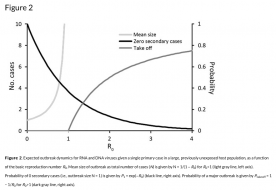
Researchers from the University of Edinburgh are looking at zoonotic viruses and their transmissibility. The Ebola outbreak in 2014 highlighted the needed to better understand what kinds of pathogens, especially zoonotic, were likely to emerge as potential epidemics. Given the vast diversity and high rates of viral evolution, this was no easy task. “Of human transmissible virus, 37 species have so far been restricted to self-limiting outbreaks. These viruses are priorities for surveillance because relatively minor changes in their epidemiologies can potentially lead to major changes in the threat they pose to public health.” Researchers used the basic reproductive number, R0, as a means of answering this question. They looked at hundreds of viral species and then categorized them into 4 levels with epidemic potential in humans. They found that the taxonomic diversity is wide, but bounded and most human infective viruses are closely related to viruses of other mammals. Transmissibility within the human population is a key determinant, as well as the R0 threshold of>1. “We currently have few clues to help us predict which mammalian or avian viruses might pose a threat to humans and, especially, which might be transmissible between humans. One argument in favor of experimental studies of these traits, including controversial gain of function experiments, is that they could help guide molecular surveillance for high-risk virus lineages in nonhuman reservoirs.The first line of defense against emerging viruses is effective surveillance. A better understanding of which kinds of viruses in which circumstances pose the greatest risk to human health would enable evidence-based targeting of surveillance efforts, which would reduce costs and increase probable effectiveness of this endeavor.”

Spikes in C-diff and MDRO’s 
Halloween may be over but the rise of the resistant bugs is still going on. A recent study looked at the changing epidemiology of MDRO’s (multi-drug resistant organisms) within a specific healthcare network. While they were able to observe a significant reduction in MRSA, there was a sharp rise in other MDRO’s and C-diff (Clostridium difficile). Examining eight years of data from a Utah-based health network, researchers looked at 22 hospitals clinics to establish trends in C-diff and other MDRO’s. Of the 900,000 patient admissions, 1.4% tested positive for an MDRO and/or C-diff. MRSA was by far the most common MDRO (51% of MDRO infections) but they did see a 32% decrease in MRSA infections over the eight years. “Researchers, however, observed a 222% increase in C difficile and a 322% increase in ESBL-positive bacteria. The data also showed that 70% of all MDROs and C difficile cases originated from an ambulatory setting.” There has also been a significant rise in ESBL’s, which points to a need to refine and revise screening protocols. Overall, this points to the complexity and ever-changing habits of infection prevention and control.

Zika Updates
A recent study is showing that Zika infections have caused reduced fertility and low testosterone in male mice. The ECDC has updated their Zika epidemic rapid risk assessment, noting that “although continuing, vector-borne transmission seems to be slowing down in Central American countries and the Caribbean. The outbreak continues to evolve in Mexico and the southern part of the US, as weather conditions still favour seasonal vector activity. In addition to the Americas, cases have been reported in some Asian countries.” Researchers are working to use the Wolbachia bacteria (which naturally infect several mosquito species) against diseases like Zika and dengue. Overcoming the hurdle of infecting Aedes (a species not naturally infected with Wolbachia), they found that the bacteria was able to survive in the mosquito and then was a passed down through generations…but the best news is that those mosquitoes infected with Wolbachia weren’t able to pass dengue. When the Wolbachia-infected mosquitoes were infected with dengue, the virus couldn’t replicate and spread in the mosquito’s salivary glands (i.e. couldn’t be transmitted). This new technique shows some pretty remarkable abilities to reduce the capabilities of Aedes species to spread diseases like Zika, chikungunya, and yellow fever. The CDC has reported, as  of November 2nd, 4,128 cases in the U.S.  Interestingly 53 people in Minnesota have been found to be infected.

Stories You May Have Missed: 

  • Pandemic Simulations – The Ebola outbreak in 2014/2015 taught us a great many lessons regarding international preparedness and response to infectious disease outbreaks. As a result of this, the World Bank Group and the Bill and Melinda Gates Foundation is starting a new project to conduct the first set of pandemic simulation exercises. “President Jim Yong Kim, Bill Gates and Chancellor Angela Merkel of Germany will jointly host simulation exercises on pandemic preparedness for the Heads of State and private sector leaders during the next World Economic Forum in Davos in January 2017 and the G-20 Heads of State meeting in July 2017.  In preparation for the two major events, the World Bank will collaborate with the technical team from WHO, WEF and the German government to conduct similar exercises for G20 technical staff and and G20 Ministers of Health. Simulation exercises help make a theoretical possibility real, by allowing policymakers to role-play and map out gaps and concrete solutions to those gaps along with their peers.”
  • New Genetic Mutations in Antibiotic BW Agent– Researchers at Lawerence Livermore National Laboratory (LLNL) recently found a new genetic mutation in antibiotic-resistant tularemia (Francisella tularensis). Tularemia is a Category A Select Agent, which means it is a prime concern for bioterrorism and public safety. “This perspective allows you to see mutations that are new that we didn’t know about. If you don’t do this type of study, you’re going to miss other mechanisms that cause resistance in the bacteria. So by doing a genome-wide study, it gives you a much more complete picture about what’s going on,” said LLNL biologist and lead author Crystal Jaing. “The study found resistance-conferring mutations in a hypothetical protein, an asparagine synthase, and a sugar transamine/perosamine synthetase in addition to observing known variants.”

Pandora Report 10.21.2016

TGIF! It looks like biodefense and genetic engineering are the new hot topics in Hollywood. Inferno will be opening in theaters next week, but it was also reported that Jennifer Lopez will be starring in a new bioterror TV drama, “C.R.I.S.P.R.“, that takes on topics like genetic assassination. That’s right, JLo will be a CDC scientist exploring “the next generation of terror”. You can get an epidemiological update on the cholera situation in the Americas here. A new Ebola vaccine will be tested by researchers in Canada next month.

Biological Threats in the 21st Century Book Launchimg_0359
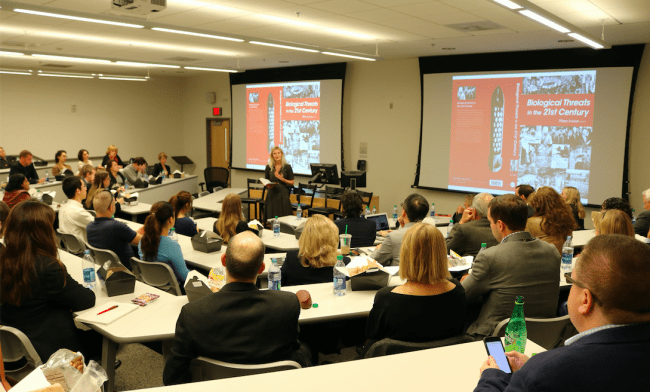
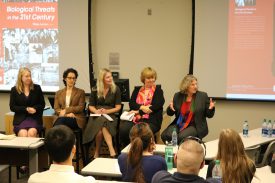
Last Friday we celebrated the book launch of Biological Threats in the 21st Century. For those who attended, thank you and we hope you enjoyed it as much as we did! For those unable to attend, don’t fret – we’ll have the recording up ASAP, but in the meant time, here’s a brief recap… We were fortunate to have Dr. Koblentz MC’ing the event, with Andrew C. Weber discussing the threats we face in the 21st century and that the topic is really the orphan of the bunch as nuclear weapons tend to get all the bandwidth. Weber noted that we learned the wrong lesson from Amerithrax and need to remember that one person did it all by himself and despite a very primitive delivery mechanism, it took us eight years to find him. He emphasized the lessons learned from 9/11 and the use of imagination in regards to potential attacks, specifically that we should all challenge ourselves to think about these things and be imaginative. Filippa Lentzos, the editor of the book, took us through her journey to bring together the politics, people, and science of biological warfare. Her goal was to create a one-stop shop for issues regarding bioweapons and socio-politics. Incorporating narratives from people that are both advocates and negotiators of biological disarmament, she highlighted the importance of scientists in building the agenda and biological risk management. Perhaps one of the highlights of the event was the expert panel comprised of Jo Husbands, GMU’s Sonia Ben Ougrham-Gormley, GiGi Gronvall, and Nancy Connell. The panel took questions from the audience and each expert discussed a range of topics – the role of scientists in DURC, GoF experiments and governance efforts, talking to US and Soviet bioweapons specialists from the days of offensive programs, and the efforts to engage scientists and make them part of the solution. Overall, the event was a wonderful mixture of experts, students, and industry people who are all passionate about the world of biodefense.

How Do You Know Your Flu Shot is Working?
GMU Biodefense MS student Greg Mercer is tackling the topic of flu shot performance. Despite the challenges of antigenic drift and forecasting, there has to be a way to check how well the vaccine is performing..right? “The Centers for Disease Control and Prevention (CDC) offers a guide to how they assess flu vaccine effectiveness and efficacy in the United States. These are two slightly different measurements. Efficacy is measured with randomized controlled trials. This is a classic, high rigorous scientific setup designed to eliminate research biases. Effectiveness is measured with observational studies. These are more reflective of real world conditions, since they rely on self-identifying subjects seeking care.”

On Patrol with a Bioterror Cop
For biodefense students, Edward You is pretty much our crime-fighting role model. Supervisory special agent in the WMD directorate in the FBI’s DC headquarters, You monitors the growth of lab tech to help prevent bioterrorism. Trying to find the gaps within the detection chain is no easy feat, but You helps to improve FBI and interagency efforts to identify, assess, and respond to biological threats. What makes his approach so unique is that prior to the FBI, he worked for six years in graduate research focusing on retrovirology and human gene therapy at USC. Simply put, You knows the science, tech, and culture that make biocrimes and emerging biotechnologies worrisome. You’s background and perspective has helped shift FBI credibility within the science community after incidents like the detainment of Buffalo bio-artist, Steve Kurtz. The FBI is now helping to sponsor events like the International Genetically Engineered Machine Competition, and is helping build a network where scientists share concerns. “You is often the first to hear about scientists’ darkest worries. Lately some of these have been connected to the gene-editing method CRISPR, which can be used to create self-spreading gene alterations in insects or DNA-slashing viruses.” You notes that “a threat implies intent, and we haven’t seen that yet,” he says. “But as things become more widely available, more widely distributed, the bar gets lower, and the possibility of an incident gets higher.”

Infection Prevention & Control Week  screen-shot-2016-10-18-at-10-32-54-am
Hand hygiene, PPE, and vaccines, oh my! Infection prevention doesn’t take breaks, so this week we’re celebrating the importance of reducing the spread of infections, specifically in healthcare. The Ebola outbreak lifted back the curtain as to just how impacting minor breaches in infection control can be, but as the threat of antibiotic resistance grows, we need to invest more into this field. Here are a few things you can do to help fight the battle of the bug in healthcare – need to wear PPE? Make sure you’re donning and doffing correctly. Wash your hands! Know about infection preventionists, follow rules of isolation if visiting a sick friend (or you’re sick!), get your annual flu shot and stay up to date on vaccines, make sure to follow directions and finish antibiotics appropriately if you’re taking them, and keep your work environment clean.

Public Health: Biosecurity and the GHSA Distance Learning Opportunity 
Don’t miss out on this great opportunity for a 2-hour webinar session on Wednesday, December 7th, 2016 at 11am CST. The U.S. has taken the lead on a global campaign to fortify both public health and international security. The Public Health: Biosecurity and the Global Health Security Agenda webinar will review the nexus between public health and biosecurity, through the context of the developing Global Health Security Agenda (GHSA). We will learn how modern threat management concepts can be efficiently employed by the GHSA to augment both public health response and preparedness in the event of a natural outbreak, or from the perspective of an intentional attack. The webinar will be presented by Ryan N. Burnette, PhD, Director, International Biosecurity & Biosafety Programs, At Risk International. Upon completion of this webinar, participants will be able to:

  • Define the methods and goals of the GHSA
  • Paraphrase how threat management techniques can be applied at a macro level to augment global security in the context of epidemics and bioterrorism
  • Describe how biosecurity plays a vital role in public and global health

Gene Drives – the Good, the Bad, and the Hype
GMU Biodefense professor, Sonia Ben Ouagrham-Gormley, and Kathleen Vogel are discussing the advances in life sciences and what these new gene-editing techniques could mean for biodefense. “The absence of clear safety guidelines, coupled with ambiguous government regulations, has nurtured fears of an accidental or voluntary release of a gene drive in nature that could cause irreparable damage. On the security front, the presumed simplicity and accessibility of Crispr raise the possibility that states, terrorists, or rogue scientists might use the technology to modify genomes to develop malicious gene drives and create novel bioweapons that could spread more quickly, cheaply, and globally than traditional bioweapons agents.” Caution is always a good strategy, but Ouagrham-Gormley and Vogel emphasize the importance of approaching these new technologies with a realistic approach grounded in empirical findings, rather than the hype of a shiny new toy. Understanding gene drive and the capabilities of CRISPR are necessary to not only proceed with advancements, but also fully assess the risks versus rewards. Gene drive does have some potential benefits, especially in terms of vectors and pest-control, in trying to impact the population of disease-transmitting mosquitoes and invasive mouse species that wreak agricultural havoc. There is also potential for gene drives to aid in endangered species and environmental conservation work as “gene-drive rodent control on islands can mitigate the environmental impact of invasive species, which disrupt island ecosystems by bringing in invasive plants, or eating plants and insects essential for other species’ survival.” Like anything, there is a potential for mis-use or neglect. In the wake of any new exciting innovation, the spread of CRISPR and gene drive technology has amplified concerns over lab safety and establishing a fundamentally better understanding of the technology before such rapid innovative leaps. Concerns over adverse effects on target species and damage to non-target species is crucial and regulators are racing to keep up with this constantly evolving technology. “These two cases show that Crispr-induced alterations have outpaced and continue to defy current regulations, leaving governments around the world to play catch-up. In this context, fears that an altered organism might escape the laboratory to potentially eradicate a whole species, or unexpectedly jump into another population and cause unpredictable economic and environmental damage, do not seem far-fetched.” Lastly, from the viewpoint of a bioweapons threat, the authors note that the perceived low cost, easy availability, and self-propagating nature of gene drives make it appealing to would-be bioterrorists. There are significant technical challenges that do form substantial roadblocks, not to mention that gene drives only work with organisms that produce sexually (in other words, they’re unable to alter a virus or bacteria). “However, to accurately evaluate their potential misuse, one needs to rigorously assess the state of the technology and consider its limitations. Current fears (and hopes) related to gene drives are based on projections of what gene drives could in theory do if they spread in nature. At the moment, these are still anecdotal, speculative claims and are not based on in-depth empirical research and analysis. One needs to keep in mind that the techniques under debate are still in their infancy, and in spite of their apparent progress, they may not prove to be as dangerous or promising as expected.” In the end, it is important to identify the risks when it comes to a lack of Cas enzyme control, capabilities of potentially a state-level gene-editing technology based bioweapons program, and slow regulatory catch-up. Threat estimates are speculative and the authors point to problematic historical security assessments of emerging biotech. Overall, it’s important to have a better understating of the complex and unique factors that push state and non-state actors to develop biological weapons and in the wake of this uncertainty, the authors “are engaged in a project that aims to understand the social and technical factors for how Crispr scientists around the world actually work in the lab.”

A Threat to the U.S. Food System
Food safety is often a forgotten component of biodefense when Anthrax and Ebola tend to steal the spotlight. Sadly, this is America’s soft underbelly as a threat to U.S. food production and security could have devastating economic ramifications. While the Blue Ribbon Study Panel on Biodefense report in 2015 did mention the vulnerability of the agriculture system, it’s easy to forget just how damaging such an event could be. “The agriculture sector in the U.S. is a $1 trillion business and employs approximately 9.2 percent of American workers. In 2012, domestic animal agriculture – livestock and poultry production – generated approximately 1.8 million jobs, $346 billion in total economic output and $60 billion in household income.” Consider even a disease that impacts crops – wheat and rice account for 39% of the world’s total calorie consumption. It’s important to consider the devastation that crop or livestock attacks could have on not only the U.S. system, but also on an international level.

Zika Virus Weekly Updates
Venezuela is struggling to respond to and support cases of Zika-related microcephaly as the government refuses to acknowledge a single case. “Some doctors accuse Venezuela’s unpopular government of hiding the Zika problem amid a deep recession that has everything from flour and rice to antibiotics and chemotherapy medicines running short and spurred fierce criticism of Maduro. They also say government inaction means kids are missing out on targeted state-sponsored therapy programs that would help to stimulate them”. HHS recently announced how the Zika funds will be allocated among players.  “According to Caitlyn Miller, director of the division of discretionary programs for HHS, $394 million will go to the Centers for Disease Control and Prevention (CDC), $152 million to the National Institutes of Health (NIH), and $387 million toward the public health and social services emergency fund. Within that $387 million, $75 million will be used to reimburse healthcare providers who treat uninsured Zika patients, $40 million will be used to expand Zika resources in US territories, and $20 million will go to regional and national projects, such as creating microcephaly registries.” Public health officials have created a color-coded map of Zika zones in Florida. As of October 19th, the CDC has reported 5,016 cases of Zika in the U.S.

Stories You May Have Missed

  • EU Reports Animal Antibiotic Use Is Up– Despite a drop in overall sales, a recent report from the European Medicines Agency (EMA) has revealed the worrisome reality that there has been an increase in the use of medically important antibiotics. While there was a 2.4% drop from 2011-2014 in sales of veterinary antibiotics, there was a sharp increase in “critically important” antibiotic usage. The usage of “fluoroquinolones, macrolides, and polymyxins sold for use in food-producing animals rose significantly—14%, 13%, and 19%, respectively.” The report does note that responsible-use campaigns in some countries could be effective in countering antibiotic resistance, however the increase in usage is raising many red flags.
  • Global Civil Society Coalition for the Biological Weapons Convention – last week Kathryn Millet, on behalf of the Global Civil Society Coalition for Biological Weapons, delivered a statement to the UN General Assembly First Committee. The statement points to the importance of the BWC but also the challenges and necessity of avoiding complacency. The coalition statement emphasizes the importance of recognizing the evolving threat posed by malign use of the life sciences since the last Review Conference and the need for more systematic advice for BWC State Parties on S&T. Further recommendations include the need for States to ensure that the interval between Review Conferences is used more effectively, reexamination and improvement on dealing with compliance with the BWC, and the application of more resources to support work that is necessary to fulfill the BWC’s objectives.

Pandora Report 10.14.2016

The Biological Threats in the 21st Century book launch is hours away and we’ll be live tweeting the event, so make sure to follow us on Twitter @PandoraReport. The event will also be recorded and we’ll let you know when you can watch in case you aren’t able to attend. Check out how virus hunters are using epigenetics and big data to map epidemics and trace the origins of viral outbreaks.  You can also read the WHO’s Pandemic Influenza Preparedness Framework for the sharing of influenza viruses and access to vaccines here. The global CRISPR-Cas9 Market Outlook 2022 is now available here.

Biotechnology: An Era of Hopes and Fears
GMU Biodefense PhD alum, Douglas R. Lewis, writes for Strategic Studies Quarterly on the increasing pace of biotechnology capabilities. Lewis notes that while this isn’t a good or bad thing, it’s crucial to acknowledge that as capability and knowledge grows, so does the potential for bioweapons development. “Every new treatment represents a potential new weapon”. Advances like the manipulation of viral genetics allow researchers to create chimeric viruses that often bring out fears like those following the publication of The Cobra Event. While there was substantial effort during the height of the bioweapons development renaissance, it is unknown if programs, like the Soviets, succeeded. It’s important to remember that “while viral chimeras are a routine tool in laboratory practice, they are becoming common in therapeutic roles, for instance in vaccine production. A live, nonattenuated vaccine constructed from Eastern equine encephalitis (EEE) virus and Sindbis virus has demonstrated the ability to protect primates from EEE.” Despite these advances, we often create at a faster rate than we learn or question. Understanding the genetic components of diseases allows researchers to mimic miRNA’s behavior and to make rapid advances in CRISPR-Cas9, but many are pointing to the slow rate of cautionary learning. Every advancement allows us to understand the world of genetics and medicine that much better, and the deeper we go, the more we’re able to develop extremely specific treatments. “Effective weaponization and large-scale employment of these new capabilities as a weapon would require a dedicated effort by a state sponsor. It is one thing for a medical provider to inject an experimental therapy into a patient but a much more difficult matter to deliver that substance simultaneously to thousands of people in a diverse environment.” Lewis emphasizes that the goal of his work is to inform the biodefense community of the evolving nature of biotechnology, emphasizing the need for continued support within the U.S. biodefense program. Keeping up with the biotechnology revolution is no easy task, however biodefense efforts must be as nimble as the science they seek to monitor.

Mighty Taco Outbreak logo-mighty-taco
Not the tacos! Sadly, at least 160 people have been sickened after eating at Mighty Taco locations in New York. The culprit? Refried beans. Public health officials are working with the state’s health and agriculture departments to identify the organism causing the illnesses. We’ll keep you updated as more information becomes available, but if you live in the New York area and frequent this taco establishment, rest assured they have thrown away the specific lot numbers of refrained beans.

GMU Biodefense MS Program Open HouseBiodefense_133x400
Don’t miss the next biodefense MS open house on October 19th! We invite you to attend an open house to learn more about the Schar School of Policy and Government. The session will provide an overview of our master’s degree programs, an introduction to our world-class faculty and research, and highlights of the many ways we position our students for success in the classroom and beyond. Our admissions and student services staff will be on hand to answer your questions. Check out the next MS info program on Wednesday, October 19: 6:30pm-8:30pm- Arlington Campus, Founders Hall, Room 126


Mayaro – Why Scientists Are Keeping An Eye on A Little-Known Virus 
Since the Ebola and Zika outbreaks, the concept of emerging infectious diseases is becoming much more well known and discussed. Mayaro disease may just be the next hot topic. Similar to chikungunya and spread by a tree-dwelling species of mosquito that is typically found in South America, this virus just popped up in a young boy in rural Haiti. While this may be an isolated case, it’s important to learn the lessons of past emerging infectious disease outbreaks and just how quickly things can spiral out of control. Moreover, since Mayaro is so similar to chikungunya and dengue, it may be under diagnosed. “The newly detected case of Mayaro in Haiti needs to be seen as a pattern of waves of viruses moving across continents, merging, changing and evolving,’ Morris says. ‘It reinforces the idea that there is a constant battle between humans and the microorganisms that infect humans.’ Diseases frequently emerge and re-emerge, says Anthony Fauci, Director of the National Institute of Allergy and Infectious Diseases at the National Institute of Health. And one case doesn’t necessarily indicate an imminent epidemic. But Mayaro is worth keeping an eye on.” Researchers are now keeping an eye on at several mosquito and tick-borne viruses  – Mayaro, Rift Valley Fever, Crimean-Congo Hemorrhagic Fever, and Usutu.

International Infection Prevention Week
screen-shot-2016-09-17-at-6-13-12-pmHelp stop the chain of infection by celebrating Infection Prevention week from October 16-22! Believe it or not, you don’t have to be a healthcare worker to stop the spread of germs. On antibiotics? Take them as recommended and finish your dose! Visiting the hospital or being admitted? Ensure you and your visitors wash their hands and avoid visiting ill patients if you’re sick. There’s a lot we can do to prevent the spread of infection and fight the battle of the bug, so make sure to check out how you can get involved!
Weekly Zika Updates
Houston-based Legacy Community Health Services is frustrated over lab delays in Zika testing. The Legacy CMO has stated that pregnant women have had to wait as long as a month to know if their pregnancies are at risk as the turnaround time from the state public health department is so long. Public health departments in Zika-hit places are struggling to meet the testing demands, which is causing more of a delay in surveillance and diagnosis. The Florida Department of Health has released their Zika updates. Despite aiding the fight against the virus, the FDA won’t be getting any of the designated Zika funds. A new study is shedding light on the evolution and spread of Zika – “Their analysis revealed two distinct genotypes of the virus, African and Asiatic, and two separate clades (biological groupings that include a common ancestor and all the descendants of that ancestor). Clade I represented African gene sequences and Clade II, sequences of Asiatic and Brazilian origin. The Brazilian sequences were found to be closely related to a sequence from French Polynesia. This lends support to the hypothesis that the virus might have been introduced to Brazil during the Va’a World Sprint Canoeing Championship in Rio de Janeiro in 2014, which included a team from French Polynesia, rather than the World Cup in which no teams from Pacific countries participated.” Many are speaking about the experience of having a child with Zika-related microcephaly and the complications associated with the infection.  The CDC has reported 3,9836 cases of Zika in the U.S. as of October 12th.

Stories You May Have Missed:

  • Human H5N1 Cases in Egypt– Egypt has reported 356 cases of avian influenza A (H5N1) since early 2006, including 121 deaths, however they’ve already seen 10 cases in 2016. Unfortunately, four of these patients have died. The cases are concerning many international public health officials as the MOH has been largely silent, which may point to limited surveillance and testing, but also minimal reporting of cases on an international level.
  • The Case of the Traveling Surgical Scrub– We’ve all seen medical professionals in scrubs ordering a coffee or smoking a cigarette outside the facility. Sadly, this common practice is pretty gross from an infection control standpoint. While scrubs aren’t considered PPE, it’s still good to avoid taking them outside of the operating room. Fomites love to travel on clothing, which has led many physicians to avoid wearing ties and re-think the white coat habit. New guileless from the American College of Surgeons are pushing for scrubs to be changed once a day for this very reason – let’s  keep the OR as sterile as possible!
  • Modeling the Economic Burden of Adult Vaccine-Preventable Diseases in the U.S. – It’s easy to forget the importance of vaccination and boosters in adults however, a recent study revealed just how costly vaccine-preventable diseases in adult are. The researchers “estimated the total remaining economic burden at approximately $9 billion (plausibility range: $4.7–$15.2 billion) in a single year, 2015, from vaccine-preventable diseases related to ten vaccines recommended for adults ages nineteen and older. Unvaccinated individuals are responsible for almost 80 percent, or $7.1 billion, of the financial burden.”

Pandora Report 8.26.2016

A new report by the Organization for the Prohibition of Chemical Weapons (OPCW) is pointing to a harsh reality that despite incomplete and inaccurate Syrian disclosures, there are traces of nerve agents in their laboratories. While they promised to destroy their entire arsenal, there is a growing concern that Damascus has not followed through on commitments to destroy all of its armaments.   Feel like a biodefense arts and crafts project?  You can learn to make a plague doctor’s mask here. Chem-Bio warfare suits may be getting a fashionable upgrade as companies like Lululemon and Under Armor are competing to revolutionize the protective equipment. 

UN Security Council – Calls for Eradicating WMD’s  689139
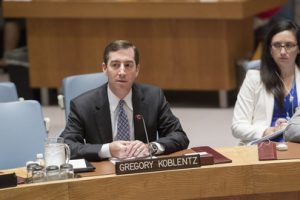
On Tuesday, GMU Biodefense Graduate Program Director and Professor, Dr. Gregory Koblentz, briefed the UN Security Council on how terrorists could exploit advances in science and technology to acquire weapons of mass destruction. He delivered the briefing as part of a Security Council open debate on WMD nonproliferation that is part of the comprehensive review currently being conducted of Resolution 1540. You can read the summary of the meeting here, but the focus was on the evolving threat of WMD’s falling into the hands of non-state terrorists and actors. Emphasizing the threat of biological weapons, Secretary-General Ban Ki-Moon “questioned the international community’s ability to prevent or respond to a biological attack.  He also suggested giving a closer look at the nexus between emerging technologies — such as information and communication technologies, artificial intelligence, 3-D printing and synthetic biology — and weapons of mass destruction.” Dr. Koblentz (27 minutes into the broadcast of the meeting here) pointed to the Fourth Industrial Revolution as a source for huge gains in both productivity and prosperity, but also a darker potential for mis-use by non-state actors. Within his talk, Dr. Koblentz noted the five advances in science and technology that “increase the risk of CBRN weapons proliferation to non-state actors”. The advances include unmanned aerial vehicles (UAVs), 3D printing, accessibility of illicit items on the Dark Web, malicious software and cyber attacks, and genetic engineering tools like CRISPR-Cas9. While these advances reveal the diverse technology, there are also seven deadly traits within these emerging technologies – dual-use, disruptive, diffusion, reliance on a digital component, decentralization, deskilling, and the DIY (do-it-yourself) movement. Simply put, these seven characteristics make emerging technologies that much more challenging to prevent mis-use. “The international community faces a continuous challenge of encouraging innovation and maximizing the benefits of such innovation with the need to mitigate the security risks posed by these new technologies. I hope the Security Council will take advantage of the Comprehensive Review of Resolution 1540, which this open debate is an important contribution to, to update the resolution to take into account the impact of scientific discoveries and technological breakthroughs on the proliferation of weapons of mass destruction to non-state actors.” There was substantial discussion regarding the strengthening of Resolution 1540, especially to consider the implications of a biological attack in light of recent outbreaks like Ebola, MERS, and SARS.  During her remarks, Ambassador Michele J. Sison, U.S. Deputy Representative to the United Nations, described Dr. Koblentz’s briefing as, “a very interesting, but also very sobering intervention.” Hopefully, with the focus on these evolving threats, the current review of Resolution 1540 can be further strengthened and focused to reduce the risk of terrorists acquiring WMD’s.

A Tribute to D.A. Henderson
There are few times in the history of public health that we can say we’ve eradicated a disease. D.A. Henderson, smallpox guru and disease detective, led such efforts within the WHO and his absence has been felt throughout the health community. A legend among public health and biodefense students, his dedication to the field inspired generations. As an epidemiologist, his work in both infectious diseases and bioterrorism gave me hope that such a career was not only possible, but also filled with the kind of adventure that many only dreamed about. Having just read Scourge (and I would highly encourage you to read it), the dedication to the smallpox eradication efforts is still an inspiration. After conquering what many considered impossible, Henderson worked as Dean of the Johns Hopkins School of Public Health, founding director of the Johns Hopkins Center for Civilian Biodefense Strategies (now UPMC Center for Health Security), and following 9/11, led the Office of Public Health Preparedness. Described as a “Sherman tank of a human being- he simply rolled over bureaucrats who got in his way”, Henderson’s death is truly felt throughout the international community. In the wake of his death, we take a moment to truly applaud and appreciate all he’s given and inspired within global health security.

How Far Will the U.S. Luck Run?
With the anticipation and preparations for Zika having started months before it reached U.S. soil, many are wondering if our luck with infectious disease is running out. We were lucky with Ebola- a handful of cases and once we hit the panic button, we were able to overcome the crisis. Despite insufficient funds and battling diseases we had little to no experience in handling, U.S. efforts have been fortunate in their successes. Zika may be a different kind of ball game though – mosquito control efforts are flawed at best and with a disease that is often asymptomatic, we may have finally hit a wall. Did we really learn from Ebola? Have we strengthened our surveillance and response practices? Dr. Johnathan Fielding notes that “HHS must play a greater role in coordinating the global public health response through implementation of the Global Health Security Agenda, a cooperative arrangement launched in 2014 by over 50 nations, nongovernmental organizations and other stakeholders; better coordination with other government agencies, and state, local and private sector partners; and clear delineation of roles and responsibilities within and among HHS offices.” We need both the monetary and personnel support to properly address the failures from Ebola, but also implement the recommendations that so many have made following the crisis. The contingency funding that has been pushed recently is an indication of our potentially faltering luck – have we reached such an impasse in which our politics will override our disease response capacity or capabilities?

A Lot of Zika Goes a Long Ways 
Palm Beach is seeing its second case of Zika virus, with active transmission continuing in Florida. Florida Governor, Rick Scott, has expressed frustration that the promised federal support of antibody tests and lab support has not been delivered. “In a teleconference on Wednesday, Scott made a plea for more support in fighting Zika, complaining that ‘Congress and the White House have not been good partners.’ Scott said he asked the U.S. Centers for Disease Control and Prevention for 5,000 Zika antibody tests last week, but so far had only received less than 1,200.” Johns Hopkins is opening the first multidisciplinary Zika center, the Johns Hopkins Wilmer Zika Center, which is dedicated to caring for affected patients. As of August 24, the CDC has reported 2,517 cases of Zika virus in the U.S. The CDC has also awarded $6.8 million to partners to help support Zika response. “This funding will help enhance surge capacity for Zika case identification and mosquito surveillance. It will also help improve communications to key populations, by developing focused educational materials, sharing mosquito control guidance, and refining community public awareness campaigns.”

Human Mobility and Epidemics
Tracking infectious disease cases is never an easy task – whether it be an asymptomatic patient, mosquito-spread disease, or global travel, epidemiology and case tracking is not for the faint of heart. An increasingly mobile population is only adding to this difficulty. The first few days of an infection with Dengue or Zika are often so mild that many don’t even seek medical care. How many times have you had a fever and it didn’t stop you from traveling or going about your day? Disease ecologists are now looking at the impact of a fever on human mobility and the shock this may have during an outbreak of a vector-borne disease. “We’ve found that people with a fever visit 30 percent fewer locations on average than those who do not have a fever, and that they spend more time closer to home. It may sound like stating the obvious, but such data have practical applications to understand how human behavior shapes epidemics,” says Gonzalo Vazquez-Prokopec, an assistant professor in Emory University’s Department of Environmental Sciences, and senior author of the study. “No one had previously quantified how a symptom such as fever changes mobility patterns, individually and across a population, in a tropical urban setting like Iquitos.” Not surprisingly, human mobility is a huge driver for spreading these diseases in urban settings. With the ongoing spread of Zika, researchers are continuing to learn about the impact of human behavior and mobility on the spread of these mosquito-spread diseases.

Stories You May Have Missed: 

  • Global Reaches of Antibiotic Resistance – Check out my latest comments on the global implications of antibiotic resistance for first responders and security personnel. It’s a topic we’ve so frequently cited as an international health emergency, and yet it gets so little attention. In this article, I point to the obvious implications, but also the worries that dual-use technologies of concern and genetic modification could allow for increased resistance for a more sinister reason.
  • South Sudan Crisis Calls for Additional WHO Surveillance  – the continued chaos and violence in South Sudan has translated into the WHO ramping up disease surveillance efforts. More than 1.6 million internally displaced persons (IDP) have been caught in the conflict, leaving the region more susceptible to malaria and diarrheal illnesses. “The conflict has exacerbated existing challenges with the health system and disease surveillance,” Dr Usman says. “With so many health workers and partners moving to safety, data is more difficult to collect and challenges have emerged as humanitarian access remains limited.” The WHO is coordinating with the Ministry of Health to strengthen surveillance efforts to help detect and respond to outbreaks.
  • FBI WMD Directorate Marks 10 Years – A program we’d rather have and not need than need and not have, the WMD Directorate within the FBI has been imagining worst-case scenarios for over a decade to better prepare and protect the U.S. “The Directorate has three sections: countermeasures, investigations and operations, and intelligence. In its first five years, the Directorate established itself as a central hub for WMD subject-matter expertise.” Assistant Director, John Perren, notes that while they’re intelligence driven, the things that keep him up at night aren’t what he knows, but what he doesn’t know.

Pandora Report: 8.12.2016

In the event you find a skunk with an ice cream cup stuck on its head, you can use Ebola PPE like this Southern Ontario paramedic. The yellow fever outbreak is surging and yet again, the WHO is being called out for poor leadership and outbreak response. “An internal draft document sent from WHO’s Africa office to its Geneva headquarters in June cited a lack of senior leadership at WHO. It said the emergency outbreak response manager and team in Angola ‘are unable to lead or positively influence the operational direction and scale of containment efforts.” Science and technology issues truly impact voters, so are 20 questions many science organizations feel Presidential candidates should have to answer.

Medical Countermeasures Dispensing Summit: National Capitol Region
On-site attendance is full, but you can still enjoy the August 16-17 summit virtually. Organized by the U.S. Department of Health and Human Services Assistant Secretary for Preparedness and Response, the regional summit allows people “direct access to local best practices and MCM subject matter experts, as well as to create collaborative environments to address nationally identified target areas and hear directly from stakeholders at all levels of response planning.” The Washington, DC summit will have a dual-track agenda and allow each attendant to base their participation on topics they find most relevant.

Are Exotic Pets a New Biothreat?
Dr. Laura Kahn is making us second guess exotic pets and invasive species in the biodefense paradigm. While not the normal “go-to” when thinking of bioweapons, she notes that a handful of security experts are raising concerns over their ability to impact ecosystems and the agriculture sector. Pointing to a recent paper in Biosafety, Kahn draws attention to the potential biological attack using non-native species to infiltrate, impact natural resources, injure soldiers, transmit disease, etc. While this threat may seem unlikely, the truth is much more startling – we’re already under attack by non-native wild animals via the exotic animal market. “Invasive species—which can take the form of anything from microscopic organisms to plants, fish, and mammals—are those inhabiting a region where they are not native, and where they are causing harm. They displace native species by either eating them or eating their food. In part because they often have no natural predators in their new location, they can disrupt ecosystems, delicate webs of plants and animals that evolved to exist in balanced harmony. This can wreak havoc on environmental, animal, and human health.” A prime example would be Australia in the 18th century, which endured a rabbit invasion by way of European settlers. As a result of these furry invaders, Australia is reported to lose more than $87 USD per year. Delicate ecosystems and dangerous animals have a role in this compounding threat and it’s not just related to the illegal trade of animals. Dr. Khan notes that the legal importation of animals is a substantial source for risk – between 2005 and 2008, the U.S. imported more than one billion live animals. The regulatory agencies involved in oversight of these processes are spread across the Department of Agriculture’s Animal and Plant Health Inspection Service, the Department of the Interior’s Fish and Wildlife Service, the Department of Health and Human Services’ Centers for Disease Control and Prevention (CDC), and the Department of Homeland Security’s Customs and Border Protection. Aside from the obvious challenges of legal importation, wildlife trafficking still occurs and when coupled with the exotic pet market, the volume of threats is far greater than we might consider. “It appears that exotic pets fall through the regulatory cracks much to the peril of our nation’s ecosystems and agriculture. In fact, they should be considered potential biological threats, and the regulation loopholes allowing their unfettered importation should be closed.”

Colistin-Resistance, Where Is It Now?
The Olympics may have taken over Brazil, but colistin-resistant bacteria are the latest arrival in the South American country. Making its debut, the MCR-1 gene that allows bacteria like E. coli to become resistant to the antibiotic of last resort (colistin), was found in the infected foot wound of a diabetic patient. “In earlier research, these investigators showed that E. coli harboring the mcr-1 gene had been present in food-producing livestock in Brazil since at least 2012. ‘In spite of this, we had previously recovered no isolates from humans that were positive for mcr-1,’ said coauthor Nilton Lincopan, PhD, Assistant Professor in the Department of Microbiology, Institute of Biomedical Sciences, Universidade de São Paulo, Brazil.” This news comes at an especially relevant time as the concerns over water quality and aquatic events are being voiced daily. The growing reports of MCR-1 genes are pushing for more global surveillance on antibiotic resistance. In the U.S., Minnesota is making strides to combat the rise of antibiotic resistance. Utilizing a One Health approach to antibiotic stewardship, their 5-year plan will incorporate “Minnesota’s departments of health and agriculture, along with the Board of Animal Health and the Minnesota Pollution Control Agency (MPCA), to work together to promote the judicious use of antibiotics in humans and animals and get a better sense of how antibiotic use is affecting environmental health.”

Aerosol Stability of Ebola Strains
Do you ever find yourself pondering the aerosol transmission capability of certain Ebola strains? Researchers are doing just that in the latest Journal of Infectious Diseases. During the 2014/2015 outbreak, there was a lot of concern over the potential for aerosol transmission, especially in the healthcare environment (invasive procedures, suctioning, etc.). Despite there being little epidemiological evidence to support this transmission route, there were substantial reports and media speculation to push researchers to go back to the drawing board regarding Ebola transmission. Looking at two Ebola strains (1976 and 2014 strains), researchers found that there was “no difference in virus stability between the 2 strains and that viable virus can be recovered from an aerosol 180 minutes after it is generated.”

The Latest on Zika
Screen Shot 2016-08-11 at 4.24.44 PM
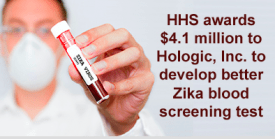
The U.S. Department of Health and Human Services has awarded $4.1 million to Hologic, Inc. for the advancement of a Zika blood screening test. To aid in the fight against the growing outbreak, federal employees are deploying to help stop the outbreak. With Congress and the White House at an impasse, hundreds of employees from DHHS, the Defense Department, and the State Department are all deploying to help combat the outbreak. Florida has reported more infections, bringing their total local transmission cases to 25, while a Texas newborn has died from Zika complications. Texas has reported 99 cases, including two infants. You can read about the investigations into the local transmission cases hereUSAID has announced their investment of over $15 million to accelerate development and deployment of 21 innovations to combat Zika. “The award nominees range from deployment of mosquitoes infected with Wolbachia, a naturally-occurring bacteria that prevents the spread of disease to humans; to low-cost, insecticide-treated sandals; to a cell phone app that measures wing-beat frequency to not only distinguish different types of mosquitoes but potentially identify whether they are carrying disease.” In a letter to Congress, DHHS Secretary Sylvia Burwell pointed to the lack of federal support, resulting in $81 million having to be transferred to Zika from other programs. As of August 10th, the CDC has reported 1,962 cases of Zika in the U.S.

Stories You May Have Missed:

  • Impaired Growth & Campylobacter Infections – a recent study reviewed the impact of Campylobacter infections in children in eight low-resource settings. Addressing the role of enteropathogen infections on enteric dysfunction and impaired growth in children, researchers performed a multi-site cohort to look at Campylobacter infections in the first two years of life. Following their analysis, they found a high prevalence of the infection within the first year and that a high burden of Campylobacter was associated with a lower length-for-age Z (LAZ) score. Campylobacter infections were also found to bear an “association with increased intestinal permeability and intestinal and systemic inflammation.”
  • High School Student Awarded For Work on Ebola Proteins in Bats-While many of us were attending sporting events or getting into trouble with friends, Rachel Neff was contacting pathology professors and working on a project that would later translate to several awards. Neff’s project focuses “on a protein called VP35 that is found in both the Ebola virus and the bat genome. The Ebola version of VP35 suppresses the immune response in infected animals, allowing the virus to multiply. Bats are thought to carry the Ebola virus — and transmit it to humans — but are not sickened by it themselves. Scientists are exploring whether VP35 in bats may interfere with Ebola VP35, protecting the bats from disease.”


Pandora Report: 7.1.2016

Happy Friday from your favorite source for all things global health security – from Anthrax to Zika, we’ve got you covered…like germs on a kitchen sink! If you’re hoping to catch the Washington D.C. fireworks over the holiday, check out this article regarding the state of D.C.’s preparedness for anything from traffic issues to lone-wolf terrorism. You can also get some insight into the Strategic National Stockpile via an interview with the director of the program, Greg Burel. Ever wonder the economic impact of a pandemic influenza outbreak? A recent study analyzed the consequences of such a health emergency.

Behind the Scenes at Porton Down
BBC will be airing a new documentary on the work that takes place within the secretive site of Porton Down. Located in Wiltshire, England, this government military science park falls under the Defense Science and Technology Laboratory (also known as Dstl). Dstl is an Executive Agency within the Ministry of Defense. Dstl’s website states that it “ensures that innovative science and technology contribute to the defense and security of the UK” however the facility has a long and controversial history. Considered to be one of the sites for research regarding biological and chemical weapons, the work within the 7,000 acres is extremely sensitive and secretive. “Inside Porton Down will also take viewers inside some of the site’s most secure biological research labs, where scientists have been tasked to find out how Ebola – potentially one of the biggest public threats facing us today – has the power to spread.”

Why We Need to Start Worrying About Yellow Fever Screen Shot 2016-06-30 at 6.26.37 AM
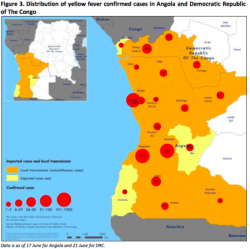
It’s been a few months since we started reporting on the yellow fever outbreak in Angola and as much as we’d like to reveal that this outbreak was quickly put out….a more sinister accelerant was added to the epidemic – a vaccine shortage. The outbreak has spilled over into surrounding countries, with 1,000 suspected cases in the DRC. There are only four major manufacturers of the yellow fever vaccine…that’s right, four. These four manufacturers don’t have the capacity to make vaccine at the rate it would take should the outbreak jump to Asia, which is the growing concern as Chinese workers visit the affected areas. The WHO maintains a stockpile of 6 million doses however, this outbreak is already burning through them and the factories that can make the vaccines are only capable of 2.4 million doses per month. Simply put, the vaccine manufacturing capacity will not be effective if this outbreak spreads much further. This particular detail is why we should be worrying about yellow fever. While it may not be as deadly as Ebola or as contagious as influenza, it’s preventable through vaccination….and yet we’re running out of vaccines. Even scarier is the presence of fake vaccination certificates. Coupled with globalization, yellow fever could easily make its way back to the U.S. and remind us of a history we’d rather not relive. “A yellow fever epidemic might seem anachronistic to people in the United States and Europe, where the disease no longer poses a threat. But some of the most devastating urban outbreaks of yellow fever have occurred in America. In the 18th century, the disease was called the ‘American plague.'”

Who Isn’t Equipped For A Pandemic or Bioterror Attack?
Annie Sparrow of the Bulletin of the Atomic Scientists asks this question and points to the sad reality that the WHO is the front runner for this unfortunate title. Pointing to the origins of the WHO in the days of the early cholera epidemics, Sparrow notes that despite WHO claiming they were a catalyst for multilateral cooperation, the reality is much less prestigious. “But in fact, the first six International Sanitary Conferences were entirely unproductive due to conflicting interests: government fears about losing profits from trans-Atlantic trade took priority over the need to reduce the international death toll. Consensus was achieved only at the seventh conference in 1892, after the opening of the Suez Canal for use by all countries made standardized quarantine regulations necessary.” The slow WHO responses to Ebola and then Zika brought attention to the discrepancies between the WHO’s role as a front-line defense for pandemics (and bioterrorism) and what was actually happening. Many have called for a reform of the WHO and the necessity to address systemic and deep-rooted problems within the organization. Sparrow hits on several key obstacles the WHO needs to overcome if it’s going to truly serve its purpose – “increase its financial resources, eliminate the undue influence of donors and member states, and redress its subservient relationship with governments who are themselves responsible for health crises.” The WHO must also address its practices when dealing with health issues in conflict zones or transitioning states. Lastly, Sparrow highlights the suggestions that transferring global health programs to the UN would not be beneficial, but rather there needs to be a push for rehabbing the WHO. In the end, the world aspect of the WHO needs to provide some muscle behind this work, especially in times of political assertion of sovereignty.

The Up-Hill Battle of Antibiotic Resistance in the World of Infection Prevention
The recent findings of a Pennsylvanian woman with colistin-resistant E. coli in her urine sent title waves throughout the health community. It was the exact moment an organism that was so resistant we have no effective antibiotics to treat it, had reached U.S. soil. In truth, the presence of multi-drug resistant organisms (MDRO’s) isn’t new…they just aren’t as flashy as bugs like Zika or Ebola. In this article, I talk about the framing of MDRO’s and the infection preventionist perspective. “Public framing and hysteria brought Ebola to the forefront. But where is this sense of urgency for organisms so resistant that we have no means of treating them? The case in Pennsylvania received fleeting public attention but it has long been the concern and fear of those working in healthcare and biology. IPs have been working for years on MDRO surveillance and isolation. ”

WHO Appoints Emergency Unit Leader 
While we’re on the subject of WHO emergency response, it was recently announced that Peter Salama was appointed as the leader for the health emergencies unit. The Australian epidemiologist is currently with UNICEF in the Middle East and North Africa, but will lead the new team that was established following criticism of the WHO’s response during the West African Ebola outbreak. The new unit was set into place to provide rapid (not rabid…but there’s some infectious disease humor for you), support to a country or community experiencing a “health emergency arising from disease, natural or man-made disasters or conflict”. The WHO website has more information here, regarding the Health Emergencies Programme.

Brexit and Public Health
Unless you’ve been vacationing in a remote part of the globe, the Brexit referendum has been taking over the news. The British vote to leave the European Union (EU) has set into motion a global wave of economic uncertainty. While many are discussing the financial, trade, and labor force implications of the Brexit, there are also far-reaching public health outcomes. Just prior to the vote, an article was published in the Journal of Public Health regarding the impact of the EU laws on public health. Aside from environmental issues ranging from water quality to emissions, the EU has also focussed on tobacco cessation. The EU has developed strong skills for information exchange to better support a healthy public. “The EU has provided continued bold and effective action on public health policy and designed an excellent funding framework for collaborative health research. The loss of the UK’s strong participation and policy voice in the EU would, as Lord Hague, the former Conservative Foreign Secretary, recently quipped ‘not be a very clever day’s work’.” While globalization makes the spread of disease easier, it would make the new British isolation extremely impacting. The isolation via Brexit could create issues regarding cross-border information sharing, which becomes especially vital during outbreaks or in cases of public health emergencies.

The Scoop on Zika
I was recently gifted (as a joke) this amazing device to fend off the Zika-carrying mosquitos…what could possibly go wrong with an electric zapping racket? University of Michigan researchers performed an analysis looking at the political response to Ebola and how that may bubble over to Zika management. Reviewing the U.S. response to Ebola they looked at the “fragmented system with no clear leadership and considerable ‘strategic politicization’ due to the outbreak’s arrival during a midterm election year.” Scott Greer of the U-M School of Public Health noted that “Republicans are going to continue not to give Obama the federal dollars he seeks to combat Zika. They don’t trust him. But when the virus starts to affect people anywhere south of Indianapolis there will be an elaborate game of blaming the administration for not doing it right.” Good news- Cuba recently announced that they have had no Zika transmission since March and Dengue is all but eliminated due to their wide-spread, military supported fumigation efforts. New studies are looking to the efficacy of Zika transmission via urine and saliva as a research team from Brazil’s Fiocruz Institute isolated live virus from such samples. U.S. Zika funding is still in limbo as Senate Democrats derailed the $1.1 billion bill on Tuesday over “objections to attached measures such as birth control restrictions.” Florida health officials reported microcephaly in a baby born to a woman from Haiti. Researchers are also finding that microcephaly may be just the tip of the iceberg, as findings suggest other developmental delays in babies born without microcephaly. There is also concern for the impact of the Zika on fetal brain tissue, causing cell death.  Despite the hold-up on Zika funding, the U.S. National Institute of Allergy and Infectious Diseases has started work on a research study regarding the mechanisms that allow Zika to be sexually transmitted.  As of June 29, 2016, the CDC has reported 935 Zika cases within the U.S.

Stories You May Have Missed:

  • Stopping Lab-Created Global Disasters One Scientist at a Time – Biotechnologist Kevin Esvelt talks about the shaky future of genetic engineering technologies like CRISPR. Esvelt notes, “We are walking forwards blind. We are opening boxes without thinking about consequences. We are going to fall off the tightrope and lose the trust of public. Lots of people are going to die.” Since he and his colleagues first suggested, two years ago, that CRISPR could create gene drive, he has been working hard to warn how dangerous the technology is.
  • One Health and the Politics of Antibiotic Resistance– Check out this webinar on July 7, 2016 from 11am-noon EDT. Dr. Laura Kahn will discuss the rise of certain MDRO’s, the different policy approaches in Europe and the U.S., and the history behind low-dose antibiotic use in agriculture.
  • Healthcare Worker Gloves and Disease Transmission– Researchers recently revealed results from a study reviewing “cross-transmission rates between contained gloves of healthcare workers and hospital surfaces.” Not surprisingly, results showed that contaminated gloves increased the likelihood of transmission among healthcare workers and in the environment.


Pandora Report 5.6.2016

May has arrived, summer is upon us, and we’ve got your weekly biodefense scoop..Thursday was Hand Hygiene Day – don’t forget that clean hands save lives! Check out these wonderful infographics on the impact of vaccines on battling infectious diseases in the 20th century. A recent study published in the Journal of the American Medical Association (JAMA) found that 30% of oral antibiotics prescribed in U.S. outpatient healthcare facilities (urgent cares, etc.) are unnecessary. Hocking a loogie may now be a diagnostic method as researchers have found that people have saliva fingerprints. The study revealed that this new analysis could lead to non-invasive methods of disease detection. Think you know your chem-bio weapons? Take a quiz to see if your knowledge is expert level or if you need a review from anthrax to Zika. 

Potential Anthrax Attack Foiled in Kenya 
Screen Shot 2016-05-04 at 7.07.53 AM Kenyan police are claiming to have foiled a “large-scale” bioterrorism attack using anthrax. Three individuals associated with a terrorist group with links to ISIS were arrested. The terrorist group was not named but was noted to have a presence in Kenya, Somalia, Libya, and Syria. Police stated that “Mohammed Abdi Ali, a medical intern at a Kenyan hospital, was in charge of a ‘terror network… planning large-scale attacks akin to the Westgate Mall attack‘ in which 67 people were killed in 2013 in Kenya’s capital, Nairobi.” Mr. Ali is said to have a network that includes medical professionals who would have the tacit knowledge to develop anthrax bioweapons. The Kenyan police chief, Joseph Boinnet, posted the official documents on his Twitter. While there has been no additional information on the terrorist group or the details of their planned bioweapons attack, we’ll continue to keep you updated as more information is released.
Let Loose Your Inner Epi With EpiCore
Ramp up your epidemiology game with the EpiCore community. EpiCore is a joint effort from Skoll Global Threats Fund, HealthMap, ProMED, and TEPHINET. EpiCore is a virtual community that brings together epidemiologists using new surveillance methods. It’s “a new system that is finding and reporting outbreaks faster than traditional disease surveillance methods alone. EpiCore enables faster global outbreak detection and reporting by linking a worldwide member network of health experts through a secure online reporting platform.”

Whole Foods Salad Bar Attack
The FBI has recently arrested a man in Ann Arbor, Michigan, who poured a liquid onto items in the prepared foods bars. Reminiscent of the Rajneeshee attack in 1984, investigators are taking the situation very seriously. Authorities found that the man was spraying mouse poison in fresh foods at three Ann Arbor grocery stores. “According to the FBI, an investigation points to the man spraying a mixture of what is believed to be mouse poison, hand cleaner, and water on open food bars in three stores in the town over the last couple of weeks.” The FBI has also noted that the suspect had visited other grocery stores in recent months and they are currently investigating if those other stores were involved in the poisoning. Would you consider him a bioterrorist or prankster?

Is Texas A New Hot Zone?
Between Ebola and Zika, Texas hasn’t been able to catch a break from emerging infectious diseases (EID’s). The Center for  Strategic & International Studies (CSIS) discusses that the EID attraction to the Lone Star State really began back in 2003 with the first urban dengue fever epidemic in decades. Texas is also “now an epicenter of Chagas disease and leishmaniasis transmission in the United States (parasitic infections transmitted by kissing bugs and sandflies, respectively), as well as murine typhus (transmitted by fleas) and West Nile virus infection.” Many are wondering, why Texas? What makes Texas such a nexus for infectious diseases? CSIS points to several factors – poverty (large population + poverty rate around 16% = ranking one or two in terms of having the largest volume of people below the poverty line), urbanization (when combined with poverty, this rapid growth means the crowded poor neighborhoods are perfect for opportunistic disease), being a global commercial and migration hub (coastal gateway ports), and climate change. These four qualities have created the perfect blend for both emerging and neglected infectious disease presence in Texas. Fortunately, Texas has a strong emergency management system and heightened public health department investment and resources. While Ebola and Zika have surely reinforced preparedness practices in Texas, are they enough? You may remember in December, we recounted the Trust for America’s Health report on state specific preparedness for preventing, detecting, diagnosing, and responding to outbreaks. States were graded on a scale of 1-10 (10 being the best score). Interestingly, Texas was ranked right in the middle with a score of 5. Despite all their recent EID events, I’m surprised Texas is not ranked higher (Delaware, Kentucky, Maine, New York, and Virginia ranked highest with a score of 8). If Texas is the new epicenter of emerging and neglected infectious diseases, let’s hope their capabilities and capacity to respond to such diseases improves in the future.

Lessons Learned from TV/Movie Outbreaks
The CW recently began their new miniseries, Containment. While any show or movie on an outbreak instantly captures my interest, this one is particularly captivating for the same reasons as Outbreak – it’s so bad, it’s good. A recent ranking of the most plausible pathogen and zombie virus outbreaks in movies points to our affinity for outbreak movies with poor scientific backing. I’m a fan of watching these movies, and now Containment on Tuesday evenings, to see not just how wrong people can get outbreak response, but what they think the general public wants to see when it comes to a dramatic epidemic depiction. Did I mention the plethora of epidemiology/infection control faux pas? We’ve all watched a movie or show with a disease outbreak and picked out some ridiculous (and usually hilarious) blunders. The Pandora Report is now starting a list of ways the show demonstrates how NOT to stop/prevent an outbreak. We’re hoping to publish the list after the season ends and would love to include anything YOU find while watching it. Whether it’s the ridiculous infection prevention habits, over-the-top quarantine practices, or SWAT house calls, we want to know what you find while watching the show. Please email (spopesc2@gmu.edu) or tweet with #GMUBiodefense and we’ll incorporate them into our overall list.

Zika Updates
The WHO has released a one-year overview of the outbreak, pointing to the reasons why “an obscure disease became a global health emergency.” They emphasized the potential staying power of the virus and the challenges of diagnostic testing in the field. Many experts are predicting that once there is local transmission in the U.S., Zika virus will become endemic and a “constant low-level threat” requiring annual vaccination. The FDA has issued Emergency Use Authorization to approve the first commercial U.S. Zika virus test. “The Zika Virus RNA Qualitative Real-Time RT-PCR test from Focus Diagnostics, a Quest Diagnostics wholly-owned subsidiary, is a proprietary molecular test is intended for the qualitative detection of RNA from the Zika virus in human serum specimens.” Prior to this, all testing was done at specific laborites designated by the CDC and had limited availability to physicians. The availability of a rapid test will allow for more accurate and timely surveillance and diagnoses. Brazil has reported roughly 1,300 Zika-linked microcephaly cases.  Researchers are finding that mosquitoes infected with the bacterium, Wolbachia, may help stop the spread of Zika. “We are pretty sure that mosquitoes carrying Wolbachia will have a great impact on Zika transmission in the field,” said Luciano A. Moreira, a biologist at the Oswaldo Cruz Foundation in Belo Horizonte, Brazil, and the lead author of a new report on the researchers’ findings, published on Wednesday in the journal Cell Host & Microbe. There is also a growing concern about the potential impact the virus may have in the U.S. as researchers have found Zika in Asian tiger (Aedes albopictus) mosquitoes. This particular mosquito has a larger range within the U.S. and travels farther north. As of May 4, 2016, the CDC has reported 472 travel-associated cases in the U.S.

Stories You May Have Missed:

  • Ebola Survivor Household Contacts At Higher Risk – a recent study in Sierra Leone found that nearly half of household contacts of Ebola survivors contracted the illness. The risk of infection was correlated with level of exposure, but researchers also found that it varied by age. “The adjusted risk also varied by age: 43% for children under 2 years, 30% for those 5 to 14 years; 41% for those 15 to 19, 51% for adults 20 to 29 years, and more than 60% for adults over 30.”
  • Ebola Re-Emergence Involves Virus With Reduced Evolutionary Rate – A recent study found that the mutational rate has waned a bit in the Ebola virus that re-emerged in Liberia. Performing genomic comparisons of the virus in flare-ups, the research “team saw declining genetic divergence in the flare-up strains, perhaps due to diminished evolutionary rates in individuals with persistent infection. Still, the sequence data supported the notion that the flare-ups involved strains related to those in the main outbreak, ruling out re-introduction from a reservoir animal or transmission of distinct strains from active infections elsewhere”.
  • Chinese Espionage and Traded Nuclear Information –  a former Florida Power & Light manager is accused of trading nuclear information for cash to aid a Chinese nuclear power company. He was “recruited by Szuhsiung Ho, also known as Allen Ho, to help China General Nuclear Power Co. develop special nuclear material in China, according to the grand jury indictment.”


Enjoying your weekly dose of the Pandora Report? Sign up to receive it every week so the fun never ends! 

Pandora Report 12.25.2015

Happy Holidays fellow biodefense gurus! We at the Pandora Report would like to wish you and yours a lovely holiday season, filled with happiness, health, and a side of relaxation. Your favorite weekly dose of biodefense news be taking a few weeks off from reporting while I venture to the land of Oz. Rest assure, should there be a zombie outbreak, I’ll report it first hand! Since we’ll be radio silent for a couple of weeks, we’ve compiled a pretty swanky “I love biodefense and need more of it” reading list to keep you busy. Before you venture down the biodefense rabbit hole, here is fun history fact Friday: on December 24th, 1814, the war of 1812 ended and on December 24, 1936, the first radioactive isotope medicine was administered by Dr. John Lawrence

The Revolving Door of Biosafety7898_lores
GMU Biodefense Master’s student and lab guru, Scott McAlister discusses the importance of biosafety in the changing world of global health. Through his review of the 2009 report by the Trans-Federal Task Force on Optimizing Biosafety and Biocontainment Oversight and a 2015 memorandum released by the White House to enhance biosafety, he discusses the ever changing components of US biosafety. Scott breaks down and compares each report’s recommendations, language, and what these translate to within US laboratories. Moreover, given the recent failures, have US biosecurity practices and recommendations evolved over the past 6 years? Take a look into this review to see where we hope to be and if we’ve progressed since 2009.

National Action Plan for Combating Multidrug-Resistant TB
This week the White House released its national plan for combating the growing threat of multidrug resistant tuberculosis. While US rates of TB cases have dropped, the growing threat of multidrug resistant TB (MDR-TB) and extensively resistant TB (XDR-TB) requires action. This new plan is set to span over 3-5 years and has three goals that will focus on strengthening domestic capacity, improving international capacity and collaboration, and accelerating basic and applied research and development. Extensive collaboration within US agencies and international partners will be necessary to combat the evolving threat of drug resistant tuberculosis.

We’re Not Prepared for a Biological Attack
GMU Biodefense PhD alum, Dr. Daniel M. Gersteindiscusses biopreparedness and where the US stands in his work for US News  & World Report. Throughout his in-depth analysis, Dr. Gerstein emphasizes the importance of US leadership within the Biological Weapons Convention (BWC). Pointing to the disappointing Seventh and Eighth Review Conferences, Dr. Gerstein notes, “biological warfare can no longer be considered the purview of only state actors. And this democratization of biotechnology means that the world is literally one rogue microbiologist away from a potentially devastating biological attack.” Dr. Gerstein emphasizes that authorities often fail to realize that biological weapons may not act like naturally occurring diseases or outbreaks.

Holiday Biodefense Book Club
During the cold winter months it’s always nice to curl up by the fire with a good book and relax. GMU Biodefense Master’s student, Rebecca Earnhardt, and I have picked a handful of books to spark your interest. If we could have a book club with our awesome readers, we would love it, but in the mean time, here are our recommendations for a few literary works that you might enjoy!

  • Phantom Menace or Looming Danger?: A New Framework for Assessing Bioweapons Threats By Kathleen M. Vogel — Johns Hopkins Press, 2012. The military has gathered reconnaissance of a possible biological research facility, evidence of a paper trail indicating procurement of weapons delivery systems, and collection of specialized personnel to manufacture biological agents.  Do all of these pieces point to an imminent biological weapons danger?  Kathleen M. Vogel, in Phantom Menace, argues that there is more to the picture of biological weapons development than the technical and physical aspects of manufacturing.  Through examination of three case studies, Vogel highlights the shortcomings of the dominant biotech revolution frame within biological weapons assessments.  The biotech revolution frame, as described by Vogel, misses the important social and contextual factors that affect biological weapons innovation.  The alternative offered by Vogel is termed the biosocial frame.  Vogel highlights in her biosocial frame how tacit knowledge and hands-on experience is vital to biological weapons assessments.  While Vogel does not particularly focus on political influences, I enjoyed the book because of her explanation of the importance in incorporating sociological aspects into biological weapons assessments.  I think this makes Vogel’s work a key book in the field of biodefense.
  • Innovation, Dual Use, and Security: Managing the Risks of Emerging Biological and Chemical Technologies. Editor: Jonathan B. Tucker — MIT Press, 2012. The hotly debated concept of ‘dual-use’ is explored extensively through this multipart work edited by the late chemical and biological weapons expert, Jonathan B. Tucker.  This book takes on the conceptual nuances of dual-use with four parts focused on emerging technologies within the areas of directed design, acquisition of novel molecular parts, modification of biological systems, and enhanced production and packaging capabilities.  Each section, authored by leading experts in the field of biodefense research, including Filippa Lentzos and Gerald Epstein, applied Tucker’s framework of risk assessment for dual-use potential and governability.  This framework incorporates key aspects of assessing dual-use potential, including technological monitoring, technology assessments, and governability of the technology.  The strength of this framework lies in its applicability to emerging technologies, which may enable policy makers to continuously review a particular technology or an emerging area of research.  In the concluding chapter, Kirk Bansak and Jonathan Tucker redirect attention to the intervening social processes that construct relationships between the technology and its users, and how these social processes may create an environment ripe for misuse.  To me, this book is a highly valuable and informative work on the range of dual-use issues and conceptual applications.  I think this book is an important read not only because it covers a variety of dual-use issues, but also in its wide-ranging review of relatively recent biotechnology and life science innovations.  The variety of case studies makes this book an enjoyable read!
  • Spillover: Animal Infections and the next Human Pandemic by David Quammen. New York: W.W. Norton, 2012. Not only is David Quammen one of my favorites, but his overview of zoonotic diseases and the concept of spillover will both captivate and inform you. Ranging from West Nile Virus to Ebola, Quammen presents several of the zoonotic diseases you may have heard of and others that may cause you to reconsider kissing a horse anytime soon. Each chapter presents a new disease, it’s history, and a new outbreak that should raise our attention to global health security. While he doesn’t touch much on avian influenza or multi-drug resistant organisms, his points on humans infringing upon animal ecosystems and the resulting disease spillovers are harrowing. Quammen’s adventures remind me of a microbial Indiana Jones (hint hint Hollywood, that would make an excellent movie!), even with the cheeky wit. I would recommend Spillover as a gateway to understanding the role of zoonotic diseases and the emphasis we’re seeing on One Health. While his parts on Ebola aren’t as dramatic as Richard Preston, you’ll be sure to enjoy his approach to epidemiology and the impact of spillover on global health. Quammen did extend his sections on Ebola into another book that includes information related to the 2014/2015 outbreak. If you enjoy on-the-ground reporting, you’ll find this within Quammen’s book.
  • Greek Fire, Poison Arrows, and Scorpion Bombs: Biological and Chemical Warfare in the Ancient World by Adrienne Mayor. Woodstock: Overlook Duckworth, 2003. As a lover of all things biodefense and classical, I was excited when I cam across Adrienne Mayor’s book. Combining ancient history and bioweapons? Sold! Mayor’s breakdown throughout the book reveals the mythical and historical accounts of chemical and biological weapons in the ancient world. While a bit dramatic and sometimes repetitive, I found her book to be enjoyable in that few people have combined ancient history and chem/bioweapons to such an extent. Mayor makes sure to include references to mythology that heavily impact these ancient societies. While the lines of chemical and biological weapons were sometimes muddied and some generalizations related to classical history did occur, I would recommend her book to anyone who enjoys history (especially ancient history), mythology, and CBW. Realistically, with such a catchy title, how could you resist?

Stories You May Have Missed:

Pandora Report 12.11.2015

If you’re in Boston and enjoying a Chipotle burrito bowl, you may want to put the fork down. As many as 80 cases of norovirus were reported in association with a Boston Chipotle. The norovirus surge occurs just months after the multi-state Chipotle-linked E. coli 026 outbreak. This week we’re discussing superbugs Star Wars style, the decline of infectious disease specialists, Ebola lab stories from the field, and much more. Fun history fact Friday: on December 7, 1941, Pearl Harbor was bombed and on December 10, 1901, the first Nobel Prizes were awarded in Stockholm, Sweden 

“Phantom Menace” Superbug?
In a lab far, far away… How could we resist a Star Wars reference to antibiotic resistance? A recent CDC MMWR reported a growing incidence of a particularly concerning antibiotic-resistant organism. Carbapenem-resistant Enterobacteriaceae (CRE) are continuing to raise concerns due to cases related to endoscopic retrograde cholangiopancreatography (ERCP) scopes. Since it’s discovery, global health experts (including the CDC) have been keeping a close eye on CRE transmission and cases. A variant of CRE, called OXA-48-type carbapenemase, was seen in Enterobacteriaceae in Turkey in 2001. 52 isolates of CRE producing OXA-48-like carbapenemases were found in 43 patients in the US from June 2010-August 2015. A study in 2012 first referenced OXA-48-like carbapenemases as the phantom menace. The concerning issue with this particular CRE strain, aside from its known-resistance, is the growing emergence in the US. The difficulty in treatment and extreme care for isolation precautions makes patient care challenging. Interestingly, for those patients who provided a travel history, the majority (66%) had traveled internationally within the year before specimen collection and 55% were actually hospitalized outside the US for at least one night. The US cases involved several clusters and were spread across 19 states. Even more worrying, the laboratory diagnosis is tricky as “most U.S. clinical laboratories that test for CRE organisms wouldn’t identify this particular type of bacteria because it’s not part of standard testing.” The increase in cases and ease of hospital transmission are just a few more reasons why antimicrobial stewardship is so vital. May the force be with you!

Ebola Surveillance & Lab Response SeminarIMG_4700
In case you missed GMU’s seminar on global health security on Monday, 12/7, here’s a recap! Speakers included Dr. Matthew Lim (Senior Policy Advisor for Global Health Security, HHS, fmr Civil-Military Liaison Officer to WHO), Jeanette Coffin (Section Manager, Biosurveillance Division, MRIGlobal), and Phil Davis (Associate Scientist with MRIGlobal). Ms. Coffin and Mr. Davis discussed the operations, supported by the Defense Threat Reduction Agency’s (DTRA) Cooperative Biological Engagement Program (CBEP). The mobile lab was launched in December 2014. With only six weeks to train, prepare staff, acquire equipment, deliver, assemble, and much more, it’s a pretty impressive feat that this team pulled off. Ms. Coffin and Mr. Davis discussed how they were able to reduce much of the travel delay and time lag for Ebola testing results. Using equipment to perform RNA extraction and PCR’s, lab technicians were working in tight quarters in Moyamba and Lakka, Sierra Leone. To date, the DTRA-CBEP mobile lab operations tested 7,242 samples for Ebola. While they discussed many of the strengths like flexibility, relationship with vendors, and self-containment, there were also several challenges. Difficulties ranged from inadequate power and internet, to road reliability, food/water safety, haggling, and security issues related to petty theft and missing supply containers. Sustainability was heavily discussed as their expected withdrawal is June 2016 and the team hopes to provide education for ongoing surveillance. Next, Dr. Matthew Lim spoke of the history and impact this outbreak had on global health security. He emphasized “how much this has overturned the paradigm we have about health and security”. Dr. Lim’s discussion was fascinating in that he speaks from experience at both the WHO and HHS, pointing to the role of member states and how WHO funding cutbacks impacted outbreak response. He noted that the Global Health Security Agenda heavily emphasizes partnership of it’s 50 state members, NGO’s, and within the 11 action packages. He explained that global health affairs, in many ways, join foreign policy and health policy, highlighting the need for less siloing and more partnership to help encourage capacity measures. Overall, the standing-room-only seminar touched on both the operational struggles and the overarching role of global health security in both the Ebola outbreak, but also future preparedness efforts.

Daesh and Chem/Bioweapons?
The UK and France have moved to call ISIS, “Daesh”, to remove the association with Islam. Given Daesh’s use of mustard gas, is bioterrorism a stretch? Sandra Maksimovic-Sara of Outbreak News Today discusses their attempts to obtain biological and chemical weapons as a means of using non-conventional weapons to change their modus operandi. While she doesn’t mention tacit knowledge, Maksimovic-Sara notes that “for a biological and chemical terrorist attack, there must be some know-how and background and a professional approach, which is so far away from impatient aggressive Islamic terrorists gathered in Daesh. They want fast track acts and fast track results.” While preparedness efforts must account for a variety of attacks, it’s vital to remember technical limitations. As Dr. Sonia Ben Ouagrham-Gormley noted, tacit knowledge is a significant hurdle for non-state actors to overcome in their quest for bioweapons.

To Quarantine or Not To Quarantine? 
The fallout of the 2014 West Africa Ebola outbreak is still ongoing and while many US hospitals feel they are better prepared to handle cases, there are many that experienced negative treatment related to preparedness efforts. There have been several returned travelers from the affected countries that were put into quarantine upon arrival in their home country. While many were involved in patient care, there are several that had no interaction with patients and experienced what many would call, “fearbola“. While quarantine efforts are important for those that may have had patient interaction, risk assessments are vital. Sheri Fink of The New York Times notes that several states “have the legal authority to impose quarantines, often exceeded those guidelines, restricting the movements of returning health workers and others.” Many who were quarantined experienced public harassment, media scrutiny, and some have filed lawsuits for civil rights violations.

France’s Bioterrorism Preparedness
Given the November terrorist attacks in Paris, it’s not surprising that France is looking to ramp up their biodefense efforts. Following the arrival of a third generation vaccine, France has decided to revise its smallpox preparedness and response plans. Last revisited in 2006, the plan is to vaccinate first responders and healthcare professionals that are most likely to identify and care for smallpox cases. Smallpox has long been an organism of concern for bioweapon applications. In coordination with the Secrétariat Général de la Défense et la Security Nationale, (SGDSN- General Secretariat for Defense and National Security) these plans will include the new vaccine, Imvanex, that was developed by the Danish biotech company, Bavarian Nordic, “on behalf of the US under Bioshield”. While the new plan involves “circles” of people, the new transgenic vaccine has vastly decreased the side effects that were commonly associated with first and second generational variola vaccines. In the past, smallpox vaccines were associated with high volumes of side effects, which was a roadblock to previous mass-vaccination efforts as a biodefense strategy. France has several biopreparedness strategies that include a syndromic surveillance program, SurSaUD, a White Plan, and many other efforts to prevent, identify, and respond to health security threats. The updated French plans hope to “frustrate and deter terrorists” as well as respond to concerns of re-emerging infectious diseases. Elisande Nexon presents an overview of France’s biopreparedness efforts and the public health threats they may encounter. While the November attacks in Paris will most likely initiate additional changes to France’s biopreparedness, their existing methods are extensive and reveal national support for biodefense.

Stories You May Have Missed:

  • Infectious Disease Specialists on the Decline – The National Resident Matching Program (responsible for matching medical students with specialty training programs) announced that of the 335 infectious disease fellowship positions available, only 218 were filled. This is especially concerning as it follows several years of low matching for infectious disease positions. The Infectious Disease Society of America has even begun brainstorming recruiting tactics for what many consider a “thinking specialty” that may not have the glamor or pay that draws students into the field. Speaking from experience as an infection preventionist, the infectious disease physicians I have worked with were by far the most dedicated, intelligent, and passionate people. I think we can all safely agree that the world needs more infectious disease specialists, especially following outbreaks like those of Ebola and Zika virus.
  • USAMRIID Supported Study Traces Ebola Outbreak – a recent study lead by USAMRIID found that a majority of the Liberian Ebola cases “can be traced back to a form of the virus transmitted from Sierra Leone”. The sequencing of hundreds of isolates also supports the role of high-density neighborhoods as an accelerant for the outbreak. Interestingly, researchers found that the Ebola strain diversified in Liberia prior to being transmitted to cases in Guinea and Mali.
  • Yamuna River Harbors High Volume of Antibiotic-Resistant Organisms – Researchers found that the Yamuna river in Dehli, India, had an alarmingly high amount of resistant organisms. There were large quantities of several organisms found that showed resistance to many common antibiotics like ampicillin, streptomycin, etc.
  • MERS Was the Most 2015 Googled Word in Korea – also considered Korea’s “hottest” Twitter issue, MERS became the most searched topic after the first patient was confirmed on May 20th.