Pandora Report 12.6.2024

This week’s Pandora Report covers news from the Biodefense Graduate Program, the winners of the 2024 OPCW-The Hague Award, reports of a mysterious illness in the DRC, and much more.

Biodefense Doctoral Student Selected for Next Generation Leader Program

First-year Biodefense PhD student Katie Dammer was recently selected for the Next Generation Leaders program as part of the Spirit of Asilomar conference that will be held in February 2025. “The Spirit of Asilomar and the Future of Biotechnology” summit will occur on the 50th anniversary of the 1975 international meeting on recombinant DNA, where scientists discussed the hazards and benefits of emerging biotechnology and voluntarily agreed to set new standards for the regulation of biohazards. The 2025 iteration of this summit will focus on artificial intelligence, synthetic biology, pathogen research, and other related topics. Dammer currently is a Biosecurity Fellow at the Horizon Institute for Public Service working as the Special Assistant for Global Health Security & Biodefense at the National Security Council.

2024 OPCW-The Hague Award Recipients Announced

Last month, OPCW Director-General Amb. Fernando Arias and The Hague Mayor Jan van Zanen announced the winners of this year’s OPCW-The Hague award: Alegeria’s National Institute of Criminalistics and Criminology of the National Gendarmerie (NICC/NG) and the Indian Chemical Council (ICC). NICC/NG is “a forensic science institute focused on advancing crime-fighting capabilities by integrating scientific methods into judicial and criminal processes.” The ICC “is a chemical industry body recognized for its role in promoting chemical safety, compliance with the Convention, and enhancing industry-wide security practices in India.” Read more about the recipients and this year’s award selection here.

DRC Reports Outbreak of Unknown Flu-Like Illness

The Democratic Republic of Congo (DRC), Africa CDC, and WHO are investigating an outbreak of an unknown, influenza-like disease in Kwango province that has infected at least 376 people and killed at least 67 (though some outlets report 143 deaths) since late October. Africa CDC reports that symptoms include fever, headache, cough, difficulties breathing, and anemia. Children under five are the most affected group, accounting for more than half of all cases and the majority of deaths. The outbreak started in the Panzi Health Zone, a remote part of the province. Officials report that they did not learn of the outbreak until six weeks after it began. In better news, the WHO has confirmed that the DRC’s mpox outbreak appears to be “plateauing”.

Raw Milk Recalled in California Following Bird Flu Detection

In a predictable turn of events, a farm in California has made a voluntary recall of its products and halted production after samples of its products tested positive for avian influenza. The recall has expanded since the initial recall of two lots of product on November 21. The California Department of Food and Agriculture has quarantined the farm and suspended the distribution of raw milk, cream, kefir, butter, and cheese products produced on or after November 27. The farm in question, Raw Farm of Fresno, has gained popularity with fans of social media “health influencers” and HHS Secretary nominee RFK Jr.. It frequently sells its products in natural supermarket chains like Sprouts Farmers Market.

The brand fell under FDA and CDC scrutiny earlier this year amid E. coli concerns, though the company insists it was the victim of “severe bias” from the agencies. Mark McAfee, CEO of Raw Farm, is insisting now that the actions taken by the state are politically-driven, despite samples of his company’s products testing positive for the virus. McAfee appears to have been encouraged by RFK Jr. to apply for a position at the FDA as the “FDA advisor on raw milk policy and standards development.”

Further Reading:

House Select Subcommittee on the Coronavirus Pandemic Releases Final Report

The House Select Subcommittee on the Coronavirus Pandemic recently published its final report, “AFTER ACTION REVIEW OF THE COVID-19 PANDEMIC: The Lessons Learned and a Path Forward”. The more than 500-page document covers a variety of topics, including vaccines, use of pandemic relief funds, and public health guidance. The report begins with the claim that SARS-CoV-2 “likely emerged because of a laboratory or research related accident,” despite the Intelligence Community remaining split on the consensus and many in the scientific community disagreeing. The report is also critical of mitigation efforts like face masking and social distancing, though it praises travel restrictions. The report also focuses its attention heavily on the EcoHealth Alliance.

The Select Subcommittee’s minority released its own final report. A spokesperson for the minority said in a statement, “Select Subcommittee Republicans’ final report reflects two years wasted on political stunts instead of preventing and preparing for the next pandemic…Instead of coming together with Democrats to get ahead of future viruses or fortify America’s public health infrastructure and workforce, Select Subcommittee Republicans prioritized extreme probes that vilified our nation’s scientists and public health officials in an effort to whitewash former President Trump’s disastrous COVID-19 response.”

The minority report blasts the majority’s criticism and targeting of former NIAID Director Anthony Fauci as “baseless and frivolous” and explains that “Today, a zoonotic origin and lab accident are both plausible, as is a ‘hybrid’ scenario reflecting a mixture of the two…It was repeatedly explained to the Select Subcommittee that all prior epidemics and pandemics, as well as almost all prior outbreaks, have zoonotic origins. At the same time, a lab origin for SARS-CoV-2 also remains plausible.”

Further Reading: “Sick Animals Suggest COVID Pandemic Started in Wuhan Market,” Smriti Mallapaty, Nature

Trump Continues to Make Controversial Administration Selections

Trump Picks Jay Bhattacharya to Lead NIH

Late last month, President-Elect Trump announced Jay Bhattacharya, a Stanford-trained physician and economist, as his pick to lead the NIH. Bhattacharya gained national attention for co-authoring the October 2020 letter known as the Great Barrington Declaration, which called for the rollback of pandemic-related shutdowns, drawing rebuke from then NIH director Francis S. Collins. Bhattacharya also was among several academics who met with Trump in August of 2020, claiming that the pandemic was not as severe as public health officials had warned. The letter gained broader criticism for its focus on herd immunity, especially as COVID-19 vaccines were not available at that point, so relying on herd immunity would lead to even more unnecessary illnesses and deaths.

Trump Picks Jim O’Neill for HHS Deputy Secretary

Trump also announced in late November that he will select Jim O’Neill, a Silicon Valley investor and former federal health official, as his selection to be Deputy Secretary at HHS. O’Neill joined HHS in 2002, holding several roles throughout his tenure, including serving as a top aide to the then-deputy secretary of the department. He then moved on to Silicon Valley, becoming a close ally of Peter Thiel, a close adviser to Trump during his first term who has also long championed VP-Elect JD Vance.

Trump Announces Dave Weldon as CDC Director Pick

In an unforeseen move, Trump picked former Congressman Dave Weldon as his nominee to lead the Centers for Disease Control and Prevention. Weldon has been out of politics for the last fifteen years, running a private medical practice in Florida. During his tenure in Congress, he made controversial statements about the safety of MMR and and HPV vaccines. His views have often aligned with those of RFK Jr., whom he has been friends with for more than two decades. Weldon has said of his time in Congress that he worked with Kennedy “to get the mercury out of the childhood vaccines.”

Further Reading:

White Helmets Urge International Community to Take Action to Protect Syrian Civilians from Chemical Warfare

The Director of the White Helmets, Raed Al-Saleh, warned recently that Syria’s authoritarian president, Bashar Al-Assad, could very soon use CW against civilians in an effort to stop rebels advancing in the northwest of the country. In a statement, Al-Saleh said “”For six days now, as the map of military control has changed, brutal attacks launched by the Syrian regime, Russia, and Iranian cross-border militias on Syrians have escalated especially in areas outside their control in northwest Syria…I am gravely concerned about the lives of every Syrian because of the real threat of chemical attacks.”
“Strategic Report on Research and Development in Biotechnology for Defense Innovation”

From NASEM: “At the request of the National Security Commission on Emerging Biotechnology, Strategic Report on Research and Development in Biotechnology for Defense Innovation provides an overview of the current landscape of artificial intelligence and machine learning (AI/ML)-enabled biotechnology, the opportunities it presents, and the challenges it poses. This report offers a strategic vision for connecting scientists and technologists to build on, leverage, and tailor advances at the intersection of AI/ML, automated experimentation, and biotechnology to drive innovation in defense-related biotechnologies. Strategic Report on Research and Development in Biotechnology for Defense Innovation makes recommendations to address long-standing challenges that have limited research, development, prototyping, testing and evaluation, and eventual use of biotechnologies. Addressing these challenges will help to advance U.S. national security and defense by improving the performance of existing capabilities, enabling the creation of domestic supply chains of valuable products, reducing reliance on processes and chemicals that are harmful to the environment, and/or adding new capabilities not currently possible with established technologies.”

“Anticipating Biological Risk: A Toolkit for Strategic Biosecurity Policy”

Stephen Batalis for CSET: “Artificial intelligence (AI) tools pose exciting possibilities to advance scientific, biomedical, and public health research. At the same time, these tools have raised concerns about their potential to contribute to biological threats, like those from pathogens and toxins. This report describes pathways that result in biological harm, with or without AI, and a range of governance tools and mitigation measures to address them.”

“Strengthening the Biological Weapons Convention”

Jez Littlewood and Filippa Lentzos recently published this piece with the Arms Control Association discussing the BWC working group and its efforts to improve the BWC. They write in part, “Substantial progress has been made in some areas, but beneath the surface is a broader conflict about the shape of arms control agreements generally. This raises a question about whether strengthening the BWC needs to follow the traditional model of legally binding multilateral agreements with declarations, inspections, investigations, and an international organization where consensus rules or whether states-parties can agree to a new model that allows states to opt in to the mechanisms with which they agree and opt out of any processes or new commitments they are unable to support.”

“BWC at 50: Taking Bold Steps to Secure the Future”

Gabrielle Essix recently authored this rundown on the BWC’s successes, shortcomings, and future for NTI| bio. She writes in part, “As we look ahead to the future of the BWC, the role of civil society will become increasingly critical. Organizations like NTI provide a bridge between governments, scientists, and the public, ensuring that biosecurity remains a global priority. By advocating for stronger international norms and pushing for innovative solutions to new challenges, NTI can help make the BWC an effective tool in the fight against the development and use of biological weapons.”

“Possible Models of BWC Verification”

James Revill authored this brief for UNIDIR: “This briefing serves as a primer for consideration of possible models of verification. Past discussions of verification in the Biological Weapons Conference (BWC) have largely focused on the development of a more traditional disarmament verification regime, akin to the model established in the Chemical Weapons Convention (CWC) and envisaged in the BWC Protocol Negotiations. Such a model is often considered the standard model for verification and could provide greater confidence in compliance with the BWC.”

“However, the traditional model of verification is not the only model available to BWC States Parties. Depending on the function(s) and focus of any verification mechanism, other options could be developed for BWC verification that might more effectively address the concerns of BWC States Parties and potentially reduce costs of verification while still increasing confidence in compliance.”

BioWeapons Prevention Project: “The Closure of the Fourth Sessions Preparations for the Fifth”

From BWPP: “The Working Group (WG) on the strengthening of the 1972 Biological and Toxin Weapons Convention (BWC/BTWC), will convene for its Fifth Session on 2 December having finished the Fourth Session on 23 August. The topics for discussion in the WG were decided at Ninth BWC Review Conference, held in 2022. The two-week Fifth Session will be followed by the annual Meeting of States Parties (MSP) which is scheduled for 16-18 December…This report focuses on some overarching issues. Individual topics up for discussion during the Fifth Session have been examined in earlier reports in this series, and in particular in the ‘setting the scene’ reports.”

Read more here.

“Biocrimes: Safeguarding Clinical and Public Health Microbiology Labs Against Insider Threats”

Casey Shroeder authored this piece for Lab Manager, writing in part “Within clinical and public health microbiology laboratories where scientists work to diagnose infections and/or protect public health, the potential for biocrimes and insider threats is a serious risk that is often overlooked. These laboratories, which handle not only routine human pathogens but also antimicrobial resistant strains, emerging pathogens, and potential biothreat pathogens, must remain vigilant against those who might exploit their access for malicious purposes.”

“Bacteriologic and Genomic Investigation of Bacillus anthracis Isolated from World War II Site, China”

Wu et al. recently published this article in Emerging Infectious Diseases: “Records suggest Bacillus anthracis was used in biowarfare during World War II, but evidence remains limited. We isolated B. anthracis from soil at the remains of a World War II–era laboratory in China. Phenotypic and genomic analyses confirmed the finding, highlighting the value of microbial forensics in biothreat investigation.”

“Modern Warfare is Breeding Deadly Superbugs. Why?”

Francesca Mari recently published this piece in The New York Times Magazine, explaining in part “By 2050, The Lancet predicts that antimicrobial resistance will kill 8.22 million people per year, more than the number currently killed by cancer. (For context, Covid claimed an estimated three million lives during all of 2020.) And a growing body of research suggests that the 21st-century way of warfare has become a major driver of that spread. Nations of the Middle East, like Iraq, Syria, Yemen and Afghanistan, now suffer from particularly high rates of multidrug-resistant pathogens, and some of the world’s most fearsome superbugs have incubated in the region — Klebsiella pneumoniae, Pseudomonas aeruginosa, E. coli, MRSA and perhaps most notably A. baumannii, a strain of Acinetobacter that traveled home with U.S. soldiers, where it became nicknamed “Iraqibacter.”’

“Global Report on Infection Prevention and Control 2024”

From WHO: “Health care-associated infections (HAIs) affect patients and health systems every day, causing immense suffering, driving higher health-care costs and hampering efforts to achieve high-quality care for all. HAIs are often difficult to treat, are the major driver of antimicrobial resistance (AMR) and cause premature deaths and disability. The COVID-19 pandemic, as well as outbreaks of Ebola, Marburg and mpox are the most dramatic demonstrations of how pathogens can spread rapidly and be amplified in health care settings. But HAIs are a daily threat in every hospital and clinic, not only during epidemics and pandemics. Lack of water, sanitation and hygiene (WASH) in health care settings not only affects the application of infection prevention and control (IPC) best practices but also equity and dignity among both those providing and receiving care. However, there is strong evidence that a large proportion of these infections could be prevented with IPC measures and basic WASH services, with a high return on investment. This second global report on IPC provides updated evidence on the harm caused to patients and health workers by HAIs and AMR, and presents an updated global analysis of the implementation of IPC programmes at the national and health care facility levels across all WHO regions. “

Bloomberg FOIA Files: Kremlin Targeting Putin’s Political Adversaries, Has Ability to Assassinate Targets with Chemical and Biological Weapons

In this edition of Bloomberg News’ FOIA Files, Jason Leopold discusses a recently-released memo from ODNI discussing targeting killings of Vladimir Putin’s political adversaries, and the means by which the Russian state is able to accomplish this. In the memo, intelligence officials assessed that “Russia has the capability to assassinate individuals using chemical and biological agents,” and that they have the means to track dissidents and defectors. The memo also explains that “The development of chemical or biological agents with lower risk of attribution might tempt the Kremlin to consider assassinating individuals,” in addition to discussing the death of Russian businessman Alexander Perepilichnyy, who was “reportedly assassinated with a biological toxin in the UK in 2012 shortly before he was scheduled to testify about a Kremlin tax fraud network.”

“Reviving Chemical Weapons Accountability in a Multipolar World”

The Center for Strategic and Strategic & International Studies published this commentary by Natasha Hall and Doreen Horschig ahead of the 29th Session of the Conference of States Parties of the Organization for the Prohibition of Chemical Weapons. In it, they discuss the strain the CWC has faced in the last decade and how its strength might be restored. They write in part, “Next week’s conference presents an opportunity to revitalize efforts toward accountability and global cooperation. The United States, in particular, is in a position to reverse course on the dangerous erosion of the chemical weapons norm and maintain the integrity of the CWC. But to do so, it will need to engage friend and foe alike.”

“The Islamic Republic’s Work on Pharmaceutical Based Agents”

This report was authored by Mohammadreza Giveh and the Good ISIS Team for the Institute for Science and International Security. “This report discusses multiple Iranian security complexes that have been preparing production of fentanyl and medetomidine based incapacitating and lethal agents. These complexes have been working on pillars of producing those weapons: large-scale cost-efficient synthesis of the compounds with maximum potency, evaluating a stable chemical mixture based on those agents that can be aerosolized using a propellant, and developing the delivery of the agents through grenades, bullets, or drones.”

“Chemical Weapons Disinformation in Ukraine”

From GP WMD Counter Disinfo, this series includes three briefs: “Understanding Russia’s Chemical Weapons Allegations in Ukraine,” “Selected Examples of CW Allegations and Related Disinformation Campaigns from the Russian Federation,” and “Strategy and Impacts of CW Disinformation”.

“Chemical Weapons Use in Ukraine Testa Global Norms to Breaking Point”

Lennie Phillips OBE and Gareth Williams discuss Russia’s use of CW in Ukraine and how it affects the CWC and OPCW in this RUSI piece, writing in part “A riot control agent found in samples collected from the confrontation lines in Ukraine by the Organisation for the Prohibition of Chemical Weapons implicates Russia in yet another breach of the Chemical Weapons Convention. But what steps can states parties to the convention take next?”

“Russia Fails to Make OPCW Executive Council for Second Year Running”

Patrick Norén discusses Russia’s failure to be elected to the OPCW’s Executive Council for the second year in a row in this piece for CBNW.

“How Might Large Language Models Aid Actors in Reaching the Competency Threshold Required to Carry Out a Chemical Attack?”

Stendall et al. recently published this article in The Nonproliferation Review: “Artificial intelligence is a rapidly growing field, increasingly driving innovation in the sciences. This is a double-edged sword, with the benefits of scientific discovery tempered by potential opportunities for weaponization and misuse. Specifically, the implications for chemical security and chemical weapons are becoming increasingly clear. This article analyzes how large language models (LLMs)—particularly chatbots and chemical LLM assistants—might enable actors to better reach the competency threshold for a chemical attack, via enhanced methods for the identification, production, and use of chemical weapons. This would be particularly relevant for those at the lower end of the capability spectrum, such as terrorist groups and rogue individuals. An important historical context is provided throughout the article, with chemical attacks of the past illuminating the dangerous consequences of an easier-to-achieve competency threshold. A counterargument is also provided, analyzing the factors that might still limit malicious actors, as well as a description of how LLMs might be used to combat chemical terrorism. The article then concludes with a short list of key policy and governance suggestions for mitigating the risks.”

Read or listen to CNS’ interview with Stendall on this article here.

“Chemical Terrorism: Assessment of U.S. Strategies in the Era of Great Power Competition”

From NASEM: “Domestic and foreign violent extremist organizations, or terrorist groups, have caused a greater amount of harm with chemical agents than with biological or radiological weapons. The United States capacity and capability to identify, prevent, counter, and respond adequately to chemical threats is established by the strategies, policies, and laws enacted across multiple levels of government. While the number of chemical terrorism incidents has risen and fallen over time, there is no empirical or analytical indication that the threat is disappearing. This report comes at a time when the nation’s highest-level strategies have shifted from focusing primarily on violent extremist organizations to focusing more on Great Power Competition. This shift in relative perceived threat and consequent prioritization will impact efforts against chemical terrorism, and in turn, affect funding priorities. Revised risk assessments are needed to reprioritize risks guided by new strategies, so that strategy-aligned budgets can be created. The report recommends weapons of mass destruction budgets be aligned with evolving priorities and incentivize activities that transition promising research to operations.”

“Nuclear Terrorism: Assessment of U.S. Strategies to Prevent, Counter, and Respond to Weapons of Mass Destruction”

From NASEM: “For nearly eight decades, the world has been navigating the dangers of the nuclear age. Despite Cold War tensions and the rise of global terrorism, nuclear weapons have not been used in conflict since Hiroshima and Nagasaki in 1945. Efforts such as strategic deterrence, arms control and non-proliferation agreements, and the U.S.-led global counterterrorism have helped to keep nuclear incidents at bay. However, the nation’s success to date in countering nuclear terrorism does not come with a guarantee, success often carries the risk that other challenges will siphon away attention and resources and can lead to the perception that the threat no longer exists.”

“This report found that U.S. efforts to counter nuclear or radiological terrorism are not keeping pace with the evolving threat landscape. The U.S. government should maintain a strategic focus and effort on combatting terrorism across the national security community in coordination with international partners, State, Local, Tribal and Territorial authorities, the National Laboratories, universities and colleges, and civil society. Developing and sustaining adequate nuclear incident response and recovery capabilities at the local and state levels will likely require significant new investments in resources and empowerment of local response from Federal Emergency Management Agency (FEMA), working with the Centers for Disease Control and Prevention, Environmental Protection Agency, Department of Energy, and National Institutes of Health.”

“Ecological Threat Report”

The Institute for Economics & Peace recently released the fifth edition of its Ecological Threat Report, ” which analyses ecological threats in 207 independent states and territories. The report covers 3,518 sub-national areas which account for 99.99 per cent of the world’s population. The ETR assesses threats relating to food insecurity, water risk, natural disasters, and demographic pressure…The research takes a multi-faceted approach by analysing ecological threats at the national, subnational, and city level, while also assessing the threats against societal resilience and levels of peace. Comparing ecological threats against societal resilience enables IEP to identify the global regions, countries, and subnational areas most at risk of an ecological disaster, both now and into the future.”

“Healthcare Cybersecurity: HHS Continues to Have Challenges as Lead Agency”

This snapshot from the Government Accountability Office discusses previous GAO findings about HHS’ performance in healthcare cybersecurity, explaining that HHS has yet to implement all of GAO’s recommendations to address its challenges in this area. It concludes that “Until HHS implements our prior recommendations related to improving cybersecurity, the department risks not being able to effectively carry out its lead agency responsibilities, resulting in potential adverse impact on healthcare providers and patient care.”

“Lebanon: A Conflict Particularly Destructive to Health Care”

The WHO recently released this news post explaining that more health workers and patients have been killed proportionally in Lebanon than in Ukraine and Gaza, with 47% of attacks on health care in the country proving fatal as of November 21-a higher percentage than in any active conflict today globally. Read more here.

What We’re Listening To 🎧

Grow Everything Biotech Podcast, 103. DNA of Defense: Alexander Titus on How NSCEB is Advancing Biotech for National Security Challenges

“Karl and Erum bring on Dr. Alexander Titus, a commissioner on the National Security Commission on Emerging Biotechnology, to explore the exciting and challenging intersections of biotechnology and policy. Alexander shares his experiences from his unique journey across academia, government, and industry, diving into the role of biosecurity, the potential of synthetic biology, and the emerging convergence of tech and bio. They discuss ambitious projects like de-extincting the woolly mammoth, advances in biodefense, and the impacts of AI on biotech innovation. It’s a conversation that sheds light on how cutting-edge biotech could shape the future and the necessary balance between innovation and ethical responsibility.”

Listen here.

NEW: How to Avoid Human-Made Pandemics

From the Asia Centre for Health Security: “Studying viruses that could potentially cause outbreaks is one of the most effective ways to reduce the risk of pandemics. However, this type of research—especially when it involves collecting samples from the field and manipulating pathogens—can unintentionally lead to a pandemic if not managed carefully. Dr Lentzos will discuss her findings from the Pathogen Project, which brought together an international taskforce of scientists, biosecurity and public health experts, ethicists, and civil society leaders to seek consensus on this question: Can we agree on ways to manage research that carries pandemic risk as safely, securely and responsibly as possible?”

This event will take place on January 23 at 8 pm (GMT +8:00) via Zoom. RSVP here.

NEW: Preparedness in Rural Communities: National and State/Local Perspectives and Plans

From Penn State: “The COVID-19 pandemic and recent hurricanes have thrust the preparedness of rural communities into the national spotlight. At the federal level, the Administration for Strategic Preparedness and Response and the Centers for Disease Control and Prevention have recently released national goals and plans for preparedness of rural communities. The overall objective of this virtual, 2-day mini-symposium is to identify opportunities in public health and agricultural preparedness and response in rural communities. The mini-symposium will focus upon national perspectives on Thursday, January 30 and the state/local perspectives on Friday, January 31. Speakers include representatives of the Administration for Strategic Preparedness and Response, the Department of Homeland Security, US Department of Agriculture, the USA Center for Rural Public Health Preparedness, and state/local leaders.”

This event will take place on January 30 and 31, from 11 am to 2 pm ET each day. Learn more and register here.

Enhancing the Resilience of Healthcare and Public Health Critical Infrastructure: A Workshop

From NASEM: “Healthcare and public health infrastructure, technology, and operations are rapidly changing and are increasingly interdependent and interconnected. Threats to the nation’s critical social and physical infrastructure systems are also rapidly evolving and highly complex—posing potentially new or growing risks of disruption and challenging the assumptions used to design and protect these systems.”

“The National Academies Forum on Medical and Public Health Preparedness for Disasters and Emergencies will host a hybrid public workshop to explore strategies, policies, and innovative actions to improve the resilience of healthcare and public health (HPH) critical infrastructure to impacts from disasters and other emergencies.”

This event will take place in DC on December 9 and 10. Register here.

A New Paradigm for Threat Agnostic Biodetection: Biological Intelligence (BIOINT)

From PNNL: “Please join us in welcoming Swati Sureka, Strategy and Policy Analyst at Arctic Slope Regional Corporation (ASRC) Federal, where she supports the Office of the Deputy Assistant Secretary of Defense for Health Readiness Policy and Oversight. Her talk, titled “A New Paradigm for Threat Agnostic Biodetection: Biological Intelligence (BIOINT),” will take place on Tuesday, December 10th, at noon PT.”

Learn more and RSVP here.

Resilience in the Face of Global Risks

From CSR: “The Council on Strategic Risks (CSR) cordially invites you to our first annual CSR symposium, Resilience in the Face of Global Risks, scheduled for Tuesday, December 10, 2024. This is the first event bringing together all three of CSR’s institutions—the Center for Climate & Security, the Converging Risks Lab, and the Janne E. Nolan Center on Strategic Weapons—to engage with leaders across our mission sets.”

“The United States and its allies face a complex global security landscape where systemic risks like climate and ecological crisis, nuclear proliferation, and biological threats are blending with war, geopolitical competition, and human insecurity in new and profound ways. While there has been tremendous leadership—and meaningful progress—across these overlapping risk areas, they require persistent innovation in community building to meet the modern risk landscape.”

“The symposium will dive into the progress our communities have made—and how our passionate communities can better work together to help shape the future.”

“In addition to a keynote address, guests will hear from panels, take part in breakout sessions showcasing important issues and new ideas, plus engage with thought leaders between sessions. It will be a widely attended gathering, free to attendees.”

“As we enter a new year with an exceptionally dynamic security environment, we hope CSR’s December event will inspire and build a stronger community across professionals dedicated to anticipating and addressing the world’s greatest risks. We appreciate your consideration and hope you will be able to join us on the 10th of December.”

RSVP here.

Cyberbiosecurity Summit

From Johns Hopkins APL and Bio-ISAC: “Advancements in biomanufacturing and biotechnology drive the science we need to thrive, everything from apples to vaccines. The Cyberbiosecurity Summit 2025 convenes leading experts in biotechnology, biosecurity, and cybersecurity to explore the intersection of these fields and discuss the strategies to create a safe, secure future for us all.”
This event will take place February 25-26 in Laurel, MD. Register here and review the call for sessions here (closes 12/12).

NEW: Call for Experts, Standing Committee on Emerging Infectious Diseases and 21st Century Health Threats

“The National Academies is seeking suggestions for experts to be considered for the membership rotation or other engagement with the Standing Committee on Emerging Infectious Diseases and 21st Century Health Threats. The group will help inform the U.S. Department of Health and Human Services (HHS) Administration for Strategic Preparedness and Response (ASPR) on critical science and policy issues related to emerging infectious diseases and other health threats.”

“Since March 2020, the standing committee has consistently generated real-time policy recommendations and produced an unprecedented amount of timely, evidence-based guidance in response to the COVID-19 pandemic and other emerging public health threats. Looking ahead, the standing committee will continue to ensure that ASPR and decision-makers have access to the latest high-quality, evidence-based insights to inform medical and public health preparedness for, response to, and recovery from disasters and public health emergencies.”

“Approximately 12-15 volunteer experts are needed to serve on the standing committee of approximately 25 members.”

Learn more and submit nominations by December 13 here.

Pandora Report 11.22.2024

This week’s edition of the Pandora Report includes updates from the Biodefense Graduate Program, information on the upcoming BWC Working Group meeting, updates on mpox and avian influenza in California, and much more.

Mazanec Moving Up at ASPR

Brian Mazanec, Biodefense PhD ’14 and adjunct professor at the Schar School, has started a new role as Deputy Assistant Secretary and Director of the U.S. Department of Health and Human Services (HHS) Coordination Operations and Response Element (H-CORE) within the Administration for Strategic Preparedness and Response (ASPR). H-CORE was born out of Operation Warp Speed– the COVID-19 medical countermeasures response led by HHS and the Department of Defense which transitioned to ASPR in 2021. H-CORE’s mission today is to lead and enable agile, data-driven operational coordination, logistics readiness, and scalable response for public health emergencies and disasters, including infectious disease outbreaks and cyber attacks. H-CORE also now includes the Office of Cybersecurity and Infrastructure Protection, Secretary’s Operation Center, and Office of Data, Analytics, and Information Advantage.

Pandora Report Hosting the Gryphon Scientific Biosecurity Collection

The Pandora Report is now hosting a collection of papers published by Gryphon Scientific. This page serves as a repository for a selection of reports and publications from Gryphon Scientific, a research and policy consultancy that performed cutting-edge work in biosafety, biosecurity, and all-hazards preparedness and response. Over the past two decades, Gryphon supported senior decision makers within government and the commercial sector in evaluating emerging technologies and understanding how to enable their rapid development while safeguarding against their associated risks. Notably, Gryphon was commissioned by the NIH in 2016 to conduct an extensive risk-benefit analysis of gain-of-function research with potential pandemic pathogens. Gryphon was also at the forefront of AI safety, with a particular focus on the intersection of AI and biological and chemical threats. Gryphon is now continuing and expanding its work as part of Deloitte Consulting LLP. 

Transforming Defense with Biotechnology: Insights From DARPA’s Dr. Michael Koeris

Biotechnology is playing an increasingly pivotal role in strengthening national defense, with the potential to enhance military capabilities and address emerging security challenges. On November 13, the Biodefense Graduate Program at the Schar School of Policy and Government at George Mason University hosted a lecture by Dr. Michael Koeris, the recently appointed director of DARPA’s Biological Technologies Office (BTO). Dr. Koeris’ talk offered attendees a look into the cutting-edge research being done at BTO to revolutionize U.S. military capabilities through biotechnology. With a focus on warfighter readiness and operational biotechnology, Dr. Koeris shared how DARPA is developing next-generation solutions to enhance military personnel’s health and performance in increasingly complex environments. The discussion provided a unique opportunity to delve into the innovative technologies that DARPA is developing, from optimizing warfighter stamina in their AWARE (Alert Warfighter Enablement) program to their GOLDEVAC (Golden Hour Extended Evacuation) program, which is designed to provide wounded warfighters with expert-level care in austere environments when medical evacuation is delayed.

Dr. Michael Koeris

DARPA, created after the Sputnik crisis in 1957, was designed to prevent technological surprise by pushing the United States to the forefront of military innovation. DARPA focuses on strategic, high-yield programs that align with the latest technological realities, especially in fields like AI and biotechnology. DARPA intentionally pursues extremely risky programs, seeking transformational change over incremental progress, and often learns just as much from their failures. When projects do succeed—such as the development of self-driving vehicles, drones, and mRNA vaccines—they have had worldwide impacts. The agency aims to develop breakthrough technologies by maintaining agility and leveraging short program timelines to stay ahead of global technological developments. These technologies strengthen military readiness, enhance medical responses to biosecurity threats, and ensure peak performance under combat conditions. One of the main challenges discussed by Dr. Koeris was the global “data race,” especially in the field of biological data. While the United States is making progress, China’s aggressive collection of genetic and biological data has put it ahead in developing foundational biological models. This data gap poses risks to U.S. national security, as high-quality biological data is essential for AI and biotechnology advancements. To remain competitive, the United States must focus on generating diverse, original biological data to feed AI models and drive further innovation in biotechnology. As Dr. Koeris emphasized in his lecture, DARPA is committed to ensuring that the United States remains a global leader in biotechnology and national security. By strengthening its position in both data collection and its application in biotechnology, the United States can ensure it stays ahead in the race to shape the future of national defense. The lecture by Dr. Koeris shed light on the challenges and opportunities that lie ahead, leaving us better informed about the potential contributions that advances in biotechnology can make to national security.

This event summary was authored by Biodefense MS Student Katie Groves.

BWC Update
The fifth session of the Working Group on the Strengthening of the Biological Weapons Convention will take place from 2 to 13 December 2024 in Geneva, Switzerland. The agenda of the Working Group, as adopted at its first session, is available online as document BWC/WG/1/1. Details about the meeting, official documents, and side events can be found here.

Further reading:

Bonus: Check out NTI | bio’s two December 2024 BWC Meetings here (one of these is a hybrid event).

California Announces Suspected Avian Flu Case in Child

The California Department of Public Health (CDPH) announced this week that testing has identified a suspected avian influenza infection in a child in Alameda County. The child had mild upper respiratory symptoms and no known contact with any infected animals. The child is recovering at home, and CDPH says that the positive test “showed a low-level detection of the virus, indicating the child was not likely infectious to others.” Repeat testing four days later was negative. Furthermore, the child was found to also be positive for other respiratory viruses that may have caused the mild symptoms. No person-to-person spread has been detected nor is it suspected.

Further reading: “The World Is Watching the U.S. Deal With Bird Flu, and It’s Scary,” The New York Times, Tulio de Oliveira

California Confirms First Known US Clade I Mpox Case

CDPH also reported this week that it detected the first known US case of Clade I mpox. The case was identified in a person who recently traveled from Africa and it is related to the ongoing outbreak in Central and East Africa. The case has been reported to the Centers for Disease Control and Prevention. The person received care in San Mateo County and is now isolating and recovering at home. Those who had close contact with this person are being contacted by public health workers, but there is currently no concern nor evidence that clade I mpox is spreading between people in California or the US in general.

Jay Bhattacharya Reportedly Top Candidate to Lead NIH

Jay Bhattacharya, a Stanford University physician and economist who drew sharp criticism from the likes of Francis S. Collins for his “fringe” ideas about COVID-19 in the letter known as the Great Barrington Declaration, appears poised to be nominated to a top government health role. Bhattacharya is reportedly on the shortlist of contenders to lead the NIH compiled by RFK Jr., President-Elect Trump’s nominee for HHS Secretary. According to the The Washington Post, “Bhattacharya, who has said he was a victim of what felt like a “propaganda attack” led by public health experts after the Great Barrington Declaration, has testified in Congress, met with lawmakers in both parties, and offered advice to Florida Gov. Ron DeSantis (R) and other leaders navigating the pandemic. Republicans have hailed him as a truth-teller, contrasting the Stanford physician with government officials whom they blame for an overly stringent response to the health crisis.”

Bhattacharya has no experience in a senior government role nor in a role overseeing a large bureaucratic organization. This position requires Senate confirmation. Read more about Bhattacharya’s previous experience and comments about the organization he may soon lead here.

Further reading: “Global Health Experts Sound Alarm Over RFK Jr., Citing Samoa Outbreak,” The Washington Post, Sammy Westfall and Lena H. Sun

Survey of Biosafety and Biosecurity Laws in G20 Nations
The Library of Congress has published a comprehensive overview of biosafety and biosecurity laws for the member of the Group of 20 (G20) as well as a comparative analysis of these laws. According to the report, “Among the G20 nations’ laws discussed in this report, the methods for defining the terms “biosafety” and “biosecurity” generally fall into one of four categories. In the first category, “biosafety” and “biosecurity” are clearly defined in legislation or regulations, with specific distinctions. In the second set of jurisdictions, the term “biosecurity” is applied generally to topics such as laboratory safety, protecting the environment, and guarding against criminal activity involving biological agents that may harm people, plants, animals, and the environment. In other nations, laws may include one identified term, but government strategy statements or publications by government-related scientific organizations supplement the available legal definitions with more detailed descriptions of “biosafety” and “biosecurity.” The remaining nations addressed in this report have enacted laws addressing biosecurity matters, but these laws contain no legal definitions for “biosafety,” “biosecurity,” or similar terminology.”

ISAB Report on PRC, MCF, and Biotechnology
The Secretary of State’s International Security Advisory Board (ISAB) has released a new report on the biotechnology components of the People’s Republic of China’s (PRC) Military-Civil Fusion (MCF) Strategy, with a focus on biotechnology development objectives, implementation, and implications for international biosecurity. ISAB provides the Department with a continuing source of independent insight, advice, and innovation on all aspects of arms control, disarmament, nonproliferation, outer space, critical infrastructure, cybersecurity, the national security aspects of emerging technologies, international security, and related aspects of public diplomacy.  The ISAB’s goal is to advise the State Department and other federal agencies on how the United States can adapt to the changing global biotech landscape, particularly in the context of strategic competition with PRC. The report proposes that the Department of State and other U.S. government agencies take steps to develop a global biotech system in which a broad range of partners cooperates on scientific research and trade. This requires a long-term strategic approach, and the leadership of the Department of State, to build this global environment that aligns with U.S. interests.

“WHO Technical Advisory Group on the Responsible Use of the Life Sciences and Dual-Use Research: Report of the Meeting, 25 June 2024”

From WHO: “The World Health Organization (WHO) Technical Advisory Group on the Responsible Use of the Life Sciences and Dual-Use Research (TAG-RULS DUR) (1) was established to provide independent advice to WHO on the monitoring and mitigation of biorisks, the advances in the life sciences and related technologies, the governance of dual-use research and the responsible use of the life sciences.””

“This meeting was the second virtual meeting and third overall meeting of 2024. Over the course of the meeting, participants discussed and provided feedback on the first draft of the BioRisk Implementation and Evaluation Framework (BRIEF) Tool, were briefed on the draft WHO course on Dual-Use Research and the Responsible Use of the Life Sciences and delivered updates on activities of the TAG’s four working groups.”

“The TAG-RULS DUR and its working groups will continue to undertake activities on the key topics identified. The group agreed that its next meeting will be held in October 2024.”

Read the meeting report here.

“Age of Biology Requires American Leadership”

Sen. Todd Young, Chair of the National Security Commission on Emerging Biotechnology, recently authored this opinion piece for Roll Call in which he discusses a forthcoming report from the Commission discussing actions needed to “maintain and strengthen America’s global leadership position” in biotechnology. He explains in this piece that “Congress must enact policies that accelerate innovations at home, onshore our supply chains, create data-sharing agreements with our allies, and support our military’s use of novel biotechnologies. Broadly, this will be the focus of the NSCEB’s forthcoming Final Report in 2025. Policymakers must protect and promote American biotechnology to ensure the United States leads the Age of Biology, and I am confident the NSCEB will contribute to these efforts.”

“Guidance for Human Genome Data Collection, Access, Use and Sharing”

From WHO: “The ethical, legal, and equitable sharing of human genomic data is critical to advancing global health research and ensuring fair access to the benefits of genomics. The WHO’s new document outlines a comprehensive set of globally applicable principles designed to guide stakeholders in the responsible collection, use, and sharing of human genome data. This document serves as a key resource to navigate complex issues surrounding data governance, with the aim of fostering transparency, promoting equity, and safeguarding individual and collective rights. These principles are intended to support the implementation of best practices across diverse settings, thereby enhancing the global capacity for genomic research and its translation into health benefits for all.”

“The Superbug Fight Needs a Better Business Model”

Annalies Winny published this piece in Global Health Now discussing the dearth of antibiotic research, writing in part “Researchers say that the current business model for developing antibiotics—and getting them to where they’re needed most—isn’t fit for purpose. Countries are starting to get behind incentives that absorb some of the risk, and offer a significant return on investment. But funding for these programs still lags far behind what’s needed to save millions of lives, and billions of dollars in health care costs, and there are doubts about whether incentives led by wealthy nations will satisfy needs in low- and middle-income countries.”

“Gaza Bombardment Worsens Superbug Outbreaks”

Misbah Khan published this piece for The Bureau of Investigative Journalism describing the growing public health crisis in Gaza. She writes in part, “There is a growing and dire public health crisis taking place in Gaza. Israeli blockades and hospital bombings are fuelling a superbug emergency, with civilians who survive starvation and injury later facing untreatable, life-threatening infections…Doctors on the ground told the Bureau of Investigative Journalism (TBIJ) they were treating wounds infested with maggots and using vinegar to fight infections.”

“Potential Research Priorities to Inform U.S. Readiness and Response to Avian Influenza A (H5N1)”

From NASEM: “Avian Influenza A (H5) viruses have circulated globally for decades among migratory bird populations. The recent emergence of Avian Influenza A (H5N1) in U.S. dairy cattle has led to challenges in managing and controlling the spread of H5 viruses between livestock, wildlife, and companion animals, as well as to humans from infected animals. The National Academies hosted a public workshop in October 2024 to explore potential research priorities that could inform readiness and response to the outbreak. Discussions followed an interdisciplinary One Health approach, bringing together experts from across human, veterinary, plant, and environmental health disciplines, and builds on published federal research priorities for H5N1 to include perspectives beyond basic translational clinical sciences, to social sciences, veterinary health, agricultural economics, and occupational health, among others.”

Read the proceeding of this workshop here.

“Diagnosis in the Era of Digital Health and Artificial Intelligence: Proceedings of a Workshop-in Brief”

From NASEM: “To explore the opportunities and challenges of using artificial intelligence (AI) and digital health technologies to improve diagnostic processes and outcomes, the National Academies Forum on Advancing Diagnostic Excellence hosted a public workshop in July 2024. Speakers highlighted the role of these technologies throughout the diagnostic process and their impact on the patient experience, including to gain understanding of a patient’s onset of symptoms, to improve information gathering and patient-clinician communication, and to support clinical decision making. Discussions also emphasized the importance of ensuring these technologies do not perpetuate existing health disparities.”

Read the proceedings here.

“OPCW Investigation Confirms Russia’s Likely Use of Chemical Weapons Against Ukraine”

Andrea Stricker authored this analysis of recent OPCW findings regarding Russia’s likely use of CW in Ukraine. She explains that “Russia’s consistent denials that its military forces have deployed illegal chemical weapons in Ukraine were dealt a serious blow on November 18, when the Organization for the Prohibition of Chemical Weapons (OPCW) announced that it had recently conducted a Technical Assistance Visit to Ukraine and established evidence of chemical weapons use. While the OPCW stopped short of attributing responsibility to Russia, a growing body of evidence points to numerous Russian chemical weapon attacks against Ukrainian front-line troops in violation of the 1997 Chemical Weapons Convention, to which Moscow is a party.”

“Research and Development Areas to the North of Hamhung”

Read the latest installment of RUSI’s Project Anthracite analysis of the DPRK’s chemical industry and CW program: “The area to the north of the city of Hamhung is home to academic institutions and research and development (R&D) facilities. Furthermore, there are access tunnels to likely underground areas in the vicinity, and the wider region is home to significant chemical industry. Although literature on these facilities is limited, satellite imagery has been analysed to determine whether it is possible to discern any linkages with or provide insight on North Korea’s chemical industry or chemical weapons (CW) programme. Although evidence was circumstantial and no direct linkages could be identified on imagery, the analysis was able to confirm the location of several academic and R&D facilities and contribute to baselining potential academic and R&D facilities in the area.”

“While the location of at least part of a CW programme in or around these facilities cannot be ruled out, there were no features that would indicate the likely presence of a CW programme in these facilities.”

“NNSA celebrating 50 years of the Nuclear Emergency Support Team – NEST”

“This month, NNSA is observing the 50th anniversary of what is now called the Nuclear Emergency Support Team – or NEST. During a recent ceremony at Joint Base Andrews in Maryland, leaders from around the government gathered to celebrate the birthday of one its most diverse and capable assets…NEST, created by President Ford in 1974, has a mission to provide federal emergency response in case of a radiological or nuclear threat, incident or accident.”

Read more about NEST, its formation, and its future here.

NEW: DC Biosecurity Happy Hour

From DC Biosecurity Professionals Across Academia, Industry, and Think Tanks: “Please join us for the Biosecurity Happy Hour, an informal event for biosecurity professionals in DC to get to know each other outside of Zoom calls and talk about new ideas in this space. Please note that drinks will be at attendee’s own expense!”

This event will take place on December 5 from 6:30-8 pm EST at Dacha Beer Garden in Washington, DC. Learn more and reserve a spot here.

NEW: A New Paradigm for Threat Agnostic Biodetection: Biological Intelligence (BIOINT)

From PNNL: “Please join us in welcoming Swati Sureka, Strategy and Policy Analyst at Arctic Slope Regional Corporation (ASRC) Federal, where she supports the Office of the Deputy Assistant Secretary of Defense for Health Readiness Policy and Oversight. Her talk, titled “A New Paradigm for Threat Agnostic Biodetection: Biological Intelligence (BIOINT),” will take place on Tuesday, December 10th, at noon PT.”

Learn more and RSVP here.

NEW: Cyberbiosecurity Summit

From Johns Hopkins APL and Bio-ISAC: “Advancements in biomanufacturing and biotechnology drive the science we need to thrive, everything from apples to vaccines. The Cyberbiosecurity Summit 2025 convenes leading experts in biotechnology, biosecurity, and cybersecurity to explore the intersection of these fields and discuss the strategies to create a safe, secure future for us all.”
This event will take place February 25-26 in Laurel, MD. Register here and review the call for sessions here.

One Health and the Politics of COVID-19 Book Launch

The Writer’s Center is hosting a book launch for Dr. Laura Kahn’s new book, One Health and the Politics of COVID-19 (blurb below) on November 23 at 2 pm EST in Bethesda, MD. Learn more and RSVP here.

One Health and the Politics of COVID-19 unpacks the mysteries of COVID-19’s origins to impart important lessons for future outbreaks. The One Health concept recognizes the interconnected links among the health of humans, animals, plants, and the environment. By comparing the history, science, and clinical presentations of three different coronaviruses—SARS-CoV-1, MERS, and SARS-CoV-2 (COVID-19)—Kahn uncovers insights with important repercussions for how to prepare and avoid future pandemics. The One Health approach provides a useful framework for examining the COVID-19 pandemic. Understanding the origins of this zoonotic disease requires investigating the environmental and molecular biological factors that allowed the virus to spread to humans. The book explores the many ways in which the wild animal trade, wet markets, and the camel industry contributed to the spread of the earlier SARS-CoV-1 and MERS coronaviruses. For SARS-CoV-2 (COVID-19), Kahn examines the biosafety, biosecurity, and bioethics implications of gain-of-function research on pandemic potential pathogens. This book is a must read to understand the geopolitics of the COVID-19 pandemic.”

2024 CBD S&T Conference

From DTRA: “The CBD S&T Conference brings together the most innovative and influential chemical and biological defense community members from around the globe to share insights and collaborate on the emerging chem-bio threats of tomorrow.”

“Join the Defense Threat Reduction Agency’s (DTRA) Chemical and Biological Technologies Department in its role as the Joint Science and Technology Office (JSTO) for Chemical and Biological Defense, an integral component of the Chemical and Biological Defense Program, as we Focus Forward to uncover novel concepts and examine groundbreaking discoveries within the chem-bio defense landscape.”

“The 2024 CBD S&T Conference will be held at the Broward County Convention Center, December 2–5, 2024.”

Learn more and register here.

Health Security Intelligence: Managing Threats Risks and Hazards Post-Covid 19
“As  the acute impact of the COVID-19 pandemic recedes, many unaddressed questions remain for Australia about how to better prepare for the next likely health threat, risk or hazard.”

“In addition to how we enhance national public health capacity, what are the important lessons we can learn from the pandemic from national security and biosecurity perspectives?”

“Given the likelihood of another pandemic at some point, an increasingly uncertain geo-political order and the potential exploitation of biotechnology by bad actors how does Australia and its allies better prepare for a future of increasingly complex health security and biological security threats, risks and hazards?”

“This event is for all health security intelligence stakeholders (policy-makers, national security staff, scientists, researchers and clinicians) who work across the one health continuum and national security agencies.”

“It will introduce participants to Charles Sturt’s extensive research agenda across the one health biosecurity, health and biological security and discuss both their national security and scientific implications.  You will hear briefings from key researchers across both STEM and social sciences disciplines working on assessing key health security threats, risks and hazards relevant to your work.”

This event will take place in-person and over livestream on December 4 from 2-4 pm AEDT. Learn more and register here.

Enhancing the Resilience of Healthcare and Public Health Critical Infrastructure: A Workshop

From NASEM: “Healthcare and public health infrastructure, technology, and operations are rapidly changing and are increasingly interdependent and interconnected. Threats to the nation’s critical social and physical infrastructure systems are also rapidly evolving and highly complex—posing potentially new or growing risks of disruption and challenging the assumptions used to design and protect these systems.”

“The National Academies Forum on Medical and Public Health Preparedness for Disasters and Emergencies will host a hybrid public workshop to explore strategies, policies, and innovative actions to improve the resilience of healthcare and public health (HPH) critical infrastructure to impacts from disasters and other emergencies.”

This event will take place in DC on December 9 and 10. Register here.

Resilience in the Face of Global Risks

From CSR: “The Council on Strategic Risks (CSR) cordially invites you to our first annual CSR symposium, Resilience in the Face of Global Risks, scheduled for Tuesday, December 10, 2024. This is the first event bringing together all three of CSR’s institutions—the Center for Climate & Security, the Converging Risks Lab, and the Janne E. Nolan Center on Strategic Weapons—to engage with leaders across our mission sets.”

“The United States and its allies face a complex global security landscape where systemic risks like climate and ecological crisis, nuclear proliferation, and biological threats are blending with war, geopolitical competition, and human insecurity in new and profound ways. While there has been tremendous leadership—and meaningful progress—across these overlapping risk areas, they require persistent innovation in community building to meet the modern risk landscape.”

“The symposium will dive into the progress our communities have made—and how our passionate communities can better work together to help shape the future.”

“In addition to a keynote address, guests will hear from panels, take part in breakout sessions showcasing important issues and new ideas, plus engage with thought leaders between sessions. It will be a widely attended gathering, free to attendees.”

“As we enter a new year with an exceptionally dynamic security environment, we hope CSR’s December event will inspire and build a stronger community across professionals dedicated to anticipating and addressing the world’s greatest risks. We appreciate your consideration and hope you will be able to join us on the 10th of December.”

RSVP here.

NEW: Call for Nominees: National Biodefense Science Board
From Global Biodefense: “The Administration for Strategic Preparedness and Response (ASPR), part of the U.S. Department of Health and Human Services (HHS), is currently seeking applications from qualified individuals to fill 7 vacancies on the National Biodefense Science Board (NBSB).”

“The NBSB advises the HHS Secretary or the ASPR on current and future trends, challenges, and opportunities presented by advances in biological and life sciences, biotechnology, and genetic engineering with respect to threats posed by naturally occurring infectious diseases and chemical, biological, radiological, and nuclear agents.”

Read more and access ASPR’s call for nominees here.

“New Public Health Cybersecurity Readiness Survey Set to Boost Preparedness Against Cyber Threats”

“The co-chairs of the Joint Public Health Cybersecurity Task Group of the Healthcare and Public Health Sector Coordinating Council (HSCC) published a special announcement letter announcing the launch of the Public Health Cybersecurity Readiness Survey. The move aims to enhance the cybersecurity preparedness of state, local, tribal, and territorial (SLTT) public health agencies. Participants can expect the anonymous survey to take about 15 minutes to complete, and it will be open until Monday, Dec. 2, 2024.”

Read more and access the survey here.

The Schar School is Hiring!

The Schar School of Policy and Government at George Mason University is hiring a tenure-track assistant professor. Expertise in international security, national security, homeland security, emergency management, artificial intelligence, cybersecurity, the defense industrial base, or transnational crime and corruption will be regarded positively. Candidates whose work focuses on climate security, technological change, and the future of warfare, or domestic extremism are also encouraged to apply, as are candidates with regional expertise. Details can be found here: https://listings.jobs.gmu.edu/jobs/assistant-professor-fairfax-va-virginia-united-states-other.

US AI Safety Institute Issues RFI on Responsible Development of Chem-Bio Models

From AISI: “The U.S. Artificial Intelligence Safety Institute (U.S. AISI), housed within the U.S. Department of Commerce’s National Institute of Standards and Technology (NIST), released a Request for Information seeking insight from stakeholders regarding the responsible development and use of chemical and biological (chem-bio) AI models.”

“Input from a broad range of experts in this field will help the U.S. AISI to develop well-informed approaches to assess and mitigate the potential risks of chem-bio AI models, while enabling safe and responsible innovation.”

“Respondents are encouraged to provide concrete examples, best practices, case studies, and actionable recommendations where possible. The full RFI can be found here.”

“The comment period is now open and will close on December 3, 2024, at 11:59PM Eastern Time. Comments can be submitted online at www.regulations.gov, under docket no. 240920-0247.”

Pandora Report 6.28.15

It was a big week, right? The Supreme Court was making declarations and in California the General Assembly was making some decisions of their own. We’ve got the mandate for childhood vaccines in California, World War II chemical weapons testing, and other stories you may have missed.

There will be no news round up next week, in honor of one of my favorite holidays, Independence Day! I’ll be wearing red, white, and blue, watching July 4th themed movies, and celebrating with all the American spirit I can muster. I wish all of you the same!

See you back here in July!

California Passes Bill to Require Vaccines and Ban Religious Exemptions

On Thursday, the California State Assembly passed SB 277, which mandates that children attending day care or public school must be vaccinated. The bill eliminated personal-belief and religious exemptions. Largely, this bill was in response to the outbreak of measles that began at Disneyland last year. Children who cannot receive vaccinations for medical reasons can still receive the vaccine exemption. Governor Jerry Brown is expected to sign the bill into law.

Slate—“The New York Times quoted Christina Hildebrand, the founder of A Voice for Choice, a nonprofit organization that has lobbied against the bill, about her unsuccessful campaign to stop this legislation, “There are large numbers of parents who are very concerned about the fact that we’re going to have mandated medical treatment against a fundamental right to education. Parental freedom is being taken away by this, because the fear of contagion is trumping it.’”

Secret World War II Chemical Experiments Tested Troops by Race

According to documents declassified in the 1990s, the U.S. Army conducted secret chemical weapons tests on minority soldiers in order to determine the effect weapons had on non-white skin. African-American and Puerto Rican soldiers were tested upon to see if their darker pigment made them less susceptible to the weapons. Japanese-Americans were used to determine how the weapons would affect enemy Japanese soldiers. The soldiers were subjected to mustard gas and lewisite and volunteered for the assignment.

NPR—“All of the World War II experiments with mustard gas were done in secret and weren’t recorded on the subjects’ official military records. Most do not have proof of what they went through. They received no follow-up health care or monitoring of any kind. And they were sworn to secrecy about the tests under threat of dishonorable discharge and military prison time, leaving some unable to receive adequate medical treatment for their injuries, because they couldn’t tell doctors what happened to them.”

Stories You May Have Missed

Image Credit: David Monniaux

Pandora Report 7.26.14

Highlights this week include, Dr. Frieden goes to Washington, top Ebola doc comes down with the virus, a TB patient on the loose in California, and a plague based shut-down in China. Have a great weekend!

CDC Director to Tackle MERS, Measles, Global Health Threats

It was my absolute pleasure to be able to attend a talk given by Dr. Tom Frieden, Director of the Centers for Disease Control and Prevention, at the National Press Club on Tuesday.  Though Dr. Frieden briefly covered the stated topics, he spoke primarily about the dangers of growning antibiotic resistance and hospital acquired infections. He urged everyone, including the CDC, to work hard(er) to combat these issues that may usher us into a “post-antibiotic era.” The entire speech is available here. (You may even notice me in the lower left corner chowing down on a CDC cupcake!)

USA Today—“‘Anti-microbial resistance has the potential to harm or kill anyone in the country, undermine modern medicine, to devastate our economy and to make our health care system less stable,” Frieden said.

To combat the spread of resistant bacteria, Frieden said the CDC plans to isolate their existence in hospitals and shrink the numbers through tracking and stricter prevention methods.”


Sierra Leone’s Top Ebola Doctor Infected as the Worst Outbreak in History Continues

You may have seen this story pop up earlier this week in our facebook or twitter, but it certainly bears repeating. Dr. Sheik Umar Khan, who has been credited with treating more than 100 Ebola victims, has come down with the virus too. He is now one of hundreds who have been affected by the virus in West Africa, which has killed over 600.

The Washington Post-“In late June, Khan seemed keenly aware of the risk he faced. “I am afraid for my life, I must say, because I cherish my life,” he told Reuters. “Health workers are prone to the disease because we are the first port of call for somebody who is sickened by disease. Even with the full protective clothing you put on, you are at risk.’”


California Police Seek Man Who Refused Tuberculosis Treatment

Prosecutors in Northern California have obtained an arrest warrant for Eduardo Rosas Cruz, a 25 year old transient, who was diagnosed with TB and disappeared before he started treatment. Rosas Cruz needed to complete a nine-month course of treatment. Tuberculosis spreads through the air when an infected person coughs or sneezes. It is not known if Rosas Cruz is currently contagious. By law, health officials cannot force a patient to be treated but courts can be used to isolate an infectious individual from the public at large.

FOX News—“County health officials asked prosecutors to seek the warrant, in part, because Rosas Cruz comes from a part of Mexico known for its drug-resistant strain of tuberculosis. County health officials are searching for Rosas Cruz, and his name is in a statewide law enforcement system, San Joaquin County Deputy District Attorney Stephen Taylor said.”


In China, A Single Plague Death Means an Entire City Quarantined

Parts of Yumen City, in Gansu Province, were quarantined after a farmer died from bubonic plague. The man developed the disease after coming in contact with a dead marmot on a plain where his animals were grazing. According to experts, Chinese authorities categorize plague as a Class 1 disease, which enables them to label certain zones as “infection areas” and seal them off. 151 people were affected by the quarantine, which was lifted after none developed symptoms.

The Guardian—“The World Health Organization’s China office praised the Chinese government’s handling of the case. “The Chinese authorities notified WHO of the case of plague in Gansu province, as per their requirements under the International Health Regulations,” it said in a statement to the Guardian. “The national health authorities have advised us that they have determined this to be an isolated case, though they are continuing to monitor the patient’s close contacts.’”


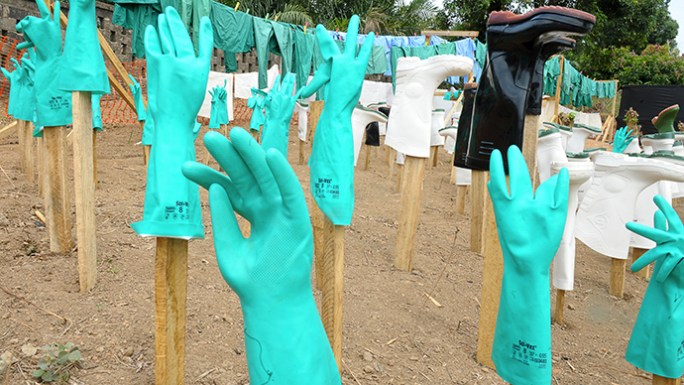
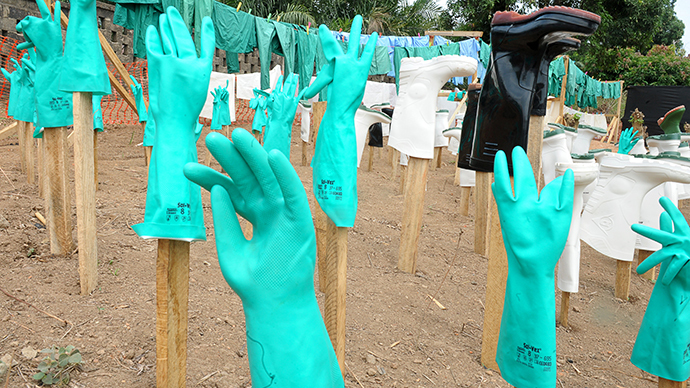
Image Credit: RT