Pandora Report 6.16.2017

Temperatures may be soaring but we’ve got all your biodefense news, including a frosty story on frozen diseases coming to life!

Big Data Takes on Epidemics
The potential applications for big data are vast and we’re just now starting to get a taste for how it can be utilized during an outbreak. Rapid access to data sets and available personnel to handle modeling is a challenge during emergent situations however, many are pointing out just how the data science revolution can be used to fight diseases. Metabiota Senior Director of Data Science Nita Madhav has put together a list of the five ways big data analytics are changing the fight against epidemics. First, better genetic data through genome sequencing that can help speed up genetic analysis during an outbreak. Second, cell phone mobility data. This is particularly interesting as it was used during the Ebola outbreak in 2014, which allowed experts to tract contacts of cases as a means of prevention. Cell phone mobility data also provides information on movement during outbreaks. Third, social media data, which can be used to predict peaks and perform sentiment analysis (think vaccination skepticism), but also as a means of pushing public health messaging. Fourth, mapping high risk areas. “Machine learning techniques can now yield global, high-resolution maps pinpointing where epidemics are likely to emerge and take hold. These techniques make use of remotely-sensed and other geographic data about environmental, human and animal factors to estimate how many people live in the riskiest places. For example, this type of analysis helped map likely locations for Zika virus to thrive and even identified areas where the virus would later establish itself, including southern Florida.” Last but not least, large-scale simulations, which allow epidemiologists to take all the data we currently have and generate tons of simulations to reveal gaps in response mechanisms. “These simulations help fill in gaps in observed data using synthetic outbreaks and deliver novel insights into possible outcomes of outbreaks, including expected numbers of illnesses, hospitalizations, deaths, employee absences and monetary losses. Ultimately, these insights can help inform the world about epidemic risks and the best ways to mitigate them.”

Chemical Weapons & ISIS
New analysis from Conflict Monitor by IHS Market is drawing attention to a significant reduction in chemical weapons used by ISIS in Syria in 2017 as well as a concentration of the chemical attacks in Iraq. The report highlights that 71 allegations of ISIS CW attacks have occurred since 2014 (41 in Iraq and 30 in Syria) however, the only alleged use in Syria in 2017 was on January 8th at Talla al-Maqri. “The operation to isolate and recapture the Iraqi city of Mosul coincides with a massive reduction in Islamic State chemical weapons use in Syria”, said Columb Strack, senior Middle East analyst at IHS Markit. “This suggests that the group has not established any further CW production sites outside Mosul, although it is likely that some specialists were evacuated to Syria and retain the expertise.” In response to ISIS use of chemical weapons, the U.S. Department of the Treasury’s Office of Foreign Assets Control (OFAC) is taking action against ISIS leader, Attallah Salman ‘Abd Kafi al-Jaburi (al-Jaburi), who was involved in several attacks ranging from vehicle-borne improvised explosive devices (VBIEDs) to the development of chemical weapons. OFAC is also taking action against Marwan Ibrahim Hussayn Tah al-Azaw, an Iraqi ISIS leader. “As a result of today’s action, all property and interests in property of these individuals subject to U.S. jurisdiction are blocked, and U.S. persons are generally prohibited from engaging in transactions with them.” OFAC Director John E. Smith noted that “today’s actions mark the first designations targeting individuals involved in ISIS’ chemical weapons development,” and that “the Department of the Treasury condemns in the strongest possible terms the use of chemical weapons by any actor, and will leverage all available tools to target those complicit in their development, proliferation, or use.”

Pandemics, Bioterrorism, & Global Health Security Workshop Instructor Spotlight

This week we’re excited to share that Sanford Weiner will be our instructor spotlight! Sanford is a Research Associate in the Center for International Studies at the Massachusetts Institute of Technology, and a Visiting Fellow at Imperial College, University of London. For several decades he has done international comparative policy studies of public health agencies, and research on national security policies and environmental policies. He has published on policymaking at the Centers for Disease Control, the phase-out of CFCs, toxic substance control, and innovation in the Air Force. He is currently studying responses to pandemic flu in Europe and the United States, and the politics of alternative energy projects. He directs a Professional Education summer course at MIT on “Technology, Innovation and Organizations.” He has also taught in professional education courses for the Royal Society Technology Fellows (London), the National University of Singapore, UC San Diego, and in Stockholm. Before MIT he was on the research staffs of the School of Public Policy at UC Berkeley, the Health Policy Center at Brandeis, and the Harvard School of Public Health. Sanford looks to the need for organizational innovation and adaptation to address new threats, the politics of public health emergencies, and the importance of risk assessment and making evidence-based public health decisions. If you’re looking to talk about taking lessons from pandemic flu and applying them to polio, Zika, bioterrorism, and even Ebola, you won’t want to miss his lecture during our workshop!

The Awakening of Frozen Permafrost Diseases
Climate change has an undeniably impact on infectious diseases. Whether it be the vectors that spread them, movement of animals that act as hosts, or an increasing encroachment of humans into animal habitats, we simply can’t deny that the two are wholly interconnected. Unfortunately now we get to add zombie diseases to the list. Well, maybe not a zombie virus, but a bacteria or virus that has been trapped in the icy permafrost for thousands of years and is now waking up. “Climate change is melting permafrost soils that have been frozen for thousands of years, and as the soils melt they are releasing ancient viruses and bacteria that, having lain dormant, are springing back to life.” Last year we saw anthrax cases in the Arctic Circle due to exposure from infected reindeer carcasses that were exposed due to the melting of the frozen soil and snow. “As the Earth warms, more permafrost will melt. Under normal circumstances, superficial permafrost layers about 50cm deep melt every summer. But now global warming is gradually exposing older permafrost layers. Frozen permafrost soil is the perfect place for bacteria to remain alive for very long periods of time, perhaps as long as a million years. That means melting ice could potentially open a Pandora’s box of diseases.” Nothing like a good permafrost to keep the bacteria happily frozen and alive! What is so worrying about the melting permafrost is a range of threats – buried bodies of people who died from smallpox, unknown viruses or bacteria that we’ve never seen before, or even a resistant organism that changes the course of antibiotics forever.

Angry Birds – The Flu Version
While this isn’t the title of the latest game, the projectile you should be worried about is actually avian influenza droplets. China is currently battling against HPAI H7N9  outbreaks in poultry across three provinces. “Chinese health officials detailed four outbreaks in two OIE reports. Two occurred in different locations in Inner Mongolia province in the north, one at a large layer farm that began on May 21, killing 35,526 of 406,756 susceptible poultry. The remaining birds were culled to curb the spread of the virus.The other outbreak began Jun 5 at a poultry farm in Inner Mongolia’s Jiuyuan district, which led to the loss of 55,023 birds, including 2,056 that died from the disease.” These outbreaks spark fear for a number of reasons – the mass culling of birds is always economically devastating, the risk to human life, and really, the potential for sustained human-to-human transmission due to a few genetic tweaks that could result in a pandemic. That’s right, just three mutations should switch H7N9 into a lethal human-killing virus that has pandemic potential. H7N9 is one of the more concerning avian influenza strains because it’s already been known to do damage in terms of human cases (of the 1,500 cases, 40% died). “‘As scientists we’re interested in how the virus works,’ says Jim Paulson, a biologist at The Scripps Research Institute. ‘We’re trying to just understand the virus so that we can be prepared.’ That’s why he and his colleagues recently tinkered with a piece of the H7N9 flu — a protein that lets the virus latch onto cells. It’s thought to be important for determining which species the virus can infect. ‘So it’s not the whole virus,’ says Paulson. ‘It’s just a piece — just a fragment — that we can then study for its properties’. What they studied is how different changes affected the virus’ ability to bind to receptors found on the surface of human cells.” Paulson’s group found that just three tiny mutations made it able to sustain human transmission. This brings about the dual-use research of concern (DURC) and gain-of-function (GoF) research dilemma though – while we’re using it for good, couldn’t a person with bad intentions come along and turn it into a weapon? Or a lab error that results in an outbreak? While some argue for the need of GoF research, others agree with the 2014 White House moratorium that halted federal funding for such work. Ron Fouchier of Erasmus Medical Center in the Netherlands notes that, “‘The rest of the world is moving forward with this type of experiment already,’ says Fouchier, whose genetic experiments with a different bird flu virus sparked a public outcry in 2011. And so the U. S. can either join or not join. It’s up to them, but the work will continue,’.” Topics like avian influenza, pandemics, and dual-use/GoF research are all issues we’ll be discussing in the workshop this July, so don’t miss out!

Boston University’s BioLab Nears Approval
This hotly debated BSL-4 lab has been a source of contention between researchers and surrounding neighbors for over a decade. Boston University received a $200 million federal grant nearly 15 years ago to build the regional lab as a new source for work with deadly pathogens however, neighborhood activists have been halting work since the beginning. Despite the ongoing debate, the lab is just one vote away from approval. “Supporters say it will speed the development of new vaccines and cures.  But after 15 year of fighting, the neighborhood that’s home to the lab is making a final push to keep the diseases away from the busy urban hub.”

The Scary Reality Behind WHO’S Updated Essential Medicine List
GMU Biodefense PhD student, Saskia Popescu, is taking a deeper dive into the recent announcement by the WHO regarding their reformatting of the EML list. The antibiotics sections haven’t seen an overhaul like this for 40 years, so what’s really afoot? Last week we discussed the changes- the categorization of antibiotics into three groups (ACCESS, WATCH, and RESERVE). Each list has a series of antibiotics and recommendations (i.e. for RESERVE, these are antibiotics which should be treated as the last resort of accessible antibiotics and should be used in “tailored” situations when other medications have failed. RESERVE antimicrobials should be targeted in national and international stewardship programs). While the updates make sense, they reveal a much deeper concern for developing countries and the growing threat of microbial resistance. “This extensive change to the EML highlights the dire situation that we are progressing towards in terms of microbial resistance. The EML provides the most basic medicine needed for patient care and its focus on antibiotic stewards highlights the stark reality even in the most dire of environments.”

Stacking Countermeasures for Layered Defense 
DTRA’s Joint Science and Technology Office’s (JSTO) Toxicant Penetration and Scavenging (TPS) research program is working to better defend us against chemical and biological weapons. “One such weaponized threat is the use of organophosphonates in an attack. These nerve agents inhibit acetylcholinesterase (AChE), an essential enzyme responsible for neurological function. Irreversible inhibition of AChE may lead to muscular paralysis, convulsions, bronchial constriction and death by asphyxiation. One of the projects in the TPS uses engineered DNA-enzyme nanostructures to create multi-enzyme pathway biocatalysts. These new biocatalysts are designed to process the destruction of chemical agents and their degradation compounds.”

Stories You May Have Missed:

  • MERS and Infection Control – There are endless opportunities when working in infection prevention & control to say, “I told you so” and the ongoing hospital MERS outbreaks only fuels that fire. “The World Health Organization (WHO) today provided new details on three MERS-CoV clusters in Saudi Arabia involving 32 out of the 35 cases reported between Jun 1 and Jun 10. The clusters are in three different hospitals in Riyadh. Cluster 2 is related to cluster 1, as the first case-patient in a second hospital initially visited the emergency room of the hospital implicated in cluster 1. According to the WHO, he was asymptomatic following the visit in hospital 1, and he continued to receive kidney dialysis sessions in the second hospital. The cluster involves the index case plus five healthcare workers and household contacts.The third cluster is not related to clusters 1 or 2. To date four cases are associated with this hospital; the index case involves a patient who had camel contact. Three healthcare workers have also been diagnosed.”

Pandora Report 6.9.2017

Hunting For Ebola and The Outbreak In The DRC
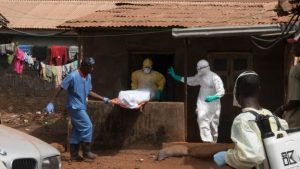
The hunt for Ebola’s hiding place has eluded scientists since its identification in 1976. Believing that bats are a natural reservoir, many are tracking them throughout the DRC. While we’ve picked apart the virus in BSL-4 labs for decades and continue to learn about its genomics, we’re tragically unable to truly understand the virus in its natural habitat. “But the virus’s natural history is a mystery, says virologist Vincent Munster, sitting outside his tent in the darkening jungle. ‘We know everything about its replication cycle but fricking nothing about where it comes from and how it causes outbreaks’. Earlier in his career, at the Erasmus Medical Center in Rotterdam, the Netherlands, Munster took part in the controversial ‘gain of function’ experiments that engineered the lethal H5N1 bird flu virus to spread more readily among mammals-including, presumably, people. These days, however, Munster talks less about viral genes and proteins than about virus ecology: the web of interactions that allows a zoonotic virus to travel between species. Logging, hunting, and other human encroachment on pristine environments all play a role, bringing people into contact with the microbes that lurk there.” Researchers, like Munster, are sampling animals (especially bats) to try and find a pattern that would explain why they’re most likely to carry the virus and if that might fluctuate. Trying to find the virus in bats is equally challenging despite knowing that they carry it. Interestingly, the virus is wholly dangerous to primates and many consider it the biggest threat to gorillas apart from poaching. During their work, the researchers were alerted to a chimpanzee carcass and throughout their response, they note just how careful they must be when handling it. “It was covered in maggots, Munster says-‘just a huge, pulsating mess.’ Ebola may be scarce in living animals, but carcasses like that one practically explode with virus. ‘We’ve done those studies,’ Munster says. ‘Every cell, every orifice of that carcass is loaded with Ebola.’ To minimize the risk to researchers, Munster helped develop a protocol for collecting samples from dead animals: swabbing the outside instead of using sharp instruments to collect blood or tissue.” While their work continues, so does the latest outbreak of Ebola in the DRC. The most recent WHO situation reports noted a new suspected case and 15 contacts for monitoring. Currently, there are 5 confirmed cases, 3 probable, and 1 suspected. Four patients have died and four have survived, translating to a 50% case-fatality rate. You can also read the latest WHO new report on response efforts in the DRC here.

Pandemics, Bioterrorism, & Global Health Security Workshop Instructor Spotlight
Our instructor spotlight this week will shine on FBI Supervisory Special Agent Edward You. Mr. You is like the action hero of the biological countermeasures world (ok, that might be a tad of an exaggeration, but wait until you read about all the amazing things he does with the FBI!). Mr. You is responsible for creating programs and activities to coordinate and improve FBI and interagency efforts to identify, assess, and respond to biological threats or incidents. These efforts include expanding FBI outreach to the Life Sciences community to address biosecurity. Before being promoted to the Weapons of Mass Destruction Directorate, Mr. You was a member of the FBI Los Angeles Field Office Joint Terrorism Task Force and served on the FBI Hazardous Evidence Response Team. Mr. You has also been directly involved in policy-making efforts with a focus on biosecurity. He is an active Working Group member of the National Security Council Interagency Policy Committee on Countering Biological Threats and an Ex Officio member of the NIH National Science Advisory Board for Biosecurity. He also serves on two committees for the National Academies of Sciences, the Institute of Medicine’s Forum on Microbial Threats and the Committee on Science, Technology, and Law’s Forum on Synthetic Biology. Prior to joining the FBI, Mr. You worked for six years in graduate research focusing on retrovirology and human gene therapy at the University of Southern California, Keck School of Medicine. He subsequently worked for three years at the biotechnology firm AMGEN Inc. in cancer research. Special Agent You works to keep the communication channels open between the synthetic biology community and law enforcement to help identify threats and strengthen relations with the biohacker community. Don’t miss the opportunity to learn from Mr. You and pick his brain during our summer workshop in July!
South Africa’s History of Chemical & Biological Weapons
GMU biodefense alum Glenn Cross is taking a deep dive into the Rhodesian use of chemical and biological weapons from 1975-1980. His recent book, Dirty War, investigates the prevalence of such weapons during the Rhodesian War. During periods of manpower and material shortage, the army would use such unconventional techniques that included planting contaminated food and beverages, medicine, and other goods into guerrilla supplies. “Some of these supplies were provided to guerrilla groups inside Rhodesia; some were transported to guerrilla camps in Mozambique. In all, deaths attributed to CBW agents often exceeded the monthly guerrilla body count claimed by conventional Rhodesian military units – demonstrating the utility of CBW agents in a counterinsurgency campaign against an elusive enemy.” Cross’s investigation is particularly valuable in that knowledge has been spotty and few insiders have been willing to talk. “All (insiders willing to talk) share a consistent story about Rhodesia’s development and use of chemical and biological agents during the Bush War; they even chillingly admit that chemical and biological agents were used in experiments on captured insurgents.”

Tracking Microbes and Inspiring Antibiotic Development
The June 6th WHO statement on the Essential Medicines List (EML) is sending ripples throughout the public health community in regards to antimicrobial resistance. The changes to the EML include the creation of three new categories for antibiotics – ACCESS, WATCH, and RESERVE. These categories include recommendations regarding use and aims to shift prescribing to a more accurate practice. “Initially, the new categories apply only to antibiotics used to treat 21 of the most common general infections. If shown to be useful, it could be broadened in future versions of the EML to apply to drugs to treat other infections. The change aims to ensure that antibiotics are available when needed, and that the right antibiotics are prescribed for the right infections. It should enhance treatment outcomes, reduce the development of drug-resistant bacteria, and preserve the effectiveness of ‘last resort’ antibiotics that are needed when all others fail.” The revision to this list highlights a growing need for antibiotic innovation. BARDA director, Joseph Larsen, hopes to change this and speed up the pace of antibiotic development in the face of growing microbial resistance. Current antibiotic development can take years, cost millions of dollars, and often only generates a profit after 23 years. Larsen notes that there hasn’t been a new class of drugs for treating gram-negative bacilli for over fifty years and that the volume of candidate antibiotics in phase 3/4 trials is barely 10% of those in oncology trials. BARDA is hoping to facilitate innovation through their CARB-X program, “which is one of the world’s largest public-private partnerships focused on developing new antibacterial products. When they started this program, BARDA expected 50 grant applications, but received 368 applications within the first 2 cycles. The goal is to deliver at least 2 antibacterial products to clinical development within 5 years. BARDA is planning on investing $250 million over the next five years to CARB-X.” Antibiotic innovation will become increasingly important as resistance grows, which highlights the importance of tracing microbial movement. GMU biodefense PhD student, Saskia Popescu, is looking at a recent study on hospital bacterial tracing and what that means for infection prevention efforts. Researchers sampled patient rooms prior to a new medical center opening and continued sampling for nearly a year, finding that microbial communities had some interesting trends. While hospital disinfection failures are frequently a source for transmission, it was found that the microbial community shifts after the patient has been in a room for 24 hours. Moreover, researchers found that a majority of admitted patients were on antibiotics and that those with longer stays tended to show an evolutionary shift to resistance. “Overall, this new study highlights the movement of microbes within healthcare and how we can start improving our tactics to help reduce the risk of healthcare-associated infections and blossoming bacterial resistance.” Worst case scenario, we could just always stop shaking hands

Bioterrorism Budget Cuts & DoD Chemical & Biological Defense Annual Report
GMU biodefense PhD alum Daniel M. Gerstein is focusing on just how vulnerable the proposed budget would make the U.S. in the event of a bioterrorism attack. The budgetary cut to NBACC at Ft. Detrick would mean that laboratory and science response to bioterrorism would be significantly gutted without a replacement plan. “The NBACC’s scientists also are capable of conducting experiments to determine what level of concern is warranted if a potential threat is identifiedThe NBACC also has bioforensics analysis capabilities. This provides the ability to understand how and potentially where a pathogen was prepared, its virulence and physical characteristics and even what medical countermeasures and decontamination techniques might be the most effective.” This is especially vital as even the decontamination of a site can be challenging and expensive. The 2001 Amerithrax attacks highlighted these gaps – between responsibility, practices, protocols, and cost, the decontamination of the office buildings and postal handling facilities cost roughly $320 million and pointed out some pretty significant gaps within U.S. bioterrorism response. Gerstein implores policymakers to take a second look at this proposed budgetary cut and decide if leaving the US without these critical capabilities is truly a wise decision. “They should assess whether NBACC’s capabilities, as an insurance policy, is a price worth paying when weighed against the potential cost in human terms of even a limited bioterror attack.”

The 2017 DoD Chemical and Biological Defense 2017 Annual Report to Congress has just been released, which includes specific comments on response to ISIS and synthetic biology activities. Within the report you can find sections on advanced diagnostics, advanced medical countermeasures (check out the section on the cocktail of three monoclonal antibodies developed to fight Ebola), advances in non-traditional chemical agent defense, and more! One of my favorite sections was actually on information systems – “The Global Biosurveillance Portal (G-BSP) program achieved IOC. This capability will provide a web-based, cloud-hosted enterprise environment that will facilitate collaboration, communication, and information sharing in support of the detection, management, and mitigation of man-made and naturally occurring biological events. G-BSP also facilitates the fusion of multiple unclassified information sources for greater situational awareness and decision support.” A recent study published in The Lancet, highlights the importance of diagnostic preparedness. Citing the 2014/2015 Ebola outbreak as a prime example, researchers note that while the diagnostic response eventually worked, it was slow and expensive, which severely impacted outbreak response. “If a focused mechanism had existed with the technical and financial resources to drive its development ahead of the outbreak, point-of-care Ebola tests supporting a less costly and more mobile response could have been available early on in the diagnosis process. A new partnering model could drive rapid development of tests and surveillance strategies for novel pathogens that emerge in future outbreaks. We look at lessons learned from the Ebola outbreak and propose specific solutions to improve the speed of new assay development and ensure their effective deployment.”

Committee on Strategies for Identifying and Addressing Biodefense Vulnerabilities Posed by Synthetic Biology
Don’t miss this July 6th workshop held at the National Academies of Sciences, Engineering, and Medicine’s Keck Center at 500 5th Street NW, Washington DC.  Attendees will hear from several experts and discuss four main topics: human modulation, public health and military preparedness, efficacy of design, and emerging technologies to overcome existing technical barriers. The meeting won’t be webcast or made available virtually, so you’ll want to attend in person.

China’s Battle Against An H7N9 Outbreak
While the outbreak may be slowing, eight new cases were reported this past week. What worries many though are the recent studies published that point to the highly pathogenic variant that was infecting poultry. Currently in its fifth wave of H7N9 activity, Chinese cases are showing a shift to impact more middle-aged adults in rural areas. “In the second report, a team from China described the clinical course and genetic findings in a 56-year-old Guangdong province man who died from a highly pathogenic H7N9 virus that showed a marker for resistance to neuraminidase inhibitors (NIs), the antiviral drugs commonly used to treat influenza.” You can read the press release from the Government of the Hong Kong Special Administrative Region here.

Stories You May Have Missed:

Pandora Report 6.2.2017

Good news – the early registration discount for the Pandemics, Bioterrorism, & Global Health Security Summer Workshop has been extended to July 1st! We’ve got a full Pandora Report for you this week, so buckle up, it’s going to be quite a ride!

Worries, Woes, and Realities of Global Health Security
Novel diseases are a near certainty in life (perhaps the saying should be death, taxes, and disease?). Whether it be a natural event, an accidental lab exposure, or by the hand of a bioterrorist, the threat of a pandemic is real. Five infectious disease experts recently convened to discuss the threat of pandemics and what worries them most about future outbreaks. From this meeting they found five issues that truly worry them. First, the lack of trust in scientists and experts. Second, learning lessons from the past. “Tom Frieden said he’s concerned that people won’t study responses to recent pandemics enough to improve responses to future ones. ‘The world has a unique opportunity following Ebola to close gaps, to address blind spots around the world and to become much safer. If we don’t take action very quickly to close the gaps that are being identified, we will lose that opportunity,’ he said.” Third, antibiotic resistance and the continuous spread of resistant bacteria. Fourth, destruction of species and environments that might hold the key to future medical breakthroughs (we’ll be talking more about this one in a bit…). Lastly, they worry about funding for public health workers and that they have the resources needed when fighting epidemics on the front lines. Sadly, a newly established score card on global health found the U.S. lacking. This new measurement tool uses the Global Burden of Disease, Injuries, and Risk Factors Study (GBD) to establish a healthcare access and quality index. Countries that improved in deaths avoidable due to healthcare at their economic level over the last twenty-five years were China, Ethiopia, the Maldive Islands, Peru, etc. “By that standard, the United States improved slightly over the same period, 1990 to 2015. But the American ranking is still so low that it’s ‘an embarrassment, especially considering the U.S. spends $9,000 per person on health care annually,’ said the report’s chief author, Dr. Christopher J. L. Murray, director of the University of Washington’s Institute for Health Metrics and Evaluation, created by the Bill and Melinda Gates Foundation.”

Digital-to-Biological Converter  
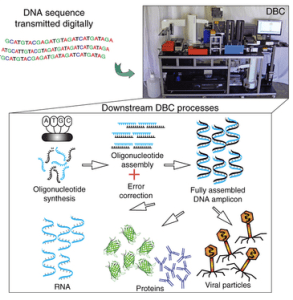
Synthetic Genomics Inc. is bringing a bit of excitement to the world of synbio via their announcement within a peer-reviewed Nature article describing this new technology. The development of the digital-to-biological converter (DBC) marks a huge step in synthetic biology. The DBC produces biological compounds on-demand and without any human intervention. The unit is fully automated and allows the “user to create complex synthetic DNA in a single process. To demonstrate feasibility, researchers digitally transmitted a file with DNA sequence information to the DBC. The DBC converted that digital sequence into oligonucleotides, and utilized synthetic biology tools developed by Synthetic Genomics such as gene synthesis, error correction, and Gibson Assembly™ methods to create large and complex DNA constructs with high fidelity. Utilizing this DNA as a template, the DBC further produced a series of biological materials without any human intervention, such as RNA, proteins, and viral particles.Biological products created on the DBC included DNA templates for an influenza vaccine, an RNA-based vaccine, antibody polypeptides, and a bacteriophage.” Co-founder J. Craig Venter noted that the DBC is also the first machine of its kind and can receive digital biology in the form of DNA sequences via the internet or radio wave! “The DBC prototype fully integrates and automates processes from oligonucleotide design and synthesis to the production of biopolymers. Development of a smaller and portable DBC could enable reliable production at the point of demand and potentially reduce costs and increase access to bio-production in research laboratories. Finally, with the incorporation of large-scale synthesis technologies, one can envision the DBC being used in industrial settings to enable high-volume production of biologics such as proteins and RNA vaccines.”

ISIS & CRISPR Article Critique Writing Competition
Calling all GMU biodefense students! A recent article came out in Foreign Affairs that made some rather interesting comments regarding CRISPR, bioterrorism, and the threat of synthetic biology. We’re holding a competition for biodefense students (past and present) to write a critique on the article (700-1,000 words) and the winner (selected by Dr. Koblentz) will be featured in Global Biodefense. Please email me with any further questions and submissions (spopesc2@gmu.edu). The due date for this is June 17th. We look forward to reading your thoughts!

Pandemics, Bioterrorism, & Global Health Security Workshop Instructor Spotlight 
If you’re hoping to learn from a USAMRIID commander, NSABB member, UN Special Commission chief inspector, and veterinarian for the 10th Special Forces Group (Airborne), look no further than Dr. David R. Franz! He’s our spotlight instructor this week and will be teaching at our summer workshop in July. Dr. Franz has current standing committee appointments including the Department of Health and Human Services National Science Advisory Board for Biosecurity (NSABB), the National Academy of Sciences Committee on International Security and Arms Control, the National Research Council Board on Life Sciences, and the Senior Technical Advisory Committee of the National Biodefense Countermeasures Analysis Center. Dr. Franz was the chief inspector on three United Nations Special Commission biological warfare inspection missions to Iraq and served as technical advisor on long-term monitoring. He also served as a member of the first two US-UK teams that visited Russia in support of the Trilateral Joint Statement on Biological Weapons and as a member of the Trilateral Experts’ Committee for biological weapons negotiations. Dr. Franz was technical editor for the Textbook of Military Medicine on Medical Aspects of Chemical and Biological Warfare released in 1997. He serves as a Senior Mentor to the Program for Emerging Leaders at the National Defense University. He also serves on the Board of Integrated Nano-Technologies, LLC. Dr. Franz holds an adjunct appointment as Professor for the department of Diagnostic Medicine and Pathobiology at the College of Veterinary Medicine, Kansas State University. The current focus of his activities relates to the role of international engagement in the life sciences as a component of national security policy. Dr. Franz holds a DVM from Kansas State University and a PhD in physiology from Baylor College of Medicine. Even better, he’ll be lecturing on dual-use research at the workshop, so make sure to register!

Financial Cuts to Biodefense – Are We Digging Our Own Grave?
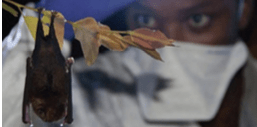
Despite a stark outlook painted from the looming threat of pandemics and the realities of American public health inadequacies, things are being further compounded by proposed budgetary hits to biodefense. A 10% increase in military spending means that other government agencies will take a hit, of which many are involved in biosecurity and biodefense. “The Office of Public Health Preparedness and Response, which tracks outbreaks of disease, would be cut by $136 million, or 9.7 percent. The National Center for Emerging and Zoonotic Infectious Diseases — a branch of the Centers for Disease Control and Prevention that fights threats like anthrax and Ebola — would be cut by $65 million, or 11 percent. The CDC’s Center for Global Health would lose $76 million, or 18 percent. Its Emergency Operations Center, which conducts real-time monitoring of outbreak responses, and its Select Agents Program, which sets regulations in lethal toxin labs and helps researchers stay ahead of bioterrorists, face unspecified cuts as well.” Fear is flourishing as there are substantial gaps in the appointment of positions within key federal agencies that are responsible for outbreak response and global health security. The 700 vacancies at the CDC alone is troubling as cases of Ebola continue to bubble up in the DRC and China fights back against a deadly outbreak of avian influenza. Many experts, like J. Stephen Morrison, the director of the Global Health Policy Center at the Center for Strategic and International Studies, are horrified and note that these drastic cuts will surely impact health security. A recent op-ed by faculty from the Johns Hopkins Center for Health Security highlights the proposed budget and how it makes the U.S. vulnerable to bioterrorism. In the event of such an attack, there are several links in the response chain that will invariably lose capacity and capability following such budgetary cuts- first responders, hospital staff, public health professionals, MCM research, decontamination efforts, etc.  In fact, the recent announcement of the expected closure of  NBACC, the Fort Detrick research lab only fuels concern. “While the overall spending for the Department of Homeland Security increases in Trump’s budget request, that department also zeroes out funding for the National Biodefense Analysis and Countermeasures Center (NBACC) at Fort Detrick.” NBACC is barely seven years old and is the government’s leading organization for forensic epidemiology in the event of a biocrime or bioterrorism. It is a world class facility for biodefense, collaborates with NIH and the DoD to conduct research gaps, and maintains several partnerships to strengthen U.S. biodefense and global health security. “’President Trump’s budget undermines important work being done in Frederick County to protect our troops and our national security. It guts federal investment in scientific research that saves lives, keeps our nation safe, and supports good-paying jobs in our state. The National Biodefense Analysis and Countermeasures Center at Fort Detrick, which helps protect America from biological threats, is doing critical work and I will fight these cuts and this ill-conceived budget in the U.S. Senate,’ said Sen. Chris Van Hollen (D), who is a member of the Senate’s budget and appropriations committees.” Governor John K. Delaney (MD) recently voiced his concern for the potential closure of NBACC, noting that he is “100% opposed to the closing of the National Biodefense Analysis and Countermeasures Center in Frederick and will fight this deeply misguided move by the Trump Administration. While DHS may be moving forward with plans to close the facility based on the assumption that the President’s request will be enacted, I want to stress that President Trump’s budget proposal is not law yet, that all funding and appropriations matters must go through Congress and that Trump’s budget overall has very little support in the House and Senate.” Unfortunately, as the threat of infectious diseases only grows, these cuts and closures will severely impact global health security. As the faculty from the Johns Hopkins Center for Health Security noted, “We urge Congress to reject the severe cuts proposed by the Trump administration and to support the continuation of these and other critical national biopreparedness and response assets, which protect the health and safety of all Americans.” On top of the budgetary impact to biodefense efforts, Thursday brought forth the troubling news that President Trump will end U.S. involvement in the Paris Climate Agreement . Many experts are highlighting the untold damage that will come from this move by way of climate change and international relations, but also the unintended consequence that is so easily forgotten – the spread of infectious diseases.

National Biosafety and Biocontainment Training Program (NBBTP)
Don’t miss the July 5th deadline for this amazing opportunity! “The NBBTP was conceived as a partnership between the National Institute of Allergy and Infectious Diseases (NIAID) and the Division of Occupational Health and Safety (DOHS) at the National Institutes of Health in Bethesda, Maryland. The program is administered by CDIC, Inc. The NBBTP Fellowship is a two-year program designed to train Fellows specifically to support high containment research environments by acquiring knowledge and skills necessary to meet the scientific, regulatory, biocontainment, biosafety, engineering, communications, management, and public relations challenges associated with the conduct of research in these facilities. NBBTP Fellows do not engage in any primary patient care activities. The mission of the NBBTP is to prepare biosafety and biocontainment professionals of the highest caliber to meet the needs of the biomedical emerging disease and civilian biodefense research communities through the 21st century.”

Outbreak Insurance
Instead of a tiny gecko or duck, perhaps the mascot would be a friendly looking microbe? Metabiota has a new CEO and a plan for outbreak response that involves insurance. Bill Rossi thinks that this could be the key to stopping outbreaks and Metabiota plans to help by providing the monitoring tools that would facilitate its success. “The company’s chief executive said that the new policies will provide financing in the wake of deadly pandemics and encourage multi-national corporations and nation-states to invest in preventing the spread of disease. Metabiota launched its insurance product last month and has been pitching its services to insurers, nations, and companies ever since. Indeed, Metabiota is partnering with the African Risk Capacity (ARC) agency, an agency of the  African Union (AU) to help nations respond to threats.” Rossi points to the growing interest in pandemic insurance since the 2014 Ebola outbreak and acknowledges that there will have to be work to avoid potential abuse of such policies that would result in perverse incentives (i.e. profitable insurance payouts should a country be afflicted by an epidemic). Regardless of insurance, early detection systems are a necessary investment and that’s where Rossi and his Metabiota team come in. Metabiota is working with “sovereign nations and also the insurers who have the financial wherewithal to ensure that policies are put in place to prevent the spread of disease.” Epidemic insurance is looking better every day, especially after the World Bank revealed that most nations aren’t ready for a pandemic. Recently, a working group was tasked with evaluating the world’s pandemic readiness and sadly, they found that most countries simple aren’t prepared. “Recent economic estimates suggest the global total for a moderately severe to severe pandemic could be $570 billion, or 0.7% of the world’s income. The 131-page report said many countries chronically underinvest in critical public health tasks that help with early identification and containment of infectious diseases: surveillance, diagnostic labs, and emergency operations centers. It also spells out 12 recommendations to ensure adequate financial support and infrastructure”. The recommendations include preparing a detailed financial proposal to support implementation of the plan to improve preparedness, developing partners and building on existing collective and bilateral commitments to help finance preparedness in countries needing support, etc.

Unexpected Mutations Following CRISPR           
I guess what happens in CRISPR doesn’t stay in CRISPR, eh? A recent letter published in Nature notes that despite the hopes many had for the gene editing technology as a means of solving disease-causing mutations, a new study found that there were some unintended changes to other genes. “When correcting blindness in mice, researchers at Columbia University found that though CRISPR did manage to successfully edit the particular gene responsible for blindness, it also caused mutations to more than a thousand other unintended genes. The off-target effects of CRISPR have long been known, but this new research highlights just how extensive they can be, and highlights the importance of research to understand them.” Shortly after the letter was published in Nature, investments in genome-editing companies took a hit and stock prices dropped.

Ebola in the DRC
This week the DRC approved the use of the experimental Ebola vaccine rVSV-ZEBOV. The WHO plans to use a ring vaccination method to roll out the new vaccine. “The situation report also said that several cases of suspected Ebola have now been ruled out, meaning the outbreak appears to be not as extensive as once feared. As of Sunday, there were 2 confirmed, 3 probable, and 14 suspected cases. No new possible cases have been identified since May 11.” You can read the latest WHO situation reports here for updated case counts and geographic distribution.

Virus Hunters
Researchers are currently hunting for the next lethal virus in the Democratic Republic of the Congo (DRC). The team is in the DRC with the PREDICT project, which is part of USAID’s Emerging Pandemics Threat program to create a database of zoonotic pathogens that are the most likely emerging pandemic threats. “If scientists can detail the places where lethal viruses simmer in wait, the thinking goes, they can head off a swelling pandemic and better manage outbreaks while they are still small and local. Researchers and other outbreak responders could consult this database to begin mapping the source of an emerging disease, for example, and quickly get to work on minimizing transmission and developing potential new vaccines that could save countless lives. ‘We have a job to do,’ Dr. Prime Mulembakani explains. ‘We also have the opportunity to be in contact, in close contact, with people who are on the front line—the communities who are really at risk for a virus spillover from animals into people.’ The irony of potentially disease-carrying bats hanging from the rafters of the local health center is not lost on Mulembakani, an epidemiologist by training, and he pauses for emphasis: ‘We need to stop these events from getting out of control’.”

Stories You May Have Missed:

  • Pale Rider – The Spanish Flu of 1918 and How It Changed the World – Laura Spinney’s new book, Pale Rider, is coming out this fall, which details the history of the 1918 pandemic. Spinney takes the reader through a journey of the influenza virus history and how the pandemic was quickly forgotten after it took as many as 100 million lives. “By early 1920, nearly two years after the end of the first world war and the first outbreak of Spanish flu, the disease had killed as many as 100m people— more than both world wars combined. Yet few would name it as the biggest disaster of the 20th century. Some call it the ‘forgotten flu’. Almost a century on, Pale Rider, a scientific and historic account of Spanish flu, addresses this collective amnesia”.
  • Salmonella Outbreak in 47 States – Nearly 400 have been sickened following a salmonella outbreak tied to live poultry. “Since early January and through May 13 the outbreaks have sickened 372 people in 47 states. So far, 71 people have been hospitalized but no deaths have been reported. Just over a third (36%) of the sick patients are children. During the investigations, interviews revealed that 83% (190) of 228 sick people had contact with live poultry the week before they got sick. People bought live baby poultry from a variety of sources, including feed supply stores, Web sites, hatcheries, and relatives.”


Pandora Report 5.12.2017

TGIF and welcome to your favorite weekly dose of all things biodefense! Check out this film from PBS Digital Studios Brain Craft exploring the technical and ethical questions about CRISPR and genetic engineering.

The Growing Threat of Pandemics: Enhancing Domestic and International Biosecurity
The Bush School of Government and Public Service at Texas A&M University just released their new white paper on biosecurity measures. The paper highlights the increased threat of pandemics due to globalization and ease of transportation. In their review they found nine priority areas that will help address the current biodefense problem. Their priority areas/action items are leadership, international response, the anti-vaccine movement, animal and human health, uniform health screening, public health and healthcare infrastructure, effective outbreak response, cultural competency, and academic collaborations. The white paper notes that “there should be uniform health screenings for individuals seeking permanent or extended temporary residence in the United States. Currently, there are discrepancies between the vaccination requirements for immigrants and the vaccination requirements for refugees.” The inclusion of the anti-vaccination movement was particularly interesting as few reports truly capture this in regards to biodefense efforts. “The increasing influence of the anti-vaccine movement in the United States is another growing threat. Leaders of the movement spread misinformation to parents with questions or anxiety over the safety of vaccines. Many within the anti-vaccine movement incorrectly believe that vaccines cause autism and the number of individuals seeking nonmedical exemptions to the vaccination requirements of schools is on the rise.”

Pandemic Summer Workshop Sneak Peek 
We’re getting closer to the July 17-19 workshop on pandemics, bioterrorism, and global health security, which means that starting next week, we’ll be highlighting some of the amazing faculty teaching the courses. Make sure to look for our spotlight on Dr. Andy Kilianski in next week’s Pandora Report as we’ll be looking at his work on biosurveillance and its role within U.S. biodefense efforts! Make sure to take advantage of the early registration discount before June 1st!

2017 Infectious Disease Mapping Challenge
Don’t miss this wonderful chance to show off your infectious disease mapping skills! The Next Generation Global Health Security Network and DigitalGlobe Foundation are “seeking undergraduate and graduate students, in a team or individually, to generate up to three maps (one map is perfectly acceptable) that illustrate a research question related to any of the categories detailed below. Maps can be analytic (examining relationships between multiple domains, phenomena, or data sources) or descriptive (depicting a single phenomenon or data source). While analytic projects are ideal, descriptive projects will be accepted as long as students/teams describe why their map depicts a notable phenomenon. Similarly, while international maps are preferred, domestic maps will be accepted if the student/team can provide justification as to why a map focusing on the U.S. is necessary (e.g., U.S. data sets on a given topic are the most comprehensive).”

Scientists Take On HIV By Using CRISPR
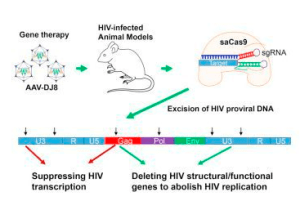
Researchers have just made headway in the battle against HIV/AIDS by using the genome editing technology, CRISPR-Cas9. Current treatment for HIV involves anti-retrovirals, which are pretty harsh on the body and come with several nasty side effects. In their fight against HIV, the research team used the CRISPR technology like a pair of scissors to get rid of the HIV-1 DNA in the body of mice. “If you cut out the DNA, you stop the virus from being able to make copies of itself. The team is the first to show HIV can be completely annihilated from the body using CRISPR. And with impressive effect. After just one treatment, scientists were able to show the technique had successfully removed all traces of the infection within mouse organs and tissue.”

Public Interest Report – Chemical Weapons
Don’t miss the latest publication from the Federation of American Scientists, which includes several articles on chemical weapons. The Public Interest Report (PIR) is a great source for articles on human rights, counterterrorism, and more. The most recent edition includes articles on the threat of toxic chemicals, investigations regarding the chemical attacks in Syria, the value of scientific analysis of chemical weapons attacks, and more. The president of the Federation of American Scientists, Charles D. Ferguson, also wrote a special message regarding the value of scientific analysis, specifically in regards to chemical weapons attacks. He highlights several articles regarding chemical weapons attacks over the years, one of which includes an analysis of symptoms and potential agents used. This specific work includes analysis from GMU professor, Keith Ward, and highlights the use of chemical weapons in Darfur and Sudan and the limitations of NGO documentation of chemical warfare agents. The article points to the specific symptoms following chemical weapons attacks and notes that “NGOs find themselves at considerable disadvantage compared to national governments when faced with evaluating evidence of alleged attacks using chemical weapons.”

Could Saving Animals Prevent the Next Pandemic?
70% of emerging infectious diseases are zoonotic, meaning that some type of a spillover event had to occur. Ebola, HIV/AIDS, H1N1, and avian influenza are all examples of spillover that has resulted in human morbidity and mortality. The USAID PREDICT program is working to combat this growing threat of zoonotic diseases. PREDICT works to establish a global surveillance system for infectious diseases that can spillover into humans. PREDICT is a collaborative effort between the University of California at Davis’s One Health Institute and the School of Veterinary Medicine, as well as the Wildlife Conservation Society, Metabiota, EcoHealth Alliance, and the Smithsonian Institute’s Global Health Program. “In its first five years, PREDICT trained 2,500 government and medical personnel in 20 countries on things like the identification of zoonotic diseases and implementing effective reporting systems. They collected samples from 56,340 wild animals, using innovative techniques like leaving chew ropes for monkeys then collecting saliva afterwards. They also detected 815 novel viruses—more than all the viruses previously recognized in mammals by the International Committee on Taxonomy of Viruses.” One of the tools PREDICT uses for surveillance is to monitor animal health and diseases that are circulating in them. “When you disrupt an ecosystem by removing a species through culling, you have a less healthy ecosystem and higher risk of disease,” says Megan Vodzak, a research specialist for Smithsonian’s Global Health Program. “Sometimes you increase the level of the virus within the population because you eliminate some but not all of the animals, and they’re still circulating it.” This brings about a humbling notion – conservation and human health might go hand in hand. Some researchers note that by protecting wildlife, we can help prevent spillover events and outbreaks. This concept however, is a bit more complex and has many on the fence regarding the actual role of conservation in human diseases. Some work has found that increases in biodiversity have no impact on human health, emphasizing the murky water of those trying to sell conservation as a tool for fighting pandemics. “When researchers do embark on conservation projects, she cautions that they should also consider other possible outcomes besides the protective benefit humans get from healthy wildlife and ecosystems. ‘We have to recognize that conservation could provide benefits for public health and it could endanger public health,’.”

The Battle of the Resistant Bug
We often think of an infectious disease threat emerging from some hidden jungle or quiet spillover event. While these are are true scenarios, I offer one more – the moment a bacteria becomes resistant to antimicrobials. Whether it be related to over-use in farming or over prescribing in healthcare, this is often a forgotten battleground. We’ve become accustomed to the ease and availability of antibiotics, which has translated to increased and improper use. Antibiotic resistant has frequently been overshadowed by the flashier of infectious disease threats however, this is to our detriment. Antimicrobial resistance (AMR) has proven time and time again to not only be a devious adversary, but one that gets little attention. Research and development into new antibiotics has lagged in recent years, which has only compounded the issue. One of the issues is also the lack of coordinated international surveillance and response strategies. Interestingly, Russian scientists recently developed an interactive world map, which shows human gut microbiota and their potential for resistance. The ResistoMap (pretty outstanding name, right?) makes it easier to track national resistance trends and potentially create an international response plan. “Using the ResistoMap, it is possible to estimate the global variation of the resistance to different groups of antibiotics and explore the associations between specific drugs and clinical factors or other metadata. For instance, the Danish gut metagenomes tend to demonstrate the lowest resistome among the European groups, whereas the French samples have the highest levels, particularly of the fluoroquinolones, a group of broad-spectrum anti-bacterial drugs.” While the rise of an emerging infectious disease should not be ignored, it is important that we remember the slower burn of antimicrobial resistance. Even Alexander Fleming saw the future involving a world without effective antibiotics, as he noted just following his acceptance of the 1945 Nobel Prize, “The thoughtless person playing with penicillin treatment is morally responsible for the death of the man who succumbs to infection with the penicillin-resistant organism.”

Regional Action Needed to Prevent Syrian Chemical Weapons Attacks
GMU biodefense PhD alum, Daniel M. Gerstein, is focusing on the role regional actors could play with respect to Syria, especially in terms of dissuading the use of chemical weapons. Despite the horrific attack in early April, global response has been surprisingly tepid and Russian support is ongoing, but Gerstein also highlights the “deafening silence” on the issue by countries within the region. Pressure could be applied from surrounding countries to indicate a strong message that the use of such weapons will not be tolerated. “Borders with Syria could be sealed to prevent any of the re­maining stocks from leaving the country. This would likely require a mix of military, law enforcement and border police to ensure that any illicit crossings are immediate­ly halted. In the event that chemi­cal weapons do breach the Syrian border, response forces should be prepared to stop suspect ship­ments, conduct searches of cargo and have appropriate protection to avoid becoming casualties them­selves.” Gerstein also notes that regional leaders could direct efforts towards Assad specifically, making it clear that Syria’s future will not include him, by calling for the International Criminal Court to indict him for war crimes.”Over the past 15 years, the norms against the use of chemical weap­ons have continued to be threat­ened, with increasing state and non-state actor use. Most of these attacks have occurred in the Middle East. This trend cannot be allowed to continue.”

The Chemical Attack in Syria – Sorting Truth from Propaganda
Rod Barton takes us through the April chemical weapons attack in Syria and argues against those who claim it was a “false flag” operation, staged by rebels to draw the U.S. into further intervention efforts. The most notable proponents of this argument have been former MIT professor Theodore Postol and Sydney University professor, Tim Anderson. In efforts to help break the cycle of a false narrative, the U.S. has released intelligence reports however, those who support the “false flag” narrative continue to point to misinformation and confusion about the April 4th attack as evidence. Barton argues against the “false flag” narrative by highlighting several points as evidence for the attack – victims seeking medical care following a Syrian air strike with classic symptoms of nerve agent poisoning, analysis samples that confirmed sarin, and the air raid crater found in the road north of the town, which tested positive for sarin and hexamine. Postol, on the other hand, while continuing to claim that the U.S. intelligence reports fail to prove definitively that the attack was done by the Assad regime, does not argue that it was sarin that killed the people in Khan Sheikhoun. “His case is largely based on the nature of distortion of the metal fragment in the crater – he claims this proves that it was not dropped from an aircraft, as stated by US intelligence. His theory is that a sarin-filled tube, possibly a 122mm artillery rocket body, was placed on the road by individuals on the ground and overlaid with a small explosive charge to disperse the agent.” Barton argues against Postol’s comments for several reasons – Postol fails to explain the origin of the sarin in the tubes, how the rebel groups managed to coordinate the detonation of their device with that of a Syrian government air raid, and that Postol fails to account for the evidence of a second chemical round that detonated around 300m from the road crater. Barton notes that “Postol was an eminent scientist and his views cannot simply be ignored. However, on this occasion the evidence to support his argument is not there – he has got it wrong. His writings on this subject have nevertheless been useful in that they have forced analysts to question the evidence closely to determine their degree of certainty in their assessments. But while the particulars are difficult to ascertain, there is still sufficient evidence to state beyond reasonable doubt that the Syrian military is responsible for the attack. In other words, the jury should convict – sadly, in today’s world, the reality may be different.”

Stories You May Have Missed:

  • 3-D Structures vs. Infectious Diseases– Northwestern University Feinberg School of Medicine is leading a team of international researchers to determine the 3-D atomic structure of more than 1,000 proteins to help develop treatments and vaccines against infectious diseases. “Almost 50 percent of the structures that we have deposited in the Protein Data Bank are proteins that were requested by scientific investigators from around the world,” said Wayne Anderson, PhD, professor of Biochemistry and Molecular Genetics at Feinberg, and director of the project. “The NIH has also requested us to work on proteins for potential drug targets or vaccine candidates for many diseases, such as the Ebola virus, the Zika virus and antibiotic-resistant bacteria. We have determined several key structures from these priority organisms and published the results in high-impact journals such as Nature and Cell.”
  • The Million Dollar Minnesota Measles Outbreak – the growing measles outbreak in Minnesota is projected to cost the state $1 million and is quickly growing. “When it began last month, public health officials knew this outbreak could be large and ongoing, because many Somali-Americans have been refusing the measles, mumps, and rubella (MMR) vaccine for years over unfounded rumors that the childhood immunization, whose first dose is routinely given to babies at 12 to 15 months, causes autism.” Sadly, the vaccination declinations in the Somali-Americans in Minnesota are considered to have been a result of targeting from anti-vaccine groups.

Pandora Report 4.28.2017

If you’ve ever wondered about the 1998 story regarding the WWI anthrax sugar cube, we’ve got this gem for you.

March for Science
This past Saturday (Earth Day), cities around the world saw hoards of scientists and supporters of research marching to both celebrate science, but also push for the preservation of funded and publicly communicated research. “The March for Science is a celebration of science.  It’s not only about scientists and politicians; it is about the very real role that science plays in each of our lives and the need to respect and encourage research that gives us insight into the world.  Nevertheless, the march has generated a great deal of conversation around whether or not scientists should involve themselves in politics. In the face of an alarming trend toward discrediting scientific consensus and restricting scientific discovery, we might ask instead: can we afford not to speak out in its defense?” Cities like Chicago saw 40,000 participating in the march, armed with lab coats, pink knit brain hats, and some pretty outstanding signs. Even some furry friends got involved to celebrate science. The D.C. march battled against rainy weather and included speakers like Bill Nye on the National Mall.
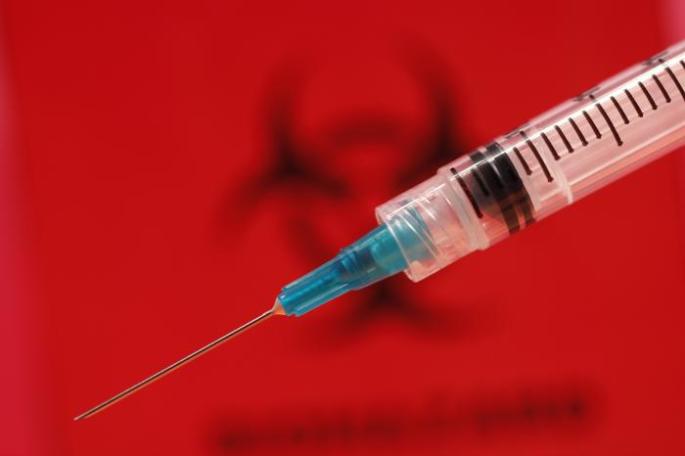
Summer Workshop on Pandemics, Bioterrorism, and Global Health Security
The May 1st deadline for an early registration discount is fast approaching, so don’t miss your chance to attend this educational and captivating workshop for a lower price! The three-day workshop will provide you with not only seminars from experts in the field, but also discussions with others interested in biodefense. You can check out the flyer and register for the event here. A returning participant, GMU student/alumni, or have a group of three or more? You’re eligible for an additional discount! Check out the website to get the scoop on all our expert instructors and the range of topics the workshop will be covering. From Anthrax to Zika, this is the place to be in July to get your biodefense nerdom on!

French Intelligence Brings Insight Into Syrian Chemical Weapons          A new French intelligence National Evaluation report details the direct evidence linking the April 4th chemical weapons attack in Syria to the Syrian regime. “The French report casts fresh doubts on the efficacy of what at the time was billed as a landmark U.S.-Russian chemical weapons pact, which was signed by U.S. Secretary of State John Kerry and Russian Foreign Minister Sergei Lavrov in late 2013. The pact was touted as practically eliminating Syria’s ‘declared’ chemical weapons program.” The French report is considered the most detailed evaluation of environmental analysis (among others) following the Syrian chemical weapons attacks. Not only does the April 4th sarin match that previously used by the Syrian regime, but it also points to the hexamine chemical signature found in the Syrian chemical weapons program. “The French intelligence report provides the most robust scientific evidence linking the Syrian government to the sarin attack in Khan Sheikhoun,” said Gregory Koblentz, the director of the biodefense graduate program at at George Mason University.”This scientific evidence is a direct refutation of the misinformation being peddled by Russia and Syria.”

The World Needs a DARPA-Style Project to Prevent Pandemics             We truly are not ready for a global pandemic. Across the board, all the reports, studies, and experts say the same and the latest article from Tom Ridge and Dante Disparte highlights this unpleasant reality. Zika, Ebola, SARS, and avian influenza have all shown us just how globally unprepared we are for such an event. “In public health, it is much easier to play offense than it is to play defense. Playing offense well, however, is going to require a lot more coordination – both internationally and within national borders. We believe an important first step in this effort is for the U.S. and governments around the world to develop an equivalent to the Defense Advanced Research Projects Agency (DARPA), that focuses cross-sector efforts on advancing biological and pandemic risk readiness.” No single sector can fix this problem, but rather it requires cross-sector collaboration to tackle organisms that know no borders. Ridge and Disparte insist that a a global “invest now or pay later” economic philosophy is needed to break away from stovepiping that allows biological threats to appear sector specific. “As with DARPA, the science and technology community are the unsung heroes in improving global biodefense and pandemic risk readiness. But unlike advanced military research, which is conducted under strict secrecy, the scientists working on improving our defenses to emerging threats must have a charter that encourages open collaboration and transparency. All too often research and technology investments, particularly those in the private sector, follow a zero-sum approach.”

U.S. Preparedness Index Points to Scattered and Mediocre Progress
The National Health Security Preparedness Index (NHSPI) was just released by the Robert Wood Johnson Foundation, which tracks progress at the state level regarding their capacity to respond to health emergencies. The good news is that overall, the U.S. score has increased over the past couple of years – 6.8 in 2016, up from 6.7 in 2015, and 6.4 in 2013. “Of six main dimensions—ranging from mobilizing resources after health incidents to involving stakeholders during crises—the nation as a whole improved except for one area: the ability to prevent health impacts from environmental or occupational hazards. That area is the only one showing decline from 2013”. Overall trends pointed to preparedness improvements except for those states in the Deep South and Mountain West States. Sadly, Alaska ranked lowest in the 10-point scale. “Challenges some states face include grappling with health policy uncertainties because of health insurance proposals, a situation that detracts attention and energy from other health security needs. Also, the analysis found that extreme weather events are increasing in frequency and intensity in many parts of the country, putting extra burden on food and water systems and other infrastructure areas. Though federal aid helps reduce fiscal capacity differences across states, federal preparedness funding falls far short in eliminating the health security gaps that separate affluent from poorer states, according to the report.” Policy recommendations based off their findings focus on engaging private sector, including health insurance coverage as a health security strategy, developing emerging response funding, etc.

Hospital Preparedness Program Performance Measures 
Speaking of preparedness…the 2017-2022 Hospital Preparedness Program Performance Measures Implementation Guidance was released via the Office of the Assistance Secretary for Preparedness and Response. “ASPR’s Hospital Preparedness Program (HPP) enables the health care delivery system to save lives during emergencies and disaster events that exceed the day-to-day capacity and capability of existing health and emergency response systems. HPP is the only source of federal funding for health care delivery system readiness, intended to improve patient outcomes, minimize the need for federal and supplemental state resources during emergencies, and enable rapid recovery. HPP prepares the health care delivery system to save lives through the development of health care coalitions (HCCs) that incentivize diverse and often competitive health care organizations (HCOs) with differing priorities and objectives to work together.” Within the latest guidance, you can find capabilities regarding healthcare and medical readiness, continuity of healthcare service delivery, and medical surge.

Meeting of the Presidential Advisory Council on Combating Antibiotic-Resistant Bacteria
Don’t miss the upcoming meeting on the battle against the resistant bug! You can catch this in person or via webcast on May 3rd (9am-5pm ET) and May 4th (9am-3pm ET). “The Advisory Council will provide advice, information, and recommendations to the Secretary of HHS regarding programs and policies intended to support and evaluate the implementation of Executive Order 13676, including the National Strategy for Combating Antibiotic-Resistant Bacteria and the National Action Plan for Combating Antibiotic-Resistant Bacteria. The Advisory Council shall function solely for advisory purposes.” If you’re planning to attend, make sure to register ASAP as this will be a great venue to discuss new treatments, alternatives for antibiotics, and transmission prevention strategies.

Unexplained Deaths in Liberia 
The good news is that heath officials have ruled out Ebola in the nine unexplained deaths following a funeral-related event. The bad news is that we’re still not sure what caused the deaths. “The United Nations has issued a precaution to its staff in Liberia regarding an unusual number of deaths at the FJ Grante Hospital, where the patients died. The agency added that health workers in the area have been advised to don personal protective equipment, even when treating patients who aren’t suspected cases.”

Stories You May Have Missed:

  • Sandia National Labs Honored in Fight Against Ebola– The New Mexico-based laboratories are being honored for their hardworking and dedication during the Ebola outbreak. “On April 11, Dmitri Kusnezov, chief scientist and senior adviser to the secretary of energy, visited Sandia to honor nearly 60 Sandians for work to mitigate the effects of the Ebola epidemic and the work of the Technology Convergence Working Group.” The Sandia lab teams worked to cut down detection times to help reduce the risk of transmission while rule-out cases were awaiting confirmation. Their teams also aided in modeling and analyzing Liberia’s national blood sample transport system.
  • Unpasteurized Cow’s Milk and Cheese Outbreaks – If you’re a fan of unpasteurized milk, you may want to reconsider. A recent study found that unpasteurized dairy products cause 840 times more illness and 45 times more hospitalizations than their pasteurized counterparts. “We estimated outbreak-related illnesses and hospitalizations caused by the consumption of cow’s milk and cheese contaminated with Shiga toxin–producing Escherichia coliSalmonella spp., Listeria monocytogenes, and Campylobacter spp. using a model relying on publicly available outbreak data. In the United States, outbreaks associated with dairy consumption cause, on average, 760 illnesses/year and 22 hospitalizations/year, mostly from Salmonella spp. and Campylobacter spp. Unpasteurized milk, consumed by only 3.2% of the population, and cheese, consumed by only 1.6% of the population, caused 96% of illnesses caused by contaminated dairy products.”

Pandora Report 4.21.2017

If you missed the Infectious Disease Mapping Challenge webinar last week, you can catch the recording here! Ongoing reports are highlighting that the Trump administration is unprepared for a global pandemic.

How Prepared Is The U.S. For Disease Threats?
Scientific American sat down with former CDC director Tom Frieden to discuss his experiences and what he worries may be on the horizon for public health threats. When asked about immediate health issues facing the current administration, Frieden highlights the ongoing Zika outbreak, antibiotic resistance, emerging infections, and the ever-present risk of influenza. In terms of CDC preparedness, Frieden says that, “It’s a big problem that when there is an emerging threat, we are not able to surge or work as rapidly as we should, as a result of a lack of additional funding and legislative authority. When there is an earthquake, the Federal Emergency Management Agency doesn’t have to go to Congress and say, ‘Will you give us money for this?’ But the CDC does. We have made a really good start working with 70 countries to strengthen lab systems, rapid-response and field-monitoring systems, but it is going to take a while before countries around the world are adequately prepared. A blind spot anywhere puts any of us at risk.”

Bill Gates Warns of Increased Bioterrorism Threat
The entrepreneur and philanthropist has been drawing increasing attention to the threat of infectious diseases, especially in regards to bioterrorism. Speaking at the Royal United Services Institute in London (RUSI), Gates stated that, “bioterrorism is a much larger risk than a pandemic.” “All these advances in biology have made it far easier for a terrorist to recreate smallpox, which is a highly fatal pathogen, where there is essentially no immunity remaining at this point.” He goes further to point out the unique aspects of infectious disease threats that make them more deadly than nuclear bombs. “When you are thinking about things that could cause in excess of 10 million deaths, even something tragic like a nuclear weapons incident wouldn’t get to that level. So the greatest risk is from a natural epidemic or an intentionally caused infection bioterrorism events. Whether the next epidemic is unleashed by a quirk of nature or the hand of terrorist, scientists say a fast-moving airborne pathogen could kill more than 30 million people in less than a year. So the world does need to think about this.” Gates pointed to the insufficient public health response in countries that are likely to experience emerging infections and the importance of foreign aid. Moreover, he highlights two major advancements since the 1918 pandemic – globalization and genetic editing. The DIY biohacker and potential for a single infectious person to travel around the globe in a day are all making the threat of a pandemic that much more real. Lastly, Gates emphasizes that the stability of a country and that of its health systems are vital in that an outbreak is more likely to become an epidemic in a country where both qualities are poor.

Biopreparedness – Developing Vaccines For An Eradicated Disease
Speaking of smallpox and the risk of bioterrorism…Filippa Lentzos is pointing to the smallpox vial discovery at the NIH and that despite the eradication of the disease, a biotech company, Bavarian Nordic, is still working to develop a vaccine. She notes that “possible avenues for the re-emergence of smallpox, including the impact of developments in synthetic biology, and it gives an inside view on the biodefence industry and its unusual business model.” Lentzos is an expert in the field of biodefense and focuses her work on the governance of emerging technologies like synthetic biology.

A Scope, A Resistant Germ, and Missing Data Walk into a Bar
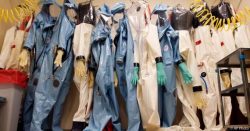
GMU Biodefense PhD student Saskia Popescu is looking into the rise of the resistant bug and how medical equipment can pose increased risks for such infections. In 2015 several outbreaks occurred in patients following a procedure with a type of duodenoscopes made by Olympus. These scopes are “flexible medical devices that look like thin tubes and are inserted through the mouth, throat, and stomach into the small intestine—are reusable $40,000 medical devices that contain many working parts, including a camera, and are used for more than half a million procedures a year. The successful dynamics of the device also make it challenging to clean and disinfect. Just over two years ago, cases of drug-resistant infections started popping up in patients who had recently had the procedure that commonly uses duodenoscopes (endoscopic retrograde cholangiopancreatography or ERCP).” Following an outbreak of the highly resistant carbapenem-resistant Enterobacteriaceae (CRE) at UCLA Medical Center, the scopes were recalled and interim cleaning guidance was provided by the CDC. Unfortunately, there is growing concern that the issues with the scope weren’t fully remedied. “In fact, Sen. Murray highlighted a recent outbreak in Europe (location not disclosed within the US Food and Drug Administration report) tied to the modified scopes. Although, modifications made by Olympus were done in response to the previous outbreaks and meant to reduce the risk of bacteria getting into the device’s channels and preventing proper cleaning and disinfection, Sen. Murray is now questioning Olympus regarding the devices and the role they played in this most recent outbreak. The senator is specifically asking for data proving that the repaired scopes could be properly disinfected between patient use.” As the threat of antibiotic resistance rises, the role of medical devices and manufacturer accountability will become increasingly relevant.

CRISPR Breakthrough Gives Hope for Disease Diagnostics 
CRISPR technology news often comes with a bit of controversy, but research recently published in Science is pointing to exciting new diagnostic capabilities. Feng Zhang and eighteen colleagues “turned this system into an inexpensive, reliable diagnostic tool for detecting nucleic acids — molecules present in an organism’s genetic code — from disease-causing pathogens. The new tool could be widely applied to detect not only viral and bacterial diseases but also potentially for finding cancer-causing mutations.” If you’re a fan of 221b Baker Street, you’ll be pleased to hear that the new tool is named SHERLOCK – Specific High Sensitivity Enzymatic Reporter UnLOCKing. The SHERLOCK tool utilizes the viral-recognition within CRISPR to detect genetic pathogen markers in some one’s urine, blood, saliva, or other body fluids. “They report that their technique is highly portable and could cost as little as 61 cents per test in the field. Such a process would be extremely useful in remote places without reliable electricity or easy access to a modern diagnostic laboratory.” This new finding has amazing potential for public health and rapid disease detection in rural areas to improve time to treatment, isolation, and prevention efforts.

National Science Advisory Board for Biosecurity May 2017 Meeting
Don’t miss this May 11th meeting (2-4:30pm EST)! Items include presentations and discussions regarding: (1) the Blue Ribbon Panel draft report on the 2014 variola virus incident on the NIH Bethesda campus; (2) stakeholder engagement on implementation of the U.S. Government Policy for Institutional Oversight of Life Sciences Dual Use Research of Concern (DURC); and (3) other business of the Board.  A detailed agenda and other meeting material will be posted on this website as they become available. This meeting will be a conference call only; there will be no in-person meeting. To join the call as a member of the public, please use the dial-in information below. The toll-free teleconference line will be open to the public at1:30 P.M. to allow time for operator-assisted check-in.  Members of the public planning to participate in the teleconference may also pre-register online via the link provided below or by calling Palladian Partners, Inc. (Contact: Carly Sullivan at 301-318-0841).  Pre-registration will close at 12:00 p.m. Eastern on May 8, 2017. Make sure to check the website for the public conference line and passcode.

Synthetic Bioterrorism – US Developing Medical Response 
Preparedness efforts against biological threats are now expanding to include synthetic biological threats. “Dr. Arthur T. Hopkins, acting assistant secretary for Nuclear, Chemical, and Biological Defense Programs at the U.S. Department of Defense (DOD), testified that…’emerging infectious diseases, synthetic biology and engineered diseases…[is] an area where we are focusing and we have to continue to focus.’ To counter such current and emerging threats, DOD’s Chemical and Biological Defense Program is developing new strategies to more rapidly respond, especially in the area of medical countermeasures, Hopkins said.” He noted that the DoD has commissioned the National Academy of Science to lead a study on the potential for such an event and its impact on national security.

Chemical Reaction: North Korea’s Chemical Weapons Are A Big Threat- And China Needs to Help Deal With Them
GMU Biodefense PhD alum Daniel M. Gerstein is looking at the “role that China could play with respect to North Korea, in particular dissuading the use of chemical weapons. While tensions are high, the use of chemical weapons could be the “spark that could bring the region to war.” Gerstein notes that while the focus in Syria is internal, if Kim Jong Un used chemical weapons it would most likely be external- against South Korea or Japan (or even the U.S.). It is vital that there be a clear-cut response to the use of chemical weapons and action from China may just be the clear message that’s needed. “To prevent the unthinkable from occurring, the North Koreans must be dissuaded from using chemical weapons. They must be convinced that the use of chemical weapons is a red line that cannot be crossed. China should consider being the messenger for this message. China also should consider taking an active, forward-looking approach to prevent the use of chemical weapons by North Korea. When Syria deployed chemical weapons, there was speculation that Russia may have been complicit or at least aware of plans to conduct the attack.” Or perhaps some friendly games of volleyball are in order?

Wildlife Disease Biologists – An Unstoppable Force 
Neither rain nor sleet could keep APHIS wildlife disease biologists out of the field collecting samples. Animal diseases are a major source for infections coming down the pipeline for humans (i.e. spillover events) and these researchers are on the front lines trying to make sure we have a heads up. APHIS’ Wildlife Services (WS) program includes 36 wildlife disease biologists who work diligently to collect samples from wild birds for avian influenza testing (among other things). “‘By monitoring the avian influenza strains circulating in wild birds, WS and its partners are able to provide an early warning system to America’s poultry producers,’ states Dr. Tom DeLiberto, Assistant Director of WS’ National Wildlife Research Center. ‘Our experts focus their sampling on waterfowl species and locations where we are most likely to detect avian influenza. This ensures our efforts are as efficient and informative as possible’.” I think we can all appreciate the brave few who venture into frigid waters to help trap and test wild birds to help detect the spread of infectious diseases.

Stories You May Have Missed: 

  • Trends in Apocalyptic and Post-Apocalyptic Fiction – Writers frequently use an apocalyptic or post-apocalyptic backdrop for fictional stories. The Doomsday Clock is a visual representation of the general mood and often represents the fear and unease in the environment. Whether it be an environmental event or a killer virus, the end of humanity has been a frequent topic for many writers. “Often it is a fear of a naturally-evolving virus, as in Max Brooks’s World War Z: An Oral History of the Zombie War (2006) or Emily St. John Mandel’s Station Eleven (2014). Yet, with the advent of new biotechnologies, authors also considered the impact a malignant engineered virus would have on humanity, as seen in Margaret Atwood’s Maddadam trilogy (2003 onwards) and Justin Cronin’s The Passage trilogy (2010 onwards).”
  • Ebola Theme Issue – The Royal Society – Philosophical Transactions of the Royal Society B is focusing their latest biological sciences journal on the 2013-2016 Ebola outbreak in West Africa. In this edition, you can find opinion pieces discussing the contribution of engineering and social sciences, old lessons on new epidemics, and a wealth of information on outbreak evaluation and notes from the field.

Pandora Report 4.7.2017

Don’t forget to tune in to CNN’s Unseen Enemy tonight at 7pm ET/PT to hear about the next potential pandemic from some of the world’s top disease experts!

Chemical Attack in Syria
On Tuesday, a chemical weapons attack killed dozens in northern Syria. While the Organization for the Prohibition of Chemical Weapons is working to collect data to determine the perpetrator, most are pointing to the Assad regime as the attacks appear to be consistent with a military-grade nerve agent. On Thursday it was announced that the autopsies performed on victims show they were subject to chemical weapons that were likely sarin nerve gas. Later last night, President Trump ordered a targeted missile strike on the Syrian Al Shayrat airfield via 59 Tomahawk cruise missiles. Some are saying the death toll from the chemical attack is between 70 and 100 and the volume of injured reported to be high. Russia is denying involvement in the latest attack that is said to have killed many children. Dr. Greg Koblentz notes that this has the implications of a sarin nerve attack, and if proven to be done by the Syrian regime, it’s one of the largest attacks. He emphasized that the U.S. will need to work to put pressure on Syria and on the Russian and Iranian allies who shouldn’t be immune to suffering the consequences from backing a regime who performs such attacks. Dr. Koblentz also recently spoke to the BBC regarding resolutions and international response towards the chemical attack, highlighting the importance of helping the victims and bringing the perpetrators to justice.

Can Bill Gates Rescue the Bioweapons Convention?
Who can save the Biological Weapons Convention? GMU biodefense graduate program director and professor Dr. Gregory Koblentz highlights the growing monetary deficits within the BWC. Dependent upon international cooperation and funding, many treaty members have been inconsistent at paying their budgetary share, which puts the implementation services unit and future meetings in jeopardy. Pointing to the challenges of acquiring funds, Koblentz draws attention to an individual who is both extremely wealthy, philanthropic, and interested in public health – Bill Gates. “Gates, ever the businessman, pointed out that this dire outcome could be avoided by spending an estimated $3.4 billion a year on pandemic preparedness. To his great credit, Gates and his foundation have already contributed vast sums to global health. Most recently, the Bill and Melinda Gates Foundation provided $100 million to help launch a public-private initiative called the Coalition for Epidemic Preparedness Innovations, with the goal of accelerating the development of new vaccines.” His recent comments at the Munich Security Conference regarding the realities of biological threats shine a harsh light the devastation a biological weapon could cause. Koblentz looks outside the box in this article, highlighting that dire times may call for unusual actions to save the BWC. “The global health community has achieved great gains over the decades, but a single bioweapon attack could reverse all that. Now more than ever, an ounce of prevention is worth a pound of cure.”

Safeguarding the Bioeconomy – Securing Life Sciences Data
Check out the latest meeting recap from the NAS workshop, which worked to assist the FBI WMD Directorate “in understanding the applications and potential security implications of emerging technologies at the interface of the life sciences and information sciences.” This workshop brought together experts from a wide range of fields to help solve the challenges of encouraging a strong bioeconomy, while preventing nefarious use and considering the implications of such data. “Advances in the life sciences are increasingly integrated with fields such as materials science, information technology, and nanotechnology to impact the global economy. Although not traditionally viewed as part of bio-technology, information technology and data science have become major components of the biological sciences as researchers move toward –omics experimental approaches.” “There is currently no government agency charged with holistically assessing the security of the bioeconomy, and the emerging importance of data (and data security) within it. These concerns will continue to grow as the world becomes more digitized and interconnected. There are a number of different types of data that can be aggregated and analyzed as part of the bioeconomy, and the collection, sharing and use of these different types of data may pose different potential concerns.” Within the workshop summary, you’ll see the division of bioconomy economy into clinical and nonclinical data, the biosecurity perspective from academia, technological advances that will further data access, data sovereignty issues, and much more.

Novel Antimicrobials – The Quest For The Grail?
The new CARB-X partnership is trying to combat the growing threat of antimicrobial resistance through innovation and supporting new research. “The CARB-X board thoroughly vetted 168 proposals and selected 11 projects that represent truly exciting early stage research. Three of them could become the first in new classes of antibiotics, and four are innovative non-traditional products. Some of the projects also take new approaches, known as mechanisms of action, to target and kill bacteria. All of the potential new medicines target Gram-negative bacteria prioritized by the U.S. Centers for Disease Control and Prevention and the World Health Organization.” BARDA is also in the race for halting the rise of the resistance bug – they’ve got a clinical-stage antibacterial program which has 13 products that are looking promising. The threat of antimicrobial resistance means that partnerships in even the most unlikely places are unfolding to help develop anything from new drugs to diagnostic tests that can determine if a lung infection is bacterial or viral. The truth is that the looming antibiotic apocalypse truly requires all hands on deck, so what’s the hold-up? At least we may have a potential cure in maple syrup

Pandemics, Personnel, and Politics: How the Trump Administration is Leaving Us Vulnerable to the Next Outbreak
GMU Biodefense graduate program director and professor, Dr. Gregory Koblentz, and MS student Nathaniel M. Morra are looking at the increase in infectious disease outbreaks in recent years (Ebola, Zika, SARS, MERS-CoV) and how the new administration is prioritizing public health. “Despite this heightened risk of a global pandemic, the Trump Administration has dragged its feet in appointing senior officials to key Federal agencies responsible for preparing and responding to a pandemic or bioterrorist attack. These agencies are also subject to steep budget cuts under Trump’s budget for Fiscal Year 2018. The delays in installing senior leaders at these agencies and pending budget cuts puts U.S. and global health security at risk.” Interim directors, a lack of Assistant Secretary for Preparedness and Response within HHS, and a planned cut in funds are already creating vulnerabilities within U.S. health security. “If a major influenza pandemic were to occur, no wall would be high enough to stop the virus from entering the United States. The best defense against pandemics and other disease threats are Federal, state, and local health agencies and international partners with strong leadership and the necessary resources to fund vital surveillance, preparedness, response, and research activities. Mother Nature doesn’t play politics; Trump shouldn’t play politics with global health security.”

Pandemics, Bioterrorism, and Global Health Security LinkedIn Group
If you’re not already already a member, make sure to check out this LinkedIn group “dedicated to the analysis of the challenges facing the world at the nexus of health, science, and security. The group’s purpose is to serve as a unique forum for discussion and debate on critical issues in global health security.” We’re happy to announce that the group just reached 3,000 members thanks to Arthur Seward-El and Veena R. Kumar! If you’re looking for a LinkedIn group dedicated to global health security and includes members from all over the world, don’t miss out!

Center for Health Security Emerging Leaders Take on The Eight Ball
I’m a biodefense nerd – always have been and always will be, so you can imagine my excitement when part of the ELBI class of 2017 fellowship workshop involved getting to visit the Eight Ball near USAMRIID. The Eight Ball is from the days of America’s active bioweapons program and despite its history, is now a rather interesting sight stuck between two buildings and surrounded by trash dumpsters. Dr. Koblentz has provided some great trivia regarding the Eight Ball – it cost $715,468 (in 1950 dollars), is four stories high and weights 131 tons, was used to test animals ranging from mice to horses, and held its first human tests in 1955 as part of Operation Whitecoat. “This one million liter metal sphere is currently tucked away behind a service building, but at one point it was the epicenter of Operation Whitecoat, the US Cold War biodefense program. From the 1950s through the ‘70s, researchers developing treatments for biological agents released small amounts of these selected agents into the eight ball, allowed them to disperse, and then exposed volunteers to this contaminated air via specially rigged gas masks. By treating the volunteers (who signed consent forms) with their newly developed vaccines and therapies, scientists were able to develop effective methods to respond to biological warfare. Whitecoat volunteers were exposed to agents that cause diseases such as rabbit fever (tularemia), Q fever, yellow fever, and plague.”

Digital Surveillance of Emerging Infectious Disease and Outbreaks: A One Health Approach 
Don’t miss out on this Next Generation Global Health Security Network Webinar on April 7th, at 1pm EST. You can check out the webinar here to learn from Maja Carrion, Assistant Director of ProMED, about digital health surveillance in human and animal sectors.

Investing In Public Health Keeps America Great
Simply put, a nation cannot be great if it lacks health. The proposed budgetary measure that drastically cut funding for HHS point to what public health has been battling for decades – a necessary force that receives too little funding amid too many expectations. Investing in public health is the most obvious thing one could do to make a country strong and capable of growth. Whether it be extending life, eradicating disease, or even a thriving workforce, public health is a force that simply can’t be ignored. “Instead of making deep investments in public health, and thus public safety, we allocate pennies. Americans spend more per capita on health care than any other country in the world, but less than 3 percent of all health spending goes to public health. The CDC’s budget has declined slightly over the past decade, and funding cuts at the state and local levels have been ‘drastic,’ says Trust for America’s Health.” At the end of the day, we have to ask ourselves – at what price do we value our own health and that of those around us?

Dynamic Challenges & Opportunities for Global Health Security Talk
All GMU biodefense students and alum are welcome to attend Dr. Gene Olinger’s talk during Professor Nuzzo’s BIOD 710 class on Tuesday, April 11th, from 6:15-7:10pm! Dr. Olinger serves as principal science advisor for MRIGlobal Biosurveillance and Global Health Division and will be talking about global health security as a subject matter expert for multiple federal panels related to biodefense and emerging viral pathogens.

Stories You May Have Missed:

  • Two Very Different Views of Terrorism and What To Do About Them – GMU biodefense PhD alum Daniel M. Gerstein is looking at the reaction to two major events – the aviation electronics ban and the London terrorist attack. He emphasizes that risk perception and personal inconvenience plays a big role in the limitations people are willing to accept in the name of safety. “Risk perception will undoubtedly continue to be an important determinant in the types of security policies and measures that will be acceptable to governments and the public. Clear and precise communications on the various threats faced, the vulnerability to particular attacks and the potential consequences of such attacks, could help reduce inflated perceptions of risk while at the same time making people more accepting of security enhancing initiatives.”
  • Measles Takes Hold in Eastern Europe– Europe is seeing a large outbreak of measles currently as over 500 cases were reported just in January 2017. 474 cases were reported in endemic countries (France, Germany, Italy, Poland, Romania, Switzerland, and Ukraine). “The largest current measles outbreaks in Europe are taking place in Romania and Italy. Romania has reported over 3400 cases and 17 deaths since January 2016 (as of 10 March 2017). The majority of cases are concentrated in areas where immunization coverage is especially low. According to reported data, the 3 measles genotypes circulating in Romania since January 2016 were not spreading in the country before, but were reported in several other European countries and elsewhere in 2015. Comprehensive laboratory and epidemiological data are needed before the origin of infection and routes of transmission can be concluded.”
  • 10 Saudi MERS Hospital-Associated Cases– Infection prevention goes well beyond the normal hand hygiene and healthcare-associated infections. MERS-CoV is a prime example of a disease that takes advantage of poor infection prevention efforts in healthcare. “A MERS-CoV outbreak linked to a dialysis unit at a hospital in Wadi Aldwaser has sickened 10 people, 2 of them with asymptomatic infections, the World Health Organization (WHO) said yesterday in an update covering 18 recent cases in Saudi Arabia.” Two of those infected are healthcare workers.

Pandora Report 3.31.2017

Welcome to your weekly dose of all things biodefense! If you take heartburn medication, you may want to check out the latest research that ties it to a higher risk of recurrent Clostridium difficile infections.

Inferno
Dr. Steve Hatch is taking readers through the harrowing journey of Ebola via the eyes of an ETU physician. He traces the origins of the outbreak, the complexities of the disease, and what it was like working as a physician during this deadly outbreak in Liberia. “There, he served as a physician (and at times a nurse’s aide, a surrogate parent and even a masseur) to the droves of patients arriving in makeshift ambulances. Inferno is Hatch’s exploration of Ebola’s origins and spread throughout Africa and beyond, coupled with his personal experience caring for those infected.”

The Real Threat to National Security: Deadly Disease
As more attention is focused on Trump’s proposed budget and the impact to public health (i.e. massive drops to NIH and CDC funding, a 28% drop in the United States Agency for International Development, etc.), the glaring reality of disease vulnerability is following suit. “Those cuts will not protect American citizens. They will diminish research and vaccine development and our ability to respond to the growing threats of antibiotic resistance and new infectious diseases. Those agencies are already falling short, as we saw last year, when they couldn’t effectively respond to the Zika threat. What will they do when we face a real pandemic? With 7.4 billion people, 20 billion chickens and 400 million pigs now sharing the earth, we have created the ideal scenario for creating and spreading dangerous microbes.” Disease is a mixed bag of tricks – antibiotic resistance, vector diseases like yellow-fever, emerging infectious diseases, zoonotic bugs like Nipah, and those that we can’t even begin to imagine. That’s just touching on the natural kind, lest we forget the threat of bioweapons or potential for biosecurity/biosafety failures in labs performing dangerous or dual-use research. The truth is that public health efforts are already strained as it is. Despite the untold benefits of prevention, it’s never been as flashy to invest in public health as in military. Unfortunately, in this day and age of globalization and interconnectedness, the poor investment we make in public health is coming back to bite us. Ebola preparedness cost U.S. hospitals $360 million…mostly because they weren’t prepared to handle these kinds of things from the beginning. Imagine if we had the funds to train healthcare workers how to handle more challenging diseases from the beginning. Regrettably, these kinds of things can’t happen if we continue to cut funds to necessary public health agencies and decide that prevention isn’t worth the investment. The stark realities of global health security aren’t things that will go away, but rather will continue to grow if we ignore prevention efforts and decide that public health isn’t worth the expenditure. Ex-CDC director, Tom Frieden, recently wrote an article for TIME magazine about the historical dangers of underfunded health programs.  If you still aren’t convinced, check out the Center for Health Security’s Infectious Disease Cost Calculator here or this article on the economic disruption of infectious disease.

Antibiotic Resistance Crisis
The American Society for Microbiology (ASM) established a new initiative to support existing efforts against antimicrobial resistance (AMR) and research developments. “This new ASM initiative is a multi-stakeholder mechanism that shares information on the current state of AMR, and identifies relevant opportunities to address AMR challenges across the microbial sciences. The initiative’s subject matter experts have identified potential approaches to maximize the impact on public, animal, and environmental health, expand surveillance, promote rapid diagnostics, and implement stewardship across settings. ‘The Steering Committee is well positioned to advise the Society on interdisciplinary One Health approaches and opportunities to address critical data gaps and human resource needs to confront this multifaceted, urgent domestic and global challenge,’ said Steering Committee co-chair James Tiedje, University Distinguished Professor and director of the NSF Center for Microbial Ecology at Michigan State University.” ASM is not new to the AMR game and has been organizing and participating in working groups since the 1990’s. The hopes for this new initiative is to really hone in on the clinical and environmental issues that facilitate AMR growth. They are also looking at surveillance and how to expand these efforts to ensure we’re getting the full scope of the issue and can truly address it with the most accurate information.

Safety First with Gene Editing
The technology and developments are quickly outpacing regulatory and oversight efforts in the world of genome editing, so the question is now becoming “should we restrict their use in the face of uncertain threats, or embrace the potential they offer and hope that appropriate responses can be rallied if experiments bring serious risks to the fore?” Many would have hoped that safety mechanisms would’ve been built into the editing systems or that we weren’t racing to catch up in terms of safety. DARPA’s Safe Genes program is one such effort that anticipates starting this summer. “Safe Genes aims to accelerate the collection of data currently missing from the debate on how to apply genome editors. The initiative also aims to strengthen the scientific foundation upon which formal safety standards for genome editing applications may someday be developed and adopted.” DARPA’s new program focuses on genome editing for many reasons – the real national security implications, the rapid pace of development and DIY potential, the dramatically declining costs for genome editing toolkits, etc. Aside from the dangers of mishandled or nefarious usage, it’s important to remember there is the potential of using genome editing for a host of beneficial things like fighting diseases, etc.

Lassa Fever Outbreak in West Africa 
Lassa fever has now seared through five West African countries in the latest outbreak. Nigeria and Sierra Leone were the first countries to see cases in December 2016. Nigeria has a total of 283 cases and 56 deaths while Sierra Leone has seen 24 cases. Of the twenty-four cases in Sierra Leone, only four were laboratory confirmed, all of whom died. While the disease is endemic in West Africa and yearly peaks occur between December and February, public health officials are working to slow the spread of the disease. Benin, Togo, and Burkina Faso are also affected by the outbreak.

GHSA Roundtable With FAO Chief Veterinary Officer Dr. Juan Lubroth
Don’t miss this event on April 4th, from 10:30-11:30am (EDT)! The FAO Liaison Office for North America cordially invites members of the Global Health Security Agenda Consortium, Private Sector Roundtable, and Next Generation Network to an informal roundtable discussion with FAO Chief Veterinary Officer, Dr. Juan Lubroth on Tuesday, April 4, from 10:30 – 11:30 a.m. Dr. Lubroth has played an important role in shaping FAO’s involvement in the Global Health Security Agenda (GHSA) since its inception in February 2014 and remains a forceful and effective advocate for the GHSA’s multisectoral and One Health approach to global capacity-building to prevent, detect, and respond to infectious disease threats. Dr. Lubroth looks forward to sharing his thoughts on the GHSA from an international organization perspective and learning more about the role of non-governmental stakeholders in this important initiative. Please confirm your attendance to Mr. Gabriel Laizer, at FAOLOW-RSVP@fao.org

Meeting On The Trump Administration, Congress, and The Future of Global Health
Don’t miss this roundtable discussion on April 6th, from 5-6:30pm, hosted by the Center for Strategic & International Studies (CSIS) Global Health Policy Center. This discussion will feature Jennifer Yates (Vice President and Director of Global Health & HIV Policy Kaiser Family Foundation), Liz Schrayer (President & CEO U.S. Global Leadership Coalition), and Chris Beyrer (Director of Center for Public Health and Human Rights John Hopkins, Bloomberg School of Public Health).

Fostering an International Culture of Biosafety, Biosecurity, and Responsible Conduct in the Life Sciences
Second-year, GMU biodefense PhD candidate, and intern for the Department of Health and Human Services, Assistant Secretary for Preparedness and Response within the Office of Policy and Planning, Elise Rowe, is taking on the international role of biosafety! As part of the student internship program, all interns are required to work on an independent project and present to ASPR staff upon its completion. Elise will be presenting her project, titled “Fostering an International Culture of Biosafety, Biosecurity, and Responsible Conduct in the Life Sciences,” on Wednesday, April 5th at the Thomas P. O’Neil Jr. Federal Building from 2-3:30 pm. You can read the abstract here.

Stories You May Have Missed:

  • Beth Cameron Joins NTI To Lead Global Biological Policy and Programs– Dr. Beth Cameron is now the senior director for global biological policy and programs at the Nuclear Threat Initiative (NTI). “Among other duties, Dr. Cameron will oversee the development of a Global Health Security Index, as well as work related to national security risks associated with emerging biotechnologies. This initiative was announced by NTI earlier this month in partnership with the Open Philanthropy Project, the Robertson Foundation and the Johns Hopkins Center for Health Security. Dr. Cameron most recently served as the Senior Director for Global Health Security and Biodefense on the White House National Security Council staff, where she was instrumental in developing, launching, and implementing the Global Health Security Agenda.”
  • Georgia Reports Low-Pathogenic H7 in Commercial Breeding Flock – Agriculture officials in Georgia (GDA) reported the low-path H7 presence in a breeding operation in Chattooga Country, Georgia. “The GDA said as a precaution, the affected flock has been depopulated and officials are testing and monitoring other flocks within the surveillance area. So far no poultry at other facilities have tested positive and none has shown any clinical symptoms. Gary Black, Georgia’s agriculture commissioner, said in the statement that poultry is the top sector in agriculture, the state’s number one industry, and officials are committed to protecting the livelihoods of farm families. ‘In order to successfully do that, it is imperative that we continue our efforts of extensive biosecurity’.”
  • Hazardous Materials Research Center Live-Agent Test – Battelle will be hosting this workshop on April 17-21st for manufacturers and developers of PPE against CBRNE threats to test their PPE against live chemical agents. “Permeation test data will help accelerate research and development to enable developers to meet critical government test and evaluation requirements or be prepared for certification, ensuring materials can provide chemical agent protection against mission specific scenarios.” Have some PPE you want tested against a chemical threat? Check it out!

Pandora Report 11.18.2016

 Welcome to World Antibiotic Awareness Week! We all have a part in reducing microbial resistance, including companies like McDonalds, KFC, and large chain restaurants. A recent report from Clinical Microbiology is reanalyzing the threat of bioterrorism. The EU has released their action plan for combatting antimicrobial resistance and you can read the roadmap here. Leishmaniasis infections are on the rise in the U.S. due to ecotourism and military campaigns in Iraq and Afghanistan. CRISPR gene-editing was just tested in a person for the first time. The Chinese research group delivered modified cells into a patient with aggressive lung cancer as part of a clinical trial. The cells were modified to disable a gene that codes for protein PD-1 (this normally would restrict immune response and is frequently manipulated by cancer) and the hope is that without the PD-1, the edited cells will be able to overcome the cancer. Did you know that your birth year can help predict how likely you are to get extremely sick from an outbreak of an animal-origin influenza virus? Don’t miss the Next Generation Global Health Security Network Info Session – today at 11a EST!

ISIS Forces Fired Toxic Chemicals in Iraq
Three chemical attacks were launched by ISIS against the Iraqi town of Qayyarah in September and October. The use of chemical weapons was in retaliation after Iraqi government forces retook the town in late August. “ISIS attacks using toxic chemicals show a brutal disregard for human life and the laws of war,” said Lama Fakih, deputy Middle East director. “As ISIS fighters flee, they have been repeatedly attacking and endangering the civilians they left behind, increasing concerns for residents of Mosul and other contested areas.” Victims of the attacks experienced painful symptoms of blister agents, or “vesicants”. The use of chemical weapons is in direct violation of the 1993 Chemical Weapons Convention. The use of these weapons would be classified, under the Rome Statue, as a war crime.

What Will Be the Next Pandemic?
Researchers at the recent International Meeting on Emerging Diseases and Surveillance discussed what the next SARS or Zika-like disease will be. Kevin Olival of EcoHealth used a predictive formula and pointed to flaviviruses that we normally don’t hear about – Usutu, Ilheus, and Louping. “All three have on rare occasions infected people, but they also infect a number of other animal species, which suggests they may have what it takes to jump species. Virologists sometimes call viruses that can do this ‘promiscuous.’ That means ‘it’s more flexible in its ability to infect across hosts, including mammals,’ Olival said.” While the scarcity of human cases proves difficult for gaining funding, emerging diseases tend to hit us by surprise, pointing to the need to expand the scope of surveillance and preparedness.

PCAST Letter to the President to Protect Against Biological Attacks
In a letter to the President, the President’s Council of Advisors on Science and Technology (PCAST) points to the to the unique challenge of bioterrorism threats in that they could be exacerbated by the rapid pace of biological science and technology developments. PCAST emphasizes the need for a renewed effort since Federal leadership can help state and local infrastructure share data and identify patterns during such an event. “Continuing scientific, technical, and regulatory developments allow the medical community to respond to new outbreaks faster than ever before. Developing medical countermeasures to naturally occurring outbreaks today lays the groundwork for responding to potential engineered biological threats in the future. PCAST supports extending this progress into the foreseeable future, setting the ambitious ten-year goal that, for infectious organisms for which effective approaches to creating vaccines exist, the United States should have the ability to accomplish, within a six-month period, the complete development, manufacture, clinical testing, and licensure of a vaccine. ”

Comic Book Explores a World Without Antibiotics  screen-shot-2016-11-15-at-8-40-41-am
A new, dystopian comic book is transporting us to 2036 London. The world is a bleak place where antibiotics have run out. Surgeon X looks at a time where simple infections and hospitalization means certain death, while the government cracks down to maintain selective control over the few drugs that are available via  a”Productivity Contribution Index”, which determines who gets access to medication. Readers follow a surgeon, Rosa, through her work at a secret clinic and the internal dialogue that comes with a repressive government, Hippocratic oath, and constant threat of infectious disease. Sara Kenney, the author of Surgeon X, notes that her own experiences with two premature children frame much of her comments on microbial resistance. Kenney noted that “it was only when she started building for herself what she calls the ‘story world’ that she realized antibiotic resistance is such a threat to medicine that it needed to be in her narrative as the obstacle the protagonist must overcome. ‘I realized the antibiotics crisis we’re facing is probably one of the most extreme obstacles you could throw at a surgeon,’. She found the complexities of the problem—resistance is believed to kill 700,000 people around the world each year—to be staggering.”

WHO Global Action Plan on Antimicrobial Resistance cxt8sslxgaajprd-jpg-large
The WHO has just released their action plan to fight antimicrobial resistance. Countries have committed to having a national action plan by May of 2017 to better support the radical shift that is needed to combat antibiotic resistance. Antimicrobial resistance (AMR) threatens the foundation of modern medicine and public health capacity. There have been little advancements in the world of antibiotics, however we continue to see a growth of AMR. The WHO global action plan has five objectives: to improve awareness and understanding of antimicrobial resistance through effective communication, education and training; to strengthen the knowledge and evidence base through surveillance and research; to reduce the incidence of infection through effective sanitation, hygiene and infection prevention measures; to optimize the use of antimicrobial medicines in human and animal health; and to develop the economic case for sustainable investment that takes account of the needs of all countries and to increase investment in new medicines, diagnostic tools, vaccines and other interventions.

BWC RevCon 
While the 8th Review Conference is underway, there have been some reports from attendants that civil society/NGO’s were asked to leave the room, which goes against precedent for the last two RevCon’s. Some have noted that Iran was seeking to deny NGO’s access to Committee of Whole by using rules of procedure but there has not been consensus yet. While these comments have been coming in from attendants’ Twitter accounts, as of Tuesday afternoon, it appears that the issue has been resolved – as news continues to trickle in, we’ll keep you posted. You can get daily updates on RevCon here, with the most recent one covering the cross-cutting plenaries that are focusing on implementation, article III, solemn declaration and more. These daily reports are the best way to get detailed play-by-play information as to how RevCon is going.

Zika Updates
A recent study found that women are at greater risk for Zika infections due to suppressed vaginal immune response. “Scientists at the Gladstone Institutes discovered that the vaginal immune system is suppressed in response to RNA viruses, such as Zika. The delayed antiviral immune response allows the virus to remain undetected in the vagina, which can increase the risk of fetal infection during pregnancy.” The Brazilian state of Parana has banned aerial spraying of pesticides in urban areas. Florida’s Department of Healthy has their daily Zika updates here, which shows three new locally acquired cases as of 11/16. The CDC has reported 4,255 cases in the U.S. as of November 16, 2016.

Stories You May Have Missed:

  • How NY Hunts for Early Hints of an Outbreak– the New York City Department of Health and Mental Hygiene has a secret weapon in the war against infectious disease outbreaks – a computer program called SaTScan.  This program utilizes big data to help detect and model infectious diseases. It monitors, maps, and detects disease outbreaks throughout the state by utilizing the data that is reported to the health department daily. “It is just not possible to effectively monitor every communicable disease in real time with human eyes alone,” Sharon Greene said. “To be able to quickly and effectively and precisely detect an outbreak, to kick off an outbreak investigation process — the earlier that you can begin this it helps to limit sickness, it helps to limit death, and it makes it more likely that you will successfully solve the outbreak.”
  • Exposure Patterns in 2014 Ebola Transmission – Researchers are presenting new information regarding the largest Ebola outbreak in history by looking at the drivers of transmission and where control efforts could be strengthened. They reviewed data from over 19,000 cases across Guinea, Liberia, and Sierra Leone. “We found a positive correlation (r = 0.35, p < 0.001) between this proportion in a given district for a given month and the within-district transmission intensity, quantified by the estimated reproduction number (R). We also found a negative correlation (r = −0.37, p < 0.001) between R and the district proportion of hospitalised cases admitted within ≤4 days of symptom onset. These two proportions were not correlated, suggesting that reduced funeral attendance and faster hospitalisation independently influenced local transmission intensity. We were able to identify 14% of potential source contacts as cases in the case line-list. Linking cases to the contacts who potentially infected them provided information on the transmission network. This revealed a high degree of heterogeneity in inferred transmissions, with only 20% of cases accounting for at least 73% of new infections, a phenomenon often called super-spreading.” Future Ebola outbreak response will need to consider super spreaders, safe funeral practices, and rapid hospitalization.
  • Rick Bright Selected as New BARDA Director – DHHS recently announced that Dr. Rick Bright will be the new Deputy Assistant Secretary for Preparedness and Response and Director of BARDA. Dr. Bright has been with BARDA since 2010 and served in their Influenza and Emerging Infectious Diseases division.


Pandora Report 8.19.2016

The Olympics are winding down and now many are waiting with bated breath to see if those attending the games will bring back more than just memories to their home countries. A recent study revealed that people infected with Ebola were 20% more likely to survive if they were co-infected with malaria-causing Plasmodium parasites.  Yellow fever continues to burn through the DRC and many are wondering if it could become the next pandemic as it’s on the brink of spreading to Europe and the Americas.  The UN has finally acknowledged the role it played in the cholera epidemic that hit Haiti following the devastating earthquake six years ago. The UN acknowledgement comes after years of cited reports and public outrage regarding the importation of the disease as a result of UN peacekeepers. China has reported several cases of human infection with avian influenza (H7N9). While human-to-human transmission has not occurred, it can’t be ruled out.

From Anthrax to Zika – We’ve Got You Covered 

We’re always on the lookout for new pieces written on biowarfare and this week brought some gems to the table. Get the scoop on Russia’s old anthrax bioweapons program and how genomic sequencing revealed more details into both the program and the “biological Chernobyl” that was Sverdlovsk. Researchers like Paul Keim, Matthew Meselson, and Jeanne Guillemin, have been looking to unravel the outbreak in Sverdlovsk and that it wasn’t “unreasonable to suspect that the Soviets would have tried to create a superstrain” of the disease. Interestingly, “the team didn’t see any evidence that Soviet engineers had tried to grow a strain that was resistant to drugs or vaccines, or that they had genetically engineered the bacteria in any way” and there were actually few changes within the genome. You can read more about the genome sequence from the Sverdlovsk 1976 autopsy specimens here.  The good news is that through Keim’s work, it is possible to review anthrax genome sequences from any future outbreaks and determine if it is some leftover Soviet weapon strain or another source. The CDC recently published an overview of biological warfare in the 17th century within the Emerging Infectious Diseases journal. You can venture through time to look at the siege of Candia during the Venetian-Ottoman War of the 17th century. “Plague was first detected in Reval on August 10, 1710, while the army from Russia was still approaching the city. Reval was not besieged, and the Russians merely camped outside the city while attempting to isolate it. The army dumped corpses into a stream that flowed into Reval, but evidence does not show that the dead were plague victims, nor does evidence exist that clarifies whether the intent was contamination of the water supply or disposal of bodies. Original accounts provide no evidence to suggest that Russians hurled bodies into the city, much less plague-infected bodies.”

ISIS’ Chemical Weapon Use: A Serious Threat On The Rise

Senior DoD consultant, Zamawang Almemar is discussing the rising threat of chemical weapons and why the “international community must respond aggressively to this threat and prevent ISIS’ ability to access chemical raw materials and transform them into weapons.” The recent chemical attacks on Kurdish civilians aren’t the first and probably won’t be the last. From President Saddam Hussein to ISIS, the threat of chemical weapons and use of mustard gas (sulfur mustard) has been a consistent tool in warfare. Almemar points to the psychological impact of chemical weapons use against the Peshmerga and that ISIS also employs these tactics to benefit from the lack of protective gear and preparedness within the Kurdish military and civilians. “The Kurdish Peshmerga forces undoubtedly continue to win the war against ISIS with conventional weapons on the battlefield and with help from the U.S. and coalition forces. However, when it comes to unconventional weapons, such as chemical weapons, they are lacking even the most basic protective equipment”. Given the consistent use of these weapons, now is the time for the international community to help supply basic protective gear for both Peshmerga forces and Kurdish civilians, to help prepare and defend against ISIS chemical weapons attacks.

Does the U.S. Need a Rapid-Response Fund for Infectious Diseases?

Greg Mercer talked about this a few weeks back, but I think we can all safely say the answer to this question is a rather enthusiastic “YES”. The Congressional standoff with Zika funds has brought the role of federal emergency funds into the limelight. The good news is that it sounds like lawmakers have learned from this situation and it’s sounding more and more like the next health spending bill will emphasize the creation of a reserve fund for the CDC to use in the next public health crisis. “The House version of the bill, which would fund the federal health agencies for the fiscal year that starts in October, has a $300 million “rapid response reserve fund” for infectious diseases. It’s a smaller version of an idea that Democratic lawmakers and current and former Obama administration officials have been promoting for months, ever since it became clear that Congress was incapable of anything close to a rapid response to Zika.” While there’s no guarantee and it will require the spending bill to be completed before President Obama leaves office, it’s a step in the right direction. The question now becomes, is this enough? Many are pointing out that while this is a great start, $300 million is simply not enough and the fund needs to be labeled as an emergency fund, not a rapid response reserve. CDC Director Tom Friden as been fighting the funding battle for over six months now, pointing to the rising case counts and growing presence of local transmission. “If you were going to do something like create a vaccine, $300 million would be entirely used up by that,” Frieden said. “If you were going to do something like a rapid response while you kind of assessed the disaster … that obviously is enough to get started. It’s not going to provide all of the funding, but it would allow you not to be so stuck.”

Report Details DoD Chem/Bio Defense Programs 

The DoD 2016 report to Congress was released recently, describing the research and development practices that have used to combat chemical and biological threats. In fact, the DoD’s Chemical and Biological Defense Program (CBDP) has provided funding for the new plague drug that was recently approved as a medical countermeasure. “The DoD faces CB threats that are complex, diverse, and pose enduring risks to the Joint Force and Homeland,” the new report said. The variety, origin, and severity of these threats continues to grow while resources shrink. DoD said it performed basic research in genetic engineering and nanoelectromechanical systems related to defense against CB threats, and supported the response to the Ebola outbreak in West Africa, among other initiatives.” Despite their work and progress, there are still challenges when it comes to biosafety, which were noted in regards to the shipping of live anthrax spores from a DoD lab. Budget reductions are expected to translate into a decrease in ChemBio defense research funding, which makes the job of combatting an increasingly complex threat that much more difficult. As the report notes, “this environment translates into increasingly complex program management decisions with no margins for error due to a lack of sufficient and predictable resources.” As Almemar previously noted, the recent use of chlorine gas by Syrian government forces and the ongoing use of chemical weapons by ISIS all point to the imperative need for continued support and funding for chemical weapon defense.

BARDA Medical Counter Measures Industry Day

The Biomedical Advanced Research and Development Authority (BARDA) and the Office of Acquisitions Management Contracts and Grants (AMCG) will be hosting their annual conference to provide a better understanding about federal medical countermeasure requirements. The October 18-20th event in Washington, DC, will allow participants to interact with BARDA and AMCG staff, and network with private sector colleagues. During the conference, participants will also learn about BARDA’s strategies and goals for FY2017 and beyond, challenges of dealing with emergency, as well as current, infectious diseases, new initiatives, and roles and responsibilities of BARDA, AMCG, and private sector partners.

Zika Virus – Emergency State of Affairs

The CDC has declared a public state of emergency in Puerto Rico over Zika virus. Last week saw over 1,900 new cases reported in Puerto Rico, which brings the total case count to over 10,690. Concerns are growing after the massive flooding in Louisiana and the potential risk for increased Zika virus transmission. While flood water may wash away eggs, the risk for containers and abandoned housing as a breeding ground for mosquitoes may support further transmission. Forbes has posted the winners and losers of $81 million in Zika funding hereWhat are the legal implications of employee-related Zika virus infections? Legal teams around the U.S. are starting to gear up for the potential legal ramifications and how employers and/or employees will respond to infections. Check out this personal account of a patient infected with Zika, who experienced the challenges of getting medical care in the U.S.  As of August 17th, the CDC has reported 2,260 cases within the U.S. You can find a timeline of the spread of Zika here.

Stories You May Have Missed:

  • The Women Protecting Us From the Next Pandemic– If you caught the PBS special, Spillover, you saw Dr. Jonna Mazet talk about the powers of the global surveillance system, PREDICT. Having detected over 800 viruses that have pandemic potential, her work looks to the relationships between humans, animals, and nature to predict the next pandemic. “The entire world is vulnerable. … It’s proven to us every single year when influenza comes around. [Viruses occur] as people search for new occupations, as more [development] pushes into wildlands, as there’s more contact between people and wildlife, which are the natural hosts. We’re seeing increases in these spillover events and diseases. …”
  • Smallpox Rising From the Grave? 
    Courtesy of UK DailyMail
    Courtesy of UK DailyMail

    Following Russia’s frozen anthrax problem, many are worried that something much more sinister, like smallpox, could be found in the permafrost. Siberia, like the rest of the world, dealt with smallpox outbreaks in the 19th century. One particular outbreak was in a town that saw 40% of the population die and resulted in the rapid burial under the permafrost soil. With the eroding river banks and disappearing permafrost, time will tell if there are more zombie microbes awaiting their rise from the permafrost grave.

  • Michigan Pigs & H3N2 – The pigs in Michigan are battling H3N2 influenza. Two more county fairs have reported cases within their pigs, with the first testing positive on August 9th. Twenty pigs have tested positive at the Cass County fair, where over 300 pages were displayed. While humans can acquire H3N2 from close contact with infected pigs, the illness is considered mild in humans.