Pandora Report 4.11.14

Ebola is still raging in West Africa and experts are planning for a long battle, however, every week can’t be about Ebola. So let’s jump into it!

Highlights include The START treaty, Chemical Weapons in Syria, H1N1 in otters and public outcry over Chilis (but not their baby back ribs.) Have a great weekend!

New START Data Show Russian Increase, US Decrease Of Deployed Warheads

With many Russia watchers nervously waiting to see if moves are made towards Ukraine, new data this week shows that Russia has actually increased their counted deployed strategic nuclear forces since September 2013 under the START treaty. Under the new treaty, by 2018, both Russia and the U.S. agree to no more than 1,550 strategic warheads on 700 deployed launchers. Russia has been under this limit since 2012—before the treaty was even signed—while the U.S. has yet to reduce below the treaty limits.

Federation of American Scientists– “Since the treaty was signed in 2010, the United States has reduced its counted strategic forces by 104 deployed launchers and 215 warheads; Russia has reduced its counted force by 23 launchers and  25 warheads. The reductions are modest compared with the two countries total inventories of nuclear warheads: Approximately 4,650 stockpiled warheads for the United States (with another 2,700 awaiting dismantlement) and 4,300 stockpiled warheads for Russia (with another 3,500 awaiting dismantlement).”

Another Chemical Weapons Attack in Syria?

 After Syria signed a chemical weapons dismantlement agreement in September 2013 (brokered by Russia, the U.S. and the UN), it appears they have reneged on their word. Reports from “credible” sources say that there have been chemical weapons attacks in the cities of Harasta and Jobar over the past couple weeks. With the eyes of the world on Russia and Ukraine, and U.S. naval destroyers loaded with tomahawk missiles departed from the Mediterranean, Assad may be benefitting from a lack of international oversight.

The Wall Street Journal-“There is no credible evidence to suggest that rebel groups in the Damascus area have acquired the materials or know-how to mount chemical weapons on conventional artillery pieces in their possession. It can therefore be concluded that unless the rebels theatrically fabricated the effects of a chemical attack, the Assad regime was likely responsible for carrying them out. Notably, on March 25, Syria’s U.N. Ambassador Bashar Ja’afari distributed a letter specifically warning that rebels would use chemical weapons in Jobar in order to blame the government. But if any party in the conflict would be prone to such conspiracy, it would be the Assad regime, whose decades of tutelage under the Russian KGB made their Mukhabarat (secret service) frighteningly efficient at false-flag tactics meant to smear the opposition.”

Swine Flu From 2009 Pandemic Also Struck Sea Otters

Turns out, the H1N1 pandemic from 2009 didn’t only affect humans…it affected otters! New research shows that otters off the Western coast of the United States were also infected with H1N1 as it affected people throughout the U.S. Seventy percent of the otters tested in 2011 showed antibodies (demonstrating previous infection) for H1N1. Previous research also showed that elephant seals living off the coast of California had been infected with H1N1 too.

U.S. News and World Report-“‘Our study shows that sea otters may be a newly identified animal host of influenza viruses,” study-co-author and USGS scientist Hon Ip said in a government news release. “We are unsure how these animals became infected,” lead author and CDC scientist Zhunan Li said in the news release. “This population of sea otters lives in a relatively remote environment and rarely comes into contact with humans.” The study was published in the May issue of the journal Emerging Infectious Diseases.”

Chili’s cancels fundraiser with National Autism Association

Last weekend, my favorite mid-range American restaurant, Chili’s announced that they would be partnering with the National Autism Association for a benefit on Monday, April 7. However, outcry over the NAA—and its anti-vaccination stance—forced Chili’s to change its mind (and continue to keep my business.) It is a striking demonstration of the power of consumers and social media and strikes a victory for those in favor of vaccinations and the good they bring to communities and herd immunity.

CNN-“The Chili’s spokeswoman said that the NAA was originally selected for the fundraiser “based on the percentage of donations that would go directly to providing financial assistance to families and supporting programs that aid the development and safety of children with autism.”

Chili’s, which is owned by Brinker International (EAT), went on to say, “While we remain committed to supporting the children and families affected by autism, we canceled Monday’s Give Back Event based on the feedback we heard from our guests.”’


(image courtesy of Wikimedia Commons/ Dave Bezaire & Susi Havens-Bezaire)
Pandora Report 4.4.14

It’s been a busy week in the biodefense world, between the continuing outbreak of Ebola in Western Africa and the realization that the Black Death may actually have been pneumonic plague rather than bubonic plague, so let’s take a moment this Friday to slow things down.


Highlights include Ebola travel restrictions, a possible source for the Ebola outbreak, and how to protect yourself during the most serious pandemic of all—the zombie pandemic. Have a great weekend!

When planning your vacation to Guinea, keep this in mind…

As of April 1, the number of suspect Ebola cases in Guinea has risen to 127 with 83 deaths (for a case fatality rate of 65%) according to the WHO. Liberia now has eight suspected cases with five deaths. Sierra Leone has had only two deaths after two bodies were repatriated after dying from Ebola. In neighboring Mali, the government has instituted thermal scans for those travelling to Mali as well as restricting movement within the capital city of Bamako. Meanwhile, Senegal has closed their border with Guinea and Saudi Arabia has suspended visas for Muslim pilgrims coming from Guinea and Liberia. Despite all of this, the WHO does not recommend travel restrictions.

Philippine Daily Inquirer—“The international health agency said there was not enough reason to push for the imposition of travel restrictions in response to the Ebola outbreak. “WHO does not recommend that any travel or trade restrictions be applied with respect to this event,” it said in a statement.”

And while on vacation, here are some foods to avoid…

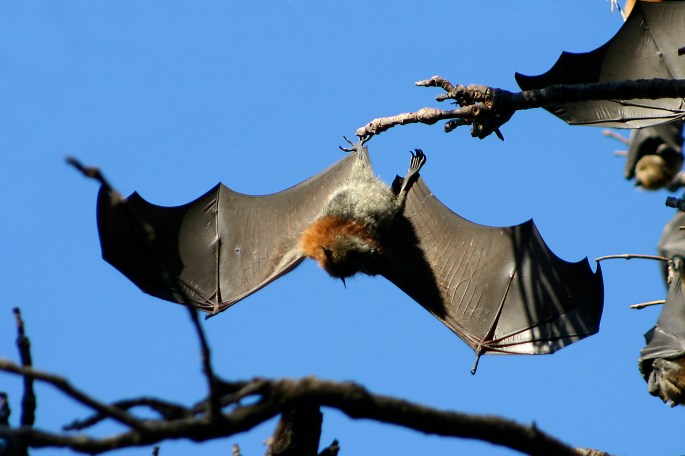
In another response to the Ebola outbreak in Guinea, officials have taken an unusual step of banning the consumption of bats as food—including grilled bat, bat soup and “other local delicacies.” It has long been suspected that bats are somehow instrumental in the spread of Ebola either as a vector or a reservoir for the disease.

CBS News—“‘We discovered the vector [infectious] agent of the Ebola virus is the bat,” Remy Lamah, the country’s [Guinea] health minister, told Bloomberg News. “We sent messages everywhere to announce the ban. People must even avoid consumption of rats and monkeys. They are very dangerous animals.’”

The good news is, in the event of a serious pandemic, you may have new protection!

Just in time for the Walking Dead finale last weekend, the American Chemical Society released new research related to the chemistry of death, and how that chemistry can shield us from the flesh and brain eating horde of zombies.

Science is a serious subject and pandemic possibilities are crises in the making…but that doesn’t mean science can’t be fun for a general audience!

Zombie Apocalypse Survival Chemistry: Death Cologne

Ebola: a pandemic of misconception

By Chris Healey

An  Ebola hemorrhagic fever outbreak in the Republic of Guinea has raised concerns about the illness and its spread to countries outside Africa.

Ebola is a virus in the filoviridae family. Of the five Ebola species, only Zaire, Sudan and Bundibugyo species have caused outbreaks in humans.

Ebola appears to be an incidental host of humans from a natural cycle involving bats and nonhuman primates. Humans enter the cycle after contact with blood and tissue from nonhuman primates, often after instances of butchering and animal cruelty. Transmission routes from bats to humans are possible but currently unknown.

The first confirmed outbreak of Ebola occurred in 1976 in Nzara, a small town in southern Sudan. Workers from a local cotton factory spread the disease to their relatives and others in the community. The outbreak lasted several months. Of the 284 cases in that outbreak, 151 died.

Ebola causes Ebola hemorrhagic fever, a severely debilitating illness affecting multiple organ systems. Ironically, hemorrhage is an uncommon symptom reported in fewer than half of all cases. Death typically occurs due to shock from fluid loss and organ failure.

Mortality rate is species dependent. Bundibugyo has a 36% fatality rate, Sudan 55%, and Zaire 90%. There is no cure, but administration of an experimental vaccine that targeted a viral protein used for attachment and entry to the host cell was attributed to the survival of an accidentally-exposed laboratory researcher in Germany.

Ebola has been the inspiration for fictional literature and film. The Hot Zone by Richard Preston provides an overview of Ebola and other filoviruses before focusing on the discovery of Reston Ebola, a species known to only sicken nonhuman primates, in Reston, Virginia. The 1995 movie Outbreak featured an Ebola-like virus as the primary plot device.

Both works exaggerate Ebola hemorrhagic fever’s morbidity and hemorrhagic symptoms to inflate pathogenicity and pandemic potential. While there is no denying the severity of Ebola hemorrhagic fever illness, it is an ineffective cause of pandemics.

Perhaps the most misunderstood characteristic of Ebola is its method of transmission. Direct physical contact with infected persons or their bodily fluids is required to transmit the illness. There is no evidence of airborne transmission among Ebola species known to affect humans. Ebola rapidly becomes nonviable outside the host when aerosolized in uncontrolled, non-laboratory settings.

Ebola has an incubation period of 4 to 10 days. Rapid onset allows healthcare providers to quickly identify affected individuals. Only symptomatic individuals can spread the disease. In other words, the disease cannot be transmitted during incubation or through non-symptomatic cases. A short, non-communicable incubation period limits Ebola’s pandemic potential.

Limitations of direct person-to-person spread can assist public health response efforts in the event of an Ebola hemorrhagic fever outbreak. Quarantine procedures are effective in restricting the illness shortly after detection. Due to the lack of airborne transmission, direct contacts with sickened individuals can be traced and contained, arresting illness progression. Ebola hemorrhagic fever rarely escalates past a localized outbreak if adequate public health infrastructure is present.

Media consumers should be wary of fictional or exaggerated portrayals of illness. The media’s tendency to misuse and dramatize information can breed undue fear in the event of a public health crisis.

Breaking News

The news never stops, not even on the weekend.

We’re covering two breaking stories about two extremely serious biological threat agents: ricin and ebola.


Ebola in West Africa

In early February 2014, health agents began tracking a case of viral hemorrhagic fever in Guinea, in Western Africa.  On March 21, Drs. Sylvain Baize and Delphine Pannetier from the National Reference Center for Viral Hemorrhagic Fevers at the Pasteur Institue in Lyon, France were able to identify the Ebola virus, subtype Zaire, in 6 of 7 clinical case samples from the outbreak. Since February 9, there have been 59 deaths from 80 reported cases of Ebola Zaire virus.

Over this weekend there has been growing concern that the virus may have crossed over into neighboring Sierra Leone. “Sierra Leone’s Chief Medical Officer Dr. Brima Kargbo said authorities were investigating the case of a 14-year-old boy who died in the town of Buedu in the eastern Kailahun District. The boy had travelled to Guinea to attend the funeral of one of the outbreak’s earlier victims.”

Ricin in Pennsylvania

A 19 year old Pennsylvania man was arrested last week and charged with attempted murder and risking catastrophe for allegedly sending a scratch-and-sniff birthday card laced with ricin to a man now dating his ex-girlfriend. Bucks County District Attorney David Heckler stressed that the toxin was extremely potent.

When the suspect was initially questioned about the card in early March, he told police he had coated the card with sodium hydroxide because it resembles Anthrax toxin. It was during lab testing that the card tested positive for ricin toxin. The man is being held without bail in Bucks County, PA.

For more on Ricin, check out Dr. Alexander Garza’s backgrounder.

Working on Ebola

Scientists at the University of Winnipeg in Canada have developed an Ebola treatment drug cocktail which has proven effective in 6 of seven monkeys (three cynomolgus and four rhesus) up to three days post infection. 

CTV – “The work builds on earlier research which showed a cocktail of three cloned antibodies saved four of four primates when given 24 hours after infection and two of four treated 48 hours after infection. This time the researchers added interferon-alpha, a chemical made by the immune system, to the treatment regime. Two of four primates survived when they were given the chemical one day after infection, and then the antibody cocktail four days later. In order for a treatment to be useful against the five types of Ebola viruses or their cousin, the Marburg virus, it must be something that can enhance survival when given days after infection, which is when cases would typically come to light.”

 Read more here

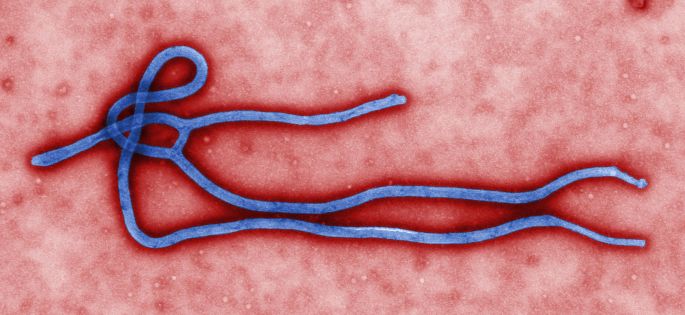
(Image: The easily recognizable ebola virus’ distinct, filamentous morphology, via CDC)

The Pandora Report 9.27.13

Highlights include MERS, more MERS, Marburg & Ebola, chemical weapons antidotes, universal vaccine. Happy Friday!

Saudi Efforts to Stop MERS Virus Faulted

Saudi Arabia is being accused both of withholding information and conducting incomplete epidemiological investigations on MERS. While health officials have been careful to collect as much information as possible from infected individuals, they have been accused of neglecting to interview healthy contacts of infected patients. Such interviews are critical to determining possible routes of transmission. Saudi officials have vehemently denied these accusations, arguing it’s impossible to withhold what they don’t know.

Wall Street Journal – “‘It’s very difficult to give all the details to the people when we don’t know all the details,’ Ziad Memish, the deputy health minister, said last week at his office in Riyadh, the Saudi capital. ‘”Where’s it coming from? We don’t know. How is it transmitted? We don’t know.'”

Middle Eastern Respiratory Syndrome Update

Speaking of MERS, the CDC has updated its epi information on the virus. According to this week’s Morbidity and Mortality Weekly Report, there are now 130 cases, of which 45% of were fatal. While cases have occured in eight countries, all infected patients had recently visited or resided in just four countries – Jordan, Qatar, Saudi Arabia, and the UAE. Also of note, just over a fifth of cases (21%) were asymptomatic. No new information on mvectors, reservoirs, or route of infection.

CDC –  “To date, the largest, most complete clinical case series published included 47 patients; most had fever (98%), cough (83%), and shortness of breath (72%). Many also had gastrointestinal symptoms (26% had diarrhea, and 21% had vomiting). All but two patients (96%) had one or more chronic medical conditions, including diabetes (68%), hypertension (34%), heart disease (28%), and kidney disease (49%). Thirty-four (72%) had more than one chronic condition (7). Nearly half the patients in this series were part of a health-care–associated outbreak in Al-Ahsa, Saudi Arabia (i.e., a population that would be expected to have high rates of underlying conditions) (8). Also, the prevalence of diabetes in persons aged ≥50 years in Saudi Arabia has been reported to be nearly 63% (9). It remains unclear whether persons with specific conditions are disproportionately infected with MERS-CoV or have more severe disease.”

New Marburg & Ebola Theraputics?

Tekmira Pharmaceuticals Corporation has developed a Marburg treatment which protects non-human primates from the virus completely (100%), even if administered 24 hours after post infection. This is very exciting. The company has also received funding to undertake a similar Ebola treatment, with Phase I clinical trials set to begin early next year.

Street Insider – “In a presentation entitled ‘Medical Countermeasures for Filovirus Infection: Development of siRNA Therapeutics Under the Animal Rule’ data were presented that showed successful anti-viral therapy with the application of Tekmira’s LNP technology to hemorrhagic fever viruses, including multiple strains of the Ebola and Marburg viruses. Newly presented data resulting from a collaboration between Tekmira and the University of Texas Medical Branch (UTMB) showed 100% survival in non-human primates infected with the Angola strain of the Marburg virus in two separate studies. In the first study, 100% survival was achieved when dosing at 0.5 mg/kg TKM-Marburg began one hour after infection with otherwise lethal quantities of the virus. Dosing then continued once daily for seven days. In the second study, 100% survival was achieved even though treatment did not begin until 24 hours after infection.

Scientists at UNC-Chapel Hill, Wake Forest work on antidotes to nerve gas

The Defense Threat Reduction Agency has awareded UNC-Chapel Hill a $4.47 million grant to develop antidotes to nerve gas. While the timing of the award may seem a little reactionary, apparently discussions on the project began over a year ago. Researchers are hoping to create an adhesive bandage, pre-loaded with the antidote which would be administered through tiny needles in the bandage itself. The advantage of a bandage over an injected serum is self-administration – no medical professional would be needed to administer it.

Charlotte Observer – “‘We can load them up with antidotes to nerve agent, including enzymes that combat nerve agent,’DeSimone [a professor of chemistry at UNC-CH and chemical engineering] said. ‘The idea was to put them directly into a dissolvable microneedle that’s painless – just a patch – and rapidly get them into the bloodstream’ Such a device could be used by the military or civilians during an attack, when poison gas can kill within minutes. The patch could be easily disseminated and transported, DeSimone said, and would have a long shelf life.

Researchers Move Step Closer to Universal Seasonal Flu Vaccine

It’s nearly flu season again, and for many of us that means shots. For scientists, it means hoping their predictions as to which strain of flu will strike are right, and that the vaccine in the shots is actually useful. Making things easier for everyone, scientists at the Imperial College of London have determined a “blueprint” for a single vaccine against all types of influenza. Scientists there have found that by boosting CD8 killer T cells, rather than trying to trigger antibody production, the vaccines are significantly more effective.

Voice of America – “’Such a vaccine would induce T cells that would be able to recognize new viruses that have not even been identified yet. In other words, future pandemic strains. In that sense, it’s a universal vaccine. And it will be different to existing vaccination where currently every year a new vaccine has to be developed, which is why we are always one step behind…'”

(image courtesy of CIDRAP)

The Pandora Report 9.20.13

Highlights include anthrax anti-toxin, the Pentagon and Ebola, antibiotics and global pandemics,  MERS baffling researchers, and a H7N9 vaccine. Happy Friday!

HHS replenishes nation’s supply of anthrax antitoxin

Rest assured, in case of an anthrax attack Uncle Sam has you covered. HHS, through BioShield, has renewed contracts with GlaxoSmithKline, replenishing our nation’s expiring supply of inhalation anthrax anti-toxin in the Strategic National Stockpile. Under the renewed contracts, we’ll be covered until 2018. The renewed contract also include a surge capacity, lest an anthrax attack occur and boosted production of anti-toxin is necessary. Believe it or not, surge capacity was not built into previous contracts.

KOAM – “To create surge capacity, the contracts allow HHS to place future delivery orders if an anthrax attack occurs, in addition to replenishing the current stockpile as needed over the next five years. The cost of future orders would be determined on a case-by-case basis, up to a maximum of $350 million per order. To receive a future order, the company must have antitoxin that is eligible for emergency use authorization or is FDA-approved at the time of the order. The replenishment and surge capacity are part of a governmentwide effort to prepare the nation to respond to security threats from chemical, biological, radiological or nuclear weapons. Federal agencies, including HHS agencies and the departments of Homeland Security, Defense, and Veterans Affairs coordinate closely to ensure programs and requirements are aligned.”

Pentagon puts Ebola virus on bio-threat research list

The Defense Threat Reduction Agency (DTRA) is actively soliciting research in therapeutics development against a slew of deadly bacterial and viral threat agents, ranging from our favorite Ebola to Burkholderia pseudomallei, the causative agent of melioidosis. Drug companies and the US government have had a tumultuous relationship when it comes to developing vaccine/therapeutics for select agents. The solicitation is encouraging, if only as a recognition of the critical importance of researching these pathogens (if we do say so ourselves).

USA Today – “DTRA officials, the document says, are concerned about the potential use of ‘aerosolized filoviruses or alphaviruses’ that could be delivered through the air. Some of the illnesses, such as Meloidosis, affect people in areas where the Pentagon is devoting more attention. For example, a contingent of Marines is now based in Darwin, a city in northern Australia. While there are some vaccines that can treat some of these conditions, the document says, ‘they have inherent limitations and a suitably effective vaccine has to be approved.’ That’s why it’s critical for more research to be conducted to find ways to prevent and treat them, DTRA says.”

Antibiotics Could Cause the Next Global Pandemic

The invention of antibiotics was understandably a big deal – before penicillin, scraping your knee could kill you. Now, we take for granted that infections are cured by a visit to the doctor and a prescription for antibiotics. Which is why this recent CDC report is so concerning.

PolicyMic – “In a press briefing about his recent research, Dr. Tom Frieden, the CDC’s director, warned ‘If we are not careful, we will soon be in a post-antibiotic era … And for some patients and for some microbes, we are already there.’ The confidence in his statement reflected the very first hard numbers for the incidence, deaths, and cost of all the major resistant organisms gathered by the CDC. The urgent worry gripping national health organizations like the CDC is that our current ‘gaps in knowledge’ and continued inadvertent strengthening of antibiotic-resistant bacteria could lead to the evolution of new vicious, contagious diseases with no current ways to combat them.”

MERS virus transmission continues to baffle

Maybe it wasn’t the camels after all. Scientists working together in the UK and Saudi Arabia are having difficulty determining the MERS virus’ route of tranmission. Yes, some camels possess the antibodies, yet most of those who contracted MERS had no contact with animals. Researchers are in agreement about one thing – the virus outbreak’s “focal point” is Riyadh. With hajj occurring next month, discovering more about the virus is becoming increasingly important.

Aljazeera – “The genetic history of the virus suggests repeat infections may have occurred since then, but what the animal source was, or is, remains unclear, it said. Tests are being carried on mammals in Saudi Arabia ranging from camels and bats to goats. The cluster in al-Hasa, in contrast, shows that viral strains there were closely related, which is consistent with spread from human to human. The samples in Riyadh have a broad genetic diversity, the paper said. This could mean that the virus is being transmitted through an animal source that is continuously being brought in from elsewhere, it said.

NIH-funded pandemic preparation: Baylor investigates bird flu vaccine

Researchers are testing vaccines against H7N9, in case the virus develops effective human-to-human transmission. H7N9 struck China in March of this year, infecting 135 and killing 44. With a fatality rate of nearly 1/3 in a totally naive population, the virus definitely has pandemic potential. H7N9 may reemerge again in the cooler fall and winter seasons.

MedScape – “Funded by the National Institutes of Health, the study being conducted at Baylor will recruit up to 1,000 adults nationally who are 19 to 64 years old and in good health. Study participants will receive different dosages of an investigational vaccine given with or without one of two adjuvants, which are substances added to a vaccine to increase the body’s immune response. Researchers at each site will gather safety information, risks and benefits of vaccinations and the effectiveness of the vaccines to trigger an immune response.”

(image: LA Department of Public Health)

Image of the Week

Last week it was a chemical weapons slideshow (here, if you missed it), so this week we thought we’d swing back to something closer to our  hearts – Ebola!

ebola_NIAID

This rather startling image from NIAID shows Ebola particles “shedding” from infected cells, illustrating that Ebola is just as frightening on a molecular level. The virus’ distinctive, filamentous morphology is clearly visible.

The Pandora Report 8.23.13

Highlights this week include MERS in tomb bats, H7N9 and its lurking cousins, Ebola of CCHF?, the history of CW and BW, and nanotech. Happy Friday!

Reservoir of MERS may be Egyptian Tomb Bat. Yes tomb bat, as in, mummies, curses, and tomb bats.

Researchers may have uncovered the reservoir of the recently emerged Middle Eastern Respiratory Syndrome virus (MERS). Scientists took DNA samples from 96 bats living at an abandoned site just 12 kilometers from the MERS index case. Once the DNA samples were sequenced, the scientists involved discovered that the fecal pellet of one bat species, the Egyptian tomb bat, shared a 182-nucleotide snippet of DNA with MERS. It’s possible that more of viral genome was present; however, when the frozen bat samples were clearing US customs, the customs officers opened and left the samples out, at room temperature, for two days (don’t even get us started on all the things wrong with that situation). Still, this latest development brings us a step closer to understanding the virus and its mechanism of action.

Science Magazine – “Sequencing the nucleic acids isolated from the samples yielded a clue: The fecal pellet of the insect-eating Egyptian tomb bat (Taphozous perforatus) contained a piece of viral RNA identical to that of the virus isolated from the patient in Bisha, the scientists reported online in Emerging Infectious Diseases yesterday…Still, the finding is another interesting piece in the MERS puzzle, says Marion Koopmans, an infectious diseases researcher at the National Institute for Public Health and the Environment in the Netherlands, who was not involved in the work. She points out that the fragment is not only short but also comes from one of the least variable parts of the viral genome, so the full genomes of bat and human virus could still differ significantly. Nonetheless, the finding ‘points at bats as a reservoir for this virus,’ Koopmans writes in an e-mail.”

China bird flu analysis finds more virus threats lurking

Scientists in China have analyzed other strains of H7 flu, and have determined that several of the strains are capable of jumping to humans. A couple strains have already been shown to successfully infect ferrets. It’s thought that H7N9, like other pandemic strains of avian influenza, began in water fowl, was transmitted to domestic poultry,  reassorted with H9N2, and then infected people. The moral of the story? Other avian pandemics may be waiting in the wings (pun only slightly intended).

Reuters – “To trace the evolution of H7N9 and its path into humans, researchers led by Maria Huachen Zhu and Yi Guan of the University of Hong Kong conducted field surveillance around the main H7N9 outbreak region and mapped out, or sequenced, genetic codes of a large number of bird flu viruses they found…They also found another previously unrecognized H7N7 virus strain had emerged and is circulating in poultry in China. In experiments testing this strain, they discovered it has the ability to infect ferrets – an animal model often used by scientists to find out more about what flu might do in humans – suggesting it could jump into people in future.”

Deadly Hemorrhagic Fever Appears in Uganda

Local health officials are scrambling to identify a small outbreak of hemorrhagic fever in Uganda, with conflicting reports seperately identifying the causative virus as Crimean-Congo Hemorrhagic Fever (CCHF) and Ebola. Four patients have been hospitalized, with a fifth already dead from the virus. In a disturbing complication, one patient has apparently “escaped from the hospital” following collection of blood samples, prompting understandable fears of exacerbation of the virus’ spread. Both CCHF and Ebola are highly pathogenic, causing body pain, severe hemorrhaging, and death.

Daily Monitor – “Efforts to verify with the Health ministry whether the disease is Ebola or the Crimean- Congo haemorrhagic fever were futile as the officials did not answer our telephone calls. ‘The four patients have been put in isolation for close monitoring,’ Dr Otto said. The district health officer said the first patient at the hospital presented symptoms similar to that of Ebola which prompted him to take blood samples to Entebbe. Dr Otto urged the public to remain calm, saying a medical team was on the ground to handle the situation.

Scientific American In-Depth Report: The Specter of Chemical and Biological Weapons

Scientific American just put up a good overview of both recent developments in and the broad history of chemical and biological warfare. The pieces included are more chem-heavy (unsurprisingly), but it’s still a good refresher, especially with Syria apparently escalating again. Take a moment to check it out.

Nano Breakthrough For Navy Lab; Tiny Sensors To Detect Explosives, Bio Weapons, Rotten Food

Researchers at the Naval Research Laboratory want to use nanowires to detect everything from biological weapons to spoilt food. For the first time, researchers were able to overcome the difficulty associated with creating the wires. Until now, nanowires have had to be grown, making mass production extremely difficult. However, researchers have found a way to etch the wires, rather than grow them, making embedding them in uniforms or refrigerators possible.

Breaking Defense – “‘The big thing with getting to this point is finding a way to produce this in a scaleable and reproducible fashion,’ principal investigator Christopher Field told me… Basically, the Navy scientists etch a cluster of nanowires and put a small amount of power pulsing through them. When a molecule from an explosive’s gas or a chemical weapon brushes against the nanowires this disrupts the charge. Then scientists analyze the disruption to discover what caused it.”

(image courtesy of Marie and Alistair Knock/Taraji Blue/Flickr)

The Pandora Report 8.16.13

Highlights this week: MERS in India, Ebola!, new swine flu, a universal flu vaccine?, and not mad cow. Happy Friday!

Middle Eastern Respiratory Syndrome (MERS) Reaches India

With a population of over 1.2 bilion people, India has understandably been on high alert for Middle Eastern Respiratory Virus. Last week a 40-year-old man who had just returned from Saudi Arabia became the country’s first case. The patient spent three day in his home in Vashi, a small town less than two hours south of Mumbai, before being admitted into the local hospital. No word yet on whether he has a family or close relatives living with him, but no new cases have been detected.

Times of India – “In the first suspected case of the Middle East Respiratory Syndrome Coronavirus (MERS-CoV) in the city, a Vashi resident has been quarantined at Kasturba Hospital in Chinchpokli. The 40-year-old man was admitted to the hospital’s ward 30, meant for infectious diseases, on Wednesday afternoon with complaints of fever and a progressing pneumonia (inflammation of lungs). The patient had returned to India on August 12 after spending 35 days in Saudi Arabia.”

Scientists Reveal How Deadly Ebola Virus Assembles

Just when you thought you knew Ebola, its proteins go and change shape on you. Scientists have discovered that the molecule responsible for the virus’ release of virions (VP40) is capable of changing shape to perform new functions.  This is a big deal, as up until now, proteins were generally believed to only be possible of forming one shape – one shape, one function. Researchers will be able to use this surprising piece of information to build antivirals tailored specifically to the VP40’s different shapes, enabling them to selectively target different points in the virus’ assembly. Which would be nice, because Ebola is scary.

Science Daily – “The results, five years in the making, revealed the Ebola VP40 protein exists as a dimer, not as a monomer as previously thought, and it rearranges its structure to assemble filaments to build the virus shell or “matrix” to release countless new viruses from infected cells. The study showed the protein also rearranges itself into rings in order to bind RNA and control the internal components of the virus copied inside infected cells. This “shape-shifting” or “transformer” behavior explains how the Ebola virus can control a multi-step viral lifecycle using only a very limited number of genes.”

New swine flu virus found by University of Hong Kong researchers

Scientists at the University of Hong Kong have unearthed a new influenza virus, nimbly dubbed porcine parainfluenza virus 1(PPIV-1), in 386 pig carcasses collected from slaughterhouses around Hong Kong. Despite the virus’ close similarity to existing human flu viruses, as long as meat is thoroughly cooked there is no immediate health threat to us. The stability of the virus’ genome suggested its primary host is pigs, in which it is also found to cause respiratory symptoms. However, study researchers have called for greater surveillance of imported animals – Hong Kong imports 3,000 pigs from mainland China daily – as well as a more thorough investigation into the virus’ source.

South China Morning Post – “But a top researcher behind the study, microbiologist Yuen Kwok-yung, warned it might mutate and jump from pigs to humans. ‘The new virus is closely related to some human influenza viruses,’ Yuen said. ‘We should watch for possible cross-species transmission from pigs to humans, just as in the case of [human] swine influenza H1N1 and the Nipah virus.'”

Universal Flu Vaccine: Pandemic Viruses May Give Clues

The best safeguard for beating the newest pandemic flu seems to be having lived through a couple already. According to new research, individuals who had been exposed to both the 1957 H2N2 and the 1977 H1NI pandemic influenza viruses had higher levels of broadly neutralizing antibodies.  These antibodies are better able to target the flu viruses’ “stalk” portion (rather than their “head”) which remains relatively conserved across strains. Before you start counting the number of times you’ve been laid up with the flu (or smartly got a flu shot), antibodies produced against seasonal flu won’t confer the same protection. For some reason, our body tends to produce antibodies against the “head” portion of regular winter flu viruses. However, researchers hope that by creating a seasonal flu shot which tricks your immune system into thinking it’s facing a pandemic virus,  a universal flu vaccine may be possible.

Live science – “Levels of broadly neutralizing antibodies increased modestly over time in the study participants, and were highest among those who’d been exposed to more than one pandemic. Levels of broadly neutralizing antibodies were 3.8-fold higher in those who had been exposed to both H2N2 and H1N1, compared with those exposed to only H1N1, the study found. The finding suggests a strategy for making a universal flu vaccine: create a vaccine that contains flu viruses with very different heads, but highly similar stalks, Miller told LiveScience.”

New virus could help rule out mad cow

We don’t spend a lot of time talking about pathogens which affect  exclusively agricultural and food security here at the Pandora Report, which isn’t to say they’re not critically important. Scientists have discovered and successfully characterized an astrovirus which produces symptoms similar to bovine spongiform encephalopathy (BSE), more commonly known as mad cow disease. Although the new virus is not zoonotic, researchers can use its sequenced genome to develop a quick an easy diagnostic test capable of ruling out BSE.  Currently, testing for BSE and other neurological diseases in cattle is very cost and labor intensive.

Futurity – “’Neurologic disease in cattle can be difficult to diagnose because there are a number of different causes, and pre-mortem sampling and analyses can be cumbersome and/or expensive,’ says corresponding author Patricia Pesavento, a veterinary pathologist in the University of California, Davis School of Veterinary Medicine…’Understanding the role of this virus is crucial for veterinarians as well as for the dairy and beef cattle industries,’ she says. ‘Additionally, finding new viruses helps us identify other, more remote viruses because it builds our knowledge of both the depth and breadth of viral family trees.'”

(image courtesy of Axel Drainville/Flickr)