Pandora Report 5.27.2016

Before you start your holiday weekend, what’re your thoughts on Usain Bolt outrunning a mosquito? The Jamaican sprinter jokingly responded to questions regarding athlete concerns over Zika virus, noting that he’s not worried “because I’m fast – they can’t catch me”. (Hint – it looks like he can outrun a mosquito with his 22 mph capabilities versus the 1.12-3.35 mph of an Aedes mosquito). Sticking with the Olympian theme..bacterial teams? Researchers recently found that two strains of E.coli, resistant to different antibiotics, can protect each other in an environment containing both antibiotics. The phenomenon is called mutualism and researchers at MIT are now looking looking into the range of this practice and the potential for population synchronization. At the 69th World Health Assembly this week, the WHO revealed plans to revamp itself however, many point out that for an agency better at giving advice than taking action, it’s too little too late. In the case of the WHO, critics are calling for acta non verba. 

The World Bank Rolls Out the Pandemic Insurance Plan
Following the Ebola outbreak in West Africa, the World Bank has announced a new program that will enable funds to rapidly be mobilized during outbreaks. In hopes of ensuring a more speedy response to infectious disease disasters, World Bank President Jim Yong Kim stated that “pandemics pose a serious threat to global health and economic security.” The new Pandemic Emergency Financing Facility (PEF) is “a combination of catastrophe insurance and bonds, is a direct reaction to the sluggish donor response to the outbreak of Ebola”. Presented at the G7 meeting for finance advisors, Japan has already committed support with a $50 million contribution. The insurance will cover several classes of infectious disease outbreaks most likely to cause epidemics – ranging from new influenza or coronavirus strains, filoviruses like Marburg and Ebola, and other zoonotic diseases. The initial plan is to have a total of $500 million  and hopefully avoid outbreaks, like Ebola, rapidly growing due to poor financial support and response.

Antibiotic Apocalypse
As much as I’d love to say this title is a dramatic take on the issue of antibiotic resistance, the truth is pretty startling. A report done by the Review on Antimicrobial Resistance  (commissioned by the UK government and reviewed by officials including economist Jim O’Neill), estimated that by 2050, 10 million lives per year and $100 trillion are at risk due to drug-resistant infections. That’s quite a stark estimate, but as many have pointed out “the problem of drug-resistant microbes isn’t just about biology and chemistry; it’s an economic problem at heart, a catastrophic and long-bubbling mismatch between supply and demand. It’s the result of the many incentives for misusing our drugs, and the dearth of incentives for developing new ones.” Can we really tackle this issue though? It still amazes me hearing people in an emergency department or urgent care asking for an antibiotic and the physician having to explain that they have a viral infection or that antibiotics simply aren’t warranted. In many ways, when we are sick enough to go to the doctor, we want to walk away with some “cure” and the notion of bedrest and hydration isn’t all that comforting. So what can we do? The report notes some steps to help prevent this impending reality – massive global public awareness campaigns, improve hygiene, improve global surveillance of drug resistance and antimicrobial consumption in humans and animals, promote development and use of vaccines, promote new, rapid diagnostics to cut out the unnecessary use of antibiotics, better incentives to promote investment for new drugs and improve existing ones, improve the numbers, pay, and recognition of people working in infectious diseases (hear, hear!), etc. Other recommendations include improving sanitation and a global innovation fund for early-stage research. Scientists were recently startled to find for the first time in the U.S., a patient with a bacteria that is resistant to antibiotics that are used as a last resort. While the predictions are daunting, the threat of antibiotic resistance is one we can get ahead of if we make the commitment and start immediately.

The Growing Threat of Spillover Screen Shot 2016-05-23 at 9.38.18 AM
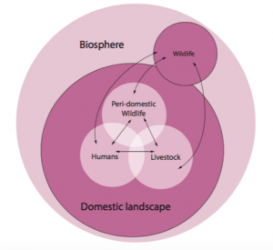
The United Nations Environmental Programme (UNEP) released their 2016 Frontiers Report “Emerging Issues of Environmental Concern”. One of the six major issues was zoonosis. “There is a worldwide increase in disease emergence and epidemics particularly from zoonoses – diseases that can be passed on between animals and humans. The report illustrates how the emergence and re-emergence of zoonotic diseases are closely interlinked with the health of ecosystems. The risk of disease emergence and amplification increases with the intensification of human activities surrounding and encroaching into natural habitats, enabling pathogens in wildlife reservoirs to spill over to livestock and humans.” The report notes that around 60% of all infectious diseases in humans are zoonotic and 75% of emerging infectious diseases are zoonotic. You can also find several great infographics that paint a very surprising picture regarding the emerging zoonotic disease events from 1940-2012 and the top three reported zoonoses for specific continents. The growing Zika epidemic is just another in a long list of spillover cases including those of MERS, SARS, Ebola, and Rift Valley fever.

A Need To Rebalance
GMU Biodefense professor and Program Director, Dr. Gregory Koblentz, is pointing to the need for the U.S. to refocus its nonproliferation efforts on South Asia. Given the region’s high risk for nuclear crisis as a result of territorial disputes, cross-border terrorism, and increasing nuclear arsenals, there is a crucial need to re-allign nonproliferation efforts to include South Asia. “As of 2015, India was estimated to have 120 nuclear warheads while Pakistan was believed to possess 130 weapons. Both countries have also continued to develop, test, and deploy new missiles designed to deliver nuclear warheads. Pakistan has tested seven different types of nuclear-capable ballistic and cruise missiles, including the 2,750-kilometer range Shaheen-3 ballistic missile. Meanwhile, India has tested nine different types of nuclear-capable missiles, including the Agni-V intercontinental ballistic missile with a range of over 5,000 kilometers.” Dr Koblentz points to the impacting introduction of tactical nuclear weapons in South Asia and their ability to be deployed on short-notice – also concerning is India’s planned development of strategic missile submarines, which will likely trigger development from Pakistan. He notes that the international community can help restrain this dangerous competition by encouraging both countries to adopt confidence-building measures (limits on development of tactical nuclear weapons, etc.) and engage in high-level talks with “other nuclear weapon states to discuss measures that could further reduce the risk of nuclear weapons being used deliberately, by accident, or in an unauthorized manner.”

Rebuilding Trust in Biology 
Between the gain-of-function talks and biosecurity failures at major U.S. labs, there’s been a subtle shifting in the trust and support for biological sciences. New regulations could change oversight for sciences within the U.S. and many are wondering how we can restore trust back into this field. While we can all agree that forgotten smallpox vials and an accidental bird flu release translates to a need to revamp practices and facilitate more effective and efficient oversight, there’s been little mention of how we can combat the trust issues. This week the National Science Advisory Board for Biosecurity (NSABB) met to conclude their 18-month deliberation on select pathogen research practices and regulations. Let’s hope that with more effective and efficient practice recommendations, they are also looking into repairing the reputation of science and biology. Dr. Filippa Lentzos and Dr. Nicholas Evans recommend four ways to rebuilt this trust- transparency in process and outcome of experiments and review, life scientists need to play their part in monitoring and preventing deliberate misuse of biology, accountability needs to be built into scientific norms, and decisions on pursuing dangerous experiments need more transparency in regards to their process. “There should also be clear, internationally-recognized red lines about the sorts of experiments—such as attempting to make Ebola virus transmit like the flu, or modifying an extinct virus like smallpox—that simply should not be done.”

Energy & Commerce Subcommittee Looks at U.S. Biological Threat Preparedness
The Energy and Commerce Subcommittee on Health held a hearing regarding H.R. 3299, Strengthening Public Health Response Act, last week to discuss and review legislation that would enable the U.S. to prepare and defend against biological attacks. The act was presented in response to the October 2015 Blue Ribbon Study on Biodefense that highlighted the general lack of preparedness against emerging biological threats. “Thirty-three recommendations to improve the U.S. response to biological threats were made by the Blue Ribbon Study on Biodefense, which was led by former U.S. Sen. Joe Lieberman (I-CT) and former Pennsylvania Gov. Tom Ridge, the first Secretary of Homeland Security. The panel’s report was based on meetings, interviews and research.” Acting Biomedical Advanced Research and Development Authority (BARDA) Director Dr. Richard Hackett noted that “the array of threats for which we must be prepared is vast. Such threats include bioterrorist agents such as anthrax, smallpox and botulism; evolving and emerging threats causing substantial regional disruption such as Ebola and Zika; and highly communicable diseases with pandemic potential such as influenza.” This act would also expand the Priority Review Voucher program within DHS and work to facilitate BARDA’s partnership with the private sector.

Weekly Zika Updates
On Monday, WHO Director-General Dr. Margaret Chan pointed to the failure to maintain mosquito-control efforts and the spread of Zika. “Let me give you a stern warning. What we are seeing now looks more and more like a dramatic resurgence of the threat from emerging and re-emerging infectious diseases. The world is not prepared to cope. Above all, the spread of Zika, the resurgence of dengue, and the emerging threat from chikungunya are the price being paid for a massive policy failure that dropped the ball on mosquito control in the 1970s,”. The European Centre for Disease Control and Prevention (ECDC) released a risk assessment for European travelers to the Olympic Games, finding that they’re most at risk for gastrointestinal illness and vector-borne diseases. Researchers are also considering the association between Zika virus and eye problems in babies that have microcephaly. During your holiday weekend, take a minute to learn about the Scottish professor who discovered Zika virus. Experts are also pointing to the role of misinformation (via social media conspiracy theories) in prevention efforts.  “The researchers behind the study—from Johns Hopkins University, George Washington University, and the University of Georgia—say the misinformation they detected by analyzing thousands of Twitter posts could cause many vulnerable people to refuse future Zika vaccinations.” The CDC has estimated that a fetus infected with Zika virus during the first trimester has a 1-13% risk of developing microcephaly. As of May 25th, the CDC has reported 591 travel-associated and 11 sexually transmitted cases in the U.S.

Stories You May Have Missed:

  • Why Victorian Diseases Are Making a Comeback – Scarlet fever and TB have been on the rise in the UK and many are pointing to the growing threat of antibiotic resistance and poor vaccination compliance. Many of these diseases have been under control for centuries so any uptake can cause a sensational public response, however it’s important to remember the recent plethora of measles outbreaks and just how vital vaccination is. Antibiotic resistance alone could bring back these diseases and take us back to a time where infectious diseases were the major cause of death.
  • The Threat of Agroterrorism and Zoonotic Disease in the U.S. –  Gary Flory, Agricultural Program Manager of the Virginia Department of Environmental Quality, discusses the threat of these diseases for the Non Conventional Threat CBRNe Meeting. “The threat of agroterrorism and naturally occurring disease outbreaks in the United States continues to expand as new diseases emerge and existing diseases become endemic in many parts of the world. The food and agricultural sector is one of the easiest sectors of any nation’s economy to disrupt and its disruption could have catastrophic consequences both nationally and regionally. Both developing and developed countries will be impacted by a disease outbreak or agroterrorism attack.”
  • The Awful Diseases on the Way– check out this overview of Sonia Shah’s book, Pandemic: Tracking Contagions from Cholera to Ebola and Beyond, that also discusses the impact of infectious disease outbreaks from smallpox to Ebola. The review is done by a pediatric physician who has worked with UNICEF and the Global Fund to Fight AIDS across three continents. Aside from the wonderful points on infectious disease outbreaks and the importance of public health, Annie Sparrow gives a delightful segment on the corrupt schemes of outbreak coverups.

Pandora Report 5.20.2016

The biodefense world was pretty busy this week – between Zika funding, cloning, and debates over dual-use technologies, we’ve got a lot to recap! Check out this great infographic on mosquitoes and the diseases they spread. The “State of Innovation” report revealed a decrease in biotech patents in 2015, with many pointing to the correlation between three U.S. Supreme Court decisions that limited patentability of some biotechnologies. If you were wondering how the sale of Plum Island is going, the House has actually temporarily halted any transactions.

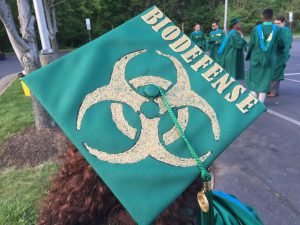
Congrats GMU Biodefense Graduates!IMG_3491
We’re so happy to announce the convocation of some of our phenomenal graduate students. Earning a MS in Biodefense- Julia Homstad (also awarded the Frances Harbour Award for Community Leadership), Brittany Linkous (earning the Outstanding Biodefense MS Student Award), Francisco Cruz, Mary Dougherty, Moneka Jani, Sadaf Khan, Brittany Ferris, Michael Smith, and Robert Smith. Graduating with their PhD’s – Jonathan Gines (also the recipient of the Outstanding Biodefense PhD Student award and his dissertation was: Designing Biorisk Oversight: Applying Design Science Research to Biosafety and Biosecurity, Patricia Kehn (Flu News You Can Use? An Analysis of Flu News Quality 2008-2010), and Mittie Wallace (Emergency Preparedness in Virginia, Maryland and DC: Using Exchange Theory to Identify Government-Nonprofit Incentives and Barriers to Collaboration). Congrats to all our Biodefense graduates in the hard work and dedication they’ve put forth to contribute to such a diverse and exciting field!

Evaluation of DoD Biological Safety & Security Implementation
The Inspector General of the Department of Defense (DoD) has released their report regarding the biosafety and biosecurity policies and practices within DoD laboratories working with select agents. The report also evaluated DoD oversight of these laboratories and compliance with Federal, DoD, and Service Policy, with careful consideration to recent GAO (among others) recommendations. Several findings were reported, which include: “DoD has not maintained biosafety and biosecurity program management, oversight, and inspections of its BSAT laboratories according to applicable Federal regulations. BSAT laboratories in Military Services were inspected according to different guidance, standards, and procedures, risking dangerous lapses in biosafety practices. Lack of coordinated oversight of DoD laboratories led to multiple, missing, and duplicative inspections, and, therefore, an excessive administrative burden that could interfere with scientific research performance.” The report also noted that public health and safety was put at risk due to the poor protection of these agents. Recommendations pushed for better internal and external tracking of inspections, coordination of external technical and scientific peer reviews, standardized training for inspectors, the creation of site-specific laboratory security vulnerability assessments, etc. Overall, the report addresses several key failures within select agent laboratories that have been gaining increasing attention. While these recommendations are a necessary first step, there is definitely an up-hill battle to better secure and work with select agents.

Public Health & Emerging Disease Outbreaks – The Importance of Communication 
Outbreak prevention and response isn’t a new concept…in fact it’s something we’ve been perfecting since John Snow took off the Broad Street pump handle. Sometimes, the fastest spreader isn’t the disease, but rather poor communication and fear. In every after-action report, communication tends to be the biggest failure. Not only do people fail to talk to each other enough, but information dissemination and comprehension tends to be poorly emphasized, when in fact it could save lives. “In particular, healthcare workers may benefit from knowing about newly found transmission risks or disease findings from a novel case under intensive care. Knowledge drives behavioural change that can save lives. We live in a global community. Even if the lives saved are not citizens of our country, withholding information because it is unlikely to benefit our own countrymen, or even delaying dissemination of important information until it is published in a scientific journal is a poor choice.” Dr. Ian Mackay and Katherine Arden point to communication failures regarding the zoonotic transmission of MERS-CoV and the illness of a nurse from the UK who recovered from Ebola and was later hospitalized for meningitis. Both instances involved poor communication, especially to healthcare workers. “Good communicators and reliable communications are vital. Create a dialogue with the public now to build a partnership for later, to reduce distrust when an outbreak, epidemic or pandemic occurs. In this way, communities know which voices to trust and where to turn for their information. Leaving an information void invites others to fill it and more often than not, it is those who delight in titillation, invention, make-believe and fear-mongering.”

Weekly Dose of Zika Virus
H.R. 5243 – Zika Response Appropriations Act of 2016 is the hot topic of discussion this week, as President Obama’s Administration is opposing the act. “While the Administration appreciates that the Congress is finally taking action to address the Zika virus, the funding provided in H.R. 5243 is woefully inadequate to support the response our public health experts say is needed.  Specifically, the Administration’s full request of $1.9 billion is needed to:  reduce the risk of the Zika virus, particularly in pregnant women, by better controlling the mosquitoes that spread Zika; develop new tools, including vaccines and better diagnostics to protect the Nation from the Zika virus; and conduct crucial research projects needed to better understand the impacts of the Zika virus on infants and children.On May 17th, the Senate voted to provide $1.2 billion to fight the growing outbreak. A team from the University of Texas Medical Branch at Galveston has traveled into uncharted territory – they are the first to genetically engineer a clone of the Zika virus strain.  Their work could help speed up vaccine development and research of the virus. As the Zika outbreak rages onwards, many are pointing to the need to understand how and why it mutated from Africa to Asia and then to the Americas.  “‘Like many arboviral agents, given the appropriate environmental and human conditions, new pathogens can be easily moved around the globe,’ Ann Powers said. And that’s what Zika did. The virus began to ripple across the Pacific—and as it traveled, it seemed to change.” The Olympic Games are fast approaching and the debate about the safety of the games has been spreading (see what I did there?). Last week you read about how some are saying the games should be cancelled, while others say it poses a minimal threat. You can also find a snapshot of Zika virus here. The WHO reported that the overall risk of Zika virus moving across the WHO European region is low to moderate during late spring and early summer. Rutgers is taking the lead on an IBM-sponsored project that will utilize supercomputing resources to identify “potential drug candidates to cure the Zika virus.” The Wilson Center is hosting an event, “Zika in the U.S: Can We Manage the Risk?” on Tuesday, May 24th, at 11am. Many are also wondering why humans and not mice are susceptible to the virus. Lastly, as of May 18th, the CDC has reported 544 travel-associated cases and 10 sexually transmitted cases within the U.S.

Governance Structures for Reducing Dual-Use Technology Risks
The American Academy of Arts & Sciences has published an examination of dual-use technology governance and the state of current efforts to control the spread of potentially dangerous technologies. “Governance of Dual-Use Technologies examines the similarities and differences between the strategies used for the control of nuclear technologies and those proposed for biotechnology and information technology. The publication makes clear the challenges concomitant with dual-use governance.” The report looks at the potential objectives of these measures, what they translate to in a technical format, and if these measures are even feasible.

Global Avian Influenza A H5N1 Trends
Researchers recently looked at the epidemiology of human H5N1 cases from 1997-2015. This was the first comprehensive analysis of human cases on a global scale. The number of affected countries rose between 2003 and 2008, traveling from east Asia into west Asia and Africa. “Most cases (67·2%) occurred from December to March, and the overall case-fatality risk was 483 (53·5%) of 903 cases which varied across geographical regions. Although the incidence in Egypt has increased dramatically since November, 2014, compared with the cases beforehand, there were no significant differences in the fatality risk, history of exposure to poultry, history of patient contact, and time from onset to hospital admission in the recent cases.”

Stories You May Have Missed:

  • Health Security Available – The newest volume of Health Security is now available online. The recent issue includes pieces on Zika and microcephaly, preparing for climate disruption, adapting to health impacts of climate change in the DoD, and more!
  • Secret Genome Meeting – Last week saw a meeting hosted by Harvard Medical School’s George Church, to discuss “feasibility and implementation of a project to synthesize entire large genomes in vitro.” Initially the meeting was open to the public and media however, the decision was made to keep it private (from the media) so that researchers, lawyers, entrepreneurs, and government officials could speak freely without fear of being misquoted. “Our ability to understand what to build is so far behind what we can build,” said Jeremy Minshull, chief executive of DNA synthesis company DNA2.0, told The New York Times. “I just don’t think that being able to make more and more and more and cheaper and cheaper and cheaper is going to get us the understanding we need.”
  • Four Countries Fend Off Avian Influenza- Cambodia, Ghana, and Indonesia have been battling H5N1 and Italy has just reported its second H7N7 occurrence this month. Ghana and Cambodia have reported significant bird mortalities, with the virus killing 155 of 505 susceptible birds. “In Ghana, the H5N1 virus turned up in four commercial layer and breeding farms in three of the country’s regions: two in Greater Accra and one each in Eastern and Central regions.”
  • Bavarian Nordic Smallpox Vaccine Contract – the pharmaceutical company announced that BARDA has ordered a bulk supply of their new IMVAMUNE smallpox vaccine. The $100 million supply of the non-replicating vaccine requires Bavarian Nordic to manufacture and store the bulk supply. “The freeze-dried version of IMVAMUNE is expected to reduce the life cycle management costs based on a longer shelf life and will replace the liquid-frozen version that is currently stockpiled in the U.S. Strategic National Stockpile (SNS).”
  • Early Detection Lyme Disease Test Successful – GMU researchers have proven that their early-detection urine test works to rapidly identify Lyme diseases. “The National Institutes of Health funded the research that led to Mason’s patented technology, which traps tell-tale clues (such as the Lyme bacteria protein) that a disease is present. The Mason technology, which is licensed to Ceres, works during the earliest stages of disease and finds the tiniest traces missed by most diagnostic tests.”

Pandora Report 5.6.2016

May has arrived, summer is upon us, and we’ve got your weekly biodefense scoop..Thursday was Hand Hygiene Day – don’t forget that clean hands save lives! Check out these wonderful infographics on the impact of vaccines on battling infectious diseases in the 20th century. A recent study published in the Journal of the American Medical Association (JAMA) found that 30% of oral antibiotics prescribed in U.S. outpatient healthcare facilities (urgent cares, etc.) are unnecessary. Hocking a loogie may now be a diagnostic method as researchers have found that people have saliva fingerprints. The study revealed that this new analysis could lead to non-invasive methods of disease detection. Think you know your chem-bio weapons? Take a quiz to see if your knowledge is expert level or if you need a review from anthrax to Zika. 

Potential Anthrax Attack Foiled in Kenya 
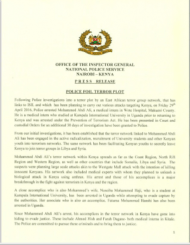
Screen Shot 2016-05-04 at 7.07.53 AM Kenyan police are claiming to have foiled a “large-scale” bioterrorism attack using anthrax. Three individuals associated with a terrorist group with links to ISIS were arrested. The terrorist group was not named but was noted to have a presence in Kenya, Somalia, Libya, and Syria. Police stated that “Mohammed Abdi Ali, a medical intern at a Kenyan hospital, was in charge of a ‘terror network… planning large-scale attacks akin to the Westgate Mall attack‘ in which 67 people were killed in 2013 in Kenya’s capital, Nairobi.” Mr. Ali is said to have a network that includes medical professionals who would have the tacit knowledge to develop anthrax bioweapons. The Kenyan police chief, Joseph Boinnet, posted the official documents on his Twitter. While there has been no additional information on the terrorist group or the details of their planned bioweapons attack, we’ll continue to keep you updated as more information is released.
Let Loose Your Inner Epi With EpiCore
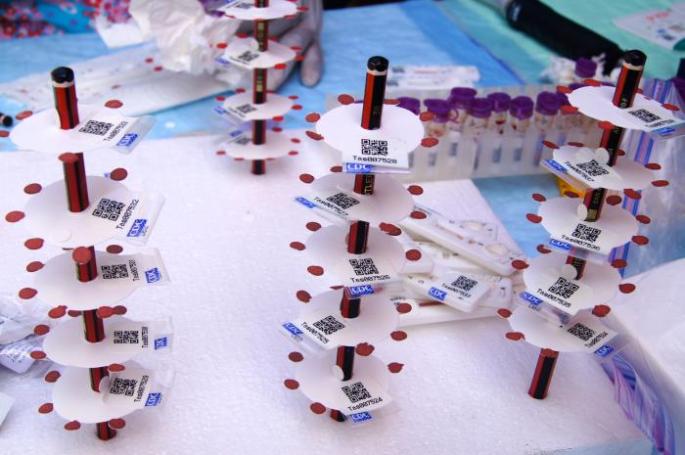
Ramp up your epidemiology game with the EpiCore community. EpiCore is a joint effort from Skoll Global Threats Fund, HealthMap, ProMED, and TEPHINET. EpiCore is a virtual community that brings together epidemiologists using new surveillance methods. It’s “a new system that is finding and reporting outbreaks faster than traditional disease surveillance methods alone. EpiCore enables faster global outbreak detection and reporting by linking a worldwide member network of health experts through a secure online reporting platform.”

Whole Foods Salad Bar Attack
The FBI has recently arrested a man in Ann Arbor, Michigan, who poured a liquid onto items in the prepared foods bars. Reminiscent of the Rajneeshee attack in 1984, investigators are taking the situation very seriously. Authorities found that the man was spraying mouse poison in fresh foods at three Ann Arbor grocery stores. “According to the FBI, an investigation points to the man spraying a mixture of what is believed to be mouse poison, hand cleaner, and water on open food bars in three stores in the town over the last couple of weeks.” The FBI has also noted that the suspect had visited other grocery stores in recent months and they are currently investigating if those other stores were involved in the poisoning. Would you consider him a bioterrorist or prankster?

Is Texas A New Hot Zone?
Between Ebola and Zika, Texas hasn’t been able to catch a break from emerging infectious diseases (EID’s). The Center for  Strategic & International Studies (CSIS) discusses that the EID attraction to the Lone Star State really began back in 2003 with the first urban dengue fever epidemic in decades. Texas is also “now an epicenter of Chagas disease and leishmaniasis transmission in the United States (parasitic infections transmitted by kissing bugs and sandflies, respectively), as well as murine typhus (transmitted by fleas) and West Nile virus infection.” Many are wondering, why Texas? What makes Texas such a nexus for infectious diseases? CSIS points to several factors – poverty (large population + poverty rate around 16% = ranking one or two in terms of having the largest volume of people below the poverty line), urbanization (when combined with poverty, this rapid growth means the crowded poor neighborhoods are perfect for opportunistic disease), being a global commercial and migration hub (coastal gateway ports), and climate change. These four qualities have created the perfect blend for both emerging and neglected infectious disease presence in Texas. Fortunately, Texas has a strong emergency management system and heightened public health department investment and resources. While Ebola and Zika have surely reinforced preparedness practices in Texas, are they enough? You may remember in December, we recounted the Trust for America’s Health report on state specific preparedness for preventing, detecting, diagnosing, and responding to outbreaks. States were graded on a scale of 1-10 (10 being the best score). Interestingly, Texas was ranked right in the middle with a score of 5. Despite all their recent EID events, I’m surprised Texas is not ranked higher (Delaware, Kentucky, Maine, New York, and Virginia ranked highest with a score of 8). If Texas is the new epicenter of emerging and neglected infectious diseases, let’s hope their capabilities and capacity to respond to such diseases improves in the future.

Lessons Learned from TV/Movie Outbreaks
The CW recently began their new miniseries, Containment. While any show or movie on an outbreak instantly captures my interest, this one is particularly captivating for the same reasons as Outbreak – it’s so bad, it’s good. A recent ranking of the most plausible pathogen and zombie virus outbreaks in movies points to our affinity for outbreak movies with poor scientific backing. I’m a fan of watching these movies, and now Containment on Tuesday evenings, to see not just how wrong people can get outbreak response, but what they think the general public wants to see when it comes to a dramatic epidemic depiction. Did I mention the plethora of epidemiology/infection control faux pas? We’ve all watched a movie or show with a disease outbreak and picked out some ridiculous (and usually hilarious) blunders. The Pandora Report is now starting a list of ways the show demonstrates how NOT to stop/prevent an outbreak. We’re hoping to publish the list after the season ends and would love to include anything YOU find while watching it. Whether it’s the ridiculous infection prevention habits, over-the-top quarantine practices, or SWAT house calls, we want to know what you find while watching the show. Please email (spopesc2@gmu.edu) or tweet with #GMUBiodefense and we’ll incorporate them into our overall list.

Zika Updates
The WHO has released a one-year overview of the outbreak, pointing to the reasons why “an obscure disease became a global health emergency.” They emphasized the potential staying power of the virus and the challenges of diagnostic testing in the field. Many experts are predicting that once there is local transmission in the U.S., Zika virus will become endemic and a “constant low-level threat” requiring annual vaccination. The FDA has issued Emergency Use Authorization to approve the first commercial U.S. Zika virus test. “The Zika Virus RNA Qualitative Real-Time RT-PCR test from Focus Diagnostics, a Quest Diagnostics wholly-owned subsidiary, is a proprietary molecular test is intended for the qualitative detection of RNA from the Zika virus in human serum specimens.” Prior to this, all testing was done at specific laborites designated by the CDC and had limited availability to physicians. The availability of a rapid test will allow for more accurate and timely surveillance and diagnoses. Brazil has reported roughly 1,300 Zika-linked microcephaly cases.  Researchers are finding that mosquitoes infected with the bacterium, Wolbachia, may help stop the spread of Zika. “We are pretty sure that mosquitoes carrying Wolbachia will have a great impact on Zika transmission in the field,” said Luciano A. Moreira, a biologist at the Oswaldo Cruz Foundation in Belo Horizonte, Brazil, and the lead author of a new report on the researchers’ findings, published on Wednesday in the journal Cell Host & Microbe. There is also a growing concern about the potential impact the virus may have in the U.S. as researchers have found Zika in Asian tiger (Aedes albopictus) mosquitoes. This particular mosquito has a larger range within the U.S. and travels farther north. As of May 4, 2016, the CDC has reported 472 travel-associated cases in the U.S.

Stories You May Have Missed:

  • Ebola Survivor Household Contacts At Higher Risk – a recent study in Sierra Leone found that nearly half of household contacts of Ebola survivors contracted the illness. The risk of infection was correlated with level of exposure, but researchers also found that it varied by age. “The adjusted risk also varied by age: 43% for children under 2 years, 30% for those 5 to 14 years; 41% for those 15 to 19, 51% for adults 20 to 29 years, and more than 60% for adults over 30.”
  • Ebola Re-Emergence Involves Virus With Reduced Evolutionary Rate – A recent study found that the mutational rate has waned a bit in the Ebola virus that re-emerged in Liberia. Performing genomic comparisons of the virus in flare-ups, the research “team saw declining genetic divergence in the flare-up strains, perhaps due to diminished evolutionary rates in individuals with persistent infection. Still, the sequence data supported the notion that the flare-ups involved strains related to those in the main outbreak, ruling out re-introduction from a reservoir animal or transmission of distinct strains from active infections elsewhere”.
  • Chinese Espionage and Traded Nuclear Information –  a former Florida Power & Light manager is accused of trading nuclear information for cash to aid a Chinese nuclear power company. He was “recruited by Szuhsiung Ho, also known as Allen Ho, to help China General Nuclear Power Co. develop special nuclear material in China, according to the grand jury indictment.”


Enjoying your weekly dose of the Pandora Report? Sign up to receive it every week so the fun never ends! 

Pandora Report 4.29.2016

TGIF- We’ve got your weekly dose of biodefense and much more in this edition of the Pandora Report! Kurdish Peshmerga soldiers are saying that recent ISIS attacks have involved chemical weapons. Heads up- you may want to avoid a spiced herbal tea commonly sold at CVS due to a potential contamination with Salmonella. Check out a new study on biodiversity in swine flu and the potential for spillover.  Monday, April 25, 2016 was World Malaria Day! Lastly, here’s a chuckle to help start your weekend.

2016 Survey on U.S. Role in Global Health
A recent survey of Americans performed by the Kaiser Family Foundation addressed the public perception, knowledge, and attitude regarding the role of the U.S. in global health. The survey addressed topics like American awareness of Zika virus and the health issues that are most urgently facing developing countries. The survey found that a “majority of the public wants the U.S. to take either the leading role or a major role in trying to solve international problems generally, as well as in improving health for people in developing countries specifically.” Interestingly, the importance of improving health for developing countries was not ranked as a top priority like protecting human rights, etc. “Seven in ten Americans believe that the current level of U.S. spending on health in developing countries is too little or about right, yet the public is somewhat skeptical about the ability of more spending to lead to progress, with more than half saying that spending more money will not lead to meaningful progress. Republicans and independents are more skeptical than Democrats, and these partisan differences have increased over time. Another notable trend is the decreasing visibility of U.S. efforts to improve health in developing countries; just over a third of the public says they have heard “a lot” or “some” about these efforts in the past 12 months, a decrease of 21 percentage points since 2010.” The survey also found that while Americans believe the U.S. should help women in Zika-affected countries, there was a divide regarding involvement in their family planning and preventative health measures.

GMU Biodefense Alum Awarded Mirzayan Science & Technology Fellowship
Congrats to GMU Biodefense alum, Dr. David Bolduc, on being named a Christine Mirzayan Science and Technology Policy Graduate Fellow! David graduated from GMU with a PhD in Biodefense in 2011 and doctoral work focused on the threats and mechanisms of chemical, biological, radiological and nuclear (CBRN) agents and CBRN proliferation issues such as treaties, histories and the managing of related mass casualty incidences. David is currently a Principal Investigator at the Armed Forces Radiobiology Research Institute. The Mirzayan Fellowship is a very prestigious award – as a program of the National Academies, it is designed to provide mentorship and professional development opportunities to early-career leaders in the field of science and technology policymaking.

Global Health & Military Expenditure 2013_numbers_subregions_2
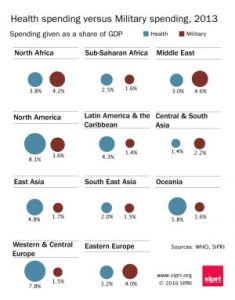
Last week we discussed the financing of global health versus military.  There was a recent publication by Sipri (Stockholm International Peace Research Institute) that looked at global military expenditure versus health expenditure (in 2015, it was $1676 billion or about 2.3% of the world’s Gross Domestic Product). They utilized the WHO’s recent estimates of government health expenditure as a share of GDP. They reviewed 2013 data and found that “governments worldwide spent just over two and a half times as much on health than on the military in 2013: 5.9% of global GDP went to public health spending, compared with 2.3% for the military.” Here’s the interesting part – it varied regionally. While the U.S. spends a lot on military, healthcare expenditure is still very high. Western and Central Europe spent 7.8% of their GDP on health and 1.5% on military. The Middle East spent 4.6% of their GDP on military versus 3.0% on health expenditures. The study also looks at reallocation of military spending and what that may translate to regarding the UN’s Sustainable Development Goals (SDGs). “Reallocating only around 10% of world military spending would thus be enough to achieve major progress on some key SDGs, supposing that such funds could be effectively channelled towards these goals and that major obstacles, such as corruption and conflict, could be overcome.”

Did Newcastle Disease Virus Sneak Out of the Lab?
Newcastle disease virus (NDV) is a highly infectious disease that impacts domestic poultry and other birds. Virulent NDV strains have been endemic in poultry throughout Asia, Africa, and some countries within South America. Current outbreaks continue to cause food safety and agricultural issue. In the 1940s, the first NDV panzootic occurred, specifically genotypes II, III, and IV. Other genotypes have continued to circulate and cause outbreaks. A recent study performed a complete genomic sequence of contemporary isolates from China, Egypt, and India. Researchers performed genetic analysis to distinguish historical isolates (the outbreak from the 1940s) from currently circulating genotypes (V, VI, VII, and XII through XVIII). Through their work, they found that isolates of genotypes II and IX (which are not normally circulating viruses in the environment) were found to be identical to the historical viruses that were isolated in the 1940s. “The low rates of change for these virulent viruses (7.05 × 10⁻⁵ and 2.05 × 10⁻⁵ per year, respectively) and the minimal genetic distances existing between these and historical viruses (0.3 to 1.2%) of the same genotypes indicate an unnatural origin.” The virulent strains isolated during the 1940s have been used in labs and research studies. Researchers noted that it is highly unlikely these viruses remained viable in the environment for over sixty years, which means its very possible (and scary…) that the source of these viral samples, taken from poultry and wild birds, may in fact be from a laboratory. So now we have to wonder…how did these specific virulent viral isolates find their way out of laboratories and into nature?

Is Open Science the Secret Weapon Against Zika and Future Pandemics?
Gene editing tools like CRISPR-Cas9 have the potential to combat diseases like HIV and malaria, but there’s also a potential dual-use for these technologies that is much more sinister. The price of laboratory equipment for some synthetic biology experiments is dwindling and many are becoming concerned about potential for misuse. Should science be left open and researchers ultimately allowed to make the call about potential dual-use or should scientific work/publications be regulated to avoid publications of research that could be used to build a biological weapon? Some are saying that the best way to combat global issues is through global cooperation and communication and thus, open-source information. Should Zika be the first in the test subjects of open science and its application in the global health security toolbox? Many have argued that if a research project is receiving public funding, it should be open sourced (including the data). Would this have helped the Ebola outbreak? “When Ebola was raging through West Africa in the summer of 2014, a group at the Broad Institute in Cambridge, Mass. published open repository sequence data for 99 Ebola genomes taken from patients in Sierra Leone’s Kenema government hospital. This open sourcing of critical scientific data was the second instance in the outbreak. A team of international researchers had initially published three genomes from patients in Guinea in April. For the next three months, no more genomic data was released to the public data repositories that had become the go-to source for scientists studying Ebola. The silence puzzled many prominent scientists. A formidable array of genomic sequencing technology was aimed squarely at the virus. Yet the data was not shared.” Since this outbreak, many have pushed more for open science, especially in the wake of a global outbreak like Zika.

The Other Side of the Spectrum – How Genetic Editing Became a National Security Threat
You may recall in February, Director of National Intelligence, James R. Clapper, stated in his World Wide Threat Assessment testimony that gene editing had become a global danger and should be considered a weapon of mass destruction. The history of genetic research has seen a burst of developments since the discovery of the double helix in 1953. CRISPR-Cas9 is the newest in the genetic engineering arsenal…and at at a fraction of the historical price. If it were only so simple as to do away with malaria by genetically modifying mosquitoes to avoid carrying the parasite. Alas, the realities are a bit darker. The truth is that genome editing of wildlife can alter entire ecosystems, not to mention the risk for accidents and negligence, which is a very real possibility. Those concerns aren’t even touching on the frightening potential for biological weapons. “Gene editing techniques could produce forms of diseases that barely resemble their naturally occurring counterparts. Such engineered pathogens could sicken or even kill hundreds of thousands of people. Armed with the proper genetic sequences, states or bioterrorists could employ genome editing to create highly virulent pathogens for use in such attacks. They could, for example, change a less dangerous, non-pathogenic strain of anthrax into a highly virulent form by altering the genome, or recreate pathogens such as the deadly smallpox virus, which was eradicated in the wild in 1980. Or they could develop specific weapons that target either individuals or even entire races: With the right manipulations, a pathogen could be made to have greater invasiveness or virulence in a target population.” So where do we go from here? With no governance of do-it-yourself facilitates, no training for the at-home gene editing experimenters, and endless debate about the dangers of gain-of-function research, what is being done? Many are saying UN Resolution 1540 should be strengthened to consider this technology and the Dual-Use Research of Concern (DURC) policy shouldn’t just apply to research funded by the government, but also small labs and individuals. With the notion of open science and DURC still up for debate, the stakes will only get higher as global outbreaks, like Zika, continue to burn through countries.

Why We Should Be Afraid of Yellow Fever
Angola is getting hit hard by yellow fever and the vaccine shortages only amplified the outbreak. With all eyes on Zika and a century since Rio saw its last case of yellow fever, where’s the link? Global supplies of yellow fever vaccines are pretty much depleted and BioManguinhos/FioCruz in Rio (one of four…yes four… yellow fever vaccine producers in the world) is having production problems. All available vaccines are being rushed to Angola and cases are spilling over into the DRC, Mauritania, and Kenya. Here’s more – “What most people don’t know is that there are a lot of Angolans coming every year to Brazil, and the more who arrive here unvaccinated, but have been exposed to yellow fever in Africa and may be carrying the virus, the greater the risk that they will infect Rio mosquitoes, allowing them to transmit yellow fever to residents and tourists.” Brazil is already waging a massive war against Zika. Add in yellow fever and it’ll be like adding a gallon of gasoline to a house fire. Mosquito control is imperative and now we’re paying the costs of historically lackadaisical efforts.

Zika Updates
The WHO announced that the number of Zika virus cases is dropping in Brazil. A recent study reports that dengue virus antibodies enhance Zika virus infection. Researchers suggest that pre-existing dengue immunity will enhance a Zika infection in vivo and can increase the severity of disease. Many are calling for more research to be done regarding the relationships between Zika and dengue infections. You can also find a timeline of Zika virus here. There are growing concerns regarding blood donations as Zika spreads internationally. The Canadian Blood service noted that new rules to protect against Zika transmission are putting stress on the blood supply. A new study looks at the impact of Zika and the challenges we many face due to the increasing frequency of viral outbreaks. As of April 27, 2016, there were 426 travel-associated cases in the U.S.

Rewiring Outbreak Preparedness and Response
Let’s take more of a deep-dive into why we should apply U.S. biodefense practices to managing and preparing for outbreaks. Hoyt and Hatchett emphasized why we should learn from American biodefense strategies to better fight infectious disease outbreak. “SARS was responsible for 800 deaths but cost $40 billion globally and Ebola has cost West African economies $6 billion plus an additional $4.3 billion in international contributions. Now, consider the cost of developing a vaccine. Hoyt and Hatchett point out that at the most expensive point, it can cost $1.8 billion to develop a vaccine (others argue that is it much closer to $500 million).”

Stories You May Have Missed:

  • Neurological Problems in Ebola Survivors – a recent NIH study found that nearly all Liberian Ebola survivors reported neurological symptoms following their recovery. Symptoms were noted to have persisted for over a year, including headaches, difficulty walking, overall muscle weakness, loss of memory, and depression. Hallucinations during treatment in Ebola treatment units was prevalent in 25% of patients, with 4% having persistent hallucinations at follow up.
  • Ebola in America: Epidemic of Fear – The Center for Strategic & International Studies has put together a video on the fear and U.S. response to Ebola cases in the U.S. and in West Africa. The video discusses stigma and how Ebola was experienced in the Fall of 2014.
  • Biodefense World Summit – The 2016 event will be hosted in Baltimore, MD on June 27-30, 2016. The Knowledge Foundation’s Second Annual Biodefense World Summit brings together leaders from government, academia, and industry for compelling discussions and comprehensive coverage on pathogen detection, sample prep technologies, point-of-care, and biosurveillance. Across the four-track event, attendees can expect exceptional networking opportunities in the exhibit hall, across panel discussions, and shared case studies with members of the biodefense community from technology providers to policy makers


Pandora Report 4.22.2016

Happy Friday from your friends at GMU Biodefense! We’ve got some great updates in your weekly dose of global health security. First, check out this wonderful infographic on the hurdles ahead for Zika virus response. France, Myanmar, and Taiwan have all recently reported avian influenza outbreaks. Good news- researchers have found that a new technique of low-energy nuclear reaction imaging is able to detect concealed nuclear materials (weapons-grade uranium and plutonium).

Findings of Investigations into 2014 NIH Smallpox Discovery
Following the recent GAO report on security of U.S. bioresearch labs, the House Energy and Commerce Subcommittee on Oversight and Investigations released its own memo ahead of the hearing on Wednesday, April 20, 2016 (you can watch it here). The hearing addressed the investigations that surrounded the finding of potentially live smallpox in cardboard boxes in cold storage rooms within the NIH.  Some of the issues that were identified and discussed were: failure to account for regulated select agents, failure to conduct comprehensive inventory of all select agent material, and failure to restrict unauthorized access to select agents. “There’s a problem when the government somehow loses track of smallpox and other deadly agents, only to have them turn up in a soggy cardboard box. What’s worse, the urgency that should accompany such a discovery has failed to spur absolutely necessary changes,” said full committee Chairman Fred Upton (R-MI) and Oversight and Investigations Subcommittee Chairman Tim Murphy (R-PA). “Today serves as an important opportunity to ask some of the agencies in question about their next steps to ensure safety for those working in the labs, as well as the general public.”

Re-Wiring the Funding of Pandemic Response 
Jeremy Farrar, head of biomedical research charity, the Wellcome Trust, believes that governments should invest in fighting and defending against pandemics the same way they invest in the military. “We spend gazillions to defend ourselves from military attacks, but from the beginning of the twentieth century far more people have died from infection. We are hugely vulnerable from a public health perspective,”. He emphasizes that public health funding shouldn’t be left to private companies, as they will ultimately make decisions based upon commercial return. Globalization means that a disease can jump from one country to the next through a single flight and we need to be able to respond just as quickly. “We’ve had Ebola for the last two to three years, now Zika. Since 1998 I’ve been involved in about eight major epidemics including SARS and bird flu. This is the new world. These are not rare events,”. If nothing else, it’s important to consider the economics of an outbreak. The financial cost of an epidemic is staggering – cited at $60 billion annually. He notes that now is the time to share information and work towards quicker vaccine and diagnostic interventions.

Neglected Dimensions of Global Security
Researchers are discussing the Global Health Risk Framework Commission’s strategy to defend human and economic security from pandemic threats. Global health threats, like that of SARS and Ebola, have forced leaders to consider not just response, but also preparedness. “In each case, governments and international organizations seemed unable to react quickly and decisively. Health crises have unmasked critical vulnerabilities—weak health systems, failures of leadership, and political overreaction and underreaction.” Global coordination in the event of a health crisis is extremely challenging, as we saw with Ebola, and these authors are pointing to the need for “international norms and well-functioning institutions”. The recommendations also include public accountability for timely reporting and multilateral financing for pandemic preparedness and response resources.

GMU Biodefense Students Earn Prestigious Fellowship
We’re excited to provide an official announcement and interview with GMU Biodefense students, Fracisco Cruz and Siddha Hover, regarding their acceptance into the Emerging Leaders in Biosecurity (ELBI) Fellowship. Francisco earned his MS in 2015 and Siddha is a current PhD student in GMU’s Biodefense program. Check out their comments on both the ELBI Fellowship and their experiences within GMU’s Biodefense graduate programs. “For two George Mason Biodefense students to be selected for this prestigious fellowship is a great recognition of the contribution that our students and alums are already making to biodefense and global health security and the potential they have to play even stronger roles in the future,” said Associate Professor Gregory D. Koblentz, director of the Biodefense program in Mason’s School of Policy, Government, and International Affairs.

Federal Research Database on Genomic Data 
The new GenPort database will allow researchers to access enormous amounts of genomic data from research studies. The benefit of the new system is that it will allow people to review several studies at the same time and track individuals within different trials, creating “synthetic cohorts”. “The Health and Human Services Department is currently looking for small businesses who can help build that hub, so even researchers without informatics or genomics training can make ‘practical use’ of data from cohort studies other scientists have already conducted.” The plan is for GenPort to be open source, transportable, and freely shared via a cloud. Let’s just hope genomic data from certain deadly pathogens doesn’t make its way onto the cloud!

Drug-Resistant Gonorrhea Sparks Concern
While Zika virus and Ebola are quick to grab the headlines, there is another global health security threat we should be worried about. Antibiotic resistance may not have the hype that emerging infectious disease outbreaks do, but the realities of a world without effective antibiotics are pretty terrifying. Consider the re-emergence of diseases we had long eradicated and now have no effective treatment methods. With the rising incidence of multi-drug resistant organisms, the threat of a drug-resistant sexually transmitted infection is pretty terrifying. Public health officials in England are urging the public to practice safe sex with the growing rates of Azithromycin-resistant gonorrhea. Cases initially started in November 2014 however, they have been increasing. The CDC has also issued information about the threats of antibiotic-resistant gonorrhea.

The Fight Against Zika VirusScreen Shot 2016-04-19 at 8.59.38 AM
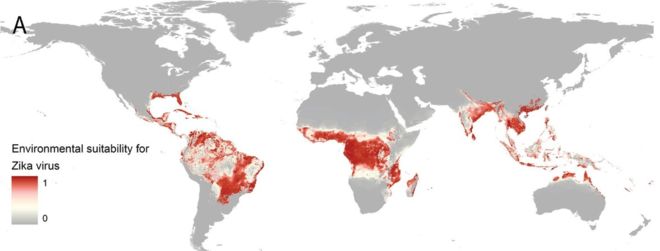
Where are we with Zika? What does the future hold for this ever-changing  outbreak? Some are saying that it is a delayed epidemic. The long-term effects of the disease means we’re all trailing behind it. The lack of a vaccine or commercially available test makes it even more challenging. “Human Zika virus infection appears to have changed in character while expanding its geographical range,” the WHO paper concludes. “The change is from an endemic, mosquito-borne infection causing mild illness across equatorial Africa and Asia, to an infection causing, from 2007 onwards, large outbreaks, and from 2013 onwards, outbreaks linked with neurological disorders.” With Zika, it seems like we’re constantly rushing to catch up. Shifting U.S. funds from Ebola to Zika is just another example of the reactive approach public health tends to take. Why are we constantly rushing from fire to fire? The recent cuts to public health funding are also being highlighted since the Zika outbreak began. Many are pointing to the inability to truly prepare or respond with limited public health resources. In the mean time, many cities, like New Orleans, are organizing preparedness plans as the rainy season approaches. There are also concerns regarding the growing threat of Zika as new maps reveal 2.2 billion people reside in “at risk” areas. The Senate may also be closer to an agreement regarding emergency funding for Zika virus response. 

Americans Want More Biosecurity Preparedness Investment
A survey performed by the Alliance for Biosecurity, the Blue Ribbon Study Panel on Biodefense and Trust for America’s Health, looked at the general public’s perception of preparedness and where they think we should be. Findings noted that eight out of ten Americans are concerned about naturally-occurring diseases like Ebola and Zika, and nine out of ten are concerned about the use of chemical or biological weapons by terrorists against the U.S. The survey found that only half of Americans have confidence that the U.S. government is prepared to address the next biosecurity threat. The survey also found that 88% of Americans support increasing the budget for preventative measures for biological threats.

Stories You May Have Missed:

  • Health Security Special Issue on Climate Change – Check out the special edition of Health Security that includes articles on adapting to health impacts of climate change and the potential for Zika and microcephaly epidemics in post-Ebola West Africa. 
  • Science Perfects the Art of Hand-Sanitizing Techniques – infection prevention researchers at Glasgow Caledonian University recently released a report on the most effective way to use alcohol-based hand sanitizer. Reviewing bacterial count, they published in hopes of reducing the spread of disease in healthcare through better hand hygiene.
  • MERS Contamination – MERS-CoV has caused considerable concern regarding transmission in healthcare settings since the large 2015 outbreak in South Korea. Researchers have found that MERS-CoV contamination occurred in the air and surrounding environment within the MERS outbreak units. MERS-CoV was found in 4/7 air samples from two patient rooms, one patient’s restroom, and one common corridor. “In addition, MERS-CoV was detected in 15 of 68 surface swabs by viral cultures. IFA on the cultures of the air and swab samples revealed the presence of MERS-CoV. EM images also revealed intact particles of MERS-CoV in viral cultures of the air and swab samples.”
  • California Salmonella Outbreak– California continues to investigate a five-month long Salmonella outbreak. Public health officials are considering a Mexican-style soft cheese and are currently testing samples from a woman’s home. These specific samples are being considered as the woman imported cheese from Mexico (via family members) and was selling it online.

Pandora Report 4.15.2016

It’s been a big week in the world of biodefense – today is International Biomedical Laboratory Science Day! Biomedical Laboratory Scientists work hard to ensure procedures and patient care happens in a safe environment and that patient safety comes first! April 10th marked the anniversary of the Biological Weapons Convention opening for signature in London, Moscow, and Washington in 1972. The U.S. Geological Society also just released evidence that Alaska remains a “hot spot” for avian influenza to enter North America.

GMU Participation in UNSCR 1540 Civil Society Forum
IMG_3260This week our GMU Biodefense Professor and Graduate Program Director, Dr. Koblentz, participated in the UN’s 1540 Civil Society Forum – A Dialogue with Academia and Civil Society. Dr. Koblentz presented a paper on the role of academia in implementing and strengthening Resolution 1540, as well as moderating a panel regarding academic outreach. Resolution 1540 (2004) “imposes binding obligations on all States to adopt legislation to prevent the proliferation of nuclear, chemical and biological weapons, and their means of delivery, and  establish appropriate domestic controls over related materials to prevent their illicit trafficking. It also encourages enhanced international cooperation on such efforts.” Dr. Koblentz’s  work with the UNSCR 1540 Civil Society Forum addresses the evolution of WMD proliferation threats related to non-state actors, 1540 obligations that pertain to the academic community, and the importance of academia in these efforts. The forum also focussed on how to enhance review and analysis of 1540 implementation via communication between civil society, national governments, and the 1540 Committee.

Written Testimony for April 14 Senate Committee on Homeland Security & Governmental Affairs Hearing – “The Federal Perspective on the State of Our Nation’s Biodefense”
You can now catch up on the written testimony from this hearing on biodefense within the U.S. Pointing to the evolution of threats to include more emerging infectious diseases and the role of DHS in biodefense, this overview gives insight into the current biodefense situation within the U.S. The hearing addressed the National Biosurveillance Integration Center (NBIC), BioWatch Program, Public Health Emergency Medical Countermeasures Enterprise, and state and local responder engagement. “In the wake of these growing threats, the Department of Homeland Security (DHS) remains fully engaged and proactive in attempting to characterize the threat, providing warning of emerging and imminent threats, and coordinating whole of government response. During the most recent Ebola Virus Disease outbreak in West Africa, DHS provided intelligence analysis to the interagency, state and local governments, and first responders, and it directed research to better characterize the threat and fill gaps in public health and operational responses.” You can read the testimony before the Committee on Homeland Security and Governmental Affairs, “The Nation Faces Multiple Challenges Building and Maintaining Biodefense and Biosurveillance” here.

Preparing for the Next Zika
Kendall Hoyt and Richard Hatchett are tackling the struggle of U.S. preparedness efforts for future infectious disease outbreaks. “The development of new biomedical countermeasures—vaccines, therapies and diagnostic—requires the coordination of a wide number of institutional and industry actors to succeed. We argue here that international efforts to develop countermeasures for emerging infectious diseases should build on lessons learned from US programs to develop closely related biodefense products.” While the WHO declaration of Zika virus as a public health emergency has pushed for the rapid development of a vaccine, Hoyt and Hatchett highlight the empirical delay that comes with vaccine development. Overall, they emphasize that lessons from the U.S. biodefense program should inform international efforts to build and strengthen medical countermeasures for emerging infectious diseases. If you enjoyed their article, you can also hear from the experts, in person, at GMU’s Pandemics, Bioterrorism, and Global Health Security summer program. Dr. Hoyt will be one of the instructors for our professional education course this summer (information will be made available shortly), so don’t miss out on getting to chat with experts in the field about all things biodefense.

GMU SPGIA PhD Information Session
Considering a PhD? Check out GMU’S School of Policy, Government, and International Affairs PhD Informational Session on Thursday, April 21, 7-8:30pm at our Arlington Campus, Founders Hall, Room 126. Dr. Koblentz will be discussing the Biodefense program and available to answer questions!

Lab Safety Tracking Website – Improving Select Agent Lab Oversight
In response to ongoing scrutiny and biosafety failures, federal regulators have launched a new website that will allow them to track their progress “improving oversight of safety and security at facilities working with bioterror pathogens such as anthrax and Ebola.” While still a work in progress, many are pointing to this site being a step in the right direction towards transparency. The CDC released their Federal Select Agent Program (FSAP) report card to look more closely at biosafety and security issues surrounding this work. Unfortunately, some note that the report card still fails to meet the requested details on labs violations and incidents at specific labs. The increased scrutiny and attention to lab safety failures has brought attention from the White House, initiating a push for more transparency regarding the research and incidents in labs working with bioterror agents.

HIV Fights Off CRISPR
Just when you thought CRISPR-Cas9 could do just about anything, HIV brings its A-game. Since its creation, many researchers have attempted to use CRISPR to combat HIV. Unfortunately, the virus has been skilled at fending off these efforts. “The very act of editing—involving snipping at the virus’s genome—may introduce mutations that help it to resist attack.” There are a handful of strategies for using CRISPR gene editing technologies against HIV – editing the T helper cells to avoid the virus from getting in or aiding the T cells with the capabilities to seek out and destroy any HIV that infects them. “When HIV infects a T cell, its genome is inserted into the cell’s DNA and hijacks its DNA-replicating machinery to churn out more copies of the virus. But a T cell equipped with a DNA-shearing enzyme called Cas9, together with customized pieces of RNA that guide the enzyme to a particular sequence in the HIV genome, could find, cut and cripple the invader’s genome.” Sounds like a good plan, right? Unfortunately, a team from McGill University found that the newly equipped T cells were, within two weeks, churning out virus particle copies that had avoided the CRISPR attack. The team performed DNA sequencing to get a closer look at what exactly what going on – they found that the virus had actually “developed mutations near the sequence that the CRISPR-Cas9 enzyme that been programmed to cut.” The team believes that it’s not actually the copying error-caused mutations that helped beat CRISPR, but rather that things went wrong when Cas9 cut the viral DNA. A team at the University of Amsterdam experienced similar results and both groups agree that this problem can be overcome and there is still a possibility for a CRISPR-Cas9-based HIV treatment.

All Things Zika
On 4/13, the CDC formally concluded that Zika virus causes microcephaly and other birth defects. Zika virus may now also be tied to another brain disease. The American Academy of Neurology published a report regarding a study that was released on April 10th, in which “Zika virus may be associated with an autoimmune disorder that attacks the brain’s myelin similar to multiple sclerosis”. While it’s a small study, these findings point to the neurological effects Zika virus is capable of causing and the need for further research. Experts are warning governments in Latin American to “fill a shortfall of investment to prevent further human tragedies” despite economists denying that there will be major impact from the virus. These experts are pointing to the already weakened economies that are plagued with “chronic underinvestment in water and sanitation”, which can aid in the spread of such diseases. On Monday, April 11th, the White House said that the released funds for Zika virus won’t be enough to combat the growing threat. Dr. Fauci of the National Institute of Allergy and Infectious Diseases highlighted that the more information that is gathered on Zika virus, the more worrisome it becomes. “One big problem, Fauci said, is that pharmaceutical companies could be reluctant to work with the federal government if they don’t have confidence that there will be a stable source of money.” A recent study published in PLOS Neglected Tropical Diseases, suggests that the virus may have been brought to Latin America via the 6th World Sprint Championship Canoe Race in August 2014.  USAID has put out a call for problem solvers to share groundbreaking ideas to help combat Zika virus. The Combating Zika and Future Threats Grand Challenge will invest up to $30 million in solutions. As of April 13th, the CDC has reported 358 travel-associated and 7 sexually transmitted cases of Zika in the U.S. You can also get the full WHO Zika situation report here.

Predicting and Evaluating the Epidemic Trend of Ebola in the 2014/2015 Outbreak and the Effects of Intervention Measures Screen Shot 2016-04-11 at 9.41.51 AM
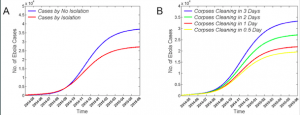
Researchers developed several transmission models for Ebola to predict epidemic trends and evaluate just how efficient and effective the intervention methods were following the 2014 outbreak. Accounting for effective vaccination rates, a basic reproductive number as an intermediate variable, and fluctuations of diseases transmission based on a SIR model, this study evaluates the effects of control and prevention measures. “Measures that reduced the spread of EVD included: early diagnosis, treatment in isolation, isolating/monitoring close contacts, timely corpse removal, post-recovery condom use, and preventing or quarantining imported cases. EVD may re-emerge within two decades without control and prevention measures.”

Stories You May Have Missed:

  • National Science Advisory Board for Biosecurity (NSAAB) Meeting – Don’t miss out on the NSAAB meeting on May 24, 2016! Agenda items include: (1) Finalization of NSABB findings and recommendations on a conceptual approach to evaluating proposed gain-of-function (GOF) studies; (2) discussion of next steps for U.S. government policy development regarding GOF studies; and (3) other business of the Board. The meeting will also be webcast here at the time of the event!
  • BMBL Virtual Town Hall and Workshop – The National Academies of Science, Engineering, and Medicine presents an opportunity for stakeholders to provide input for a revision of “Biosafety in Microbiological and Biomedical Laboratories”. This is a virtual town hall that is open for comments from April 4-May 13th. There will also be a workshop on May 12th in Washington, DC that you can register for here.
  • DARPA INTERCEPT Program for Biodefense Countermeasures – The Defense Advanced Research Project Agency (DARPA)’s Biological Technologies Office (BTO) is hosting a Proposers Day for the INTERfering and Co-Evolving Prevention and Therapy (INTERCEPT) program. “The goal of the INTERCEPT program is to explore and develop a new therapeutic platform to outpace fast-evolving viral pathogens, based upon virus-based therapeutic particles that interfere with viral infection and co-evolve with viral targets.”
  • Angola Yellow Fever Outbreak – The WHO has reported that as of April 10th, there have been 1,751 suspected cases and 242 deaths associated with the yellow fever outbreak. 582 of the cases were laboratory confirmed, of which 406 were from the Luanda province.

Enjoying your weekly dose of the Pandora Report? Sign up to receive it every week so the fun never ends! 

Pandora Report: 4.8.2016

Happy National Public Health Week! The American Public Health Association is celebrating the importance of public health partnerships with a full week dedicated to increasing awareness and participation. Enjoy some vaccine history by taking a trip down memory lane with this great infographic. Before we get started, researchers have found a possible pathway for the emergence of zoonotic malaria.

GMU Master’s and PhD Open Houses!
Whether you’re looking to get a Master’s Degree (we have both online or in-person programs!) or a PhD in Biodefense, we’ve got you covered. Come check out the GMU’s School of Policy, Government, and International Affairs (SPGIA) open houses. The Master’s Open House is on Thursday, April 14, 2016 at 6:30pm in our Arlington Campus, Founders Hall, room 126. GMU Biodefense professor and graduate program director, Dr. Koblentz, will be there to answer questions and then lead a biodefense break-out (or should I say outbreak?) session afterwards. If you can’t attend in person, we’re offering the biodefense info session virtually around 7pm (give or take a few minutes) that night. The PhD informational session will be Thursday, April 21, 7-8pm in our Arlington Campus, Founders Hall, room 126. 

MSF Ebola Research
Medecins Sans Frontières (MSF) has released their report on the research they undertook throughout the Ebola outbreak in 2014. MSF was perhaps the strongest and most well coordinated response team on the ground during this outbreak. While their work heavily focused on medical care, they also performed a wide variety of research that ranges from public health to anthropology, and much more. “MSF carried out research in a number of areas including epidemiology (describing the disease and its spread), vulnerable patient groups, clinical trials for new treatments, community views of Ebola, operational issues and effects of the outbreak on general healthcare.” Their report ties together their research with the six pillars of Ebola control – isolation of cases and supportive medical and mental health care in dedicated ETC’s, contact tracing, awareness raising in the community, a functioning surveillance and alert system, safe burials and house spraying, and maintaining healthcare for non-Ebola patients. MSF research on vulnerable groups and community response to returned survivors is both fascinating and important for better response in future outbreaks.

Islamic State Hijacks Mosul University Chemistry Lab to Make Bombs
Having gained control of the “well-stocked university chemistry lab” in Mosul, Iraq, ISIS has been working for the past year to build “a new generation of explosive devices and train militants to make them”. General Hatem Magsosi, Iraq’s top explosives officers, notes that gaining control of this lab has highly strengthened the Islamic State’s capabilities. “They have found ‘peroxide-based chemical bombs and suicide bomb vests like the ones used in the Brussels attacks and by at least some of the Paris attackers.’ The lab also contained ‘nitrate-based explosives and chemical weapons.”

GMU Biodefense Student Awarded ASIS Scholarship
Congrats to Biodefense MS student, Rebecca Earnhardt for receiving the ASIS National Capital Chapter Scholarship! The ASIS scholarship helps support and encourage students to follow a career in the security field. We love getting to celebrate the awesome work and achievements of our biodefense students, and between her dedication to the global health security field, scholarship, and work at START, we’re so happy to have her apart of the GMU Biodefense program!

Leaked UN Report Highlights Poor Sanitation at Haiti Bases

Courtesy of The Haitian Times
Courtesy of Haitian Times

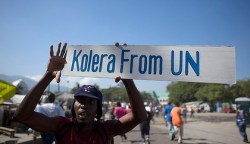
Despite consistent denial regarding their role in the cholera outbreak during the 2010 recovery efforts in Haiti, recent documents have supported the UN’s responsibility. “The report, which was commissioned a month into the cholera crisis in November 2010, found a series of alarming problems in several UN peacekeeping bases including sewage being dumped in the open as well as a lack of toilets and soap.” The authors of the report also alerted UN leadership regarding the ramifications of the sewage disposal failures and “and the poor oversight of contractors carrying out this work has left the mission vulnerable to allegations of disease propagation and environmental contamination.” The recently released report will not only add pressure upon the UN to admit internal failures, but also support the recent lawsuit that was brought forth from 1,500 Haitians. Sadly, the UN has maintained a steadfast refusal to accept liability, despite growing data to support their responsibility for the outbreak. The lawsuit focusses on UN failure to screen the peacekeepers from Nepal for cholera and how a UN-hired contractor neglected to ensure “sanitary conditions and adequate infrastructure” for the UN camps.

Your Weekly Dose of Zika
On Wednesday, it was announced that federal funds left over from Ebola response will be moved to fight Zika virus. $589 million will be provided to aid in research and help limit the spread of the disease. The use of unspent funds was planned for helping to implement the GHSA, however now the focus will now be on Zika virus R&D. For many, the greatest concern is reaching women in their child-bearing years. The WHO is highlighting a case study in Martinique, specifically their first case of Zika-related microcephaly.  You can read the letter here, but the goals of such case-studies are to help researchers better understand the infection, especially the high-risks associated with infection during pregnancy. Following the CDC Zika Summit, some are wondering if the U.S. can coordinate response efforts and cope with the impending advance of mosquitoes.  The Aedes aegypti mosquitoes require a unique approach to vector elimination due to their propensity to live in and around homes.  “CDC Director Dr. Thomas Frieden said health departments need to take a ‘four corners approach,’ targeting the Aedes aegypti mosquitoes indoors and outdoors as well as focusing on killing both larvae and adult insects.” As of March 7, there have been 346 travel-associated cases in the U.S.

Ebola vs. Zika- Why Did the WHO Respond So Differently?
Many have wondered, why was the WHO so quick with Zika, but so slow with Ebola? Interestingly, political science and the workings of international organizations are helping Amy Patterson from The Washington Post, ask these very questions. Firstly, it starts with an outbreak being declared a Public Health Emergency of International Concern (PHEIC). The WHO was slow to call Ebola a PHEIC, especially since it had only used the designation twice before. While the WHO blames the delayed response on budget cuts and poor communication between the ground teams and the WHO headquarters, it has also said that the quick response for Zika was due to a “need for greater scientific knowledge”, not to mention trying to repair their reputation from the slow Ebola response. “Political scientists would argue that the story is still more complicated. In ‘Rules for the World,’ Michael Barnett and Martha Finnemore show that international organizations’ internal workings and technical expertise influence their actions in ways that are sometimes at odds with the goals of the countries that set up these organizations to work on their behalf.” Patterson notes several factors – the WHO has six autonomous regional offices that behave differently, the WHO cares about its reputation among powerful countries, and the message matters. This last point drives home the role of health issue framing and the way messages are conveyed for audiences and policymakers. “What’s more, Ebola aligned with what Priscilla Wald terms the “outbreak narrative.” That’s the conventional view that poor countries have disease outbreaks, and that powerful states only care about those outbreaks when their spread threatens those states. Zika hit far closer to powerful countries — and hit “threat perception” level before Ebola.”

Stories You May Have Missed:

  • Global Health Impacts of Vector-Borne Diseases – The resurgence of vector-borne diseases in new locations and with new organisms has shown devastating global impacts. “Domestic and international capabilities to detect, identify, and effectively respond to vector-borne diseases are limited. Few vaccines have been developed against vector-borne pathogens.”
  • Angola Battles Yellow Fever – Over 450 people have been infected in the worst yellow fever outbreak Angola has seen in 30 years. There have been 178 deaths and the global shortage of yellow fever vaccine is alarming many in the world health community. There have also been imported, travel-associated cases in China and Kenya.
  • FDA Releases Final Rule to Ensure Food Safety During Transport- a new food safety rule was finalized by the FDA under the Food Safety Modernization Act (FSMA). The new rule “will help to prevent food contamination during transportation. The rule will require those involved in transporting human and animal food by motor or rail vehicle to follow recognized best practices for sanitary transportation, such as properly refrigerating food, adequately cleaning vehicles between loads and properly protecting food during transportation.”

Enjoying your weekly dose of the Pandora Report? Sign up to receive it every week so the fun never ends! 

Pandora Report 4.1.2016

Happy Friday! We’re excited to give you some great updates on the world of global health security. Firstly, a recent cluster of what some are calling “rabies” has claimed the lives of 12 individuals. Officials are concerned as transmission seems to be spread through biting and the affected individuals do not appear to be experiencing pain or concern over decaying skin. Just kidding – April Fools’ Day! The zombie apocalypse hasn’t started (that I know of….), but the European Centre for Disease Prevention and Control (ECDC) has issued a warning about Yellow Fever in Angola. The ECDC is stressing the role of vaccination in travelers as a means to prevent the disease from traveling to susceptible populations. Researchers from the University of Sydney’s Charles Perkins Centre recently published their analysis regarding the barriers and facilitators for pathogens to jump species. They reviewed 203 human viruses to look at biological factors that may give us predictors as to which viruses are likely to emerge in human populations.

Mapping the Global Health Security Agenda
Raad Fadaak discusses the Global Health Security Agenda (GHSA) and its set of 11 Action Packages, working to better “prevent, detect, and respond to both human and animal infectious diseases threats.” Fighting an uphill war with organizational and political challenges, the GHSA has won some battles in the fight against global health security threats. In the midst of their MERS outbreak last year, South Korea looked to GHSA “to invest both diplomatic commitment as well as approximately $10 billion US dollars—in addition to graciously hosting the annual GHSA Ministerial High-Level Meeting.” Perhaps a challenging component to getting the GHSA and its Action Packages running smoothly is the vast array of partnerships and projects. Raad uses several wonderful spatial graphics to show timelines, participating countries, commitments, and much more in his analysis of GHSA. “Speaking more generally, it is important to not take the ‘global’ in ‘global health security’ for granted. These maps are a first step in helping to identify and isolate the unique scope and reach of US Governmental activity under GHSA programs – and the production of a specific kind of scalar policy through the GHSA.” In the midst of the Zika outbreak, now will be a telling time to see how the US will meet its commitments to the GHSA through the CDC and USAID.

Medical Rant & Response
Medical experiences tend to be low on the totem pole for “things I’d like to do with my day”. No one enjoys sitting in a busy emergency department waiting area, dealing with miscommunications, or waiting on lab results. Dallas, TX experienced first-hand the serious ramifications of medical frustrations when they had an Ebola patient stroll into their ED and then get discharged a few hours later. What happens when your symptoms are stumping physicians or the delivery of care is delayed? Researchers discuss an experience by a U.S. patient and “responses offered by several experts from various perspectives of the healthcare system.” As you read this article, consider your own healthcare experiences. Take it a step further and consider the global health security implications regarding some of these experiences…

How to (Make Chemical Weapons) Disappear Completely
GMU Biodefense MS student, Greg Mercer, is at it again! In this week’s commentary he’s discussing how chemical weapons are actually destroyed. Incineration and neutralization are the two most common practices employed by the US and Greg is breaking each technique down. Unfortunately, these methods aren’t aways perfect and can easily result in human and environmental damage. “Chemical weapons weren’t always disposed of so carefully, though. The James Martin Center for Nonproliferation Studies (CNS) cites at least 74 instances of the U.S. dumping chemical weapons at sea from 1918 to 1970.”

Ebola: We May have Won the Battle, But We Haven’t Won the War
It’s been two years since the first Ebola cases were identified in Guinea. Since then, you’ve surely read articles upon articles about the outbreak, how it spiraled out of control, and how we should’ve seen it coming. Why read more? History. Plain and simple – if we fail to study this outbreak and learn from all our mistakes, we’re doomed to repeat them. Ranging from infection and prevention control measures (music to my ears) to addressing the needs of Ebola survivors and social mobilization, there’s host of things we can learn. “And even when international partners responded, they often arrived too late. It took about three months from the time the United States announced in September 2014 it would send troops to Liberia to build Ebola treatment units (ETUs) to the time those were built. By then, the epidemic was already waning, and nine out of the eleven centers built never saw a patient.” What about fear? Fear became an issue not just on the ground in West Africa, but also in the U.S. after we started treating imported cases and the initial Dallas, TX case. “But I think we did most poorly when we let fear dictate the quality of the clinical care we provided to patients. ‘What if,’ Dr. Paul Farmer provokingly asked, ‘the fatality rate isn’t the virulence of the disease but the mediocrity of the medical delivery?’ Of course lack of staff, supplies and space, combined with an overwhelming patient load didn’t help.” Coordination, communication, and engagement. You may see these repeated several times whenever you read an after action report about this outbreak, and yet I’m not quite sure we’ve really let it sink in. Zika? Let’s just hope we can learn from the lessons of public health history before another outbreak sneaks up on us again. Update: two more cases have been identified in the now nine person cluster in Guinea. A young woman has died of Ebola in Liberia today, marking their first case in months.

Where Are We With Zika?

Screen Shot 2016-03-31 at 11.11.34 AM US knowledge gaps are the name of the game this week. 1/3 of Americans polled in a recent survey believed that Zika virus can be transmitted from coughing and sneezing. This same survey, conducted by a team from the Harvard T.H Chan School of Public Health and the National Public Health Information Coalition (NPHIC), found that people in households not affected by pregnancy issues held the most misconceptions about the virus. 39% thought that a non-pregnant woman’s illness could pose a threat to future birth defects. Brazil’s Health Ministry reported that the number of confirmed and suspected cases of microcephaly associated with Zika virus in the country have grown to 5,235 cases. The ministry also reported 19 infant deaths related to the virus. Revised estimates and a map released by the CDC now show that a larger percentage of the US population could be exposed to the virus as the mosquito season approaches . The University of Texas Medical Branch, Galveston (UTMB) has developed the first Zika animal model since the recent outbreak. “Several research institutions and companies have vaccine and drug candidates nearly ready to test, but until now a mouse model – a critical stage in preclinical testing – has not been available. The study, published this week in the American Journal of Tropical Medicine and Hygiene (AJTMH), removes a major bottleneck that was delaying treatment screening.” There is also concern regarding the ability for ultrasounds to fully detect brain damage and microcephaly in pregnant women with or exposed to Zika virus. If you’re looking to get your Zika on, attend the Zika Innovation Hack-a-thon April 2-3, 2016! As of March 30, 2016, there were 312 travel-associated Zika cases in the US.

Stories You May Have Missed:

  • Ancient Malaria Roots – researchers from Oregon State University are suggesting that the origins of malaria may have actually begun 100 million years ago. The protozoa genus, Plasmodium, has ancestral forms that may have used different insects during its evolution. “Scientists have argued and disagreed for a long time about how malaria evolved and how old it is,” Poinar said. “I think the fossil evidence shows that modern malaria vectored by mosquitoes is at least 20 million years old, and earlier forms of the disease, carried by biting midges, are at least 100 million years old and probably much older.”
  • Ebola Is No Longer A Public Health Emergency of International Concern – On Tuesday, March 29th, 2016, the WHO Emergency Committee met, noting that since its last meeting, all three countries met criteria for interruption of original transmission chains. The WHO Direct General, Margaret Chan, stated that any trade and travel restrictions initiated during the outbreak should be lifted.
  • Ethiopia Drought Emergency – Ethiopia is currently experiencing the worst drought it’s had in 50 years, causing water and food security issues. As of March 2016, over 10.2 million people need food assistance. Food security issues and poor access to water are severely impacting the agricultural industry as well as human health.

Enjoying your weekly dose of the Pandora Report? Sign up to receive it every week so the fun never ends! 

Pandora Report: 3.25.2016

Happy Friday! Ready for some global health security news? Down the rabbit hole we go….the FDA has just approved ANTHIM injection, a new treatment for inhalation anthrax in adults and children. Researchers are considering the possibility that the highly virulent E. coli O104:H4 strain that hit Germany in 2011 may have been an intentional act. “The sudden and unexplainable emerging of a fast increasing number of cases and deaths from bloody diarrhea and HUS might have been caused naturally, accidentally, or intentionally,” a Serbian-German research team writes in the European Journal of Public Health Advance Access for April 15.

The Finances of A Pandemic
From SARS to Ebola and now Zika, the growing threat of emerging infectious diseases doesn’t seem to be slowing down. Has this become our new normal? Will we learn from these outbreaks and start putting the resources and support into prevention? “Ebola has infected almost 30,000 people, killed more than 11,000 and cost more than $2 billion in lost output in the three hardest-hit countries. SARS infected 8,000 and killed 800; because it hit richer places, it cost more than $40 billion. Predicting these losses is hard, but a recent report on global health risks puts the expected economic losses from potential pandemics at around $60 billion a year.” So how do we defend against these international security threats? America’s National Academy of Medicine recently made the suggestion that $4.5 billion a year solely dedicated to pandemic preparedness and defense could halt this impending reality. Even more interesting? This estimate accounts to roughly 3% of what “rich countries spend on development aid”, while the world spends about $2 trillion annually on defense.

U.S. Biothreat Defense Inadequate
American response to Ebola and now Zika reveals a startling trend of slow response, inadequate supplies, and poor cooperation and coordination between agencies. Director of National Intelligence, James Clapper states that “Gaps in disease surveillance and reporting, limited health care resources, and other factors contributed to the outpacing of the international community’s response in West Africa,”. The National Biosurveillance Integration Center (NBIC) is one such agency that was developed in 2007 in attempts to “be a hub of information and coordination for federal agencies tracking disease and biological threats”, however it has been frustrated by poor relationships and sharing from other agencies like the CDC. In essence, agencies that are developed for global health security, like NBIC, suffer from poor cooperation that then trickles into their reputation and capabilities in the eyes of their federal partners. “Congress has put forth a potential legislative fix. The CBRNE Defense Act of 2015 would create a new office within DHS, the Chemical, Biological, Radiological, Nuclear, and Explosives Office, which would place both NBIC and BioWatch under integrated new management.” Just as we reported from the Blue Ribbon Study Panel, federal biodefense efforts and resources need to be better organized and developed.

Rare Blood Infection Outbreak
Elizabethkingiam is currently causing dozens of cases in Wisconsin and now a Michigan resident is suffering from the bloodstream infection. The bacteria that causes the infection, Elizabethkingia meningoseptica, is commonly found in soil but has also caused infections in hospitals. Typical infections have resulted in bacteremia and neonatal meningitis related to the gram-negative bacillus, although it is naturally found in soil, fresh water, and salt water. Most of the 54 cases in Wisconsin have been in patients 65 years and older, of which 17 have died. Public health officials are working to identify the source of the outbreak and the links between the Michigan case and those in Wisconsin. The concerning aspects of this rising outbreak is also the difficulty in treating the organism and prevalence of multi-drug resistant organisms in seniors.

Complex Engineering by Violent Non-State Actors
Check out this special issue on complex engineering by violent non-state actors (VSNAs). “Why and how different VNSAs remain low-level and localized or undertake and achieve complex engineering tasks in pursuit of their objectives are at the heart of understanding the threat environment faced by states.” The authors address several terrorist groups like Aum Shinrikyo (the chapter was actually co-authored by GMU Biodefense Alum Benjamin Ash!), Hamas (also co-authored by GMU Biodefense Alum Alena James!), the Provisional Irish Republican Army (PIRA), etc.  “The approach of this collection moves beyond weapons and embraces facilitating or logistical aspects that support the operations and objectives of the various actors”. This special edition, with an introduction by Jez Littlewood, reviews these organizations and their resources and strategies. The authors also consider the attitudes of leadership regarding innovation in detail to assess the role of complex engineering by VSNAs. Through this close look into the VSNA use of complex engineering, further research and preparedness can occur to understand the threats posed by these actors.

All Roads Lead to Zika 
Now that Spring has officially begun, the impending summer rains are right around the corner, and with those – mosquitoes. Many worry about the potential for local transmission in countries where imported cases have already been identified. The US isn’t immune to these concerns as the CDC reports 273 travel-related cases. Dr. Nabel mirrors the sentiments of Sanofi’s global R&D head, Dr. Elias Zherouni, who emphasizes the need for changes in global public health outbreak response. He notes that “we just run from one crisis to another. It’s not an optimal way to respond. Not when the stakes are so high and when so many people can either lose their lives or have their whole lives changed because of one five-day infection. That’s no way to protect the world’s population. We have to step back and we have to say, ‘Is there a more systematic way to gather the intelligence that we have about these viruses, recognize where they stand in terms of the threat level, and then develop a systematic program where, when the next Ebola outbreak occurs, it’s not that we haven’t done anything since the last outbreak, that we’ve actually moved things forward?’ That’s all possible. It’s just that we have not had the collective will to do it.” Panama has also announced their first case of microcephaly linked to Zika virus outside of Brazil. Chris Mooney from The Washington Post discusses why Zika virus, among other diseases, could disproportionally impact America’s poorer populations.  He notes that scientists have found that more mosquitoes are found in lower-income neighborhoods due to persistent trash and abandoned buildings, which creates a ripe environment for standing water and thus mosquito breeding. Researchers found that when compared to wealthier neighborhoods in New Jersey, “poverty was positively correlated with number of [Asian tiger mosquitoes] captured and accounted for over half the variation”. Many are saying that the “U.S. is botching the Zika fight” due to the problems within the FDA and the Agriculture Department regarding turf. “A genetically tweaked mosquito could stop the illness, but regulators won’t test it. Why would that be?” The combination of worrying reasons, like “budgetary concerns and antagonism to genetic engineering among some senior USDA officials”, leave many feeling that instead of getting ahead of the outbreak, “the U.S. is falling behind, solely because of bureaucratic muddle.” On the other hand, on Friday, the WHO rallied for pilot projects on two projects that would involve genetically modified mosquitoes to help stop the spread of Zika virus. In the meantime, the FDA gave emergency approval for a 3-in-1 test for Zika, Chikungunya, and Dengue.

Syria and the Future of the Chemical Weapons Taboo 

Courtesy of E-International Relations

Brett Edwards and Mattia Cacciatori tackle the responses that the international security community has taken regarding the use of chemical weapons in Syria and the resulting reinforcement of “a long standing prohibition norm.” The authors discuss the characteristics of chemical weapons taboo and and the significance that the international community gives to these weapons. “This alone does not support the claim episode has strengthened the global norm against chemical weapons. In this piece we have highlighted how this is not immediately apparent due to the fact that problem cases tend to be externalized from dominant institutional discourses, often justified in terms of the need to protect the sanctity of the chemical weapon norm, as well as those institution’s which embody the norm – especially the OPCW.” Overall, the more problematic cases, like those of incapacitating chemical agents, will grow to alter the existing foundation of chemical weapons norms if left ignored or unchecked.

New Ebola Flare Up
The west African Ebola outbreak is like a campfire that wasn’t put out properly – everyone thinks the flames are extinguished, but those hidden embers lurking in the ash end up causing a spark that leads to a massive forest fire. A fifth person has died from the recent flare in Guinea. The most recent death occurred in a man 200k from the initial four cases. Prior to this death, a young girl died from the village of Korokpara following her hospitalization in an Ebola treatment facility in Nzerekore. It’s still not clear how this specific surge began, but many worry about the lingering traces of the virus in the eyes, CNS, and bodily fluids. In response to the fifth death, Liberia has partially shut its bordersEmergency meetings are now underway and the WHO is sending specialist teams in to try and stop the outbreak before it grows beyond the 11,300 mortality count. On a positive note, Sierra Leone has gone two incubations periods (42 days) without a case, which means they’re Ebola-free since their last flare up.

GMU SPGIA Gettysburg Trip
GMU students interested in learning more about the battle of Gettysburg- the Center for Security Policy Studies (CSPS) will be hosting an informational session on April 6th from 4:30-6pm in Merten Hall 1203 regarding the April 9th trip! GMU students and staff will walk the battlefield, discussing the factors that caused the battle to unfold as it did. They will also link the battle into larger discussions about the causes of war and grand strategy.  The cost for the trip will be $35.  Bus transportation will be provided, and will pick up participants from both the Fairfax and Arlington campuses.

Stories You May Have Missed:

  • U.N. Sued Over Haiti Cholera Outbreak– starting in October of 2014, Haiti was hit with an intense wave of cholera that is believed to have started with U.N. peacekeepers. “Poor sanitation at a U.N. camp for peacekeepers allowed cholera-contaminated sewage to enter a tributary of Haiti’s largest river, the Artibonite. Within days, hundreds of people downstream, like Jean-Clair Desir and his mother, were falling ill. The disease subsequently spread to the entire country.” The case is currently being reviewed in US courts and the lawsuit was brought forth by the Institute for Justice in Democracy, asking that the U.N. “end cholera by installing a national water and sanitation system; pay reparations to cholera victims and their families; and publicly apologize for bringing cholera to Haiti.”
  • Exploiting the Challenges to Bioweapons Development – Janne E. Nolan discusses GMU Biodefense Professor, Dr. Sonia Ben Ouagrham-Gormley’s book, Barriers to Bioweapons, in regards to the misleading and often exaggerated notion of easy WMD development. Nolan discusses that understanding both the internal and external factors that impact BW program success would allow the international community to “devise better ways to realistically stem BW proliferation”. He notes that “Ben Ouagrham-Gormley s book is a fascinating study of the phenomenology of scientific knowledge, providing a compelling analysis of how knowledge is acquired, developed, transmitted, and, at the same time, diluted or lost as a result of organizational, social, economic, political, and ultimately very human factors that vary widely within countries and over time.” You can also access it here: Nolan final
  • Five Outbreaks That Stump Epidemiologists– As much as I’d love to say that all outbreaks are investigated and solved, the truth is that epidemiologists are often left with the nagging of an unresolved case. Outbreaks are squirrelly at best, often challenging even the best teams with confounders and biases. Here are some that have stumped public health teams over the years.
  • Lassa Fever Outbreak– Three people are suspected of having the viral infection after coming into contact with an infected American. The initial case was a medical director of a missionary hospital in Togo, who died last month. While there are conflicting reports of disease confirmation, several sources are saying the three contacts of this initial case have been diagnosed and are under observation. The outbreak in Nigeria and Benin has continued to grow, resulting in CDC travel warnings. In Nigeria there have been 254 cases and Benin has seen 71.

Enjoying your weekly dose of the Pandora Report? Sign up to receive it every week so the fun never ends! 

Pandora Report: 3.18.2016

Spring is upon us! Whether you’re suffering from allergies or enjoying the bloom of the cherry blossoms, we’ve got you covered from the biodefense side. Don’t forget to add our GMU SPGIA Master’s Open House to your calendar next week (Wednesday, March 23rd at 6:30pm at our Arlington Campus). We’ll also be hosting a biodefense breakout session at 7pm with Dr. Koblentz (bonus: you can attend virtually! Extra bonus: our MS program is offered online, so you can learn to be a biodefense guru from anywhere in the world!). Bioarchaeologists are at it again in their quest to determine the fall of ancient Rome (hint: Yersinia pestis may have played a larger role than you’d think). Here’s hoping that with the announcement of the new Indiana Jones movie we’ll see Indy doing some bioarchaeology on ancient biowarfare!

The Real Lessons of Ebola and Zika 
Emerging infectious diseases are not a new concept for global public health, so why did Zika and Ebola catch us so off guard? Where was prevention – the backbone of public health- in this fight? After the pledging of billions of dollars and deployment of countless health professionals, the reality of reaction versus proactive prevention was never more apparent than during the Ebola outbreak. As the old saying goes, “an ounce of prevention is worth a pound of cure”. Now, as we trudge our way through the Zika virus outbreak, many wonder why the Aedes mosquitoes are continuing to cause devastation when their role in outbreaks is so well known. “Controlling this mosquito would by itself ameliorate all these disease threats. Ironically, in South America, control of Aedes aegypti was largely successful earlier in the 20th century (with great expenditure of effort), only to be abandoned once the immediate threat receded.” So again, we must ask ourselves, why public health prevention measures are so frequently ignored. Inexpensive in comparison to the cost of an outbreak, these tools (surveillance, diagnostics, worldwide communication, etc.) are increasingly becoming stronger and more available. Zika and Ebola have proven the efficacy of these strategies and the damage of failing to use them, so what more will it take to get global public health measures a seat at the cool kids’ table? A recent study addressed the biosocial approaches to the Ebola outbreak, concluding that “biomedical and culturalist claims of causality have helped obscure the role of human rights failings (colonial legacies, structural adjustment, exploitative mining companies, enabled civil war, rural poverty, and the near absence of quality health care to name but a few) in the genesis of the 2013-16 pandemic.” Globally, we’re still struggling to recover from the outbreak – whether you’re on the the ground in the affected countries or in the public health agencies that attempted to help. In many ways, the lessons from this pandemic will continue to be identified and understood for years to come. The CDC has also just released an article regarding the perspectives on the outbreak here, where they discuss the factors that delayed disease detection, the role of civil instability, and the impact of historically limited ebola experience.

GMU Biodefense Alumni Career Services
Are you a GMU Biodefense alum? Don’t forget to sign up for the SPGIA CareersNow so you can get updates on job postings that are right up your alley! GMU has close ties within the biodefense industry and we love joining students with employers, so please make sure to sign up and utilize this great resource!

ISIS Chemical Weapons Attack
Officials are reporting on that on Saturday, terrorists linked to ISIS fired rockets into a residential part of Taza, a northern Iraqi town. These rockets are reported to have contained unspecified chemical substances that caused numerous deaths and injuries related to burns, dehydration, and suffocation. An American special forces team previously captured the lead ISIS chemical weapons engineer, however, “his capture has not stopped alleged chemical attacks by ISIS or other terrorists associated with the Islamist militant group. Earlier this week, for instance, officials in Iraq’s Kirkuk province claimed that around 100 people were injured in suspected chemical attack, also in Taza.” The attacks are recently reported to have injured 600 people and killed a 3-year-old girl. Many are now asking, where is ISIS getting their chemical weapons from?

Preventing “A Virological Hiroshima”: Cold War Press Coverage of Biological Weapons Disarmament
Since we’re in the middle of an election year, it has become even more apparent the massive role media plays in not just politics, but also security. A recent analysis was published utilizing written pieces from the US New York Times, UK Times, and the Guardian, during the period of the Biological Weapons Convention negotiation in 1972. Representations of biological weapons during this time not only reflect the societal ideologies, but the the high-stakes environment that the journalists were experiencing. “We argue that a conventional discourse can be found wherein biological weapons are portrayed as morally offensive, yet highly effective and militarily attractive. Interwoven with this discourse, however, is a secondary register which depicts biological weapons as ineffective, unpredictable and of questionable value for the military.” Interestingly, at the time of these news reports, journalists only knew of WMD’s via nuclear and chemical weapons. According to the authors, no biological attacks had been documented and the state sponsored programs were still buried in the depths of secrecy. Biological weapons could only be considered in terms of historical pandemics like the Black Death and the 1918 Influenza pandemic. The authors note that “this negative portrayal of biological weapons as unpredictable and ineffective was certainly flagged in the context of downplaying the significance or value of the BWC. But where it was put to more nuanced use, exemplified in the interview with Matthew Meselson in the wake of the Nixon decision to abandon the US offensive programme, biological weapons were indeed portrayed as useless, not because they were innocuous but because they were redundant: the USA already had access to the horrific, indiscriminate means to annihilate entire cities.”

A Little Bit of Zika Goes A Long Way
Recent CDC data reports 258 travel-associated cases within the US. Laura Beil with the New York Times describes the worry that pregnant women are now facing after they traveled to affected regions and later were found to have Zika. You can also find a timeline and map of the outbreak here. Here’s a spot of good news though – the European Commission announced on Tuesday that the European Union released $11.1 million for Zika virus research. Rob Stein from NPR discusses the unique cry of babies with Zika-associated birth defects and the stories from the pediatricians and health professionals that are working to help the affected families. “It’s not just that they cry more easily, and longer — which they do. There’s also something strange — harsher and more pained — about the cries of many of these babies.Screen Shot 2016-03-17 at 1.02.48 PM The realization that they even cry differently than normal babies drove home how many mysteries the world is facing because of the Zika virus.” Not surprisingly, ticket sales for the 2016 Summer Olympics have dropped since the announcement of the outbreak. Olympic-related event ticket revenues dropped 56.4% since mid-January. A new research article was just published regarding the seasonal occurrence and abundance of the Aedes mosquito and it’s role in potential Zika transmission within the US – specifically in regards to local transmission. Here’s a great map regarding the estimated risk of transmission within the US. 

Stories You May Have Missed:

  • Use of Microbial Forensics in the Middle East/North Africa Region – The Federation of American Scientists (FSA) prepared a report for the Department of State Bureau of Arms Control and Verification regarding the use of microbial forensics as a means of combating biosecurity challenges. Whether naturally occurring or man-made, biological threats can pose a major challenge. Source recognition is “the key pre-condition that determines how a country will respond to a biological event, or take action in order to interrupt a potential emerging threat, ultimately centers around the ability to properly attribute the culpable sources (pathogens); in other words, governments need to determine the return address of the culpable microbe(s), be they from countries, individuals, or nature itself.”
  • Rice Krispies Food Safety Attack? An employee was recorded urinating on the production line for the cereal manufacturing company in 2014. Kellogg is now under investigation regarding the criminal activity and potential impact of the employee’s actions. I wonder, would you consider this a small-time biological attack?
  • Determinants and Drivers of Infectious Disease Threat Events in Europe – Researchers identified 17 drivers of infectious diseases threat events (IDTEs), categorizing them into 3 groups: globalization and environment, sociodemographic, and public health systems. They found that a combination of two or more drivers was responsible for most of the IDTEs and the driver “category of globalization and environment contributed to 61% of individual IDTEs, and the top 5 individual drivers of of all IDTEs were travel and tourism, food and water quality, natural environment, global trade, and climate.”

Enjoying your weekly dose of the Pandora Report? Sign up to receive it every week so the fun never ends!