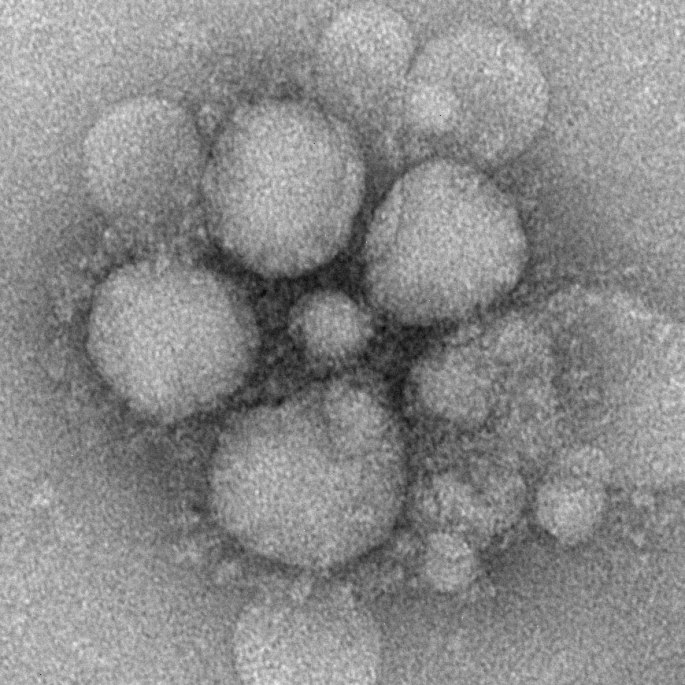
New MERS Case in France

French health officials have reported a new case of the Middle Eastern Respiratory Virus in an individual returning from a trip to Saudi Arabia. The individual is in stable condition, and has been in isolation since October 28th.

Globally, there have been 144 cases of the respiratory virus to date, with 62 fatalities. In the last few weeks, transmission of the virus seemed to have slowed, before Saudi Arabia experienced a further five cases in a three day period.  The virus usually presents with respiratory symptoms, although more severe cases can result in rapid kidney failure. MERS’ primary host, reservoir, vector, and mode of transmission are all uncertain.

Read more.

The Pandora Report 10.18.13

Highlights include a MERS-free hajj?, Craig Venter and bioterrorism, coronaviruses in hedgehogs,  DoD contributing to key biodefense infrastructure, bacteriophages eating superbugs, and (briefly) the Ebola cure and the oh-so-secret botulinum toxin. Happy Friday!

Hajj Numbers Down In 2013 By 1 Million Over MERS Virus Fears

Public health officials globally have kept a nervous eye on Saudi Arabia over the last week, as hajj brought 1.5 million pilgrims into Mecca, and potentially into contact with MERS. However hajj is concluding, and so far, not  a single case of MERS has emerged from the Muslim holy city. While it’s too early to tell with certainty whether this year’s hajj has been totally MERS-free, credit where credit is due.  Saudi Arabia was careful to institute a slew of preventative measures designed to prevent the virus’ spread, including severely limiting visas to susceptible populations, mandating mask-wearing in high density spaces, and a broad information campaign emphasizing good hygiene. We’re impressed (and grateful!).

International Business Times – “Hajj placed 1.75 million foreign pilgrims in contact with 1.4 million Saudi pilgrims last year, and officials feared that such contact could prove a deadly mix for a disease that has been, thus far, largely contained within the kingdom. Interior Minister Prince Mohammed bin Nayef said international numbers were down 21 percent to 1.37 million pilgrims from 188 countries this year, while the number of pilgrims from within the kingdom is believed to be half of what it was last year…Saudi Minister of Health, Abdullah bin Abdulaziz Al-Rabeeah, announced late Saturday that all health facilities were ready for hajj pilgrims, with some 22,000 health workers (3,000 more than previous years) on standby to help the ill or injured. He added that there had been no epidemic or coronavirus cases among pilgrims thus far.”

Craig Venter (briefly) Discusses Bioterrorism 

If you’re even tangentially involved in the biosciences, you already know that Craig Venter was the lead scientists of the Human Genome Project, which was the first to successfully characterize an entire human genome. It took Venter and his team thirteen years and nearly three billion dollars to sequence his genome. Today, it’s possible to sequence a human genome in less than a month at under $5,000, leading many scientists to worry about the potential of terrorists simply sequencing highly pathogenic bugs. Popular Mechanics caught up with Venter in advance of his new book, Life at the Speed of Light: From the Double Helix to the Dawn of Digital Life, and asked him about, amongst other things, synthetic biology and biological terrorism.

Popular Mechanics – [Venter, on his biggest concern for synthetic biology] “Certainly the biggest concern is the potential for bioterrorism. But using synthetics for bioterrorism is a huge, huge, huge, challenge. Right now there are so many sources of materials for bioterrorism that it’s unlikely that somebody would go to all the difficulty to synthetically make it. For example, anthrax exists on most cattle farms. Any dead cow has a good chance of having anthrax in it, so it’s not like you need to get anthrax from some high security lab. But certainly, in theory, people could make things like smallpox that aren’t readily available. My main concern is people doing biology in their kitchens. It’s great that so many people are curious about biology, but without proper training these DIY biologists don’t learn the right safety approaches and mechanisms. Someone could inadvertently cause harm to a lot of people. Like any new frontier with powerful technology, people have to think about it carefully. What are its implications? How can we regulate it without over-regulating it?”

Bacteria-eating viruses ‘magic bullets in the war on superbugs’

Researchers at the University of Leicester have isolated a new strain of bacteriophage – viruses which infect and kill bacteria – which specifically targets the bacteria Clostridium difficile. The use of phages instead of comparatively indiscriminate antibiotics in treatment would help diminish the over-prescription antibiotics, reduce the likelihood of antibiotic resistance, and preserve healthy host bacteria. One of the researchers raises a very good point – with fewer and fewer new antibiotics discovered, and more and more cases of antibiotic resistance, an earnest search for viable alternatives is necessary.

University of Leicester – “Dr. Clokie and her team have achieved the remarkable feat of isolating and characterising the largest known set of distinct C. diff phages that infect clinically relevant strains of C. diff. Of these, a specific mixture of phages have been proved, through extensive laboratory testing, to be effective against 90% of the most clinically relevant C. diff strains currently seen in the U.K. As a testament to their therapeutic potential, these phages, that are the subject of a patent application, have been licensed by AmpliPhi Biosciences Corporation – a US-based biopharmaceutical company and pioneers in developing phage-based therapeutics. AmpliPhi have already made progress in developing phages targeted against Pseudomonas aeruginosa, a pathogen that causes acute, life-threatening lung infections in cystic fibrosis patients. They were also the first biopharmaceutical company to demonstrate the effectiveness of Pseudomonas phages in controlled and regulated human clinical trials.”

DOD Funding Contributes to U.S. Biodefense Infrastructure

The Department of Defense has co-funded the Texas A&M Center for Innovation in Advanced Development and Manufacturing, which was created in response to the 2009 influenza pandemic. The Center’s primary focus is flexible and fast development of therapeutics in response to novel disease outbreaks. Its primary investigator, Dr. Brett P. Giroir, formerly of DARPA, describing the need for the Center explained that “[l]iterally, what once took weeks during medical school to produce in a multimillion-dollar laboratory can be done [today] in an afternoon on a benchtop by someone with a relatively less degree of scientific training…So the barriers to entry have decreased’. We couldn’t agree more.

DoD – “The facility is called the National Center for Therapeutics, or NCTM, and a key feature there is the use of modular and mobile stand-alone biopharmaceutical clean rooms, called modular clear rooms, or MCRs. The initial MCR concept was funded by DOD through DARPA and the Army Research Office, Giroir said. NCTM is the core facility and main site for developing and manufacturing medical countermeasures and vaccines against chemical, biological, radiological and nuclear threats for the Texas A&M Center for Innovation, he added. Another part of the Center for Innovation’s biomanufacturing infrastructure is the Caliber Biotherapeutics Facility, Giroir said. Caliber was developed and built through Texas A&M and G-CON Manufacturing, with funding from the DARPA Blue Angel Program. According to a 2012 DARPA news release, the Blue Angel Program demonstrated a flexible and agile capability for DOD to rapidly react to and neutralize any natural or intentional pandemic disease.”

Characterization of a novel betacoronavirus related to MERS-CoV in European hedgehogs

It’s understood that bats are the established hosts for viruses similar to human coronaviruses, which prompted researchers to wonder if hedgehogs, which are closely related to bats, carry similar viruses. Researchers at the  University of Bonn in Germany acted on this hunch, and discovered a  novel “sister” betacoronavirus species in European hedgehogs. We’re disappointed – staying away from bats is fine because we don’t want rabies and bats are odd-looking, but hedgehogs? Really?

Journal of Virology – “58.9% of hedgehog fecal specimens were positive for the novel CoV (EriCoV) at 7.9 Log10 mean RNA copies per ml. EriCoV RNA concentrations were higher in the intestine than in other solid organs, blood and urine. Detailed analyses of the full hedgehog intestine showed highest EriCoV concentrations in lower gastrointestinal tract specimens, compatible with viral replication in the lower intestine and fecal-oral transmission. 13 of 27 (48.2%) hedgehog sera contained non- neutralising antibodies against MERS-CoV. The animal origins of this betacoronavirus clade including MERS-CoV may thus include both bat and non-bat hosts.”

In Case You Missed It:

Working on Ebola: We are very supportive of any treatment which helps mitigate our very real fear of Ebola. 
– Scientists Withhold Details of New Botulinum Toxin: We get it. We even agree. We’re curious if you do too.

(image credit: Michael Gäbler)

The Pandora Report 10.11.13

A briefer report this week due staff illness (one of the many drawbacks of studying biodefense is the crippling hypochondria that comes with it  – we’re pretty sure we’ve come down with MERS). Highlights include actual cases of MERS, Hajj starting and outbreak fears, dengue in Houston, and the government shutdown leaving us exposed. Happy Friday!

Event Note: The Organization for the Prohibition of Chemical Weapons was awarded the Nobel Peace Prize for the efforts in destroying chemical weapons. Our October Biodefense Policy Seminar, happening Wednesday Oct. 16th, features Dr. Paul Walker, who was recently rewarded the prestigious Swedish Rights Livelihood Award for his personal contributions to the destruction of chemical weapons. Join us and Dr. Walker as we discuss disarmament of Syria’s chemical weapons stockpile Wednesday evening

Virus hangs over Islamic pilgrimage to Mecca

Hajj is finally upon us, will millions of pilgrims flooding the Saudi Arabian city of Mecca for the annual muslim pilgrimige, culminating on October 15th. Doctors in hospitals across Southern California have been alerted by state health departments to watch for fever and respiratory symptoms in individuals returning from the Middle East. Here’s to hoping for the best.

LA Times – “The hajj, which typically draws more than 10,000 from the U.S. and culminates Oct. 15 this year, is just the sort of environment where a virus can spread efficiently. Conditions can be hot and crowded, said Jihad Turk, a religious advisor for the Islamic Center of Southern California in Los Angeles and president of Bayan Claremont, an Islamic graduate school in Claremont. Pilgrims retrace the steps of the biblical Abraham, his wife Hagar and their son Ishmael, considered the founders of the Islamic people. In one key ritual, they march seven times around the cube-shaped Kaaba in Mecca, said to have been built by Abraham and Ishmael.’You have a million people all at the same time walking around the Kaaba,’ said Turk, who has participated in the hajj twice. ‘It’s like being in a crowded subway in New York for hours and hours at a time.”

Genome studies link MERS origin to bats

Speaking of MERS, another study has emerged linking the virus’ origins to bats. To date there have been 136 cases of the resipatory syndrome, with 58 fatalities.

Infectious Disease News – “Previous research suggested that MERS uses the DPP-4 receptor to enter the cell. Researchers from Marie Bashir Institute for Infectious Diseases and Biosecurity at the University of Sydney in Australia analyzed seven bat genomes to determine the sequence of the DPP4 gene. They compared these findings with those from other mammalian species. They found three residues in bat DPP-4 receptors that directly interact with the viral surface glycoprotein. The mutations in the bat genes also occurred at a faster rate, which suggests that the virus existed in bats for a long period and has evolved before it began to infect humans.”

Study: Dengue fever found in Houston

Dengue, the mosquito-borne virus which ravages so much of the developing world, has re-emerged in Houstan. According to a new study from Baylor College, antibodies to the disease where present in 47 individuals sampled as part of a larger West Nile study, suggesting an outbreak in 2003.

Houston Chronicle – “‘Dengue virus can cause incredibly severe disease and death,’ [study researcher] Murray said. ‘This study shows that Houston may be at risk of an outbreak, that people need to be on the lookout.’ While no blood and cerebrospinal fluid samples from after 2005 are available for study, Murray said the virus likely is still in Houston. Dengue fever is widespread in other parts of the world. Whenever it appears in the U.S., local officials hope to contain it. It can cause severe body aches, high fever and rash. Its most severe forms can cause severe bleeding and death. In central Florida, 20 cases of dengue fever have been reported this year.”

Idle CDC Worries Experts as Flu Season Starts

We can attest first hand that flu season has definitely started. As we mentioned last week, it’s happening without the watchful eye of the CDC surveillance system. While there has been some private industry pull-through, the supplemental surveillance isn’t enough to provide a good national picture of flu trends.

MedPage – “But it’s not just data and it’s not just flu, according to Gregory Poland, MD, an infectious diseases specialist at the Mayo Clinic in Rochester, Minn.’There are an endless number of infectious disease threats that, as we often say, are an airplane ride away from us,’ Poland said. And the CDC is the ‘only entity’ that tracks infectious disease on a national scale, he added. ‘So now you’ve got a week, 2 weeks, who knows how long, where there’s no one really responsible for watching what’s happening nationally.’ He painted a grim picture of what might happen while the agency is all-but-shuttered.

“‘Worst-case scenario is a novel infectious disease is imported into the U.S.,’ he said, with cases scattered at first across a dozen states. ‘Nobody understands that it’s happening simultaneously in real time and we don’t have 12 cases, we have 1,200 cases before we realize what’s going on.'”

The Pandora Report 9.27.13

Highlights include MERS, more MERS, Marburg & Ebola, chemical weapons antidotes, universal vaccine. Happy Friday!

Saudi Efforts to Stop MERS Virus Faulted

Saudi Arabia is being accused both of withholding information and conducting incomplete epidemiological investigations on MERS. While health officials have been careful to collect as much information as possible from infected individuals, they have been accused of neglecting to interview healthy contacts of infected patients. Such interviews are critical to determining possible routes of transmission. Saudi officials have vehemently denied these accusations, arguing it’s impossible to withhold what they don’t know.

Wall Street Journal – “‘It’s very difficult to give all the details to the people when we don’t know all the details,’ Ziad Memish, the deputy health minister, said last week at his office in Riyadh, the Saudi capital. ‘”Where’s it coming from? We don’t know. How is it transmitted? We don’t know.'”

Middle Eastern Respiratory Syndrome Update

Speaking of MERS, the CDC has updated its epi information on the virus. According to this week’s Morbidity and Mortality Weekly Report, there are now 130 cases, of which 45% of were fatal. While cases have occured in eight countries, all infected patients had recently visited or resided in just four countries – Jordan, Qatar, Saudi Arabia, and the UAE. Also of note, just over a fifth of cases (21%) were asymptomatic. No new information on mvectors, reservoirs, or route of infection.

CDC –  “To date, the largest, most complete clinical case series published included 47 patients; most had fever (98%), cough (83%), and shortness of breath (72%). Many also had gastrointestinal symptoms (26% had diarrhea, and 21% had vomiting). All but two patients (96%) had one or more chronic medical conditions, including diabetes (68%), hypertension (34%), heart disease (28%), and kidney disease (49%). Thirty-four (72%) had more than one chronic condition (7). Nearly half the patients in this series were part of a health-care–associated outbreak in Al-Ahsa, Saudi Arabia (i.e., a population that would be expected to have high rates of underlying conditions) (8). Also, the prevalence of diabetes in persons aged ≥50 years in Saudi Arabia has been reported to be nearly 63% (9). It remains unclear whether persons with specific conditions are disproportionately infected with MERS-CoV or have more severe disease.”

New Marburg & Ebola Theraputics?

Tekmira Pharmaceuticals Corporation has developed a Marburg treatment which protects non-human primates from the virus completely (100%), even if administered 24 hours after post infection. This is very exciting. The company has also received funding to undertake a similar Ebola treatment, with Phase I clinical trials set to begin early next year.

Street Insider – “In a presentation entitled ‘Medical Countermeasures for Filovirus Infection: Development of siRNA Therapeutics Under the Animal Rule’ data were presented that showed successful anti-viral therapy with the application of Tekmira’s LNP technology to hemorrhagic fever viruses, including multiple strains of the Ebola and Marburg viruses. Newly presented data resulting from a collaboration between Tekmira and the University of Texas Medical Branch (UTMB) showed 100% survival in non-human primates infected with the Angola strain of the Marburg virus in two separate studies. In the first study, 100% survival was achieved when dosing at 0.5 mg/kg TKM-Marburg began one hour after infection with otherwise lethal quantities of the virus. Dosing then continued once daily for seven days. In the second study, 100% survival was achieved even though treatment did not begin until 24 hours after infection.

Scientists at UNC-Chapel Hill, Wake Forest work on antidotes to nerve gas

The Defense Threat Reduction Agency has awareded UNC-Chapel Hill a $4.47 million grant to develop antidotes to nerve gas. While the timing of the award may seem a little reactionary, apparently discussions on the project began over a year ago. Researchers are hoping to create an adhesive bandage, pre-loaded with the antidote which would be administered through tiny needles in the bandage itself. The advantage of a bandage over an injected serum is self-administration – no medical professional would be needed to administer it.

Charlotte Observer – “‘We can load them up with antidotes to nerve agent, including enzymes that combat nerve agent,’DeSimone [a professor of chemistry at UNC-CH and chemical engineering] said. ‘The idea was to put them directly into a dissolvable microneedle that’s painless – just a patch – and rapidly get them into the bloodstream’ Such a device could be used by the military or civilians during an attack, when poison gas can kill within minutes. The patch could be easily disseminated and transported, DeSimone said, and would have a long shelf life.

Researchers Move Step Closer to Universal Seasonal Flu Vaccine

It’s nearly flu season again, and for many of us that means shots. For scientists, it means hoping their predictions as to which strain of flu will strike are right, and that the vaccine in the shots is actually useful. Making things easier for everyone, scientists at the Imperial College of London have determined a “blueprint” for a single vaccine against all types of influenza. Scientists there have found that by boosting CD8 killer T cells, rather than trying to trigger antibody production, the vaccines are significantly more effective.

Voice of America – “’Such a vaccine would induce T cells that would be able to recognize new viruses that have not even been identified yet. In other words, future pandemic strains. In that sense, it’s a universal vaccine. And it will be different to existing vaccination where currently every year a new vaccine has to be developed, which is why we are always one step behind…'”

(image courtesy of CIDRAP)

The Pandora Report 9.20.13

Highlights include anthrax anti-toxin, the Pentagon and Ebola, antibiotics and global pandemics,  MERS baffling researchers, and a H7N9 vaccine. Happy Friday!

HHS replenishes nation’s supply of anthrax antitoxin

Rest assured, in case of an anthrax attack Uncle Sam has you covered. HHS, through BioShield, has renewed contracts with GlaxoSmithKline, replenishing our nation’s expiring supply of inhalation anthrax anti-toxin in the Strategic National Stockpile. Under the renewed contracts, we’ll be covered until 2018. The renewed contract also include a surge capacity, lest an anthrax attack occur and boosted production of anti-toxin is necessary. Believe it or not, surge capacity was not built into previous contracts.

KOAM – “To create surge capacity, the contracts allow HHS to place future delivery orders if an anthrax attack occurs, in addition to replenishing the current stockpile as needed over the next five years. The cost of future orders would be determined on a case-by-case basis, up to a maximum of $350 million per order. To receive a future order, the company must have antitoxin that is eligible for emergency use authorization or is FDA-approved at the time of the order. The replenishment and surge capacity are part of a governmentwide effort to prepare the nation to respond to security threats from chemical, biological, radiological or nuclear weapons. Federal agencies, including HHS agencies and the departments of Homeland Security, Defense, and Veterans Affairs coordinate closely to ensure programs and requirements are aligned.”

Pentagon puts Ebola virus on bio-threat research list

The Defense Threat Reduction Agency (DTRA) is actively soliciting research in therapeutics development against a slew of deadly bacterial and viral threat agents, ranging from our favorite Ebola to Burkholderia pseudomallei, the causative agent of melioidosis. Drug companies and the US government have had a tumultuous relationship when it comes to developing vaccine/therapeutics for select agents. The solicitation is encouraging, if only as a recognition of the critical importance of researching these pathogens (if we do say so ourselves).

USA Today – “DTRA officials, the document says, are concerned about the potential use of ‘aerosolized filoviruses or alphaviruses’ that could be delivered through the air. Some of the illnesses, such as Meloidosis, affect people in areas where the Pentagon is devoting more attention. For example, a contingent of Marines is now based in Darwin, a city in northern Australia. While there are some vaccines that can treat some of these conditions, the document says, ‘they have inherent limitations and a suitably effective vaccine has to be approved.’ That’s why it’s critical for more research to be conducted to find ways to prevent and treat them, DTRA says.”

Antibiotics Could Cause the Next Global Pandemic

The invention of antibiotics was understandably a big deal – before penicillin, scraping your knee could kill you. Now, we take for granted that infections are cured by a visit to the doctor and a prescription for antibiotics. Which is why this recent CDC report is so concerning.

PolicyMic – “In a press briefing about his recent research, Dr. Tom Frieden, the CDC’s director, warned ‘If we are not careful, we will soon be in a post-antibiotic era … And for some patients and for some microbes, we are already there.’ The confidence in his statement reflected the very first hard numbers for the incidence, deaths, and cost of all the major resistant organisms gathered by the CDC. The urgent worry gripping national health organizations like the CDC is that our current ‘gaps in knowledge’ and continued inadvertent strengthening of antibiotic-resistant bacteria could lead to the evolution of new vicious, contagious diseases with no current ways to combat them.”

MERS virus transmission continues to baffle

Maybe it wasn’t the camels after all. Scientists working together in the UK and Saudi Arabia are having difficulty determining the MERS virus’ route of tranmission. Yes, some camels possess the antibodies, yet most of those who contracted MERS had no contact with animals. Researchers are in agreement about one thing – the virus outbreak’s “focal point” is Riyadh. With hajj occurring next month, discovering more about the virus is becoming increasingly important.

Aljazeera – “The genetic history of the virus suggests repeat infections may have occurred since then, but what the animal source was, or is, remains unclear, it said. Tests are being carried on mammals in Saudi Arabia ranging from camels and bats to goats. The cluster in al-Hasa, in contrast, shows that viral strains there were closely related, which is consistent with spread from human to human. The samples in Riyadh have a broad genetic diversity, the paper said. This could mean that the virus is being transmitted through an animal source that is continuously being brought in from elsewhere, it said.

NIH-funded pandemic preparation: Baylor investigates bird flu vaccine

Researchers are testing vaccines against H7N9, in case the virus develops effective human-to-human transmission. H7N9 struck China in March of this year, infecting 135 and killing 44. With a fatality rate of nearly 1/3 in a totally naive population, the virus definitely has pandemic potential. H7N9 may reemerge again in the cooler fall and winter seasons.

MedScape – “Funded by the National Institutes of Health, the study being conducted at Baylor will recruit up to 1,000 adults nationally who are 19 to 64 years old and in good health. Study participants will receive different dosages of an investigational vaccine given with or without one of two adjuvants, which are substances added to a vaccine to increase the body’s immune response. Researchers at each site will gather safety information, risks and benefits of vaccinations and the effectiveness of the vaccines to trigger an immune response.”

(image: LA Department of Public Health)

The Pandora Report 9.13.13

Highlights this week include further evidence linking camels to MERS, a big innovator turning his eye to biodefense, tracking influenza A in Norwegian birds, the “eradicated” measles in the US,  tripling Tamiflu to help us all survive a serious H1N1 pandemic, and this week’s weird piece. Happy Friday!

Blame the Camel

It looks like dromedary camels are indeed the vector transmitting MERS from its proposed bat reservoir to humans. Antibodies against the deadly respiratory virus have been found in blood samples collected from camels across the Middle East, including Egypt, Sudan, Oman, and the Canary Island. However, before everyone starts shunning the desert beast of burden, it should be noted that the vast majority or MERS cases have had no contact with the animals, further suggesting person-to-person spread. Officials are calling for greater surveillance, which to date has been spotty in most states.

New York Times – “…it appears that the first confirmed or suspected cases in three separate clusters may have [had contact with camels], and in two cases, the camels were observed to be ill. According to the Saudi newspaper Asharq, a 38-year-old man from Batin, Saudi Arabia, who died of what was diagnosed as bacterial pneumonia was a camel dealer with at least one obviously sick camel. Later, other members of his family, including a mother, daughter and cousin, fell ill with what was diagnosed as MERS, and two died. They were part of a cluster of cases reported Sept. 7 by the World Health Organization.”

Tech Visionary Focuses Now On Biological Weapons Threat

An interesting interview with a tech mogul formerly associated with Microsoft. Like so many of us in the biodefense field, he’s worried about a domestic terror threat operating out of a small lab. It’s refreshing to see someone outside of the industry, with potential means, getting involved with biodefense in a way that doesn’t just involve anthrax.

NPR – “Biological terror is interesting because it is so damn cheap and yet can be even more lethal than nuclear…In this case, the adversary is going to be hidden. It’s going to be a small lab of people who could be cooking up a bio-terror weapon. They’re very unlikely to announce themselves until after the attack.”

Influenza virus in wild birds in Norway

A group of researchers in Norway have determined that ducks and gulls are a natural host of influenza A. Dabbling ducks in particular are the most prevalent host of the virus. Researchers were interested in determining the primary host in order to better understand patterns of seasonal infection.

Phys.org – “The complete genetic material from a total of five influenza viruses from mallard and common gull were sequenced and characterized. The results showed that the genes of the Norwegian viruses resembled the genes found in influenza viruses from other wild birds in Europe…Due to limited overlap between the routes used by migratory birds in Eurasia and America, influenza viruses with different genetic material have developed between these two continents. However, in some areas, it has been observed that genes can be exchanged between influenza viruses from Eurasia and America.”

Measles still poses threat to US, health officials warn

Measles is making a comeback in the US, thanks to the groups of people who think that vaccinating for measles is a bad idea. Of the 159 cases last year, 82 percent involved those who had not been vaccinated. Technically the disease has been eradicated in the US.

FOX – “Of the patients who had not received measles immunizations, 79 percent had philosophical objections to vaccination, federal health officials said. Results of a National Immunization Survey released today show that 90.8 percent of U.S. toddlers between the ages of 19 and 35 months have received at least one dose of the measles, mumps and rubella vaccine (MMR) – just above the federal government’s target of 90 percent. However, federal health officials warned that measles imported from other countries can still cause large outbreaks in the U.S., especially if introduced into areas with clusters of unvaccinated persons.”

Triple Dose Tamiflu Beats Back H1N1

If at first you don’t succeed, try, try again. A study from the University of Manitoba in Winnipeg revealed that patients critically ill with H1N1 were able to clear the virus within five days if given triple the normal dose of Tamiflu. According to study researcher Dr. Anand Kumar, amongst those patients administered the triple dose of the flu drug, 79%  cleared the virus within the 5-day timeframe, compared with just 11% of patients given the normal dose. It should be noted that past studies involving the doubling  of Tamiflu doses did not yield significant clearance times.

MedPage Today – “‘What we found was that the treatment was well-tolerated, and there were many more patients achieving viral clearance at day 5, which was our study endpoint,’ Kumar said during a session at the Interscience Conference on Antimicrobial Agents and Chemotherapy. Kumar noted that the 5-day endpoint was important because of increased survival benefits from the shortened clearance time and the reduced amount of time a patient has to endure in continued isolation, “which is a source of significant manpower demand for an intensive care unit.”

This week’s weird piece: ‘US provided chemical and biological weapons to Saddam Hussein’ – retired military officer

Disclaimer: This is from Voice of Russia, which is  the Russian government’s broadcast network and therefore not exactly a pillar of journalistic integrity.

(image Adam Foster/Flickr)

The Pandora Report 9.6.13

Highlights: The Syrian BW “threat”, MERS vaccine, Nipah, biological weapons in the Philippines, and al Shabaab contributing to polio. Happy Friday!

On Not Falling Prey to Syrian Biological Weapons Alarmism

There have been a lot of articles (starting with the WaPo, and snowballing to the Telegraph, VoR, etc) discussing the “emerging threat” of Syrian biological weapons. Before the rumors grow and plant seeds, we strongly recommend you take a moment to check out Dr. Ben Ouagrham-Gormely’s excellent rebuttal. Here’s an excerpt from her piece:

“A September 5 Washington Post article raises concern that Syria might resort to biological weapons in retaliation for a Western military strike. The article states that intelligence reports indicate that Syria engaged in bioweapons development in the 1970s and 80s and since then has maintained a “dormant capability,” which some experts interviewed by the Post believe can easily be reactivated to produce biological weapons. it is important to inject a little bit of reality in regard to the question of whether or not Syria might be able to successfully reactivate a “dormant program” and effectively develop and use biological weapons.”

Read the full post here.

MERS Vaccine Passes First Test

The confirmation of another two cases of the Middle Eastern Respiratory Virus in the last week, bringing the global total to 110 cases and 52 fatalities, has the scientific community scrambling to develop a viable vaccine. Now researchers at Loyola Marymount University, working in conjunction with the Erasmus lab in Rotterdam (the same lab who refused to play nice in sharing the MERS genome), have developed a candidate vaccine which can be used in case of a pandemic. However, while the candidate has passed the first pre-clinical trials, if proven efficacious in humans  it would still be at least a year before the vaccine would be ready for production.

Medical Xpress – “The starting point for the new vaccine was a related virus known as Modified Vaccinia virus Ankara (MVA). MVA is an attenuated strain of the virus that causes smallpox, and has been used for more than 30 years for the manufacture of smallpox vaccine. Indeed, MVA is at the heart of a worldwide effort to design and generate vaccines not only against viral pathogens but also against cancers. In this context, MVA serves as the carrier for specific antigens that elicit the production of protective antibodies in the immunized host. MERS-CoV is known to bind to human cells via its so-called spike (S) protein, which is exposed on the surface of its membrane envelope. Sutter and his team therefore used molecular biological methods to introduce the gene for the MERS S protein into the MVA genome.”

Bats spreading deadly virus, Stanford scientist warns

If there’s one thing we’ve learned here at GMU Biodefense, it’s stay good and far away from bats. Whether it’s rabies or MERS, the creatures of the night are bastions for all sorts of nasty diseases.  Now it looks like Pteropus bats in Bangladesh are in the “villain of the week” spotlight. A researcher at Stanford University is voicing concerns over the bats, which range across South East Asia, spreading the deadly virus Nipah.

Stanford News – “Among Nipah’s worrisome traits: Many strains are capable of limited person-to-person transmission, and it is a ribonucleic acid (RNA) virus, which has the highest known rate of mutation among biological agents. If a more efficient human-adapted strain developed, it could spread rapidly in highly populous South Asia before spilling into other regions. The global community must do a better job of estimating and managing the risk, Luby said. That will require stepped-up study of how the virus is transmitted, closer observation of infected people and consideration of vaccinations for at-risk communities.”

Military claims NPA has ‘biological weapons’; Reds laugh off claim

Moving away from the existence, or lack thereof, of Syrian BW, a rebel leader in the Philippines has been accused by the government of using biological weapons. According the Filipino government,  the device in question tested positive for both Enterobacter cloacae and Streptococcus agalacteiae. The government claims the rebels smeared the unexploded landmines with feces. The rebels deny the claims outright. We’ll leave it there.

Inquirer Mindanao – “The military insisted Thursday that the New People’s Army now uses ‘biological weapons’ to further its goal of toppling the government. In a press statement, the Eastern Mindanao Command based here said laboratory examination of unexploded land mines seized from NPA camps in Southern Mindanao showed the presence of ‘deadly toxin’ and bacteria ‘not usually found in steel rebars and nails used as shrapnel.’ The NPA unit operating in the region laughed off this claim, calling it ‘malicious and wildly concocted military propaganda.'”

Somalia: Polio Widespread in Regions Under Al-Shabaab Control

Polio eradication is a bit of a soapbox around here, maybe because as a planet we’ve been so close for so long and because it’s often security issues which hamper efforts. For those of you who have managed to miss our various rants, all but three states – Nigeria, Afghanistan, and Pakistan – have eradicated the virus. Somalia, despite its numerous failings, worked extremely hard to become polio-free in 2007. The news that the terrorist organization al-Shabaab, which controls large swathes of Southern Somalia, is refusing to allow supplies into territory it controls, while also telling local populations that the vaccine causes AIDS and sterility, is infuriating.

All Africa – “Al-Shabaab’s refusal to allow the supply of the polio vaccine in areas under its control is causing panic among residents at a time when aid workers are struggling to contain an outbreak of the crippling virus.’The polio outbreak plaguing Somalia has spread despite significant efforts to curb the disease,’ the United Nations Office for the Co-ordination of Humanitarian Affairs (OCHA) said in a statement August 15th, adding that insecurity is hampering efforts to contain the virus. Six years after Somalia was declared free of the virus, at least 105 cases have been confirmed in the country, the ‘worst outbreak in the world in a non-endemic country’, according to OCHA.

(image: Hakan Dahlstrom/Flickr)

The Pandora Report 8.30.13

Highlights include MERS case updates, dengue raging through Central America, Syria’s CW (obviously), eastern equine encephalitis, and the cetacean morbillivirus. Happy Friday, and a very happy Labor Day Weekend to everyone! Stay away from the dolphins!

WHO: MERS global case count 108, 50 deaths 

MERS continues to spread throughout Saudi Arabia, with an additional four cases confirmed today. The total global case count is now 108, with a fatality rate of just below 50%. Two of Saudi Arabia’s four most recent cases involved immunocompromised patients, while the other two are children aged 16 and seven respectively. Interestingly, both children are currently asymptomatic, despite testing positive for the virus. The World Health Organization (WHO) has not recommended travel restrictions to Saudi Arabia, promoting instead strong surveillance and testing measures.

World Health Organization – “Globally, from September 2012 to date, WHO has been informed of a total of 108 laboratory-confirmed cases of infection with MERS-CoV, including 50 deaths.Based on the current situation and available information, WHO encourages all Member States to continue their surveillance for severe acute respiratory infections (SARI) and to carefully review any unusual patterns. Health care providers are advised to maintain vigilance. Recent travellers returning from the Middle East who develop SARI should be tested for MERS-CoV as advised in the current surveillance recommendations”.

Dengue fever epidemic sparks public health emergency in Central America

Central America is currently experiencing a serious Dengue outbreak, with over 120,000 cases in three states across the region. If not effectively contained, a number of external factors will likely result in the outbreak “exploding”. The rainy season in the area is set to last another three months, with high heat resulting in ideal breeding grounds for dengue’s mosquito vector. Containment of the outbreak in Honduras particularly has proven challenging, prompting the state to turn to the Red Cross for help. The 2010 outbreak of dengue in the area lead to 1.6 million cases, of which 49,000 were severe. Dengue eradication efforts are hampered by its infection through four, distinct serotypes, no one of which offers cross-protection against the other three.

The Guardian – “The poor suburbs of Central American capitals are the main targets for campaigns to raise public awareness. Poor housing, the lack of a mains water supply and the accumulation of household waste make such neighbourhoods an ideal breeding ground for mosquitoes. The authorities have dispatched paramedics, police and the military to remote villages in order to stamp out the epidemic in the areas most at risk. Latin America is particularly exposed to dengue epidemics, which recur on a three- to five-year cycle. In 2010 the fever caused 132 deaths. ‘Aedes aegypti was eradicated in the subcontinent in the mid-20th century, but with increasing global trade it returned in the 1970s, from Asia,’ says Philippe Brémond, an epidemiologist at France’s Institute of Research for Development (IRD).”

Syria’s Red Line

We know everyone’s talking about chemical weapons in Syria (ourselves included), and with President Obama now apparently set on unilateral (ugh) military action in the area, we wager everyone will continue to talk about Syria for a good while longer. We’re including Jeanne Guillemin’s review article because it’s a thorough overview of the storied history and political maneuverings of chemical weapons use. Read it and be an expert.

The Boston Review – “When the present crisis in Syria is resolved, as inevitably it will be, the CWC [Chemical Weapons Convention] must be made universal. It almost is: 188 states adhere to it; 7 are holdouts (Israel, Syria, Egypt, Myanmar, Angola, North Korea, and South Sudan). Syria must allow its chemical weapons to be identified, contained, and destroyed. It should have been done years ago. Israel and Egypt must also be persuaded to join the treaty and comply with it, before more chaos erupts. ‘Almost universal’ is simply not good enough.”

Eastern equine encephalitis threat level raised to ‘high’ in four communities

Ongoing detection of eastern equine encephalitis (EEE) in four communities in Massachusetts has prompted local health authorities to raise threat levels to “high”, encouraging residents to avoid outdoor evening activities until the end of the mosquito season. Although most cases of EEE are aysmptomatic, in severe cases the virus can cause permanent brain damage and death. We can’t remember if we already posted this, but here is an excellent Nature article explaining why it would actually be totally fine if we exterminated all mosquitoes.

Boston – “The EEE threat is high in Easton, Raynham, Taunton, and West Bridgewater. Residents in high-risk areas are urged to avoid evening outdoor events for the remainder of the mosquito season, said the statement from the Massachusetts Department of Public Health…There has been one human case of EEE this year, in a Norfolk County woman in her 80s, who died earlier this month. There were seven cases of EEE in 2012, including three deaths.Symptoms of EEE show up about 3 to 10 days after a person is bit by an infected mosquito and they include high fever, a stiff neck, headache, and lack of energy.”

Because People Will Ask: Measles-like virus may be cause of dolphin deaths on U.S. coast

Included so you can assure concerned friends and families that the virus, which is killing bottlenose dolphins up and down the East Coast, cannot be transmitted to humans. Since July, 333 dolphins – 10 times the normal number for the same period – have died from cetacean morbillivirus, a measles-like virus which is thought to cause immunosuppression.  Virginia’s beaches have seen the highest number of strandings, at 174 n the last couple months. While the virus cannot be transmitted to humans, beach goers are advised not to approach any stranded dolphins, as they may carry other bacterial or fungal infections.

National Geographic – “‘Along the Atlantic seaboard, this [outbreak] is extraordinary,’ Rowles said. The last morbillivirus outbreak in the region occurred from June 1987 to May 1988, and resulted in the deaths of at least 900 bottlenose dolphins. Officials are unsure of how long the current outbreak will last. ‘Typically, outbreaks will last as long as there are susceptible animals,’ Rowles said. But if it plays out like the 1987-1988 outbreak, ‘we’re looking at mortality being higher and morbillivirus traveling southwards and continuing until May 2014,’ she added. Right now, experts think this current outbreak is probably due to a dip in herd immunity.”

(image credit: Jeff Kraus/Flickr)

Qatar announces new Mers case

Qatar just confirmed it’s second case of Middle Eastern Respiratory Syndrome (MERS) virus in just a week. The patient is a 29-year old male, who is believed to have become infected with the virus following interaction with an infected individual. The patient is in intensive care in Doha, and is listed as in critical condition. It is unknown whether the newest patient had underlying health conditions which rendered him immunocompromised.

Read more here.

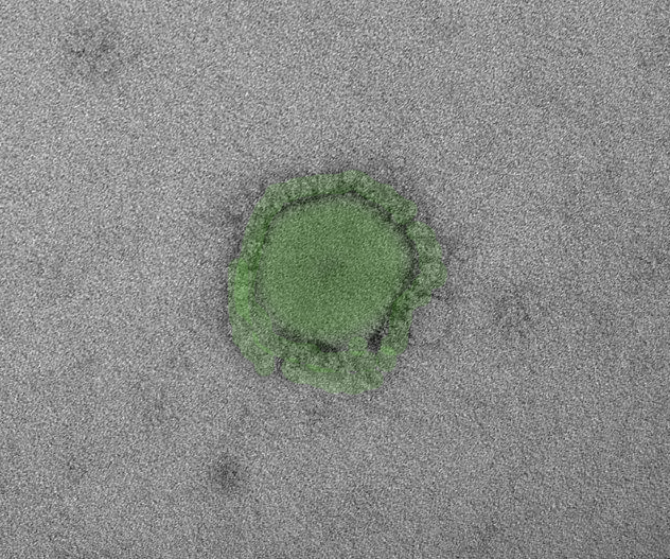
(image of MERS virus via Cynthia Goldsmith/Azaibi Tamin/CDC with false color added)

The Pandora Report 8.23.13

Highlights this week include MERS in tomb bats, H7N9 and its lurking cousins, Ebola of CCHF?, the history of CW and BW, and nanotech. Happy Friday!

Reservoir of MERS may be Egyptian Tomb Bat. Yes tomb bat, as in, mummies, curses, and tomb bats.

Researchers may have uncovered the reservoir of the recently emerged Middle Eastern Respiratory Syndrome virus (MERS). Scientists took DNA samples from 96 bats living at an abandoned site just 12 kilometers from the MERS index case. Once the DNA samples were sequenced, the scientists involved discovered that the fecal pellet of one bat species, the Egyptian tomb bat, shared a 182-nucleotide snippet of DNA with MERS. It’s possible that more of viral genome was present; however, when the frozen bat samples were clearing US customs, the customs officers opened and left the samples out, at room temperature, for two days (don’t even get us started on all the things wrong with that situation). Still, this latest development brings us a step closer to understanding the virus and its mechanism of action.

Science Magazine – “Sequencing the nucleic acids isolated from the samples yielded a clue: The fecal pellet of the insect-eating Egyptian tomb bat (Taphozous perforatus) contained a piece of viral RNA identical to that of the virus isolated from the patient in Bisha, the scientists reported online in Emerging Infectious Diseases yesterday…Still, the finding is another interesting piece in the MERS puzzle, says Marion Koopmans, an infectious diseases researcher at the National Institute for Public Health and the Environment in the Netherlands, who was not involved in the work. She points out that the fragment is not only short but also comes from one of the least variable parts of the viral genome, so the full genomes of bat and human virus could still differ significantly. Nonetheless, the finding ‘points at bats as a reservoir for this virus,’ Koopmans writes in an e-mail.”

China bird flu analysis finds more virus threats lurking

Scientists in China have analyzed other strains of H7 flu, and have determined that several of the strains are capable of jumping to humans. A couple strains have already been shown to successfully infect ferrets. It’s thought that H7N9, like other pandemic strains of avian influenza, began in water fowl, was transmitted to domestic poultry,  reassorted with H9N2, and then infected people. The moral of the story? Other avian pandemics may be waiting in the wings (pun only slightly intended).

Reuters – “To trace the evolution of H7N9 and its path into humans, researchers led by Maria Huachen Zhu and Yi Guan of the University of Hong Kong conducted field surveillance around the main H7N9 outbreak region and mapped out, or sequenced, genetic codes of a large number of bird flu viruses they found…They also found another previously unrecognized H7N7 virus strain had emerged and is circulating in poultry in China. In experiments testing this strain, they discovered it has the ability to infect ferrets – an animal model often used by scientists to find out more about what flu might do in humans – suggesting it could jump into people in future.”

Deadly Hemorrhagic Fever Appears in Uganda

Local health officials are scrambling to identify a small outbreak of hemorrhagic fever in Uganda, with conflicting reports seperately identifying the causative virus as Crimean-Congo Hemorrhagic Fever (CCHF) and Ebola. Four patients have been hospitalized, with a fifth already dead from the virus. In a disturbing complication, one patient has apparently “escaped from the hospital” following collection of blood samples, prompting understandable fears of exacerbation of the virus’ spread. Both CCHF and Ebola are highly pathogenic, causing body pain, severe hemorrhaging, and death.

Daily Monitor – “Efforts to verify with the Health ministry whether the disease is Ebola or the Crimean- Congo haemorrhagic fever were futile as the officials did not answer our telephone calls. ‘The four patients have been put in isolation for close monitoring,’ Dr Otto said. The district health officer said the first patient at the hospital presented symptoms similar to that of Ebola which prompted him to take blood samples to Entebbe. Dr Otto urged the public to remain calm, saying a medical team was on the ground to handle the situation.

Scientific American In-Depth Report: The Specter of Chemical and Biological Weapons

Scientific American just put up a good overview of both recent developments in and the broad history of chemical and biological warfare. The pieces included are more chem-heavy (unsurprisingly), but it’s still a good refresher, especially with Syria apparently escalating again. Take a moment to check it out.

Nano Breakthrough For Navy Lab; Tiny Sensors To Detect Explosives, Bio Weapons, Rotten Food

Researchers at the Naval Research Laboratory want to use nanowires to detect everything from biological weapons to spoilt food. For the first time, researchers were able to overcome the difficulty associated with creating the wires. Until now, nanowires have had to be grown, making mass production extremely difficult. However, researchers have found a way to etch the wires, rather than grow them, making embedding them in uniforms or refrigerators possible.

Breaking Defense – “‘The big thing with getting to this point is finding a way to produce this in a scaleable and reproducible fashion,’ principal investigator Christopher Field told me… Basically, the Navy scientists etch a cluster of nanowires and put a small amount of power pulsing through them. When a molecule from an explosive’s gas or a chemical weapon brushes against the nanowires this disrupts the charge. Then scientists analyze the disruption to discover what caused it.”

(image courtesy of Marie and Alistair Knock/Taraji Blue/Flickr)