Pandora Report 8.22.14

Did you see that the destruction of Syria’s most lethal chemicals is now complete? Well, it is! Its good news among so many biodefense stories covering Ebola. I have no interest in making the Pandora Report the “All Ebola, All the Time” newsletter. As such, we will look at one Ebola story as well as stories covering new discoveries in tuberculosis and influenza.

Have a fabulous weekend, and students, enjoy your last one before classes start on Monday!

Tuberculosis is Newer Than Thought, Study Says

A recent study published in Nature reports that tuberculosis originated less than 6,000 years ago and was carried to the new world by seals. Seals! This new research contradicts original timeline and species genesis and some scientists think this study provides more questions than answers.

The New York Times—“In the new paper, the team proposes that humans acquired tuberculosis in Africa around 5,000 years ago. The disease spread to people across the Old World along trade routes. Meanwhile, Africans also spread the disease to animals such as cows and goats. Seals that hauled out onto African beaches to raise their pups became infected. The bacteria then spread through seal populations until reaching South America. Ancient hunters there became infected when they handled contaminated meat.”

Enzyme Holds the Door for Influenza

As the fall season and semester approach, the flu season travels with it. I was delighted to read that Walgreens, in addition to CVS, will now offer seasonal flu shots in their stores. More interesting news about flu came out of Vanderbilt University, too. Researches have investigated enzyme phospholipase D (PLD) and it ability to help the influenza virus escape immune response. Blocking PLD could assist in preventing the flu.

Bioscience Technology Online—“Normally the virus slips into its host cell in the epithelial lining of the lungs through internalized membrane compartments called endosomes. By delaying this process, the researchers propose, PLD2 inhibitors may give the cell’s innate immune response more time to destroy it.”

Patient Checked for Ebola Virus in Sacramento

Internationally, the good news is that quarantines have been set up in Liberia, in attempt to contain the spread of Ebola. The bad news is that they have become fairly violent. Stateside, this week Dr. Kent Brantly and Nancy Writebol were released from Emory University Hospital after recovering from Ebola infections acquired in West Africa.

There was news of a possible case in Northern California. With few details provided as to the patient and transmission route, we learned that there is a patient being tested for Ebola in Sacramento. California Department of Health reported that the cases is low risk but that testing is being done out of “abundance of caution.”

San Francisco Chronicle—“‘In order to protect our patients, staff and physicians, even though infection with the virus is unconfirmed, we are taking the actions recommended by the CDC as a precaution, just as we do for other patients with a suspected infectious disease,” said Dr. Stephen Parodi, an infectious disease specialist at Kaiser Permanente North California. “This includes isolation of the patient in a specially equipped negative pressure room and the use of personal protective equipment by trained staff, coordinated with infectious disease specialists.’”
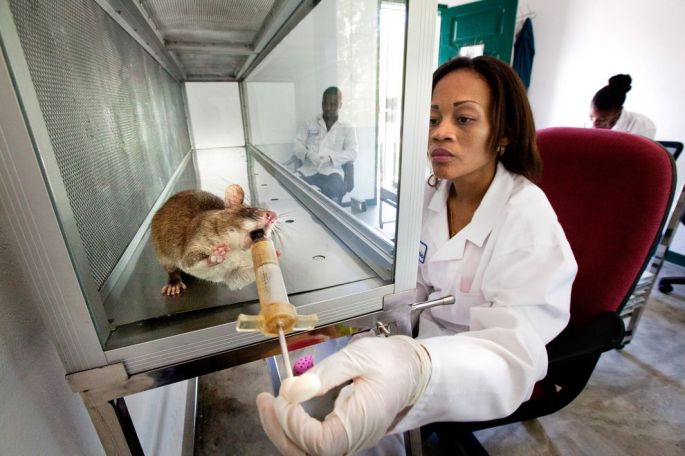
 

Image Credit

Pandora Report 8.17.14

Another 12 hours at Dulles Airport on Friday and, fortunately, no new travel alerts. This week we look at TB detecting rats, an experimental Chikungunya vaccine, and the latest from West Africa.

Giant Rats Trained to Sniff Out Tuberculosis in Africa

APOPO, the Belgian nonprofit organization known for using rats to sniff out land mines, has been training the African giant pouched rat to detect tuberculosis since 2008 in Tanzania and 2013 in Mozambique. The trained rats are used in medical centers in Dar es Salaam and Maputo to double check potential TB samples. The rats are unable to differentiate between standard and drug-resistant strains of the disease however, the cost of training and maintenance of the rats is significantly cheaper than the new GeneXpert rapid diagnostic tests.

National Geographic—“‘What the rats are trained to do is associate the smell of TB with a reward, so it’s what they call operative conditioning,’ [Emilio] Valverde [manager of the APOPO Mozambique TM Program] said.

It is the same principle applied to detecting land mines, only the rats are trained to recognize the scent of specific molecules that reflect the presence of the tuberculosis germ—not the explosive vapor associated with land mines.”

Experimental Chikungunya Vaccine Shows Promise

Chikungunya, of course, is one of the diseases included in the CDC’s travel alerts, and this week we learned of a promising vaccine for the disease that causes fever and intensely painful and severe arthritis. After the vaccine’s first human trials, the next step is to test in more people and more age groups, including populations where the virus is endemic. The trial leader said that it could be more than five years before a finished vaccine could be offered to the public.

CBS News—“‘This vaccine was safe and well-tolerated, and we believe that this vaccine makes a type of antibody that is effective against chikungunya,’ said trial leader Dr. Julie Ledgerwood, chief of the clinical trials program at the U.S. National Institute of Allergy and Infectious Diseases.”

WHO: Ebola Outbreak Vastly Underestimated

The news from West Africa seems to be getting worse and worse. Earlier in the week there was good news when a new quarantine center opened in Liberia. Then two days later, that same center was destroyed and looted. All of this comes, too, when the World Health Organization has said there is evidence that numbers of cases and deaths are far lower than the actual numbers and MSF has said that the outbreak will take at least six months to get under control.

Al Jazeera—“‘Staff at the outbreak sites see evidence that the numbers of reported cases and deaths vastly underestimate the magnitude of the outbreak,’ the organization said.

‘WHO is coordinating a massive scaling up of the international response, marshaling support from individual countries, disease control agencies, agencies within the United Nations system, and others.’”

Image Credit: James Pursey, APOPO

Ebola’s “Top-Secret” Serum: What Is It? Why Would It Be Kept Secret?

By Chris Healey

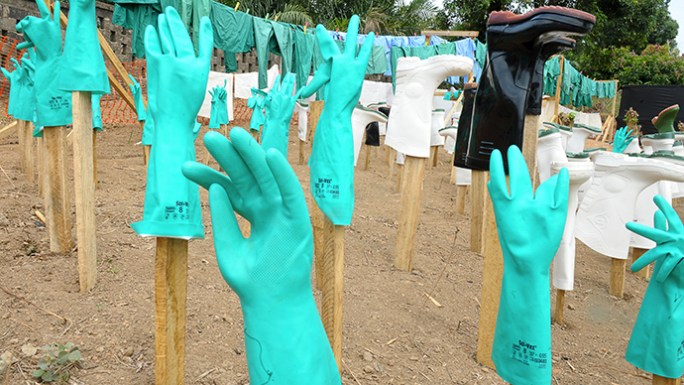
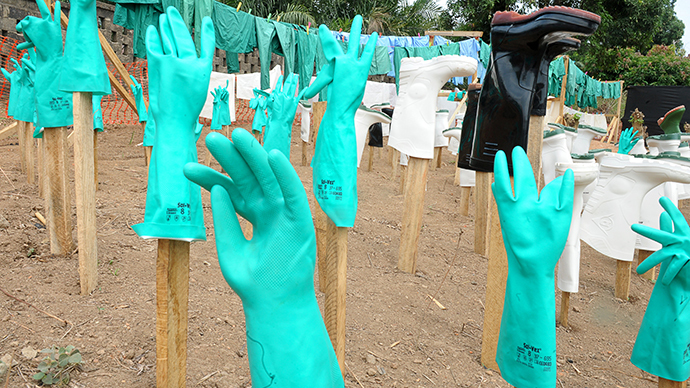
The deadliest and most pervasive Ebola outbreak in history is underway in Africa. As of August 8, the World Health Organization reported 1134 confirmed cases of Ebola in Guinea, Liberia, Nigeria, and Sierra Leone with 622 confirmed deaths.

Two Americans, Kent Brantly and Nancy Writebol, contracted Ebola while helping contain the epidemic in Africa. Both were flown to isolation units in Atlanta’s Emory University Hospital after receiving an experimental treatment called ZMapp. Brantly and Writebol’s condition is reportedly improving because of the drug.

ZMapp is the experimental brainchild of several pharmaceutical companies and their collaboration with the U.S. and Canadian governments. It is a combination of three antibodies determined to be the best components of two experimental Ebola treatments: MB-003 and ZMAb.

MB-003 is composed of a monoclonal antibody and an immune system stimulant. The monoclonal antibody binds to Ebola virus surface proteins to form a structure easily recognized as a threat by the host’s immune system. Mimicry allows the immune system stimulant to produce an inflammation-like response without causing tissue damage, serving to amplify immune response without damaging the host.

ZMAb, a combination of mouse-derived antibodies, inactivates Ebola virus surface proteins necessary for host cell entry. If Ebola virus cannot enter a host cell, it cannot cause illness. For higher efficacy, ZMAb antibodies target different parts of the surface proteins, making viral adaptation to the antibodies difficult.

ZMapp attracted much attention because it was used without being tested. Mapp Biopharmaceutical was preparing to enter Phase 1 clinical trials prior to the Ebola outbreak. Use of ZMapp in lieu of clinical trials is permitted by FDA regulations allowing drugs currently, or not at all, involved in clinical trials to be used in extenuating circumstances where no other pharmaceutical is appropriate.

ZMapp is not the first untested pharmaceutical to be used against Ebola in humans. In 2009, a researcher in Germany accidently exposed herself to Ebola virus when she pricked herself with an ebola-contaminated needle during a laboratory experiment. Within 48 hours, she was given an experimental Ebola vaccine never before used in humans. After 21 days, physicians prepared to discharge her from a Hamburg, Germany hospital because she had not developed any symptoms.

It is unclear if the vaccine prevented illness, or if the needle stick simply didn’t infect her with Ebola. Regardless, she produced Ebola virus antibodies after vaccine administration, indicating the vaccine produced an immune response.

When use of ZMapp was first reported, it was hailed in stories circulated by CNN as a “secret” and “top-secret” serum. However, current versions of the story now portray the serum as an “experimental drug.” It is unclear if the original reports of the serum’s secrecy were in error.

However, development of secret therapeutics is not farfetched. Classified treatments could conceivably serve national security interests.

State-sponsored bioweapon programs, for example, could use knowledge of existing therapeutics, such as those kept in the strategic national stockpile, to engineer biological agents resistant to available therapeutics. Such a tactic would cripple U.S. public health response to any weaponized agent. If ZMapp truly was classified, the U.S. may have been protecting the drug’s therapeutic mechanisms from those who would seek to overcome them.

Although withholding treatments would benefit the U.S., it raises ethical concerns. Some could argue treatment sequestration provides little benefit outside the U.S. A novel, effective treatment withheld in preparation for an attack –that may never occur– could be used in the present to treat the sick.

The merits of transparency must be weighed against interests of national security. For ZMapp, if it was classified, two American candidates for the drug were enough to bring it into the public domain.


Image Credit: International Business Times

Pandora Report 08.09.14

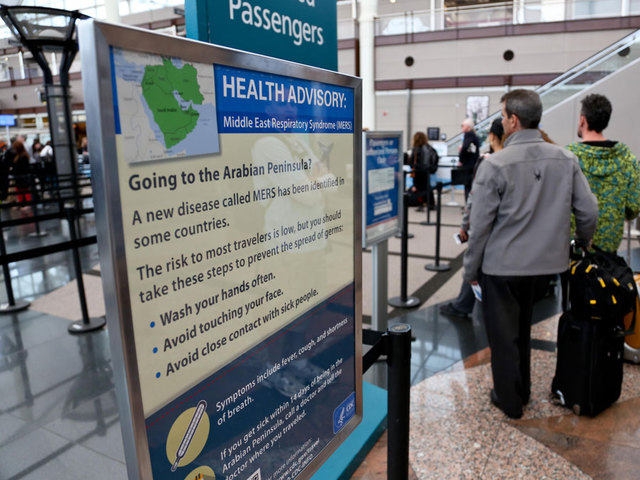
I spent about 12 hours at Dulles Airport yesterday. I didn’t fly anywhere, but I was ensuring that 120 international students were able to get from Washington DC to their host families all over the country. You may have noticed that in the security areas of Dulles Airport they have televisions that go over proper security screening procedures. On these same screens, they also show CDC travel alerts.

In June (when I was ensuring that 450 students were able to get back to their home countries), the alerts were for MERS and mosquito borne diseases like dengue and Chikungunya. Yesterday, Ebola was on alert for travelers to West Africa.

Last week we looked at the fever pitch of Ebola, today, lets look at the diseases designated by the CDCs travel alerts at Dulles.


Zika Virus: Another Threat from the Asian Tiger Mosquito

Travel alerts from the CDC often include Chickungunya and Dengue fever, but another disease from the same vector—the tiger mosquit0—is receiving alerts as well. Zika Fever, was isolated in humans in the 1970s, but has relatively few documented cases. In 2007, the virus demonstrated epidemic capacity with 5,000 cases in Micronesia. In 2013 there were 55,000 cases in Polynesia. Today the CDC has issued Watch Level 1 alerts for Zika in Easter Island, French Polynesia, and the Cook Islands and urges travelers to practice usual precautions.

Entomology Today—“Originally from Asia, the tiger mosquito was introduced to Africa in 1991 and detected in Gabon in 2007, where its arrival undoubtedly contributed to the emergence of dengue, chikungunya, and as shown by this new study, zika. The rapid geographic expansion of this invasive species in Africa, Europe, and America allows for a risk of propagation of zika fever around the world.”


Ramadan pilgrimage season in Saudi Arabia mostly free from MERS

Saudi Arabia reported only ten new cases of MERS from June 28- July 28 during the month of Ramadan. In April and May of 2014, hundreds of people were infected by MERS, which raised concerns about infection rates during Ramadan and during the Hajj, which will take place in October, when millions of pilgrims will travel to Mecca. Since 2012, Saudi Arabia has confirmed over 700 cases of infection resulting in nearly 300 deaths. The CDC designates the Hajj as an Alert Level 2, and urges U.S. residents to practice enhanced precautions.

Al Arabiya—“Saudi Arabia and the World Health Organization have said they are imposing no travel or other restrictions due to MERS during the Hajj, but have encouraged very young or old pilgrims, and those suffering from chronic disease, not to come this year.”


WHO: Ebola ‘an international emergency’

This week, the World Health Organization declared that the spread of Ebola in West Africa is an international health emergency. They urged coordinated response in order to keep the spread of the virus under control. Though no travel or trade bans have been enacted, the WHO recommends that Ebola cases or contacts should not travel internationally. This comes at a time when states of emergency have been declared in Liberia, Guinea, and Sierra Leone and the number of total cases has reached nearly 1,800 with over 950 deaths. The CDC designates outbreaks in these countries as a Warning Level 3, and urges U.S. residents to avoid non-essential travel.

BBC—“WHO director-general Dr. Margaret Chan appealed for help for the countries hit by the ‘most complex outbreak in the four decades of this disease.’

The decision by the WHO to declare Ebola a public health emergency is, by its own definition, an ‘extraordinary event’ which marks ‘a public health risk to other states through the international spread of disease’.”


Image Credit: The Denver Channel

Pandora Report 8.2.14

What a mess, right? While we here at the Pandora Report have been watching the Ebola outbreak in West Africa since March, it seems coverage in the news media has reached a fever pitch as the effects of the virus reach further and further.

This week we cover Ebola—a case in Nigeria, the evacuation of Peace Corps, the transfer of patients to the U.S. and treating the disease.

Nigeria Isolates Hospital in Lagos as Obama Briefed on Ebola Outbreak

Early in the week we learned of the first case of Ebola in Nigeria. It is important to note in this case, that the virus was imported from an American man, Patrick Sawyer, who travelled from Liberia. Fears rose over the importation to Africa’s most populous capital city—Lagos—and the hospital he was in was evacuated and is going through the process of decontamination.

Reuters UK—“Authorities were monitoring 59 people who were in contact with Sawyer, including airport contacts, the Lagos state health ministry said, but it said the airline had yet to provide a passenger list for the flights Sawyer used.

Derek Gatherer, a virologist at Britain’s University of Lancaster, said anyone on the plane near Sawyer could be in “pretty serious danger,” but that Nigeria was better placed to tackle the outbreak than its neighbors.”

Peace Corps Evacuates Ebola-Affected Region, With Two Volunteers in Isolation 

On Wednesday, the Peace Corps announced the evacuation of 340 volunteers from Guinea, Liberia, and Sierra Leone. Two volunteers from Liberia, however, were unable to leave. It is reported that the volunteers had contact with an individual who died from Ebola; they have to remain in an isolation ward for 21 days before leaving.

The Peace Corps—“The Peace Corps has enjoyed long partnerships with the government and people of Liberia, Sierra Leone and Guinea and is committed to continuing volunteers’ work there. A determination on when volunteers can return will be made at a later date.”

First Ebola Patient Arrives in U.S.

News came this week that two Americans infected with Ebola would be transferred to the U.S. for treatment at Emory University Hospital in Atlanta, GA.  Dr. Kent Brantly, who had been working at a treatment center in Liberia, was flown on a jet with a special containment area for patients with infectious diseases. He walked into Emory Hospital on Saturday unaided and is the first case of Ebola to arrive in the U.S.

Emory has an isolation unit built 12 years ago to treat patients exposed to highly infectious diseases.

Wall Street Journal—“Bruce Ribner, an infectious-diseases doctor and head of a special isolation unit at Emory University Hospital, said Friday there were good reasons to airlift the two to Emory. “We can deliver a substantially higher level of care, a substantially higher level of support, to optimize the likelihood that those patients will survive this episode,” he said.

Dr. Ribner added that he was “cautiously optimistic” the two have a good chance of recovery once they reach Emory, and that the transfer would be safe.”

Ebola Vaccine Possible, but Many Doubts Persist 

Vaccine development for Ebola has been being worked on for years, but with the increasing severity of this outbreak in West Africa, there has been discussion in the U.S. about fast-tracking vaccine trials for this virus. Even with this option—once approval is received from the FDA—many doubts persist and scientists who study the virus warn that the success is hardly guaranteed. Even if the vaccine proves to be effective in tests, questions remain as to who would receive it and how to figure out optimal dosages.

In short, even the development of vaccine candidates does not ensure success or virus eradication.

The New York Times—“The vaccine to be tested in humans relies on a benign virus that carries two proteins from the surface of the Ebola virus. The proteins help the virus penetrate human cells. If successful, the immune system will be trained to recognize the proteins and to mount a strong response should it encounter the virus.”


Image Credit: Atlanta Better Buildings Challenge

Pandora Report 7.26.14

Highlights this week include, Dr. Frieden goes to Washington, top Ebola doc comes down with the virus, a TB patient on the loose in California, and a plague based shut-down in China. Have a great weekend!

CDC Director to Tackle MERS, Measles, Global Health Threats

It was my absolute pleasure to be able to attend a talk given by Dr. Tom Frieden, Director of the Centers for Disease Control and Prevention, at the National Press Club on Tuesday.  Though Dr. Frieden briefly covered the stated topics, he spoke primarily about the dangers of growning antibiotic resistance and hospital acquired infections. He urged everyone, including the CDC, to work hard(er) to combat these issues that may usher us into a “post-antibiotic era.” The entire speech is available here. (You may even notice me in the lower left corner chowing down on a CDC cupcake!)

USA Today—“‘Anti-microbial resistance has the potential to harm or kill anyone in the country, undermine modern medicine, to devastate our economy and to make our health care system less stable,” Frieden said.

To combat the spread of resistant bacteria, Frieden said the CDC plans to isolate their existence in hospitals and shrink the numbers through tracking and stricter prevention methods.”


Sierra Leone’s Top Ebola Doctor Infected as the Worst Outbreak in History Continues

You may have seen this story pop up earlier this week in our facebook or twitter, but it certainly bears repeating. Dr. Sheik Umar Khan, who has been credited with treating more than 100 Ebola victims, has come down with the virus too. He is now one of hundreds who have been affected by the virus in West Africa, which has killed over 600.

The Washington Post-“In late June, Khan seemed keenly aware of the risk he faced. “I am afraid for my life, I must say, because I cherish my life,” he told Reuters. “Health workers are prone to the disease because we are the first port of call for somebody who is sickened by disease. Even with the full protective clothing you put on, you are at risk.’”


California Police Seek Man Who Refused Tuberculosis Treatment

Prosecutors in Northern California have obtained an arrest warrant for Eduardo Rosas Cruz, a 25 year old transient, who was diagnosed with TB and disappeared before he started treatment. Rosas Cruz needed to complete a nine-month course of treatment. Tuberculosis spreads through the air when an infected person coughs or sneezes. It is not known if Rosas Cruz is currently contagious. By law, health officials cannot force a patient to be treated but courts can be used to isolate an infectious individual from the public at large.

FOX News—“County health officials asked prosecutors to seek the warrant, in part, because Rosas Cruz comes from a part of Mexico known for its drug-resistant strain of tuberculosis. County health officials are searching for Rosas Cruz, and his name is in a statewide law enforcement system, San Joaquin County Deputy District Attorney Stephen Taylor said.”


In China, A Single Plague Death Means an Entire City Quarantined

Parts of Yumen City, in Gansu Province, were quarantined after a farmer died from bubonic plague. The man developed the disease after coming in contact with a dead marmot on a plain where his animals were grazing. According to experts, Chinese authorities categorize plague as a Class 1 disease, which enables them to label certain zones as “infection areas” and seal them off. 151 people were affected by the quarantine, which was lifted after none developed symptoms.

The Guardian—“The World Health Organization’s China office praised the Chinese government’s handling of the case. “The Chinese authorities notified WHO of the case of plague in Gansu province, as per their requirements under the International Health Regulations,” it said in a statement to the Guardian. “The national health authorities have advised us that they have determined this to be an isolated case, though they are continuing to monitor the patient’s close contacts.’”


Image Credit: RT

Pandora Report 7.4.14

I have to offer my apologies and my thanks. Please let me apologize for the lack of Pandora Report and the light coverage on the blog over these past two weeks. The month of June was absolutely insane between work and summer courses. Fortunately, all that craziness is finally over, so let me thank you most sincerely for your patience and understanding. With this special July 4th edition of Pandora Report, please consider things around here back to normal.

Now, onto the news!  Highlights include Syrian chemical weapon disarmament, the arrival of Chikungunya to the U.S., an anthrax incident at the CDC, an Etihad Airlines based polio campaign, and Ebola devastation in West Africa.


Syrian Chemical Weapons Transfer Complete

Earlier this week, the Pentagon reported that the transfer of Syrian chemical weapons, from a Danish cargo ship to the U.S. vessel that will neutralize and destroy the weapons, is complete. The weapons and associated materials were transferred to the Cape Ray, which will travel from Italy into international waters where the weapons will be dismantled and neutralized. The Pentagon press secretary Rear Admiral John Kirby reported that the process should take several weeks to complete.

Al Arabiya News—“The disposal process marks the culmination of a program to rid Syria of its chemical weapons stockpile after the outcry that followed chemical attacks by the Bashar al-Assad regime in the suburbs of Damascus on August 23 last year, that may have killed as many as 1,400 people.”

Polio Awareness Videos to be Shown on Flights to Pakistan

Much of my month of June was spent at Dulles airport, so I might be more excited about this story than your average person, but get ready for the coolest news story you have likely ever read about an airline! United Arab Emirates based Etihad Airlines, in response to the polio epidemic in Pakistan, will show a short in-flight movie on all their flights to Pakistan. Etihad said that the goal of the movie, titled “Leap of Faith,” is to raise awareness about “this crippling and potentially fatal disease among thousands of Pakistani workers returning home to visit their families.”

Business Standard—“‘By showing this engaging story on board our flights, Etihad Airways is supporting the efforts of the UAE in helping to eradicate polio in Pakistan,” said James Hogan, President and Chief Executive Officer of Etihad Airways.

Asif Durrani, Pakistan Ambassador to the UAE, said, “With approximately 1.25 million expatriate Pakistanis in the UAE, this is a perfect opportunity to educate our people during their journey home and ultimately help in the overall eradication of this terrible disease in our country.’”

CDC Reassigns Director of Lab Behind Anthrax Blunder 

According to the Centers for Disease Control and Prevention, sometime between June 6 and 13, up to 84 lab employees at the headquarters in Altanta, were possibly exposed to anthrax. The possible exposure, which was caused by technicians not following laboratory protocol, resulted not only in employees taking powerful antibiotics as prophylactics but also in the reassignment of the head of the Bioterror Rapid Response and Advanced Technology Laboratory, Michael Farrell, while the incident is investigated.

Reuters—“CDC spokesman Skinner on Sunday said the bioterror lab sent the anthrax bacteria to other labs in closed tubes. The recipients agitated the tubes and then removed the lids, raising concerns that live anthrax could have been released into the air.”

Mosquitos Carry Painful Chikungunya Virus to Americas

Chikungunya, a viral disease spread by the same mosquitos that spread Dengue fever, has made its way to the Americas. Fortunately, the type of mosquito that spreads the viruse, the Aedes aegypti, is not native to the United States. However, its close breed “cousin” Aedes albo, lives as far north as Chicago and is believed to be able to spread Chikungunya.

National Geographic—“There is no vaccine or medication that can change the course of the disease, though patients are given painkillers and told to drink a lot of fluids….To avoid getting chikungunya while staying in affected areas, take the usual precautions against mosquitoes: Wear long sleeves, use repellents, and keep outside areas free of standing water where mosquitoes can breed.”

West Africa Ebola Epidemic is ‘Out of Control’

With a current death count of 467, the Ebola outbreak affecting Guinea, Sierra Leone, and Liberia has become dire. Doctors without Borders’ (MSF) Director of Operations said “the epidemic is out of control.” He continued, “we have reached our limits. Despite the human resources and equipment deployed by MSF in the three affected countries, we are no longer able to send teams to the new outbreak sites.”

The Huffington Post—“The outbreak of the deadly disease is already the largest and deadliest ever, according to the WHO, which previously put the death toll at 399 as of June 23, out of 635 cases. The 17 percent rise in deaths and 20 percent jump in cases in the space of a week will add urgency to an emergency meeting of 11 West African health ministers in Accra, Ghana on Wednesday and Thursday, which aims to coordinate a regional response.”


Image Credit: Wikimedia Commons


From the Pandora Report and all of us at the George Mason Biodefense program, we wish you a happy and safe Independence Day!!

Pandora Report 6.7.14

We’re taking the bad news with the good news this week. Highlights include miscalculations in the MERS toll, rising numbers of Ebola deaths, innovations in vaccine delivery using rice, and progress with MRSA. Enjoy your weekend!

Saudi Arabia Reports Big Jump in MERS cases, Including 282 Deaths

On Tuesday, the Saudi Ministry of Health reported that 282 people have died from Middle East Respiratory Syndrome coronavirus (MERS-CoV) which is a major increase from the previously known official death toll of 190. The same day as the announcement, Deputy Health Minister Dr. Ziad Memish was “relieved” from his post according to the Saudi Health Minister. No reason was given.

CNN—“MERS is thought to have originated on the Arabian Peninsula in 2012. No one knows exactly where it came from, but evidence implicating camels is emerging. In a recently published study in mBio, researchers said they isolated live MERS virus from two single-humped camels, known as dromedaries. They found multiple substrains in the camel viruses, including one that perfectly matches a substrain isolated from a human patient.”

Resurgence of Ebola Epidemic in West Africa

Though overall the number of new cases of Ebola appears to be declining, new cases have been recently reported in Guinea and Sierra Leone. Doctors Without Borders/ Medecins San Frontieres have been supporting health authorities in both countries, treating patients, and working to put measures in place to control the epidemic. They have sent over 44 tons of equipment and supplies to assist the outbreak which has infected over 300 people and killed at least 125.

Doctors Without Borders—“The rise in cases may be due to a reluctance on the part of patients to go to hospital. The movement of infected people and cadavers is also a major issue. Families frequently transport dead bodies themselves in order to organize funerals in other towns. The multiplication of affected areas makes it difficult to treat patients and control the epidemic.”

Fighting Deadly Disease, With Grains of Rice

In an effort to fight common diarrheal illnesses including cholera and rotavirus, researchers at the University of Tokyo are working on bioenginerring rice in order to turn it into an easy and low-cost storage and delivery medium to combat these common illnesses.  According to the World Health Organization, cholera alone kills as many as 120,000 annually.  Both the cholera vaccine and rotavirus antibody versions of the rice have been tested on laboratory mice with plans to test on humans within the next few years in a country like Bangladesh where cholera is a major public health threat. The Bill and Melinda Gates Foundation as well as several pharmaceutical companies have shown interest in developing drugs based on the research.

The New York Times—“Vaccines  or antibodies for both exist but require refrigerated storage, Yoshikazu Yuki, an assistant professor of mucosal immunology, said in an interview. Bioengineering vaccines or antibodies into rice would allow them to be stockpiled easily, without the cost of cold storage, for up to three years at room temperature, he said. The rice could be ingested orally, ground into a paste and drunk, delivering the antibodies to the intestine.”

A New Weapon in the Battle Against MRSA

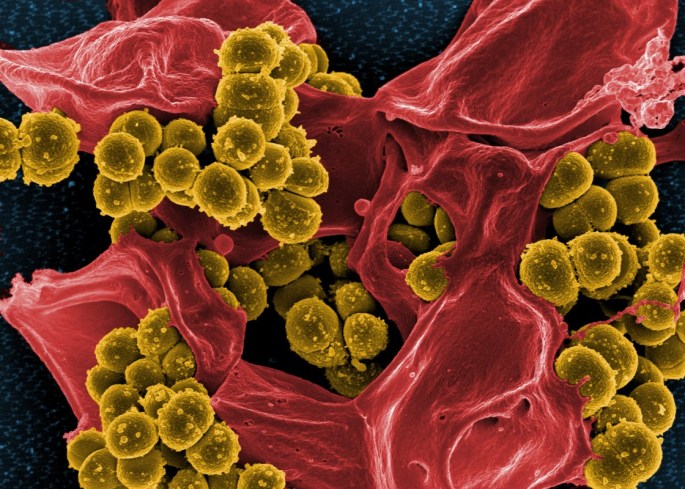
Among serious concern for the growing levels of antibiotic resistant superbugs, it appears there is some promising news. Durata Therapeutics have developed a new drug, Dalvance, which in clinical trials has proven as effective as vancomycin—another powerful antibiotic—against acute skin and soft tissue infections including methicillin-resistant Staphylococcus aureus (MRSA.) According to Durata, more than 4.8 million people were admitted to hospitals with skin and soft tissue infections between 2005 and 2011 and nearly 60% of these staph infections were the methicillin-resistant variety.

The Washington Post—“The drug, Dalvance, is the first approved by the FDA under the government’s Generating Antibiotic Incentives Now program, its effort to encourage pharmaceutical companies to produce new drugs to combat the growing problem of antibiotic resistant bacteria. Even asthe problem has grown around the world, the number of new drugs in the pipeline has dwindled, with drug companies focused on more profitable medications.”


Image Credit: Wikimedia Commons