This Week in DC: Events

July 1, 2014 

The Future of Iraq
Date: July 1, 10:00am
Location: Carnegie Endowment for International Peace, 1779 Massachusetts Ave NW,

The rapid advance of jihadi extremists affiliated with the Islamic State of Iraq and the Levant (ISIS), along with Sunni fighters, has plunged Iraq into chaos. Amid reports of Syrian and Iranian military support for the Iraqi army and Secretary of State Kerry’s recent trip to Baghdad, the international community is focused on the process to form a new, more inclusive government to steer the country out of this crisis.

Ambassador Lukman Faily will analyze the evolving situation and outline the steps needed to address the political and military threat to the future of Iraq. Carnegie’s Marwan Muasher will moderate.

Register here.

Syria After Geneva, the Elections, and ISIS: Partition, Fragmentation, and Escalation
Date: July 1, 10:00am
Location: International Institute for Strategic Studies, 2121 K St NW, Suite 801, Washington DC

The failure of the UN-mediated Geneva track between representatives of the Assad regime and of the Syrian opposition and the June 3 presidential elections have put an end to the illusion of a political solution to Syria’s deepening tragedy.

Syria today is in an advanced state of fragmentation. While regional competition undoubtedly exacerbates the violence, local and transnational dynamics, most notably the rise and growing reach of ISIS, continue to shape Syria’s downward trajectory. The ingredients for a protracted conflict are present, and the various actors are positioning themselves accordingly. Indeed, the prevalent, if simplistic assessment of a victorious regime and of a defeated rebellion must be nuanced in light of complex dynamics and adaptations on all sides.

Moreover, the strategy of containment promoted by key Western powers rests on weak pillars. The conflict’s transnational nature is now one of its defining features, while the magnitude of the humanitarian and refugee crisis ensures a lasting impact on Syria’s neighborhood.

Emile Hokayem is the Senior Fellow for Middle East Security at the IISS and the author of Syria’s Uprising and the Fracturing of the Levant (Adelphi, 2013), will offer insights on the Syrian crisis and its regional repercussions.

RSVP here.

Russia, Ukraine and Energy Security
Date: July 1, 10:30am
Location: Woodrow Wilson International Center for Scholars, 1300 Pennsylvania Ave NW, 5th Floor, Washington DC 20004

This event will focus on energy and its potential impact on future solutions to the Ukraine crisis, as well as overall relations among Russia, other Eurasian states, the European Union, and the United States. Editors of the second edition of Energy and Security (now in its second printing by the Wilson Center Press and Johns Hopkins University Press) Jan Kalicki and David Goldwyn have served in leading energy and foreign policy roles in five U.S. administrations, Democratic and Republican.

RSVP here.

July 2, 2014

Iraq’s Crisis and the KRG
Date: July 2, 12:00pm
Location: Washington Institute for Near East Policy, 1828 L Street NW, Suite 1050, Washington DC 20036

In light of a mounting Sunni insurgency in Iraq, led by the hardline Islamic State of Iraq and al-Sham (ISIS), The Washington Institute is pleased to host a Policy Forum with a delegation from the Kurdistan Regional Government (KRG) to discuss the crisis and its repercussions for the KRG and the debate over Kurdish independence. The delegation includes Fuad Hussein and Falah Mustafa Bakir.

Fuad Hussein is chief of staff to KRG president Masoud Barzani and Falah Mustafa Bakir is head of the KRG Department of Foreign Relations.

Register here.

War Crimes in Syria: The Challenge of Promoting Accountability and Protecting Civilians
Date: July 2, 2:00pm
Location: Atlantic Council, 1030 15th Street NW, 12th Floor, West Tower, Washington DC

President Bashar al-Assad’s regime is systematically committing mass atrocities against the Syrian people. The use of chemical weapons, starvation sieges, and shrapnel bomb campaigns in residential areas are well documented. Opposition groups, in particular extremist groups such as ISIS, are also committing atrocities. Even as these war crimes and crimes against humanity continue apace, it is not too soon for the international community to consider measures and mechanisms to hold the guilty parties responsible. Please join the Atlantic Council and the Public International Law & Policy Group (PILPG) for a conversation about the US State Department’s ongoing efforts to promote accountability for these egregious crimes.

Prior to heading the Office of Global Criminal Justice, Ambassador Stephen J. Rapp served as prosecutor of the Special Court for Sierra Leone, responsible for leading the prosecutions of former Liberian President Charles Taylor and others accused of atrocities committed during the civil war in Sierra Leone. Amb. Rapp also served as senior trial attorney and chief of prosecutions at the International Criminal Tribunal for Rwanda. Ambassador Frederic C. Hof, the Council’s lead expert on Syria, he served as special adviser for the transition in Syria at the State Department until September 2012.

Register here.

Women as Agents of Positive Change in Biosecurity

Kathleen Danskin is a management analyst with GAP Solutions, Inc., supporting the U.S. Department of Health and Human Services, Office of the Assistant Secretary for Preparedness and Response.

Dana Perkins is a senior science advisor with the U.S. Department of Health and Human Services, Office of the Assistant Secretary for Preparedness and Response. She is a former member of the group of experts supporting the UN Security Council 1540 Committee.


By Kathleen Danskin and Dana Perkins 

WEAPONS of mass destruction (WMD) nonproliferation efforts and biosecurity are an important part of preventing conflict and achieving international peace and security. Biological weapons proliferation and the insecurity of biological weapons–related materials constitute a multifaceted problem that requires a multifactorial solution, and gender integration can be one of these factors. Managing biological threats requires a multifaceted, holistic approach to address the full spectrum of human, animal, plant, and environmental health risks (“One Health”1); promote the development of core capacities for disease detection
and response; and strengthen biosafety/biosecurity and the international norms and effective measures against bioterrorism and biological weapons. Bringing a diverse group of people to the table, including women, ensures that a range of different experiences and perspectives are heard.

The United Nations (UN) has recognized that women can play an important role in preventing and resolving conflicts and since 2000 has taken deliberate action to integrate women into the security realm. These efforts have been complemented by national plans, such as the U.S. National Action Plan (NAP) on Women, Peace, and Security. However, while the NAP reiterates the U.S. commitment to amplifying the critical role women can play in conflict prevention and mitigation, currently there is no particular emphasis on promoting the participation of women in the fields of arms control, disarmament, WMD nonproliferation, and biosecurity. In international biosecurity forums such as the Biological and Toxin Weapons Convention (BTWC), statistics do show sustained progress toward gender-balanced participation. However, they also paint a clear picture of just how far there is to go to achieve gender integration. Correcting the current gender imbalance is a worthwhile goal first and foremost because it is a matter of justice. International security and WMD nonproliferation are issues that concern everyone, and the institutions that manage these risks need to be reflective of society as a whole. Moreover, women add important value to biosecurity forums by, for example, leveraging women’s networks and building bridges across divided communities. Until women everywhere have the chance to participate equally in such forums, the international security and WMD nonproliferation fields will be missing an important voice.

The full text of the report is available here.


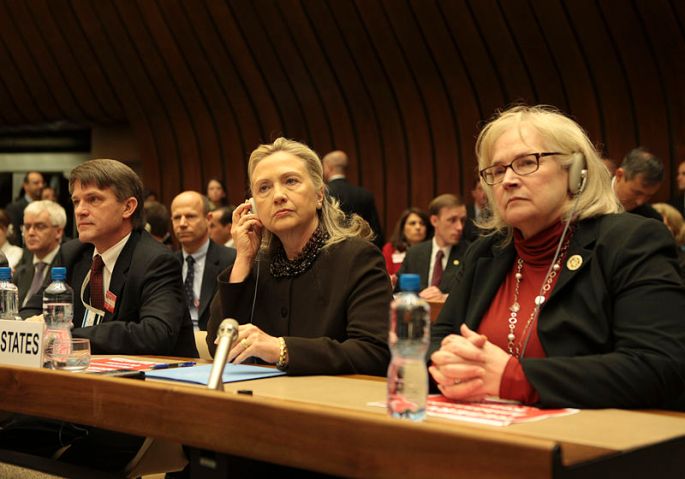
(Image: Secretary of State Hillary Rodham Clinton listens to the discussion at the 7th Review Conference of the Biological and Toxin Weapons Convention. Also at the U.S. Delegation desk are Ambassador Laura E. Kennedy, U.S. Special Representative for Biological and Toxin Weapons Convention Issues and Representative to the Conference on Disarmament and Thomas Countryman, Assistant Secretary of State for International Security and Nonproliferation.)

Hendra Virus: Vaccines Available but Underused

By Chris Healey

Horse owners in Australia are reluctant to vaccinate their horses against an emerging viral illness capable of sickening humans.

Hendra virus, an emerging infectious disease of horses and humans, has been responsible for the death of 4 people and dozens of horses in Australia since its discovery during a 1994 outbreak of an acute respiratory illness among horses and stable workers in Queensland, Australia. Laboratory tests performed during that outbreak confirmed horses and humans became sick from identical viral agents.

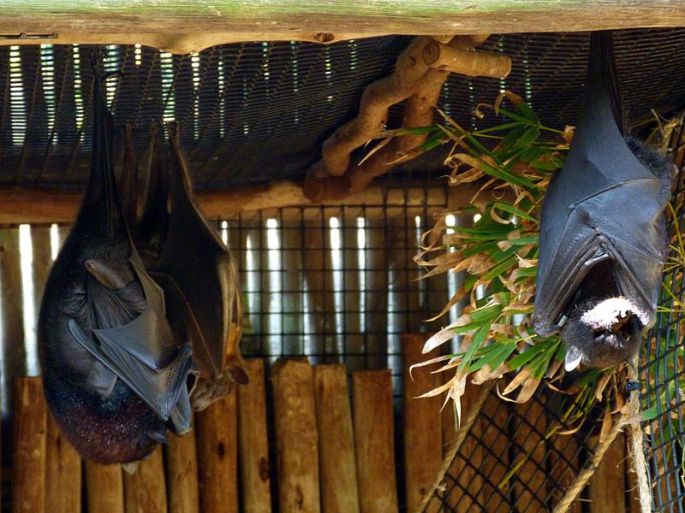
An epidemiologic investigation revealed flying foxes of the Pteropus genus act as Hendra virus reservoirs. Health officials have hypothesized that horses contract the illness through inadvertent consumption of infected bat urine. Hendra virus spreads to humans who come into contact with body fluids, tissues, or excretions of infected horses. Those who work closely with horses, such as equine veterinarians and stable hands, are most at risk of Hendra virus infection.

Early on, researchers discovered Hendra virus glycoproteins could be exploited as an immunization strategy. Following a human Hendra virus death in 2009, and an exposure in 2010, a vaccine for horses was released in 2012 by Zoetis, Inc. As an animal vaccine, developers were spared arduous human pharmaceutical testing protocols and quickly released the product.

The vaccine, called Equivax HeV, is unprecedented in preventative medicine. Not only is it the first vaccine licensed and commercially available to prevent illness from a BSL-4 agent, a pathogen requiring the highest laboratory safety protocols, but it is also the first veterinary vaccine used to transitively prevent illness in humans.

Similar to how smallpox and measles vaccination prevents spread of their respective illnesses, Hendra-vaccinated horses are less likely to transmit Hendra virus to humans by reducing viral shedding. Equivax HeV provides Hendra protection for the horse and the people who interact with it.

Despite vaccine advantages, horse owners say they cannot afford it. A single administration can cost upwards of $200, and booster administration is needed every 6 months for the life of the horse to maintain immunity. Many are unwilling to pay. As a result, only 11% of horses in Australia are estimated to have received the vaccine.

Health authorities are working to approve guidelines recommending yearly booster administrations, cutting immunity maintenance costs in half.  Veterinarians say more horse owners will choose to vaccinate as attitudes toward occupational safety change. Greater awareness of the danger posed to equine veterinarians and stable hands working with unvaccinated horses is expected to place a stigma on non-vaccinating establishments.


(Image Credit: Fainmen)

The Elimination of Syria’s Chemical Weapons: Beginning of the End or End of the Beginning?

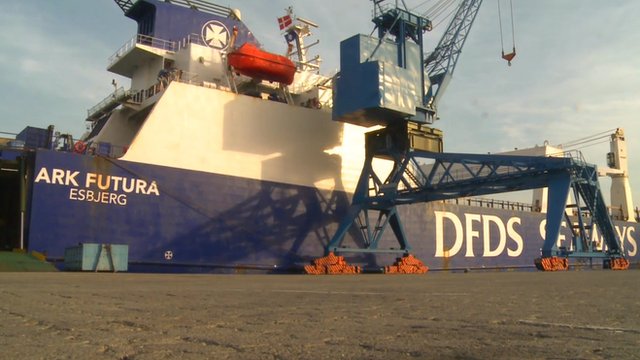
Ahmet Üzümcü, Director-General of the OPCW, has announced that the last shipment of chemical warfare agent precursors has been loaded onto the Danish ship Ark Futura at the Syrian port of Latakia. Syria is now officially free of chemical weapons.

The OPCW deserves a lot of credit (and yes, the Nobel Peace Prize) for its Herculean efforts to disarm Syria of its chemical weapons in the middle of a civil war. While this final shipment closes a chapter on the elimination of Syria’s chemical weapons program, it does not mean the story is over. Here are five things to keep in mind before we break out the “Mission Accomplished” banner.

First, Syria should have completed this final shipment over four months ago. The OPCW’s original deadline for removing all chemicals from Syria was February 5, The delay was due to the civil war, Syria’s use of the stockpiles as a bargaining chip, and domestic politics (Syria stopped making shipments during the Syrian presidential election).

Second, the process of actually destroying these chemicals, which is supposed to be completed by June 30, has only just begun. The most dangerous chemicals, including mustard agent and sarin precursors, will be destroyed on board the MV Cape Ray. It is estimated it will take the Cape Ray between 60 and 90 days to complete its mission but since this is an unprecedented at-sea chemical destruction process, the process could take even longer depending on the weather and unforeseen technical issues.

Third, the OPCW has only eliminated Syria’s declared stocks of chemical agents. During April and May 2014, rebels reported over a dozen attacks by government forces with air-dropped barrel bombs filled with chlorine. Although chlorine is not one of the chemicals that Syria was required to declare, the use of any chemical as a weapon is outlawed by the Chemical Weapons Convention. Just last week an OPCW fact-finding mission found that “toxic chemicals, most likely pulmonary irritating agents such as chlorine, have been used in a systematic manner in a number of attacks.”

Fourth, Syria has still not destroyed 12 chemical weapon production facilities located in aircraft hangars and in underground tunnels. Syria was supposed to have destroyed these facilities over three months ago but has been dragging its feet while insisting on the right to disable, instead of demolish, the facilities.

Fifth, serious questions are starting to emerge about “gaps and inconsistencies” in Syria’s declaration of its chemical weapon program to the OPCW. Syria’s repeated delays in removing its chemical stockpile, refusal to destroy chemical weapon production facilities, and continued use of chemical weapons does not inspire confidence that it is in compliance with other aspects of the CWC. Now that the last of the declared chemicals are out of Syria, the OPCW will have more time and energy to devote to verifying the accuracy and completeness of Syria’s declared chemical weapon research, development, testing, production, and storage. Priority should be given to the 200 tons of mustard agent that Syria reportedly destroyed unilaterally before joining the CWC, Syria’s possession of the Volcano rocket which has been implicated in the August 2013 sarin attack, and Syria’s use of chlorine-filled barrel bombs.

To paraphrase Winston Churchill, this is not the beginning of the end of efforts to eliminate Syria’s chemical weapons, but the end of the beginning.

Nipah Virus in Bangladesh: A Cautionary Tale

By Chris Healey

Since December 2013, an estimated 11 people have died from a Nipah virus outbreak in Bangladesh’s capital city, Dhaka, according to information from the Institute of Epidemiology, Disease Control, and Research. That outbreak is part of an almost yearly occurrence of Nipah virus in Bangladesh linked to deforestation and the resulting displacement of indigenous fruit bats.

Nipah virus is a member of the Henipavirus genus within the parmyxoviridae family. The virus shares its genus with the Hendra virus, a similar emerging infectious illness of horses and humans in Australia.

Nipah virus was discovered to be the causative agent of a 1998 outbreak of a respiratory illness with encephalitis in Malaysia. By May 1999, 276 cases of Nipah virus were reported during that outbreak. Approximately 106 of those cases were fatal. Health officials believe the virus was first transmitted from bats to pigs, then from pigs to humans. Nearly 70% of cases during that outbreak were reported in individuals who worked closely with pigs.

An extensive epidemiologic investigation of the 1998 Malaysian outbreak traced Nipah virus to Indian flying foxes, fruit bats indigenous to India and surrounding countries. Nipah has not appeared in Malaysia since 1999 after the culling of over one million pigs in response to that outbreak. However, a more severe form of Nipah has occurred every year in Bangladesh since 2001, with exceptions in 2002 and 2006. The case fatality rates in Bangladesh have ranged from 69% to 92%, compared to 38% in the Malaysian outbreak. There is no evidence of swine involvement; health officials believe bats are transmitting the illness directly to humans.

Nipah virus is a concern to the international health community because of its effective manipulation of the host immune system and broad host range. Its ability to infect pigs, bats, and humans stems from exploitation of a highly-conserved protein receptor common among cells of mammalian species. Nipah virus possesses a glycoprotein on its surface that interacts with those mammalian protein receptors to allow cell entry.

Health officials believe that the Bangladeshi cases of Nipah virus originate from bats displaced by deforestation in the country. The spread of Nipah virus parallels the resurgence of yellow fever in Africa, where deforestation efforts have disturbed mosquitos that typically feed on primates high in treetops where a sylvantic cycle between mosquito and primate is maintained with little human participation. However, destruction of African rainforests brings treetop-feeding mosquitos to the forest floor where they feed on, and transmit yellow fever to, loggers and villagers in nearby communities. Similarly, bats that once remained sequestered in the forests of Bangladesh are being forced into populated areas due to habitat loss.

Nipah virus is an example of human vulnerability to animal illnesses, also known as zoonoses. Animals displaced into human communities carry their illnesses with them. As people alter and populate previously undisturbed parts of the world, we must prepare to encounter those animals and their associated illnesses.


(Image Credit: Rusty Clark)

This Week in DC: Events

June 16, 2014

Mutual Security on Hold? Russia, the West, and European Security Architecture
Date: June 16, 10:00 am
Location: Woodrow Wilson International Center for Scholars, 1300 Pennsylvania Ave NW, Washington DC

This year, the Munich Security Conference celebrated its 50th anniversary. These fifty years of substantive dialogue on security cooperation have existed against a changing political backdrop – from the tensions of the Cold War and the brutal conflict in the Western Balkans, to the attacks of September 11, 2001, the subsequent wars in Iraq and Afghanistan, and the global “War on Terror.” Mutual security and the transatlantic relationship are once again faced with challenges in the form of the crisis in Ukraine. What does this crisis mean for mutual security, and how will it affect the security architecture in Europe? The Wilson Center brings together this distinguished panel to discuss these issues, as well as the recent anniversary volume: “Towards Mutual Security: Fifty Years of Munich Security Conference.”

RSVP here.

India’s Nuclear Policy and Regional Stability
Date: June 16, 12:30 pm
Location: Stimson Center, 1111 19th St NW, 12th Floor, Washington DC 20036

The triumphant return of a Bharatiya Janata Party government in India after a contentious campaign season has raised questions about revising India’s nuclear posture, India-Pakistan relations, and regional stability with the draw-down of U.S. forces in Afghanistan.

Two panels of distinguished experts will discuss the potential for changes to India’s historically minimalist approach to nuclear doctrine, as well as the regional security challenges facing India. Short presentations by the invited speakers will be followed by a question-and-answer period for each panel. A light lunch will be served.

RSVP here.

How to Unwind Iran Nuclear Sanctions
Date: June 16, 2:00 pm
Location: Atlantic Council, 1030 15th St NW, 12th Floor, West Tower, Washington DC

With the deadline for an Iran deal fast approaching, a key element will be how to coordinate US and European sanctions relief with Iranian confidence building measures. The Atlantic Council’s Iran Task Force invites you to the launch of two papers outlining options for unwinding nuclear-related sanctions against Iran. Authors Kenneth Katzman and Cornelius Adebahr will explore US and EU sanctions, respectively, looking at the evolution of sanctions over the past decade and the most feasible path to providing meaningful relief in the event that Iran agrees to significant curbs on its nuclear program.
The Iran Task Force, chaired by Ambassador Stuart E. Eizenstat, seeks to perform a comprehensive analysis of Iran’s internal political landscape, its role in the region and globally, and any basis for an improved relationship with the West. This project is generously supported by the Ploughshares Fund.

Register here.

June 17, 2014

ISIS Rising, Middle East Crumbling? Regional Implications of Iraqi Instability
Date: June 17, 12:00 pm
Location: Bipartisan Policy Center, 1225 I St NW, Washington DC 20005

Mosul and Tikrit have fallen to the Islamic State in Iraq and Syria (ISIS). Kurdish forces have occupied Kirkuk. Iran has sent the Islamic Revolutionary Guard Corps to help protect Baghdad and Iraq’s central government. And Ankara, which abetted, if not supported, ISIS, is now scheming how to get back the Turkish hostages the terrorist group has taken in Iraq. This chaotic situation attenuates an already complex and evolving web of relations between a wide array of state and non-state actors and threatens to throw the larger Middle East into disarray.

Join us for a discussion of the regional implications of the emerging conflict in Iraq, how it will impact regional players, and what U.S. interests and policy options might be.

Register here.

June 18, 2014

2014 Global Peace Index: Measuring Country Risk and Opportunity
Date: June 18, 9:30 am
Location: Center for Strategic and International Studies, 1616 Rhode Island Ave NW, Washington DC 20036

What is the state of global peace in 2014? What are the risks that threaten the peacefulness of nations and communities? How can our foreign policy and aid interventions better prioritize the mitigation of risk?

The 2014 Global Peace Index discussion will explore these questions, detailing recent trends in militarization, safety and security, and ongoing conflict. It will also include a presentation of a new country risk framework, which quantifies current knowledge around the structural drivers of peace and conflict to identify countries most at risk today of falls in peacefulness.

RSVP here.

Presidents at War: Presidential War Powers and the Challenges of Managing Wars
Date: June 18, 10:00 am
Location: New America Foundation, 1899 L Street NW, Suite 400, Washington DC 20036

What constitutes a legitimate wartime target? Where can combat be waged? How do we keep Americans safe while respecting their civil liberties? And how do we target an enemy, or handle POWs, in an age of irregular combat?

Such questions and controversies may seem unprecedented in our post-9/11 age of drone warfare, electronic surveillance, and increasingly diffuse global threats. But they are also the same questions that have fueled bitter public debate about the office of the Commander-in-Chief throughout America’s existence, including in its most divisive hour: the Civil War.

What can we learn from the age of the telegraph and the cannon about how to manage modern warfare ? And how can debates over constitutional war powers from the war that divided the nation apply to the war that seems to be dividing the world?

Join the Gilder Lehrman Institute of American History, Dickinson College, and New America as they host a range of military and presidential advisors and scholars for a debate about how American presidents can—or should—wage war.

RSVP here.

The Approaching Deadline: Prospects for a Final Deal with Iran
Date: June 18, 10:30 am
Location: JINSA Gemunder Center for Defense and Strategy

JINSA’s Gemunder Center for Defense and Strategy will host a panel discussion for its Iran Task Force on the prospects for a final deal on Iran’s nuclear program. The Task Force recently released a report which judged that the current interim deal is not making a comprehensive agreement on Iran’s nuclear program more likely to be achieved. A light lunch reception will be served after the panel.

For registration and location information email info@jinsa.org.

Assessing Threats Facing the U.S.-Korea Alliance
Date: June 18, 12:00 pm
Location: Woodrow Wilson International Center for Scholars, 1300 Pennsylvania Ave NW, 6th Floor, Washington DC

The dynamism of Asian markets, China’s rise, and Japan’s quest to become a normal state, play key roles in determining the future of the US-ROK alliance. At the same time, U.S. perception of China’s growing influence differs from that of Korea’s. Similarly, Washington does not see eye-to-eye with Seoul over changes in Japan’s policies. While the bilateral alliance remains strongest in dealing with North Korea, the two allies also have different views on dealing with this challenge.

Assistant Secretary of State for East Asia and Pacific Affairs Daniel Russel will deliver the keynote address of the second annual U.S.-Korea dialogue hosted jointly by the Wilson Center and the East Asia Foundation of Seoul. Join us for this half-day conference, where opinion leaders from Korea and the United States will discuss their concerns for the future and seek ways to increase cooperation and mutual political, economic, diplomatic, and security benefits.

RSVP here.

The Rt. Honorable David Lidington: The Ukraine Crisis and NATO
Date: June 18, 4:00 pm
Location: Atlantic Council, 1030 15th St NW, 12th Floor, West Tower, Washington DC

Please join us on for a conversation with The Hon. David Lidington, UK Minister of State for Europe and MP for on “The Ukraine Crisis and NATO as We Move Toward the Fall Summit.”

Facing the end of operations in Afghanistan and a resurgent Russia, 2014 stands as a pivotal year for NATO. As the September Newport Summit approaches, the Atlantic alliance’s principal mission of European security has returned to the fore.

At this event, Mr. Lidington will discuss the United Kingdom’s views on how ongoing events in Ukraine will affect the Atlantic partnership, and will also offer thoughts on NATO’s future roles and missions. He will also consider ways of enhancing stability along Europe’s eastern borders.

Register here.

Chaos in Iraq: A conversation with Senator John McCain and General Jack Keane
Date: June 18, 4:00 pm
Location: American Enterprise Institute, 1150 17th St NW, 12th Floor, Washington DC 20036

In the little more than two years since US troops left Iraq, al Qaeda–aligned insurgents have effectively taken over the country’s second-largest city, Mosul, and Saddam Hussein’s hometown of Tikrit. The White House has called on the Iraqi government to “step up to the plate,” while rebuffing Prime Minister Nouri al-Maliki’s request for assistance with airstrikes against Islamic State of Iraq and Syria (ISIS) staging areas. As the black flags of ISIS rise over the two cities, a new directive is on the horizon: march on Baghdad.

Join us for a conversation with Senator John McCain (R-AZ) and General Jack Keane (ret.) as they assess the deteriorating security situation in Iraq and consider what role the US should play to help the Iraqi government confront terrorists hostile to democratic government in Baghdad and Washington.

RSVP here.

June 19, 2014 

Fighting to the End: The Pakistan Army’s Way of War
Date: June 19, 10:00 am
Location: Heritage Foundation, 214 Massachusetts Ave NE, Lehrman Auditorium, Washington DC 20002

Pakistan’s army has dominated the state for most of its 66 years. It has locked the country in an enduring rivalry with India to revise the maps in Kashmir and to resist India’s slow but inevitable rise. To prosecute these dangerous policies, the army employs non-state actors under the security of its ever-expanding nuclear umbrella. Based on decades of the army’s own defense publications, Fair’s book argues that the Pakistan military is unlikely to shift its strategy anytime soon, and thus the world must prepare for an ever more dangerous future Pakistan.

Christine Fair is an Assistant Professor in the Security Studies Program within Georgetown University’s Edmund A. Walsh School of Foreign Service. She previously served as a Senior Political Scientist with the RAND Corporation, a Political Officer with the United Nations Assistance Mission to Afghanistan in Kabul, and a Senior Research Associate at USIP’s Center for Conflict Analysis and Prevention.

Register here.

Afghanistan: The Corruption Challenge
Date: June 10, 11:45 am
Location: AU Washington College of Law, 4801 Massachusetts Ave NW, Room 600, Washington DC

No issue has plagued US national security interests in Afghanistan quite like corruption. Leading experts will discuss the challenges and need for progress in confronting this scourge which has cost the Afghans and Americans so much blood and treasure.

Presented by The US and International Anti-Corruption Law Summer Program.

Register here.

Security in and Around Europe
Date: June 19, 1:00 pm
Location: Atlantic Council, 2800 Pennsylvania Ave NW, Washington DC

Please join the Atlantic Council for a moderated discussion with Germany’s Minister of Defense, Ursula von der Leyen, on the future of security in and around Europe. She will provide a German perspective on the security challenges facing the transatlantic community at a time of rapid change and turbulence. Minister von der Leyen’s visit to Washington also follows on the heels of a recent NATO defense ministerial meeting, and President Obama’s recent three-country trip to Europe.

The transatlantic community is currently facing a broad range of security and foreign policy challenges, ranging from the Ukraine crisis to continued unrest across the Middle East and an ongoing civil war in Syria. Along with these challenges, the transatlantic community must also grapple with austere fiscal circumstances on both sides of the Atlantic, along with the drawdown of the ISAF mission in Afghanistan. But this period is also an opportunity for the transatlantic community, as the conflict in Ukraine has made collective defense a higher priority and brought European security to the top of the agenda. As a result, the upcoming NATO Summit in Wales could be used as a springboard to better equip the Alliance to deal with regional and global challenges.

Register here.

Confronting the Human Rights Challenge in North Korea
Date: June 19, 2:00 pm
Location: Heritage Foundation, 214 Massachusetts Ave NE, Lehrman Auditorium, Washington DC 20002

During Kim Jong-Un’s rule, North Korea’s unrelenting deprivation of fundamental human rights has, if possible, gotten even worse. North Koreans seek to flee the regime ruled by political prisons, torture, hunger, and public execution, completely void of fundamental rights or an adequate standard of living.

The UN Commission of Inquiry condemned Pyongyang for “systemic, widespread, and gross violations of human rights” of such a monumental scale as to constitute crimes against humanity. What will it take for the international community finally to say “no more” to the North Korean regime? Why can’t there be a “red line” for human rights violations as there are for weapons ofmass destruction? The UN Security Council is now at a crossroads as to how to respond to North Korea’s human rights violations. Bringing real change takes courage and the political will to confront the Pyongyang regime. Ambassador Lee will examine the state of human rights violations in North Korea and how best for the international community to sustain the momentum created by the UN Commission of Inquiry.

Register here.

Pandora Report 6.14.14

Don’t forget, early registration for the Summer Program in International Security ends Sunday, June 15. 

Register today to save $200-$300!


News is a little light this week but highlights include antibiotic resistance in the grocery store and the reconstruction of the 1918 flu virus. There will be no news round up next week, so I’ll meet you back here in two weeks!

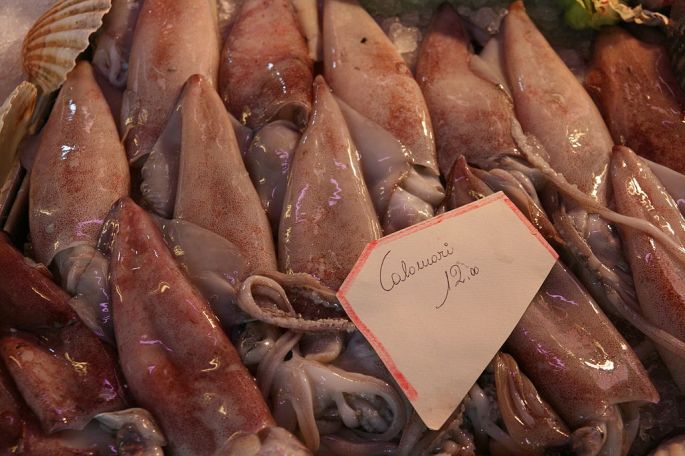
Bacteria Found in Squid Raises Concern About Spread of Antibiotic Resistance

For the first time, researchers in Canada have discovered one of the deadliest kinds of antibiotic-resistant bacteria in a food product. The organism was found in a package of imported frozen squid, which was purchased at a store in Saskatoon, Saskatchewan. The discovery of the bacteria in food is troubling because it provides an additional method of human acquisition of antibiotic resistance.

The Washington Post—“The bacterium found in the squid is a common environmental organism, present in dirt and water. But in this case, scientists found that it had a gene that made it resistant to antibiotics that are considered the last line of defense. Bacteria that have this capability are dangerous because if they are in a person’s body, they can share that gene or enzyme with other bacteria. And that makes those other bacteria also resistant to these last-resort antibiotics, known as carbapenems.”

A Flu Virus That Killed Millions in 1918 Has Now Been Recreated

Yoshihiro Kawaoka is in the news again after his research team at the University of Wisconsin-Madison, reverse engineered an influenza virus from a similar one found in birds, combining several strains to create one nearly identical to the virus that caused the 1918 outbreak. The team then mutated the genes to make it airborne in order to study how it spreads between animals. Kawaoka is not new to this sort of research—which some view as controversial and dangerous—he engineered a strain of H5N1 to pass airborne from ferret to ferret in 2011.

Vice News—“The research was funded by the National Institute of Health as a way to find out more about similar virus’ and their transmissibility from animals to humans. It was done in a lab that complied with full safety and security regulations, said Carole Heilman, director of the Division of Microbiology and Infectious Diseases, at National Institute of Allergy and Infectious Diseases (NIAD), a division of NIH. ‘It was an question of risk versus benefit,’ Heilman told VICE News. ‘We determined that the risk benefit ratio was adequate if we had this type of safety regulations.’”


Image Credit: Wikimedia Commons

Looking Clearly at Right-Wing Terrorism

Charles P. Blair is a Washington, D.C.-based university instructor, researcher, writer, and thinker specializing in terrorism and the history, technical underpinnings, and potential futures of Weapons of Mass Destruction. He is the director for two courses in the Summer Program in International Security: 21st Century Terrorism: Emerging Trends and Evolving Tactics which runs July 14-16 and Terrorism Analysis: Quantitative and Qualitative Research Methodologies and Tools which runs July 17-18.

Register before June 15 and save $200-$300 on course registration for the GMU Summer Program in International Security!


By Charles P. Blair

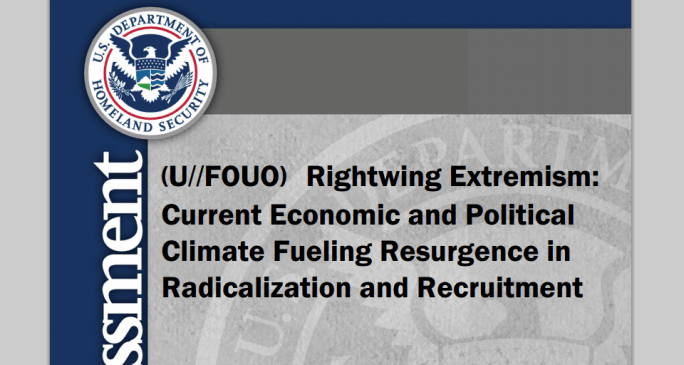
Five years ago the US Department of Homeland Security’s Homeland Environment Threat Analysis Division released an assessment of US far-right extremism. Initially intended for law enforcement and intelligence agencies only, the report—“Rightwing Extremism: Current Economic and Political Climate Fueling Resurgence in Radicalization and Recruitment”—was almost immediately leaked. The report warned that small cells practicing “leaderless resistance” and “white supremacist lone wolves [posed] the most significant domestic terrorist threat.” Significantly, it highlighted the likelihood of expanded attempts by far-right extremists “to recruit and radicalize returning veterans in order to boost their violent capabilities.” Overall, the report warned of trends similar to “the 1990s when rightwing extremism experienced a resurgence.” That far-right extremist rally reached a violent crescendo with the bombing of the Alfred P. Murrah federal building in Oklahoma City on April 19, 1995.

Reflecting on the past five years, a leading far-right extremism expert I recently interviewed described the homeland security report as “prophetic.” Mark Pitcavage, the Anti-Defamation League’s director of investigative research, explained that most of the warnings in the 2009 report have become realities. Yet at the time of its release, the document was derided by many inside and outside of government as “ridiculous [and] deeply offensive,” an “inconceivable” assault on US veterans, and, in general, “a piece of crap.” …

Week in DC: Events

June 9, 2014

Shaping the Future? The Role of the Regional Powers in Afghanistan and Pakistan
Date: June 9, 9:00am
Location: Woodrow Wilson International Center for Scholars, 1300 Pennsylvania Ave NW, 5th Floor, Washington DC 20004

The withdrawal of international troops from Afghanistan and the presidential election there are taking place in a context of growing internal political and economic instability. Speakers will discuss the reasons why the regional perspective on Afghanistan and Pakistan is relevant, and particularly so at this point in time. Given the economic, social, and geopolitical challenges that have strong regional dimensions, the role of the five key implicated powers—India, China, Iran, Russia, and Saudi Arabia—is likely to become increasingly relevant as the new future for Afghanistan is shaped.

RSVP here. 

Re-thinking Democracy Promotion Amid Rising Authoritarianism
Date: June 9, 9:30am
Location: John Hopkins-SAIS, 1740 Massachusetts Ave NW, Kenney Auditorium, Paul H. Nitze Building, Washington DC 20036

The crisis caused by Vladimir Putin’s invasion of Ukraine has highlighted the threat to freedom posed by kleptocratic autocracies. The world is watching how the democratic community of nations responds to Putin’s brazen attack not only against Ukraine but against the very concept of freedom and the ability of people to choose their own political destiny. Much is at stake, for authoritarian regimes pose a danger not only to their own populations through suppression of human rights but to others as well. This requires a re-examination of democracy promotion, the threats it faces, and how best to advance it.

RSVP here.

A Strategic Approach to Global Tuberculosis
Date: June 9, 10:00am
Location: Center for Strategic and International Studies, 1616 Rhode Island Ave NW, Washington DC 20036

Beginning in May 2013, the CSIS Global Health Policy Center (GHPC) organized an active working group, comprised of leading experts on tuberculosis (TB), to examine how TB relates to U.S. national interests, the structure and effectiveness of U.S. TB programs, and the most critical challenges in addressing global TB. On June 9, CSIS will host a public event, “A Strategic Approach to Global Tuberculosis,” and will release six in-depth policy analyses accompanied by an overview report summarizing the major findings and recommendations of the working group.

Register here.

National Security and Digital Prosperity After Snowden
Date: June 9, 12:00pm
Location: Atlantic Council, 1030 15th Street NW, 12th Floor, West Tower, Washington DC

Edward Snowden’s revelations of the National Security Agency’s extensive data collection programs last year sparked an intense debate on the future of electronic surveillance in the United States and globally. As the extent of electronic surveillance has moved to the forefront of the American political discourse, the effects of Snowden’s revelations on the future of cyberspace remain unpredictable.

How will the US navigate the tradeoffs between the long term ability of high-tech companies to shape cyberspace and secure innovation and prosperity for short term national security interests? How will individuals, corporations, and states react to the changing landscape of state activities in cyberspace?

The discussion will conclude with the long-term implications of the Snowden revelations on national security and digital prosperity and tie in with conversation on The Director, the new novel by David Ignatius, exploring the changing nature of national security in a world where advancements in technology constantly level the playing field.

Register here.

China Reality Check Series: Sino-Russian Relations after the Xi-Putin Summit: What’s Happening and What’s Next?
Date: June 9, 1:00pm
Location: Center for Strategic and International Studies, 1616 Rhode Island Ave NW, Washington DC 20036

Please join the CSIS Freeman Chair in China Studies for our upcoming Reality Check Series event on the future trajectory of Sino-Russian relations following the May 20 – 21 summit in Shanghai between Chinese President Xi Jinping and his Russian counterpart, Vladimir Putin. The two presidents participated in a regional security summit, agreed on a joint statement about Ukraine, and inked economic agreements, including a signature US$400 billion natural gas deal that had been under negotiation for a decade. At a time of increasing tensions in both U.S.-China and U.S.-Russia ties, our distinguished panel will discuss how to interpret the seeming warming in relations between Beijing and Moscow, and what it may mean for U.S.-Russia-China triangular relations and for the global security landscape writ large.

Register here.


June 10, 2014

Nuclear Flashpoints: U.S.-Iran Tensions Over Terms and Timetables
Date: June 10, 9:30am
Location: Woodrow Wilson International Center for Scholars, 1300 Pennsylvania Ave NW, Washington DC

A final deal with Iran will have to sort out a dizzying array of timetables and disparate interpretation of terms. Among them: How many years will an agreement last? Iran prefers a few; the U.S. is thinking decades. Breakout time – how long it’d take to produce enough nuclear fuel for a bomb – is now estimated to be two months; how long will a deal defer it? When will Tehran have to take what action – and in what steps or phases? And when will the U.S. have to act – and how? As the last round of talks proved, Iran and the world’s six major powers have deep differences on these basic questions and more.

To assess this period of pivotal diplomacy, an unprecedented coalition of eight Washington think tanks and organizations is hosting three discussions to coincide with the last three rounds of talks This second event will explore key conflicts and possible trade-offs on June 10. A rundown and a video of the premier event are available on The Iran Primer.

The coalition includes the U.S. Institute of Peace, RAND, the Woodrow Wilson Center, the Arms Control Association, the Center for a New American Security, the Stimson Center, the Partnership for a Secure America, and the Ploughshares Fund.

RSVP here.

Hearing: Verifying Iran’s Nuclear Compliance
Date: June 10, 10:00am
Location: U.S. House Committee on Foreign Affairs, 2172 Rayburn House Office Building, Washington DC 20515

Discussions of Iranian Nuclear Compliance. Witnesses include: The Honorable Stephen G. Rademaker, National Security Advisor, Bipartisan Policy Center
(Former Assistant Secretary, Bureau of Arms Control & Bureau of International Security and Nonproliferation, U.S. Department of State); Mr. John A. Lauder, Senior Advisor, 20twenty Strategic Consulting, Inc., (Former Director, Nonproliferation Center, Intelligence Community); Mr. Olli Heinonen,Senior Fellow, Belfer Center for Science and International Affairs, John F. Kennedy School of Government, Harvard University, (Former Deputy Director General, International Atomic Energy Agency); The Honorable Joseph R. DeTrani,President, Intelligence and National Security Alliance, (Former Director, National Counter Proliferation Center, Office of the Director of National Intelligence).

Emerging Technologies and the Future of Global Security
Date: June 10, 10:00am
Location: Atlantic Council, 1030 15th Street NW, 12th Floor, West Tower, Washington DC

The rapid, worldwide adoption of advances in computing, robotics, bioengineering, and more by state and non-state actors is reshaping what future national security threats and opportunities will look like. If governments and other national security players want to remain ahead of the curve, they will have to reassess their national security strategy starting now.

To address these issues, Lawrence Livermore National Laboratory’s Center of Global Security Research drew on the expertise of top thinkers in national security and more for the new book, Strategic Latency and World Power: How Technology is Changing Our Concepts of Security. The book is the result of a collaboration between Livermore and Los Alamos National Labs with the US National Intelligence Council to assess the implications that rapidly developing emerging and disruptive technologies are having for national and international security. The chapter authors provide insights into the policies, individual country approaches, and specific technologies that are revolutionizing the global security environment.

In addition, Dr. Frank D. Gac, consultant to LLNL and former deputy national intelligence officer for science and technology at the NIC, will discuss the intelligence community catalyst for strategic latency. Dr. Bruce Goodwin, LLNL associate director at large for national security and policy research, will provide comments on the national laboratory imperative for tackling emerging national security issues. We will also feature a special presentation on “Chinese Strategy for the Twenty-First Century” from one of the book’s many noted authors, Dr. Tai Ming Cheung, director of the Institute on global Conflict and Cooperation at the University of California, San Diego.

Register here.

Pakistan’s Polio Crisis: The Deeper Story
Date: June 10, 11:00am
Location: Woodrow Wilson International Center for Scholars, 1300 Pennsylvania Ave NW, Washington DC

The world is witnessing a resurgence of the polio virus, and Pakistani is at its epicenter. This year, Pakistan has already reported about 60 cases—far more than any other country. Most observers blame Pakistan’s worsening polio problem on rising militancy. Yet according to Samia Altaf, there is a deeper story beyond this popular narrative. Altaf, a former Wilson Center Pakistan Scholar, is a medical doctor who has served as a senior advisor on health to USAID in Islamabad. She will present new research highlighting how and why Pakistan’s polio vaccination efforts have been dogged by systemic problems for a decade—long before the Taliban began sabotaging such efforts.

RSVP here.

Subcommittee Hearing: The State Department’s Counterterrorism Bureau: Budget, Programs, and Evaluation
Date: June 10, 2:00pm
Location: Subcommittee on Terrorism, Nonproliferation, and Trade, 2200 Rayburn House Office Building, Washington DC 20515

The Honorable Tina Kaidanow, Ambassador-at-Large and Coordinator for Counterterrorism of the U.S. Department of State discusses the counterterrorism budget.


June 11, 2014

The Future of the Terrorism Risk Insurance Act: Expiration, Reauthorization, Modification
Date: June 11, 12:00pm
Location: RAND Corporation, B-340 Rayburn House Office Building, Washington DC

Should TRIA be reauthorized? Since the Terrorism Risk Insurance Act (TRIA) was last reauthorized in 2007, terrorism insurance has remained widely available and the price has fallen. But underlying economic and insurance challenges remain. With the program set to expire at the end of December, it’s unclear whether the improvements in the market that we have seen since TRIA was first passed in 2002 can be sustained without TRIA.

To inform the debate on whether TRIA should be reauthorized, modified, or allowed to expire, RAND invites you to a briefing where experts will present the findings of their recent work on this topic and address different facets of this complex issue, including the pros and cons of proposed TRIA modifications.

Register here.

Subcommittee Hearing: The Ongoing Struggle Against Boko Haram
Date: June 11, 2:00pam
Location: U.S. House Committee on Foreign Affairs, 2172 Rayburn House Office Building, Washington DC 20515

The Subcommittee on Africa, Global Health, Global Human Rights, and International Organizations discusses the ongoing struggle against Boko Haram. Witnesses include J. Peter Pham, Ph.D., Director of the Africa Center at the Atlantic Council; Mr. Emmanuel Ogebe, Manager of the Justice for Jos Project, at the Jubilee Campaign USA; Mr. Anslem John-Miller, Representative to the U.S. at the Movement for the Survival of the Ogoni People.


June 12, 2014

100 Year Anniversary of World War I: The Balkan Perspective
Date: June 12, 2:15pm
Location: Carnegie Endowment for International Peace, Root Room B/C, 2nd Floor, 1779 Massachusetts Ave NW, Washington DC 20036

The year 2014 marks exactly a century since the start of World War I. On June 28, 1914, Gavrilo Princip, a Bosnian Serb fired the “shot heard around the world” when he assassinated Archduke Franz Ferdinand, the heir to the Austro-Hungarian throne and his wife Sophie, Duchess of Hohenberg, in Sarajevo, Bosnia and Herzegovina (BiH). This event sparked the beginning of World War I, resulting in over 37 million casualties, the collapse of four empires, and, ultimately, the divisive legacy of nationalism within the Balkans.

For centuries, the date of June 28th has played a significant role in Balkan history. Celebrated as St. Vitus’ Day, it represents an important religious holiday that the Serbian Orthodox Church dedicated to Saint Prince Lazar and those Serbs who gave their lives in defending their faith during the Battle of Kosovo against the Ottoman Empire on June 28, 1389. Exactly five hundred and twenty-five years later, Gavrilo Princip’s assassination on that very same day triggered the Great War, profoundly affecting the politics of the region for a century to come. On June 28, 1989, the 600th anniversary of the Battle of Kosovo, Slobodan Milosevic, then President of Serbia, made what is known as the “Gazimestan speech” in Kosovo. The nationalism invoked and celebrated that day would accelerate the demise of Yugoslavia and ultimately result in the Bosnian genocide. As we commemorate World War I, Dr. Hoare will offer his expert insight into the causes of the Great War and the significance and implications that June 28th has had on Balkan history.

RSVP here.


June 13, 2014

CNAS Debate: War with Iran?
Date: June 13, 9:00am
Location: Willard InterContinental Hotel, 1401 Pennsylvania Ave NW, Washington DC 20004

The Center for a New American Security (CNAS) and the Civis Institute invite you to attend a public debate on June 13, 2014 from 9:00 a.m. to 12:00 p.m. Two of the country’s top collegiate debate programs – Georgetown University and the University of Michigan – will square off on one of the most contested foreign policy issues of our day.

The teams will debate whether or not the United States should use military force against Iran if nuclear diplomacy fails. The debate will be followed by comments from Dr. Colin Kahl, senior fellow and director of the Middle East Security Program at CNAS, and a moderated Q&A with the debate teams. CNAS is excited to host this event to support our mission to elevate and shape the debate on this key national security issue and promote the next generation of national security leaders.

RSVP here.


Pandora Report 6.7.14

We’re taking the bad news with the good news this week. Highlights include miscalculations in the MERS toll, rising numbers of Ebola deaths, innovations in vaccine delivery using rice, and progress with MRSA. Enjoy your weekend!

Saudi Arabia Reports Big Jump in MERS cases, Including 282 Deaths

On Tuesday, the Saudi Ministry of Health reported that 282 people have died from Middle East Respiratory Syndrome coronavirus (MERS-CoV) which is a major increase from the previously known official death toll of 190. The same day as the announcement, Deputy Health Minister Dr. Ziad Memish was “relieved” from his post according to the Saudi Health Minister. No reason was given.

CNN—“MERS is thought to have originated on the Arabian Peninsula in 2012. No one knows exactly where it came from, but evidence implicating camels is emerging. In a recently published study in mBio, researchers said they isolated live MERS virus from two single-humped camels, known as dromedaries. They found multiple substrains in the camel viruses, including one that perfectly matches a substrain isolated from a human patient.”

Resurgence of Ebola Epidemic in West Africa

Though overall the number of new cases of Ebola appears to be declining, new cases have been recently reported in Guinea and Sierra Leone. Doctors Without Borders/ Medecins San Frontieres have been supporting health authorities in both countries, treating patients, and working to put measures in place to control the epidemic. They have sent over 44 tons of equipment and supplies to assist the outbreak which has infected over 300 people and killed at least 125.

Doctors Without Borders—“The rise in cases may be due to a reluctance on the part of patients to go to hospital. The movement of infected people and cadavers is also a major issue. Families frequently transport dead bodies themselves in order to organize funerals in other towns. The multiplication of affected areas makes it difficult to treat patients and control the epidemic.”

Fighting Deadly Disease, With Grains of Rice

In an effort to fight common diarrheal illnesses including cholera and rotavirus, researchers at the University of Tokyo are working on bioenginerring rice in order to turn it into an easy and low-cost storage and delivery medium to combat these common illnesses.  According to the World Health Organization, cholera alone kills as many as 120,000 annually.  Both the cholera vaccine and rotavirus antibody versions of the rice have been tested on laboratory mice with plans to test on humans within the next few years in a country like Bangladesh where cholera is a major public health threat. The Bill and Melinda Gates Foundation as well as several pharmaceutical companies have shown interest in developing drugs based on the research.

The New York Times—“Vaccines  or antibodies for both exist but require refrigerated storage, Yoshikazu Yuki, an assistant professor of mucosal immunology, said in an interview. Bioengineering vaccines or antibodies into rice would allow them to be stockpiled easily, without the cost of cold storage, for up to three years at room temperature, he said. The rice could be ingested orally, ground into a paste and drunk, delivering the antibodies to the intestine.”

A New Weapon in the Battle Against MRSA

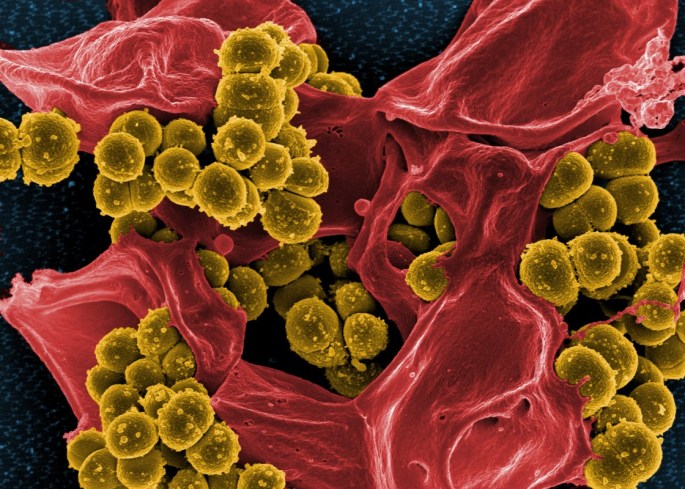
Among serious concern for the growing levels of antibiotic resistant superbugs, it appears there is some promising news. Durata Therapeutics have developed a new drug, Dalvance, which in clinical trials has proven as effective as vancomycin—another powerful antibiotic—against acute skin and soft tissue infections including methicillin-resistant Staphylococcus aureus (MRSA.) According to Durata, more than 4.8 million people were admitted to hospitals with skin and soft tissue infections between 2005 and 2011 and nearly 60% of these staph infections were the methicillin-resistant variety.

The Washington Post—“The drug, Dalvance, is the first approved by the FDA under the government’s Generating Antibiotic Incentives Now program, its effort to encourage pharmaceutical companies to produce new drugs to combat the growing problem of antibiotic resistant bacteria. Even asthe problem has grown around the world, the number of new drugs in the pipeline has dwindled, with drug companies focused on more profitable medications.”


Image Credit: Wikimedia Commons