Pandora Report 6.7.14

We’re taking the bad news with the good news this week. Highlights include miscalculations in the MERS toll, rising numbers of Ebola deaths, innovations in vaccine delivery using rice, and progress with MRSA. Enjoy your weekend!

Saudi Arabia Reports Big Jump in MERS cases, Including 282 Deaths

On Tuesday, the Saudi Ministry of Health reported that 282 people have died from Middle East Respiratory Syndrome coronavirus (MERS-CoV) which is a major increase from the previously known official death toll of 190. The same day as the announcement, Deputy Health Minister Dr. Ziad Memish was “relieved” from his post according to the Saudi Health Minister. No reason was given.

CNN—“MERS is thought to have originated on the Arabian Peninsula in 2012. No one knows exactly where it came from, but evidence implicating camels is emerging. In a recently published study in mBio, researchers said they isolated live MERS virus from two single-humped camels, known as dromedaries. They found multiple substrains in the camel viruses, including one that perfectly matches a substrain isolated from a human patient.”

Resurgence of Ebola Epidemic in West Africa

Though overall the number of new cases of Ebola appears to be declining, new cases have been recently reported in Guinea and Sierra Leone. Doctors Without Borders/ Medecins San Frontieres have been supporting health authorities in both countries, treating patients, and working to put measures in place to control the epidemic. They have sent over 44 tons of equipment and supplies to assist the outbreak which has infected over 300 people and killed at least 125.

Doctors Without Borders—“The rise in cases may be due to a reluctance on the part of patients to go to hospital. The movement of infected people and cadavers is also a major issue. Families frequently transport dead bodies themselves in order to organize funerals in other towns. The multiplication of affected areas makes it difficult to treat patients and control the epidemic.”

Fighting Deadly Disease, With Grains of Rice

In an effort to fight common diarrheal illnesses including cholera and rotavirus, researchers at the University of Tokyo are working on bioenginerring rice in order to turn it into an easy and low-cost storage and delivery medium to combat these common illnesses.  According to the World Health Organization, cholera alone kills as many as 120,000 annually.  Both the cholera vaccine and rotavirus antibody versions of the rice have been tested on laboratory mice with plans to test on humans within the next few years in a country like Bangladesh where cholera is a major public health threat. The Bill and Melinda Gates Foundation as well as several pharmaceutical companies have shown interest in developing drugs based on the research.

The New York Times—“Vaccines  or antibodies for both exist but require refrigerated storage, Yoshikazu Yuki, an assistant professor of mucosal immunology, said in an interview. Bioengineering vaccines or antibodies into rice would allow them to be stockpiled easily, without the cost of cold storage, for up to three years at room temperature, he said. The rice could be ingested orally, ground into a paste and drunk, delivering the antibodies to the intestine.”

A New Weapon in the Battle Against MRSA

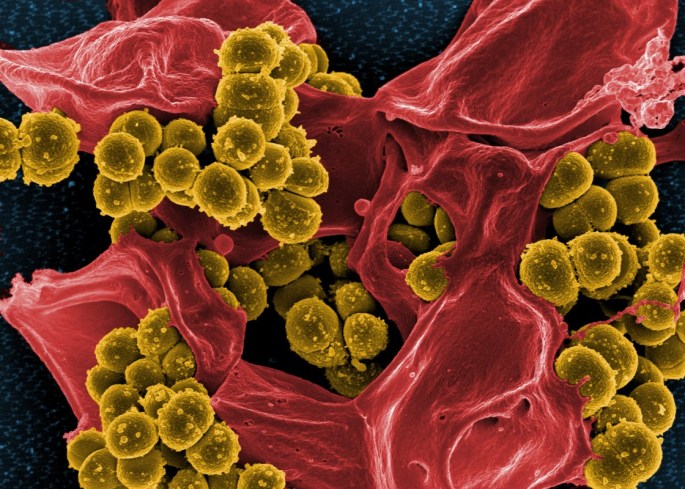
Among serious concern for the growing levels of antibiotic resistant superbugs, it appears there is some promising news. Durata Therapeutics have developed a new drug, Dalvance, which in clinical trials has proven as effective as vancomycin—another powerful antibiotic—against acute skin and soft tissue infections including methicillin-resistant Staphylococcus aureus (MRSA.) According to Durata, more than 4.8 million people were admitted to hospitals with skin and soft tissue infections between 2005 and 2011 and nearly 60% of these staph infections were the methicillin-resistant variety.

The Washington Post—“The drug, Dalvance, is the first approved by the FDA under the government’s Generating Antibiotic Incentives Now program, its effort to encourage pharmaceutical companies to produce new drugs to combat the growing problem of antibiotic resistant bacteria. Even asthe problem has grown around the world, the number of new drugs in the pipeline has dwindled, with drug companies focused on more profitable medications.”


Image Credit: Wikimedia Commons
Smallpox Stockpiles Avoid Chopping Block… Again

By Chris Healey

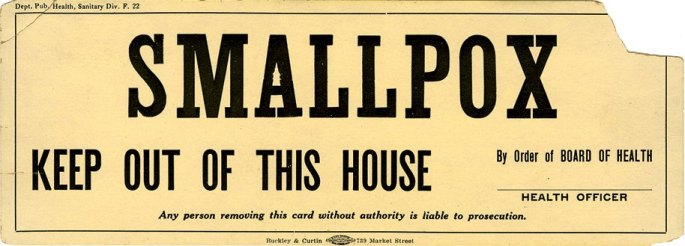
Last month, World Health Organization officials at the 106th World Health Assembly in Geneva decided not to eliminate the last stockpiles of smallpox. That decision marks the sixth time the assembly has chosen to maintain stockpiles in lieu of destruction.

Some health officials consider smallpox the deadliest disease in human history. Until vaccination eradicated the disease in 1980, smallpox infected people around the world and killed 30% of sickened individuals. The disease no longer exists in nature, but samples of the virus are stockpiled at research facilities in the United States and Russia. Elimination of those stockpiles is the only way to categorically prevent theft or accidental release of smallpox from those facilities.

One source of hesitance to eliminate is international intrigue. In 2008, representatives from Vector, the Russian facility responsible for the country’s stockpile in Novosibirsk, announced researchers had discarded 200 smallpox samples without notice. Elimination of those samples remains unverified.

Another reason to keep stockpiles is research potential. Access to samples in the event of a smallpox resurgence, or another poxvirus outbreak, may be beneficial in efforts to quell illness spread. Most poxviruses have strikingly similar genomes.

Smallpox is part of the orthopox genus. A characteristic of orthopox genomes is conservation of genetic material, meaning viruses in the genus share many identical genetic sequences.

Genetic similarity among viruses in the orthopox genus is exploited to prevent smallpox. Vaccinia virus,the pharmacologic active ingredient in smallpox vaccines, shares enough genetic similarity with variola virus, the causative agent of smallpox, to confer immunity to both viruses. In fact, inoculation with any orthopoxvirus confers immunity to all members of the genus.

Some health officials claim the conserved nature of orthopoxviruses undermines needs to preserve smallpox. Due to similarity among orthopoxviruses, smallpox can be studied through less virulent orthopoxviruses. However, not all health officials believe orthopoxviruses are one in the same.

Authors of an article recently published in The Lancet make an argument for the preservation of smallpox stockpiles. The authors mention the need for better countermeasures against smallpox and other orthopoxviruses. Those countermeasures, when developed, should be tested against authentic smallpox viruses. The authors argue smallpox stockpiles should be maintained to facilitate orthopoxvirus research.

A comprehensive review of the smallpox stockpile elimination debate by biological weapons and arms control expert Jonathan Tucker is available here.

Meet Your 2014 Summer Program Faculty: Charles Blair

In preparation for the GMU Summer Program in International Security, this week we will highlight the course directors. EARLY BIRD REGISTRATION HAS BEEN EXTENDED TO JUNE 15! Register by June 15 to save $300 on a three-day course and $200 on a two-day course. Use the links below for more details including registration.  Questions? Comment to this post or email spis@gmu.edu.


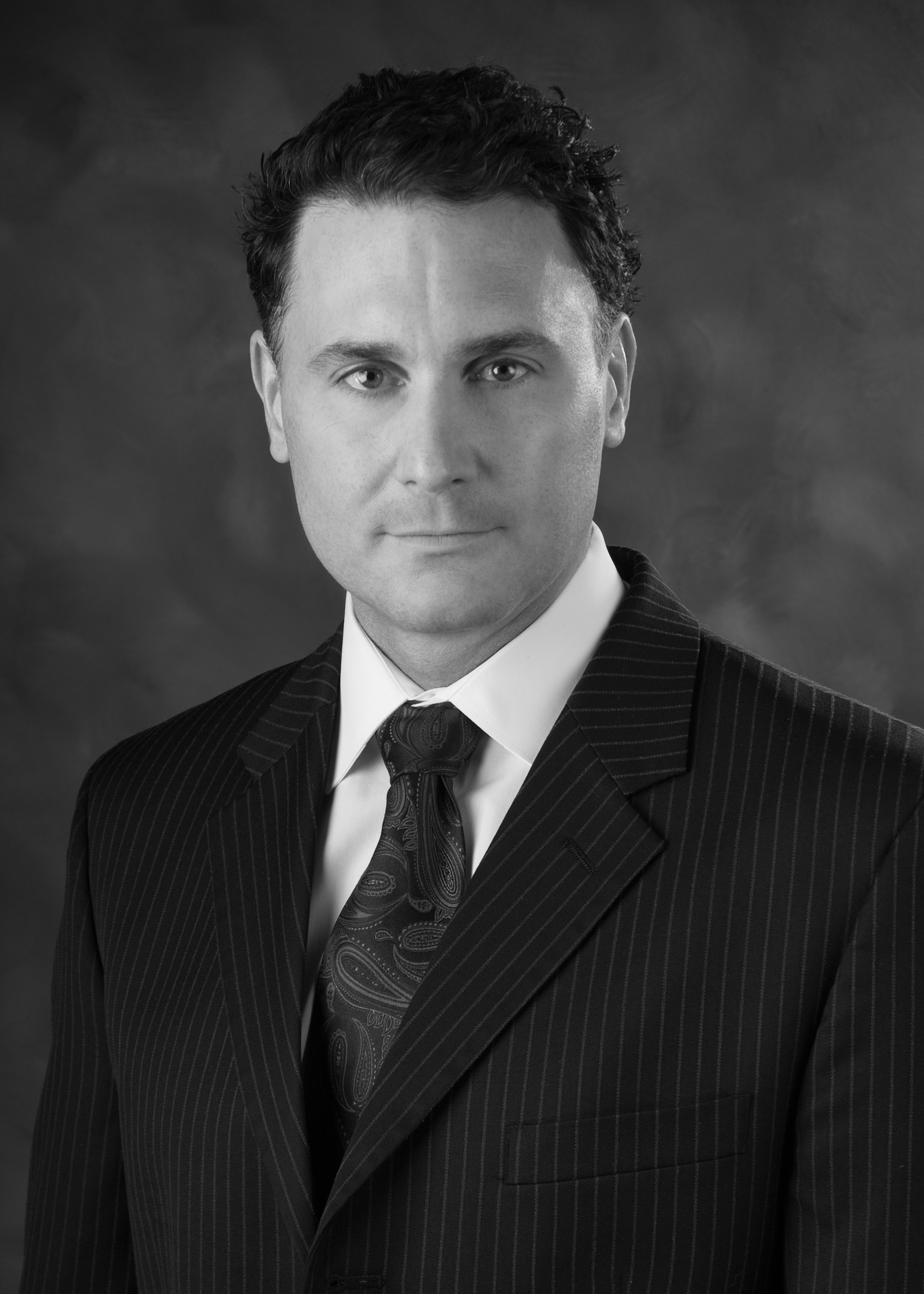
Headshot_BlairCharles P. Blair is a Washington, D.C.-based university instructor, researcher, writer, and thinker specializing in terrorism and the history, technical underpinnings, and potential futures of Weapons of Mass Destruction. He is the director for two courses in the Summer Program in International Security: 21st Century Terrorism: Emerging Trends and Evolving Tactics which runs July 14-16 and Terrorism Analysis: Quantitative and Qualitative Research Methodologies and Tools which runs July 17-18.

Since visiting Moscow as a student in 1985, Blair has worked on issues relating to globalization and the diffusion and diversification of WMD in the context of the rise of mass casualty terrorism incidents. He teaches graduate-level classes on terrorism and the technology of WMD at Johns Hopkins University and George Mason University and is a columnist for the Bulletin of the Atomic Scientists.

Recent works include: “Terrorist Nuclear Command and Control,” which was completed under the auspices of the Department of Homeland Security; a two-year DHS-backed study which investigated the U.S. extreme right-wing and radiological and nuclear terrorism; “Target Sochi: The threat from the Caucasus Emirate,”; and  “Barely Lethal: Terrorists and Ricin.”

Mr. Blair is a Senior Fellow on State and Non-State Threats at the Federation of American Scientists. Before joining FAS, he has worked at the National Consortium for the Study of Terrorism and Responses to Terrorism (START), the James Martin Center for Nonproliferation Studies, the National Nuclear Security Administration, the Anti-Defamation League, and the Center for Terrorism and Intelligence Studies.

Click here to register for 21st Century Terrorism: Emerging Trends and Evolving Tactics.

Click here to register for Terrorism Analysis: Quantitative and Qualitative Research Methodologies and Tools

Meet Your 2014 Summer Program Faculty: Gregory Koblentz

In preparation for the GMU Summer Program in International Security, this week we will highlight the course directors. EARLY BIRD REGISTRATION HAS BEEN EXTENDED TO JUNE 15! Register by June 15 to save $300 on a three-day course and $200 on a two-day course. Use the links below for more details including registration.  Questions? Comment to this post or email spis@gmu.edu.


Koblentz

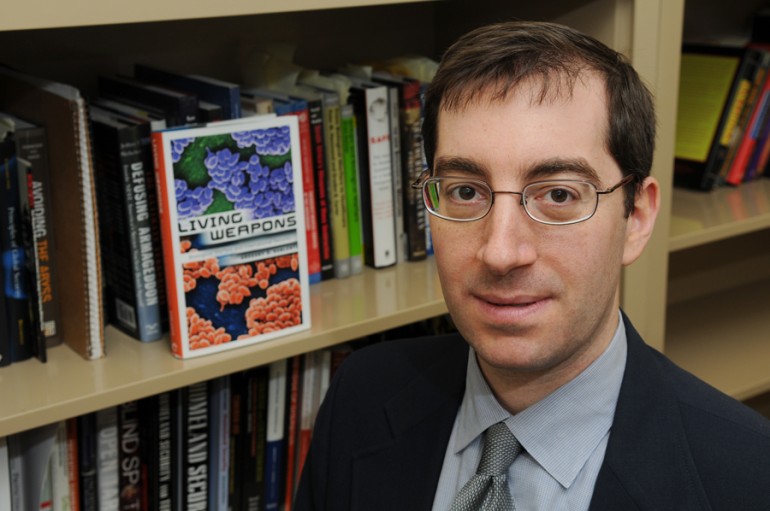
Dr. Greg Koblentz, Associate Professor of Government and International Affairs and Deputy Director of the Biodefense Program at George Mason University, is the course director for this summer’s short course: Pandemics, Bioterrorism, and International Security. The course will run July 21-23.

Dr. Koblentz’s research and teaching focus on international security, biosecurity, and weapons of mass destruction. His recent publications include “Biosecurity reconsidered: Calibrating biological threats and responses.” and “The threat of pandemic influenza: why today is not 1918.” His book, Living Weapons: Biological Warfare and International Security, remains one of the most influential publications in the field of biodefense since its publication in 2009. In fact, we often tell prospective students to read his book for a “one book version” of our Biodefense Master’s program. He is at work now on a book on nuclear proliferation.

Dr. Koblentz is also a Research Affiliate with the Security Studies Program at the Massachusetts Institute of Technology and a member of the Scientist Working Group on Chemical and Biological Weapons at the Center for Arms Control and Non-Proliferation in Washington, DC. He received his PhD in political science from the Massachusetts Institute of Technology, his Master in Public Policy from the John F. Kennedy School of Government at Harvard University, and his Bachelor of Arts from Brown University.

Click here to register for Pandemics, Bioterrorism, and International Security.

Meet Your 2014 Summer Program Faculty: Sonia ben Ouagrham-Gormley

In preparation for the GMU Summer Program in International Security, this week we will highlight the course directors. EARLY BIRD REGISTRATION HAS BEEN EXTENDED TO JUNE 15! Register by June 15 to save $300 on a three-day course and $200 on a two-day course.. Use the links below for more details including registration.  Questions? Comment to this post or email spis@gmu.edu.


GormleyDr. Sonia ben Ouagrham-Gormley, Associate Professor of Government and International Affairs and member of the Biodefense faculty at George Mason University, is the director for this summer’s WMD Export Controls course in the Summer Program in International Security. This course will run July 10-11 and aims to increase participants’ awareness and understanding of WMD proliferation, export controls and trafficking of related materials.

Dr. Ouagrham-Gormley’s research and teaching focuses on WMD and proliferation issues. Her recent publications include “The social context shaping bioweapons (non) proliferation,” “An Unrealized Nexus? WMD-Related Trafficking, Terrorism and Organized Crime in the Former Soviet Union,” and “Banking on Nonproliferation: Improving the Implementation of Financial Sanctions.”  Her forthcoming book from Cornell University Press, Barriers to Bioweapons, extends on her article by the same name and provides the most detailed examination to date of how and why biological weapons programs succeed or fail.

Prior to joining George Mason, Dr. Ouagrham-Gormley served 10 years as a Senior Research Associate at the Monterey Institute of International Studies, Center for Nonproliferation Studies (CNS), and Editor-in-Chief of the International Export Control Observer, a monthly newsletter devoted to the analysis of WMD export control issues in the world. Dr. Ouagrham-Gormley was also an adjunct professor at the School of Advanced International Studies (SAIS), Johns Hopkins University, where she taught a course on WMD in the former Soviet Union (FSU). She received her Ph.D. in Economics of Development at the Advanced School of Social Sciences in Paris, France.

Click here to register for WMD Export Controls.

Meet Your 2014 Summer Program Faculty: Alexander Garza

In preparation for the GMU Summer Program in International Security, this week we will highlight the course directors. EARLY BIRD REGISTRATION HAS BEEN EXTENDED TO JUNE 15! Register by June 15 to save $300 on a three-day course and $200 on a two-day course. Use the links below for more details including registration.  Questions? Comment to this post or email spis@gmu.edu.


Alexander Garza, MD, MPH, FACEP

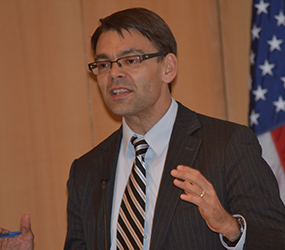
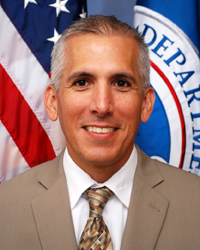
Dr. Alexander Garza, Associate Dean for Public Health Practice and Associate Professor of Epidemiology at St. Louis University in the College for Public Health and Social Justice, is the director for this summer’s Biosurveillance: National and International Levels course in the Summer Program in International Security. This course will run July 24-25.

Dr. Garza is a fellow in the American College of Emergency Physicians and a member of the American Public Health Association. He is a Senior Editor for the Oxford Handbook in Disaster Medicine and has authored numerous chapters in medical texts and published multiple articles and peer-reviewed publications.

Dr. Garza served as Assistant Secretary for Health Affairs and the Chief Medical Officer of the Department of Homeland Security from 2009-2013 and prior to that was a practicing physician and medical educator—serving as the Director of Military Programs at the ER One Institue at Washington Hospital Center, the Associate Medical Director of Emergency Medical Services for the State of New Mexico, and the Director of Emergency Medical Services The Kansas City, MO Health Department. He has served as a professor at Georgetown University, the University of New Mexico and the University of Missouri-Kansas City.

Dr. Garza served in the U.S. Army Reserve and was a battalion surgeon and public health team chief during Operation Flintlock in Dakar, Senegal. He also served as a public health team chief during Operation Iraqi Freedom and as a special investigator and medical expert for Major General Raymond Odierno. He holds a medical degree from the University of Missouri – Columbia School of Medicine, a Master of Public Health from the Saint Louis University School of Public Health and a Bachelor of Science in biology from the University of Missouri – Kansas City.

Click here to register for Biosurveillance: National and International Levels.

This Week in DC: Events

 June 3, 2014

Technology and Military Escalation in South Asia
Date: June 3, 9:00 am
Location: Carnegie Endowment for International Peace, 1779 Massachusetts Ave NW, Washington DC 20036

In recent years, India has gained unprecedented access to high-quality, sensitive military equipment from the West. But rather than focus on qualitative advances to its arsenal utilizing these technologies, Delhi continues to focus on quantitative improvements to its conventional forces, which is perceived as threatening to India’s neighbors. Abhijit Iyer-Mitra will explore the technological and doctrinal fault lines between India’s hardware purchases and its lack of operational gains. Carnegie’s Toby Dalton will moderate the discussion.

Register here.

Military Strategy Forum: The Honorable Michael Vickers on Intelligence and National Security
Date: June 3, 9:00 am
Location: Center for Strategic and International Studies, 2nd Floor Conference Room, 1616 Rhode Island Ave, NW, Washington DC 20036

The CSIS International Security Program cordially invites you to a Military Strategy Forum discussion of: Intelligence and National Security

Featuring, The Honorable Michael Vickers, Under Secretary of Defense for Intelligence. With an introduction by, Dr. John Hamre, President and CEO, and The Pritzker Chair, CSIS; and moderated by, Dr. Kathleen H. Hicks,
Senior Vice President, Henry A. Kissinger Chair, and Director, International Security Program, CSIS

RSVP here.

US-Iran Relations Past, Present, and Future
Date: June 3, 9:30 am
Location: Atlantic Council, 1030 15th Street NW, Washington DC

The Atlantic Council’s Iran Task Force and Search for Common Ground invite you to a conversation with Seyyed Hossein Mousavian, former Iranian diplomat and author of a new book, Iran and the United States: An Insider’s View on the Failed Past and the Road to Peace, and John Marks, president and founder of Search for Common Ground.  Mousavian will offer insights from his twenty-five years representing Iran in posts including ambassador to Germany and nuclear negotiating team spokesman under former President Mohammed Khatami. Markswill reflect on eighteen years of experience in Track II dialogue and cultural exchanges with Iran. The speakers will discuss the current negotiations with Iran and the outlook for better relations under President Hassan Rouhani.

The Iran Task Force, chaired by Ambassador Stuart E. Eizenstat, seeks to perform a comprehensive analysis of Iran’s internal political landscape, its role in the region and globally, and any basis for an improved relationship with the West. This project is generously supported by the Ploughshares Fund.  Search for Common Ground is a peacebuilding and conflict transformation organization with offices in thirty-four countries.

Register here.

Voices from Japan: National Security Speaker Series
Date: June 3, 10:30 am
Location: The Stimson Center, 1111 19th Street NW, 12th Floor, Washington DC

Voices from Japan: National Security Speaker Series” is an annual public symposium that aims to bring high-profile, senior-level Japanese individuals to Washington, DC for discussions about how the US and Japan can tackle today’s global security challenges under the US-Japan alliance and in partnership with like-minded nations. It aims to provide a unique platform for senior-level Japanese officials to share their insights and concerns on a range of international issues.

On June 3, Stimson Center will host General Ryoichi Oriki (ret. Japan Ground Self-Defense Force), 3rd Chief of Staff of Joint Staff, Japan Self-Defense Force (2009-2011).

The security environment surrounding Japan has been rapidly changing in the last several years. More than ever, Japan’s defense establishment is facing an urgent need to reconsider some of the critical guiding principles of Japan’s postwar defense policies, rehash its defense policies to reflect the newly established principles and realign the JSDF to support the newly set priorities. General Oriki, based on the transformative experience he personally experienced through commanding JSDF operations in the aftermath of the 2011 Great Eastern Japan Earthquake, will share his thoughts about the complexities of security challenges Japan faces today, and the significance of deep defense relations between the United States and Japan.

RSVP here.

25 Years After Tiananmen: A Discussion with Chen Guangcheng
Date: June 3, 2:00 pm
Location: American Enterprise Institute, 1150 17th Street NW, Washington DC 20036

Twenty-five years after the 1989 Tiananmen Square massacre, the democratic aspirations of student protesters in China are no closer to fruition, remaining firmly at odds with the new “China dream” espoused by President Xi Jinping. The recent arrest of prominent human rights lawyer Pu Zhiqiang, whose clients included artist Ai Weiwei, is only the latest indicator of the increasingly inhospitable environment in which China’s dissidents find themselves.

On the eve of the massacre’s 25th anniversary, AEI will welcome prominent activist Chen Guangcheng, a self-taught lawyer and champion of victims of the one-child policy. In a conversation with AEI President Arthur Brooks, Chen will describe the human rights situation in China; speak to the evolution of free society, rule of law, and democracy; and discuss ways to enhance public understanding of the moral foundation of free societies.

If you are unable to attend, we welcome you to watch the event live on this page. Full video will be posted within 24 hours.


Check back later Tuesday for the full listing of the week’s events!

Meet Your 2014 Summer Program Faculty: Charles Ferguson

In preparation for the GMU Summer Program in International Security, this week we will highlight the course directors. EARLY BIRD REGISTRATION HAS BEEN EXTENDED TO JUNE 15! Register by June 15 to save $300 on a three-day course and $200 on a two-day course. Use the links below for more details including registration.  Questions? Comment to this post or email spis@gmu.edu.


ferguson

Dr. Charles D. Ferguson, President of the Federation of American Scientists (FAS), is the course director for this summer’s CBRN Weapons: Science & Policy in the Summer Program in International Security. This course will run July 7-9.

With more than twenty years’ experience in policy and national security, Dr. Ferguson has researched and written extensively on energy policy, nuclear nonproliferation, missile defense, and prevention of nuclear and radiological terrorism. His publications include 2011’s Nuclear Energy: What Everyone Needs to Know, The Four Faces of Nuclear Terrorism (with William Potter) in 2005, and the report Commercial Radioactive Sources: Surveying the Security Risks, which was the first in-depth, post-9/11 study of the “dirty bomb” threat. This report won the 2003 Robert S. Landauer Lecture Award from the Health Physics Society.

Dr. Ferguson has worked as the Philip D. Reed senior fellow for science and technology at the Council on Foreign Relations (CFR), consulted with Sandia National Laboratories and the National Nuclear Security Administration on improving the security of radioactive sources, and as a physical scientist in the Office of the Senior Coordinator for Nuclear Safety at the U.S. Department of State. He graduated with distinction from the United States Naval Academy, served in the U.S. Navy as a nuclear engineering officer, and earned a PhD in physics from Boston University. He has previously taught as an adjunct professor at Georgetown University and the Johns Hopkins University.

Click here to register for CBRN Weapons: Science & Policy.

Pandora Report 06.01.14

Highlights include Ebola research at UVA, No person-to-person MERS transmission in the U.S., Syria’s inability to meet deadlines, and the continuing negative impact of Anxi-Vaxxers.  Have a great Sunday!


Ebola’s Fist: UVA Unlocks How Deadly Virus Smashes into Human Cells

Further proving the superiority of public universities in Virginia, researchers at the University of Virginia School of Medicine have discovered how the Ebola virus enters the cytoplasm of human cells. This discovery comes at a critical time when Ebola is still raging in West Africa.

Augusta Free Press—“UVA’s new discovery offers important insight into how the virus works its way into cells. After the virus is engulfed by the cell, it is contained within a vesicle where it can do no harm. But Ebola quickly escapes the vesicle, and now scientists understand how. UVA researcher Lukas Tamm, PhD, of the Department of Molecular Physiology and Biological Physics, and his team discovered that the pH level inside the vesicle triggers the surface glycoprotein on the virus to form a “fist” that lets the virus punch its way into the cell’s cytoplasm, where it can effectively turn the cell into a factory for virus production.”


Nevermind! It Turns Out the Guy Who Tested Positive for MERS Doesn’t Have it

Everyone can breathe a sigh of relief! It turns out that the Illinois man who tested positive for MERS after shaking hands with an infected man never really had it. The tests used for diagnostics registered a false positive. This means that the only cases of MERS in the United States have been imported and have not passed through person-to-person transmission.

ABC News—“‘There is good news here,” ABC News chief health and medical editor Dr. Richard Besser said. “It was concerning that this man supposedly got infected through minimal contact – a couple of meetings and a handshake. Now that it’s clear that he was not infected, we’re back to a situation where those who have been infected have either been health care workers caring for MERS patients or close contacts, often family members.’”


Syria Set to Miss Deadline for Chemical Weapons Destruction

During the past week not only was a chemical weapons inspection team ambushed and held captive in Syria, but reports are coming out that the Syrian government will not meet the June 30, 2014, deadline for removal and destruction of their chemical weapons arsenal.  UN Secretary General, Ban Ki-moon, also voiced concerned about allegations that chlorine gas has been used in recent fighting in Syria.

The Moscow Times—“The Syrian government has missed several deadlines, most recently its own promise to hand over the remaining chemicals by April 27. It has also failed to destroy a dozen facilities that were part of the chemical weapons program. The government has blamed those failures on security problems and rebel activities, but Western officials have voiced skepticism about those explanations.”


The New Measles Outbreak: Blame the Anti-Vaxxers

This week, the Centers for Disease Control and Prevention released a report that new measles cases in the United States are at a 20 year high for the first five months of 2014.  The CDC reports that 97% of measles cases have been imported by people who have travelled to other countries and brought the disease back with them and that 90% of the infections have occurred among unvaccinated individuals. In his scathing Time piece, Jeffrey Kluger highlights the worldwide struggle to eradicate polio and the capriciousness of those in the U.S. choosing to not be vaccinated against preventable, and long-dormant, diseases.

Time—“Make no mistake, the measles outbreak in the U.S. is an act of choice, of election, of a decision to get sick—or a decision by parents to put their children at risk. Fully 90% of the new cases are among people who are unvaccinated or whose vaccination status is unknown. And nearly all of those people are unvaccinated for personal, philosophical or religious reasons—as opposed to any medical condition that requires them to avoid vaccines. This is true too of recent outbreaks of mumps and whooping cough, and of the dangerously declining rate of vaccination in the U.S. overall. Nearly all of that folly can be blamed on the rumors and outright lies that continue to be spread about various conditions vaccines are said to cause—autism, ADHD, vaguely defined immune system disorders and on and on depending on which celebrity or health faddist is telling the tale.” 


Image Credit: Wikimedia Commons
Arthropods, Pathogens, and Bioterrorism

By Chris Healey

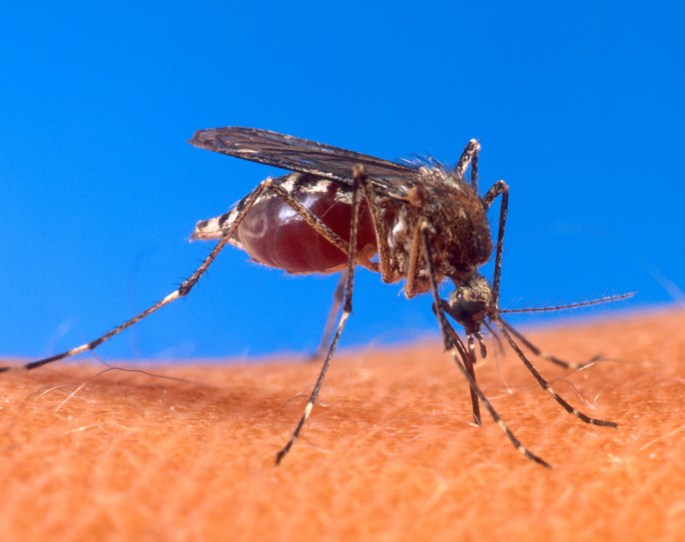
Mosquitos are responsible for a chickungunya fever outbreak in the Caribbean several hundred miles off the United States coastline. That outbreak is an addition to the expanding role arthropods play in the spread of illness.

Many arthropods are erroneously classified as insects. While mosquitos, lice, and fleas are indeed insects with six legs, ticks have eight legs and are technically arachnids. The term arthropod is an overarching classification encompassing mosquitos, fleas, and ticks – all common disease vectors. Insects are arthropods, but not all arthropods are insects.

Arthropods spread several of the world’s most significant diseases. Notable among them are Lyme disease, typhus, yellow fever, Japanese encephalitis, West Nile virus, and, most significantly, malaria. Of the 45 select agents designated by the U.S. Department of Health and Human Services, 12 are transmitted by arthropods.

Diseases spread by arthropods have influenced some of the greatest conflicts in history. More French soldiers are suspected to have died from louse-borne typhus than actual combat during Napoleon’s ill-fated 1812 invasion of Russia. Staggering mortality among the French army forced Napoleon to renounce Moscow and retreat back to France. During WWII, mosquito-borne malaria was a serious health threat to U.S troops throughout campaigns in the South Pacific.

Several tick-borne bacterial illnesses have been endemic to North America since antiquity, including Lyme disease and Rocky Mountain spotted fever. In recent years, mosquito-borne viruses have made their way across U.S. borders. The introduction of West Nile virus in 1999 and a 2005 dengue hemorrhagic fever outbreak in Texas have solidified emerging and foreign arthropod-borne diseases as threats to U.S. public health.

Arthropods can also serve to carry out bioterrorism. Terrorists could utilize arthropods to execute clandestine bioterror attacks through exploitation of feeding behavior. Inoculation of arthropods with the desired agent and subsequent release into unsuspecting populations could spread illness during, or shortly after, blood meals. Although possible, that scenario is unlikely due to the difficulty associated with production and maintenance of pathogen-inoculated arthropods.

A more likely bioterrorism scenario involves malevolent forces utilizing more passive means of compromising U.S. health. North America has many indigenous mosquito species – several of which can spread pathogens found in other parts of the world, such as Rift Valley Fever in Africa. Introduction of any disease capable of spread and maintenance by indigenous arthropods is a significant public health threat. Some unsubstantiated theories suggest West Nile virus was intentionally introduced to the U.S. in this way. Possibilities of an arthropod-facilitated attack has placed a heavy burden on keeping undesirable pathogens out of the country.

There are steps everyone can take to reduce their risk of arthropod-borne diseases. Mosquito control methods, such as elimination of outdoor untreated stagnant water sources, should be practiced regularly. Also, mosquito repellent, in addition to long-sleeved shirts and pants covering the ankles, should be worn whenever going outdoors.

Similar measures can be taken to prevent tick bites – wear repellent, tuck pants into socks or boots, shower after returning indoors, and perform tick checks daily.