The Islamic State: Past is Prologue

By Erik Goepner

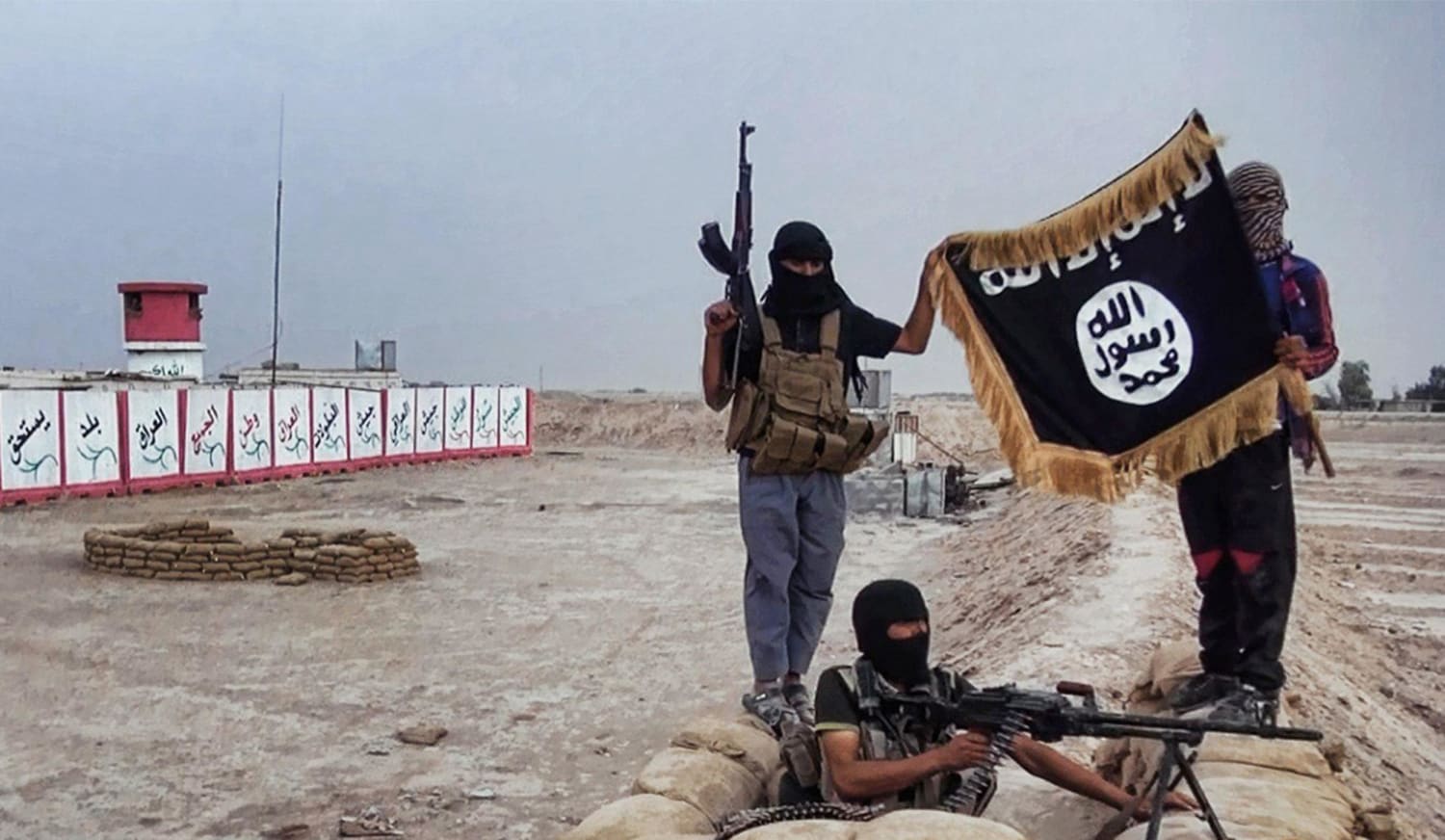
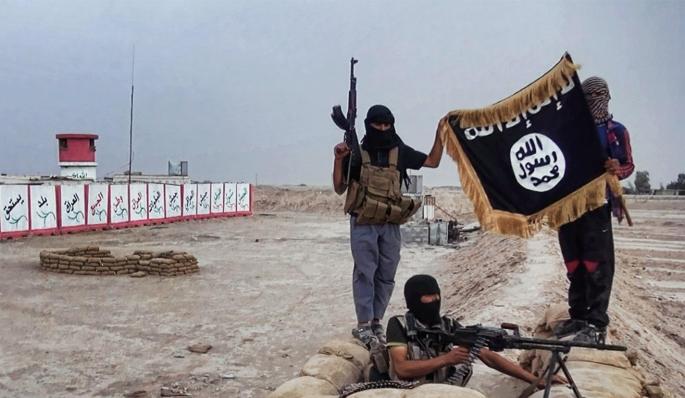
Current estimates of IS’ fighting strength range from 20,000-31,500—up significantly from previous estimates of 10,000. They control a swath of Syria and Iraq that roughly equates to the size of Great Britain.   And now, they are putting together a governance structure to facilitate the running of their nascent “caliphate.” Potentially, their goals may be as grand(iose) as enveloping the world within their so-called caliphate.

The United States’ strategy to counter the Islamic State, as well as the strategies of other nations and international organizations (e.g., the United Nations), continues to evolve. For America’s part, President Obama recently stated that America’s goal is to “degrade and ultimately destroy ISIL.” The strategy to achieve this goal will include a “comprehensive and sustained counterterrorism” component, ostensibly led by America and involving a broad coalition.

This goal, and the strategy to achieve it, sounds eerily familiar. In 2009, President Obama’s goal in Afghanistan and Pakistan was to disrupt, dismantle and defeat al Qaeda. In 2003, President Bush’s goal was to succeed in Iraq—“the central front” in the war on terror—by “destroying the terrorists” (as the first of three objectives he had in Iraq). And, shortly after the attacks of 9/11, President Bush’s stated objective was to destroy and defeat the global terror network.

As for strategy, is it possible that the recently announced “comprehensive and sustained counterterrorism strategy” is not that new? For the past thirteen years, America has been executing what seemed to be a comprehensive counterterrorism strategy, at least in terms of where it was employed (e.g., Iraq, the Horn of Africa, Afghanistan, the Philippines, Pakistan), how it was employed (i.e., all elements of national power, such as diplomatic, economic & military), and with whom it was employed (40+ nations in the “coalition of the willing”). And after thirteen years, the strategy is nothing if not “sustained.”

While the strength of the individual terrorist groups ebb and flow, a primitive measurement of IS’ current power suggests the aggregate Islamist terror potential may be higher now than at any time since 9/11. Al Qaeda’s 500-1,000 “A-list operatives” around the time of 9/11 seem to pale in comparison to IS’ 20,000+ fighters.

The post-9/11 “coalition of the willing” has evolved into today’s broad coalition. Speeches from America’s political leaders suggest this cannot be, primarily, a U.S. effort. Yet for the past thirteen years it has been just that: America’s young men and women going into harm’s way and bearing the costs. It is difficult to see how that will change now.

The past thirteen years suggest we may have set our sights on the wrong goal. On the one hand, chances are high we will fall short in achieving this objective, just as we have in defeating the “global terror network.” On the other hand, we might achieve the tactical victory at a particular space and time (i.e., defeat IS in Iraq and Syria in the near-term), but at the expense of unwittingly creating the conditions that usher forth a more severe future threat. Then, again, now could be different, and the past is simply the past.

Image Credit: NBC News
Dr. Gregory Koblentz on Background Briefing with Ian Masters

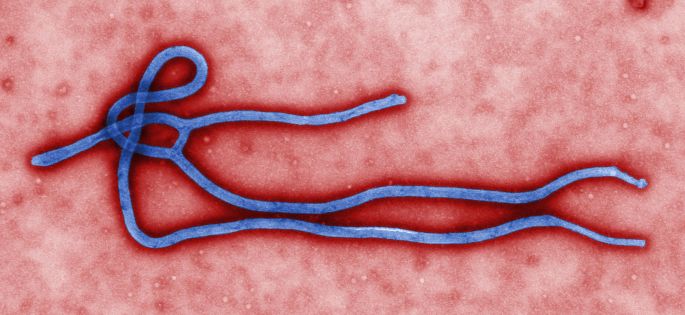
KoblentzLast week, Dr. Gregory Koblentz, Deputy Directory of the GMU Biodefense Program was interviewed on Background Briefing with Ian Masters to discuss the ongoing Ebola outbreak in West Africa. He covers the role of the Pentagon in combating the disease in Liberia and the virulence of Ebola that was weaponized as a biological weapon in the former Soviet Union.

You can listen to the interview here.

Ailments and Age Groups: What Makes Illness Age Dependent?

By Chris Healey

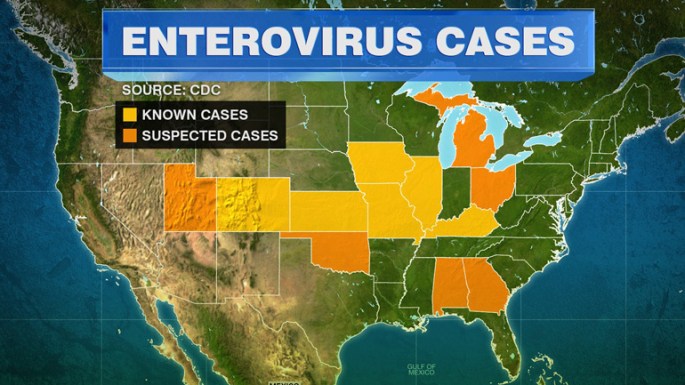
An uncommon and underreported virus has affected children in states across America. State health departments around the country have reported an unusual number of enterovirus D68 infections this season. Many hospitalizations – but no deaths – have been reported.

Enterovirus D68 was first isolated in California in 1962 from four children with pneumonia. Enteroviruses generally inflict a wide range of symptoms, but species D68 almost exclusively affects the respiratory system. D68 also shares genetic similarity with rhinoviruses—the viral species responsible for the common cold.

Past outbreaks of enterovirus D68 have occurred mostly in children. Although health experts aren’t sure why children are vulnerable to the illness relative to other age groups, the answer probably lies with the immune system. Age effects immune function. In prepubescence, the immune system is immature and naïve toward host threats. In old age, deterioration of essential immune system tissues – such as bone marrow – contribute to immune system decline.

Due to dampened immunity in childhood and late adulthood, illness is more common – and more often fatal. However, one historical exception stands out: the Spanish Flu of 1918.

Flu subtypes undergo antigenic drift, a process resulting in subtle genetic changes prompting the need for new flu vaccines each year. However, the Spanish Flu of 1918 was a result of dramatic genetic change called antigenic shift. The result was a new subtype to which the population had no immunity.

Many health experts consider the Spanish Flu of 1918 the worst pandemic in history – with at least 40 million deaths worldwide. By comparison, the Black Death was responsible for 25 million deaths. The Spanish Flu pandemic was caused by a direct transmission of influenza subtype H1N1 from bird to human.

The Spanish Flu of 1918 was unique because of its W-shaped mortality curve. When Spanish Flu mortality among age groups are plotted on an x-y axis – with x as age groups and y as specific death rate – the graph shows there were more deaths among the 18-to-40-age group than any other. That trend is unusual – 18-to-40 age groups typically have the highest immune function of all age groups, providing the greatest defense against pathogens.
For the Spanish Flu, the immune system actually worked against the host. The immune system reacted so violently to the novel Spanish Flu that it damaged the host more than the flu infection itself, leaving those with the strongest immune systems – ages 18-to-40 – most grievously affected.


Image Credit: Fox6Now

Reston Ebola: NOVA’s Namesake Emerging Infectious Disease

By Chris Healey

Almost 25 years before the 2014 Ebola epidemic began spreading through West Africa – and the resulting treatment of two American Ebola patients on U.S. soil – public health officials responded to an Ebola outbreak inside the U.S.

Reston Ebola is the name given to an Ebola species discovered among macaque monkeys in a pharmaceutical research company’s primate quarantine unit in Reston, VA.

In 1989, a veterinarian at Hazelton Research Products, a pharmaceutical research company, contacted the United States Army Institute of Infectious Diseases at Fort Detrick, MD, concerning an unusually high mortality rate among macaques in a shipment from the Philippines. The veterinarian wanted USAMRIID to confirm suspected simian hemorrhagic fever, a viral illness lethal to primates but innocuous to humans. Tests on macaque carcasses unexpectedly showed signs of a deadly filovirus infection – Ebola hemorrhagic fever virus.

Initially, Ebola species Zaire – with mortality rates as high as 90%, and the cause of the 2014 African Ebola epidemic – was implicated as the agent at work. Faced with an unprecedented public health threat, state and federal health agencies converged on the primate quarantine facility in Reston. The Centers for Disease Control and Prevention monitored quarantine facility employees for Ebola symptoms. USAMRIID euthanized primates and sterilized the quarantine facility.

Comprehensive tests later identified the Zaire species identification as an error – Reston Ebola was a new species incapable of infecting humans. However, the enormous public health response was not unwarranted.

Unlike other Ebola species, researchers suspected Reston Ebola demonstrated airborne transmission at the quarantine facility. The longer the virus remained in human presence, the longer it was given opportunities to adapt. If Reston Ebola were to adapt to humans with airborne communicability it would pose a catastrophic public health risk.

Although no quarantine facility employees demonstrated Ebola-like symptoms during the 1989 outbreak, six workers produced Reston Ebola antibodies, meaning the virus elicited an immune response. Reston Ebola’s quick eradication was paramount to ensure that the virus—with its suspected airborne communicability—did not adapt to humans.

Restriction of the 2014 African Ebola epidemic to only a few countries has been attributed to the limited means of Ebola virus transmission. All Ebola species which affect humans are communicable only through direct contact with an infected person or their bodily fluids. Airborne transmission would increase viral spread and undermine containment efforts.


Image Credit

Tuberculosis and Seals: Sea Mammals as Harbingers of Disease

By Chris Healey

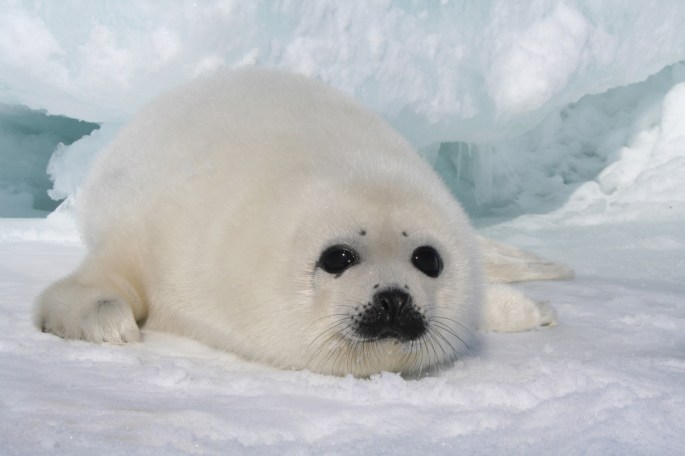
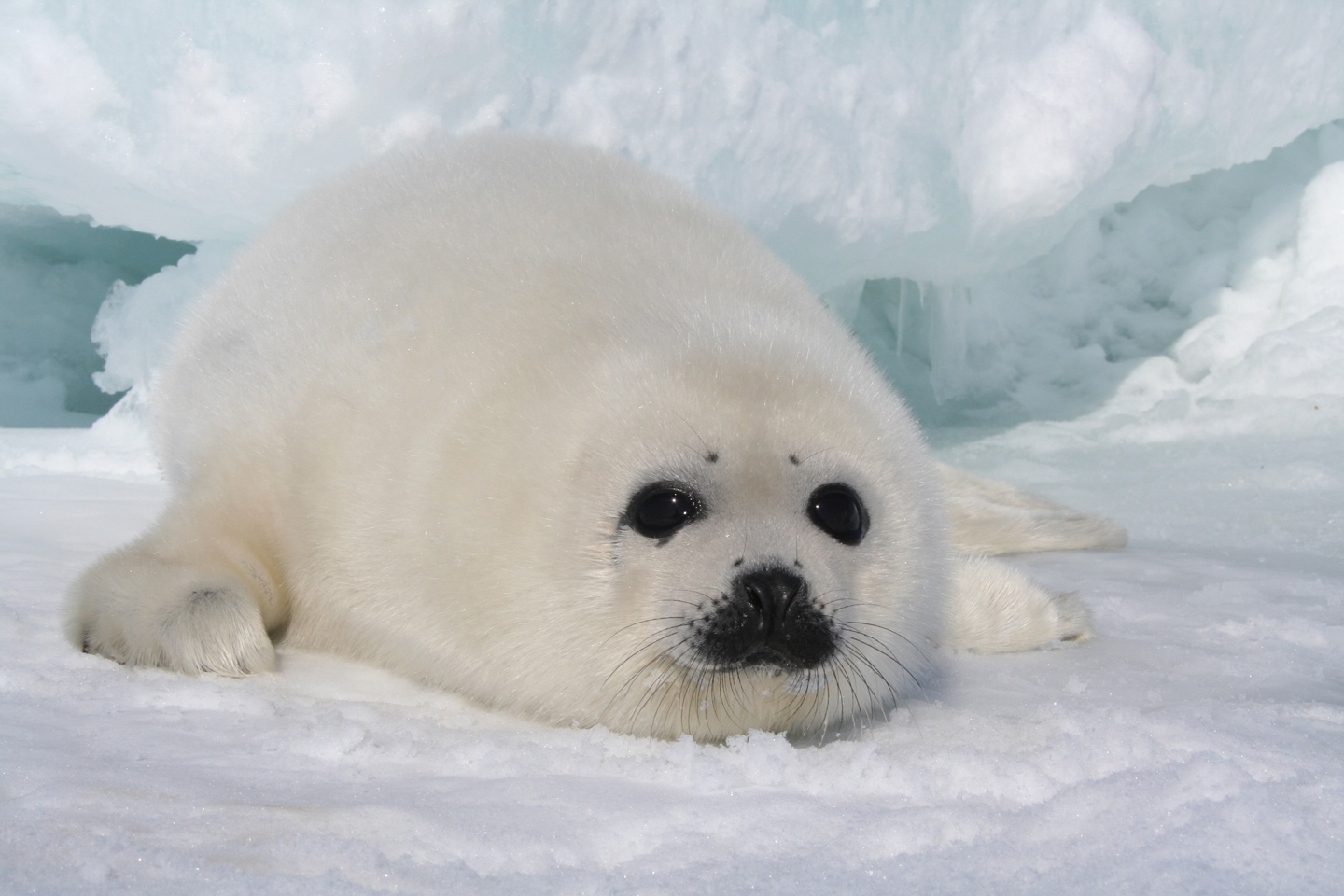
Seals introduced one of the deadliest illnesses in history to the Western Hemisphere centuries before Europeans carried it over. Researchers at the University of Tubingen in Germany published findings in the research journal Nature describing the role seals played in introducing tuberculosis to the Americas.

Before these findings, the presence of tuberculosis in North and South America prior to European exploration was unexplained. Tuberculosis spread across Africa, Europe, and Asia, but there was no evidence demonstrating tuberculosis concurrently existed in the Americas. The bacteria made its first appearance in Peruvian skeletal remains dating back to approximately A.D. 700 – centuries before the arrival of European explorers.

Research findings indicate approximately 2500 years ago, seals contracted a Mycobacterium strain from Africa and carried it across the ocean to the shores of Peru and Northern Chile. Possibly through seal predation, costal humans contracted a version of the seal Mycobacterium which had adapted to humans. Tuberculosis has been found in skeletal remains in North America dating back to approximately A.D. 900, indicating the seal-derived strain spread person-to-person from South America.

One limitation of this study was the inability to rule out humans passing the agent to seals. The researchers deemed that alternative a distant possibility; humans did not treat seals as livestock. A close relationship, such as between farmer and animal, is required to pass a pathogen from human to animal.

The seal-derived strain did not last long in the Western Hemisphere. Following European settlement, European tuberculosis strains outcompeted and eliminated those from seals. Today, viable seal-derived strains do not exist.


Tuberculosis is a condition caused by Mycobacterium tuberculosis, a slow-growing bacterium adept at evading host immune response. The illness is one of the greatest threats to public health worldwide. According to the World Health Organization, tuberculosis kills more people than any other infectious agent except HIV/AIDS.

Despite advancements in therapeutic techniques, there has been a resurgence of tuberculosis fueled by the emergence of HIV/AIDS in the late 20th century. As an opportunistic pathogen, tuberculosis kills more AIDS patients than any other illness.

Tuberculosis is not the first human illness associated with seals. They are susceptible to certain subtypes of influenza, including H7N7, H4N5, and H3N2. Influenza subtypes maintained in seal populations could be re-assorted in other animals, such as fowl or swine, to produce subtypes which are highly virulent in humans.


Image Credit

Plants and Their Growing Role in the Pharmaceutical Industry

By Chris Healey

Pharmaceutical production using plants has been in the spotlight after Mapp Pharmaceutical revealed its experimental Ebola serum ZMapp—credited with saving the lives of two Americans—was created using antibodies harvested from genetically-modified tobacco plants.

ZMapp is part of a growing trend of pharmaceuticals created from proteins produced in plants, a practice considered safer, cheaper, and more practical than common production methods.

There has been outcry about claims ZMapp will not be sent to Africa to combat the ongoing Ebola epidemic. Those claims come after the pharmaceutical industry has been slow to adopt plant production methods, despite cost-effectiveness relative to traditional production methods.

Large pharmaceutical powerhouses, such as Pfizer and Merck, have adhered to traditional production methods despite newer and cheaper techniques. However, smaller companies, such as Mapp Pharmaceutical and IBio, have taken advantage of the low cost of plant production to produce their pharmaceutical ingredients.

Transgenic techniques allow scientists to hijack existing cellular processes in plants to produce desired proteins, such as enzymes and antibodies. DNA instructions for a desired protein (also called a gene) can be created in laboratory settings and inserted into a plant cell nucleus. After insertion, the gene instructs the cells how to make the desired proteins.

Once the proteins are produced, scientists can harvest them for use in pharmaceuticals. Transgenic techniques can be repeated and scaled to fit need. There are two methods commonly used to insert genes into plants.

One widely-used transgenic technique involves Agrobacterium tumefaciens bacteria as a gene transportation medium. Scientists introduce a gene into bacteria prior to plant inoculation. Bacteria then release desired DNA into plant cell nuclei and gene expression proceeds normally.

An alternative method, called biolistic transformation, involves the use of a gene gun to launch desired genes at clusters of plant cells. Some of the clusters will land inside cell nuclei, where the introduced DNA will integrate with the plant’s genome for expression.

Regardless of technique, using plants to create proteins eliminates the threat of human pathogen contamination which is possible with animal-derived mediums. Plants and animals do not share common pathogens, so a potential infection present at the time of harvesting will have no effect on protein recipients.


Image Credit: HPR2

Mason Researchers Looking for Fresh Answers in a Medieval Disease

George Mason University’s National Center for Biodefense and Infectious Diseases has been researching the causative agent of plague–Yersinia pestis.


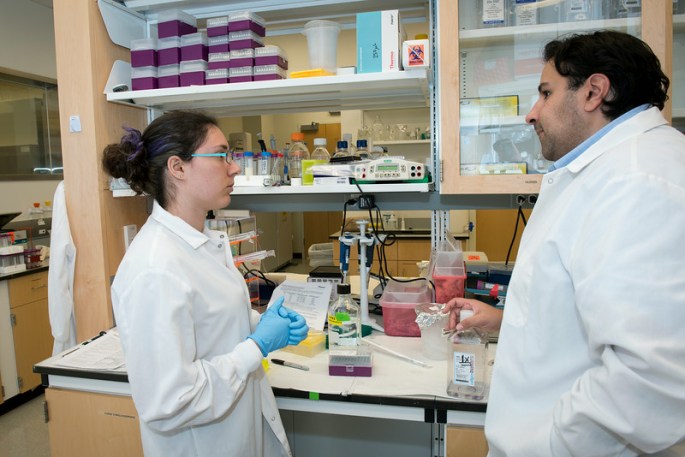
George Mason University professor Ramin M. Hakami is searching for new ways to treat modern ailments by studying bacterial and viral biodefense agents, including the medieval disease notoriously known as the Black Death.

Along the way, he’s also coaching the next generation of researchers. The two endeavors are equally critical, says Hakami, who knows firsthand how crucial mentoring can be to young researchers from when he himself was a student earning his doctorate in biochemistry in the laboratory of the Nobel Laureate Professor Har Gobind Khorana at the Massachusetts Institute of Technology (MIT).

Read the full article here.


Image credit: George Mason University

Ebola’s “Top-Secret” Serum: What Is It? Why Would It Be Kept Secret?

By Chris Healey

The deadliest and most pervasive Ebola outbreak in history is underway in Africa. As of August 8, the World Health Organization reported 1134 confirmed cases of Ebola in Guinea, Liberia, Nigeria, and Sierra Leone with 622 confirmed deaths.

Two Americans, Kent Brantly and Nancy Writebol, contracted Ebola while helping contain the epidemic in Africa. Both were flown to isolation units in Atlanta’s Emory University Hospital after receiving an experimental treatment called ZMapp. Brantly and Writebol’s condition is reportedly improving because of the drug.

ZMapp is the experimental brainchild of several pharmaceutical companies and their collaboration with the U.S. and Canadian governments. It is a combination of three antibodies determined to be the best components of two experimental Ebola treatments: MB-003 and ZMAb.

MB-003 is composed of a monoclonal antibody and an immune system stimulant. The monoclonal antibody binds to Ebola virus surface proteins to form a structure easily recognized as a threat by the host’s immune system. Mimicry allows the immune system stimulant to produce an inflammation-like response without causing tissue damage, serving to amplify immune response without damaging the host.

ZMAb, a combination of mouse-derived antibodies, inactivates Ebola virus surface proteins necessary for host cell entry. If Ebola virus cannot enter a host cell, it cannot cause illness. For higher efficacy, ZMAb antibodies target different parts of the surface proteins, making viral adaptation to the antibodies difficult.

ZMapp attracted much attention because it was used without being tested. Mapp Biopharmaceutical was preparing to enter Phase 1 clinical trials prior to the Ebola outbreak. Use of ZMapp in lieu of clinical trials is permitted by FDA regulations allowing drugs currently, or not at all, involved in clinical trials to be used in extenuating circumstances where no other pharmaceutical is appropriate.

ZMapp is not the first untested pharmaceutical to be used against Ebola in humans. In 2009, a researcher in Germany accidently exposed herself to Ebola virus when she pricked herself with an ebola-contaminated needle during a laboratory experiment. Within 48 hours, she was given an experimental Ebola vaccine never before used in humans. After 21 days, physicians prepared to discharge her from a Hamburg, Germany hospital because she had not developed any symptoms.

It is unclear if the vaccine prevented illness, or if the needle stick simply didn’t infect her with Ebola. Regardless, she produced Ebola virus antibodies after vaccine administration, indicating the vaccine produced an immune response.

When use of ZMapp was first reported, it was hailed in stories circulated by CNN as a “secret” and “top-secret” serum. However, current versions of the story now portray the serum as an “experimental drug.” It is unclear if the original reports of the serum’s secrecy were in error.

However, development of secret therapeutics is not farfetched. Classified treatments could conceivably serve national security interests.

State-sponsored bioweapon programs, for example, could use knowledge of existing therapeutics, such as those kept in the strategic national stockpile, to engineer biological agents resistant to available therapeutics. Such a tactic would cripple U.S. public health response to any weaponized agent. If ZMapp truly was classified, the U.S. may have been protecting the drug’s therapeutic mechanisms from those who would seek to overcome them.

Although withholding treatments would benefit the U.S., it raises ethical concerns. Some could argue treatment sequestration provides little benefit outside the U.S. A novel, effective treatment withheld in preparation for an attack –that may never occur– could be used in the present to treat the sick.

The merits of transparency must be weighed against interests of national security. For ZMapp, if it was classified, two American candidates for the drug were enough to bring it into the public domain.


Image Credit: International Business Times

Dual-use research as a wicked problem

Biodefense Professor Dr. Gregory Koblentz, of the George Mason School of Policy, Government and International Affairs, has published an article which appears in a special edition of Frontiers in Public Health. An excerpt of the article is available below with a link to the full article.

The challenge of dual-use research in the life sciences emerged vividly in 2011 as scientists and policy-makers debated what to do about article manuscripts that described how to modify the H5N1 avian influenza virus so that it could spread between mammals (1, 2). Since H5N1 emerged in Southeast Asia in 2003, it has sickened 667 people and caused 393 human deaths, as well as the deaths of millions of domestic and wild birds (3). The virus has not, however, demonstrated the ability to engage in sustained human-to-human transmission. If a new strain of H5N1 emerged with that capability, and it retained a high level of virulence, it could cause a global pandemic. The experiments by Yoshihiro Kawaoka from the University of Wisconsin-Madison and Ron Fouchier from Erasmus Medical Center in the Netherlands not only demonstrated that mammalian transmission of the virus was possible but also provided information on how to construct such a virus.

Read the entire article here.

Biocrime: Lessons Learned Contribute to Future Cases

By Chris Healey

Three individuals associated with Peanut Corp. of America are going to court over charges  related to intentionally shipping tainted peanuts. Those charges come after nine people died and 714 people were infected with Salmonella typhimurium after consuming peanut products shipped from the company.

Most cases of food contamination are not prosecuted, but the Justice Department alleges the individuals involved knew the peanuts were tainted and shipped their product anyway to avoid lost revenue.

Their case is considered a biocrime, a distinct offense unrelated to a more common term – bioterrorism. Biocrime involves the use of a biological agent to kill or sicken one or more individuals for revenge or monetary gain. Bioterrorism, however, is the use of biological agents to create casualties, terror, societal disruption, or economic loss inspired by ideological, religious or political beliefs. Biocrime is personal; bioterrorism is theater.


A notable, unsolved biocrime took place October 1996 at a large medical center in Texas. 12 laboratory workers became ill after eating muffins and doughnuts tainted with Shigella dysenteriae, which has been anonymously left in a break room between the night and morning shift. All 12 had consumed muffins, and stool isolates from nine of the victims were identical to Shigella dysenteriae retrieved from an uneaten muffin in the break room. Bacterial isolates from stool samples and the uneaten muffin were identical to a partially-missing laboratory stockpile of the same pathogen.

Biocrime is an attractive avenue for criminals with biological agent knowhow. Toxins and pathogens are indirect and stealthy. Pathogens must pass an incubation period—the time between introduction of the pathogen into the body and the onset of symptoms. During that time, criminals can escape and distance themselves from victims to avoid discovery.

Determining if an infection is the result of biocrime is extremely difficult. Many agents which can be used criminally, can also occur naturally. Biocrime identification depends on astute epidemiologic investigation and successful communication between scientific and law enforcement officials.

The advent of molecular biology in the late 20th century birthed the field of microbial forensics—assisting criminal investigations involving microbial organisms. However, it wasn’t until the anthrax letter attacks of 2001 that investigative short comings, such as inadequate methods of identifying agent sources based on genetic mutations, were addressed.

The anthrax letter attack investigation was a turning point in microbial forensics. It served as a proverbial rough draft that established a template for future biocrime and bioterrorism investigations. The justice system demonstrated it could wield biological science as an investigative tool and apply that knowledge toward identifying and prosecuting perpetrators.


Image Credit: Bhaskaranaidu