Syria and Chemical Weapons: Unfinished Business

Syrians go to the polls today for a presidential “election” in the midst of a civil war that has killed an estimated 150,000 people, displaced 6 million internally, and generated 3 million refugees. President Bashar al-Assad, who has ruled Syria since 2000, is expected to win handily over the two virtually unknown candidates running against him. The election is not expected to contribute to an end to the violence in Syria, but might actually make the fighting worse as the government and the rebels both dig in their heels. Oddly enough, the only winner on election night (aside from Assad himself) might be the international effort to eliminate Syria’s chemical weapons. Syria’s remaining chemical weapons have been held hostage for the last month by Syrian domestic politics. Once Assad is re-elected for his third seven-year term, he may feel secure enough to implement the final stages of Syria’s chemical disarmament.

Since announcing its intent on April 21 to hold presidential elections, Syria has largely suspended its efforts to implement a plan brokered by the United States and Russian and overseen by the Organization for the Prohibition of Chemical Weapons (OPCW), the international organization charged with implementing the Chemical Weapons Convention (CWC), to get rid of its chemical weapons. Under the plan, Syria agreed to either destroy or transfer to international custody its stockpile of 1,300 tons of chemical warfare agents and precursors. Since January, Syria has been slowly shipping chemicals to the port of Latakia where they are loaded onto Norwegian and Danish ships for eventual transport to destruction sites in Europe and a US ship equipped with a sophisticated chemical destruction system.

The deadline for Syria to remove the last of its chemicals expired on April 27 with 8% of its stockpile, approximately 100 tons of nerve agent precursors and other chemicals, still inside of the country. The most recent shipment of chemicals out of Syria occurred on April 24. The remaining chemicals are believed to be located at a military airbase east of Damascus in an area that has been the scene of heavy fighting lately between the government and rebel forces. On April 28, the Syrian government informed the OPCW that it was no longer able to access this last chemical weapon storage facility by road due to the fighting. That same day, President Assad announced that he was entering the presidential race and the campaign swung into high gear in areas loyal to the regime.

Although the outcome of the election is not in doubt, the government has used the past month and a half to bolster its support among groups in the country that remain loyal to the regime. What matters to Assad is not how “free and fair” the international community views the election, but how effectively it consolidates his power and reinforces his legitimacy among the elites and masses who make up his base. The regime will no doubt manipulate the results of the election to try to send a signal to the opposition that Assad’s hold on power remains strong and that he retains the ability to prosecute his war against so-called “terrorists” with unrelenting vigor.

So why do I think the Syrian presidential election will affect the level of Syria’s cooperation with the OPCW? If Syria shipped the last 100 tons of its chemicals out of the country during the middle of the election, it would have provided the United States and its allies with a much-needed victory to trumpet. Given the sad lack of progress on any other aspect of the Syrian conflict, the United States and its allies would have trumpeted this achievement quite loudly. At the same time, this milestone in the elimination of Syria’s chemical weapons would have reminded Syrians that they were forfeiting a major pillar of their national security and that Assad agreed to the deal out of fear of American airstrikes. All of this risked undermining the narrative that the regime has been trying to cultivate that Assad is the only leader strong enough to keep Syria together, fight the “terrorists,”  and resist foreign intervention. Even dictators understand the importance of “staying on message” during an election, no matter how rigged it is. Once the election is over, the United States and its allies need to increase the pressure on Syria to complete the unfinished business of destroying its chemical weapons program.

Arthropods, Pathogens, and Bioterrorism

By Chris Healey

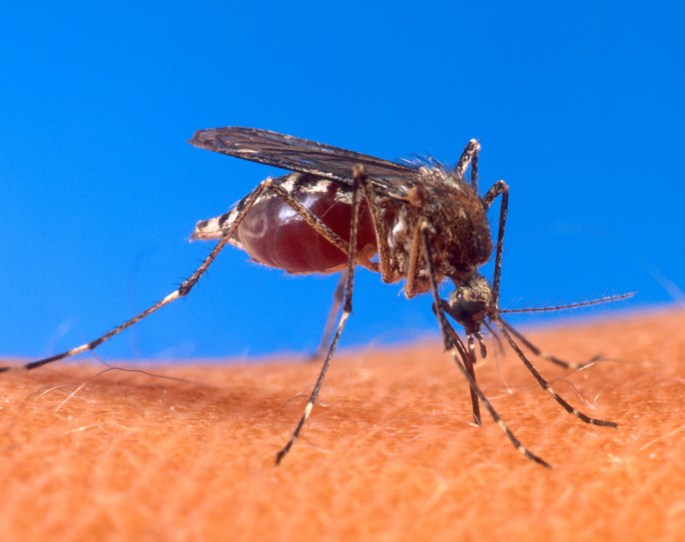
Mosquitos are responsible for a chickungunya fever outbreak in the Caribbean several hundred miles off the United States coastline. That outbreak is an addition to the expanding role arthropods play in the spread of illness.

Many arthropods are erroneously classified as insects. While mosquitos, lice, and fleas are indeed insects with six legs, ticks have eight legs and are technically arachnids. The term arthropod is an overarching classification encompassing mosquitos, fleas, and ticks – all common disease vectors. Insects are arthropods, but not all arthropods are insects.

Arthropods spread several of the world’s most significant diseases. Notable among them are Lyme disease, typhus, yellow fever, Japanese encephalitis, West Nile virus, and, most significantly, malaria. Of the 45 select agents designated by the U.S. Department of Health and Human Services, 12 are transmitted by arthropods.

Diseases spread by arthropods have influenced some of the greatest conflicts in history. More French soldiers are suspected to have died from louse-borne typhus than actual combat during Napoleon’s ill-fated 1812 invasion of Russia. Staggering mortality among the French army forced Napoleon to renounce Moscow and retreat back to France. During WWII, mosquito-borne malaria was a serious health threat to U.S troops throughout campaigns in the South Pacific.

Several tick-borne bacterial illnesses have been endemic to North America since antiquity, including Lyme disease and Rocky Mountain spotted fever. In recent years, mosquito-borne viruses have made their way across U.S. borders. The introduction of West Nile virus in 1999 and a 2005 dengue hemorrhagic fever outbreak in Texas have solidified emerging and foreign arthropod-borne diseases as threats to U.S. public health.

Arthropods can also serve to carry out bioterrorism. Terrorists could utilize arthropods to execute clandestine bioterror attacks through exploitation of feeding behavior. Inoculation of arthropods with the desired agent and subsequent release into unsuspecting populations could spread illness during, or shortly after, blood meals. Although possible, that scenario is unlikely due to the difficulty associated with production and maintenance of pathogen-inoculated arthropods.

A more likely bioterrorism scenario involves malevolent forces utilizing more passive means of compromising U.S. health. North America has many indigenous mosquito species – several of which can spread pathogens found in other parts of the world, such as Rift Valley Fever in Africa. Introduction of any disease capable of spread and maintenance by indigenous arthropods is a significant public health threat. Some unsubstantiated theories suggest West Nile virus was intentionally introduced to the U.S. in this way. Possibilities of an arthropod-facilitated attack has placed a heavy burden on keeping undesirable pathogens out of the country.

There are steps everyone can take to reduce their risk of arthropod-borne diseases. Mosquito control methods, such as elimination of outdoor untreated stagnant water sources, should be practiced regularly. Also, mosquito repellent, in addition to long-sleeved shirts and pants covering the ankles, should be worn whenever going outdoors.

Similar measures can be taken to prevent tick bites – wear repellent, tuck pants into socks or boots, shower after returning indoors, and perform tick checks daily.

Finding Its Niche in Biodefense: Bioprinting

By Alena M. James

Three-Dimensional printing has become a major controversial topic in the new age technology sector for the past few years now. Earlier this month, Yoshitomo Imura was arrested in Kawaski, Japan after using his 3-D printer to build five guns; two of which held the capability to fire bullets. This is an example of the potential dangers of 3-D printing. In April, a private company working in Shanghai used 3-D printers to print 10 full-sized houses in approximately 24 hours. This demonstrates the technology’s potential utility in building development. The benefits and risks of 3-D printing continue to be illustrated via innovators, but there has not yet been a clear consensus on the accepted utility of this advancing technology.

However, on the medical front these machines have proved incredibly advantageous. 3-D printers have advanced the medical field by allowing the creation of artificial limbs for patients, skin grafs for burn victims, and even noses for patients requiring facial reconstruction.  Despite the ambiguity of whether or not 3-D printing induces more harm than good or more good than harm for society, the Defense Threat Reduction Agency (DTRA) has found a significant utility for this rising technology in the biodefense world.

Last week, DTRA announced the new role for 3-D printers in biodefense research. According to DTRA, using 3-D printers in countermeasures research against chemical and biological weapons would allow for scientists to rapidly produce human tissue on which treatments against chemical and biological agents can be tested.

The technique is known as bioprinting—the use of 3-D printers to develop human tissues and organs.  In bioprinting, a specialized 3-D printer is designed to disseminate viable cells that can strategically lay the framework to biofabricate organoids—smaller version of organs. Ears and skin have been the two most common organs that have been developed via this technology.

Studies at Harvard University have helped to pique DTRA’s interest in bioprinting. So far, the Harvard Scientists have successfully developed 3-D organoids that can survive for at least eight days. The length of viability is significant, because it allows more time for testing to be performed on sensitive organisms like bacteria.

If DTRA scientists can test the effectiveness of treatments against biological or chemical weapons on bioprinted human tissue, they maintain the capacity to evaluate these treatments in more accurate human models without harming actual patients. Using biofrabricated systems will also enable DTRA scientists to determine the best countermeasures against these types of weapons without solely relying on animal modeling systems. These types of studies are traditionally condemned due to ethical concerns for the animals and are limited in producing side effects that are associated within the human model.  By using human tissue fabricated from 3-D printers, scientists reduce animal testing trials and gain a more accurate understanding of the effectiveness of the treatments being investigated. The fabrication of organoids may also allow drug testing to occur at a faster pace saving time and money in the research field.

One of the leading companies of this technology is Organovo. The company focuses on developing structurally and functionally accurate human tissue models used in medical research. The process of bioprinting requires several steps to produce the intended tissue or organ type. First, a design of the target tissue must be created. Second, the key architectural and compositional elements of the tissue must be identified. Third, the software must be used to develop a printing protocol.  Fourth, a bioprocess is required to develop the bio-ink for the project. Bio-ink comes from cells involved in the development of the tissue copy. Fifth, the ink gets dispensed from the bioprinter layer-by-layer building the tissue in 3-D.

Although the process outlined above appears simple, bioprinting still requires more investigative studies to truly evaluate its advantages and disadvantages.  However, it is quite exciting to know that the technique is finding a significant role in to the Biodefense realm.


(Image Credit. Image Caption: The scaffolding for two replacement ears printed is shown above. Prior to bioprinting replacement ears were developed from rib cartilage.)

The Epidemiologist: Dark Horse of Public Health

By Chris Healey

Many identify physicians as the preeminent professional in the health field – followed by dentists, physical therapists, pharmacists, and nurses – to name a few. However, one of the most important cogs in the health infrastructure mechanization is publicly obscure, yet works almost exclusively with the public. The epidemiologist is the most important health professional you may never meet.

An epidemiologist is not intentionally obscure. The occupation simply does not require as much face-to-face interaction as other health professionals. Instead, epidemiologists analyze data collected by healthcare providers to discern patterns overlooked on a patient-by-patient basis. That data is often analyzed offsite, away from patients. While physicians are treating the individual, epidemiologists are looking at the big picture.

State and federal regulations require physicians and other health professionals to report pertinent diagnosis and patient information to local health departments. That data is collected and analyzed by regional and district epidemiologists to detect unusual disease instances or patterns in their respective regions and districts. Data from local health departments is collected and further consolidated on the state and federal level by state health departments and the Centers for Disease Control respectively.

Epidemiologists serve as the vanguard in outbreak and bioterrorism detection. A clandestine bioterrorism event will likely be detected first by epidemiologists. For example, while several physicians may treat several different E. coli casesin the same day, they are unlikely to communicate mutual diagnoses among themselves. However, an epidemiologist whom analyzes all E. coli diagnoses that day may be able to discern unusual incidence. A physician can identify a single illness, but epidemiologists identify outbreaks and epidemics.

Incidence and pattern detection is only one function of the typical epidemiologist. Once pathogens of interest are detected, epidemiologists investigate patients to determine how they became infected with the respective agent. While physicians can serve in an investigative capacity, diagnosis and treatment of the patient at hand is often their focus. Epidemiologic investigations typically include patient interviews and environmental sample collection. In instances of foodborne illnesses, those investigations are critical to identify the tainted food and water sources. Product recalls and water treatment advisories are often the result of epidemiologic investigations.

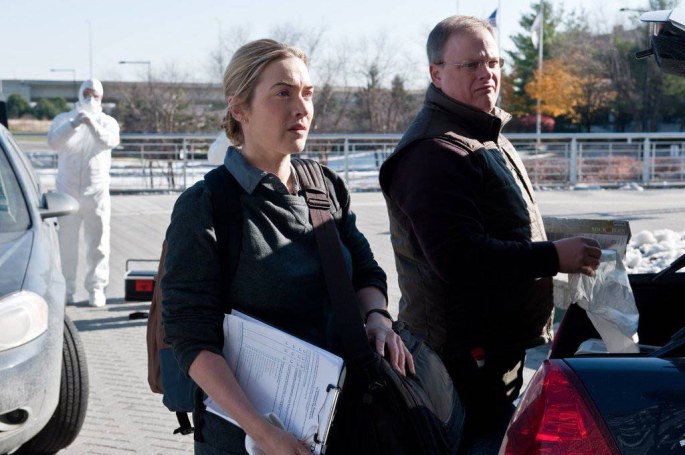
Epidemiologists are often marginalized in popular culture and cinema. They are conflated, and often completely replaced, with physicians. However, the 2011 film Contagion portrayed epidemiologists as discrete health professionals with accurate—though dramatized—job functions.

Epidemiology is a growing field. According to the Bureau of Labor Statistics, epidemiologist employment is projected to grow 10 percent from 2012 to 2022, which is about as fast as the average for all occupations.


(Image Credit: Contagion)

ALERT: MEASLES EXPOSURE IN FAIRFAX COUNTY

Potential Measles Exposures May 11-15

The Virginia Department of Health reports that “out of an abundance of caution, health officials are investigating potential exposures to a second person with measles in the National Capital Region.”

New potential exposure sites and times have been identified that occurred between May 11-15. The locations in Fairfax County include McLean, Herndon, Fairfax, Reston and more. Visit the VDH website for more details.

This new investigation expands the recent one of a measles case in late April in Loudoun and Fairfax Counties. The second case of measles was confirmed in a person who was a close contact of the first case. Regional health officials are mounting a coordinated effort to identify people who may have been exposed to this second case.

After you check the list, please share this information with your family, friends, co-workers and more.


From the Fairfax County Emergency Information blog

(Image Credit: Wikimedia Commons)

Pandora Report 5.16.14

There has been a lot on MERS this week as it continued to spread within the U.S. and Europe. The topic was so big that it was even covered on Buzzfeed (the web aggregator mostly known for quizzes and viral videos.) This made me think, “I wonder what sorts of biodefense topics are covered in traditional, mainstream news sources?” So, in celebration of the end of the Spring 2014 semester, this week I bring you just that!


We’ve got the U.S. Military’s defense plan for Zombies, measles and polio as a possible cancer cure, a photo essay about New York’s lost TB ward, and a doctor’s report from the Ebola fields of West Africa. Congrats to our newest graduates and have a wonderful weekend!

The Pentagon Has a Plan to Stop the Zombie Apocalypse. Seriously.

If you’re worried about the zombie apocalypse like I am (and let’s face it, you probably are since you’re here), here is one less thing to worry about. Like many other contingency plans, the Pentagon has one for dealing with the un-dead. Instead of using fictionalized versions of real countries, this scenario strings together a group of seemingly impossible scenarios that could never be mistaken for a real plan including “vegetarian zombies,” “chicken zombies,” and even (yes, this is not a joke) “evil magic zombies.”

Foreign Policy—“‘This plan fulfills fictional contingency planning guidance tasking for U.S. Strategic Command to develop a comprehensive [plan] to undertake military operations to preserve ‘non-zombie’ humans from the threats posed by a zombie horde,” CONOP 8888’s plan summary reads. “Because zombies pose a threat to all non-zombie human life, [Strategic Command] will be prepared to preserve the sanctity of human life and conduct operations in support of any human population — including traditional adversaries.’”

Can Measles or Polio be the Next Cure for Cancer?

Popular science speaks of viruses as something to be avoided, but what if injecting a person with large amounts of virus could actually cure cancer? That’s what researchers at the Mayo Clinic and Duke University Medical Center did when using measles virus to destroy cancer cells. The results? In very small patient trials the researchers saw significant successes including total remission!

Fox News—“This research is all part of a new medical field of oncolytic virotherapy.  The “proof of concept” studies stem from many years of animal research, analyzing how viruses can penetrate certain types of cancer cells.  A typical cancer cell moves very fast and replicates very rapidly.  Therefore, some viruses have an affinity to get into these cells and use them as incubators, so the viruses can multiply at a fast rate, as well.  But once these viruses are attached, the cancer cells essentially explode and release the virus into the body.”

The Mysterious New York City Island You’ve Never Heard Of

Those who have watched the History Channel’s Life After People or read Alan Weisman’s The World Without Us may find this story especially interesting. Photographer Christopher Payne, became aware of North Brother Island—which lies in the East River—and was allowed by the New York City Department of Parks and Recreation to conduct a photo survey of landscape. Used for a variety of purposes until its abandonment in the 1960s, between the 1880s and the 1930s, North Brother Island was the site of Riverside Hospital, where those suffering from infectious disease were treated in isolation.

Slate—“While Payne knew the island’s story, he often had trouble finding physical evidence of its past. “It was very hard for me to find the artifacts I expected to find. They really just didn’t exist. Most of the time you’re looking at the shell of a building, and it’s so far gone you can’t even tell what it was used for. It forced me to look closer, to see graffiti on the walls or to look on the floor,” he said. “A lot of it was detective work. It was like trying to invent a life for something, trying to find a shot or a view that suggested what it used to be.’”

Windsor Doctor Returns Home after Treating Deadly Ebola Outbreak

As the numbers of infected and deaths continue to rise in the Western Africa Ebola outbreak, one of the stories we haven’t heard often is from physicians working there. In this piece for The Windsor Star, Dr. Tim Jagatic, writes about his experience working for three weeks in Conakry, Guinea, as a member of Doctors without Borders.  He writes about the efforts of Doctors Without Borders and the WHO on stopping the spread of the virus as well as providing care for those infected. When not providing medical care, he reported that doctors would perform triage assessments or perform outreach looking for new patient cases.

The Windsor Star—“Jagatic and his fellow physicians would often encounter resistance to their efforts. “We have to work on demystifying the disease,” said Jagatic.“So many people who were infected with it, they were stigmatized. They were banished from their communities, their families, one thing I was really trying to push is that this is really just a virus, like the measles, like the flu, when you get it you treat it, you go home and you’re done. And you’re just like you were beforehand.’”


Image Credit: Christopher Payne

The Brain-Eating Amoeba and Summertime Activities: What You Need To Know

By Chris Healey

One of the most deadly known organisms on Earth could be lurking in a lake or freshwater source you’ll visit this summer.

Naegleria fowleri is a free-living amoeboflagellate found in warm bodies of water such as ponds, lakes, hot springs, and coastal waters. It is also found in soil, minimally-chlorinated swimming pools, industrial plant water discharge, and water heaters. N. fowleri grows best at temperatures up to 115 degrees Fahrenheit, and survives temperatures in excess of 115 degrees Fahrenheit for a short time.

N. fowleri causes primary amebic meningoencephalitis (PAM), an infection of the central nervous system characterized by brain destruction. The amoeba consumes brain tissue.

PAM occurs when N. fowleri enters the body through the nasal passages, typically when swimming or diving in contaminated freshwater. Once entered through the nose, the amoeba travels to the brain. Early symptoms of PAM are similar to bacterial meningitis and may begin approximately five days after infection.  Initial symptoms include headache, fever, nausea and vomiting. Later, symptoms can include stiff neck, confusion, lack of attention to people and surroundings, loss of balance, seizures, and hallucinations. After onset of initial symptoms, the disease rapidly progresses. Death invariably occurs approximately five days after onset of symptoms.

The fatality rate for an infected person is over 99%. Only 1 out of 128 known infected individuals in the United States between 1962 to 2012 survived infection. In 2011, a 9-year-old child in central Virginia died from the disease.

It is important to note you cannot become infected with N. fowleri by drinking contaminated water. Infection can only occur if ameba-contaminated water enters nasal passageways.

Precautions can be taken to reduce the risk of infection. Avoid swimming in bodies of freshwater during high-water temperatures and low-water levels. Also, refrain from digging in, or stirring up, sediment in shallow areas of freshwater bodies. Those planning on swimming in freshwater lakes should wear a nose plug, hold their nose before diving, or avoid submerging their head. Another effective method is to keep your head above water in freshwater, hot springs, or untreated thermal waters.

A novel infection route involving nasal irrigation was recently reported by the CDC. Those who use a neti-pot, or other nasal irrigation devices, should use discretion when filling their devices.  Water should be boiled for one minute, passed through a 1-micron sized filter, and distilled or sterilized before nasal irrigation use.


(Image Credit:  B A Bowen Photography, c/o Wikimedia Commons)

Image of the Day: MERS CoV!

mers cov orange

MERS CoV is in the mainstream news again (as if it ever went away) as reports of a second case in the U.S. have surfaced, this time, in Florida. An additional case has been diagnosed in the Netherlands as well, continuing the geographic spread of the virus.

The WHO has reiterated that NO cases of MERS have been reported through person-to-person transmission.


Game of Goons: Boko Haram & the War on Educated Girls

By Alena M. James

It has been nearly a month since the terrorist organization known as Boko Haram raided a secondary school located in Chibok—a Local Government Area located in Borno State, Nigeria. During the raid, the terrorist group abducted more than 200 girls and loaded them onto trucks. Many of the girls were tricked into believing the terrorists were soldiers. Some of the girls believed the men to be evil and managed to escape the village by jumping from the trucks to get away. The brave girls who escaped shared their horrific stories with loved ones and authorities who were startled by the event that had transpired.

The majority of the girls involved in the abduction campaign remain missing and social movements are taking place to spread awareness and rally support in efforts to find them. Malala Yousafzai, the young Pakistani girl who was targeted for assassination by the Taliban, spoke out against the abductions referring to the abductees as “her sisters” and condemned Boko Haram for their lack of understanding of Islam saying, “They should go and they should learn Islam, and I think that they should think of these girls as their own sisters. How can one imprison their own sisters and treat them in such a bad way?” Malala has helped to perpetuate the #BringBackOurGirls campaign to speak up for her sisters.

In an unsettling video message acquired by Nigerian authorities, the terrorist group’s leader, Abubaka Shekau, announced he intends to sell the 15-18 year old girls into the human trafficking market coercing the girls into marriages, forcing them into slavery, and having them sexually exploited.  The extremist leader declared, “I abducted a girl at a Western education school and you are disturbed. I said Western education should end. Western education should end. Girls, you should go and get married.”

Several countries have offered their support in the search for the missing girls. France, the United Kingdom, China, and the United States have deployed teams to aid in rescue efforts. Reports have suggested that the girls have been divided into groups and likely carried across Nigeria’s borders into the countries of Chad and Cameroon.

Boko Haram is an Islamic Extremist Group that was founded in 2002. Since then, the terrorist organization has fought against the Nigerian government which they view as advocates for the influence of Western Culture. The U.S. declared Boko Haram a terrorist organization in 2013 based on their suicide attack on a UN building in Abuja, the Nigerian capital, in 2011.


Following is a Terrorist Group profile on the organization.

Ideology

The group firmly adheres to Islam and believes that western influence does not belong in Nigeria.  The organization fights against Western societies and deems Western education as sinful. The group desires to make Nigeria an Islamist State and seeks to impose Sharia Law on the country. They also target “false Muslims.”

Leadership Style

The organization was first led by Mohammed Yusuf, a western educated Nigerian who considered Western Education to corrupt one’s belief in one God.  Analysts have described Yusuf as being both very wealthy and highly educated. Yusuf was killed trying to escape Nigerian police in 2009.  After Yusuf’s death, he was succeed by Abubakr Sheku.  Sheku has been described as a quiet theologian possessing an eidetic memory. He is fluent in the languages of Kanuri, Hausa, Arabic, and English. Reports indicate that Sheku lacks charisma and oratorical skills, but his ruthless actions makes him incredibly dangerous. The US placed a $7 million bounty on Sheku. The leader continually releases recorded video messages taking credit for its terrorist operations in Nigeria.

Demographics

Several reports have announced classified members of the Boko Haram as being individuals stemming from low social economic statuses. The group attracts individuals in need of wealth and is believed to be comprised of men from other countries such as Chad, Somalia, and Sudan.

Monetary Sources

It is unclear from where Boko Haram receives the monetary resources to fund its operations, but reports suggest the group relies on contributions from its members and possibly other Islamic militant groups.

Logistical & Tactical Resources

The group is suspected of having ties to Al Qaeda and to have received training in terrorist tactics such as carrying out explosion operations. The US reported in its 2011 National Strategy for Counterterrorism (page 16) that Boko Haram had ties to Al Qaeda in the Islamic Maghreb (AQIM). However, even Al Qaeda has expressed its opposition to the school girls’ abductions.

Targets

According to START’s Global Terrorism Database, the group has targeted numerous establishments over the years. Businesses, educational institutions, government facilities, military facilities, police stations, bus stations, private citizens, religious figures, and telecommunication establishments, among others. The group has targeted 52 educational facilities and 79 government buildings.

Weapon Types

Also, according to data collected from START’s Global Terrorism Database, the group relies heavily on explosives, firearms, and incendiary devices to carry out its operations. Armed assaults comprise the majority of the organization’s attacks. The database indicates that more than 320 armed assaults and 205 bombing/explosion attacks have been carried out by Boko Haram.


Much of the information collected in the profile above was obtained and summarized from circulating news sources, a report provided by the Anti-Defamation League published in 2012, an exposition provided by The Council on Foreign Relations, and the National Consortium for the Study of Terrorism and Responses to Terrorism’s Global Terrorism Database. Additional sources contributing information can be found via the links provided.


(Image Credit: NBC)

Antibiotic Anomaly: Disparity Between Lawmakers and Health Experts on Antibiotics

By Chris Healey

State lawmakers are working to protect doctors who prescribe antibiotics in excess of recommended guidelines. Those efforts come after the CDC declared antibiotic resistance from antibiotic overuse one of the greatest threats to public health.

The controversy stems from state lawmakers in northeastern states affected by Lyme disease, an amorphous bacterial illness transmitted through tick bites. The Infectious Disease Society of America endorses a four-week antibiotic regimen which they say cures most cases. However, some individuals claim their symptoms persist after the conclusion of antibiotic therapy, a condition called Post Lyme Disease Syndrome.

Individuals reporting Post Lyme Disease Syndrome often harangue doctors for further antibiotic treatment, believing previous treatment was ineffective or inadequate. However, studies on Post Lyme Disease Syndrome indicate persistent infection is unlikely. Instead, lingering perceptions of malaise are likely the result of lasting physiological damage from infection known as sequela. Doctors often resume antibiotic treatment at patient request despite research findings not supportive of continued treatment.

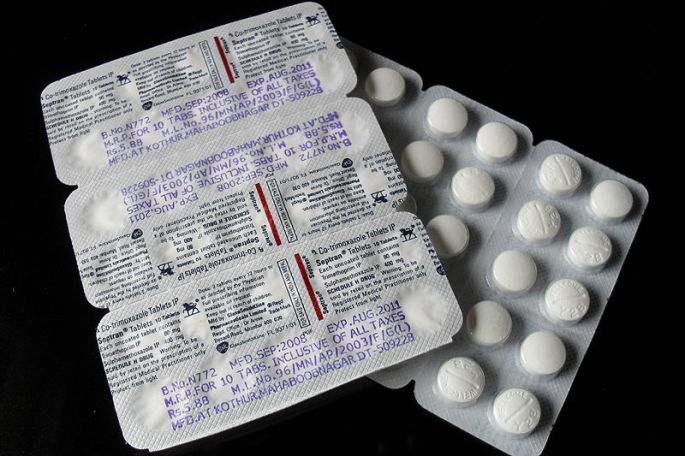
Antibiotics are not harmless therapeutics. They produce negative effects in patients and bacteria alike. Extended antibiotic treatments sometimes lead to severe physiological damage including mitochondrial impairment, aplastic anemia, and Stevens-Johnson syndrome. Unless absolutely necessary, antibiotics should be avoided.

Harm from lengthy antibiotic regimens extend beyond the patient. Prolonged antibiotic exposure allows more opportunity for bacterial selection of respective antibiotic resistance. Bacteria can pass resistance to posterity, complicating treatment in new patients.

A 2013 report released by the CDC served as a call to arms for the medical community concerning the growing threat of antibiotic resistance. The report lists four core actions to stymie resistance. One of the four is improved stewardship – commitment to antibiotic use within established guidelines. The CDC report, and other efforts to increase antibiotic resistance awareness, has placed pressure on health officials to conform to new standards of judicious antibiotic use.

Instead of allowing antibiotic conformity pressure to curb prescriptions, lawmakers have interpreted it as an occupational nuisance in need of remedy. An article in the Wall Street Journal discusses bills in the Vermont and New York state legislature to protect doctors from punishment for over prescribing antibiotics.

There is a clear disconnect between government health officials and state lawmakers. Misguided attempts to protect doctors from antibiotic reform pressures reflect a lack of antibiotic understanding. Health officials must improve efforts to communicate the importance and severity of antibiotic resistance.