Pandora Report 2.5.2016

Fear of mosquitoes continues to grow as Zika virus joins the list of burdening arbovirus infections. Perhaps the biggest surprise this week wasn’t that imported Zika cases continue to spring up across the US, but rather that the first sexually transmitted case occurred in Dallas, Texas. I’m starting to think Dallas, TX, could use a break from emerging infectious diseases… As influenza season picks up in the US, Avian influenza outbreaks are popping up in Taiwan, South Africa, and Macao. Good news- it’s safe to go back to your favorite burrito bowl! The CDC declared the Chipotle-associated E. coli outbreak over, however, their co-CEO has voiced frustration over delayed reporting. In the interview, he felt that it gave the “mistaken impression that people were still getting sick” and news was “fueled by the sort of unusual and even unorthodox way the CDC has chosen to announce cases.” Before we venture down the biodefense rabbit hole, don’t forget to stay healthy and safe this Super Bowl Sunday. Spikes in cases and flu-related deaths (in those >65 years of age) can jump by 18%  in the home regions of the two teams. Take care to avoid respiratory viruses and food-borne issues while cheering on your favorite team this weekend!

Medical Counter Measures for Children
Having worked in pediatrics, I was thrilled to see the American Academy of Pediatrics publish the updated guidelines. Throughout my work in infection prevention and collaborations with hospital emergency preparedness and local county health departments, it became increasingly evident that in many ways, this is a patient population that is easily forgotten. There is a woefully apparent gap in preparedness methodology to recognize and modify practices to meet the unique needs of children. While many may laugh at the notion that “children aren’t just little adults”, those who have worked in pediatrics can attest to these common misconceptions. Children are not only more susceptible to the devastation of disasters and CBRN attacks, the medical counter measures often do not account for pediatric dosages. The published report discussed their work over the past five years to better address and fill major gaps in preparedness efforts when it comes to medical counter measures (MCM) for children. “Moreover, until recently, there has been a relative lack of pediatric MCM development and procurement; many MCMs were initially developed for use by the military and have been evaluated and tested only in adults.” Some of the recommendations that were made from this report include: “the SNS and other federal, state, and local caches should contain MCMs appropriate for children in quantities at least in proportion to the number of children in he intended population for protection by the cache” and “federal agencies collaborating with industry, academia, and other BARDA partners, should research, develop, and procure pediatric MCMs for all public health emergency, disaster, and terrorism scenarios and report on progress made.” Perhaps one of the most interesting recommendations was that “the federal government should proactively identify anticipated uses of MCMs in children during a public health emergency and, where pediatric FDA-approved indications do not exist, establish a plan to collect sufficient data to support the issuance of a pre-event EUA that includes information such as safety and dosing information and the federal government should use existing entities with pediatric SMEs, such as the PHEMCE, PedsOB IPT, and the DHHS National Advisory Committee on Children and Disasters, and continue to collaborate with private sector partners offering pediatric expertise to provide advice and consultation on pediatric MCMs and MCM distribution planning.” Overall, these recommendations and the push for data collection and clear progress reporting are definitely a step in the right direction.

GMU Open House
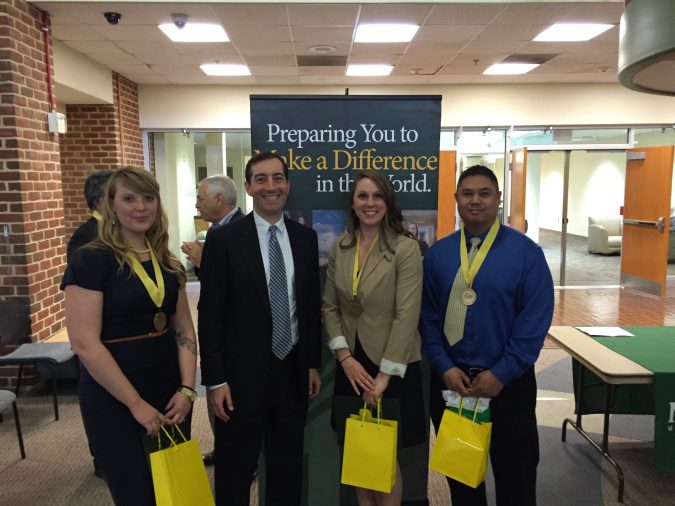
Interested in a master’s degree that allows you to focus on bioweapons, global health security, and WMD’s? Check out GMU’s School of Policy, Government, and International Affairs (SPGIA) Open House on Thursday, February 25th at 6:30pm, at our Arlington Campus in Founders Hall, room 126. Representatives from our Biodefense program will be there to answer all your questions. Better yet, check out our Biodefense Course Sampler on Wednesday, March 2nd, at 7pm (Arlington Campus, Founders Hall, room 502). Dr. Gregory Koblentz,  director of the Biodefense graduate program, will be presenting “Biosecurity as a Wicked Problem”. Come check out our curriculum and get a taste of the amazing topics we get to research!

From Anthrax to Zikam6502e1f
Researchers at the University of Greenwich are finding a potential cancer-fighting strategy using the anthrax toxin. Lead scientist, Dr. Simon Richardson, is working with his team to convert the anthrax toxin into a delivery tool for medications.“This is the first time a disarmed toxin has been used to deliver gene-modulating drugs directly to a specific compartment within the cell. We’ve achieved this without the use of so called helper molecules, such as large positively charged molecules like poly(L-lysine). This is important as while these positively charged molecules, known as polycations, can condense DNA and protect it from attack by enzymes before it reaches the target, they are also known to be toxic, break cell membranes and are sent quickly to the liver to be removed from the body. In this study we demonstrate that using disarmed toxins without a polycation is effective, at a cellular level.” In the world of Zika virus….On Monday, the WHO Zika virus team met and announced that the outbreak should now be considered a public health emergency of international concern. Dr. Margaret Chan, WHO director general, stated, “I am now declaring that the recent cluster of microcephaly and other neurological abnormalities reported in Latin America following a similar cluster in French Polynesia in 2014 constitutes a public health emergency of international concern.” Given the level of uncertainty regarding the disease, many feel this was a justified classification of the outbreak. The first case of sexual transmission within the US also occurred in Dallas, Texas. The patient became sick after having sexual contact with an individual who became symptomatic upon return from Venezuela. Chile and Washington DC have just confirmed their first three cases this week. Mexico’s Health Ministry is trying to downplay the Zika impact on tourism, however as the outbreak unfolds, it will be interesting to see long-term tourism repercussions within the affected countries. The state of Florida is ramping up their mosquito elimination, control, and education efforts to combat the growing epidemic, as it is one of the mosquito-heavy states within the US. Governor Rick Scott recently declared a health emergency in four Florida counties. If you’re on the lookout for educational tools, there are several helpful CDC informational posters regarding mosquito bite prevention.

US Military and the Global Health Security Agenda
In effort to protect military members and support global public health, the DoD (specifically, the Military Health System in coordination with the Defense Health Agency’s Armed Forces Health Surveillance Branch) developed the 2014 Global Health Security Agenda (GHSA). The GHSA established a five-year plan with specific agenda items, targets, and milestones that would incorporate its 31 partner countries. The DoD’s Global Emerging Infections Surveillance and Response System (GEIS) will also support these efforts through their biosurveillance practices in over 70 countries. The international work is as varied as the challenges one might see in global biosurveillance. The Armed Forces Health Surveillance Branch (AFHSB) “leveraged existing febrile and vector-borne infection control efforts in Liberia to support the recent Ebola outbreak response. The Liberian Institute for Biomedical Research served as a central hub for Ebola diagnostic testing with the help of the Naval Medical Research Unit-3 in Cairo, Egypt and two Maryland-based facilities, the Naval Medical Research Center in Silver Spring and the U.S. Army Medical Research Institute of Infectious Diseases in Frederick.” Surveillance efforts will also look at antimicrobial resistance and the development of additional research laboratories to work in coordination with host-nations and certain regional networks. You can also read Cheryl Pellerin’s work on DoD Biosurveillance and the role it plays in maintaining global public health efforts. Pellerin reports on the duties of the GEIS and the US Army Medical Research Institute of Infectious Disease (USAMRIID) in not only global health security, but also protecting US military personnel from infections while abroad.

Norovirus Outbreak in Kansas
There are few things that will make a food-borne disease epidemiologist (or infection preventionist for that matter) as frustrated as a norovirus outbreak. It hits quickly, is highly infectious, and tends to leave you with stories from case-control interviews that will make you either laugh, cry, or need some fresh air. A Kansas City suburb is currently experiencing a 400 person outbreak of gastroenteritis associated with the New Theatre Restaurant. Initial lab reports have confirmed norovirus as the culprit. The Vice President of the restaurant said that three employees have also been confirmed as norovirus cases. To date, the almost 400 people who reported symptoms are said to have eaten at the restaurant between January 15 to present. Norovirus is a pretty unpleasant gastroenteritis (you’ve probably heard it called the “cruise ship bug”) as it has a low infectious dose (estimates put it as low as 18 viral particles, while 5 billion can be shed in each gram of feces during peak shedding). Norovirus outbreaks tend to spring up quickly and infect high volumes of people, making it difficult for public health officials to jump ahead of the outbreak. Perhaps one of the biggest components to stopping the spread of infection is good hand hygiene, environmental cleaning, and staying home when sick.

TB Transmission on Airplanes
We’ve all been there – you’re seated next to someone with a nasty cough or cold and you just know you’re going to get sick. But what happens if you’re on a plane and there’s a person a few rows away that has tuberculosis (TB)? The European Centre for Disease Prevention and Control (ECDC) reviewed evidence of TB transmission on airplanes to update their Risk Assessment Guidelines. Of all the records/studies reviewed, 7/21 showed some evidence for potential in-flight (all flights lasted more than 8 hours) TB transmission, while only one presented evidence for transmission in this environment. The interesting component is that this low transmission risk is considered only for in-flight, as they excluded transmission on the ground since the before and after flight ventilation system is not in full-function mode. The one study that did show transmission risk involved six passengers that were in the same section as the index case, of which, four were seated within two rows. After their review, they found that the risk for TB transmission on airplanes is “very low”. They noted that “the updated ECDC guidelines for TB transmission on aircraft have global implications due to inevitable need for international collaboration in contact tracing and risk assessment.”

Stories You May Have Missed:

  • Resistant HIV – A recent study published in The Lancet discusses drug resistance after virological failure with the first-line HIV medication, tenofovir-containing ART (antiretroviral  therapy). This treatment is used as both a prevention and pre-exposure prophylaxis (PrEP). Researchers found “drug resistance in a high proportion of patients after virological failure on a tenofovir-containing first-line regimen across low-income and middle-income regions”. This study highlights the growing need for surveillance of microbial drug resistance.
  • Active Monitoring of Returning Travelers – Ebola Surveillance – The CDC’s MMWR for the week of January 29, 2016, discussed NYC monitoring of returned travelers from October 2014-April 2015. Monitoring of returned travelers from Ebola-affected countries was one strategy the US employed to prevent imported cases. This report reviews the 2,407 travelers that returned from affected countries, of which no cases were detected. The NYC Department of Health and Mental Hygiene (DOHMH)’s active monitoring system proved successful, however it was very taxing on resources and reinforces the need to minimize duplication and enhanced cooperation. Speaking of Ebola, investigators from the University of Texas Medical Branch at Galveston, Vanderbilt University, the Scripps Research Institutem and Integral Molecular Inc., have performed research to establish that “antibodies in the blood of people who have survived a strain of the Ebola virus can kill various types of Ebola.” Further work will now seek to understand immune response to the virus and how we can modify treatments and potential vaccines to be more effective.
  • DoD BioChem Defense take a glimpse into the global biosurveillance and defense efforts within the DoD Chemical and Biological Defense Program (CBDP). Working within several joint programs and striving to get ahead of outbreaks and attacks with early warning systems, this program faces the challenges of monitoring biochem threats on an international scale.

Enjoying your weekly dose of the Pandora Report? Sign up to receive it every week so the fun never ends! 

Pandora Report 1.29.2016

Happy Friday! Now that winter storm Jonas is behind us, we can get back to tackling biodefense updates. Unless you’ve been avoiding the news, you’ve undoubtedly seen the surge in reports on Zika virus. Imported cases are popping up throughout the US, raising concerns about vulnerability and response. We’ll be covering the latest in Zika news, not to mention a pretty amazing disease modeling system, plague history, and how Brazil is prepping for the 2016 Olympics. Fun History Fact Friday: on January 28th, 2000, a US government study finally conceded that the cancer and premature deaths of several workers from a nuclear weapons plant (in service since WWII) were caused by radiation and chemicals and sticking with the nuclear weapon theme, on January 29th, 1964, Dr. Strangelove or: How I Learned to Stop Worrying and Love the Atomic Bomb premiered.

Open Source Disease Modeling: to Combat the Next Pandemic
GMU Biodefense PhD student, Nereyda Sevilla, has teamed up with Global Biodefense to discuss how transportation advances of the 21st century make outbreak preparedness and response extremely difficult. In most cases, health alerts and travel restrictions are reactionary to an outbreak that has already reached epic proportions. In response to this, scientists are working to predict disease spread and potential interventions through disease modeling. Spatiotemporal Epidemiological Modeler (STEM)  is one of these modeling systems that looks at several variables and parameters within the spread of an infectious disease and then models the efficacy of interventions. “The unique nature of STEM is that it is a multi-disciplinary, collaborative modeling platform.  The open-source characteristics of the system allow researchers and programmers to add, compare, refine, and validate different scenarios as well as add denominator data based on specialty.  For example, an infectious disease specialist in dengue working in South America may have unique disease characteristics and population data that could be tailored into STEM.” The best part? STEM is already pre-loaded with country data regarding national borders, transportation networks, air travel, and environmental conditions. Utilizing customized graphs and spatial maps, it can even be used to “create a spatial map of animal pens on a farm and to import that graph into the model to study the spread of a veterinary disease.” STEM can easily be downloaded and even has sample projects that many researchers from around the world have shared, like the 2014 Ebola outbreak, dengue fever, H1N1, etc. STEM is undoubtedly a significant weapon in the global health security arsenal to combat future pandemics.

Zika Virus Outbreak Updates
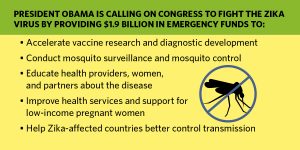
While 200,000 Brazilian troops are being mobilized to battle mosquitoes in a house-to-house strategy, Zika virus has reached 23 countries. As of January 28th, 2016, the WHO has set up an emergency team to respond to the growing epidemic. Meeting on Monday, the WHO team will decide if the Zika virus outbreak should be treated as a global emergency, as they are predicting “three to four million cases” in the Americas. Fear continues to grow in the US as cases are popping up in Los Angeles Country, CA Virginia, New York, and Arkansas, in a returned travelers. President Obama just called for a speeding up of Zika virus research to battle the growing outbreak. Sydney has also confirmed imported cases. While many worry that returning travelers are bringing the mosquito-borne disease back home, it’s important to note that it’s during the first week of infection that the virus is found in the blood and can be transmitted via mosquitoes.  Vertical transmission (from mother to child) is possible if the maternal infection is near the time of delivery, but there haven’t been cases of Zika virus in breast milk. To date, there has been one case of transmission through blood transfusions and one possibly spread through semen and sexual contact. Researchers are working to piece together the origins of this particular outbreak, but one hypothesis is that it came to Brazil from a major sporting event, specifically the 2014 World Cup. At this point, cases have been seen in 23 countries and the WHO has warned that it’s likely to “spread across nearly all of the Americas”. While no local transmission has occurred in the US, locally acquired cases are occurring in the Commonwealth of Puerto Rico. The CDC has also released interim guidance on the evaluation and testing of infants with possible congenital Zika virus.

Brazil’s Olympic Woes

Courtesy of The Guardian & EPA

The growing outbreak of Zika virus and subsequent concerns over fetal microcephaly are just another public health issue on the laundry list of concerns for Brazil in their Olympic preparations. Building the infrastructure to support such a massive event is taxing on even the most industrialized country. Despite Brazil’s initial dismissal of water quality issues, there have been flourishing concerns over water safety for Olympians (the linked BBC pictures alone would have me rowing the boat back to land at record speed). 13 of the 40-member US rowing team experienced gastroenteritis after a trial run in a lake. While the exact culprit of the GI illness was never identified, it amplified the already increasing fears regarding water quality. It’s never a good sign when rowers are warned not to splash water or jump in at the end of a race, or when a sailor has to be hospitalized due to a severe MRSA infection after field tests. As we mentioned a few months back, an Associated Press investigation found dangerous viral and bacterial levels in the Olympic and Paralympic water venues. “Extreme water pollution is common in Brazil, where the majority of sewage is not treated. Raw waste runs through open-air ditches to streams and rivers that feed the Olympic water sites. As a result, Olympic athletes are almost certain to come into contact with disease-causing viruses that in some tests measured up to 1.7m times the level of what would be considered hazardous on a Southern California beach.” Water issues aside, vector-borne diseases like Zika virus, dengue, malaria, and even yellow fever, can pose a threat to those attending and participating in the events. The Brazilian health ministry has announced response plans in wake of the growing Zika virus outbreak. These large-scale events also raise security concerns, especially after the Paris attacks. Brazilian officials have promised “to guarantee absolute peace”  during the Olympics.

Congrats to 2015 GMU Biodefense MS alum, Francisco Cruz, on his acceptance as a fellow in UPMC’s 2016 Class of Emerging Leaders in Biosecurity Initiative (ELBI) The UPMC ELBI is a highly selective program that brings together and fosters partnerships within the biosecurity field. Biodefense MS alum, Francisco Cruz, will accompany several other prominent members of the biosecurity community in meetings, conferences, and networking. Congrats Francisco!

DNA Investigations from the Great Plague of Marseille
Always a sucker for a mixture of history and epidemiology, I was excited to come across this archaeological gem. Despite its initial devastation in the fourteenth century, the bubonic plague resurged and hit Europe with another destructive wave, “leading to continued high mortality and social unrest over the next three centuries.” Considered to be the last outbreak of medieval plague in Europe, the Great Plague of Marseille (1720-1722) has provided archaeologists with samples that allowed them to reconstruct the complete pathogen genome. Harnessing DNA from the teeth of victims within the Marseille plague pits, their results point to the disease hiding within the shadows of Europe for hundreds of years. Computational analyst Alexander Herbig notes, “we faced a significant challenge in reconstructing these ancient genomes. To our surprise, the 18th century plague seems to be a form that is no longer circulating, and it descends directly from the disease that entered Europe during the Black Death, several centuries earlier”. While they continue their work on tracing the origins of the disease and its mysterious disappearance, I’m hopeful that archaeogenetics is the new inspiration for future Indiana Jones films…

Stories You May Have Missed: 

  • Listeria Outbreak Associated With Dole Salads- A Dole production plan in Springfield, OH, is being linked to an outbreak of Listeria throughout the US and Canada. Twelve cases were identified in the US and another seven were found across five provinces in Canada. All twelve cases involved hospitalization and there has been one associated death. The CDC is continuing updates here.
  • USDA Updates on Highly Pathogenic Avian Influenza Fall Plan- The USDA has updated their plans to combat the highly pathogenic avian influenza with more details regarding reimbursement on virus elimination activities and additional information on the August 2015 industry survey on preparedness.
  • British Government and Bill & Melinda Gates Foundation Roll Out New Plan to Combat Malaria –  The British government has teamed up with the Bill and Melinda Gates Foundation to pledge three billion pounds to help stop malaria in the next fifteen years. Bill Gates and British Chancellor George Osborne stated, “We both believe that a malaria-free world has to be one of the highest global health priorities.” Britain will invest 500 million pounds a year over the next five years and the Bill and Melinda Gates Foundation have put up $200 million this year and will continue with annual donations.
  • Tales from the Front Lines in the Ebola Fight-  Confusion, disorganization, fear, and communication gaps fill the notes from the ground in this interview with VICE correspondent, Danny Gold, during his time in West Africa during the outbreak.

Enjoying your weekly dose of the Pandora Report? Sign up to receive it every week so the fun never ends! 

Pandora Report 1.22.2016

In anticipation of the impending snow apocalypse (that may be a tad dramatic, but coming from this Arizona import, this snow business is quite harrowing), we’re serving up a warm cup of global health security news. While you’re staying inside, check out the upcoming book from Sonia ShawPandemic: Tracking Contagions from Cholera to Ebola and Beyond, which travels through time to investigate the impact of emerging diseases. Dreaming of warmer temperatures? You may want to avoid some tropic locations as imported cases of Zika virus are cropping up in the US, and the CDC issued warnings for pregnant women to postpone travel to Mexico, Puerto Rico, and other affected countries. Fun History Fact Friday: as we learned last week, on January 19, 1900 the bubonic plague reached Australia’s shores and on January 20, 1981, the Iran hostage crisis ended.

Dugway Insights Raise New(-ish?) Biosafety Concerns
Dugway Proving Ground is one of the largest Army biodefense labs and while lab biosafety issues are becoming a more prevalent headline, new findings point to the severity of these failures. GMU Biodefense professor and graduate program director (and all around biodefense-guru), Dr. Gregory Koblentz, noted that “the systemic disregard for biosafety at Dugway as revealed by the investigative report is appalling and alarming. Without strong leadership, an organizational culture that prizes safety and security, a well-trained staff, and a robust oversight mechanism, we can expect more such accidents to occur in the future.” Lacking accountability and oversight, Dugway is another in the laundry list of labs that became complacent (or as Dr. Richard Ebright stated, their actions are that of “criminal negligence”). It seems that the time of calling these biosafety failures, “serious mistakes”, has passed and we’re sadly moving more into an era of habitual practice. Dugway is a hotspot (pun intended) for chemical and biological defense work however, findings within the report note improper qualification of certain employees, erroneous environmental sampling of labs, etc. Brigadier General William E. King IV oversaw Dugway from 2009-2011 and was directly called out in the report – “Colonel King repeatedly deflected blame and minimized the severity of incidents – even now, Brigadier General King lacks introspection and fails to recognize the scope and severity of the incidents that occurred during his command at (Dugway).” If you have around 26 minutes to spare, you can also watch the Army media brief on the investigations here.

food-production-chain-650pxFarmers Markets and Food Safety
Farmers markets are often a great place to find local, organic vegetables and fruits. Growing in popularity, it’s not surprising that concerns over food-borne illness and safety issues would be raised. Researchers (applied economists in this case) are reporting preliminary data regarding the potential association between farmers markets and food-borne illness. Reviewing data from 2004-2011, they found “a positive relationship between the number of farmers markets per capita on the one hand, and on the other hand, the number of reported outbreaks of food borne-illness, cases of food borne-illness, outbreaks and cases of Campylobacter jejuni. Our estimates indicate that a 1% increase in the number of farmers is associated with a 0.7% (3.9%) increase in the total number of reported outbreaks of food-borne illness (Campylobacter jejuni), and a 3.9% (2.1%) increase in the total number of reported cases of food-borne illness (Campylobacter jejuni) in the average state-year.” While these correlations were found, there wasn’t a statistically significant relationship between farmers markets and reported outbreaks or cases of salmonella, E. coli, or staph. Given the recent Chipotle outbreaks, there has been increasing attention to the concerns over farm-to-table food safety. While some illness can be related to farm safety practices, a lot of food-borne illness is related to improper handling or cooking of food.

Retaking Ramadi and the “Afghan Model”
GMU Biodefense student, Greg Mercer, has mined through the internet to provide some commentary on the recapturing of Ramadi from ISIS control. In his recap, Greg points to works in the New York Times, via authors Phil Ewing and Stephen Biddle, and several other security studies gurus. Greg notes, “many questions remain about the conflict- where it will go, how it will resolve, the political effort it will require from intervening forces, and ultimately what kind of conflict this is.”

Ebola Updates- Quarantines After Sierra Leone Death 
The day after the WHO declared the three hardest-hit countries Ebola free, a death in Sierra Leone hit the panic button for public health officials. As of January 21, 2016, a second case was reported in an individual that cared for this initial case. Over 100 people archive been quarantined after coming into contact with the woman who died of Ebola last week. During the course of her illness, she is reported to have stayed in a house with 22 other people. Five people later helped to wash and prepare her body for burial. Many homes of those high-risk patients under quarantine were attacked, pointing to increasing frustration. Close observation is being maintained on the 100+ people involved in this exposure.

Stories You May Have Missed:

  • The Neglected Dimension of Global Security – The National Academies Press will soon be releasing this hard-copy publication as a Framework to Counter Infectious Disease Crises, but the good news is that you can download it today for free! Authored by the Commission on a Global Health Risk Framework for the Future; National Academy of Medicine, Secretariat, it discusses the Ebola outbreak’s far-reaching consequences that range from human rights to transportation and commerce disruption.
  • CBRN Crimes & The Sordid History of Litvinenko – GMU Biodefense PhD alum, Dr. Daniel Gerstein, discusses the recently released Owen Report and the details surrounding the finding of radioactive polonium-210 in Russian agent, Alexander Litvinenko’s body following his death. The troubling details surrounding the report “highlights the links between Litvinenko and the Russian government, even pointing the finger at President Vladimir Putin himself as likely having approved the alleged murder.” While CBRN weapons are not a new concept, these new details may shine light on the realistic applications and threats they pose.
  • ISIS Tularemia Plans – Recent Turkish intelligence reports revealed that that the group had plans to use biological weapons. Aimed at Turkish water supplies, the report noted that the main bioweapon discussed was Francisella tularensis, which causes tularemia.
  • Lassa Fever Hits Nigeria – 30 confirmed, 140 suspected, and 53 deaths have been reported in the outbreak of Lassa viral hemorrhagic fever hitting 14 states within Nigeria. The case fatality rate is being reported at 37.9%.
  • Online Drama in the CRISPR Universe – a recent perspective article by Eric Lander (president of the Broad Institute) in Cell noted the heroes in CRISPR but failed to account for a potential conflict of interest. Needless to say, the Twitterverse erupted in a scientific outcry with many also calling out Lander’s failure to include several key contributors to the biotechnology.

Enjoying your weekly dose of the Pandora Report? Sign up to receive it every week so the fun never ends! 

Pandora Report 1.15.2016

Welcome back to the Pandora Report! Miss us? We hope you had a lovely holiday and with so much going on in the world of biodefense, there’s not a moment to waste! Before we venture down the rabbit hole of bioweapons, outbreak response, and Ebola, here is Fun History Fact Friday: on January 12, 1965, scientists conduct a nuclear test, or what they called a “controlled excursion”, in Nevada that produced a radioactive cloud over Los Angeles, CA.

The Civil-Military Response to the 2014 Ebola Outbreak
The University of Sydney recently published the report, “Saving Lives: The Civil-Military Response to the 2014 Ebola outbreak in West Africa”. Co-authored by biodefense professor, Dr. Frank Smith III, the report discusses the international civilian response and eventual deployment of military personnel to fight the outbreak. “Strong leadership from the President and the health sector in Liberia was recognised as key to the country’s effective response, whereas weak leadership and patronage within the health sector was seen to hurt the response in Sierra Leone. Limited trust in government undermined public health, inhibiting behavioral change and social awareness campaigns (particularly in Sierra Leone).” The report includes eight recommendations that range from addressing gaps in national health systems to enhancing civilian and military response training. While many reports have focussed on civilian response, this provides actual statistics for military personnel, funds spent, PPE, military aircraft, international civilian personnel, etc. The University of Sydney summary sheds new light on the civilian and military successes and failures within outbreak response and how the 2014 Ebola outbreak revealed few organizations were truly prepared to handle a public health emergency of this magnitude.

5,300-Year-Old Gut Bacteria
Imagine you’re spending a lovely afternoon hiking and enjoying the great outdoors, when you stumble along a body in a snowfield. That’s exactly what happened to a German couple in 1991 in the Italian Alps. After days spent recovering the 5,300-year-old body (named Ötzi after the area he was found in) and 24 years worth of scientific work, researchers were able to reconstruct the genome of a bacterial species that was found in his stomach. Ötzi is unique in his level of preservation, which made this microbial discovery that much more possible. Interestingly, scientists found Helicobacter pylori (H. pylori) in Ötzi’s stomach. While H. pylori is known for causing stomach ulcers and gastric acid, it was fascinating to find that despite the bacteria being 5,3000 years old, they were “pretty much the same as ones carried by humans today.” Matching H. pylori strains from different points around the world has allowed epigeneticists to understand the introduction and transmission of certain organisms. While Ötzi was a rare find, his gut bacteria is helping researchers understand how certain strains combined and survived throughout history.

IMG_3512The Rocks – Sydney’s First Plague Sighting
During my adventures in the land down under, I couldn’t resist checking out the Rocks. A wonderful historical section of Sydney’s harbor, it’s famous for not only the preservation of buildings, but also it being the location of where the bubonic plague first broke out in Australia. Given the plague’s historical success via nautical enterprises, it’s not surprising that it would first rear its ugly head in this large harbor. Arriving in 1900, the bubonic plague was already anticipated to hit Australia, given the 1894 outbreak in Hong Kong and shipping trade routes. Officials were bracing for the outbreak when it finally reached Australian shores on January 19, 1900 via a 33-year-old delivery man by the name of Arthur Paine.

Since we’re on a history kick (and if you happened to read Greek Fire, Poison Arrows & Scorpion Bombs from our holiday reading list), you may enjoy learning about ancient Roman sanitation. While their latrine and sewage system was highly advanced, researchers have pointed out that they didn’t keep people safe from intestinal parasites and a host of other hygiene-related illnesses.

Project SHAD: Veteran Exposures to CBW Agents
A recently published report discusses the US military testing performed between 1963 and 1969 for Project SHAD (Shipboard Hazard and Defense). Project SHAD addressed naval vulnerabilities to chemical and biological weapons. “Approximately 5,900 military personnel, primarily from the Navy and Marine Corps, are reported to have been included in Project SHAD testing.” Initially disclosed in 2000, the first medical report was then released in 2007 after concerns related to veteran health. The push for further epidemiological studies prompted the 2016 report that reviewed health outcomes of the veterans that were exposed more than 50 years ago. While there are temporal limitations to the studies, they evaluate a range of concerns like frequency of exposure and reported health anomalies. With this new report, there may be future requests for research related to the US bioweapons program and its impact on those involved in field tests.

Solving the Geometrical Problem of Terrorism
GMU Biodefense PhD alum and SPGIA Distinguished Alum award recipient, Dr. Daniel M. Gerstein, discusses the components of terrorist organizations that make US response challenging. Dr. Gerstein points out that no single approach or tactic will ensure American safety, but rather that we need to see “terror organizations as being composed of four elements, organized in concentric circles with the leaders at the center bull’s eye, operational elements in the second ring, supporters in the third and sympathizers in the fourth.” By changing our outlook on terrorist organizations, separate strategies can be developed to address each unique feature and more effectively respond to terrorist threats.

One Step Closer to Ending West Africa’s Ebola Outbreak
On January 14, 2016, WHO declared “the end of the most recent outbreak of Ebola virus disease in Liberia and says all known chains of transmission have been stopped in West Africa.” This isn’t the first time Liberia has been declared free of the disease, however shortly after the country found itself with a new flare-up. Laboratory-confirmed cases soared beyond 15,000 and over 11,300 deaths have been reported in this outbreak, which is the worst since the identification of the disease. All three of the hardest hit countries (Guinea, Liberia, and Sierra Leone) have reported zero cases for two incubation periods (42 days). WHO’s Special Representative for the Ebola Response, Dr. Bruce Aylward, notes that this is the critical point in the epidemic and flare-ups are anticipated but preparedness will determine the scope and brevity of future cases. While airport screening for returned travelers from the affected regions has ceased, many health departments have encouraged hospitals to continue with their screening questions and surveillance. *Update: Sierra Leone has reported a death due to Ebola on 1/15/2016.

Stories You May Have Missed:

  • Zika Virus Outbreak UpdatesReaching Puerto Rico (bringing the total to 14 countries) and with a newly identified case in Texas (not locally acquired, but due to recent travel), the outbreak has caused almost 3,000 cases in Brazil alone. Along with the growing geographical distribution, public health officials worry about the 20-fold increase of microcephaly in infants that may be associated with Zika virus infections.
  • Burkholderia pseudomallei Concerns –Mostly found in Southeast Asian and Australian soil, a recent study predicts that B. pseudomallei could move into southern parts of the US. While not a new concern in the biodefense community, B. pseudomallei worries many as it is highly resistant to antibiotics and may be remarkably underreported.
  • What Else Is Hiding in Laboratory Freezers? Biosecurity issues aren’t new, but what else is lurking in the depths of laboratory freezers? Recent WHO warnings to clear out freezers of Rinderpest virus point to the growing concern that once eradicated diseases may rear their ugly heads via lab safety failures.

Enjoying your weekly dose of the Pandora Report? Sign up to receive it every week so the fun never ends! 

Pandora Report 12.25.2015

Happy Holidays fellow biodefense gurus! We at the Pandora Report would like to wish you and yours a lovely holiday season, filled with happiness, health, and a side of relaxation. Your favorite weekly dose of biodefense news be taking a few weeks off from reporting while I venture to the land of Oz. Rest assure, should there be a zombie outbreak, I’ll report it first hand! Since we’ll be radio silent for a couple of weeks, we’ve compiled a pretty swanky “I love biodefense and need more of it” reading list to keep you busy. Before you venture down the biodefense rabbit hole, here is fun history fact Friday: on December 24th, 1814, the war of 1812 ended and on December 24, 1936, the first radioactive isotope medicine was administered by Dr. John Lawrence

The Revolving Door of Biosafety7898_lores
GMU Biodefense Master’s student and lab guru, Scott McAlister discusses the importance of biosafety in the changing world of global health. Through his review of the 2009 report by the Trans-Federal Task Force on Optimizing Biosafety and Biocontainment Oversight and a 2015 memorandum released by the White House to enhance biosafety, he discusses the ever changing components of US biosafety. Scott breaks down and compares each report’s recommendations, language, and what these translate to within US laboratories. Moreover, given the recent failures, have US biosecurity practices and recommendations evolved over the past 6 years? Take a look into this review to see where we hope to be and if we’ve progressed since 2009.

National Action Plan for Combating Multidrug-Resistant TB
This week the White House released its national plan for combating the growing threat of multidrug resistant tuberculosis. While US rates of TB cases have dropped, the growing threat of multidrug resistant TB (MDR-TB) and extensively resistant TB (XDR-TB) requires action. This new plan is set to span over 3-5 years and has three goals that will focus on strengthening domestic capacity, improving international capacity and collaboration, and accelerating basic and applied research and development. Extensive collaboration within US agencies and international partners will be necessary to combat the evolving threat of drug resistant tuberculosis.

We’re Not Prepared for a Biological Attack
GMU Biodefense PhD alum, Dr. Daniel M. Gersteindiscusses biopreparedness and where the US stands in his work for US News  & World Report. Throughout his in-depth analysis, Dr. Gerstein emphasizes the importance of US leadership within the Biological Weapons Convention (BWC). Pointing to the disappointing Seventh and Eighth Review Conferences, Dr. Gerstein notes, “biological warfare can no longer be considered the purview of only state actors. And this democratization of biotechnology means that the world is literally one rogue microbiologist away from a potentially devastating biological attack.” Dr. Gerstein emphasizes that authorities often fail to realize that biological weapons may not act like naturally occurring diseases or outbreaks.

Holiday Biodefense Book Club
During the cold winter months it’s always nice to curl up by the fire with a good book and relax. GMU Biodefense Master’s student, Rebecca Earnhardt, and I have picked a handful of books to spark your interest. If we could have a book club with our awesome readers, we would love it, but in the mean time, here are our recommendations for a few literary works that you might enjoy!

  • Phantom Menace or Looming Danger?: A New Framework for Assessing Bioweapons Threats By Kathleen M. Vogel — Johns Hopkins Press, 2012. The military has gathered reconnaissance of a possible biological research facility, evidence of a paper trail indicating procurement of weapons delivery systems, and collection of specialized personnel to manufacture biological agents.  Do all of these pieces point to an imminent biological weapons danger?  Kathleen M. Vogel, in Phantom Menace, argues that there is more to the picture of biological weapons development than the technical and physical aspects of manufacturing.  Through examination of three case studies, Vogel highlights the shortcomings of the dominant biotech revolution frame within biological weapons assessments.  The biotech revolution frame, as described by Vogel, misses the important social and contextual factors that affect biological weapons innovation.  The alternative offered by Vogel is termed the biosocial frame.  Vogel highlights in her biosocial frame how tacit knowledge and hands-on experience is vital to biological weapons assessments.  While Vogel does not particularly focus on political influences, I enjoyed the book because of her explanation of the importance in incorporating sociological aspects into biological weapons assessments.  I think this makes Vogel’s work a key book in the field of biodefense.
  • Innovation, Dual Use, and Security: Managing the Risks of Emerging Biological and Chemical Technologies. Editor: Jonathan B. Tucker — MIT Press, 2012. The hotly debated concept of ‘dual-use’ is explored extensively through this multipart work edited by the late chemical and biological weapons expert, Jonathan B. Tucker.  This book takes on the conceptual nuances of dual-use with four parts focused on emerging technologies within the areas of directed design, acquisition of novel molecular parts, modification of biological systems, and enhanced production and packaging capabilities.  Each section, authored by leading experts in the field of biodefense research, including Filippa Lentzos and Gerald Epstein, applied Tucker’s framework of risk assessment for dual-use potential and governability.  This framework incorporates key aspects of assessing dual-use potential, including technological monitoring, technology assessments, and governability of the technology.  The strength of this framework lies in its applicability to emerging technologies, which may enable policy makers to continuously review a particular technology or an emerging area of research.  In the concluding chapter, Kirk Bansak and Jonathan Tucker redirect attention to the intervening social processes that construct relationships between the technology and its users, and how these social processes may create an environment ripe for misuse.  To me, this book is a highly valuable and informative work on the range of dual-use issues and conceptual applications.  I think this book is an important read not only because it covers a variety of dual-use issues, but also in its wide-ranging review of relatively recent biotechnology and life science innovations.  The variety of case studies makes this book an enjoyable read!
  • Spillover: Animal Infections and the next Human Pandemic by David Quammen. New York: W.W. Norton, 2012. Not only is David Quammen one of my favorites, but his overview of zoonotic diseases and the concept of spillover will both captivate and inform you. Ranging from West Nile Virus to Ebola, Quammen presents several of the zoonotic diseases you may have heard of and others that may cause you to reconsider kissing a horse anytime soon. Each chapter presents a new disease, it’s history, and a new outbreak that should raise our attention to global health security. While he doesn’t touch much on avian influenza or multi-drug resistant organisms, his points on humans infringing upon animal ecosystems and the resulting disease spillovers are harrowing. Quammen’s adventures remind me of a microbial Indiana Jones (hint hint Hollywood, that would make an excellent movie!), even with the cheeky wit. I would recommend Spillover as a gateway to understanding the role of zoonotic diseases and the emphasis we’re seeing on One Health. While his parts on Ebola aren’t as dramatic as Richard Preston, you’ll be sure to enjoy his approach to epidemiology and the impact of spillover on global health. Quammen did extend his sections on Ebola into another book that includes information related to the 2014/2015 outbreak. If you enjoy on-the-ground reporting, you’ll find this within Quammen’s book.
  • Greek Fire, Poison Arrows, and Scorpion Bombs: Biological and Chemical Warfare in the Ancient World by Adrienne Mayor. Woodstock: Overlook Duckworth, 2003. As a lover of all things biodefense and classical, I was excited when I cam across Adrienne Mayor’s book. Combining ancient history and bioweapons? Sold! Mayor’s breakdown throughout the book reveals the mythical and historical accounts of chemical and biological weapons in the ancient world. While a bit dramatic and sometimes repetitive, I found her book to be enjoyable in that few people have combined ancient history and chem/bioweapons to such an extent. Mayor makes sure to include references to mythology that heavily impact these ancient societies. While the lines of chemical and biological weapons were sometimes muddied and some generalizations related to classical history did occur, I would recommend her book to anyone who enjoys history (especially ancient history), mythology, and CBW. Realistically, with such a catchy title, how could you resist?

Stories You May Have Missed:

Pandora Report: 12.18.2015

Hungry, hungry anthrax hippos? If there’s one thing we love about the science community, it’s when a gem pops up in your inbox like this (thanks ProMed!). In Ebola news, public health officials are exploring the possibility that survivors may be a potential source of case surges. Fun history fact Friday: On December 18, 1620, the Mayflower docked at Plymouth Harbor and passengers began settlement and on December 14, 1980, the CIA issued a warning about Soviet arms sales to Third World nations. Take a break from holiday preparations with this week’s Pandora Report – we’re discussing everything from zombies to Bob Dylan lyrics!

Epidemiology of a Zombie Outbreak
Tara C Smith and the writers of The BMJ certainly know how to hook a biodefense nerd – epidemiology of zombie infections? Don’t mind if we do! Using historical tales and movie outbreaks, Smith takes us through several hypothetical zombie outbreaks we’ve experienced as viewers or readers for the past few decades. Tracing the origins of certain outbreaks and the transmission patterns via bite, this scientific approach to one of our favorite topics is fascinating.  Potential etiological considerations included weaponized Yersinia pestis, a mutation of bovine spongiform encephalopathy, or a genetically modified form of the Ebola virus that was tested on chimpanzees (that later escaped!). Last but not least, we can’t forget to consider the ethical implications of such an outbreak. How do we handle resource depletion or quarantine? All things to consider before the zombie apocalypse!

Risk & Benefit Analysis of Gain of Function Research 
With the National Science Advisory Board for Biosecurity (NSABB) meeting fast approaching (January 7-8, 2016!), we’re recapping the role of gain-of-function (GoF) research in biodefense. Earlier this year, Gryphon Scientific was awarded a NIH contract related to assessment of GoF research and the risk-versus-benefits that may impact future federal funding. With the intent to make future recommendations, the assessment had three major tasks: a risk analysis (RA) of accidents and natural disasters, a biosecurity RA, and a benefit assessment. Extensive review and analysis of data from the intelligence and law enforcement community reviewed potential gaps within security practices. “The biosecurity RA is delivered in two parts because risks posed by malicious acts targeting laboratories that conduct GoF required a different analytical approach than the assessment of the risk generated by the misuse of published GoF research.” GMU Biodefense alum and previous Pandora Report editor, Julia Homstad, is also the lead author on Chapter 11 (Risk of Loss of Trust in Science). Perhaps one of my favorite points from the report was that “this assessment requires the identification of scientific and non-scientific barriers to the realization of these benefits.” You can also find Michael Selgelid’s White Paper regarding the ethical implications of GoF research. While the 1,001 pages may seem a daunting task, this is not only a highly relevant report, but approaches GoF concerns and risks in an engaging and holistic manner.

Bob Dylan Lyrics in Medical Literature?
Have you ever read a scientific article and felt a complete unknown, like a rolling stone? Scientists at the Karolinska Institute in Sweden have been sneaking Bob Dylan song lyrics into their papers as part of a long-standing bet since 1997. “It all started in 1997 with a review in Nature Medicine entitled ‘Nitric oxide and inflammation: the answer is blowing in the wind.'” Carl Gornitzki and colleagues from The BMJ decided to do some additional digging in Medline and found that 213 of 727 found references were unequivocally citing Bob Dylan. Starting a few years after his musical debut, research papers included a variety of biomedical topics, like those of Hermanson et al., who managed to work “like a rolling stone” into their paper on epigenetics. The variety of lyrics found throughout the literature is certainly more than a simple twist of fate.

Outbreak Preparedness 2015 Report
Ever wonder how your state ranks in terms of emerging infectious disease preparedness? Trust for America’s Health and the Robert Wood Johnson Foundation recently published their 2015 report regarding state capabilities to protect against new infectious disease threats (MERS-CoV, multi-drug resistant organisms, etc.) and “resurging illnesses like whooping cough, tuberculosis, and gonorrhea.” The report found that over half of US states ranked at five or lower on a scale of ten. The five all-star states (scoring eight) were Delaware, Kentucky, Main, New York, and Virginia (go Virigina!). The report findings noted that “the nation must redouble efforts to protect Americans” and included points on healthcare-associated infections, flu vaccination rates, food safety, and superbugs. Check out the report to find where your state ranked!

Fighting Antibiotic Resistance in the United States18170_lores
On Thursday, the House Appropriations Committee presented the 2016 Omnibus Appropriations bill, which revealed discretionary funding plans for the federal government. Buried in new legislation, the FDA and NIH will receive part of this discretionary funding to help fight antibiotic resistant bacteria and “advance prevision medicine initiatives”. The FDA is set to receive $2.7 billion, which was over a $10 million increase from FY2015. Within the bill, there is “funding for the Combating Antibiotic Resistance Bacteria (CARB) initiative ($8,732,000), the precision medicine initiative ($2,392,000), and the Orphan Product Development Grants Program ($2,500,000). The NIH will receive an extra $2 billion for FY2016, which supported projects specially for Alzheimer’s diseases research, brain research, antibiotic resistance, the Precision Medicine Initiative, etc. Given last week’s report on the phantom menace CRE and growing cases of multi-drug resistant organisms, it’s extremely important antibiotic resistance be given more attention.

Stories You May Have Missed:

  • CDC Establishing Flu Vaccine Efficacy Lab Network – The CDC has provided funding for a network of US institutions to collect and analyze information related to annual flu vaccine effectiveness. “Participating institutions will coordinate enrollment of patients with acute respiratory illness, confirm influenza infection using a standardized reverse-transcription PCR (RT-PCR) assay, and estimate vaccine effectiveness.” The 30 million dollar funded project will run from July 2016-2021.
  • Avian Influenza in France – France has reported 30 outbreaks of avian influenza, specifically one of the highly pathogenic influenza. Unfortunately the strain in the most recent cases hasn’t been identified, but these outbreaks been attributed to one of the H5 strains.
  • Hawaiian Dengue Outbreak Update – Cases of dengue virus on Hawaii Island have now reached 157. There are 7 individuals considered still infectious and the Hawaii Department of Health (HDOH) continues their efforts to identify cases and reduce transmission. 140 of the cases are Hawaii Island residents, and 34 of the overall cases have been children under the age of 18.

Enjoying your weekly dose of the Pandora Report? Sign up to receive it every week so the fun never ends! 

Pandora Report 12.11.2015

If you’re in Boston and enjoying a Chipotle burrito bowl, you may want to put the fork down. As many as 80 cases of norovirus were reported in association with a Boston Chipotle. The norovirus surge occurs just months after the multi-state Chipotle-linked E. coli 026 outbreak. This week we’re discussing superbugs Star Wars style, the decline of infectious disease specialists, Ebola lab stories from the field, and much more. Fun history fact Friday: on December 7, 1941, Pearl Harbor was bombed and on December 10, 1901, the first Nobel Prizes were awarded in Stockholm, Sweden 

“Phantom Menace” Superbug?
In a lab far, far away… How could we resist a Star Wars reference to antibiotic resistance? A recent CDC MMWR reported a growing incidence of a particularly concerning antibiotic-resistant organism. Carbapenem-resistant Enterobacteriaceae (CRE) are continuing to raise concerns due to cases related to endoscopic retrograde cholangiopancreatography (ERCP) scopes. Since it’s discovery, global health experts (including the CDC) have been keeping a close eye on CRE transmission and cases. A variant of CRE, called OXA-48-type carbapenemase, was seen in Enterobacteriaceae in Turkey in 2001. 52 isolates of CRE producing OXA-48-like carbapenemases were found in 43 patients in the US from June 2010-August 2015. A study in 2012 first referenced OXA-48-like carbapenemases as the phantom menace. The concerning issue with this particular CRE strain, aside from its known-resistance, is the growing emergence in the US. The difficulty in treatment and extreme care for isolation precautions makes patient care challenging. Interestingly, for those patients who provided a travel history, the majority (66%) had traveled internationally within the year before specimen collection and 55% were actually hospitalized outside the US for at least one night. The US cases involved several clusters and were spread across 19 states. Even more worrying, the laboratory diagnosis is tricky as “most U.S. clinical laboratories that test for CRE organisms wouldn’t identify this particular type of bacteria because it’s not part of standard testing.” The increase in cases and ease of hospital transmission are just a few more reasons why antimicrobial stewardship is so vital. May the force be with you!

Ebola Surveillance & Lab Response SeminarIMG_4700
In case you missed GMU’s seminar on global health security on Monday, 12/7, here’s a recap! Speakers included Dr. Matthew Lim (Senior Policy Advisor for Global Health Security, HHS, fmr Civil-Military Liaison Officer to WHO), Jeanette Coffin (Section Manager, Biosurveillance Division, MRIGlobal), and Phil Davis (Associate Scientist with MRIGlobal). Ms. Coffin and Mr. Davis discussed the operations, supported by the Defense Threat Reduction Agency’s (DTRA) Cooperative Biological Engagement Program (CBEP). The mobile lab was launched in December 2014. With only six weeks to train, prepare staff, acquire equipment, deliver, assemble, and much more, it’s a pretty impressive feat that this team pulled off. Ms. Coffin and Mr. Davis discussed how they were able to reduce much of the travel delay and time lag for Ebola testing results. Using equipment to perform RNA extraction and PCR’s, lab technicians were working in tight quarters in Moyamba and Lakka, Sierra Leone. To date, the DTRA-CBEP mobile lab operations tested 7,242 samples for Ebola. While they discussed many of the strengths like flexibility, relationship with vendors, and self-containment, there were also several challenges. Difficulties ranged from inadequate power and internet, to road reliability, food/water safety, haggling, and security issues related to petty theft and missing supply containers. Sustainability was heavily discussed as their expected withdrawal is June 2016 and the team hopes to provide education for ongoing surveillance. Next, Dr. Matthew Lim spoke of the history and impact this outbreak had on global health security. He emphasized “how much this has overturned the paradigm we have about health and security”. Dr. Lim’s discussion was fascinating in that he speaks from experience at both the WHO and HHS, pointing to the role of member states and how WHO funding cutbacks impacted outbreak response. He noted that the Global Health Security Agenda heavily emphasizes partnership of it’s 50 state members, NGO’s, and within the 11 action packages. He explained that global health affairs, in many ways, join foreign policy and health policy, highlighting the need for less siloing and more partnership to help encourage capacity measures. Overall, the standing-room-only seminar touched on both the operational struggles and the overarching role of global health security in both the Ebola outbreak, but also future preparedness efforts.

Daesh and Chem/Bioweapons?
The UK and France have moved to call ISIS, “Daesh”, to remove the association with Islam. Given Daesh’s use of mustard gas, is bioterrorism a stretch? Sandra Maksimovic-Sara of Outbreak News Today discusses their attempts to obtain biological and chemical weapons as a means of using non-conventional weapons to change their modus operandi. While she doesn’t mention tacit knowledge, Maksimovic-Sara notes that “for a biological and chemical terrorist attack, there must be some know-how and background and a professional approach, which is so far away from impatient aggressive Islamic terrorists gathered in Daesh. They want fast track acts and fast track results.” While preparedness efforts must account for a variety of attacks, it’s vital to remember technical limitations. As Dr. Sonia Ben Ouagrham-Gormley noted, tacit knowledge is a significant hurdle for non-state actors to overcome in their quest for bioweapons.

To Quarantine or Not To Quarantine? 
The fallout of the 2014 West Africa Ebola outbreak is still ongoing and while many US hospitals feel they are better prepared to handle cases, there are many that experienced negative treatment related to preparedness efforts. There have been several returned travelers from the affected countries that were put into quarantine upon arrival in their home country. While many were involved in patient care, there are several that had no interaction with patients and experienced what many would call, “fearbola“. While quarantine efforts are important for those that may have had patient interaction, risk assessments are vital. Sheri Fink of The New York Times notes that several states “have the legal authority to impose quarantines, often exceeded those guidelines, restricting the movements of returning health workers and others.” Many who were quarantined experienced public harassment, media scrutiny, and some have filed lawsuits for civil rights violations.

France’s Bioterrorism Preparedness
Given the November terrorist attacks in Paris, it’s not surprising that France is looking to ramp up their biodefense efforts. Following the arrival of a third generation vaccine, France has decided to revise its smallpox preparedness and response plans. Last revisited in 2006, the plan is to vaccinate first responders and healthcare professionals that are most likely to identify and care for smallpox cases. Smallpox has long been an organism of concern for bioweapon applications. In coordination with the Secrétariat Général de la Défense et la Security Nationale, (SGDSN- General Secretariat for Defense and National Security) these plans will include the new vaccine, Imvanex, that was developed by the Danish biotech company, Bavarian Nordic, “on behalf of the US under Bioshield”. While the new plan involves “circles” of people, the new transgenic vaccine has vastly decreased the side effects that were commonly associated with first and second generational variola vaccines. In the past, smallpox vaccines were associated with high volumes of side effects, which was a roadblock to previous mass-vaccination efforts as a biodefense strategy. France has several biopreparedness strategies that include a syndromic surveillance program, SurSaUD, a White Plan, and many other efforts to prevent, identify, and respond to health security threats. The updated French plans hope to “frustrate and deter terrorists” as well as respond to concerns of re-emerging infectious diseases. Elisande Nexon presents an overview of France’s biopreparedness efforts and the public health threats they may encounter. While the November attacks in Paris will most likely initiate additional changes to France’s biopreparedness, their existing methods are extensive and reveal national support for biodefense.

Stories You May Have Missed:

  • Infectious Disease Specialists on the Decline – The National Resident Matching Program (responsible for matching medical students with specialty training programs) announced that of the 335 infectious disease fellowship positions available, only 218 were filled. This is especially concerning as it follows several years of low matching for infectious disease positions. The Infectious Disease Society of America has even begun brainstorming recruiting tactics for what many consider a “thinking specialty” that may not have the glamor or pay that draws students into the field. Speaking from experience as an infection preventionist, the infectious disease physicians I have worked with were by far the most dedicated, intelligent, and passionate people. I think we can all safely agree that the world needs more infectious disease specialists, especially following outbreaks like those of Ebola and Zika virus.
  • USAMRIID Supported Study Traces Ebola Outbreak – a recent study lead by USAMRIID found that a majority of the Liberian Ebola cases “can be traced back to a form of the virus transmitted from Sierra Leone”. The sequencing of hundreds of isolates also supports the role of high-density neighborhoods as an accelerant for the outbreak. Interestingly, researchers found that the Ebola strain diversified in Liberia prior to being transmitted to cases in Guinea and Mali.
  • Yamuna River Harbors High Volume of Antibiotic-Resistant Organisms – Researchers found that the Yamuna river in Dehli, India, had an alarmingly high amount of resistant organisms. There were large quantities of several organisms found that showed resistance to many common antibiotics like ampicillin, streptomycin, etc.
  • MERS Was the Most 2015 Googled Word in Korea – also considered Korea’s “hottest” Twitter issue, MERS became the most searched topic after the first patient was confirmed on May 20th.

Pandora Report 12.4.2015

This week, Washington, DC hosted the Summit on Human Gene Editing, where the ethical and legal implications of gene editing technologies, like CRISPR-Cas9, were heavily discussed. In this week’s report, Greg Mercer works his magic, revealing the internet and social media trends following the shootdown of a Russian SU-24 on November 24th. We’re also reporting updates in the Zika virus and dengue fever outbreaks as well as the Harvard-LSHTM Panel Report on Global Response to Ebola. France is currently experiencing an increase of highly pathogenic avian influenza cases while a Black Angus beef cow in Alberta was discovered to have bovine spongiform encephalopathy (BSE). Fun history fact Friday – on December 3, 1967, the first human heart transplant was performed in Cape Town, South Africa and on December 4, 1945, the Senate approved US participation in the UN. Before we start our weekly roundup, make sure to mark your calendars to attend GMU’s seminar on Ebola surveillance and laboratory response this Monday, December 7th from 4:30-6pm at our Fairfax campus (details below!).

Zika Virus Outbreak – Updates
The growing outbreak of Zika virus has now seen locally acquired cases reach ten countries, causing the Pan American Health Organization (PAHO) to issue an alert, “urging countries in the region to be on the lookout for the disease and to watch for unusual patterns in newborn.” Brazil has been hit hard with a rise from 739 on November 27th, to 1,248 cases reported on November 30th. Six of the ten countries saw cases occur in November, hinting that the outbreak could just be starting. The growing concerns regarding the outbreak are also related to the newest evidence linking microcephaly and maternal cases. Zika virus genome was found in the amniotic fluid of two pregnant women and fetal diagnosis of microcephaly was performed via ultrasound. Even more so, French Polynesian health officials reported an unusual spike in nervous system malformations in babies that were born during a Zika virus outbreak in the region from 2014 to 2015. The concern regarding neurological conditions raises red flags as Brazilian health officials are reporting neurological complications, like that of Guillain-Barre syndrome, in Zika virus patients. The WHO reported 739 Brazilian microcephaly cases in newborns and while there is only ecological evidence linking the virus and microcephaly, investigations are ongoing. The outbreak first started in February 2014, on Easter Island (Chile) and has seen been identified in Colombia, Guatemala, Brazil, El Salvador, Mexico, Paraguay, Panama (confirmed cases as of December 4, 2015), Suriname, and Venezuela. Spread by Aedes mosquitoes, this vector-borne organism has similar symptoms to dengue fever and illness tends to last between four and seven days.

Event: Ebola Surveillance & Laboratory Response – Lessons for Global Health SecurityScreen Shot 2015-12-03 at 9.34.57 AM
Time/Location: Monday, December 7, 2015 from 4:30pm-6pm in Robinson A-203 at George Mason University.
As the recently released Harvard-London School of Hygiene and Tropical Medicine Independent panel on the Global Response to Ebola indicates, the West African Ebola epidemic highlighted
many gaps in national and international health and response systems that are critical for protecting global health security.  Join leaders and experts who helped to lead the U.S. response for Ebola to discuss the international response to the epidemic, the importance of robust biosurveillance systems, and how the experience with Ebola influences our approach to Global Health Security. Speakers:

  • Dr. Matthew Lim, Senior Policy Advisor for Global Health Security, HHS, fmr Civil-Military Liaison Officer to WHO
  • May Chu, Ph.D. fmr Assistant Director for Public Health, Office of Science Technology and Policy, White House; Senior Science Advisor, CDC
  • Jeanette Coffin, Manager U.S. mobile laboratory deployment, MRIGlobal

It’s Definitely Maybe World War 3
GMU’s Greg Mercer breaks down the November 24th Turkish shootdown of a Russian SU-24. Greg reviews the media attention following the event and the “immediate buzz about declarations of war, what exactly NATO owes Turkey vis-à-vis Russia, and the possibility of military confrontation between Russia and the West.” Through his use of google trends and Twitter, Greg shows just how much hype and concern the notion of WWIII got during this time. Take a look at his recap and debunking of the WWIII buzz and how quickly it caught like wild fire.

Reporting from the Panel on the Final Report of the Harvard-LSHTM Independent Review of the Global Response to Ebola
If you missed the Center for Strategic & International Studies (CSIS) Global Health Policy Center’s Launch of the final report of the Harvard-LSHTM Independent Panel on the Global Response to Ebola, don’t worry! I was fortunate to attend and a great deal of the report (we reported on last week) heavily emphasized “on the ground” capacity. Dr. Peter Piot, Director and Handa Professor of Global Health, London School of Hygiene and Tropical Medicine (LSHTM), joined via video link and started by saying that this would not be a WHO-bashing event. As one of the original researchers on Ebola during its 1976 discovery, he mentioned that the Democratic Republic of Congo (DRC) is a great example of local capacity in their success of ridding themselves of the disease within a few months of the outbreak starting. Dr. Piot heavily emphasized the work of several countries and how the WHO brought together multiple ethicists to review research during such a terrible outbreak. Lastly, Dr. Piot noted that “we risk focussing too much on global and not enough on local” in our future efforts. Dr. Suerie Moon, Research Director and Co-Chair of the Forum on Global Governance for Health at Harvard Global Health Institute, then spoke on the “weak coordination of global response” and how it severely aided the spread of Ebola. Dr. Moon highlighted the need for a global strategy to ensure adequate funding (external financing for the poorer countries and transparent tracking of financing) and the necessity for external assessment of country capacity. She pointed to the need for political and economic incentives and disincentives to not only report cases but also discourage the hiding of outbreaks. Reviewing each recommendation, the panel noted that “human health is a vital part of human security”. In one of her closing comments, Dr. Moon stated that “there are many unanswered questions regarding ebola response and we need to address a number of aspects that went wrong” and “a major theme is accountability at all levels, across all types of players.” Dr. Moon pointed out that the necessity of so many reforms shows just how much work is needed and that now is the time to see political support occur. Muhammad Pate, former Nigerian Minister of State for Health, expressed that “one of the lessons, at the national level, in terms of surveillance and accountability to respond, was missing and something that national leaders need to own up to is building their own public health systems.” Dr. Sophie Delaunay, Doctors Without Borders/MSF, then discussed the role of medical innovations and how the outbreak provided us with a unique opportunity to collect data. Dr. Delaunay said it will “be a complete nightmare to connect all the dots” in this outbreak and there is a desperate need for better R&D regarding disease outbreaks and response. “We ask for governments and policy makers to support collaboration on R&D to demonstrate their willingness to be more effective in the next outbreak” noted Dr. Delaunay. She heavily pushed for global financing efforts to facilitate investment in R&D and response. After the initial panel, there was a secondary group that shared their thoughts on the report, including Dr. Tom Frieden (CDC Director), Julie Gerberding (Exec. VP for Strategic Communications, Global Public Policy and Population Health, Merck) and Ron Klain (Former US Ebola Response Coordinator, White House and General Counsel, Revolution LLC). Ron Klain pointed to the failure of the WHO and “if institutions failed us, individuals shined. We did see extraordinary compassion from the rest of the world and tremendous outpouring of support. ” Mr. Klain mentioned that “the scariest thing about Ebola is the warning signs of how badly we failed this when the threat could’ve been worse and the epidemic we face could be much much more dangerous in the future.” Dr. Frieden emphasized the need of human resources management improvement at the WHO and how global outbreak response could work to support each other better. Lastly, Dr. Frieden emphasized a topic near and dear to my heart; infection control and it’s necessity in global disease prevention. Overall, the panel touched on several key points to the outbreak, emphasizing the need for the biggest players (including MSF) to lead by example via data sharing, etc. The push for political support on incentives and local capacity/accountability was perhaps one of the biggest recommendations and points emphasized from this event.

Gene Editing and CRISPR!
This was a busy week in the biotech world. The International Gene Editing Summit kicked off in Washington, DC. Bringing together experts from around the world, the summit touched on the newest technical innovations, ethical and legal concerns, and even social implications of genome editing advances. Genome Web has provided a great overview of the summit. Nature also published their Four Big Questions related to genome editing, touching on points related to editing the human germline and the ethical implications for technology that “researchers are still grappling with the known unknowns”. Recently, biologist, Emmanuelle Charpentier, discussed CRISPR-Cas9 and that it’s simply too early to begin gene editing as “the tools are not ready” and “as of today, I’m in favor of not having the manipulation of the human germlines. As long as they’re not perfect and ready, I think it’s good to have this ban against editing the germline.” Buzzfeed noted that over the course of the conference, there was a substantial push for a delay in the use of genetic engineering in fertility clinics due to the risk of making “designer babies”. Given the heavily debated nature of this topic it’s not surprising that the US National Academy of Sciences, Engineering and Medicine, the UK’s Royal Society, and the Chinese Academy of Science, all agreed that it “would be irresponsible to proceed with any clinical use of germline editing.” While the future is left open to gene editing on humans, there was heavy accentuation throughout the conference on the ethics and societal views of these scientific breakthroughs and the necessity to revisit their applications on a regular basis.

Dengue Fever Outbreak in Hawaii 
The Dengue fever outbreak on Hawaii Island is still growing. Now at 122 confirmed cases, this is one of the biggest outbreaks they’ve seen with local transmission. As of 12/2, the confirmed cases involved 106 Hawaii Island residents and 16 visitors. The Hawaii Department of Health (HDOH) has published information, hoping to aid prevention efforts, regarding the Aedes aegypti and Aedes albopictus mosquitos that are responsible for spreading the disease. There have been 313 reported potential cases and you can even find a map of the case distribution here!

Stories You May Have Missed:

  • 2015/2016 Flu Season- Where Are We?– The CDC 2015/2016 influenza activity showed a bit of a spike during the November 15-21 week. Influenza A (H3) is still the predominant species in laboratory confirmed cases. If you’re looking to keep an eye on seasonal flu, Google Flu Trends may no longer be operational, but you can still keep an eye on Flu Near You or the CDC’s page.
  • MERS-CoV Severity and Incubation Period– The CDC & Emerging Infectious Diseases published a report regarding the association of severe MERS-CoV illness and a shorter incubation period. Analyses of 170 patents in South Korea revealed a longer incubation period associated with a decreased risk for death while “patients who died had a shorter incubation period.” This mirrors the results of a previous study that had similar results with SARS coronavirus.
  • Salmonella Outbreak Associated With Recalled Nut Butters – The CDC is currently investigating 11 illnesses across nine states that may be linked to recalled nut butters. The Salmonella serotype is Paratyphoid B variant L (+) tatrate (+) (previously called Salmonella Java) and has caused illness in California, Colorado, Georgia, Hawaii, Idaho, Illinois, North Carolina, and New Jersey.
  • Taiwan CDC Holds Bioterrorism Drill – Involving 70 participants, the course utilized a subway union station to allow people to simulate first responders and real-life operations. “CDC bioterrorism teams are tasked with the investigation and identification of biological threats and attacks. Members take on containment and mitigation of damage for any individuals that are harmed during and as a result of an attack.” Go Taiwan!

Enjoying your weekly dose of the Pandora Report? Sign up to receive it every week so the fun never ends! 

Pandora Report: 11.27.2015

We hope you’re having a lovely holiday week and recovering from a day of full of tryptophan overload! This week we’re starting off with a look at the Government Accountability Office’s review of the BioWatch program. We’re discussing another panel review of the WHO Ebola response efforts, the role of tacit knowledge in bioweapons development, and how the Beagle Brigade is fighting bioterrorism one belly-rub at a time. Fun history fact Friday: on November 26, 1940, President Franklin Roosevelt declared the government would bar strikes “at plants under government contract to provide war materials for the US military and its allies” and on November 25, 1915, Albert Einstein published his equations on the Theory of General Relativity!

Government Accountability Office Finds BioWatch Unreliable
The BioWatch program was introduced in 2003 to perform active environmental surveillance for potential bioweapon use. The struggle has been to accurately discern between organisms that are naturally occurring and those that are being intentionally released. With several false alarms, the program has been under heavy scrutiny. Timothy M. Persons, chief scientist of the Government Accountability Office (GAO), states that authorities “need to have assurance that when the system indicates a possible attack, it’s not crying wolf. You can’t claim it works”. DHS official Jim H. Crumpacker, points out that the system is used as an early warning and there is an inherent level of uncertainty and limitation. The report (published in October but not publicly released until November 23, 2015), which you can read here, states that from 2003-2014, BioWatch made 149 mistaken detections that were “false positives”. The report says that “GAO recommends DHS not pursue upgrades or enhancements for Gen-2 until it reliably establishes the system’s current capabilities.”

Expert Review of Ebola Outbreak Response
A 19 member review panel, convened by the Harvard Global Health Institute and the London School of Hygiene and Tropical Medicine, reviewed the Ebola outbreak response as a gateway to “public debates alongside reports on outbreak response and preparedness”. Led by Dr. Peter Piot, one of the scientists to discover Ebola in 1976, the group pointed to several issues needing attention on a global scale. Findings pushed for the WHO to reorganize their disease outbreak functions and streamline processes to “avoid political pressure, build country core capacities, and ensure adequate funding”. The ten suggested reforms heavily emphasize the importance of core capacities within countries to be able to detect and respond to outbreaks. Strengthening a country’s capacity to do surveillance, response, and prevention is crucial in reducing the risk of multi-national outbreaks that spread like wildfire. The report also suggests incentives for early outbreak reporting and more science-based justifications for economic impacts like travel restrictions, etc.

Tacit Knowledge and the Bioweapons Convention
GMU Biodefense Professor, Dr. Sonia Ben Ouagrham-Gormley, takes on the August 2015 Biological Weapons Convention and the exciting inclusion of tacit knowledge in bioweapons development. Dr. Ben Ouagrham-Gormley has contributed heavily to the field of biodefense, specifically on the role that tacit knowledge plays as a key determinant of bioweapons development. In past nonproliferation efforts, tacit knowledge has been widely neglected. Tacit knowledge “consists of unarticulated skills, know-how, or practices that cannot be easily translated into words, but are essential in the success of scientific endeavors.” Simply put, it takes more than a manual or YouTube video to truly perform a scientific experiment, etc. Tacit knowledge is seen in scientists that have spent years not only learning, but experiencing the quirks and challenges of performing experiments. The lessons of failed endeavors, teachings of fellow scientists, and instincts built by years of experience, are all components in tacit knowledge. Dr. Ben Ouagrham-Gormley points to the role tacit knowledge has played in the history of failed bioweapons programs (state and non-state). While some analysts believe the advancing biotechnologies will “de-skill” the field and lower the bar for bioweapons development, Dr. Ben Ouagrham-Gormley highlights that tacit knowledge is a massive roadblock. Pointing towards the new focus on tacit knowledge, she notes that this will only help “advance key mandates of the bioweapons convention, naming the assessment of new technologies, the improvement of national implementation, and the strengthening of cooperation among member states.”

The New Line of Biodefense: Adorable Dogs

Courtesy of BarkPost

There are few times when I get to combine a love of rescue dogs and biodefense nerdom and fortunately, today is that day! The Beagle Brigade is a group of rescue beagles that have been specially trained “to sense for items used for bioterror which include contraband money, pests, and unlawful wildlife”. Even more, the Beagle Brigade is part of the USDA’s Animal and Plant Health Inspection Service (APHIS). They work in baggage-claim areas at international airports, wearing green jackets, to help identify any meat, animal byproducts, fruit, or vegetables that could be carrying any diseases or pests that have the potential to cause a devastating outbreak in the US. They’ve been specially trained to pick up “restricted” (fruit, vegetable, etc.) versus non-restricted items and have a 90% success rate! I think we can safely say the Beagle Brigade wins the award for “most adorable biodefense strategy”.

Genetically Engineered Mosquitoes Battle Malaria 
Recently published work shows how researchers used “a controversial method called ‘gene drive’ to ensure that an engineered mosquito would pass on its new resistance genes to nearly all of its offspring – not just half, as would normally be the case.” These “mutant mosquitoes” are engineered to resist the parasite that causes malaria infections. This particular work solves the issue that many were facing when it came to passing down resistant genes through a species. While this may mark the end of a long battle against malaria, many are pointing to the ethical and dual-use concerns of such work. The growing concern surrounds the high speed of such technological innovation and the lagging of regulatory and policy guidelines, especially regarding work in wild populations. The potential to alter an entire ecosystem has many concerned over the ramifications of such work. The research team is currently working to prepare mosquitoes for field tests, however they are non-native mosquitoes.

Stories You May Have Missed:

  • Stories From A Biodefense PhD Student- GMU Biodefense PhD student, Craig Wiener, discusses his journey from master’s student to PhD candidate. Craig explains what sparked his interest in not only biodefense, but GMU’s program, and how that’s translated into real-world experiences. “Mason has provided me the depth and breadth of knowledge that I needed to converse with senior policymakers, technologists, and scientists,” he says. “It bridged the gap between science and policy so I could be respected in both worlds because I knew what I was talking about.”
  • East Bronx Legionnaires’ Outbreak Traced to Psychiatric Center–  The New York City Health Department announced that the cooling tower at  the Bronx Psychiatric Centre was the likely source of the break that hit East Bronx earlier this fall. Samples from four cases matched those taken from the water tower. Remediation and disinfection is being performed on the water tower.
  • Liberia Reports Death of Boy – A boy who was part of the family cluster of Ebola cases in Liberia, has died of the disease. The 15-year-old boy was one of the three confirmed cases reported on November 20th, which marked the end of the Ebola-free period for Liberia since September 3rd. There are currently 153 contacts and 25 healthcare workers being monitored.

Pandora Report: 11.20.2015

Much has happened since we reported last week, and with so many tragedies that have occurred, we look towards future preparedness efforts to prevent such misfortunes. The French Prime Minister warned on Thursday, “we must not rule anything out, there is also the risk from chemical or biological weapons.” French emergency medical services are also being supplied with sarin gas antidotes. Check out the CBRN Policy Brief by Dr. Garza, GMU Biodefense Affiliate Research Scientist and former Assistant Secretary for Health Affairs and Chief Medical Officer at the Department of Homeland Security. Dr. Garza provides an extensive look into US federal preparedness, which will be increasingly relevant given the Paris attacks and ISIS interest in chemical weapons. In looking towards the future, we’re celebrating World Antibiotic Awareness/Get Smart About Antibiotics Week to better appreciate the importance of microbial stewardship. Do you ever find yourself reading the Pandora Report and wondering, “all this biodefense stuff is so fascinating, I wonder how I could go more of it?” Good news, GMU has an entire Master’s program (and PhD if you really want to venture down the rabbit hole) in Biodefense! Fun History Fact Friday: On November 19, 1863, President Abraham Lincoln gave the Gettysburg Address at the dedication of the military cemetery in Gettysburg, Pennsylvania.

World Antibiotic Awareness Week 2015
Whether you want to call it the World Antibiotic Awareness Week (via WHO) or Get Smart About Antibiotics Week (via CDC), the importance of antimicrobial stewardship can’t go unnoticed. The threat of antibiotic resistance is growing and we can all play a vital role in stopping it. Did you know in the US alone, 2 million people a year become infected with an antibiotic resistant organism? At least 23,000 people a year will die as a result of resistant organisms. There is a growing list of infections that are becoming harder to treat, like tuberculosis, pneumonia, gonorrhea, etc. The CRE outbreak earlier this year is just one example of a highly resistant and deadly multi-drug resistant organism (MDRO). While many think global health security issues are acts of bioterrorism and lab safety failures (which they are!), the threat of MDRO’s is also a looming danger. Imagine a world where we have no effective antibiotics. Pretty scary, isn’t it? The WHO provided recommendations for healthcare workers and policymakers, but here are a few things you can do:

  • always take the full prescription (don’t just stop when you feel better!)
  • Have left-over antibiotics? Don’t take them.
  • Don’t share antibiotics.
  • Prevent infections before they happen – wash your hands, use safe food practices, avoid close contact with sick individuals, and keep your vaccinations up to date!

GMU Master’s in Biodefense
Have a passion for biodefense and global health security? Hoping to take your education and experience to the next level? GMU’s MS in Biodefense can help bridge those gaps. Did I mention we also have an online biodefense MS? Our program connects the worlds of science and policy, furthering students’ understanding of the complexities within global health security through classes on homeland security, biodefense strategy, specific threat agents, etc. One of our graduates, Kathleen Danskin, is actually working with GAP Solutions Inc., supporting the US Department of Health and Human Services (HHS) Office of the Assistant Secretary of Preparedness and Response (ASPR). Kathleen’s experience is a perfect example of GMU’s multifaceted approach to biodefense and support for work experience. The MS in Biodefense requires the completion of 36 credits (18 credits of core classes like those listed above, 9-15 credits in a field of specialization, electives, and 3 credits in a Capstone Course). Perhaps one of the program’s greatest strengths is its faculty. They’re not only subject matter experts with an amazing range of experiences and knowledge, but also extremely supportive and encouraging of their students. If you happened to miss our Open House on Wednesday, check out our recorded webcast that specifically discusses the Biodefense MS program. If you plan to apply, make sure to get your Spring 2016 application in by December 1st!

Putting the Global in Global Health Security
Dr. Stephen Redd, Director of the CDC’s Office of Public Health Preparedness and Response, writes about a holistic approach to global health security. Dr. Redd discusses the challenges of improving both domestic and global health security “by preventing avoidable epidemics, detecting threats early, and responding rapidly and effectively to any public health event.” The 2014 Ebola outbreak brought the realities of emerging infectious diseases and global outbreaks to the frontline of US concerns. This particular outbreak emphasized the importance of surveillance and response on a global scale. A disease outbreak in one country can quickly stretch beyond the borders of another. Dr. Redd points out that epidemics know no boundaries and we must stop thinking of outbreaks in terms of individual country responsibilities. Mirroring these sentiments, I believe the concept of One Health plays a growing role in global health security and our future practices. Dr. Redd notes that the US must continuously adapt to prepare for these threats. As emerging infectious disease outbreak occur, the role of spillover between the human, animal, and environmental sources makes prevention, surveillance, and response that much more vital.

Officials: IS Is Determined to Develop Chemical Weapons
Iraqi and US intelligence officials are reporting that the Islamic State group is on the quest to develop chemical weapons. Sources state that they are setting up branches specifically for chemical weapon efforts and experimentation. This wouldn’t be a far reach considering IS was reported to use mustard gas in Syria against Kurdish fighters. Intelligence officials are also pointing to IS efforts of finding and employing chemical weapons experts from a range of international venues. “Still, U.S. intelligence officials say they don’t believe IS has the technological capability to produce nerve gas or biological agents, and that the militants were more likely to harm themselves trying to make them. A European official privy to intelligence on the extremist group’s programs agreed, saying so far even IS production of mustard gas was in small quantities and of low quality.”

Public Health Emergency Medical Countermeasures Enterprise (PHEMCE) 2016 Stakeholders Workshop
PHEMCE helps coordinate Federal efforts to better prepare the US with medical countermeasures to combat CBRN and EID threats. Attend their January 6-7, 2016 workshop at the NIH Natcher Conference Center to address where we’re at and how we can work to be better prepared in the future.

Stories You May Have Missed:

  • Paris Attacks Point to Preparedness Needs GMU Biodefense alum, Dr. Daniel M. Gerstein, discusses the preparedness fallout of the 11/13 Paris attacks. While many news outlets are reporting on the attacks, Dr. Gerstein addresses the collective roles for homeland security and how strategies like “DHS’s ‘see something, say something’ campaign provides recognition of the importance of individual vigilance and reporting of suspicious behavior.”17779_lores
  • CDC Lowers Initial Chipotle E coli Case Count– Public health officials working on the outbreak associated with Chipotle restaurants in Washington and Oregon have dropped the case count from 50 to 37. Officials stated that “the CDC is now only reporting ill people that have been confirmed by PulseNet as being infected with the outbreak strain of E coli 026.” Of the 37 cases, 13 have been hospitalized.
  • Ebola Drug Protects Mice- FDA-approved Gamma interferon is showing promise in studies by University of Iowa researchers. When given 24 hours before or after exposure to the virus, it was able to fully protect mice from death from Ebola. While the team is still working to see how late the gamma interferon can be given after exposure, the success so far as a prophylaxis and post-exposure treatment is a huge breakthrough. With reports of a new case in Liberia, an effective ebola drug will be necessary to help stop the outbreak.
  • Cameroon is Experiencing a Measles and Cholera Outbreak There have been 858 documented measles cases, with a surge in the past six weeks. The Mokolo health district has experienced the greatest number of cases (587). 36 cases of cholera have also been reported over the last four weeks. Public health officials are working to contain both outbreaks.
  • Hawaii Dengue Fever Update- The National Guard has been called in to assist with the Dengue fever outbreak as case numbers hit 79 infections.