Pandora Report 7.8.2016
We hope you had a lovely Fourth of July holiday and are ready to get your feet wet with the latest news in global health security! Global health advocates are pointing to the impending reality of blurring between national security interests and global health agendas. Researchers in Belgium have discovered E. coli samples from cows and pigs that contain a novel gene, MCR-2, that is colistin-resistant. Colistin-resistant bacteria are particularly concerning as colistin is the antibiotic of last resort. This week has been busy with three major reports on lessons learned from the 2014 Ebola outbreak.
Panel Urges Reform After HHS Ebola Response Failures
The plain and simple truth of the 2014/2015 West Africa Ebola outbreak is that the U.S. was not prepared to handle it – we struggled internationally and seriously failed domestically. In the wake of this sobering reality, an independent review of the Department of Health and Human Services (HHS) efforts found serious flaws within their response to the outbreak. You can read the report here, which stresses that the lessons from HHS’s response to Ebola can be applied to future outbreaks, including Zika virus. There were thirteen findings from the panel ranging from “lack of strong leadership and response coordination from WHO hindering HHS and international response efforts” to “HHS did not apply existing pandemic plans and coordination mechanisms during the Ebola response” and “HHS is not configured or funded to respond to a prolonged public health or medical emergency overseas or at home”. Key recommendations focussed on coordination with the National Security Council and federal partners to finalize a government framework for multi-agency response, clarification on strategy for communicating risk-related information to the public, Congress, and other key stakeholders during public health crises, etc. Communication and consistent messaging was definitely a huge issue during this outbreak and just from my experience in healthcare during the outbreak, the dissemination of information was muddy at best and only served to add fuel to an already chaotic fire. “Four thousand HHS personnel were unable to travel to West Africa, the panel said, because of untested regulations outlined in the Affordable Care Act (ACA). Additionally, US government workers who wanted to work more than 30 days overseas had to complete a training course before traveling to an outbreak country. The course had only limited availability, making it difficult to deploy staff quickly”. The report is definitely worth the read and includes some great explanations for each finding and excellent timelines throughout the outbreak.
U.S. Department of Health and Human Services Ebola Response Improvement Plan
Following the aforementioned report and lessons learned, HHS released their Ebola Response Improvement Plan. The plan breaks down priorities and actions into six main categories: global health security and coordination with international partners, incident management and operation coordination, public health and healthcare response, risk communication, medical countermeasures, and response funding. Aside from supporting the Global Health Security Agenda (GHSA), the improvement plan discusses codifying infectious disease emergency management under the National Response Framework (NRF) via the Biological Incident Annex and better defining roles during such events. I found the healthcare side particularly interesting as plans included the pre-identifiction of healthcare facilities that can be used for quarantine, isolation, and treatment, strengthening waste management interagency concept of operations, refining personal protective equipment (PPE) guidance and developing a mechanism to coordinate the purchase of PPE by federal partners, etc. Regarding risk communication, HHS will “Identify and train a cadre of personnel from across HHS that have public health expertise and a thorough understanding of, and fluency in, health crisis and risk communications to serve as spokespersons during domestic or international public health and medical emergencies. This training can draw upon a body of work developed since the 9/11 terrorist attacks”. Overall, the report addresses several key categories, vulnerabilities, and makes correlations to the independent panel report.
Safeguarding Deadly Pathogens and Poisons and U.S. Progress on Global Health Security 
The term “select agents” gets thrown around a lot, but what really does it mean and why is it so important? The CDC recently published two new segments in their “Public Health Matters Blog” that gives the basics on select agents, why work involving them is so important, and how the U.S. is doing in terms of global health security. “While it might be easier to avoid handling deadly pathogens and poisons in the first place, scientists have to work with them in order to better understand how to protect people from their effects. Research leads to discoveries that save lives – for example, when we create vaccines to protect from exposure to smallpox or when we’re able to track mutations of killer diseases like Ebola.” The blog discusses the role of the Federal Select Agent Program and lab safety, specifically the response practices in the event of a “whoops” moment. They also reference the findings from the recently published 2015 Annual Report of the Federal Select Agent Program and the continuous commitment to both safety and increased transparency. While this may seem like the tourist’s brochure to select agents and concerns over lab safety, it’s a nice strategy to better educate the public on the work surrounding these agents and the safety mechanisms in place. They also have a pretty fantastic infographic accompanying the post. The next Public Health Matters blog talks about how the U.S. is handling global health security. Centering around a photo that includes colleagues from the HHS and USDA, the blog discusses the Joint External Evaluation Team. The team, which is part of GHSA, works to assess how well the U.S. is prepared to prevent, detect, and respond to major public health threats. The best part about this team is that its work is independent and unbiased. The group spent five days in May assessing federal response capabilities, the CDC’s work and technical practices, etc. Aside from finding excellent reporting mechanisms within the CDC and other federal agencies, they also found that we could improve in a few areas: “communicating risks quickly and consistently with communities across the country, combining and utilizing data from multiple surveillance systems, including systems that monitor human, animal, environmental, and plant heart, and conducting triage and long-term medical follow-up during major radiological disasters”.
Drug Resistant Bacteria in Rio Waters
Jaws made you wonder if it was safe to go back into the water, but multi-drug resistant organisms (MDRO’s) are the growing threat for aquatic events at the approaching Rio de Janeiro Olympic Games. Researcher Renata Picao believes that the resistant bacteria made their way into the waters from sewage that local hospitals have been dumping. The research team tested water samples from 2013 to 2014 for MDRO’s and found carbapenem-resistant Enterobacteriaceae, or CRE. Sadly, the team doesn’t believe these levels have changed and with reports of athlete infections and irritations due to water contact, that’s likely an accurate prognosis. CRE is easily one of the nastiest MDRO’s and is extremely difficult to treat, with a report citing 50% mortality rates. The concerns over Zika and drug-resistant organisms are just two in a laundry list of trouble that has followed Brazil’s Olympic bid – athlete mugging, financial issues, and unfinished buildings. While the acting governor of Rio has expressed concerns, he says that the city will be ready for the games, but also encouraged visitors to moderate their expectations. While some athletes have quit the games due to concerns over Zika, it’s interesting that the concern for drug resistant organisms in the water haven’t raised the same fears.
Is the Biological Weapons Convention Falling Behind?
While the Eighth Review Conference of the Biological Weapons Convention (BWC) won’t be until November, the Preparatory Committee for the Review Conference is next month. One can only imagine the scientific and technological advancements since the BWC was initiated in 1972. Despite some countries struggling to develop effective national biosecurity programs, the growing capabilities of CRISPR and other biotech breakthroughs have moved full-steam ahead. Many are pointing to the U.S. challenges to merely agree on an oversight system for gain of function research. “The discussions of science at the experts’ meetings should be split off into a separate dedicated parallel track. This is the best way to create the necessary time. Even then, it will be impractical to cover all relevant ground across the sciences, so each year a specific topic — CRISPR editing, say — should be considered. Researchers and scientific bodies should present the facts, and then discuss the implications with government officials at the experts’ meeting.” Between dual-use technologies of concern and CRISPR-Cas9, the BWC must adapt to the rapid pace of the biotech industry and the growth of biosecurity developments.
What Direction is the Zika Storm Blowing?
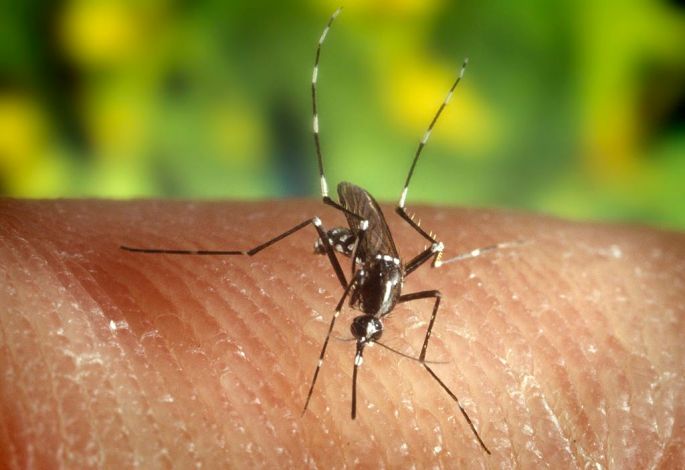
The ECDC has released their sixth Zika update, which discusses several uncertainties that prove difficult when developing response options. Some of these uncertainties include: “all the currently reported sexual transmission events are linked to symptomatic index cases. There is no evidence of transmission by asymptomatic sexual partners” and “there is growing evidence that Zika virus infection during the first and second trimester is associated with increased risk for central nervous system malformation of the foetus. The risk associated with infection during the third trimester is unknown. Therefore, Zika virus infection should be considered as a risk throughout the entire duration of pregnancy.” Fort Benning is trapping and freezing mosquitoes in effort to help the military combat the virus and quickly identify any positive Aedes mosquitos. National Institute of Health supported researchers will be monitoring Zika virus exposure in a group of U.S. athletes, coaches, and Olympic Committee staff attending the games in Brazil. A recent news poll found that most Americans aren’t worried about Zika, in fact they were more worried about Ebola than they currently are about Zika. When asked what they’re doing to limit exposure to Zika, 67% of respondents said they’re waiting to see if it is necessary. The CDC has reported 1,133 cases of Zika virus in the U.S. as of July 6th, 2016. You can also find the full transcript of President Obama’s remarks on Zika on July 1st, following an update from his public health team.
Zika Funding – The Disease Slush Fund
GMU Biodefense MS student Greg Mercer talks about the funding issues related to Zika virus in this week’s commentary. Greg’s overview of the funding struggles reveals a deeper issue when it comes to public health funding and emergency outbreaks. While the U.S. likes to paint itself as a global force for epidemic response, the truth is that we’ve struggled to combat government dysfunction and partisanship. “Government agencies might be funded by the fiscal year, but there’s no telling what the CDC, NIH, and others will have to fight next, not how big that fight will be.”
National Biosafety Systems – Case Studies
Researchers from the UPMC Center for Health Security released their report on case studies to analyze current biosafety approaches and regulations for Brazil, China, India, Israel, Pakistan, Kenya, Russia, Singapore, the United Kingdom, and the U.S. “In previous research, we found that there is a lack of international norms governing biosafety precautions for dangerous or especially contagious; by describing a variety of biosafety governance approaches in these nations, we hoped to find areas of commonality which could be further developed into international norms.” Five trends were identified during comparison of the ten nations – biosafety regulation exists in all ten nations, information availability was extremely variable, making comparisons difficult, the incentives behind biosafety regulation are varied, ranging from agricultural development to infectious disease control to biotechnology investments, advanced or synthetic biology is not consistently addressed by national-level biosafety policy, and funding information for biosafety was generally available. Aside from evaluating each nation, the case studies will aid in future evaluations by establishing nation-level biosafety norms.
Stories You May Have Missed:
- Roots Not Parachutes: Research Collaborations Combat Outbreaks– researchers point to the health system failures in recent infectious disease outbreaks and the dire need to invest in healthcare infrastructure, especially in regions that are prone to outbreaks. They “describe how ‘rooted’ research collaborations can establish capacity for pathogen surveillance and facilitate rapid outbreak responses.”
- Making Money with Antibiotics – Good news – Big Pharma is slowly increasing investment for antibiotic development. The antibiotic “drug drought” from 2001-2011 is slowly starting to pick back up. “A Bloomberg survey of 18 of those companies conducted in May and June found that they expect to boost antibiotic research spending by an average of 36 percent this year, while expanding research staff by 6.5 percent.”
- Detailed Ebola Outbreak History – The CDC has released a detailed report on their work during the 2014/2015 Ebola outbreak in a special MMWR release. “By the time the EOC was officially deactivated on March 31, 2016, more than 3,700 CDC staff, including all 158 Epidemic Intelligence Service Officers, had participated in international or domestic response efforts. There were 2,292 total deployments to Guinea, Liberia, and Sierra Leone and 3,544 total deployments overall (domestic and international) to support the response.”
The Disease Slush Fund
By Greg Mercer
This week, House appropriators introduced legislation which would increase NIH funding to $33.3 billion, which is $1.3 billion more than this year’s funding. It would also set aside $390 million for the federal Zika response. STAT’s Dylan Scott has the full story.
This bill comes as an alternative to the emergency funding fight that’s sprawled across the last few months. Republicans have argued that funding for disease relief should come about through the normal appropriations process.
The emergency funding fight, currently on hold for a Congressional recess, started with the Obama administration’s request for $1.9 billion for Zika relief. Since then, proposals and counterproposals have ping-ponged back and forth between houses of the legislature, with the administration drawing on leftover Ebola money to fund the Zika fight. The Senate approved $1.1 billion in funding in May; House Republicans offered $622 million. Senate Democrats blocked a compromise bill for $1.1 billion—$750 million of which was drawn from cuts to other government expenditures—on June 28th. Democrats cited measures inserted by Republicans to cut Affordable Care Act funding (and the removal of a provision to ban flying of Confederate flags at federal cemeteries).
Back in April, FiveThirtyEight’s Maggie Koerth-Baker compared the emergency Zika funding battle to a slush fund for infectious disease. It’s an apt comparison, especially as the Obama administration, absent Congressional financial assistance, drained funds originally appropriated for Ebola to fight Zika, only the latest infectious disease in a time when global infectious disease outbreaks (and varieties) are on the rise. The United States has certainly established itself as a global force in combatting epidemics, providing financial and military assistance in the West Africa Ebola outbreak. The Zika funding fight though, has been particularly brutal. It’s easy to cry government dysfunction and partisanship, and there’s certainly plenty to go around, but there’s another more perverse relationship at play, too. At the end of the day, infectious disease outbreaks just don’t align with legislative cycles. Epidemiological response requires forecasting, detective work, and some guessing. Government agencies might be funded by the fiscal year, but there’s no telling what the CDC, NIH, and others will have to fight next, not how big that fight will be. The best case scenario, perhaps, is influenza, which utilizes half a year of careful surveillance to identify dominant strains and manufacture vaccines before Northern-Hemisphere flu season arrives. Zika and Ebola though, can emerge rapidly, producing calls for help overnight.
Consider the controversy and outrage over the public health response to Flint, Michigan’s lead crisis, a situation that arose more of less entirely because of policy. Now consider an enemy that follows no human schedules. Whether funding arrives in the form of an emergency bill or the regular appropriations process, infectious disease relief in its current form will always see that now-familiar fight over just how much is needed, and how badly. Disease will stay partisan for as long as we allow it to.
Pandora Report: 7.1.2016
Happy Friday from your favorite source for all things global health security – from Anthrax to Zika, we’ve got you covered…like germs on a kitchen sink! If you’re hoping to catch the Washington D.C. fireworks over the holiday, check out this article regarding the state of D.C.’s preparedness for anything from traffic issues to lone-wolf terrorism. You can also get some insight into the Strategic National Stockpile via an interview with the director of the program, Greg Burel. Ever wonder the economic impact of a pandemic influenza outbreak? A recent study analyzed the consequences of such a health emergency.
Behind the Scenes at Porton Down
BBC will be airing a new documentary on the work that takes place within the secretive site of Porton Down. Located in Wiltshire, England, this government military science park falls under the Defense Science and Technology Laboratory (also known as Dstl). Dstl is an Executive Agency within the Ministry of Defense. Dstl’s website states that it “ensures that innovative science and technology contribute to the defense and security of the UK” however the facility has a long and controversial history. Considered to be one of the sites for research regarding biological and chemical weapons, the work within the 7,000 acres is extremely sensitive and secretive. “Inside Porton Down will also take viewers inside some of the site’s most secure biological research labs, where scientists have been tasked to find out how Ebola – potentially one of the biggest public threats facing us today – has the power to spread.”
Why We Need to Start Worrying About Yellow Fever 
It’s been a few months since we started reporting on the yellow fever outbreak in Angola and as much as we’d like to reveal that this outbreak was quickly put out….a more sinister accelerant was added to the epidemic – a vaccine shortage. The outbreak has spilled over into surrounding countries, with 1,000 suspected cases in the DRC. There are only four major manufacturers of the yellow fever vaccine…that’s right, four. These four manufacturers don’t have the capacity to make vaccine at the rate it would take should the outbreak jump to Asia, which is the growing concern as Chinese workers visit the affected areas. The WHO maintains a stockpile of 6 million doses however, this outbreak is already burning through them and the factories that can make the vaccines are only capable of 2.4 million doses per month. Simply put, the vaccine manufacturing capacity will not be effective if this outbreak spreads much further. This particular detail is why we should be worrying about yellow fever. While it may not be as deadly as Ebola or as contagious as influenza, it’s preventable through vaccination….and yet we’re running out of vaccines. Even scarier is the presence of fake vaccination certificates. Coupled with globalization, yellow fever could easily make its way back to the U.S. and remind us of a history we’d rather not relive. “A yellow fever epidemic might seem anachronistic to people in the United States and Europe, where the disease no longer poses a threat. But some of the most devastating urban outbreaks of yellow fever have occurred in America. In the 18th century, the disease was called the ‘American plague.'”
Who Isn’t Equipped For A Pandemic or Bioterror Attack?
Annie Sparrow of the Bulletin of the Atomic Scientists asks this question and points to the sad reality that the WHO is the front runner for this unfortunate title. Pointing to the origins of the WHO in the days of the early cholera epidemics, Sparrow notes that despite WHO claiming they were a catalyst for multilateral cooperation, the reality is much less prestigious. “But in fact, the first six International Sanitary Conferences were entirely unproductive due to conflicting interests: government fears about losing profits from trans-Atlantic trade took priority over the need to reduce the international death toll. Consensus was achieved only at the seventh conference in 1892, after the opening of the Suez Canal for use by all countries made standardized quarantine regulations necessary.” The slow WHO responses to Ebola and then Zika brought attention to the discrepancies between the WHO’s role as a front-line defense for pandemics (and bioterrorism) and what was actually happening. Many have called for a reform of the WHO and the necessity to address systemic and deep-rooted problems within the organization. Sparrow hits on several key obstacles the WHO needs to overcome if it’s going to truly serve its purpose – “increase its financial resources, eliminate the undue influence of donors and member states, and redress its subservient relationship with governments who are themselves responsible for health crises.” The WHO must also address its practices when dealing with health issues in conflict zones or transitioning states. Lastly, Sparrow highlights the suggestions that transferring global health programs to the UN would not be beneficial, but rather there needs to be a push for rehabbing the WHO. In the end, the world aspect of the WHO needs to provide some muscle behind this work, especially in times of political assertion of sovereignty.
The Up-Hill Battle of Antibiotic Resistance in the World of Infection Prevention
The recent findings of a Pennsylvanian woman with colistin-resistant E. coli in her urine sent title waves throughout the health community. It was the exact moment an organism that was so resistant we have no effective antibiotics to treat it, had reached U.S. soil. In truth, the presence of multi-drug resistant organisms (MDRO’s) isn’t new…they just aren’t as flashy as bugs like Zika or Ebola. In this article, I talk about the framing of MDRO’s and the infection preventionist perspective. “Public framing and hysteria brought Ebola to the forefront. But where is this sense of urgency for organisms so resistant that we have no means of treating them? The case in Pennsylvania received fleeting public attention but it has long been the concern and fear of those working in healthcare and biology. IPs have been working for years on MDRO surveillance and isolation. ”
WHO Appoints Emergency Unit Leader
While we’re on the subject of WHO emergency response, it was recently announced that Peter Salama was appointed as the leader for the health emergencies unit. The Australian epidemiologist is currently with UNICEF in the Middle East and North Africa, but will lead the new team that was established following criticism of the WHO’s response during the West African Ebola outbreak. The new unit was set into place to provide rapid (not rabid…but there’s some infectious disease humor for you), support to a country or community experiencing a “health emergency arising from disease, natural or man-made disasters or conflict”. The WHO website has more information here, regarding the Health Emergencies Programme.
Brexit and Public Health
Unless you’ve been vacationing in a remote part of the globe, the Brexit referendum has been taking over the news. The British vote to leave the European Union (EU) has set into motion a global wave of economic uncertainty. While many are discussing the financial, trade, and labor force implications of the Brexit, there are also far-reaching public health outcomes. Just prior to the vote, an article was published in the Journal of Public Health regarding the impact of the EU laws on public health. Aside from environmental issues ranging from water quality to emissions, the EU has also focussed on tobacco cessation. The EU has developed strong skills for information exchange to better support a healthy public. “The EU has provided continued bold and effective action on public health policy and designed an excellent funding framework for collaborative health research. The loss of the UK’s strong participation and policy voice in the EU would, as Lord Hague, the former Conservative Foreign Secretary, recently quipped ‘not be a very clever day’s work’.” While globalization makes the spread of disease easier, it would make the new British isolation extremely impacting. The isolation via Brexit could create issues regarding cross-border information sharing, which becomes especially vital during outbreaks or in cases of public health emergencies.
The Scoop on Zika
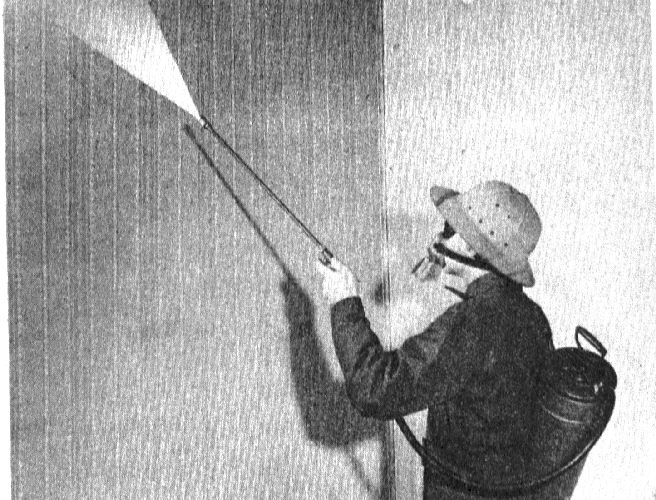
I was recently gifted (as a joke) this amazing device to fend off the Zika-carrying mosquitos…what could possibly go wrong with an electric zapping racket? University of Michigan researchers performed an analysis looking at the political response to Ebola and how that may bubble over to Zika management. Reviewing the U.S. response to Ebola they looked at the “fragmented system with no clear leadership and considerable ‘strategic politicization’ due to the outbreak’s arrival during a midterm election year.” Scott Greer of the U-M School of Public Health noted that “Republicans are going to continue not to give Obama the federal dollars he seeks to combat Zika. They don’t trust him. But when the virus starts to affect people anywhere south of Indianapolis there will be an elaborate game of blaming the administration for not doing it right.” Good news- Cuba recently announced that they have had no Zika transmission since March and Dengue is all but eliminated due to their wide-spread, military supported fumigation efforts. New studies are looking to the efficacy of Zika transmission via urine and saliva as a research team from Brazil’s Fiocruz Institute isolated live virus from such samples. U.S. Zika funding is still in limbo as Senate Democrats derailed the $1.1 billion bill on Tuesday over “objections to attached measures such as birth control restrictions.” Florida health officials reported microcephaly in a baby born to a woman from Haiti. Researchers are also finding that microcephaly may be just the tip of the iceberg, as findings suggest other developmental delays in babies born without microcephaly. There is also concern for the impact of the Zika on fetal brain tissue, causing cell death. Despite the hold-up on Zika funding, the U.S. National Institute of Allergy and Infectious Diseases has started work on a research study regarding the mechanisms that allow Zika to be sexually transmitted. As of June 29, 2016, the CDC has reported 935 Zika cases within the U.S.
Stories You May Have Missed:
- Stopping Lab-Created Global Disasters One Scientist at a Time – Biotechnologist Kevin Esvelt talks about the shaky future of genetic engineering technologies like CRISPR. Esvelt notes, “We are walking forwards blind. We are opening boxes without thinking about consequences. We are going to fall off the tightrope and lose the trust of public. Lots of people are going to die.” Since he and his colleagues first suggested, two years ago, that CRISPR could create gene drive, he has been working hard to warn how dangerous the technology is.
- One Health and the Politics of Antibiotic Resistance– Check out this webinar on July 7, 2016 from 11am-noon EDT. Dr. Laura Kahn will discuss the rise of certain MDRO’s, the different policy approaches in Europe and the U.S., and the history behind low-dose antibiotic use in agriculture.
- Healthcare Worker Gloves and Disease Transmission– Researchers recently revealed results from a study reviewing “cross-transmission rates between contained gloves of healthcare workers and hospital surfaces.” Not surprisingly, results showed that contaminated gloves increased the likelihood of transmission among healthcare workers and in the environment.
Week in DC: Events 6.27-7.1.2016
Monday, June 27, 2016
Leaders Speak: National Security Advisors– National Committee on U.S.-China Relations
Time: 5:30-7pm
Location: Omni Shoreham Hotel2500 Calvert St NW, Washington, DC 20008, USA (map)
Every morning, the national security advisor briefs the president of the United States on the world’s most pressing security threats, from ISIS to the Zika virus. Our collective security is increasingly reliant upon cooperation between the United States and China, whether it is minimizing the risk of conflict in the South China Sea, dealing with North Korea’s nuclear weapons program, or responding to climate change. Join us for a program on these issues and more, featuring former National Security Advisors Stephen J. Hadley, Robert “Bud” McFarlane, and Richard V. Allen in conversation with National Committee President Steve Orlins.
Tuesday, June 28, 2016
Trading Up: A Critical Perspective On Jobs, Governance & Security In U.S. Trade Policy– Institute for Policy Studies
Time: 9am-5pm
Location: nstitute for Policy Studies815 16th St. NW Washington, DC United States (map)
We are delighted to invite you to“Trading Up: A Critical Perspective on Jobs, Governance & Security in U.S. Trade Policy,” A program that includes continental breakfast, lunch and an evening reception. U.S. trade policy is at a crossroads. With progress at the WTO seemingly halted, the global business community has turned to alternative strategies, including the Trans-Pacific Partnership (TPP). The Administration continues to work to advance the TPP this year, but its unpopularity with all remaining presidential candidates and their primary voters has made that goal tenuous. We encourage you to R.S.V.P. as soon as possible, as space is limited for this free event. Check out the Trading Up conference agenda in full.
Expand Social Security Now– Economic Policy Institute
Time: 11am-12:20pm
Location: Economic Policy Institute1225 Eye Street, N.W. Washington, DC (map)
Suite 600 Wellstone Room
Join Social Security Works at the Economic Policy Institute for a panel on expanding Social Security. As seen in the New York Times, Social Security expansion is part of a strong and growing movement in America and will play a crucial role in the 2016 election. This movement has allowed defenders of Social Security to shift the conversation and have a serious discussion about how we can expand Social Security to solve the retirement security crisis. On June 28, 2016, we will be joined by author Steven Hill to talk about his new book Expand Social Security Now! How to Ensure Americans Get the Retirement They Deserve, as well as Nancy Altman, co-author of Social Security Works! Why Social Security Isn’t Going Broke and How Expanding It Will Help Us All. The panel will be moderated by the President and CEO of the Center for Global Policy Solutions and author of Plan for a New Future: The Impact of Social Security Reform on People of Color, Maya Rockeymoore, and joined by EPI President Lawrence Mishel. This panel will explore Social Security expansion and discuss how we can continue to make expansion the only option for lawmakers. Continue reading “Week in DC: Events 6.27-7.1.2016”
Pandora Report 6.24.2016
Welcome back to your weekly biodefense roundup! To start things off on a light note and since it’s official summer, enjoy this satirical piece on the existence of public pools. In truth, public pools are a mixture of fun and risk for waterborne diarrheal diseases, so remember to stay safe. The NIH has given the green light for CRISPR-Cas9 clinical trials for cell therapies related to cancer treatment. Japan is currently on alert for a possible North Korean ballistic missile launch. Lastly, even though the outbreak appears over, many are discussing the aftermath of Ebola and if it’s really behind us
Tales from the Front Lines of Disease Detective Cases
Foreign Policy‘s Laurie Garrett discusses epidemic fighters, especially the work of Ali Khan, and his quest to speak the truth about epidemics. Khan’s work as an EIS officer and former Director of the Office of Public Health Preparedness and Response (PHPR) has given him a wealth of knowledge from being in the trenches of global outbreaks. Khan’s new book, The Next Pandemic: On the Front Lines Against Humankind’s Gravest Dangers, discusses his experiences from the Amerithrax attacks to the debate on smallpox sample destruction. “Khan writes, the most vital problem-solving exercise has little to do with science, and everything to do with social customs. In 2015, Khan was involved in an out-of-control moment in the Ebola epidemic of Sierra Leone. Long after neighboring Liberia had its outbreak down to a handful of cases, the military-run campaign in Sierra Leone was losing the support of the people by imposing mass quarantines, shutting down entire regions of the country for long periods. Out of the discontent over loss of business, food, and trade arose false leaders claiming witchcraft practiced by the foreigners and magic were spreading the Ebola — not intangible things few could comprehend, like ‘viruses.'” The blend of public health preparedness and front-line outbreak response gives Khan a unique and appreciated perspective into the world of global health security.
Why Hasn’t Disease Wiped Out the Human Race?
University of Pittsburgh’s infectious disease physician, Amesh Adalja, discusses why an infectious disease event with the magnitude of the Andromeda Strain is a bit more unlikely than people realize. He notes that an “apocalyptic pathogen” needs to be in the right place at the right time – more specifically, a combination of having no existing treatment or vaccine and high transmissibility prior to the start of symptoms. “The three infectious diseases most likely to be considered extinction-level threats in the world today—influenza, HIV, and Ebola—don’t meet these two requirements. Influenza, for instance, despite its well-established ability to kill on a large scale, its contagiousness, and its unrivaled ability to shift and drift away from our vaccines, is still what I would call a ‘known unknown.’ While there are many mysteries about how new flu strains emerge, from at least the time of Hippocrates, humans have been attuned to its risk.” Adalja notes that beyond these three (I’ll call them the Big Three), all the other infectious diseases out there fall short of meeting the global extinction sweet spot. Perhaps one of the most crucial lessons to take away from Adalja’s comments isn’t that we should ignore or diminish the impact of infectious diseases, but that institutional failure and infrastructure instability can often do more damage during an outbreak than the disease. With the growing concern related to antibiotic resistance Dr. Adalja notes that “to me, antibiotic resistance represents the most pressing challenge in the realm of infectious disease and, if it is not overcome, we face the very real prospect of being dragged back to the pre-penicillin era in which even routine surgery was a gamble.”
Iceland, Horses, and Hendra
GMU Biodefense MS student, Greg Mercer, can’t even go on vacation without thinking about global health security, but lucky for us, that means we get to learn about Icelandic horses and Hendra! Fueling our fascination with all things related to One Health and spillover, Greg discusses the exportation of Icelandic horses (look at them, wouldn’t you want one?) but also that importation of horses is banned in Iceland. Even an Icelandic horse that was sent abroad for a short period of time can’t return home. Greg notes that its been this way for a hundreds of years and while the import rules maintain purebred status, the ban also protects against disease. “Iceland has few natural horse diseases, and the breeder I spoke to said that Icelandic horses are frequently unvaccinated, which would be very unusual in the rest of the world. When they’re exported, they have to be treated as if they don’t have any immune protection. The import ban prevents foreign diseases from entering the country (via other horses, anyway).” Check out Greg’s Icelandic experience and why horse diseases struck a cord during his travels.
Incorporating More One Health Into the Global Health Security Diet
Some may say we need more cowbell, but in the world of global health security, we need more One Health. The One Health Commission and the One Health Initiative are teaming up to help create and promote a global education plan that will focus on the “unifying interconnected health of humans, animals, and the environment that sustains all life on earth.” A recent paper looks to accumulate interested parties and help drive the project forward. The drive behind this partnership is to capture the younger generations and lay a strong foundation of One Health education and support. “The overall intent of the concept paper is to raise awareness about the urgent need for the development and to explore the concept further through a small pre-project proposal conference (possibly off and/or on-line) with a view to fleshing out a strong plan to fund the envisioned global learning program.” The group is currently organizing the pre-project proposal conference, but in the mean time, if you’ve already got some great ideas or are interested in participating in spreading the One Health message, check out their website here.
Zika Weekly Updates
Inovio Pharmaceuticals announced on 6/20 that it received FDA clearance for the phase 1 clinical trials for its Zika vaccine. Clinical trials are set to begin by the end of this year for the DNA-based vaccine. A new study finds that the Zika epidemic can be fielded by climate variations on multiple timescales. Researchers utilized a novel timescale-decomposition methodology and found that “the increasingly probable 2016-2017 La Nina suggests that ZIKV response strategies adapted for a drought context in Brazil may need to be revised to accommodate the likely return of heavy rainfall.” The CDC has also recently issued guidance for travelers visiting friends in areas with ongoing transmission of Chikungunya, Dengue, or Zika. The NIH is launching a large study in efforts to answer questions about Zika virus and pregnancy. Hoping to enroll 10,000 pregnant girls and women (ages 15 and older) in their first trimesters, the study will look to long-term impacts on babies and the role that previous dengue infections play in birth defect frequency. You can find the recently published article regarding the history of a newly emerging arbovirus here, which summarizes “the history of Zika virus from its first detection to its current worldwide distribution.” In the early hours of Thursday morning, the House passed the $1.1 billion Zika funding bill. The White House threatened to veto the bill though. “The threat from deputy White House with press secretary Eric Schultz came as the Senate prepared for a vote next week, likely Tuesday, even though there’s no guarantee that the Senate can round up the 60 votes necessary to break a filibuster as Democrats call the bill partisan and inadequate.” Several studies have pointed to the linkage between earlier dengue infection and worsened Zika infections, however there is also a potential for a certain antibody against dengue being a target for a vaccine. The CDC has confirmed, as of June 22nd, there have been 820 cases within the U.S. and DC.
One Step Closer to the Zombie Apocalypse
Researchers from the University of Washington recently reported that several hundred genes actually increase in expression after death. Scientists found that “the transcriptional abundance of some 500 genes was significantly changed after death in healthy zebrafish and in healthy mice. While gene expression overall declined after death, the expression of some genes increased shortly after death and others increased 24 hours or 48 hours later. These genes, the researchers note, were commonly involved in stress, immunity, inflammation, apoptosis, and cancer.” It’s believed that this post-mortem gene expression is a result of residual energy and this may happen in humans as well. This new discovery leaves many asking about the definition of death if a person’s genes are still active for up to 48 hours after they die.
Listeria Troubles Dozens of Schools 
Pre-prepared sandwiches are being recalled across 38 school districts as a result of a possible Listeria contamination. “The potentially contaminated food was produced at a facility where the U.S. Food and Drug Administration found Listeria monocytogenes ‘on multiple food contact surfaces where the products were produced on several different occasions’ during routine FDA environmental sampling, according to the recall notice.” While students have been let out on summer break, the concern is that Listeria can take 70 days for symptoms to appear. This latest food safety issue comes after Molly & Drew recalled some of its beer bread mix due to concerns over E. coli contamination. E. coli outbreaks been plaguing the news lately as a result of the General Mills flour outbreak that sickened 38 people across 20 states.
Stories You May Have Missed:
- CRISPR vs. Flaviviruses – researchers at the Washington University School of Medicine have found a “single-gene pathway that is vital for viruses like Zika to spread infection between cells”. Even better, the team found that when they shut down a gene in this pathway, flaviviruses aren’t able to leave the infected cell and thus replicate. Using CRISPR technology to selectively shut down a single gene in the pathway, they were able to shut down flavivirus infection without negatively affecting the cells.
- DRC Declares Yellow Fever Outbreak– The DRC Heath Minister recently declared a localized epidemic of yellow fever after reporting 67 cases. 58 of these cases were considered imported as they were from Angola, where the outbreak has grown beyond 3,100 cases and 345 fatalities. The outbreak has crept across Angola, Uganda, and now the DRA as a result of vaccine shortages.
- MER-CoV Outbreak in Riyadh Hospital – the WHO released information regarding the outbreak that begin with a woman whose illness wasn’t detected until after her stay in a surgery ward. Her hospitalization exposed 49 healthcare workers and all but 2 of the 22 MERS cases reported in Saudi Arabia (June 16-18) are related to this outbreak.
Iceland, Horses, and Hendra: Greg thinks about infectious disease when he’s supposed to be on vacation
By Greg Mercer
I recently visited Iceland, which in addition to being naturally beautiful and having weird day/night cycles thanks to its latitude, is something of an ecological paradise with an excellent renewable energy record. I was surprised to learn about their horses and the restrictions placed upon them, partially for the prevention of disease.
The Icelandic horse is notable for being fairly small (pony-sized, but don’t call it a pony), adaptable, hardy, and having 5 types of gaits, a detail which is basically meaningless to me but is apparently of great significance to horse dressage enthusiasts. My companions and I stopped at a stable, where one of the breeders told us about the breed, its history, and its unique international commerce status. I haven’t met too many horses but these ones seemed pretty nice.
Icelandic horses are popular around the world, and are frequently exported to foreign buyers for work or show. Imports of horses to Iceland, however, are banned. Once they leave, they can’t go back home, and horses born outside the country aren’t allowed in. Allegedly, this has been the case for about a thousand years. It’s hard to pin down a start date for that, but the policy is in effect today. There are two reasons for this: Icelandic horses are prized for being purebred and having a heritage that dates back to Viking settlers. They’re the only breed of horse in Iceland, so maintaining these traits is easy. Presumably the 80,000 horses in the country are enough to avoid a population bottleneck (I must reiterate that I am no horse expert).
But the import ban also guards against disease. Iceland has few natural horse diseases, and the breeder I spoke to said that Icelandic horses are frequently unvaccinated, which would be very unusual in the rest of the world. When they’re exported, they have to be treated as if they don’t have any immune protection. The import ban prevents foreign diseases from entering the country (via other horses, anyway).
Horse vaccines are big business. Throughout the rest of the world, horse owners can vaccinate their horses against West Nile Virus, Influenza, Potomac Horse Fever, Rabies, and other diseases. It makes a lot of sense: horses represent a major investment. For a horse owner, the cost of vaccination could be a fraction of the financial loss from a fatal horse disease. Plus, people tend to like their horses, and want to keep them from getting sick.
Even if you aren’t a horse dressage enthusiast or otherwise equine-inclined, horse diseases are no joke. Consider Hendra virus: Named for the suburb of Brisbane, Australia, where it was first isolated, Hendra is a Henipavirus, in the same family as Nipah virus. It’s found in Australia, Southeast Asia, India, and Madagascar. It can be transmitted from horses to humans via exposure to a horse’s bodily fluids, tissues, or excretions, and can prove fatal in both humans and horses. It’s likely that horses are exposed to the virus from the urine of flying foxes, a type of large bat. The details of the fatal Brisbane outbreak are detailed in David Quammen’s excellent book, Spillover.
This is all to say that Icelandic horses have a unique situation. As long as no new equine diseases enter the country, it’s more or less a closed system. The Icelandic Food and Veterinary Authority takes this equilibrium very seriously, offering warnings about foreign disease and guidelines for preventing infection.
Pandora Report 6.10.2016
Summer temperatures are soaring (Arizona hit 115F last week, so I guess it’s time to start baking cookies on the dashboard again- just make sure not to use General Mills flour!) and we’ve got your weekly biodefense cool down. Check out this global outbreak monitor, where you can keep an eye on all your favorite cases. The DoD is currently conducting market research to identify vaccine developers for medical countermeasure manufacturing. They’re looking for “advanced manufacturing platforms which are adaptable to incorporating known antigens for use as a prophylaxis countermeasure against weaponizable biological agents.” Before we venture down the biodefense rabbit hole, the Pandora Report will be on hiatus next week (June 17th), but don’t fear- we’ll return the week of June 24th!
Infectious Disease Threat Management
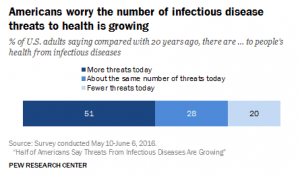
Are emerging infectious disease outbreaks an anomaly or are these events the new norm? Dr. Daniel M. Gerstein points to a 2014 study on the global rise of these outbreaks, which point to the growing threat of zoonotic disease spillover. Gerstein discusses the common trend of failure to predict such events but also the poor response in medical countermeasures and diagnostics. Between West Nile Virus, Ebola, H1N1, and now Zika, we’ve had ample time to get both preparedness and response right. “A recent commentary by Ronald A. Klain — a former White House Ebola response coordinator — should be required reading on the United States’ lack of preparedness for responding to the Zika virus. In it, Klain provided both a dire assessment of Congress’ uncertain funding support for the current response, and made longer-term recommendations for improving our rapid response to infectious disease outbreaks. Yet while these recommendations are spot on, including calls for a dedicated organization with specialized capability to respond to disease outbreaks, more must be done to ensure adequate preparedness against emerging infectious disease in the future.” U.S. preparedness measures utilize epidemiology and biosurveillance, however these are both passive methods that rely on reactive measures, rather than proactive. “This reactive approach to emerging infectious disease should be augmented with an anticipatory model that accounts for the dramatic changes occurring through globalization, greater interactions between human and zoonotic populations, and changes to the environment and climate patterns.” He points to the need for predictive analytical tools and modeling to better focus research and development efforts in order to control and prevent such events. Gerstein acknowledges the long-term and challenging realities of such efforts though, pointing to the need for private sector contributions and strategies to focus on anticipating infectious disease threats.
CDC Biosafety Failures – “Like a Disaster Movie”
The stories of biosafety failures in U.S. labs working with select agents is enough to send chills through even the toughest of pathologists. Reporters recently gained access to records from the CDC regarding the 2009 events in which safety mechanisms in a CDC biosafety level 4 lab failed. “The gasket seal around the exit door to the changing room deflated to the point that the scientists could see light coming in. And as they held that door shut and started an emergency chemical deluge, things got even worse.” Records include emails that hoped to avoid federal lab regulatory reporting. While these reports are shocking to biosafety experts like Richard Ebright from Rutgers University, CDC officials claim there was no risk from the equipment failures. The release of these records draws further attention to the failures but also the CDC response and challenges in even getting the records released under the Freedom of Information Act. You can read more of the records released to USAToday here and here.
Back to the Future in Global Health Security?
People frequently think back to the days of the Black Death as a reminder of the progress we’ve made in disease defense. Are we really in a better position though? Globalization, growing populations, rising global temperatures, urbanization, and easy international travel all make it possible for diseases to jump around in a matter of hours. WHO Director-General Margaret Chan noted that “For infectious diseases, you cannot trust the past when planning for the future. What we are seeing is a dramatic resurgence of the threat from emerging and reemerging infectious diseases. The world is not prepared to cope.” The lessons from Ebola, H1N1, and even Zika haven’t truly sunken in yet and there are more outbreaks on the horizon. “International mechanisms must be established to coordinate the upstream research and development (R&D) of new medical tools to respond to priority pathogens and the downstream testing, manufacturing, and delivery of those tools as part of the larger humanitarian response to an ongoing outbreak.” Researchers have suggested four lessons from our past to encourage technological innovation to better prevent and respond to health crises – ensure adequate and sustainable long-term investment, coordinate R&D around a roadmap of priority goals, engage and energize a network of geographically distributed multi-sector partners, and remember that sustainability depends on adequate systems and equitable access. Establishing an environment of coordination and sustainability will be vital to move from a reactive to a proactive practice of global health security.
DoD Biosafety Report
GMU Biodefense MS student, Stevie Kiesel discusses the report the DoD Inspector General published regarding the biosafety and biosecurity failures within DoD labs that work with biological select agents and toxins (BSAT). Stevie’s deep dive into this report addresses the systematic failures that led to such events. Inconsistent internal or external technical or scientific peer reviews and even inspection standards led to not only missing inspections, but also duplicative ones. “Some inspectors failed to review specific vulnerability assessments for their assigned labs to ensure that shortcomings identified during previous inspections had been mitigated. In some cases, these vulnerability assessments were not reviewed because they had never been conducted, or had not been conducted annually as required.”
Immune System Education and the Realities of the Antibiotic Resistance
Autoimmune diseases and antibiotic resistance have risen in the past half-century…but what does this really mean? The human microbiome (your body’s own community of microbes that help run your immune system) is now being considered as a potential puzzle piece for the increase in autoimmune issues. Have these microbiome communities changed so largely that our entire society is being impacted? “To test this possibility, some years ago, a team of scientists began following 33 newborns who were genetically at risk of developing Type 1 diabetes, a condition in which the immune system destroys the insulin-producing cells of the pancreas. After three years, four of the children developed the condition. The scientists had periodically sampled the children’s microbes, and when they looked back at this record, they discovered that the microbiome of children who developed the disease changed in predictable ways nearly a year before the disease appeared. Diversity declined and inflammatory microbes bloomed. It was as if a gradually maturing ecosystem had been struck by a blight and overgrown by weeds.” Coupled with several other studies, there is a growing thought that toughening the immune system early in life can alter our response later in life or that the kind of microbiome you have will determine your response to viral infections. So what happens if our immune systems begin to fail us and antibiotics are a thing of the past? That’s a pretty devastating notion and it’s right before the weekend, so let’s scale it back to just consider a world without antibiotics – would you still shake hands or take an international flight? Physiologist Kevin Fong notes “If we are to avoid a return to the pre-antibiotic landscape with all its excess mortality we must be bold. To squander the advantage we have so recently gained against microorganisms in the fight for life would be unthinkable.”
The Race Against Zika 
The debate regarding the 2016 Rio Olympics took a turn this week as the WHO stated it will look again at the Zika risk during the games. 150 international experts penned an open letter to the WHO regarding their “irresponsible” actions and that the organization was rejecting calls to move or postpone the games due to it’s official partnership with the International Olympic Committee. What are the actual risks? Will the Rio Olympics put the rest of the world at risk for Zika? Here is an interesting infographic and article on that exact question. Bringing thousands of people from different countries together is definitely a gold medal strategy for spreading infectious disease. The ECDC has posted their epidemiological data here, as well as their risk assessment. A new study looks at sexual transmission and the persistence of Zika virus in semen, finding that RNA can persist in semen for 62 days. Researchers found a case of a woman with Zika virus presenting 44 days after the onset of symptoms in her partner, which “corresponds to a sexual transmission occurring between 34 and 41 days after the index case.” This announcement comes after there were no previously reported secondary cases more than 19 days after the onset of signs in a man. Concerns regarding congenital eye issues in babies without microcephaly were also raised after a case was identified. As of June 8th, the CDC has reported 691 travel-associated cases within the U.S.
Stories You May Have Missed:
- CRISPR’s Gene-Editing Skills on RNA – researchers have now established a method for targeting and cutting RNA. “The new cutting tool should help researchers better understand RNA’s role in cells and diseases, and some believe it could one day be useful in treatments for illnesses from Huntington’s to heart disease.” The process involves using CRISPR to create “blades”. Given the concerns around CRISPR and dual-use technologies of concern, researchers are pointing out that there are far less ethical concerns regarding manipulation of RNA.
- Legionnaires’ On the Rise – sadly this isn’t the name of a new historical action flick, but rather a public health concern that has the CDC looking into water system integrity. Cases of Legionnaires’ disease have quadrupled since 2000. The CDC has stated that the reason for such a stark increase is most likely due to aging building water systems, an aging population, and better surveillance/reporting systems.
- Ebola Stability Under Hospital and Environmental Conditions – a new study looks at the role of fomites in EVD transmission, especially in healthcare settings. “To assess the potential contribution of fomites to human infections with EBOV, we tested EBOV stability in human blood spotted onto Sierra Leonean banknotes and in syringe needles under hospital and environmental conditions.” Researchers found that the virus survived more than 30 days in blood in syringes, despite hot/humid conditions, and six days on paper money under experimental conditions.
DoD Biosafety Failures
By Stevie Kiesel
On April 29, 2016, the Department of Defense Office of Inspector General (OIG) published “Evaluation of DoD Biological Safety and Security Implementation” (Report No. DODIG-2016-078). This report had two objectives: (1) examine the application of biosafety and biosecurity policy and guidance across DoD laboratories that work with biological select agents and toxins (BSAT) and (2) evaluate biological safety and security oversight, compliance with applicable policy, and actions on recommendations from previous assessments. Although this review was initiated six months before the highly publicized Dugway Proving Ground anthrax inactivation incident, such biosafety and biosecurity lapses have made this report all the more relevant today. The OIG ultimately found four areas of deficiency in federal BSAT labs, with potentially grave consequences for public health and safety.
First, DoD did not maintain biosafety and biosecurity program management, oversight, and inspections of BSAT labs in accordance with the applicable governing documents. Because of this lack of standardization (which had been noted in previous reviews), the military Services conducted laboratory inspections based on Service-level guidance and procedures that was not standardized, and went beyond being tailored to suit individual Services’ needs. In some cases, inspection procedures even varied within a Service. Specifically, the inspection procedures varied because of (1) a lack of standardized training, (2) a lack of the requisite professional experience and/or expertise among inspection team members, and (3) failure to track inspection findings and ensure long-term implementation of recommendations. These deficiencies occurred because there is no single DoD entity that can track and correct deficiencies and implement standardization procedures. Therefore, the OIG recommended that the Deputy Secretary of Defense appoints an Executive Agent for Biosafety and Biosecurity, who would conduct standardized oversight and inspections, track and follow up on inspection results, improve training, and ensure that members of the inspection teams are adequately qualified.
Second, the BSAT labs did not consistently undergo internal or external technical or scientific peer reviews, which are essential for proper oversight. Although DoD guidance required the formation of institutional-level Biological Safety Committees (which must meet at least quarterly), implementation of this requirement varies widely among the many BSAT labs. Current guidance does not contain a requirement for a similar committee on biosecurity, nor does the guidance require reporting or tracking of incidents related to physical security or personnel reliability. There is also no mechanism currently in place for incorporating lessons learned. The OIG recommended two courses of action to mitigate these shortcomings: (1) the Executive Agent should implement an external technical and scientific peer review process that addresses both biosafety and biosecurity issues, and (2) the Under Secretary of Defense for Acquisitions, Technology, and Logistics (USD [AT&L]) should issue guidance that requires all DoD BSAT labs to implement such a peer review process. Continue reading “DoD Biosafety Failures”
Week in DC: Events 6.6-6.10.2016
Monday, June 6th, 2016
Sustaining NATO’s Strength And Deterrence– Atlantic Council
Time: 9am-12:45pm
Location: Kempinski Hotel Cathedral SquareUniversiteto g. 14, Vilnius 01122, Lithuania (map)
The discussions will feature a keynote address by Ben Hodges, Commanding General of US Army Europe, and opening remarks by Lithuania’s Minister of National Defense, Juozas Olekas.
The conference will convene key regional and US officials, military leaders, and senior experts for a high-level discussion on the strategic issues facing NATO’s eastern flank, one month before its seminal 2016 Warsaw Summit.
The Baltic region has become a potential flashpoint between NATO and Russia. Russia has ratcheted up tensions in the region through large-scale military exercises, dramatic air and sea encounters, and the development of a potent anti-access/area denial (A2/AD) network. Establishing new approaches and strategies to sustain NATO’s strength and presence in the region will be a key priority for the Alliance. This conference will contribute directly to the discussions in the Alliance as it prepares for its Warsaw Summit.
If you have any questions or wish to RSVP, please contact Monika Korolioviene at the Ministry of National Defense of Lithuania at Monika.Korolioviene@kam.lt. We hope that you will be able to join us for this important event. Thank you very much, and we look forward to hearing from you soon. On Twitter? Follow @ACScowcroft and @Lithuanian_MoD and use #FutureNATO to join the conversation!
Global Nuclear Challenges And Solutions For The Next U.S. President– Arms Control Association
Time: 9am-2:30pm
Location: Carnegie Endowment for International Peace1779 Massachusetts Ave NW, Washington, DC 20036 (map)
Root Room
On June 6, shortly after President Barack Obama’s historic visit to Hiroshima, we will host our 2016 Annual Meeting featuring keynote remarks from President Obama’s Deputy National Security Advisor Ben Rhodes and Hiroshima atomic bomb survivor and 2015 “Arms Control Person of the Year” award winner Setsuko Thurlow.
Tuesday, June 7th, 2016
Climate, Air Pollution, And Public Health—Revisiting The Energy Innovation Agenda– Carnegie Endowment for International Peace
Time: 9-11:45am
Location: Carnegie Endowment for International Peace1779 Massachusetts Ave NW, Washington, DC 20036, USA (map)
The nexus between air quality and climate change is of growing importance, as developing countries grapple with intensifying air pollution. Some believe that local air pollution—an environmental challenge that is more visible and immediately harmful to public health than longer-term climate change—may in fact drive policy and technology that can ultimately both improve air quality and work to mitigate climate change. Yet the impression of mutual gains may be illusory or at least incomplete—there is no guarantee that action on air quality will bring about coherent climate policymaking, nor vice-versa. Continue reading “Week in DC: Events 6.6-6.10.2016”