
Pandora Report 12.15.2023

This week covers the FDA’s ongoing investigation into contaminated applesauce, the passing of Gao Yaojie-an activist responsible for bringing to light the extent of China’s AIDS epidemic-, and more.
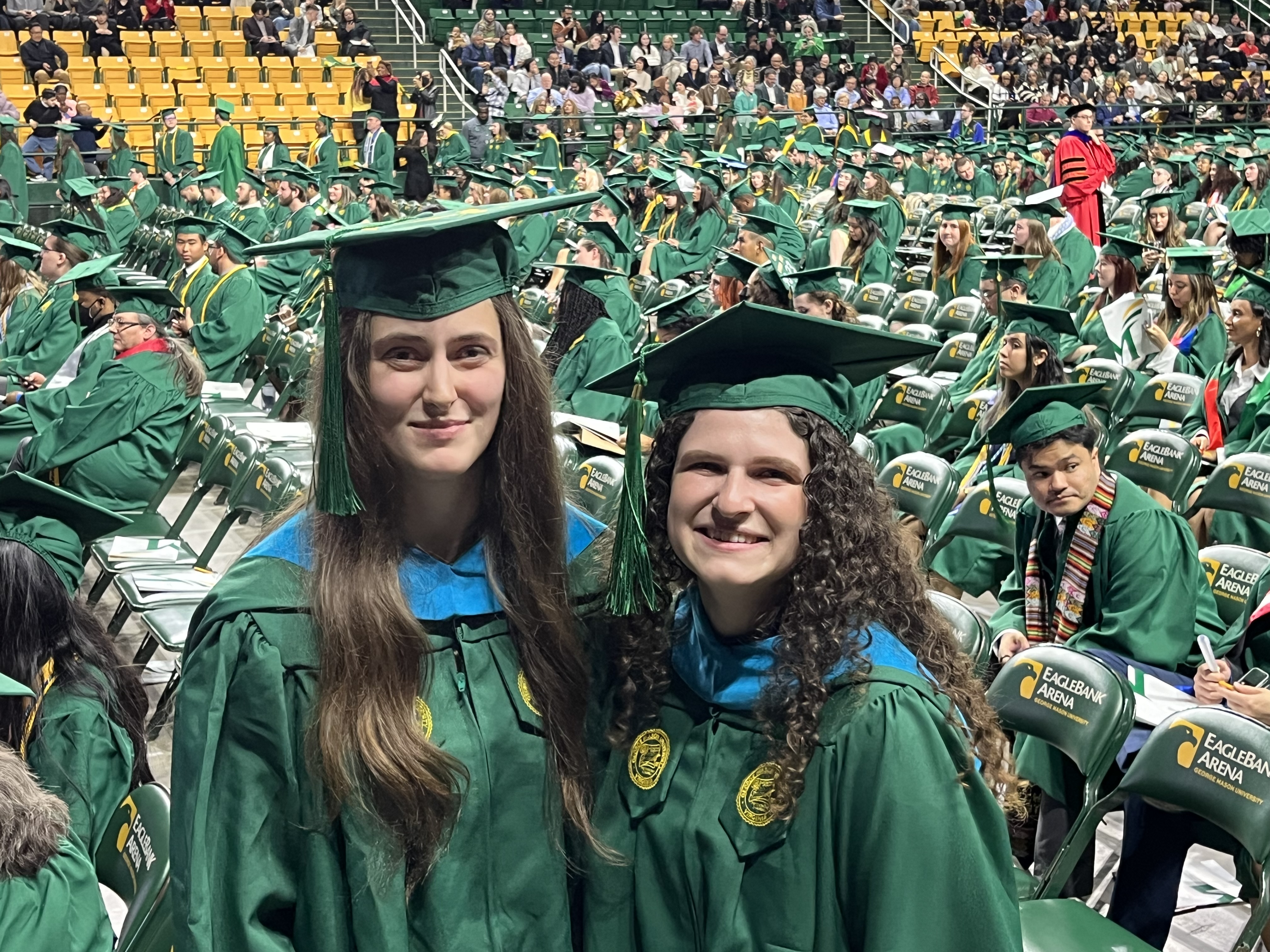
Biodefense MS Graduates Riley Flynn and Sophie Hirshfield at GMU’s 2023 Winter Commencement Ceremony

FDA Leadership Says Tainted Applesauce Pouches May Have Been Intentionally Contaminated

Cinnamon applesauce pouches available Weis, WanaBanana, and Schnucks have been pulled from shelves after they were found to be contaminated with lead. Dozens of children in the United States have been sickened by the tainted products. Now, the FDA’s Deputy Commissioner for Human Foods, Jim Jones, says they may have been intentionally contaminated.

In an interview with Politico, Jones said “We’re still in the midst of our investigation. But so far all of the signals we’re getting lead to an intentional act on the part of someone in the supply chain and we’re trying to sort of figure that out.” All of the pouches in question were linked to a manufacturing facility in Ecuador that the FDA is currently inspecting.

‘“My instinct is they didn’t think this product was going to end up in a country with a robust regulatory process,” Jones said. “They thought it was going to end up in places that did not have the ability to detect something like this.”’

Politico further explained that “The FDA continues to investigate a number of theories for how the pouches became contaminated, and has not drawn any conclusions about the way the lead was added, why or by whom. The FDA says it currently believes the adulteration is “economically motivated.” That generally refers to ingredients being altered in order to make products appear higher in value, often so companies can produce a cheaper item and sell it at an elevated price.”

“The agency and the Centers for Disease Control and Prevention have collaborated with state and local health authorities as well as Ecuadorian authorities to trace the origin of the cinnamon in the applesauce pouches, which is believed to be the source of the lead contamination. More than 60 U.S. children under the age of 6 have tested positive for lead poisoning after consuming the pouches — some at levels more than 500 times the acceptable threshold for lead, according to The Washington Post.”

Gao Yaojie, Chinese Physician and Self-Exiled AIDS Activist, Dead at 95

Gao Yaojie, a gynecologist and well-known AIDS activist, died on December 10 in New York City. Gao, formerly based in China’s Henan province, was famous for her work to expose the outbreak of HIV/AIDS in the country in the 1990s and 2000s. The outbreak was large in scale and primarily driven by the country’s Plasma Economy, which arose because of restrictions on foreign imports of blood products in the 1990s. This resulted in blood plasma donation becoming a way for rural populations to make money in government-supported plasma donation centers. However, unsafe practices like repeated use of unsterilized needles and pooling multiple donors’ blood during the plasmapheresis allowed HIV to spread widely.

Because of the Chinese government’s efforts to suppress reporting on this epidemic, poor rural populations were left largely unaware of the dangers of plasma donation and the public in general was unaware of the severity of the crisis. Gao was one of the first to speak publicly about the outbreak, helping draw the attention of media outlets. She later told documentary filmmakers about her motivations for doing this, saying, “My driving thought is: how can I save more people from dying of this disease? We each only live one life.”

It is estimated that at least one million Chinese were infected with HIV during this epidemic, highlighting the importance of Gao’s and others’ bravery. For this, she garnered praise from the United Nations, several Western organizations, and even Hillary Clinton. This rising fame led to her being placed under house arrest in 2007, with about 50 police preventing her from traveling to the United States to accept an award recognizing her work. In response to this, she told NPR “I think they feel I got in the way of their political achievements and their official careers…Otherwise, why would they put me under house arrest? What law did I break to warrant mobilizing all these police?”

NPR further explained her activities later in life in their article on her passing, writing: “Despite pressure from Henan provincial authorities to stop publicizing the AIDS crisis, she continued her work, using all the proceeds from her books and pamphlets to support AIDS families, especially children orphaned by the disease or the many suicides that it caused.”

“Restrictions on her movement began hindering in work in China, however, and in 2009, she abruptly fled to the US, after fearing she would be put under house arrest again. Many admirers continued to visit her apartment in West Harlem, including a group of young Chinese students who kept her company in the loneliness of exile.”

‘”Many Chinese regarded her as a hero, and when they came to New York, if they didn’t know how to contact her , [sic] they would ask me. I would ask them for an email written in Chinese and would forward it to her. So far as I know, she always wrote back to those people and welcomed them to come visit,” remembers Andrew Nathan, a political science professor at Columbia University who handled much of Gao’s affairs in New York.”
“The Biological and Toxin Weapons Convention in 2023: Glimmers of Progress Set Against a Troubled Geopolitical Landscape”

Experts at CSR’s Nolan Center, including Biodefense PhD Program alumna and current faculty member Saskia Popescu, recently authored this blog post focused on the BWC’s potential for success in verification, universalization and effective implementation in Africa, and the creation of an International Agency for Biological Safety. They explain in their introduction: “For nearly two decades, efforts to strengthen the Biological and Toxin Weapons Convention (BWC) were in stasis, with opportunities missed and States Parties unable to agree to definite action. States Parties arrived at the Review Conference last year facing a growing biological weapons threat—augmented by rapidly converging complimentary technologies—coupled with a status quo in the BWC that was insufficient for the task. Yet nations drove a breakthrough: the consensus achieved at last year’s Review Conference proved that action is still possible despite the challenging international security environment.”

“In a world in which biological threats and vulnerabilities are exceedingly complex, there is a critical need to reinforce relationships among global experts, national governments, and civil society. Over the past two weeks, these stakeholders have met to identify, examine, and develop specific and effective measures to strengthen the Convention. An unwavering theme throughout the Meeting of States Parties underscored that preparedness and resilience are investments, rather than costs, reinforcing the deterrence by denial efforts CSR continues to promote. Although the challenging international security environment continues to hinder progress there are glimmers of genuine progress across several fronts…”

“Biosecurity in the Americas: Regional Threat Assessment”

A new from UMD’s START, co-authored by Biodefense MS Program alumna Alexandra Williams: “This publication, currently available in Spanish, provides a breadth and depth of focuses as a high-level assessment of the Central and South America regions and introduction to key topics as:

  1. The needed expansion of understanding of the differences and areas of collaboration between the concepts of biosafety and biosecurity,
  2. Existing international obligations to biosecurity through the BWC and UNSC Resolution 1540,
  3. How biosecurity applies to and may differ in application across a variety of facility types that engage in biological research or production, whether private or public laboratories, agricultural or university-based facilities,
  4. Biosecurity risks that include proliferation, bioterrorism, agroterrorism, and biocrime,
  5. The five pillars and mechanisms of biosecurity,
  6. Lastly, the application of biosecurity in the Central and South American regions.”

“NTI|Bio Convenes Workshop on Disincentivizing State Bioweapons Development and Use”

From NTI: “A week ahead of the Biological Weapons Convention (BWC) Working Group meetings in Geneva, Switzerland, NTI | bio convened a workshop on “Disincentivizing State Bioweapons Development and Use.” This two-day workshop on November 29 and 30 brought together academics, diplomats, biosecurity experts, and government policy makers to begin developing a cross-disciplinary thought and practice community to explore and develop potential disincentivizing solutions. Current thinking and policy on disincentivizing bioweapons acquisition and use is underdeveloped—especially by comparison with the nuclear security field.”

‘“We launched this effort because we see the need for more rigorous thinking on effective approaches to making bioweapons unattractive to nation-states,” said NTI | bio Vice President Jaime Yassif. “NTI’s goal is to bridge theory and practical policy-relevant approaches to develop new ideas that can invigorate international efforts to reduce biological threats.”’

Biodefense Graduate Program Director Gregory Koblentz and Associate Professor Sonia Ben Ouagrham-Gormley both participated in this workshop. Read more about it here.

“Great Powers and the Norms of the BW Prohibition Regime”

A new working paper from CBWNet: “The United States of America and the Soviet Union were instrumental in creating the biological weapons prohibition regime more than 50 years ago. This has left the regime with a big gap in its normative structure related to the verification of treaty compliance. The working paper by Alexander Kelle and Eva Siegmann analyses great power involvement in several areas of regime implementation and concludes that none of the great powers, including China, has supported the addition of declaration and inspection norms. While recent US and Chinese initiatives could still lead to a strengthening of the regime in different areas, Russian policies, most notably false accusations against the US and others, threaten to undermine the regime.”

“AI and Biorisk: An Explainer”

A new explainer from Georgetown’s CSET: “Recent government directives, international conferences, and media headlines reflect growing concern that artificial intelligence could exacerbate biological threats. When it comes to biorisk, AI tools are cited as enablers that lower information barriers, enhance novel biothreat design, or otherwise increase a malicious actor’s capabilities. In this explainer, CSET Biorisk Research Fellow Steph Batalis summarizes the state of the biorisk landscape with and without AI.”

“Bio X AI: Policy Recommendations For A New Frontier”

Jeffrey et al. discuss the work of the Federation of American Scientists’ Bio x AI Policy Development Sprint in this piece, explaining in their introduction: “Artificial intelligence (AI) is likely to yield tremendous advances in our basic understanding of biological systems, as well as significant benefits for health, agriculture, and the broader bioeconomy. However, AI tools, if misused or developed irresponsibly, can also pose risks to biosecurity. The landscape of biosecurity risks related to AI is complex and rapidly changing, and understanding the range of issues requires diverse perspectives and expertise. To better understand and address these challenges, FAS initiated the Bio x AI Policy Development Sprint to solicit creative recommendations from subject matter experts in the life sciences, biosecurity, and governance of emerging technologies. Through a competitive selection process, FAS identified six promising ideas and, over the course of seven weeks, worked closely with the authors to develop them into the recommendations included here. These recommendations cover a diverse range of topics to match the diversity of challenges that AI poses in the life sciences. We believe that these will help inform policy development on these topics, including the work of the National Security Commission on Emerging Biotechnologies.”

“Push to Improve Biosecurity in the Age of Genetic Engineering”

Wilmot James recently authored this opinion piece for Business Day, explaining in part “The possibility of using AI to develop bioweapons raises additional concerns, and remains uncharted territory. While the intersection of AI and biotechnology holds immense potential for positive applications in healthcare, research and diagnostics, it also poses risks if misused. AI algorithms could be employed to analyse vast genetic data sets and identify specific sequences for manipulation. This could accelerate the process of genetic engineering, allowing for the creation of more efficient and potentially harmful pathogens…To safeguard against such threats, multilateral and public-private sector agreements and regulations to govern the ethical use of AI in science, emphasising the prohibition of bioweapon development, should be established, with strong oversight committees responsible for assessing the ethical implications at the intersection of AI and biotechnology. These committees should include experts in AI, virology, bioethics and global health security.”

“Sounding the Alarm on Anti-Science”

Margaret Winchester provides background and overview of Peter Hotez’s latest book-The Deadly Rise of Anti-Science-in this piece for Health Affairs: “In his book, The Deadly Rise of Anti-Science, Hotez, professor and dean of the National School of Tropical Medicine at Baylor College of Medicine, and co-director of the Center for Vaccine Development at Texas Children’s Hospital, paints a bleak picture of public science denial during the pandemic, embedded in historic context. He tells the story of systematic anti-science efforts from his view in the trenches—and as a personal target for anti-science activists. This book, and his commentary in our December issue of Health Affairs on global lessons from COVID-19, highlight the very real effects of this movement, including lives lost, undermined public health efforts, foregone vaccinations, social schisms, and more, that will be felt for generations to come. As he writes, “anti-science now kills more Americans than global terrorism, or other deadly societal forces and social determinants.” Drawing from multiple sources, he estimates that approximately 200,000 people needlessly died in the US after COVID-19 vaccines became widely available.”

EU vs Disinfo Disinformation Review

The most recent edition of EU vs Disinfo’s Disinformation Review is now available and features multiple sections focused on Russia’s continued use of alleged US biological weapons laboratories as a bogeyman. Be sure to check it out for fantastic lines such as “If the only tool that you have is a hammer, everything looks like a biolab,” and “At a staged event, Putin mumbled out an announcement to veterans and the wider public that his regime would continue to rule over Russia after an orchestrated ritual not to be confused with an event known as an ‘election’ in the free world.”

2023 State of the Bioeconomy

From BIOISAC: “We have a lot to celebrate as we close 2023 and just over 12 months since the Executive Order calling for a safe, secure bioeconomy. Join us as we recap the activity, publications, outcomes, and – we will of course share a glimpse of the “behind the scenes” conversations from our 3 regional events and our one-day “Closing the Knowledge Gaps” event, our two-day table top training and the resulting “Going Viral: Bioeconomy Defense TTX” report, and, of course, the industry-demanded outputs from our hardware/software device security workgroup report and supplements, “Fortifying the Bioeconomy” as well as the Bioeconomy Security Questionnaire and Instrument Disposal Guide. We also have a lot left to do! We plan to share a few of our goals for 2024 and our upcoming regional events schedule.”

“Join us December 19th at 2pm Eastern-US for a live discussion.” Register here.

Presidential Advisory Council on Combating Antibiotic-Resistant Bacteria (PACCARB) Virtual Meeting

“The Presidential Advisory Council on Combating Antibiotic-Resistant Bacteria (PACCARB) provides advice, information, and recommendations to the U.S. Secretary of Health and Human Services (HHS Secretary). The council supports and evaluates U.S. government activities focused on fighting antimicrobial resistance (AMR) in human health, animal health, and environmental health. Using this One Health approach, members of the PACCARB have expertise from a range of backgrounds, including academia, industry, public health, advocacy, veterinary, and agricultural production.”

“The PACCARB was established under Executive Order 13676 and included in the Pandemic and All-Hazards Preparedness and Advancing Innovation Act of 2019 (PAHPAIA). Since 2019, the President has given authority to the HHS Secretary as the primary recipient of PACCARB recommendations. Additional information on the authority and activities of the PACCARB can be found on the About Us page in the charter.”

“As a federal advisory committee, the PACCARB looks to engage with the public and all AMR stakeholders. The council holds several public meetings every year both in-person and live streamed on the HHS.gov website. These meetings are open to anyone with an interest in combating AMR. See how to get involved!”

This virtual meeting will take place on December 20 from 9-4 EST. Learn more here.

61st ISODARCO Course: Nuclear Order and International Security after Ukraine

“The war in Ukraine has had an enormous impact on global security, reviving nuclear fears, undermining the prospects for arms control, and shattering many of the norms and constraints that were the foundation of European security.  ISODARCO 2024 will examine the global nuclear order in light of the Ukraine war, focusing on the states, the policies and the technologies that will shape the future in a much more difficult environment.  How will we cope with this more dangerous world?”

This course will take place January 7-14, 2024, at the University of Trento. Learn more and register here.

International Conference, CBRNE Research & Innovation

“The last 40 years have demonstrated that both military and civilian populations could be exposed to highly hazardous CBRNE agents following conflicts, natural outbreaks and disasters, industrial incidents or terrorist attacks.”

“Worldwide, researchers, responders and industrial capacities have been commited to provide adapted response to these challenges.”

“Building on the success of the first 5 International Conferences « CBRNE Research and Innovation » which took place in Antibes (2015), Lyon (2017), Nantes (2019), on line (2021) and Lille (2022), we want to give you a new opportunity to build up or strengthen collaborative networks in Strabourg (March 19th – 21rst 2024).”

“The CBRNE R&I Conference is specifically devoted to scientific updates, responders’ feedbacks and expression of needs. It also includes workshops and demonstrations of innovative materials, technologies and procedures, according to the following themes: DETECTION – IDENTIFICATION, PROTECTION – DECONTAMINATION, MEDICAL COUNTERMEASURES, RISKS & CRISIS MANAGEMENT.”

“Looking forward to your proposals for communication and to welcoming you at Strasbourg in March 2024!”

Learn more here.

Registration for GHS 2024 Now Open

Registration is now open for the Global Health Security 2024 conference in Sydney, Australia. This iteration will take place 18-21 June, 2024. The call for abstracts is also still open. “The mission of the Global Health Security conference is to provide a forum where leaders, researchers, policy-makers, and representatives from government, international organisations, civil society, and private industry from around the world can engage with each other, review the latest research and policy innovations, and agree solutions for making the world safer and healthier. To that end, our mission is to help foster a genuinely multidisciplinary community of practice that is committed to working collaboratively to enhance global health security and eliminate disease, irrespective of its origin or source.”

WHO Announces Proposed Members of Technical Advisory Group on Response Use of the Life Sciences and Dual-Use Research

The WHO recently announced its proposed membership of its Technical Advisory Group on Responsible use of the life sciences and dual-use research (TAG-RULS DUR). According to WHO, “As per WHO processes, there will be now a two-week public consultation period for WHO to receive feedback on the proposed TAG-RULS DUR members and set in place the modalities for the TAG-RULS DUR’s first meeting, which is planned to take place following this consultation period…The final membership to the TAG-RULS DUR is subject to the above-mentioned public consultation period and relevant WHO practices and procedures.”

The proposed membership and instructions for providing commentary on the individuals included are both available here.

Vote: 2023 Arms Control Person(s) of the Year Nominees

“Since 2007, the independent, nongovernmental Arms Control Association has nominated individuals and institutions that have, in the previous 12 months, advanced effective arms control, nonproliferation, and disarmament solutions and raised awareness of the threats posed by mass casualty weapons.”

“In a field that is often focused on grave threats and negative developments, the Arms Control Person(s) of the Year contest aims to highlight several positive initiatives—some at the grassroots level, some on the international scale—designed to advance disarmament, nuclear security, and international peace, security, and justice.”

Voting will take place between Dec. 8, 2023, and Jan. 11, 2024. The results will be announced on Jan. 12, 2024. Follow the discussion on social media using the hashtag #ACPOY2023.”

Learn about the nominees and vote here.
Pandora Report 7.31.2023

This week covers recent actions from the Biden administration, including the launch of the Office of Pandemic Preparedness and Response Policy, the approval of Emergent BioSolutions’ anthrax vaccine, and action on AI risk management. Several new publications are included as well as new announcements.

White House Opens Office of Pandemic Preparedness and Response Policy

The White House announced last week that “As part of the President’s commitment to ensure that our country is more prepared for a pandemic than we were when he took office, the Administration is standing up the Office of Pandemic Preparedness and Response Policy (OPPR). This will be a permanent office in the Executive Office of the President (EOP) charged with leading, coordinating, and implementing actions related to preparedness for, and response to, known and unknown biological threats or pathogens that could lead to a pandemic or to significant public health-related disruptions in the United States. OPPR will take over the duties of the current COVID-19 Response Team and Mpox Team at the White House and will continue to coordinate and develop policies and priorities related to pandemic preparedness and response.”

“To lead this work, the President announced that Major General (ret) Paul Friedrichs will serve as the inaugural Director of OPPR and Principal Advisor on Pandemic Preparedness and Response as of August 7, 2023. Maj. Gen. (ret) Friedrichs’ unparalleled experience makes him the right person to lead this office. He is currently Special Assistant to the President and Senior Director for Global Health Security and Biodefense at the National Security Council (NSC). Maj. Gen. (ret) Friedrichs previously served as Joint Staff Surgeon at the Pentagon, where he coordinated all issues related to health services, provided medical advice to the Chairman of the Joint Chiefs of Staff and served as medical adviser to the Department of Defense (DoD) Covid-19 Task Force.”

Read more here.

Administration Obtains Voluntary Commitments from AI Companies to Help Manage Risks

The White House also released a statement last week explaining “Since taking office, President Biden, Vice President Harris, and the entire Biden-Harris Administration have moved with urgency to seize the tremendous promise and manage the risks posed by Artificial Intelligence (AI) and to protect Americans’ rights and safety. As part of this commitment, President Biden is convening seven leading AI companies at the White House today – Amazon, Anthropic, Google, Inflection, Meta, Microsoft, and OpenAI – to announce that the Biden-Harris Administration has secured voluntary commitments from these companies to help move toward safe, secure, and transparent development of AI technology.”

“These commitments, which the companies have chosen to undertake immediately, underscore three principles that must be fundamental to the future of AI – safety, security, and trust – and mark a critical step toward developing responsible AI. As the pace of innovation continues to accelerate, the Biden-Harris Administration will continue to remind these companies of their responsibilities and take decisive action to keep Americans safe.”

Read more here.

FDA Approves Cyfendus for Use

Emergent BioSolutions announced last week that the FDA approved its anthrax vaccine, Cyfendus, for use in adults ages 18-65. According to Reuters, “Emergent has been delivering Cyfendus to the U.S. Department of Health and Human Services since 2019, under pre-emergency use authorization status, and will continue to work with the U.S. government to transition to post-approval procurement, the company said.”

CEPI Announces Partnership to Use AI to Accelerate Vaccine Development for Disease X

Last week, the Coalition for Epidemic Preparedness Innovations and the Houston Methodist Research Institute “…announced a partnership to combine cutting-edge artificial intelligence (AI) technology with established laboratory techniques to speed up development of future vaccines against novel viral threats (also known as Disease X). HMRI will lead a consortium including experts from Argonne National Laboratory (University of Chicago), J Craig Venter Institute, La Jolla Institute, The University of Texas Medical Branch, and The University of Texas, Austin.”

“CEPI will provide up to US$4.98 million to HMRI to advance the application of AI to analyse the structures of viruses from priority viral families from which the next Disease X is likely to emerge. These AI approaches will be used to identify target pieces of protein in the virus that stimulate the immune system, known as epitopes. The HMRI-led consortium will initially focus their efforts on paramyxoviruses and arenaviruses, viral families which include the likes of Nipah virus and Lassa virus, respectively.”

“AI experts from the HMRI, University of Texas-Austin, La Jolla Institute, and Argonne National Laboratory (University of Chicago) will use machine-learning approaches to optimise the design of potential epitopes. The University of Texas Medical Branch will then validate the immunogenicity of these potential vaccine candidates using established preclinical models.”

Read more here.

“Biosecurity in the Americas: Regional Threat Assessment”

The Unconventional Weapons and Technology (UWT) Division at University of Maryland’s National Consortium for the Study of Terrorism and Responses to Terrorism (START) published and presented their joint publication “Biosecurity in the Americas: Regional Threat Assessment” with the Organization of American States (OAS/OEA) Inter-American Committee against Terrorism (CICTE) team in the Dominican Republic this past week.

The regional assessment publication, currently available in Spanish, was co-authored by UWT’s Dr. Steve S. Sin, Mr. Markus Binder, and Ms. Alexandra Williams, experts within the chemical, biological, and radiological defense fields. This publication provides a breadth and depth of focuses as a high-level assessment of the Central and South America regions and introduction to key topics as:

1. The needed expansion of understanding of the differences and areas of collaboration between the concepts of biosafety and biosecurity,

2. Existing international obligations to biosecurity through the BWC and UNSC Resolution 1540,

3. How biosecurity applies to and may differ in application across a variety of facility types that engage in biological research or production, whether private or public laboratories, agricultural or university-based facilities,

4. Biosecurity risks that include proliferation, bioterrorism, agroterrorism, and biocrime,

5. The five pillars and mechanisms of biosecurity,

6. Lastly, the application of biosecurity in the Central and South American regions.

Consequently, the publication concludes that despite there existing “limited or no direct biosecurity threat from external actors such as foreign states or Violent Non-State Actors (VSNAs),” within the Central and South America regions, considerable biosecurity risk exists in the potential for VSNA or likewise exploitation of “gaps in legislation or enforcement capabilities of states for the purposes of proliferation.” Furthermore, the publication notes that:

“all countries in the region have some level of legislation and regulation that addresses biosecurity; however, they are much less robust than legislation and regulation related to nuclear and chemical security…and do not yet have a fully comprehensive set of laws to meet all of the requirements of UNSCR 1540, BWC, or other international obligations….Engagement of governments and national legislatures in this process provides a foundation of experience that can serve as a basis for pursuing and implementing biosecurity legislation and other measures.”

This publication was also announced concurrently with the OEA-CICTE training conference held in Santo Domingo, Dominican Republic on July 17-21, 2023, focusing on UN Security Council Resolution 1540, the Biological Weapons Convention, and biosafety and biosecurity training and education for laboratory personnel. This conference was sponsored by the Dominican Republic’s Ministry of Defense, with additional support from the Ministry of Public Health, Ministry of Foreign Affairs and the General Directorate of Customs. Ms. Williams, GMU MS Biodefense ’18, represented UWT at this conference. Since graduating from George Mason’s Schar School of Policy and Government, Biodefense Masters Degree program, Ms. Williams has worked in the UWT division for the last 5 years on a variety of biological agent, biosecurity and WMD-related projects, and has served as the Biological Weapons and Technology Junior Researcher within UWT since 2020.

“America Has Immunized Troops Since George Washington’s Time. Here’s How to Improve Military (and Civilian) Vaccination Programs”

Biodefense PhD Program alumnus and Schar School adjunct professor Daniel Gerstein recently published this piece with the Bulletin of the Atomic Scientists. In it he discusses successful attributes of the United States’ anthrax, smallpox, and COVID-19 vaccination campaigns. He explains in his conclusion, “These attributes of military vaccination campaigns also provide an approach that should apply to a successful non-military vaccination campaign. Meeting communities where they are and taking the time to explain the rationale for vaccinations are important principles to be followed by leaders and public health authorities. This does not mean that all will be enticed to get vaccinated by these interventions, but the likelihood of gaining increased acceptance rises through community engagement and must be considered in the early stages of vaccine development as well as during the implementation of a vaccine program.”

“MATCH: Leveraging Blockchain for Chemical Weapons Nonproliferation”

“The Stimson Center’s Monitoring and Tracking Chemicals (MATCH) project has developed a proof-of-concept software platform to explore and test the feasibility of using distributed ledger technology (DLT), also known as blockchain technology, to reconcile discrepancies in the international transfer of dual-use chemicals covered under the Chemical Weapons Convention (CWC). The MATCH platform simulates global chemical trade and regulatory reporting using a hypothetical ecosystem based on real-world trade data and national CWC implementing legislation. With development and testing phases completed in spring 2023, the MATCH proof-of-concept demonstrates how DLT can be used to record transfers of dual-use chemicals as they are exported and imported between fictional CWC States Parties, streamlining reporting and reducing discrepancies in chemical transfer records while allowing industry and national authorities to share data using a single, permissioned digital ledger.”

Read more here.

“Biosecurity in the Age of AI”

“Technological advancements in life sciences research – turbocharged by new and emerging Artificial Intelligence (AI) capabilities – are furnishing incredible breakthroughs in human health, sustainable development, and other fields. This convergence promises world-changing benefits for health and well-being, including opportunities to achieve global goals for pandemic preparedness and response, improve cancer detection and treatment, and alleviate chronic diseases such as diabetes. More broadly, AI holds the potential to transform sectors ranging from agriculture and food security to defense to climate change and energy production. While these technologies will unlock incredible opportunities, they will also pose incredible challenges, with specific risks emerging at the intersection of AI and synthetic biology (AI Bioconvergence or AI-Enabled Biology).”

“In late May of 2023, the problem-solving organization Helena convened a small group of senior leaders from industry, government, think tanks, and academia to interrogate this risk landscape and pressure-test courses of action. Their conversations took place at The Rockefeller Foundation’s Bellagio Center.”

“The following report distills key recommendations emerging from those discussions. At the crux of the meeting in Bellagio was the following question: Imagine it is five years from now, and we are living in a world that has embraced the promise of AI-Enabled Biology, yet remains safe and secure from biorisk. What governance and policy decisions must we make now to arrive at this optimal future?”

“India–United States Track 1.5 Strategic Biosecurity Dialogue: Report from the Ninth Dialogue Session”

“On May 24 and 25, 2023, the Johns Hopkins Center for Health Security (“the Center”) co-hosted a dialogue (“the dialogue”) with the Regional Centre for Biotechnology of the Department of Biotechnology in the Indian Ministry of Science and Technology, in Washington, DC, to discuss biosecurity issues of importance to both India and the United States. The dialogue aimed to increase knowledge of prevention and response efforts for natural, deliberate, and accidental biological threats in India and the US; share best practices and innovations; examine opportunities for partnership and collaboration; develop and deepen relationships among dialogue participants; and identify issues that should be elevated to the attention of Indian or US government officials.”


“The meeting convened senior thought leaders, scientists, public health practitioners, and medical experts from the United States and India. In accordance with the dialogue format, participants offered insights based on personal expertise and did not represent the government of either country in an official capacity.”

“The dialogue focused on a variety of health security topics—including lessons learned from COVID-19, future pandemic preparedness and response, epidemic containment and disease surveillance, emerging technologies and potential dual-use concerns, and management and development of medical countermeasures (MCMs)—and identified priorities for discussion at the next India–US Biosecurity Dialogue and for joint action by India and the US. Crosscutting discussion points emerged during the meeting, including the need to elevate biosecurity issues for government-to-government engagement, especially in advance of an official state visit between US President Joe Biden and Indian Prime Minister Narendra Modi on June 22, 2023; work to overcome the destructive impact of misinformation and disinformation in future disease emergencies; understand biosecurity priorities through a One Health lens, breaking down the silos that separate animal, human, plant, and environmental health; ensure that biotechnology and bioscience is pursued safely and securely; and continue to learn from the COVID-19 pandemic to inform preparedness.”

Read more about this dialogue here.

“Key Biodefense Elements in the FY2024 President’s Budget Request”

Arushi Gupta, Rhys Dubin, and Lillian Parr with the Council on Strategic Risks recently published this briefer analyzing the Biden administration’s budget request. The explain in their conclusion “Although the budgets discussed in this briefer are unlikely to correspond precisely with the bill Congress passes at the end of the fiscal year, presidential requests provide a useful picture of an administration’s priorities. Spending on biosecurity makes up a small sliver of the proposed budget, but these investments need to rise, and it is promising to see the U.S. government allocating resources toward innovative new programs for pandemic preparedness and prevention…Finally, biosecurity is a highly complex and interdisciplinary issue that requires input from a diverse group of agencies—not all of which were covered by this overview. For a more granular look at the biodefense budget, the Nolan Center plans to publish a full breakdown of past spending and current funding requests from across the interagency later in 2023, and provide open tools and analysis to track trends over time.”

“Britain Backs Biosecurity in Its Revitalised National Strategy”

Richard Sullivan, Gemma Bowsher and Benjamin Wakefield recently published this piece for the Center for Global Development. In it, they explain in part “The new BSS aligns with the UK’s refreshed Integrated Defence Review, confidently pushing biosecurity onto a common strategic platform with national security planning. Clear in its goal for Britain to occupy space on the international stage as a “scientific soft superpower,” this strategy shows profound evolutions from the last rather sparse iteration in 2018.”

“The R&D landscape for infectious disease vaccines”

New from Yue et al. for Nature: “Vaccines have a tremendous impact on public health, and their importance has been emphasized by the COVID-19 pandemic. Here, we provide an overview of the current state of research and development (R&D) on prophylactic vaccine candidates for infectious diseases globally.”

“Handbook to Combat CBRN Disinformation”

“To produce this Handbook, UNICRI has monitored several social media platforms, paying specific attention to the role of violent non-state actors, namely: violent extremists; terrorist organizations (particularly those associated with ISIL, also known as Da’esh and Al-Qaida); and organized criminal groups.”

“The Handbook aims at enhancing understanding of CBRN disinformation on social media while developing competencies to prevent and respond to disinformation with a specific focus on techniques for debunking false information. It has been designed for individuals or agencies working in CBRN risk mitigation at different levels (communication, decision-making, managerial, operational, technical, etc.) who have been or could potentially be exposed to and targeted by disinformation.”

“The Handbook equips practitioners with the competencies to effectively analyse, understand and respond to CBRN disinformation in the media and on social media platforms.”

“Democratic Strength as the Basis of Pandemic Response: a Review of the Covid Crisis Group Report”

Nathan Paxton for NTI: “The CCG released a report in April—“Lessons from the COVID War”—that argues the upheaval that COVID caused in the United States was the result of basic failures in governance that were bipartisan in both origin and execution, and the fact that Americans have lost confidence in policy governance and problem-solving. While the CCG authors make some specific and action-oriented suggestions for reform, they could have more explicitly engaged with the vital question of the present: how we can use democratic collaboration to improve pandemic security.”

Read more here.

“The Ongoing Mystery of COVID’s Origin”

David Quammen recently published this piece for The New York Times Magazine, covering the COVID-19 origins saga and exploring why the public is so taken by the lab leak hypothesis. He writes in part, “Various factors may account for this public drift to the lab-leak hypothesis. In my view, a preponderance of empirical evidence is not one of them. I agree it’s important to remain open-minded toward a lab-leak possibility, but most of the arguments made in support of that possibility boil down to conjecture from circumstance and unsupported accusations.”

“To speak of a “lab-leak hypothesis” in the singular is, of course, misleading. There are multiple lab-leak hypotheses, just as there are multiple ways a natural spillover could have occurred. A more encompassing and emollient phrase is “research-related incident,” preferred by Jamie Metzl and some other critics. That covers several possibilities, including the chance that misbegotten gain-of-function research, at the W.I.V. or the Wuhan C.D.C. or who knows where, yielded a dangerous new hybrid virus that escaped through a malfunctioning autoclave or an infected technician or grad student. (In support of this scenario, proponents point to a grant proposal known as DEFUSE — made by EcoHealth Alliance to a U.S. defense research agency in 2018, though never funded — for experiments that some critics construe as potentially dangerous gain-of-function research.) Another “research-related” possibility: the nightmare that some Chinese biowarfare program created a murderous virus intentionally but let it escape to the world by some catastrophic goof. Still another: the notion that a scientific fieldworker became infected while taking samples from bats in, say, the Mojiang mine, where Zhengli Shi’s team found RaTG13.”

“Doctors Who Put Lives at Risk with COVID Misinformation Rarely Punished”

Lena H. Sun, Lauren Weber and Hayden Godfrey recently published this investigative piece for The Washington Post, describing their work as “The Post investigation, which included a review of more than 2,500 medical board documents, lawsuits and news stories as well as interviews with more than 130 current and former medical board staffers, physicians, patients, health officials and experts, is the most comprehensive national accounting of the consequences for doctors spreading medical misinformation related to the pandemic.”

Their findings offer insight into the limitations of state medical boards’ power in tackling misinformation spread by physicians.

“It’s Time to Close the Gene Synthesis Loophole That Could Lead to a Human-Made Pandemic”

Kelsey Piper authored this piece for Vox, writing in her intro “No US or international law requires companies that print DNA sequences to check what exactly they’re selling or who they’re selling it to. Nearly all of the companies working in this exciting new field — called DNA synthesis — check anyway because they want their pioneering industry to transform medicine and science, not call down a catastrophe. “If there’s an order for Ebola that’s being ordered by the CDC in Atlanta, that’s great,” James Diggans, director of Data Science and Biosecurity for Twist Bioscience, told me. “But if we get an order for Ebola to be shipped to North Korea, we won’t do it.”’

What We’re Listening To 🎧

Epidemic: ‘Eradicating Smallpox’

“To defeat smallpox in South Asia, public health workers had to navigate the region’s layered cultural ideas about the virus. They also dreamed big. In Episode 1, host Céline Gounder wonders how the U.S. might tap into similar “moral imagination” to prepare for the next public health crisis.”

Dan Gerstein-Tech Wars with Tim Ventura

“Dr. Daniel Gerstein discusses his book, “Tech Wars: Transforming U.S. Technology Development”, and offers insights into the 2022 CHIPS Act, US/China competition, decoupling & de-risking, trade reform & more.

Dan Gerstein is a National Security author with extensive experience in the security and defense sectors across a variety of positions. He is the author of numerous books on national security topics including leadership, strategy, technology innovation, arms control, immigration & border control, bioterrorism, and more.

Dan’s remarkable career includes experience in prestigious past roles such as the Acting & Deputy Under Secretary for Science & Tech at the Department of Homeland Security, the Principal Director for Countering Weapons of Mass Destruction, a full career in the US Army, retiring as a Col., and several C-level executive leadership roles in the private sector.

Dan has a PhD in Biodefense from George Mason University, a MNSS in National Security Strategy from National Defense University, an MMAS in National Security from the US Army Command & General Staff, an MSOR from Georgia Tech, and Graduated West Point as an engineer.”

Watch here.

ICYMI: What Young Americans Think about Nuclear Weapons

In case you missed it from the Chicago Council on Global Affairs: “Far removed from the days of Cold War “duck and cover” drills, are young Americans on the same page as their elders when it comes to nuclear weapons? To find out, the Council partnered with the Carnegie Corporation of New York to conduct a benchmark survey that gauges American awareness of nuclear issues across generational lines. Join our panel of experts on the [recorded] livestream as they dig into the data and weigh in on how to better engage the broader US public on nuclear policy. “

61st ISODARCO Course: Nuclear Order and International Security after Ukraine

“The war in Ukraine has had an enormous impact on global security, reviving nuclear fears, undermining the prospects for arms control, and shattering many of the norms and constraints that were the foundation of European security.  ISODARCO 2024 will examine the global nuclear order in light of the Ukraine war, focusing on the states, the policies and the technologies that will shape the future in a much more difficult environment.  How will we cope with this more dangerous world?”

This course will take place January 7-14, 2024, at the University of Trento. Learn more and register here.

Registration for GHS 2024 Now Open

Registration is now open for the Global Health Security 2024 conference in Sydney, Australia. This iteration will take place 18-21 June, 2024. The call for abstracts is also still open. “The mission of the Global Health Security conference is to provide a forum where leaders, researchers, policy-makers, and representatives from government, international organisations, civil society, and private industry from around the world can engage with each other, review the latest research and policy innovations, and agree solutions for making the world safer and healthier. To that end, our mission is to help foster a genuinely multidisciplinary community of practice that is committed to working collaboratively to enhance global health security and eliminate disease, irrespective of its origin or source.”

Call for Papers on the Interconnectvity of Norms

“The Justus-Liebig University Gieβen in collaboration with CBWNet are accepting paper proposals for a conference to take place on 23-24 October 2023 in Gieβen, Germany. The conference, titled Chemical and Biological Weapons: The Interconnectivity of Norms will examine selected issues pertaining to the normative regimes against biological and chemical weapons. Submissions in line with the thematic area are welcome.”
“Paper proposals should be no longer than 250 words in length. All submissions should be sent through by 30 July 2023 and may be submitted by email to: Barry.de-Vries@recht.uni-giessen.de”

“Find the full call here: call-for-papers.pdf

Global Health Collaborators (GHC) –  Volunteer Application

“Are you passionate about global health and eager to make a meaningful impact? Look no further! We are excited to announce an open call for volunteers to join Global Health Collaborators (GHC), a youth-led movement dedicated to driving impactful change in the field of global health.”

“At GHC, we believe that collective action and diverse perspectives can create a healthier, more equitable world. As a volunteer, you’ll have the opportunity to collaborate with like-minded individuals, organizations, and communities across continents. Together, we’ll advocate for health equity and address global health challenges through impactful projects, research, and advocacy initiatives.”

“We have various volunteer positions available in our hubs across Africa, Asia, Australia & Oceania, Europe, Middle East, North America, Latin America, and South Asia. Within each hub, you can contribute to Committees dedicated to Grants, Project Management, Communications and Social Media, Internal Management, and Research.”

“To become a part of this transformative journey, simply fill out our Volunteer Application Form here: https://docs.google.com/forms/d/e/1FAIpQLSfmEqFQT-t1baFT0kwfixw4L5MvaX7BylvBuINKw2xCQMirIQ/viewform

Event Summary: Building Capacities for Addressing Future Biological Threats

Defining Convergence

By Geoffrey Mattoon, Biodefense MS Student

On Tuesday, 20 September, the Council on Strategic Risks (CSR) hosted the “Building Capacities for Addressing Future Biological Threats” webinar, which included keynote speaker Dr. David Christian (Chris) Hassell, Deputy Assistant Secretary for Preparedness and Response at ASPR, speakers Dr. Pardis Sabeti, Professor at the Center for Systems Biology at Harvard University, and Dr. Akhila Kosaraju, CEO and President of Phare Bio, and was moderated by Dr. Yong-Bee Lim, Deputy Director of the Janne E. Nolan Center on Strategic Weapons and George Mason Biodefense Program alumni. Together they discussed the evolving biological threats landscape and the means that exist to improve preparedness and response. This event follows the previous webinar “The American Pandemic Preparedness Plan: One Year of Progress & The Path Forward,” also hosted by CSR on 8 September, and focused heavily on the need for greater cooperation, collaboration, and innovation to prepare for the next pandemic.

             Dr. Hassell began the event by highlighting the misconceptions associated with the terms “convergence” and “bioconvergence” within the field. His concern was that these terms have become buzzwords within biodefense and their use implies that the different fields and disciplines necessary for biodefense are converging or cooperating organically. Such a misconception leads those within and outside of the field to assume that unity of effort is common and effortless, which is not the case. Barriers to convergence are prevalent and numerous, both in government and private sectors. Dr. Hassell provided an example from his previous experience in the Department of Defense developing chemical detectors, comparing a lack of higher-level convergence to the lack of standardized interfaces on different detectors preventing operators from gaining competency on all systems after mastering any single system. Such stove-piping of systems and efforts prevents convergence and is common across biodefense. The solution is a greater degree of crosstalk between disciplines working towards a unified solution or goal. Providing another example of this failure of convergence, Dr. Hassell highlighted the recent Pentagon appropriations for biodefense failing to account for the need for cyber funding to be successful against future threats as that discipline becomes more critical.

            Dr. Hassell also indicated that biological threats, in addition to the biodefense, are converging. As biotechnology and other life sciences continue to advance, the line between chemical and biological threats blurs. Previous research has demonstrated this growing convergence, from opioid-producing yeast conducted by Galanie et al. published in Nature to chemical synthesis of toxins conducted by Matinkhoo et al. in the Journal of the American Chemical Society. He urges a greater convergence of chemical and biodefense disciplines to effectively overcome these threats in the future. Such efforts would come at a substantial cost and require the reorganization of numerous government agencies, but it may be necessary to respond to the evolving threat landscape and enable more efficient use of future funding to unify efforts.

            Dr. Hassell then commented on the need for greater inclusion of data sciences, data technologies, and nanotechnologies in future biodefense efforts. The necessity of greater convergence between chemical and biodefense and the inclusion of these disciplines is a key requirement identified in Biodefense in the Age of Synthetic Biology, a report prepared by the National Academies for the Department of Defense in 2018. The addition of these technology-based disciplines is indicative of a greater requirement for technology convergence in chemical and biodefense efforts to combat the rising technology integration in the threat landscape. Modern biotechnology has created significant risk of dual use to create ever greater biological threats. Dr. Hassell pointed to the recent “Dual Use of Artificial-Intelligence-Powered Drug Discovery,” published by Urbina et al. in Nature Machine Learning, that indicated how easy it may be for a machine learning system designed with the best of intentions to identify new therapeutic disease inhibitors to be reprogrammed to instead identify novel toxin molecules. In that report, the MegaSyn system was able to generate 40,000 novel VX molecules in less than 6 hours. Dr. Sonia Ben Ouagrham-Gormley, Associate Professor at George Mason University and author of Barriers to Bioweapons, indicated such results do not directly equate to actionable threats on the Radiolab episode 40,000 Recipes for Murder that covered this journal article, but they still are indicative of the evolving chemical and biological threat landscape. Dr. Hassell also indicated the convergence of other disciplines critical to future biological threats, including climate change, which is enabling greater zoonotic spillover events, generating new and often novel biological threats.

            Dr. Pardis Sabeti underscored deadly infectious diseases as an existential threat to humanity during her remarks. She agreed with Dr. Hassell’s call for greater convergence and stated we must aspire to use technology to outpace the evolution of diseases so that we can be more anticipatory and less reactionary in the face of future outbreaks. She emphasized that COVID-19, though a recent a traumatic pandemic, is not the biggest threat we have faced or could face in the future. She argued we are on the precipice of cataclysm if we do not relentlessly pursue these efforts of convergence to enhance biodefense. Infectious disease is an existential threat that we can address because the tools necessary for biodefense are not bespoke or esoteric. Effective current and future biodefense tools, she argued, must be broad spectrum, offer daily value, contain transferrable benefits and knowledge, and be embraced at a cultural level to be effective. In line with the previous CSR webinar on COVID-19, Dr. Sabeti called for a greater commitment to community engagement as a key effort to combat future biological threats.

            Dr. Akhila Kosaraju then emphasized the need to take novel technologies required for biodefense out of the lab and into the field. She also supported the need for greater convergence, stating such efforts must be intentional to be successful. Her company, Phare Bio, exemplifies such efforts, employing AI and deep learning to enable rapid antibiotic discovery to overcome rising drug resistances. This approach provides Phare Bio a strategy to overcome the drug development “valley of death” where most current pharmaceutical development fails and presents an opportunity for other organizations like it across biodefense.  Modern biodefense efforts must emphasize biotechnology, relying on computational biologists, bioengineers, and other technical experts to maximize advances in the field.  She also indicated a need for organizations like The Audacious Project, a backer of Phare Bio, to effectively unify disciplines to solve intractable problems like drug resistance. The Audacious Project is a “collaborative funding initiative catalyzing social impact on a grand scale” across a broad range of disciplines that seeks to de-risk and encourage innovation. Injection of philanthropic, grant, or even government funding sources to adequately de-risk the “valley of death” and other obstacles is essential to future preventative and treatment therapeutics. Additionally, biodefense must strive to recognize small players in the field that often offer bespoke technologies and solutions that can accelerate efforts beyond that of the usual bigger players, as demonstrated throughout the COVID-19 pandemic. Efforts like Operation Warp Speed serve as foundational examples to the benefits such efforts can provide to the future of biodefense.  

Using AI to Predict a Pandemic

Researchers are using “machine learning”, a process by which computers use compiled data to develop algorithms, to try and determine distinctive characteristics of viruses with pandemic potential, like H7N9. It’s hoped that being able to identify these properties will help alert virologists when new strains emerge containing them. Machine learning enables researchers to cross-reference tremendous amounts of data – “hundreds of thousands of flu strains” – to look for similar markers of pathogenicity.

Wired – “‘It’s changing the field radically,’ said Nir Ben-Tal, a computational biologist at Tel Aviv University in Israel. Researchers are also using these approaches to investigate a broad range of viral mysteries, including what makes some viruses more harmful than others and the factors that influence a virus’s ability to trigger an immune response. The latter could ultimately aid the development of flu vaccines. A study published in July analyzed differences in the human immune system’s response to flu, identifying for the first time genetic variants that seem to influence an individual’s ability to fight off H1N1. Machine learning techniques might even accelerate future efforts to identify the animal source of mystery viruses.”

Read more here.

(image: Axs Deny/Flickr)