Pandora Report 12.13.2024

This week’s Pandora Report covers the rush to find the former Assad regime’s hidden chemical weapons, a recent study on H5N1’s potential to become an efficient human pathogen, Nobel laureates’ call for the Senate to block RFK Jr. from becoming HHS Secretary, and more.

Assad Regime Falls

On Sunday, Syrian rebels continued their advance, taking the capital city of Damascus and forcing the country’s long-time leader, President Bashar al-Assad, to flee to Moscow. This ended the country’s 13-year-long civil war and toppled a brutal dictatorship known to have, among other things, used chemical weapons against its own civilians. Now, the country is strapped for cash and being led by opposition forces with limited experience in governance.

Adding to the chaos is the mad dash to locate the former Assad regime’s chemical weapons it hid from inspectors. Among the list of missing weapons are more than 360 tons of mustard gas that the Assad regime admitted to making, but never fully accounted for. There are also five missing tons of precursors for sarin that the Assad regime claimed were “Lost during transportation, due to traffic accidents.”

The OPCW said it is monitoring the situation, reaffirming its commitment to “clarifying gaps, discrepancies, and inconsistencies in Syrian chemical weapons declaration amidst political transition.” Rebels in the south of the country have reached out to the OPCW for support in safely disposing of a cache of CW they found. One US official told the press the US is working with other countries in the Middle East to prevent these weapons from falling into the wrong hands. Meanwhile, Israel reported that it has destroyed CW and other weapons caches while seizing areas along its shared border with the country it claims are part of a demilitarized buffer zone.

Further Reading and Listening:

New Study Finds Single Mutation in Bovine Influenza H5N1 Hemagglutinin Switches Specificity to Human Receptors

A recent study in Science found that a single glutamine to leucine mutation in clade 2.3.4.4b-an H5N1 virus widespread in US dairy cattle that has caused a few mild human cases-at residue 226 of the virus hemagglutinin “was sufficient to enact the change from avian to human specificity.” This means that this virus that currently cannot infect humans very easily could be just one mutation away from being able to do so much more effectively. This finding alone does not mean that this mutation in nature would be guaranteed to make this virus an efficient human pathogen, but it might mean that this version of the virus has a higher zoonotic potential than other H5N1 viruses.

Further Reading:

Investigation Launched into Queensland Lab Incident

An investigation has been launched by Australian authorities into the “major breach” of biosafety protocols that occurred at a state-run laboratory in Queensland in 2021. It was revealed that 323 virus samples-nearly 100 of which were live samples of Hendra virus-were missing. According to Health Minister Tim Nicholls, the incident was only discovered in August of 2023, and the lab is unable to confirm whether the materials were removed or destroyed, though there is no suggestion that they were taken or stolen from the lab.

Top Wuhan Virologist Says WIV Holds No Close Relatives to SARS-CoV-2

Shi Zhengli, the virologist leading coronavirus research at the Wuhan Institute of Virology (WIV) when the COVID-19 pandemic began, presented data on dozens of new coronaviruses collected from bats in southern China at a conference in Japan last week. Shi has said repeatedly that SARS-CoV-2 was never seen nor studied in her lab, but some have continued to insist that one of the bat coronaviruses collected by her team was closely related to it. As a result, Shi promised to sequence the genomes of the viruses stored in her freezers and release the resulting data.

The analysis presented at the conference has not been peer reviewed and includes data from the whole genomes of 56 new betacoronaviruses in addition to some partial sequences. All of these viruses were collected between 2004 and 2021. Shi explained at the conference that none of the viruses she has sequenced are the most recent ancestors of SARS-CoV-2 and that “We didn’t find any new sequences which are more closely related to SARS-CoV-1 and SARS-CoV-2.”

The known viruses that are closest to SARS-CoV-2 were found in bats in Laos and southern China. However, years (or decades) have passed since these viruses split from their common ancestor with SARS-CoV-2. Shi has long since collaborated with EcoHealth Alliance, which previously received US federal funding that was suspended because of inadequate oversight of research activities at the WIV. This collaboration has produced a larger analysis of more than 230 sequences that EcoHealth Alliance’s Peter Daszak says will be submitted for peer review and publication in the coming weeks.

Further Reading: “PLA Looks into China-US Collaboration in Biosecurity Research,” Stephen Chen, SCMP

75+ Nobel Laureates Urge Senate Not to Confirm RFK Jr.

77 winners of the Nobel Prize in Medicine, Chemistry, Physics, and Economics have signed a letter (below) urging the Senate not to confirm President-Elect Trump’s pick to lead HHS-Robert F. Kennedy Jr.. This is a rare example of Nobel laureates coming together against a US Cabinet choice, according to Sir Richard Roberts, winner of the 1993 Nobel Prize in Medicine and a drafter of the letter. The letter criticizes Kennedy’s lack of experience in public health in addition to his widely criticized opinions on topics like drinking water fluoridation and vaccines for measles and polio. The letter reads in part, “In view of his record, placing Mr. Kennedy in charge of DHHS would put the public’s health in jeopardy and undermine America’s global leadership in the health sciences, in both the public and commercial sectors…We strongly urge you to vote against the confirmation of his appointment as Secretary of the DHHS.”

Further Reading:

“2024 ABSA Conference Summary”

Biodefense MS Student Lena Kropke discusses her experience at the 67th Annual Biosafety and Biosecurity Conference in this Pandora Report event summary, writing in part “Attending this conference not only reaffirmed that biosafety and biosecurity are vital components of international security, but also showcased the incredible dedication of professionals who work tirelessly toward this mission. Moreover, it offered an introduction to an amazing network of biosafety and security professionals.”

Read more about Lena’s time attending the conference in Phoenix here.

“Disincentivizing Bioweapons: Theory and Policy Approaches”

This NTI essay collection is “…designed to encourage the exploration and identification of potential solutions to disincentivize states from developing or using biological weapons,” and aims to “bridge theory and practical policy-relevant approaches to develop new approaches to invigorate international efforts to reduce biological threats.” Its fifth essay, “Two Competing Bioweapons Nonproliferation Policies: Deterrence by Denial and Discussion,” was authored by Sonia Ben Ouagrham-Gormley, Associate Professor at the Schar School.

Mitigating Arboviral Threat and Strengthening Public Health Preparedness: Proceedings of a Workshop

From NASEM: “Arboviruses, or viruses carried by arthropods like mosquitoes or ticks, are responsible for hundreds of thousands of deaths worldwide each year. As the climate changes globally, the geographic distribution of these diseases, including Zika, dengue, chikungunya, West Nile, and yellow fever, are steadily expanding. The National Academies Forum on Microbial Threats hosted a public workshop in December 2023 to explore avenues of threat reduction from known and emerging arboviral diseases in the context of public health preparedness and capacity building. The workshop featured talks from experts in entomology, public health, ecology, virology, immunology, disease modeling, and urban planning.”

Read this Proceedings of a Workshop for free here.

“The Current Pathogenicity and Potential Risk Assessment of Nipah Virus as Potential Cause of “Disease X”: A Narrative Review”

Mehnaz et al. recently published this article in Health Science Reports: “Background and Aims…The World Health Organization (WHO) recognized the potential for a severe international epidemic and introduced the term “Disease X” to classify pathogens that not yet identified. The Nipah virus (NiV) is highly dangerous due to its zoonotic nature, high mortality rate, and ability to cause severe clinical symptoms in humans. In this review, we gather the latest information on the NiV and its potential to become a significant candidate for Disease X.”

“Methods…We performed a thorough review of articles published in PubMed, Scopus, and Google Scholar using appropriate MeSH terms and keywords. Studies reported NiV infection were considered for this review.”

“Results…The NiV exhibits different epidemiological patterns in different countries that calls for customized prevention and control strategies. Genetic analysis highlights NiV’s ability to mutate that alters possible treatment options. Transmission typically involves bats as the primary reservoir, with humans becoming infected either through intermediate hosts or food. This shows NiV’s complex nature, including its ability to reach the central nervous system through the olfactory nerve. Promising treatment options, such as monoclonal antibodies, antivirals, and ongoing vaccine research, provide hope. However, the virus’s adaptability, human-to-human transmission, and the lack of specific antiviral therapy raise concerns about its potential to cause a global pandemic. The interconnection between animals, humans, and the environment stresses the need for a One Health approach to tackle emerging infectious disease by NiV.”

“Conclusion…Global collaboration, surveillance, and research investments are imperative for the preparation of future pandemics. The ongoing COVID-19 challenges underscoring the critical need for sustained scientific endeavors, global leadership, and recognition of the prominence of NiV as a candidate for the potential Disease X.”

“Engineering Biology Public Trust Survey Findings”

From the UK’s Department for Science, Innovation and Technology, these findings are the result of a survey on public perceptions of engineering biology in relation to five application areas: health, agriculture and food, low carbon fuels, chemicals and materials, and waste and environment. Key findings from this survey include “The majority of respondents felt comfortable with using new and emerging technologies on a day-to-day basis, but relatively few could explain what engineering biology is,” “There was a strong belief amongst respondents that applications of engineering biology could be useful. Similarly, the majority were comfortable with each of the specific applications and believe that they will be positive for society,” “There was broad agreement that the government is well placed to make decisions about the use of engineering biology but the public should also be involved in decision making,” and more.

“CSR Biodefense Scorecard: Winter 2024 Update”

From the Council on Strategic Risks: “In the fall of 2023, we kicked off our Biodefense Scorecard series to help inform the public on the progress and implementation status of past CSR recommendations on reducing biological risks. This update captures several areas of sustained positive action across pathogen early warning, diplomacy, and biomanufacturing.”

“Ignoring the Real Biowarfare Threat”

David Heslop and Joel Keep discuss the potential implications of recent renovations at Sergiev Posad-6 in this piece from the Lowy Institute, writing in part “While much attention has been paid to nuclear arms, Washington and Moscow must also address biological weapons, which both nations claimed to renounce many years ago. The fate of such programs is not only a matter for Russia and the United States, but for global health security at large.”

“Instrumentalising Biological Weapons-Related Allegations: Russia’s Compliance Politics and the Norms Against Biological Weapons”

Una Jakob recently published this working paper with CBWNet discussing Russia’s use of BWC compliance procedures and their effect on norms against BW. Jakob explains in part of the paper’s executive summary, “Seen in this light, the Russian activities may counterintuitively have contributed to strengthening the norms against biological weapons at the discursive level, as no actor has called them into question and as their validity has been reaffirmed repeatedly in the process, including by Russia itself. This stands in contrast, however, to Russia’s policy which may contest biological weapons norms at the action level. This discrepancy between the discursive and practical level and its implications for norm strength merit further theoretical attention. On a policy level, it will be important to increase transparency, counter disinformation, and strengthen the means to demonstrate, verify and enhance confidence in compliance with the BWC. This would also strengthen the possibilities to address biological weapons-related allegations, including those made in bad faith, and help sustain the norms against biological weapons comprehensively and in the long term.”

“Workshop on S&T Developments with Relevance for the CWC and BWC”

Anna Krin and Gunnar Jeremias edited this CBWNet working paper detailing a workshop hosted in June at Hamburg University focused on challenges and opportunities facing biological and chemical arms control. Jeremias explains in the introduction, “Throughout the workshop, four panels delved into key topics: the general concept and application of scientific and technological advice in arms control in general and particularly in chemical and biological arms control; current developments in science and technology that may necessitate attention; potential frameworks for organizing verification under the CWC and the prospects for institution building for S&T advice and verification within the BWC; and the technologies and governance methods that could be employed to enhance the efficacy of arms control measures…The insights gathered during these discussions aim to contribute to the ongoing discourse on arms control, ensuring that both the BWC and CWC remain vital in a landscape marked by rapid scientific change. This compendium encapsulates the collaborative efforts and perspectives of workshop participants, reflecting a shared commitment to advancing arms control in an increasingly complex world.”

“High-Impact, Low-Probability: NATO-EUROPOL Cooperation in Countering the CBRN Terrorist Threat to Europe”

This JCBRN Defence COE report by Mathias Katsuya “…draws on secondary-source research and insights provided by JCBRN Defence COE personnel as well as Europol’s CBRN-E Team Leader. An initial threat assessment is followed by a review of Europol’s CBRN capabilities, centring on the role of its European Counter-Terrorism Centre and inhouse CBRN-E Team as key nodes in law enforcement information-sharing, capacity-building, and operational coordination. Having identified key doctrinal and capability overlaps with NATO in addition to a stated commitment by Europol’s CBRN-E Team to enhance its civil-military relations, the report outlines a three-pillar approach to deepening connections between NATO and Europol: short-term measures to foster staff-level contacts in both organisations, a formalised relationship between Europol’s CBRN-E Team and NATO’s JCBRN Defence COE, and deeper institutional linkages to effectively confront current and emerging CBRN threats.”

“Hybrid Threats in the CBRN Environment: Challenges and Implications”

This JCBRN Defence COE paper by Paulina Frederike Gogacz discusses hybrid CBRN threats and their use by actors like Russia. Gogacz explains in the paper’s summary that “An analysis of the six strategic enablers outlined in NATO’s Chemical, Biological, Radiological and Nuclear (CBRN) Defence Policy (2022) indicates important steps to ameliorate current defences and prepare NATO and its member states for future hybrid CBRN threats, thereby increasing overall resilience. They include important aspects: robust intelligence-sharing mechanisms to ensure timely and accurate threat information; comprehensive exercises to simulate and prepare for various CBRN scenarios; strong partnerships both within the alliance and with external entities to foster cooperation and resource sharing; effective strategic communication to manage information and public perception; collaborative scientific research to advance technological capabilities and countermeasures; and the resilience of medical infrastructure to ensure a rapid and effective response to CBRN incidents. These steps collectively aim to bolster NATO’s preparedness and adaptability in the face of evolving hybrid CBRN threats.”

“Securing a Strategic Advantage in Biosecurity for NATO”

Max Breet and Lauren Ross recently authored this commentary for RUSI, writing in their summary “NATO should recognise the importance of biosecurity by understanding it as a new domain. This would allow the Alliance to more effectively leverage existing structures to defend itself against hybrid biological threats.”

“The Rise of Mpox in a Post-Smallpox World”

McQuiston et al. recently published this article in Emerging Infectious Diseases: “Reports of mpox are rising in Africa where the disease is endemic and in new countries where the disease has not been previously seen. The 2022 global outbreak of clade II mpox and an ongoing outbreak of the more lethal clade I mpox highlight the pandemic potential for monkeypox virus. Waning population immunity after the cessation of routine immunization for smallpox plays a key role in the changing epidemiologic patterns of mpox. Sustained human-to-human transmission of mpox is occurring widely in the context of insufficient population immunity, fueling genetic mutations that affect the accuracy of some diagnostic tests and that could lead to changing virulence. Additional research should address complex challenges for control of mpox, including improved diagnostics and medical countermeasures. The availability of vaccines should be expanded not only for outbreak response but also for broader routine use for persons in mpox-endemic countries.”

“Confronting Risks of Mirror Life”

Adamala et al. recently published this Science Policy Forum piece, writing in part, “All known life is homochiral. DNA and RNA are made from “right-handed” nucleotides, and proteins are made from “left-handed” amino acids. Driven by curiosity and plausible applications, some researchers had begun work toward creating lifeforms composed entirely of mirror-image biological molecules. Such mirror organisms would constitute a radical departure from known life, and their creation warrants careful consideration. The capability to create mirror life is likely at least a decade away and would require large investments and major technical advances; we thus have an opportunity to consider and preempt risks before they are realized. Here, we draw on an in-depth analysis of current technical barriers, how they might be eroded by technological progress, and what we deem to be unprecedented and largely overlooked risks (1). We call for broader discussion among the global research community, policy-makers, research funders, industry, civil society, and the public to chart an appropriate path forward.”

Bonus: Read Carl Zimmer’s discussion of this warning in The New York Times here.

NEW: OneLab Network Webinar

“Clinical laboratories must be alert for unusual and potentially infectious agents and immediately notify their Laboratory Response Network (LRN) reference laboratory if routine diagnostic testing results in the potential identification of rare and unusual infectious agents that may be used in a bioterrorist attack or other bio-agent incident. This webinar will describe the LRN and highlight the clinical laboratory’s role and responsibilities in initiating contact with their LRN. Join us as we share an example of a response, new tools, and valuable resources to aid in the clinical laboratory’s response.”

This event will take place on December 17 at 12 pm ET. Register for this event here.

NEW: Understanding the Introduction of Pathogens into Humans- Preventing Patient Zero: A Workshop

“The past few decades have seen the emergence of several diseases with drastic public health and economic consequences. Understanding routes of pathogen emergence and transmission is critical to preventing and mitigating disease spillover and amplification. The National Academies Forum on Microbial Threats will host a hybrid public workshop to address gaps in understanding of disease emergence, with a focus on human-animal interaction and laboratory biosafety. The workshop will explore how applications of existing policy structures, emerging technologies, and actionable research can improve biosecurity measures and prevention of future disease emergence.”

This event will take place on January 15 and 16. Learn more and register here.

NEW: Rise of the Zombie Bugs: The Surprising Science of Parasitic Mind-Control

Johns Hopkins APL’s colloquium will feature Mindy Weisberger, author of the upcoming book Rise of the Zombie Bugs: The Surprising Science of Parasitic Mind-Control: “Zombies are all around us—insect zombies, that is. In Rise of the Zombie Bugs, Mindy Weisberger explores the eerie yet fascinating phenomenon of real-life zombification in the insect class and among other invertebrates. Zombifying parasites reproduce by rewriting their victims’ neurochemistry, transforming them into the “walking dead”: armies of cicadas, spiders, and other hosts that helplessly follow a zombifier’s commands, living only to serve the parasite’s needs until death’s sweet release (and often beyond).”

Learn more about this January 31 event here.

How to Avoid Human-Made Pandemics

From the Asia Centre for Health Security: “Studying viruses that could potentially cause outbreaks is one of the most effective ways to reduce the risk of pandemics. However, this type of research—especially when it involves collecting samples from the field and manipulating pathogens—can unintentionally lead to a pandemic if not managed carefully. Dr Lentzos will discuss her findings from the Pathogen Project, which brought together an international taskforce of scientists, biosecurity and public health experts, ethicists, and civil society leaders to seek consensus on this question: Can we agree on ways to manage research that carries pandemic risk as safely, securely and responsibly as possible?”

This event will take place on January 23 at 8 pm (GMT +8:00) via Zoom. RSVP here.

Preparedness in Rural Communities: National and State/Local Perspectives and Plans

From Penn State: “The COVID-19 pandemic and recent hurricanes have thrust the preparedness of rural communities into the national spotlight. At the federal level, the Administration for Strategic Preparedness and Response and the Centers for Disease Control and Prevention have recently released national goals and plans for preparedness of rural communities. The overall objective of this virtual, 2-day mini-symposium is to identify opportunities in public health and agricultural preparedness and response in rural communities. The mini-symposium will focus upon national perspectives on Thursday, January 30 and the state/local perspectives on Friday, January 31. Speakers include representatives of the Administration for Strategic Preparedness and Response, the Department of Homeland Security, US Department of Agriculture, the USA Center for Rural Public Health Preparedness, and state/local leaders.”

This event will take place on January 30 and 31, from 11 am to 2 pm ET each day. Learn more and register here.

Cyberbiosecurity Summit

From Johns Hopkins APL and Bio-ISAC: “Advancements in biomanufacturing and biotechnology drive the science we need to thrive, everything from apples to vaccines. The Cyberbiosecurity Summit 2025 convenes leading experts in biotechnology, biosecurity, and cybersecurity to explore the intersection of these fields and discuss the strategies to create a safe, secure future for us all.”
This event will take place February 25-26 in Laurel, MD. Register here and review the call for sessions here (closes 12/12).

NEW: The Independent Panel Solicits Views and Insights on Pandemic Prevention, and Response Efforts

The Independent Panel for Pandemic Preparedness and Response, co-chaired by HE Ellen Johnson Sirleaf and RH Helen Clark, welcomes you to share your insights and expertise on the status of international and regional pandemic-related reform processes and initiatives, and how progress can be continued and accelerated in the months and years ahead.”

Learn more about this survey and submit by December 20 here.
Pandora Report 1.26.2024

This week covers the updated Doomsday Clock time, new HHS cybersecurity performance goals for the health sector, a podcast episode with our own Sonia Ben Ouagrham-Gormley covering her work on barriers to biological weapons, new publications, and more!

Bulletin of the Atomic Scientists Science and Security Board Leaves Doomsday Clock at 90 Seconds to Midnight

The Bulletin of the Atomic Scientists Science and Security Board recently announced that it left the Doomsday Clock at 90 seconds to midnight this year, based on threats like nuclear risk, climate change, biological threats, and disruptive technologies. In its statement, the board said in part “Ominous trends continue to point the world toward global catastrophe. The war in Ukraine and the widespread and growing reliance on nuclear weapons increase the risk of nuclear escalation. China, Russia, and the United States are all spending huge sums to expand or modernize their nuclear arsenals, adding to the ever-present danger of nuclear war through mistake or miscalculation.”

“In 2023, Earth experienced its hottest year on record, and massive floods, wildfires, and other climate-related disasters affected millions of people around the world. Meanwhile, rapid and worrisome developments in the life sciences and other disruptive technologies accelerated, while governments made only feeble efforts to control them.”

In its in-depth explanation of biological risks that factored into this decision, the board explains that “The revolution in the life sciences and associated technologies continues to accelerate and expand in scope, enabling an increasing number of individuals, in groups and alone, to pose threats arising from both accidental and deliberate misuse. During the past six months, the potential for artificial intelligence tools to empower individuals to misuse biology has become far more apparent.”

The same sidebar also explains that “Two other types of biological risks remain causes for concern: accidental release of organisms from laboratories and naturally occurring infectious diseases, especially those with pandemic potential. Deforestation, urbanization, and climate change continue to destabilize microbe-host relationships and facilitate the emergence of infectious diseases. Meanwhile, high-biosafety-level laboratories have proliferated around the world, as has risky research motivated by interests in controlling these diseases. Despite the importance of understanding and countering naturally occurring biological threats, it isn’t clear that all of these high-biosafety-level laboratories or high-risk experiments are needed for achieving these goals. As the number of laboratories and amount of risky research increases, and the failure to standardize safe laboratory practices and to institute adequate research oversight persists, the risk of accidental release of dangerous pathogens worsens.”

HHS Announces New Voluntary Performance Goals, Resources for Health Sector Cybersecurity

This week, the Department of Health and Human Services announced via the Administration for Strategic Preparedness and Response (ASPR) that it is releasing “voluntary health care specific cybersecurity performance goals (CPGs) and a new gateway website to help Health Care and Public Health (HPH) sector organizations implement these high-impact cybersecurity practices and ease access to the plethora of cybersecurity resources HHS and other federal partners offer.”

The statement further explained “As outlined in the recent HHS Health Care Sector Cybersecurity concept paper, HHS is publishing the CPGs to help health care organizations, and health care delivery organizations in particular, prioritize implementation of high-impact cybersecurity practices. The HPH CPGs are designed to better protect the healthcare sector from cyberattacks, improve response when events occur, and minimize residual risk. HPH CPGs include both essential goals to outline minimum foundational practices for cybersecurity performance and enhanced goals to encourage adoption of more advanced practices.”

Read more here.

“Sonia Ben Ouagrham-Gormley on Barriers to Bioweapons”

From Hear This Idea: “Sonia Ben Ouagrham-Gormley is an associate professor at George Mason University and the deputy director of their biodefense program. Sonia has written extensively on the proliferation and non-proliferation of bioweapons, being one of the key voices to have emphasized the challenges that organizations, tacit knowledge, and other factors have caused for states and terrorists that have attempted to acquire weapons of mass destruction.”

“In this episode we talk about:

  • Misconceptions around the ease of bioweapon production — how and why bioweapons programs face unique challenges compared to nuclear weapons programs
  • The crucial role of tacit knowledge in bioweapons production
  • Will AI make bioweapons much easier to develop, or will human expertise remain a major bottleneck?
  • Case studies of bioweapons programs, illustrating the practical difficulties and failures encountered even by well-resourced state actors.
  • (How) has Biological Weapons Convention prevented bioweapon proliferation?
  • Do global political trends point towards proliferation, even without AI?”

“How Reliable is ISIS’s Claiming Responsibility for Deadly Attacks in Iran?”

Schar School associate professor Mahmut Cengiz recently authored this piece for Homeland Security Today, in which he writes in part “These discrepancies related to the twin blasts bring up a question of how reliable ISIS is when the group claims responsibility for terrorist attacks. Terrorist groups aim to take credit when a group spokesperson, on behalf of the organization,  states that the group is the perpetrator of the attack. They tend to claim responsibility for attacks—targeting state institutions and the military rather than civilians— when they aim to gain publicity and when the backlash from the government is not likely. As opposed to terrorist attacks that claimed most responsibility in the 1980s and 1990s, every one of seven attacks has been recorded claiming responsibility since 2018. According to the Global Terrorism and Trends Analysis Center (GTTAC) Records of Incidents Database (GRID), the attacks by ISIS and its affiliated organizations steadily increased from 2018 to 2022. They conducted 873 attacks in the first ten months of 2023. Contrary to increasing attacks, its attacks of claiming responsibility slightly increased between 2018 and 2020 and dropped in 2021 and 2022. ISIS groups claimed responsibility in its 161 attacks. “

“Beyond Borders, Beyond Biases: Building a Biosecure Future with Diverse Voices”

Aparupa Sengupta, Senior Program Officer for Global Biological Policy and Programs at NTI, discusses the importance of diversity and inclusion in biosafety and biosecurity governance in this piece for NTI. She writes in part “At NTI, we believe the greatest risk of these catastrophic effects is from the accidental or intentional misuse of a bio-engineered agent. Therefore, we focus on developing stronger biosafety and biosecurity policies and practices to protect against these manmade risks. This work requires global cooperation and shared responsibility, and an understanding that diverse perspectives and experiences are essential. Without them, we will face widening knowledge gaps and international resentment, ultimately sabotaging our ability to collectively address bio threats.”

“Recently, the Center for Security and International Studies (CSIS) published a report recommending actions to strengthen global biosafety and biosecurity. As someone with more than 15 years of experience working in the interface of science, technology, and biosafety/security, I endorse all eight recommendations in the report but suggest adding a ninth one to the list: “Prioritize diversity and inclusion for effective global biosafety and biosecurity governance.”’

“Did China Keep the COVID Virus Sequence Secret for Weeks?”

Matt Field breaks down questions surrounding China’s sharing of the SARS-CoV-2 genetic sequence in the early days of COVID-19 in this piece for the Bulletin of the Atomic Scientists: “In outbreak response, speed is critical as authorities seek to quickly determine the cause of a disease and prevent it from spreading. A new report is now raising fresh questions about China’s early response to COVID-19. The Wall Street Journal revealed Wednesday that a researcher in Beijing attempted to upload the genetic sequence SARS-CoV-2, the virus that causes COVID, to a US-based public database about two weeks before the Chinese government publicized the pathogen’s sequence, a lag that potentially robbed scientists and health officials of valuable time.”

“Investigating the Potential Strategic Implications of COVID-19 for Biological Weapons Pursuit: A New Expert Simulation”

Ackerman et al. recently published this article in Health Security: “To investigate the impact of the COVID-19 pandemic on the strategic decisionmaking of leaders with respect to biological weapons, this study employed a prospective simulation technique called Asynchronous Strategic Dynamics Red Teaming. Using an immersive, multimedia simulation conducted remotely and asynchronously, the effort engaged 240 carefully selected and curated expert participants in either biological weapons or the countries of interest (as well as 60 naïve participants). Across our sample of 30 countries, simulated interest in pursuing some type of biological weapons program (defensive or offensive) remained low to moderate. While such interest increased after the simulated onset of the COVID-19 pandemic, it was limited overall, with only a handful of states showing salient increases in offensive biological weapon interest. When directly referencing why their countries might have changed their post-COVID-19 interest in biological weapons, the most commonly cited reasons were: (1) COVID-19 demonstrated the power of biological weapons to disrupt societies and cause large-scale economic harm, and (2) the pandemic revealed either the state’s own or its rivals’ vulnerability to diseases like COVID-19, as well as an inability to efficiently respond and contain such diseases. In sum, despite a global pandemic with massive consequences, the simulation revealed that most states are not likely to dramatically change their strategic posture regarding pursuit of offensive biological weapons.”

“Catalogue of Civil Society Assistance for BWC States Parties”

From the Stimson Center: “The Catalogue of Civil Society Assistance to States Parties annually highlights the contributions of civil society to the BWC and States Parties and to the enhancement of biological safety and security. From Ottawa to Hamburg, there are civil society assistance programs across the world that are available to support the implementation of the BWC. The catalogue includes organization and project descriptions and points of contact for each program, which aims to facilitate stronger connections between civil society and State Parties in need of assistance.”

“The Operational Risks of AI in Large-Scale Biological Attacks”

New from RAND: “The rapid advancement of artificial intelligence (AI) has far-reaching implications across multiple domains, including concern regarding the potential development of biological weapons. This potential application of AI raises particular concerns because it is accessible to nonstate actors and individuals. The speed at which AI technologies are evolving often surpasses the capacity of government regulatory oversight, leading to a potential gap in existing policies and regulations.”

“In this report, the authors share final results of a study of the potential risks of using large language models (LLMs) in the context of biological weapon attacks. They conducted an expert exercise in which teams of researchers role-playing as malign nonstate actors were assigned to realistic scenarios and tasked with planning a biological attack; some teams had access to an LLM along with the internet, and others were provided only access to the internet. The authors sought to identify potential risks posed by LLM misuse, generate policy insights to mitigate any risks, and contribute to responsible LLM development. The findings indicate that using the existing generation of LLMs did not measurably change the operational risk of such an attack.”

“Implementing The Bioeconomy Executive Order: Lessons Learned And Future Considerations”

Nazish Jeffrey breaks down the Federations of American Scientists’ Bioeconomy EO Tracker in this piece, writing “With the U.S. bioeconomy valued at over $950 billion and predicted to steadily increase, the potential for significant economic impact is unmistakable. To leverage this economic opportunity, the 2022 Bioeconomy Executive Order (EO) took a significant step towards addressing the complexities of the bioeconomy and creating a whole-of-government approach. The scope of the EO was vast, assigning around 40 tasks to many different federal agencies, in order to create a national framework to leverage bio-based innovations for sustainable economic growth.”

“To track the numerous tasks assigned by the EO, the Federation of American Scientists have put together a living Bioeconomy EO tracker to monitor the progress of these tasks, enhance accountability and to allow stakeholders to stay informed on the state of the U.S. bioeconomy as it evolves. This FAS tracker was inspired by the initial tracker created by Stanford University when the EO was first published.”

“Public Health Preparedness: HHS Emergency Agency Needs to Strengthen Workforce Planning”

In this new Government Accountability Office report, GAO recommends that “ASPR (1) establish specific goals and performance measures to use for its new hiring office once it is fully operational, (2) develop tailored strategies for recruiting and hiring human capital staff for the new office, (3) identify the critical areas that need workforce assessments and develop plans to implement them, and (4) conduct an agency-wide workforce assessment. HHS neither agreed nor disagreed with the first two recommendations and agreed with the last two recommendations. GAO believes actions are needed to address all of the recommendations.”

Read more here.

“Dissecting Pandemic-Prone Viral Families Volume 2: The Paramyxoviridae”

Amesh A. Adalja covers the Paramyxoviridae family in this volume of Johns Hopkins Center for Health Security’s Dissecting Pandemic-Prone Viral Families,” writing in part “Paramyxoviridae is a large viral family that contains many once common and wellknown human pathogens, such as measles and mumps, as well as other pathogens that pose concerns for their potential to cause epidemic or pandemic disease.1″

“This family of viruses infects a wide variety of species, ranging from reptiles to rodents and fish to birds. While diseases such as measles and mumps cause little morbidity and mortality in advanced societies today—because of high levels of vaccine-induced immunity—other members of this viral family have considerable burdens of infection with attendant morbidity and mortality risks. Also, within this family, there is one genus of consequence – Henipavirus – that has already been responsible for a number of serious emerging infectious diseases. The table below summarizes key genera and viruses of this family.1”

“The Overlooked Bacterial Pandemic”

Moriel et al. recently published this work in Seminars in Immunopathology: “The COVID-19 pandemic had a significant economic and health impact worldwide. It also reinforced the misperception that only viruses can pose a threat to human existence, overlooking that bacteria (e.g., plague and cholera) have severely haunted and shaped the course of human civilization. While the world is preparing for the next viral pandemic, it is again overlooking a silent one: antimicrobial resistance (AMR). This review proposes to show the impact of bacterial infections on civilization to remind the pandemic potential. The work will also discuss a few examples of how bacteria can mutate risking global spread and devastating outcomes, the effect on the global burden, and the prophylactic and therapeutic measures. Indeed, AMR is dramatically increasing and if the trend is not reversed, it has the potential to quickly turn into the most important health problem worldwide.”

“Etymologia: Ring Vaccination”

Sharma et al. recently published this short piece covering ring vaccination’s etymology in Emerging Infectious Diseases: “Ring Vaccination [rɪŋ-væk-sɪ′-neɪ-ʃn] Ring vaccination (expanding ring, surveillance and containment) is a public health measure designed to prevent spread of disease from infected persons to others. This approach targets persons who have had close contact with confirmed or suspected cases and are at a higher risk of infection by vaccinating them first (Figure).”

Read more here.

“Russian Military Thought and Doctrine Related to Non-strategic Nuclear Weapons: Change and Continuity”

William Alberque tackles Russian nuclear doctrine in this report for the International Institute for Strategic Studies: “Russian nuclear doctrine, especially regarding its large stockpile of non-strategic nuclear weapons, has become one of the most pressing issues in Euro-Atlantic security. This report aims to build an understanding of Russia’s strategic nuclear weapons doctrine through empirical research, including by examining the continuities and discontinuities in doctrine across time, through the Cold War, to the collapse of the Soviet Union, to Russia’s annexation of Crimea, and in Russia’s ongoing war on Ukraine.”

Global Partnership Against the Spread of Weapons and Materials of Mass Destruction Newsletter

The Global Partnership Against the Spread of Weapons and Materials of Mass Destruction’s newsletter is published quarterly and is available for subscription here. This quarter’s edition focuses on Italy’s upcoming Global Partnership presidency, the Partnership’s 2023 Programming Annex, featured articles, community updates, and more.

“UNITAD – Key Investigations as UN Mechanism Reaches Its Final Reporting Year”

Sam Biden covers the work of the UN Investigate Team to Promote Accountability  Crimes Committed by Da’esh/ISIL (UNITAD), providing an overview of its key investigations in the last two years in this piece for the Human Security Centre. This includes UNITAD’s work on biological and chemical weapons, under which Biden explains in part, “2023 marked a significant stride in the relentless pursuit of accountability for ISIL’s chemical and biological weapons program. The investigation during this reporting period yielded substantial evidence from earlier inquiries strategies regarding the production and delivery of the weapons themselves. These key lines of inquiry harnessed new collaborations with technical experts, including those from the Mine Action Service, provided essential insights into a wide array of attacks. UNITADs work extended to collecting and preserving evidence linked to 12 attacks yet continued to focus on gathering further evidence from the 2016 attack on Tazah Khurmatu. This ultimately led to the collection of new battlefield evidence and files, shedding light on ISIL’s operations in Kirkuk and implicating specific persons of interest. A comprehensive report focused on the 2016 attack on Tazah Khurmatu was shared with the Iraqi judiciary, encapsulating critical findings from the ongoing investigation.”

ICYMI-“Event Summary: U.S.–UK Strategic Dialogue on Biosecurity”

“On January 16, the Council on Strategic Risks (CSR) hosted senior government leaders for the launch of the U.S.–UK Strategic Dialogue on Biosecurity at the historic National Academy of Sciences Building in Washington, D.C.”

“Building upon decades of partnership between the two countries, the Strategic Dialogue is a core component of the Atlantic Declaration—the new bilateral economic partnership established in 2023 to adapt, reinforce, and reimagine the U.S.-UK alliance for the challenges of the twenty-first century. Following the event, the U.S. National Security Council and the UK Cabinet Office released a joint statement outlining the Strategic Dialogue’s intent, including coordination to uphold global norms and commitments to lead on innovation in biotechnology and biosecurity.”

Read more here.

NEW: AI Rewards, Risks, and the Future of Biosecurity by Design (Pandemic Center Webinar)

From the Brown School of Public Health: “On January 24th at 1:00 PM EST the Pandemic Center will host a webinar titled AI Rewards, Risks, and the Future of Biosecurity by Design.”

“This event will bring together experts in biosecurity, global health, and pandemic prevention and response. Together, they will discuss the relationship between AI and biosecurity, with a focus on benefits, risks, and pragmatic solutions.”

“This event will be hosted and moderated by Beth Cameron, PhD, Professor of the Practice and Senior Advisor to the Pandemic Center.”

Learn more and register here.

NEW: Kazakhstan’s Actions to Address Nuclear and Biological Risks

From the Cargenie Endowment for International Peace: “Upon the 1991 collapse of the Soviet Union, Kazakhstan found itself in possession of the world’s fourth-largest nuclear weapons stockpile and the former union’s most significant biological weapons factory. Kazakhstan’s subsequent decision to return and dismantle these weapons has solidified its position as a leader in nuclear and biological risk reduction. For the last thirty years, Kazakhstan’s actions have served as a core model for regional and international security.”

“Please join the Carnegie Endowment and the Council on Strategic Risks for a hybrid panel on Kazakhstan’s increasingly global role in the changing threat landscape of weapons of mass destruction. The discussion will feature Kazakhstan’s Ambassador to the United States of America Yerzhan Ashikbayev, the Honorable Andrew Weber, and Dr. Toghzan Kassenova. It will be moderated by Shannon Green, senior fellow at the Council on Strategic Risks.”

This event will take place on January 30 at 1:30 pm EST. Learn more and RSVP here.

NEW: WEBINAR: State Department 2023 Global Terrorism Data: Trends & Warnings

From Homeland Security Today: “Join HSToday for a Law Enforcement-only analysis of global terrorism trends from 2023 and threat forecasts for 2024. The Department of State’s yearly Annex of Statistical Information Reports uses The Global Terrorism Trends and Analysis Center (GTTAC) database.”

“Dr. Mahmut Cengiz, a senior data analyst at GTTAC since 2018, will discuss terrorism trends from 2023 and areas of concern for law enforcement in the United States (US). More specifically, his analyses will focus on HAMAS and Iran-backed terror groups targeting American facilities in the Middle East, Al Qaeda- and ISIS-affiliated organizations actively involved in terrorist attacks worldwide, increasing far-right terrorism and emerging lone actor threats in the US and Europe. The Terrorism, Transnational Crime and Corruption Center (TraCCC) is the first center in the United States devoted to understanding the links among terrorism, transnational crime and corruption, and to teach, research, train and help formulate policy on these critical issues. TraCCC is a research center within the Schar School of Policy and Government at George Mason University. TraCCC also houses the innovative and highly-respected Anti-Illicit Trade Institute (AITI).”

This event will take place on February 8 at 2 pm EST. Learn more and register here.

AI Executive Order Report Card Reviewing the First 90 Days

“On October 30, 2023, the Biden Administration issued a call to action outlining a host of requirements and deliverables for U.S. government agencies on artificial intelligence. The executive order touched on a range of AI-relevant issues, including testing and evaluation of new AI systems, developing a healthy and capable U.S. AI workforce, and ensuring U.S. competitiveness in the years to come.”

“Join CSET researchers on January 31, 2024, for a discussion of what the U.S. Government has accomplished so far, what have we learned, and what’s left to do to complete the EO’s ambitious goals.”

This online event will begin at 12 pm EST. Learn more and register here.

GP Nonproliferation and Strategic Trade Hub Virtual Launch & Demo  

“The Strategic Trade Research Institute (STRI) invites you to participate in the Global Partnership Nonproliferation and Strategic Trade Hub Virtual Launch and Demo event taking place on February 27, 2024, from 9:00-10:00 am EST.”

“Please join us to learn about the main features of the Hub, how to use it, and how it can be useful and impactful for nonproliferation and export control professionals. The event will feature Andrea Viski, Director of STRI, as well as introductory remarks from the Hub’s sponsor, the United Kingdom’s Counter-proliferation and Arms Control Center (CPACC).”

Learn more and register here.

International Conference, CBRNE Research & Innovation

“The last 40 years have demonstrated that both military and civilian populations could be exposed to highly hazardous CBRNE agents following conflicts, natural outbreaks and disasters, industrial incidents or terrorist attacks.”

“Worldwide, researchers, responders and industrial capacities have been commited to provide adapted response to these challenges.”

“Building on the success of the first 5 International Conferences « CBRNE Research and Innovation » which took place in Antibes (2015), Lyon (2017), Nantes (2019), on line (2021) and Lille (2022), we want to give you a new opportunity to build up or strengthen collaborative networks in Strabourg (March 19th – 21rst 2024).”

“The CBRNE R&I Conference is specifically devoted to scientific updates, responders’ feedbacks and expression of needs. It also includes workshops and demonstrations of innovative materials, technologies and procedures, according to the following themes: DETECTION – IDENTIFICATION, PROTECTION – DECONTAMINATION, MEDICAL COUNTERMEASURES, RISKS & CRISIS MANAGEMENT.”

“Looking forward to your proposals for communication and to welcoming you at Strasbourg in March 2024!”

Learn more here.

Registration for GHS 2024 Now Open

Registration is now open for the Global Health Security 2024 conference in Sydney, Australia. This iteration will take place 18-21 June, 2024. The call for abstracts is also still open. “The mission of the Global Health Security conference is to provide a forum where leaders, researchers, policy-makers, and representatives from government, international organisations, civil society, and private industry from around the world can engage with each other, review the latest research and policy innovations, and agree solutions for making the world safer and healthier. To that end, our mission is to help foster a genuinely multidisciplinary community of practice that is committed to working collaboratively to enhance global health security and eliminate disease, irrespective of its origin or source.”

Pandora Report 12.15.2023

This week covers the FDA’s ongoing investigation into contaminated applesauce, the passing of Gao Yaojie-an activist responsible for bringing to light the extent of China’s AIDS epidemic-, and more.

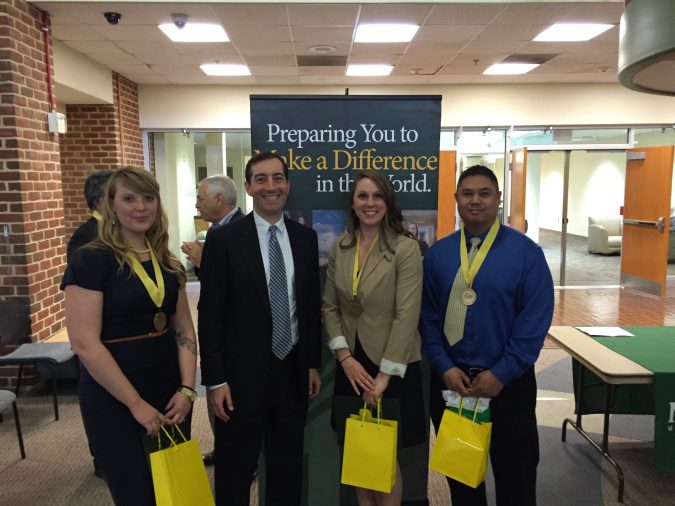
Biodefense MS Graduates Riley Flynn and Sophie Hirshfield at GMU’s 2023 Winter Commencement Ceremony

FDA Leadership Says Tainted Applesauce Pouches May Have Been Intentionally Contaminated

Cinnamon applesauce pouches available Weis, WanaBanana, and Schnucks have been pulled from shelves after they were found to be contaminated with lead. Dozens of children in the United States have been sickened by the tainted products. Now, the FDA’s Deputy Commissioner for Human Foods, Jim Jones, says they may have been intentionally contaminated.

In an interview with Politico, Jones said “We’re still in the midst of our investigation. But so far all of the signals we’re getting lead to an intentional act on the part of someone in the supply chain and we’re trying to sort of figure that out.” All of the pouches in question were linked to a manufacturing facility in Ecuador that the FDA is currently inspecting.

‘“My instinct is they didn’t think this product was going to end up in a country with a robust regulatory process,” Jones said. “They thought it was going to end up in places that did not have the ability to detect something like this.”’

Politico further explained that “The FDA continues to investigate a number of theories for how the pouches became contaminated, and has not drawn any conclusions about the way the lead was added, why or by whom. The FDA says it currently believes the adulteration is “economically motivated.” That generally refers to ingredients being altered in order to make products appear higher in value, often so companies can produce a cheaper item and sell it at an elevated price.”

“The agency and the Centers for Disease Control and Prevention have collaborated with state and local health authorities as well as Ecuadorian authorities to trace the origin of the cinnamon in the applesauce pouches, which is believed to be the source of the lead contamination. More than 60 U.S. children under the age of 6 have tested positive for lead poisoning after consuming the pouches — some at levels more than 500 times the acceptable threshold for lead, according to The Washington Post.”

Gao Yaojie, Chinese Physician and Self-Exiled AIDS Activist, Dead at 95

Gao Yaojie, a gynecologist and well-known AIDS activist, died on December 10 in New York City. Gao, formerly based in China’s Henan province, was famous for her work to expose the outbreak of HIV/AIDS in the country in the 1990s and 2000s. The outbreak was large in scale and primarily driven by the country’s Plasma Economy, which arose because of restrictions on foreign imports of blood products in the 1990s. This resulted in blood plasma donation becoming a way for rural populations to make money in government-supported plasma donation centers. However, unsafe practices like repeated use of unsterilized needles and pooling multiple donors’ blood during the plasmapheresis allowed HIV to spread widely.

Because of the Chinese government’s efforts to suppress reporting on this epidemic, poor rural populations were left largely unaware of the dangers of plasma donation and the public in general was unaware of the severity of the crisis. Gao was one of the first to speak publicly about the outbreak, helping draw the attention of media outlets. She later told documentary filmmakers about her motivations for doing this, saying, “My driving thought is: how can I save more people from dying of this disease? We each only live one life.”

It is estimated that at least one million Chinese were infected with HIV during this epidemic, highlighting the importance of Gao’s and others’ bravery. For this, she garnered praise from the United Nations, several Western organizations, and even Hillary Clinton. This rising fame led to her being placed under house arrest in 2007, with about 50 police preventing her from traveling to the United States to accept an award recognizing her work. In response to this, she told NPR “I think they feel I got in the way of their political achievements and their official careers…Otherwise, why would they put me under house arrest? What law did I break to warrant mobilizing all these police?”

NPR further explained her activities later in life in their article on her passing, writing: “Despite pressure from Henan provincial authorities to stop publicizing the AIDS crisis, she continued her work, using all the proceeds from her books and pamphlets to support AIDS families, especially children orphaned by the disease or the many suicides that it caused.”

“Restrictions on her movement began hindering in work in China, however, and in 2009, she abruptly fled to the US, after fearing she would be put under house arrest again. Many admirers continued to visit her apartment in West Harlem, including a group of young Chinese students who kept her company in the loneliness of exile.”

‘”Many Chinese regarded her as a hero, and when they came to New York, if they didn’t know how to contact her , [sic] they would ask me. I would ask them for an email written in Chinese and would forward it to her. So far as I know, she always wrote back to those people and welcomed them to come visit,” remembers Andrew Nathan, a political science professor at Columbia University who handled much of Gao’s affairs in New York.”

“The Biological and Toxin Weapons Convention in 2023: Glimmers of Progress Set Against a Troubled Geopolitical Landscape”

Experts at CSR’s Nolan Center, including Biodefense PhD Program alumna and current faculty member Saskia Popescu, recently authored this blog post focused on the BWC’s potential for success in verification, universalization and effective implementation in Africa, and the creation of an International Agency for Biological Safety. They explain in their introduction: “For nearly two decades, efforts to strengthen the Biological and Toxin Weapons Convention (BWC) were in stasis, with opportunities missed and States Parties unable to agree to definite action. States Parties arrived at the Review Conference last year facing a growing biological weapons threat—augmented by rapidly converging complimentary technologies—coupled with a status quo in the BWC that was insufficient for the task. Yet nations drove a breakthrough: the consensus achieved at last year’s Review Conference proved that action is still possible despite the challenging international security environment.”

“In a world in which biological threats and vulnerabilities are exceedingly complex, there is a critical need to reinforce relationships among global experts, national governments, and civil society. Over the past two weeks, these stakeholders have met to identify, examine, and develop specific and effective measures to strengthen the Convention. An unwavering theme throughout the Meeting of States Parties underscored that preparedness and resilience are investments, rather than costs, reinforcing the deterrence by denial efforts CSR continues to promote. Although the challenging international security environment continues to hinder progress there are glimmers of genuine progress across several fronts…”

“Biosecurity in the Americas: Regional Threat Assessment”

A new from UMD’s START, co-authored by Biodefense MS Program alumna Alexandra Williams: “This publication, currently available in Spanish, provides a breadth and depth of focuses as a high-level assessment of the Central and South America regions and introduction to key topics as:

  1. The needed expansion of understanding of the differences and areas of collaboration between the concepts of biosafety and biosecurity,
  2. Existing international obligations to biosecurity through the BWC and UNSC Resolution 1540,
  3. How biosecurity applies to and may differ in application across a variety of facility types that engage in biological research or production, whether private or public laboratories, agricultural or university-based facilities,
  4. Biosecurity risks that include proliferation, bioterrorism, agroterrorism, and biocrime,
  5. The five pillars and mechanisms of biosecurity,
  6. Lastly, the application of biosecurity in the Central and South American regions.”

“NTI|Bio Convenes Workshop on Disincentivizing State Bioweapons Development and Use”

From NTI: “A week ahead of the Biological Weapons Convention (BWC) Working Group meetings in Geneva, Switzerland, NTI | bio convened a workshop on “Disincentivizing State Bioweapons Development and Use.” This two-day workshop on November 29 and 30 brought together academics, diplomats, biosecurity experts, and government policy makers to begin developing a cross-disciplinary thought and practice community to explore and develop potential disincentivizing solutions. Current thinking and policy on disincentivizing bioweapons acquisition and use is underdeveloped—especially by comparison with the nuclear security field.”

‘“We launched this effort because we see the need for more rigorous thinking on effective approaches to making bioweapons unattractive to nation-states,” said NTI | bio Vice President Jaime Yassif. “NTI’s goal is to bridge theory and practical policy-relevant approaches to develop new ideas that can invigorate international efforts to reduce biological threats.”’

Biodefense Graduate Program Director Gregory Koblentz and Associate Professor Sonia Ben Ouagrham-Gormley both participated in this workshop. Read more about it here.

“Great Powers and the Norms of the BW Prohibition Regime”

A new working paper from CBWNet: “The United States of America and the Soviet Union were instrumental in creating the biological weapons prohibition regime more than 50 years ago. This has left the regime with a big gap in its normative structure related to the verification of treaty compliance. The working paper by Alexander Kelle and Eva Siegmann analyses great power involvement in several areas of regime implementation and concludes that none of the great powers, including China, has supported the addition of declaration and inspection norms. While recent US and Chinese initiatives could still lead to a strengthening of the regime in different areas, Russian policies, most notably false accusations against the US and others, threaten to undermine the regime.”

“AI and Biorisk: An Explainer”

A new explainer from Georgetown’s CSET: “Recent government directives, international conferences, and media headlines reflect growing concern that artificial intelligence could exacerbate biological threats. When it comes to biorisk, AI tools are cited as enablers that lower information barriers, enhance novel biothreat design, or otherwise increase a malicious actor’s capabilities. In this explainer, CSET Biorisk Research Fellow Steph Batalis summarizes the state of the biorisk landscape with and without AI.”

“Bio X AI: Policy Recommendations For A New Frontier”

Jeffrey et al. discuss the work of the Federation of American Scientists’ Bio x AI Policy Development Sprint in this piece, explaining in their introduction: “Artificial intelligence (AI) is likely to yield tremendous advances in our basic understanding of biological systems, as well as significant benefits for health, agriculture, and the broader bioeconomy. However, AI tools, if misused or developed irresponsibly, can also pose risks to biosecurity. The landscape of biosecurity risks related to AI is complex and rapidly changing, and understanding the range of issues requires diverse perspectives and expertise. To better understand and address these challenges, FAS initiated the Bio x AI Policy Development Sprint to solicit creative recommendations from subject matter experts in the life sciences, biosecurity, and governance of emerging technologies. Through a competitive selection process, FAS identified six promising ideas and, over the course of seven weeks, worked closely with the authors to develop them into the recommendations included here. These recommendations cover a diverse range of topics to match the diversity of challenges that AI poses in the life sciences. We believe that these will help inform policy development on these topics, including the work of the National Security Commission on Emerging Biotechnologies.”

“Push to Improve Biosecurity in the Age of Genetic Engineering”

Wilmot James recently authored this opinion piece for Business Day, explaining in part “The possibility of using AI to develop bioweapons raises additional concerns, and remains uncharted territory. While the intersection of AI and biotechnology holds immense potential for positive applications in healthcare, research and diagnostics, it also poses risks if misused. AI algorithms could be employed to analyse vast genetic data sets and identify specific sequences for manipulation. This could accelerate the process of genetic engineering, allowing for the creation of more efficient and potentially harmful pathogens…To safeguard against such threats, multilateral and public-private sector agreements and regulations to govern the ethical use of AI in science, emphasising the prohibition of bioweapon development, should be established, with strong oversight committees responsible for assessing the ethical implications at the intersection of AI and biotechnology. These committees should include experts in AI, virology, bioethics and global health security.”

“Sounding the Alarm on Anti-Science”

Margaret Winchester provides background and overview of Peter Hotez’s latest book-The Deadly Rise of Anti-Science-in this piece for Health Affairs: “In his book, The Deadly Rise of Anti-Science, Hotez, professor and dean of the National School of Tropical Medicine at Baylor College of Medicine, and co-director of the Center for Vaccine Development at Texas Children’s Hospital, paints a bleak picture of public science denial during the pandemic, embedded in historic context. He tells the story of systematic anti-science efforts from his view in the trenches—and as a personal target for anti-science activists. This book, and his commentary in our December issue of Health Affairs on global lessons from COVID-19, highlight the very real effects of this movement, including lives lost, undermined public health efforts, foregone vaccinations, social schisms, and more, that will be felt for generations to come. As he writes, “anti-science now kills more Americans than global terrorism, or other deadly societal forces and social determinants.” Drawing from multiple sources, he estimates that approximately 200,000 people needlessly died in the US after COVID-19 vaccines became widely available.”

EU vs Disinfo Disinformation Review

The most recent edition of EU vs Disinfo’s Disinformation Review is now available and features multiple sections focused on Russia’s continued use of alleged US biological weapons laboratories as a bogeyman. Be sure to check it out for fantastic lines such as “If the only tool that you have is a hammer, everything looks like a biolab,” and “At a staged event, Putin mumbled out an announcement to veterans and the wider public that his regime would continue to rule over Russia after an orchestrated ritual not to be confused with an event known as an ‘election’ in the free world.”

2023 State of the Bioeconomy

From BIOISAC: “We have a lot to celebrate as we close 2023 and just over 12 months since the Executive Order calling for a safe, secure bioeconomy. Join us as we recap the activity, publications, outcomes, and – we will of course share a glimpse of the “behind the scenes” conversations from our 3 regional events and our one-day “Closing the Knowledge Gaps” event, our two-day table top training and the resulting “Going Viral: Bioeconomy Defense TTX” report, and, of course, the industry-demanded outputs from our hardware/software device security workgroup report and supplements, “Fortifying the Bioeconomy” as well as the Bioeconomy Security Questionnaire and Instrument Disposal Guide. We also have a lot left to do! We plan to share a few of our goals for 2024 and our upcoming regional events schedule.”

“Join us December 19th at 2pm Eastern-US for a live discussion.” Register here.

Presidential Advisory Council on Combating Antibiotic-Resistant Bacteria (PACCARB) Virtual Meeting

“The Presidential Advisory Council on Combating Antibiotic-Resistant Bacteria (PACCARB) provides advice, information, and recommendations to the U.S. Secretary of Health and Human Services (HHS Secretary). The council supports and evaluates U.S. government activities focused on fighting antimicrobial resistance (AMR) in human health, animal health, and environmental health. Using this One Health approach, members of the PACCARB have expertise from a range of backgrounds, including academia, industry, public health, advocacy, veterinary, and agricultural production.”

“The PACCARB was established under Executive Order 13676 and included in the Pandemic and All-Hazards Preparedness and Advancing Innovation Act of 2019 (PAHPAIA). Since 2019, the President has given authority to the HHS Secretary as the primary recipient of PACCARB recommendations. Additional information on the authority and activities of the PACCARB can be found on the About Us page in the charter.”

“As a federal advisory committee, the PACCARB looks to engage with the public and all AMR stakeholders. The council holds several public meetings every year both in-person and live streamed on the HHS.gov website. These meetings are open to anyone with an interest in combating AMR. See how to get involved!”

This virtual meeting will take place on December 20 from 9-4 EST. Learn more here.

61st ISODARCO Course: Nuclear Order and International Security after Ukraine

“The war in Ukraine has had an enormous impact on global security, reviving nuclear fears, undermining the prospects for arms control, and shattering many of the norms and constraints that were the foundation of European security.  ISODARCO 2024 will examine the global nuclear order in light of the Ukraine war, focusing on the states, the policies and the technologies that will shape the future in a much more difficult environment.  How will we cope with this more dangerous world?”

This course will take place January 7-14, 2024, at the University of Trento. Learn more and register here.

International Conference, CBRNE Research & Innovation

“The last 40 years have demonstrated that both military and civilian populations could be exposed to highly hazardous CBRNE agents following conflicts, natural outbreaks and disasters, industrial incidents or terrorist attacks.”

“Worldwide, researchers, responders and industrial capacities have been commited to provide adapted response to these challenges.”

“Building on the success of the first 5 International Conferences « CBRNE Research and Innovation » which took place in Antibes (2015), Lyon (2017), Nantes (2019), on line (2021) and Lille (2022), we want to give you a new opportunity to build up or strengthen collaborative networks in Strabourg (March 19th – 21rst 2024).”

“The CBRNE R&I Conference is specifically devoted to scientific updates, responders’ feedbacks and expression of needs. It also includes workshops and demonstrations of innovative materials, technologies and procedures, according to the following themes: DETECTION – IDENTIFICATION, PROTECTION – DECONTAMINATION, MEDICAL COUNTERMEASURES, RISKS & CRISIS MANAGEMENT.”

“Looking forward to your proposals for communication and to welcoming you at Strasbourg in March 2024!”

Learn more here.

Registration for GHS 2024 Now Open

Registration is now open for the Global Health Security 2024 conference in Sydney, Australia. This iteration will take place 18-21 June, 2024. The call for abstracts is also still open. “The mission of the Global Health Security conference is to provide a forum where leaders, researchers, policy-makers, and representatives from government, international organisations, civil society, and private industry from around the world can engage with each other, review the latest research and policy innovations, and agree solutions for making the world safer and healthier. To that end, our mission is to help foster a genuinely multidisciplinary community of practice that is committed to working collaboratively to enhance global health security and eliminate disease, irrespective of its origin or source.”

WHO Announces Proposed Members of Technical Advisory Group on Response Use of the Life Sciences and Dual-Use Research

The WHO recently announced its proposed membership of its Technical Advisory Group on Responsible use of the life sciences and dual-use research (TAG-RULS DUR). According to WHO, “As per WHO processes, there will be now a two-week public consultation period for WHO to receive feedback on the proposed TAG-RULS DUR members and set in place the modalities for the TAG-RULS DUR’s first meeting, which is planned to take place following this consultation period…The final membership to the TAG-RULS DUR is subject to the above-mentioned public consultation period and relevant WHO practices and procedures.”

The proposed membership and instructions for providing commentary on the individuals included are both available here.

Vote: 2023 Arms Control Person(s) of the Year Nominees

“Since 2007, the independent, nongovernmental Arms Control Association has nominated individuals and institutions that have, in the previous 12 months, advanced effective arms control, nonproliferation, and disarmament solutions and raised awareness of the threats posed by mass casualty weapons.”

“In a field that is often focused on grave threats and negative developments, the Arms Control Person(s) of the Year contest aims to highlight several positive initiatives—some at the grassroots level, some on the international scale—designed to advance disarmament, nuclear security, and international peace, security, and justice.”

Voting will take place between Dec. 8, 2023, and Jan. 11, 2024. The results will be announced on Jan. 12, 2024. Follow the discussion on social media using the hashtag #ACPOY2023.”

Learn about the nominees and vote here.

Pandora Report 1.6.2017

Welcome to 2017 and a whole new year of biodefense news! While you’re heading back to work, make sure to wash your hands and stay safe – the CDC has reported increasing flu activity.

The Best of Bio and Chem Weapons Coverage in 2016
The Bulletin of the Atomic Scientists has put together their “five best articles” for bio-chem weapons in 2016 and we were happy to see two familiar faces – GMU PhD alum Daniel M. Gerstein and GMU Biodefense professor, Sonia Ben Ouagrham-Gormley. Daniel Gerstein’s article, How genetic editing became a national security threat, discusses the threatening components of gene drive, like low cost and growing availability. “Armed with the proper genetic sequences, states or bioterrorists could employ genome editing to create highly virulent pathogens for use in such attacks. They could, for example, change a less dangerous, non-pathogenic strain of anthrax into a highly virulent form by altering the genome, or recreate pathogens such as the deadly smallpox virus, which was eradicated in the wild in 1980.” Sonia Ben Ouagrham-Gormley teamed up with Kathleen Vogel to discuss the good, bad, and the hype of gene drive. They emphasize the importance of understanding gene drive to really discern the benefits and risks of the technological process. Looking at all angles, their article gives a wholistic approach to better appreciate the complexities of gene drive for biodefense. “Without a clear and detailed understanding of the range of social and technical factors that cause scientists to succeed or fail in their gene-drive endeavors, threat estimates can only rely on speculation and fantasy rather than fact.”

GMU Biodefense Students – Win Registration for 2017 ASM Biothreats Conference!
Calling all GMU Biodefense students – the program will be offering free registration to four lucky students to attend this premier biodefense event at the Marriott Wardman Park in Washington, DC on February 6-8th. This year, the meeting incorporates three major tracks, “Research, Response, and Policy” to cover relevant topics in basic and applied research; public health, emergency response and preparedness; and biosecurity, government, and policy responses. The exchange between these multidisciplinary communities will shape the future of this very important field. The keynote session on February 6 will be given by Thomas M. Countryman, Acting Under Secretary for Arms Control and International Security and Assistant Secretary to the Bureau of International Security and Nonproliferation at the Department of State.  Anthony S. Fauci, M.D., Director of NIAID Director at the National Institutes of Health, will be presenting at a special session on February 7. You can find the rest of the agenda here. As an attendant for the 2016 conference, I can tell you that it’s a great experience for not only learning, but also networking. Please check your GMU email for the information Dr. Koblentz sent out. To apply: students are required to submit a 250-word essay about how attending the conference will benefit your education/professional aspirations by 5pm today (Friday, January 6th) to Dr. Koblentz. Winners will be announced the following Monday and those selected will be asked to write up summaries of at least two panels for publication in the Pandora Report.

USGS Disease Maps
screen-shot-2017-01-03-at-6-04-01-amLove maps and diseases? Or do you simply like knowing what kinds of vectored diseases are transmitted around you? Check out the USGS disease maps that also allow you to interact with them. Utilizing data from CDC’s ArboNET, you can look at transmission among humans, mosquitoes, birds, sentinel animals, and veterinary transmission. The observable diseases include West Nile Virus, St. Louis Encephalitis, Eastern Equine Encephalitis, Western Equine Encephalitis,  La Crosse Encephalitis, Powassan Virus, Dengue fever (locally acquired and imported), and Chikungunya (locally acquired and imported). The USGS disease maps allow us to not only have a better understanding of vectored disease transmission, but also landscape epidemiology.
CRISPR Off-Switch
CRISPR is going to be a hot story in 2017 and here are the seven things to look for. The burgeoning concerns regarding CRISPR technology involve the rapid pace of development and lagging DURC policies, not to mention the inability to predict future outcomes. The interest and unease over this new form of genome editing has left many searching for an “off button”, but thankfully, researchers are believed to have found one.  While the new “off switch” isn’t capable of reversing changes that were already made, it can stop the system from making additional edits. “The switch is a series of ‘anti-CRISPR’ proteins that were discovered inside viruses that attack bacteria, where they’re used to disable the gene editing tool and sneak into the bacterial DNA. ‘Just as CRISPR technology was developed from the natural anti-viral defence systems in bacteria, we can also take advantage of the anti-CRISPR proteins that viruses have sculpted to get around those bacterial defences,’ said lead researcher Benjamin Rauch. The team isolated these anti-CRISPR proteins from Listeria bacteria that had been infected by viruses. The team isolated the proteins that appeared to be involved and tested whether any of them could stop CRISPR editing from taking place in human cells. They found that two of these proteins, AcrIIA2 and AcrIIA4, worked together to inhibit the CRISPR systems commonly used by scientists.”

CDC Concludes CDP Ricin Exposure Inspection
The CDC just finished their inspection of the lab that sold the ricin toxin that was used by the Centers for Domestic Preparedness (CDP) training facility. The ongoing debate between the CDP and lab regarding the mishandling or misunderstanding points to bigger, systemic issues in regards to select agents. CDP states that the lab is to blame, noting that they ordered a less toxic version of ricin, while the lab rebutted by pointing out that the ricin was always properly labeled as the toxic version and they, in fact, never offered the less toxic version. The site visit and inspection findings are under review as the CDC determines if the lab is responsible and violated federal regulations. The conclusion of the inspection also comes at a challenging time for the CDC as the agency is taking heat for blacking out many details in reports recently released via the Freedom of Information Act. The released laboratory reports were requested by USA TODAY and only fuel the attention to lab incidents and poor biosafety practices.

NAS DURC Committee Meeting 
This week the National Academies held the Committee on Dual Use Research of Concern (DURC): Option For Future Management. You can get not only the webcast recording (check out 2:42:00 in and you’ll see GMU Biodefense director and professor, Gregory Koblentz, talk about the zero sum game in terms of regulating DURC research – to regulate or not to regulate, that is the question!), but also the full presentations. Since the 2011 H5N1 controversies, “it remains unclear as to whether there are practical mechanisms or approaches for managing such dual use research of concern (DURC) and, specifically, how to deal with situations where there is a pressing need, for public health reasons, to publish research findings while limiting, due to national security concerns, the dissemination of certain details that ordinarily would be published. This is especially true in cases where an initial assessment of proposed research does not anticipate results that would warrant such consideration.”

Zika Outbreak Updates
Scientists are currently unveiling the key proteins in the virus that made it so deadly. The first comprehensive description of the Zika genome has identified seven key proteins that are helping researchers understand the devastation the virus does to the human body. “To test the virus, Dr. Zhao used fission yeast, a species that in recent years has become a relatively common way to test how pathogens affect cells. Fission yeast was originally used to make beer, particularly in Africa, where it originated. (Its species name is Schizosaccharomyces pombe; pombe means beer in Swahili.) Over decades, fission yeast has been used by many scientists to find out mechanisms and behavior of cells. For the experiment, Dr. Zhao and his colleagues separated each of the virus’s 14 proteins and small peptides from the overall virus. He then exposed yeast cells to each of the 14 proteins, to see how the cells responded. Seven of the 14 proteins harmed or damaged the yeast cells in some way, inhibiting their growth, damaging them or killing them.” The Entomological Society of America has noted that socioeconomic factors provide protection against a large scale Zika outbreak in the U.S., but that small outbreaks are an ongoing concern. As of January 4th, the CDC reported 4,618 cases of Zika in the U.S., of which 216 were locally-acquired.

Does the CDC’s New Quarantine Rule Violate Civil Liberties?
With a new vaccine and hopeful approach to emerging infectious diseases, have we buried Ebola? Back in August, the CDC proposed a new rule regarding its powers to respond to potential outbreaks via screening, testing, and quarantining people traveling into or within the U.S. You can read the new rule here, but it focuses on “non-invasive public health prevention measures” and reporting requirements for commercial passenger flights of death or illness to CDC, etc. While this may seem pretty reasonable given health emergencies like Ebola and SARS, many ” epidemiologists, lawyers, and health organizations say that the rule, in its current form poses a serious threat to civil liberties, allowing authorities to detain and examine people with little heed to due process and informed consent.” Attempted in 2005, this rule was initially met with criticism, however the recent Ebola outbreak has changed the way we approach travel during times of infectious disease outbreaks. Public health emergencies are defined as ‘communicable disease events’ that the director believes could be high risk for death or serious illness. “It is already authorized to detain people suspected of carrying diseases like plague, Ebola, and (somewhat improbably) smallpox. But the new rule does away with a formal list. It extends the same powers to any “quarantinable communicable disease,” and uses wider range of symptoms (from a list that federal agents can update as the need arises) for defining ‘ill’ people.” While the CDC can detain travelers prior to decision to quarantine, it notes that this shouldn’t last longer than 72 hours and fails to make provisions for a lawyer if the person can’t afford one. “The rule also gives the CDC ultimate authority to carry out medical tests and treatments, stating that ‘the individual’s consent shall not be considered as a prerequisite to the exercise of any authority’.” What are your thoughts? We’d love to hear from our readership – please email or tweet @PandoraReport to give us your thoughts!

USDA ARS 4th International Biosafety & Biocontainment Symposium Registration Deadline
Don’t miss the January 13th registration deadline for this event in Baltimore, Maryland! From February 6-9, the focus of the symposium will be Global Biorisk Challenges-Agriculture and Beyond. Seven presymposium courses will address topics including unique biocontainment challenges, decontamination and inactivation, and institutional governance. Topics include biorisk management challenges in a One Health World, arthropods, HPAI, risk assessments, and more!

Stories You May Have Missed:

  • 85 People Suspected to Have Contracted Rabies– Like something out of a zombie movie, 85 people are suspected of having contracted wild rabies after being bitten by bats in Peru. “Regional director of Health of Cusco, Julio César Espinosa La Torre said that among the group of victims with a bat bite are the 15 soldiers transferred to Lima, of this group, two cases were confirmed, of which one is deceased. Espinoza la Torre said that to date, more than 912 civilians and 680 soldiers have been vaccinated in Alto and Bajo Urubamba, in the district of Megantoni, who must receive up to four doses, every 7 and 14 days.”
  • Anticipating Epidemics Using Computational Models – the White House recently released a report to strengthen the capacity for outbreak prediction. Spearheaded by the National Science and Technology Council, Toward Epidemic Prediction: Federal Efforts and Opportunities in Outbreak Modeling, looks to predictive modeling and data utilization to better understand the “processes that drive disease emergence and transmission could help to predict and prevent large-scale outbreaks. These programs range from foundational research into disease emergence and spillover, to predictive modeling contests, to the development of decision-support technologies for public health responders.”
  • Pandemic Chats – Struggling to chat to a younger generation about diseases? Check out how the Bill & Melinda Gates Foundation is talking to the next generation about the next pandemic.

Pandora Report: 7.15.2016

Happy Friday! Don’t forget to read that Federal Select Agent Program report we revealed last week, as many are shocked to find the 199 lab mishaps that occurred. Check out these One Health researchers who are trying to predict and prevent the next disease that will run rampant like Ebola. You can also listen to Anthony Fauci, the head of the National Institute of Allergy and Infectious Diseases, talk about how superbugs are beating us. Have we reached the end of the Golden Age of antibiotics? 

International Security & Foreign Policy Implications of Overseas Disease Outbreaks Screen Shot 2016-07-12 at 8.40.13 AM
A recent report by the International Security Advisory Board (a Federal  Advisory Committee) has been released regarding the security implications of infectious disease outbreaks and the efforts of the WHO, the Biological and Toxin Weapons Convention (BWC), international academies, etc. Within the report there is a heavy focus on how the Department of State should prepare for such global health challenges and a series of structural solutions, capacity issues, and opportunities that can be taken. The National Bureau of Economic Research recently found that a global pandemic would cost $570 billion per year. “The links between disease and security have become clearer as more disease threats have emerged and global interconnectedness makes a threat anywhere, a threat everywhere. There are few threats to the United States and its global interests that match the potential scale and scope of the threat to life and security and economic interests than those from infectious disease outbreaks, whether naturally occurring or intentionally caused.” Some of the recommendations emphasized the strengthening of U.S. government coordination through the development of plans for responding to such public health emergencies in areas out of control of a central government and/or hostile to U.S. government involvement. Additional recommendations included strengthening by fully integrating public health emergencies and the associated challenges into the national security agenda by “providing resources, developing organizational leadership within the U.S. and internationally, and developing and exercising appropriate plans for preparing for, preventing, and responding to threats.” Whether they are natural, deliberate, or accidental, globalization makes the threat of these outbreaks that much more dangerous.”Public health is now a national security challenge and must be treated as such in terms of planning, resources, and organizational support. It is essential to refocus the U.S. approach to this threat, and to invest in the appropriate level of ‘insurance’ just as we do for traditional defense related needs.”

The National Biodefense Strategy Act of 2016
Introduced in May by Sen. Ron Johnson, the bill amends the Homeland Security Act of 2002 “to require the President to establish a Biodefense Coordination Council to develop a national strategy to help the federal government prevent and respond to major biological incidents.” The bill defines biodefense as “any involvement in mitigating the risks of major biological incidents and public health emergencies to the United States, including with respect to- threat awareness, prevention and protection, surveillance and detection, response and recovery, and attribution of an intentional biological incident.” Within the bill, the President must establish a Biodefense Coordination Council and develop a National Biodefense Strategy in which there must be status updates to Congress every 180 days. The strategy must be updated at least every five years and the bill also requires that an annual report with detailed expenditures and their relevance to the strategy is submitted. The Congressional Budget Office (CBO) recently released its summary on the costs of S. 2967 – “CBO estimates that enacting S. 2967 would cost less than $500,000 annually and about $2 million over the 2017-2021 period; any such spending would be subject to the availability of appropriated funds.”

The Growing Cost of the Next Flu Pandemic
A recent study from researchers at the Society for Risk Analysis (SRA) utilized advanced methodology to calculate the total cost of an influenza outbreak. SRA’s work concluded that if the public used flu vaccines during the pandemic, the U.S. GDP loss would be $34.4 billion. In the event that flu vaccines weren’t used, the cost would rise to $45.3 billion. This particular study is unique in that it addresses public, government, and business responses to an epidemic. Conducted as part of a project by the the Department of Homeland Security’s National Biosurveillance Integration Center (NBIC), the study estimates “the relative prominence of the various economic consequence types,’ as well as complicating factors, many of them not addressed in any prior study. These complicating factors include different types of avoidance behavior, such as the already noted avoidance of public events and facilities.”

A New Case of Super Resistant E. Coli 
A second patient in the U.S. has been found to carry the colistin-resistant E. coli that raised concern in late May when it was also found in Pennsylvanian woman. Colistin resistance means that the antibiotic of last resort, colistin, is no longer effective at killing the organism. The most recent was reported to have had surgery in a New York hospital last year, which begs the question – is this where it was acquired? Were post-operative antibiotics not discontinued properly? The second case is fueling public health fear over the spread of this resistant gene, especially in regards to bacteria that are currently only susceptible to colistin. In the wake of these findings, many are pushing for increased surveillance and focus on antibiotic resistance. “The CDC is planning to establish seven regional laboratories this fall that will have the capacity to do better and faster testing for a broad range of antimicrobial resistance.”

One Health & Antimicrobial Resistance 
On Wednesday, the One Health Commission held a webinar on antimicrobial resistance in the environment. Led by Dr. Laura Kahn, the presentation focussed on the challenges of feeding billions, the growth of antibiotic use in meat, and the reality that antibiotic resistance is an integral part of 21st century challenges. In general, people are eating more meat, with China shouldering a 147% growth in meat consumption, while the U.S. has remained unchanged. Antibiotic usage in meat is not the only concerning source as sewage sludge can easily be a source of antibiotic exposure for animals. Dr. Kahn also discussed that from 2000-2010, global human antibiotic consumption has grown 37% and the top antibiotic consumers are India, China, and the U.S. Interestingly, India and Pakistan have some of the most resistance microbes in the world. A Dutch study looking at archived soil from 1942-2008 found that there were increasing concentrations of resistant genes as time progressed. Expanding human population and demand for animal proteins, rising human and animal waste production, poor sanitation, indiscriminate antibiotic usage, and land/water contamination are all fueling the rise of antibiotic resistance and altering the “global resistome”. So what can be done? Dr. Kahn noted the potential role of bacteriophages as a means of fighting bacteria and the growing threat of microbial resistance. Overall, we need to understand the microbial world better, decrease antimicrobial usage, and tap into the bacteriophage resource.

Weekly Zika News
As more Zika cases are found within the U.S., many are wondering why Congress is holding up funding. Here’s a map of California and where you can expect to find mosquitoes that have the potential to transmit Zika. The CDC has a national map you can also reference with estimated range of the Aedes mosquitoes. Infectious disease and mosquito control expert, Duane Gubler, notes that spraying may not be successful against the Aedes mosquito.  The difficultly lies in that the Aedes mosquitoes tend to live in harder-to-reach areas (garbage, closets, indoors, etc.) and spraying is most effective against mosquitoes living in floodwater. Olympic risk for Zika is considered low following a CDC analysis, which concluded that the visitors expected at the games represent less than 0.25% of the total travel volume to Zika-affected countries. “Estimated travel to the U.S. from Rio for the Games is 0.11% of all 2015 U.S. travel from countries where Zika is now spreading, the CDC said.” You can read the official MMWR release here. Colombia’s low volume of microcephaly and birth defects following Zika infection during pregnancy offer some home that the outbreak may not be as bad as early estimates suggested. A new study published in the Lancet looks to women as possible modes of sexual transmission for Zika. “Our findings raise the threat of a woman potentially becoming a chronic Zika virus carrier, with the female genital tract persistently expressing the virus RNA. Additional studies are underway to answer those essential questions and to assess what would then be the consequences for women of child-bearing age”. CDC Director, Dr. Tom Frieden, writes about the lessons we can learn from the fading Ebola epidemic and how we can apply these to Zika.  Researchers have also recently written that the epidemic in Latin America is “likely to run its course within the next 18 months” – you can read their article in Science here. The CDC has reported 1,306 cases of Zika virus in the U.S as of July 13, 2016. 

Stories You May Have Missed:

  • Malaria and the Duration of Civil War The Journal of Conflict Resolution recently published an article regarding the prolonging of civil war in relation to malaria. Just as geographical factors can impact the duration of civil war, researchers note that malaria can inflict costs and can “indirectly prolong civil war by helping to maintain a socio-geographic environment that is conducive to insurgency”. The rotation of government forces also means they’re likely to have exposures to malaria.
  • The Current State of Our Immunity – Infectious disease physician Dr. Amesh Adalja discusses 21st century immunity to disease. Drawing from points made in Taylor Antrim’s Immunity (set in a post-pandemic world following the 4% loss of global life due to a genetic recombinant of influenza and Lassa Fever), Dr. Adalja relates many of the lessons from his experiences during the West Africa Ebola outbreak and the impact of poverty on resilience. “Today, worldwide extreme poverty — in real terms — is at its lowest. Smallpox has been vanquished with polio and guinea worm about to follow suit. Even Ebola, because of major advances that have occurred in the basic understanding of the clinical illness as well as in vaccine technology since the last outbreak, has been substantially defanged.”
  • The Growing Misuse of Toxic Weapons: Attend the seminar on Monday, July 18th (3:30-5pm) at the James Martin Center for Nonproliferation Studies (1400 K St. NW, Suite 1225, Washington, DC). “We are witnessing today a global threat of toxic chemicals as a means of warfare or terror.  The recent use of chemical weapons and dual-use toxic chemicals in both Syria and Iraq, and possible terrorist attacks against chemical infrastructure, are visible confirmations of a growing threat of misuse of chemicals. This seminar, organized by Green Cross International and the Center for Nonproliferation Studies, will present the results of Chemss2016, an April conference in Poland, including its Summit Declaration which addressed challenges, goals, guidelines, and principles of global cooperation against chemical threats today.”


Pandora Report 5.20.2016

The biodefense world was pretty busy this week – between Zika funding, cloning, and debates over dual-use technologies, we’ve got a lot to recap! Check out this great infographic on mosquitoes and the diseases they spread. The “State of Innovation” report revealed a decrease in biotech patents in 2015, with many pointing to the correlation between three U.S. Supreme Court decisions that limited patentability of some biotechnologies. If you were wondering how the sale of Plum Island is going, the House has actually temporarily halted any transactions.

Congrats GMU Biodefense Graduates!IMG_3491
We’re so happy to announce the convocation of some of our phenomenal graduate students. Earning a MS in Biodefense- Julia Homstad (also awarded the Frances Harbour Award for Community Leadership), Brittany Linkous (earning the Outstanding Biodefense MS Student Award), Francisco Cruz, Mary Dougherty, Moneka Jani, Sadaf Khan, Brittany Ferris, Michael Smith, and Robert Smith. Graduating with their PhD’s – Jonathan Gines (also the recipient of the Outstanding Biodefense PhD Student award and his dissertation was: Designing Biorisk Oversight: Applying Design Science Research to Biosafety and Biosecurity, Patricia Kehn (Flu News You Can Use? An Analysis of Flu News Quality 2008-2010), and Mittie Wallace (Emergency Preparedness in Virginia, Maryland and DC: Using Exchange Theory to Identify Government-Nonprofit Incentives and Barriers to Collaboration). Congrats to all our Biodefense graduates in the hard work and dedication they’ve put forth to contribute to such a diverse and exciting field!

Evaluation of DoD Biological Safety & Security Implementation
The Inspector General of the Department of Defense (DoD) has released their report regarding the biosafety and biosecurity policies and practices within DoD laboratories working with select agents. The report also evaluated DoD oversight of these laboratories and compliance with Federal, DoD, and Service Policy, with careful consideration to recent GAO (among others) recommendations. Several findings were reported, which include: “DoD has not maintained biosafety and biosecurity program management, oversight, and inspections of its BSAT laboratories according to applicable Federal regulations. BSAT laboratories in Military Services were inspected according to different guidance, standards, and procedures, risking dangerous lapses in biosafety practices. Lack of coordinated oversight of DoD laboratories led to multiple, missing, and duplicative inspections, and, therefore, an excessive administrative burden that could interfere with scientific research performance.” The report also noted that public health and safety was put at risk due to the poor protection of these agents. Recommendations pushed for better internal and external tracking of inspections, coordination of external technical and scientific peer reviews, standardized training for inspectors, the creation of site-specific laboratory security vulnerability assessments, etc. Overall, the report addresses several key failures within select agent laboratories that have been gaining increasing attention. While these recommendations are a necessary first step, there is definitely an up-hill battle to better secure and work with select agents.

Public Health & Emerging Disease Outbreaks – The Importance of Communication 
Outbreak prevention and response isn’t a new concept…in fact it’s something we’ve been perfecting since John Snow took off the Broad Street pump handle. Sometimes, the fastest spreader isn’t the disease, but rather poor communication and fear. In every after-action report, communication tends to be the biggest failure. Not only do people fail to talk to each other enough, but information dissemination and comprehension tends to be poorly emphasized, when in fact it could save lives. “In particular, healthcare workers may benefit from knowing about newly found transmission risks or disease findings from a novel case under intensive care. Knowledge drives behavioural change that can save lives. We live in a global community. Even if the lives saved are not citizens of our country, withholding information because it is unlikely to benefit our own countrymen, or even delaying dissemination of important information until it is published in a scientific journal is a poor choice.” Dr. Ian Mackay and Katherine Arden point to communication failures regarding the zoonotic transmission of MERS-CoV and the illness of a nurse from the UK who recovered from Ebola and was later hospitalized for meningitis. Both instances involved poor communication, especially to healthcare workers. “Good communicators and reliable communications are vital. Create a dialogue with the public now to build a partnership for later, to reduce distrust when an outbreak, epidemic or pandemic occurs. In this way, communities know which voices to trust and where to turn for their information. Leaving an information void invites others to fill it and more often than not, it is those who delight in titillation, invention, make-believe and fear-mongering.”

Weekly Dose of Zika Virus
H.R. 5243 – Zika Response Appropriations Act of 2016 is the hot topic of discussion this week, as President Obama’s Administration is opposing the act. “While the Administration appreciates that the Congress is finally taking action to address the Zika virus, the funding provided in H.R. 5243 is woefully inadequate to support the response our public health experts say is needed.  Specifically, the Administration’s full request of $1.9 billion is needed to:  reduce the risk of the Zika virus, particularly in pregnant women, by better controlling the mosquitoes that spread Zika; develop new tools, including vaccines and better diagnostics to protect the Nation from the Zika virus; and conduct crucial research projects needed to better understand the impacts of the Zika virus on infants and children.On May 17th, the Senate voted to provide $1.2 billion to fight the growing outbreak. A team from the University of Texas Medical Branch at Galveston has traveled into uncharted territory – they are the first to genetically engineer a clone of the Zika virus strain.  Their work could help speed up vaccine development and research of the virus. As the Zika outbreak rages onwards, many are pointing to the need to understand how and why it mutated from Africa to Asia and then to the Americas.  “‘Like many arboviral agents, given the appropriate environmental and human conditions, new pathogens can be easily moved around the globe,’ Ann Powers said. And that’s what Zika did. The virus began to ripple across the Pacific—and as it traveled, it seemed to change.” The Olympic Games are fast approaching and the debate about the safety of the games has been spreading (see what I did there?). Last week you read about how some are saying the games should be cancelled, while others say it poses a minimal threat. You can also find a snapshot of Zika virus here. The WHO reported that the overall risk of Zika virus moving across the WHO European region is low to moderate during late spring and early summer. Rutgers is taking the lead on an IBM-sponsored project that will utilize supercomputing resources to identify “potential drug candidates to cure the Zika virus.” The Wilson Center is hosting an event, “Zika in the U.S: Can We Manage the Risk?” on Tuesday, May 24th, at 11am. Many are also wondering why humans and not mice are susceptible to the virus. Lastly, as of May 18th, the CDC has reported 544 travel-associated cases and 10 sexually transmitted cases within the U.S.

Governance Structures for Reducing Dual-Use Technology Risks
The American Academy of Arts & Sciences has published an examination of dual-use technology governance and the state of current efforts to control the spread of potentially dangerous technologies. “Governance of Dual-Use Technologies examines the similarities and differences between the strategies used for the control of nuclear technologies and those proposed for biotechnology and information technology. The publication makes clear the challenges concomitant with dual-use governance.” The report looks at the potential objectives of these measures, what they translate to in a technical format, and if these measures are even feasible.

Global Avian Influenza A H5N1 Trends
Researchers recently looked at the epidemiology of human H5N1 cases from 1997-2015. This was the first comprehensive analysis of human cases on a global scale. The number of affected countries rose between 2003 and 2008, traveling from east Asia into west Asia and Africa. “Most cases (67·2%) occurred from December to March, and the overall case-fatality risk was 483 (53·5%) of 903 cases which varied across geographical regions. Although the incidence in Egypt has increased dramatically since November, 2014, compared with the cases beforehand, there were no significant differences in the fatality risk, history of exposure to poultry, history of patient contact, and time from onset to hospital admission in the recent cases.”

Stories You May Have Missed:

  • Health Security Available – The newest volume of Health Security is now available online. The recent issue includes pieces on Zika and microcephaly, preparing for climate disruption, adapting to health impacts of climate change in the DoD, and more!
  • Secret Genome Meeting – Last week saw a meeting hosted by Harvard Medical School’s George Church, to discuss “feasibility and implementation of a project to synthesize entire large genomes in vitro.” Initially the meeting was open to the public and media however, the decision was made to keep it private (from the media) so that researchers, lawyers, entrepreneurs, and government officials could speak freely without fear of being misquoted. “Our ability to understand what to build is so far behind what we can build,” said Jeremy Minshull, chief executive of DNA synthesis company DNA2.0, told The New York Times. “I just don’t think that being able to make more and more and more and cheaper and cheaper and cheaper is going to get us the understanding we need.”
  • Four Countries Fend Off Avian Influenza- Cambodia, Ghana, and Indonesia have been battling H5N1 and Italy has just reported its second H7N7 occurrence this month. Ghana and Cambodia have reported significant bird mortalities, with the virus killing 155 of 505 susceptible birds. “In Ghana, the H5N1 virus turned up in four commercial layer and breeding farms in three of the country’s regions: two in Greater Accra and one each in Eastern and Central regions.”
  • Bavarian Nordic Smallpox Vaccine Contract – the pharmaceutical company announced that BARDA has ordered a bulk supply of their new IMVAMUNE smallpox vaccine. The $100 million supply of the non-replicating vaccine requires Bavarian Nordic to manufacture and store the bulk supply. “The freeze-dried version of IMVAMUNE is expected to reduce the life cycle management costs based on a longer shelf life and will replace the liquid-frozen version that is currently stockpiled in the U.S. Strategic National Stockpile (SNS).”
  • Early Detection Lyme Disease Test Successful – GMU researchers have proven that their early-detection urine test works to rapidly identify Lyme diseases. “The National Institutes of Health funded the research that led to Mason’s patented technology, which traps tell-tale clues (such as the Lyme bacteria protein) that a disease is present. The Mason technology, which is licensed to Ceres, works during the earliest stages of disease and finds the tiniest traces missed by most diagnostic tests.”

Pandora Report 1.22.2016

In anticipation of the impending snow apocalypse (that may be a tad dramatic, but coming from this Arizona import, this snow business is quite harrowing), we’re serving up a warm cup of global health security news. While you’re staying inside, check out the upcoming book from Sonia ShawPandemic: Tracking Contagions from Cholera to Ebola and Beyond, which travels through time to investigate the impact of emerging diseases. Dreaming of warmer temperatures? You may want to avoid some tropic locations as imported cases of Zika virus are cropping up in the US, and the CDC issued warnings for pregnant women to postpone travel to Mexico, Puerto Rico, and other affected countries. Fun History Fact Friday: as we learned last week, on January 19, 1900 the bubonic plague reached Australia’s shores and on January 20, 1981, the Iran hostage crisis ended.

Dugway Insights Raise New(-ish?) Biosafety Concerns
Dugway Proving Ground is one of the largest Army biodefense labs and while lab biosafety issues are becoming a more prevalent headline, new findings point to the severity of these failures. GMU Biodefense professor and graduate program director (and all around biodefense-guru), Dr. Gregory Koblentz, noted that “the systemic disregard for biosafety at Dugway as revealed by the investigative report is appalling and alarming. Without strong leadership, an organizational culture that prizes safety and security, a well-trained staff, and a robust oversight mechanism, we can expect more such accidents to occur in the future.” Lacking accountability and oversight, Dugway is another in the laundry list of labs that became complacent (or as Dr. Richard Ebright stated, their actions are that of “criminal negligence”). It seems that the time of calling these biosafety failures, “serious mistakes”, has passed and we’re sadly moving more into an era of habitual practice. Dugway is a hotspot (pun intended) for chemical and biological defense work however, findings within the report note improper qualification of certain employees, erroneous environmental sampling of labs, etc. Brigadier General William E. King IV oversaw Dugway from 2009-2011 and was directly called out in the report – “Colonel King repeatedly deflected blame and minimized the severity of incidents – even now, Brigadier General King lacks introspection and fails to recognize the scope and severity of the incidents that occurred during his command at (Dugway).” If you have around 26 minutes to spare, you can also watch the Army media brief on the investigations here.

food-production-chain-650pxFarmers Markets and Food Safety
Farmers markets are often a great place to find local, organic vegetables and fruits. Growing in popularity, it’s not surprising that concerns over food-borne illness and safety issues would be raised. Researchers (applied economists in this case) are reporting preliminary data regarding the potential association between farmers markets and food-borne illness. Reviewing data from 2004-2011, they found “a positive relationship between the number of farmers markets per capita on the one hand, and on the other hand, the number of reported outbreaks of food borne-illness, cases of food borne-illness, outbreaks and cases of Campylobacter jejuni. Our estimates indicate that a 1% increase in the number of farmers is associated with a 0.7% (3.9%) increase in the total number of reported outbreaks of food-borne illness (Campylobacter jejuni), and a 3.9% (2.1%) increase in the total number of reported cases of food-borne illness (Campylobacter jejuni) in the average state-year.” While these correlations were found, there wasn’t a statistically significant relationship between farmers markets and reported outbreaks or cases of salmonella, E. coli, or staph. Given the recent Chipotle outbreaks, there has been increasing attention to the concerns over farm-to-table food safety. While some illness can be related to farm safety practices, a lot of food-borne illness is related to improper handling or cooking of food.

Retaking Ramadi and the “Afghan Model”
GMU Biodefense student, Greg Mercer, has mined through the internet to provide some commentary on the recapturing of Ramadi from ISIS control. In his recap, Greg points to works in the New York Times, via authors Phil Ewing and Stephen Biddle, and several other security studies gurus. Greg notes, “many questions remain about the conflict- where it will go, how it will resolve, the political effort it will require from intervening forces, and ultimately what kind of conflict this is.”

Ebola Updates- Quarantines After Sierra Leone Death 
The day after the WHO declared the three hardest-hit countries Ebola free, a death in Sierra Leone hit the panic button for public health officials. As of January 21, 2016, a second case was reported in an individual that cared for this initial case. Over 100 people archive been quarantined after coming into contact with the woman who died of Ebola last week. During the course of her illness, she is reported to have stayed in a house with 22 other people. Five people later helped to wash and prepare her body for burial. Many homes of those high-risk patients under quarantine were attacked, pointing to increasing frustration. Close observation is being maintained on the 100+ people involved in this exposure.

Stories You May Have Missed:

  • The Neglected Dimension of Global Security – The National Academies Press will soon be releasing this hard-copy publication as a Framework to Counter Infectious Disease Crises, but the good news is that you can download it today for free! Authored by the Commission on a Global Health Risk Framework for the Future; National Academy of Medicine, Secretariat, it discusses the Ebola outbreak’s far-reaching consequences that range from human rights to transportation and commerce disruption.
  • CBRN Crimes & The Sordid History of Litvinenko – GMU Biodefense PhD alum, Dr. Daniel Gerstein, discusses the recently released Owen Report and the details surrounding the finding of radioactive polonium-210 in Russian agent, Alexander Litvinenko’s body following his death. The troubling details surrounding the report “highlights the links between Litvinenko and the Russian government, even pointing the finger at President Vladimir Putin himself as likely having approved the alleged murder.” While CBRN weapons are not a new concept, these new details may shine light on the realistic applications and threats they pose.
  • ISIS Tularemia Plans – Recent Turkish intelligence reports revealed that that the group had plans to use biological weapons. Aimed at Turkish water supplies, the report noted that the main bioweapon discussed was Francisella tularensis, which causes tularemia.
  • Lassa Fever Hits Nigeria – 30 confirmed, 140 suspected, and 53 deaths have been reported in the outbreak of Lassa viral hemorrhagic fever hitting 14 states within Nigeria. The case fatality rate is being reported at 37.9%.
  • Online Drama in the CRISPR Universe – a recent perspective article by Eric Lander (president of the Broad Institute) in Cell noted the heroes in CRISPR but failed to account for a potential conflict of interest. Needless to say, the Twitterverse erupted in a scientific outcry with many also calling out Lander’s failure to include several key contributors to the biotechnology.

Enjoying your weekly dose of the Pandora Report? Sign up to receive it every week so the fun never ends! 

The Revolving Door of Biosafety

By Scott McAlister

Have you ever seen a science fiction movie that starts with a lab accident? A scientist drops a vile with the biohazard label on it and next thing you know, boom, the zombie apocalypse is in full force.  In the real world, lab accidents probably won’t lead to a zombie outbreak, but the reality is still pretty concerning.  We have seen accidents in the last couple years that should lead to some uneasy feelings about the biosafety and biosecurity protocols and practices we have in this country.  In response to these incidents, the White House released issued a memorandum to highlight recommendations and implementation timelines to fix these problems.  This report, however, looks eerily similar to a report filed by the Trans-Federal Task Force on Optimizing Biosafety and Biocontainment Oversight in 2009.  The failure of the 2009 report to include concrete implementation made it all too easy to overlook.  Hopefully, the more prominent report released by the White House, including the implementation timelines, will be effective in curbing future lab accidents and improving biosafety.

Continue reading “The Revolving Door of Biosafety”

Pandora Report: 12.18.2015

Hungry, hungry anthrax hippos? If there’s one thing we love about the science community, it’s when a gem pops up in your inbox like this (thanks ProMed!). In Ebola news, public health officials are exploring the possibility that survivors may be a potential source of case surges. Fun history fact Friday: On December 18, 1620, the Mayflower docked at Plymouth Harbor and passengers began settlement and on December 14, 1980, the CIA issued a warning about Soviet arms sales to Third World nations. Take a break from holiday preparations with this week’s Pandora Report – we’re discussing everything from zombies to Bob Dylan lyrics!

Epidemiology of a Zombie Outbreak
Tara C Smith and the writers of The BMJ certainly know how to hook a biodefense nerd – epidemiology of zombie infections? Don’t mind if we do! Using historical tales and movie outbreaks, Smith takes us through several hypothetical zombie outbreaks we’ve experienced as viewers or readers for the past few decades. Tracing the origins of certain outbreaks and the transmission patterns via bite, this scientific approach to one of our favorite topics is fascinating.  Potential etiological considerations included weaponized Yersinia pestis, a mutation of bovine spongiform encephalopathy, or a genetically modified form of the Ebola virus that was tested on chimpanzees (that later escaped!). Last but not least, we can’t forget to consider the ethical implications of such an outbreak. How do we handle resource depletion or quarantine? All things to consider before the zombie apocalypse!

Risk & Benefit Analysis of Gain of Function Research 
With the National Science Advisory Board for Biosecurity (NSABB) meeting fast approaching (January 7-8, 2016!), we’re recapping the role of gain-of-function (GoF) research in biodefense. Earlier this year, Gryphon Scientific was awarded a NIH contract related to assessment of GoF research and the risk-versus-benefits that may impact future federal funding. With the intent to make future recommendations, the assessment had three major tasks: a risk analysis (RA) of accidents and natural disasters, a biosecurity RA, and a benefit assessment. Extensive review and analysis of data from the intelligence and law enforcement community reviewed potential gaps within security practices. “The biosecurity RA is delivered in two parts because risks posed by malicious acts targeting laboratories that conduct GoF required a different analytical approach than the assessment of the risk generated by the misuse of published GoF research.” GMU Biodefense alum and previous Pandora Report editor, Julia Homstad, is also the lead author on Chapter 11 (Risk of Loss of Trust in Science). Perhaps one of my favorite points from the report was that “this assessment requires the identification of scientific and non-scientific barriers to the realization of these benefits.” You can also find Michael Selgelid’s White Paper regarding the ethical implications of GoF research. While the 1,001 pages may seem a daunting task, this is not only a highly relevant report, but approaches GoF concerns and risks in an engaging and holistic manner.

Bob Dylan Lyrics in Medical Literature?
Have you ever read a scientific article and felt a complete unknown, like a rolling stone? Scientists at the Karolinska Institute in Sweden have been sneaking Bob Dylan song lyrics into their papers as part of a long-standing bet since 1997. “It all started in 1997 with a review in Nature Medicine entitled ‘Nitric oxide and inflammation: the answer is blowing in the wind.'” Carl Gornitzki and colleagues from The BMJ decided to do some additional digging in Medline and found that 213 of 727 found references were unequivocally citing Bob Dylan. Starting a few years after his musical debut, research papers included a variety of biomedical topics, like those of Hermanson et al., who managed to work “like a rolling stone” into their paper on epigenetics. The variety of lyrics found throughout the literature is certainly more than a simple twist of fate.

Outbreak Preparedness 2015 Report
Ever wonder how your state ranks in terms of emerging infectious disease preparedness? Trust for America’s Health and the Robert Wood Johnson Foundation recently published their 2015 report regarding state capabilities to protect against new infectious disease threats (MERS-CoV, multi-drug resistant organisms, etc.) and “resurging illnesses like whooping cough, tuberculosis, and gonorrhea.” The report found that over half of US states ranked at five or lower on a scale of ten. The five all-star states (scoring eight) were Delaware, Kentucky, Main, New York, and Virginia (go Virigina!). The report findings noted that “the nation must redouble efforts to protect Americans” and included points on healthcare-associated infections, flu vaccination rates, food safety, and superbugs. Check out the report to find where your state ranked!

Fighting Antibiotic Resistance in the United States18170_lores
On Thursday, the House Appropriations Committee presented the 2016 Omnibus Appropriations bill, which revealed discretionary funding plans for the federal government. Buried in new legislation, the FDA and NIH will receive part of this discretionary funding to help fight antibiotic resistant bacteria and “advance prevision medicine initiatives”. The FDA is set to receive $2.7 billion, which was over a $10 million increase from FY2015. Within the bill, there is “funding for the Combating Antibiotic Resistance Bacteria (CARB) initiative ($8,732,000), the precision medicine initiative ($2,392,000), and the Orphan Product Development Grants Program ($2,500,000). The NIH will receive an extra $2 billion for FY2016, which supported projects specially for Alzheimer’s diseases research, brain research, antibiotic resistance, the Precision Medicine Initiative, etc. Given last week’s report on the phantom menace CRE and growing cases of multi-drug resistant organisms, it’s extremely important antibiotic resistance be given more attention.

Stories You May Have Missed:

  • CDC Establishing Flu Vaccine Efficacy Lab Network – The CDC has provided funding for a network of US institutions to collect and analyze information related to annual flu vaccine effectiveness. “Participating institutions will coordinate enrollment of patients with acute respiratory illness, confirm influenza infection using a standardized reverse-transcription PCR (RT-PCR) assay, and estimate vaccine effectiveness.” The 30 million dollar funded project will run from July 2016-2021.
  • Avian Influenza in France – France has reported 30 outbreaks of avian influenza, specifically one of the highly pathogenic influenza. Unfortunately the strain in the most recent cases hasn’t been identified, but these outbreaks been attributed to one of the H5 strains.
  • Hawaiian Dengue Outbreak Update – Cases of dengue virus on Hawaii Island have now reached 157. There are 7 individuals considered still infectious and the Hawaii Department of Health (HDOH) continues their efforts to identify cases and reduce transmission. 140 of the cases are Hawaii Island residents, and 34 of the overall cases have been children under the age of 18.

Enjoying your weekly dose of the Pandora Report? Sign up to receive it every week so the fun never ends! 

Pandora Report: 11.13.2015

Given the auspicious nature of Friday, the 13th, how about we start the Easy-Bake Oven version of bioreactors? (insert evil genius laugh). Our report this week is rich in biosafety, GMU Open Houses, and updates on global outbreaks. Fun History Fact Friday – this week in 1989, the Berlin Wall came down! Before we venture down the rabbit hole, don’t forget to get your flu shot before the 2015/2016 influenza season hits too hard!

DIY Bioengineering 
If you’re in search of the perfect holiday gift for your favorite biodefense/bioengineer, you can thank the creators of Amino (personally, I think calling it the Easy-Bake Oven Bioreactor is just so much more fun). The kit starts at $700 and comes with all the essentials for your “recipe” (main bacterial culture, DNA, pipettes, incubators, agar plates and various sensors for monitoring microbial growth). Did I mention it comes in a nice color-coded, pleasing-to-the-eye plywood dashboard? MIT graduate, Julie Legault, is the master genius behind Amino, and uses the “apps” (step-by-step guides) to help make even the most science adverse individual capable of making DNA products. Liz Stinson points out that “they walk users through how to insert the DNA into untransformed bacteria cells, and how to incubate, grow, and maintain the altered microorganisms”. Just make sure your new gift comes with some information on dual-use research of concern and avoids any select agents…

Master’s Open House 
Make sure to swing by our GMU Master’s Open House on Wednesday, November 18th at 6:30pm to learn about all our different programs! Good news – you can virtually attend via this link and even ask questions live! We’ll be talking biodefense and all the ways you can use our MS degree (online or in person!). Whether its fighting food safety issues, pandemic influenza, or zombies, we’re passionately trying to make the world of global health security stronger and more diverse!

Biological Research: Rethink Biosafety 
“Biology must move forward on safety and security. Let’s not reinvent the wheel, but learn from those doing safety better.” Tim Trevan’s comments echo the sentiments of many within the biosecurity field. The anthrax mishaps at Dugway and the CDC BSL-3 lab in Atlanta compound a growing concern over the handling of select agents and the lab safety practices and processes that seem to be failing. Trevan poses the question, “what are the prospects for managing the more intractable risks globally if measures to ensure the safe handling of dangerous pathogens are failing at the best-equipped facilities in the country with the most advanced biotechnology in the world?” In his words, Trevan has hit the nail on the head and summarized the realities of lab safety culture. So what’s to be done? Trevan makes the unexpected recommendation of  using nuclear security experts to advise on biosafety and biosecurity. This strategy utilizes a practice that is also common in healthcare – a culture of safety. By focussing on the prevention of failure, instead of maximizing output, safety becomes an engrained practice in all levels of an organization, transforming it into a “high-reliability organization” (HRO). By using examples within industries like offshore oil drilling, airlines, etc., Trevan points to the growing biotech capabilities that make biosecurity that much more imperative. In healthcare, I’ve seen organizations truly transform their practices by moving to a culture of safety (and utilizing “just culture” when it comes to patient safety) and while it’s not a wholly easy process, the foundations are already present in the existing teachings of patient care. Labs have the training and knowledge for safety, but as Trevan points out, it’s time to bring in those with the expertise to help move towards a culture of safety.

Screen Shot 2015-11-12 at 9.56.04 AM
Courtesy of HDOH

Dengue Fever Outbreak in Hawaii 
If you’re considering a winter retreat to Hawaii, make sure to grab some bug spray. Hawaii Island is currently experiencing a Dengue outbreak that has just reached 33 cases. Dengue is not endemic to Hawaii and while travelers have imported cases from time to time, this is marks the first big cluster of locally-acquired cases since 2011. The Hawaii Department of Health (HDOH) continues investigations and reports (as of 11/11)  25 Hawaii Island residents and 8 visitors have been laboratory confirmed with dengue fever. The HDOH has provided maps related to exposure areas to help people avoid high-risk locations or at least use preventative measures. If you’re traveling to Hawaii Island or an area where dengue is endemic, make sure to take steps to reduce the risk of mosquito bites and the potential for transmission!

Ebola Update
Guinea has reported no new cases in the last week. While they’re still on high alert after the cases surrounding a family, they are hopeful. Liberia and Sierra Leone have hit their 90-day enhanced surveillance period, meaning they have no new cases and are now working towards the WHO’s second objective (managing and responding to residual risks). Pauline Cafferkey has made a full recovery after her hospitalizations due to post-Ebola recovery complications. Researchers at Columbia University’s Mailman School of Public Health used a new statistical model to map the outbreak. Results will be published in the Journal of Royal Society Interface, which shows the development of the outbreak and role early detection and response plays.

Stories You May Have Missed: 

  • Joint Services Mask Leakage Tester (JSMLT) Contract – the DoD has announced that Air Techniques International, Inc. has been awarded a contract regarding the maintenance of the JSMLT. The JSMLT does quality control and ensures proper fitting (portably) on CBRN protective masks.
  • H7N9 Cases in China Rise– China has confirmed two more cases that occurred in October, bringing the total case count to four. Many in public health are noting that these cases bring about a fourth wave of infections (starting in October). The two new cases were a a 62-year-old woman from Shengzhou and a 51-year-old farmer from Hangzhou.
  • Boosting Biosecurity in Nigeria & Kenya– The Institute of Human Virology at the University of Maryland have announced two grants to help build biosecurity in Nigeria and Kenya. The first grant of $13 million will go to strengthen laboratory infrastructure in Kenya, and the second of $10 million will help those in Nigeria quickly detect and respond to emerging infectious diseases.

Enjoying your weekly dose of the Pandora Report? Sign up to receive it every week so the fun never ends!