Pandora Report 11.15.2024

This week’s Pandora Report includes program news, updates on H5N1 and the pandemic agreement negotiations, and coverage of Africa CDC’s new mpox clinical trial and Ukrainian reporting on alleged Russian chemical weapons use.

All-BIOD Panel at the Tucker Symposium on Chemical and Biological Weapons

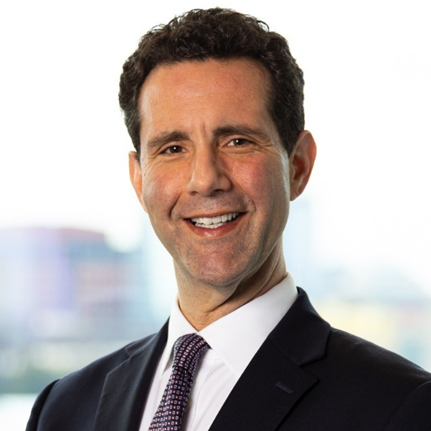
On November 13-14, the Center for Nonproliferation Studies (CNS) at the Middlebury Institute for International Studies hosted the 13th Annual Jonathan B. Tucker Symposium. The symposium is held in honor of Jonathan Tucker who dedicated his career to fighting the scourge of chemical and biological weapons. The first panel of the symposium was composed of two alumni of the Biodefense Graduate Program at the Schar School of Policy and Government: Yong-Bee Lim, Biodefense PhD ’21, and Minh Ly, MS Biodefense ’21. Dr. Lim, who is the Deputy Director of the Converging Risks Lab at the Council for Strategic Risks, gave a presentation on “Technology Democratization and its Implications for CBW Safety and Security: Lessons Learned from Engagement with Non-Traditional Communities.” Ly, who is a Research Fellow at CNS, served as the moderator. In his talk, Dr. Lim discussed his research on the Do-It-Yourself Biology community: a grassroots, decentralized community drawn together by a shared passion for biological experimentation, fostering innovation, and a desire to democratize access and use of life sciences materials, equipment, knowledge, and tools. While often discussed as a potential biosecurity threat in policy circles, Dr. Lim’s research found that much of the conventional wisdom on this community is oversimplified or incorrect. Dr. Lim’s talk concluded with three key lessons learned from his engagement with the community: 1) there is often a gap between perception and reality about biorisks that can lead to improper metrics and incorrect assessments that complicate policy formulation and implementation; 2) as the life sciences are practiced by more people, it is imperative to positively engage and receive buy-in from these communities on addressing biorisk issues; and 3) preventing and countering CBW will be increasingly difficult in a world where definitions for key terms such as biosecurity, democratization, and terrorism are either changing or have no global consensus.

Minh Ly (left) and Yong-Bee Lim (right)

Biodefense Program Bowling Party at the White House

On November 7, a group of students, faculty, and alumni from the Biodefense Graduate Program at the Schar School of Policy and Government went bowling at the Harry S. Truman Bowling Alley in the Eisenhower Executive Office Building. Competition was fierce, but friendly, between Team Smallpox, Team Anthrax, Team Plague, and Team Ebola. In between strikes, spares, and gutter balls, the group enjoyed coffee, pastries, and lively conversations. Biodefense master’s student Tyler Smith won a fall-themed White House challenge coin for achieving the highest score. Team Smallpox, composed of MS Biodefense students Will MacDonald and Tyler Smith, Biodefense PhD student Annette Prieto, and Biodefense PhD alum Jen Osetek, emerged victorious and walked away with more White House merch. “This was an amazing experience,” said Annette, who works as a Technical Analyst at RAND, “The fun and friendly competition we shared in such an iconic setting made for an unforgettable day and helped build bonds that will extend beyond the lanes.” Program director Gregory Koblentz was rusty but managed to throw one strike and two spares after a healthy infusion of caffeine. The bowling party was graciously hosted by Biodefense PhD student Katherine Dammer who is Special Assistant for Global Health Security and Biodefense at the National Security Council.

Avian Influenza Updates

Canada Reports First Domestically Acquired Human H5N1 Case

The Public Health Agency of Canada (PHAC) confirmed the country’s first domestically acquired human case of avian influenza (caused by H5N1) earlier this week. On November 9, the Office of the Provincial Health Officer for British Columbia reported that a BC teenager was hospitalized and tested presumptive positive for H5N1. On November 13, PHAC’s National Microbiology Laboratory in Winnipeg confirmed the test result and that genomic sequencing indicated that the virus is related to the H5N1 viruses circulating in poultry in British Columbia. Provincial officials are conducting an investigation and are taking actions like contact tracing, testing, and offering antiviral medication to contacts. No further cases have been identified at this time, and it is not clear how the teenager was infected.

PHAC says that the risk to the general public remains low at this time, but the risk is higher for those with unprotected exposure to infected animals. Importantly, the genotype of H5N1 avian influenza in US dairy cattle is not the same as the one confirmed in the domestically acquired human case in BC. No cases of avian influenza have been reported in Canadian dairy cattle, and there is no evidence of its presence in Canadian milk samples.

CDC Calls for Expanding Testing

Federal health officials called for more testing of farmworkers after a CDC study showed that 7% of those tested in Michigan and Colorado had antibodies indicative of a previous H5N1 infection. Only one of the eight workers reported working with infected cows, despite all eight of them doing so. CDC explained in a statement that “…there are two primary ways that workers in the United States have been infected with H5N1 virus: via exposure to infected poultry during culling activities, and through exposure to infected dairy cows, including while caring for sick cows, or when working in a milking parlor, the area on the farm where cows are milked.”

Based on this, the agency has updated its existing recommendation on actions to prevent exposures to H5N1 infected animals, including:

  • “Decreasing human exposure through One Health control strategies and biosecurity to limit H5N1 virus infections in animals.”
  • “Enhancing personal protective equipment (PPE) guidance to more clearly detail what PPE is appropriate for exposure risk levels (high, medium, and low) in farming and poultry culling operations, alongside more robust worker training on proper use of PPE.”
  • “Identifying exposed workers and providing appropriate testing as well as post-exposure prophylaxis (i.e., efforts to limit spread of disease), and treatment (e.g., antivirals).”
  • “Offering testing to asymptomatic workers with a high-risk exposure who reported not wearing relevant PPE or who experienced a PPE breach or failure.”
  • “Increasing outreach and education with farm workers, employers, and advocacy groups to stress and ensure understanding of these messages and strategies.”

The CDC has also updated recommendations for testing and offering oral antiviral medications. This includes the recommendation that asymptomatic workers with a PPE-unprotected, high-risk exposure to sick animals be offered oseltamivir. The statement explains that a high-risk exposure “could include an unprotected splash in the face with raw cow milk from an infected or potentially infected cow, or not using recommended PPE during activities to depopulate poultry at a poultry farm with known H5N1.” The recommendations also include offering influenza A(H5) testing to asymptomatic workers who have had a high-risk exposure to animals infected with H5N1, whether or not that worker chooses to begin PEP.

The Pandemic Agreement Will Not Be Ready by December

Co-chairs of the World Health Organization’s (WHO) Intergovernmental Negotiating Body (INB), Ambassador Anne-Claire Amprou and Precious Matsoso, explained at a media briefing earlier this week that the pandemic agreement will not be adopted at a special World Health Assembly next month as initially thought. They indicated that this was because countries need “more time,” though the INB is already in its 12th meeting following 32 months of negotiations. Ambassador Amprou said at the briefing, “Today, member states agreed we need to conclude the agreement as soon as possible and continue negotiations into 2025 with the goal of concluding the agreement by the next WHA scheduled in May 2025, so we are moving in the right direction with a strong political commitment by member states.”’

Africa CDC Launches Mpox Drug Trial

The Africa CDC recently announced the launch of a trial of the antiviral drug brincidofovir as a treatment for mpox. Brincidofovir, sold under the brand name Tembexa, is a prodrug of cidofovir and is currently approved in the United States to treat smallpox. The trial, “The MpOx Study in Africa (MOSA),” will evaluate the safety and efficacy of brincidofovir with the drug’s developer, Emergent BioSolutions, announcing that it will be conducted and sponsored by PANTHER-the pandemic preparedness platform for health and emerging infectious response.

The trial was announced shortly after the total number of cases of mpox in this outbreak surpassed 50,000. Jean Kaseya, MD, Director General of Africa CDC, said in a statement “Africa is not just responding to the Mpox outbreak; we are leading the charge by spearheading research and development for Mpox therapeutics…The MpOx Study in Africa is a groundbreaking step toward developing an effective treatment that will save lives. This goes beyond research—it’s about African ownership and leadership in tackling our continent’s health challenges through essential research.”

Ukrainian General Staff Reports 323 Uses of Russian CW Use in October

Ukraine’s General Staff reported on November 8 that it had detected 323 Russian uses of CW on the battlefield in October. This brings the total to 4,613 uses reported by Ukraine since Russia’s full-scale invasion in 2022. An August investigation from the Kyiv Independent showed that Russia’s use of CW is growing, with some Ukrainian soldiers reporting dealing with up to six attacks daily. The United Kingdom announced sanctions against relevant Russian units last month, and the US Department of State cited Russian use of chloropicrin against Ukrainian troops in its announcement of more than 280 sanctions against individuals and entities tied to Russia earlier this year.

Emerging Infectious Diseases-“Vol 30, No. 14 Supplement – Reports from the US Department of Defense Global Emerging Infections Surveillance Program”

David M. Brett-Major writes in this issue of CDC’s Emerging Infectious Diseases‘ introduction, “This supplement contains new technical outputs and perspectives from the Global Emerging Infections Surveillance (GEIS) program within the Department of Defense (DoD). GEIS develops, invests in, disseminates, and integrates information from health surveillance activities conducted by military, academic, public health, and other partners. GEIS-funded researchers from around the world provide novel surveillance data that are used to update the military and civilian outputs from this long-standing initiative.”

“Trump Administration’s Chance to Lead on Pandemic Preparedness”

Syra Madad discusses the incoming administration’s opportunity to leverage lessons learned from the COVID-19 pandemic in this piece from the Belfer Center, writing in part “As the Trump administration prepares to take office, it faces a pivotal moment to leverage hard-earned lessons from the COVID-19 pandemic and build a more resilient, pandemic-prepared nation. The challenges of managing the first year of COVID-19 exposed critical vulnerabilities in our fragmented public health infrastructure and decentralized healthcare system. The administration is now uniquely positioned to prioritize pandemic preparedness as a matter of national security. This proactive approach is more important than ever, particularly given the current threat posed by H5N1 avian influenza, which is spreading rapidly among wild birds – among other species and causing outbreaks in U.S. poultry and dairy herds. Recent human cases among farmworkers exposed to infected livestock further underscore the urgency of this threat.”

“Cyberattacks on Healthcare: A Global Threat That Can’t Be Ignored”

Vibhu Mishra wrote this piece discussing UNSC’s interest in protecting healthcare infrastructure against cyberattacks for UN News: “An alarming surge in ransomware attacks is putting the world’s healthcare infrastructure at critical risk, endangering patient safety and destabilising health systems, the head of the UN World Health Organization (WHO) warned on Friday, as the Security Council convened to discuss strategies to counter the growing threat.”

Read more here and read the WHO Director-General’s remarks from the meeting here.

“Robust Biosecurity Measures Should Be Standardized at Scientific Cloud Labs”

Jeffrey Lee and Barbara Del Castello recently authored this commentary piece for the RAND Corporation. In it, they discuss clous labs and argue that “By adopting comprehensive security measures, including routine evaluations and monitoring via artificial intelligence (AI), the scientific community, ideally through a consortium, can harness the full potential of cloud labs while ensuring safe and secure research environments.”

“The U.S. Could Soon Face a Threat ‘More Powerful’ Than Nuclear Weapons”

Ashish K. Jha, Matt Pottinger and Matthew McKnight discuss the implications of rapid advancement in synthetic biology and how to achieve bioweapons deterrence in this Washington Post opinion piece. They point to the importance of superior intelligence gathering and analysis, writing that “For deterrence to work, Washington and its allies must have a robust, pervasive system for tracking and, where possible, eliminating highly dangerous research around the world.” However, they explain that the primary challenge to expanding and improving US BIOINT efforts is not technology, but resolve, with Congress having recently watered down the Biden administration’s budget request for pandemic prevention and biosurveillance efforts outlined in the 2023 Biodefense Posture Review remaining underfunded. They conclude that BIOINT alone won’t deter adversaries, but that all necessary elements of bioweapons deterrence depend on world-class BIOINT.

“Developing Guardrails for AI Biodesign Tools”

From NTI: “The integration of artificial intelligence (AI) with the life sciences offers tremendous potential benefits to society, but advances in AI biodesign tools also pose significant risks of misuse, with the potential for global consequences.”

“AI biodesign tools (BDTs) are technologies that enable the engineering of biological systems. These tools are trained on biological data and are developed to provide insights, predictions, and designs related to biological systems. BDTs have the potential to drive progress in the development of new therapeutics and are likely to have a significant impact across the broader bioeconomy, including in agriculture, health, and materials science. However, there are risks BDTs could be misused to design dangerous pathogens, and few safeguards exist to ensure that the benefits of these technologies can be realized safely and securely.”

“Innovative strategies are needed to reduce the risks associated with potential misuse of biological design tools without significantly hindering beneficial uses. This report identifies a number of strategies, referred to as guardrails, that could be developed to safeguard BDTs against misuse.”

Read the report here.

What We’re Listening To🎧

Build the Base Podcast-Tracy Frost and Dr. Kate Sixt, DoD Research and Engineering OUSD
“In this episode of Building the Base, Lauren Bedula and Hondo Geurts sit down with Tracy Frost, Director of Technology Industrial Innovation Base, and Dr. Kate Sixt, Principal Director for Biotechnology at the Department of Defense. The conversation explores the revolutionary intersection of biotechnology and national security, diving into how the DoD is leveraging bio-manufacturing to strengthen domestic supply chains and innovate defense capabilities. From converting waste products into valuable materials to creating new pathways for manufacturing critical components, the discussion reveals how public-private partnerships are reshaping America’s industrial base.”

One Health and the Politics of COVID-19 Book Launch

The Writer’s Center is hosting a book launch for Dr. Laura Kahn’s new book, One Health and the Politics of COVID-19 (blurb below) on November 23 at 2 pm EST in Bethesda, MD. Learn more and RSVP here.

One Health and the Politics of COVID-19 unpacks the mysteries of COVID-19’s origins to impart important lessons for future outbreaks. The One Health concept recognizes the interconnected links among the health of humans, animals, plants, and the environment. By comparing the history, science, and clinical presentations of three different coronaviruses—SARS-CoV-1, MERS, and SARS-CoV-2 (COVID-19)—Kahn uncovers insights with important repercussions for how to prepare and avoid future pandemics. The One Health approach provides a useful framework for examining the COVID-19 pandemic. Understanding the origins of this zoonotic disease requires investigating the environmental and molecular biological factors that allowed the virus to spread to humans. The book explores the many ways in which the wild animal trade, wet markets, and the camel industry contributed to the spread of the earlier SARS-CoV-1 and MERS coronaviruses. For SARS-CoV-2 (COVID-19), Kahn examines the biosafety, biosecurity, and bioethics implications of gain-of-function research on pandemic potential pathogens. This book is a must read to understand the geopolitics of the COVID-19 pandemic.”

Enhancing the Resilience of Healthcare and Public Health Critical Infrastructure

From NASEM: “Healthcare and public health infrastructure, technology, and operations are rapidly changing and are increasingly interdependent and interconnected. Threats to the nation’s critical social and physical infrastructure systems are also rapidly evolving and highly complex—posing potentially new or growing risks of disruption and challenging the assumptions used to design and protect these systems.”

“The National Academies Forum on Medical and Public Health Preparedness for Disasters and Emergencies will host a hybrid public workshop to explore strategies, policies, and innovative actions to improve the resilience of healthcare and public health (HPH) critical infrastructure to impacts from disasters and other emergencies.”

This event will take place in DC on December 9 and 10. Register here.

Resilience in the Face of Global Risks

From CSR: “The Council on Strategic Risks (CSR) cordially invites you to our first annual CSR symposium, Resilience in the Face of Global Risks, scheduled for Tuesday, December 10, 2024. This is the first event bringing together all three of CSR’s institutions—the Center for Climate & Security, the Converging Risks Lab, and the Janne E. Nolan Center on Strategic Weapons—to engage with leaders across our mission sets.”

“The United States and its allies face a complex global security landscape where systemic risks like climate and ecological crisis, nuclear proliferation, and biological threats are blending with war, geopolitical competition, and human insecurity in new and profound ways. While there has been tremendous leadership—and meaningful progress—across these overlapping risk areas, they require persistent innovation in community building to meet the modern risk landscape.”

“The symposium will dive into the progress our communities have made—and how our passionate communities can better work together to help shape the future.”

“In addition to a keynote address, guests will hear from panels, take part in breakout sessions showcasing important issues and new ideas, plus engage with thought leaders between sessions. It will be a widely attended gathering, free to attendees.”

“As we enter a new year with an exceptionally dynamic security environment, we hope CSR’s December event will inspire and build a stronger community across professionals dedicated to anticipating and addressing the world’s greatest risks. We appreciate your consideration and hope you will be able to join us on the 10th of December.”

RSVP here.

2024 CBD S&T Conference

From DTRA: “The CBD S&T Conference brings together the most innovative and influential chemical and biological defense community members from around the globe to share insights and collaborate on the emerging chem-bio threats of tomorrow.”

“Join the Defense Threat Reduction Agency’s (DTRA) Chemical and Biological Technologies Department in its role as the Joint Science and Technology Office (JSTO) for Chemical and Biological Defense, an integral component of the Chemical and Biological Defense Program, as we Focus Forward to uncover novel concepts and examine groundbreaking discoveries within the chem-bio defense landscape.”

“The 2024 CBD S&T Conference will be held at the Broward County Convention Center, December 2–5, 2024.”

Learn more and register here.

Health Security Intelligence: Managing Threats Risks and Hazards Post-Covid 19
“As  the acute impact of the COVID-19 pandemic recedes, many unaddressed questions remain for Australia about how to better prepare for the next likely health threat, risk or hazard.”

“In addition to how we enhance national public health capacity, what are the important lessons we can learn from the pandemic from national security and biosecurity perspectives?”

“Given the likelihood of another pandemic at some point, an increasingly uncertain geo-political order and the potential exploitation of biotechnology by bad actors how does Australia and its allies better prepare for a future of increasingly complex health security and biological security threats, risks and hazards?”

“This event is for all health security intelligence stakeholders (policy-makers, national security staff, scientists, researchers and clinicians) who work across the one health continuum and national security agencies.”

“It will introduce participants to Charles Sturt’s extensive research agenda across the one health biosecurity, health and biological security and discuss both their national security and scientific implications.  You will hear briefings from key researchers across both STEM and social sciences disciplines working on assessing key health security threats, risks and hazards relevant to your work.”

This event will take place in-person and over livestream on December 4 from 2-4 pm AEDT. Learn more and register here.

NEW: “New Public Health Cybersecurity Readiness Survey Set to Boost Preparedness Against Cyber Threats”

“The co-chairs of the Joint Public Health Cybersecurity Task Group of the Healthcare and Public Health Sector Coordinating Council (HSCC) published a special announcement letter announcing the launch of the Public Health Cybersecurity Readiness Survey. The move aims to enhance the cybersecurity preparedness of state, local, tribal, and territorial (SLTT) public health agencies. Participants can expect the anonymous survey to take about 15 minutes to complete, and it will be open until Monday, Dec. 2, 2024.”

Read more and access the survey here.

The Schar School is Hiring!

The Schar School of Policy and Government at George Mason University is hiring a tenure-track assistant professor. Expertise in international security, national security, homeland security, emergency management, artificial intelligence, cybersecurity, the defense industrial base, or transnational crime and corruption will be regarded positively. Candidates whose work focuses on climate security, technological change, and the future of warfare, or domestic extremism are also encouraged to apply, as are candidates with regional expertise. Details can be found here: https://listings.jobs.gmu.edu/jobs/assistant-professor-fairfax-va-virginia-united-states-other.

US AI Safety Institute Issues RFI on Responsible Development of Chem-Bio Models

From AISI: “The U.S. Artificial Intelligence Safety Institute (U.S. AISI), housed within the U.S. Department of Commerce’s National Institute of Standards and Technology (NIST), released a Request for Information seeking insight from stakeholders regarding the responsible development and use of chemical and biological (chem-bio) AI models.”

“Input from a broad range of experts in this field will help the U.S. AISI to develop well-informed approaches to assess and mitigate the potential risks of chem-bio AI models, while enabling safe and responsible innovation.”

“Respondents are encouraged to provide concrete examples, best practices, case studies, and actionable recommendations where possible. The full RFI can be found here.”

“The comment period is now open and will close on December 3, 2024, at 11:59PM Eastern Time. Comments can be submitted online at www.regulations.gov, under docket no. 240920-0247.”

Pandora Report 11.8.2024

This week’s Pandora Report discusses one Biodefense MS student’s research on malaria, the UK’s recently-announced sanctions against 56 people and entities linked to Russia, the CDC’s call for more avian influenza testing, and what a second Trump administration likely means for US public health and global health security.

Biodefense MS Student Presents at Malaria Research Symposium

Zachary Berliner, a Biodefense MS student, is presenting a poster at the 10th Annual Future of Malaria Research Symposium in Baltimore, MD, on November 8. This conference, jointly run by the Johns Hopkins Malaria Research Institute and the University of Maryland School of Medicine, provides “a platform for early-career scientists to share their research with peers, emerging leaders, and established investigators.” In 2023, nine cases of locally acquired malaria occurred in the United States, the first such cases in twenty years. Zak’s project, Public Opinions Toward Malaria Control Interventions in the National Capital Region, featured a survey of adults in the National Capital Region about their opinions toward various malaria control interventions. His study serves as an indicator of preliminary opinions among a small group of Americans to better inform politicians. His poster can be found here, and the full paper can be found here. The poster is based on the capstone paper that Zak wrote as a culmination of his experience in the Biodefense program. Zak is graduating with his MS in Biodefense in December and is looking for policy and analysis opportunities focused on biodefense and health security.

United Kingdom Announces Sanctions on 56 People and Entities Linked to Russia

The UK announced its largest sanctions package against Russia since May of last year this week, in a series of actions the government hopes “disrupts the supply of vital equipment for Putin’s war machine and bears down on Russian malign activity globally, exposing the corrupt activities of Russian proxy military groups in Africa.” Those sanctioned include Denis Sergeev (who was charged by the Met Police in the attempted murder of Sergei Skripal), entities in China, Turkey, and Central Asia, Africa Corps and other private mercenary groups linked to the Kremlin, and others. The UK is the first G7 country to directly sanction Africa Corps, which has directly threatened peace and security in Libya, Mali, and the Central African Republic.

CDC Calls for Expanded Bird Flu Testing as California and Washington Report More Cases

Officials at the CDC called for more testing on farms with avian influenza cases after a recent study found some dairy workers have shown signs of infection even though they did not report feeling sick. The study that 7% of the 115 farmworkers whose blood was tested (eight) had antibodies consistent with previous H5N1 infection, pointing to more infections than the 46 identified so far. More cases in farmworkers have also been reported in recent days, including at least four in California and three in Washington. The California Department of Public Health also recently reported one other probable case in a dairy worker who met the case definition, though CDC’s confirmation test was negative.

What Lies Ahead in Trump’s Second Term

President-Elect Trump’s recent victory likely will have severe implications for both domestic health policy and global health security. The first Trump administration largely failed in its response to the COVID-19 pandemic, despite the US ranking very well in pre-pandemic preparedness assessments like the Global Health Security Index and the Trump administration being handed a pandemic playbook by the preceding Obama administration that specifically flagged novel coronaviruses as a potential pandemic threat. The upcoming second Trump administration looks ready to fair just as poorly in terms of not just pandemic preparedness, but in general public health and global health engagement as well.

The president-elect, who has repeatedly and falsely claimed that climate change is a hoax, has promised to rollback federal regulations on the oil and gas industry that are aimed at slowing climate change. Trump pulled the United States out of the 2015 Paris Climate Accord in 2017, and his campaign has indicated it intends to do the same again once he is back in office. Trump is also expected to target the EPA during his second term. Changes like this are especially concerning as the effects of climate change, such as increased extreme weather and easier spread of infectious diseases, pose a growing threat globally.

Trump does plan to involve at least one environmental lawyer in his administration-Robert F. Kennedy Jr., an environmental lawyer who Trump has suggested may play a large role in public health in his administration. Unfortunately, Kennedy has no training in public health or medicine, and he has repeatedly peddled anti-vaccine conspiracy theories over the years. Kennedy also faced backlash for comments suggesting COVID-19 was “ethnically targeted,” saying “COVID-19 is targeted to attack Caucasians and Black people. The people who are most immune are Ashkenazi Jews and Chinese…We don’t know whether it was deliberately targeted or not but there are papers out there that show the racial or ethnic differential and impact.” Kennedy has also voiced criticism of the childhood vaccine schedule and public water fluoridation, claiming the latter is “lowering IQ in our children,” in contrast to what numerous studies over multiple decades show about its safety and efficacy.

Trump has promised to allow Kennedy to “go wild on” health, medicines, and food policy, with Kennedy saying he believes entire departments at the FDA “have to go.” Kennedy has also said he wants an eight-year-long “break” in NIH funding for infectious disease research, and that he would move that money to chronic disease research. Congressional Republicans have targeted the NIH in recent years, including efforts to strip its authority over gain of function research and repeatedly attacking former NIAID Director, Anthony Fauci.

Trump’s second term also may pose threats to global health security more directly. For example, in 2020, the Trump administration formally notified the United Nations that it intended to withdraw the country from the World Health Organization. This move would have cut off one of the largest funding sources to the WHO in the middle of the COVID-19 pandemic. Furthermore, some experts argue the attempt was unlawful, in addition to the threat it posed to domestic and global health and security. While the Trump campaign mentioned few specifics about foreign policy for a second term, the United Nations is bracing itself for this incoming administration.

This week’s election results have many experts deeply concerned about what this administration will bring. Saskia Popescu, an alumna of the Schar School’s Biodefense PhD Program and current adjunct professor at the school made this statement to The Bulletin of the Atomic Scientists about the election result’s implications for public health: Right now, I think you’d be hard-pressed to find many in public health, healthcare, and pandemic preparedness/response, who are not deeply concerned. The recent notion that Robert F. Kennedy Jr. could be in charge of public health for the United States poses a real danger. From his claims that vaccines are harmful or unnecessary to his proposed efforts to remove fluoride from public water systems, Kennedy continuously pushes anti-science rhetoric and dis/misinformation.

History has shown us what might happen under another Trump administration during times of crises, from extreme weather events to a pandemic. We have seen how an administration that pits itself against science and dedicated public service officials reacts. As we face an ongoing H5N1 outbreak, persistent outbreaks of emerging infectious diseases, an erosion of trust in public health, a rise in dis/misinformation, and widening social disparities, we need leadership that will unite rather than divide.

We are at a critical time in forming effective and pragmatic policies to address complex issues such as the ways in which developments in artificial intelligence (AI) will affect biosecurity, the safety and security around critical research of dangerous pathogens, the effects of climate change on infectious diseases, and the need to strengthen global health through equity and partnership.

Developing policies in these areas will require strategies based on collaboration and evidence-based measures–not inflammatory, inaccurate, and harmful rhetoric that furthers partisan divides and enflames social discourse. It’s our responsibility to find a path that ensures the protection of public health and global health security. We’ve got a lot of work to do, and I fear a hard road ahead of us.

Others have voiced concerns about a return to US isolationism in global health, Trump not seeking out quality scientific advice, policies regarding vaccines, and more that can be read in this piece from The Bulletin of the Atomic Scientists.

“HHS’ ASPR Playing ‘Quarterback’ for Cyber Response, Resilience”

Jason Miller discusses ASPR’s cyber efforts with Biodefense PhD Program alumnus, Schar School adjunct professor, and current Deputy Director of ASPR’s Office of Preparedness in this piece for Federal News Network: “Just a little over a year ago, that coordination was occurring, but not as smooth as it needed to be. We took some steps, and actually now have a Public Health Service, captain, or an 06 officer, permanently embedded within the National Cyber Investigative Joint Task Force, that the FBI leads. We have a HHS ASPR person embedded full time with the FBI agents and other law enforcement folks who work in that task force and really are dealing with very sensitive information and responding to cyber incidents in the healthcare sector every day,” said Mazanec on Ask the CIO. “That’s just another example where we’ve really tightened up and continue to mature our partnership with the FBI. We do work with the other health focused entities like the Veterans Affairs Department, the Defense Health Agency, certainly within HHS, with the Indian Health Service  and with the Centers for Medicaid and Medicare Services.”

Read more here.

“GHSD Five-year Strategy 2024-2028 (October 2024)”

The State Department’s Bureau of Global Health Security and Diplomacy recently released its strategic plan for 2024-2028: “The COVID-19 pandemic underscored the importance of preventing, detecting, and responding to health crises to safeguard American lives and the global economy. Building on the successes of the U.S. President’s Emergency Plan for AIDS Relief (PEPFAR), which has saved more than 25 million lives from HIV/AIDS, and to address the growing challenges posed by health threats, the State Department established the Bureau of Global Health Security and Diplomacy in August 2023.”

“Building on decades of leadership on global health within the State Department, the Bureau of Global Health Security and Diplomacy’s mission is to lead U.S. diplomatic engagement, help coordinate foreign assistance, and promote international cooperation against health threats, integrating global health security as a core component of national security and foreign policy. The bureau’s first ever five-year Strategy for 2024-2028 outlines the State Department’s role in ending HIV/AIDS as a public health threat and advancing global health security and pandemic prevention, preparedness, and response efforts for the U.S. government.”

“The goals of the Strategy are to:

  • End HIV/AIDS as a public health threat by 2030
  • Catalyze the political will, financing, and leadership necessary to achieve heath security and address public health threats, including HIV/AIDS
  • Improve global multisectoral preparedness and response through diplomacy to protect against health security threats
  • Empower the diplomatic workforce to prioritize and integrate global health security as a key pillar of U.S. foreign policy.”

Read the strategy here.

“Chemical Weapons Policymakers Must Act to Balance the Prospects and Perils of AI”

Patrick Norén recently published this CBNW article covering a conference organized by the OPCW and Kingdom of Morocco focused on the role of AI in advancing implementation of the CWC. Norén covers general trends in speakers’ comments, the dual use nature of AI, challenges in legislation, regulation, and cooperation, and issues with misinformation and disinformation.

“MATCH 2.0 Enters Demonstration and Live Testing Phase”

From Stimson: “Behind every chemical transfer is a story, and too often, that story includes discrepancies in reported data. The Stimson Center’s MATCH project team has completed development of an updated DLT prototype and is demonstrating to CWC National Authorities and other stakeholders how it traces these narratives and creates a clear, immutable record of each transaction, aligning records of national authorities and industry while maintaining data confidentiality, reducing risks of misreporting, and enhancing nonproliferation by enabling faster reconciliation of discrepancies in the annual reporting of chemicals covered by the Chemical Weapons Convention (CWC).”

Read more here.

“THE NEXUS BETWEEN SCIENCE AND NATIONAL SECURITY IN CANADA: THE CASE OF THE NATIONAL MICROBIOLOGY LABORATORY IN WINNIPEG”

The Canadian House of Commons’ Special Committee on the Canada-People’s Republic of China Relationship recently released this interim report. Among other things, the report reveals that CSIS “issued a direct and unheeded warning to senior health officials in August 2018, raising concerns about “insider threat activities” linked to Dr. Xiangguo Qiu and her husband, Keding Cheng.” The report explains in its conclusion “The events at the Winnipeg NML facility revealed, as outlined in this report, the fundamentally open and collaborative nature of Canadian scientific research as a means of contributing to the common good, on the one hand, and, on the other, the need for a cultural shift within the scientific field in terms of its vigilance over national security risks and the need to reconsider how we collaborate with entities or states that may not share the same interests as Canada. For example, with regard to the PRC, Mr. Vigneault said that “[i]t is sometimes in our own national interest to collaborate with Chinese entities, but we need to do it with our eyes wide open and make sure that we protect our own base.”’

Read Sam Cooper’s coverage of this report in The Bureau here.

NEW: Developing Guardrails for AI Biodesign Tools

From NTI: “Join us for a virtual webinar releasing the findings of NTI | bio’s new report, Developing Guardrails for AI Biodesign Tools, followed by a moderated discussion and Q+A with distinguished guest Claire Quereshi.”

“Artificial intelligence (AI) promises to revolutionize not only aspects of daily life but cutting-edge scientific research and development. Within the life sciences, AI biodesign tools (BDTs) have improved significantly in their ability to design biological molecules and make predictions about living systems, displaying potential for beneficial applications and posing significant potential risks if misused.”

“Authors Sarah R. Carter, Ph.D., Nicole E. Wheeler, Ph.D., Christopher R. Isaac, M.Sc., and Jaime M. Yassif, Ph.D. conducted interviews with experts with deep experience creating bioinformatic tools, developing BDTs, and crafting biosecurity policies. The report outlines several proposed measures that could be deployed to design governance approaches to reduce biological risks without unduly hindering scientific advances.”

This event will take place virtually on November 14 at 11 am ET. Learn more and register here.

NEW: A Year-End Review, Recapping Global AI Governance Efforts

From CSET: “This time last year seemed to herald a landmark period in establishing AI governance regimes around the world. After ChatGPT and other AI tools burst onto the scene, U.S. policymakers issued new executive orders, hosted hearings and high-profile learning sessions, and developed new frameworks and standards to support the safe and secure development of AI. Elsewhere, the European Union worked to finalize its AI Act, and China announced its Global AI Governance Initiative. One year later, where do the promises and commitments to govern AI stand?”

“Join us on November 14, as we look back on the last year of global AI governance efforts and evaluate what progress has been made, what work remains to be done, and what the actions of global partners and competitors alike mean for U.S. strategy going forward. CSET Associate Director of Analysis Owen J. Daniels will moderate a conversation with CSET researchers Mia Hoffmann, Mina Narayanan, and Cole McFaul as we survey governance developments around the world over the past year. The moderated discussion will be followed by audience Q&A.”

This event will take place at 1 pm ET on November 14. Learn more and RSVP here.

NEW: Enhancing the Resilience of Healthcare and Public Health Critical Infrastructure

From NASEM: “Healthcare and public health infrastructure, technology, and operations are rapidly changing and are increasingly interdependent and interconnected. Threats to the nation’s critical social and physical infrastructure systems are also rapidly evolving and highly complex—posing potentially new or growing risks of disruption and challenging the assumptions used to design and protect these systems.”

“The National Academies Forum on Medical and Public Health Preparedness for Disasters and Emergencies will host a hybrid public workshop to explore strategies, policies, and innovative actions to improve the resilience of healthcare and public health (HPH) critical infrastructure to impacts from disasters and other emergencies.”

This event will take place in DC on December 9 and 10. Register here.

NEW: Resilience in the Face of Global Risks

From CSR: “The Council on Strategic Risks (CSR) cordially invites you to our first annual CSR symposium, Resilience in the Face of Global Risks, scheduled for Tuesday, December 10, 2024. This is the first event bringing together all three of CSR’s institutions—the Center for Climate & Security, the Converging Risks Lab, and the Janne E. Nolan Center on Strategic Weapons—to engage with leaders across our mission sets.”

“The United States and its allies face a complex global security landscape where systemic risks like climate and ecological crisis, nuclear proliferation, and biological threats are blending with war, geopolitical competition, and human insecurity in new and profound ways. While there has been tremendous leadership—and meaningful progress—across these overlapping risk areas, they require persistent innovation in community building to meet the modern risk landscape.”

“The symposium will dive into the progress our communities have made—and how our passionate communities can better work together to help shape the future.”

“In addition to a keynote address, guests will hear from panels, take part in breakout sessions showcasing important issues and new ideas, plus engage with thought leaders between sessions. It will be a widely attended gathering, free to attendees.”

“As we enter a new year with an exceptionally dynamic security environment, we hope CSR’s December event will inspire and build a stronger community across professionals dedicated to anticipating and addressing the world’s greatest risks. We appreciate your consideration and hope you will be able to join us on the 10th of December.”

RSVP here.

Preparing for the Next Outbreak: Designing Closer Collaboration between Healthcare and Public Health to Deploy Pathogen-Agnostic Testing as an Early Warning System

From PNNL: “Please join us in welcoming Dr. Adi V. Gundlapalli, Senior Advisor for Data Readiness and Response in the Office of Public Health Data, Surveillance, and Technology at the CDC for his talk titled “Preparing for the Next Outbreak: Designing Closer Collaboration between Healthcare and Public Health to Deploy Pathogen-Agnostic Testing as an Early Warning System”. This webinar will take place Wednesday, November 13th, at noon PT.”

Learn more and register here.

Developing Guardrails for AI Biodesign Tools

From NTI: “Join us for a virtual webinar releasing the findings of NTI | bio’s new report, Developing Guardrails for AI Biodesign Tools, followed by a moderated discussion and Q+A with distinguished guest Claire Quereshi.”

“Artificial intelligence (AI) promises to revolutionize not only aspects of daily life but cutting-edge scientific research and development. Within the life sciences, AI biodesign tools (BDTs) have improved significantly in their ability to design biological molecules and make predictions about living systems, displaying potential for beneficial applications and posing significant potential risks if misused.”

This virtual event will take place on November 14 at 11 am EST. Learn more and register here.

13th Annual Jonathan Tucker Symposium

“The James Martin Center for Nonproliferation Studies cordially invites you to the 13th annual Jonathan Tucker Symposium on chemical and biological weapons issues on November 13th and 14th, 2024.”

Among this year’s speakers are Dr. Yong-Bee Lim, an alumnus of the Biodefense PhD Program and Deputy Director of the Converging Risks Lab and Biosecurity Projects Manager at the Council on Strategic Risks, who will give a talk titled “Technology Democratization and its Implications for CBW Safety and Security: Lessons Learned from Engagement with Non-Traditional Communities.”

Learn more and register here.

One Health and the Politics of COVID-19 Book Launch

The Writer’s Center is hosting a book launch for Dr. Laura Kahn’s new book, One Health and the Politics of COVID-19 (blurb below) on November 23 at 2 pm EST in Bethesda, MD. Learn more and RSVP here.

One Health and the Politics of COVID-19 unpacks the mysteries of COVID-19’s origins to impart important lessons for future outbreaks. The One Health concept recognizes the interconnected links among the health of humans, animals, plants, and the environment. By comparing the history, science, and clinical presentations of three different coronaviruses—SARS-CoV-1, MERS, and SARS-CoV-2 (COVID-19)—Kahn uncovers insights with important repercussions for how to prepare and avoid future pandemics. The One Health approach provides a useful framework for examining the COVID-19 pandemic. Understanding the origins of this zoonotic disease requires investigating the environmental and molecular biological factors that allowed the virus to spread to humans. The book explores the many ways in which the wild animal trade, wet markets, and the camel industry contributed to the spread of the earlier SARS-CoV-1 and MERS coronaviruses. For SARS-CoV-2 (COVID-19), Kahn examines the biosafety, biosecurity, and bioethics implications of gain-of-function research on pandemic potential pathogens. This book is a must read to understand the geopolitics of the COVID-19 pandemic.”

2024 CBD S&T Conference

From DTRA: “The CBD S&T Conference brings together the most innovative and influential chemical and biological defense community members from around the globe to share insights and collaborate on the emerging chem-bio threats of tomorrow.”

“Join the Defense Threat Reduction Agency’s (DTRA) Chemical and Biological Technologies Department in its role as the Joint Science and Technology Office (JSTO) for Chemical and Biological Defense, an integral component of the Chemical and Biological Defense Program, as we Focus Forward to uncover novel concepts and examine groundbreaking discoveries within the chem-bio defense landscape.”

“The 2024 CBD S&T Conference will be held at the Broward County Convention Center, December 2–5, 2024.”

Learn more and register here.

Health Security Intelligence: Managing Threats Risks and Hazards Post-Covid 19
“As  the acute impact of the COVID-19 pandemic recedes, many unaddressed questions remain for Australia about how to better prepare for the next likely health threat, risk or hazard.”

“In addition to how we enhance national public health capacity, what are the important lessons we can learn from the pandemic from national security and biosecurity perspectives?”

“Given the likelihood of another pandemic at some point, an increasingly uncertain geo-political order and the potential exploitation of biotechnology by bad actors how does Australia and its allies better prepare for a future of increasingly complex health security and biological security threats, risks and hazards?”

“This event is for all health security intelligence stakeholders (policy-makers, national security staff, scientists, researchers and clinicians) who work across the one health continuum and national security agencies.”

“It will introduce participants to Charles Sturt’s extensive research agenda across the one health biosecurity, health and biological security and discuss both their national security and scientific implications.  You will hear briefings from key researchers across both STEM and social sciences disciplines working on assessing key health security threats, risks and hazards relevant to your work.”

This event will take place in-person and over livestream on December 4 from 2-4 pm AEDT. Learn more and register here.

US AI Safety Institute Issues RFI on Responsible Development of Chem-Bio Models

From AISI: “The U.S. Artificial Intelligence Safety Institute (U.S. AISI), housed within the U.S. Department of Commerce’s National Institute of Standards and Technology (NIST), released a Request for Information seeking insight from stakeholders regarding the responsible development and use of chemical and biological (chem-bio) AI models.”

“Input from a broad range of experts in this field will help the U.S. AISI to develop well-informed approaches to assess and mitigate the potential risks of chem-bio AI models, while enabling safe and responsible innovation.”

“Respondents are encouraged to provide concrete examples, best practices, case studies, and actionable recommendations where possible. The full RFI can be found here.”

“The comment period is now open and will close on December 3, 2024, at 11:59PM Eastern Time. Comments can be submitted online at www.regulations.gov, under docket no. 240920-0247.”

Pandora Report 10.19.2024

This week’s Pandora Report covers updates from the Biodefense Graduate Program, a new biosecurity and biosafety declaration from ASEAN leadership, the United States’ IV fluid shortage, new publications and upcoming events, and more.

Upcoming Virtual Information Sessions on the Biodefense Graduate Program

If you are interested in a career in biodefense or global health security or want to develop the knowledge and skills necessary to work at the nexus of health, science, and security, find out what the Schar School of Policy and Government has to offer. 

The Schar School PhD programs will be holding a virtual open house on Wednesday, October 30 from 6-7:30 PM. Please join Dr. Gregory Koblentz, director of the Biodefense Graduate Program, to learn more about the Biodefense PhD program and ask any questions you may have. Register here.

Biodefense MS Grads Starts at National Security Commission on Emerging Biotechnology as Policy Advisor

Olivia Parker, a recent graduate of the Biodefense MS program, recently joined the National Security Commission on Emerging Biotechnology (NSCEB) as a policy advisor. NSCEB is a legislative branch advisory entity charged with conducting a thorough review of how advancements in emerging biotechnology and related technologies will shape current and future activities of the Department of Defense. To learn more about NSCEB, visit their website here: https://www.biotech.senate.gov.

Establishing a National Biosafety and Biosecurity Agency for the United States
Professor Gregory Koblentz, director of the Biodefense Graduate Program, along with co-authors David Gillum and Rebecca Moritz, past presidents of the American Biosafety Association (ABSA), have published an article proposing the establishment of an independent Federal agency to oversee a unified national biorisk management system in the United States called the National Biosafety and Biosecurity Agency (NBBA). The current fragmented regulatory landscape needs to be refocused to address the complexities of modern biological research, including risks associated with accidental, inadvertent, and deliberate biological incidents. The NBBA would consolidate various regulatory functions, streamline processes, and enhance oversight. This oversight would encompass life sciences research in the United States, regardless of the source of funding or level of classification. The agency could also contribute to the bioeconomy by streamlining requirements to safeguard public health and the environment while fostering scientific and commercial progress. The proposed agency would govern high-risk biological pathogens, manage the Federal Select Agent Program, enforce policies related to dual use research of concern, pathogens with enhanced pandemic potential, and nucleic acid synthesis screening, administer regulations on the use and care of laboratory animals, as well as regulate other relevant biosafety and biosecurity activities. The goal would be to provide one-stop shopping for the biomedical research and biotechnology sectors subject to oversight by the Federal government. To ensure leadership in global biosafety and biosecurity, the agency’s mission would include international collaboration, applied research, education, workforce development, and coordination with national security initiatives. Creating an agency like the NBBA will be politically challenging but presenting a comprehensive vision and engaging stakeholders early and frequently, and being transparent in the process, will be essential for garnering support. Creating a unified biosafety and biosecurity governance system in the United States will ensure the safe and secure advancement of biological research while sustaining innovation and maintaining international competitiveness.  The article is open access and can be downloaded here.

George Mason Scientist Secures $1.4 Million from DTRA to Study Viruses’ Impacts on Organ Health

George Mason University researcher Aarthi Narayanan recently secured a $1.4M grant from the Defense Threat Reduction Agency (DTRA) to investigate how an infection spreads between organs, and how a therapeutic will impact connected organs. The work will initially focus on mosquito-transmitted viruses while Narayanan hopes to expand the implications from these studies to other human disease states. Read more here.

ASEAN Leaders Make Declaration on Strengthening Regional Biosafety and Biosecurity

Leaders of the nations comprising the Association of Southeast Asian Nations (ASEAN) made a declaration on biosafety and security earlier this month during the 44th and 45th ASEAN Summits in Vientiane, Lao PDR. Their declaration includes an agreement to strengthen biosafety and biosecurity in the region by committing to strengthening multi-sectoral and multi-stakeholder coordination at the national level on these issues, establishing the ASEAN Biosafety and Biosecurity Network, establishing or strengthening relevant national legal frameworks, upholding commitments around responsible and ethical research using high-risk pathogens and toxins and related data to prevent DURC issues, enhancing protocols and procedures for the safe storage and transport of high-risk pathogens and toxins, ensuring the provision of necessary relevant human resources, supporting efforts to develop sustainable lab infrastructure, and tasking ASEAN Health Ministers to cooperate with relevant ministries to begin consultation, coordinate, and monitor efforts to meet the declaration’s deliverables.

Amid IV Fluid Shortage, Biden Administration Invokes Defense Production Action

The Biden administration told news outlets this week that it has invoked the Defense Production Act (DPA) in order to quicken the reconstruction of a Baxter facility in North Cove, North Carolina that was heavily damaged by Hurricane Helene. The plant was responsible for about 60% of the nation’s IV solutions, so the damage done to it by the storm has left many hospitals postponing surgeries and other procedures. Several products are affected, including multiple concentrations of dextrose IV solution, lactated ringers IV solution, peritoneal dialysis solution, sodium chloride 0.9% IV solution and for irrigation, and sterile water for injection and irrigation.

The DPA was passed in response to the Korean War and is historically based on the War Powers Acts of World War II. Over the years, Congress has expanded the term “national defense” as defined in the DPA so its scope includes things like enhancing and supporting “domestic preparedness, response, and recovery from natural hazards, terrorist attacks, and other national emergencies.” The DPA can be used to compel companies to prioritize government contracts and to help the federal government incentivize expansion of productive capacity and supply. The DPA was similarly invoked by both the Trump and Biden administrations in response to the COVID-19 pandemic.

Baxter said this week that 450 truckloads of undamaged products were removed from the site and that it is working with seven of its plants around the world to help address the shortage. The company is working with the FDA to import nearly 18,000 tons of product from Europe and Asia through the end of the year. Shipments from Baxter plants in Mexico and Spain began arriving last week, and the FDA has already authorized temporary importation from five sites in Canada, China, Ireland, and the United Kingdom. The company is also looking into other strategies, such as expiration date extension requests.

While this recent escalation of IV solution shortage is concerning, it is part of a broader problem that has existed in the US for years. Many of the products listed above were already in shortage prior to Hurricane Helene damaging the North Cove facility. For example, sterile water for injection was placed on the FDA shortage list in November of 2021, and multiple types of dextrose IV solution were added in early 2022. Perhaps most shockingly, saline solution has been on the list since June of 2018.

The reason the US has been grappling with this shortage for years, unsurprisingly, comes down to their lack of profitability. There is a high barrier to entry in that companies must invest substantial time and money in meeting regulatory requirements and setting up a manufacturing facility. At the same time, they are pressured to keep the prices of these products low. There are also issues with managing storage and transportation of these products, as a single bag of saline is about a foot long and weighs more than two pounds. Maintaining the sterility needed to safely make these products further complicates matters as well. Erin Fox, Senior Pharmacy Director at the University of Utah Health, told NBC that “These are life-saving products, but at the same times these are absolutely treated as kind of commodities.”

This situation is mirrored in an even more threatening issue-the dearth of antibiotic research amid rising antimicrobial resistance. While the WHO firmly warned last year that “We have arrived in the post-antibiotic era,” research and development of new antibiotics are still falling flat. Similarly, much of the issue comes down to reliance on private companies for innovations when those companies no longer have enough incentive to try and bring new antibiotics to market. By the 1980s, pharmaceutical companies knew they were unlikely to develop broad-spectrum antibiotics, and it is not very profitable to treat specific types of infections. This hurt private sector research greatly and, by 2021, just four major US pharmaceutical companies had dedicated antibiotic divisions. The FDA and its EU equivalent, the European Medicines Agency, have approved just 12 new antibiotics since 2017, 10 of which were similar to existing drugs.

There are some measures in work to help address this issue, including ARPA-H’s recently announced Defeating Antibiotic Resistance through Transformative Solutions (DARTS) project. Another example is the proposed Pioneering Antimicrobial Subscriptions to End Upsurging Resistance Act, or PASTEUR Act. The bipartisan bill failed to pass the Senate in 2021, but a revamped version (albeit with less funding) was introduced last year. The bill calls for the creation of a Committee on Critical Need Antimicrobials, requirements for HHS to award grants that support appropriate stewardship of antimicrobial drugs, and authorization of HHS to enter into subscription contracts for critical-need antimicrobial drugs.

No one potential law will address the lack of antibiotic research in the US, let alone the broader challenge of AMR and superbugs. Similarly, using the DPA once to help hasten the rebuilding of the North Cove Baxter facility will not get the country completely out of trouble in maintaining adequate IV solution supply. These kinds of challenges are long games that are only going to get worse amid economic and supply chain challenges, in addition to problems like climate change. Addressing these kinds of problems requires long-term thinking and sustained funding, rather than relying on reacting to issues as they worsen.

“Public Health Departments Face a Post-COVID Funding Crash”

Jazmin Orozco Rodriguez tackles the newest iteration of the public health boom-and-bust funding cycle in this article for KFF Health News: “But public health leaders quickly identified a familiar boom-and-bust funding cycle as they warned about an incoming fiscal cliff once the federal grants sunset. Now, more than a year since the federal Department of Health and Human Services declared the end of the coronavirus emergency, states — such as MontanaCalifornia and Washington — face tough decisions about laying off workers and limiting public health services…Public health experts warn that losing staff who perform functions like disease investigation, immunization, family planning, restaurant inspection and more could send communities into crisis.”

“Mitigating Risks from Gene Editing and Synthetic Biology: Global Governance Priorities”

Stewart Patrick and Josie Barton authored this report for the Carnegie Endowment for International Peace: “Rapid advances in bioscience and bioengineering hold immense promise for human betterment. But as these disruptive technologies become more widely distributed, their inherently dual-use nature and susceptibility to unintended consequences could create unprecedented dangers.”

“AI Scans RNA ‘Dark Matter’ and Uncovers 70,000 New Viruses”

Smriti Mallapaty breaks down recent AI-powered research in this article for Nature News, explaining in part “Researchers have used artificial intelligence (AI) to uncover 70,500 viruses previously unknown to science, many of them weird and nothing like known species. The RNA viruses were identified using metagenomics, in which scientists sample all the genomes present in the environment without having to culture individual viruses. The method shows the potential of AI to explore the ‘dark matter’ of the RNA virus universe.”

“Tackling AMR: A Call for Global Action to Preserve Medical Progress”

Paul Murray, CEO of Life and Health Reinsurance at Swiss Re, discusses AMR and compounding factors like climate change in this piece for the World Economic Forum, writing in part “More such efforts are needed. Ultimately, stewardship programmes that promote the appropriate use of antimicrobials will be critical to preserving the effectiveness of existing medications. In addition, renewed drug development efforts to invent novel antibiotics are necessary, with resistant species emerging more quickly after a new drug’s introduction.”

“The Changing Face of Pandemic Risk: 2024 Report”

From GPMB, this report is a “…call to action for global leaders, policy-makers, health professionals, and communities to build a safer, more resilient future. It outlines the key drivers of pandemic risk and provides a roadmap for strengthening our defences.”

“Emerging Trends in Chemical Weapons Usage in the Middle East”

Natasha Hall discusses multiple issues regarding CW in the Middle East in this CSIS Brief, including the international community’s failure to address the Assad regime’s use of these weapons, challenges in multipolarity, and how actors are most likely to challenge existing norms by escalating from using RCAs to TICs and PBAs while spreading disinformation and slowing evidence collection.

“Putin Ordered Novichok Attack, Double Agent Skripal Tells UK Inquiry”

This reporting from Reuters details Sergei Skripal’s statement to the public inquiry into the death of Dawn Sturgess, and the poisoning of Yulia and Sergei Skripal in addition to a police officer who responded to the incident. In it, Skripal says “I believe Putin makes all important decisions himself. I therefore think he must have at least given permission for the attack on Yulia and me.”

Read more here.

“Russia’s Chemical Weapons Lies”

John V. Parachini and Svitlana Slipchenko discuss Russia’s CW-focused disinformation in this piece for the National Interest, writing in part “State parties should demand that Russia stop weakening the global ban on chemical weapons use with its torrent of falsehoods about others, disclose its own secret chemical weapons activities, and lay out a plan for coming into compliance with an accord it helped negotiate.”

“Russia’s Latest Target in Africa: U.S.-Funded Anti-Malaria Programs”

The New York Times‘ Elian Peltier discusses Russia’s use of African influencers to discredit US-funded anti-malaria programs on the continent amid to help stoke distrust and fear of the West in this article: “Western-backed health initiatives in Africa are one of Russia’s latest targets, a scenario reminiscent of the Cold War, when the Soviet Union accused the United States of spreading AIDS on the continent. The State Department says that African Initiative, a news outlet backed by Russia’s intelligence services, has spun similar accounts, including “disinformation regarding an outbreak of a mosquito-borne viral disease.”’

“Fueling China’s Innovation: The Chinese Academy of Sciences and Its Role in the PRC’s S&T Ecosystem”

Cole McFaul, Hanna Dohmen, Sam Bresnick, and Emily S. Weinstein recently published this CSET Issue Brief: “The Chinese Academy of Sciences is among the most important S&T organizations in the world and plays a key role in advancing Beijing’s S&T objectives. This report provides an in-depth look into the organization and its various functions within China’s S&T ecosystem, including advancing S&T research, fostering the commercialization of critical and emerging technologies, and contributing to S&T policymaking.”

What We’re Listening To 🎧

The BWC Global Forum: Biotech, Biosecurity & Beyond, Episode 15-Open-Source Intelligence

This episode features Yong-Bee Lim, an alumnus of the Biodefense PhD Program and the current Deputy Director of the Converging Risks Lab and Biosecurity Projects Manager at the Council on Strategic Risks.

“In this episode, we discuss the availability and use of open-source data to monitor BWC-related activities. Dr. Lim is leading a study to identify tools, techniques, and sources to support the ability to identify, track, and evaluate biological activities using publicly available information. Open-source analysis of biological activities, facilities, programs, and capabilities has been revolutionized through the convergence of radically expanded public access to data previosuly only available to state-level intelligence agencies and the emergence of advanced analytic tools, such as machine learning and artificial intelligence (AI). These new capabilities potentially offer civil society experts—or state governments without advanced intelligence programs—the opportunity to identify trends and patterns in data that can provide insight into the nature of biological activities.”

New: 13th Annual Jonathan Tucker Symposium

“The James Martin Center for Nonproliferation Studies cordially invites you to the 13th annual Jonathan Tucker Symposium on chemical and biological weapons issues on November 13th and 14th, 2024.”

Among this year’s speakers are Dr. Yong-Bee Lim, an alumnus of the Biodefense PhD Program and Deputy Director of the Converging Risks Lab and Biosecurity Projects Manager at the Council on Strategic Risks, who will give a talk titled “Technology Democratization and its Implications for CBW Safety and Security: Lessons Learned from Engagement with Non-Traditional Communities.”

Learn more and register here.

NEW: 2024 CBD S&T Conference

From DTRA: “The CBD S&T Conference brings together the most innovative and influential chemical and biological defense community members from around the globe to share insights and collaborate on the emerging chem-bio threats of tomorrow.”

“Join the Defense Threat Reduction Agency’s (DTRA) Chemical and Biological Technologies Department in its role as the Joint Science and Technology Office (JSTO) for Chemical and Biological Defense, an integral component of the Chemical and Biological Defense Program, as we Focus Forward to uncover novel concepts and examine groundbreaking discoveries within the chem-bio defense landscape.”

“The 2024 CBD S&T Conference will be held at the Broward County Convention Center, December 2–5, 2024.”

Learn more and register here.

Potential Research Priorities to Inform Readiness and Response to Highly Pathogenic Avian Influenza A (H5N1)

“The National Academies will host a 2-day virtual public workshop, October 22-23, to explore research priorities for the ongoing H5N1 outbreak in the U.S. Recognizing the interconnection between people, animals, and their shared environment, this workshop will take a One Health approach to bring together federal government agencies, the academic community, and the private sector, as well as other relevant stakeholders across the health, agriculture, and food safety sectors.”

“Workshop discussions will focus on basic science and research areas of concern and may help inform future research that could provide local, national, and global communities with information about virus transmission, mitigation of risks, and appropriate measures to prevent the spread of disease.”

Learn more and register here.

The Advancing Threat Agnostic Biodefense Webinar Series

From PNNL: “Please join us in welcoming Drs. Matthew Kasper and Lindsay Morton from the Department of Defense (DoD) Global Emerging Infections Surveillance (GEIS) program for their talk titled “Challenges and Opportunities in Pathogen Agnostic Sequencing for Public Health Surveillance: Lessons Learned From the Global Emerging Infections Surveillance Program.” This webinar will take place Tuesday, October 29th, at noon PT.”

Learn more and register here.

One Health and the Politics of COVID-19 Book Launch

The Writer’s Center is hosting a book launch for Dr. Laura Kahn’s new book, One Health and the Politics of COVID-19 (blurb below) on November 23 at 2 pm EST in Bethesda, MD. Learn more and RSVP here.

One Health and the Politics of COVID-19 unpacks the mysteries of COVID-19’s origins to impart important lessons for future outbreaks. The One Health concept recognizes the interconnected links among the health of humans, animals, plants, and the environment. By comparing the history, science, and clinical presentations of three different coronaviruses—SARS-CoV-1, MERS, and SARS-CoV-2 (COVID-19)—Kahn uncovers insights with important repercussions for how to prepare and avoid future pandemics. The One Health approach provides a useful framework for examining the COVID-19 pandemic. Understanding the origins of this zoonotic disease requires investigating the environmental and molecular biological factors that allowed the virus to spread to humans. The book explores the many ways in which the wild animal trade, wet markets, and the camel industry contributed to the spread of the earlier SARS-CoV-1 and MERS coronaviruses. For SARS-CoV-2 (COVID-19), Kahn examines the biosafety, biosecurity, and bioethics implications of gain-of-function research on pandemic potential pathogens. This book is a must read to understand the geopolitics of the COVID-19 pandemic.”

NEW: BID2025 Stakeholder Input Request
“From BARDA: We are excited to host our next BARDA Industry Day (BID) conference on June 30 – July 1, 2025, in Washington, D.C.! BID2025 will delve into the critical intersection of health security and sustainability with experts from various sectors to discuss cutting-edge medical countermeasure (MCM) innovations and strategies.”

“We want to make sure that the event reflects the interests of our attendees. Your feedback will help us curate sessions, speakers, and topics that are relevant and engaging for you. This short questionnaire should take no more than three minutes to complete. Please share your thoughts on what you would like to see at the conference by October 30, 2024.

Share thoughts here.

US AI Safety Institute Issues RFI on Responsible Development of Chem-Bio Models

From AISI: “The U.S. Artificial Intelligence Safety Institute (U.S. AISI), housed within the U.S. Department of Commerce’s National Institute of Standards and Technology (NIST), released a Request for Information seeking insight from stakeholders regarding the responsible development and use of chemical and biological (chem-bio) AI models.”

“Input from a broad range of experts in this field will help the U.S. AISI to develop well-informed approaches to assess and mitigate the potential risks of chem-bio AI models, while enabling safe and responsible innovation.”

“Respondents are encouraged to provide concrete examples, best practices, case studies, and actionable recommendations where possible. The full RFI can be found here.”

“The comment period is now open and will close on December 3, 2024, at 11:59PM Eastern Time. Comments can be submitted online at www.regulations.gov, under docket no. 240920-0247.”

ACHS Fellowship Program 2025

From the Asia Centre for Health Security: “The ACHS Fellowship Program aims to inspire and connect the next generation of biosecurity leaders and innovators.”

“Newly launched in 2025, ACHS Fellowship is a highly competitive, part-time program that provides an opportunity for talented graduate students and professionals to deepen their expertise, expand their network, and build their leadership skills through a series of training and project work coordinated by the Asia Centre for Health Security based at the Saw Swee Hock School of Public Health, National University of Singapore (NUS).”

“This 12-month fellowship does not require relocation to Singapore and can be completed alongside full-time employment or an academic schedule.”

Learn more and apply here.

Pandora Report 10.11.2024

This week’s Pandora Report covers updates from ARPA-H, new UK guidance for use of nucleic acid synthesis technologies, the UK’s recently-announced sanctions on Russian troops and organizations for use of CW in Ukraine, and more.

Upcoming Virtual Information Sessions on the Biodefense Graduate Program

If you are interested in a career in biodefense or global health security or want to develop the knowledge and skills necessary to work at the nexus of health, science, and security, find out what the Schar School of Policy and Government has to offer. 

A virtual open house for the MS in Biodefense will be held online on Thursday, October 17, 7 to 8 p.m. ET The Biodefense Program offers flexible part-time or full-time options that teach applicable, real-world skills for bridging the gap between science and policy.  The online session will provide an overview of the program, as well as the application process, student experience and graduate outcomes.  Register here.

The Schar School PhD programs will be holding a virtual open house on Wednesday, October 30 from 6-7:30 PM. Please join Dr. Gregory Koblentz, director of the Biodefense Graduate Program, to learn more about the Biodefense PhD program and ask any questions you may have. Register here.

ARPA-H Launches Predictive Drug Safety and Efficacy Model Program

The Advanced Research Projects Agency for Health (ARPA-H), part of the Department of Health and Human Services, recently announced a new funding opportunity through its Computational ADME-Tox and Physiology Analysis for Safer Therapeutics (CATALYST) program. The program aims to create human physiology-based computer models to accurately predict safety and efficacy profiles for Investigational New Drug (IND) candidates.

The announcement explains “Through a forthcoming Innovative Solutions Opening (ISO) solicitation, CATALYST invites proposals across three technical areas: data discovery and deep learning methods for drug safety models, living systems tools for model development, and in silico models of human physiology. If successful, CATALYST will significantly improve drug safety testing in preclinical and clinical studies and create a drug development tools pipeline for use in regulatory science applications.”

Read more here.

UK Announces Sanctions on Russian Troops Using CW in Ukraine

The UK government announced this week that it has sanctioned Radiological, Chemical and Biological Defence Troops of the Russian Armed Forces and their leader, Igor Kirillov, following their use of chemical weapons in Ukraine. The announcement also described Kirillov as “a significant mouthpiece for Kremlin disinformation, spreading lies to mask Russia’s shameful and dangerous behaviour.” The UK also sanctioned two Russian MOD laboratories (the 27th Scientific Centre and the 33rd Central Scientific Research and Testing Institute) for the support they provided in developing and deploying the weapons.

UK Publishes Voluntary Guidance for Providers and Users of Synthetic Nucleic Acid

“The UK National Vision for Engineering Biology, published in December 2023, set out an ambition for the UK to be a world leader in responsible innovation in engineering biology. This Guidance delivers on that ambition by championing and enabling the legitimate use of nucleic acid synthesis technologies, whilst reducing the risks which could result from accidental or purposeful misuse.”

“The Guidance makes recommendations to UK providers and users of synthetic nucleic acid to promote screening practices. It supports the safe study or engineering of existing or novel biological systems to help unlock the exciting benefits of this technology in applications across healthcare, chemical and materials, low carbon fuels, and agriculture. Uptake of the Guidance will be reviewed to ensure that it is providing proportionate guardrails.”

Read Christopher East’s discussion of this guidance in this piece from the Council on Strategic Risks-“New “Gene Synthesis Screening Guidance” in the UK: A Positive Step Towards Responsible Innovation”

UK Department for Science, Innovation and Technology Launches Regulation Innovation Office

The UK government also recently announced the creation of the Regulation Innovation Office, which aims to “reduce the burden of red tape and speed up access to new technologies that improve our daily lives – from AI in healthcare to emergency delivery drones”. The announcement explains that “The new Regulatory Innovation Office (RIO) will reduce the burden for businesses hoping to bring new products and services to the market in some of the UK’s fastest-growing sectors through innovations like –AI training software for surgeons to deliver more accurate surgical treatments for patients and drones which can improve business efficiency and quickly send critical deliveries to remote parts of the country.”

“To do so, it will support regulators to update regulation, speeding up approvals, and ensuring different regulatory bodies work together smoothly. It will work to continuously inform the government of regulatory barriers to innovation, set priorities for regulators which align with the government’s broader ambitions and support regulators to develop the capability they need to meet them and grow the economy.”

“National Security Debate on Global Health Enters a New Phase”

David P. Fidler discusses the debate about the expansion of the concept of national security and how global health fits into this in this piece for Think Global Health: “To date, the securitization of pandemics and climate change in U.S. policy has become orthodoxy but has failed, which raises questions about the value of national security arguments concerning global health problems. Geopolitical competition and polarized domestic politics are shrinking what national security means in U.S. policy, making national security claims about global health threats even more difficult to sustain.”

“Pathway to a Healthier America: A Blueprint for Strengthening Public Health for the Next Administration and Congress”

This report from Trust for America’s Health “…provides the Administration and Congress taking office in 2025 a policy roadmap for improving the nation’s health, economy, and national security.” It outlines several priorities, such as investing in public health infrastructure and workforce, improving health security threat readiness, and promoting health across the lifespan.

“Optimizing Federal, State, and Local Responses to Public Health Emergencies: Lessons from COVID Proceedings of a Workshop—in Brief”

From NASEM: The National Academies of Sciences, Engineering, and Medicine’s Committee on Science, Technology, and Law is pleased to announce the release of the proceedings of its May 30-31, 2024 workshop, Optimizing Federal, State, and Local Response to Public Health Emergencies. The workshop, which was organized by a planning committee co-chaired by Georges Benjamin (American Public Health Association) and Erwin Chemerinsky (University of California, Berkeley School of Law), featured the following sessions: Optimizing Federal, State, and Local Public Health Preparedness, The COVID-19 Pandemic: What happened? What went right? What went wrong? –, Public Health Emergency Authorities: What we know about them and how did we experience them before, during, and after the COVID-19 pandemic?, Exploring Routes and Barriers to Effective Public Health Response Efforts During the COVID-19 Pandemic, Looking to the Future: Where do we go from here?, and Concluding Thoughts from Workshop Planning Committee.

“AI in Public Health: Gaps, Disparities, and Remarkable Potential”

Shi En Kim covers a panel-“Making AI a Lifesaver”-hosted by the Johns Hopkins University Bloomberg Center in Washington DC in this article for Global Health Now, writing in part “The panelists broadly agreed that there needs to be more transparency in how AI is being used. For starters, noted Ehrenfeld, better visibility into AI will help flag flaws that lead to inequity as well as make AI a more effective tool for public health workers. Stuart noted the clear need for training on AI’s ethical issues and applications presents a big opportunity for schools of public health and medical schools.”

“Framework for Nucleic Acid Synthesis Screening”

The NSTC’s Fast Track Action Committee on Synthetic Nucleic Acid Procurement Screening recently released this framework: “This framework outlines a unified process for screening purchases of synthetic nucleic acids and benchtop nucleic acid synthesis equipment. While the framework will be incorporated into requirements for recipients of federal research funding, including through domestic and international funding documents, broader use of the framework is encouraged. This approach guides providers of synthetic nucleic acids (“Providers”) and manufacturers of benchtop nucleic acid synthesis equipment (“Manufacturers”) to screen purchase orders to identify sequences of concern (SOCs) and assess customer legitimacy.”

“A New Biosecurity Strategy for the World to Follow”

CSR’s Jackson du Pont discusses CEPI’s recently launched Biosecurity Strategy in this blog post, writing in part “On Wednesday, September 25th, the Coalition for Epidemic Preparedness Innovations (CEPI) launched its inaugural Biosecurity Strategy—an incredibly important contribution towards galvanizing efforts to advance global biosecurity prioritization and governance. It represents a significant step in strengthening biosecurity norms and should serve as a model for future efforts to increase investments in addressing biological risks in the safest, most responsible ways possible.”

DHS Releases 2025 Homeland Threat Assessment

The Department of Homeland Security (DHS) recently released its Homeland Threat Assessment (HTA) for 2025. The HTA aims to “…inform both the public and the Department’s partners of the threats to public safety and security, in order to assist federal, state, and local partners in preparing, preventing, and responding to an ever-evolving threat environment.” This year’s HTA explains that the threat environment is expected to “remain high” in the coming year. Among other topics, the HTA also discusses the potential for CBRN attacks and nefarious use of emerging technologies:

“We expect predominantly aspirational and rudimentary interest in CBRN attacks will continue in 2025. Among foreign and domestic threat actors, we assess that DVEs and criminals will remain the most likely perpetrators of deliberate CBRN-related attacks. Over the last year, there were 18 known deliberate chemical- or biological-related incidents in the Homeland, four of which were linked to political or ideological motives while the rest were criminal in nature. All of the incidents employed simple methods, and one incident caused at least one death. Two of the 18 incidents involved the alleged use of ricin, while 14 of the incidents employed easily obtainable chemicals—including a range of pesticides, chlorine, bear spray, and other chemical irritants. Fentanyl was weaponized in two instances. Foreign and domestic threat actors maintain aspirational interest in radiological and nuclear attacks, but these attacks remain unlikely.”

“We expect threat actors will continue to explore emerging and advanced technologies to aid their efforts in developing and carrying out chemical and biological attacks. Over the last year, foreign and domestic extremists online expressed interest in using DNA modification to develop biological weapons to target specific groups. We remain concerned about the potential exploitation of advances in artificial intelligence (AI) and machine learning to proliferate knowledge that supports the development of novel chemical or biological agents. (For more information on AI and threat actors, see pages 26–27.) Such advances could be exploited by state and state-sponsored adversaries, but the necessary expertise for such exploitation most likely exceeds that of most nonstate actors. We also remain concerned about the potential for threat actors to use unmanned aircraft systems (UAS) in chemical or biological attacks due to the continued advancement of UAS technology and the growing availability of UAS.”

“Tehran’s Tactical Knockout: Weaponized Pharmaceutical-Based Agents”

Matthew Levitt discusses Iran’s use of PBAs in this article from the CTC Sentinel: “As early as the 1980s, the U.S. intelligence community documented the ways in which Iran deployed chemical weapons for tactical delivery on the battlefield. Nearly 40 years later, U.S. officials formally assessed that Iran was in non-compliance with its Chemical Weapons Convention (CWC) obligations, pointing specifically to Tehran’s development of pharmaceutical-based agents (PBAs) that attack a person’s central nervous system as part of a chemical weapons program. Over time, concern about this program has increased, with reports to the Organisation for the Prevention of Chemical Weapons (OPCW), statements by multilateral groups such as the G7, and a variety of U.S. government reports and sanctions. Today, with Iran’s proxies wreaking havoc throughout the region, officials worry Tehran may have already provided weaponized PBAs to several of its partners and proxies. Such a capability, tactically deployed on the battlefield, could enable further October 7-style cross-border raids or kidnapping operations. With the region on edge following the targeted killing of Hezbollah leader Hassan Nasrallah, followed by an Israeli ground campaign targeting Hezbollah infrastructure along the border, and the Iranian ballistic missile attack on Israel, concern about the use of such tactical chemical weapons is high.”

What We’re Listening to 🎧

Poisons and Pestilence: ‘Back to Source’ with Seth Carus

“In this bonus episode I am joined by Seth Carus, as we explore some of the earliest allegations of biological warfare- as well as the more recent modern developments, which transformed ancient fears, into Cold War era weapon systems.”

Listen here.

NEW: The Advancing Threat Agnostic Biodefense Webinar Series

From PNNL: “Please join us in welcoming Drs. Matthew Kasper and Lindsay Morton from the Department of Defense (DoD) Global Emerging Infections Surveillance (GEIS) program for their talk titled “Challenges and Opportunities in Pathogen Agnostic Sequencing for Public Health Surveillance: Lessons Learned From the Global Emerging Infections Surveillance Program.” This webinar will take place Tuesday, October 29th, at noon PT.”

Learn more and register here.

Potential Research Priorities to Inform Readiness and Response to Highly Pathogenic Avian Influenza A (H5N1)

“The National Academies will host a 2-day virtual public workshop, October 22-23, to explore research priorities for the ongoing H5N1 outbreak in the U.S. Recognizing the interconnection between people, animals, and their shared environment, this workshop will take a One Health approach to bring together federal government agencies, the academic community, and the private sector, as well as other relevant stakeholders across the health, agriculture, and food safety sectors.”

“Workshop discussions will focus on basic science and research areas of concern and may help inform future research that could provide local, national, and global communities with information about virus transmission, mitigation of risks, and appropriate measures to prevent the spread of disease.”

Learn more and register here.

One Health and the Politics of COVID-19 Book Launch

The Writer’s Center is hosting a book launch for Dr. Laura Kahn’s new book, One Health and the Politics of COVID-19 (blurb below) on November 23 at 2 pm EST in Bethesda, MD. Learn more and RSVP here.

One Health and the Politics of COVID-19 unpacks the mysteries of COVID-19’s origins to impart important lessons for future outbreaks. The One Health concept recognizes the interconnected links among the health of humans, animals, plants, and the environment. By comparing the history, science, and clinical presentations of three different coronaviruses—SARS-CoV-1, MERS, and SARS-CoV-2 (COVID-19)—Kahn uncovers insights with important repercussions for how to prepare and avoid future pandemics. The One Health approach provides a useful framework for examining the COVID-19 pandemic. Understanding the origins of this zoonotic disease requires investigating the environmental and molecular biological factors that allowed the virus to spread to humans. The book explores the many ways in which the wild animal trade, wet markets, and the camel industry contributed to the spread of the earlier SARS-CoV-1 and MERS coronaviruses. For SARS-CoV-2 (COVID-19), Kahn examines the biosafety, biosecurity, and bioethics implications of gain-of-function research on pandemic potential pathogens. This book is a must read to understand the geopolitics of the COVID-19 pandemic.”

NEW-US AI Safety Institute Issues RFI on Responsible Development of Chem-Bio Models

From AISI: “The U.S. Artificial Intelligence Safety Institute (U.S. AISI), housed within the U.S. Department of Commerce’s National Institute of Standards and Technology (NIST), released a Request for Information seeking insight from stakeholders regarding the responsible development and use of chemical and biological (chem-bio) AI models.”

“Input from a broad range of experts in this field will help the U.S. AISI to develop well-informed approaches to assess and mitigate the potential risks of chem-bio AI models, while enabling safe and responsible innovation.”

“Respondents are encouraged to provide concrete examples, best practices, case studies, and actionable recommendations where possible. The full RFI can be found here.”

“The comment period is now open and will close on December 3, 2024, at 11:59PM Eastern Time. Comments can be submitted online at www.regulations.gov, under docket no. 240920-0247.”

NEW-Infodemic Management Course from Open WHO

“In the recent years, the circulation of health misinformation and disinformation has exploded with the digitalized information ecosystem. They cause confusion and risk-taking behaviours that can harm health. They also lead to mistrust in health authorities and undermines the public health response. Misinformation and disinformation can intensify or lengthen outbreaks when people are unsure about what they need to do to protect their health and the health of people around them especially during health emergencies. Public health workers need knowledge and skills to manage harm from health misinformation and disinformation. This course will help them to better understand the infodemic mechanisms that underlie the emergence and spread of misinformation, the complex and harmful nature of disinformation and how to intervene to better prevent and respond to both of these types of information-based harms.”

Access this self-paced course here.

NEW-ACHS Fellowship Program 2025

From the Asia Centre for Health Security: “The ACHS Fellowship Program aims to inspire and connect the next generation of biosecurity leaders and innovators.”

“Newly launched in 2025, ACHS Fellowship is a highly competitive, part-time program that provides an opportunity for talented graduate students and professionals to deepen their expertise, expand their network, and build their leadership skills through a series of training and project work coordinated by the Asia Centre for Health Security based at the Saw Swee Hock School of Public Health, National University of Singapore (NUS).”

“This 12-month fellowship does not require relocation to Singapore and can be completed alongside full-time employment or an academic schedule.”

Learn more and apply here.

External Review of Ethical, Legal, Environmental, Safety, Security, and Societal Issues of Engineering Biology Research and Development

From NASEM: “Engineering biology holds significant potential to transform the U.S. and global economy, with promise to deliver innovative solutions in health, climate, energy, food and agriculture, and more. As research and development in engineering biology and other areas of the bioeconomy advance, addressing the societal issues related to these technologies is imperative. As requested by the CHIPS and Science Act, this study will conduct an evaluation of the ethical, legal, environmental, safety, security, and other societal issues related to engineering biology, and make recommendations on research needs related to these issues and means to effectively incorporate their consideration into research practice.”

“The National Academies of Sciences, Engineering, and Medicine (NASEM) will appoint an ad hoc committee to review and make recommendations on the ethical, legal, environmental, safety, security, and other appropriate societal issues related to engineering biology research and development. The committee will address the scholarship and practice of addressing these issues, focusing specifically on:

(1) An assessment of the current knowledge and practice on assessing and mitigating various societal issues including ethical, legal, environmental, safety, and security issues.
(2) A description of the gaps and needs relating to such issues, focusing on approaches for co-generation of assessment approaches and design of products, technologies, and services with users of engineering biology research and development
(3) Actionable recommendations on how the National Engineering Biology Research and Development Initiative, established by the CHIPS and Science Act, can address the identified gaps and needs.
(4) Actionable recommendations on how researchers across the range of disciplines engaged in engineering biology can best incorporate considerations of such societal issues into the development of research proposals and the conduct of research.”

“NASEM will produce a consensus report presenting the results of its work and offering its findings, conclusions, and recommendations.”

“We invite you to submit suggestions for experts to participate in this activity. The call for experts closes on October 16, 2024 at 11:59 (ET).”

Recommend an expert here.

Pandora Report 9.27.2024

This week’s Pandora Report covers updates from the Biodefense Graduate Program, the Risky Research Review Act, H5N1 updates, the UNGA’s adoption of the Pact for the Future, and more.

Schar School Virtual Information Sessions

If you are interested in a career in biodefense or global health security or want to develop the knowledge and skills necessary to work at the nexus of health, science, and security, find out what the Schar School of Policy and Government has to offer. A virtual open house for all of the Schar School’s master’s and certificate programs will be held online on Monday, September 30, 7-8 PM ET. The Schar School offers flexible part-time or full-time options for graduate certificate and master’s degree programs that teach applicable, real-world skills for in-demand careers. Register here.

Talking Global BioLabs in Galveston

Dr. Gregory Koblentz, Director of the Biodefense Graduate Program, was in Galveston, Texas this week to give a talk as part of the Biosafety and Bioethics Seminar series sponsored by the Institute for Human Infections and Immunity, the Institute for Translational Sciences, and the Department of Bioethics and Health Humanities at the University of Texas Medical Branch (UTMB). Dr. Koblentz’s talk, “The Global BioLabs Initiative and Biorisk Management,” provided an overview of the results of the Global BioLabs 2023 report and its recommendations for strengthening global biorisk management. While in Galveston, Dr. Koblentz was given a guided tour of the Galveston National Laboratory, one of two BSL-4 labs at UTMB. For biosafety and biosecurity reasons, he was not allowed into the lab space, but he enjoyed visiting the HVAC floors which are marvels of mechanical engineering. In addition, Dr. Koblentz visited the positive pressure suit storage area where he learned that Dover, the sole US-based manufacturer of positive pressure suits, is no longer producing these suits. Dr. Koblentz also had the opportunity to visit the Biocontainment Care Unit (BCU) operated by the Special Pathogens Excellence in Clinical Treatment, Readiness, and Education (SPECTRE) Program at UTMB. The BCU is a 6-room critical care unit that can manage patients infected with highly infectious diseases such as Ebola. Luckily, the BCU has not had to treat such a patient, but it stays busy by providing training, education and research to benefit other healthcare facilities in HHS/FEMA Region VI.

Risky Research Review Act 2.0

On September 25, the Senate Homeland Security and Government Affairs Committee voted 8-1 to approve an amended version of the Risky Research Review Act introduced by Senator Rand Paul (R-KY), ranking member of the committee. According to Senator Paul,  the “bipartisan Risky Research Review Act, a first-of-its-kind proposal to establish a Life Sciences Research Security Board within the Executive Branch…The Life Sciences Research Security Board will serve as an independent body responsible for thoroughly evaluating gain-of-function research and other potentially harmful studies involving high-consequence pathogens.” The text of the bill can be found here. In July, Biodefense program director Gregory Koblentz co-authored an opinion piece with David Gillum and Rebecca Moritz that identified significant problems with original version of the bill, “While the Risky Research Review Act aims to address legitimate concerns about the potential hazards associated with life sciences research, its current form is deeply flawed, posing significant threats to scientific progress and public safety. The broad and ambiguous definition of high-risk research, the overreach in funding decisions, and the inadequacies in the board’s composition all point to a need for a more thoughtful and effective approach.” It remains to be seen whether the amended version satisfactorily addresses the deficiencies in the original bill.

UN Adopts Pact for the Future

World leaders gathered in New York for the United Nations General Assembly adopted the Pact for the Future last week. In a press release, the UN described the pact as “… the culmination of an inclusive, years-long process to adapt international cooperation to the realities of today and the challenges of tomorrow. The most wide-ranging international agreement in many years, covering entirely new areas as well as issues on which agreement has not been possible in decades, the Pact aims above all to ensure that international institutions can deliver in the face of a world that has changed dramatically since they were created.”

The pact promises to refocus on existing obligations and commitments to nuclear and biological disarmament, aiming to make relevant global institutions more representative and responsive in the process. Action 26 in the document specifically focuses on disarmament obligations and commitments. It reads:

47. We express our serious concern at the increasing number of actions that are contrary to existing international norms and non-compliance with obligations in the field of disarmament, arms control and non-proliferation. We will respect international law that applies to weapons, means and methods of warfare, and support progressive efforts to effectively eradicate the illicit trade in arms. We recognize the importance of maintaining and strengthening the role of the United Nations disarmament machinery. Any use of chemical and biological weapons by anyone, anywhere and under any circumstances is unacceptable. We call for full compliance with and implementation of relevant treaties. We reaffirm our shared determination to exclude completely the possibility of biological agents and toxins being used as weapons and to strengthen the Convention on the Prohibition of the Development, Production and Stockpiling of Bacteriological (Biological) and Toxin Weapons and on Their Destruction. We decide to: 

(a) Revitalize the role of the United Nations in the field of disarmament, including by recommending that the General Assembly pursue work that could support preparation of a fourth special session devoted to disarmament (SSOD-IV); 

(b) Pursue a world free from chemical and biological weapons and ensure that those responsible for any use of these weapons are identified and held accountable; 

(c) Address emerging and evolving biological risks through improving processes to anticipate, prevent, coordinate and prepare for such risks, whether caused by natural, accidental or deliberate release of biological agents;

 (d) Identify, examine and develop effective measures, including possible legally binding measures, to strengthen and institutionalize international norms and instruments against the development, production, acquisition, transfer, stockpiling, retention and use of biological agents and toxins as weapons;

(e) Strengthen measures to prevent the acquisition of weapons of mass destruction by non-State actors;

(f) Redouble our efforts to implement our respective obligations under relevant international instruments to prohibit or restrict conventional weapons due to their humanitarian impact and take steps to promote all relevant aspects of mine action;

(g) Strengthen our national and international efforts to combat, prevent and eradicate the illicit trade in small arms and light weapons in all its aspects;

(h) Address existing gaps in through-life conventional ammunition management to reduce the dual risks of unplanned conventional ammunition explosions and the diversion and illicit trafficking of conventional ammunition to unauthorized recipients, including to criminals, organized criminal groups and terrorists.

H5N1 Updates

Source: APHIS

Missouri Healthcare Workers Who Cared for H5N1 Patient Not Tested After Developing Respiratory Symptoms

Last Friday, the CDC reported that a second healthcare worker who cared for a patient hospitalized in Missouri with H5N1 avian influenza developed respiratory symptoms. The patient and a household contact who also became ill have both recovered. Through contact investigation, the state discovered that healthcare workers who cared for the patient developed mild respiratory symptoms. The first worker’s symptoms resolved before the investigation began. State health officials told the CDC they did not learn of the second worker’s symptoms until after they had recovered, making it too late for diagnostic testing. CDC says that serologic testing will be offered to this worker.

Concerns About Lack of Testing Grow as California Reports More Outbreaks

Questions and concerns about the true extent of the H5N1 outbreak in the US are growing, with California reporting eighteen more outbreaks concentrated in herds in its Central Valley this week. Experts worry a lack of testing in both humans and animals is helping conceal the true extent of the outbreak across the nation. In addition to the Missouri healthcare workers, 663 poultry workers in Colorado are known to have been exposed. Of those, 109 reported symptoms and consented to testing, with nine testing positive in July.

Farms near the affected herds in California will begin bulk milk testing. Colorado mandated bulk milk testing, which promptly led to the discovery of outbreaks in an additional eleven herds. Eric Deeble, Deputy Undersecretary for Marketing and regulatory Programs at the USDA, said in a call in August that officials have considered requiring such testing through mandates, but had opted not to. He also said that the success in Colorado is “probably unique to Colorado, and extrapolating out to the rest of the country is not entirely appropriate.”

Currently, the USDA requires H5N1 testing only for dairy cows who are lactating and will be moved across state lines. Deeble expressed a high degree of confidence that the current level of testing is accurately capturing cases in animals being moved between states. He did also say “I do feel like the response is adequate,” in regards to spread and movement within states, even though it is not being monitored as closely.

Efforts to Control Mammal-to-Mammal Transmission Aren’t Working

Researchers led by the UK’s Pirbright Institute recently published an article in Nature that offers an overview of the current H5N1 avian influenza panzootic in mammals. The article-“The Global H5N1 Influenza Panzootic in Mammals”-includes analysis of H5N1 outbreaks European fur farm animals, South American marine mammals, and US dairy cattle. It notes the diversity of these outbreaks and that the virus is at increased risk for spillover to different mammals because of changes to its ecology and molecular evolution in birds.

Read CIDRAP’s Lisa Schnirring’s discussion of the article and its implications here.

US Announces More Mpox Vaccine Donations

This week, the US Department of Health and Human Services (HHS), through the Administration for Strategic Preparedness and Response (ASPR), announced it is undertaking actions to help increase the United States’ supply of mpox vaccine and support the nation’s commitment to make more than a million doses available to the global mpox response. These actions include:

  1. “The United States is donating 1,000,000 doses to the international mpox response. The United States has also committed to provide at least $500 million to support the mpox response, aligned with the WHO and Africa CDC Joint Response Plan.”
  2. “ASPR is also loaning JYNNEOS manufacturer Bavarian Nordic 200,000 doses of ASPR-procured vaccine to ensure continued supply within the domestic commercial market. This action allows uninterrupted access to Americans without diminishing the manufacturer’s availability to fulfill international orders and donations.”
  3. “ASPR is collaborating with the Health Resources and Services Administration (HRSA) to make JYNNEOS that may otherwise expire available to HRSA funded health centers and Ryan White HIV/AIDS Program Part C and D clinics. These doses are available from the Strategic National Stockpile (SNS) for the purposes of expanding vaccine access for at-risk uninsured and underinsured individuals who otherwise cannot afford them.”
  4. “These latest vaccine donation announcements follow a USG donation of 50,000 doses of mpox vaccine that was delivered to the DRC on September 10.”
  5. “Another 10,000 doses of USG donated mpox vaccine were delivered to Nigeria in August 2024 to support the government’s clade I mpox response.”
  6. “These vaccine efforts build off the $1.94 billion ASPR has invested in funds and technical expertise to develop and sustain JYNNEOS. The product would not exist without the investment and technical expertise provided by the USG.”
  7. “Other HHS actions include case surveillance, risk communication and community engagement, laboratory supplies and diagnostics, infection prevention and control, increasing capacity for local field epidemiologists, and vaccine planning.”

HHS Secretary Xavier Becerra said in a statement, “A public health threat to one is a public health threat to all. HHS is committed to fighting the current mpox outbreak, including through this vaccine donation. Disease doesn’t respect borders and it is our duty to work together to make our world healthier. Our partnerships across the globe in fighting infectious disease will help keep us safe.”

ARPA-H Announces Awards for Developing Multi-Virus Vaccine Design Computational Platform

HHS’ Advanced Research Projects Agency for Health (ARPA-H) announced this week the teams that will receive awards from the agency’s Antigens Predicted for Broad Viral Efficacy through Computational Experimentation (APECx) program. The announcement explains that “APECx will pursue three technical areas: high-throughput biochemical analysis and protein engineering, protein modeling toolkit development for antigen design, and translational candidate development and clinical evaluation. Antigens and targets identified through these technical areas will then be evaluated for their ability to target entire viral families with a single vaccine.”

The teams are led by:

  • La Jolla Institute for Immunology focusing on beta and gamma-herpesvirus antigen and vaccine candidate development, including cytomegalovirus infections. 
  • University of Washington focusing on alpha and gamma-herpesvirus antigen and vaccine candidate development, including herpes simplex virus infections. 
  • Vaccine Company, Inc. focusing on vaccine development for flaviviruses, which include threats such as West Nile virus, dengue virus, and Zika virus. 
  • Vanderbilt University focusing on antigen design and vaccine candidate development against alphaviruses, such as Chikungunya virus and Eastern equine encephalitis virus. 

Furthermore, ARPA-H has chosen a team led by the Texas A&M Engineering Experiment Station that will focus on data and tool integration across the program.

“HHS Needs to Match Speed of Cyber Threats to Better Protect Health Care”

Brian Mazanec-an alumnus of the Biodefense PhD Program, Schar School adjunct professor, and Deputy Director of ASPR’s Office of Preparedness-recently discussed his office’s tools to help address cyber threats in healthcare at the GovCIO Media & Research’s 2024 Health IT summit. Read more and watch here.

“COVID-19: HHS Needs to Identify Duplicative Pandemic IT Systems and Implement Key Privacy Requirements”

This new study from the Government Accountability Office (GAO) reviews HHS’ efforts to “reduce unnecessary duplication, overlap, or fragmentation in the systems it uses to collect this kind of data, and its efforts to protect personal information.” It finds that HHS lacks a comprehensive list of these systems, and that it has not identified nor reduced unnecessary duplication. Furthermore, GAO finds that HHS has not fully implemented key privacy safeguards for the nine systems the Office reviewed.

“Strengthening Democracy and Pandemic Preparedness Go Hand in Hand”

This article in The Bulletin of the Atomic Scientists was authored by John Bridgeland, Elizabeth (Beth) Cameron, J. Stephen Morrison, Jennifer B. Nuzzo, and Aquielle Person. In it, they argue “American democracy and public health effectiveness are inextricable. American health security depends on maximizing the ability to live in a free, pluralistic society able to coherently manage a public health emergency. In turn, the health of US democracy depends on citizens’ faith and trust in institutions—especially government—to protect them in a crisis such as a pandemic. Given disease threats like mpox or H5N1 avian flu, the looming potential for a worst-case biological crisis begs for a well-prepared nation. Unfortunately, the United States, because of or despite the challenges of the COVID pandemic, is now more politically polarized and less prepared to mount a united response to a major health emergency. That is a collective danger that threatens Americans and imperils the world.”

“The 2024 U.S. Elections: An Existential Crossroads for Global Health Policy”

Benjamin Mason Meier, Neha Saggi, Muhammad Jawad Noon, and Xinshu She breakdown the United States’ importance in global health and what all is on the line in this regard during the upcoming presidential election in this article for Global Health Now: “The 2024 U.S. elections will shape the future of global health policy, determining whether the nation will continue to provide crucial leadership to advance global health. Yet, with only passing mention of the field’s challenges in the presidential debate, the global health community must raise awareness of the global health positions of U.S. political candidates.”

“Republican Governors on International Pandemic Plan: We Will Not Comply”

Route Fifty’s Kaitlyn Levinson discusses a recent joint statement from 24 republican governors regarding the WHO’s pandemic agreement in this article: “In yet another example of how all things related to the pandemic have become political, nearly all of the country’s Republican governors have expressed their staunch opposition to a World Health Organization agreement about how nations should collectively prevent, prepare and respond to future global public health emergencies.”

“‘Not Enough Progress’ Made at 11th Round of Pandemic Agreement Talks”

Kerry Cullinan breaks down recent rounds of negotiations on the WHO’s pandemic agreement in this piece for Health Policy Watch. Cullinan explains in part, “According to the latest draft of the pandemic agreement, the most controversial part of the agreement – developing a pathogen access and benefit-sharing (PABS) system (Article 12) – will now be addressed via a separate “instrument”…The provisions governing the PABS system – described as a “multilateral system for safe, transparent, and accountable, access and benefit sharing for pathogens with pandemic potential” – will be developed by the Conference of the Parties (COP). This COP will be set up after the World Health Assembly has adopted the pandemic agreement.”

“How to Prevent the ‘Grand Pandemic'”

This Devex article summarizes a recent World Bank report-“Stopping the Grand Pandemic: A Framework for Action.” In the report, “…the World Bank argues that addressing AMR must become a critical priority for governments and their development- and private-sector partners. It also highlights strategies for helping address AMR through holistic and sector-led interventions and unlocking finance to fund them. A menu of specific technical, operational, and financial considerations helps guide government action to prevent AMR.”

“Modern Biosurveillance Methods: A Lay Introduction to Effective Use of Nucleic Acid Methods”

From the RAND Corporation: “The devastating impact of the coronavirus disease 2019 (COVID-19) pandemic has led governments, health care institutions, and researchers to intensify their focus on developing improved means to detect, contain, and manage potential future outbreaks. As part of these efforts, policymakers and other nontechnical personnel need to understand available biosurveillance technologies. In this report, the authors summarize how current and emerging nucleic acid biosurveillance techniques work, describe their capabilities and limitations, and discuss the promise of emerging technologies.”

“Biosurveillance systems are used to detect, monitor, and characterize health threats, or pathogens, in human and animal populations, food, wastewater, and the environment. Nucleic acid testing assesses nucleic acids, comprising deoxyribonucleic acid (DNA) and ribonucleic acid (RNA), to determine the biologic agents present in clinical samples (i.e., a sample collected by a medical laboratory from a symptomatic human) or environmental samples (e.g., wastewater).”

“The authors describe a scenario of testing for pathogens in wastewater that uses detection technology within a comprehensive and pathogen-agnostic biosurveillance system. Wastewater testing offers a method for collecting samples without needing symptomatic individuals to present at clinics for care. Such testing can, therefore, offer data prior to symptoms and from those who have less access to clinical care. The case study demonstrates the advancements needed to develop a truly pathogen-agnostic, cost-effective wastewater biosurveillance system.”

“The authors conclude that policymakers interested in establishing a biosurveillance program should carefully evaluate their specific research questions and their resource limitations to determine which technology is best suited to their needs.”

CEPI Biosecurity Strategy

The Coalition for Epidemic Preparedness Innovations recently released its new Biosecurity Strategy “…aimed at bolstering global health security and underscoring its commitment to tackling emerging epidemic and pandemic threats, whether they arise naturally, accidentally or through deliberate misuse.”

According to the coalition, “The strategy, published during United Nations General Assembly High-level Week 2024 in New York, will harness cutting-edge technologies and foster international collaboration to mitigate the risks posed by emerging pathogens. Its launch is a significant step in CEPI’s evolution, positioning it as a thought leader in the rapidly-developing fields of biosafety and biosecurity.”

“Team-Based Learning and Threshold Concepts in Biological Security and Dual-Use: Toward a Transformative Biological Security Pedagogy—The Game Changing Implications of CRISPR/Cas and the Design of a Novel Methodology for Influencing the Culture of Life and Associated Science through Awareness Raising and Education”

Simon Whitby, Malcolm Dando, Rebecca McCarter, and Simon Tweddell published this article in Creative Education: “CRISPR (clustered regularly interspaced short palindromic repeats) gene editing technologies appear to be a game-changer and suggest great potential for genome manipulation and for developments in next-generation therapeutics. Ethical, legal and social concerns have been raised in light of recent applications in humans. Concern also arises in relation to the potential of such developments for misuse. In addressing the post-COVID19 challenges raised by responsible research innovation and in confronting what to do about the vexed question of “dual-use”, we contend that awareness-raising and education concerning the ethical, legal and social implications of scientific research innovation represents a welcome and empowering alternative to top down regulatory responses that may serve to stifle innovation. The design and subsequent implementation of a novel transformative pedagogy combining Team-Based Learning and Threshold Concepts yields both empirical evidence-based metrics for real-time learning. As well as generating novel empirical data-sets for the identification of subject-specific threshold concepts across discrete specialisms in the life sciences, we argue that this hybrid methodology can be used to engage science professionals and students alike in meaningful and much-needed dialogue about developments relating to genome manipulation. We demonstrate how evidence-based threshold concepts can inform the design of bespoke subject-specific training as we suggest was the case from our deployment of team-based learning and threshold concepts during our proof of concept application, prior to the pandemic, during the course of two European Union Human Brain Project training programmes undertaken in 2017 and 2018, with experts in neuroscience research at the Karonlinska Institutet, Stockholm, Sweden.”

“A New Risk Index to Monitor AI-Powered Biological Tools”

This post from RAND Europe discusses a collaboration with the Centre for Long-Term Resilience, explaining that the two organizations “…are collaborating to develop a new approach to assess the risks posed by AI-enabled biological tools. We will develop a risk index that assesses current risks from tool capability, tool evolution and maturity, to enablement of bioweaponisation that could result in biosecurity risks. Our index also takes into account how these risks may change over time in this rapidly evolving area. Our work will expand upon and update previous work conducted by CLTR on tool categorisation (Rose & Nelson 2023) and risk assessment (Moulange et al. 2024).”

“Food, Climate Change and National Security: The Feeding Resilience Plan and USAID’s Feed the Future Accelerator”

Tom Ellison and Noah Fritzhand recently published this Council on Strategic Risks blog post discussing the Council’s new Center for Climate and Security (CCS) report and the new US food security policy initiative. They explain in part “Attendees and panelists discussed the stability benefits of US agricultural innovation, the role of international legal frameworks on weaponization of food, the role of food security in US-China relations, and the criticality of US interagency collaboration on food security. Read the Feeding Resilience storymap and full report for analysis and recommendations endorsed by 30+ national security leaders, including former US combatant commanders, ambassadors, intelligence leaders, and heads of USAID and the World Food Program.”

“Strategic Stockpiling: How New State Policies will Impact Emergency Preparedness”

Maggie Nilz offers an overview of the Strategic National Stockpile in this blog post from the Association of State and Territorial Health Officials: “Preparedness is a vital component of public health, especially in the wake of the Mpox response and ongoing H5N1 outbreak. As states work to implement lessons learned from these events, stockpiling essential supplies is a critical part of the discussion. Stockpiling ensures that resources are available during emergencies allowing for a swift and effective response. To enhance preparedness policy, it’s important to understand the history of the Strategic National Stockpile (SNS) and how it has shaped recent state readiness legislation.”

“23andMe Is in Trouble. What Happens to All the DNA Data?”

The hosts of NPR’s All Things Considered talk 23andMe’s potentially looming collapse and what is likely to happen to the data of its more than 14 million customers if the company goes under in this clip.

ICYMI: Capitol Hill Steering Committee on Pandemic Preparedness and Health Security-The Current Mpox Crisis and Congress’s Role in Protecting the US from Health Security Threats 

This event was hosted by the Johns Hopkins Center for Health Security on September 18. At it, a panel of experts from government, industry, and academia discussed the US government’s response to the current mpox emergency. Learn more and watch the event recording here.

NEW: Bio and Beer (October 10)

From the Northern Virginia BioHub: Join us for a panel discussion with local investors as they share their funding priorities, insights on what’s ahead, and tips for meaningful engagement. Also, connect with our dynamic community of professionals from industry, academia, healthcare, investment, and government for a fun evening of networking!

Our panelists include:

  • Deborah Hemingway, Managing Partner, Ecphora Capital
  • Bibhash Mukhopadhyay, Managing Partner, Sound Bioventures
  • Kevin O’Connell, Senior Vice President, In-Q-Tel

Register to attend for free at: https://ibi.gmu.edu/event/october-2024-bio-beer/

Location: JLL Tysons Office, 1800 Tysons Boulevard, McLean, Virginia 22102

Hosted by: The Northern Virginia BioHub

Signature Sponsor: JLL

Additional Sponsors: Virginia Bio, the Prince William County Department of Economic Development, and George Mason University’s Institute for Biohealth Innovation

Responsible AI: Design, Development, and Use

Join the Mason Autonomy and Robotics Center (MARC) for this 3-day in-person course on Responsible AI: Design, Development, and Use!  As AI becomes increasingly pervasive across various domains, it is essential that we prioritize responsible principles, policies, and practices. Learn from top AI scholars and industry experts about ethical and safe AI deployment. You’ll also gain the critical skills to navigate the complexities of AI in business, healthcare, transportation and more.
Course Dates: October 15-17, 2024
Registration Deadline: October 8, 2024

FLUency: True Expertise and Effectiveness in the Battle Against Influenza

“This Commission meeting, FLUency: True Expertise and Effectiveness in the Battle Against Influenza, will be held on Tuesday, October 8th, in Washington, DC. The focus of this meeting will be to provide the Bipartisan Commission on Biodefense with a better understanding of: (1) national leadership to defend food and agriculture against influenza; (2) federal operational requirements for preparedness, coordination, and response; (3) biosurveillance, forecasting, and the need for diagnostic tests; and (4) front-line needs and partnerships in the fight against influenza.”

This event will take place in-person on October 8 from 9:20 am to 2 pm EST. Learn more and register here.

Register now: https://bit.ly/3zMvZOR

External Review of Ethical, Legal, Environmental, Safety, Security, and Societal Issues of Engineering Biology Research and Development

From NASEM: “Engineering biology holds significant potential to transform the U.S. and global economy, with promise to deliver innovative solutions in health, climate, energy, food and agriculture, and more. As research and development in engineering biology and other areas of the bioeconomy advance, addressing the societal issues related to these technologies is imperative. As requested by the CHIPS and Science Act, this study will conduct an evaluation of the ethical, legal, environmental, safety, security, and other societal issues related to engineering biology, and make recommendations on research needs related to these issues and means to effectively incorporate their consideration into research practice.”

“The National Academies of Sciences, Engineering, and Medicine (NASEM) will appoint an ad hoc committee to review and make recommendations on the ethical, legal, environmental, safety, security, and other appropriate societal issues related to engineering biology research and development. The committee will address the scholarship and practice of addressing these issues, focusing specifically on:

(1) An assessment of the current knowledge and practice on assessing and mitigating various societal issues including ethical, legal, environmental, safety, and security issues.
(2) A description of the gaps and needs relating to such issues, focusing on approaches for co-generation of assessment approaches and design of products, technologies, and services with users of engineering biology research and development
(3) Actionable recommendations on how the National Engineering Biology Research and Development Initiative, established by the CHIPS and Science Act, can address the identified gaps and needs.
(4) Actionable recommendations on how researchers across the range of disciplines engaged in engineering biology can best incorporate considerations of such societal issues into the development of research proposals and the conduct of research.”

“NASEM will produce a consensus report presenting the results of its work and offering its findings, conclusions, and recommendations.”

“We invite you to submit suggestions for experts to participate in this activity. The call for experts closes on October 16, 2024 at 11:59 (ET).”

Recommend an expert here.

DARPA Invites Proposals for AI Biotechnology Pitch Days Dec. 5-6

“DARPA funds the research and development of technologies with the potential for transformational impact, central to delivering on the agency’s mission to create and prevent strategic surprise for national security. The agency’s Biological Technologies Office focuses on the natural world to derive revolutionary capabilities centered on:

  • Foundational technologies that promote simulation and prediction of biological systems and outcomes, like simulation, foundational models, and data generation,
  • Warfighter readiness, health, and recovery, such as medical countermeasures, diagnostics, health IT and medical devices, and
  • Operational support of U.S. forces to enable their execution of missions across the spectrum, ranging from fibers for garments to distributed, point-of-need manufacturing.”

“To capitalize on these new opportunities and further accelerate the pace of scientific and technological discovery and development, DARPA looks to include targeted and limited-scope investments via an AI BTO solicitation seeking proposals on technologies focused at the intersection of artificial intelligence and biotechnology.”

‘“AI BTO seeks to fund proposals that catalyze the formation of future research projects by clarifying the opportunity space and de-risking technical barriers to achieving high impact,” said BTO Director Dr. Michael Koeris. “To this end, the office is providing $4.5 million to support up to 45 revolutionary catalyst projects and will be finalizing research agreements day of. We look forward to reviewing the novel biotechnology approaches to further our national security mission.”’

“BTO leadership is interested in engaging first-time or non-traditional proposers and seeks revolutionary approaches to emerging or anticipated Department of Defense challenges. During these events, BTO will introduce five new overarching topics that align with AI/ML applications:

  • Prediction and Health
  • Autonomous Science
  • Biomanufacturing/Synthetic Biology
  • Challenges with Scale
  • Exciting Frontiers”

Pitch Days

“DARPA will host AI BTO Pitch Days on December 5-6, 2024, in the Washington, DC, region to select and award AI BTO catalyst projects. To be considered for AI BTO Pitch Day participation, offerors must submit a short white paper consisting of a technical description of the proposer’s idea in response to one of the focus areas listed above.”

“DARPA will notify offerors if they are selected for further evaluation via an in-person Pitch Day presentation to a panel of BTO program managers at the AI BTO Pitch Day event.”

“If selected for award at Pitch Day, DARPA may issue a Research Other Transactions award for one of three award scenarios – $100,000, $200,000, or $300,000. The maximum amount of government funding given to any single proposer will be $300,000.”

“To submit a white paper, register at https://usg.valideval.com/teams/aibto_2024/signup. The deadline is Friday, October 9, 2024 by 4:00PM EDT. Late applications will not be accepted.”

“Additional information is available on SAM.gov.”

BWC Advanced Education Course

“State Parties, particularly from the Global South, often lack the resources, knowledge, and expertise to participate in the Biological Weapons Convention (BWC) diplomatic process more meaningfully. To address this challenge, UNIDIR, Diplo Foundation and FRS are organizing the BWC Advanced Education Course (BWCedu).”

“The course will equip key stakeholders – government officials in capital with responsibilities in BWC implementation, aspiring and active diplomats and life scientists working on BWC issues and biological threats – with the essential knowledge, skills and expertise to actively participate in the BWC diplomatic process and thus contribute to a stronger and more effective Convention.”

“The BWCedu comprises a five-month advanced education programme. Through this programme, 25 participants will gain in-depth knowledge of the Convention, the diplomatic landscape and relevant scientific advancements.”

“The course will employ diverse learning methods, including online lectures, real-time engagement through webinars with experts and Working Group delegates and a week-long interactive in-person session in Geneva. Course participants will be provided with access to a collection of resources and information to support independent study on aspects of the BWC.”

“In its first iteration, the comprehensive programme will focus on the current Working Group agenda items, including the two mechanisms on science & technology and international cooperation and assistance being developed for consideration at the Tenth Review Conference, or earlier at a Special Conference if requested by a majority of State Parties. The course will prepare participants for ongoing engagement in the evolving framework of the BWC, empowering them to contribute to informed decision-making.”

Applications close on September 29. Learn more and apply here.

Call for Experts – Technical Advisory Group on Laboratory Services, Systems and Diagnostics in Health Emergencies

“The World Health Organization (WHO) is seeking experts to serve as members of the WHO Technical Advisory Group on Laboratory Services, Systems and Diagnostics in Health Emergencies (TAG-LAB). This “Call for experts” provides information about the advisory group in question, the expert profiles being sought, the process to express interest, and the process of selection.”

“Well-functioning and sustainable laboratory services, systems and diagnostics, operating according to international principles of equity, quality and safety, are essential to implement the International Health Regulations (2005)1 and achieve global health security. The World Health Organization (WHO) recently published the health emergency prevention, preparedness, response and resilience (HEPR) framework, describing the critical role of the laboratory to implement Collaborative Surveillance.”

“Laboratories also provide essential data to guide clinical care and inform coordination operations, as well as public health and social measures, in a range of emergency situations including outbreaks of pandemic and epidemic prone pathogens and humanitarian settings involving conflict, protracted crises and natural or man-made disasters. Considering this, a global strategy focused on laboratory services, systems and diagnostics for health emergencies is needed to address all of these contexts.” 

“This strategy will connect global efforts and advance implementation of the laboratory components of the HEPR framework and World Health Assembly (WHA) Resolution 74.7 on strengthening WHO preparedness for and response to health emergencies that called for countries to “strengthen laboratory-based detection capacities”.”

“In this context, WHO is establishing a Technical advisory group on laboratory, services, systems and diagnostics for health emergencies (“TAG-LAB”). The TAG-LAB will act as an advisory body to WHO in this field.”

“The TAG-LAB is multidisciplinary, with members who have a range of technical knowledge, skills and experience relevant to virus evolution. Up to 25 Members may be selected. WHO welcomes expressions of interest from experts in laboratory services, systems or diagnostics, clinical scientists, academic researchers, healthcare professionals, or others with expertise in one or more of the following areas:

  • Laboratory Systems
  • Laboratory Services
  • Diagnostics
  • National and International Policy, Regulation and Guidance
  • Biosafety
  • Biosecurity
  • Bioinformatics
  • Clinical Management
  • Outbreak Preparedness, Response and Resilience
  • Emergency response in humanitarian settings involving conflict, protracted crises and natural or man-made disasters
  • Academic Research
  • Public Health
  • Virology, Microbiology, Mycology, and Emerging or Re-emerging diseases”

Learn more and submit and expression of interest here by September 30.

Call for Experts: Health-Security Interface Technical Advisory Group (HSI-TAG)

“The World Health Organization (WHO) is seeking two experts to serve as new members of the Health-Security Interface Technical Advisory Group (HSI-TAG). This “Call for experts” provides information about the advisory group in question, the expert profiles being sought, the process to express interest, and the process of selection.”

“The concept of Health-Security Interface (HSI) applies to those public health activities whose performance involves to some extent the security sector broadly understood (e.g. international and non-governmental organizations, civil defense, military health personnel, law enforcement and armed forces, defense-related research programmes), certain international organizations and other entities with a security relevant mandate. These activities may include protection of health from traditional and emerging infectious disease threats; deliberate events and investigation of alleged use of chemical and biological agents including non-permissive environments and conflict zones; and any health activities performed in collaboration with security actors.”

“The HSI-TAG is multidisciplinary, with members who have a range of technical knowledge, skills and experience relevant to the Health-Security Interface.”

“Considering the recent developments and global trends, the Secretariat realized that there was a need to strengthen the following areas of expertise/experience, hence welcomes expressions of interest from:

  • Bioterrorism experts (knowledge on pathogens of security concern, their microbiological characterization and application/modification for weaponization, diagnostics, countermeasures and containment measures),
  • Decision/policy makers with hands-on experience dealing with significant deliberate event(s) (biological/chemical) response at the local, regional, or national level.”

“For the improved geographical and gender representation of the HSI-TAG members, the WHO Secretariat encourages applications from the WHO African, Western Pacific, European, Eastern Mediterranean and Pan American Health Organization/Americas regions and female or non-male gender identities.”

Learn more about the HSI and express interest by October 7 here.

Pandora Report 5.10.2024

This week’s Pandora Report covers a new interim staff report from the House Select Subcommittee on the Coronavirus Pandemic, the new United States Government Policy for Oversight of Dual Use Research of Concern and Pathogens with Enhanced Pandemic Potential, the OPCW’s statement on Russia’s alleged use of toxic chemicals as weapons in Ukraine, and more.

GMU Biodefense Students Visit National Museum of Health and Medicine

“Late last month a cadre of students from the Schar School of Policy and Government’s biodefense graduate program visited the National Museum of Health and Medicine in Silver Spring, Maryland, not far from the George Mason University campuses.”

“The 150-year-old museum is known for its collections that depict the human anatomy and everything that can befall it, in sometimes stark and gory detail. What else would you expect from a museum with a pathology guide with listings for “bilateral nephrolithiasis (kidney stones),” “liver, hydatid cyst from tape worm,” and an all-time-favorite, “trichobezoar (human hairball from stomach).”’

Read more about this visit here on the Schar School’s website.

GMU Biodefense students at the National Museum of Health and Medicine

Select Subcommittee on the Coronavirus Pandemic Interim Staff Report Calls for Daszak, EcoHealth Alliance Debarment

Earlier this month, the House Select Subcommittee on the Coronavirus Pandemic’s chairman, Rep. Brad Wenstrup (R-OH), released an interim staff report-“An Evaluation of the Evidence Surrounding EcoHealth Alliance, Inc.’s Research Activities”. The press release explains in part, “This report details the Select Subcommittee’s comprehensive investigation into the U.S. government’s funding and lack of oversight of gain-of-function research, EcoHealth Alliance (EcoHealth), and the Wuhan Institute of Virology (WIV). The report reveals serious, systemic weaknesses in the National Institute of Allergy and Infectious Diseases (NIAID) and National Institutes of Health’s (NIH) grant procedures and examines how these failures enabled EcoHealth President Dr. Peter Daszak to fund dangerous gain-of-function research in Wuhan, China without sufficient oversight.”

The select subcommittee’s recommendations include:

  • “The Select Subcommittee on the Coronavirus Pandemic recommends that EcoHealth Alliance and Dr. Peter Daszak are formally debarred and cut off from receiving any future U.S. taxpayer funding.”
  • “The Select Subcommittee also recommends that the U.S. Department of Justice conduct a formal investigation into Dr. Daszak.”
  • “Further, the Select Subcommittee recommends eight improvements to NIAID and NIH procedures that will improve grant compliance, increase biosafety and biosecurity of high-risk research, and advance transparency and accountability in America’s federal health agencies.”

Daszak testified before the select subcommittee on the day the report was released, which was covered by Matt Field in The Bulletin of the Atomic Scientists. Field explains in his coverage that Daszak was grilled by members of both major political parties during the subcommittee’s hearing on May 1, writing “On Wednesday, however, members of both US political parties came armed with blistering criticism for Peter Daszak, the head of the nonprofit EcoHealth Alliance, questioning his honesty in dealing with federal agencies and skewering his alleged conflicts of interests as he attempted to assume the role of a leading scientific voice on the pandemic’s origins. Beginning in 2014, EcoHealth ran a US-funded, multimillion-dollar project to identify hotspots where patterns of interaction between humans and animals could spark disease outbreaks.”

He later writes, “They hammered away on one of the plot points in the origins debate, EcoHealth’s transparency in reporting on its studies to the National Institutes of Health (NIH). Over the course of one five-year grant, EcoHealth was supposed to submit annual reports. One of those, covering 2018-2019, came two years late. Daszak claimed that EcoHealth had tried to submit the report, but the NIH had a problem with its computerized reporting platform. According to a report by the subcommittee’s Democrats, however, a forensic audit found no evidence for this assertion.”

Chairman Wenstrup said in a statement, ““EcoHealth Alliance President Dr. Peter Daszak is not a good steward of U.S. taxpayer dollars and should never again receive funding from the U.S. taxpayer. Dr. Daszak and his organization conducted dangerous gain-of-function research at the WIV, willfully violated the terms of a multi-million-dollar NIH grant, and placed U.S. national security at risk. This blatant contempt for the American people is reprehensible. It is imperative to establish higher standards of oversight at the NIH. The Select Subcommittee’s detailed and comprehensive report today holds Dr. Daszak and EcoHealth Alliance accountable and sheds light on severe shortcomings in our public health systems.”

US Agencies Set to Tighten Gain-of-Function Research Oversight

This White House announced this week the new United States Government Policy for Oversight of Dual Use Research of Concern and Pathogens with Enhanced Pandemic Potential and accompanying implementation guidance, following years of public debate and recommendations made by the National Science Advisory Board for Biosecurity. As the New York Times explains, “The new policy, which applies to research funded by the federal government, strengthens the government’s oversight by replacing a short list of dangerous pathogens with broad categories into which more pathogens might fall. The policy pays attention not only to human pathogens, but also those that could threaten crops and livestock. And it provides more details about the kinds of experiments that would draw the attention of government regulators.”

Read Max Kozlov’s summary and discussion of this new policy in Nature.

Emergent BioSolutions Announces Layoff Plans, Plant Closures

Emergent BioSolutions, the Gaithersburg-based company best known for producing Narcan, has announced it is shuttering its Maryland manufacturing facilities and laying off about 300 employees. This includes its Baltimore-Bayview Drug Substance manufacturing facility and its Rockville Drug Product facility, according to The Baltimore Banner. The company has also said it will eliminate 85 currently vacant positions. This is all on top of the more than 230 Maryland employees Emergent laid off last year.

Emergent drew national attention in the summer of 2021 after the company, which had secured a government contract to produce COVID-19 vaccines on behalf of Johnson & Johnson and AstraZeneca, came under Congressional scrutiny for potentially contaminating at least 75 million vaccine doses. Furthermore, as The New York Times highlighted at the time, “With its stock price cut in half, Emergent faces several shareholder lawsuits accusing it of securities fraud, and a pension fund filed a complaint last Tuesday claiming that some executives and board members — including several former federal officials — had engaged in insider trading by unloading more than $20 million worth of stock over the past 15 months.”

An investigation found that Emergent was forced to destroy or discard up to 400 million doses’ worth of ingredients for COVID-19 vaccines. ABC News explained in a piece about the report that “Congressional investigators probing the Maryland-based biotech company found that Emergent executives had privately raised urgent quality-control concerns even before the company began manufacturing the vaccines’ key ingredient — despite publicly expressing confidence in their ability to deliver on their multimillion-dollar government contract.”

‘”Despite major red flags at its vaccine manufacturing facility, Emergent’s executives swept these problems under the rug and continued to rake in taxpayer dollars,” House Oversight and Reform Committee Chairwoman Carolyn Maloney, D-N.Y., said of the report, which determined that the company’s “manufacturing failures and deceptive tactics” led to the large-scale waste of ingredients that could have helped make millions of vaccine doses.”

Emergent’s stock price did jump following the announcement of the layoffs, finishing yesterday at $4.37 up from $1.93 on May 1, a far cry from the $130 its shares were traded for in August 2020. According to The Baltimore Banner, “The company estimated that the restructuring will cost up to $21 million this year and save the company about $80 million annually. In a filing with the U.S. Securities and Exchange Commission, Emergent said most of those initial costs will be related to severance and benefits.”

OPCW Releases Statement on Ukraine

The OPCW released this week a statement about Russia’s alleged use of toxic chemicals as weapons in Ukraine. It reads in part “The Secretariat of the Organisation for the Prohibition of Chemical Weapons (OPCW) has been monitoring the situation on the territory of Ukraine since the start of the war in February 2022 in relation to allegations of use of toxic chemicals as weapons…The information provided to the Organisation so far by both sides, together with the information available to the Secretariat, is insufficiently substantiated.”

Read more here.

Mason Biodefense Graduate Program Director Discusses AI, Biological Weapons Risks with CNN

Biodefense Graduate Program Director Gregory Koblentz was recently interviewed in this May 5 CNN Newsroom segment covering AI and biological weapons proliferation risks. It was filmed ahead of the release of an episode of CNN’s “How It Really Happened” focused on the 2001 Amerithrax attacks.

“2024 U.S. Department of State Report on North Korea’s ‘Genetic Scissors’ Technology and Capabilities and Its National Security Implications”

This report from the Institute for National Security Strategy was co-authored by Biodefense PhD Program alumnus Hyun Jung Kim: “The recent U.S. State Department’s report, titled “2024 Adherence to and Compliance with Arms Control, Nonproliferation, and Disarmament Agreements and Commitments,” articulates that North Korea has acquired the capability to genetically engineer biological products utilizing CRISPR. This report raises alarms over the potential transformation of this genetic engineering technology into an offensive biological weapons program. CRISPR, often referred to as ‘genetic scissor’ technology, renowned for its ability to precisely cut and replace sections of the genome, holds promise for groundbreaking developments in medicine, agriculture, and energy sectors. However, this technology also faces several challenges, including ethical and institutional issues and safety concerns. The national security threats posed by the advancement of North Korea’s genetic engineering technology include unconventional warfare tactics such as terrorism and targeted assassinations, the potential leakage of genetically modified bioagents due to laboratory accidents, and the proliferation of weapons of mass destruction. Furthermore, the same report notes the development of ‘dual-use marine toxins’ by the Chinese People’s Liberation Army, which may imply possible strategic cooperation and coordination between China and North Korea in the development of biological toxins, posing a significant challenge to the international security landscape.”

“China, Biotechnology, and BGI: How China’s Hybrid Economy Skews Competition”

Anna Puglisi and Chryssa Rask recently published this issue brief with Georgetown’s Center for Security and Emerging Technology: “As the U.S. government considers banning genomics companies from China, it opens a broader question about how the United States and other market economies should deal with China’s “national champions.” This paper provides an overview of one such company—BGI—and how China’s industrial policy impacts technology development in China and around the world.”

“The National Blueprint for Biodefense: Immediate Action Needed to Defend Against Biological Threats”

This latest report from the Bipartisan Commission on Biodefense urges policymakers to adopt several measures to help sustain and grow US biodefense, including establishing a congressional working group focused on biodefense at the start of each Congress, making amendments to the Public Health Service Act in order to “produce a research and development plan for reducing pathogen transmission in built environments,” and replacing BioWatch.

In addition to the report linked above, Axios’ Alison Snyder has summarized the report and provided context to its recommendations here.

“Twenty Years of Preparedness: Reflecting on the Legacy of the Project BioShield Act of 2004”

Adey Pierce-Watkins and Tanima Sinha recently published this report for BDO: “This July 2, 2024, marks the 20th anniversary of The Project BioShield Act of 2004 (P.L. 108-276); legislation enacted in response to the anthrax attacks of September 2001, which revealed the need for development and acquisition of medical countermeasures (vaccines, therapeutics, and diagnostics) to protect the U.S. population from chemical, biological, radiological, and nuclear (CBRN) threats. This Act, and associated Congressional Appropriations, established a Special Reserve Fund (SRF) of $5.593B advanced funding available over a 10-year period for the advanced development and procurement of medical countermeasures with the intent of initiating a new posture of national preparedness.1 Simultaneously, this legislation created new market incentives for pharmaceutical and biotech companies to engage in the development of CBRN medical countermeasures and transformed the partnership between the federal government and industry into a shared responsibility for increasing preparedness against CBRN threats. As a result, this legislation and the SRF created a “guaranteed market” for pharmaceutical companies to produce CBRN medical countermeasures for which there previously was no commercial demand…In recognition of the 20th Anniversary of The Project BioShield Act, it is fitting to highlight the impact and milestones of this legislation based on its intended purpose and outcomes to date.”

“It Shouldn’t Be Easy to Buy Synthetic DNA Fragments to Recreate the 1918 Flu Virus”

Kevin M. Esvelt recently authored this piece for STAT News, writing in part “It should be hard — exceedingly hard — to obtain the synthetic DNA needed to recreate the virus that caused the deadly 1918 influenza pandemic without authorization. But my lab found that it’s surprisingly easy, even when ordering gene fragments from companies that check customers’ orders to detect hazardous sequences…Our experiment demonstrates that the immense potential benefits of biotechnology are profoundly vulnerable to misuse. A pandemic caused by a virus made from synthetic DNA — or even a lesser instance of synthetic bioterrorism — would not only generate a public health crisis but also trigger crippling restrictions on research.”

Applied Biosafety Special Issues on Biosafety and Biosecurity for Synthetic Genomics

Applied Biosafety‘s first and second special issues focused on biosafety and biosecurity for synthetic genomics is now available online. Articles include “Enhancing Gene Synthesis Security: An Updated Framework for Synthetic Nucleic Acid Screening and the Responsible Use of Synthetic Biological Materials,” “Developing a Common Global Baseline for Nucleic Acid Synthesis Screening,” Biosecurity Risk Assessment for the Use of Artificial Intelligence in Synthetic Biology,” “Biosecurity Assessments for Emerging Transdisciplinary Biotechnologies: Revisiting Biodefense in an Age of Synthetic Biology,” and more.

“Supporting Follow-Up Screening for Flagged Nucleic Acid Synthesis Orders”

Tessa Alexanian and Sella Nevo recently published this briefer with CSR’s Nolan Center, writing in part “Medical diagnostics, biomanufacturing, and many other parts of the bioeconomy rely on synthetic DNA and RNA purchases, which are ordered from commercial providers and shipped to laboratories around the globe. In addition to enabling beneficial biotechnology, affordable and accessible nucleic acid synthesis raises biosecurity concerns: some sequences can be used to reconstruct pathogen genomes or engineer dangerous biological agents, and it’s necessary to ensure those sequences are not misused by actors seeking to cause harm.”

“Most commercial synthesis providers screen the orders they receive to identify sequences of concern that could facilitate the construction of dangerous biological agents. When sequences in an order are flagged, follow-up screening determines whether the order is fulfilled. This screening centers on the customer: do they have a legitimate, peaceful purpose for obtaining the flagged sequences of concern?”

“This follow-up screening is the subject of this briefer. Between July and August 2023, we interviewed industry contacts and other policy and biosecurity experts. In the subsequent months, we conducted independent research and solicited expert feedback on report drafts. This process made clear that today, the follow-up screening process is ad-hoc. The customer service representatives, bioinformaticians, and security experts conducting follow-up screening often lack support for handling ambiguous cases, and there is little infrastructure to support information-sharing with other synthesis providers or law enforcement…”

“Developing a Customer Screening Framework for the Life Sciences”

A new report from Blueprint Biosecurity: “Since the 1970’s and the advent of recombinant DNA, biology has consistently become easier to engineer, and the pace of these advances is increasing. Many tools and capabilities for engineering biology are becoming more powerful, more affordable, and more widely available. These capabilities are critical for basic scientific research as well as advances in health, agriculture, and a wide range of applications in the burgeoning bioeconomy. However, access to these tools also raises the possibility that they could be accidentally or deliberately misused to cause harm by enabling development of toxins, pathogens, or other dangerous biological agents, including some not found in nature. Potential biological harms include high-consequence events such as the development and release of an engineered pathogen that causes a global catastrophe as well as a wide range of lower-consequence, higher-likelihood events. To prevent this type of misuse, policy experts have recommended expanding customer screening practices and policy frameworks to include a broad range of life sciences products, services, and infrastructure (Carter and DiEuliis, 2019a). Recent advances in artificial intelligence (AI) have increased this type of risk and have intensified these calls for action (Carter, et al., 2023Helena, 2023).”

“To Combat Cow Flu Outbreak, Scientists Plan to Infect Cattle with Influenza in High-Security Labs”

Science’s Kai Kupferschmidt discusses current efforts to better understand H5N1 in this piece, writing in part “The avian influenza virus that has been infecting dairy cows and spreading alarm in the United States was expected to reach Germany this week. But that’s actually good news. A shipment of samples of the H5N1 virus from Cornell University virologist Diego Diel is destined for the Federal Research Institute for Animal Health in Riems, which has one of the rare high-security labs worldwide that are equipped to handle such dangerous pathogens in cattle and other large animals. There, veterinarian Martin Beer will use the samples to infect dairy cows, in search of a fuller picture of the threat the virus poses, to both cattle and people, than researchers have been able to glean from spotty data collected in the field.”

“Biodiversity Loss is Biggest Driver of Infectious Disease Outbreaks, Says Study”

This piece from The Guardian discusses the findings of a recent Nature meta-analysis: “New infectious diseases are on the rise and they often originate in wildlife. In meta-analysis published in the journal Nature, researchers found that of all the “global change drivers” that are destroying ecosystems, loss of species was the greatest in increasing the risk of outbreaks. Biodiversity loss was followed by climate change and introduction of non-native species.”

“Washington Accuses Russia of Chemical Weapons Attacks in Ukraine”

Andrea Stricker and Anthony Ruggiero recently authored this piece for the Foundation for Defense of Democracies that summarizes the United States’ claim that Russia has used CW in Ukraine, writing in part “The United States last week accused Russia of using chemical weapons against Ukrainian troops and sanctioned 12 Russian entities and individuals associated with Vladimir Putin’s ongoing chemical weapons program. The finding points to yet another instance of Moscow’s violation of international norms and conventions through the continued possession, stockpiling, and use of chemical weapons.”

“The Alleged Use of Chemical Weapons in Ukraine: How the International Community Can Investigate”

Ahmet Üzümcü recently authored this commentary piece for the European Leadership Network, explaining in part “I have summarised above the different mechanisms employed in the recent past to investigate allegations of the use of chemical weapons. I believe that one of them might be activated to investigate reported incidents in Ukraine. Whichever is selected may not enjoy the support of the whole membership; however, if one of the options is chosen, it needs to be practical and produce concrete results despite the challenges associated with the ongoing conflict. One of the strengths of the OPCW’s robust verification and compliance regime has always been its level of expertise and objectivity in the area of chemical weapons. The international community could leverage these strengths to test the veracity of the allegations that have been levelled against Russia about chemical weapons use during the armed conflict in Ukraine. The States Parties to the Chemical Weapons Convention should support such an initiative for two reasons: first, to provide a deterrent effect against further alleged uses of chemical weapons, and second, to uphold the integrity and credibility of the Chemical Weapons Convention, which is one of the pillars of the rules-based international order.”

ICYMI: Biological Weapons Convention Scientific and Technological Advisory Mechanism

From the UN Institute for Disarmament Research: “The Friends of the Chair, together with UNIDIR and @unitednations_disarmament, organized this informal webinar on a BWC scientific and technological advisory mechanism. This webinar was designed to support ongoing activities of the BWC Working Group and to stimulate thinking and discussion around a mechanism during the intersessional period. The event consisted of an expert panel followed by a moderated question-and-answer session with the audience.”

Watch here.

NEW-Slaves to the Bomb: The Role & Fate of N. Korea’s Nuclear Scientists

“The Committee for Human Rights in North Korea (HRNK) is delighted to invite you to the rollout of its latest report, Slaves to the Bomb: The Role & Fate of North Korea’s Nuclear Scientists by Robert Collins. The event will be open to the press and on the record. The report will be published on HRNK’s website on the day of the report rollout.”

This event will take place on May 17, at 3 pm EST. Learn more and RSVP here.

NEW-Getting Ahead of Avian Influenza: Why Organizations Need to Prepare Today

From Bluedot: “Highly Pathogenic Avian Influenza A(H5N1), commonly referred to as bird flu, has been making headlines around the world, as the virus rapidly spreads to new animal species. Already the cause of a panzootic (global animal pandemic), last month a human H5N1 case was reported in the U.S. after likely contracting it from infected dairy cattle. The virus has now been detected in dairy herds across multiple states, with evidence to suggest it has been spreading more widely than previously thought — begging the question: Are we at risk for an avian influenza-instigated pandemic?”

“Join us for a deep dive into avian influenza as we explore why and how organizations should prepare to safeguard against bird flu. Together, through collaborative efforts and informed decision-making, we can mitigate the risk of increased transmission to humans. BlueDot’s experts have been closely monitoring the situation and potential risks, issuing multiple alerts on H5N1 — and other avian influenzas — over the past 15 months.”

This event will take place on May 23, at 11 am ET. Learn more and register here.

Biosafety and the Origin of the COVID-19 Pandemic: Evidence and Policy Implications

From Brookings: “The world just lived through the COVID-19 pandemic, with more than 7 million reported direct deaths globally, more than 775 million reported cases, more than 14 million indirect excess deaths, and likely millions more unreported deaths. Despite the devastating effects on people and economies around the world, we still do not know with certainty how the pandemic originated, with the two most likely hypotheses either a natural spillover from an animal host or a research lab leak. Finding an answer to this question is not just a matter of doing justice to the millions of victims of COVID-19—it will have significant ramifications for policy implementation to help prevent the next pandemic.”

“Importantly, the catastrophic impact of the COVID-19 disease has shown us that preventing the next pandemic and biosafety in general should be top of mind for researchers, regulators, policymakers and public health officials, and it will likely require an array of measures by private, public, and nongovernmental organizations. This includes reconsidering our early warning systems for emergent diseases from the natural world, and taking a closer look at research with dangerous pathogens in biolabs. Identifying the origins of the recent pandemic can help target those efforts.”

“On May 14, the Brookings Center on Regulation and Markets will address these complex questions. First, Alina Chan, scientific advisor at the Broad Institute, and Alison Young, Curtis B. Hurley chair in public affairs reporting at the University of Missouri School of Journalism, will explain why the origin of the SARS-CoV-2 virus matters for public policy. Then, a balanced expert panel will debate the two most likely origins: natural spillover or a leak from a lab. A final panel of biosafety experts will discuss what measures would be best suited to improve biosafety and reduce the risks for research-related lab incidents as well as future pandemics. This event is a part of the CRM series on Reimagining Modern-day Markets and Regulations.”

This online event will take place on May 14 at 1:30 pm EDT. Learn more and access the event here.

Addressing the Challenges Posed by Chemical and Biological Weapons: Intensive Online Introductory Course for Students of Technical Disciplines

“SIPRI and the European Union Non-Proliferation and Disarmament Consortium (EUNPDC) invite graduate and postgraduate students of the technical or natural science disciplines to apply for an intensive online introductory course on chemical and biological weapons—their proliferation, the efforts to eliminate them, the various mechanisms used to control their spread—and endeavours underway to reduce the risk of chemical or biological agents in terrorist attacks. The course will take place online, during four half-days on 2831 May 2024, 14:00 to 18:00 Central European Summer Time (CEST).”

“The course will cover the fundamentals of chemical and biological weapons as well as of missiles and other means of delivery; the history of chemical and biological warfare; the evolution of international norms against these weapons; the threats associated with potential terrorist uses of chemical and biological material; bioweapons and other related scientific advances; the current challenges posed by chemical weapons; arms control treaties; and mechanisms to curb the spread of dangerous substances, including export controls.”

“The course will also discuss the role of the EU institutions and industry to address the challenges mentioned above. The course will be instructed by renowned experts on non-proliferation, arms control, disarmament, export controls, verification and related subjects from SIPRI, other European research centres, think tanks and international organizations.”

Learn more and apply here.

Registration for GHS 2024 Now Open

Registration is now open for the Global Health Security 2024 conference in Sydney, Australia. This iteration will take place 18-21 June, 2024. The call for abstracts is also still open. “The mission of the Global Health Security conference is to provide a forum where leaders, researchers, policy-makers, and representatives from government, international organisations, civil society, and private industry from around the world can engage with each other, review the latest research and policy innovations, and agree solutions for making the world safer and healthier. To that end, our mission is to help foster a genuinely multidisciplinary community of practice that is committed to working collaboratively to enhance global health security and eliminate disease, irrespective of its origin or source.”

SBA.3 International Synthetic Biology, and Biosecurity Conference in Africa

“Join us for the SBA.3 International Synthetic Biology and Biosecurity Conference in Africa, a groundbreaking event that brings together experts, researchers, and enthusiasts in the field of synthetic biology. This in-person conference will take place at the Laico Regency Hotel from Wed, Jul 17, 2024 to Friday, Jul 19, 2024.”

“Get ready to dive into the exciting world of synthetic biology and explore its potential applications in Africa. From cutting-edge research to innovative solutions, this conference offers a unique opportunity to learn, network, and collaborate with like-minded individuals.”

“Discover the latest advancements, trends, and challenges in synthetic biology through engaging keynote speeches, interactive workshops, and thought-provoking panel discussions. Immerse yourself in a vibrant atmosphere where ideas flow freely and new connections are made.”

“Whether you’re a seasoned professional or just starting your journey in synthetic biology, this conference provides a platform to expand your knowledge, exchange ideas, and contribute to the growth of the field in Africa.”

“Don’t miss out on this extraordinary event that promises to shape the future of synthetic biology and biosecurity in Africa. Mark your calendars and join us at the SBA.3 International Synthetic Biology and Biosecurity Conference in Africa!”

Learn more and register here.

IBBIS Announces The Common Mechanism

The International Biosecurity and Biosafety Initiative for Science (IBBIS) recently launched The Common Mechanism, “An open-source, globally available tool for DNA synthesis screening.” The organization explains on its website that “The Common Mechanism helps providers of synthetic DNA and RNA to effectively screen orders to prevent synthesis technology from being exploited. We provide free, distributed, open-source, automated software for screening sequences of nucleic acids (including DNA and RNA) as well as resources to facilitate customer screening.”

Learn more and access the tool here.

Pandora Report 4.19.2024

This week’s edition of the Pandora Report covers GMU’s opening of the Mason Autonomy and Robotics Center, the United States’ latest Global Health Security Strategy, WHO’s new definitions for airborne pathogens, and more. New publications, upcoming events, and job openings are also included.

GMU College of Engineering and Computing Opens Mason Autonomy and Robotics Center

George Mason University’s College of Engineering and Computing formally opened the Mason Autonomy and Robotics Center (MARC) this week at an event on the University’s campus in Fairfax, VA. In his remarks at the event, Dean Ken Ball told the crowd “MARC is the focal point for our research in autonomy, robotics, and AI. Mason truly is a pace-setter in these areas.”

Both Ball and University President Gregory Washington noted that in addition to being a leader in AI, the university is focusing on responsible AI, with a graduate certificate in that field launching in fall 2024.

Learn more about MARC and GMU’s focus on responsible AI and other technologies here.

White House Releases Latest Global Health Security Strategy

This week, the Biden administration launched the new U.S. Global Health Security Strategy (GHSS), which broadly calls for a whole-of-government, science-based approach to strengthening global health security. In a statement, the White House said “Building on progress achieved since 2019 and incorporating lessons from the COVID-19 pandemic, the Global Health Security Strategy lays out a path to deliver on the goals in the 2022 National Biodefense Strategy and Implementation Plan and the bipartisan Global Health Security and International Pandemic Prevention, Preparedness and Response Act of 2022, which was enacted as part of the James M. Inhofe National Defense Authorization Act for Fiscal Year 2023. ­It places county-driven action, equity, and inclusion at its core to ensure the world is better prepared to prevent and respond to health emergencies, including pandemics. The Strategy also envisions using United States leadership to drive global action toward shared goals, including stronger investment and commitment by other countries.”

The GHSS sets three main goals to guide the country’s global health security agenda:

  1. “Strengthen global health security capacities through bilateral partnerships”
  2. “Catalyze political commitment, financing, and leadership to achieve health security,” and
  3. “Increase linkages between health security and complementary programs to maximize impact”

Read the summary of these goals and the overall strategy here.

WHO Updates Terminology for Pathogens That Transmit Through the Air

The WHO announced changes to how it defines airborne transmission and other related terms this week. In a statement, the Organization said “Following consultation with public health agencies and experts, the World Health Organization (WHO) publishes a global technical consultation report introducing updated terminology for pathogens that transmit through the air. The pathogens covered include those that cause respiratory infections, e.g. COVID-19, influenza, measles, Middle East respiratory syndrome (MERS), severe acute respiratory syndrome (SARS), and tuberculosis, among others.”

“The publication, entitled “Global technical consultation report on proposed terminology for pathogens that transmit through the air”, is the result of an extensive, multi-year, collaborative effort and reflects shared agreement on terminology between WHO, experts and four major public health agencies: Africa Centres for Disease Control and Prevention; Chinese Center for Disease Control and Prevention; European Centre for Disease Prevention and Control; and United States Centers for Disease Control and Prevention. This agreement underlines the collective commitment of public health agencies to move forward together on this matter.”

This document, among other things, explains that the term “through the air” may be used in reference to infectious diseases “where the main type of transmission involves the pathogen travelling through the air or being suspended in the air, in line with other terms such as “waterborne” diseases, which are understood across disciplines and by the public.”

As Reuters explains, “Agencies have historically required high levels of proof before calling diseases airborne, which required very stringent containment measures; the new definition says the risk of exposure and severity of disease should also be considered. Past disagreements also centred around whether infectious particles were “droplets” or “aerosols” based on size, which the new definition moves away from.”

NIH Revises Guidelines for Research Involving Recombinant or Synthetic Nucleic Acid Molecules

The NIH recently published revisions to NIH Guidelines to outline biosafety practices for research involving gene drive modified organisms (GDMOs) in contained research settings. The revisions include:

  • “Specifying the minimum containment requirement for research involving GDMOs;
  • Articulating considerations for risk assessment and additional responsibilities for Institutional Biosafety Committees (IBCs) and Biosafety Officers”.

The revised version is now available here.

“Opinion: The Next Pandemic Threat Demands Action Now”

Jaime M. Yassif recently published this piece with CNN, writing in her introduction “The headlines are concerning: “Highly pathogenic avian influenza found in Texas, Kansas dairy cattle.” “Bird flu detected in dairy worker.” “First human case of avian flu in Texas raises alarm.” Could this be how the next pandemic begins? Well, so far US officials are saying they believe there is minimal risk to the public from the latest iteration of bird flu.”

“But with growing evidence of potential mammal-to-mammal spread just weeks after the new bird flu was detected in cows, many of us in the biosecurity and pandemic preparedness community believe that leaders in capitals around the globe should be working to get ahead of this new public health threat in case the H5N1 flu virus gains the ability to spread among humans.”

“H5N1 Bird Flu in U.S. Cattle: A Wake-Up Call to Action”

Luciana Borio and Phil Krause recently published this opinion piece with STAT News, in which they explain “Comparisons to seasonal flu management underestimate the unique challenges posed by H5N1. Unlike its seasonal counterparts, vaccines produced and stockpiled to tackle bird flu were not designed to match this particular strain and are available in such limited quantities that they could not make a dent in averting or mitigating a pandemic, even if deployed in the early stages to dairy workers. The FDA-approved H5N1 vaccines — licensed in 2013, 2017, and 2020 — do not elicit a protective immune response after just one dose. Even after two doses, it is unknown whether the elicited immune response is sufficient to protect against infection or severe disease, as these vaccines were licensed based on their ability to generate an immune response thought to be helpful in preventing the flu.”

The Outbreak Atlas

Rebecca Katz and Mackenzie S. Moore recently published this book: “Designed for the general public, this book provides an overview of outbreak activities alongside more than 100 engaging case studies and visuals to guide readers through the complexity involved in outbreak preparedness, response, and recovery and the many fields involved.”

“Outbreak Atlas lifts the curtain on the rationale and interconnectedness of outbreak responses across different fields and at various levels, presenting accessible information that ensures a shared understanding of the essential activities to control an outbreak.”

Learn more and purchase here.

“WHO Technical Advisory Group on the Responsible Use of the Life Sciences and Dual-Use Research (‎TAG-RULS DUR)‎:  Report of the Inaugural Meeting, 24 January 2024”

From WHO: “The Technical Advisory Group on the Responsible Use of the Life Sciences and Dual-Use Research (TAG-RULS DUR) was established in November 2023 to provide independent advice to WHO including on technical and strategic advice relevant to the monitoring and mitigation of biorisks, advances in the life sciences and related technologies, the governance of dual-use research and the responsible use of the life sciences.”

“On 24 January 2024, eighteen members of the TAG-RULS DUR virtually met to introduce TAG-RULS DUR members; to discuss current and future activities related to the responsible use of the life sciences and dual-use research; and to share the members’ perspectives and visions on the work ahead.”

Read the report here.

“Global Partnership Against the Spread of Weapons and Materials of Mass Destruction, Newsletter Issue No. 15, April 2024”

The Global Partnership Against the Spread of Weapons and Materials of Mass Destruction’s latest newsletter has several items of interest, including discussion of the recent creation of the Countering WMD Disinformation Initiative and the new home of the Global Partnership 1540 Assistance Support Initiative Database. Give the newsletter a read and subscribe here.

“The State of Compliance with Weapons of Mass Destruction-Related Treaties”

Shannon Green and Christine Parthemore recently authored this piece for the Council on Strategic Risks, explaining in their introduction “Every year, the US Department of State is mandated to provide an update to Congress on compliance with core treaties that focus on addressing weapons of mass destruction (WMD) risks: the Chemical Weapons Convention (CWC), the Biological Weapons Convention (BWC), and a host of agreements pertaining to nuclear weapons, including the New START Treaty, Nuclear Non-Proliferation Treaty, Threshold Test Ban Treaty, and nuclear testing moratoria. This post highlights a few key updates from these compliance reports, and examples of the many things the US government is pursuing to address these threats, with the greatest emphasis on the treaties banning chemical and biological weapons. On the whole, the reports show that most nations abide by these treaties, though the nations certified in non-compliance and those for which there is insufficient information to make a compliance determination, demonstrate increasingly troublesome developments such as the pursuit of dual-use programs.”

“NATO Releases First International Strategy on Biotechnology and Human Enhancement Technologies”

“NATO Allies broke new ground by adopting the first international strategy to govern the responsible development and use of biotechnologies and human enhancement technologies at a meeting of Allied Defence Ministers in February. On Friday (12 April 2024), NATO released a public version of the strategy.”

Read more here.

“Technological Risks Are Not the End of the World”

Jack Stilgoe, a sociologist, recently published this piece in Science discussing the risk AI and other technologies pose to humanity, writing in part “Sociologists have found that, when it comes to science and innovation, distance normally lends enchantment. Those on the fringes of innovation may see technology as magical, but the people who see it up close understand the messy reality. With AI, even the people nearest the technology seem in thrall to it. Hinton explained to me his surprise at the giant leaps made by the large language models that his research has helped enable: “it’s very exciting. It’s very nice to see all this work coming to fruition. But it’s also scary.” He, like other AI researchers, cannot fully explain how the machines do what they do and is troubled by the implications. Last year, Hinton stepped down from his role at Google and chose to speak out about what he saw as the existential dangers of AI.”

‘Astrobiodefense:’ Thinktank Calls for Defending Earth From Space Bugs”

In this piece for Space Insider, Leonard David discusses recent work done by members of the Bipartisan Commission on Biodefense focused on potential biodefense threats posed by space exploration. He writes in part “While many debate the possibility of advanced, intelligent life elsewhere, few consider the probability of non-intelligent alien microorganisms. These life forms could exist on other planets or moons, hitchhike on spacecraft, or move through the universe in the asteroids they inhabit.”

“They [there] could also be Earth microbes that mutate or evolve in response to the stress of spaceflight, becoming more virulent, resistant, or invasive. Either would seriously threaten the public health, safety, and security of humans, animals, and plants operating in space or living on Earth,” they noted.”

NEW-BWC: Scientific and Technological Advisory Mechanism

From UNIDIR: “The Friends of the Chair, together with UNIDIR and UNODA, are organizing an informal webinar on a BWC scientific and technological advisory mechanism. This webinar is intended to support ongoing activities of the BWC Working Group and stimulating thinking and discussion around a mechanism during the intersessional period. The event will consist of an expert panel followed by a moderated question-and-answer session with the audience.”

This online event will take place on April 25, 13:15-14:45 CEST. Learn more and RSVP here.

ICYMI: Capitol Hill Steering Committee on Pandemic Preparedness and Health Security, Preventing and Preparing for the Next Pandemic: A Focus on Funding Priorities

From the Johns Hopkins Center for Health Security: “The panel discussion, moderated by Anita Cicero, discussed highlights from the finalized FY 2024 funding bills and looked ahead to appropriations for FY 2025 and beyond. It considered the priorities laid out in the recently released President’s Budget Request and discussed how sustainable investments in preparedness can lead to tangible improvements in our nation’s health security.”

Watch here.

Industry Summit 2024: Partners for a Resilient Future

From ASPR’s Office of Industrial Base Management and Supply Chain (IBMSC): “Join industry and government partners in exploring federal opportunities for industry engagement aligned with ASPR’s strategic vision and organizational priorities for industrial base management and the public health and health care supply chain.”

This in-person event will take place on April 22, in Washington, DC. Learn more and register here.

3rd International Biosecurity Virtual Symposium

From ABSA: “The Symposium will bring together biosecurity professionals from a wide range of disciplines with varying expertise to share their experiences and knowledge on diverse biosecurity topics. The Symposium will offer attendees an opportunity to learn the latest in biosecurity and have thought-provoking conversations about real-world biosecurity issues, concerns, and scenarios.”

This symposium will take place May 7-8. Learn more and register here.

Addressing the Challenges Posed by Chemical and Biological Weapons: Intensive Online Introductory Course for Students of Technical Disciplines

“SIPRI and the European Union Non-Proliferation and Disarmament Consortium (EUNPDC) invite graduate and postgraduate students of the technical or natural science disciplines to apply for an intensive online introductory course on chemical and biological weapons—their proliferation, the efforts to eliminate them, the various mechanisms used to control their spread—and endeavours underway to reduce the risk of chemical or biological agents in terrorist attacks. The course will take place online, during four half-days on 2831 May 2024, 14:00 to 18:00 Central European Summer Time (CEST).”

“The course will cover the fundamentals of chemical and biological weapons as well as of missiles and other means of delivery; the history of chemical and biological warfare; the evolution of international norms against these weapons; the threats associated with potential terrorist uses of chemical and biological material; bioweapons and other related scientific advances; the current challenges posed by chemical weapons; arms control treaties; and mechanisms to curb the spread of dangerous substances, including export controls.”

“The course will also discuss the role of the EU institutions and industry to address the challenges mentioned above. The course will be instructed by renowned experts on non-proliferation, arms control, disarmament, export controls, verification and related subjects from SIPRI, other European research centres, think tanks and international organizations.”

Learn more and apply here.

Registration for GHS 2024 Now Open

Registration is now open for the Global Health Security 2024 conference in Sydney, Australia. This iteration will take place 18-21 June, 2024. The call for abstracts is also still open. “The mission of the Global Health Security conference is to provide a forum where leaders, researchers, policy-makers, and representatives from government, international organisations, civil society, and private industry from around the world can engage with each other, review the latest research and policy innovations, and agree solutions for making the world safer and healthier. To that end, our mission is to help foster a genuinely multidisciplinary community of practice that is committed to working collaboratively to enhance global health security and eliminate disease, irrespective of its origin or source.”

SBA.3 International Synthetic Biology, and Biosecurity Conference in Africa

“Join us for the SBA.3 International Synthetic Biology and Biosecurity Conference in Africa, a groundbreaking event that brings together experts, researchers, and enthusiasts in the field of synthetic biology. This in-person conference will take place at the Laico Regency Hotel from Wed, Jul 17, 2024 to Friday, Jul 19, 2024.”

“Get ready to dive into the exciting world of synthetic biology and explore its potential applications in Africa. From cutting-edge research to innovative solutions, this conference offers a unique opportunity to learn, network, and collaborate with like-minded individuals.”

“Discover the latest advancements, trends, and challenges in synthetic biology through engaging keynote speeches, interactive workshops, and thought-provoking panel discussions. Immerse yourself in a vibrant atmosphere where ideas flow freely and new connections are made.”

“Whether you’re a seasoned professional or just starting your journey in synthetic biology, this conference provides a platform to expand your knowledge, exchange ideas, and contribute to the growth of the field in Africa.”

“Don’t miss out on this extraordinary event that promises to shape the future of synthetic biology and biosecurity in Africa. Mark your calendars and join us at the SBA.3 International Synthetic Biology and Biosecurity Conference in Africa!”

Learn more and register here.

Job Openings at the Institute for Progress

Senior Biotechnology Fellow

“Our biotechnology portfolio explores how we can advance policies that improve U.S. state capacity to accelerate and shape promising innovations in biotechnology and biotechnology governance. Innovations in biology may finally deliver cures to HIVmalariainfluenza, and some cancers. New AI models are unfolding the secrets of the molecular world before our eyes. Spurred by the urgency of the pandemic, we are now closer than ever before to developing technologies to prevent future such outbreaks.”

“Biotechnology fellows are expected to have a keen interest in these issues. Under the guidance of the IFP team, they will explore and become experts in specific biotechnology topics, both from a technology and policy perspective. Fellows will interact with policymakers, write articles and white-papers, and more. We encourage fellows to pursue creative routes that they think might have significant counterfactual policy impact.”

Biotechnology Fellow

“Biotechnology fellows are expected to have a keen interest in these issues and the ways the U.S. government supports and oversees them. Under the guidance of the IFP team, they will explore and become experts in specific biotechnology topics, both from a technical and policy perspective. Fellows will interact with policymakers, write articles and white papers, and more – we encourage fellows to pursue creative routes that they think might have significant counterfactual policy impact.”

Learn more and apply to these positions here.

Job Opening at Blueprint Biosecurity

“Blueprint Biosecurity is seeking a full-time Program Director to build and lead our portfolio of work on personal protective equipment (PPE). We are seeking a proactive leader who thrives in a dynamic and evolving environment. You will have a high degree of autonomy to design and steer a pioneering program that aims to advance the state of PPE for pandemic prevention. This effort will build on the roadmap for Pandemic Proof PPE, developing goals and objectives to translate our ambitious vision into tangible outcomes. A successful candidate will be excited about building an effort from the ground up and willing to pivot and iterate to find ways to succeed.”

“In this role, you will be working collaboratively with other teams within and external to Blueprint Biosecurity. The ideal candidate will have excellent interpersonal abilities and strong skills in project management, strategic prioritization, research, and analysis.”

Learn more and apply here.

Job Openings at NTI

(NTI | bio), Focus: Biosecurity Dialogue

“NTI is seeking a Senior Program Officer or Director (title to be determined based on candidate experience) to join the Global Biological Policy and Programs team. The selected candidate will help lead NTI | bio efforts to bolster biosecurity in countries around the world, among other areas of focus. This position reports to the NTI Vice President for Global Biological Policy and Programs. This is a full-time hybrid position, working a minimum of three days a week in our Washington, DC office.”

Senior Program Officer/Director, Global Biological Policy and Programs (NTI | bio), Focus: Biotech Governance

“NTI is seeking a Senior Program Officer or Director (title to be determined based on candidate experience) to join the Global Biological Policy and Programs team. This position reports to the NTI Vice President for Global Biological Policy and Programs. The selected candidate will help lead NTI | bio efforts to strengthen biotechnology governance. This is a full-time hybrid position, working a minimum of three days a week in our Washington, DC office.”

Learn more and apply to these positions here.

Pandora Report 3.22.2024

Happy Friday! This week’s Pandora Report covers progress on the ninth round of negotiations on a Pandemic Accord and proposed amendments to the International Health Regulations, Murthy v. Missouri and the evolving threat of health and medical misinformation, a recently launched Senate biodefense and life science research investigation, EPA’s warnings about cyberattacks against the United States’ water infrastructure and more.

Global Leaders Call for Urgent Agreement on a Pandemic Accord

More than 100 global leaders have made a call “to press for an urgent agreement from international negotiators on a Pandemic Accord, under the Constitution of the World Health Organization, to bolster the world’s collective preparedness and response to future pandemics,” according to a recent WHO press release. It comes as member states of the WHO look to finalize an agreement that would amend the 2005 International Health Regulations (IHR), which will be considered by the World Health Assembly in May. David P. Fidler explains what is at stake during this ninth round of deliberations in a recent piece for CFR’s Think Global Health, writing in part “WHO documents on the negotiations, along with commentary parsing the talks, indicate that WHO member states have much to do in a short period to deliver final drafts of a pandemic agreement and amended IHR to the World Health Assembly. Unresolved issues include problems that have long confounded global health governance, including equitable access to pharmaceutical products, financing for public health capacity-building, and government accountability. Even if the negotiations achieve breakthroughs on those problems, the task of turning reforms on paper into reality in practice confronts a world in which solidarity is increasingly in short supply.”

The letter challenges those who argue such amendments will harm national sovereignty, reading in part, “A new pandemic threat will emerge; there is no excuse not to be ready for it. It is thus imperative to build an effective, multisectoral, and multilateral approach to pandemic prevention, preparedness, and response. Given the unpredictable nature of public-health risks, a global strategy must embody a spirit of openness and inclusiveness. There is no time to waste, which is why we are calling on all national leaders to redouble their efforts to complete the accord by the May deadline.”

“Beyond protecting countless lives and livelihoods, the timely delivery of a global pandemic accord would send a powerful message: even in our fractured and fragmented world, international cooperation can still deliver global solutions to global problems.”

SCOTUS Hears Case Concerning Social Media Platforms, Pandemic Misinformation

The Supreme Court heard arguments this week in Murthy v. Missouri, a case concerning the First Amendment and whether the Biden administration violated the right to freedom of expression in its communications with social media companies regarding COVID-19-related misinformation. The lawsuit, one of 26 filed against the administration by former Missouri Attorney General Eric Schmitt, alleges that the Biden administration was “…working with social media giants such as Meta, Twitter, and YouTube to censor and suppress free speech, including truthful information, related to COVID-19, election integrity, and other topics, under the guise of combating ‘misinformation.”

NYT‘s Dani Blum explains how this has refocused attention on misinformation and its evolving nature, writing in part “Health hacks not backed by science have spread widely on social media platformsThe same kinds of conspiracy theories that helped to fuel vaccine hesitancy during the Covid-19 pandemic are now undermining trust in vaccines against other diseases, including measles, as more people have lost confidence in public health experts and institutions. And rapid developments in artificial intelligence have made it even harder for people to tell what’s true and what’s false online.”

Blum continues, writing “Misinformation commonly includes “fake experts,” according to Sander van der Linden, a professor of social psychology in society at Cambridge who researches misinformation. These are either people making health claims who do not have any medical credentials, or doctors making statements about topics that they are not experts in. “You wouldn’t want to go to an ear and nose doctor to do a heart operation,” he said. “Is this a vaccine expert, or is this a doctor who actually does no research and has no expertise on vaccinations?”’

The effects of this are being keenly felt by healthcare providers. Amanda Johnson, a primary care physician in New York City, told USA Today about her approach to working with patients who have fallen victim to such information, saying “(Frustration) doesn’t get us anywhere. I think those conversations are more likely to go poorly if you take it as a personal affront.”

The same article explains further that “She has talked about misinformation with patients, some of whom have even asked her to review social media posts they’ve seen. The most animated responses come from patients who believe they’re losing control or having something forced on them, said Johnson, who also leads NYC Health + Hospitals’ AfterCare program for New Yorkers recovering from COVID-19 or living with long COVID.”

“Many people are disparaging or dismissive when talking about people who believe misinformation, but it can happen to anyone, said Sedona Chinn, an assistant professor in the life sciences communication department at the University of Wisconsin-Madison.”

Senate Homeland Security and Governmental Affairs Committee Announces Bipartisan Biodefense and Life Science Research Investigation

In a statement this week, the Senate Homeland Security and Governmental Affairs Committee announced, “U.S. Senators Gary Peters (D-MI) and Rand Paul (R-KY), Chairman and Ranking Member of the Homeland Security and Governmental Affairs Committee, announced a joint investigation of national security threats posed by high-risk biological research and technology in the U.S. and abroad. Peters and Paul plan to hold hearings and conduct government-wide oversight on areas including high-risk life science research, biodefense, synthetic biology, biosafety and biosecurity lapses, early warning capabilities for emerging outbreaks or possible attacks, and potential origins of the COVID-19 pandemic. This bipartisan oversight effort will assess and identify measures to mitigate longstanding and emerging risks and threats that may result in serious biological incidents – whether deliberate, accidental, or natural. The investigation will also seek to increase transparency and strengthen oversight of taxpayer-funded life sciences research, laboratories in the U.S. and abroad, and detection of biological threats.”

This is likely to add fire to efforts to impose new restrictions on contracted Chinese research firms like WuXi AppTec, as highlighted by Axios. At the same time, this will likely further reveal partisan divides on the topic, particularly given Paul’s emphasis on the Biden administration’s alleged efforts to conceal critical information about the COVID-19 pandemic.

EPA Confirms China- and Iran-Backed Hackers Are Targeting US Drinking Water Systems

“The country’s water systems are being hit with an increasing number of nation-state cyberattacks, according to the US Environmental Protection Agency (EPA),” explains a recent news article. In a recent letter to governors from EPA Administrator Michael Regan and National Security Adviser Jake Sullivan, the pair wrote ‘“We need your support to ensure that all water systems in your state comprehensively assess their current cybersecurity practices.”’ They also emphasized that, in many cases, “even basic cybersecurity precautions, are not present at water treatment facilities, urging that this “can mean the difference between business as usual and a disruptive cyberattack.”

CNN reports that “The EPA will also set up a “task force” to “identify the most significant vulnerabilities of water systems to cyberattacks,” among other pressing issues, Regan and Sullivan said in their letter. The Biden officials invited state homeland security and environmental officials to a meeting to discuss cybersecurity improvements needed in the water sector.”

This comes after industrial equipment at multiple water facilities in the US was hacked late last year, displaying an anti-Israel message, according to US officials. The administration blamed the Iranian government for these attacks. Hackers backed by the Chinese state have also recently infiltrated US water facilities, in “…a hacking campaign that the Biden administration worries Beijing could use to disrupt critical infrastructure in the event of a conflict with the US. China denies the allegations.”

US Hosts Launch for New Foreign Ministry Channel for Global Health Security

Recently, the US Department of State announced that Ambassador John Nkengasong – U.S. Global AIDS Coordinator and Senior Bureau Official for Global Health Security and Diplomacy, overseeing the Department’s Bureau for Global Health Security and Diplomacy – hosted a day-long discussion program to help plan priorities and review lines of efforts for the recently created Foreign Ministry Channel for Global Health Security.

The Department’s press statement explains that “The Channel builds on the 2022-2023 COVID-19 Pandemic Prioritized Global Action Plan for Enhanced Engagement (GAP).  The meeting is the first in a series of regular engagements between senior officials within Ministries of Foreign Affairs to focus diplomatic attention and action on critical global health security priorities.  The foreign ministries, and participants from other ministries, will build on progress in this first meeting to elevate global health security issues as a national security imperative, enhance pandemic preparedness, and advance concrete global health security deliverables.  Participants will collaborate on global efforts to:

  • Strengthen pandemic prevention and early-warning capacities
  • Address misinformation and disinformation on health issues, and leverage emerging technologies to strengthen global health security
  • Mitigate the human health impacts of climate change utilizing the One Health approach, which recognizes the interconnectedness of human, animal, and environmental health
  • Enable sustainable medical countermeasures for health emergencies
  • Enhance diplomatic workforce capacity on health security.”

“‘Lab Leak’ Proponents at Rutgers Accused of Defaming and Intimidating COVID-19 Origin Researchers”

Jocelyn Kaiser covers a recent formal complaint filed with Rutgers University regarding the conduct of molecular biologist Richard Ebright and microbiologist Bryce Nickels, both employed by the university. Kaiser explains in the news piece for Science, “But now, their targets have had enough. A dozen scientists filed a formal complaint with Rutgers yesterday alleging that the two faculty members have violated the university’s policies on free expression by posting “provably false” comments that are often defamatory, and that some of their actions could even threaten scientists’ safety.”

Read more here.

“How to Better Research the Possible Threats Posed by AI-Driven Misuse of Biology”

Matthew E. Walsh recently authored this piece for The Bulletin of the Atomic Scientists, writing in part “Nonetheless, researchers have conducted experiments that aim to evaluate sub-components of biological threats—such as the ability to develop a plan for or obtain information that could enable misuse. Two recent efforts—by RAND Corporation and OpenAI—to understand how artificial intelligence could lower barriers to the development of biological weapons concluded that access to a large language model chatbot did not give users an edge in developing plans to misuse biology. But those findings are just one part of the story and should not be considered conclusive.”

“An Action Plan to Increase the Safety and Security of Advanced AI”

This action plan from Gladstone AI was completed following the release of an October 2022 State Department assessment of proliferation and security risks posed by weaponized and misaligned AI. The plan-“Defense in Depth: An Action Plan to Increase the Safety and Security of Advanced AI“-explains in part of its introduction that “This action plan is a blueprint for that intervention. Its aim is to increase the safety and security of advanced AI by countering catastrophic national security risks from AI weaponization and loss of control. It was developed over thirteen months, and informed by conversations with over two hundred stakeholders from across the U.S., U.K., and Canadian governments; major cloud providers; AI safety organizations; security and computing experts; and formal and informal contacts at the frontier AI labs themselves. The actions we propose follow a sequence that:
● Begins by establishing interim safeguards to stabilize advanced AI development,
including export controls on the advanced AI supply chain;
● Leverages the time gained to develop basic regulatory oversight and strengthen
U.S. government capacity for later stages;
● Transitions into a domestic legal regime of responsible AI development and
adoption, safeguarded by a new U.S. regulatory agency; and
● Extends that regime to the multilateral and international domains.”

“Government Commissioned Report: AI is Creating New Categories of Weapons of Mass Destruction”

This recent article in the Claims Journal covers the aforementioned report from the State Department focused on WMD threats and AI: “A U.S. State Department-commissioned report asserts that advanced artificial intelligence is creating entirely new categories of weapons of mass destruction-like (WMD-like) and WMD-enabling catastrophic…The risks associated with these developments are global, have deeply technical origins and are quickly evolving, leaving policymakers with diminishing opportunities to introduce safeguards to balance these considerations and ensure advanced AI is developed and adopted responsibly.”

Read more here.

“Why Are Large AI Models Being Red Teamed?”

Natasha Bajema covers AI red teaming in this piece for IEEE Spectrum, writing in part “In February, OpenAI announced the arrival of Sora, a stunning “text-to-video” tool. Simply enter a prompt, and Sora generates a realistic video within seconds. But it wasn’t immediately available to the public. Some of the delay is because OpenAI reportedly has a set of experts called a red team who, the company has said, will probe the model to understand its capacity for deepfake videos, misinformation, bias, and hateful content.”

“Red teaming, while having proved useful for cybersecurity applications, is a military tool that was never intended for widespread adoption by the private sector.”

‘“Done well, red teaming can identify and help address vulnerabilities in AI,” says Brian Chen, director of policy from the New York–based think tank Data & Society. “What it does not do is address the structural gap in regulating the technology in the public interest.”’

“Biodefense in the FY25 President’s Budget Request”

Lillian Parr and Dan Regan recently published this blog post with CSR’s Nolan Center in which they compare the FY25 budget request to the FY24 Continuing Resolution. They explain “On Monday, March 11, the Biden Administration released the President’s Budget Request (PBR) for Fiscal Year 2025. While the final budget appropriations bills enacted by Congress will likely differ substantially from this request, the PBR provides useful insight into the Administration’s priorities. This blog post will highlight a few notable funding lines and trends for biodefense-focused programs…The initial tranche of the PBR documents, namely the Budget of the United States Government and the budget-in-briefs from each agency, state the priority budget items and highlight significant changes in funding. This analysis is largely based on these highlights and the topline budget numbers available. Over the next several weeks the agencies will complete the release of their budget justification books, which contain the highest level of detail on budgetary resourcing. Once all of the final justification books are released, we’ll announce our updated CSR Biodefense Budget Breakdown.”

“Public Health Emergency Medical Countermeasures Enterprise Multiyear Budget: Fiscal Years 2023-2027”

ASPR recently released the Public Health Emergency Medical Countermeasure Enterprise (PHEMCE) Multiyear Budget (MYB) for fiscal years 2023-2027. “The report assesses funding needs to support medical countermeasure priorities, which would allow the U.S. Government to prepare for the next public health threat. The MYB projects an estimated overall funding need of $79.5 billion over the five-year period, an increase of $15.5 billion over the 2022-2026 report. The MYB is not a budget request and does not replace funding levels requested in the President’s Budget or accompanying documents.”

“The MYB forecasts to Congress and external stakeholders the funding required to fully prepare the country for a range of chemical, biological, radiological, and nuclear threats, without regard to the competing priorities considered in the President’s Budget. The MYB also illustrates the support needed for other key priorities — such as supporting innovative approaches to medical countermeasure (MCM) development and fostering clear, scientifically supported regulatory pathways for MCMs.”

“Ready or Not 2024: Protecting the Public’s Health from Diseases, Disasters, and Bioterrorism”

From Trust for America’s Health: “As the nation experiences an increasing number of infectious disease outbreaks and extreme weather events, TFAH’s Ready or Not 2024: Protecting the Public’s Health from Diseases, Disasters, and Bioterrorism report identifies key gaps in national and state preparedness to protect residents’ health during emergencies and makes recommendations to strengthen the nation’s public health system and improve emergency readiness.”

“Op-Ed: Proposed LDTs Rule Threatens Outbreak Containment”

Linoj Samuel and Erin Graf, Chair and Vice Chair of the American Society for Microbiology’s Clinical and Public Health Microbiology Committee respectively, recently authored this opinion piece discussing how federal regulations currently under consideration might harm the effectiveness of of laboratory-developed tests for fast-moving outbreaks. They write in part, “The Food and Drug Administration (FDA) recently proposed a rule that would require the same premarket approval for LDTs as it does for medical devices, such as prosthetic joints or pacemakers. The potential rule could bring significant harm to patients by limiting the clinical microbiology and public health laboratories that serve them. The medical device pathway under consideration is designed for commercially developed medical devices. It’s ill-suited to regulate LDTs, and it’s especially at odds with the realities of infectious disease testing. If adopted, the FDA’s rule will disincentivize clinical and public health labs from developing and deploying essential LDTs. It will create gaps in diagnosis and care, and it could potentially impact underserved communities the most.”

“Clinical, Biomarker, and Research Tests Among US Government Personnel and Their Family Members Involved in Anomalous Health Incidents”

Chan, Hallett, and Zalewski recently published this article in JAMA: “Questions  Do US government officials and their family members involved in anomalous health incidents (AHIs) differ from control participants with respect to clinical, biomarker, and research assessments?”

Findings  In this exploratory study that included 86 participants reporting AHIs and 30 vocationally matched control participants, there were no significant differences in most tests of auditory, vestibular, cognitive, visual function, or blood biomarkers between the groups. Participants with AHIs performed significantly worse on self-reported and objective measures of balance, and had significantly increased symptoms of fatigue, posttraumatic stress disorder, and depression compared with the control participants; 24 participants (28%) with AHIs presented with functional neurological disorders.”

Meaning  In this exploratory study, there were no significant differences between individuals reporting AHIs and matched control participants with respect to most clinical, research, and biomarker measures, except for self-reported and objective measures of imbalance; symptoms of fatigue, posttraumatic stress, and depression; and the development of functional neurological disorders in some.”

“Russia Appears to Be Using Chemical Weapons in Ukraine. And Admitting It.”

Matt Field covers the debate over the validity of Ukraine’s claims that Russia is using CW in the ongoing war in Ukraine for The Bulletin of the Atomic Scientists, writing in part “For Lennie Phillips, a former inspector for the Organisation for the Prohibition of Chemical Weapons (OPCW), which implements the Chemical Weapons Convention, some of Ukraine’s claims appear credible, including a segment on Russian state-controlled TV that included an interview with a man the US embassy in The Hague reports is a Russian soldier discussing the effectiveness of chemicals as weapons. “The piece on Russia’s Channel [One] alone makes the use of tear gas by the [Russian Federation] very credible,” Phillips, now a research fellow at the UK defense think tank RUSI, said.”

“The Centre for Chemistry and Technology and the Future of the OPCW”

Ian Anthony recently published this paper with the Stockholm International Peace Research Institute: “With the destruction of the final remaining stockpiles of declared chemical weapons in 2023, the Organisation for the Prohibition of Chemical Weapons (OPCW) must adjust to a new role. The inauguration of the OPCW’s Centre for Chemistry and Technology (CCT) in 2023 provides a new resource to assist the organization and the international community in reducing and eliminating the threat from chemical weapons.”

“Now that the CCT is operational, it is important to build momentum behind a substantive programme of work. Projects for the programme could be grouped into four thematic categories: understanding technological developments; chemical forensics; broadening geographical representation; and tailored training programmes.”

“The CCT should be led by a director, who should work with a newly established Office of Science and Technology to develop the centre’s strategic direction. To provide the CCT with stable and secure financing, a trust fund for the CCT should be established.”

Report Release Webinar: Future State of Smallpox Medical Countermeasures

From National Academies of Science and Medicine: “Join the Committee on Current State of Research, Development, and Stockpiling of Smallpox Medical Countermeasures as it discusses its newly released report Future State of Smallpox Medical Countermeasures on Tuesday, March 26, 2024.”

Learn more and join the discussion here.

Artificial Intelligence and Automated Laboratories for Biotechnology: Leveraging Opportunities and Mitigating Risks

From the National Academies’ Board on Life Sciences: “Please join us April 3-4, 2024 for a hybrid workshop on the opportunities and mitigation of risks of the use of artificial intelligence and automated laboratories (i.e., self-driving labs) for biotechnology.”

“The workshop will consider opportunities to leverage AI and laboratory automation capabilities for discovery and development, explore methods and approaches to identify, track, and forecast the domestic and international development of such technologies, and convene experts across sectors to highlight recent advances and explore implications for the development and use of these technologies.”

Learn more and register here.

Launch of the 2024 National Blueprint on Biodefense

From the Bipartisan Commission on Biodefense: “On the 10th anniversary of its inception, the Bipartisan Commission on Biodefense will release its 2024 National Blueprint on Biodefense: Immediate Action Needed to Defend Against Biological Threats.”

“Please join us for this momentous event at the Congressional Auditorium, Capitol Visitor Center, on April 17th at 4:30pm.”

“The Bipartisan Commission on Biodefense (formerly the Blue Ribbon Study Panel on Biodefense) was established in 2014 to provide a comprehensive assessment of the state of United States biodefense efforts and to issue recommendations that foster change.  Subsequently, the Commission has briefed White House Administrations (including then Vice President Biden); testified before Congress; convened numerous meetings with experts; released 12 reports; produced the graphic novel Germ Warfare; and mobilized biodefense conversations and actions in the private and public sectors.”

Learn more and register here.

Addressing the Challenges Posed by Chemical and Biological Weapons: Intensive Online Introductory Course for Students of Technical Disciplines

“SIPRI and the European Union Non-Proliferation and Disarmament Consortium (EUNPDC) invite graduate and postgraduate students of the technical or natural science disciplines to apply for an intensive online introductory course on chemical and biological weapons—their proliferation, the efforts to eliminate them, the various mechanisms used to control their spread—and endeavours underway to reduce the risk of chemical or biological agents in terrorist attacks. The course will take place online, during four half-days on 2831 May 2024, 14:00 to 18:00 Central European Summer Time (CEST).”

“The course will cover the fundamentals of chemical and biological weapons as well as of missiles and other means of delivery; the history of chemical and biological warfare; the evolution of international norms against these weapons; the threats associated with potential terrorist uses of chemical and biological material; bioweapons and other related scientific advances; the current challenges posed by chemical weapons; arms control treaties; and mechanisms to curb the spread of dangerous substances, including export controls.”

“The course will also discuss the role of the EU institutions and industry to address the challenges mentioned above. The course will be instructed by renowned experts on non-proliferation, arms control, disarmament, export controls, verification and related subjects from SIPRI, other European research centres, think tanks and international organizations.”

Learn more and apply here.

Registration for GHS 2024 Now Open

Registration is now open for the Global Health Security 2024 conference in Sydney, Australia. This iteration will take place 18-21 June, 2024. The call for abstracts is also still open. “The mission of the Global Health Security conference is to provide a forum where leaders, researchers, policy-makers, and representatives from government, international organisations, civil society, and private industry from around the world can engage with each other, review the latest research and policy innovations, and agree solutions for making the world safer and healthier. To that end, our mission is to help foster a genuinely multidisciplinary community of practice that is committed to working collaboratively to enhance global health security and eliminate disease, irrespective of its origin or source.”

SBA.3 International Synthetic Biology, and Biosecurity Conference in Africa

“Join us for the SBA.3 International Synthetic Biology and Biosecurity Conference in Africa, a groundbreaking event that brings together experts, researchers, and enthusiasts in the field of synthetic biology. This in-person conference will take place at the Laico Regency Hotel from Wed, Jul 17, 2024 to Friday, Jul 19, 2024.”

“Get ready to dive into the exciting world of synthetic biology and explore its potential applications in Africa. From cutting-edge research to innovative solutions, this conference offers a unique opportunity to learn, network, and collaborate with like-minded individuals.”

“Discover the latest advancements, trends, and challenges in synthetic biology through engaging keynote speeches, interactive workshops, and thought-provoking panel discussions. Immerse yourself in a vibrant atmosphere where ideas flow freely and new connections are made.”

“Whether you’re a seasoned professional or just starting your journey in synthetic biology, this conference provides a platform to expand your knowledge, exchange ideas, and contribute to the growth of the field in Africa.”

“Don’t miss out on this extraordinary event that promises to shape the future of synthetic biology and biosecurity in Africa. Mark your calendars and join us at the SBA.3 International Synthetic Biology and Biosecurity Conference in Africa!”

Learn more and register here.

Eighth Annual Next Generation for Biosecurity Competition Open for Applications

“The Eighth Annual Next Generation for Biosecurity Competition is now open. NTI | bio hosts this competition to provide a platform for the next generation of global leaders in biosecurity to develop original concepts and share them with the wider biosecurity community. This year’s co-sponsors include 80,000 Hoursthe Global Health Security Networkthe iGEM Foundation, the International Federation of Biosafety Associations, the Next Generation Global Health Security NetworkPandemic Action NetworkSynBio Africa, and Women of Color Advancing Peace, Security, and Conflict Transformation.

This year, the competition invites innovative and creative papers focused on how investments in biosecurity can both contribute to a more equitable society and reduce biological risks. The full prompt is provided below.”

“Winners of the Biosecurity Competition will be awarded the following:

  • Online publication of their paper on the NTI website
  • The opportunity to attend a high-profile international biosecurity event, such as the Biological Weapons Convention, and present their paper at a prestigious side event.”

Learn more here.

Nonproliferation Review and CNS Announce McElvany Award Winners

“The Nonproliferation Review and the James Martin Center for Nonproliferation Studies (CNS) are pleased to announce that an article examining the George W. Bush administration’s policies toward the nuclear programs of Iran and South Korea, “A tale of two fuel cycles: defining enrichment and reprocessing in the nonproliferation regime” by Sidra Hamidi and Chantell Murphy, has won the Doreen and Jim McElvany Nonproliferation Award’s grand prize.”

“In examining the Bush administration’s policies toward two states with advanced nuclear fuel cycles, Hamidi and Murphy’s article also explores the various US and international definitions of uranium enrichment and spent-fuel reprocessing. Its analysis draws on the concept of “technopolitics,” the study of the mutually reinforcing processes by which political priorities shape technological systems while technology also limits and creates new kinds of politics.”

Read more here.