The Islamic State: Past is Prologue

By Erik Goepner

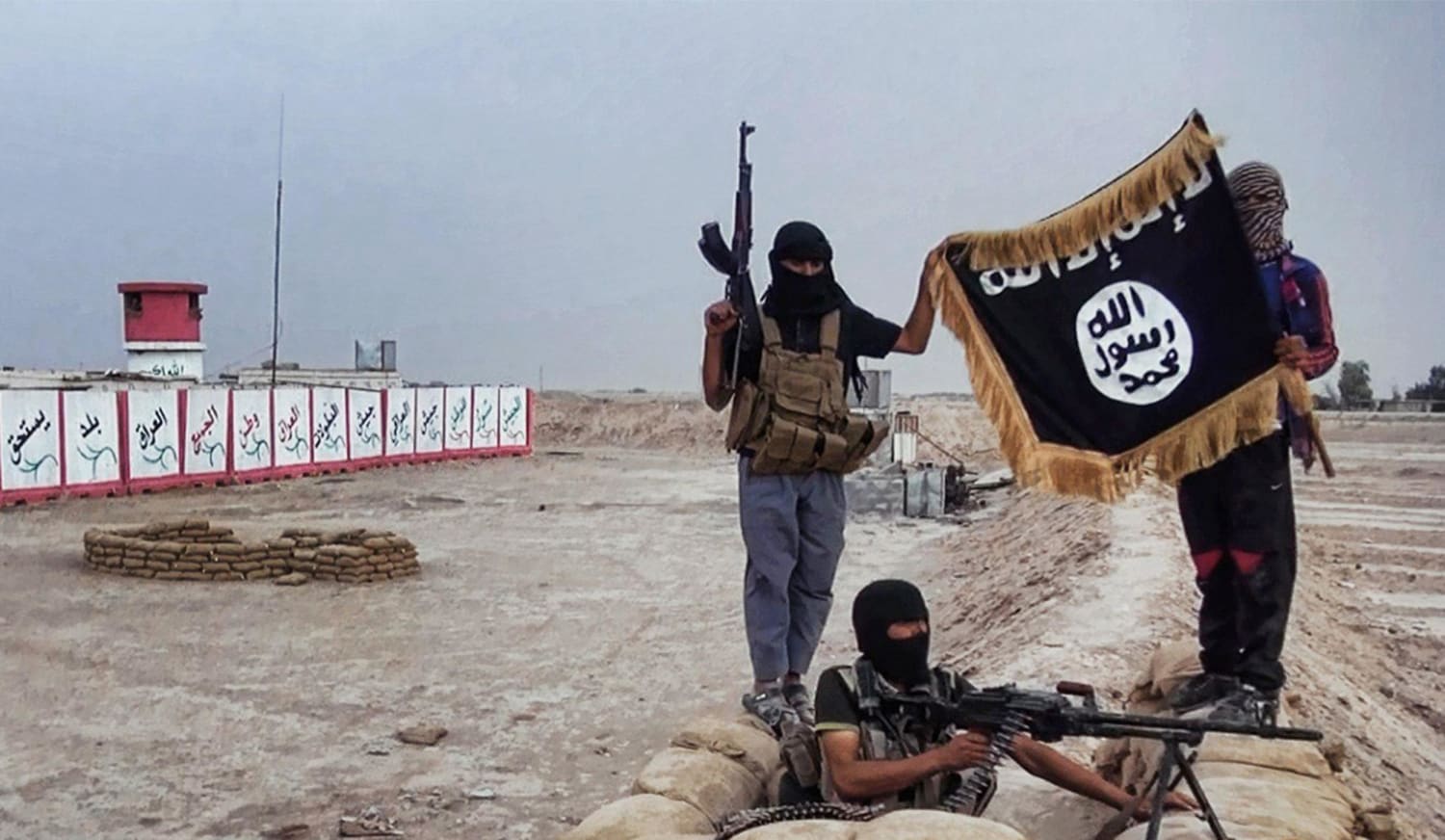
Current estimates of IS’ fighting strength range from 20,000-31,500—up significantly from previous estimates of 10,000. They control a swath of Syria and Iraq that roughly equates to the size of Great Britain.   And now, they are putting together a governance structure to facilitate the running of their nascent “caliphate.” Potentially, their goals may be as grand(iose) as enveloping the world within their so-called caliphate.

The United States’ strategy to counter the Islamic State, as well as the strategies of other nations and international organizations (e.g., the United Nations), continues to evolve. For America’s part, President Obama recently stated that America’s goal is to “degrade and ultimately destroy ISIL.” The strategy to achieve this goal will include a “comprehensive and sustained counterterrorism” component, ostensibly led by America and involving a broad coalition.

This goal, and the strategy to achieve it, sounds eerily familiar. In 2009, President Obama’s goal in Afghanistan and Pakistan was to disrupt, dismantle and defeat al Qaeda. In 2003, President Bush’s goal was to succeed in Iraq—“the central front” in the war on terror—by “destroying the terrorists” (as the first of three objectives he had in Iraq). And, shortly after the attacks of 9/11, President Bush’s stated objective was to destroy and defeat the global terror network.

As for strategy, is it possible that the recently announced “comprehensive and sustained counterterrorism strategy” is not that new? For the past thirteen years, America has been executing what seemed to be a comprehensive counterterrorism strategy, at least in terms of where it was employed (e.g., Iraq, the Horn of Africa, Afghanistan, the Philippines, Pakistan), how it was employed (i.e., all elements of national power, such as diplomatic, economic & military), and with whom it was employed (40+ nations in the “coalition of the willing”). And after thirteen years, the strategy is nothing if not “sustained.”

While the strength of the individual terrorist groups ebb and flow, a primitive measurement of IS’ current power suggests the aggregate Islamist terror potential may be higher now than at any time since 9/11. Al Qaeda’s 500-1,000 “A-list operatives” around the time of 9/11 seem to pale in comparison to IS’ 20,000+ fighters.

The post-9/11 “coalition of the willing” has evolved into today’s broad coalition. Speeches from America’s political leaders suggest this cannot be, primarily, a U.S. effort. Yet for the past thirteen years it has been just that: America’s young men and women going into harm’s way and bearing the costs. It is difficult to see how that will change now.

The past thirteen years suggest we may have set our sights on the wrong goal. On the one hand, chances are high we will fall short in achieving this objective, just as we have in defeating the “global terror network.” On the other hand, we might achieve the tactical victory at a particular space and time (i.e., defeat IS in Iraq and Syria in the near-term), but at the expense of unwittingly creating the conditions that usher forth a more severe future threat. Then, again, now could be different, and the past is simply the past.

Image Credit: NBC News
Pandora Report 9.20.14

We are introducing a new feature for the news round up—“Stories You May Have Missed.” This final section consists of fascinating articles I’ve found throughout the week that couldn’t fit in the report. This week the round up includes the UN Security Council’s resolution about Ebola, ISIS using chemical weapons in Iraq, a surprising source to combat antibiotic resistance, and of course, an Ebola update.

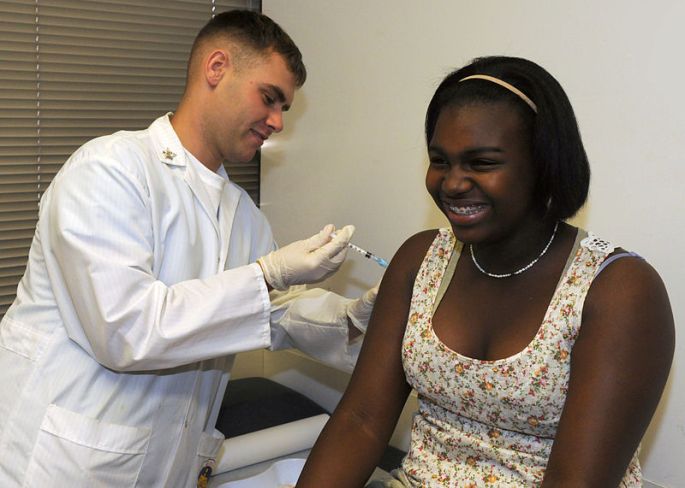
Lastly, you know what time of year it is, flu season is starting…don’t forget to get your flu shot!

Have a great weekend!

With Spread of Ebola Outpacing Response, Security Council Adopts Resolution 2177

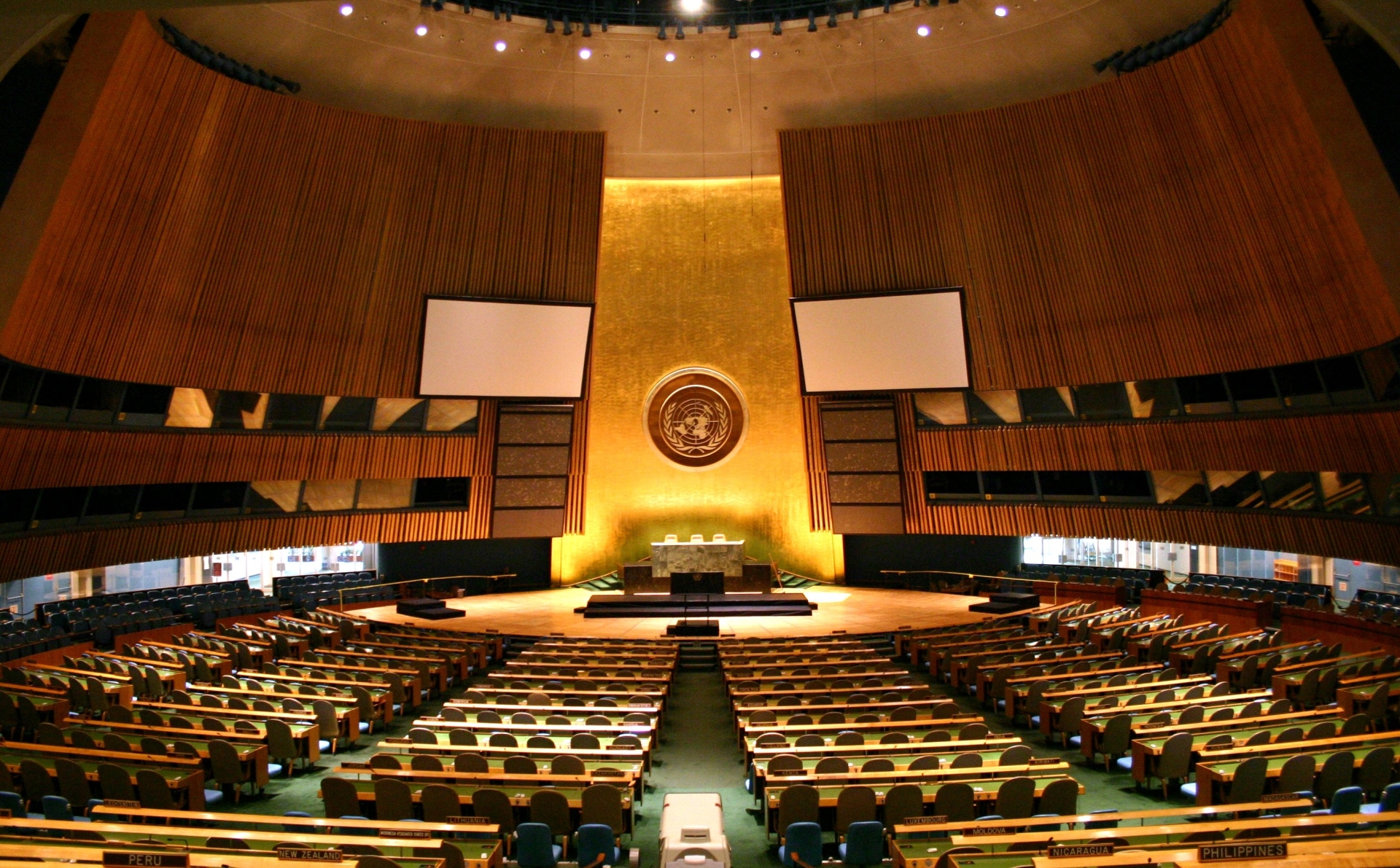
On Thursday, the United Nations Security Council met to discuss the Ebola outbreak in West Africa and unanimously adopted resolution 2177 (2014). 2177 established the United Nations Mission for Ebola Emergency Response (UNMEER) and calls on Liberia, Sierra Leone, and Guinea to speed up establishment of national mechanisms to deal with this outbreak and to coordinate efficient utilization of international assistance, including health workers and relief supplies. The resolution also calls on other countries to lift their border and travel restrictions saying that isolation of the affected countries could undermine efforts to respond to the outbreak.

The United Nations—“United Nations Secretary-General Ban Ki-Moon said that the Ebola crisis had evolved into a complex emergency, with significant political, social, economic, humanitarian and security dimensions.  The number of cases was doubling every three weeks, and the suffering and spillover effects in the region and beyond demanded the attention of the entire world.  “Ebola matters to us all,” he said.”

ISIS Uses Chemical Weapons Against Army in Iraq

There were reports this week that the IS terrorist group has used chemical weapons in an attack on the Iraqi army in Saladin province. The reported attack took place Wednesday and Thursday in Dhuluiya, which has been under control of the group for more than two months. The attack affected approximately a dozen people.

One India—“Iraq’s Ambassador to the UN, Mohamed Ali Alhakim said in a letter that remnants of 2,500 chemical rockets filled with the deadly nerve agent sarin were kept along with other chemical warfare agents in a facility 55 km northwest of Baghdad. He added that the site’s surveillance system showed that some equipment had been looted after “armed terrorist groups” penetrated the site June 11.”

Vaginas May be the Answer to the Fight Against Drug-Resistant Bacteria

A naturally occurring bacterium found by scientists from the University of California, San Francisco, School of Pharmacy might be the key to addressing the threat of a post antibiotic future. Found in the female vagina, Lactobacillus gasseri is the basis for Lactocilin, a possible antibiotic alternative. This discovery comes at a time where the WHO has declared antimicrobial resistance as “an increasingly serious threat to global public health.”

Medical Daily—“This isn’t the only implication for the L. gasseri bacteria. Researchers are also hopeful to find similar-acting bacteria in different parts of the human body. “We think they still have bacteria producing the same drug, but it’s just a different bacterial species that lives in the mouth and has not yet been isolated,” lead researcher Micheal Fischbach told HuffPost. Even though the bacteria were harvested in females, researchers are confident it will have equal results when used in men.”

This Week in Ebola

It was a terrible week for Ebola, absolutely terrible. Above, we already learned that the UN Security Council declared the virus a threat to international peace and security, but that wasn’t all that happened. President Obama pledged 3,000 troops to fight Ebola in West Africa. The WHO said that the number of Ebola cases could begin doubling every three weeks and expressed concern about the black market trade of Ebola survivors’ blood. Eight aid workers and journalists were murdered in Guinea leaving many to fear that violence could stymy relief efforts and in Sierra Leone, the government instituted a three-day lockdown in order to help health care workers find and isolate patients.

Stories You May Have Missed


Image Credit: Wikimedia

Pandora Report 8.31.14

Fall classes at George Mason have already started and this Labor Day weekend marks the official end of summer. This week, we have stories covering a wide range of topics—an Ebola update (of course), a fascinating article on vaccinia infections acquired through shaving, Haj precautions, and the ISIS “laptop of doom.”

Best wishes for a safe and enjoyable holiday!

Ebola Virus Outbreak Could Hit 20,000 Within Nine Months, Warns WHO

There were many stories this week covering the continuing Ebola outbreak in West Africa. Senegal saw its first (imported) case of the virus this week and has banned flights to and from the affected countries while shutting its land border with Guinea and Nigeria saw its first death outside of the capital city of Lagos. In the Democratic Republic of Congo, where Ebola first emerged in 1976, there have been reported cases of a hemorrhagic gastroenteritis similar to Ebola. I read conflicting accounts this week of the “patient zero” for the Ebola outbreak—a young boy or an older traditional healer. There were reports of some U.S. universities screening students from West Africa for Ebola. There was coverage of a Toronto medical isolation unit ready for patients and information about GlaxoSmithKline’s experimental ebola vaccine which would be tested on humans in the next few weeks.

All of this news came among World Health Organization estimates that this West African outbreak could affect 20,000 people over the next nine months and that half a billion dollars would be needed to stop the spread of the disease.

The Wall Street Journal—“The WHO program will likely cost around $490 million and require contributions from national governments, some U.N. and non-governmental agencies, as well as humanitarian organizations, it said.”

First Reported Spread of Vaccinia Virus Through Shaving After Contact Transmission

This week, reports in the August issue of Medical Surveillance Monthly Report from the Armed Forces Health Surveillance Center covered vaccinia virus infection—the virus used for smallpox vaccinations—within the U.S. Air Force. The infections in the report occurred in June 2014, and affected four individuals.

Infection Control Today—“Over the past decade, most cases of contact vaccinia (i.e., spread of the virus from a vaccinated person to an unvaccinated person) have been traced to U.S. service members, who comprise the largest segment of the population vaccinated against smallpox. Most involve women or children who live in the same household and/or share a bed with a vaccinee or with a vaccinee’s contact. Of adult female cases, most are described as spouses or intimate partners of vaccinees or secondary contacts. Of adult male cases, most involve some type of recreational activity with physical contact, such as wrestling, grappling, sparring, football, or basketball. Household interactions (e.g., sharing towels or clothing) and “unspecified contact” are also implicated.”

Government to Keep Haj Infection-Free 

This week, the Saudi Arabian Ministry of Health announced mandatory measures for Haj and Umrah pilgrims coming from countries with active outbreaks or high rates of infectious diseases. The Health Ministry sent information to embassies outlining health requirements for those seeking pilgrim visas.

Arab News—“‘Although we do not issue Haj visas for pilgrims coming from endemic countries, we will still be monitoring pilgrims coming from other African countries for Ebola symptoms,’ said [Sami] Badawood [Jeddah Health Affairs director.]

He said the ministry would also focus on diseases such as yellow fever, meningitis, seasonal influenza, polio and food poisoning.”

Is the ISIS Laptop of Doom an Operational Threat?

Discovery of a laptop, which has been linked to ISIS, raises new questions about the organization’s plans relating to use of WMD—specifically chemical or biological weapons. Over 35,000 files on the laptop are being examined and has offered new insight into ISIS and their WMD aspirations.

Foreign Policy—“Most troubling is a document that discusses how to weaponize bubonic plague. But turning that knowledge into a working weapon requires particular expertise, and it’s not clear that the Islamic State has it.”


Image Credit: Wikimedia Commons

Pandora Report 7.11.14

Highlights from this week include, vaccines, plague, ISIS, and smallpox. Oh my!

The Price of Prevention: Vaccine Costs are Soaring

For all the talk around here about anti-vaxxers, there might be a larger threat to vaccine preventable diseases in the United States…lack of vaccines or vaccines that are no longer affordable. In this insightful piece, the complicated story of vaccine necessity, vaccine scarcity, and vaccine cost is told through the doctors at the front lines. States require students to be vaccinated to attend school but the vaccines are hard to find. For doctors, keeping vaccines that may not be used or may not be reimbursed has become a grave financial burden.

The New York Times—“Old vaccines have been reformulated with higher costs. New ones have entered the market at once-unthinkable prices. Together, since 1986, they have pushed up the average cost to fully vaccinate a child with private insurance to the age of 18 to $2,192 from $100, according to data from the Centers for Disease Control and Prevention.”


Deadliest, Rarest Form of Plague Contracted Near Denver

It’s baaaaack. In the state’s first reported case since 2004, a Colorado man has been diagnosed with pneumonic plague. Pneumonic plague is the airborne version of the disease that can be transmitted through droplets from coughing or sneezing. In this case, the man has been treated with antibiotics while investigation of the source of the outbreak continues. Authorities think the man may have contracted it from his dog that had suddenly died and had been found to carry the disease. Many cases of plague in the U.S. come from contact with mammals and small rodents such as prairie dogs.

Bloomberg—“Plague in all of its forms infects only about seven people yearly in the U.S. The disease occurs when a bacteria named Yersinia pestis infects the body, according to the U.S. Centers for Disease Control and Prevention. The difference between the pneumonic and bubonic varieties is that the bacteria takes hold in the lungs in the first case, rather than underneath the skin through insect bites. Both types are treated with antibiotics.”


ISIS Seizes Former Chemical Weapons Plant in Iraq

As the Islamic State of Iraq and Syria (ISIS) tears through Iraq taking over cities, they have taken over some other things, too. These include a science lab at Mosul University, where they took 88 pounds of uranium components, and a former chemical weapons facility north-west of Baghdad. According to Iraq, in a letter circulated at the United Nations, the Muthanna facility held 2,500 degraded chemical rockets that were filled with sarin nerve agent or their remnants. The U.S. government has not expressed fear that these materials could be used to create a viable chemical or dirty bomb.

The Guardian—“A U.S. State Department spokeswoman, Jen Psaki, expressed concern on 20 June about Isis seizing the complex, but played down the importance of the two bunkers with “degraded chemical remnants”, saying the material dates back to the 1980s and was stored after being dismantled by UN inspectors in the 1990s.

She said the remnants “don’t include intact chemical weapons … and would be very difficult, if not impossible, to safely use this for military purposes or, frankly, to move it”.”


Smallpox Virus Found in Unsecured Government Lab

On the heels of accidental anthrax exposure at the CDC, reports this week highlight a concerning trend of lack of lab precautions when it comes to dangerous biological agents. Vials of smallpox, one of the most deadly viruses known to man, were discovered in an unused storage portion of a lab in Bethesda, MD.

Time—“The vials, which date from the 1950s, were discovered by National Institutes of Health workers on July 1, CDC said in a statement. The lab […] had been neither equipped nor authorized to store the pathogen, which was eradicated in 1978. Upon discovery, the vials were secured in a containment laboratory before being transported to another lab in Atlanta on July 7, where workers confirmed they contained DNA for the smallpox virus. There is no evidence the vials were breached, CDC said, and experts have not identified any danger to the public.”


Image Credit: U.S. Navy