Happy Friday! This week we discuss some of the current concerns about the continued spread of monkeypox in non-endemic countries, the end of Aum Shinrikyo’s status as a foreign terrorist organization in the US, Shanghai’s lockdown, and the Office International des Epizooties’ rebranding. New reports from WHO, CRS, RAND, and more are listed as well as several upcoming events, including a multi-day conference focused on biodefense support to the warfighter and a webinar on COVID-19 in the DPRK with the Korea Economic Institute.
Monkeypox On the Move
Monkeypox continues to spread in non-endemic countries, attracting global media attention. However, monkeypox has been known for the last several decades and cases have been climbing in parts of West and Central Africa for years now. Monkeypox is endemic in 10 countries in Africa, with the DRC having seen 1,284 cases this year alone so far. As of May 26, the UK had the highest caseload in a non-endemic country at 106, hinting at the idea that this attention might be in part spurred by the fact that that the disease is spreading in Europe and North America.
Recent works highlight the need to listen to those scientists in Africa who have experience with this virus as well as hopes we can learn from failures with COVID-19 and HIV. Many are concerned that the US and other Western countries will repeat their earlier COVID-19 and HIV outbreak response mistakes in disease surveillance and public communication while others worry experts with experience with this virus will be forgotten. Furthermore, as cases are mostly in men who have sex with men, there are valid concerns about how stigmas may play into global response to monkeypox. The CDC’s Dr. Demetre Daskalakis, Director of the Division of HIV/AIDS Prevention, said in a video, “I urge everyone to approach this outbreak without stigma and without discrimination.”
These developments have also renewed some conversations on the closely related, though much more deadly, smallpox and its remaining samples, including renewed calls to destroy the samples. While smallpox was declared eradicated in 1980, the US and Russia both maintain samples in secure facilities, and research with these samples requires approval from the WHO. There are also concerns and suspicions that there are other, unofficial samples elsewhere in Russia and in other countries used for BW research, complicating the entire matter.
Aum Shinrikyo Will No Longer Be Recognized As a Foreign Terrorist Organization
This week, the Department of State announced the revocation of five Foreign Terrorist Organization (FTO) designations under the Immigration and Nationality Act, including those of Basque Fatherland and Liberty, Aum Shinrikyo, Mujahidin Shura Council in the Environs of Jerusalem, Kahane Chai, and Gama’a al-Islamiyya. Aum Shinrikyo is infamous for the 1995 Tokyo subway attacks during which the group used sarin gas to kill over a dozen people and injure many more. Prior to the sarin attacks, the group attempted to use biological weapons, in what the Nuclear Threat Initiative has described as the “most extensive non-state biological weapons program unearthed to date.” This included a failed 1993 attack wherein the group attempted to release anthrax spores from atop a Tokyo office building, among other failures. Secretary of State Antony Blinken told lawmakers that the removal of the designation was the product of the administrative review that is required by law to occur every five years. NHK also reported that, “The department announced the revocation on Friday, saying the group is “no longer engaged in terrorism or terrorist activity” and does not retain “the capability and intent to do so.”
Shanghai Lockdown Ends
Shanghai’s lockdown of the city’s nearly 25 million people ended this week after 65 days, to much celebration across the area. While most in the city can now return to life as normal, the Chinese media appears to have been instructed to report on this without actually referring to ending the lockdown, according to the Guardian. The directive, leaked to California-based China Daily Times, reads in part:
1. Do not use the phrase “ending the lockdown.” Unlike Wuhan, Shanghai never declared a lockdown, so there is no “ending the lockdown.” All parts of Shanghai underwent static management-style suppression and suspensions, but the city’s core functions kept operating throughout this period. Emphasize that related measures were temporary, conditional, and limited. The resumption on June 1 will also be conditional: it is by no means the case that every person in every district across the whole city will be able to freely head out at once, nor that this is a uniform relaxation. Reports should not play up “comprehensive relaxation” or “comprehensive [return to] normality” ….
Furthermore, while Shanghai and other cities are ending their lockdowns, the Party still insists on sticking to its Zero COVID strategy, despite ongoing concerns about lack of access to quality vaccines and other issues challenging the strategy. This Monday, China’s National Health Commission reported just 97 cases in the country, again calling into question the reliability of their numbers. While the use of roundabout ways to describe the lockdown are not necessarily surprising, they again demonstrate that the Party remains committed to maintaining its narratives above all else.
Say “Hello” to the World Organisation for Animal Health
The Office International des Epizooties (more commonly known simply as OIE) has rebranded to the World Organisation for Animal Health (WOAH, or OMSA in French and Spanish for L’Organisation mondiale de la santé animale and Organización Mundial de Sanidad Animal respectively). The change is part of an effort to promote solutions which understand animal health as intrinsically linked to human health. Learn more about the change and WOAH’s future with this video from the organization.
“Towards a Global Guidance Framework for the Responsible Use of Life Sciences: Summary Report of Consultations on the Principles, Gaps and Challenges of Biorisk Management, May 2022”
This new summary report from the WHO discusses challenges in maintaining high scientific, safety, security and ethical standards in the life sciences. As a result of growing challenges and concerns in this area, WHO is developing a Global Guidance Framework for the Responsible Use of Life Sciences. As part of this process, WHO formed four working groups of experts, whose work and recommendations are summarized in this report. It includes a number of recommendations, including that universities and other research institutions “should promote a culture of biosafety and biosecurity in research environments at every stage of basic and applied life sciences,” and “publishers should promote and practise a culture of biorisk management in scientific publishing.” Biodefense Program Director Dr. Gregory Koblentz served on three of the four working groups included in the report.
“Oversight of Gain of Function Research with Pathogens: Issues for Congress”
Tom Kuiken, Science and Technology Policy Analyst at the Congressional Research Service, discusses core concepts and policy challenges surrounding gain of function (GOF) research in this report prepared for Congress in May. He focuses on the challenges of minimizing risks, optimizing outcomes, and addressing diverse stakeholder concerns throughout, writing “The general public is at the center of the GOF debate, with experts on each side invoking the public’s well-being as reasoning for their positions. Currently there is limited public engagement around GOF research on pathogens and the role the U.S. government has in its funding and oversight. When weighing options addressing these complex and intertwined policy issues, Congress may have to balance competing and, in some instances, conflicting national and international priorities.”
BARDA Strategic Plan, 2022-2026
The Biomedical Advanced Research and Development Authority’s newest strategic plan was recently released, covering years 2022 through 2026. This five year plan focuses on improvement goals in four areas-preparedness, response, partnerships, and workforce. It pays particular attention to developing strong, multi-purpose medical countermeasures to improve pandemic response and creating more flexible partnerships across sectors to do so.
“COVID-19 Impact on Antimicrobial Stewardship: Consequences and Silver Linings”
Zhou et al.’s article in Contagion Live discusses both the positive and negative impacts the COVID-19 pandemic has had on antimicrobial stewardship programs. They discuss negatives in the context of burnout and overuse of antimicrobials throughout the pandemic. However, they also note this situation has brought more attention to antimicrobial stewardship experts while strengthening multidisciplinary work, both of which are clear positive outcomes.
“Countering Weapons of Mass Destruction: DHS Could Improve Its Acquisition of Key Technology and Coordination With Partners”
This April report from the Government Accountability Office discusses the more than three years of delays the Department of Homeland Security has endured in trying to acquire new radiation portal monitors. GAO writes, “The Department of Homeland Security works with federal, state, and local partners to combat chemical, biological, radiological, and nuclear threats. As part of these efforts, DHS is replacing radiation portal monitors that scan cargo at U.S. ports. The new monitors were intended to reduce nuisance alarms from naturally occurring radiation in consumer goods—reducing unnecessary delays. But, the new monitors have been delayed by more than 3 years, and those being tested have higher nuisance alarm rates than monitors currently in use at ports. We recommended that DHS reassess its acquisition strategy for radiation portal monitors.”
“Implication of the Pandemic for Terrorist Interest in Biological Weapons: Islamic State and al-Qaeda Pandemic Case Studies”
This new report from RAND explores two key questions: 1) “What if the IS or al-Qaeda obtained and spread a highly contagious virus in a community or country that they sought to punish?” and 2) “With the pandemic highlighting weaknesses in response efforts, will these groups now seek to obtain infectious viruses to achieve these same deadly results?” Though it determines that the pandemic is unlikely to increase these groups’ interest in BW, it does also note that, “COVID-19 and the effects of global climate change are stern prompts to reimagine threats to national and international security.” It offers a number of cogent recommendations, including improving collaboration between animal and human health.
Lobes and Robes Podcast, “Episode 6: : Chemical Weapons: The Science and the Policy”
This episode features American University Chemistry Professor Stefano Costanzi, an expert both on the harm chemicals pose to living organisms and global security policies aimed at protecting the public from those dangers. In conversation with Drs. Carle and Davidson, Dr. Costanzi discusses the gaps in current policies and practices that allow chemical weapons to proliferate as well as some of his ideas about solutions and tools to narrow those gaps. Dr. Costanzi’s work itself bridges the neuroscience and public policy divide, and in so doing he models how science and policy can be brought into communication with each other.
North Korea’s COVID Outbreak: A Conversation with Kee B. Park, MD
Early in the pandemic, North Korea shut its borders to the outside world to prevent the spread of COVID-19 domestically. For the last two years, North Korea’s border controls have largely protected the population from the pandemic but that changed in early May when Pyongyang announced its first confirmed case of COVID-19 and large numbers of a quickly-spreading fever. Join KEI for a discussion with Kee B. Park, MD about how North Korea is handling the outbreak of COVID-19 and how the international community could help. Dr. Park is a Lecturer on Global Health and Social Medicine at Harvard Medical School and the Director of the North Korea Program at the Korean American Medical Association. He leads the collaboration between U.S. and North Korean physicians. Since 2007, he has made 19 visits to North Korea, most recently in November 2019. This event will take place June 6, 2022 at 11:30am EST. RSVP here. The discussion will also be livestreamed via YouTube.
RADx® Initiative & COVID-19 Solutions: Bioengineering at Unprecedented Speed and Scale
This Council on Strategic Risks webinar will discuss the RADx Initiative, which was launched in April 2020 by the National Institutes of Health (NIH) to speed innovation in COVID-19 testing. The initiative has been incredibly successful in supporting the development and implementation of accurate, easy-to-use, and accessible testing technologies, and it serves as a useful model for current and future public-private partnerships and interagency collaboration. The event will feature three fantastic panelists who have been deeply involved in RADx: Dr. Bruce Tromberg, Dr. Jill Heemskerk, and Dr. Rachael Fleurence. CSR CEO and Nolan Center Director Christine Parthemore will moderate. This webinar is open to the public, and will include a Q&A session for our experts to answer the audience’s questions. It will take place on June 8 at 1pm EST. Registration is open here. It will be recorded and posted on CSR’s Youtube channel.
Schar School Master’s and Certificate Virtual Open House
The Schar School is hosting a virtual open house for all of its master’s and certificate programs, including those in biodefense, on June 8, 2022 at 6 pm EST. This is a great opportunity to learn more about all our programs and to meet key faculty members! Register here.
Medical, Biomedical and Biodefense: Support to the Warfighter
The Offices of Senator Richard Burr, Senator Thom Tillis, the North Carolina Military Business Center and the North Carolina Biotechnology Center will host the Medical, Biomedical & Biodefense: Support to the Warfighter Symposium in Chapel Hill, North Carolina on June 8-9, 2022. Of particular interest, it will include a panel on biodefense moderated by David Lasseter, Former Deputy Assistant Secretary of Defense for Countering Weapons of Mass Destruction, on June 9 at 3 pm EST that will feature a number of fantastic experts.
Medical Support to the Warfighter will connect businesses in North Carolina with military and other federal agencies that require or purchase medical supplies, equipment, devices, pharmaceuticals, medical information technology and medical services. Representatives from the Departments of Defense, Veterans Affairs and Health and Human Services, including their prime vendors and major contractors, will highlight current resource gaps and needs, future requirements and procurement processes to supply military and federal medical facilities. Learn more and register at the link above.
Russian WMD Disinformation Resources
We are currently working on creating a searchable collection of resources on Russian WMD disinformation on the Pandora Report site. The page is currently under construction, and now just lists resources we have highlighted in the past. While we do not have a new one to add to the list this week, here is an interesting read on President Putin’s past with red mercury, a fake chemical compound with supposed nuclear applications that was popular on the black market as the Soviet Union collapsed.
Happy Friday! This week starts with a trip around the Korean Peninsula as we cover what some Biodefense Program students are doing in South Korea right now before discussing updates on COVID-19 in North Korea. Brief updates and sources for more information on monkeypox are also included, in addition to a number of new publications and upcoming events.
Biodefense Students Study Northeast Asian Security Issues in South Korea
Four students from George Mason’s Biodefense Program are studying international security issues in South Korea for two weeks with the Schar School’s Center for Security Policy Studies (CSPS). The program is headed up by the Schar School’s Professor Ellen Laipson, current Director of CSPS and President Emerita of the Stimson Center, and is sponsored by the UniKorea Foundation. Their time in Korea began at George Mason’s Korea campus, located on the Incheon Global Campus. They are currently in Seoul and will soon finish their trip in Busan. Among other things, they have completed a Korean War crisis simulation and attended the CSPS-Korea branch’s annual symposium, “Prospects for Peace on the Korean Peninsula in Northeast Asia’s Changing Security Landscape,” which has been featured in multiple Korean media outlets.
Gen. MacArthur statue in IncheonView of Incheon PortTriple Street in Incheon, near GMU KoreaGMU KoreaPictured left-to-right are Richard Tanner, Danyale Kellogg, Sophie Hirshfield, and Riley Flynn on a rooftop near George Mason Korea’s campus in Incheon
COVID-19 in North Korea
The Democratic People’s Republic of Korea’s (DPRK, North Korea) outbreak of “fevers” continues as cases surge towards 3 million and the official death count reaches 86. The country claims it has the situation under control and that it is currently seeing a downward trend in cases, though this is the subject of much skepticism. “In a few days after the maximum emergency epidemic prevention system was activated, the nation-wide morbidity and mortality rates have drastically decreased and the number of recovered persons increased, resulting in effectively curbing and controlling the spread of the pandemic disease and maintaining the clearly stable situation,” Korean Central News Agency said this week.
However, North Korea is apparently unable to maintain sufficient testing capacity, so their numbers actually reflect those confirmed to have a fever, rather than confirmed cases of COVID-19. The term “fevers” seems to have become both a euphemism for COVID-19 and an actual metric for determining who is sick in the absence of strong testing capacity. Furthermore, given the realities of the regime’s rule and party politics in the country, lower-level leaders are not incentivized to tell the truth about outbreaks in localities and provinces. Therefore, while state media is likely not telling the truth about the situation, the central government also likely does not have a great understanding of national case counts either.
North Korean poster praising the Party’s “quarantine battle” featured by Korean Central News Agency (Source: 조선중앙통신)
Furthermore, while it is doubtful that the country has been truthful in reporting cases over the last couple of years, this does pose an important question- Why did the DPRK announce it has an outbreak now? Kim Jong-un has even described this as the worst crisis since the country’s founding in the mid-20th century. For context, North Korea survived a horrific famine in the 1990s wherein 240,000 to 3.5 million died of starvation or hunger-related illnesses in a country of 22 million. The DPRK is currently struggling with food shortages driven by low crop yields and reduced trade with the PRC due to COVID-19 border restrictions. Kim has also formally acknowledged this crisis, but the admission that this outbreak is so dangerous is especially interesting. National lockdowns have also likely further exacerbated hunger issues in the chronically malnourished country, as North Koreans lose access to private markets where many acquire most of their food, instead of through the national distribution system. There are a myriad of answers swirling around right now about why Kim announced this now, ranging from the idea that he really did not know how bad it was (because, again, lower-level leaders are not likely to be entirely truthful in their reporting) to the potential for this announcement to give the regime more control during this crisis.
However, the rapid spread of fevers throughout the capital has not dampened the DPRK’s missile tests. It launched three ballistic missiles within hours of announcing there was an outbreak in Pyongyang. Furthermore, this week, as President Biden’s trip to South Korea and Japan wrapped up, the North launched an ICBM and two other ballistic missiles. Multiple high-explosive tests have been conducted in the North in recent weeks, prompting officials to warn that nuclear and ICBM tests were likely scheduled to occur within the next several weeks. President Biden promised his counterparts that he would work to deter the North’s nuclear threat, which has been a cornerstone of newly-inaugurated South Korean President Yoon’s campaign. Biden and Yoon also publicly discussed resuming military exercises between the two countries, which were paused or scaled-down under the Trump and Moon administrations in an effort to increase engagement with the DPRK. While all of this is something the North would unsurprisingly conduct tests in response to, some did express doubt that this would happen with the formal announcement that there is a major COVID-19 outbreak in the capital. This week, the UN Security Council rejected a US-led resolution to sanction the DPRK in response to these launches, due to Russian and Chinese vetoes. The Chinese Permanent Representative to the UN, Zhang Jun, gave a speech during the vote in which he argued that sanctioning the North would be inhumane given the current situation, even though countries like South Korea and the US have offered aid to the DPRK even while remaining firm on issues like the North’s nuclear program.
The North has also continued to reject other international COVID-19 aid, further signaling that this outbreak has not changed much in the DPRK’s foreign policy so far. There are no known COVID-19 vaccines or antivirals in the country either. With concerns about access to things like oxygen and other medical supplies in the country, this fact is especially concerning. State TV has advised citizens to do things like make salt gargles, drink herbal teas, take pain killers, and disinfect their homes with mugwort solutions, further indicating the regime is presently relying on these at-home “cures” even though it has been offered aid by several countries and the WHO. Kim Jong-un has personally toured several pharmacies, sporting two masks while doing so in a departure from the last two years. It has also been reported that North Koreans near the Chinese border have been observed not wearing masks, meaning masking may only be in effect in Pyongyang or there is a mask shortage. This all does not bode well as the country’s healthcare system has remained hardly functional since the 1990s and more than 42% of the population are considered malnourished.
Monkeypox Cases On the Rise
Monkeypox updates are coming in constantly so, in an effort to not provide outdated or incomplete information, this section will focus more on providing good options for more information. As of May 25, there were 219 confirmed cases globally, primarily in young men who have sex with men, according to the European Centre for Disease Prevention and Control. These have been reported in 12 WHO member states where the disease is not endemic, a fact that the WHO says is abnormal, but containable.
The CDC’s Health Alert Network recently published this report on the disease in the US and other non-endemic countries that urges clinicians to be vigilant given the rise of cases not associated with travel to endemic countries. It provides good background and descriptions of clinical presentation, in addition to advice for health departments and the general public.
This situation has also required countries to assess the preparedness of their vaccine stockpiles. The US has two vaccines in its Strategic National Stockpile for smallpox that will also work against monkeypox, for example. As there is no specific vaccine for monkeypox, demand for smallpox vaccines has skyrocketed. Bavarian Nordic‘s smallpox vaccine has proven to be 85% effective against monkeypox and the company is seeing unprecedented demand for a product it normally produces for biodefense stockpiling purposes.
“Unrelenting Violence: Violence Against Health Care in Conflict”
The newest report from Safeguarding Health in Conflict Coalition was recently released, analyzing attacks on healthcare systems in conflict zones throughout 2021. With more than 200 WHO-confirmed attacks on health care in Ukraine, “…the world’s attention has understandably focused on Russia’s invasion and its apparent strategy of targeting hospitals and ambulances,”—but the crisis is global, the Coalition’s chair, Leonard Rubenstein, said in a Physicians for Human Rights news release. While the report does acknowledge there have been some improvements in accountability for these attacks, Rubenstein also stated, “Perhaps 2022 will be an inflection point, as images and reports of attacks on health care and their consequences in Ukraine continue to go viral, accompanied by frequent and loud demands for accountability – but it won’t be if the lassitude of the international community continues.”
Combatting Terrorism Center Sentinel New Edition
West Point’s Combatting Terrorism Center (CTC) recently released a new edition of its Sentinel, “The Biological Threat- Part Two,” as a follow up to the previous part one. In it, Gary Ackerman, Zachary Kallenborn, and Philipp Bleek present a bioterrorism classification schema to evaluate the pandemic’s impact on bioterrorism, concluding that “…when it comes to bioterrorism, the pandemic probably has not moved the needle much. Although COVID-19 might encourage apocalyptic cults, some radical environmentalists, some extreme right-wing groups, and some Islamist extremist groups toward biological weapons, most other terrorist groups are more likely to be discouraged. The pandemic has bolstered some terrorists’ bio-related capabilities but in at most modest ways. At the same time, lessons from the COVID-19 experience may both help reduce the consequences of a future attack and heighten perceptions of bioterrorism risk.” Drs. Audrey Kurth Cronin of American University and Jaime Yassif of NTI also provided articles for this edition.
“When All Research Is Dual Use”
Issues in Science and Technology recently published this article by Dr. Sam Weiss Evans. In it, Weiss discusses issues with how policymakers view science and scientists, writing “The problems with the myth of asocial science, and its accompanying pantheon of lone hero scientists, are widespread and well known—but not, it seems, to policymakers, who continually reinscribe it. The myth can be found throughout US research, innovation, and governance systems, all of which fail to incentivize scientists to engage with society—or, often, even with those from other fields of study who might bring a different perspective.” He argues that science should instead be understood as a social system wherein science and scientists are questioned on the security implications of their work. He also criticizes “research security” and “research integrity”, arguing that these are part of a “fortress America” understanding of the world and that “Guards, gates, and guns only help when it’s clear what the threats are and what is to be protected. In the world of emerging biotechnology, neither is clear.” He ultimately concludes that social science approaches to understanding these threats need to be at the heart of the National Security Commission for Emerging Biotechnology’s work, writing that it will “…not be easy, as it questions some of the underlying assumptions of science—and of national security—for the last century. But the world in which those foundations were laid down no longer exists.”
“Charting a New Course for Biosafety in a Changing World”
David Gillum, Rebecca Moritz, Dr. Yong-bee Lim (Biodefense Program alumni), and Dr. Kathleen Vogel also recently released a piece in Issues in Science and Technology. They explain that “… recent events—such as the discovery of smallpox vials outside of high containment labs, the transport of inactivated anthrax around the world, and safety concerns around gene drives and a future with do-it-yourself genome editing—highlight gaps in how biosafety governance currently operates.” They argue that now is the time to amend issues in biosafety governance, but also that current proposals to do so “…largely mirror historical precedents and are reactive, overly broad, and inconsistent.” Their work provides good background information on this debate and offers an intriguing perspective on how to best balance allowing science to advance while also being realistic about the risks certain work poses.
Summary Report- “The Ethics of Protecting ‘CRISPR’ Babies: An International Roundtable”
The University of Kent recently hosted a roundtable event focused on the ethical issues posed by “CRISPR babies,” which featured Biodefense Program faculty member Dr. Sonia Ben-Ouagrham Gormley. The event’s summary report was recently published and provides background on this issue, including the recommendations of Ruipeng Lei and Renzong Qiu in China to protect the world’s first three genome-edited children, in addition to panelist comments. Dr. Ben-Ouagrham Gormley was also recently named a runner-up winner of the James Martin Center for Nonproliferation Studies’ McElvany Award for her work, “From CRISPR babies to super soldiers: challenges and security threats posed by CRISPR.”
Launching the Competence Network CBWNet: Achievements of the Chemical Weapons Convention and Future Challenges
The CBWNet recently released this working paper discussing the CWC at 25 years and the recent launch of the CBWNet project itself. The project is “a new, joint endeavour aimed at strengthening the norms against chemical and biological weapons. The four-year project is carried out jointly by the Berlin office of the Institute for Peace Research and Security Policy at the University of Hamburg (IFSH), the Chair for Public Law and International Law at the University of Gießen, the Peace Research Institute Frankfurt (PRIF) and the Carl Friedrich von Weizsäcker-Centre for Science and Peace Research (ZNF) at the University of Hamburg.” This paper identifies key gaps in international norms against chemical weapons use and how these might be bridged.
Discussions with DTRA Podcast, “Episode 1: DTRA Cleans Up Vozrozhdeniya Island’s 12 Tons of Anthrax”
This episode covers the Cooperative Threat Reduction Program’s Biological Threat Reduction Program’s heavy involvement in Vozrezhdeniye Island, Uzbekistan, commonly referred to as Voz Island, where the CTR Program eliminated more than 12 tons of weaponized anthrax that was abandoned on site. It includes the personal stories and experiences of DTRA people who were on the ground as part of the clean-up crew.
Global Public Policy Institute Podcast- “Nowhere to Hide”
This new episode from GPPI, “Nowhere to Hide”, discusses use of chemical weapons in Syria using first-person perspectives to do so. GPPI writes:
The systematic use of chemical weapons in Syria is one of the most heinous crimes in modern history. These toxic attacks have claimed the lives of almost two thousand people and left thousands more profoundly scarred. Not only did the Syrian regime poison its own people – it also defied the norms that underpin our international community. Assad’s flagrant crimes in Damascus, Aleppo and elsewhere have raised weighty questions about the future of war. And they have left Syrians with a momentous mission for justice. Nowhere to Hide tells the stories of those who came closest to these events.
Investigating High-Consequence Biological Events of Unknown Origin
The Vienna Center for Disarmament and Nonproliferation and the Nuclear Threat Initiativeare offering an event exploring the possibility of establishing a new “Joint Assessment Mechanism” — a concept that NTI has been developing in consultation with international experts — to strengthen UN-system capabilities to investigate high-consequence biological events of unknown origin. The event will take place on Tuesday, 7 June 2022 from 13:00 to 14:30 CEST (Central European Summer Time) in person and online. The event will feature NTI’s Dr. Jaime Yassif and Angela Kane and UNIDIR’s James Revill. RSVP here.
Stakeholder Engagement Meeting on USG Policies for the Oversight of Life Sciences Dual Use Research of Concern
NIH will hold a stakeholder engagement meeting on the U.S. Government policies for the oversight of Dual Use Research of Concern (DURC). The meeting will be held in person at Arizona State University in Tempe, AZ and it will be webcast. It is scheduled for June 29, 2022, tentatively 12:00 PM to 6:15 PM ET (9:00 AM to 3:15 PM MT). Additional information will be available soon. Please monitor this site for updates.
Russian WMD Disinformation Resources
The mountain of debunkings and academic commentary on the Russian disinformation campaign targeting DTRA’s Biological Threat Reduction Program-supported labs in Ukraine continues to grow. While a more comprehensive list and tool on the Pandora Report’s website is currently under construction, here are a couple of recent works on the matter:
Dr. Gregory Koblentz on The Danger of Disinformation
Dr. Koblentz recently gave this talk, “The Danger of Disinformation,” with the Nuclear Threat Initiative discussing Russia’s false claims about Ukrainian biological research facilities.
GMU’s Access to Excellence Podcast- “EP 39: Russia’s War in Ukraine is Tied to Corruption, Organized Crime”
Dr. Louise Shelley, a University Professor and director of Mason’s Terrorism, Transnational Crime and Corruption Center explains to George Mason President Gregory Washington the connections between the war in Ukraine and Russian corruption and organized crime, and how criminals and terrorists take advantage in diverse ways of the globalized world in which we live. Shelley’s center exposes that criminality and recently helped take 55 million counterfeit and sub-standard medical masks out of circulation worldwide with the takedown of more than 50,000 online marketplaces and social media posts.
Happy Top Gun Day to all those that feel the need for speed! Continuing the theme of “things you thought you left in the Cold War,” we’re covering news from Pyongyang, Beijing, and Moscow in this edition. This week we discuss the official emergence of COVID-19 in North Korea,China’s new14th Five-Year Plan for the Development of the Bioeconomy, and a WHO European Region proposal to condemn Russia’s attacks on Ukrainian healthcare facilities and even shutter the WHO European Office for the Prevention and Control of NCDs in Moscow. The new Statement of the G7 Non-Proliferation Directors Group and updates on avian influenza in the United States are also discussed. We have included a number of great new publications, including a report from the Bipartisan Commission on Biodefense discussing the resources land-grant universities can offer US biodefense and the WHO’s first global report on infection prevention and control. Upcoming events, including one offered by Issues in Science and Technology featuring Biodefense Graduate Program alumnus Dr. Yong-Bee Lim as a panelist, are included. Finally, check out the announcements section for a special One Health funding opportunity and more new works combatting Russian WMD disinformation.
“Maximum National Emergency” in the Impossible State- First COVID-19 Outbreak Announced in Pyongyang
The Democratic People’s Republic of Korea (DPRK, or North Korea) announced via the Korean Central News Agency that it is in the midst of a COVID-19 outbreak this week with multiple people testing positive for the BA.2 subvariant in Pyongyang. At least 187,000 were quarantined due to a “fever” of unknown origin and Kim Jong-un declared a “maximum national emergency” in response. According to the New York Times, “North Korea said 350,000 people had been found to have a fever since late April, including 18,000 on Thursday. It added that 162,200 people had completely recovered.” Six are reported dead (one specifically from Omicron) and Kim has ordered all cities and counties in the country of 25 million to lock down. This is the first admission to having any cases from the regime and, in typical fashion, Kim took the opportunity to admonish his health officials, claiming that the outbreak in the capital “shows there is a vulnerable point in the epidemic prevention system.” As of late February this year, the DPRK had reported 54,187 COVID-19 tests to the WHO since the pandemic began, all of which it claimed were negative.
The announcement was made the same week the South inaugurated its new president, Yoon Suk-yeol on May 10. Yoon is a conservative who brings a harsher stance on the North than his predecessor, Moon Jae-in, which many think will heighten tensions over the North’s nuclear weapons. While major political events in the South often bring provocations from the North, including nuclear tests, some wonder if this new revelation might temper this tendency. However, former UK Ambassador to the DPRK, John Everard, believes this is unlikely to stop the North’s weapons testing for now. However, it may impact Kim’s promise to rapidly expand his nuclear arsenal, according to some analysts, a promise which he made at last month’s military parade featuring new ICBMs.
NEW: Kim Jong Un is seen wearing a mask at the start and end of the politburo meeting that announced first-ever COVID outbreak in North Korea. This is likely the first time Kim appeared in state media wearing a mask since the global pandemic.
Irrespective of what happens in terms of nuclear testing, the public health situation is critical in the DPRK. Like China, it has implemented a Zero COVID-19 policy, which includes lockdowns at the border and strict quarantines. However, it has not yet started a COVID-19 vaccination campaign, making it the only other country to have not done so apart form Eritrea. This is despite multiple offers and refused deliveries from COVAX, including an offer that would have covered 20% of the population. As of February this year, COVAX had just 1.29 million doses allocated to North Korea, a number many organizations are calling for increases in amid the outbreak. The country previously expressed concerns about the safety and efficacy of the AstraZeneca vaccine COVAX had allocated for the country (citing concerns about rare blood clotting following vaccination), though it also rejected over 3 million doses of China’s Sinovac in September of last year, saying they should be sent to severely impacted countries. The DPRK also rejected multiple offers from South Korea and Russia to provide vaccines to the country in 2021. As a result, this is an unvaccinated population in a country plagued by malnutrition and other health crises facing a highly transmissible and contagious subvariant, all while lockdowns make accessing what healthcare is available difficult if not impossible.
Korea experts at CSIS think that the North is probably interested in receiving vaccines, though they specifically want mRNA ones. AstraZeneca’s vaccine is, like Johnson and Johnson’s offering, a viral vector vaccine. Sinovac’s CoronaVac is an inactivated vaccine found to be less effective than mRNA vaccines, like those offered by Pfizer and Moderna. Remember, the PRC has not produced nor authorized any mRNA vaccines, despite its initial claims that it had one domestic mRNA vaccine offering at its reach. The PRC does have some mRNA candidates in phase three clinical trials and review and approval processes, including the vaccine developed by Abogen Biosciences, Walvax Biotechnology, and the PLA Academy of Military Science that is currently in extensive trials in China, Mexico, and Indonesia. However, as China struggles with case counts in places like Shanghai, this is unlikely to be of much help to the DPRK any time soon.
The North has likely been concerned about the monitoring requirements that come with accepting COVAX shipments, which might be mitigated by reframing this as technical support while highlighting the differences between vaccines and other fungible forms of aid. De-linking COVID-19 aid from progress on other strategic goals is another potentially useful tool if the North remains committed to its current approach. Again, however, this is an incredibly serious situation, so the DPRK may be more open to less desirable terms than it normally would be.
Furthermore, the Zero COVID approach has contributed to secondary health and food crises as supplies of medication and access to care evaporate and the food shortage drags on. In fact, “The Great Year of Victory 2021”, the most recent version of the annual, near-two-hours-long documentary praising Kim and recapping the regime’s achievements for that year, even admitted there is a food crisis. According to the Washington Post, “The narrator described a meeting where Kim expressed his concern that “what is urgently needed in stabilizing the people’s livelihood is to relieve the tension created by the food supply,” and he called on emergency measures for the “food crisis,” noting that the country had dipped into its emergency grain supply. In June, Kim called the country’s food situation “tense.”” Border closures blocked shipments of grains, fertilizers, and farming equipment, adding to the pain of a population wherein the UN estimates at least 43% are food insecure. This was all even further exacerbated by severe flooding followed by 2020’s typhoons, contributing to continued low crop yields. Kim Jong-un even remarked at a 2021 Worker’s Party meeting that the “people’s food situation is now getting tense.” Finally, an October 2021 report from South Korea’s National Intelligence Service revealed that Kim ordered an all-out farming campaign, calling for all citizens to “devote every effort to farming, and to secure “every grain” of rice.”
China has indicated it is “ready to go all out” in its support for the DPRK during the outbreak. Zhao Lijian, Deputy Director of China’s Ministry of Foreign Affairs Information Department, told South Korea’s Yonhap News Agency this week, “China and the DPRK are friendly neighbors linked by mountains and rivers. The two sides enjoy the fine tradition of mutual assistance. Since the onset of COVID-19, the DPRK side has been firmly supporting China in the fight against the coronavirus. China very much appreciates that. We feel deeply for anti-COVID situation in the DPRK. As the DPRK’s comrade, neighbor and friend, China is ready to go all out to provide support and assistance to the DPRK in fighting the virus.”
However, this aid is likely to be slow moving, with the PRC and DPRK having re-suspended overland trade last month. The suspension was previously lifted in January 2022 after the border was closed in 2020 to prevent COVID-19 from spreading into the country. This lack of movement impacted what aid was sent, with a 2020 UNICEF aid bundle sent to North Korea in 2020 sitting idle at a quarantine facility in China until January of this year. Furthermore, trade between the countries dropped over 90% between March 2020 and March 2021, with the DPRK economy contracting 4.5% in 2020, the steepest decline for the country since it endured the massive North Korean Famine of the 1990s. South Korea’s Ministry of Unification announced too this week that the ROK is willing to provide medical assistance and other help North Korea during this crisis.
In February 2021 the CSIS Korea Chair’s podcast, The Impossible State, covered what was then known about lockdowns and the severity of COVID-19 in the North. This is a great source for context on this situation and, in it, Dr.Victor Cha (Senior Vice and Korea Chair at CSIS, D. S. Song-Korea Foundation Chair in Asian Studies at Georgetown University, and former Director for Asian Affairs at the National Security Council), Dr. Kee Park (Lecturer on Global Health and Social Medicine at Harvard Medical School), and Dr. J. Stephen Morrison (Senior Vice President and Director of the Global Health Policy Center at CSIS) discussed issues like a lack of ventilators in the country and, perhaps most interestingly, greater government control of private markets.
These markets gained momentum during the days of the great famine in the 1990s when the regime’s public distribution system failed. According to some estimates pre-pandemic, up to 72% of North Koreans get all of their daily resources from these markets, not from the government. These are also avenues for media from the rest of the world to enter the country, however they also offer the regime and easy resource for hard currency. This was seen in 2009 when the regime redenominated the won and placed restrictions on how much of the old currency could be converted, helping reconsolidate its power from the growing markets. In an effort to recentralize and recoup some of its losses in 2021, the government “..reclaimed control over all foreign trade and domestic markets.” “During the 8th Party Congress, North Korea announced its new five-year economic plan (2021–25). It stresses centralised management in all sectors and advocates greater political control in day-to-day economic planning and management,” according to East Asia Forum. While this indicates the regime feels threatened by the pandemic, it also means that food insecure people’s access to resources was further limited, which will be even worse now with the entire country in lockdown.
China’s 14th Five-Year Plan Gets Boost to Its Bioeconomy Focus
In March 2021, the PRC’s National People’s Congress passed the country’s 14th Five-Year Plan, covering 2021-2025. China’s five-year plans are collections of social and economic development initiatives that the Party issues to help guide policy making. They help the Party outline what each facet of government should be working towards by doing everything from outlining what Chinese communism looks like in a given era to launching comprehensive reforms. Drafted in October 2020, the 14th Five-Year Plan was written amid economic shrinkage (the first in four decades) and worsening US-China relations during the COVID-19 pandemic. It sets forth a strategy of the “domestic and overseas markets reinforcing each other, with the domestic market as the mainstay,” focusing heavily on the economy, environment, energy, transportation, research and development, and urbanization.
China Daily reported this week that the National Development and Reform Commission released a new document outlining a plan to “spur the bioeconomy during the 14th Five-Year Plan period (2021-25), in a bid to promote high-quality development of the sector,” called “The 14th Five-Year Plan for the Development of the Bioeconomy.” This is similar in nature to the 14th Five-Year Plan for National Informatization released in December 2021, which seeks to further the country’s digitization during the period covered by the 14th-Five Year Plan. The 29-page bioeconomy plan, available here (no English translation was available at the time of writing) outlines steps “to promote innovative development of the bioeconomy, accelerate the development of healthcare, bio-agriculture, bioenergy, biological environmental protection and bioinformatics, improve the biosecurity risk control, prevention and governance system, and create a better environment for the innovative development of the bioeconomy.”
It begins by explaining broad objectives and indicating it was crafted “according to the 14th Five-Year Plan of National Economic and Social Development of the People’s Republic of China and the Outline of Vision 2035.” It then continues to define goals across 28 sub-topics, ranging from development areas to calls for improved epidemic management and biosecurity. The document outlines a number of basic principles including “Adhere to the innovation-driven”, “Adhere to win-win cooperation”, and “Adhere to risk control.”
The National Development and Reform Commission (#NDRC) on Tuesday unveiled a new plan to spur the #bioeconomy during the 14th Five-Year Plan period (2021-25), in a bid to promote high-quality development of the sector. pic.twitter.com/Ibo61Vs6Aj
— Ambassador Hou Yanqi (@China2ASEAN) May 11, 2022
The promise of win-win cooperation is a key way China promotes its aid and infrastructure deals with other countries, contrasting its supposedly mutually beneficial offerings with those of the United States. In a statement before the UN in 2015, Xi Jinping took this even further, saying “Major countries should follow the principles of no conflict, no confrontation, mutual respect and win-win cooperation in handling their relations. Big countries should treat small countries as equals, and take a right approach to justice and interests by putting justice before interests.” This echoes many claims and promises the PRC makes to differentiate itself from the United States on the global stage. In reality, the PRC is not really interested in win-win situations just as it is only interested in its core principle of non-interference when it is convenient. To achieve this “win-win approach”, the plan calls for, “a higher level of openness to the outside world and greater reform initiatives to gather global bio-innovation resources.” It also calls for China to “Actively participate in global biosafety governance, promote bilateral and multilateral international cooperation in life sciences and biotechnology, and promote the rational flow of innovation factors to achieve mutual benefit and win-win bio-economic benefits.”
Zhou Jian, Deputy Director of the Consumer Goods Industry Department at the Ministry of Industry and Information Technology said, “The ministry will work with relevant departments to implement moves to modernize the biomedicine sector, including building a modern innovative ecosystem deeply integrating the industrial, innovation, value and supply chains, shoring up weak chains, promoting intelligent and green development of the pharmaceutical industry, driving innovative transformation of large enterprises and supporting the development of small and medium-sized enterprises that specialize in niche sectors.”
According to China Daily, “Under the plan, the bioeconomy-a model focusing on protecting and using biological resources and deeply integrating medicine, healthcare, agriculture, forestry, energy, environmental protection, materials and other sectors-will become a key driving force to boost high-quality development by 2025.
By 2025, the proportion of the bioeconomy’s added value in GDP will increase steadily, and China is set to witness a significant increase in the number of enterprises engaged in the bioeconomy with annual revenues of at least 10 billion yuan ($1.5 billion) each. By 2035, China aims to be at the forefront globally in terms of the comprehensive strength of its bioeconomy.”
This is of concern, particularly given the strategy’s interest in things like precision medicine (which uses genomic, physiological and other data to tailor treatments to individuals), as US officials continue to warn of China’s interest in Americans’ health data – including DNA information. In 2020, as US states struggled to build their testing capacity, Chinese biotech firm BGI Group (formerly known as Beijing Genomics Institute) offered at least six states help with building and managing COVID-19 testing labs. This would have given the company access to Americans’ health data, former Director of the National Counterintelligence and Security Center William Evanina said during a January 2021 CBS 60 Minutes report. BGI was also scrutinized for its connection to the PLA as it gave pregnant patients’ genomic data from NIFTY prenatal tests to the Chinese military to conduct research on population traits. The Pentagon warned service members in 2019 not to take at-home DNA test kits, stating they create security risks and could impact service members’ careers, following similar concerns. China’s interest in competing in biopharmaceuticals and medical device manufacturing further indicate the country is in it for personal gain, not improving and saving lives- a dangerous prospect in a world threatened by high chronic disease burdens and threats of emerging infectious diseases.
Europe Pressuring the WHO to Isolate Russia
Many members of WHO’s European region are pushing the organization to remove experts at its office in Moscow. The 53-member region includes Ukraine, Russia and the entirety of the EU. It will meet on Tuesday and Wednesday to consider passing a resolution condemning Russia’s attacks on healthcare facilities in Ukraine, which could set into motion the removal of WHO experts in Moscow. Politicoexplains, “If agreed, the resolution would force the WHO’s hand on taking a more political stance on the war. The health organization has in the past been criticized for taking overtly apolitical positions, including for its caution at publicly calling out China in the early days of the pandemic.” The WHO did announce, however, this week that it has begun gathering evidence for a potential war crimes investigation into the more than 200 attacks it has documented by Russia on Ukrainian healthcare facilities on its Surveillance System for Attacks on Health Care platform.
— Tedros Adhanom Ghebreyesus (@DrTedros) May 7, 2022
WHO Director-General Dr. Tedros Adhanom Ghebreyesus visiting Ukraine last week
The draft resolution is sharply worded and demands that the Russian Federation “ensure respect for international humanitarian law, including protection of all medical personnel and humanitarian personnel exclusively engaged in medical duties, their means of transport and equipment, as well as hospitals and other medical facilities.” It also asks WHO Regional Director for Europe Hang Kluge “to safeguard the technical cooperation and assistance provided by the WHO European Office for the Prevention and Control of Noncommunicable Diseases, including the possible relocation of the aforementioned office to an area outside of the Russian Federation.” It also asks Kluge to “consider temporarily suspending all regional meetings in the Russian Federation.” The suspension in the region would be in place until there is a peaceful resolution in Ukraine, according to Politico.
However, some argue it will do very little in practice. Lawrence Gostin at the O’Neill Institute for National and Global Health Law called it a “weak rebuke that won’t bother Putin,” continuing on to say that the WHO could remove Russia’s voting rights at the World Health Assembly and that the assembly should pass a resolution condemning attacks on healthcare facilities. He also argued that the WHO should take make multiple steps regarding this at the World Health Assembly, including 1) suspending Russia’s WHA voting privileges, 2) passing resolutions condemning Russian attacks on healthcare and blocking humanitarian aid, 3) inviting Ukrainian doctors and human rights NGOs to speak at WHO, and 4) reforming surveillance system for attacks targeting healthcare facilities.
Ukraine’s Ministry of Health has been even less subtle about its view of the matter, tweeting “Due to #Russianinvasion, Ukraine insists on the closure of WHO’s European Office for the Prevention and Control of Noncommunicable Diseases, located in Moscow. We are talking about moving the office outside of russia. Ukraine has already submitted a request to the @WHO_Europe.”
Due to #Russianinvasion, Ukraine insists on the closure of WHO’s European Office for the Prevention and Control of Noncommunicable Diseases, located in Moscow. We are talking about moving the office outside of russia. Ukraine has already submitted a request to the @WHO_Europe.
— Ministry of Health of Ukraine (@MoH_Ukraine) May 8, 2022
Statement of the G7 Non-Proliferation Directors Group
The G7 Non-Proliferation Directors Group recently released this statement outlining directions for strengthening the G7’s desires to improve non-proliferation, regulate conventional weapons and ammunition, and secure the sustainable use of outer space. It begins by reiterating “the G7´s profound condemnation of Russia’s premeditated, unprovoked, and unjustifiable war of choice against Ukraine, enabled by the Belarusian government.” It covers topics like strengthening the NPT ahead of the 10th Review Conference in August 2022, support for the restoration and full implementation of the JCPOA, upholding the global norm against the development and use of biological weapons, honoring the 20th anniversary of the Global Partnership against the Spread of Weapons and Materials of Mass Destruction, defending the norm against the use of chemical weapons and countering impunity, countering the proliferation of missiles and other critical technology, saving lives by preventing illicit transfers and destabilizing accumulation of conventional weapons and ammunition, and addressing state threats to the secure, safe, sustainable, and peaceful uses of outer space.
Bird Flu Updates- US States Confirm Cases in Wild Mammals
Building on last week’s update on Highly Pathogenic Avian Influenza (HPAI) cases in the US, H5N1 HPAI is now impacting more than 2/3 of US states, and multiple states in the Midwest have reported cases in fox kits. 37.55 million poultry in the US have died as a result of the virus’s spread. In Michigan, three fox kits have died in Macomb, St. Clair, and Lapeer counties, with the Michigan State Veterinary Diagnostic Lab finding them “non-negative” for HPAI. Minnesota’s Department of Natural Resources (DNR) reported on Wednesday that a wild fox had tested positive. Two kits were also confirmed to have died from H5N1 in Ontario, Canada earlier this month, with one displaying “severe neurologic signs before dying at a rehabilitation center, according to the DNR.” An estimated 1.7 million farmed birds in Canada have been killed by H5N1 this year. A turkey vulture in Dundas was recently found to be infected, indicating it is spreading even further in Canadian wild bird populations. Wild red foxes in the Netherlands tested positive in 2021 during outbreaks of avian influenza in multiple European countries as well. These cases in the US and Canada represent the first cases reported in wild mammals in North America.
“Testing in Minnesota has confirmed HPAI in nearly 200 wild birds, including 19 species of birds, primarily waterfowl and raptors,” said Michelle Carstensen, the Minnesota DNR’s wildlife health program supervisor. Washington state confirmed Thursday that it has seen six outbreaks in just one week, adding two to that count yesterday. “With so many suspicious cases in domestic flocks and wild birds pending investigation, I can’t emphasize enough how important it is to avoid exposing your flock to wild waterfowl, shorebirds, and other domestic flocks,” Washington state veterinarian Dr. Amber Itle said. The CDC still says the risk of H5N1 to humans remains low, but it advises the public to avoid handling sick or dead birds, cautioning them to use a plastic bag or shovel to do so if necessary.
In related news, China recently detected the first human case of H3N8 in a young boy who had close contact with chickens and crows raised at his home. While a single case is not particularly concerning, increases in transmission in birds increases the opportunities for these viruses to mutate, potentially gaining the ability to spread easily from person-to-person eventually. The WHO said of the case, “Currently, limited available epidemiologic and virologic information suggests that this avian influenza A(H3N8) virus has not acquired the ability of sustained transmission among humans. Therefore, the risk at the national, regional and international level of disease spread is assessed as low.”
“Boots on the Ground: Land-Grant Universities in the Fight Against Threats to Food and Agriculture”
The Bipartisan Commission on Biodefense recently released this report discussing how universities receiving benefits through Morrill Acts of 1862, 1890, and 1994 and Equity in Education Land-Grant Status Act funds offer unique resources to identifying and rectifying critical biodefense gaps. The Commission writes:
The food- and agro-biodefense challenge is different from, but as daunting as, biodefense of human public health due to the diversity of targets (e.g., livestock, crops, soil); spectrum of potential pathogens and pests; and different geographies, ecosystems, and infrastructures at risk. Land-grant universities are uniquely positioned to help defend the United States against biological threats to food, livestock, crops, wildlife, biofuels, pharmaceuticals, textiles, the environment, the bioeconomy, and the food and agro-economy, valued at more than $1 trillion annually. In serving the states, localities, tribes, and territories in which they reside, the land-grant universities have their boots on the ground in the fight against threats to food and agriculture.
The Commission makes a number of recommendations across the subjects of coordination, early warning, research and development, and preparedness, response, and mitigation. These include “Incorporate all land-grant universities in national food and agro-biodefense activities,” “Expand the role of land-grant universities in international surveillance and interdiction for food and agriculture defense,” “Establish land-grant university biodefense research coalitions,” and “Establish a cooperative extension preparedness and response framework that extends the capabilities of the Extension Disaster Education Network,” among others.
Today, the US has 112 Land-Grant Colleges and Universities, ranging from Ivy League Cornell to major state agriculture universities like Kansas State and Texas A&M, both of which have strong backgrounds in biodefense work. “The original mission of these institutions, as set forth in the first Morrill Act, was to teach agriculture, military tactics, and the mechanic arts as well as classical studies so members of the working classes could obtain a liberal, practical education,” according to the Association of Public and Land-Grant Universities. The Association also explains, “A key component of the land-grant system is the agricultural experiment station program created by the Hatch Act of 1887. The Hatch Act authorized direct payment of federal grant funds to each state to establish an agricultural experiment station in connection with the land-grant institution there. The amount of this appropriation varies from year to year and is determined for each state through a formula based on the number of small farmers there. A major portion of the federal funds must be matched by the state.”
Map depicting land-grant universities across the nation. Source: USDA
“Want to Prevent Pandemics? Stop Spillovers”
Vora et al. discuss how just $20 billion per year in investments could greatly reduce the likelihood of future spillovers in their recent Nature Comment. They write that, “Spillover events, in which a pathogen that originates in animals jumps into people, have probably triggered every viral pandemic that’s occurred since the start of the twentieth century.” They continue, explaining “What’s more, an August 2021 analysis of disease outbreaks over the past four centuries indicates that the yearly probability of pandemics could increase several-fold in the coming decades, largely because of human-induced environmental changes.” They identify four specific actions based on “decades of research from epidemiology, ecology and genetics,” including protecting tropical and subtropical forests, banning or strictly regulating (both domestically and internationally) “commercial markets and trade of live wild animals that pose a public-health risk,” improving biosecurity where dealing with farmed animals is concerned, and improving people’s health and economic security, particularly in “hotspots for the emergence of infectious diseases.” They go on to discuss other measures, like incorporating these actions into the WHA pandemic agreement currently under negotiation and improvements in preventative health care.
“Zero Draft Report of the Working Group on Strengthening WHO Preparedness and Response to Health Emergencies to the Seventy-Fifth World Health Assembly”
Speaking of the WHA, a working group tasked with finding ways to strengthen WHO’s preparedness and response to health emergencies just released this draft report for the Assembly. In their 56-page report, they provide insight and recommendations for boosting the implementation and compliance of parties to the International Health Regulations and a potential timeline for amending them. According to Devex, “To strengthen equity, the report says member states should establish and scale up national and regional manufacturing capacities for the development and delivery of vaccines, therapeutics, diagnostics, and other essential supplies during emergencies. It also asks them “to consider processes for transfer of technology and know-how, including to and among larger manufacturing hubs in each region.””
Much of the report’s proposals are not new, owing to the fact that the working group was tasked with reviewing existing recommendations for pandemic preparedness. Other recommendations, as Devex explains, include “…for the WHO Secretariat to consider a different acronym when referring to so-called public health emergencies of international concern, as the abbreviation “PHEIC” is sometimes pronounced like the word “fake” in English. The report also suggests that WHO publish information on disease outbreaks with pandemic potential “on an immediate basis” and that member states discuss the feasibility of developing an intermediate and/or regional alert systems for health emergencies.” It also recommends the 75th WHA adopts any amendments to the IHR that are ready, while also suggesting the director-general convenes a review committee to “make technical recommendations for proposed amendments submitted to the WHO Secretariat by June 30 of this year.” The group also recommends that the IHR review committee provides a report to the director-general by October. Meanwhile, a member state-led process should finalize their proposed amendments and then submit them to the director-general by January of 2023. If necessary, the report indicates this process can continue until the 76th World Health Assembly, expected to take place in May 2023.
The United States has already submitted proposals for IHR amendments for consideration by the 75th WHA. They are primarily focused on requiring states parties to provide early notification to WHO regarding any events that might become PHEICs. The WHO would also have a 24-hour window to work with states parties to verify reports and determine a disease’s potential to spread abroad. Another US-proposed amendment includes a provision on deliberations of the IHR emergency committee, specifying that if the group “is not unanimous in its findings, any member shall be entitled to express his or her dissenting professional views in an individual or group report, which shall state the reasons why a divergent opinion is held and shall form part of the Emergency Committee’s report.” The US has also proposed creation of a compliance committee for implementation of the IHR.
“The Department of Defense Contributions to Pandemic Response”
CSIS Global Health Policy Center’s Drs. Thomas Cullison and J. Stephen Morrison recently authored this report discussing the Department of Defense’s (DOD) future in the US government’s work on international health security. They write, “A process of strategic planning that encompasses a spectrum of valuable DOD contributions to contain the global Covid-19 pandemic should begin right away. DOD has broad capabilities that have consistently proven their high value in addressing the current Covid-19 pandemic and other historical disease outbreaks, in support of the U.S. civilian-led response. The knowledge and experience gained in crisis response at home and overseas contribute to military readiness and improved coordination of all actors involved in preventing, detecting, and responding to infectious disease events.”
They also provide four recommendations to strengthen DOD’s contributions overseas that advance US global health security interests:
Identify a lead federal agency for U.S. international Covid-19 response and future health security crises. DOD should have permanent, sustained involvement in integrating and planning from the beginning.
More closely coordinate and synchronize DOD capabilities dealing with biological threats within DOD and with external partners.
Align funding authorities with desired outcomes.
Maintain military, medical, and scientific expertise.
“Towards a Post-Pandemic World: Lessons from COVID-19 for Now and the Future”
The National Academies recently published this proceedings of a workshop summarizing discussions and findings from the Forum on Microbial Threats’ two virtual 2021 workshops. The first workshop focused on what it means to frame the response to COVID-19 through a “syndemic” approach, and what the implications would be for global recovery. The second workshop focused more broadly on key lessons and emerging data from ongoing pandemic response efforts that can be incorporated into current health systems to improve resilience and preparedness for future outbreaks.
This workshop explored the long-term effects of COVID-19 on health equity, including considerations for mental health and social determinants of health. It also addressed uncertainties during a pandemic, such as trust, communication, and engagement and explored approaches to systematize recovery efforts to improve the ongoing responses and prepare for the next pandemic. Experts discussed possibilities for a post-pandemic world and a response strategy for stakeholders that ensures sustained community partnerships and prioritization of health equity. This Proceedings of a Workshop summarizes the presentations and discussions from the second workshop.
“The Coronavirus Vaccine Manufacturing Failures of Emergent Biosolutions”
This week, Rep. Carolyn B. Maloney, Chairwoman of the Committee on Oversight and Reform, and Rep. James E. Clyburn, Chairman of the Select Subcommittee on the Coronavirus Crisis, released a staff report on their joint investigation into coronavirus vaccine manufacturing failures of Emergent BioSolutions, Inc. (Emergent). These failures occurred under a contract awarded by the Trump administration despite warnings about the company’s history of serious deficiencies.
According to the Committee on Oversight and Reform, “New evidence shows that nearly 400 million doses of coronavirus vaccines—significantly more than previously known—were destroyed because of Emergent’s failure to meet or maintain quality standards at its Bayview manufacturing facility. Internal communications reveal efforts by Emergent executives to hide evidence of contamination in an attempt to evade oversight from government regulators.” The report also found that Emergent executives promoted their manufacturing capability despite being warned for years by their then Executive Vice President of Manufacturing and Technical Operations that the company’s quality systems were deficient. Furthermore “FDA, Johnson & Johnson, and AstraZeneca identified multiple deficiencies at Bayview, which Emergent failed to remediate despite urgent warnings.” The report also determined that inexperienced staff and high rates of staff turnover at Emergent contributed to the vaccine contamination. HHS, under the Biden administration, terminated its contract with Emergent because the company failed to follow federal manufacturing standards. The report notes, “According to HHS, Emergent received $330 million in taxpayer dollars before the Biden Administration terminated the company’s contract in November 2021. This action saved taxpayers $320 million that remained on the contract and came after the Committees launched an investigation and released preliminary findings about Emergent’s troubling conduct.”
“Global Report on Infection Prevention and Control”
The WHO has launched the first ever global report on infection prevention and control (IPC), revealing that “good IPC programmes can reduce health care infections by 70%.” The WHO explains, “Today, out of every 100 patients in acute-care hospitals, seven patients in high-income countries and 15 patients in low- and middle-income countries will acquire at least one health care-associated infection (HAI) during their hospital stay. On average, 1 in every 10 affected patients will die from their HAI.” This report finds that high-income countries are more likely to be further progressing in improving their IPC, and “are eight times more likely to have a more advanced IPC implementation status than low-income countries.” The report also notes that “…little improvement was seen between 2018 and 2021 in the implementation of IPC national programmes in low-income countries, despite increased attention being paid generally to IPC due to the COVID-19 pandemic.” WHO calls on all countries to increase their IPC investments to help improve quality of care and patient and worker safety.
“Archival Influenza Virus Genomes from Europe Reveal Genomic Variability During the 1918 Pandemic”
In the decades since the 1918 flu pandemic, improvements in technology have allowed researchers to learn more about the H1N1 virus that killed an estimated 50 million globally. However, questions have still remained regarding how and why the virus changed as time progressed, especially since its first wave was relatively tame compared to later waves. However, Patrono et al. recently published their research helping answer some of these questions. Dan Robitzski with The Scientist explains, the “researchers managed to extract viral genomes from tissue samples of people who caught the 1918 pandemic flu in different years to show how the virus mutated over time to adapt to the human immune system. They conclude that the virus may have evolved into the pathogen that circulated as a seasonal flu after the pandemic ended.”
The 1918 influenza pandemic was the deadliest respiratory pandemic of the 20th century and determined the genomic make-up of subsequent human influenza A viruses (IAV). Here, we analyze both the first 1918 IAV genomes from Europe and the first from samples prior to the autumn peak. 1918 IAV genomic diversity is consistent with a combination of local transmission and long-distance dispersal events. Comparison of genomes before and during the pandemic peak shows variation at two sites in the nucleoprotein gene associated with resistance to host antiviral response, pointing at a possible adaptation of 1918 IAV to humans. Finally, local molecular clock modeling suggests a pure pandemic descent of seasonal H1N1 IAV as an alternative to the hypothesis of origination through an intrasubtype reassortment.
Today’s episode of The Daily podcast discusses the impending one millionth confirmed COVID-19 death in the United States, providing stories of some of the lives lost and the impact this has had on the living. “One million empty chairs around the dinner table. Each an irreplaceable loss,” President Biden said in a statement Thursday. “Each leaving behind a family, a community, and a nation forever changed because of this pandemic.” The podcast producers write, “We asked listeners to share memories about loved ones they have lost — and about what it’s like to grieve when it seems like the rest of the world is trying to move on. “Time keeps moving forward, and the world desperately wants to move past this pandemic,” one told us. “But my mother — she’s still gone.”” One million people is a number difficult to comprehend, but humanizing this massive number can help one process the gravity of the loss the country has suffered during this pandemic.
What Is Biosecurity for the Twenty-First Century?
After September 11 and the anthrax attacks in 2001, the United States adopted a top-down governance structure for bioterrorism that famously employed “guns, gates, and guards” to prevent attacks, while keeping track of suspicious “insiders” who might cause harm. But today, after the emergence of the novel coronavirus and its variants, society’s idea of what constitutes biological security and safety is changing. Looking toward a future in which gene editing can be done by do-it-yourselfers, biological engineering is common, and environmental changes shape new biorealities, the old top-down model of biosecurity will not be up to the task.
On May 23 at 3:00 PM ET, join Melissa Haendel (University of Colorado Anschutz Medical Campus), David Gillum (Arizona State University), Sam Weiss Evans (Harvard Kennedy School), and Yong-Bee Lim (Council on Strategic Risks) for a discussion moderated by Bryan Walsh (Vox Future Perfect) on how to reimagine biosecurity and biosafety—and even the relationship between biological research and society—for a new era. Register for the event here.
The Danger of Disinformation: Understanding Russia’s Propaganda Campaign Against Ukrainian Biological Facilities
Join NTI for a conversation with Dr. Gregory Koblentz, one of the world’s foremost biodefense scholars working at the nexus of health, science, and security, to discuss the ongoing Russian disinformation campaign against biological research facilities in Ukraine.
As part of an effort to justify its invasion of Ukraine, Russia has sought to sow doubt and confusion around the purpose of public health and research labs in the country, spreading disinformation that these facilities are conducting covert, offensive bioweapon development operations. This tactic is a longstanding favorite of the Russian government, going back decades. Koblentz will explore the true aims of Russia’s disinformation campaign in Ukraine and what the international community should do to counter it. This seminar will be held on May 17 at 11 am EST. Register here.
Lessons from COVID-19 for the Public Health Emergency Enterprise: What Happened to the Plans? – A Workshop
The National Academies of Sciences, Engineering, and Medicine Forum on Medical and Public Health Preparedness for Disasters and Emergencies is hosting a workshop exploring the nation’s Public Health Emergency (PHE) preparedness enterprise, through the lens of COVID-19 in the US. The workshop will be hosted on May 17 and 18, and will explore key components, success stories, and failure points throughout the entire PHE preparedness and response enterprise. Participants will also identify opportunities for more effective catastrophic disaster, pandemic, and other large scale PHEs planning at the federal, state, local, tribal, and territorial levels. Speakers include Dr. Deborah Birx (former Coronavirus Response Coordinator at the Office of the Vice President) and Dr. Gigi Gronvall (Senior Scholar at Johns Hopkins Center for Health Security). Register here.
Dr. Gregory D. Bossart Memorial One Health Scholarship Call for Applicants
A $5,000 USD Dr. Greg Bossart Memorial Scholarship is available to a graduate student in wildlife biology, epidemiology, veterinary, medical, public health, basic or social sciences or other post-graduate program focusing on the interconnection between people, animals, plants, and their shared environment using a One Health framework. The application deadline is July 1, 20022, at 11:59 pm EDT. Learn more about Dr. Bossart and the scholarship here.
Russian WMD Disinformation Resources
The mountain of debunkings and academic commentary on the Russian disinformation campaign targeting DTRA’s Biological Threat Reduction Program-supported labs in Ukraine continues to grow. While a more comprehensive list and tool on the Pandora Report’s website is currently under construction, here are a couple of recent works on the matter:
“Russia Targets Azerbaijan, Others With Fake Bioweapons Claims”
Voice of America’s Polygraph.info fact-checking site published this fact-check discussing Secretary of the Russian Security Council Nikolai Patrushev’s April 27 claim that, “After the collapse of the Soviet Union, the United States and its satellites deployed a network of bio-laboratories in the space of the former Soviet republics – in Georgia, Ukraine, Azerbaijan, Uzbekistan, Kazakhstan, and Armenia, where, under the guise of scientific research, they conduct military-biological activities.” Following Russia’s claim that it “could face biological threats from lab leaks in countries on its southern borders,” Azerbaijan’s State Security Service rejected the claims such labs have never operated in the country on May 7.
“Americans Love Conspiracy Theories, and That’s Dangerous for Everyone”
Matthew A. Baum and Katherine Ognyanova with the Bulletin of the Atomic Scientists discuss some of their findings from the COVID States Project in this piece. They explain their recent national survey asking respondents to assess the accuracy of eight popular false claims, four of which were about the COVID-19 vaccine. The other four pertained to Russia’s war in Ukraine. They also asked respondents about their attitudes and behaviors regarding both crises. They write, “The results contain both good and bad news. The good news is that in both cases, most Americans did not believe false claims about either crisis…The bad news is that relatively large percentages of respondents were unsure about the accuracy of the false claims.”
Something a Little Less Serious If You Made It This Far… “Utah Plant Pest Diagnostic Lab Wins NPDN’s Rotten Tuber Award for ‘Hazmat Team Called for Bee Excrement!’”
USDA’s National Institute of Food and Agriculture announced Wednesday that the Utah Plant Pest Diagnostic Lab at Utah State University was awarded first place in the National Plant Diagnostic Network (NPDN)’s Rotten Tuber Awards for its submission – “Hazmat Team Called for Bee Excrement!” The Rotten Tuber Awards recognize unique samples that leave plant diagnosticians asking themselves, “What was this person thinking when they sent this sample?” From USDA NIFA:
“Enjoy “Hazmat Team Called for Bee Excrement!” submitted by Zach Schumm, arthropod diagnostician and urban IPM associate, and Claudia Nischwitz, plant pathologist specialist:
“In mid-August 2021, the Utah Plant Pest Diagnostic Lab received a frantic call from an individual at a local Department of Health regarding a substance that was found on school buses that were about to be sent out to pick up children. They weren’t sure what the substance was and due to safety concerns, they delayed the use of the buses. Thinking the substance could be from a plant or plant derived, they contacted us in the diagnostic lab to see if we could offer any immediate advice. But they made it abundantly clear that they had no idea what the substance could have been. And tensions were clearly high!
“When we were contacted by the individual, Zach Schumm had them send photographs of the substance and told them we would call back immediately once we got a look. Zach identified the substance immediately as bee excrement and nothing of concern. Within a few minutes, we called the individual back and she immediately put me on speakerphone.
“Schumm vividly remembers telling them I knew what the substance was, and they replied “Oh my god! Okay wait! I am putting you on speaker phone with others from the department of health, the local sheriff’s department and the hazmat team. We are all stationed on-site under a tent!” This was no ordinary response; it was being treated as a potential threat and public health crisis. So there Zach is, one minute just eating a bland lunch and thinking his job is to identify insects, and the next minute he’s talking to high-level officials with much more authority than himself about the simple fact that bees decided to poop on their school buses.
“To help confirm the substance identification, Zach asked them if there were any agricultural fields nearby that would result in a high abundance of bees. Sure enough, the place where the buses were parked was adjacent to agricultural fields.
“When Zach applied to his position — arthropod diagnostician — he wasn’t aware that he was going to have to save the day by saying the word “poop” to a hazmat team and the Department of Health. We are eternally grateful about the quick response by Utah officials to keep Utah’s children safe when there was a concern, but you can’t help but laugh at the situation.”“
Launching The Coronavirus Chronicles
It has been three months since the World Health Organization declared that the novel coronavirus now known as SARS-CoV-2 posed a public health emergency of international concern. Not since the “Spanish Flu” of 1918 has the world experienced a pandemic of the scope and severity caused by the SARS-CoV-2 coronavirus. Since SARS-CoV-2 first emerged, the faculty, students, and alumni of the Biodefense Graduate Program at the Schar School of Policy and Government have been working on the front lines, behind the scenes, and on the home front to respond to this unprecedented pandemic. After we heard some amazing stories from Biodefense students and alumni about how the COVID-19 pandemic had presented new personal and professional challenges and how they had been able to contribute, in ways large and small, to the pandemic response, the editors of The Pandora Report decided that these stories needed a wider audience. TheCoronavirus Chronicles is a collection of stories, based on the personal and professional experiences of the faculty, students, and alumni of the Biodefense Graduate Program, about life during the pandemic. We hope these stories help the public better understand the challenges posed by COVID-19 and how current and former members of the Biodefense Graduate Program have responded to these challenges and contributed to the pandemic response at the local, national, and international levels. The first installment of The Coronavirus Chronicles features three stories by Biodefense students and alumni. Biodefense PhD alumna Jennifer Osetek explains how she juggles multiple roles from working for the Coast Guard to teaching public health emergency preparedness to being a mom and Saskia Popescu discusses the challenges of infection prevention on the frontlines in hospitals. Finally, master’s student Madeline Roty highlights the importance of protecting your mental health as well as your physical health during the pandemic. New stories will be added to The Coronavirus Chronicles on a regular basis and new installments will be featured in future issues of The Pandora Report. If you are a student or alumni of the Biodefense Graduate Program and would like to contribute a story, please email us at biodefense@gmu.edu.
In Memoriam – Julian Robinson
The CBW world got a bit dimmer with the loss of Julian Perry Robinson on April 22. Julian was an avid researcher and contributor to the world of CBW nonproliferation, inspiring generations to study and work in biodefense. “A chemist and lawyer by training, Julian was a member of the SIPRI research staff during 1968–71 and the focal point of the work on CBW, which included the excellent six-volume series of books The Problem of Chemical and Biological Warfare (1971–76). During this period he was also responsible for groundbreaking reports on CBW issues published by the UN Secretary-General and the World Health Organization. All of these provided essential inputs into the negotiation of the Biological Weapons Convention which was opened for signature in 1972.”
Health Security Articles by Our Editorial Team
The latest issue of Health Security includes two articles by the Pandora Report’s managing editor Saskia Popescu and associate editor Rachel-Paige Casey. Both articles can be found here. Popescu co-authored the article “Restricted and Uncontained: Health Considerations in the Event of Loss of Containment During the Restricted Earth Return of Extraterrestrial Samples” with Betsy Pugel and Syra Madad. Currently, the scope of a satisfactory public health response to the release of biological material is limited to biological vectors with known pathogenicity and virulence; however, the scope should be expanded to include the release of biological material with unknown pathogenicity and virulence. The recent return of extraterrestrial samples from Mars, a planet which may harbor life, instigates the renewed framing of a public health response, particularly for an accidental release of a such novel and mystifying material. The article poses a set of question relating to the initial public health and healthcare response in the event that extraterrestrial samples are accidentally released from failures in biological containment mechanisms. These questions ask how the public health community prepares for such an event; what can be done to confine, decontaminate, and collect the material; and how will the public be prepared. Casey co-authored the article “Conflict and Cholera: Yemen’s Man-Made Public Health Crisis and the Global Implications of Weaponizing Health” with Christine Crudo Blackburn and Paul E. Lenze, Jr. The 2016-17 cholera epidemic in Yemen was, prior to COVID-19, the largest disease outbreak in modern history. Conservative estimates found that the number of suspected cases exceeded 1 million and, within the first 8 months of the outbreak, there were over 2,000 confirmed deaths. Although cholera is an ancient disease that continues to plague many countries, Yemen’s outbreak had several unique features. The outbreak, which disseminated at an unprecedented pace, was directly linked to the country’s ongoing armed conflict. This article assesses what the cholera outbreak in Yemen reveals about the connection between infectious disease and conflict, the targeting of healthcare infrastructure as a modern warfare tactic, and the implications of a strategy of infrastructure destruction have for global health security.
Spore Wars
The COVID-19 pandemic has increased fears of both another naturally-occurring disease event and a bioweapons attack. The Trump administration released a National Biodefense Strategy in 2018, but it also dismantled directorate of the National Security Council that focused on health security and biodefense, and it proposed budget cuts to the laboratory network that tests for biological threats. between FY2015 and FY2019, funding for civilian biosecurity dropped 27% to a number $1.61 billion lower than the bill for buying Black Hawk helicopters. Dr. Gregory Koblentz, Director of the Biodefense Graduate Program, spoke to how the pandemic has, frighteningly, showcased that the US public health infrastructure is comprehensive broken or overtaxed. In other words, we have now exposed a critical vulnerability that may be provide incentive for a bioterrorist. This vulnerability extends beyond public health and the beyond the US borders; the US and global economy may now have targets on their backs.
The Saga Continues: Disinformation and Conspiracy Theories about the Origins of COVID-19
As the COVID-19 pandemic continues and the nations of the world still struggle to stop the spread and protect their people and economies, the desire for a boogie man persists. Conspiracy theories abound about the suspected surreptitious origins of the SARS-CoV-2 virus that plagues the world. Despite a bevy of experts denying the possibility that the coronavirus is the result of biological warfare and genetic analyses showing that this virus is not human-made, the shoddy hypothesis has a following of believers. In the Washington Post, Dan Kaszeta, a specialist in chemical and biological defense, provides further insight into the illegitimacy of the theories that the pandemic is the product biological warfare. Beyond the lack of evidence of human tampering, the inducement of a pandemic threatens the safety and security of the perpetrator’s own people, thereby disincentivizing the release of a pandemic-inducing bioweapon. There is no therapeutic or vaccine against this coronavirus that would engender protection of one’s own or a friendly population to the releaser. Further, the spread of disinformation relating to the pandemic is now being coined as a concurrent “infodemic.” One of the newest conspiracy theories is that the 5G network either transmits the coronavirus directly or weakens the immune system to imbue susceptibility to the virus. What will be tomorrow’s half-baked coronavirus conspiracy hoax?
Special Issue of Intelligence and National Security
The Journal of Intelligence and National Security released a Special Issue on Global Health Security, introduced with an article by Filippa Lentzos (a friend of GMU Biodefense), Michael Goodman, and James Wilson. Their article provides an overview of the health security threat spectrum: deliberate disease outbreaks, emerging infectious diseases and natural disease outbreaks at the other, and accidental disease events created by the significant scientific advances in the abilities to modify genes and microorganisms. Additionally, it traces how the perceptions about biological and health security threats have changed and expanded with outbreaks of naturally-occurring diseases, recognition of the unintended consequences of research, laboratory accidents, negligence, and emerging technologies. The authors argue that the traditional intelligence community must better engage with non-IS stakeholders and broaden its cadre to include new sources of intelligence in order to strengthen global health security and health intelligence. The Special Issue is an effort to encourage the development of a “multidisciplinary, empirically-informed, and policy-relevant approach to intelligence-academia engagement in global health security that serves both the intelligence community and scholars from a broad range of disciplines.” Read the full article here and all the articles in this Special Issue are open access.
COVID-19 MCM Update
The latest scientific study findings of potential COVID-19 therapeutics are a mixed bag of good news and bad news. Gilead’s remdesivir, an antiviral drug developed to treat hepatitis C and Ebola virus disease, shows no benefit to coronavirus patients according to a clinical trial conducted in China. This finding was accidentally revealed, but additional studies on the effects of remdesivir for coronavirus patients await their own conclusions. Conversely, Dr. Anthony Fauci, the top infectious disease expert for the US government, recently stated that data from another clinical trial is showing a positive effect from remdesivir in cutting a patient’s time to recovery. GEN’s list of front-runners for therapeutics and vaccines against COVID-19 currently includes 19 candidates; remdesivir remains on that list. In encouraging news, the COVID-19 pandemic has underscored the argument for supporting the development of a panviral drug. A panviral drug works broadly within or across viral families to incapacitate them. Such a drug is extraordinarily difficult to design because viruses hijack a host’s cellular machinery to survive and propagate; however, targeting a virus’s functions in a host cell may also negatively impact that cell’s normal function. Fortunately, researchers are starting to discover ways around that problem by refining which processes an antiviral drug targets.
The Trump Effect – International Institutions
From UNESCO to the Human Rights Council, and now the WHO, President Trump isn’t much of a fan of international institutions. “Global institutions are supposed to help facilitate cooperation during crises, but this time they’ve left nations to their own devices. That’s a departure from the past, and many experts suggest that it’s largely driven by the U.S.’s absence. ‘This makes the U.S. weaker, not stronger,‘ said Greg Koblentz, an associate professor at the Schar School of Policy and Government at George Mason University. ‘This will either lead other countries to try and use these crises to push their own agendas, or everyone will be on their own and you’re going to get a zero-sum competition among countries competing for scarce resources and hording supplies and not sharing data, because the mechanisms for facilitating cooperation and burden sharing and information sharing will have fallen apart’.” Since the news of President Trump’s plans to halt U.S. funding to the WHO, many have pointed out that his frustrations with the international institution aren’t excuses for why the U.S. has performed so poorly in responding to COVID-19. Jeremy Konyndyk noted “First off, the decision to pause funding to the organization that is coordinating the global fight against a pandemic in the middle of a pandemic is hugely damaging. If they do move forward with fully cutting off funding, that doesn’t just disrupt COVID response; it disrupts a lot of different things the U.S. government relies on WHO to do, like polio eradication, or cholera in Yemen, or extinguishing the Ebola outbreak in eastern Congo.”
The Right Way to Reopen the Economy According to GMU’s Pearlstein
Steven Pearlstein, a GMU Schar School professor and Pulitzer Prize-winning business and economics columnist, briefly outlined his recommendations on reopening the US economy. The upshot of Gerstein’s article is that getting Americans back to work after the coronavirus lockdown should not be a politicized process, but one that focuses on protecting Americans while restarting the US economy. The sooner we can safely return to normal life, the better. He outlines several general principles for reopening the economy, but points out that decisions and policies should be tailor-made to a region, industry, or institution to maximize success. For instance, regarding special funding programs, workers should be prioritized over investors and low-wage workers should be prioritized over high-wage workers. In general, lenders can afford to wait for their money, whereas workers and suppliers cannot. Given that a large chunk of white-collar workers can work from home but many blue-collar workers lack that luxury, low-wage workers should be the first to receive help as they are more likely to have lost most, if not all, of their income under the social distancing measures. No matter what decisions are made, tradeoffs are inevitable. There is no perfect solution without some hiccups or shortcomings. So, the key question is how do we reopen in a way that minimizes costs and risks to public health?
Preventing CBW Proliferation In the Age of COVID-19
How are the OPCW, BCW, and 1540 committees working to combat biological and chemical weapons during the pandemic? Richard Cupitt, Senior Fellow and Director of the Partnerships in Proliferation Prevention program at Stimson and Adjunct Faculty at GMU Biodefense, has provided a review of how each nonproliferation organization is working during this time. Cupitt notes of the BWC, “Not surprisingly, many national governments have entertained the need to adopt and implement the BWC and contribute to its strengthening. And the requests for assistance have increased enormously according to several sources (although which requests, if any, that have gone to the BWC is confidential).” He emphasizes that for those like the OPCW, adjustments have been made to work remotely while maintaining a critical presence. Moreover, the economic recession will likely mean cuts to the budgets of many nations, which could impact the financial obligations of States parties to these international organizations.
Opportunity to support CBRN Research: The University of Maryland’s Integrated Discovery of Emerging and Novel Technologies (IDENT) Project Team Invites You to Join
GMU Biodefense MS alum Alexandra Williams, Junior Researcher at the Unconventional Weapons Technology Division of the National Consortium for the Study of Terrorism and Responses to Terrorism (START) at UMD, is the co-research lead for the IDENT project and is inviting you to join. “This project has allowed me to apply the knowledge and experience I gained at GMU to conduct hands-on biodefense research and support US government CBRN mission space.” The IDENT Project seeks to develop a repeatable and scalable process for the discovery of emerging or disruptive technologies that may impact the Countering Weapons of Mass Destruction (CWMD) mission space. The project is sponsored by the Defense Threat Reduction Agency (DTRA) and is being designed and implemented by an interdisciplinary research team from the University of Maryland, ABS Consulting Group (ABSG), and the University at Albany (State University of New York). The IDENT Project team would like to invite rising and leading experts in the fields of biological and chemical defense to participate in the IDENT Knowledge Hub. The Knowledge Hub, a core component of the IDENT system, is a distributed, collaborative online software platform that includes broad horizon scanning and iterative-structured elicitation functionalities. The platform is also designed to incorporate additional expertise as needed through brief semi-structured probing interviews. If you would like to join the network of experts participating in the Knowledge Hub, refer a colleague, a fellow classmate, or would like more information about this effort, please reach out to Ms. Salma Bouziani at Bouziani@umd.edu and we are happy to provide you with any additional information.
Epic Fail: Why the US Wasn’t Prepared for the Coronavirus Pandemic
Daniel Gerstein, a graduate of the Biodefense PhD program and a senior policy researcher at the RAND Corporation, published an article in the Bulletin of the Atomic Scientists about why the US was not prepared for the coronavirus pandemic. The current administration largely failed to arrange a strong and timely response to COVID-19. The factors in this epic failure include, but are not limited to, inadequate biosurveillance systems, a disjointed emergency response network, and poor management of supply chain disruptions. Gerstein encourages a makeover for the emergency response system that lowers reliance on the federal government for a quick and effective response to outbreaks. In fact, certain state governments are already forming pacts to coordinate their responses to the outbreak and, perhaps, bypass the federal government. The pandemic has exposed the fissures in the national preparedness and response systems, which will require reconfiguring by relearning the lessons of crisis response and emergency management. Read Gerstein’s full article here.
Pandemic Pets?
First it was a sick tiger and now a new study from the CDC has reported that two pet cats living in separate ares of New York State have tested positive for SARS-CoV-2. “In the NY cases announced today, a veterinarian tested the first cat after it showed mild respiratory signs. No individuals in the household were confirmed to be ill with COVID-19. The virus may have been transmitted to this cat by mildly ill or asymptomatic household members or through contact with an infected person outside its home.Samples from the second cat were taken after it showed signs of respiratory illness. The owner of the cat tested positive for COVID-19 prior to the cat showing signs. Another cat in the household has shown no signs of illness.” No word on if hairballs are considered fomites…
News of the Weird
Got chickens? You’re in good shape against COVID-19 according to a Swedish city. The city of Lund is “spreading chicken manure in its central park in an effort to deter crowds gathering for a festival. Tens of thousands of people usually descend on southern city to celebrate Walpurgis Night, which is marked across Scandinavia. But officials want to keep people away because of the coronavirus outbreak. There is no lockdown in Sweden, where data show most people have taken to voluntary social distancing.” For residents of Lund, they have emphasized that with the stench of chicken manure, who would want to sit and have a beer?
National Security in the Age of Pandemics
This week, Dr. Gregory Koblentz, Director of the Biodefense Program, and Dr. Michael Hunzeker, Associate Director of the Center for Security Policy Studies, published a commentary asserting that pandemic preparedness cannot be improved if it becomes another item on the military’s infinite laundry list of missions and threats. The COVID-19 outbreak on the USS Theodore Roosevelt forced the ship’s commander to temporarily scale back operations it so that its crew could isolate themselves and later resume their duties after subduing the infection. Now, the USS Ronald Reagan is reporting positive COVID-19 cases and may have no option but to follow the lead of the Roosevelt. These events are warnings to our national security apparatus that pandemic diseases are clear and present threat to our Nation and her allies and interests. Koblentz and Hunzeker urge the US to recognize this threat and adjust to it with urgency and intensity. For more, Koblentz and Hunzeker’s article is available here.
Summer Workshop on Pandemics, Bioterrorism, and Global Health Security
Are you registered for the summer workshop yet? From July 13-16, 2020, GMU Biodefense will be hosting a three and a half-day workshop on all things global health security. Leaders in the field will be discussing hot topics like COVID-19, pandemic preparedness, vaccine development, medical countermeasures, synthetic biology, and healthcare response to COVID-19. This is also a great networking opportunity as past participants come from a range of government agencies, NGOs, universities, think tanks, and foreign countries. Don’t miss out on the early-bird discount for this immersive workshop – you can register here.
Syria’s Chemical Weapons Attacks
The Organisation for the Prohibition of Chemical Weapons (OPCW) published its First Report by the Investigation and Identification Team, which strongly linked the Syrian government to the March 2017 sarin and chlorine attacks on a rebel town. Specifically, in March 2017, three projectiles – two containing sarin and one containing chlorine – were dropped from aircraft of the Syrian Arab Air Force into Ltamenah in northern Syria. In total, these weapons affected at least 106 individuals. The Washington Post reported on these findings and our own Dr. Gregory Koblentz, Director of the Biodefense Program, stated that strong evidence for attribution is the first concrete step toward punishing such violations of international laws and agreements. The OPCW is not a judicial body with the ability to determine and punish criminal acts, so action must be taken by the Executive Council and the Conference of the States Parties to the Chemical Weapons Convention, the United Nations Secretary-General, and the international community. The full report is available here.
Smartphones and Contact Tracing
Contact tracing is a vital piece to not only public health response, but also helping “reopen” the country (keep reading for more insight into this). Unfortunately, it’s quite time and resource intensive and with widespread transmission and not enough public health resources, this can limit our capabilities. Some countries though, are looking to employe technology into contact tracing – “In Singapore, a country that’s turned to cellphone contact tracing, an app called TraceTogether uses Bluetooth to log when a user’s phone encounters another phone that has the app. If someone tests positive for COVID-19, he or she can easily submit a log of all the other people (and their phones) that he or she came in contact with in the last 21 days.” GMU’s HyunJung Kim has recently discussed this approach in South Korea – noting that “The disclosure of epidemic information is very significant for disease prevention and control, because we experienced the failure of disease control and prevention during the MERS of 2015,” HyunJung Kim, a PhD student in biodefense at George Mason University who has written about Korea’s public health system, says. “Information … makes people more comfortable because they can avoid and detour the areas/hospitals where infected people visited.” On the other hand though, such tech has ethical implications. Kelly Hills, Co-Principal of Rogue Bioethics noted that “We really have to keep our guard up against surveillance technologies that could be abused with very little effort, especially since these technologies are almost always going to be used against our most marginalized communities.” Damien P Williams, PhD candidate in the Department of Science, Technology, and Society at Virginia Tech recently noted that “First and foremost, supposedly anonymized tracking data sits alongside facial recognition as technologies which, in the current formulation of Western society, have no non-oppressive, non-exploitable use. Things developed and deployed in times of heightened fear and concern will very likely become every day violations.” Williams further stated that “Such a tool simply reinforces the trend toward surveillance technologies which are both insidiously abusive and also disproportionately leveraged against already-marginalized communities, as it has been the case with technologies and research in this vein, for literally centuries.” Where do you land on the topic?
Small Groups, Big Weapons: The Nexus of Emerging Tech and WMD Terrorism
A paradigm shift in recent years has seen non-state actors enhance their capabilities to utilize WMDs. A new report from the Combating Terrorism Center at West Point, is shedding light on the changes to capital, infrastructure, and intellectual capacity that are aiding this shift. “The commercialization of emerging technologies is reducing the financial, intellectual, and material barriers required for WMD development and employment. This report surveys three emerging technologies—synthetic biology, additive manufacturing (commonly known as 3D printing), and unmanned aerial systems—and examines the nexus of each with nuclear, biological, and chemical weapons agent proliferation. It examines how non-state actors might use these emerging technologies to overcome traditional barriers against the development and employment of WMD.” You can access the report here.
Inadequate PPE Distribution & Hospital Experiences Responding to COVID-19: A U.S. Survey
Just how well are hospitals managing the current pandemic? Not well. A survey by the HHS Office of the Inspector General (OIG) across U.S. hospitals from March 23-27, revealed some sobering insight into the challenges of COVID-19 response. 323 hospitals across 46 states chatted with the OIG on this (at least the hospital administrators did…). At a glance, the findings aren’t surprising – severe shortages of testing supplies, extended waits for results, widespread shortage of PPE, challenges maintaining adequate staffing and hospital capacity to treat patients, shortages of critical supplies and materials, and changing/sometimes inconsistent guidance. “Hospitals reported that changing and sometimes inconsistent guidance from Federal, State, and local authorities posed challenges and confused hospitals and the public. Hospitals reported that it was sometimes difficult to remain current with Centers for Disease Control and Prevention (CDC) guidance and that they received conflicting guidance from different government and medical authorities, including criteria for testing, determining which elective procedures to delay, use of PPE, and getting supplies from the national stockpile. Hospitals also reported concerns that public misinformation has increased hospital workloads (e.g., patients showing up unnecessarily, hospitals needing to do public education) at a critical time.” This is an insightful and telling report about the current challenges hospitals are facing in the U.S., not only in responding to COVID-19, but also preparing for it. Unfortunately, this isn’t the only report regarding inadequate supplies and distribution of PPE and vital medical supplies across the U.S. to various states. A new document has been released from HHS on the insufficient distribution of these critical pieces to healthcare response. “Only 11.7 million N95 respirator masks have been distributed nationwide—less than 1% of the 3.5 billion masks that the Trump Administration estimated would be necessary in the event of a severe pandemic. Only 7,920 ventilators have been distributed from the stockpile, even though a recent survey of 213 mayors—which did not include New York City, Chicago, or Seattle—identified a total estimated need of 139,000 ventilators.” Moreover, the report notes that the Strategic National Stockpile has made its last shipment of PPE for states as it now has 10% left, which will be reserved for federal workers and not distributed to states.
When Can We “Reopen” the U.S.?
The U.S. has over 427,000 cases and 14,696 deaths related to COVID-19, but many of us have been wondering, when will we be able to go back out to restaurants and congregate in public? The answer though, isn’t so simple and frankly, contingent upon a lot of factors like rapid testing and the ability to do contact tracing. First– “Number one: any given state that’s considering relaxing social distancing should have a demonstrated downward trend in cases over the two weeks prior. And we need to get better at being able to evaluate trend data across the country. Ultimately it would be good to have more data that would allow decision makers to be able to look at neighboring states and make sure they’re congruent with others in the region.” Beyond this and a sustained reduction in cases, we need widespread availability of PPE for healthcare workers. An adequately supplied healthcare infrastructure is critical and we must support healthcare workers as they face an onslaught of cases across the U.S.
Biodefense and Pandemic Policy
With each week, we learn more about ignored messages, red flags, and exercises that shed light on the very real failures in pandemic preparedness/response we are living right now. From the disbanding of the NSC global health security team to the failures in following the 69-page pandemic playbook, there have been several missteps and delays in the administration’s response. “The playbook was designed ‘so there wasn’t piecemeal thinking when trying to fight the next public health battle,’ said one former official who contributed to the playbook, warning that ‘the fog of war’ can lead to gaps in strategies.” Pandemic preparedness is no easy task, but many are looking at previous presidential responses to biological threats as an indicator that what we’re seeing now isn’t ideal. Within the most recent International Affairs journal, there is a reading list regarding global health crises that shed light on behavior norms and response measures during such events. In this collection, you’ll see GMU Biodefense professor and graduate program director Gregory Koblentz’s review of the Obama administration’s strategy for countering biology threats. “This strategy represents a shift in thinking away from the George W. Bush administration’s focus on biodefence, which emphasized preparing for and responding to biological weapon attacks, to the concept of biosecurity, which includes measures to prevent, prepare for and respond to naturally occurring and man-made biological threats.” The current COVID-19 pandemic will be a pivotal moment in biodefense and biosecurity policy, hopefully guiding future efforts and investments into pandemic preparedness.
Student Spotlight: PREDICT-ing the Next Pandemic?
Michael Krug, a second-year student in the Biodefense MS program, November 2019 article highlights the critical need for comprehensive and quick biosurveillance tools to aid in pandemic preparedness. Last week, the decision was made to end USAID’s PREDICT project. PREDICT was established in 2009 to help develop wide-ranging detection capabilities; it was a component of the early-warning system. the project identified 1,200 viruses – including 160 novel coronaviruses – with the potential to induce a pandemic. Beyond identification, the project trained and supported staff across 60 foreign laboratories, such as the Wuhan Institute of Virology. Krug points out that the dissolution of PREDICT is an unfortunate reversal away from the US goal of slowing the emergence (or reemergence) of infectious diseases. This week, the LA Times reported on the termination of PREDICT, corroborating the echoed Krug’s sentiments and shared the announcement that the PREDICT program was just extended through September so that it can assist in the COVID-19 response.
Why Giving Americans Checks Makes Sense
In response to the March 22 column by Steven Pearlstein stating that providing funds to every American would be a bad idea, you can now read a rebuttal here. Included in this list of respondents is GMU Biodefense professor Sonia Ben Ouagrham-Gormley, who noted that “The plan to send money to every American may not be economically sound in normal circumstances, but it is an appropriate response to the economic hardships caused by this pandemic. And it could help curb the spread of the disease. True, many people will maintain their income, but what about the short-term burden people will face because of the pandemic? What about the employee who already lost her job and needs to care for her children? What about elderly people who have no one to rely on and who cannot stock up on food? These people need cash now to face the additional (temporary) economic burden caused by the epidemic. More important, they need it now to heed the Centers for Disease Control and Prevention’s guidelines: Stay home for a long enough period to break the transmission chain of the disease.”
Happy Friday Biodefense Gurus! We have a packed edition of the Pandora Report this week, but before we begin – don’t forget to register and reserve your spot for the “Coronavirus & International Security” panel event this evening in Arlington, VA. The CSPS Distinguished Speaker Series event will be at 5pm and you can find more information and register here.
GMU Biodefense Summer Workshop on Pandemics, Bioterrorism, and Global Health Security
We’re excited to announce the summer dates for the workshop: Pandemics, Bioterrorism, and Global Health Security: From Anthrax to Zika. This three and a half-day workshop will be held in Arlington, VA, from July 13-16, 2020. Registration links and speaker information will be provided in the coming weeks. We hope you’ll join us for this immersive and engaging workshop with some of the top minds in the biodefense world, where we’ll discuss everything from synthetic biology to MCM, antibiotic resistance, and the current outbreak of COVID-19.
CW Use in Syria – Atrocities and Accountability
We’ve got the scoop on a brand new article by GMU Biodefense graduate program director and professor Dr. Gregory Koblentz in Nonproliferation Review regarding Assad regime use of chemical weapons. International efforts to hold the government of President Bashar al-Assad accountable for the use of chemical weapons in the Syrian civil war have entered a new phase. For the first time, the Organization for the Prohibition of Chemical Weapons (OPCW), the international organization responsible for implementing the 1993 Chemical Weapons Convention, has been empowered to identify the perpetrators of chemical attacks in Syria. The Investigation and Identification Team (IIT), which was formed to conduct the OPCW’s new attribution mission, has announced its intention to investigate and identify the perpetrators of nine chemical attacks in Syria, including the April 7, 2018, attack in Douma. This article reviews recent efforts to attribute chemical attacks in Syria, describes what we know about the nine incidents to be investigated, discusses what to expect during the next phase of the attribution process, and offers insights into how the international community can move beyond attribution to accountability. An annex to the article summarizes what is known about the Syrian government officials, military commanders, and chemical-warfare scientists suspected of being responsible for these attacks. As Koblentz notes, “Without attribution, there can be no accountability. Without accountability, the atrocities will continue: if not by the hand of Assad, then by others emboldened by his ability to use outlawed weapons to hold onto power.” You can read the article here, which builds upon his previous research on Syria’s chain of command for the use of chemical weapons and international efforts to hold the regime accountable for these attacks.
Reaping What You Sow: The Case for Better Agroterrorism Preparedness
GMU Biodefense MS student Stevie Kiesel is pulling back the curtain on this all too forgotten aspect of biodefense – agroterrorism. “An attack on the food supply gives the perpetrating group several benefits. First, the psychological and economic effect of targeting food supplies would be substantial. Such an effect could have a powerful pull with a group such as al Qaeda, who has shown interest in biological weapons and in targeting US economic strength. Second, and related, this type of attack would be relatively low cost when compared to the economic effects it could cause. Third, similar to other forms of terrorism, agroterrorism can allow a weaker group to lessen the power imbalance between themselves and the state they are targeting. Fourth, some groups may turn to agroterrorist tactics because these attacks ‘do not harm humans directly and may therefore be more easily justified’.” Read more of Stevie’s highly engaging and relevant article here.
SARS-CoV-2/COVID-19 Outbreak Updates
As of Thursday evening, there have been 76,214 cases and 2,247 deaths related to COVID-19. From the realm of synthetic biology, many are rushing to recreate SARS-CoV-2 from its DNA code. Since it only took a few weeks to get the genetic sequence of the virus, many researchers are hoping to start ordering copies of genes to build it for efforts like diagnostic testing and vaccine development. On another front, one of the biggest topics has been that of cruise ships…One in particular, the MS Westerdam, finally docked and passengers/crew disembarked in Cambodia. Unfortunately, following the release of passengers, one was later found to have the disease, which has prompted concern as people have begun their travels home. The other, the Diamond Princess ship, finally saw its passengers allowed to leave the controversial ship-based quarantine. 621 (20% of the people onboard) of those on the ship tested positive for the virus. “Those passengers who have been declared free of the virus and are leaving the ship for the first time in two weeks face a confusing array of circumstances. Many will be forced to undergo a 14-day quarantine upon their return home — reflecting a lack of trust in the effectiveness of the ship’s quarantine. Others can remain in Japan under their own recognizance but are still barred from returning home for two weeks.” Here is a good timeline of the outbreak onboard and how the ship was initially placed into quarantine on February 4th after 10 people onboard tested positive. Passengers being flown back to the U.S. have been sharing their account of the experience, but as these two cruise ships provide unique examples of outbreak response, it sheds light on the limitations of quarantine and challenges of public health efforts during the COVID-19 outbreak. “Based on what is known so far, Cambodia’s approach is preferable to quarantining people aboard a ship where the virus is spreading, said Saskia V. Popescu, GMU Biodefense alum and senior infection prevention epidemiologist for HonorHealth, a hospital system in Phoenix. But that requires educating passengers about reporting symptoms and self-isolating if necessary, and having public health authorities in home countries closely monitor those who have returned. It includes quickly tracing the contacts of anyone who develops the infection. ‘I think we can say if you’re going to quarantine people, doing it on a cruise ship is not the best place,’ Popescu said.” In the face of these exhaustive efforts to respond to the disease, conspiracy theories have been a frustrating distraction – Chinese labs have noted that these often hurt efforts to curb the virus and scientists around the world have been working to condemn rumors and conspiracy theories regarding the origin of the virus. “A group of 27 prominent public health scientists from outside China is pushing back against a steady stream of stories and even a scientific paper suggesting a laboratory in Wuhan, China, may be the origin of the outbreak of COVID-19.” Senator Tom Cotton continues to push such conspiracy theories. The Federation of American Scientists (FAS) has a new initiative regarding the outbreak, known as the Coronavirus Project. The project focuses on debunking misinformation and providing accurate information from qualified researchers and scientists. “Since late 2019, information about the infectious Coronavirus has been trickling out from sources around the web. But not all information is created equal. Some of this information comes from science and medical professionals, who have years of experience in epidemiology. Some comes from unreliable anonymous internet accounts, bad actors, and hoaxers.” Despite these distractions, a paper in The Lancet recently emphasized the support for scientists, public health professionals, and medical professionals in China combatting the disease. “We have watched as the scientists, public health professionals, and medical professionals of China, in particular, have worked diligently and effectively to rapidly identify the pathogen behind this outbreak, put in place significant measures to reduce its impact, and share their results transparently with the global health community. This effort has been remarkable.” In times like these, the global health security community truly comes together to address common vulnerabilities and enhance strengths.
The Economic Impacts of COVID-19
The ongoing outbreak of coronavirus has already infected over 75,000 people and taken over 2,000 lives. The newly dubbed COVID-19 outbreak originated and remains strongest in China, but the economic effects of the it is already rippling across the globe. As an outbreak disseminates and intensifies, the labor force shrinks (at least temporarily), supply chains fracture, international mobility of persons and products decelerates or ceases altogether, and spending and investment decline. Though the full magnitude of economic effects from the outbreak can only be speculated upon at this point, the downward economic trends have begun. The sectors most impacted and at highest risk, thus far, are technology, oil, apparel, retail, tourism, and automobiles. The losses in production from Chinese manufacturing of key inputs and final products are critical drivers of the losses we are seeing and will continue to see across the globe. These items include iron, steel, aluminum, textiles, cement, chemicals, toys, electronics, and many more. According to the latest Statista Infographics Bulletin, global shipments of various tech products are expected to fall by 4.5 to 16% in this first quarter of the year. China is the world’s primary producer and exporter of textiles, so the fall in Chinese textile production will impact the global apparel and retail markets. Global oil demand is falling for the first time in over a decade as global transit drops from diminished trade and travel. Travel bans are, of course, squelching international tourism and costing travel hot spots to lose revenue. This is compounded as major events that attract troves of visitors are cancelled in response to COVID-19 fears. For instance, projections from the UN’s International Civil Aviation Organization expect Japan to lose $1.3 billion and Thailand to lose $1.2 billion in tourism revenue just in this first quarter. Due to the travel bans and the general disinclination to travel at the moment, US tourism from Chinese visitors will take a compounding hit in addition to the losses from the ongoing trade war with China. Relatedly, global airline revenues are predicted to drop by $4-5 billion in the first quarter of 2020 due to flight cancellations. Automobile makers are closing plants in China as the much-needed inputs such as steel and aluminum are shrinking the availability of parts. As ground zero, China is suffering the most so far. China’s growth rate is expected to drop from 6% to 4.5% in the first quarter of 2020. As the infection sweeps through the Chinese labor force, factories are shutting down or lowering output capacity, slowing the flow of parts and final products from China. Virtually all countries are and will be impacted by the break in the supply chain as a result of reduced output from China. The absence of a single small component may render a final product unachievable. As supply falters across various sectors and products reliant on Chinese manufacturing, we should anticipate a rise in those prices. On the other hand, China is one of the largest markets for US products, especially Apple electronics and fashion items, so we should anticipate a significant decline in demand from that large consumer base as spending shrinks among the Chinese population. The Severe Acute Respiratory Syndrome (SARS) outbreak in China in 2003 provides a rough analogue on which to base predictions of the economic impacts of COVID-19. Virulence was highest from November 2002 to July 2003, and that nine month period was all the time needed for the disease to infect almost 8,500 people and kill over 800 people globally. Lee and McKibbin estimate the total economic cost of the 2003 SARS epidemic to be around $40 billion. The geographic dissemination of COVID-19 is currently akin to that of 2003 SARS with cases concentrated in China and small clusters popping up in Asia, Australia, Europe, and North America. The COVID-19 mortality rate is much lower at 2% versus 10%; however, the total number of coronavirus cases after just a couple months greatly surpasses the total case count for SARS at over 75,000. Though the loss of life may, thankfully, be much less severe with COVID-19, the adverse economic impacts of this outbreak may greatly surpass that of SARS. In 2020, we are more of a global economy than in 2003 and supply chains for a cornucopia of products are spread across nations and even continents, so a kink in one place catalyzes a domino effect across borders and industries. Unfortunately, there is no end in sight for COVID-19 as we approach March; therefore, the hits to the global economy will continue to spread across sectors and countries, as well as grow in severity. Only time will tell the full scale and spectrum of adverse economic effects instigated by COVID-19.
The 2021 Nuclear Weapons National Security Budget Proposal
The 2021 budget proposal exemplifies the continuing shift in the US nuclear posture toward a renewed nuclear arms race. This month, President Trump sent Congress a proposed Fiscal Year 2021 budget request of $740.5 billion for national security, 95% of which is for the Department of Defense. The clear priority of the proposed budget is the expansion of investment in and capabilities of US nuclear weapons. The proposal requests almost $29 billion, a 16% increase from the previous year, for the modernization of the US nuclear weapons arsenal. In addition to the $29 billion for modernization, the proposal includes other related items that would bring the total nuclear weapons budget to about $50 billion. The bump in nuclear weapons investment comes at the cost of shrinking most other security and defense programs. This should come as no surprise given Trump’s proclivity for nuclear strength as evidence by his late 2016 tweet, “must greatly strengthen and expand its nuclear capability until such time as the world comes to its senses regarding nukes.” Despite recommendations that DOD dedicate more resources on challenges from strategic rivals, namely China and Russia, the proposal outlines cuts to such programs. For example, the Navy is preparing for a significant reduction in funding for new warships. Lawrence J Korb, former Assistant Secretary of Defense for Logistics and Materiel Readiness, recommends that the administration extend the New Strategic Arms Reduction Treaty (START) with the Russians and resume negotiations. This would renew efforts toward reducing nuclear arsenals and enable the allocation of limited resources to programs that make our country and the world safer.
GAO Report – National Biodefense Strategy
The Government Accountability Office (GAO) has released a new report – “National Biodefense Strategy: Additional Efforts Would Enhance Likelihood of Effective Information”. You can access it here, but the report notes that “There are a number of challenges, however, that could limit long-term implementation success. Among other things, there was no documented methodology or guidance for how data are to be analyzed to help the enterprise identify gaps and opportunities to leverage resources, including no guidance on how nonfederal capabilities are to be accounted for in the analysis. Many of the resources that compose national capabilities are not federal, so enterprise-wide assessment efforts should account for nonfederal capabilities.” Moreover, the report points out that agency officials struggled to identify how decisions were made and there generally lacked a clear process or series of roles for joint-decision making, “As a result, questions remain about how this first-year effort to catalogue all existing activities will result in a decision-making approach that involves jointly defining and managing risk at the enterprise level.”
Pandemics and Podcasts
There are a lot of great podcasts in the infectious disease and biodefense world, so we’ll be spotlighting a few from time to time. Our first is the Next Generation GHS episode from last week, in which GMU Biodefense MS alum Jessica Smrekar sat down to discuss COVID-19. You can listen to it here. Jessica noted that “It was great sitting down with Jono and Taylor to hash out this rapidly developing COVD-19 outbreak in light of Jono’s book, The End of Epidemics: The Looming Threat to Humanity and How To Stop It. We discussed at length the weak links in local, national, and international health structures that leave us vulnerable to disease outbreaks and how we can remedy these in the future. Jono’s book outlines 7 specific actions that, if taken, could reduce these gaps and allow us to create a safer world. We explored the problems we face in developing strong, resilient health systems and how these actions work to solve those problems. Though the COVID-19 outbreak really highlights that we are not where we should be to keep our world safe, Jono expressed ‘the NextGen Group and your leadership and the fact we have such a mobilized network worldwide makes me optimistic. I think we’re building a really powerful network, both internationally and at the national level. And it’s that network of capable, informed, engaged people, who really do care about having a safer world, I think that’s what makes me feel optimistic’.”
News of the Weird
Video games and outbreaks – apparently they go hand in hand. Virus games are growing in popularity right now, in the middle of the COVID-19 outbreak, especially that of Plague, Inc. “Plague Inc. and Pandemic may have a certain morbid appeal in the time of the coronavirus. But they have more than that to offer, many experts and players agree. ‘I can certainly understand the hesitation around this — no one wants to trivialize the very real human suffering that this coronavirus has brought with it,’ said Leacock, Pandemic’s creator. ‘But the reality is that playing helps us process the world around us, and people may be turning to these games now for that reason’.”
To our amazing readers, we hope you’re having a lovely Friday and a happy Valentine’s Day! Did you know the CDC estimates that every year in the United States, more than 300,000 people cope with Trypanosoma cruzi infections (Chagas disease) due to those pesky kissing bugs.
The Coronavirus and Its International Ramifications
Don’t miss this February 21st event at GMU’s Van Metre Hall in Arlington, VA at 5pm -The CSPS Distinguished Speaker Series Presents: Coronavirus & International Security featuring: Steve Morrison, Ashely Grant, and Ketian Zhang. Join CSPS for a panel discussion on the broad implications of the coronavirus crisis, the role of the international community in global health management, and the implications for China, US-China relations, and East Asian security. The panel will be moderated by Ellen Laipson, CSPS Director. The event is free to the public but please register here to reserve your spot.
2019-nCoV/COVID-19 Outbreak Updates
The outbreak of COVID-19 has been quite the whirlwind so far. Case counts are changing so rapidly, that on Wednesday evening, over 60,000 cases were reported and by Thursday, it was well over 64,000. In quite possibly some of the worst timing, the HHS Budget in Brief was released this week, which revealed proposed funding cuts to CDC’s Public Health Preparedness and Response program by $25 million, as well as ASPR’s Hospital Preparedness Program. The CDC’s Global Health Security efforts might get an extra $50 million, which might not feel like much as their Emerging Zoonotic Infectious Disease programs and funding for the Epidemiology and Laboratory Capacity program are taking a huge hit. While many were concerned about the rapid spike in cases as China sacked a senior city health official, the rise was due to a change in reporting definition, which was broadened to account for those without lab confirmation but meeting clinical definition. The United States now has 14 confirmed cases. The second case of the novel coronavirus among the U.S. evacuees from Wuhan, China, was also confirmed on Wednesday in the San Diego quarantine site. Earlier this week, the World Health Organization (WHO) announced the naming of the disease – COVID-19. The virus, previously known as 2019-nCoV, will be referred to as SARS-CoV-2 per the International Committee on Taxonomy of Viruses, meaning that SARS-CoV-2 is the virus that causes the COVID-19 illness/disease in humans. The role of healthcare transmission has been increasingly brought up, as roughly 500 healthcare workers were diagnosed by mid-January in Wuhan. The JAMA study recently released found that 41% of the 138 hospitalized cases they studied in Wuhan, were related to healthcare transmission. As the world struggles with personal protective equipment (PPE) supplies, the CDC has provided guidance to hospitals regarding the shortages that impact healthcare worker safety. GMU Biodefense doctoral alum Saskia Popescu recently wrote on the U.S. healthcare system’s readiness during this time – “For hospital officials, preparing for cases of coronavirus infection means not only ensuring they have adequate supplies, but also the right processes put in place for the rapid identification and isolation of potential patients—which can be challenging during a patient surge.” More concerning, the CDC announced that their rollout of the COVID-19 diagnostic tests will be delayed across the U.S. Also, the cruise ship that has been quarantined for what’s felt like weeks now is finally being allowed to dock and its passengers to disembark in Cambodia.
Bipartisan Commission on Biodefense- Next Evolution: Overhauling Key Elements of Biodefense
The Bipartisan Commission on Biodefense is hosting this March 18, 2020 event “to inform our continuing assessment of biodefense programs with structural challenges that impede the government’s ability to safeguard the Nation. Topics to be discussed at this meeting include the: Select Agent Programs, BioWatch Program, and Hospital Preparedness Program.” RSVP here by March 13. Registration is required and attendance is free. This event will also be webcast (registration for webcast is encouraged). Lunch and refreshments will be provided. WEBCAST WILL GO LIVE just before 10:00 a.m. on March 18.
News of the Weird
Have you ever wondered what an authentic plague mask looked like? Now you can get a glimpse via the German Museum of Medical History as they are showing off a 16th century plague doctor mask here. “The mask had glass openings in the eyes and a curved beak shaped like a bird’s beak with straps that held the beak in front of the doctor’s nose. The mask had two small nose holes and was a type of respirator which contained aromatic items. The beak could hold dried flowers (including roses and carnations), herbs (including mint), spices, camphor, or a vinegar sponge. The purpose of the mask was to keep away bad smells, known as miasma, which were thought to be the principal cause of the disease, before it was disproved by germ theory.”
Center for Health Security Announces New ELBI Fellows
The Johns Hopkins Center for Health Security has announced the new class of fellows for the Emerging Leaders in Biosecurity Initiative (ELBI). “As the current novel coronavirus epidemic shows, preparing for and responding to biological threats requires talented people from a range of fields working together to take on many complicated challenges,” said Tom Inglesby, MD, director of the Center. “Our 2020 Emerging Leaders fellows are the rising leaders who will be part of preparing for and responding to biological threats in our future, and we are very excited to work with them in the year ahead.”
“The Present and Future Promise of Synthetic Biology” at CSIS
Last week, the Center for Strategic and International Studies (CSIS) launched its Synthetic Biology: The Ongoing Technology Revolution Series with an inaugural forum. The speakers included Dr. Diane DiEuliis, Senior Research Fellow at National Defense University; Dr. Gigi Gronvall, Senior Scholar and Associate Professor at Johns Hopkins Center for Health Security; and Dr. Jason Kelly, Founder of Ginkgo Bioworks. Synthetic biology, SynBio for short, encompasses the concepts, methods, and tools that enable the creation or modification of biological organisms; it traverses the fields of biology, chemistry, engineering, and computer science. Several emerging technologies, such as artificial intelligence and CRISPR, along with emerging technology companies, such as SynLogic and Evolva, were discussed as boons for a variety of sectors. Further, the exponential improvement in computers, especially in programming, bolsters other technologies and efficiencies in the field. SynBio is growing for industrial, military, personal, and amateur uses. The methods by which a variety of products – medicines, tires, makeup, and more – are made is updating to use more efficient and less extractive means thanks to these tools. Some defense specific technologies mentioned were the LALO tactical boot made from Susterra propanediol, BioBricks made from algae, and structural composite materials derived from a polymer resin matrix. Personalized medicine, such as CAR-T cell therapy cancer treatment, caters to the specific and unique set of characteristics of a patient and her/his health needs. There are a number of advantages to SynBio, but the risks cannot be ignored. As these tools and methods become more available and accessible to more people and groups, the risk of dual-use research of concern (DURC) swells. Specifically, we now must recognize that the misuse and abuse of emerging technologies is no longer limited to states and large groups as DIY biology enables virtually any individual capable of creating or modifying an organism. The sticky situation created by DURC is the continued and encouraged advancement of synthetic biology while also discontinuing and discouraging its misuse and abuse. But, how do we quantify the benefits versus the risks of a new or improved technology? And, by whom? These are questions with currently elusive answers; however, the field of SynBio will not slow so that policy can catch up. There exist some barriers and bottlenecks to the safe and appropriate use of the outputs of SynBio. There is often some level of strategic confusion around a new output, especially given that lack of a one-to-one replacement of old for new. This means that a new technology may not comprehensively replace an old one. Relatedly, best practices are yet to arise and a set of international standards and norms remains unclear. Additionally, the bioeconomy remains largely unmeasured, leaderless, and underappreciated in risk assessment and mitigation. The lack of regulatory standards for any new and incomparable product or process can cripple its advancement and adoption, a current problem for SynBio as well as the bioeconomy in general. On the bright side, there are solutions to these barriers and bottlenecks. Investments in early stage R&D for cutting-edge programming, like that for the Human Genome Project, would provide widespread support to new biotechnologies. Of the same vein, we should target investment in particularly promising innovations like advanced materials and distributed manufacturing. Most importantly, expanding the openness in the life sciences as a whole will gain us more in security than we will lose. A recording of the forum can be accessed here.
2019-2020 Flu Season: CDC Preliminary Burden Estimate
While much attention has been to COVID-19, the CDC just released their preliminary estimate for this flu season and it’s no wonder hospitals are feeling overwhelmed. 22-31 million flu illnesses, 10-15 million flu medical visits, between 210,000-370,000 flu hospitalizations, and 12,000-30,000 flu-related deaths. This data provides a good reminder for why vaccination is so important and basic infection control measures -hand hygiene, staying home when you’re sick, cough etiquette, etc.
Rogue Scientists and Deadly Pathogens?
It’s not surprising that the current COVID-19 outbreak is bringing about questions related to synbio and screening gaps that leave potentially damning vulnerabilities. What would happen if you asked a lab to send you the genetic code to the influenza strain that caused the 1918/1919 pandemic? “What if I sent them the instructions for a new disease that I have reason to believe is dangerous? What if I was doing legitimate research, but my lab didn’t adhere to modern safety standards? The answer is that a few DNA synthesis companies will send me what I asked for, with no screening to check whether they’re sending out a pathogen that ought to be carefully controlled. (Synthetic DNA is not a live virus, of course; I’d have to be a talented biologist with specialized knowledge, lots of resources, and access to expensive tools to use it maliciously.)” Screening though, presents its own challenges as DNA is a dual-use technology and tool, and we have existing policies set in place to avoid potentially dangerous events. “So new screening — and new regulations backing the international use of that screening — is needed. The aim of a new screening regime should be to ensure that requests for DNA are checked to determine whether they contain prohibited, dangerous sequences, without adding too much to the expense of screening and without slowing down legitimate researchers, who should be able to access DNA for their projects cheaply and quickly.”
Public Health Concerns in Trump’s New Budget
President Trump’s newly released proposed budget blueprint makes drastic cuts to many programs, of which, one of the hardest hit is HHS. On top of the cuts to science and public health, there is something buried within the budget that is concerning ex-CDC director, Dr. Tom Frieden. Frieden worries about the proposal to award block grants to states, which would allow them to decide how to respond to public health issues (think Ebola, Zika, etc.). “That proposal is ‘a really bad idea,’ according to Dr. Tom Frieden, who until this past January was director of the U.S. Centers for Disease Control and Prevention. Currently, the CDC experts work with state and local governments to devise evidence-based plans to respond to public health issues, such as foodborne and infectious disease outbreaks. With a block grant, states can use the federal money to replace their own spending in certain areas or spend the money unwisely, ‘and never have to report what they have done or be held accountable for it,’ Frieden said.” A withdrawal of one fifth of NIH’s budget would mean a deep slash to biomedical and science research funding. These cuts will also impact foreign aid, which has many worried about the role of public health interventions in foreign countries. Bill Gates recently talked to TIME magazine regarding the safety implications of cutting foreign aid. “I understand why some Americans watch their tax dollars going overseas and wonder why we’re not spending them at home. Here’s my answer: These projects keep Americans safe. And by promoting health, security and economic opportunity, they stabilize vulnerable parts of the world.” Gates points to the role of overseas public health work like polio eradication, Ebola outbreak response, and America’s global HIV/AIDS effort (PEPFAR), which points to the stabilizing role that strengthening public health can have in a country.
Summer Workshop on Pandemics, Bioterrorism, and Global Health Security
From Anthrax to Zika, we’ve got the place to be in July for all things biodefense. This three-day workshop will provide you with not only seminars from experts in the field, but also discussions with others interested in biodefense. You can check out the flyer and register for the event here. The best part is that we’re doing an early-bird registration discount of 10% if you sign up before May 1st. A returning participant, GMU student/alumni, or have a group of three or more? You’re eligible for an additional discount! Check out the website to get the scoop on all our expert instructors and the range of topics the workshop will be covering.
Expert Views on Biological Threat Characterization for the U.S. Government: A Delphi Study
Biological threat characterization (BTC) is mixed bag of risk and reward. The laboratory research involving deadly pathogens as a means for biodefense can translate to better risk assessments but also the potential for biosafety failures. To better address this issue, researchers performed a Delphi study to gather opinions from experts around the country. “Delphi participants were asked to give their opinions about the need for BTC research by the U.S. government (USG); risks of conducting this research; rules or guidelines that should be in place to ensure that the work is safe and accurate; components of an effective review and prioritization process; rules for when characterization of a pathogen can be discontinued; and recommendations about who in the USG should be responsible for BTC prioritization decisions.” Following their assessment, the researchers found that experts agree that BTC research is necessary, but there is also a need for continued oversight and review of the research to reduce as much risk as possible. “It also demonstrates the need for further discussion of what would constitute a ‘red line’ for biothreat characterization research—research that should not be performed for safety, ethical, or practical reasons—and guidelines for when there is sufficient research in a given topic area so that the research can be considered completed.”
GMU Schar School PhD Info Session
If you love global health security and have been wanting to further your education, come check out our PhD info session next Wednesday, March 29th at 7pm in Arlington. You can come learn about our biodefense PhD program from the director, Dr. Koblentz, and hear from several students about their experiences. The info session is a great way to find out what a GMU Schar PhD entails, the application process, and what current students think!
What Biosecurity and Cybersecurity Research Have In Common
Kendall Hoyt is looking at the similarities between these two research fields and how work into the unknown can often expose and create vulnerabilities. Did I mention Kendall is one of the instructors at our biodefense Summer Workshop? Hoyt provides two examples to really hone in on this point – to defend against a dangerous pathogen, we have to isolate and grow it to try and develop treatment or a vaccine and to defend against a cyberattack, we need to know how to break into the computer system. That whole dual-use dilemma creates a lot of risk-versus-reward scenarios for biosecurity and cybersecurity researchers. While the research is highly relevant and necessary, government efforts to control or maintain oversight have been challenging. Do we pull back the reigns on innovation or run the risk of a security breach or a big “whoops” moment? “Intellectual property and cybersecurity legislation—namely the Digital Millennium Copyright Act and the Computer Fraud and Abuse Act—has similarly stifled legitimate scientific and commercial activities and delayed defensive applications. In one well-known example, fear of prosecution under DMCA deterred a Princeton graduate student from reporting a problem that he discovered: Unbeknownst to users, Sony BMG music CDs were installing spyware on their laptops.” Hoyt also points out the biosecurity efforts that have begun looking not just at the pathogens and publications, but the laboratory techniques that are used for such research. Certain experiments (like gain of function work) have the capacity to increase transmissibility or host range. “For all of their similarities, key differences between biosecurity and cybersecurity risks and timelines will dictate varied regulatory strategies. For example, zero-day exploits—that is, holes in a system unknown to the software creator—can be patched in a matter of months, whereas new drugs and vaccines can take decades to develop. Digital vulnerabilities have a shorter half-life than biological threats. Measures to promote disclosures and crowd-sourced problem-solving will therefore have a larger immediate impact on cybersecurity. Still, both fields face the same basic problem: There are no true ‘choke points’ in either field. The U.S. government is not the only source of research funds and, thanks in large part to the internet itself, it is increasingly difficult to restrict sensitive information.” In the end, Hoyt notes that both fields and their regulations will need to relax the governance process and be a bit more flexible and mobile with how they control items. Both fields are constantly evolving, which means regulators need to be just as fluid.
How To Prepare For A Pandemic NPR decided to create a “Pandemic Preparedness Kit” based off the continuous questions related to the ongoing news of increasing infectious disease threats but little info in terms of practical things people can do. While these aren’t things you can go out and buy for your home, the list hits close to home in terms of things we should be focusing our efforts and funding on. Firstly, vaccines. This is a no brainer and yet, we’ve become the habitual users of the theme “create it when we’re struggling to contain an outbreak”. Secondly, virus knowledge. “One of your best weapons during a disease outbreak is knowledge, says Dr. Jonathan Temte of the University of Wisconsin. ‘Keep up with the news and try to understand what threats might be out there,’ he says. For example, new types of influenza are one of the biggest threats right now — in terms of pandemic potential, Temte says. But if you know how to protect yourself from one type of influenza, you can protect yourself from all of them.” Lastly, and my personal favorite, is very clean hands. While every disease is different, one of the most basic and fundamental truths for infection prevention and control is hand hygiene. These three are solid ways to better prepare for future outbreaks, pandemics, emerging infectious diseases, and just about anything infectious that makes you a bit worried.
CARB-X Mission– When I first read the name of this group, I thought it was some kind of fitness fuel, but I was pleasantly surprised to see this initiative is working to fight antibiotic resistance. CARB-X is a collaboration between NIAID and BARDA to help accelerate the development of antibacterials over the next 25 years. The goal is to help combat antimicrobial resistance through a diverse portfolio and partnership. Make sure not to miss their March 30th meeting from 11am-noon on antibiotic resistance. “CARB-X (Combating Antibiotic Resistant Bacteria Accelerator) was launched in August 2016 to accelerate pre-clinical product development in the area of antibiotic-resistant infections, one of the world’s greatest health threats. CARB-X was established by BARDA and NIAID of the U.S. Department of Health and Human Services along with Wellcome Trust, a global charitable foundation dedicated to improving health. This partnership has committed $450 million in new funds over the next five years to increase the number of antibacterial products in the drug-development pipeline.” While CARB-X may not be the latest workout supplement, it’s definitely a boost to performance in the fight against antimicrobial resistance.
New Roles and Missions Commission on DHS Is Urgently Needed
GMU biodefense PhD alum, Daniel Gerstein, is looking at DHS and pointing to the need for a Roles and Missions Commission. It’s been almost 15 years since DHS was created under rapid and urgent circumstances, which means that it’s time to look introspectively. “More generally, a roles and missions review could also examine whether the department is properly resourced for all its missions. For example, a joint requirement council was recently established for the department composed of less than 10 government civilians. Is this adequate for supporting requirements development activities for a department of over 240,000 personnel?” Gerstein looks at some of the big issues that require a comprehensive review, like centralization versus decentralization, management of R&D and engineering, and critical infrastructure issues related to national security and safety. Another component needing review is the human factors issue that impacts homeland security. How are the relationships between departments, with state and local authorities, or with the public? “The effort should not necessarily be viewed as a requirement for change, but rather an opportunity to reexamine DHS and its relations with the rest of government, the nation and its citizens, and even with our international partners across the globe. Finally, a homeland security roles and mission commission would be an ideal lead-in to a much needed update to the original 2002 authorizing legislation.”
Deadliest Enemy: Our War Against Killer Germs
Don’t miss this event on Thursday, March 30th, hosted by New America with speakers Michael T. Osterholm and Mark Olshaker. “In today’s world, it is easier than ever for people and material to move around the planet, but at the same time it is easier than ever for diseases to move as well. Outbreaks of Ebola, MERS, yellow fever, and Zika have laid bare the world’s unpreparedness to deal with the threat from infectious diseases. In Deadliest Enemy: Our War Against Killer Germs Dr. Michael Osterholm and Mark Olshaker marshal the latest medical science, case studies, and policy research to examine this critical challenge.”
Stories You May Have Missed:
The Feds Are Spending Millions to Help You Survive Nuclear War – North Korea’s recent firing of four ballistic missiles from Pyongyang into the ocean off Japan’s coast has brought back worries of nuclear attacks. While the days of stocking a bomb shelter are in the past, the U.S. government isn’t slowing down efforts to protect Americans. “Over the last ten years the US has poured millions of dollars into technologies and treatments it hopes to never have to use, but could, in the event of a nuclear catastrophe. From assays that measure radiation exposure to cell therapies that restore dwindling blood cells to liquid spray skin grafts, government officials are now far better equipped to deal with diagnosing and treating people if the unthinkable were to happen. And the next generation of treatments are being funded right now.” DHHS projects like BARDA and Project BioShield are just some of the sources for ongoing research to strengthen protection, whether it be a nuclear blast or reactor melt-down.
Disinfection and the Rise of the Superbug – GMU biodefense PhD student Saskia Popescu is addressing the growing disinfection needs as we teeter on the edge of the antibiotic abyss. Disinfection is already a challenge in healthcare however, the rise of more resistant germs means that efforts often need to be ramped up. The recent influx of Candida auris infections that we talked about last week really brings this issue to point in that this emerging infection is difficult to get rid of via traditional disinfection routes. “As new organisms are identified and existing ones become resistant to antimicrobials, the availability of strong disinfecting products has become even more pivotal.”
China and EU Cut Brazilian Meat Imports Amid Scandal– If you’re a fan of importing Brazilian meat, you may have to hold off for a while. A recent police anti-corruption probe is accusing inspectors of taking bribes to allow the sale of rotten and salmonella-contaminated meats from the largest exporter of beef and poultry. As the news unfolds, the Brazilian government is criticizing gate police as alarmist. “As the scandal deepened, Brazil’s Agriculture Minister Blairo Maggi said the government had suspended exports from 21 meat processing units.”
Study on Interferon for Treatment of Ebola Infection – The common hepatitis treatment is now being tested out on Ebola patients to help alleviate their symptoms. The pilot study was performed from March-June of 2015 and had some interesting results. “When compared to patients who received supportive treatment only, 67 per cent of the interferon-treated patients were still alive at 21 days in contrast to 19 per cent of the former patients. Additionally, the viral blood clearance was faster in those patients treated with Interferon ß-1a. Many clinical symptoms such as abdominal pain, vomiting, nausea and diarrhea were also relieved earlier in the interferon-treated patients. A further 17 patients in other Guinean treatment centres who matched the interferon-treated patients based on age and the amount of Ebola virus in their blood were included in the analysis. These added patients, who did not receive interferon, more than doubled their risk of dying as a result of not being treated with the drug.”
Happy Friday! In honor of John Snow‘s birthday (the father of epidemiology), our featured image is the Broad Street pump map he used to combat cholera in the 19th century. Don’t miss out on the early registration discount for our biodefense summer workshop!
NAS Calls for Increased Federal Regulatory Agency Preparation for Growing Biotechnology Products
The National Academies of Science (NAS) recent press release is emphasizing the need for federal regulatory agencies to prepare for greater quantities and ranges of biotechnology products. As the biotech world constantly evolves, regulatory agencies have struggled to keep up and this latest report states that in the next five to ten years, the pace will outmatch the U.S. regulatory system. According to the report, biotechnology, like CRISPR, has a rapidly growing scale and scope, which already stresses existing staff, expertise, and resources available at agencies like the EPA, FDA, and USDA. “To respond to the expected increase and diversity of products, the agencies should develop risk-analysis approaches tailored to the familiarity of products and the complexity of their uses, the report says. For biotechnology products that are similar to products already in use, established risk-analysis methods can be applied or modified, and a more expedited process could be used. For products that have less-familiar characteristics or more complex risk pathways, new risk-analysis methods may need to be developed. Regulatory agencies should build their capacity to rapidly determine the type of risk-analysis approaches most appropriate for new products entering the regulatory system.” Within the report, NAS notes that the federal government needs to develop a strategy to combat the current issues and strengthen their ability to scan for future biotechnology products to better prioritize.
GMU Schar School Master’s Open House
Have you ever wanted to study topics like CRISPR, bioterrorism, global health security, and pathogens of biological weapons? Good news – we’ve got just the program for you! Come check out GMU’s biodefense MS program at our Open House on Wednesday, March 22nd at our Arlington Campus, Founders Hall (Room 126) at 6:30pm. You can talk to some of our biodefense faculty and learn about our program. Whether you’re looking to take classes in person or earn a degree online, the biodefense MS is the best for the intersection of science and policy.
DARPA Works Towards “Soldier Cell” To Fight Bioweapons
A bio-control system to fight off invading pathogens? Sounds like something out of a science fiction movie! Well, researchers at Johns Hopkins University just received funding from DARPA to develop the capacity to “deploy single-cell fighters” that would target and eliminate the lethality of certain pathogens. “‘Once you set up this bio-control system inside a cell, it has to do its job autonomously, sort of like a self-driving car,’ said Pablo A. Iglesias, principal investigator on the project. Iglesias, a professor of electrical and computer engineering in the Whiting School, shifted his research focus from man-made to biological control systems about 15 years ago. ‘Think about how the cruise control in your car senses your speed and accelerates or slows down to stay at the pace you’ve requested,’ Iglesias said. ‘In a similar way, the bio-control systems we’re developing must be able to sense where the pathogens are, move their cells toward the bacterial targets, and then engulf them to prevent infections among people who might otherwise be exposed to the harmful microbes’.” This angle, which is being focused on bacteria outside of the body, is just one potential tool in the biodefense arsenal.
Yellow Fever Outbreak in Brazil
Since December of 2016, Brazilian health officials have reported an ongoing outbreak of yellow fever. The CDC has moved the alert to a Level 2 – Practice Enhanced Precautions. A report recently published in the New England Journal of Medicine looks at the outbreak and the potential for cases in U.S. territories. In Brazil, there were 234 cases and 80 deaths reported between December and February. “Although it is highly unlikely that we will see yellow fever outbreaks in the continental United States, where mosquito density is low and risk of exposure is limited, it is possible that travel-related cases of yellow fever could occur, with brief periods of local transmission in warmer regions such as the Gulf Coast states, where A. aegypti mosquitoes are prevalent.”
GMU Biodefense Represented At Biothreats Conference
If you missed out on our coverage of ASM’s 2017 Biothreats conference, here’s a spotlight on GMU biodefense students attending this captivating three-day event. GMU’s biodefense program sent four graduate students to experience and report on the conference, which addressed biothreat research, policy, and response. “The program was exciting, according to the George Mason students in attendance. Mercer and Goble recall that the conference engaged topics of specific interest to them, their degree, and their futures. ‘I attended a panel that was very closely related to disease forecasting, my graduate thesis topic,’ Mercer said. ‘I was able to hear some of the cutting-edge research in that field, which was really helpful’. ‘I didn’t really have a part I didn’t like,’ Goble said. ‘I enjoyed the niche topics that were presented in both panel discussions and poster sessions, from emergency operations to the FDA. All of these specific topics were extremely interesting to hear about and to know they are being researched’.”
Just How Well Did the 2009 Pandemic Flu Vaccine Strategy Work?
Researchers from the University of Nottingham recently looked at the success of vaccines in terms of preventing pandemic flu and reducing hospitalizations. Their work looked at the 2009 WHO-declared pandemic of the novel A(H1N1) virus, which infected around 61 million people around the world. Vaccines against the virus were rolled out globally between September and December of 2009, with the majority being inactivated A(H1N1)pdm09 influenza virus. Their work involved reviewing 38 studies between June 2011 and April 2016 regarding the effectiveness of the inactivated vaccine, which covered around 7.6 million people. “We found that the vaccines produced against the swine flu pandemic in 2009 were very effective in both preventing influenza infection and reducing the chances of hospital admission due to flu. This is all very encouraging in case we encounter a future pandemic, perhaps one that is more severe,” noted Professor Van Tam said. “Of course, we recognize that it took five to six months for pandemic vaccines to be ready in large quantities; this was a separate problem. However, if we can speed up vaccine production times, we would have a very effective strategy to reduce the impact of a future flu pandemic.” The 2009 pandemic A(H1N1) vaccine was 73% effective against laboratory confirmed cases and 61% against preventing hospitalizations. Interestingly, when looking at the vaccines’ effectiveness in different age groups, “they were shown to be less effective in adults over 18 years than in children, and effectiveness was lowest in adults over 50 years of age. Adjuvanted vaccines were found to be particularly more effective in children than in adults against laboratory confirmed illness (88 per cent in children versus 40 per cent in adults) and hospitalization (86 per cent in children versus 48 per cent in adults).”
Deadly Fungal Infection Arrives in U.S.
While many are asking if surveillance methods for tracking the deadly CRE bacteria are adequate, a new issue is emerging in U.S. hospitals. Despite WHO’s recent plea for increased R&D surrounding certain resistant pathogens, it seems that more and more organisms of concern are springing up in U.S. hospitals. Since last summer, roughly three dozen people have been diagnosed with a highly resistant Candida auris infection. The fungal infection has caused worry ever since it was identified in 2009 due to its capacity as an emerging and resistant organism. Candida yeast infections are pretty common and known to cause urinary tract infections however, this strain is especially concerning because it easily causes bloodstream infections, has a stronger capacity for transmission between people, and is much more hardy in terms of living on skin and environmental surfaces. “Of the first seven cases that were reported to the CDC last fall, four patients had bloodstream infections and died during the weeks to months after the pathogen was identified. Officials said they couldn’t be sure whether the deaths were caused by the infection because all the individuals had other serious medical conditions. Five patients had the fungus initially isolated from blood, one from urine, and one from the ear.”
CDC Director Warns Loss of DHHS Funds Could Weaken Infectious Disease Prevention
Acting CDC director, Anne Schuchat, recently testified before Congress to make the case for for increased funding for several programs (one being the DHHS’s Prevention and Public Health Fund). Among other things, the Prevention and Public Health Fund is responsible for 12% of the CDC’s budget. Dr. Schucat’s testimony emphasized the previous usage of these funds in terms of vaccine delivery, disease surveillance, monitoring of water supplies, and tracking hospital-acquired infections. The growth of antibiotic resistance made her testimony and plea to Congress that much more relevant and urgent. “The CDC and other government agencies have in recent years cited the numerous public health threats posed by infectious diseases in general, and have lobbied officials for increased funding for research and development of novel vaccines and treatments as well as programs to effectively distribute interventions as needed. In 2016, for example, the CDC, DHHS, and National Institutes of Health requested federal funding to combat Zika, a request that was not approved until late in the year.”
Stories You May Have Missed:
Science on Screen – Don’t miss this great event hosted by Lawrence Livermore National Laboratory! On March 18th, you can watch the second installment of the Science on Screen series, featuring “Lawrence Livermore scientists Monica Borucki and Jonathan Allen, who will present ‘Reconstructing a Rabies Epidemic: Byte by Byte.’ This informative and entertaining lecture will explain how biologists and computer scientists used cutting-edge, ultra-deep sequencing technology to study the dynamics of a 2009 rabies outbreak. This case study, based on a dramatic increase (more than 350 percent) in the gray fox population infected with a rabies variant for which striped skunks serve as the reservoir hosts, will be used to help illustrate the changes in the viral genome during cross-species viral transmission. This lecture is appropriately paired with the feature-length film, “Contagion” (PG-13).”
Clorox Gets Spot on EPA A-Team – Clorox just earned its varsity spot on the team against hospitality-acquired infections. The EPA approved two of the company’s products in killing clostridium difficile spores. C-diff is a constant battle in healthcare facilities, so having the new tool in the infection prevention and environmental disinfection toolkit, is a huge advantage for many. “In addition, the cleaners and wipes recently become EPA-registered to disinfect against other bacterial infections, such as those caused by Staphylococcus epidermidis, Candida glabrata, and Enterococcus hirae. Moreover, the products are also effective against several viral pathogens, such as Middle East Respiratory Syndrome (MERS), and Severe Acute Respiratory Syndrome (SARS), measles, and Influenza A and B, among others.”
Summer Workshop on Pandemics, Bioterrorism, and Global Health Security: From Anthrax to Zika
Want to dabble in the world of global health security? Don’t miss out on the GMU Biodefense three-day, non-credit summer workshop on July 17-19, 2017! Participants will look at the challenges facing the world at the intersection of national security, public health, and the life sciences. Instructors for the workshop range from FBI special agents to biodefense professors and USAMRIID commanders. The workshop will look at the spectrum of biological threats – including naturally occurring disease outbreaks such as SARS, Zika, and Ebola, lapses in biosafety, dual-use research of concern, and the threat of bioterrorism. From now until May 1st, you can take advantage of the early bird registration discount!
Progress Report on BARDA & Project Bioshield
A 10-year report card was recently published for these two efforts to defend the U.S. against biological threats. The report found 80 candidate countermeasures, 21 stockpiled countermeasures, and 6 FDA approvals supported by BARDA and Project Bioshield. “Over a decade has passed since the anthrax attacks of 2001; preparedness has increased substantially since that time, and defense against CBRN threats has become melded into national security. Both BARDA and Project Bioshield are essential elements of national security, and, especially in light of a change in presidential administration, it is important to emphasize the critical role these agencies have had in fortifying the nation against intentional CBRN threats. Larsen and Disbrow note, however, that despite the reauthorization of Project Bioshield in 2013 with annual funding at $2.8 billion (from 2014-2018), that funding is subject to annual congressional appropriations; as such, only a fraction of that funding has been appropriated.”
BWC Newsletter
If you’re looking to keep tabs on the Biological Weapons Convention, we’ve got just the place for you. The BWC Implementation Support Unit has prepared a newsletter to better support communication among States Parties and encourage involvement in BWC-related issues and events. The first issue discusses the recent Eighth Review Conference and news like the launch of EU projects to support BWC universalization and a Confidence-Building Measures reminder letter (deadline for submission is April 15th!).
CDC Lab Closure Due to Safety Concerns
The CDC has temporarily closed down its Biosafety Level-4 laboratories following the finding that their air supply hoses to researchers in protective suits were not approved for use. “‘We have no evidence that anybody has suffered ill health effects from breathing air that came through these hoses,’ Stephan Monroe, associate director for laboratory science and safety at the CDC, told Reuters. Monroe said he was confident scientists were not exposed to pathogens because the air they breathed passed through HEPA filters. The suits they wear also use positive air pressure to prevent pathogens from entering the suit.” Safety tests are currently being performed while employees are being notified and monitored. Interestingly, Monroe’s position is a newly minted one, having been established in 2015 to combat the continuous findings of major lab safety failures involving anthrax, avian influenza, and Ebola in CDC labs.
Why Bill Gates Worries About Biological Threats
Bill Gates recently spoke to Business Insider following his speech for the Munich Security Conference, in which he highlighted his real concerns for global health security. He noted that conflict areas and regions that are struggling to find stability are perhaps the most challenging in terms of outbreak containment. Gates emphasized the vulnerability for genome editing of a virus to make it more contagious, and also the advances in biotechnology that may help prevent the spread of an epidemic. “The point is, we ignore the link between health security and international security at our peril. Whether it occurs by a quirk of nature or at the hand of a terrorist, epidemiologists say a fast-moving airborne pathogen could kill more than 30 million people in less than a year. And they say there is a reasonable probability the world will experience such an outbreak in the next 10-15 years.” Perhaps the most important thing on our “to-do” list is to invest in vaccines, drugs, and diagnostics. We have a tendency to put these priorities lower on the totem pole until a major public health crises occurs however, Gates highlights their relevance. The launch of the new Coalition for Epidemic Preparedness Innovations (CEPI) is one step closer to bridging this gap. “The really big breakthrough potential is in emerging technology platforms that leverage recent advances in genomics to dramatically reduce the time needed to develop vaccines. Basically, they create a delivery vehicle for synthetic genetic material that instructs your cells to make a vaccine inside your own body.” Gates also emphasized the importance of strengthening basic public health systems, especially in vulnerable countries – adding to that age old saying, “an outbreak anywhere is an outbreak everywhere”.
Financing Pandemic Preparedness At the National Level = First Line of Defense
Pandemic preparedness funding is one of those common sense investments…right? Unfortunately, many don’t always make it a priority. Ebola alone cost billions, including a $2.27 billion allocation for response by the U.S. government. Dozens of after-action reports and papers on lessons learned have been published since the outbreak. Peter Sands noted that “all these reviews – including the one I chaired for the US National Academy of Medicine – agreed on three key priorities: strengthening preparedness at a national level; improving coordination and capabilities at a regional and global level; and accelerating R&D in this arena. Over the last twelve months progress has been made in implementing many of these recommendations, but big gaps and weaknesses remain. As a recent paper in the British Medical Journal put it, there has been ‘ample analysis, inadequate action’.” The highest priority though is preparedness at a national level. The International Working Group on Financing Pandemic Preparedness was created in 2016 as a means to propose ways in which national governments and partners can work to establish sustainable financing to strengthen their pandemic preparedness. Their focus “includes domestic resource mobilization, development assistance and private sector engagement. For many countries, financing preparedness through the domestic public sector budget is the best way to ensure sustained funding and seamless integration with the rest of the health system. This requires ensuring sufficient priority is attached to investing in pandemic preparedness in budget allocations. In some countries, there may also be scope to increase the fiscal envelope through improvements in tax design and collection or even hypothecated taxes.”
Insider Threats
Get ready to add this new book to your reading list. Matthew Bunn and Scott D Sagan are looking at insider threats like nuclear material theft and Edward Snowden. “Insider Threats offers detailed case studies of insider disasters across a range of different types of institutions, from biological research laboratories, to nuclear power plants, to the U.S. Army.” Don’t miss the chapter from Jessica Stern and Ronald Schouten, “Lessons Learned from the Anthrax Letters”. Stern and Schouten look at the investigation of the Amerithrax attacks and provide a portrait of Ivins and his troubling behavior. They also address “the combination of regulatory changes, red flags missed by Ivins’s colleagues, and the organizational and cognitive biases that contributed to the failure to identify Ivins as a potential insider”, and the current environment and new regulations.
Stories You May Have Missed:
Former Secretary of Defense Outlines the Future of Warfare – “Two years ago, Barack Obama appointed a new Secretary of Defense, Ashton Carter—a technocrat physicist, an arms control veteran, and a professor at Stanford—to help close this divide.” Carter recently sat down with WIRED magazine and discussed the challenges facing the White House. When asked about the impact of autonomy on warfare, Carter notes that it will change it in a fundamental way, but also points biotechnology. “I think if there is going to be something ever that rivals nuclear weapons in terms of the pure fearsomeness of their destructiveness it’s more likely to come from biotechnology than any other technology. Looking back decades from now, I do think the biological revelation could rival the atomic revolution for the fearsomeness of the potential. I think that’s one reason we need to invest in it. And although biotechnology has not been a traditional area for Defense, the new bridges that they build shold not only be to the IT tech community but also to the biotech communities in the Valley.”
Did Salmonella Take Down the Aztecs?– History and infectious disease? That’s surely the best way to start a weekend! Researchers recently looked at the DNA of a 500-year-old bacteria to study one of the worst epidemics in history. “In one study, researchers say they have recovered DNA of the stomach bacterium from burials in Mexico linked to a 1540s epidemic that killed up to 80% of the country’s native inhabitants. The team reports its findings in a preprint posted on the bioRxiv server on 8 February. In 1519, when forces led by Spanish conquistador Hernando Cortés arrived in Mexico, the native population was estimated at about 25 million. A century later, after a Spanish victory and a series of epidemics, numbers had plunged to around 1 million.” After extracting and sequencing the DNA from the teeth of 29 buried people buried in the highlands of southern Mexico, all but five were found to be linked to cocoliztli. “Further sequencing of short, damaged DNA fragments from the remains allowed the team to reconstruct two genomes of a Salmonella enterica strain known as Paratyphi C. Today, this bacterium causes enteric fever, a typhus-like illness, that occurs mostly in developing countries. If left untreated, it kills 10–15% of infected people.”




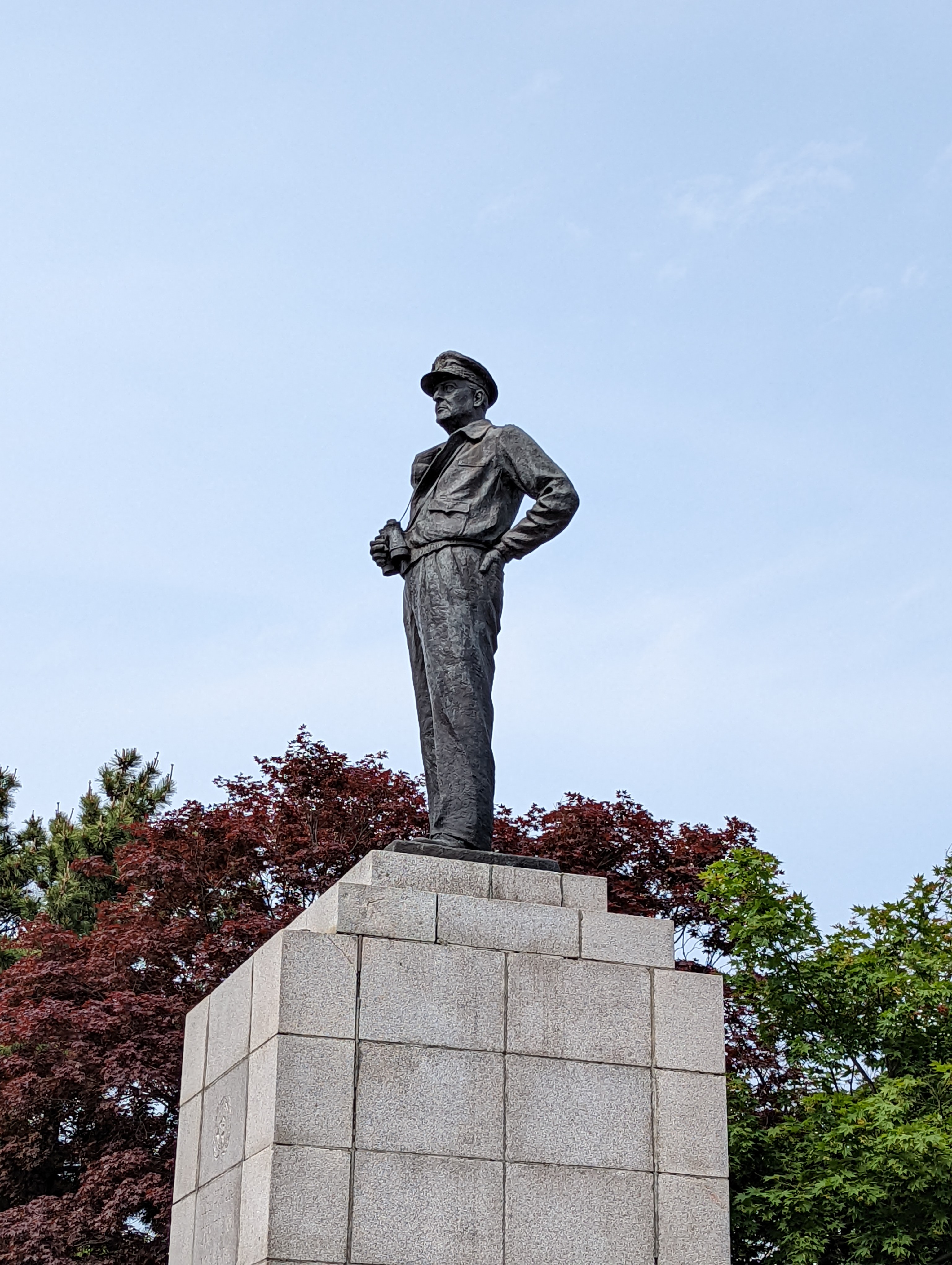


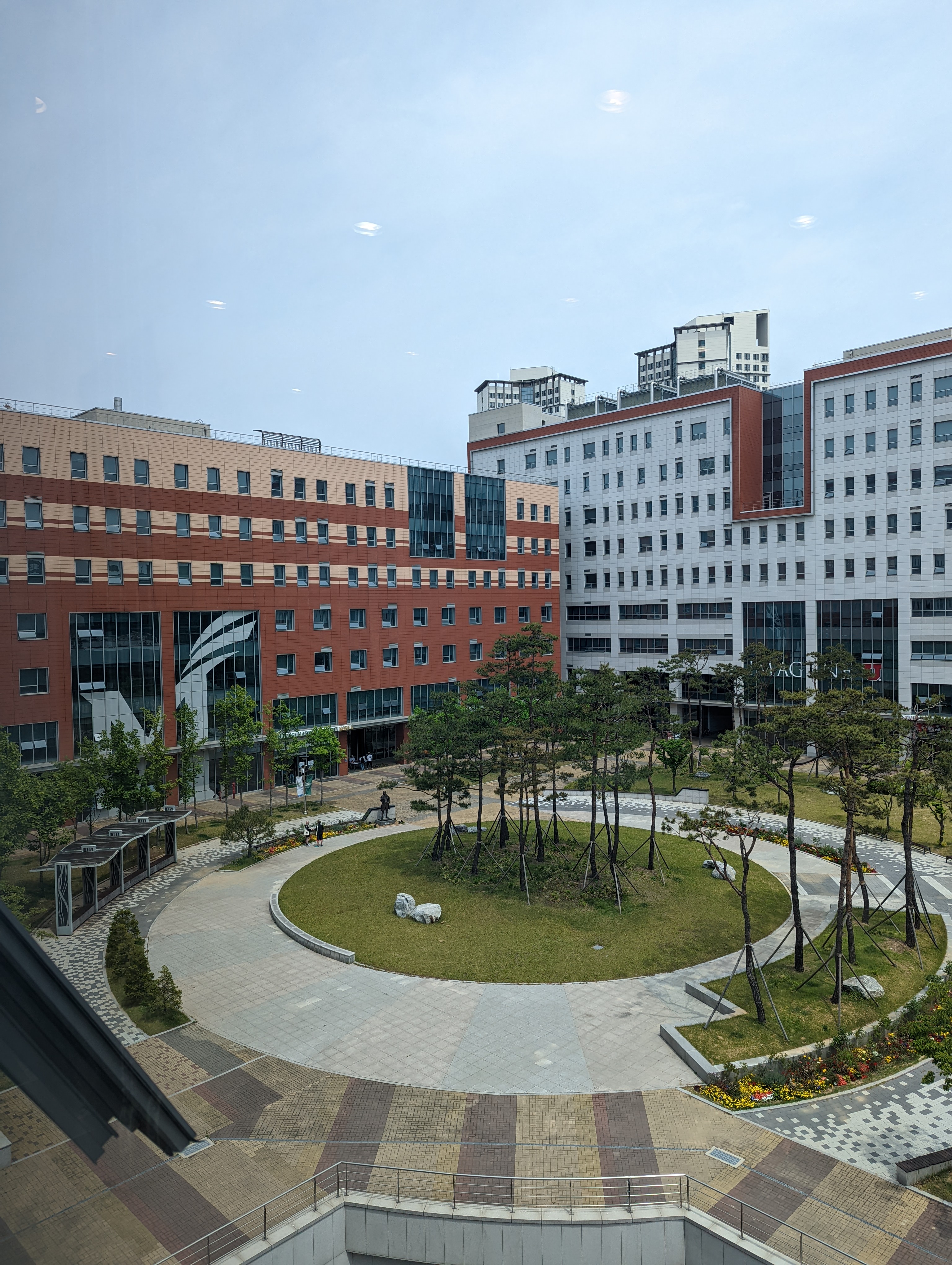
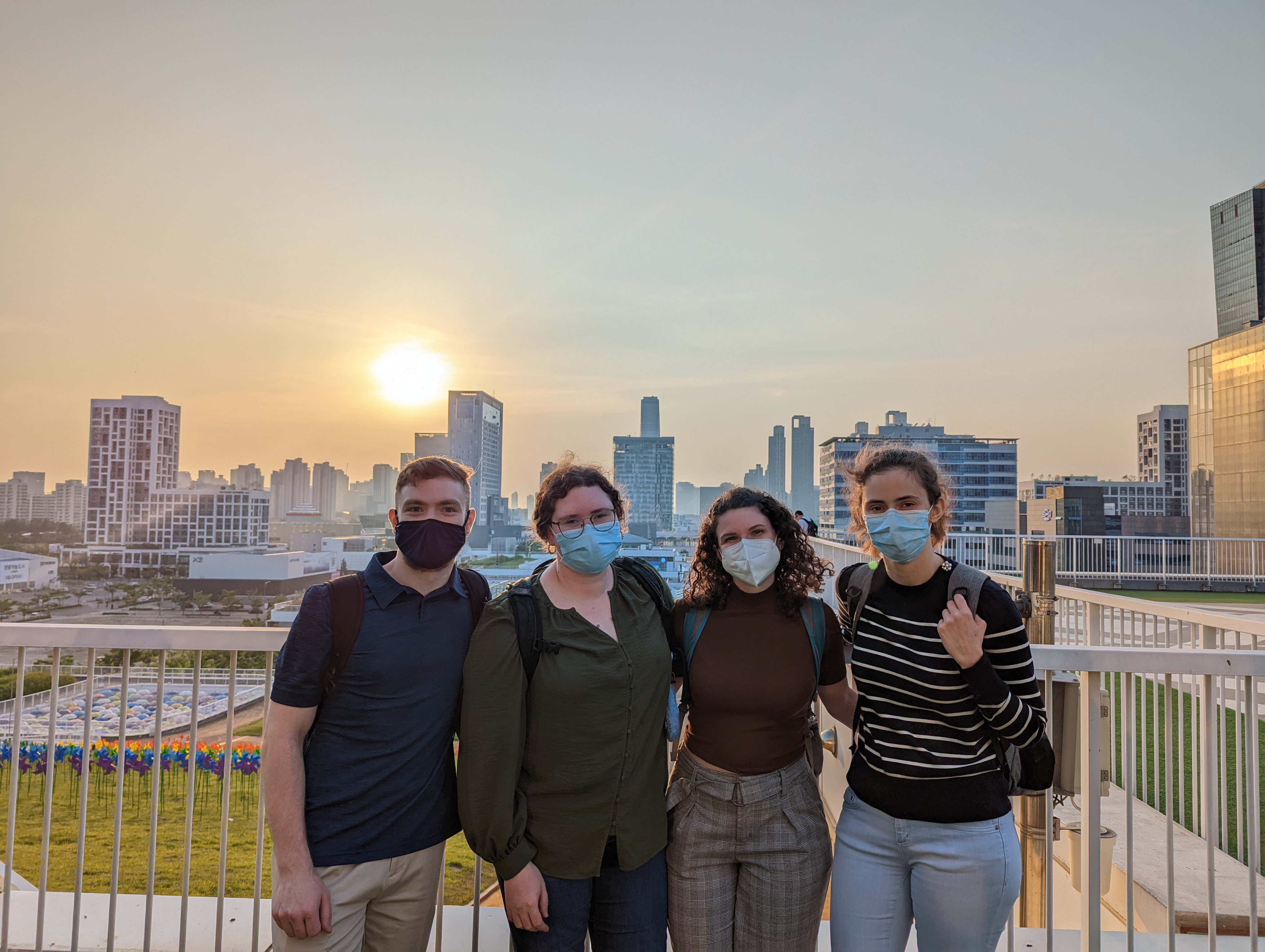
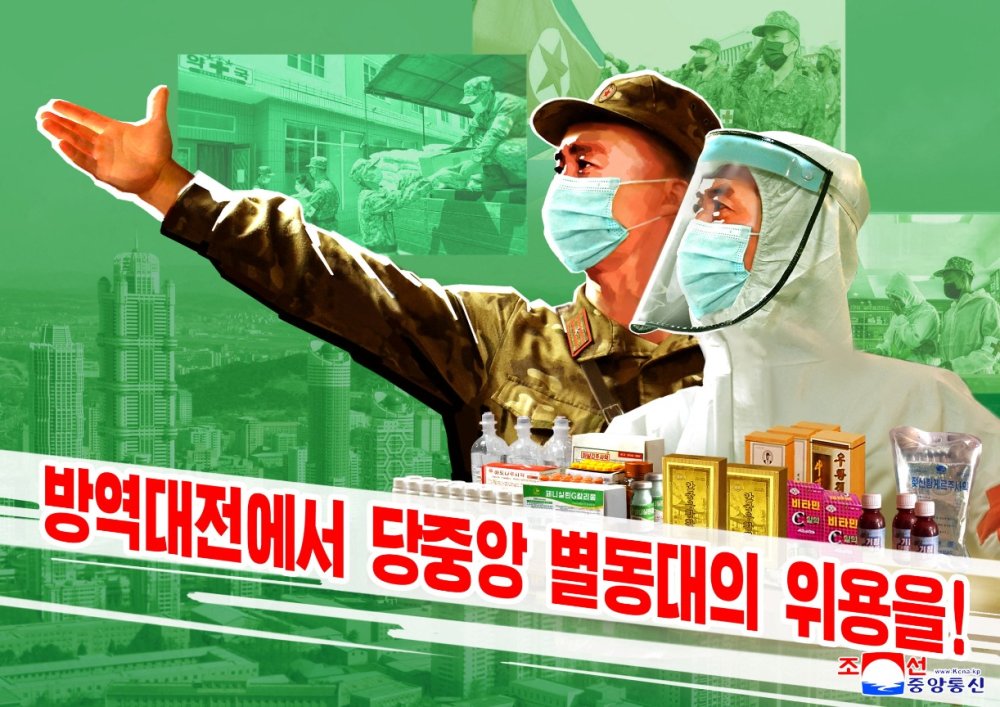
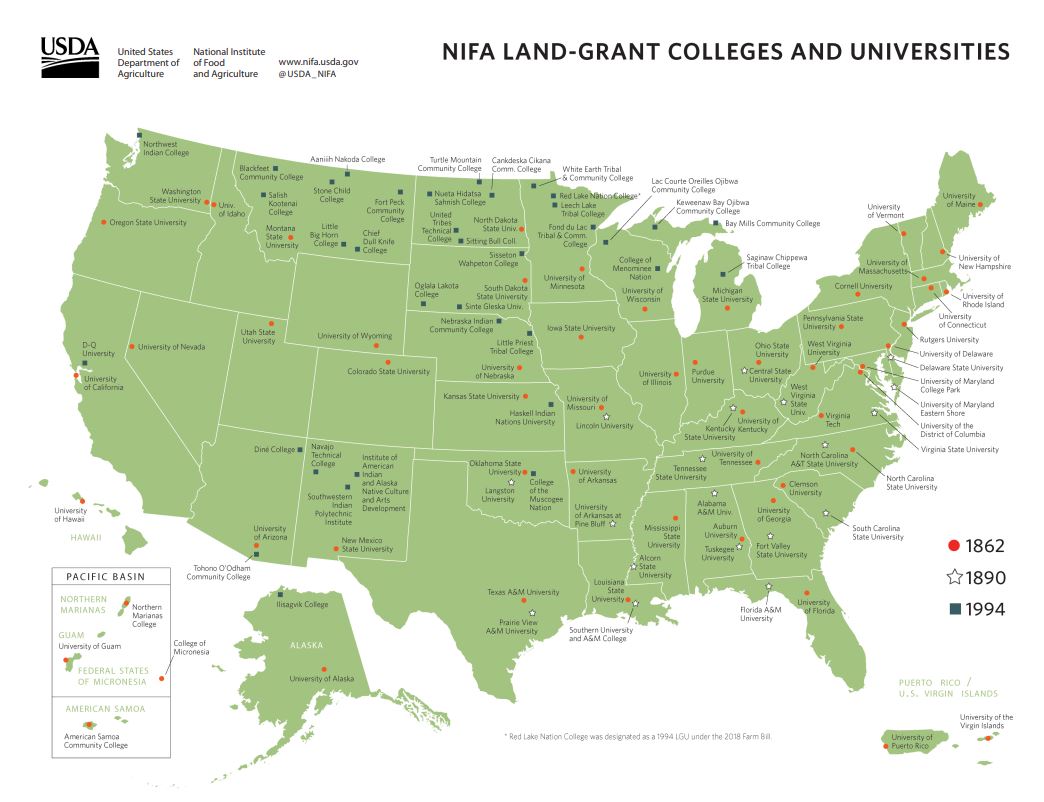
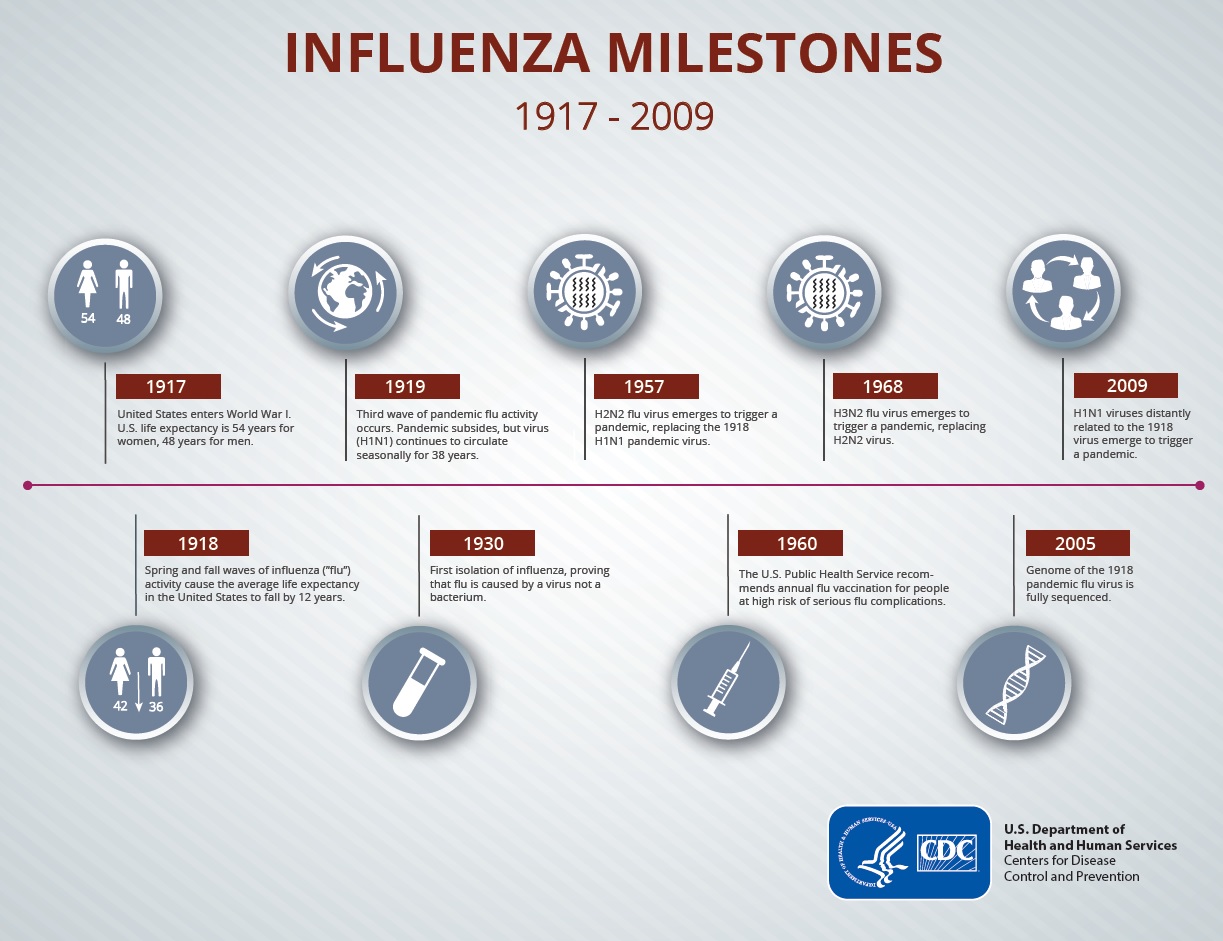

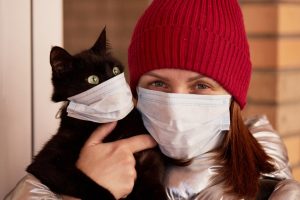
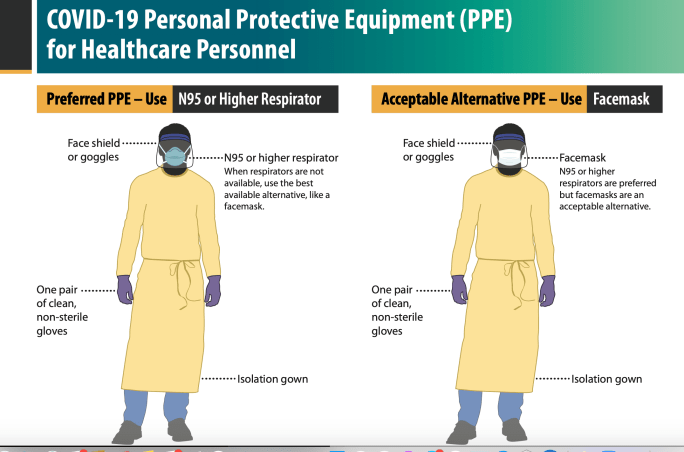
 Summer Workshop on Pandemics, Bioterrorism, and Global Health Security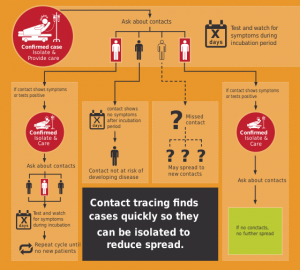
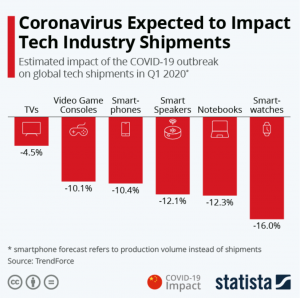


 Welcome to the start of the weekend and
  Summer Workshop on Pandemics, Bioterrorism, and Global Health Security
 Unseen Enemy Documentary
  CARB-X Mission

 Just How Well Did the 2009 Pandemic Flu Vaccine Strategy Work?
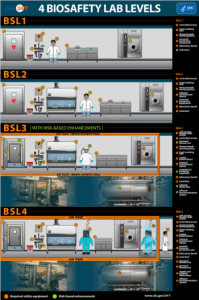 CDC Lab Closure Due to Safety Concerns
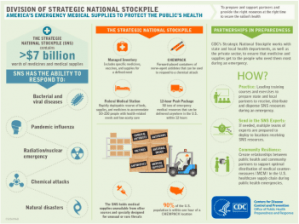 Financing Pandemic Preparedness At the National Level = First Line of Defense
 The Pandora Report