Image (Video) of the Day: Zombie Modeling!

For those Geographical Information Science (GIS) and Agent-Based Modeling (ABM) wonks out there, you might appreciate Dr. Andrew Crooks’ simple agent-based model of zombie attack.
Dr. Crooks, an Assistant Professor in the Department of Computational Social Science and a researcher in the Center for Social Complexity at George Mason University‘s Krasnow Institute for Advanced Study, explains this model:

At each time step, a human moves to a nearby unoccupied space, and a zombie moves to the nearest human. If a zombie and an uninoculated human occupy the same space, a fierce battle ensues, in which the probability that the human will kill the zombie is pkH-z, and the probability that the zombie kills the human and converts them to their horrific undead form is pkZ-h. 

Zombies, however, are not attracted to inoculated humans and ignore them. If recovery? is enabled, then there is a chance (given by recoveryRate) that a zombified person will see the errors of their cannibalistic ways and return to human form. All these factors working together provide some interesting population dynamics, illustrated by the “Totals” population count plot on the screen. 
Enjoy!

Islamic State Goes Old School

By Erik Goepner

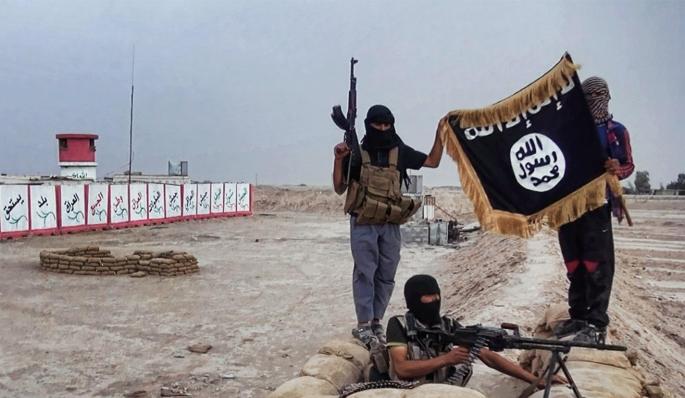
Recent reports suggest that IS has employed chlorine as a weapon.  Though currently unconfirmed, these reports suggest that IS is looking to bolster its inventory of tactics, techniques and procedures. In so doing, they’ve gone old school.

IS’ first use of chlorine as a weapon may have been in September against Iraqi security forces and Shiite militias north of Baghdad.  Reports indicate the chlorine was delivered via bombs.  No one died, but approximately 40 reported difficulty breathing and heavy coughing.  One source said IS had taken the chlorine from purification plants overtaken during their advance.

Additional reports suggest that IS employed toxic gas in Kobani on October 21. Patients reportedly sought medical care for trouble breathing, burning eyes, and blisters.  A doctor on-scene ruled out chlorine as the cause, while assessing the injuries as consistent with exposure to an as-of-yet unidentified chemical.  The Guardian noted, however, there was no consensus or confidence from experts regarding potential causes of these injuries.

Five days later, an Iraqi military commander said seven chlorine filled projectiles were fired into a residential area of Anbar province, though no casualties were reported.

According to the Organization for the Prohibition of Chemical Weapons (OPCW), though, this is not new.  The implementing body of the Chemical Weapons Convention reported chlorine was already used “systematically and repeatedly” in northern Syrian villages earlier this year.  Western government officials assert Assad’s forces had employed the chlorine, though it is unclear if other groups may also have been responsible.

Historically, perhaps the most heinous and deadly precedent for chlorine-as-weapon comes from World War I, when the Germans dispersed 168 tons of chlorine during the Second Battle of Ypres in Belgium.   Approximately half of the 10,000 allied soldiers in the affected area died.  Two days later, chlorine was again used, killing an additional 1,000 Allied service members.

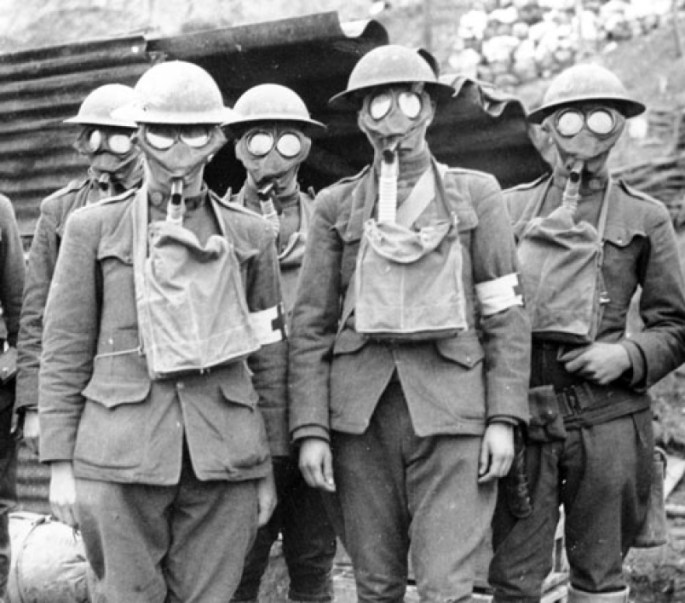
What might the future hold?  The Nuclear Threat Initiative, writing in 2007 about chemical weapon fears in Iraq, noted that the worst industrial accident in history was the release of 40 metric tons of methyl isocyanate at a pesticide plant in Bhopal, India.  3,000 were killed and more than 100,000 were injured.  The author concluded that a “sufficiently large release of elemental chlorine may be capable of exacting a comparable toll, particularly if discharged in a highly populated civilian area.”  However, the author also noted chlorine is typically ineffective against a “prepared adversary” because its visible color and potent odor announce its arrival and the effects of chlorine can be mitigated with “simple countermeasures,” such as gas masks or wet cloths placed across the nose and mouth.

Image Credit: Stripes

Week in DC: Events

November 3, 2014

Kurdistan: From Pawn to Player
Date: November 3, 10:00am
Location: Johns Hopkins School of Advanced International Studies, Rome Auditorium, 1619 Massachusetts Ave NW, Washington DC 20036

Minister Falah Mustafa Bakir was appointed as the first Head of the Kurdistan Regional Government (KRG) Department of Foreign Relations in September 2006, tasked with administering KRG foreign policy and bolstering the Region’s relations with the international community for the government’s fifth cabinet. He was reappointed as the Head of the Department in each successive cabinet, including most recently the eighth cabinet in June 2014. Minister Bakir’s vision, dedication, and passion to serve the people and the government of Kurdistan have paved the way for a successful Department and rapidly expanding relations between the KRG and foreign governments.

The Minister previously served as the KRG’s liaison officer to the Coalition Provisional Authority in 2003 and to the Multi-National Forces’ Korean Contingent stationed in Erbil in 2004. He was a Senior Adviser to the KRG Prime Ministerfrom 2002 until 2004, when he was appointed Minister of State. Earlier in his career, Minister Bakir was the KRG Deputy Minister of Agriculture & Irrigation, from 1999 to 2002. Prior to that, he served as the Kurdistan Democratic Party (KDP) Public Relations Officer from 1996 to 1999. Minister Bakir joined the KDP’s International Relations/Public Relations office in 1991. The Minister regularly represents Kurdistan at regional and international events and conferences, and actively promotes political and economic ties with diplomats and businesspeople around the world.

At the same time, Minister Bakir promotes and encourages cultural and educational exchange programs, scholarships, and capacity-building programs designed to benefit Kurdistan’s youth. He regularly provides insight and analysis about the Kurdistan Region and its policies to journalists, researchers, think tanks, and postgraduate students. Minister Bakir obtained his undergraduate degree at the University of Mosul, his graduate degree in Development Studies at the University of Bath in the United Kingdom, and a senior manager’s executive program certificate at Harvard University’s Kennedy School of Government.

Register here.

From Hizbullah to the Islamic State
Date: November 3, 3:00pm
Location: Carnegie Endowment for International Peace, 1779 Massachusetts Ave NW, Washington DC 20036

From humble beginnings in the 1980s, Hizbullah’s political clout and public perception have trended upward, thanks to a communications strategy that has adapted to changes in the local and regional environment. Join Carnegie  for a discussion of the recently released book, The Hizbullah Phenomenon: Politics and Communication by Lina Khatib, Dina Matar, and Atef Alshaer. Carnegie Middle East Center Director Khatib will join Carnegie’s Joseph Bahout to discuss  how Hizbullah’s strategic communication has influenced other Islamist movements in the region, including the Islamic State. Carnegie’s Frederic Wehrey will moderate.

Register here.

Combating the Spread of Ebola: The U.S. Aid Effort in Liberia
Date: November 3, 6:00pm
Location: Women’s Foreign Policy Group, 1307 L Street NW, Washington DC

Helene Cooper is a Pentagon correspondent with The New York Times. She has just returned from a two-week assignment covering the Ebola outbreak in Liberia. Prior to her assignment at the Pentagon, Cooper covered the White House, was The Times’s diplomatic correspondent, and served as an assistant editorial page editor.

Cooper has reported from 64 countries, from Pakistan to the Congo. Prior to joining The Times, she worked for 12 years at the Wall Street Journal, where she served as a foreign correspondent, reporter, and editor. Born in Monrovia, Liberia, Cooper is the author of the New York Times best seller “The House at Sugar Beach: In Search of a Lost African Childhood”. She has appeared on Meet the Press, Washington Week, The Tavis Smiley Show, The Chris Matthews Show, and This Week, as well as twice as a clue on Jeopardy. She has received numerous award including: a Raymond Clapper award, Sandy Hume award, National Association of Black Journalists award, and an Urbino Press Award.

Elisabeth Bumiller (moderator) is deputy Washington bureau chief of The New York Times, where she oversees White House and domestic policy reporting. She was a Times Pentagon correspondent from 2008 to early 2013, a period when she traveled frequently with the Secretary of Defense and embedded with the American military in Afghanistan. Bumiller previously served as White House correspondent, political reporter and City Hall bureau chief for The New York Times. She also worked for The Washington Post in Washington, New Delhi, Tokyo and New York. In 2006 and 2007, Bumiller was a public policy scholar at the Woodrow Wilson Center and a Transatlantic Fellow at the German Marshall Fund. She has published three books, the most recent of which was Condoleezza Rice: An American Life. She serves on the WFPG Board of Directors.

Purchase tickets here.

November 4, 2014

Challenges and Opportunities in the Fight Against Drug-Resistant Tuberculosis: Lessons from the IOM Workshops
Date: November 4, 12:00pm
Location: Center for Global Development, 2055 L Street NW, Fifth Floor, Washington DC 20036

The increasing burden of drug-resistant tuberculosis introduces new challenges to traditional TB control and treatment programs, and calls upon the global health community to collaborate in new and different ways. From 2008 to 2013, the Institute of Medicine (IOM) convened six public workshops on the science and policy surrounding drug-resistant tuberculosis. The issues discussed ranged from biology, epidemiology, and surveillance to diagnosis, treatment, and infection control as well as the drug supply chain and needs of vulnerable populations. Dr. Gail Cassell, chair of the planning committee convening the IOM workshops, will present the themes, challenges, and opportunities emerging from the IOM initiative and discuss potential global actions and next steps to combat DR TB.

Register here.

The Challenges of Chemical Weapons Proliferation and Use
Date: November 4, 12:30pm
Location: The Stimson Center, 1111 19th Street NW, 12th Floor, Washington DC

During the Stimson Center’s 25th anniversary year, we are convening events to celebrate accomplishments and to consider hard work that lies ahead.  One source of pride is Stimson’s involvement in the issues surrounding the negotiation and ratification of the Chemical Weapons Convention.  The Organization for the Prohibition of Chemical Weapons is now 17 years old and the recipient of the 2013 Nobel Peace Prize “for its extensive efforts to eliminate chemical weapons”.  The OPCW, the United States and other member states explored new territory with the Syrian demilitarization effort, and are still digesting lessons learned. The Syrian government continues to use chemical weapons, and there are other outliers from the CWC and its obligations. Even so, the CWC has helped to strengthen norms against the use of chemical weapons. Please join us for a panel discussion on chemical weapons proliferation, norm-building, and the challenges ahead.

RSVP here.

Ukraine: The Way Forward
Date: November 4, 7:00pm
Location: GMU School for Conflict Analysis & Resolution, Arlington Campus, Metropolitan Building, Room 5183

The Ambassador will discuss current situation in Ukraine. He will also analyze the prospects for political, social, and economic development in Ukraine and for strengthening of Ukraine-US strategic partnership.

RSVP here.

November 5, 2014

Cyber Risk Wednesday: NATO’s Cyber Defense Mission and Capabilities
Date: November 5, 9:00am
Location: Atlantic Council, 1030 15th Street NW, 12th Floor, West Tower, Washington DC

The moderated panel discussion will analyze the new enhanced NATO Policy on Cyber Defense endorsed at the recent NATO summit in Wales, the cyber challenges facing the alliance and member states, and confidence-building measures in cyberspace. The event will also accompany the release of two publications: NATO’s Cyber Capabilities: Yesterday, Today, and Tomorrow analyzing NATO’s past, present, and future cyber organizations and capabilities and Confidence-Building Measures in Cyberspace: A Multi stakeholder Approach for Stability and Security –  the culmination of a NATO-funded effort to explore new approaches to cyber confidence building measures.

Register here.

The United States, Russia and ISIS
Date: November 5, 2:00pm
Location: Center on Global Interests, 1050 Connecticut Ave NW, 10th Floor, Washington DC

One year after planned U.S. strikes in Syria were sidelined by an unexpected proposal from Russia, the United States faces a new challenge in the region in the spread of the Islamic State. But while Russia is concerned about ISIS, it has expressed no intention to join the U.S.-led coalition and condemned any strikes without international approval. Amid U.S. sanctions and the ongoing conflict in Ukraine, can Washington and Moscow resuscitate their relationship by addressing the ISIS threat? More importantly—should they?

Please join Michael Kofman of the Kennan Institute and John C.K. Daly of the Jamestown Foundation for a discussion on U.S.-Russian differences in perception about ISIS, the consequences of the U.S. military campaign, and possible opportunities for U.S.-Russian counter terrorism cooperation on the issue. They will also explore the likelihood of a broader effort between the two countries to maintain stability in the Middle East following the U.S. pullout from Afghanistan at the end of 2014. CGI Program Director Konstantin Avramov will moderate the discussion. A Q&A with the audience will follow.

RSVP here.

Iran’s Strategic Penetration of Latin America
Date: November 5, 4:30pm
Location: Institute of World Politics, 1521 16th Street NW, Washington DC

In recent years, significant attention has focused upon the Islamic Republic of Iran’s nuclear ambitions, and the threat they pose to the United States and the West. Far less well understood, however, has been the phenomenon of Iran’s regional advance in America’s own hemisphere-an intrusion that has both foreign policy and national security implications for the United States and its allies. In this collection, noted specialists and regional experts examine the various facets of Iran’s contemporary presence in Central and South America, and detail what the Islamic Republic’s growing geopolitical footprint south of the U.S. border signifies, both for Iran and for the United States.

Register here.

Pathway to Civilian Medical Countermeasure Requirement Setting and Utilization
Date: November 5, 2014, 7:30pm
Location: George Mason University, Research Hall 163, Fairfax, VA

Richard I. Jaffe, M.S., Ph.D., MT(ASCP), Director, Medical Countermeasures, Strategy, & Requirements , Office of the Assistant Secretary for Preparedness and Response , U.S. Department of Health and Human Services (HHS), will discuss Civilian Medical Countermeasures as part of the George Mason Biodefense program’s Biodefense Policy Seminar series.

November 6, 2014

The Islamic State and Beyond: U.S. Military Strategy in the Middle East
Date: November 6, 11:00am
Location: Atlantic Council, 1030 15th Street NW, 12th Floor, West Tower, Washington DC

Please join the Atlantic Council’s Brent Scowcroft Center on International Security for a Commanders Series event with General Lloyd J. Austin III, commander of US Central Command, to discuss the US-led coalition campaign against the Islamic State and the broader role the US military will play in the Middle East in the coming years.

As one of the first military leaders into Iraq in 2003, General Austin has over a decade of first-hand, on-the-ground experience in the challenging operating environment of the Middle East theater. Often called a “soldier’s soldier,” General Austin currently leads Central Command which oversees US operations and military relationships with countries stretching from Afghanistan and Pakistan to the Central Asian nations to Iraq, Iran, Syria, Lebanon, Yemen, the UAE, and Egypt. Today, one of CENTCOM’s highest priorities is Operation Inherent Resolve against the Islamic State and how the US-led coalition can “degrade and destroy” the terrorist group. GEN Austin will discuss how the anti-Islamic State effort is progressing in Iraq and Syria, as well as the future of US military engagement in the Middle East.

Register here or watch online.

Lessons from the Latest War: What the Future Holds for the Israeli-Islamist Conflict
Date: November 6, 12:00pm
Location: Georgetown University, 37th and O Street NW, Copley Formal Lounge, Copley Hall, Washington DC

Dr. Rafael Frankel (Georgetown University) will present as part of the Program for Jewish Civilization’s fall lecture series.

RSVP requested. A light lunch will be served.

Afghanistan in Transition
Date: November 6, 12:00pm
Location: Johns Hopkins School of Advanced International Studies, Nitze Building, Kenney Herter Auditorium, 1740 Massachusetts Ave NW, Washington DC

Daniel F. Feldman is the Special Representative for Afghanistan and Pakistan (SRAP). He has served in the S/SRAP office since its creation in 2009, first as deputy and then as principal deputy to Ambassadors Richard Holbrooke, Marc Grossman, and James Dobbins. He has been deeply engaged in all aspects of U.S. policy formulation and implementation for both countries, including overseeing political transition issues, economic growth initiatives, regional integration efforts, international engagement with key partners, strategic communications, and Congressional outreach. For his service in the S/SRAP office, he was awarded the Secretary’s Distinguished Honor Award by Secretary Clinton.

Before reentering government, he was a law partner and co-chair of the international Corporate Social Responsibility group at Foley Hoag LLP, the only such legal practice in the U.S. His previous government experience includes serving as Director of Multilateral and Humanitarian Affairs at the National Security Council in the Clinton Administration, and as Counsel and Communications Adviser to the U.S. Senate Homeland Security and Governmental Affairs Committee.

He was Senior Foreign Policy and National Security Advisor to the Kerry presidential campaign in 2004, communications advisor and recount attorney for the Gore campaign in 2000, and a senior campaign advisor to Senator Mark Warner. He helped to found, and subsequently served on the board of, the National Security Network, and is a life member of the Council on Foreign Relations. He has been appointed a White House Fellow and a Henry Luce Scholar, and was a law clerk on the U.S. Court of Appeals for the Ninth Circuit and on the South African Supreme (Constitutional) Court. He is a graduate of Tufts University, Columbia Law School, and Princeton University’s Woodrow Wilson School.

Register here.

Pakistan’s Role in Afghanistan’s Transition
Date: November 6, 3:30pm
Location: Carnegie Endowment for International Peace, 1779 Massachusetts Ave NW, Washington DC

As the deadline for withdrawal of U.S. troops in Afghanistan approaches, Afghanistan’s neighbors will have a greater impact on shaping the country’s uncertain future. Samina Ahmed and Mark L. Schneider will discuss the transition with a particular focus on Pakistan’s role. They will look at civil-military divisions over Pakistan’s Afghanistan policy, assess the impact of cross-border militancy on Afghanistan’s stabilization, and discuss the implications of Pakistan’s involvement in a potential negotiation process between the Ashraf Ghani Ahmadzai government and the Taliban. Carnegie’s Frederic Grare will moderate.

Register here. 

Elections Under Crisis: Evaluating Ukraine’s Parliamentary Vote
Date: November 6, 4:00pm
Location: Elliot School of International Affairs, 1957 E Street NW, Suite 412, Voesar Conference Room, Washington DC

Ukraine’s October 26 parliamentary elections were held under extraordinarily challenging conditions. The on-going fighting in the Donetsk and Luhansk regions made it impossible for several of the precincts to vote. This presentation will address the capabilities of the Ukrainian state to hold elections. It will also assess the implications of the election outcomes for Ukraine’s future political and economic development.

RSVP here.

A Look at the Ebola Crisis (Searching for Solutions to the Ebola Epidemic)
Date: November 6, 4:30pm
Location: Johns Hopkins School of Advanced International Studies, 1717 Massachusetts Ave NW, Washington DC

A SAIS Africa Association discussion with Gilbert Burnham, co-director, Johns Hopkins Center for Refugee and Disaster Response. Open to the public and media.

For information or to RSVP, email africa.sais@gmail.com 

November 7, 2014

Pursuing Freedom and Democracy: Lessons from the Fall of the Berlin Wall
Date: November 7, 10:30am
Location: Heritage Foundation, Lehrman Auditorium, 214 Massachusetts Ave NE, Washington DC

On November 9, 1989, the Berlin Wall fell. Two years later, the Soviet Union collapsed and the Cold War came to an end. At stake during this war, which encompassed almost every nation, was whether the world would be dominated by the forces of totalitarianism led by the Soviet Union or inspired by the principles of economic, political, and religious freedom championed by the United States.

To commemorate the 25th anniversary of the fall of the Berlin Wall, our panel will discuss some of the lasting lessons of the Cold War. Do the ideas undergirding a regime matter? Does leadership matter or is history essentially determined by forces beyond our control? Are strength and resolve the dominant factors in crafting a national strategy, or does a prudent foreign policy guided by our founding principles of liberty and justice offer the best path for America?

Register here.

THIS WEDNESDAY: November Biodefense Policy Seminar

Title: Pathway to Civilian Medical Countermeasure (MCM) Requirement Setting and Utilization
Speaker: Richard I. Jaffe, M.S., Ph.D., MT(ASCP), Director, Medical Countermeasures, Strategy, & Requirements , Office of the Assistant Secretary for Preparedness and Response , U.S. Department of Health and Human Services (HHS)
Date: Wednesday, November 5, 2014
Time: 7:30 – 9:00pm; food will be served at 7:00pm
Location: Research Hall 163, George Mason University, Fairfax, VA
Dr. Richard Jaffe is an internationally recognized subject matter expert in the field of chemical, biological, radiological and nuclear defense issues with almost 30 years of technical and operational experience in government, academia, military, and industry.

Dr. Jaffe was the scientific lead for the Federal Bureau of Investigation’s AMERITHRAX case in 2001-2003 while working at Commonwealth Biotechnologies, Inc. in Richmond VA. There he led a scientific team that developed the molecular assays that provided the FBI the crucial scientific evidence to proceed in their investigation. From 2006-2012, as the Senior Medical Advisor to the Office of the Assistant Secretary of Defense for Nuclear and Chemical and Biological Defense/Chemical and Biological Defense Programs at the Pentagon, he helped lead, guide, and integrate the Department of Defense’s (DoD) policies in areas such as medical countermeasures (MCM), diagnostics, public health, and biosurveillance.

Dr. Jaffe is currently the Director of the Division of Medical Countermeasures, Strategy, and Requirements in the Office for Policy and Planning, Office of the Assistant Secretary for Preparedness and Response at HHS. The Division leads the efforts to develop policy initiatives, planning and analysis, activities for storage, dispensing, administration, etc., and requirements for MCM that help protect the U.S. civilian population during public health emergencies.

Dr. Jaffe received a Ph.D. in Microbiology and Immunology from Medical College of Virginia, a M.S. in Human Genetics from George Washington University, and a B.S. in Microbiology from the University of Maryland. He is a board certified Medical Technologist and served honorably in the United States Air Force before separating at the rank of Major.

Pandora Report 11.2.14

For this edition of the Pandora Report we look at Jonas Salk, avian influenza in China, TB and diabetes as a co-epidemic, and, of course, an Ebola update. As the weather is turning cooler, don’t forget to get your flu shot, and remember to protect yourself by washing your hands!

Have a great week!

On Jonas Salk’s 100th Birthday, A Celebration of his Polio Vaccine

If you visited Google.com on Tuesday you may have seen one of their famous doodles dedicated to Jonas Salk. Salk’s polo vaccine was declared safe and effective in 1955 and was, interestingly enough, never patented. “The notion handed down to us is that Salk decided not to patent the vaccine as a noble act of self-abnegation.”

The Los Angeles Times—“But the more important reason the vaccine went unpatented, as related by David M. Oshinsky in his 2005 book, “Polio: An American Story,” is that legally it was thought to be unpatentable. The National Foundation and the University of Pittsburgh, where much of the work was done, had looked into patenting the vaccine. They were dissuaded by Salk, who informed them that his techniques weren’t novel and his work had been based on years of prior work by others.”

Five Strains of H5 Avian Flu Reported Across China 

The Chinese veterinary authority reported outbreaks of five different subtypes of Highly Pathogenic Avian Influenza (HPAI) to the World Organization of Animal Health (OIE) on October 24. There were a total of 51 positive findings of the following strains; H5N3, H5N8, H5N2, H5N6, and H5N1. A map of all strain outbreaks is available here.

CIDRAP—“Two of the strains—H5N8 and H5N3—have not been reported by China to the OIE before. Two outbreaks of the former were reported in September, each involving one bird (a duck and an unspecified bird) sampled during a national surveillance plan. One was at a slaughterhouse and the other in a wetland area; both were in Liaoning province in the northeast.”

Unlikely Marriage of Diseases: TB and Diabetes Form a ‘Co-Epidemic’

A white paper presented on Wednesday at the 45th Union World Conference on Lung Health in Barcelona, Spain, warns, “diabetes is fueling the spread of TB.” The paper warns that having diabetes increases the risk that a person will become sick with TB will make TB more difficult to manage, adding that a patient with both diseases is more likely to have complications that do not exist when only one disease is present.

NPR—“The TB/diabetes double-whammy has at least two important differences from the TB/HIV co-epidemic. [1.] It involves the interaction of an infectious disease (TB is the world’s second-deadliest, next to HIV/AIDS) and a non-communicable chronic disease, rather than two infections. [2.] It has potentially more global impact. The TB/HIV co-epidemic was concentrated in sub-Saharan Africa, where 18 countries saw TB rates quadruple because of HIV. Many more countries have high rates of TB and, increasingly, of diabetes.”

This Week in Ebola

Not sure if it was because of Halloween or what, but it seemed to me there were fewer Ebola stories this week. Dallas nurse Amber Vinson, was finally released from Emory Hospital, free of the Ebola virus. Many other stories this week focused on quarantine. Kaci Hickox, the nurse who worked treating patients in Sierra Leone, first protested over her isolation in New Jersey, and then broke her quarantine in Maine, was reportedly ‘humbled’ when a judge in her home state of Maine ruled she can come and go as she pleases. She was still in this news this weekend as it was reported that her roommate in Africa tested positive for Ebola and there was a skit about her on SNL. President Obama has said that quarantines may dissuade doctors and nurses from traveling to West Africa, while Secretary of Defense Chuck Hagel has said that U.S. military personnel returning from West Africa will be subject to a 21-day quarantine. The WHO reported that Ebola infections are slowing in Liberia, and the New England Journal of Medicine says they have a suspect zero for this whole outbreak.

Stories You May Have Missed


Image Credit: Google

Aerosolized Fungal Infection from Bats

By Jonathon Marioneaux

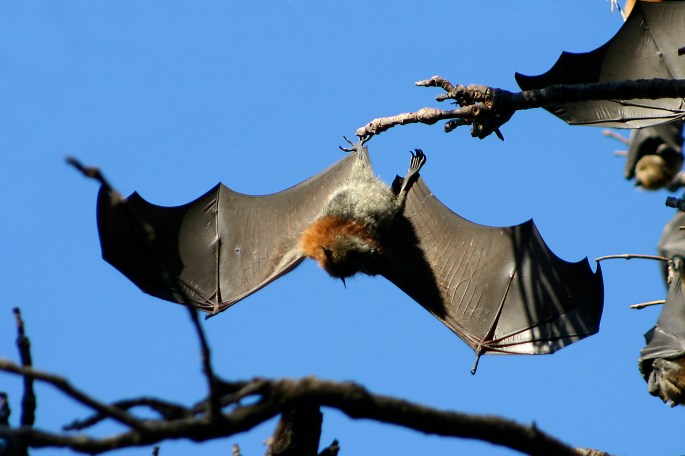
As promised, we will be continue our coverage of bats and their diseases this week.  Over the last several postings we have covered different diseases bats can carry and their place in folklore.  In many horror stories and movies the main antagonist resides in a cave which makes you wonder, what else is in that cave? One of the main diseases that can be contracted in caves is histoplasmosis, which as it turns out is a relatively common disease.  Researchers from Heliopolis Hospital in Brazil documented a case of oral manifestation in a patient in 2013 that provided clinical details to the history and progression of the disease.

Histoplasmosis is a fungal infection caused by Histoplasma capsulatum and has two variants—capsulatum and duboisii. The fungus is found in caves worldwide, however most clinical cases occur on the American continent.  H. capsulatum requires moderate temperatures and constant humidity to grow and does best in bird or bat guano.  The fungus is found in its hyphae form primarily in caves and reverts to its yeast form in human lungs due to the higher temperature.  The fungus is primarily transferred to humans in its aerosolized form during cave diving, giving it the nickname “Caver’s disease” and “Spelunker’s disease.” However, it can also be transferred any time soil aerosolizes, for example, during digging.

The disease has a relatively low mortality rate in immunocompetent people and may go undetected as mild flu symptoms. Yet in people with compromised immune systems, such as AIDS patients, it can reach mortality rates as high as 80% and can be a tool for AIDS diagnosis.  In some cases the disease can become chronic in the presence of underlying disease and become severe to life threatening.  Diagnosis of H. capsulatum can be difficult due to its mimicking of other diseases, such as tuberculosis, and limitations of diagnostic exams.  The gold standard for diagnosis is culturing of the fungi on dextrose slats which will show white or brown filamentous colonies.

The Brazil patient was initially admitted on complaints of oral lesions and shortness of breath to the Heliopolis hospital.  The initial diagnosis was tuberculosis, however radiography diffuse infiltrate of both lungs and negative acid-fast staining discounted this.  Subsequent tests showed CD4/CD8 lymphocyte count was normal, discounting HIV, and culture tests indicated fungi presence.  A biopsy of lung tissue showed Langhas-type multinucleated giant cells with variable amounts of lymphocytes consistent with histoplasmosis. The patient was treated with Itraconazol for six months and showed marked improvement.

The above example explains why the conversation between patient-doctor and doctor-doctor is very important.  Without knowledge of the patient’s history and the referral by the dentist it is possible that a positive diagnosis could never have been made. This is especially true with organisms which are hard to grow or mimic symptoms of other disease.  In addition, knowing the immunocompetent state of a patient can give clues to what type of pathogen might be present.

So, when going spelunking or anywhere near animal feces wear a mask or other protective covering to prevent infection from various diseases including H. cacsulatum. Bats are our friends and serve a much needed role in pollenating plants and keeping insects under control during the warm parts of the year.  Let’s not forget their contributions when discussing their role in disease transmission and the Hollywood spin put on them for Halloween. It is always advisable to take caution when handling bats of any species or geographic location to prevent the spread of numerous viral, bacterial, and fungal agents that they carry.

With Halloween upon us, this concludes our series on bats and their diseases. Next week, we will pick up coverage of birds (if you have a specific bird you would like me to cover send me an email) to get into the Thanksgiving spirit.

As always remember to wave at the next bat and thank them for their invaluable service to our ecosystem!

The Islamic State: Thoughts from the Top Think Tanks

By Erik Goepner

Annually, the Think Tanks and Civil Societies Program (TTCSP) at the University of Pennsylvania publishes a ranking of the world’s think tanks.  Regarding the Islamic State and the coalition’s response, perspectives from senior researchers and fellows at the four top-rated defense & national security think tanks follow (i.e., the Center for Strategic and International Studies, RAND, International Institute for Strategic Studies, and the Brookings Institution).  The insights come from Jon Alterman, Ben Connable, Ben Barry, and Kenneth Pollack, respectively.

Overall Strategy:

  • Political settlement and reconciliation is critical (CSIS, RAND, IISS & Brookings)
    • Force collapse of IS from within (CSIS)
    • “Resurrect” power sharing arrangement fashioned by the U.S. during the surge and “recreate” a unified Iraqi government (Brookings)
  • Build an effective coalition (CSIS, IISS)
    • This is a complex endeavor: U.S., et al, want to focus on Iraq first, while the UK and others recommend starting with Syria; several Arab partners will only conduct kinetic operations in Syria; and Turkey is potentially more concerned with the Kurds than IS
    • Iraqi government needs to effectively balance outreach to Sunnis, sustaining military support from Iran, and engagement with the U.S. (IISS)
    • Those with the most to offer are the least willing to participate (i.e., Sunni states and Turkey) (Brookings)
  • Empower moderate forces (Brookings)
  • S. will “have to lead an effort of nation-building to heal the wounds of the [Syrian] civil war. It is unavoidable.” (Brookings)
  • President Obama is on the right track, not just to defeat ISIS but also to address the “wider circumstances” of Iraq and Syria (Brookings)
  • Too militarily focused (CSIS)
  • Two somewhat different approaches are needed to address the two different civil wars (Brookings)
  • Delegitimize IS’ ideology and message (CSIS)
    • IS’ information operations are quite successful, it is unclear whether Iraq and/or the coalition will effectively counter (IISS)

Political Component:

  • Place main emphasis here (RAND, IISS)
  • Sunni reconciliation in Iraq is a must (RAND, IISS, and Brookings)
    • Sunnis are primarily nationalist and, therefore, anti-Iranian, not necessarily anti-Shia (RAND)
    • Most Iraqi Sunnis “reject IS methods and philosophy” (RAND)
  • New Iraqi Prime Minister al-Abadi should enact all grievance resolutions available to him in one fell swoop (RAND)
  • Divisions within the Sunni polity are problematic (RAND, IISS)
    • Some Sunni leaders have been marginalized for having tried to work with unity government, perceived as having failed
    • Difficult to find one or a handful of Sunni leaders to be the face of reconciliation efforts (RAND)

Military Component:

  • Airstrikes are insufficient (RAND)
  • Build a new army in Syria to oppose the Assad regime (Brookings)
  • Iraq’s recent tactical successes resulted, in part, because of Shiite and Kurdish militia participation (CSIS)
    • But, inclusion of Shiite militias may be used by IS to kindle Sunni-Shia civil war (IISS)
  • IS has high morale and decent fighting prowess (RAND)

Week in DC: Events

October 27, 2014

Ebola: U.S. Domestic and Foreign Policy Options
Date: October 27, 12:00pm
Location: Heritage Foundation, 214 Massachusetts Ave, NE, Lehrman Auditorium, Washington DC

Months after the outbreak of the Ebola virus in West Africa, the news of two American nurses becoming infected has sparked fear amongst the general U.S. population. With Ebola victims now in the United States, concerns are growing over the ability of the administration, Centers for Disease Control (CDC), and hospitals to control the spread of disease.

Join us for a discussion of the very real risks of the Ebola virus, but without the fear brought on by speculation and hype. Through clear communication of the nature of the threat and what policy options are available in the U.S. and in West Africa, the U.S. can make clear, rational decisions as to how to best deal with the current situation.

RSVP here to attend in person or watch online here.

Modern War in Theory and Practice: A Discussion with Dr. John Nagl on his new book Knife Fights
Date: October 27, 1:15pm
Location: New America Foundation, 1899 L Street NW, Suite 400, Washington DC

Knife Fights: A Memoir of Modern War in Theory and Practice by Dr. John Nagl, a retired Lieutenant Colonel in the U.S. Army and a former president of the Center for a New American Security, is a profound education in 21st Century warfare – its theory, its practice, and the often-tortured relationship between the two.

As an army tank commander in the first Gulf War, fresh out of West Point and Oxford, Dr. Nagl could already see that America’s military superiority meant that the age of conventional combat was nearing an end. He was an early convert to the view that America’s greatest future threats would come from asymmetric warfare – guerrillas, terrorists, and insurgents – and wrote Learning to Eat Soup with a Knife, a book that eventually became the bible of the counterinsurgency movement. Nagl argued it was necessary for the U.S. Army to understand the nature of the insurgency, but also to be more flexible in its response, adjusting its strategy to properly deal with the threat.

While Dr. Nagl worked with Gen. David Petraeus on rewriting core army doctrine in the middle of two wars, helping their new ideas win acceptance in one of the planet’s most conservative bureaucracies, he has not been blind to the cost or consequences of counterinsurgency, noting that in war, there are only bad choices; the question is really which ones are better and which ones are worse.

The New America Foundation is pleased to welcome Dr. Nagl for a discussion about his book, his work on the United States’ counterinsurgency efforts, and the revolution in modern warfare that he helped lead.

RSVP here to attend in person or watch online.

U.S.-Civil Military Relations After 9/11
Date: October 27, 1:30pm
Location: Alexander Hamilton Society-George Mason University, 4400 University Drive, East 201, Fairfax VA

The George Mason University chapter of the Alexander Hamilton Society will host Mackubin Thomas Owens for a discussion on U.S.-Civil Military Relations After 9/11. No registration is required. Refreshments will be served.

Mackubin Thomas Owens recently retired as professor of national-security affairs at the Naval War College. He is the editor of Orbis and a contributing editor to the National Review Online.

Previously, Dr. Owens served as the National Security Adviser to Senator Bob Kasten (R-WI) and Director of Legislative Affairs for the Nuclear Weapons Programs of the Department of Energy during the Reagan administration.

He is the author of US Civil-Military Relations After 9/11: Renegotiating the Civil-Military Bargain.

The New Threat in Town: Iraq, ISIS, and Managing the Crisis
Date: October 27, 6:30pm
Location: AU School of International Service, 4400 Massachusetts Ave NW, Mary Gordon Center, Butler Board Room, Washington DC

A panel discussion on the current security situation in Iraq regarding ISIS, the implications it has on the regional security of the Middle East, and how the United States can engage with the region in order to mitigate the situation from spiraling out of control. Panel speakers will include Dr. Tricia Bacon, Ambassador James F. Jeffrey from the Washington Institute, and Dr. Paul Salem from the Middle East Institute.

October 28, 2014               

Islamophobia, Extremism, and the Domestic War on Terror: A Discussion with Arun Kundani on his new book The Muslims are Coming!
Date: October 28, 12:15pm
Location: New America Foundation, 1899 L Street NW, Suite 400, Washington DC

In The Muslims Are Coming!: Islamophobia, Extremism, and the Domestic War on Terror, Arun Kundnani notes that the new front in the War on Terror is the homegrown enemy, domestic terrorists who have become the focus of sprawling counterterrorism structures in the United States and across Europe. Domestic surveillance by police forces and government agencies has mushroomed— at least 100,000 Muslims in America have been secretly under scrutiny. In Britain, police officers compiled a secret suspect list of more than 8,000 al-Qaeda “sympathizers,” and almost 300 children aged fifteen and younger were among the potential extremists investigated.

While the revelations by former National Security Agency contractor Edward Snowden have caused some to question the rise, even the legality, of these national surveillance states, Western governments continue to focus on the threats posed by homegrown extremists, particularly as the Islamic State attracts foreign fighters from around the world

Based on several years of research and reportage, in locations as disparate as Texas, New York, and Yorkshire, and written in engrossing, precise prose, Kundnani’s The Muslims Are Coming! is the first comprehensive critique of Western counter-radicalization strategies. He notes that the new policies and policing campaigns have been backed by an industry of freshly-minted experts and liberal commentators, and looks at the way these debates have been transformed by the embrace of a narrowly-configured and ill-conceived anti-extremism stance.

The New America Foundation is pleased to welcome Mr. Kundnani for a discussion about his book, his findings, and the impact the War on Terror has had on its targets.

Register here to attend in person or watch live online.

The Future Army: Win in a Complex World
Date: October 28, 6:30pm
Location: World Affairs Council, 1900 K Street NW, 2nd Floor, Washington DC

Today, the importance of national security rests heavily on the minds of many Americans. With multiple mounting crises around the world, it is often difficult to understand America’s role in foreign disputes and the necessary action our military must take to remain a mediating force in foreign lands.

General David G. Perkins is the Commanding General in the U.S. Army Training and Doctrine Command, who has experience in Europe, the United States, and the Middle East that affords him a distinct and experienced voice when speaking about the Army and the future of American security.

Join the World Affairs Council – Washington, DC in our Distinguished Speaker Series, as we host General David G. Perkins, as he speaks about ”The Future Army: Win in a Complex World.”

Register here.

October 29, 2014

Impressions from Putin’s 2014 Valdai Conference
Date: October 29, 12:00pm
Location: Georgetown University, McGhee Library, Room 301, 3700 O Street NW, Washington DC

Impressions From Putin’s 2014 Valdai Conference
CERES Director Dr. Angela Stent and IISS Senior Fellow Samuel Charap will report on their experience at the Valdai Discussion Club meeting. The Valdai Discussion Club is a global forum for the world’s leading experts on Russia to engage in a sustained dialogue about the country’s political, economic, social and cultural development. Since 2004, the Club has gathered annually in Russia and has regularly met with the leadership of the Russian Federation (including Vladimir Putin), as well as Russian business leaders, media, academics, and political groups.

Register here.

Ukraine Update: Elections, Conflict, and the Future of the EU’s Eastern Partnership
Date: October 29, 2:00pm
Location: The Brookings Institution, Falk Auditorium, 1775 Massachusetts Ave NW, Washington DC

In 2009, the European Union established its Eastern Partnership to advance political association and economic integration with six neighboring nations to its east. However, in November 2013, Ukrainian President Yanukovych refused to sign an association agreement with the EU, triggering mass protests in Ukraine that ultimately led to his departure and accusations that the EU “sleepwalked” into a conflict in Ukraine. Although the EU long asserted that the framework was never directed against Russia, the agreement with Ukraine was perceived in Moscow as a step too far. In the wake of the ongoing crisis between Ukraine and Russia, some are questioning whether the EU’s Eastern Partnership should be fundamentally altered—and, if so, how?

Against the backdrop of simmering conflict in eastern Ukraine, the Ukrainian people will go to the polls on October 26 to elect a new parliament. The new parliament members will then have to form a majority coalition and begin to tackle the pressing challenges facing the country. The herculean tasks include not just the violent conflict in the east and the troubled relationship with Russia, but needed economic and political reforms as well as measures to curb corruption. Questions remain about Ukrainian public expectations and potential tensions in the immediate aftermath of the vote.

On October 29, the Center on the U.S. and Europe at Brookings and the Heinrich Böll Foundation will host a panel discussion assessing next steps for Ukraine and the EU’s Eastern Partnership. The first panel will explore the Ukrainian election and what it means for politics within Ukraine, the Ukrainian economy, and Ukraine’s relations with Russia and the West. The second panel will focus on international perspectives on the EU’s Eastern Partnership and the EU’s role in supporting Ukraine in this time of turmoil.

RSVP here.

October 30, 2014

Is Democracy Possible in Russia?
Date: October 30, 9:30am
Location: National Endowment for Democracy, 1025 F Street NW, Suite 800, Washington DC

Vladimir Putin returned to the Russian presidency in 2012, facing mass opposition protests and weak economic growth. His response was a sharp turn toward authoritarianism, a trend that began with criminal charges against dozens of protesters on Bolotnaya Square and has accelerated with Russia’s armed intervention in Ukraine. Political repression and anti-Western propaganda have reached levels previously unseen in post-Soviet Russia, with political opposition and participation and most independent media eliminated. At the same time, economic sanctions have pushed an already stagnant economy toward recession.

These developments have created the need to reconfigure the sources of the Putin regime’s legitimacy. Whereas the implicit accord of Putin’s first two terms was to offer Russia’s citizens stable economic growth in exchange for their political disengagement; in his third term Putin seeks to compensate for declining standards of living with an artificial vision of Russia reborn as a great power.

In the short term, this strategy appears successful. Putin’s approval ratings have been at record highs for several months. However, an in-depth examination of Russia’s social, political, and economic trends suggests that the current political strategy may not be sustainable. Panelists Lilia Shevtsova, Leon Aron and Denis Volkov will discuss the factors that will shape political developments in Russia and the opportunities those developments might provide for reform. Leonid Gozman will provide comments.

RSVP here.

Brown Bag—Liberia: Challenges to Managing the Ebola Outbreak
Date: October 30, 12:30pm
Location: GMU School for Conflict Analysis and Resolution, 4400 University Drive, Metropolitan Building, Conference Room 5183, Fairfax, VA

Join Professor Agnieszka Paczynska and S-CAR PhD student Samuel Wai Johnson for a brown bag on Liberia and the challenges faced on both a state and local level in managing the Ebola outbreak.

Rules of Engagement—Pathogen Response to the Environment of Invasive Infection
Date: October 30, 12:30pm
Location: Georgetown University, Regents Hall 239, 3700 O Street NW, Washington DC

This open to the public seminar given by Dr. Aaron Mitchell of Carnegie Mellon University, will discuss pathogen response to the environment of invasive infection.

A Nuclear Deal with Iran? Weighing the Possibilities
Date: October 30, 2:00pm
Location: American Enterprise Institute, 1150 17th Street NW, 12th Floor, Washington DC

As global crises unfold, President Barack Obama appears to see one silver lining in the clouds on the foreign policy horizon: a nuclear deal with Iran. However, it appears increasingly likely that the November 24 deadline will come and go without a comprehensive agreement, and the stakes could not be higher. A bad deal that leaves too much of Tehran’s nuclear capabilities intact or enables Iran to develop nuclear weapons in the months or years to come could set off a nuclear arms race across the Middle East. Alternatively, a good deal could solve a problem at the heart of much of the turmoil in the region.

Are the United States and European powers prepared to renew sanctions if Iran refuses to comply with demands from the international community and International Atomic Energy Agency? Will the Iranians refuse to concede on any of their own red lines? Will the Obama administration sidestep Congress to achieve a nuclear deal? Please join us at AEI for a timely discussion just a few weeks ahead of the November deadline.

RSVP here.

Pandora Report 10.26.14

This late weekend Pandora Report covers antibiotics in fish, ISIS and chemical weapons, the UN and Cholera, and, of course, an Ebola update. Don’t forget to get your flu shot, and remember to protect yourself by washing your hands! Have a great week!

There Are Antibiotics in Your Fish

A study in the Journal of Hazardous Materials has found antibiotics present in both farmed and wild fish, including those labeled as ‘antibiotic free’. The good news for the food producers is that all traces of the drugs were within the legal limit for food. The bad news is twofold; one, for there to be any traces after processing and freezing means that at one point, there was a lot more antibiotics, and two, levels of antibiotics in the food we eat contributes to growing antibiotic resistance in humans.

Time—“Antibiotics are used in fish largely to treat and prevent disease, not to promote growth… They’re dispersed into the water in fish farms and are sometimes injected into fish directly. And once they get into the fish, they generally stay there, even though their concentration diminishes over time.”

Islamic State Accused of Using Chemical Weapons

Iraqi officials claim that ISIS fighters have used chemical weapons—chlorine bombs—during clashes last month in Duluiya and Balad, towns north of Baghdad. Approximately 40 troops were affected and were then treated at a hospital where they recovered quickly. Iraqi forces claim that two other chlorine gas attacks have taken place over recent months, as well.

Sky News—“‘These allegations are extremely serious and we are seeking additional information in order to be able to determine whether or not we can confirm it,’ John Kerry told reporters. ‘The use of any chemical weapons is an abhorrent act, it’s against international law, and these recent allegations underscore the importance of the work that we are currently engaged in.’”

U.S. Judge Considers Whether UN Can Be Sued

In 2010 an earthquake ravaged the island nation of Haiti. Shortly after United Nations peacekeepers arrived, the nation experienced one of the worst cholera epidemics in history. Last week, a lawyer representing the Institute for Justice and Democracy in Haiti presented an argument that the UN should be held responsible for the outbreak which led to the deaths of over 8,500 people. Lawyers from the U.S. government are representing the UN in this case. The judge will decide if the case can proceed to criminal trial.

China Central Television—“Evidence from the US Centers for Disease Control and Prevention later provided strong indication that UN peacekeepers were the source of the outbreak, but the UN has denied any links, and its own investigation into the cause was inconclusive.”

This Week in Ebola

Well, the number of Ebola cases this week reached over 10,000 with nearly 5,000 deaths including the first death in Mali. As the disease spreads within the U.S., Africa, and Europe, it might be a smart time to look at how SARS was stoppedChina is a good case study. After the diagnosis of an American health worker returned from West Africa, the states of New Jersey, New York and Illinois have moved to automatically quarantine health workers returning from the affected region. All this comes at a time when federal officials and the WHO say vaccine trials could begin in West Africa as early as January. Average Americans still have very little risk of catching Ebola, but that hasn’t stopped the culture of fear and concerns about state use of Ebola as a weapon. But don’t worry, National Geographic puts the Ebola epidemic in historical perspective. Still worried? You can blame Richard Preston.

Stories You May Have Missed

Image Credit: Wikimedia Commons

New Bat Flu Found

By Jonathon Marioneaux

Halloween is right around the corner, so we continue our coverage of one of the most notable creatures of the season: bats. Previously we covered vampire bats and their role in spreading rabies to humans and livestock in South America.  Considering how bats appear to be vectors for both Ebola and rabies this made left me wondering what other viruses bats carry.

Many animals carry some sort of virus that belong to the Orthomyxoviridae family which is broken into three classes A, B, and C.  Classes B and C primarily infect humans while class A infects a range of hosts including birds, mammals, and reptiles. However, no Orthomyxoviridae virus has been found in bats, or so we thought.  In October researchers from Maryland and Kanas discovered a new flu virus that can be transmitted between bats and in doing so discovered a new lineage of the Orthomyxoviridae family and a potential new pandemic flu.

Influenza is a negative sense RNA virus consisting of 7-8 segments allowing it to recombine during infection and create new combinations of RNA segments.  Multiple types of influenza can infect a host cell simultaneously allowing strains of flu from different hosts to recombine in novel ways.  This ability to be infected with different types of influenza viruses is why there are new outbreaks of the flu every year and why the virus has the potential to become a global pandemic if the correct reassortment happens.


Bats carry many diseases such as Coronaviruses, Filoviruses, and Henipaviruses, but as stated earlier, no Orthomyxoviridae have been previously found.  While trying to sequence genomes the researchers found influenza-like RNA sequences in tissue cultures.  However, when these sequences were introduced into cell cultures they did not replicate efficiently.  The researchers then synthetically altered the surface protein structure and re-infected cell and animal models.  The virus reproduced efficiently in the cell and mice models with high mortality among the mice; thus showing that the virus can reproduce in traditional flu hosts. The researchers indicated that the bat virus does not have the same surface proteins that influenza A and B contain.  This lack of ability to infect the same cells shows high cell specificity that results in a limitation of the cell types that influenza A and bat influenza can infect.  Finally, the genetic differences that are seen in the bat influenza virus indicate that they are a distant relative of the current influenza types, thus potentially making them a new branch of the Orthomyxoviridae family tree.

The difficulty in growing the bat viruses in traditional cells without modification indicates that the virus does not have the necessary surface proteins to enter cells.  However, after synthetic modification the bat virus was very lethal in host cells and animal models.  This indicates that the bat virus is only distantly related to the influenza A and B types that circulate currently.  Therefore, the risk of reassortment between flu viruses is small and there is a smaller risk of a global pandemic.

In conclusion,  bats harbor many viruses and make great Halloween decorations but they pose little risk for a global pandemic of zombie apocalyptic proportions and are great for the environment.  So, make sure you thank the next bat that you see and we will continue our coverage of our winged friends next week.