The Pandora Report 11.22.13

Highlights this week include dengue in New York, detecting ricin, a suspected al Qaeda biological weapons expert, the evolution of flu, and polio and the Taliban. Happy Friday, and have a bacteria-free Thanksgiving!

‘Locally-Acquired’ Dengue Fever Case Reported In New York

For the first time, a locally-acquired case of dengue fever has popped up in the state of New York. The infected individual had not left the region at any point during the incubation period. This suggests that the probable route of infection was a mosquito which had taken a blood meal from an infected person before biting the New York patient. The patient has made a full recovery. However, this case highlights the truly global nature of infectious disease today. Dengue  is considered a “neglected disease” by the WHO, meaning its research on its treatment and cure receive comparatively less funding. This is especially unfortunate as the virus, which is considered “pandemic-prone” causes an estimated 100 million infections every year in 100 different countries. It’s easy to dismiss dengue as a disease which affects other people in far-flung parts of the world, but this simply isn’t the case anymore.  The prevalence of international travel means relative geographical isolation is no longer the protective boundary it once was.

Global Dispatch – “‘Given the recent introduction of Aedes albopictus into New York State and the high level of travel in New York to areas of the world endemic for dengue, it is not surprising that a locally acquired case of dengue has been found in the state,’ said State Health Commissioner, Nirav R. Shah, M.D., M.P.H. ‘This finding emphasizes the need for physicians to be aware of signs and symptoms of diseases common in tropical countries, but may occasionally present themselves in New York.'”

Army Scientists Improve Methods to Detect Ricin

The CDC has sponsored research on decontaminating ricin. While the utility of spending large amounts of money on vaccine development against certain pathogens can sometimes be questionable, decon is an area of real importance that is under-researched. A letter containing ricin may not kill a lot of people, but its particles can linger for a very long time at each of the mail facilities it traveled through.

Military News – “The paper, which is entitled, ‘Surface Sampling of a Dry Aerosol Deposited Ricin,’ examines swab materials commonly used to sample biological threat agents from surfaces. The paper documents his studies, which demonstrates the need for accurate dissemination techniques to effectively evaluate sampling technologies in an environment mimicking the ‘real-world’ environment where the toxin may be present.”

Israel Holding Suspected al-Qaida Bio Weapons Expert

Israel is currently in a bit of a bind over it’s holding of a suspected biological weapons expert. According to court documents released this week,  Samer Hilmi Abdullatif al-Barq was trained as a microbiologist in Pakistan, had military training in Afghanistan, and eventually was recruited by Ayman al-Zawahiri into the al Qaeda weapons program. Israeli courts have yet to try al-Burq, due to lack of sufficient evidence, but his actions in the area, including attempted recruitment of others into al Qaeda, render him too dangerous to release. Moreover, attempts to release him into the custody of neighboring states have been politely declined. It’s clearly a complicated case.

New York Times – “In a document presented to the court, the military prosecutors described Mr. Barq as an operative in the global Qaeda organization with ‘a rich background in the field of nonconventional weapons, with an emphasis on the biological field,’ having studied microbiology in Pakistan. The prosecutors argued that Mr. Barq’s release at this time to the West Bank, where he is a resident, would constitute ‘a point of no return in the development of a significant global jihadist infrastructure in the area.'”

Scientists zero in on flu virus defenses

A recent study published in the journal Science details novel research on the hemagglutinin protein (HA) of the H3N2 flu strain. The work examined mutations in the protein between 1968 and 2003 which prompted structural changes.  In doing so, researchers were able to pinpoint changes in seven key amino acids that prompted evolutionary change in the virus.  Better understanding the virus’ points and methods of evolution could help in the creation of more efficacious vaccines.

ABC Australia – “The researchers confirmed their findings by engineering changes to these seven amino acids and testing the antibody response to the new virus in ferrets. Importantly, the amino acids singled out by Barr and colleagues are close to the site on the HA protein that binds to host cells. This limits the number of amino acid substitutions that are possible as many changes will alter the protein’s structure, interfering with the virus binding process. ‘The virus can evolve in a number of different directions,” says Barr. “If we can narrow that down to a small number of directions then we’ve got a better chance of trying to work out which particular virus might be the one which is going to turn up in a year’s time.'”

The Surge

Wired has an excellent long-form piece on polio vaccinations and the Taliban. The six-part article is interactive, and includes audio interviews, photo galleries, and infographics on why eradicating polio is so important and so challenging. Obviously, we highly recommend it!

Excerpts – “The virus typically infects only the mucosal tissues of the gastrointestinal system for a few weeks, where the immune system clears it before any harm is done. After that, the infected person would be immune to future infections from the same strain. However, in less than 1 percent of infections, the virus attacks the central nervous system and causes paralysis. Typically this affects just the legs. But in 5 to 10 percent of paralytic cases (that is, 0.05 percent of total infections), polio paralyzes the breathing muscles, meaning that without artificial respiration the patient will suffocate. All this explains why polio is so difficult to annihilate. For every one person who actually gets sick, nearly 200 are carrying the virus and infecting others…

“[T]he math of cost-benefit analyses runs aground when it comes to eradication campaigns, because the benefits, in theory, are infinite. That is: No one will ever die from—or spend a dime on vaccinating against—smallpox for the remainder of human history, barring a disaster involving one of the few lingering military stockpiles. According to a 2010 study, polio eradication would generate $40 billion to $50 billion in net benefits by 2035.”

(image:  Sgt. Mike R. Smith, National Guard Bureau)

The Pandora Report 11.15.13

Highlights include H7N9 vaccines, using bacterial toxins as antibiotics, updated numbers for the Mexican cholera outbreak, the dolphin morbillivirus, Albania refusing to host the Syrian CW arsenal, H6N1, and MERS in camels. Happy Friday!

Vaccines for H7N9 Ahead of Pandemic Fears
As the Northern Hemisphere braces for winter, fears of a resurgence of H7N9 cases are rising. Although the cooler weather has brought a few new cases, it’s still to early to tell whether another large-scale outbreak is imminent. Luckily, both Novartis and Novavax have developed vaccines capable of eliciting strong immune responses to H7N9. The Novavax vaccine generated a significant immune response in 81% of study participants, while the Novartis vaccine generated an 85% response. The real story is the time frame – it took both companies just a few months to have a viable vaccine in clinical trials, which is both impressive and encouraging should an outbreak occur.

Fierce Biotech – “Novartis and partners at the Craig Venter Institute in San Diego were able to launch a clinical trial in August after the virus was identified in March. The project was funded by BARDA. The H1N1 scare back in 2009 spurred a global, multibillion-dollar effort to stockpile vaccines. The campaign highlighted just how long it took to develop and manufacture new vaccines and then spurred a backlash after governments around the globe rushed to buy stockpiles only to see the threat evaporate. In Europe some health officials accused pharma companies of capitalizing on the fear of a lethal pandemic, and memories of the controversy will likely influence any new moves to guard against a new outbreak. This winter’s alarm may also fizzle, but these companies have demonstrated that new vaccines can be developed in record time.”

Bacterial Toxins Suggest New Antibiotic Targets
A group of researchers at MIT have found a bacterial toxin which may result in the development of novel antibiotics. The toxin, SocB, is used as a part of the toxin/antitoxin interplay by Caulobacter crescentu to check bacterial growth if necessary. It binds to a highly conserved protein, DnaN, suggesting the possibility of developing new, broad-spectrum antibiotics.

Bio-IT World – “To regulate their own growth and proliferation, bacteria maintain an intricate network of toxin-antitoxin (TA) systems, in which they produce a mix of toxins and targeted antitoxins that can skew toward a disruptive level of toxins in poor environmental conditions to limit growth. Some bacteria have been found to contain as many as 50 of these TA systems, all prepared to check bacterial growth should anything trigger a reduction in antitoxins…[SocB] inhibits replication in Caulobacter crescentus by binding to a protein that participates in numerous crucial reactions in the replisome, playing roles in mismatch repair, translesion synthesis, and especially DNA replication itself.”

WHO: Update on Cholera Outbreak in Mexico
The cholera outbreak which began in September is continuing apace in Mexico, with four cases in the last week bringing the total laboratory-confirmed case count to 180. The majority of the cases are concentrated within the state of Hidalgo, just north of Mexico City. This is the first outbreak of cholera in Mexico in over a decade. The strain is 95% identical to that of the Haitain outbreak, which was caused by an influx of infected UN aid workers following the 2010 Haitian earthquake. The Haitian outbreak, described as the “worst in recent history” by the CDC, is ongoing, with 684,085 cases to date.

WHO – “The health authorities of Mexico continue to strengthen outbreak investigation and surveillance at the national level and continue to ensure the availability and quality of care in medical units. Health professionals at different levels of the health care system are being trained in prevention and treatment of the disease. Measures are being implemented to ensure access to drinking water and basic sanitation at the community level. Awareness campaigns, particularly around safe water and food consumption are being carried out in Spanish and indigenous languages. An antimicrobial susceptibility test for Vibrio cholerae O1 Ogawa was conducted by the Institute of Epidemiological Diagnostics and Reference (InDRE) which demonstrated that the bacterium was susceptible to doxycycline and chloramphenicol, with reduced susceptibility to ciprofloxacin and resistance to trimethoprim/sulfamethoxazole.”

Dolphin-Killing Virus Spreads South, May Be Infecting Whales Too
There’s been a lot of coverage recently of the morbillivirus infecting dolphins, killing 753 of the animals since July.  The virus has subsequently spread to two species of whales, humpback and pygmy respectively. In humans, measles belongs to the genus Morbillivirus, but to date there have been no documented cases of strains of morbillivirus jumping from a dolphin or other marine mammal to a human, and the likelihood of it doing so remains very low. However, the virus may be able to infect dogs, so if you see a stranded dolphin, keep Fido away as you’re calling animal control.

Wired – “The outbreak began along the coast between New York and Virginia this summer. Now, carcasses are washing ashore in the Carolinas and Florida. Researchers have identified the cause as dolphin morbillivirus, a pathogen that’s related to human measles and canine distemper…The die-off has already been classified as an Unusual Mortality Event by the federal government – a designation that frees up resources and sends investigators and responders to the hardest-hit areas. It’s already exceeded the pace set by the last major morbillivirus outbreak on the East Coast, an event that lasted for 11 months, between June 1987 and May 1988, and ultimately claimed 742 dolphins.”

Albania shuns Syria chemical weapons destruction
How does one destroy a chemical weapon? It’s a question we’ve asked before here on the Pandora Report, and one which our October Biodefense Policy Seminar Speaker, Dr. Paul Walker, answered pretty clearly – very carefully (for a slightly more detailed answer, his full talk is available on our YouTube channel). According to the BBC, there has been a slight hiccup in the destruction of the Syrian arsenal. Following mass protests, the Albanians, who were supposed to host and destroy the materials, have flat out refused to do so. This has left the poor OPCW investigators scrambling to find a different destination for the weapons before the Friday deadline for submission of final plans lapses. Someone get these people (another) medal!

BBC – “The Balkan nation recently destroyed its own chemical stockpile, and the US had requested that it host the dismantling of Syria’s arsenal. Under the deal brokered by Russia to remove Syria’s chemical weapons, it was agreed that they should be destroyed outside the country if possible. Mr Rama attacked the Albanian opposition for having criticised the government’s willingness to consider the idea. A key meeting of the Organisation for the Prohibition of Chemical Weapons (OPCW) – the international watchdog supervising the destruction – had adjourned for several hours, awaiting Albania’s decision.”

In case you missed it:

First Human Infection with H6N1
MERS Confirmed Live in Camel

(image: Docklands Tony/Flickr)

The Pandora Report 11.8.13

Highlights include MERS in Spain and Abu Dhabi, a possible H1N1 fatality in Alaska, polio potentially spreading to Europe, and differing containment strategies for H5N1 outbreaks in Cambodia and Vietnam. Be sure to check out this week’s “Delving Deeper”, in which GMU Biodefense’s Yong-Bee Lim explores the threats and challenges of synthetic biology. Happy Friday!

MERS in Spain; Abu Dhabi

Both Spain and Abu Dhabi have identified their first cases of the Middle Eastern Respiratory Virus (MERS). The Spanish case involved a Moroccan citizen who lives in Spain and recently returned from hajj-related travel to Saudi Arabia. Health officials with Spain and the WHO are attempting to determine if the patient was treated in Saudi Arabia, whether she had contact with animals, and whether she flew commercially or by private plane (hopefully the latter). In Abu Dhabi, a 75-year-old Omani man has contracted the virus – it remains unclear where or how he became infected. In both cases, concerns over infection stemming from contact during the Muslim pilgrimage of hajj remain. If the two cases do involve hajj-related transmission, we may start to see similar cases popping up in regions with no prior incidence of the virus (North America, anyone?)

Spain reports its first MERS case; woman travelled to Saudi Arabia for Hajj

Vancouver Sun – “In its press release, the ministry said it is following up with people who were in contact with [the patient] to determine if others have contracted the sickness. That will likely involve tracking people who travelled on the same plane or planes with the ill woman, who journeyed back to Spain shortly before being hospitalized. The woman was already sick before she left the Kingdom of Saudi Arabia, a World Health Organization expert said Wednesday. ‘She became symptomatic while she was in KSA,’ said Dr. Anthony Mounts, the WHO’s point person for the new virus, a cousin of the coronavirus that caused the 2003 SARS outbreak.

Mers coronavirus diagnosed in patient in Abu Dhabi hospital

The National (UAE) – “The victim, who was visiting the UAE, began to suffer from respiratory symptoms last month and is now in intensive care. The diagnosis of Middle East respiratory syndrome was revealed by the Health Authority Abu Dhabi today, reported the state news agency Wam. The health authority is coordinating with the Ministry of Health and other organisations as it treats the patient. The authority said it had taken the necessary precautionary measures in line with international standards and recommendations set out by the World Health Organisation (WHO).”

H1N1 Fatality in Alaska?

A young adult patient in Anchorage has died from what is thought to be the 2009 strain of H1N1. According to Alaskan health officials, it is still too early to tell if H1N1 will be the dominant strain for their flu season – however, the majority of flu cases reported to health officials in the area involved the H1N1 strain. People, even sometimes young, healthy people, die of flu – get vaccinated.

Alaska Dispatch – “The hospital sent out an email Wednesday informing employees of the death of a young adult who had tested positive for what in-depth results could reveal as H1N1. The email also noted that some of the patients admitted to the medical center during the past week who tested positive for flu are ‘seriously ill’…It’s the time of year when flu cases increase, although flu is difficult to predict, said Donna Fearey, a nurse epidemiologist in the infectious disease program with the state of Alaska. There’s no way to know how severe the flu will be or how long it will last, she said.”

Polio emergence in Syria and Israel endangers Europe

In an article published in the Lancet today, two German scientists argue that the outbreak of wildtype poliovirus 1 (WPV1) in Syria, as well as the discovery of the virus in Israeli sewage, may pose a serious threat to nearby Europe. The vast majority of polio infections are asymptomatic – only one in 200 cases results in acute flaccid paralysis. Therefore, the flood of refugees streaming out of Syria and seeking asylum in European countries may serve as a large pool of asymptomatic carriers, resulting in the virus’ silent spread. Following polio’s eradication in Europe in 2002, many states limited their vaccination campaigns, resulting in large, unprotected populations, and a recipe for reintroduction of the crippling disease. This is why we should all care about eliminating polio from Afghanistan, Pakistan, and Nigeria – because the one thing an asymptomatic virus can do well is spread

The Lancet – “It might take more than 30 generations of 10 days (5) —nearly 1 year of silent transmission—before one acute flaccid paralysis case is identified and an outbreak is detected, although hundreds of individuals would carry the infection. Vaccinating only Syrian refugees—as has been recommended by the European Centre for Disease Prevention and Control (6)—must be judged as insufficient; more comprehensive measures should be taken into consideration. Oral polio vaccination provides high protection against acquisition and spreading of the infection, but this vaccine was discontinued in Europe because of rare cases of vaccination-related acute flaccid paralysis. Only some of the European Union member states still allow its use and none has a stockpile of oral polio vaccines.2 Routine screening of sewage for poliovirus has not been done in most European countries, (2) but this intensified surveillance measure should be considered for settlements with large numbers of Syrian refugees.”

H5N1 Epidemics in Cambodia; Vietnam

Both Cambodia and Vietnam are experiencing small outbreaks of H5N1, with the Cambodian outbreak infecting over 23 humans and the Vietnamese outbreak concentrated mainly within farm animals in two regions. To date, twelve of the 23 Cambodian cases have resulted in fatalities, compared with just two cases of human H5N1 in Vietnam. Vietnamese containment of the virus is attributed to the prevalence of larger, commercial farms, in which culling can occur quickly and effectively. This is unfortunately not the case in Cambodia, in which farming is largely sustenance-driven.  The differing methods of spread and containment in two otherwise similar countries help shed light on what practices can be undertaken to limit the virus’ reach.

Cambodia Daily – “But managing [the virus] in backyards, we are dealing with free-range poultry who run around villages and transmit it from one poultry to another,” he said, adding that 80 percent of Cambodian poultry are kept in people’s backyards. In all 23 avian influenza cases reported this year, the victims had contact with dead or sick animals. The Cambodian government also does not provide compensation for farmers whose poultry needs to be killed, which many experts say provides a disincentive to report sick birds.”

Tuoitre News (Vietnam) -“The southern Tien Giang Province People’s Committee on Wednesday declared an epidemic of the H5N1 avian flu in two communes, where the disease spread widely with most of the 557 affected ducks having died. The declaration was issued by deputy chairwoman of the Committee, Tran Thi Kim Mai, who asked the local Veterinary Sub-Department and other concerned agencies to take measures to control and drive back the epidemic in accordance with the Ordinance on Veterinary. All concerned agencies are required to tighten control over poultry-related activities and absolutely ban transporting of poultry into or out of epidemic areas, the authorities said.”

In case you missed it:
Delving Deeper: Synthetic Biology and National Security Policy
Fourth Case of H7N9 in China

(Image: Syrian refugees on the Turkish border, via Henry Ridgwell/VOA/Wikimedia Commons)

The Pandora Report 11.1.13

Highlights include polio in Syria (really not a highlight), bats and SARS (surprise, bats carry everything!), rabies in a French kitten, MERS in Oman, and cholera in Mexico. Happy Friday!

Polio outbreak in Syria threatens whole region, WHO says
For the first time since 1999, a polio outbreak has occurred in Northern Syria. This is not a spontaneous re-emergence of the otherwise eradicated disease. This is the same strain found in the recent Iraqi outbreak, as well as that found in sewage in Egypt, Israel, the West Bank, and Gaza, a strain which originates in Pakistan. Pakistan is one of just three countries globally in which polio remains endemic. Pakistan is also a country in which the Taliban has banned administration of the vaccine, and routinely kills the poor, often women, workers who administer the vaccine anyway. As a result of this tremendous bit of stupidity, polio is re-emerging in Syria, a country in the middle of a civil war, and therefore a ripe breeding ground for the crippling virus’ spread.

Reuters – “‘This virus has come over land which means the virus is not just in that corner of Syria but in a broad area,’ Bruce Aylward, WHO assistant director-general for polio, emergencies and country collaboration, told Reuters in an interview.’We know a polio virus from Pakistan was found in the sewage of Cairo in December. The same virus was found in Israel in April, also in the West Bank and Gaza. It… is putting the whole Middle East at risk quite frankly,’ he said by telephone from Oman.”

Bat virus clues to origins of SARS
Researchers at the Commonwealth Scientific and Industrial Research Organisation have discovered two viruses closely related to SARS in the Chinese horseshoe bats. The viruses both bind to the same receptor in humans as SARS does, the ACE2 receptor, which is primarily expressed in endothelial cells of the kidney and heart. The use of the same receptor in both species suggests that coronaviruses may be able to jump directly from bats to humans without a vector species. Our first thought here is MERS?

BBC – “According to Gary Crameri, virologist at CSIRO and an author on the paper, this research ‘is the key to resolving the continued speculation around bats as the origin of the Sars outbreaks’. This Sars-like coronavirus is around 95% genetically similar to the Sars virus in humans, the research shows. And they say it could be used to develop new vaccines and drugs to combat the pathogen.

WHO: Middle East respiratory syndrome Coronavirus (MERS-CoV) – update

The WHO has confirmed another four cases of the Middle Eastern Respiratory Virus, including the first case in Oman. The three other cases, including one fatality, were all located in Saudi Arabia. While none of the three had recent contact with animals, one of the Saudi cases had been in recent contact with an infected patient. All three however were immunocompromised. The Omani case had no recent contact with animals or travel to Saudi Arabia.

WHO – “The patient in Oman is a 68-year-old man from Al Dahkliya region who became ill on 26 October 2013 and was hospitalized on 28 October 2013…Globally, from September 2012 to date, WHO has been informed of a total of 149 laboratory-confirmed cases of infection with MERS-CoV, including 63 deaths. Based on the current situation and available information, WHO encourages all Member States to continue their surveillance for severe acute respiratory infections (SARI) and to carefully review any unusual patterns.”

France issues rabies warning after kitten’s death
It is no secret that rabies is scary. We’ve all joked at one point or the other about what a zombie apocalypse would look like, which is all fun and games until someone mentions rabies.  While our vaccine is very good, in order for it to be effective, you have to know you’ve caught rabies. The virus itself usually has an incubation period of a few weeks, although cases have occurred in which the virus lay dormant for years.  At that point it’s of course too late. So we definitely understand Paris health authorities preemptively vaccinating five people, setting up a public hotline, and imploring anyone who may have handled or come near the kitten to contact authorities to be vaccinated.

BBC – “France was first declared a rabies-free zone for non-flying terrestrial mammals 12 years ago following the elimination of fox rabies. The 2008 canine rabies outbreak led to that status being suspended for two years. The BBC’s Christian Fraser in Paris said that the urgent appeal seeking anyone who came into contact with the infected animal is likely to be fuelled by fears of a repeat of the 2008 outbreak. The rabies virus is present in the saliva of an infected animal and is usually transmitted to humans by a bite.”

Haitian Cholera in Mexico
The cholera strain introduced to Haiti three years ago has spread to Mexico, which has seen 171 cases of the disease since September 9th of this year. The Haitian epidemic has infected as many as 600,000 people and caused nearly 8,500 deaths in Haiti, before spreading to the Dominican Republic and causing a further 31,000 cases there.

IBT – “Mexico has reported 171 cases of the disease, which has been identified as the same strain that arrived in Haiti, Dominican Republic and Cuba and one that is different from the strain that circulated in Mexico during a 1991-2001 epidemic. The Pan American Health Organization (PAHO) is warning that the illness could spread worldwide. Mexican health authorities reported the 171 cases in Mexico City and in the states of Mexico, Hidalgo, Veracruz and San Luis Potosí between Sept. 9 and Oct. 18. According to the Mexican Ministry of Health, there has been only one fatality, while 39 other cases have required hospitalization. The recent devastation caused by hurricanes Ingrid and Manuel contributed to the spread of the disease, which had not been reported in Mexico since the previous epidemic.”

(image: CDC Global Health/Flickr)

The Pandora Report 10.25.13

Highlights include a new dengue serotype, bird flu in Australia, Peruvian bats and influenza A, mutating viruses, and HHS bolstering international pandemic preparedness. Happy Friday, and Happy Halloween!

First New Dengue Virus Type in 50 Years

For the first time in half a century, a new serotype of dengue has been discovered. The strain, found in Malaysia, is phylogenetically distinct from the existing four serotypes. The discovery will complicate existing vaccine efforts, which are already quite complex – prior to this discovery, dengue possessed four distinct serotypes. To date, this newest serotype has only been identified in one outbreak.

Science – “Scientists have discovered a new type of the virus that causes a centuries-old pestilence, dengue. The surprising find, announced at a major dengue conference here today, is bound to complicate efforts to develop a vaccine against a tropical disease that is becoming a more pervasive global menace. But it could shed light on where the pathogen came from and whether it is evolving into a greater threat. The finding “may change the way we think about dengue virus evolution and emergence,” says Duane Gubler, a dengue expert at the Duke-NUS Graduate Medical School in Singapore.”

Second bird flu outbreak in Australia

New South Wales has experienced its second outbreak of avian influenza. For some reason, none of the press is including the nueraminidase type, refering to the virus simply as “H7” or as HPAI (highly pathogenic avian influenza). This is misleading – the strain is actually H7N2, which has a low pathogenicity. While a serious threat to poultry farmers – 18,000 birds have died from the virus already and a further 400,000 have been culled – it isn’t a serious threat to humans at this point.

ABC Australia – “Initial testing at the Elizabeth Macarthur Agricultural Institute confirmed the virus earlier today and the infected property has been placed under strict quarantine. The department says tests are being carried out to try to confirm the origin of the latest incidence, but it’s the H7 strain, not the H5N1 strain that’s dangerous to humans. It says all eggs and poultry in NSW remain safe to eat. NSW DPI chief vet, Ian Roth, says he can’t yet confirm how the virus spread.”

New flu virus found in Peruvian bats

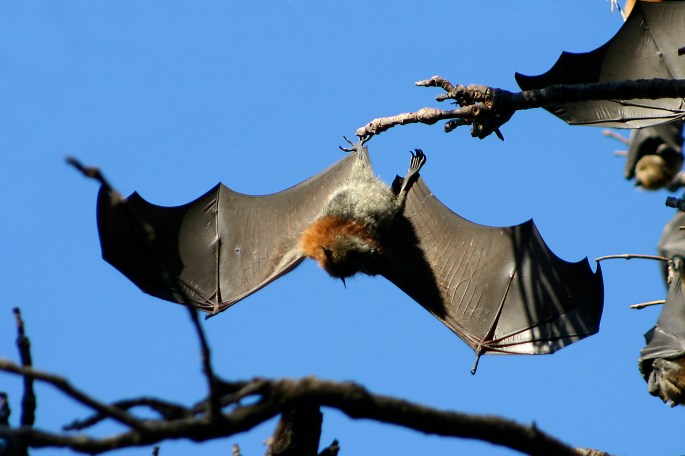
If there’s one thing we’ve learned here at the Pandora Report it’s never touch a bat. Just don’t do it. Halloween is great, bats can be cute, but as carriers of everything from rabies (scary) to Ebola (very scary), we’re keeping our distance.  In further confirmation of this truism, a new influenza virus has been discovered in Peruvian bats. The Influenza A virus, appropriately named A/bat/Peru/10, and contains hemagglutinin (H) and neuraminidase (N) surface proteins entirely distinct from any seen before, prompting researchers to classify them as novel – H18N11. While the virus is thought to be capable of infecting humans.  thus far researchers have been unable to culture it in human cells. Hopefully, it will stick to bats – H18N11 is just too hard to say.

LiveScience – “The researchers found the new virus after testing samples from 114 bats in Peru. One sample, from a flat-faced fruit bat known as Artibeus planirostris, was found to have H18N11. Blood testing of other bats suggested that they may have been infected with H18N11 in the past. The researchers still do not know how H18N11 attaches to cells to enter them…So far, flu viruses from bats are not known to infect people. But bats are known reservoirs for other types of pathogens that have found their way to humans, such as Severe Acute Respiratory Syndrome. Bats are also are suspected to be the original source of the virus causing the current outbreak of MERS.”

Single mutation gives virus new target

By changing a single amino acid in the BK polyomavirus, researchers were able to completely alter its preferential binding site. Understanding this mechanism is a small step towards understanding things like why a virus switches to infect different cells (potentially increasing pathogenicity) or, in the case of viruses like MERS and H7N9, different hosts. Understanding this mechanism can help us predict which viruses may switch hosts  to eventually infect us.

R&D Mag – “Different cells have different bindings targets on their surfaces. A change in a virus’s binding target preference can be a key step in changing how that virus would affect different cells in a victim—or move on to a different species…Brown postdoctoral researcher Stacy-ann Allen, one of two lead authors on the paper, said the team learned of the single amino acid difference by comparing high-resolution structural models of the two polyomaviruses bound to their favorite sugars. Collaborators, including co-lead author Ursula Neu and co-corresponding author Thilo Stehle at the Univ. of Tübingen in Germany, produced those models using nuclear magnetic resonance spectroscopy.”

HHS Boosts Global Ability to Respond to Pandemics

HHS through BARDA has awarded four interrelated grants, to the WHO, PATH, Utah and North Carolina States universities respectively to boost funding for pandemic preparedness in developing countries. The WHO is receiving approximately $10 million in grants to support H7N9 preparedness in developing countries, while the university grants are each supporting onsite training programs in the same countries. This makes a lot of sense – helping other states by providing them the tools to develop their own pandemic preparedness efforts makes us all  healthier.

PharmPro – “The program provides cost-sharing to build vaccine manufacturing facilities that can produce influenza and other vaccines in developing countries and trains personnel from developing countries at U.S.-based universities in advanced vaccine production. The program also supports technical assistance for foreign countries to operate and regulate their facilities and to conduct clinical trials with influenza vaccines produced in the facilities.”

And because everyone needs a little good news occasionally: Baby born with HIV is still showing no sign of the infection after treatment stopped 18 months ago

(image via Leyo/Wikimedia)

The Pandora Report 10.18.13

Highlights include a MERS-free hajj?, Craig Venter and bioterrorism, coronaviruses in hedgehogs,  DoD contributing to key biodefense infrastructure, bacteriophages eating superbugs, and (briefly) the Ebola cure and the oh-so-secret botulinum toxin. Happy Friday!

Hajj Numbers Down In 2013 By 1 Million Over MERS Virus Fears

Public health officials globally have kept a nervous eye on Saudi Arabia over the last week, as hajj brought 1.5 million pilgrims into Mecca, and potentially into contact with MERS. However hajj is concluding, and so far, not  a single case of MERS has emerged from the Muslim holy city. While it’s too early to tell with certainty whether this year’s hajj has been totally MERS-free, credit where credit is due.  Saudi Arabia was careful to institute a slew of preventative measures designed to prevent the virus’ spread, including severely limiting visas to susceptible populations, mandating mask-wearing in high density spaces, and a broad information campaign emphasizing good hygiene. We’re impressed (and grateful!).

International Business Times – “Hajj placed 1.75 million foreign pilgrims in contact with 1.4 million Saudi pilgrims last year, and officials feared that such contact could prove a deadly mix for a disease that has been, thus far, largely contained within the kingdom. Interior Minister Prince Mohammed bin Nayef said international numbers were down 21 percent to 1.37 million pilgrims from 188 countries this year, while the number of pilgrims from within the kingdom is believed to be half of what it was last year…Saudi Minister of Health, Abdullah bin Abdulaziz Al-Rabeeah, announced late Saturday that all health facilities were ready for hajj pilgrims, with some 22,000 health workers (3,000 more than previous years) on standby to help the ill or injured. He added that there had been no epidemic or coronavirus cases among pilgrims thus far.”

Craig Venter (briefly) Discusses Bioterrorism 

If you’re even tangentially involved in the biosciences, you already know that Craig Venter was the lead scientists of the Human Genome Project, which was the first to successfully characterize an entire human genome. It took Venter and his team thirteen years and nearly three billion dollars to sequence his genome. Today, it’s possible to sequence a human genome in less than a month at under $5,000, leading many scientists to worry about the potential of terrorists simply sequencing highly pathogenic bugs. Popular Mechanics caught up with Venter in advance of his new book, Life at the Speed of Light: From the Double Helix to the Dawn of Digital Life, and asked him about, amongst other things, synthetic biology and biological terrorism.

Popular Mechanics – [Venter, on his biggest concern for synthetic biology] “Certainly the biggest concern is the potential for bioterrorism. But using synthetics for bioterrorism is a huge, huge, huge, challenge. Right now there are so many sources of materials for bioterrorism that it’s unlikely that somebody would go to all the difficulty to synthetically make it. For example, anthrax exists on most cattle farms. Any dead cow has a good chance of having anthrax in it, so it’s not like you need to get anthrax from some high security lab. But certainly, in theory, people could make things like smallpox that aren’t readily available. My main concern is people doing biology in their kitchens. It’s great that so many people are curious about biology, but without proper training these DIY biologists don’t learn the right safety approaches and mechanisms. Someone could inadvertently cause harm to a lot of people. Like any new frontier with powerful technology, people have to think about it carefully. What are its implications? How can we regulate it without over-regulating it?”

Bacteria-eating viruses ‘magic bullets in the war on superbugs’

Researchers at the University of Leicester have isolated a new strain of bacteriophage – viruses which infect and kill bacteria – which specifically targets the bacteria Clostridium difficile. The use of phages instead of comparatively indiscriminate antibiotics in treatment would help diminish the over-prescription antibiotics, reduce the likelihood of antibiotic resistance, and preserve healthy host bacteria. One of the researchers raises a very good point – with fewer and fewer new antibiotics discovered, and more and more cases of antibiotic resistance, an earnest search for viable alternatives is necessary.

University of Leicester – “Dr. Clokie and her team have achieved the remarkable feat of isolating and characterising the largest known set of distinct C. diff phages that infect clinically relevant strains of C. diff. Of these, a specific mixture of phages have been proved, through extensive laboratory testing, to be effective against 90% of the most clinically relevant C. diff strains currently seen in the U.K. As a testament to their therapeutic potential, these phages, that are the subject of a patent application, have been licensed by AmpliPhi Biosciences Corporation – a US-based biopharmaceutical company and pioneers in developing phage-based therapeutics. AmpliPhi have already made progress in developing phages targeted against Pseudomonas aeruginosa, a pathogen that causes acute, life-threatening lung infections in cystic fibrosis patients. They were also the first biopharmaceutical company to demonstrate the effectiveness of Pseudomonas phages in controlled and regulated human clinical trials.”

DOD Funding Contributes to U.S. Biodefense Infrastructure

The Department of Defense has co-funded the Texas A&M Center for Innovation in Advanced Development and Manufacturing, which was created in response to the 2009 influenza pandemic. The Center’s primary focus is flexible and fast development of therapeutics in response to novel disease outbreaks. Its primary investigator, Dr. Brett P. Giroir, formerly of DARPA, describing the need for the Center explained that “[l]iterally, what once took weeks during medical school to produce in a multimillion-dollar laboratory can be done [today] in an afternoon on a benchtop by someone with a relatively less degree of scientific training…So the barriers to entry have decreased’. We couldn’t agree more.

DoD – “The facility is called the National Center for Therapeutics, or NCTM, and a key feature there is the use of modular and mobile stand-alone biopharmaceutical clean rooms, called modular clear rooms, or MCRs. The initial MCR concept was funded by DOD through DARPA and the Army Research Office, Giroir said. NCTM is the core facility and main site for developing and manufacturing medical countermeasures and vaccines against chemical, biological, radiological and nuclear threats for the Texas A&M Center for Innovation, he added. Another part of the Center for Innovation’s biomanufacturing infrastructure is the Caliber Biotherapeutics Facility, Giroir said. Caliber was developed and built through Texas A&M and G-CON Manufacturing, with funding from the DARPA Blue Angel Program. According to a 2012 DARPA news release, the Blue Angel Program demonstrated a flexible and agile capability for DOD to rapidly react to and neutralize any natural or intentional pandemic disease.”

Characterization of a novel betacoronavirus related to MERS-CoV in European hedgehogs

It’s understood that bats are the established hosts for viruses similar to human coronaviruses, which prompted researchers to wonder if hedgehogs, which are closely related to bats, carry similar viruses. Researchers at the  University of Bonn in Germany acted on this hunch, and discovered a  novel “sister” betacoronavirus species in European hedgehogs. We’re disappointed – staying away from bats is fine because we don’t want rabies and bats are odd-looking, but hedgehogs? Really?

Journal of Virology – “58.9% of hedgehog fecal specimens were positive for the novel CoV (EriCoV) at 7.9 Log10 mean RNA copies per ml. EriCoV RNA concentrations were higher in the intestine than in other solid organs, blood and urine. Detailed analyses of the full hedgehog intestine showed highest EriCoV concentrations in lower gastrointestinal tract specimens, compatible with viral replication in the lower intestine and fecal-oral transmission. 13 of 27 (48.2%) hedgehog sera contained non- neutralising antibodies against MERS-CoV. The animal origins of this betacoronavirus clade including MERS-CoV may thus include both bat and non-bat hosts.”

In Case You Missed It:

Working on Ebola: We are very supportive of any treatment which helps mitigate our very real fear of Ebola. 
– Scientists Withhold Details of New Botulinum Toxin: We get it. We even agree. We’re curious if you do too.

(image credit: Michael Gäbler)

The Pandora Report 10.11.13

A briefer report this week due staff illness (one of the many drawbacks of studying biodefense is the crippling hypochondria that comes with it  – we’re pretty sure we’ve come down with MERS). Highlights include actual cases of MERS, Hajj starting and outbreak fears, dengue in Houston, and the government shutdown leaving us exposed. Happy Friday!

Event Note: The Organization for the Prohibition of Chemical Weapons was awarded the Nobel Peace Prize for the efforts in destroying chemical weapons. Our October Biodefense Policy Seminar, happening Wednesday Oct. 16th, features Dr. Paul Walker, who was recently rewarded the prestigious Swedish Rights Livelihood Award for his personal contributions to the destruction of chemical weapons. Join us and Dr. Walker as we discuss disarmament of Syria’s chemical weapons stockpile Wednesday evening

Virus hangs over Islamic pilgrimage to Mecca

Hajj is finally upon us, will millions of pilgrims flooding the Saudi Arabian city of Mecca for the annual muslim pilgrimige, culminating on October 15th. Doctors in hospitals across Southern California have been alerted by state health departments to watch for fever and respiratory symptoms in individuals returning from the Middle East. Here’s to hoping for the best.

LA Times – “The hajj, which typically draws more than 10,000 from the U.S. and culminates Oct. 15 this year, is just the sort of environment where a virus can spread efficiently. Conditions can be hot and crowded, said Jihad Turk, a religious advisor for the Islamic Center of Southern California in Los Angeles and president of Bayan Claremont, an Islamic graduate school in Claremont. Pilgrims retrace the steps of the biblical Abraham, his wife Hagar and their son Ishmael, considered the founders of the Islamic people. In one key ritual, they march seven times around the cube-shaped Kaaba in Mecca, said to have been built by Abraham and Ishmael.’You have a million people all at the same time walking around the Kaaba,’ said Turk, who has participated in the hajj twice. ‘It’s like being in a crowded subway in New York for hours and hours at a time.”

Genome studies link MERS origin to bats

Speaking of MERS, another study has emerged linking the virus’ origins to bats. To date there have been 136 cases of the resipatory syndrome, with 58 fatalities.

Infectious Disease News – “Previous research suggested that MERS uses the DPP-4 receptor to enter the cell. Researchers from Marie Bashir Institute for Infectious Diseases and Biosecurity at the University of Sydney in Australia analyzed seven bat genomes to determine the sequence of the DPP4 gene. They compared these findings with those from other mammalian species. They found three residues in bat DPP-4 receptors that directly interact with the viral surface glycoprotein. The mutations in the bat genes also occurred at a faster rate, which suggests that the virus existed in bats for a long period and has evolved before it began to infect humans.”

Study: Dengue fever found in Houston

Dengue, the mosquito-borne virus which ravages so much of the developing world, has re-emerged in Houstan. According to a new study from Baylor College, antibodies to the disease where present in 47 individuals sampled as part of a larger West Nile study, suggesting an outbreak in 2003.

Houston Chronicle – “‘Dengue virus can cause incredibly severe disease and death,’ [study researcher] Murray said. ‘This study shows that Houston may be at risk of an outbreak, that people need to be on the lookout.’ While no blood and cerebrospinal fluid samples from after 2005 are available for study, Murray said the virus likely is still in Houston. Dengue fever is widespread in other parts of the world. Whenever it appears in the U.S., local officials hope to contain it. It can cause severe body aches, high fever and rash. Its most severe forms can cause severe bleeding and death. In central Florida, 20 cases of dengue fever have been reported this year.”

Idle CDC Worries Experts as Flu Season Starts

We can attest first hand that flu season has definitely started. As we mentioned last week, it’s happening without the watchful eye of the CDC surveillance system. While there has been some private industry pull-through, the supplemental surveillance isn’t enough to provide a good national picture of flu trends.

MedPage – “But it’s not just data and it’s not just flu, according to Gregory Poland, MD, an infectious diseases specialist at the Mayo Clinic in Rochester, Minn.’There are an endless number of infectious disease threats that, as we often say, are an airplane ride away from us,’ Poland said. And the CDC is the ‘only entity’ that tracks infectious disease on a national scale, he added. ‘So now you’ve got a week, 2 weeks, who knows how long, where there’s no one really responsible for watching what’s happening nationally.’ He painted a grim picture of what might happen while the agency is all-but-shuttered.

“‘Worst-case scenario is a novel infectious disease is imported into the U.S.,’ he said, with cases scattered at first across a dozen states. ‘Nobody understands that it’s happening simultaneously in real time and we don’t have 12 cases, we have 1,200 cases before we realize what’s going on.'”

The Pandora Report 10.4.13

Highlights include our shutdown soapbox, more rumors of Syrian BW, the WHO’s pandemic influenza preparedness plans, Boston’s BSL-4 lab, and a real-life zombie apocalypse. Happy Friday!

CDC Director: ‘Microbes Didn’t Shut Down’

As we wrap up our first week of the shutdown, we thought we’d take a second to assess the damage. Many critical biomedical experiments are hemorrhaging money. Health and Human Services has furloughed 52% of its employees. DHS has furloughed over 31,000 employees. The number that concerns us most, however, involves the CDC. We tweeted earlier this week that the CDC has had to furlough 8, 754 people, or 68% of its staff. This means that flu season is starting, and no one is watching. If we’re hit with a novel strain, a mutated strain, a particularly virulent strain,  we’d have no idea. This giant blind-spot isn’t limited to the US – CDC employees are some of the world’s top epidemiologists, often helping with investigations at outbreak hotspots globally. What are we currently very worried about in the Middle East? MERS. Hajj is around the corner, which means an influx of millions of people from around the world to the virus’ epicenter. Is it inconceivable that a pilgrim travels from New York to Mecca, picks up the virus and brings it back? Absolutely not. What’s inconceivable is that because of the shutdown, we might not know.

Wall Street Journal – “The CDC won’t be able to conduct routine inspections of high security labs around the nation that work with ‘select agent’ pathogens that pose severe threats to human and animal health such as Marburg virus or hemorrhagic fevers, said spokeswoman Barbara Reynolds. Most of the CDC’s own lab work has been stopped. The agency is not conducting surveillance for flu outbreaks. Only one CDC staffer is tracking reports of dangerous foodborne pathogens rather than the usual six staff – not a lot given that 48 million Americans develop foodborne illnesses every year.”

The World Hasn’t Tackled Syria’s Real WMD Nightmare

Foreign Policy has a piece out discussing Syria’s alleged biological weapons program. “Forget the nerve gas,” the byline states, “It’s Assad’s bioweapons program that should keep you up at night.” We disagree. For the many, clearly elucidated reasons why, please see Dr. Ben Ouagrham-Gormley’s excellent piece, “On Not Falling Prey to Biological Weapons Alarmism in Syria” here.

Foreign Policy – “A recent U.N. report on chemical weapons use in Syria has strengthened claims that the regime killed more than a thousand innocent Syrians, including hundreds of children, with the nerve agent sarin. Video images after the Aug. 21 attacks showed victims frothing at the mouth, convulsing, and suffering tortured deaths. But the effects of a chemical attack, horrible as they are, can be minuscule compared with a worst-case assault with a biological weapon.”

WHO Group To Discuss Plan For Industry Use Of Pandemic Flu Viruses

A group of WHO experts is meeting next week to work on a plan, Pandemic Influenza Preparedness, for companies to pay for use of flu virus strains in development of patented treatments.  The meetings will include members of a special WHO Advisory Group, as well as key industry stakeholders. The funds gathered would then be used primarily for pandemic preparendess (70%), with the remaining funds used for global response efforts.

Intellectual Property Watch – “The focus of the three-day meeting will be to discuss the draft implementation plan for the use of Partnership Contribution funds through the end of 2016, a WHO source said. WHO is aiming for final completion of the process by year’s end. The second day of the meeting will be dedicated to consultations with industry and other stakeholders, the source said. Other issues to be discussed include the status of SMTA-2 negotiations (Standard Material Transfer Agreement), and ‘technical matters’ in the PIP Framework, the source said.”

Federal judge OKs Boston U disease research lab

Boston University’s proposed BSL-4 lab has cleared another hurdle to construction, with a federal judge dismissing the case against the lab’s construction. Residents of Boston’s South End have obstructed the lab’s construction for years, citing fears of exposure to pathogens like Ebola. While we can sympathize with any and all fears of Ebola exposure, in this case we think the judge was right. The research conducted in BSL-4 labs are critical to helping us detect, prevent, and treat some of the world’s most dangerous pathogens.

Seattle PI – “A Boston University laboratory built to study some of the world’s most dangerous diseases is one step closer to opening following a federal judge’s decision issued this week that it poses little risk to the public…The lab now only needs a final review from the Boston Public Health Commission. Some portions of the 192,000-square foot building have already opened to study less dangerous germs. The court’s decision “affirms our view that this type of research can be done safely in Boston,” BU spokesman Steve Burgay told The Boston Globe.”

Our Puff Piece of the Week: Scientists Discuss The Reality Of A Zombie Apocalypse

RedOrbit reached out to a bunch of microbiologists and asked them to imagine what a “real” zombie virus might look like. We approve.

In case you missed it:

Dr. Paul Walker, October Biodefense Seminar Speaker, Wins Prestigious Rights Livelihood Award
– Chemical Weapons Team Arrive in Syria: Blair on Why the End in Not Nigh
DTRA’s New, Highly Sensitive Bio-agent Detector
– Using an Army of Fish to Fight Dengue

(image: Rich Renomeron/Flickr)

The Pandora Report 9.27.13

Highlights include MERS, more MERS, Marburg & Ebola, chemical weapons antidotes, universal vaccine. Happy Friday!

Saudi Efforts to Stop MERS Virus Faulted

Saudi Arabia is being accused both of withholding information and conducting incomplete epidemiological investigations on MERS. While health officials have been careful to collect as much information as possible from infected individuals, they have been accused of neglecting to interview healthy contacts of infected patients. Such interviews are critical to determining possible routes of transmission. Saudi officials have vehemently denied these accusations, arguing it’s impossible to withhold what they don’t know.

Wall Street Journal – “‘It’s very difficult to give all the details to the people when we don’t know all the details,’ Ziad Memish, the deputy health minister, said last week at his office in Riyadh, the Saudi capital. ‘”Where’s it coming from? We don’t know. How is it transmitted? We don’t know.'”

Middle Eastern Respiratory Syndrome Update

Speaking of MERS, the CDC has updated its epi information on the virus. According to this week’s Morbidity and Mortality Weekly Report, there are now 130 cases, of which 45% of were fatal. While cases have occured in eight countries, all infected patients had recently visited or resided in just four countries – Jordan, Qatar, Saudi Arabia, and the UAE. Also of note, just over a fifth of cases (21%) were asymptomatic. No new information on mvectors, reservoirs, or route of infection.

CDC –  “To date, the largest, most complete clinical case series published included 47 patients; most had fever (98%), cough (83%), and shortness of breath (72%). Many also had gastrointestinal symptoms (26% had diarrhea, and 21% had vomiting). All but two patients (96%) had one or more chronic medical conditions, including diabetes (68%), hypertension (34%), heart disease (28%), and kidney disease (49%). Thirty-four (72%) had more than one chronic condition (7). Nearly half the patients in this series were part of a health-care–associated outbreak in Al-Ahsa, Saudi Arabia (i.e., a population that would be expected to have high rates of underlying conditions) (8). Also, the prevalence of diabetes in persons aged ≥50 years in Saudi Arabia has been reported to be nearly 63% (9). It remains unclear whether persons with specific conditions are disproportionately infected with MERS-CoV or have more severe disease.”

New Marburg & Ebola Theraputics?

Tekmira Pharmaceuticals Corporation has developed a Marburg treatment which protects non-human primates from the virus completely (100%), even if administered 24 hours after post infection. This is very exciting. The company has also received funding to undertake a similar Ebola treatment, with Phase I clinical trials set to begin early next year.

Street Insider – “In a presentation entitled ‘Medical Countermeasures for Filovirus Infection: Development of siRNA Therapeutics Under the Animal Rule’ data were presented that showed successful anti-viral therapy with the application of Tekmira’s LNP technology to hemorrhagic fever viruses, including multiple strains of the Ebola and Marburg viruses. Newly presented data resulting from a collaboration between Tekmira and the University of Texas Medical Branch (UTMB) showed 100% survival in non-human primates infected with the Angola strain of the Marburg virus in two separate studies. In the first study, 100% survival was achieved when dosing at 0.5 mg/kg TKM-Marburg began one hour after infection with otherwise lethal quantities of the virus. Dosing then continued once daily for seven days. In the second study, 100% survival was achieved even though treatment did not begin until 24 hours after infection.

Scientists at UNC-Chapel Hill, Wake Forest work on antidotes to nerve gas

The Defense Threat Reduction Agency has awareded UNC-Chapel Hill a $4.47 million grant to develop antidotes to nerve gas. While the timing of the award may seem a little reactionary, apparently discussions on the project began over a year ago. Researchers are hoping to create an adhesive bandage, pre-loaded with the antidote which would be administered through tiny needles in the bandage itself. The advantage of a bandage over an injected serum is self-administration – no medical professional would be needed to administer it.

Charlotte Observer – “‘We can load them up with antidotes to nerve agent, including enzymes that combat nerve agent,’DeSimone [a professor of chemistry at UNC-CH and chemical engineering] said. ‘The idea was to put them directly into a dissolvable microneedle that’s painless – just a patch – and rapidly get them into the bloodstream’ Such a device could be used by the military or civilians during an attack, when poison gas can kill within minutes. The patch could be easily disseminated and transported, DeSimone said, and would have a long shelf life.

Researchers Move Step Closer to Universal Seasonal Flu Vaccine

It’s nearly flu season again, and for many of us that means shots. For scientists, it means hoping their predictions as to which strain of flu will strike are right, and that the vaccine in the shots is actually useful. Making things easier for everyone, scientists at the Imperial College of London have determined a “blueprint” for a single vaccine against all types of influenza. Scientists there have found that by boosting CD8 killer T cells, rather than trying to trigger antibody production, the vaccines are significantly more effective.

Voice of America – “’Such a vaccine would induce T cells that would be able to recognize new viruses that have not even been identified yet. In other words, future pandemic strains. In that sense, it’s a universal vaccine. And it will be different to existing vaccination where currently every year a new vaccine has to be developed, which is why we are always one step behind…'”

(image courtesy of CIDRAP)

The Pandora Report 9.20.13

Highlights include anthrax anti-toxin, the Pentagon and Ebola, antibiotics and global pandemics,  MERS baffling researchers, and a H7N9 vaccine. Happy Friday!

HHS replenishes nation’s supply of anthrax antitoxin

Rest assured, in case of an anthrax attack Uncle Sam has you covered. HHS, through BioShield, has renewed contracts with GlaxoSmithKline, replenishing our nation’s expiring supply of inhalation anthrax anti-toxin in the Strategic National Stockpile. Under the renewed contracts, we’ll be covered until 2018. The renewed contract also include a surge capacity, lest an anthrax attack occur and boosted production of anti-toxin is necessary. Believe it or not, surge capacity was not built into previous contracts.

KOAM – “To create surge capacity, the contracts allow HHS to place future delivery orders if an anthrax attack occurs, in addition to replenishing the current stockpile as needed over the next five years. The cost of future orders would be determined on a case-by-case basis, up to a maximum of $350 million per order. To receive a future order, the company must have antitoxin that is eligible for emergency use authorization or is FDA-approved at the time of the order. The replenishment and surge capacity are part of a governmentwide effort to prepare the nation to respond to security threats from chemical, biological, radiological or nuclear weapons. Federal agencies, including HHS agencies and the departments of Homeland Security, Defense, and Veterans Affairs coordinate closely to ensure programs and requirements are aligned.”

Pentagon puts Ebola virus on bio-threat research list

The Defense Threat Reduction Agency (DTRA) is actively soliciting research in therapeutics development against a slew of deadly bacterial and viral threat agents, ranging from our favorite Ebola to Burkholderia pseudomallei, the causative agent of melioidosis. Drug companies and the US government have had a tumultuous relationship when it comes to developing vaccine/therapeutics for select agents. The solicitation is encouraging, if only as a recognition of the critical importance of researching these pathogens (if we do say so ourselves).

USA Today – “DTRA officials, the document says, are concerned about the potential use of ‘aerosolized filoviruses or alphaviruses’ that could be delivered through the air. Some of the illnesses, such as Meloidosis, affect people in areas where the Pentagon is devoting more attention. For example, a contingent of Marines is now based in Darwin, a city in northern Australia. While there are some vaccines that can treat some of these conditions, the document says, ‘they have inherent limitations and a suitably effective vaccine has to be approved.’ That’s why it’s critical for more research to be conducted to find ways to prevent and treat them, DTRA says.”

Antibiotics Could Cause the Next Global Pandemic

The invention of antibiotics was understandably a big deal – before penicillin, scraping your knee could kill you. Now, we take for granted that infections are cured by a visit to the doctor and a prescription for antibiotics. Which is why this recent CDC report is so concerning.

PolicyMic – “In a press briefing about his recent research, Dr. Tom Frieden, the CDC’s director, warned ‘If we are not careful, we will soon be in a post-antibiotic era … And for some patients and for some microbes, we are already there.’ The confidence in his statement reflected the very first hard numbers for the incidence, deaths, and cost of all the major resistant organisms gathered by the CDC. The urgent worry gripping national health organizations like the CDC is that our current ‘gaps in knowledge’ and continued inadvertent strengthening of antibiotic-resistant bacteria could lead to the evolution of new vicious, contagious diseases with no current ways to combat them.”

MERS virus transmission continues to baffle

Maybe it wasn’t the camels after all. Scientists working together in the UK and Saudi Arabia are having difficulty determining the MERS virus’ route of tranmission. Yes, some camels possess the antibodies, yet most of those who contracted MERS had no contact with animals. Researchers are in agreement about one thing – the virus outbreak’s “focal point” is Riyadh. With hajj occurring next month, discovering more about the virus is becoming increasingly important.

Aljazeera – “The genetic history of the virus suggests repeat infections may have occurred since then, but what the animal source was, or is, remains unclear, it said. Tests are being carried on mammals in Saudi Arabia ranging from camels and bats to goats. The cluster in al-Hasa, in contrast, shows that viral strains there were closely related, which is consistent with spread from human to human. The samples in Riyadh have a broad genetic diversity, the paper said. This could mean that the virus is being transmitted through an animal source that is continuously being brought in from elsewhere, it said.

NIH-funded pandemic preparation: Baylor investigates bird flu vaccine

Researchers are testing vaccines against H7N9, in case the virus develops effective human-to-human transmission. H7N9 struck China in March of this year, infecting 135 and killing 44. With a fatality rate of nearly 1/3 in a totally naive population, the virus definitely has pandemic potential. H7N9 may reemerge again in the cooler fall and winter seasons.

MedScape – “Funded by the National Institutes of Health, the study being conducted at Baylor will recruit up to 1,000 adults nationally who are 19 to 64 years old and in good health. Study participants will receive different dosages of an investigational vaccine given with or without one of two adjuvants, which are substances added to a vaccine to increase the body’s immune response. Researchers at each site will gather safety information, risks and benefits of vaccinations and the effectiveness of the vaccines to trigger an immune response.”

(image: LA Department of Public Health)