Pandora Report 4.25.14

While Ebola Viral Disease still rages in West Africa and MERS continues to spread, let’s take this Friday to look at some other stories.

Highlights include Polio eradication in Southeast Asia, Manure and Antibiotic Resistance, Chemical weapons in Syria (yes, again), and the 28th anniversary of Chernobyl. Have a great weekend!


80% of the World Polio Free

If you’re anything like me, you hang on every word Dr. Tom Frieden, Director of the CDC and active tweeter, says. This week he lauds polio eradication in the 11 countries of Southeast Asia as a “remarkable achievement.” The countries include Bangladesh, Bhutan, South Korea, India, Indonesia, Maldives, Myanmar, Nepal, Sri Lanka, Thailand, and Timor-Leste and are home to 1.8 billion people.  While he applauds the work that has already been done, he highlights Afghanistan, Pakistan, and Nigeria as countries where there is still work to be done.

Huffington Post—“The lessons of Southeast Asia are being applied in these last three countries — improving immunization activities, outreach to underserved populations, special approaches in security-compromised areas, outbreak response, improved routine immunization and disease tracking — so the world can get to the finish line in the fight against polio.”


Cow Manure May Lead to Antibiotic Resistance

Using five stool samples collected from four cows at a dairy farm in Connecticut, scientists at Yale University found 80 unique antibiotic resistance genes, approximately three quarters of which were unfamiliar. Genetic sequencing showed that the AR genes were only distantly related to those already known to science. When applied to a lab strain of E. coli, the genes made the bacteria resistant to certain well-known antibiotics, including penicillin and tetracycline.

The New Zealand Herald—“Further study is needed to probe whether cow manure may harbour a major reservoir of antibiotic resistance genes that could move into humans.

“This is just the first in a sequence of studies – starting in the barn, moving to the soil and food on the table and then ending up in the clinic – to find out whether these genes have the potential to move in that direction,” Jo Handelsman, senior study author and microbiologist at Yale said.”


As Syria Closes in on Chemical Weapons Disarmament, New Concerns Arise

Like Russia, it seems Syria cannot stay out of the news lately. While Reuters reported this week on an apparent chemical attack in the province of Idlib (which followed a chemical attack in Hama earlier in April), news outlets are cheering Syria’s commitment to meeting their deadlines for disarmament of their chemical weapons stockpiles. Reports estimate that 85-90% of the Syrian stockpile has been shipped for dismantlement and destruction.

Los Angeles Times—“Under a revised plan, Syria has promised to remove all of its chemical weapons material by April 27. In the last two weeks, Syria has shipped out six batches, “marking a significant acceleration in the pace of deliveries,” the OPCW said. Russia provided armored vehicles and other equipment to assist the chemical convoys, which sometimes traversed roads near contested zones where rebels were present.

The U.N. set June 30 as a deadline for destruction of the chemicals.”


28th Anniversary of Chernobyl Nuclear Disaster

What is there to say, as we approach the 28th anniversary of the Chernobyl Nuclear Disaster? This event remains one of the most catastrophic nuclear disasters in the history of mankind. The ongoing after effects have harmed the environment, people, and there are consequences still yet unknown.

As the media looks back on this event, there are many good stories that cover the effects of this meltdown that happened in the early hours of April 26. Some focus on the lasting impact on the environment.

Birds Adapt to Long-Term Radiation Exposure

What’s Wrong With Chernobyl’s Trees?

Radiological Damage Still Poses ‘Catastrophic’ Threat to Ukraine

Some focus on the risks of nuclear power and call for greater awareness.

Ban marks Chernobyl anniversary with call for greater support for recovery efforts

Some focus on the ongoing Russia-Ukraine conflict and its effect on Chernobyl.

Chernobyl Radiation Shield Under Threat Amid Ukraine Crisis

But the one of the most interesting remembrances of this event was from the 10th anniversary of the meltdown in 1996. It is the tale of the Swedish scientist who alerted the world to the uptick in radiation…since the Soviet Union did not.

Chernobyl haunts engineer who alerted world


(Image Credit: Wikimedia Commons Firef7y)

US Drones: Strategic Freedom Fighters or Human Rights Violators?

By Alena M James    

Last Wednesday, news sources unveiled an alarming video released by al Qaeda highlighting the largest meeting of the terrorist organization in years. Arriving in white Toyota pickup trucks, nearly 100 members appeared to congregate in a remote location somewhere in Yemen.  The group was joined by the head of al Qaeda in the Arabian Peninsula (AQAP), Nasir al-Wuhayshi.  According to news reports, Wuhayshi gave a speech which echoed the usual ‘down with America’ sentiments.  The video spurred terrorism analysts to deconstruct the film and analyze every frame for possible clues to pinpoint a future terrorist attack.

From a cinematic view, the video, entitled “The Beginning of the Rain,” is well constructed, filmed, and edited.  The opening credits date the video to March 2014. Even if one does not understand the dialect of the film, the film demonstrates al Qaeda’s sophisticated broadcasting capabilities. The powerful cinematic nature of the film appears to promote the idea of a large scale terrorist attack taking place within the near future.  At the release of the video, many media sources were quick to criticize the US for its inability to disrupt the largest al Qaeda meeting to occur in years. Several sources speculated that the US intelligence was unaware of the meeting and caught off guard when the video surfaced on jihadi websites. The US has not provided any statements on the matter.  However, it clearly took action to prevent any chance of a grand scale terrorist attack from taking place, and it did so using one of the most controversial technologies of war to date…drones.


Over the weekend, and within days of the release of the AQAP video, nearly 55 al Qaeda militants were killed by drones in Yemen. Through collaborative counterterrorism efforts with the Yemeni government, the US helped launch drone airstrikes against al Qaeda convoys and on al Qaeda training camps in Yemen. While White House Press Secretary Jay Carney recognized the US’s involvement in counterterrorism initiatives against AQAP, the role of the US in the drone attacks was not made publicly clear by government officials. It has also not been made public yet if the airstrikes were in response to the AQAP video released last week.

Drones are unmanned aerial vehicles (UAV) that have been integrated into military operations as instruments for surveillance and, more specifically, for killing targeted terrorists since 2004.  A drone is comprised of cameras and weaponry—just like any manned reconnaissance aircraft. The primary difference between the two aerial vehicles is the absence of a pilot flying the plane from inside the cockpit.  Once a terrorist suspect has been detected by the drone, cameras affixed to it will display images to a UAV analyst. It is the job of the UAV analyst to make the call as to whether or not the drone will deploy a hellfire missile to destroy the suspected target. This process of selecting targets has been the subject of major scrutiny of the US drone program, because it begs the question, “How are you sure it wasn’t a civilian?”

In his May 2013 speech on drone policy, President Obama announced that drones are important tools in the US’ counterterrorism strategy in the war against al Qaeda, the Taliban, and their affiliates.  The use of drones in the war against these terrorist organizations has helped the US target militants residing in remote locations of Afghanistan, Pakistan, and Yemen. According to Obama, drones are much more precise in hitting targets and minimizing civilian casualties than traditional aerial airstrikes carried out by bomber aircrafts. The drone technologies have eliminated dozens of highly trained terrorists, as observed by the number of militants killed in Yemen over the weekend.

The US is not the only country to utilize drone technologies. There are 11 other countries known to deploy or share a vested interest in launching drones for military operations.  However, the US has carried the torch in their use of drones to thwart terrorist operations and the use of these technologies by the US remains under heavy criticism.  President Obama argues that the use of drones to target terrorists has legal basis considering the aftermath of 9/11. The legal basis is also laid out on the grounds that the US remains at war with an organization dedicated to killing Americans.

Groups such as Amnesty International have a different opinion on the US’ use of drones. The group argues that the US drone program appears to allow extrajudicial executions and violates human rights. The organization accuses the US of conducting unlawful killings in Pakistan and conducted a study entitled, “Will I be next?” US drone strikes in Pakistan.”  The study raises the notion that the covert nature of the program provides the US with a license to kill without due process of law.  The study highlights stories of civilians accidently killed by drones. For Amnesty International, civilians killed for being in the wrong place at the wrong time is unacceptable. Also unacceptable is the government’s inability to provide US citizens with justifications for killing targets.  In 2011 a US citizen, Anwar al-Awlaki, was killed in a drone strike in Yemen. Al-Awlaki was a cleric thought to have participated in several terrorist attacks after joining Qaeda’s Yemen affiliate group. This week a federal appeals court ordered the US to provide the memorandum containing the justification for Al-Awalki as being a target kill.

Alongside accidental civilian casualties and the lack of knowledge on justifications of the drone program target selections, peace talks with terrorist organizations have also been impacted by the use of these technologies in a combative nature. As the Pakistani government undertakes great efforts to negotiate peace talks with the Pakistani Taliban, these talks have been stymied by US drone activities. Back in November, a US drone strike on a Pakistani Taliban leader took place days before peace talks. This placed a halt on peace negotiations with the organization.  As a result, Pakistan requested the US stop the use of drone strikes against Al-Qaeda and the Taliban; which the Obama Administration agreed to do to allow the peace talks to unfold.  At the conclusion of peace talks in February 2014, the Taliban agreed to a one month cease fire. The use of drones in Pakistani has also increased tensions between the US and Pakistani governments.

The US has an arsenal of drones it relies on to collect sensitive information on terrorists and to conduct combat missions against individuals that threaten Americans. Among their arsenal is the General Atomics produced MQ-9 Predator B developed in 2004. According to the manufacturer, the UAV (also known as the MQ-9 Reaper) provides the US Air Force with a weapons platform with instant action and precise engagement capabilities. The Reaper is armed with anti-tank Hellfire missiles and Joint Direct Attack Munition (JDAM) bombs. It performs real-time reconnaissance by providing visual imagery using IR sensor cameras, intensified TV, and daylight TV. Laser designators are used to mark targets and a joystick control is used to maneuver the aircraft. The remote control operator airmen flies and steadies the drone from an undisclosed location far from the site of the attack. General Atomics has plans to supersede the Reaper with a larger jet powered aircraft called the Stealthy Avenger.

The predecessor of both the Reaper and the soon to come Stealthy Avenger was the RQ/MQ-1Predator A; whose first flight took place in July 1994.  Predator A flew operations in Albania as a replacement aircraft to General Atomics GNAT-750, a surveillance aircraft that performed reconnaissance missions over Albania in 1994. Predator A was used to fly missions over Iraq in 1999 during Operation Southern Watch. Hellfire missiles were added to the aircraft in 2001 and have deployed these missiles in Iraq, Yemen, Afghanistan, and Pakistan.


(Image Credit)

Ebola Infection: Same Disease, New Name

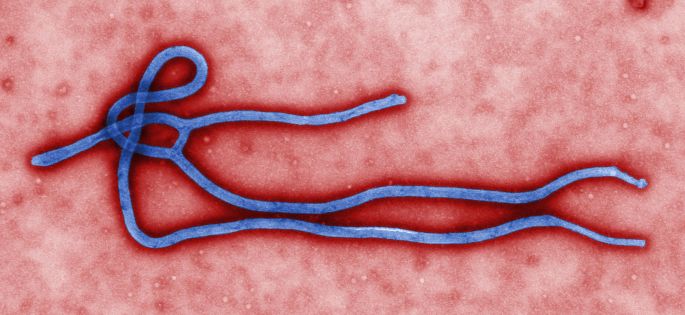
If you have been reading about the latest emergence of Ebola virus infection in Africa that has so far claimed over 140 lives you might have noticed something unusual. I’m not talking about the fact that the outbreak is occurring in Western Africa, a region that has not previously seen human cases of this disease. And I’m not talking about the fact that at least 50 cases have occurred in Conakry, the densely populated capital of Guinea.

The current outbreak in Western Africa marks the public debut of a “new” name for one of mankind’s most dreaded diseases. Goodbye, Ebola hemorrhagic fever. Hello, Ebola virus disease. For those of you with fond memories of Richard Preston books or Dustin Hoffman movies featuring horrific scenes of Ebola victims “bleeding out,” dropping hemorrhagic from the name of this virus may seem blasphemous.

In all seriousness, this change was a long time in coming. The media-fueled perception that Ebola virus infection invariably causes massive internal bleeding is inaccurate. Indeed, the entire class of viral hemorrhagic fevers, which have dramatically different epidemiological profiles and fatality rates and include everything from Ebola to Rift Valley fever to Lassa fever, makes little medical or scientific sense. For several years, the World Health Organization (WHO)’s International Classification of Diseases 10 (ICD-10), the international standard diagnostic tool for epidemiology, public health, and clinical purposes, has listed the disease caused by Ebola as Ebola virus disease. In a post on ProMED, virologist Dr. Jens Kuhn, author of Filoviruses: A Compendium of 40 Years of Epidemiological, Clinical, and Laboratory Studies (or as I like to call it Everything You Ever Wanted to Know About Ebola and Marburg But Were Afraid to Ask) wrote, “EHF [Ebola hemorrhagic fever] is certainly used a lot in the literature but mainly by people who do not get in touch with patients and simply don’t know any better (i.e. do not have to classify diseases according to existing legal frameworks and therefore don’t know that ICD-10 exists or how important it is). Also, the term “hemorrhagic fever” is always problematic, as its definition has not been updated since the 1960s and early 1970s (Gajdusek, Smorodintsev). Everybody seems to know what a viral hemorrhagic fever is, until you ask them and push for an answer.”

Despite having written the book on how to diagnose diseases, as late as 2012 WHO publicly referred to outbreaks of Ebola virus infections in Uganda as causing Ebola hemorrhagic fever. The current outbreak of Ebola virus in West Africa, which began in March 2014, is the first time that WHO has publicly referred to the disease as Ebola virus disease (EVD). While this name change unfortunately does not leave us any closer to a cure or treatment of this disease perhaps it marks one small step in controlling the fear and anxiety that seems to spread faster than the virus itself.

Airborne Bird Flu Transmission: Balancing Scientific Recourse and National Security

By Chris Healey

Articles recently published in the scientific journal Cell mark the end of a long battle for one researcher in his endeavor to publish research that raises security concerns.

Ron Fouchier, a virologist with Erasmus University Medical Center in the Netherlands, published an article in Cell explaining how H5N1, the causative agent of bird flu, can be genetically modified for airborne transmission between mammals. Dr. Fouchier says his research can help prevent bird flu pandemics. However, others in the scientific community believe Dr. Fouchier will cause what he seeks to prevent.

David Relman, a researcher at Stanford University, says Dr. Fouchier is essentially giving would-be terrorists instructions on how create a deadly contagion.


The controversy began in December 2011 when the  National Science Advisory Board for Biosecurity (NSABB), a federal advisory committee composed of twenty-five members who provide expertise in areas such as molecular biology and infectious diseases, advised all scientific journals to refrain from publishing Dr. Fouchier’s H5N1 airborne transmission research.

In February of 2012, the World Health Organization released its own evaluation of the research. The WHO stated Dr. Fochier’s work had scientific value and should be shared in its entirety. Shortly after the WHO’s report, the NSABB reevaluated the research findings. In March 2012, it retracted its recommendation to refrain from publishing. The complete study, along with all its findings, was finally published in Cell on April 10, 2014.

By its nature, science is a cumulative process. Communication among professionals is essential to promote progress and mutual understanding. Experts agree scientific advancement progresses best when least inhibited by authority. Government intervention generally pushes great minds away from heavily-scrutinized areas into those less regulated.

However, national security remains a priority and precedent exists for controlling scientific literature. The Atomic Energy Act of 1946 was passed to control and restrict nuclear weapons research conducted in the United States during WWII. No similar legislation exists to prevent communication of biological findings. However, the government can take steps to restrict research with dual use findings.

Government information classification, colloquially known as identifying information as top secret, secret, or confidential, is useful for keeping government-owned information away from the public. However, research the government had no part in creating, either through federal funding or conducted by government employees cannot be given a sensitivity label.

A common practice in government funding of scientific research is the requirement of funding to be contingent upon acceptance of sensitive but unclassified contract provisions. Those provisions allow the government to have authority on whether research findings can be published.

Dr. Fouchier’s research was precarious because it was conducted in a foreign university but supported by U.S federal funds. Outside the United States, the federal government has less control over research conducted under its auspices. It is unclear if Dr. Fouchier’s research was subject to a sensitive but unclassified contract provision.

With the power of the purse, the federal government can influence research and publication decisions through threat of funding withdrawal. While federal money funds much scientific research, simply pulling funding is not a fool-proof censorship method. Private benefactors can step in for lack of government support. The government can wield no financial influence on those sources receiving no government funding, including research funded by foreign governments.

Outside of financial influence, the government can best stop publication of sensitive material through NSABB recommendation. The committee has many ties to scholarly publications and is generally well respected. Initial recommendations not to publish Dr. Fouchier’s research were very influential; it was not published until well after committee approval.

There is no straight-forward answer to questions concerning science and security dissidence. Benefits of sharing scientific research must be weighed with harm that could arise from that research.


Image Credit: James Jin/Flickr

This Week In DC: Events

April 21, 2014

America’s Great Game: The CIA’s Secret Arabists and the Shaping of the Modern Middle East
Date: April 21, 4:00pm
Location: Woodrow Wilson Center for International Scholars, 6th Floor, Moynihan Board Room, 1300 Pennsylvania Ave NW, Washington, DC 20004

The CIA has an almost diabolical reputation in the Arab world. Yet, in the early years of its existence, the 1940s and 1950s, the Agency was distinctly pro-Arab, lending its support to the leading Arab nationalist of the day, Gamal Nasser, and conducting an anti-Zionist publicity campaign at home in the U.S. Drawing on a wide range of sources, Hugh Wilford uncovers the world of early CIA “Arabism,” its origins, characteristic forms, and eventual demise.

Hugh Wilford is Professor of United States History at California State University, Long Beach. He was born and educated in the United Kingdom, where he received degrees from Bristol University and Exeter University. He is the author of five books, including most recently The Mighty Wurlitzer: How the CIA Played America (Harvard University Press, 2008) and America’s Great Game: The CIA’s Secret Arabists and the Shaping of the Modern Middle East (Basic Books, 2013).

Space is limited and reservations are requested. Email WHS@wilsoncenter.org.

April 22, 2014

Iraq After 2014
Date: April 22, 12:30-2:00pm
Location: Johns Hopkins School of Advanced International Studies, Kenney Herter Auditorium, Nitze Building, 1740 Massachusetts Ave NW, Washington, DC 20036

Ambassador Zalmay Khalilzad, counselor at CSIS, President and CEO of Khalilizad Associates, and former U.S. ambassador to Iraq, Afghanistan, and the United Nations, will discuss this topic.

Register here.

Russia and the West in Crisis: Conflict and Competition in Eastern Europe and the Caucasus
Date: April 22, 6:00-7:30pm
Location: Johns Hopkins School of Advanced International Studies, Rome Building, 1619 Massachusetts Avenue NW, Room 806, Washington, DC 20036

Join the European and Eurasian Studies Program as we host our final Washington DC seminar of the year!  We are proud to host Dr. Hannes Adomeit, a renowned scholar on EU-Russia relations, and former professor at the College of Europe. Please join us for a light reception following the lecture.

Hannes Adomeit was a Professor at the College of Europe until 2013, and was until December 2007, Senior Research Associate at the Research Institute for International Politics and Security (SWP) in Berlin. Prior to that, he was Professor for International Politics and Director of the Program on Russia and East-Central Europe at the Fletcher School of Law and Diplomacy in Boston and Fellow at the Harvard Russian Research Center.

RSVP here.

April 23, 2014

Insurgency and Counterinsurgency in Pakistan and the South Asia Region
Date: April 23, 10:00-11:30am
Location: US Institute of Peace, 2301 Constitution Ave NW, Washington DC, 20037

South Asia has experienced excessive and sustained violence over the past decade. India, Pakistan and Afghanistan continue to face major internal insurgencies, while Sri Lanka and Nepal face political turbulence and lingering tensions despite having declared a formal end to their intra-state conflicts.

While there has been a robust international presence and numerous counterterrorism and counterinsurgency efforts, seldom have we broadened the discussion to more fully understand the root causes of insurgencies and the methods used by Pakistan and Afghanistan as well as other South Asian countries to respond to the threat of terror and insurgency.

Reflecting new research from two recently published books, Counterterrorism in Pakistan (Georgetown University Press and USIP) and Insurgencies and Counterinsurgencies in South Asia (USIP Press), USIP will host a panel discussion on South Asia’s security challenges, with a special focus on Pakistan. Marked by the 2014 transition in Afghanistan, Pakistan’s formal round of peace talks with the Pakistani Taliban, and the launch of Pakistan’s national internal security policy, this moment is a critical turning point for the region and will surely have direct implications for the counterinsurgency efforts there and the violence in neighboring Pakistan. Join the conversation on Twitter with #USIPSAsia.

Featured Speakers include: Moeed Yusuf, Director, South Asia Programs, U.S. Institute of Peace; General John Allen, Distinguished Fellow, Brookings Institution, and former Commander, International Security Assistance Force (ISAF); Cameron Munter, Professor of International Relations, Pomona College, former U.S. Ambassador to Pakistan; Peter Lavoy, Partner, Monitor 360, former Assistant Secretary of Defense for Asian and Pacific Security Affairs (APSA); Andrew Wilder, Moderator, Vice President, South & Central Asia, U.S. Institute of Peace.

RSVP here.

Conventional Arms Transfer Policy: Advancing American National Security Through Security Cooperation
Date: April 23, 10:00am
Location: International Institute for Strategic Studies, 2121 K Street NW, Suite 801, Washington, DC 20037

This January, President Obama signed the first update to the US Conventional Arms Transfer Policy since 1995. Updated in the wake of events in the Middle East and across the world, this policy sets the standards by which the US decides which defense systems to export to whom, and under what conditions. Regional arms balance, human rights, defense industrial base concerns, and partnerships and alliance strategy: all play a role in this policy. So what does the future of US conventional arms transfers look like in the 21st century?

Gregory M Kausner is the Deputy Assistant Secretary of State for Regional Security and Security Assistance. In this capacity, he is responsible for advancing US foreign policy and national security interests through the management of political-military and regional security relations and the sale/transfer of US-origin defense articles and services to foreign governments. He also directs over $6 billion annually in US military grant assistance to allies and friends through policy development, budget formulation, and program oversight. Mr Kausner also oversees the Office of Congressional and Public Affairs, which is responsible for managing the PM Bureau’s Congressional relations, public affairs, and public diplomacy functions.

Register here.

Crimes Against Humanity: Pollution and Public Health in Russia Today
Date: April 23, 12:30pm
Location: Johns Hopkins School of Advanced International Studies, Rome Building, 1619 Massachusetts Avenue NW, Room 806, Washington, DC 20036

Sally Stoecker, visiting scholar in the SAIS European and Eurasian Studies Department, will discuss this topic.

Africa and the Arms Trades Treaty
Date: April 23, 1:00pm
Location: Center for Strategic and International Studies, 212-C Conference Room, 1616 Rhode Island Ave NW, Washington, DC 20036

Last year, the United States signed the Arms Trade Treaty (ATT), a multilateral agreement to regulate international conventional weapons trade. This treaty, which 118 states have signed and 31 have ratified, has not yet entered into force.  While the ATT’s standards are not as high as those of the United States, the potential for the treaty to reduce illicit trade could help improve security in areas that need it most – particularly in regions of conflict like Africa.  Greater scrutiny of African governments, better review of legitimate exports, import controls that can stop illicit shipments, and management of arms stockpiles can help to address the humanitarian impact of conventional weapons.  The ATT can be one part of the formula to catalyze change and reduce violence.

Please join our distinguished panel of speakers as we discuss the significance of the ATT, its relevance to Africa, and how the treaty might move forward into the future.   This event is co-hosted by the CSIS Africa Program and the CSIS Proliferation Prevention Program.

Featuring: Mr. Thomas Countryman, Assistant Secretary, Bureau of International Security and Nonproliferation, State Department; Dr. Raymond Gilpin, Academic Dean, Africa Center for Strategic Studies, National Defense University; Ms. Jennifer G. Cooke, Director, Africa Program, Center for Strategic and International Studies. Moderated by: Ms. Sharon Squassoni, Senior Fellow and Director, Proliferation Prevention Program, Center for Strategic and International Studies

Register here.

Putin’s Foreign Policy and Russia’s Long-Term Interests
Date: April 23, 5:00-6:00pm
Location: Atlantic Council, 1030 15th Street NW, 12th Floor, Washington, DC

President Vladimir Putin’s destabilizing actions in Europe’s East may be boosting his numbers at home, but they are not making him any friends abroad. As tensions rise in Ukraine and more evidence emerges of Moscow’s orchestration of events in the nation’s east, Western leaders have stepped up their response and Russia is finding itself increasingly isolated in the international community. Is this in Russia’s long-term interest?

Join the Atlantic Council as we explore the ramifications of today’s events both in the short- and long-term with Russian opposition leader, and former prime minister, Mikhail Kasyanov. Prime Minister Kasyanov will offer his perspective on the events in Ukraine and Putin’s strategy in the region, and his approach toward the United States and Europe.

Mikhail Kasyanov served as prime minister of Russia from 2000 to 2004 and minister of finance between 1999 to 2000. Currently he is co-chair of the Republican Party of Russia – Peoples Freedom Party (RPR-PARNAS) and one of the most consistent critics of Putin’s style of governing. Kasyanov attempted to participate in the 2008 Russian presidential elections, but his candidacy was barred by the Central Election Commission under suspicious circumstances.

Register here.

Beyond Crimea: Evolution of The Crisis in Ukraine
Date: April 23, 7:00pm
Location: GMU School for Conflict Analysis and Resolution, Founders Hall Multipurpose Room 125, 3351 Fairfax Dr, Arlington, VA

The crisis in Ukraine, which began in November, leading to the eventual ousting of President Viktor Yanukovich and was followed by months of civil unrest, has evolved into a regional conflict with global implications.  While much remains uncertain about the sovereignty of Crimea and greater Ukraine, tensions between Ukraine and Russia have dangerously escalated.  Meanwhile, the EU, NATO, and the United States are rallying to sanction Russia in hopes that economic pressures can bring Russia to the bargaining table. The increasing instability has not only raised concerns about the potential for violent interstate and intrastate clashes, but also a breakdown in relations between Russia and the West.  What may have originally began as a struggle for identity and power is now situated within a larger context of complex regional dynamics that involve geopolitics, energy security, and ethnic differences.

Please join the School for Conflict Analysis and Resolution (S-CAR) and a distinguished panel of experts as we conduct an analysis of the conflict’s development, current challenges, and opportunities for a resolution.

Register here.

NSABB, 1918 flu, H5N1 and the New Botulinum Strain: Causes, Effects and a Potential Way Forward
Date: April 23, 7:20pm
Location: George Mason University, Mason Hall, Meese Conference Room, 4400 University Dr, Fairfax, VA

Dr. Franz served in the U.S. Army Medical Research and Materiel Command for 23 of 27 years on active duty and retired as Colonel. He served as Commander of the U.S. Army Medical Research Institue of Infectious Diseased (USAMRIID) and as Deputy Commander of the Medical Research and Materiel Command. Prior to joining the Command, he served as Group Veterinarian for the 10th Special Forces Group (Airborne). Dr. Franz was the Chief Inspector on three United Nations Special Commission biological warfare inspection missions to Iraq and served as technical advisor on long-term monitoring. He also served as a member of the first two US-UK teams that visited Russia in support of the Trilateral Join Statement on Biological Weapons and as a member of the Trilateral Experts’ Committee for biological weapons negotiations. Dr. Franz was Technical Editor for the Textbook of Military Medicine on Medical Aspects of Chemical and Biological Warfare released in 1997. Current standing committee appointments include the National Academy of Sciences Committee on International Security and Arms Control, the National Research Council Board on Life Sciences, the Department of Health and Human Services National Science Advisory Board for Biosecurity and the Senior Technical Advisory Committee of the National Biodefense Countermeasures Analysis Center. He serves as a Senior Mentor to the Program for Emerging Leaders at the National Defense University. He also serves on the Board of Integrated Nano-Technologies, LLC. Dr. Franz holds and adjunct appointment as Professor for the Department of Diagnostic Medicine and Pathobiology at the College of Veterinary Medicine, Kansas State University. The current focus of his activities relates to the role of international engagement in life sciences as a component of global biosecurity policy. Dr. Franz holds a D.V.M. from Kansas State University and a Ph.D. in Physiology from Baylor College of Medicine.

April 24, 2014                 

India-Pakistan: The Opportunity Cost of Conflict
Date: April 24, 9:30am
Location: Atlantic Council, 1030 15th St NW, 12th Floor (West Tower)
Washington, DC

Over the course of sixty-six years, India and Pakistan have continued an implacable rivalry marked by periodic wars and hostilities, and invested heavily in the acquisition of new and more lethal weapons systems. Yet increased spending has not brought foolproof security to either country, but instead has pulled resources from much-needed economic development in Pakistan and social investment in India, among other things.

What are both India and Pakistan foregoing in terms of economic development and social progress by continuing their military hostility and engaging in periodic conflict? With a new government in Pakistan and a new government currently being selected in India, there may be an opportunity to change the narrative of conflict between the two countries. The speakers will discuss the impact of this historic rivalry, and make recommendations for greater confidence building between the two rivals.

Register here.

Engage or Contain? Future Policy Toward Russia Trilaterally Considered
Date: April 24, 10:00am
Location: Center for Strategic and International Studies, 1616 Rhode Island Ave NW, Washington, DC 20036

Please join us for an interactive discussion on the occasion of the release of the Trilateral Commission’s latest report entitled, “Engaging Russia: A Return to Containment?” The Trilateral Commission convenes experienced leaders within the private sector from Europe, North America, and Asia to research, analyze and assess pressing international challenges in an interconnected and interdependent world. This is the third in a series of reports on Russia that the Trilateral Commission has undertaken since 1995. For the first time, the Trilateral Commission solicited contributions from a group of Russian experts led by Dr. Igor Yurgens, Chairman of INSOR Russia: Institute of Contemporary Development. Former Polish Foreign Minister Andrzej Olechowski; Ambassador Paula Dobriansky, former Under Secretary of State for Democracy and Global Affairs; former Deputy Foreign Minister of Japan Shotaro Oshima; and Dr. Yurgens will discuss the findings of the report and Dr. Zbignew Brzezinski will offer his reflections on the current state of Russia’s domestic and international affairs and what policy approaches the Trilateral countries should pursue towards Moscow in light of the crisis in Ukraine.

Register here.

April 25, 2014

South Asia’s Nuclear Competition in the New Era of Extremism, Militancy, and Terror
Date: April 25, 12:30pm
Location: Woodrow Wilson Center for International Scholars, 1300 Pennsylvania Ave NW, Washington, DC 20004

The Asia Program and the Los Alamos National Laboratory present a meeting of the Wilson Center’s Nonproliferation Forum on South Asia’s Nuclear Competition in the New Era of Extremism, Militancy, and Terrorism. The event speaker is Peter Lavoy, Partner, Monitor 360 former acting Assistant Secretary of Defense and Deputy Director of National Intelligence

RSVP here.

Sabin Vaccine Institute 20th Anniversary Scientific Symposium
Date: April 25, 1:00pm
Location: Pan American Health Organization, Conference Room A (Ground Floor), 525 23rd Street NW, Washington, DC

In celebrating twenty years of advocating greater access to existing and new vaccines for the world’s poor, the Sabin Vaccine Institute will convene experts from around the world – leaders from industry, government, NGOs and academia – to examine key lessons from recent efforts to address pressing global health challenges and share insights on emerging immunization trends.

Full agenda available here. Register here.

Benghazi, Ukraine, and Beyond: Applying American Power in the 21st Century
Date: April 25, 1:30pm
Location: Atlantic Council, 1030 15th St NW, 12th Floor (West Tower)
Washington, DC

Events in Benghazi, Ukraine, Syria, and elsewhere have forced US policymakers to rethink the way the United States can wield its power. A recent Pew poll showed 53 percent of Americans believe the “US role today as world leaders is less important and powerful…than ten years ago.” The poll cited several reasons for this, including the public’s desire to focus more on domestic issues, frustrations with years of war, and a preference to not engage with the difficult foreign policy problems that face the United States and the international community.

Washington must figure out what elements of US power can be applied effectively to achieve its objectives around the world. Indeed, the US defense community now must consider some new questions: Is the 2014 Quadrennial Defense Review defense strategy appropriate to deal with the geopolitical environment? What elements of US power, other than military might, should be strengthened? How can the United States deal with diverse geographic hot spots in the Middle East, Asia, and Europe effectively? What role should the United States play in a world where its power is questioned at home and abroad?

To answer these and other questions, the Atlantic Council will convene fresh and innovative thinkers on this subject to gain new perspectives. Ranging from former US strategy-making insiders to columnists to private-sector leaders, these panelists will outline their diverse prescriptions to help address this power problem for the United States.

Watch Online or Register here.

Post-2014 Afghanistan: The US Military Exit and Political Stability
Date: April 25, 3:00pm
Location: Elliot School of International Affairs, Voesar Conference Room, 1957 E Street NW, Suite 412, Washington DC

This talk will provide an Afghan perspective on what U.S. military withdrawal will mean for political stability and state survival post-2014. The 2001 international intervention created a ‘network state,’ whereby state and political networks became partners in statebuilding. This has produced a state that is underpinned by informal power structures. A successful international military exit from Afghanistan will depend on the stability of these informal networks in addition to the strength of Afghan National Security Forces and reconciliation with the Taliban. This talk will also address the recent presidential election in Afghanistan.

RSVP here.


April 2014 Biodefense Policy Seminar

Title: NSABB, 1918 Flu, H5N1 and the New Botulinum Strain: Causes, Effects, and a Potential Way Forward
Speaker: Dr. David Franz
Date and Time: Wednesday, April 23, 7:20pm
Location: Mason Hall, Meese Conference Room

David FranzDr. Franz served in the U.S. Army Medical Research and Materiel Command for 23 of 27 years on active duty and retired as Colonel. He served as Commander of the U.S. Army Medical Research Institue of Infectious Diseased (USAMRIID) and as Deputy Commander of the Medical Research and Materiel Command. Prior to joining the Command, he served as Group Veterinarian for the 10th Special Forces Group (Airborne). Dr. Franz was the Chief Inspector on three United Nations Special Commission biological warfare inspection missions to Iraq and served as technical advisor on long-term monitoring. He also served as a member of the first two US-UK teams that visited Russia in support of the Trilateral Join Statement on Biological Weapons and as a member of the Trilateral Experts’ Committee for biological weapons negotiations. Dr. Franz was Technical Editor for the Textbook of Military Medicine on Medical Aspects of Chemical and Biological Warfare released in 1997. Current standing committee appointments include the National Academy of Sciences Committee on International Security and Arms Control, the National Research Council Board on Life Sciences, the Department of Health and Human Services National Science Advisory Board for Biosecurity and the Senior Technical Advisory Committee of the National Biodefense Countermeasures Analysis Center. He serves as a Senior Mentor to the Program for Emerging Leaders at the National Defense University. He also serves on the Board of Integrated Nano-Technologies, LLC. Dr. Franz holds and adjunct appointment as Professor for the Department of Diagnostic Medicine and Pathobiology at the College of Veterinary Medicine, Kansas State University. The current focus of his activities relates to the role of international engagement in life sciences as a component of global biosecurity policy. Dr. Franz holds a D.V.M. from Kansas State University and a Ph.D. in Physiology from Baylor College of Medicine.


Pandora Report 4.18.14

I think I was coming down with something yesterday. It manifested as a pretty debilitating headache, so I am pretty sure it wasn’t Ebola, but I also had no desire to drink water, so it might have been rabies. Either way, I’m feeling much better today, and am excited to bring you a Saturday issue of Pandora Report. In fact, I’m pretty sure there is nothing that is more fun on the weekend…so let’s get into it!


Highlights include Bird Flu in North Korea, a TB drug that may be the answer to drug resistance, a new strain of Ebola, MERS CoV’s spread to Asia, and Tamiflu’s real utility. Have a great weekend and see you here next Friday!

Highly Pathogenic Avian Influenza (HPAI) outbreak in North Korea

On April 16, the North Korean veterinary authority sent a notice to the World Organization for Animal Health (OIE) alerting them to two H5N1 outbreaks among poultry in the isolated nation. This is a surprisingly transparent move. The first outbreak occurred at the Hadang chicken factory in Hyongjesan starting on March 21. All 46,217 birds died. A second outbreak occurred on March 27 in the same region at the Sopo chicken factory where an unreported number of birds died in the same cage. The source of the infection remains unknown.

The Poultry Site—“Usual control measures have been put in place to control the spread of infection: quarantine, movement control inside the country, screening and disinfection of infected premises/establishment(s). There is no vaccination and no treatment of affected birds.”

Could a new TB drug be the answer to resistance?

A research study at the University of Illinois shows that a new drug under clinical trials for tuberculosis treatment—SQ109—may be the basis for an entirely new class of drugs that could act against bacterial, fungal, and parasite infection and yet evade resistance. Lead researcher, chemistry professor Eric Oldfield, believes that multiple-target drugs like SQ109 and its analogs hold the key to new antibiotic development in the era of drug resistance and “the rise of so-called ‘superbugs’.” His claim is bolstered by experiments with SQ109 and TB where no instances of resistance have been reported.

Science Codex—“’Drug resistance is a major public health threat,” Oldfield said. “We have to make new antibiotics, and we have to find ways to get around the resistance problem. And one way to do that is with multi-target drugs. Resistance in many cases arises because there’s a specific mutation in the target protein so the drug will no longer bind. Thus, one possible route to attacking the drug resistance problem will be to devise drugs that don’t have just one target, but two or three targets.’”

Outbreak in West Africa is caused by a new strain of Ebola virus

As the death toll from the Ebola outbreak in West Africa climbs above 120, scientists are reporting that the virus is not the same strain that has killed in other African nations.  While the source of the virus is still unknown, blood samples from Guinea victims has confirmed that it is not imported strains of Ebola Zaire—the original strain of the virus discovered in Democratic Republic of Congo (formerly known as Zaire.)

The Huffington Post—“‘It is not coming from the Democratic Republic of Congo. It has not been imported to Guinea” from that country or from Gabon, where Ebola also has occurred, [Dr. Stephan] Gunther [of the Bernhard Nocht Institute for Tropical Medicine in Hamburg, Germany] said.

Researchers think the Guinea and other strains evolved in parallel from a recent ancestor virus. The Guinea outbreak likely began last December or earlier and might have been smoldering for some time unrecognized. The investigation continues to try to identify “the presumed animal source.’”

MERS CoV leaves the Middle East and travels to Asia

Though the method of transmission of Middle East Respiratory Syndrome (MERS) remains unknown—a report last week from the CDC finds the virus can stay alive in Camel milk—and thankfully, transmission from human to human has been rare, the disease has now spread beyond the Middle East to Asia via an infection emerging in Malaysia. A Malaysian man returning from Mecca, in Saudi Arabia, tested positive for, and died from, MERS on April 13. So far, a reported 33 people who have travelled to the Middle East for the Haj have tested negative for presence of the virus in neighboring Singapore.

Today Online—“There is currently no advisory against travel to countries of the Arabian Peninsula, or to countries reporting imported cases of MERS-CoV (including Malaysia).

Frequent travellers to the Middle East and Umrah/Haj pilgrims have been advised to take precautions, such as being vaccinated against influenza and meningitis. Those aged 65 years and above or with chronic medical conditions should also get vaccinated against pneumococcal infections before travelling. Pilgrims with pre-existing chronic medical conditions like diabetes, chronic heart and lung conditions should consult a doctor before traveling, to assess whether they should make the pilgrimage.”

A closer look at Tamiflu

With seasonal flu season behind us in the U.S., maybe it is time to look at better treatment options. A study published last week in the British Medical Journal, calls into question the effectiveness of Oseltamivir—brand name, Tamiflu. The international team of researchers found that while Tamiflu can shorten flu symptoms it does not reduce hospital admissions or medical complications. The study also demonstrated that Tamiflu can also cause nausea and vomiting and increases the risk of headaches and renal and psychiatric symptoms.

Global Biodefense—“‘The trade-off between benefits and harms should be borne in mind when making decisions to use oseltamivir for treatment, prophylaxis, or stockpiling,” concludes the study authors from The Cochrane Collaboration, an independent global healthcare research network. “There is no credible way these drugs could prevent a pandemic,” Carl Heneghan, one of the lead investigators of the review and a professor at Oxford University, told reporters. “Remember, the idea of a drug is that the benefits should exceed the harms. So if you can’t find any benefits, that accentuates the harms.’”

(Image credit: Robert Sharp/Flickr)

Dirty Bombs: An Enigma of Identity and Non-use

By Chris Healey

Radioisotopes can be used to construct radiological weapons. The United Nations reported 140 cases of missing or illegally-used radioisotopes in 2013. Each instance represents a potential threat to safety and security.

Radiological dispersal devices, or dirty bombs, are mundane. They do not deserve the mystique commonly associated with the term. Dirty bombs require little technical expertise to assemble and detonate. Radioisotopes, the defining component in dirty bombs, are abundant. A radioisotope is any unstable element that releases matter or energy. They can be found in common occupational tools such as well-logging and medical diagnostic equipment, and in household items such as smoke detectors.

Components required to create dirty bombs consist of conventional explosives, detonation apparatuses, and radioactive isotopes. Design simplicity makes dirty bombs accessible to those with little or no technical knowledge. In contrast, biological and chemical agents require expertise to create viable weapons. Complexity serves to complicate production processes, thereby limiting creation success rates.

Simple construction and abundant components make dirty bombs an attractive attack method. Surprisingly, they are rare. According to data from the Radiological and Nuclear Non-State Adversaries Database, dirty bombs, and other radiological weapons, have only been used 19 times by non-state actors.

Radiological and nuclear weapons are often conflated. Nuclear weapons employ physical processes of fusion or fission to release massive amounts of energy. Fission is the process of splitting an atom. That process yields smaller atoms, neutrons, and energy. Fusion is the process of combining two atoms to create one, yielding energy. Both processes require extraordinary and precise conditions for realization. Fusion and fission expel devastating amounts of energy, tantamount to the detonation of thousands to millions of tons of TNT. Furthermore, both fission and fusion require rare radioactive isotopes, profound scientific expertise, and expensive equipment. The cost and technical nature associated with fusion or fission make device creation insurmountably difficult. Conditions to create fusion and fission contrast sharply with dirty bomb detonation requirements.

Conventional explosives spread radioisotopes upon detonation.  Radioisotopes retain radioactivity after blasts, contaminating surrounding areas with radiation. Conventional explosives are incapable of producing fusion and fission reactions. Nuclear weapons and dirty bombs share only the ability to spread radioactive material. However, destructive abilities of the two weapons cannot be compared; dirty bombs are exceedingly insignificant in comparison to nuclear weapons.

Other than the conventional explosive blast, inhalation of dispersed radioactive debris is the greatest health threat of dirty bombs. In almost all cases, radiation dispelled by dirty bombs will be stochastic instead of deterministic. Stochastic radiation damage does not immediately harm the individual, but may lead to carcinogenesis months to years later. In other words, the health effects of dirty bomb debris will manifest long after an attack. Deterministic damage, often associated with nuclear weapons, causes harm hours to weeks after radiation exposure. It is associated with deterioration of radiation-damaged organ tissue, not cancer.

Dirty bomb non-use cannot be explained. However, every effort must be made to improve radioisotope accountability. Restricting unauthorized radioisotope access will decrease radiological attack opportunities.


Image Credit

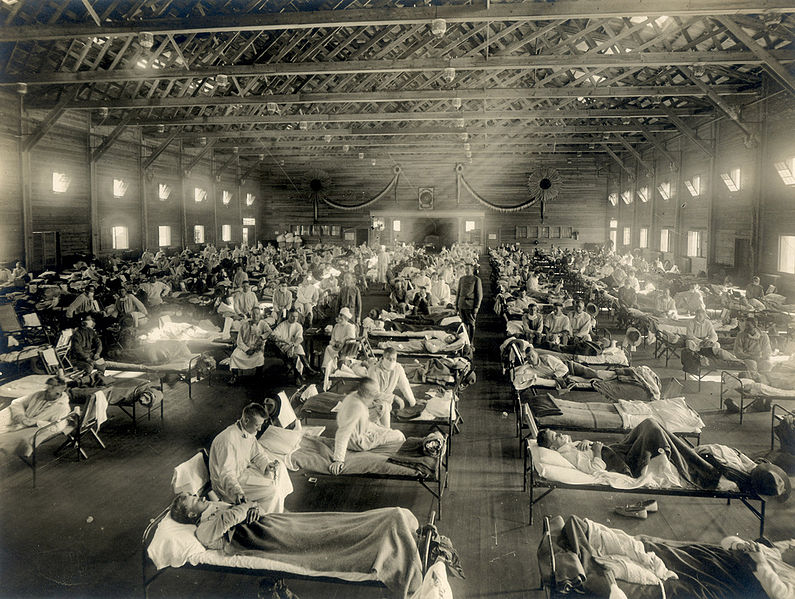
Image of the Day: Camp Funston

Camp Funston


This photo depicts an influenza ward at Camp Funston in Kansas during the 1918 Influenza Pandemic. This flu outbreak occurred between 1918 and 1920 and was one of the most deadly in history, infecting approximately 500 million people and killing 3-5% of the world population (50-100 million.)

That’s killed 3-5% of the entire world–not just infected 3-5% of the world!

Many historical resources cover this worldwise pandemic, also known as “Spanish Flu”, its effects, it causes, and the lasting legacy. Two include flu.gov and John M. Barry’s The Great Influenza.


Microbes: The 21st Century Astronauts

By Alena M. James

The Third Commercial Resupply (CRS-3) mission was scheduled for launch on Monday, April 14, 2014. Taking off from the Cape Canaveral Air Force Station in Florida, the CRS-3 mission was to head to the International Space Station (ISS) at 4:58pm. However due to a helium leak on the launch vehicle, the launch has been postponed for Friday, April 18 at 3:25 p.m.

If the repairs are made by Friday, the space pioneering company, Space X will be given the opportunity to test its Falcon 9 rocket and its unmanned Dragon cargo capsule in transporting materials and supplies to the ISS.  The Falcon 9 rocket is not the only equipment requiring repairs. A critical computer onboard the ISS also failed to activate last Friday.  Although NASA confirms that the ISS Crew was not any danger with the broken computer, a spacewalk to repair the system has been scheduled for April 22, 2014.

The mission cancelled on Monday will transport materials astronauts can use to repair the computer system, as well as 5,000 pounds of additional supplies. Among these supplies are materials used by astronauts to execute more than 150 scientific investigations. Such investigations include laser optics tests to explore information exchange from space to Earth and National Institutes of Health funded immune system research projects.

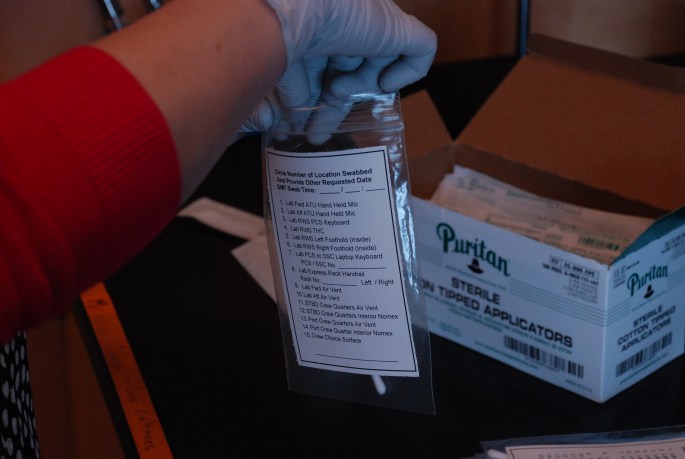
Also onboard the unmanned mission will be more than 48 different types of bacterial strands sponsored by Project MERCCURI, which stands for Microbial Ecology Research Combining Citizen and University Researchers on the International Space Station.  Under the project, microbial samples were collected from stadiums, monuments, museums, retired space crafts, and other public sources throughout the United States. The purpose of sending the different types of microbes into space is to determine how the bacteria will grow in the absence of gravity.  In addition to determining the effects of the absence of gravity on microbial growth, Astronauts on board the ISS will collect their own bacterial samples residing on fomites board the station. This study will help to establish the microbial flora of the ISS by identifying the different types of bacteria present.

The study of microbes at zero gravity conditions is nothing new. The National Aeronautics and Space Administration (NASA) has conducted previous studies primarily investigating the virulent nature of pathogenic organisms in space. A study carried out in 2006 revealed Salmonellato express a higher degree of virulence when grown in a zero gravity environment.  According to the study 167 genes and 73 proteins were found to have been altered in structure—the likely cause for the higher degree of virulency. Salmonella strains grown in space were brought back to Earth and their effects tested on mice. The studies showed that mice from the experimental groups were subject to illness at a faster rate than the control groups.  NASA has also completed studies evaluating the effects of antigravity conditions on the human immune system. Their investigations show that the absence of gravity has an adverse effect on the human body and weakens the immune system. In essence, pathogens become stronger in the absence of gravity; while the human immune system becomes weaker. This finding may have grave implications for individuals hoping to travel to space or to be a part of the MarsOne human settlement scheduled for 2024.

Contrary to NASA’s pathogenicity studies, Project MERCCURI’s research focuses on non-pathogenic bacteria and examination of their microbial growth properties. Findings of the study are likely to provide greater insight into the ubiquitous nature of bacteria and make actors in space exploration more cognizant about the bacterial environment around them.

If repairs to the Falcon 9 rocket are successful and the launch continues as planned for Friday, the Dragon space craft is expected to dock at the station for four weeks. After four weeks it will return to Earth bringing with it supplies and experiments performed on the ISS.


MERCCURI is a project made possible by the collaborative efforts of microBEnet/UC Davis with the Science Cheerleaders, Space Florida, NanoracksJPL-NASA, and SciStarter.com.