Pandora Report 12.6.2024

This week’s Pandora Report covers news from the Biodefense Graduate Program, the winners of the 2024 OPCW-The Hague Award, reports of a mysterious illness in the DRC, and much more.

Biodefense Doctoral Student Selected for Next Generation Leader Program

First-year Biodefense PhD student Katie Dammer was recently selected for the Next Generation Leaders program as part of the Spirit of Asilomar conference that will be held in February 2025. “The Spirit of Asilomar and the Future of Biotechnology” summit will occur on the 50th anniversary of the 1975 international meeting on recombinant DNA, where scientists discussed the hazards and benefits of emerging biotechnology and voluntarily agreed to set new standards for the regulation of biohazards. The 2025 iteration of this summit will focus on artificial intelligence, synthetic biology, pathogen research, and other related topics. Dammer currently is a Biosecurity Fellow at the Horizon Institute for Public Service working as the Special Assistant for Global Health Security & Biodefense at the National Security Council.

2024 OPCW-The Hague Award Recipients Announced

Last month, OPCW Director-General Amb. Fernando Arias and The Hague Mayor Jan van Zanen announced the winners of this year’s OPCW-The Hague award: Alegeria’s National Institute of Criminalistics and Criminology of the National Gendarmerie (NICC/NG) and the Indian Chemical Council (ICC). NICC/NG is “a forensic science institute focused on advancing crime-fighting capabilities by integrating scientific methods into judicial and criminal processes.” The ICC “is a chemical industry body recognized for its role in promoting chemical safety, compliance with the Convention, and enhancing industry-wide security practices in India.” Read more about the recipients and this year’s award selection here.

DRC Reports Outbreak of Unknown Flu-Like Illness

The Democratic Republic of Congo (DRC), Africa CDC, and WHO are investigating an outbreak of an unknown, influenza-like disease in Kwango province that has infected at least 376 people and killed at least 67 (though some outlets report 143 deaths) since late October. Africa CDC reports that symptoms include fever, headache, cough, difficulties breathing, and anemia. Children under five are the most affected group, accounting for more than half of all cases and the majority of deaths. The outbreak started in the Panzi Health Zone, a remote part of the province. Officials report that they did not learn of the outbreak until six weeks after it began. In better news, the WHO has confirmed that the DRC’s mpox outbreak appears to be “plateauing”.

Raw Milk Recalled in California Following Bird Flu Detection

In a predictable turn of events, a farm in California has made a voluntary recall of its products and halted production after samples of its products tested positive for avian influenza. The recall has expanded since the initial recall of two lots of product on November 21. The California Department of Food and Agriculture has quarantined the farm and suspended the distribution of raw milk, cream, kefir, butter, and cheese products produced on or after November 27. The farm in question, Raw Farm of Fresno, has gained popularity with fans of social media “health influencers” and HHS Secretary nominee RFK Jr.. It frequently sells its products in natural supermarket chains like Sprouts Farmers Market.

The brand fell under FDA and CDC scrutiny earlier this year amid E. coli concerns, though the company insists it was the victim of “severe bias” from the agencies. Mark McAfee, CEO of Raw Farm, is insisting now that the actions taken by the state are politically-driven, despite samples of his company’s products testing positive for the virus. McAfee appears to have been encouraged by RFK Jr. to apply for a position at the FDA as the “FDA advisor on raw milk policy and standards development.”

Further Reading:

House Select Subcommittee on the Coronavirus Pandemic Releases Final Report

The House Select Subcommittee on the Coronavirus Pandemic recently published its final report, “AFTER ACTION REVIEW OF THE COVID-19 PANDEMIC: The Lessons Learned and a Path Forward”. The more than 500-page document covers a variety of topics, including vaccines, use of pandemic relief funds, and public health guidance. The report begins with the claim that SARS-CoV-2 “likely emerged because of a laboratory or research related accident,” despite the Intelligence Community remaining split on the consensus and many in the scientific community disagreeing. The report is also critical of mitigation efforts like face masking and social distancing, though it praises travel restrictions. The report also focuses its attention heavily on the EcoHealth Alliance.

The Select Subcommittee’s minority released its own final report. A spokesperson for the minority said in a statement, “Select Subcommittee Republicans’ final report reflects two years wasted on political stunts instead of preventing and preparing for the next pandemic…Instead of coming together with Democrats to get ahead of future viruses or fortify America’s public health infrastructure and workforce, Select Subcommittee Republicans prioritized extreme probes that vilified our nation’s scientists and public health officials in an effort to whitewash former President Trump’s disastrous COVID-19 response.”

The minority report blasts the majority’s criticism and targeting of former NIAID Director Anthony Fauci as “baseless and frivolous” and explains that “Today, a zoonotic origin and lab accident are both plausible, as is a ‘hybrid’ scenario reflecting a mixture of the two…It was repeatedly explained to the Select Subcommittee that all prior epidemics and pandemics, as well as almost all prior outbreaks, have zoonotic origins. At the same time, a lab origin for SARS-CoV-2 also remains plausible.”

Further Reading: “Sick Animals Suggest COVID Pandemic Started in Wuhan Market,” Smriti Mallapaty, Nature

Trump Continues to Make Controversial Administration Selections

Trump Picks Jay Bhattacharya to Lead NIH

Late last month, President-Elect Trump announced Jay Bhattacharya, a Stanford-trained physician and economist, as his pick to lead the NIH. Bhattacharya gained national attention for co-authoring the October 2020 letter known as the Great Barrington Declaration, which called for the rollback of pandemic-related shutdowns, drawing rebuke from then NIH director Francis S. Collins. Bhattacharya also was among several academics who met with Trump in August of 2020, claiming that the pandemic was not as severe as public health officials had warned. The letter gained broader criticism for its focus on herd immunity, especially as COVID-19 vaccines were not available at that point, so relying on herd immunity would lead to even more unnecessary illnesses and deaths.

Trump Picks Jim O’Neill for HHS Deputy Secretary

Trump also announced in late November that he will select Jim O’Neill, a Silicon Valley investor and former federal health official, as his selection to be Deputy Secretary at HHS. O’Neill joined HHS in 2002, holding several roles throughout his tenure, including serving as a top aide to the then-deputy secretary of the department. He then moved on to Silicon Valley, becoming a close ally of Peter Thiel, a close adviser to Trump during his first term who has also long championed VP-Elect JD Vance.

Trump Announces Dave Weldon as CDC Director Pick

In an unforeseen move, Trump picked former Congressman Dave Weldon as his nominee to lead the Centers for Disease Control and Prevention. Weldon has been out of politics for the last fifteen years, running a private medical practice in Florida. During his tenure in Congress, he made controversial statements about the safety of MMR and and HPV vaccines. His views have often aligned with those of RFK Jr., whom he has been friends with for more than two decades. Weldon has said of his time in Congress that he worked with Kennedy “to get the mercury out of the childhood vaccines.”

Further Reading:

White Helmets Urge International Community to Take Action to Protect Syrian Civilians from Chemical Warfare

The Director of the White Helmets, Raed Al-Saleh, warned recently that Syria’s authoritarian president, Bashar Al-Assad, could very soon use CW against civilians in an effort to stop rebels advancing in the northwest of the country. In a statement, Al-Saleh said “”For six days now, as the map of military control has changed, brutal attacks launched by the Syrian regime, Russia, and Iranian cross-border militias on Syrians have escalated especially in areas outside their control in northwest Syria…I am gravely concerned about the lives of every Syrian because of the real threat of chemical attacks.”

“Strategic Report on Research and Development in Biotechnology for Defense Innovation”

From NASEM: “At the request of the National Security Commission on Emerging Biotechnology, Strategic Report on Research and Development in Biotechnology for Defense Innovation provides an overview of the current landscape of artificial intelligence and machine learning (AI/ML)-enabled biotechnology, the opportunities it presents, and the challenges it poses. This report offers a strategic vision for connecting scientists and technologists to build on, leverage, and tailor advances at the intersection of AI/ML, automated experimentation, and biotechnology to drive innovation in defense-related biotechnologies. Strategic Report on Research and Development in Biotechnology for Defense Innovation makes recommendations to address long-standing challenges that have limited research, development, prototyping, testing and evaluation, and eventual use of biotechnologies. Addressing these challenges will help to advance U.S. national security and defense by improving the performance of existing capabilities, enabling the creation of domestic supply chains of valuable products, reducing reliance on processes and chemicals that are harmful to the environment, and/or adding new capabilities not currently possible with established technologies.”

“Anticipating Biological Risk: A Toolkit for Strategic Biosecurity Policy”

Stephen Batalis for CSET: “Artificial intelligence (AI) tools pose exciting possibilities to advance scientific, biomedical, and public health research. At the same time, these tools have raised concerns about their potential to contribute to biological threats, like those from pathogens and toxins. This report describes pathways that result in biological harm, with or without AI, and a range of governance tools and mitigation measures to address them.”

“Strengthening the Biological Weapons Convention”

Jez Littlewood and Filippa Lentzos recently published this piece with the Arms Control Association discussing the BWC working group and its efforts to improve the BWC. They write in part, “Substantial progress has been made in some areas, but beneath the surface is a broader conflict about the shape of arms control agreements generally. This raises a question about whether strengthening the BWC needs to follow the traditional model of legally binding multilateral agreements with declarations, inspections, investigations, and an international organization where consensus rules or whether states-parties can agree to a new model that allows states to opt in to the mechanisms with which they agree and opt out of any processes or new commitments they are unable to support.”

“BWC at 50: Taking Bold Steps to Secure the Future”

Gabrielle Essix recently authored this rundown on the BWC’s successes, shortcomings, and future for NTI| bio. She writes in part, “As we look ahead to the future of the BWC, the role of civil society will become increasingly critical. Organizations like NTI provide a bridge between governments, scientists, and the public, ensuring that biosecurity remains a global priority. By advocating for stronger international norms and pushing for innovative solutions to new challenges, NTI can help make the BWC an effective tool in the fight against the development and use of biological weapons.”

“Possible Models of BWC Verification”

James Revill authored this brief for UNIDIR: “This briefing serves as a primer for consideration of possible models of verification. Past discussions of verification in the Biological Weapons Conference (BWC) have largely focused on the development of a more traditional disarmament verification regime, akin to the model established in the Chemical Weapons Convention (CWC) and envisaged in the BWC Protocol Negotiations. Such a model is often considered the standard model for verification and could provide greater confidence in compliance with the BWC.”

“However, the traditional model of verification is not the only model available to BWC States Parties. Depending on the function(s) and focus of any verification mechanism, other options could be developed for BWC verification that might more effectively address the concerns of BWC States Parties and potentially reduce costs of verification while still increasing confidence in compliance.”

BioWeapons Prevention Project: “The Closure of the Fourth Sessions Preparations for the Fifth”

From BWPP: “The Working Group (WG) on the strengthening of the 1972 Biological and Toxin Weapons Convention (BWC/BTWC), will convene for its Fifth Session on 2 December having finished the Fourth Session on 23 August. The topics for discussion in the WG were decided at Ninth BWC Review Conference, held in 2022. The two-week Fifth Session will be followed by the annual Meeting of States Parties (MSP) which is scheduled for 16-18 December…This report focuses on some overarching issues. Individual topics up for discussion during the Fifth Session have been examined in earlier reports in this series, and in particular in the ‘setting the scene’ reports.”

Read more here.

“Biocrimes: Safeguarding Clinical and Public Health Microbiology Labs Against Insider Threats”

Casey Shroeder authored this piece for Lab Manager, writing in part “Within clinical and public health microbiology laboratories where scientists work to diagnose infections and/or protect public health, the potential for biocrimes and insider threats is a serious risk that is often overlooked. These laboratories, which handle not only routine human pathogens but also antimicrobial resistant strains, emerging pathogens, and potential biothreat pathogens, must remain vigilant against those who might exploit their access for malicious purposes.”

“Bacteriologic and Genomic Investigation of Bacillus anthracis Isolated from World War II Site, China”

Wu et al. recently published this article in Emerging Infectious Diseases: “Records suggest Bacillus anthracis was used in biowarfare during World War II, but evidence remains limited. We isolated B. anthracis from soil at the remains of a World War II–era laboratory in China. Phenotypic and genomic analyses confirmed the finding, highlighting the value of microbial forensics in biothreat investigation.”

“Modern Warfare is Breeding Deadly Superbugs. Why?”

Francesca Mari recently published this piece in The New York Times Magazine, explaining in part “By 2050, The Lancet predicts that antimicrobial resistance will kill 8.22 million people per year, more than the number currently killed by cancer. (For context, Covid claimed an estimated three million lives during all of 2020.) And a growing body of research suggests that the 21st-century way of warfare has become a major driver of that spread. Nations of the Middle East, like Iraq, Syria, Yemen and Afghanistan, now suffer from particularly high rates of multidrug-resistant pathogens, and some of the world’s most fearsome superbugs have incubated in the region — Klebsiella pneumoniae, Pseudomonas aeruginosa, E. coli, MRSA and perhaps most notably A. baumannii, a strain of Acinetobacter that traveled home with U.S. soldiers, where it became nicknamed “Iraqibacter.”’

“Global Report on Infection Prevention and Control 2024”

From WHO: “Health care-associated infections (HAIs) affect patients and health systems every day, causing immense suffering, driving higher health-care costs and hampering efforts to achieve high-quality care for all. HAIs are often difficult to treat, are the major driver of antimicrobial resistance (AMR) and cause premature deaths and disability. The COVID-19 pandemic, as well as outbreaks of Ebola, Marburg and mpox are the most dramatic demonstrations of how pathogens can spread rapidly and be amplified in health care settings. But HAIs are a daily threat in every hospital and clinic, not only during epidemics and pandemics. Lack of water, sanitation and hygiene (WASH) in health care settings not only affects the application of infection prevention and control (IPC) best practices but also equity and dignity among both those providing and receiving care. However, there is strong evidence that a large proportion of these infections could be prevented with IPC measures and basic WASH services, with a high return on investment. This second global report on IPC provides updated evidence on the harm caused to patients and health workers by HAIs and AMR, and presents an updated global analysis of the implementation of IPC programmes at the national and health care facility levels across all WHO regions. “

Bloomberg FOIA Files: Kremlin Targeting Putin’s Political Adversaries, Has Ability to Assassinate Targets with Chemical and Biological Weapons

In this edition of Bloomberg News’ FOIA Files, Jason Leopold discusses a recently-released memo from ODNI discussing targeting killings of Vladimir Putin’s political adversaries, and the means by which the Russian state is able to accomplish this. In the memo, intelligence officials assessed that “Russia has the capability to assassinate individuals using chemical and biological agents,” and that they have the means to track dissidents and defectors. The memo also explains that “The development of chemical or biological agents with lower risk of attribution might tempt the Kremlin to consider assassinating individuals,” in addition to discussing the death of Russian businessman Alexander Perepilichnyy, who was “reportedly assassinated with a biological toxin in the UK in 2012 shortly before he was scheduled to testify about a Kremlin tax fraud network.”

“Reviving Chemical Weapons Accountability in a Multipolar World”

The Center for Strategic and Strategic & International Studies published this commentary by Natasha Hall and Doreen Horschig ahead of the 29th Session of the Conference of States Parties of the Organization for the Prohibition of Chemical Weapons. In it, they discuss the strain the CWC has faced in the last decade and how its strength might be restored. They write in part, “Next week’s conference presents an opportunity to revitalize efforts toward accountability and global cooperation. The United States, in particular, is in a position to reverse course on the dangerous erosion of the chemical weapons norm and maintain the integrity of the CWC. But to do so, it will need to engage friend and foe alike.”

“The Islamic Republic’s Work on Pharmaceutical Based Agents”

This report was authored by Mohammadreza Giveh and the Good ISIS Team for the Institute for Science and International Security. “This report discusses multiple Iranian security complexes that have been preparing production of fentanyl and medetomidine based incapacitating and lethal agents. These complexes have been working on pillars of producing those weapons: large-scale cost-efficient synthesis of the compounds with maximum potency, evaluating a stable chemical mixture based on those agents that can be aerosolized using a propellant, and developing the delivery of the agents through grenades, bullets, or drones.”

“Chemical Weapons Disinformation in Ukraine”

From GP WMD Counter Disinfo, this series includes three briefs: “Understanding Russia’s Chemical Weapons Allegations in Ukraine,” “Selected Examples of CW Allegations and Related Disinformation Campaigns from the Russian Federation,” and “Strategy and Impacts of CW Disinformation”.

“Chemical Weapons Use in Ukraine Testa Global Norms to Breaking Point”

Lennie Phillips OBE and Gareth Williams discuss Russia’s use of CW in Ukraine and how it affects the CWC and OPCW in this RUSI piece, writing in part “A riot control agent found in samples collected from the confrontation lines in Ukraine by the Organisation for the Prohibition of Chemical Weapons implicates Russia in yet another breach of the Chemical Weapons Convention. But what steps can states parties to the convention take next?”

“Russia Fails to Make OPCW Executive Council for Second Year Running”

Patrick Norén discusses Russia’s failure to be elected to the OPCW’s Executive Council for the second year in a row in this piece for CBNW.

“How Might Large Language Models Aid Actors in Reaching the Competency Threshold Required to Carry Out a Chemical Attack?”

Stendall et al. recently published this article in The Nonproliferation Review: “Artificial intelligence is a rapidly growing field, increasingly driving innovation in the sciences. This is a double-edged sword, with the benefits of scientific discovery tempered by potential opportunities for weaponization and misuse. Specifically, the implications for chemical security and chemical weapons are becoming increasingly clear. This article analyzes how large language models (LLMs)—particularly chatbots and chemical LLM assistants—might enable actors to better reach the competency threshold for a chemical attack, via enhanced methods for the identification, production, and use of chemical weapons. This would be particularly relevant for those at the lower end of the capability spectrum, such as terrorist groups and rogue individuals. An important historical context is provided throughout the article, with chemical attacks of the past illuminating the dangerous consequences of an easier-to-achieve competency threshold. A counterargument is also provided, analyzing the factors that might still limit malicious actors, as well as a description of how LLMs might be used to combat chemical terrorism. The article then concludes with a short list of key policy and governance suggestions for mitigating the risks.”

Read or listen to CNS’ interview with Stendall on this article here.

“Chemical Terrorism: Assessment of U.S. Strategies in the Era of Great Power Competition”

From NASEM: “Domestic and foreign violent extremist organizations, or terrorist groups, have caused a greater amount of harm with chemical agents than with biological or radiological weapons. The United States capacity and capability to identify, prevent, counter, and respond adequately to chemical threats is established by the strategies, policies, and laws enacted across multiple levels of government. While the number of chemical terrorism incidents has risen and fallen over time, there is no empirical or analytical indication that the threat is disappearing. This report comes at a time when the nation’s highest-level strategies have shifted from focusing primarily on violent extremist organizations to focusing more on Great Power Competition. This shift in relative perceived threat and consequent prioritization will impact efforts against chemical terrorism, and in turn, affect funding priorities. Revised risk assessments are needed to reprioritize risks guided by new strategies, so that strategy-aligned budgets can be created. The report recommends weapons of mass destruction budgets be aligned with evolving priorities and incentivize activities that transition promising research to operations.”

“Nuclear Terrorism: Assessment of U.S. Strategies to Prevent, Counter, and Respond to Weapons of Mass Destruction”

From NASEM: “For nearly eight decades, the world has been navigating the dangers of the nuclear age. Despite Cold War tensions and the rise of global terrorism, nuclear weapons have not been used in conflict since Hiroshima and Nagasaki in 1945. Efforts such as strategic deterrence, arms control and non-proliferation agreements, and the U.S.-led global counterterrorism have helped to keep nuclear incidents at bay. However, the nation’s success to date in countering nuclear terrorism does not come with a guarantee, success often carries the risk that other challenges will siphon away attention and resources and can lead to the perception that the threat no longer exists.”

“This report found that U.S. efforts to counter nuclear or radiological terrorism are not keeping pace with the evolving threat landscape. The U.S. government should maintain a strategic focus and effort on combatting terrorism across the national security community in coordination with international partners, State, Local, Tribal and Territorial authorities, the National Laboratories, universities and colleges, and civil society. Developing and sustaining adequate nuclear incident response and recovery capabilities at the local and state levels will likely require significant new investments in resources and empowerment of local response from Federal Emergency Management Agency (FEMA), working with the Centers for Disease Control and Prevention, Environmental Protection Agency, Department of Energy, and National Institutes of Health.”

“Ecological Threat Report”

The Institute for Economics & Peace recently released the fifth edition of its Ecological Threat Report, ” which analyses ecological threats in 207 independent states and territories. The report covers 3,518 sub-national areas which account for 99.99 per cent of the world’s population. The ETR assesses threats relating to food insecurity, water risk, natural disasters, and demographic pressure…The research takes a multi-faceted approach by analysing ecological threats at the national, subnational, and city level, while also assessing the threats against societal resilience and levels of peace. Comparing ecological threats against societal resilience enables IEP to identify the global regions, countries, and subnational areas most at risk of an ecological disaster, both now and into the future.”

“Healthcare Cybersecurity: HHS Continues to Have Challenges as Lead Agency”

This snapshot from the Government Accountability Office discusses previous GAO findings about HHS’ performance in healthcare cybersecurity, explaining that HHS has yet to implement all of GAO’s recommendations to address its challenges in this area. It concludes that “Until HHS implements our prior recommendations related to improving cybersecurity, the department risks not being able to effectively carry out its lead agency responsibilities, resulting in potential adverse impact on healthcare providers and patient care.”

“Lebanon: A Conflict Particularly Destructive to Health Care”

The WHO recently released this news post explaining that more health workers and patients have been killed proportionally in Lebanon than in Ukraine and Gaza, with 47% of attacks on health care in the country proving fatal as of November 21-a higher percentage than in any active conflict today globally. Read more here.

What We’re Listening To 🎧

Grow Everything Biotech Podcast, 103. DNA of Defense: Alexander Titus on How NSCEB is Advancing Biotech for National Security Challenges

“Karl and Erum bring on Dr. Alexander Titus, a commissioner on the National Security Commission on Emerging Biotechnology, to explore the exciting and challenging intersections of biotechnology and policy. Alexander shares his experiences from his unique journey across academia, government, and industry, diving into the role of biosecurity, the potential of synthetic biology, and the emerging convergence of tech and bio. They discuss ambitious projects like de-extincting the woolly mammoth, advances in biodefense, and the impacts of AI on biotech innovation. It’s a conversation that sheds light on how cutting-edge biotech could shape the future and the necessary balance between innovation and ethical responsibility.”

Listen here.

NEW: How to Avoid Human-Made Pandemics

From the Asia Centre for Health Security: “Studying viruses that could potentially cause outbreaks is one of the most effective ways to reduce the risk of pandemics. However, this type of research—especially when it involves collecting samples from the field and manipulating pathogens—can unintentionally lead to a pandemic if not managed carefully. Dr Lentzos will discuss her findings from the Pathogen Project, which brought together an international taskforce of scientists, biosecurity and public health experts, ethicists, and civil society leaders to seek consensus on this question: Can we agree on ways to manage research that carries pandemic risk as safely, securely and responsibly as possible?”

This event will take place on January 23 at 8 pm (GMT +8:00) via Zoom. RSVP here.

NEW: Preparedness in Rural Communities: National and State/Local Perspectives and Plans

From Penn State: “The COVID-19 pandemic and recent hurricanes have thrust the preparedness of rural communities into the national spotlight. At the federal level, the Administration for Strategic Preparedness and Response and the Centers for Disease Control and Prevention have recently released national goals and plans for preparedness of rural communities. The overall objective of this virtual, 2-day mini-symposium is to identify opportunities in public health and agricultural preparedness and response in rural communities. The mini-symposium will focus upon national perspectives on Thursday, January 30 and the state/local perspectives on Friday, January 31. Speakers include representatives of the Administration for Strategic Preparedness and Response, the Department of Homeland Security, US Department of Agriculture, the USA Center for Rural Public Health Preparedness, and state/local leaders.”

This event will take place on January 30 and 31, from 11 am to 2 pm ET each day. Learn more and register here.

Enhancing the Resilience of Healthcare and Public Health Critical Infrastructure: A Workshop

From NASEM: “Healthcare and public health infrastructure, technology, and operations are rapidly changing and are increasingly interdependent and interconnected. Threats to the nation’s critical social and physical infrastructure systems are also rapidly evolving and highly complex—posing potentially new or growing risks of disruption and challenging the assumptions used to design and protect these systems.”

“The National Academies Forum on Medical and Public Health Preparedness for Disasters and Emergencies will host a hybrid public workshop to explore strategies, policies, and innovative actions to improve the resilience of healthcare and public health (HPH) critical infrastructure to impacts from disasters and other emergencies.”

This event will take place in DC on December 9 and 10. Register here.

A New Paradigm for Threat Agnostic Biodetection: Biological Intelligence (BIOINT)

From PNNL: “Please join us in welcoming Swati Sureka, Strategy and Policy Analyst at Arctic Slope Regional Corporation (ASRC) Federal, where she supports the Office of the Deputy Assistant Secretary of Defense for Health Readiness Policy and Oversight. Her talk, titled “A New Paradigm for Threat Agnostic Biodetection: Biological Intelligence (BIOINT),” will take place on Tuesday, December 10th, at noon PT.”

Learn more and RSVP here.

Resilience in the Face of Global Risks

From CSR: “The Council on Strategic Risks (CSR) cordially invites you to our first annual CSR symposium, Resilience in the Face of Global Risks, scheduled for Tuesday, December 10, 2024. This is the first event bringing together all three of CSR’s institutions—the Center for Climate & Security, the Converging Risks Lab, and the Janne E. Nolan Center on Strategic Weapons—to engage with leaders across our mission sets.”

“The United States and its allies face a complex global security landscape where systemic risks like climate and ecological crisis, nuclear proliferation, and biological threats are blending with war, geopolitical competition, and human insecurity in new and profound ways. While there has been tremendous leadership—and meaningful progress—across these overlapping risk areas, they require persistent innovation in community building to meet the modern risk landscape.”

“The symposium will dive into the progress our communities have made—and how our passionate communities can better work together to help shape the future.”

“In addition to a keynote address, guests will hear from panels, take part in breakout sessions showcasing important issues and new ideas, plus engage with thought leaders between sessions. It will be a widely attended gathering, free to attendees.”

“As we enter a new year with an exceptionally dynamic security environment, we hope CSR’s December event will inspire and build a stronger community across professionals dedicated to anticipating and addressing the world’s greatest risks. We appreciate your consideration and hope you will be able to join us on the 10th of December.”

RSVP here.

Cyberbiosecurity Summit

From Johns Hopkins APL and Bio-ISAC: “Advancements in biomanufacturing and biotechnology drive the science we need to thrive, everything from apples to vaccines. The Cyberbiosecurity Summit 2025 convenes leading experts in biotechnology, biosecurity, and cybersecurity to explore the intersection of these fields and discuss the strategies to create a safe, secure future for us all.”
This event will take place February 25-26 in Laurel, MD. Register here and review the call for sessions here (closes 12/12).

NEW: Call for Experts, Standing Committee on Emerging Infectious Diseases and 21st Century Health Threats

“The National Academies is seeking suggestions for experts to be considered for the membership rotation or other engagement with the Standing Committee on Emerging Infectious Diseases and 21st Century Health Threats. The group will help inform the U.S. Department of Health and Human Services (HHS) Administration for Strategic Preparedness and Response (ASPR) on critical science and policy issues related to emerging infectious diseases and other health threats.”

“Since March 2020, the standing committee has consistently generated real-time policy recommendations and produced an unprecedented amount of timely, evidence-based guidance in response to the COVID-19 pandemic and other emerging public health threats. Looking ahead, the standing committee will continue to ensure that ASPR and decision-makers have access to the latest high-quality, evidence-based insights to inform medical and public health preparedness for, response to, and recovery from disasters and public health emergencies.”

“Approximately 12-15 volunteer experts are needed to serve on the standing committee of approximately 25 members.”

Learn more and submit nominations by December 13 here.

Pandora Report 11.22.2024

This week’s edition of the Pandora Report includes updates from the Biodefense Graduate Program, information on the upcoming BWC Working Group meeting, updates on mpox and avian influenza in California, and much more.

Mazanec Moving Up at ASPR

Brian Mazanec, Biodefense PhD ’14 and adjunct professor at the Schar School, has started a new role as Deputy Assistant Secretary and Director of the U.S. Department of Health and Human Services (HHS) Coordination Operations and Response Element (H-CORE) within the Administration for Strategic Preparedness and Response (ASPR). H-CORE was born out of Operation Warp Speed– the COVID-19 medical countermeasures response led by HHS and the Department of Defense which transitioned to ASPR in 2021. H-CORE’s mission today is to lead and enable agile, data-driven operational coordination, logistics readiness, and scalable response for public health emergencies and disasters, including infectious disease outbreaks and cyber attacks. H-CORE also now includes the Office of Cybersecurity and Infrastructure Protection, Secretary’s Operation Center, and Office of Data, Analytics, and Information Advantage.

Pandora Report Hosting the Gryphon Scientific Biosecurity Collection

The Pandora Report is now hosting a collection of papers published by Gryphon Scientific. This page serves as a repository for a selection of reports and publications from Gryphon Scientific, a research and policy consultancy that performed cutting-edge work in biosafety, biosecurity, and all-hazards preparedness and response. Over the past two decades, Gryphon supported senior decision makers within government and the commercial sector in evaluating emerging technologies and understanding how to enable their rapid development while safeguarding against their associated risks. Notably, Gryphon was commissioned by the NIH in 2016 to conduct an extensive risk-benefit analysis of gain-of-function research with potential pandemic pathogens. Gryphon was also at the forefront of AI safety, with a particular focus on the intersection of AI and biological and chemical threats. Gryphon is now continuing and expanding its work as part of Deloitte Consulting LLP. 

Transforming Defense with Biotechnology: Insights From DARPA’s Dr. Michael Koeris

Biotechnology is playing an increasingly pivotal role in strengthening national defense, with the potential to enhance military capabilities and address emerging security challenges. On November 13, the Biodefense Graduate Program at the Schar School of Policy and Government at George Mason University hosted a lecture by Dr. Michael Koeris, the recently appointed director of DARPA’s Biological Technologies Office (BTO). Dr. Koeris’ talk offered attendees a look into the cutting-edge research being done at BTO to revolutionize U.S. military capabilities through biotechnology. With a focus on warfighter readiness and operational biotechnology, Dr. Koeris shared how DARPA is developing next-generation solutions to enhance military personnel’s health and performance in increasingly complex environments. The discussion provided a unique opportunity to delve into the innovative technologies that DARPA is developing, from optimizing warfighter stamina in their AWARE (Alert Warfighter Enablement) program to their GOLDEVAC (Golden Hour Extended Evacuation) program, which is designed to provide wounded warfighters with expert-level care in austere environments when medical evacuation is delayed.

Dr. Michael Koeris

DARPA, created after the Sputnik crisis in 1957, was designed to prevent technological surprise by pushing the United States to the forefront of military innovation. DARPA focuses on strategic, high-yield programs that align with the latest technological realities, especially in fields like AI and biotechnology. DARPA intentionally pursues extremely risky programs, seeking transformational change over incremental progress, and often learns just as much from their failures. When projects do succeed—such as the development of self-driving vehicles, drones, and mRNA vaccines—they have had worldwide impacts. The agency aims to develop breakthrough technologies by maintaining agility and leveraging short program timelines to stay ahead of global technological developments. These technologies strengthen military readiness, enhance medical responses to biosecurity threats, and ensure peak performance under combat conditions. One of the main challenges discussed by Dr. Koeris was the global “data race,” especially in the field of biological data. While the United States is making progress, China’s aggressive collection of genetic and biological data has put it ahead in developing foundational biological models. This data gap poses risks to U.S. national security, as high-quality biological data is essential for AI and biotechnology advancements. To remain competitive, the United States must focus on generating diverse, original biological data to feed AI models and drive further innovation in biotechnology. As Dr. Koeris emphasized in his lecture, DARPA is committed to ensuring that the United States remains a global leader in biotechnology and national security. By strengthening its position in both data collection and its application in biotechnology, the United States can ensure it stays ahead in the race to shape the future of national defense. The lecture by Dr. Koeris shed light on the challenges and opportunities that lie ahead, leaving us better informed about the potential contributions that advances in biotechnology can make to national security.

This event summary was authored by Biodefense MS Student Katie Groves.

BWC Update
The fifth session of the Working Group on the Strengthening of the Biological Weapons Convention will take place from 2 to 13 December 2024 in Geneva, Switzerland. The agenda of the Working Group, as adopted at its first session, is available online as document BWC/WG/1/1. Details about the meeting, official documents, and side events can be found here.

Further reading:

Bonus: Check out NTI | bio’s two December 2024 BWC Meetings here (one of these is a hybrid event).

California Announces Suspected Avian Flu Case in Child

The California Department of Public Health (CDPH) announced this week that testing has identified a suspected avian influenza infection in a child in Alameda County. The child had mild upper respiratory symptoms and no known contact with any infected animals. The child is recovering at home, and CDPH says that the positive test “showed a low-level detection of the virus, indicating the child was not likely infectious to others.” Repeat testing four days later was negative. Furthermore, the child was found to also be positive for other respiratory viruses that may have caused the mild symptoms. No person-to-person spread has been detected nor is it suspected.

Further reading: “The World Is Watching the U.S. Deal With Bird Flu, and It’s Scary,” The New York Times, Tulio de Oliveira

California Confirms First Known US Clade I Mpox Case

CDPH also reported this week that it detected the first known US case of Clade I mpox. The case was identified in a person who recently traveled from Africa and it is related to the ongoing outbreak in Central and East Africa. The case has been reported to the Centers for Disease Control and Prevention. The person received care in San Mateo County and is now isolating and recovering at home. Those who had close contact with this person are being contacted by public health workers, but there is currently no concern nor evidence that clade I mpox is spreading between people in California or the US in general.

Jay Bhattacharya Reportedly Top Candidate to Lead NIH

Jay Bhattacharya, a Stanford University physician and economist who drew sharp criticism from the likes of Francis S. Collins for his “fringe” ideas about COVID-19 in the letter known as the Great Barrington Declaration, appears poised to be nominated to a top government health role. Bhattacharya is reportedly on the shortlist of contenders to lead the NIH compiled by RFK Jr., President-Elect Trump’s nominee for HHS Secretary. According to the The Washington Post, “Bhattacharya, who has said he was a victim of what felt like a “propaganda attack” led by public health experts after the Great Barrington Declaration, has testified in Congress, met with lawmakers in both parties, and offered advice to Florida Gov. Ron DeSantis (R) and other leaders navigating the pandemic. Republicans have hailed him as a truth-teller, contrasting the Stanford physician with government officials whom they blame for an overly stringent response to the health crisis.”

Bhattacharya has no experience in a senior government role nor in a role overseeing a large bureaucratic organization. This position requires Senate confirmation. Read more about Bhattacharya’s previous experience and comments about the organization he may soon lead here.

Further reading: “Global Health Experts Sound Alarm Over RFK Jr., Citing Samoa Outbreak,” The Washington Post, Sammy Westfall and Lena H. Sun

Survey of Biosafety and Biosecurity Laws in G20 Nations
The Library of Congress has published a comprehensive overview of biosafety and biosecurity laws for the member of the Group of 20 (G20) as well as a comparative analysis of these laws. According to the report, “Among the G20 nations’ laws discussed in this report, the methods for defining the terms “biosafety” and “biosecurity” generally fall into one of four categories. In the first category, “biosafety” and “biosecurity” are clearly defined in legislation or regulations, with specific distinctions. In the second set of jurisdictions, the term “biosecurity” is applied generally to topics such as laboratory safety, protecting the environment, and guarding against criminal activity involving biological agents that may harm people, plants, animals, and the environment. In other nations, laws may include one identified term, but government strategy statements or publications by government-related scientific organizations supplement the available legal definitions with more detailed descriptions of “biosafety” and “biosecurity.” The remaining nations addressed in this report have enacted laws addressing biosecurity matters, but these laws contain no legal definitions for “biosafety,” “biosecurity,” or similar terminology.”

ISAB Report on PRC, MCF, and Biotechnology
The Secretary of State’s International Security Advisory Board (ISAB) has released a new report on the biotechnology components of the People’s Republic of China’s (PRC) Military-Civil Fusion (MCF) Strategy, with a focus on biotechnology development objectives, implementation, and implications for international biosecurity. ISAB provides the Department with a continuing source of independent insight, advice, and innovation on all aspects of arms control, disarmament, nonproliferation, outer space, critical infrastructure, cybersecurity, the national security aspects of emerging technologies, international security, and related aspects of public diplomacy.  The ISAB’s goal is to advise the State Department and other federal agencies on how the United States can adapt to the changing global biotech landscape, particularly in the context of strategic competition with PRC. The report proposes that the Department of State and other U.S. government agencies take steps to develop a global biotech system in which a broad range of partners cooperates on scientific research and trade. This requires a long-term strategic approach, and the leadership of the Department of State, to build this global environment that aligns with U.S. interests.

“WHO Technical Advisory Group on the Responsible Use of the Life Sciences and Dual-Use Research: Report of the Meeting, 25 June 2024”

From WHO: “The World Health Organization (WHO) Technical Advisory Group on the Responsible Use of the Life Sciences and Dual-Use Research (TAG-RULS DUR) (1) was established to provide independent advice to WHO on the monitoring and mitigation of biorisks, the advances in the life sciences and related technologies, the governance of dual-use research and the responsible use of the life sciences.””

“This meeting was the second virtual meeting and third overall meeting of 2024. Over the course of the meeting, participants discussed and provided feedback on the first draft of the BioRisk Implementation and Evaluation Framework (BRIEF) Tool, were briefed on the draft WHO course on Dual-Use Research and the Responsible Use of the Life Sciences and delivered updates on activities of the TAG’s four working groups.”

“The TAG-RULS DUR and its working groups will continue to undertake activities on the key topics identified. The group agreed that its next meeting will be held in October 2024.”

Read the meeting report here.

“Age of Biology Requires American Leadership”

Sen. Todd Young, Chair of the National Security Commission on Emerging Biotechnology, recently authored this opinion piece for Roll Call in which he discusses a forthcoming report from the Commission discussing actions needed to “maintain and strengthen America’s global leadership position” in biotechnology. He explains in this piece that “Congress must enact policies that accelerate innovations at home, onshore our supply chains, create data-sharing agreements with our allies, and support our military’s use of novel biotechnologies. Broadly, this will be the focus of the NSCEB’s forthcoming Final Report in 2025. Policymakers must protect and promote American biotechnology to ensure the United States leads the Age of Biology, and I am confident the NSCEB will contribute to these efforts.”

“Guidance for Human Genome Data Collection, Access, Use and Sharing”

From WHO: “The ethical, legal, and equitable sharing of human genomic data is critical to advancing global health research and ensuring fair access to the benefits of genomics. The WHO’s new document outlines a comprehensive set of globally applicable principles designed to guide stakeholders in the responsible collection, use, and sharing of human genome data. This document serves as a key resource to navigate complex issues surrounding data governance, with the aim of fostering transparency, promoting equity, and safeguarding individual and collective rights. These principles are intended to support the implementation of best practices across diverse settings, thereby enhancing the global capacity for genomic research and its translation into health benefits for all.”

“The Superbug Fight Needs a Better Business Model”

Annalies Winny published this piece in Global Health Now discussing the dearth of antibiotic research, writing in part “Researchers say that the current business model for developing antibiotics—and getting them to where they’re needed most—isn’t fit for purpose. Countries are starting to get behind incentives that absorb some of the risk, and offer a significant return on investment. But funding for these programs still lags far behind what’s needed to save millions of lives, and billions of dollars in health care costs, and there are doubts about whether incentives led by wealthy nations will satisfy needs in low- and middle-income countries.”

“Gaza Bombardment Worsens Superbug Outbreaks”

Misbah Khan published this piece for The Bureau of Investigative Journalism describing the growing public health crisis in Gaza. She writes in part, “There is a growing and dire public health crisis taking place in Gaza. Israeli blockades and hospital bombings are fuelling a superbug emergency, with civilians who survive starvation and injury later facing untreatable, life-threatening infections…Doctors on the ground told the Bureau of Investigative Journalism (TBIJ) they were treating wounds infested with maggots and using vinegar to fight infections.”

“Potential Research Priorities to Inform U.S. Readiness and Response to Avian Influenza A (H5N1)”

From NASEM: “Avian Influenza A (H5) viruses have circulated globally for decades among migratory bird populations. The recent emergence of Avian Influenza A (H5N1) in U.S. dairy cattle has led to challenges in managing and controlling the spread of H5 viruses between livestock, wildlife, and companion animals, as well as to humans from infected animals. The National Academies hosted a public workshop in October 2024 to explore potential research priorities that could inform readiness and response to the outbreak. Discussions followed an interdisciplinary One Health approach, bringing together experts from across human, veterinary, plant, and environmental health disciplines, and builds on published federal research priorities for H5N1 to include perspectives beyond basic translational clinical sciences, to social sciences, veterinary health, agricultural economics, and occupational health, among others.”

Read the proceeding of this workshop here.

“Diagnosis in the Era of Digital Health and Artificial Intelligence: Proceedings of a Workshop-in Brief”

From NASEM: “To explore the opportunities and challenges of using artificial intelligence (AI) and digital health technologies to improve diagnostic processes and outcomes, the National Academies Forum on Advancing Diagnostic Excellence hosted a public workshop in July 2024. Speakers highlighted the role of these technologies throughout the diagnostic process and their impact on the patient experience, including to gain understanding of a patient’s onset of symptoms, to improve information gathering and patient-clinician communication, and to support clinical decision making. Discussions also emphasized the importance of ensuring these technologies do not perpetuate existing health disparities.”

Read the proceedings here.

“OPCW Investigation Confirms Russia’s Likely Use of Chemical Weapons Against Ukraine”

Andrea Stricker authored this analysis of recent OPCW findings regarding Russia’s likely use of CW in Ukraine. She explains that “Russia’s consistent denials that its military forces have deployed illegal chemical weapons in Ukraine were dealt a serious blow on November 18, when the Organization for the Prohibition of Chemical Weapons (OPCW) announced that it had recently conducted a Technical Assistance Visit to Ukraine and established evidence of chemical weapons use. While the OPCW stopped short of attributing responsibility to Russia, a growing body of evidence points to numerous Russian chemical weapon attacks against Ukrainian front-line troops in violation of the 1997 Chemical Weapons Convention, to which Moscow is a party.”

“Research and Development Areas to the North of Hamhung”

Read the latest installment of RUSI’s Project Anthracite analysis of the DPRK’s chemical industry and CW program: “The area to the north of the city of Hamhung is home to academic institutions and research and development (R&D) facilities. Furthermore, there are access tunnels to likely underground areas in the vicinity, and the wider region is home to significant chemical industry. Although literature on these facilities is limited, satellite imagery has been analysed to determine whether it is possible to discern any linkages with or provide insight on North Korea’s chemical industry or chemical weapons (CW) programme. Although evidence was circumstantial and no direct linkages could be identified on imagery, the analysis was able to confirm the location of several academic and R&D facilities and contribute to baselining potential academic and R&D facilities in the area.”

“While the location of at least part of a CW programme in or around these facilities cannot be ruled out, there were no features that would indicate the likely presence of a CW programme in these facilities.”

“NNSA celebrating 50 years of the Nuclear Emergency Support Team – NEST”

“This month, NNSA is observing the 50th anniversary of what is now called the Nuclear Emergency Support Team – or NEST. During a recent ceremony at Joint Base Andrews in Maryland, leaders from around the government gathered to celebrate the birthday of one its most diverse and capable assets…NEST, created by President Ford in 1974, has a mission to provide federal emergency response in case of a radiological or nuclear threat, incident or accident.”

Read more about NEST, its formation, and its future here.

NEW: DC Biosecurity Happy Hour

From DC Biosecurity Professionals Across Academia, Industry, and Think Tanks: “Please join us for the Biosecurity Happy Hour, an informal event for biosecurity professionals in DC to get to know each other outside of Zoom calls and talk about new ideas in this space. Please note that drinks will be at attendee’s own expense!”

This event will take place on December 5 from 6:30-8 pm EST at Dacha Beer Garden in Washington, DC. Learn more and reserve a spot here.

NEW: A New Paradigm for Threat Agnostic Biodetection: Biological Intelligence (BIOINT)

From PNNL: “Please join us in welcoming Swati Sureka, Strategy and Policy Analyst at Arctic Slope Regional Corporation (ASRC) Federal, where she supports the Office of the Deputy Assistant Secretary of Defense for Health Readiness Policy and Oversight. Her talk, titled “A New Paradigm for Threat Agnostic Biodetection: Biological Intelligence (BIOINT),” will take place on Tuesday, December 10th, at noon PT.”

Learn more and RSVP here.

NEW: Cyberbiosecurity Summit

From Johns Hopkins APL and Bio-ISAC: “Advancements in biomanufacturing and biotechnology drive the science we need to thrive, everything from apples to vaccines. The Cyberbiosecurity Summit 2025 convenes leading experts in biotechnology, biosecurity, and cybersecurity to explore the intersection of these fields and discuss the strategies to create a safe, secure future for us all.”
This event will take place February 25-26 in Laurel, MD. Register here and review the call for sessions here.

One Health and the Politics of COVID-19 Book Launch

The Writer’s Center is hosting a book launch for Dr. Laura Kahn’s new book, One Health and the Politics of COVID-19 (blurb below) on November 23 at 2 pm EST in Bethesda, MD. Learn more and RSVP here.

One Health and the Politics of COVID-19 unpacks the mysteries of COVID-19’s origins to impart important lessons for future outbreaks. The One Health concept recognizes the interconnected links among the health of humans, animals, plants, and the environment. By comparing the history, science, and clinical presentations of three different coronaviruses—SARS-CoV-1, MERS, and SARS-CoV-2 (COVID-19)—Kahn uncovers insights with important repercussions for how to prepare and avoid future pandemics. The One Health approach provides a useful framework for examining the COVID-19 pandemic. Understanding the origins of this zoonotic disease requires investigating the environmental and molecular biological factors that allowed the virus to spread to humans. The book explores the many ways in which the wild animal trade, wet markets, and the camel industry contributed to the spread of the earlier SARS-CoV-1 and MERS coronaviruses. For SARS-CoV-2 (COVID-19), Kahn examines the biosafety, biosecurity, and bioethics implications of gain-of-function research on pandemic potential pathogens. This book is a must read to understand the geopolitics of the COVID-19 pandemic.”

2024 CBD S&T Conference

From DTRA: “The CBD S&T Conference brings together the most innovative and influential chemical and biological defense community members from around the globe to share insights and collaborate on the emerging chem-bio threats of tomorrow.”

“Join the Defense Threat Reduction Agency’s (DTRA) Chemical and Biological Technologies Department in its role as the Joint Science and Technology Office (JSTO) for Chemical and Biological Defense, an integral component of the Chemical and Biological Defense Program, as we Focus Forward to uncover novel concepts and examine groundbreaking discoveries within the chem-bio defense landscape.”

“The 2024 CBD S&T Conference will be held at the Broward County Convention Center, December 2–5, 2024.”

Learn more and register here.

Health Security Intelligence: Managing Threats Risks and Hazards Post-Covid 19
“As  the acute impact of the COVID-19 pandemic recedes, many unaddressed questions remain for Australia about how to better prepare for the next likely health threat, risk or hazard.”

“In addition to how we enhance national public health capacity, what are the important lessons we can learn from the pandemic from national security and biosecurity perspectives?”

“Given the likelihood of another pandemic at some point, an increasingly uncertain geo-political order and the potential exploitation of biotechnology by bad actors how does Australia and its allies better prepare for a future of increasingly complex health security and biological security threats, risks and hazards?”

“This event is for all health security intelligence stakeholders (policy-makers, national security staff, scientists, researchers and clinicians) who work across the one health continuum and national security agencies.”

“It will introduce participants to Charles Sturt’s extensive research agenda across the one health biosecurity, health and biological security and discuss both their national security and scientific implications.  You will hear briefings from key researchers across both STEM and social sciences disciplines working on assessing key health security threats, risks and hazards relevant to your work.”

This event will take place in-person and over livestream on December 4 from 2-4 pm AEDT. Learn more and register here.

Enhancing the Resilience of Healthcare and Public Health Critical Infrastructure: A Workshop

From NASEM: “Healthcare and public health infrastructure, technology, and operations are rapidly changing and are increasingly interdependent and interconnected. Threats to the nation’s critical social and physical infrastructure systems are also rapidly evolving and highly complex—posing potentially new or growing risks of disruption and challenging the assumptions used to design and protect these systems.”

“The National Academies Forum on Medical and Public Health Preparedness for Disasters and Emergencies will host a hybrid public workshop to explore strategies, policies, and innovative actions to improve the resilience of healthcare and public health (HPH) critical infrastructure to impacts from disasters and other emergencies.”

This event will take place in DC on December 9 and 10. Register here.

Resilience in the Face of Global Risks

From CSR: “The Council on Strategic Risks (CSR) cordially invites you to our first annual CSR symposium, Resilience in the Face of Global Risks, scheduled for Tuesday, December 10, 2024. This is the first event bringing together all three of CSR’s institutions—the Center for Climate & Security, the Converging Risks Lab, and the Janne E. Nolan Center on Strategic Weapons—to engage with leaders across our mission sets.”

“The United States and its allies face a complex global security landscape where systemic risks like climate and ecological crisis, nuclear proliferation, and biological threats are blending with war, geopolitical competition, and human insecurity in new and profound ways. While there has been tremendous leadership—and meaningful progress—across these overlapping risk areas, they require persistent innovation in community building to meet the modern risk landscape.”

“The symposium will dive into the progress our communities have made—and how our passionate communities can better work together to help shape the future.”

“In addition to a keynote address, guests will hear from panels, take part in breakout sessions showcasing important issues and new ideas, plus engage with thought leaders between sessions. It will be a widely attended gathering, free to attendees.”

“As we enter a new year with an exceptionally dynamic security environment, we hope CSR’s December event will inspire and build a stronger community across professionals dedicated to anticipating and addressing the world’s greatest risks. We appreciate your consideration and hope you will be able to join us on the 10th of December.”

RSVP here.

NEW: Call for Nominees: National Biodefense Science Board
From Global Biodefense: “The Administration for Strategic Preparedness and Response (ASPR), part of the U.S. Department of Health and Human Services (HHS), is currently seeking applications from qualified individuals to fill 7 vacancies on the National Biodefense Science Board (NBSB).”

“The NBSB advises the HHS Secretary or the ASPR on current and future trends, challenges, and opportunities presented by advances in biological and life sciences, biotechnology, and genetic engineering with respect to threats posed by naturally occurring infectious diseases and chemical, biological, radiological, and nuclear agents.”

Read more and access ASPR’s call for nominees here.

“New Public Health Cybersecurity Readiness Survey Set to Boost Preparedness Against Cyber Threats”

“The co-chairs of the Joint Public Health Cybersecurity Task Group of the Healthcare and Public Health Sector Coordinating Council (HSCC) published a special announcement letter announcing the launch of the Public Health Cybersecurity Readiness Survey. The move aims to enhance the cybersecurity preparedness of state, local, tribal, and territorial (SLTT) public health agencies. Participants can expect the anonymous survey to take about 15 minutes to complete, and it will be open until Monday, Dec. 2, 2024.”

Read more and access the survey here.

The Schar School is Hiring!

The Schar School of Policy and Government at George Mason University is hiring a tenure-track assistant professor. Expertise in international security, national security, homeland security, emergency management, artificial intelligence, cybersecurity, the defense industrial base, or transnational crime and corruption will be regarded positively. Candidates whose work focuses on climate security, technological change, and the future of warfare, or domestic extremism are also encouraged to apply, as are candidates with regional expertise. Details can be found here: https://listings.jobs.gmu.edu/jobs/assistant-professor-fairfax-va-virginia-united-states-other.

US AI Safety Institute Issues RFI on Responsible Development of Chem-Bio Models

From AISI: “The U.S. Artificial Intelligence Safety Institute (U.S. AISI), housed within the U.S. Department of Commerce’s National Institute of Standards and Technology (NIST), released a Request for Information seeking insight from stakeholders regarding the responsible development and use of chemical and biological (chem-bio) AI models.”

“Input from a broad range of experts in this field will help the U.S. AISI to develop well-informed approaches to assess and mitigate the potential risks of chem-bio AI models, while enabling safe and responsible innovation.”

“Respondents are encouraged to provide concrete examples, best practices, case studies, and actionable recommendations where possible. The full RFI can be found here.”

“The comment period is now open and will close on December 3, 2024, at 11:59PM Eastern Time. Comments can be submitted online at www.regulations.gov, under docket no. 240920-0247.”

Pandora Report 10.25.2024

Happy almost Halloween! This week’s Pandora Report includes news from the Biodefense Graduate Program and discussion of the Biden administration’s latest National Security Memorandum, a new multilateral effort from the US, Canada, and Mexico to improve regional health security, the WHO’s praise for Rwanda’s swift and effective Marburg response, and more.

Upcoming Virtual Information Sessions on the Biodefense Graduate Program

If you are interested in a career in biodefense or global health security or want to develop the knowledge and skills necessary to work at the nexus of health, science, and security, find out what the Schar School of Policy and Government has to offer. 

The Schar School PhD programs will be holding a virtual open house on Wednesday, October 30 from 6-7:30 PM. Please join Dr. Gregory Koblentz, director of the Biodefense Graduate Program, to learn more about the Biodefense PhD program and ask any questions you may have. Register here.

GMU Biodefense Students Tour Mason’s Biomedical Research Laboratory

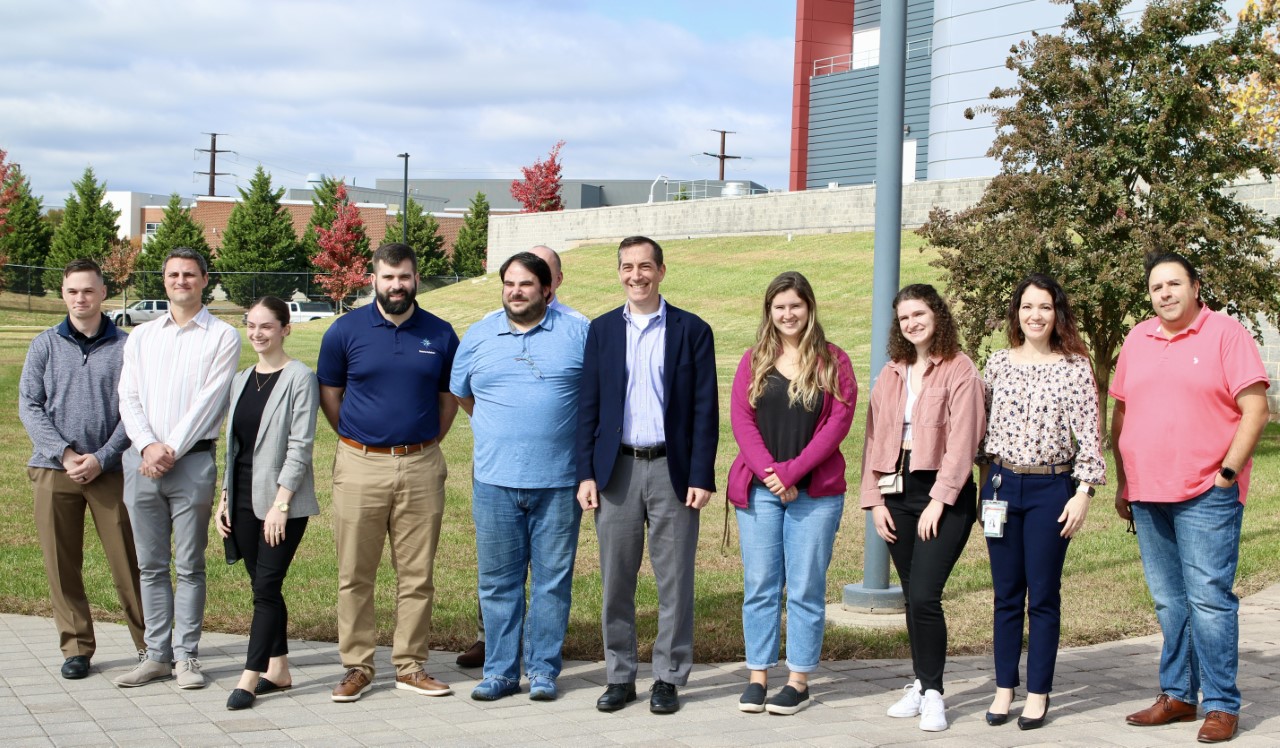
Last week twelve Biodefense students had the opportunity to visit George Mason’s 52,000 square-foot Biomedical Research Laboratory (BRL) located on the SciTech campus in Manassas, Virginia. The BRL was inactive after being decontaminated for annual maintenance . The tour, led by the BRL’s Director of Research Operations, Rachel Pepin, provided students with a firsthand look at Mason’s Biosafety Level 3 (BSL-3) and supporting Biosafety Level 2 (BSL-2) labs. Among the many highlights was the BRL’s autoclaves and gloveboxes, which left students impressed.

The BRL is one of 12 Regional Biocontainment Labs in the United States funded by the National Institute of Allergy and Infectious Diseases NIAID. Constructed in 2010, it became an active “hot” lab in 2012. Fifteen Mason faculty members and thirty students at any time work within the facility on research pertaining to a variety of infectious diseases, new vaccines, diagnostics, and therapeutics. The stated mission of Mason’s BRL is to 1) advance pathogen biology, 2) train the future workforce to safely handle infectious agents and conduct innovative research in BSL-3 environments, 3) evaluate diagnostics, therapeutics and vaccines, and 4) serve as a resource in the event of a bioterrorism or infectious disease emergency. Overall, students gained an appreciation for the critical work and numerous safety controls in George Mason’s BSL-3 laboratory.

This write up was written by Biodefense MS Student Will MacDonald.

OPCW Workshop on Legislative and Regulatory Frameworks for Chemical Security
On October 21-22, 2024, Dr. Gregory Koblentz, director of the Biodefense Graduate Program, attended a meeting of chemical security experts sponsored by the Organization for the Prohibition of Chemical Weapons (OPCW) to discuss best practices for establishing legislative frameworks for chemical security. According to INTERPOL, from the records of 4,100 captured ISIS members, 109 of them have a background related to chemistry, science, technology, engineering, and mathematics. Meanwhile, across the word, the chemical industry and trade are rapidly growing, increasing the risk of toxic chemicals being misused, especially by non-state actors. Many countries are therefore seeking to strengthen their legal and regulatory regimes to address risks such as attacks on chemical facilities, the theft of toxic chemicals, or their release with malicious intent. Initial take-aways from the meeting included a recognition that there is an urgent need for robust national legislative frameworks for chemical security in many countries, that national threat assessments and risk analyses should be the basis for identifying legislative needs, and best practices are most useful if they can be adapted to country-specific contexts and resource setting. This meeting of an international group of chemical security experts kicks off a longer-term discussion on best practices for establishing legislative frameworks for chemical security sponsored by the Implementation Support Branch of the International Cooperation and Assistance Division at OPCW.
A Risky Review of Research
On September 25, 2024, Senator Rand Paul introduced a revised version of the Risky Research Review Act (S. 4667) which was voted out of the Senate Homeland Security and Government Affairs Committee by a vote of 8-1. In a recent OpEd in StatNews, Gregory Koblentz, director of the Biodefense Graduate Program, and David Gillum and Rebecca Moritz, past presidents of the American Biosafety Association (ABSA) wrote of the original bill: “this legislation threatens to cast a shadow over the future of life sciences research and slow it down.” While this revised bill contains some positive changes, it remains deeply flawed and does not represent a viable solution to the challenges posed by dual-use research. You can read their analysis of the good, the bad, and the ugly of the revised Risky Research Review Act here.
Russia Expanding Secret BSL-4 Lab at Sergiev Posad
The Washington Post has identified new construction activity at Sergiev Posad-6, part of the former Soviet and current Russian biological weapons program, consistent with the building of additional high containment laboratories, including BSL-4 lab suites. The construction started in 2022, shortly after Russia’s invasion of Ukraine which was accompanied by unfounded allegations that Ukraine was developing biological weapons with the help of the United States and other NATO countries. Dr. Gregory Koblentz, director of the Biodefense Graduate Program, is quoted in the article as saying, “I would not be surprised if some influential segment of the Russian national security community has drunk the Kool-Aid and really believes that the United States really is developing biological weapons.” Satellite imagery obtained and analyzed by the Washington Post has identified the construction of “10 new buildings, totaling more than 250,000 square feet, with several of them bearing hallmarks of biological labs designed to handle extremely dangerous pathogens.” The Global BioLabs Initiative identified Sergiev Posad-6 as having a BSL-4 lab in 2021. The existence of a BSL-4 lab at this site was confirmed by a 2017 scientific article co-authored by a researcher at the 48th Central Research Institute of the Ministry of Defense at Sergiev Posad. Russia has not declared the existence of a BSL-4 lab at this site on Form A of the confidence building measures that it submits to the Biological Weapons Convention. 

White House Releases New National Security Memorandum on Advancing AI Leadership

The Biden administration issued this week the first-ever National Security Memorandum (MSM) on AI. The NSM direct the federal government to take steps to 1) “ensure that the United States leads the world’s development of safe, secure, and trustworthy AI,” 2) “harness cutting-edge AI technologies to advance the U.S. Government’s national security mission,” and 3) “advance international consensus and governance around AI.”

The NSM directives are focused on actions to improve chip supply chain security and diversity, making collection on competitors’ operations against the US AI sector a top-tier intelligence priority, formally designating the AI Safety Institute, doubling down on the National AI Research Resource, directing “the National Economic Council to coordinate an economic assessment of the relative competitive advantage of the United States private sector AI ecosystem,” and more.

Among its other measures, the NSM also directs the creation of a Framework to Advance AI Governance and Risk Management in National Security, which was published alongside the NSM. This framework and any successor document will specify that each covered agency has a chief AI officer and guidance boards, offer guidance on AI activities that pose “unacceptable levels of risk and that shall be prohibited,” and more.

A fact sheet for the new NSM is available here.

US, Canada, and Mexico Announce Efforts to Improve Regional Health Security

This week, the US Departments of Health and Human Services, State, Agriculture, and Homeland Security, along with their counterparts in Canada and Mexico made good on commitments made at the 2021 and 2023 North American Leaders’ Summits in releasing the North American Preparedness for Animal and Human Pandemics Initiative (NAPAHPI). NAPAHPI is “…a flexible, scalable, and cross-sectoral platform to strengthen regional capacities for prevention, preparedness, and response to a broad range of health security threats that builds on lessons learned from COVID-19 and other health security events in the last decade. It is based on a long-standing trilateral collaboration under the 2007 North American Plan for Avian and Pandemic Influenza and the 2012 North American Plan for Animal and Pandemic Influenza. This initiative recognizes that the high degree of interconnectedness among our three countries of our critical infrastructure, supply chains, and societies means that disruptions affecting one country often impact the others. Only by working together can we protect the health security of our region.”

Learn more here.
Egypt Declared Malaria Free

Egypt was officially certified malaria-free by the World Health Organization this week. Following Morocco and the UAE, Egypt is just the third country in the WHO’s Eastern Mediterranean region to receive this certification. Globally, 44 countries and one territory currently have this designation.

“This certification of Egypt as malaria-free is truly historic, and a testament to the commitment of the people and government of Egypt to rid themselves of this ancient scourge,” said WHO Director-General Tedros Adhanom Ghebreyesus in a statement. “I congratulate Egypt on this achievement, which is an inspiration to other countries in the region, and shows what’s possible with the right resources and the right tools.”

WHO Praises Rwanda’s Marburg Response

WHO Director-General Tedros Adhanom Ghebreyesus praised Rwanda’s response to its Marburg virus outbreak, noting their success in treating patients infected with this especially deadly disease. As of earlier this week, Rwanda has made it a full week with no new cases, and its total number of patients still in treatment is down to just one. “Leadership from the highest levels of government is essential in any outbreak response, and that’s what we see here in Rwanda,” Tedros said during the press briefing. The Director-General also noted that multiple patients experiencing multiple organ failure were put on life support, intubated, and eventually extubated. “We believe this is the first time patients with Marburg virus have been extubated in Africa. These patients would have died in previous outbreaks,” Tedros explained. 

Burgers, Deli Meat, and Waffles-Oh My! US Responding to E. Coli and Listeria Outbreaks

It has been a rough couple of weeks for many major food suppliers in the United States amid headlines about recalls and reports of multiple cases of E. coli and listeria across the country. McDonald’s, KFC, Burger King, and other restaurant chains have pulled onions from their menus following an outbreak of E. coli traced back to McDonald’s Quarter Pounders. The CDC announced this week it is investigating 49 cases linked to “slivered onions used in the Quarter Pounder and sourced by a single supplier than serves three distribution centers.” One person is dead and ten more have been hospitalized. The supplier, Taylor Farms, has issued a recall on all of its peeled, diced, and whole peeled yellow onion packs due to potential contamination.

This comes amid multiple listeria outbreaks affecting several kinds of products, including deli meat, frozen waffles and pancakes, and even salmon. While these recalls are certainly nothing to ignore, they might not necessarily be happening more frequently than before as some have suggested. Dr. Céline Gounder, CBS News medical contributor and editor-at-large for public health at KFF Health News, told CBS this week that “Every step of food processing, there’s the opportunity for contamination. That’s number one. Consumers want ready-to-eat food, so of course, they’re more processed as a result.” She continued, saying “We have better tests. So it used to be we might not have been aware or known what made you sick. Now we can actually test, detect and tell you what made you sick.”

“Assessing the Burden of and Potential Strategies to Address Antimicrobial Resistance”

From NASEM: “Antimicrobial resistance (AMR) is linked to millions of deaths globally each year. As an evolving public health threat, there is a need to further develop methods to quantify AMR’s burden within medical practice and other sectors like food production. The National Academies Forum on Microbial Threats hosted a public workshop in March 2024 to explore the burden of AMR and discuss clinical, scientific, and policy strategies for addressing the growing AMR health threat across sectors.”

“This proceedings highlights the presentations and discussions that occurred at the workshop.”

“The Changing Face of Pandemic Risk: 2024 Report”

From GPMB: “The 21st century has seen a significant rise in global health threats. Epidemics and pandemics are now a constant danger rather than rare events. The 2024 GPMB reportThe changing face of pandemic risk, is a call to action for global leaders, policy-makers, health professionals, and communities to build a safer, more resilient future. It outlines the key drivers of pandemic risk and provides a roadmap for strengthening our defences.”

“Mpox: Neglect Has Led to a More Dangerous Virus Now Spreading Across Borders, Harming and Killing People. Leaders Must Take Action to Stop Mpox Now”

McNab et al. recently published this opinion article in PLOS Global Public Health, writing in part “In other words, mpox is an ever-growing regional health crisis in Africa, and without urgent action to stop the epidemics when and where they occur, it will continue to spread across borders and continents. The few tools we have that could help to stop the outbreaks have yet to become adequately available in the most affected low-income countries where they are urgently required, as is financing to support the public health response. Mpox cannot be allowed to continue spreading widely across the African continent or anywhere. The world cannot continue to simply ‘learn’, but not apply the costly lessons of neglecting disease outbreaks.”

“Are We Ready For A Bird Flu Vaccination Campaign?”

Ram Koppaka and Richard Hughes IV discuss the possibility of H5N1 human transmission and a hypothetical mass vaccination program against this virus in this piece for Health Affairs. They write in their conclusion, “The most recent pandemic clearly demonstrated the inadequacy of our existing level of vaccine preparedness. So far, we have failed to seize this moment and put in place the infrastructure to support immunization of both children and adults. Worse still, it indicates a failure to learn some of the pandemic’s hardest lessons. As a result, we are destined to once again endure the consequences, knowing that they had been largely avoidable…Or we can do it differently this time. We can act now to be truly ready and prepared to mount a mass vaccination campaign against the next pandemic threat—whenever it comes. We have risen to the occasion before, and we can do it again.”

“COVID, Mpox, Cholera: Is the World Prepared for Another Pandemic?”

Faras Ghani discusses recent outbreaks and infectious disease developments, alongside analysis of global lack of adequate access to essential healthcare services and an interview with Dr. Ahmed Ogwell, Vice President of Global Health Strategy at the UN Foundation, in this piece for Al Jazeera.

“Inside the Bungled Bird Flu Response, Where Profits Collide With Public Health”

Katherine Eban discusses the USDA’s action or lack thereof in responding to H5N1 cases in Texas dairy cattle in this Vanity Fair article, writing in her summary “When dairy cows in Texas began falling ill with H5N1, alarmed veterinarians expected a fierce response to contain an outbreak with pandemic-sparking potential. Then politics—and, critics say, a key agency’s mandate to protect dairy-industry revenues—intervened.”

“Combining AI Breakthroughs and Better Policy to Defeat Superbugs”

Akhila Kosaraju discusses the transformative opportunity AI poses in addressing AMR in this piece for the Stanford Social Innovation Review: “Superbugs may have met their match in generative AI, but to fully tackle the crisis of antimicrobial resistance, policy makers need to find new ways to help scientists and researchers overcome long-standing obstacles and revitalize a broken antibiotic market.”

“NTI | Bio Champions Effort to Enhance Transparency to Strengthen the Biological Weapons Convention”

From NTI: “From September 30 to October 2, 2024, NTI | bio convened more than 30 experts for a workshop on enhancing transparency for bioscience research and development and bolstering confidence in compliance with the Biological Weapons Convention (BWC). Held in Amsterdam, The Netherlands, the workshop gathered an international group of participants from 15 countries spread across five continents with expertise in biosecurity and biotechnology governance and international security, as well as previous experience working to establish a verification mechanism for the BWC and involvement in ongoing discussions to strengthen the Convention.”

“The meeting updated existing concepts and generated new ideas about options to enhance transparency in regard to BWC compliance. NTI helped frame these discussions by tabling a concept paper on this topic, and the group discussed approaches to advance these goals, including through scientific and technical measures for data collection and analysis, procedural approaches, and institutional structures to house such efforts. Dozens of approaches were discussed during the meeting which will inform NTI’s continued efforts to highlight and explore promising opportunities to further advance this work.”

Read more here.

“Preparing for Ecological Disruption: A Strategic Foresight Approach to Ecological Security”

Lily Boland recently authored this report for the Council on Strategic Risks: “This report leverages insights gained from the use of strategic foresight as an approach for better anticipating how risks to global security are heightened by ecological disruption. It offers a range of use-cases for applying the foresight toolkit to the field of ecological security and to establish a knowledge base to assist practitioners, governments, and institutions in enhancing their anticipatory decision-making and planning processes for addressing the security ramifications of large-scale destabilization and decline of the biosphere and ecosystems.”

“How Zombies and Vampires Help Me Grapple with Disaster”

Neil Vora, a physician who has served in the Epidemic Intelligence Service and now treats TB patients and works with Conservation International, discusses what many in this field know all too well-an obsession with works of horror, especially those about contagions and disasters. Vora explains in part, “To help manage my anxieties about the fate of the world, I often turn to scary stories about contagions and other doomsday scenarios. This may seem counterintuitive, but I find the horror genre to be a perfect sandbox to explore pressing societal problems without real-world repercussions. Horror allows me to navigate my fears to their extremes from the comforts of my living room.”

However, the author also cautions, “But while fictionalized catastrophes help me grapple with my worst fears, I’ve also come to realize that consuming them without a critical eye can lead to a paralyzing level of despair—a luxury we can’t afford at this pivotal moment in history.”

While you’re at it, check out this episode of the Poisons and Pestilence podcast guest starring Biodefense PhD Program alumna and faculty member Saskia Popescu reviewing the films, Contagion and Outbreak, and read about her intro to the field at just 9-years-old via Richard Preston’s book, The Hot Zone.

NEW: Vision for Health Forum

From Johns Hopkins: We hope you can join us in November for the Vision for Health Forum with collaboration between Johns Hopkins Howard County Medical Center and Johns Hopkins Applied Physics Laboratory. 

Panel Discussion 
Moderator:  
M. Shafeeq Ahmed, M.D., MBA, F.A.C.O.G
President, Johns Hopkins Howard County Medical Center

Topic: Partnership between JHHCMC and APL
Jeanette Nazarian, M.D., Vice President, Medical Affairs and Chief Medical Officer- Johns Hopkins Howard County Medical Center 

Topic: Revolutionizing Health through Science and Engineering
Sheri Lewis, MPH, Deputy Mission Area Executive, Global Health -Johns Hopkins Applied Physics Lab 

Topic: APL-HCMC Partnership for Project Firstline: Safeguarding Our Nation’s Frontline Healthcare Workers
Lucy Carruth, Ph.D, Assistant Program Manager- Johns Hopkins Applied Physics Lab 
Brian Damit, Ph.D, Project Manager- Johns Hopkins Applied Physic Lab 

This event will take place at the Johns Hopkins Applied Physics Laboratory on November 4 at 4:30 pm EST. Learn more here.

The Advancing Threat Agnostic Biodefense Webinar Series

From PNNL: “Please join us in welcoming Drs. Matthew Kasper and Lindsay Morton from the Department of Defense (DoD) Global Emerging Infections Surveillance (GEIS) program for their talk titled “Challenges and Opportunities in Pathogen Agnostic Sequencing for Public Health Surveillance: Lessons Learned From the Global Emerging Infections Surveillance Program.” This webinar will take place Tuesday, October 29th, at noon PT.”

Learn more and register here.

13th Annual Jonathan Tucker Symposium

“The James Martin Center for Nonproliferation Studies cordially invites you to the 13th annual Jonathan Tucker Symposium on chemical and biological weapons issues on November 13th and 14th, 2024.”

Among this year’s speakers are Dr. Yong-Bee Lim, an alumnus of the Biodefense PhD Program and Deputy Director of the Converging Risks Lab and Biosecurity Projects Manager at the Council on Strategic Risks, who will give a talk titled “Technology Democratization and its Implications for CBW Safety and Security: Lessons Learned from Engagement with Non-Traditional Communities.”

Learn more and register here.

One Health and the Politics of COVID-19 Book Launch

The Writer’s Center is hosting a book launch for Dr. Laura Kahn’s new book, One Health and the Politics of COVID-19 (blurb below) on November 23 at 2 pm EST in Bethesda, MD. Learn more and RSVP here.

One Health and the Politics of COVID-19 unpacks the mysteries of COVID-19’s origins to impart important lessons for future outbreaks. The One Health concept recognizes the interconnected links among the health of humans, animals, plants, and the environment. By comparing the history, science, and clinical presentations of three different coronaviruses—SARS-CoV-1, MERS, and SARS-CoV-2 (COVID-19)—Kahn uncovers insights with important repercussions for how to prepare and avoid future pandemics. The One Health approach provides a useful framework for examining the COVID-19 pandemic. Understanding the origins of this zoonotic disease requires investigating the environmental and molecular biological factors that allowed the virus to spread to humans. The book explores the many ways in which the wild animal trade, wet markets, and the camel industry contributed to the spread of the earlier SARS-CoV-1 and MERS coronaviruses. For SARS-CoV-2 (COVID-19), Kahn examines the biosafety, biosecurity, and bioethics implications of gain-of-function research on pandemic potential pathogens. This book is a must read to understand the geopolitics of the COVID-19 pandemic.”

2024 CBD S&T Conference

From DTRA: “The CBD S&T Conference brings together the most innovative and influential chemical and biological defense community members from around the globe to share insights and collaborate on the emerging chem-bio threats of tomorrow.”

“Join the Defense Threat Reduction Agency’s (DTRA) Chemical and Biological Technologies Department in its role as the Joint Science and Technology Office (JSTO) for Chemical and Biological Defense, an integral component of the Chemical and Biological Defense Program, as we Focus Forward to uncover novel concepts and examine groundbreaking discoveries within the chem-bio defense landscape.”

“The 2024 CBD S&T Conference will be held at the Broward County Convention Center, December 2–5, 2024.”

Learn more and register here.

BID2025 Stakeholder Input Request
“From BARDA: We are excited to host our next BARDA Industry Day (BID) conference on June 30 – July 1, 2025, in Washington, D.C.! BID2025 will delve into the critical intersection of health security and sustainability with experts from various sectors to discuss cutting-edge medical countermeasure (MCM) innovations and strategies.”

“We want to make sure that the event reflects the interests of our attendees. Your feedback will help us curate sessions, speakers, and topics that are relevant and engaging for you. This short questionnaire should take no more than three minutes to complete. Please share your thoughts on what you would like to see at the conference by October 30, 2024.

Share thoughts here.

US AI Safety Institute Issues RFI on Responsible Development of Chem-Bio Models

From AISI: “The U.S. Artificial Intelligence Safety Institute (U.S. AISI), housed within the U.S. Department of Commerce’s National Institute of Standards and Technology (NIST), released a Request for Information seeking insight from stakeholders regarding the responsible development and use of chemical and biological (chem-bio) AI models.”

“Input from a broad range of experts in this field will help the U.S. AISI to develop well-informed approaches to assess and mitigate the potential risks of chem-bio AI models, while enabling safe and responsible innovation.”

“Respondents are encouraged to provide concrete examples, best practices, case studies, and actionable recommendations where possible. The full RFI can be found here.”

“The comment period is now open and will close on December 3, 2024, at 11:59PM Eastern Time. Comments can be submitted online at www.regulations.gov, under docket no. 240920-0247.”

Pandora Report 5.17.2024

This week’s edition of the Pandora Report covers news from the Biodefense Graduate Program, HHS’ announcement to cut federal funding to the EcoHealth Alliance, and more.

Biodefense Program Receives Gift from the CBRNE Industry Group

For the second year, the Schar School of Policy and Government at George Mason University received a generous gift from the CBRNE Industry Group, an association of organizations supporting chemical, biological, radiological, nuclear, and explosive defenses, to support the Biodefense Graduate Program. Program director Dr. Gregory Koblentz accepted the award on behalf of the Schar School and Biodefense Program at the CBRNE Industry Group’s annual dinner on May 15. The dinner’s keynote speaker was Rebecca Hersman, director of the Defense Threat Reduction Agency (DTRA).

Congratulations to Graduating Biodefense Students

Congratulations to the newly minted MS in Biodefense students who graduated from the Schar School this week: Abigail Danfora, Theresa Hoang, Emily Johnson, John Kisko, Nick Marko, Geoff Mattoon, Jack Moore, Miranda Nastasi, Brittany Novak, Olivia Parker, Max Towers and Jacob Wellerman. A special congratulations to Nick Marko for receiving the Outstanding Biodefense MS Student Award for his exemplary scholarship and to Olivia Parker for receiving the Frances Harbour Award in recognition of her community leadership in the Biodefense Program.

Biden Administration Moves to Ban Funding for EcoHealth Alliance

Following a tense Congressional hearing and the release of a highly critical select subcommittee interim report earlier this month, the Department of Health and Human Services announced in a letter on Wednesday that it is moving forward with debarment proceedings and implementing a government-wide suspension of federal funding for EcoHealth Alliance. This includes active grants, three of which totaled $2.6 million in NIH funding for EcoHealth Alliance last year. The NIH cited multiple failures on the part of the organization that it first reported three years ago, including EcoHealth’s failure to “promptly report findings from studies on how well bat coronaviruses grow in mice…”

House Select Subcommittee on the Coronavirus Pandemic Chairman Brad Wenstrup (R-OH) said in a statement about the announcement, ‘“EcoHealth Alliance and Dr. Peter Daszak should never again receive a single penny from the U.S. taxpayer. Only two weeks after the Select Subcommittee released an extensive report detailing EcoHealth’s wrongdoing and recommending the formal debarment of EcoHealth and its president, HHS has begun efforts to cut off all U.S. funding to this corrupt organization. EcoHealth facilitated gain-of-function research in Wuhan, China without proper oversight, willingly violated multiple requirements of its multimillion-dollar National Institutes of Health grant, and apparently made false statements to the NIH. These actions are wholly abhorrent, indefensible, and must be addressed with swift action. EcoHealth’s immediate funding suspension and future debarment is not only a victory for the U.S. taxpayer, but also for American national security and the safety of citizens worldwide.”

‘“The Select Subcommittee’s investigation into EcoHealth and the origins of COVID-19 is far from over. Dr. Daszak and his team are still required to produce all outstanding documents and answer the Select Subcommittee’s questions, specifically related to Dr. Daszak’s potential dishonesty under oath. We will hold EcoHealth accountable for any waste, fraud, and abuse and are committed to uncovering any illegal activity, including lying to Congress, NIH, or the Inspector General,” he continued.

EcoHealth Alliance said in a statement that it “is disappointed by HHS’[s] decision today and we will be contesting the proposed debarment. We disagree strongly with the decision and will present evidence to refute each of these allegations and to show that NIH’s continued support of EcoHealth Alliance is in the public interest.”

“China and Medical AI: Implications of Big Biodata for the Bioeconomy”

Caroline Schuerger, Vikram Venkatram, and Katherine Quinn recently published this CSET Issue Brief: “China supports medical artificial intelligence development to achieve bioeconomy leadership. Countries that strategically prioritize medical AI could benefit from an economic advantage and set global norms for future developments. Our new report examines China’s stated goals for medical AI, which range from the collection and protection of vast amounts of biodata, to facilitating research and development, to supporting medical AI commercialization. China’s comprehensive actions to prioritize medical AI development have major implications for U.S. economic and technological competitiveness.”

“China’s Industrial Clusters: Building AI-Driven Bio-Discovery Capacity”

Anna Puglisi and Daniel Chou recently authored this CSET Data Brief: “China is banking on applying AI to biotechnology research in order to transform itself into a “biotech superpower.” In pursuit of that goal, it has emphasized bringing together different aspects of the development cycle to foster multidisciplinary research. This data brief examines the emerging trend of co-location of AI and biotechnology researchers and explores the potential impact it will have on this growing field.”

“China’s Hybrid Economy: What to Do About BGI?”

Anna Puglisi tackles China’s industrial policy and BGI (formerly Beijing Genomics Institute) in this CSET blog post: “As the U.S. government considers banning genomics companies from China in the Biosecure Act, it opens a broader question of how the U.S. and other market economies should deal with China’s national champions. This blog post provides an overview of BGI and how China’s industrial policy impacts technology development.”

“Science and Technology Advisory Mechanism for the Biological Weapons Convention, A Proof-of-Concept Exercise”

From The Interacademy Partnership: “This document encapsulates the insights emanating from the recent ‘Proof of Concept Meeting for a Scientific Advisory Body for the Biological and Toxin Weapons Convention’ (BWC) that IAP hosted in Trieste, Italy, on 27-28 February 2024.”

“The meeting, convened under the auspices of IAP and in coordination with the US National Academies of Sciences, Engineering, and Medicine (NASEM), brought together 38 technical experts from 32 countries. Their deliberations focused on the potential impact of Artificial Intelligence (AI) on global biosecurity and international cooperation within the framework of the BWC. Participants stressed the need for a continuous review process to monitor AI trends, especially its implications for biology relevant to the BWC. The report serves as the report of a putative Science Advisor to the BWC, summing up the expert deliberations from the proof of concept meeting.”

“The release of “Science and Technology Advisory Mechanism for the Biological Weapons Convention, A Proof-of-Concept Exercise”, deriving from the proof of concept meeting, marks a key moment in the journey towards establishing a scientific advisory body for the BWC.”

“Read and download the Biosecurity Report here.”

“USDA, FDA Turf Battles Hamper Responses to Outbreaks Like H5N1 Bird Flu”

Rachel Cohrs Zhang, Lizzy Lawrence, and Nicholas Florko discuss federal agencies’ turf battles in this STAT News piece that includes information derived from interviews with more than 20 former federal officials. They explain in part, “Because H5N1 is currently an animal disease, it’s clearly the USDA’s responsibility to test cattle and get a handle on the outbreak. But already, public health experts are concerned that the scope of that agency’s testing regime is too limited. The department is requiring farmers test only lactating cows before moving them across state lines.”

‘“There needs to be a better understanding of the scope and scale of the problem,” said Stephen Ostroff, a former deputy commissioner in charge of food safety at the FDA. “This seems like it’s not necessarily going to be able to identify problems that could occur within a state.”’

Read more here.

“As Bird Flu Looms, the Lessons of Past Pandemics Take On New Urgency”

John M. Barry discusses lessons learned from the 1918 flu pandemic and other pandemics and their significance as bird flu continues to spread in this New York Times opinion piece. He writes in part, “While much would still have to happen for this virus to ignite another human pandemic, these events provide another reason — as if one were needed — for governments and public health authorities to prepare for the next pandemic. As they do, they must be cautious about the lessons they might think Covid-19 left behind. We need to be prepared to fight the next war, not the last one…Two assumptions based on our Covid experience would be especially dangerous and could cause tremendous damage, even if policymakers realized their mistake and adjusted quickly.”

“Rise of Drug-Resistant Superbugs Could Make COVID Pandemic Look ‘Minor’, Expert Warns”

This piece from The Guardian discusses warnings from Prof Dame Sally Davies, England’s former chief medical officer and the UK’s current special envoy on AMR. It explains, “She paints a bleak picture of what could happen if the world fails to tackle the problem within the next decade, warning that the issue is “more acute” than climate change. Drug-resistant infections already kill at least 1.2 million people a year…“It looks like a lot of people with untreatable infections, and we would have to move to isolating people who were untreatable in order not to infect their families and communities. So it’s a really disastrous picture. It would make some of Covid look minor,” said Davies, who is also the first female master of Trinity College, Cambridge.”

“Dissecting Pandemic-Prone Viral Families, Volume 4: The Pneumoviridae”

This document by Amesh A. Adalja for Johns Hopkins Center for Health Security covers the pandemic threats posed by the Pneumoviridae family: “The Pneumoviridae viral family, formerly a subfamily of Paramyxoviridae, consists of 2 genera: Orthopneumovirus, the members of which infect mammals, and Metapneumovirus, which are specific for either mammals or birds.”

Pneumoviridae poses a largely underappreciated pandemic threat. Only 2 known viral family members infect humans: human respiratory syncytial virus (HRSV, commonly RSV) and human metapneumovirus (HMPV).1 These 2 endemic respiratory viruses confer substantial morbidity and mortality on the human species, particularly among older adults and young children and across different sociodemographic strata.2 If a zoonotic or yet undiscovered viral family member acquired the ability to efficiently infect humans, it could spread prolifically, especially when faced with little immunity”

Read more here.

“Remarks by Dr. Liz Sherwood-Randall Assistant to the President for Homeland Security on Countering Bioterrorism in an Era of Technology Convergence”

Read Liz Sherwood-Randall’s remarks at the Ash Carter Exchange that focus on preventing bioterrorism and threats posed by rapidly advancing biotechnologies. She said in part, “And this frame of “preventive defense” – which identifies what we can do now to prevent far more pernicious threats from emerging in the future – is a guiding principle for me as we face the emergence of a whole new category of “A list” threats at the intersection of biology, engineering, and artificial intelligence.”

“Given my current duties as the President’s Homeland Security Advisor, this is a major concern because of the very real prospect that these technologies – which are largely out “in the wild” rather than controlled by governments – could be accessed and weaponized by terrorists with potentially catastrophic effects.”

“So, I chose to talk with you here today about what we can do to counter biological terrorism and other malicious uses of advances in biotechnology in this era of rapid technology convergence.”

“Getting Down to Science”

This USDA post by Stephanie Jacques discusses the work starting to take shape at the new National Bio and Agro-Defense Facility (NBAF). She writes in part “Science at NBAF is starting in phases. This phased process began with low-risk, common science practices that don’t involve infectious pathogens and is moving to more advanced or mission-focused science in later phases. As NBAF is ramping up science operations in Manhattan, Kansas, its predecessor — the Plum Island Animal Disease Center in New York — will continue protecting American agriculture until NBAF is ready to assume the center’s full mission.”

“Trumping Pandemic Preparedness”

Chelsea Cirruzzo and Ben Leonard recently published this piece in Politico that discusses former President Trump’s promise that, if re-elected, he will abolish the White House’s Office of Pandemic Preparedness and Response Policy. While they explain that he can not entirely get rid of the office on his own, they cover three ways he could undermine the office, including not appointing anyone to run or staff the office, asking Congress to overturn the law it passed creating the office, or reshaping the office to better suit his political interests.

“A ‘Plague’ Comes Before the Fall: Lessons from Roman History”

Colin Elliott discusses the effects of the Antonine plague in this piece, writing in part “The Pax Romana—the 200-year “golden age” of the Roman Empire—was a marvel of diversity, connectivity, and unchallenged hegemony. By the middle of the second century AD, imperial Rome ruled territory across three different continents. Roughly one-quarter of the Earth’s population, some 60 million people, lived under Rome’s vast aegis, and the emperors of the age—most notably Marcus Aurelius—enjoyed the consent of those they governed. The Empire’s elites—witnessing the disciplined legions, widespread religiosity, cultural efflorescence, and dominant economy—likely expected their world order to endure forever.”

“In the year 166 AD, however, seemingly eternal Rome was caught completely off-guard as a deadly novel disease swept across the Eurasian landmass. It ransacked Rome’s cities for at least a decade and preceded centuries of decline. This major biological event—now known as the Antonine plague—appears to have been the world’s first pandemic.”

“Chloropicrin and Its Alleged Use in the Ukrainian War”

JP Zanders breaks down the United States’ accusation that Russia used RCAs and chloropicrin against Ukrainian forces in this post on The Trench: “This three-part blog contribution analyses the publicly available information about RCA and chloropicrin use in the Russo-Ukrainian war. The first part summarises the chemical warfare allegations between 2014 and 2024. Part 2 investigates the reports of chloropicrin use, and the final part discusses how the international community can address the CW allegations through action in the Organisation for the Prohibition of Chemical Weapons (OPCW).”

What We’re Listening To🎧

The Arms Control Poseur, The US and the Chemical Weapons Convention with Laura J. Gross

“On the ninth episode of season 2, William is joined by Laura J. Gross to discuss the completion of the destruction of the US chemical weapons stockpile.”

“In order to understand the current commitments of the United States to the Chemical Weapons Convention (CWC), Laura J. Gross joins William to discuss the completion of the destruction of the US chemical weapons stockpile, which was announced on the 7th of July 2023. This destruction was then verified by the Organisation for the Prohibition of Chemical Weapons (OPCW). In this episode, Ms Gross discusses the challenges that were faced in the destruction of this stockpile, and outlines the achievement itself in light of upholding global norms on arms control and verifiability. However, various challenges remain regarding the implementation of the Convention’s provision, such as the conflict in Gaza, the potential possession of chemical weapons by the Syrian Arab Republic, and the war in Ukraine. Ms Gross explains how the US assists other countries in the destruction of their declared chemical weapons stockpiles. When looking towards the future of the CWC, Ms Gross also touches upon the renewed use of chemical weapons by Syria, Russia, and North Korea and what the US is undertaking to counter the return to such use.”

“Laura J. Gross is the director of the Office of Chemical and Biological Weapons Affairs, Bureau of Arms Control, Deterrence, and Stability, at the United States Department of State, and she is the Executive Director of the US National Authority for the CWC.”

NEW-Pandemic Accord: Partial Failure or Partial Success?

From Brown Pandemic Center: “On 23 May at 12:00PM ET the Pandemic Center will host a webinar titled Pandemic Accord: Partial Failure or Partial Success?”

“Member States of the World Health Organization have been negotiating a new pandemic treaty to address challenges in the response to and sub-optimal international coordination during the Covid-19 pandemic. A vote on the treaty is expected during the upcoming World Health Assembly, taking place 27 May through 1 June. This Pandemic Center webinar will convene an expert panel to assess the strengths and limitations of the current draft of the treaty and its prospects for adoption.”

Learn more and RSVP here.

NEW-Ready or Not 2024: Protecting the Public’s Health from Diseases, Disasters, and Bioterrorism

From TFAH: “Please join Trust for America’s Health (TFAH) for a virtual Congressional briefing and national webinar on our recent report, Ready or Not 2024: Protecting the Public’s Health from Diseases, Disasters, and Bioterrorism.”

“The report identifies gaps in national and state preparedness to protect residents’ health during emergencies and makes recommendations to strengthen the nation’s public health system and improve emergency readiness. As the nation experiences an increasing number of infectious disease outbreaks and extreme weather events, the report found that while emergency preparedness has improved in some areas, policymakers not heeding the lessons of past emergencies, funding cuts, and health misinformation are all putting decades of progress at risk.”

“A panel of subject matter experts will discuss the nation’s readiness for public health emergencies, examine the findings of the report, and discuss key recommendations for policymakers. The briefing will include time for Q&A from the audience.”

This event will take place on May 29 and 2 pm EST. Learn more and register here.

NEW-Optimizing Federal, State, and Local Response to Public Health Emergencies

From NASEM: “The National Academies of Sciences, Engineering, and Medicine’s Committee on Science, Technology, and Law cordially invites you to attend a virtual workshop to examine how legal authorities affected the ability of public health agencies and federal, state, and local governments to respond to the COVID-19 pandemic and explore approaches to ensure a more effective response to future public health crises. The allocation of legal authority has become an issue of immediate relevance as the United States confronts an H5N1 avian influenza outbreak in dairy cattle.”

“The workshop, which will highlight ideas for optimizing the response to future public health emergencies, will be held on Thursday, May 30, 2024 from 12:00 to 5:30 pm U.S. Eastern and Friday, May 31, 2024 from 12:00 to 4:30 pm U.S. Eastern. It will include the following sessions:

1) Optimizing Federal, State, and Local Public Health Preparedness  
2) The COVID-19 Pandemic: What happened? What went right? What went wrong?  
3) Public Health Emergency Authorities: What we know about them and how did we experience them before, during, and after the COVID-19 pandemic? 

  • Case Study I: Pandemic Orders and Religious Liberty
  • Case Study II: New York City Vaccine Mandates: Who Has the Authority?
  • Case Study III: The Experience with Public Health Emergency Authorities Before, During, and After COVID-19
  • Case Study IV: The Future of Public Health Authority at the Federal, State, and Local Level

4) Exploring Routes and Barriers to Effective Public Health Response Efforts During the COVID-19 Pandemic
5) Looking to the Future: Where do we go from here? 
6) Concluding Thoughts from Workshop Planning Committee”

Learn more and register here.

NEW-American Democracy and Health Security Initiative: Lighting a Path Amid Pandemic Polarization

“Please join the Brown University School of Public Health Pandemic Center, the COVID Collaborative, and the CSIS Bipartisan Alliance for Global Health Security for the launch of the American Democracy and Health Security Initiative.”

“The story of how America fared under the Covid-19 pandemic is actually two stories. While the more well-known story is one of failure, confusion, and polarization, the other story is one of American ingenuity amidst profound uncertainty. State and local leaders were at the center of this untold story—in serving their communities they innovated, bridged divides, and illuminated America’s path during the Covid-19 pandemic’s darkest days. The American Democracy and Health Security Initiative spotlights these lamplighters and harvests their hard-won lessons, to ensure the most successful strategies can be sustained or replicated in future crises.”

“On June 5, the American Democracy and Health Security Initiative will publish its findings on what actionable steps are needed to advance our health security for the future. The event will feature leaders from across the country from Governors, advisors, and health leaders to community organizations, educators, businesses, and crisis managers. We will discuss urgent opportunities to make the country more resilient against future threats to our health security and to our democracy and identify national and local innovations that must be retained and playbooks that are needed to reinvigorate leadership, bipartisanship, and equitable access in the face of the next health emergency in America.”

This event will take place on June 5 at 2 pm ET. Register here.

Getting Ahead of Avian Influenza: Why Organizations Need to Prepare Today

From Bluedot: “Highly Pathogenic Avian Influenza A(H5N1), commonly referred to as bird flu, has been making headlines around the world, as the virus rapidly spreads to new animal species. Already the cause of a panzootic (global animal pandemic), last month a human H5N1 case was reported in the U.S. after likely contracting it from infected dairy cattle. The virus has now been detected in dairy herds across multiple states, with evidence to suggest it has been spreading more widely than previously thought — begging the question: Are we at risk for an avian influenza-instigated pandemic?”

“Join us for a deep dive into avian influenza as we explore why and how organizations should prepare to safeguard against bird flu. Together, through collaborative efforts and informed decision-making, we can mitigate the risk of increased transmission to humans. BlueDot’s experts have been closely monitoring the situation and potential risks, issuing multiple alerts on H5N1 — and other avian influenzas — over the past 15 months.”

This event will take place on May 23, at 11 am ET. Learn more and register here.

Addressing the Challenges Posed by Chemical and Biological Weapons: Intensive Online Introductory Course for Students of Technical Disciplines

“SIPRI and the European Union Non-Proliferation and Disarmament Consortium (EUNPDC) invite graduate and postgraduate students of the technical or natural science disciplines to apply for an intensive online introductory course on chemical and biological weapons—their proliferation, the efforts to eliminate them, the various mechanisms used to control their spread—and endeavours underway to reduce the risk of chemical or biological agents in terrorist attacks. The course will take place online, during four half-days on 2831 May 2024, 14:00 to 18:00 Central European Summer Time (CEST).”

“The course will cover the fundamentals of chemical and biological weapons as well as of missiles and other means of delivery; the history of chemical and biological warfare; the evolution of international norms against these weapons; the threats associated with potential terrorist uses of chemical and biological material; bioweapons and other related scientific advances; the current challenges posed by chemical weapons; arms control treaties; and mechanisms to curb the spread of dangerous substances, including export controls.”

“The course will also discuss the role of the EU institutions and industry to address the challenges mentioned above. The course will be instructed by renowned experts on non-proliferation, arms control, disarmament, export controls, verification and related subjects from SIPRI, other European research centres, think tanks and international organizations.”

Learn more and apply here.

Registration for GHS 2024 Now Open

Registration is now open for the Global Health Security 2024 conference in Sydney, Australia. This iteration will take place 18-21 June, 2024. The call for abstracts is also still open. “The mission of the Global Health Security conference is to provide a forum where leaders, researchers, policy-makers, and representatives from government, international organisations, civil society, and private industry from around the world can engage with each other, review the latest research and policy innovations, and agree solutions for making the world safer and healthier. To that end, our mission is to help foster a genuinely multidisciplinary community of practice that is committed to working collaboratively to enhance global health security and eliminate disease, irrespective of its origin or source.”

SBA.3 International Synthetic Biology, and Biosecurity Conference in Africa

“Join us for the SBA.3 International Synthetic Biology and Biosecurity Conference in Africa, a groundbreaking event that brings together experts, researchers, and enthusiasts in the field of synthetic biology. This in-person conference will take place at the Laico Regency Hotel from Wed, Jul 17, 2024 to Friday, Jul 19, 2024.”

“Get ready to dive into the exciting world of synthetic biology and explore its potential applications in Africa. From cutting-edge research to innovative solutions, this conference offers a unique opportunity to learn, network, and collaborate with like-minded individuals.”

“Discover the latest advancements, trends, and challenges in synthetic biology through engaging keynote speeches, interactive workshops, and thought-provoking panel discussions. Immerse yourself in a vibrant atmosphere where ideas flow freely and new connections are made.”

“Whether you’re a seasoned professional or just starting your journey in synthetic biology, this conference provides a platform to expand your knowledge, exchange ideas, and contribute to the growth of the field in Africa.”

“Don’t miss out on this extraordinary event that promises to shape the future of synthetic biology and biosecurity in Africa. Mark your calendars and join us at the SBA.3 International Synthetic Biology and Biosecurity Conference in Africa!”

Learn more and register here.

IBBIS Announces The Common Mechanism

The International Biosecurity and Biosafety Initiative for Science (IBBIS) recently launched The Common Mechanism, “An open-source, globally available tool for DNA synthesis screening.” The organization explains on its website that “The Common Mechanism helps providers of synthetic DNA and RNA to effectively screen orders to prevent synthesis technology from being exploited. We provide free, distributed, open-source, automated software for screening sequences of nucleic acids (including DNA and RNA) as well as resources to facilitate customer screening.”

Learn more and access the tool here.

Pandora Report: 1.6.2023

Happy New Year! This first edition of the year covers a number of updates from happenings over the course of our break, including the announcement of an exciting new book on genome editing from a Biodefense Program alumna. We also discuss the XBB.1.5 sub-variant, Dr. Fauci’s retirement from government, and more this week.

XBB.1.5 is the Most Transmissible COVID-19 Strain Yet According to WHO

XBB.1.5, yet another Omicron subvariant, rapidly went from accounting for just 4% of new US COVID-19 cases to more than 44% in a matter of weeks. Dr. Maria Van Kerkhove, the WHO’s COVID-19 Technical Lead, said this week “We are concerned about its growth advantage, in particular in some countries in Europe and the Northeast part of the United States, where XBB.1.5 has rapidly replaced other circulating sub-variants.” Thus far, the strain has been detected in at least 29 countries, though the WHO cautions it could be circulating in many more. Importantly, as Politico notes, “Van Kerkhove said the increase in hospitalizations in the Northeast cannot be attributed yet to XBB.1.5 because other respiratory illnesses, including flu, could be partially responsible.”

The WHO does not have data on the severity of the sub-variant yet, though it is currently conducting a risk assessment and monitoring any possible changes in severity via lab studies and real world data. Dr. Ashish Jha, White House COVID-19 Response Coordinator, recently Tweeted that immunity against this subvariant is “probably not great” if someone’s prior infection was before July 2022 or if they have not received a bivalent COVID-19 booster. However, he indicated Paxlovid and Molnupiravir as well as current COVID-19 tests should still work sufficiently against this sub-variant.

FY 2023 Omnibus Brings Changes in Global Health Funding, Gain of Function Research

Weeks before the current hullabaloo of the 118th Congress began, President Biden signed the late 2022 Omnibus appropriations bill on December 29, 2022, bringing about $1.7 trillion in funding for different programs that deal with health broadly. According to the Kaiser Family Foundation, the bill “…ncludes funding for U.S. global health programs at the State Department, U.S. Agency for International Development (USAID), Centers for Disease Control and Prevention (CDC), and National Institutes of Health (NIH). Funding provided to the State Department and USAID through the Global Health Programs (GHP) account, which represents the bulk of global health assistance, totals $10.6 billion, an increase of $731 million above the FY 2022 enacted level and $15 million below the FY 2023 request. The bill provides higher levels of funding for almost all program areas compared to the FY 2022 enacted level, with the Global Fund to Fight AIDS, Tuberculosis and Malaria (Global Fund) and global health security receiving the largest increases; funding for bilateral HIV and family planning and reproductive health (FPRH) remained flat. Funding for global health provided to the CDC totals $693 million, an increase of $46 million compared to the FY22 enacted level, but $55 million below the FY23 request. Funding for the Fogarty International Center (FIC) at the NIH totaled $95 million, $8 million above the FY22 enacted level and essentially flat compared to the FY23 request.”

The new legislation also takes aim at gain-of-function (GoF) research, after GOP lawmakers pushed the administration to halt federally-funded GoF research, citing beliefs that such research is responsible for the COVID-19 pandemic. On page 3,354 of the more than 4,100 page bill, it reads, “(1) IN GENERAL.—Beginning not later than 60 days after the date of the enactment of this Act, the Secretary of Health and Human Services shall not fund research conducted by a foreign entity at a facility located in a country of concern, in the estimation of the Director of National Intelligence or the head of another relevant Federal department or agency, as appropriate, in consultation with the Secretary of Health and Human Services, involving pathogens of pandemic potential or biological agents or toxins listed pursuant to section 351A(a)(1) of the Public Health Service Act (42 U.S.C. 262a(a)(1)).”

The Act also includes provision for tempering undue foreign influence in biomedical research, such as foreign talent recruitment programs, and addressing national security risks related to biomedical research generally. Importantly, too, it provides greater funding for countermeasure development, including $1.5 billion for the recently formed Advanced Research Projects Agency for Health, and $3.3 billion for MCM research and improving elements like the Strategic National Stockpile.

For a concise run-down, check out the KFF’s budget tracker to see details on historical annual appropriations for global health programming.

On the Topic of Risky Research…

With all the political mudslinging regarding GoF and biomedical research in general, it is important to have access to quality information about the facilities around the world conducting this kind of research. The Bulletin of the Atomic Scientists recently highlighted the work of Drs. Greg Koblentz and Filippa Lentzos on this front–Global Biolabs. The Bulletin explains, “George Mason University biosecurity expert Gregory Koblentz, who co-leads the project with Filippa Lentzos, a King’s College London researcher, said shining a light on the proliferation of the labs can help cut through misinformation about them and allow for a clear-eyed look at how these beneficial, yet also potentially risky facilities are managed. “One of the goals of our project is to increase transparency and educate the public and policy-makers about these labs’ activities and what governance measures are necessary to ensure they are operating safely, securely, and responsibly,” Koblentz said. “Accurate information is a prerequisite for an informed debate on the benefits and risks posed by these labs.”

Throughout the rest of the piece, Dr. Koblentz addresses common questions and assumptions about high risk work and the kinds of facilities it takes place in, covering everything from national-level biosafety and dual-use research policies to the time and effort it takes to actually build these facilities, and the challenges in gauging on-the-ground implementation of good policy.

Dr. Anthony Fauci Retires From Federal Service

After a marathon 38-years as the Director of the National Institute of Allergy and Infectious Diseases, Dr. Anthony S. Fauci retired from government on December 31, 2022. During his tenure, he advised seven presidents on HIV/AIDS and other domestic and global health issues, even serving as one of the main architects of the President’s Emergency Plan for AIDS Relief (PEPFAR), a program estimated to have saved more than 20 million lives. Having served the American public for more than 50-years, Dr. Fauci has earned distinctions such as a Federal Citation for Exemplary Leadership from the National Academy of Medicine in 2020, the National Medal of Science from President George W. Bush in 2005, and, in 2008, the Presidential Medal of Freedom-the highest civilian award in the United States, bestowed by the President of the United States to recognize those who have made “an especially meritorious contribution to the security or national interests of the United States, world peace, cultural, or other significant public or private endeavors.” In a famous 1988 clip from that year’s presidential debate, then Vice President George H.W. Bush identified a then relatively unknown Dr. Fauci as his idea of an American hero, commending his work to fight HIV/AIDS.

Dr. Fauci’s career ended in a rocky last couple years as the COVID-19 pandemic gripped the world and, amid the United States’ lackluster response, public health and its leadership became increasingly politicized. The GOP has increasingly targeted Dr. Fauci, even going so far as to promise to investigate his role in the COVID-19 response upon taking control of the House of Representatives. Dr. Fauci has indicated he is fully willing to testify and cooperate with such an investigation, saying he has nothing to hide.

Despite the incessant calls to “fire” or “imprison Fauci,” the esteemed former NIAID director has indicated he does not plan to completely stop his work now that he is no longer a government employee. He told the New York Times that he “…hopes to do some public speaking, become affiliated with a university and treat patients if it has a medical center. He intends to write a memoir, he said, and he wants to encourage people to pursue careers in science, medicine and public service.”

When asked, “Are there other threats that you think about beyond infectious disease threats?,” Dr. Fauci responded: “What really, really concerns me is the politicization of public health principles. How you can have red states undervaccinated and blue states well vaccinated and having deaths much more prevalent among people in red states because they’re undervaccinated — that’s tragic for the population,” showcasing his unfailing concern and dedication to the mission to the very end.

IAVI’s Ebola Sudan Vaccine Arrives in Uganda

IAVI, the International AIDS Vaccine Initiative, announced in late December that the first shipment of its Sudan virus (SUDV) vaccine arrived in Entebbe, Uganda, on December 17. IAVI’s press release explains the goal of shipping its candidate, writing “The IAVI vaccine candidate is one of three intended to be evaluated in a “ring vaccination” clinical trial being planned to assess vaccine effectiveness in preventing Ebola Sudan disease, should the outbreak in Uganda continue or recur. In November, a WHO-convened expert independent group ranked IAVI’s investigational SUDV vaccine candidate as the number one priority investigational vaccine for inclusion in the trial. As public health measures implemented in Uganda have fortunately been successful in limiting new cases of Ebola Sudan virus disease, it may not be possible to conduct a formal ring vaccination study. Even if the ring vaccination trial cannot be conducted as currently designed, IAVI will continue to move our program forward as expeditiously as possible. Alternative clinical studies are being considered that would contribute to the evidence base needed to bring promising vaccine candidates to regulatory approval and support their use to control future outbreaks. These studies will be co-sponsored by the Ministry of Health in Uganda and WHO, with support from other partners.”

“Genome Editing and Biological Weapons: Assessing the Risk of Misuse”

In her new book, GMU Biodefense PhD alumna Dr. Katherine Paris introduces state-of-the-art genome editing technologies, and she assesses the risk that nefarious actors could intentionally misuse these technologies to develop more dangerous biological weapons. Dr. Paris uncovers how concerns over the possible misuse of genetic engineering began in the mid-1970s, and she traces how these warnings unfolded over time. These cautions came to a head in the 2016 Worldwide Threat Assessment of the United States Intelligence Community, which warned about the deliberate or unintentional misuse of genome editing to create harmful biological agents or products. In the foreword of Genome Editing and Biological Weapons: Assessing the Risk of Misuse, Dr. Gregory Koblentz, Biodefense Graduate Program Director, emphasizes the need for a “thorough, informed, and accessible analysis” of genome editing technologies, which Dr. Paris delivers in her book.

Dr. Paris systematically assesses both the risk of misuse and the potential governability of genome editing technologies. Policymakers have the ultimate challenge of protecting and safeguarding the continued development and use of genome editing for legitimate purposes, while putting in place biodefense and biosecurity strategies to prevent misuse. Dr. Paris provides a tailored set of recommendations that are sensitive to the cost-benefit trade-off of regulating genome editing technologies. The book is a must-read for policymakers as well as researchers, defense and security personnel, and intelligence analysts.

Dr. Paris is a Senior Program Analyst with over a decade’s worth of government contracting experience, and she is a certified Project Management Professional. Prior to her studies in Biodefense at GMU, she earned her MS in Biotechnology at Johns Hopkins University and BS in Biology from the University of Virginia. Dr. Paris continues her involvement at GMU as a mentor for students in the Schar School Alumni Mentoring Program.

“The Treaties That Make the World Safer Are Struggling”

Jen Kirby, a Senior Foreign and National Security Reporter at Vox, recently authored this piece discussing current issues in international disarmament and nonproliferation, focusing in large part on the Biological Weapons Convention. Kirby summarizes last year’s BWC RevCon, writing “But after three weeks of discussions that ended about a week before Christmas, the BWC RevCon ended up a modest success. The parties basically agreed to agree to keep talking, establishing a working group, which would meet for a little more than two weeks each year and deal with a long, long list of issues related to the BWC, including evaluating developments in science and technology and potential verification and compliance measures. And the unit that implements the convention would get another staff member. A team of three people tasked with helping to keep the world free of bioweapons became four.”

She then writes, “Modest,” then, is doing a lot of work. But in this geopolitical climate, you take what you can get.”

The piece continues, covering US political wrangling at past RevCons and comparable issues with the Nuclear Nonproliferation Treaty and the New Strategic Arms Reduction Treaty. She explains that this is part of a broader issue, writing “The Ukraine war and its fallout may be among the biggest current threats to global stability. But Russia is not alone. China is expanding its nuclear arsenal and has rebuffed attempts to engage bilaterally on arms control with the US even as the competition between Washington and Beijing escalates. North Korea is likely closing in on more nuclear tests. Tensions simmer between nuclear powers India and Pakistan. The United States tore up the Iran deal during the Trump administration, one of a few arms control treaties Washington exited in recent years, including the Intermediate-Range Nuclear Forces Agreement (INF) and the Open Skies Treaty, which allowed for unarmed reconassaince flights. The latter two exits chipped away at the arms control regime with Russia, even as the US had very valid claims of Russian noncompliance.”

“The 20-Year Boondoggle”

In this piece for The Verge, Amanda Chicago Lewis writes, “The Department of Homeland Security was supposed to rally nearly two dozen agencies together in a modernized, streamlined approach to protecting the country. So what the hell happened?” In it, she discusses the early and enduring challenges of forming DHS and ensuring it meets is goals, focusing in part on the BioWatch program in addition to ongoing issues with Congressional approval and agency morale in the catch-all department.

She writes, “The dysfunction might have been funny, in a Dilbert-meets-Veep way, if the stakes weren’t so high. Albright was overseeing a project called BioWatch, a system intended to detect traces of biological and chemical weapons of mass destruction. Bush described BioWatch in his 2003 State of the Union as “the nation’s first early warning network of sensors,” which would initiate processes to mobilize hospitals, alert the public, and deploy supplies from the national stockpile.”

She continues, “There was only one problem: BioWatch never functioned as intended. The devices were unreliable, causing numerous false positives. “It was really only capable of detecting large-scale attacks,” Albright explained, because of “how big a plume would have to be” for the sensors to pick it up. And the system was prohibitively slow: every 24 hours, someone had to retrieve a filter and then send it to a laboratory for testing, which might then take another 24 hours to discover a pathogen.”

“The time required after BioWatch might pick up evidence of a toxin and the time required to get it to somebody who might be able to reach a conclusion there might be a terrorist attack — my God, by that time, a lot of people would have gotten sick or died,” former Senator Joe Lieberman told me.”

“Hacked Russian Files Reveal Propaganda Agreement with China”

In this piece for The Intercept, Mara Hvistendahl and Alexey Kovalev cover Russia’s attempts to coordinate with China to spread disinformation about the United States’ Cooperative Threat Reduction program and its facilities in Ukraine. In their piece, they explain that, “A bilateral agreement signed July 2021 makes clear that cooperating on news coverage and narratives is a big goal for both governments. At a virtual summit that month, leading Russian and Chinese government and media figures discussed dozens of news products and cooperative ventures, including exchanging news content, trading digital media strategies, and co-producing television shows. The effort was led by Russia’s Ministry of Digital Development, Communication and Mass Media, and by China’s National Radio and Television Administration.”

“In the propaganda agreement, the two sides pledged to “further cooperate in the field of information exchange, promoting objective, comprehensive and accurate coverage of the most important world events.” They also laid out plans to cooperate on online and social media, a space that both countries have used to seed disinformation, pledging to strengthen “mutually beneficial cooperation in such issues as integration, the application of new technologies, and industry regulation.” 

Read this piece here.

Managing Hazardous and Biohazardous Materials/Waste in the Laboratory Setting

The Chesapeake Area Biological Safety Association recently announced this technical seminar offering from Triumvirate Environmental, which will take place at 6 pm on January 10, 2023 both virtually and in-person in Gaithersburg, MD. “Laboratories can generate biohazardous and hazardous waste. Confusion is not uncommon on what the differences are when it comes to disposal and handling.  This webinar will review the differences and discuss proper handling and disposal of each type of waste.  Potential recycling options will also be discussed.” Learn more and register here.

Closing the Knowledge Gaps

“BIO-ISAC, in partnership with the Department of Homeland Security and Johns Hopkins Applied Physics Laboratory, will host a one-day event (with remote participation available) on January 24, 2023.”

“This gathering of thought leaders across the industry and its partners will address knowledge gaps about the bioeconomy itself. The event is expected to deliver recommendations that demonstrate the scope and breadth of industry impacts, identify specific safety needs and goals, and carve the path forward for a secure future.” Learn more and register here.

Novel Applications of Science and Technology to Address Emerging Chemical and Biological Threats

For the first time since 2019, this Gordon Research Conference is back, this time in sunny Ventura, CA. “The Chemical and Biological Defense GRC is a premier, international scientific conference focused on advancing the frontiers of science through the presentation of cutting-edge and unpublished research, prioritizing time for discussion after each talk and fostering informal interactions among scientists of all career stages. The conference program includes a diverse range of speakers and discussion leaders from institutions and organizations worldwide, concentrating on the latest developments in the field. The conference is five days long and held in a remote location to increase the sense of camaraderie and create scientific communities, with lasting collaborations and friendships. In addition to premier talks, the conference has designated time for poster sessions from individuals of all career stages, and afternoon free time and communal meals allow for informal networking opportunities with leaders in the field.” The conference will be held March 19-24, 2023. Learn more and apply here by February 19.

Weekly Trivia Question

You read the Pandora Report every week and now it’s time for you to show off what you know! The first person to send the correct answer to biodefense@gmu.edu will get a shout out in the following issue (first name last initial). For this week, our question is “Before perpetrating the infamous Tokyo subway sarin attack in 1995, this Japanese cult attempted to disseminate botulinum neurotoxin and Bacillus anthracis, among other agents. What was the name of this cult prior to its split/name change in 2007?”

Shout out to Scott H. (a loyal reader and proud parent of a talented Biodefense MS student!) for winning last week’s trivia! The correct answer to “In 2016, there was an outbreak of what disease in reindeers in the Yamalo-Nenets region of Russia?” is anthrax.

Pandora Report: 12.23.2022

Happy Holidays from the Pandora Report! This week we are covering updates on China’s rollback of Zero-COVID policies, outcomes of the Ninth BWC RevCon, the new White House Office of Pandemic Preparedness and Response Policy, and more. There will be no issue next week for the holidays, so we will see you next year!

The Paper Tiger of Pandemic Response? China’s Rollback of Zero-COVID

Shockingly low case counts, the conclusion of the Party’s Central Economic Work Conference, thick smoke emanates from Beijing crematoriums, and reports of a closed-door meeting of the National Health Commission hinting at much higher infection and death counts than those officially reported…The situation in China is complex and dire right now. Rather than packing this weekly issue full of extended analysis on China’s Zero-COVID exit, there is a separate post available here covering everything from confusion over case counts, China’s real estate sector woes creating even more danger for the economy, urban-rural healthcare disparities, and more.

Harbin’s Museum of Evidence of War Crimes by the Japanese Army Unit 731 Adds New Display

China’s Museum of Evidence of War Crimes by the Japanese Army Unit 731, located in the city of Harbin in the northeast, has recently added a new exhibit with more than 20,000 artifacts. The museum, housed in what was the base for the infamous Imperial Japanese Army Unit 731, features artifacts and exhibits dedicated to Japan’s use of biological weapons and other atrocities committed by the unit during the Second Sino-Japanese War. Known officially as the Kwantung Army’s Epidemic Prevention and Water Purification Department, Unit 731 was commanded by LTG Shiro Ishii and conducted BW testing, controlled dehydration, vivisections, and more primarily on Chinese and Korean prisoners.

Jin Chengmin, the museum’s curator, told state media that the new exhibit includes “2,862 incriminating artifacts, 23,000 pages of historical files, and 810 minutes of video footage, which were obtained through archaeological excavations, transnational forensics, and academic research since 2015.” This includes a roster of those affiliated with the unit, showing that it had nearly 3,500 members. It is thought that 12,000 prisoners, most of them Chinese, were killed at Unit 731’s base in Harbin, with many more killed in field offices throughout Manchuria. The United States, through GEN Douglas MacArthur, traded those involved at Unit 731 immunity for information about their experiments, according to former US officers and declassified documents. Images of the new exhibit are available in Xinhua‘s article about the new displays.

Pandemic Preparedness and Response Gets Permanent Spot at the White House

Ebola czars, the White House Coronavirus Task Force, and other ad hoc positions created at the White House in response to everything from HIV/AIDS to Zika could soon be a thing of the past as bipartisan members of Congress look to establish the White House Office of Pandemic Preparedness and Response Policy. According to STAT next year’s funding package includes provisions establishing this office by hiring a director and up to 25 staff. Furthermore, “The new director’s main responsibilities would be to advise the president on preparing for pandemics and other biological threats, to coordinate response activities across the federal government — including research into new countermeasures and distribution of medical supplies — and to evaluate the government’s readiness. The director would also be a member of the Domestic Policy Council and the National Security Council.” The director would also have to lead an interagency working group that would evaluate biosecurity and preparedness, touching on an area many believe is under prioritized.

It is not clear how much this office would overlap with the existing NSC Directorate for Global Health Security and Biodefense or whether it would have its own budget. Furthermore, as STAT highlights, “One of the most important factors for the new office’s success would be whether officials leading the defense and health departments truly believe that the new director actually has the backing and authority of the president to direct spending plans and coordinate resources, Bernard said.” The Senate passed the version of the $1.7 trillion spending bill containing these measures last night. It is expected to pass the House before being signed by President Biden.

Outcomes of the Ninth Biological Weapons Convention Review Conference

As we discussed last week, the Ninth BWC RevCon wrapped up recently, bringing a few important changes for the the next few years aimed at improving implementation of the BWC. The US Department of State released this press statement on RevCon this week:

“The Ninth Biological Weapons Convention (BWC) Review Conference concluded on December 16 with the adoption by consensus of a final document, which launches a new, expert-led process to strengthen the BWC to address the challenges of the future. We congratulate Special Representative Ken Ward and his team for their hard work during the three weeks of the Review Conference and the numerous preparatory meetings over the past year. We also commend Ambassador Leonardo Bencini, President of the Review Conference, for his dedication in bringing the States Parties to consensus on a final document.”

“The Review Conference established a new Working Group that will make recommendations on measures to strengthen the BWC. These will address advances in science and technology, confidence-building and transparency, compliance and verification, as well as national implementation measures, international cooperation, and preparedness and response.”

“While the final consensus document did not include all the improvements proposed by the United States, we are confident this document is a step forward in improving implementation of the Convention. We will continue to work with other countries who share the goal of a world free of biological weapons, while ensuring that legitimate biological and public health research continues under effective safety and security guidelines and assisting other countries to meet that goal.”

The Youth For Biosecurity initiative also recently released its “Youth Recommendations for the Ninth Review Conference of the BWC,” which was presented by youth delegates to senior leaders at RevCon a couple weeks ago. The Youth for Biosecurity Initiative is “…a project funded under European Union Council Decision 2019/97 which aims at informing young scientists – in particular from the Global South – about their critical role in biosafety and biosecurity and bolstering global capacities against the misuse of biological agents.” The group’s recommendations cover issues in cooperation and assistance; developments in S&T; strengthening national implementation; assistance, response, and preparedness; and institutional strengthening of the convention.

“Experts Debate the Risks of Made-to-Order DNA”

Michael Schulson recently published this piece in Undark discussing concerns about synthetic DNA advancements and services. Biodefense Graduate Program Director Dr. Greg Koblentz is quoted throughout the piece discussing the challenges the government faces in trying to regulate something like this. Schulson writes, “It’s not that I’m worried about something happening tomorrow. But the reality is, this capability is increasingly powerful in terms of how long the DNA fragments can be, what you can create with them, the ability of recipients to then assemble the DNA fragments into a new virus,” said Gregory Koblentz, a biodefense researcher at George Mason University. “This is the kind of thing that we really should be more proactive on — and try to get ahead of the curve.”

Of companies’ efforts to screen customers, he writes “This is the first legal requirement in the U.S. for a user of synthetic DNA to pay attention to the security safeguards that are in place for what they’re ordering,” said Koblentz, the George Mason University expert, who consulted on the bill…Ultimately, Koblentz said, the federal government should do more to incentivize good screening. For example, major federal science funders could give grants on the condition that institutions buy their DNA from more secure providers, using their market power, he said, “to require researchers to use biosecurity safeguards.”

Schulson also mentions a piece Koblentz wrote in 2020 for The Bulletin of the Atomic Scientists-“A biotech firm made a smallpox-like virus on purpose. Nobody seems to care”.

“Future Planning for the Public Health Emergency Preparedness Enterprise: Lessons Learned from the COVID-19 Pandemic”

This new Proceedings of a Workshop from the National Academies discusses the findings of a virtual meeting of leaders from government, NGOs, and the private sector that aimed to explore the nation’s public health emergency (PHE) preparedness enterprise. Discussion focused on topics like global disease surveillance, health care delivery and core public health functions, supply chain vulnerability, medical countermeasure development, and more. Download this publication for free on the National Academies’ site to learn more about the workshop and its outcomes.

“The Unintended Consequences of Information Provision: The World Health Organization and Border Restrictions during COVID-19”

Worsnop et al. discuss failures of international agreements in the context of border restrictions during the pandemic in their new article in International Studies Perspectives: “Why do some international agreements fail to achieve their goals? Rather than states’ engaging in cheap talk, evasion, or shallow commitments, the World Health Organization’s (WHO) International Health Regulations (IHR)—the agreement governing states’ and WHO’s response to global health emergencies—point to the unintended consequences of information provision. The IHR have a dual goal of providing public health protection from health threats while minimizing unnecessary interference in international traffic. As such, during major outbreaks WHO provides information about spread and severity, as well as guidance about how states should respond, primarily regarding border policies. During COVID-19, border restrictions such as entry restrictions, flight suspensions, and border closures have been commonplace even though WHO recommended against such policies when it declared the outbreak a public health emergency in January 2020. Building on findings from the 2014 Ebola outbreak, we argue that without raising the cost of disregarding (or the benefits of following) recommendations against border restrictions, information from WHO about outbreak spread and severity leads states to impose border restrictions inconsistent with WHO’s guidance. Using new data from COVID-19, we show that WHO’s public health emergency declaration and pandemic announcement are associated with increases in the number of states imposing border restrictions.”

“Ukraine: The Human Price of War”

Throughout this year, we have covered Russia’s targeting of civilians and healthcare facilities, an under-discussed topic. The Center for Strategic and International Studies’ Commission on Strengthening America’s Health Security recently presented “Ukraine: The Human Price of War,” a “short documentary series examining the shocking attack on the country and whether Russian President Vladimir Putin and his armed forces will continue their past behavior in Syria and Chechnya – targeting civilian populations and infrastructure – including the medical sector.” The series consists of six videos covering numerous facets of this topic and featuring input from experts and professionals across the world involved in documenting and addressing these acts.

Managing Hazardous and Biohazardous Materials/Waste in the Laboratory Setting

The Chesapeake Area Biological Safety Association recently announced this technical seminar offering from Triumvirate Environmental, which will take place at 6 pm on January 10, 2023 both virtually and in-person in Gaithersburg, MD. “Laboratories can generate biohazardous and hazardous waste. Confusion is not uncommon on what the differences are when it comes to disposal and handling.  This webinar will review the differences and discuss proper handling and disposal of each type of waste.  Potential recycling options will also be discussed.” Learn more and register here.

Closing the Knowledge Gaps

“BIO-ISAC, in partnership with the Department of Homeland Security and Johns Hopkins Applied Physics Laboratory, will host a one-day event (with remote participation available) on January 24, 2023.”

“This gathering of thought leaders across the industry and its partners will address knowledge gaps about the bioeconomy itself. The event is expected to deliver recommendations that demonstrate the scope and breadth of industry impacts, identify specific safety needs and goals, and carve the path forward for a secure future.” Learn more and register here.

Novel Applications of Science and Technology to Address Emerging Chemical and Biological Threats

For the first time since 2019, this Gordon Research Conference is back, this time in sunny Ventura, CA. “The Chemical and Biological Defense GRC is a premier, international scientific conference focused on advancing the frontiers of science through the presentation of cutting-edge and unpublished research, prioritizing time for discussion after each talk and fostering informal interactions among scientists of all career stages. The conference program includes a diverse range of speakers and discussion leaders from institutions and organizations worldwide, concentrating on the latest developments in the field. The conference is five days long and held in a remote location to increase the sense of camaraderie and create scientific communities, with lasting collaborations and friendships. In addition to premier talks, the conference has designated time for poster sessions from individuals of all career stages, and afternoon free time and communal meals allow for informal networking opportunities with leaders in the field.” The conference will be held March 19-24, 2023. Learn more and apply here by February 19.

Weekly Trivia Question

You read the Pandora Report every week and now it’s time for you to show off what you know! The first person to send the correct answer to biodefense@gmu.edu will get a shout out in the following issue (first name last initial). For this week, we’re turning our attention to sustaining Santa Clause’s operations. In 2016, there was an outbreak of what disease in reindeers in the Yamalo-Nenets region of Russia?

Shout out to Georgios P. for winning last week’s trivia! The correct answer to “Who is the longest serving director of the United States’ National Institute of Allergy and Infectious Diseases (NIAID)?” is Dr. Anthony Fauci.

Pandora Report: 12.18.2022

We hope you don’t have the Sunday scaries, but this issue will either help them or make them way worse–there is no in between. We start off this week with discussion of the unfolding situation in China as the realities of the sudden absence of the country’s Zero-COVID policies continue to unfold. We also cover a number of updates from the US government, including the formation of a new bureau in the Department of State and the release of several reports from the House of Representatives. As always, we have a number of new publications and upcoming events. This week also includes an announcement from the GHSA Consortium, so be sure to read to the end.

First, a Sunday comic just like back in the day (well, kind of)

Ten-Points to a Million Deaths? China Exits Zero-COVID

What Started All This?

It has been a confusing few weeks in regards to the PRC’s management of COVID-19, with policy reversals coming rapidly in the aftermath of mass protests over the country’s strict Zero-COVID policies of the last couple years. For a brief re-cap, the State Council released a ten-point plan on December 7 that accelerated the country’s shift away from Zero-COVID. The plan marked a number of critical national shifts, including the prohibition of “arbitrary expansion of high-risk areas”, calling for delineating high risk areas in a scientific manner and ceasing to designate these areas based on residential compounds, communities, and towns in favor of targeting buildings, units, floors, and households. It also ended mass testing according to administrative regions while also reducing the scope and frequency of testing, requiring that quarantine measures imposed on high-risk areas be lifted in the absence of new infections after five days, and prohibiting willful closures of pharmacies. Importantly, these points also allow for home quarantine for those with asymptomatic or mild infections.

On December 8, the State Council also released guidelines for home treatment of COVID-19 for asymptomatic and mild COVID-19 cases. These guidelines also indicate that patients with stable underlying medical conditions who are infected with COVID-19 but do not require hospitalization may recover at home. These guidelines also call on local governments to establish channels for rapid transfer of patients between upper-level hospitals and communities, while allowing homebound patients to monitor their own symptoms. Finally, these guidelines indicate “…that the quarantine period ends for homebound patients if all the following requirements are met — their symptoms improve significantly or if they have no obvious symptoms, they test negative in antigen self-test applications and take two consecutive nucleic acid tests with the cycle threshold values not smaller than 35.”

However, provinces are introducing rollbacks at different paces, so Zero-COVID is not being exited uniformly across China. The Center for Strategic and International Studies has an interactive map available detailing which provinces have implemented which rollbacks as of December 14 that is very helpful in visualizing where policies are the most liberal. Currently, Beijing is the most relaxed, having implemented eleven rollbacks as of December 14, including: release home care instructions for patients; resume provincial group tours; open more fever clinics; distribute test kits; end temporary lockdowns; reduce checking of test results; reduce checking of health codes; ease restrictions on cold and flu medicine purchases; allow increased at-home quarantine; ease processes for domestic travel; and encourage vaccination for seniors.

The WHO Health Emergencies Programme Director Dr. Michael Ryan said on Wednesday that COVID-19 cases in the country were already exploding before the State Council effectively abandoned the Zero-COVID policies. Ryan said, “There’s a narrative at the moment that China lifted the restrictions and all of a sudden the disease is out of control…The disease was spreading intensively because I believe the control measures in themselves were not stopping the disease. And I believe China decided strategically that was not the best option anymore.”

The View on the Ground

Whether or not it is true that the initial uptick in cases was or was not caused by the loosening of these policies no longer seems to be relevant. Anecdotally, many in Beijing have said they knew of hardly anyone who had been infected with COVID-19 domestically in the last three years. However, now, many are claiming that most people in the city either have COVID-19 themselves or know someone who does. On December 11 alone, over 22,000 outpatient fever clinic visits were recorded in Beijing, more than sixteen times that of a week prior, in addition to over 31,000 calls to 120 (similar to 911 or 999), which is six times the average. This comes amid reports of soaring infection rates among healthcare workers, driving up hospital and clinic wait times for those who do choose to try and seek treatment outside the home. Treatment facilities, pharmacies, and nursing homes are asking staff to continue working despite testing positive in order to sustain operations.

As case counts grow, concerns about the country’s capacity to handle widespread infection worsen as the Omicron variant rips through China’s population of 1.4 billion people. This is especially dangerous as serious cases requiring advanced care will continue to develop. As Chen Chen explains in Think Global Health, “A Fudan University study from late 2020 utilized data from the “2015 Third Nationwide ICU Census”—China’s most recent ICU census—to forecast the 2021 ICU capacity for different regions around the country. It showed disparities in ICU bed availabilities, with many less developed provinces like Jilin, Guangxi, and Tibet seeing less than half the rate of ICU beds than more developed regions like Zhejiang, Beijing, and Shanghai. Overall, the study concluded that “the number of comprehensive ICU beds per 100,000 residents in China is 4.37.”

She continues, “Data on hospital bed availability in 2021 from the National Bureau of Statistics showed that nearly every province, except Guangdong and Chongqing, had significantly fewer beds per 10,000 people in rural regions. For the twenty-eight provinces in China, urban areas had an average of 25 percent more beds per 10,000 residents than rural areas. Nearly 40 percent of Chinese people reside in rural areas. In comparison, the U.S. rural residents makes up less than 20 percent of the total population.”

Furthermore, the Ministry of Industry and Information Technology is failing in its promise to maintain adequate supply of key drugs and supplies to treat COVID-19. Demand for fever reducers, cold and flu medicines, and COVID-19 test kits surged on the mainland with the announcement of the rollbacks, as lines formed outside pharmacies and online platforms quickly sold out. In Hong Kong and Macau, as well as internationally, people were trying to buy these supplies to mail them to their friends and family in mainland China. Health authorities in Macau have imposed strict purchasing limits on antivirals as Xiangxue Pharmaceutical, a producer of COVID-19 antivirals, promised it was “going all out” to increase its output in response to shortages. Pfizer’s Paxlovid sold out almost immediately on 111, Inc., an online pharmacy, which priced the antiviral at almost 430 USD.

In light of this, the Party has again turned to promotion of traditional Chinese medicine (TCM) as an alternative prevention and treatment amid antiviral and painkiller shortages. The Party is not advertising these remedies strictly as potential methods of relieving symptoms, but as ways of preventing and treating COVID-19 cases. Furthermore, the Party has been relying on TCM as a fallback throughout this pandemic, typically while failing to acknowledge the role of modern medicine in treating COVID-19. For example, in 2020, the State Council claimed that 90% of confirmed COVID-19 cases in Hubei province “received TCM treatment that proved effective.” This also happened during the SARS outbreak in the early 2000s, during which the Party touted the fact that 40-60% of patients were treated with TCM remedies, largely failing to include the fact that those patients by and large received TCM treatments alongside modern medical treatments.

Specifically, the Party is pushing Lianhua Qingwen (LQ) and Shuanghuanglian, the former of which was developed in 2003 by Shijiazhuang Yiling Pharmaceutical amid the SARS outbreak. It was listed by the National Health Commission in 2004 as a treatment not just for SARS, but also for influenza and other respiratory diseases. LQ is available in both capsule and granular forms and is made with several TCM ingredients, including apricot kernel and its active ingredient-Lonicera japonica, or Japanese honeysuckle. LQ was approved for use against COVID-19 by the PRC in January 2020 and was distributed throughout Shanghai during a particularly bad outbreak in March 2022. Questionable studies claim that LQ can “block viral replication and change the virion morphology”, despite not identifying a mechanism of action. Shuanghuanglian on the other hand has been used for the treatment of acute respiratory tract infections since the 1970s. It also includes Japanese honeysuckle in its formulation, alongside Baikal skullcap and weeping forsythia. Su et al. claimed in a July 2020 study in Acta Pharmacologica Sinica that the medication is cytotoxic “against a clinical isolate of SARS-CoV-2”. The Chinese government has claimed throughout this pandemic that Shuanghuanglian is effective in preventing COVID-19 infection, driving up sales of the TCM remedy.

This has not been confined to the sale of packaged TCM remedies either. For example, Jin Riguang, a scholar of Marxism at the Chinese Academy of Social Sciences, has recommended chewing Sichuan peppercorns and drinking ginger-licorice tea as an effective means of treating COVID-19 infection. Products like canned peaches and lemons have also sold out nationally after being promoted as natural remedies for the disease. All of this points to a serious breakdown of planning and a potentially devastating winter ahead.

Potential Outcomes: Party Policy Challenges, a Wave of Deaths, and More Global Supply Chain Disruptions

There are also two critical issues at play here for the CCP: 1) The messaging about COVID-19 now, in the absence of Zero-COVID policies, is fundamentally different than it has been for the last three years in justifying continuous lockdowns and strict testing regimens, and 2) Questions will abound regarding what the Party has actually done in the years of Zero-COVID to prepare to resume normal living. The Party spent the last couple of years treating small outbreaks of COVID-19 as serious threats, implementing harsh lockdowns of entire cities and requiring testing as often as every 48 hours to enter different venues. The shift to what the policy is now, then, has required portraying the Omicron variant as weak and unlikely to cause more than mild illness. While that might be broadly true in a sense, this fails to account for the lack of quality vaccinations across China as well as long-term risks like Long COVID.

Furthermore, the Party pitched Zero-COVID as the Chinese way of handling this virus, almost certainly aiming to stamp it out quickly so that the quick suffocation of COVID-19 could be touted internationally as a uniquely Chinese success story. In the years since the pandemic began, China focused more on lockdowns and strict testing requirements, neglecting other mitigation strategies, most notably vaccines. As we discussed last week, while the government initially claimed it was close to producing its own mRNA offerings and that it would approve the BioNTech offering, today there are no mRNA COVID-19 vaccines approved for use in the PRC. China’s vaccination campaign has instead depended on two domestically-produced inactivated offerings-Sinopharm BIBP and CoronaVac. This brand of nationalism is especially troubling as people in Beijing scramble to acquire western antivirals and fever reducers from loved ones abroad. Furthermore, as all of this unfolds, President Xi Jinping, who styles himself as a hyper-capable leader and who has predicated much of his work in the last few years on his Zero-COVID policy, is silent.

Furthermore, while the PRC has not reported any COVID-19 deaths since December 4, reports of untallied COVID-19 deaths continue to grow. For example, staff at the Dongjiao Funeral Home in Beijing claim to be receiving the bodies of COVID-19 victims, numbering as high as 30-40 per day, with those who died of COVID-19 being prioritized for cremation. Body bags have also been observed being taken from COVID-19-specific hospitals in the country, casting further doubt. Throughout this pandemic, China’s COVID-19 case and death counts have been called into question repeatedly. Now, with the population left largely unprotected, it seems even more unlikely that there are not more cases and deaths than the government is letting on. Furthermore, the government announced last week that it would stop reporting asymptomatic infections, which have historically been the bulk of positive test results in the country. This represents yet another potentially critical reduction in data sharing and risk communication. Finally, even if this current wave is fueled by transmission that predates the policy rollbacks, how could deaths be so low, all things considered? This question is fueling concerns that Beijing is concealing important data on this outbreak.

Of course, this is not very far into what is setting up to be a horrific winter in China. Estimates vary heavily with the University of Washington’s Institute for Health Metrics and Evaluation predicting that China will suffer one million COVID-19 deaths through 2023. The projections include a peak around April 1, with deaths reaching about 322,000 by then when roughly 1/3 of the PRC’s population has been infected. The Economist released a more conservative estimate predicting 680,000 COVID-19 deaths in the absence of Zero-COVID policies in China. However, this model depends on everyone who needs an ICU bed getting one, which is just not possible in the scenario likely to unfold. Researchers from the University of Hong Kong released a preprint recently that estimates lifting Zero-COVID restrictions and reopening all provinces in December and January without further mitigation would result in 684 deaths per million people, or about 964,400 deaths. The point is, from all angles, this is a looming catastrophe.

While reports indicate many are electing to stay home on their own, this may cease to be the case as the country approaches Chunyun, or the Spring Festival travel period. This period begins about two weeks before Lunar New Year (January 22 this year), lasting for about 40 days. It is traditionally the busiest travel time in the country. In 2020, Chunyun travel and Wuhan’s status as a major regional transit hub were large drivers of the initial decision to lock the city down. In anticipation of this year’s rush, some universities in China are allowing students to complete the winter term virtually from home, offering some attempt to curtail the potential explosion of cases mass travel could lead to.

In terms of the economic consequences of this rollback, China, the world’s second largest economy, is staring down what will probably be the world’s biggest COVID-19 surge ever. The last few years saw China’s frequent lockdowns cause an economic slowdown that had global impacts. China’s 2Q GDP growth slowed to .4% this year, in large part because of the constant lockdowns. This certainly hampered national objectives and created global problems in a world economy already bogged down by inflation, energy crises, and food supply disruptions–and that was when case counts were much lower than they are right now. In major financial centers like Hong Kong, the harsh COVID-19 policies has fueled an exodus of the business community as expats seek to escape the restrictions (though, of course, the National Security Law and changes in Hong Kong’s governance structure also fueled this in recent years). The switch to rolling back Zero-COVID, then, seems like a good step in reopening and growing China’s economy but, again, that is unlikely to work in the absence of widespread, effective vaccination efforts and other long-term mitigation strategies.

Joshua Cohen explains some of this in Forbes, writing “China’s scrapping of its Zero Covid policy is viewed by some as a pragmatic step aimed at reviving economic growth. But, in the short term it may backfire by exacerbating already existing supply chain and labor shortage issues. China is the world’s largest producer and exporter of consumer goods. Disruptions across the Chinese manufacturing sector are likely to impact the global supply chain of goods and the world’s economy as a whole. Multinational companies in China are already feeling the effects of the outbreak, and are straining to keep operations running normally.”

In short, this is a spectacular mismanagement of a pandemic. While no country, particularly the United States, was perfect in responding to COVID-19, China has seemingly both delayed the inevitable while setting itself up for even worse failures. This has consequences not just for the PRC and its people, but the entire world given Beijing’s push in recent decades to grow its economy and international influence. The Party has consistently opted to take whatever was perceived to be the most politically convenient, profitable route, clinging to public health nationalism and ultimately setting many up for unspeakable suffering. This kind of behavior on the part of the CCP has to be taken into consideration when planning for future pandemics and global crises.

The Biological Weapons Convention Review Conference Wraps Up

The BWC’s Ninth Review Conference wrapped up this week, culminating in the adoption of the Draft Final Document of the Ninth Review Conference. Major outcomes of this include growth of the BWC Implementation Support Unit (ISU), establishment of goals to strengthen international cooperation and assistance under Article X and to review scientific and technological advancements relevant to the BWC, and improvements the 2023-2026 intersessional process. One new full-time staff position will be added in the ISU for the period from 2023 to 2027. As of the ISU’s latest annual report, the unit had just three full-time staff members. Importantly, the ISU is funded by BWC States Parties’ contributions, rather than the UN’s regular budget, so States Parties are encouraged to contribute financially where possible.

The 2023-2026 intersessional program will include the creation of a working group on the strengthening of the BWC, which will aim to “identify, examine and develop specific and effective measures, including possible legally-binding measures, and to make recommendations to strengthen and institutionalise the Convention in all its aspects, to be submitted to States Parties for consideration and any further action” Specifically, the working group will address measures on international cooperation and assistance under Article X; on scientific and technological developments relevant to the Convention; on confidence-building and transparency; on compliance and verification; on national implementation of the Convention; on assistance, response, and preparedness under Article VII; and on organizational, institutional, and financial arrangements.

Regarding strengthening international cooperation under Article X (which deals with States Parties abilities, to facilitate “exchange of equipment, materials and scientific and technological information for the use of bacteriological (biological) agents and toxins for peaceful purposes”), the document reads “The Conference decides to develop with a view to establishing a mechanism open to all States Parties to facilitate and support the full implementation of international cooperation and assistance under Article X. In order for this mechanism to be established, the Working Group on the strengthening of the Convention will make appropriate recommendations.”

All of this has not gone without criticism, of course, with many a critique focused on the BWC’s still comparatively toothless nature in light of its lack of a verification regime. Izabella Kaminska discussed this in her piece for The Post, “Why is the Biological Weapons Convention not getting attention?,” explaining “Unlike its chemical and nuclear cousins, the treaty has never been accompanied by a verification regime. This has been a source of concern for some parties because it has made it difficult to determine whether a state is engaging in prohibited activities.” She also notes that, in addition to Russia’s Formal Consultative Meeting under the BWC earlier this year, “Today, the states calling most loudly for a verification mechanism (Russia and Iran) are also the ones undermining verification missions in the BWC’s chemical counterpart.”

Kaminska also includes discussion of issues in this surrounding S&T advancements, explaining that Biodefense Program Director Dr. Greg Koblentz told her “…progress in recent years has been further hindered by documented cases of Russia, China, Iran and North Korea attempting to hack into companies and university labs working on Covid treatments to spread disinformation about these US-developed medical countermeasures.” She quoted Koblentz saying “That is why we need more in-depth discussion about what is possible given scientific and technical developments and political constraints, which is why the US willingness to have expert-level discussion on issues such as transparency and compliance reassurance would be so useful.”

Criticisms also focus on the BWC ISU’s tiny full-time employee roster in comparison to the International Atomic Energy Association’s 2,560 employees and the Organisation for the Prohibition of Chemical Weapons’ approximate 500 employees. Dr. Richard Cupitt wrote about this issue for the Stimson Center in 2020, arguing “Unfortunately, all of this work, including efforts to address assistance requests through an on-line database, must be serviced by a talented but pathetically small support staff, i.e., the BWC – Implementation Support Unit (BWC-ISU), which consists of three full-time staff members located at the United Nations offices in Geneva.  Moreover, even before the pandemic shortfalls in the budget for the BWC and the BWC-ISU have been significant enough to raise questions about even having a meaningful MSP [Meeting of States Parties].”

While this RevCon has been praised as a meaningful step in the right direction for verification and diplomacy, there is still an incredible amount of work to be done to make the BWC an effective piece of international law.

State Department Announces Plans for Bureau of Global Health Security and Diplomacy

US Secretary of State Antony Blinken announced this week his intention to establish a new Bureau of Global Health Security and Diplomacy to help strengthen the Department of State’s ability to ” strengthen global health security and to address the growing national security challenges presented by global health crises,” and his intention to ask current US Global AIDS Coordinator, Dr. John Nkengasong, so lead the new bureau. Secretary Blinken continued his announcement by clarifying what the new bureau would do, saying “Specifically, the establishment of the new Bureau would bring together the Office of International Health and Biodefense in the Bureau of Oceans and International Environmental and Scientific Affairs (OES/IHB) and the functions of the Coordinator for Global COVID-19 Response and Health Security (S/CRHS) with the Office of the U.S. Global AIDS Coordinator (S/GAC), which leads and coordinates the U.S. President’s Emergency Plan for AIDS Relief (PEPFAR) and is home to the Office of Global Health Diplomacy. These teams, along with critical partners throughout the government, are already leading our international global health security efforts, and their indispensable functions will continue. This new structure would allow our health security experts and diplomats to work more effectively together to prevent, detect, and respond to existing and future health threats.”

This would add a key health security position to the federal government while consolidating many of the Department’s efforts into a more cohesive team. Currently, apart from the State Department’s Coordinator for Global COVID-19 Response and Health Security, the only other federal position that is explicitly and primarily global health security focused is the National Security Council’s Senior Director for Global Health Security and Biodefense (currently occupied by Dr. Raj Panjabi), though many positions are tasked with global health assignments.

House Permanent Select Committee on Intelligence Releases COVID-19 Reports

This week, the US House of Representatives’ Permanent Select Committee on Intelligence (HPSCI) released its declassified report on the Intelligence Community’s (IC) response to the COVID-19 pandemic following a two-year-long investigation. The report “…examines the IC’s posture to support global health security policymakers, the IC’s performance in the early months of the COVID-19 pandemic, and the steps the IC must take to strengthen any future pandemic response.” The report finds that the IC was initially not well-positioned or prepared to provide early warnings and analysis of the pandemic because of an inconsistent focus on health security and pandemics as national security threats. The report finds, however, that “…by the end of January, the IC was providing clear and consistent warning about a potential pandemic – including a classified briefing to the Intelligence Committee in mid-February – well in advance of former President Trump’s declaration of a national emergency on March 13, 2020.”

In addition to its investigative findings, the report makes a number of unclassified recommendations, including:

1. The creation of a designated center in ODNI with a global health security mission;
2. Major investments in open-source intelligence;
3. Enhancements to the IC’s capability to pivot collection faster when a new disease emerges;
4. Additional resources and support for NCMI;
5. Better collaboration and integration of the IC with public health agencies;
6. Recognition that health security is national security;
7. Additional steps to create a sustainable demand signal for collection on global health security.

HPSCI Republicans also released their report on the origins of COVID-19 this week. The Republican report reads in part: “Every person in America has been directly or indirectly impacted by the COVID-19 pandemic. Lives were taken. Livelihoods destroyed. The mismanagement of the response to COVID-19 has led to societal crises like massive education loss for children, drug overdoses across communities, and a stark rise in mental health issues.

“Americans are owed answers about the origins of COVID-19 and future health threats, and they deserve leaders in Washington who remain steadfast in finding the truth.

“Today’s HPSCI report led by Rep. Wenstrup marks significant progress toward that objective. The findings identify more culpability from the Chinese Communist Party, highlight the failures of the Intelligence Community to share pertinent information with the American public and their authorized representatives, and give more credibility to the lab leak theory – which many government officials, Big Tech platforms, and media outlets were quick to label a ‘conspiracy theory.’

“A Republican majority will continue this critical work across all committees of jurisdiction and we commit to finding the facts on a pandemic that negatively impacted millions of American families. By doing so, our policies going forward will strive to ensure that our country is never vulnerable to these threats in the same way again.”

House Select Subcommittee on the Coronavirus Crisis Releases Final Report on Nation’s COVID-19 Response

The House Committee on Oversight and Reform’s Select Subcommittee on the Coronavirus Crisis recently released its final report, building on previous Select Subcommittee findings and revealing “…new findings from several of the committee’s investigations, including findings related to the Trump Administration’s failure to recognize and prepare for the threat posed by the coronavirus in early 2020, which resulted in inaccurate testing and insufficient personal protective equipment (PPE). The report also includes new information from the Select Subcommittee’s investigations into right-wing purveyors of coronavirus misinformation, and into the practices of for-profit nursing home chains and their toll on their vulnerable residents.” The final report also includes 30 recommendations to strengthen the nation’s ability to prevent and respond to public health and economic emergencies, including “accelerating development of next-generation coronavirus vaccines and therapeutics; investing in improved financial relief and public health infrastructure; combating misinformation; and protecting relief programs from fraud.”

Dr. Robert Kadlec’s May 2022 interview with the Select Subcommittee was also recently released to the public. Kadlec, a career USAF physician and former Director for Biodefense and Special Assistant to President George W. Bush for Biodefense Policy, served as Assistant Secretary of Health and Human Services for Preparedness and Response (ASPR) from August 2017 to January 2021. Dr. Kadlec previously testified that the US was unprepared for a pandemic prior to the COVID-19 pandemic. Despite this, he was heavily criticized for focusing his office’s efforts on preparing for acts of bioterrorism (and potentially failing to reveal a conflict of interest in doing so). Kadlec was also criticized for focusing on repatriation flights for Americans abroad early in 2020, rather than focusing on preparing for COVID-19’s arrival in the United States.

Kadlec told the Select Subcommittee in this interview about a number of problems in the federal government’s response, including a lack of information sharing. Kadlec said he struggled to acquire critical information about SARS-CoV-2 in early 2020, saying “My information from our intelligence sources in HHS were, quite frankly, lousy.” He also told the Select Subcommittee that the country was too focused on planning for pandemic influenza, with that planning being premised on symptomatic detection rather than diagnostic testing, which he described as “a significant hallmark and a flaw.” Importantly, Kadlec also discussed how a 2019 simulation run by the federal government identified a number of problems in pandemic response, including a lack of integration across federal agencies and findings that “everything that we probably would need in a pandemic … were sourced from China” and “the likelihood would be the supply chains would be disrupted and we just have just-in-time supplies.” The 329-page transcription is available here on the Select Subcommittee’s site.

“Pathogen Early Warning: A Progress Report & Path Forward”

The Council on Strategic Risks (CSR) recently released this report co-authored by Dr. Saskia Popescu, a Senior Fellow at the Council and an Assistant Professor at the Schar school. It builds on a previous CSR report, “Toward a Global Pathogen Early Warning System: Building on the Landscape of Biosurveillance Today,” by aiming “…to update public understanding of contemporary biosurveillance and pathogen early warning capabilities across three dimensions: the United States government, select regions worldwide, and ongoing efforts toward global pathogen early warning integration. This report also seeks to provide an overview of the structural and technical tools required to create effective early warning systems. In doing so, CSR’s objective is to provide context for understanding the current state of biosurveillance, while also highlighting notable shifts since 2021.”

Emerging Infectious Diseases Supplement Issue

This supplemental issue, “CDC and Global Health Systems and Programs During the COVID-19 Pandemic,” includes an overview from CDC Director Dr. Rochelle Walensky in addition to a host of articles divided between Surveillance, Information, and Laboratory Systems; Workforce, Institutional, and Public Health Capacity Development; Clinical and Health Services Delivery and Impact; and Commentaries.

“Investing in Global Health Security: Estimating Cost Requirements for Country-Level Capacity Building”

Check out this new PLOS Global Public Health article from Eaneff et al.-

Abstract: “The COVID-19 pandemic has highlighted critical gaps in global capacity to prevent, detect, and respond to infectious diseases. To effectively allocate investments that address these gaps, it is first necessary to quantify the extent of the need, evaluate the types of resources and activities that require additional support, and engage the global community in ongoing assessment, planning, and implementation. Which investments are needed, where, to strengthen health security? This work aims to estimate costs to strengthen country-level health security, globally and identify associated cost drivers. The cost of building public health capacity is estimated based on investments needed, per country, to progress towards the benchmarks identified by the World Health Organization’s Joint External Evaluation (JEE). For each country, costs are estimated to progress to a score of “demonstrated capacity” (4) across indicators. Over five years, an estimated US$124 billion is needed to reach “demonstrated capacity” on each indicator of the JEE for each of the 196 States Parties to the International Health Regulations (IHR). Personnel costs, including skilled health, public health, and animal health workers, are the single most influential cost driver, comprising 66% of total costs. These findings, and the data generated by this effort, provide cost estimates to inform ongoing health security financing discussions at the global level. The results highlight the significant need for sustainable financing mechanisms for both workforce development and ongoing support for the health and public health workforce.”

“Biomanufacturing to Advance the Bioeconomy”

The President’s Council of Advisors on Science and Technology (PCAST) recently released its new report recommending actions to promote the growth of the U.S. bioeconomy in three key areas: “boosting manufacturing capacity, addressing regulatory uncertainty, and updating our national strategy to meet the demands of the 21st century.” The White House press release states that “Specifically, the report recommends that agencies across the government work to establish biomanufacturing infrastructure hubs with the resources and authorities necessary to support new bioproducts moving from prototype to pilot scale production. The relevant agencies should also work together to build a network from new and existing biomanufacturing infrastructure hubs to support further development of biomanufacturing processes and support programs across the spectrum of postsecondary training opportunities in this area.”

Furthermore, “To address regulatory uncertainty that novel, cross-cutting bioproducts face, PCAST recommends that regulatory agencies create both more clear and transparent review and approval processes.  PCAST further recommends establishing a cross-agency rapid response team of regulatory experts that would vet these cross-cutting products, helping those that are safe and potentially transformative reach the market more rapidly…Finally, PCAST believes that a new, data-based, and adaptive national strategy is urgently needed to chart a course for the U.S. bioeconomy for the next decade. This strategy should consider the long-term economic, environmental, and societal benefits and liabilities of biotechnology, as well as the national security implications and ethical and legal issues.”

“ASTHO Unveils Top 10 Public Health Policy Issues to Watch in 2023”

The Association of State and Territorial Health Officials (ASTHO) released its list of the top 10 state public health policy issues to watch in 2023 this week. Their list includes immunization, reproductive health, overdose prevention, public health agency workforce and authority, mental health, data privacy and modernization, health equity, HIV, environmental health, and tobacco and nicotine products. Be sure to check out their list for their discussion of current challenges within each of these topics.

Managing Hazardous and Biohazardous Materials/Waste in the Laboratory Setting

The Chesapeake Area Biological Safety Association recently announced this technical seminar offering from Triumvirate Environmental, which will take place at 6 pm on January 10, 2023 both virtually and in-person in Gaithersburg, MD. “Laboratories can generate biohazardous and hazardous waste. Confusion is not uncommon on what the differences are when it comes to disposal and handling.  This webinar will review the differences and discuss proper handling and disposal of each type of waste.  Potential recycling options will also be discussed.” Learn more and register here.

Closing the Knowledge Gaps

“BIO-ISAC, in partnership with the Department of Homeland Security and Johns Hopkins Applied Physics Laboratory, will host a one-day event (with remote participation available) on January 24, 2023.”

“This gathering of thought leaders across the industry and its partners will address knowledge gaps about the bioeconomy itself. The event is expected to deliver recommendations that demonstrate the scope and breadth of industry impacts, identify specific safety needs and goals, and carve the path forward for a secure future.” Learn more and register here.

Novel Applications of Science and Technology to Address Emerging Chemical and Biological Threats

For the first time since 2019, this Gordon Research Conference is back, this time in sunny Ventura, CA. “The Chemical and Biological Defense GRC is a premier, international scientific conference focused on advancing the frontiers of science through the presentation of cutting-edge and unpublished research, prioritizing time for discussion after each talk and fostering informal interactions among scientists of all career stages. The conference program includes a diverse range of speakers and discussion leaders from institutions and organizations worldwide, concentrating on the latest developments in the field. The conference is five days long and held in a remote location to increase the sense of camaraderie and create scientific communities, with lasting collaborations and friendships. In addition to premier talks, the conference has designated time for poster sessions from individuals of all career stages, and afternoon free time and communal meals allow for informal networking opportunities with leaders in the field.” The conference will be held March 19-24, 2023. Learn more and apply here by February 19.

An Update from the Global Health Security Agenda Consortium

“On 28-30 November 2022, the Republic of Korea hosted the 7th Global Health Security Agenda (GHSA) Ministerial Meeting on the theme “Action for the Next Phase of the GHSA after COVID-19.”

“GHSA Member Countries and Organizations pledged to extend GHSA for another 5-year phase (January 1, 2024 – December 31, 2028), and endorsed the New Seoul Declaration which emphasized the need to continue strengthening multisectoral and multilateral cooperation to prepare for and respond to the ongoing COVID-19 pandemic as well as other infectious disease threats. The GHSA Steering Group will work collaboratively to establish plans outlining the goals and the scope of the next phase of GHSA, including revised targets for 2028, by December 2023.”

“Information on the New Seoul Declaration and other upcoming GHSA activities can be found on the re-launched GHSA website ( https://globalhealthsecurityagenda.org/) as well as via the official GHSA social media channels. The GHSA Consortium will continue to contribute actively to GHSA activities, including participating in Action Packages and co-leading the Task Force on Advocacy and Communications.”

You can also keep up with the GHSA on its website, Twitter, Instagram, LinkedIn, and Facebook.

The Pandora Report Wants to Hear from Biodefense Program Alumni!

Calling all graduates of the Biodefense Program-do you have any news to share from this year? We want to hear from you! The Pandora Report will be creating a year-in-review for our late December issue, and we want to include updates from current students and alumni alike. It can be anything from promotions, publications, new jobs, etc. that you would like to share. Share your updates with us at biodefense@gmu.edu before December 23 to be featured in the year-in-review and anytime you want to stay in touch.

Weekly Trivia Question

You read the Pandora Report every week and now it’s time for you to show off what you know! The first person to send the correct answer to biodefense@gmu.edu will get a shout out in the following issue (first name last initial). This week’s question is: “Who is the longest serving director of the United States’ National Institute of Allergy and Infectious Diseases (NIAID)?”

Shout out to Olivia N. for winning last week’s trivia! The correct answer to “In 1979, there was a suspicious outbreak of anthrax that killed over 60 people in a town located near a military research complex. For years, authorities blamed this outbreak on consumption of contaminated meat, though it was actually the result of an accidental release of Bacillus anthracis. What town did this happen in? (City Name, Country)” is Sverdlovsk, USSR (modern day Yekaterinburg, Russia).

Pandora Report: 12.9.2022

Happy National Influenza Vaccination Week! This edition is heavily COVID-19-focused, discussing China’s rollback of its Zero-COVID policy, probes into government handling of the COVID-19 responses in the US and New Zealand, and how the pandemic has influenced slang terms. We also cover several new publications, newly available research resources, and an exciting upcoming event with the National Academies. Have a great weekend and get your flu shot now if you haven’t already and are able to do so!

Three Years Wasted? China Lifts Zero-COVID Policies

Nearly three years into this pandemic, China is abandoning its Zero-COVID policy. Zero-COVID or Dynamic Clearing aimed to eliminate transmission of the virus in the country through strict testing requirements and lockdowns. This included whole-building lockdowns when one person in an apartment complex tested positive, long lines for COVID-19 testing, and negative QR code requirements to enter everything from coffee shops to public toilets. The Party claimed this harsh system was justified as, supposedly, the country had just two COVID-19 deaths in the 18 months after initial containment. China’s shockingly low case counts and deaths have frequently been the subject of suspicion in the last few years. Interestingly, China went this hard on lockdowns and testing, but did not centrally mandate vaccinations.

The vaccine strategy the country did employ has also been heavily criticized. Today, 89% of the population is estimated to have received their initial COVID-19 vaccine with about 57% having received a booster. However, this doesn’t tell the whole story. While the government initially claimed it was close to producing its own mRNA offerings and that it would approve the BioNTech offering, today there are no mRNA COVID-19 vaccines approved for use in the PRC. (Interestingly, Indonesia has granted Walvax Biotechnology’s mRNA vaccine an emergency use authorization.) China’s vaccination campaign has instead depended on two domestically-produced inactivated offerings-Sinopharm BIBP and CoronaVac.

Mathieu, E., Ritchie, H., Ortiz-Ospina, E. et al. A global database of COVID-19 vaccinations. Nat Hum Behav (2021)

In mid-2021, the WHO approved these offerings for emergency use based on limited clinical-trial data indicating that CoronaVac was about 51% effective while Sinopharm was about 79% effective. This was alright relative to the 63% efficacy reported for AstraZeneca’s viral-vector vaccine, but it was not as effective as the 90%+ reported for the Pfize-BioNTech and Moderna mRNA offerings. Nature News explained the initial criticism of China’s vaccines, writing “Both the Chinese vaccines are inactivated vaccines, which use killed SARS-CoV-2 virus. Researchers say this type of vaccine seems to be less potent because it triggers an immune response against many viral proteins. By contrast, mRNA and viral-vector vaccines target the response to the spike protein, which is what the virus uses to enter human cells.”

Then the Omicron variant came…This created a situation in which the country had a particularly vulnerable elderly population with very low trust in the government, a Party caught up in its own vaccine nationalism, and a more transmissible variant. As we have discussed previously, this eventually led to even more lockdowns and forced relocations to isolation center than before, eventually leading to widespread protests. Now, after three years, the government is rolling back its strict Zero-COVID policy as concerns about a coming massive wave of cases and deaths grow.

Now people are being encouraged to stay home if they are sick unless they are severely ill as rising case counts threaten to overwhelm hospitals. When people do arrive at hospitals, workers screen them for fevers and more severe symptoms, turning away those with milder symptoms. This is especially problematic as a large part of the public-facing justification for Zero-COVID was that infection often leads to severe illness, conflicting with what the public is being told now.

The New York Times quoted Dr. Zhong Nanshan, a prominent Chinese pulmonologist, saying “The infections are not scary. Ninety-nine percent of the people who get infected can fully recover within 7 to 10 days. As long as we get plenty of rest, isolate ourselves and stay at home, we can recover quickly.” However, this ignores the risk of things like Long COVID and is contradictory to models many are now pointing to.

Science Insider explained earlier this month that, “A study based on vaccination rates in March, published in Nature Medicine in May, found that lifting zero-COVID restrictions at that point could “generate a tsunami of COVID-19 cases” over a 6-month period, with 112 million symptomatic cases, 2.7 million intensive care unit (ICU) admissions, and 1.6 million deaths. Peak demand for ICU beds would hit 1 million, more than 15 times the current capacity.” The Economist released a more conservative estimate predicting 680,000 COVID-19 deaths in the absence of Zero-COVID in China. However, their model depended on everyone who needs an ICU bed getting one, “which they would not,” according to the publication.

So, in the face of a potential “winter of death,” many are asking now why the country did not better prepare for this reopening in the three years it spent shutting the country down. Others are asking what this means for Xi Jinping and the Party as it seems likely they will have caved to public demand in a way that will lead to mass suffering in death. While the Party is likely to spin the narrative in whatever way benefits it most no matter what happens next, this is shaping up to be an even more eventful next couple of months for the PRC.

On a related note, James Fallows, President Carter’s speechwriter, interviewed long-term Mandarin translator Brendan O’Kane about ProPublica’s disputed piece on the Wuhan Institute of Virology we covered previously. The interview is fantastic and expertly explains the variety of problems in Toy Reid’s translations and why they fundamentally effect the integrity of the piece.

Senate Homeland Security Committee Majority Releases Report on Federal COVID-19 Response

This week Senate Democrats released their 241-page report covering the Trump administration’s early response to COVID-19, identifying both missteps on the part of the administration and multiple systemic issues in the federal government. The report, released by the Homeland Security Committee majority, relies on “documents and interviews with key Trump administration officials, including Dr. Deborah L. Birx, the White House coronavirus response coordinator, and Dr. Robert R. Redfield, who served as director of the Centers for Disease Control and Prevention,” according to The New York Times.

The report identifies several issues like that “a public health emergency fund created to support state and local health systems had received no new appropriations since 1999 and had been “virtually empty” since 2012,” and that preparedness planning from 2005 through 2019 was too narrowly focused on influenza. Of the COVID-19 response, Committee Chairman Senator Gary Peters said, “There’s no question that political decisions were being made and that those decisions were unfortunately considered more important than what was being put out by public health officials.” He added, “And so that got politicized in a way that it should have never been politicized — and lives would have likely been saved.”

New Zealand Announces Inquiry Into COVID-19 Response

Prime Minister Jacinda Adern announced Monday this week a Royal Commission of Inquiry into Wellington’s COVID-19 response. Led by Australia-based epidemiologist Tony Blakely, the inquiry has 17 months to conduct research and form its report. New Zealand was both praised and criticized in its initial response to the pandemic, which focused on elimination and included closing the country’s borders and imposing strict lockdowns for much of the first two years. In August 2021, amid community transmission of the Delta variant in Auckland and Wellington, the country abandoned its elimination strategy and accelerated its vaccine rollout.

So far, beyond questions of the efficacy of the country’s lockdowns, a major point of criticism focuses on the country planning for a single disease. AP reports that “COVID-19 Response Minister Dr. Ayesha Verrall said one of the lessons was that having a prescriptive pandemic plan, like New Zealand’s influenza-based plan before COVID-19 hit, was not much use. “I imagine the lesson has been learned that just looking at the characteristics of one bug isn’t going to cut it,” Verrall said. “You have to look much more broadly.”

WHO Members States to Develop Zero Draft of Pandemic Accord

This week, the WHO announced that member states have agreed to develop a first draft of what will eventually become a legally binding agreement rooted in the WHO constitution to help protect the world from future pandemics. The draft will be prepared so it can be discussed in February 2023 at the fourth Intergovernmental Negotiating Body meeting. According to WHO, “This draft will be based on the conceptual zero draft and the discussions during this week’s INB meeting. The INB Bureau is comprised of six delegates, one from each of the six WHO regions, including the Co-Chairs Mr Roland Driece of the Netherlands and Ms Precious Matsoso of South Africa.”

“The impact of the COVID-19 pandemic on human lives, economies and societies at large must never be forgotten,” said Ms Matsoso. “The best chance we have, today, as a global community, to prevent a repeat of the past is to come together, in the spirit of solidarity, in a commitment to equity, and in the pursuit of health for all, and develop a global accord that safeguards societies from future pandemic threats.” 

Going Goblin Mode

Coronacation, Miss Rona, the panini/pandemi lovato/✨panorama✨…the COVID-19 pandemic brought lots of interesting new slang. One such term, goblin mode, is getting special attention, however. If you gained a favorite sweatshirt over the course of the pandemic that you don’t wash as often as you probably ought to, this one’s for you. “Goblin mode,” a slang term for a “type of behavior which is unapologetically self-indulgent, lazy, slovenly, or greedy, typically in a way that rejects social norms or expectations,” was recently named Oxford Languages’ 2022 Word of the Year. The term dates back to at least 2009, but it wasn’t until this year that it went viral. “It captured the prevailing mood of individuals who rejected the idea of returning to ‘normal life’, or rebelled against the increasingly unattainable aesthetic standards and unsustainable lifestyles exhibited on social media,” Oxford Languages said in a press release.

NPR writes, “The slang particularly struck a chord with people who felt disillusioned by the third year of the pandemic and the ongoing political upheavals around the world. In response, they are rejecting societal expectations and making their own rules of how to live. The trend is marked by a departure from respectability and aesthetic. Instead, it encourages people to lean into their uncurated, self-indulgent and sometimes mischievous ways.”

Now, if you’re saying “But I’ve never heard of goblin mode,” here are some examples: Academic types-there is at least a 50% chance your office qualifies as being in goblin mode.

Cat parents-you know what we’re talking about here.

“Biodefense and Emergency Use Authorization: Different Originations, Purposes, and Evolutionary Paths of Institutions in the United States and South Korea”

Biodefense Program alumnus Dr. HyunJung Kim recently published this article in Globalization and Health. Abstract: “Background: Emergency-use-authorization (EUA) is the representative biodefense policy that allows the use of unlicensed medical countermeasures or off-label use of approved medical countermeasures in response to public health emergencies. This article aims to determine why the EUA policies of the United States and South Korea produced drastically different outcomes during the COVID-19 pandemic, and how these outcomes were determined by the originations and evolutionary paths of the two policies.”

“Method: Historical institutionalism (HI) explains institutional changes—that is, how the institution is born and how it evolves—based on the concept of path dependency. However, the HI analytical narratives remain at the meso level of analysis in the context of structure and agency. This article discusses domestic and policy-level factors related to the origination of the biodefense institutions in the United States and South Korea using policy-learning concepts with the Event-related Policy Change Model.”

“Results: The 2001 anthrax letter attack (Amerithrax) and the 2015 Middle East Respiratory Syndrome (MERS) outbreak prompted the establishment of biodefense institutions in the United States and South Korea, respectively. Due to the different departure points and the mechanism of path dependency, the two countries’ EUAs evolved in different ways—the United States EUA reinforced the Post-Exposure Prophylaxis (PEP) function, while the South Korea EUA strengthened the Non-Pharmaceutical Intervention (NPI) function.”

“Conclusion: The evolution and outcomes of the two EUAs are different because both policies were born out of different needs. The United States EUA is primarily oriented toward protecting homeland security against CBRN (chemical, biological, radiological, and nuclear) threats, whereas the South Korea EUA is specifically designed for disease prevention against infectious disease outbreak.”

“Preparing for Twenty-First-Century Bioweapons”

Biodefense Program alumnus Dr. Yong-Bee Lim recently co-authored this piece with Dr. Kathleen Vogel and David Gillum using the ongoing BWC RevCon to discuss the roles NGOs can play in advancing security. They write, “As the BWC enters its 50th year, it’s time to prepare for a future world with weapons and wars that do not look like those that the treaty was designed to prevent. In this complex process, NGOs can play vital, diverse roles in strengthening the BWC and enlarging the field of global actors that engage with nonproliferation and disarmament. NGOs can bring new resources and perspectives to a daunting task of envisioning how the life sciences themselves may evolve to permit new threats, as well as new means of control. By deliberately engaging participants from the entire world, particularly the Global South, the BWC has an opportunity to gain trust and cooperation at the grassroots level. In these capacities, NGOs may be indispensable in establishing global norms and policies against biological weapons threats and continuing the considerable success of the BWC in an unknown future.”

“Recounting the Top IPC Stories of 2022”

Biodefense Program alumna and Assistant Professor Dr. Saskia Popescu recently authored this piece for Infection Control Today summarizing top stories from 2022 and what to expect next year. In it she covers everything from polio, to mpox, to RSV, to Russia’s BW disinformation, so be sure to give it a read.

“Uncovering the Hard Work Behind the World’s Push for an Ebola Sudan Vaccine”

In this piece, Dr. Caitlin Rivers interviews Dr. Andrew Kilianski (an Adjunct Professor who teaches biosurveillance at the Schar School and Senior Director for Emerging Infectious Disease Vaccines at the International AIDS Vaccine Initiative (IAVI)) on his organization’s efforts to develop a vaccine candidate for Ebola Sudan virus. In it, Kilianski discusses IAVI and his role in it, the process of bringing a vaccine candidate through preclinical and clinical phases, and challenges organizations are facing in trying to respond to the current Ebola outbreak in Uganda.

2022 Bioeconomy Executive Order White Papers

From the Engineer Biology Research Consortium: “On September 12, 2022, President Biden released an Executive Order on Advancing Biotechnology and Biomanufacturing Innovation for a Sustainable, Safe, and Secure American Bioeconomy. This Executive Order calls for “a whole-of-government approach to advance biotechnology and biomanufacturing towards innovative solutions in health, climate change, energy, food security, agriculture, supply chain resilience, and national and economic security.” The Executive Order follows additional action by the United States Congress to support the bioeconomy and biomanufacturing, most notably the passage of Title IV—Bioeconomy Research and Development in the Chips and Science Act.”

“To capitalize on this moment of importance and enthusiasm for a growing and robust U.S. bioeconomy, EBRC is publishing a series of policy white papers on topics of importance to EBRC members and the engineering biology community that we believe can provide guidance and recommendations to the federal agencies tasked with responding to the Executive Order.” These white papers are available here. Biodefense Program Director Dr. Gregory Koblentz serves on the EBRC Security Working Group and contributed to the “Biosafety & Biosecurity Innovation Initiative” white paper.

“Stakeholder Perspectives on the Biological Weapons Convention”

From UNIDIR: “Efforts to enhance biological disarmament and build biosecurity can no longer be achieved by States alone. It will require support from stakeholders around the globe if we are to achieve progress in the Biological Weapons Convention and wider efforts to strengthen biological security. Unfortunately, stakeholder perspectives are not necessarily always well understood or reflected in biological disarmament diplomacy. And some sectors are almost entirely absent from discussions.”

“To address this challenge, UNIDIR invited a diverse range of stakeholders and representatives from around the world and with diverse backgrounds to contribute their insights to this report. The contributions reflect activities they had undertaken in support of the BWC, what more their respective communities could do, and provide recommendations on what States Parties to the BWC should do (or not do) to advance the BWC. Collectively, these contributions provide several concrete ideas for BWC States Parties to consider in seeking to strengthen the Convention.” Read here.

Disarmament, Security and Development Nexus: Compendium of UNIDIR Annual Youth Disarmament Essay Competition’s Best Essays

“The first annual UNIDIR Global Youth Disarmament Essay competition was launched in 2022, responding to the calls for giving a voice to young people on the connections between disarmament and development. The Republic of Korea generously supported this essay competition. The theme of the first UNIDIR Global Youth Disarmament Essay competition was the ‘Disarmament, Security and Development Nexus’. Students and young professionals aged between 18 to 29 years old were invited to submit an essay that explored one of the following areas: Disarmament, economic growth, and inequalities; Disarmament for sustainable cities; Innovative disarmament efforts in light of the 21st century’s environmental challenges; Gender mainstreaming for sustainable disarmament and development.” Check out the top five essays from the competition here.

“The Future Home of the World’s Most Dangerous Pathogens”

Sarah Scoles’ recent piece for Coda Media discusses the National Bio and Agro-Defense Facility’s (NBAF) struggle to balance the important work it is designed to do with genuine and ingenuine community and broader concerns, writing, “In high-containment biology labs like NBAF, though, the line between antagonistic misinformation and grounded concern is thin. And that means NBAF has to balance (at least) three things: the value of its research, the real risks of keeping big-time germs around and public concerns, both real and imagined.”

Scoles covers the story of microbiologist Lisa Hensley’s journey to NBAF, the security features of the facility, and the public discussion about the lab fraught with fears ranging from “I don’t want my cattle to get sick because of an accident” and “they are planning the next great pandemic.” You won’t want to miss this one!

“Operational Evaluation of the FDA Human Foods Program”

From the Reagan-Udall Foundation: “On December 6, 2022, the Independent Expert Panel for Foods submitted its report on the Operational Evaluation of FDA’s Human Foods Program to FDA Commissioner Dr. Robert Califf. The evaluation and report were facilitated by the Reagan-Udall Foundation at Dr. Califf’s request.”

“The evaluation of FDA’s Human Foods Program launched on September 8, 2022. The evaluation focused on structure/leadership, authorities, resources, and culture, expecting to provide recommendations that would equip FDA to carry out its regulatory responsibilities, strengthen its relationships with state and local governments, and secure the nation’s food supply for the future. (The review excludes cosmetic and dietary supplement responsibilities.)”

Improving the IC’s Leveraging of the Full S&T Ecosystem

From the National Academies: “The U.S. Intelligence Community (IC) depends on knowledge of cutting edge science and technology (S&T) to inform intelligence missions and compete with its adversaries. At the request of the Office of the Director of National Intelligence, the National Academies established a committee to explore ways in which the intelligence community might best leverage the S&T ecosystem.”

“Please join us for a webinar on our new report, Improving the Intelligence Community’s Leveraging of the Full Science and Technology Ecosystem, on Wednesday, December 14 at 11 am ET. During the webinar, members of the committee will present the report’s key findings and discuss how the IC can better leverage S&T knowledge that exists across the broader government, domestic, and global environments.” Register here.

Call for Nominations: Future of the Nation’s Laboratory Systems for Health Emergency Response: A Workshop

“A planning committee of the National Academies of Sciences, Engineering, and Medicine will organize and convene a two-day public workshop. During this workshop, invited participants from government, non-governmental organizations, and private sector organizations will explore the United States’ laboratory and testing responses to past, present, and potential health emergencies (e.g., COVID-19; monkey pox; chemical, radiological or nuclear threats), and will discuss the future of laboratory capabilities, capacities, and coordination for health emergencies response across public and private entities nationally. This workshop will focus on operational aspects of laboratory response, rather than technology development, including topics such as collaboration, coordination, information sharing, workforce, capacities and capabilities, and access.” Learn more and submit nominations here.

Violent Non-State Actor Chemical, Biological Radiological, and Nuclear (CBRN) Data Portal Goes Live

The National Consortium for the Study of Terrorism and Responses to Terrorism (START) Unconventional Weapons & Technology Division has launched its new Violent Non-State Actor Chemical, Biological Radiological, and Nuclear (CBRN) Data Portal. START explains that, “In order to provide a basis for rigorous empirical analysis of the CBRN terrorism phenomenon, UWT developed three databases: Profiles Of Incidents involving CBRN and Non-state actors (POICN); Chemical And Biological Non-State Adversaries Database (CABNSAD); and Radiological And Nuclear Non-State Actor Database (RANNSAD). These databases represent the largest open source publicly available databases on ideologically motivated CBRN events and individuals who pursue and/or use CBRN weapons.”

NCSC Safeguarding Science Toolkit

The National Counterintelligence and Security Center and its partners recently announced “a unique collaboration between elements of the U.S. intelligence and scientific communities to help the U.S. research enterprise mitigate the broad spectrum of risk it faces from nation-state, criminal, and other threat actors…The Safeguarding Science online toolkit is designed for individuals and organizations in the U.S. scientific, academic, and emerging technology sectors who are seeking to develop their own programs to protect research, technology, and personnel from theft, abuse, misuse, or exploitation.”

“The Safeguarding Science toolkit was designed with the scientific community for the scientific community. It provides research stakeholders with a single location to access security best practices from across government and academia and to select those tools tailored for their individual needs. NCSC and its partners seek to promote a robust and resilient U.S. research ecosystem that emphasizes integrity, collaboration, openness, and security, all of which facilitate innovation.”

The Pandora Report Wants to Hear from Biodefense Program Alumni!

Calling all graduates of the Biodefense Program-do you have any news to share from this year? We want to hear from you! The Pandora Report will be creating a year-in-review for our late December issue, and we want to include updates from current students and alumni alike. It can be anything from promotions, publications, new jobs, etc. that you would like to share. Share your updates with us at biodefense@gmu.edu before December 23 to be featured in the year-in-review and anytime you want to stay in touch.

Weekly Trivia Question

You read the Pandora Report every week and now it’s time for you to show off what you know! The first person to send the correct answer to biodefense@gmu.edu will get a shout out in the following issue (first name last initial). For this week: In 1979, there was a suspicious outbreak of anthrax that killed over 60 people in a town located near a military research complex. For years, authorities blamed this outbreak on consumption of contaminated meat, though it was actually the result of an accidental release of Bacillus anthracis. What town did this happen in? (City Name, Country)

Shout out to Georgios P. for winning last week’s trivia! The correct answer to “Which country most recently became a State Party to the Biological Weapons Convention?” is Namibia.

Pandora Report: 12.2.2022

What a week it has been! This time we cover the first week of the Biological Weapons Convention Review Conference, China’s Zero COVID protests, and more. We also have a number of new publications and a new video from INTERPOL about weaponizable chemicals. Make sure to read to the end too for a fun new way to engage with the Pandora Report!

The Biological Weapons Convention Review Conference Gets Underway

It was never any secret that this RevCon was going to be one for the history books, but this first week has delivered on that promise and then some. Of course, the Russian Federation brought plenty of drama to the Palais des Nations, withdrawing from the Eastern European Group and voicing complaints that its invasion of Ukraine, which was referenced in numerous national statements, is outside the scope of the conference and that only Western countries describe its numerous false claims as groundless. In response to the former, Czechia responded with “If Russia doesn’t like it, they should simply not invade their neighbors.” Other countries have taken to selectively switching to speaking in Russian while delivering statements about who the aggressor in this situation is, giving a sense of schadenfreude reality TV could never.

The US used the right of reply to respond to Russia early this week, with US Special Representative Kenneth Ward explaining “During the Article V Formal Consultative Meeting, the United States, jointly with Ukraine, fully addressed the unfounded concerns raised by the Russian Federation. However, it was clear from the outset of the Article V process that Russia never intended to engage constructively with Ukraine and the United States. It came to our attention on the very first day of the meeting that the Russian delegation had already made up its mind and circulated a draft of a proposed “joint statement” to select delegations regarding the outcome of this Article V Consultation. In this draft joint statement, the Russian Federation explicitly concluded that Ukraine and the United States had failed to answer questions regarding the activities of biological laboratories in Ukraine – a conclusion it reached before the United States and Ukraine even began our joint presentation.”

The US also pushed back on Russia’s withdrawal from the Eastern European Group (which, by the way, was done because an unnamed member of the group blocked Russia’s nominations), stating “There is a final issue which I would like to briefly address. As we are all aware, the BWC forum operates based on a three-group system. Yesterday, a State Party indicated that it was withdrawing from its current group and forming a new “Group of One.” This is a new situation, and the United States reserves its position with respect to the implications of any new group for geographical rotation, vice-chair positions, etc. Any departure from current arrangements based on the existing three-group system would require a consensus decision by all States Parties.”

It hasn’t all been drama, however, with several productive side events and remarks from relevant organizations focused on everything from disinformation to discussion of new approaches to protecting the world from biological weapons.

Biodefense Program Students and Alumni Speak at BWC

Naturally, a number of current students and alumni of our program are making their mark at RevCon. Biodefense PhD student Ryan Houser delivered remarks on behalf of the Global Biolabs Initiative, led by Biodefense Program Director Dr. Gregory Koblentz and Dr. Filippa Lentzos of King’s College London. The Schar School recently posted about Houser’s remarks here, explaining “Houser’s statement called on nations where high-risk pathogen work is conducted to have laws and regulations that provide adequate oversight and to update them frequently. He also called for cooperation among the labs to share best practices and participate in peer reviews.”

Biodefense PhD student Ryan Houser delivering remarks at RevCon in Geneva

Dr. Yong-Bee Lim, an alumnus of the program and the current Deputy Director of the Janne E. Nolan Center on Strategic Weapons at the Council on Strategic Risks (CSR), also delivered remarks this week. Dr. Lim spoke on behalf of CSR, acknowledging the importance of this particular RevCon. He said in part, “This Review Conference alone will not solve these issues. Yet what happens here will mark a historic point of departure where the community can choose to go down one of two paths. The first path leads towards a future where nations pursue mutual security through international cooperation and put in the hard work necessary to reduce biological threats together. The second path leads toward a future of even greater mistrust and further fracturing of international norms and practices. For the Council on Strategic Risks, it is our firm belief that the first path, where nations pursue mutual security through international collaboration, is the only pathway towards true security for all.”

Dr. Yong-Bee Lim delivering remarks at RevCon in Geneva

If you’re looking to keep up with RevCon, you can watch public sessions on UN WebTV and summaries of each day’s events on CBW Events’ website.

CWC Coalition Wins The Hague Aware at Chemical Weapons Convention 27th CSP

The 27th Conference of the States Parties of the Chemical Weapons Convention is wrapping up today in The Hague. The winners of the prestigious The Hague Award were announced in conjunction with the event, with this year’s winners including the Special Risks Brigade of the Federal Police of Argentina, the Chemical Weapons Convention Coalition, and the Population Protection Institute of the Fire Rescue Service of the Czech Republic. The CWC Coalition, which Biodefense Program Director Dr. Gregory Koblentz is a member of, “is an independent, international civil society network committed to supporting the aims and universalization of the CWC and supplementing the work of the member states of the OPCW. The Coalition’s work is made possible by the support of the Global Affairs Canada Weapons Threat Reduction Program and the Arms Control Association.”

Dr. Koblentz was also recently quoted in Politico‘s coverage of concerns about Russia using CW in Ukraine. The piece explains “Experts and officials said tracking pharmaceutical-based agents and gathering intelligence about their development, particularly for offensive purposes, has become increasingly difficult. The substances used to develop chemical weapons are concealed easily and can be embedded within legitimate industries, said Gregory Koblentz, director of the Biodefense Graduate Program at George Mason University.” He also told Politico, “Our traditional intelligence methods that we’re really good at, like satellite imagery and signals intelligence, aren’t really that useful for telling you what’s going on inside one of these core biological facilities,” Koblentz said. “You really need human intelligence to do that, which is very hard to get.”

Between a Rock and a Hard Place-Will China Pick COVID-19 Control or Political Control?

In an especially eventful couple weeks, Jiang Zemin, former General Secretary of the Chinese Communist Party and President of the People’s Republic of China died aged 96, the infamous “CRISPR baby” scientist He Jiankui announced the establishment of his new laboratory in Beijing after his release from prison, and Rao Yi praised UK Biobank and called for more genetic information sharing in China–all as the government grappled with growing protests and backlash against its Zero COVID policies. Oh, and ProPublica doubled down on its widely criticized article on the Wuhan Institute of Virology it co-published with Vanity Fair.

Lockdown Protests Across China

As images of people across China holding up blank sheets of white paper flood the internet, speculation about protesters’ ultimate desires have swirled as attention has been draw to pushback on the PRC’s Zero COVID policies. China’s approach to COVID-19 control has been incredibly strict, frequently forcing people to remain at home for months with inadequate access to food and other necessities. These are not people protesting normal public health measures-they are pushing back against an authoritarian government that has upended their lives repeatedly while failing to adequately invest in long-term solutions like effective vaccines. Furthermore, Chinese nationalism can be complicated and it is important to consider it in a non-comparative context.

In a wide display of civil disobedience that has been largely absent from the country in recent years, protesters have taken to the streets to call for the end of such draconian policies. This has been fueled in part by access to western media and shots of crowds at events like the FIFA World Cup, and it is especially risky business in the PRC. This is because of the scope of surveillance in the country, with police stations using facial recognition software to identify people captured on the countless surveillance cameras across the country. While the protests do seem to have spurred some relaxation in Zero COVID policies, it has not been without consequences as the police are cracking down on protesters.

China’s New “People First” Approach to COVID-19, Policy Rollbacks in Major Population Centers

Beyond actual outbreak control and prevention, China’s Zero COVID policies have been intertwined with efforts to further narratives that the PRC is more orderly and successful than the West. For example, official publications have contrasted the “rule of China” with the “chaos in the West” throughout the COVID-19 pandemic, using this narrative to counter perceived western political globalization. Xi Jinping has also repeatedly stressed that China’s post-COVID recovery will be “a time of opportunity when “the East is rising and the West is declining.”‘ Zero COVID policies are clearly high stakes political tools that the government has increasingly relied on in the face of poor vaccination rates and struggles with new variants.

However, this has all seemingly been thrown out the window this week as policymakers make major shifts to epidemic control and prevention measures across the country. On November 11, China’s National Health Commission announced its much anticipated 20 measures to further optimize COVID prevention and control, in which it was reiterated that Beijing was not backing down or relaxing its measures at all. However this proved to not be the case.

For example, just three days later, Shijiazhuang (a city of over 11 million and the capital of Hebei province) became the first city to cancel mass PCR testing. However, on November 20, the city restored mass PCR testing in six districts and restricted residents in high-risk areas from leaving their homes, advising others to stay home unless absolutely necessary. Yesterday, China Daily reported that Shijiazhuang will “…gradually resume normal production and life order starting Thursday as the chain of transmission during an ongoing COVID-19 epidemic has been basically cut, a top official of the city said at a news conference on Wednesday night.”

This new brand of optimism has been echoed elsewhere, including in a recent speech by Vice Premier Sun Chunlan, in the relaxation of restrictions in other major cities like Guangzhou and Chongqing (despite rising infections), and in less prominent publications that recently claimed the Omicron subvariant is not very serious and that there is no evidence of Long COVID. These are bold claims that reflect changing policies as the government tries to adapt to the precarious situation unfolding currently. Zhejiang’s CCP Provincial Committee even published a post on WeChat this week titled ‘”People First,” not “Epidemic Control First”‘ claiming, among other things, that “Epidemic prevention and control is about keeping out viruses, not about keeping out people. It has always been about “people first,” not any so-called “epidemic prevention first.”’

Of course, this isn’t entirely a political issue. There are real people’s lives at stake, a fact that is likely to become even more clear as this rollback clashes with the fact that the PRC lags on COVID-19 vaccinations. The country’s vaccination rates have struggled, with just 40% of those over 80 having received a booster shot as of November 11. The government is currently touting its big push to get more people, especially the elderly, vaccinated and boosted, but is it too little too late? The country is still relying on its domestic vaccines, which have proven substantially less effective than foreign offerings, including mRNA versions. During Hong Kong’s Omicron surge earlier this year, two doses of China’s Sinovac proved to be only 58% effective in preventing severe disease or death in those over 80 (in contrast to 87% with two doses of the Pfizer-BioNTech offering). Furthermore, a The New York Times notes, “…China’s last major vaccination push was in the spring, an interval of eight months or more since the last dose for many recipients.”

The lackluster efficacy combined with low interest in the vaccine, in part because Beijing’s strategy opted to focus so heavily on lockdowns and widespread testing, are a dangerous combination. This also looks to be poised to cause more issues as, in a rush to vaccinate a hesitant elderly population, the recommended time between the initial series of Sinovac and the first booster dose is also being reduced from six months to three. Whatever happens next, it is likely to be very interesting…

ProPublica Doubles Down on Heavily Criticized Article

Last month, we discussed ProPublica’s article about supposed CCP dispatches from the Wuhan Institute of Virology (WIV), explaining the flawed translations and mischaracterization of the website in question. ProPublica has now released an editor’s note discussing criticisms aimed at the October 28 piece that, unfortunately, fails to adequately address the issues raised with the piece. ProPublica’s Stephen Engelberg explains in the note “Over the past several weeks, reporters and editors at both publications have taken a hard look at those criticisms. Our examination affirms that the story, and the totality of reporting it marshals, is sound.”

The note goes on to recount how the publication re-interviewed some of its original sources and reached out to “…three Chinese language experts with impeccable credentials who were not involved in the original story to review Reid’s translation,” who are also anonymous like those consulted in the original piece. ProPublica first focuses on a post made on the WIV website that the initial piece claimed was discussing a biosafety incident at the facility. As we and others discussed, however, this was a news post talking in very inspirational terms about the day-to-day functions of the lab and the safety culture the organization tries to maintain.

However, ProPublica claims this new batch of experts “…all agreed that his [Toy Reid-the translator ProPublica relied on in their piece] version was a plausible way to represent the passage, though two also said they would have translated the words to refer to the dangers of day-to-day lab operations. The third produced a translation that was in line with Reid’s. All agreed the passage was ambiguous. We have updated the story to underscore the complexity of interpreting that dispatch.” The note later states “It remains clear that in 2019, the WIV was addressing serious safety issues while scientists there faced pressure to perform. Risky coronavirus research took place in laboratories that lacked the maximum biocontainment safeguards, according to the interim report.”

Later on, the note returns to this passage and criticisms of its context, explaining that Reid thought it had a defensive tone, saying “Before we published our story, Reid told us he found the passage to have a defensive tone. In the story, we quote Reid as concluding, “They are almost saying they know Beijing is about to come down and scream at them.” The note also says of the original three translators’ work, “All three of their translations were different from one another’s and different from Reid’s. Yet, each agreed that Reid’s translation was one plausible way to translate the passage into English. Our translators looked at the Chinese characters that Reid had translated to read “Every time this has happened” and instead said they read them to mean “on such occasions” or “at every such an occasion.””

The note addresses other criticisms with varying levels of success, including those focused on mis-matched dates in the piece and confusion over patent filings. However, it ignores a number of other criticisms and fails to address key issues raised with these translations. First, pointing to multiple translators coming up with different versions of this passage than the one ProPublica predicated its narrative on is not sufficient to absolve the publication of poor practices. This is especially true as the note provides virtually no context about who these “Chinese language experts with impeccable credentials” are and how much context they were provided. The original translation notes ProPublica provided seemed to ignore entire halves of sentences in an attempt to confirm a certain narrative, which makes this lack of information in the editor’s note particularly concerning.

Second, this note still ignores critical questions about Reid’s methodology and the core of the piece’s argument. The piece claims to have unearthed “dispatches” from the WIV that hinted at biosafety issues, other security problems, and urgent, high-level visits to the facility in light of these supposed incidents. However, as we discussed last time, these were posts uploaded to the general news tab of the WIV website. The passages the ProPublica piece relies on include propagandistic, general descriptions of daily work in a BSL-4, claims that workers are so dedicated that they sacrifice their time off and well-being to make sure the facility is safe, and the constant push of everyone involved to make the WIV safer and better. However, again, even if these were actually dispatches secretively discussing serious problems at the lab, why would they be publicly available on the WIV website?

The crux of this piece is that WIV and the Chinese government covered up a lab leak that led to this horrible, destructive pandemic. Why, then, would they publicly post and maintain these posts about biosafety issues at this facility? The Party and its organs are secretive and interested in controlling narratives to better their image-especially when it comes to high-profile facilities like the nation’s first P4 facility. If ProPublica wants to portray these posts as damning evidence that the WIV had remarkable biosafety issues that allowed SARS-CoV-2 to escape and spread in Wuhan, then the question of why that kind of information would be allowed to remain on the site of such a high-profile facility must be answered.

Finally, this note did not address concerns about exoticism, Sinophobia, and the general overpromise that this unknown State Department political officer who went to Harvard and worked at RAND somehow has this unique, esoteric understanding of Mandarin. There is a line between understanding how the CCP legitimizes itself through narratives and inappropriately presenting China and Chinese people as an especially unique case beyond understanding. Furthermore, the piece largely seems to have overstated the skills and methods of Reid, relying on building him up to be somehow uniquely well-suited for this work and hyping up, of all things, his use of a VPN to access the WIV website. In addition to the spread of false information, these issues point to a concerning trend in public discourse about China that harms the real people who fall victim to the dangerous rhetoric this feeds into. As we talked about last time, shoddy work like this helps nobody. It ultimately empowers those with prejudiced views, muddies public discourse, and mischaracterizes the very real threats to security posed by the PRC.

Other Updates

World AIDS Day

December 1 was World AIDS Day, an annual commemoration aimed at uniting to show support for those living with HIV and to honor those who died from AIDS and related illnesses. Tens of millions of people have died of AIDS-related causes since the epidemic began and HIV still presents a major global health threat today.

Felix Richter explained this week for Statista that “According to estimates from the Joint United Nations Programme on HIV and AIDS (UNAIDS) and the European Centre for Disease Prevention and Control, 10 countries accounted for almost half of all new HIV infections in 2021. South Africa, Mozambique, Nigeria, Tanzania and Uganda alone nearly accounted for nearly one third of the estimated 1.5 million new infections last year, indicating that Sub-Saharan Africa remains the epicenter of the HIV pandemic.”

He continued, “While the number of new infections has dropped from 2.9 million in 2000 to 1.5 million last year, the number of people living with HIV increased from 26 million to more than 38 million over the past two decades. According to UNAIDS, the increase is not only caused by new infections, but also a testament to the progress that has been made in treating HIV with antiretroviral therapy, which has vastly improved the outlook of those infected with HIV.”

Credit: Statista

Mpox

The WHO recently announced that it will begin using “mpox” as its preferred term and a synonym for monkeypox. This decision was made in consultation with global experts because “When the outbreak of monkeypox expanded earlier this year, racist and stigmatizing language online, in other settings and in some communities was observed and reported to WHO. In several meetings, public and private, a number of individuals and countries raised concerns and asked WHO to propose a way forward to change the name.”

WHO will use mpox alongside monkeypox for a year before phasing out use of the latter term. According to WHO, “Considerations for the recommendations included rationale, scientific appropriateness, extent of current usage, pronounceability, usability in different languages, absence of geographical or zoological references, and the ease of retrieval of historical scientific information.”

WHO also stated “The issue of the use of the new name in different languages was extensively discussed.  The preferred term mpox can be used in other languages. If additional naming issues arise, these will be addressed via the same mechanism. Translations are usually discussed in formal collaboration with relevant government authorities and the related scientific societies.”

This reflects a push in recent years to change how diseases are named in recognition of the stigma and harm brought by naming diseases after places, people, and animals. WHO released its “Best Practices for the Naming of New Human Infectious Diseases” in 2015 to help provide guidelines for using more general terms to describe new infectious diseases. This issue was again brought to the forefront amid spikes in attacks targeting Asian people since the COVID-19 pandemic began in Wuhan as racist rhetoric surrounding cultural practices and the disease’s origin flooded public discourse. The FBI documented a 77% increase in hate crimes against Asian people living in the United States from 2019 to 2020, though it is likely these kinds of crimes are chronically under-reported.

“Health+ Long COVID Report”

This Department of Health and Human Services’ report “highlights patients’ experience of Long COVID to better understand its complexities and drive creative responses by government leaders, clinicians, patient advocates and others.” It builds “on the President’s Memorandum on Addressing the Long-Term Effects of COVID-⁠19 and the two previously issued HHS Long COVID reports. The report was commissioned by HHS and produced by Coforma, an independent third-party design and research agency. It provides recommendations on how to deliver high-quality care, and relevant and intentional resources and supports to individuals and families impacted by Long COVID.” Read the report here.

“WHO Guiding Principles for Pathogenic Genome Data Sharing”

This new set of guidelines from WHO outlines best practices for sharing genomic data: “WHO encourages the sharing of pathogen genome data to protect global public health. Sharing of pathogen genome data is critical for preventing, detecting, and responding to epidemics and pandemics at national and international levels, and is in the interest of all Member States. The regular collection and sharing of such data are also important for monitoring and responding to endemic diseases and for tracking antimicrobial resistance to inform policy decisions. Practices and policies for sharing pathogen genome data must be ethical, equitable, efficient, and effective. After wide consultation, WHO has developed these foundational principles, which focus on public health uses, as well as urgent immediate research priorities.”

Toxin and Bioregulator Weapons: Preventing the Misuse of the Chemical and Life Sciences

This new book “…explores how revolutionary developments and convergence of the chemical, life and associated sciences are impacting contemporary toxin and bioregulator research, and examines the risks of such research being misused for malign purposes. Investigating illustrative cases of dual use research of potential concern in China, India, Iran, Russia, Syria and the USA, the authors discuss how states can ensure such research and related activities are not utilised in weapons development. Although toxins and bioregulators are, in theory, covered by both the Biological and Toxin Weapons Convention and Chemical Weapons Convention, this apparent overlap in reality masks a dangerous regulatory gap – with neither Convention implemented effectively to address threats of weaponisation. This book highlights the potentially damaging consequences for international peace and security, and proposes realistic routes for action by states and the scientific community.”

“Verification and Transparency: Learning from Project Coast”

In The Trench‘s fifth issue of the Historical Notes story, Professor Brian Rappert, Ms. Lizeka Tandwa, and Dr. Chandré Gould discuss the history of South Africa’s chemical and biological weapons program. The explain that “This Historical Note discusses how transparency and truth-telling have figured in securing confidence nationally and internationally. Our assessment is that fact-sharing, truth-telling and transparency about the apartheid-era chemical and biological warfare programme were not the key ingredients leading to confidence regarding South Africa’s commitment to the Biological and Toxins Weapons Convention (BTWC). To illuminate this position, we evaluate the roles of truth in (1) the Truth and Reconciliation Commission (TRC) of South Africa, and (2) South Africa’s transparency (or lack thereof) in the BTWC. The authors begin by briefly describing the activities of South Africa’s CBW programme and the questions that linger about it. This serves as an entry to unpacking the roles of truth and confidence, both welcomed and unwelcomed roles.”

“Countering Hybrid Threats in Bulgaria”

JD Maddox, an adjunct professor at the Schar School who teaches courses on countering disinformation, recently delivered the keynote address at an event introducing this policy brief from the Center for the Study of Democracy. The brief explains, “Russia has long prepared its war in Ukraine by deploying the full array of hybrid warfare tools at its disposal in Europe: election meddling and strategic corruption aimed at political parties and media, cyber-attacks on critical infrastructure and disinformation, economic coercion, and targeted assassinations using difficult-to-detect toxic agents, to name a few. Europe has been slow to react, with EU member states failing to anticipate the war in Ukraine even after the Kremlin started preparations for its final act by deliberately reducing gas storage levels in Germany in the autumn of 2021. Some EU and NATO member states and many political party leaders across the continent remain in denial, even as the war approaches a full year of destruction. NATO and European institutions have begun to prepare policy and operational responses to these emerging hybrid threats, but implementation remains slow and uneven.” Maddox also recently released an infographic-“Russia’s Active Measures: Recent CBRN-enabled Influence Operations” that outlines Russia’s efforts across several areas, including cyber.

“An Update on Eukaryotic Viruses Revived from Ancient Permafrost”

Two words; “zombie viruses”-that is how researchers have described thirteen viruses collected from permafrost in Siberia in a recent preprint. “One quarter of the Northern hemisphere is underlain by permanently frozen ground, referred to as permafrost. Due to climate warming, irreversibly thawing permafrost is releasing organic matter frozen for up to a million years, most of which decomposes into carbon dioxide and methane, further enhancing the greenhouse effect. Part of this organic matter also consists of revived cellular microbes (prokaryotes, unicellular eukaryotes) as well as viruses that remained dormant since prehistorical times. While the literature abounds on descriptions of the rich and diverse prokaryotic microbiomes found in permafrost, no additional report about “live” viruses have been published since the two original studies describing pithovirus (in 2014) and mollivirus (in 2015). This wrongly suggests that such occurrences are rare and that “zombie viruses” are not a public health threat. To restore an appreciation closer to reality, we report the preliminary characterizations of 13 new viruses isolated from 7 different ancient Siberian permafrost samples, 1 from the Lena river and 1 from Kamchatka cryosol. As expected from the host specificity imposed by our protocol, these viruses belong to 5 different clades infecting Acanthamoeba spp. but not previously revived from permafrost: pandoravirus, cedratvirus, megavirus, and pacmanvirus, in addition to a new pithovirus strain.”

What We’re Watching 🍿

We’re changing it up this week with INTERPOL’s new a̶c̶t̶i̶o̶n̶ m̶o̶v̶i̶e̶ awareness video about the risks of weaponizable chemicals-“The Watchmaker”. “The Watchmaker, is an INTERPOL-produced awareness video highlighting the need for multi-agency cooperation to share knowledge and identify solutions to mitigate risks posed by weaponizable chemicals. It is part of a broader set of activities entitled, Project Crimp, which provides a platform for multi-agency cooperation between law enforcement, government, academia and the chemical industry to share knowledge, experience and share best practice.”

Maximum Containment Labs and Biorisk Management

From the Global Biolabs Initiative: “This webinar will re-launch GlobalBioLabs.org, an interactive web-based map of global maximum containment labs and biorisk management policies, and introduce new data and analysis. Speakers: Dr Filippa Lentzos, King’s College London and Dr Gregory D Koblenz, George Mason University.” This webinar will take place on December 9 at 8 am ET. Register here.

Applying Lessons Learned from COVID-19 Research and Development to Future Epidemics

Join the National Academies for this workshop taking place in a hybrid format December 7-8. “The COVID-19 pandemic catalyzed innovative practices across many sectors to accelerate the development and use of new tools and technologies in response to an emerging infectious disease outbreak. This public workshop will examine lessons learned in creating an environment that strengthens this progress in partnerships, communication channels, and coordination processes to support the rapid development and implementation of new vaccines, therapeutics, and diagnostic tests for future outbreak preparedness. A specific focus will be placed on broadening stakeholder partnerships early and throughout the outbreak preparedness and response process.” Learn more and register here.

Canadian Biosafety Standard, Third Edition Webinar

“The Public Health Agency of Canada and the Canadian Food Inspection Agency are pleased to announce the publication of the Canadian Biosafety Standard, third edition (CBS3). The CBS3 outlines the physical containment, operational practice, and performance and verification testing requirements for facilities where regulated materials are handled or stored. The CBS has been revised to clarify the biosafety and biosecurity intent of all requirements, be risk-, evidence- and performance-based, and be non-prescriptive and technology-neutral. The CBS3 comes into full effect on April 1, 2023. The Public Health Agency of Canada will be hosting a two-part webinar series dedicated to the CBS3. The first webinar will be held on December 7th, 2022, and will provide an overview of key changes in the CBS3 from the previous edition, project milestones, and highlights from the public consultation.” The webinar will be held at 1 pm ET. Register here. Registration is limited for this event, so move quickly if you are interested in attending.

ICYMI- Impacts of Infectious Diseases on the Military: Lessons Learned

From the Homeland Defense and Security Information Analysis Center: “This moderated panel discussion will engage three subject matter experts who have served at the forefront of public health operations in both the military and civilian sectors. Panelists will discuss lessons learned from the COVID-19 pandemic and other health crises, recommended responses for future infectious disease threats, and near- and long-term mitigation steps which the military can employ to combat infectious disease threats. Threats analyzed will include natural and manmade releases of biological threats.” Watch the webinar here.

BIO-ISAC Call for Nominations for Genomic Security and Hardware/Software Security Working Groups

“To support the execution of the Bioeconomy Executive Order, BIO-ISAC has issued a Call for Nominations for its 2023 working groups focused on Genomic Security and Hardware/Software Security.”

“Each workgroup is expected to meet for at least two hours a month for the initial four months and agree to future meetings as required. Consensus building around organization recommendations and regulatory responses expected with likely on-the-record presentation of findings from the working groups. No working group may have more than two representatives from a single firm or entity.  BIO-ISAC membership is required to serve as chair.

The Pandora Report Wants to Hear from Biodefense Program Alumni!

Calling all graduates of the Biodefense Program-do you have any news to share from this year? We want to hear from you! The Pandora Report will be creating a year-in-review for our late December issue, and we want to include updates from current students and alumni alike. It can be anything from promotions, publications, new jobs, etc. that you would like to share. Share your updates with us at biodefense@gmu.edu before December 23 to be featured in the year-in-review and anytime you want to stay in touch.

Introducing the Weekly Pandora Report Trivia Question

You read the Pandora Report every week and now it’s time for you to show off what you know! At the end of each weekly issue, there will now be a trivia question included. The first person to send the correct answer to biodefense@gmu.edu will get a shout out in the following issue (first name last initial). Because this is the first round, we will start off easy-Which country most recently became a State Party to the Biological Weapons Convention?

Pandora Report: 11.11.2022

This week we start by sharing some fun updates from the Biodefense Graduate Program and discussing the current situation with influenza, RSV, and COVID-19 in the United States. We also discuss new publications, including ones that discuss hypothetical BW use in Ukraine, highly pathogenic avian influenza in the US, and a new episode of the Poisons and Pestilence podcast focused on the M device. This issue concludes with details on a number of upcoming and recorded events (including a virtual open house for the Biodefense PhD Program!) and announcements, including open applications for the Biotechnology Innovation & International Security Fellowship at Stanford University’s Center for International Security and Cooperation. Happy Friday and, as always, please wash your hands.

George Mason Biodefense MS Students Tour BSL-3 Facility on Science and Technology Campus

Last month, students in the Biodefense Graduate Program made the trek from Arlington to Manassas, VA to tour George Mason’s Biomedical Research Laboratory (BRL) on our Science and Technology Campus. Check out the Schar School’s article about their tour of the 52,000-square-foot, $50 million, NIAID-funded facility here. If you would like to have this and similar opportunities in the future, check out our upcoming PhD virtual open house coming up this Wednesday at 7 pm EST.

Schar School Biodefense MS Students and Adjunct Professor Scott Wollek joined by Biodefense Graduate Program Director Dr. Gregory Koblentz (center) and Drs. Rachel Pepin and Farhang Alem of the BRL (far right)

If the Time Change Wasn’t Bad Enough…We Might Have a Triple Threat On Our Hands

As the days get shorter and colder, the United States is also experiencing upticks in influenza, RSV, and (of course) COVID-19. Children’s hospitals are already struggling with the burden this is causing and there are further concerns that hospitals across the country will become overwhelmed as we head into winter. In response, some health departments have ramped up drive-thru testing for COVID-19 while also offering drive-thru RSV and flu testing at those same sites. Some suspect this convergence and uncharacteristic spikes in respiratory illnesses may be the result of an immunity gap created by lack of exposure to other illnesses during harsher COVID-19-related restrictions.

CDC reported this week the “cumulative hospitalization rate in the FluSurv-NET system is higher than the rate observed in week 44 during every previous season since 2010-2011.” The agency also estimates that in this flu season so far, there have been at least 2.8 million cases, 23,000 hospitalizations, and 1,300 deaths associated with influenza. This year was also marked by an early increase in seasonal flu activity in the US, following earlier concerns that a rough flu season in the southern hemisphere provided warning of the same coming for the north. The US notably had historically low interseasonal influenza cases in 2020 when people were much more cautious and consistently took actions such as social distancing, masking, increased hand washing, etc.

This year has also brought an increase in cases of respiratory syncytial virus (RSV) infections, with CDC reporting its surveillance “has shown an increase in RSV detections and RSV-associated emergency department visits and hospitalizations in multiple U.S. regions, with some regions nearing seasonal peak levels. Clinicians and public health professionals should be aware of increases in respiratory viruses, including RSV.” The US saw a much higher than normal rate of RSV infections over the summer that then surged throughout September and October. RSV causes mild, cold-like symptoms that most people typically recover from in one or two weeks. However, RSV can be serious in some cases, with infants and older adults at particular risk. In the US, RSV is the most common cause of bronchiolitis and pneumonia in children under the age of one. Annually, the US averages 60,000 pediatric RSV hospitalizations, but this is likely to be exceeded this year.

RSV hospitalization rates by season for children (ages 0-17) in the United States. Source: CDC RSV-NET Interactive Dashboard

While the updated, bivalent COVID-19 vaccines have proven more effective against BA.4/5 subvariants than original offerings, new concerns loom as the so-called “Scrabble variants” spread. While the BA.5 subvariant still accounts for about 40% of US cases, others like BQ.1, BQ.11, BA.4.6, and BF.7 are rising along with XBB and B.1.1.529. If this collection of subvariants is confusing to you, you’re not alone, as Dr. Peter Hotez acknowledged in initially describing them as “Scrabble variants”.

There is debate about how much the general public needs to understand about all these different subvariants. Some argue that the granular details differentiating between these is unhelpful and communication should instead focus on risk. However, others like Dr. Hotez argue it is important that people understand the differences. He points to the updated vaccines having been formulated for the BA.4 and BA.5 subvariants, the latter of which BQ.1 and BQ.1.1 are descendants. This likely means the updated vaccines do offer protection against BQ.1 and BQ.1.1, making it important to communicate these facts to the general public. Others also argue that easier names should be offered to the public so that subvariants do not blend together and cause people to underestimate new emerging strains.

While these new subvariants are new enough that there is no available vaccine efficacy data on them yet, consensus is largely that a “booster is a booster” and that it is still worth getting one if you have not already. Both the bivalent vaccines and antivirals like Paxlovid are expected to remain effective against severe outcomes with these subvariants. However, US vaccine rates with the updated versions have remained underwhelming, with rates by age groups ranging from nearly 27% in adults over the age of 65 to under 12% for adults ages 18-65.

Total population vaccine rates with bivalent booster by state, Source: CDC COVID Data Tracker

The weather is cooling and we are all increasingly spending more time inside at a time with relaxed public health measures in place. These are each viral respiratory infections, so it is important to be vigilant on measures like covering coughs and sneezes, washing hands appropriately, staying home when sick, and so on.

Important to note is that there is currently no vaccine available for RSV, though certain children may qualify to receive preventative injections of the monoclonal antibody product palivizumab during RSV seasons. Furthermore, there is no antiviral for RSV, so treatment is supportive care. There are antivirals for COVID-19 and influenza available and, of course, it is important to be vaccinated for both of these if at all possible. You can schedule appointments to get your seasonal flu shot and updated COVID-19 booster at the same at plenty of locations, many of which can be found through Vaccines.gov’s search tool.

“Les « Frankenvirus » au cœur des débats, après l’émergence du Covid-19”

In this Le Monde article on gain of function research, Biodefense Graduate Program Director Dr. Gregory Koblentz discusses the announcements of 27 new BSL-4 laboratories since the start of the COVID-19 pandemic and what these announcements, in light of loose international standards on biosafety, might mean in terms of increased risks of accidents.

“The World is Prepared for the Unthinkable”

This recent piece in CFR’s Think Global Health discusses the likely consequences of biological weapons use in Ukraine. McCloskey, Nuzzo, and Heymann write “A biological attack in Ukraine or anywhere would have profound and far-reaching political, military, and health consequences. The immediate impact would be to exacerbate the already profound human suffering that is occurring in the country and it would place further strain on already struggling health systems. Depending on the pathogen used, a biological attack could present risks beyond Ukraine. Unlike other weapons, biological agents have the potential to spread widely. Neighboring countries could be at immediate risk, but, as the ongoing COVID-19 pandemic has shown, diseases can travel widely around the globe before they are noticed.”

“Strategic Intelligence Assessment and Data on Domestic Terrorism”

This week the FBI and Department of Homeland Security released their second Strategic Intelligence Assessment and Data on Domestic Terrorism report. Overall, it details a continued increase in domestic terrorism investigations in the US, with the government opening 1,400 investigations in 2020 versus the average of 1,000 seen in previous years. It does note that this was in part because of investigations opened as a result of the January 6 attack on the US Capitol, but also that this anomaly does not fully account for the significant increase in that number. Most of these investigations were related to “…racially or ethnically driven violent extremism, anti-government or anti-authority violent extremism, and civil unrest.”

Other interesting points in the report include the that, as Lawfare explains, “…despite the increased threat, the National Counterterrorism Center (NCTC) does not employ a single analyst focused exclusively on domestic terrorism. One could argue that the NCTC is hamstrung in some respects because its mandate, or at least a narrow reading of its statute, limits its ability to focus on terrorism not related to the international variety of groups like the Islamic State and al-Qaeda. At the same time, the assessment states Homeland Security employs only ten analysts for domestic extremism threats. However, that number represents a meteoric increase from five years earlier, when there was not a dedicated domestic terrorism analyst squad.”

“Flu: When Spillovers Spill Over”

As the authors of this Think Global Health piece explain, the US is currently in the middle of one of the largest outbreaks of highly pathogenic avian influenza (HPAI) in animals in US history. At least 49 million birds from backyard and commercial flocks have been culled so far in 43 states as this year’s outbreaks continue.

The authors write “Case counts and distributions in wild birds have been equally astounding. Department of Agriculture surveillance efforts in 2022 have detected HPAI in wild birds in almost every state in the continental United States, plus Alaska. Active surveillance has found more than 3,300 infected wild birds. This extensive transmission through wild avian species is more pronounced than in previous U.S. epizootics, or animal epidemics; in the 2014-2015 outbreak, fewer than 100 wild birds tested positive for H5, primarily along the Pacific Flyway, one of four major North American migration routes for birds, especially waterfowl. Affected species in this outbreak range from the relatively abundant Canada goose and wild turkey to the more vulnerable bald eagle and snowy owl. How many of these birds are actually symptomatic is difficult to determine, as detections often occur opportunistically through the sampling of dead birds and hunter harvests. Mortality in wild species is varied with some species like gulls, terns, geese, and raptors experiencing higher than usual rates, while songbirds are relatively unaffected, even asymptomatic. The variation in morbidity and mortality makes this virus even harder to track.”

“Atoms are Local”

In this essay Elliot Hershberg, a PhD student in genetics at Stanford and the mind behind The Century of Biology, discusses the industrialization of biotech and proposes the biologization of industry as a preferable alternative. He explains this concept, writing “Biologization of Industry — Many people default to a mindset of industrialization. But, why naively inherit a metaphor that dominated 19th century Britain? Biology is the ultimate distributed manufacturing platform. We are keen to explore and make true future biotechnologies that enable people to more directly and freely make whatever they need where-ever they are.”

“Compendium of Best Practices on the Engagement and Advancement of Women in Chemical Safety and Security”

From the UN Interregional Crime and Justice Research Institute: “The Organization for the Prohibition of Chemical Weapons (OPCW) and the United Nations Interregional Crime and Justice Research Institute (UNICRI), in close cooperation with international partners, stakeholders and practitioners, recognized the asymmetric portrayal of women and men in chemical safety and security; both in global literature and policy debates. To address this gap, amplify women’s voices and promote opportunities to increase their engagement in this field, OPCW and UNICRI, with the generous funding of the European Commission, developed the Compendium on “Engagement and Advancement of Women in Chemical Safety and Security”.”

“The Compendium aims to provide policymakers and practitioners in the field of chemistry with guidance to promote gender inclusivity in the chemical safety and security sector through the identification of best practices in recruiting, training and promoting gender-inclusive careers.”

What We’re Listening To 🎧

Poisons and Pestilence-13 Bonus Episode: The M Device with Simon Jones

Dr. Brett Edwards has released a new episode of his podcast, Poisons and Pestilence, covering the M device (a canister device used to release CW agents) with historian Simon Jones. In addition to the podcast, you can find Jones’ work on the M device here where he explains, “During the closing stages of the military intervention in North Russia in 1919, British chemical munitions were improvised as effective aerial bombs for the first time in history.”

Schar School PhD Virtual Open House Session

Come learn about the Schar School’s doctoral programs (including the Biodefense PhD!) and interact with faculty at this online open house. This event will take place Wednesday, November 16, at 7 pm EST. Register here.

Applying Lessons Learned from COVID-19 Research and Development to Future Epidemics

“The National Academies of Sciences, Engineering, and Medicine’s Forum on Microbial Threats; Forum on Drug Discovery, Development, and Translation; and the Forum on Medical and Public Health Preparedness for Disasters and Emergencies will organize and conduct a public, hybrid workshop on December 7-8, 2022 to explore how innovative approaches in research sparked by COVID-19 can enhance health systems preparedness and responses to emerging infectious diseases. This workshop will consider basic scientific infrastructure and essential capabilities to support medical and behavioral countermeasures that were deployed during the COVID-19 pandemic response. Workshop participants will reflect on critical scientific infrastructure for stakeholder coordination and innovations that can facilitate rapid and effective responses to emerging infectious disease threats.” Register here.

Strategies to Reach Zero Dose Children in Fragile States and Cross-border Contexts in Africa

“CORE Group and Gavi, the Vaccine Alliance invite you to register to attend a webinar where experts will discuss the importance of reaching Zero Dose Children and how addressing the challenges in reaching communities with immunization interventions could diminish disease outbreaks and health system disruptions. The webinar will also provide a platform for discussions on innovative ways to reach zero dose children beyond traditional government partners in fragile contexts. It will be an opportunity le learn more about the Zero-Dose Immunization Programme (ZIP) and will feature speakers from Gavi, the Vaccine Alliance, International Rescue Committee(IRC), CORE Group Polio Project (CGPP) and World Vision.” This event will be hosted virtually on November 15, at 10 am EST. Register here.

ICMYI: 8th African Conference on One Health and Biosecurity

The 8th African Conference on One Health and Biosecurity concluded recently in Lagos, Nigeria. The conference aimed to “…present a unique forum to raise National, Regional and Continental awareness and engage in deep introspection and robust interactions on existing health security measures and how to strengthen them, as the first urgent step toward mitigation of emerging biological threats in Africa.” Recordings from the conference are available on the Global Emerging Pathogens Treatment Consortium (GET) Africa YouTube Channel. You can read the conference’s “Communiqué of 8th African Conference on One Health and Biosecurity themed Strengthening Health Security and Mitigating Biological Threats in Africa”.

ICYMI: Briefings in Preparation for the Ninth BWC Review Conference

Check out the recording for this event on UNIDIR’s YouTube channel. “This virtual event brought together the authors of the latest UNIDIR publications on BWC topics to provide short outlines of the key insights and ideas in their respective reports for State Parties to consider ahead of the Review Conference. These include verification, advances in science and technology, international cooperation, and potential outcomes of the Review Conference. The presentations was followed by a moderated interactive discussion with the participants.”

Biotechnology Innovation and International Security Fellowships at Stanford University

“Stanford is seeking Biotechnology Innovation & International Security Fellows, to be appointed for one year renewable for a second.  Fellows will join a community of scholars hosted by the Center for International Security & Cooperation (CISAC), Bio.Polis, & the Department of Bioengineering, with mentoring by one or more faculty identified by each fellow.  Applications are being accepted thru 2 December 2022.”  Learn more and apply here.

START Announces Upcoming CBRN Data Suite and Portal

The National Consortium for the Study of Terrorism and Responses to Terrorism (START)’s Unconventional Weapons and Technology division recently announced the creation of their CBRN Data Suite and Portal. The data suite is set to open in December and “…includes an event-level and an actor-level dataset. The event-level dataset is based on UWT’s Profiles of Incidents Involving CBRN and Non-state Actors (POICN) database, and is scheduled to be updated through May 2022 by the time the Data Suite and Portal goes live at the end of the year.”

“The actor-level dataset is a newly created dataset modeled after the Chemical and Biological Non-State Adversaries Database (CABNSAD) and the Radiological and Nuclear Non-State Adversaries (RANNSAD) dataset, with the new CBRN Actor dataset subsuming both CABNSAD and RANNSAD. As with the event-level dataset, the actor-level dataset is scheduled to be updated through May 2022 by the time the Data Suite and Portal launch.”

NIST Soliciting Feedback on Project Proposal to Improve Cybersecurity at Water Utility Facilities

The National Institute of Standards and Technology’s National Cybersecurity Center of Excellence (NCCoE) recently released a white paper discussing ways to improve utility management, operations, and service delivery at water utility sites. The paper explains that “The NCCoE has undertaken a program to determine common scenarios for cybersecurity risks among WWS utilities. This project will profile several areas, including asset management, data integrity, remote access, and network segmentation. The NCCoE will also explore the utilization of existing commercially available products to mitigate and manage these risks. The findings can be used as a starting point by WWS utilities in mitigating cybersecurity risks for their specific production environment. This project will result in a freely available NIST Cybersecurity Practice Guide.” Read the announcement and submit feedback here.