Pandora Report 9.04.2026: Biodefense Goes Local, H5N1 Hits Mink Farms, and AI Reshapes Bioweapons Risk

Welcome to this week’s Pandora Report! This issue examines the growing importance of local capacity in biodefense, the detection of H5N1 on a U.S. mink farm, and emerging questions at the intersection of AI, biotechnology, and biological security. 


Join the Chemical Weapons Convention Coalition and Arms Control Association for a virtual briefing, “Syria’s Chemical Weapons Legacy: Current Issues and Challenges,” on September 16 at 11:00 AM-12:30 PM ET. The event will examine Syria’s ongoing efforts to address the chemical weapons legacy of the Assad regime.


The Elephant in the Room: Biodefense Goes Localor Outbreaks Go Viral

By Carmen Shaw, Pandora Report Managing Editor

Figure 1. Fresh produce on display at a supermarket.
Source: Pexels.

Washington has long approached biodefense through a centralized, top-down approach, with federal agencies setting national priorities and strategies. However, recent outbreaks expose a critical vulnerability in that model: national biodefense is only as resilient as the local systems that carry it out. During this year’s cyclospora outbreak, Michigan investigators waited 12 days for Taco Bell supply chain records that a delayed FDA traceability rule would have required within 24 hours – a delay compounded by staffing shortages and an estimated $5.8 billion cut to CDC grant funding since last year. Meanwhile, Michigan was tracking more than 12,000 cyclospora cases while the national count stood at just 145.

The answer is not to abandon federal leadership, but to strengthen frontline capacity at the state and local levels. On Sep. 1, ASPR and NETEC announced a second round of STAND Awards, adding 21 hospitals across 16 states and territories to the National Special Pathogen System (NSPS), bringing the network to 75 facilities. In Bethel, Alaska, the Yukon-Kuskokwim Health Corporation has demonstrated how a tribal health system can build its own wastewater surveillance capacity, detecting influenza A up to 10 days before clinical data confirmed it and identifying rising COVID-19 and RSV activity. Uganda offers another example: during the 2026 Bundibugyo virus outbreak, the country met all three WHO 7-1-7 outbreak response benchmarks, detecting the outbreak in six days, notifying authorities in under one day, and completing early response actions within two days.

True biodefense preparedness requires federal leadership to actively strengthen state, local, tribal, and regional capacity, ensuring people and institutions are ready to detect and respond where threats first emerge.

Further Reading:


H5N1 Arrives on U.S. Mink Farms

By Margeaux Malone, Pandora Report Associate Editor 

The USDA confirmed avian influenza H5N1 on a Utah mink farm in mid-August, marking the virus’s first detection in a U.S. mink operation. Scientists have long flagged farmed mink as a potential pandemic risk as the size and density of the farms create a perfect environment in which the virus can mutate. An H5N1 outbreak in Spain in 2022 infected tens of thousands of minks and demonstrated the first documented evidence of mammal-to-mammal spread. Minks also have very similar respiratory systems to humans, creating conditions that researchers warn could help the virus evolve toward person-to-person transmission. Unfortunately, the concern isn’t purely theoretical. During the Covid-19 pandemic, mutated coronavirus strains circulated on fur farms across several European countries, and Denmark reported a dozen farm workers infected with a mink-linked variant that was less responsive to vaccines.

In addition to ethical and economic reasons, the zoonotic disease risk from farmed mink has already prompted most European countries to shut down or phase out fur farming. The U.S., however, has no federal ban on mink farming, and states including Utah, Wisconsin, and Minnesota still operate dozens of farms housing up to 12,000 animals apiece. Roughly 1.3 million pelts a year are produced in the U.S. for export, largely to Chinese fashion manufacturers. In response to the Utah detection, animal welfare groups are now pressing the USDA to phase out mink farming entirely, citing both the animal welfare concerns of the industry and its potential role as a breeding ground for the next pandemic virus.

Screwworm Zones Lifted in Texas

On a more encouraging note, USDA APHIS announced the release of two New World screwworm (NWS)-infested zones in Texas after coordinated surveillance, sterile fly releases, and livestock movement restrictions met federal criteria. It’s the first such release since the re-emergence of NWS in Texas in early June. The move lifts NWS-related movement requirements for producers in those zones, though other infested areas remain under restriction as the state-federal response continues. No new cattle infestations were detected in August in the U.S., but that does not mean NWS is disappearing just yet. Texas confirmed four new cases in domestic species in August: two in sheep, one in goats, and, most recently, in a dog detected on Monday, August 31st. Three of these cases remain active as of this week.

Further Reading: 


Schar School Professor Examines AI and Biological Weapons Risks

Dr. Sonia Ben Ouagrham-Gormley, Associate Professor of the Biodefense Graduate Program at George Mason University’s Schar School of Policy and Government, examines the “de-skilling” narrative surrounding AI and biological weapons policy in a new article for the Georgetown Journal of International Affairs. She argues that assessments of AI-driven biological threats often overestimate the ability of AI and other emerging technologies to lower barriers to biological weapons development while underestimating the importance of tacit knowledge, integration across stages of development, and the challenges of constructing durable sociotechnical systems. Ouagrham-Gormley calls for more empirically grounded threat assessments that consider the full bioweapons development process and inform targeted policy responses.


IN OTHER NEWS

Biosafety, Biosecurity, and Biotechnology

Public Health, CDC and Health Security

Emerging Infectious Diseases and Outbreaks

NEW: Bloomsday 2026

From Biotic: “Bloomsday 2026 will bring together researchers, ethicists, and policymakers to explore the emerging field of synthetic-cell engineering and the foundations needed to make the technology safe, reliable, and broadly accessible. The program will examine genome construction, computational tools, safety and security, dual-use risks, governance, and the ethical implications of engineered cellular systems.”

The event will take place on Thursday, September 10, 9:15 AM – 6:00 PM ET at the Science History Institute in Philadelphia. Learn more and register here.

NEW: Bioeconomy Summit

The Bioeconomy Summit, hosted by TechConnect, will bring together industry leaders, investors, federal officials, and experts to examine how the United States can strengthen and scale its bioeconomy. The summit will focus on aligning capital, policy, infrastructure, procurement, and industrial capacity; addressing vulnerabilities in biomanufacturing supply chains; and accelerating the deployment of bioindustrial technologies.

The summit will take place on Monday-Tuesday, September 21-22, at the National Harbor in Maryland. Learn more and register here.

NEW: Science of Evaluation of Artificial Intelligence for Life Sciences and Biotechnology Conference

From the National Academies: “This meeting brings together researchers and practitioners across various fields to define the emerging scientific method for artificial intelligence, focusing on benchmarks, leaderboards, challenges, and the evidence needed to trust systems that reason, act, discover, and operate in high-stakes domains, including the life sciences and biotechnology sectors.”

This conference will take place on Tuesday-Wednesday, September 22-23. Learn more and register here.

NEW: The Second Bio-Responsibility Policy Lecture: “From Lab Safety to Bio-Responsibility: Building the Human Infrastructure for Safe and Secure Science.”

From organizers: “Advances in the life sciences are creating new opportunities for health, biotechnology, and economic development while also presenting increasingly complex biosafety and biosecurity challenges. The lecture will examine how institutions can develop practical, risk-based biorisk management systems, with a focus on the trained professionals and institutional capacity needed to translate policy into practice. It will also explore approaches to expanding biorisk management capacity through scalable training, competency development, and institutional support, including in resource-constrained settings.”

The virtual lecture will take place on Thursday, September 24, 8:00 AM – 9:15 AM ET. Learn more and register here.

NEW: Frontiers in Synthetic Biology: SpudCells, Mirror Life and Societal Implications

From the Consortium on Law and Values: “Advances in cell engineering and synthetic biology offer enormous potential benefits, while raising ethical and policy issues. SpudCell, the first synthetic cell that can grow and reproduce, built from non-living chemicals, was developed by a team at the University of Minnesota. Scientists have cautioned against creating organisms with molecules that are mirror images of the biological components of known life, as existing organisms would have no immune defenses. Join three experts on synthetic biology, biosecurity, and bioethics to explore how to realize the promise of synthetic biology while controlling potential risks.”

This webinar will take place on Thursday, October 29, 3:00 PM ET. Learn more and register here.

Presidential Advisory Council on Combating Antibiotic-Resistant Bacteria (PACCARB)

From the Office of the Assistant Secretary for Health (OASH): “The 28th PACCARB public meeting will explore how microbiome science can support AMR prevention, drive novel interventions, and build public awareness and understanding of microbiome-focused health measures. The meeting will focus on innovative and emerging topics in antimicrobial resistance (AMR) and the microbiome.”

This hybrid meeting will take place on September 9-10 from 9:00 AM–5:00 PM ET. Learn more and register here.

Exponential AI and Biotech Growth: Translating Technical to Policy – Workshop

From AI for SynBio: “The continued acceleration of agentic artificial intelligence (AI), Biological Design Tools (BDTs), and Biological AI Models (BAIMs) has transformed the technological landscape, enabling tremendous benefits and potential misuse that could massively impact national security, defense, health, and economy. Mitigating this risk will require collaboration across Government, Industry, and Academia with both technical and policy focuses. Significant effort, especially at the federal level, has been made to raise awareness of this challenge, yet additional discussion is necessary to keep pace with the ever-evolving speed of this global technology.’

This workshop will take place from September 15-17 at the Hopkins Bloomberg Center in Washington, DC. Learn more and register here.

Data and Situational Awareness for Medical and Public Health Preparedness and Response: A Workshop Series

From the National Academies: “The Forum on Medical and Public Health Preparedness for Disasters and Emergencies workshop series will explore how medical, public health, emergency management, and critical infrastructure data are collected, integrated, analyzed, and translated into real-time information to support timely, coordinated decision-making before, during, and after disasters and emergencies.”

This workshop series will take place on September 23. Learn more and register here.

International Bio-Responsibility Conference 2027

Organized under the Bio-Responsibility Initiative at the Centre for Society and Policy (CSP), the conference brings together people to advance dialogue, build partnerships, and promote safe, secure, and responsible life science research, development, and innovation. The conference will host experts, policymakers, and practitioners around the world to discuss emerging biological risks and ways to strengthen responsible governance.

The deadline to register is September 30. Learn more and register here.

Training Course on ‘Biotechnology Innovation and Biosecurity’

From the International Centre for Genetic Engineering and Biotechnology (ICGEB) and the Biological Weapons Convention Implementation Support Unit: “This training focuses on strengthening capacities in biosecurity, biosafety, and biological risk management in the context of rapid advances in biotechnology with an integrated, interdisciplinary approach to manage biothreats at the intersection of humans, animals, plants and the environment. It addresses the governance, technical, and operational dimensions of preventing, detecting, and responding to biological threats, while promoting responsible and peaceful scientific research and innovation in accordance with article X of the Biological Weapons Convention (BWC).”

This in-person event will be held from October 12-16 in New Delhi, India. Learn more and apply here.

Biomanufacturing for Defense & Security Summit

From Diversified Solutions Incorporated (DSI Groups): “This event will bring together senior thought leaders and stakeholders from across DoW, Military Research Labs, Federal Government, Commercial Industry, & Academia to discuss how each are advancing biomanufacturing to enhance national security objectives, produce critical materials for defense applications, and strengthen the overall U.S. bioindustrial manufacturing base. Biomanufacturing is crucial for U.S. national security because it enables domestic production of critical materials, medicines, and defense supplies, reducing reliance on foreign adversaries, which in turn creates resilient supply chains for the military and economy.”

This event will take place from October 27-28 at the National Harbor, MD. Learn more and register here.

Pandora Report 8.28.2026: Syria’s Chemical Weapons Legacy, Bird Flu, and AI-Biosecurity

Welcome to this week’s Pandora Report! This issue highlights Syria’s ongoing chemical weapons legacy; Biodefense alumna Saskia Popescu and her work in global health security; emerging infectious disease threats, including H5N1 in Australian mammals and New World screwworm in Mexico; and the evolving landscape of AI-enabled biology and biosafety regulations. 


Join the Chemical Weapons Convention Coalition and Arms Control Association for a virtual briefing, “Syria’s Chemical Weapons Legacy: Current Issues and Challenges,” on September 16 at 11:00 AM-12:30 PM ET. The event will examine Syria’s ongoing efforts to address the chemical weapons legacy of the Assad regime.

Schar School Highlights Biodefense Alumna Saskia Popescu

The Schar School of Policy and Government profiled Dr. Saskia Popescu, 2019 Biodefense PhD alumna and current adjunct professor, highlighting her work in global health security, biosecurity policy, and outbreak preparedness. Popescu currently serves as CEO of the Global Health Security Network (GHSN), an Australian-based NGO dedicated to the detection, prevention, and control of infectious disease threats, and recently led the 4th Global Health Security Conference in Kuala Lumpur, Malaysia, which brought together more than 1,300 participants from 88 countries around the world. She continues to research biosecurity and resilience while teaching in the Schar School’s Biodefense program. Read the full profile here.

Figure 1. Dr. Saskia Popescu, Biodefense PhD ’19, leads the Global Health Security Network (GHSN) while continuing to teach and conduct research in biosecurity. Photo provided.

Bird Flu Reaches Australian Mammals

By Margeaux Malone, Pandora Report Associate Editor 

Australia’s H5N1 avian influenza outbreak has hit a new milestone as mammalian cases have been confirmed. A long-nosed fur seal was found dead on South Australia’s coast last week, marking the nation’s first mammalian case. The animal had no visible injuries and did not appear to be associated with other sick or dead marine mammals. Seals are especially vulnerable to avian influenza because they share coastal habitat closely with wild birds. Only days later, a red fox in suburban Adelaide became the first suspected case in a terrestrial mammal, likely infected after scavenging a sick bird. University of Sydney veterinary public health expert Michael Ward warned foxes could serve as a “bridge species,” potentially carrying the virus far inland to livestock like sheep. Australia’s red fox population is estimated at 1.7 million animals across 80% of the continent. More than 300 infection events have now been confirmed nationwide since the virus arrived in June, including deaths among ravens, penguins, terns, and gulls. Authorities are urging residents to leash dogs and keep cats indoors, while conservation sites like Cleland Wildlife Park begin vaccinating native birds. Fortunately, the virus has not reached Australia’s commercial poultry industry.

U.S.-Mexico Cattle Trade Resumes Despite Screwworm Concerns

The U.S. reopened its border to Mexican cattle this week, ending a year-long ban imposed due to concern for the spread of New World screwworm. Nearly 700 cattle crossed into Douglas, Arizona, on Monday, following a rigorous inspection procedure which includes RFID tagging and screening by specially trained screwworm-sniffing dogs. USDA chief veterinary officer Alan Huddleston called it a proof-of-concept protocol that could expand to more border crossings if successful. The reopening came just days after Sonora, the exporting state, reported its first screwworm case, though officials maintain the cattle pose no risk. Import volumes will scale gradually from 700 to 1,300 cattle daily. The ban previously pushed U.S. beef prices to record highs while forcing Mexican ranchers to sell domestically at steep discounts. Mexico currently has nearly 2,000 active screwworm cases nationwide, less than half of the infections reported a year ago, which authorities say shows progress in containing the outbreak.

Further Reading: 

Biodefense PhD Alum Chris Quillen Signs Book Deal

Dr. Chris Quillen, Biodefense PhD ’25, has signed a book contract with Routledge Taylor & Francis Group and its Contemporary Terrorism Series to publish his dissertation as The Critical Role of Scientists in Chemical and Biological Terrorism. His thesis argues that scientific personnel are the driving force behind terrorist efforts to develop chemical and biological weapons (CBW) rather than the leaders of terrorist groups. Although terrorist leaders may provide strategic vision, scientists often propose the idea of CBW programs to advance their own position within their groups. Once such programs begin, scientists—not leaders—select which CBW agents to pursue based on what they believe they can achieve, decide how best to pursue them based on what they know, and ultimately determine whether the effort succeeds or fails. Leaders play only a small part in these decisions. As a result, our current focus on targeting terrorist leaders is mistaken. Instead, efforts to prevent terrorist acquisition of CBW need to focus first and foremost on targeting the scientific personnel. Rather than treating scientists as non-combatant support personnel, these individuals should be targeted as active combatants like bombmakers and attack planners. The book will be available in 2027.

IN OTHER NEWS

Pandora Preparedness and Global Health Security

AI, Biotechnology, and Biosecurity

Presidential Advisory Council on Combating Antibiotic-Resistant Bacteria (PACCARB)

From the Office of the Assistant Secretary for Health (OASH): “The 28th PACCARB public meeting will explore how microbiome science can support AMR prevention, drive novel interventions, and build public awareness and understanding of microbiome-focused health measures. The meeting will focus on innovative and emerging topics in antimicrobial resistance (AMR) and the microbiome.”

This hybrid meeting will take place on September 9-10 from 9:00 AM–5:00 PM ET. Learn more and register here.

Exponential AI and Biotech Growth: Translating Technical to Policy – Workshop

From AI for SynBio: “The continued acceleration of agentic artificial intelligence (AI), Biological Design Tools (BDTs), and Biological AI Models (BAIMs) has transformed the technological landscape, enabling tremendous benefits and potential misuse that could massively impact national security, defense, health, and economy. Mitigating this risk will require collaboration across Government, Industry, and Academia with both technical and policy focuses. Significant effort, especially at the federal level, has been made to raise awareness of this challenge, yet additional discussion is necessary to keep pace with the ever-evolving speed of this global technology.’

This workshop will take place from September 15-17 at the Hopkins Bloomberg Center in Washington, DC. Learn more and register here.

Data and Situational Awareness for Medical and Public Health Preparedness and Response: A Workshop Series

From the National Academies: “The Forum on Medical and Public Health Preparedness for Disasters and Emergencies workshop series will explore how medical, public health, emergency management, and critical infrastructure data are collected, integrated, analyzed, and translated into real-time information to support timely, coordinated decision-making before, during, and after disasters and emergencies.”

This workshop series will take place on September 23. Learn more and register here.

International Bio-Responsibility Conference 2027

Organized under the Bio-Responsibility Initiative at the Centre for Society and Policy (CSP), the conference brings together people to advance dialogue, build partnerships, and promote safe, secure, and responsible life science research, development, and innovation. The conference will host experts, policymakers, and practitioners around the world to discuss emerging biological risks and ways to strengthen responsible governance.

The deadline to register is September 30. Learn more and register here.

Training Course on ‘Biotechnology Innovation and Biosecurity’

From the International Centre for Genetic Engineering and Biotechnology (ICGEB) and the Biological Weapons Convention Implementation Support Unit: “This training focuses on strengthening capacities in biosecurity, biosafety, and biological risk management in the context of rapid advances in biotechnology with an integrated, interdisciplinary approach to manage biothreats at the intersection of humans, animals, plants and the environment. It addresses the governance, technical, and operational dimensions of preventing, detecting, and responding to biological threats, while promoting responsible and peaceful scientific research and innovation in accordance with article X of the Biological Weapons Convention (BWC).”

This in-person event will be held from October 12-16 in New Delhi, India. Learn more and apply here.

Biomanufacturing for Defense & Security Summit

From Diversified Solutions Incorporated (DSI Groups): “This event will bring together senior thought leaders and stakeholders from across DoW, Military Research Labs, Federal Government, Commercial Industry, & Academia to discuss how each are advancing biomanufacturing to enhance national security objectives, produce critical materials for defense applications, and strengthen the overall U.S. bioindustrial manufacturing base. Biomanufacturing is crucial for U.S. national security because it enables domestic production of critical materials, medicines, and defense supplies, reducing reliance on foreign adversaries, which in turn creates resilient supply chains for the military and economy.”

This event will take place from October 27-28 at the National Harbor, MD. Learn more and register here.

Horizon Fellowship

From Horizon Institute for Public Service: “Through our fellowship, we place fully-funded fellows at host organizations to help tackle policy challenges related to artificial intelligence, biotechnology, and other emerging technologies. Fellows selected for our program receive policy-focused training, mentorship, and support in matching with a host organization for a full-time, fully-funded fellowship based in the Washington, DC area. Fellows join a collaborative, close-knit community of public service-oriented experts. Potential host organizations include executive branch offices, congressional offices, national laboratories, and think tanks.”

Learn more and submit your application here by August 30.

Asia Centre for Health Security (ACHS) Fellowship Programme

From ACHS: “The ACHS Fellowship Programme aims to inspire and connect the next generation of health security leaders and innovators. Launched in 2025 by ACHS, based at the Saw Swee Hock School of Public Health (SSHSPH), National University of Singapore (NUS), the ACHS Fellowship Programme is a highly competitive, part-time fellowship that provides graduate students and early- to mid-career professionals with an opportunity to deepen their expertise, expand their professional network, and build leadership skills through educational opportunities and project work.”

Learn more and submit your application here by August 31.

Pandora Report 8.24.2026: G20 Youth Diplomacy, H5N5, and Africa’s Health Security Index

Welcome to this week’s Pandora Report! This issue highlights reflections on the 2026 G20 Youth (Y20) Summit culminating in the G20 Youth Communiqué, emerging infectious disease threats including H5N5 and human screwworm infections, lessons from the Nuclear Threat Initiative’s Africa Health Security Index on strengthening health capacity and resilience, and the evolving landscape of biosafety, biosecurity, and AI-enabled biology.


Reflections on the 2026 G20 Youth (Y20) Summit: Realities, Global Consensus, and the Future of Diplomacy

By Carmen Shaw, U.S. Head Delegate for Food Security and Global Health (Y20 2026) | Biodefense PhD Student and Managing Editor, The Pandora Report

Figure 1. Over 100 global delegates convened in Washington, D.C., from August 11–14 for the 2026 G20 Youth (Y20) Summit. Delegates negotiated across five key tracks—global economy, energy, digital transformation, food security and global health, and conflict resolution—culminating in the 2026 G20 Youth Communiqué presented to G20 heads of state.

Over a week ago, more than 100 global delegates came together for the 2026 G20 Youth (Y20) Summit in Washington, DC. As the U.S. Head Delegate for Food Security and Global Health, participating in this summit on American soil during a period of profound political and economic transformation was both an honor and the responsibility of a lifetime. Hosted by Globally and the Young Professionals in Foreign Policy (YPFP), the summit culminated in months of rigorous multilateral negotiations among delegates, resulting in the publication of the 2026 G20 Youth Communiqué, which was formally presented to G20 leaders.

Figure 2. Delegates participate in multilateral negotiation sessions on policy proposals for the 2026 G20 Youth Communiqué report.

Containing 81 actionable policy recommendations, this communiqué offers a clear snapshot of global youth priorities across the global economy, digital innovation, energy, conflict and violence, food security, and global health. We did not shy away from hard or uncomfortable conversations; we engaged in them openly. Across these tracks, we debated frameworks for ethical AI governance, examined concrete pathways for securing energy supply chains, and pushed for Universal Health Coverage while prioritizing resilient healthcare financing. We also tackled deeply polarizing geopolitical issues, openly debating whether tariffs and economic sanctions can—and should—be used as tools of coercion in international affairs, while considering the legal protections required for displaced populations.

Throughout these negotiations, my objective was to ensure that high-level policy remained grounded in the realities facing communities and institutions. International frameworks have limited impact unless they protect and invest in the people who drive and depend on these global systems–farmers, workers, researchers, engineers, entrepreneurs, journalists, frontline healthcare professionals, humanitarian workers, and communities affected by conflict and displacement. Our experience demonstrated that effective multilateralism is built not on the absence of disagreement, but on deep empathy, strategic cooperation, and the willingness to find common ground.

There is no shortage of noise today about how divided our world has become, and America’s shifting role within it. Yet when you sit down at the negotiating table with young leaders from across the globe—doing the hours-long, painstaking work of reaching consensus across deep ideological divides—a very different story emerges. The future of international diplomacy and policy is stronger when young, empathetic, and pragmatic leaders step forward, listen openly, and work together to address the world’s most pressing challenges.

The channel between youth and our leaders is open. Our voices are unified, and the work of translating these policy recommendations into meaningful diplomatic action begins now.

Transmission Risk of Human H5N5

By Margeaux Malone, Pandora Report Associate Editor 

In a study published last week in the Journal of Virology, researchers evaluated the transmission risk of highly pathogenic avian influenza virus (HPAI) A(H5N5) following the world’s first confirmed human infection and fatality in November 2025. The patient, an older adult in Washington State with underlying health conditions, developed fever, confusion and worsening respiratory illness that required hospitalization and ultimately resulted in death. The patient kept a mixed backyard poultry flock, and environmental samples from the property tested positive for the H5N5 virus. No person-to-person spread was identified.

Testing the virus stain in human bronchial epithelial cells and in a ferret model, researchers found that the isolate replicated efficiently at human airway temperatures and caused fatal systemic disease but showed no capacity for airborne spread. Limited transmission occurred only with direct contact. Collectively, the results underscored the heterogeneity among clade 2.3.4.4b HPAI H5Nx viruses and the need for genotype-by-genotype evaluation of newly emerged influenza viruses to understand the public health risk.

The potential public health risk of HPAI is also at the forefront of the ongoing outbreak in Australian wildlife. Dr. Frank Wong, a Senior Research Scientist with the Australian Centre for Disease Preparedness (ACDP) said the risk of bird flu spreading to humans within the country remains very low. He noted an “ecological perfect storm” would be required for the virus to spill over, though that does not mitigate the need to stay on high alert. Clinicians should still inquire about recent contact with potentially infected animals and should strongly encourage seasonal influenza vaccination, particularly as national flu vaccine coverage has fallen from 45.6% in June 2020 to 26.2% in June 2026.

Human Screwworm Infections Climb in Mexico

More than 500 people in Mexico have been infected with New World screwworm (NWS), a sharp rise in infections from last year. A recent study in CDC’s Emerging Infectious Diseases examined 202 confirmed Mexican cases from April 2025 to March 2026 and found that reporting rose from roughly three cases a week in 2025 to more than nine a week in 2026. Legs or feet were affected in 55% of cases, with others involving the nose, mouth and eyes. Six patients died, though only one death was directly attributed to the infestation.

Although Mexico was declared free of NWS in 2003, this recent rise in human cases is not unexpected given the northward spread of the parasite, which re-emerged in animals in Mexico in 2024. The same obligate parasite affects livestock, wildlife, companion animals, and humans, so a rise in animal cases indicates local circulation of the fly and an increased risk for concurrent human infestation. Thus, NWS is both a public health and animal health problem and calls for a One Health approach. Since the spread of NWS is expected to continue for the foreseeable future, the authors urge surveillance, diagnostic preparedness, animal movement controls, and fly-suppression activities to be implemented proactively at the leading edge of expansion, rather than only after human cases are detected. Coordination between human health, animal health, wildlife, and agricultural sectors will be essential to guide prevention and control measures.

Further Reading: 

Exploring Global Health Security Policy: My Summer Internship Experience with the Nuclear Threat Initiative (NTI)

By Alex Kyabarongo, MS Biodefense Student, George Mason University

Figure 3. Alex Kyabarongo is a second-year MS Biodefense student at George Mason University, with a special interest in global health security policy and biothreat reduction programs. He recently completed a summer internship with NTI, where he contributed to the Africa Health Security Index.

As the Bundibugyo virus disease (BVD) outbreak in the Democratic Republic of Congo (DRC) outpaces containment efforts, with over 4,600 cases and more than 2,100 confirmed deaths as of August 12, the world remains more vulnerable to infectious disease threats than ever before. This outbreak—which experts say might be the deadliest Ebola outbreak yet due to its rapid spread—should serve as a stark reminder of the need to strengthen global health security programs. It should be a call to focus on improving disease surveillance capacities, biosafety and biosecurity, and other prevention, preparedness, and response efforts across the globe. Yet, this outbreak has occurred at a time when global health security financing remains fragmented, with shifts in international development assistance severely affecting health security programs in many countries, while the World Health Organization (WHO) Member States continue to face challenges in operationalizing the Pandemic Agreement.

It is such concerning global health security challenges that inspired me to enroll in the Master of Biodefense program at the Schar School of Policy and Government at George Mason University, with the intention of deepening my knowledge and understanding at the intersection of health and security. With the same aspirations, this summer, I joined the Nuclear Threat Initiative’s Global Biological Policy and Programs (NTI | bio) team for a 10-week internship. This internship came at an important point in my graduate school journey, as I remain with only one semester left before graduation. It was an important time to put my classroom experience into practice, and many topics explored during the previous semesters helped me transition smoothly to working in this important field during the internship period.

With the NTI | bio team, I gained hands-on experience working on projects focused on countering health security threats and emerging technology risks. It was such a unique opportunity to learn from the NTI | bio team and contribute to ongoing projects such as AIxBio and DNA synthesis screening. Importantly, it was great timing that I joined when the team was working on the Africa Health Security Index (AHS Index). The AHS Index, which was jointly developed by the Nuclear Threat Initiative, the Brown University Pandemic Centre, and the Science for Africa Foundation, builds upon the previous Global Health Security Index framework to assess African countries’ health security capacities. Working on this project after having taken Dr. Scott Wollek’s BIOD 710: Health Security Preparedness class during the spring semester was highly relevant and enabled me to put the class theoretical principles learned from class into practice. For the AHS Index, I specifically worked on the risk environment category, exploring why its regional scores have continuously declined over the last three Index issues and the implications of this trend for the implementation of Africa’s health security capacities.

The AHS Index scores show that Africa’s health security capacities have improved by 9.1 points from 2021, with strong improvements in disease surveillance, prevention, and response capacities. The region has expanded laboratory capacities but still struggles with biosafety and biosecurity systems, which increases the risks of laboratory accidents and the potential misuse of biological materials. Similarly, dual-use research oversight and the culture of responsible science remain critically low, at 1.9 out of 100 across the region, which ultimately serves as an alarming call for regional health security leaders to strengthen Dual-Use Research of Concern (DURC) governance. Most importantly, the region’s political and security risks, infrastructure inadequacies, and environmental risks remain areas of vulnerability. For more on the Index launch, explore my recently published blog article, and to explore the details of the Index data, results and the recommendations, visit the Index website.

Internship programs are an important aspect of students’ professional development. I am glad that the Schar School of Policy and Government has such a supportive career development team that continuously supported me throughout my internship period. I even got academic credit for the internship! The internship was very enriching, and I gained invaluable practical experience, which ultimately complements and enhances my current graduate program experience and prepares me for new challenges. I benefited from the excellent mentorship and support of the NTI | bio team, who provided me with an opportunity to explore the topics they were working on, guided me, and provided important feedback.

One important lesson I gained was the importance of collaboration and teamwork, which were central components of the AHS Index project. I deepened my understanding of health security policy, the research needed to identify gaps to be addressed, the importance of partnerships, and how these elements come together to address global health security challenges. The current Ebola crisis in Central Africa serves as a significant reference point of how important it is to invest in health security preparedness, improve capacity, and, most importantly, make health security an integral component of national security. It is internship programs like this that build the next generation of global health security leaders.

Further Reading:

NIH Releases a Draft Biosafety Policy for Research Involving Biohazards for Public Comment

The NIH has released a Draft Biosafety Policy for Research Involving Biohazards (Biosafety Policy) for public comment as part of its effort to strengthen and modernize biosafety oversight. In September 2025, NIH announced plans to strengthen and modernize biosafety oversight and has since engaged stakeholders to inform the development of an oversight framework that addresses risk. NIH invites stakeholders to provide feedback on the Draft Biosafety Policy and associated templates via its online portal, with comments accepted until October 19, 2026.

IN OTHER NEWS

Vaccines, Immunization Policy, and U.S. Public Health

Ebola and Other Infectious Disease Emergencies

AI, Bioweapons, and Emerging Biological Threats

Biosecurity, Resilience, and Defense Strategy

NEW: International Bio-Responsibility Conference 2027

Organized under the Bio-Responsibility Initiative at the Centre for Society and Policy (CSP), the conference brings together people to advance dialogue, build partnerships, and promote safe, secure, and responsible life science research, development, and innovation. The conference will host experts, policymakers, and practitioners around the world to discuss emerging biological risks and ways to strengthen responsible governance.

The deadline to register is September 30. Learn more and register here.

Presidential Advisory Council on Combating Antibiotic-Resistant Bacteria (PACCARB)

From the Office of the Assistant Secretary for Health (OASH): “The 28th PACCARB public meeting will explore how microbiome science can support AMR prevention, drive novel interventions, and build public awareness and understanding of microbiome-focused health measures. The meeting will focus on innovative and emerging topics in antimicrobial resistance (AMR) and the microbiome.”

This hybrid meeting will take place on September 9-10 from 9:00 AM–5:00 PM ET. Learn more and register here.

Exponential AI and Biotech Growth: Translating Technical to Policy – Workshop

From AI for SynBio: “The continued acceleration of agentic artificial intelligence (AI), Biological Design Tools (BDTs), and Biological AI Models (BAIMs) has transformed the technological landscape, enabling tremendous benefits and potential misuse that could massively impact national security, defense, health, and economy. Mitigating this risk will require collaboration across Government, Industry, and Academia with both technical and policy focuses. Significant effort, especially at the federal level, has been made to raise awareness of this challenge, yet additional discussion is necessary to keep pace with the ever-evolving speed of this global technology.’

This workshop will take place from September 15-17 at the Hopkins Bloomberg Center in Washington, DC. Learn more and register here.

Biosecurity Simulation Exercise (BSX 2026): Laboratory Incidents & Deliberate Biothreats

From the Asia Centre for Health Security: “This table-top simulation exercise aims to enhance inter-sectoral and inter-disciplinary preparedness for laboratory biosafety and biosecurity (LBB) and deliberate biothreat events (DBE). Through lectures, discussions, and structured, scenario-driven exercises, participants will explore decision-making to detect, risk-assess, and manage high-consequence biological incidents under conditions of incomplete information and unfolding events. Participants will collaborate in teams, building on expert perspectives to address issues in surveillance, diagnostics, public health response, security assessment, and risk communication.”

This in-person event will take place from August 27-28. Learn more and register here.

Data and Situational Awareness for Medical and Public Health Preparedness and Response: A Workshop Series

From the National Academies: “The Forum on Medical and Public Health Preparedness for Disasters and Emergencies workshop series will explore how medical, public health, emergency management, and critical infrastructure data are collected, integrated, analyzed, and translated into real-time information to support timely, coordinated decision-making before, during, and after disasters and emergencies.”

This workshop series will take place on September 23. Learn more and register here.

Training Course on ‘Biotechnology Innovation and Biosecurity’

From the International Centre for Genetic Engineering and Biotechnology (ICGEB) and the Biological Weapons Convention Implementation Support Unit: “This training focuses on strengthening capacities in biosecurity, biosafety, and biological risk management in the context of rapid advances in biotechnology with an integrated, interdisciplinary approach to manage biothreats at the intersection of humans, animals, plants and the environment. It addresses the governance, technical, and operational dimensions of preventing, detecting, and responding to biological threats, while promoting responsible and peaceful scientific research and innovation in accordance with article X of the Biological Weapons Convention (BWC).”

This in-person event will be held from October 12-16 in New Delhi, India. Learn more and apply here.

Biomanufacturing for Defense & Security Summit

From Diversified Solutions Incorporated (DSI Groups): “This event will bring together senior thought leaders and stakeholders from across DoW, Military Research Labs, Federal Government, Commercial Industry, & Academia to discuss how each are advancing biomanufacturing to enhance national security objectives, produce critical materials for defense applications, and strengthen the overall U.S. bioindustrial manufacturing base. Biomanufacturing is crucial for U.S. national security because it enables domestic production of critical materials, medicines, and defense supplies, reducing reliance on foreign adversaries, which in turn creates resilient supply chains for the military and economy.”

This event will take place from October 27-28 at the National Harbor, MD. Learn more and register here.

Researcher, Built Environment Team – Job Opening

From Blueprint Biosecurity: “The built environment encompasses the indoor spaces where people work, learn, gather, and receive care. Equipping these spaces with additional layers of protection against infectious airborne pathogens can help reduce risk in these spaces and support safer, more resilient communities. This work will focus on identifying and advancing promising interventions to mitigate pathogen transmission in occupied indoor spaces and strengthen society’s ability to contain outbreaks before they become widespread. Blueprint Biosecurity is hiring up to two Researchers to work directly with the Built Environment Program Director to lay the groundwork for new areas of interest and expand Blueprint’s portfolio.”

Learn more and submit your application here by August 21.

Respiratory Protection Program Officer, PPE Team – Job Opening

From Blueprint Biosecurity: “One of the most impactful ways to suppress pathogen transmission and save lives in a future outbreak is to ensure that highly protective respiratory PPE can be deployed to millions of critical workers on day one. Despite this, if a pandemic occurred tomorrow, U.S. stockpiles and supply chains would be unable to meet the demand. This problem motivated the development of the Blueprint for Pandemic PPE and has shaped our efforts to mobilize tens of millions of dollars toward advancing its goals. To build upon this momentum, Blueprint Biosecurity is hiring up to two Program Officers to expand our PPE team. These program officer roles are structured into two distinct tracks: Research Management or Grant Evaluation. Both positions will work closely with the PPE Program Director to help build a more resilient future in which critical workers have access to respirators during emergencies.

Learn more and submit your application here by August 21.

Horizon Fellowship

From Horizon Institute for Public Service: “Through our fellowship, we place fully-funded fellows at host organizations to help tackle policy challenges related to artificial intelligence, biotechnology, and other emerging technologies. Fellows selected for our program receive policy-focused training, mentorship, and support in matching with a host organization for a full-time, fully-funded fellowship based in the Washington, DC area. Fellows join a collaborative, close-knit community of public service-oriented experts. Potential host organizations include executive branch offices, congressional offices, national laboratories, and think tanks.”

Learn more and submit your application here by August 30.

Asia Centre for Health Security (ACHS) Fellowship Programme

From ACHS: “The ACHS Fellowship Programme aims to inspire and connect the next generation of health security leaders and innovators. Launched in 2025 by ACHS, based at the Saw Swee Hock School of Public Health (SSHSPH), National University of Singapore (NUS), the ACHS Fellowship Programme is a highly competitive, part-time fellowship that provides graduate students and early- to mid-career professionals with an opportunity to deepen their expertise, expand their professional network, and build leadership skills through educational opportunities and project work.”

Learn more and submit your application here by August 31.

WHO Internship Programme

From WHO: “A competent and dynamic health workforce at the heart of each health system is essential to advance global health goals. Countries need a pool of health professionals trained and exposed to the systems and processes in the health sector and who understand how stakeholders interact within the international health arena. WHO’s Internship Programme offers a wide range of opportunities for students and recent graduates to gain insight into the technical and administrative programmes of WHO and enrich their knowledge and experience in various areas, thereby contributing to the advancement of public health.”

Learn more and apply here.

OpenAI Bio Bug Bounty Program

From OpenAI: “As part of our ongoing efforts to strengthen our safeguards for advanced AI capabilities in biology, we’re evolving our GPT‑5.5 Bio Bug Bounty to become an ongoing private program—the OpenAI Bio Bounty Program. The program will remain focused on universal jailbreaks that can defeat our predefined biosafety challenge against OpenAI’s frontier models, starting with GPT‑5.6 and going forward. The reward for a universal jailbreak for the OpenAI Bio Bounty Program has been raised from $25,000 to $50,000 for both GPT‑5.6 and GPT‑5.5. Smaller awards may be granted for partial wins at our discretion.”

Learn more and submit your application here.

Disarmament and non-proliferation of WMD – Training Program

From Asser Institute and OPCW: “By 2026, pressure on the international arms control system has reached a point few experts anticipated would arrive so quickly, driven largely by intense geopolitical fragmentation. There is a critical need for professionals who possess the legal, technical, and diplomatic expertise to navigate these modern complexities. This intensive five-day training provides a comprehensive, practical overview of the international non-proliferation and disarmament framework.”

This program will take place from October 26-30 in The Hague, the Netherlands. Learn more and register here.

Pandora Report 8.7.2026: Fauci Contempt Vote, AIxBio Threats, and One Health Fronts

Welcome to this week’s Pandora Report! This issue highlights continued congressional scrutiny of Anthony Fauci following his Senate hearing, ongoing One Health threats from H5N1 avian influenza and New World screwworm, and efforts to address the opportunities and risks of AI-enabled biology. The Pandora Report will be taking a break next week and will return on August 21, 2026.

Thank you for reading, and we look forward to sharing more updates with you soon!


Join the National Academy of Medicine (NAM), the National Academies of Sciences, Engineering, and Medicine (NASEM), and the Coalition for Epidemic Preparedness Innovations (CEPI) for a two-day workshop, “Preparing for a Future of AI-Enabled Biology,” on August 11-12. The event will explore emerging technology, key uncertainties, and priorities for strengthening global preparedness.

Fauci Faces Continued Congressional Scrutiny Over COVID-19 Response

Following last week’s Senate hearing, former NIAID Director Dr. Anthony Fauci is facing continued congressional scrutiny over his role in the U.S. COVID-19 response. A Senate committee voted to hold Fauci in contempt of Congress after he declined to answer questions about his handling of the COVID-19 pandemic, citing his Fifth Amendment right against self-incrimination. The vote escalated a months-long dispute between Fauci and congressional investigators over questions related to COVID-19 origins, federal research funding, and pandemic decision-making. The proceedings followed the release of Fauci’s private COVID-era diary entries and additional records, including a copy of his government-issued phone. While critics have argued the materials raise concerns about transparency, fact-checkers have noted that they provide insight into Fauci’s personal experiences and frustrations during the crisis, but do not resolve ongoing scientific questions or debates surrounding COVID-19 origins.

Further Reading:

One Health on Two Fronts

By Margeaux Malone, Pandora Report Associate Editor 

Australia confirmed its first mass wildlife mortality from H5N1 bird flu earlier this week after more than 80 dead and sick greater crested terns were found on an island off South Australia’s south-east coast. Seventy-four cases have been confirmed nationally since June, mostly in South Australia, but fortunately no farms have yet been affected. In response to the recent mainland wildlife detections, the Australian government performed a risk assessment to better understand the potential impact on the country’s many species of native birds and mammals. More than 2,000 birds and mammals were listed from low to high risk based on their vulnerability and susceptibility, considering their habitat, ecology, behavior, and information from the global outbreaks.

Although the country’s biosecurity response has been excellent, Invasive Species Council CEO Jack Gough noted that funding to protect wildlife has gone backwards: “We won’t be able to stop bird flu spreading through wildlife, so the best response to that needs to be dealing with all the other threats. The foxes, the cats, the rats on islands, making sure wetlands are well connected, that we’re not seeing habitat destruction occurring in key nesting areas; that work hasn’t been happening at a scale which reflects the seriousness of this list.” Five seabirds, including the critically endangered Herald petrel, face extreme risk, meaning likely extinction if the virus reaches them, and more than 80 threatened species rank high or worse. Tasmanian devils, eastern quolls and several marine mammals would probably survive infection but with severely reduced populations. Vaccination requires two doses, which is impractical, if not impossible, in wild flocks, so trials are focused on captive breeding facilities.

Half a world away, Texas and surrounding states continue to battle New World screwworm. In an article published this week in Nature Ecology & Evolution, authors Andrews, Weese and Bogoch argue that the June 2026 screwworm re-emergence in Texas, the first overland US detection since the early 1980s, is the result of waning investment rather than any failure of the science. Sterile fly production and surveillance lapsed during the COVID-19 pandemic, and a front pushed south over 47 years rebounded to the Texas border within only three. They acknowledge that this is a One Health problem, in which human and animal health are linked. Human myiasis is a real though comparatively uncommon problem; a huge economic toll is borne from livestock and companion animal infestations, and wildlife carry the biggest burden in sheer morbidity and mortality. The elimination of screwworms from the U.S. will require long-term, active effort to keep at bay, meaning infrastructure that must be funded, staffed, and defended indefinitely. Anything short of this sustained investment will only lead to continual re-emergence and subsequent animal and financial losses.

Prevention is invisible when it works. A sterile fly plant running at capacity and a seabird colony free of rats produce no headlines, which is precisely why the funding behind them erodes quietly. The gaps go unnoticed until they explode open, and by then the cost of response will be orders of magnitude higher than the sustained maintenance would have been.

Further Reading: 

IN OTHER NEWS

U.S. Public Health Leadership, Preparedness, and Trust

Global Health Security, Pandemic Preparedness, and International Cooperation

Biological Threats, Outbreaks, and One Health

Emerging Technologies and Evolving WMD Risks

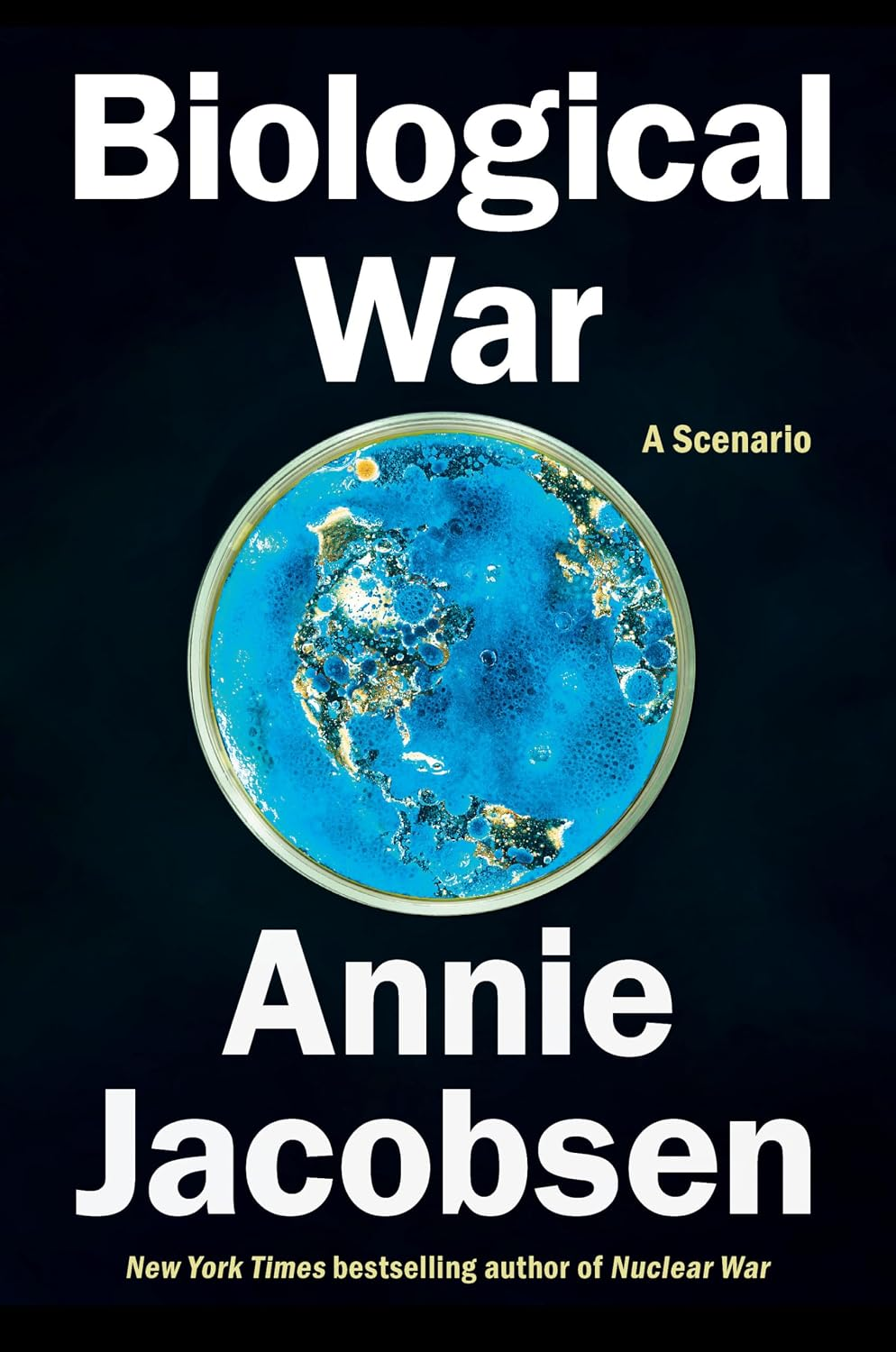
Biological War: A Scenario

From investigative journalist Annie Jacobsen, this book explores the catastrophic consequences of a deliberate biological attack or laboratory accident, tracing how a rapidly spreading pathogen could trigger cascading failures across public health systems, government, critical infrastructure, and society.

Drawing on interviews with senior experts in national security, medicine, science, and the military, Jacobsen presents a fast-paced, scenario-based narrative that examines the hours, days, and weeks following the release of a biological agent. Like her bestselling Nuclear War: A Scenario, the book uses a fictionalized but research-informed account to highlight the challenges of biodefense, pandemic preparedness, and crisis response in the face of an existential biological threat.

Further Reading:

NEW: Army Mad Scientist Series with Dr. James Giordano – Lecture

From the Institute for National Strategic Studies (INSS): “Join us for our virtual event, Braking Biowarfare: Deterrence Left-of-Denial featuring Dr. James Giordano, Head of the Center for Strategic Deterrence and Weapons of Mass Destruction Studies in the Institute for National Strategic Studies at the National Defense University. He will examine the need to shift contemporary biodefense beyond traditional reactive paradigms toward proactive strategies that prevent, delay, disrupt, and disincentivize the development and operationalization of weaponizable bioscience and biotechnology before their deployment.”

This virtual event will take place on Tuesday, August 18 from 12:00 PM-1:00 PM ET. Learn more and register here.

NEW: Presidential Advisory Council on Combating Antibiotic-Resistant Bacteria (PACCARB)

From the Office of the Assistant Secretary for Health (OASH): “The 28th PACCARB public meeting will explore how microbiome science can support AMR prevention, drive novel interventions, and build public awareness and understanding of microbiome-focused health measures. The meeting will focus on innovative and emerging topics in antimicrobial resistance (AMR) and the microbiome.”

This hybrid meeting will take place on September 9-10 from 9:00 AM–5:00 PM ET. Learn more and register here.

NEW: Exponential AI and Biotech Growth: Translating Technical to Policy – Workshop

From AI for SynBio: “The continued acceleration of agentic artificial intelligence (AI), Biological Design Tools (BDTs), and Biological AI Models (BAIMs) has transformed the technological landscape, enabling tremendous benefits and potential misuse that could massively impact national security, defense, health, and economy. Mitigating this risk will require collaboration across Government, Industry, and Academia with both technical and policy focuses. Significant effort, especially at the federal level, has been made to raise awareness of this challenge, yet additional discussion is necessary to keep pace with the ever-evolving speed of this global technology.’

This workshop will take place from September 15-17 at the Hopkins Bloomberg Center in Washington, DC. Learn more and register here.

Biosecurity Simulation Exercise (BSX 2026): Laboratory Incidents & Deliberate Biothreats

From the Asia Centre for Health Security: “This table-top simulation exercise aims to enhance inter-sectoral and inter-disciplinary preparedness for laboratory biosafety and biosecurity (LBB) and deliberate biothreat events (DBE). Through lectures, discussions, and structured, scenario-driven exercises, participants will explore decision-making to detect, risk-assess, and manage high-consequence biological incidents under conditions of incomplete information and unfolding events. Participants will collaborate in teams, building on expert perspectives to address issues in surveillance, diagnostics, public health response, security assessment, and risk communication.”

This in-person event will take place from August 27-28. Learn more and register here.

Data and Situational Awareness for Medical and Public Health Preparedness and Response: A Workshop Series

From the National Academies: “The Forum on Medical and Public Health Preparedness for Disasters and Emergencies workshop series will explore how medical, public health, emergency management, and critical infrastructure data are collected, integrated, analyzed, and translated into real-time information to support timely, coordinated decision-making before, during, and after disasters and emergencies.”

This workshop series will take place on September 23. Learn more and register here.

Training Course on ‘Biotechnology Innovation and Biosecurity’

From the International Centre for Genetic Engineering and Biotechnology (ICGEB) and the Biological Weapons Convention Implementation Support Unit: “This training focuses on strengthening capacities in biosecurity, biosafety, and biological risk management in the context of rapid advances in biotechnology with an integrated, interdisciplinary approach to manage biothreats at the intersection of humans, animals, plants and the environment. It addresses the governance, technical, and operational dimensions of preventing, detecting, and responding to biological threats, while promoting responsible and peaceful scientific research and innovation in accordance with article X of the Biological Weapons Convention (BWC).”

This in-person event will be held from October 12-16 in New Delhi, India. Learn more and apply here.

Biomanufacturing for Defense & Security Summit

From Diversified Solutions Incorporated (DSI Groups): “This event will bring together senior thought leaders and stakeholders from across DoW, Military Research Labs, Federal Government, Commercial Industry, & Academia to discuss how each are advancing biomanufacturing to enhance national security objectives, produce critical materials for defense applications, and strengthen the overall U.S. bioindustrial manufacturing base. Biomanufacturing is crucial for U.S. national security because it enables domestic production of critical materials, medicines, and defense supplies, reducing reliance on foreign adversaries, which in turn creates resilient supply chains for the military and economy.”

This event will take place from October 27-28 at the National Harbor, MD. Learn more and register here.

NEW: Researcher, Built Environment Team – Job Opening

From Blueprint Biosecurity: “The built environment encompasses the indoor spaces where people work, learn, gather, and receive care. Equipping these spaces with additional layers of protection against infectious airborne pathogens can help reduce risk in these spaces and support safer, more resilient communities. This work will focus on identifying and advancing promising interventions to mitigate pathogen transmission in occupied indoor spaces and strengthen society’s ability to contain outbreaks before they become widespread. Blueprint Biosecurity is hiring up to two Researchers to work directly with the Built Environment Program Director to lay the groundwork for new areas of interest and expand Blueprint’s portfolio.”

Learn more and submit your application here by August 21.

NEW: Respiratory Protection Program Officer, PPE Team – Job Opening

From Blueprint Biosecurity: “One of the most impactful ways to suppress pathogen transmission and save lives in a future outbreak is to ensure that highly protective respiratory PPE can be deployed to millions of critical workers on day one. Despite this, if a pandemic occurred tomorrow, U.S. stockpiles and supply chains would be unable to meet the demand. This problem motivated the development of the Blueprint for Pandemic PPE and has shaped our efforts to mobilize tens of millions of dollars toward advancing its goals. To build upon this momentum, Blueprint Biosecurity is hiring up to two Program Officers to expand our PPE team. These program officer roles are structured into two distinct tracks: Research Management or Grant Evaluation. Both positions will work closely with the PPE Program Director to help build a more resilient future in which critical workers have access to respirators during emergencies.

Learn more and submit your application here by August 21.

NEW: Horizon Fellowship

From Horizon Institute for Public Service: “Through our fellowship, we place fully-funded fellows at host organizations to help tackle policy challenges related to artificial intelligence, biotechnology, and other emerging technologies. Fellows selected for our program receive policy-focused training, mentorship, and support in matching with a host organization for a full-time, fully-funded fellowship based in the Washington, DC area. Fellows join a collaborative, close-knit community of public service-oriented experts. Potential host organizations include executive branch offices, congressional offices, national laboratories, and think tanks.”

Learn more and submit your application here by August 30.

NEW: Asia Centre for Health Security (ACHS) Fellowship Programme

From ACHS: “The ACHS Fellowship Programme aims to inspire and connect the next generation of health security leaders and innovators. Launched in 2025 by ACHS, based at the Saw Swee Hock School of Public Health (SSHSPH), National University of Singapore (NUS), the ACHS Fellowship Programme is a highly competitive, part-time fellowship that provides graduate students and early- to mid-career professionals with an opportunity to deepen their expertise, expand their professional network, and build leadership skills through educational opportunities and project work.”

Learn more and submit your application here by August 31.

WHO Internship Programme

From WHO: “A competent and dynamic health workforce at the heart of each health system is essential to advance global health goals. Countries need a pool of health professionals trained and exposed to the systems and processes in the health sector and who understand how stakeholders interact within the international health arena. WHO’s Internship Programme offers a wide range of opportunities for students and recent graduates to gain insight into the technical and administrative programmes of WHO and enrich their knowledge and experience in various areas, thereby contributing to the advancement of public health.”

Learn more and apply here.

OpenAI Bio Bug Bounty Program

From OpenAI: “As part of our ongoing efforts to strengthen our safeguards for advanced AI capabilities in biology, we’re evolving our GPT‑5.5 Bio Bug Bounty to become an ongoing private program—the OpenAI Bio Bounty Program. The program will remain focused on universal jailbreaks that can defeat our predefined biosafety challenge against OpenAI’s frontier models, starting with GPT‑5.6 and going forward. The reward for a universal jailbreak for the OpenAI Bio Bounty Program has been raised from $25,000 to $50,000 for both GPT‑5.6 and GPT‑5.5. Smaller awards may be granted for partial wins at our discretion.”

Learn more and submit your application here.

Disarmament and non-proliferation of WMD – Training Program

From Asser Institute and OPCW: “By 2026, pressure on the international arms control system has reached a point few experts anticipated would arrive so quickly, driven largely by intense geopolitical fragmentation. There is a critical need for professionals who possess the legal, technical, and diplomatic expertise to navigate these modern complexities. This intensive five-day training provides a comprehensive, practical overview of the international non-proliferation and disarmament framework.”

This program will take place from October 26-30 in The Hague, the Netherlands. Learn more and register here.

Pandora Report 7.31.2026: Is the U.S. Ready for the Next Pandemic?

Welcome to this week’s Pandora Report! This issue highlights Anthony Fauci’s contentious Senate hearing on the nation’s COVID-19 response, the state of U.S. public health preparedness as infectious disease threats continue to rise, ongoing H5N1 and New World screwworm challenges, and evolving biosecurity policies at home and abroad.


Anthony Fauci Pleads the Fifth During Contentious Senate COVID-19 Hearing

Former top US health official Anthony Fauci invoked his Fifth Amendment right against self-incrimination during a tense July 29 hearing before the Senate Committee on Homeland Security, declining to answer questions related to the origins of COVID-19 and the nation’s handling of the pandemic. The hearing, led by Committee Chairman Sen. Rand Paul (R-KY), followed the public release of Fauci’s COVID-era diaries and focused on allegations that federal funding supported risky viral research at the Wuhan Institute of Virology. Fauci’s attorneys advised him not to testify, citing ongoing legal concerns despite the presidential pardon he received from former President Joe Biden. Republican senators criticized his refusal to answer questions and raised the possibility of contempt proceedings, while Democratic lawmakers characterized the hearing as politically motivated and defended Fauci’s public health record.

Is America Becoming Less Prepared for the Next Pandemic?

By Carmen Shaw, Pandora Report Managing Editor

The United States is confronting several infectious disease threats at once – hantavirus, screwworm, Ebola, cyclospora, measles, whooping cough, and bird flu. Former CDC officials warn that major changes made by the administration to the nation’s public health infrastructure – reducing funding, cutting staff, changing priorities, and shuttering USAID – have left the US in worse shape than before the COVID-19 pandemic. According to The Guardian, 80% of senior leadership positions at the CDC still lack permanent officials, and the agency has lost an estimated 25-30% of its workforce. Given the dearth of proper “boots on the ground” experience, the US appears less prepared for the next major public health emergency.

It has also been reported that the Trump administration has quietly reduced the role of the HHS’ Agency for Healthcare Research and Quality (AHRQ), which supports research aimed at improving patient safety, healthcare quality, and emergency preparedness. Meanwhile, Politico reported that the State Department will move forward with dispensing approximately $600M in previously delayed vaccine funding after HHS Secretary Robert F. Kennedy Jr. held up the funding for months due to concerns about vaccine safety. Separately, a new analysis found that while the U.S. has strengthened several aspects of its Ebola response since the 2014-2016 West Africa epidemic – including airport screening, lab diagnostics, and hospital preparedness – experts warn that maintaining these capabilities will require sustained investment and experienced personnel.

These concerns surrounding the U.S. international disease response capacity grow as disease activity continues to rise nationwide. U.S. cyclospora infection cases have reached record levels in 2026 following multiple foodborne outbreaks. U.S. measles cases have surpassed last year’s total and reached their highest level in more than three decades, driven by declining childhood vaccination coverage and several outbreaks around the nation. Taken together, these developments paint a troubling picture for the US – even as disease threats continue to mount, the nation’s public health infrastructure appears to be backsliding.

California Judge Rules H5N1 Quarantine Locations to Stay Confidential

By Margeaux Malone, Pandora Report Associate Editor 

A Sacramento County Superior Court judge ruled against disclosing the names and locations of California dairies quarantined during the 2024-25 bird flu outbreak, siding with state agriculture officials. More than 750 dairies were quarantined statewide during that period as officials worked to contain the spread of highly pathogenic avian influenza. The suit was filed by the California Rural Legal Assistance (CRLA), which argued that making the information public would improve oversight of the state’s response, help protect dairy workers, and provide researchers with data to better understand the outbreak. The judge acknowledged the public interest in government transparency but concluded that protecting producer confidentiality would encourage farmers to report sick animals promptly and cooperate with disease investigations. Amanda Murray, California’s acting state veterinarian and branch chief of Animal Health and Food Safety Services, wrote, “Loss of this trust would likely have a chilling effect, wherein producers would either delay reporting or not report clinical signs of disease.” Out of fear of public backlash, some farms might have culled sick animals and disposed of them themselves, potentially spreading the disease unintentionally. Industry groups have praised the decision as vital to maintaining trust between producers and regulators, while CRLA says it’s weighing further legal options.

Cattle Imports from Mexico to Resume Amid Ongoing NWS Outbreaks

Last Friday, USDA announced a phased reopening of the US-Mexico border to cattle imports, despite the ongoing efforts to prevent further spread of New World Screwworm (NWS) into the country. Imports will start August 24 at the Douglas, Arizona port, with New Mexico crossings to follow pending Mexico’s compliance with a joint action plan targeting NWS. Sonora and Chihuahua were identified as lower-risk source states in Mexico due to stronger inspection infrastructure. The decision follows sustained pressure from Republicans and cattle industry groups to reopen the border amid elevated beef prices, a concern shared by the administration, which aims to lower prices ahead of the upcoming midterm elections.

Agriculture Secretary Brooke Rollins had previously resisted reopening the southern border over screwworm concerns, while acknowledging the economic challenges it posed to various sectors of the industry in Texas. The Biden administration first closed the border to cattle imports in late 2024 following detection of NWS in southern Mexico. The Trump administration then temporarily reopened the border from January to May 2025, before closing it again as screwworms moved northward in Mexico. While many industry groups applaud the move, others, including the United States Cattlemen’s Association (USCA), remain wary that reopening risks reintroducing the parasite before containment is complete. USCA President Justin Tupper responded to the decision, saying, “Any effort to lower beef prices must not come at the expense of U.S. cattle herd health. We’ve been encouraged to rebuild the domestic herd; it is of utmost importance, and unnecessary exposure to animal health threats is a risk we do not need to take.”

Further Reading: 

IN OTHER NEWS

Infectious Disease Outbreaks

Biosecurity Governance and High-Risk Research

Rising Temps, Rising Risks: Infectious Disease in the 2026 El Niño Year

From the Pandemic Center: “Climate variability, including El Niño-driven shifts in temperature and rainfall, is reshaping infectious disease risks by altering the environments where pathogens and vectors thrive. This year is progressing towards a historically severe El Niño event — a naturally occurring climate pattern characterized by the warming of surface waters in the central and eastern Pacific Ocean.

What impact will this compounding climate event have on disease prevalence, and which regions are most vulnerable? In this Pandemic Center webinar, we will convene an expert panel to discuss these questions and more.”

This webinar will take place on July 31 at 12:00 PM ET. Learn more and register here.

Data and Situational Awareness for Medical and Public Health Preparedness and Response: A Workshop Series

From the National Academies: “The Forum on Medical and Public Health Preparedness for Disasters and Emergencies workshop series will explore how medical, public health, emergency management, and critical infrastructure data are collected, integrated, analyzed, and translated into real-time information to support timely, coordinated decision-making before, during, and after disasters and emergencies.”

This workshop series will take place on September 23. Learn more and register here.

Preparing for a Future of AI-Enabled Biology – A Workshop

From the National Academy of Medicine (NAM): “Artificial intelligence (AI) is transforming the life sciences, including how researchers study biology, develop vaccines and treatments, and detect disease outbreaks. While these advances could improve public health and preparedness, they also raise important questions about safety, security, and the possibility of misuse.”

This event will take place on August 11-12. Learn more and register here.

Ninth Session of the Working Group on the Strengthening of the Biological Weapons Convention

From the United Nations Office for Disarmament Affairs (UNODA): “We will convene the Ninth Session of the Working Group on the Strengthening of the Biological Weapons Convention (BWC). Chaired by Ambassador Frederico S. Duque Estrada Meyer of Brazil, the meeting will bring together State Parties, international organizations, academic institutions, and civil society representatives to continue discussions on strengthening the Convention and advancing efforts to address biological threats. Public sessions will be webcast through UN Web TV, and side events are expected throughout the week.

This event will take place from August 17-21 at the Palais des Nations in Geneva, Switzerland. Learn more and register by July 31st here.

Biosecurity Simulation Exercise (BSX 2026): Laboratory Incidents & Deliberate Biothreats

From the Asia Centre for Health Security: “This table-top simulation exercise aims to enhance inter-sectoral and inter-disciplinary preparedness for laboratory biosafety and biosecurity (LBB) and deliberate biothreat events (DBE). Through lectures, discussions, and structured, scenario-driven exercises, participants will explore decision-making to detect, risk-assess, and manage high-consequence biological incidents under conditions of incomplete information and unfolding events. Participants will collaborate in teams, building on expert perspectives to address issues in surveillance, diagnostics, public health response, security assessment, and risk communication.”

This in-person event will take place from August 27-28. Learn more and register here.

Training Course on ‘Biotechnology Innovation and Biosecurity’

From the International Centre for Genetic Engineering and Biotechnology (ICGEB) and the Biological Weapons Convention Implementation Support Unit: “This training focuses on strengthening capacities in biosecurity, biosafety, and biological risk management in the context of rapid advances in biotechnology with an integrated, interdisciplinary approach to manage biothreats at the intersection of humans, animals, plants and the environment. It addresses the governance, technical, and operational dimensions of preventing, detecting, and responding to biological threats, while promoting responsible and peaceful scientific research and innovation in accordance with article X of the Biological Weapons Convention (BWC).”

This in-person event will be held from October 12-16 in New Delhi, India. Learn more and apply here.

Biomanufacturing for Defense & Security Summit

From Diversified Solutions Incorporated (DSI Groups): “This event will bring together senior thought leaders and stakeholders from across DoW, Military Research Labs, Federal Government, Commercial Industry, & Academia to discuss how each are advancing biomanufacturing to enhance national security objectives, produce critical materials for defense applications, and strengthen the overall U.S. bioindustrial manufacturing base. Biomanufacturing is crucial for U.S. national security because it enables domestic production of critical materials, medicines, and defense supplies, reducing reliance on foreign adversaries, which in turn creates resilient supply chains for the military and economy.”

This event will take place from October 27-28 at the National Harbor, MD. Learn more and register here.

WHO Internship Programme

From WHO: “A competent and dynamic health workforce at the heart of each health system is essential to advance global health goals. Countries need a pool of health professionals trained and exposed to the systems and processes in the health sector and who understand how stakeholders interact within the international health arena. WHO’s Internship Programme offers a wide range of opportunities for students and recent graduates to gain insight into the technical and administrative programmes of WHO and enrich their knowledge and experience in various areas, thereby contributing to the advancement of public health.”

Learn more and apply here.

OpenAI Bio Bug Bounty Program

From OpenAI: “As part of our ongoing efforts to strengthen our safeguards for advanced AI capabilities in biology, we’re evolving our GPT‑5.5 Bio Bug Bounty to become an ongoing private program—the OpenAI Bio Bounty Program. The program will remain focused on universal jailbreaks that can defeat our predefined biosafety challenge against OpenAI’s frontier models, starting with GPT‑5.6 and going forward. The reward for a universal jailbreak for the OpenAI Bio Bounty Program has been raised from $25,000 to $50,000 for both GPT‑5.6 and GPT‑5.5. Smaller awards may be granted for partial wins at our discretion.”

Learn more and submit your application here.

Disarmament and non-proliferation of WMD – Training Program

From Asser Institute and OPCW: “By 2026, pressure on the international arms control system has reached a point few experts anticipated would arrive so quickly, driven largely by intense geopolitical fragmentation. There is a critical need for professionals who possess the legal, technical, and diplomatic expertise to navigate these modern complexities. This intensive five-day training provides a comprehensive, practical overview of the international non-proliferation and disarmament framework.”

This program will take place from October 26-30 in The Hague, the Netherlands. Learn more and register here.

Pandora Report: 1.6.2023

Happy New Year! This first edition of the year covers a number of updates from happenings over the course of our break, including the announcement of an exciting new book on genome editing from a Biodefense Program alumna. We also discuss the XBB.1.5 sub-variant, Dr. Fauci’s retirement from government, and more this week.

XBB.1.5 is the Most Transmissible COVID-19 Strain Yet According to WHO

XBB.1.5, yet another Omicron subvariant, rapidly went from accounting for just 4% of new US COVID-19 cases to more than 44% in a matter of weeks. Dr. Maria Van Kerkhove, the WHO’s COVID-19 Technical Lead, said this week “We are concerned about its growth advantage, in particular in some countries in Europe and the Northeast part of the United States, where XBB.1.5 has rapidly replaced other circulating sub-variants.” Thus far, the strain has been detected in at least 29 countries, though the WHO cautions it could be circulating in many more. Importantly, as Politico notes, “Van Kerkhove said the increase in hospitalizations in the Northeast cannot be attributed yet to XBB.1.5 because other respiratory illnesses, including flu, could be partially responsible.”

The WHO does not have data on the severity of the sub-variant yet, though it is currently conducting a risk assessment and monitoring any possible changes in severity via lab studies and real world data. Dr. Ashish Jha, White House COVID-19 Response Coordinator, recently Tweeted that immunity against this subvariant is “probably not great” if someone’s prior infection was before July 2022 or if they have not received a bivalent COVID-19 booster. However, he indicated Paxlovid and Molnupiravir as well as current COVID-19 tests should still work sufficiently against this sub-variant.

FY 2023 Omnibus Brings Changes in Global Health Funding, Gain of Function Research

Weeks before the current hullabaloo of the 118th Congress began, President Biden signed the late 2022 Omnibus appropriations bill on December 29, 2022, bringing about $1.7 trillion in funding for different programs that deal with health broadly. According to the Kaiser Family Foundation, the bill “…ncludes funding for U.S. global health programs at the State Department, U.S. Agency for International Development (USAID), Centers for Disease Control and Prevention (CDC), and National Institutes of Health (NIH). Funding provided to the State Department and USAID through the Global Health Programs (GHP) account, which represents the bulk of global health assistance, totals $10.6 billion, an increase of $731 million above the FY 2022 enacted level and $15 million below the FY 2023 request. The bill provides higher levels of funding for almost all program areas compared to the FY 2022 enacted level, with the Global Fund to Fight AIDS, Tuberculosis and Malaria (Global Fund) and global health security receiving the largest increases; funding for bilateral HIV and family planning and reproductive health (FPRH) remained flat. Funding for global health provided to the CDC totals $693 million, an increase of $46 million compared to the FY22 enacted level, but $55 million below the FY23 request. Funding for the Fogarty International Center (FIC) at the NIH totaled $95 million, $8 million above the FY22 enacted level and essentially flat compared to the FY23 request.”

The new legislation also takes aim at gain-of-function (GoF) research, after GOP lawmakers pushed the administration to halt federally-funded GoF research, citing beliefs that such research is responsible for the COVID-19 pandemic. On page 3,354 of the more than 4,100 page bill, it reads, “(1) IN GENERAL.—Beginning not later than 60 days after the date of the enactment of this Act, the Secretary of Health and Human Services shall not fund research conducted by a foreign entity at a facility located in a country of concern, in the estimation of the Director of National Intelligence or the head of another relevant Federal department or agency, as appropriate, in consultation with the Secretary of Health and Human Services, involving pathogens of pandemic potential or biological agents or toxins listed pursuant to section 351A(a)(1) of the Public Health Service Act (42 U.S.C. 262a(a)(1)).”

The Act also includes provision for tempering undue foreign influence in biomedical research, such as foreign talent recruitment programs, and addressing national security risks related to biomedical research generally. Importantly, too, it provides greater funding for countermeasure development, including $1.5 billion for the recently formed Advanced Research Projects Agency for Health, and $3.3 billion for MCM research and improving elements like the Strategic National Stockpile.

For a concise run-down, check out the KFF’s budget tracker to see details on historical annual appropriations for global health programming.

On the Topic of Risky Research…

With all the political mudslinging regarding GoF and biomedical research in general, it is important to have access to quality information about the facilities around the world conducting this kind of research. The Bulletin of the Atomic Scientists recently highlighted the work of Drs. Greg Koblentz and Filippa Lentzos on this front–Global Biolabs. The Bulletin explains, “George Mason University biosecurity expert Gregory Koblentz, who co-leads the project with Filippa Lentzos, a King’s College London researcher, said shining a light on the proliferation of the labs can help cut through misinformation about them and allow for a clear-eyed look at how these beneficial, yet also potentially risky facilities are managed. “One of the goals of our project is to increase transparency and educate the public and policy-makers about these labs’ activities and what governance measures are necessary to ensure they are operating safely, securely, and responsibly,” Koblentz said. “Accurate information is a prerequisite for an informed debate on the benefits and risks posed by these labs.”

Throughout the rest of the piece, Dr. Koblentz addresses common questions and assumptions about high risk work and the kinds of facilities it takes place in, covering everything from national-level biosafety and dual-use research policies to the time and effort it takes to actually build these facilities, and the challenges in gauging on-the-ground implementation of good policy.

Dr. Anthony Fauci Retires From Federal Service

After a marathon 38-years as the Director of the National Institute of Allergy and Infectious Diseases, Dr. Anthony S. Fauci retired from government on December 31, 2022. During his tenure, he advised seven presidents on HIV/AIDS and other domestic and global health issues, even serving as one of the main architects of the President’s Emergency Plan for AIDS Relief (PEPFAR), a program estimated to have saved more than 20 million lives. Having served the American public for more than 50-years, Dr. Fauci has earned distinctions such as a Federal Citation for Exemplary Leadership from the National Academy of Medicine in 2020, the National Medal of Science from President George W. Bush in 2005, and, in 2008, the Presidential Medal of Freedom-the highest civilian award in the United States, bestowed by the President of the United States to recognize those who have made “an especially meritorious contribution to the security or national interests of the United States, world peace, cultural, or other significant public or private endeavors.” In a famous 1988 clip from that year’s presidential debate, then Vice President George H.W. Bush identified a then relatively unknown Dr. Fauci as his idea of an American hero, commending his work to fight HIV/AIDS.

Dr. Fauci’s career ended in a rocky last couple years as the COVID-19 pandemic gripped the world and, amid the United States’ lackluster response, public health and its leadership became increasingly politicized. The GOP has increasingly targeted Dr. Fauci, even going so far as to promise to investigate his role in the COVID-19 response upon taking control of the House of Representatives. Dr. Fauci has indicated he is fully willing to testify and cooperate with such an investigation, saying he has nothing to hide.

Despite the incessant calls to “fire” or “imprison Fauci,” the esteemed former NIAID director has indicated he does not plan to completely stop his work now that he is no longer a government employee. He told the New York Times that he “…hopes to do some public speaking, become affiliated with a university and treat patients if it has a medical center. He intends to write a memoir, he said, and he wants to encourage people to pursue careers in science, medicine and public service.”

When asked, “Are there other threats that you think about beyond infectious disease threats?,” Dr. Fauci responded: “What really, really concerns me is the politicization of public health principles. How you can have red states undervaccinated and blue states well vaccinated and having deaths much more prevalent among people in red states because they’re undervaccinated — that’s tragic for the population,” showcasing his unfailing concern and dedication to the mission to the very end.

IAVI’s Ebola Sudan Vaccine Arrives in Uganda

IAVI, the International AIDS Vaccine Initiative, announced in late December that the first shipment of its Sudan virus (SUDV) vaccine arrived in Entebbe, Uganda, on December 17. IAVI’s press release explains the goal of shipping its candidate, writing “The IAVI vaccine candidate is one of three intended to be evaluated in a “ring vaccination” clinical trial being planned to assess vaccine effectiveness in preventing Ebola Sudan disease, should the outbreak in Uganda continue or recur. In November, a WHO-convened expert independent group ranked IAVI’s investigational SUDV vaccine candidate as the number one priority investigational vaccine for inclusion in the trial. As public health measures implemented in Uganda have fortunately been successful in limiting new cases of Ebola Sudan virus disease, it may not be possible to conduct a formal ring vaccination study. Even if the ring vaccination trial cannot be conducted as currently designed, IAVI will continue to move our program forward as expeditiously as possible. Alternative clinical studies are being considered that would contribute to the evidence base needed to bring promising vaccine candidates to regulatory approval and support their use to control future outbreaks. These studies will be co-sponsored by the Ministry of Health in Uganda and WHO, with support from other partners.”

“Genome Editing and Biological Weapons: Assessing the Risk of Misuse”

In her new book, GMU Biodefense PhD alumna Dr. Katherine Paris introduces state-of-the-art genome editing technologies, and she assesses the risk that nefarious actors could intentionally misuse these technologies to develop more dangerous biological weapons. Dr. Paris uncovers how concerns over the possible misuse of genetic engineering began in the mid-1970s, and she traces how these warnings unfolded over time. These cautions came to a head in the 2016 Worldwide Threat Assessment of the United States Intelligence Community, which warned about the deliberate or unintentional misuse of genome editing to create harmful biological agents or products. In the foreword of Genome Editing and Biological Weapons: Assessing the Risk of Misuse, Dr. Gregory Koblentz, Biodefense Graduate Program Director, emphasizes the need for a “thorough, informed, and accessible analysis” of genome editing technologies, which Dr. Paris delivers in her book.

Dr. Paris systematically assesses both the risk of misuse and the potential governability of genome editing technologies. Policymakers have the ultimate challenge of protecting and safeguarding the continued development and use of genome editing for legitimate purposes, while putting in place biodefense and biosecurity strategies to prevent misuse. Dr. Paris provides a tailored set of recommendations that are sensitive to the cost-benefit trade-off of regulating genome editing technologies. The book is a must-read for policymakers as well as researchers, defense and security personnel, and intelligence analysts.

Dr. Paris is a Senior Program Analyst with over a decade’s worth of government contracting experience, and she is a certified Project Management Professional. Prior to her studies in Biodefense at GMU, she earned her MS in Biotechnology at Johns Hopkins University and BS in Biology from the University of Virginia. Dr. Paris continues her involvement at GMU as a mentor for students in the Schar School Alumni Mentoring Program.

“The Treaties That Make the World Safer Are Struggling”

Jen Kirby, a Senior Foreign and National Security Reporter at Vox, recently authored this piece discussing current issues in international disarmament and nonproliferation, focusing in large part on the Biological Weapons Convention. Kirby summarizes last year’s BWC RevCon, writing “But after three weeks of discussions that ended about a week before Christmas, the BWC RevCon ended up a modest success. The parties basically agreed to agree to keep talking, establishing a working group, which would meet for a little more than two weeks each year and deal with a long, long list of issues related to the BWC, including evaluating developments in science and technology and potential verification and compliance measures. And the unit that implements the convention would get another staff member. A team of three people tasked with helping to keep the world free of bioweapons became four.”

She then writes, “Modest,” then, is doing a lot of work. But in this geopolitical climate, you take what you can get.”

The piece continues, covering US political wrangling at past RevCons and comparable issues with the Nuclear Nonproliferation Treaty and the New Strategic Arms Reduction Treaty. She explains that this is part of a broader issue, writing “The Ukraine war and its fallout may be among the biggest current threats to global stability. But Russia is not alone. China is expanding its nuclear arsenal and has rebuffed attempts to engage bilaterally on arms control with the US even as the competition between Washington and Beijing escalates. North Korea is likely closing in on more nuclear tests. Tensions simmer between nuclear powers India and Pakistan. The United States tore up the Iran deal during the Trump administration, one of a few arms control treaties Washington exited in recent years, including the Intermediate-Range Nuclear Forces Agreement (INF) and the Open Skies Treaty, which allowed for unarmed reconassaince flights. The latter two exits chipped away at the arms control regime with Russia, even as the US had very valid claims of Russian noncompliance.”

“The 20-Year Boondoggle”

In this piece for The Verge, Amanda Chicago Lewis writes, “The Department of Homeland Security was supposed to rally nearly two dozen agencies together in a modernized, streamlined approach to protecting the country. So what the hell happened?” In it, she discusses the early and enduring challenges of forming DHS and ensuring it meets is goals, focusing in part on the BioWatch program in addition to ongoing issues with Congressional approval and agency morale in the catch-all department.

She writes, “The dysfunction might have been funny, in a Dilbert-meets-Veep way, if the stakes weren’t so high. Albright was overseeing a project called BioWatch, a system intended to detect traces of biological and chemical weapons of mass destruction. Bush described BioWatch in his 2003 State of the Union as “the nation’s first early warning network of sensors,” which would initiate processes to mobilize hospitals, alert the public, and deploy supplies from the national stockpile.”

She continues, “There was only one problem: BioWatch never functioned as intended. The devices were unreliable, causing numerous false positives. “It was really only capable of detecting large-scale attacks,” Albright explained, because of “how big a plume would have to be” for the sensors to pick it up. And the system was prohibitively slow: every 24 hours, someone had to retrieve a filter and then send it to a laboratory for testing, which might then take another 24 hours to discover a pathogen.”

“The time required after BioWatch might pick up evidence of a toxin and the time required to get it to somebody who might be able to reach a conclusion there might be a terrorist attack — my God, by that time, a lot of people would have gotten sick or died,” former Senator Joe Lieberman told me.”

“Hacked Russian Files Reveal Propaganda Agreement with China”

In this piece for The Intercept, Mara Hvistendahl and Alexey Kovalev cover Russia’s attempts to coordinate with China to spread disinformation about the United States’ Cooperative Threat Reduction program and its facilities in Ukraine. In their piece, they explain that, “A bilateral agreement signed July 2021 makes clear that cooperating on news coverage and narratives is a big goal for both governments. At a virtual summit that month, leading Russian and Chinese government and media figures discussed dozens of news products and cooperative ventures, including exchanging news content, trading digital media strategies, and co-producing television shows. The effort was led by Russia’s Ministry of Digital Development, Communication and Mass Media, and by China’s National Radio and Television Administration.”

“In the propaganda agreement, the two sides pledged to “further cooperate in the field of information exchange, promoting objective, comprehensive and accurate coverage of the most important world events.” They also laid out plans to cooperate on online and social media, a space that both countries have used to seed disinformation, pledging to strengthen “mutually beneficial cooperation in such issues as integration, the application of new technologies, and industry regulation.” 

Read this piece here.

Managing Hazardous and Biohazardous Materials/Waste in the Laboratory Setting

The Chesapeake Area Biological Safety Association recently announced this technical seminar offering from Triumvirate Environmental, which will take place at 6 pm on January 10, 2023 both virtually and in-person in Gaithersburg, MD. “Laboratories can generate biohazardous and hazardous waste. Confusion is not uncommon on what the differences are when it comes to disposal and handling.  This webinar will review the differences and discuss proper handling and disposal of each type of waste.  Potential recycling options will also be discussed.” Learn more and register here.

Closing the Knowledge Gaps

“BIO-ISAC, in partnership with the Department of Homeland Security and Johns Hopkins Applied Physics Laboratory, will host a one-day event (with remote participation available) on January 24, 2023.”

“This gathering of thought leaders across the industry and its partners will address knowledge gaps about the bioeconomy itself. The event is expected to deliver recommendations that demonstrate the scope and breadth of industry impacts, identify specific safety needs and goals, and carve the path forward for a secure future.” Learn more and register here.

Novel Applications of Science and Technology to Address Emerging Chemical and Biological Threats

For the first time since 2019, this Gordon Research Conference is back, this time in sunny Ventura, CA. “The Chemical and Biological Defense GRC is a premier, international scientific conference focused on advancing the frontiers of science through the presentation of cutting-edge and unpublished research, prioritizing time for discussion after each talk and fostering informal interactions among scientists of all career stages. The conference program includes a diverse range of speakers and discussion leaders from institutions and organizations worldwide, concentrating on the latest developments in the field. The conference is five days long and held in a remote location to increase the sense of camaraderie and create scientific communities, with lasting collaborations and friendships. In addition to premier talks, the conference has designated time for poster sessions from individuals of all career stages, and afternoon free time and communal meals allow for informal networking opportunities with leaders in the field.” The conference will be held March 19-24, 2023. Learn more and apply here by February 19.

Weekly Trivia Question

You read the Pandora Report every week and now it’s time for you to show off what you know! The first person to send the correct answer to biodefense@gmu.edu will get a shout out in the following issue (first name last initial). For this week, our question is “Before perpetrating the infamous Tokyo subway sarin attack in 1995, this Japanese cult attempted to disseminate botulinum neurotoxin and Bacillus anthracis, among other agents. What was the name of this cult prior to its split/name change in 2007?”

Shout out to Scott H. (a loyal reader and proud parent of a talented Biodefense MS student!) for winning last week’s trivia! The correct answer to “In 2016, there was an outbreak of what disease in reindeers in the Yamalo-Nenets region of Russia?” is anthrax.